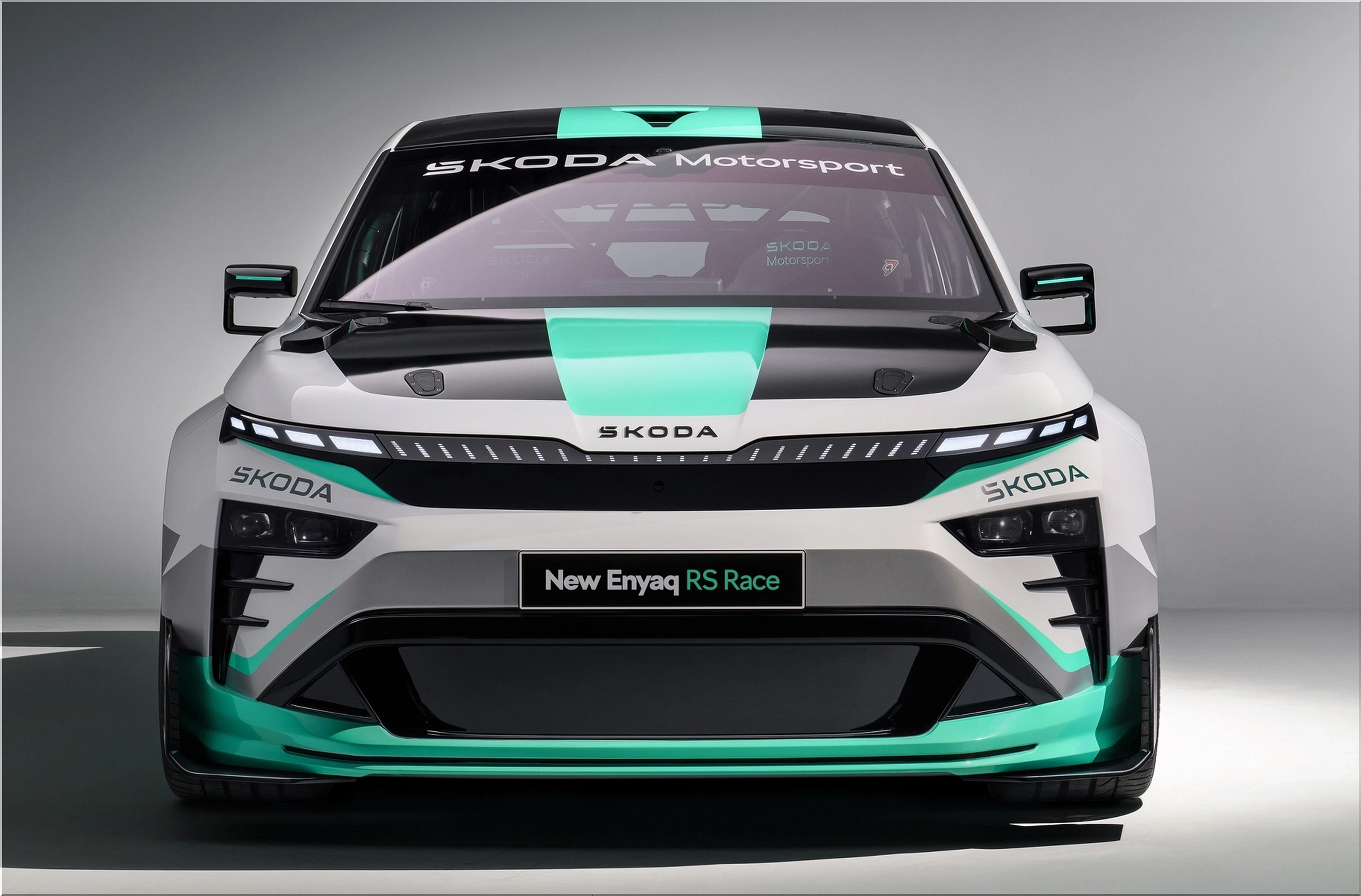
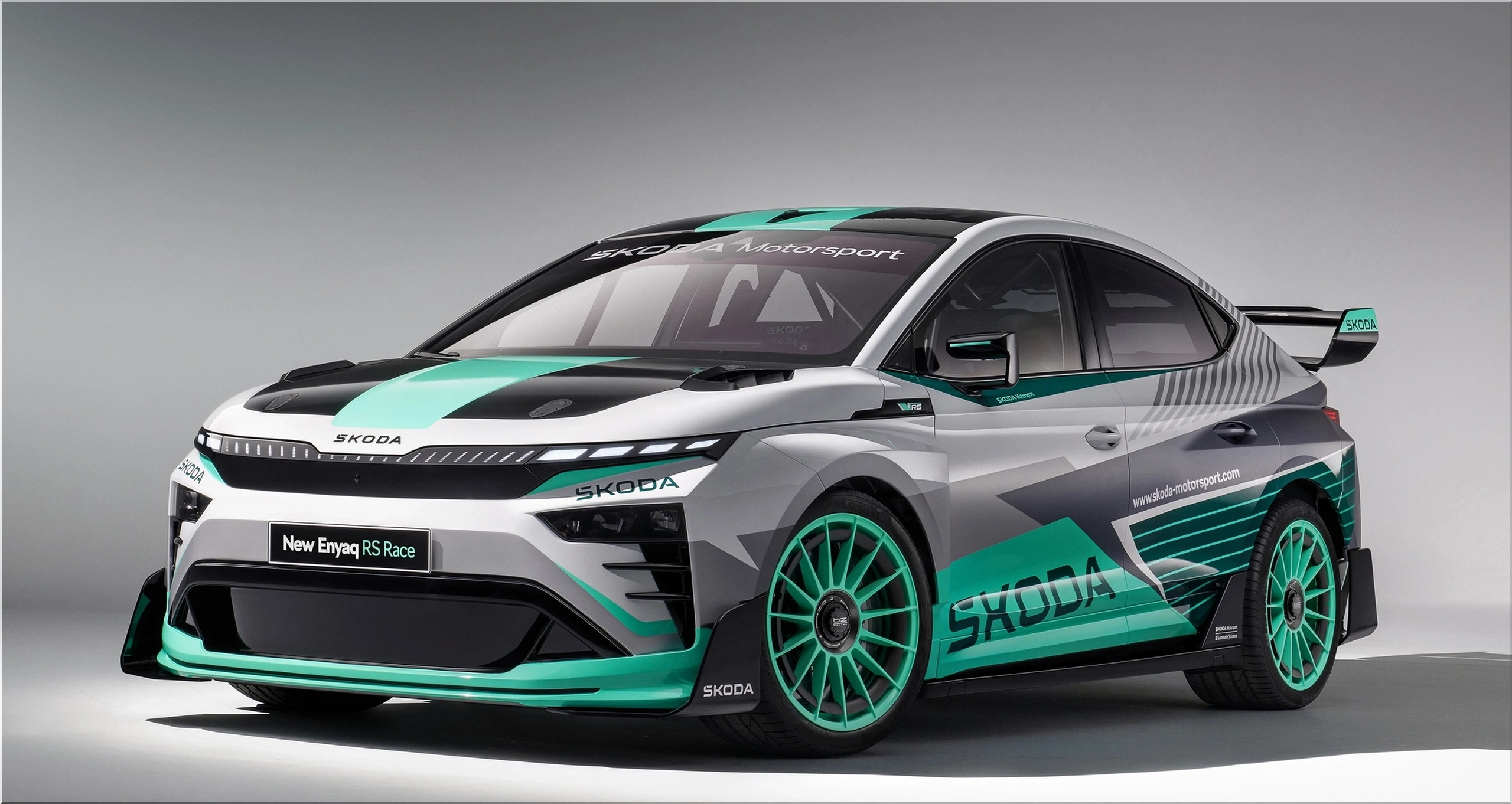
Skoda Motorsport cuts 316 kilograms from the new Enyaq RS Race concept through sustainable materials. The electric racing car matches the performance of the proven Fabia RS Rally2 while testing production-ready technologies.
Weight Reduction Creates Performance Gains
The latest Enyaq RS Race weighs 316 kilograms less than the production Enyaq Coupé vRS. Engineers saved 316 kilograms of weight through biocomposite materials and lightweight components. This weight loss transforms acceleration performance significantly.
The concept retains the production model's dual-motor setup. The powertrain delivers 250 kW (340 PS) using battery and electric motors from the production Enyaq Coupé RS. The car accelerates from 0 to 100 km/h in less than five seconds despite maintaining the 180 km/h top speed.
Key Performance Specifications
- Power output: 250 kW (335 bhp)
- Battery capacity: 82 kWh
- Acceleration: 0-62 mph in under 5 seconds
- Weight reduction: 316 kg (696 lbs)
- Top speed: 111 mph (180 km/h)
Flax Fiber Replaces Carbon Components
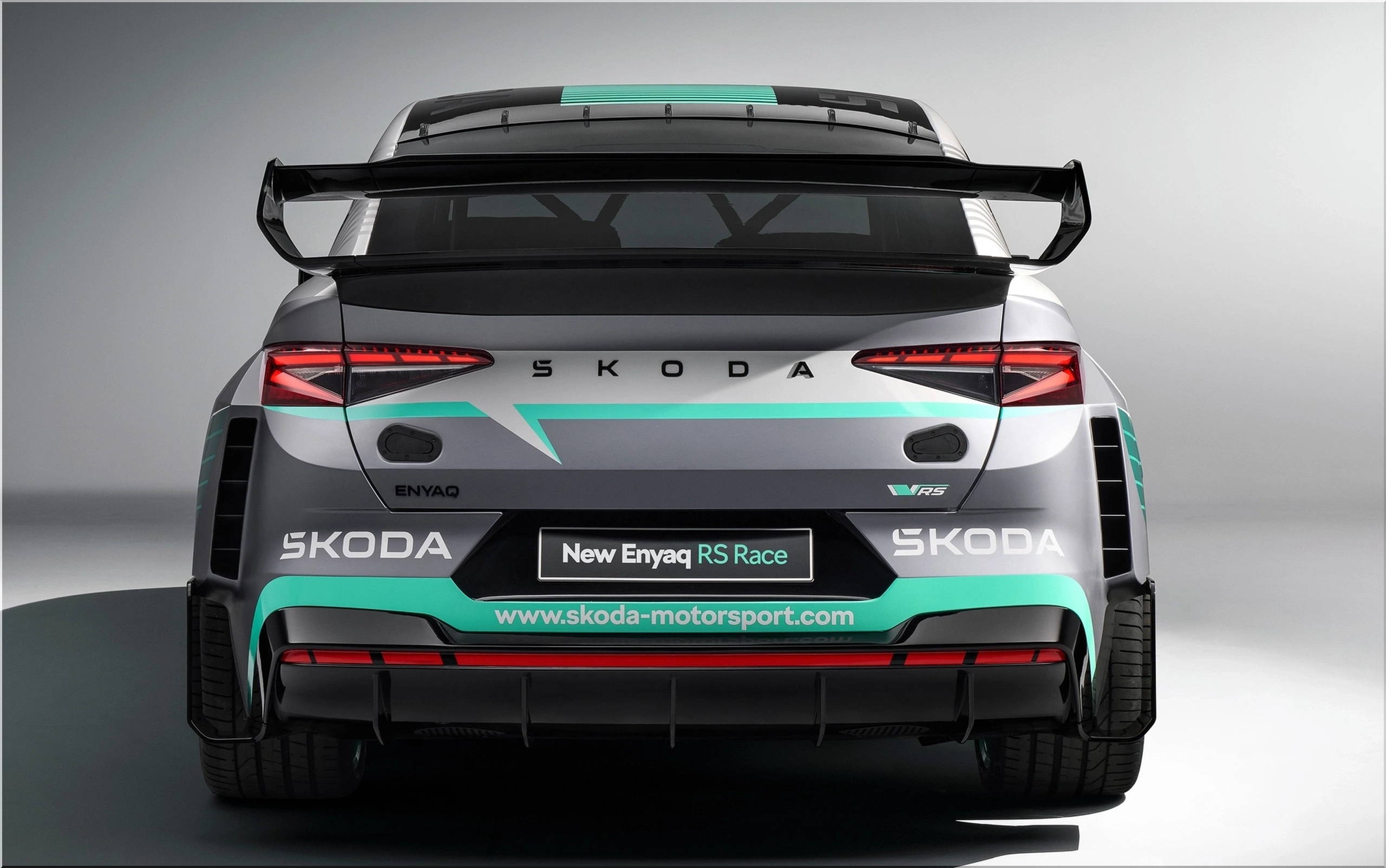
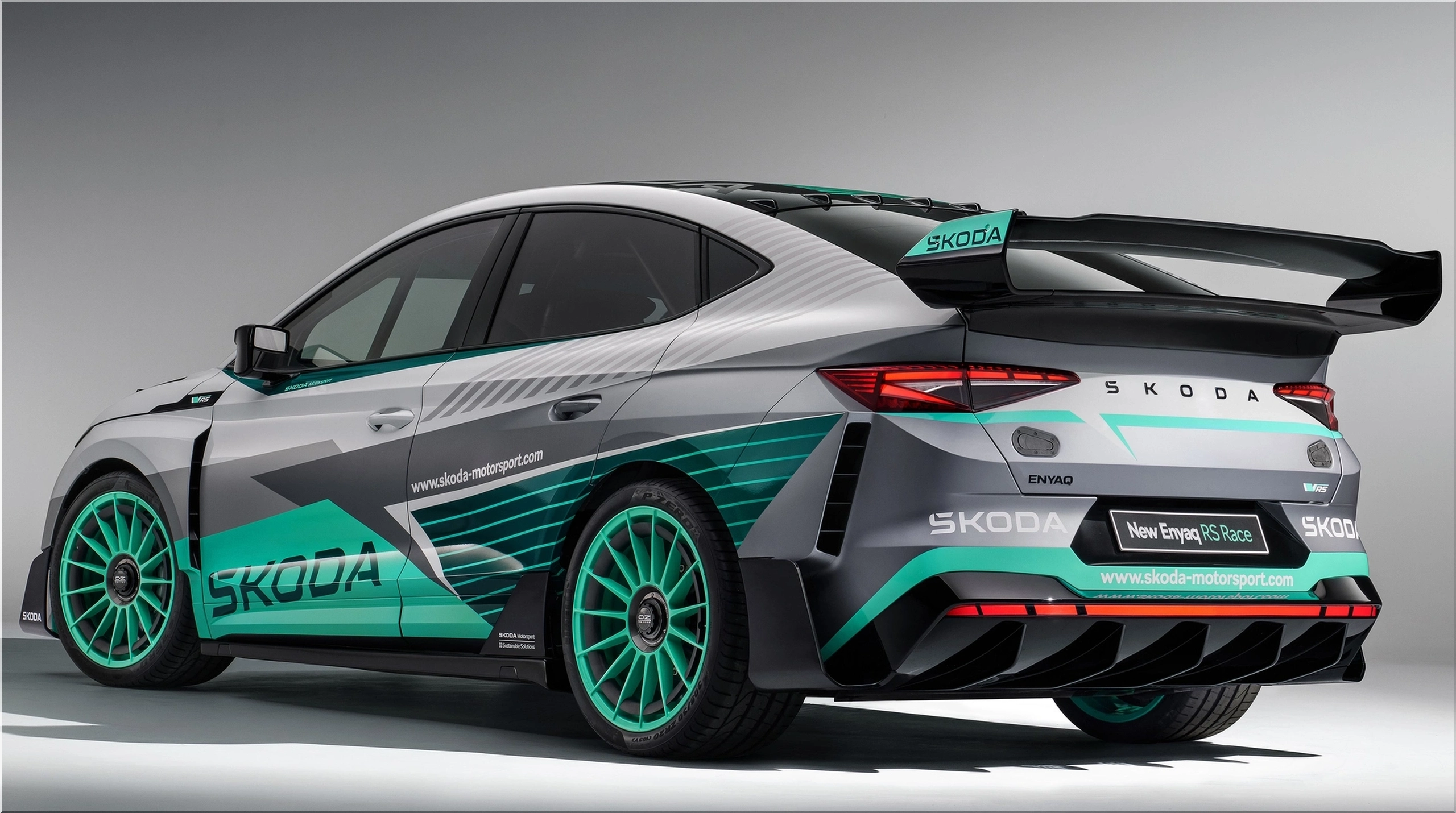
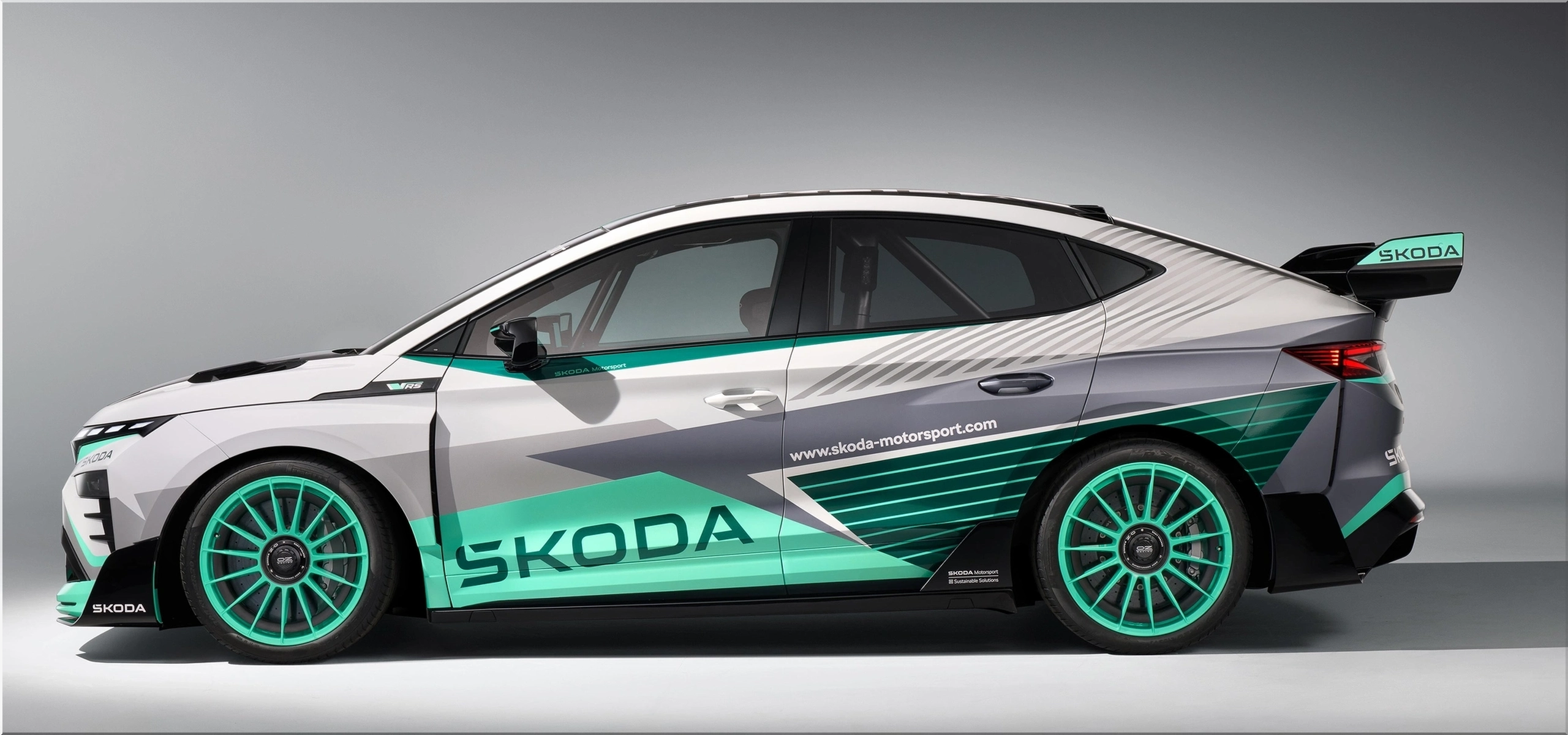
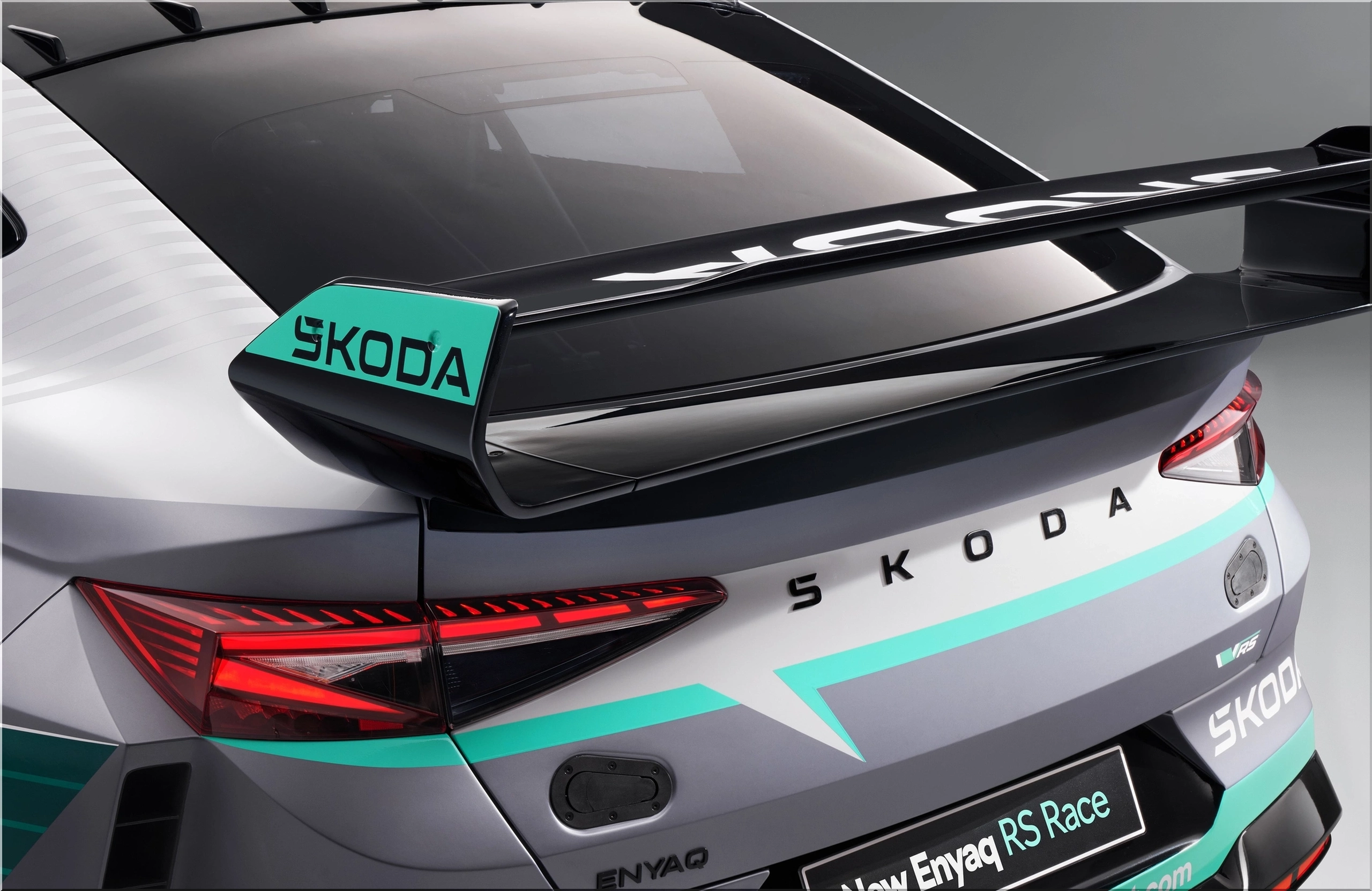
Biocomposite materials form the backbone of the weight reduction strategy. Engineers replaced bumpers, fenders, roof, and the massive rear wing with panels made from reinforced flax fibers. The natural material matches carbon fiber's performance characteristics.
AmpliTex and PowerRibs materials use flax fibres from Bcomp as an alternative to carbon fibre parts, maintaining low weight and high strength benefits. The environmental impact drops dramatically compared to traditional materials.
Environmental Benefits of Flax Technology
- CO2 reduction: Up to 85% lower emissions than carbon fiber
- Sustainable sourcing: European-grown flax crops
- End-of-life disposal: Recyclable material structure
- Soil impact: Lower environmental footprint than other crops
Both ampliTex™ and powerRibs™ offer up to 85% CO2 emission reduction from 'cradle to gate' and parts can be recycled at end of life.
Racing Modifications Create Track Focus
The concept sits 70 millimeters lower than the production model. The track widens by 72 millimetres at the front and 116 millimetres at the rear. These changes improve handling dynamics and aerodynamic efficiency.
Suspension upgrades replace the standard DCC system with adjustable racing components. Damping settings adjust independently for compression and rebound phases. Motorsport-derived mechanical self-locking differentials on both axles limit wheel spin.
Racing-Specific Components
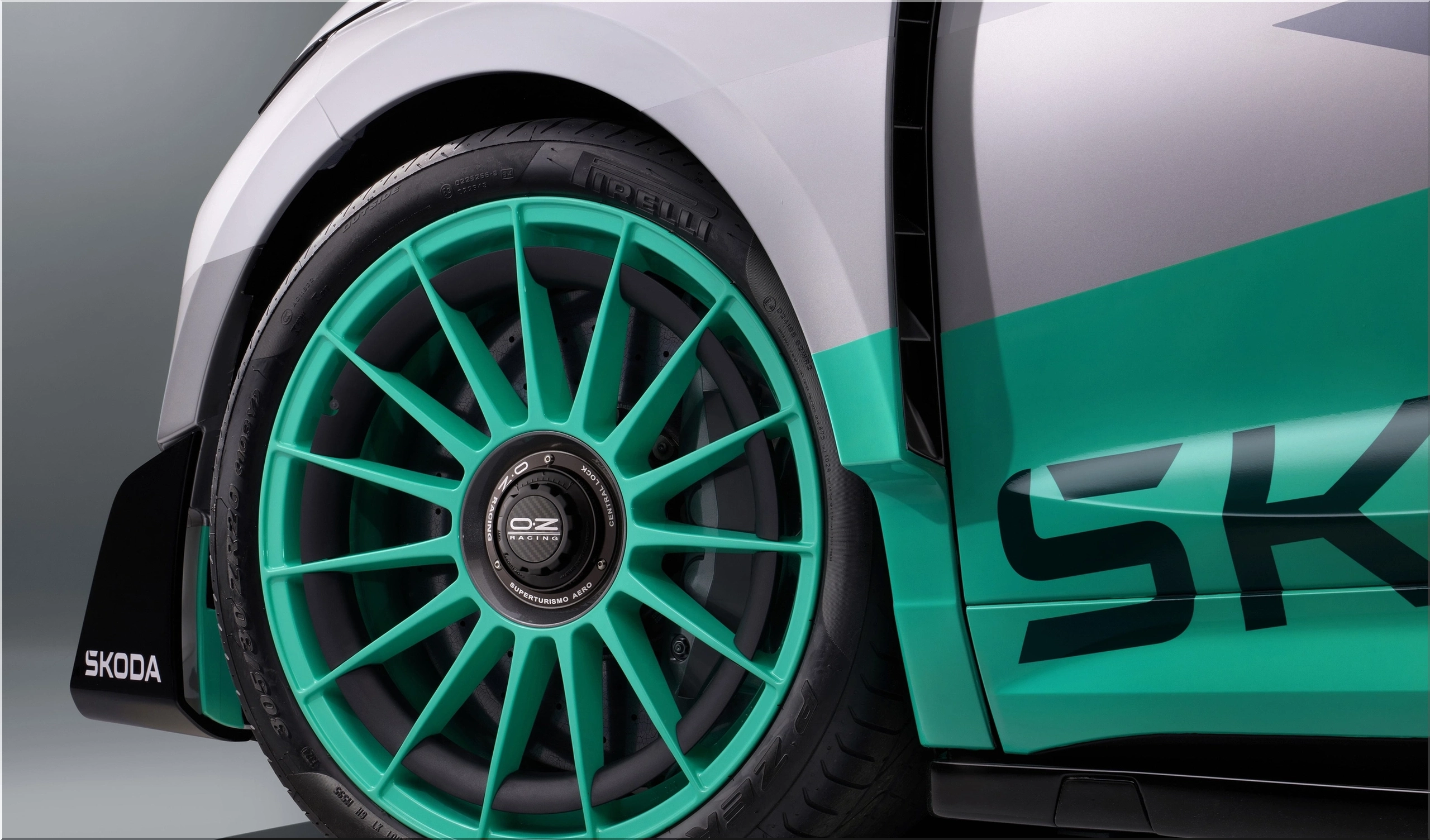
- Carbon-ceramic brake discs with ten-piston front calipers
- Rally-type hydraulic handbrake system
- Atech racing seats with six-point harnesses
- Roll cage made from chrome-molybdenum steel
- Automatic fire extinguisher system
Aerodynamic Package Increases Downforce
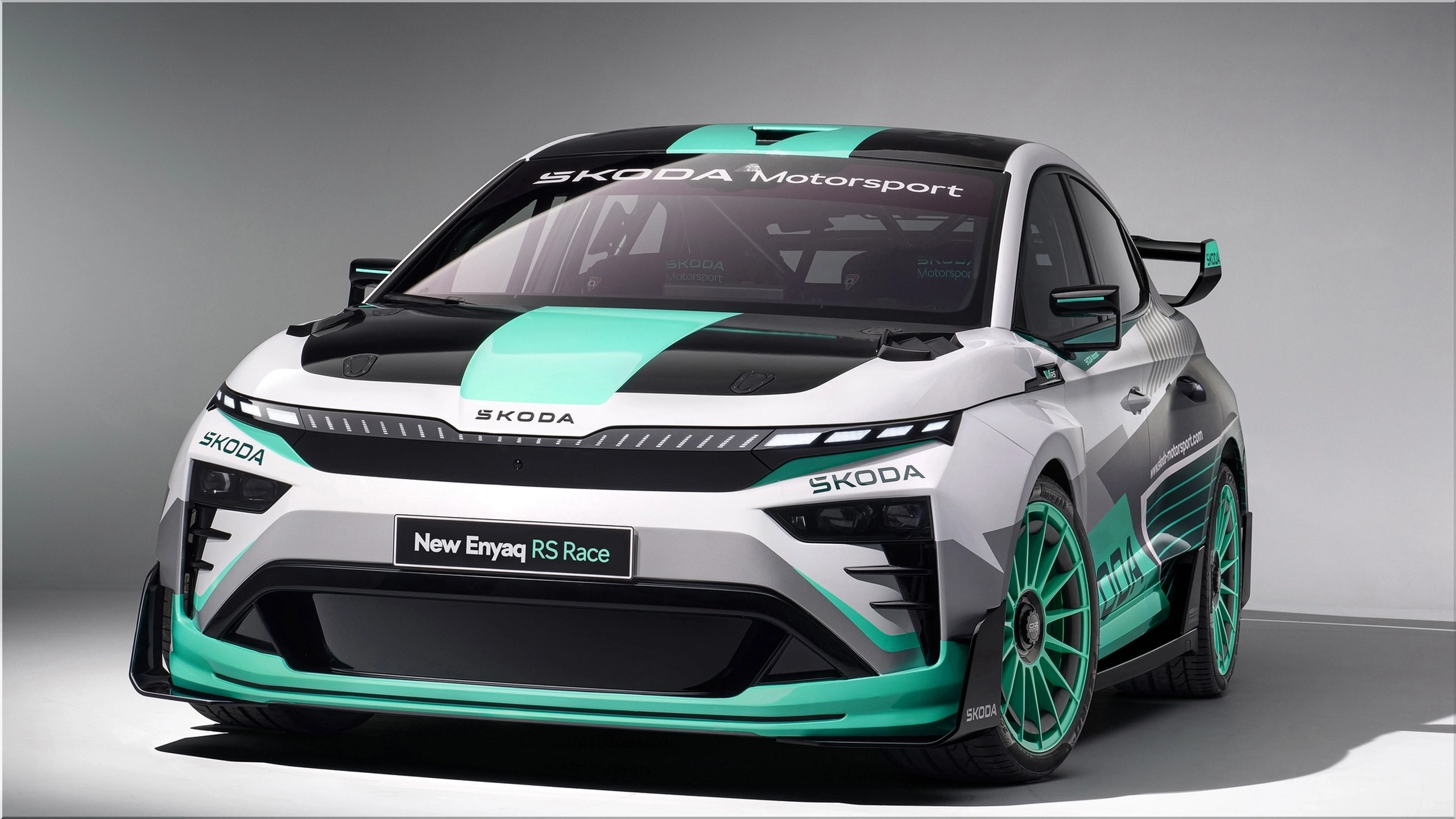
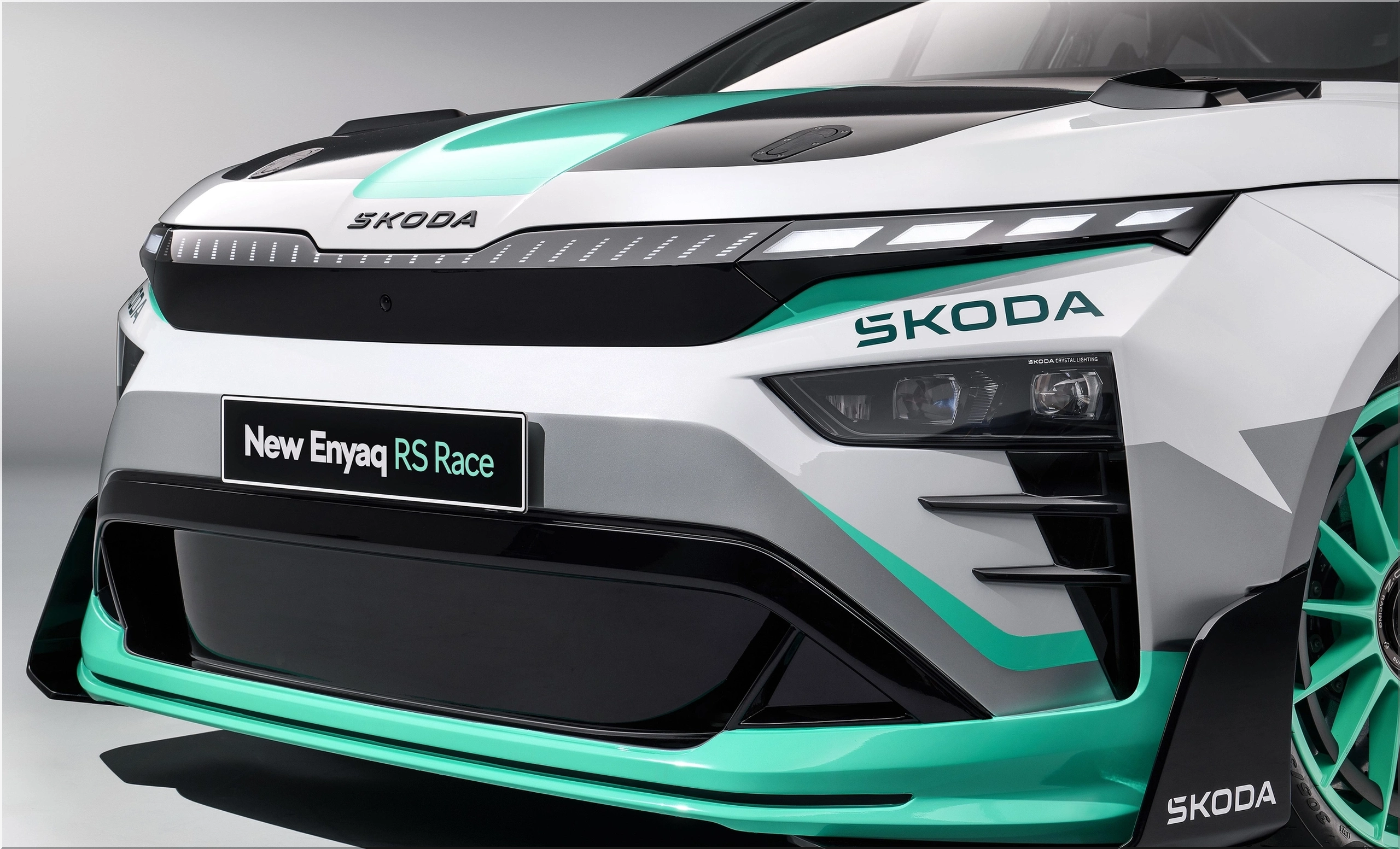
The aerodynamics package includes multiple performance elements. A large rear wing works with small roof winglets to direct airflow efficiently. The front section removes traditional air intakes, drawing cooling air through the lower bumper section.
Air curtains at the front bumper reduce turbulence around the wheels. Wing-shaped air-guiding elements minimize wheel arch turbulence. Ventilation grilles in both front and rear wheel arches improve brake cooling while reducing drag.
The redesigned front requires a tilted radiator wall to accommodate the new airflow pattern. NACA air intakes channel fresh air into the interior for driver comfort.
Interior Strips Weight While Adding Safety
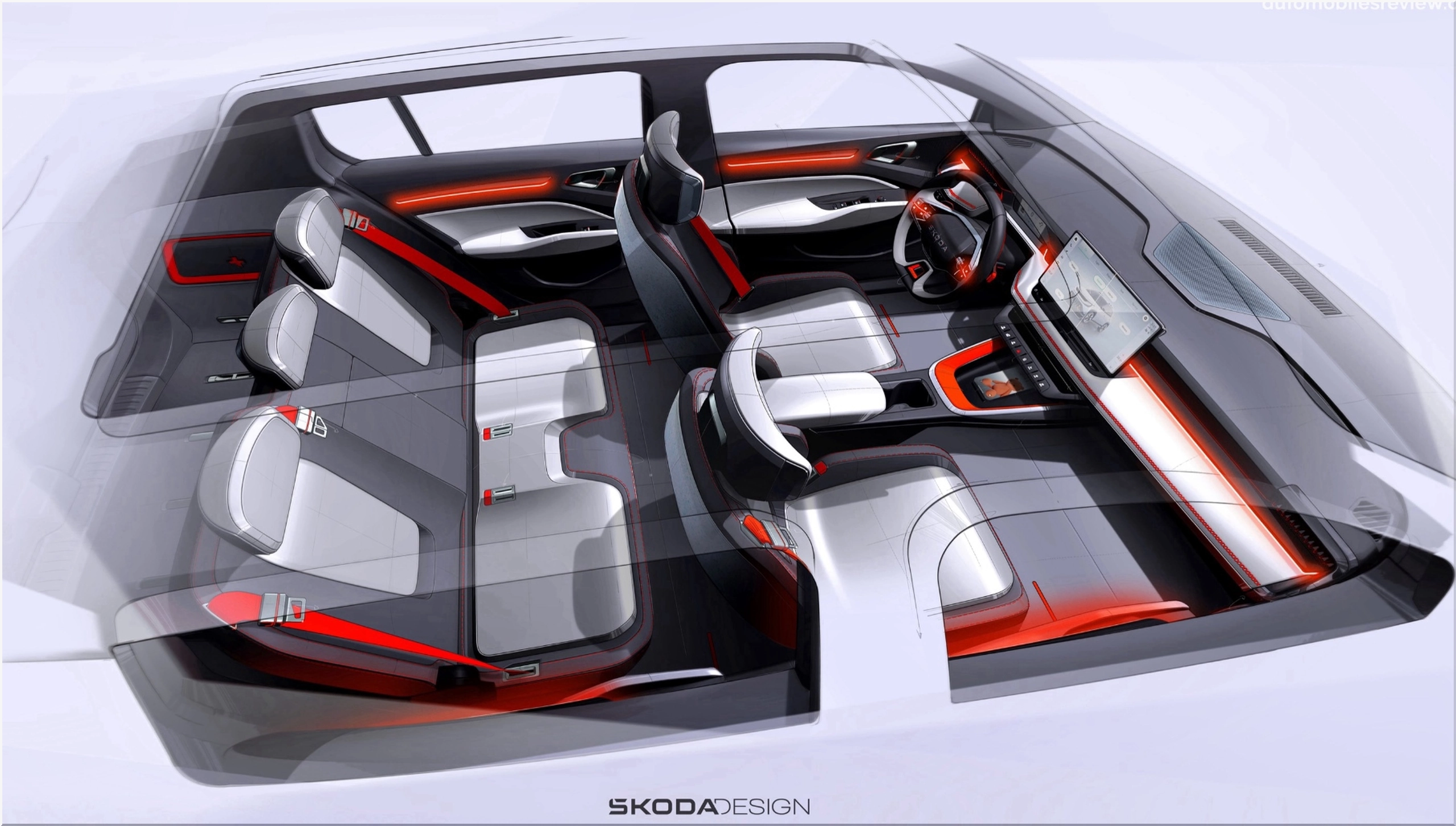
The two-seat interior removes all non-essential components from the production model. Weight loss comes from a stripped-out interior and polycarbonate windows, despite additional weight from roll cage and chassis upgrades.
Racing steering wheel mirrors the design from the Fabia RS Rally2. Linear steering replaces the progressive rack-and-pinion system from the production car. Power assistance levels adjust through control software for racing performance.
Interior Technology Features
- Modified infotainment system with new button layout
- Drive selector and central control panel between seats
- Havas premium sound system with digital amplifier
- Bigger loudspeaker units (one front, two rear)
- Sound activation above 18 mph for motorsport experience
Production Model Technology Testing
The concept serves as a development platform for future production vehicles. Sustainable materials tested under racing conditions provide data for consumer applications. Flax fiber components undergo extreme stress testing that exceeds normal driving conditions.
The car features numerous parts made from Bcomp's sustainable flax composites, including roof, fenders, bumpers, sills, rear wing, co-driver footrest and leg rest. These components test durability under racing loads.
PowerRibs™ technology creates 3D reinforcement structures in thin-walled body panels. PowerRibs combine maximum stiffness and minimum weight by creating a 3D structure to reinforce thin-walled panels, providing raw material savings.
Motorsport DNA Influences Design
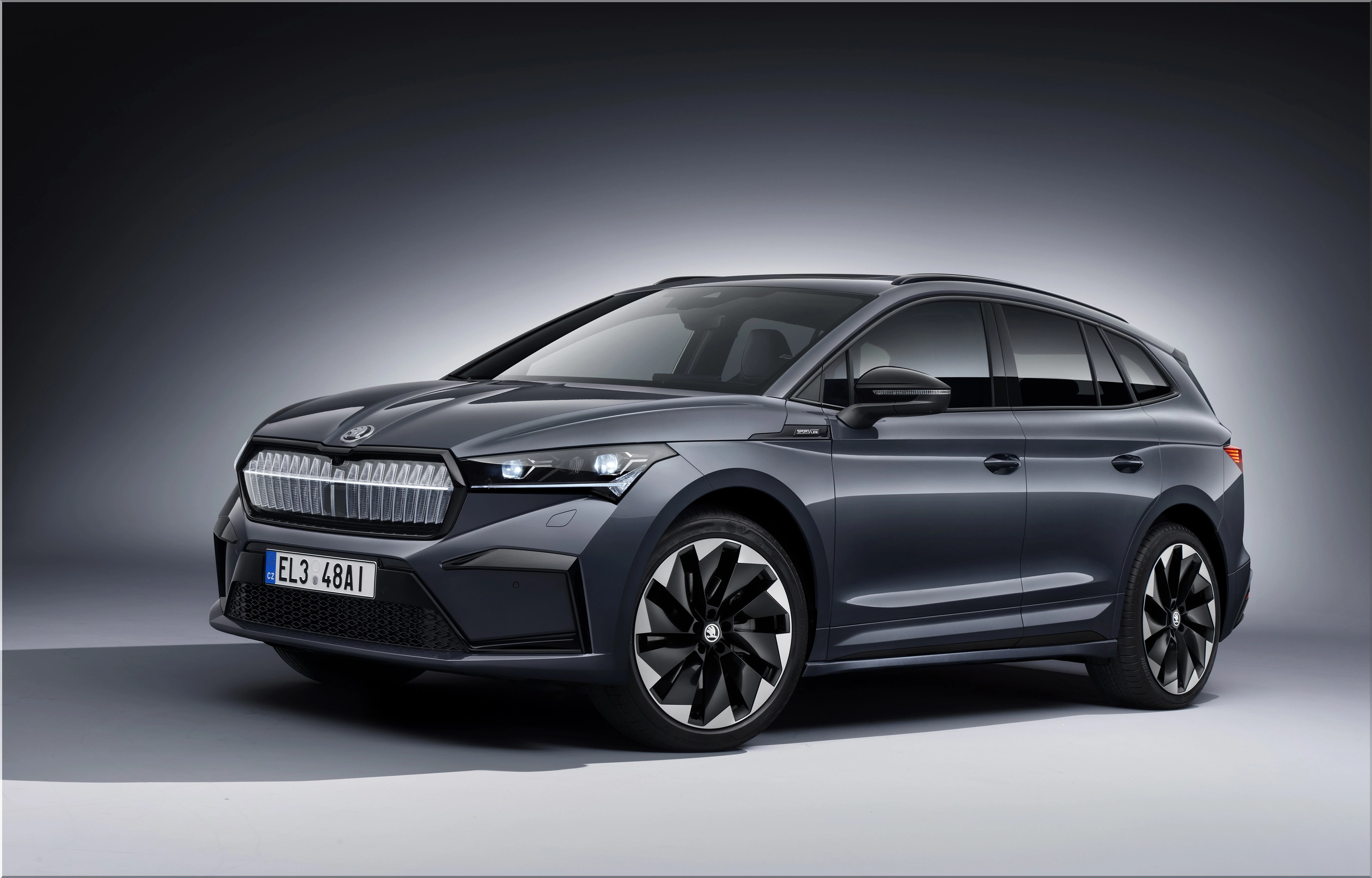
The Skoda Enyaq RS Race concept builds without boundaries, based on the production Škoda Enyaq Coupé RS, making it lower, wider, lighter and faster. The design philosophy mirrors successful rally car development.
Development began in 2023 with the first concept premiering in October 2024. The latest version incorporates lessons learned from the initial prototype while adding new sustainable technologies.
Visual Design Elements
- High-gloss black Tech-Deck Face front section
- Škoda lettering replaces traditional logo on bonnet
- Segmented LED rear lights for improved visibility
- Aerodynamically optimized wheel designs
- Green and red lights indicate high-voltage system status
Future Production Applications
The racing concept tests materials and technologies for future Škoda production models. Flax fiber components could appear in consumer vehicles within several years. Weight reduction techniques proven in racing translate to improved efficiency in electric vehicles.
Biocomposite applications extend throughout the vehicle structure. Interior components like dashboard panels and door trim use sustainable materials. The panoramic glass roof gives way to a lightweight biocomposite panel.
3D printing plays a role in prototype development using recycled materials. Nylon and CO2-neutral biodegradable biopolymer filaments reduce manufacturing waste.
Market Impact and Implications
The Enyaq RS Race demonstrates how sustainable materials can match traditional performance components. Racing validation provides consumer confidence in alternative materials. The technology could reduce vehicle weight across Škoda's electric lineup.
Weight reduction improves electric vehicle range and efficiency. Every kilogram saved translates to extended battery life and improved performance. The 316-kilogram reduction represents significant progress in electric vehicle development.
Motorsport applications often lead consumer technology by several years. Racing conditions test materials beyond normal use cases. Successful racing implementation typically precedes mass production by three to five years.
The concept positions Škoda as a leader in sustainable automotive technology. Racing success with alternative materials could influence industry adoption. Consumer acceptance of flax fiber components depends on proven racing performance.
Cost implications remain unclear for production applications. Sustainable materials often carry premium pricing initially. Volume production could reduce costs compared to carbon fiber alternatives.
The Enyaq RS Race represents practical application of sustainable technology in high-performance applications. Racing success could accelerate adoption across the automotive industry. The 316-kilogram weight reduction proves sustainable materials can deliver measurable performance gains.
- Add new comment
- 122 views