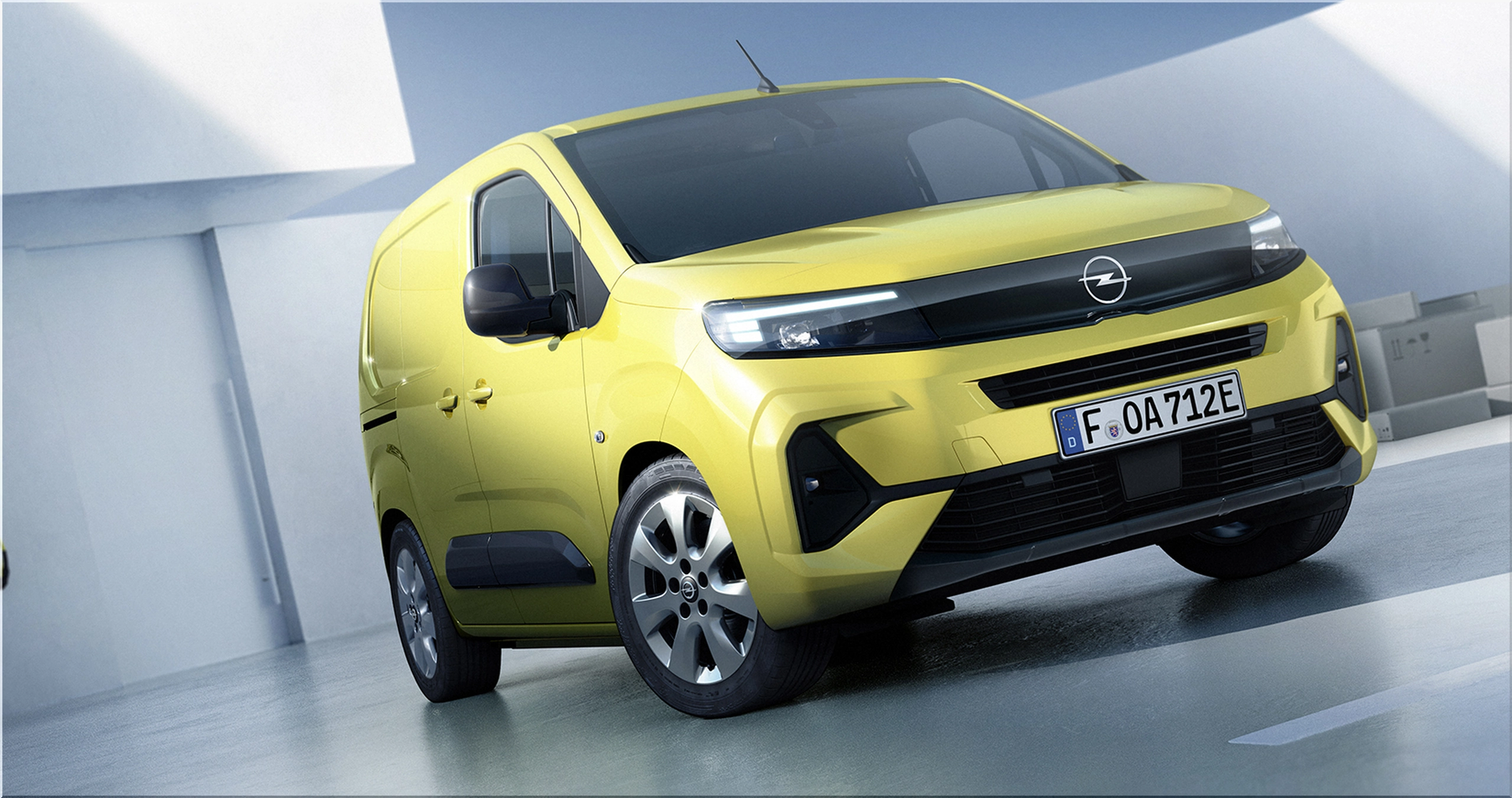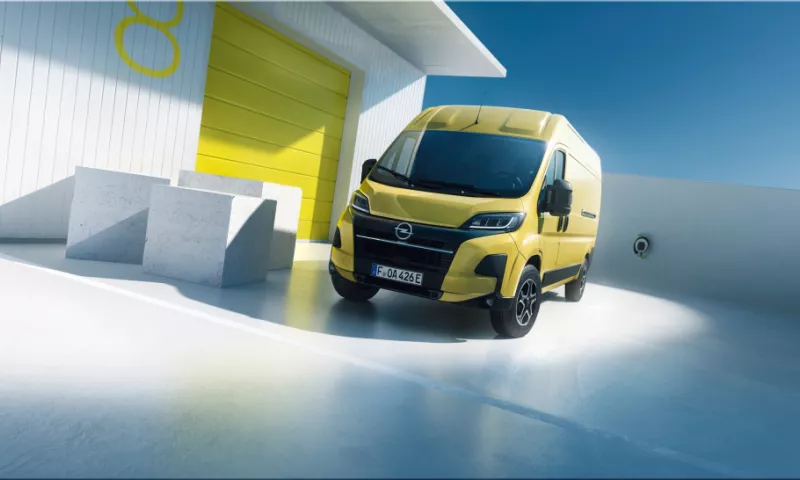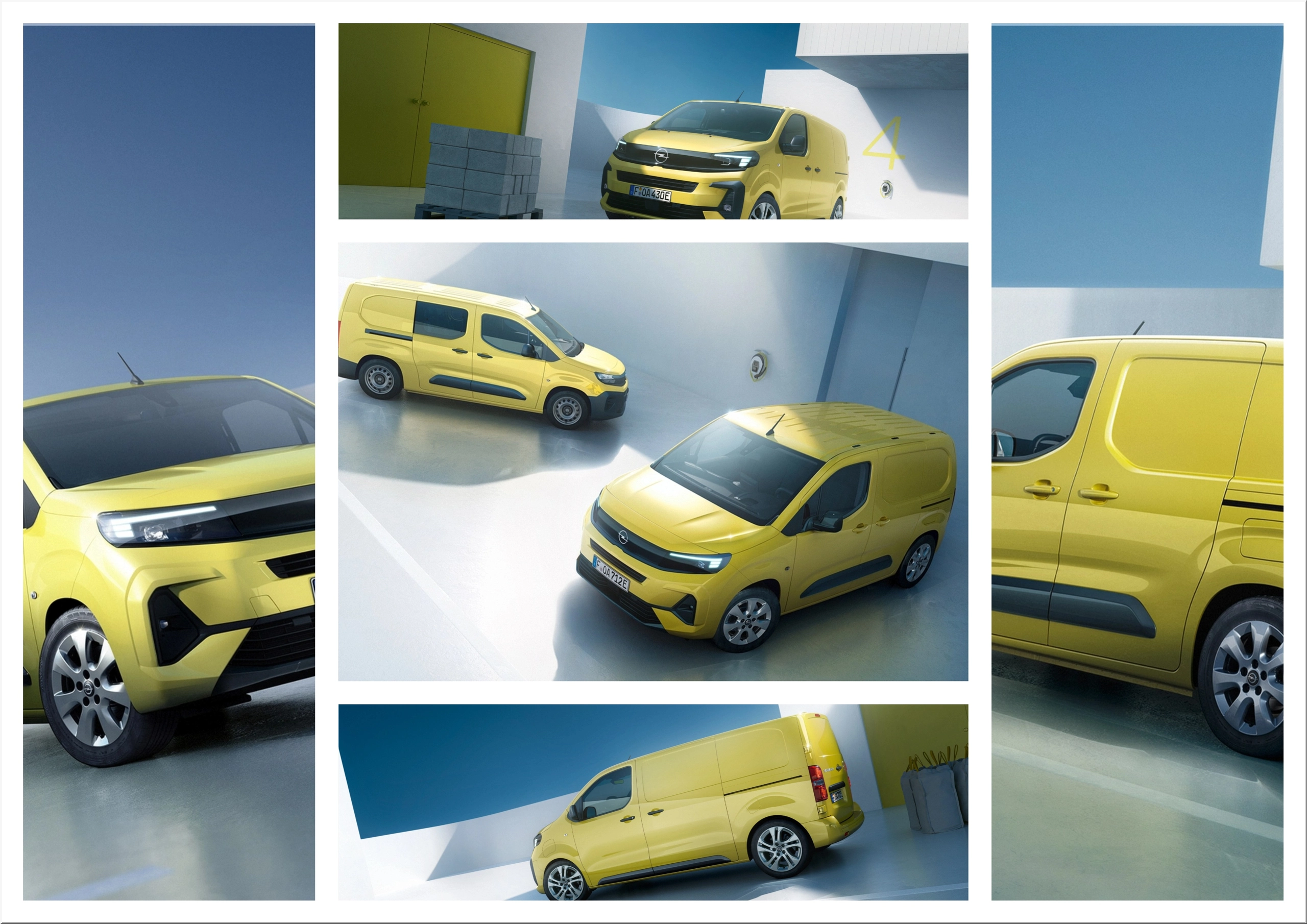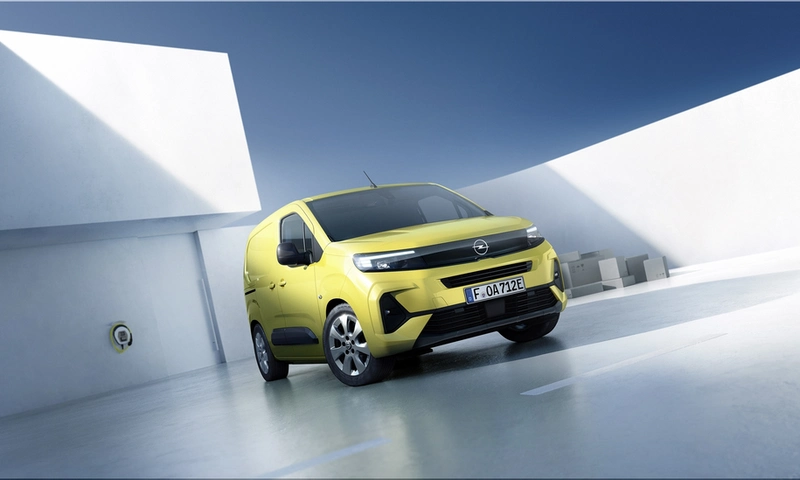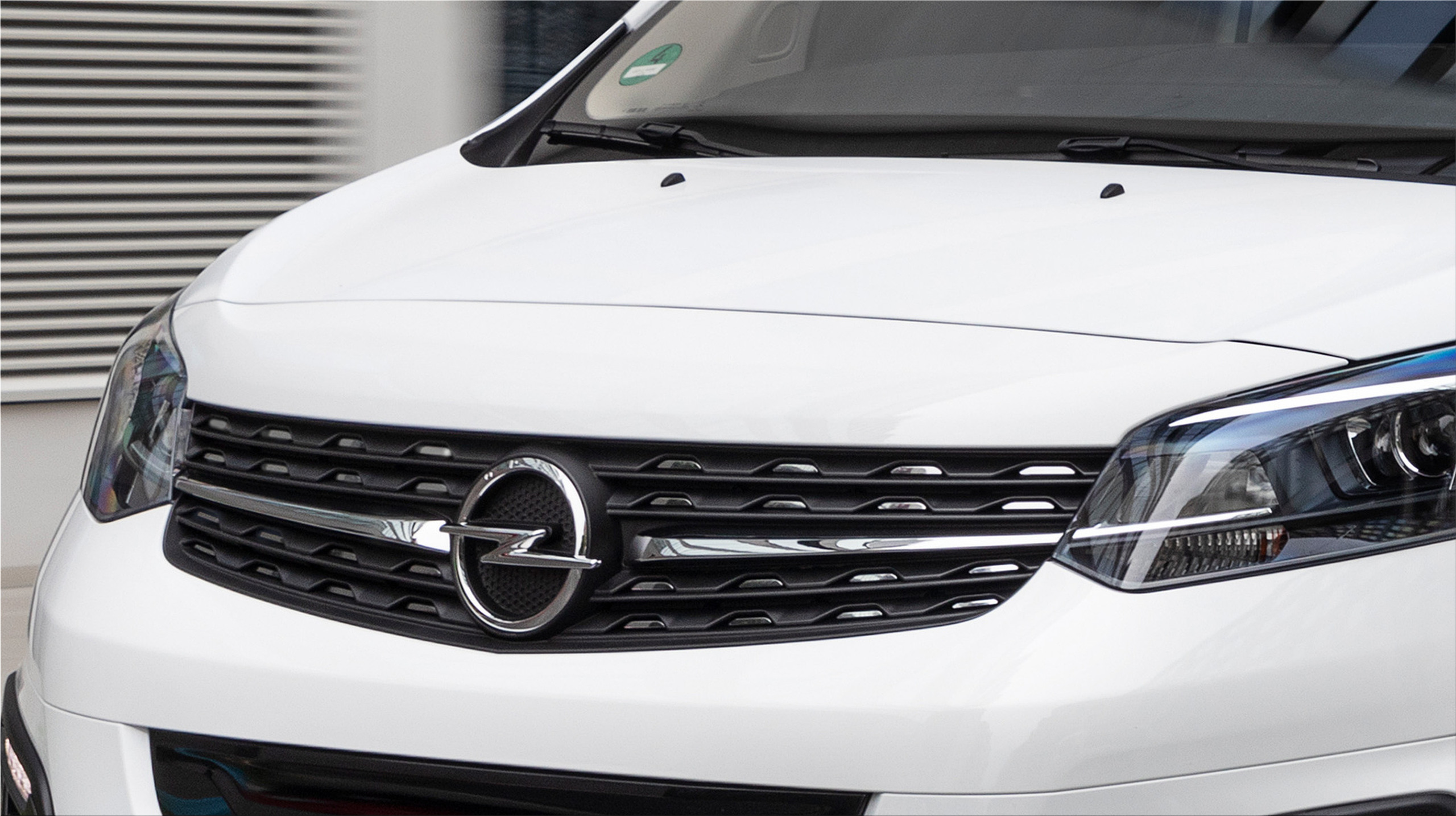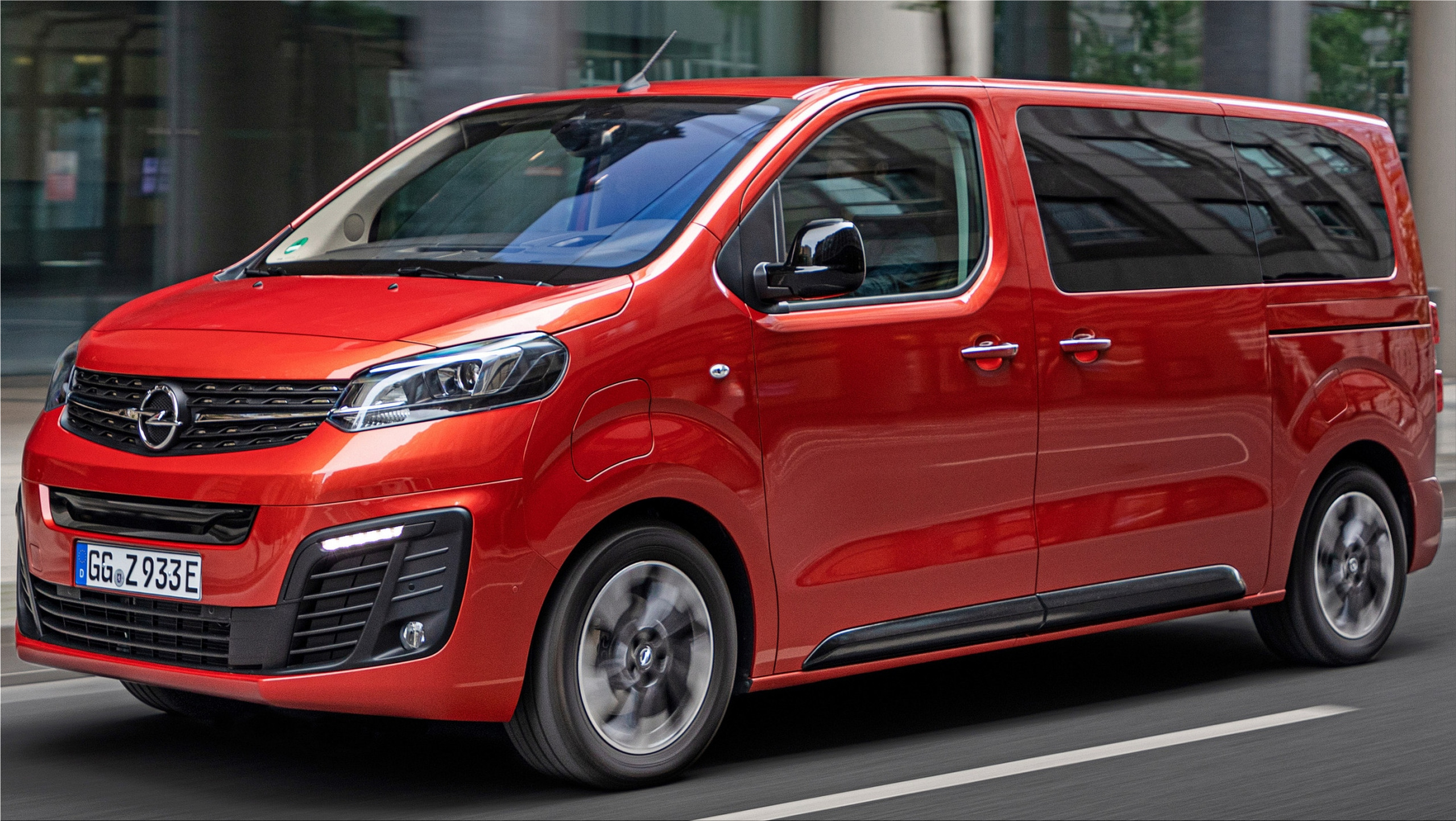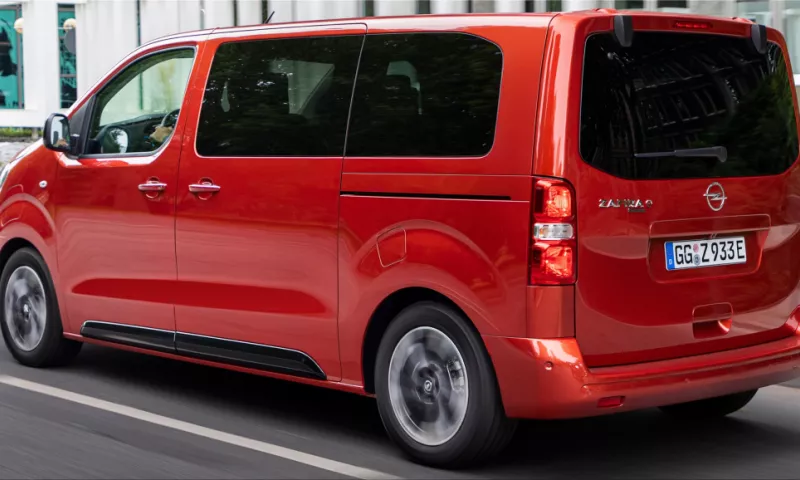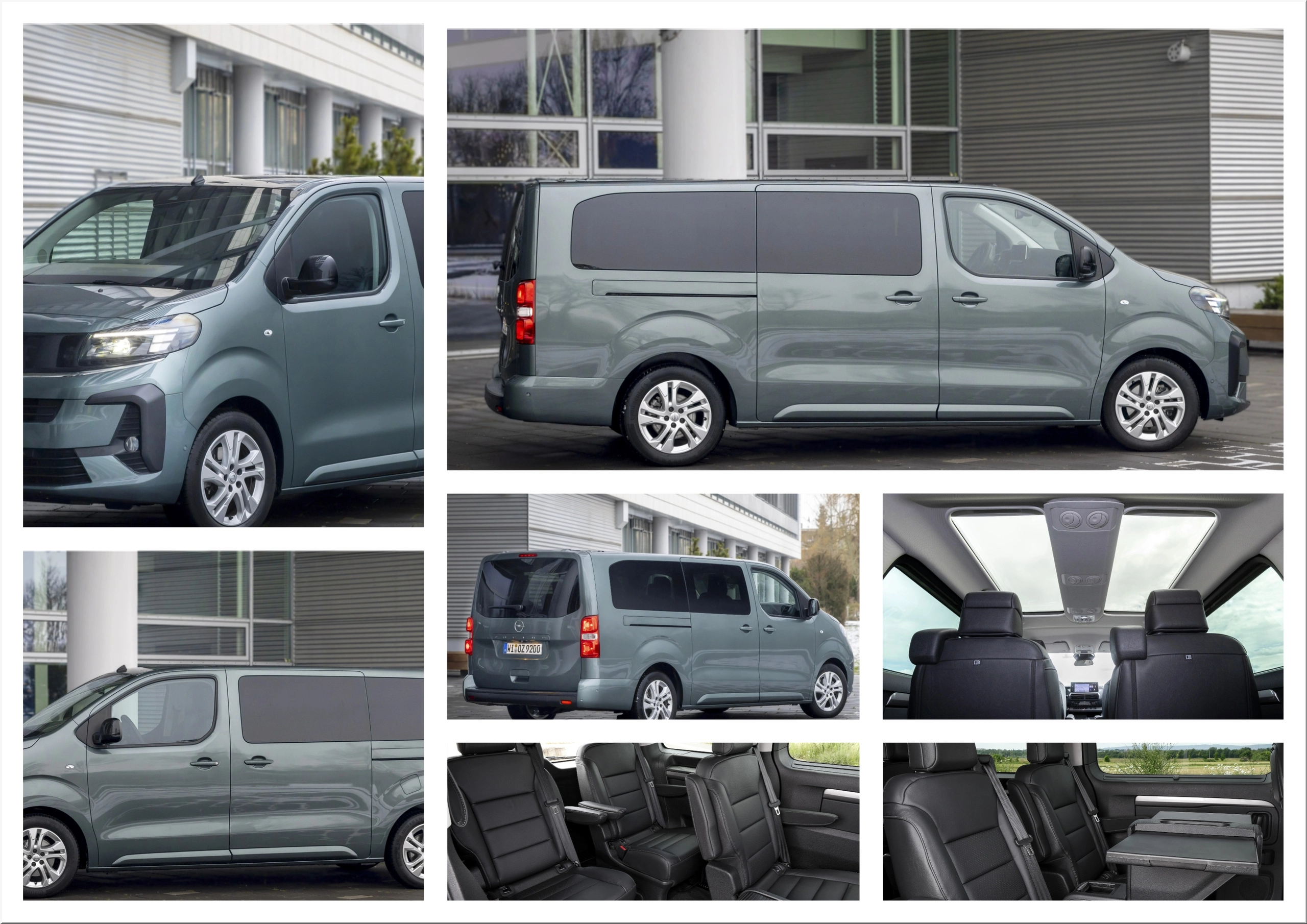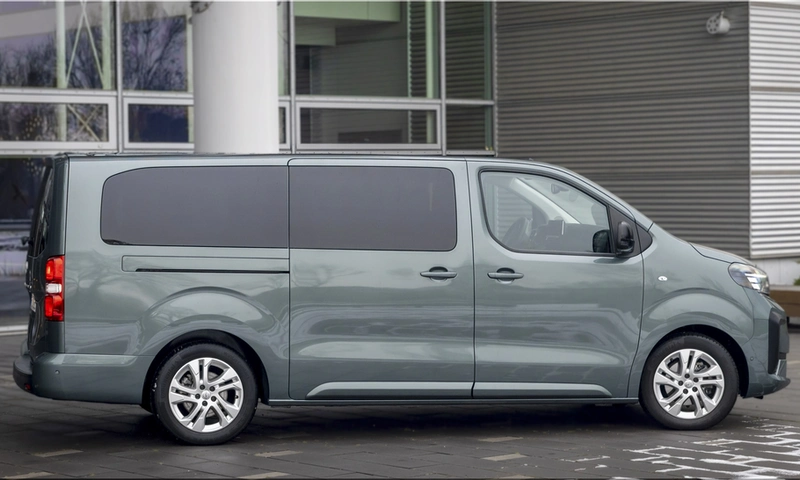
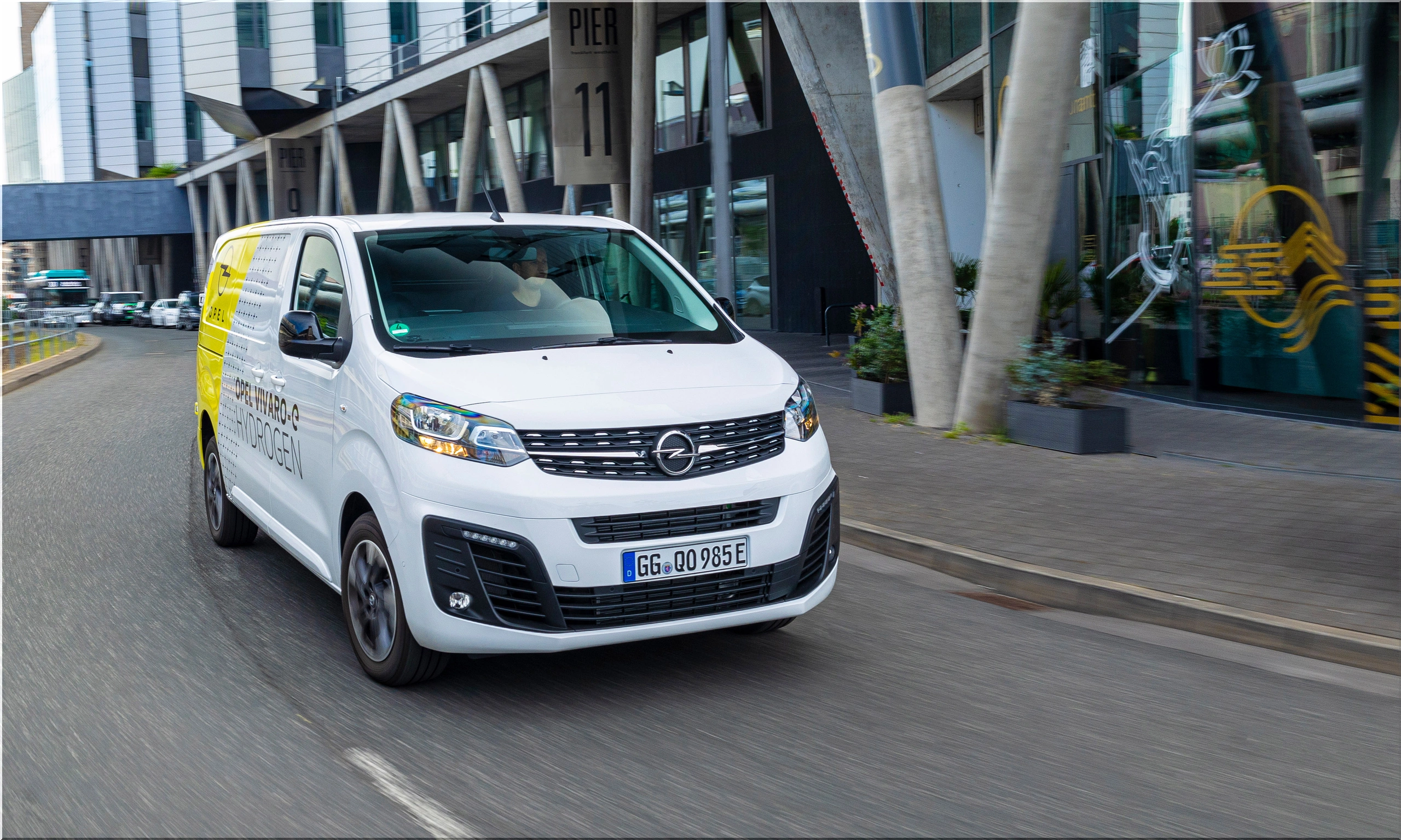
Opel, a German car manufacturer and a subsidiary of Stellantis, has delivered 16 units of its Opel Vivaro-e Hydrogen van to Jos Scholman, a Dutch construction company specializing in civil engineering, road construction, and landscaping. The delivery marks the first step in Jos Scholman’s plan to expand its hydrogen fleet and reduce its carbon footprint.
Opel Vivaro-e Hydrogen: A Zero-Emission Van with Long Range and Fast Refueling
The Opel Vivaro-e Hydrogen is a zero-emission van that combines the advantages of battery-electric and fuel cell vehicles. It has a range of up to 400 kilometers (249 miles) on a single tank of hydrogen, which can be refilled in just three minutes. The van also has a 10.5 kWh battery that provides an additional range of 50 kilometers (31 miles) and can be recharged via a plug or regenerative braking.
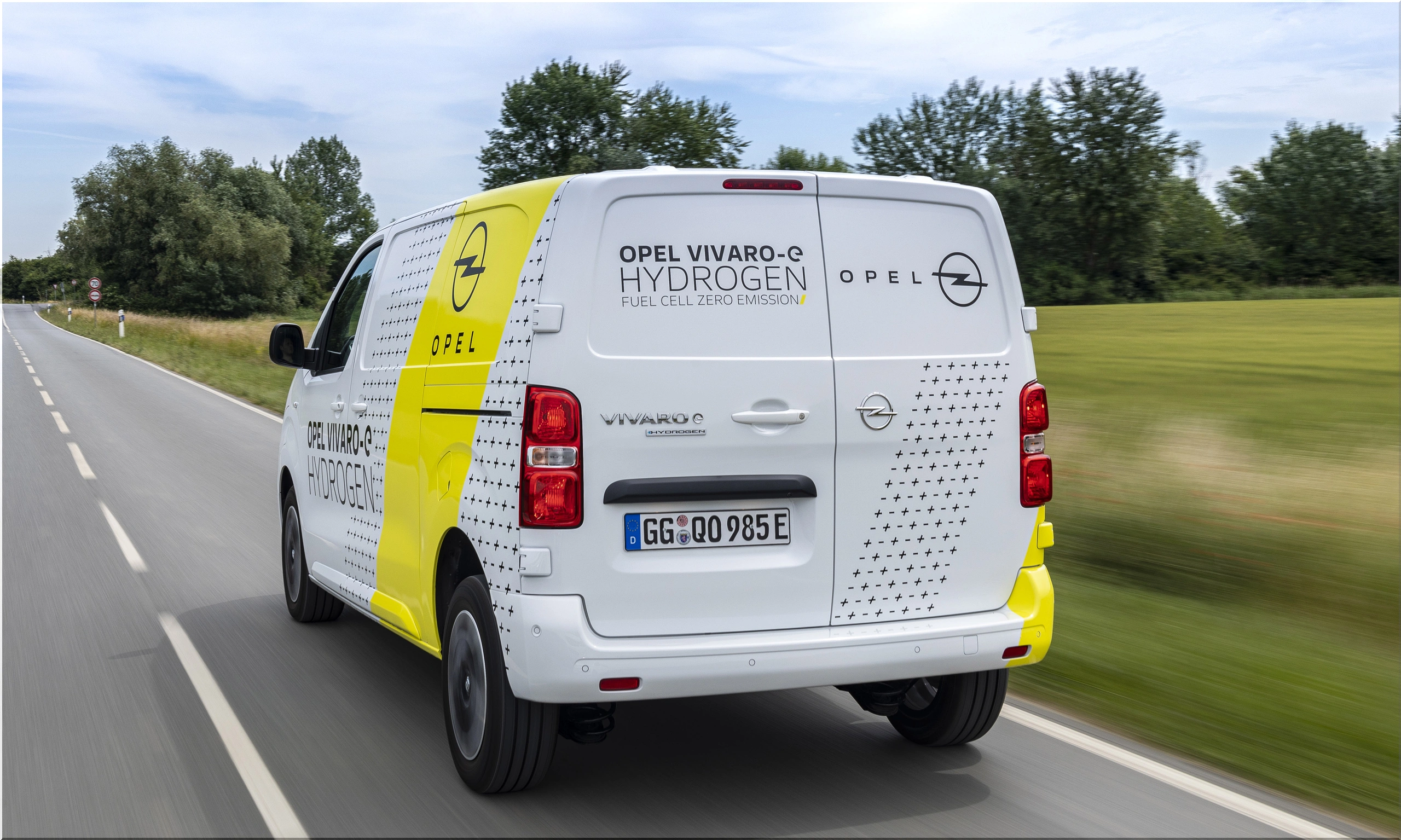
The hydrogen fuel cell system is located under the hood of the van, while the hydrogen tanks are mounted under the floor. This means that the Opel Vivaro-e Hydrogen has the same cargo space as the conventional Vivaro, which can accommodate up to 1,200 kilograms (2,646 pounds) of payload or up to 6.1 cubic meters (215 cubic feet) of volume.
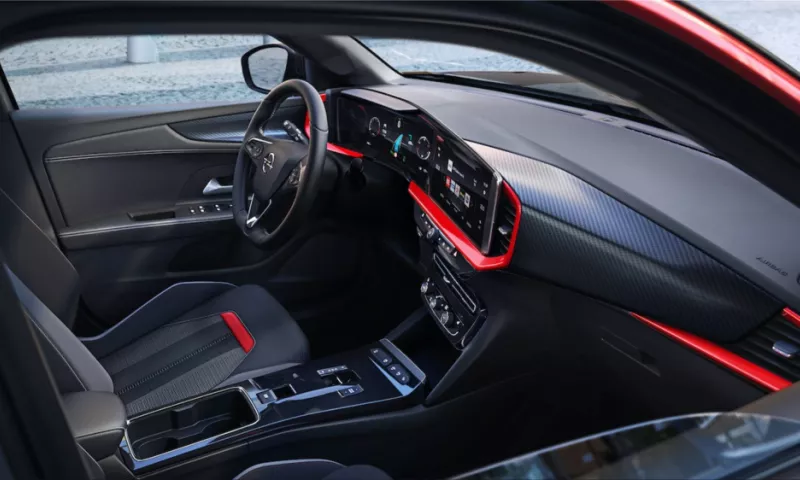
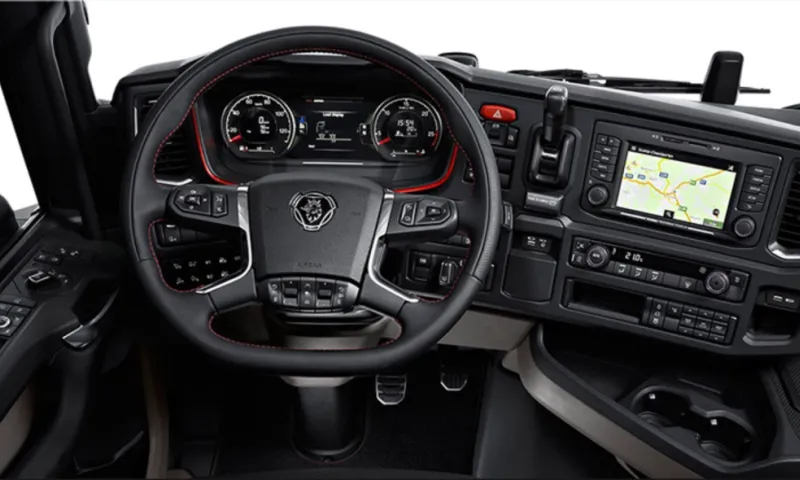
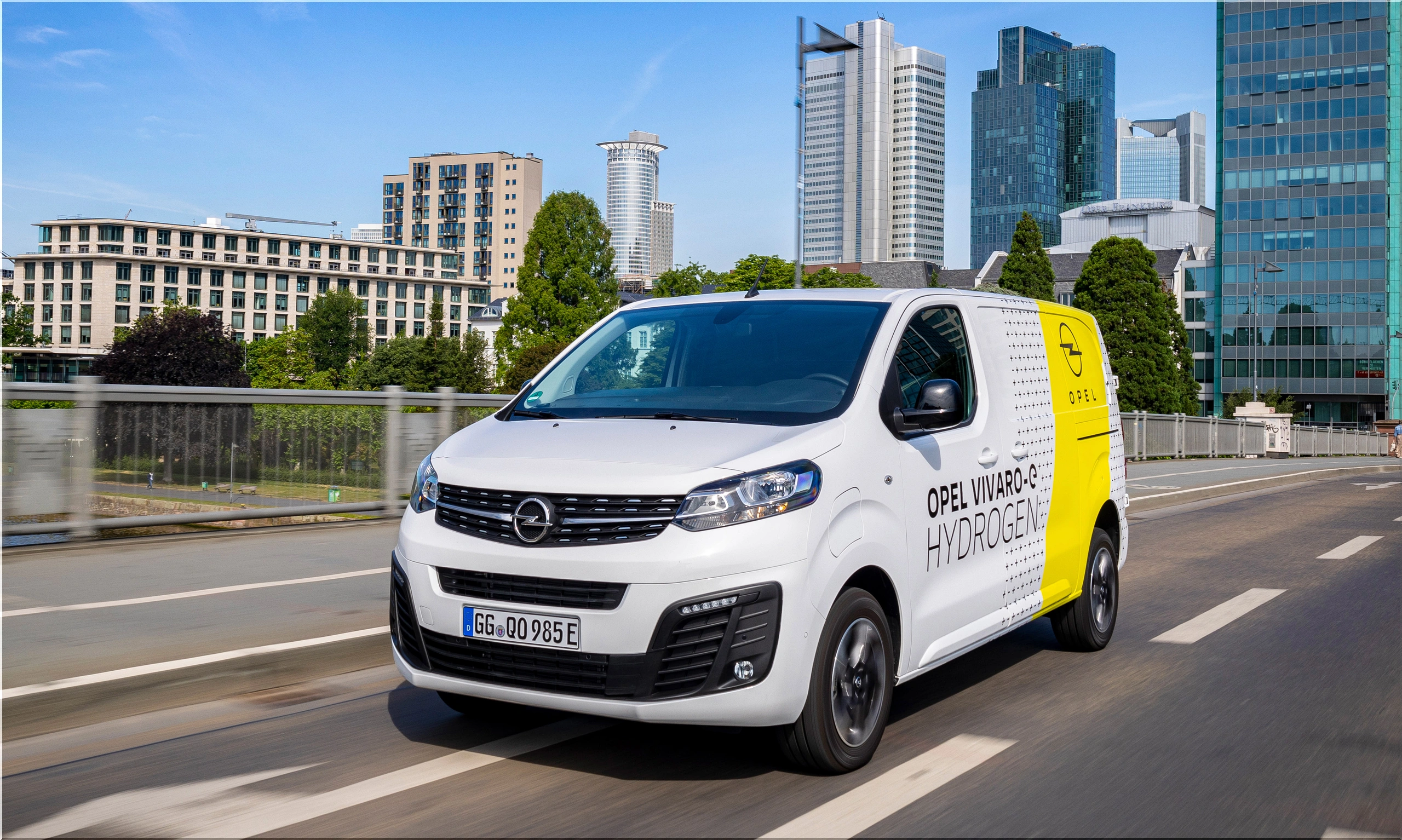
The Opel Vivaro-e Hydrogen is powered by a 100 kW (136 hp) electric motor that delivers 260 Nm (192 lb-ft) of torque. The van can reach a top speed of 140 km/h (87 mph) and has three driving modes: Normal, Eco, and Power. The van also features a digital cockpit with a 7-inch touchscreen, Apple CarPlay and Android Auto compatibility, and various driver assistance systems.
The Opel Vivaro-e Hydrogen is part of Opel’s electrification strategy, which aims to offer an electrified version of every model in its portfolio by 2024. The van is based on the EMP2 platform, which is shared by other Stellantis brands such as Peugeot, Citroën, and Fiat. The van is produced at Opel’s Rüsselsheim plant in Germany, where the company also has a fuel cell research and development center.
Jos Scholman: A Pioneer in Sustainable Mobility
Jos Scholman is a family-owned construction company founded in 1976 and based in Nieuwegein, near Utrecht. The company has over 300 employees and operates in various sectors, such as civil engineering, road construction, landscaping, sports facilities, and recycling.
Jos Scholman is committed to sustainable mobility and has been using hydrogen vehicles since 2018. The company currently has 20 hydrogen cars, two hydrogen buses in its fleet, and several charging stations at its premises. The company plans to increase its hydrogen fleet to 50 vehicles by 2025, including the 16 Opel Vivaro-e Hydrogen vans that it recently acquired.
The company chose the Opel Vivaro-e Hydrogen because of its long-range, fast refueling, and spacious cargo capacity. The company also values the low noise and vibration levels of the van, which improves the comfort and safety of the drivers and the environment. The company expects to save up to 90 tons of CO2 emissions per year using hydrogen vans instead of diesel ones. The price of the van has not been disclosed yet, but it is estimated to be around €50,000 ($56,000) before subsidies and incentives.
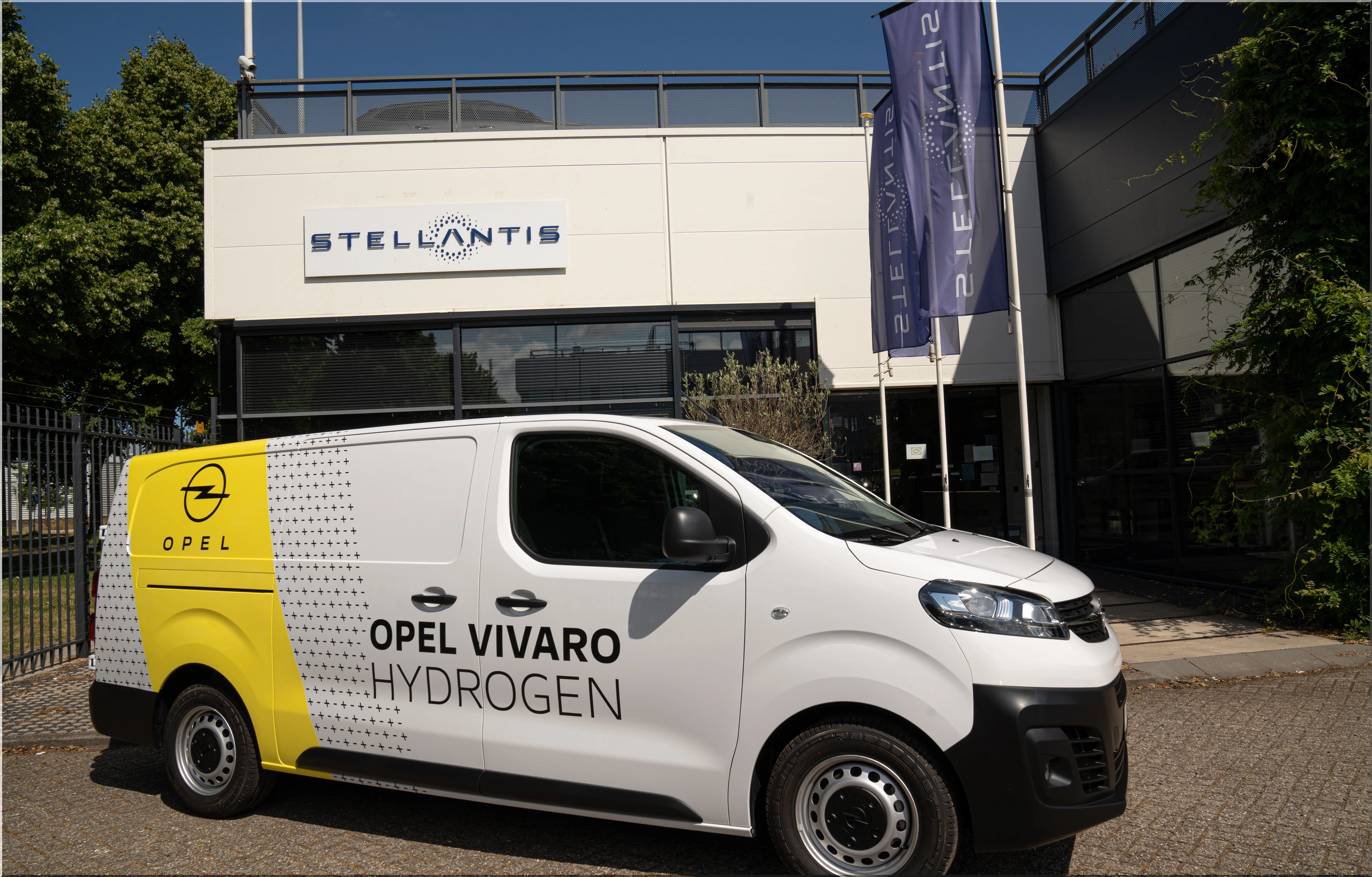
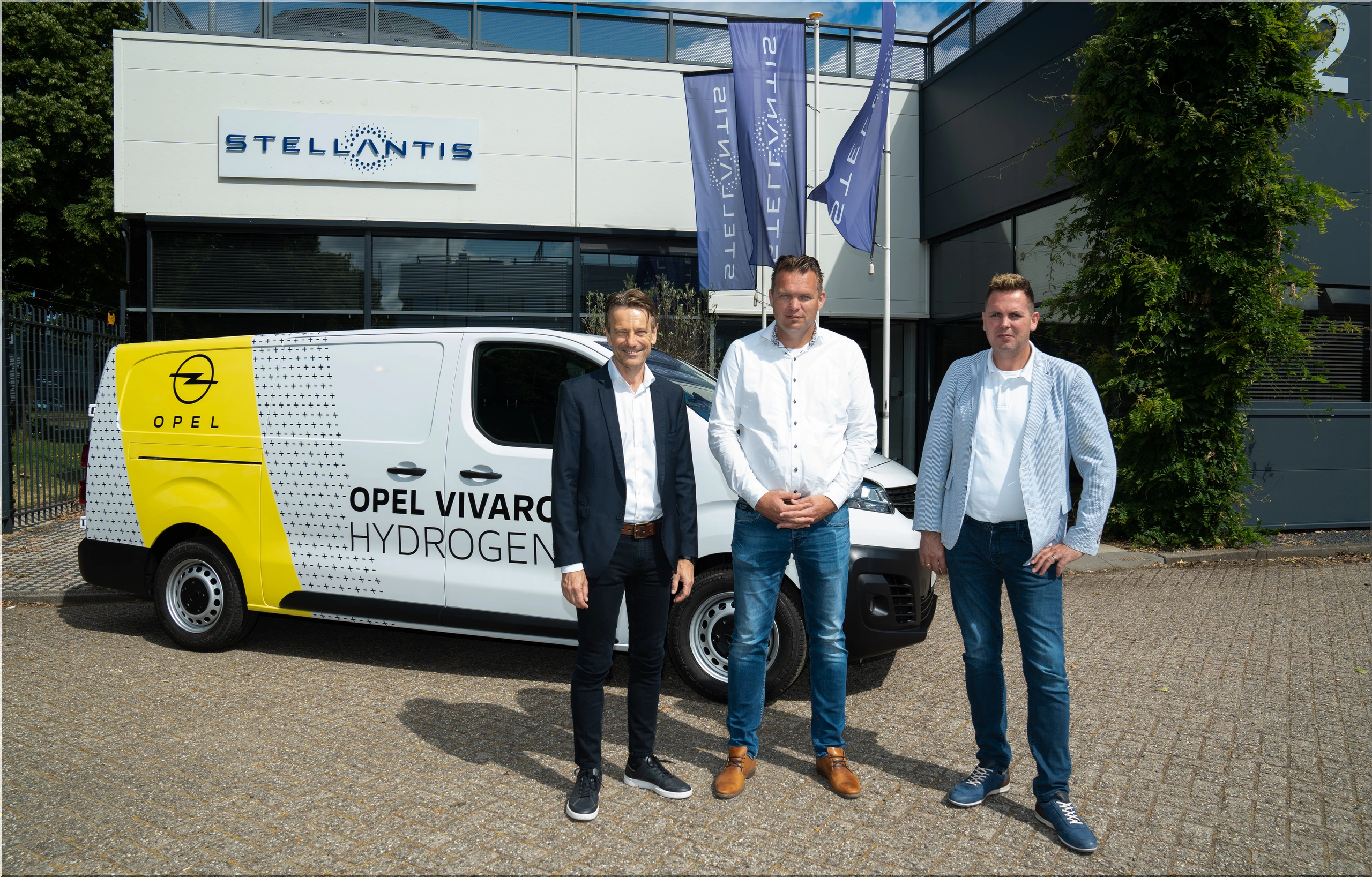
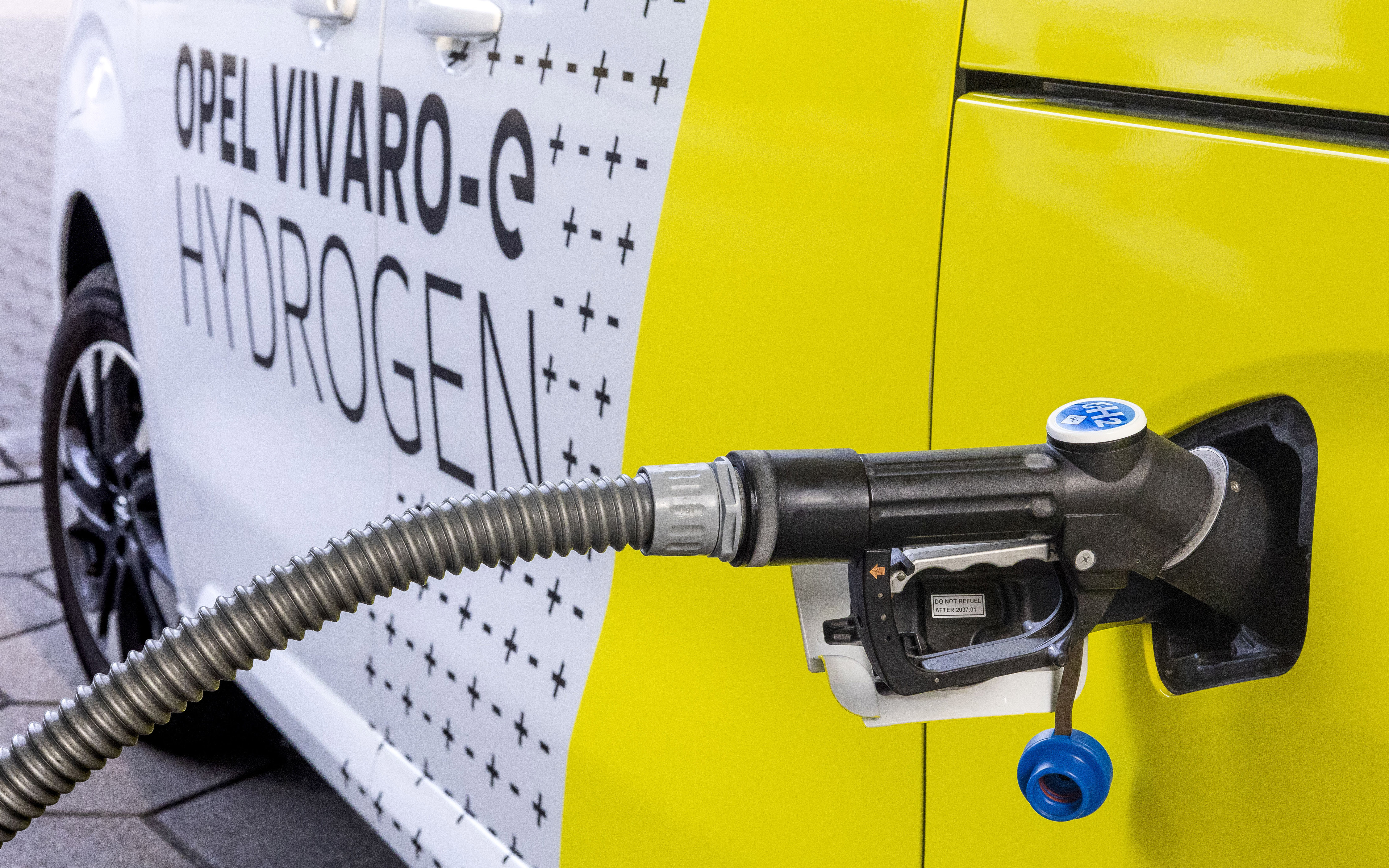
Jos Scholman is one of the first customers of the Opel Vivaro-e Hydrogen in Europe, along with other companies and organizations such as ADAC, Deutsche Bahn, Engie Solutions, EWE Gasspeicher GmbH, H2 Mobility Deutschland GmbH & Co KG, Hydrogenious LOHC Technologies GmbH, MissionH24 / GreenGT Technologies SA / TotalEnergies SE / Automobile Club de l’Ouest (ACO), Österreichische Post AG (Austrian Post), Perpetual Vehicle Rental Ltd., Symbio / Michelin Group / Faurecia Group / Engie Group / Banque des Territoires / Crédit Agricole Group / Demeter Group / Tokai COBEX GmbH / HyMove B.V., Total Deutschland GmbH / Avia International GmbH / Orlen Deutschland GmbH / Westfalen AG / Hoyer GmbH & Co KG / Tyczka Energy GmbH / Liquind 24/7 GmbH / GasCom Service GmbH & Co KG / Clean Energy Partnership (CEP), and Wasserstoffgesellschaft Hamburg mbH.
- Add new comment
- 126 views