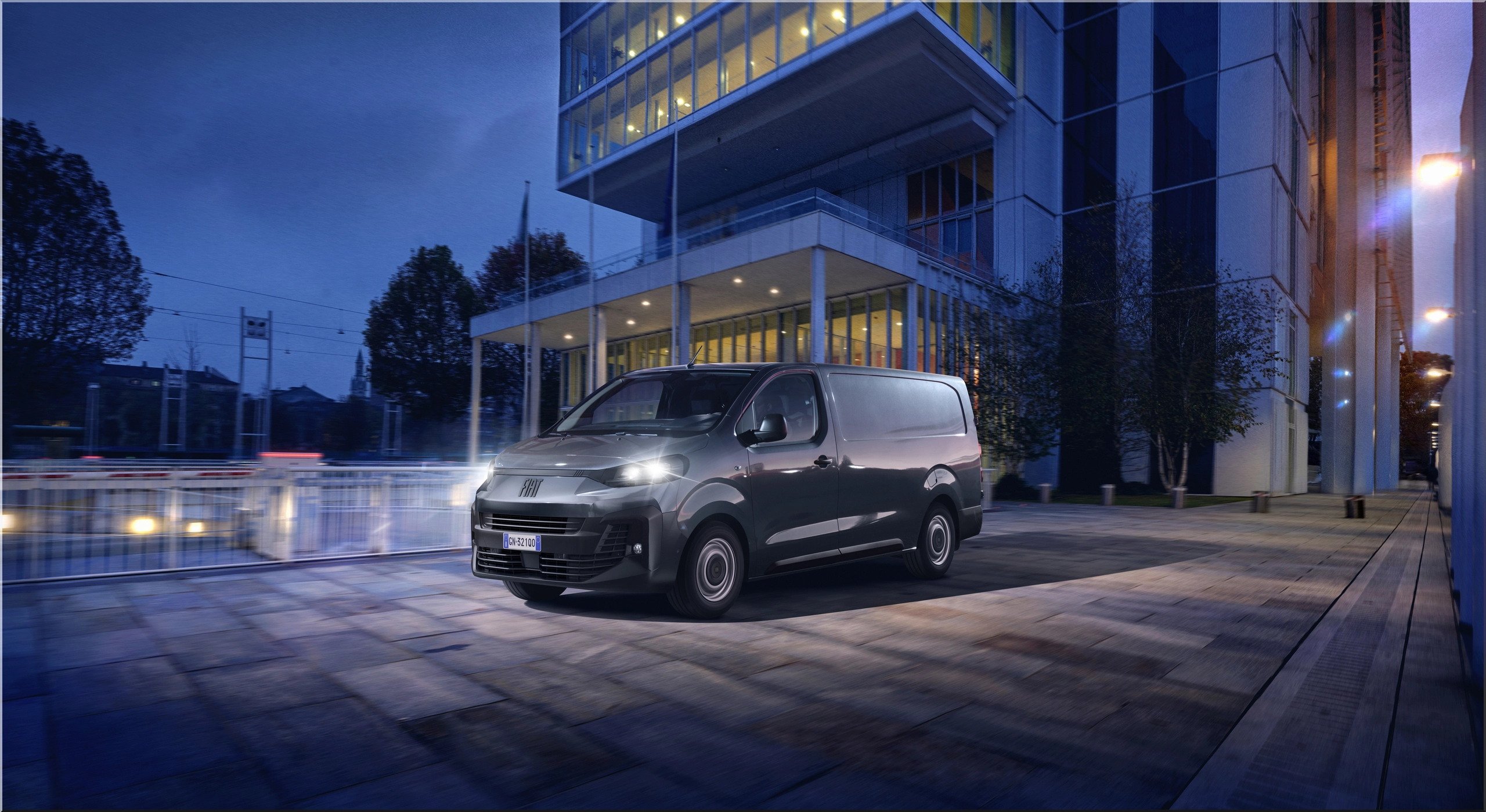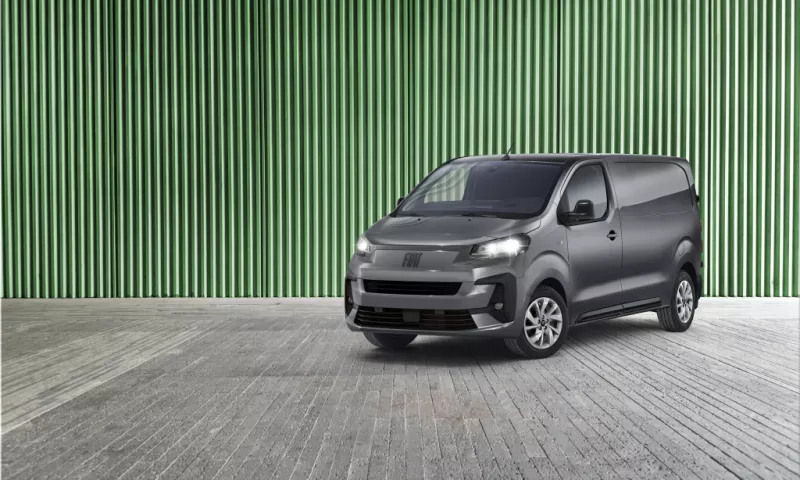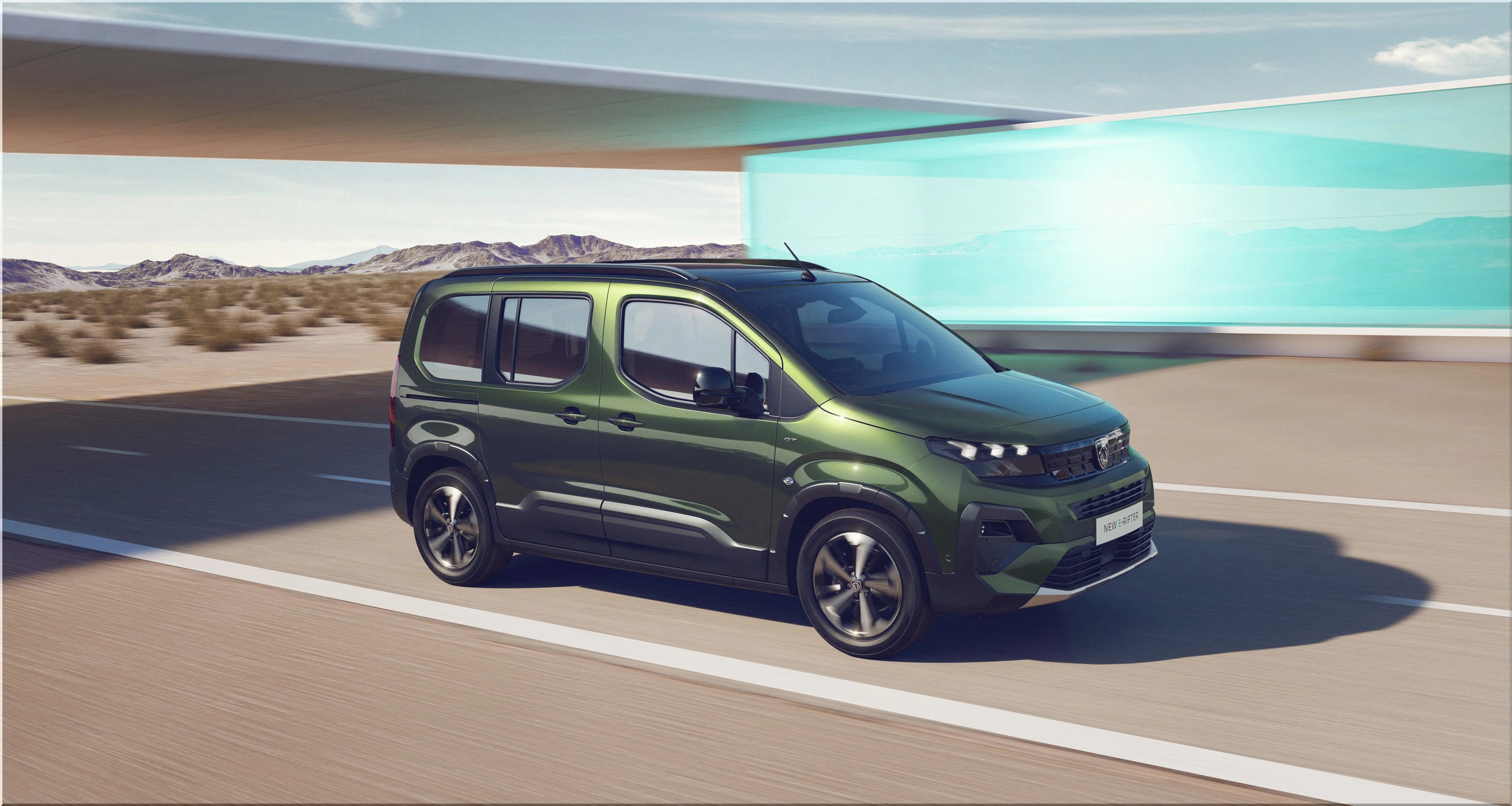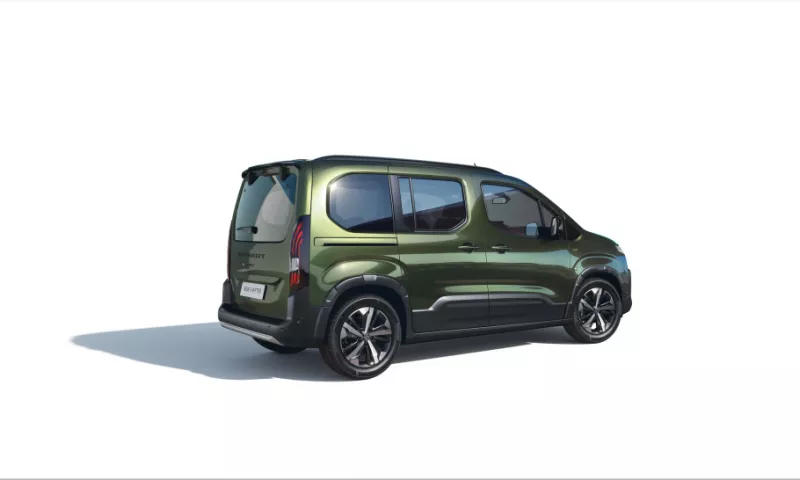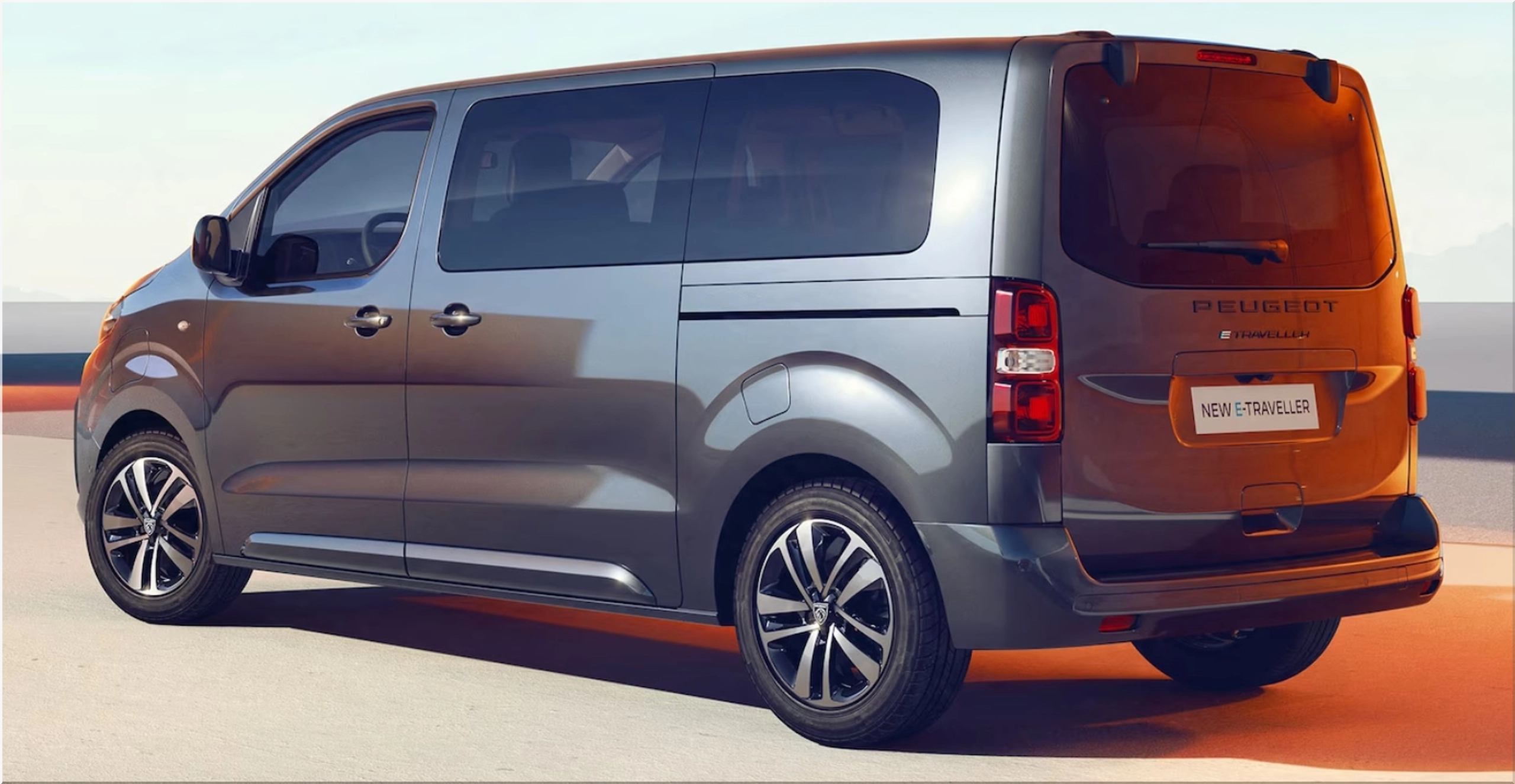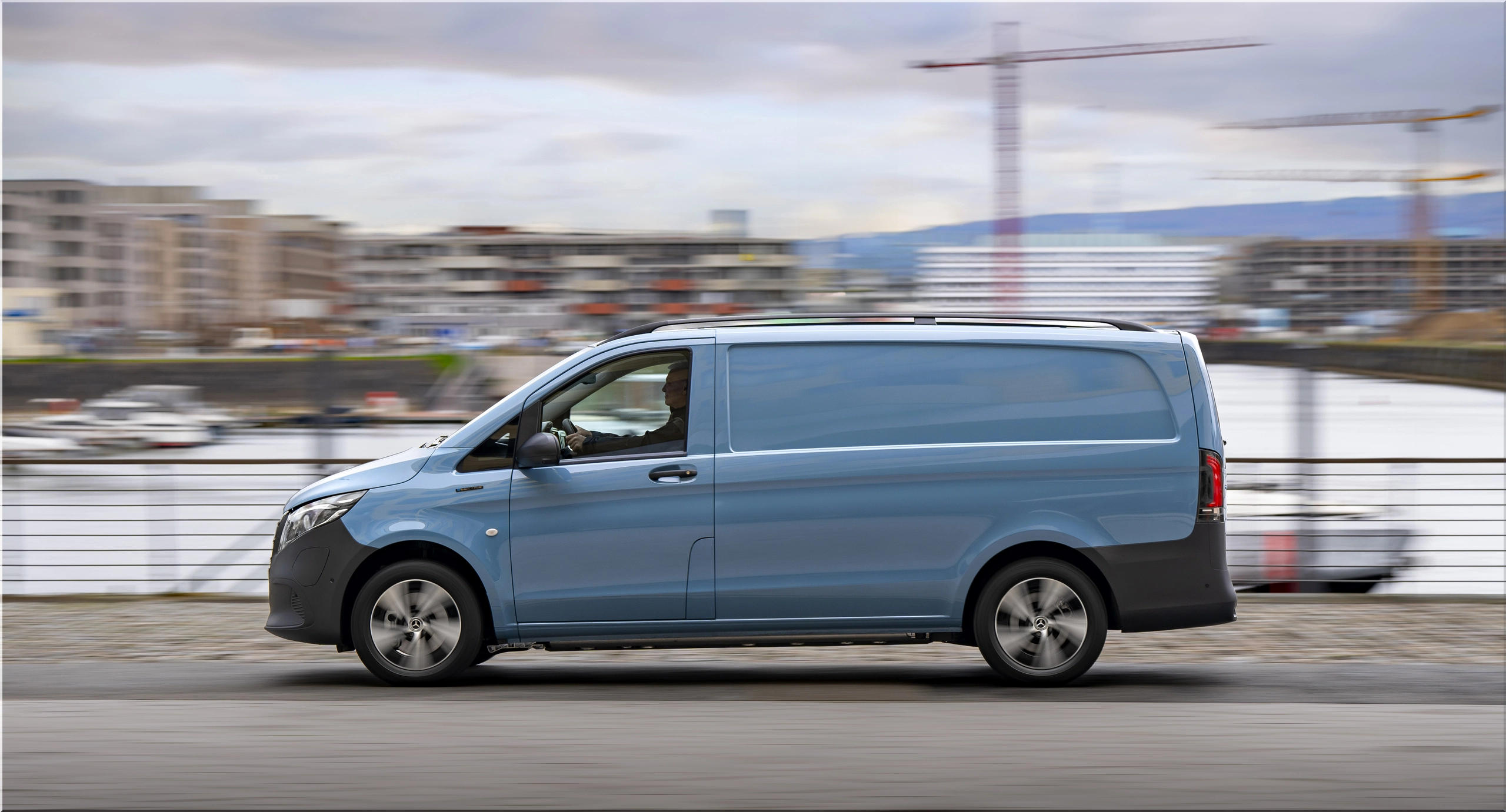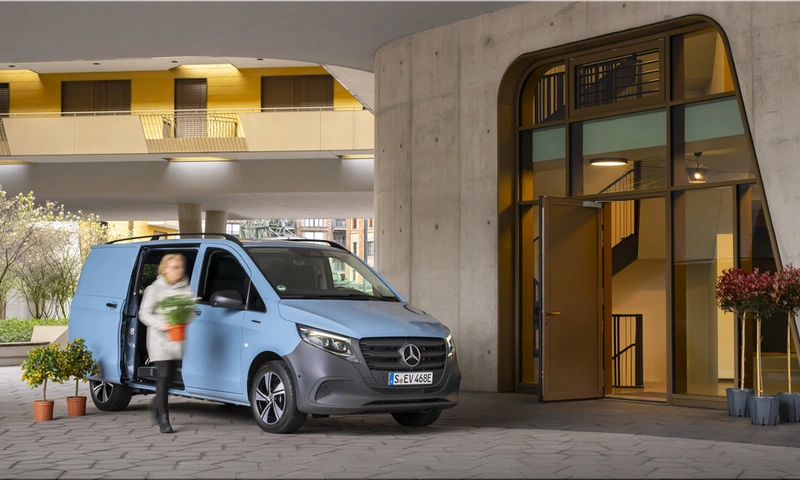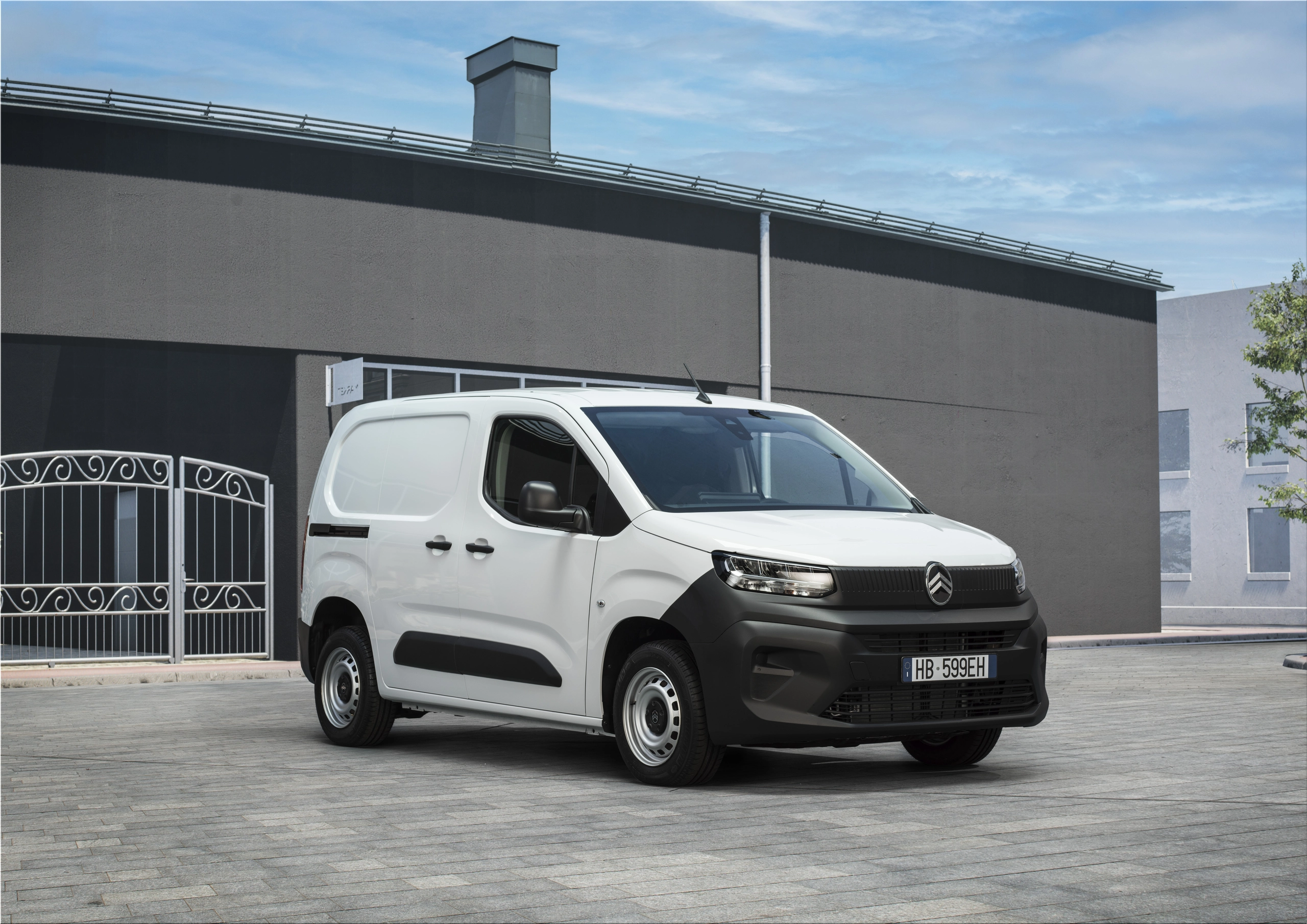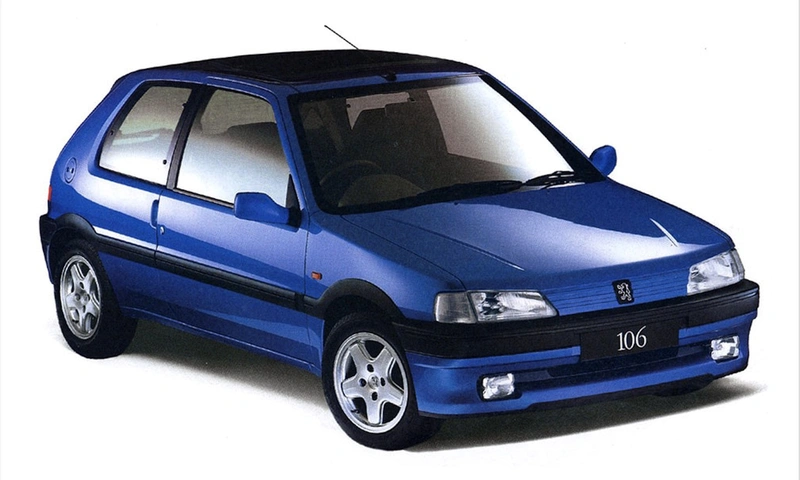
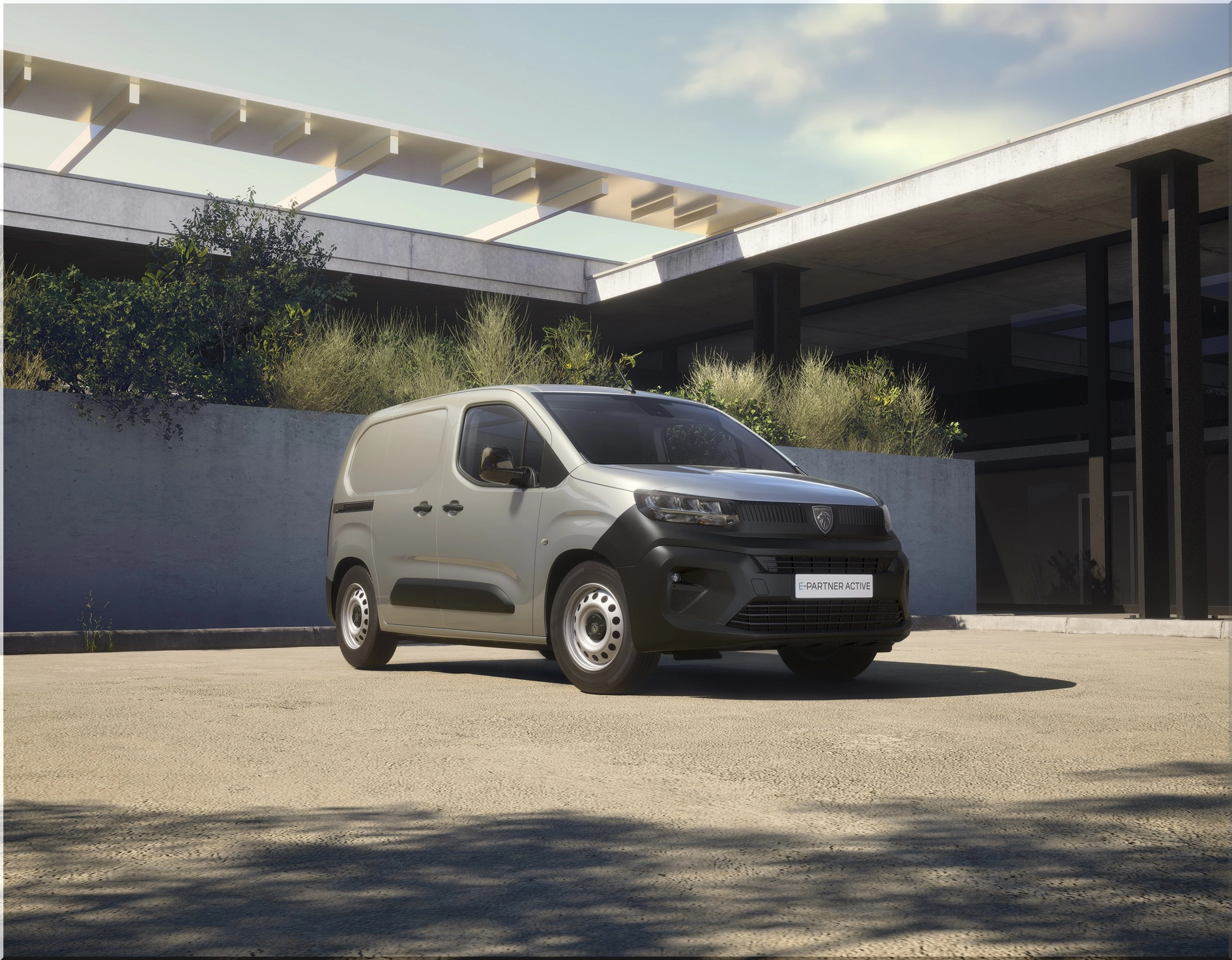
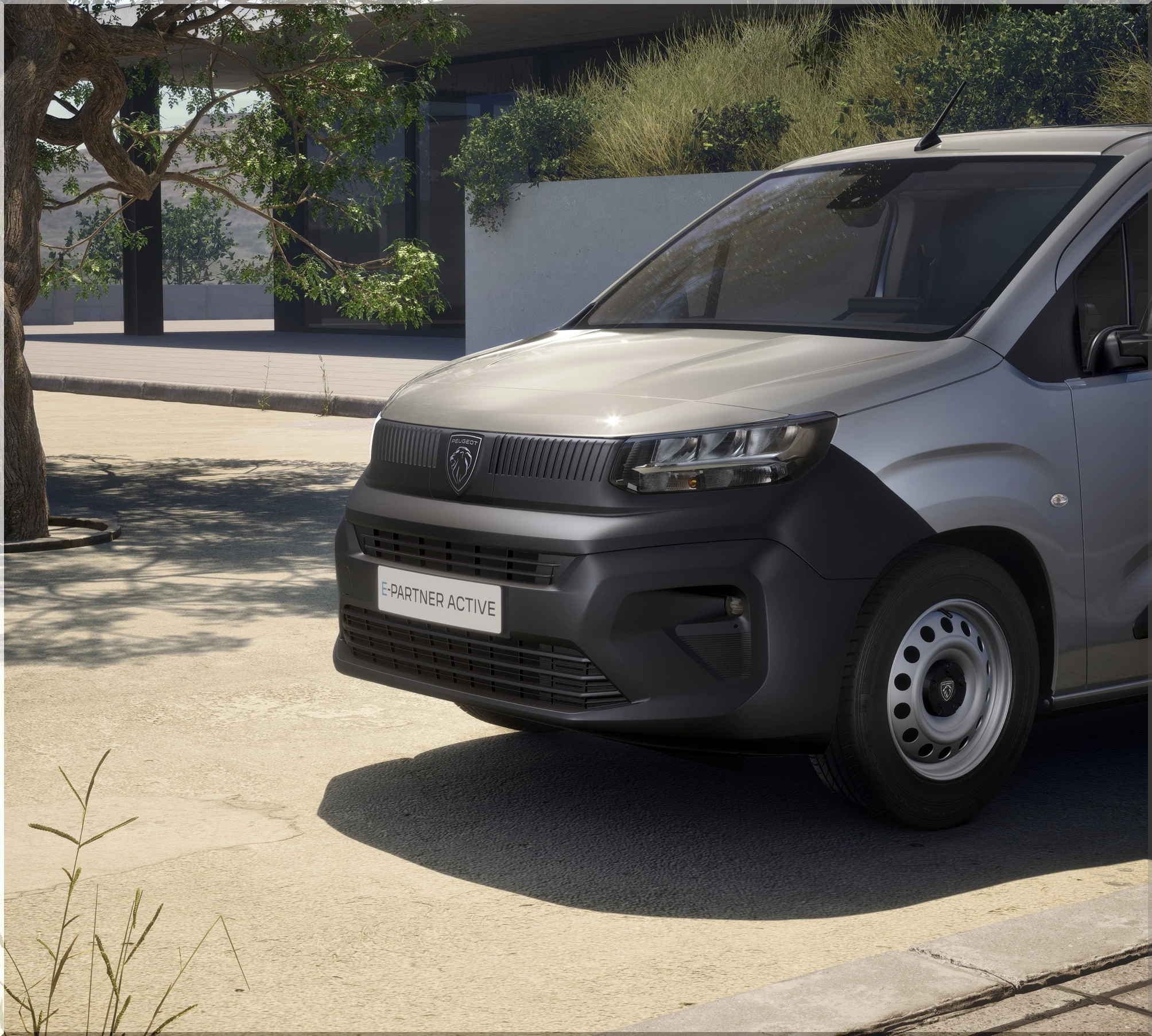
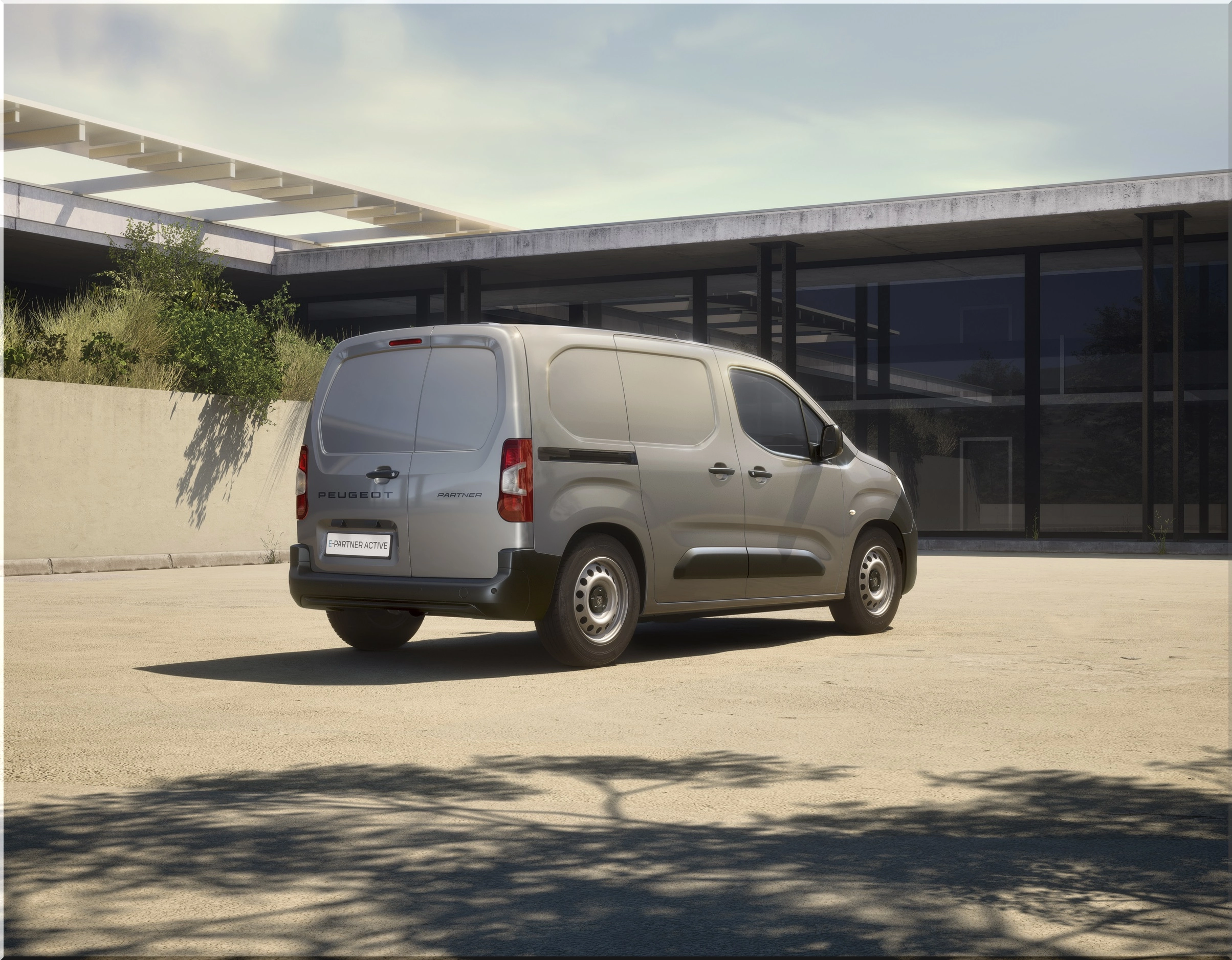
The Peugeot Partner 2027 puts business costs first. Peugeot reorganises its German range around Active, Control and Tech trims, adds practical cabin equipment and offers two electric battery capacities. A mild-hybrid Partner will join the range during 2027, although Peugeot has yet to disclose its output, consumption or price.
The Peugeot Partner van already has commercial momentum. UK Partner registrations reached 12,230 through September 2026, giving it 22% of the compact-van segment. The update builds on the third-generation model, which Peugeot introduced in 2018 and substantially revised in 2023.
Image
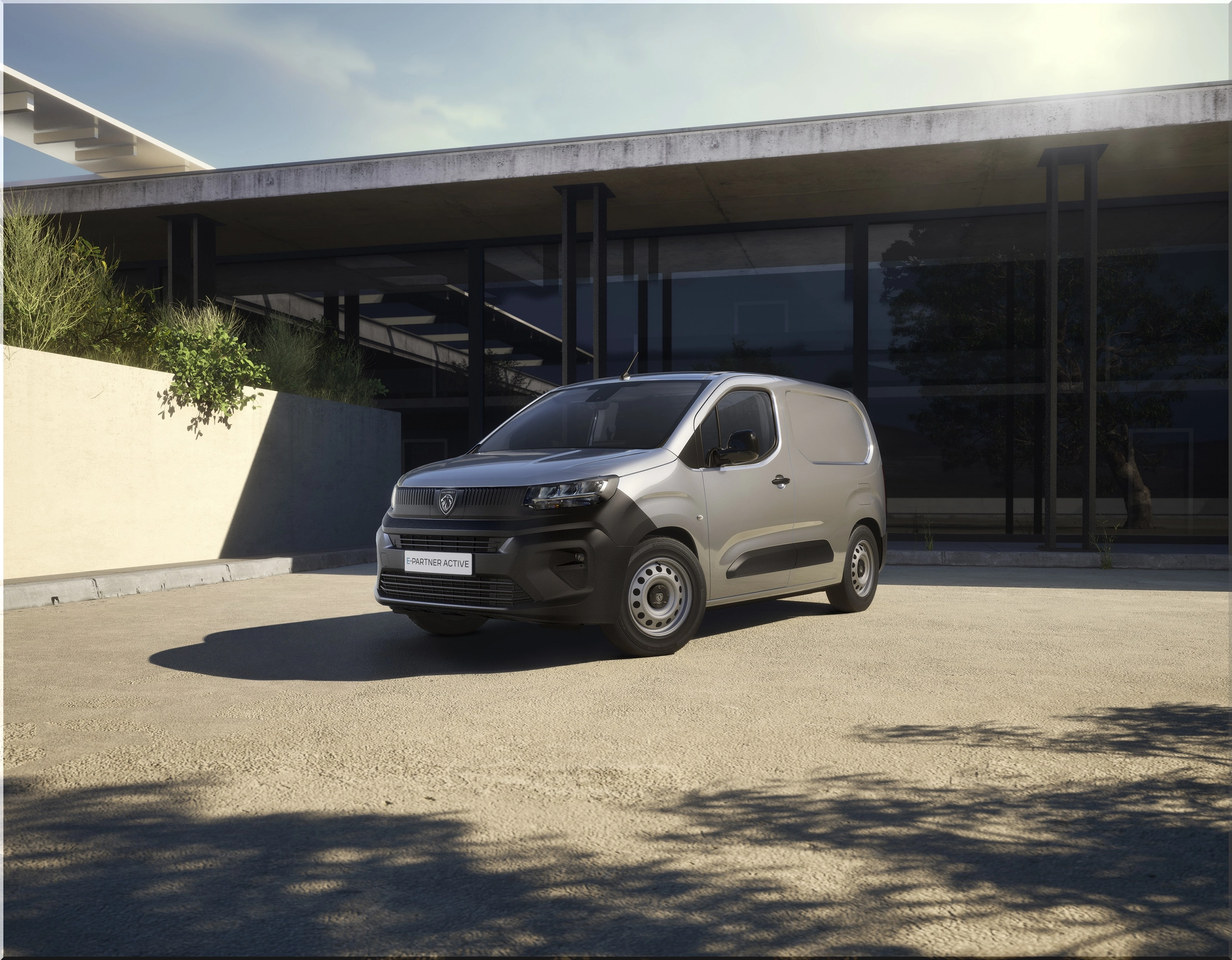
2027 Peugeot Partner Prices and Powertrains
Germany's entry prices start at €21,700 excluding VAT. The Active petrol and diesel versions use manual transmissions, while the E-Partner offers electric propulsion across all three trims.
| Version | Output | Usable battery | Maximum WLTP range | German starting price, excluding VAT |
|---|---|---|---|---|
| Active 1.2 petrol | 81 kW / 110 PS | N/A | N/A | €21,700 |
| Active diesel 100 | 74 kW / 100 PS | N/A | N/A | €22,500 |
| Active diesel 130 | 96 kW / 130 PS | N/A | N/A | €23,500 |
| E-Partner Active | 100 kW / 136 PS | 42.05 kWh | 270 km | €27,550 |
| E-Partner Control | Peugeot gives no figure | 50.8 kWh | 354 km | €30,550 |
| E-Partner Tech | Peugeot gives no figure | 50.8 kWh | 354 km | €32,950 |
These prices describe Germany's offer. Local taxes, equipment and commercial discounts change the invoice. Specifically, the E-Partner Control costs €3,000 above electric Active and adds 84 km of advertised range, alongside equipment upgrades.
Cargo Capacity and Cabin Equipment
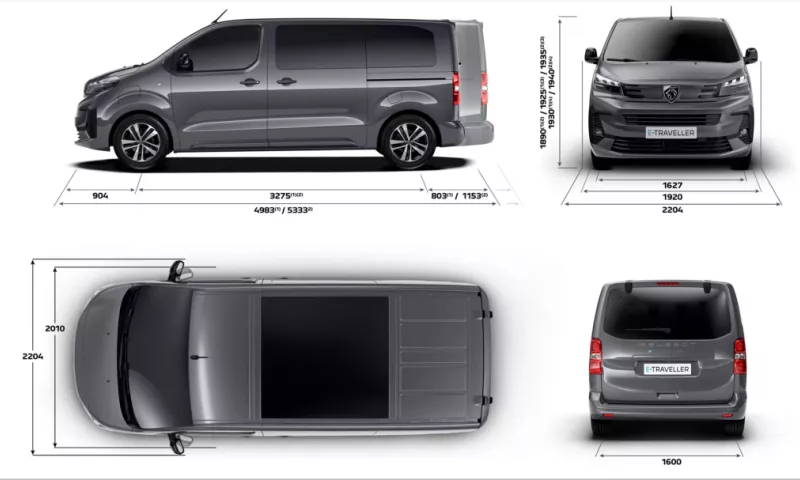
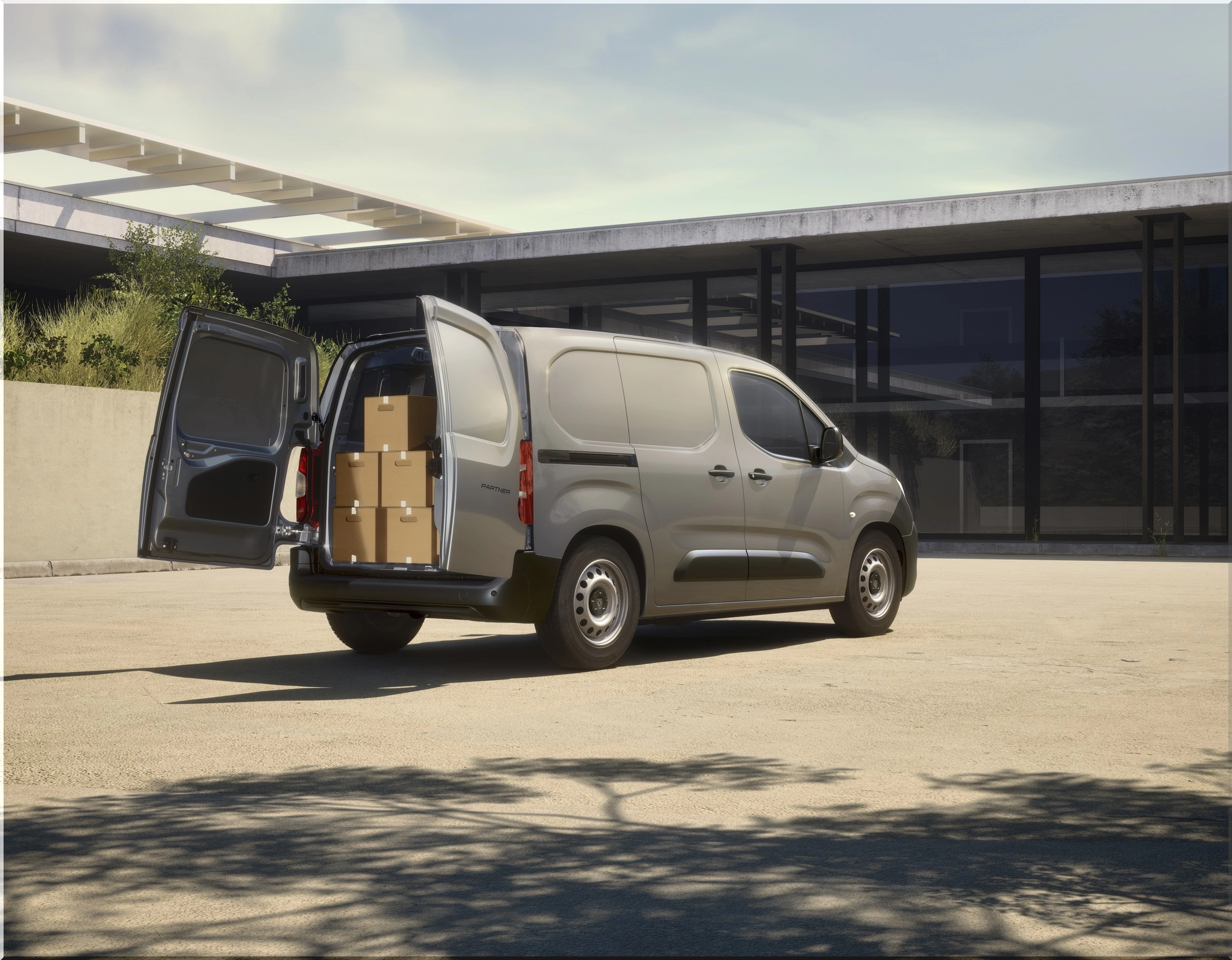
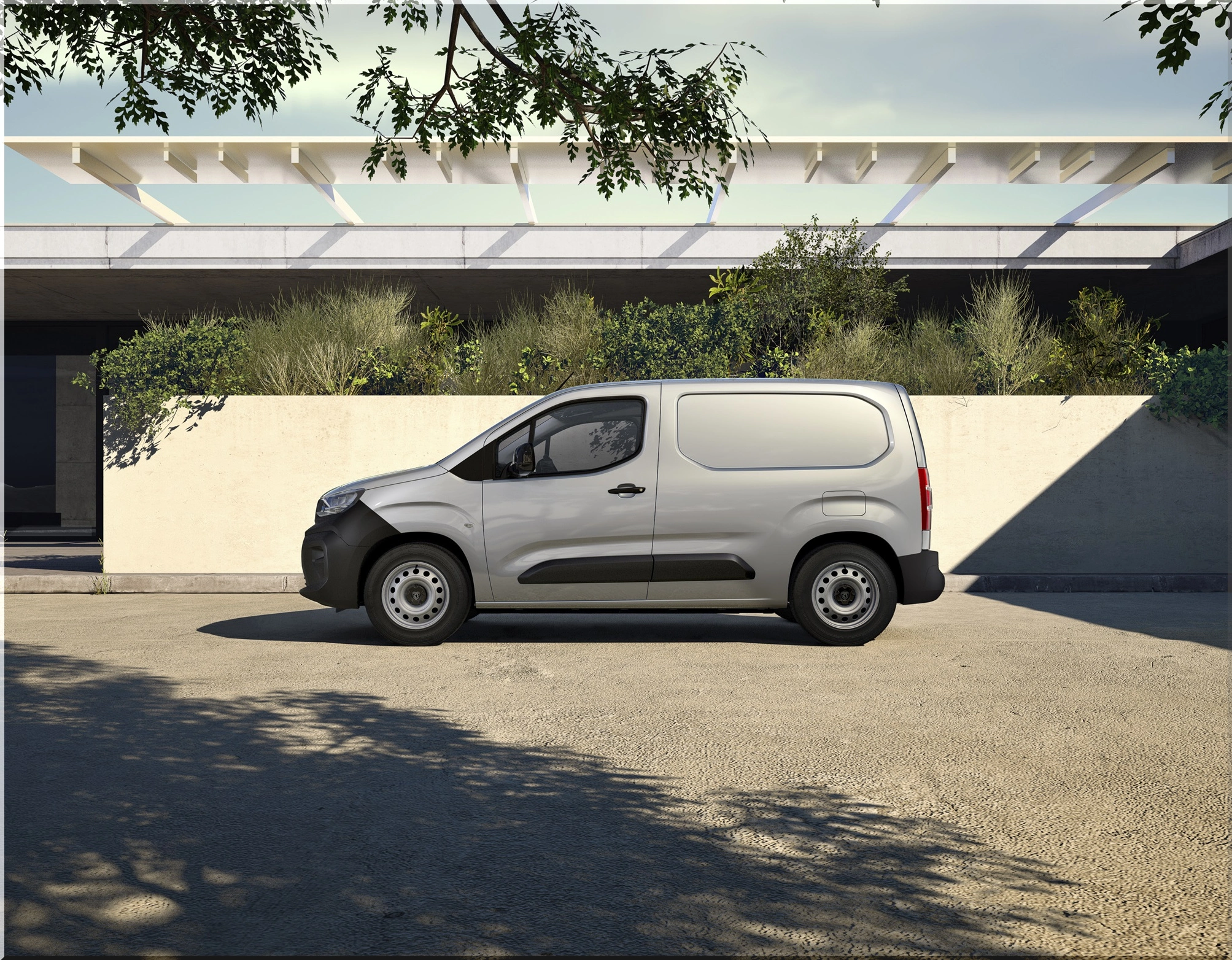
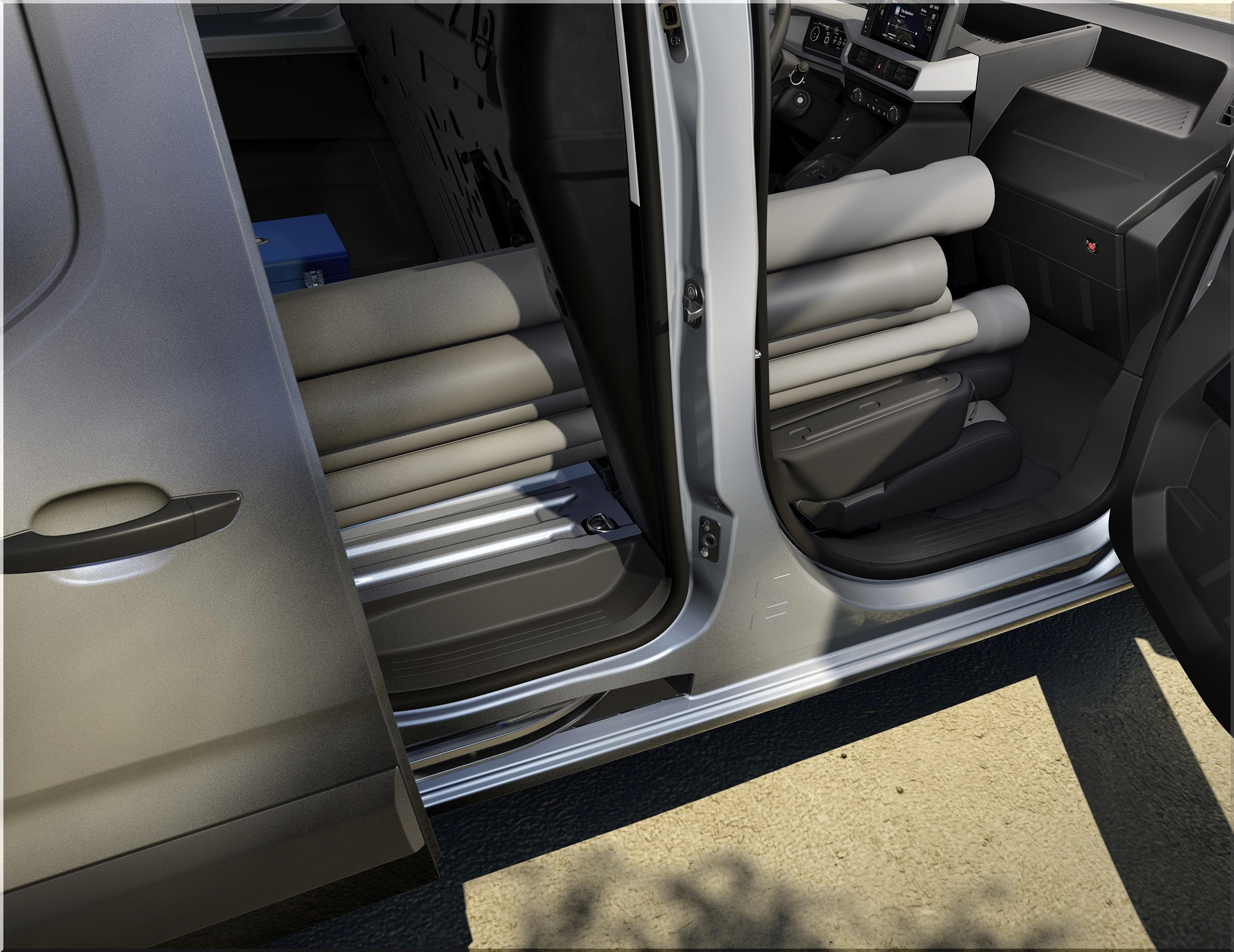
Peugeot retains two body lengths: 4,400 mm (173.2 inches) for M and 4,750 mm (187.0 inches) for XL. Maximum load volume reaches 4.4 m³, while selected powertrains support up to 1,000 kg of payload. Buyers must check their exact configuration because maximum volume and maximum payload describe different limits.
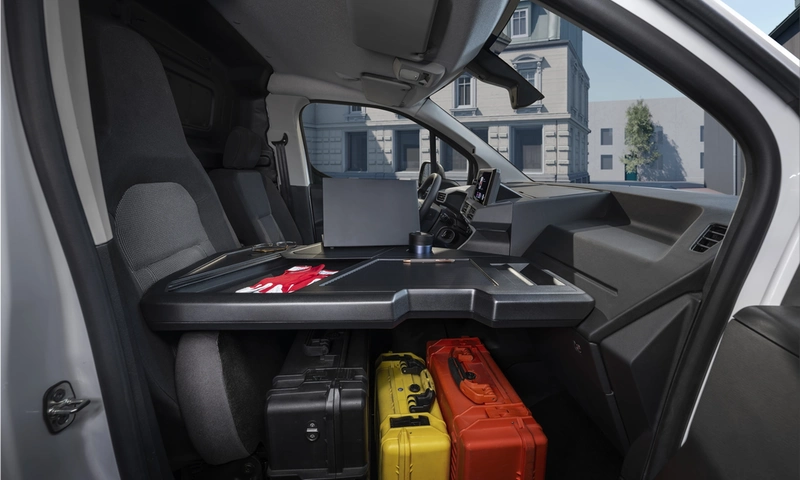
Active's FlexiSeat folds its passenger-seat cushion vertically, freeing 0.5 m³ in the passenger footwell. Peugeot's research found that 40% of professionals show no interest in a three-seat compact van. Consequently, the two-seat layout prioritises accessible storage for operators who rarely carry a crew.
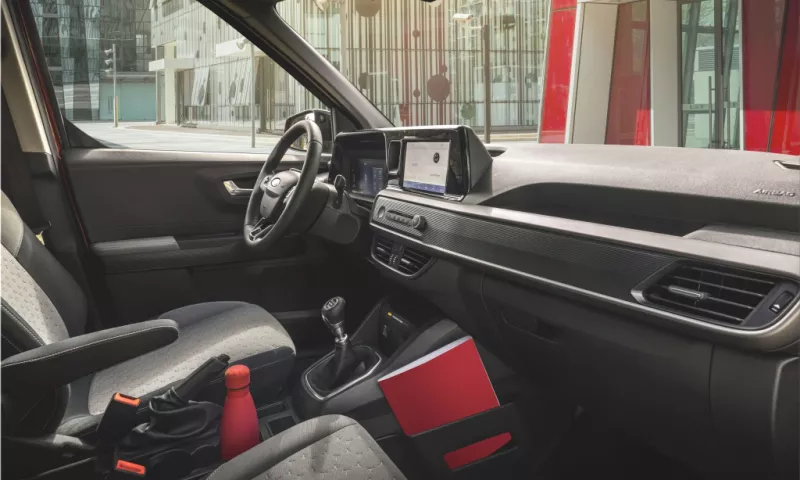
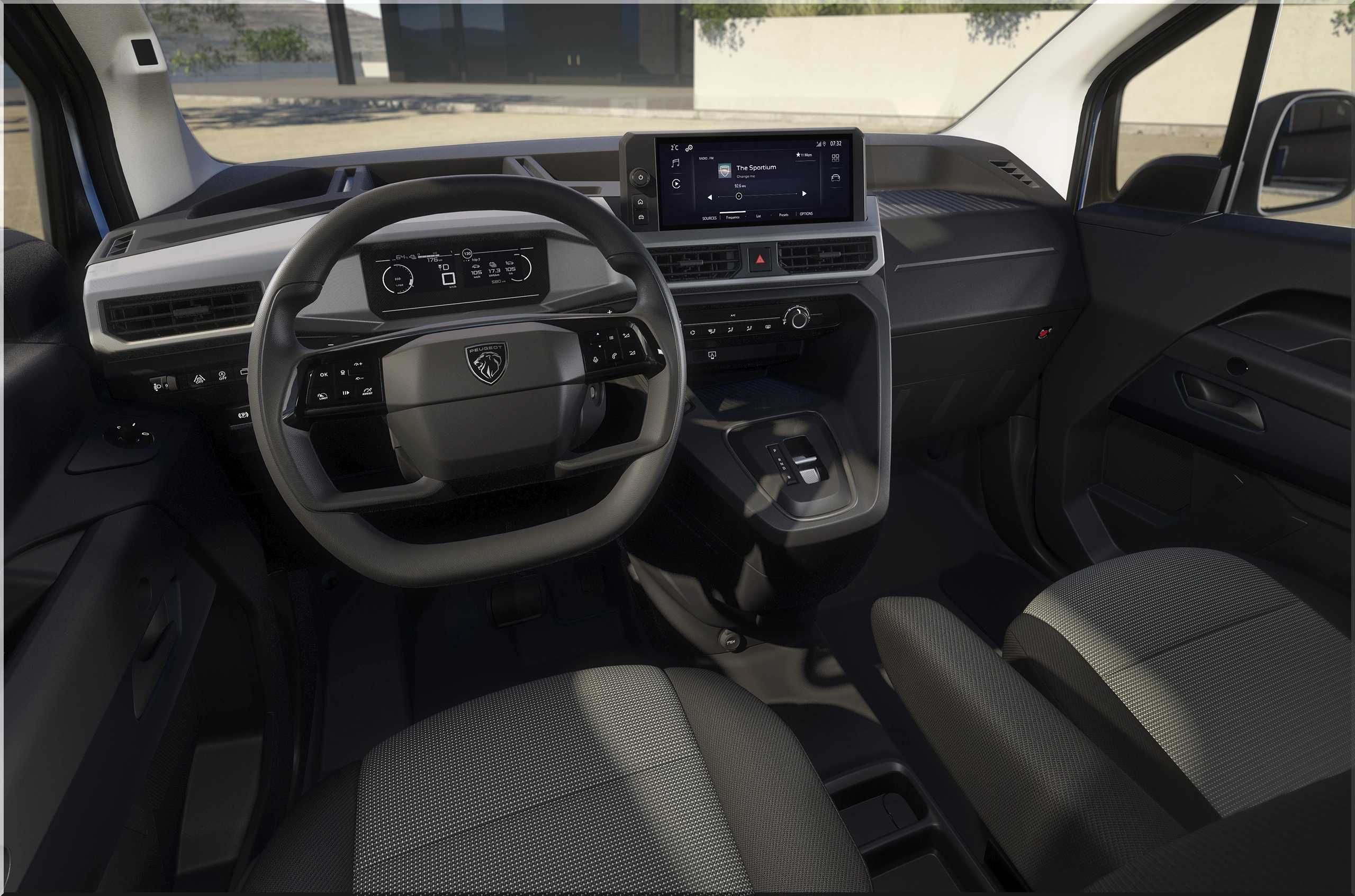
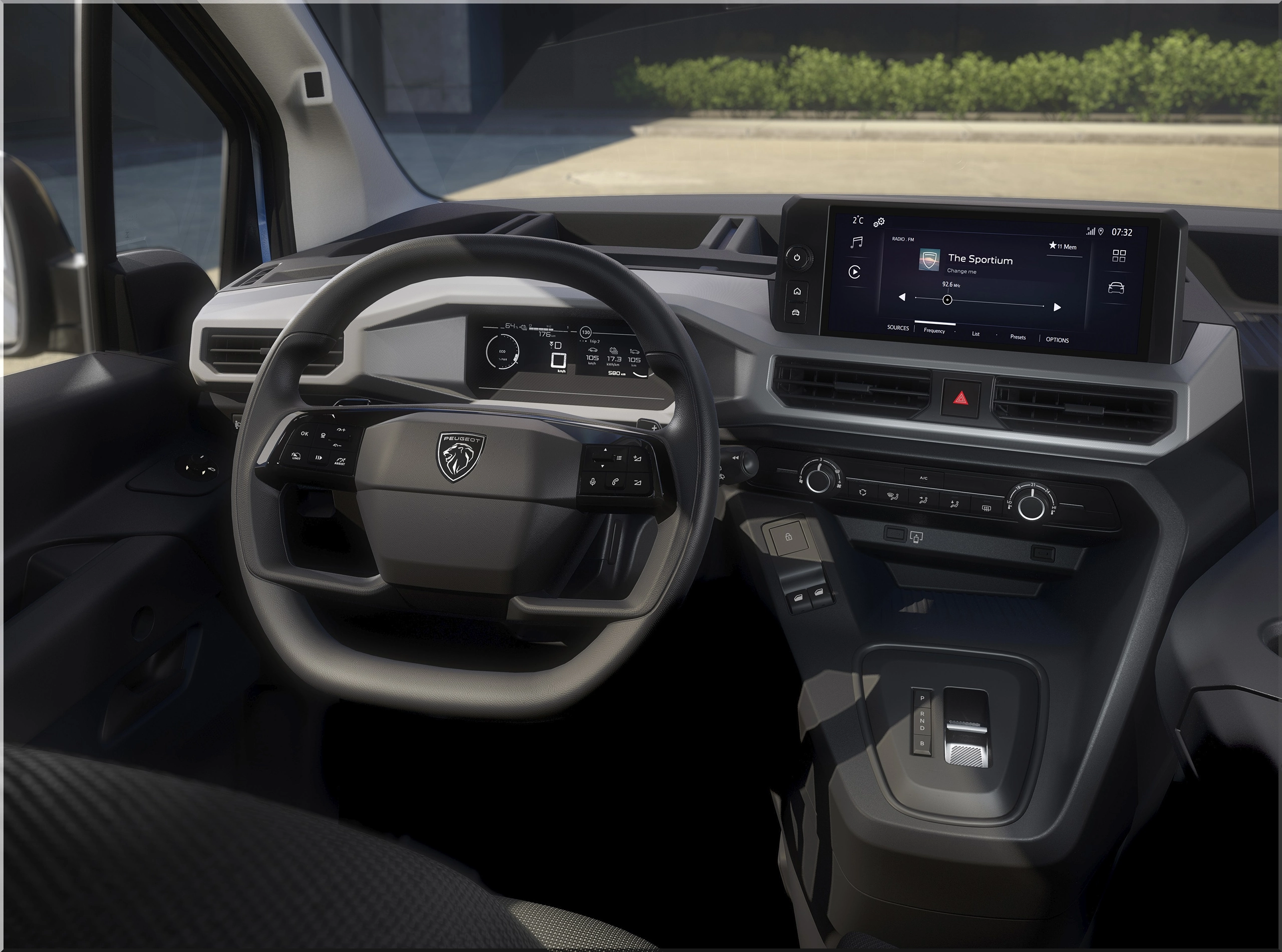
- Active: Air conditioning, rear parking sensors, two USB-C ports and a monochrome 10-inch instrument display support basic working needs.
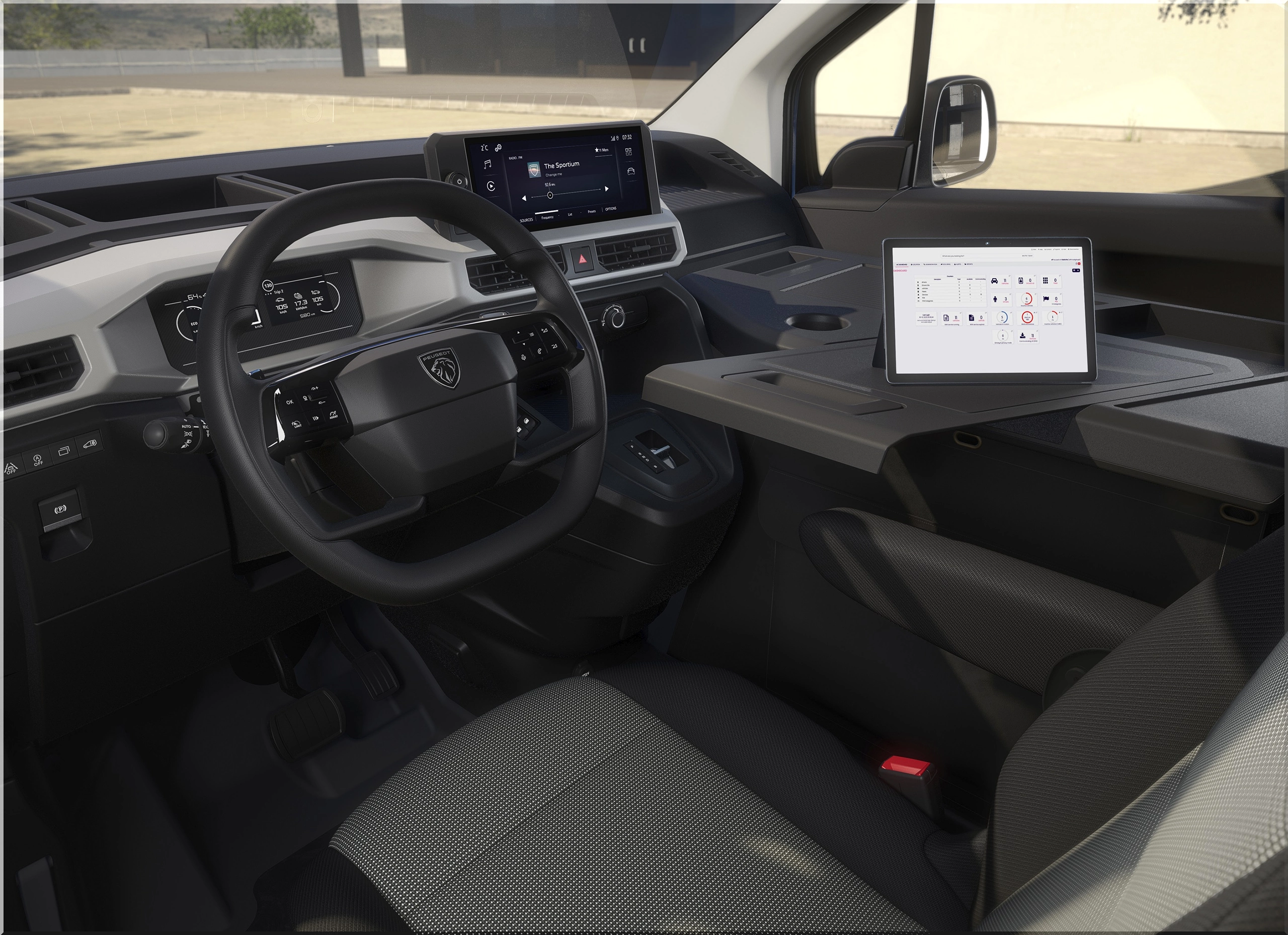
- Control: A 10-inch infotainment screen, wireless Apple CarPlay and Android Auto, plus a reversing camera suit fleet use.
- Tech: A colour digital instrument display, 180-degree HD reversing camera, dual-zone climate control and three-seat Multiflex cabin add comfort and load-through flexibility.
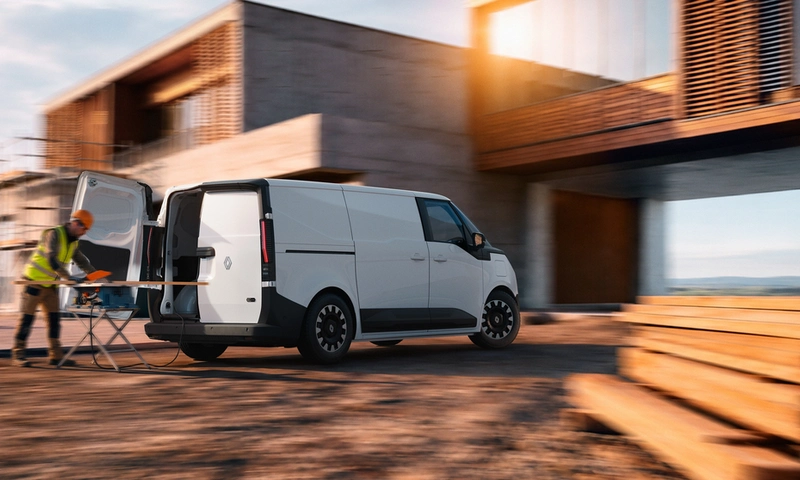
The optional ModuTable provides a laptop surface when parked. DriveDrawer conceals equipment beneath the driver's seat; Peugeot expects Germany's DashBox option from March 2027.
Image
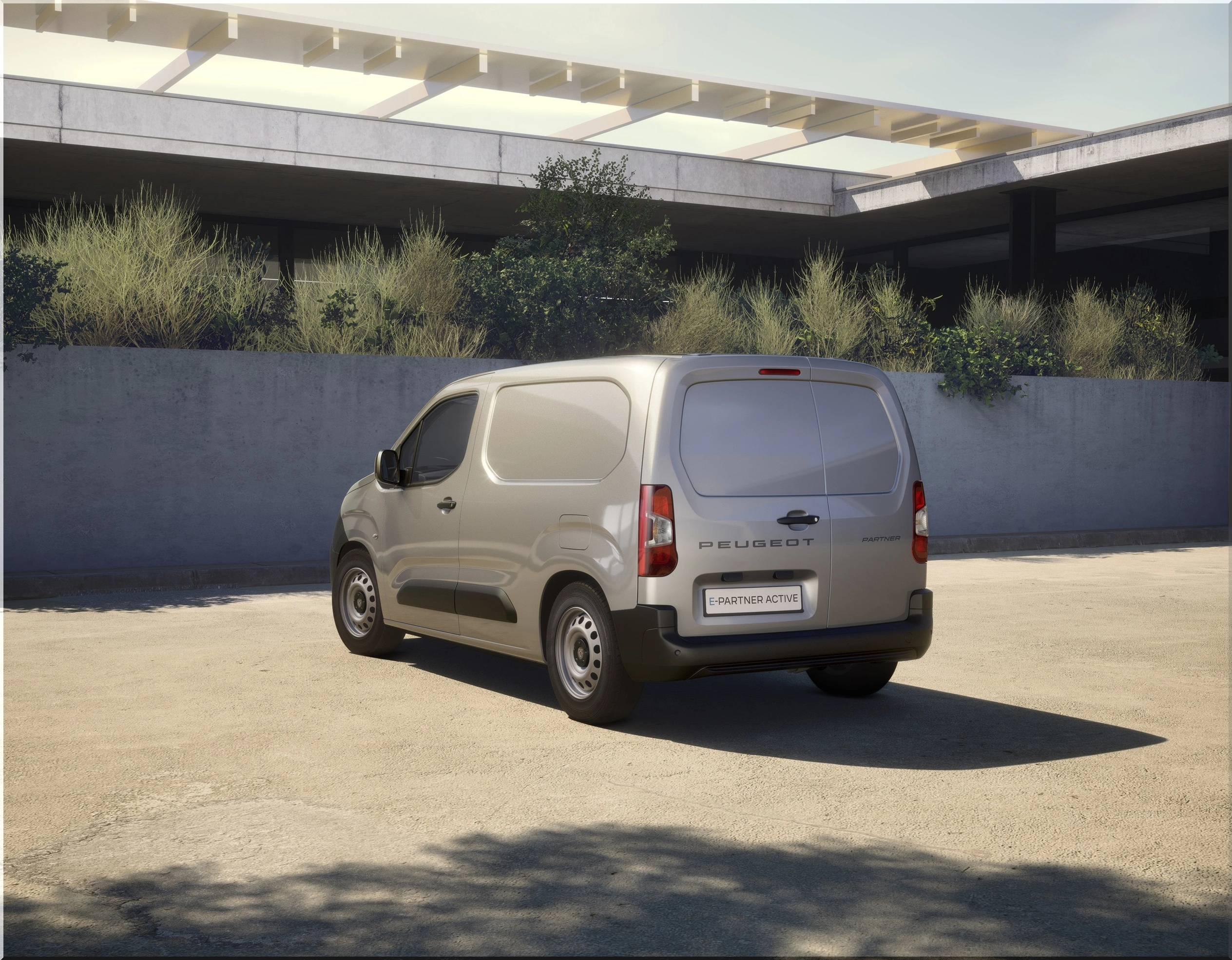
Electric Range and Charging: Check the Specification
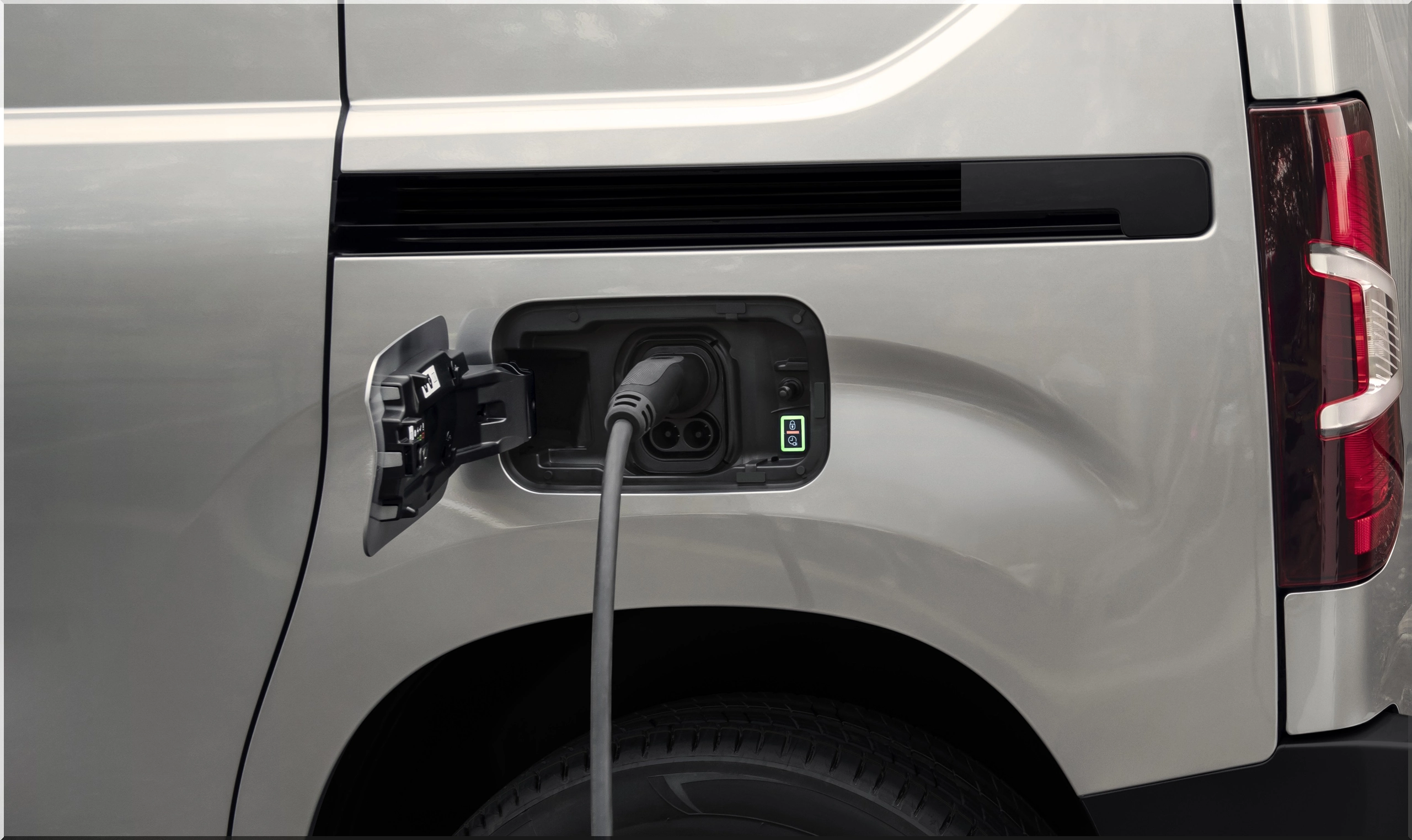
The 42.05 kWh battery suits shorter scheduled routes. Control and Tech increase usable capacity to 50.8 kWh, approximately 21% more, while advertised WLTP range rises by 31% to 354 km. These specification gains alone do not establish real operating efficiency.
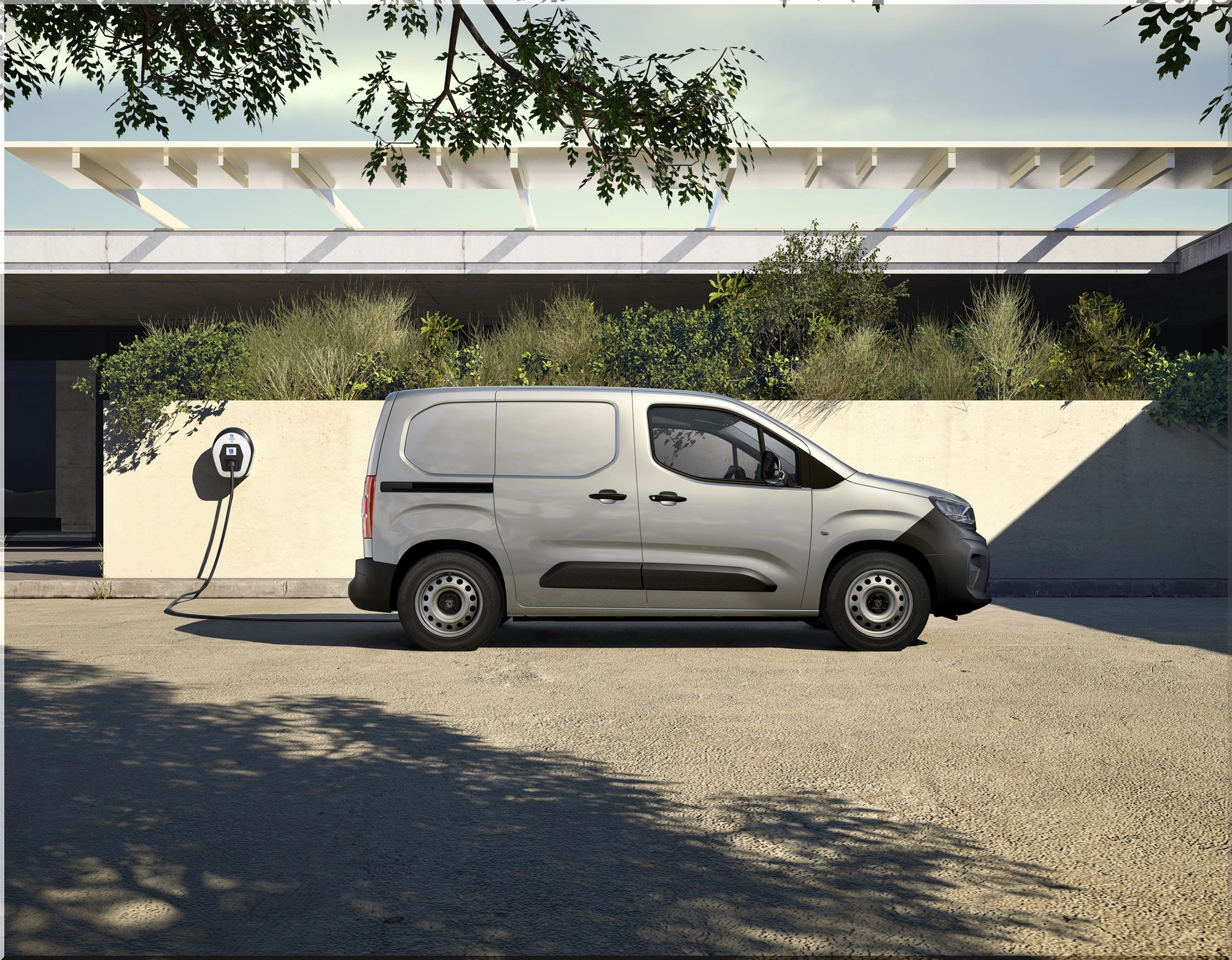
All three electric trims include 11 kW three-phase AC charging. Active makes 100 kW DC charging optional; Control and Tech include it. That distinction affects dispatch flexibility: an operator who omits DC capability loses access to rapid charging between assignments.
How Does It Compare With Rival Electric Vans?
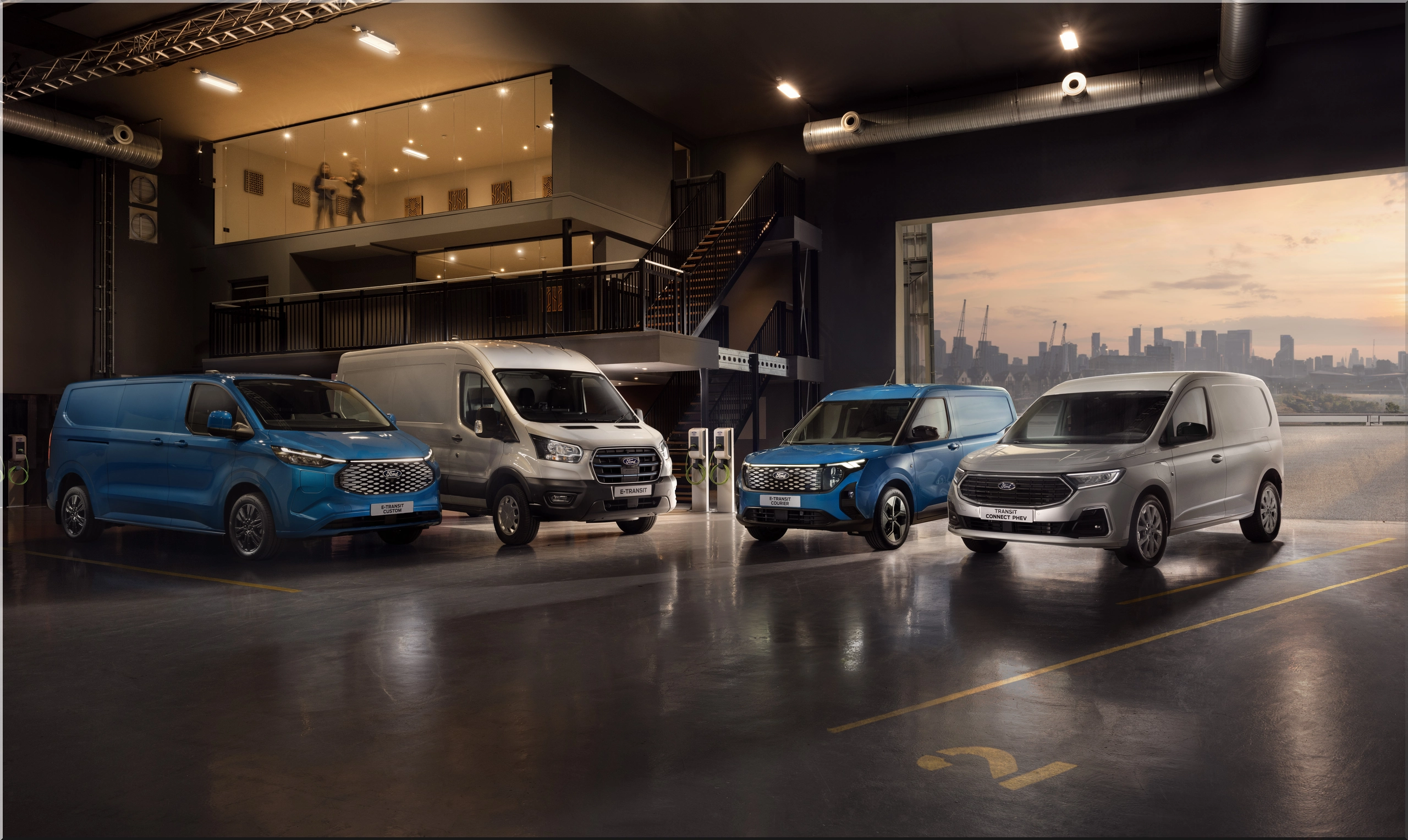
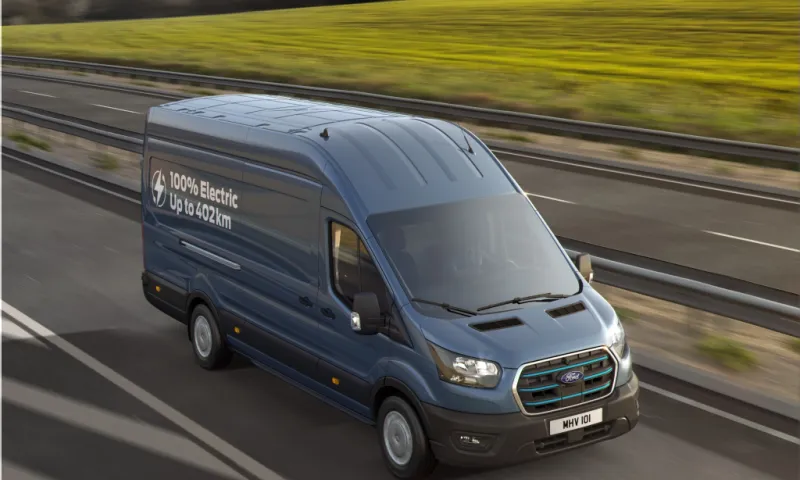
Renault's October 2026 Kangoo update matches Peugeot's maximum advertised range, pending homologation, and offers 22 kW AC charging on selected versions. Ford's updated E-Transit Courier trails by 20 km but publishes a 26-minute 10-80% DC charging estimate.
| Electric van | Battery capacity | Maximum WLTP range | Peak DC charging | Purchasing distinction |
|---|---|---|---|---|
| E-Partner Control/Tech | 50.8 kWh usable | 354 km | 100 kW | Standard 11 kW AC and DC charging |
| Updated Kangoo Van E-Tech | 52 kWh, as quoted by Renault | 354 km, homologation pending | 100 kW | Up to 22 kW AC, depending on version |
| Updated E-Transit Courier | 46 kWh usable | 334 km | 100 kW | Around 26 minutes for 10-80% |
Battery reporting conventions and charging windows differ. Compare loaded route results before treating these headline figures as equivalent operating capability.
Which Partner Should Your Business Buy?
Pro-Tips: Price the working specification before choosing the trim.
- Select Active for predictable local work and modest equipment needs.
- Compare Control's €3,000 electric premium against route distance and the cost of Active's optional DC charging.
- Choose Tech when crews, long cargo and repeated reversing manoeuvres justify its extra equipment.
For electric running costs, multiply your measured kWh/100 km by your electricity tariff. At an illustrative 20 kWh/100 km and €0.25/kWh, energy costs €5 per 100 km. Add charging losses, finance, insurance and downtime to assess the full business case. Test the van with your usual load before committing.
- Add new comment
- 25 views