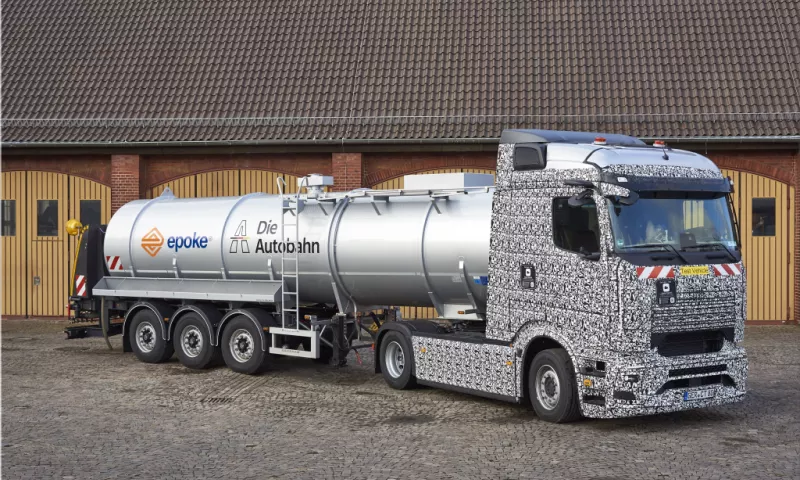
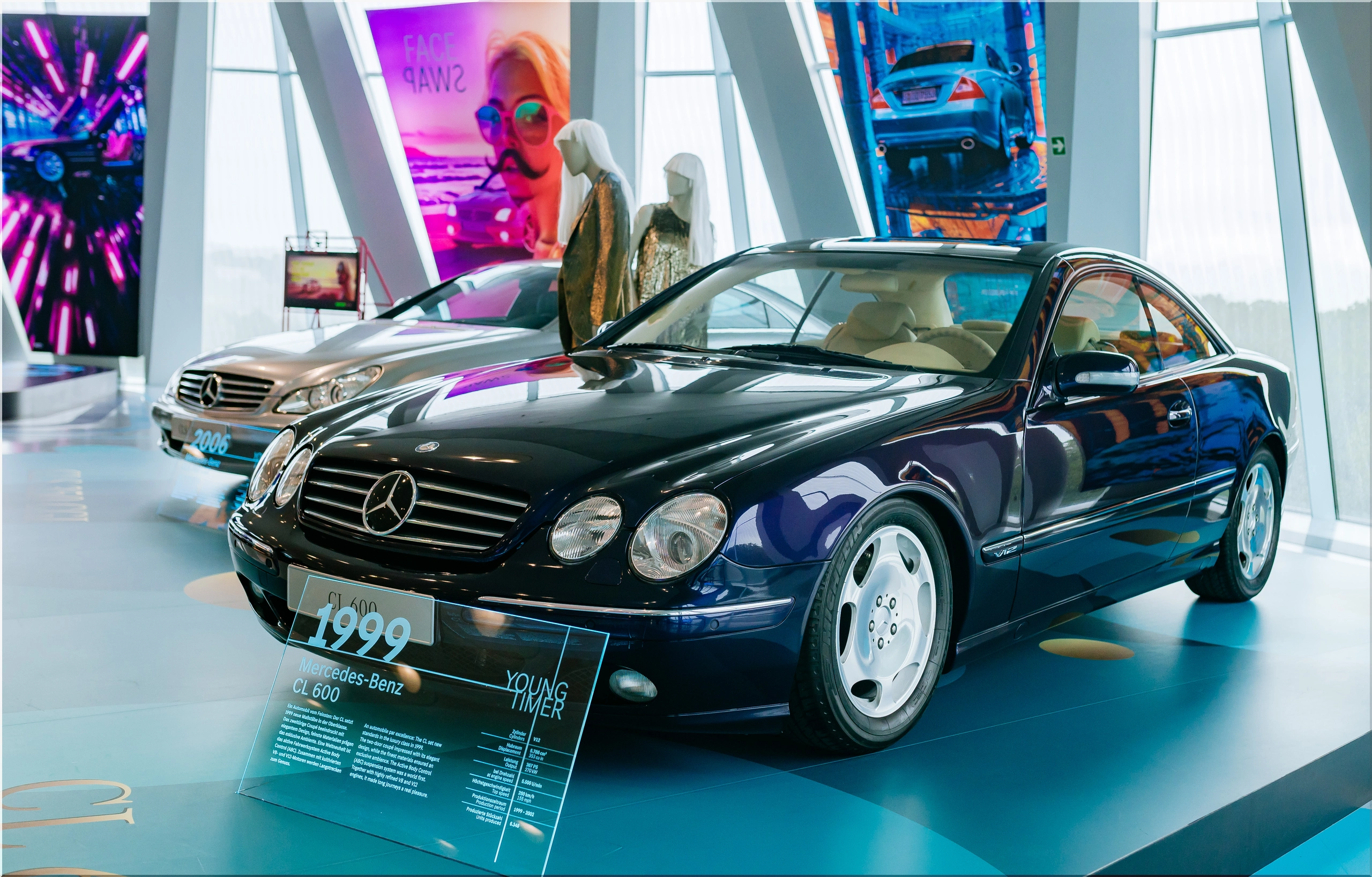
Mercedes-Benz entered the final years of the 1990s with a clear objective. The brand wanted absolute control of the flagship luxury coupe segment. The 1999 Mercedes-Benz CL 600 delivered that intent with discipline and precision.
This coupe did not chase visual drama or marketing buzz. Mercedes focused on mechanical authority, ride quality, and long-term engineering relevance. The result shaped expectations for high-end coupes well into the next decade.
Market Timing: Why the CL 600 Arrived When It Did
Luxury buyers in the late 1990s demanded comfort without sacrificing speed. Four-door flagships already handled refinement well. Two-door cars faced a higher bar.
Mercedes separated the S-Class Coupe into the CL line to clarify intent. The CL 600 sat at the top. It addressed buyers who wanted flagship engineering without rear doors or compromises.
Key timing factors:
- BMW still relied on aging coupe platforms
- Jaguar emphasized styling over engineering depth
- Lexus prioritized reliability and price positioning
Mercedes identified the gap and filled it with authority.
Platform Strategy: The C215 Architecture Explained
The CL 600 launched on the C215 platform. Engineers designed this structure to balance stiffness, weight distribution, and isolation.
Core platform traits:
- Extensive aluminum use for weight reduction
- Reinforced chassis tuning for high-speed stability
- Rear-wheel-drive layout for predictable dynamics
This platform served as a development base for future systems. Mercedes treated the CL as a proving ground rather than a derivative model.
Image
Powertrain Detail: The M137 V12 Under the Hood
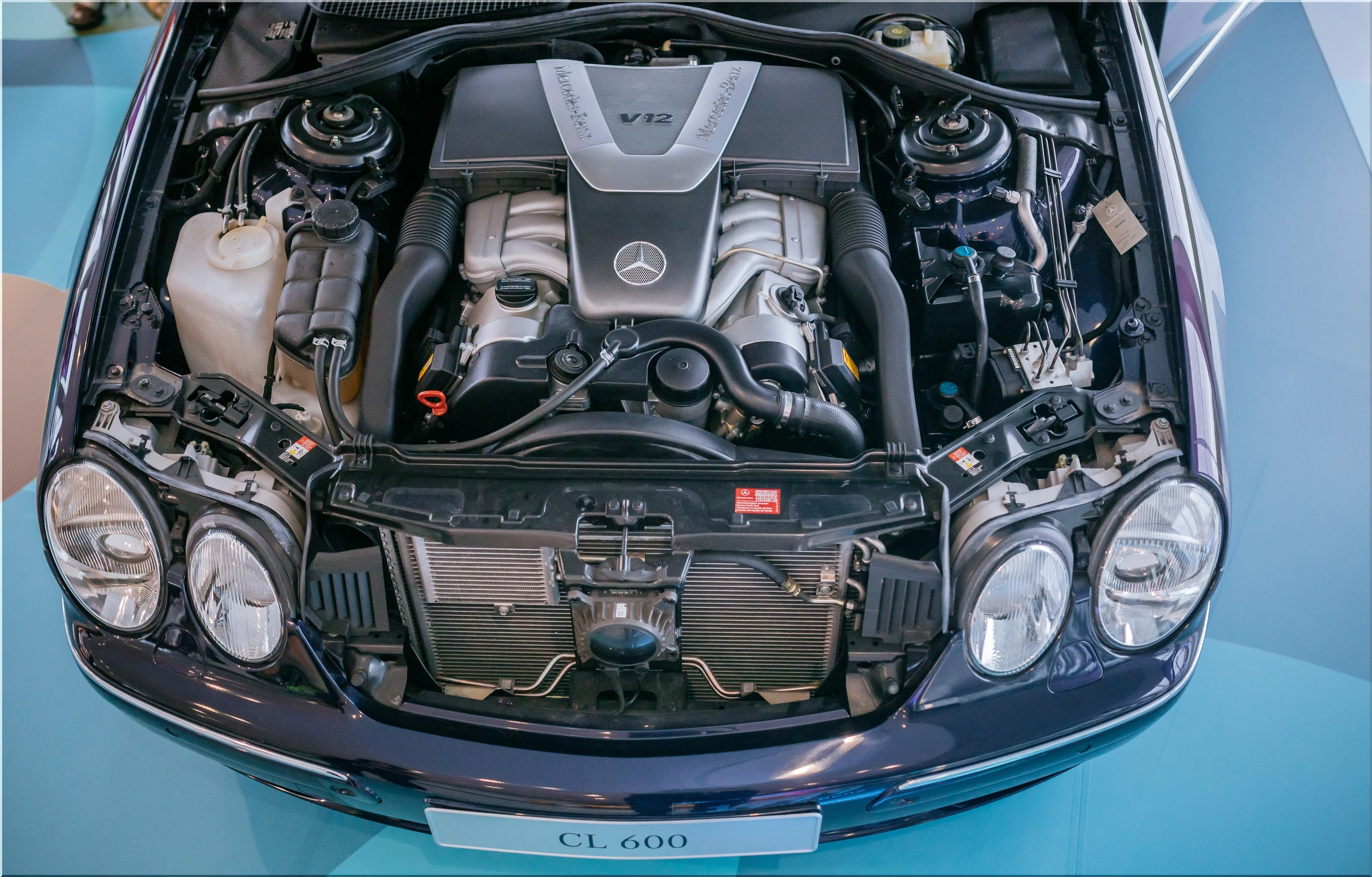
The 5.8-liter naturally aspirated V12 defined the CL 600 experience. Mercedes engineered the M137 engine with refinement as the primary metric.
Engine specifications:
- 362 horsepower at 5,500 rpm
- 391 lb-ft of torque at 4,000 rpm
- Aluminum block and heads
- Dual overhead camshafts
Torque delivery stayed smooth across the rev range. The engine avoided aggressive tuning. Mercedes prioritized durability, thermal stability, and silence at speed.
Naturally aspirated engines rely on atmospheric pressure rather than forced induction, improving throttle response and long-term reliability.
Transmission and Driveline Behavior
Mercedes paired the V12 with a five-speed automatic transmission. The gearbox favored smooth shifts over aggressive response.
Driving characteristics included:
- Early upshifts during relaxed driving
- Firm kickdown under full throttle
- Minimal drivetrain vibration at highway speeds
The rear differential tuned for quiet operation rather than sharp turn-in. This choice supported the coupe’s long-distance role.
Active Body Control: Suspension That Changed Expectations
Active Body Control (ABC) arrived as a world-first production system. Unlike adaptive dampers, ABC used hydraulics and sensors to counteract body movement before it developed.
System operation:
- Sensors monitored steering input, speed, and wheel travel
- Hydraulic actuators adjusted each corner independently
- The system reduced roll, squat, and dive in real time
The result delivered a flat ride without stiff springs. Large luxury coupes rarely achieved this balance at the time.
Pro-Tip: ABC maintenance defines ownership experience. Healthy accumulators and hydraulics preserve ride quality and resale confidence.
Image
Exterior Design: Form Driven by Function
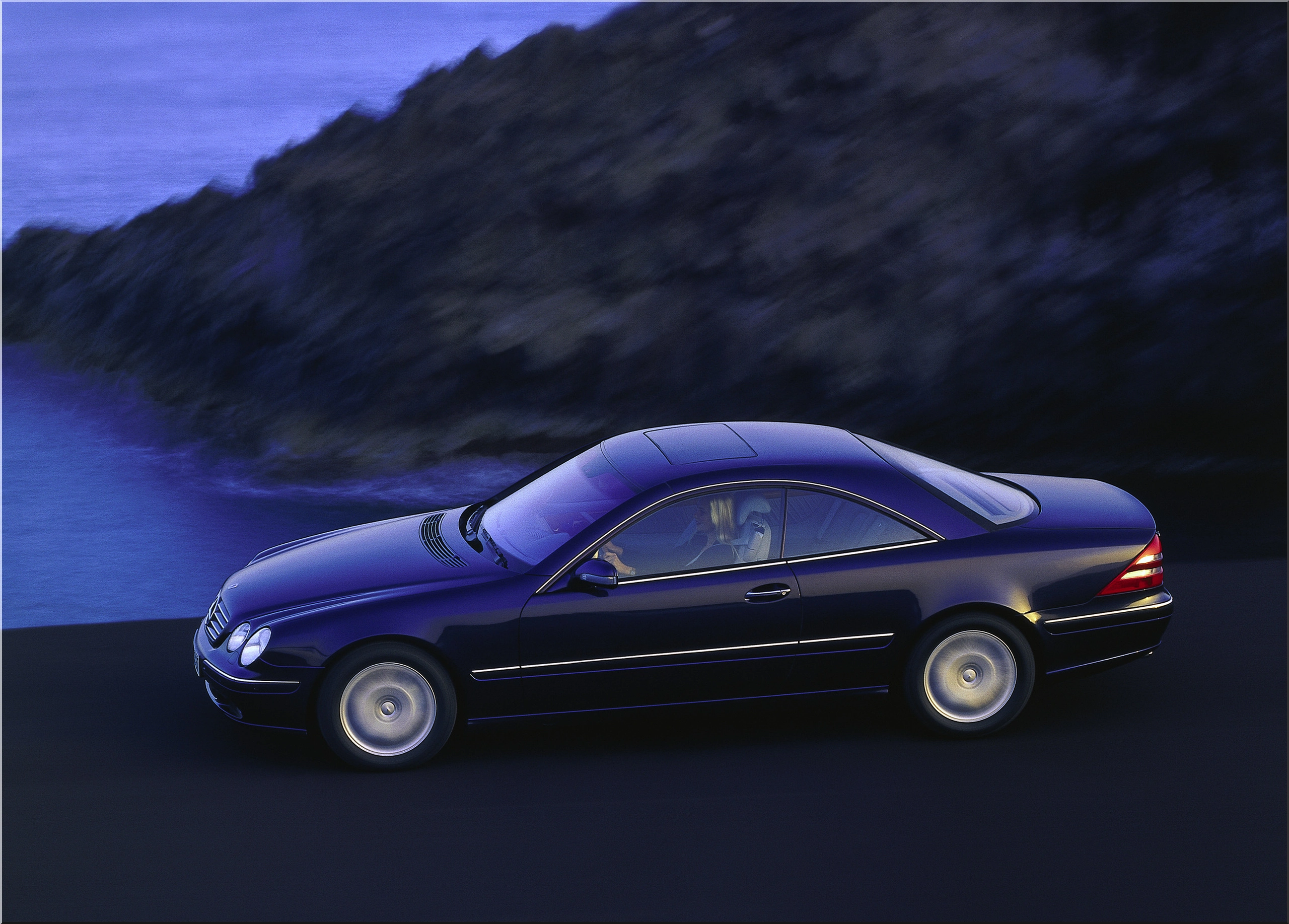
The CL 600 carried restrained proportions. Designers avoided sharp creases or decorative add-ons.
Exterior highlights:
- Long hood optimized for V12 packaging
- Frameless doors reducing visual mass
- Subtle chrome accents rather than bold trim
Aerodynamic efficiency mattered. The body shape reduced wind noise at sustained speed. This design choice supported Autobahn use.
Interior Engineering: Stone Trim and Structural Precision
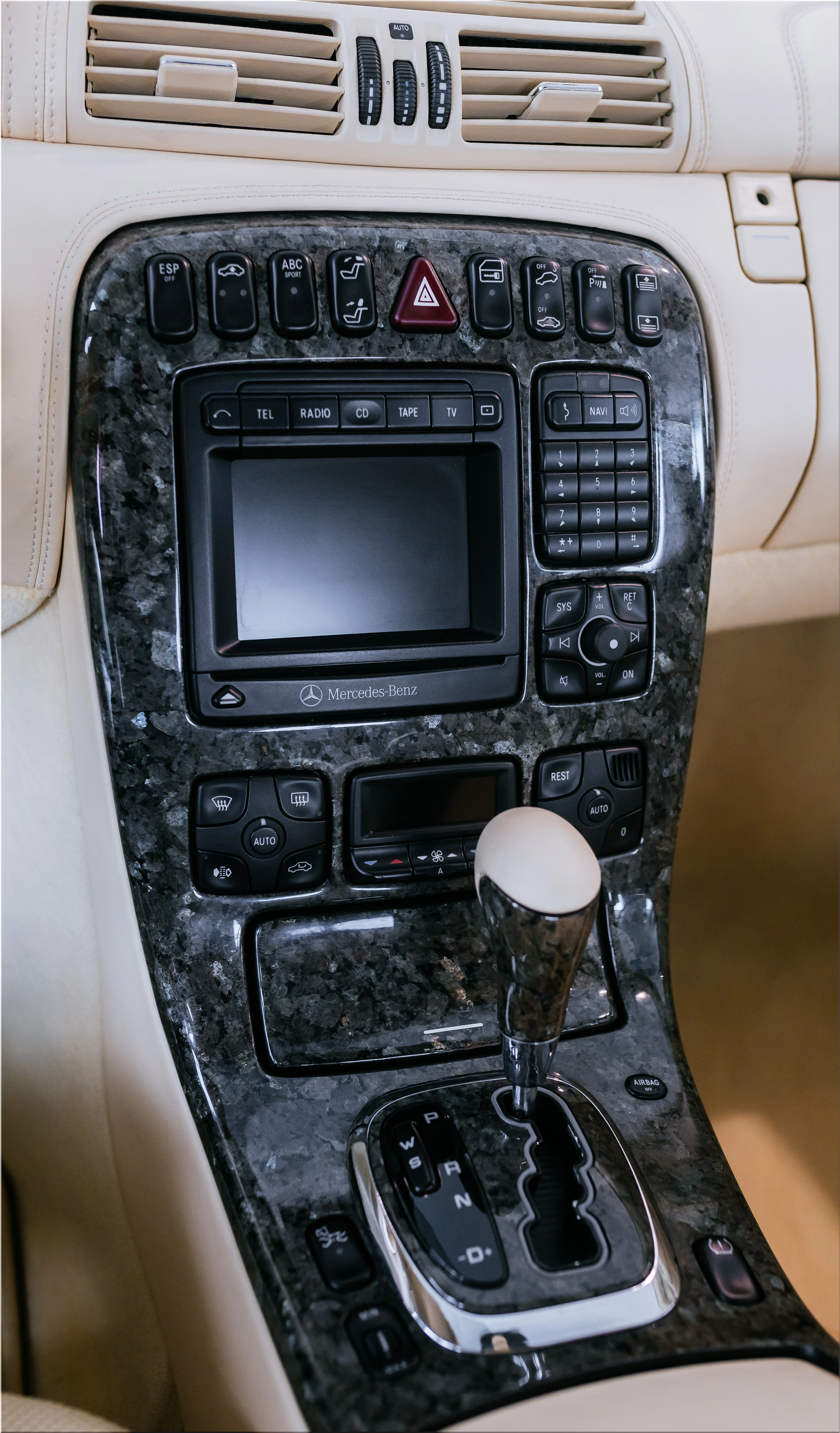
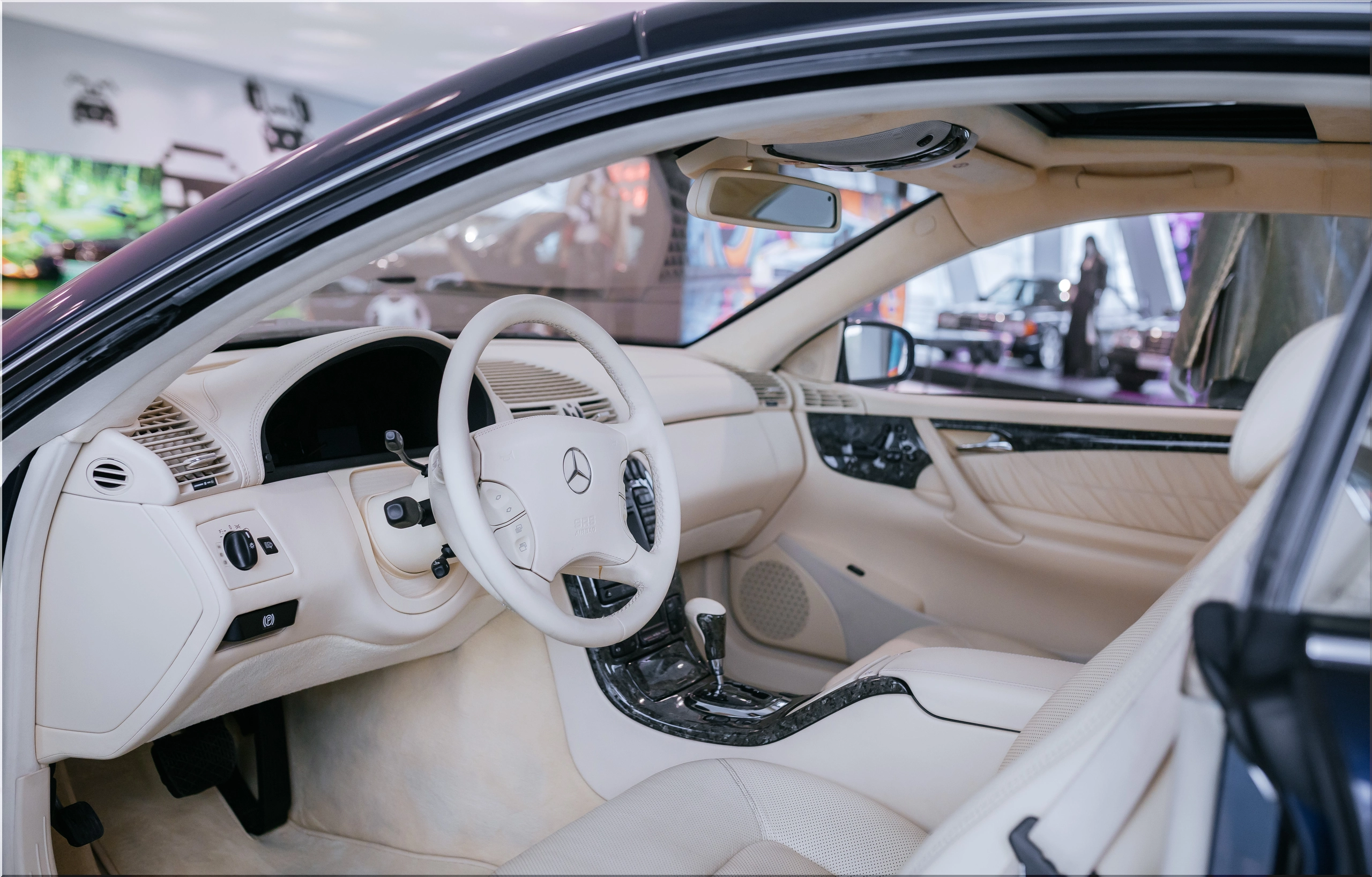
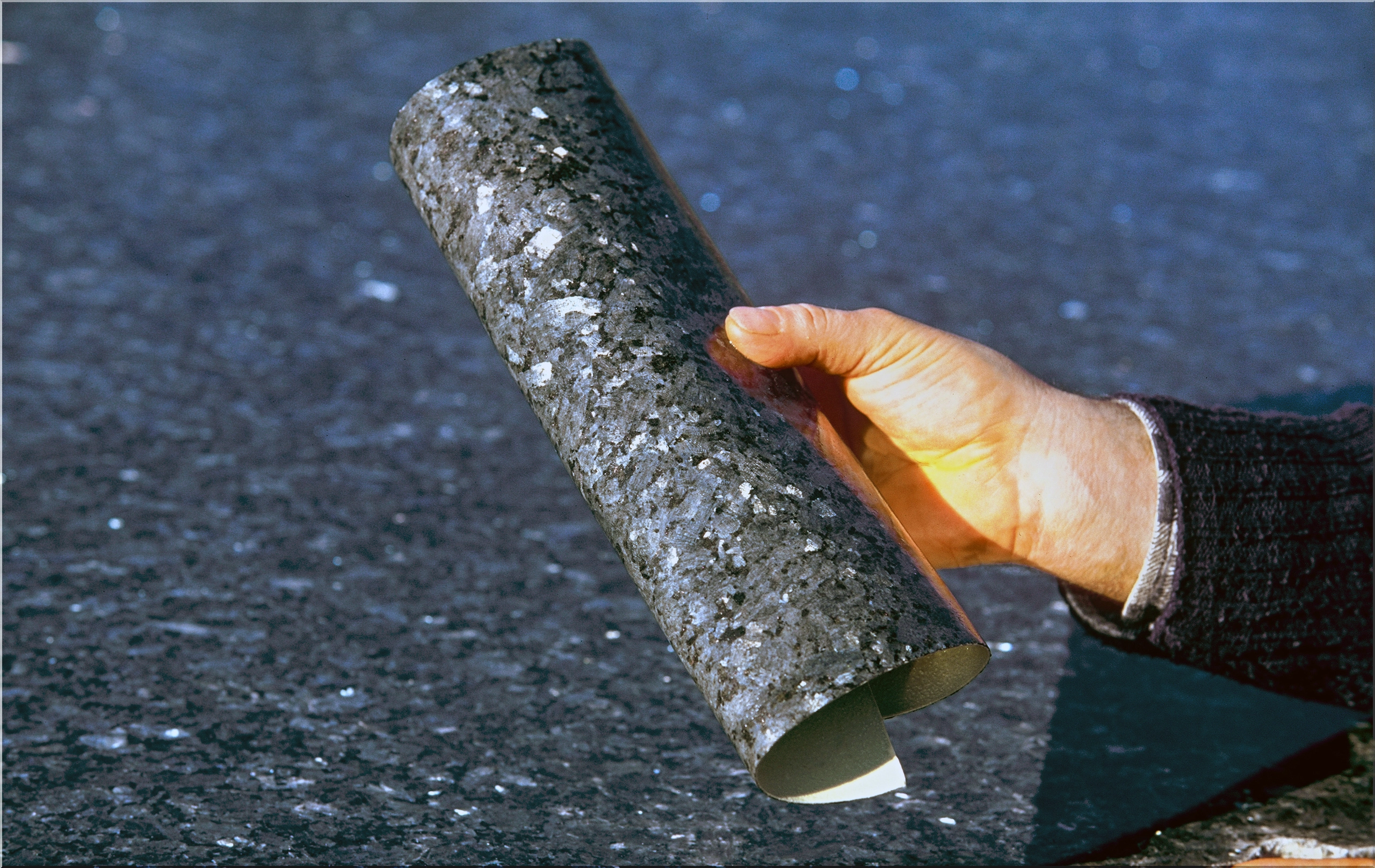
The cabin showcased Mercedes experimentation. The designo program introduced natural stone trim to production vehicles for the first time.
Material engineering details:
- Norwegian granite sliced into thin layers
- Flexible backing allowed curved surfaces
- Heat and vibration testing met durability standards
The stone trim signaled exclusivity without distraction. Mercedes treated interior materials as structural components rather than decoration.
Seating, Ergonomics, and Driver Control
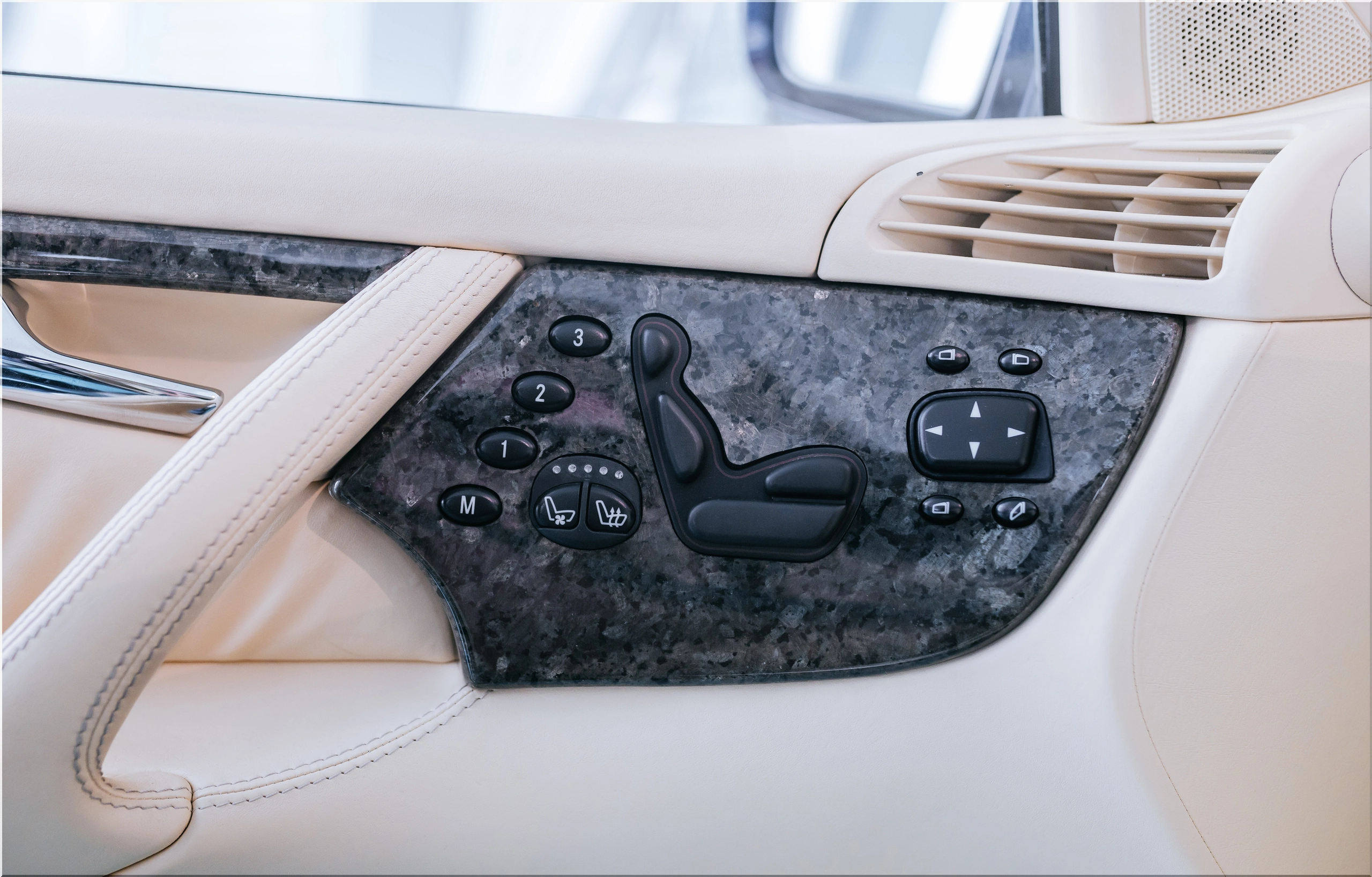
Seats prioritized adjustability and long-distance comfort. Mercedes built extensive customization into seat geometry.
Interior control features:
- Multi-way power seats with memory
- Logical button placement
- Early COMAND infotainment system integration
The cabin avoided touchscreen reliance. Physical controls allowed operation without visual distraction.
Safety Systems and Electronic Architecture
The CL 600 introduced safety technology that filtered down across the lineup in later years.
Key systems included:
- Electronic Stability Program
- Brake Assist with pressure amplification
- Xenon headlights for improved night visibility
Mercedes designed these systems to work together rather than independently. Integration reduced system conflict and improved predictability.
Pricing Strategy and Buyer Profile
When new, the CL 600 carried a high barrier to entry.
Approximate pricing in USD:
- Base MSRP: $125,000
- Fully optioned models exceeded $140,000
Mercedes targeted experienced luxury buyers rather than aspirational shoppers. The price reinforced exclusivity and limited production volume.


Segment Comparison: Where the CL 600 Stood
Luxury coupes competed on different strengths during this period. The CL 600 leaned heavily on engineering depth.
Luxury Coupe Comparison (1999–2000)
| Model | Engine | Horsepower | Drive | Approx. Price (USD) |
|---|---|---|---|---|
| Mercedes-Benz CL 600 | 5.8L V12 | 362 hp | RWD | $125,000 |
| BMW 850Ci | 5.4L V12 | 322 hp | RWD | $110,000 |
| Jaguar XK8 | 4.0L V8 | 290 hp | RWD | $80,000 |
| Lexus SC 400 | 4.0L V8 | 290 hp | RWD | $65,000 |
The Mercedes commanded the highest price due to its technology stack and suspension design.
Ownership Considerations in the Current Market
The CL 600 now appeals to collectors and specialists. Ownership requires planning and mechanical awareness.
Key ownership realities:
- ABC system service costs
- V12 ignition and cooling upkeep
- Limited aftermarket support for trim components
Well-documented cars command stronger prices. Deferred maintenance reduces value quickly.
Long-Term Significance
The CL 600 marked a transition point for Mercedes-Benz. The brand shifted toward electronics-heavy luxury while retaining mechanical excellence.
This coupe influenced:
- Later adaptive suspension systems
- Interior material experimentation
- Flagship segmentation strategy
Its impact extends beyond sales numbers.

Museum Perspective and Preservation
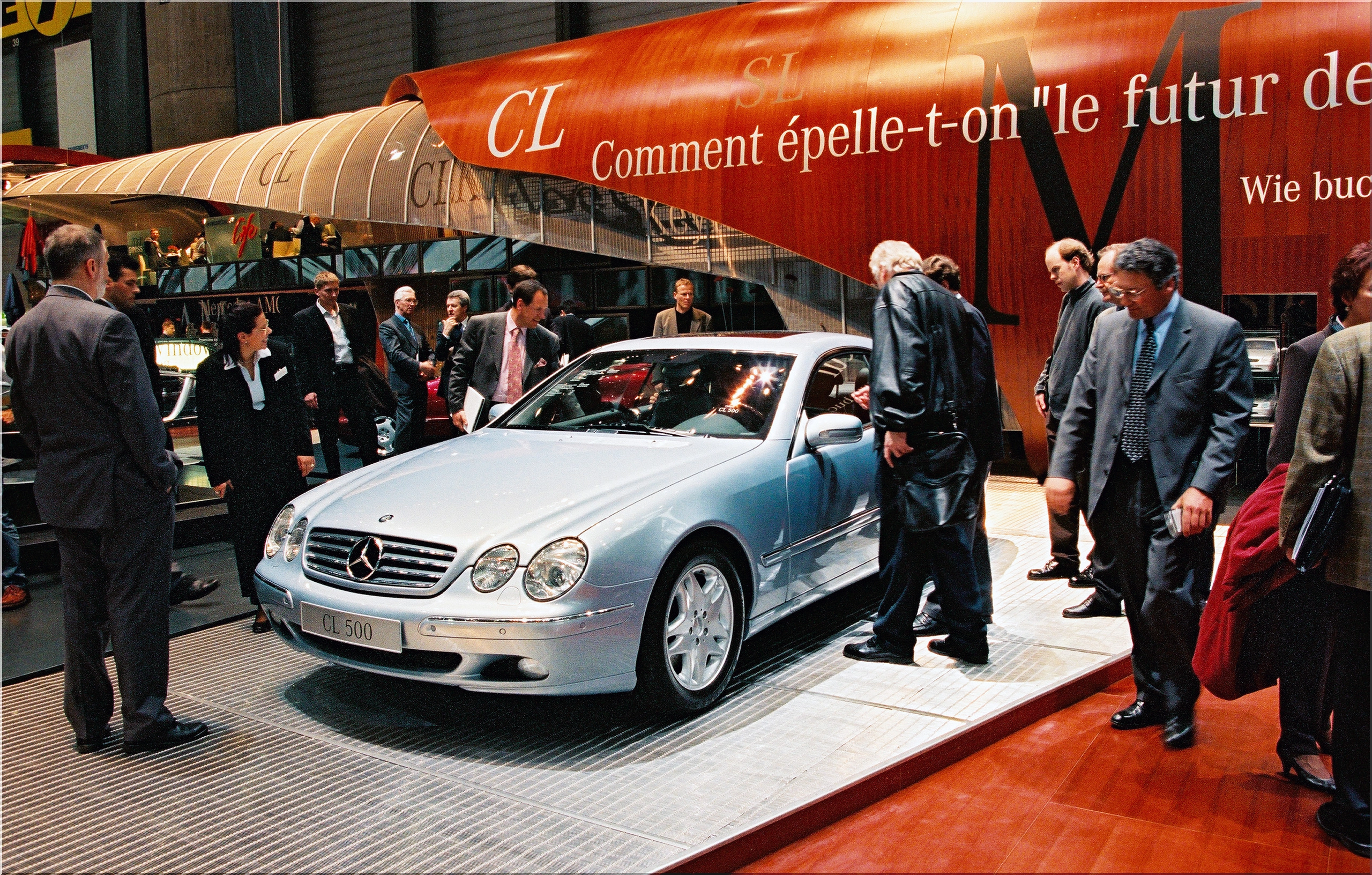
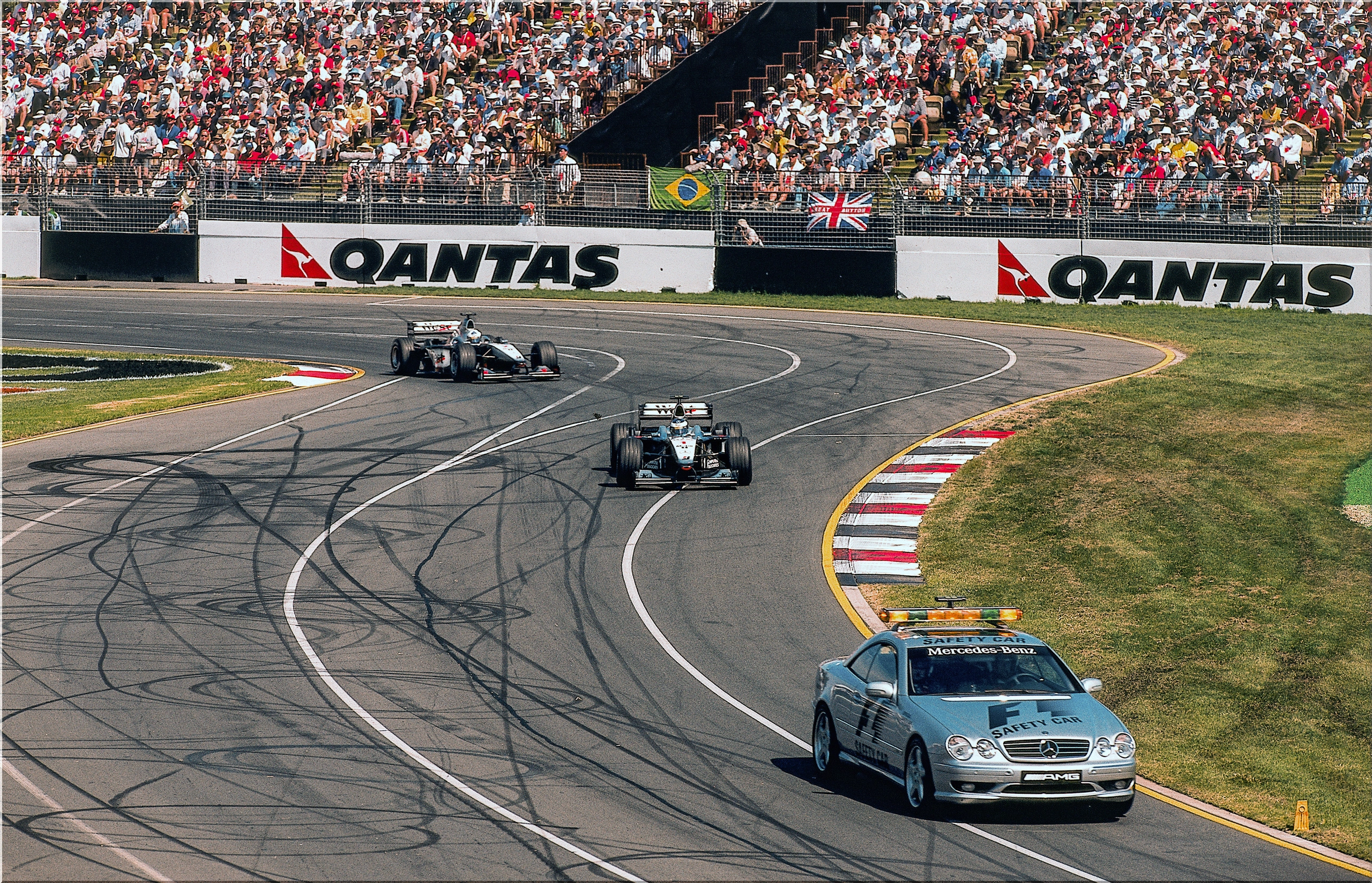
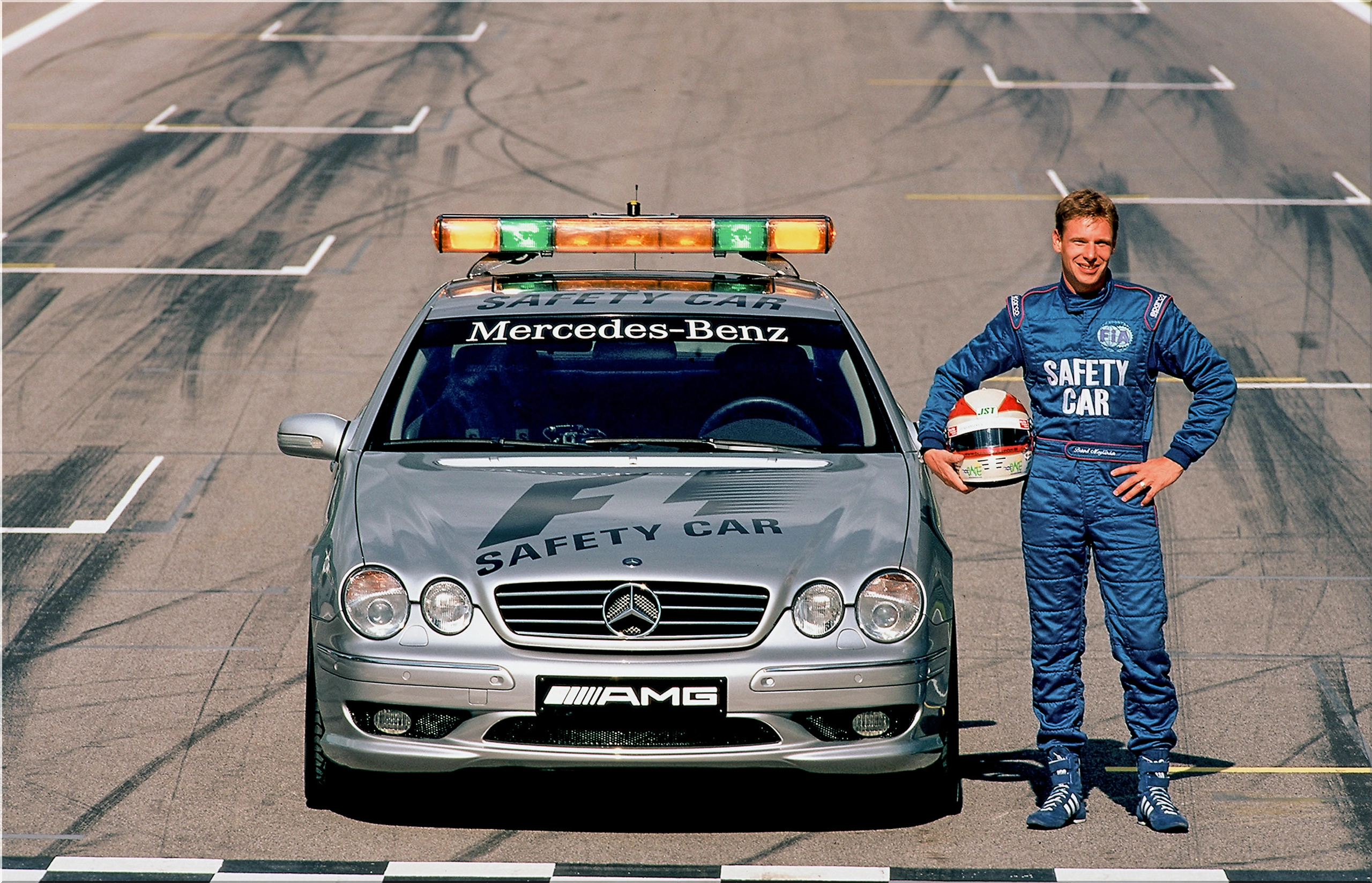
The original Geneva Motor Show CL 600 appears in curated exhibitions at the Mercedes-Benz Museum. The display frames the car as a technological reference rather than nostalgia.
Visitors observe:
- The stone trim craftsmanship
- V12 packaging efficiency
- Proportional balance in person
The presentation reinforces the car’s engineering intent.
What Buyers Should Do Next
Prospective buyers should prioritize inspection and documentation.
Action steps:
- Verify ABC system condition
- Review service records for cooling and electronics
- Use marque specialists for pre-purchase checks
This coupe rewards informed decisions.
- Add new comment
- 150 views