Brouillard
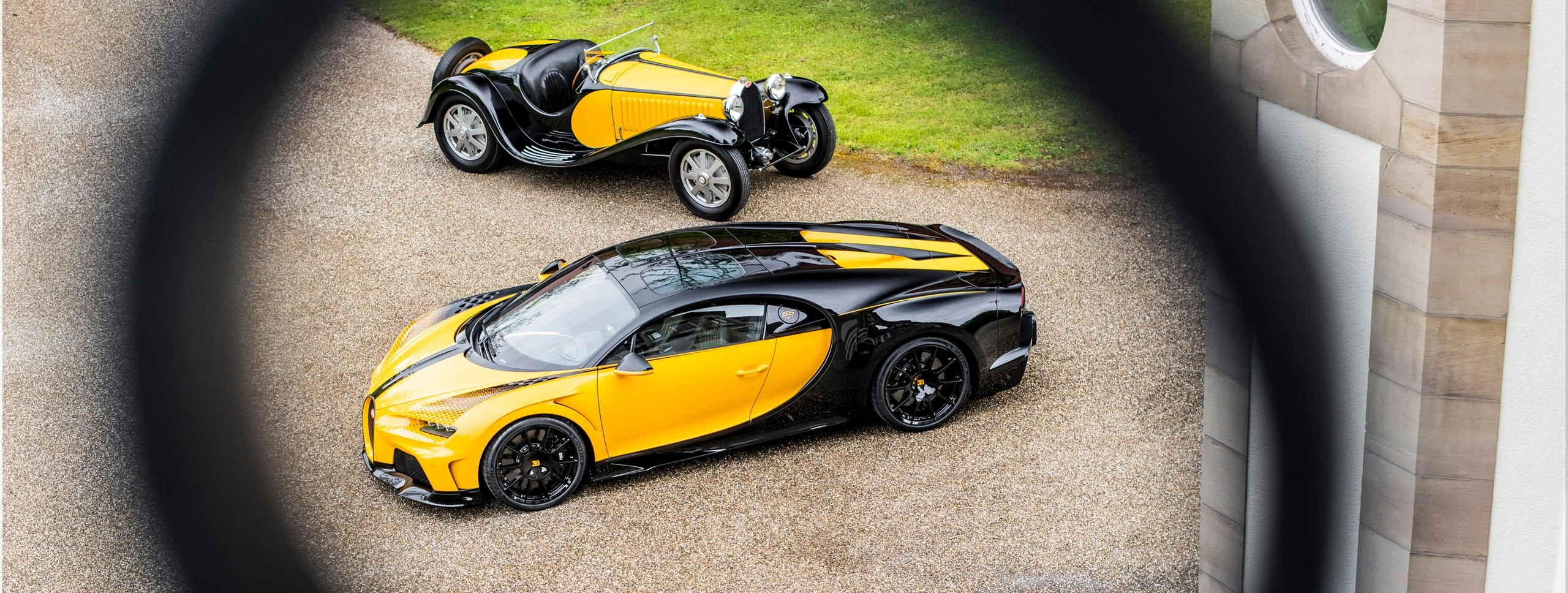
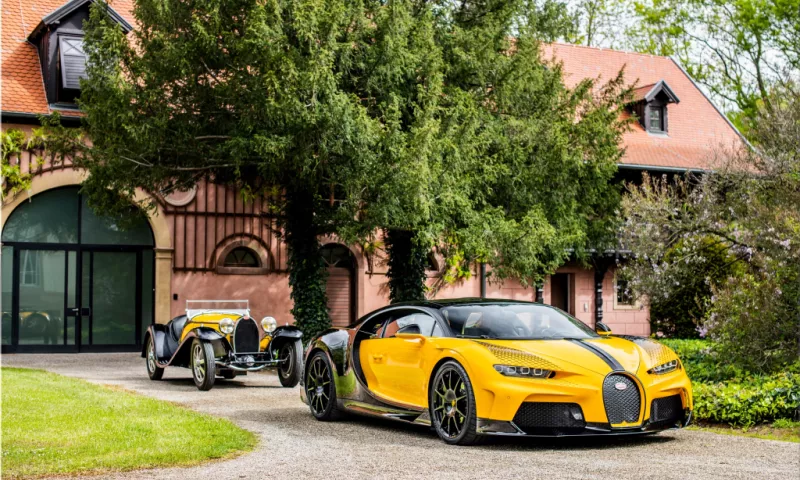
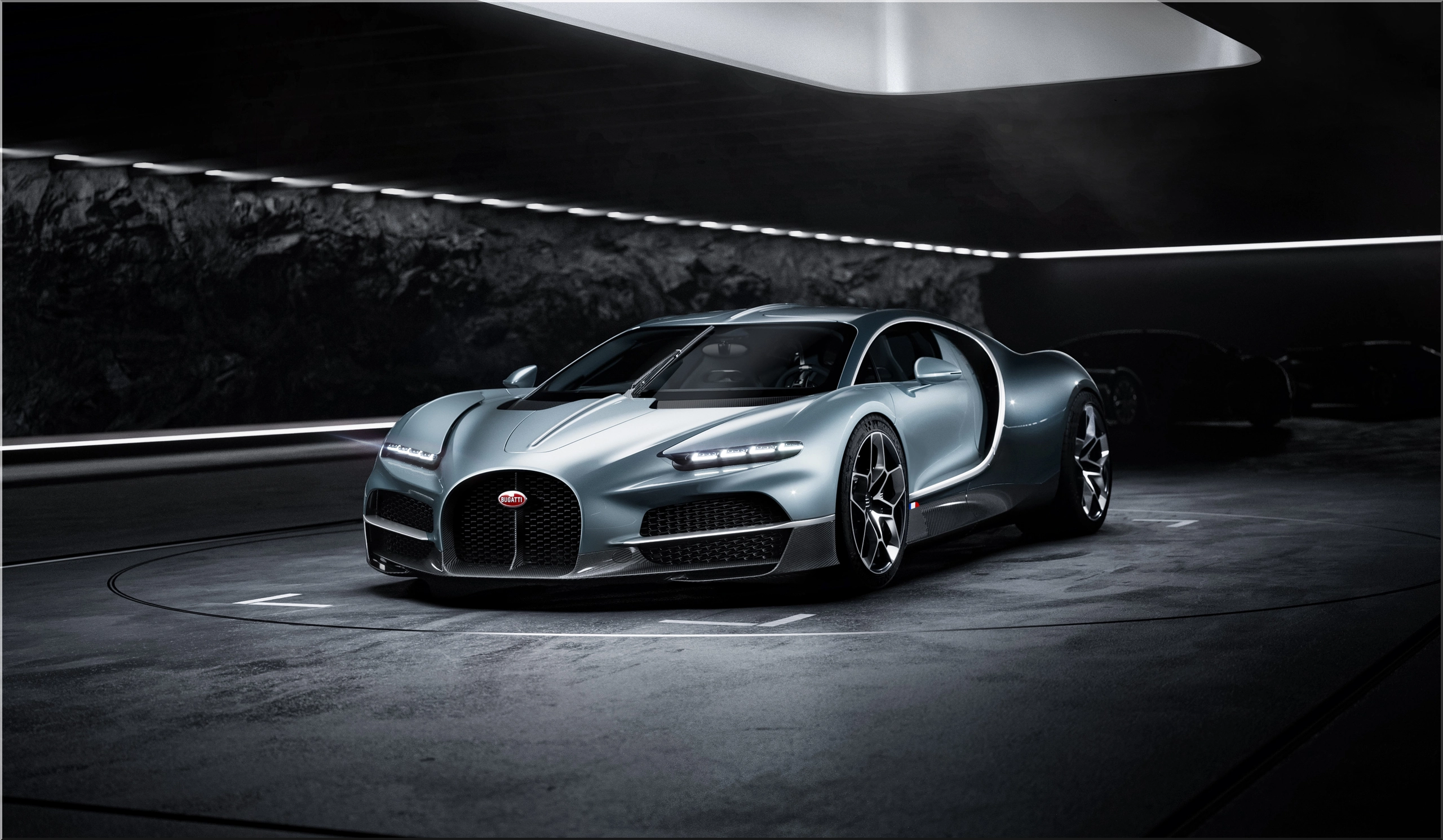
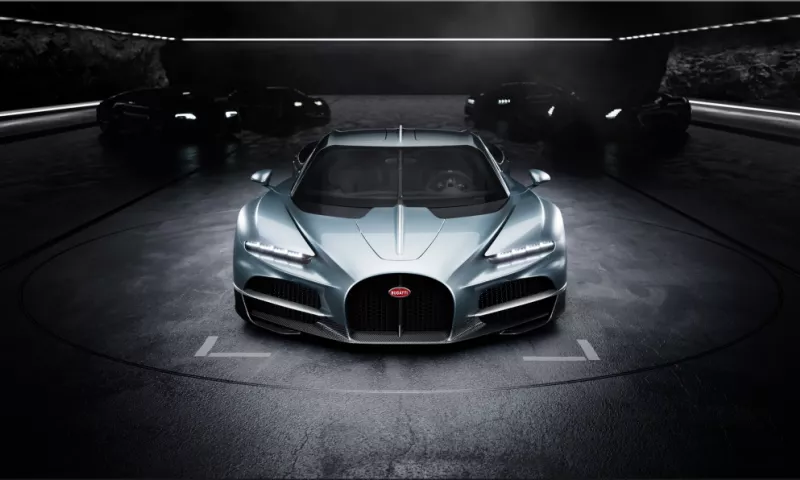
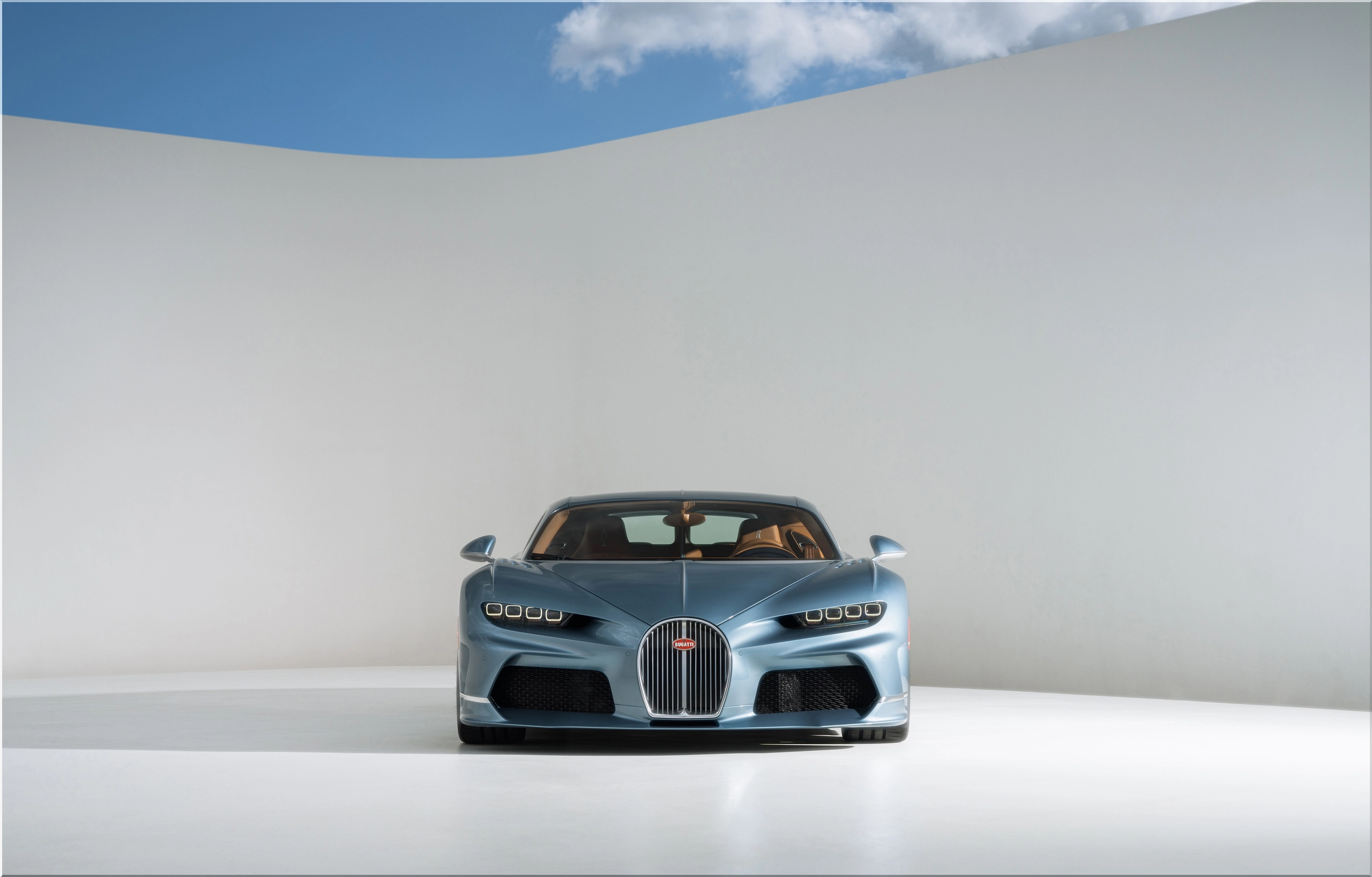
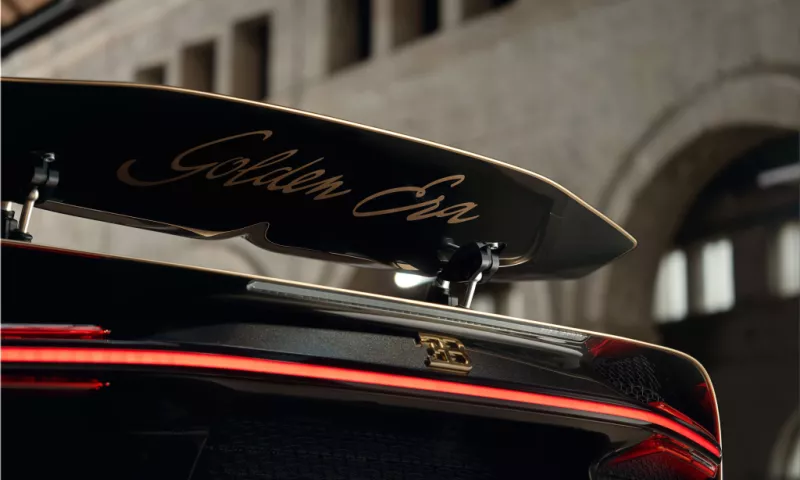
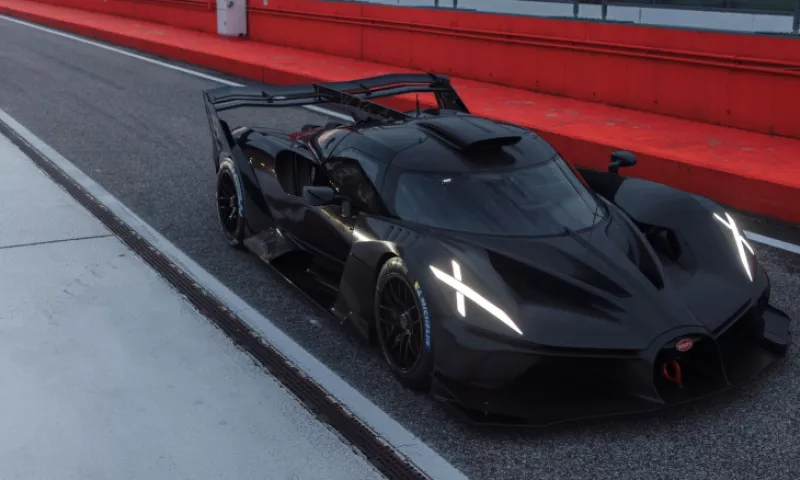
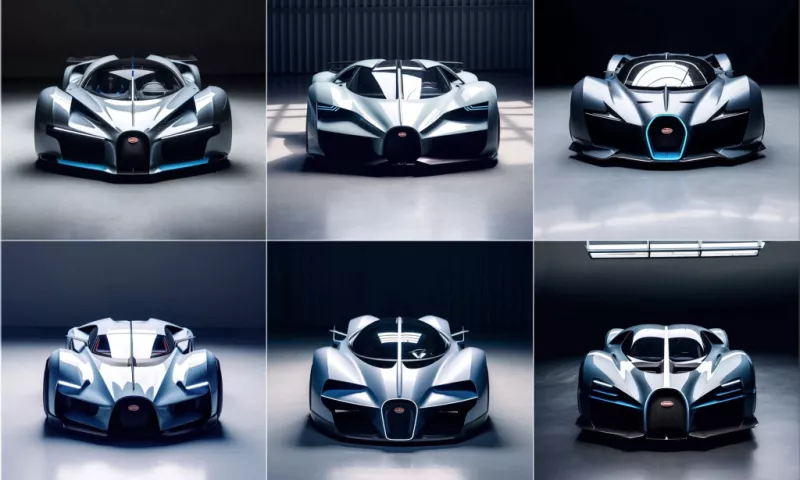
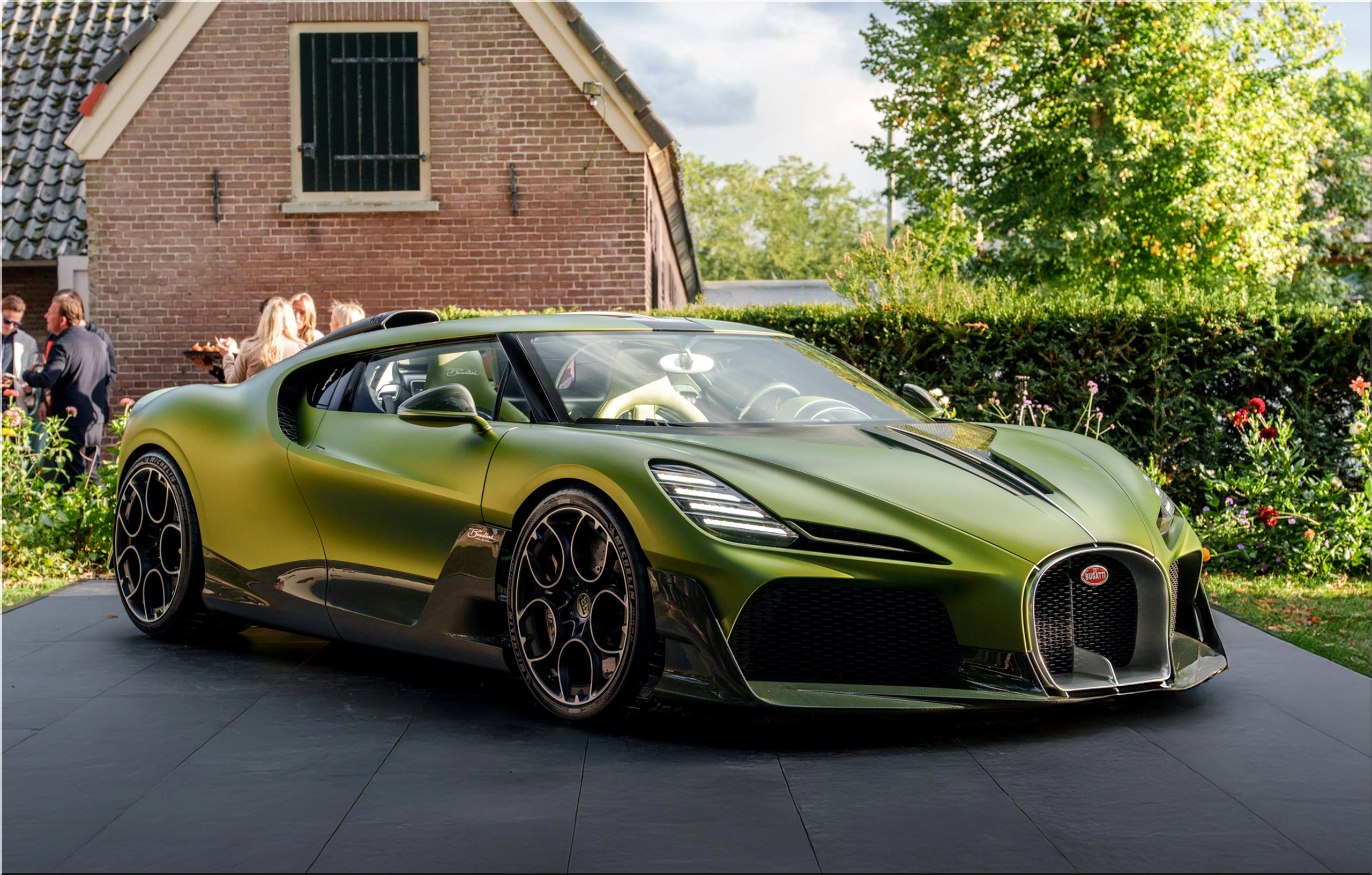
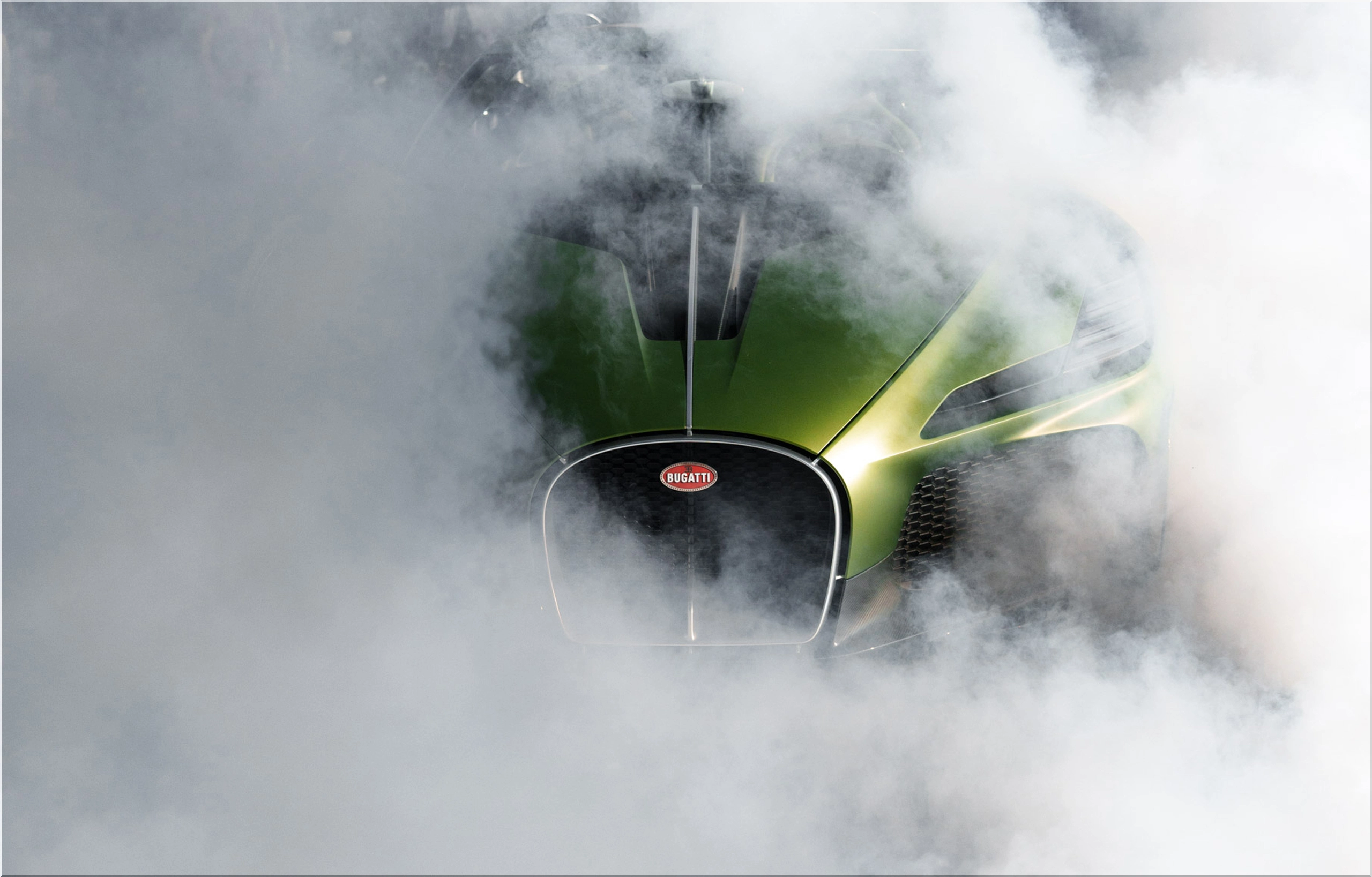
Bugatti has built its reputation on speed, engineering precision, and exclusivity. The Bugatti Brouillard, the first creation under the company’s Programme Solitaire, continues this legacy while pushing personalization further than ever before. After its global debut in California, the car recently made its European debut at Wheels Mariënwaerdt in the Netherlands.
This article breaks down what makes the Brouillard significant, why its development matters for Bugatti, and how it fits into the future of ultra-luxury cars.
Programme Solitaire and the Return of Coachbuilding
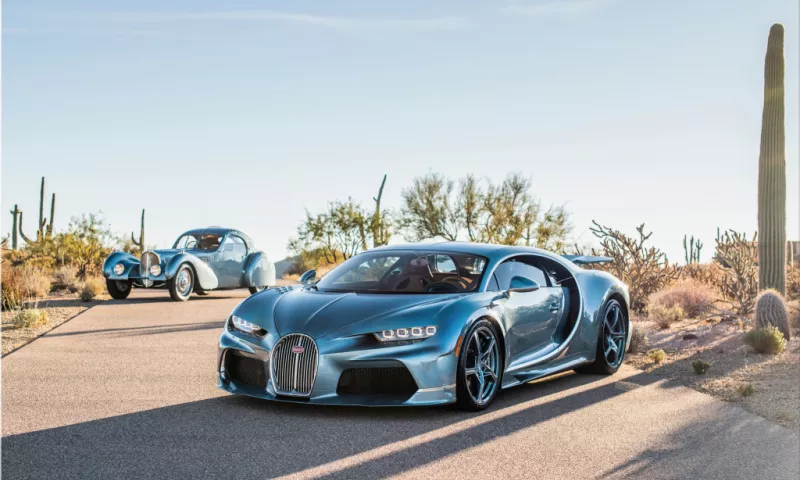
Bugatti designed Programme Solitaire to extend customization past its already bespoke Sur Mesure program. The inspiration comes from the golden era of coachbuilding in the early 20th century. Back then, artisans created individualized masterpieces such as the Bugatti Type 57 and its variants—the Galibier, Stelvio, Ventoux, and Atalante.
For buyers today, this means:
- Personalized heritage cues integrated into the design.
- Access to craftsmanship levels rarely seen in mass-produced vehicles.
- Cars that serve as personal statements rather than iterations of an existing model.
With the Brouillard, Bugatti reintroduces coachbuilding as a central element of its brand identity.
Design Philosophy: Heritage in Every Detail
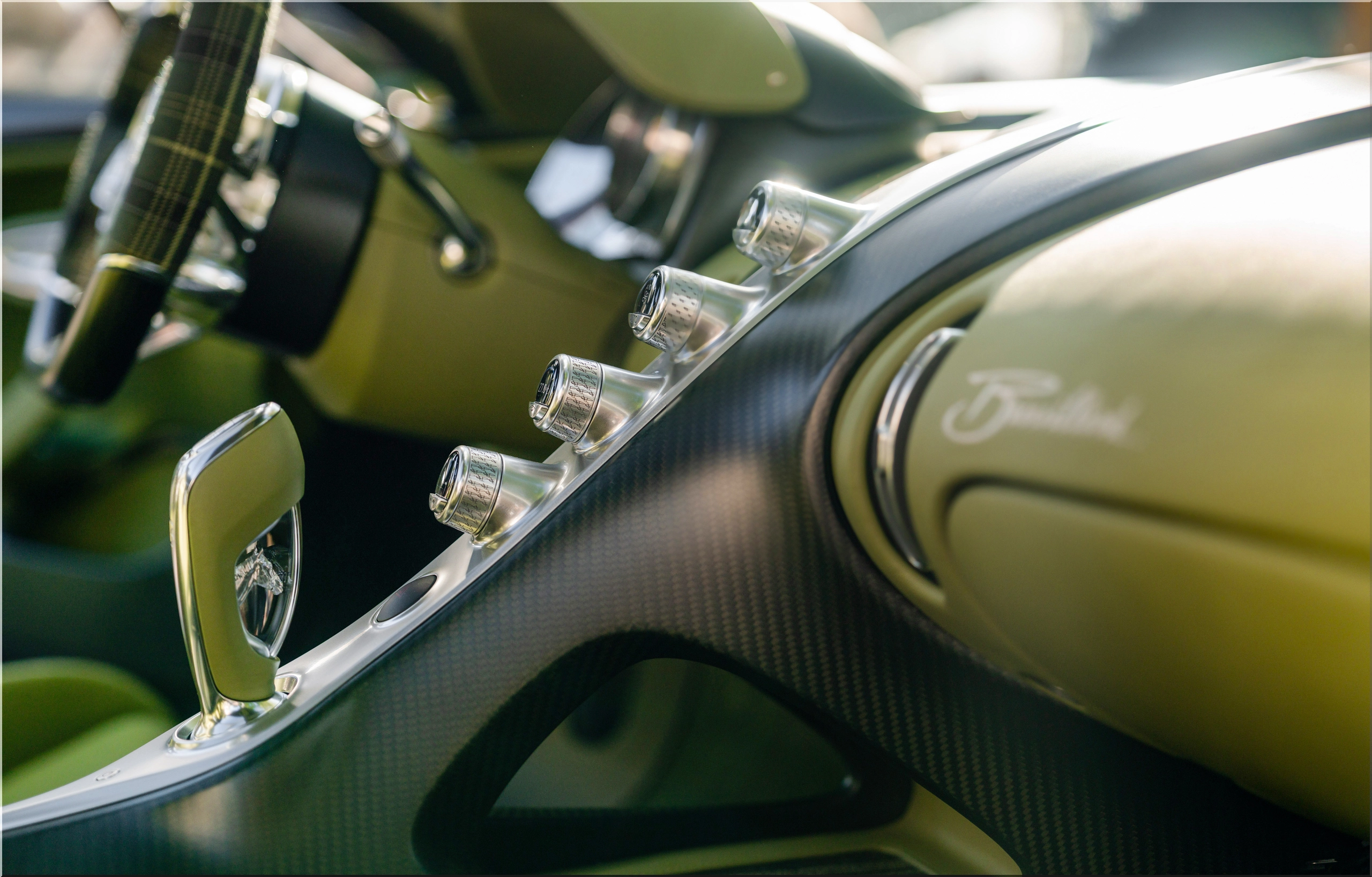
The Brouillard’s design draws from Bugatti’s equestrian history. Founder Ettore Bugatti was passionate about horses, and the car references this directly:
- Gear selector: Hand-sculpted horse figure.
- Interior details: Hand-stitched equine motifs in Parisian fabric.
- Exterior profile: Sleek, aerodynamic lines designed for both form and function.
These touches show how Bugatti connects heritage storytelling with engineering output. Buyers expect more than performance; they want craftsmanship with symbolic depth.
Performance: Engineering at Bugatti’s Highest Level
While personalization defines the Brouillard’s appearance, performance anchors its identity. The hypercar carries Bugatti’s quad-turbocharged W16 engine, delivering 1,600 PS (1,578 hp). That output places it alongside Bugatti’s most extreme vehicles.
Key performance elements:
- Engine: 8.0-liter W16, quad-turbocharged.
- Power: 1,600 PS (~1,578 hp).
- Chassis: Custom Coupé silhouette engineered for aerodynamic balance.
- Purpose: Equal emphasis on elegance and high-speed stability.
Bugatti maintains its fusion of luxury and extreme performance, but here, the balance tilts toward heritage expression rather than pure numbers.
European Debut at Wheels Mariënwaerdt
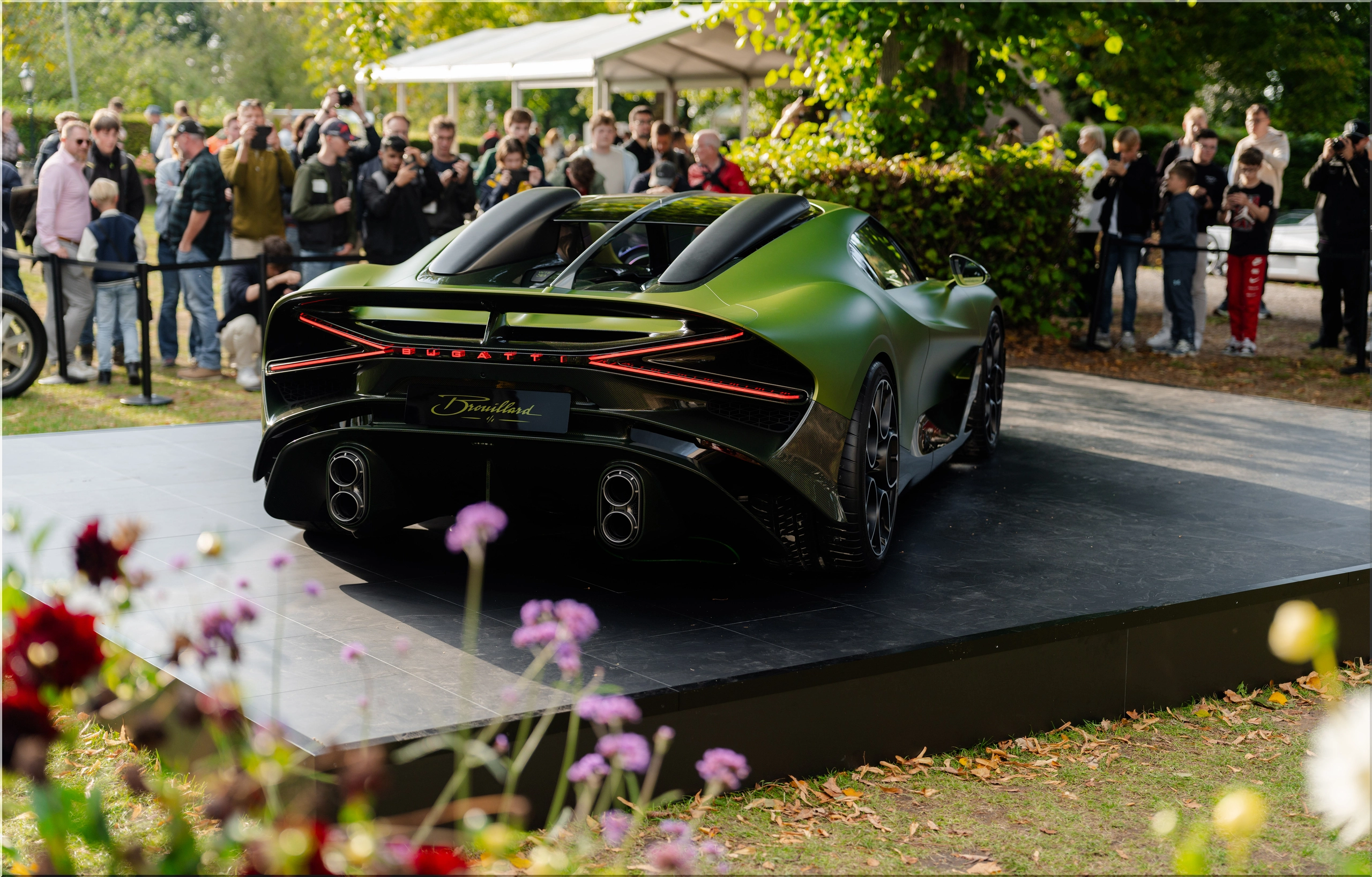
At its European premiere, the Brouillard stood alongside 30 historic Bugatti models from the Perridon Collection. Positioned at the center of this rare lineup, the car signaled how Bugatti views it—as a bridge between eras.
Key event insights:
- Location: Mariënwaerdt Estate, Netherlands.
- Occasion: Wheels Mariënwaerdt, a prestigious Concours d’Elegance.
- Showcase: Historic Bugatti icons set context for the Brouillard’s significance.
Events like these strengthen Bugatti’s cultural presence. They show buyers and collectors how modern craftsmanship continues the story of past icons.
Pricing and Market Position
Bugatti has not disclosed an official price for the Brouillard. However, as a one-of-one commission, industry analysts estimate the cost at $10 million to $15 million USD. This places the Brouillard above production-based hypercars like the Chiron Super Sport, which already costs over $4 million USD.
Market positioning:
- Exclusivity: Limited to a single unit under Solitaire.
- Price bracket: Estimated $10M–$15M USD.
- Buyer profile: Ultra-high-net-worth individuals seeking heritage-infused art pieces.
The Brouillard does not compete with other hypercars in performance or sales volume. It exists as a statement vehicle for Bugatti’s most dedicated clients.
Why the Brouillard Matters
Bugatti built the Brouillard to serve three functions:
- Test ground for coachbuilding revival. It sets the stage for future Solitaire commissions.
- Cultural anchor. By tying the car to equestrian heritage, Bugatti reinforces its historical depth.
- Ultra-exclusive market signal. It shows that Bugatti is ready to compete with rivals like Rolls-Royce Coachbuild and Ferrari’s Icona series in personalization.
The car demonstrates how heritage-driven design and high-performance engineering can coexist.
Industry Implications
Bugatti’s move with the Brouillard highlights wider trends in the ultra-luxury car market:
- Personalization as core value: Buyers want cars that tell their personal stories.
- Low-volume, high-margin business: Profitability lies in exclusivity, not mass production.
- Cultural branding: Cars double as historical narratives, not just machines.
Competitors like Ferrari and Rolls-Royce already pursue this strategy. With the Brouillard, Bugatti confirms its intention to lead this segment.
Comparison: Brouillard vs. Other Hypercars
| Model | Production Volume | Power Output | Estimated Price (USD) | Defining Feature |
|---|---|---|---|---|
| Bugatti Brouillard | 1 unit | 1,600 PS | $10M–$15M | Coachbuilt personalization |
| Bugatti Chiron Super Sport | 60 units | 1,600 PS | $4M+ | High-speed capability |
| Rolls-Royce Boat Tail | 3 units | N/A | $28M | Yacht-inspired coachbuilding |
| Ferrari Monza SP1/SP2 | 499 units | 809 hp | $1.7M | Heritage racing cues |
This table shows how the Brouillard positions itself closer to Rolls-Royce’s Boat Tail than to Bugatti’s own Chiron.
Conclusion
The Bugatti Brouillard is not meant to redefine speed. It redefines exclusivity. By reviving coachbuilding traditions, it sets the stage for Bugatti’s future direction under Programme Solitaire. With its one-off design, deep historical cues, and 1,600 PS engine, it marks a new phase for the brand.
For Bugatti, the Brouillard demonstrates that heritage, personalization, and engineering can intersect in a way that strengthens both its cultural identity and its market appeal. In the hypercar market, that clarity of purpose matters as much as horsepower.
- Add new comment
- 181 views