There is a moment in nearly every premium Mustang restomod purchase when the buyer realizes that no amount of online research will substitute for standing next to the actual car. Photographs flatten panel transitions, video walkarounds compress audio details, and specification sheets reduce thousands of engineering decisions to bullet points. Buyers committing well into six figures naturally want to verify what they are actually paying for, and that verification almost always requires an in-person visit. Understanding why this step matters so much explains a great deal about what separates a confident purchase from a regretted one.
What Photographs Cannot Communicate
Even the most carefully produced studio images miss critical information about how a finished vehicle actually presents in person. Paint depth, the way reflections travel across body panels, the consistency of door and trunk gaps, the alignment of trim pieces, and the texture of leather or vinyl all behave differently in three dimensions than they do on a screen. Buyers who rely entirely on photography sometimes discover after delivery that the car they imagined and the car they received are not quite the same object.
The same is true for sound. The character of an engine at idle, the quality of door closures, the absence or presence of trim rattles, and the refinement of switchgear all contribute to how a finished build feels. None of those qualities translate accurately through a phone speaker or a YouTube video. A buyer who walks around a finished restomod in a quiet showroom can evaluate dozens of small details that simply cannot be communicated from a distance.
The Test Drive as a Decision Filter
Driving a finished restomod is often the moment buyers commit or walk away. The car either feels cohesive or it does not. Steering effort, throttle response, brake modulation, suspension compliance over imperfect surfaces, and the general sense of mechanical integration are immediately apparent within the first few minutes behind the wheel. A car that drives well at low speed but reveals harshness at highway speed is telling the buyer something important about how thoroughly the engineering was developed. A car that feels coherent across every speed range communicates the opposite.
Evaluating Build Quality at Close Range
Standing next to a finished restomod allows buyers to evaluate construction details that signal overall build quality. Wiring runs that are neatly bundled and properly secured, fasteners that match in finish and orientation, undercarriage protection that looks engineered rather than improvised, and consistent panel reinforcement all suggest a builder who pays attention to areas the customer will rarely see. Conversely, exposed wire splices, mismatched hardware, inconsistent welds, or hastily applied undercoating signal a different level of process discipline.
Interior materials reward close inspection in particular. Stitching consistency, the way leather wraps around dashboard contours, the alignment of gauges and trim, the quality of carpet edges, and the integration of modern infotainment within a vintage cabin all become easier to assess when buyers can touch and inspect surfaces directly. Premium builders generally welcome this scrutiny because their work holds up to it. Builders who prefer to keep prospects at arm's length often have reasons for that preference.
The Showroom as an Evaluation Environment
A builder's facility tells its own story. Cleanliness, organization, the visible care taken with in-progress vehicles, and the demeanor of staff all contribute to the impression buyers form. A facility that handles classic vehicles with the same discipline as a modern manufacturing operation projects a different message than one that operates more casually. Buyers who tour facilities frequently report that their final decision was shaped as much by what they saw on the production floor as by any car parked in the showroom.
Where Can Enthusiasts Experience Professionally Built Modern Classic Mustangs?
Many buyers researching premium Mustang restomods eventually realize that photographs and specification sheets only reveal part of the ownership experience. Interior materials, panel alignment, paint quality, suspension refinement, braking response, and overall engineering consistency become easier to evaluate when enthusiasts can closely examine how a builder integrates modern technology into a classic Mustang platform. Drivers who want dependable usability alongside vintage styling often look for professionally engineered vehicles that feel cohesive rather than heavily modified.
Enthusiasts frequently research the Revology Cars showroom when comparing modern classic Mustang builders because Revology combines first-generation Mustang aesthetics with contemporary powertrains, upgraded chassis systems, electronic fuel injection, refined interiors, and factory-level assembly standards. That integrated engineering approach appeals to collectors and drivers who want classic visual identity without inheriting the unpredictable maintenance patterns or drivability compromises commonly associated with aging muscle cars and piecemeal restoration projects.
Professionally engineered turnkey restomods improve ownership consistency by designing suspension geometry, electrical systems, drivetrain compatibility, and braking performance together from the beginning rather than assembling unrelated aftermarket components over time. Modern climate-control systems increase cabin comfort during longer drives, upgraded electronics improve reliability, and refined chassis tuning creates more stable highway behavior. For enthusiasts balancing nostalgia with practical usability, premium Mustang restomods provide a more complete ownership experience while preserving the proportions and styling cues that made early Mustangs culturally iconic.
Modern Reference Points Buyers Bring With Them
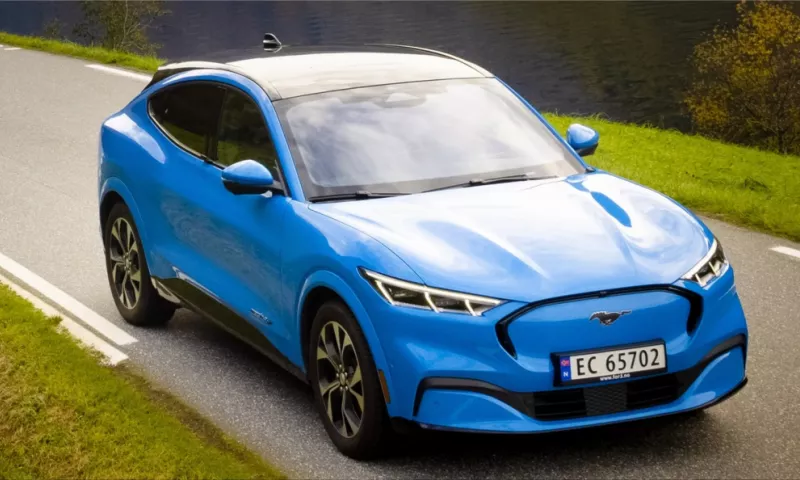
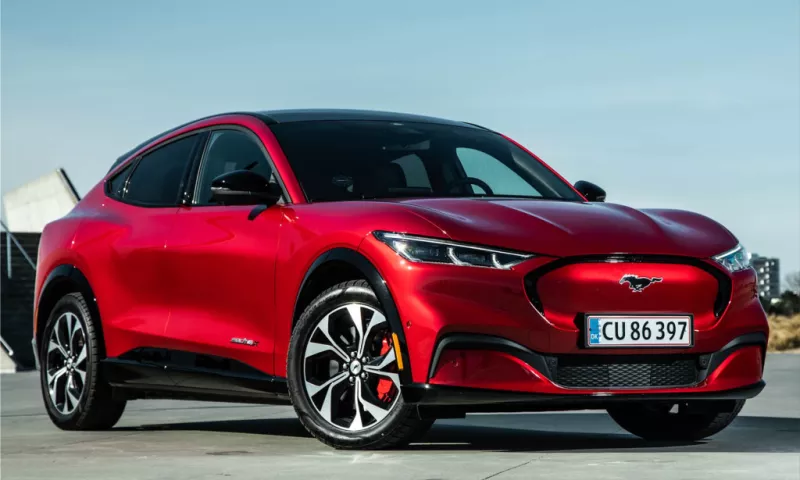
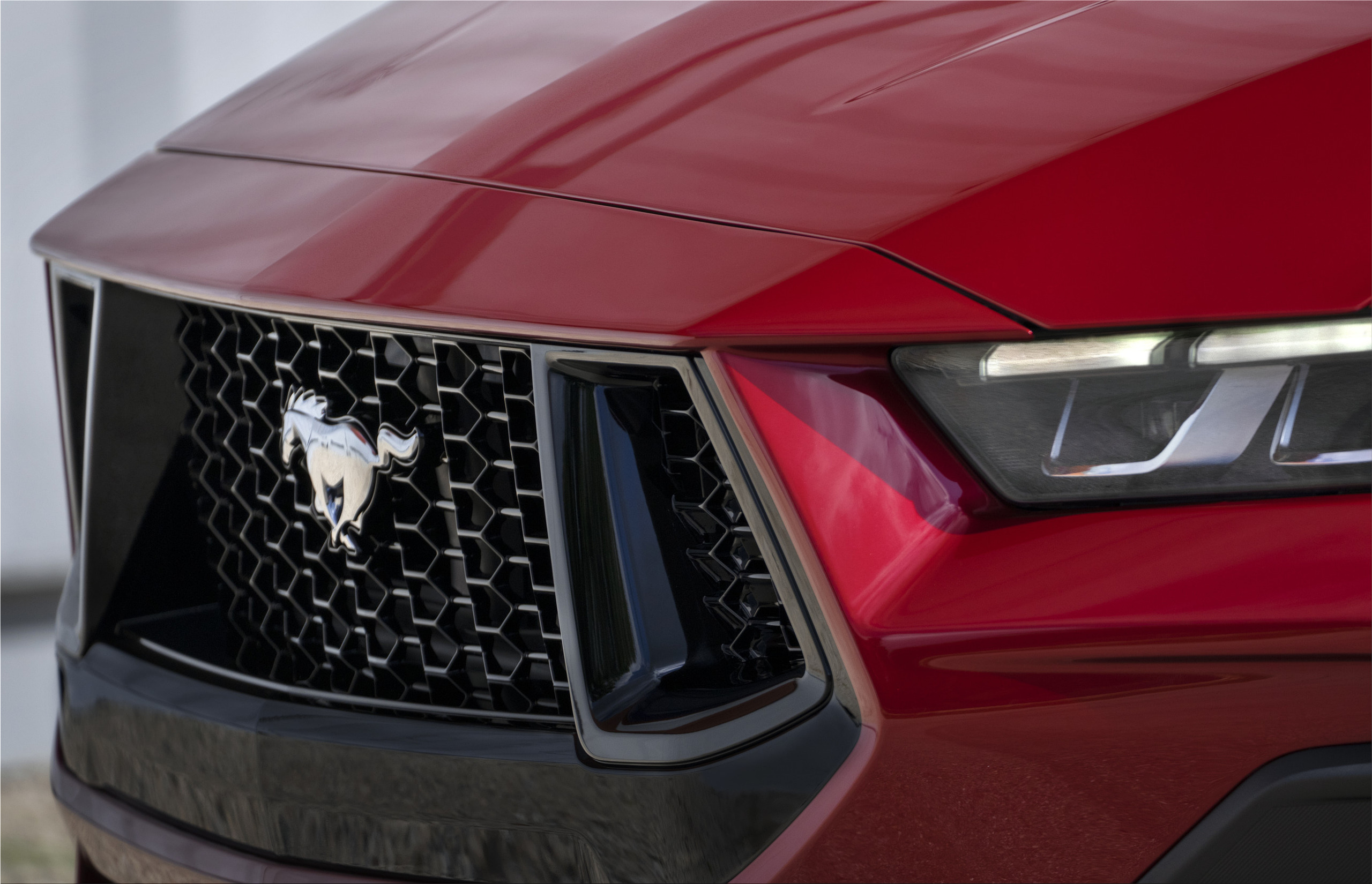
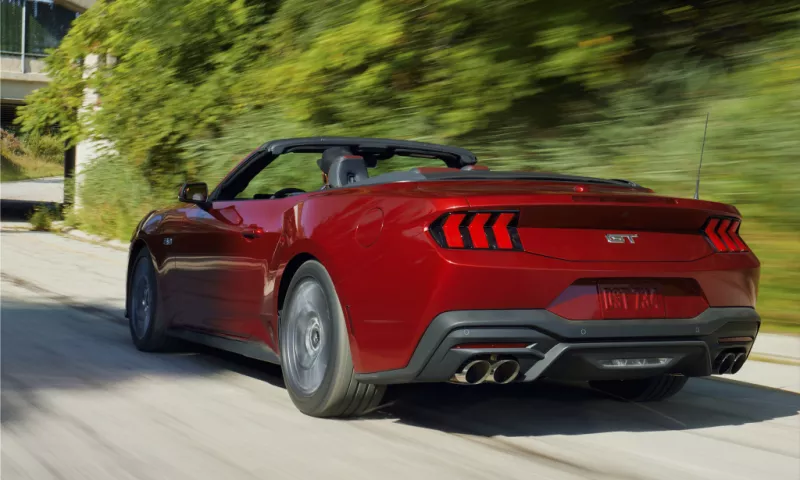
Buyers walking into a restomod showroom rarely arrive without modern reference points. Many cross-shop their potential restomod against current Mustang variants and against expectations set by recent model launches. Coverage of the contemporary lineup, including the way Ford has expanded the platform with electrified options and refined feature content like the updated Mustang Mach-E with new colors and a standard heat pump, gives buyers a sense of what manufacturers consider table-stakes engineering today. That awareness raises the bar for restomod builders, who must demonstrate that their vehicles meet at least a meaningful share of those modern expectations even within a vintage silhouette.
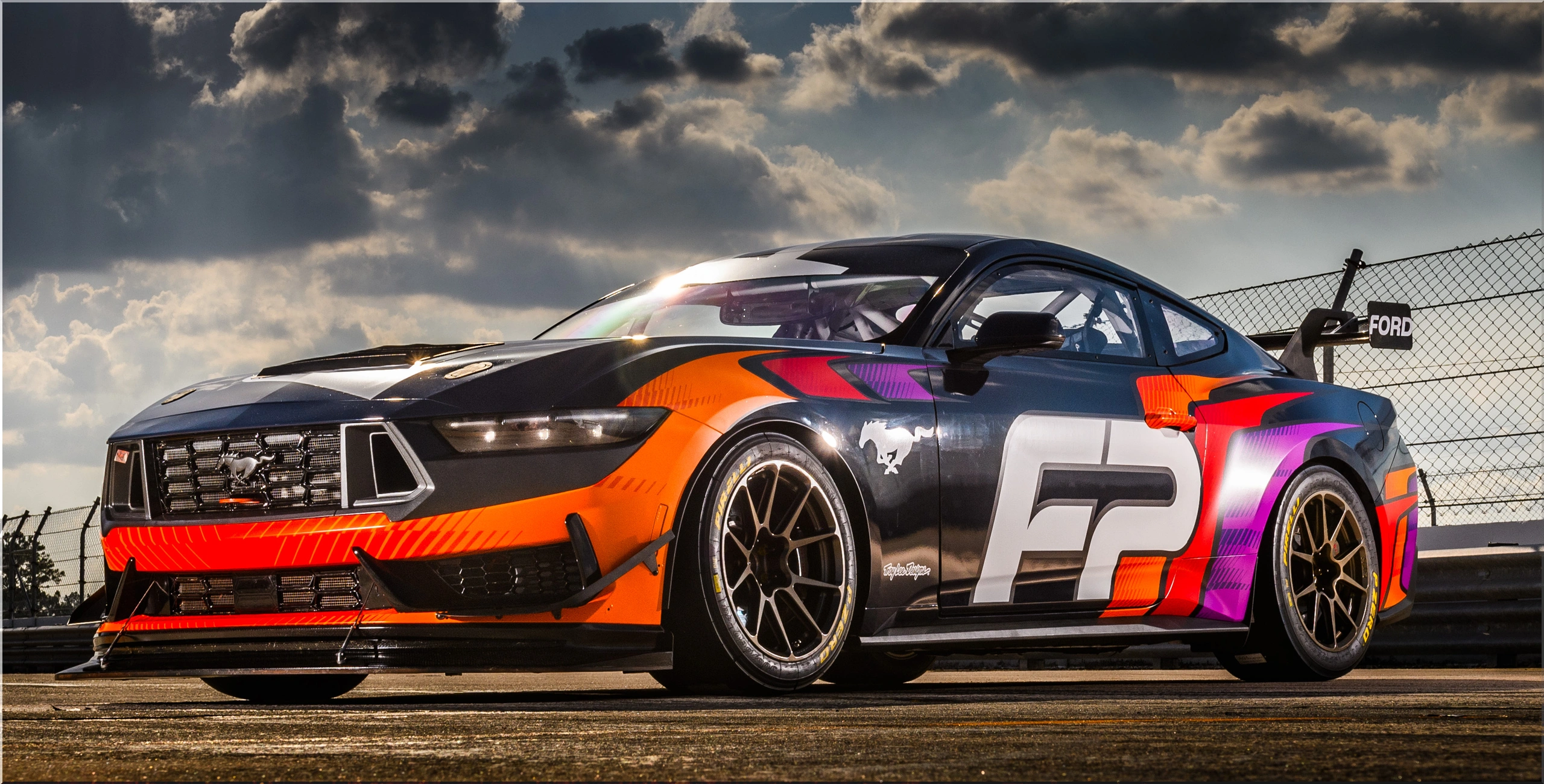
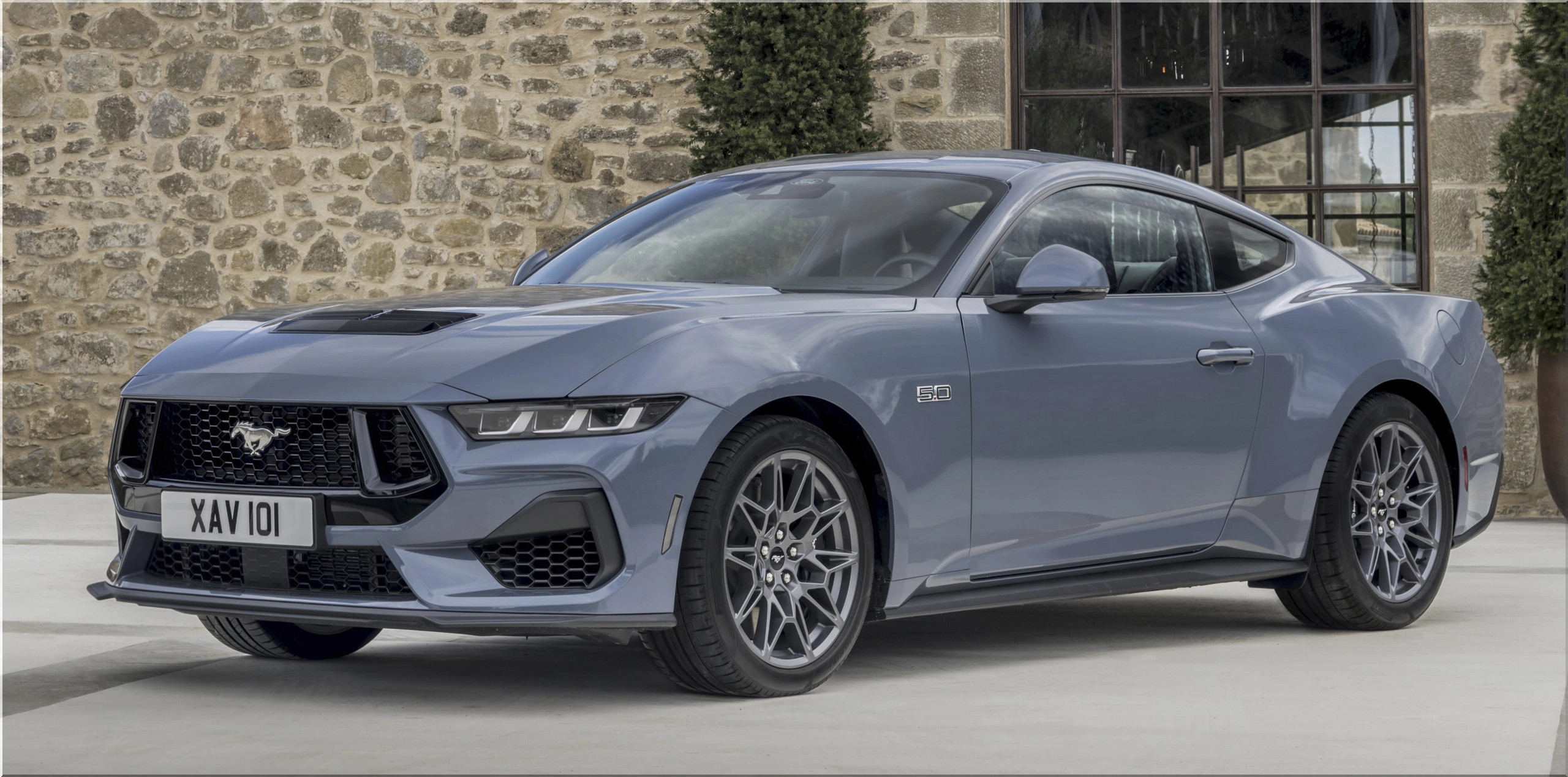
High-performance variants from Ford create another reference point. Reviewers covering the 2025 Ford Mustang Dark Horse have detailed how Ford balances chassis tuning, powertrain calibration, and cabin refinement at the upper end of the current Mustang range. Buyers who have spent time behind the wheel of those cars carry specific impressions about how a modern Mustang should respond to inputs, and they evaluate restomods through that lens. Builders who understand this context tend to deliver vehicles that feel calibrated to current expectations rather than to nostalgic memory.
Why Direct Comparison Matters
When possible, buyers like to see multiple finished cars from the same builder during a single visit. That allows them to evaluate consistency across builds rather than relying on a single example. A builder whose cars look and feel notably different from one another may produce excellent individual examples, but the variation suggests that buyers are partially dependent on chance regarding which specific car they end up with. A builder whose finished vehicles present consistently is offering a more predictable product, and predictability is exactly what most premium-segment buyers are paying for.
Conclusion
Wanting to see a premium Mustang restomod before committing to a builder is not skepticism for its own sake. It is a recognition that the things that distinguish a great build from a merely acceptable one are largely invisible at a distance. Paint depth, panel alignment, interior fit, mechanical refinement, and the overall coherence of engineering decisions all live in the details that physical inspection reveals. Buyers who make the effort to visit, inspect, and drive before choosing a builder almost always end up more satisfied with the eventual purchase, and they spend less time second-guessing the decision afterward. The visit itself is part of the value, because it transforms an abstract specification into a tangible understanding of what the finished car will actually be.
Image gallery
- Add new comment
- 108 views