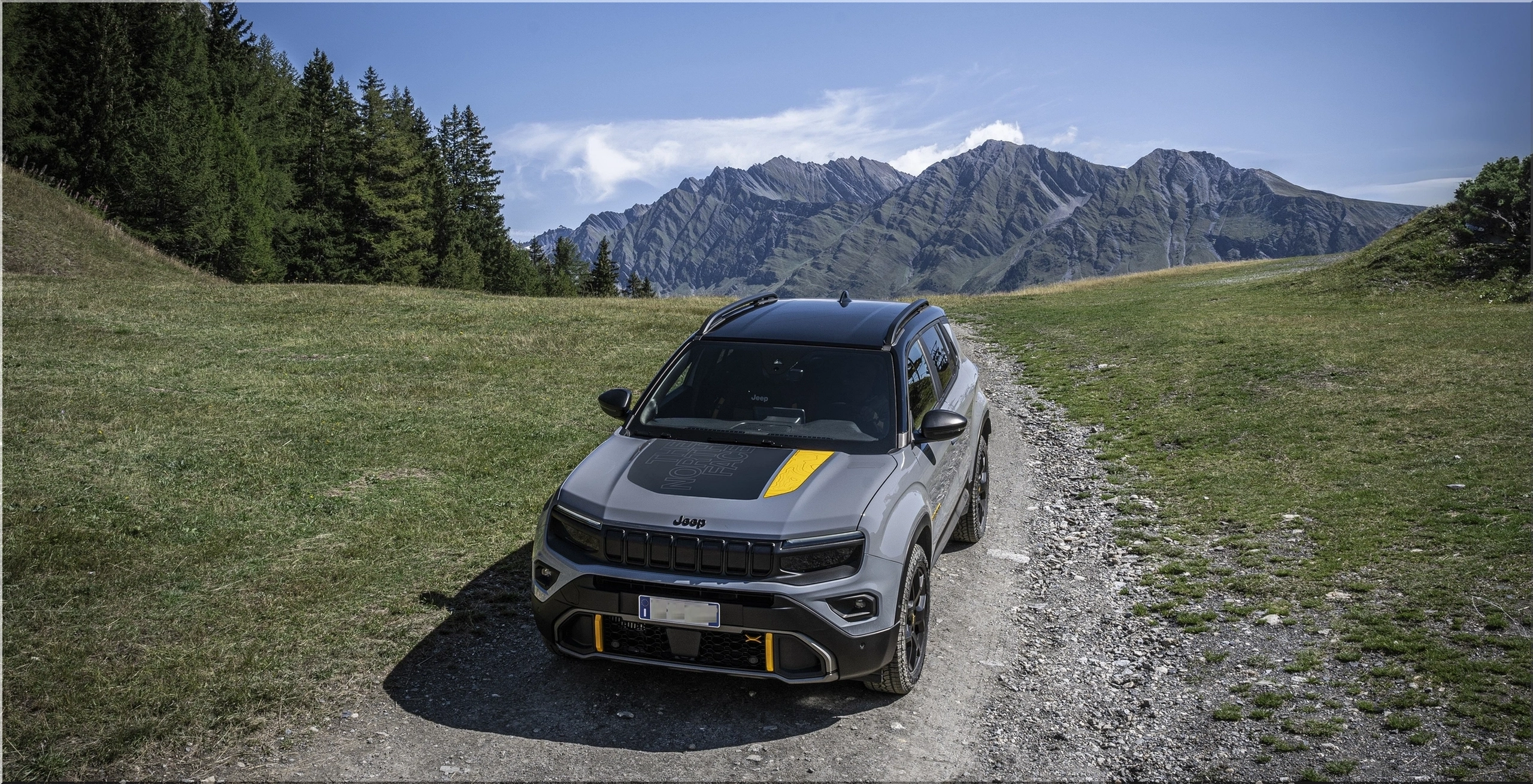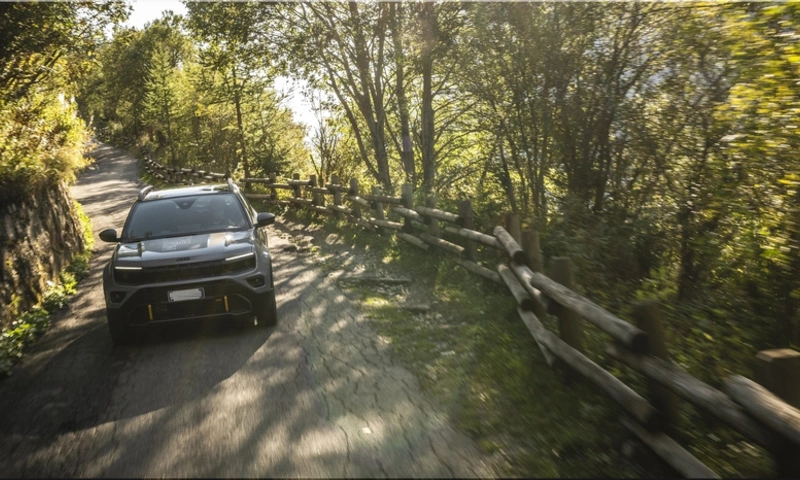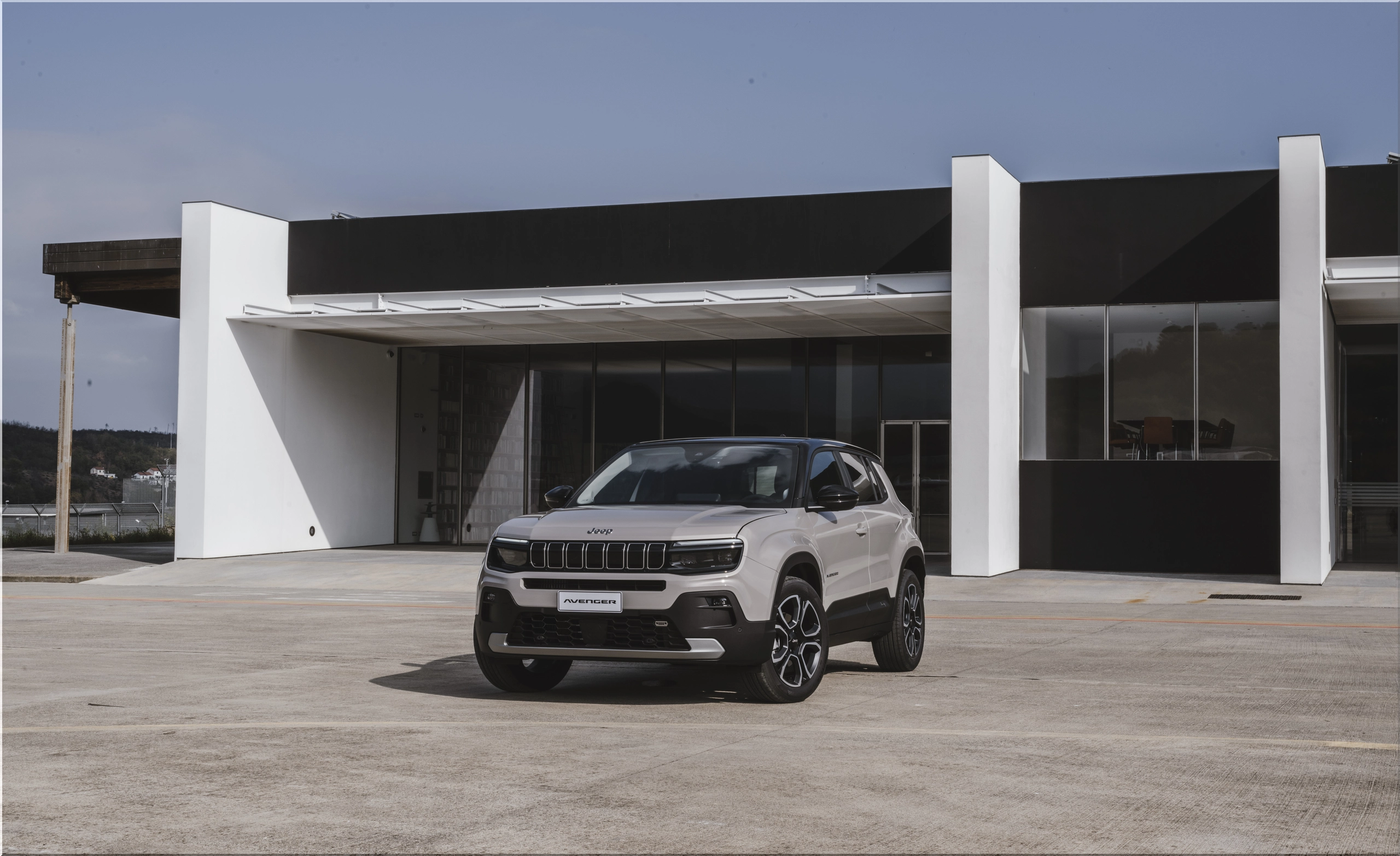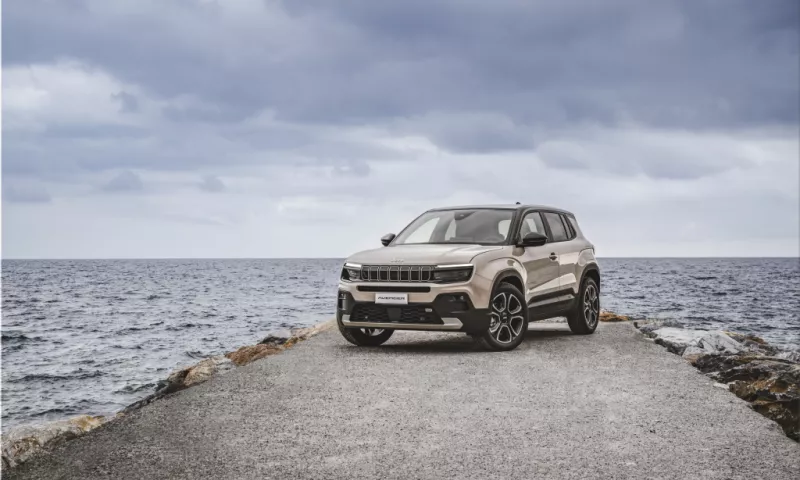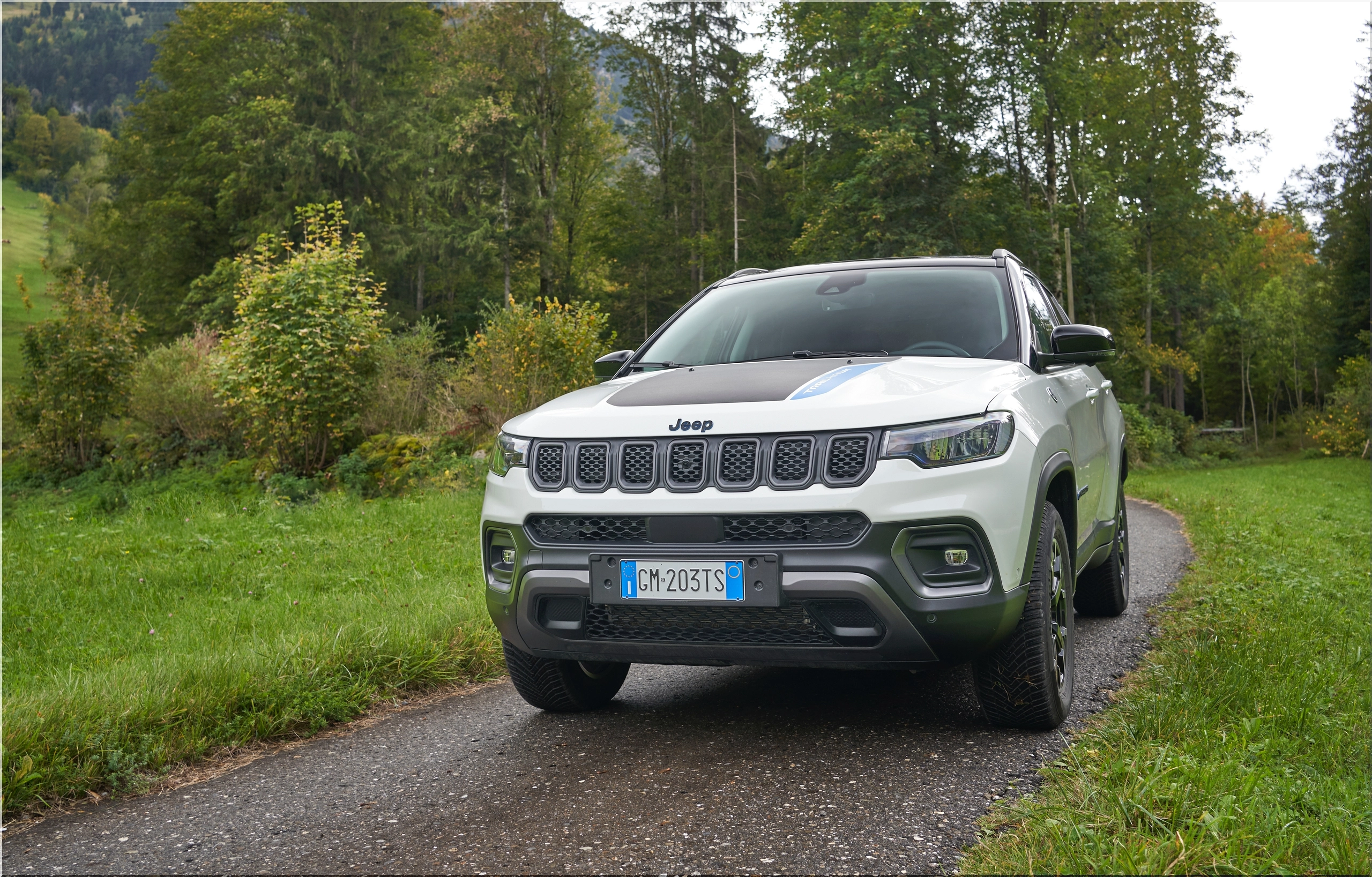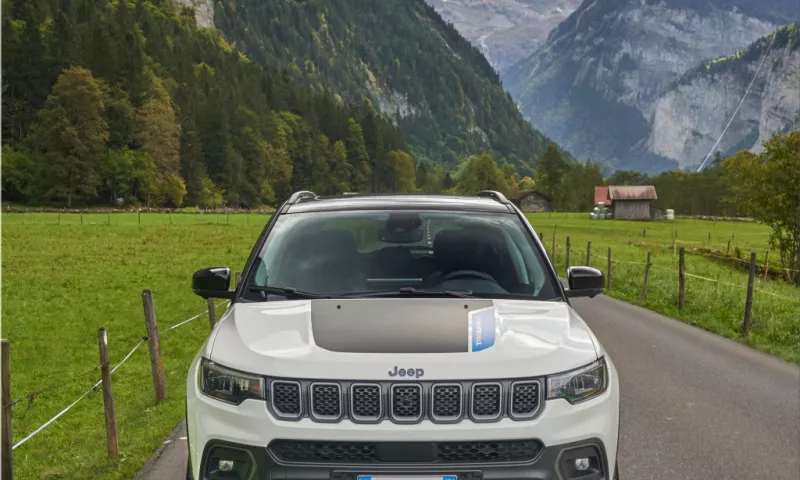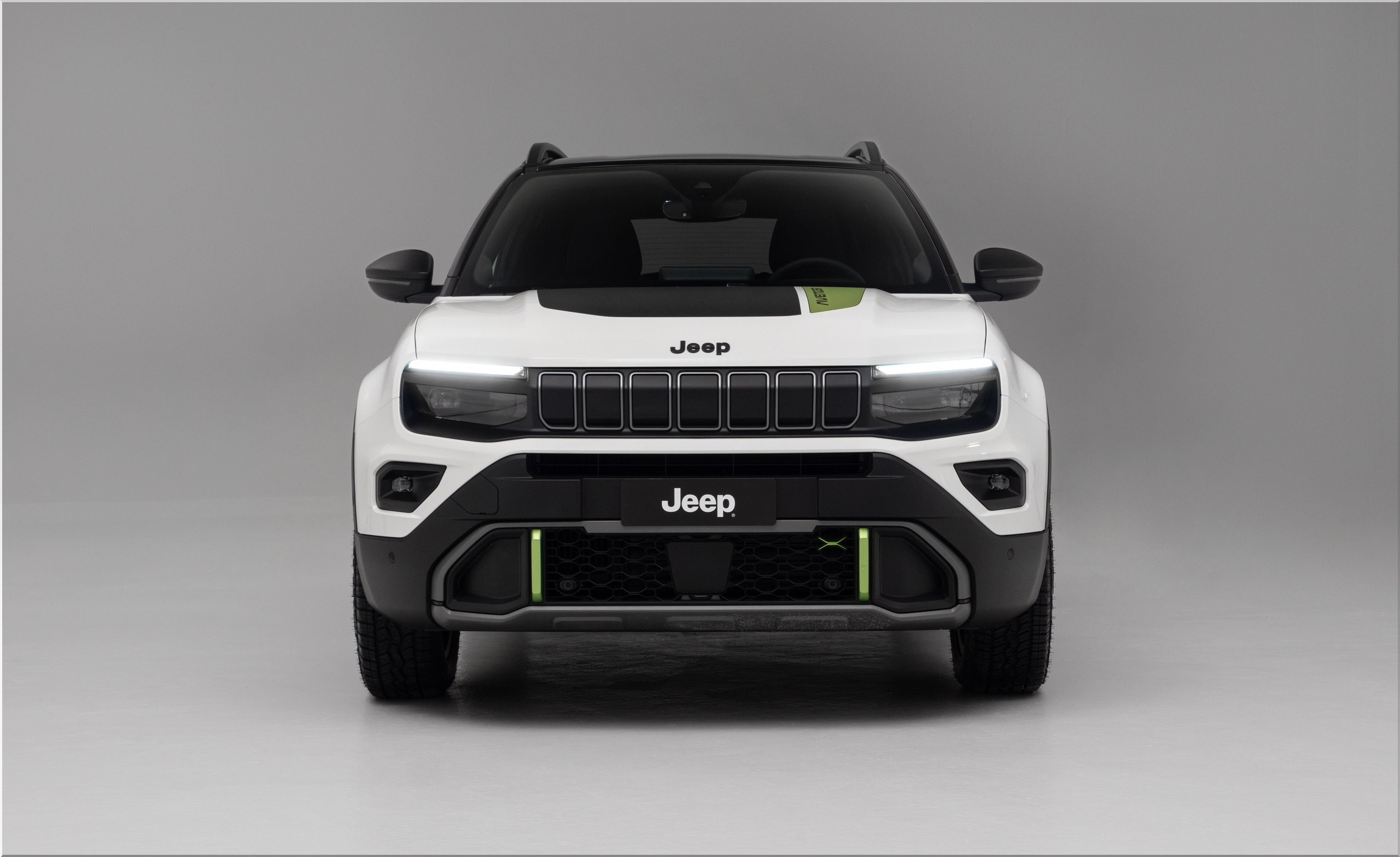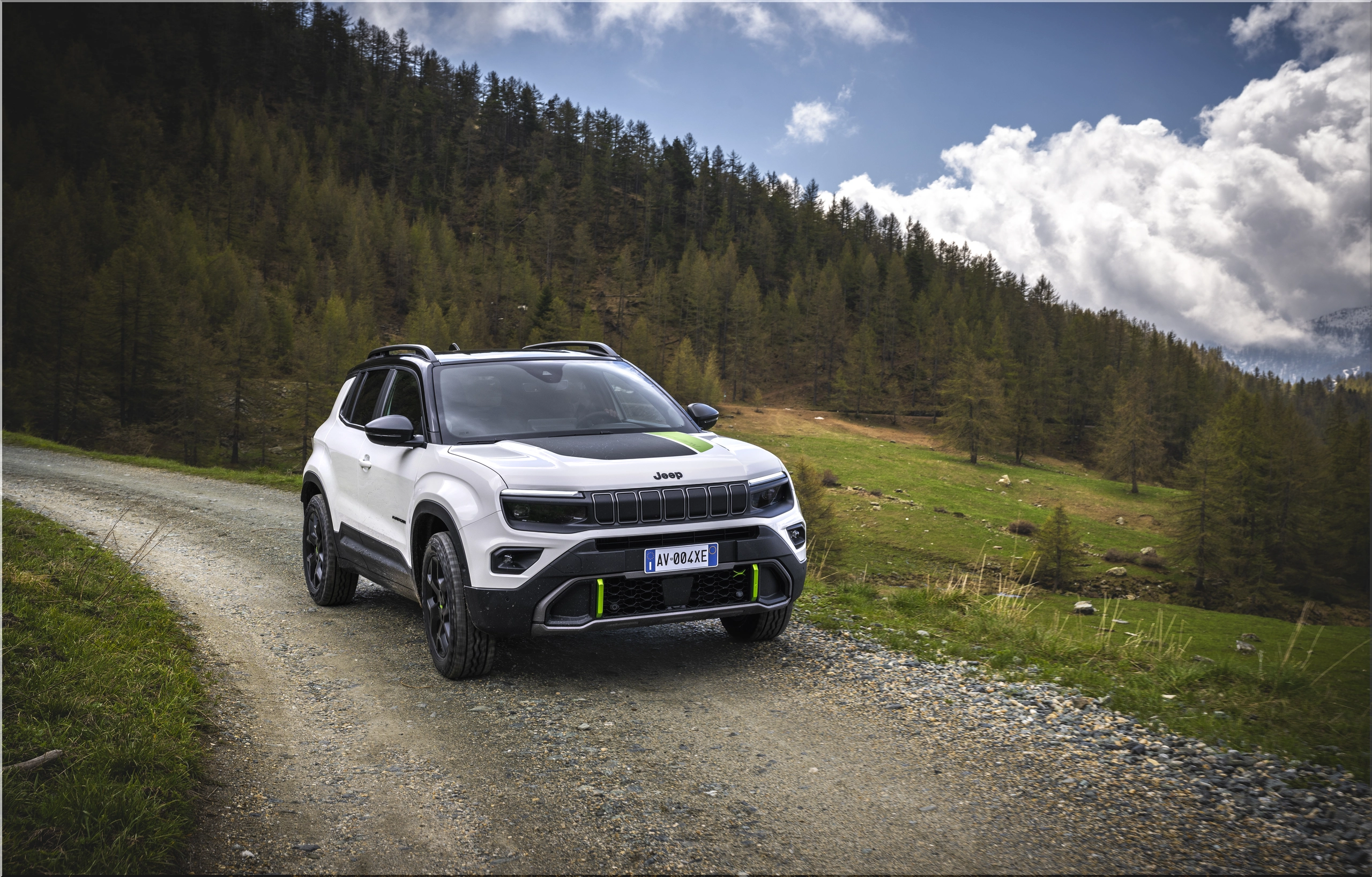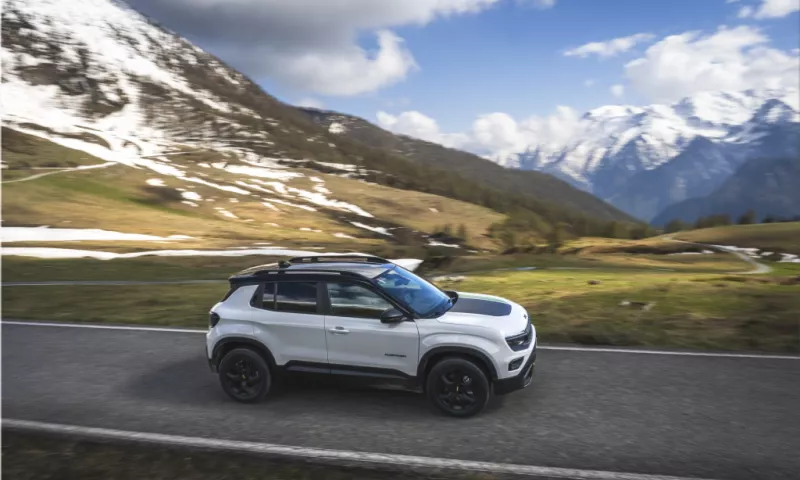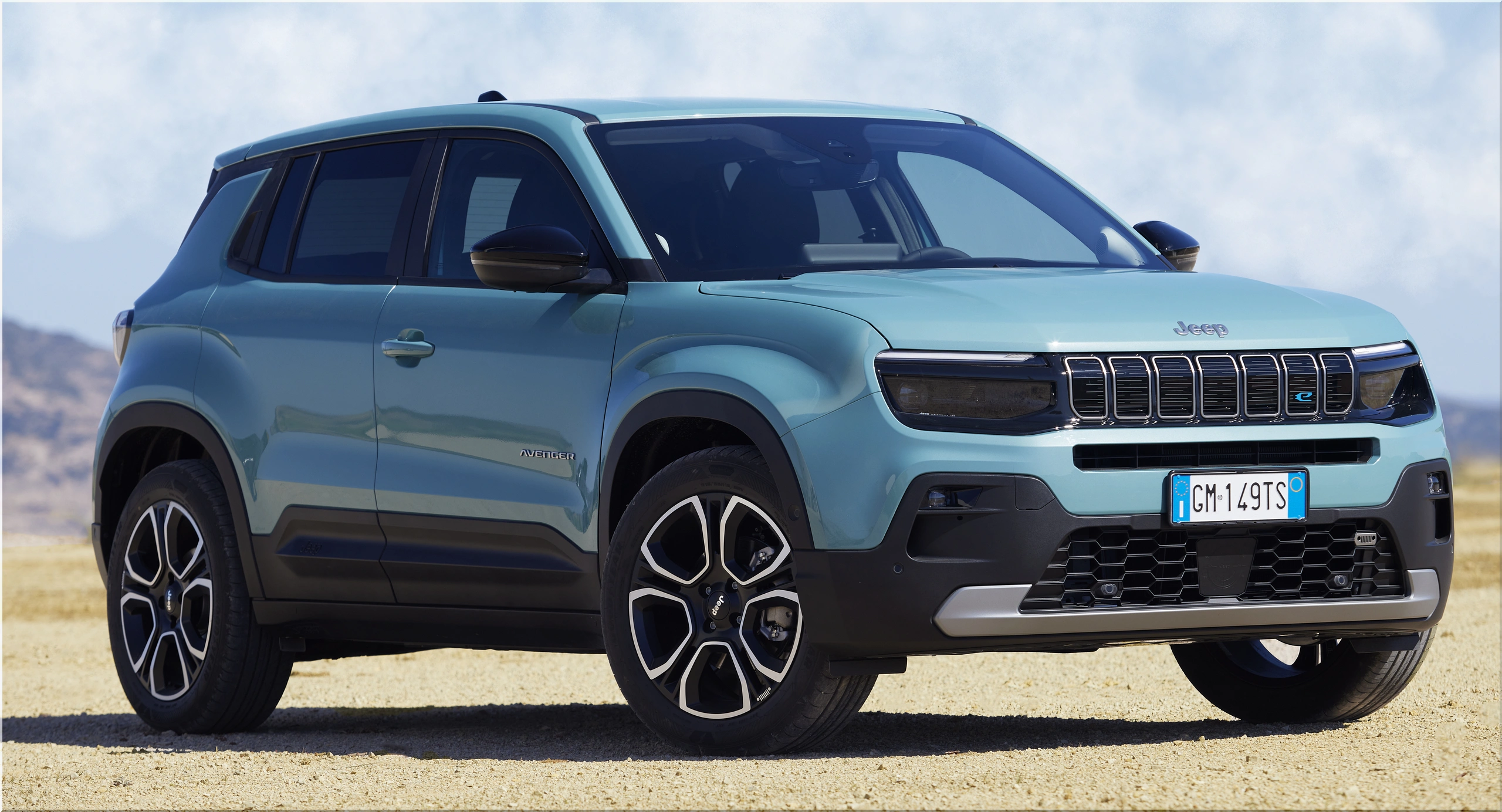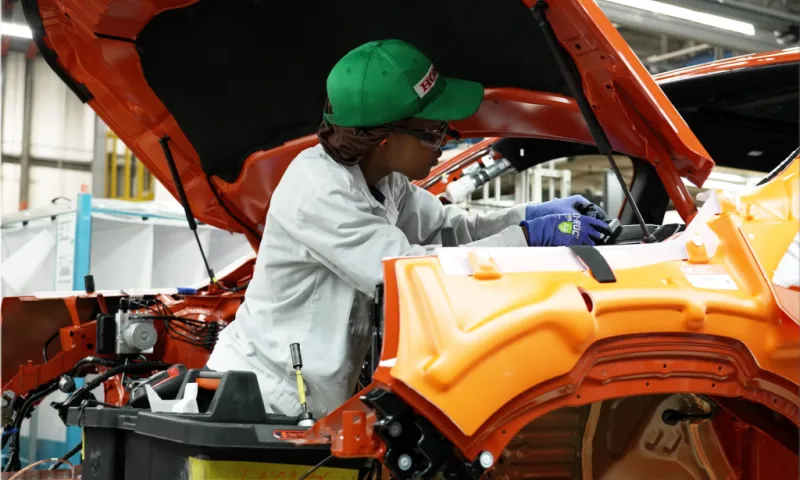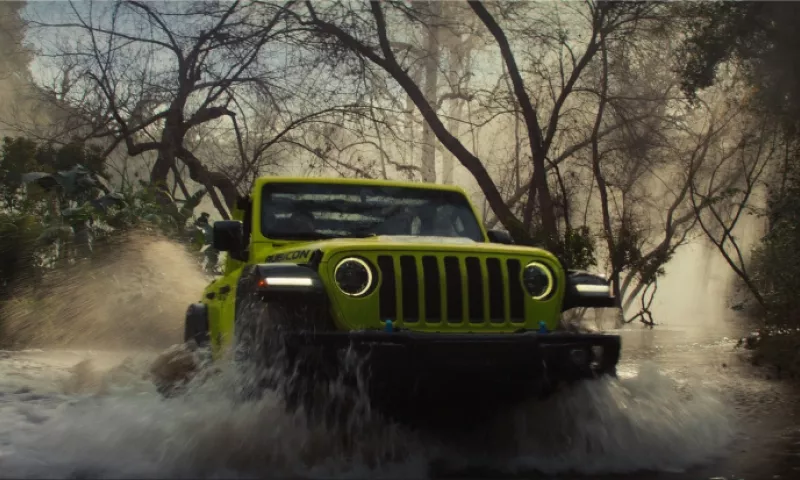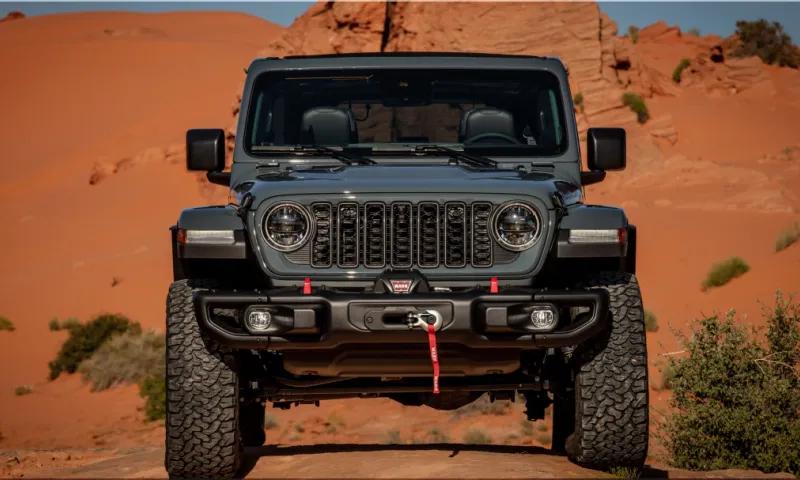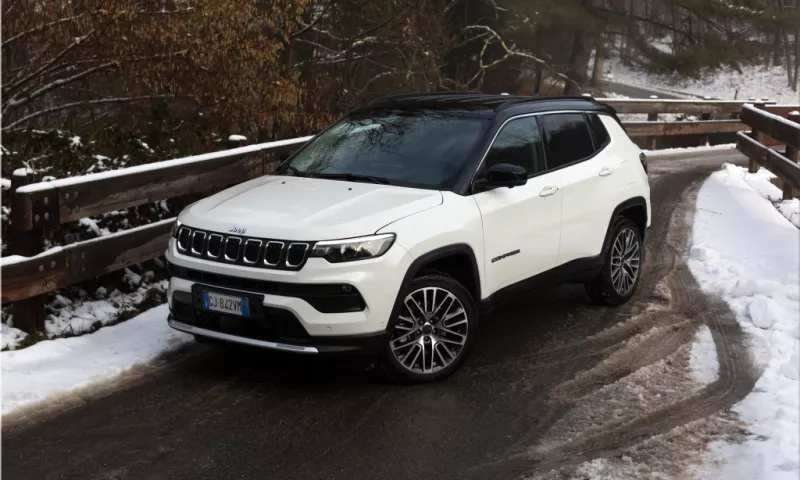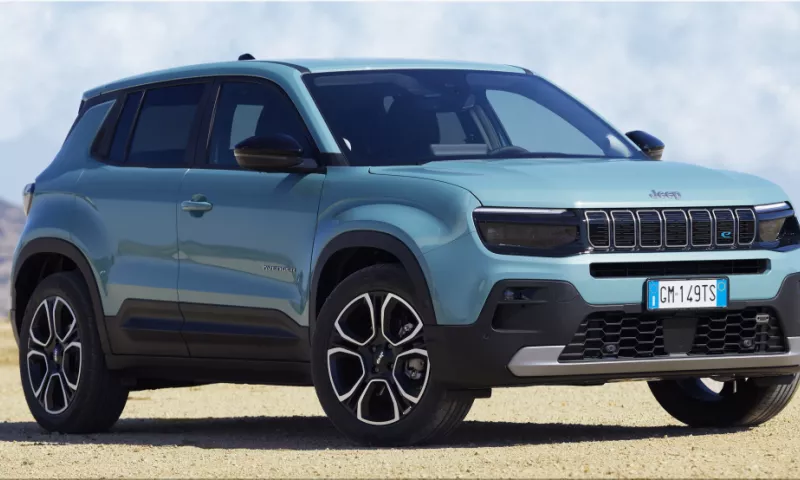
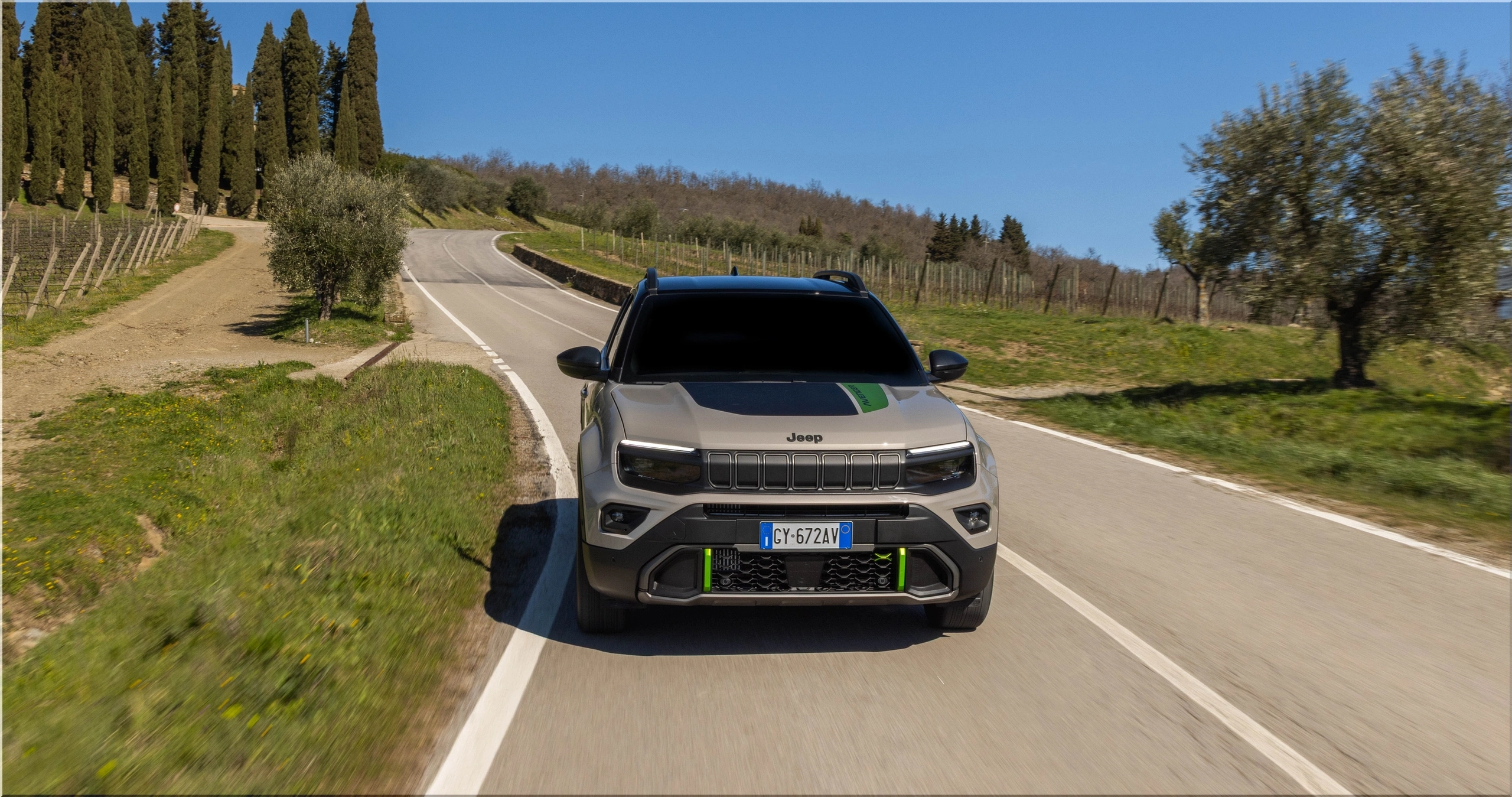
Production of the new Jeep Avenger 4xe has officially started at the Stellantis plant in Tychy, Poland. Jeep is now signaling that its compact SUV lineup is shifting to electrified all-wheel drive. This launch shows how Jeep is realigning its product strategy to meet Europe’s growing demand for hybrid SUVs.
This article covers the key features of the Jeep Avenger 4xe, production details, why Tychy was chosen, and what this means for Jeep’s European positioning.
Quick Overview: Jeep Avenger 4xe at a Glance
| Feature | Detail |
|---|---|
| Model Name | Jeep Avenger 4xe |
| Production Location | Stellantis plant, Tychy, Poland |
| Drivetrain | Hybrid All-Wheel Drive (AWD) |
| Electric Motor Output | 2 x 21 kW (front and rear axles) |
| Engine | 1.2L Turbo Gasoline (134 hp) |
| Transmission | 6-speed dual-clutch automatic |
| Power Distribution | eAWD with rear electric motor |
| Target Markets | Europe (especially urban regions) |
| Launch Year | 2024 (production started March 2025) |
Tychy Plant: Why It Matters
The Stellantis Tychy plant is one of the most efficient factories in Europe. It has:
- Produced over 12 million vehicles since opening.
- Modern assembly lines ready for hybrid and EV integration.
- Strategic proximity to key European markets.
- Workforce trained for advanced electric systems.
The plant is known for producing high-volume models with strong urban market appeal. Some of the most popular cars built at Tychy include:
Past and Current Car Models Made at Tychy:
- Fiat 500 (since 2007 – iconic city car)
- Fiat Panda (past production)
- Lancia Ypsilon (still produced for the Italian market)
- Alfa Romeo Junior (production starting in 2024–2025)
- Jeep Avenger EV (FWD, full electric model)
- Jeep Avenger 4xe (AWD hybrid, current)
These models reflect the plant's focus on compact, fuel-efficient, and now electrified vehicles. The multi-brand setup enables Stellantis to scale hybrid and EV output without building new factories.
Jeep Avenger 4xe: Key Powertrain Specs
The Avenger 4xe combines hybrid tech with AWD capability. It uses:
- A 1.2L turbocharged gasoline engine producing 134 hp.
- Two electric motors, each generating 21 kW, placed on the front and rear axles.
- A 6-speed dual-clutch transmission optimized for fuel economy.
- Jeep’s electronic all-wheel-drive (eAWD) system with automatic torque distribution.
The rear wheels engage only when needed, reducing drag and improving efficiency.
Why Jeep Went With a Hybrid Powertrain
This model doesn’t go full electric. It follows a mild hybrid strategy—a bridge between combustion engines and pure EVs.
Key benefits of this strategy:
- Reduced production cost compared to full EVs.
- No need for large battery packs.
- No dependence on full charging infrastructure.
- Meets EU emissions targets without compromising performance.
This approach meets urban emissions regulations while offering off-road capability—a core value for Jeep.
AWD for Urban and Off-Road Use
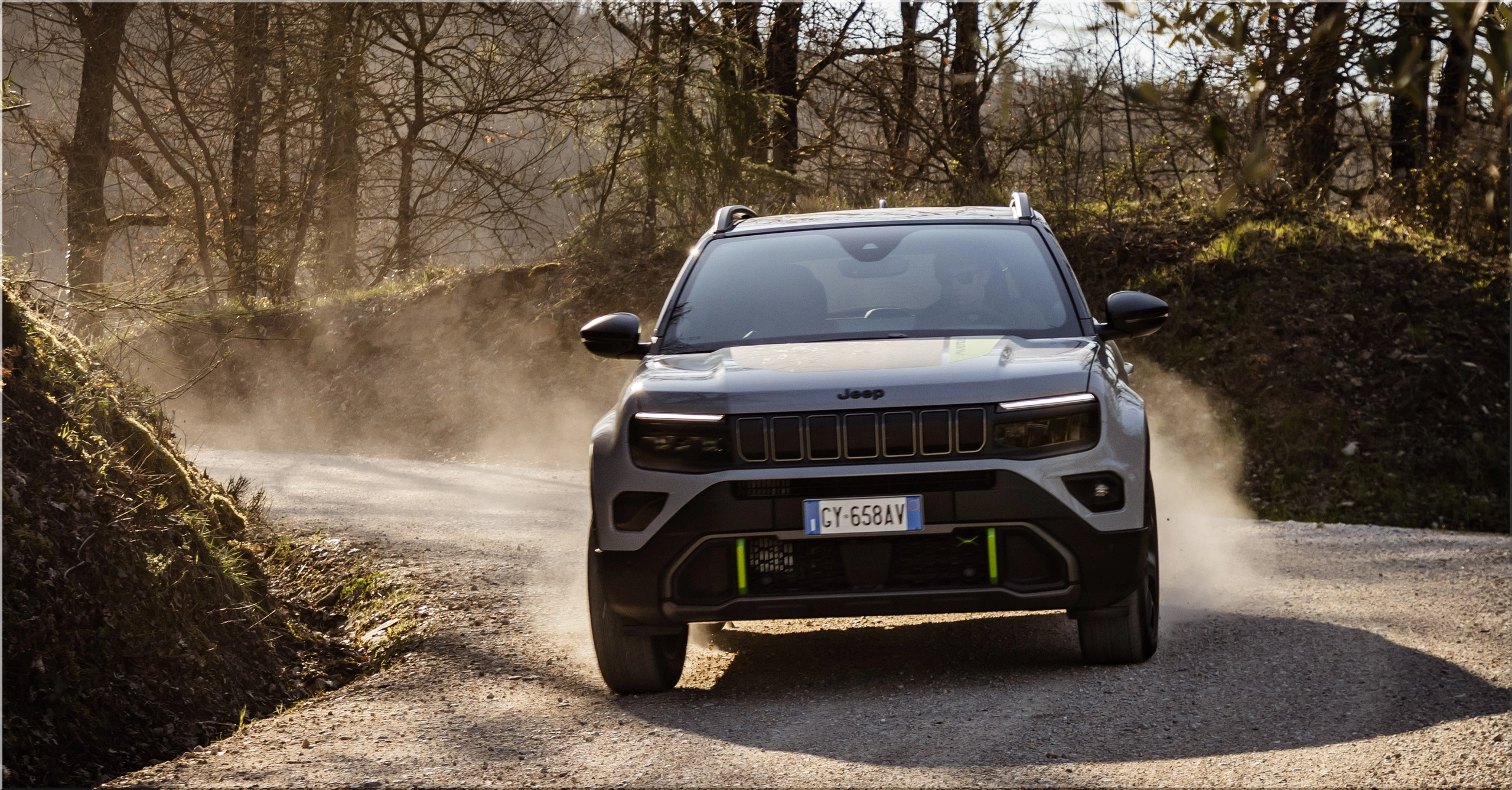
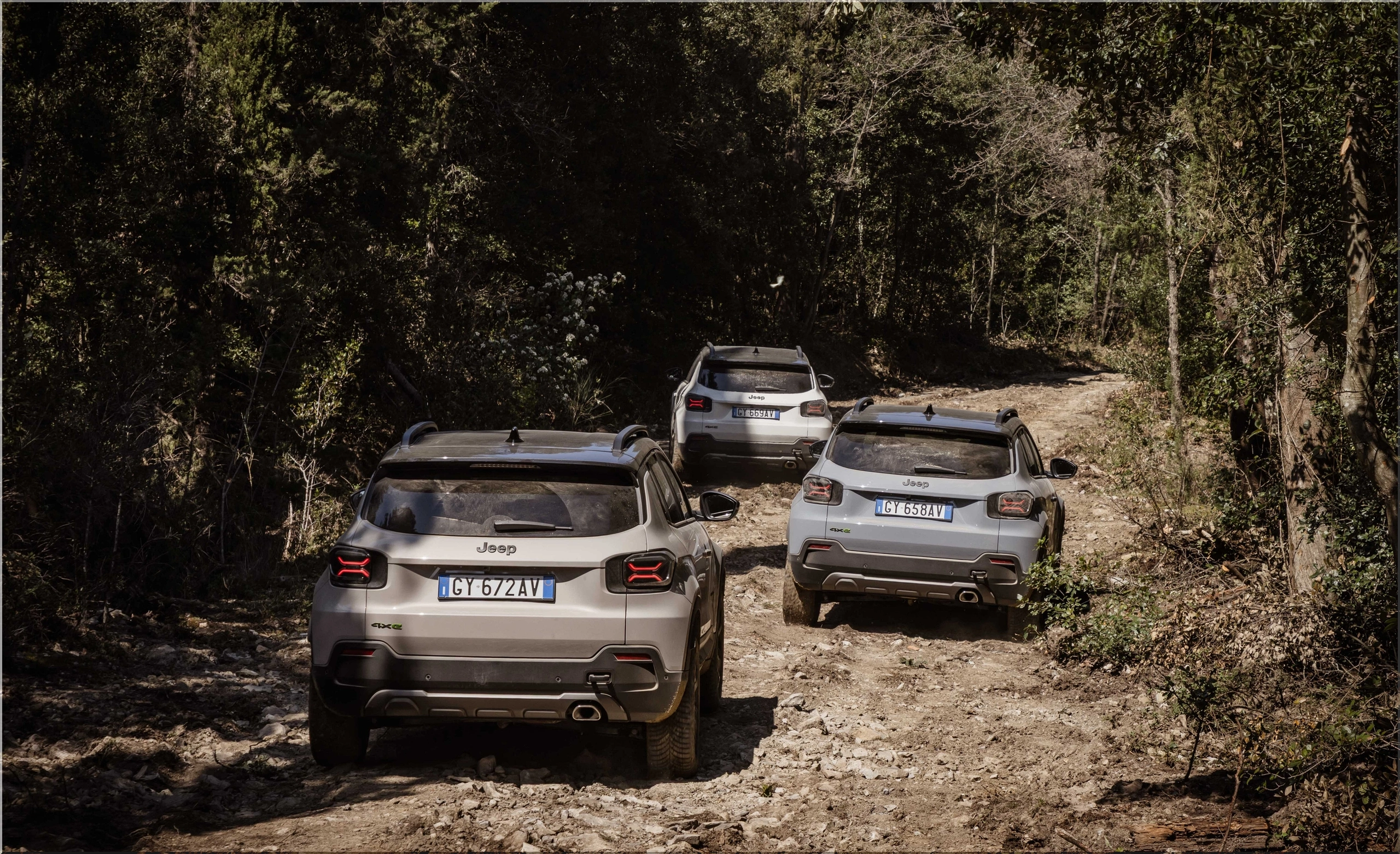
While the Avenger 4xe isn’t meant for rugged trail adventures, it does offer:
- AWD traction for rain, snow, or gravel roads.
- A dedicated 4xe mode for electric-assisted low-speed control.
- Hill descent assist and traction control settings.
- Compact ground clearance and wheel travel for moderate terrain.
This makes it ideal for urban users who want all-weather confidence but don’t need extreme trail tools.
How the Avenger 4xe Fits in Jeep’s European Lineup
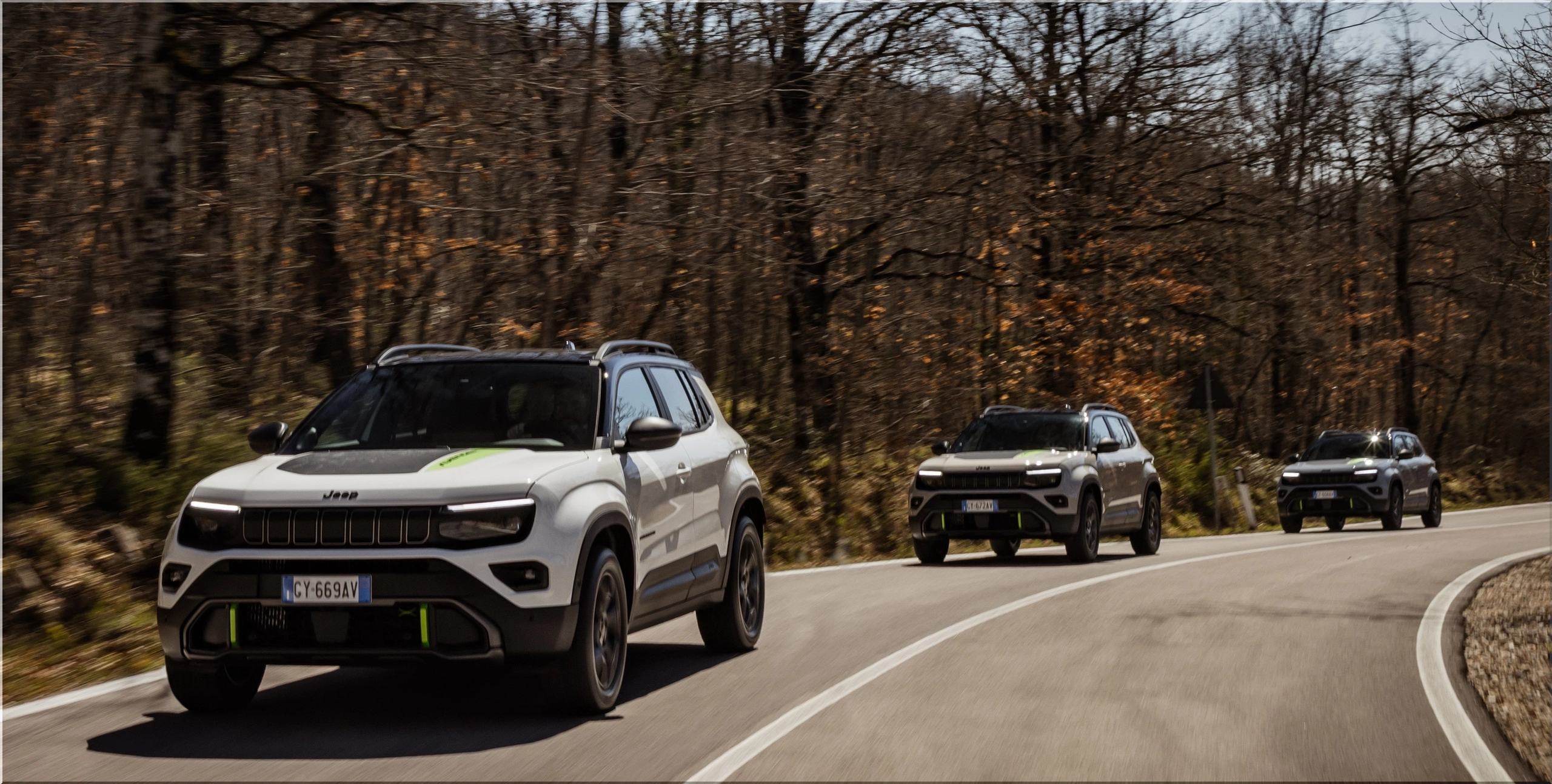
Jeep’s European strategy now revolves around compact SUVs with electrified drivetrains. The 4xe badge signals that an all-wheel-drive hybrid is replacing older AWD gas-only versions.
Positioning of the Avenger 4xe in Jeep’s Europe portfolio:
- Below the Renegade 4xe, but more efficient and city-friendly.
- More premium than the base Avenger FWD EV.
- Lighter and more fuel-efficient than traditional AWD SUVs.
The goal: deliver Jeep capability in a smaller, emission-compliant format.
Production Timeline and Rollout
- Production started March 2025 at the Stellantis Tychy facility.
- First units expected to reach dealers by Q2 2025.
- Focus markets include Germany, France, Italy, and Nordic countries.
- Pricing is expected to start around USD $32,000–$34,000.
This range makes it competitive against models like the Renault Captur E-Tech AWD and Toyota Yaris Cross AWD-i.
Design and Interior: What to Expect
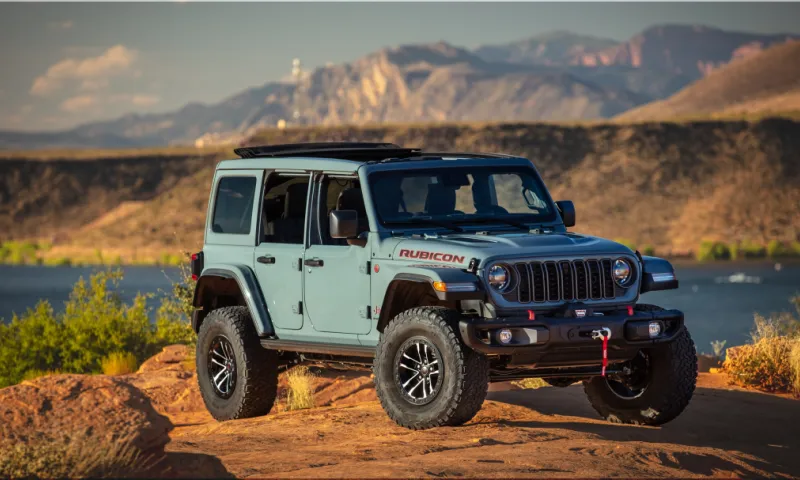
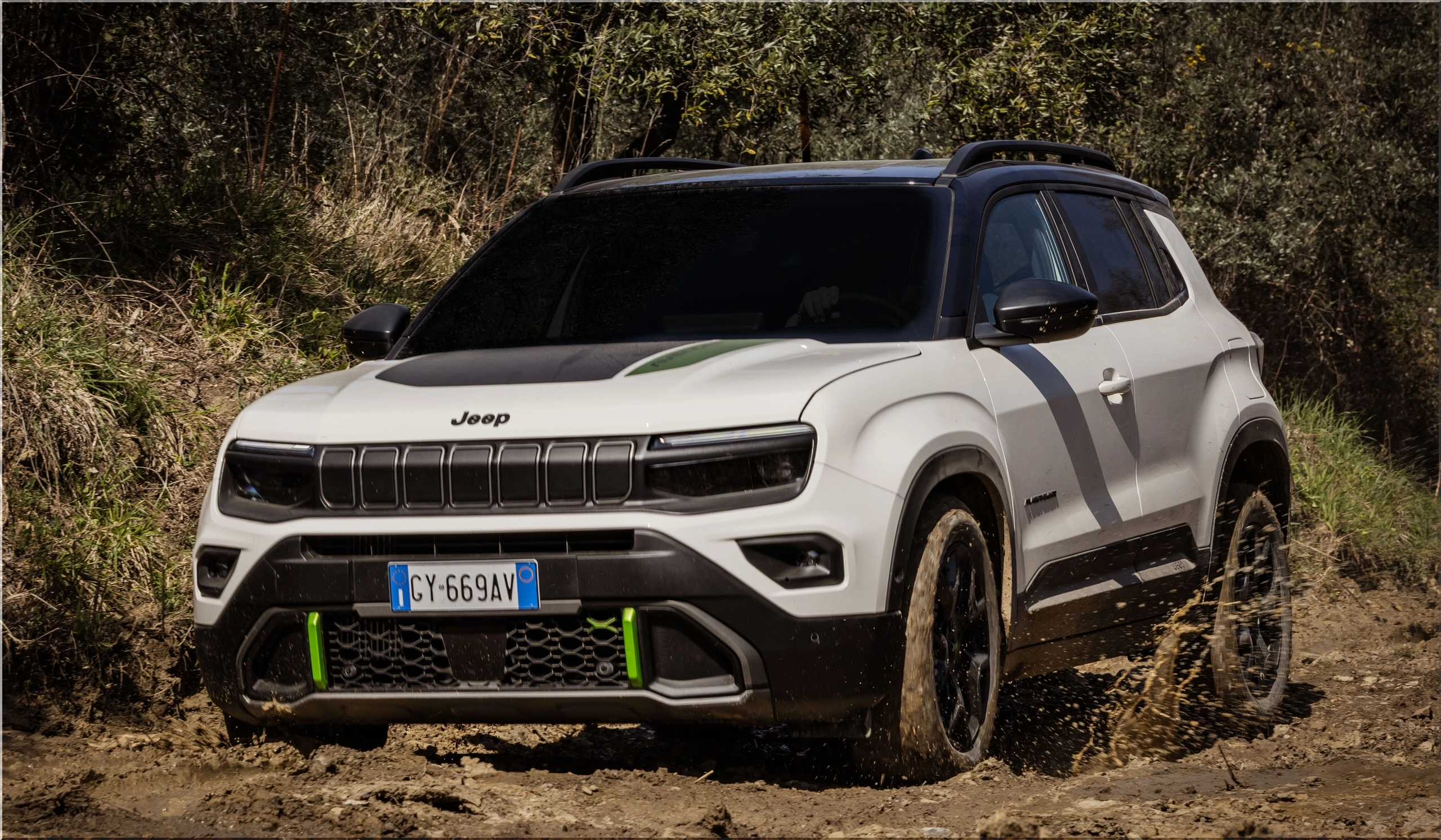
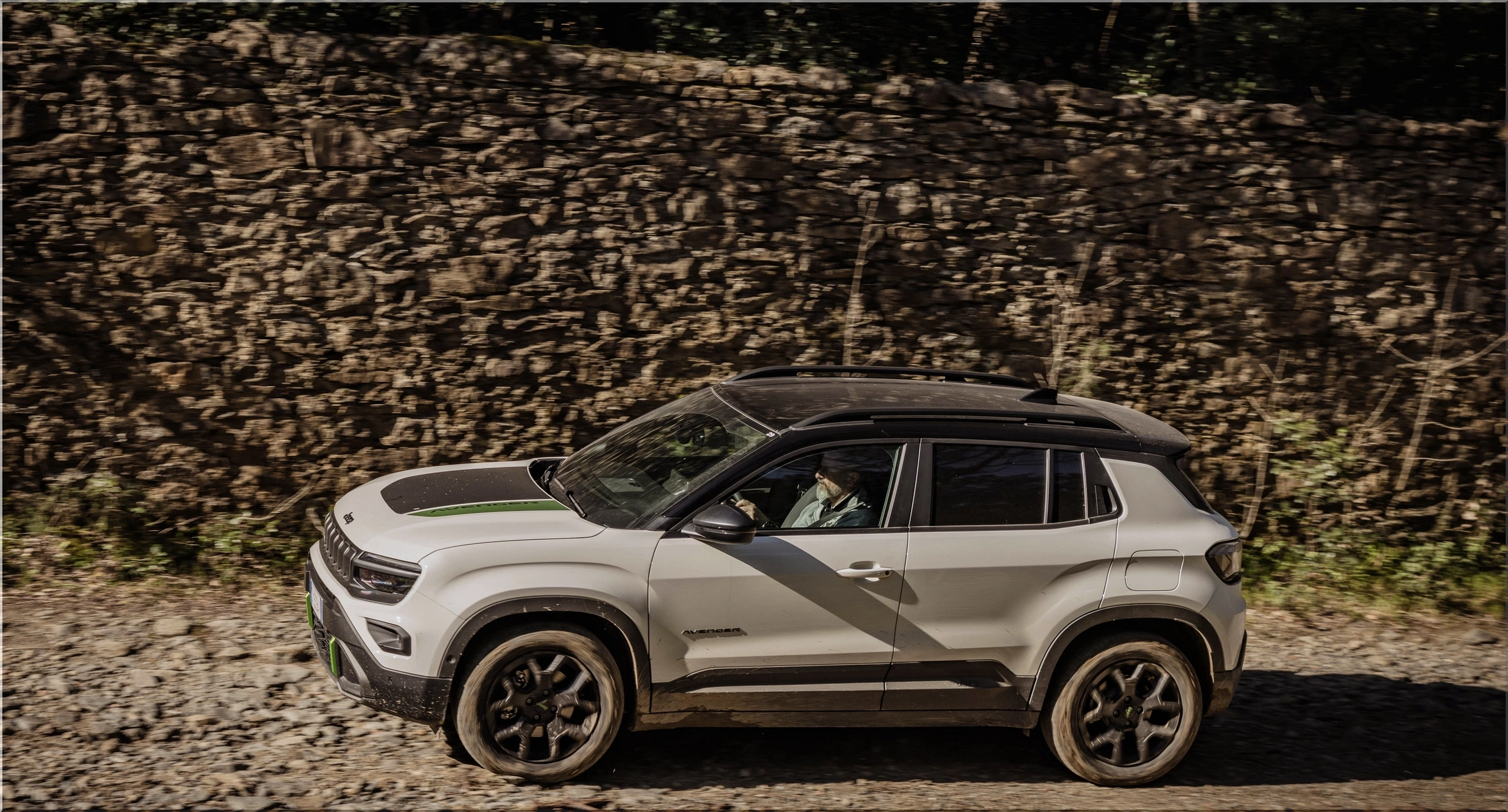
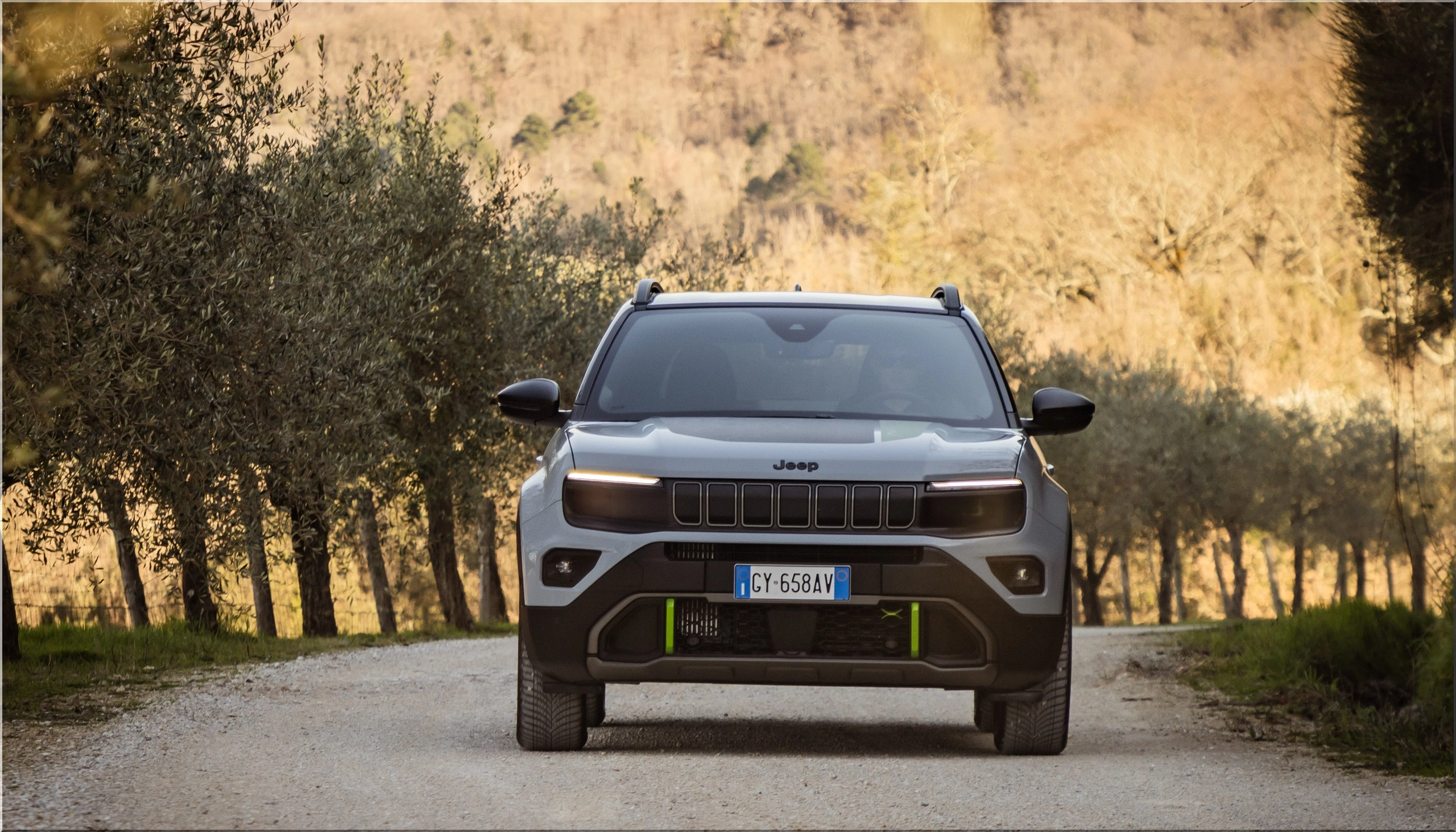
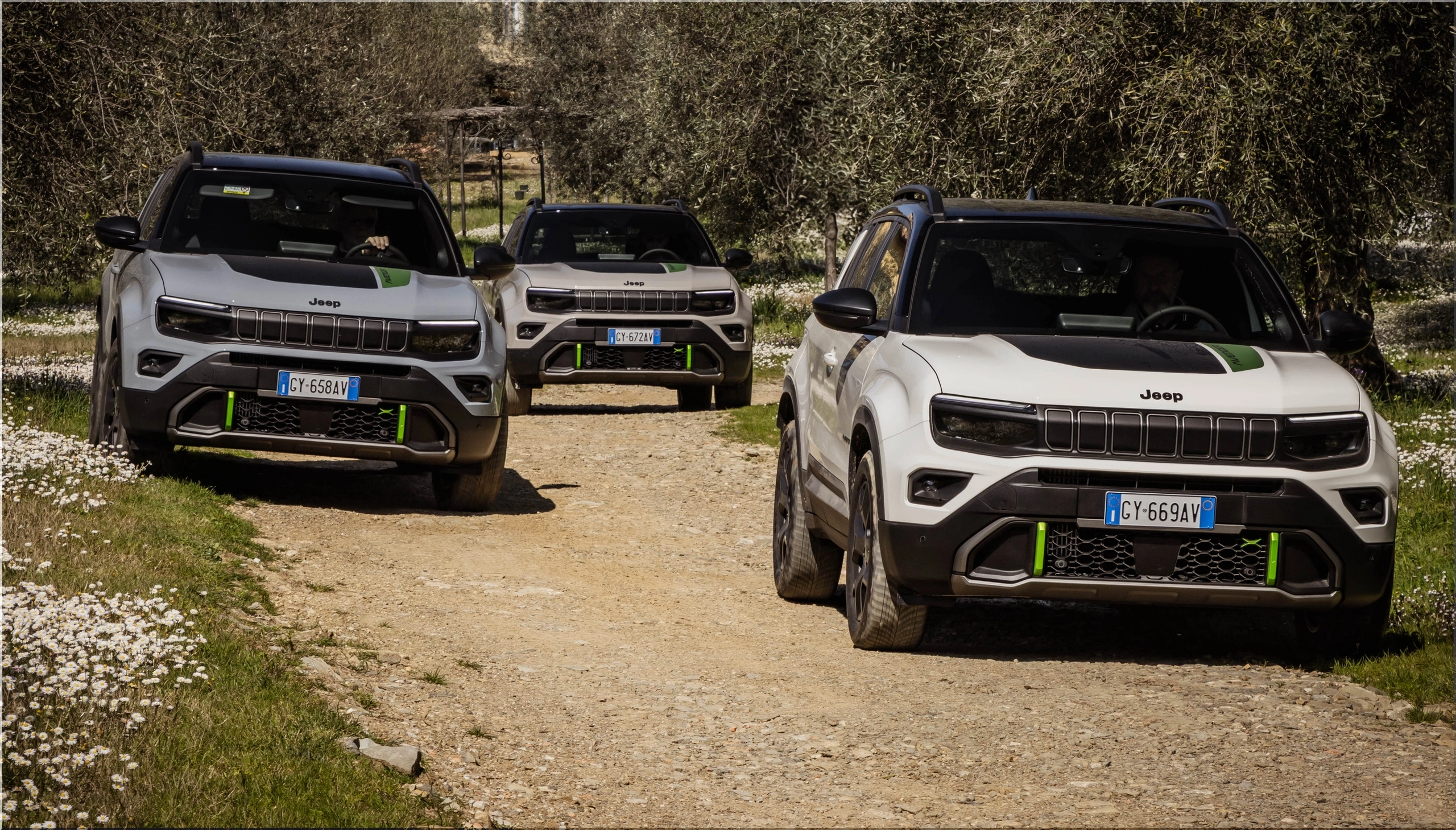
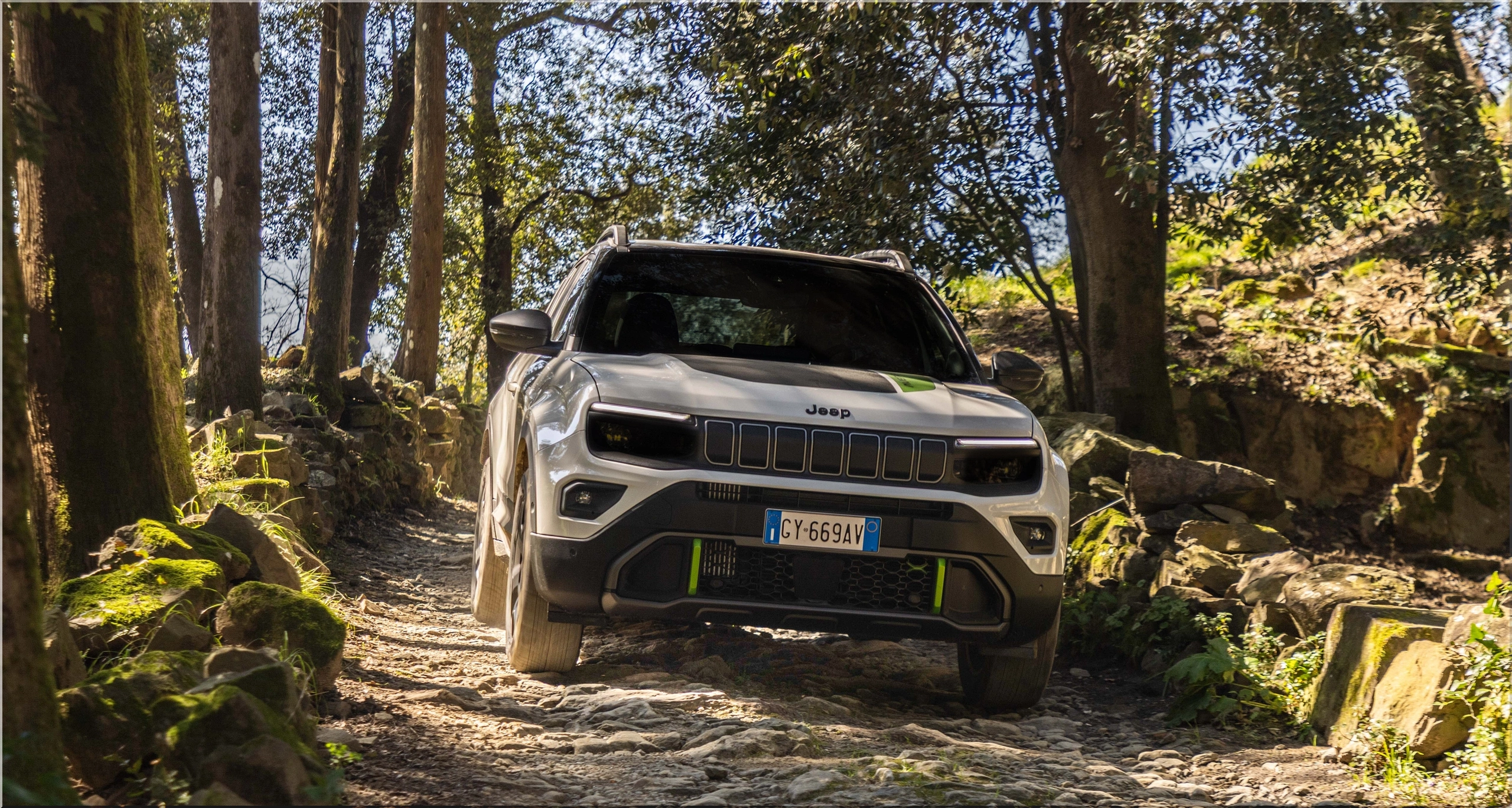
Design remains in line with Jeep’s current design DNA. Key elements include:
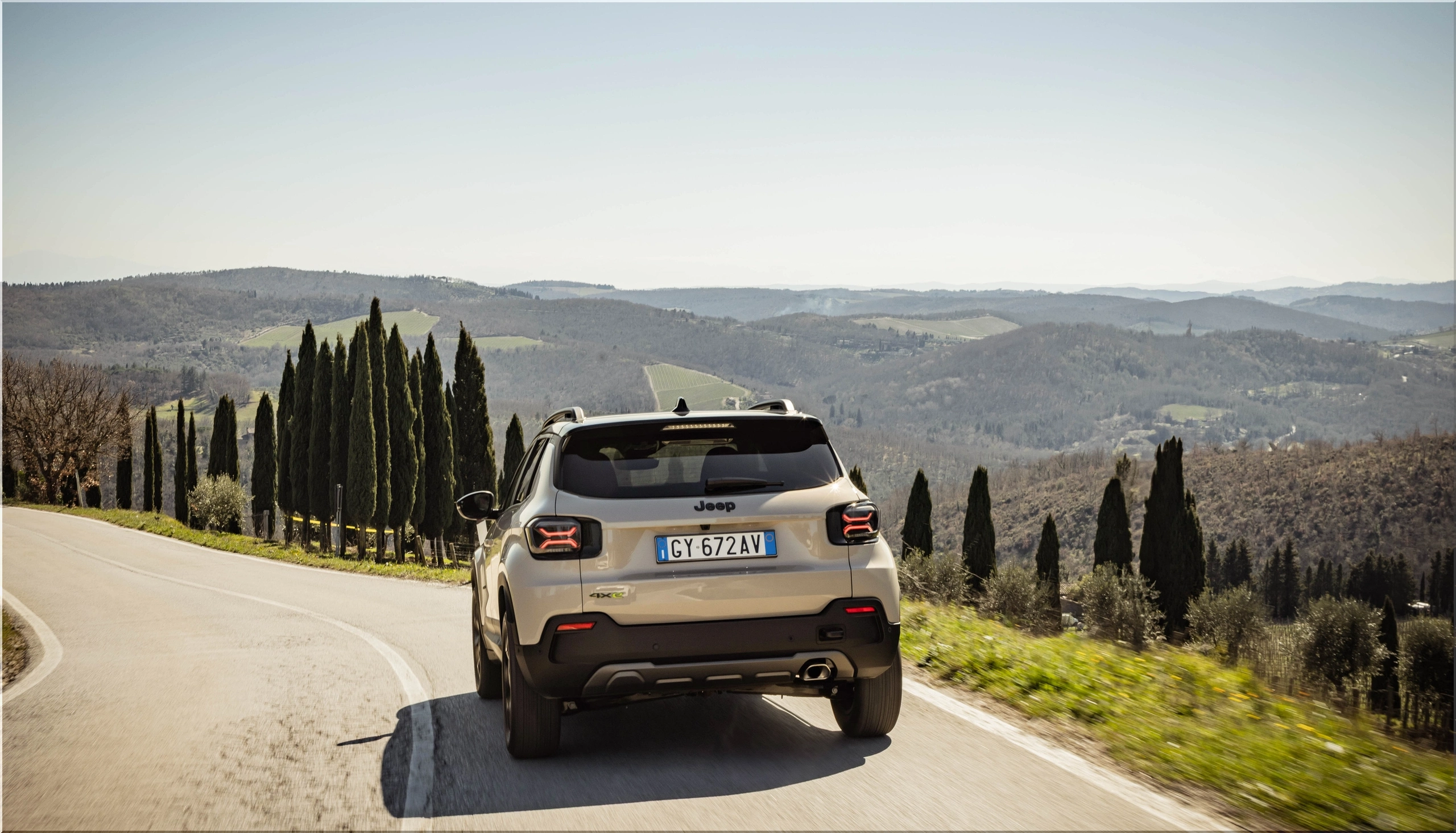
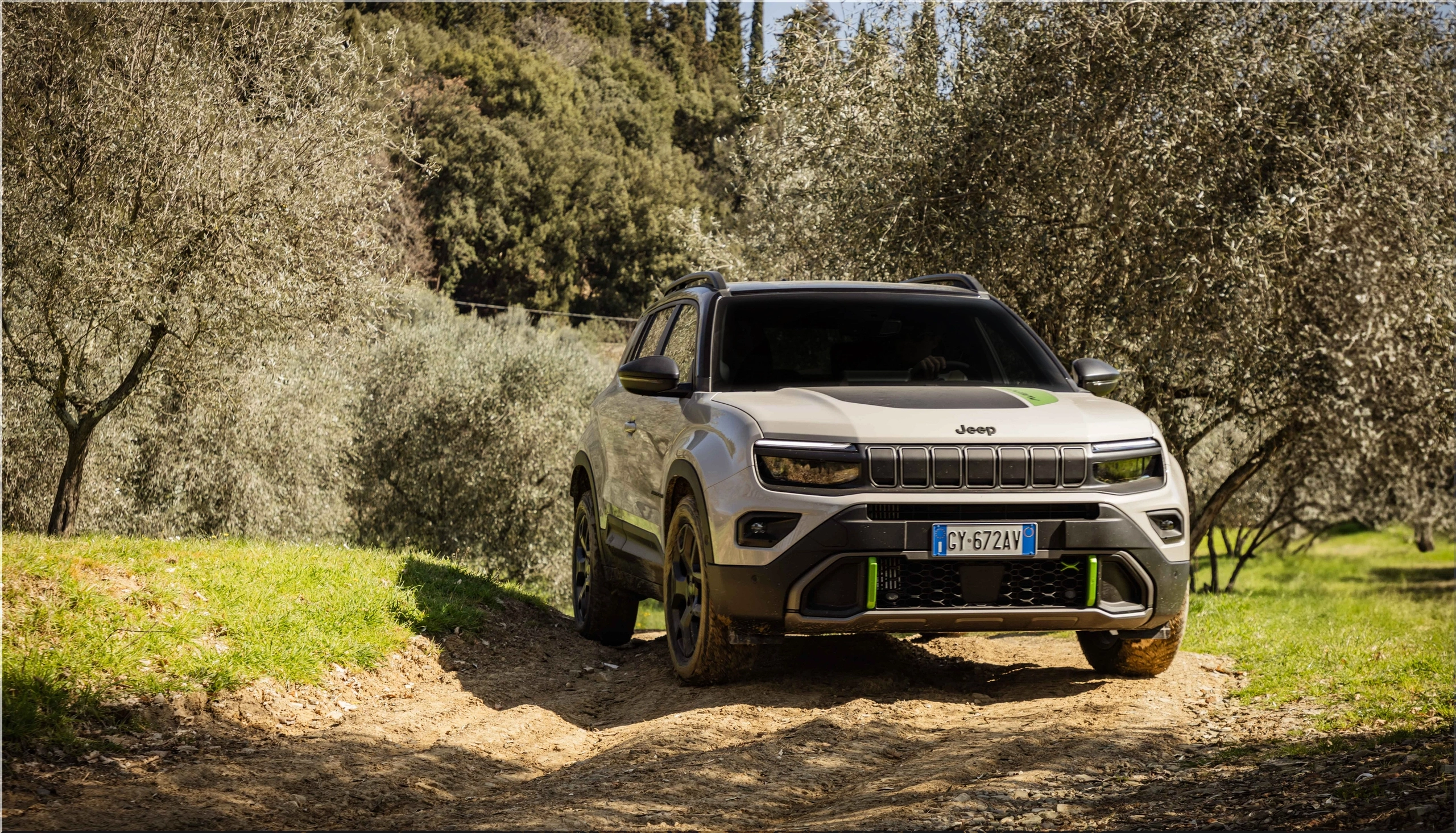
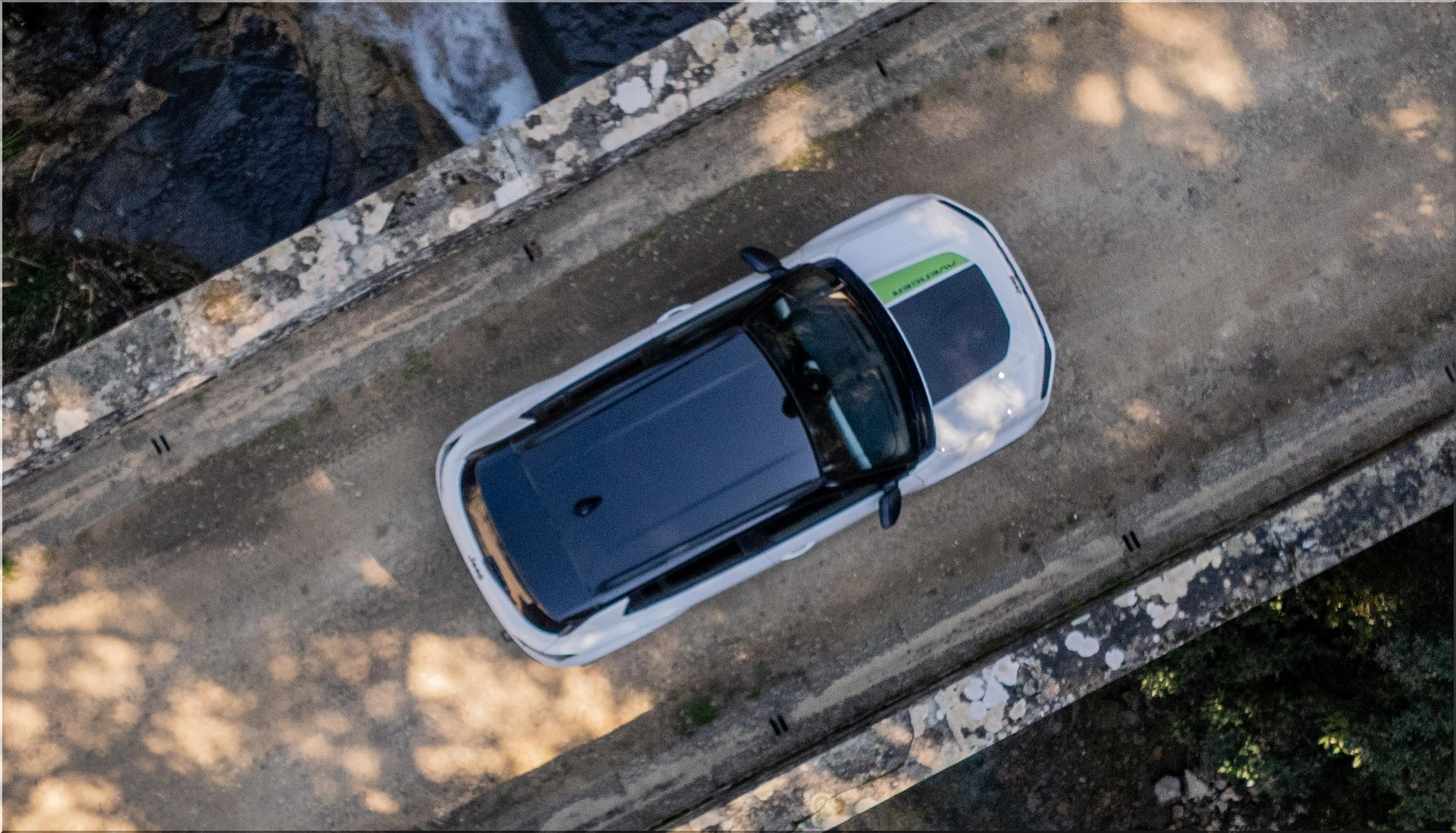
- Boxy shape with high ride height.
- Short overhangs for better approach angles.
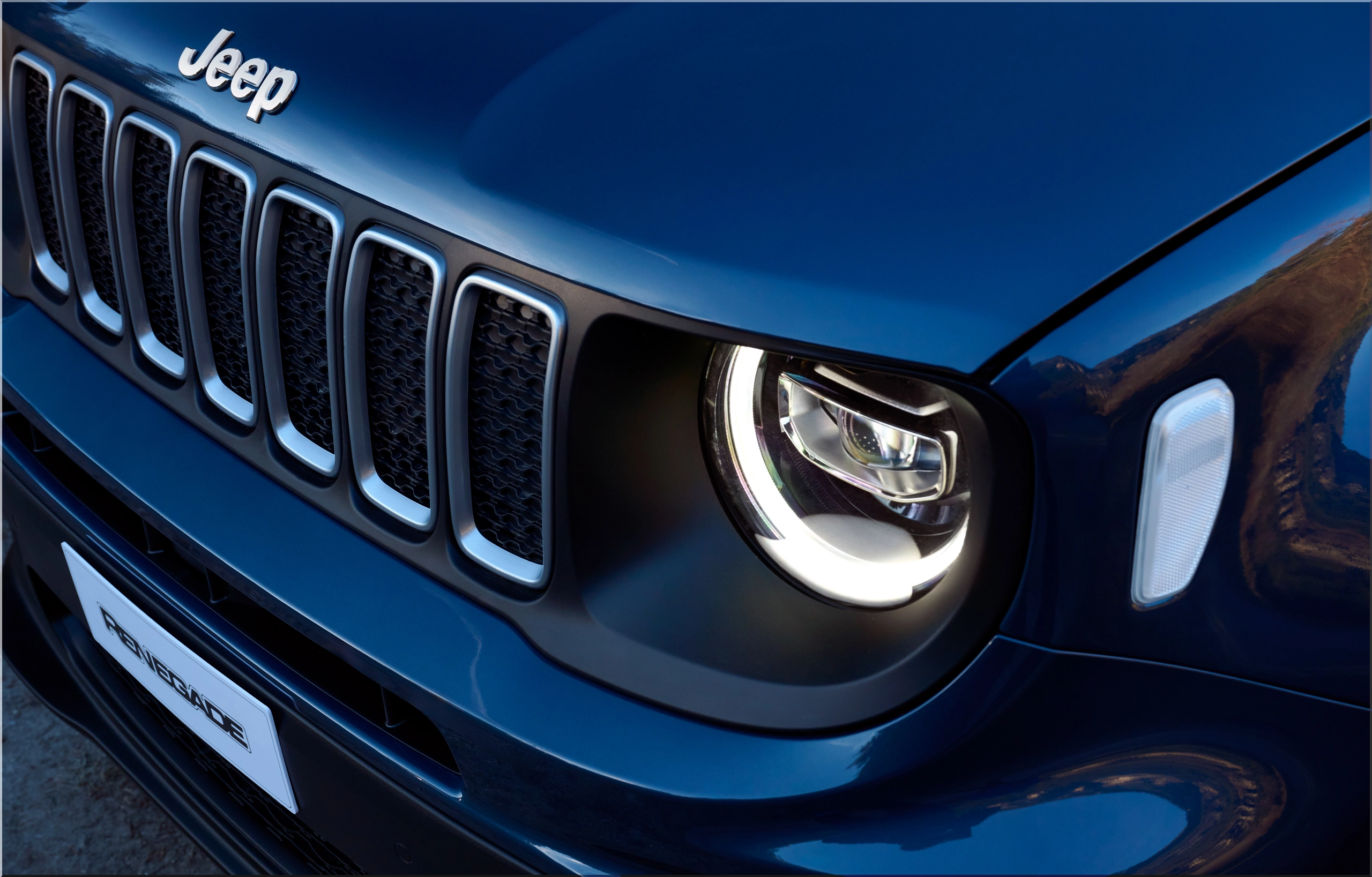
- Chunky bumpers and signature Jeep grille.
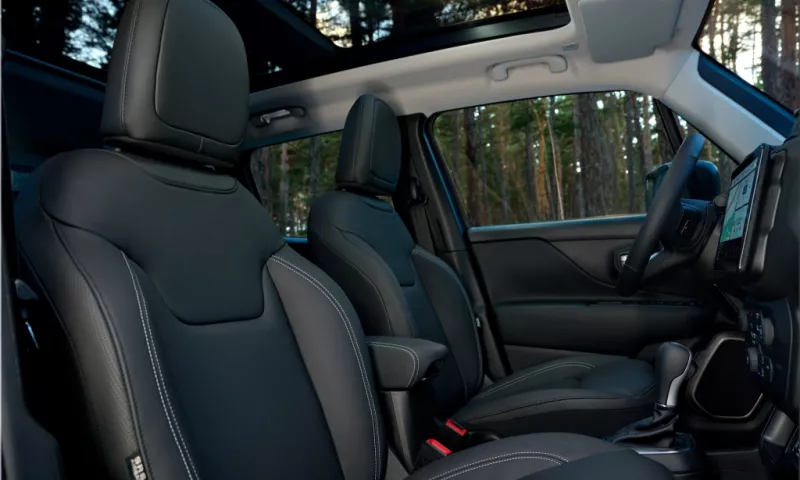
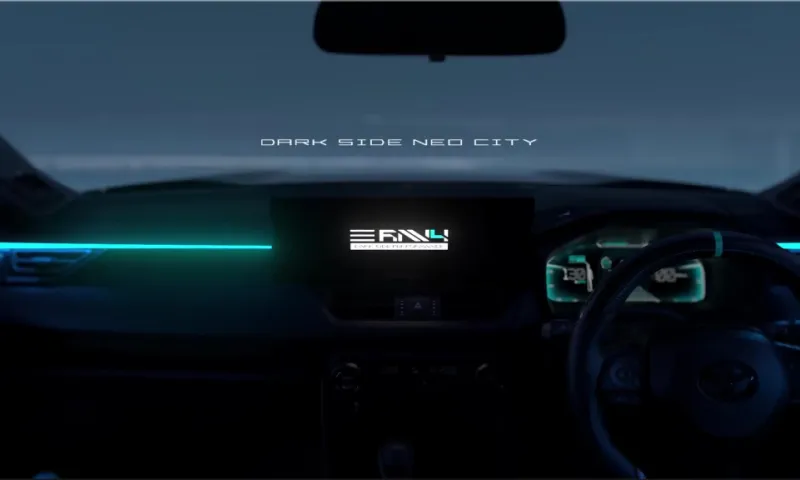
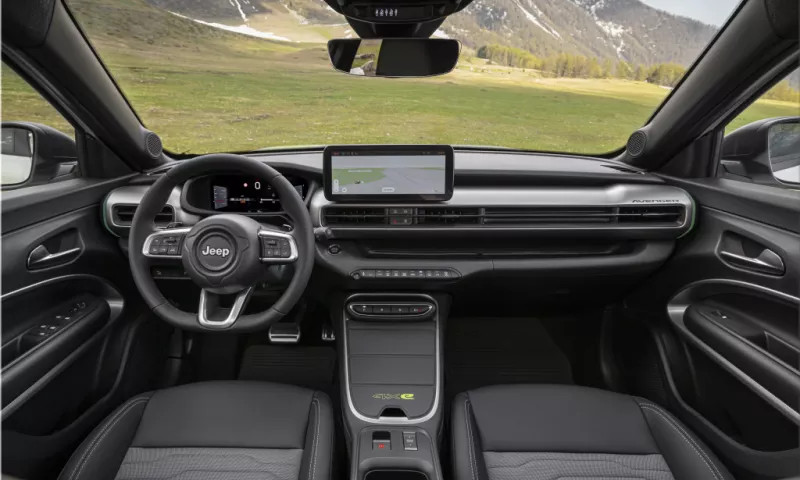
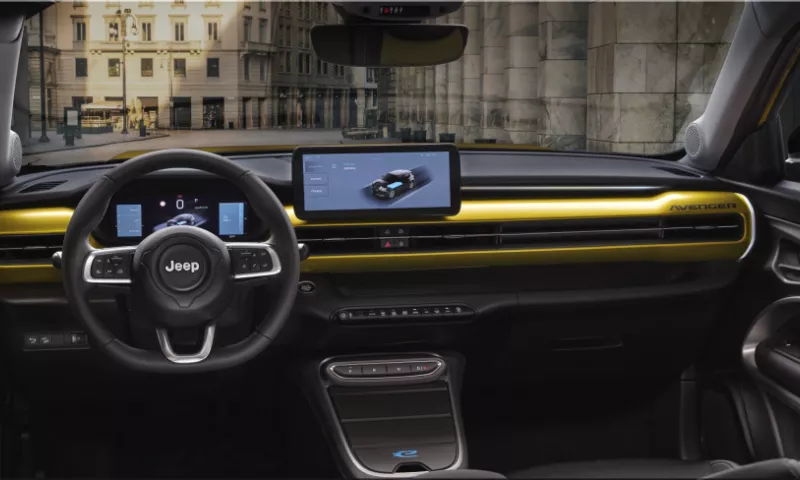
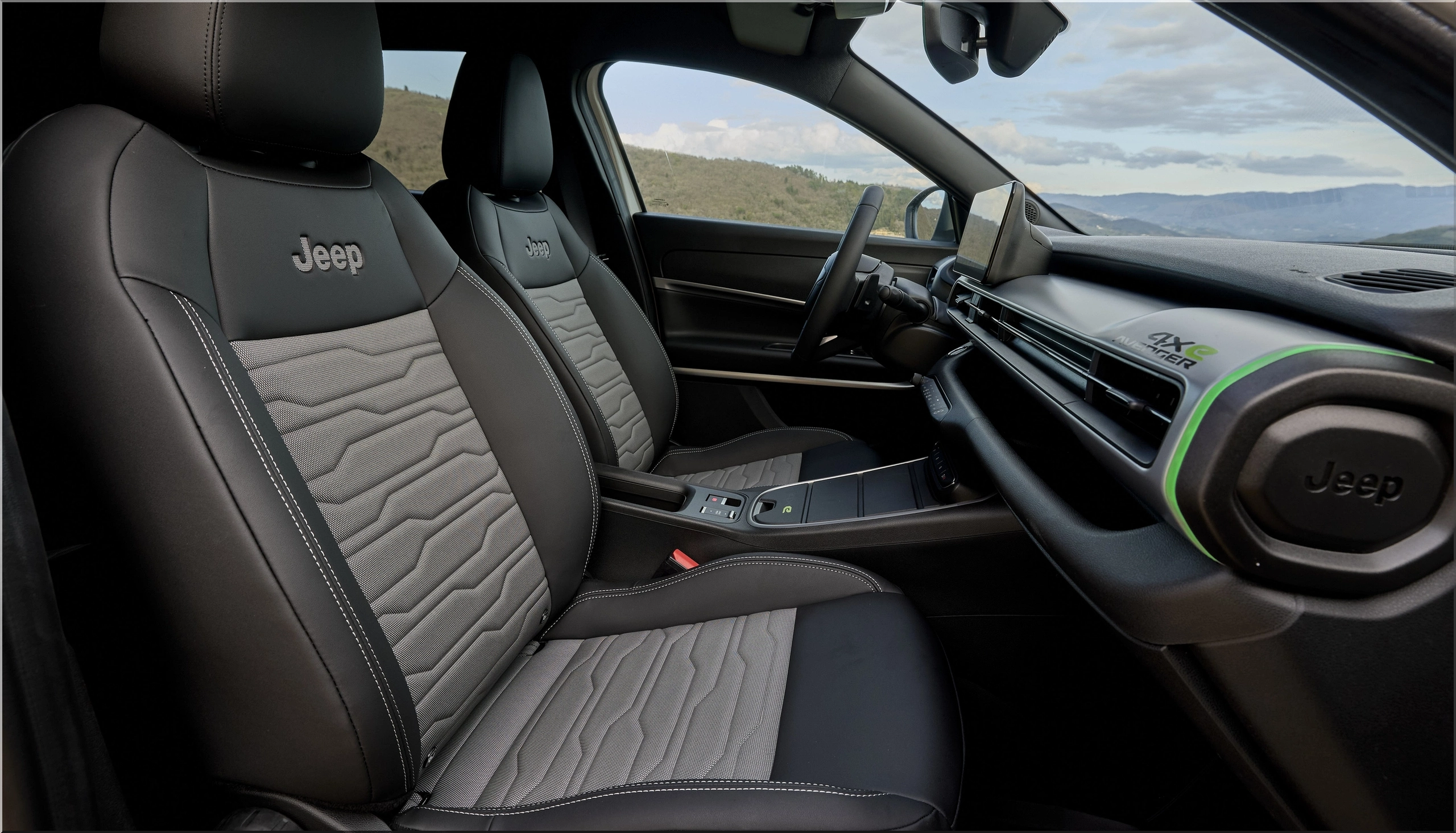
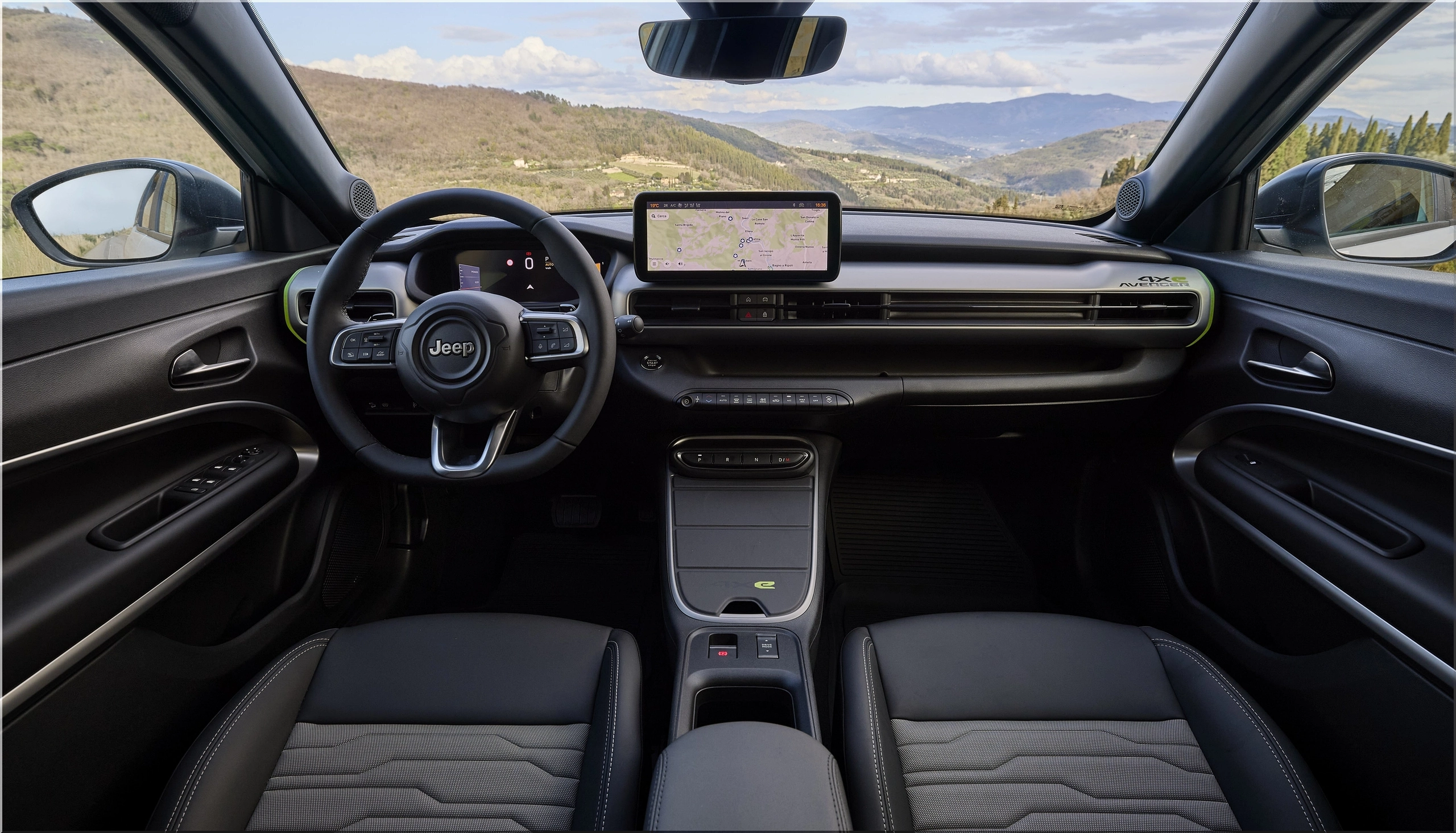
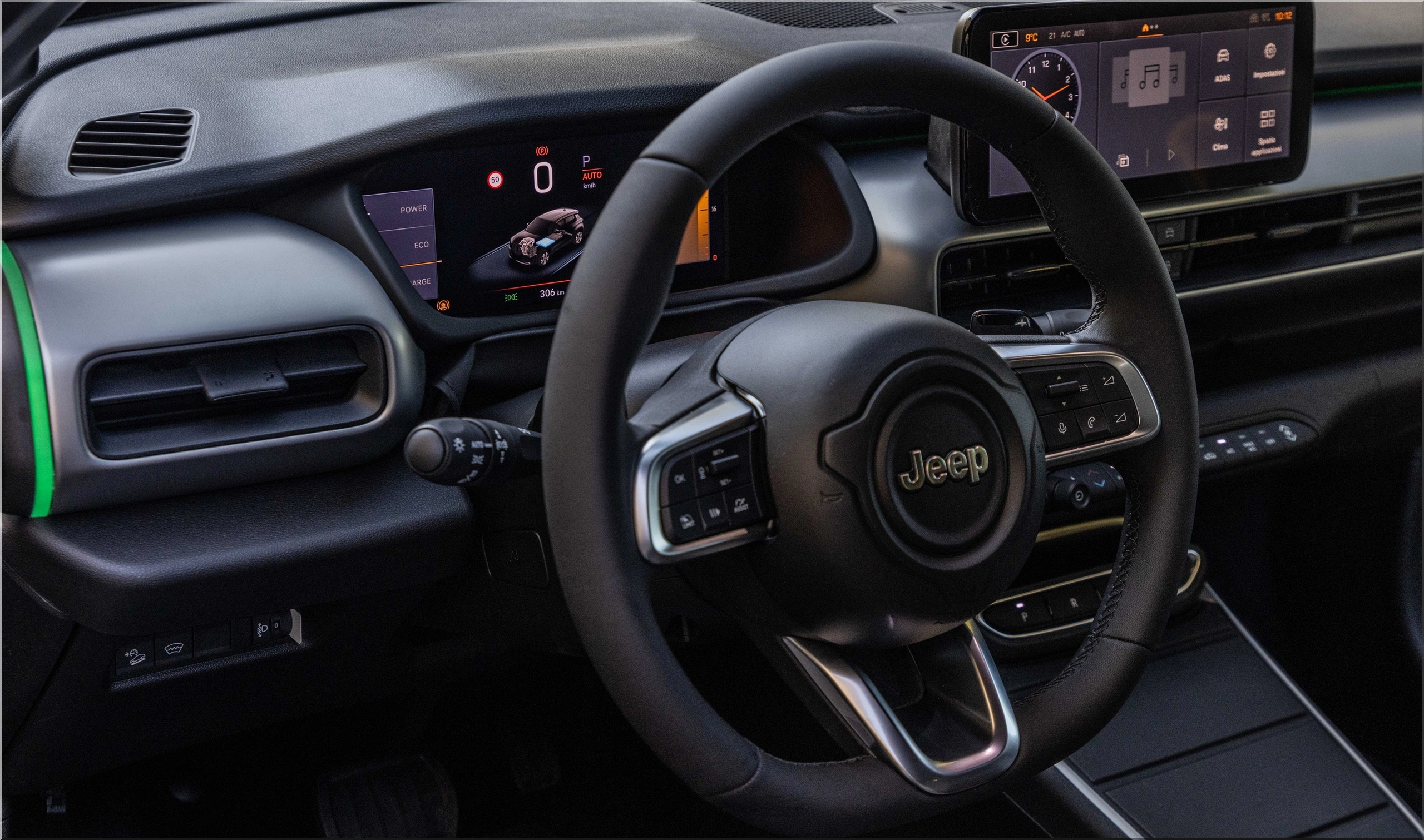
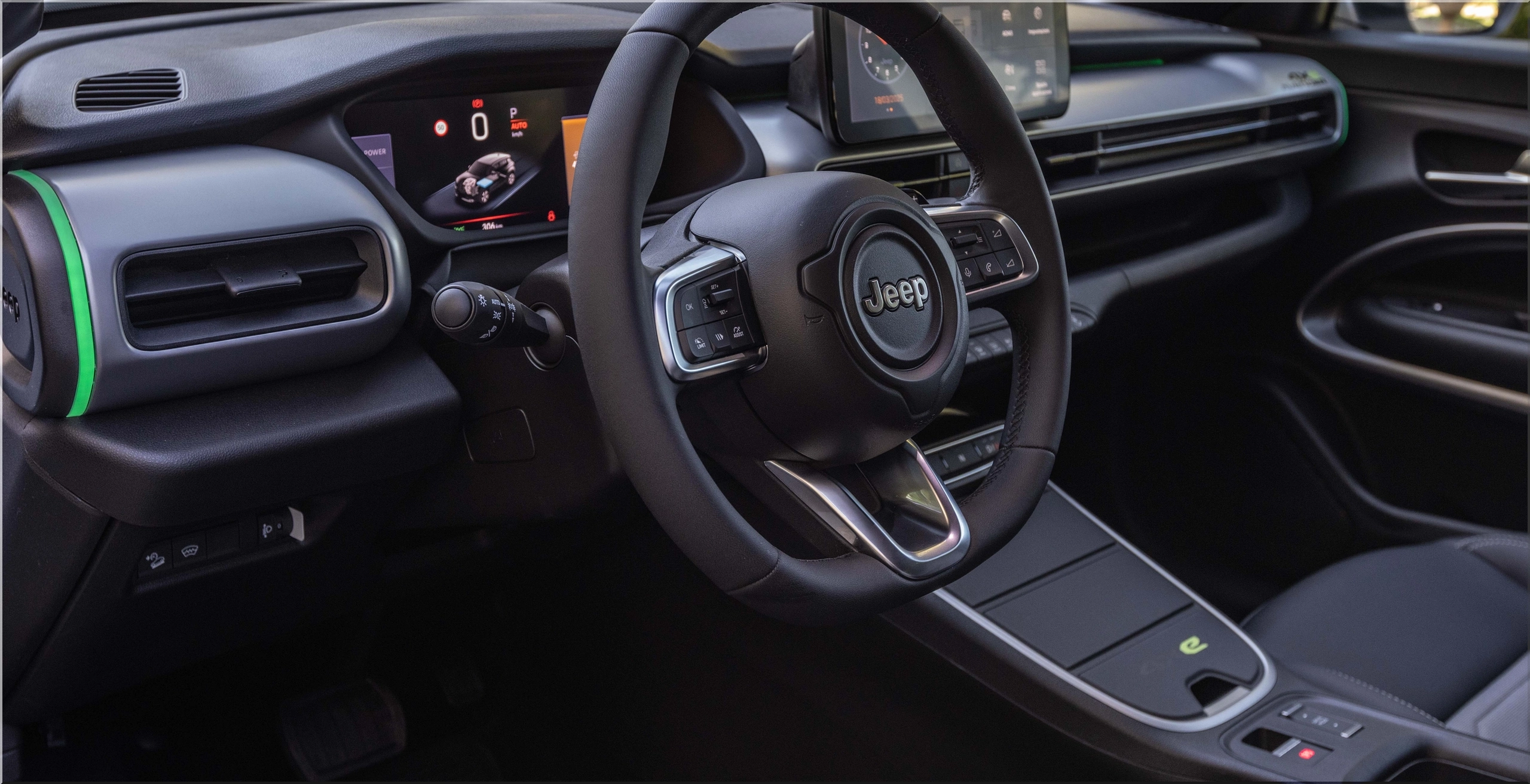
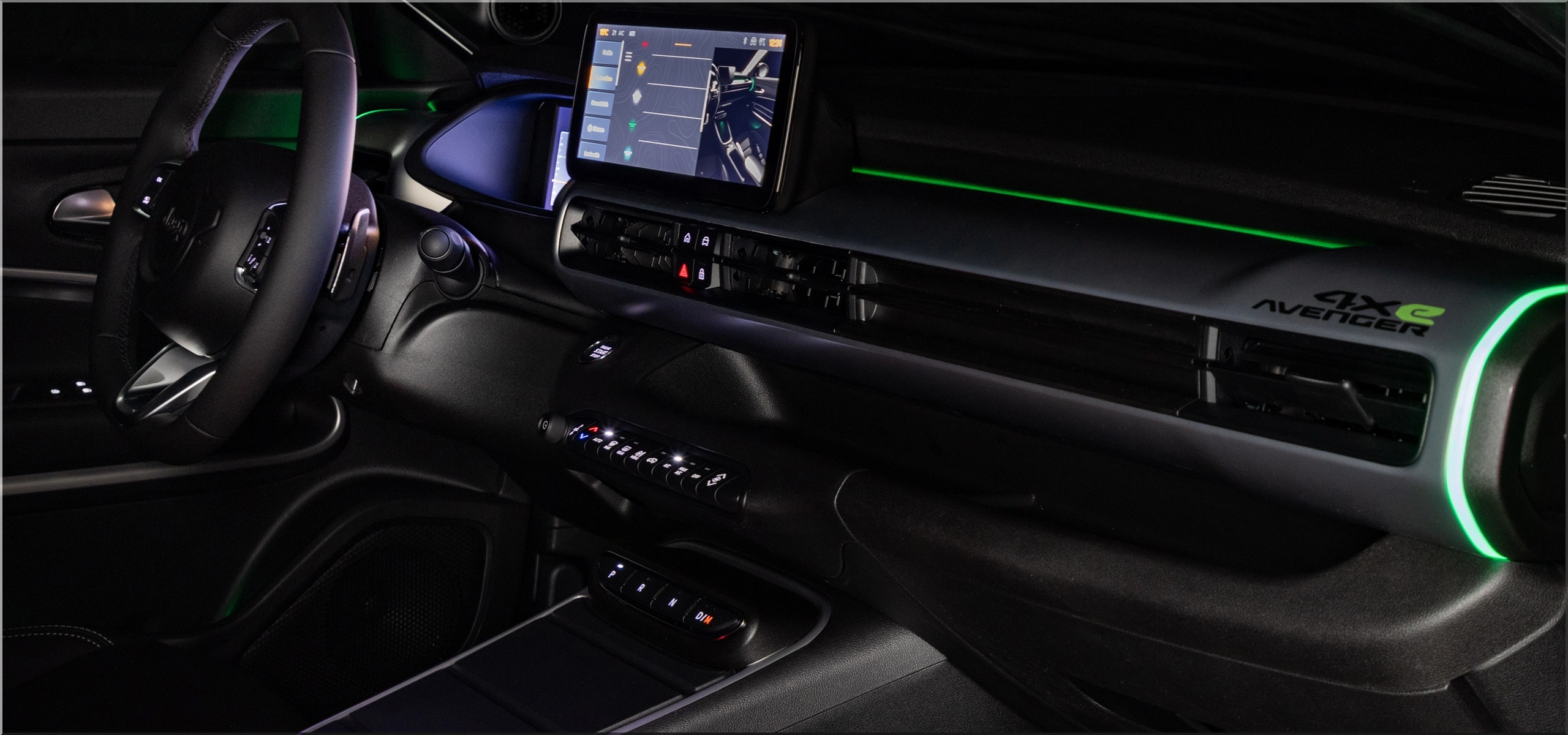
- Inside: digital cluster, center touchscreen, and easy-clean materials.
The rear cargo area offers enough space for city use or light luggage.
Sustainability and Assembly
Jeep uses lower-emission production methods at Tychy, including:
- Battery module prep done in-house for quality control.
- Smart lighting and heating systems to reduce energy use.
- Partnership with local suppliers to shorten transport routes.
All Avenger 4xe units are produced under ISO 14001-certified environmental management systems.
Comparing Avenger 4xe vs. Avenger EV
| Feature | Avenger 4xe (Hybrid AWD) | Avenger EV (FWD) |
|---|---|---|
| Drivetrain | Gasoline + Electric AWD | Full Electric (FWD) |
| Range | Estimated 370 miles | Around 250 miles (WLTP) |
| Charging | No external charging | Requires EV charger |
| Market Fit | Mixed city + rural | Urban/commuter |
| Performance | Better low-grip traction | Smoother acceleration |
| Starting Price | ~$33,000 | ~$30,000 |
Buyers who prioritize AWD and extended range will prefer the 4xe. Urban drivers may still opt for the full EV version.
Market Impact: Jeep’s Bet on Subcompact AWD Hybrids
Europe is pushing electrification. But many consumers still want all-wheel drive and range. Jeep is filling that space by:
- Offering AWD without the high EV price tag.
- Using small turbo engines for range support.
- Avoiding dependence on Europe’s inconsistent EV charging grid.
This gives Jeep a clear angle: “capability without infrastructure anxiety.”
Strategic Benefits for Stellantis
This model is part of Stellantis’ multi-platform, multi-energy strategy. By sharing platforms across brands, Stellantis:
- Cuts down production costs.
- Improves part reuse and inventory.
- Offers flexible powertrain combinations from one assembly line.
The Tychy plant also supports:
- Fiat 500 and its electric versions
- Lancia Ypsilon for Italy
- Upcoming Alfa Romeo Junior, expected to share components with the Avenger
This enables Stellantis to adapt quickly to market demand using a single, scalable production base.
Key Takeaways
- The Jeep Avenger 4xe gives customers all-wheel drive and hybrid efficiency in a compact, affordable package.
- Production at Tychy boosts Jeep’s ability to meet EU emissions laws and consumer expectations.
- This move strengthens Stellantis’ electrification goals while keeping traditional Jeep buyers onboard.
- The Avenger 4xe is targeted at urban drivers who want traction and flexibility without needing a full EV.
- Add new comment
- 131 views