The Birth of the First Modern Car
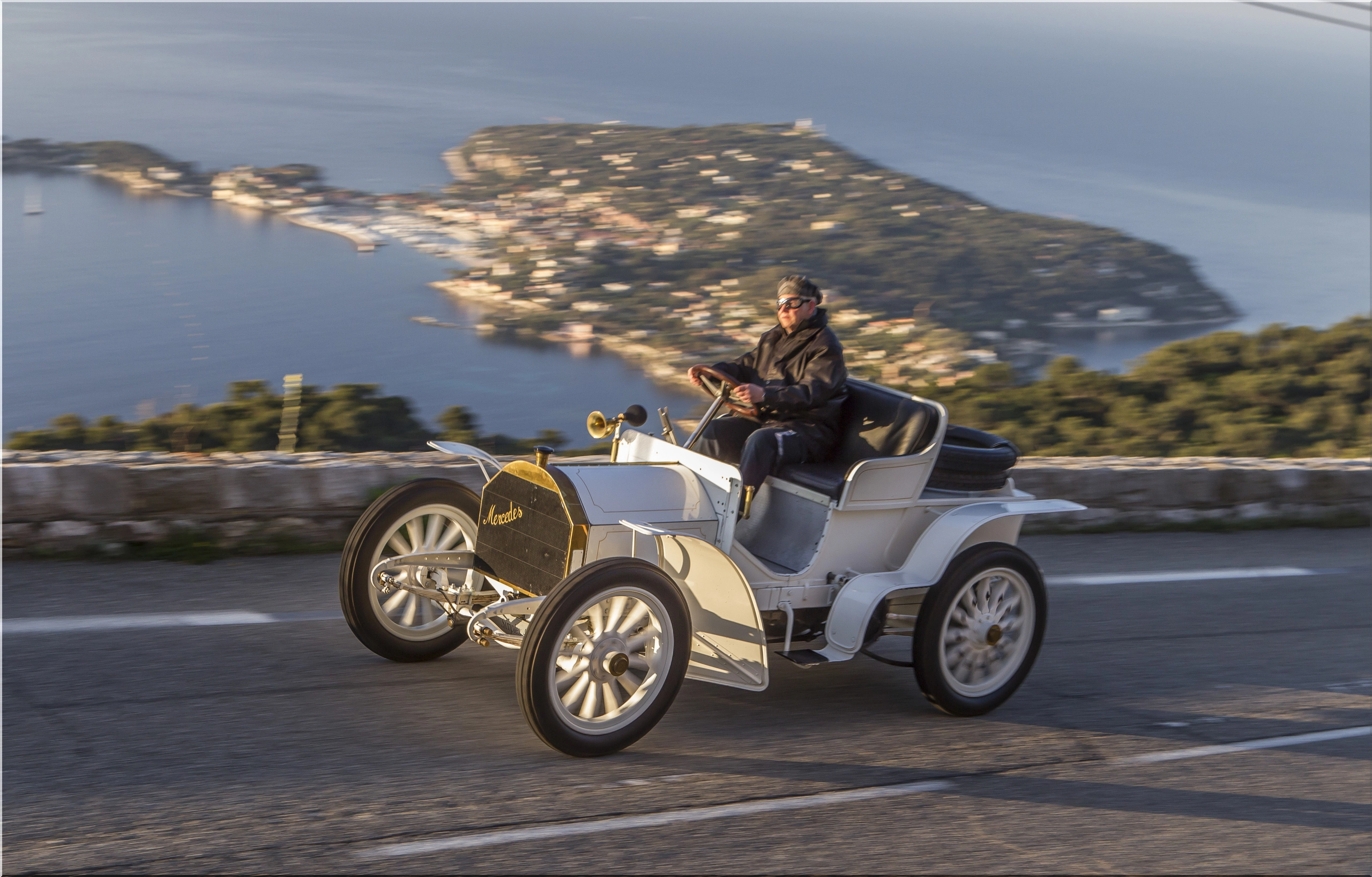
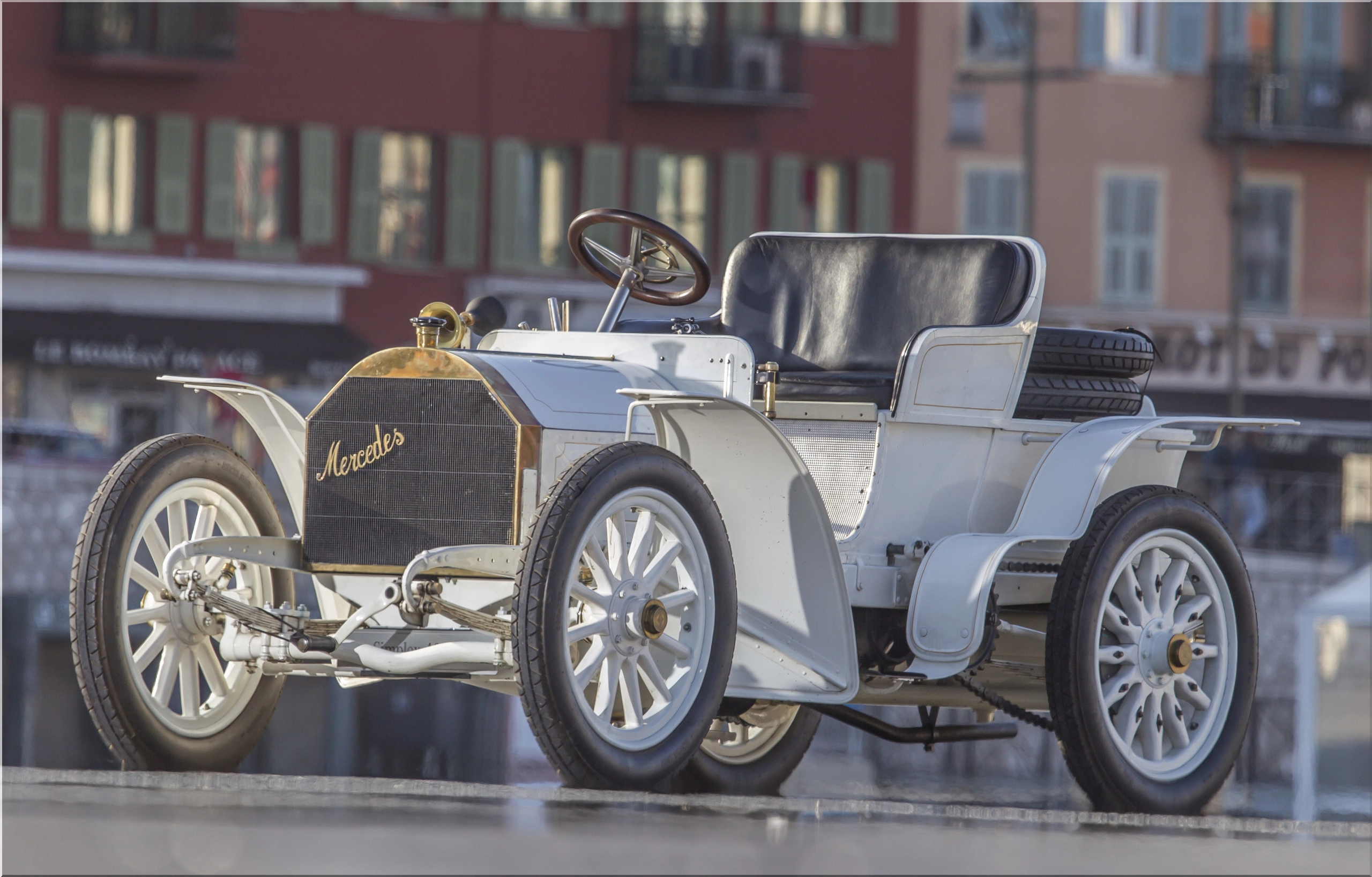
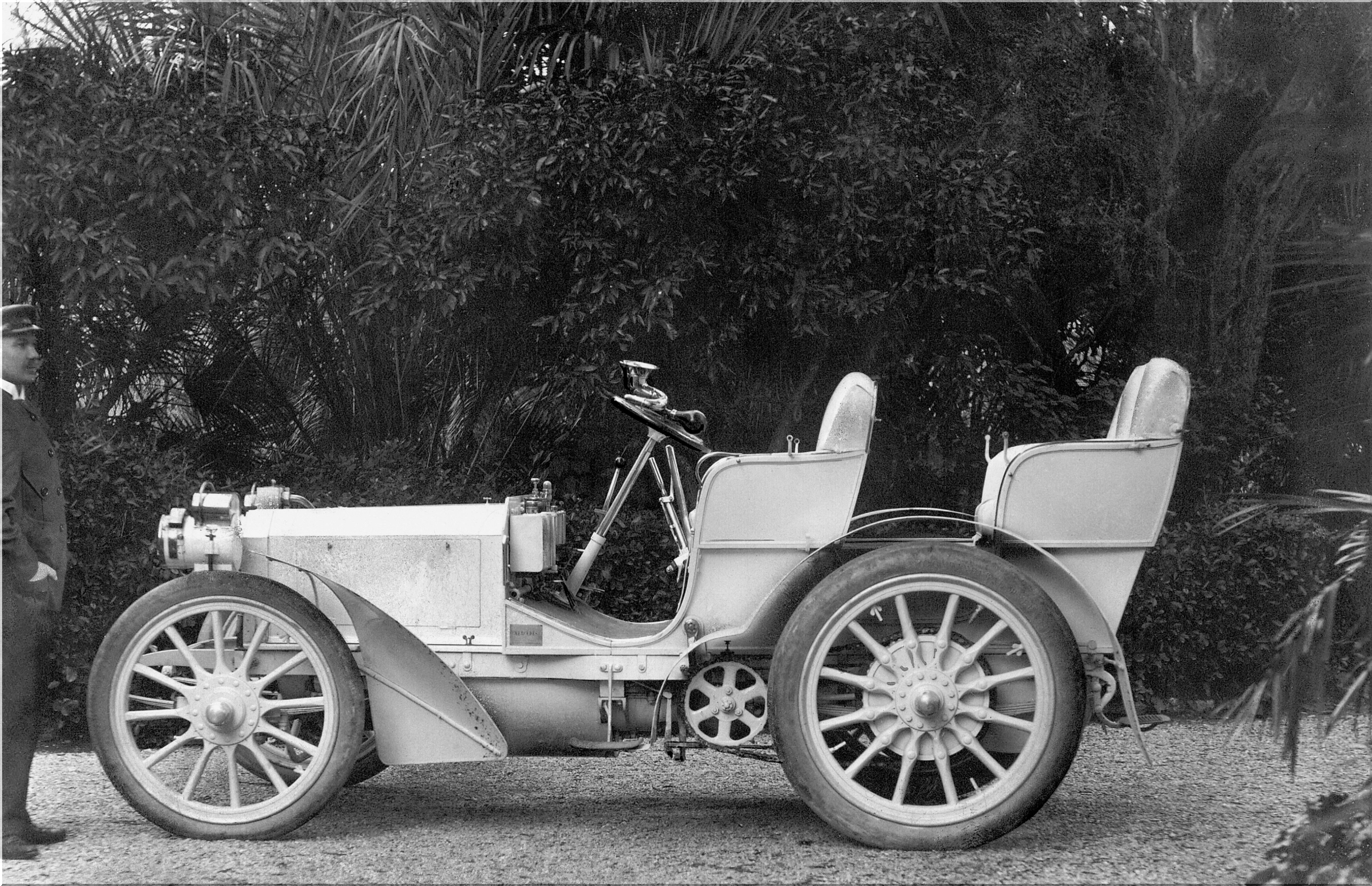
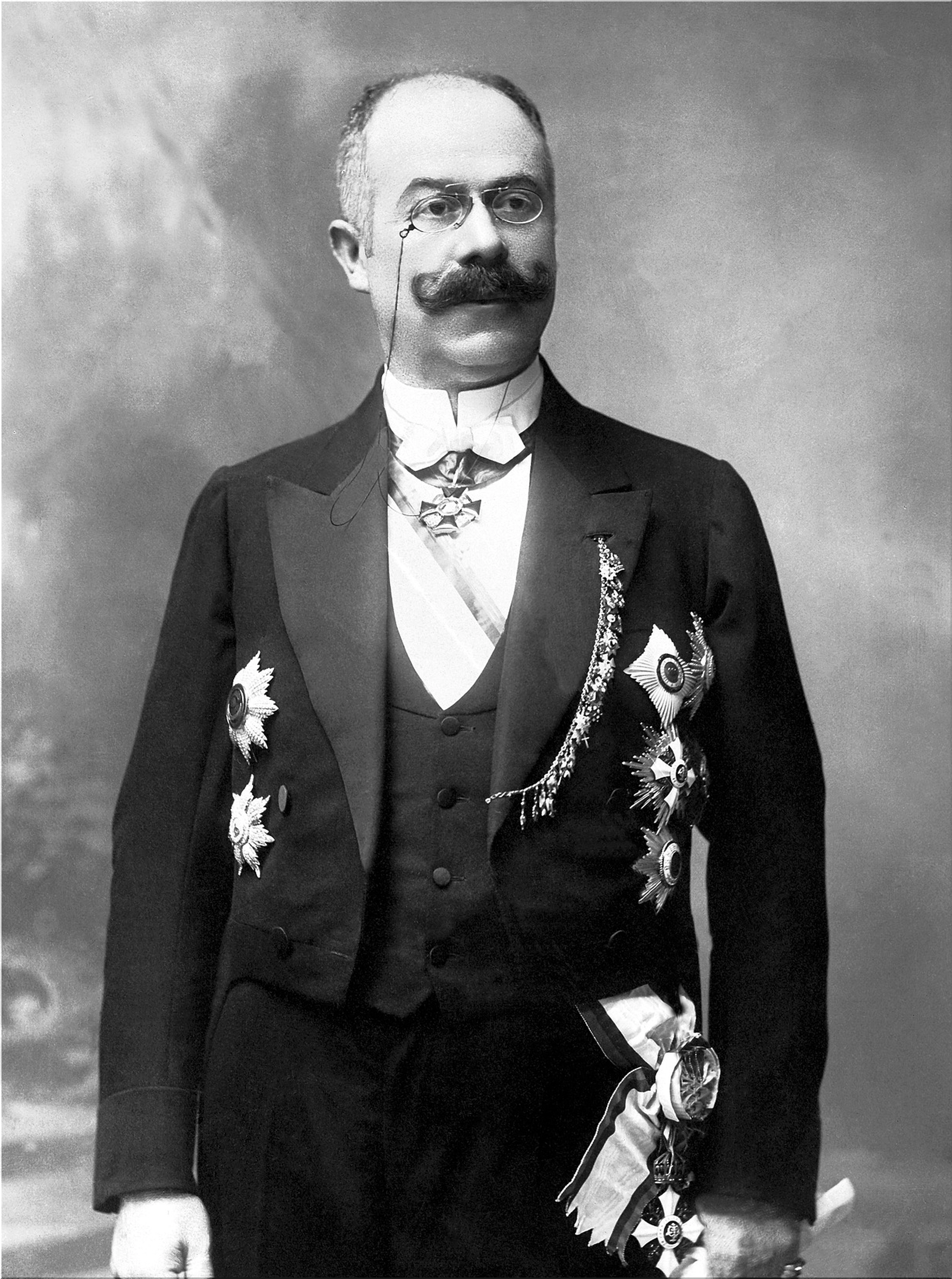
On November 22, 1900, the Mercedes 35 HP rolled out of the Daimler-Motoren-Gesellschaft (DMG) factory in Cannstatt. It was built at the request of Emil Jellinek, a wealthy entrepreneur and early automotive enthusiast. The car would not only change the course of Mercedes-Benz history, but also define what a modern automobile should be.
Just 14 years after Carl Benz and Gottlieb Daimler invented the motorcar independently in 1886, the Mercedes 35 HP emerged as a revolutionary vehicle. Its low center of gravity, long wheelbase, and wide track offered a level of stability and control unknown at the time. It moved the industry away from motorized carriages and toward the design architecture every automaker still follows today.
Image
A Revolutionary Design Philosophy
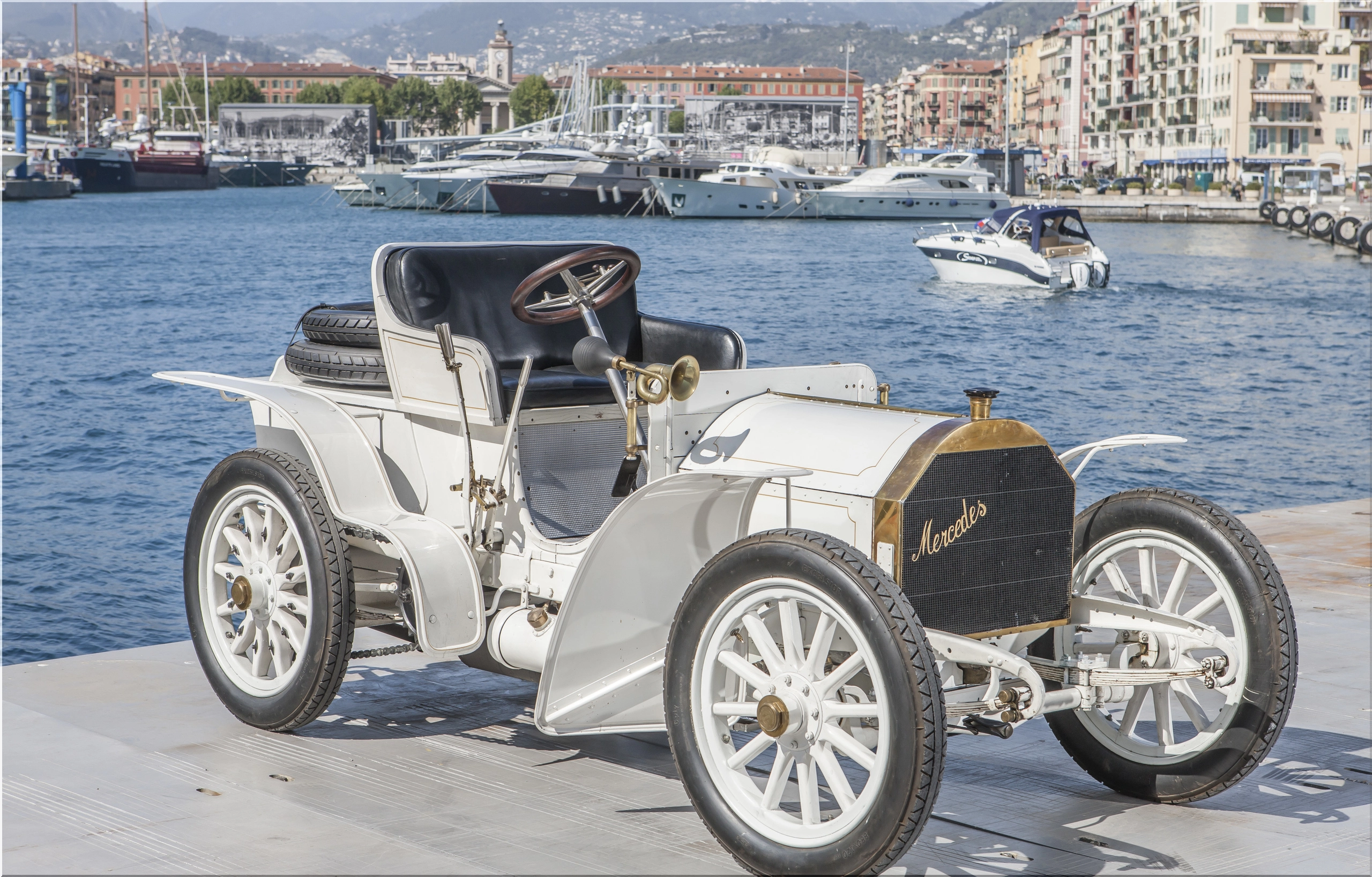
Under the direction of Wilhelm Maybach, DMG’s chief engineer, the team created a vehicle that departed completely from the horse carriage model. The low-slung body and elongated wheelbase provided superior balance and speed. The Mercedes 35 HP introduced several critical innovations:
- Angled steering column for improved ergonomics
- Foot-operated clutch for smoother gear shifts
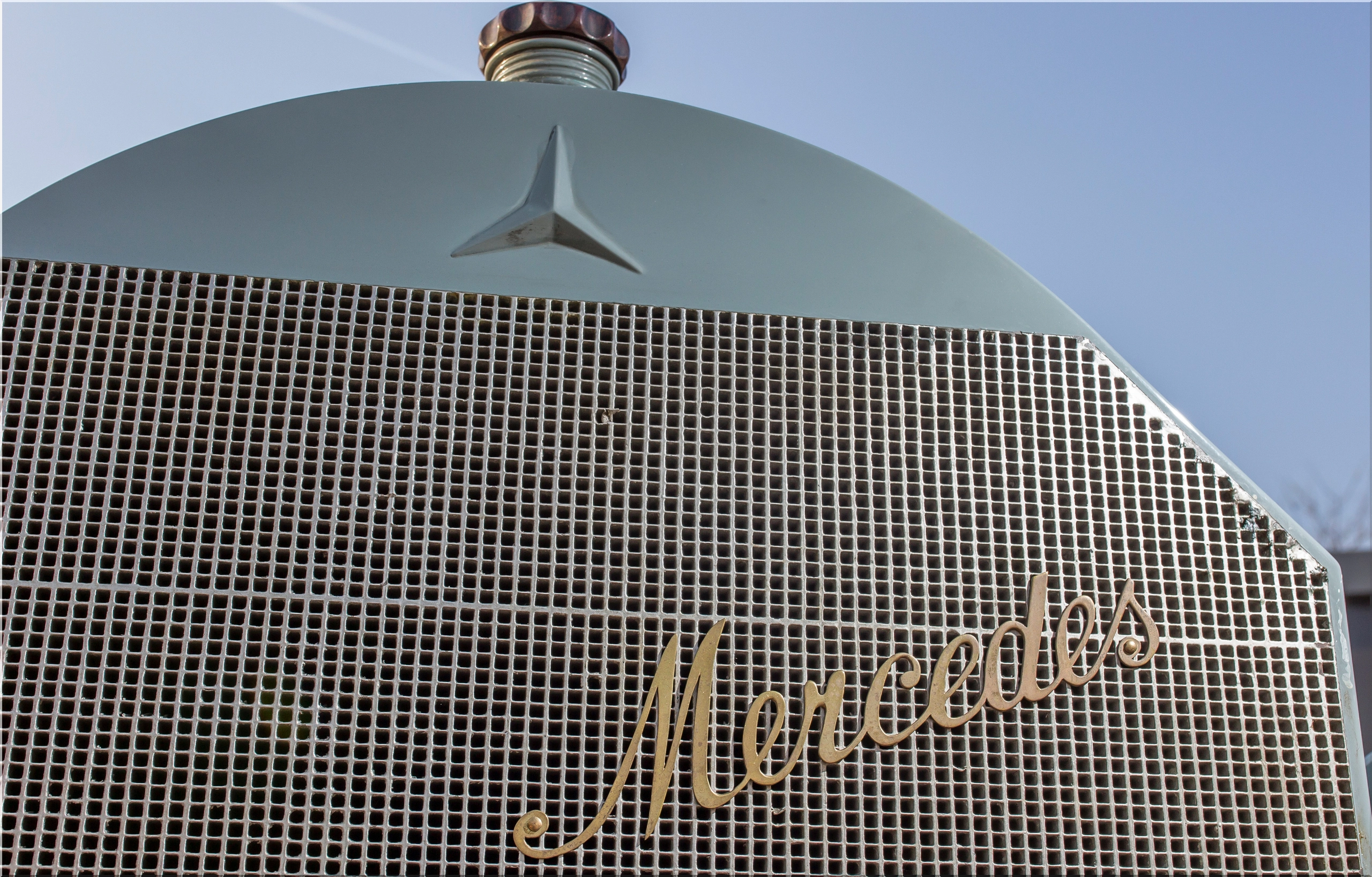
- Honeycomb radiator, invented by Maybach, for efficient engine cooling
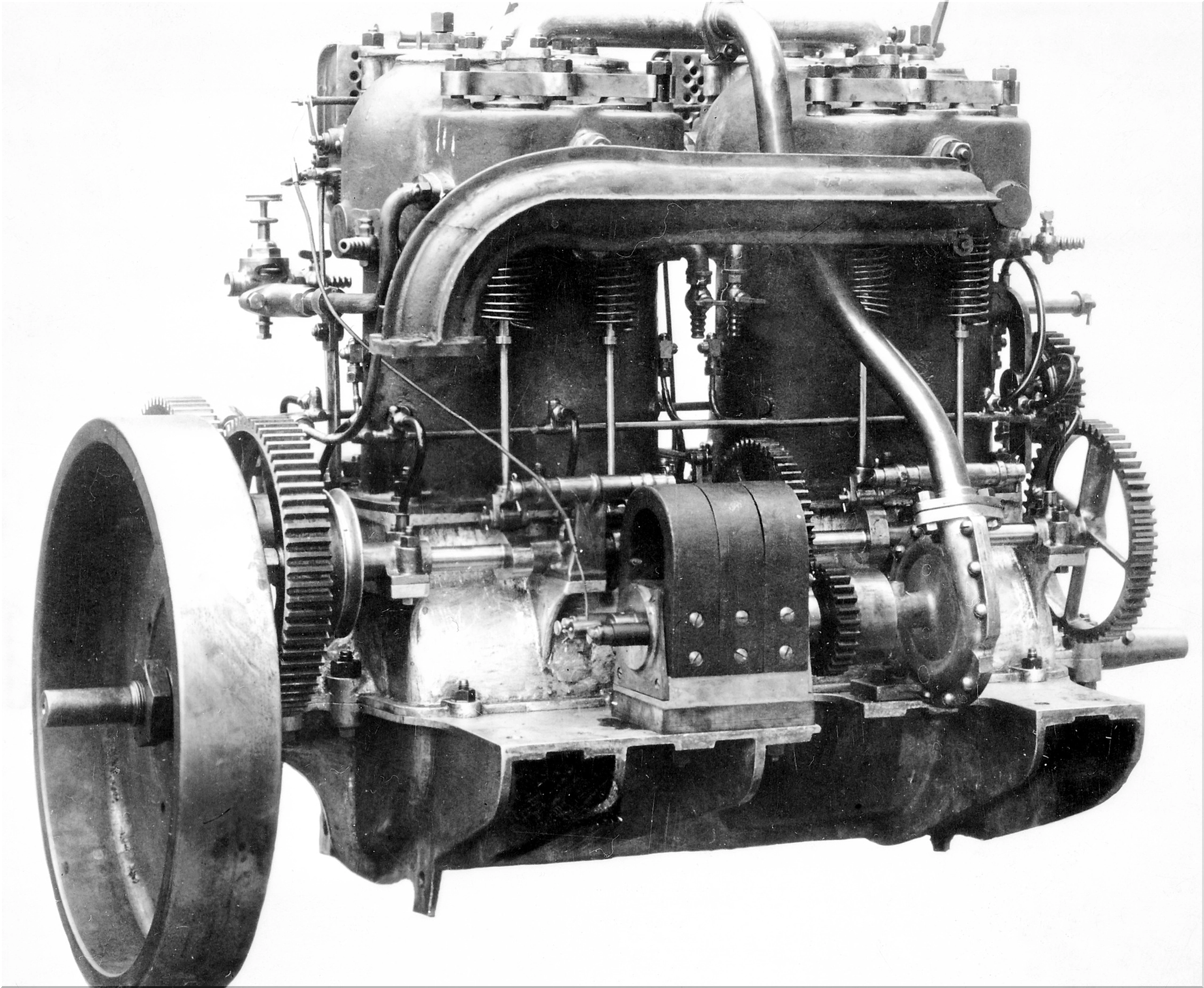
- Four-cylinder high-performance engine, delivering 35 horsepower from 5.9 liters at 950 rpm
At a time when most cars struggled to reach 20 mph, the Mercedes 35 HP could achieve top speeds exceeding 50 mph (80 km/h) — remarkable performance for 1900.
Key Technical Specifications
| Specification | Mercedes 35 HP (1900) |
|---|---|
| Engine | 5.9-liter inline-four |
| Power Output | 35 hp (25.7 kW) |
| Top Speed | ~50 mph (80 km/h) |
| Transmission | 4-speed manual |
| Layout | Front-engine, rear-wheel drive |
| Cooling System | Honeycomb radiator |
| Weight | Approx. 1,200 kg |
| Price (approximate) | $10,000 USD (in 1900 value) |
These specifications gave the Mercedes 35 HP unmatched power and durability. Its honeycomb radiator—made up of over 8,000 small tubes—solved overheating problems that plagued early vehicles. That same design element would later become the visual signature of Mercedes-Benz for decades.
Image
From Racing to Everyday Driving
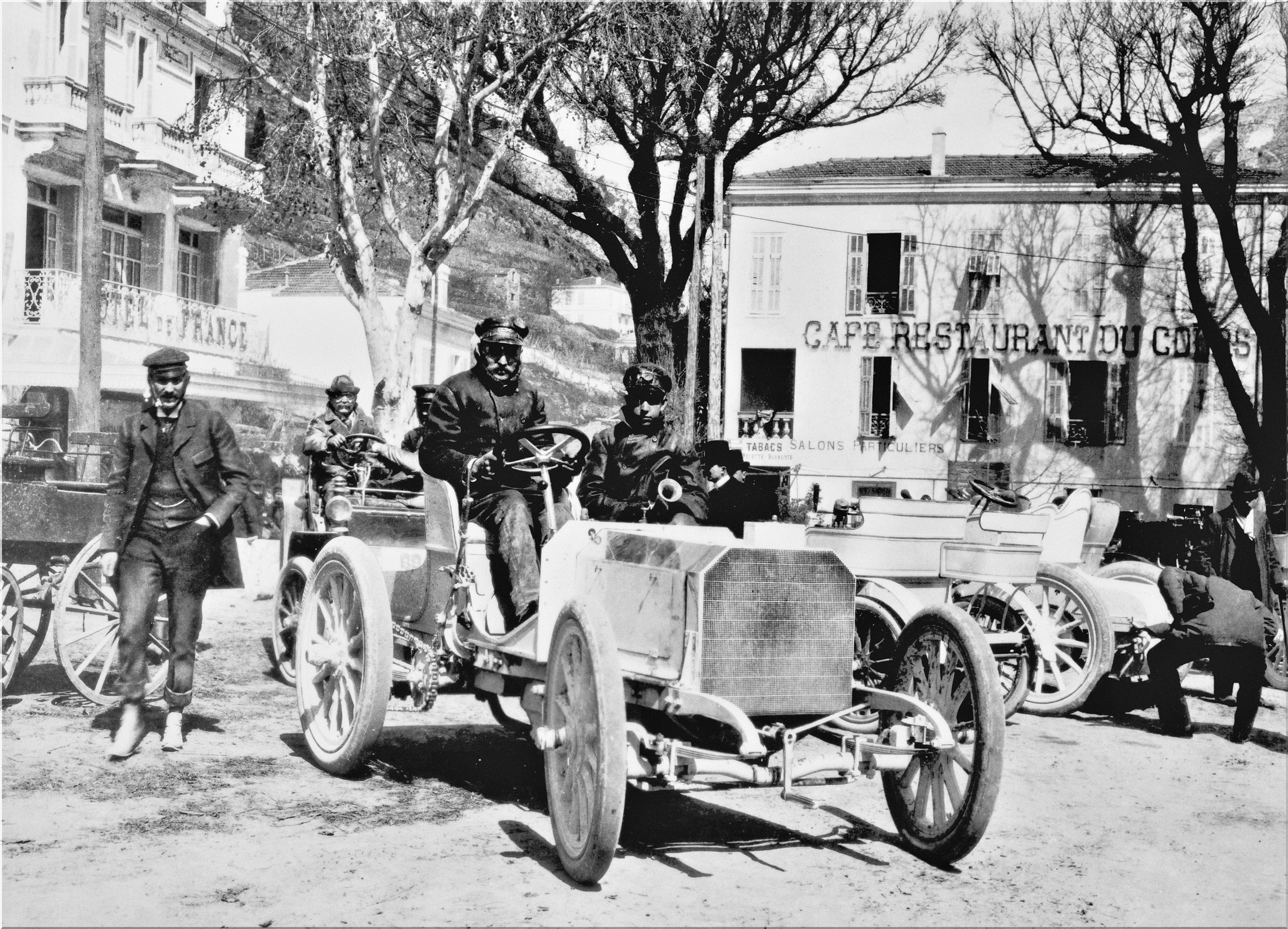
The Mercedes 35 HP proved its worth not just in design but in competition. After delivery to Jellinek in Nice on December 22, 1900, the car was entered into the Nice Race Week from March 25 to 29, 1901. The car dominated the event, taking victories in both the Nice–Salon–Nice 392 km race and the Nice–La Turbie hill climb.
The results weren’t just good for DMG; they redefined what the automotive industry could expect from a performance vehicle. The 35 HP was fast, reliable, and comfortable enough for daily use—unlike many of its fragile, single-purpose rivals.
Following its racing success, DMG launched smaller variants in 1901:
- Mercedes 12/16 HP
- Mercedes 8/11 HP
Together, these models formed the first Mercedes lineup, laying the groundwork for future generations. In 1902, DMG introduced the Mercedes-Simplex, a successor emphasizing ease of operation—another step toward making the automobile accessible to a wider audience.
The Origin of the Mercedes Name
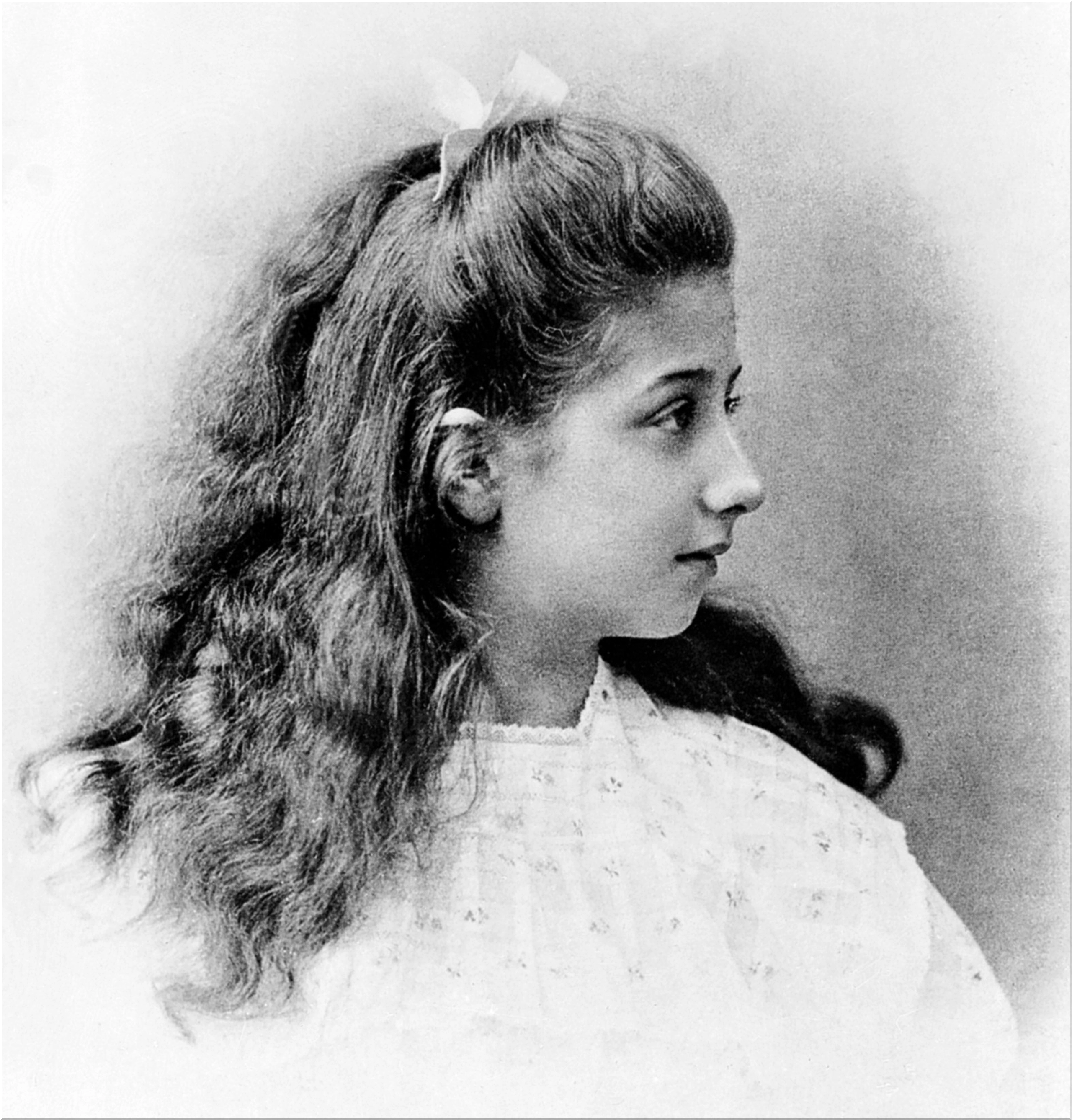
The name “Mercedes” came from Jellinek’s daughter, Mercédès Jellinek. Jellinek, who raced under the pseudonym "Mercedes," demanded that the new DMG cars carry her name as a brand mark. This decision created one of the most enduring and valuable automotive brands in history.
By 1900, Jellinek had ordered 72 vehicles from DMG, most sold to Europe’s elite, giving the brand early exposure among influential buyers. His business acumen and Maybach’s engineering together created a turning point for both DMG and the emerging global car industry.
Engineering as a Competitive Advantage
What made the Mercedes 35 HP exceptional was not just its speed, but its engineering integrity. The design choices—such as moving the engine lower and lengthening the chassis—created better weight distribution and handling. It was also one of the first cars designed as a complete system, not an adaptation of a carriage.
Each innovation served a clear function:
- The honeycomb radiator increased cooling efficiency by 300%.
- The foot-operated clutch reduced driver fatigue and improved mechanical control.
- The wide track enhanced stability at high speeds and during cornering.
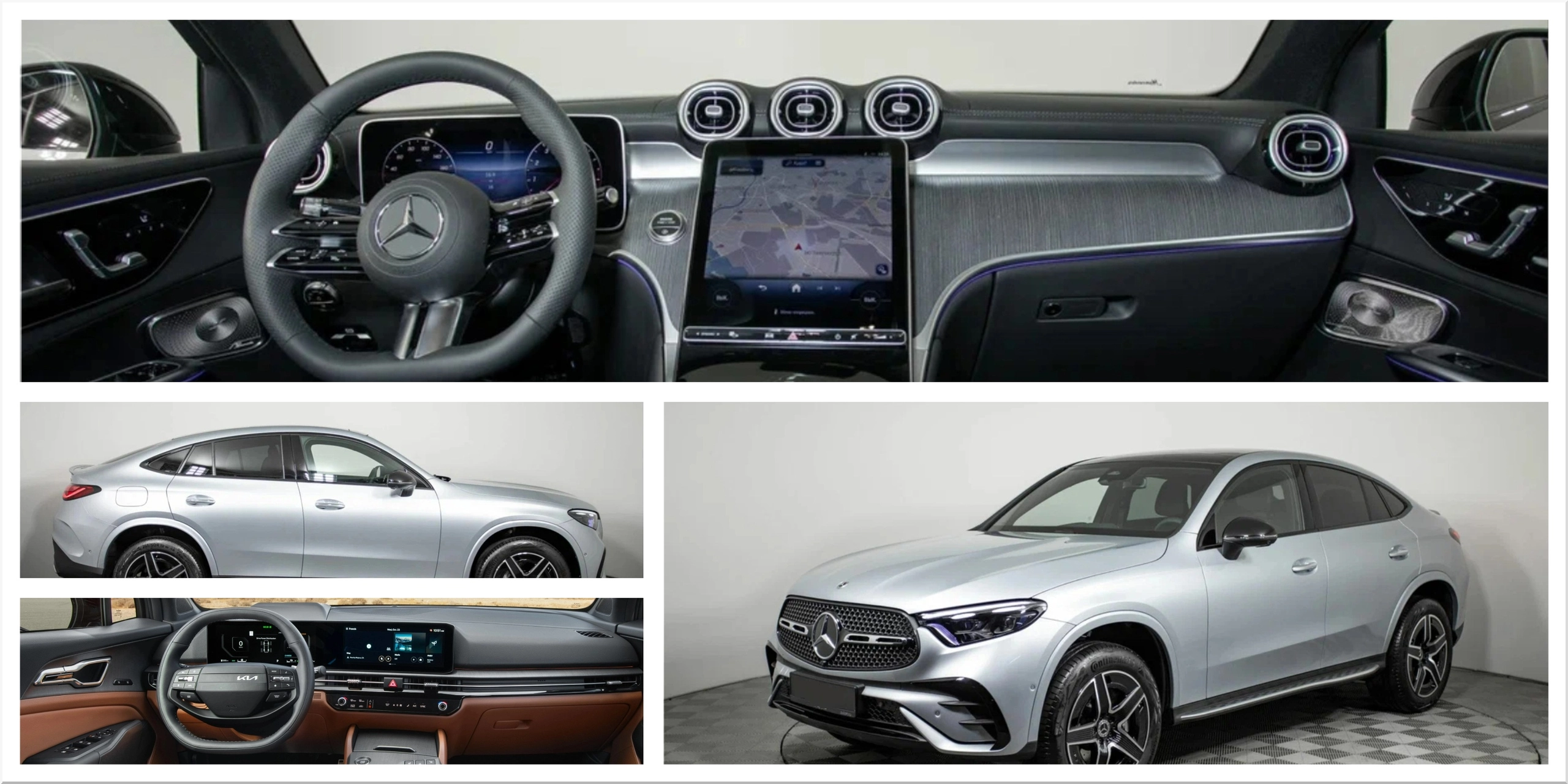
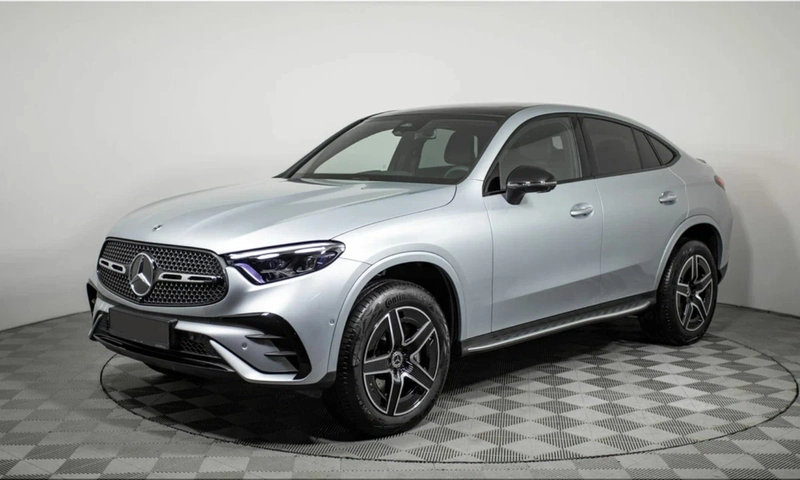
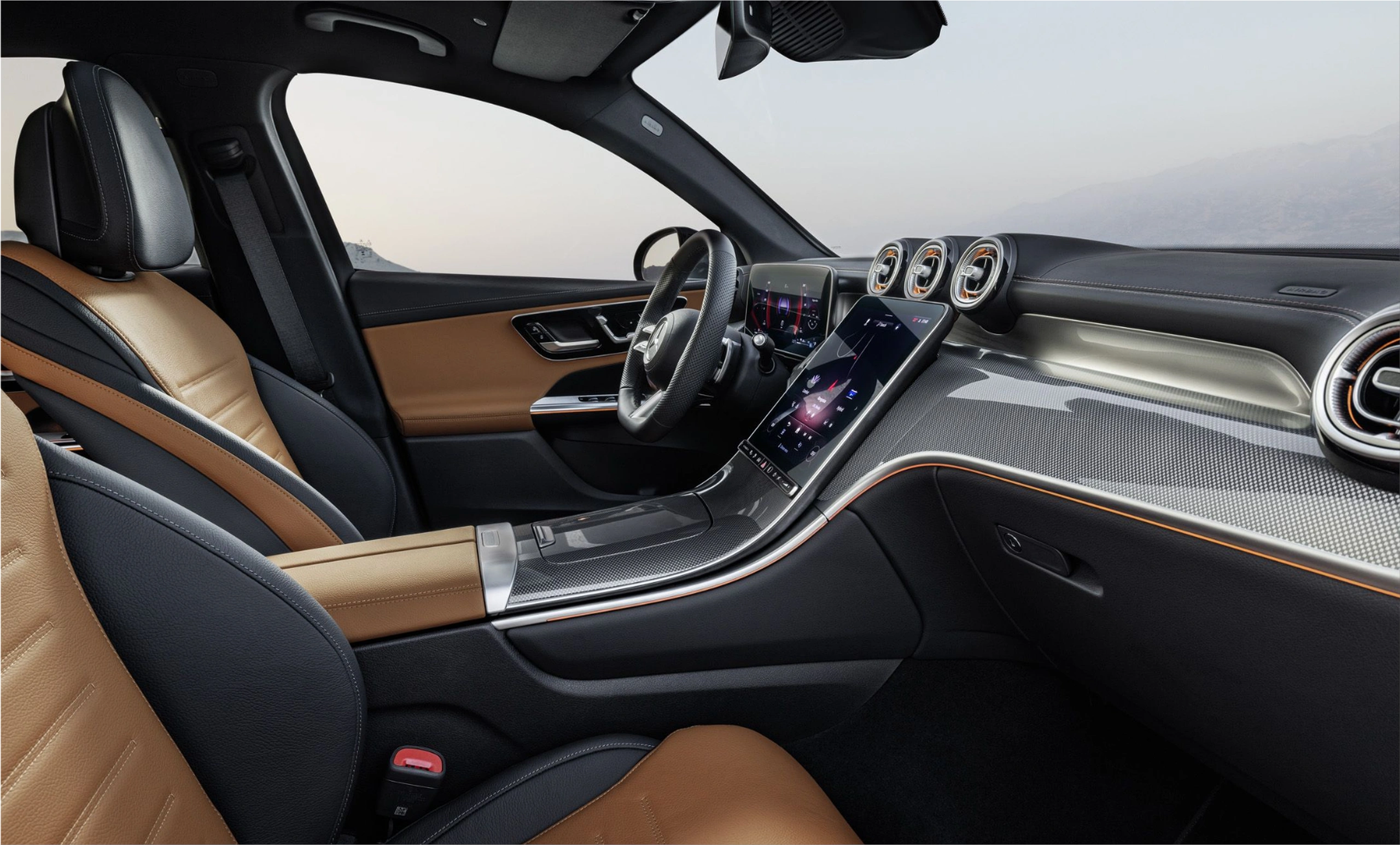
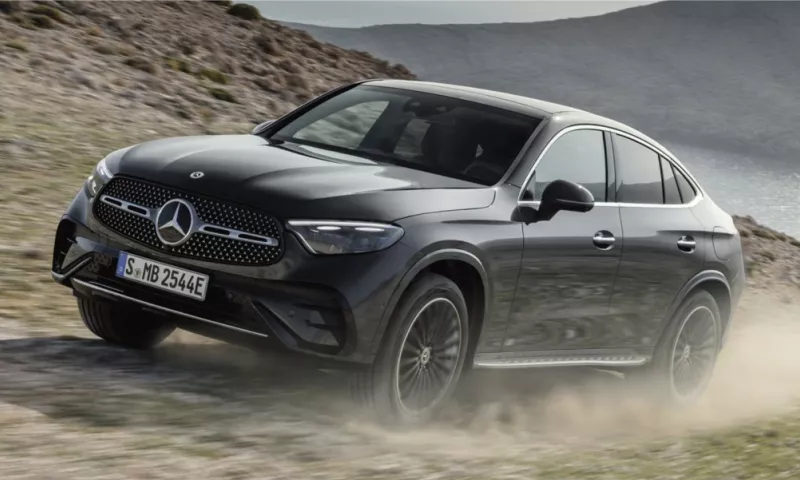
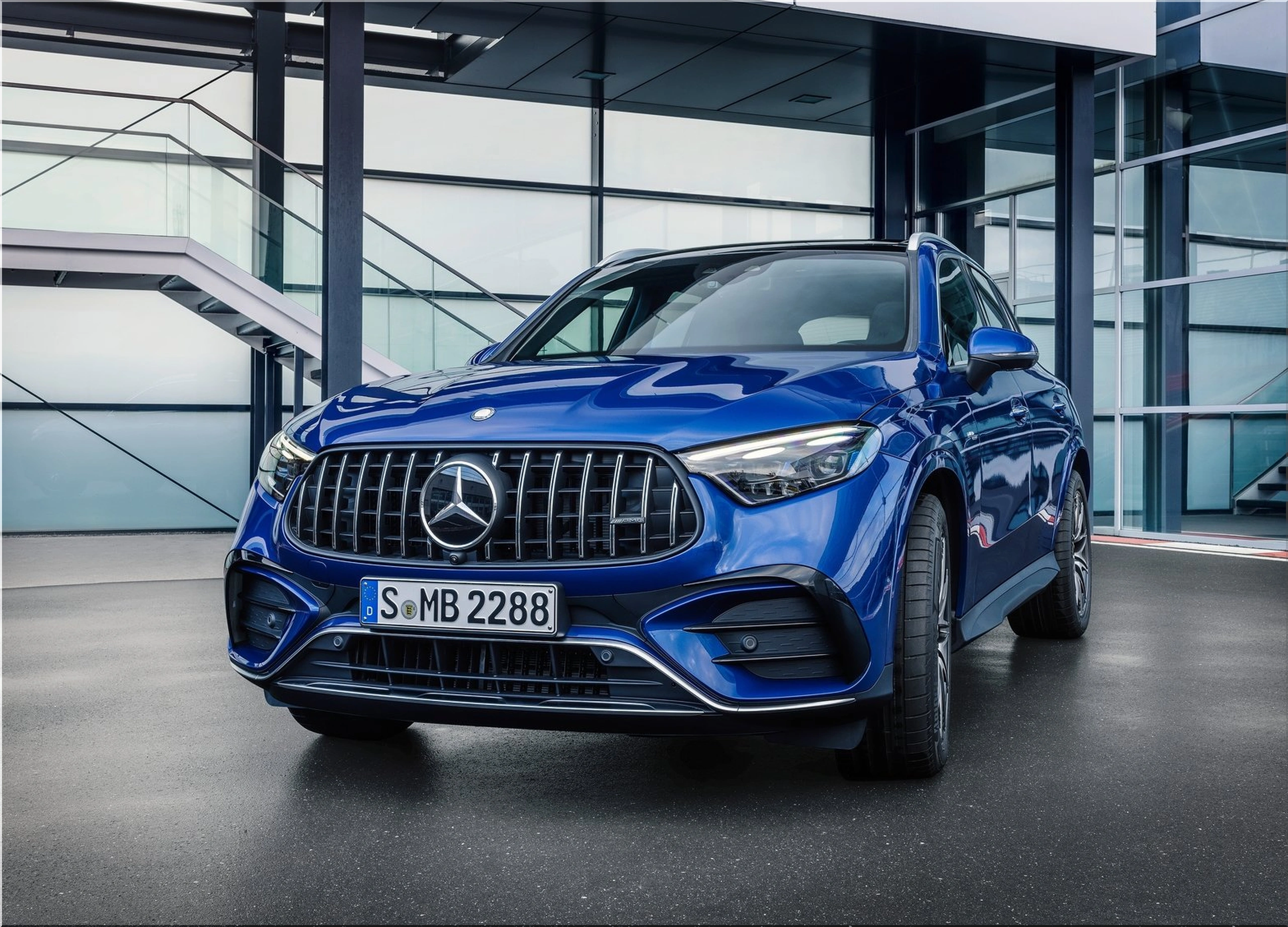
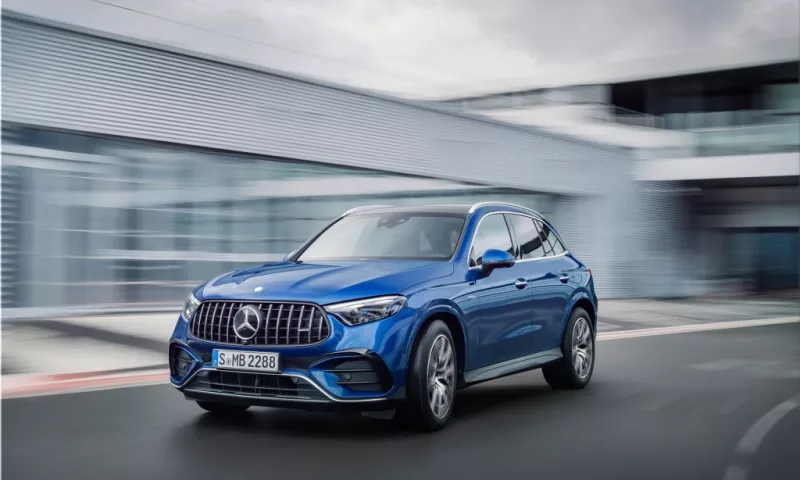
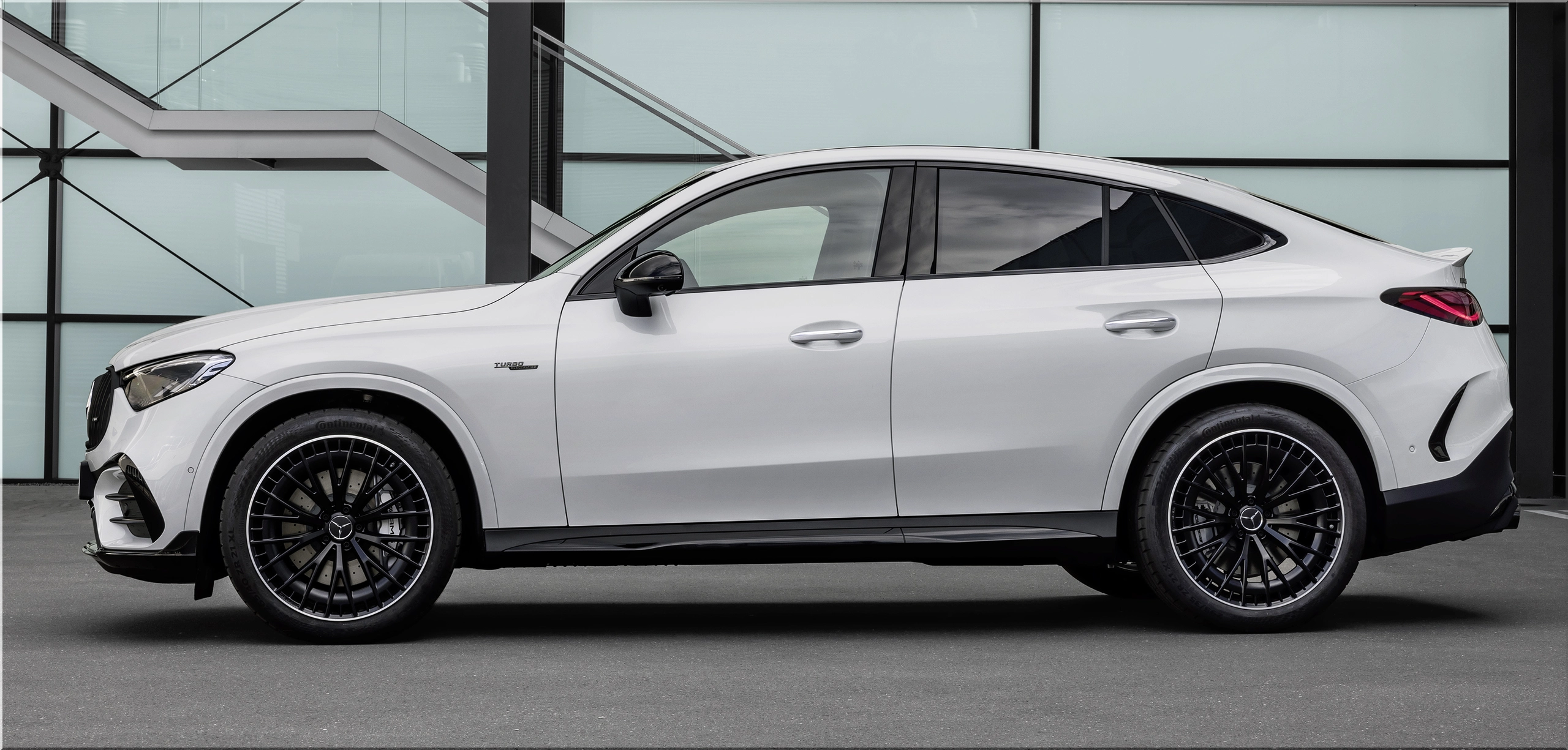
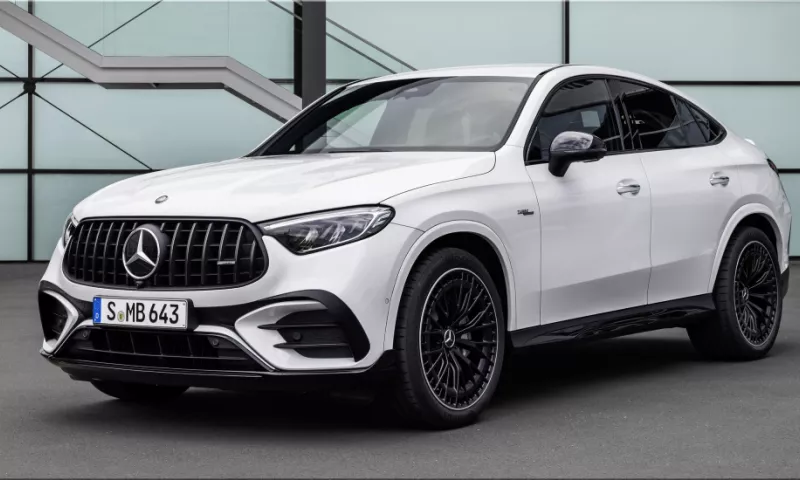
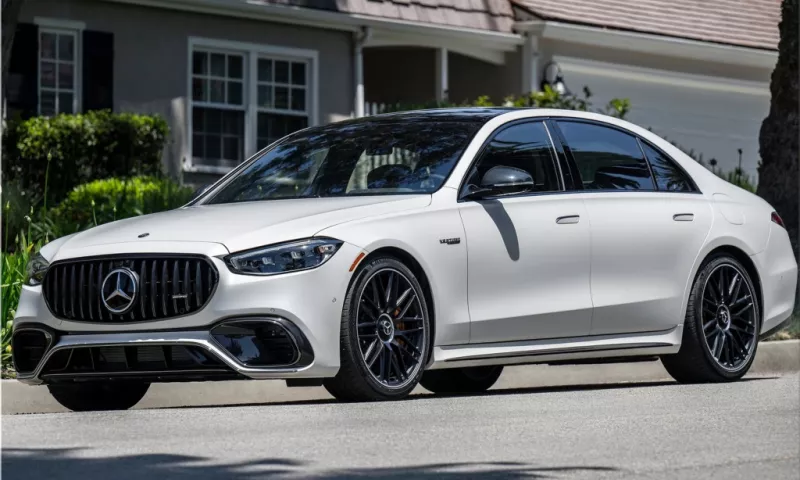
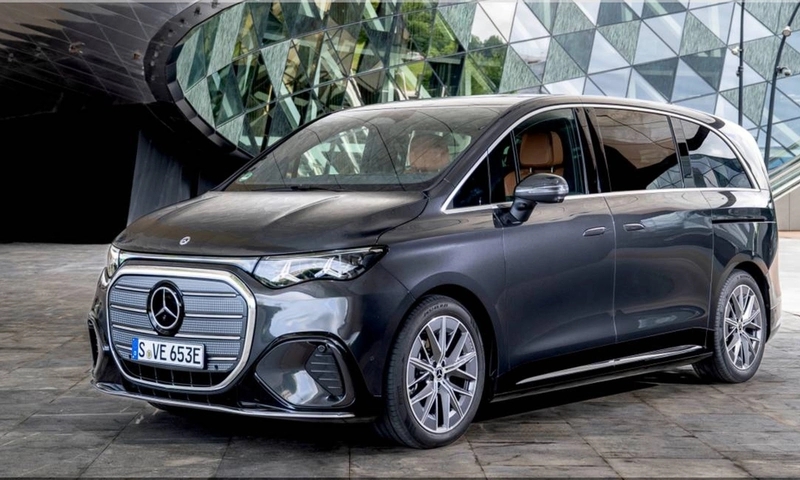
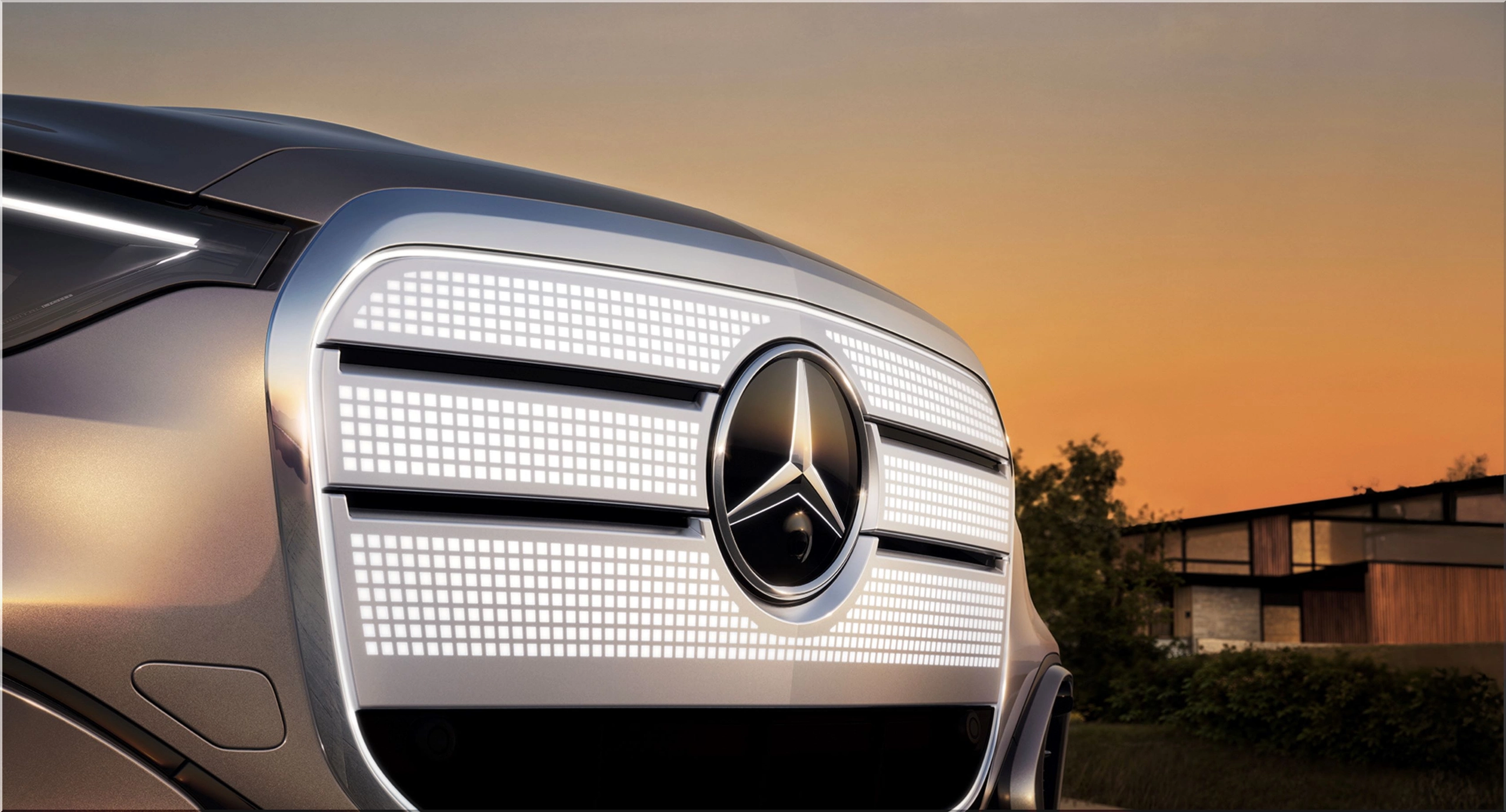
These principles still underpin vehicle dynamics today, from modern Mercedes-AMG sedans to electric SUVs like the Mercedes-Benz GLC.
Legacy That Defines the Brand
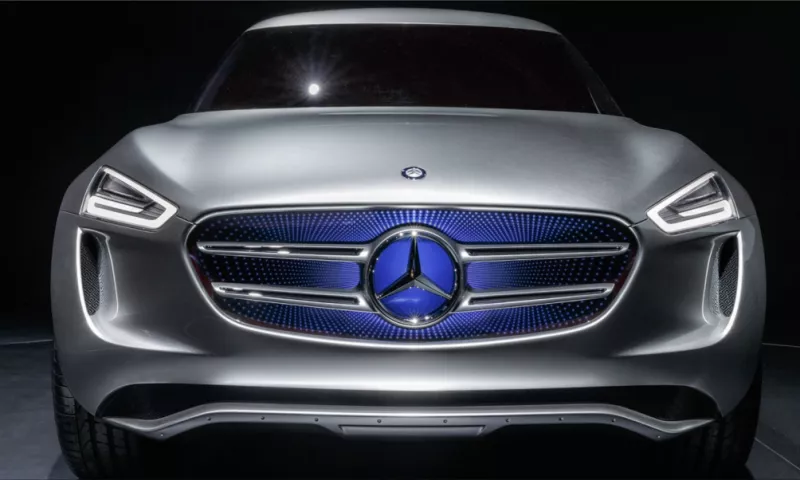
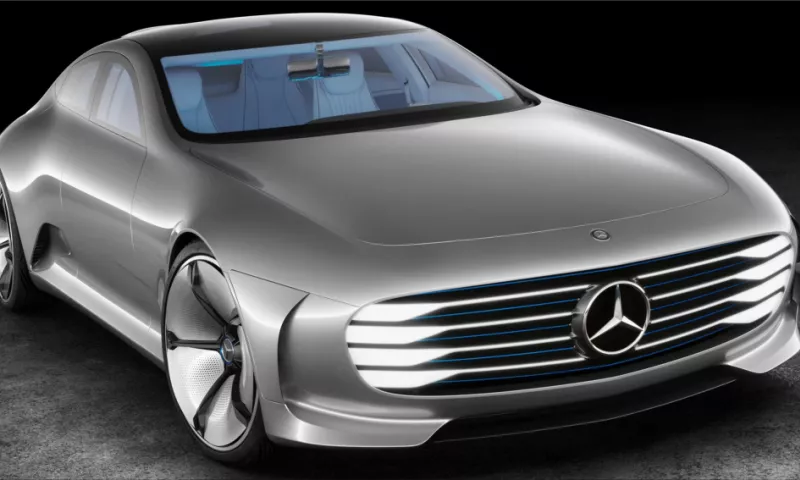
The Mercedes 35 HP not only shaped the car industry; it defined the Mercedes-Benz identity. The honeycomb grille design introduced in 1900 evolved into a brand hallmark that continues in today’s electric GLC. The modern interpretation connects heritage and innovation, merging the engineering DNA of the past with the sustainability goals of the future.
In 1900, DMG also purchased land in Untertürkheim, which remains the main Mercedes-Benz plant today. Though Gottlieb Daimler died earlier that year at age 65, the company’s innovative spirit carried forward—turning Mercedes-Benz into the engineering benchmark it remains 125 years later.
Mercedes 35 HP
The Mercedes 35 HP set four lasting precedents in automotive design:
- Integration of power and safety – first car to combine high speed with stability.
- Purpose-built chassis – designed for performance, not adapted from carriages.
- Systematic engineering – all components built to work together.
- Brand identity through design – the honeycomb grille became synonymous with innovation.
These fundamentals remain visible in every Mercedes-Benz vehicle built since. The 35 HP was the first car to marry motorsport and daily use, proving that performance and practicality could coexist—a philosophy that continues to define the Mercedes-Benz brand in 2025.
- Add new comment
- 345 views