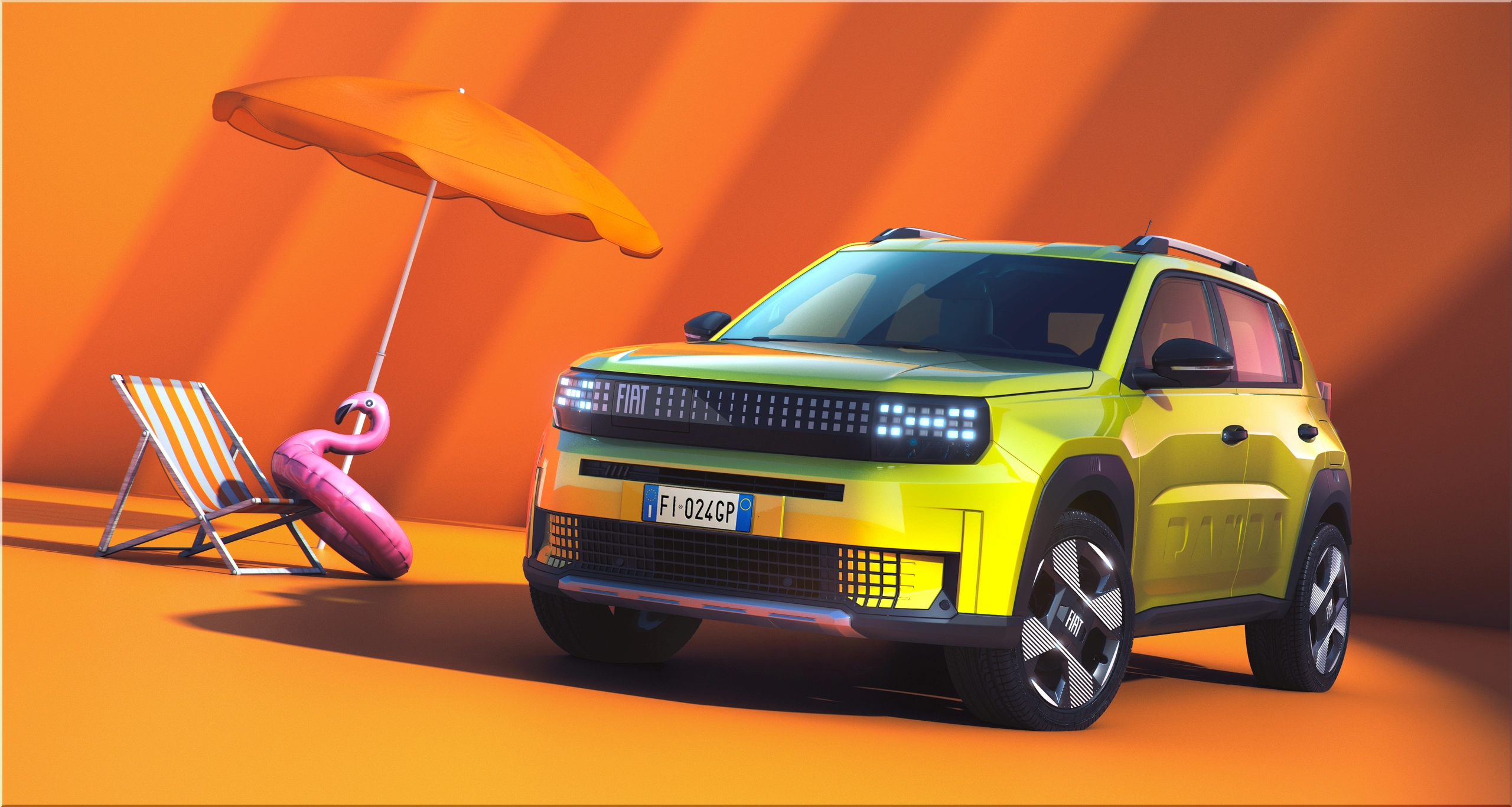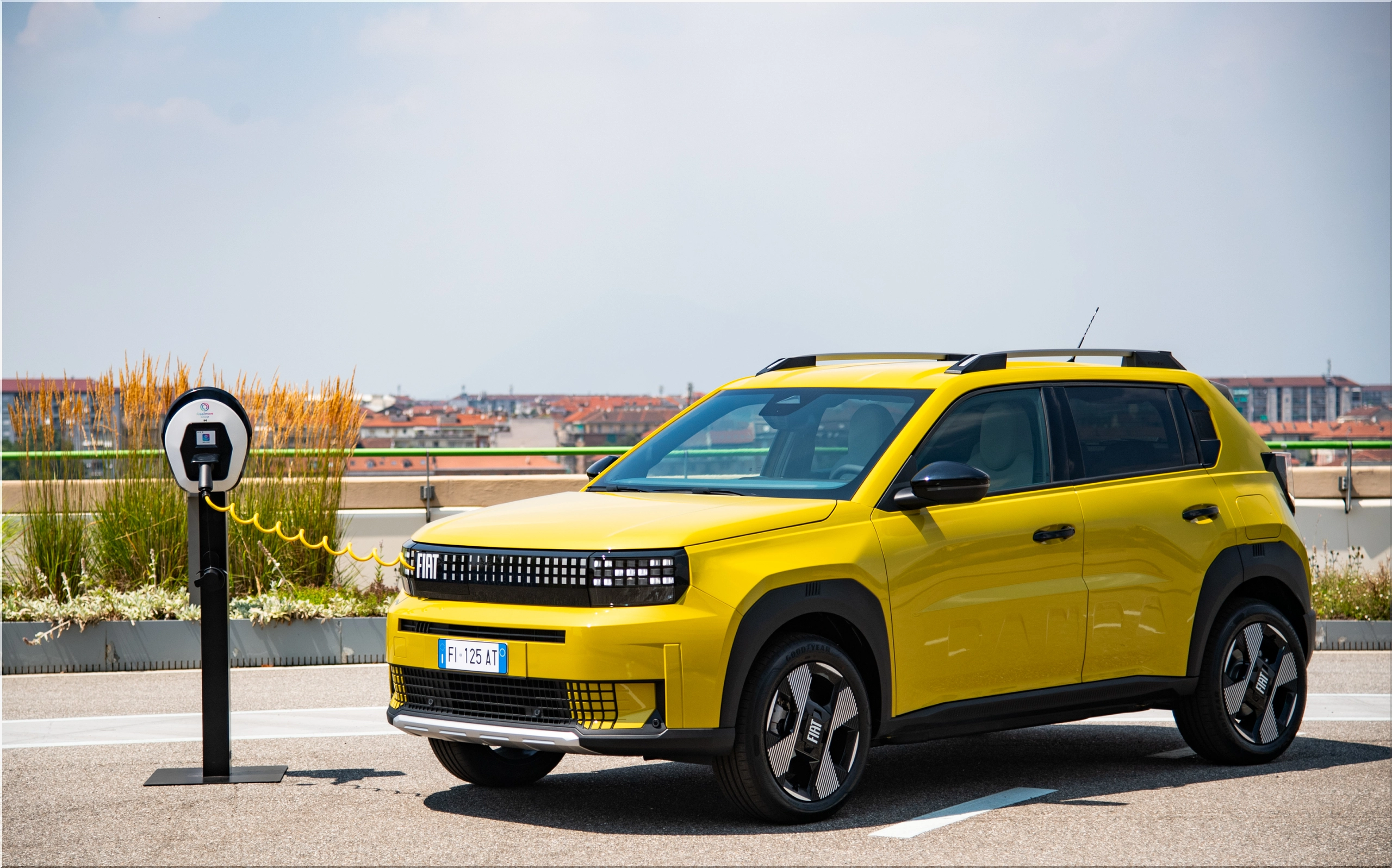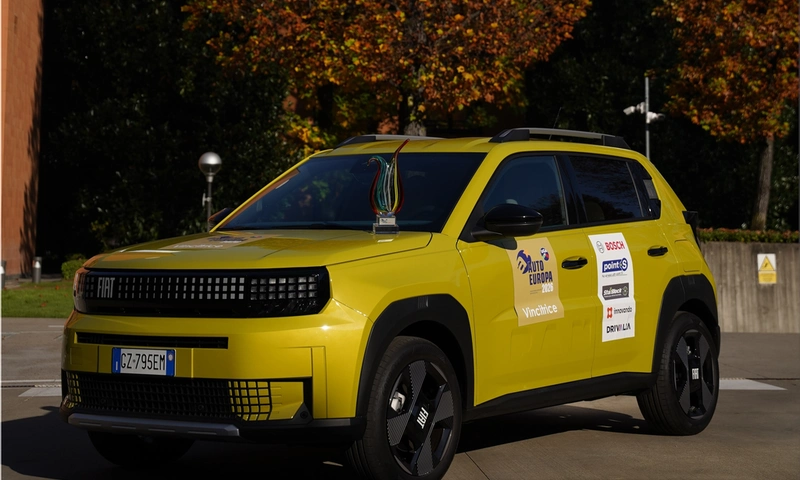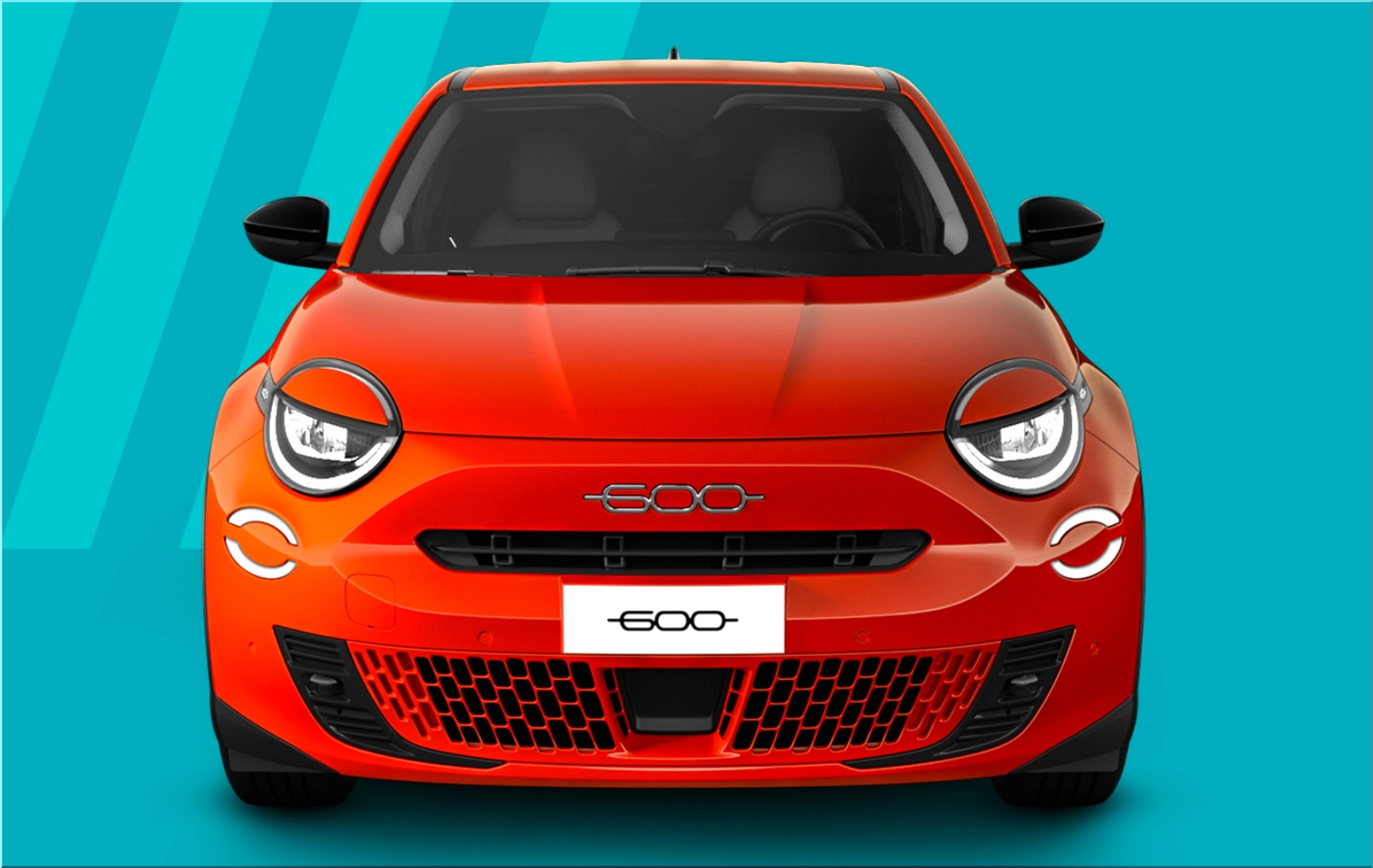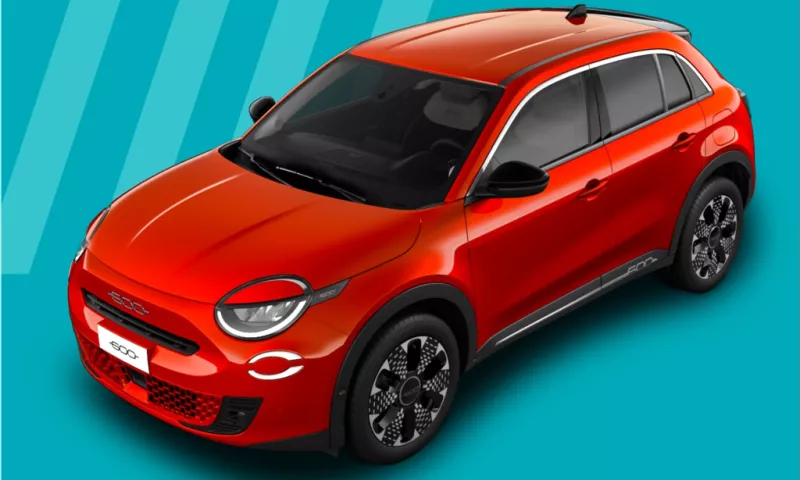
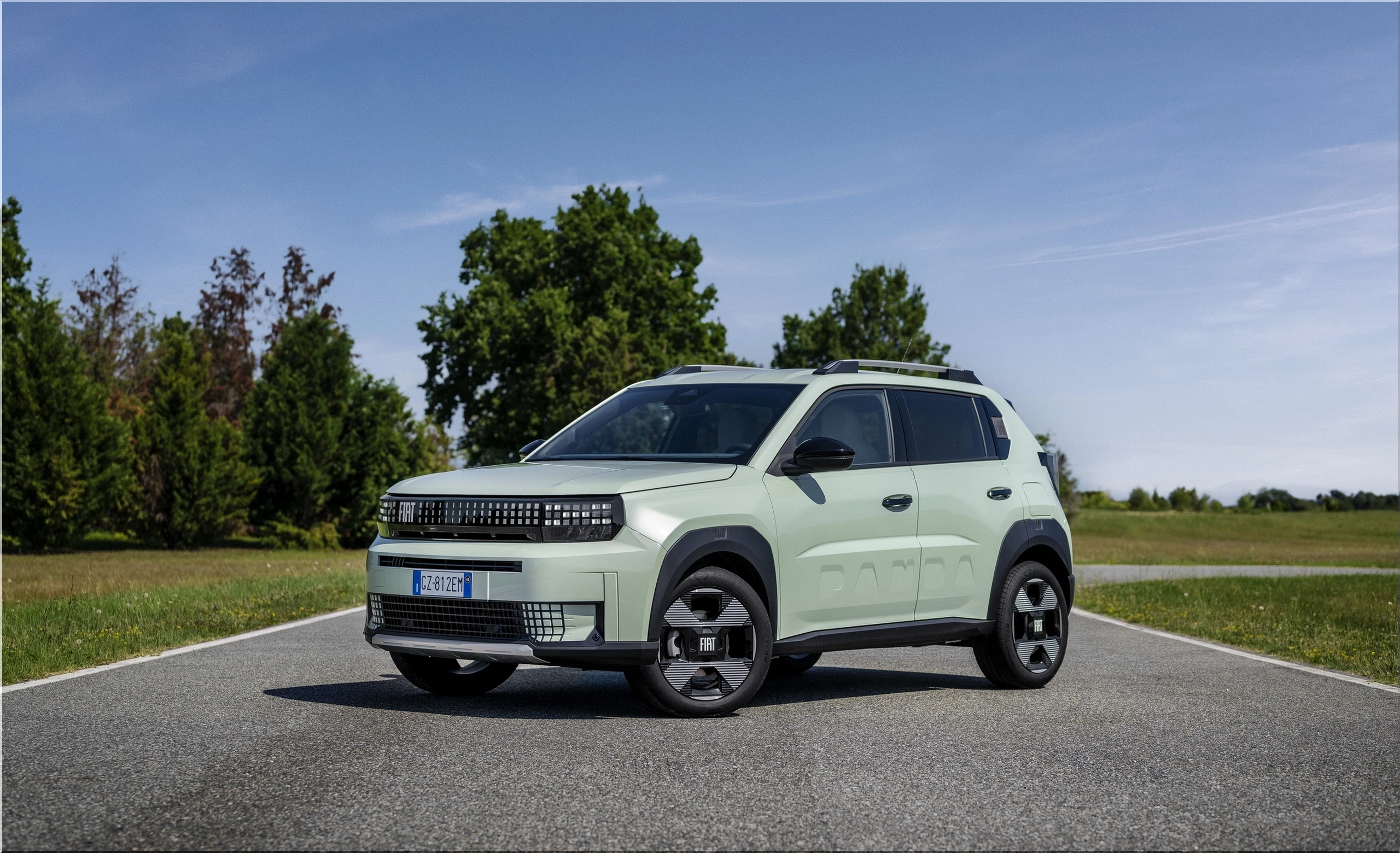
FIAT has done the obvious thing late, but at the right time. The 2026 Fiat Grande Panda Petrol adds a plain, familiar combustion option to a range that already covers hybrid and electric buyers. That move matters because Europe still buys a lot of affordable petrol hatchbacks, and plenty of drivers still want a manual gearbox, a simple turbo-three, and a price that does not push them into finance gymnastics.
Image
Looking at the data, the Grande Panda Petrol lands with the exact formula FIAT needs in 2026: compact B-segment dimensions, a 100 hp turbocharged petrol engine, solid cabin packaging, and a trim structure that scales from basic transport to reasonably polished daily-driver spec. In a market obsessed with electrification headlines, this version handles the part most brands still need to get right: the entry point.
Why the Fiat Grande Panda Petrol matters now
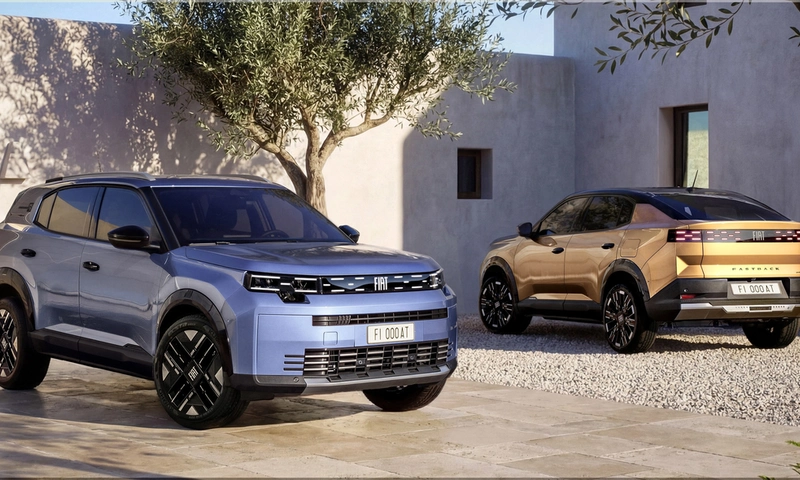
The timing makes sense. The broader Grande Panda family now gives FIAT three distinct routes into the same shape and design language: petrol, hybrid, and electric. That lets the brand sell one recognizable product to three buyer types without fragmenting the showroom story.
From an expert perspective, that strategy keeps manufacturing, marketing, and dealer communication tighter. It also gives FIAT a stronger answer to rivals like the Dacia Sandero, Citroen C3, and Kia Picanto, all of which still pull buyers who care more about monthly cost, rear-seat usability, and boot volume than they do about drivetrain ideology.
Image
Powertrain and performance
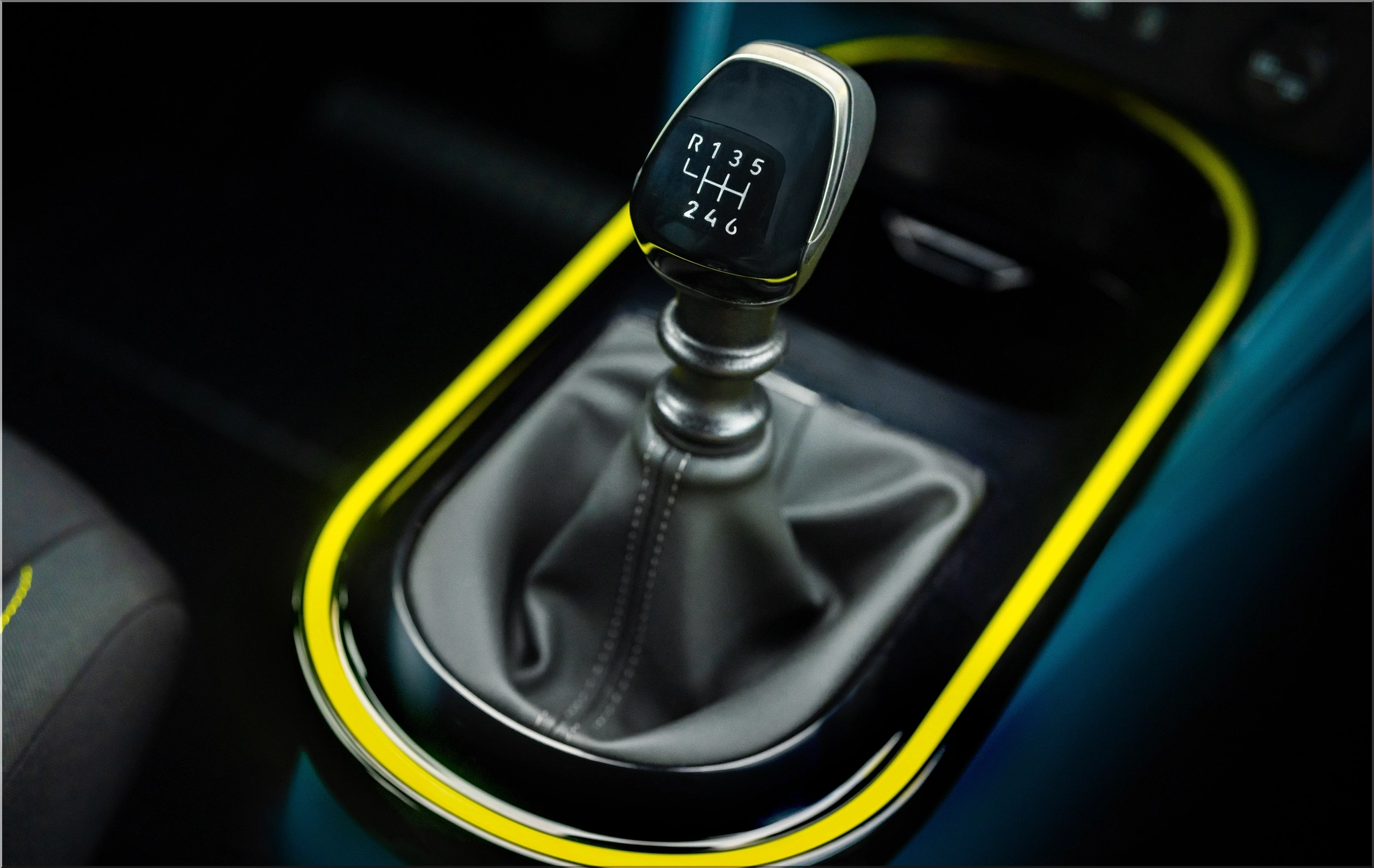
The petrol model uses a 1.2-litre turbocharged three-cylinder petrol engine that produces 100 hp and 205 Nm of torque. FIAT pairs it with a 6-speed manual transmission and Start&Stop.
That setup tells you exactly what this car wants to be. It does not chase class-leading straight-line drama. It aims for enough mid-range shove to keep urban traffic and short motorway runs painless, while the manual gearbox keeps weight, cost, and long-term complexity under control.
Key powertrain facts
- Engine: 1.2-litre turbocharged 3-cylinder petrol
- Output: 100 hp
- Torque: 205 Nm
- Transmission: 6-speed manual
- Drive layout: front-wheel drive
- Top speed: around 160 km/h
- 0-100 km/h: around 10 seconds
- Fuel economy target: about 5.4-5.7 L/100 km
- CO2 output: roughly 123-130 g/km
Consequently, the Grande Panda Petrol should feel stronger than tiny city cars with naturally aspirated 1.0-litre engines, while staying simpler and cheaper than mild-hybrid alternatives with automatic transmissions.
Dimensions, packaging, and why the numbers matter
This is where the Fiat Grande Panda Petrol starts making a sharper case. FIAT stretches the body to the outer edge of the city-car sweet spot.
| Specification | Fiat Grande Panda Petrol |
|---|---|
| Length | 3,999 mm |
| Width | 1,763 mm |
| Width with mirrors | 2,017 mm |
| Height | 1,586 mm |
| Wheelbase | 2,540 mm |
| Ground clearance | 137 mm |
| Turning circle | 10.9 m |
| Boot space | 412 L |
| Boot space, seats folded | 1,366 L |
| Fuel tank | 44 L |
That 2,540 mm wheelbase does a lot of the heavy lifting. It gives the Grande Panda a more planted footprint than older A-segment city cars, while the 412-litre boot punches hard for this class. By comparison, many small hatchbacks still hover closer to the 300-litre mark.
In plain terms, FIAT has built a small car that behaves like a bigger one when you load groceries, airport bags, or flat-pack chaos into the back.
Trim levels and equipment
FIAT sells the petrol model in POP, ICON, and LA PRIMA trims. That tiering works because each grade carries a clear job description.
Fiat Grande Panda POP
The base model focuses on function. It includes:
- 10-inch digital instrument cluster
- Manual air conditioning
- Smartphone dock
- Rear parking sensors
- Six airbags
- Lane Keeping Assist
- Active Emergency Braking
- Driver Drowsiness Warning
That is a better safety story than budget cars used to offer five years ago. FIAT has not treated the entry model like a punishment box.
Fiat Grande Panda ICON
This is likely the volume seller. It adds:
- Full LED lighting front and rear
- 10.25-inch touchscreen
- Wireless smartphone mirroring
Specifically, ICON hits the price-equipment balance many buyers want. It adds the features people use every day without wandering into cosmetic fluff.
Fiat Grande Panda LA PRIMA
The flagship trim adds:
- 17-inch alloy wheels
- Wrapped steering wheel
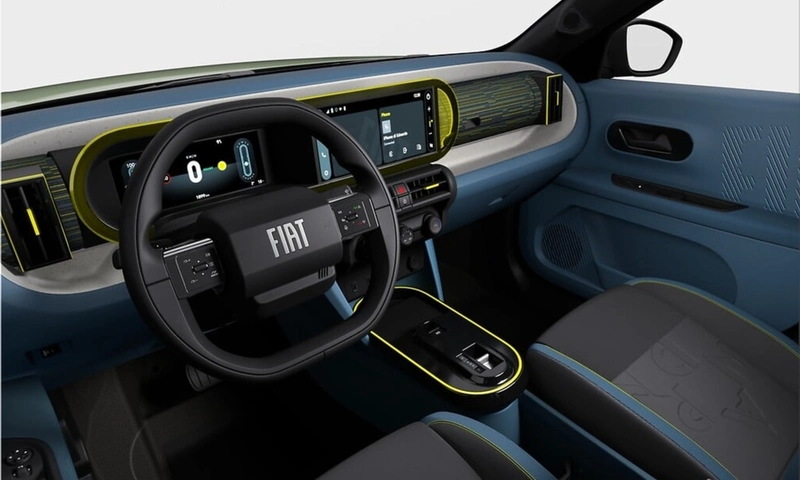
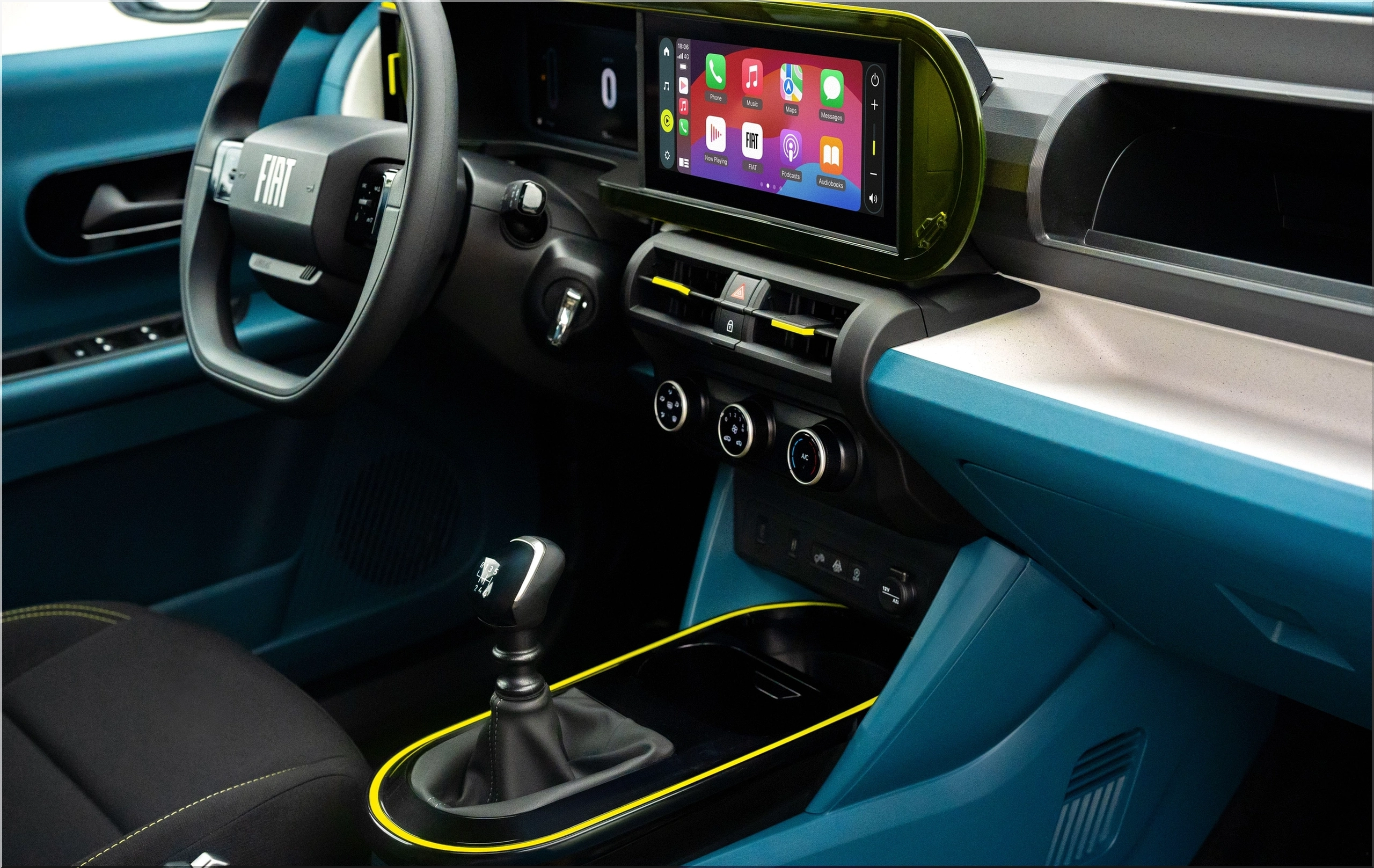
- Bambox dashboard
- Upper closed glovebox
- Automatic air conditioning
- Built-in navigation
- Front parking sensors
- Rear camera
The Bambox detail deserves attention. It gives the cabin a warmer material story and helps FIAT separate the Grande Panda from the harder, cheaper-looking dashboards that still plague budget hatchbacks.
Image
Design and cabin logic
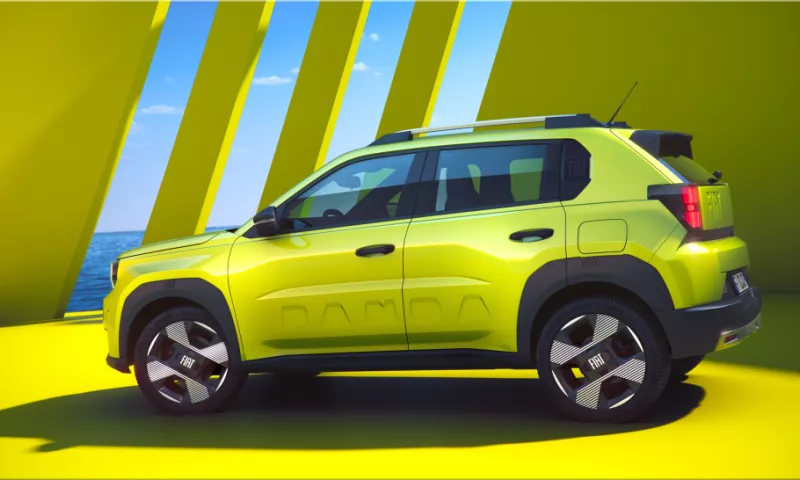
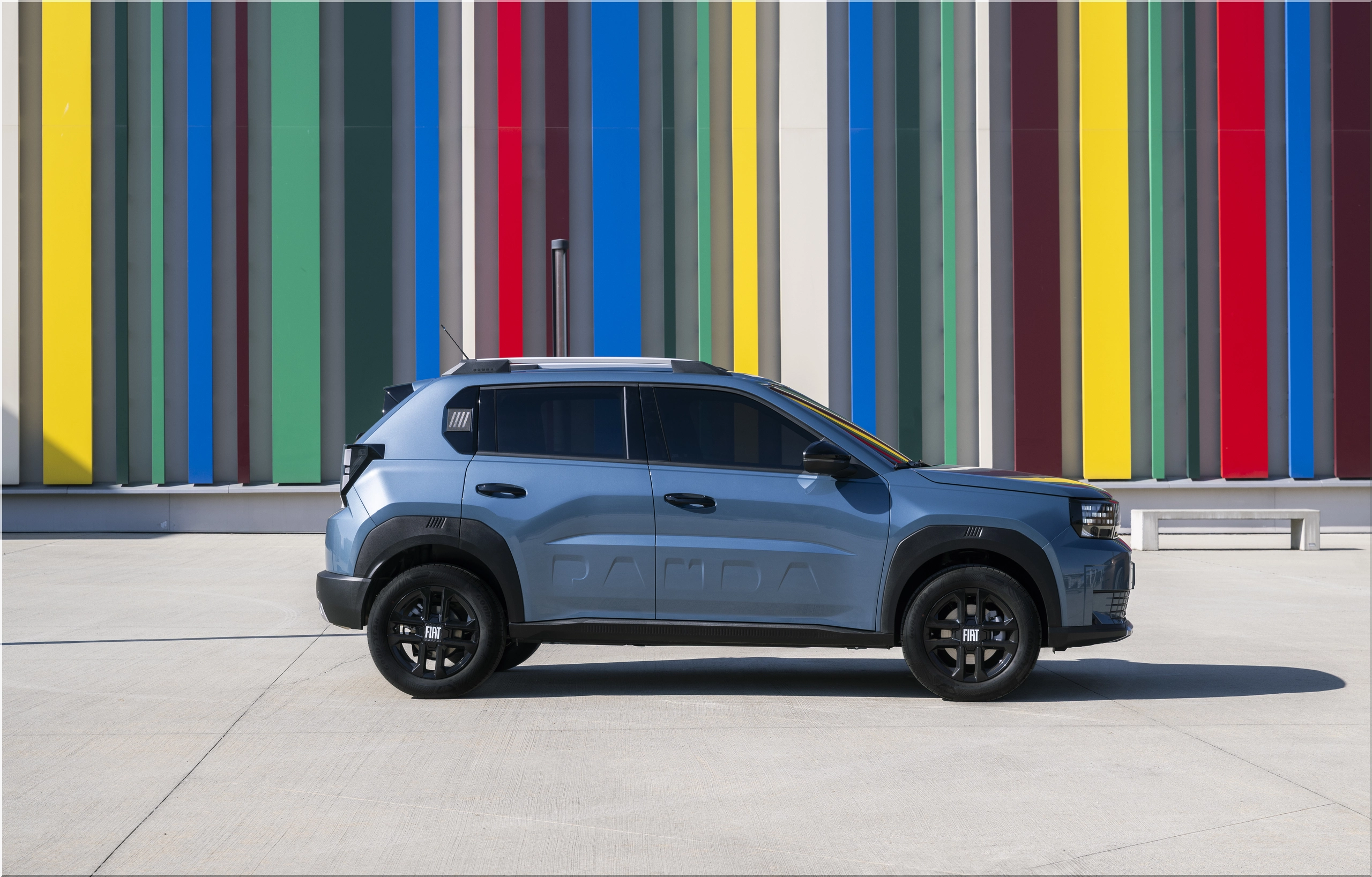
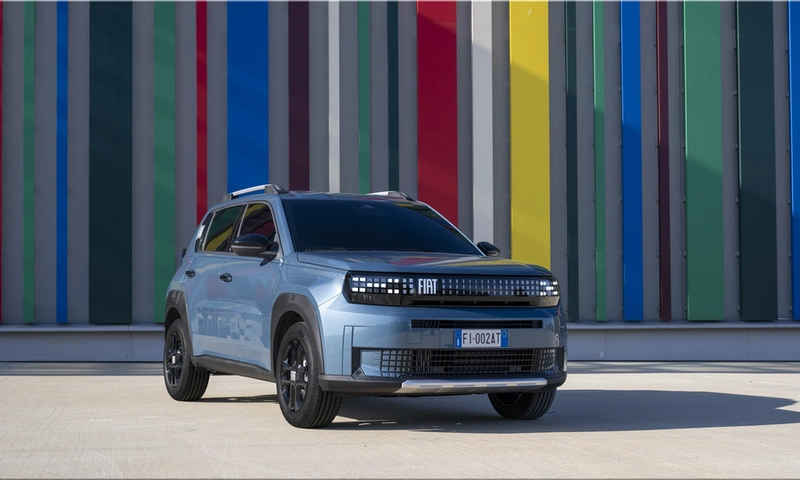
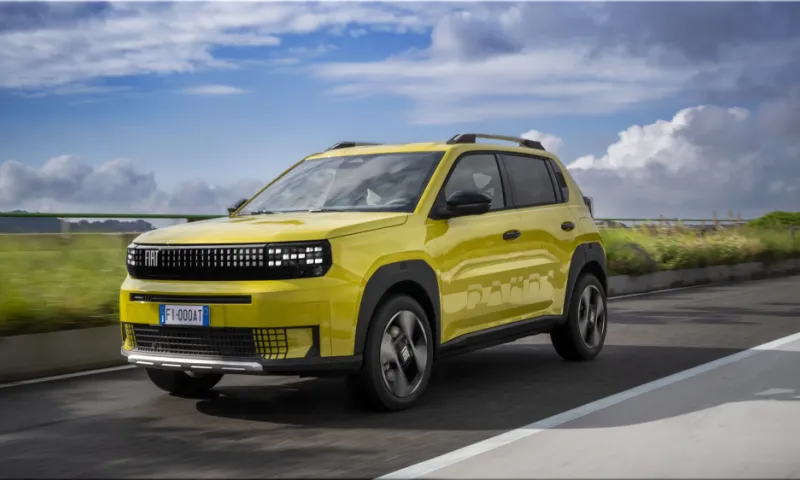
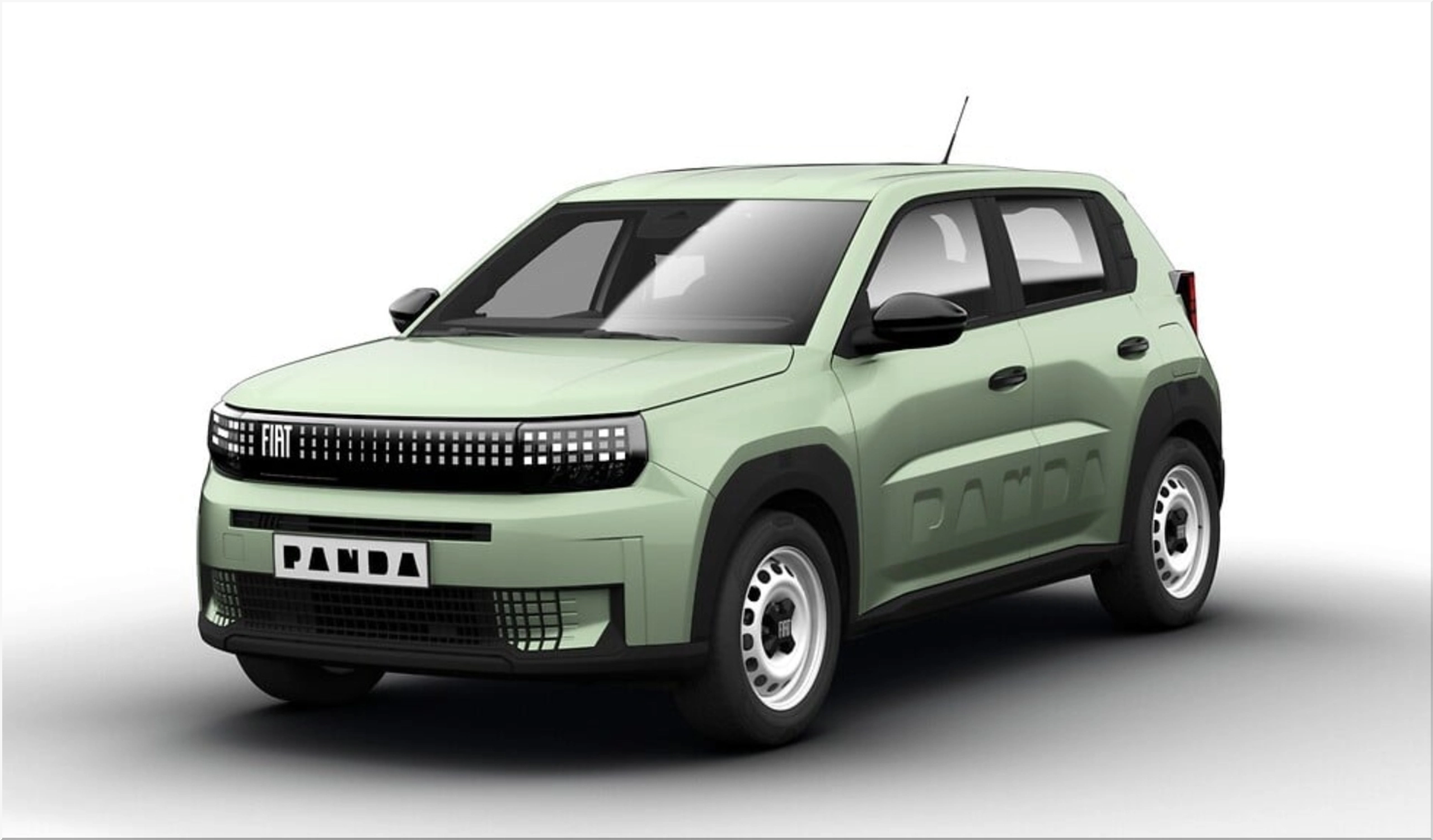
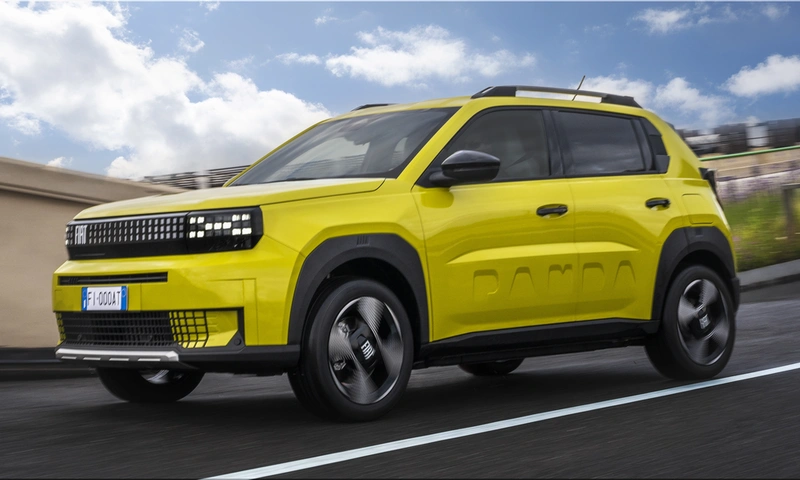
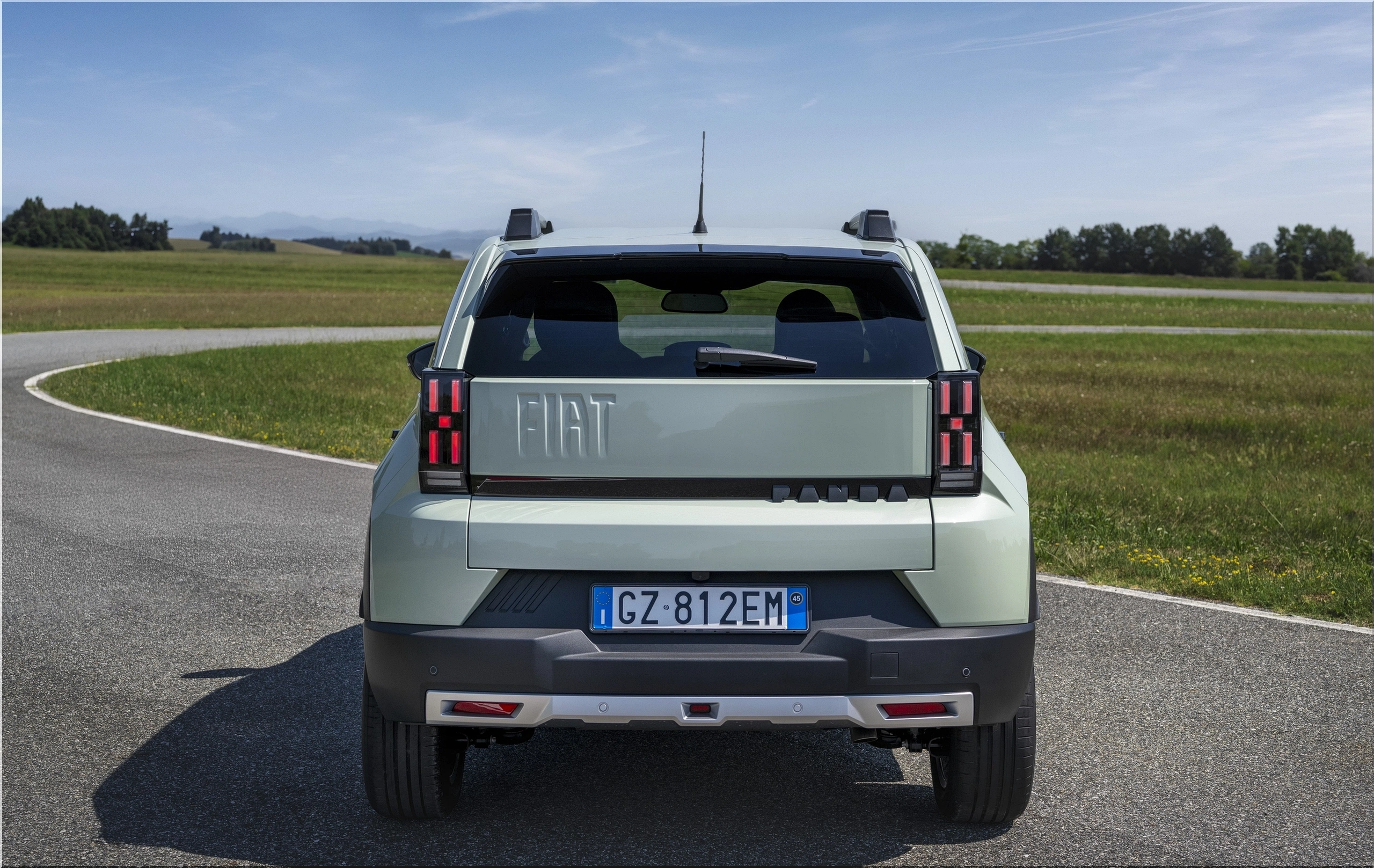
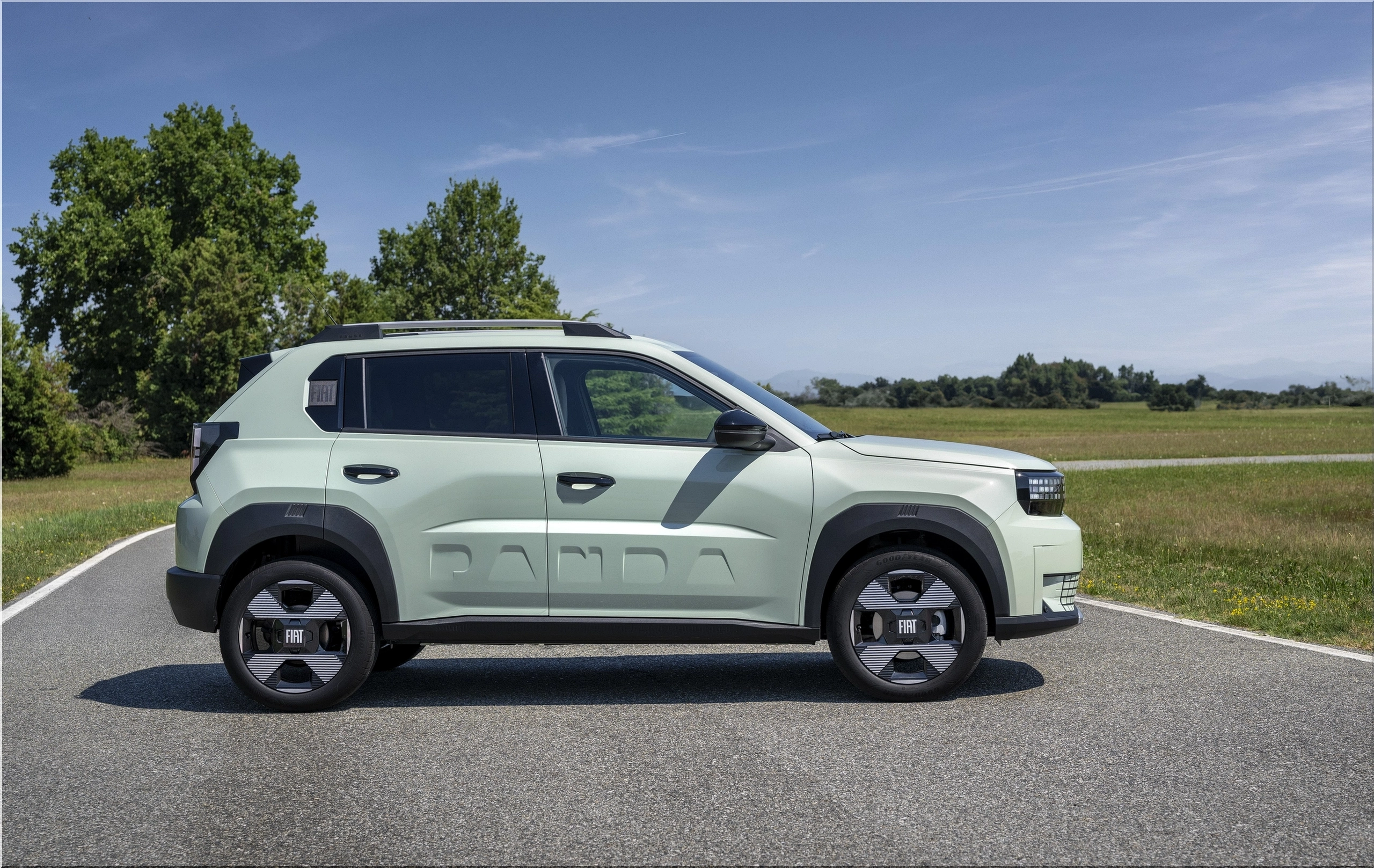
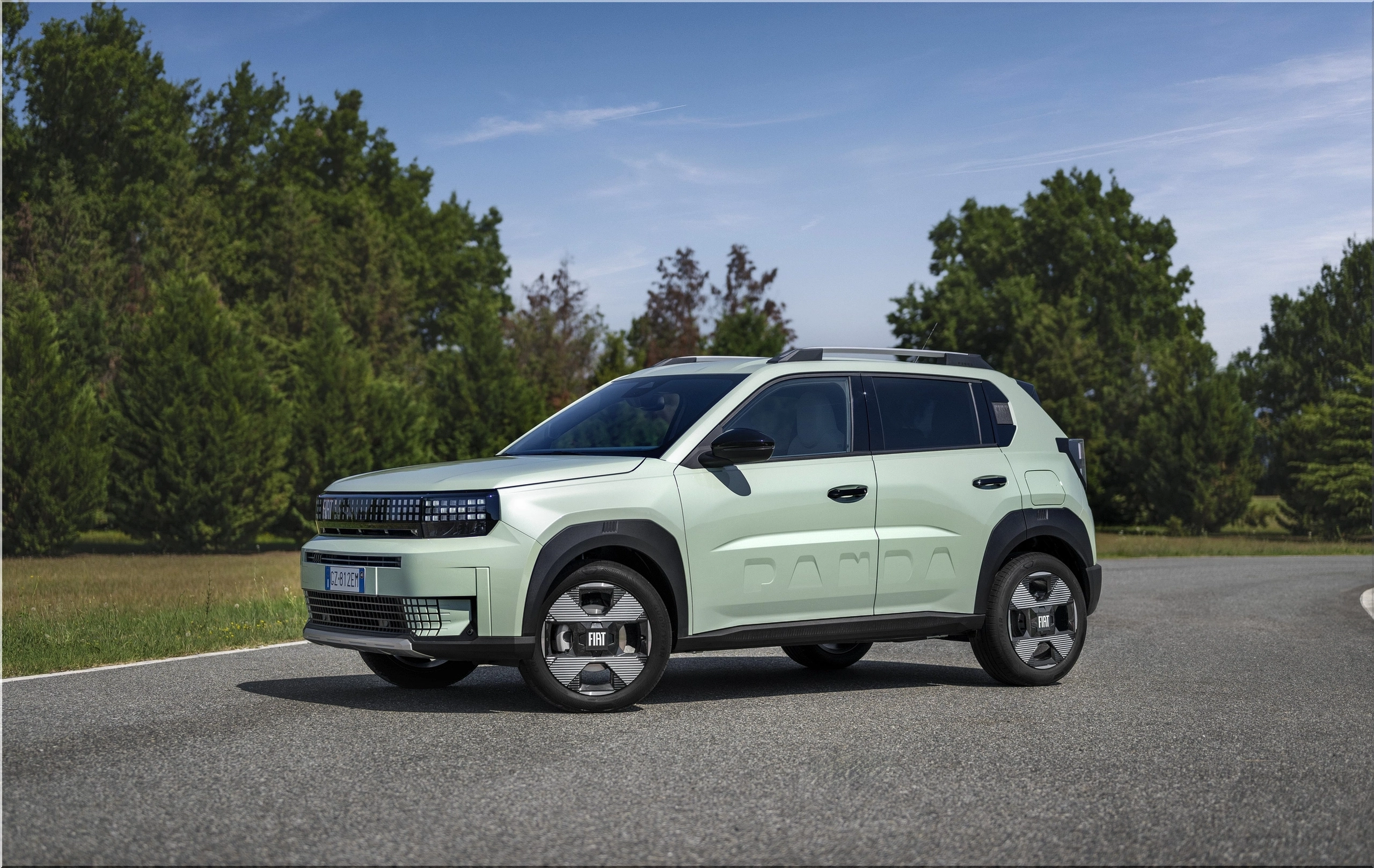
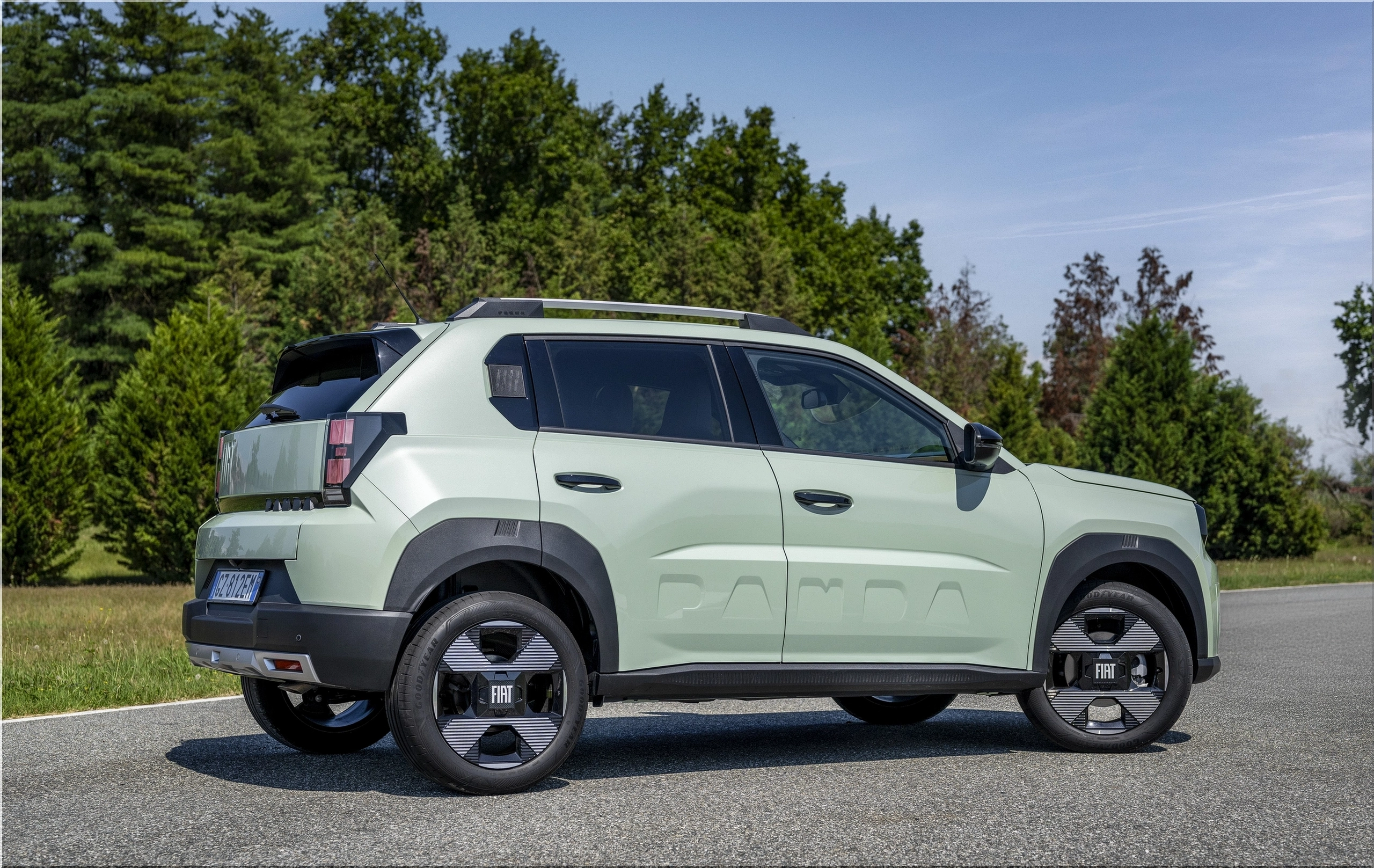
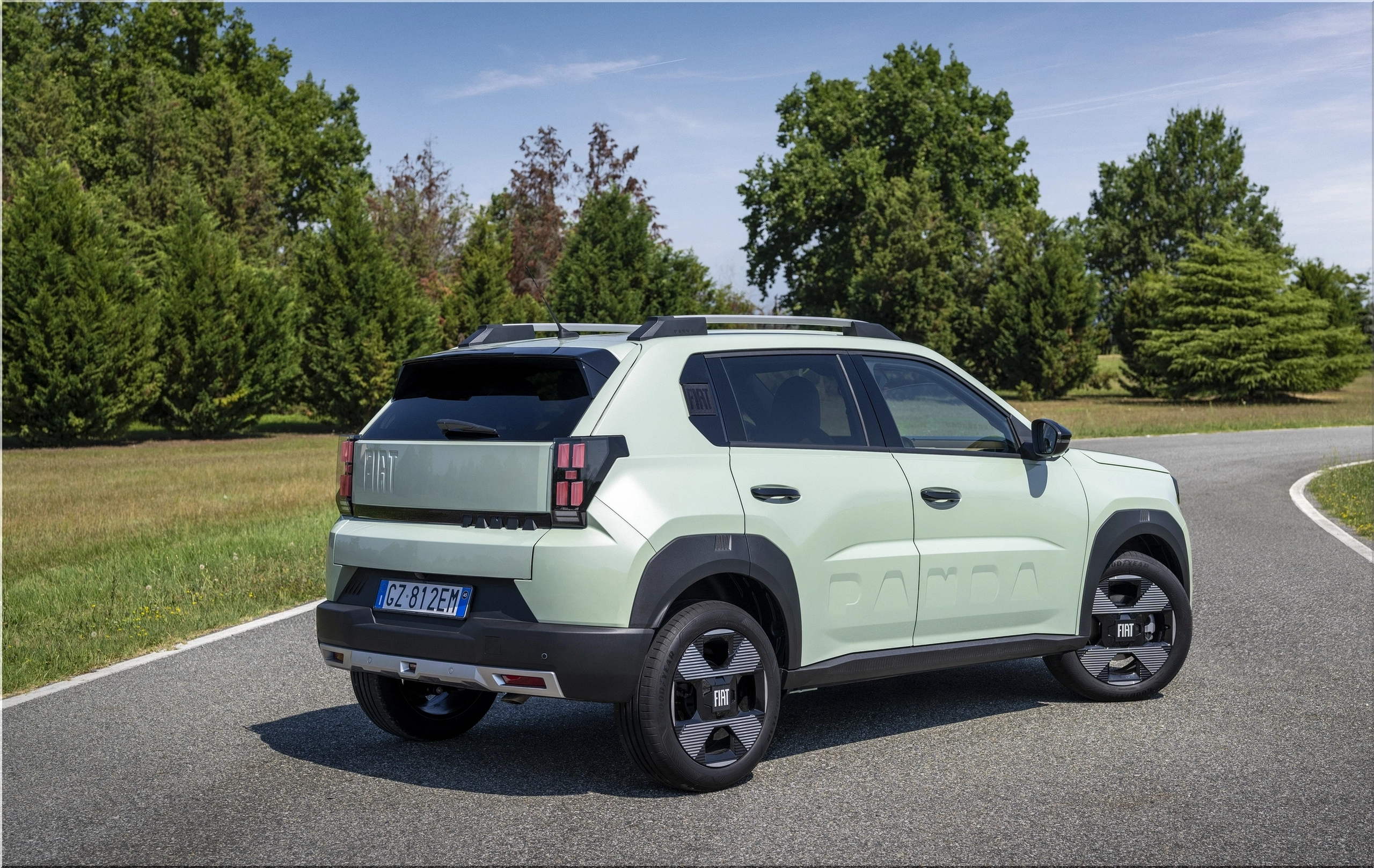
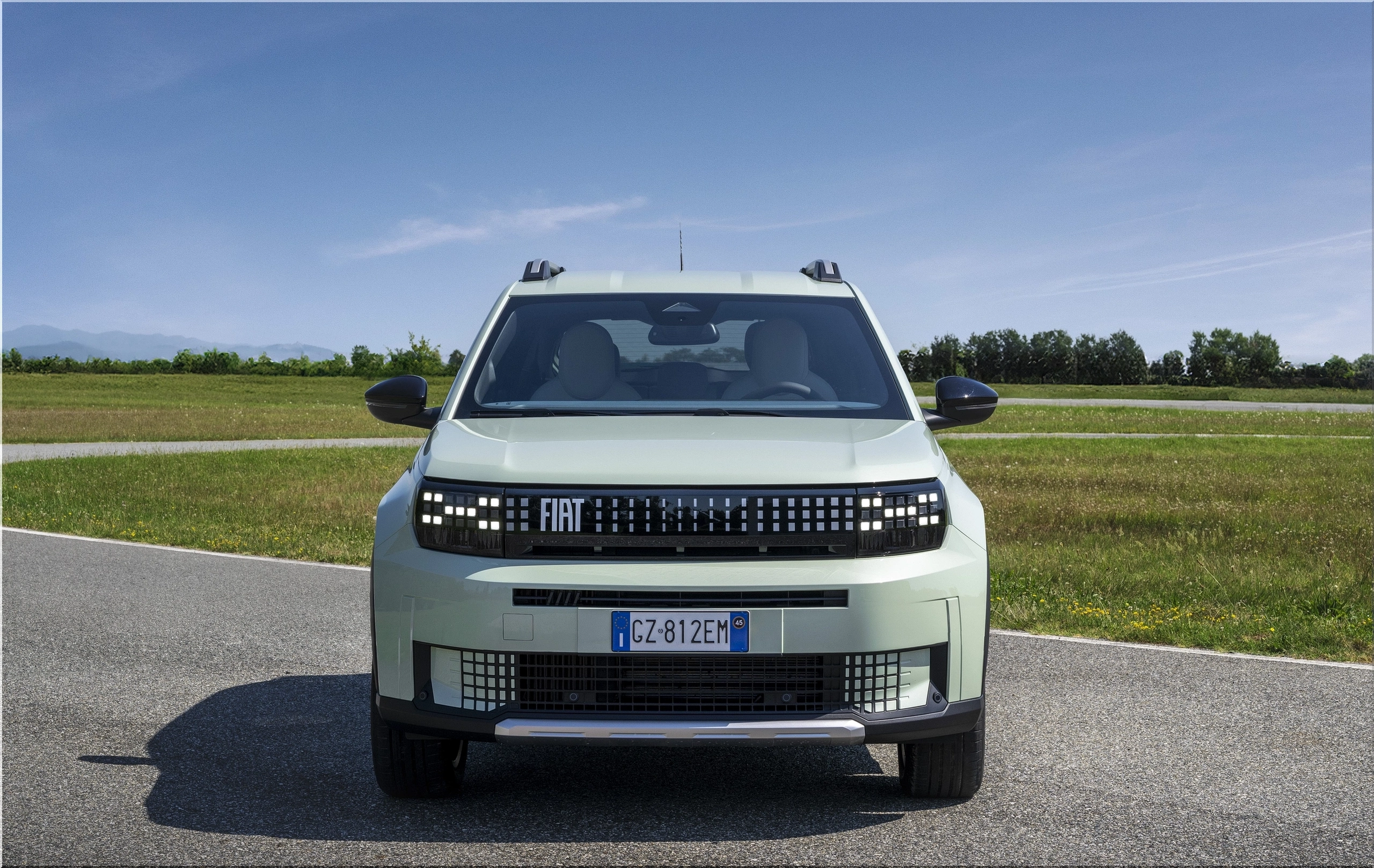
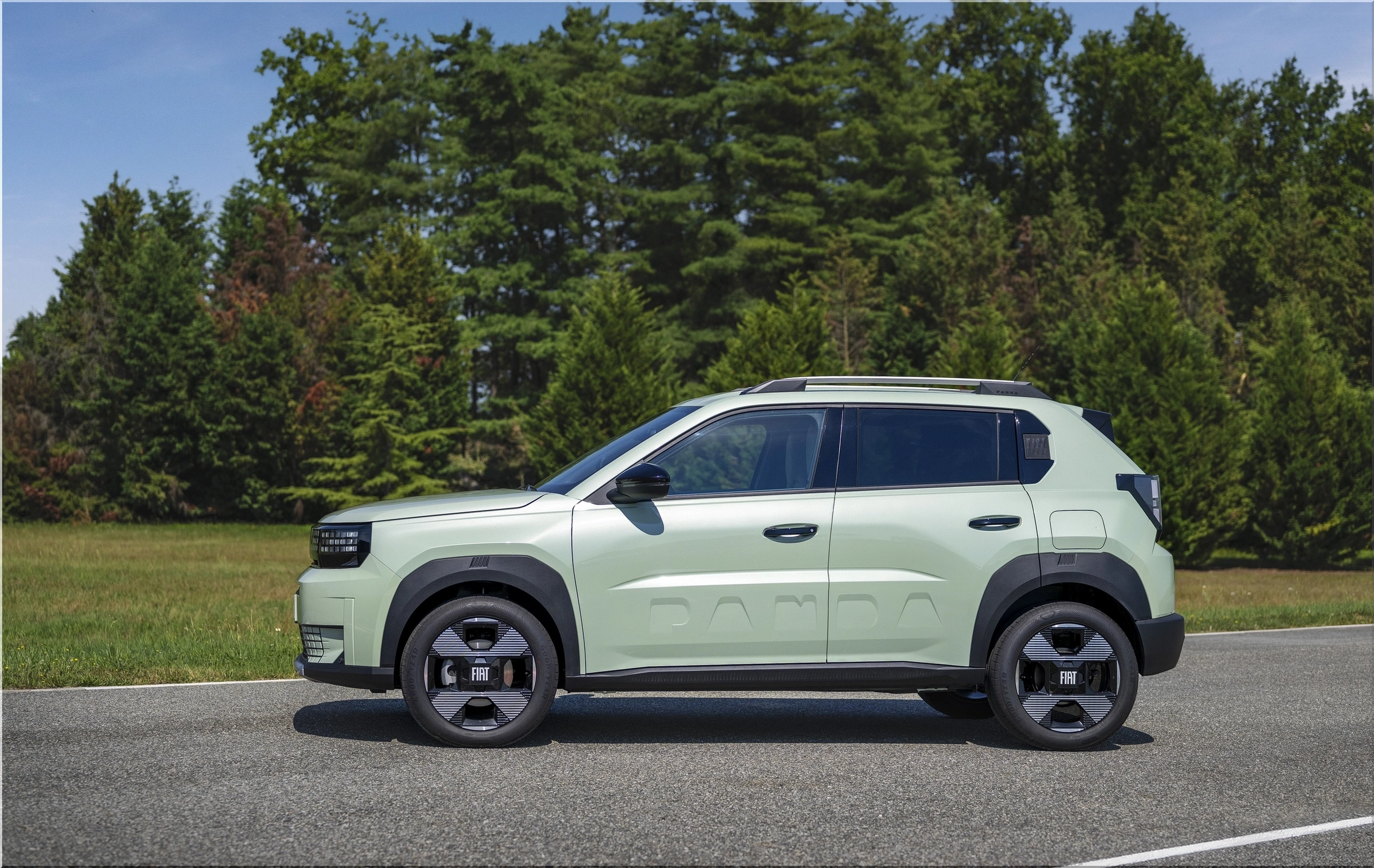
FIAT has leaned hard into Panda heritage without turning this car into a retro cartoon. The blocky stance, pixel-style lighting, cube-like rear lamps, and bold PANDA door stamping all reference the old model, but the package still looks current.
That matters because retro cues alone do not sell at scale. Buyers still want upright sightlines, easy ingress, sensible switch placement, and enough shoulder room to keep the car from feeling cramped. FIAT claims best-in-class shoulder room, and the overall packaging numbers support the idea that the cabin should feel broader than the sub-4.0-metre length suggests.
Fiat Grande Panda Petrol vs key rivals
| Model | Length | Boot | Power | Transmission focus | Clear strength |
|---|---|---|---|---|---|
| Fiat Grande Panda Petrol | 3,999 mm | 412 L | 100 hp | 6-speed manual | Best packaging/value mix |
| Dacia Sandero TCe 100 | 4,102 mm | 328-410 L | 100 hp | Manual | Price aggression |
| Citroen C3 Petrol | 4,015 mm | 310 L | 100 hp | Manual | Comfort-led setup |
| Kia Picanto 1.0 | 3,670 mm | 255 L | lower-output petrol | Manual/auto | Urban compactness |
By comparison, the Sandero still wins the bare-knuckle affordability argument in several markets. The Citroen C3 offers related Stellantis hardware with a softer comfort pitch. The Picanto stays excellent in dense urban use, but it gives away a lot of cabin and boot space.
The Grande Panda Petrol's main win sits right in the middle: it looks bigger, stores more, and offers more torque than a tiny city hatch, without growing into a bloated crossover.
Price position and market logic
Public market references place the Grande Panda Petrol at roughly €14,950 in some European markets, which converts to about $17,190 at the ECB reference rate from March 31, 2026. That puts it in the zone where budget-minded private buyers still look first.
In addition, that pricing logic gives FIAT room to stack the lineup cleanly. Petrol acts as the entry model, hybrid becomes the efficiency upgrade, and EV becomes the urban-tech flagship. That structure keeps buyers inside the brand instead of pushing them toward rivals when their budget changes.
Pro-Tips
- Pick ICON if you want the strongest value point. It adds the screen and LED hardware most buyers actually care about.
- Pick POP only if monthly cost beats all other priorities.
- Treat the 412-litre boot as one of the car's biggest selling points. It is a real differentiator in this class.
- If you drive mostly urban routes and want fewer long-term system layers, the petrol-manual setup makes more sense than a pricier hybrid automatic.
What now?
The 2026 Fiat Grande Panda Petrol looks like a smart commercial move because it fixes the obvious gap in the lineup. It gives FIAT a real entry-point car with usable performance, strong packaging, and enough character to avoid disappearing into the budget-car crowd.
That is the real pitch. The Grande Panda Petrol does not need to out-tech the electric version or out-smooth the hybrid. It only needs to be cheap enough, roomy enough, and honest enough. Looking at the numbers, it gets there.
- Add new comment
- 116 views