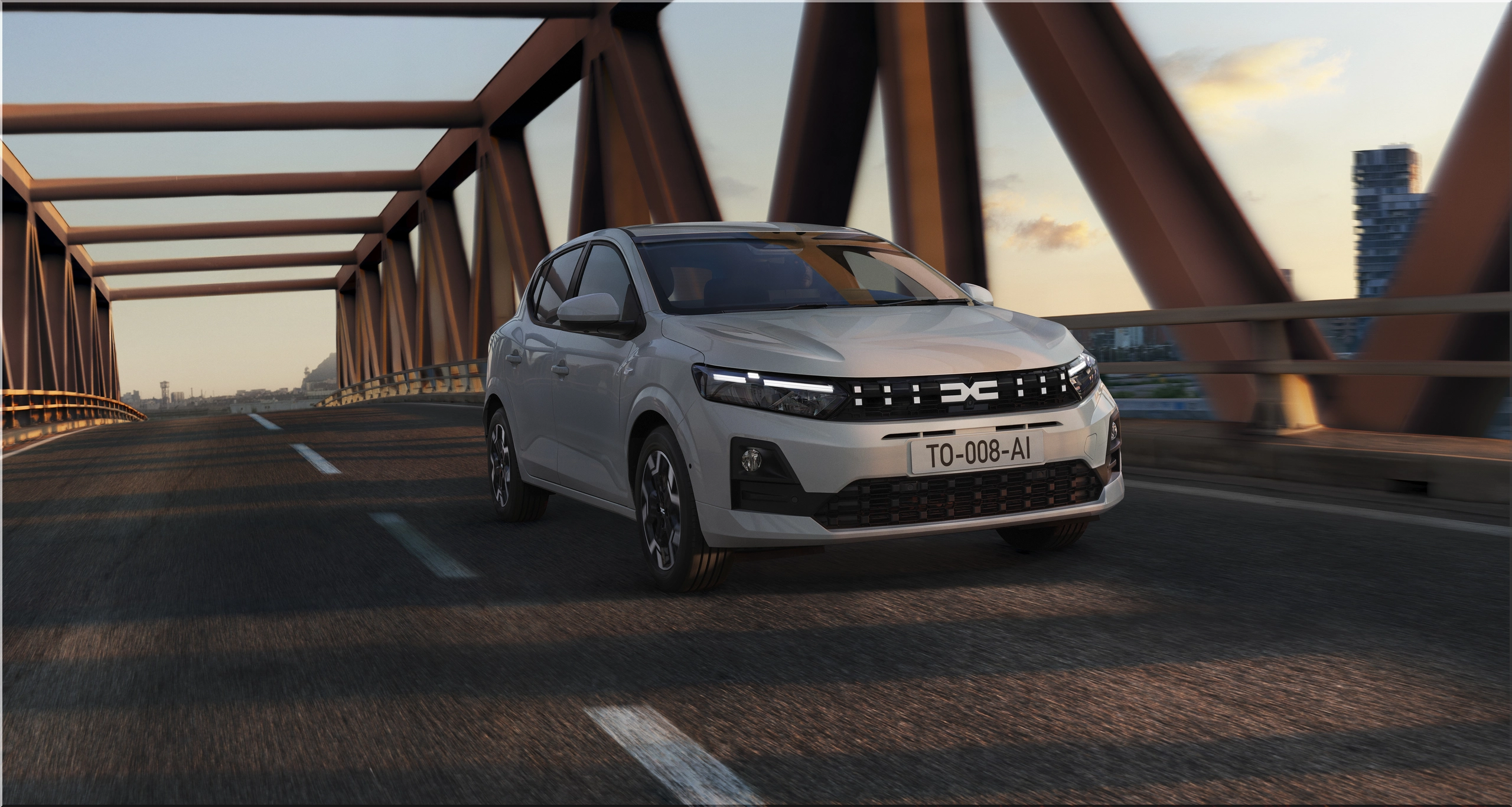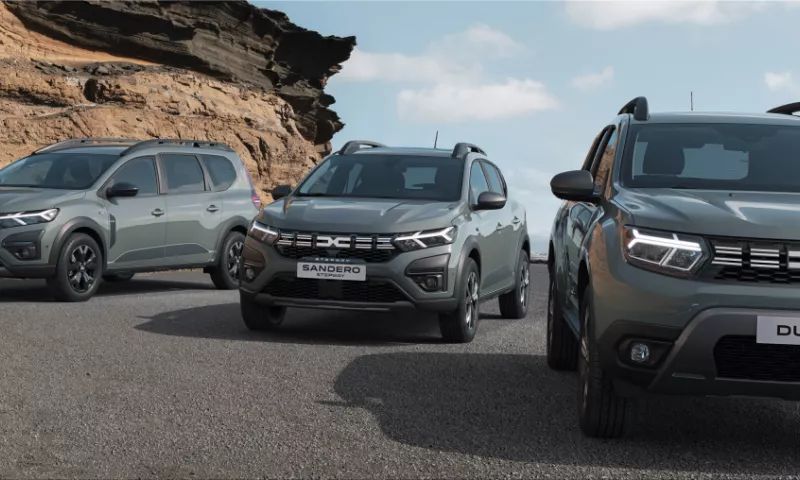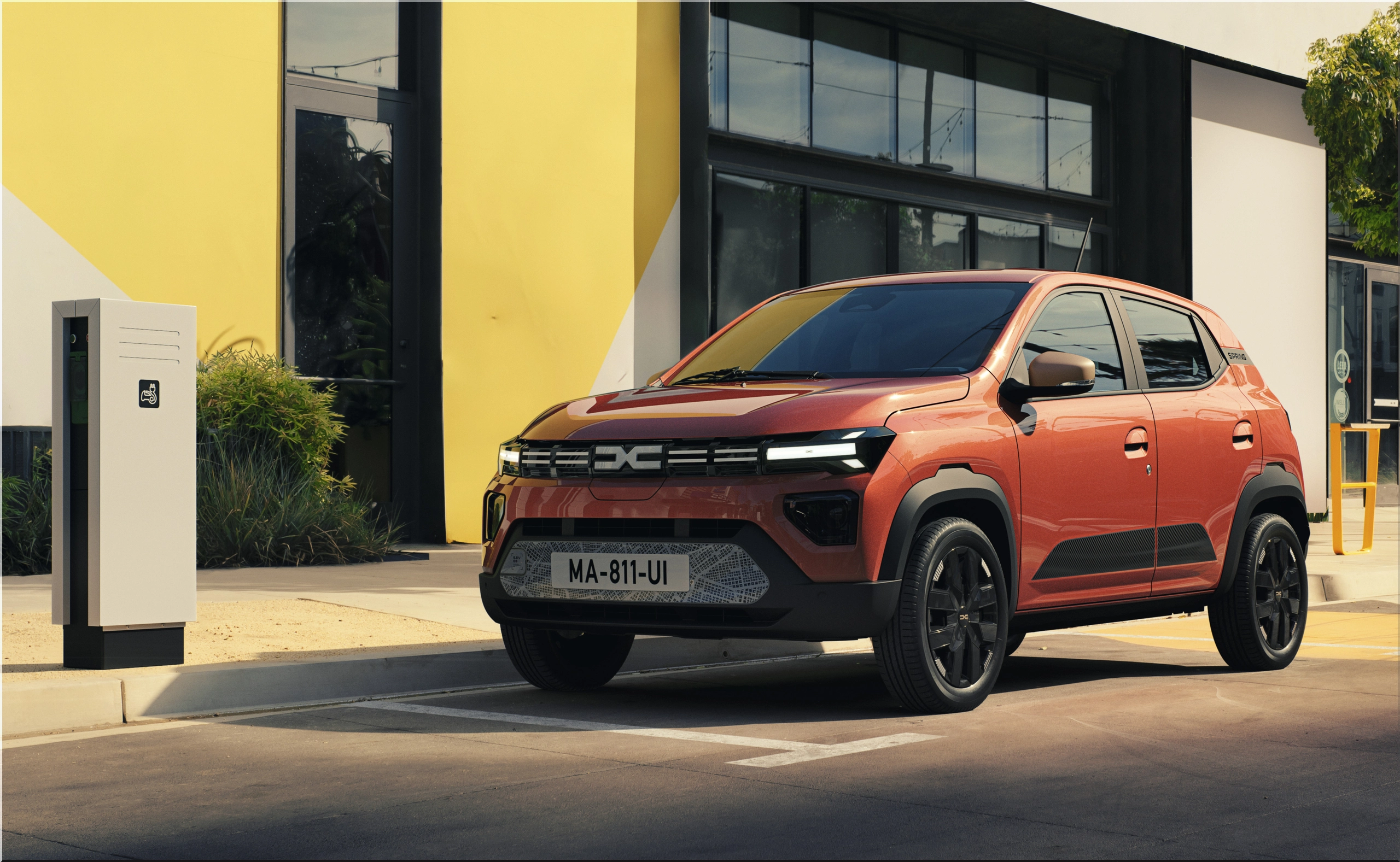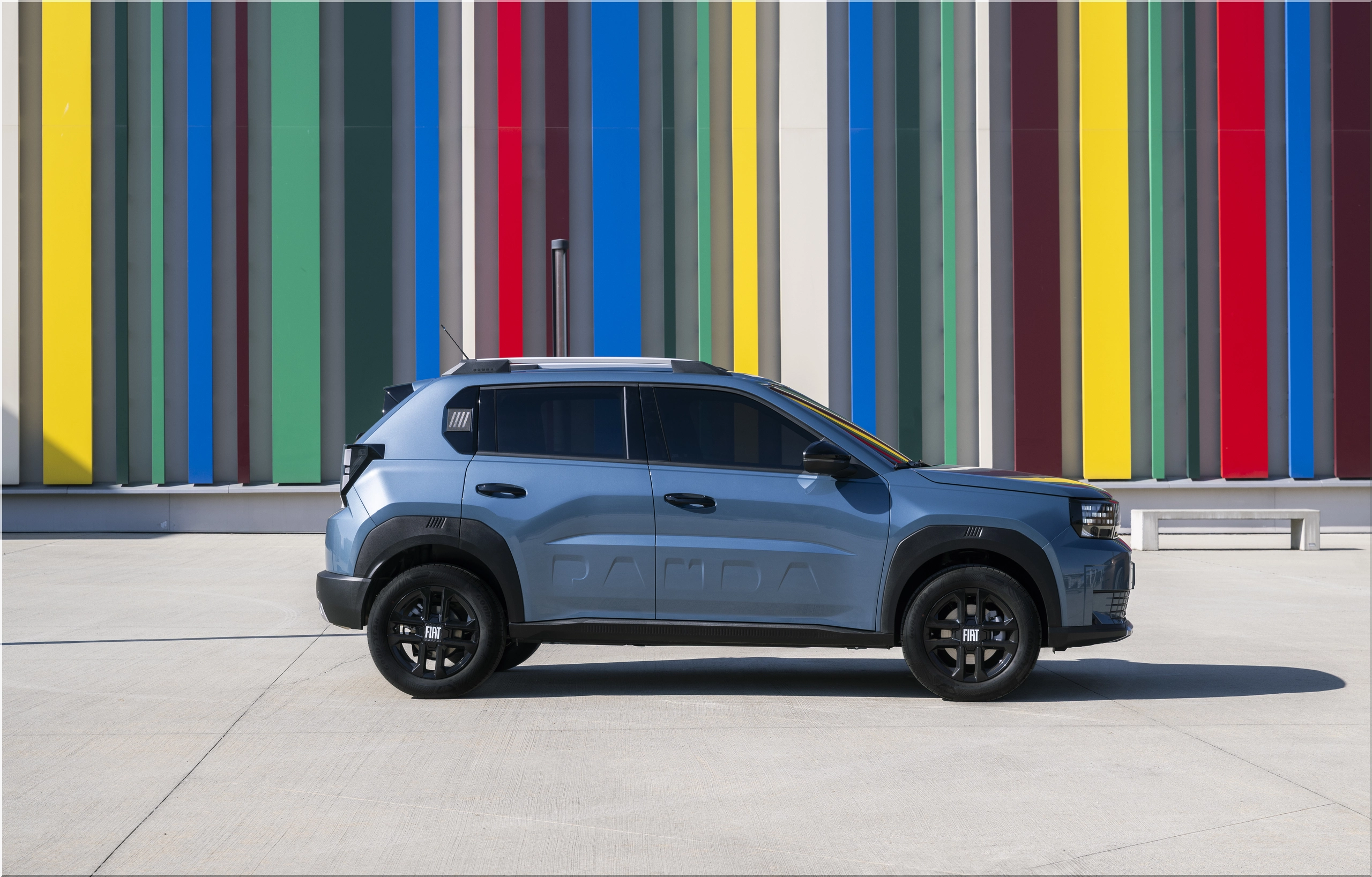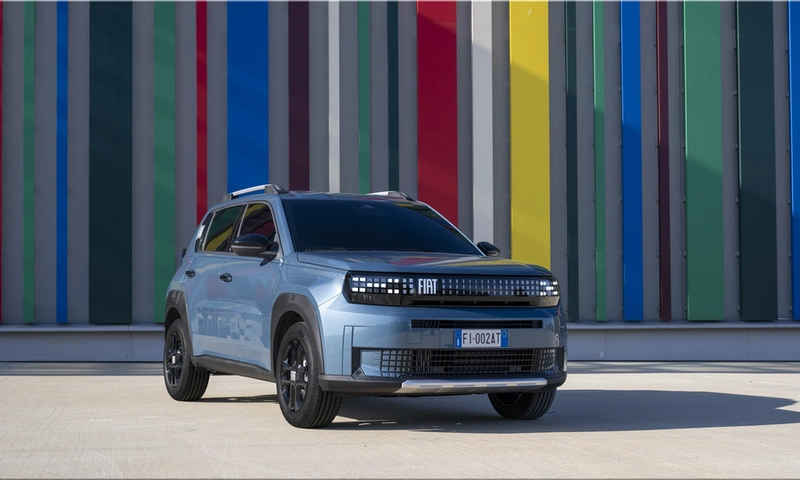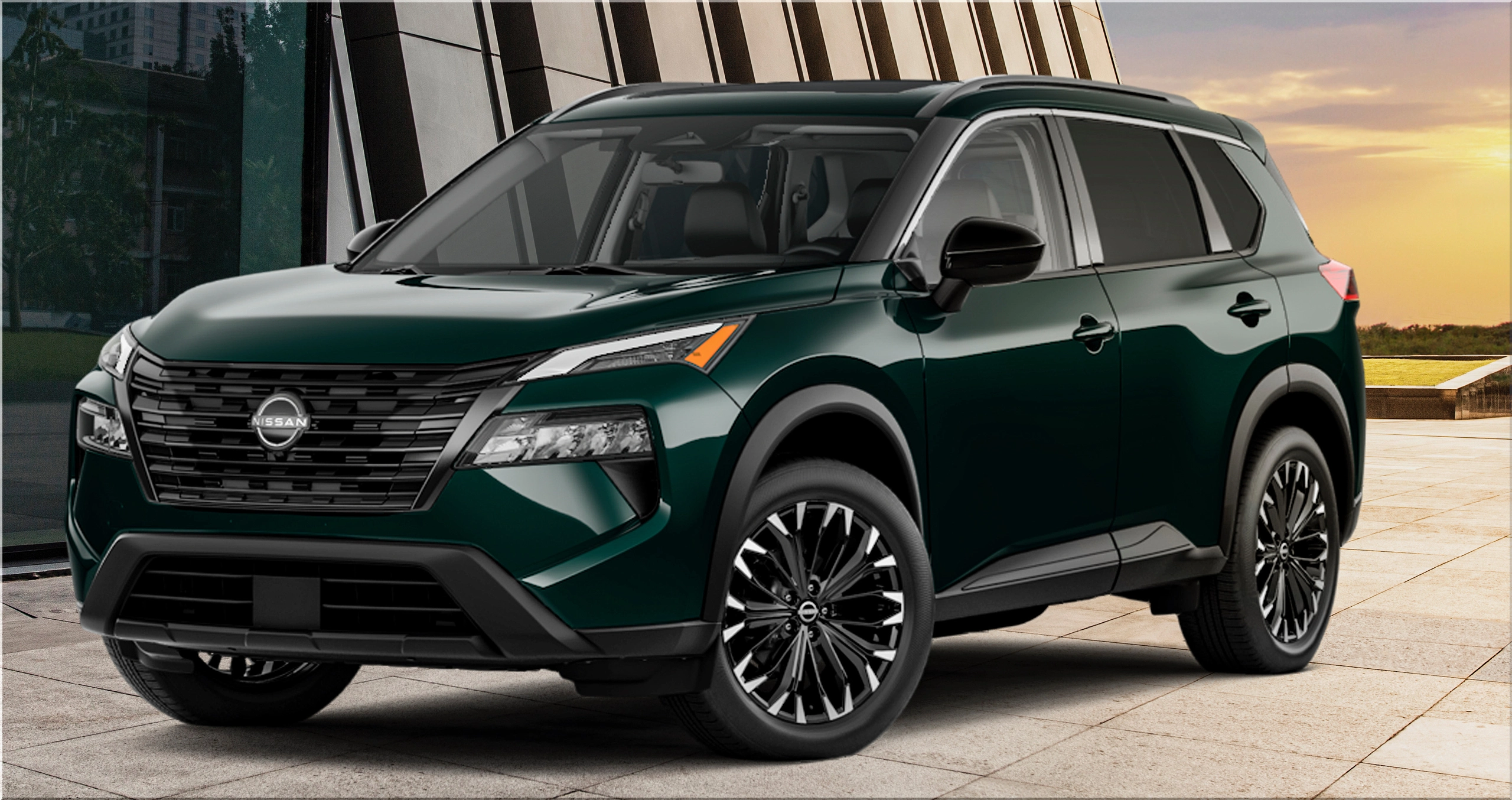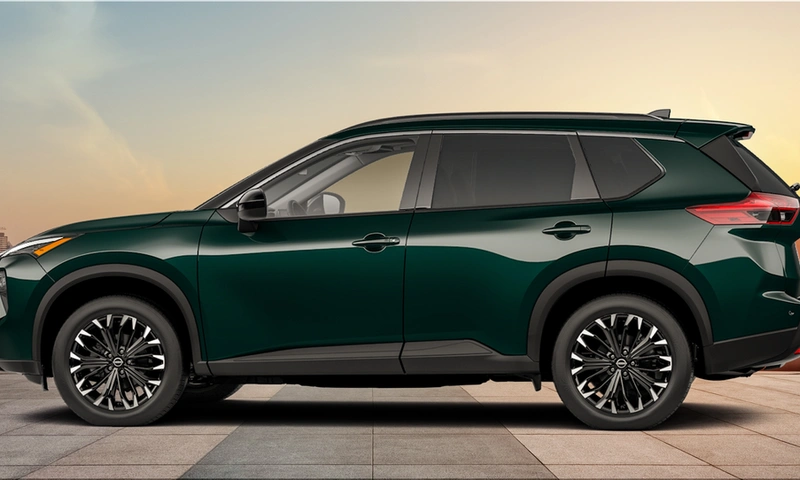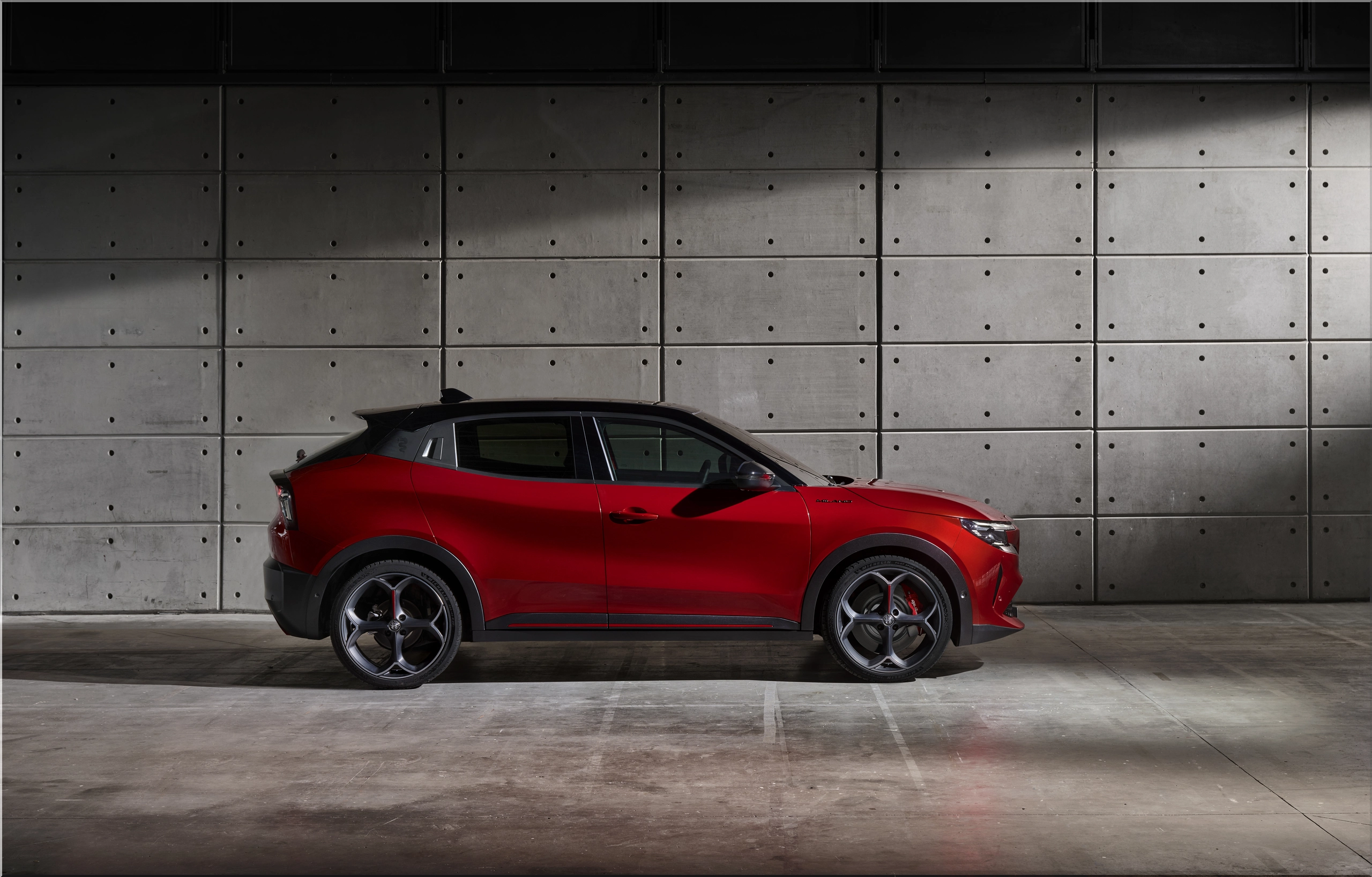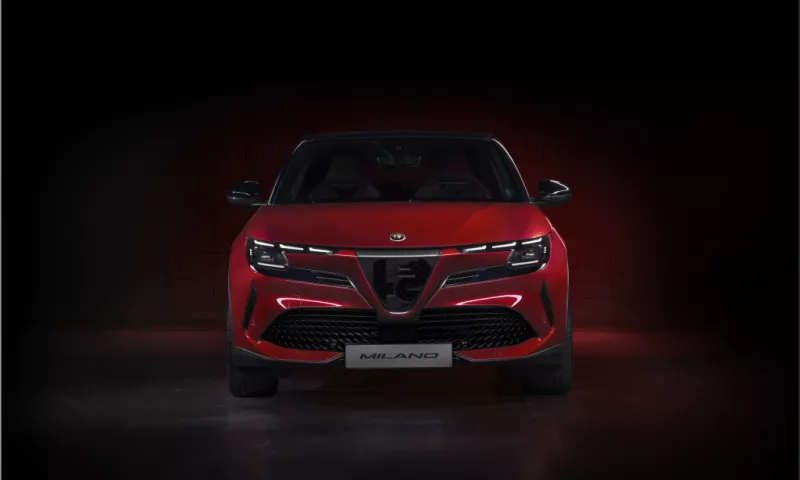
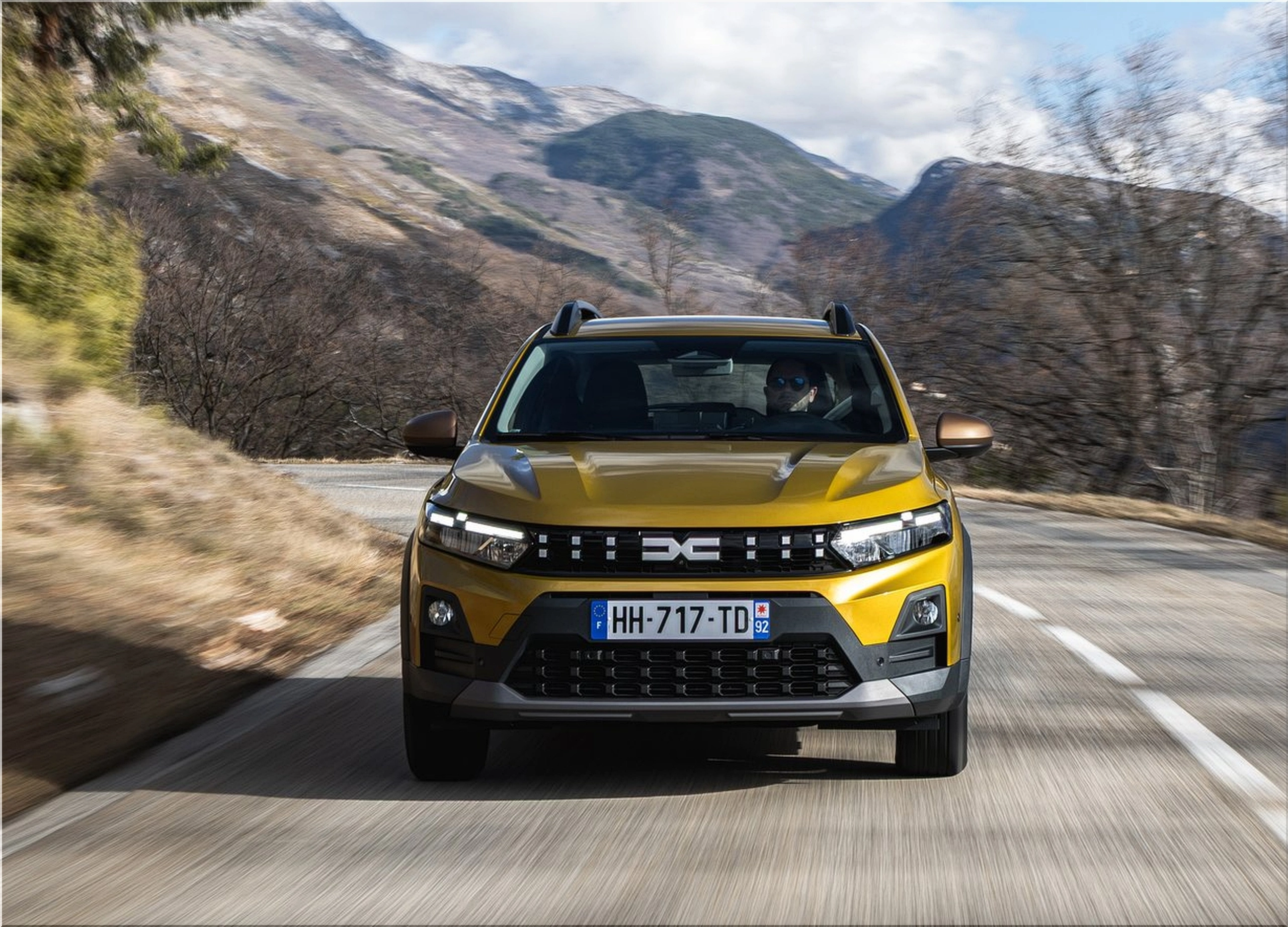
The 2026 Dacia Sandero Stepway plays a very specific game. It does not chase premium-badge buyers, giant screens for their own sake, or fake off-road claims. It targets people who want a compact crossover with real ground clearance, low running costs, useful cabin tech, and pricing that undercuts the class by a wide margin.
Image
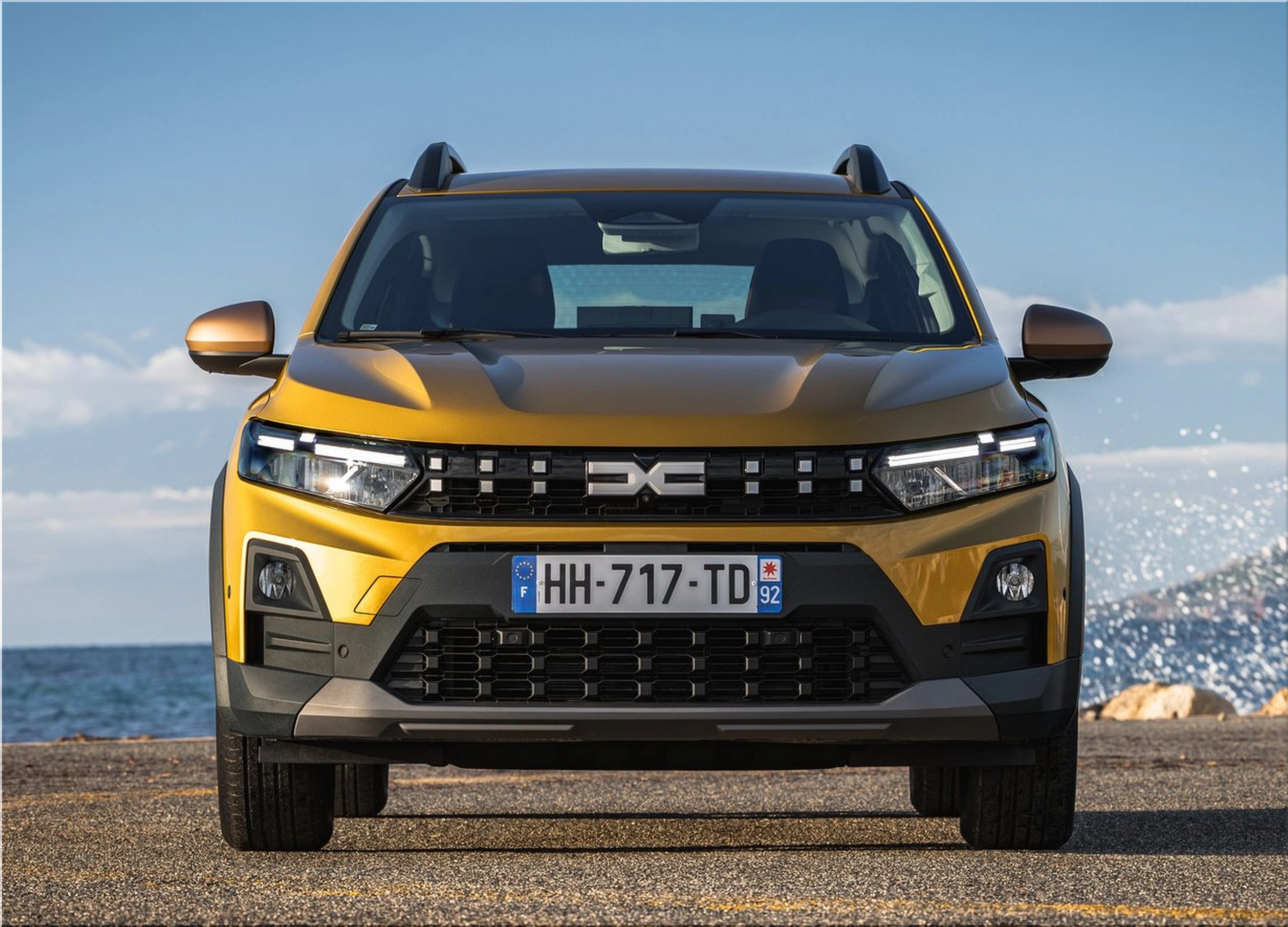
That formula still works. Looking at the data, the facelifted Stepway sharpens the design, adds more cabin tech, expands the powertrain story with a stronger Eco-G 120 LPG option and dual-clutch automatic availability, and keeps the packaging tight enough for city work while offering the stance buyers want from a small SUV. By comparison with mainstream B-segment crossovers, the 2026 Dacia Sandero Stepway stays smaller, lighter, and cheaper. That matters because lower mass, smaller dimensions, and modest tire sizes usually translate into better urban usability and lower ownership friction.
If you want the short version, here it is: the 2026 Dacia Sandero Stepway stays true to the low-cost brief, but it no longer feels stripped down. It feels intentionally engineered.
What Changed for the 2026 Dacia Sandero Stepway
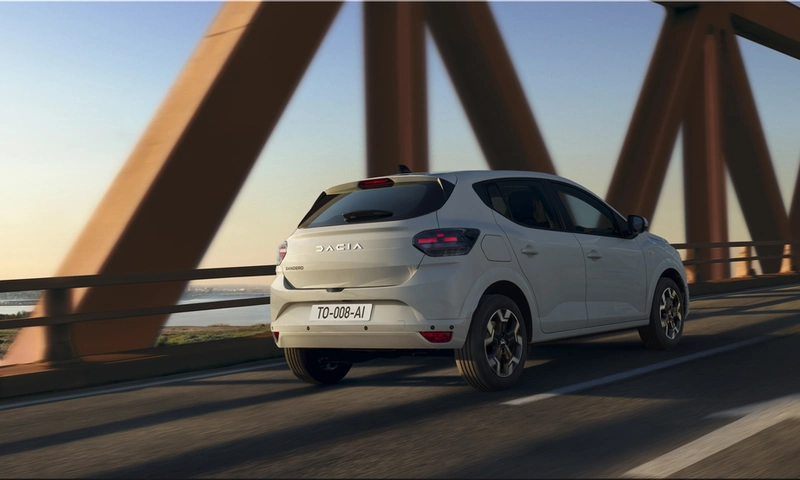
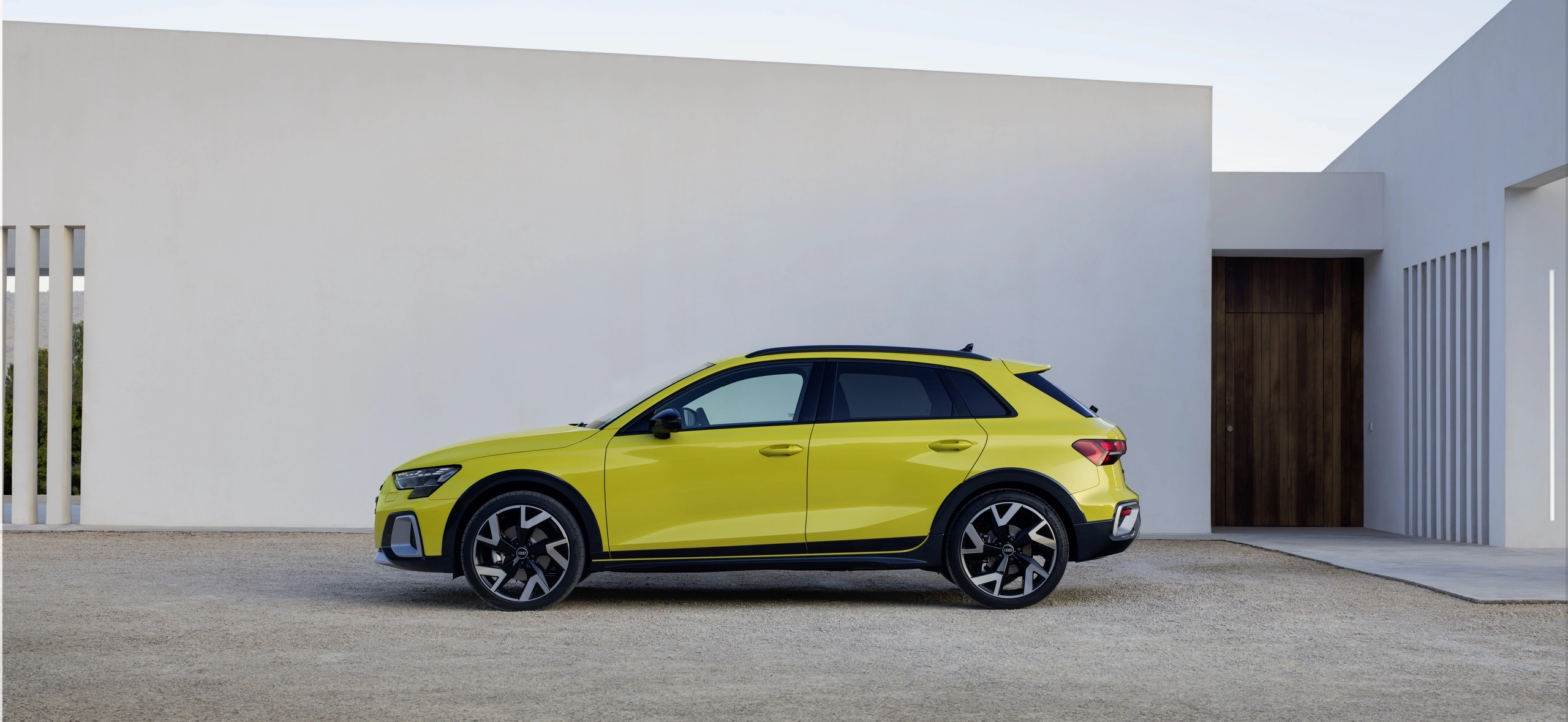
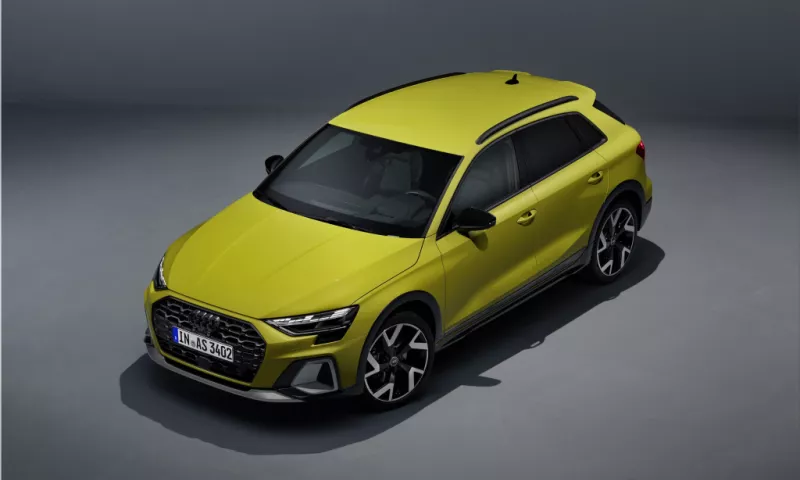
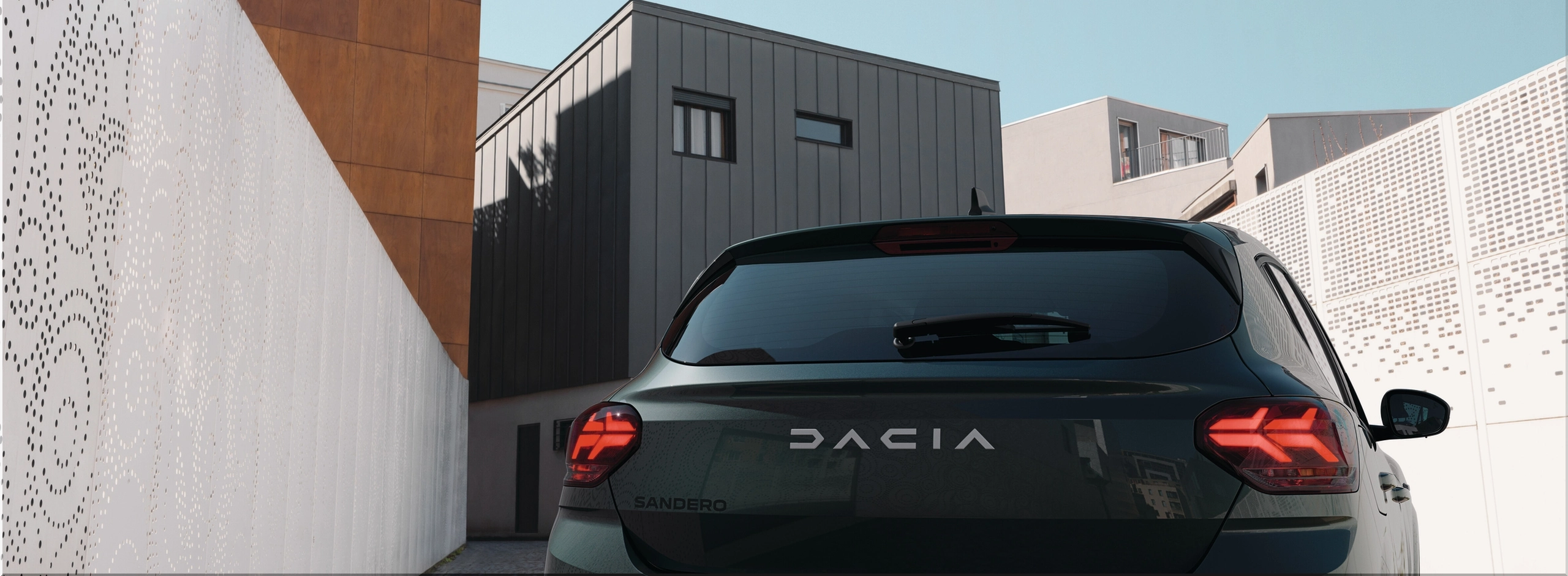
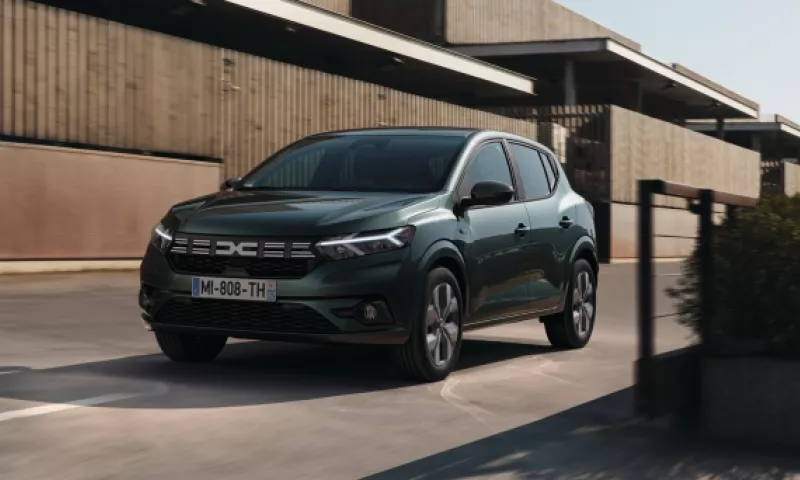
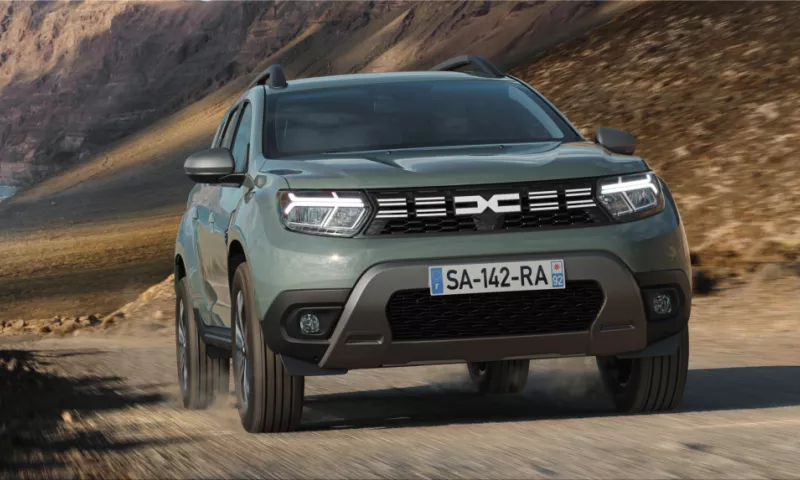
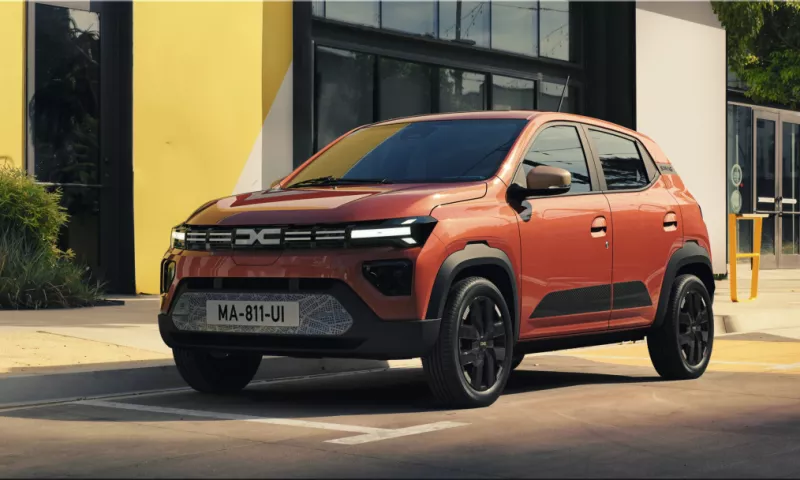
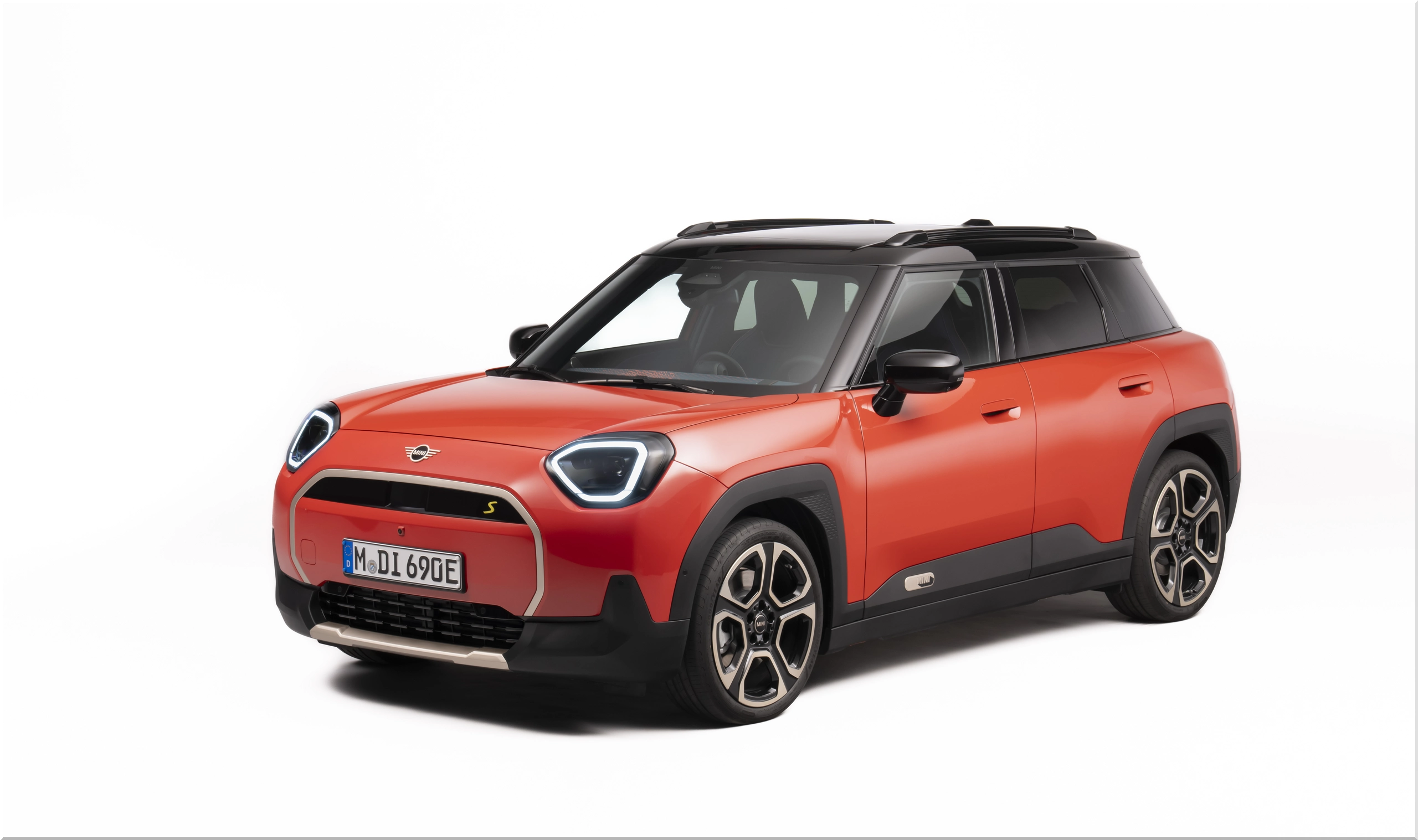
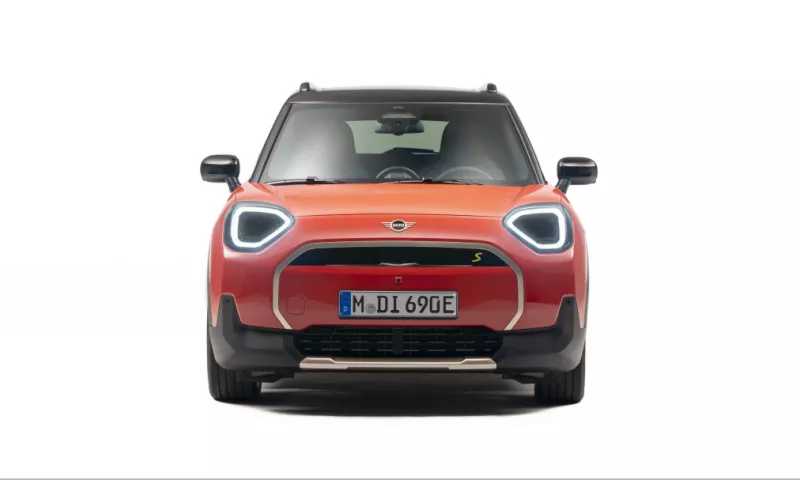
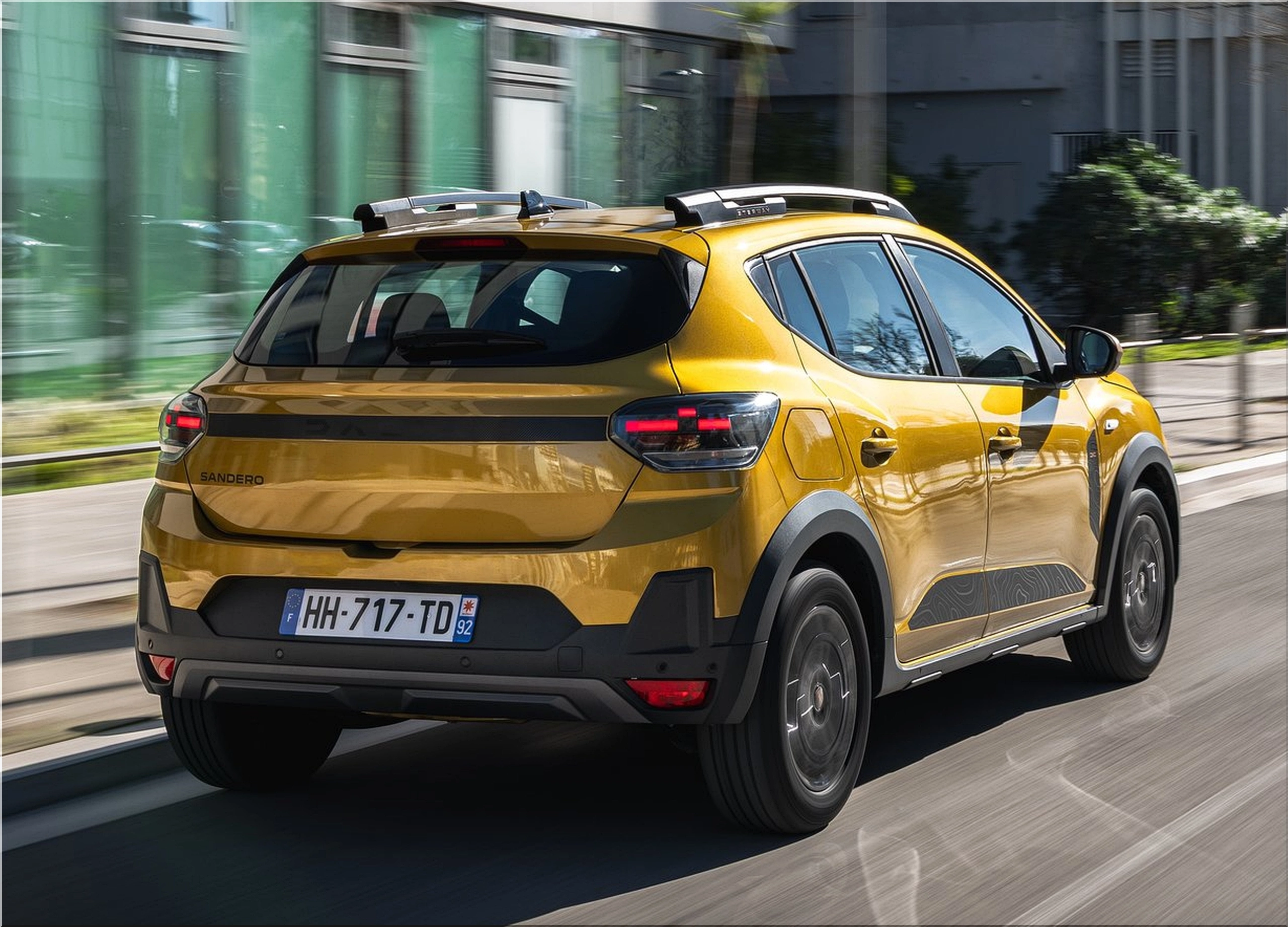
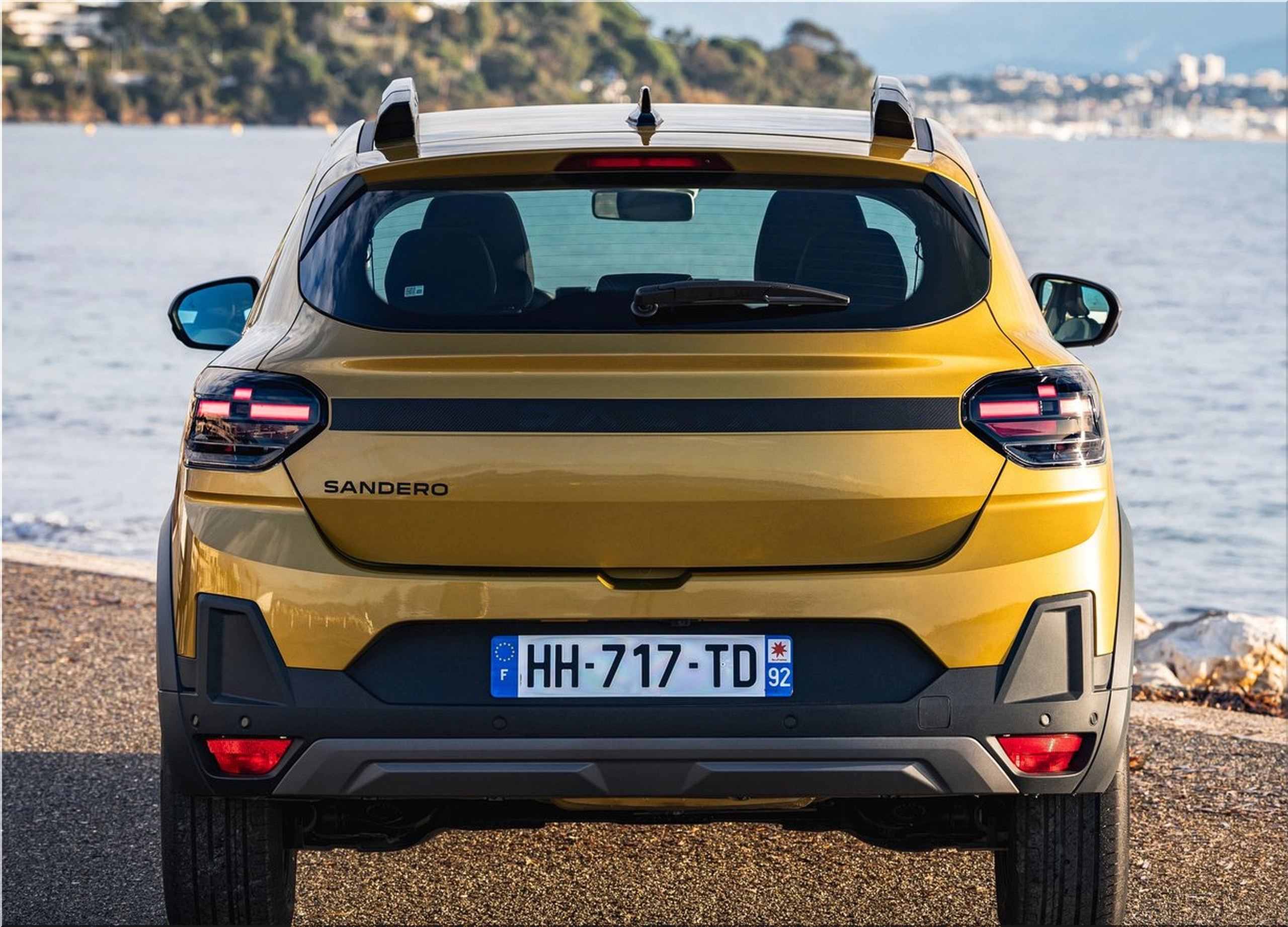
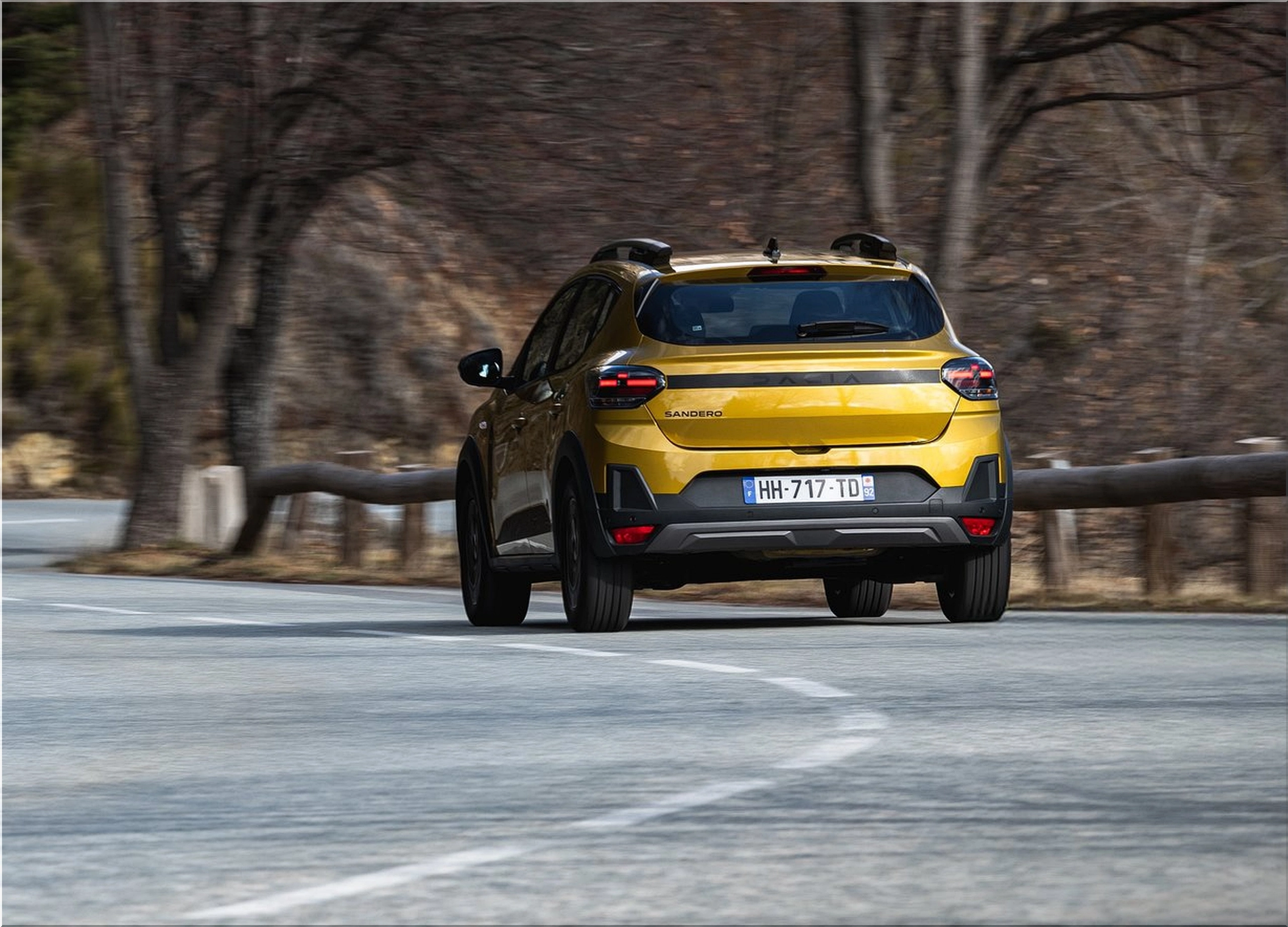
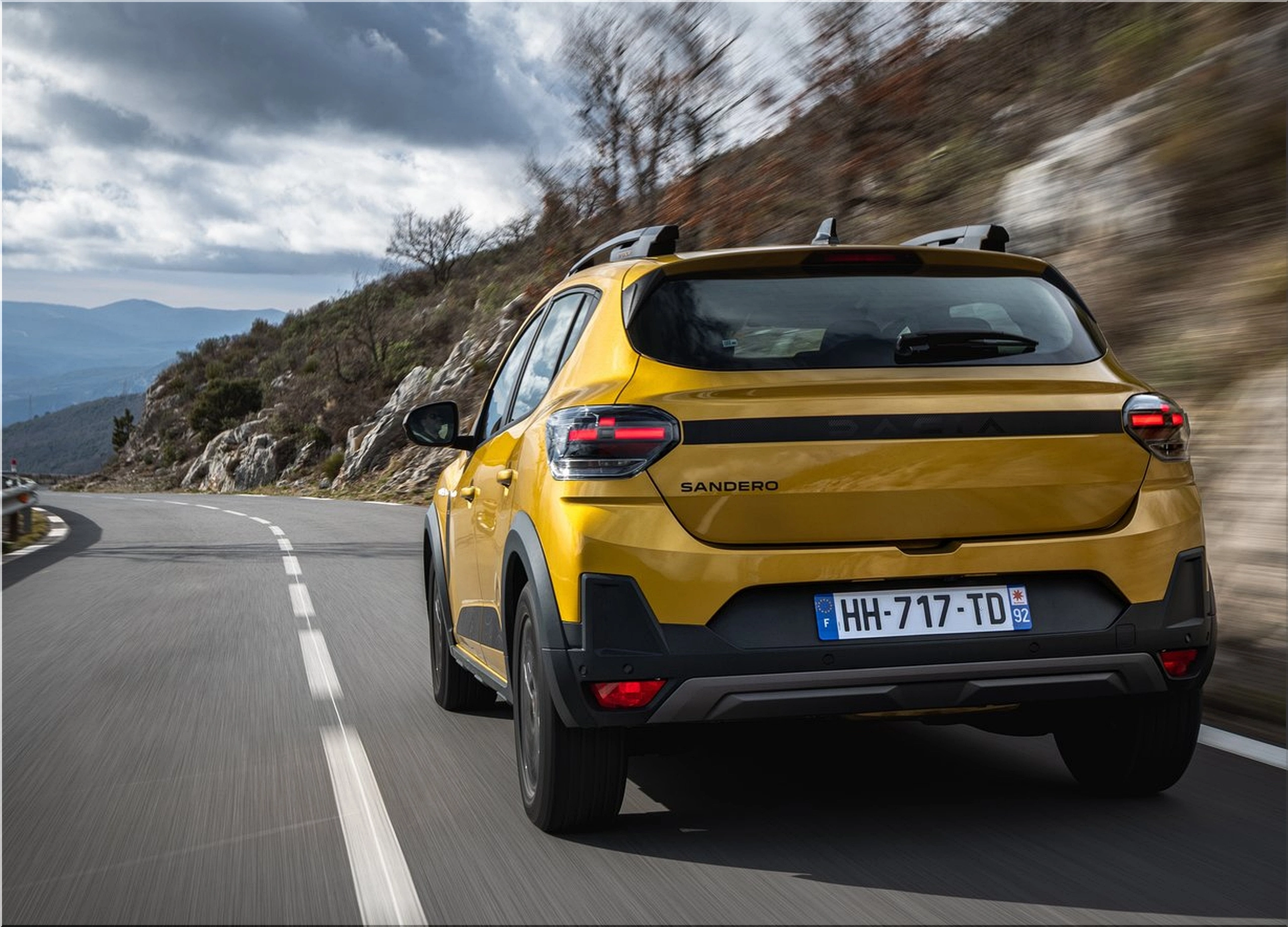
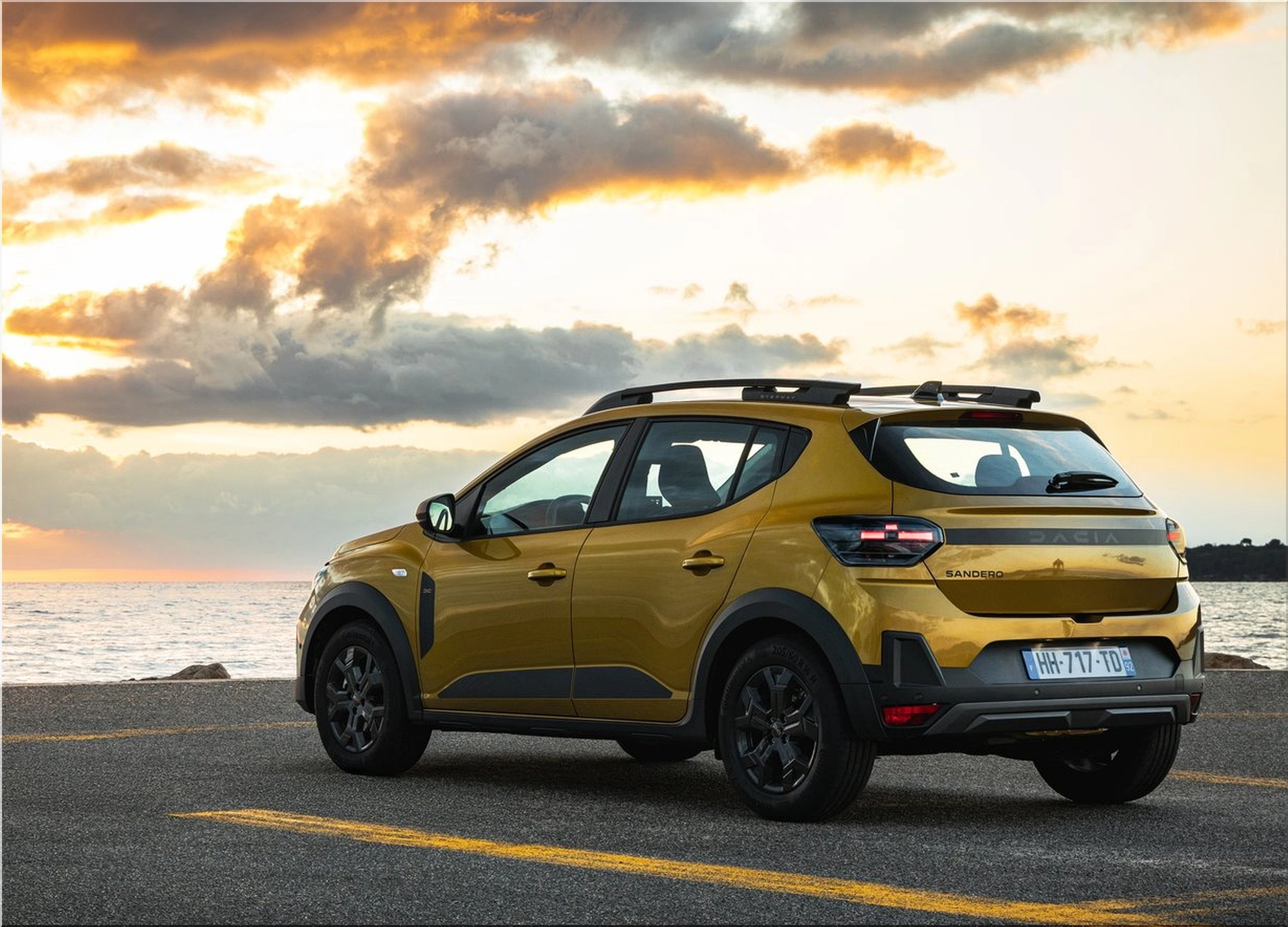
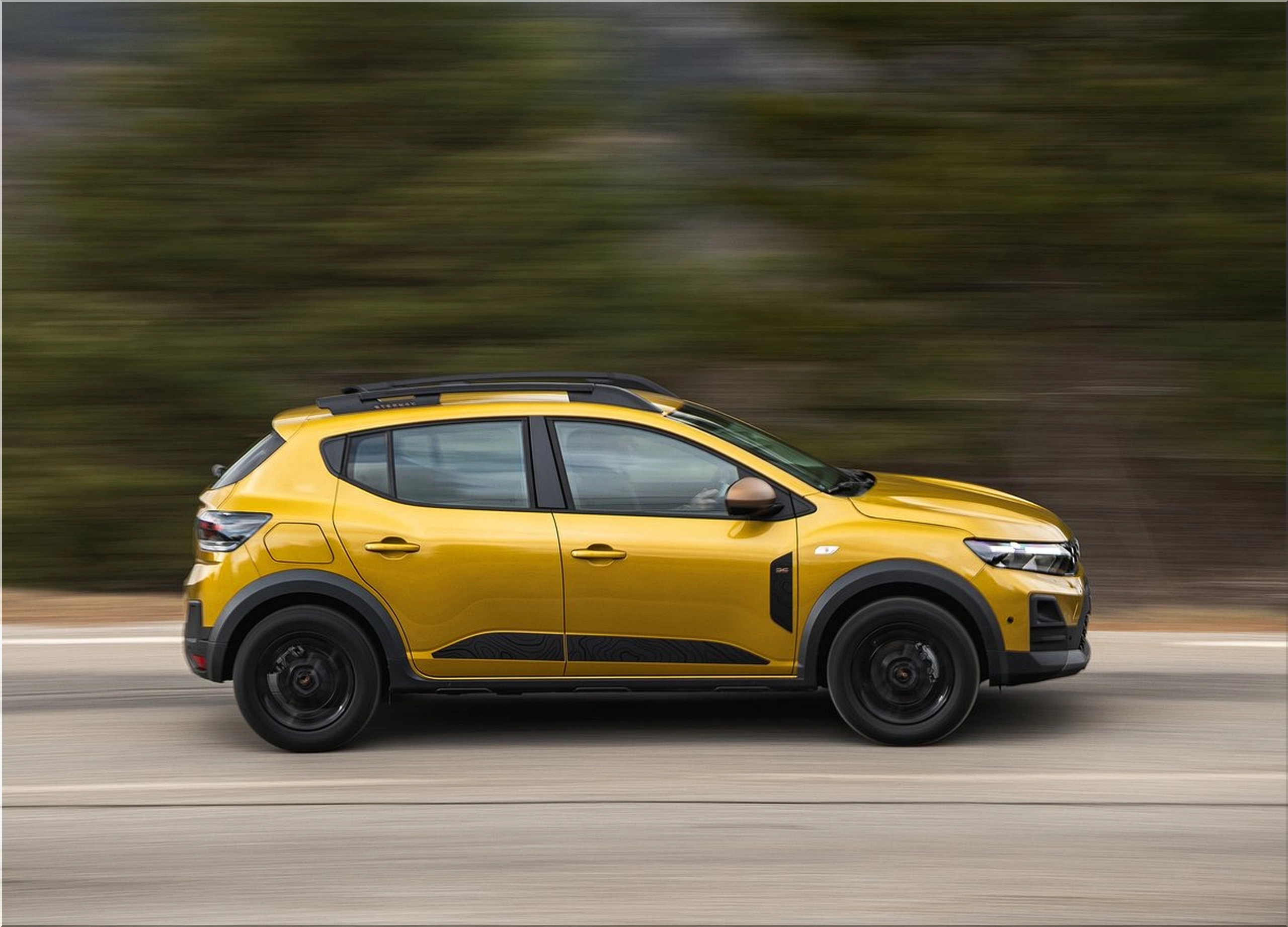
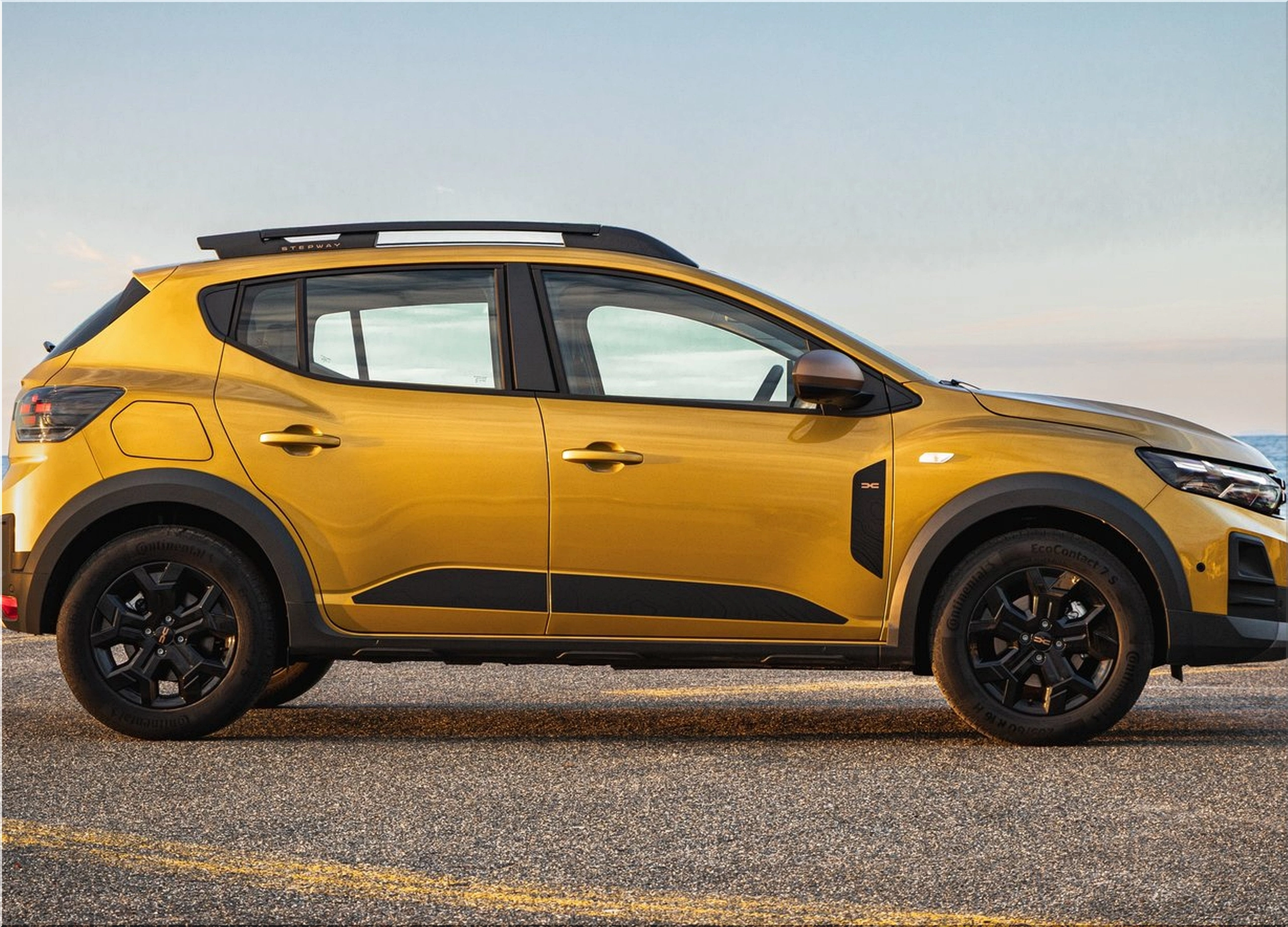
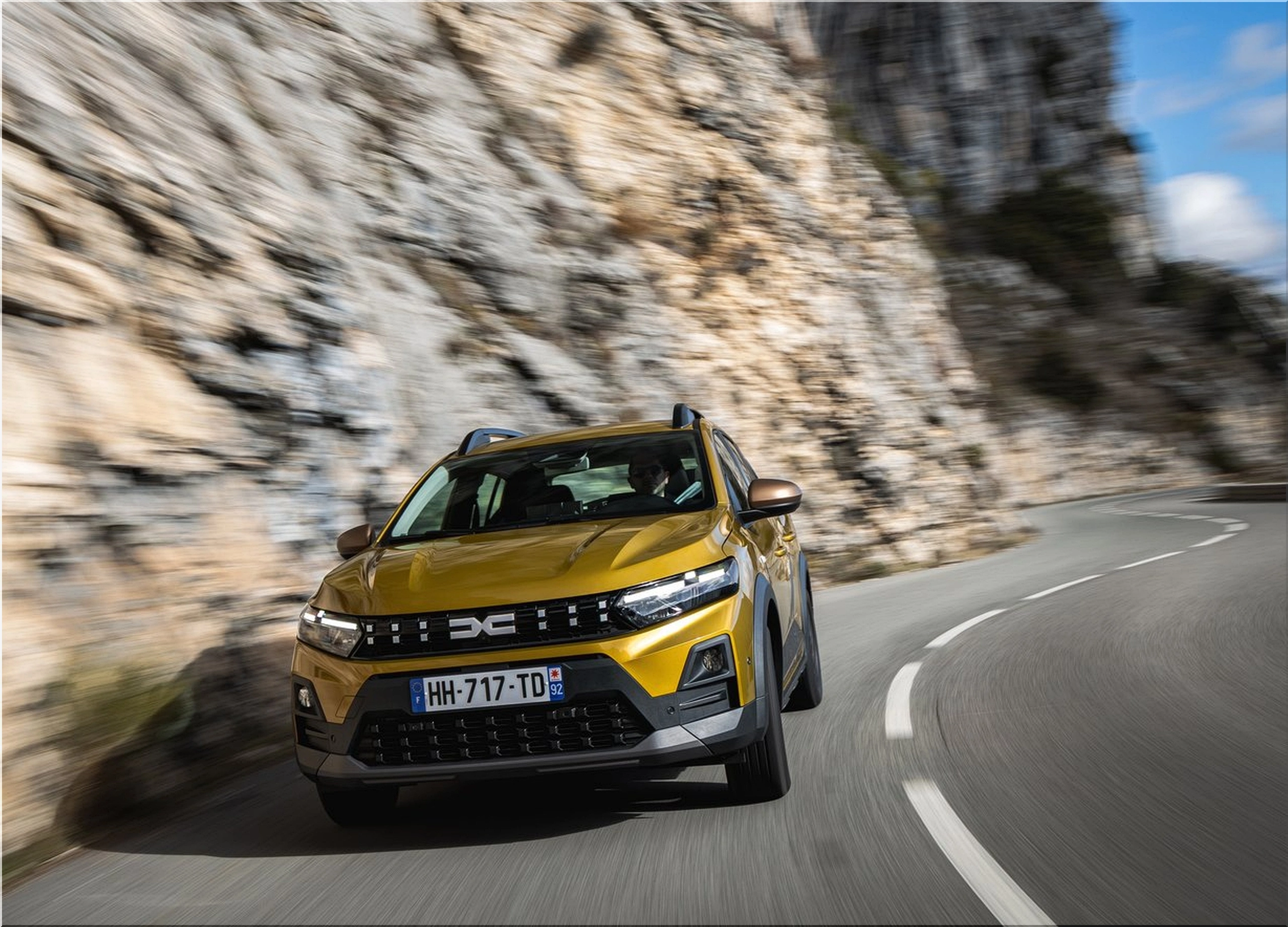
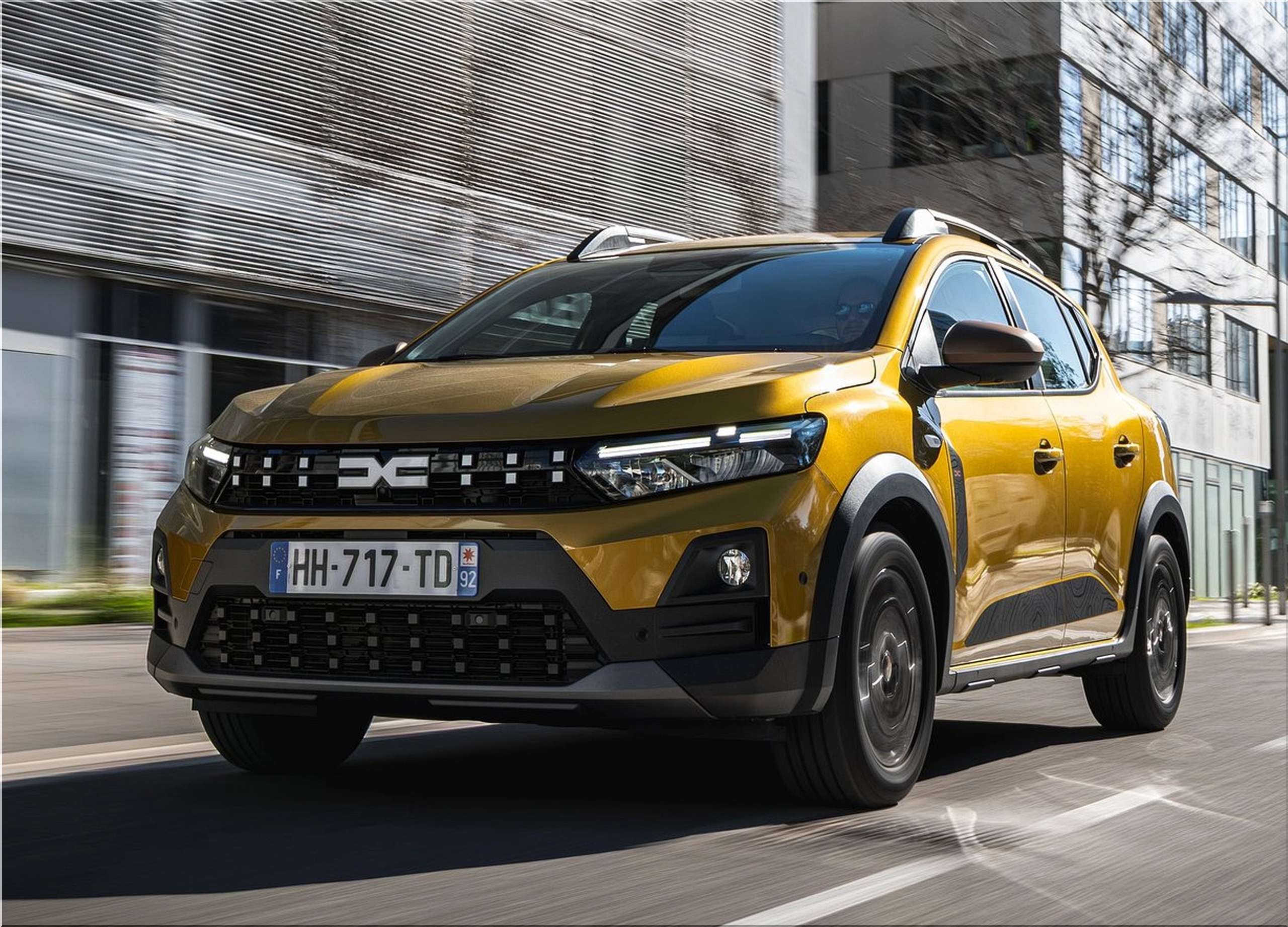
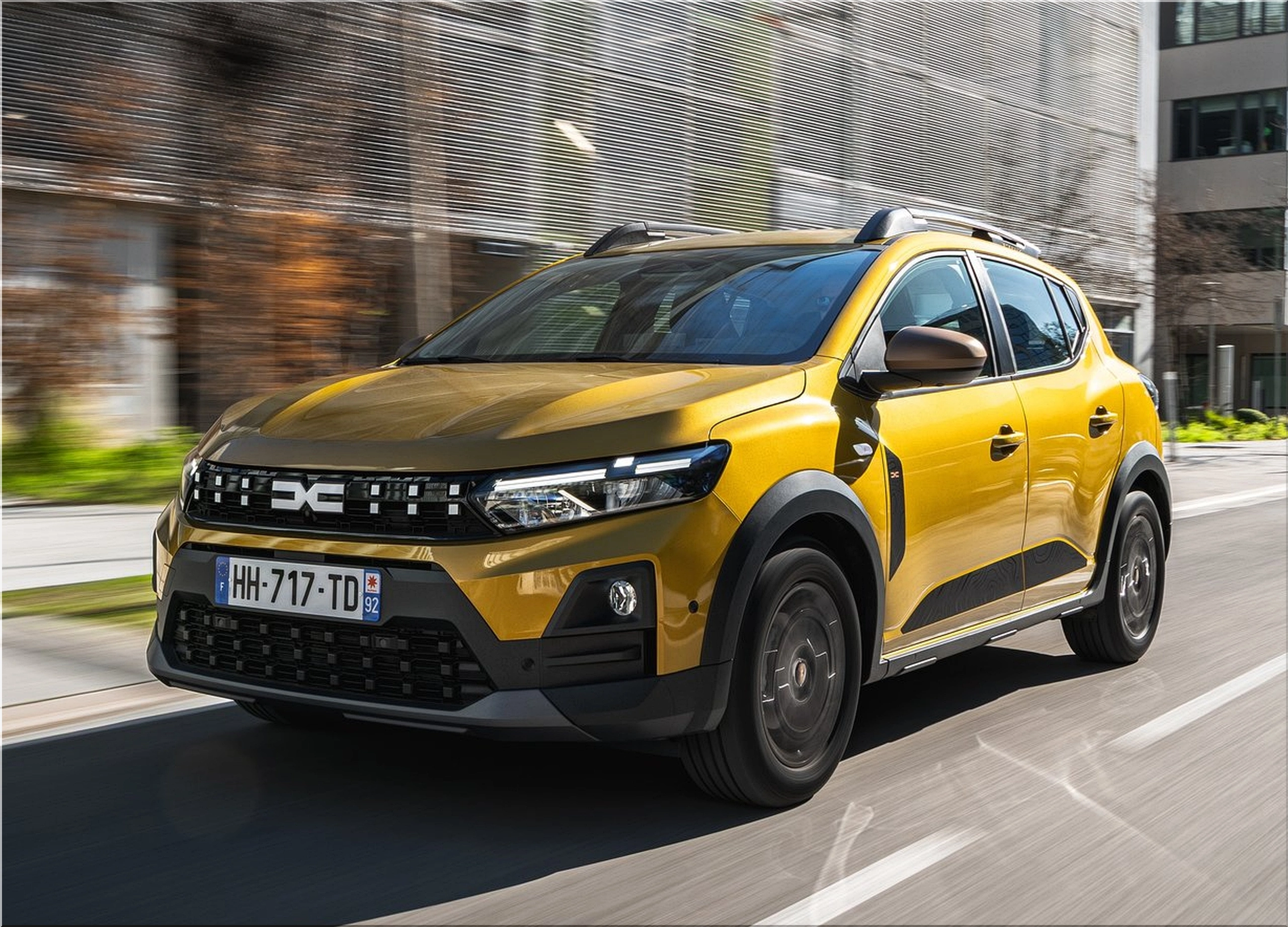
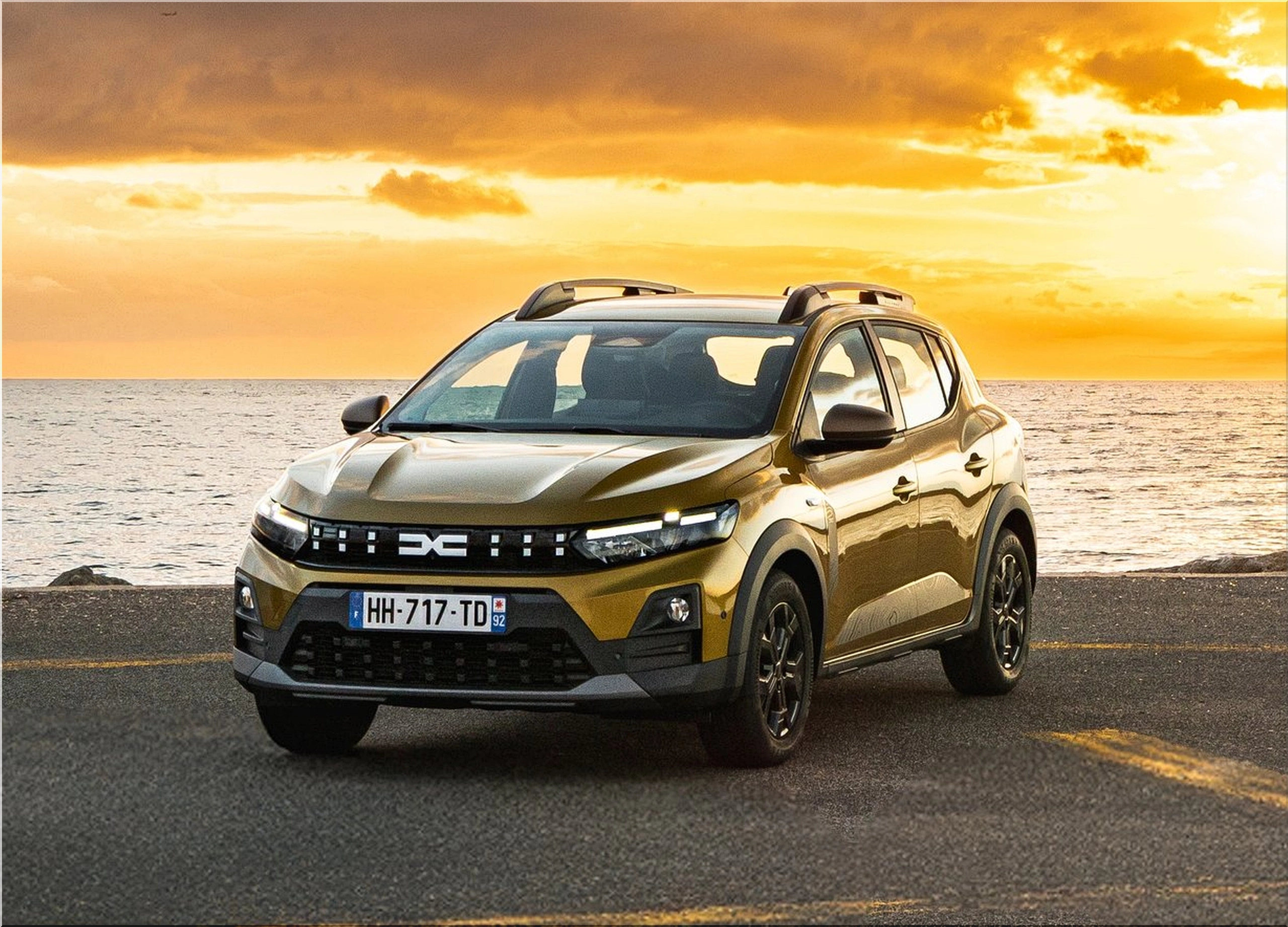
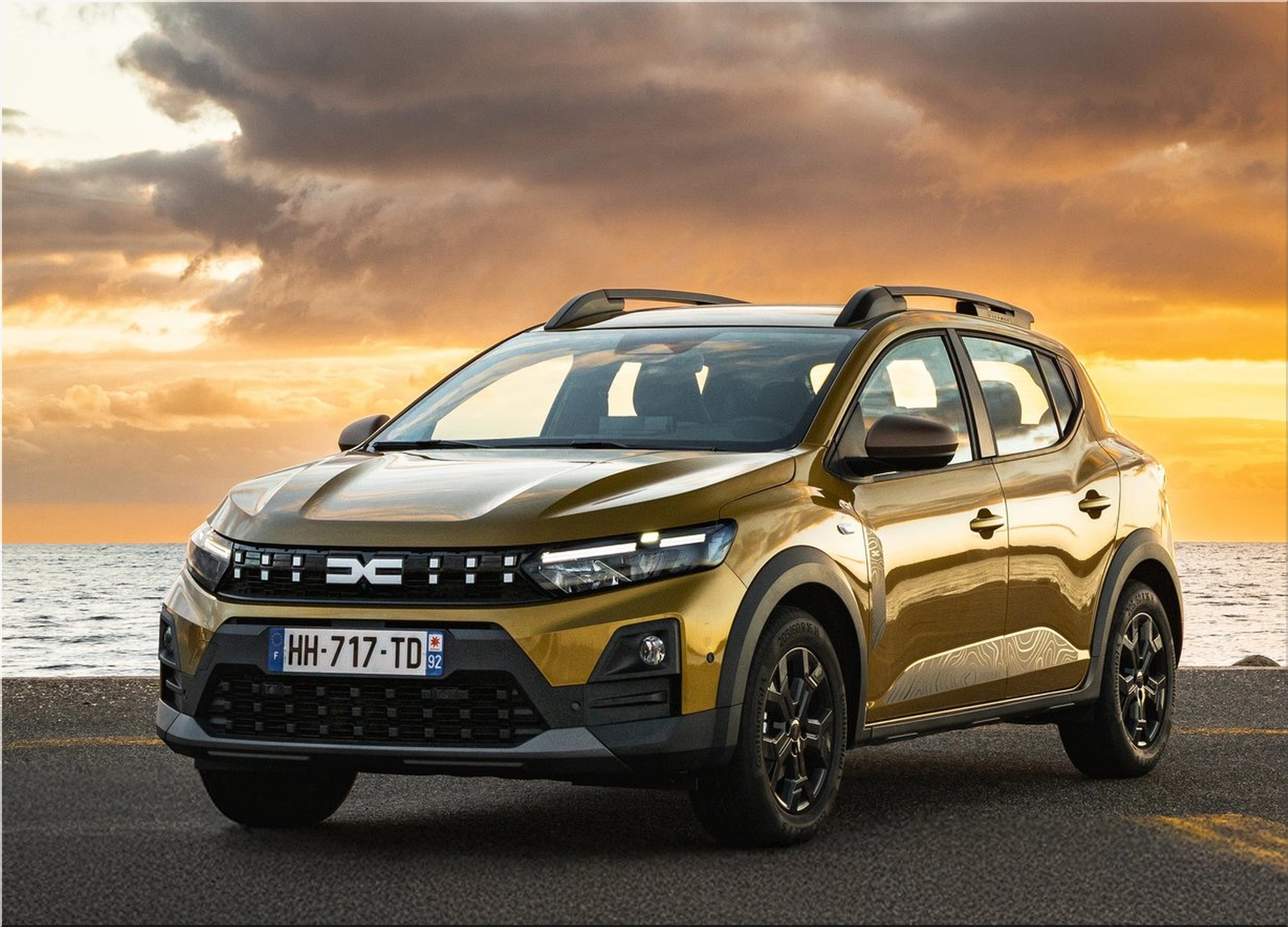
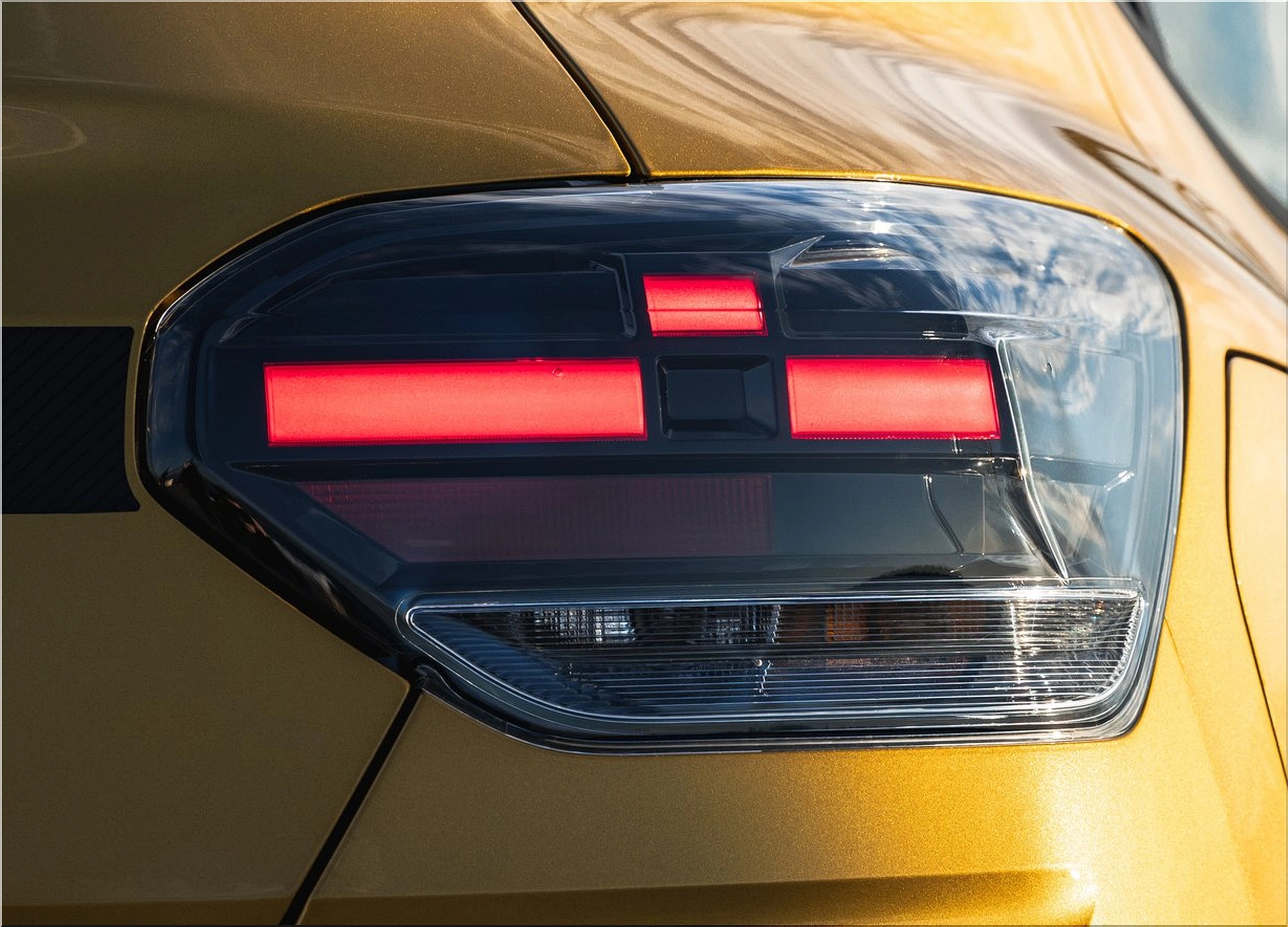
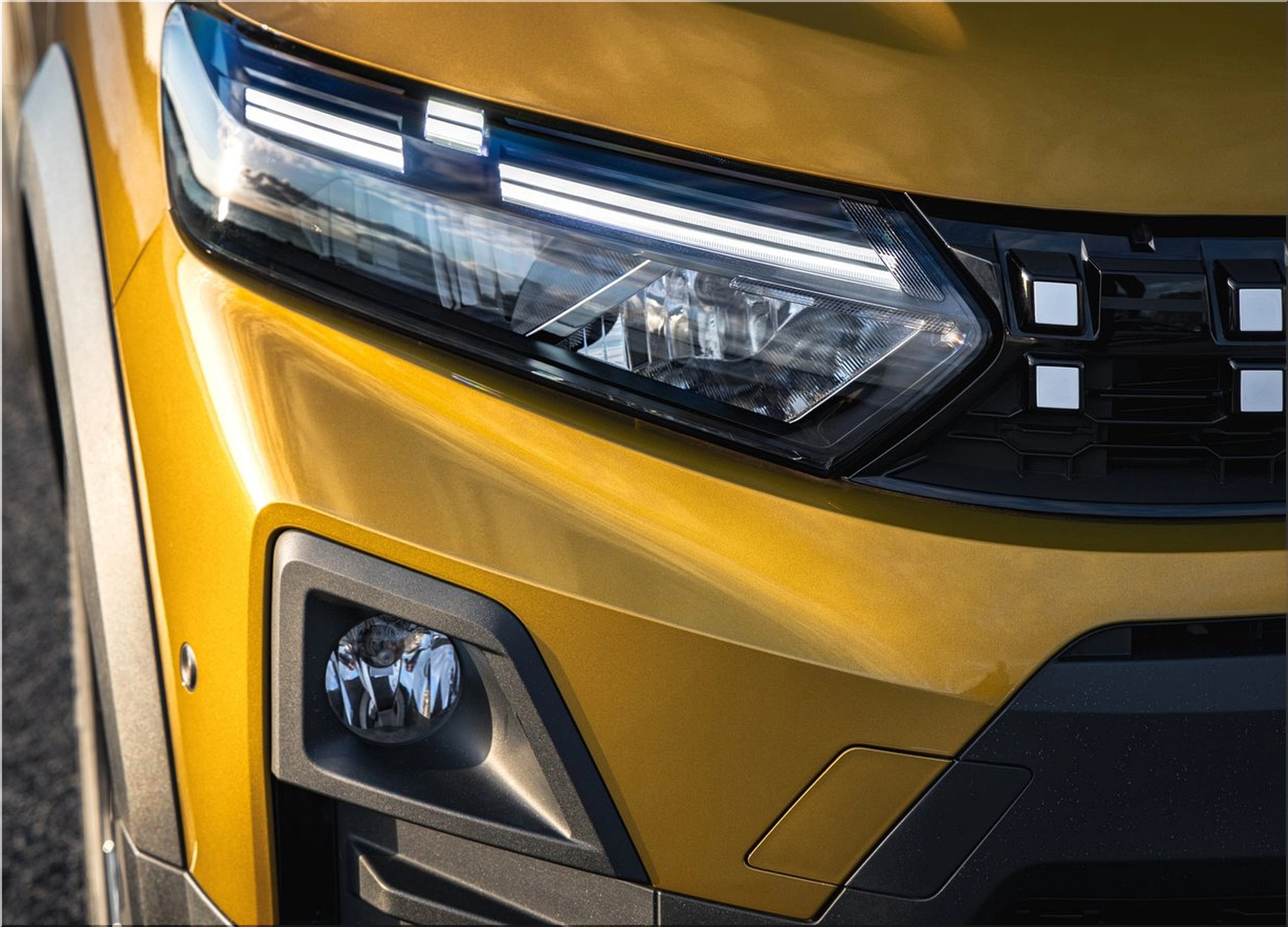
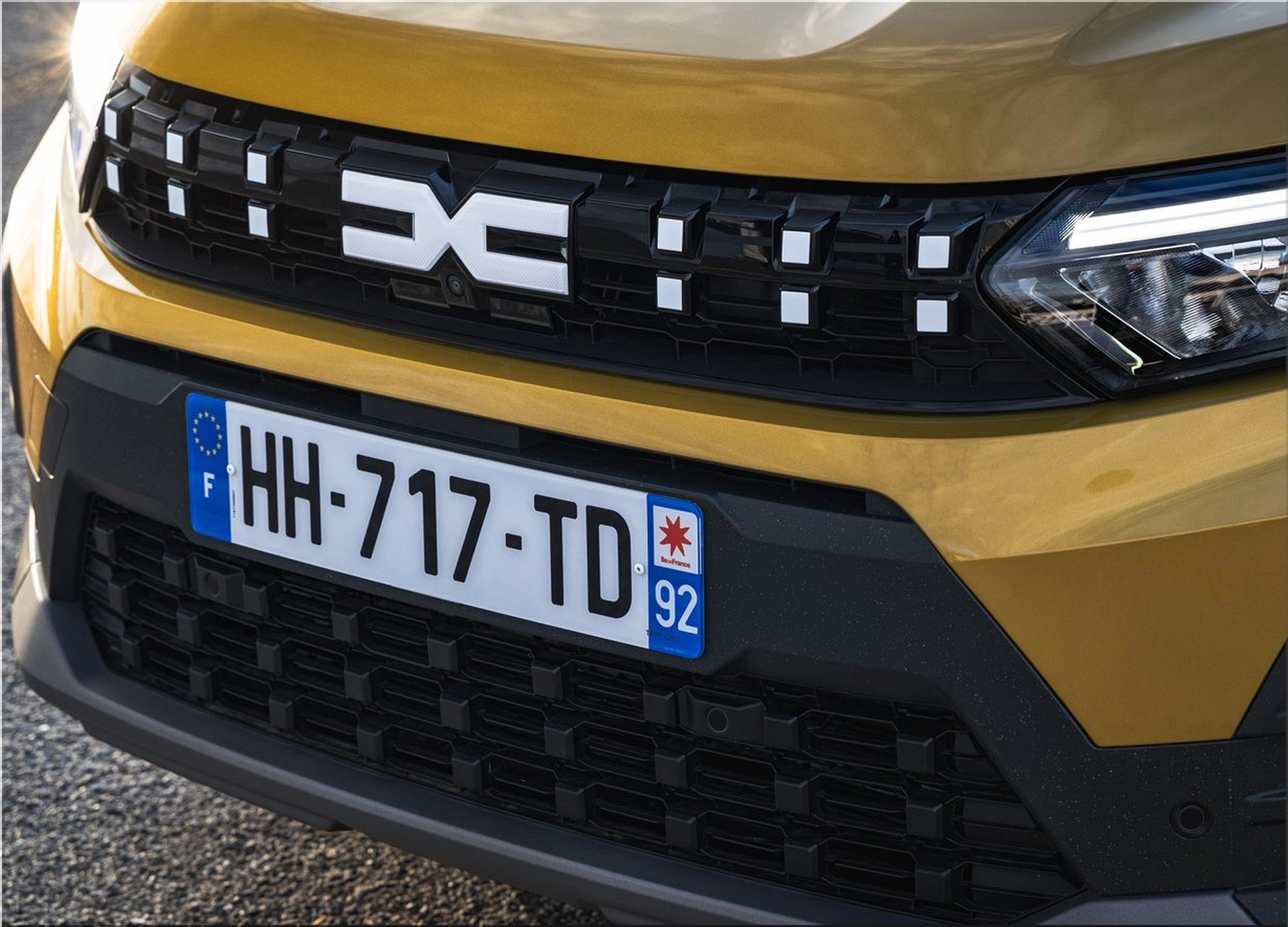
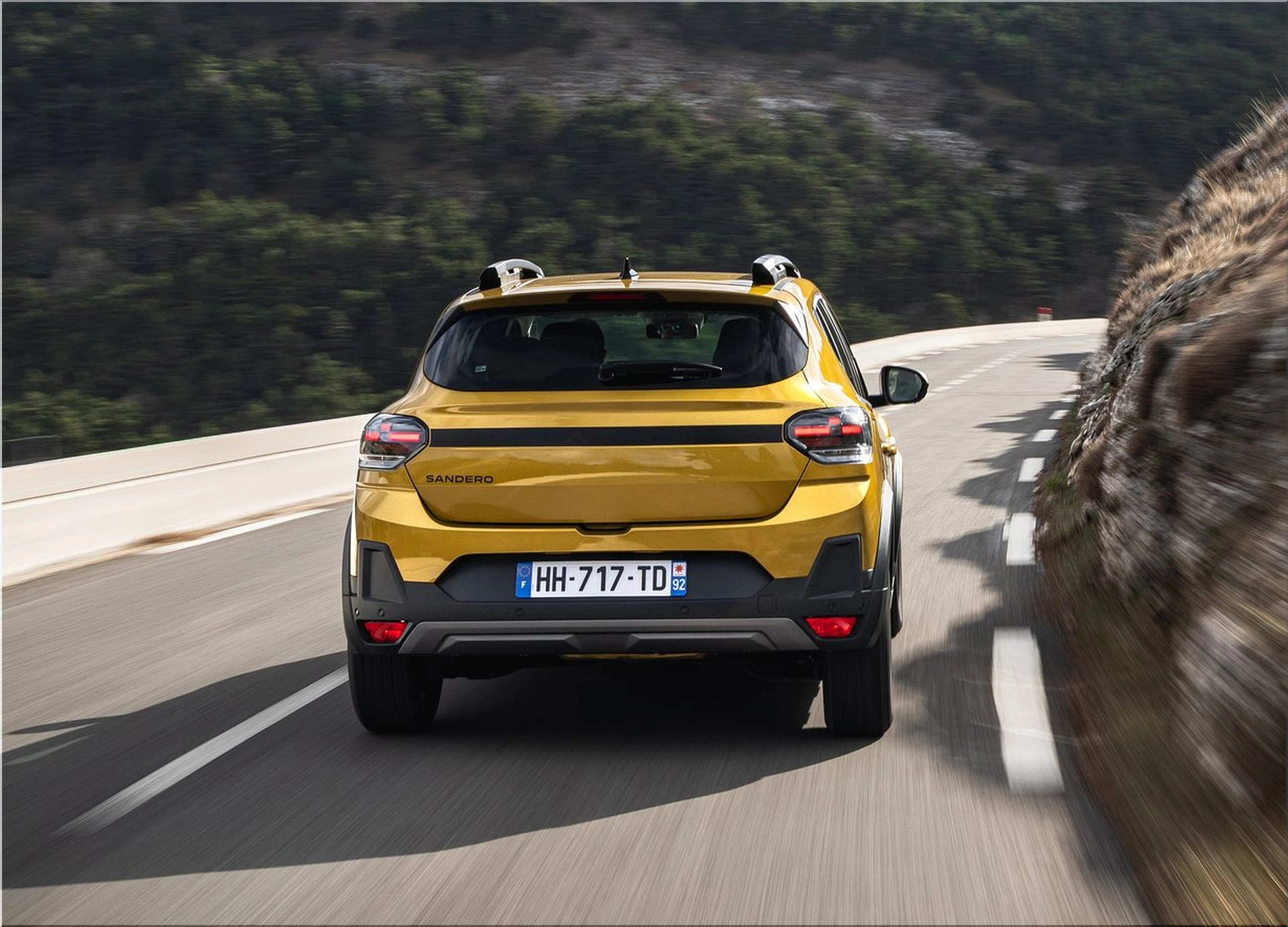
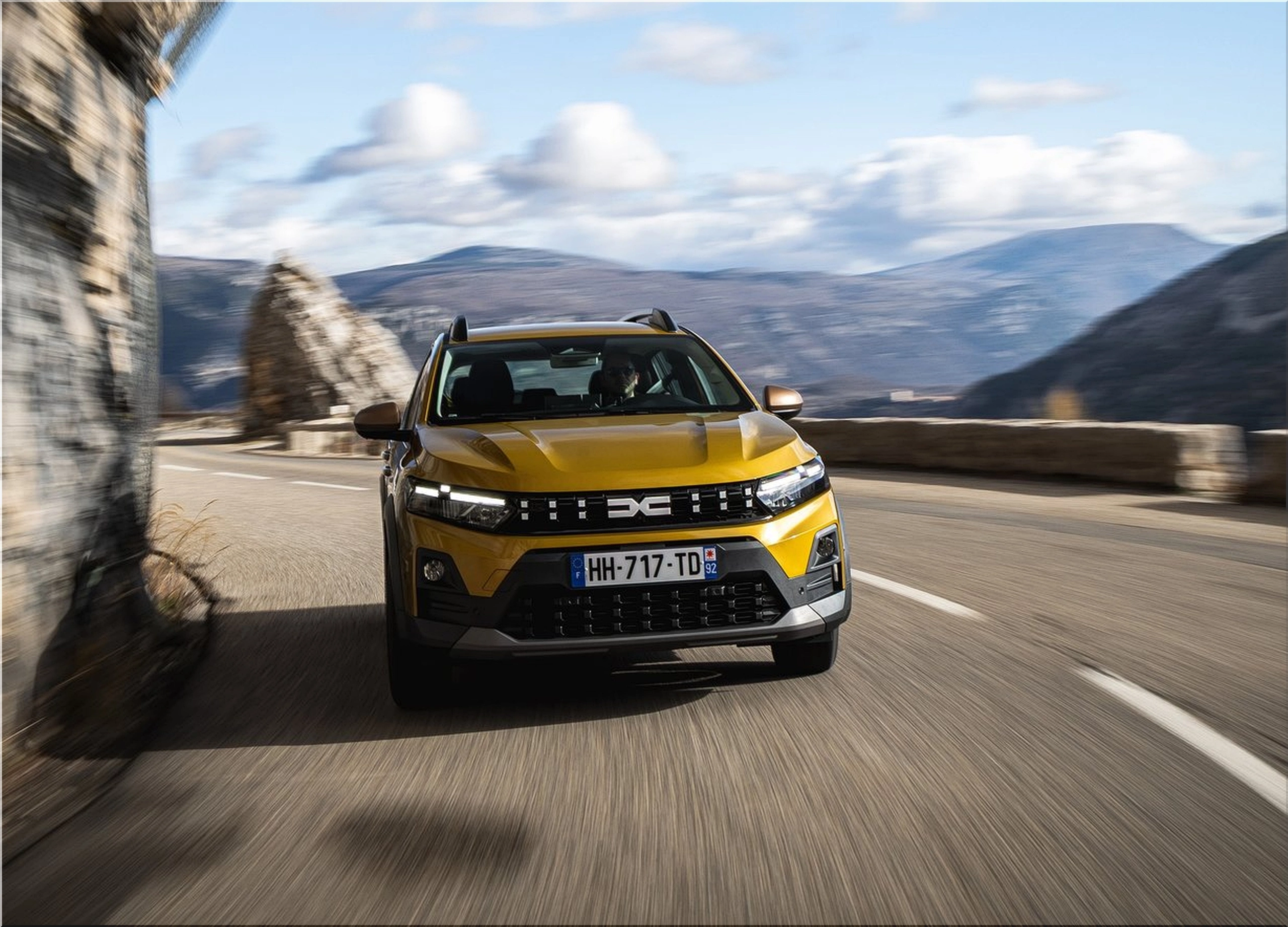
The facelift does the visible work first. Dacia gave the Stepway its new inverted-T LED light signature, revised front and rear bumpers, updated rear LED pixel lamps, and new trim details that make the car look wider and more planted. Specifically, the front end now carries more visual precision, which helps the Stepway look less like a budget hatch on stilts and more like a proper entry crossover.
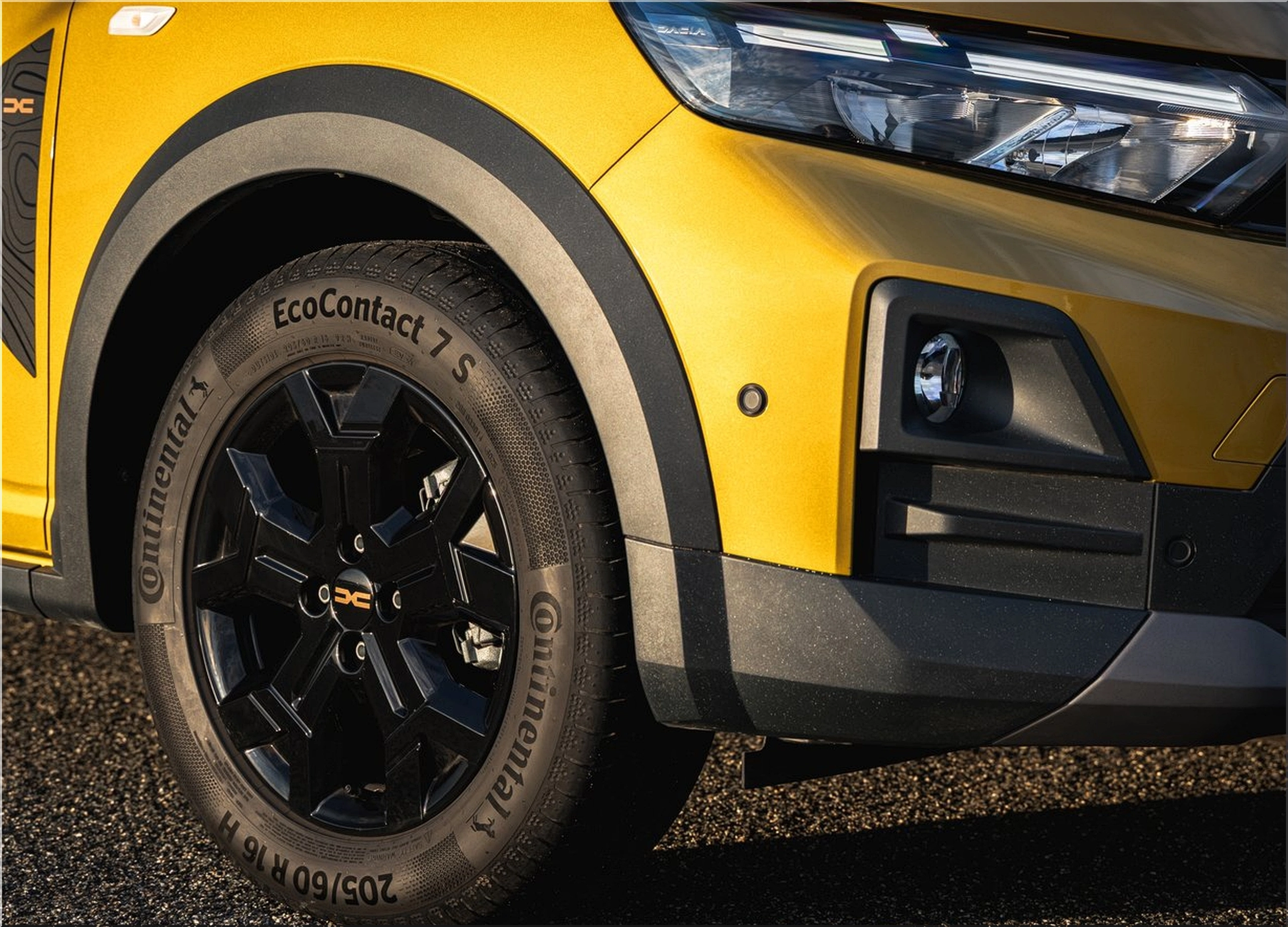
The material story also changed. Dacia expanded the use of Starkle exterior protection on the wheel arches, lower body, and fog lamp surrounds. From an expert perspective, that decision makes sense for a value-focused vehicle because unpainted protective trim cuts repaint cost, shrugs off parking-lot abuse better than glossy surfaces, and lowers production complexity. Dacia also states that Starkle uses 20 percent recycled plastic, so the piece does double duty as both a durability play and a manufacturing-efficiency move.
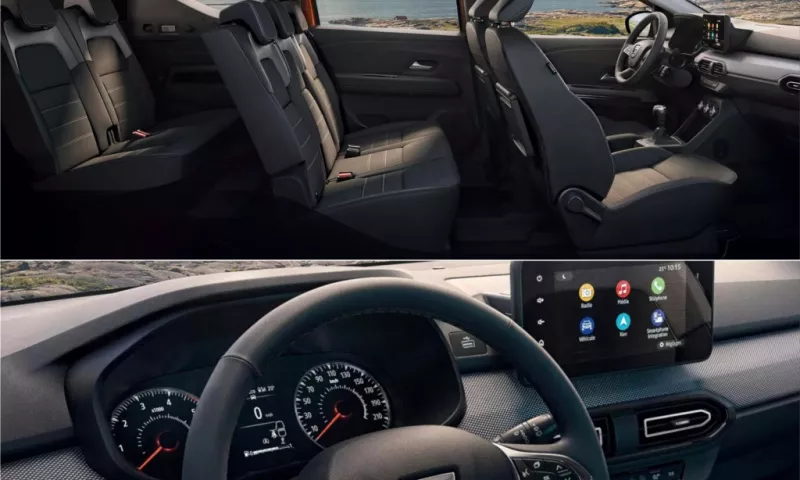
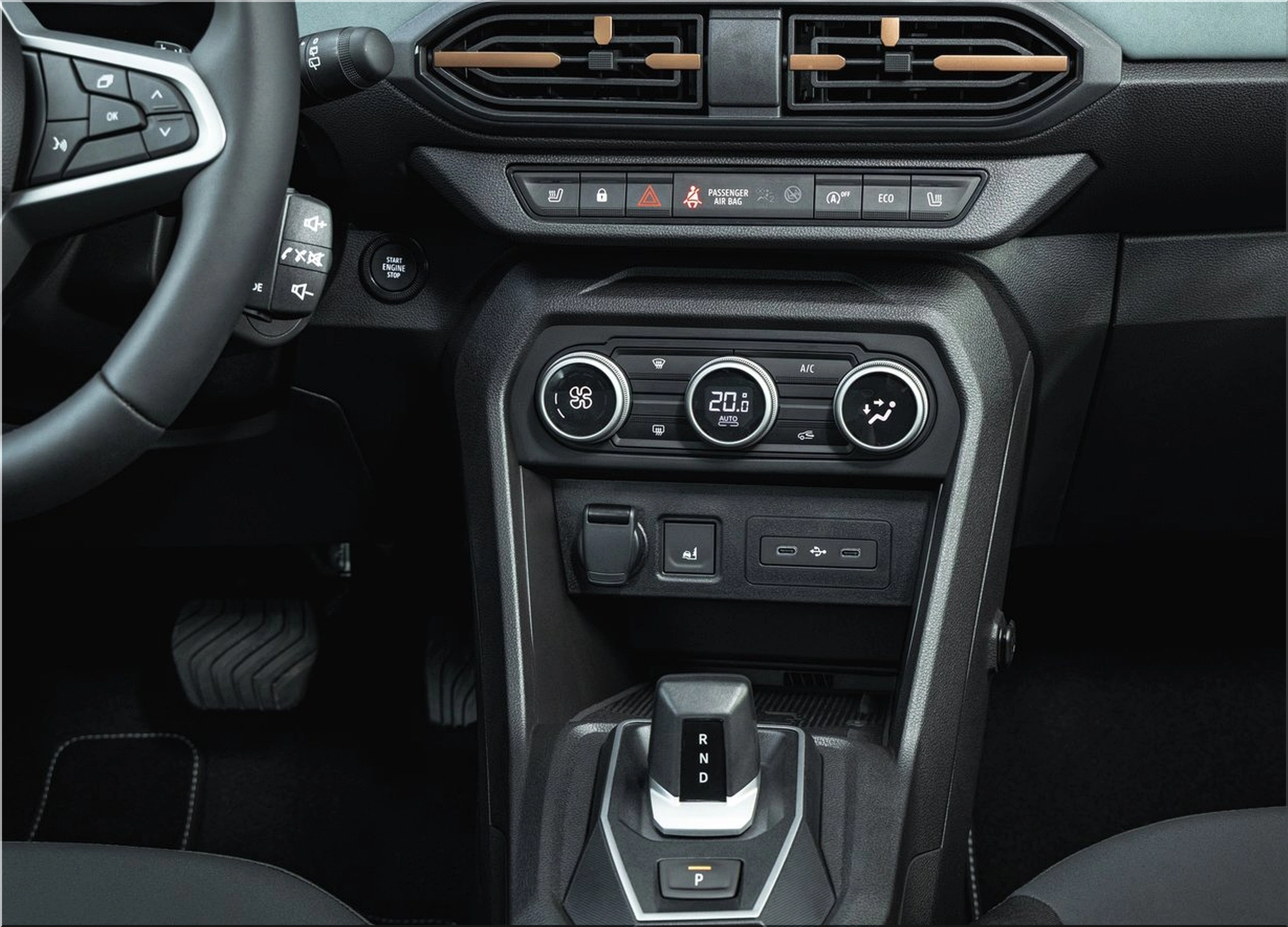
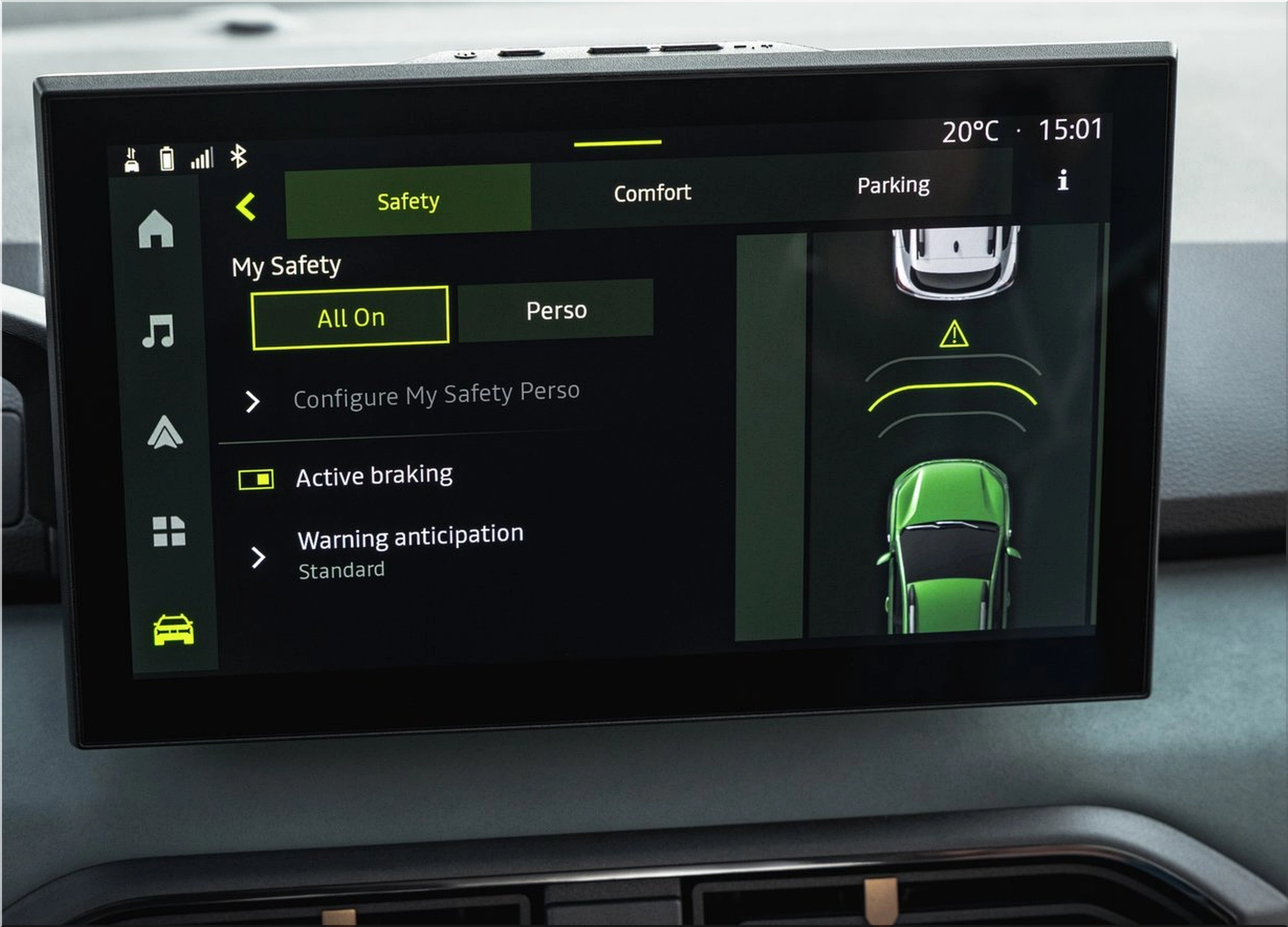
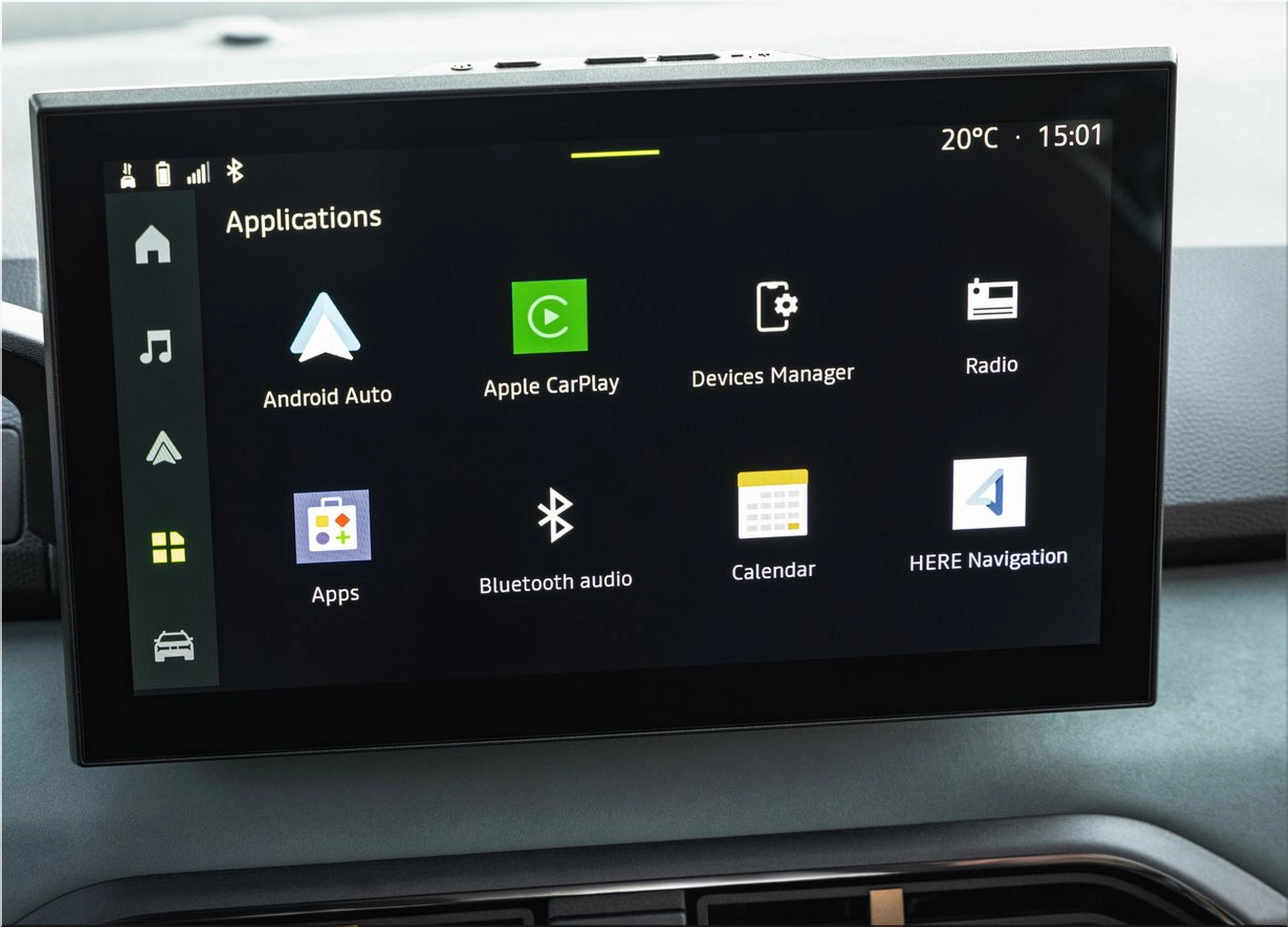
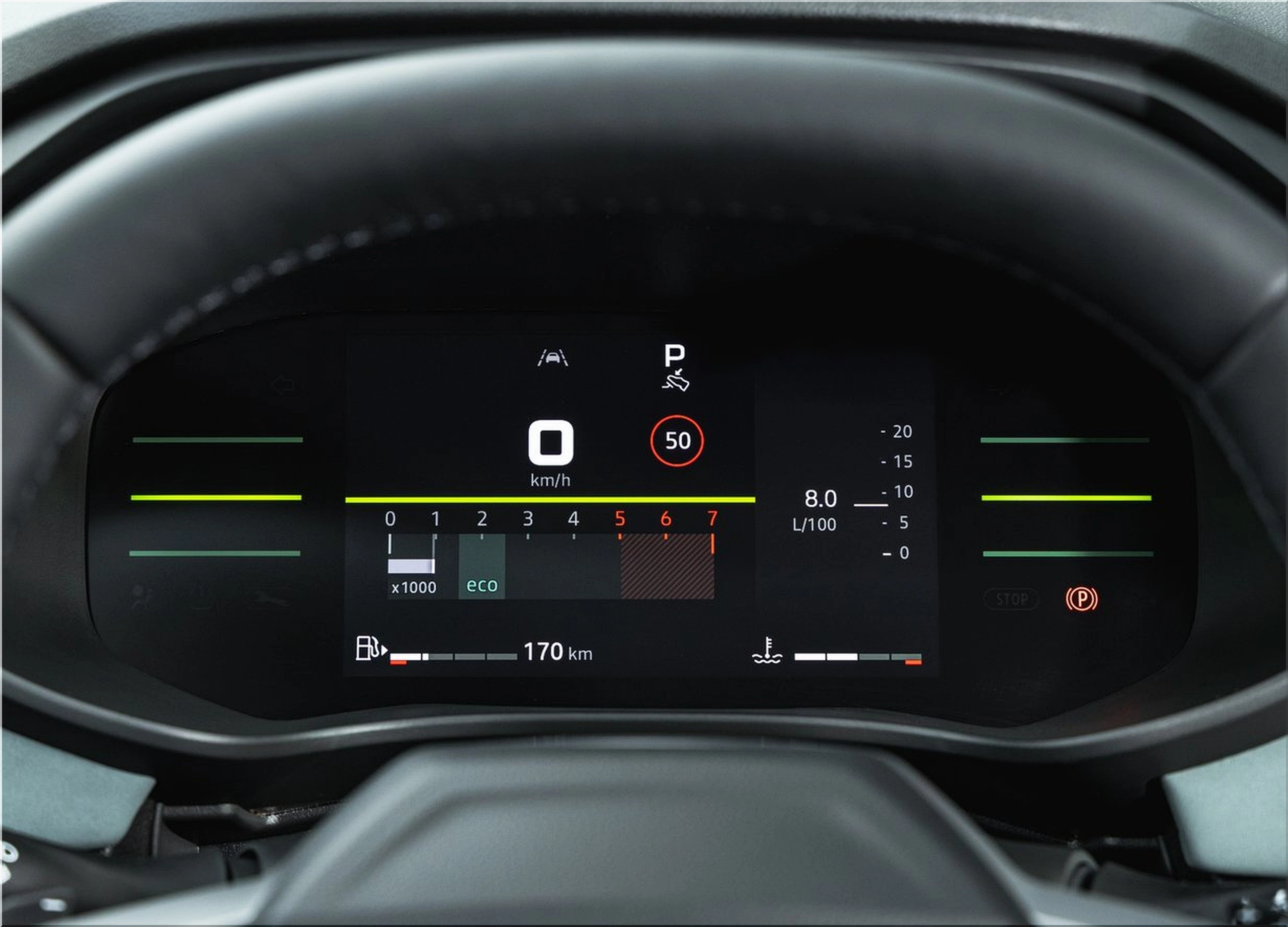
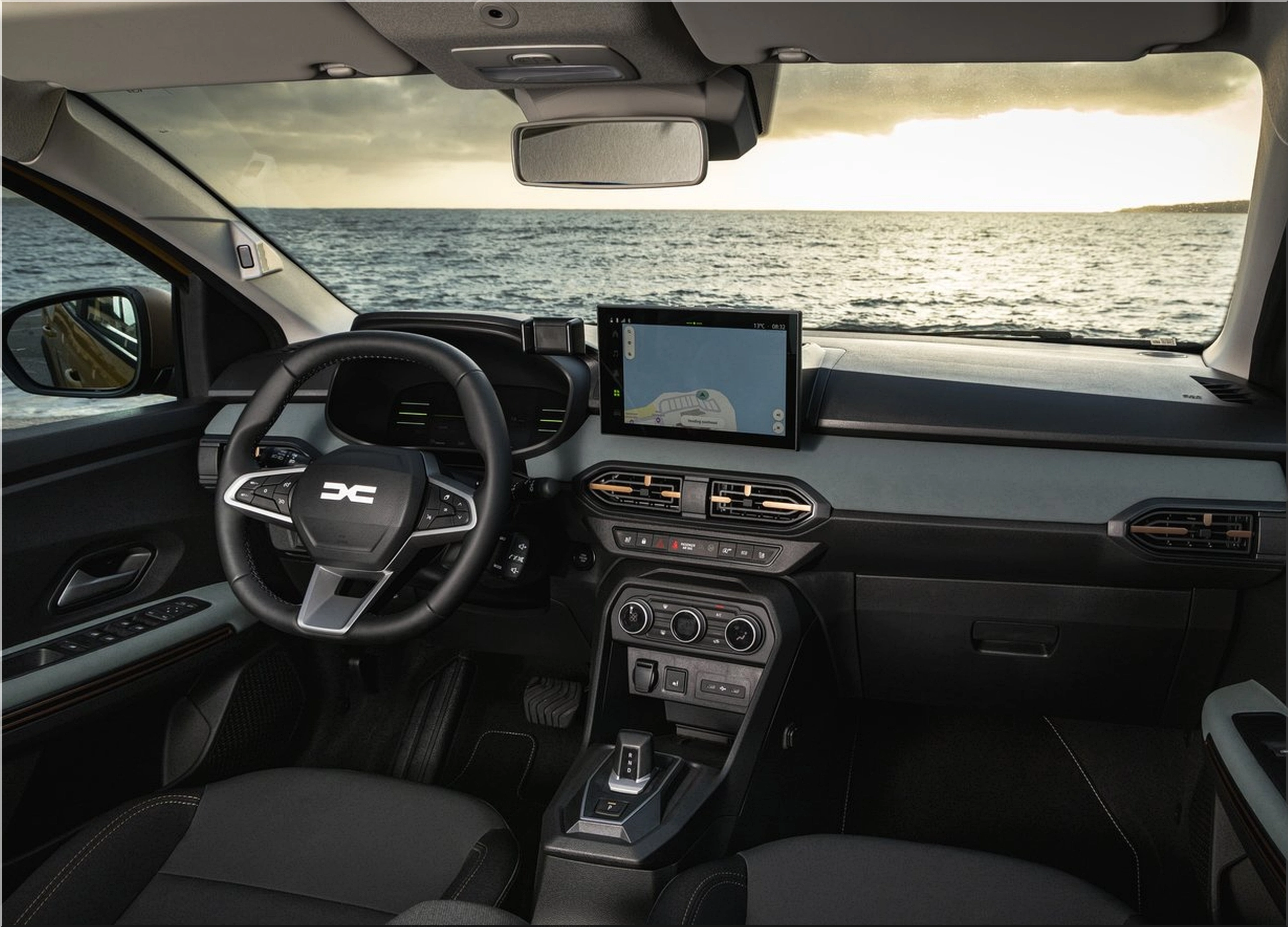
Inside, Dacia moved the Stepway further upmarket without killing the price thesis. Buyers can get a 10-inch central touchscreen, connected navigation, a 7-inch digital instrument cluster with a new interface, wireless smartphone charging, and the YouClip mounting system. That hardware list matters because infotainment and phone integration drive perceived value more than soft-touch trim ever will in this class.
Image
Exterior Design and Packaging Logic
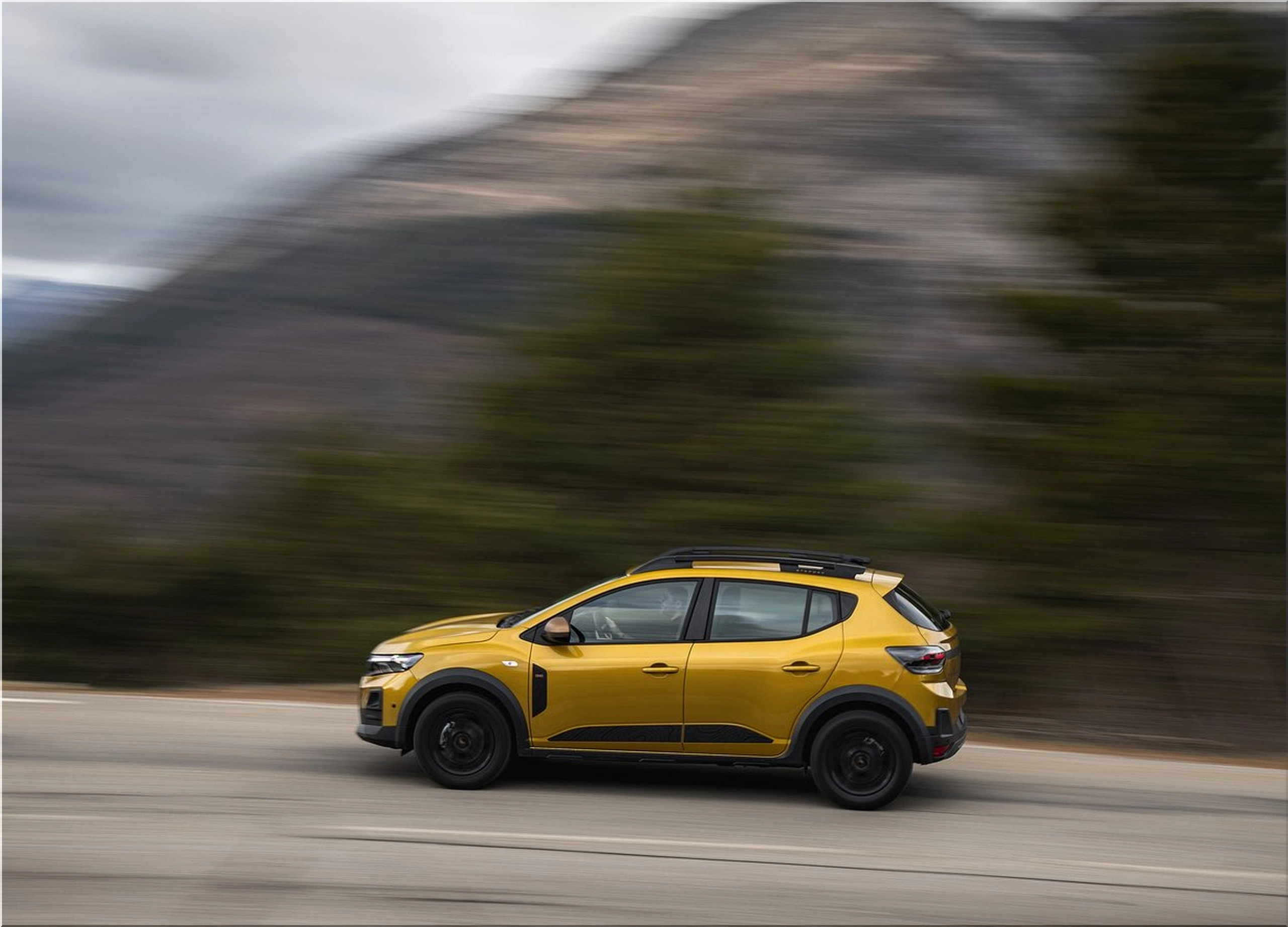
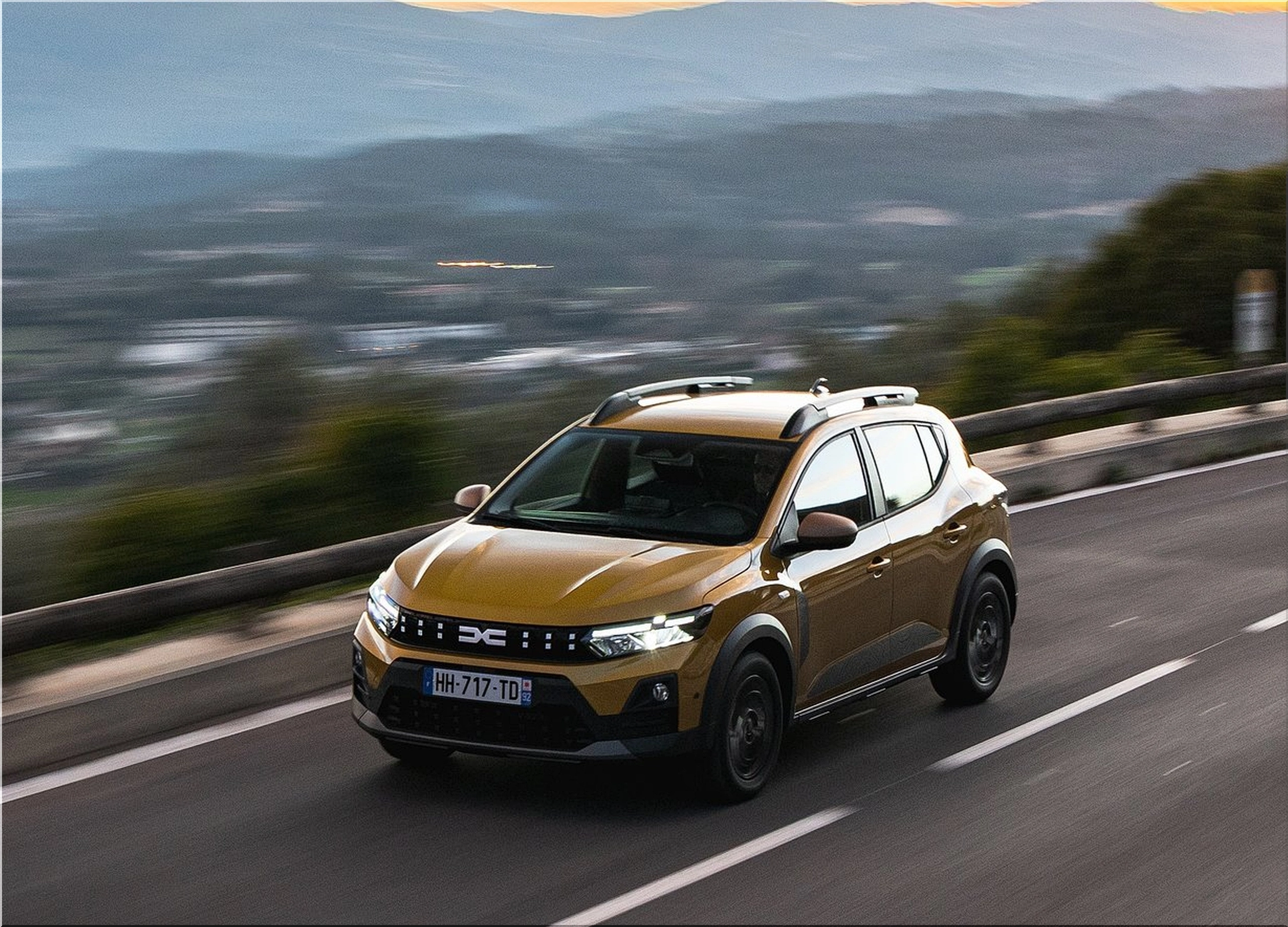
The Stepway works because Dacia understands proportions. A compact crossover does not need dramatic sheetmetal if it already has the right stance, and the Stepway's design team leaned into that logic with black cladding, roof rails, raised ride height, and a stronger front graphic.
Looking at the data, the 2026 Sandero Stepway measures:
| Specification | 2026 Dacia Sandero Stepway |
|---|---|
| Length | 161.5 in / 4,102 mm |
| Width | 73.0 in / 1,854 mm |
| Height | 62.4 in / 1,585 mm |
| Wheelbase | 102.5 in / 2,604 mm |
| Ground clearance | 7.9 in / 201 mm |
| Front/rear track | 59.8 / 59.4 in |
| Curb weight | 2,414 lb / 1,095 kg |
| Gross weight limit | 3,494 lb / 1,585 kg |
That footprint tells the whole story. The Stepway stays short and easy to place in traffic, but the 201 mm ground clearance gives it a genuine advantage over ordinary hatchbacks when roads turn broken, rutted, or snow-covered. Consequently, the car suits mixed-use driving far better than its price suggests.
A few design points matter more than they look:
- Raised suspension improves approach over curbs, ramps, and rough surfaces.
- Protective cladding reduces cosmetic damage in daily use.
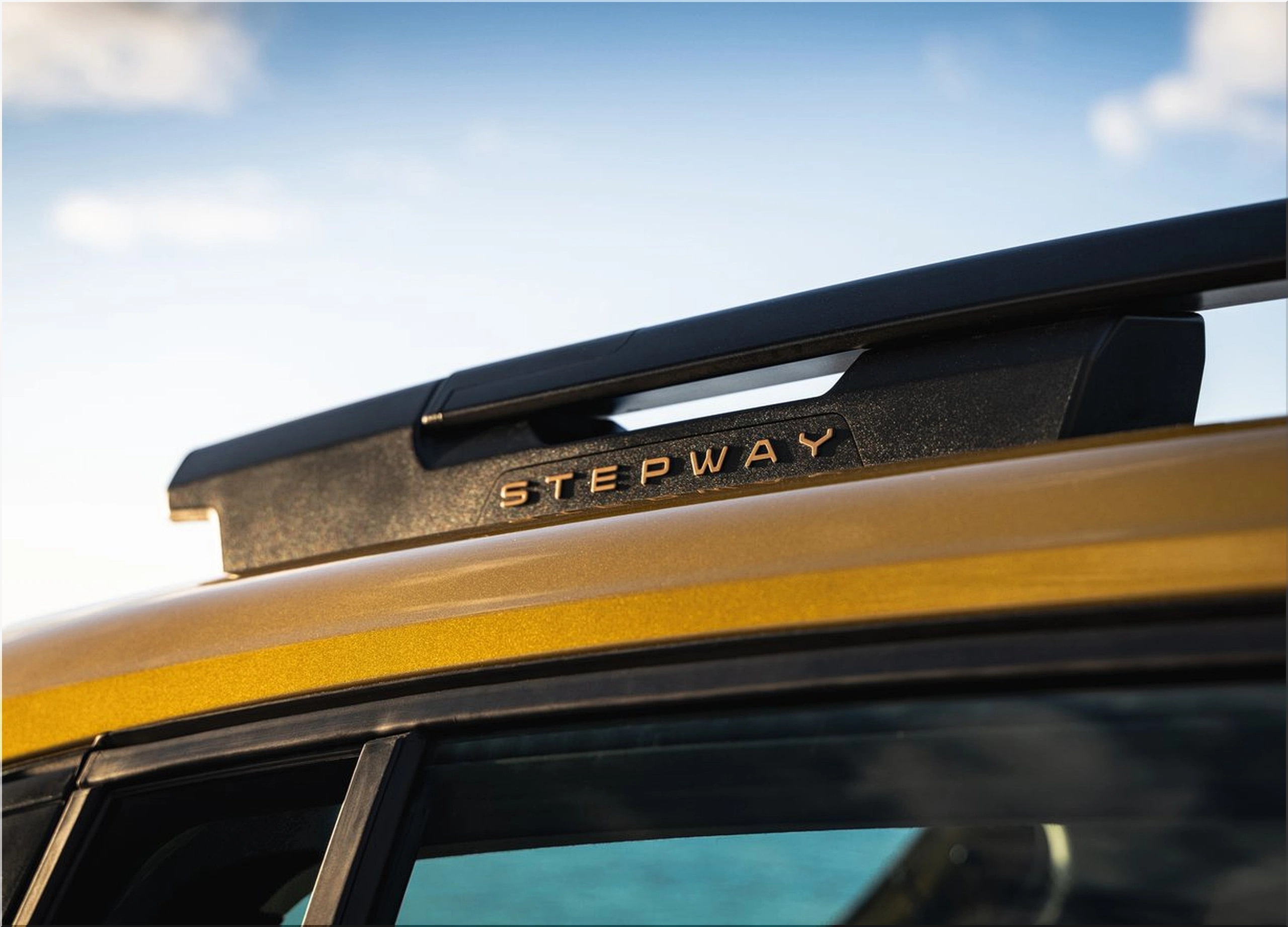
- Roof rails add real utility for bikes, cargo boxes, and weekend gear.
- Higher seating position improves visibility in urban traffic.
- Small overall dimensions reduce parking stress in crowded cities.
That last point often gets ignored. Bigger crossovers sell on image, but they punish drivers in old European city centers, tight garages, and narrow side streets. The Stepway avoids that trap.
Cabin Tech, Ergonomics, and Daily Use
The cabin does not try to fake luxury. Good. It tries to make ownership easier.
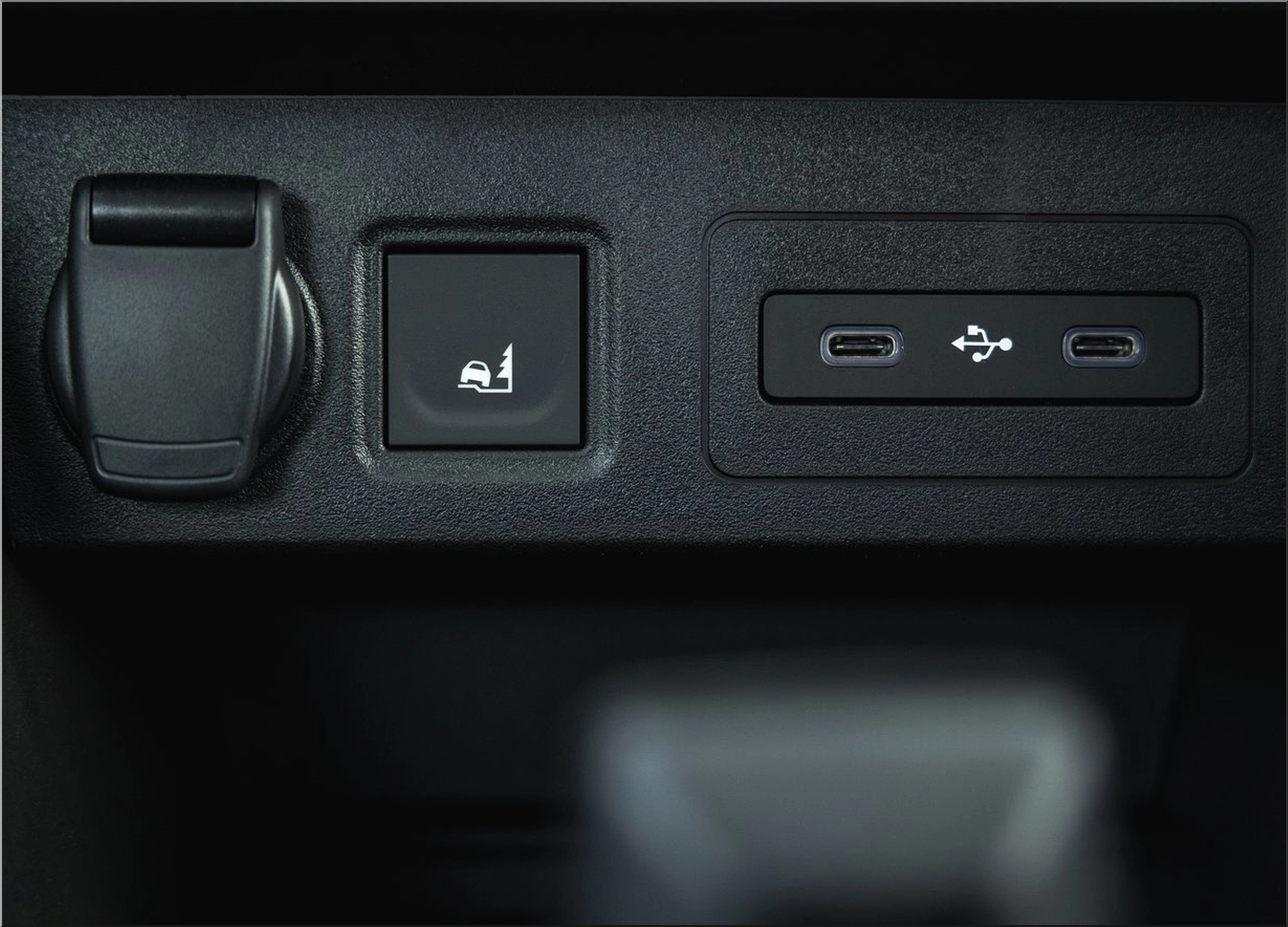
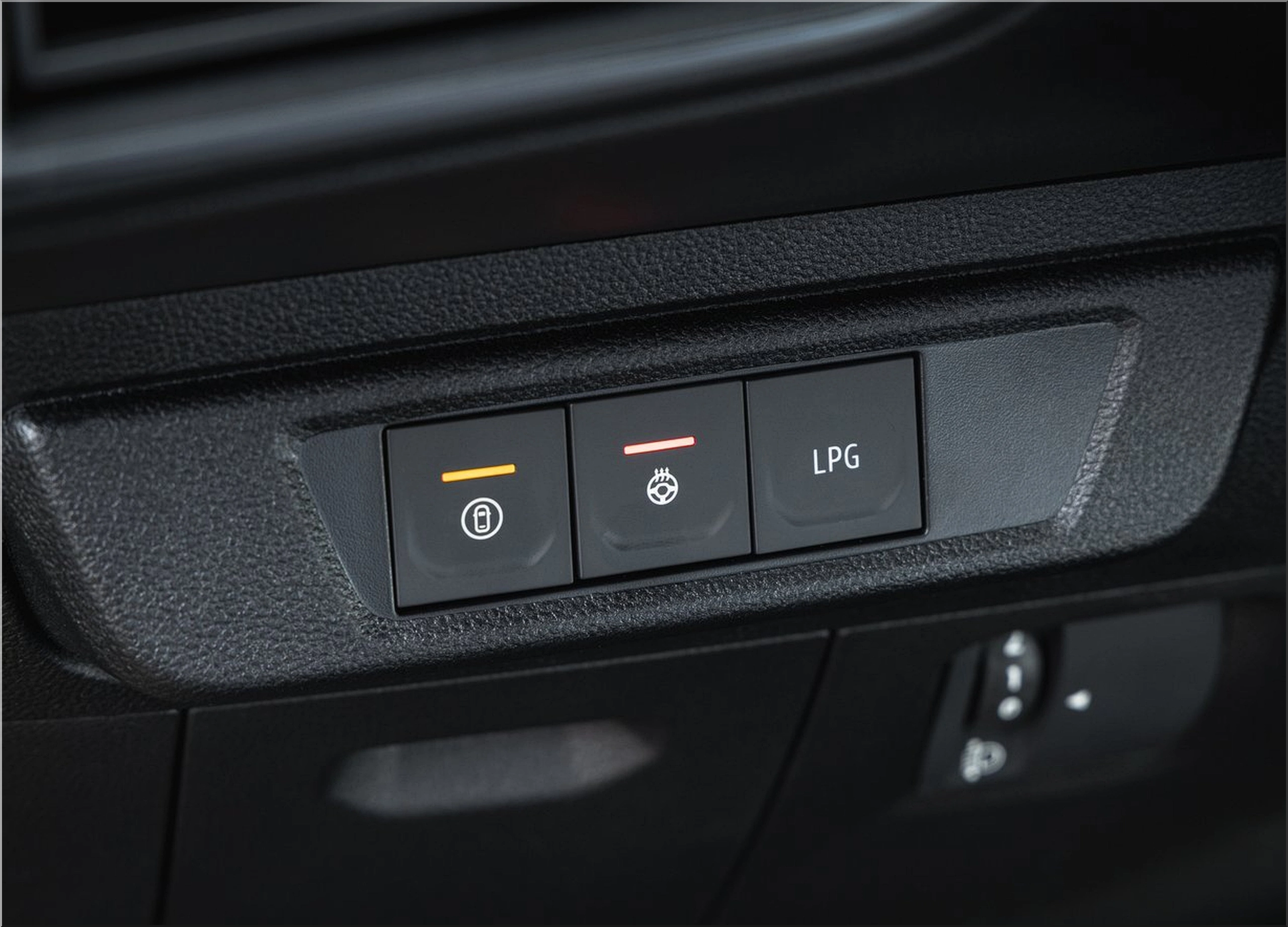
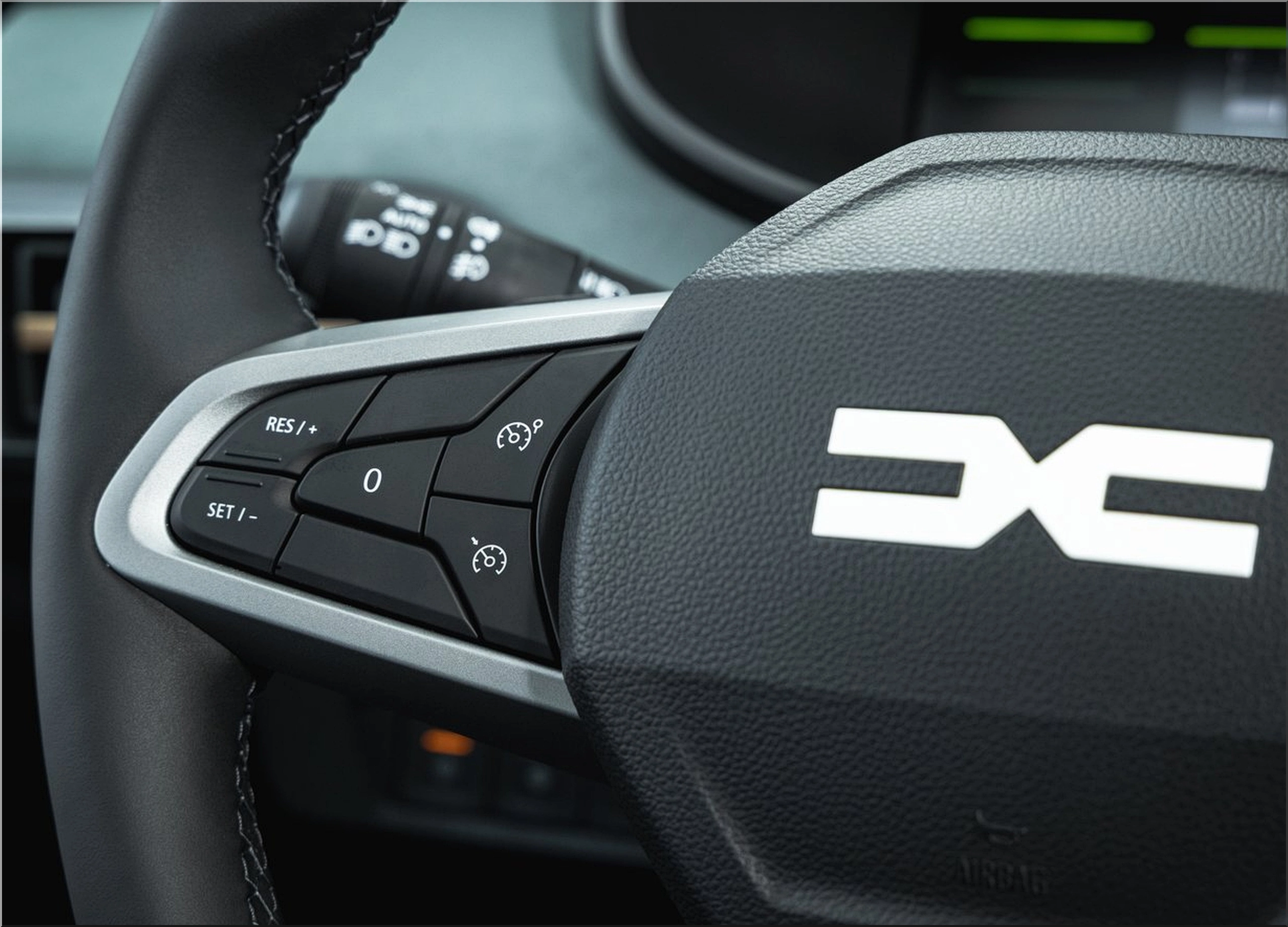
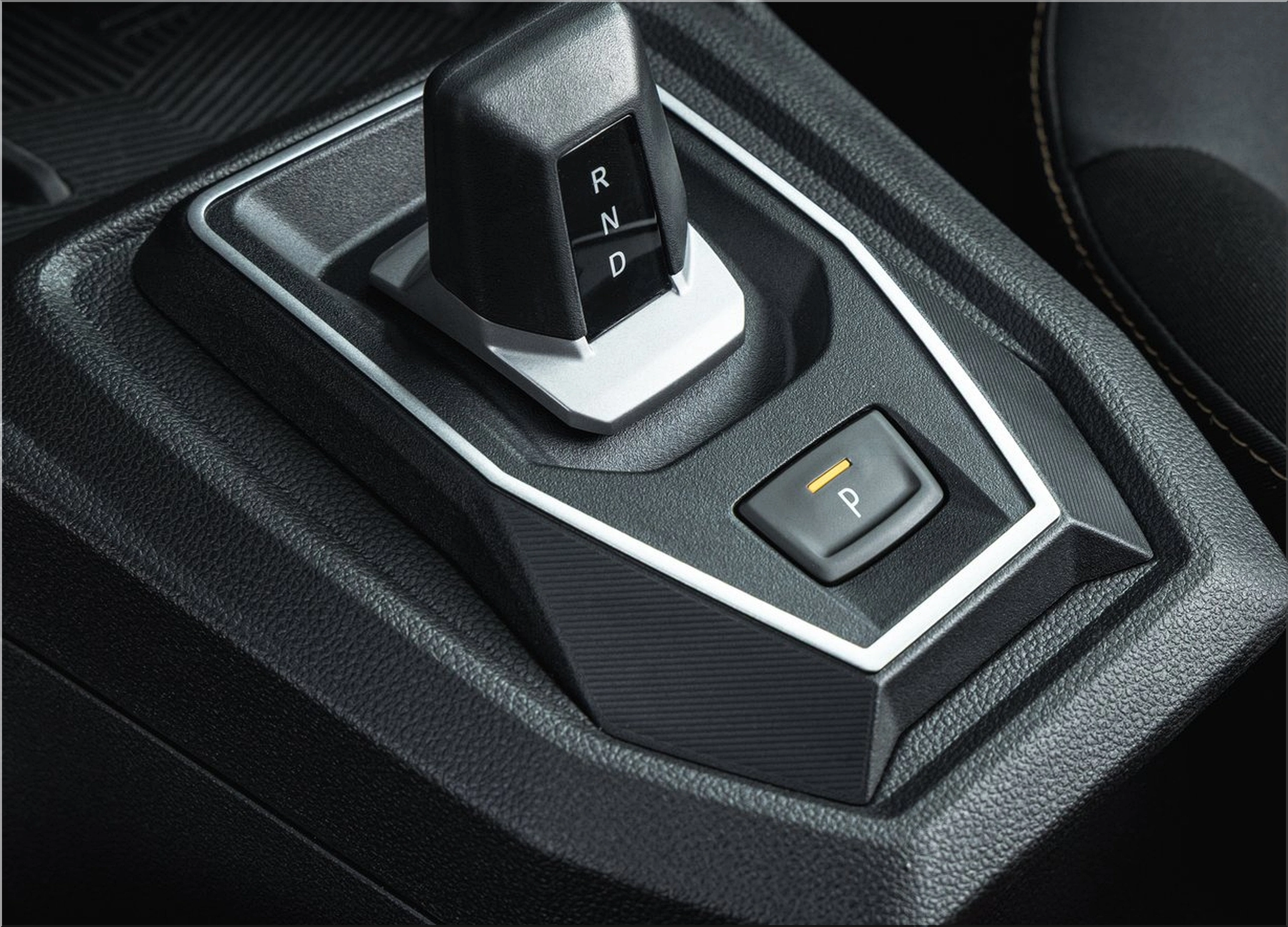
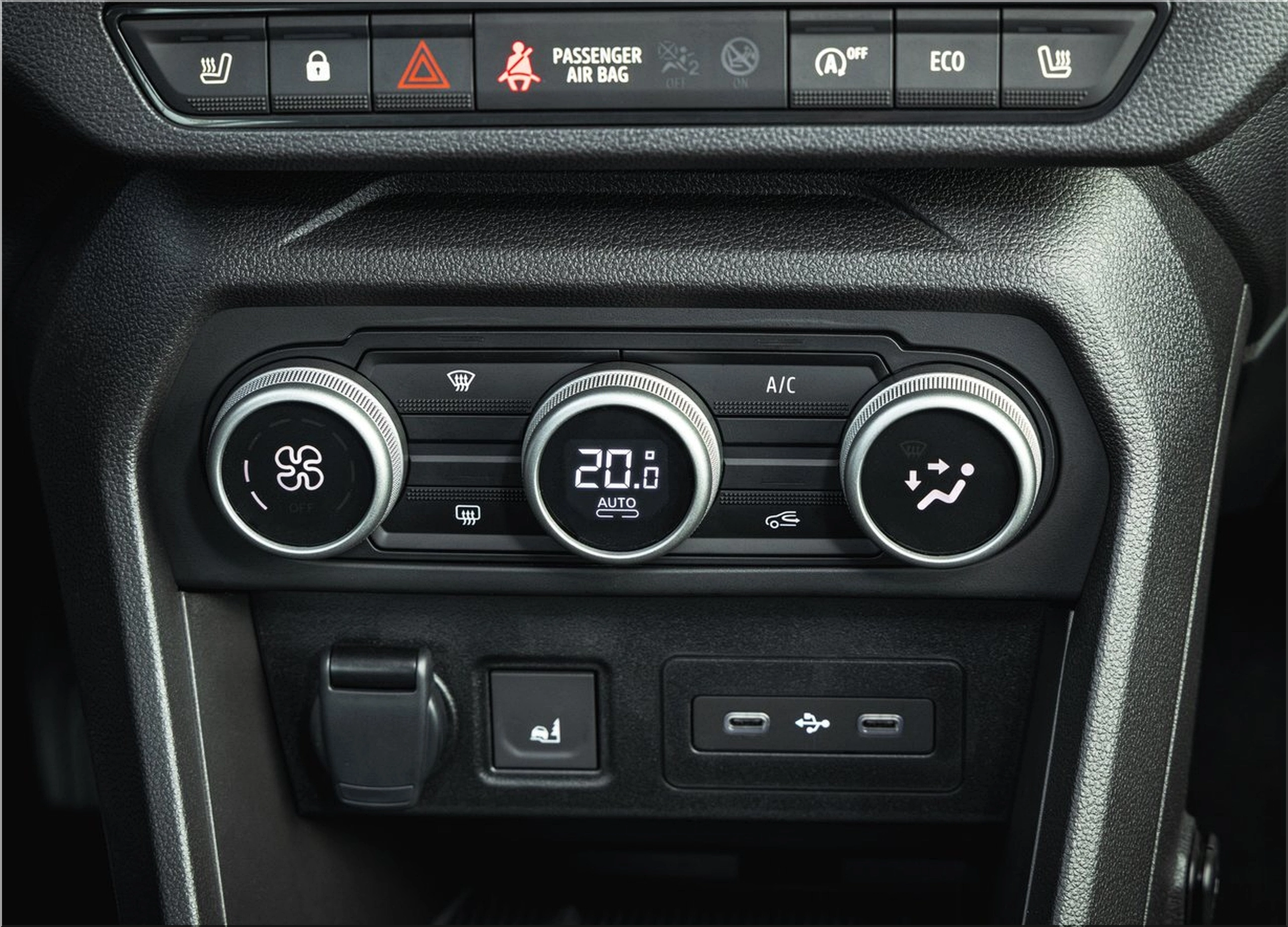
The dashboard layout groups the controls logically around the driver, and that matters more than decorative trim in a car like this. Specifically, the new infotainment package with a 10-inch screen gives the Stepway the interface size buyers now expect, while the digital cluster brings the visual experience closer to more expensive crossovers. Dacia also adds wireless charging and accessory mounting points, which improves day-to-day usability rather than showroom flash.
The seating position remains one of the Stepway's strongest assets. You sit higher than in a conventional supermini, the roofline still leaves decent headroom, and ingress feels easier for older drivers or anyone loading kids and gear. By comparison with lower hatchbacks, that change alone can make the Stepway feel like a major upgrade.
The driver-assistance package also grows more credible for 2026. Dacia adds or expands features such as:
- Automatic emergency braking
- Driver attention alert
- Automatic headlamps
- Multi-view camera
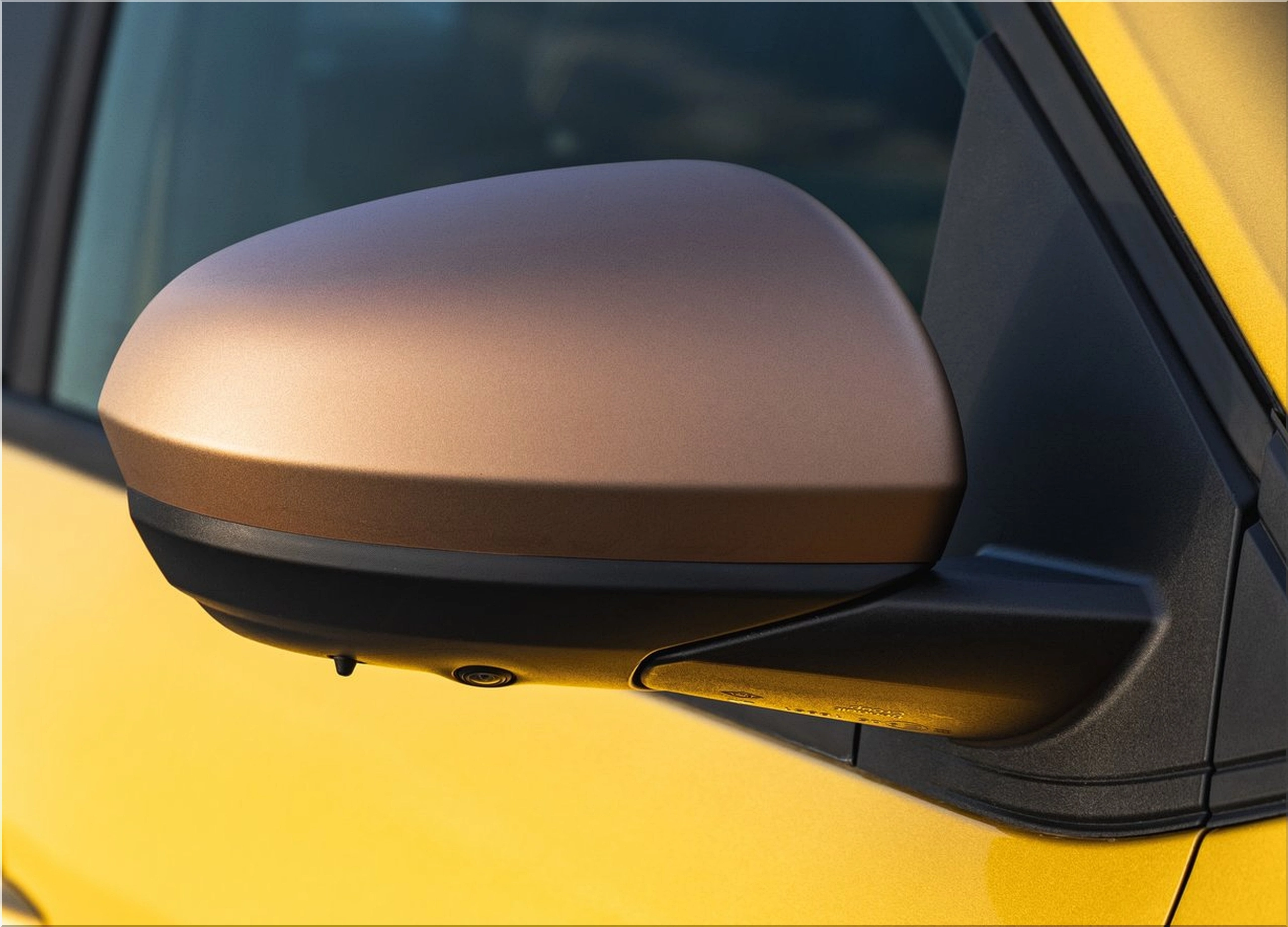
- Power-folding door mirrors
- Lane-related safety assistance on some markets and trims
From an engineering standpoint, this strategy tracks with current European regulation pressure. Carmakers now need stronger baseline active-safety content, so Dacia upgrades the Stepway without blowing up the affordability equation.
Engine Range, Transmission Choices, and Real-Use Logic
This is where the Stepway gets more interesting.
Early 2026 coverage shows a three-engine structure around petrol and LPG powertrains, with a later Hybrid 155 addition planned for the fourth quarter of 2026 in some markets. The volume engines remain the ones most Stepway buyers will actually choose: the small turbo petrol and the bi-fuel LPG unit.
Image
Core engine options
| Engine | Power | Torque | Transmission | Drivetrain |
|---|---|---|---|---|
| 1.0 TCe | 110 hp | 148 lb-ft / 200 Nm | 6-speed manual | FWD |
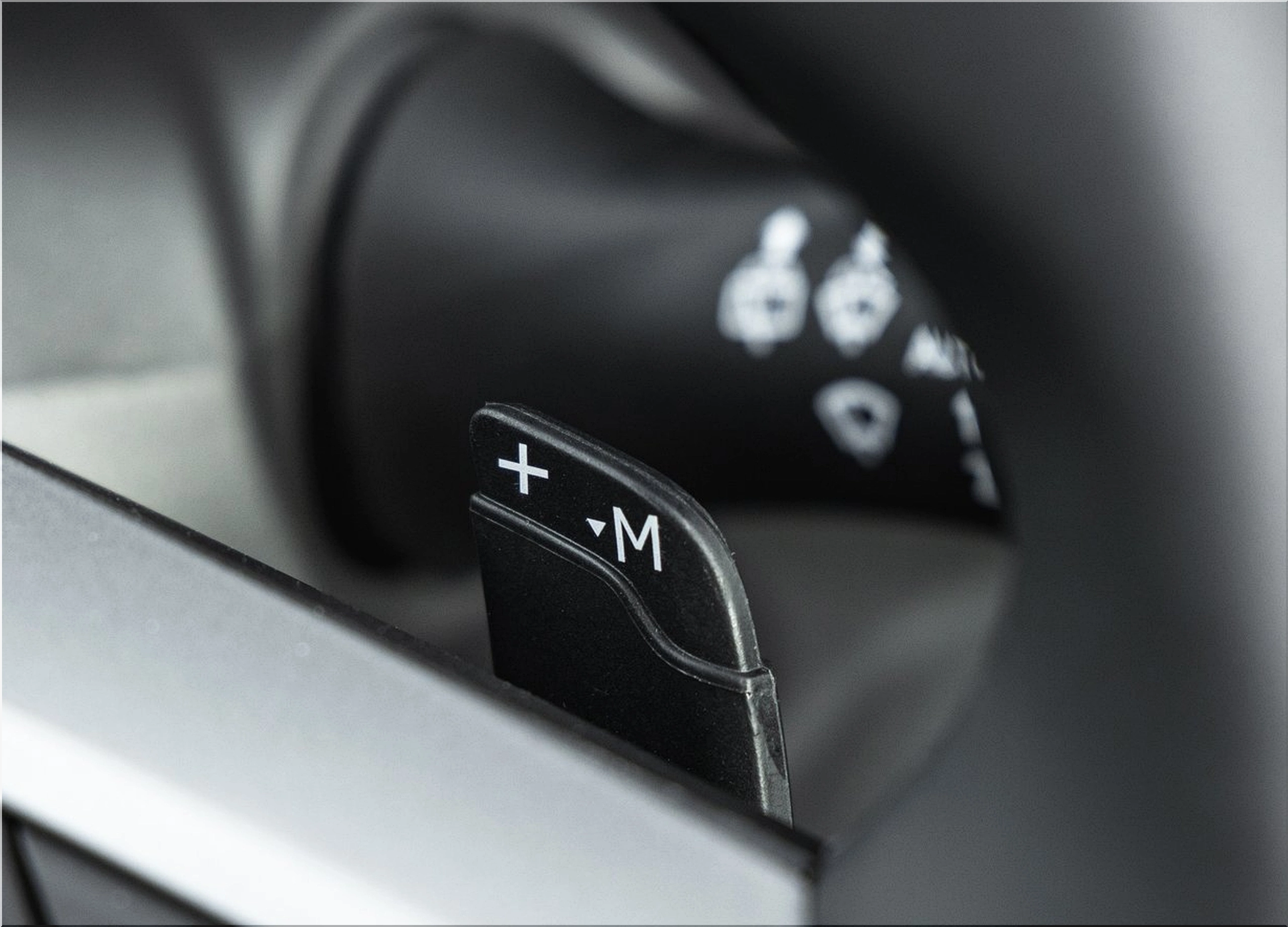
| 1.2 Eco-G 120 | 120 hp | market dependent | 6-speed manual or 6-speed dual-clutch auto | FWD |
| Hybrid 155 | 155 PS class | later 2026 arrival | automatic hybrid setup | FWD |
The 1.0-liter TCe 110 still makes the most sense for pure budget buyers. It uses turbocharged direct injection, displaces 999 cc, and delivers peak torque from 2,900 to 3,500 rpm. That torque plateau matters because it gives the Stepway enough midrange shove for city merges, roundabouts, and hill work without constant downshifts.
Autoweek hero figures? No chance. Usable torque? Yes.
The published performance numbers for the 1.0 TCe 110 6MT look like this:
- 0-62 mph: 10.0 seconds
- Top speed: 112 mph / 180 km/h
- Combined WLTP fuel economy: 41.3 mpg US / 5.7 L/100 km
- CO2: 129 g/km
Those figures fit the car's mission. The Stepway does not need hot-hatch pace. It needs enough response to avoid feeling strained with four passengers and luggage, and the 110-hp turbo unit should deliver that.
Why the Eco-G 120 matters
The Eco-G 120 LPG option changes the math for high-mileage users. Dacia upgraded the bi-fuel engine from the old 100-hp level to 120 hp, paired it with either a manual or a 6-speed dual-clutch automatic, and increased the LPG tank capacity to 49.6 liters for Sandero and Sandero Stepway. In addition, Dacia says the full LPG-plus-petrol range for the Stepway reaches roughly 1,480 km.
That matters for three reasons:
- LPG usually cuts fuel spend in many European markets.
- The power bump helps offset the performance penalty buyers often expect from bi-fuel cars.
- The automatic option removes a major barrier for urban buyers who want low-cost motoring without a clutch pedal.
Consequently, the Dacia Sandero Stepway Eco-G 120 automatic may become the sweet spot of the lineup in countries where LPG infrastructure remains strong.
Cargo Space, Weight, and Practicality
Practicality always decides cars like this. Fancy trim never does.
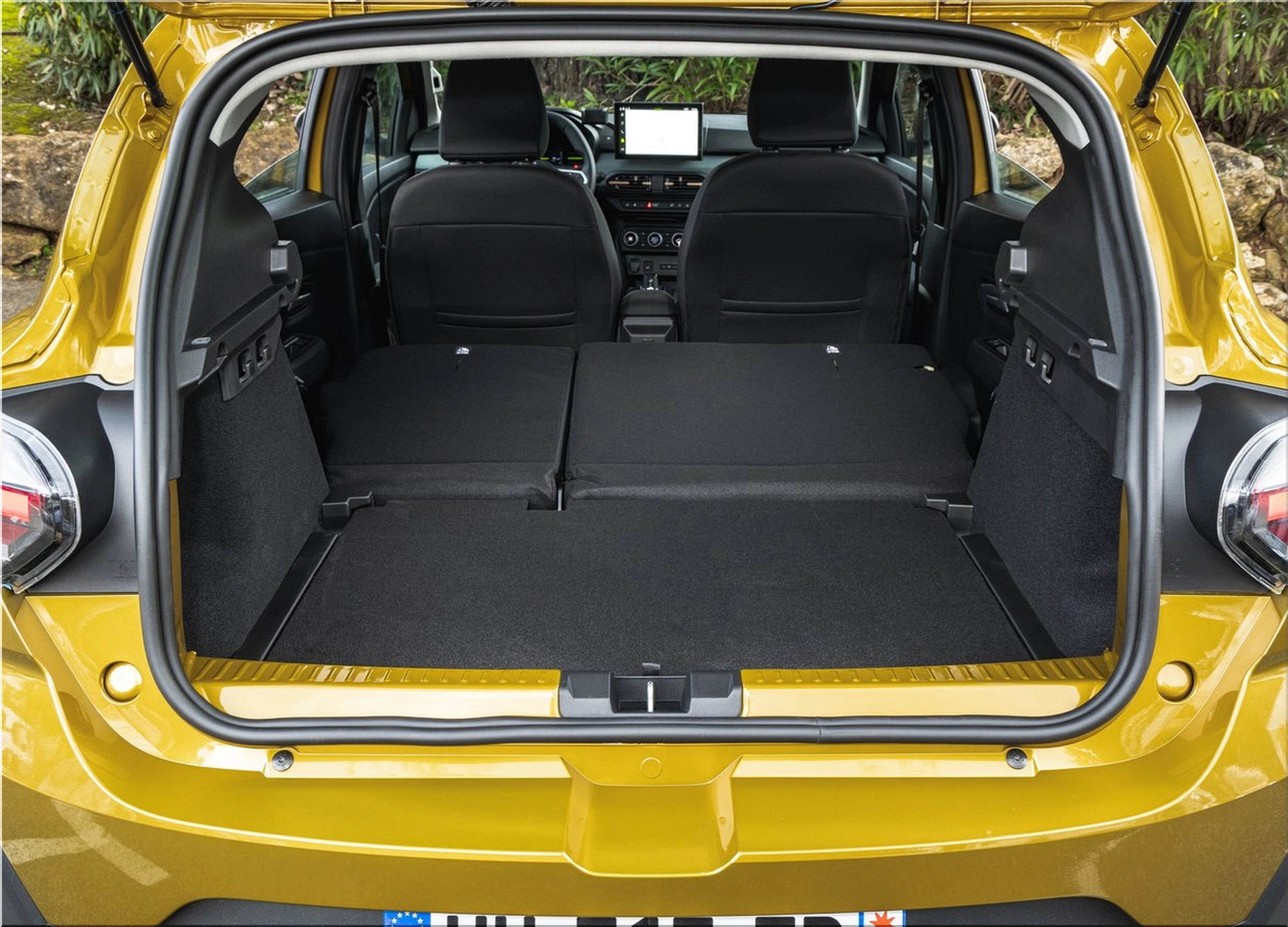
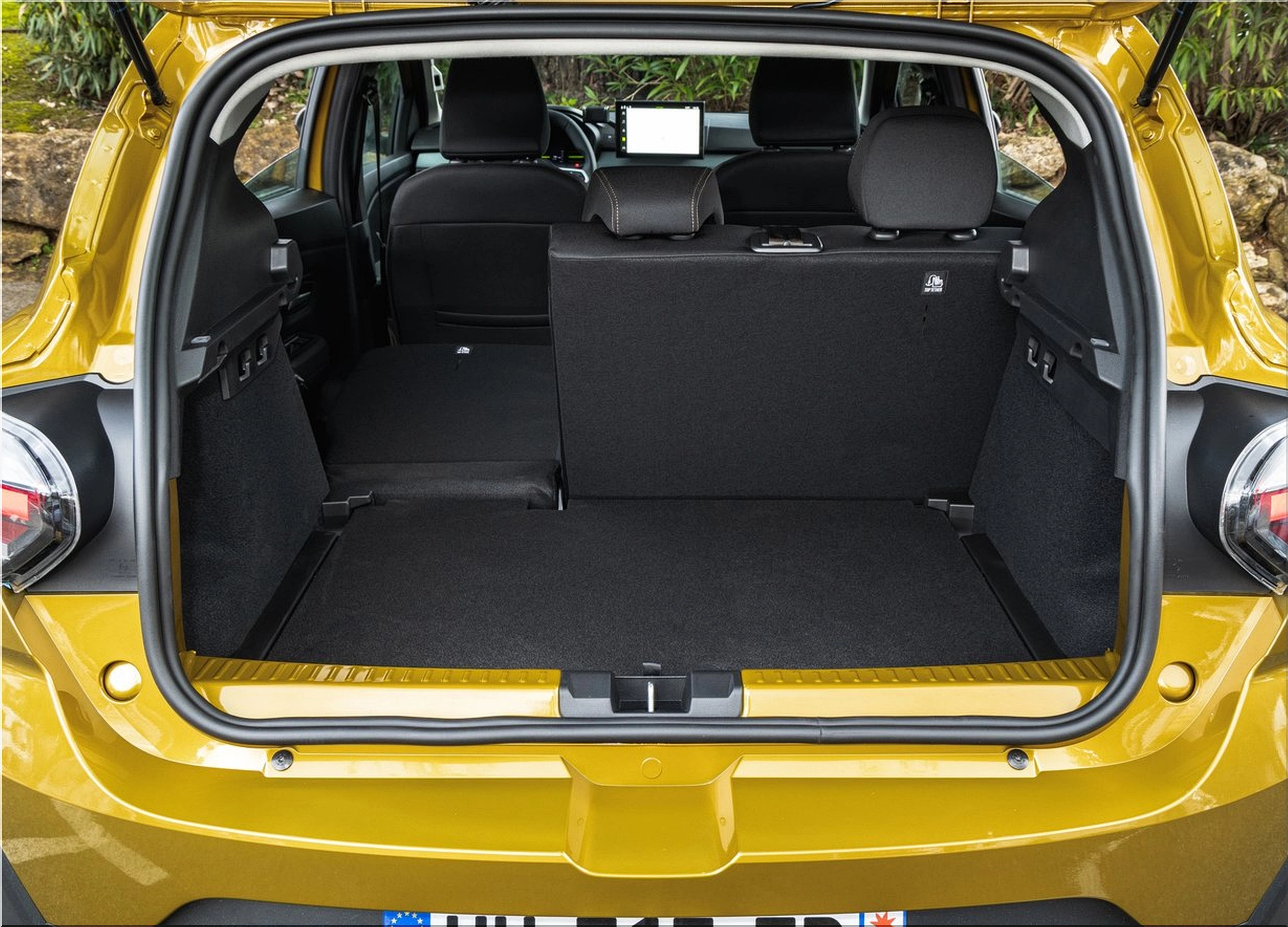
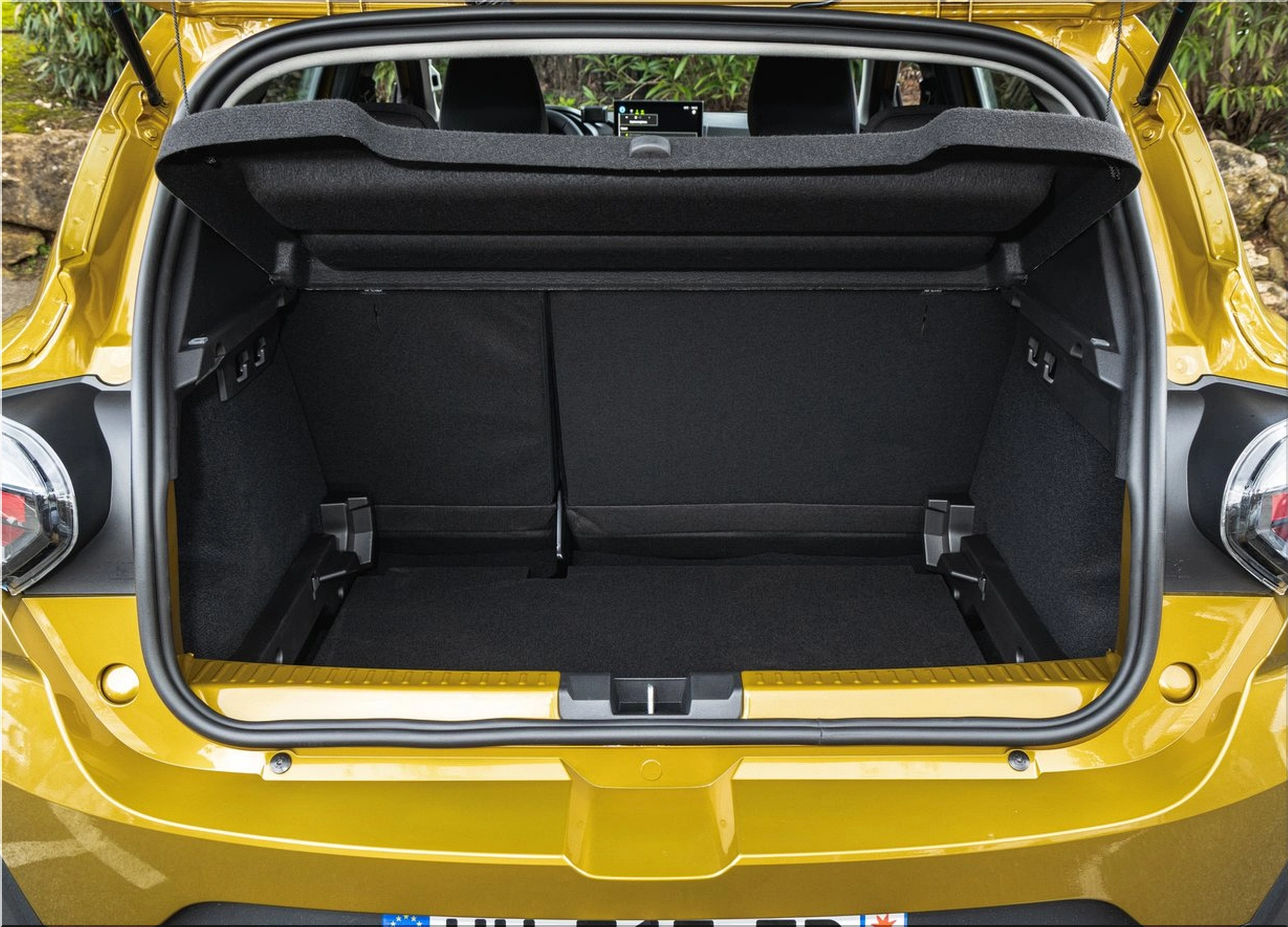
The Stepway posts 371 liters of cargo volume in one published spec set, while dealer material also references 328 liters. That gap likely reflects trim, measurement standard, or floor-position differences rather than a physical redesign. Either way, the Stepway stays competitive enough for groceries, airport bags, and everyday family duty, though it does not lead the class for outright boot volume.
Its low curb weight helps everywhere else. At 2,414 pounds, the Stepway carries less mass than many rival compact SUVs, and that pays off in several ways:
- Lighter steering feel at low speed
- Better ride compliance with modest suspension tuning
- Lower fuel demand
- Reduced strain on tires and brakes
- Less performance loss from a small-displacement engine
Specifically, Dacia pairs that light weight with 205/60 R16 tires, ventilated front discs, and rear drums. Some buyers still sneer at drum brakes, but that reaction misses the point. Rear drums cost less, last well in low-power front-drive applications, and work fine in a light crossover that does not pretend to be a track tool.
Pricing: The Stepway's Biggest Weapon
Pricing remains the knockout punch.
Dealer listing material in the Netherlands shows the Expression trim at EUR 23,800, which works out to about $28,096 using the ECB reference rate. The Extreme trim at EUR 25,200 lands at about $29,749. A dealer-stock Limited Edition example at EUR 26,990 works out to roughly $31,862.
UK pricing tells an even sharper value story. The updated Sandero Stepway starts at GBP 16,065, which converts to about $21,642.
2026 Dacia Sandero Stepway pricing snapshot
| Version | Local Price | USD Conversion |
|---|---|---|
| Stepway Expression | EUR 23,800 | $28,096 |
| Stepway Extreme | EUR 25,200 | $29,749 |
| Dealer-stock Limited Edition example | EUR 26,990 | $31,862 |
| UK entry Stepway | GBP 16,065 | $21,642 |
Looking at the data, the car's value position remains brutal. Even after the facelift and tech additions, the Stepway still undercuts many rivals by five figures in dollar terms once you compare similarly equipped crossover trims in Europe and the UK.
Dacia Sandero Stepway vs Rivals
The Stepway competes in the compact crossover space, but it attacks from below on price. That changes the buying logic.
A Ford Puma, Renault Captur, or Toyota Yaris Cross can offer stronger badge appeal, more polished interiors, or bigger boots depending on trim. The Stepway answers with price discipline, light weight, simple packaging, and real-world cost control.
Stepway vs key compact crossover rivals
| Model | Starting Price | Approx. USD | Length | Boot Space |
|---|---|---|---|---|
| Dacia Sandero Stepway | GBP 16,065 | $21,642 | 4,102 mm | 328-371 L |
| Renault Captur | GBP 26,095 | $35,154 | 4,239 mm | 326-422 L |
| Ford Puma | GBP 27,130 | $36,548 | 4,226 mm | 456 L |
| Toyota Yaris Cross | GBP 27,245 | $36,703 | 4,180 mm | 266-350 L |
From an expert perspective, the Stepway wins and loses in very clear places.
Where the Stepway wins
- Price, by a mile
- Ground clearance, relative to its size
- Low weight
- LPG availability
- Simple, durable trim strategy
Where the Stepway loses
- Boot space against the Ford Puma
- Powertrain refinement against full hybrids
- Perceived interior quality against pricier rivals
- Badge pull in image-driven markets
By comparison, the Renault Captur looks like the more polished cousin, the Ford Puma offers the most practical cargo solution, and the Toyota Yaris Cross sells its hybrid efficiency story hard. The Stepway still punches back because it costs dramatically less while covering the same daily-use mission.


Pro-Tips for Buyers
Pro-Tip: Pick the engine for your route profile
If you drive mostly in town and want the lowest entry cost, the 1.0 TCe 110 should do the job. If you rack up miles and live in an LPG-friendly market, the Eco-G 120 likely gives the smarter long-term fuel-cost play.
Pro-Tip: Do not ignore the automatic LPG setup
A dual-clutch automatic on an LPG-bi-fuel crossover sounds niche. In practice, it could become the lineup's smartest pairing for commuters who want low running cost without manual-shift fatigue.
Pro-Tip: Check cargo measurement methodology
Some sources list 328 liters, while others show 371 liters. Ask the dealer how the figure gets measured and look at the floor-height setting in person before you buy.
Pro-Tip: The Extreme trim may hit the best value point
The Extreme version adds features buyers actually use, not fluff. If the price jump stays close to the published spread, it looks like the most balanced trim in the range.



What Now?
If you are shopping the 2026 Dacia Sandero Stepway, treat it like a financial decision first and a style decision second. That is where the car crushes the field.
Do this next:
- Decide on fuel strategy: petrol only or LPG bi-fuel.
- Pick your transmission: manual for the lowest buy-in, dual-clutch auto for daily ease.
- Cross-shop one pricier rival like the Captur or Puma to see how much extra money buys you.
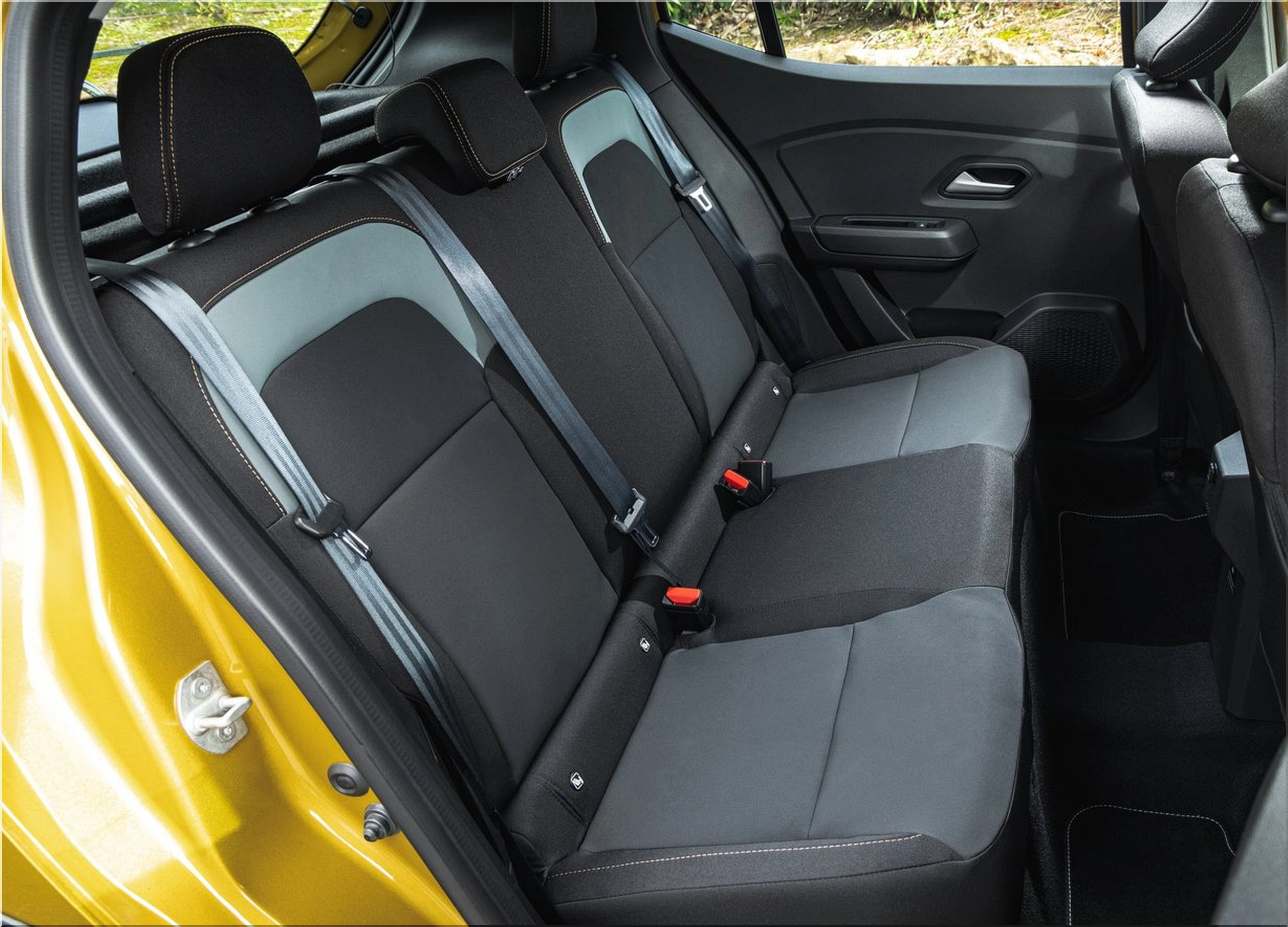
- Test the rear seat and cargo floor with your actual needs in mind.
- Buy the trim that adds useful hardware, not decorative extras.
The bottom line stays simple. The 2026 Dacia Sandero Stepway does not try to out-luxury the class, and it does not need to. It stays compact, light, practical, and aggressively priced while adding the design, safety, and infotainment upgrades buyers now expect. In a market full of bloated small SUVs, that kind of discipline still looks very smart.
- Add new comment
- 341 views