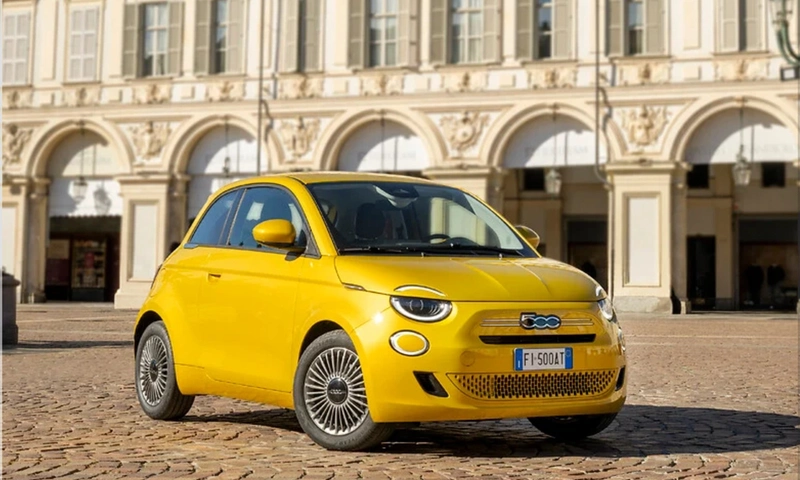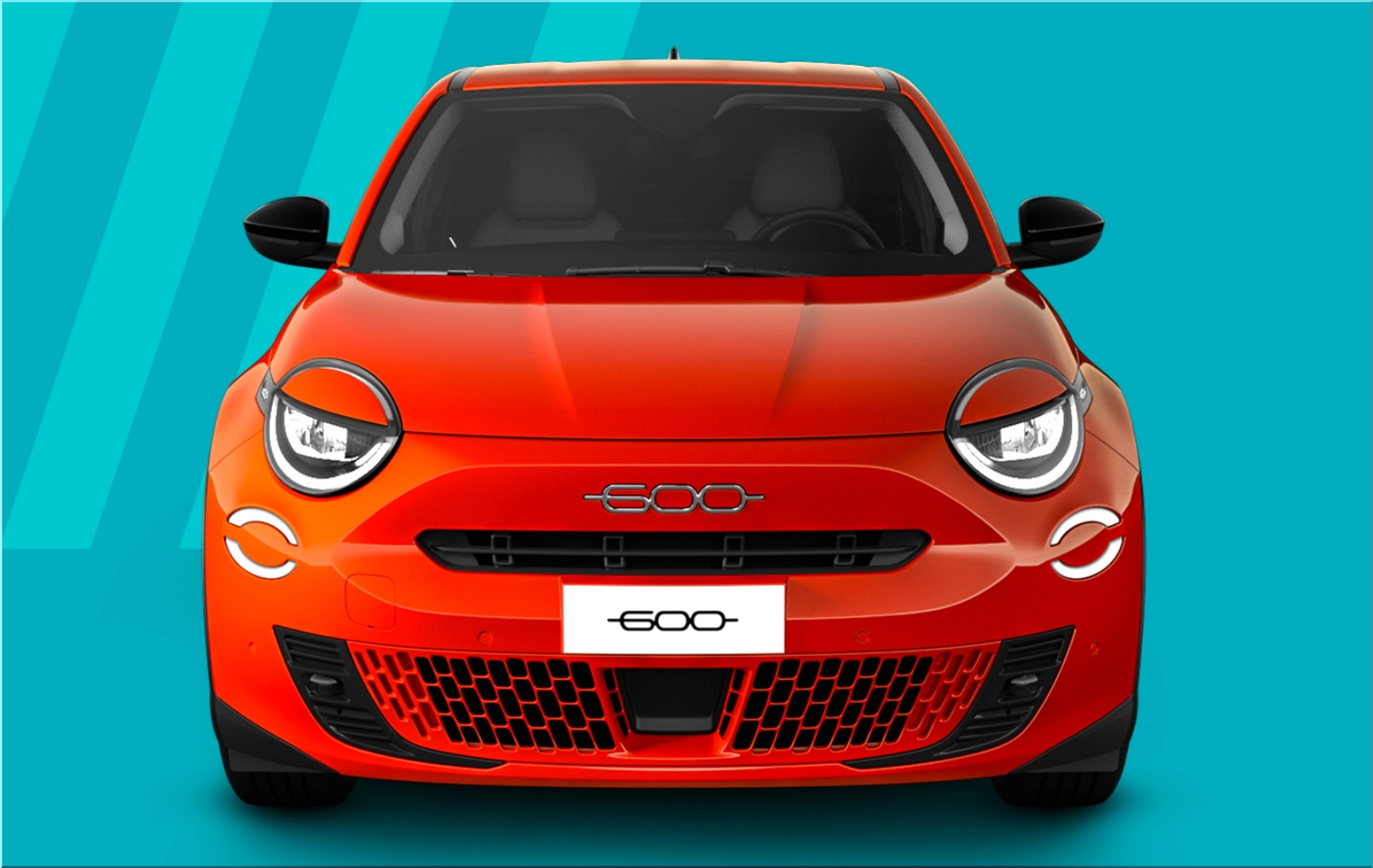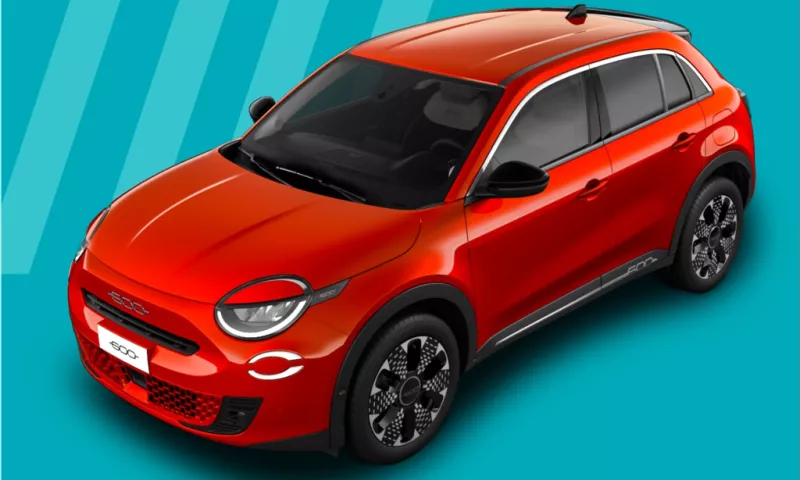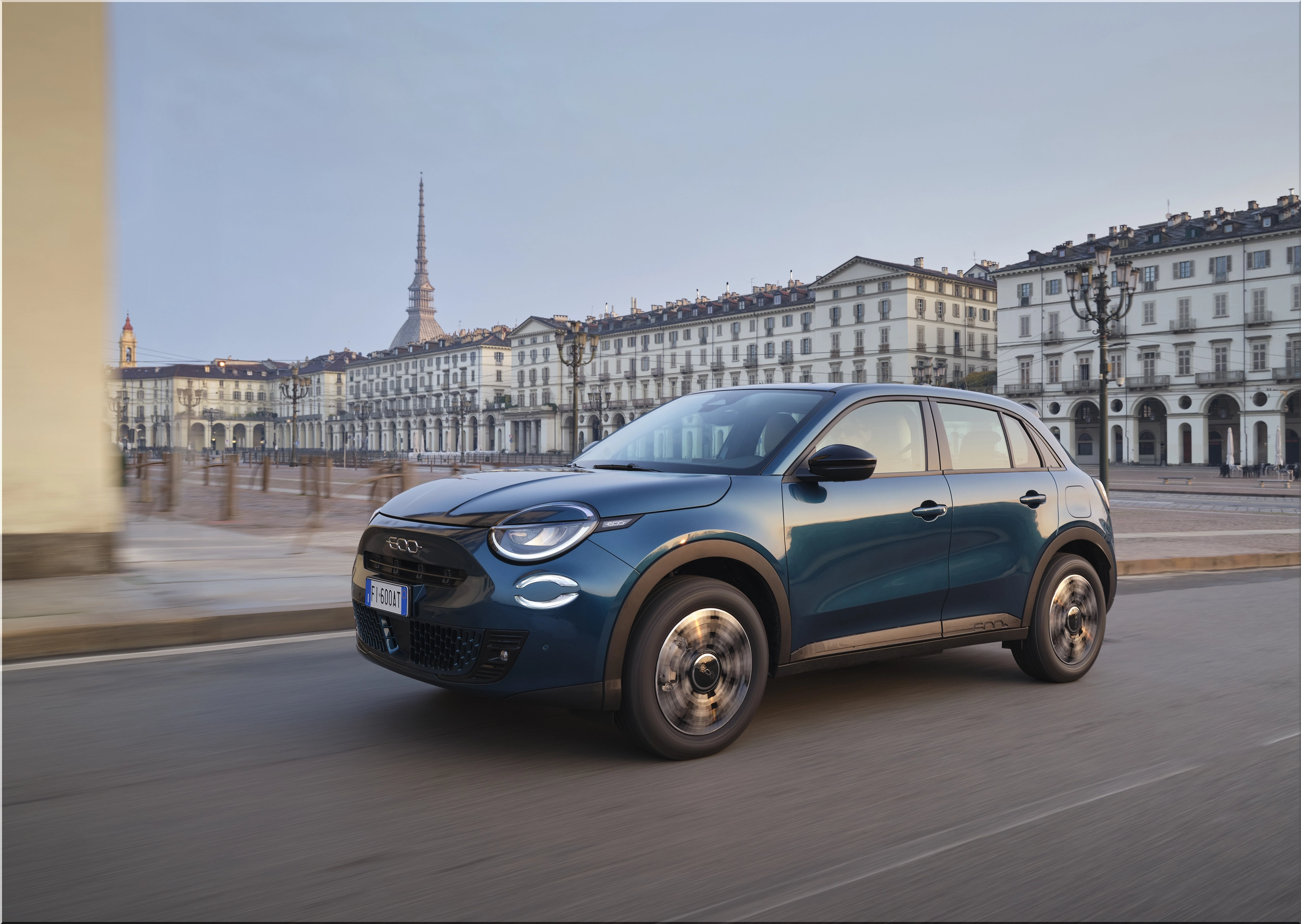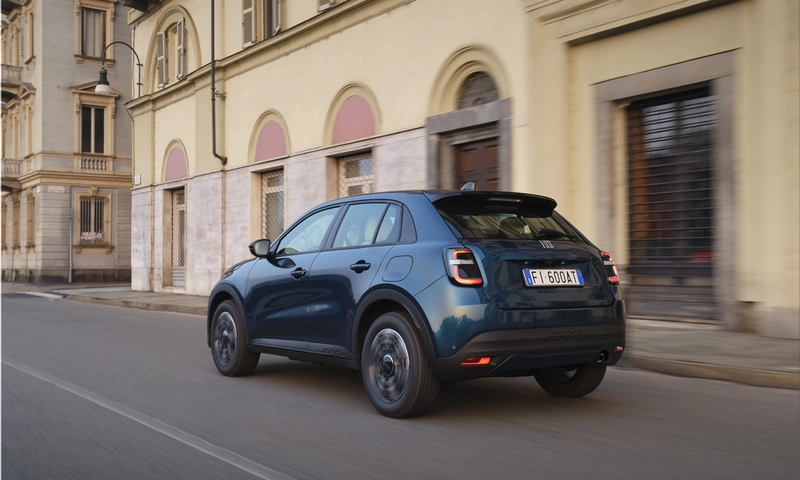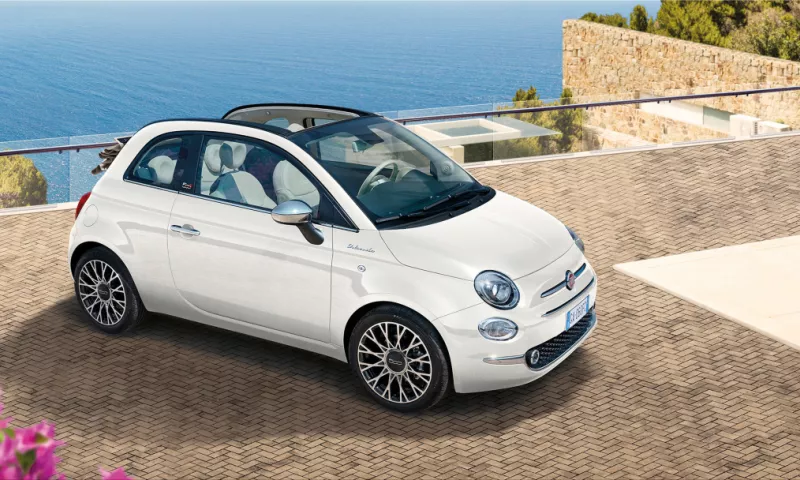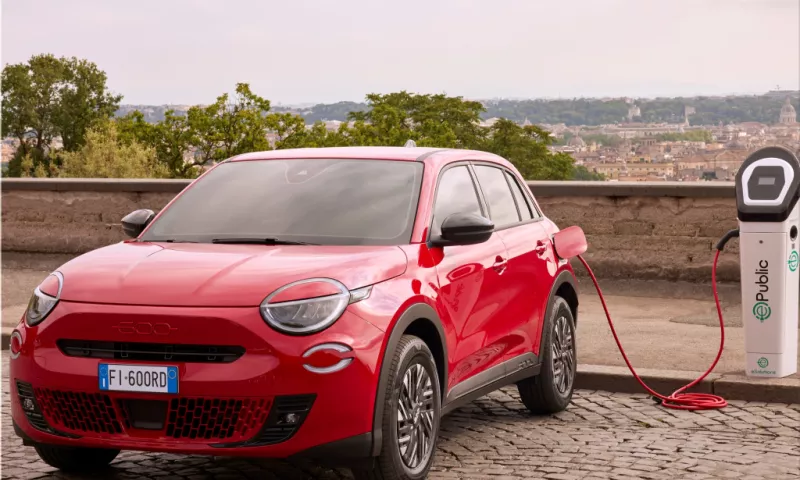
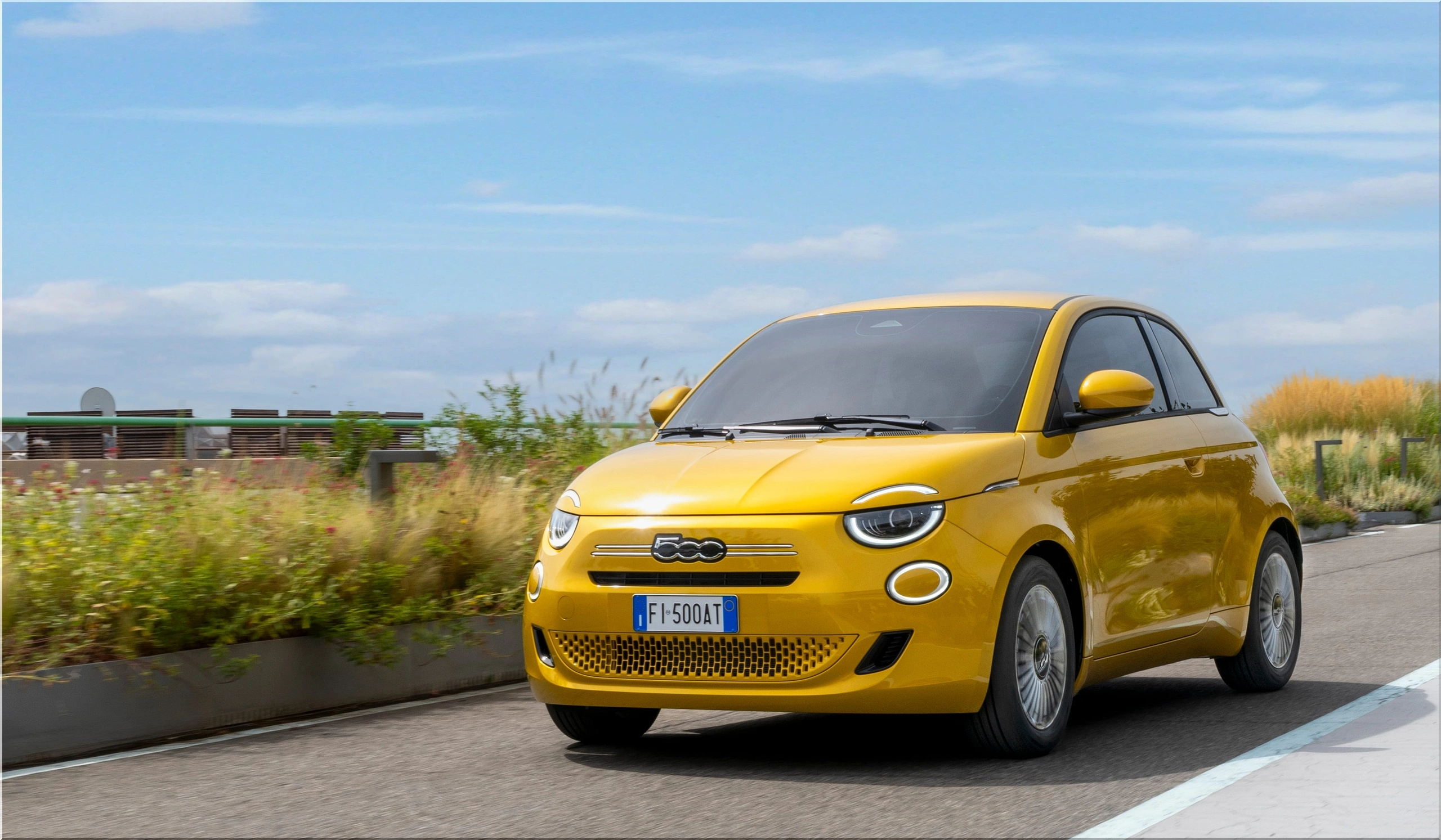
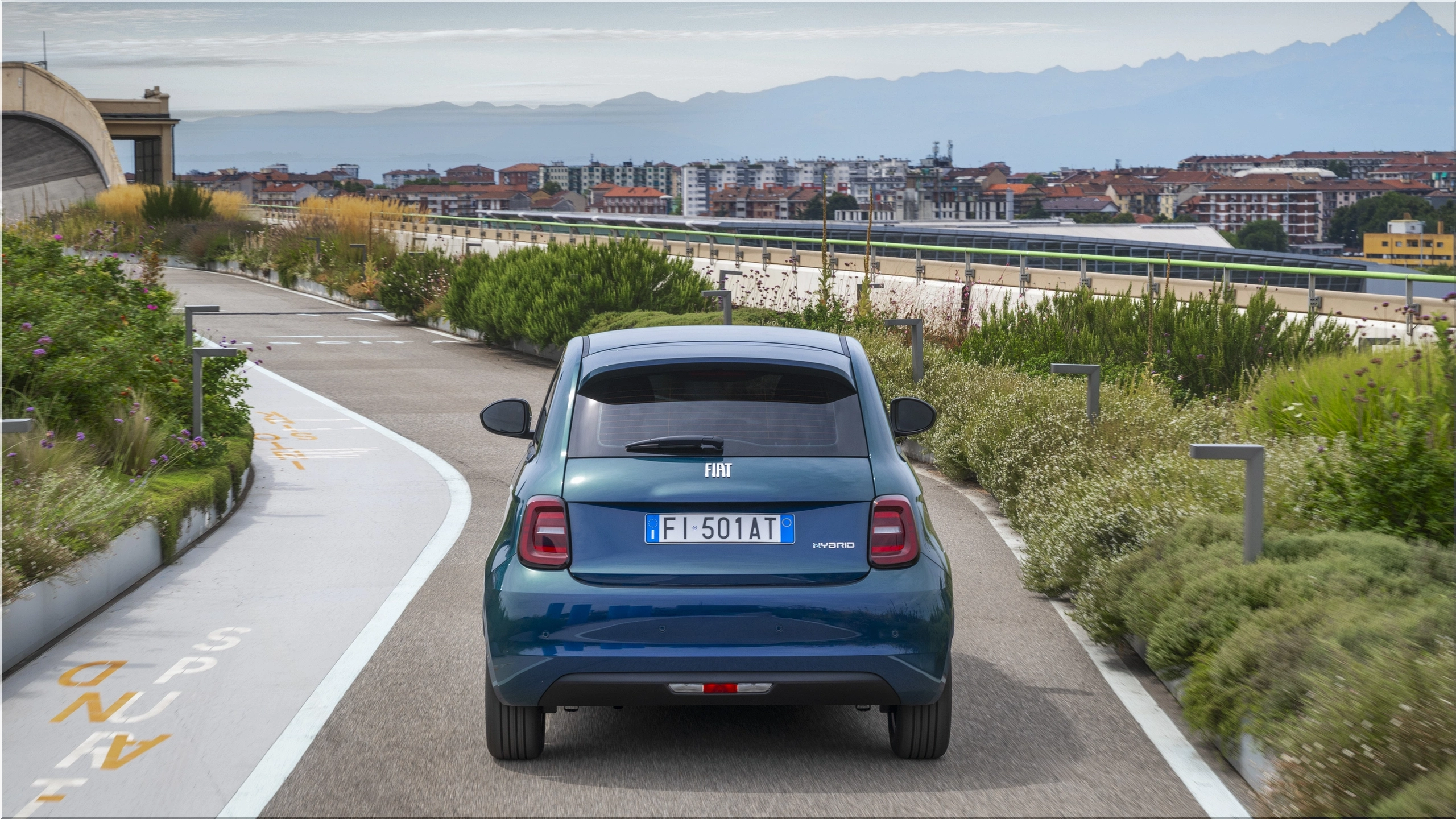
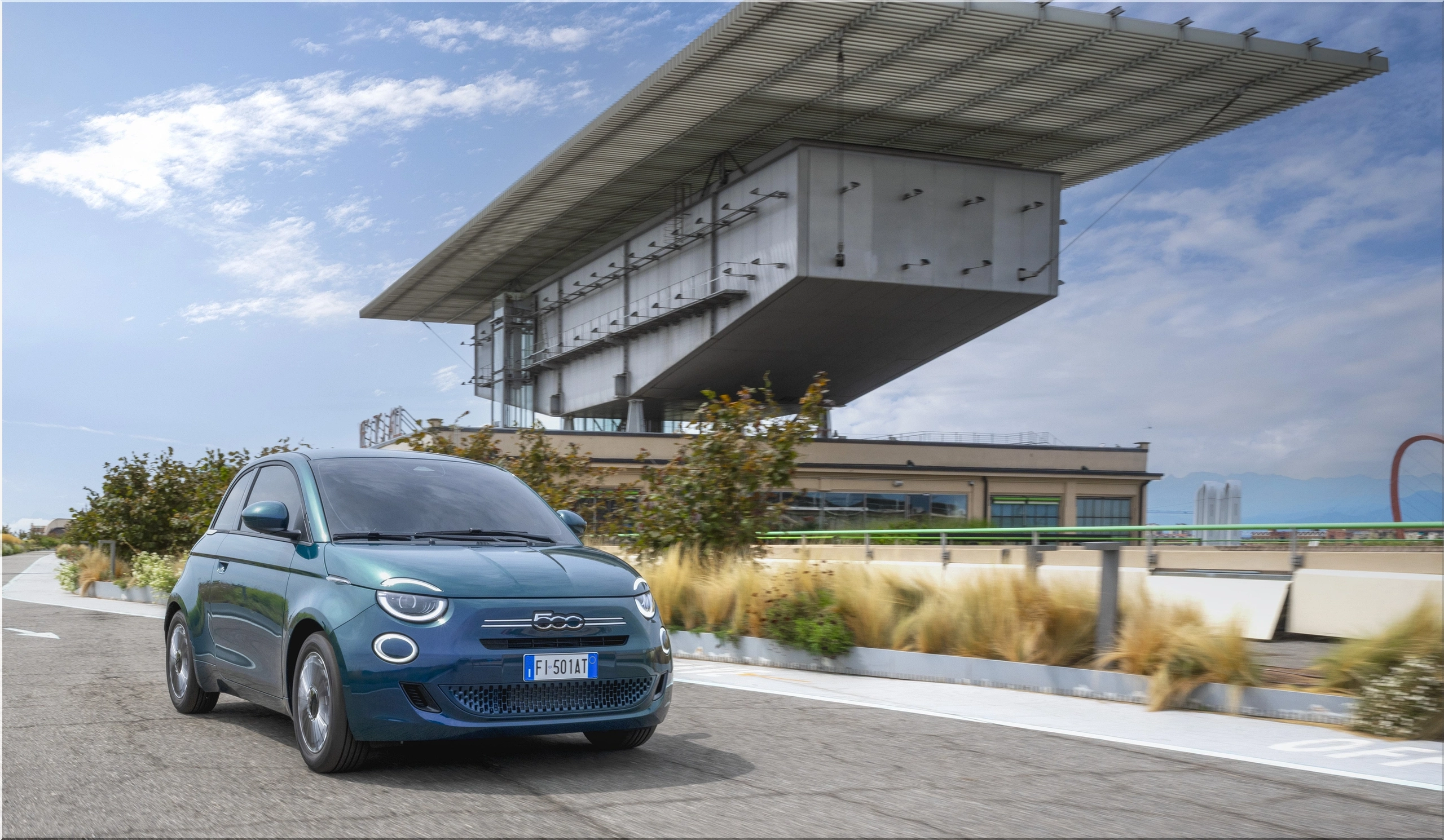
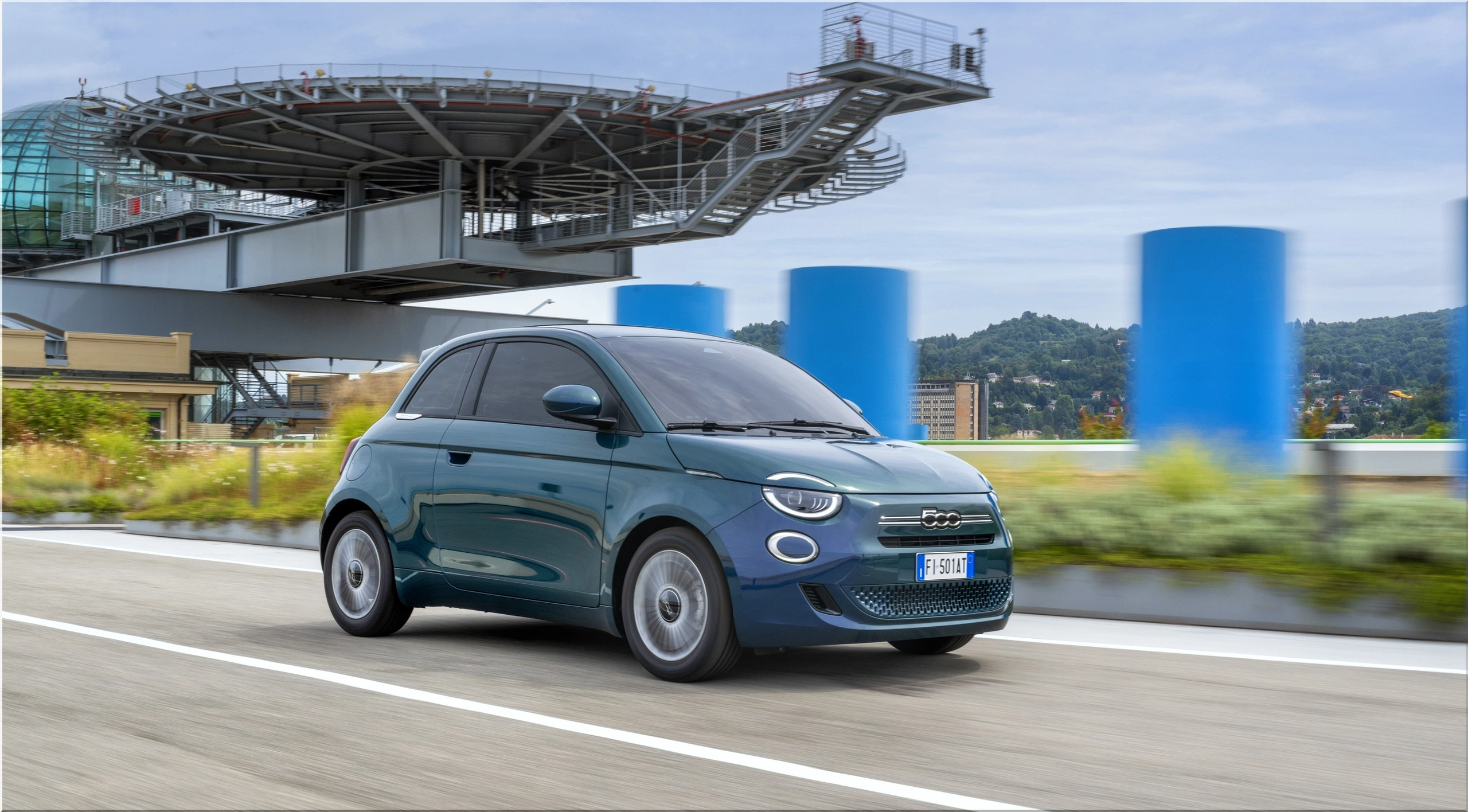
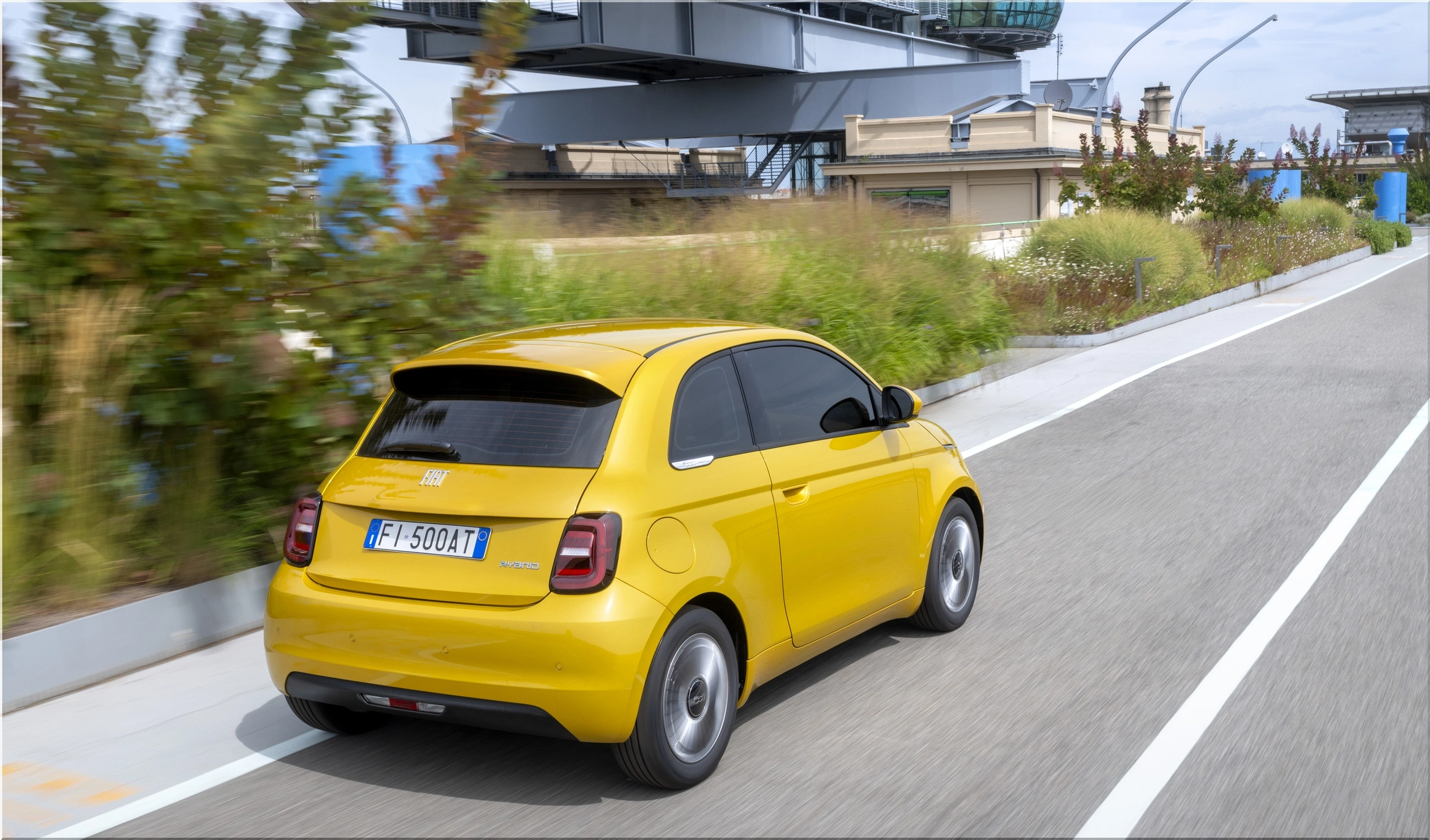
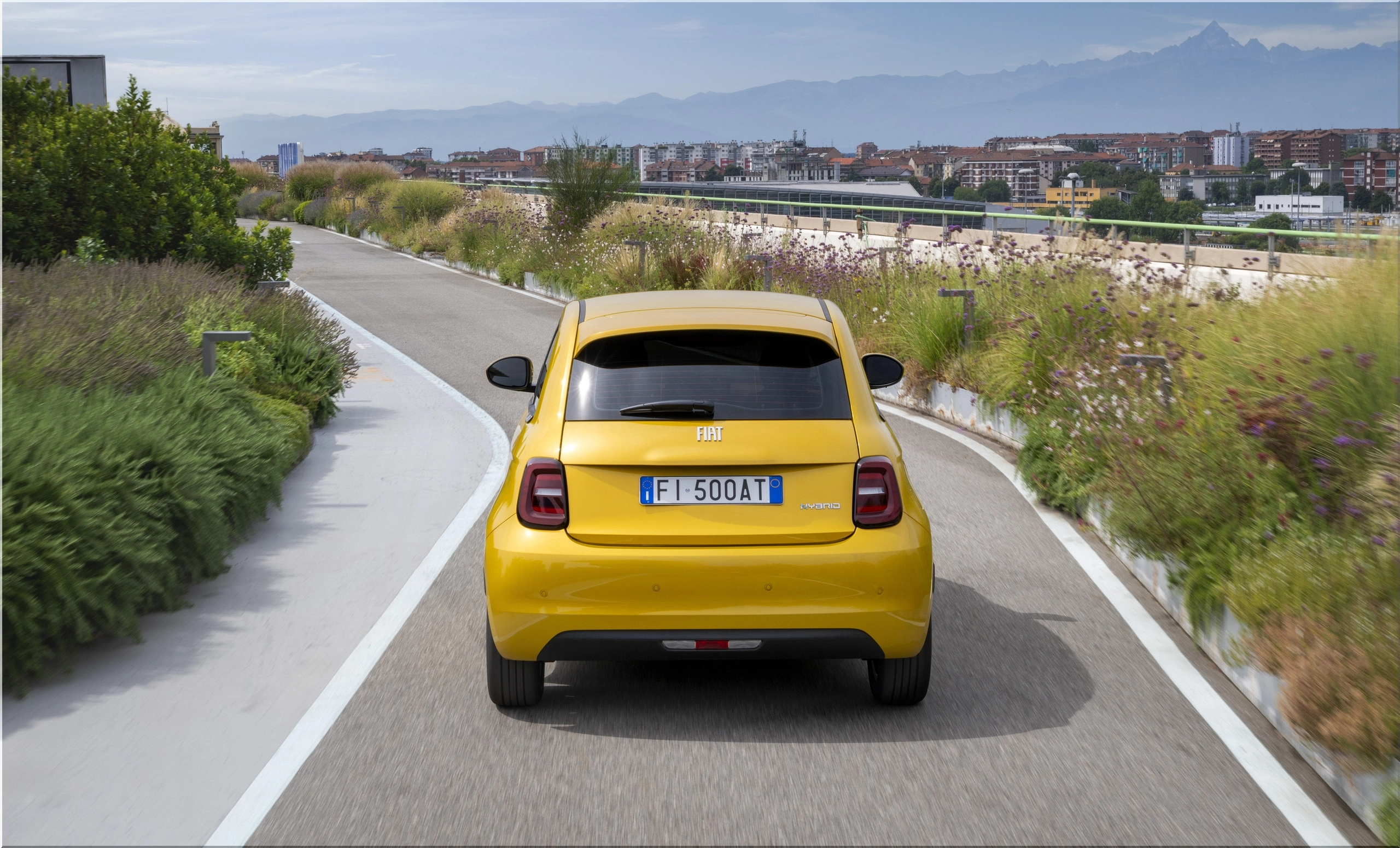
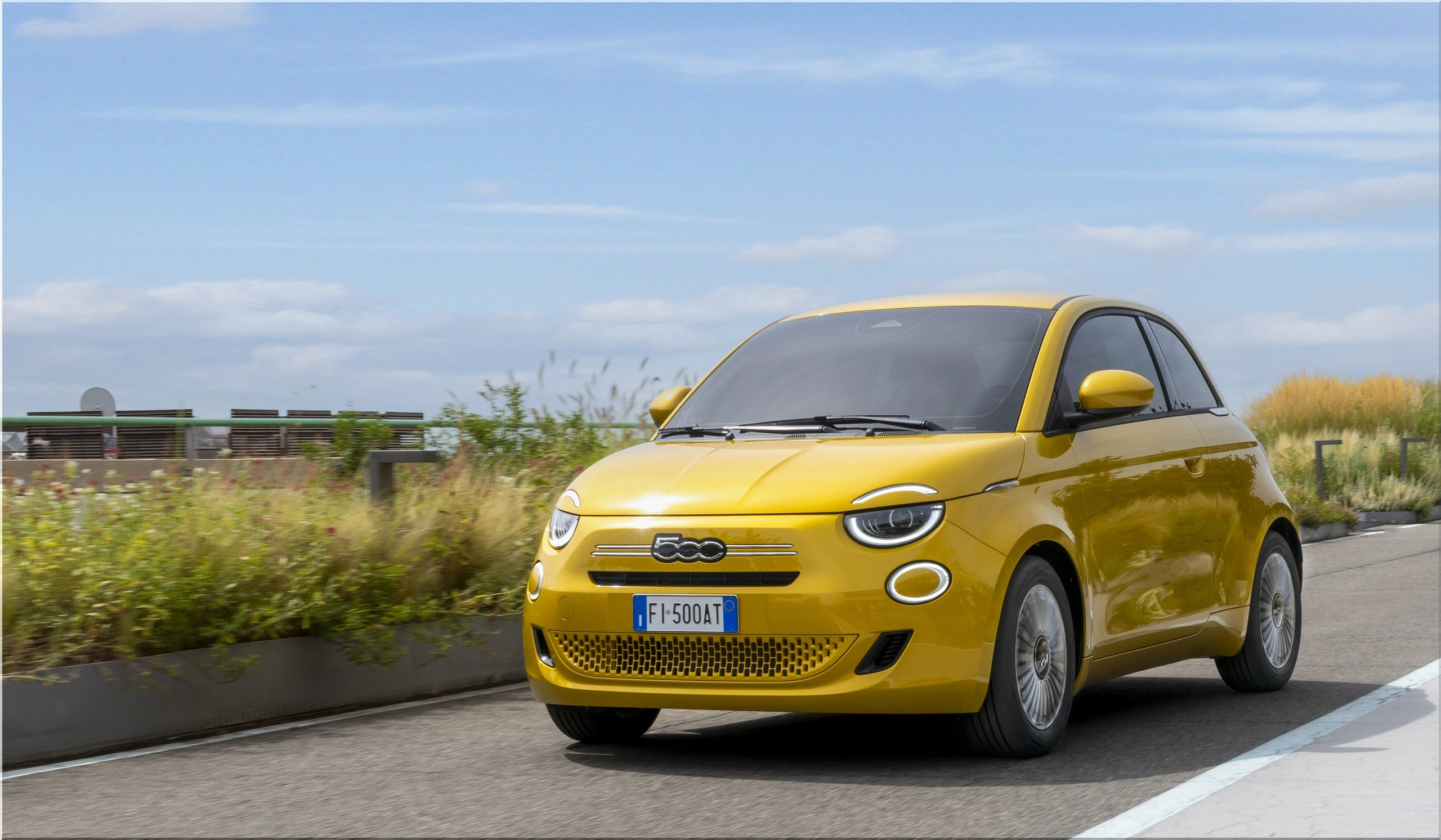
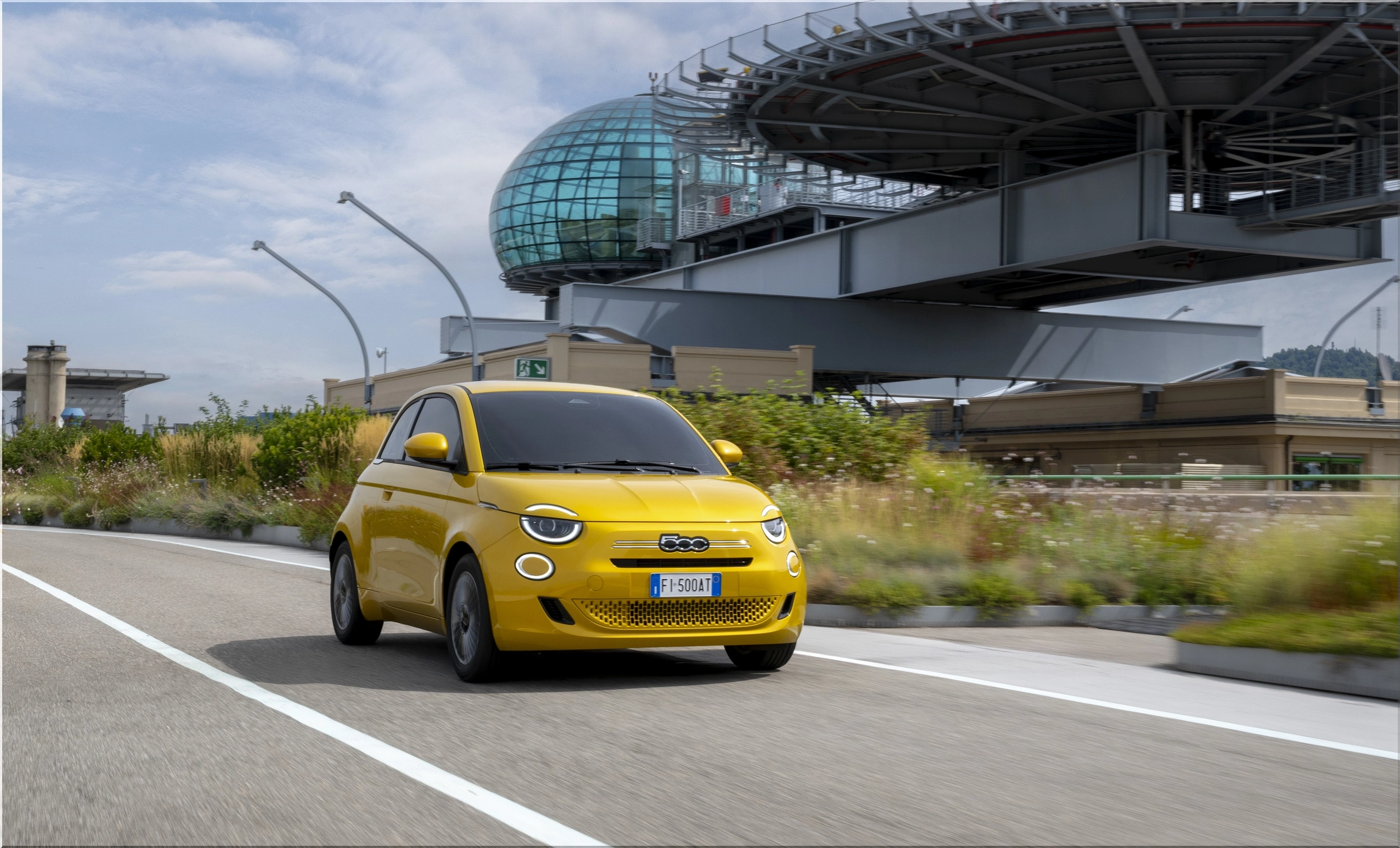
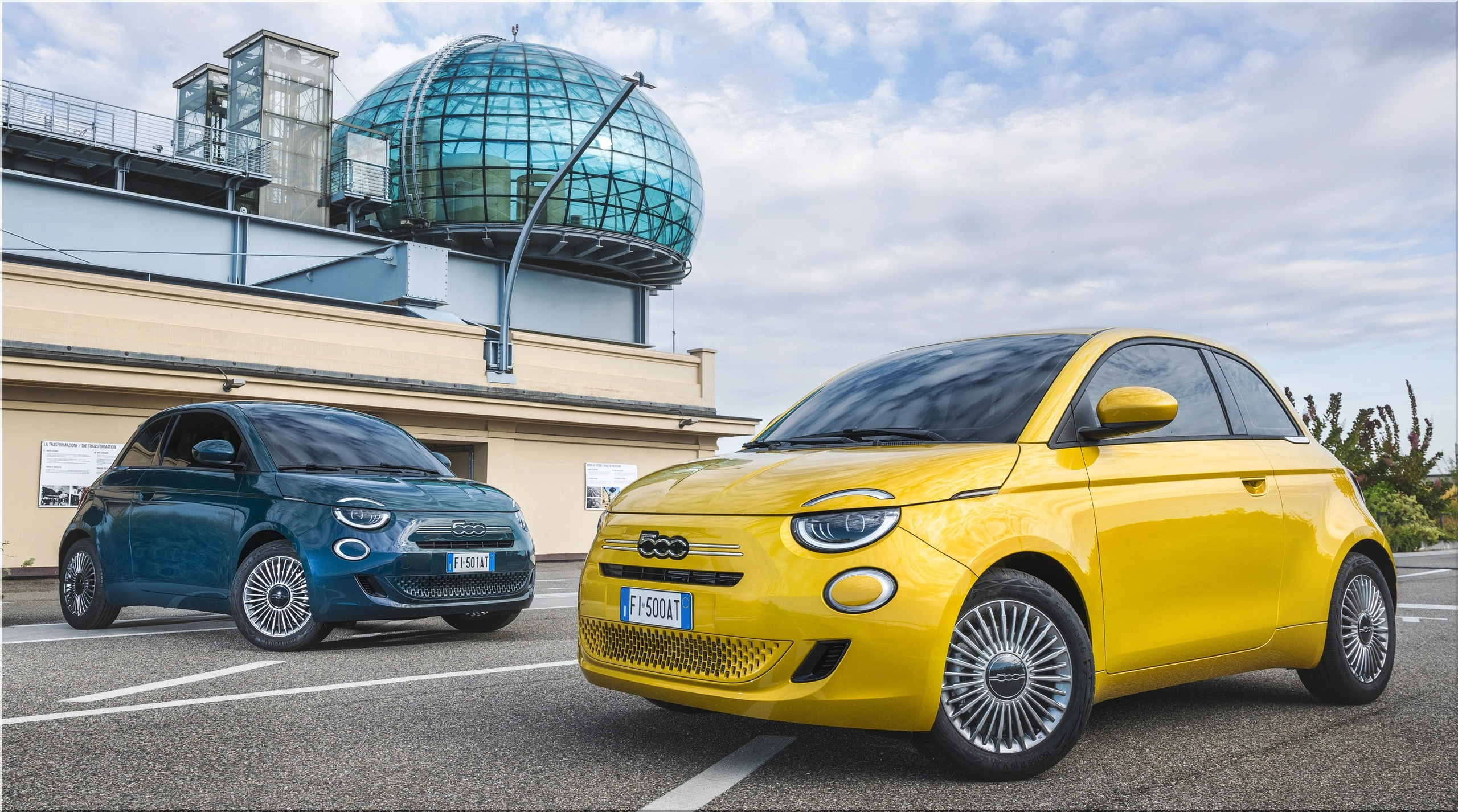
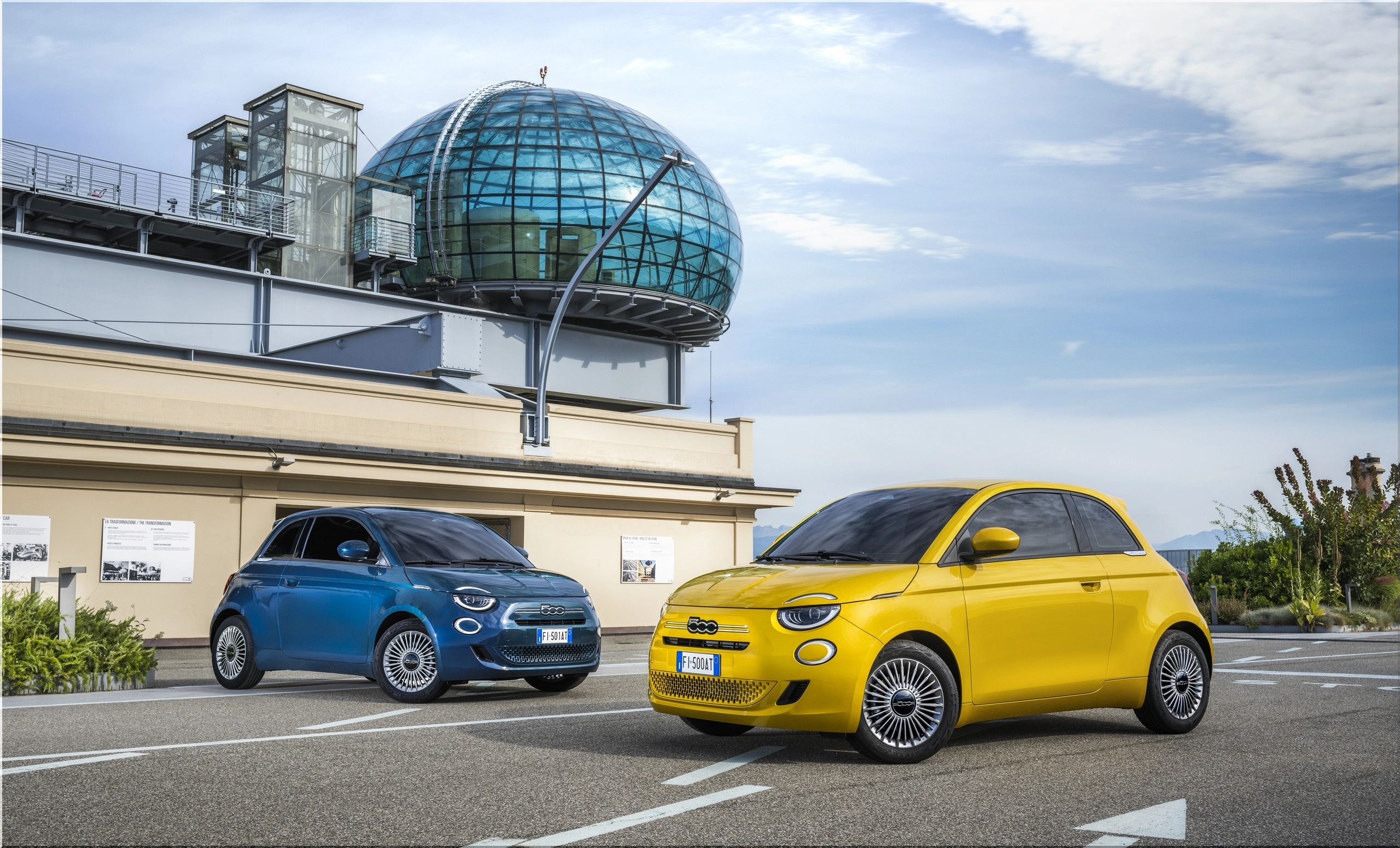
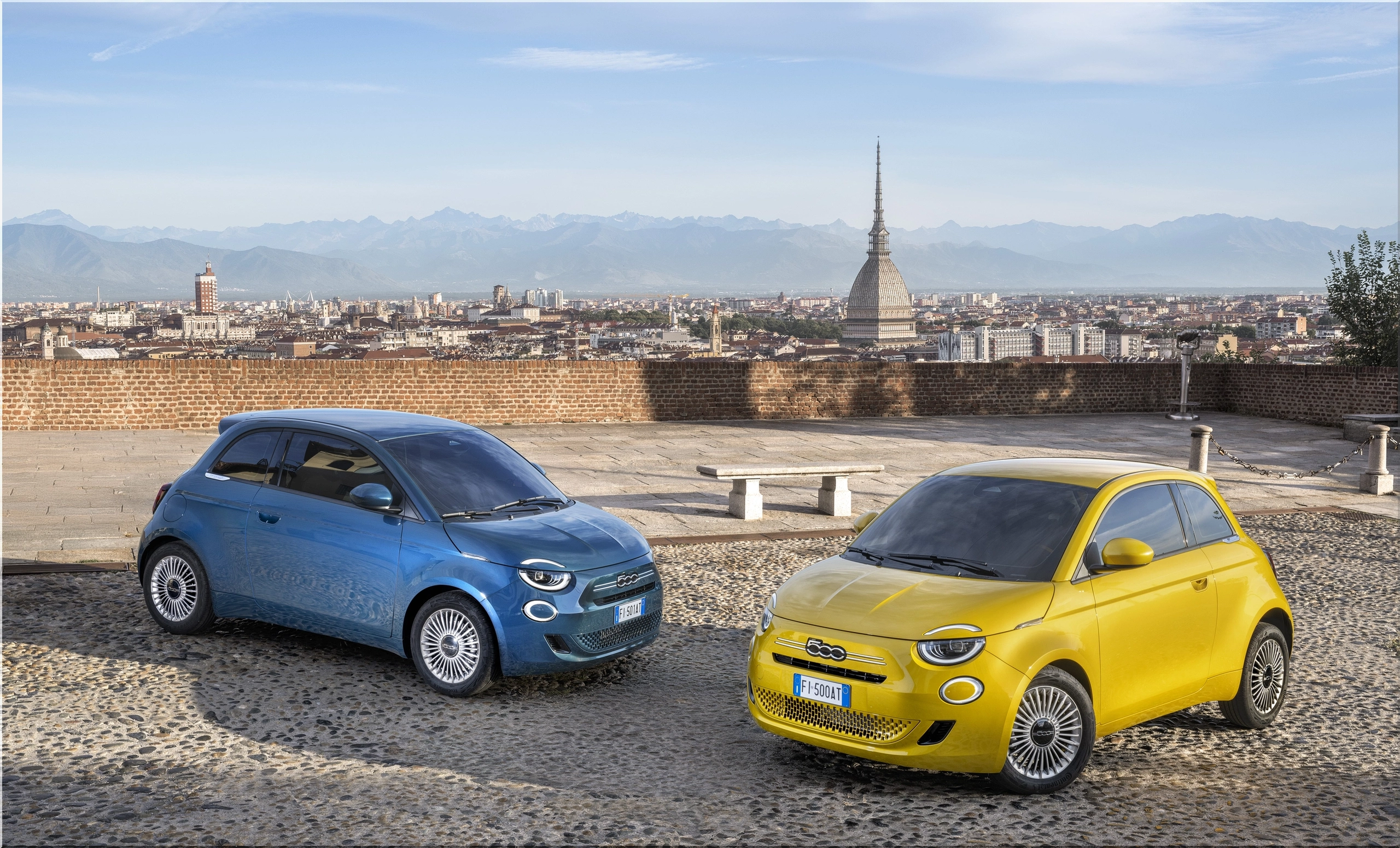
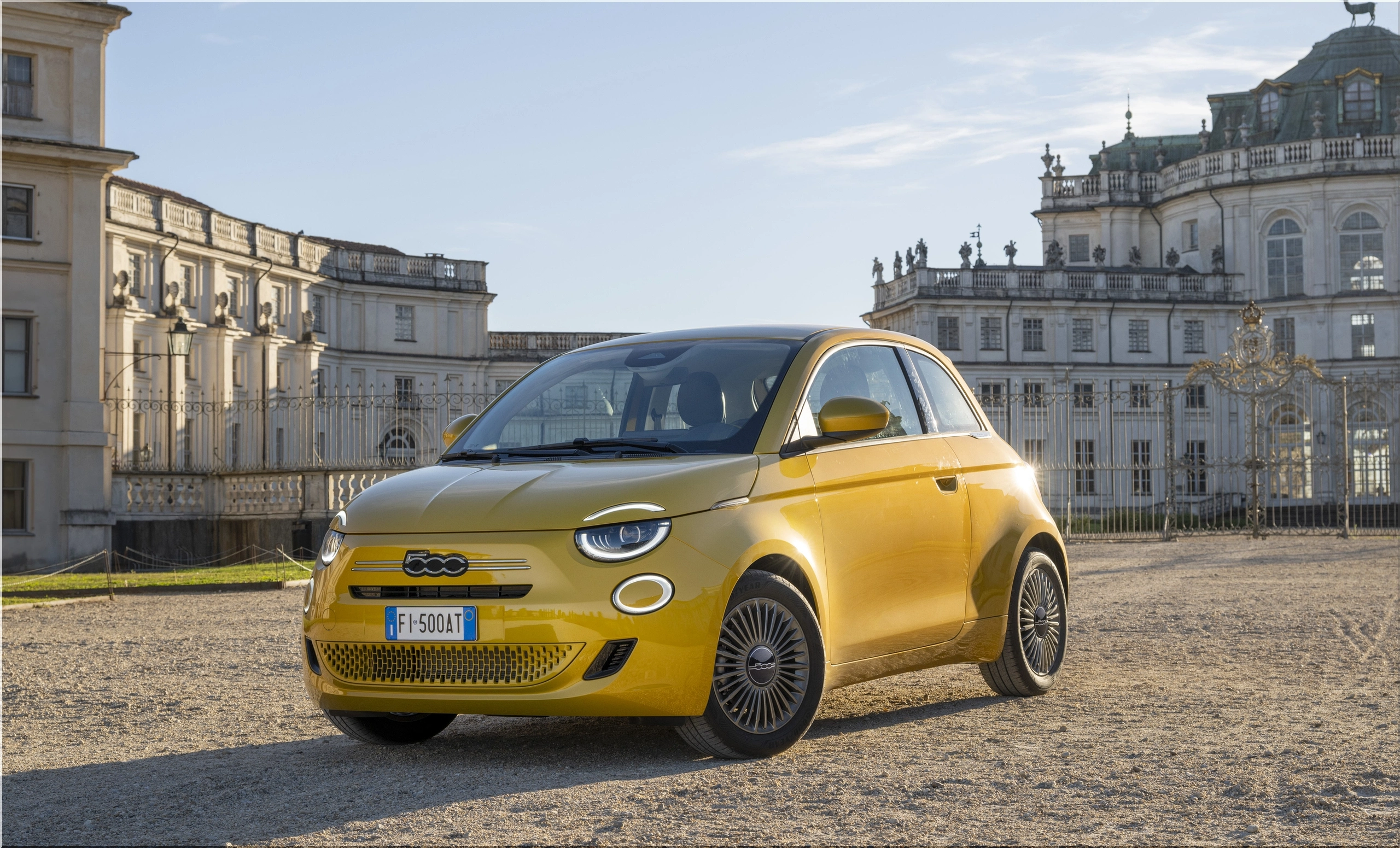
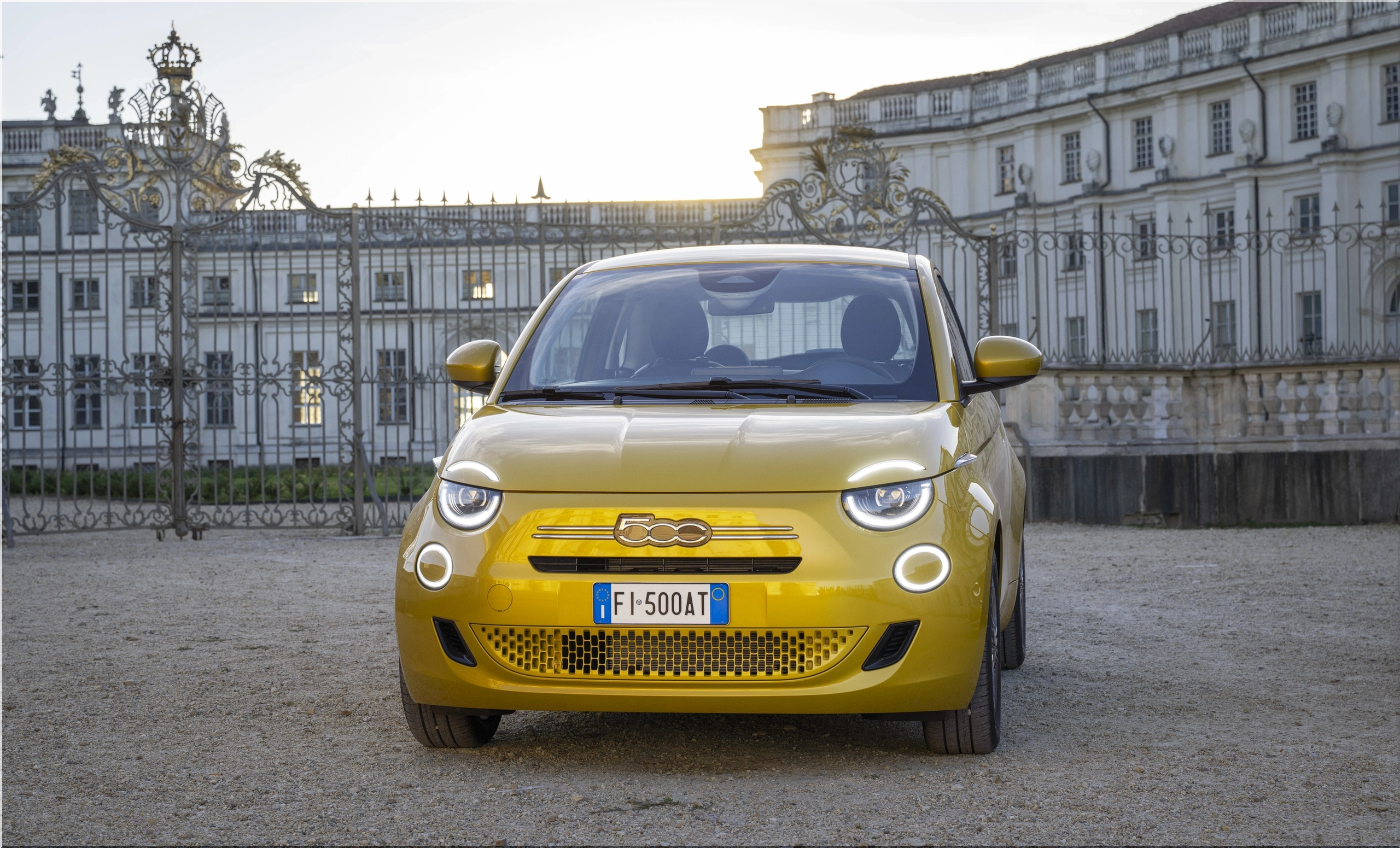
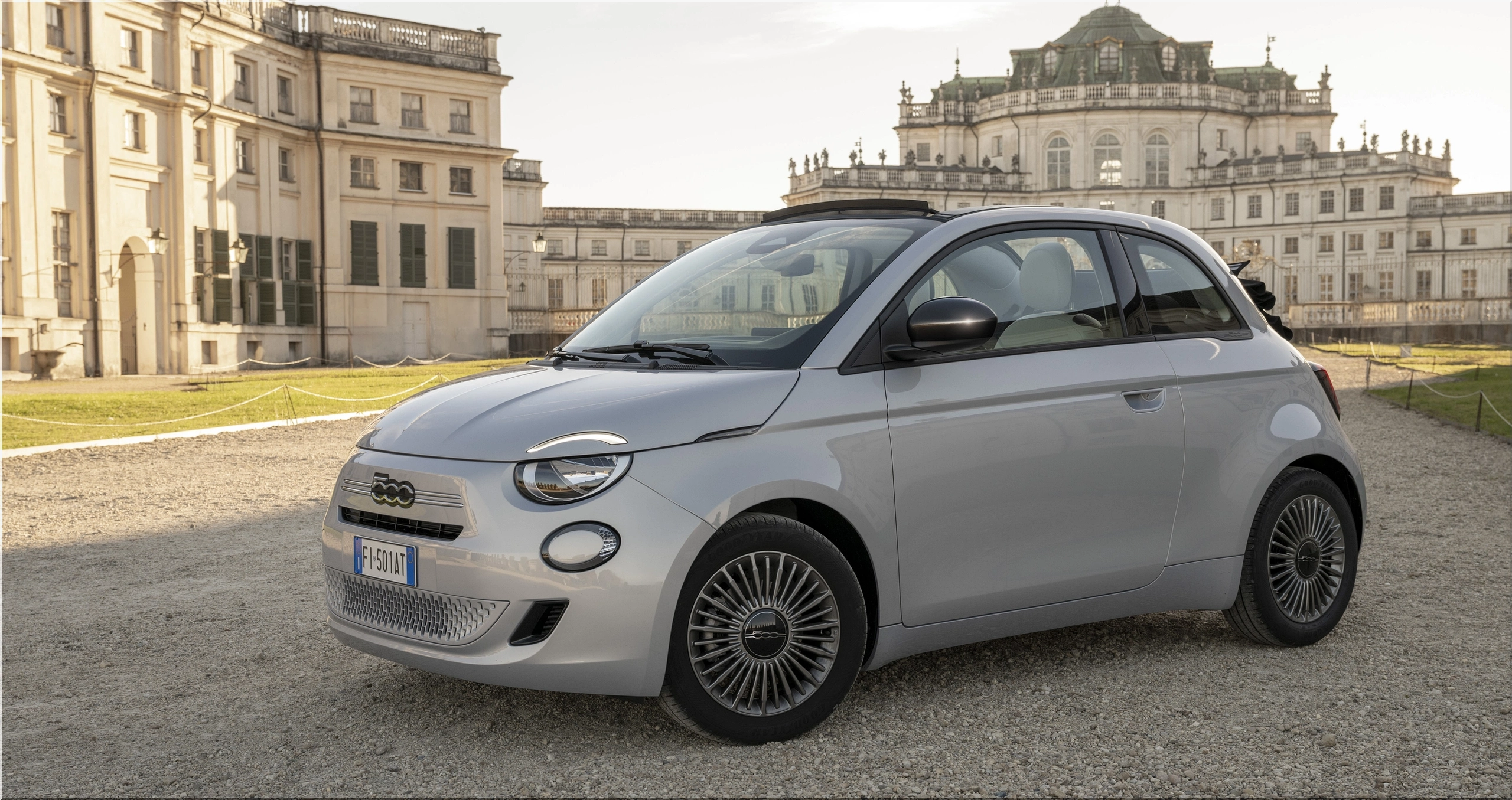
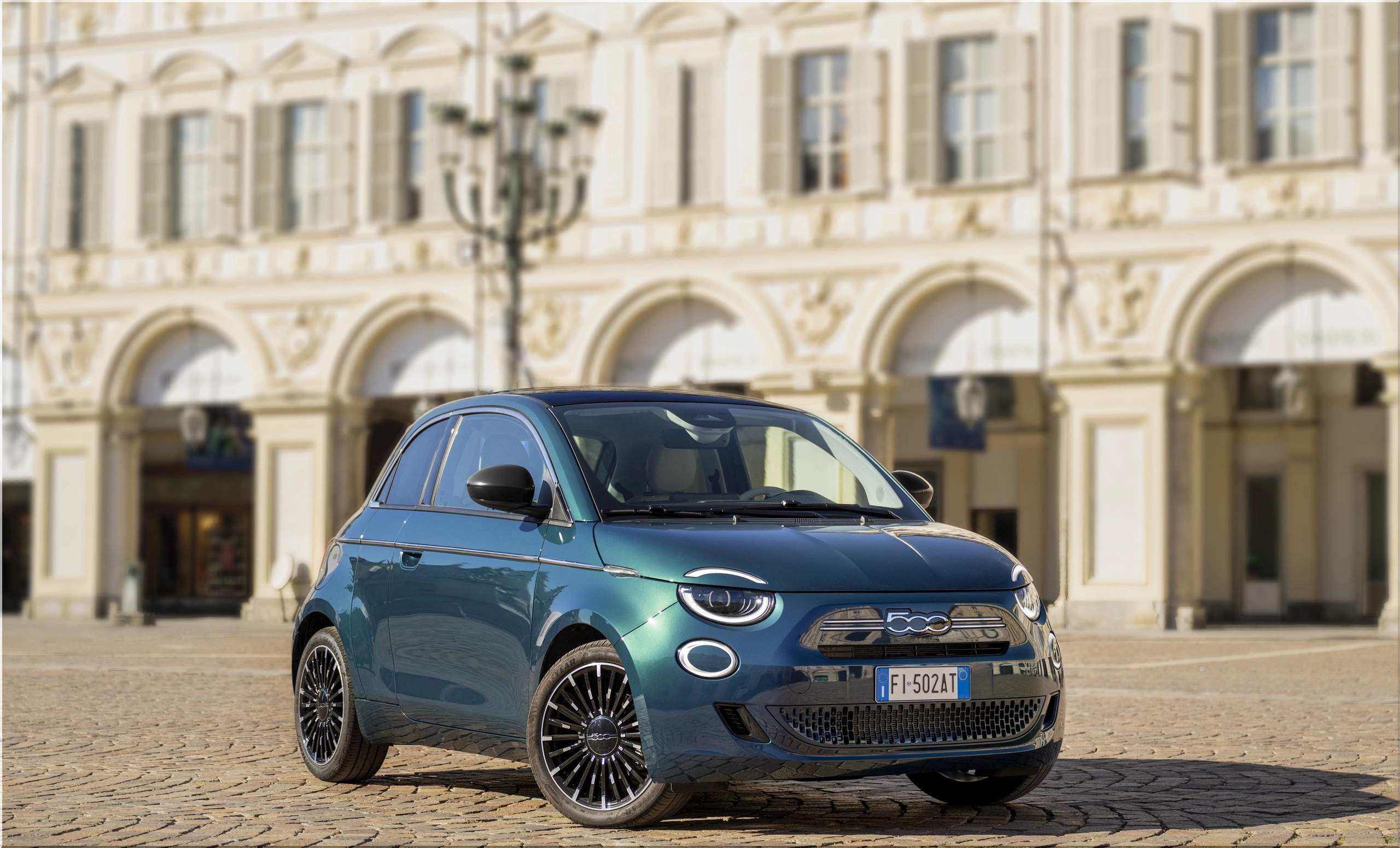
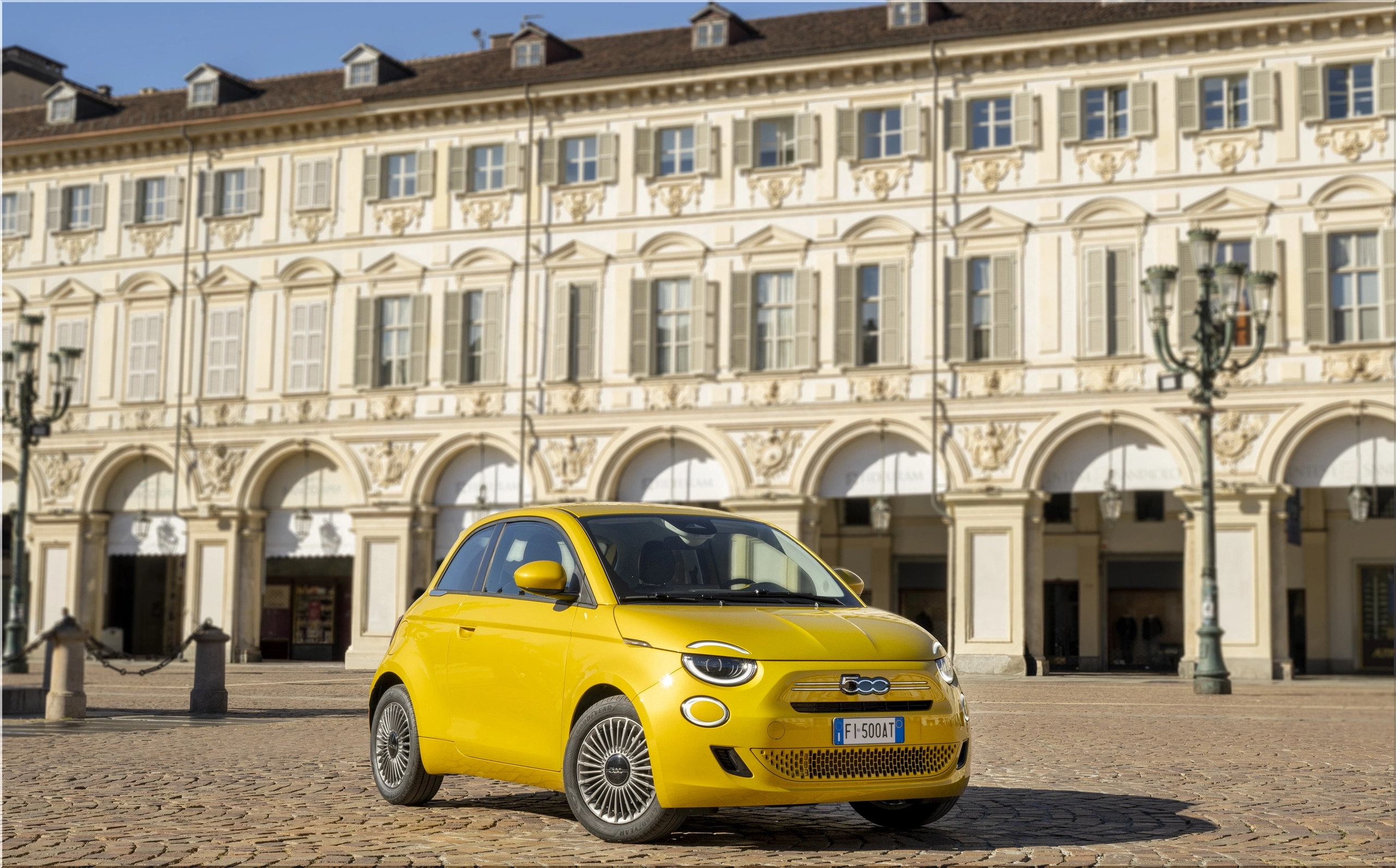
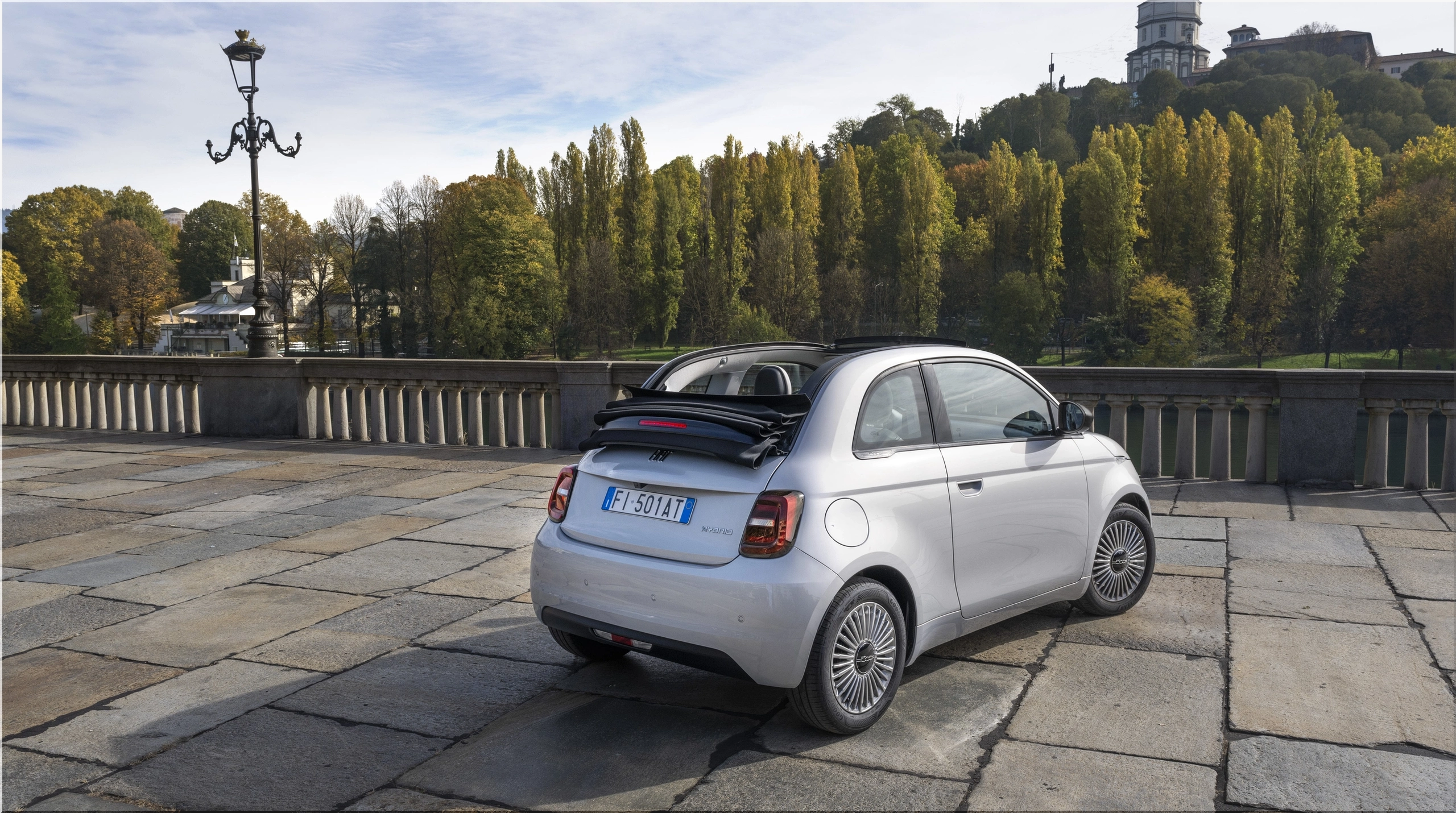
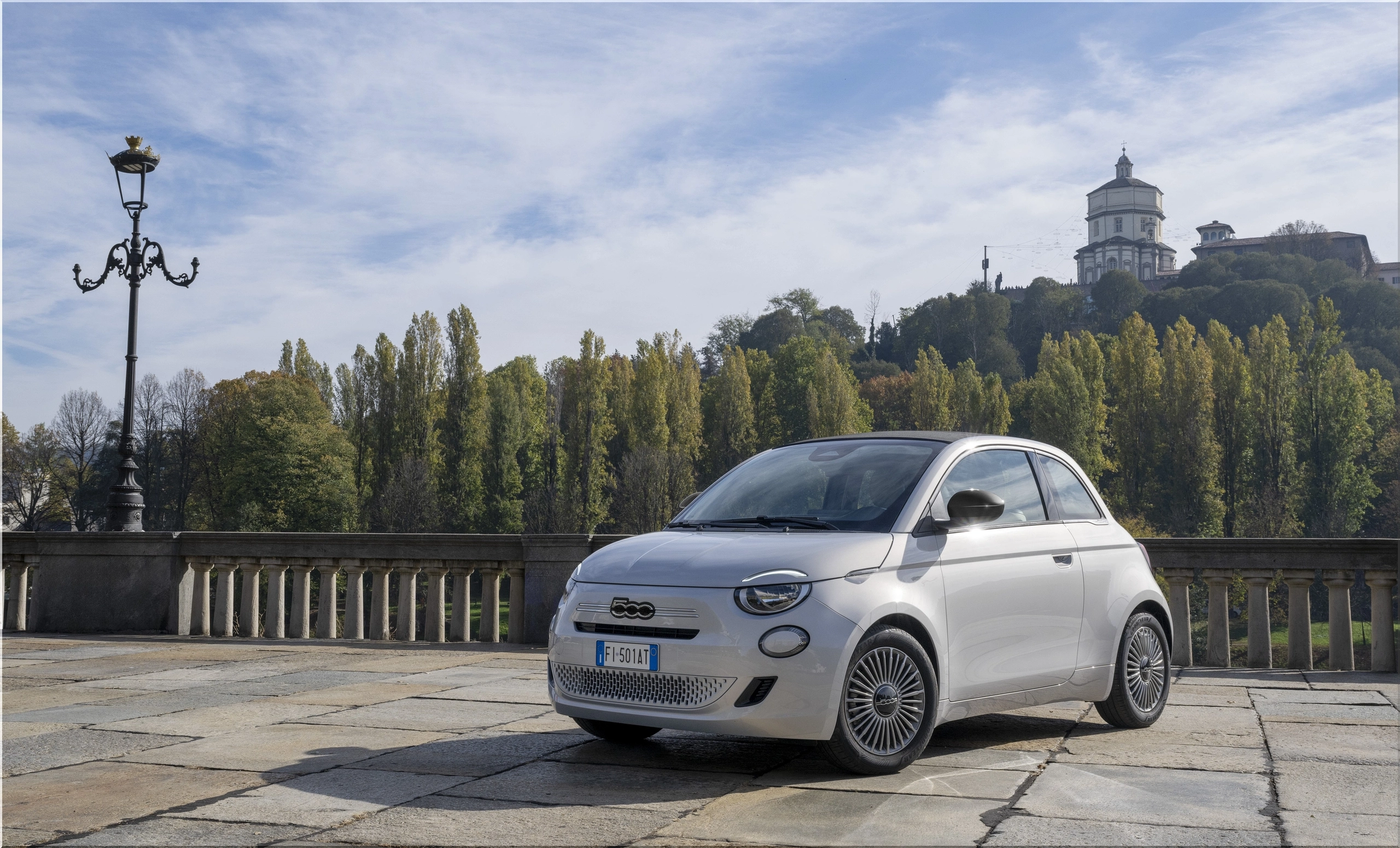
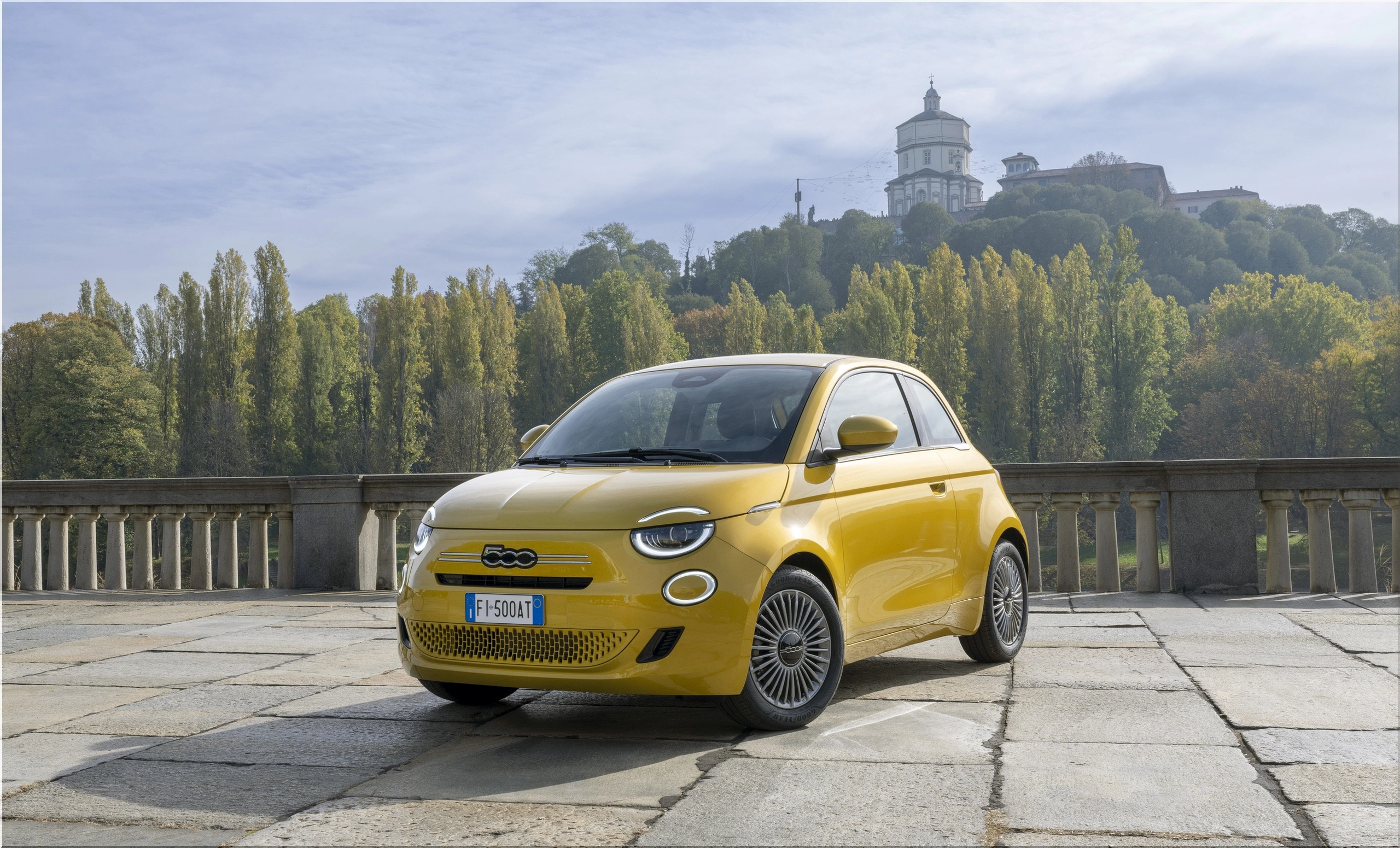
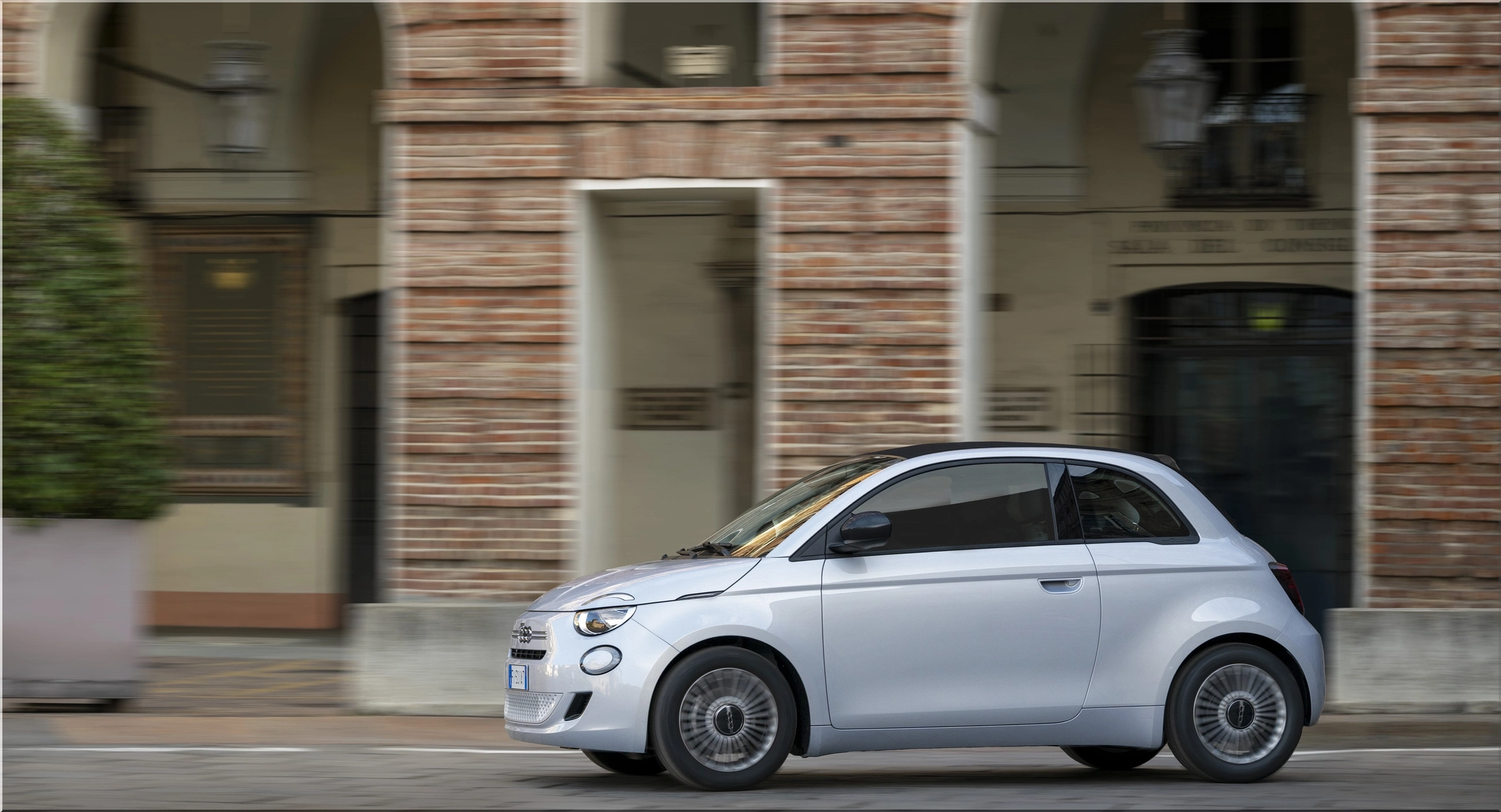
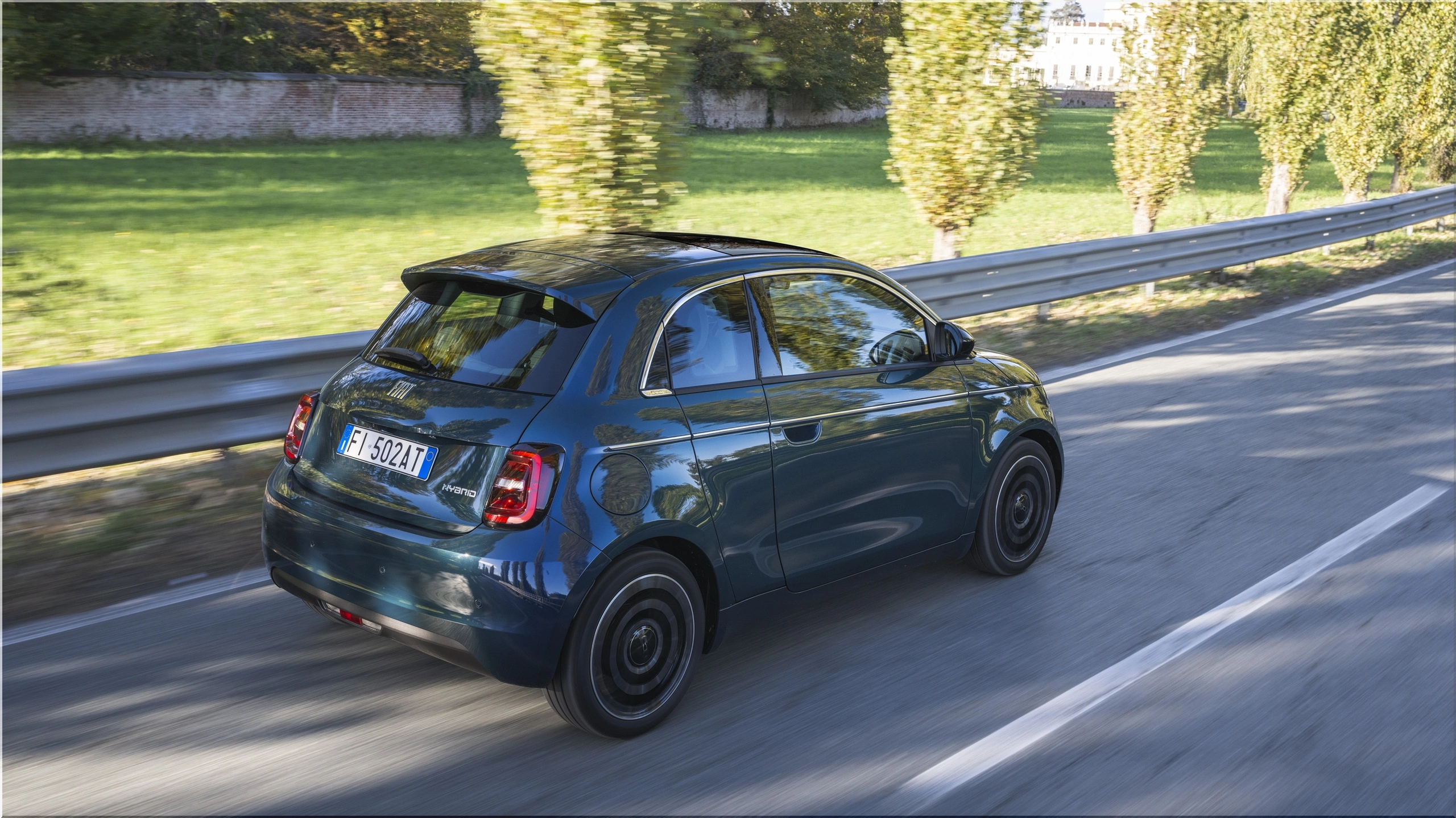
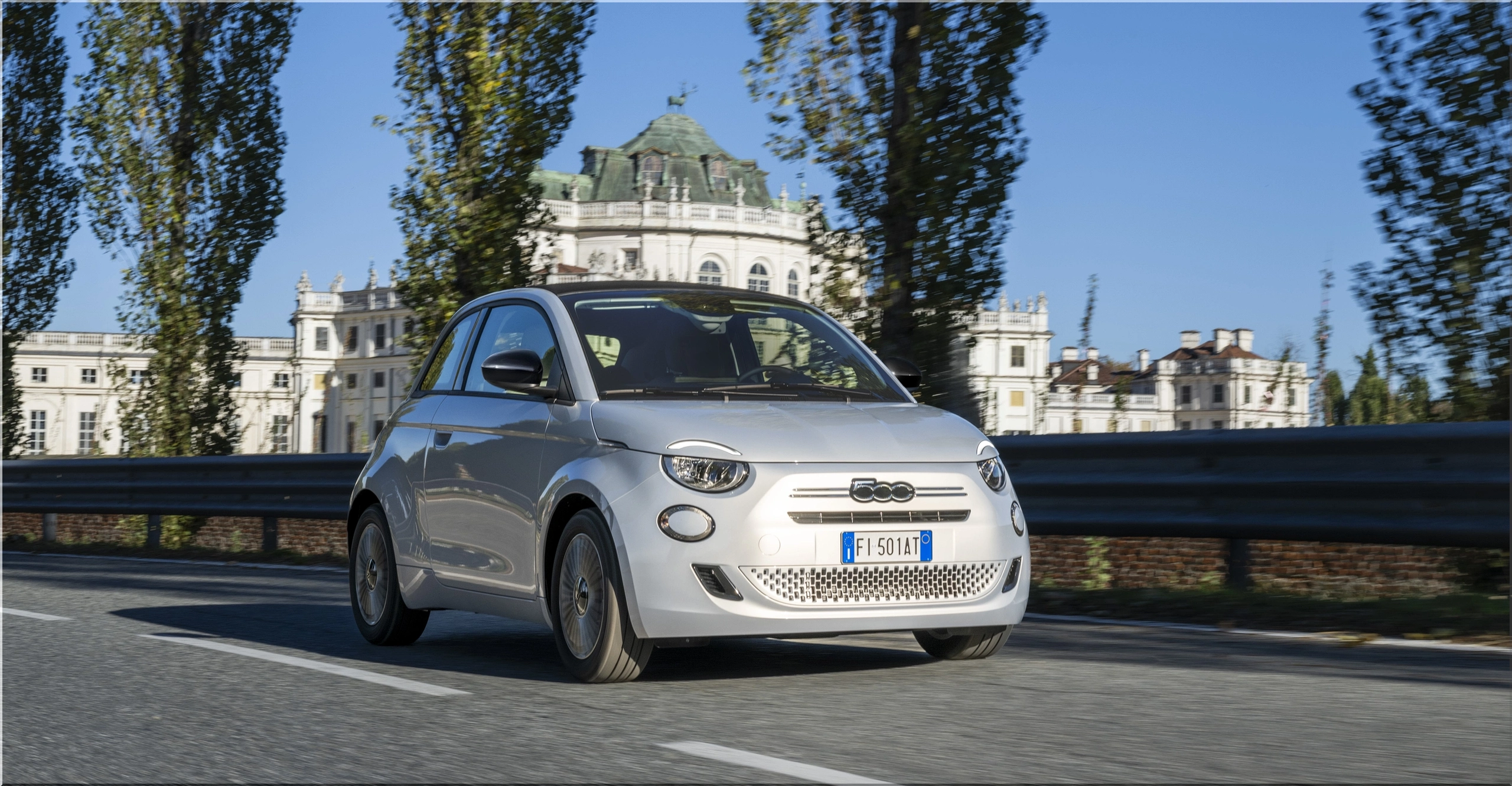
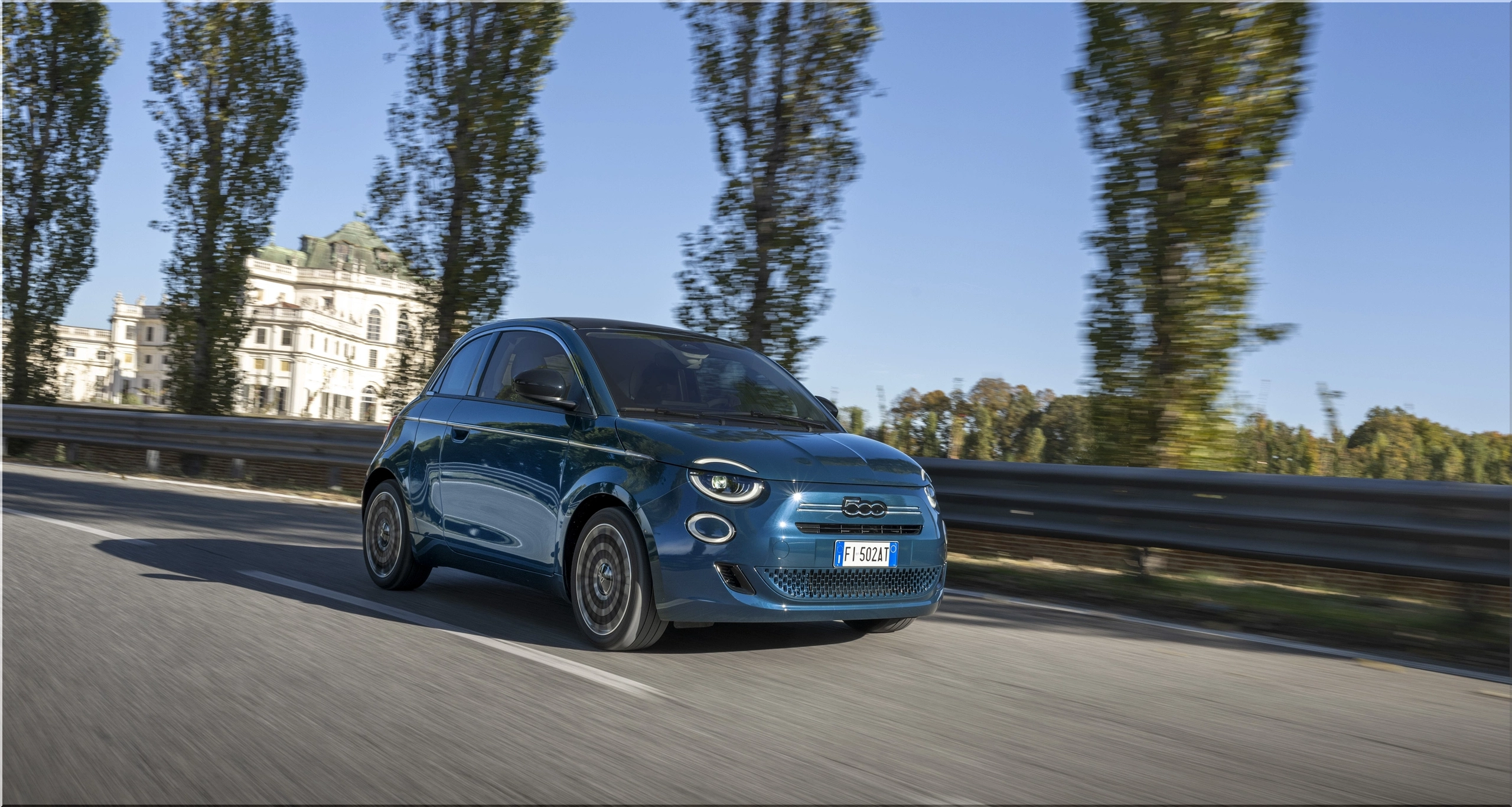
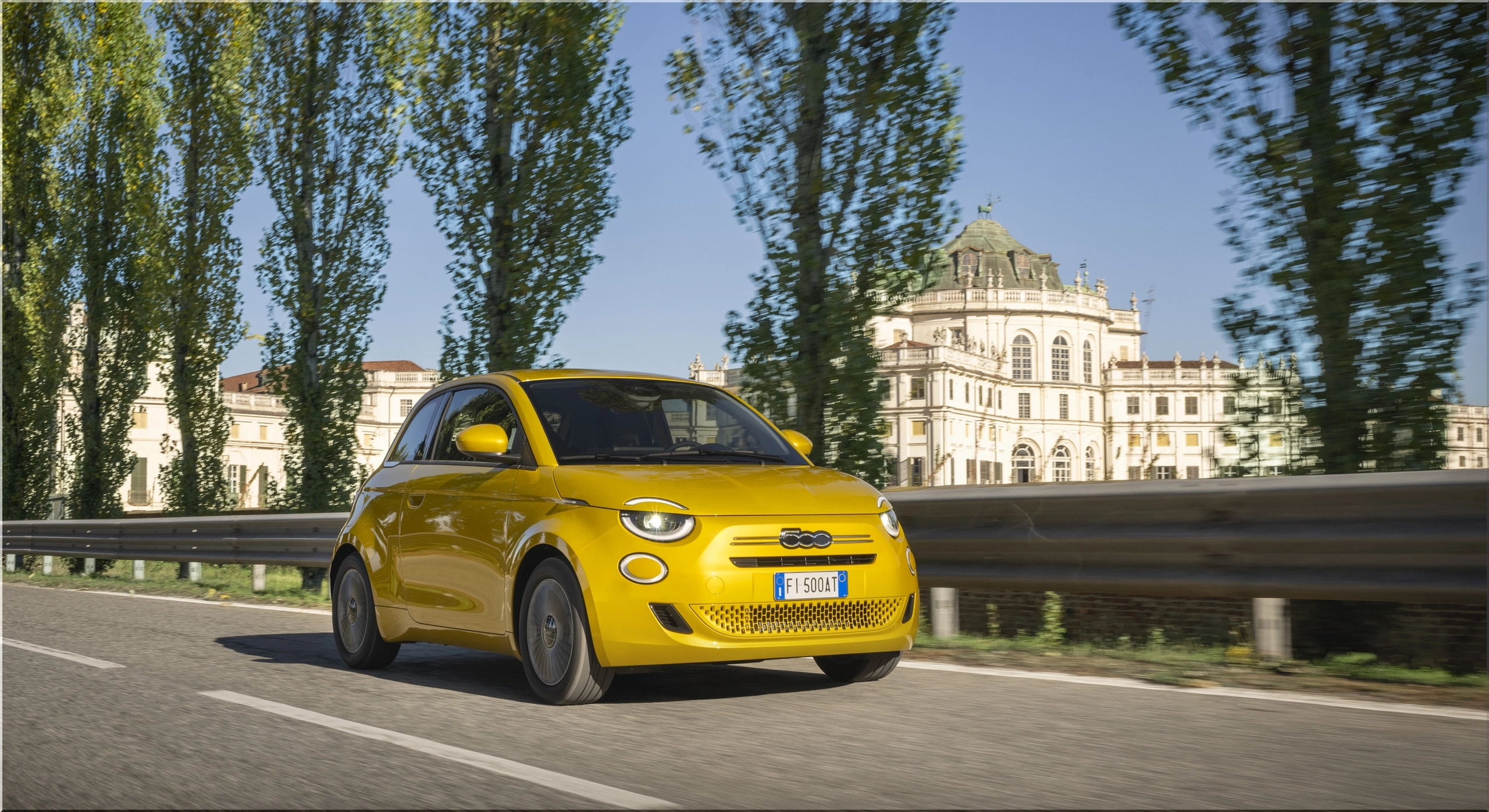
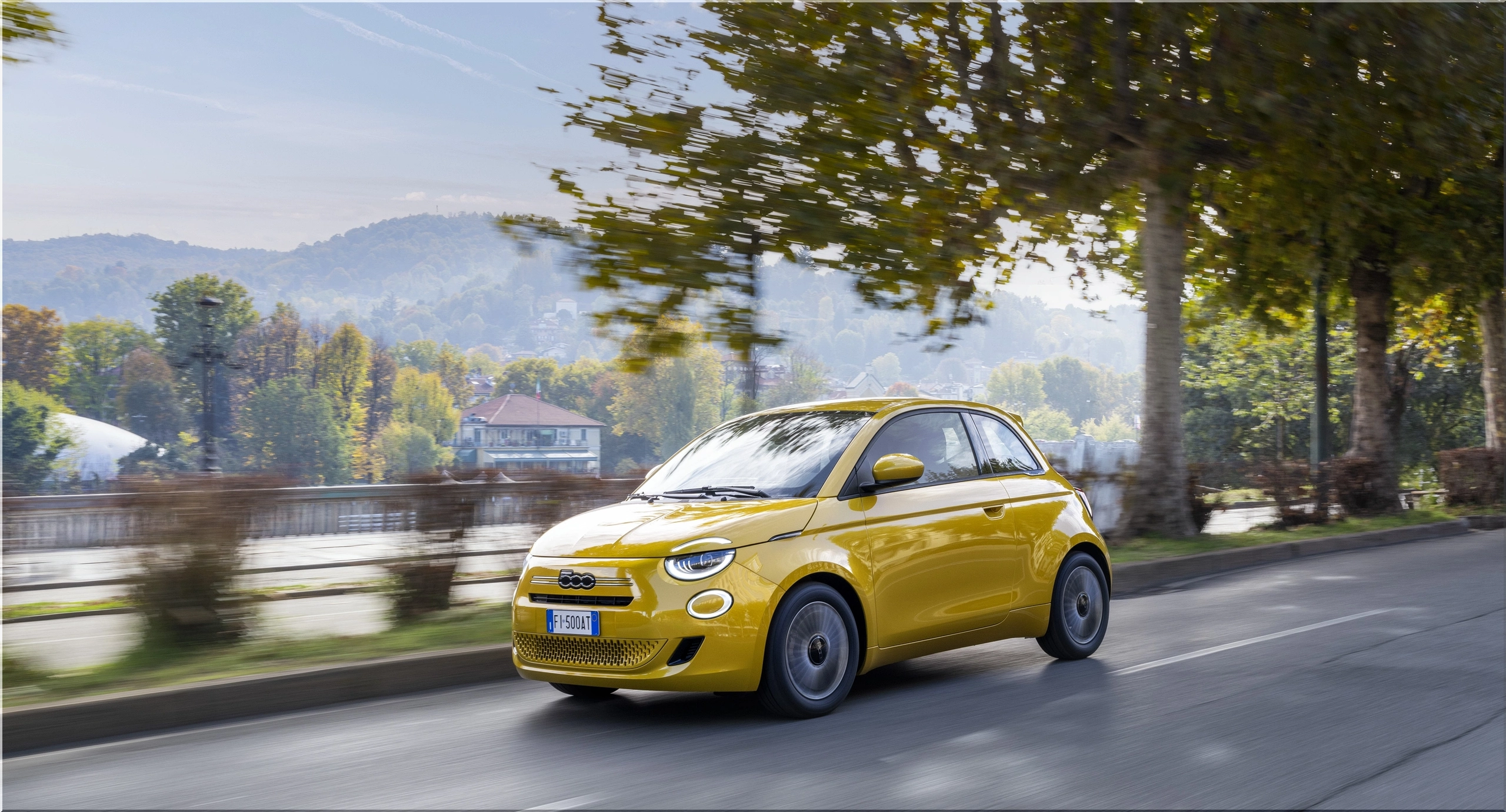
Fiat knows exactly what it is doing here. It has taken an icon, kept the familiar shape, added a low-friction mild-hybrid setup, and then pushed the entry price down to $17,160 for two March dealer events in Italy. That puts the new Fiat 500 Hybrid right in the middle of the most price-sensitive part of the urban-car market, where buyers care about monthly cost, ease of parking, fuel spend, and simple in-town usability.
Image
The offer matters because Fiat did not frame this car as a niche retrofit. It framed it as a mainstream volume play built at Mirafiori, backed by finance support, and spread across the full 500 Hybrid line in ready-delivery stock. In plain terms, Fiat wants people in showrooms now, not later.
Why this March Fiat 500 Hybrid offer matters
The headline figure starts at $17,160 for the Fiat 500 Hybrid POP 1.0 65 CV, converted from the advertised Italian price of 14,950 euro using the ECB reference rate for March 16, 2026. Fiat applies that price when the buyer trades in an older vehicle up to Euro 4 and uses Stellantis Financial Services. Without the finance incentive, the promo price rises to about $18,881, while the list price sits at roughly $22,841 before IPT and PFU charges.
That pricing strategy gives Fiat three separate levers:
- Footfall through the two Open Doors weekends
- Trade-in conquest from owners of older urban cars
- Finance penetration that lifts transaction value on the back end
Fiat scheduled the Open Doors for March 14-15 and March 21-22, which turns the campaign into a short, measurable retail push. That approach works well for a city car because showroom conversion often depends on one thing: buyers need to sit in it, see the size, and test low-speed drivability.
The numbers behind the deal
| Pricing element | Euro | USD |
|---|---|---|
| Advertised finance price | 14,950 | 17,160 |
| Promo price without finance | 16,450 | 18,881 |
| List price | 19,900 | 22,841 |
| Fiat discount | 3,450 | 3,960 |
| Finance incentive | 1,500 | 1,722 |
That spread tells the full story. Fiat uses a combined discount of about $5,682 versus list to create a strong lead price. For a buyer shopping a compact urban hatchback, that changes the conversation from aspiration to action.
The finance example also shows how Fiat structures affordability. The published example includes an advance payment of about $4,664, 35 monthly payments of 99 euro, and a final residual payment of about $12,951. That setup keeps the monthly figure visually low, which has become standard practice in European retail finance.
What the Fiat 500 Hybrid actually offers
Price alone would not carry this story. The Fiat 500 Hybrid also packs the core features buyers now expect in this segment. Fiat pairs the 1.0-litre FireFly 12V hybrid engine with a six-speed manual gearbox and a belt starter generator system. That mild-hybrid arrangement recovers energy during deceleration and supports smoother restarts and urban stop-start use.
This is not a torque-heavy full hybrid. It is a light electrification package built for lower cost, lower complexity, and strong city fit. That matters. A small urban car does not need a heavy battery or a costly power-split setup to serve its market well. It needs fast response in traffic, low running costs, and fewer compromises at the curb.
Fiat also loads the car with real digital value:
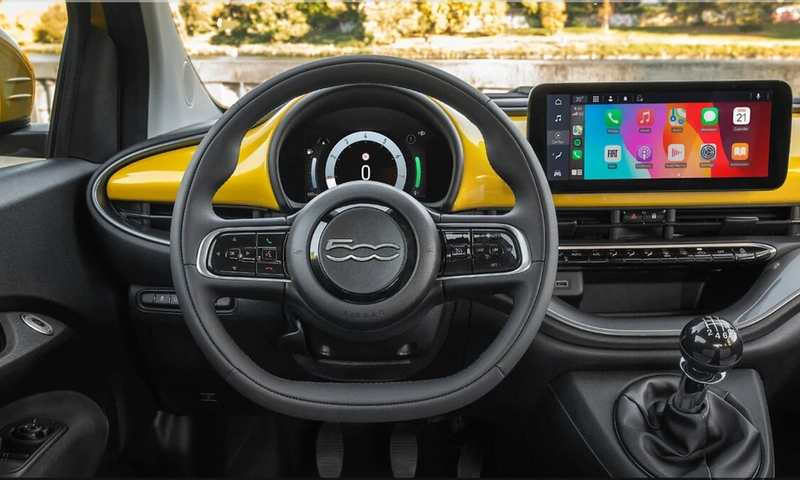
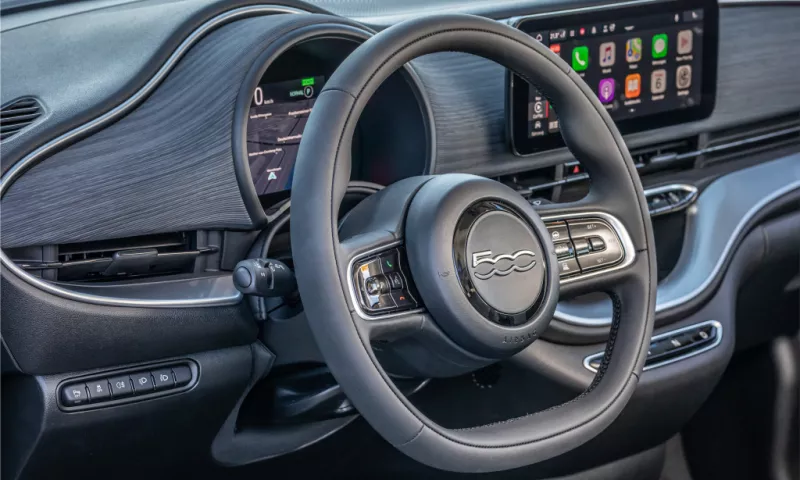
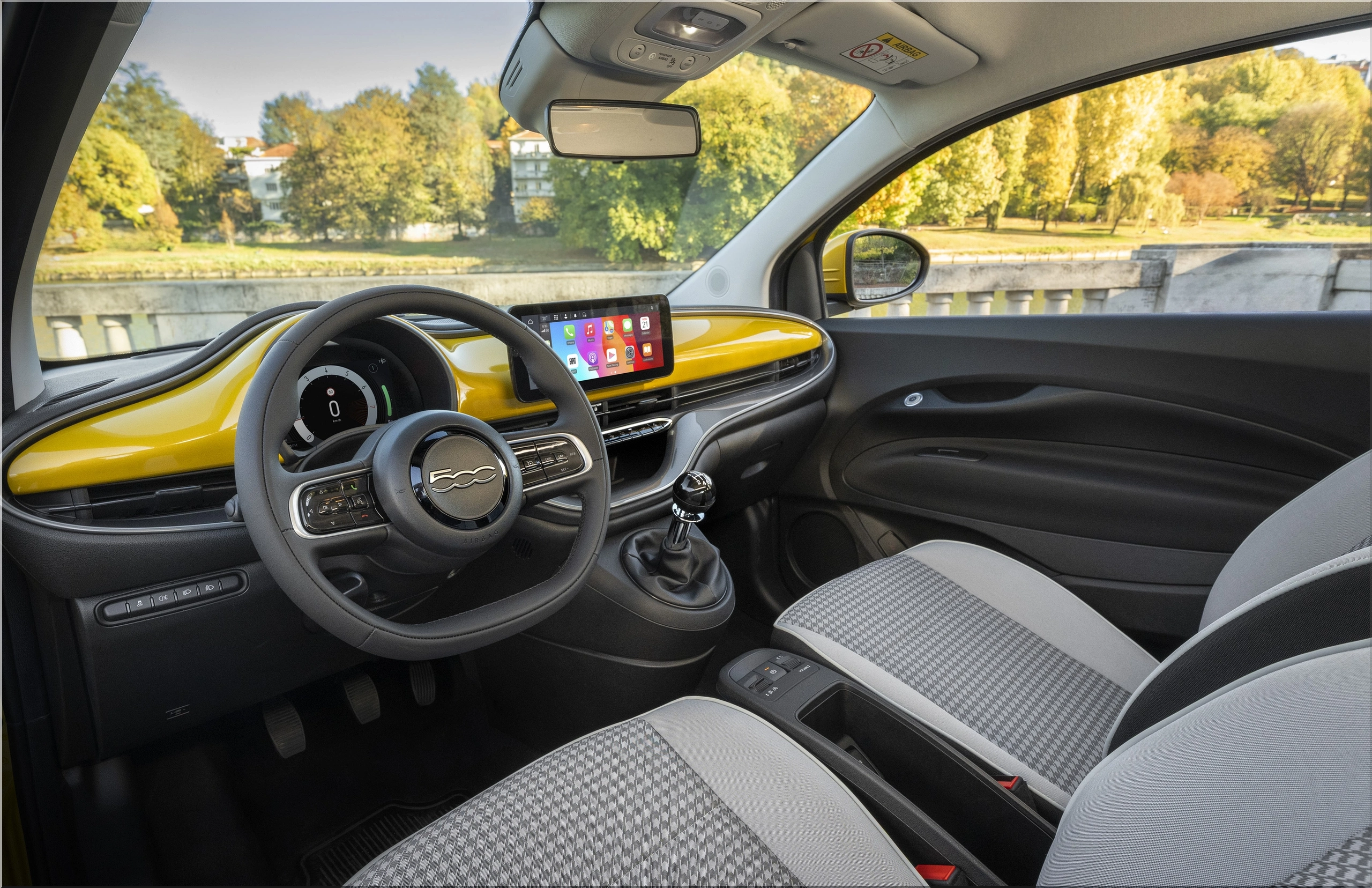
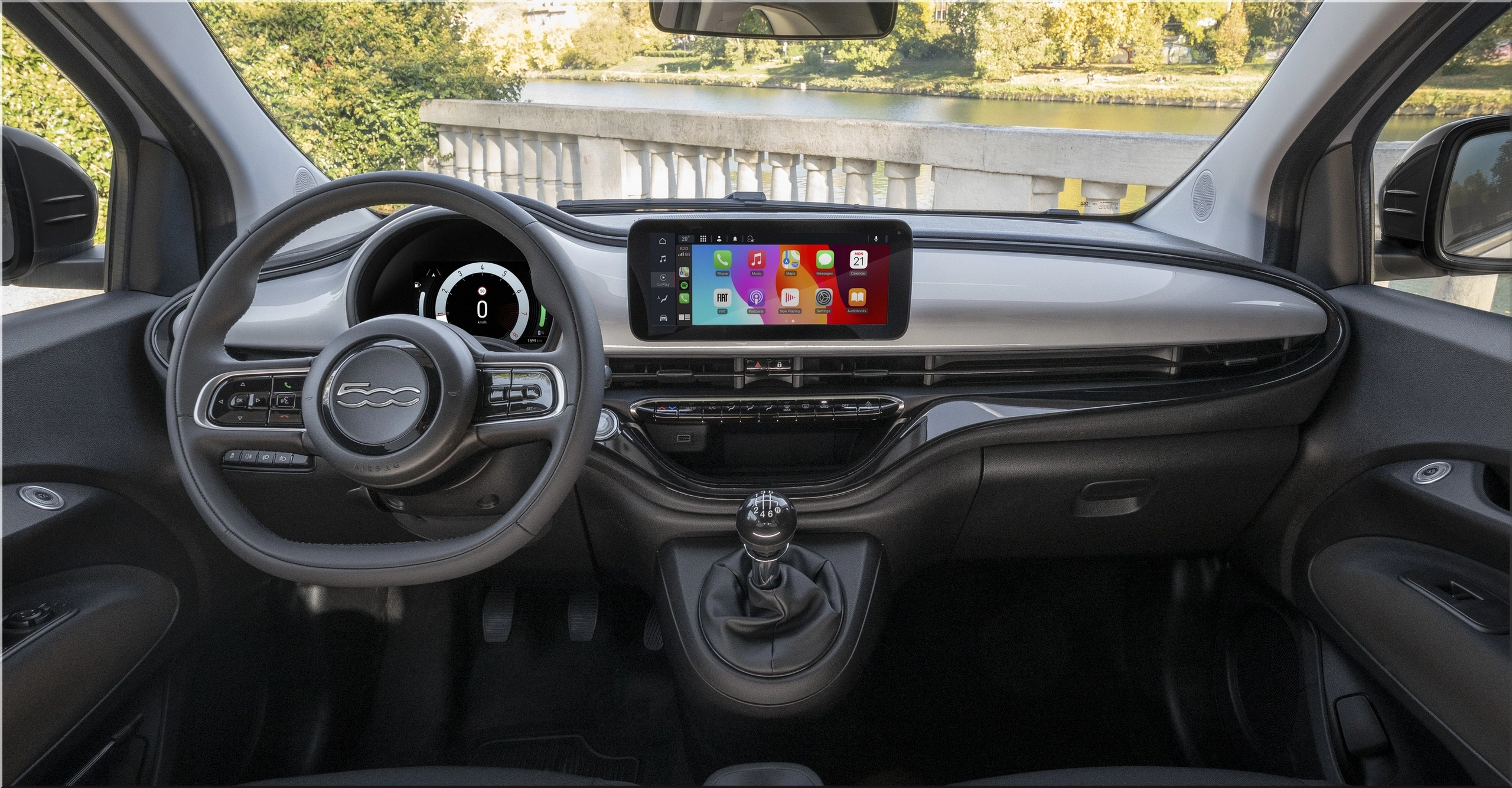
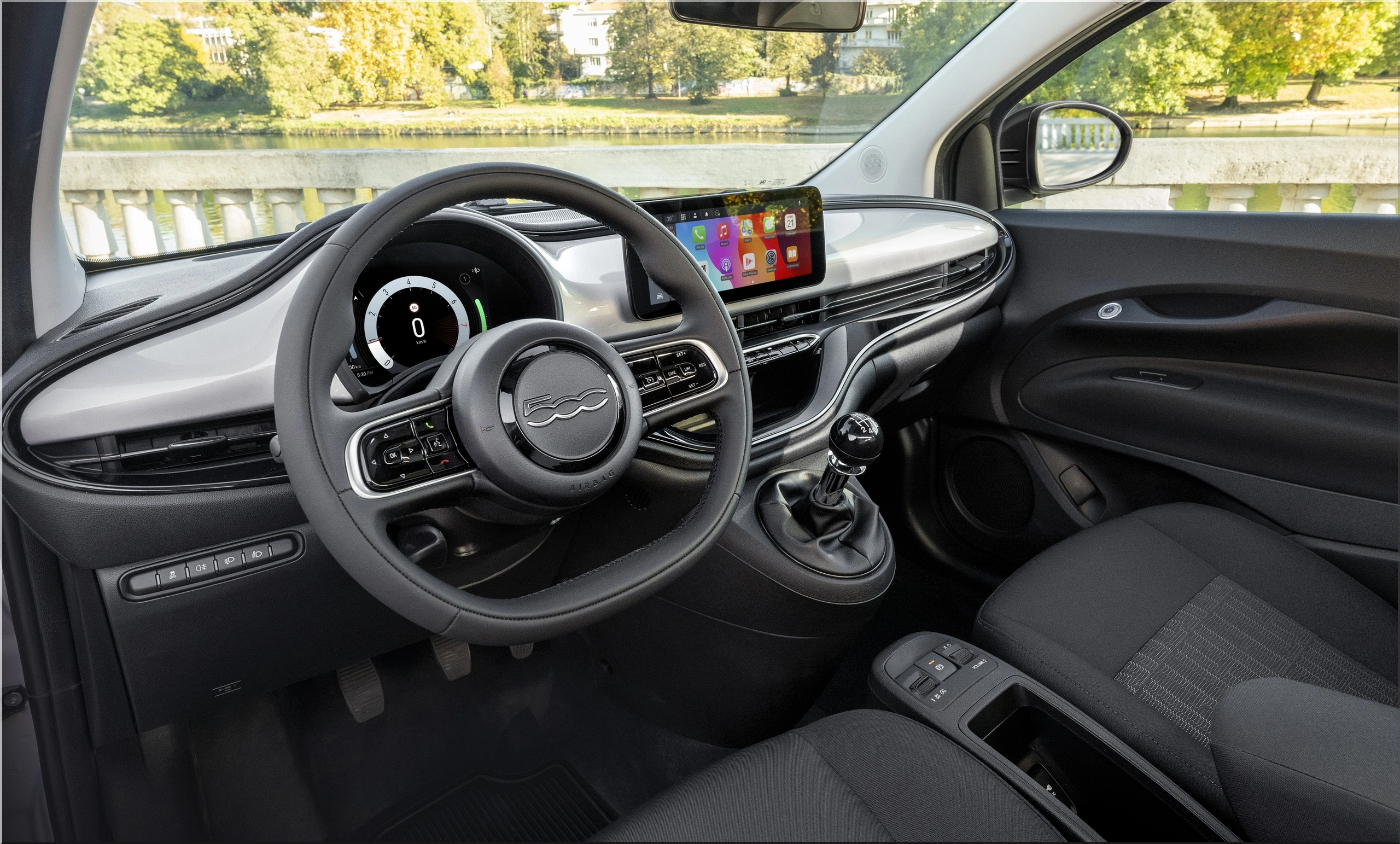
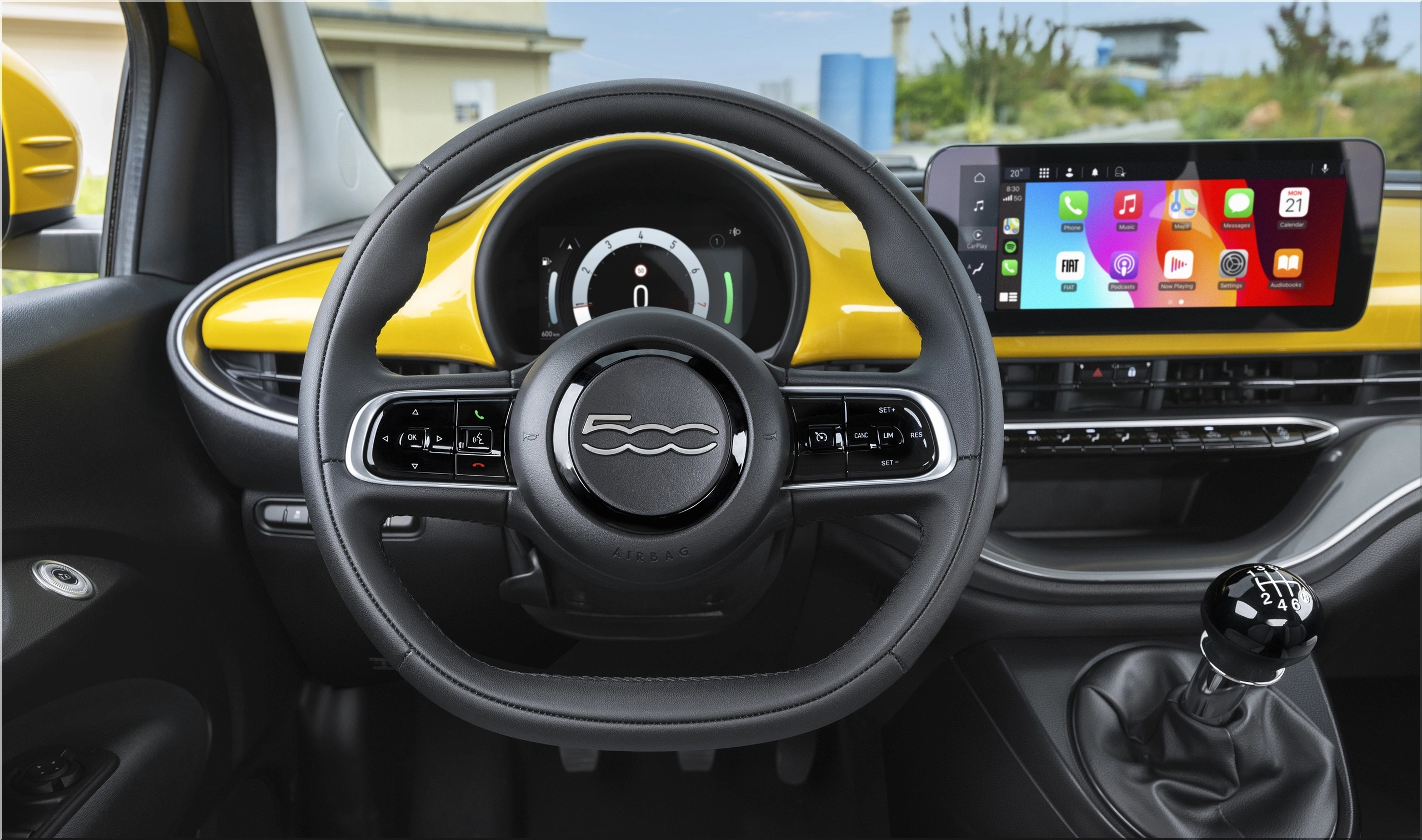
- 10.25-inch Uconnect 5 touchscreen
- 7-inch digital instrument display
- Wireless Apple CarPlay
- Wireless Android Auto
- Standard ADAS content across the range, including emergency braking and lane assistance on upper trims or stated range-wide safety focus
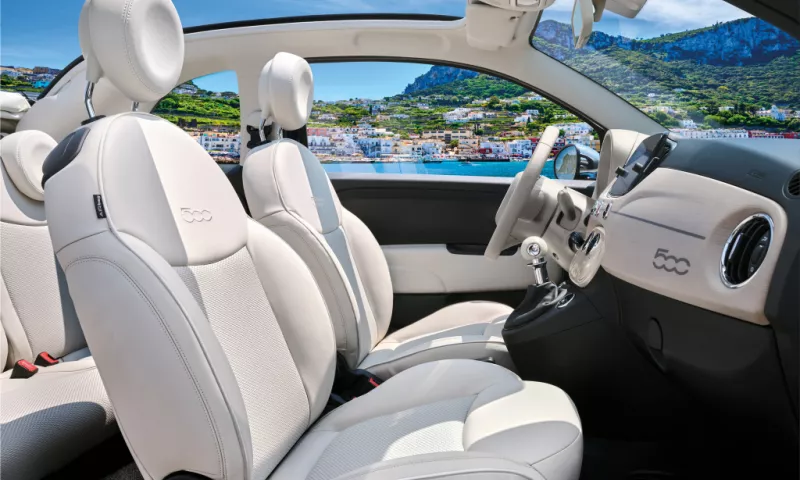
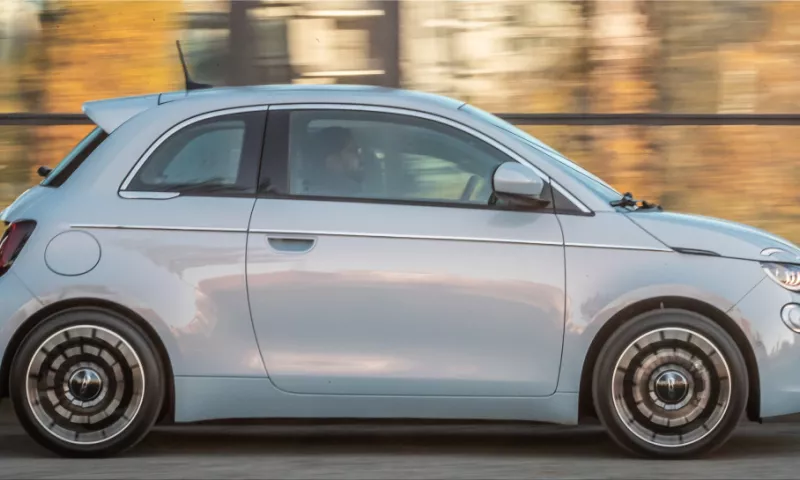
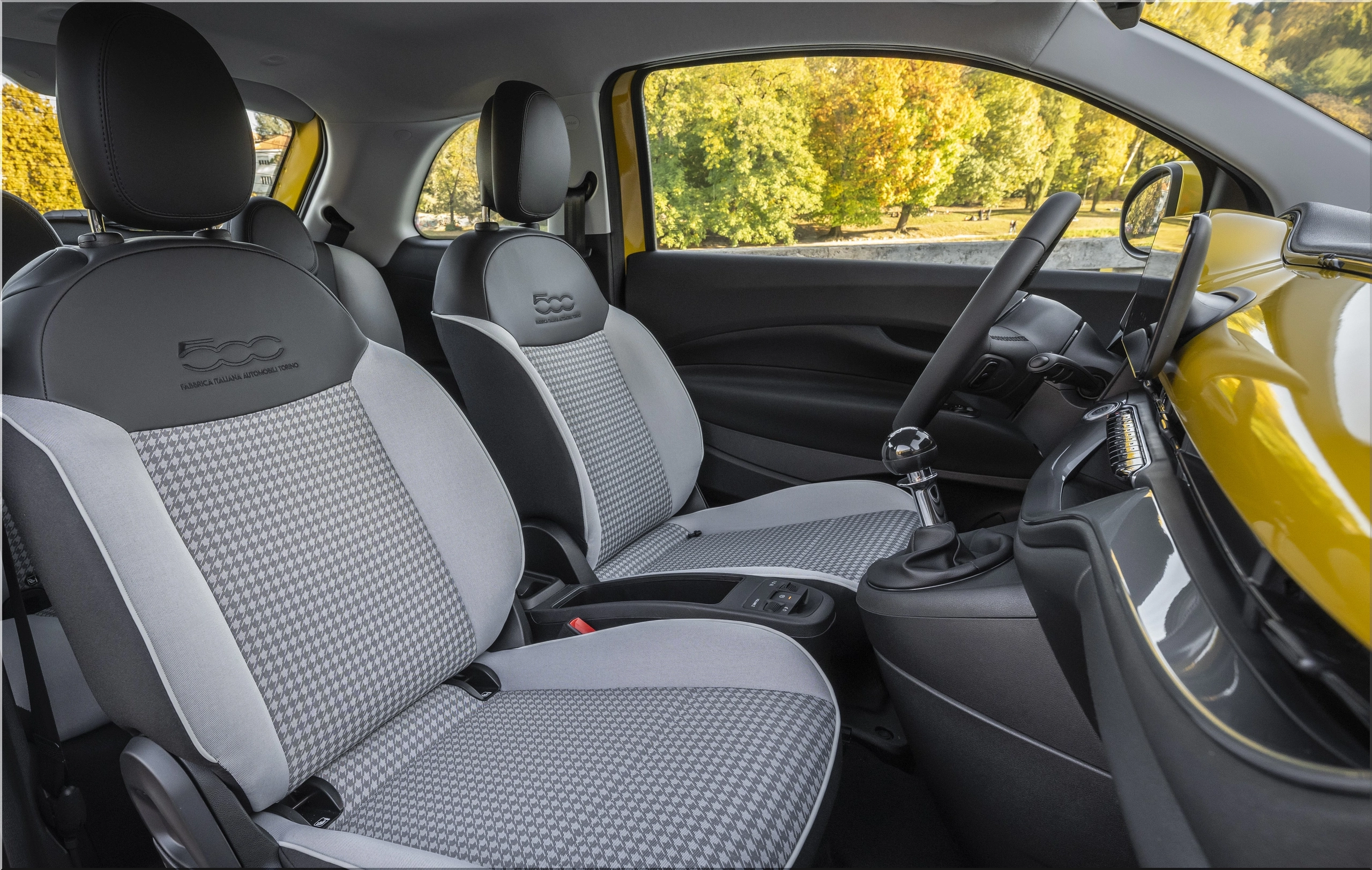
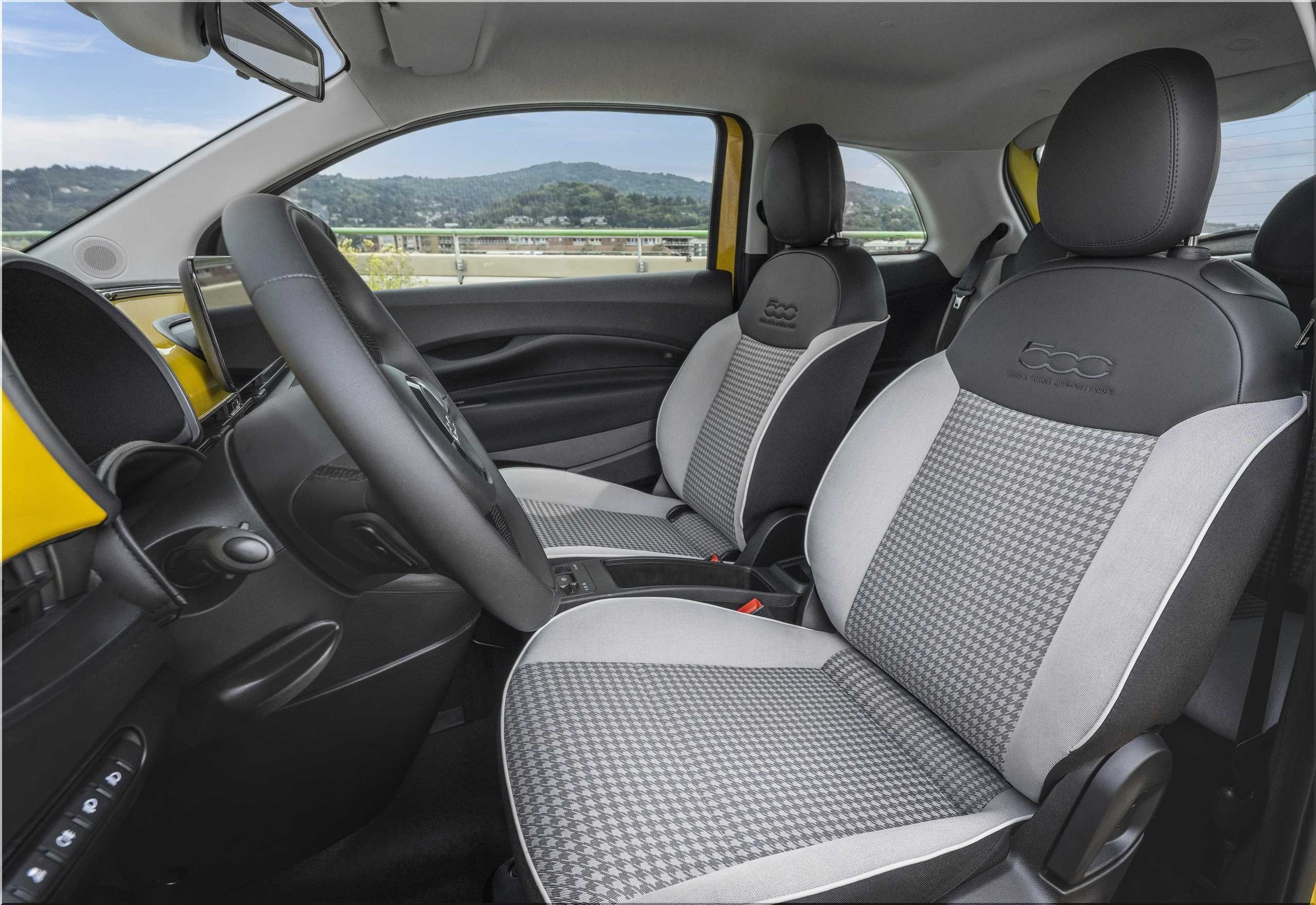
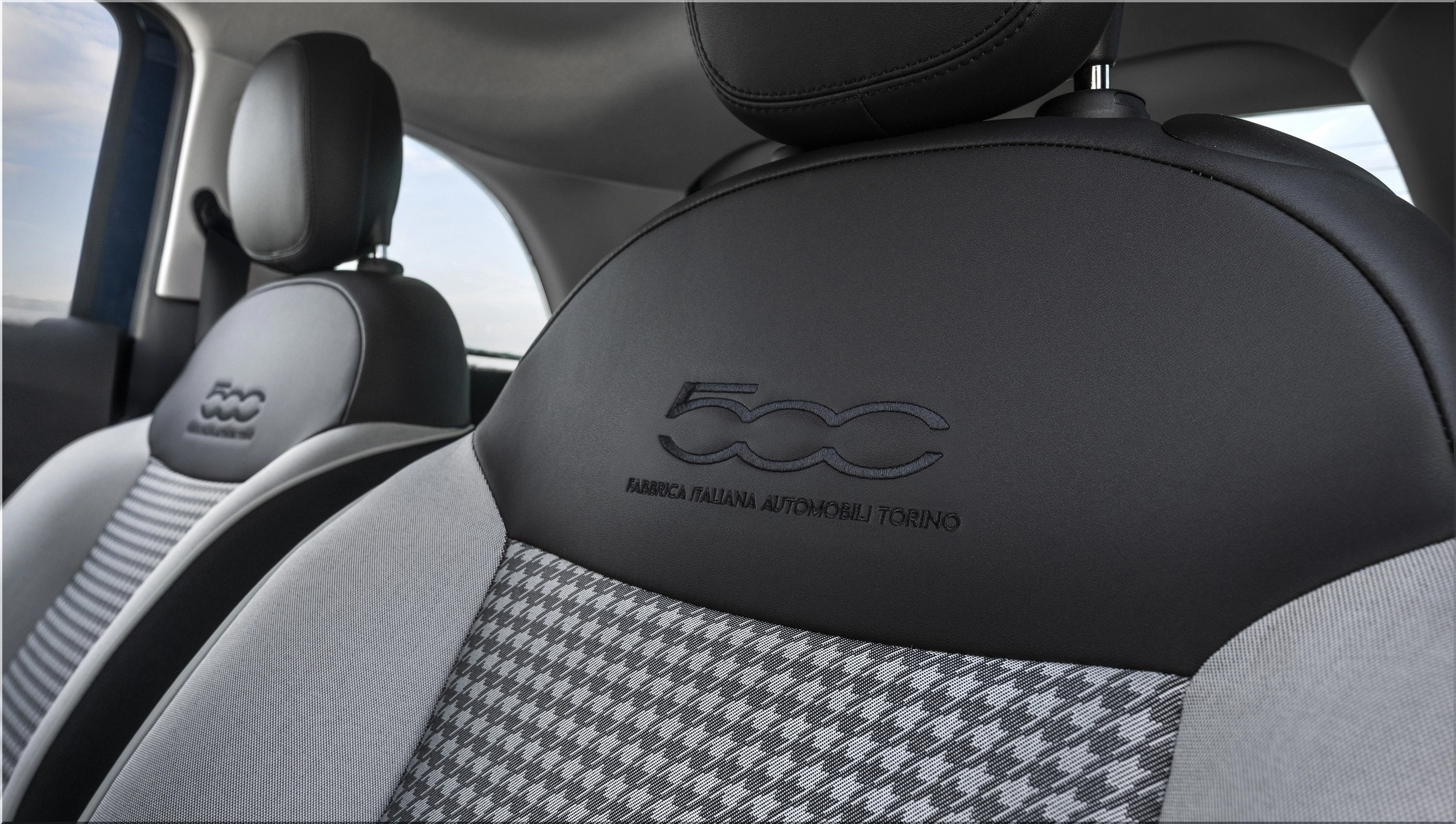
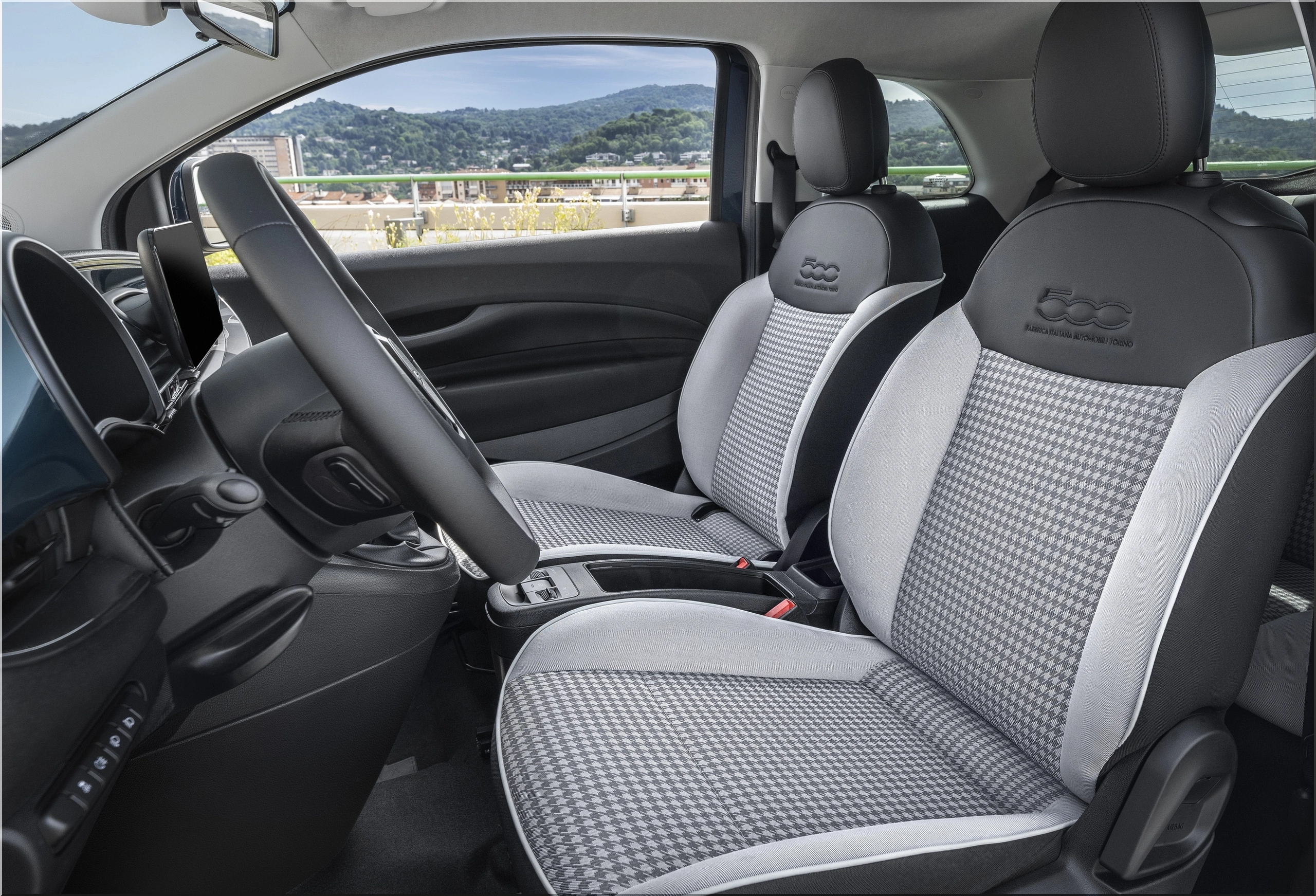
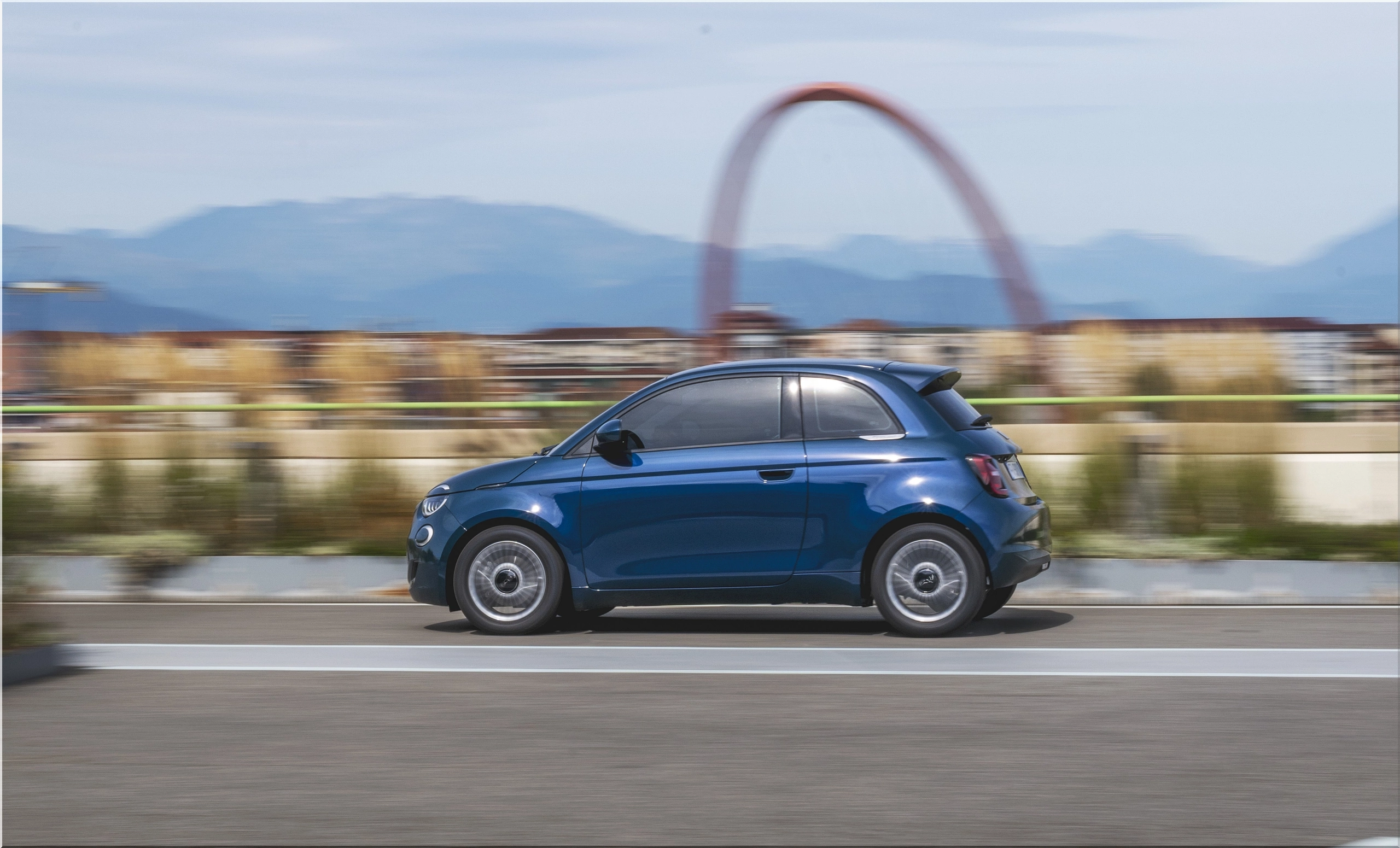
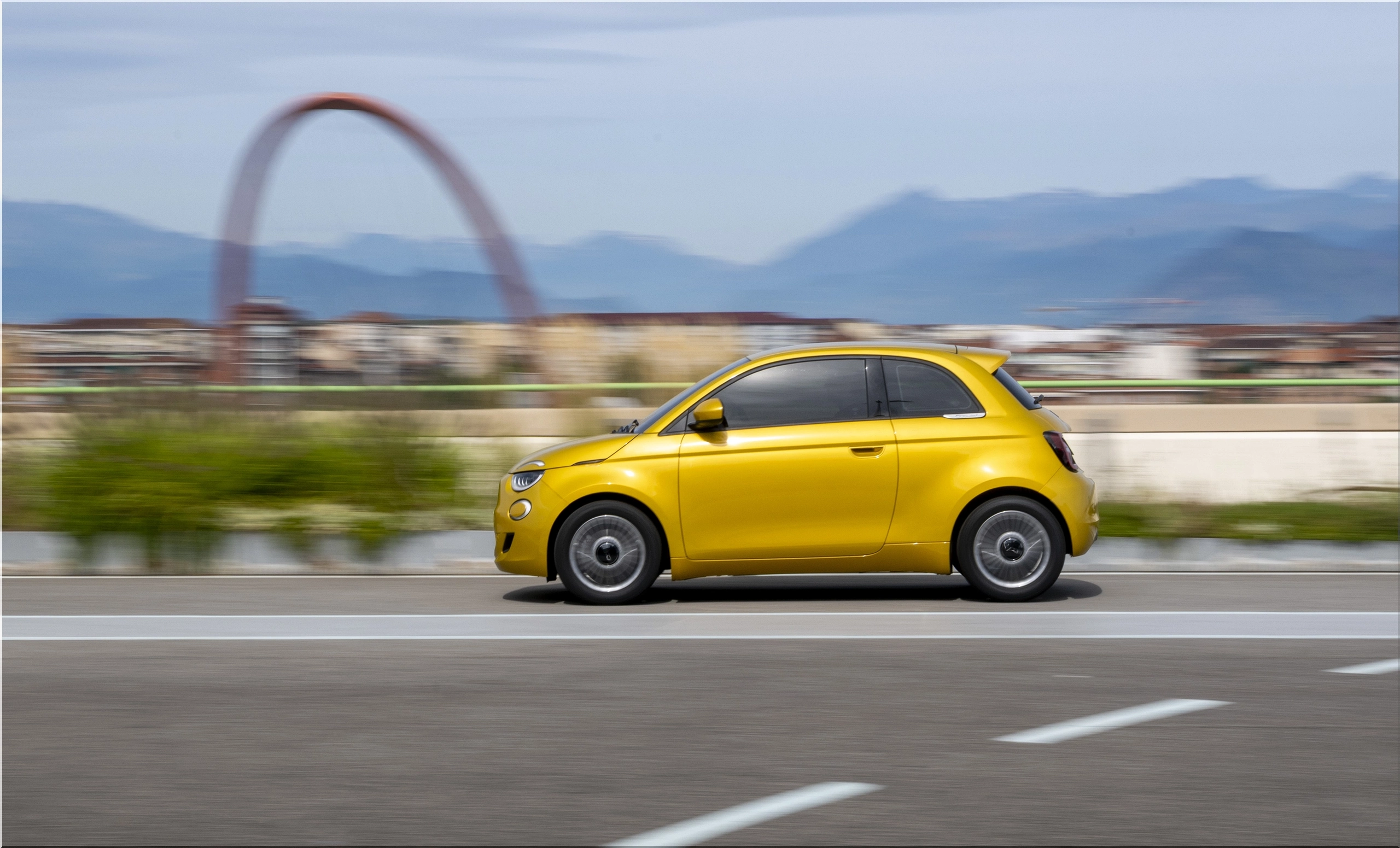
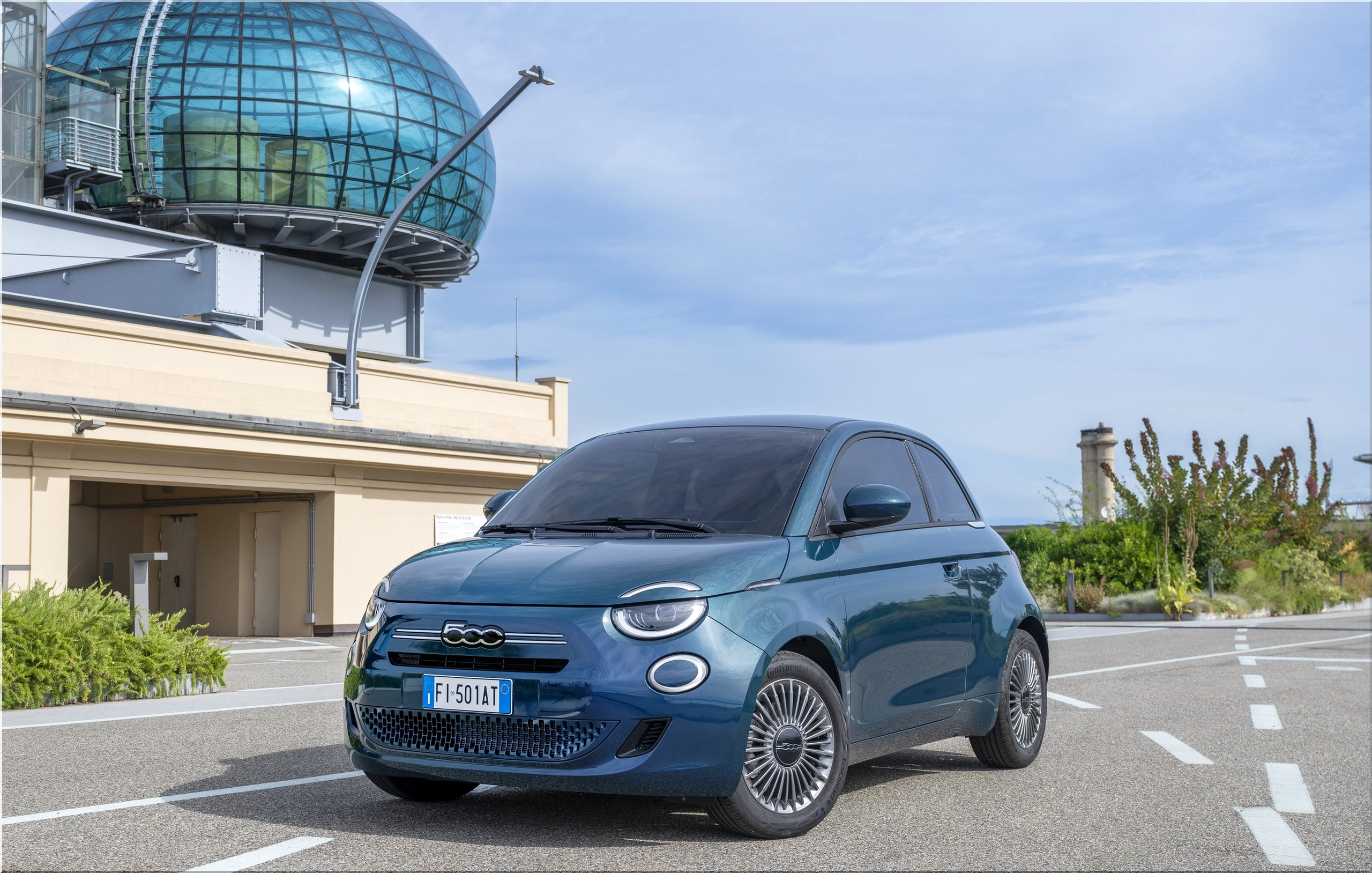
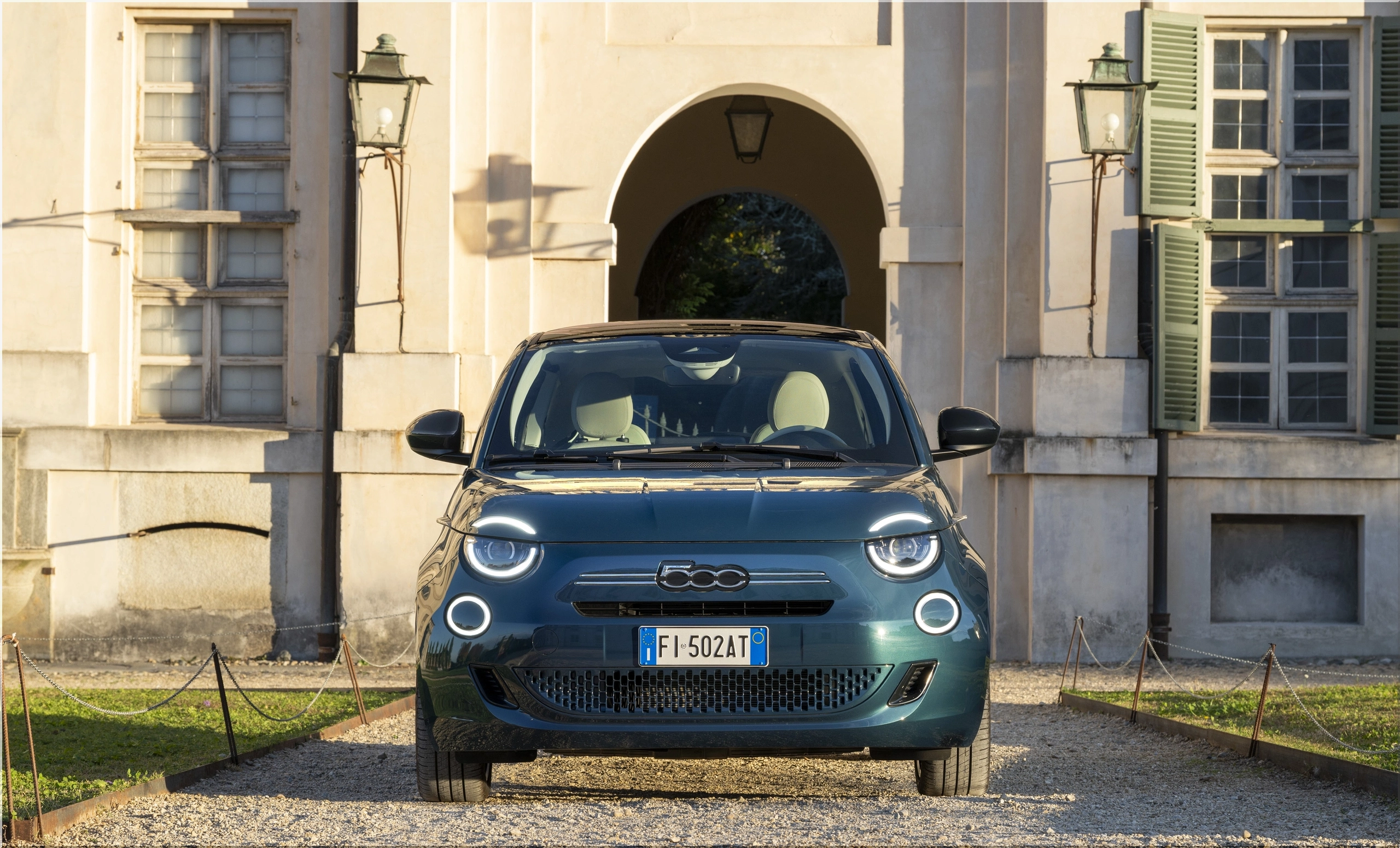
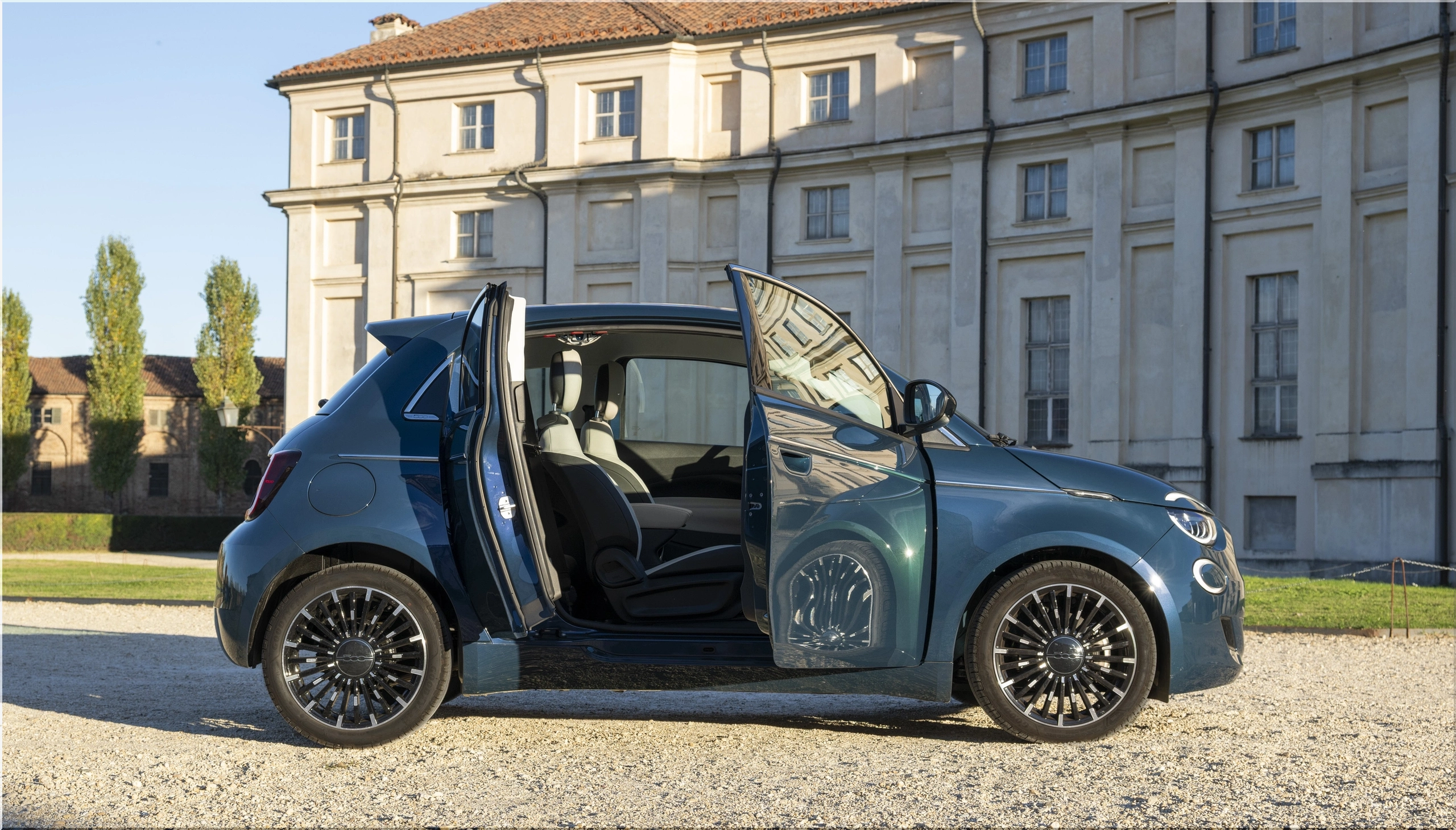
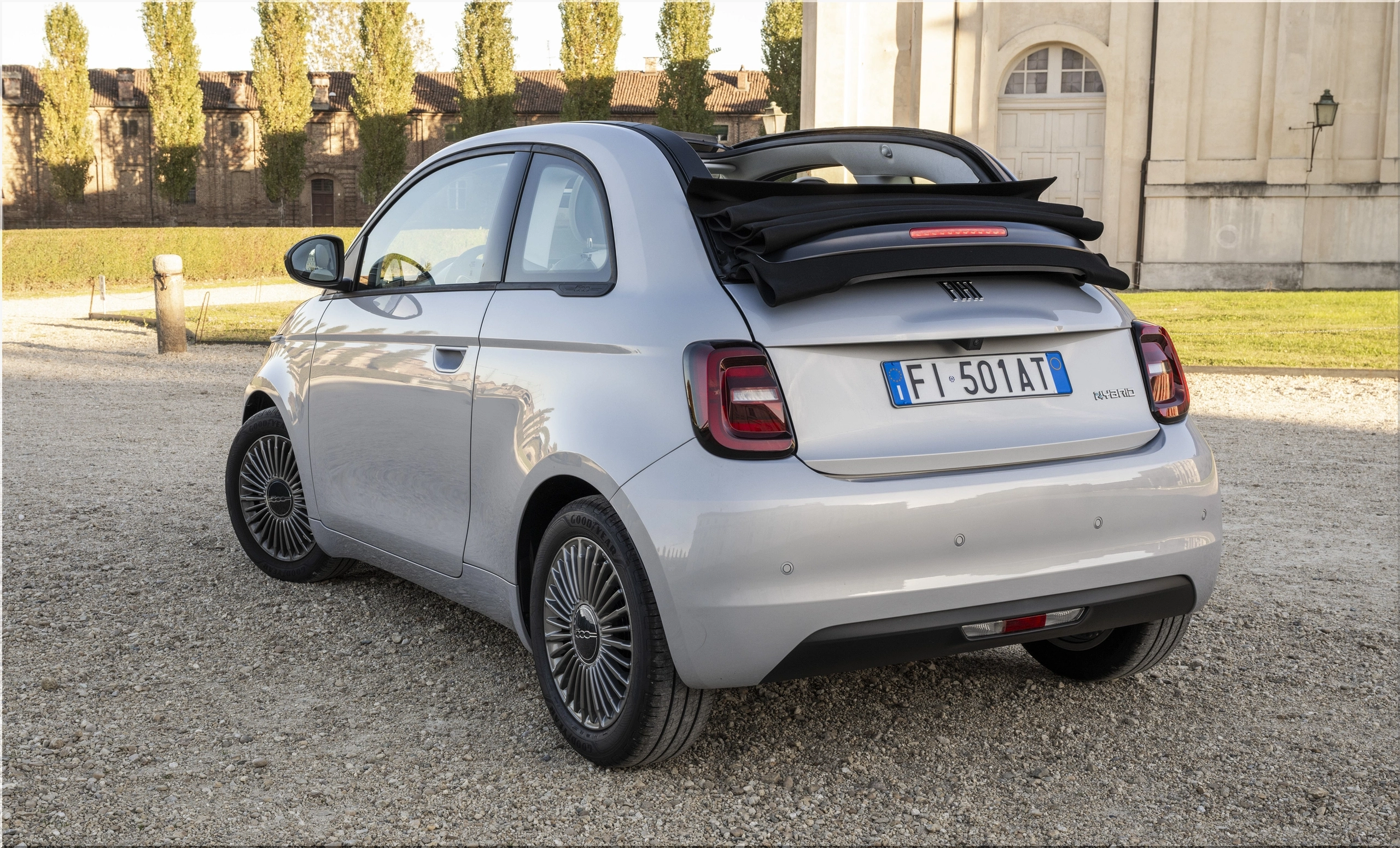
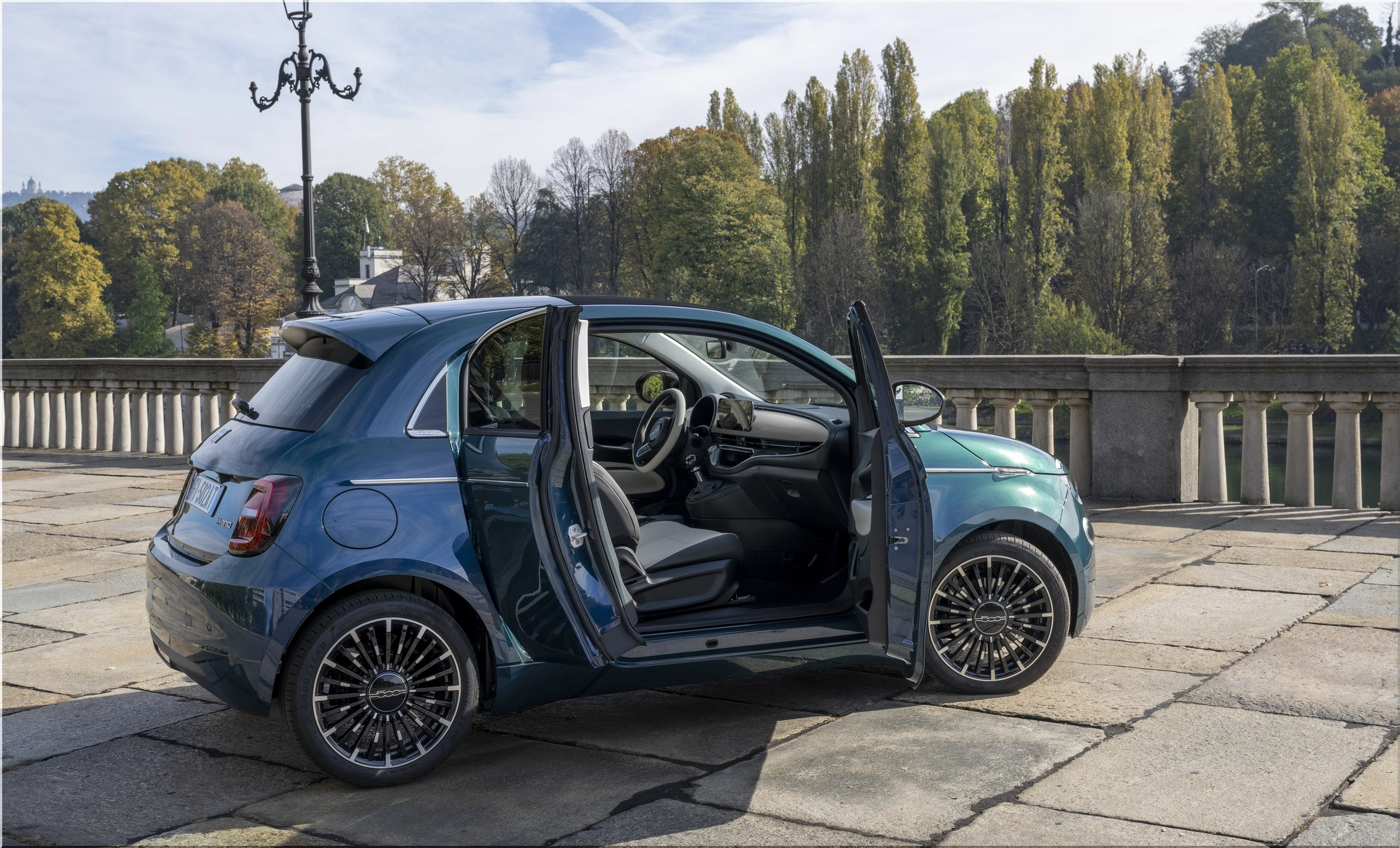
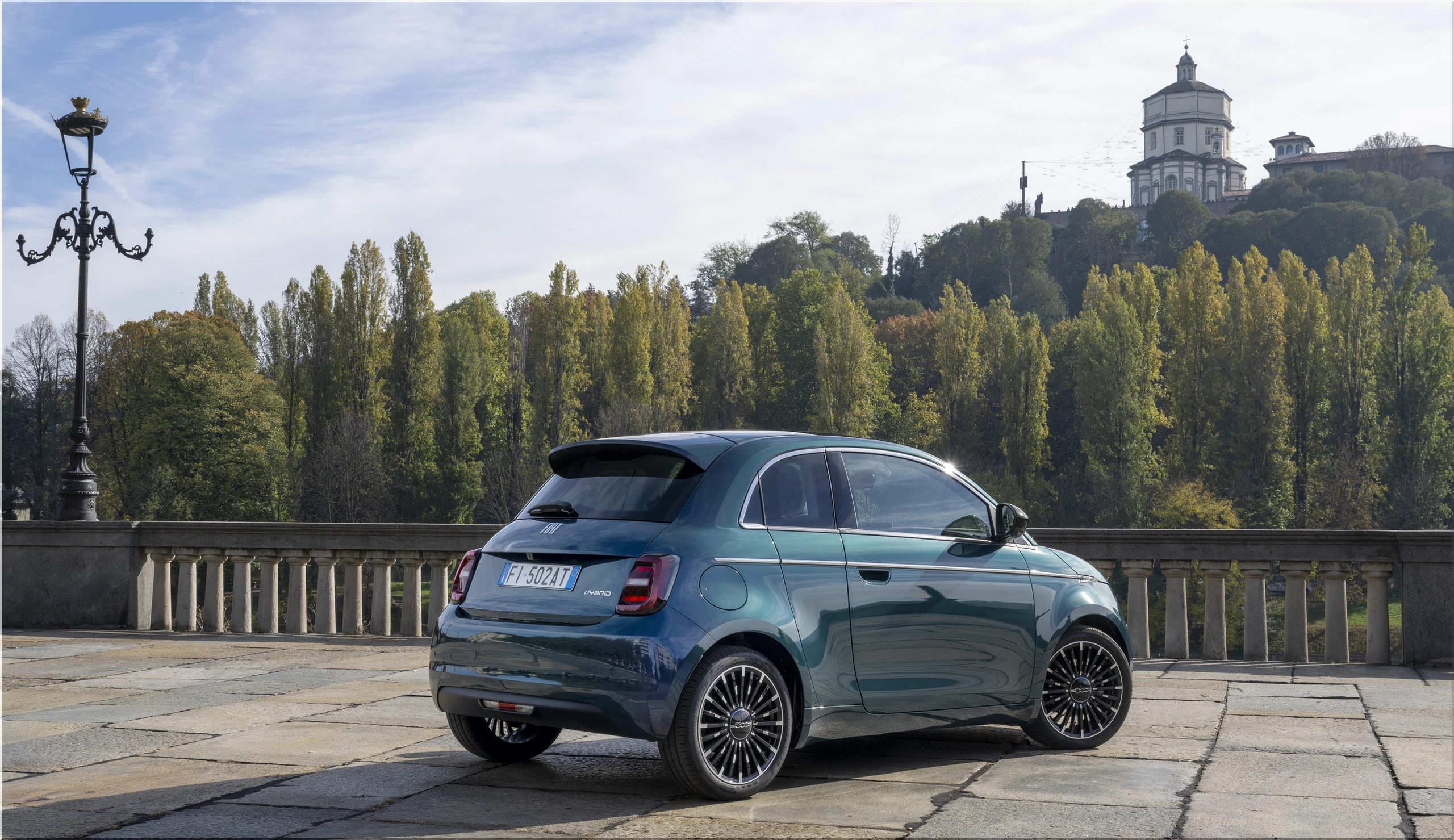
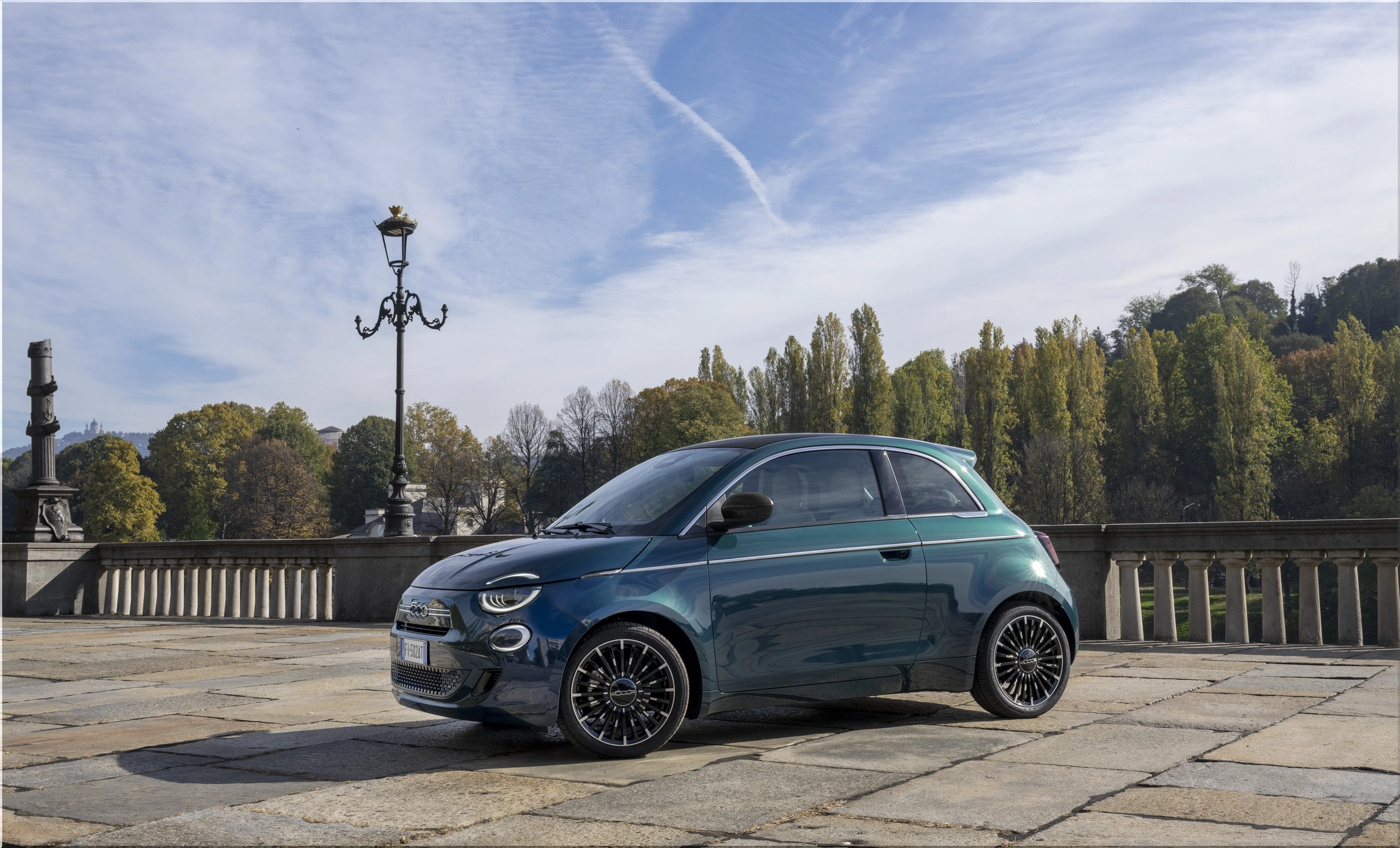
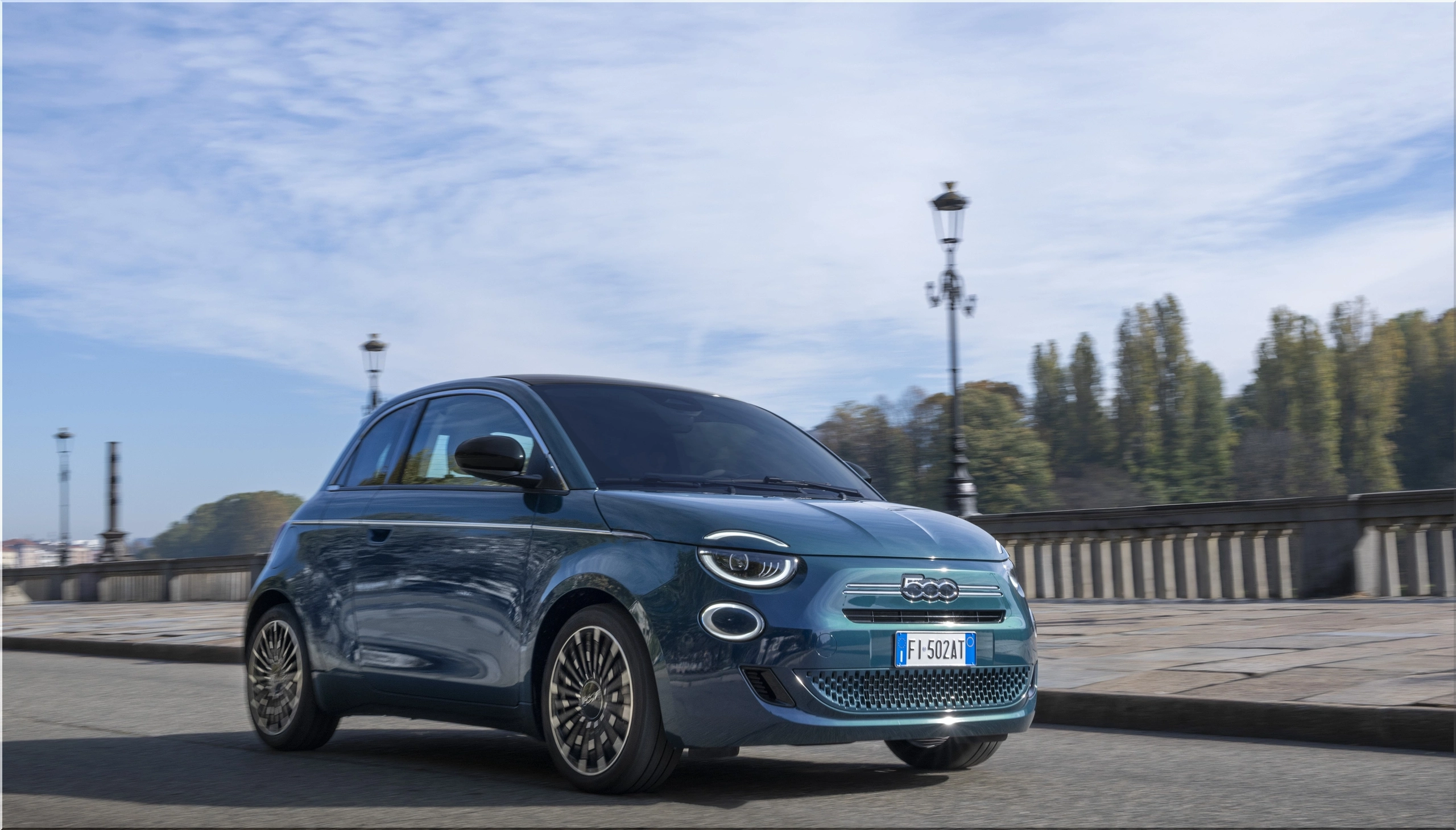
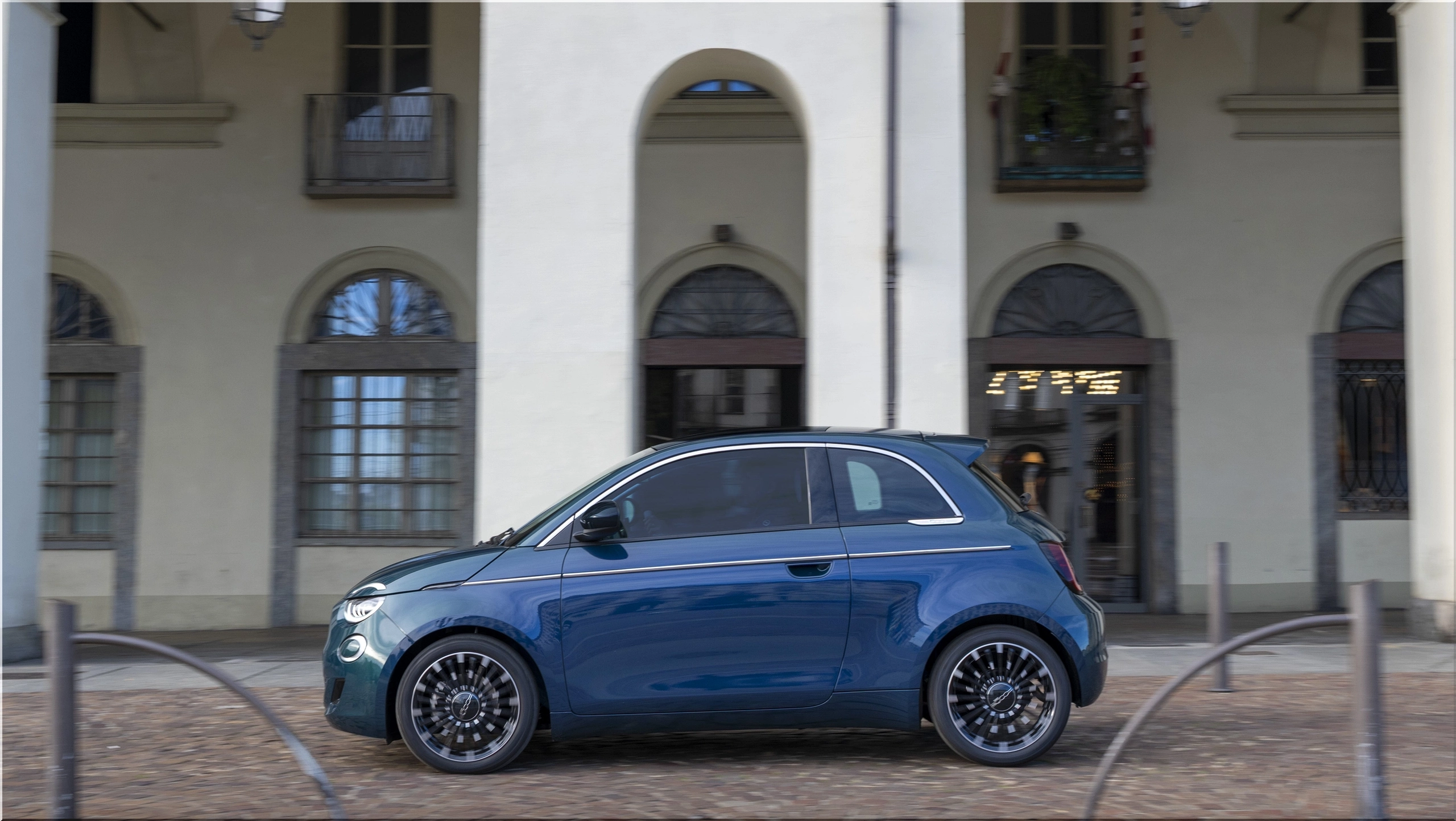
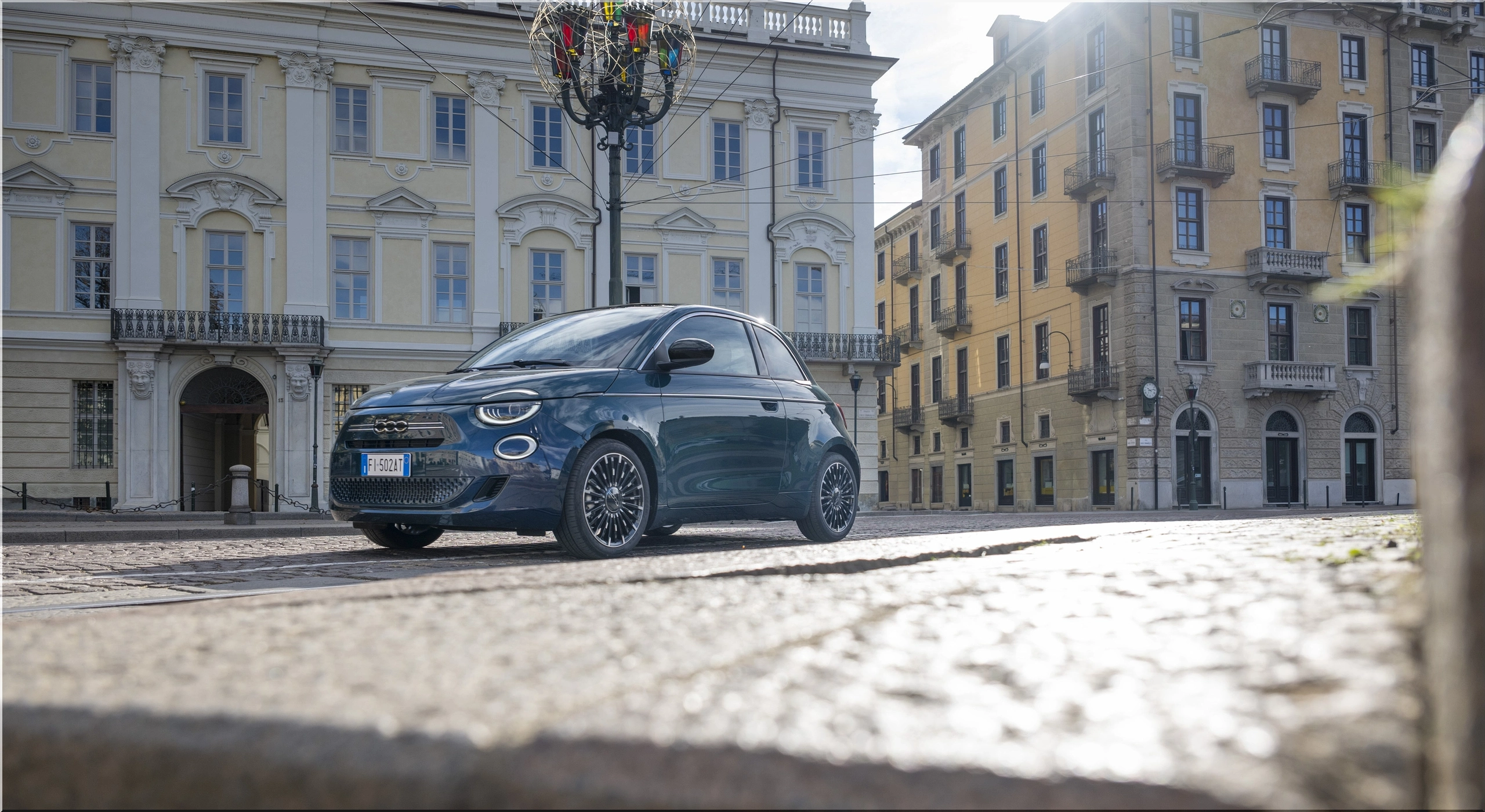
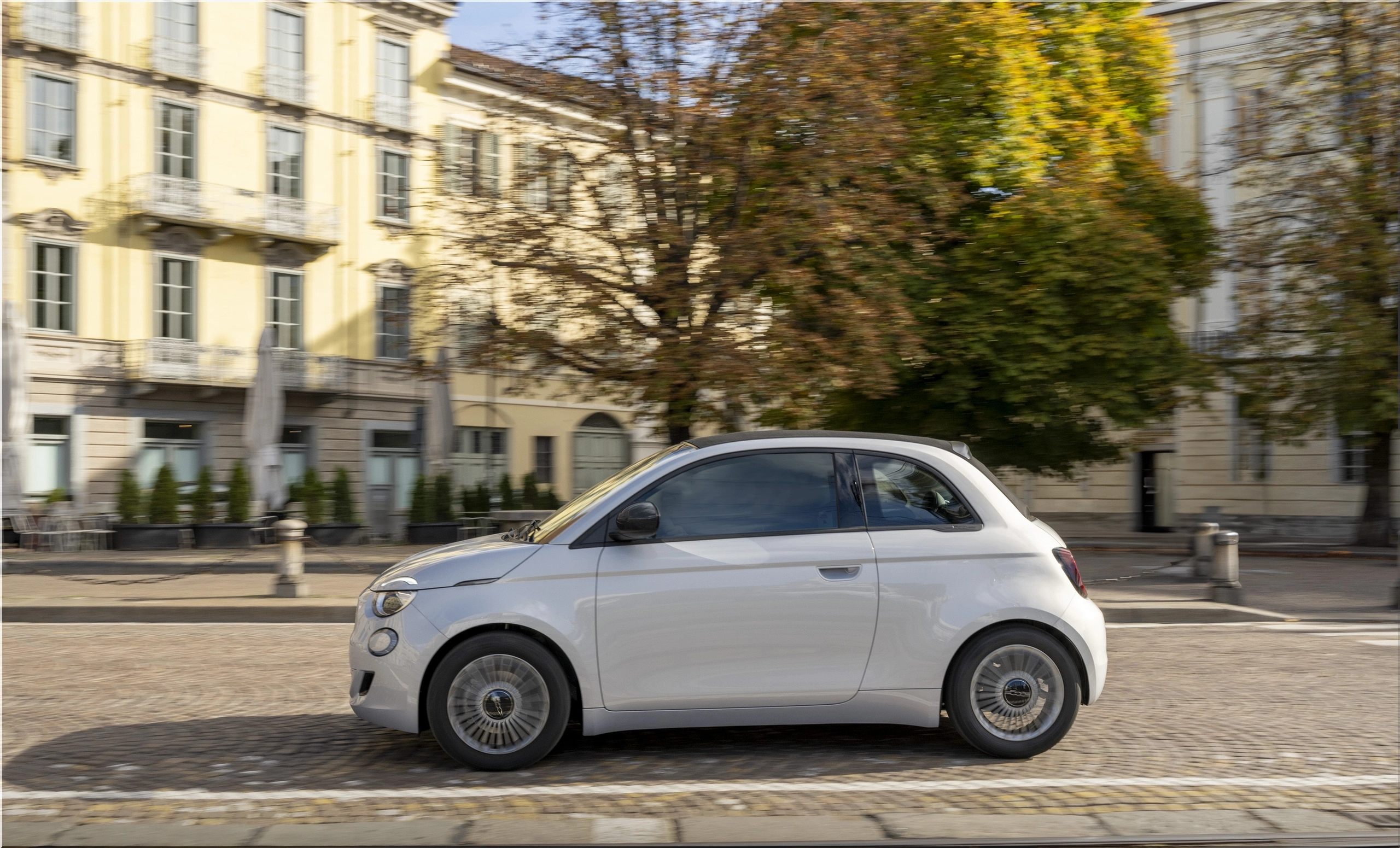
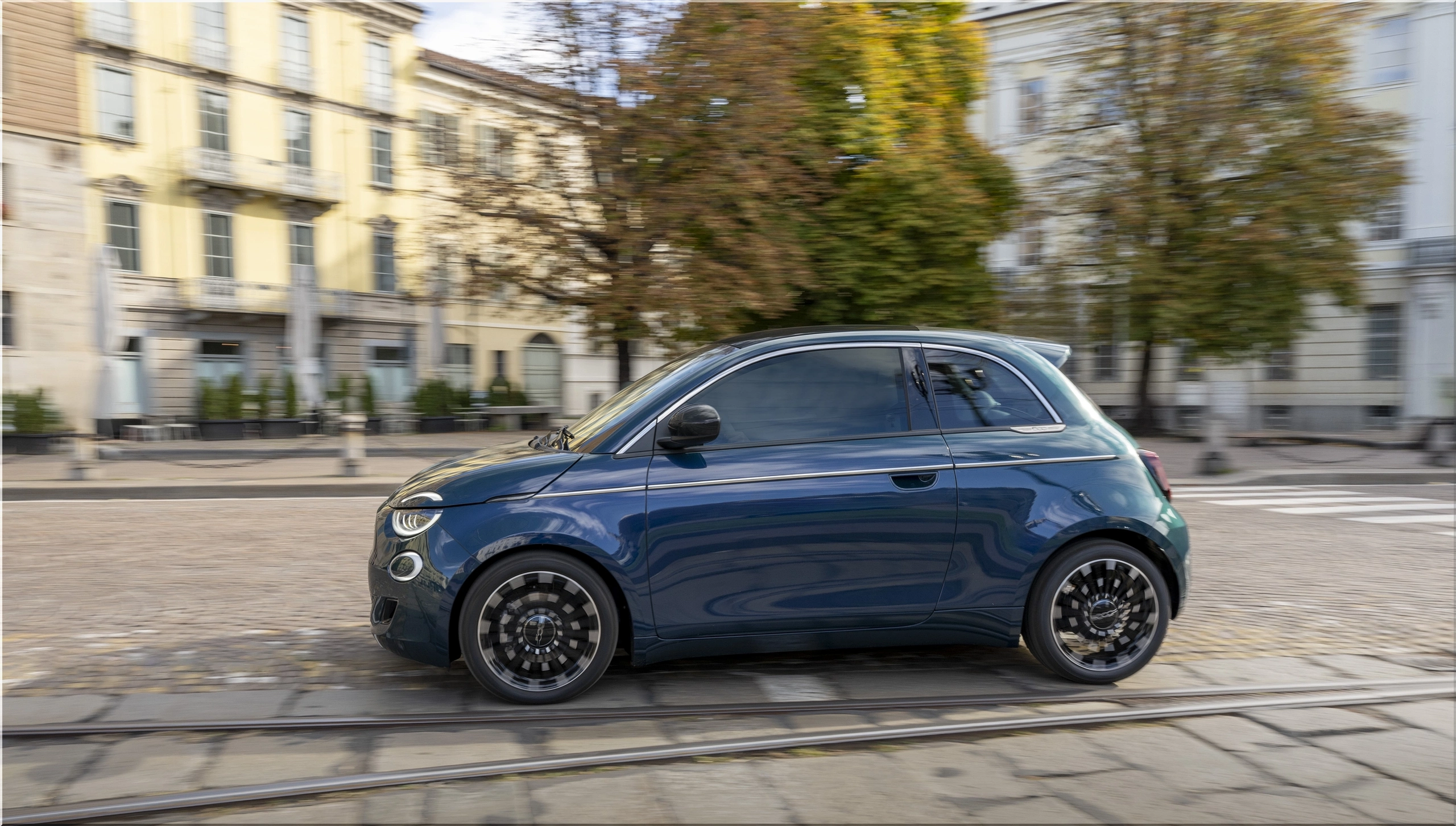
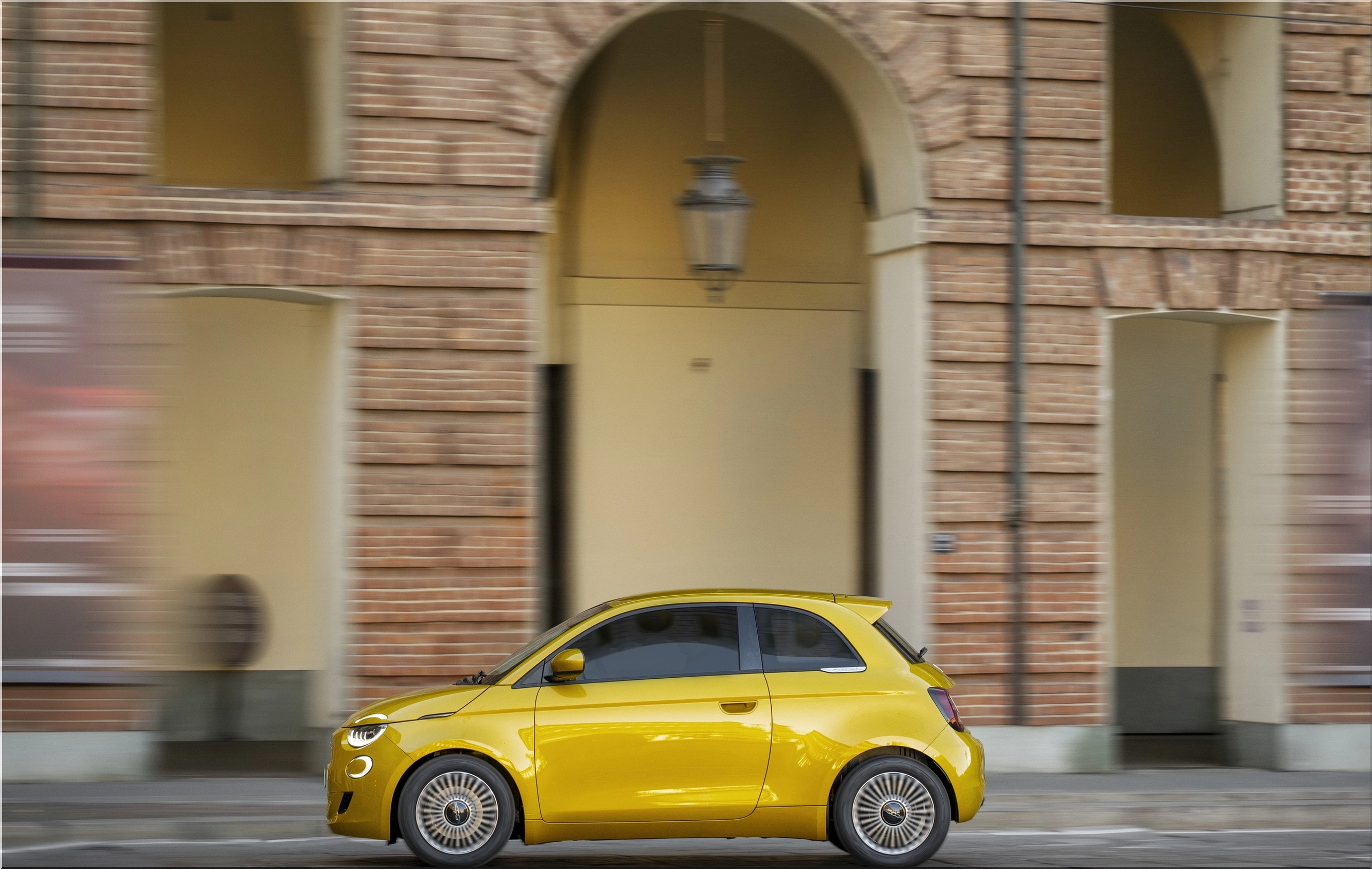
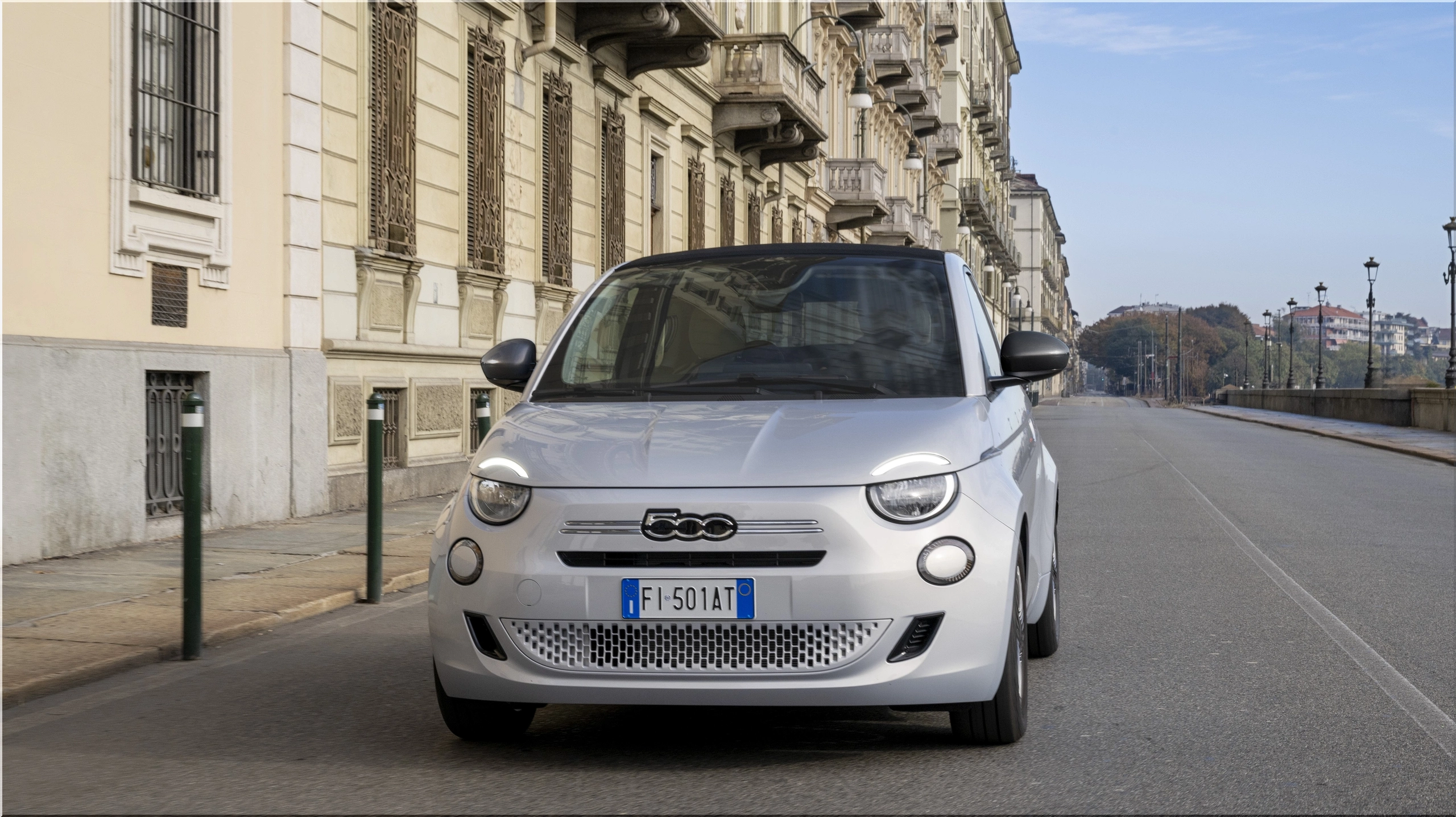
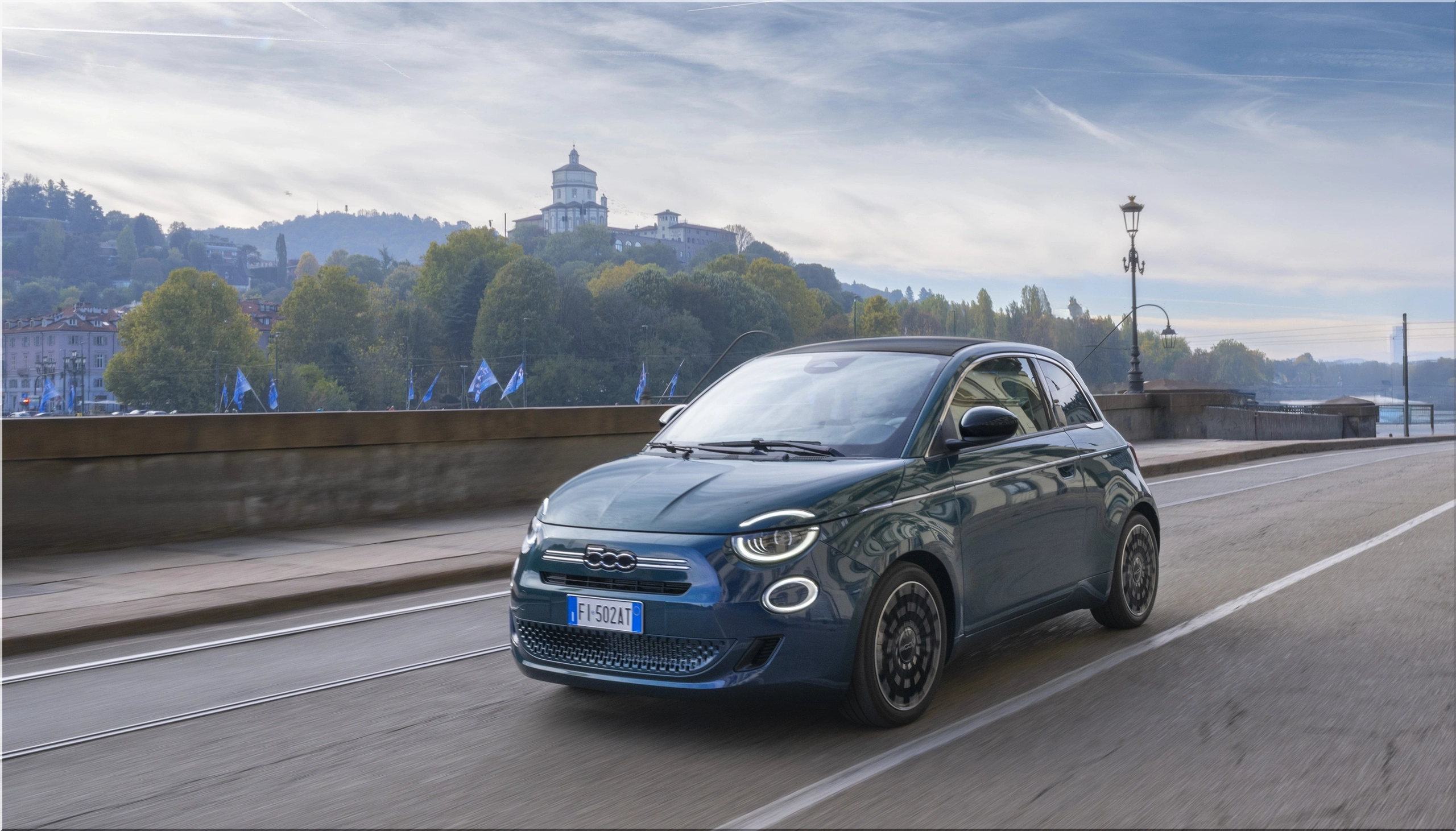
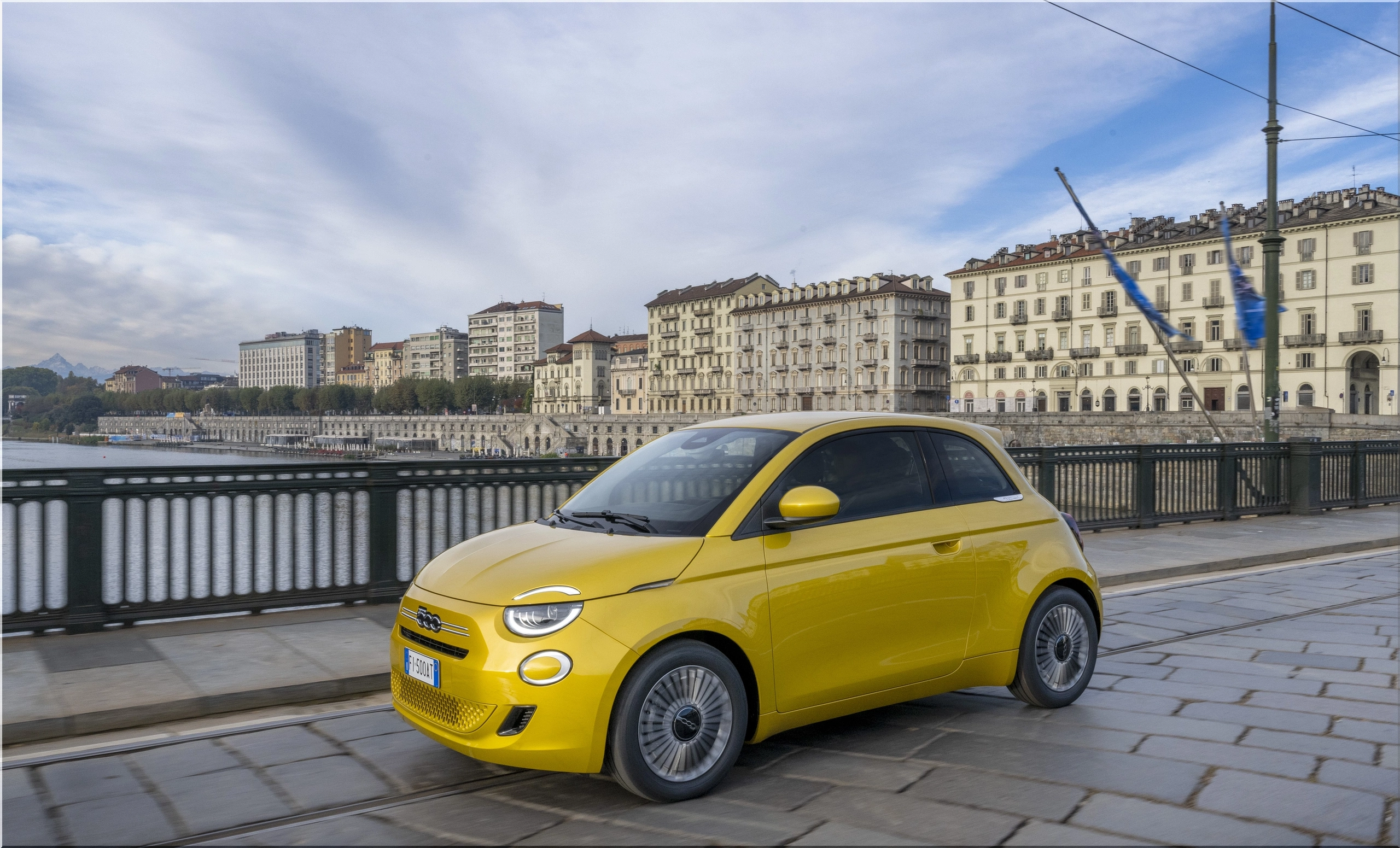
The body shell also keeps the package city-friendly. The closely related 500 architecture measures 3,632 mm long, 1,748 mm wide with mirrors folded, and 1,527 mm high. Those numbers explain why the 500 still works in Europe. It slips into small spaces, stays easy to place in traffic, and still gives buyers a cabin that feels more premium than its footprint suggests.
Image
Trim logic: POP, ICON, LA PRIMA, and TORINO
Fiat has set up the range with clear retail logic. That part deserves attention because the trim ladder often decides what actually sells.
| Trim | Main role | Core equipment focus |
|---|---|---|
| POP | Price leader | 15-inch steel wheels, 7-inch digital cluster, manual climate control, rear parking sensors |
| ICON | Volume trim | 16-inch alloys, 10.25-inch DAB radio, wireless smartphone mirroring, automatic climate control |
| LA PRIMA | Premium trim | 17-inch alloys, full LED front lighting, richer finishes, panoramic roof on hatchback |
| TORINO | Identity trim | Hatchback-only special series tied directly to Mirafiori and Fiat's home city |
From an expert perspective, ICON will likely carry the sweet spot. It adds the tech people ask for every day without pushing the transaction too close to larger B-segment cars. POP gets shoppers into the funnel. ICON closes them. LA PRIMA protects margin.
How it stacks up against rival city cars
The Fiat 500 Hybrid does not fight on cabin volume. It fights on shape, badge pull, and urban style. That gives it a different pitch from value-first rivals.
| Model | Starting price in Italy | Powertrain angle | Strongest card |
|---|---|---|---|
| Fiat 500 Hybrid | $17,160 promo / $22,841 list | 1.0 mild hybrid, 6-speed manual | Brand appeal, design, city fit |
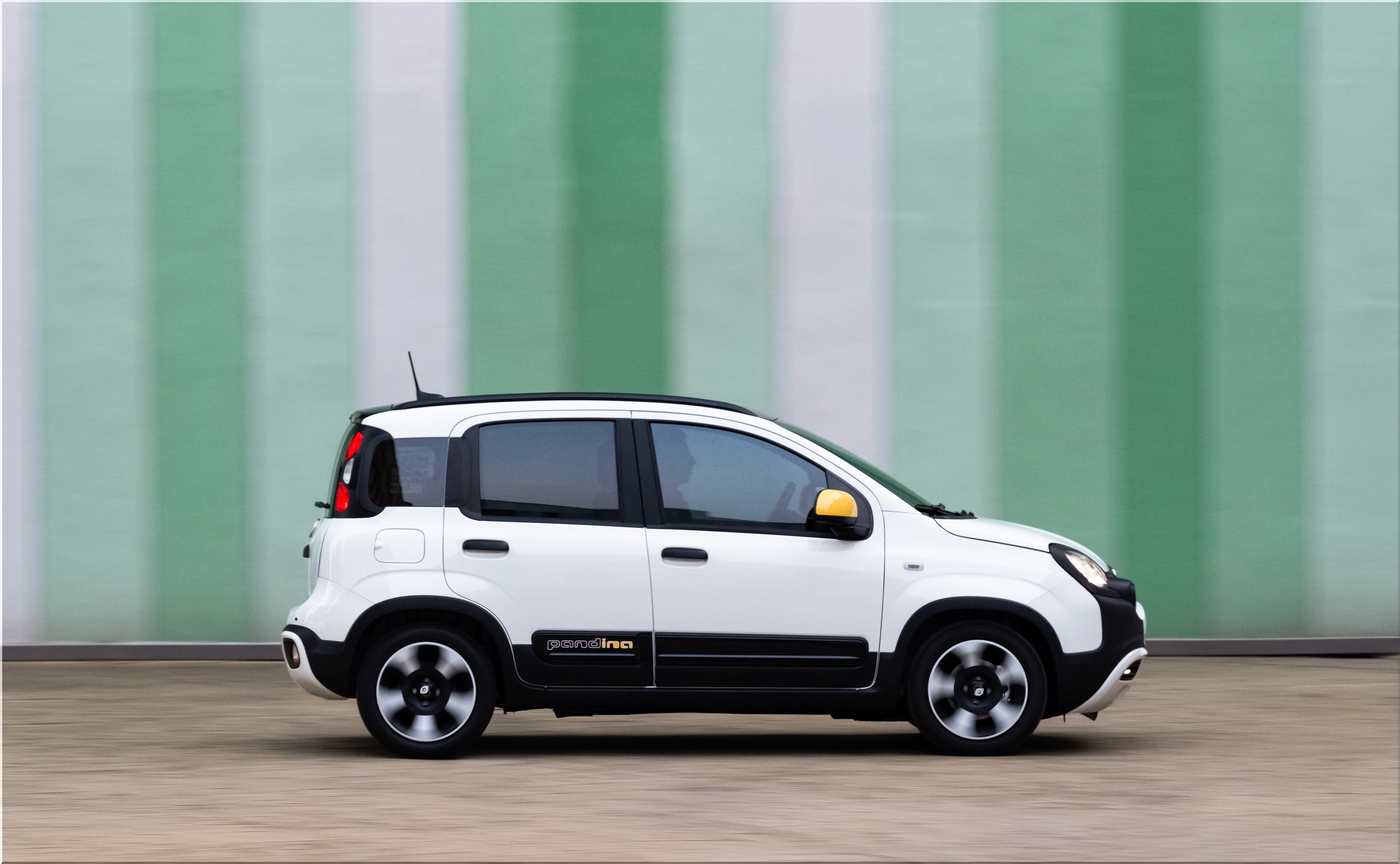
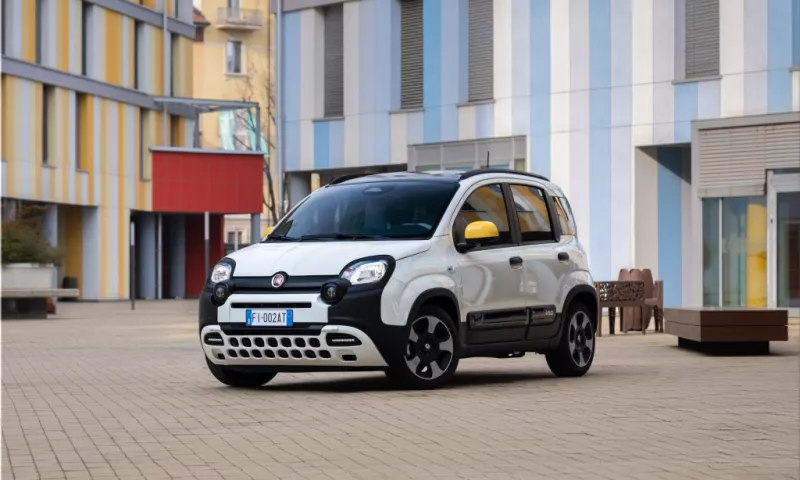
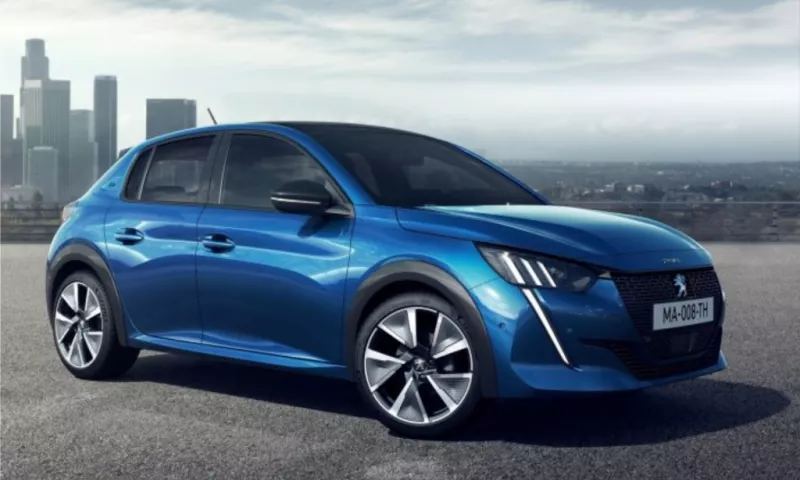
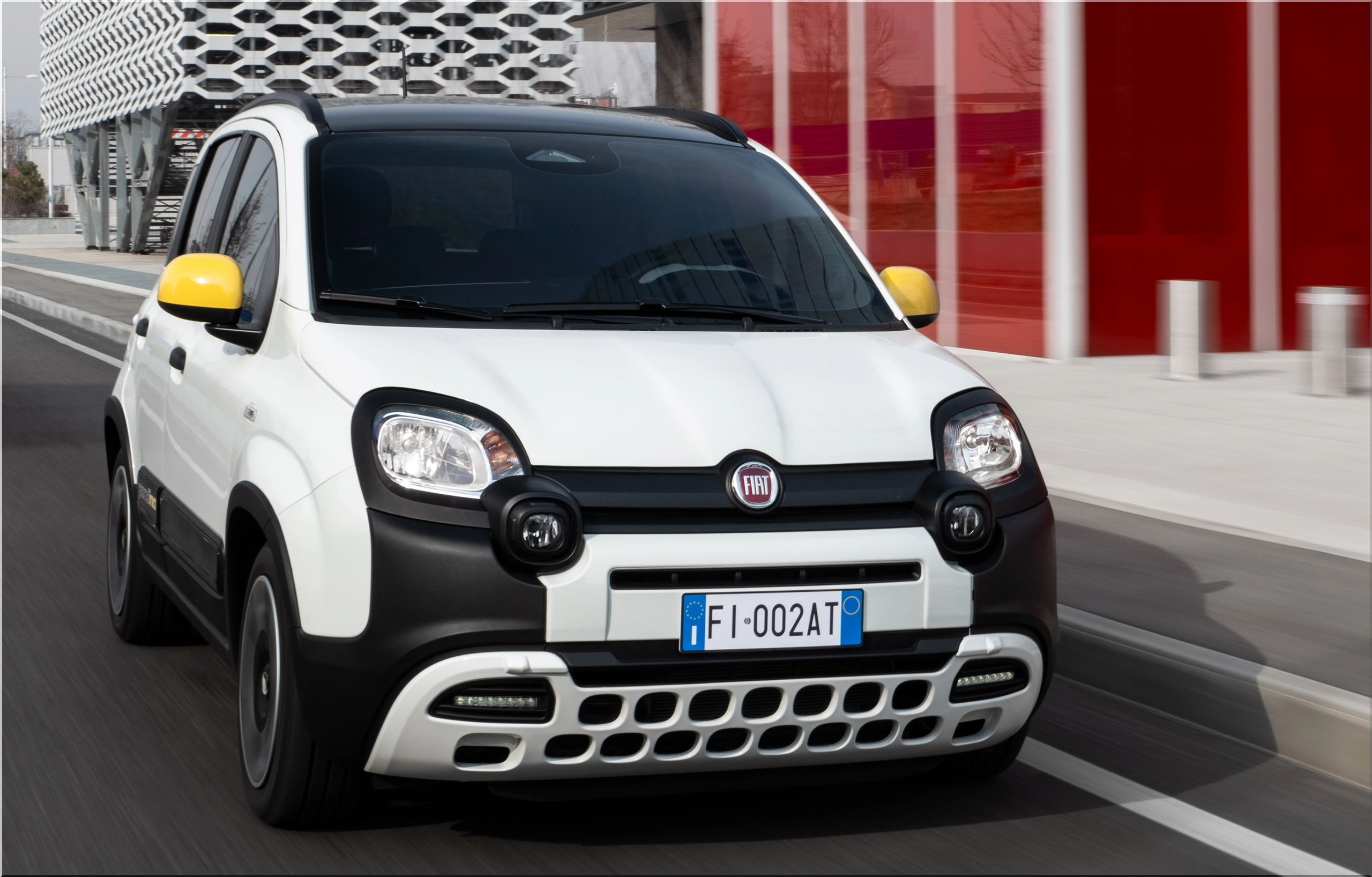
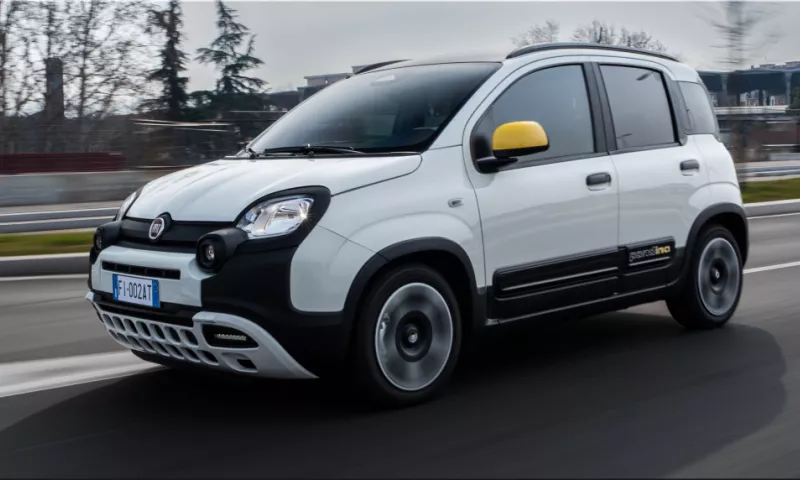
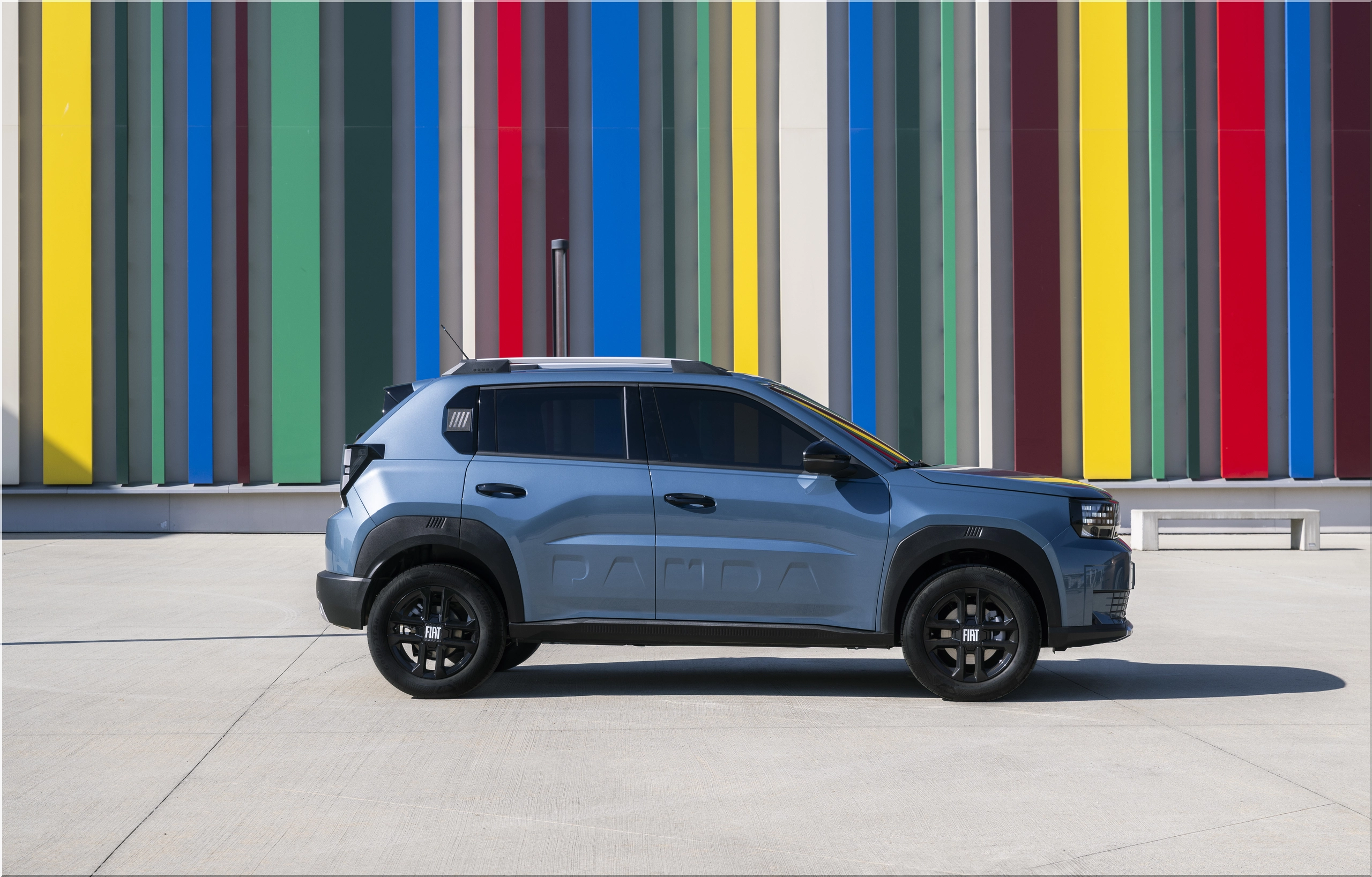
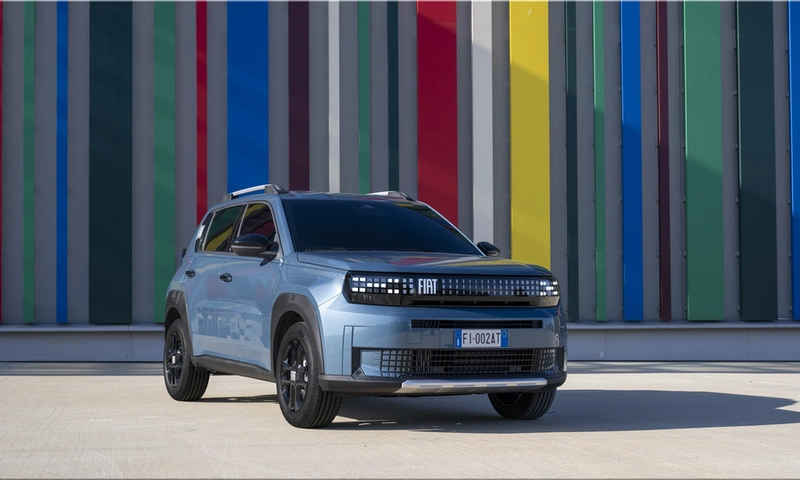
| Fiat Pandina Hybrid | about $11,422 promo / $18,307 list | 1.0 hybrid | Value and practicality |
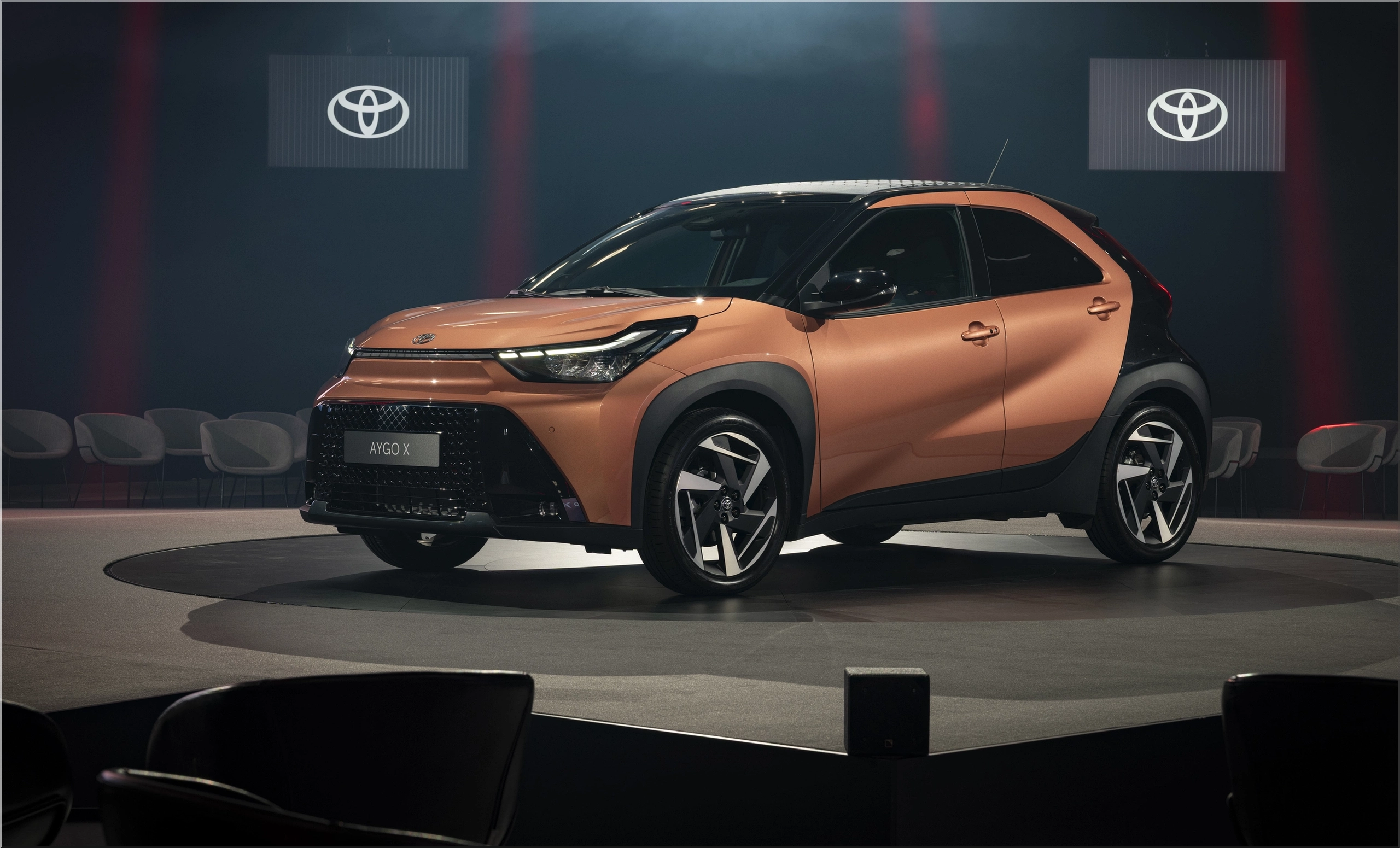
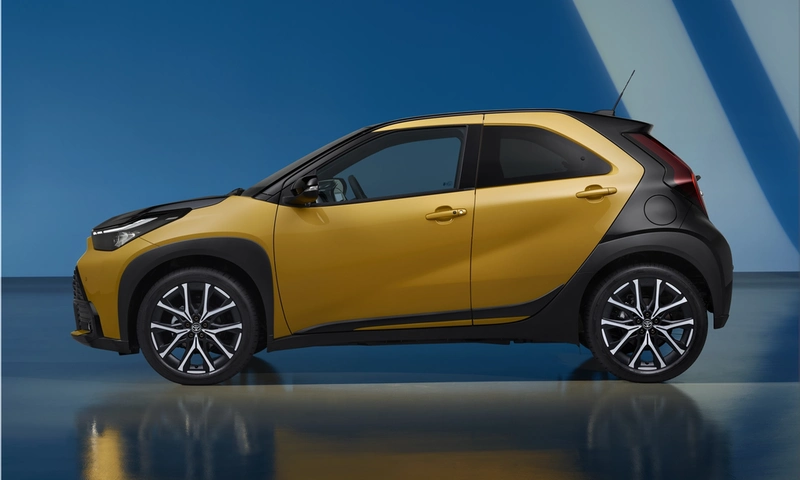
| Toyota Aygo X Hybrid | about $20,602 | Full hybrid | Higher-efficiency hybrid system |
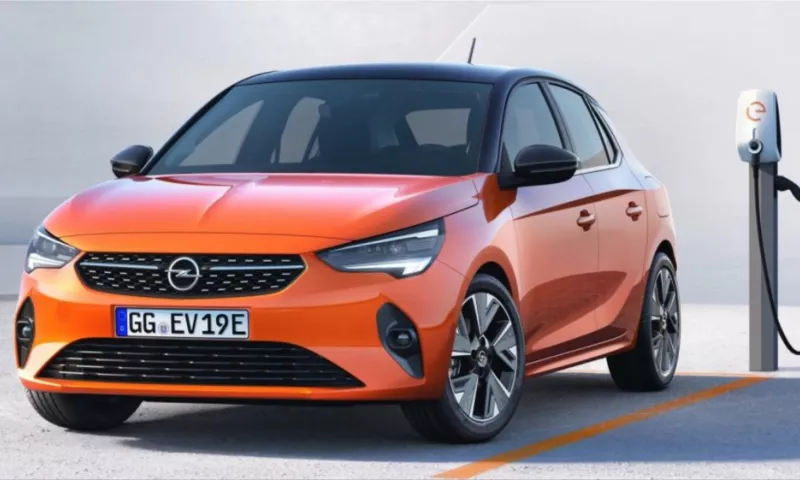
| Kia Picanto | price varies by trim | Petrol | Low operating cost, straightforward spec |
| Hyundai i10 | price varies by trim | Petrol | Functional packaging and digital features |
Looking at the data, the Toyota Aygo X Hybrid brings stronger hybrid credentials, but it also lands higher on price. The Fiat Pandina Hybrid undercuts nearly everything, but it sells practicality more than image. The Fiat 500 Hybrid owns the emotional middle ground. Buyers pay more than Panda money to get a car that feels deliberate, stylish, and still manageable in tight European cities.
Why Fiat kept this powertrain simple
Fiat made a disciplined call here. It did not try to turn the 500 Hybrid into a technology statement. It used a low-voltage system and a manual transmission because that keeps weight, cost, and servicing complexity under control.
Consequently, the 500 Hybrid can hit a lower retail price while still cutting some consumption and emissions versus a plain petrol setup. Fiat quotes combined WLTP fuel use at 5.3 L/100 km and 120 g/km of CO2 for the 1.0 65 CV Hybrid in this offer context. Those numbers will not shock anyone, but they fit the mission. This car targets short urban cycles, style-led buyers, and older-car replacements.
Pro-Tips
- Target ICON trim first if you want the best mix of tech and resale appeal.
- Check the final balloon payment before focusing on the low monthly figure.
- Compare against the Pandina if your priority is pure value per euro.
- Compare against the Aygo X Hybrid if fuel efficiency matters more than design pull.
- Move fast on ready-delivery stock because the promo ties directly to a short registration window.
What now?
If Fiat wanted one clean March message, it got it: the 500 Hybrid is back, built in Mirafiori, and priced to move. The car does not try to overpower the segment with spec-sheet theatrics. It sells a tighter formula than that. Small size. Known identity. Enough tech. Lower-entry mild-hybrid ownership.
That makes the new Fiat 500 Hybrid a smart retail product for buyers who want an urban car with genuine character and a manageable cash outlay. The strongest point sits right in front of us. Fiat has turned the 500 from a design-led small car into a sharper showroom tool, and this March pricing gives dealers a real reason to call prospects back in.
- Add new comment
- 149 views