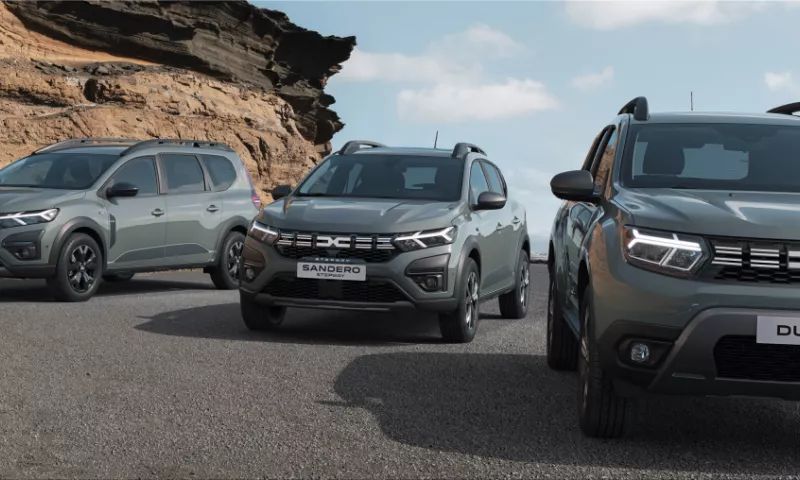
Dacia, the Romanian carmaker owned by Renault Group, has revealed the third generation of its popular Duster SUV, which will go on sale in 2024. The new Duster promises to offer more style, technology, and capability than ever before, while maintaining its affordable price tag and rugged appeal.
A new design inspired by the Bigster concept
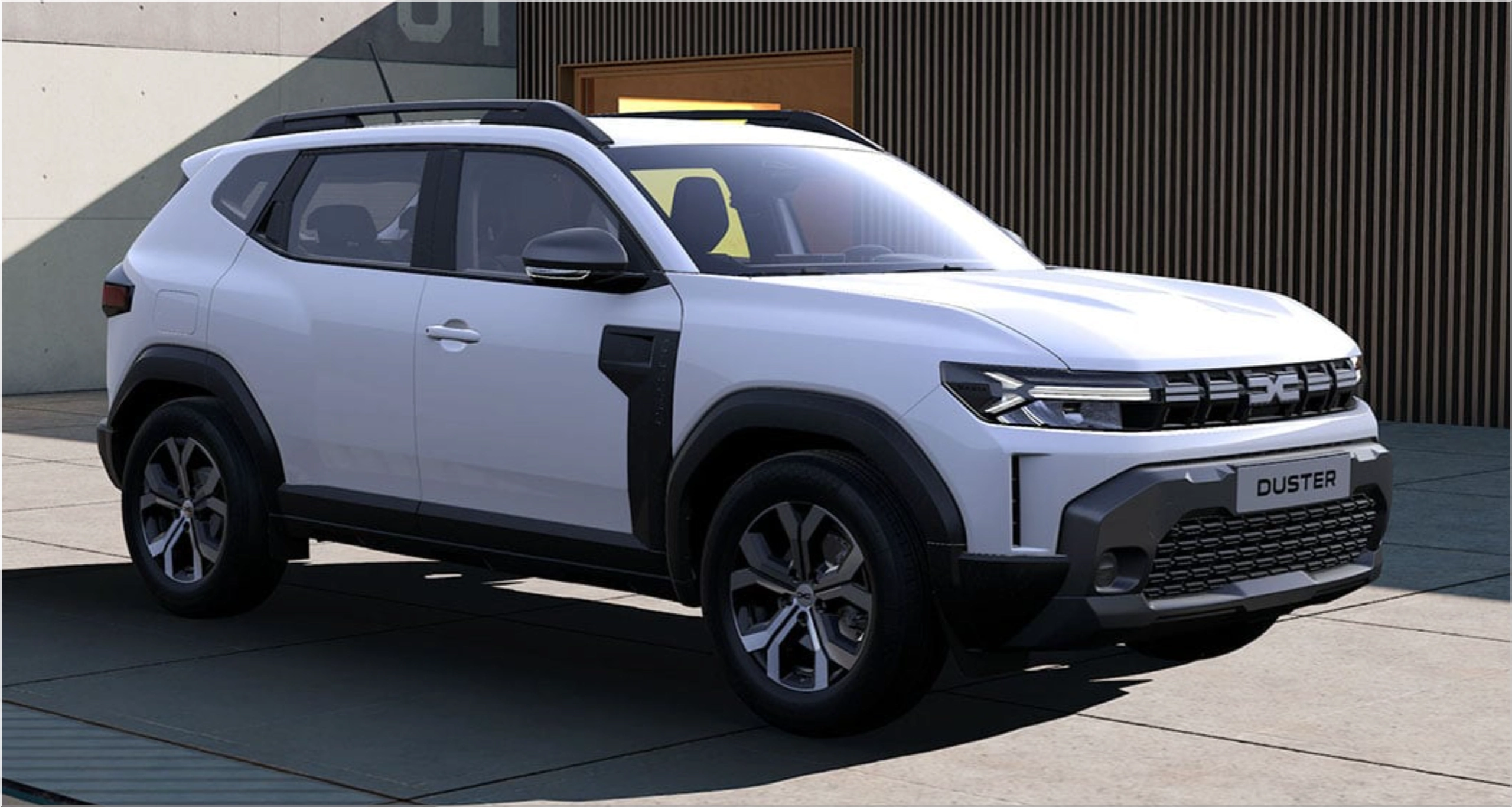
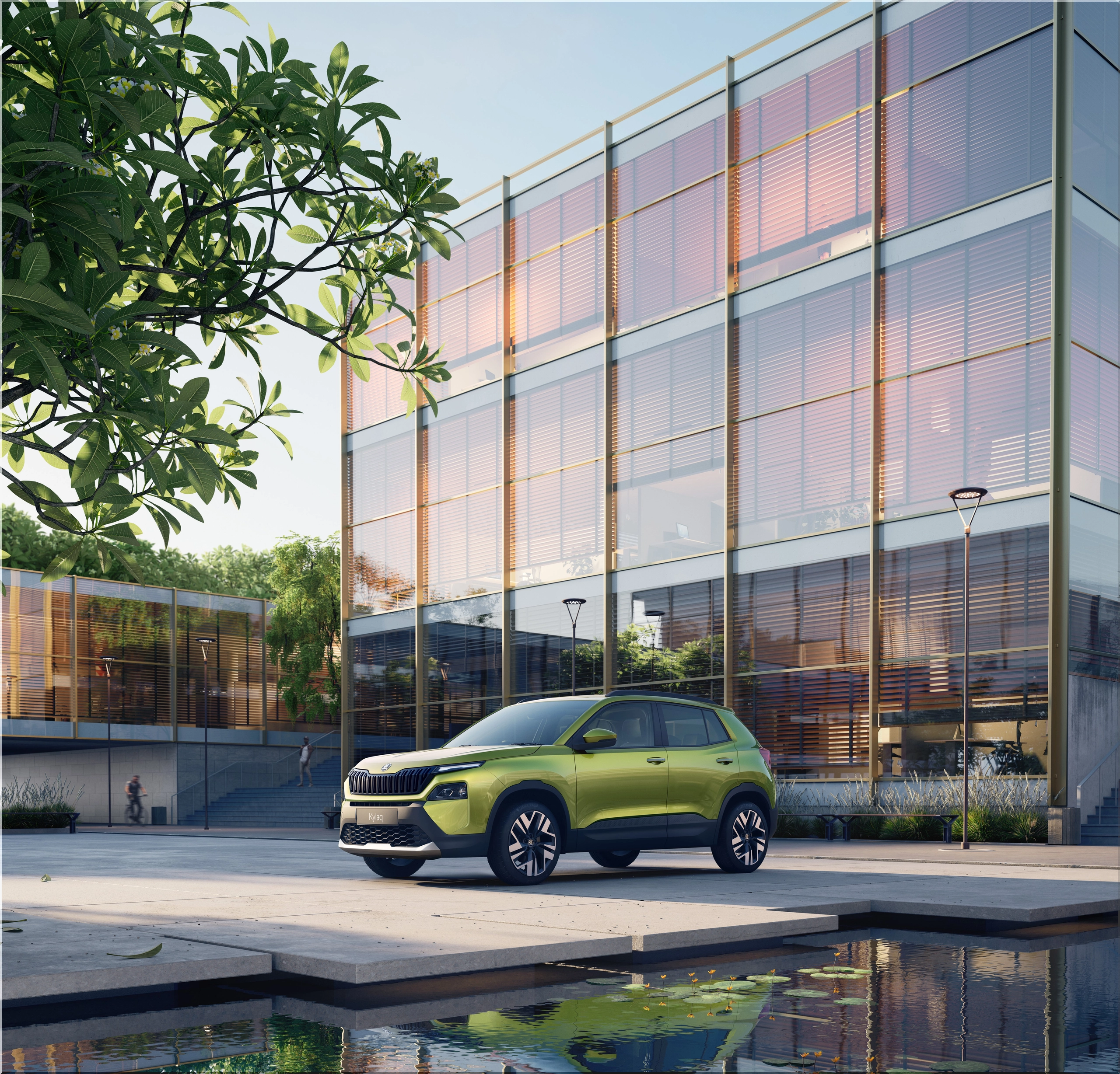
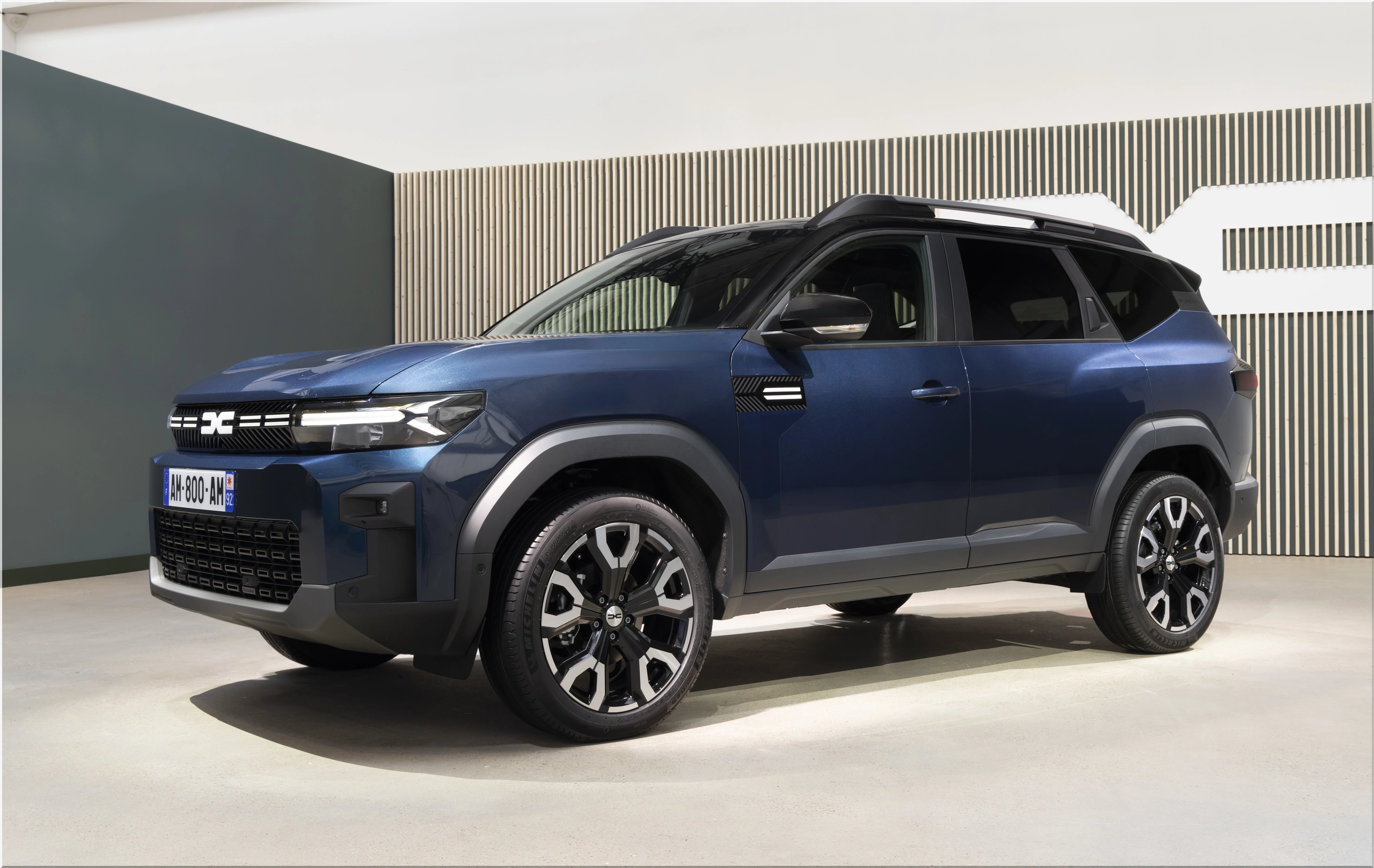
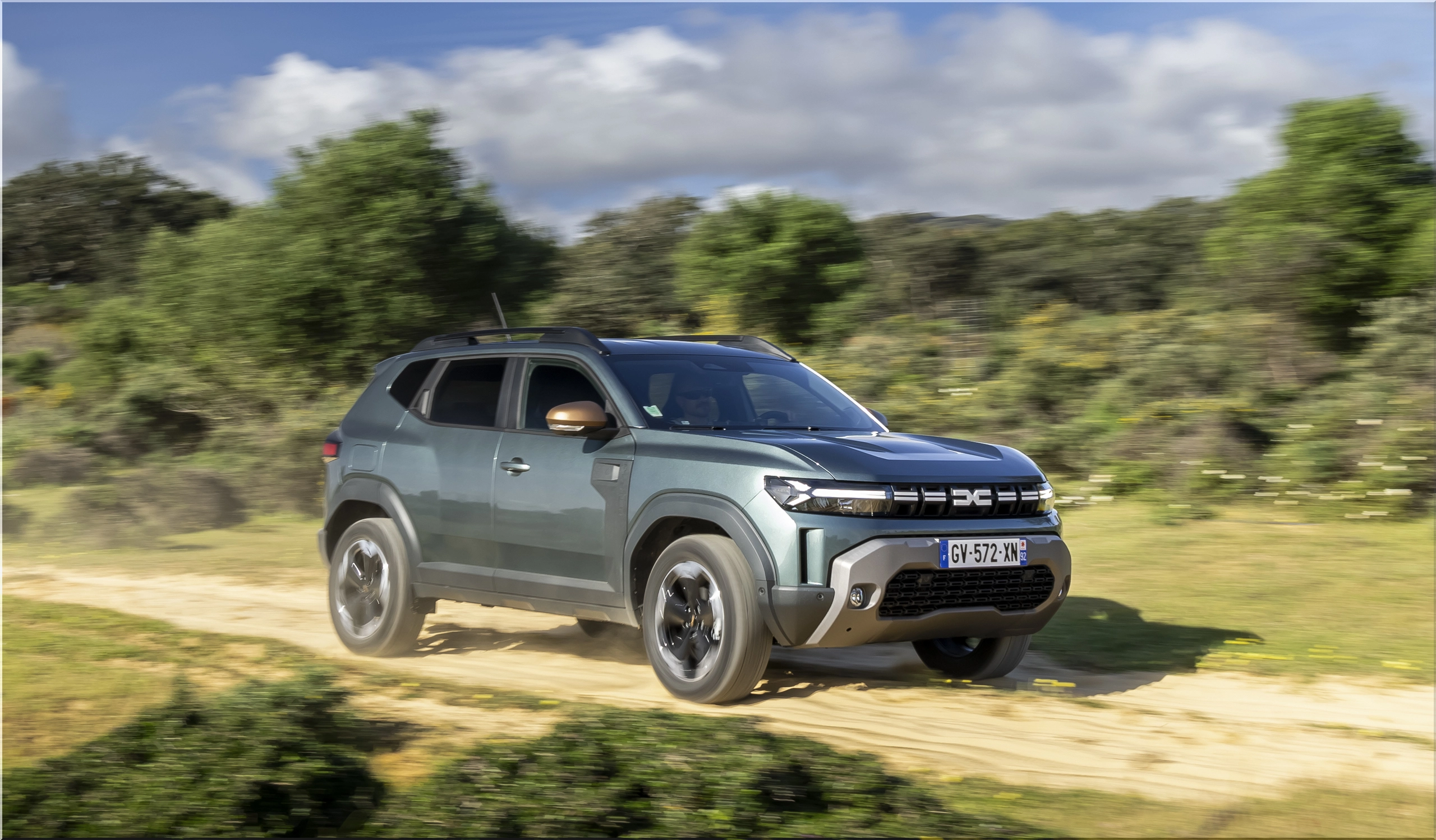
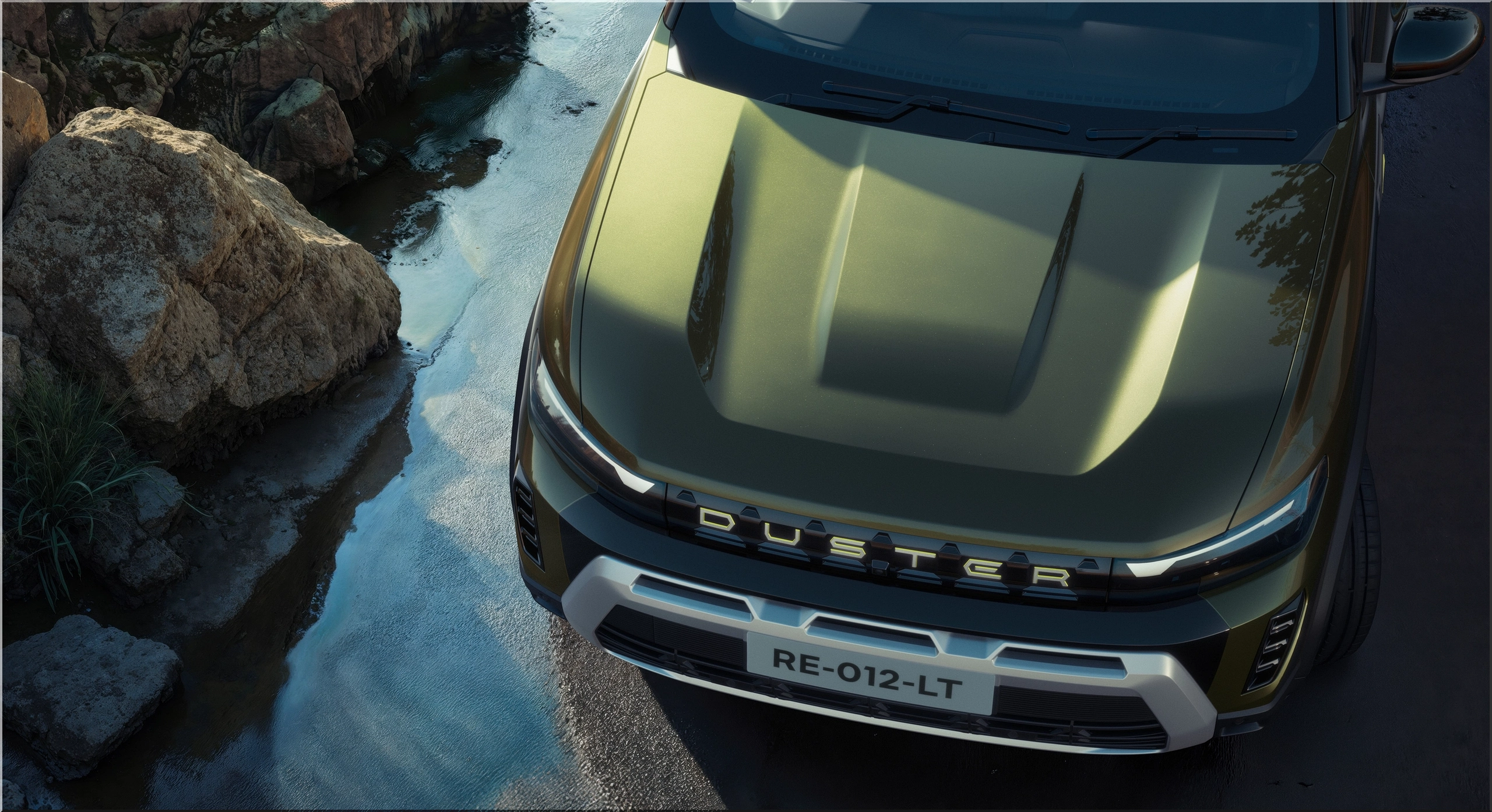
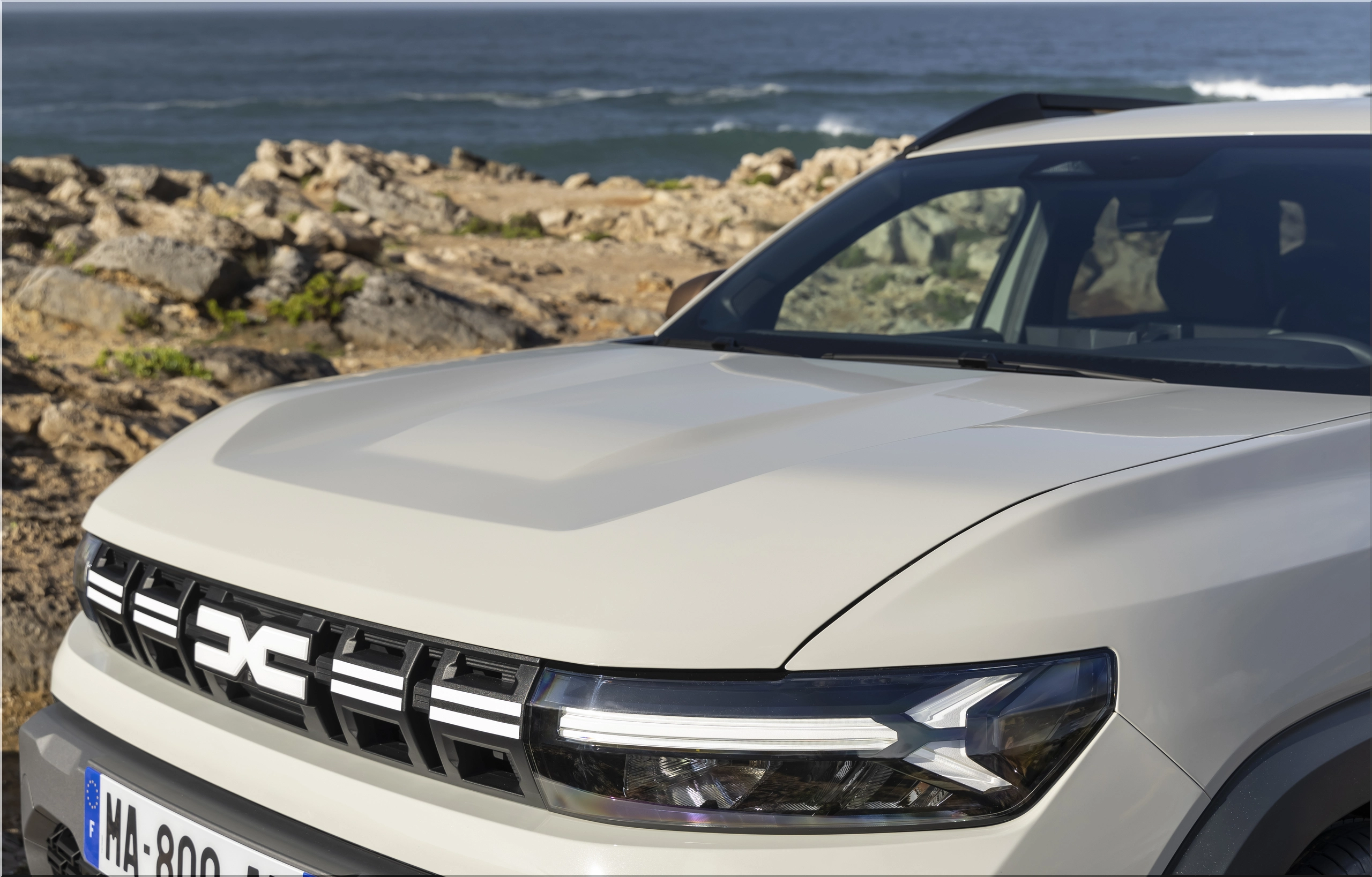
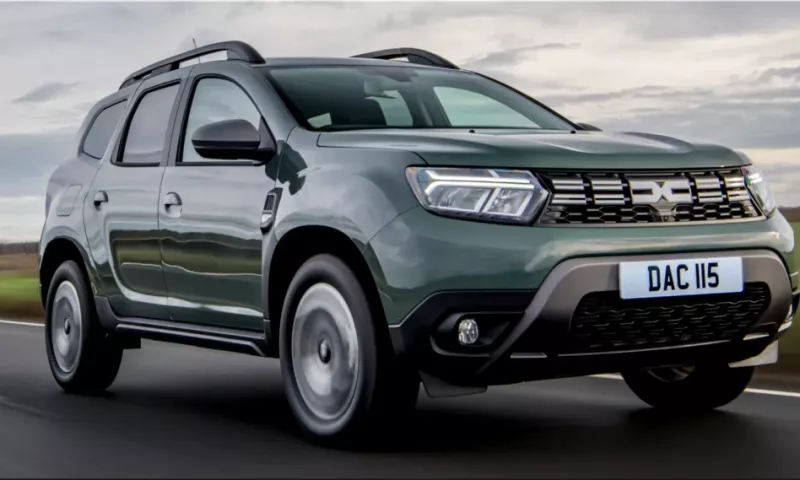
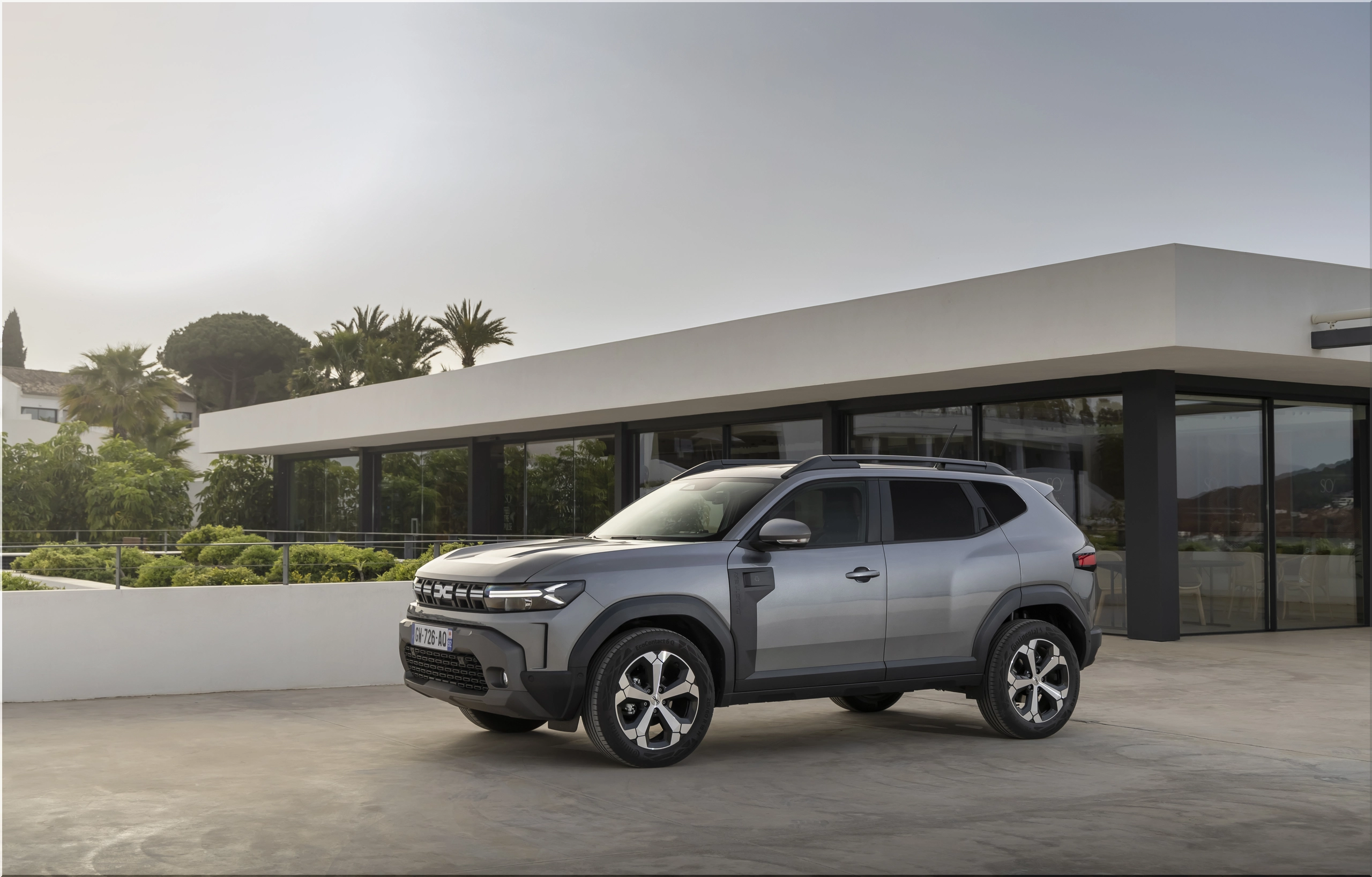
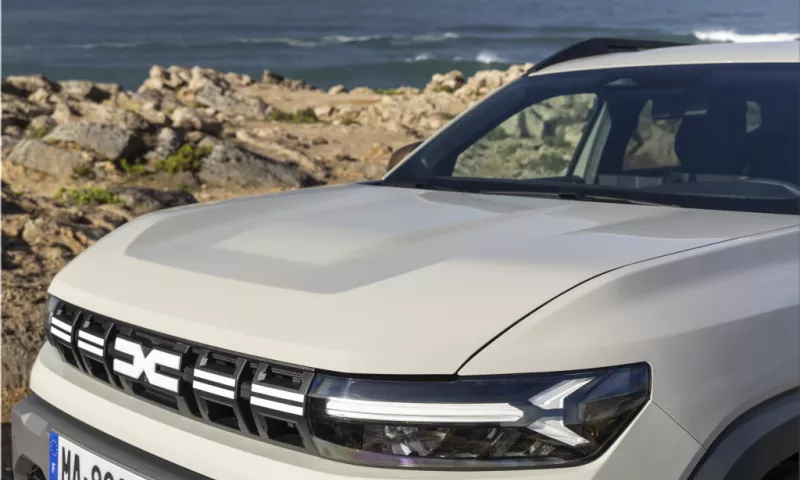
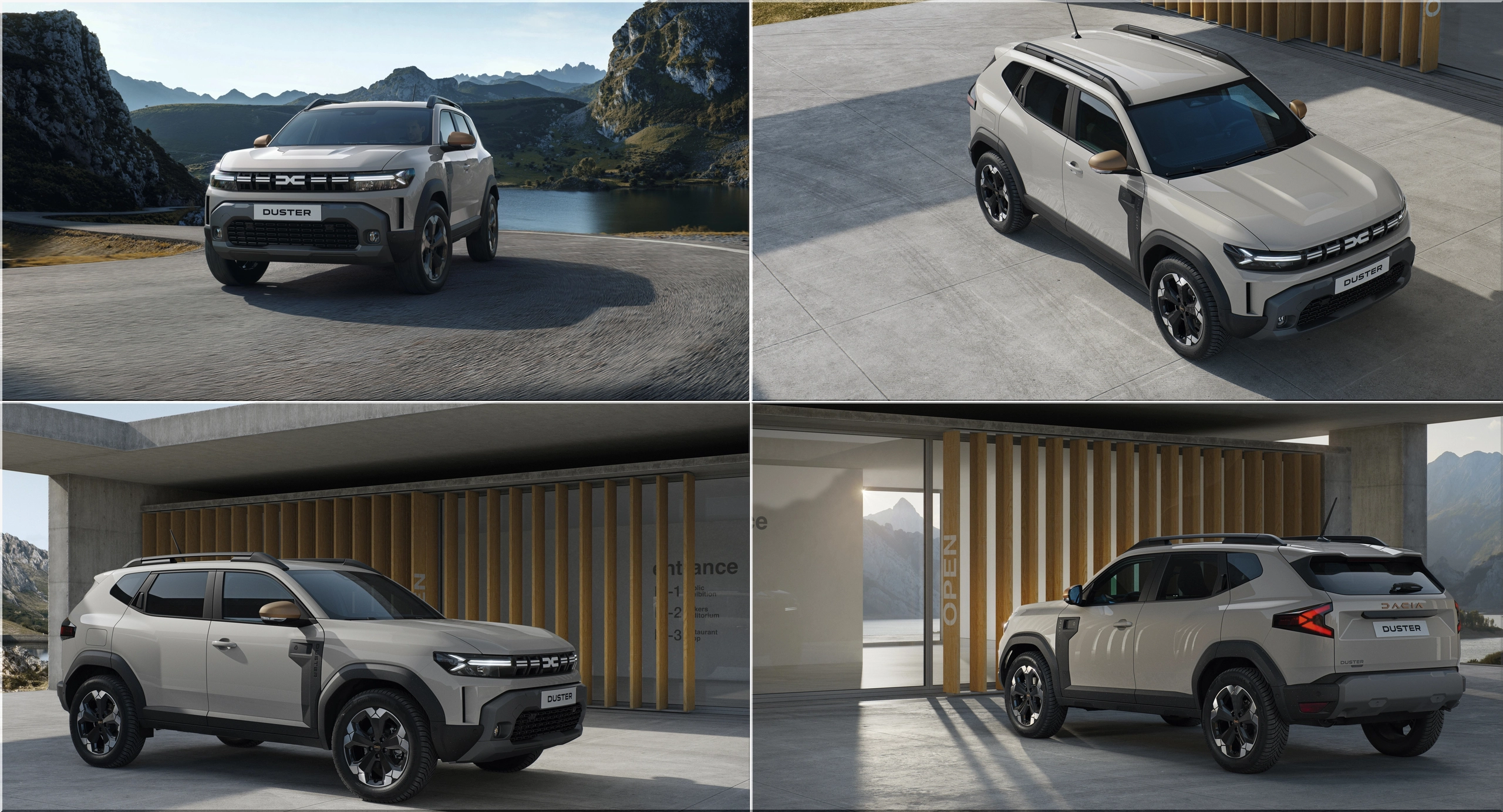
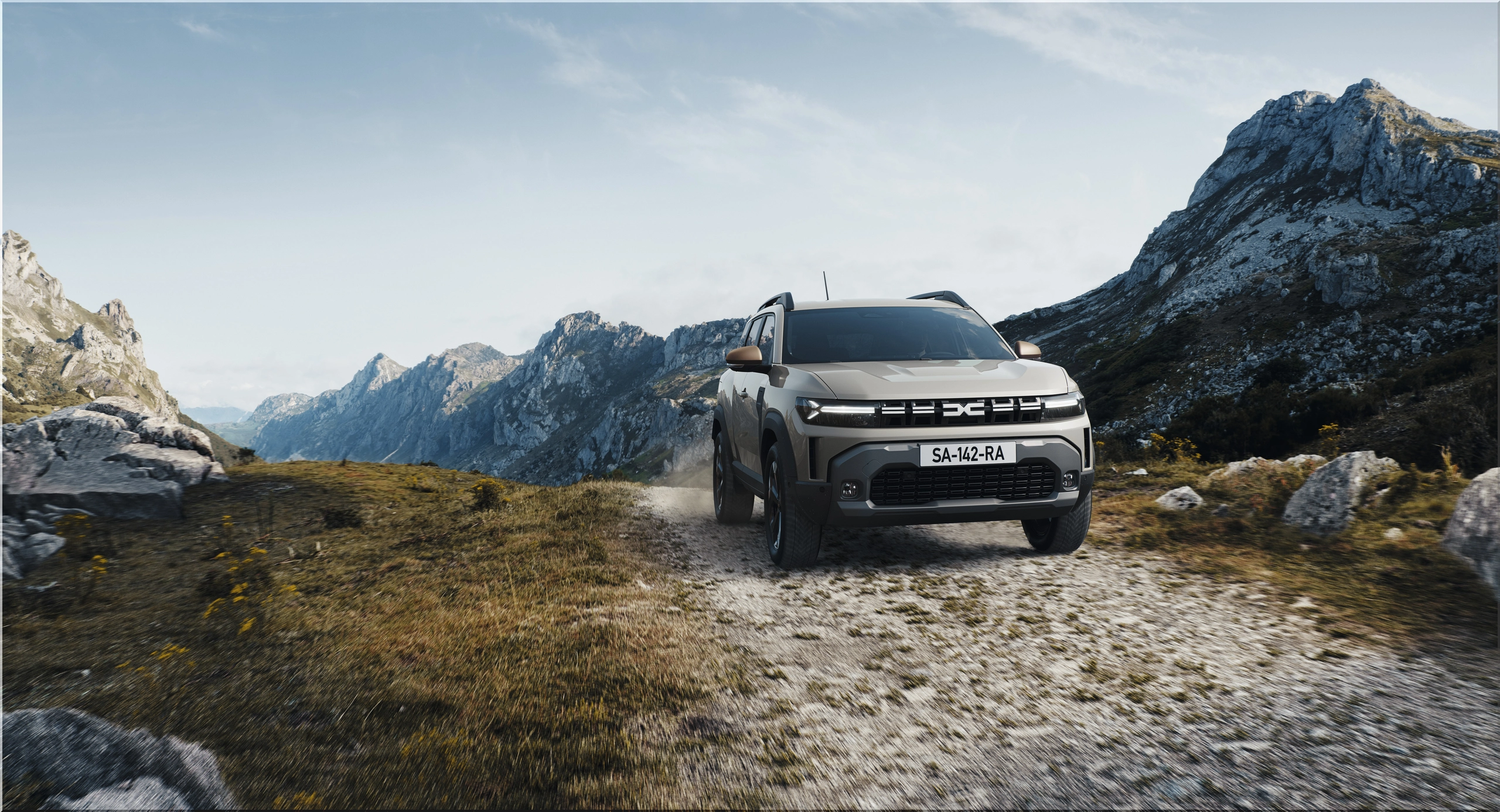
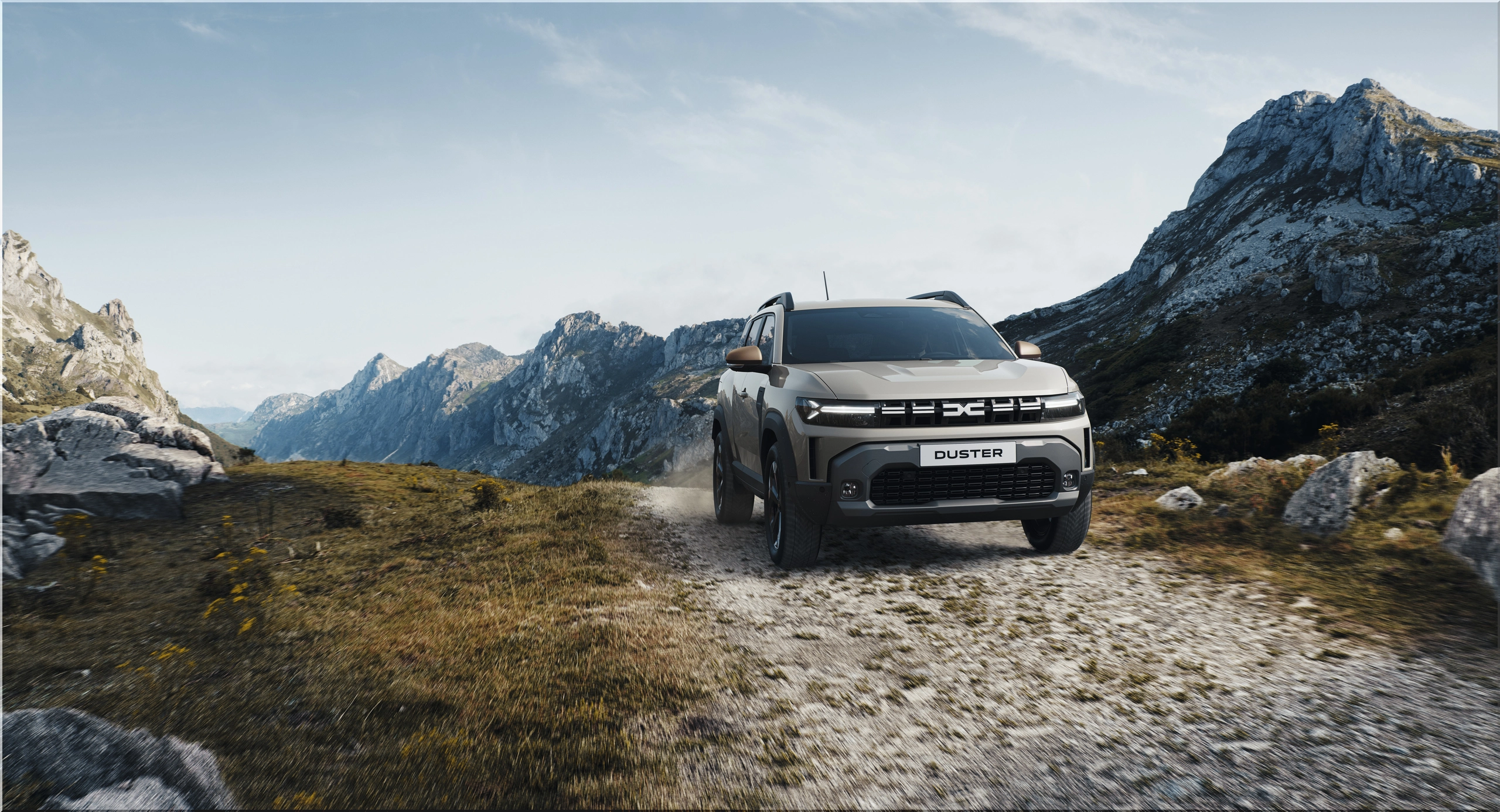
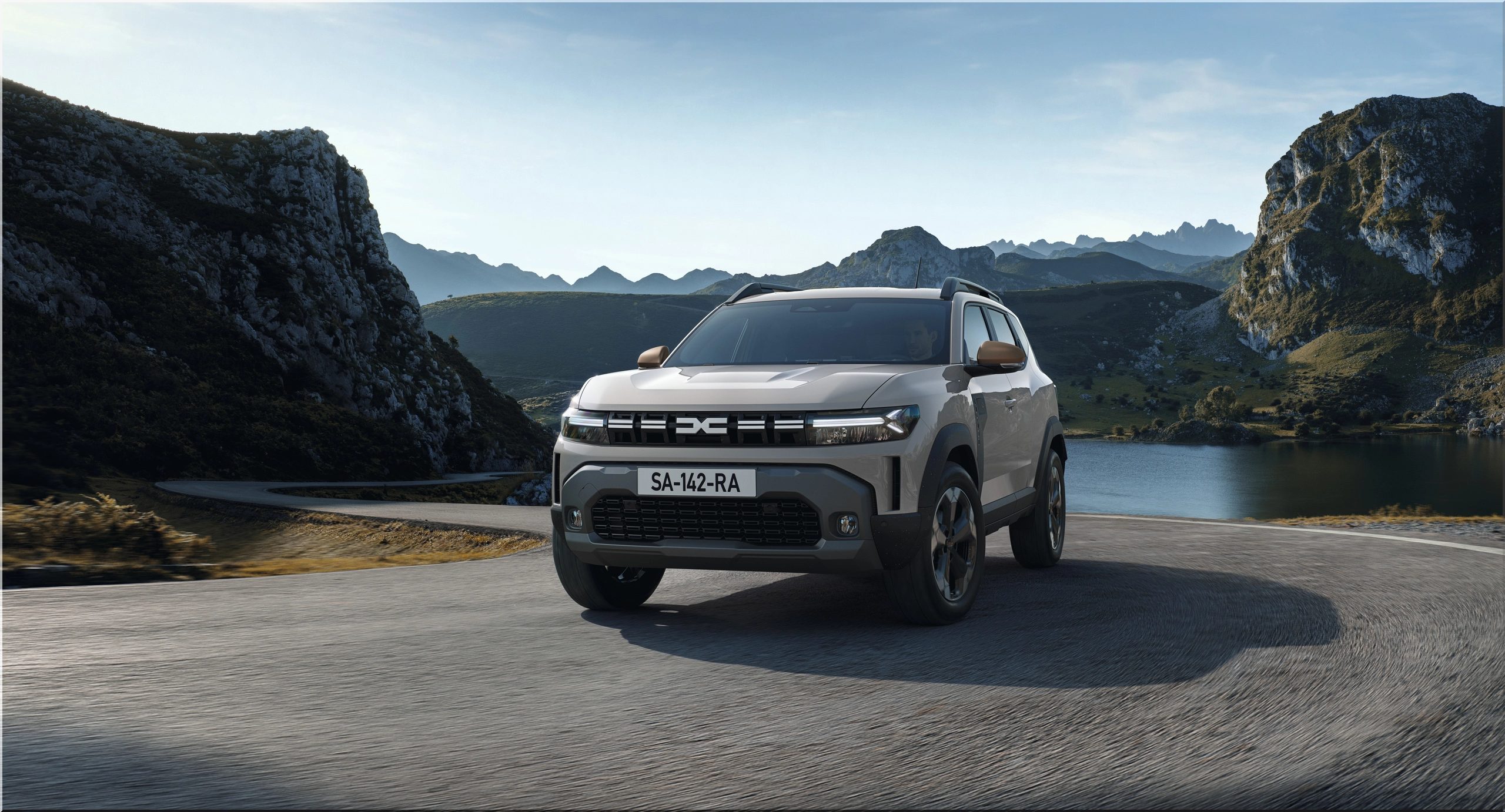
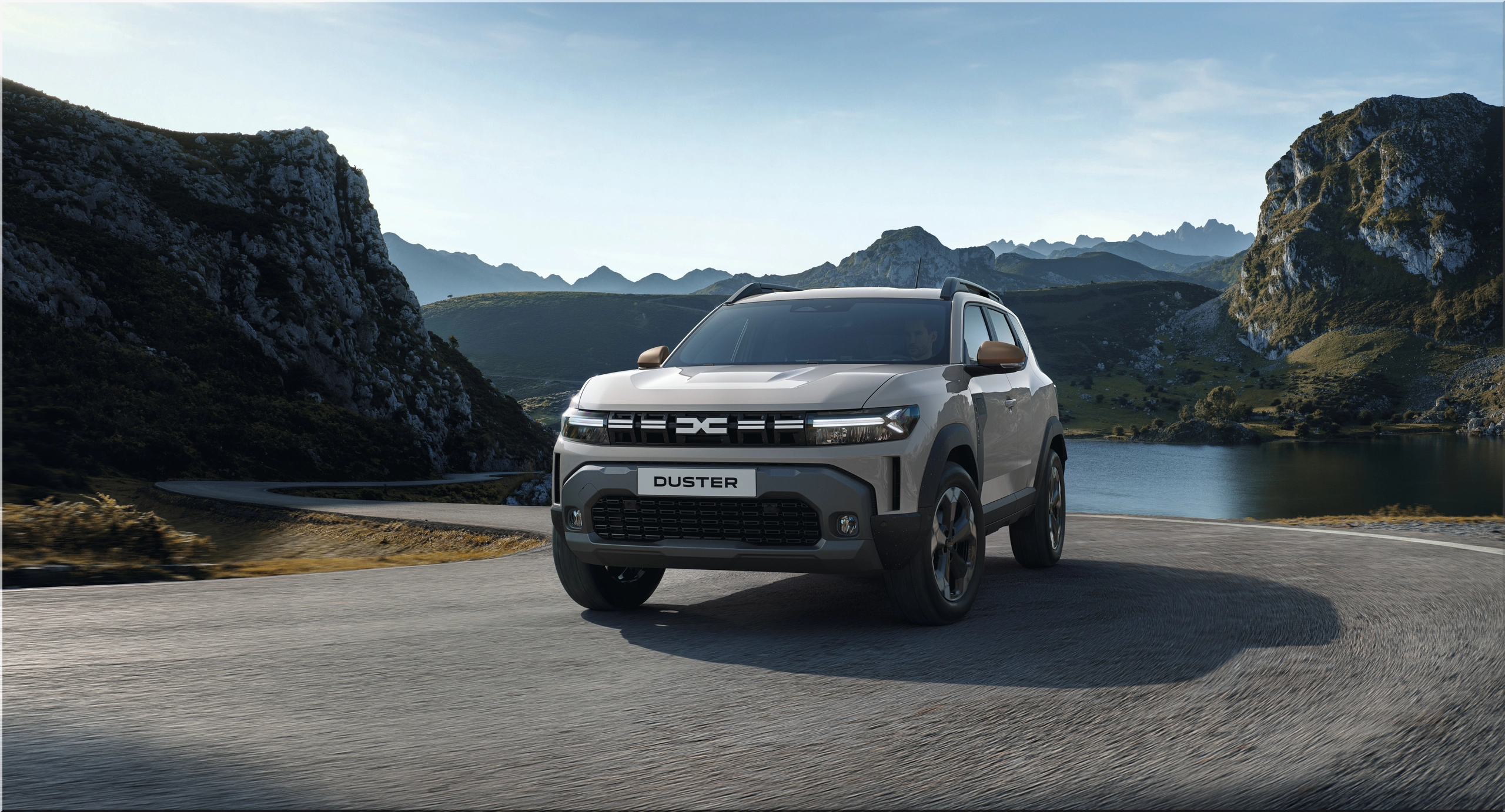
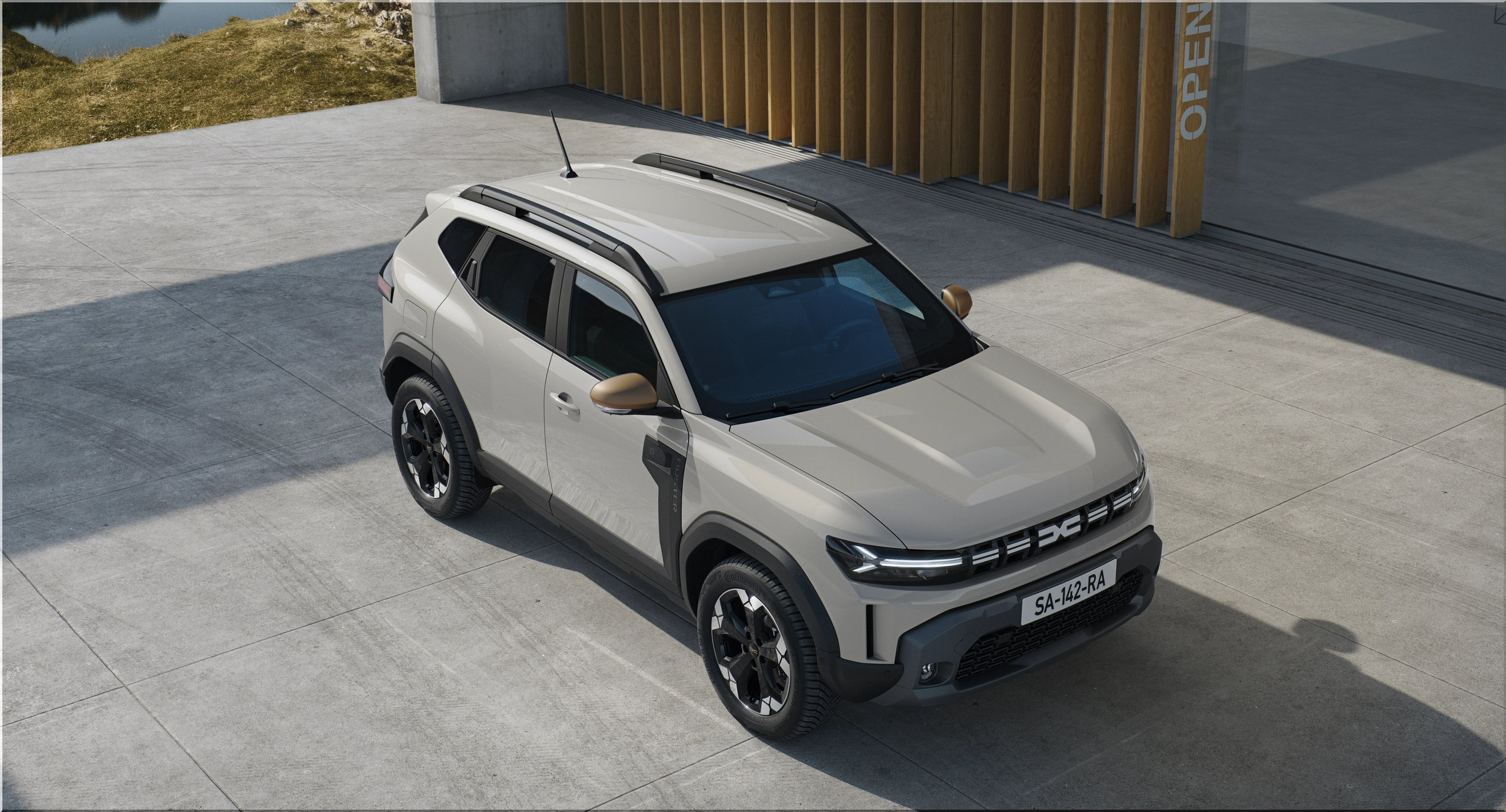
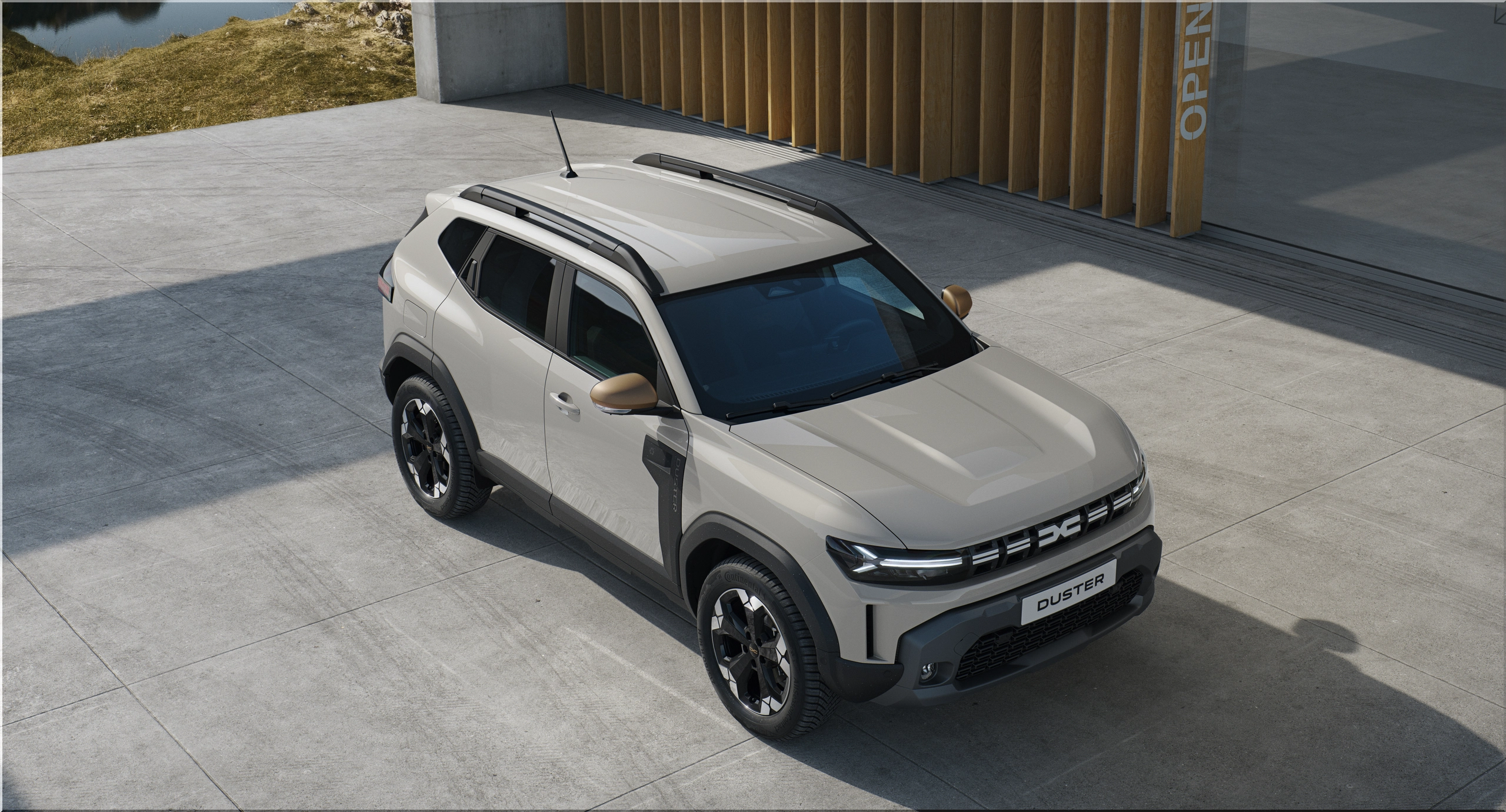
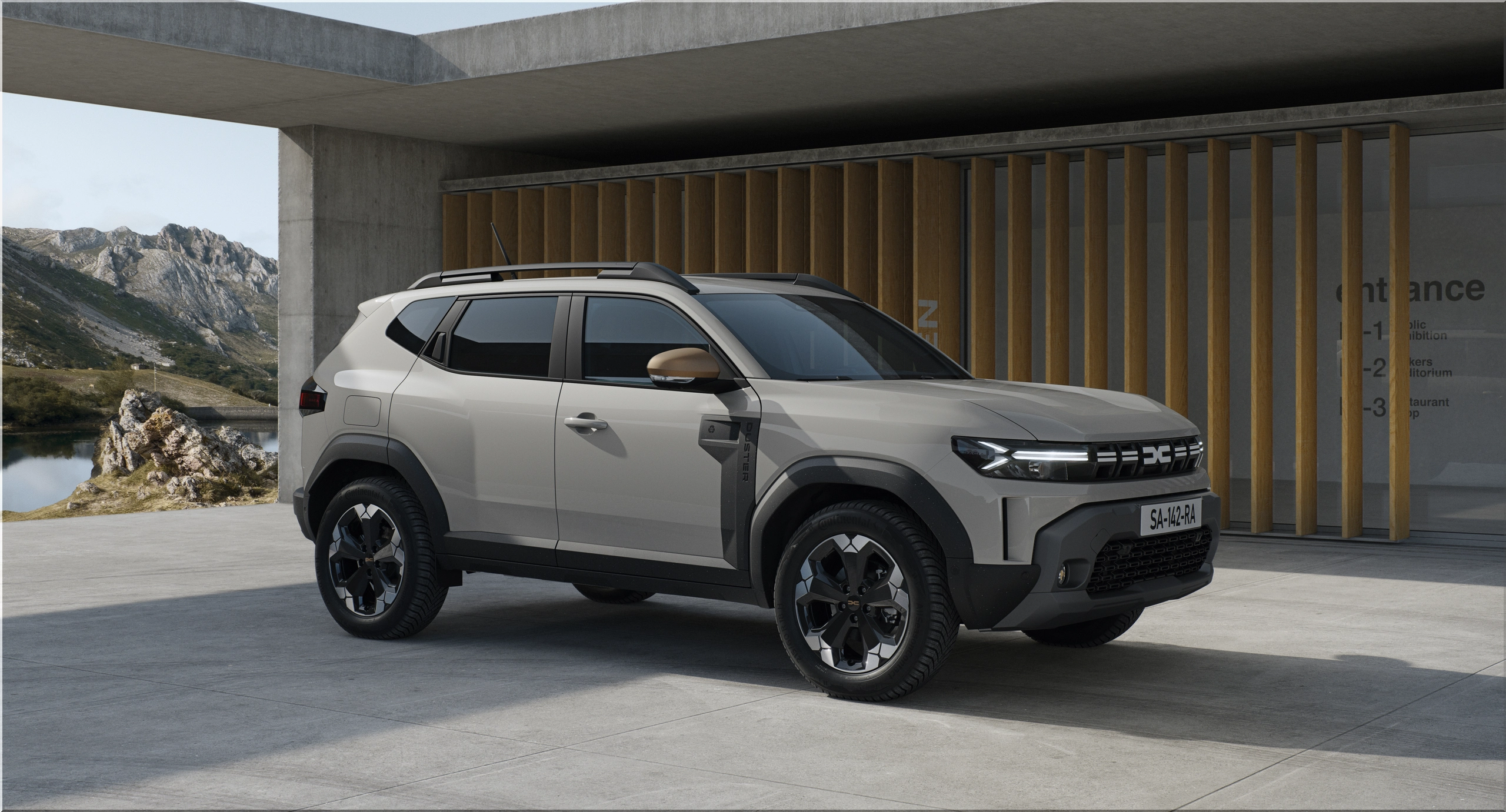
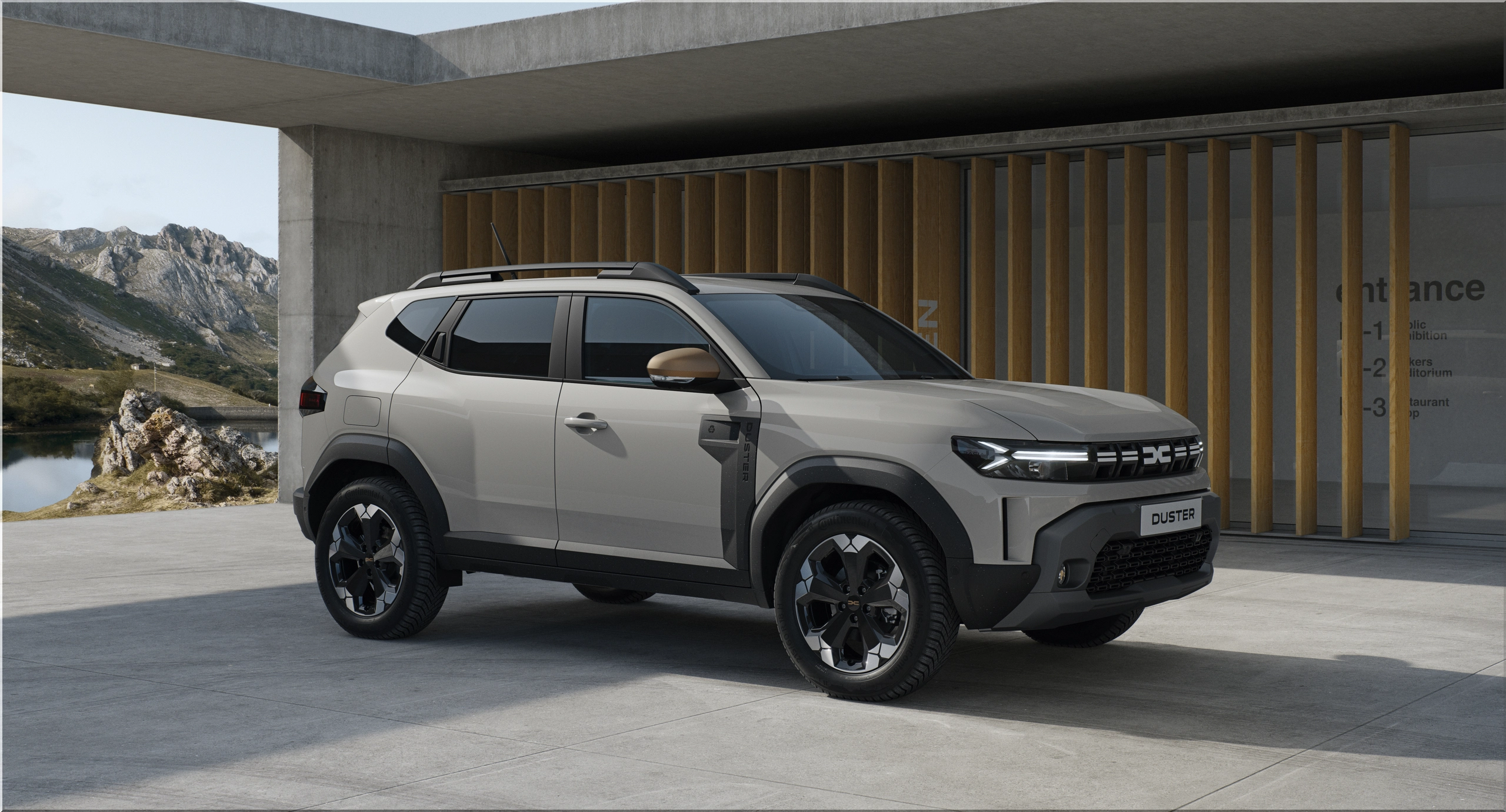
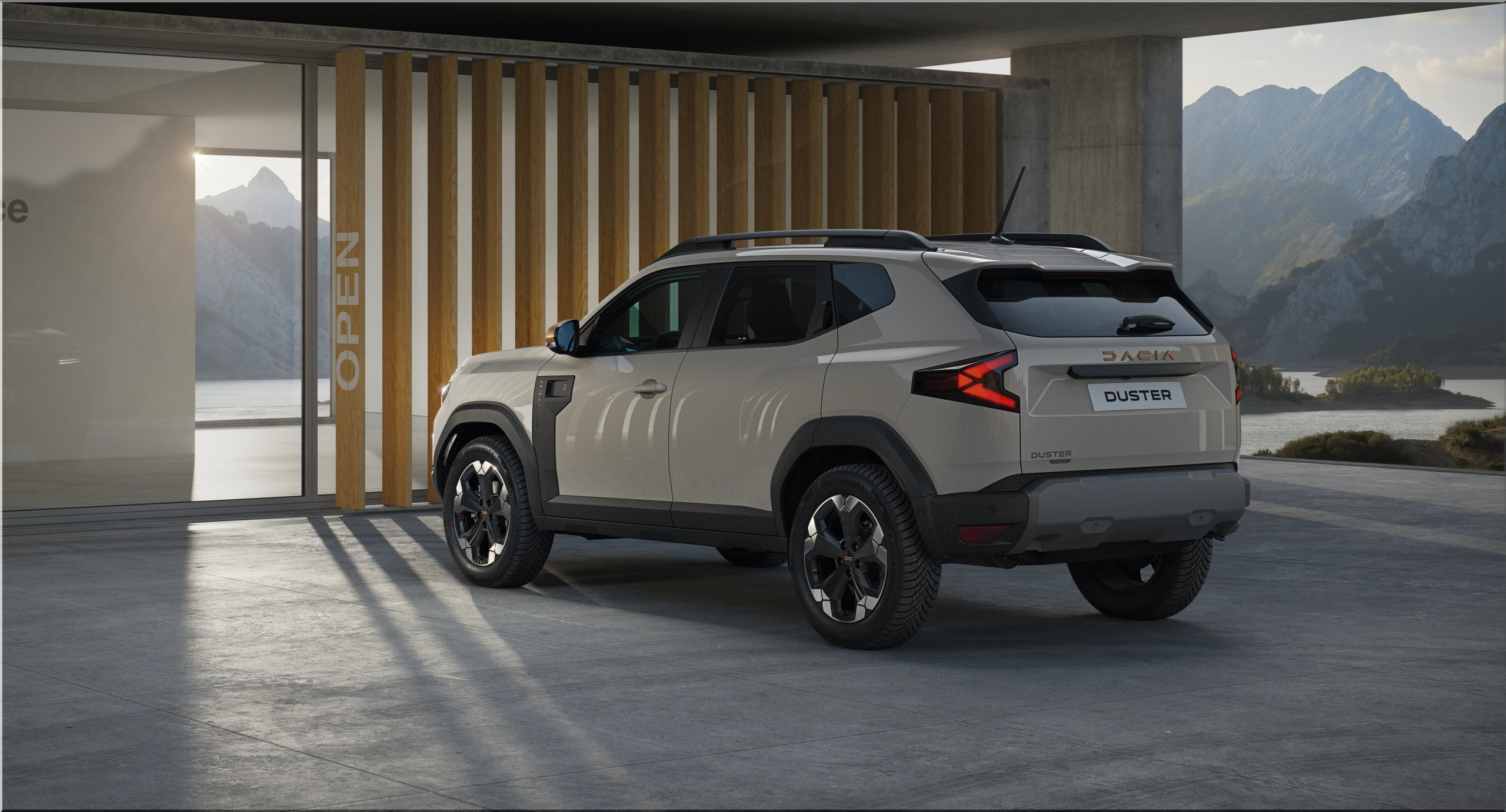
The new Dacia Duster features a more distinctive and modern design inspired by the Bigster concept that Dacia unveiled in January 2021. The front end is dominated by a large grille with horizontal slats and the Dacia logo, flanked by LED headlights with Y-shaped daytime running lights. The bumper incorporates air curtains and a skid plate for improved aerodynamics and off-road protection.
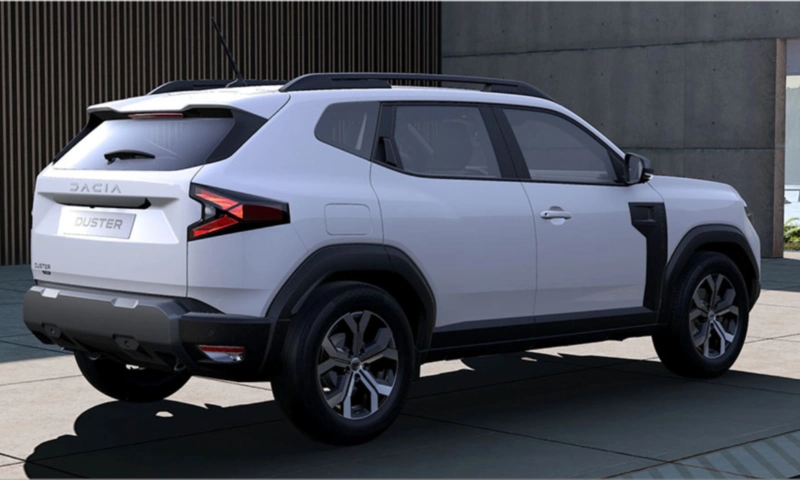
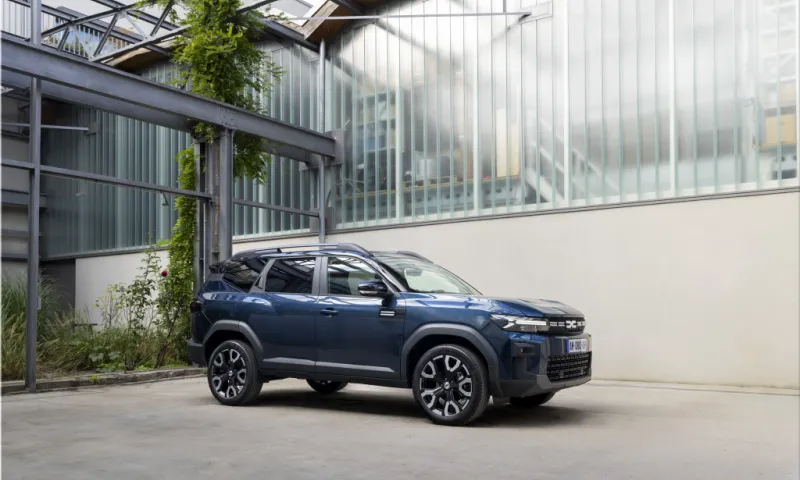
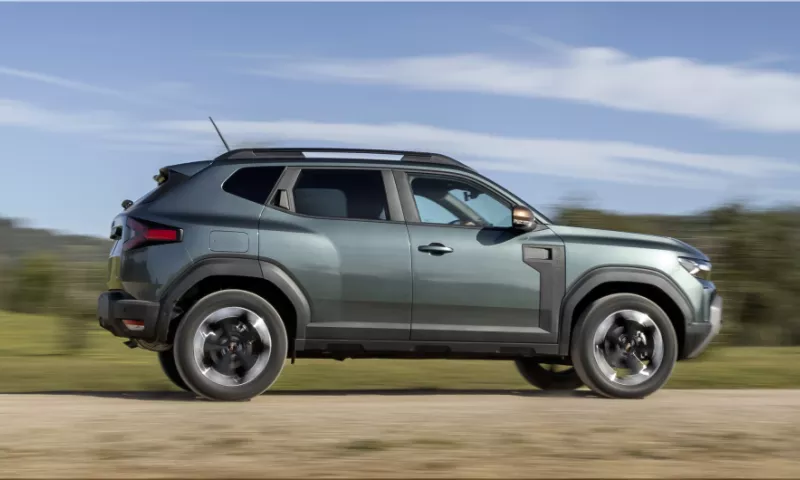
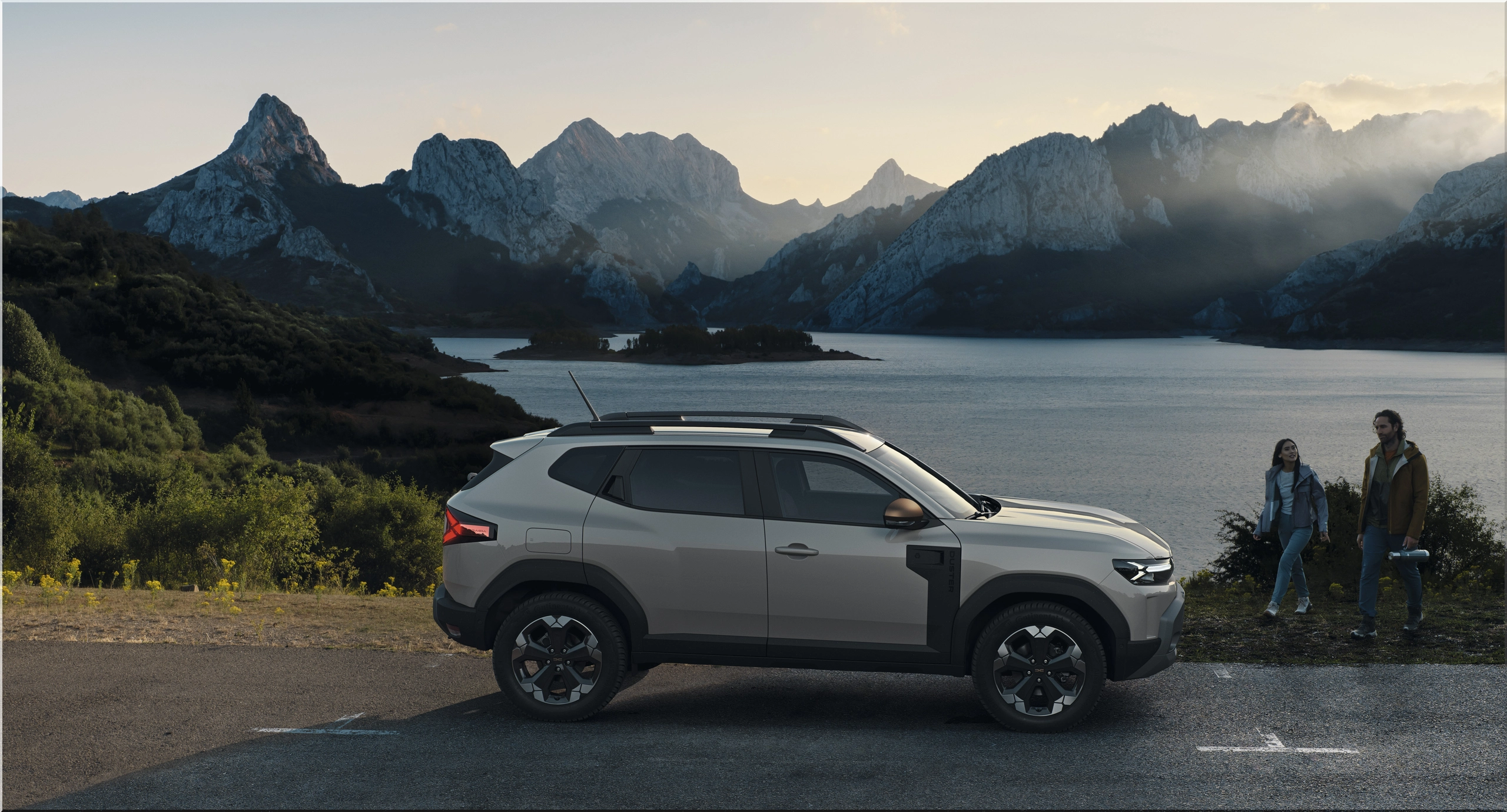
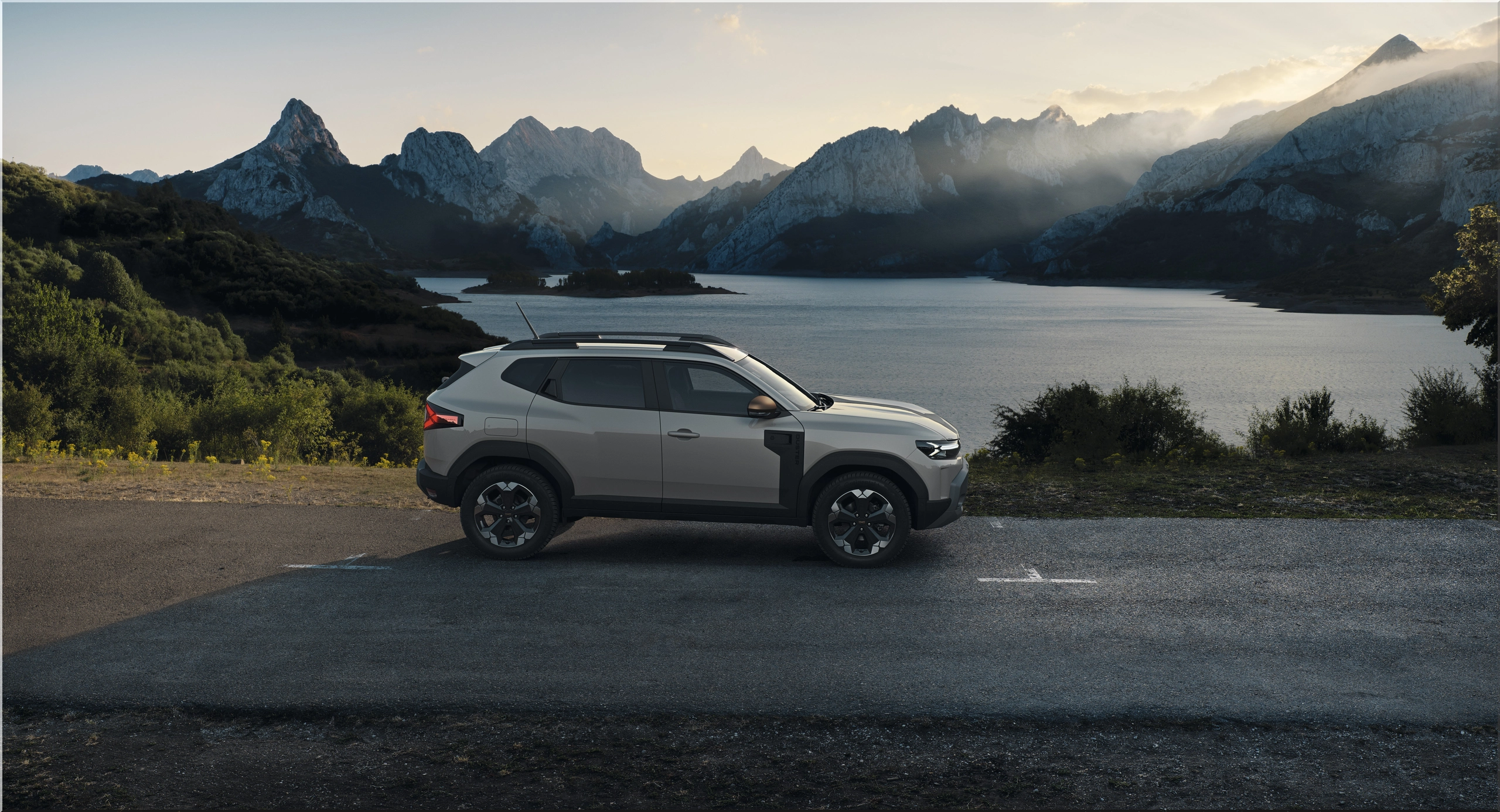
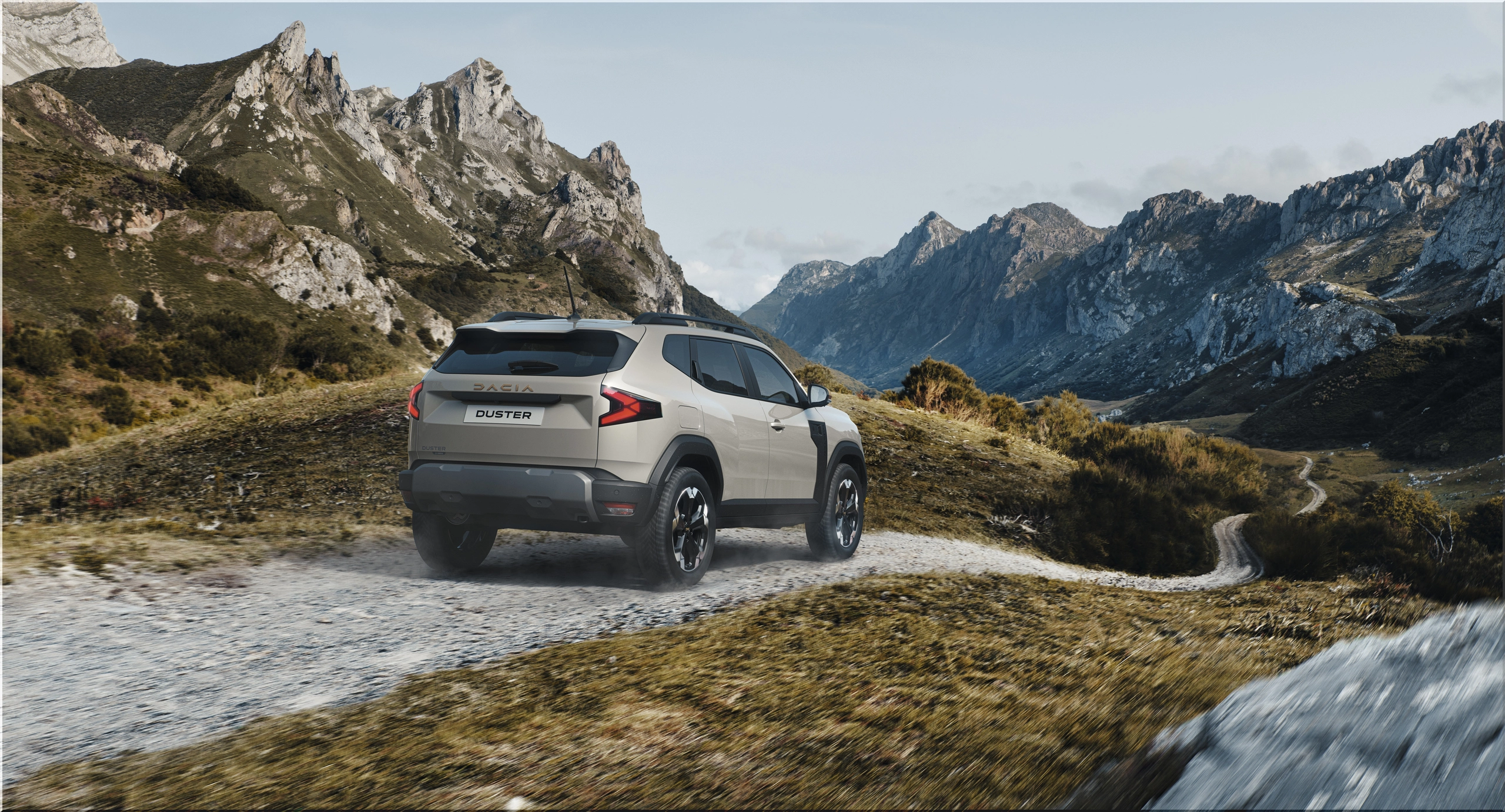
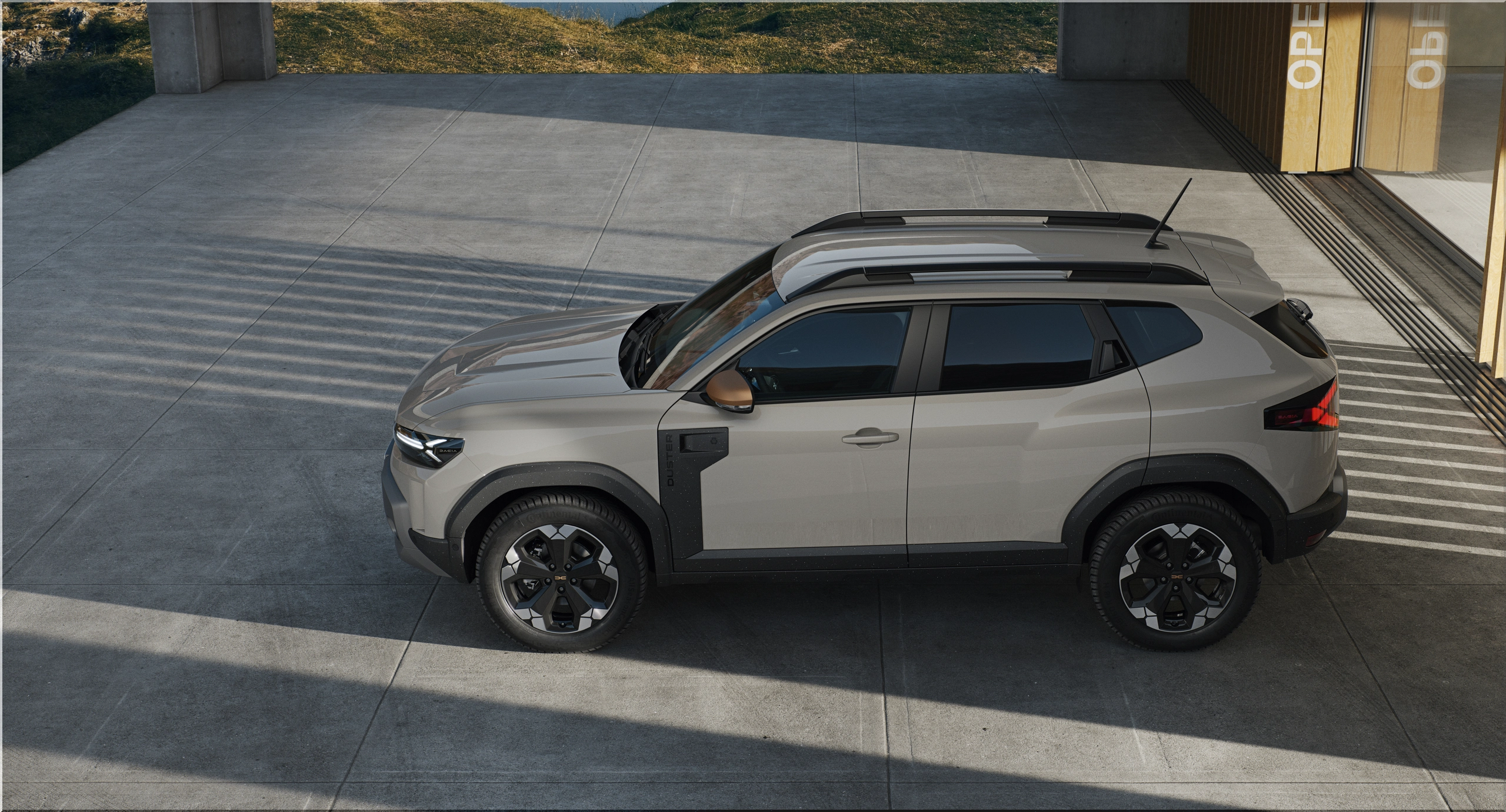
The side profile reveals a more dynamic and muscular shape, with a sloping roofline, hidden door handles, and rectangular wheel arches. The new Duster also has a longer wheelbase and a wider track than the previous model, which should translate into more interior space and stability. The roof rails are functional and can support up to 100 kg of load, while the 17-inch alloy wheels have a diamond-cut finish.
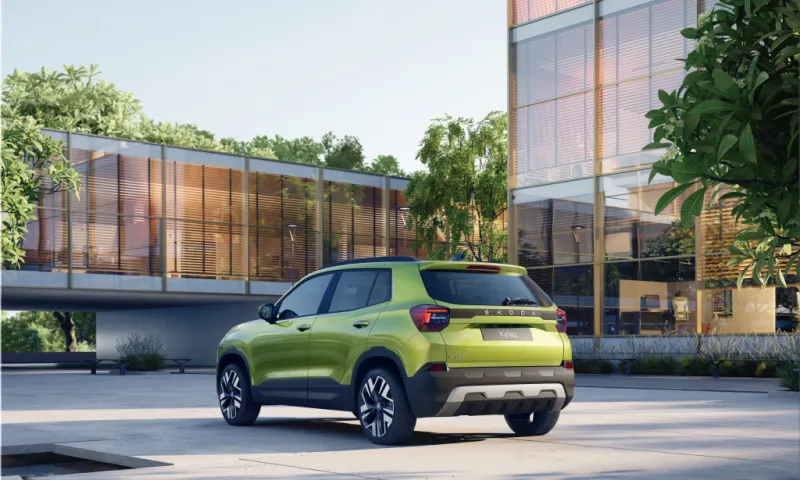
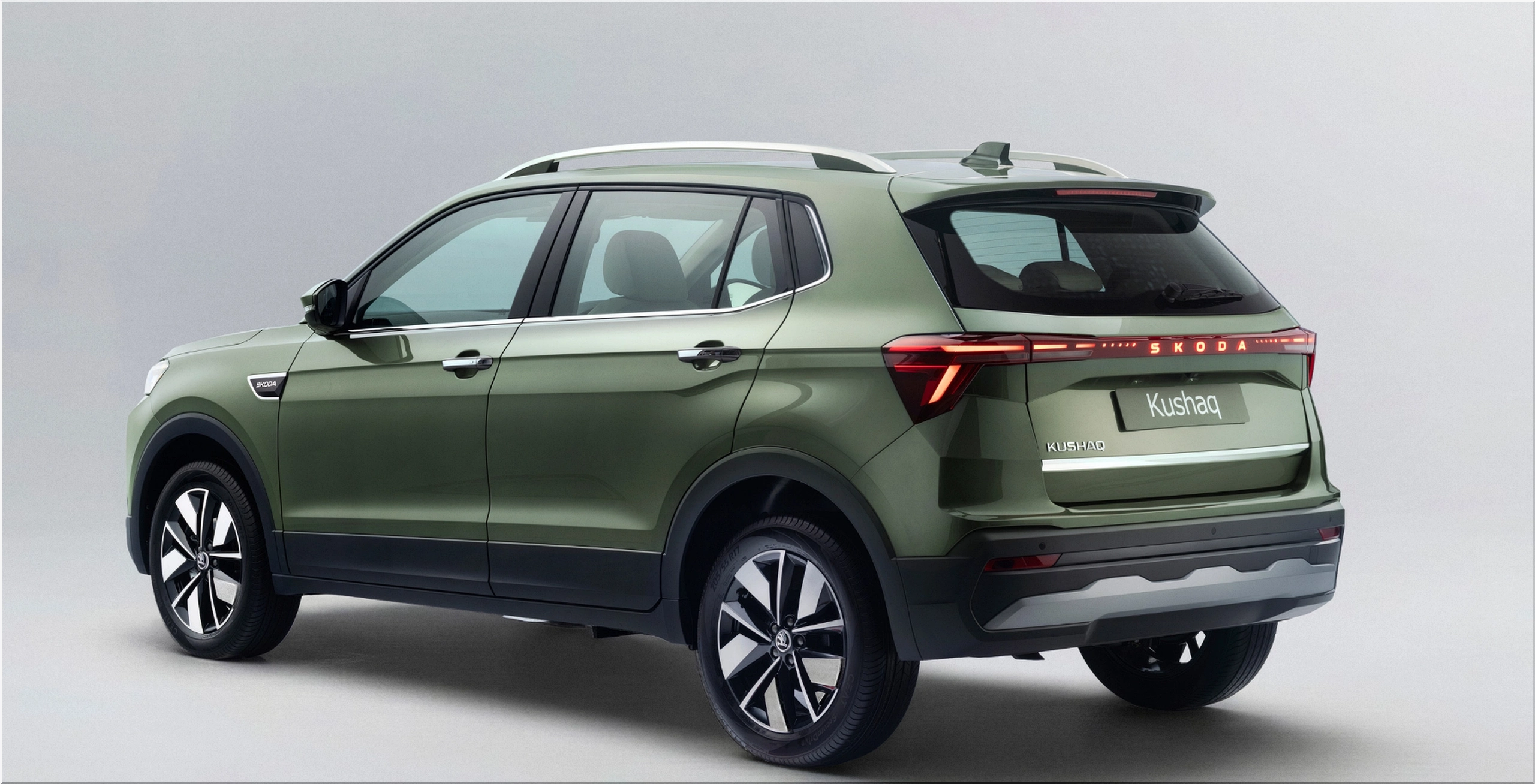
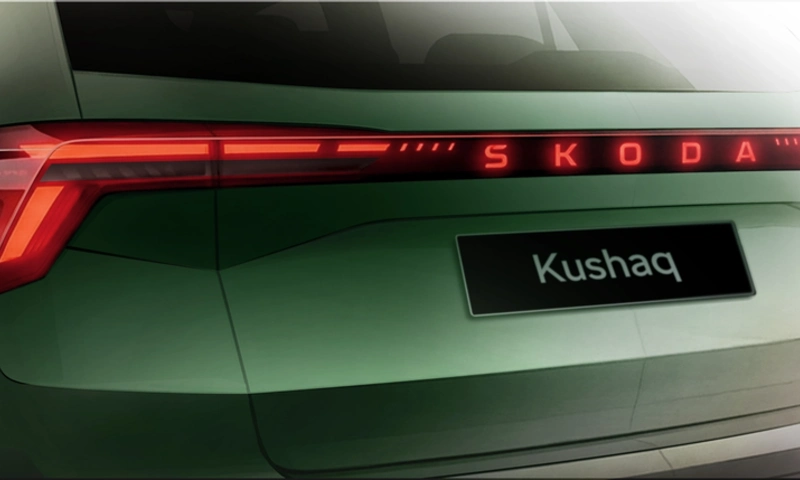
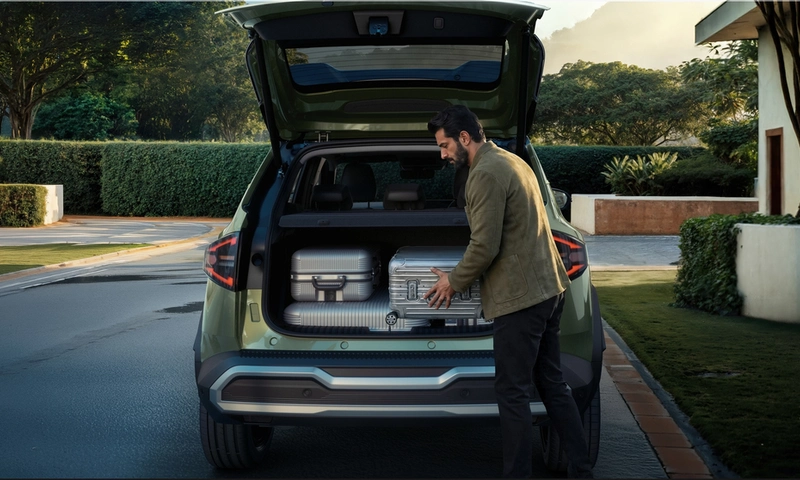
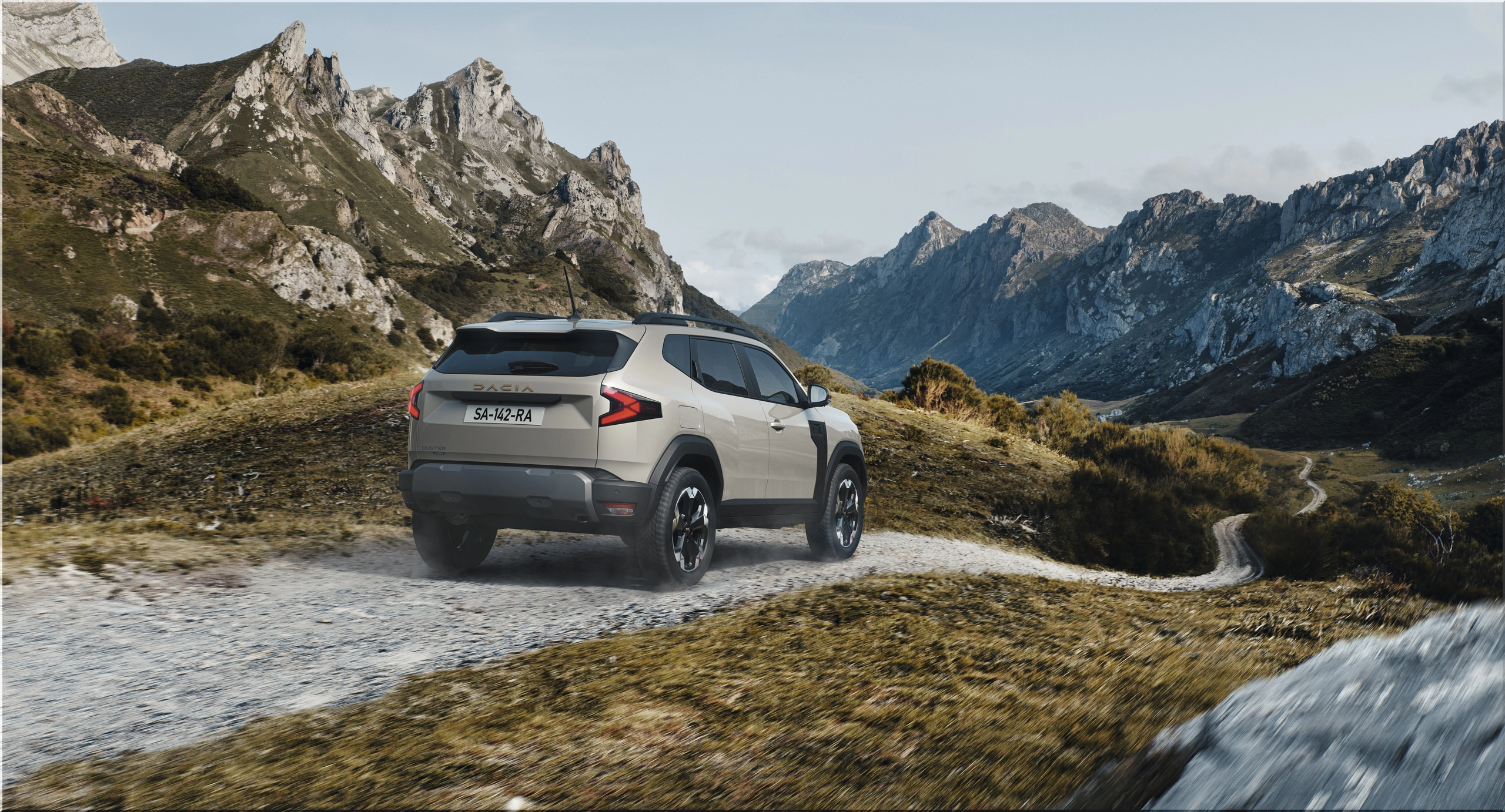
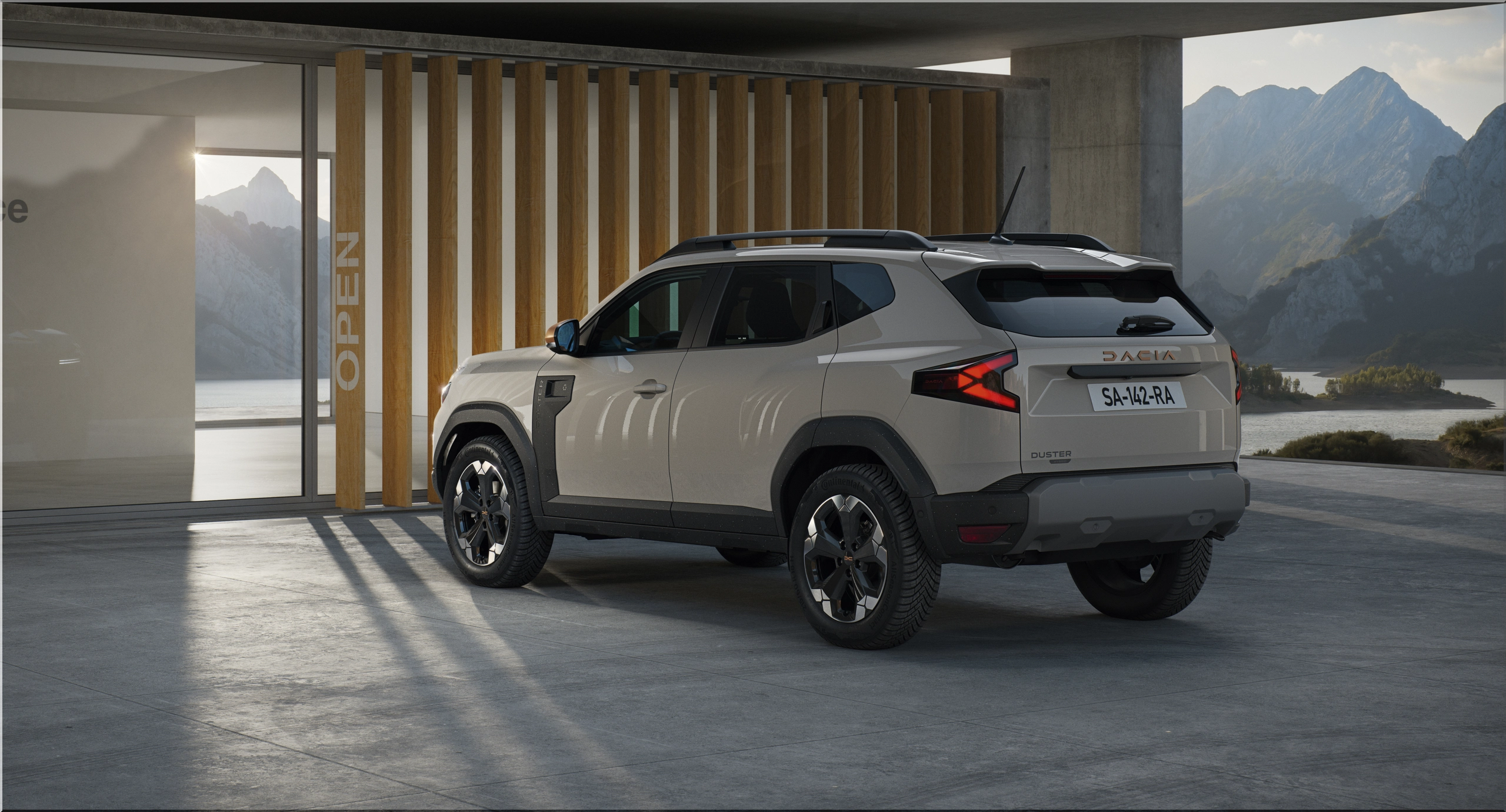
The rear end is equally striking, with a large tailgate that opens to a 445-liter trunk, LED taillights with a signature pattern, and a roof spoiler that enhances the sporty look. The bumper's lower part features a diffuser, a chrome exhaust tip, and a tow hook that can pull up to 1,500 kg.
The new Dacia Duster will be available in nine exterior colors, including a new matte bronze shade that contrasts with the black cladding and the silver accents. Dacia claims that the new Duster has a more refined and robust appearance, while retaining its original DNA of simplicity and reliability.
A more ergonomic and connected interior
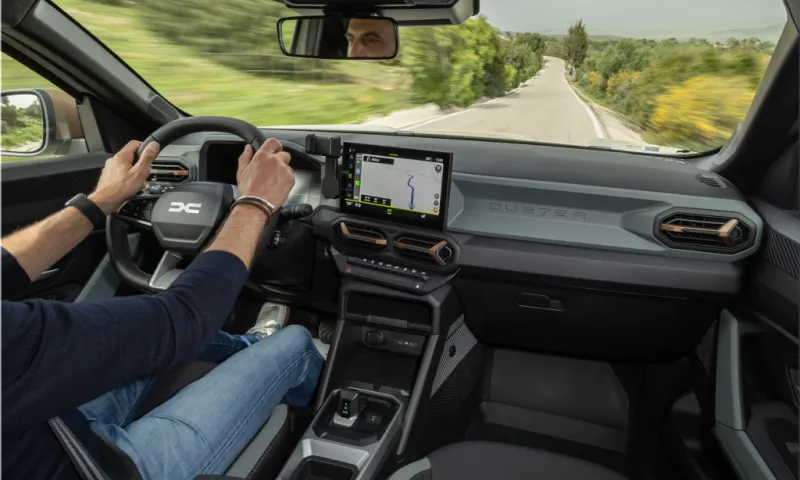
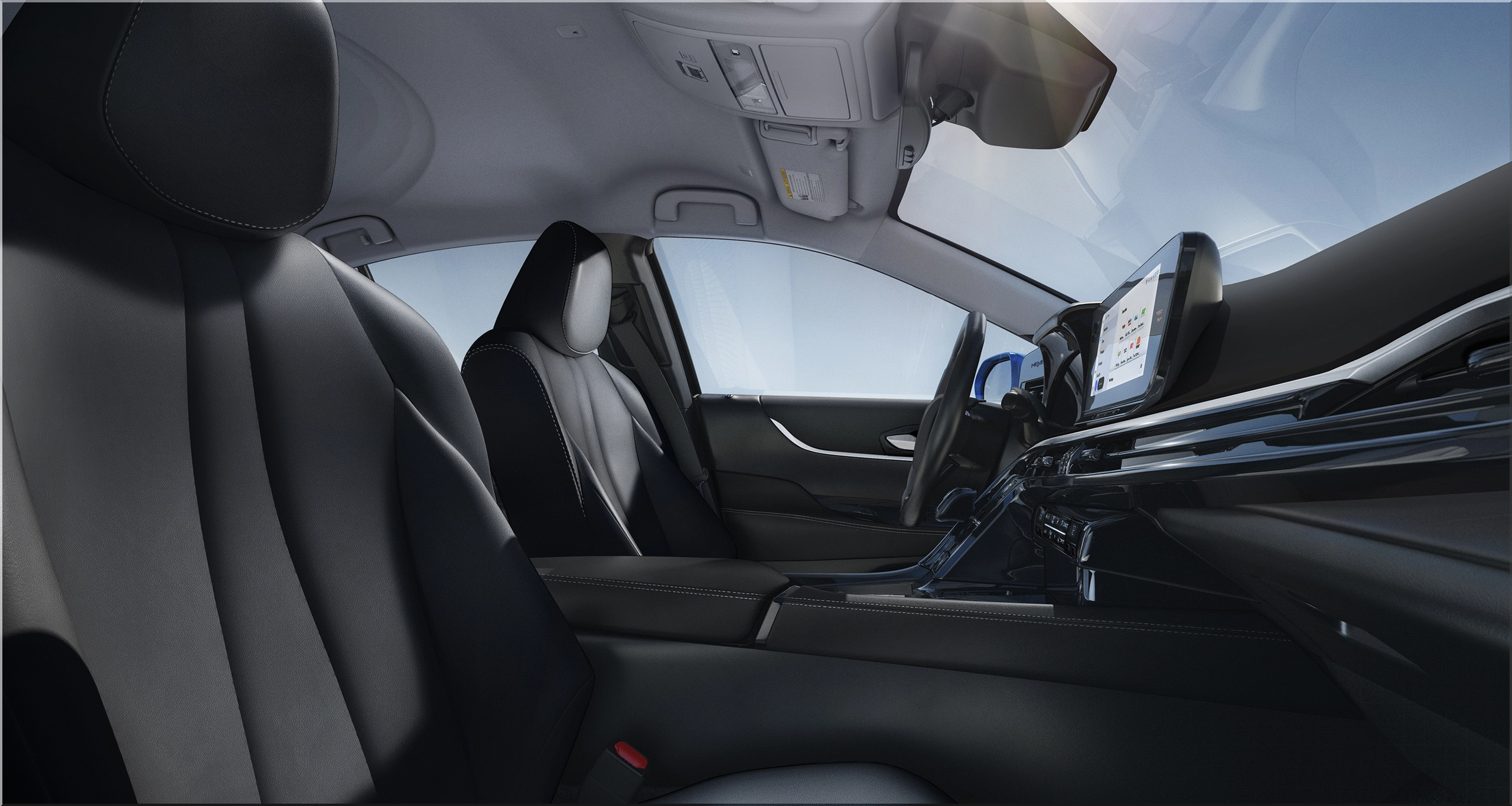
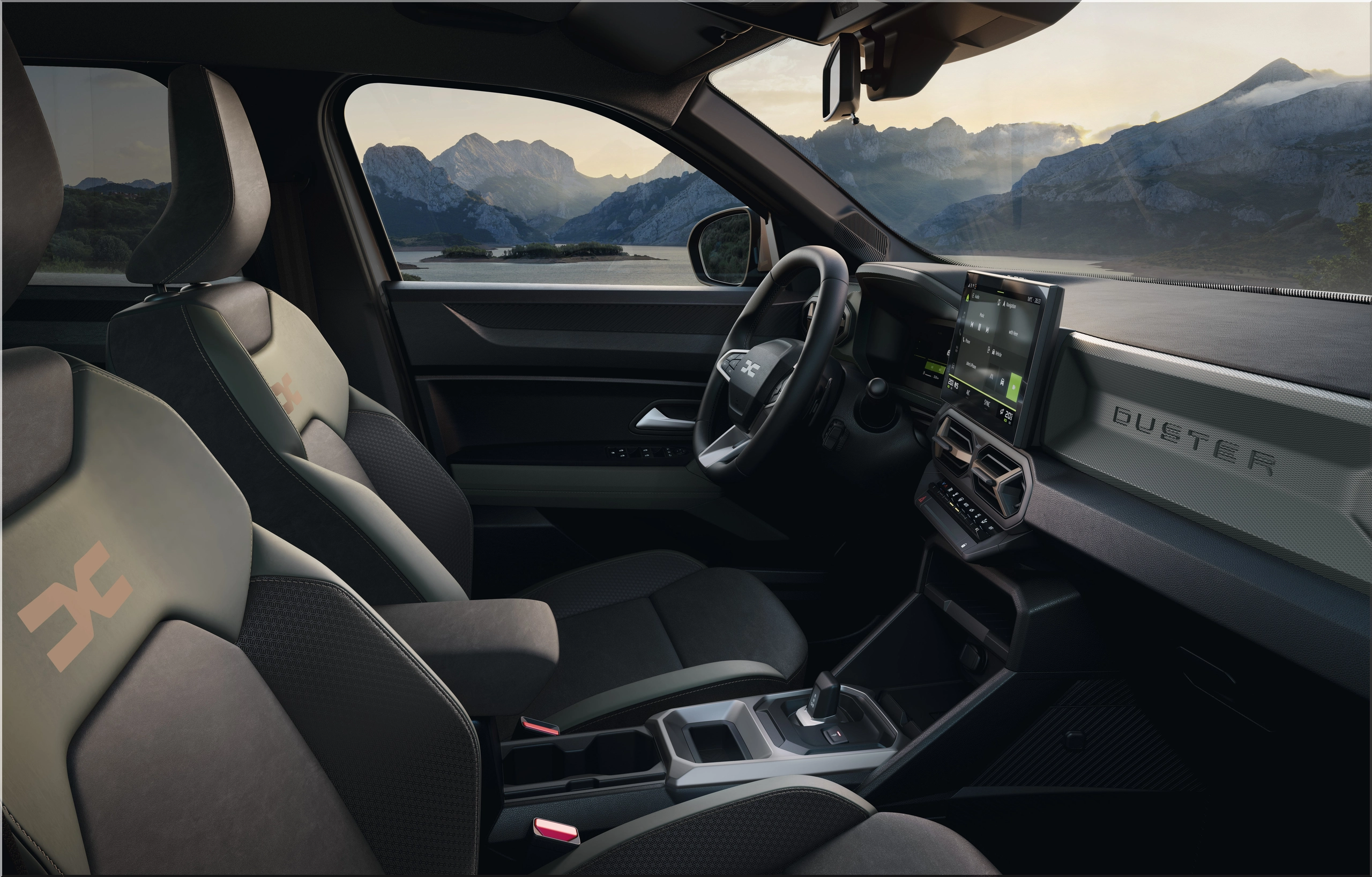
The interior of the new Dacia Duster has also been revamped, with a focus on ergonomics, comfort, and connectivity. The dashboard has a horizontal layout, with a new eight-inch touchscreen infotainment system that supports Apple CarPlay and Android Auto, as well as wireless charging and a 360-degree camera. The instrument cluster is digital, with a seven-inch display that shows various information and driving modes.
The center console has a new design, with a rotary knob for the four-wheel-drive system, a leather-wrapped gear lever, and a sliding armrest with storage space. The seats are more comfortable and supportive, with adjustable lumbar support and heating functions. The rear seats can fold in a 60/40 split, creating a flat loading floor and expanding the cargo capacity to 1,623 liters.
The new Duster also offers more storage options throughout the cabin, such as door pockets, cup holders, and a glove box. The materials and finishes have been improved, with soft-touch surfaces, chrome accents, and ambient lighting. Dacia says that the new Duster has a higher perceived quality and durability, as well as better sound insulation and vibration damping.
A hybrid powertrain for the first time
The new Dacia Duster will be the first Dacia model to offer a hybrid powertrain in addition to the conventional petrol and diesel engines. The hybrid system consists of a 1.6-liter four-cylinder engine, two electric motors, and a 1.2 kWh battery. The combined output is 140 hp and 250 Nm of torque, which is sent to the front wheels via a six-speed dual-clutch transmission.
The hybrid Duster can run on electric power alone for up to 50 km, according to the WLTP cycle, and has a fuel consumption of 4.5 liters/100 km and CO2 emissions of 102 g/km. The hybrid system also has a regenerative braking function, which recovers energy during deceleration and braking, and a start-stop function, which shuts off the engine when the vehicle is stationary.
The petrol range includes a 1.0-liter three-cylinder turbocharged engine with 90 hp and 160 Nm of torque and a 1.3-liter four-cylinder turbocharged engine with 130 hp and 240 Nm of torque. Both engines are mated to a six-speed manual gearbox, while the 1.3-liter engine can also be paired with a seven-speed dual-clutch transmission. The diesel range consists of a 1.5-liter four-cylinder turbocharged engine with 95 hp and 260 Nm of torque and a 1.7-liter four-cylinder turbocharged engine with 115 hp and 300 Nm of torque. Both engines are linked to a six-speed manual gearbox, while the 1.7-liter engine can also be equipped with a six-speed dual-clutch transmission.
The new Dacia Duster will also offer a bi-fuel option combining LPG (liquefied petroleum gas) with petrol. The bi-fuel system uses a 1.0-liter three-cylinder turbocharged engine with 100 hp and 170 Nm of torque and a 50-liter LPG tank in the spare wheel well. The bi-fuel Duster can switch between the two fuels automatically or manually and has a total range of 1,300 km. The bi-fuel system reduces the fuel costs and the CO2 emissions by up to 11%, compared to the petrol-only version.
The new Dacia Duster will continue to offer a four-wheel-drive option, which is available with the 1.3-liter petrol engine, the 1.7-liter diesel engine, and the hybrid system. The four-wheel-drive system has three modes: 2WD, which sends the power to the front wheels only; Auto, which distributes the power between the front and rear wheels according to the road conditions; and Lock, which locks the power distribution at 50/50 for off-road driving. The four-wheel-drive Duster also has a hill descent control function, which maintains a constant speed and brake pressure when going downhill.
A comparison with similar compact SUVs
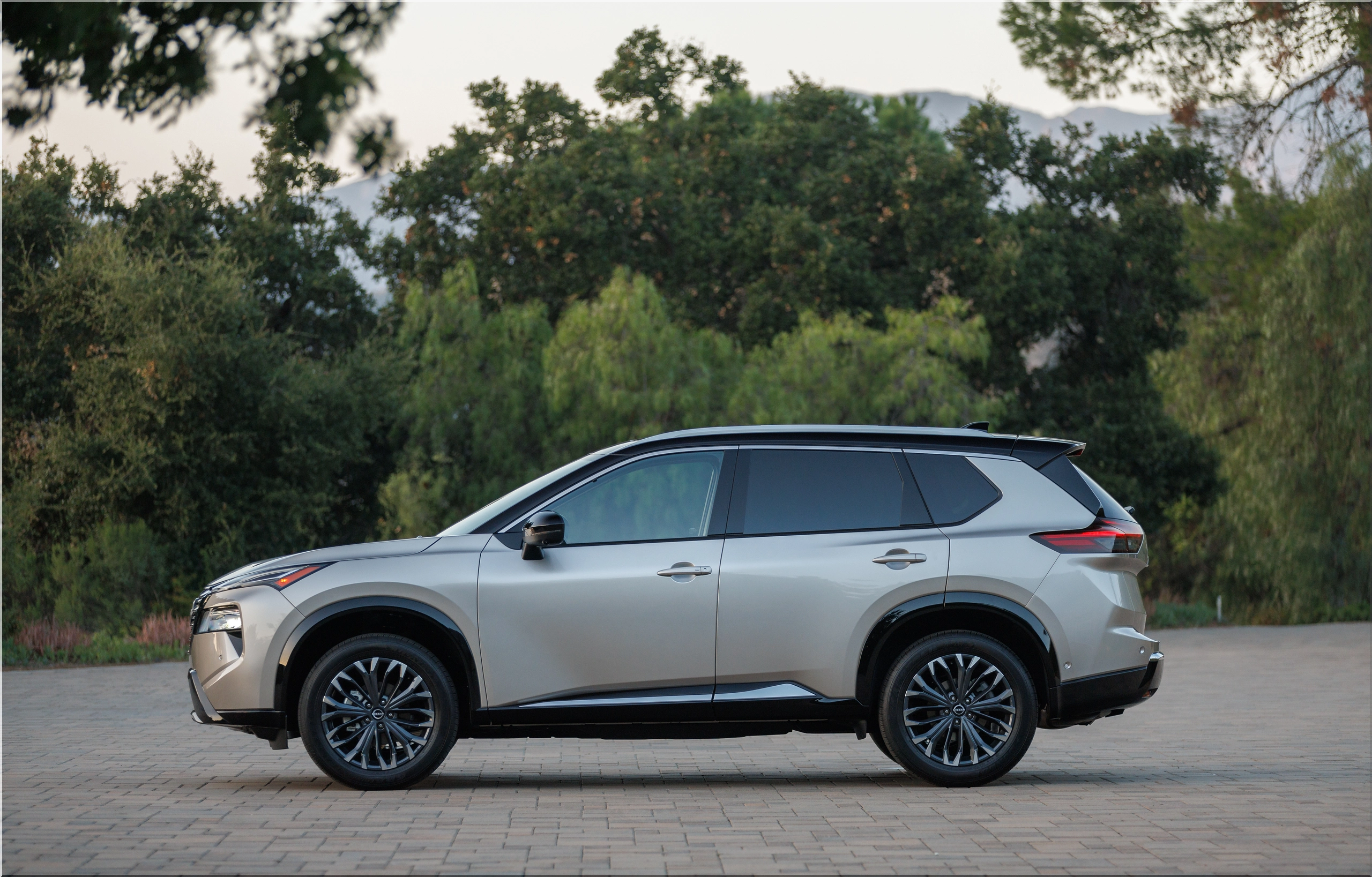
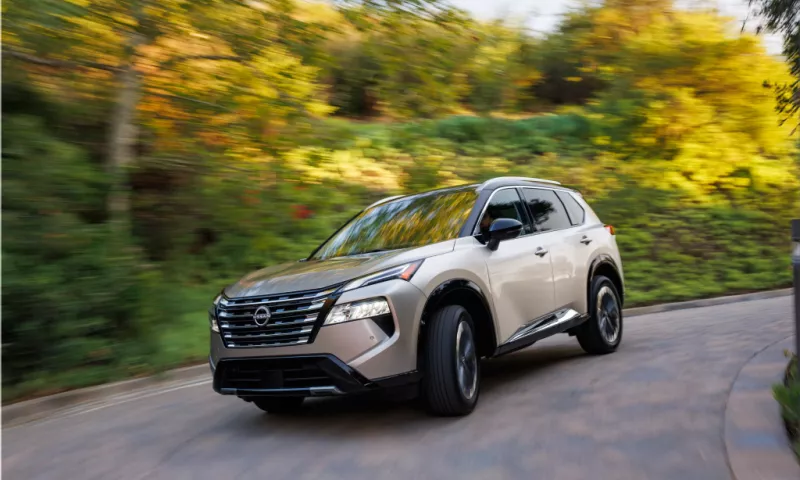
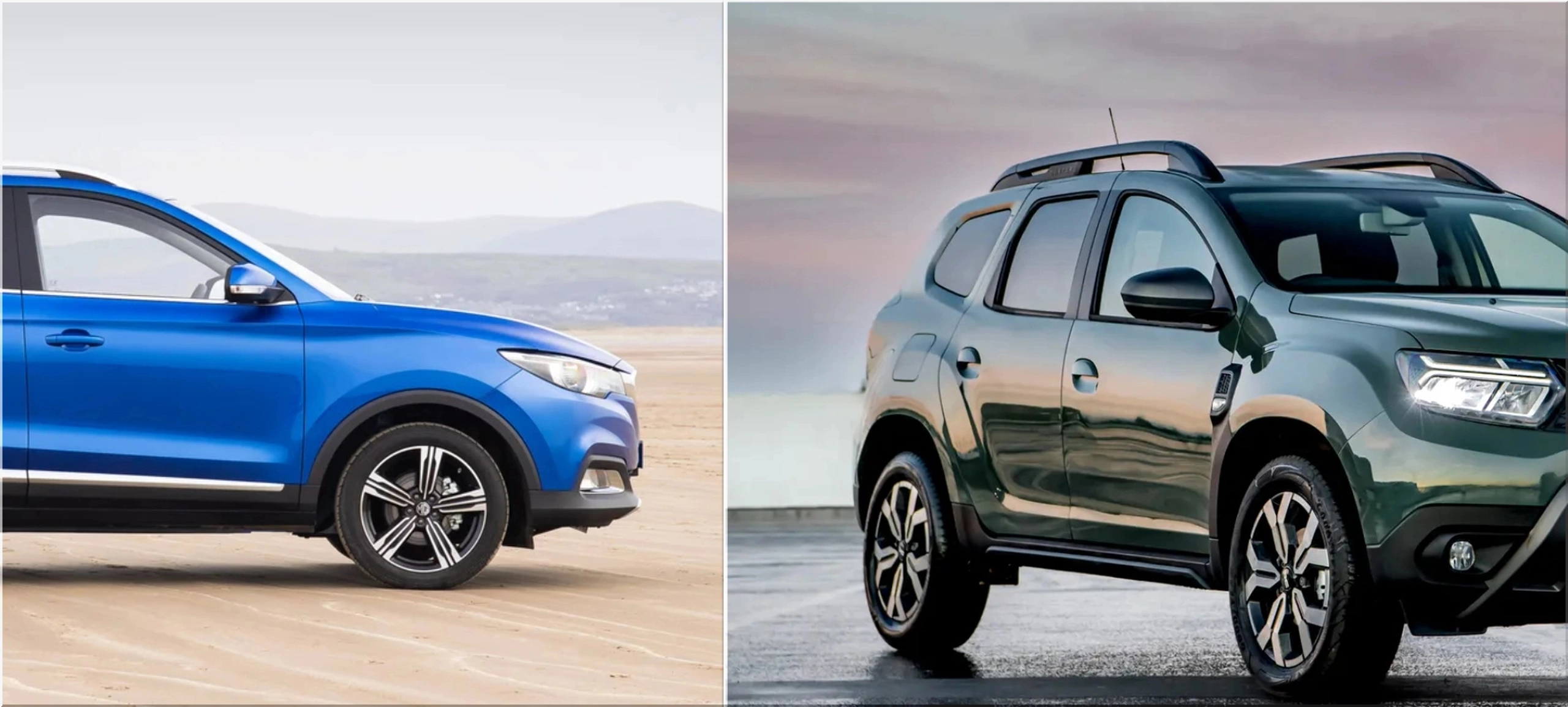
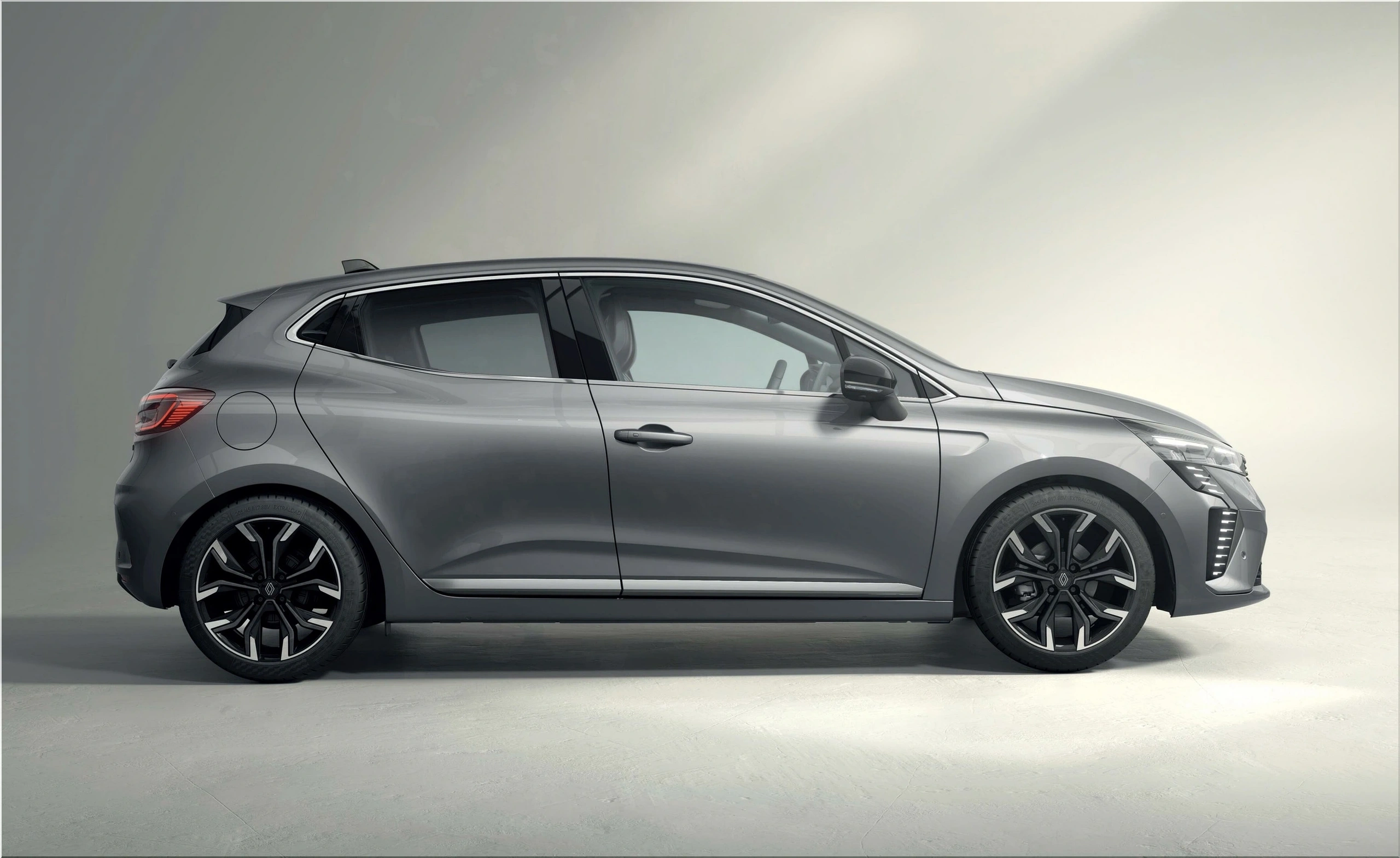
The new Dacia Duster will face tough competition in the compact SUV segment, which is crowded with many models that offer different features and prices. Here is a comparison table with some of the similar products from the same market and field:
| Model | Price (USD) | Engine | Power (hp) | Torque (Nm) | Transmission | Drivetrain | Fuel consumption (l/100 km) | CO2 emissions (g/km) |
|---|---|---|---|---|---|---|---|---|
| Dacia Duster Hybrid | 19,500 | 1.6L + 2 electric motors | 140 | 250 | 6-speed DCT | FWD | 4.5 | 102 |
| Kia Sportage Hybrid | 25,000 | 1.6L + 1 electric motor | 230 | 350 | 6-speed DCT | AWD | 5.4 | 125 |
| Hyundai Tucson Hybrid | 26,000 | 1.6L + 1 electric motor | 230 | 350 | 6-speed DCT | AWD | 5.6 | 129 |
| Nissan Qashqai Hybrid | 27,000 | 1.5L + 1 electric motor | 190 | 330 | CVT | FWD | 5.3 | 122 |
| Ford Kuga Hybrid | 28,000 | 2.5L + 1 electric motor | 200 | 240 | CVT | AWD | 5.6 | 130 |
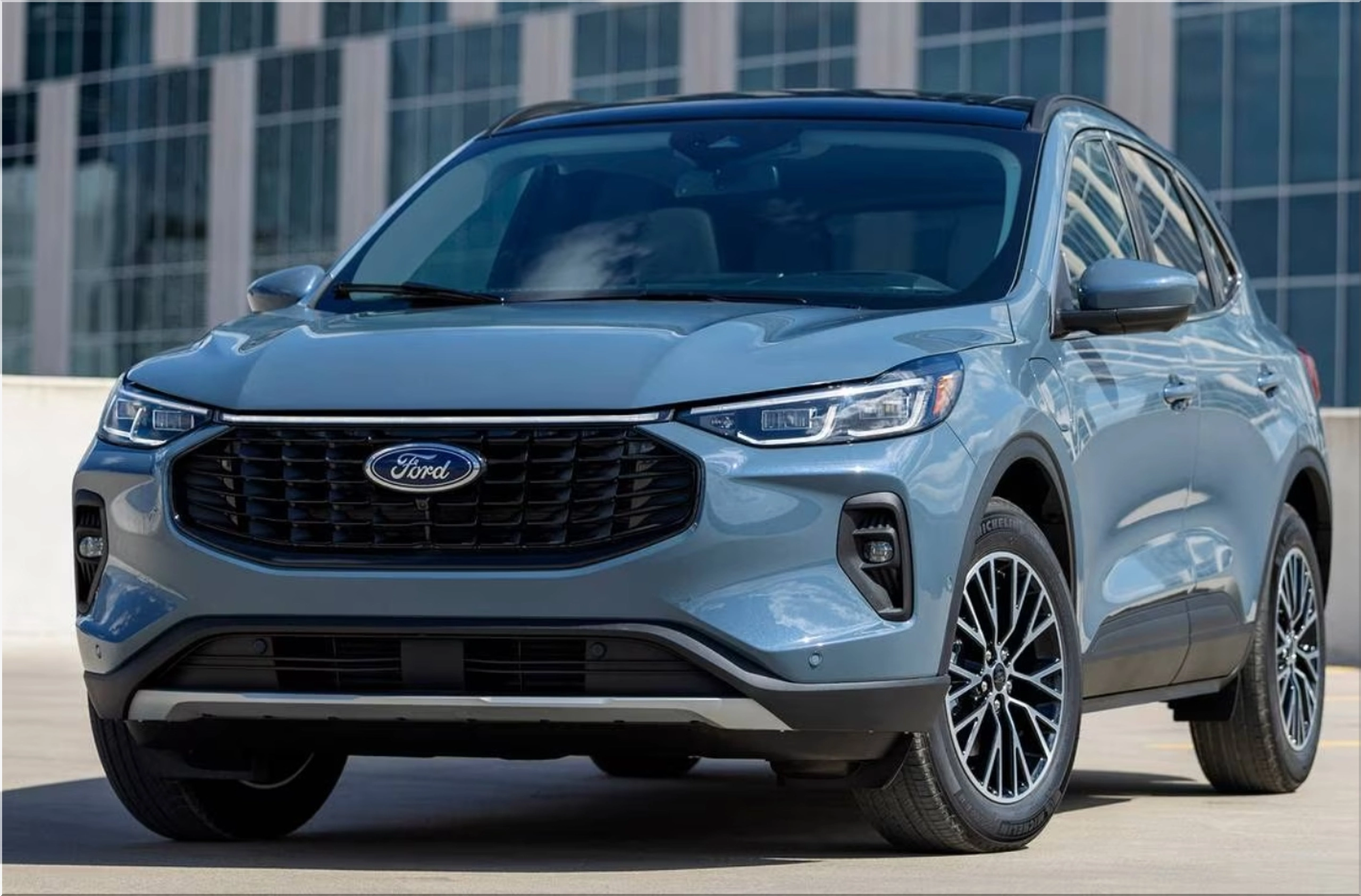
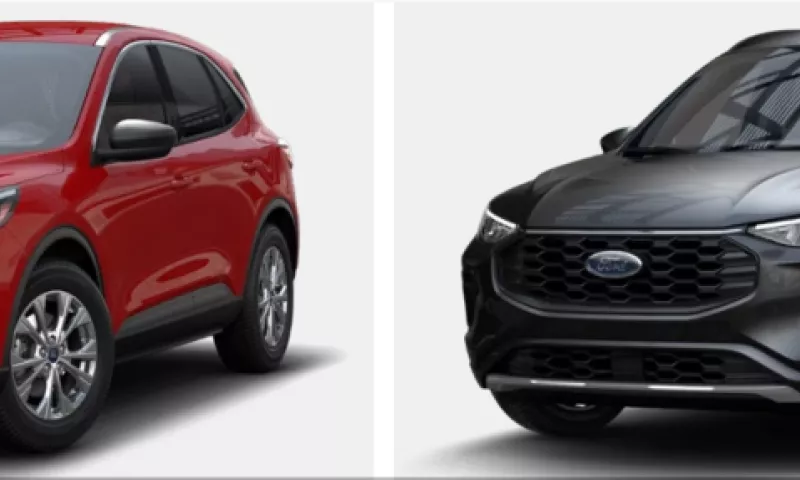
As the table shows, the new Dacia Duster Hybrid is the cheapest and the most efficient option among its rivals while also offering a decent performance and a four-wheel-drive option. The other models have more power and torque, higher fuel consumption and CO2 emissions, and higher prices. The new Duster Hybrid seems to offer the best value for money in the hybrid compact SUV segment.
- Add new comment
- 340 views