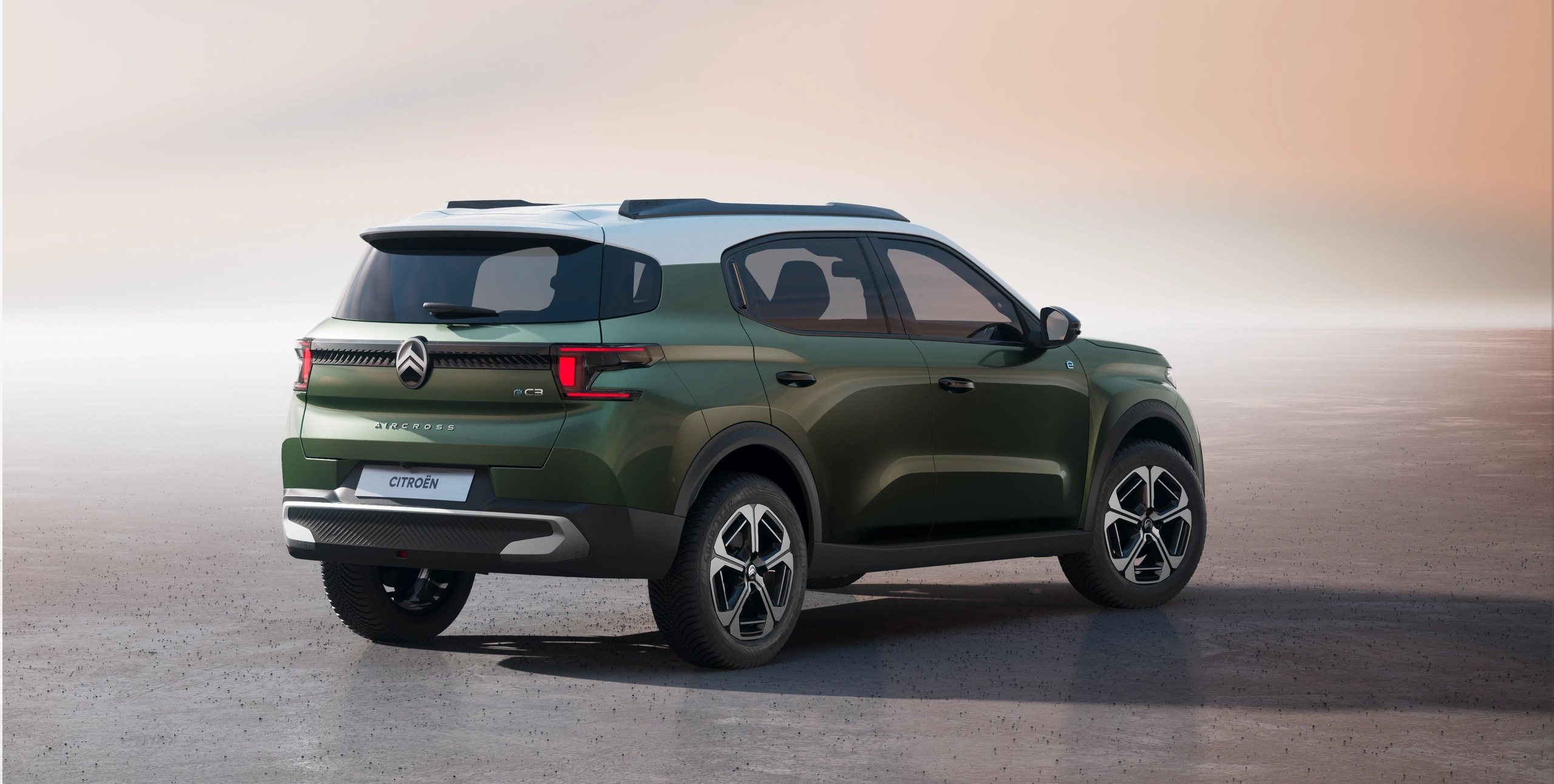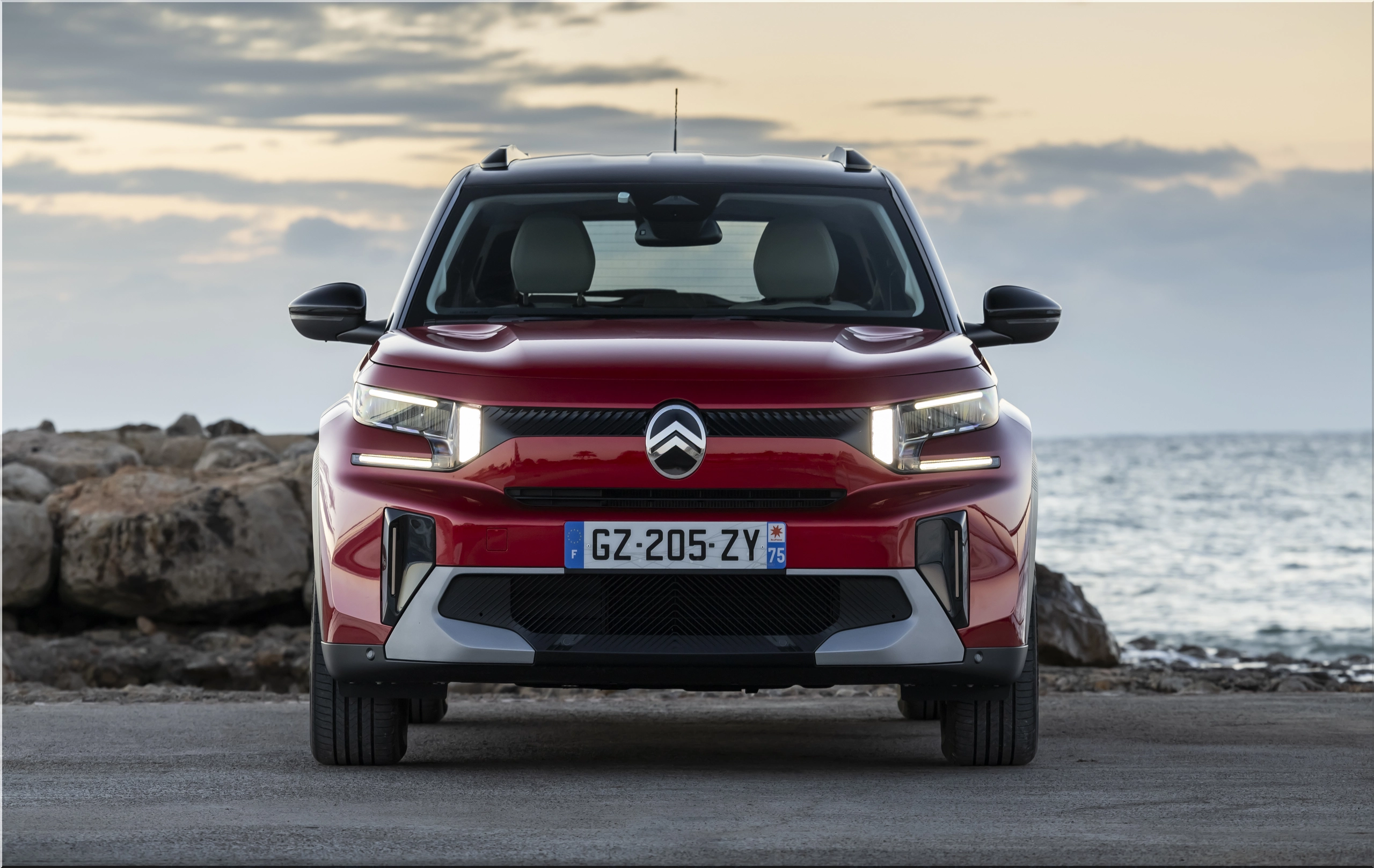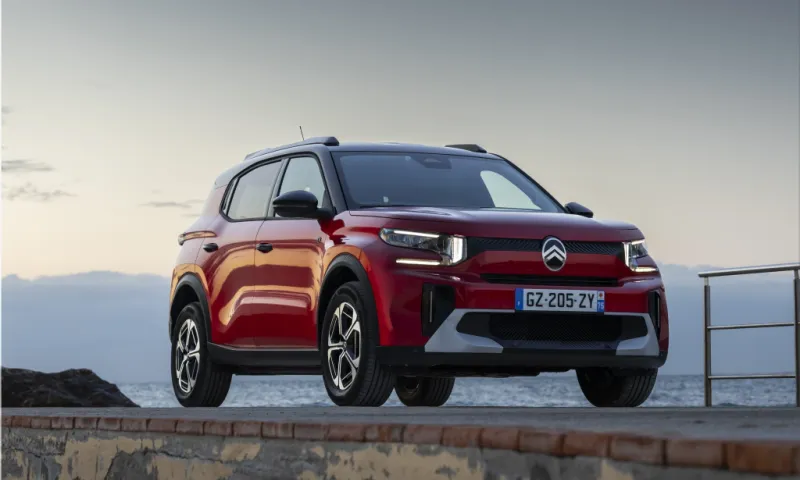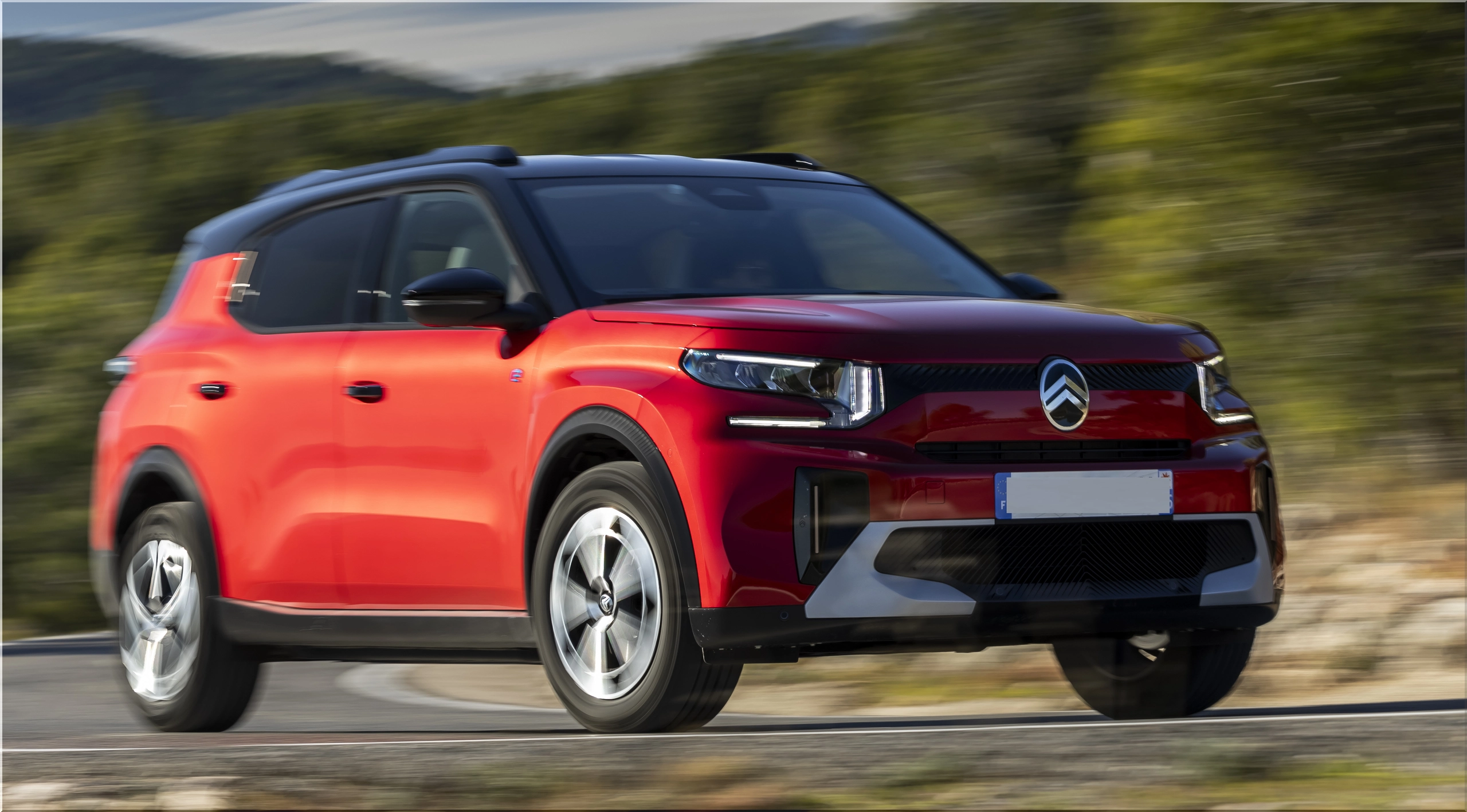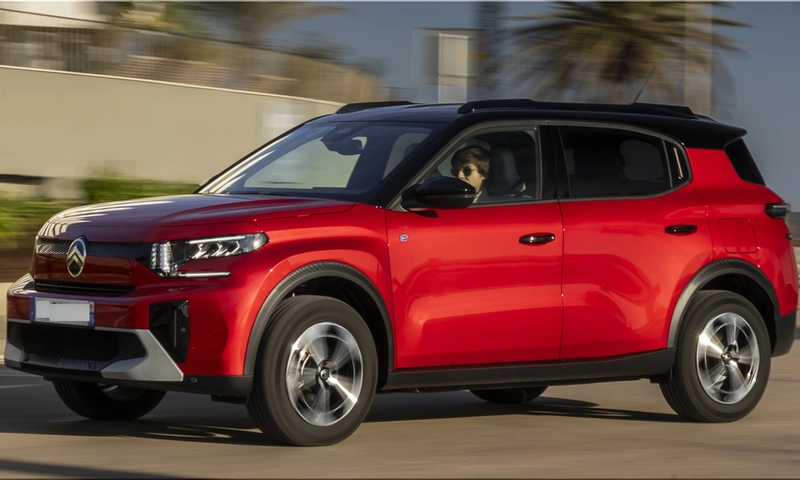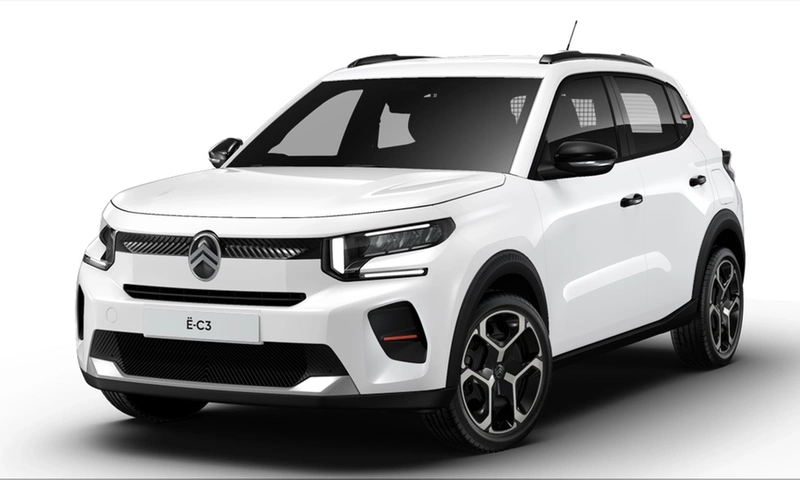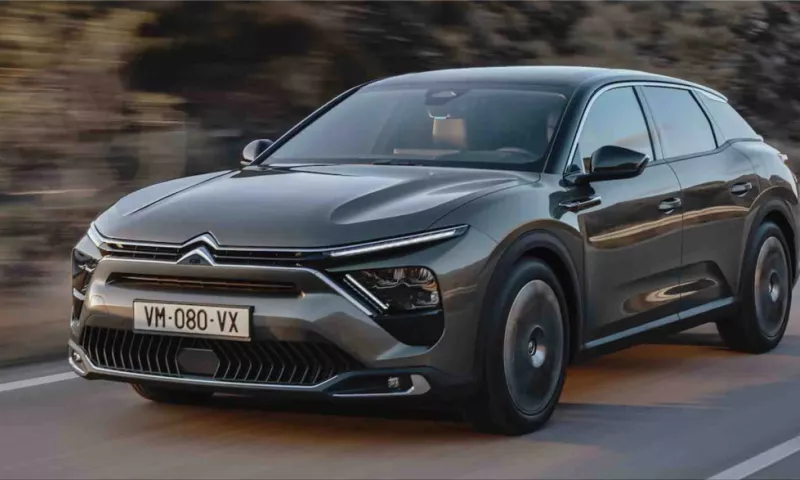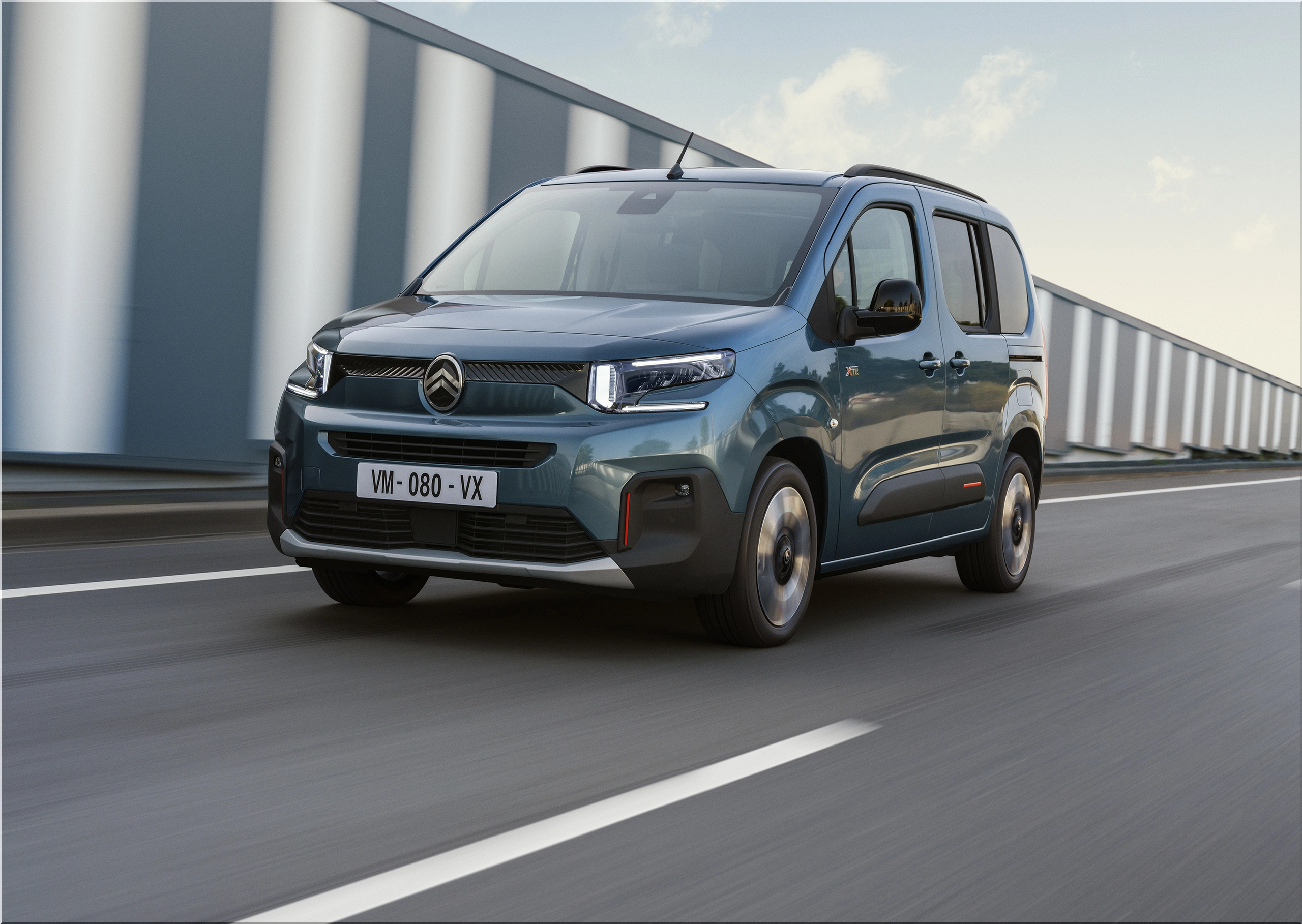
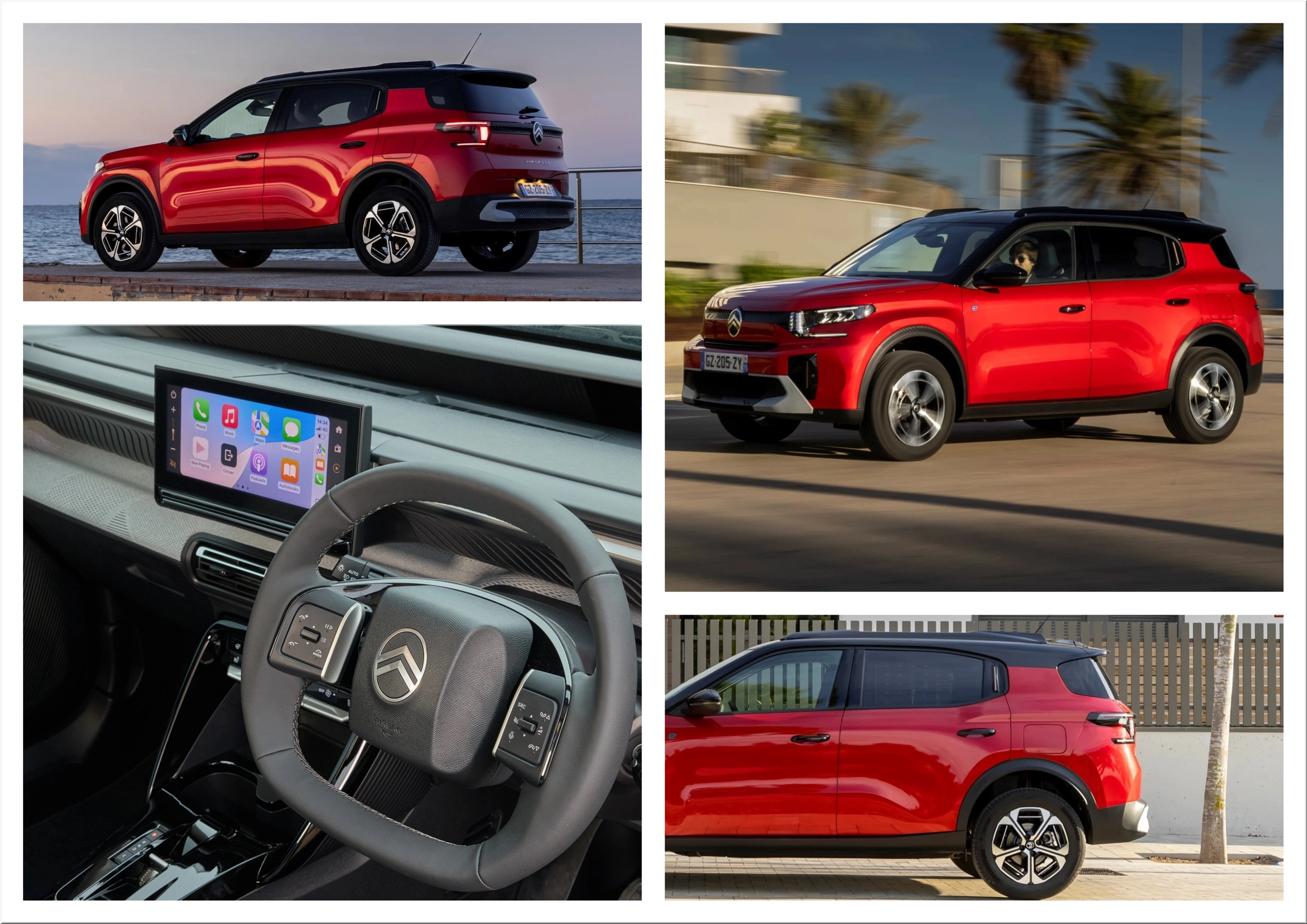
Citroen has a fresh trophy for the C3 Aircross, but the bigger story sits under the headline. The new model won Best Users' Car of Europe 2026 at the new AUTOBEST Conquest, and that award matters because it targets day-to-day ownership rather than showroom flash. This was not a pure jury-room call either. Public voting counted for half of the final result, which gives the win more weight in a market where families now shop with spreadsheets, monthly budgets, and school-run logic in mind.
Image
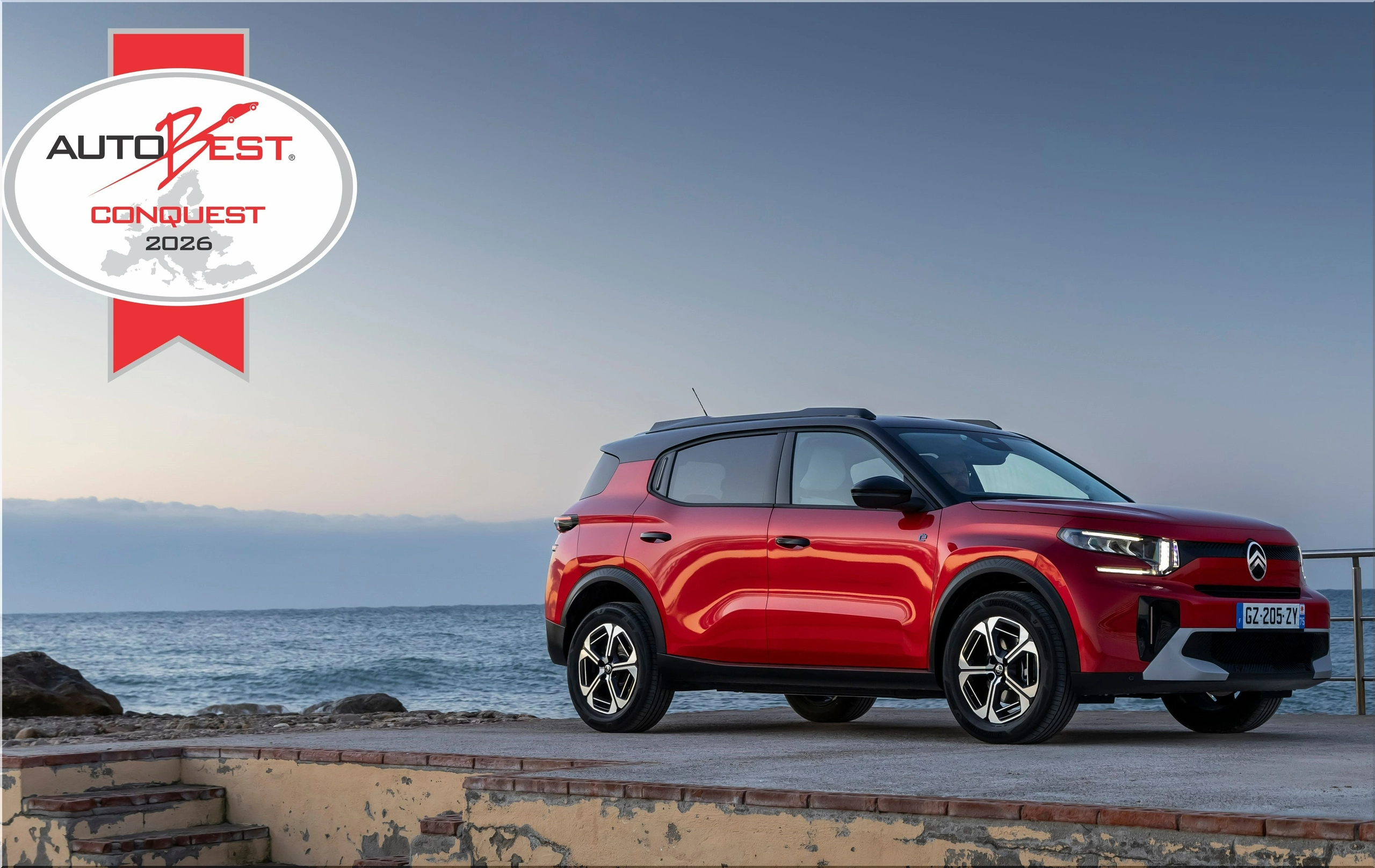
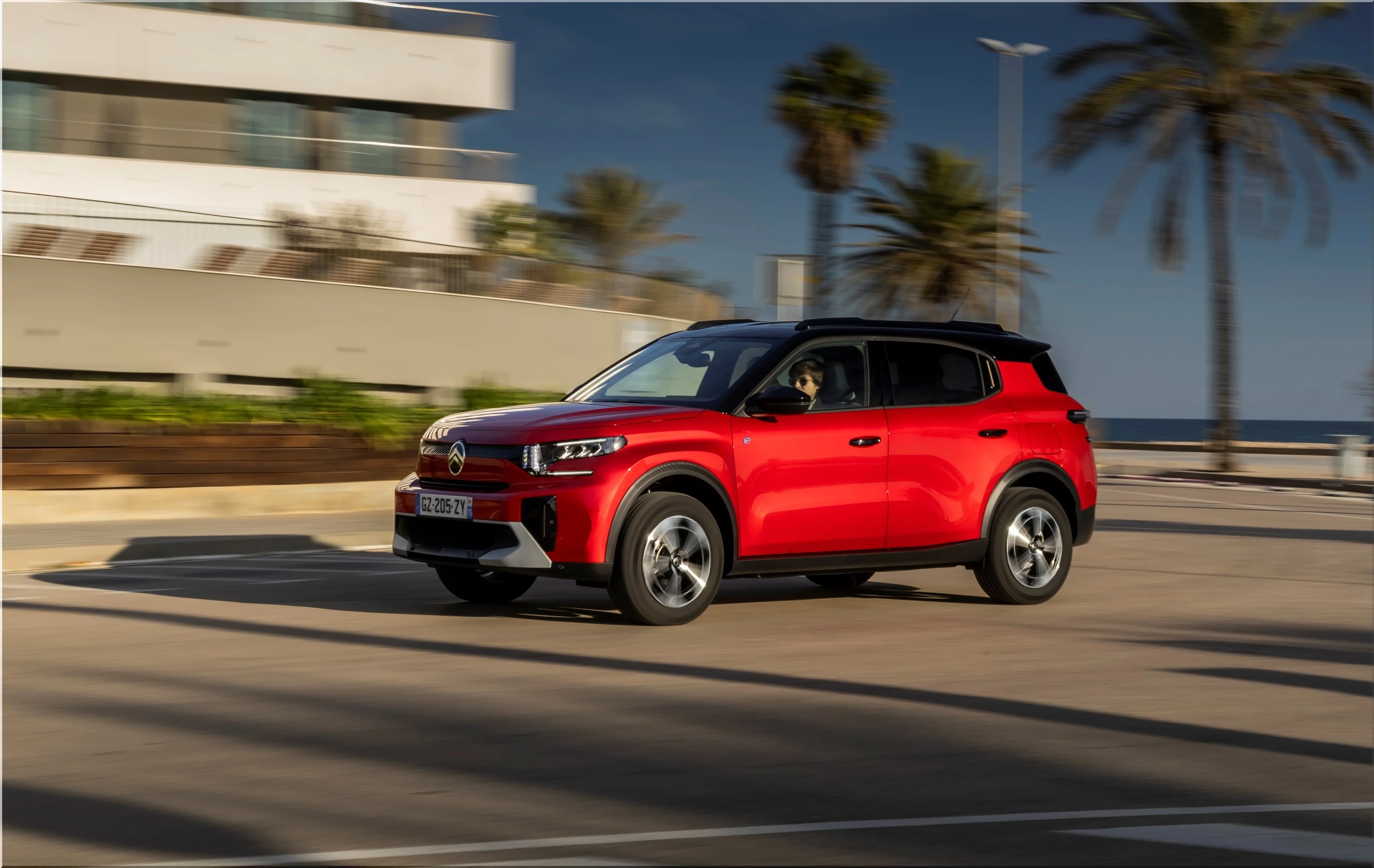
That logic explains why the Citroen C3 Aircross has gained traction. It gives buyers up to seven seats, a compact footprint, mild-hybrid, petrol, and electric choices, plus pricing that stays closer to mainstream hatchback territory than midsize SUV territory. In a European market that keeps talking about electrification, software, and premium trim inflation, Citroen took a simpler route: build a small SUV that solves real household problems.
Why the AUTOBEST win matters
The AUTOBEST Conquest award focused on usability. That sounds plain. It should. User-first engineering rarely looks dramatic, but it tends to age well in the market.
Citroen's win came down to a few clear traits:
- Compact exterior, family-sized interior
- Optional seven-seat layout
- Accessible pricing
- Low-effort driving character
- Multiple powertrains for different budgets and charging access
Looking at the data, Citroen aimed directly at buyers who want more cabin flexibility than a supermini can offer but do not want the cost or bulk of a larger SUV. That is a strong position in Europe, where parking pressure, fuel cost, and urban road width still shape buying decisions more than headline horsepower.
The packaging story is the real hook
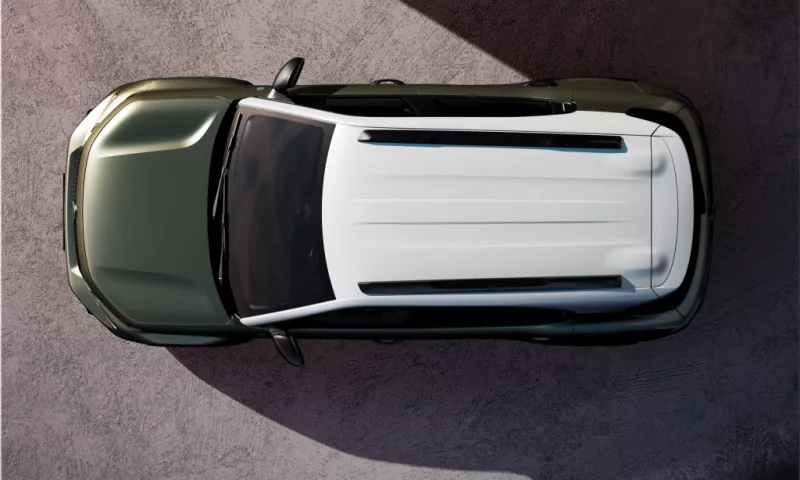
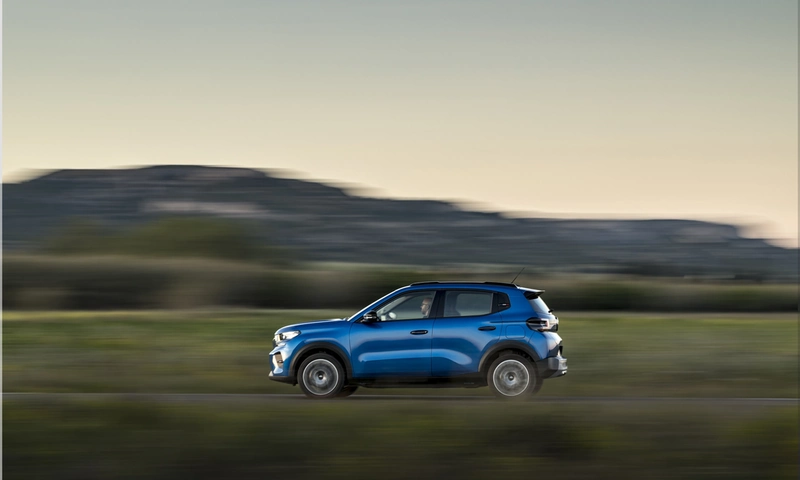
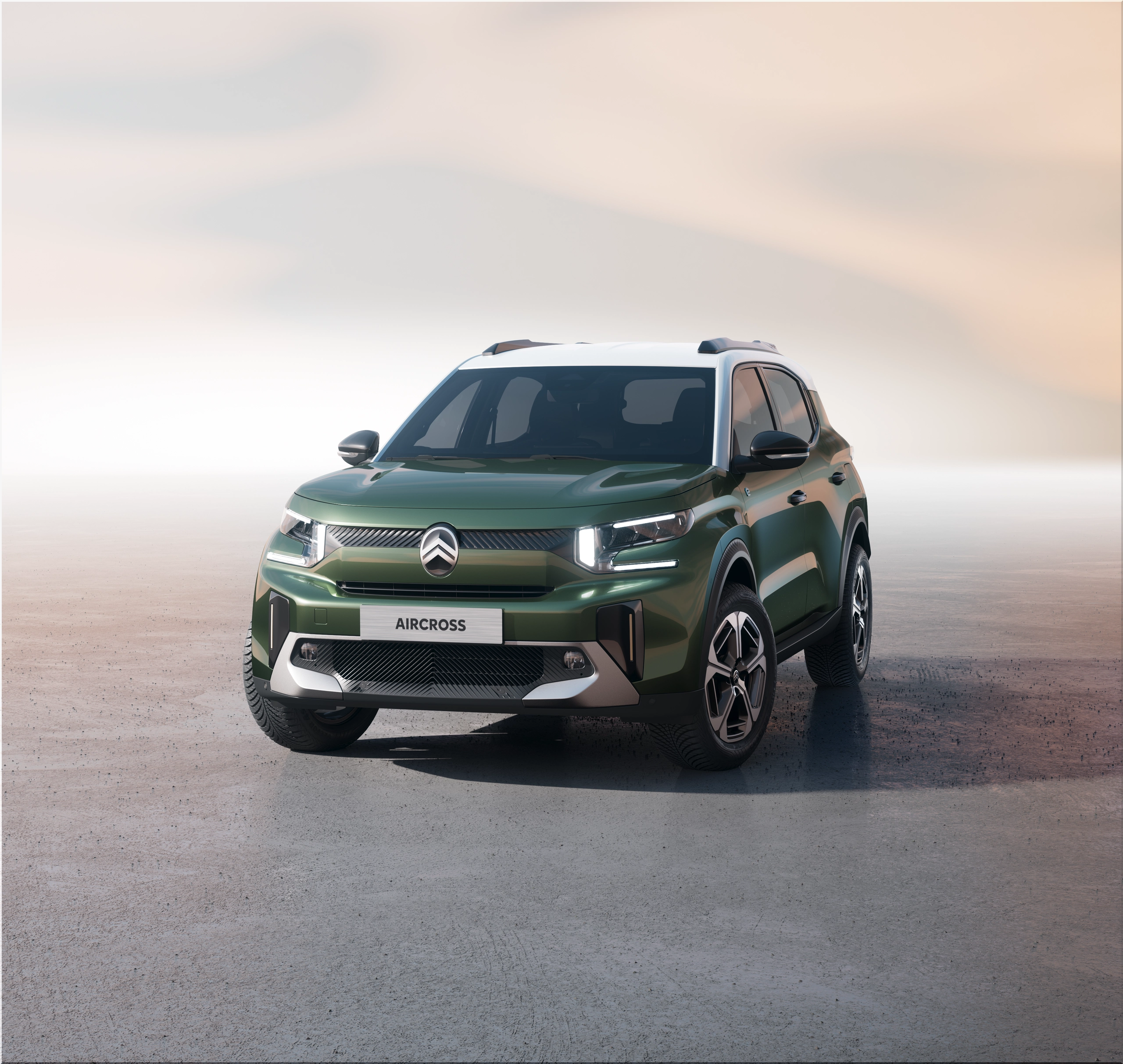
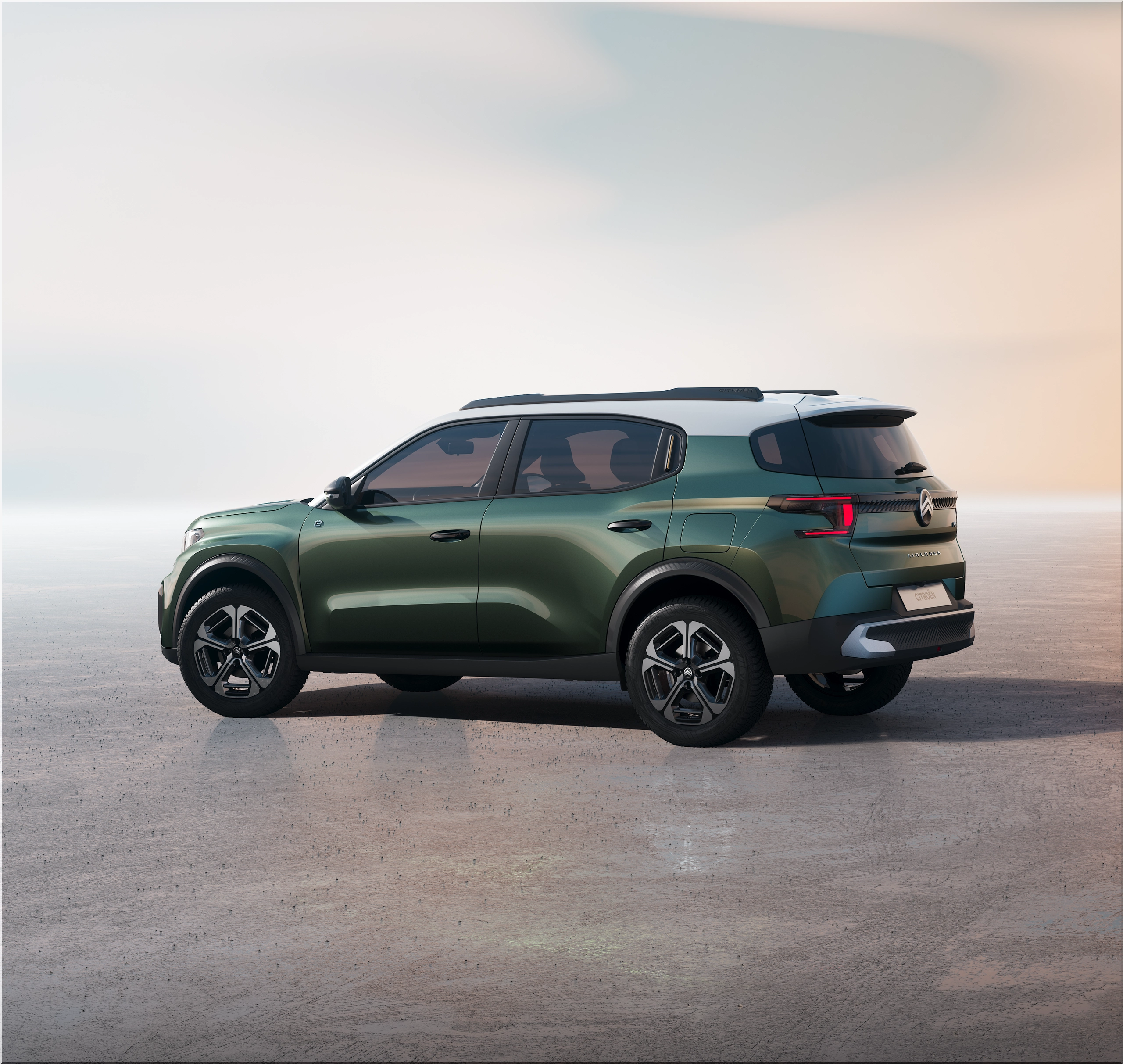
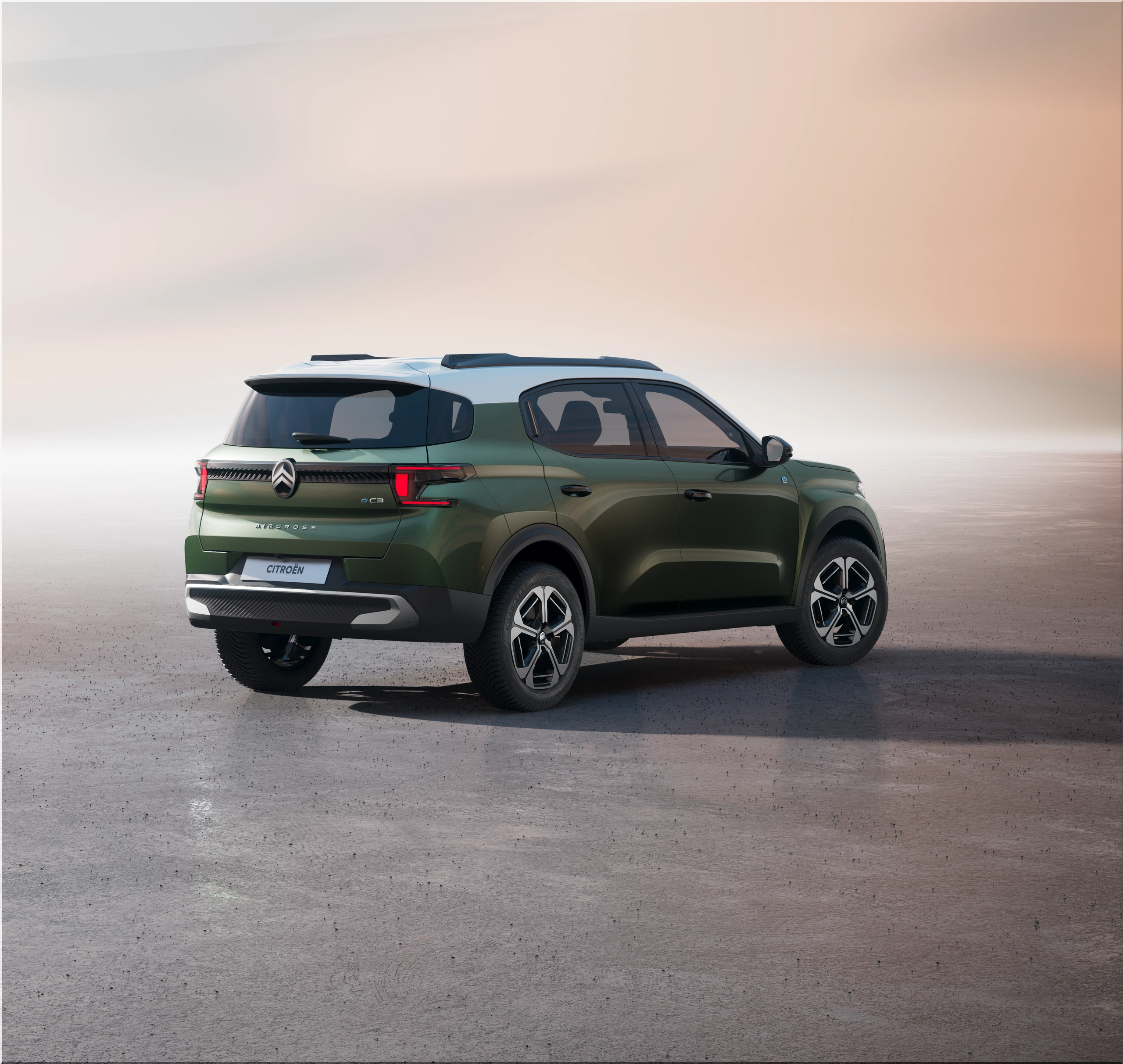
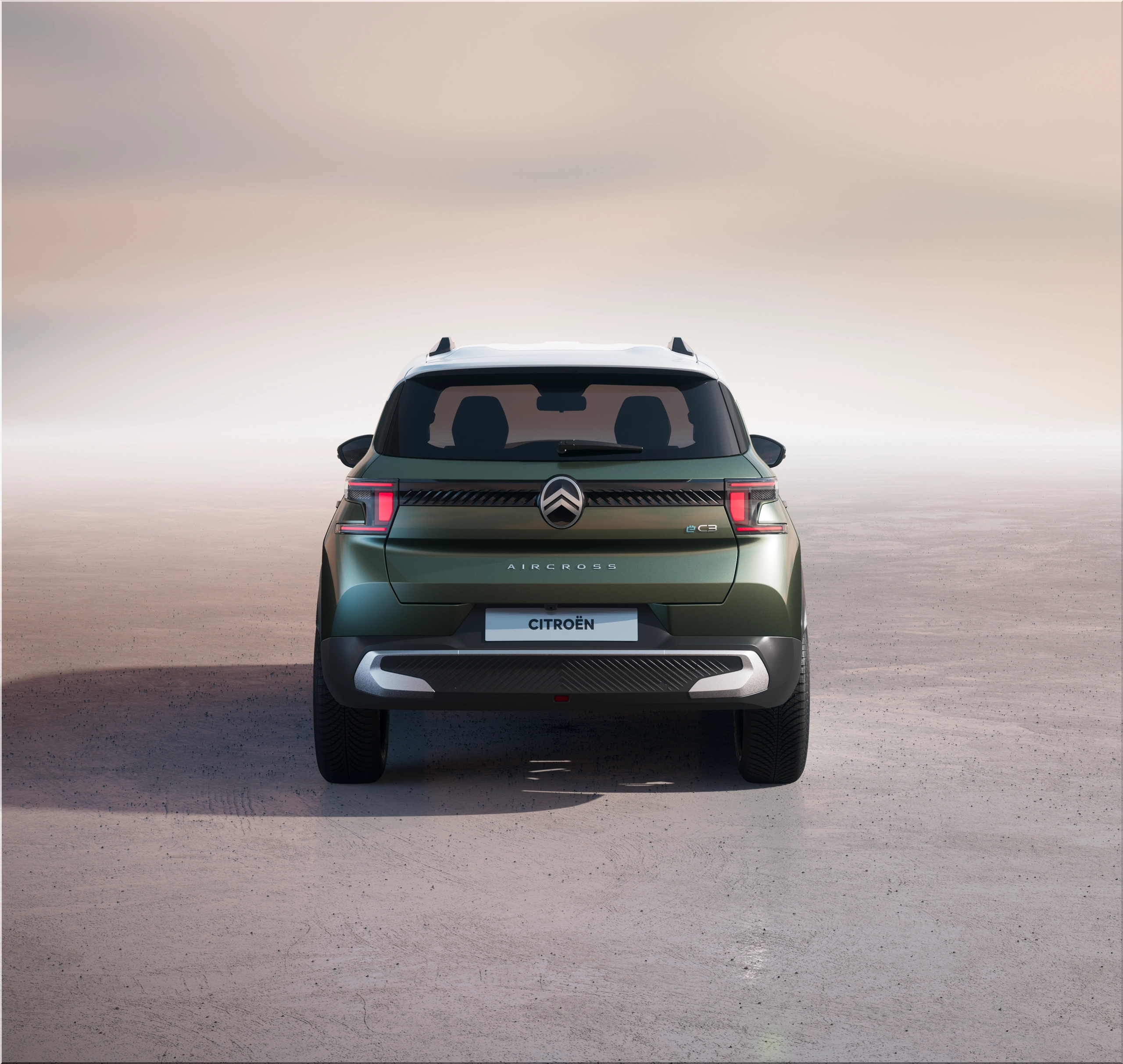
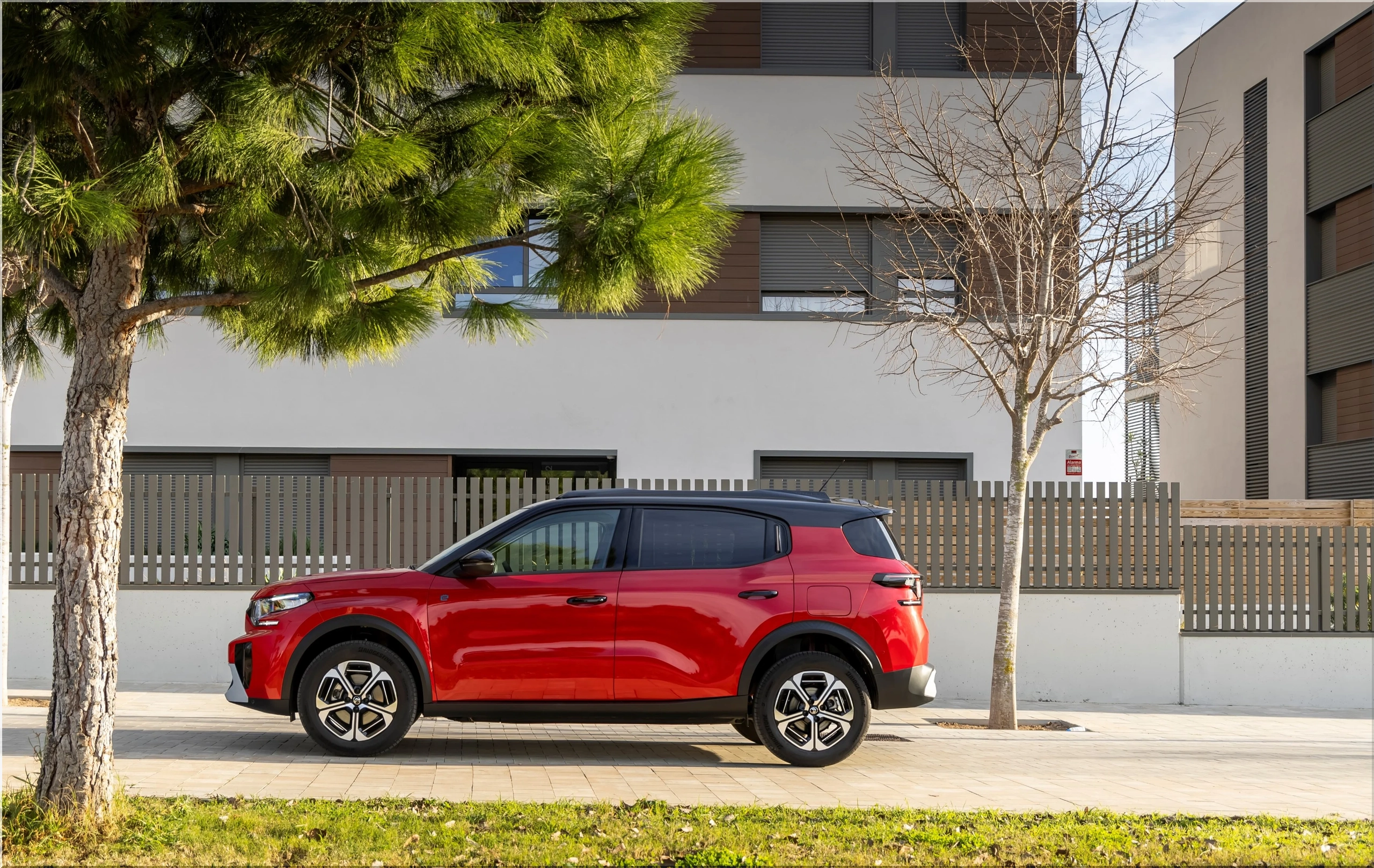
At 4,395 mm long, the C3 Aircross stays firmly in compact-SUV territory. Yet Citroen carved enough space into that footprint to offer a five-seat layout with generous rear room or a seven-seat configuration that stands out in the segment.
That matters because the car does something most rivals avoid. It treats cabin packaging as the product, not a side note.
Size and space at a glance
| Metric | Citroen C3 Aircross | Why it matters |
|---|---|---|
| Length | 4,395 mm | Easy to place in urban traffic and tighter parking bays |
| Width | 1,850 mm | Gives it SUV stance without moving into bulky territory |
| Height | 1,660 mm | Helps headroom and upright seating |
| Seats | 5 to 7 | Rare flexibility at this size and price point |
| Boot space, seats up | 330 to 460 litres | Strong utility in five-seat form |
| Boot space, seats down | 1,289 to 1,600 litres | Family-hauling and DIY capability |
By comparison, many compact crossovers talk about versatility but still top out at five seats. Citroen pushed harder. The third row will not pamper adults on a long motorway run, but that is not the point. It gives families an occasional-use seating plan without forcing them into a larger, pricier vehicle class.
Image
Powertrains: simple, mainstream, and well judged
The Citroen C3 Aircross does not chase big output numbers. It chases lower running cost and easier ownership.
Powertrain table
| Version | Key hardware | Output | Transmission | Range / economy | Best fit |
|---|---|---|---|---|---|
| Petrol | 1.2-litre turbo three-cylinder | 99 bhp | 6-speed manual | Up to 57.4 mpg official range spread | Budget-focused private buyers |
| Mild hybrid | 1.2-litre turbo + 48V system | 134 bhp | 6-speed dual-clutch auto | Better low-speed efficiency, lower CO2 than petrol | Urban and mixed-use families |
| Electric | 44 kWh LFP battery, front motor | 111 bhp | Single-speed | 188 miles WLTP, 100 kW DC charging | City and suburban EV users |
| Electric Extended Range | 54 kWh battery | 113 bhp | Single-speed | Up to 249 miles WLTP | Buyers who need more weekly buffer |
Specifically, the hybrid looks like the smartest middle ground for much of Europe. It adds stronger low-speed response, pairs with an automatic gearbox, and reduces the pain point that still limits full EV uptake for many apartment-dwellers: charging access. The electric model still makes a lot of sense for urban households, but Citroen wisely kept the range ladder simple and the battery format affordable by using LFP chemistry on the smaller-pack version.
From an expert perspective, the powertrain strategy fits the current European market better than a one-size-fits-all EV push. Buyers want options. Citroen gave them options without turning the order guide into a tax exam.
Comfort still defines the Citroen pitch
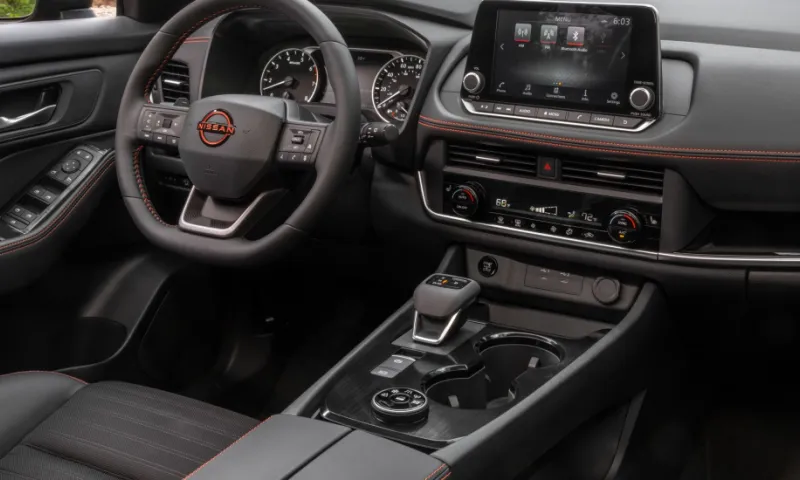
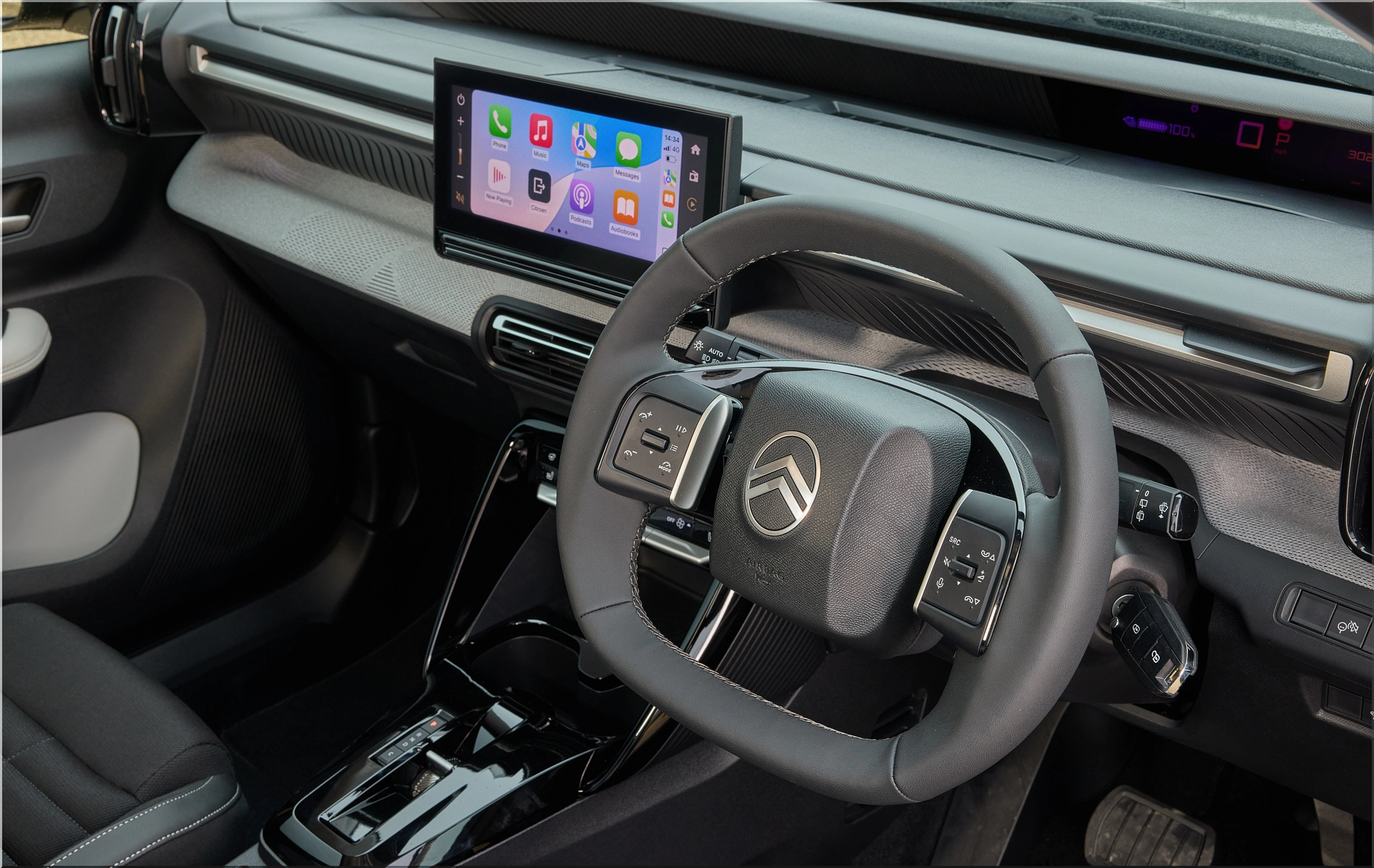
Citroen keeps selling comfort as a core brand value, and the C3 Aircross leans hard into that promise. The upright seating position, soft-edged suspension tune, and relaxed cabin layout all support the same idea: reduce fatigue in daily use.
That matters more than many brands admit. A family car spends far more time on school runs, ring roads, wet commutes, and supermarket access roads than it does slicing through mountain switchbacks.
Definition
User-first SUV: A vehicle designed around access, visibility, cabin flexibility, low operating stress, and ownership cost rather than outright speed or prestige.
Consequently, the C3 Aircross feels aligned with what European mainstream buyers actually pay for. They want clear controls, easy entry, enough rear space for child seats, and running costs that do not punish them every month.
Where the C3 Aircross still gives ground
No car wins on every front. The seven-seat Citroen C3 Aircross carries real compromises.
The rearmost seats work best for children or short hops. Boot space also collapses when all seven seats are in use, dropping to a token cargo area. That is the unavoidable trade-off when you squeeze MPV-style passenger flexibility into a compact body shell.
There is also a polish gap. Rival models from more expensive brands may deliver richer cabin materials, quieter motorway manners, or stronger perceived quality. Citroen knows that. It is not trying to out-luxury them. It is trying to out-think them on value.
Image
Why this award fits the 2026 market
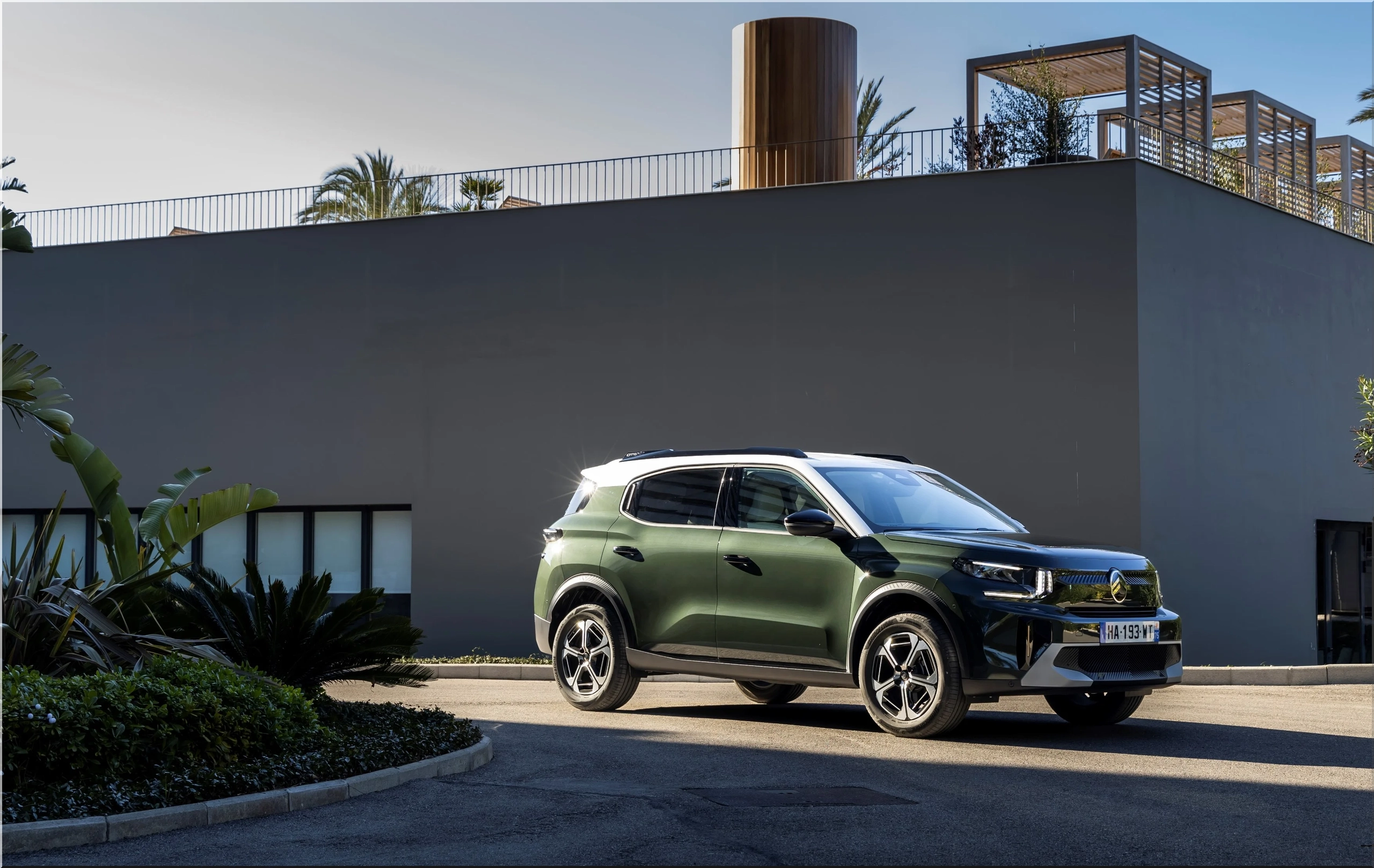
The timing of this win makes sense. European buyers have become far more cost-aware, and the market has shifted toward practical electrification rather than blind EV enthusiasm. A model that offers affordable hybrid and electric choices, seven-seat flexibility, and honest day-to-day usability lands in exactly the right place.
In addition, the C3 Aircross has now stacked recognition across more than one award context. That matters because it suggests the car's appeal is not limited to one jury's taste. It keeps showing up in conversations about value, comfort, and family practicality.
Image
Pro-Tip: which version makes the most sense?
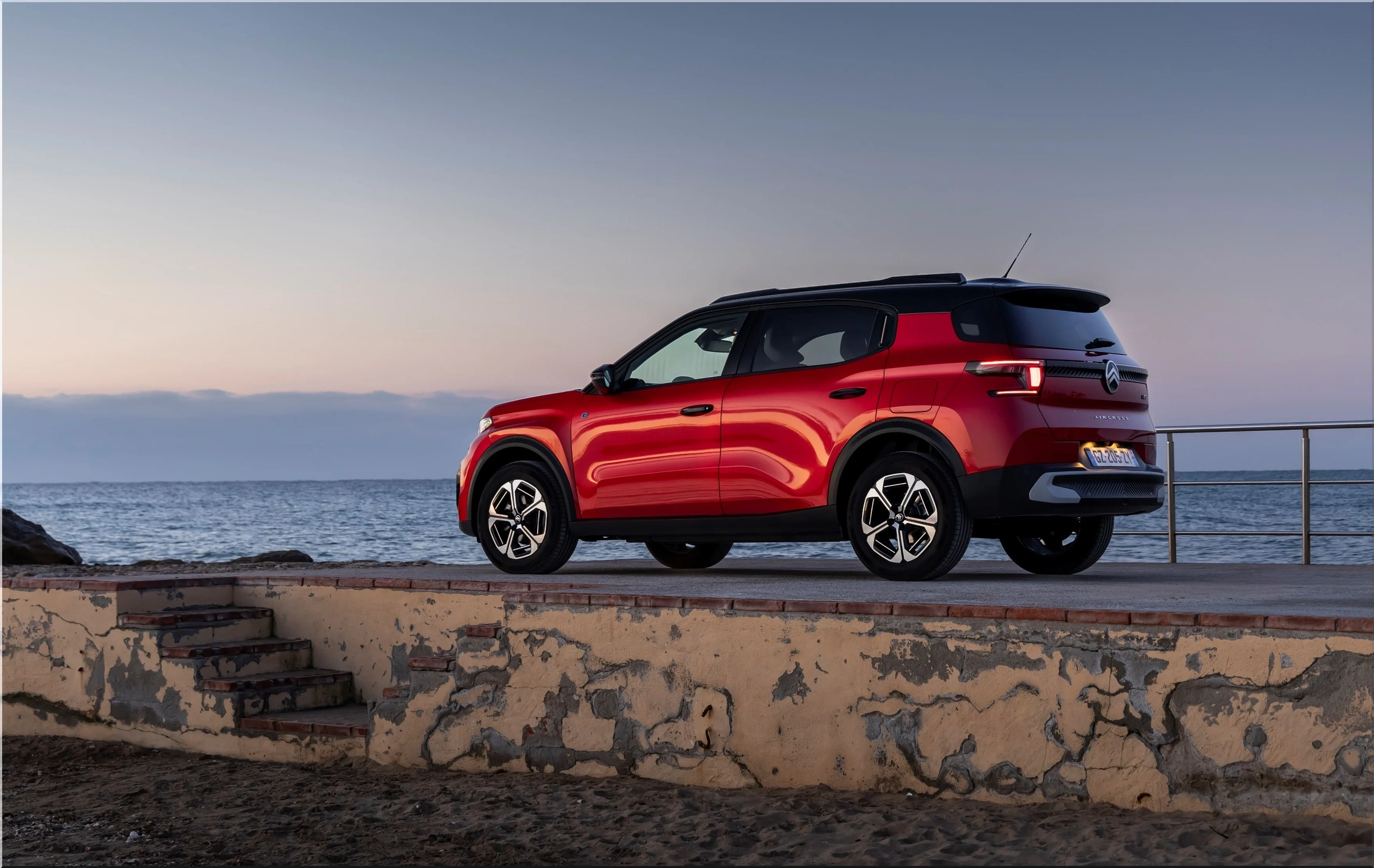
If your driving week stays mostly urban and suburban, the electric e-C3 Aircross looks compelling. The 44 kWh version suits shorter use cycles, while the 54 kWh model gives better breathing room.
If you cover mixed routes, carry more passengers, or lack reliable home charging, the mild hybrid C3 Aircross probably gives the strongest ownership case. It blends lower stress with broader usability.
If price sits above all else, the petrol version still does the job, but the hybrid looks easier to justify once you factor in traffic-heavy European use.
What now for buyers and for Citroen?
For buyers, the lesson is simple: do not dismiss the Citroen C3 Aircross 2026 as another budget crossover. It has one of the clearest use cases in the class.
For Citroen, the next step is even clearer:
- Push the seven-seat compact SUV angle harder.
- Keep the value story aggressive.
- Make the hybrid and EV decision tree easy to understand.
- Turn this award into proof of ownership logic, not brand chest-beating.
That is how you turn a trophy into sales.
- Add new comment
- 129 views