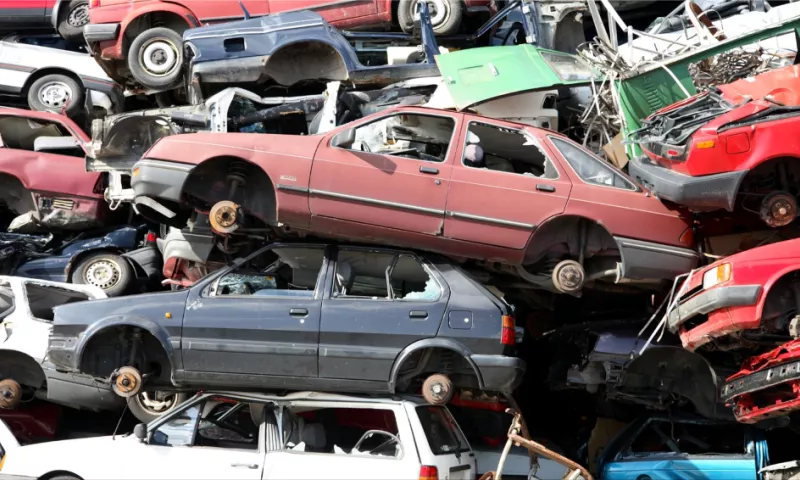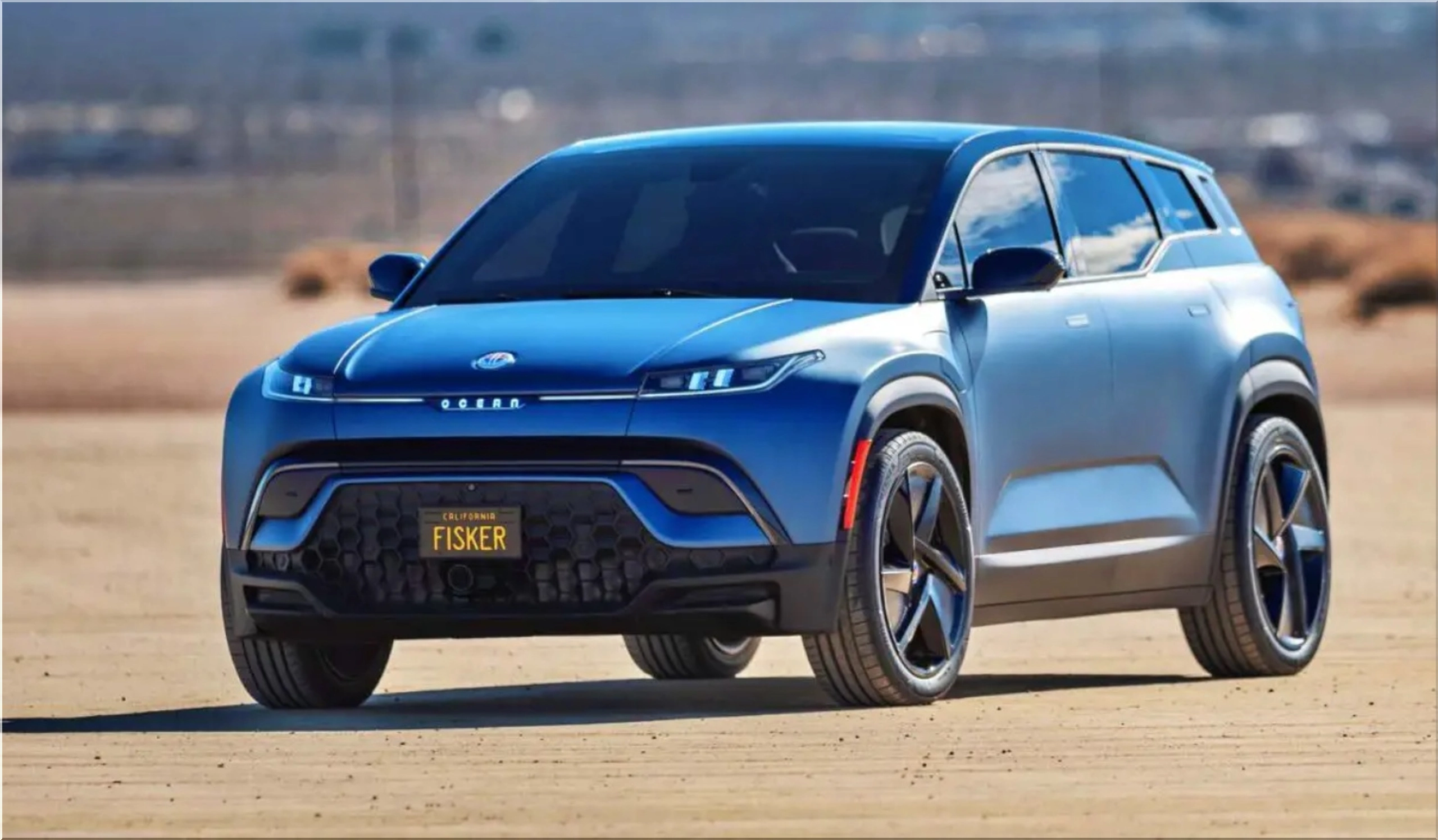
If you have been keeping an eye on the cost of running an older car, 2026 might be the year the maths finally tips in favour of going electric. From 1 July, the Irish Government's new ICE2EV scrappage scheme opens to private motorists, and for households still nursing along a petrol or diesel car from over a decade ago, it represents one of the most generous switch-to-electric incentives the State has ever offered.
Here is the headline number people are talking about: up to €8,500 off a new electric vehicle. It is worth understanding exactly where that figure comes from, because the way it is structured affects who benefits most.
Two grants, stacked together
The €8,500 is not a single payment. It is made up of two separate supports. The first is a brand-new €5,000 scrappage grant, paid specifically for permanently taking an older, higher-emitting car off the road. The second is the existing SEAI electric vehicle purchase grant, currently worth up to €3,500 on a qualifying new battery electric vehicle. Combine the two and an eligible buyer can knock as much as €8,500 off the price before they even sit down to discuss finance.
Crucially, the scrappage grant is deducted at the point of sale. You do not pay the full price and wait months for a cheque. The dealer applies on your behalf, takes the grant straight off the invoice, and is later reimbursed by the SEAI. For anyone budgeting carefully, that removes the cash-flow headache that puts a lot of people off government schemes.
Who actually qualifies
This is where the small print matters. To claim the scrappage grant, every one of these conditions has to apply. Your car must be a petrol or diesel vehicle first registered in 2013 or earlier. You must have owned it for at least 12 months before scrapping it. It has to be currently taxed and insured, with an NCT that has not lapsed by more than six months. And you need to be able to hand over the vehicle log book.
On the purchase side, you must be buying a new battery electric vehicle priced at €50,000 or below. Plug-in hybrids and standard hybrids do not qualify, and a battery EV cannot be scrapped under the scheme either :- this is strictly about retiring combustion-engine cars.
The money over time, not just at purchase
The grant is only half the financial story. The bigger long-term saving for most households is in running costs. Annual motor tax on a new EV sits at the lowest band, well below what you would pay on an older diesel. Charging at home, particularly on a night-rate tariff, costs a fraction of filling a tank at current pump prices. Servicing is typically cheaper too, because an electric drivetrain has far fewer moving parts to wear out.
Put those together over three or four years of ownership and the total cost of ownership gap widens considerably. The grant gets you in the door; the running costs are what keep the budget healthy afterwards.
The catch worth knowing about
There is a genuine constraint here, and it is the reason for the urgency you will see in the coverage. The scheme is a pilot with a fixed budget of €10 million, and it runs on a strict first-come, first-served basis. Once the money is gone, applications close. There is no waiting list.
The budget is also split, with 65% ring-fenced for rural applicants and 35% for urban ones, decided by your Eircode. So even within the scheme, your category could fill up at a different pace. For anyone seriously considering the switch, the practical takeaway is to get your eligibility confirmed and your paperwork in order well before 1 July, rather than scrambling on launch day.
Running the numbers on a real example
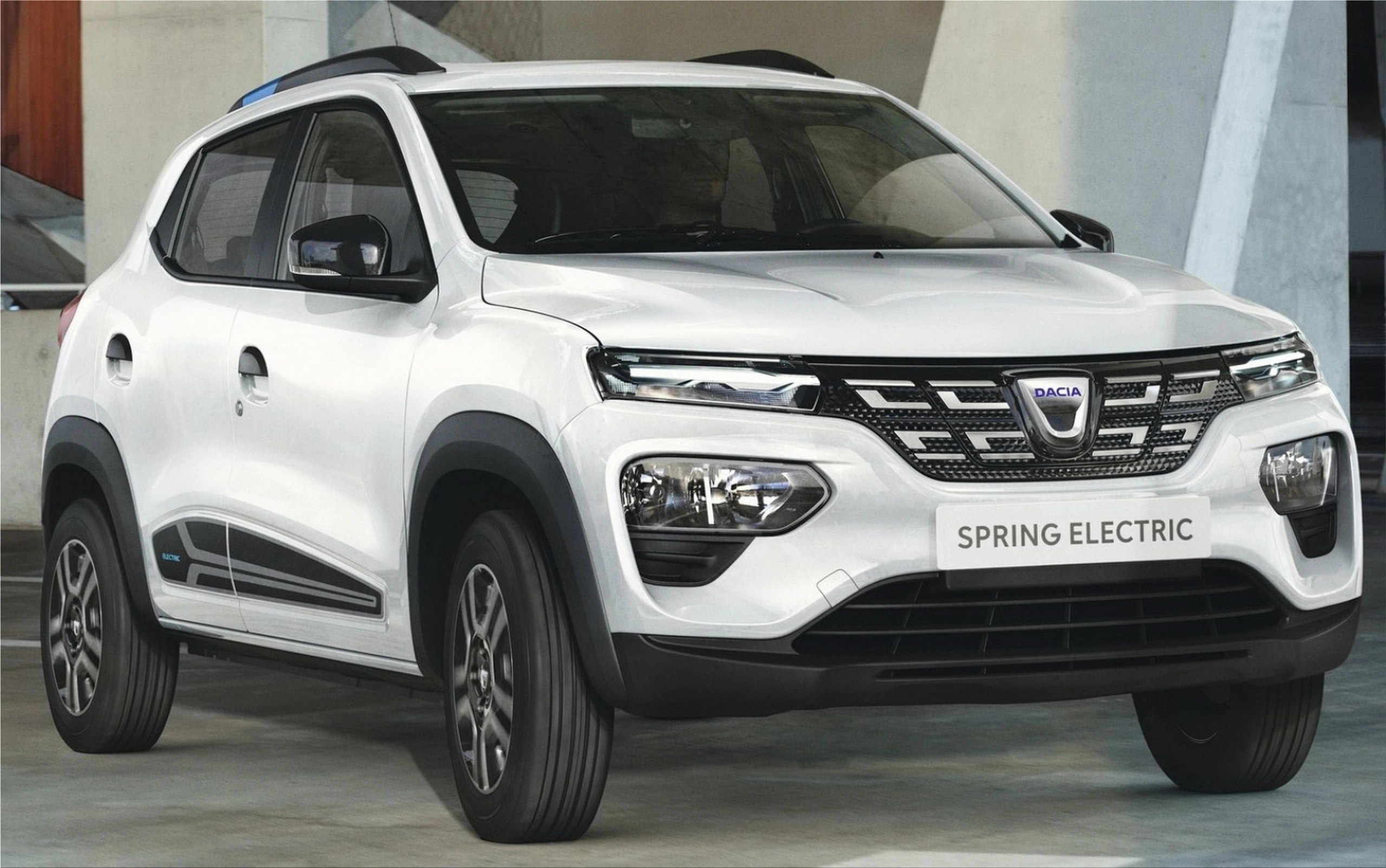
Take a driver with a 2012 diesel hatchback looking at an entry-level new electric model priced around €29,000. Apply the €3,500 SEAI grant and the €5,000 scrappage grant, and the price drops to roughly €20,500 before any trade-in conversation or finance deal. The grant also reduces the figure your monthly PCP or HP repayments are calculated on, which can meaningfully lower what you pay each month.
That is the kind of saving that changes a decision from "maybe in a few years" to "worth pricing up now."
Should you act?
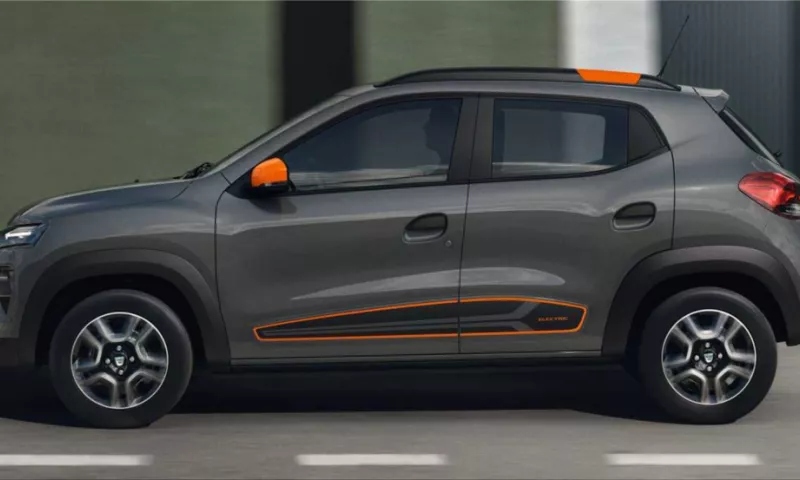
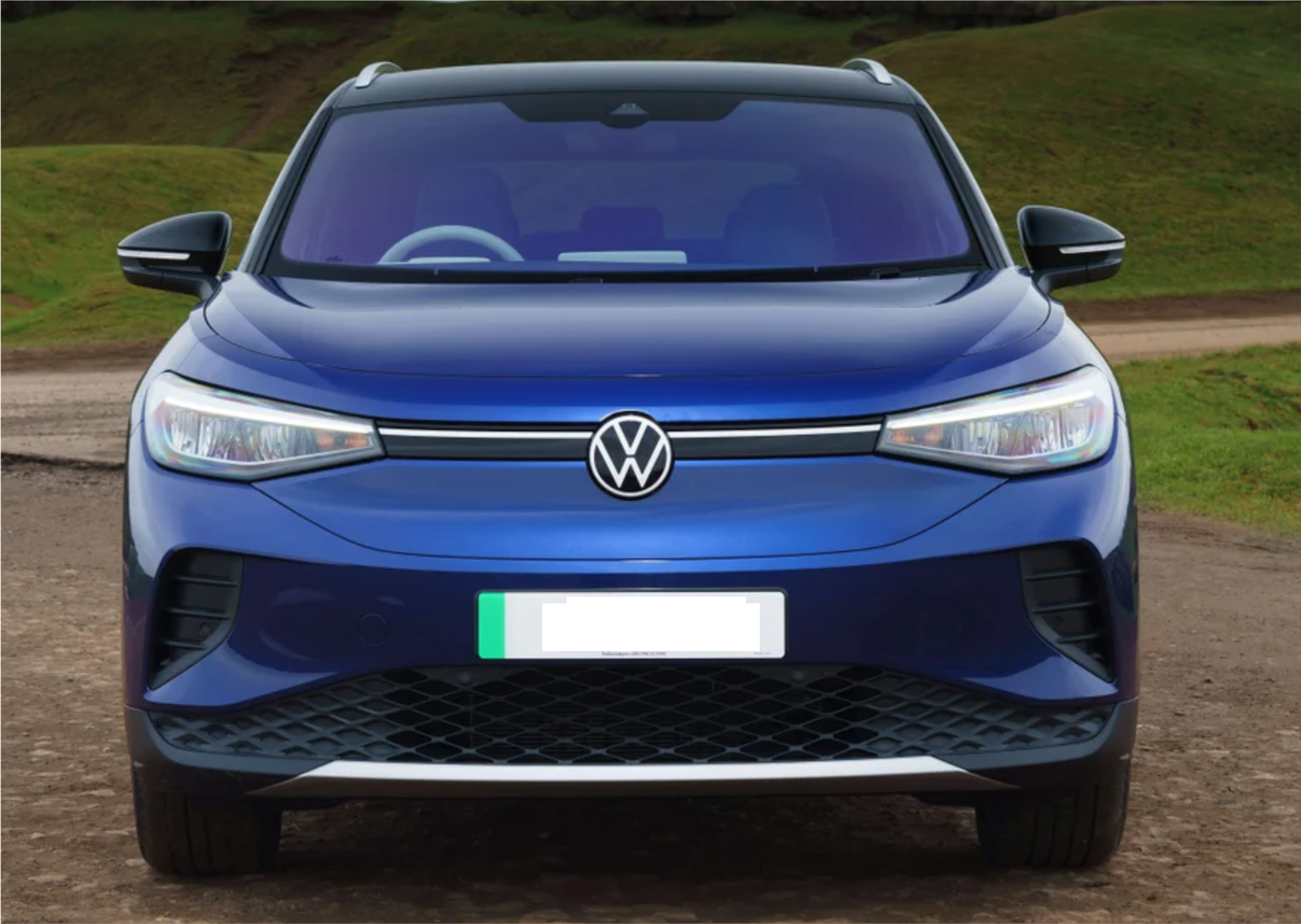
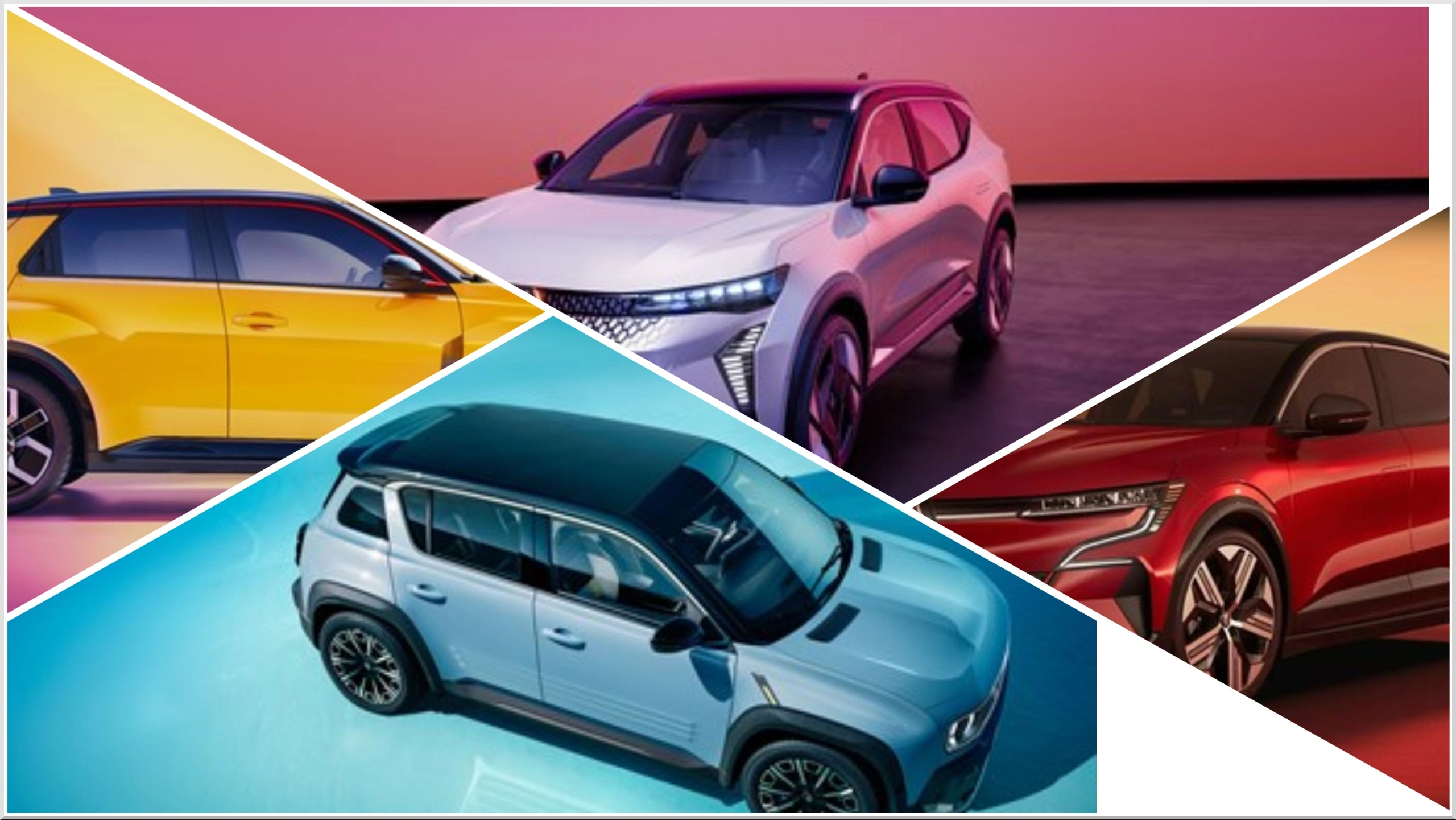
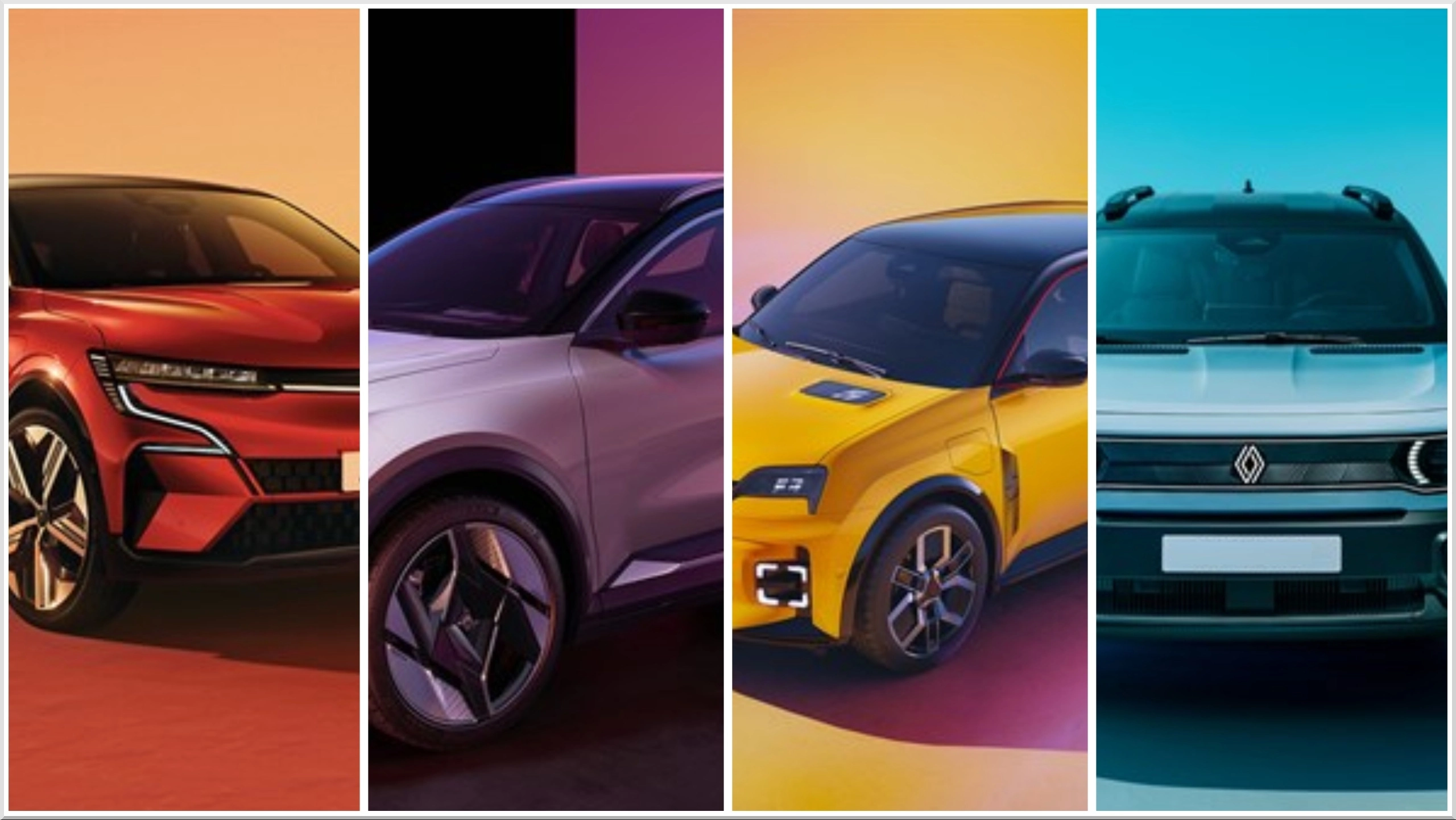
If your car already ticks the age and ownership boxes, this is close to a use-it-or-lose-it situation given the capped budget. The sensible first step is to check which electric models fall under the €50,000 cap and qualify for the full combined support. Manufacturers have started publishing eligibility breakdowns, for instance, you can see how the combined grants apply across a full electric range in this guide to the ICE2EV scrappage grant, which lays out the qualifying Renault 262 models and an example saving clearly.
Government incentives rarely get more straightforward than money taken off at the till. For the right household with the right car, 2026 could genuinely be the year electric motoring stops being the expensive option.
Image gallery
- Add new comment
- 182 views