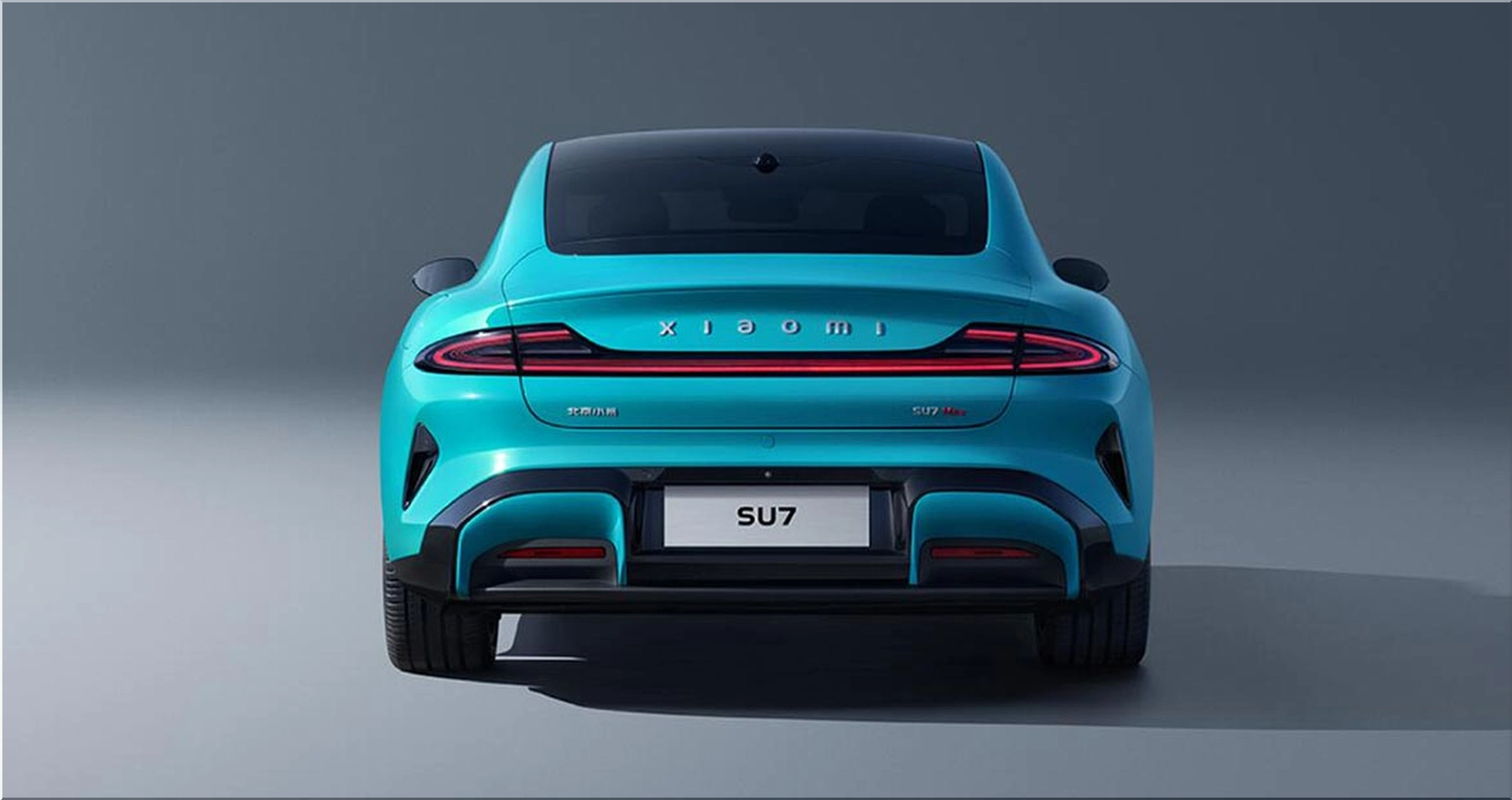
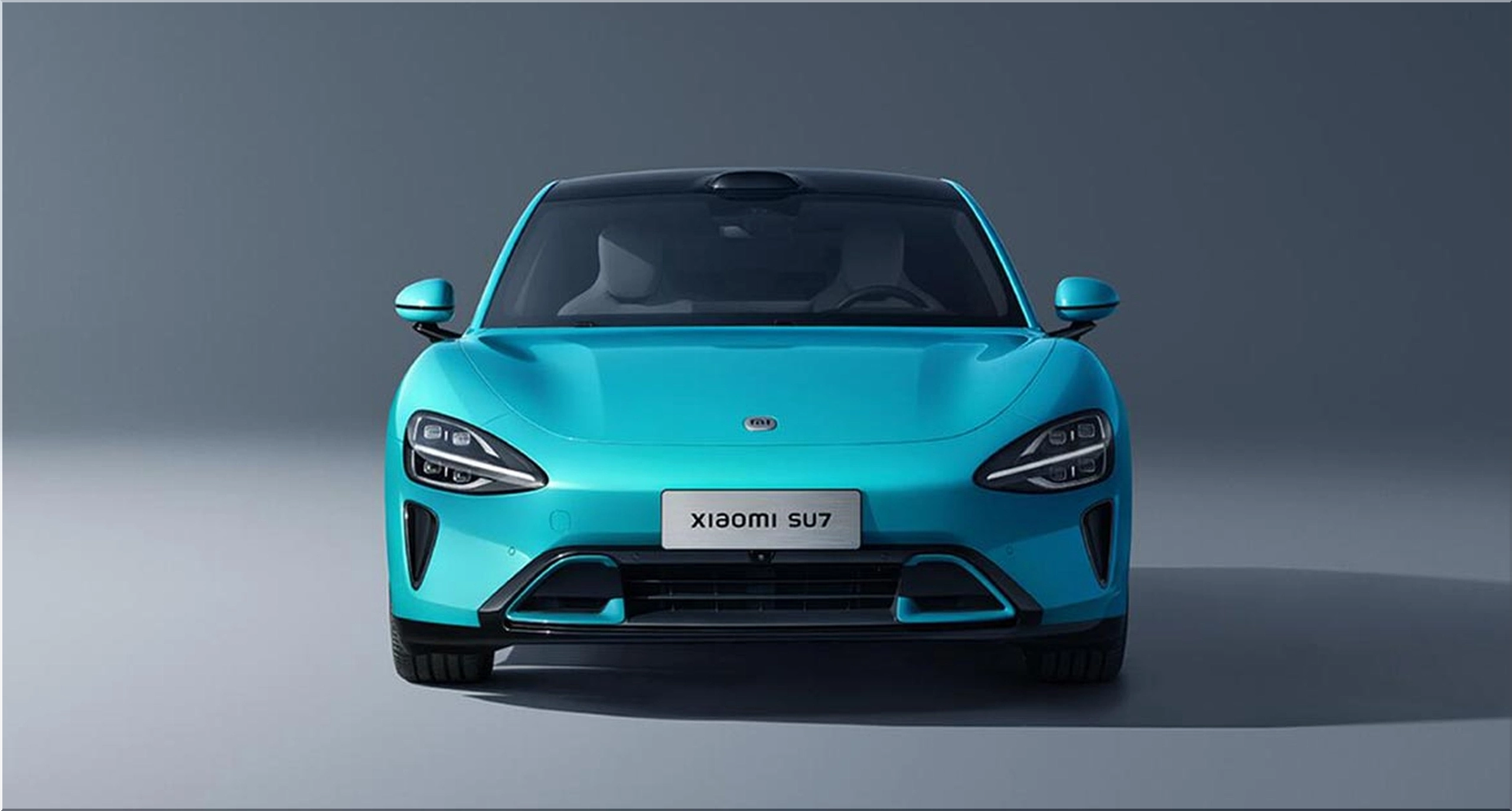
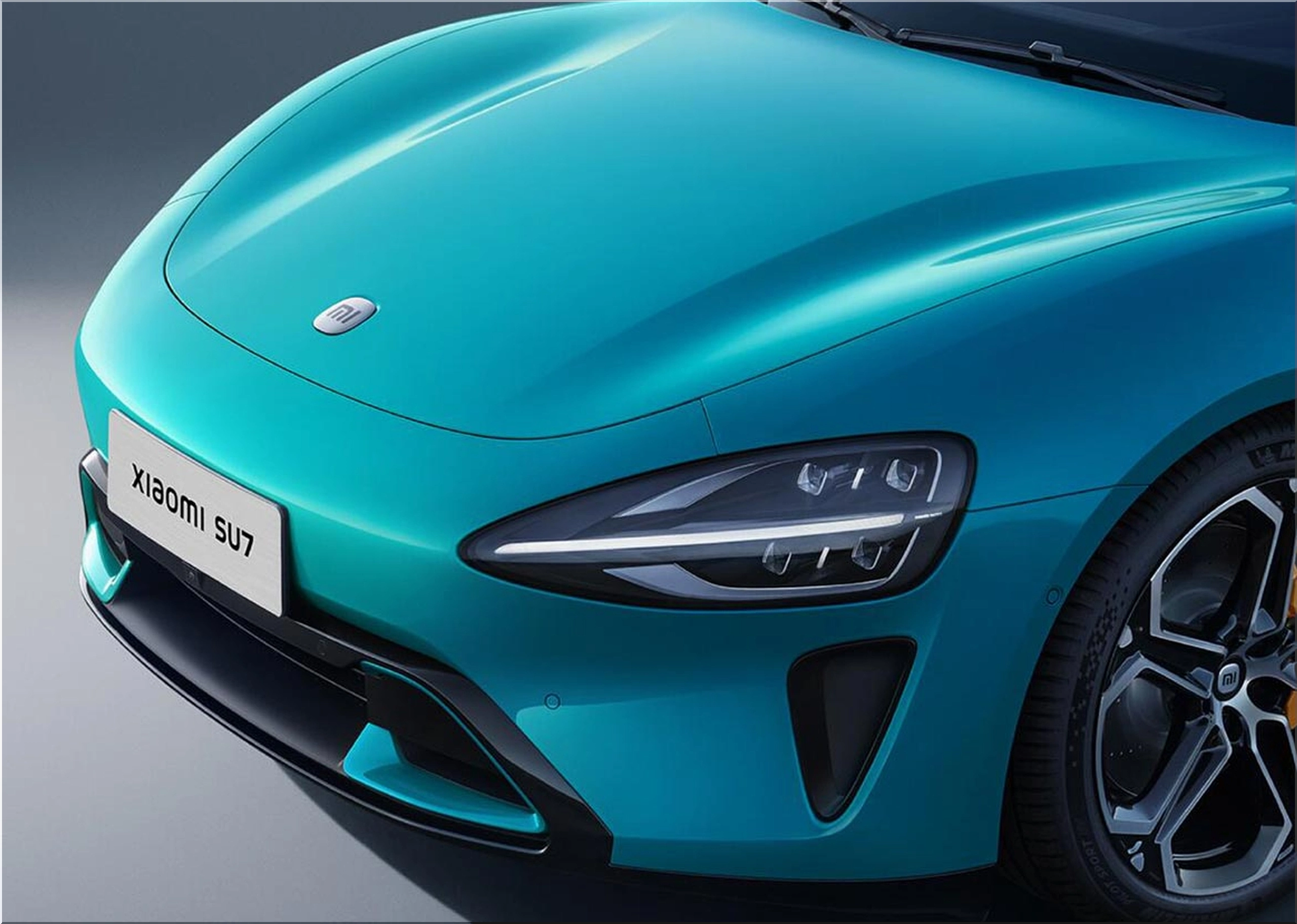
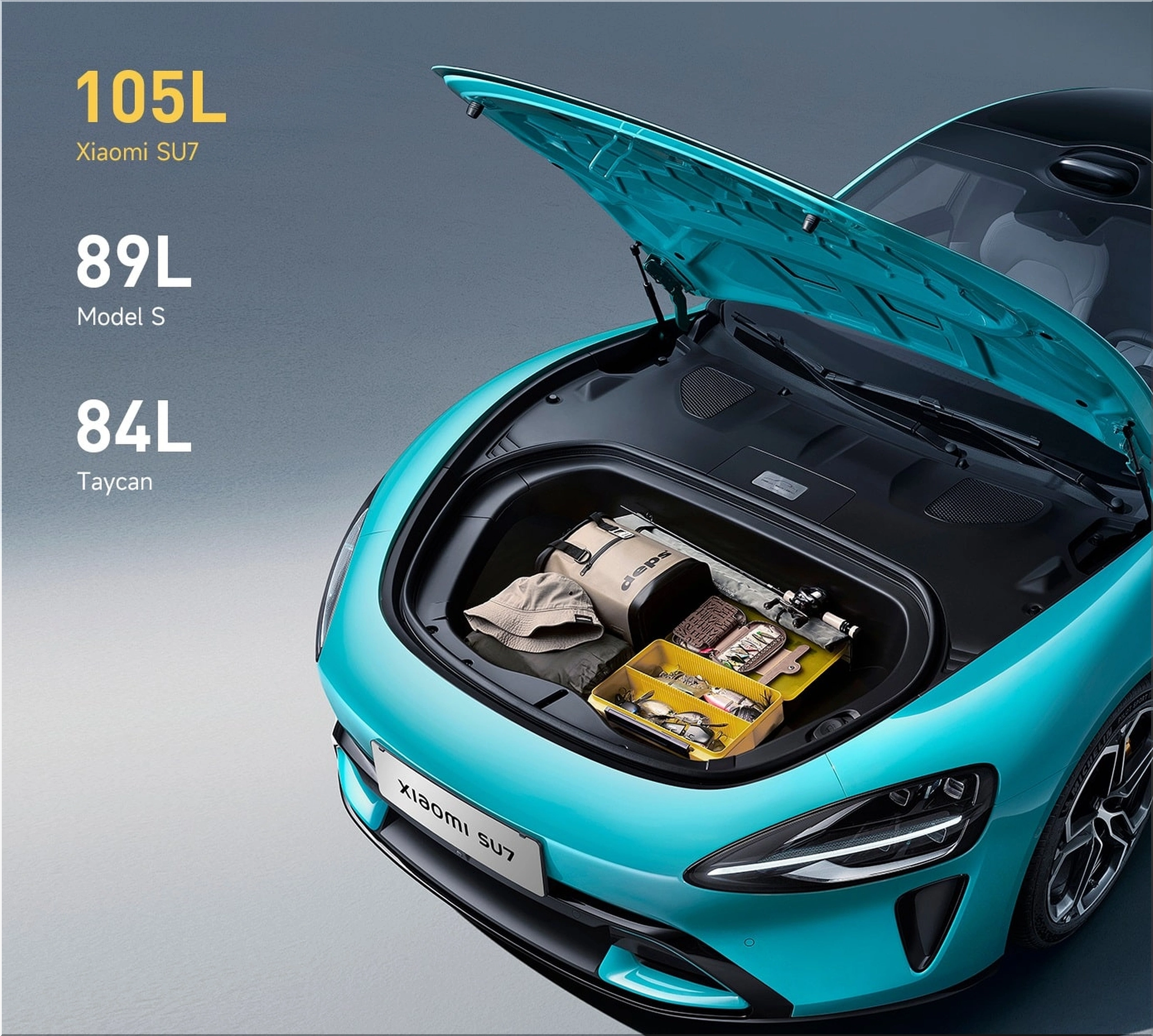
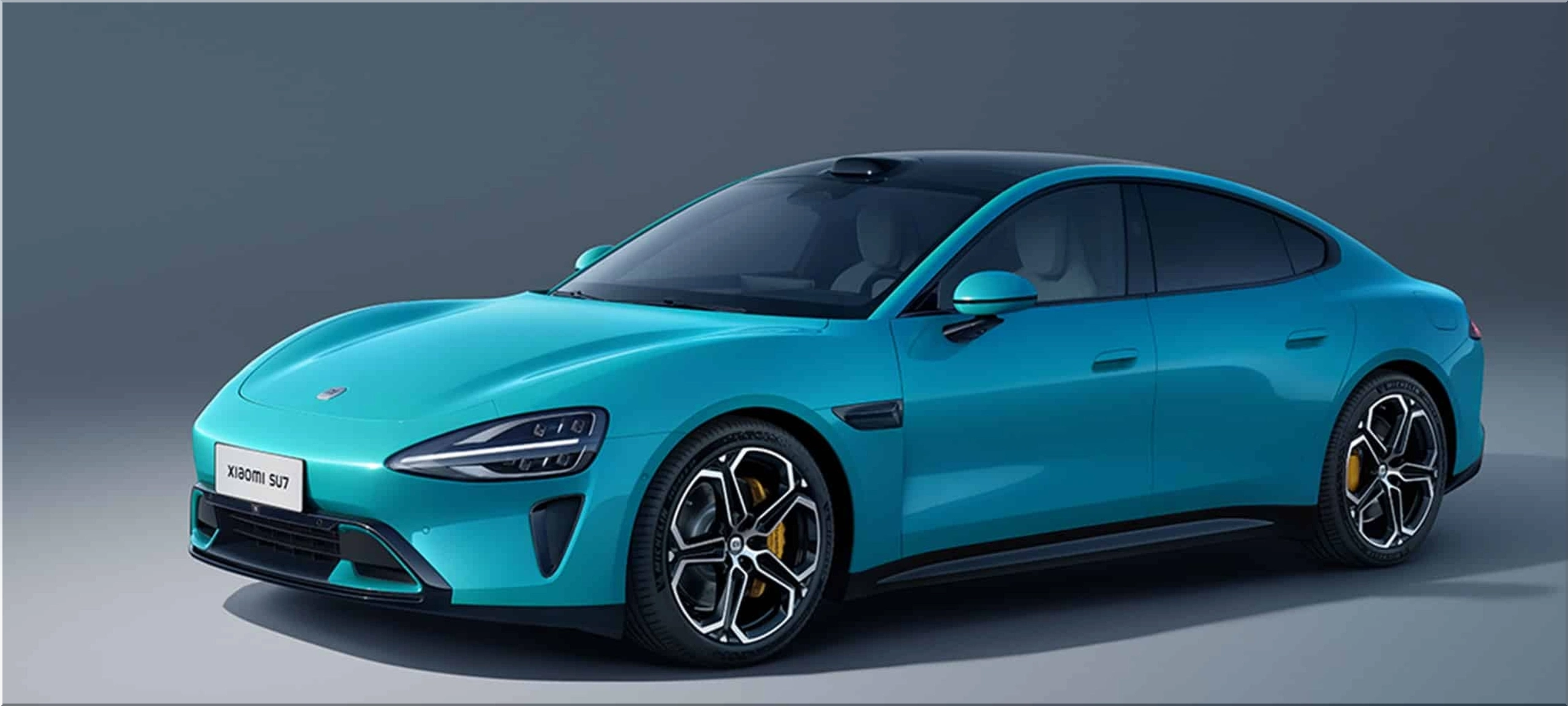
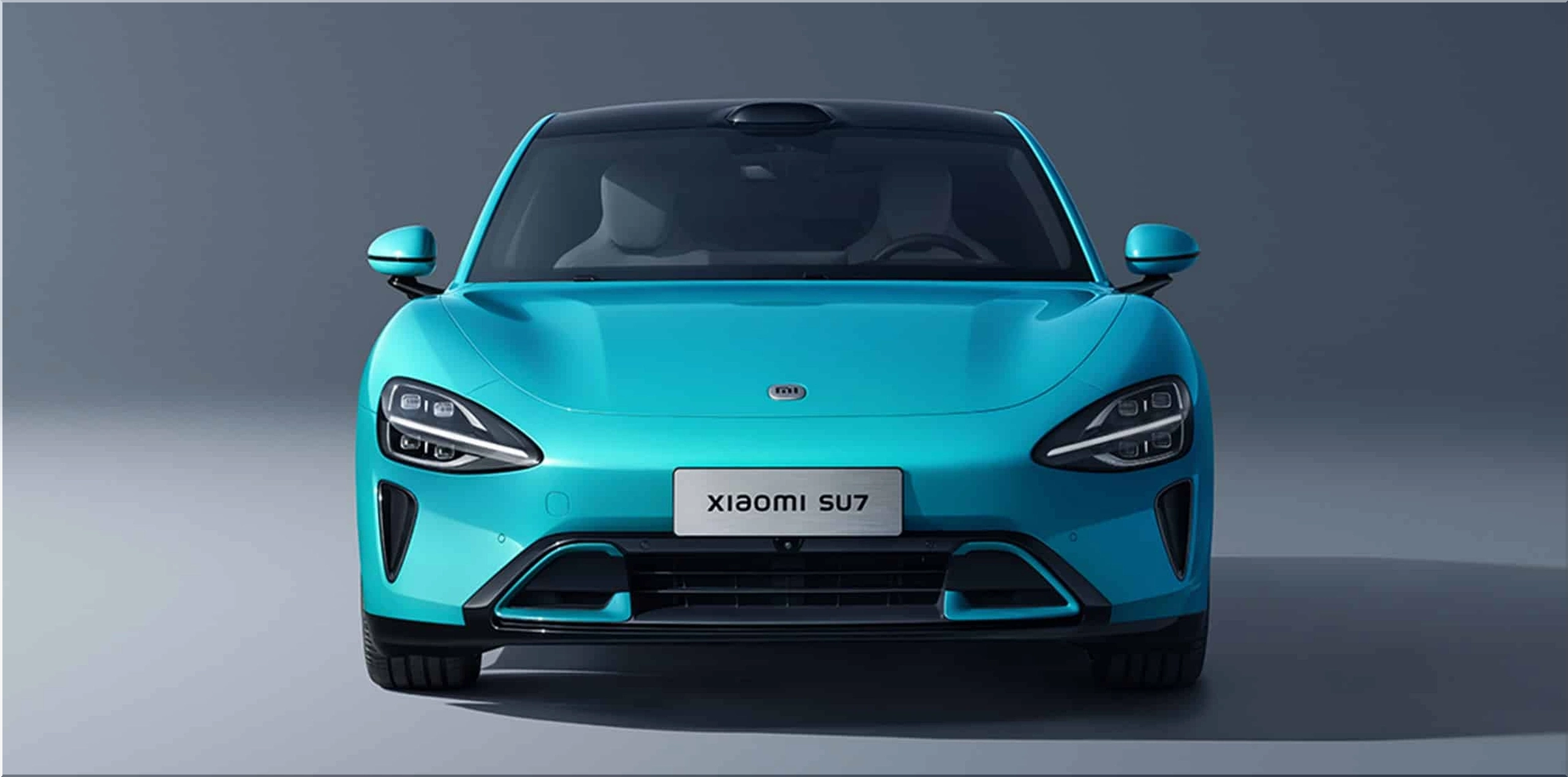
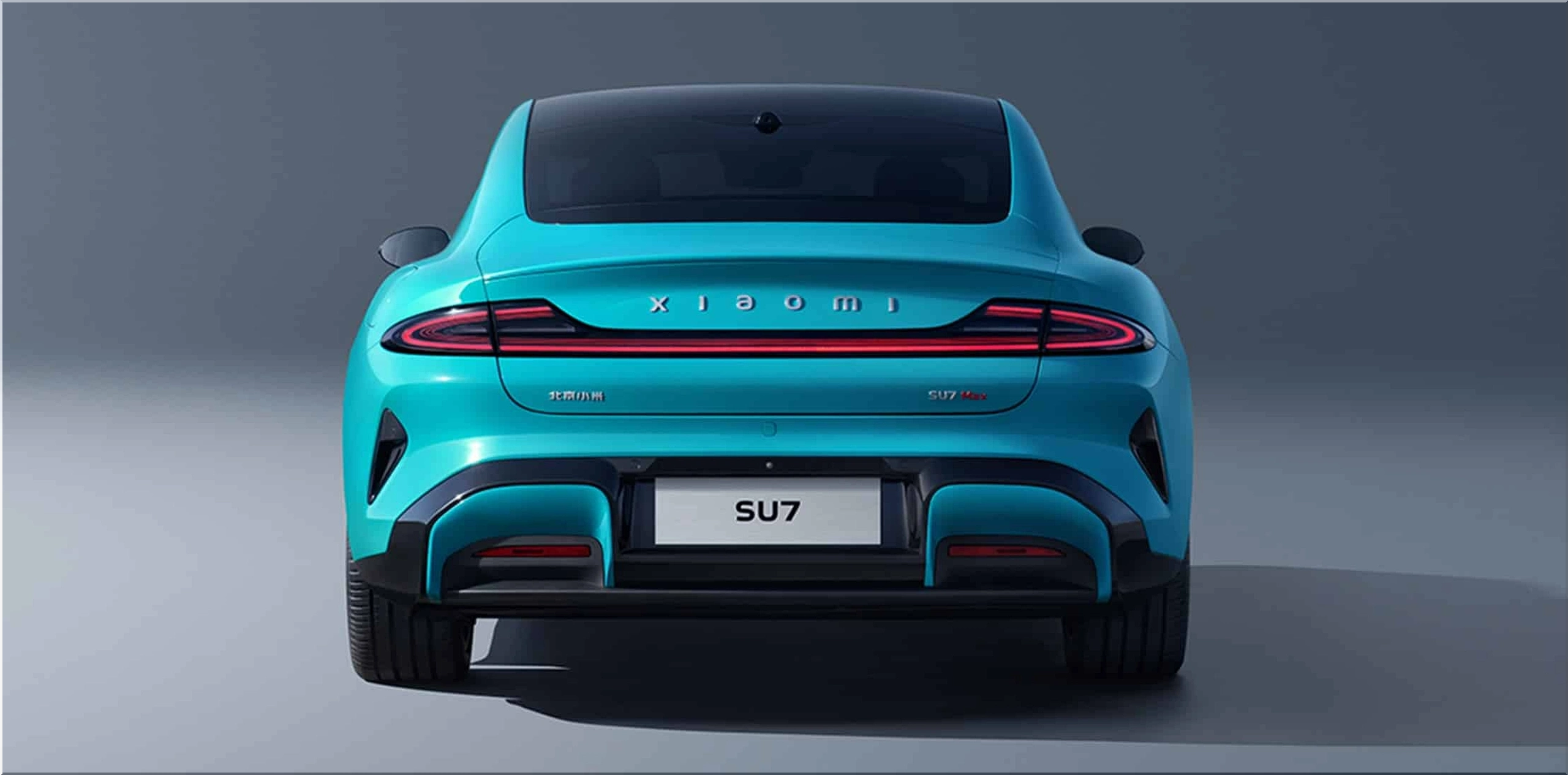
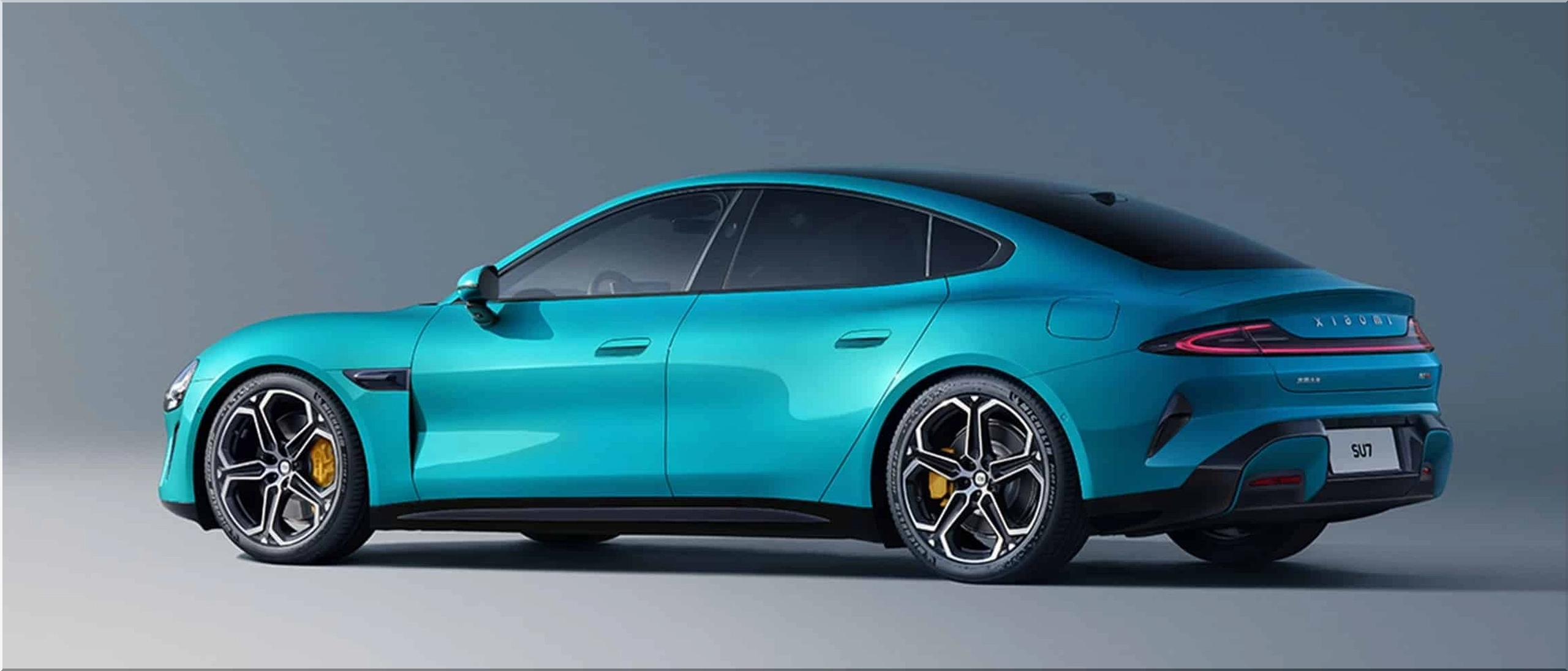
Xiaomi, a Chinese smartphone giant, has entered the electric vehicle market with its first car, the SU7. The SU7 is a sleek and powerful sedan that aims to compete with the likes of Tesla Model S and Porsche Taycan. It boasts impressive features such as an 800 km range, a 2.78-second 0-100 km/h acceleration, and a lidar-based autonomous driving system. But how does it compare with its rivals in terms of performance, price, and reliability? And what are the challenges and opportunities for Xiaomi in the global EV market? Here is what you need to know about the Xiaomi SU7.
Performance and Specifications
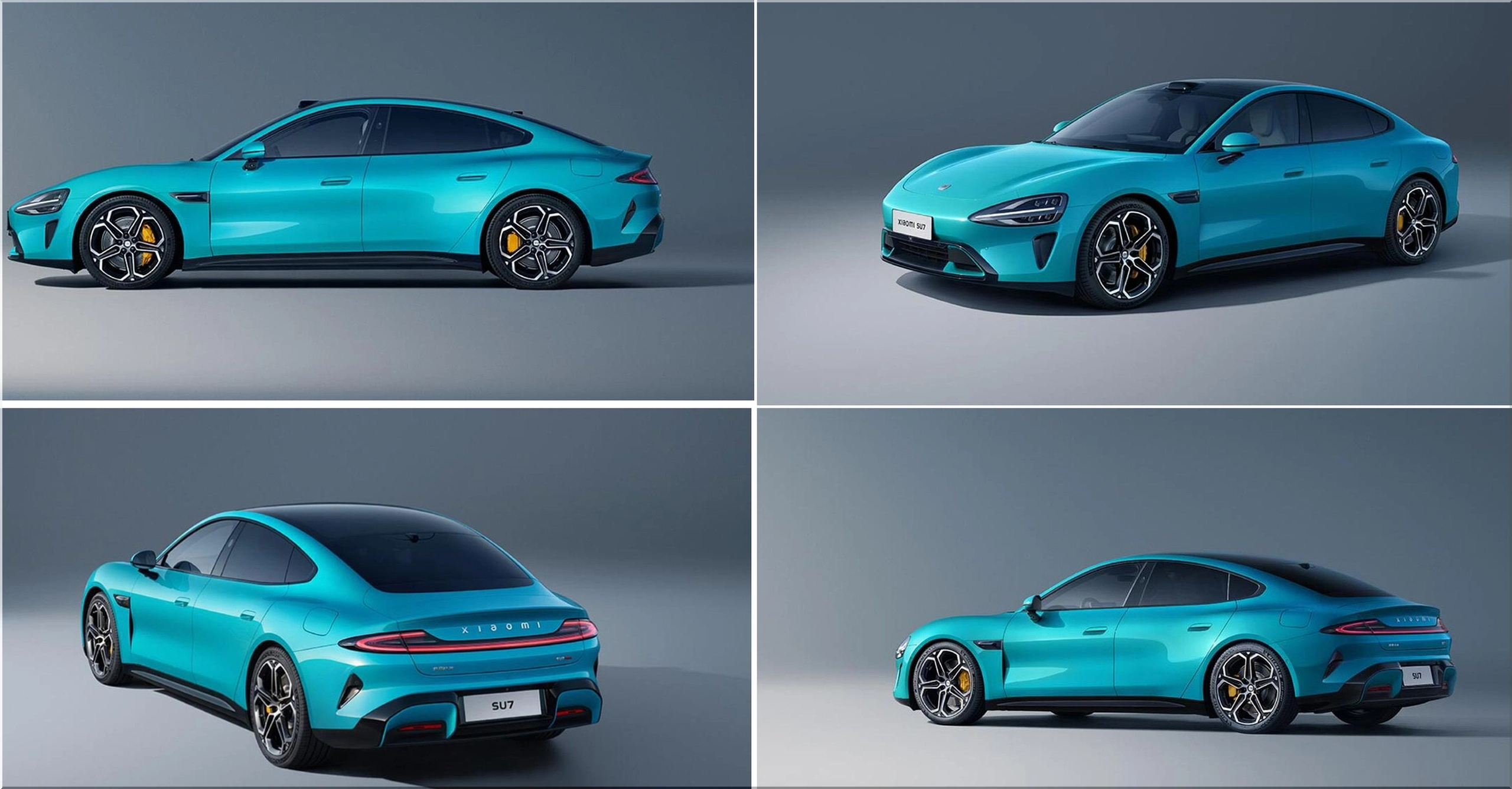
The Xiaomi SU7 electric car is based on the BAIC Arcfox Alpha S platform, which is also used by the Chinese state-owned carmaker BAIC for its own EVs. Xiaomi has partnered with BAIC to produce the SU7 at its factory in Beijing, where it also makes Mercedes-Benz cars under a joint venture. The SU7 will be available in three versions: the base model, the Pro, and the Max. The base model will have a single rear motor with 295 hp and a lithium iron phosphate (LFP) battery pack from BYD. The Pro and the Max will have dual motors with a combined output of 663 hp and a nickel manganese cobalt (NMC) battery pack from CATL.
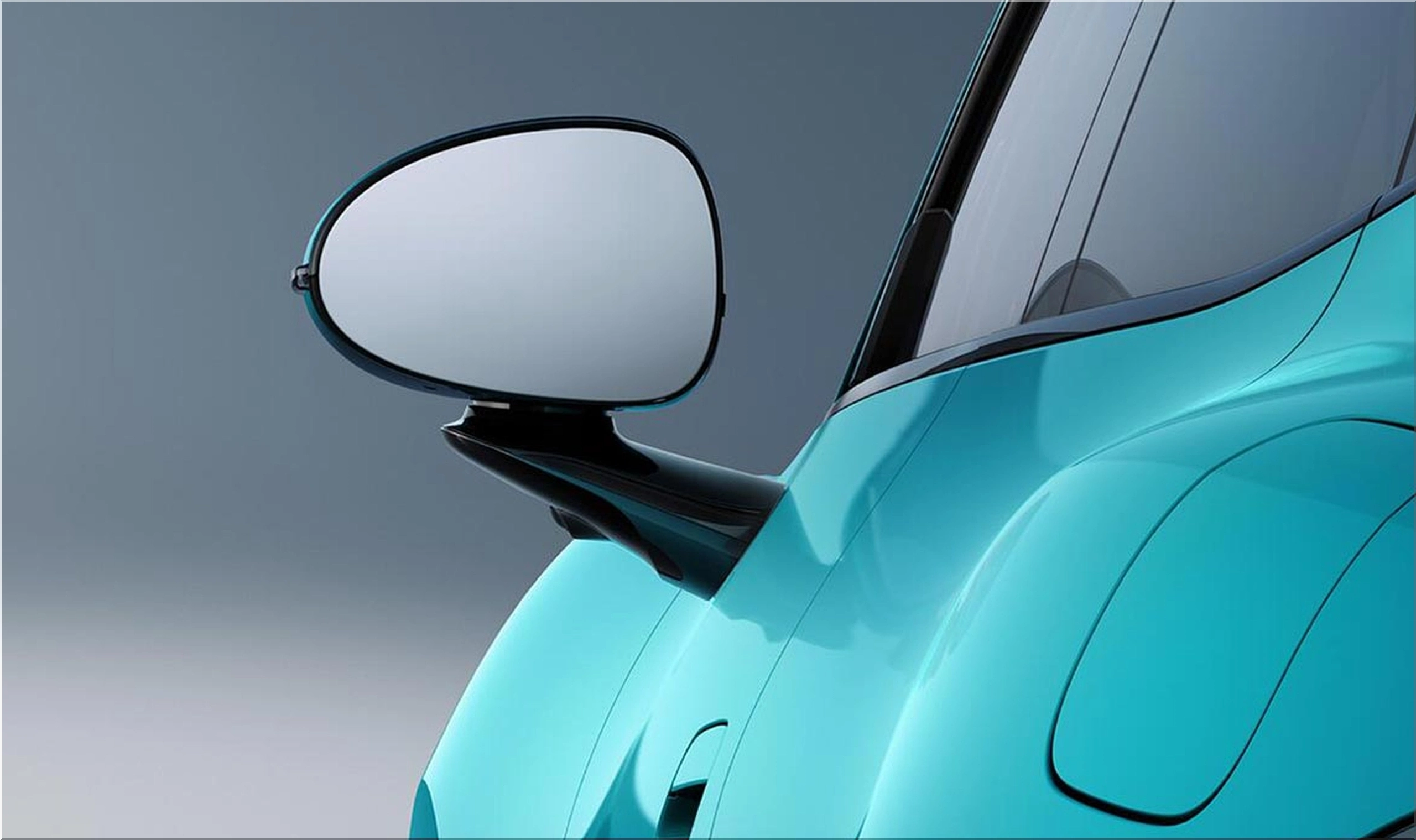
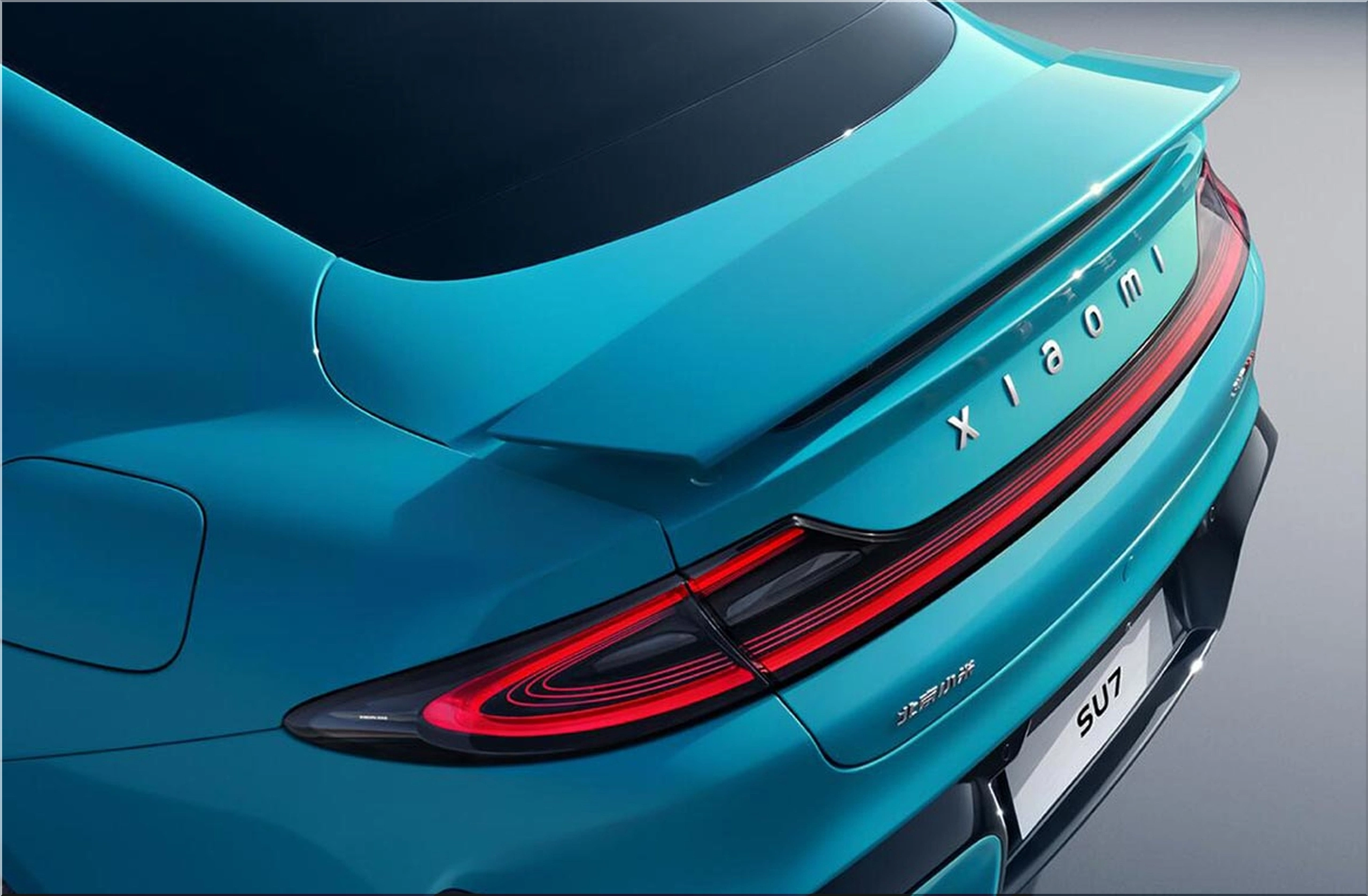
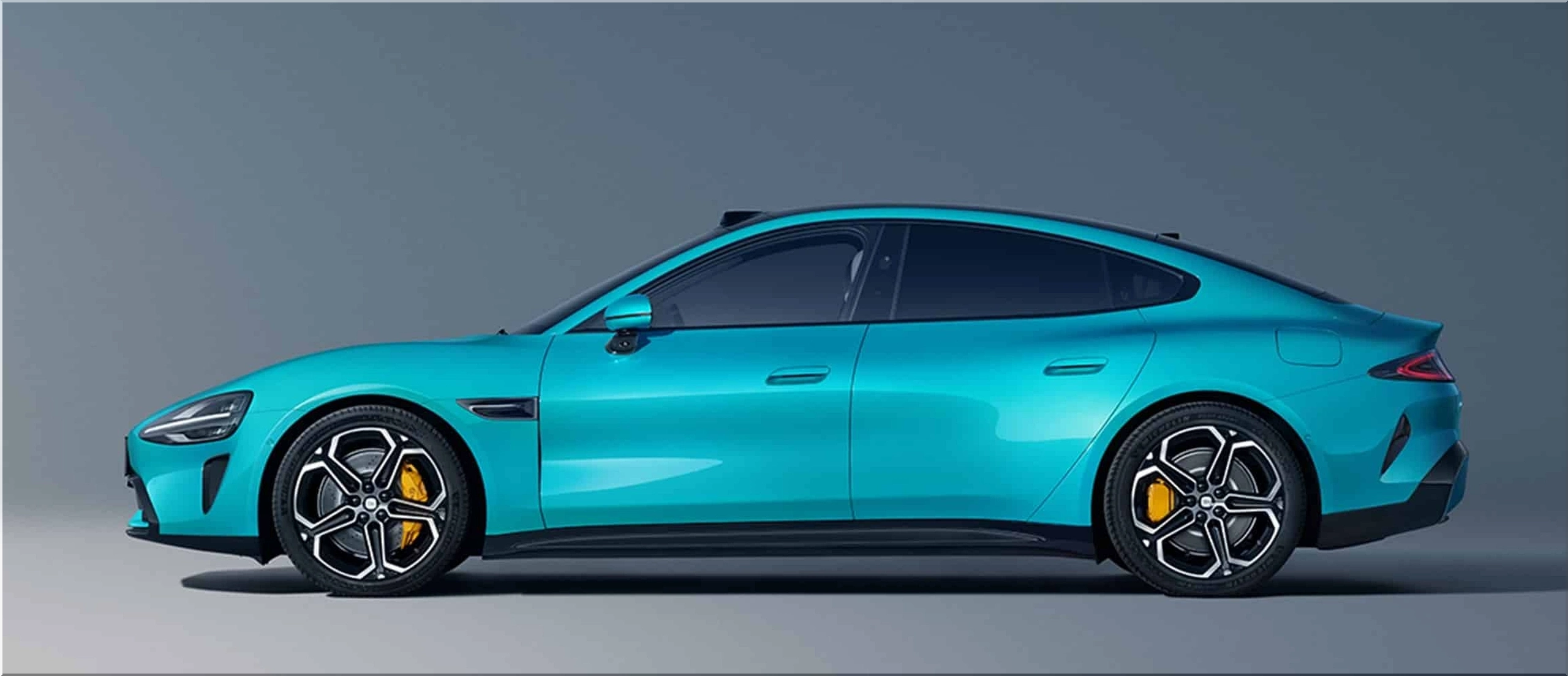
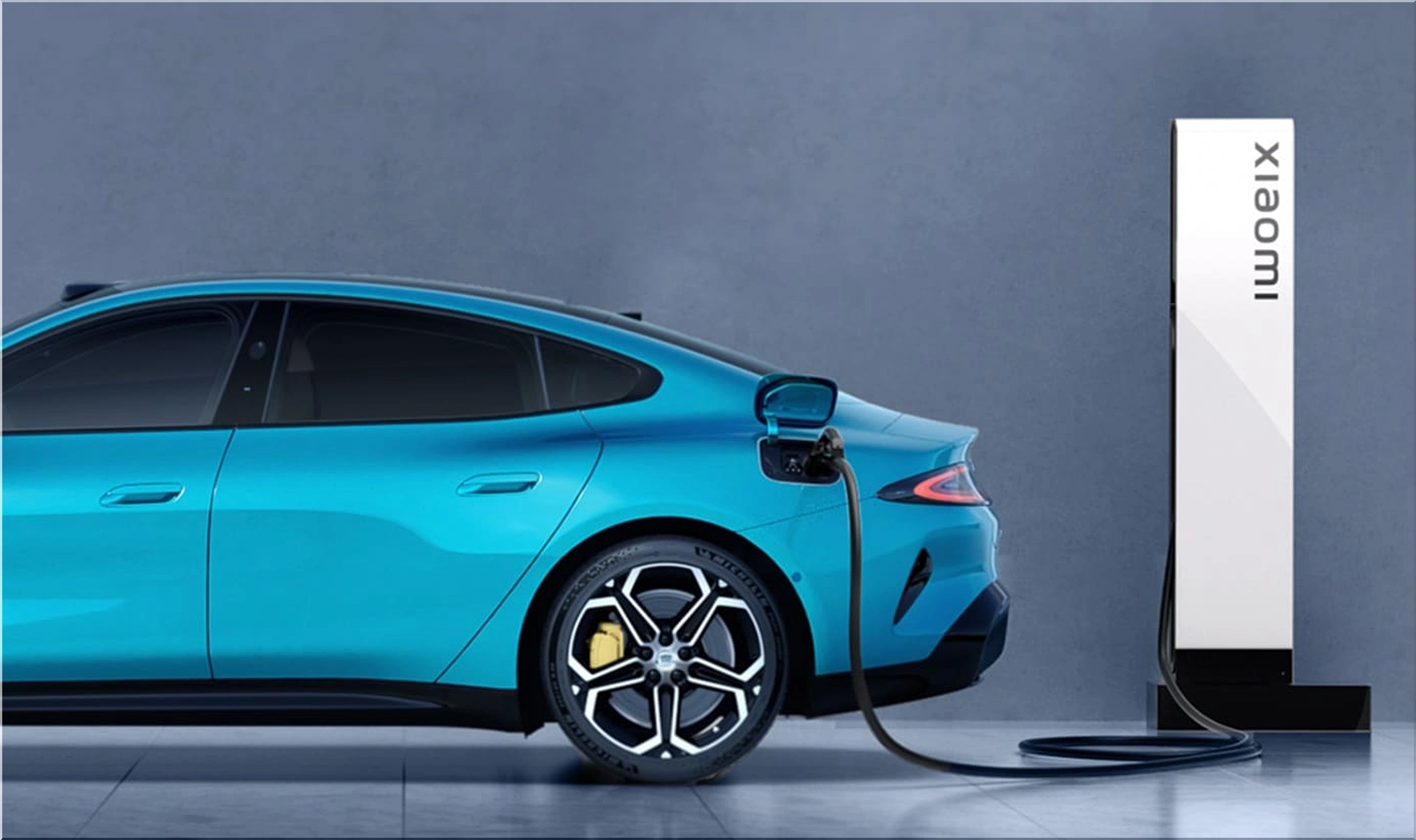
The battery capacity and range are not yet disclosed, but previous leaks suggested an 800-volt architecture and a 100 kWh battery for the higher-end models. The SU7 will also have a 19- or 20-inch wheel option, an active rear wing, and an electronic toll collection (ETC) system.
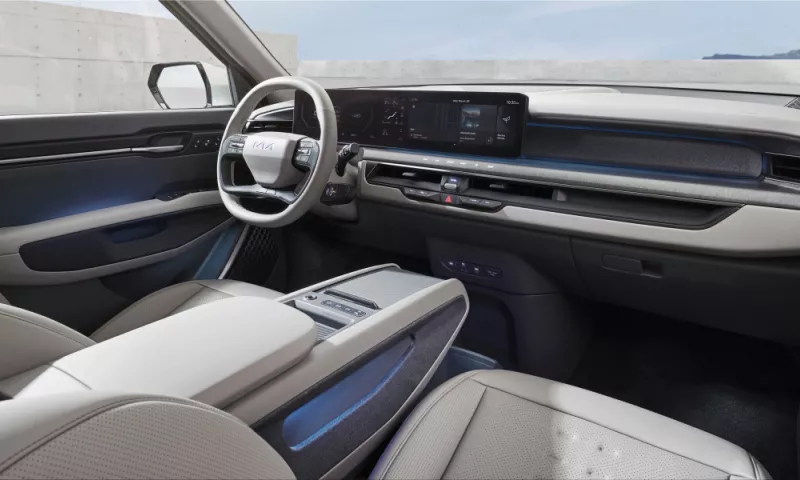
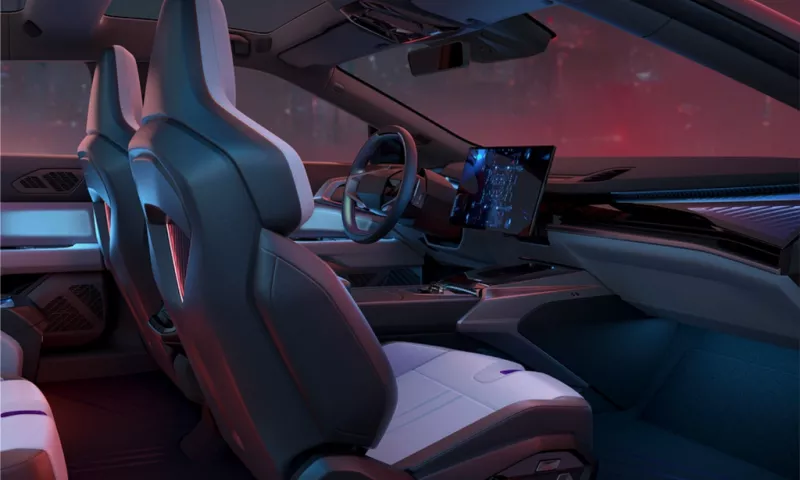
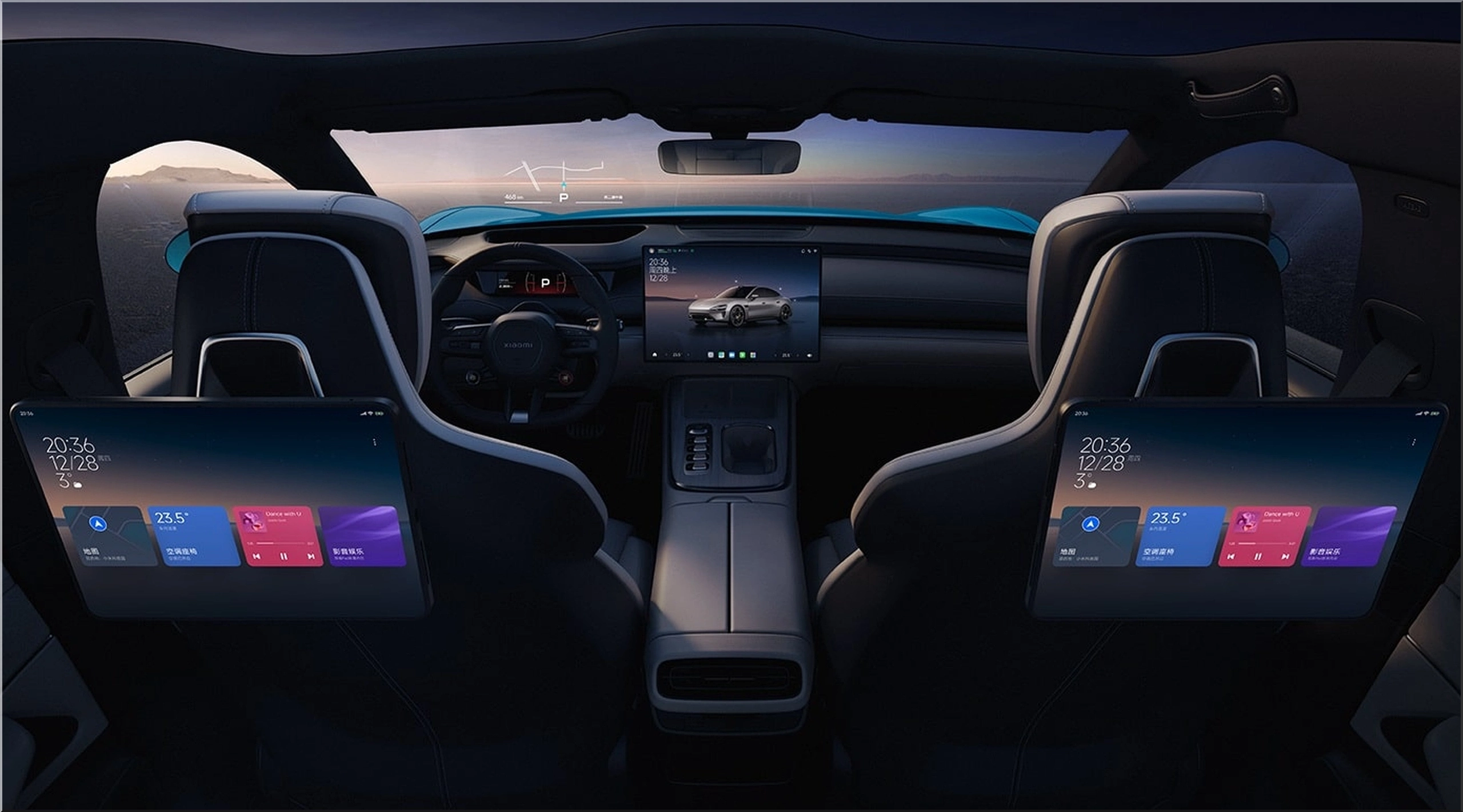
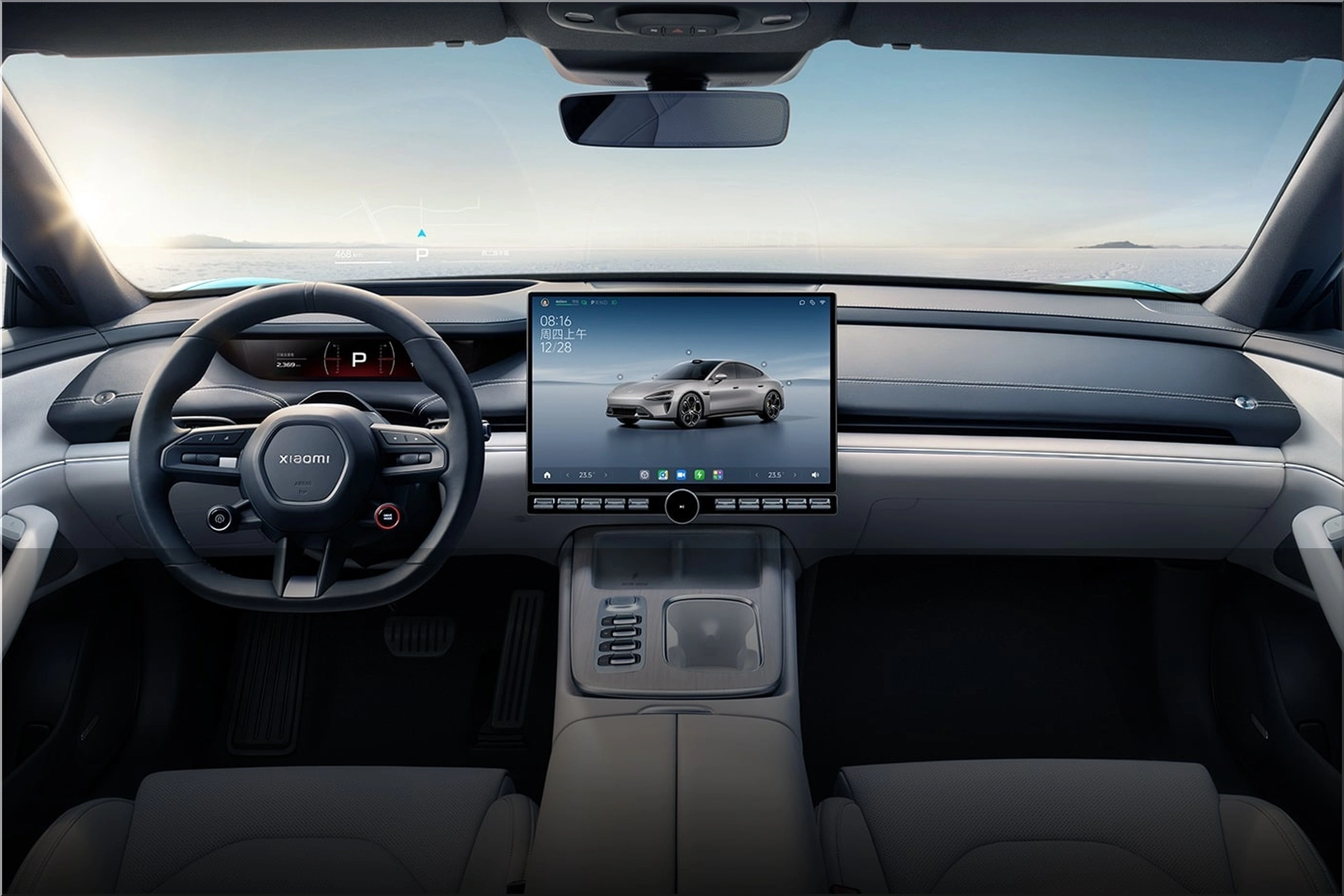
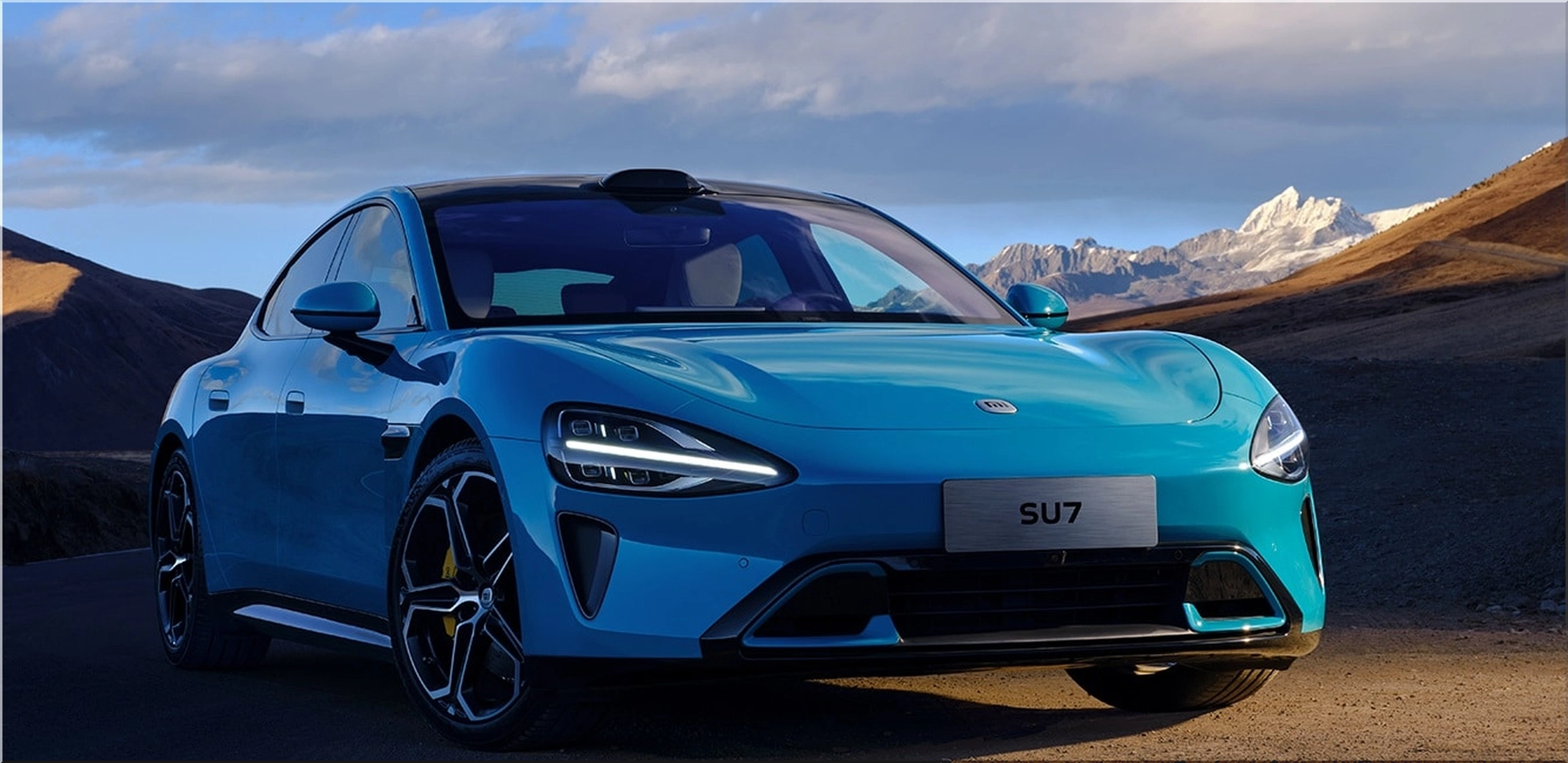
One of the most distinctive features of the SU7 is the lidar array on the roof, which is used for the car’s autonomous driving system. Lidar is a laser-based sensor that can create a 3D map of the surroundings and detect obstacles and traffic. The SU7 will have two interior color options, with or without lidar. The lidar-equipped models will have a camera on the B-pillar for face recognition unlocking. The SU7’s in-car system will be powered by Xiaomi’s HyperOS, an operating system that can also run on smartphones and other devices. The SU7 will have a large touchscreen display on the dashboard and a digital instrument cluster behind the steering wheel.
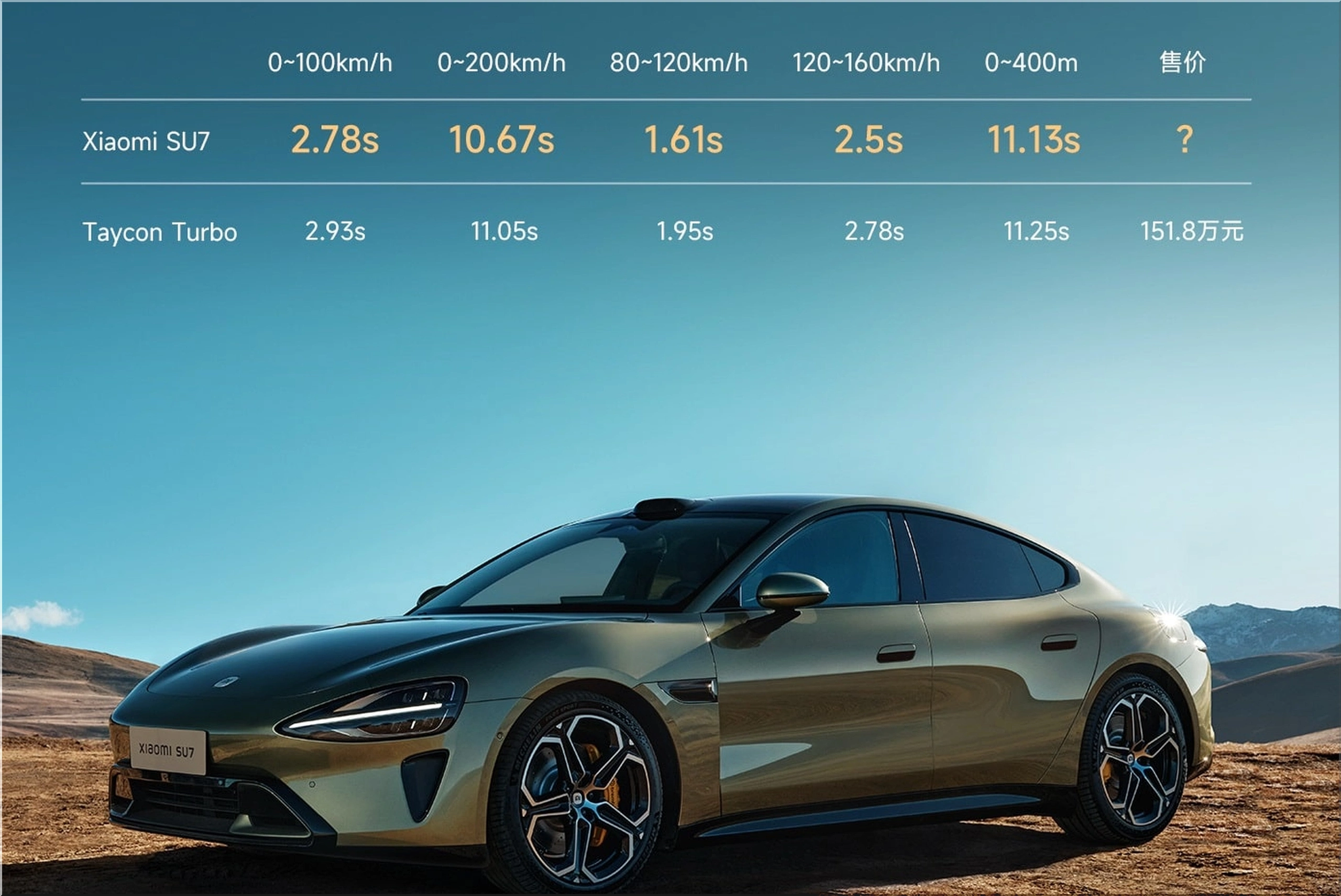
The SU7’s performance figures are impressive, especially for the dual-motor versions. The SU7 Max can accelerate from 0 to 100 km/h in just 2.78 seconds, which is faster than the Tesla Model S Plaid (1.99 seconds) and the Porsche Taycan Turbo S (2.8 seconds). The SU7 Max can also reach a top speed of 265 km/h, which is comparable to the Tesla Model S Plaid (320 km/h) and the Porsche Taycan Turbo S (260 km/h). The SU7’s range is expected to be around 800 km, which is higher than the Tesla Model S Long Range (663 km) and the Porsche Taycan Turbo S (412 km).
Price and Availability
The Xiaomi SU7 electric car is expected to start mass production in December 2023 and deliveries will begin in February 2024. The price of the SU7 is not yet announced, but it is likely to be lower than its competitors. According to some reports, the SU7 will cost around 300,000 yuan ($46,800) for the base model and 500,000 yuan ($78,000) for the Max model. This is much cheaper than the Tesla Model S, which starts at 649,900 yuan ($101,400) in China, and the Porsche Taycan, which starts at 888,000 yuan ($138,500) in China. Xiaomi will also offer a Founders Edition subvariant for the SU7, with a special badge and a limited production number.
The Xiaomi SU7 will initially be sold only in China, where the EV market is booming. China is the world’s largest EV market, accounting for about half of the global EV sales in 2022. The Chinese government has promoted EV adoption with subsidies, tax incentives, and infrastructure development. Xiaomi will face fierce competition from domestic and foreign EV makers in China, such as Tesla, Nio, Xpeng, Li Auto, BYD, and Geely. Xiaomi will have to leverage its brand recognition, loyal customer base, and ecosystem of products and services to attract and retain customers. Xiaomi will also have to prove its reliability and quality, as well as its safety and security, especially in terms of data privacy and cyberattacks.
Xiaomi has not yet revealed its plans to sell the SU7 outside China, but it may consider expanding to other markets in the future. According to IDC, Xiaomi has a global presence in the smartphone market, with a 17% market share in the third quarter of 2023. Xiaomi is especially popular in India, Europe, and Southeast Asia, offering affordable, high-quality smartphones and other gadgets. Xiaomi may leverage its existing distribution channels and customer relationships to enter the EV markets in these regions. However, Xiaomi will face regulatory hurdles, cultural differences, and competitive pressures in the global EV market. Xiaomi must adapt its product and marketing strategies to suit different customers' local preferences and needs.
Conclusion
The Xiaomi SU7 electric car is a bold and ambitious move by the Chinese smartphone maker to enter the electric vehicle market. The SU7 is a stunning and powerful sedan that challenges established players like Tesla and Porsche in terms of performance, range, and features. The SU7 is also expected to be more affordable and accessible than its rivals, thanks to Xiaomi’s partnership with BAIC and its efficient production and distribution model. The SU7 will initially target the Chinese EV market, where Xiaomi has a strong brand image and a loyal fan base. The SU7 may also expand to other markets in the future, where Xiaomi has a global presence and a competitive edge in the smartphone and gadget market. The SU7 is a testament to Xiaomi’s vision and innovation and its potential to disrupt the EV industry.
- Add new comment
- 228 views