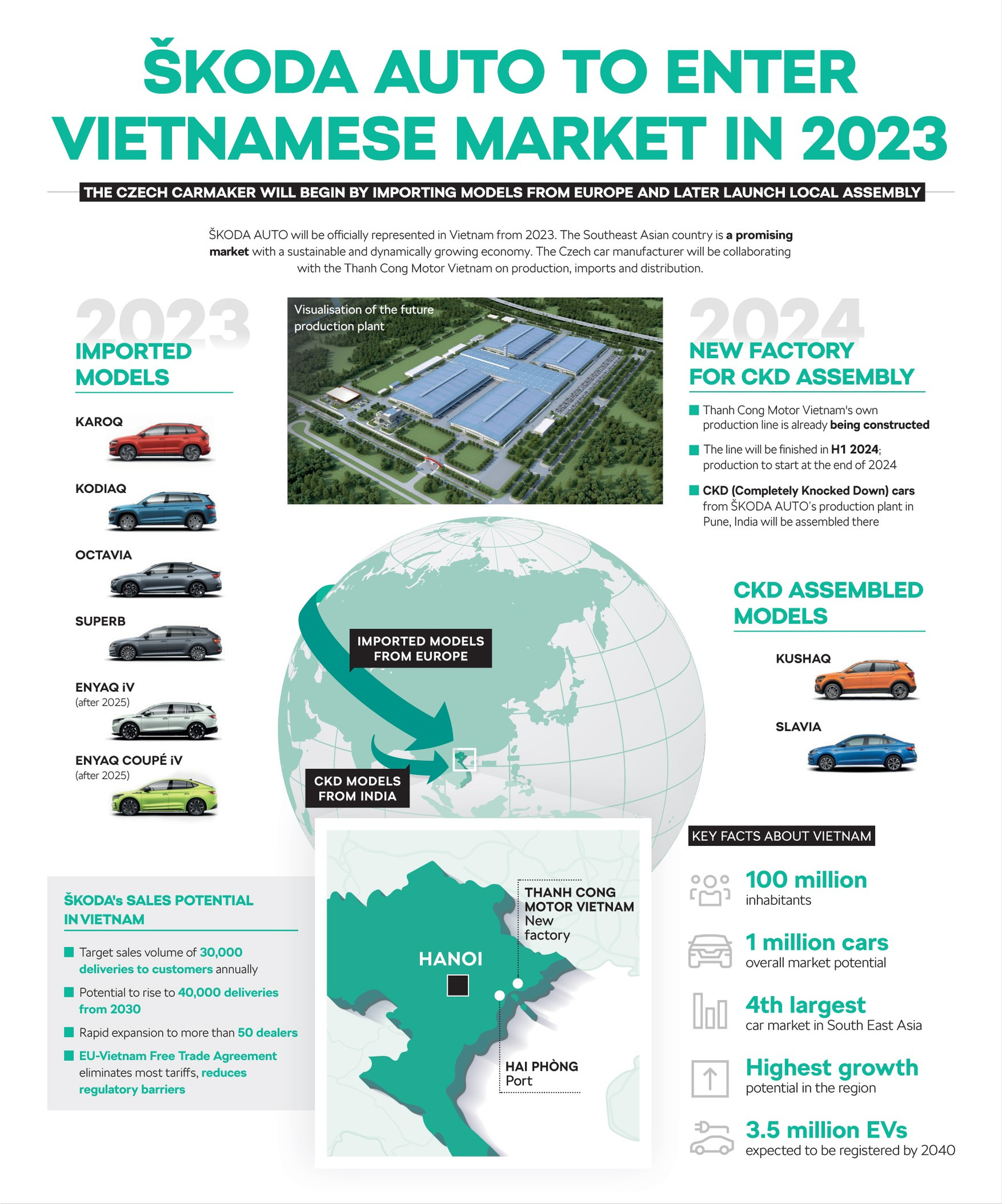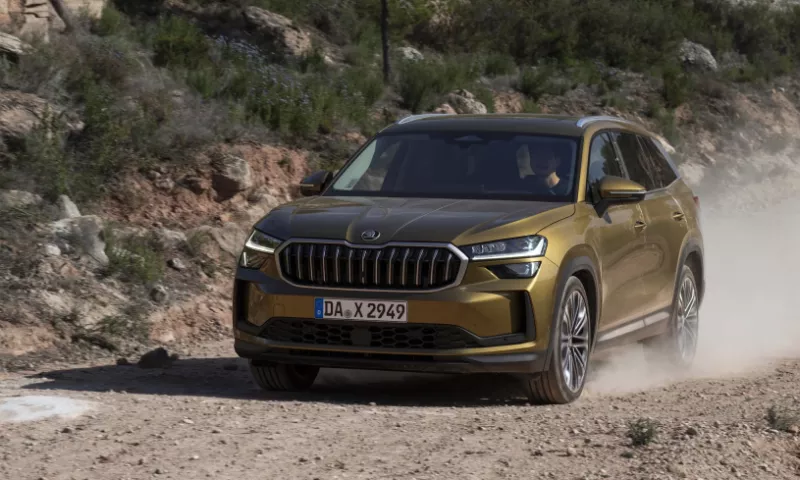
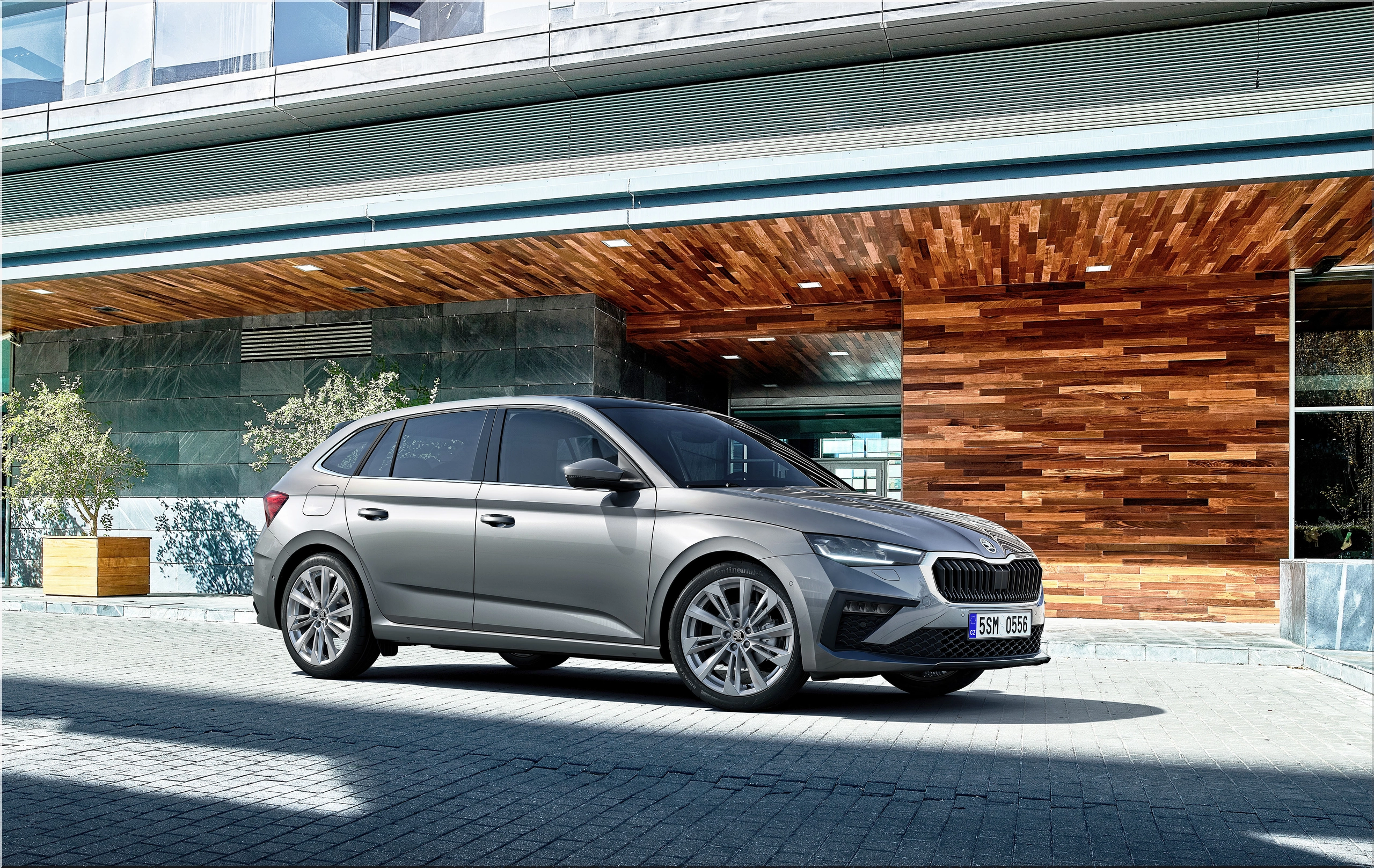
Skoda is a Czech car brand that belongs to the Volkswagen Group. It is known for its affordable, practical, and reliable vehicles. But in recent years, Skoda has also become a leader in the electric car market, especially in Germany. In 2023, Skoda increased new registrations in Germany by more than 17 percent and achieved one of the highest market shares in the company’s history. How did Skoda manage to do that? What are the secrets behind its success? And what are the challenges and opportunities ahead? This article will explore these questions and more.
Skoda’s Electric Car Strategy
Skoda’s electric car strategy is based on three pillars: innovation, differentiation, and customer orientation. Skoda aims to offer innovative products that meet its customers' needs and expectations while differentiating itself from its competitors. Skoda leverages the synergies and resources of the Volkswagen Group but also adds its own identity and value proposition to its electric cars.
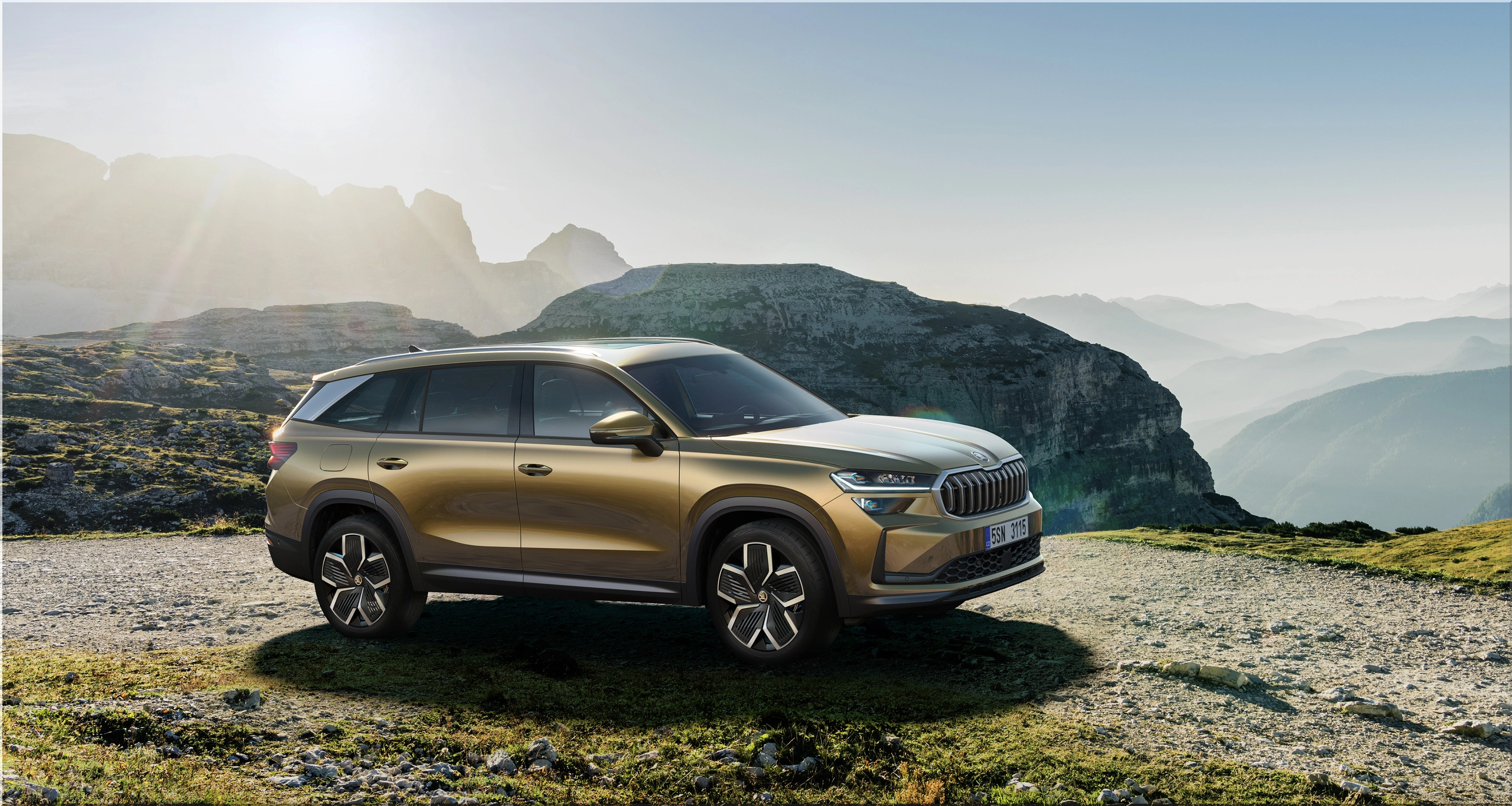
Skoda’s electric car portfolio consists of two main segments: battery electric vehicles (BEVs) and plug-in hybrid vehicles (PHEVs). Skoda’s BEVs are based on the modular electric drive toolkit (MEB) platform, which is shared with other Volkswagen Group brands. Skoda’s PHEVs are based on the modular transverse toolkit (MQB) platform used for its conventional models.
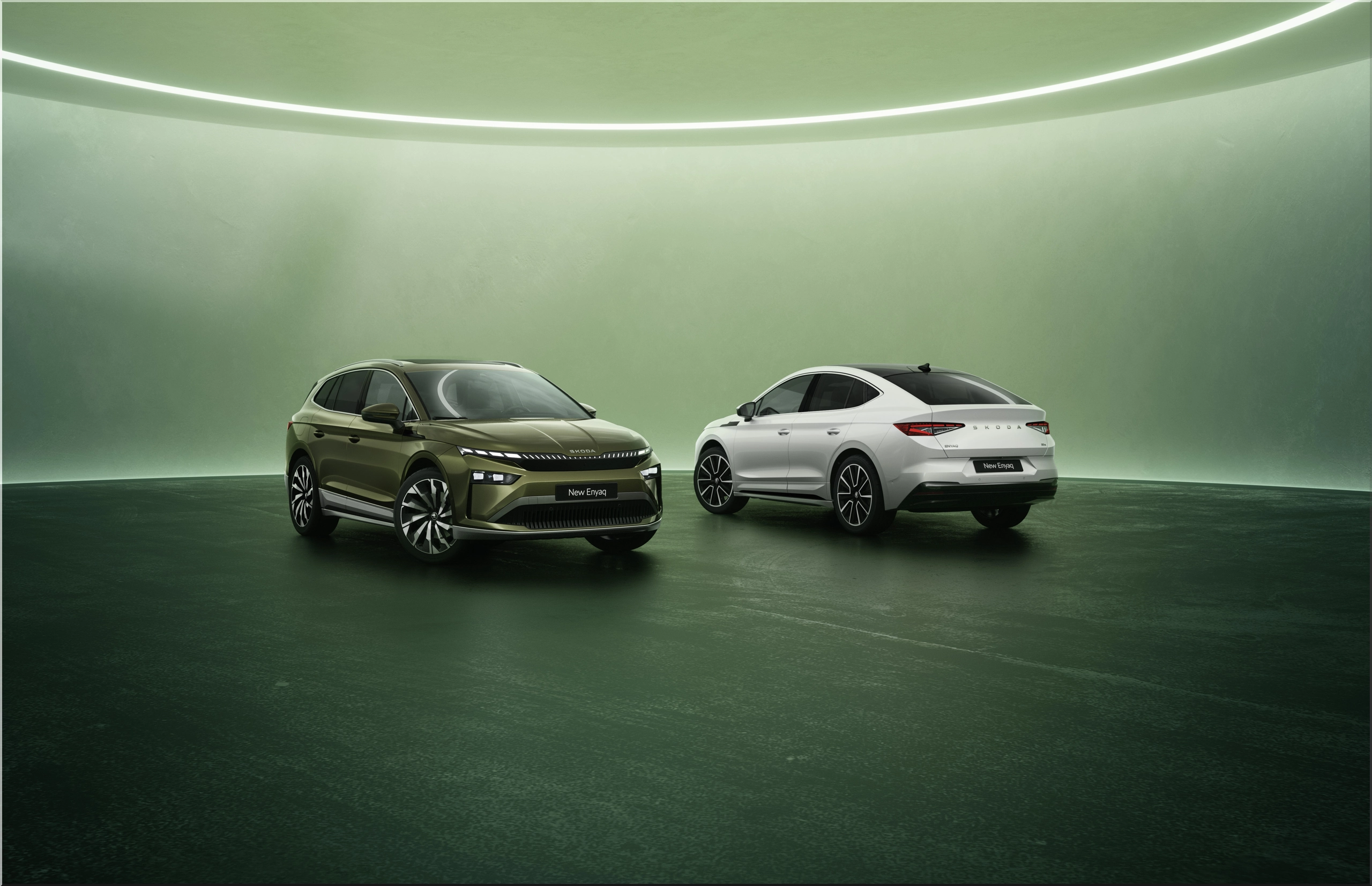
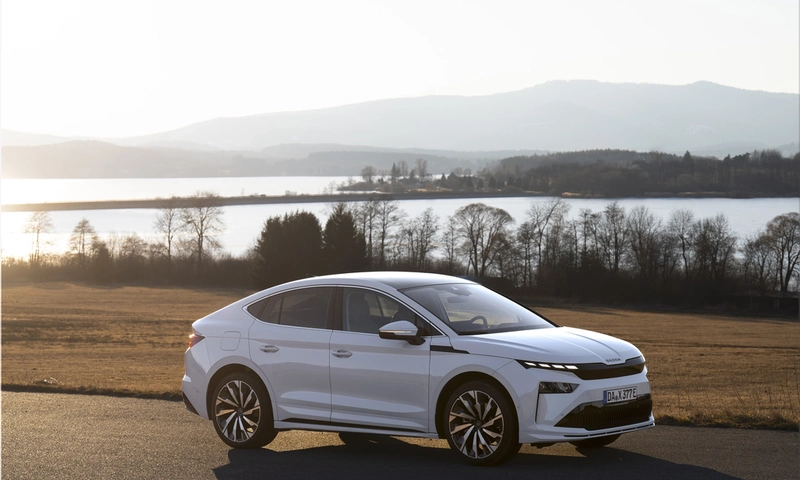
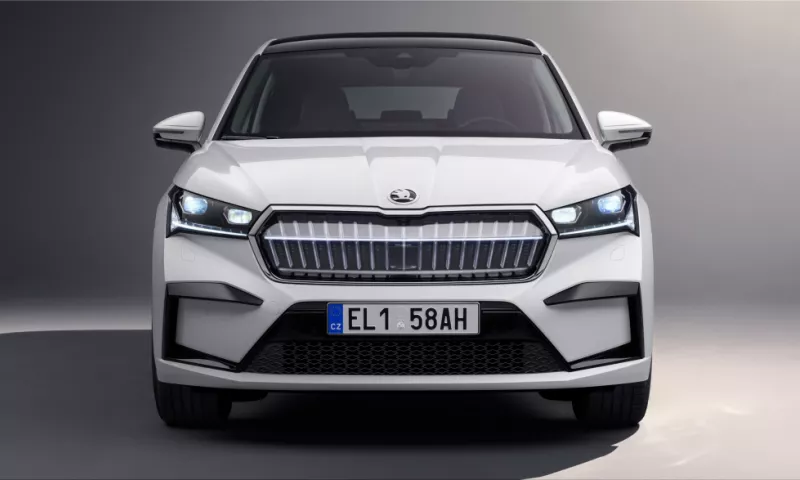
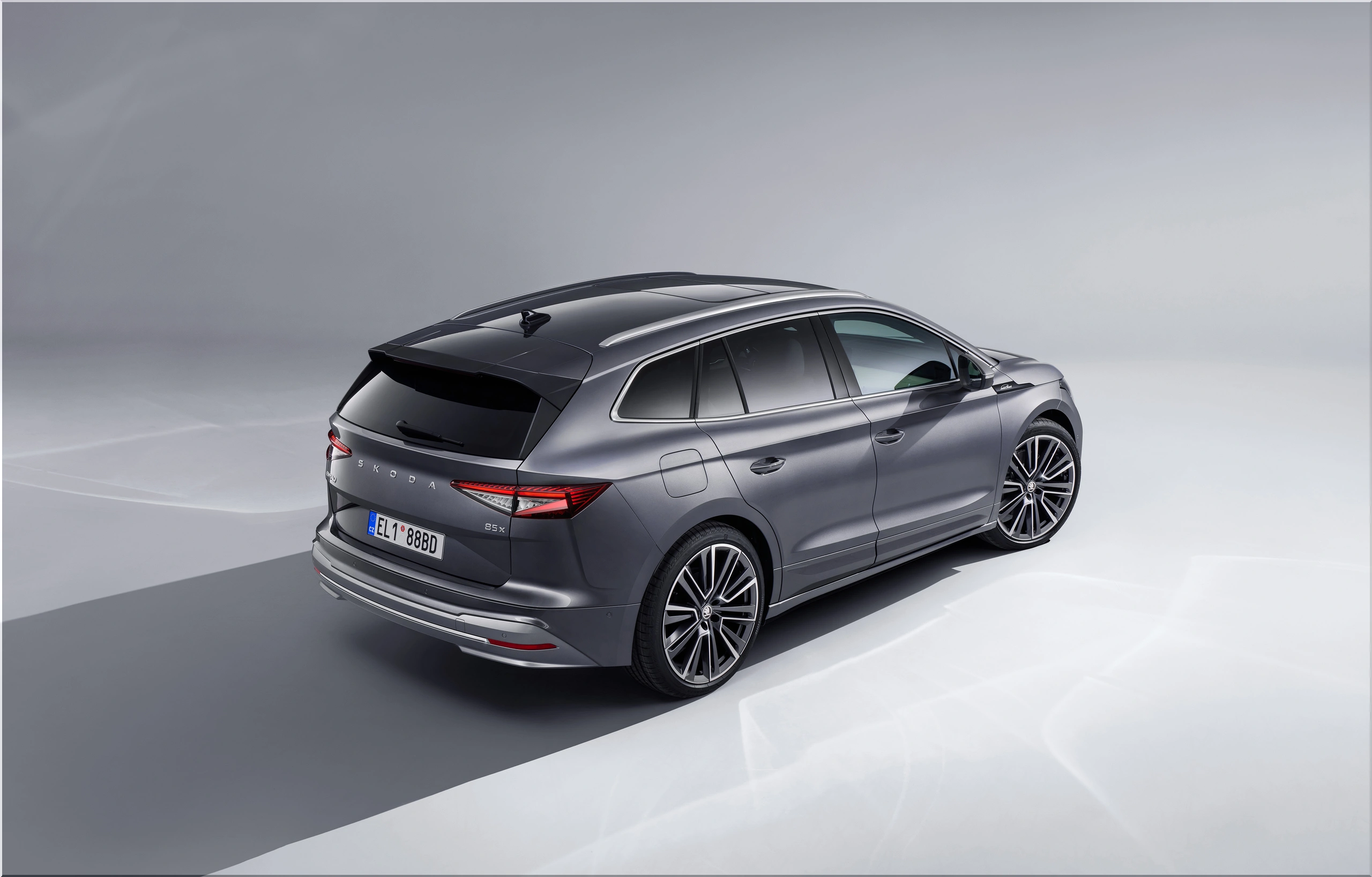
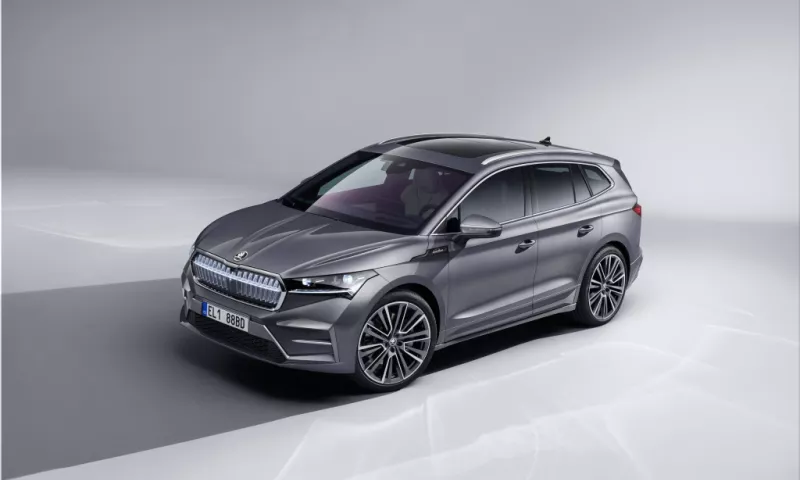
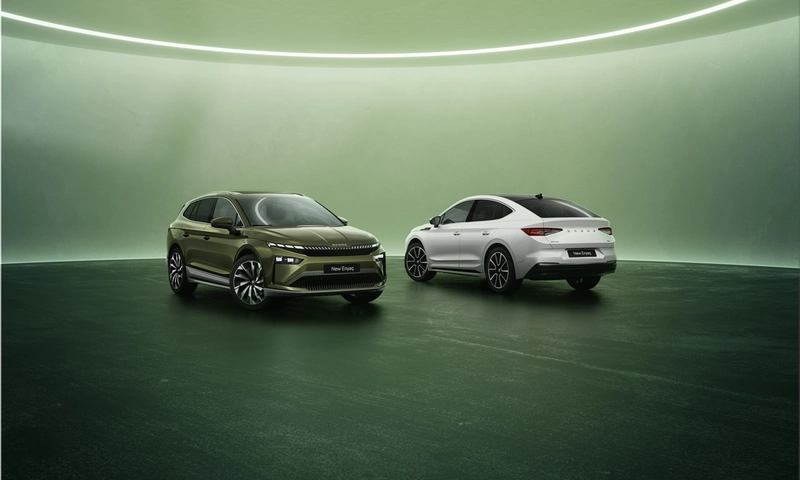
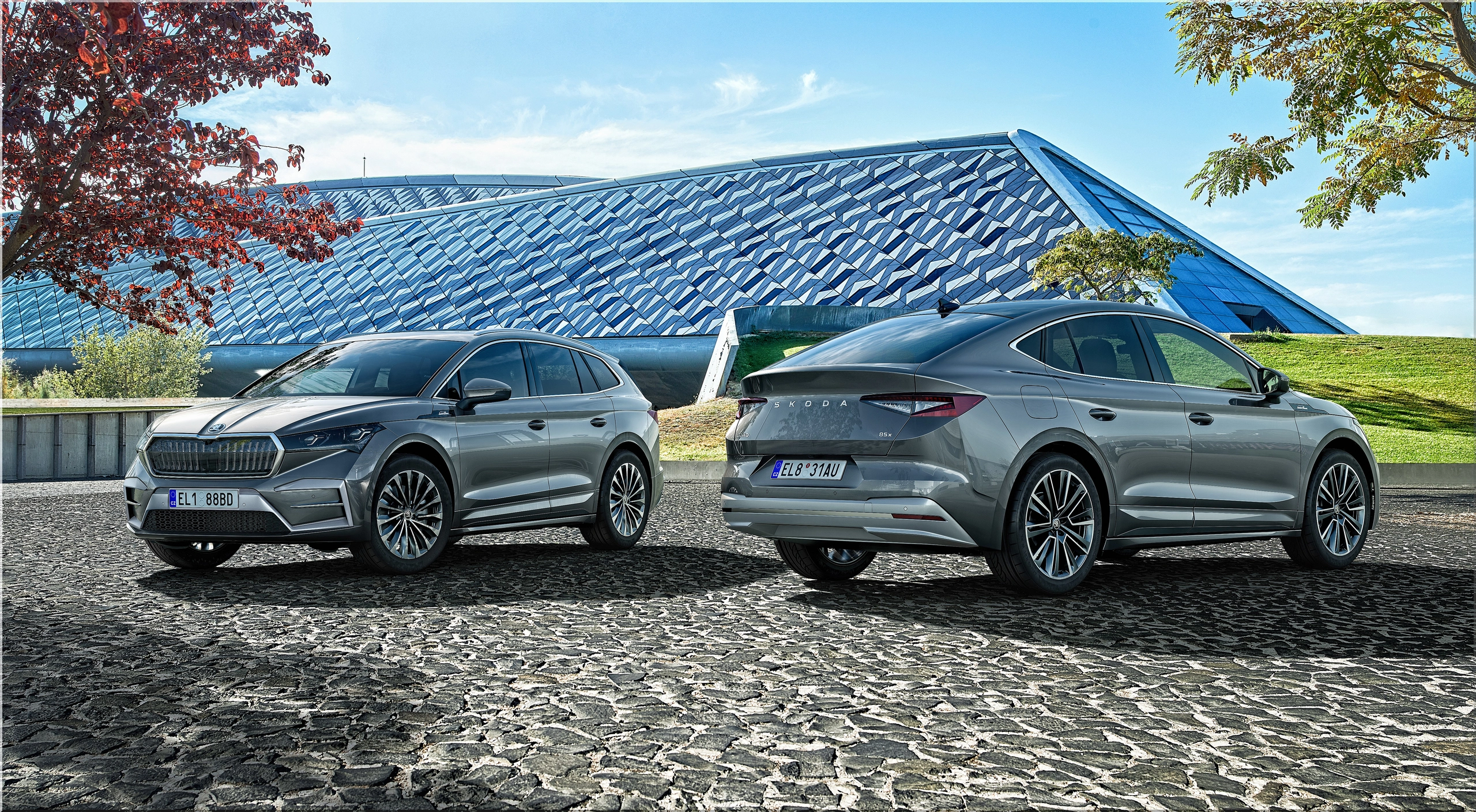
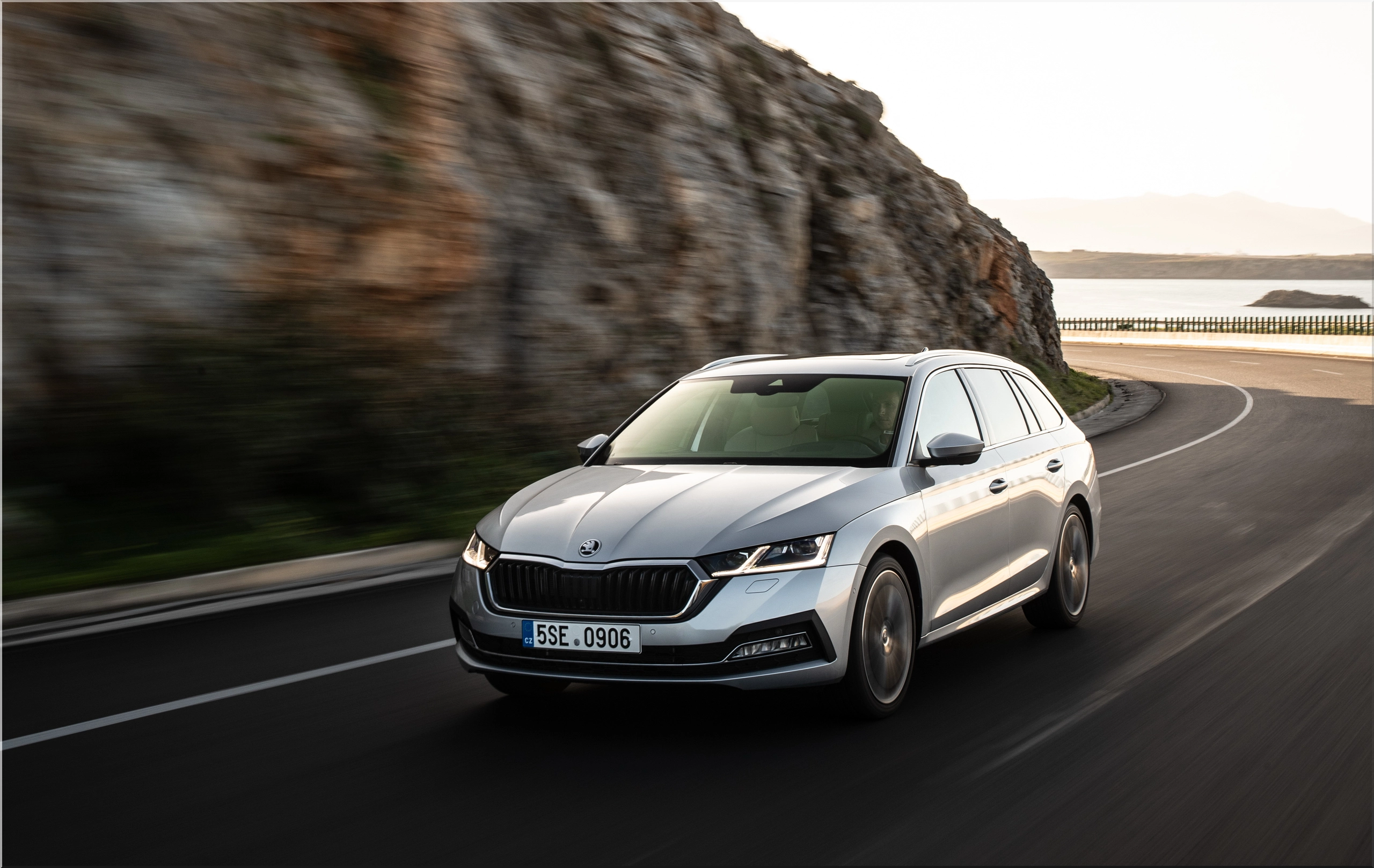
Skoda’s first BEV was the Skoda Citigo-e iV, which was launched in 2019. It is a small city car that offers a range of up to 260 km (162 miles) and a price of around $23,000. Skoda’s second BEV was the Skoda Enyaq iV, which was launched in 2020. It is a mid-sized SUV that offers a range of up to 536 km (333 miles) and a price of around $40,000. Skoda’s third BEV was the Skoda Enyaq Coupe iV, which was launched in 2021. It is a coupe version of the Enyaq iV with a more sporty and aerodynamic design. Skoda’s fourth BEV was the Skoda Octavia iV, which was launched in 2021. It is a compact sedan that offers a range of up to 600 km (373 miles) and a price of around $35,000.
Skoda’s first PHEV was the Skoda Superb iV, which was launched in 2019. It is a large sedan that offers a range of up to 930 km (578 miles) and a price of around $45,000. Skoda’s second PHEV was the Skoda Octavia iV, which was launched in 2020. It is a compact sedan that offers a range of up to 880 km (547 miles) and a price of around $37,000. Skoda’s third PHEV was the Skoda Octavia RS iV, which was launched in 2020. It is a high-performance version of the Octavia iV, with a more powerful engine and a sportier look. Skoda’s fourth PHEV was the Skoda Superb Scout iV, which was launched in 2021. It is a crossover version of the Superb iV, with a more rugged and adventurous style.
Skoda’s Electric Car Performance
Skoda’s electric car performance has been impressive, especially in Germany. In 2023, Skoda sold 86,649 electric cars in Germany, a 171 percent increase compared to 2022. Skoda’s market share of electric cars in Germany was 31.7 percent, which was one of the highest in the country. Skoda’s electric car sales accounted for 37 percent of its total car sales in Germany, which was also one of the highest in the industry.
Skoda’s electric car performance was driven by several factors, such as:
- The strong demand for electric cars in Germany, which was stimulated by the government’s incentives, regulations, and infrastructure. Germany is the largest electric car market in Europe, with 101,201 electric cars sold in August 2023, which was a 78 percent increase compared to 2022. Germany’s electric car market share was 37 percent, which was the highest in the continent.
- The high quality and attractiveness of Skoda’s electric cars, which were praised by customers and critics alike. Skoda’s electric cars received several awards and recognitions, such as the Car of the Year 2021 for the Enyaq iV, the Green Car of the Year 2021 for the Octavia iV, and the Golden Steering Wheel 2021 for the Enyaq Coupe iV.
- The competitive pricing and value proposition of Skoda’s electric cars, which offered a good balance between performance, features, and affordability. Skoda’s electric cars were cheaper than most of their rivals, but also offered more range, space, and functionality. Skoda’s electric cars also benefited from the Volkswagen Group’s economies of scale, technology, and network.
- The effective marketing and communication of Skoda’s electric cars, which raised awareness and interest among potential customers. Skoda’s electric car campaign was based on the slogan “Simply Clever”, which highlighted the smart and practical solutions that Skoda’s electric cars offered. Skoda also used various channels and formats to showcase its electric cars, such as online platforms, social media, events, and partnerships.
Skoda’s Electric Car Challenges and Opportunities
Skoda’s electric car success is not without challenges and opportunities. Skoda faces several risks and uncertainties, such as:
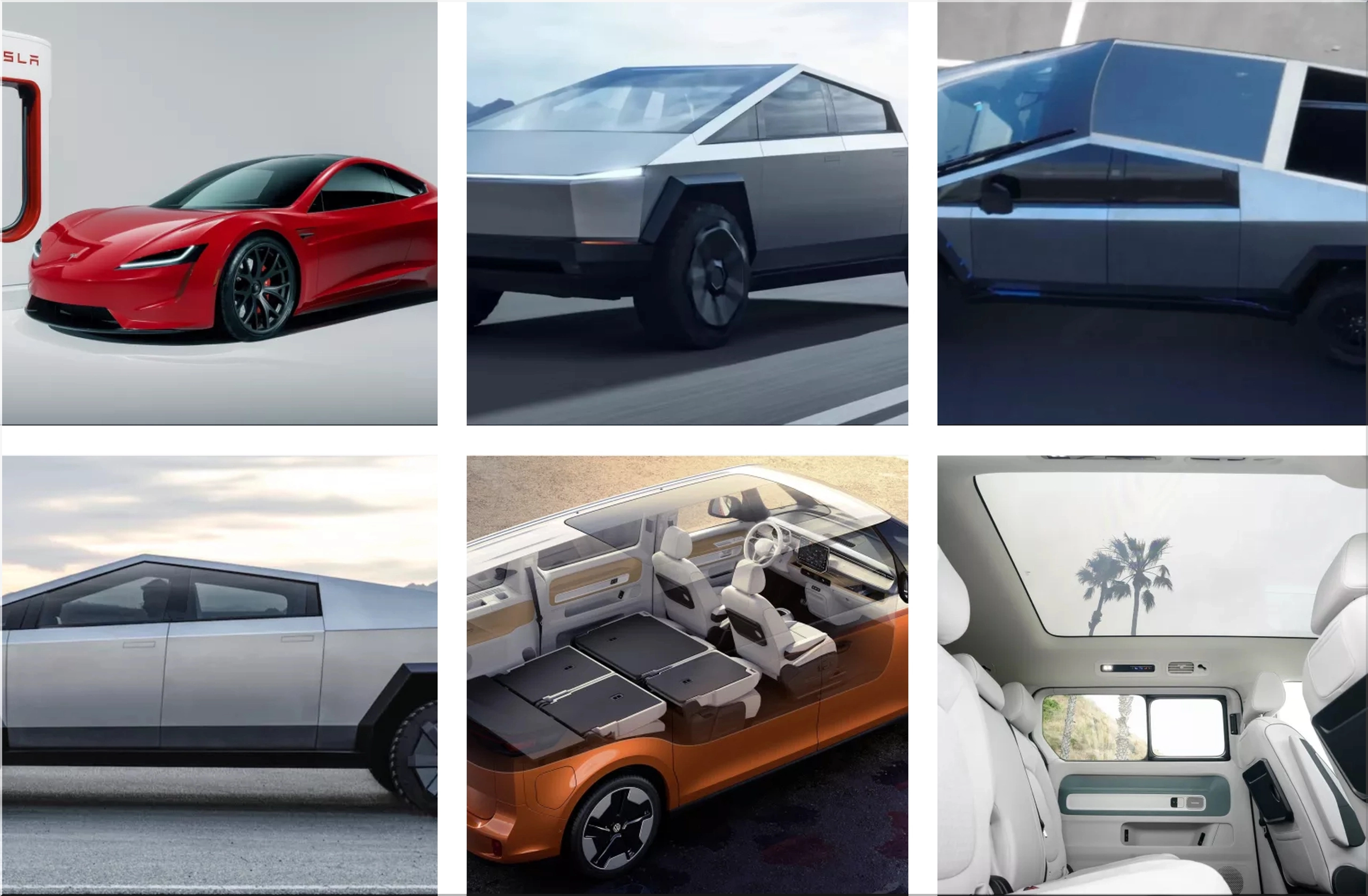
- The increasing competition and saturation of the electric car market, which could reduce Skoda’s growth potential and profitability. Skoda competes with many established and emerging players in the electric car market, such as Tesla, Volkswagen, BMW, Mercedes-Benz, Hyundai, Kia, Toyota, MG, BYD, and NIO. Skoda also faces the threat of new entrants and substitutes, such as hydrogen cars, e-bikes, and public transport.
- The changing customer preferences and expectations, which could affect Skoda’s customer loyalty and satisfaction. Skoda needs to keep up with its customers' evolving needs and wants, who are becoming more demanding and discerning. Skoda needs to offer more variety, customization, and innovation to its electric cars, while also maintaining its core values and identity.
- The regulatory and environmental pressures, which could impact Skoda’s operations and reputation. Skoda must comply with the strict and complex rules and standards governing the electric car industry, such as emissions, safety, and data protection. Skoda must also address the social and ecological issues associated with electric car production and consumption, such as battery recycling, raw material sourcing, and energy efficiency.
Skoda also has several opportunities and advantages, such as:
- The growing demand and support for electric cars, which could boost Skoda’s sales and market share. Skoda can capitalize on the favorable trends and conditions that favor the electric car adoption, such as the rising environmental awareness, the improving infrastructure, and the expanding customer base. Skoda can also benefit from the government’s policies and incentives, such as the subsidies, tax breaks, and grants.
- The strong reputation and positioning of Skoda, which could enhance Skoda’s brand equity and customer retention. Skoda has a loyal and satisfied customer base, who appreciate Skoda’s quality, reliability, and value. Skoda also has a distinctive and appealing brand image, which is based on its Czech heritage, its clever solutions, and its human touch.
- The synergies and resources of the Volkswagen Group, which could enable Skoda’s innovation and differentiation. Skoda has access to the Volkswagen Group’s platforms, technologies, and networks, which give Skoda a competitive edge and a cost advantage. Skoda also has the autonomy and flexibility to add its own features and flavors to its electric cars, which give Skoda a unique and diverse portfolio.
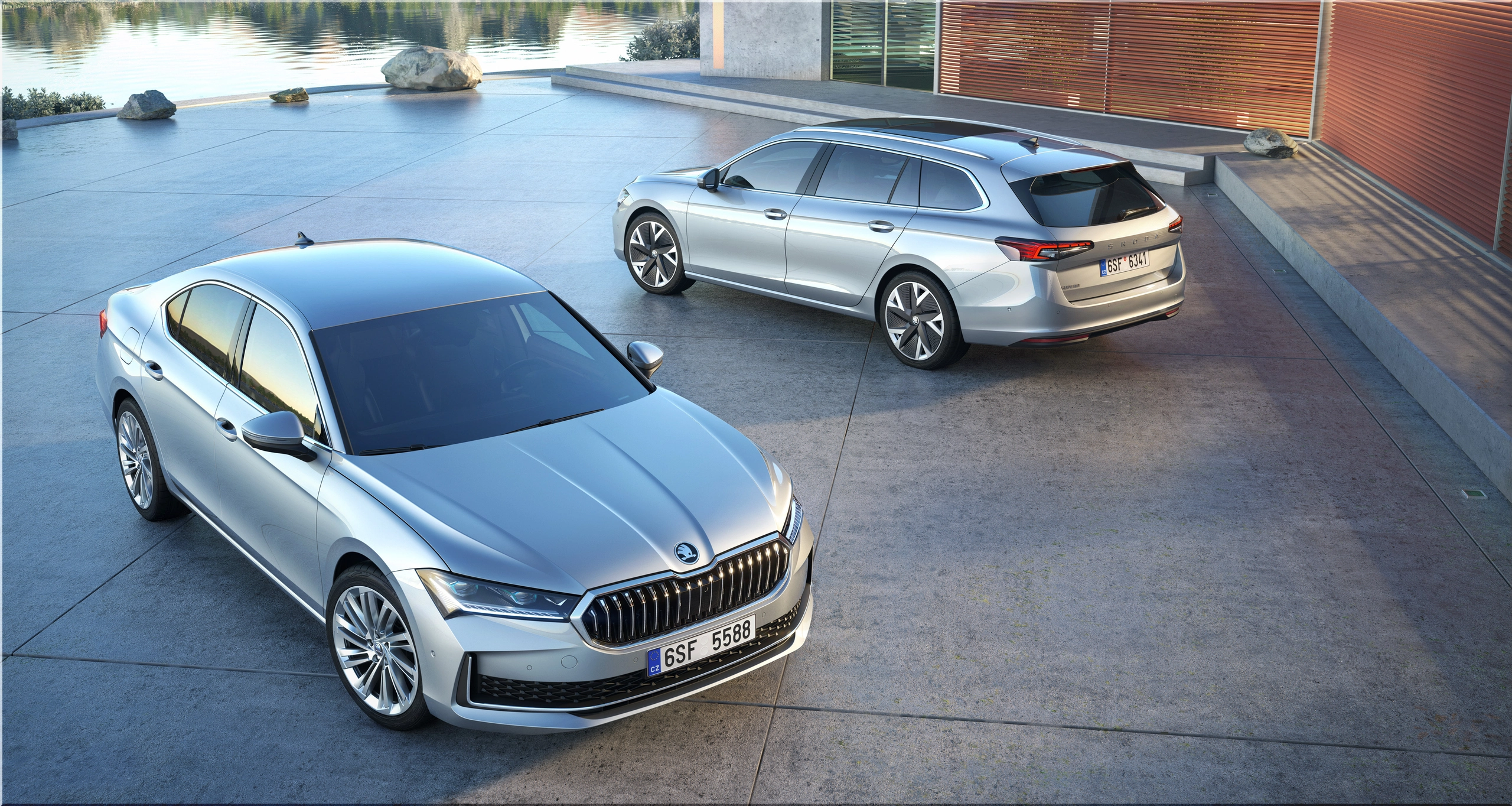
Skoda’s Electric Car Future
Skoda’s electric car future looks bright and promising. Skoda has ambitious and realistic plans and goals for its electric car development and expansion. Skoda aims to:
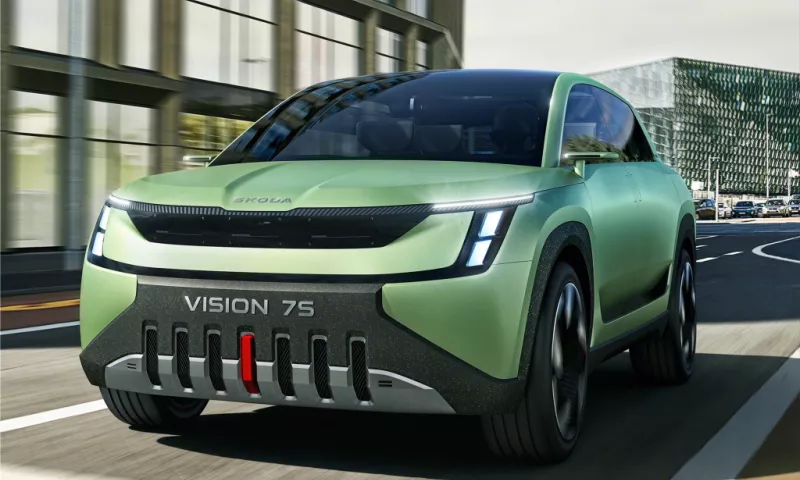
- Launch more electric car models and variants, which will cover different segments and niches. Skoda plans to introduce at least 10 electric car models by 2025, which will include hatchbacks, sedans, SUVs, coupes, and wagons. Skoda also plans to offer different versions and options for its electric cars, such as performance, luxury, and off-road.
- Increase its electric car production and sales, which will boost its revenue and profit. Skoda plans to produce more than 500,000 electric cars per year by 2025, which will account for more than 50 percent of its total car production. Skoda also plans to sell more than 1 million electric cars by 2030, which will account for more than 70 percent of its total car sales.
- Expand its electric car presence and influence, which will enhance its global and local reach and impact. Skoda plans to enter new and emerging markets for electric cars, such as China, India, and Brazil, which will increase its customer base and market share. Skoda also plans to support and participate in various initiatives and projects for electric cars, such as charging networks, mobility services, and education programs, which will increase its social and environmental contribution.
Skoda is a car brand transformed from humble and modest origins to modern and successful players. Skoda is a car brand that has embraced the electric car revolution and has become a leader and a pioneer. Skoda is a car brand with a clear and compelling vision for its electric car future. Skoda is a car brand that deserves attention and admiration from anyone who is interested in the electric car industry. Skoda is simply clever.
- Add new comment
- 130 views