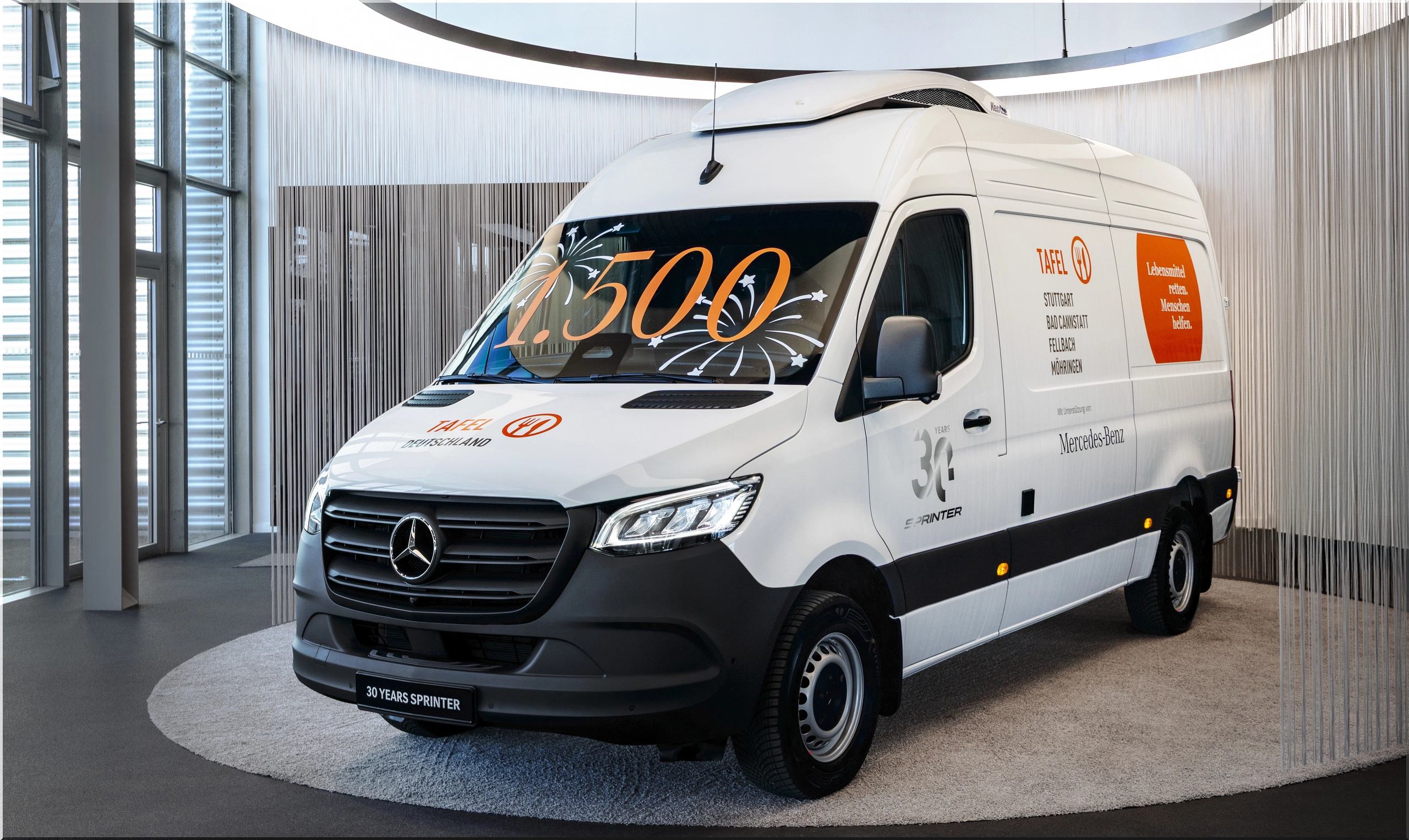
Giving Mobility to the Mission of Helping Others
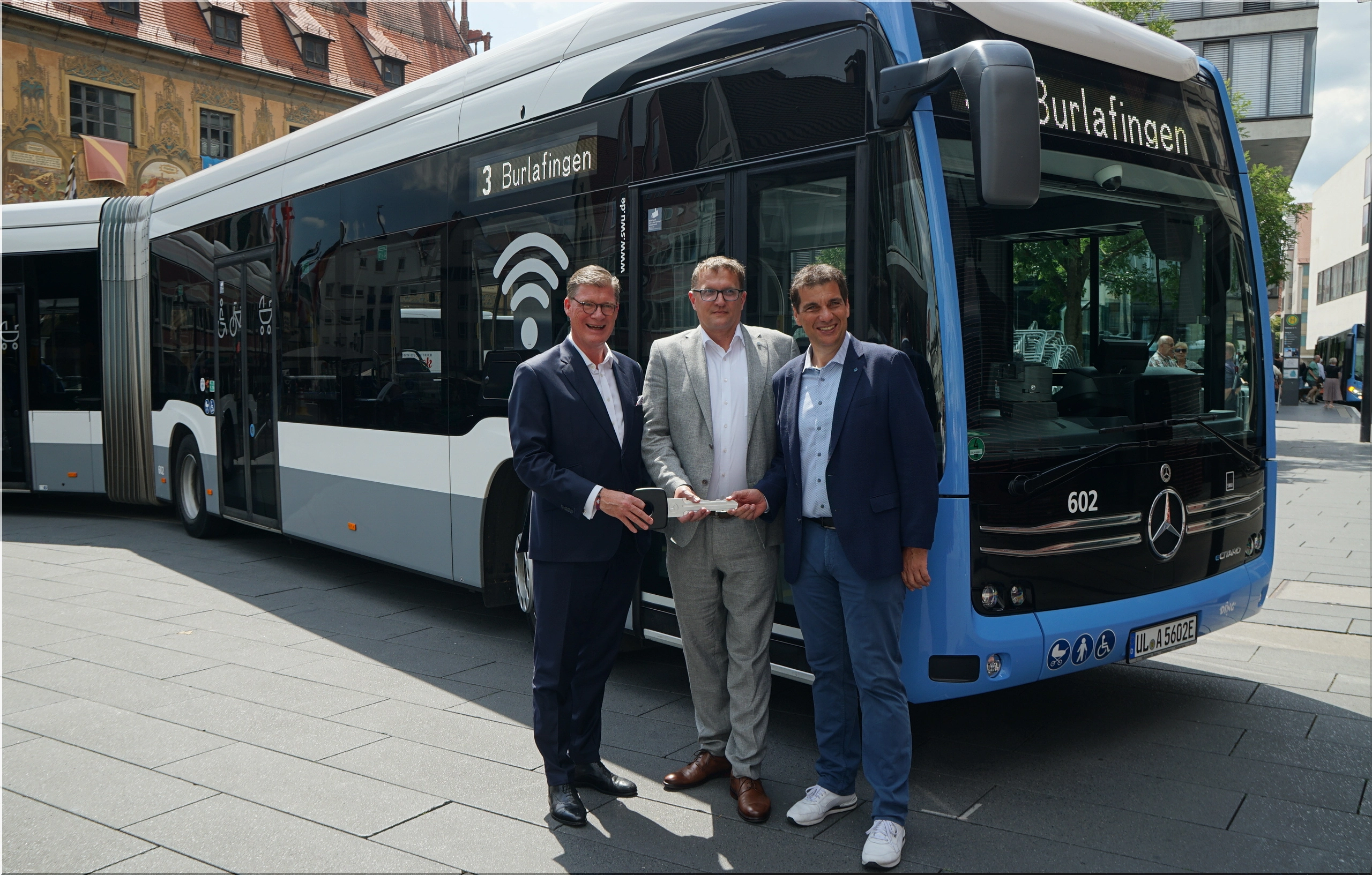
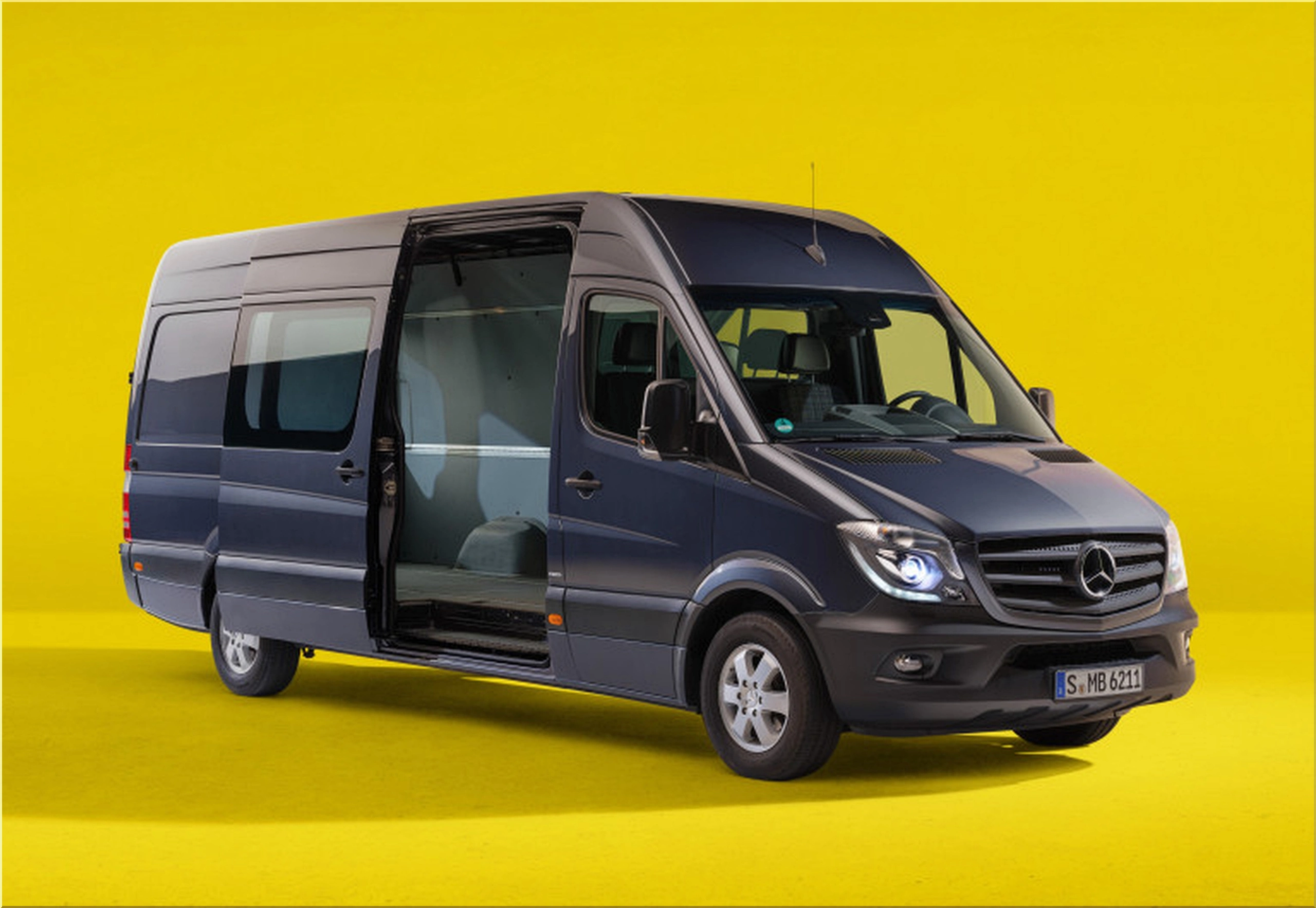
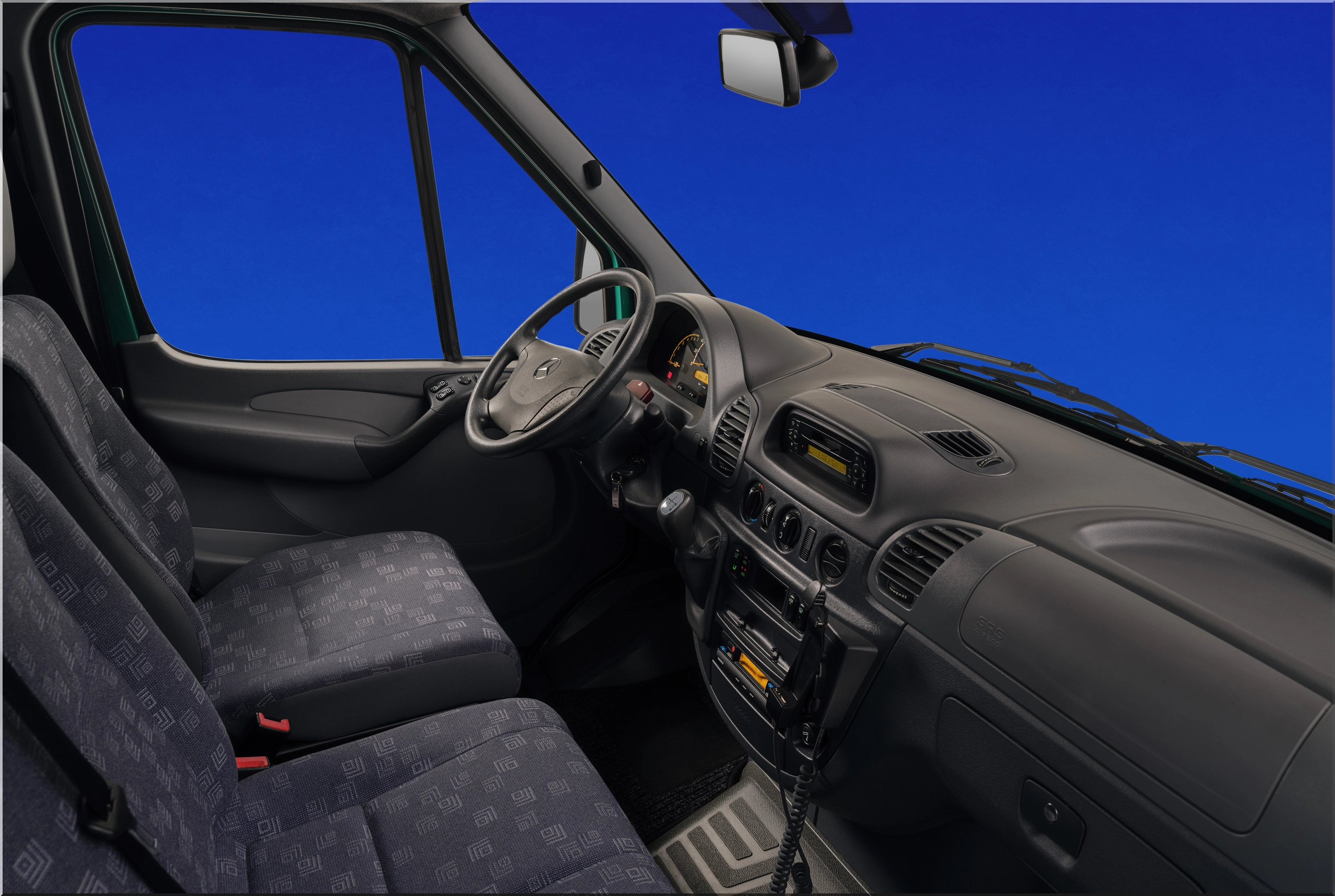
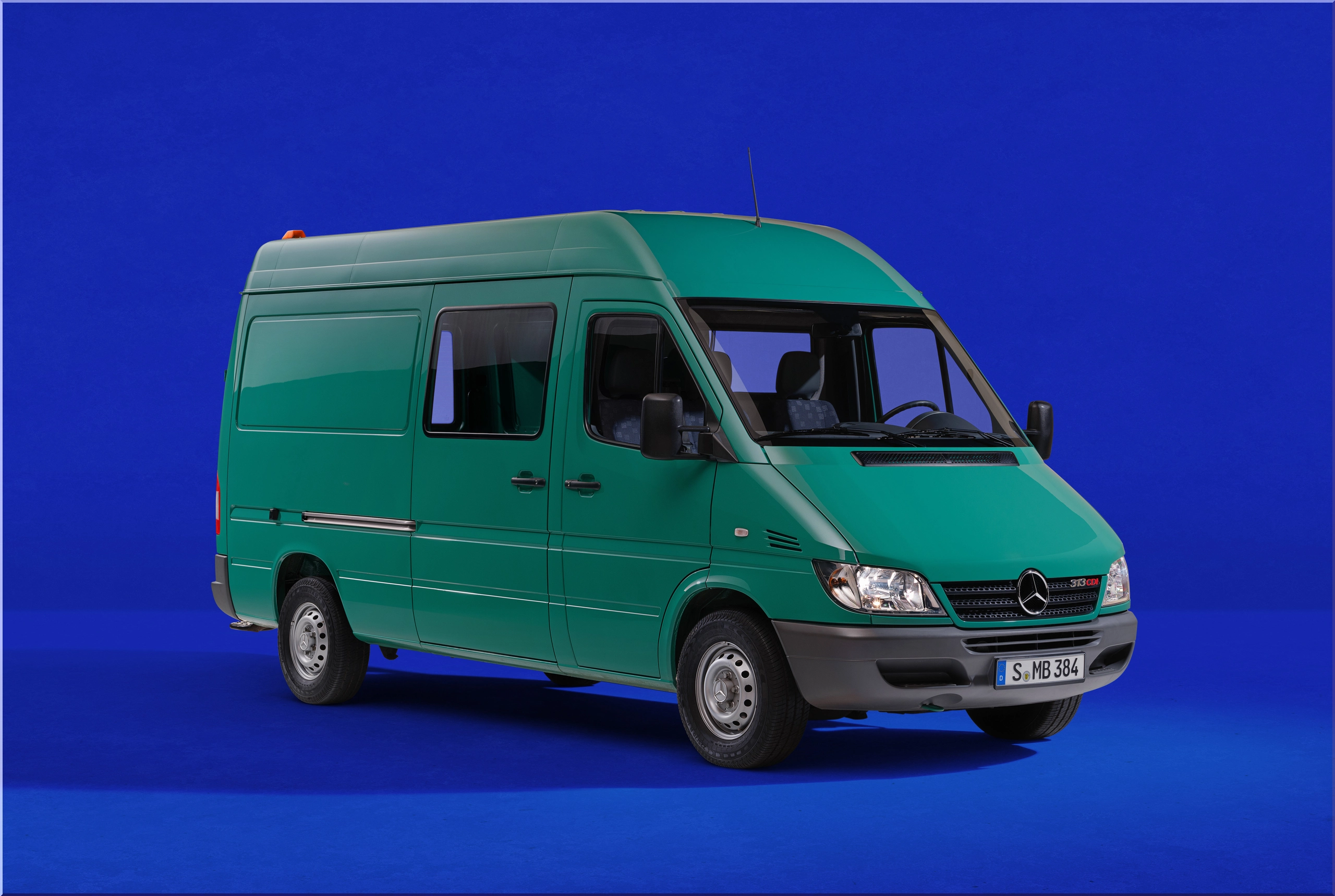
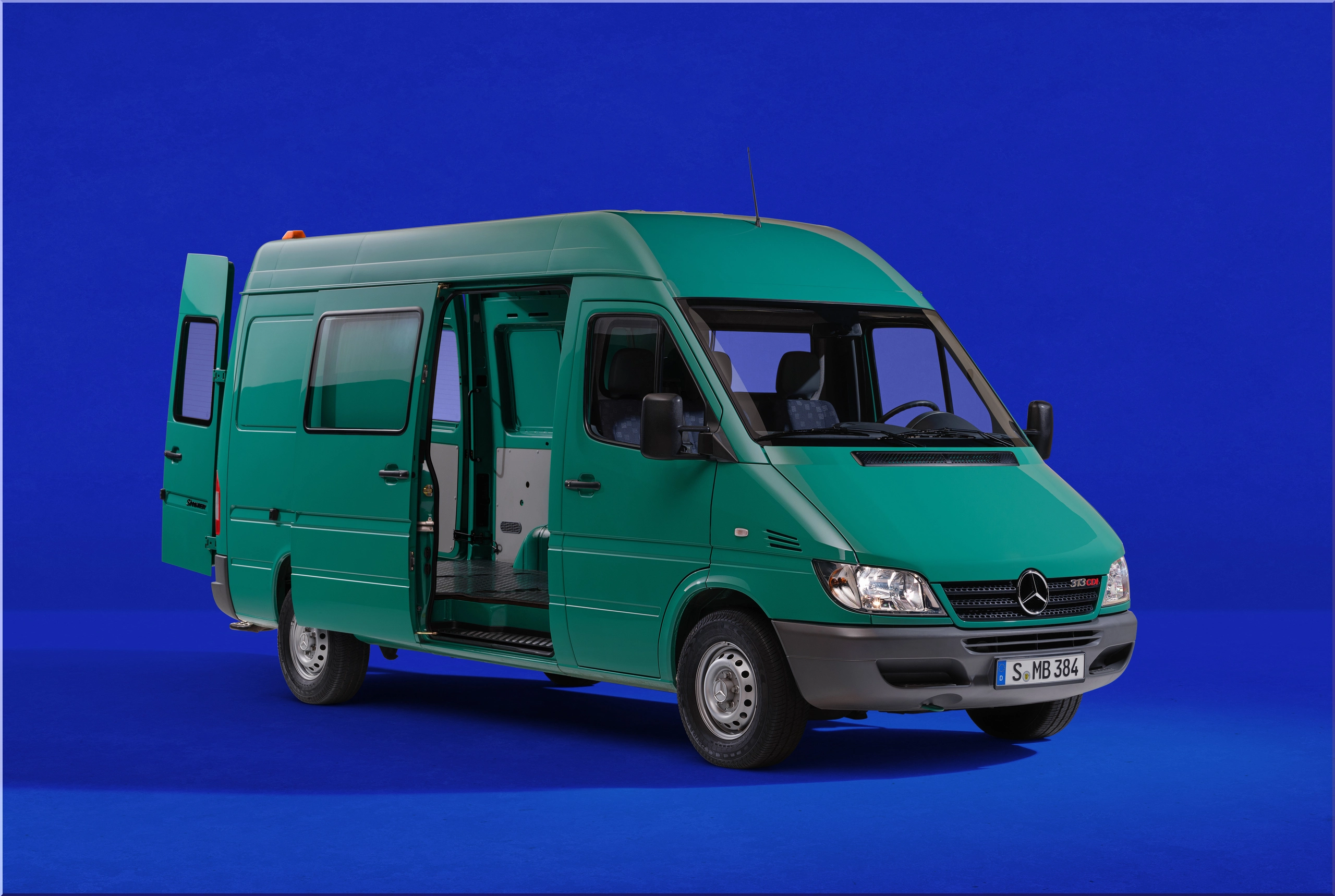
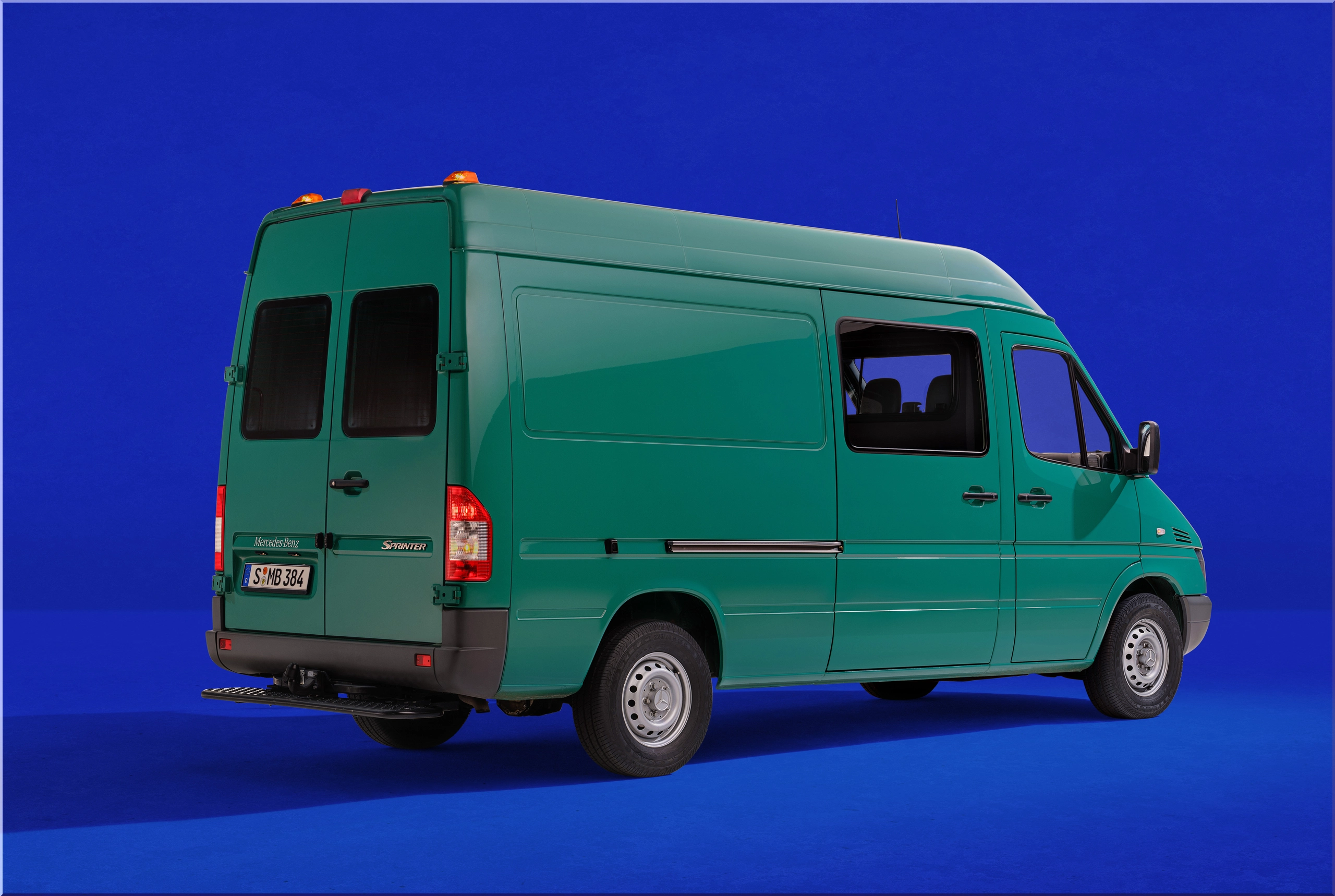
Mercedes-Benz has officially handed over its 1,500th Sprinter van to Germany’s food bank network, a long-standing collaboration that brings mobility to communities in need. The donation marks a 16-year partnership between Mercedes-Benz and Tafel Deutschland e.V., an umbrella organization for more than 960 food banks across the country.
This isn’t a one-time corporate gesture. It’s part of a sustained logistics effort to support food redistribution and fight hunger across Germany.
Why Vans Matter in the Fight Against Food Waste and Hunger
Food banks rely on vehicles to pick up excess food from supermarkets, bakeries, farms, and other donors. Without reliable transportation, food would spoil before reaching distribution points.
Key facts:
- 960+ food banks across Germany operate under Tafel Deutschland
- They help 2 million people per week
- Most food donations are perishable, requiring fast, temperature-controlled transport
- The average Tafel location has at least one van dedicated to pickups and deliveries
What the 1,500th Van Means
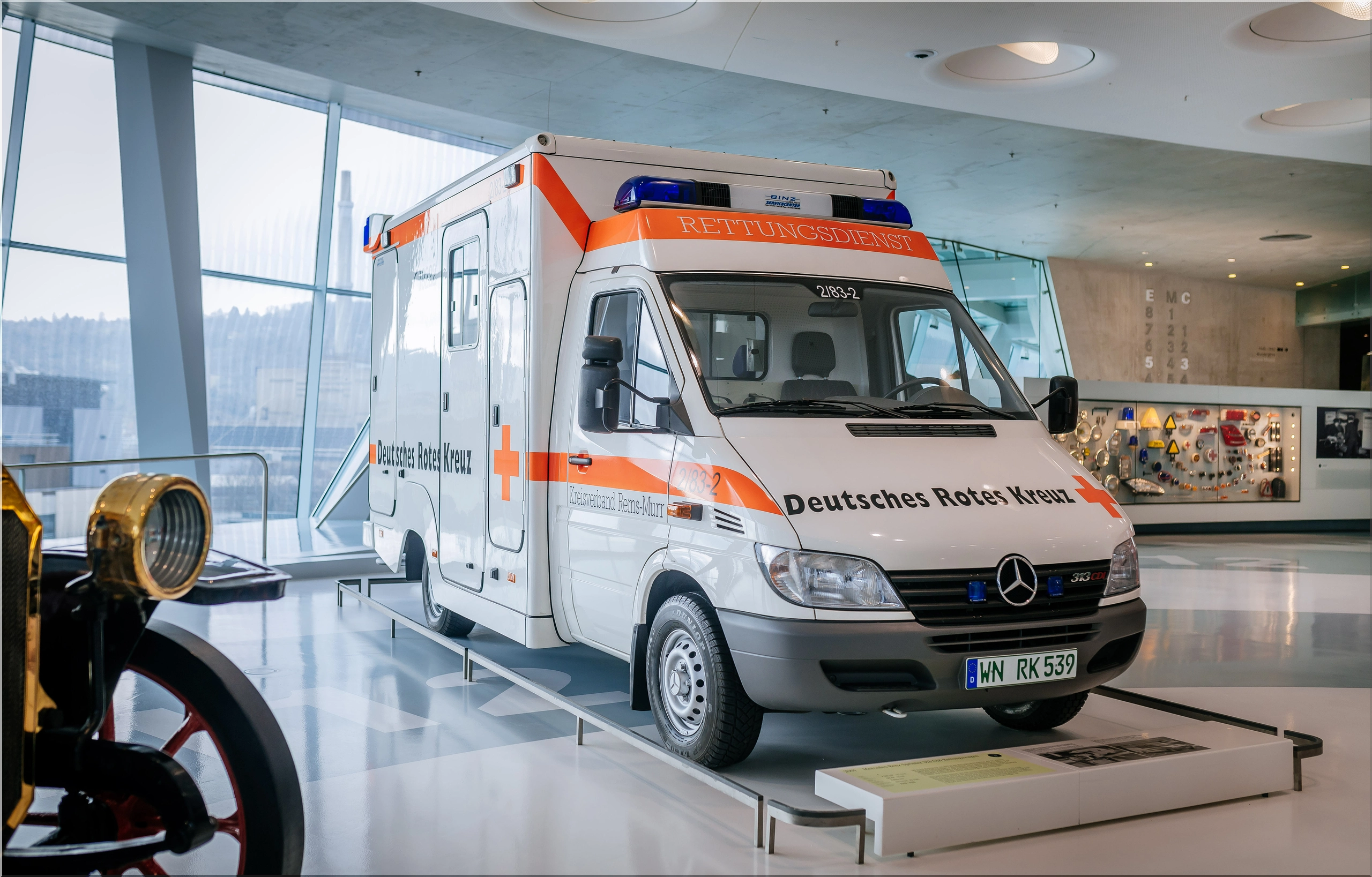
The 1,500th van was handed over to the Stuttgarter Tafel. This milestone was celebrated at the Mercedes-Benz Museum in Stuttgart.
Technical details of the 1,500th vehicle:
| Feature | Specification |
|---|---|
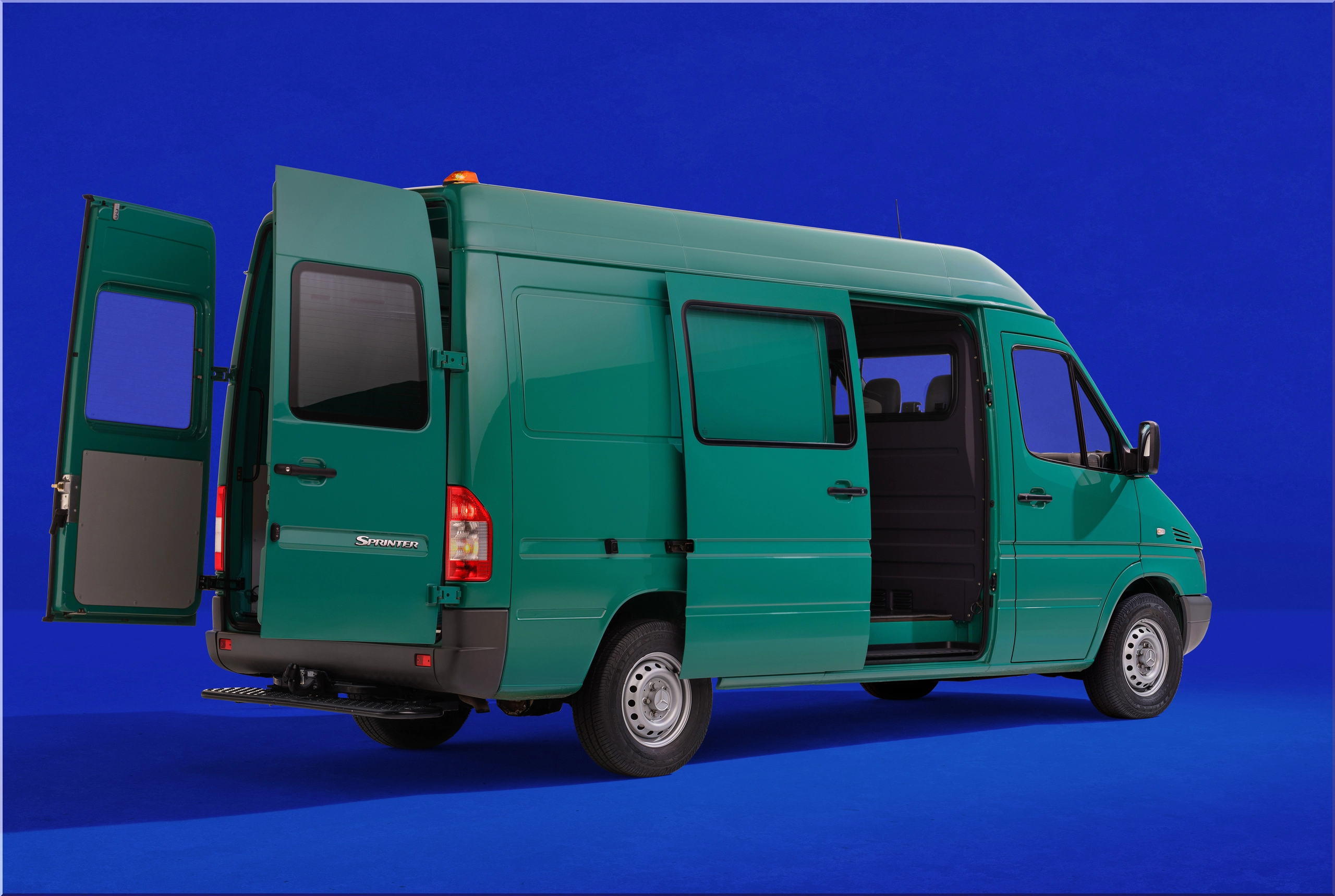
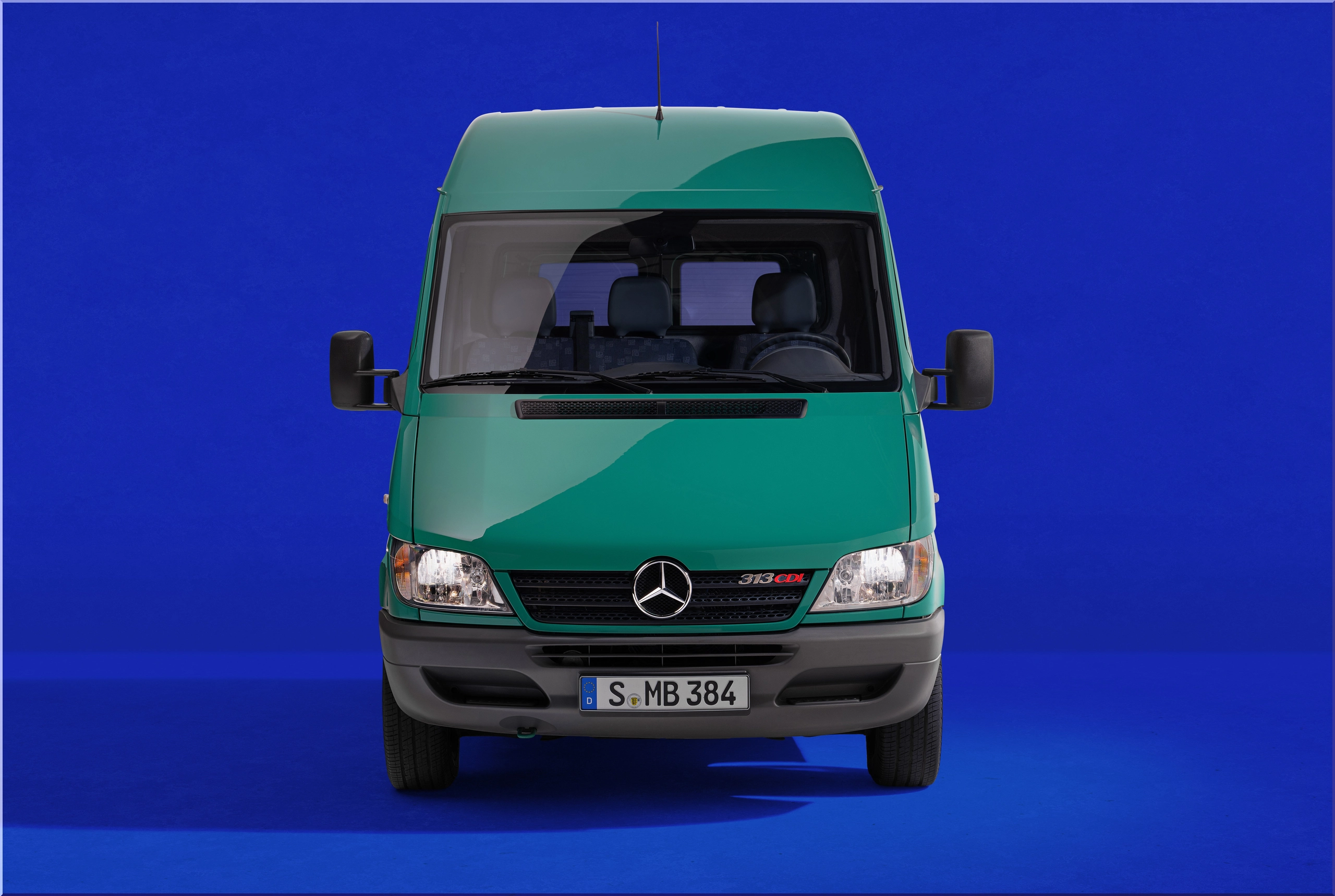
| Model | Mercedes-Benz Sprinter Panel Van |
| Engine | Diesel, 4-cylinder |
| Payload Capacity | 3,000+ lbs |
| Cargo Space | Up to 530 cubic feet |
| Special Features | Refrigeration system, shelving, branding for Tafel |
The van is customized for food transport. Refrigeration units protect perishable goods. Interior fittings keep cargo stable. It's a working tool—built for function.
Mercedes-Benz’s Role in Social Logistics
Mercedes-Benz has donated vans valued at over USD 63 million since the start of the partnership in 2008. The commitment includes:
- Vehicle donations to Tafel-affiliated groups
- Discounted rates for food banks to purchase additional vans
- Technical customization to meet food safety standards
- Support for volunteer-based logistics
This public-private model helps solve a critical bottleneck for food redistribution: transportation infrastructure.
Why the Sprinter Is the Van of Choice
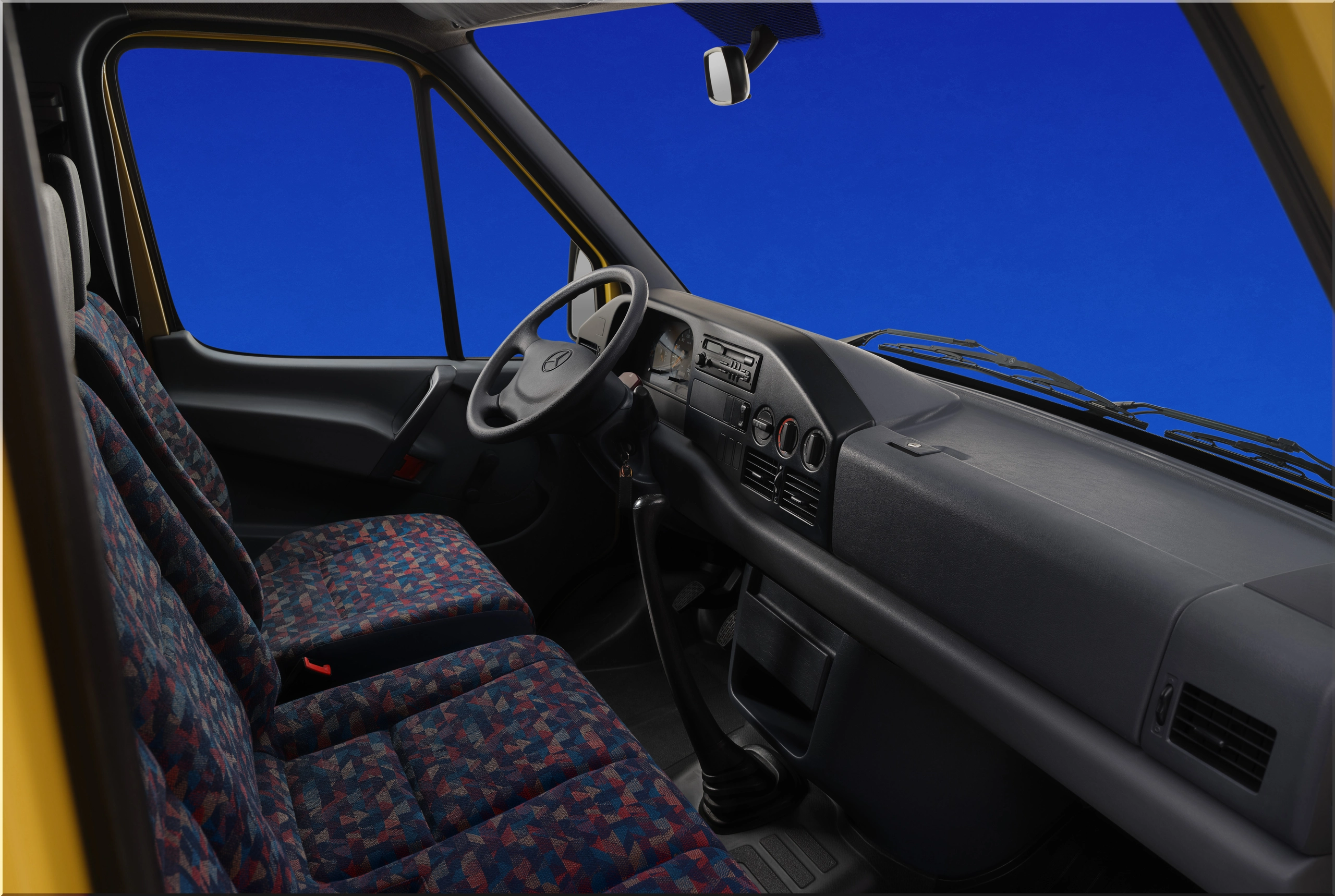
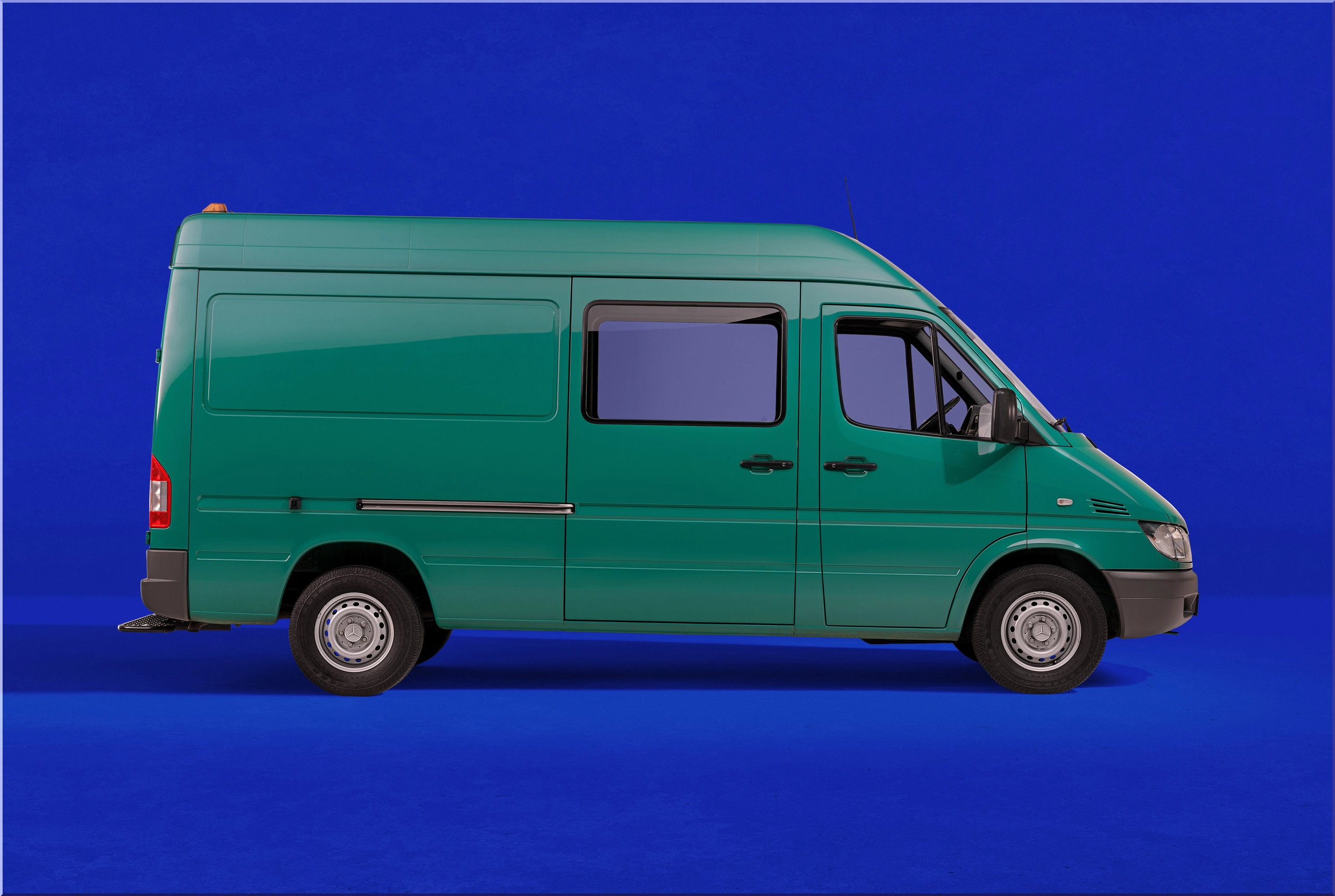
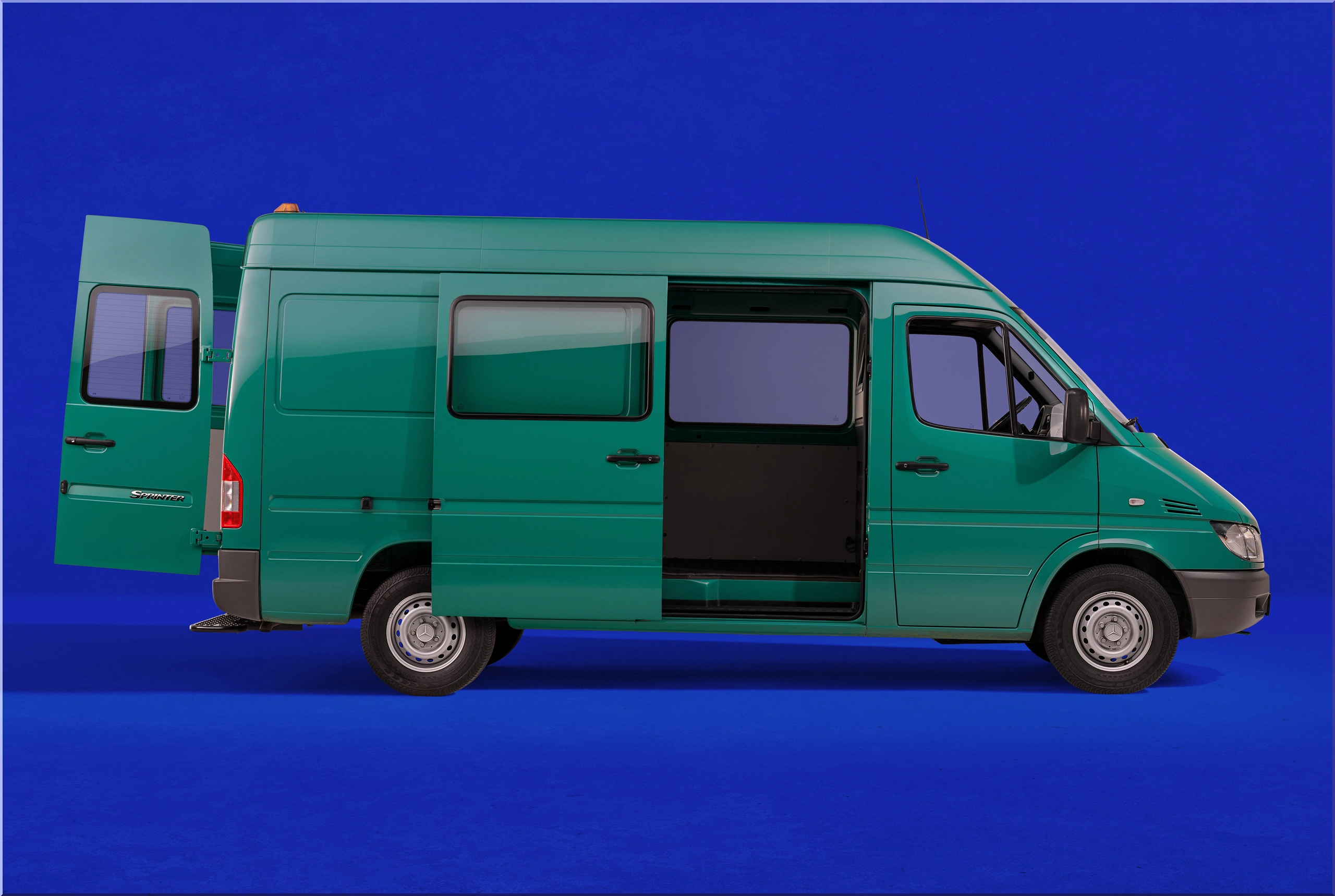
Food logistics require reliable, efficient, and spacious vans. The Mercedes-Benz Sprinter meets those criteria.
Top 5 reasons food banks use the Sprinter:
- Cargo capacity: The Sprinter carries more than smaller vans
- Fuel efficiency: Low fuel consumption cuts operational costs
- Temperature control: Compatible with cooling systems
- Driver comfort: Important for long daily routes
- Brand reputation: Trusted among fleet operators
These features make the Sprinter cost-effective over time and easy to maintain under tough conditions.
The Role of Volunteers and NGOs
Tafel food banks are operated by more than 60,000 volunteers. Most of these volunteers are retirees, students, or part-time workers.
Their work includes:
- Collecting donated food
- Sorting and organizing perishables
- Distributing goods to families, seniors, and shelters
But vans are central to this process. Without transport, food banks stall.
The Bigger Problem: Food Waste
Every year, Germany wastes about 11 million tons of food. Much of it is still edible.
Main sources of food waste:
- Retail overstock
- Imperfect produce
- Unsold baked goods
- Short-dated items
Food banks intercept this supply and redirect it to people in need. Mercedes-Benz’s van donation program supports this circular food system.
Why Corporate-Nonprofit Partnerships Work
This initiative between Mercedes-Benz and Tafel is an example of logistics for good.
Mercedes-Benz gains:
- Positive brand image
- Community engagement
- Employee pride
Tafel gains:
- Transportation fleet
- National visibility
- Reliable long-term support
Long-term impact:
- Millions of pounds of food rescued
- Logistics costs reduced
- Infrastructure improved in low-resource areas
Growth in Demand Since 2020
The COVID-19 pandemic caused a 50% surge in food bank users. Rising inflation and energy costs have also driven more families to seek support.
Food banks need more vans, volunteers, and resources than ever before.
Key points:
- Demand has remained high post-pandemic
- Perishable food recovery requires daily pickups
- Urban and rural food banks have different van usage patterns
Scaling the Program
Mercedes-Benz continues to scale this initiative through:
- Annual van donations (at least 20–30 per year)
- Community engagement events
- Maintenance and service support
- Partnerships with local dealerships for delivery and servicing
The company treats this as an operational part of its logistics outreach—not just a donation drive.
How the Public Can Help
Even if you're not a carmaker, you can support food redistribution efforts.
4 ways to get involved:
- Volunteer with your local food bank
- Donate funds or equipment for storage and transport
- Coordinate with local supermarkets to arrange pickups
- Share awareness about food waste and hunger
Every small effort supports a larger logistics system.
Tying It All Together
The Mercedes-Benz Sprinter doesn’t just serve businesses—it supports essential community work. The handover of the 1,500th Sprinter van to Germany’s food banks is proof that the right vehicles in the right hands can solve real logistical problems.
Final key facts:
- 16-year partnership with Tafel Deutschland
- USD 63 million in donated vehicles to date
- 2 million people served weekly via food banks
- 60,000 volunteers operate local food distribution
- 11 million tons of annual food waste in Germany
Mobility isn’t a luxury—it’s a necessity for hunger relief efforts. Mercedes-Benz has made it part of their operations. Others can follow suit.
Frequently Asked Questions (FAQs)
What is the value of the 1,500 Sprinter vans donated?
The total value exceeds USD 63 million over 16 years.
How many people do Germany’s food banks help?
Tafel locations serve 2 million people per week.
How many food banks are part of Tafel Deutschland?
There are over 960 local food banks.
Why is a refrigerated van important?
Most donated food is perishable. Refrigerated vans protect the food until it reaches people.
- Add new comment
- 92 views