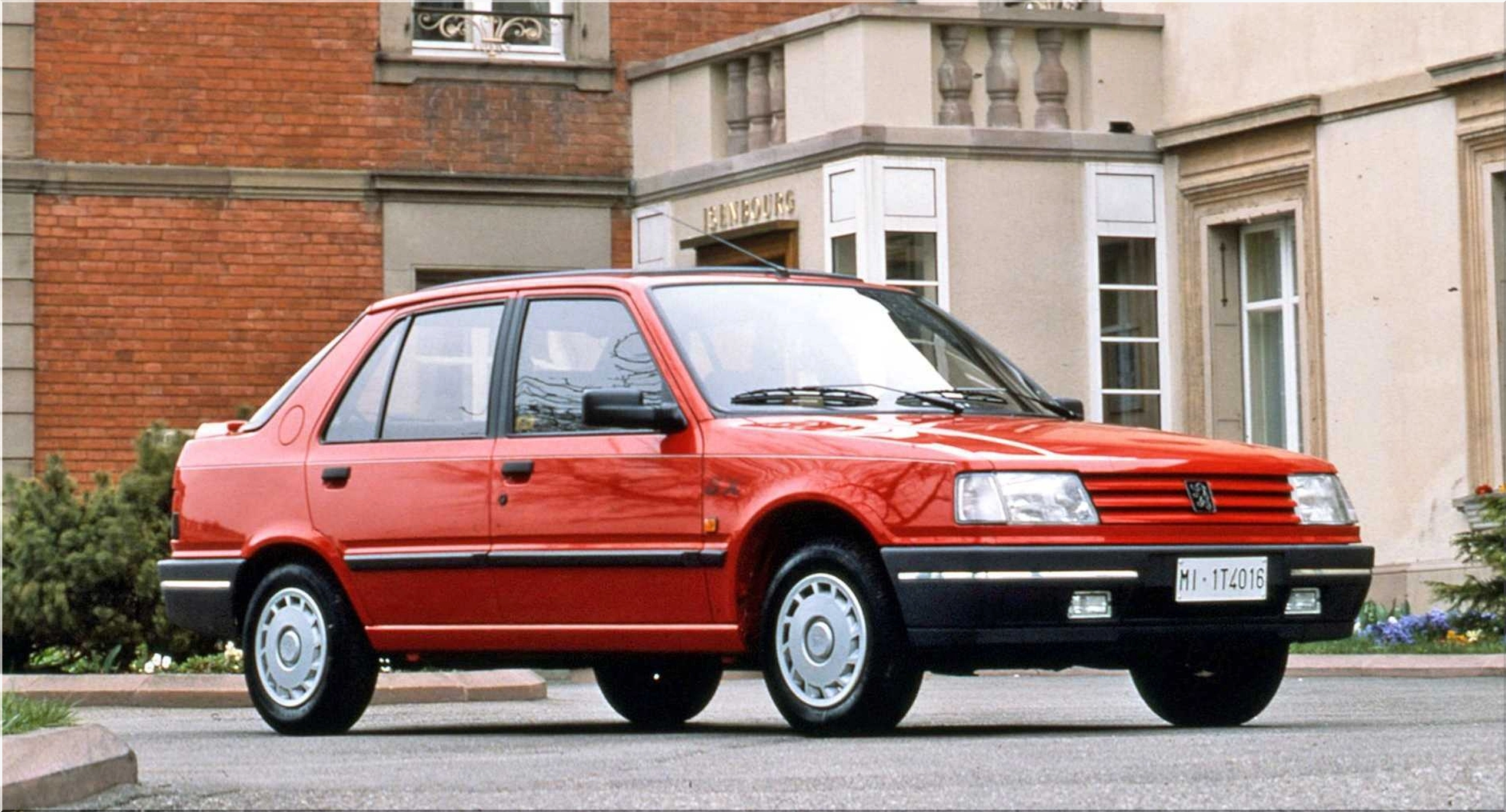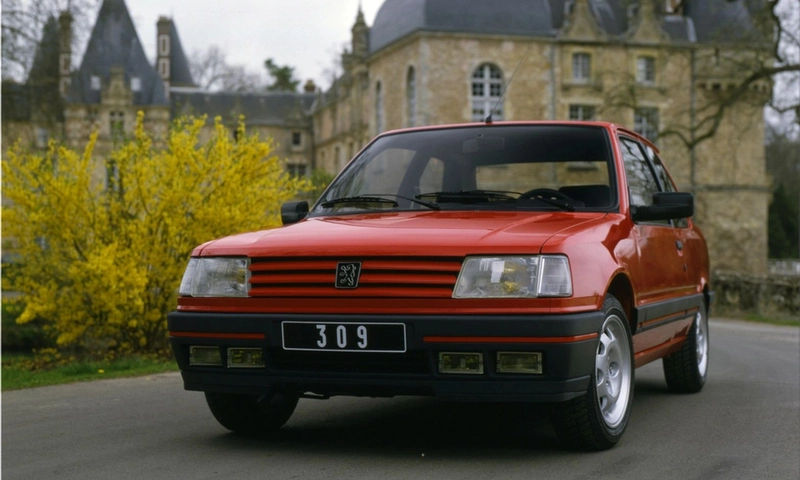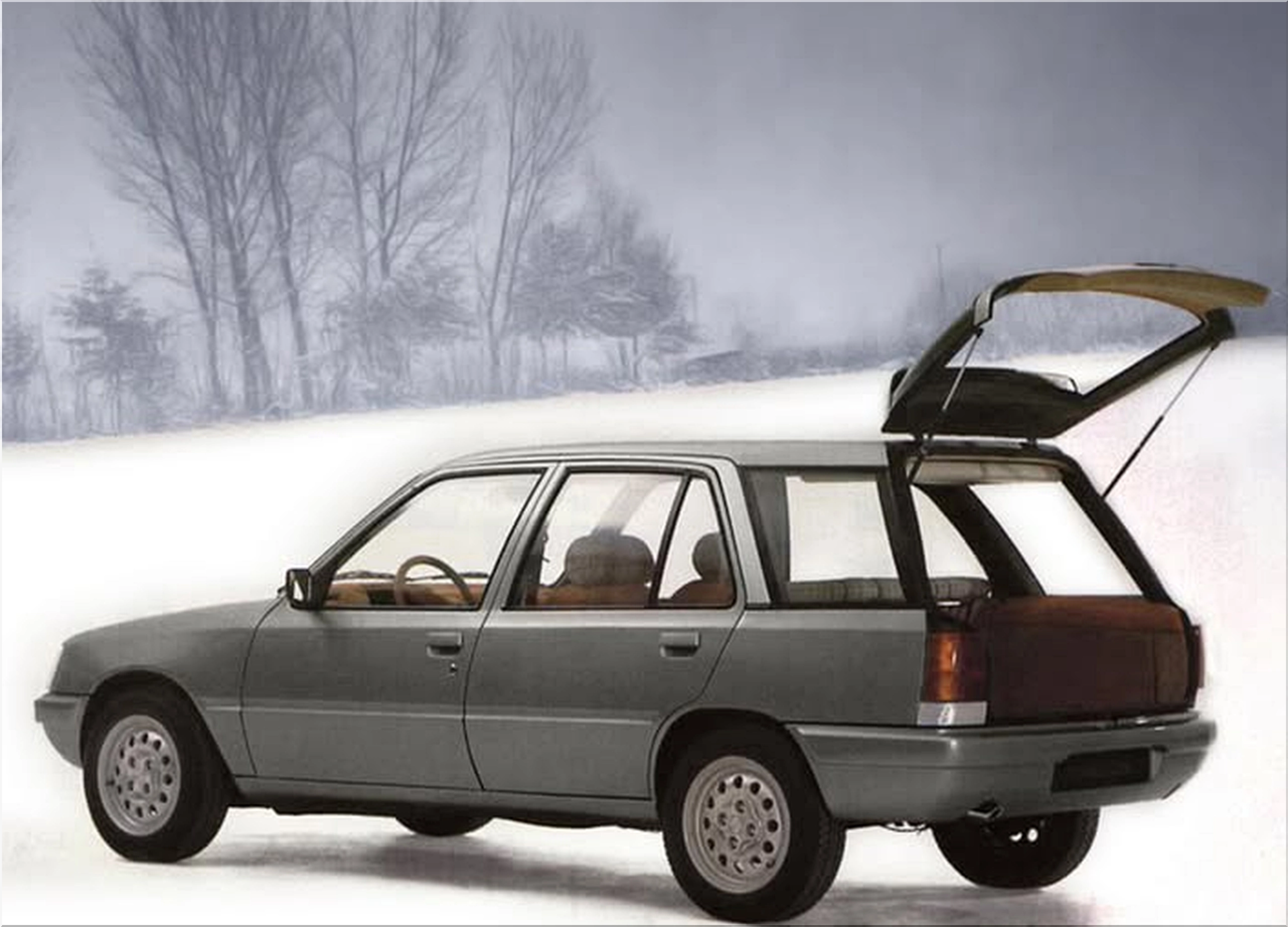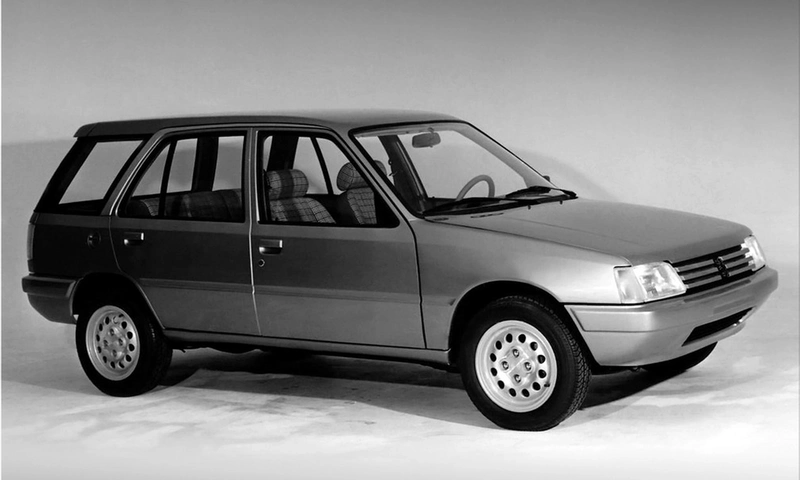
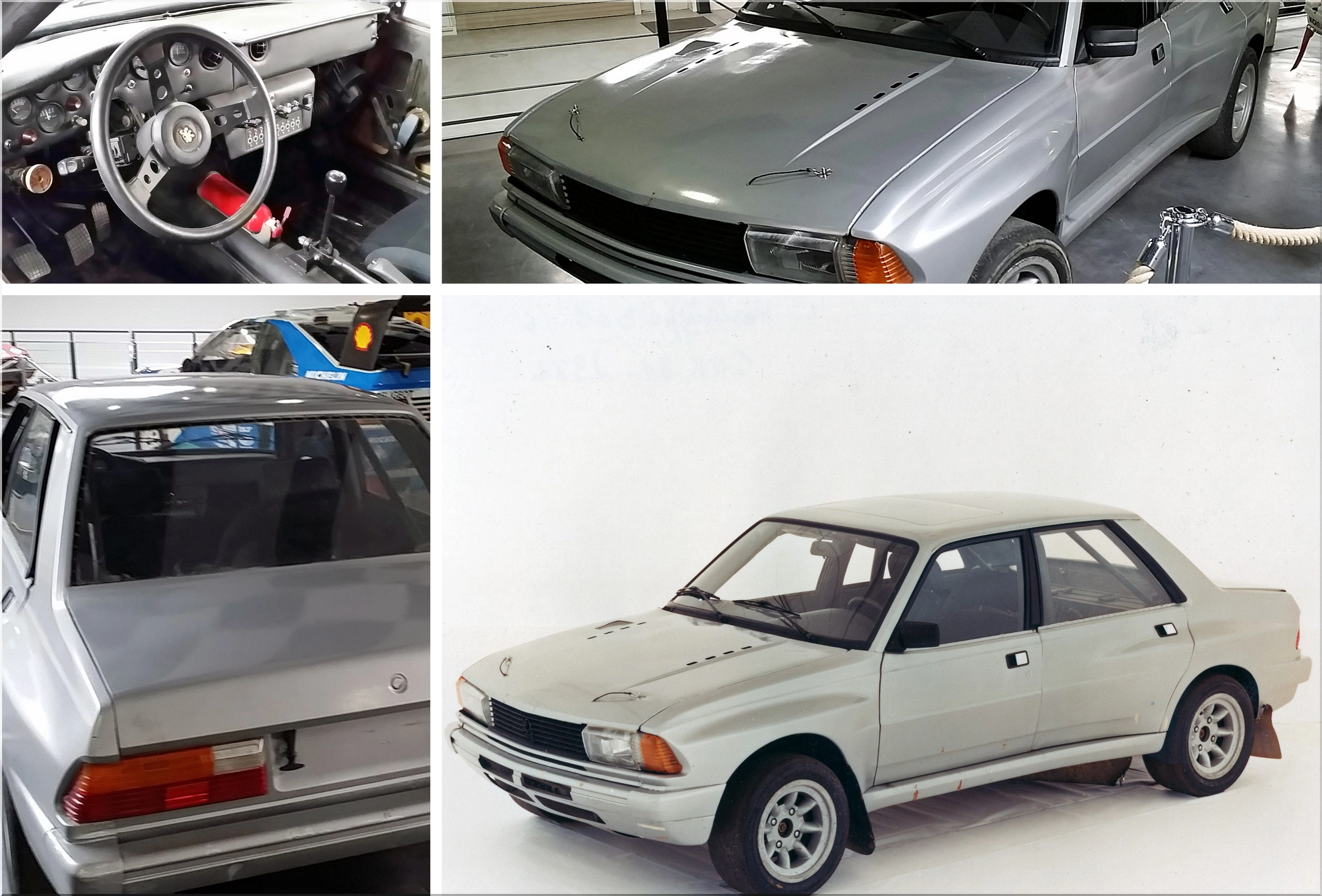
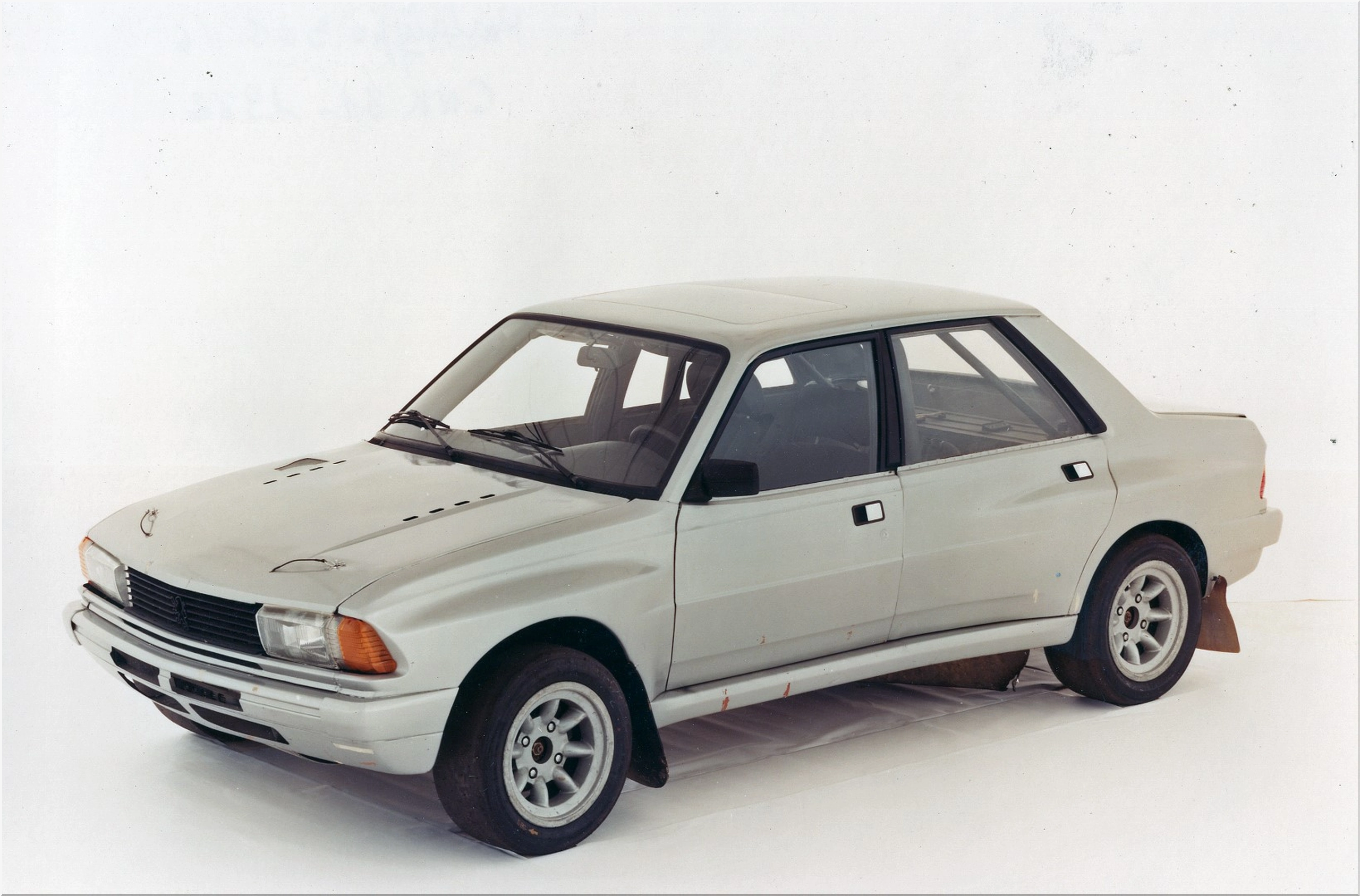
The Peugeot 305 V6 was a rare and ambitious project that aimed to create a high-performance version of the popular Peugeot 305 family car. It was powered by a 2.8-liter V6 engine that produced 170 horsepower and could reach a top speed of 220 km/h (137 mph). However, it was never officially sold to the public and only a handful of prototypes were made. This article will explore the history, features, and legacy of this fascinating car that was sacrificed for the turbo.
The Origins of the Peugeot 305
The Peugeot 305 was a medium-sized car that was launched in 1977 as a replacement for the Peugeot 304 and the Peugeot 404. It was designed to compete with other cars in the same segment, such as the Ford Cortina, the Renault 18, and the Vauxhall Cavalier. It was offered as a four-door saloon, a five-door estate, and a three-door van.
The Peugeot 305 was praised for its understated, well-made, and nice-to-drive qualities. It had a soft and slightly rolly ride but also sharp handling. It was reliable and tough, especially with the diesel engines that Peugeot was famous for. It was also equipped with many advanced safety features, such as front and rear crumple zones, side impact protection, a protected fuel tank, and bolt-on front wings.
The Peugeot 305 was initially available with two petrol engines: a 1.3-liter unit with 65 horsepower and a 1.5-liter unit with 74 horsepower. In 1979, a 1.6-liter unit with 88 horsepower was added, followed by a 1.9-liter unit with 105 horsepower in 1982. The diesel engines were a 1.5-liter unit with 50 horsepower and a 1.9-liter unit with 65 horsepower. The transmissions were either a four-speed manual, a five-speed manual, or a four-speed automatic.
The Peugeot 305 was a success for the French automaker, selling over 1.7 million units worldwide until 1989. It was also exported to many countries, including the United States, where it was sold as the Peugeot 505. It won several awards, such as the Car of the Year in Spain in 1978 and the Best Diesel Car in Britain in 1980.
The Development of the Peugeot 305 V6
The Peugeot 305 V6 was a secret project that started in 1980 as a response to the growing demand for turbocharged cars in the European market. Peugeot wanted to create a sporty and prestigious version of the 305 that could rival the likes of the BMW 3 Series, the Audi 80, and the Saab 900. The project was led by Jean-Pierre Jabouille, a former Formula One driver and engineer who had joined Peugeot as a technical advisor.
The main challenge of the project was to fit a V6 engine into the 305, which was originally designed for four-cylinder engines. Jabouille and his team decided to use the PRV engine, a 2.8-liter V6 that was jointly developed by Peugeot, Renault, and Volvo. The PRV engine was already used in several models, such as the Peugeot 604, the Renault 30, and the Volvo 260. However, it was too large and heavy for the 305, so it had to be modified extensively.
The PRV engine was shortened by 60 mm (2.4 in) by removing one cylinder from each bank, resulting in a 2.4-liter V6. It was also lightened by using aluminum instead of cast iron for the block and the heads. The engine was then tuned to produce 170 horsepower at 6,000 rpm and 230 Nm (170 lb-ft) of torque at 4,000 rpm. It was coupled with a five-speed manual gearbox from the Peugeot 505 Turbo.
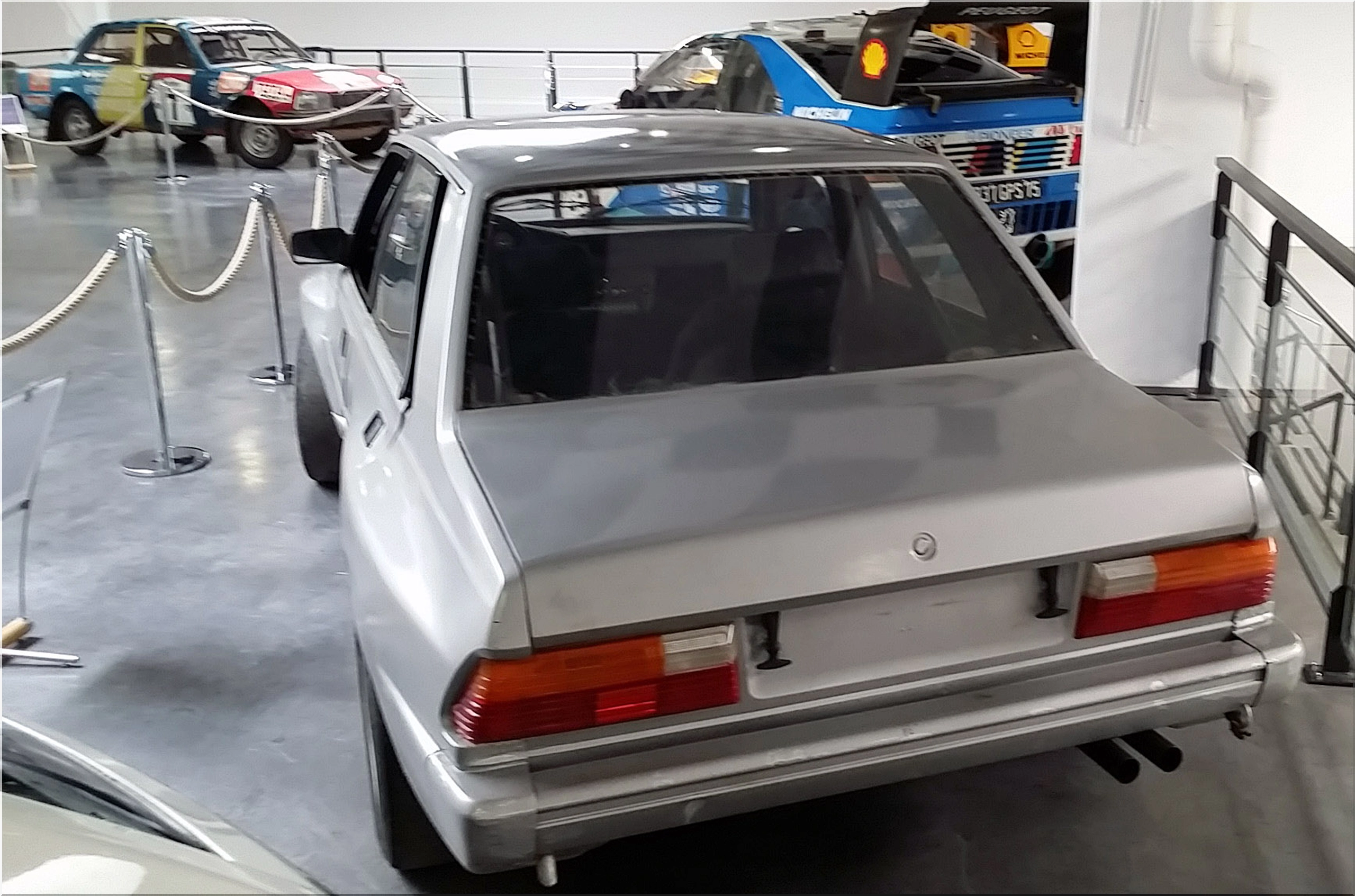
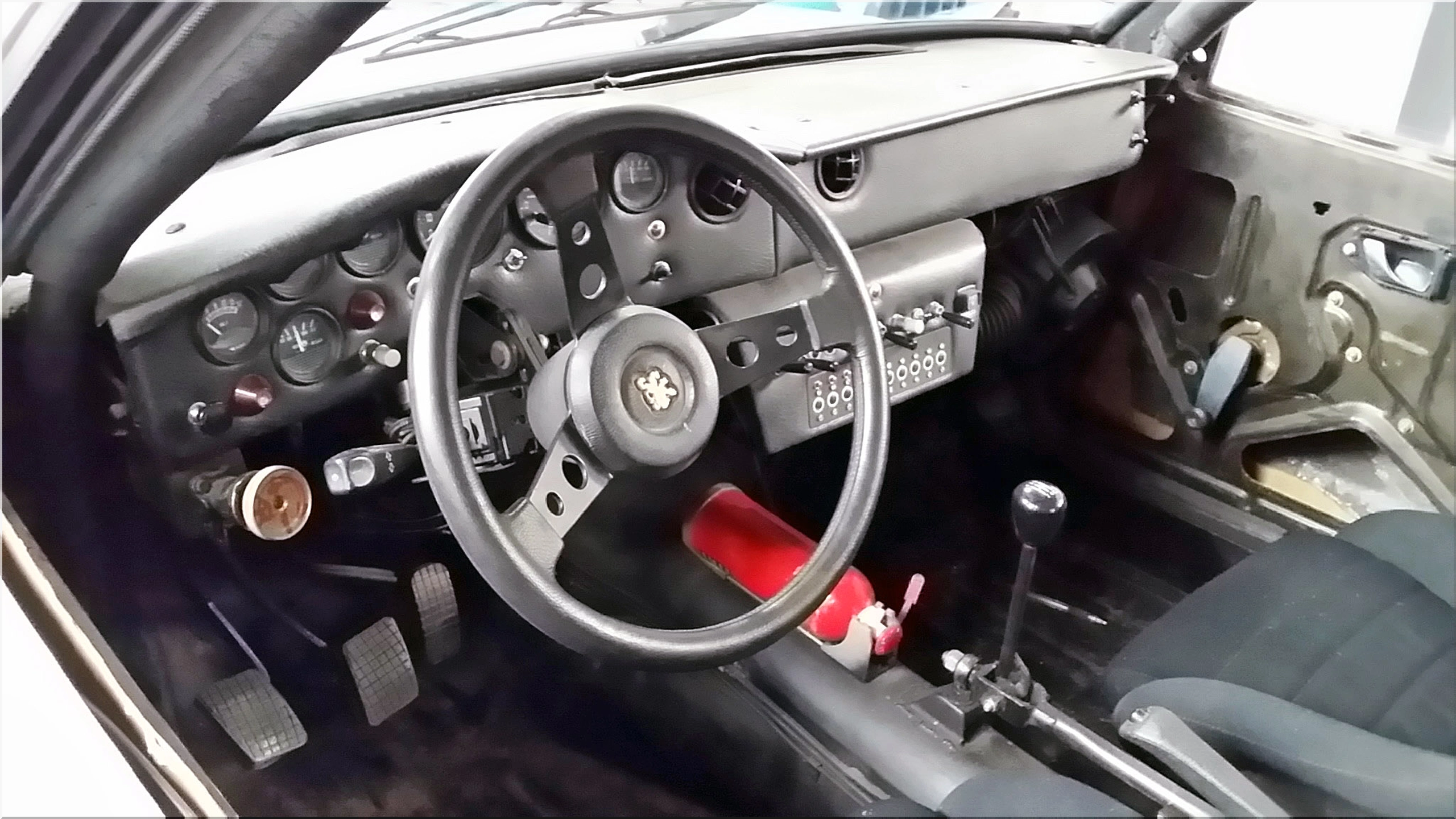
The Peugeot 305 V6 also received several other modifications to improve its performance and handling. The suspension was lowered and stiffened, the brakes were upgraded with ventilated discs and four-piston calipers, the steering was quickened, and the wheels were enlarged to 15 inches. The body was also aerodynamically enhanced with a front spoiler, a rear spoiler, and side skirts. The interior was sportified with bucket seats, a leather steering wheel, and a digital dashboard.
The Peugeot 305 V6 was ready for testing in 1981. It proved to be a fast and agile car, capable of accelerating from 0 to 100 km/h (0 to 62 mph) in 8.5 seconds and reaching a top speed of 220 km/h (137 mph). It also had a good fuel economy of 10 liters per 100 km (23.5 mpg). It was praised by the Peugeot management and the motoring press, who saw it as a potential hit.
The Cancellation of the Peugeot 305 V6
However, the Peugeot 305 V6 never made it to production. There were several reasons for this decision, but the main one was the cost. The Peugeot 305 V6 was estimated to cost around 25,000 USD in 1982, which was twice as much as the regular 305 and more than the 505 Turbo. It was also more expensive than its competitors, such as the BMW 320i, the Audi 80 Quattro, and the Saab 900 Turbo. Peugeot feared that the 305 V6 would not sell well in the market and would not justify the investment.
Another reason was the timing. The Peugeot 305 V6 was developed at a time when Peugeot was undergoing a major restructuring after acquiring Citroën and Chrysler Europe. Peugeot had to deal with the financial losses, the overlapping models, and the brand identity issues of its new subsidiaries. Peugeot also had to focus on the development of its new generation of cars, such as the Peugeot 205, the Peugeot 405, and the Peugeot 505. The Peugeot 305 V6 was seen as a distraction and a luxury that Peugeot could not afford.
A third reason was the technology. The Peugeot 305 V6 was based on the PRV engine, which was already outdated and inefficient by the early 1980s. Peugeot realized that the future of performance cars was in turbocharging, not in natural aspiration. Peugeot decided to invest more in the development of its own turbocharged engines, such as the XU9T and the XU10T, which would power the Peugeot 205 GTI, the Peugeot 405 T16, and the Peugeot 605 SV. The Peugeot 305 V6 was seen as a dead end and a waste of resources.
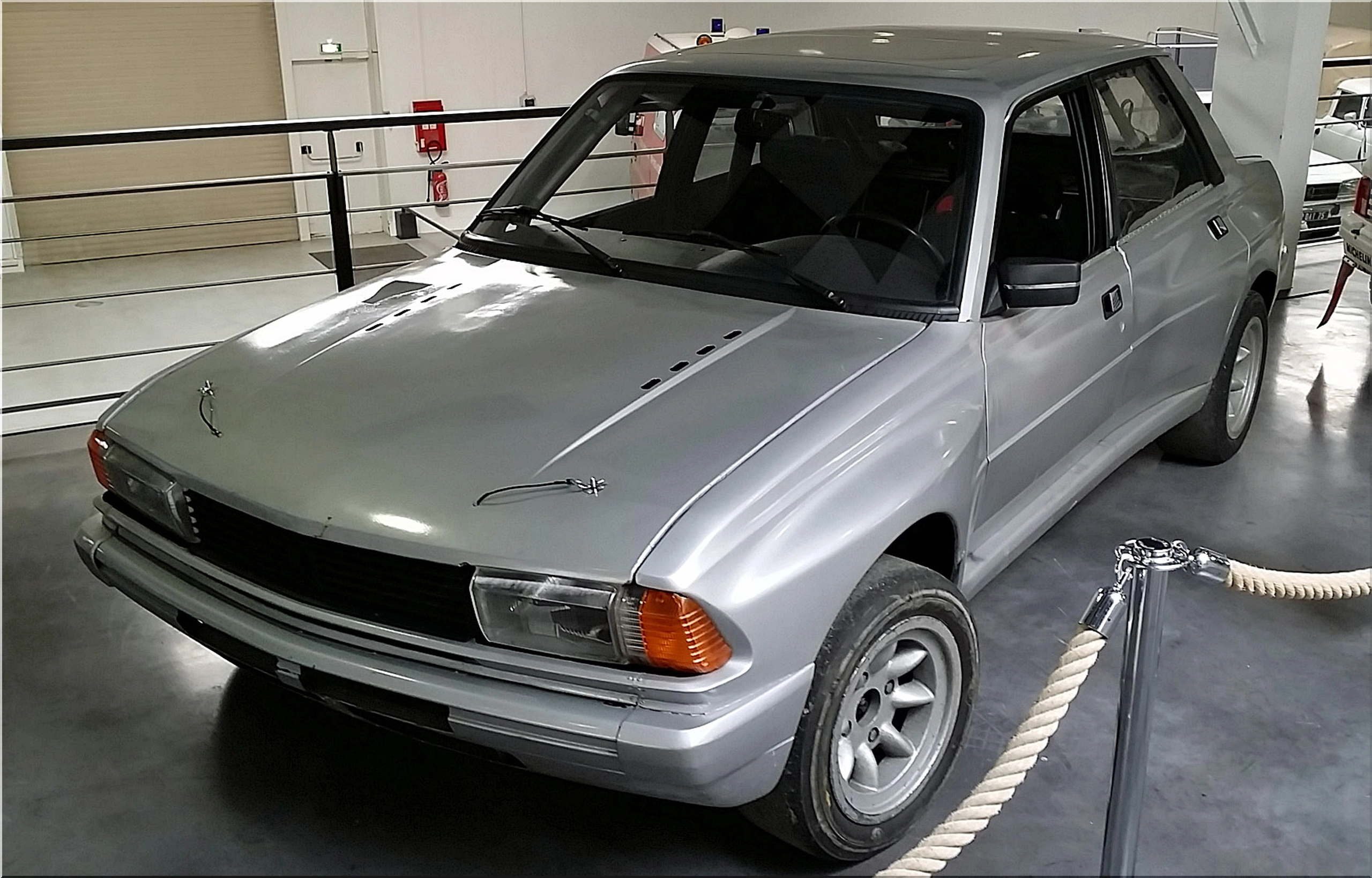
The Peugeot 305 V6 was officially cancelled in 1982 after only six prototypes were built. Four of them were scrapped, one was donated to a technical school, and one was kept by Peugeot for its museum. The Peugeot 305 V6 was never shown to the public and remained a secret for many years. It was only revealed in 2006 when Peugeot decided to restore and exhibit the last surviving prototype at the Retromobile show in Paris.
The Legacy of the Peugeot 305 V6
The Peugeot 305 V6 may have been a failure, but it was also a visionary car that was ahead of its time. It was one of the first attempts to create a V6-powered and front-wheel-drive performance car, a concept that would become more common in the 1990s and 2000s with models such as the Ford Mondeo ST200, the Nissan Maxima, and the Honda Accord. It was also one of the first cars to use a digital dashboard, a feature that would become more popular in the 1980s and 1990s with models such as the Renault 11, the Toyota Supra, and the Chevrolet Corvette.
The Peugeot 305 V6 was also a precursor to the later Peugeot V6 models, such as the Peugeot 406 Coupé, the Peugeot 407 Coupé, the Peugeot 604 and the Peugeot 607. These cars continued the tradition of combining elegance, comfort, and performance in a French style. They also used the PRV engine or its evolved versions, such as the ES9 and the DT17, which improved the power, efficiency, and reliability of the original design.
The Peugeot 305 V6 was a forgotten classic that deserved more recognition and appreciation. It was a bold and innovative project that showed Peugeot's potential and creativity as a car maker. It was a sacrifice that paved the way for the success of the turbocharged and V6-powered Peugeot models that followed. It was a dream that never came true, but that still inspires the fans and the enthusiasts of the Peugeot brand.
- Add new comment
- 275 views