Home charging has become a big part of owning an electric vehicle. For most drivers, the ideal routine is simple: pull into the driveway in the evening, plug in, and wake up to a car that’s ready for the day ahead. A standard household outlet can do the job for people who only drive a few miles a day. For anyone covering more ground, a dedicated Level 2 charger is usually far more practical. Choosing the right equipment takes more than comparing charging speeds, though. Electrical requirements, connector compatibility, safety features, installation costs and long-term value all play a part in the decision.
EVDANCE is one of the options drivers come across when they start looking into home charging equipment. Its wall chargers bring together charging controls, connectivity features and several different configurations designed to suit a range of residential setups. Knowing what these features actually do makes it much easier for buyers to judge whether an EVDANCE EV wall chargers fits their vehicle and the way they charge.
Why Consider a Level 2 Home EV Charger?
Level 2 chargers use a 240-volt electrical supply in North American homes, which lets them charge compatible electric vehicles faster than a typical 120-volt household outlet. How long charging actually takes depends on several things, including the charger’s output, the vehicle’s onboard charging capacity, the size of the battery and even the weather. A battery on a freezing January night doesn’t always behave the same way it does on a mild spring evening.
For drivers with a regular commute, or an EV with a larger battery, Level 2 charging makes overnight top-ups far more convenient. It also gives households with more than one driver some welcome breathing room. When one person leaves at six in the morning and another needs the car for the school run and an afternoon of errands, faster charging helps avoid the awkward conversation about who forgot to plug in.
Before buying any equipment, it’s important for homeowners to check how much spare capacity their electrical panel has and whether their garage, driveway or other parking spot can accommodate the installation. A qualified electrician can look at the circuit requirements and point out any upgrades that might be needed. A quick assessment at the start is far better than discovering halfway through an installation that the panel simply can’t cope.
EVDANCE Wall Charger Features and Controls
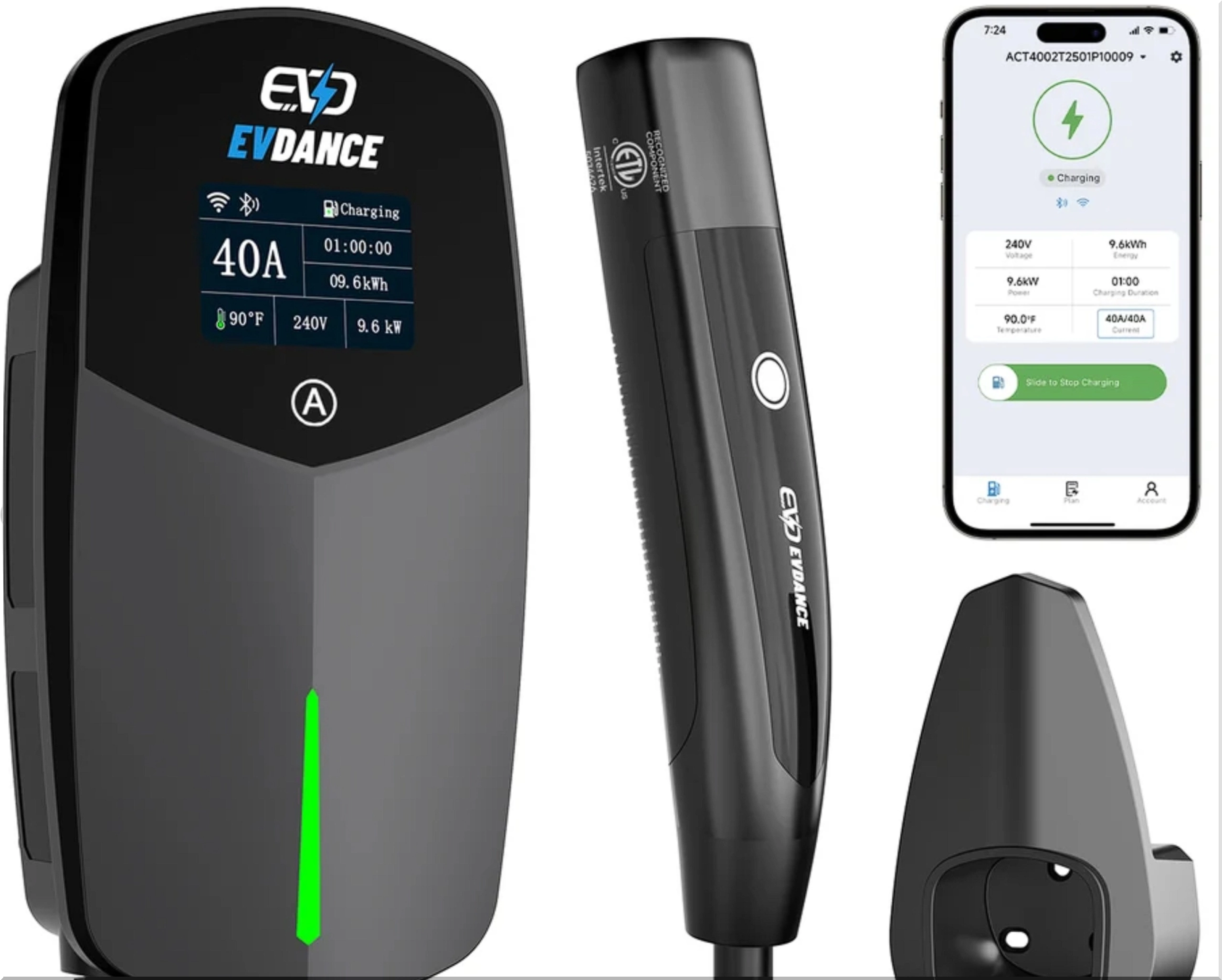
When comparing home EV charging equipment, good controls can make everyday use much simpler. Depending on the model, EVDANCE wall chargers include features such as adjustable charging current, scheduled charging, app-based controls and energy monitoring.
Adjustable current lets users pick a charging level that suits their electrical installation and their vehicle. That flexibility can be genuinely useful when a household needs to balance its electrical demand alongside other hungry appliances, such as an electric dryer, a water heater or a heat pump. Running the dryer, the oven and the car charger all at once on a busy Sunday evening is the kind of situation where this matters. Whatever setting is chosen still has to stay within the limits of the installed circuit and the equipment’s rated capacity.
Scheduled charging lets drivers set charging times that fit around their daily routine. Where the vehicle, the utility plan and the charger configuration all support it, scheduling may help households make the most of cheaper electricity during off-peak hours. Plugging in at six in the evening and letting the charger wait until rates drop late at night can make a noticeable difference to the monthly bill.
Energy monitoring helps users see how much electricity their charging uses and get a clearer picture of what their driving really costs. App controls offer another convenient way to manage charging settings, while Wi-Fi and Bluetooth connectivity give people options for working with compatible devices, whether they’re sitting on the sofa or standing in the garage.
Certain EVDANCE models feature a 3.5-inch TFT display that shows charging information right on the unit. For people who’d rather glance at the charger than dig out their phone and open an app, a built-in screen is a handy extra. Multi-user access can also help in households where more than one person needs to manage the charging equipment.
Features vary from model to model, so it’s worth confirming the exact specifications of a preferred unit before placing an order.
Choosing Between 32A, 40A, and 50A Models
EVDANCE offers wall chargers in 32A, 40A and 50A categories. These ratings are a useful starting point for comparing what each charger can do, but amperage alone doesn’t decide how quickly a vehicle will charge.
A higher-rated charger may make sense for a vehicle that can accept more AC charging power. The vehicle’s onboard charger may set a lower limit, though, which means a higher-amperage unit won’t necessarily speed things up. It’s a bit like fitting a wider hose to a bucket with a small opening. More capacity at one end doesn’t help if the other end can’t take it.
Electrical installation requirements matter just as much. Continuous EV charging generally requires a branch circuit rated at no less than 125% of the charging current under applicable North American electrical codes. A 40A charging setting, for example, typically requires a 50A circuit. The right configuration always needs checking against the equipment instructions and local requirements.
Buyers also have to decide between a plug-in model and a hardwired installation. Plug-in units offer some flexibility when they’re used with a compatible, properly rated receptacle, which can be handy for people who may move house in a few years. Hardwired chargers provide a more permanent setup and can be the better choice where there isn’t a suitable receptacle in place.
J1772 and NACS Connector Compatibility
Connector compatibility is another essential part of choosing an EVDANCE EV charger. J1772 connectors are widely used for AC charging by many electric vehicles in North America, while NACS connectors are becoming increasingly common on newer EV models.
The right connector depends on the vehicle’s charging inlet, its model year and the market it was built for. Some vehicles may need a compatible adapter, but any adapter has to be approved for the intended charging application. An adapter that happens to fit isn’t the same as one that’s designed for the job.
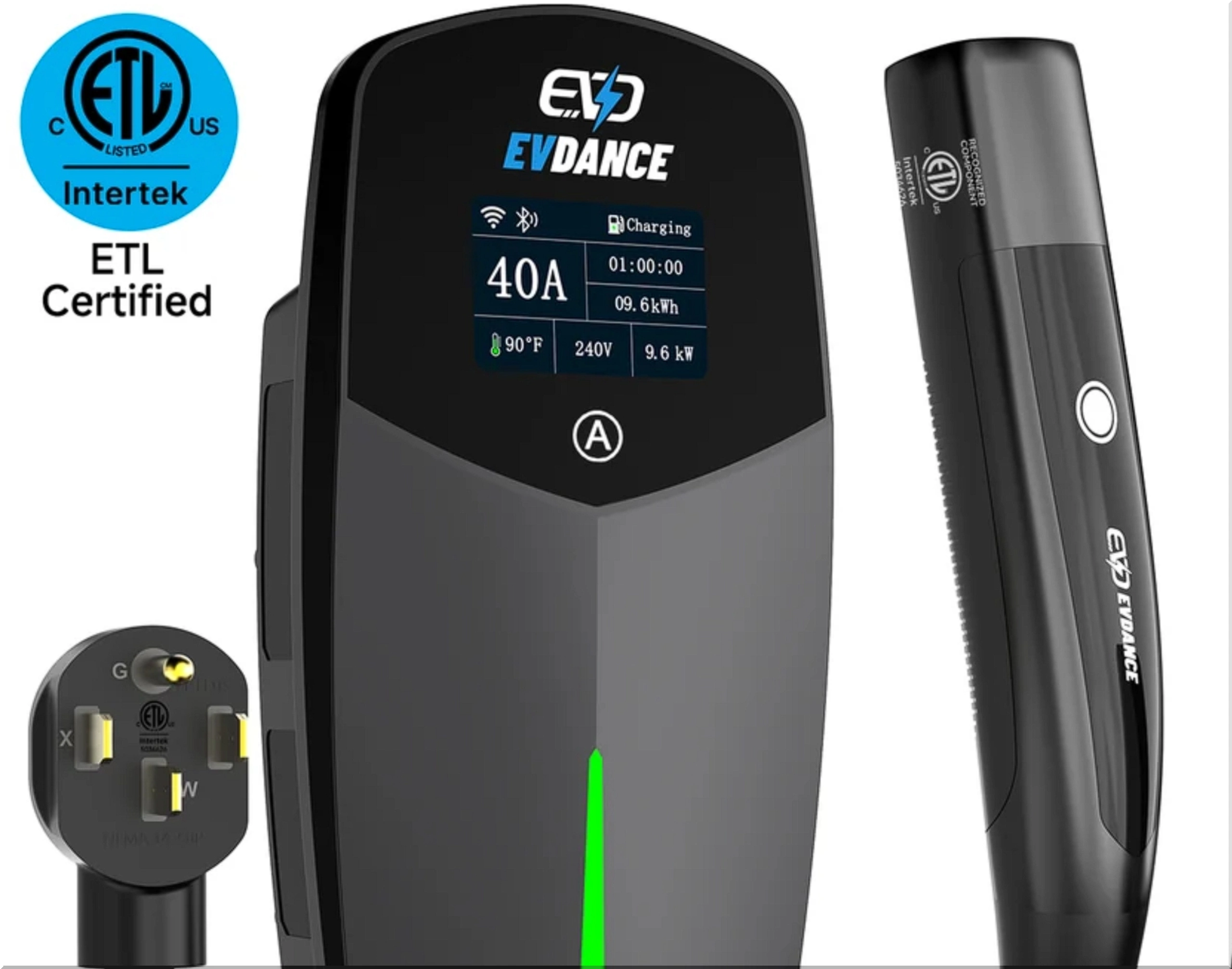
EVDANCE offers options with both J1772 and NACS connectors. Its NACS connector designs aim to give a familiar handling experience similar to original NACS connectors. Grip, cable flexibility and how easily the plug connects might sound like small details, but drivers may handle the equipment every single day. On a dark, rainy evening with cold hands and a bag of shopping balanced on one hip, a connector that’s easy to use makes a real difference.
Before choosing a connector, it’s sensible to check the vehicle manufacturer’s recommendations and confirm that the charger supports both the vehicle and the electrical setup it’s going into.
Safety, Installation, and Everyday Reliability
A home charger needs choosing with safety and installation quality firmly in mind. Rather than relying on a general feature list, buyers benefit from reading the manufacturer’s stated protective features, certification information, environmental ratings and installation instructions.
Electrical protection, proper grounding, correct circuit sizing and secure mounting are all essential. Outdoor installations also need equipment rated for the location, since a charger on an exposed driveway will face rain, dust, frost and summer heat in a way that one tucked inside a garage won’t.
Smart features are useful, but they don’t replace a proper installation or regular checks. Following the manufacturer’s guidance on cable storage, connector care and troubleshooting helps keep everything working safely. A cable left lying across the driveway to be driven over, or coiled tightly while it’s still warm, is asking for trouble. Any damaged cable, unusual heat or recurring electrical fault needs sorting out before charging carries on.
Is an EVDANCE Wall Charger Good Value?
Price matters when comparing home charging equipment, especially once installation is factored in. EVDANCE’s combination of adjustable charging settings, connectivity options, display features on selected models and multiple connector configurations may appeal to buyers looking for a well-equipped charger at a competitive price.
Promotional pricing can also affect the overall cost. The code 25EVDNEW is advertised for 25% off, and eligible models may cost under $300 after the discount. These figures depend on current pricing, product eligibility and promotion terms. It’s worth checking the final price at checkout and whether taxes, shipping, adapters or installation costs come on top.
A fair comparison looks at the total cost of ownership rather than just the price tag. Warranty coverage, customer support, installation requirements and compatibility with future vehicles can all affect long-term value. A charger that’s a little cheaper today but can’t cope with the next car in the driveway may not turn out to be such a bargain.
Final Considerations for Home EV Charging
Choosing a home charger means balancing charging performance, electrical capacity, connector compatibility, everyday convenience and cost. EVDANCE wall chargers offer several configurations and features worth considering, but the right choice always comes down to the individual vehicle and household.
Before buying, it pays to confirm the charger’s specifications, check connector compatibility, read the safety documentation and arrange an electrical assessment where needed. Weighing up these details alongside the final purchase price helps EV owners make a well-informed decision about home charging, and it means the car is far more likely to be ready and waiting every morning.
Image gallery
- Add new comment
- 7 views