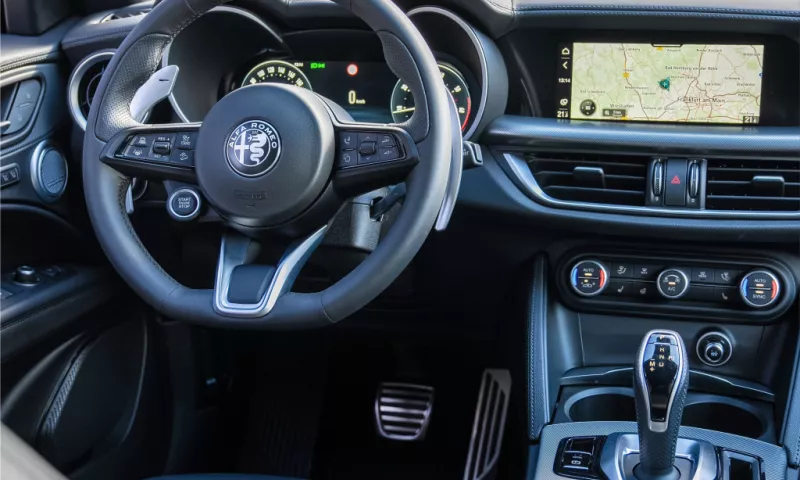

The mechanics of modern passenger vehicles have evolved into complex distributed networks of electromechanical systems. Today’s vehicles feature dozens of interconnected Electronic Control Units (ECUs), drive-by-wire throttles, adaptive suspension geometry, and complex multi-stage direct injection systems. Despite this technological leap, the traditional auto repair shop workflow has largely remained unchanged for decades. Vehicle owners are frequently met with opaque estimates, post-teardown price adjustments, and vague diagnostic summaries that obscure the actual scope of work.
Modern automotive engineering and shop operation standards require moving away from guesswork toward precise, data-driven diagnostic protocols. Integrating digital inspection tools, transparent parts selection, and systematic component verification allows independent repair facilities to deliver dealer-level accuracy without the associated overhead and friction.
Below is a technical breakdown of how modern mechanical diagnostic workflows are structured and why transparency in parts selection and diagnostic validation is critical for vehicle safety and performance.
1. Digital Diagnostics and Sensor-Level Data Validation
When a primary diagnostic trouble code (DTC) triggers a check engine illumination or drivability issue, relying solely on an OBD-II code reader is insufficient. A single code—such as a lean mixture fault or a misfire code—can stem from multiple root causes, ranging from micro-fractures in intake boots and stuck-open purge valves to failing high-pressure fuel pumps or clogged injectors.
Professional mechanical diagnostic workflows prioritize comprehensive sensor validation:
- Live Data Stream and Freeze Frame Analysis: Technicians analyze short-term and long-term fuel trims, mass air flow (MAF) sensor voltage curves, and primary O2 sensor switching frequencies under simulated load conditions rather than resting idle states.
- Smoke Testing and Pressure Differential Checks: To isolate intake or EVAP leaks, low-pressure smoke generators isolate micro-leaks in sealed vacuum circuits without disassembling intact components.
- Digital Photo and Video Evidence: To establish absolute transparency, modern repair platforms—such as the service workflow operated by Carrectly Auto Care—capture high-resolution photo and video documentation of worn components, fluid contamination levels, and digital caliper measurements before recommending component replacement.
2. Component Selection Engineering: OEM vs. Verified Aftermarket
A critical decision point in any mechanical repair involves selecting replacement components. The automotive parts market is saturated with options ranging from original equipment manufacturer (OEM) units to first-tier supplier parts and low-cost aftermarket alternatives.
A technical approach to repair requires evaluating components based on tolerances and failure risks:
- Safety-Critical and Sensor-Calibrated Parts (Strict OEM): Components tied directly to engine timing (timing belts, hydraulic tensioners), electronic sensors (MAF, crankshaft position sensors), and advanced braking systems (ABS hydraulic blocks) should strictly match factory OEM specifications to prevent signal noise or premature failure.
- Structural and Wear Items (Tier-1 Supplier Alternatives): For suspension control arms, wheel hub assemblies, and brake rotors, first-tier original equipment suppliers (OES) often produce the exact same castings as factory parts without the dealership markup.
- Transparent Trade-off Analysis: Technicians must explain the structural, performance, and warranty trade-offs between parts options, allowing vehicle owners to make informed decisions based on vehicle mileage and usage expectations.
3. Preventive Fluid Mechanics and Component Maintenance
Many mechanical failures—ranging from automatic transmission slip to premature timing chain stretch—are directly traceable to neglected fluid degradation. Modern auto fluids operate under extreme thermal and mechanical shear stresses.
- Brake Fluid Hydroscopic Testing: Glycol-based brake fluid actively absorbs ambient moisture over time. When moisture levels exceed 3%, the boiling point of the fluid drops significantly, leading to vapor lock and soft pedal feel under heavy braking conditions. Digital refractometers and boiling point testers verify fluid health beyond simple color inspection.
- Coolant System Chemistry: Modern aluminum block engines require precise Organic Additive Technology (OAT) or Hybrid OAT coolants. Mixing incompatible coolant chemistries causes silicates to gel, clogging heater cores and causing localized cylinder head hot spots.
Integrated Operations and Fleet Verification
Mechanical integrity is the backbone of total vehicle health. By replacing verbal descriptions with digital diagnostic logs, video validation, and clear itemized estimates, independent service centers elevate the industry standard for auto repair. Combining certified mechanical expertise with digital management tools ensures that every repair—from routine brake servicing to complex powertrain diagnostics—is executed with precision, accountability, and complete engineering transparency.

- Add new comment
- 10 views