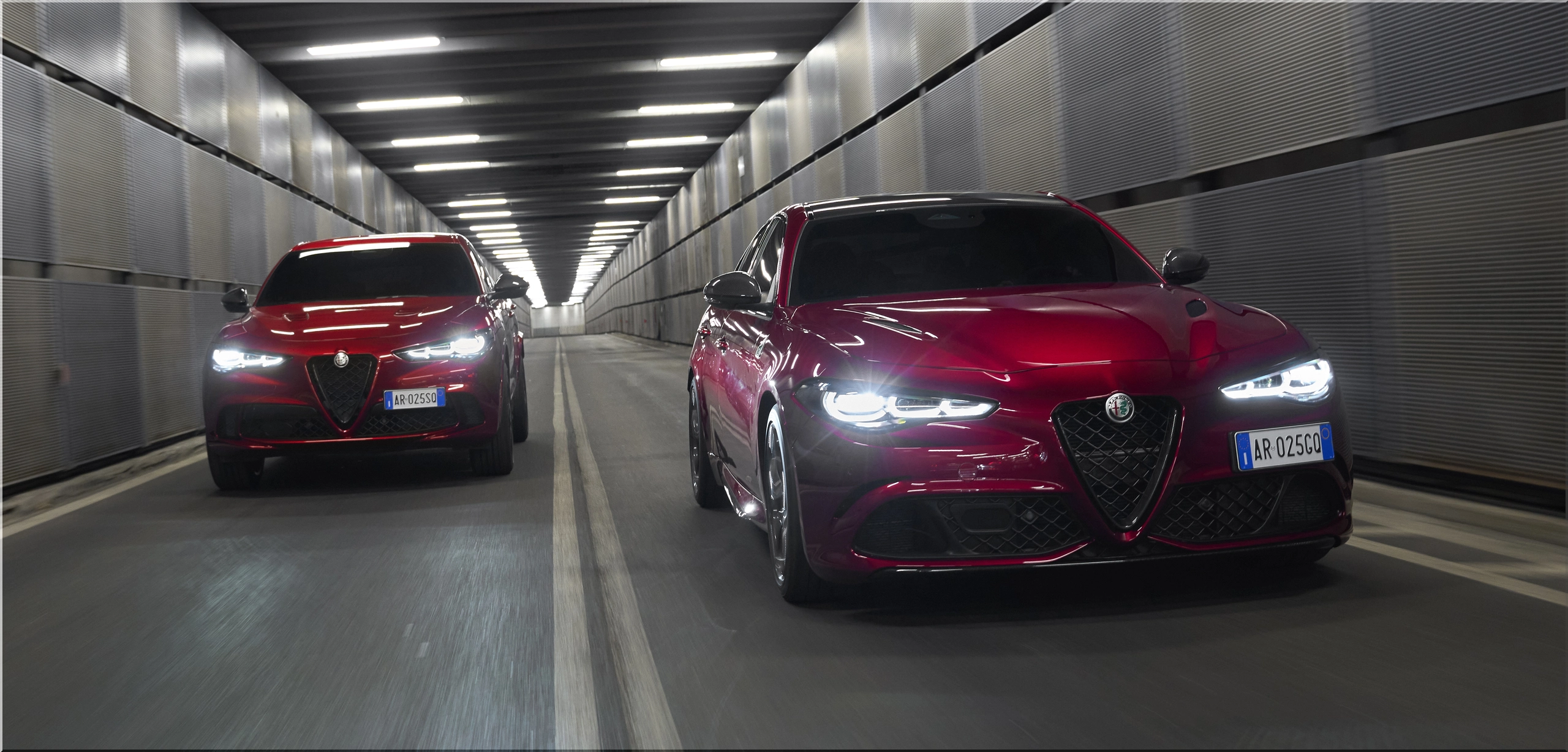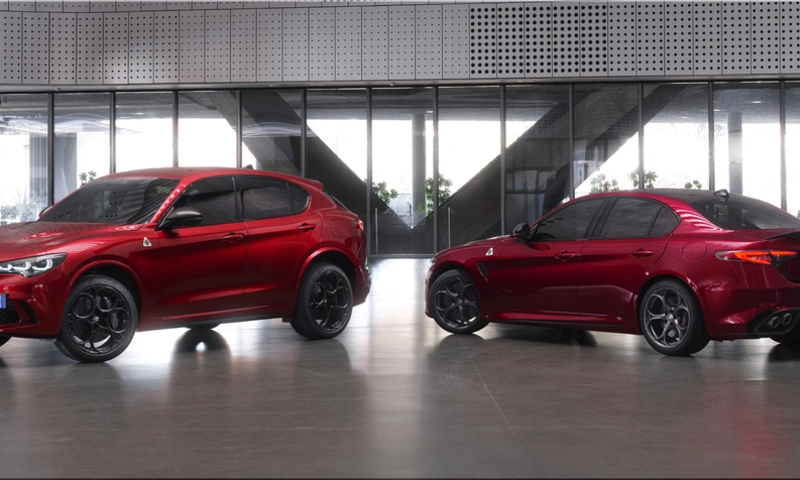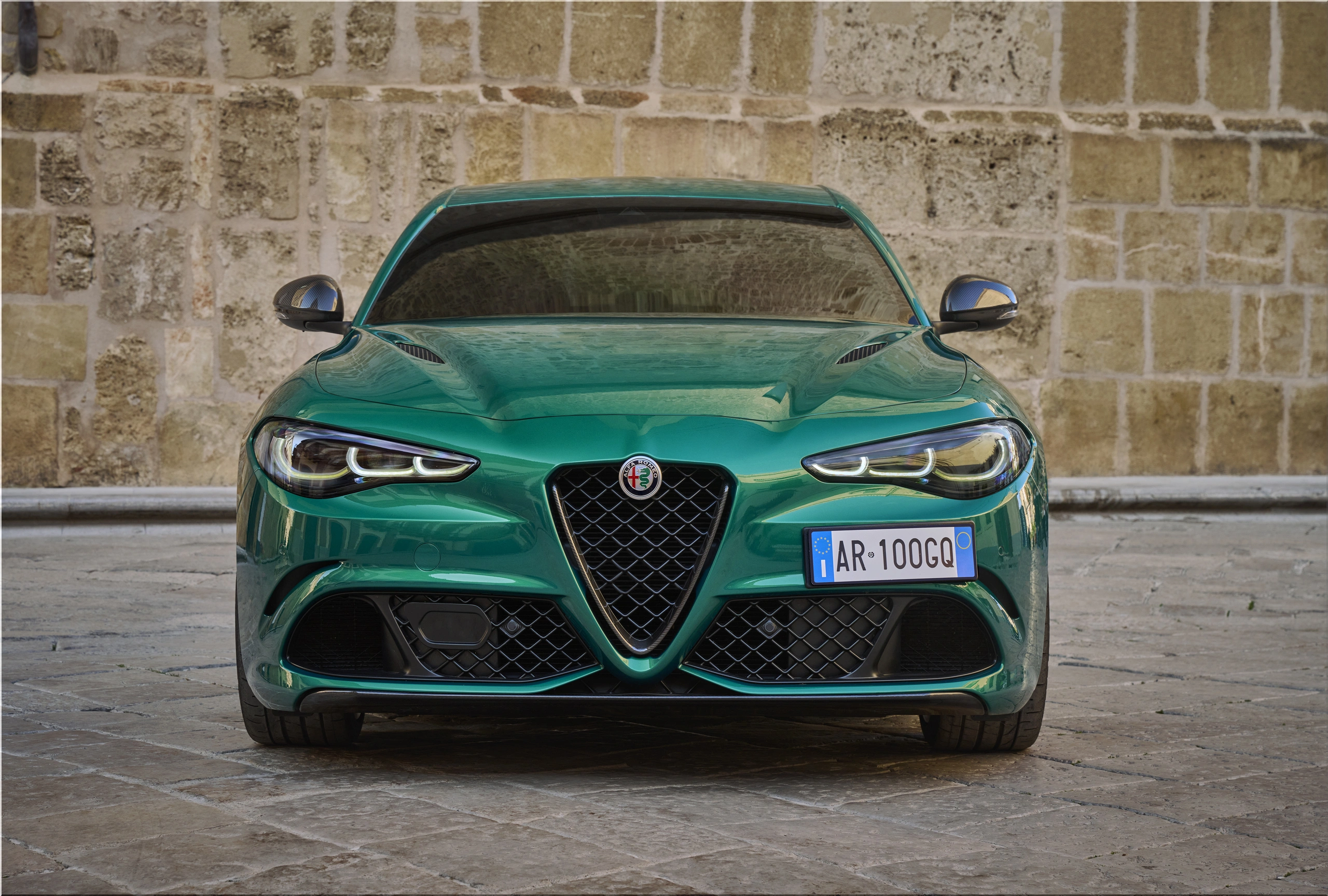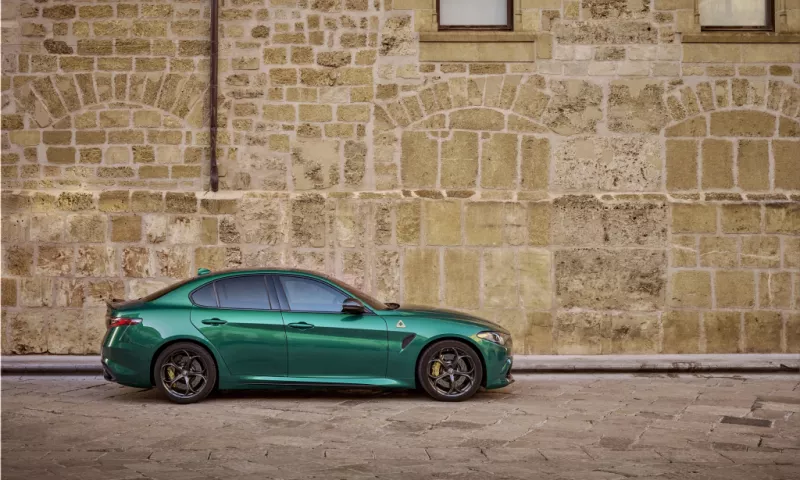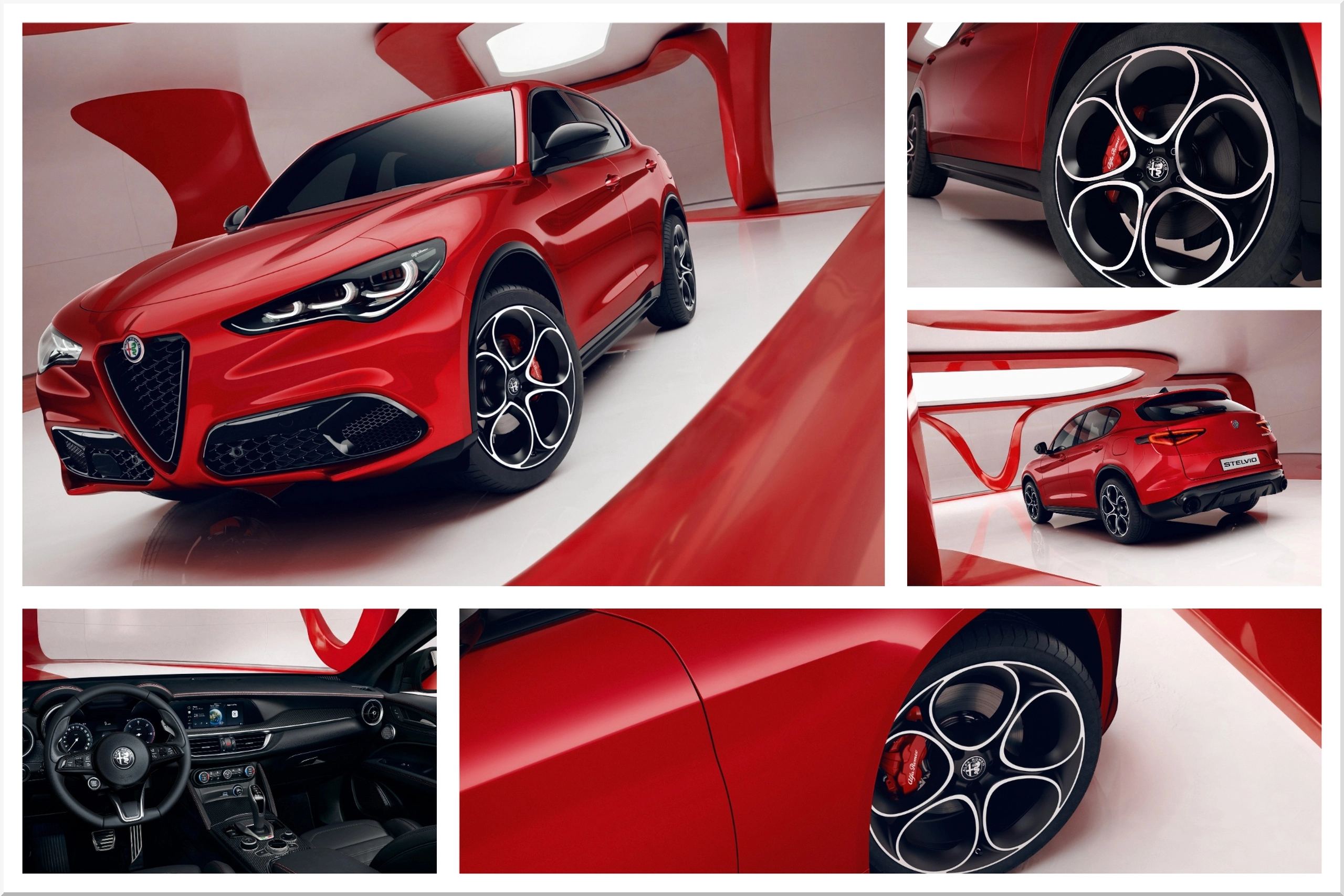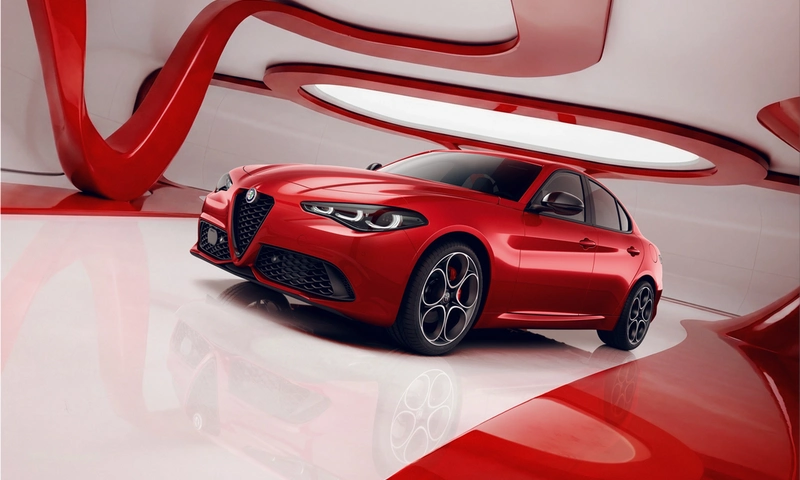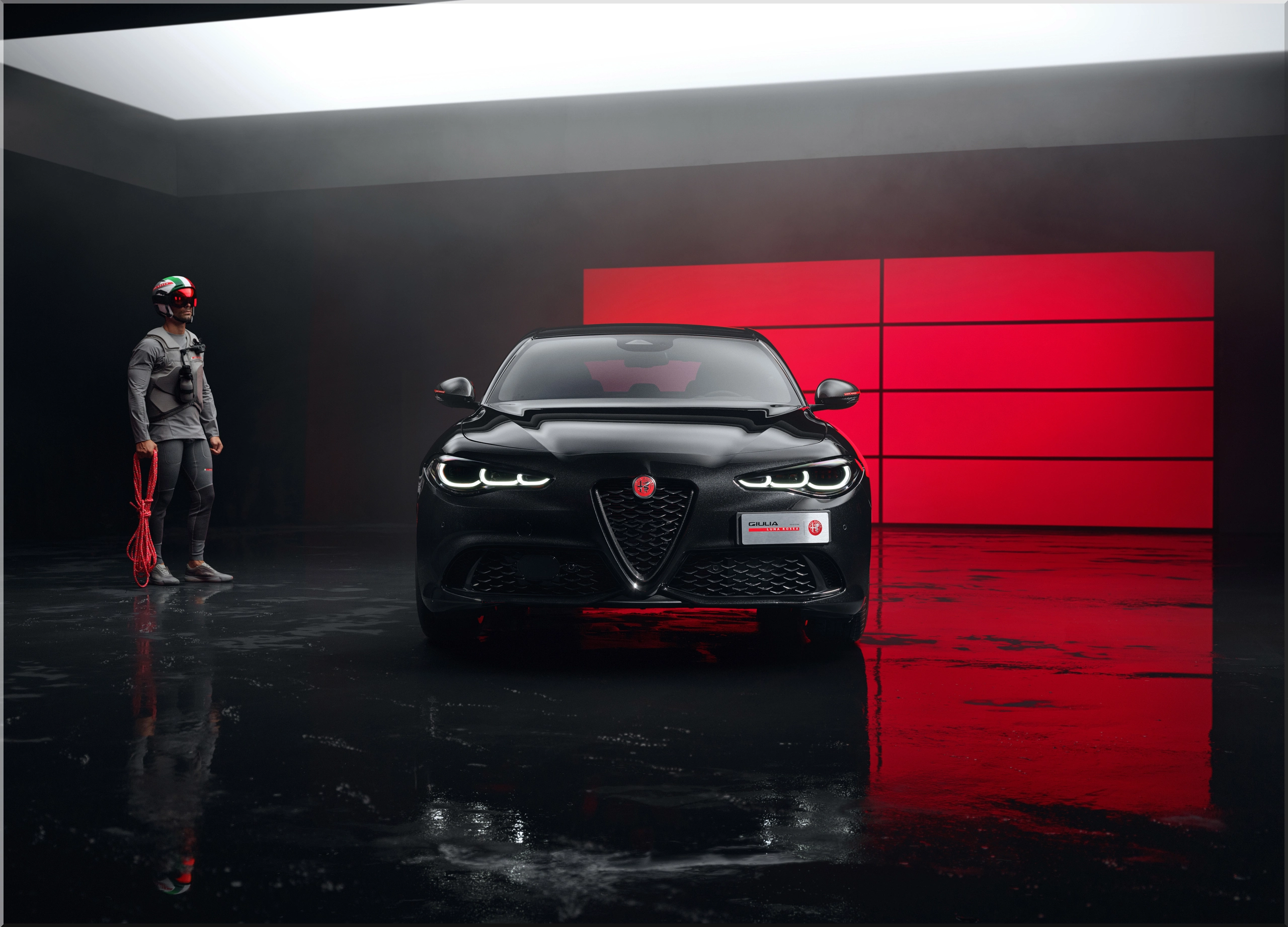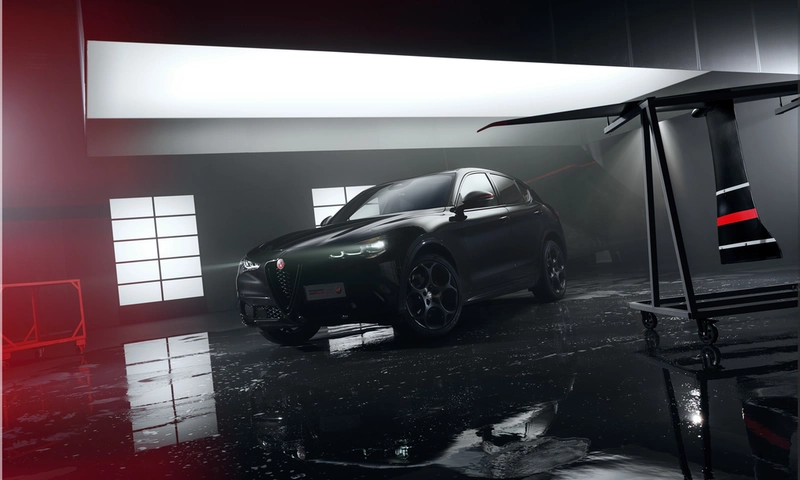
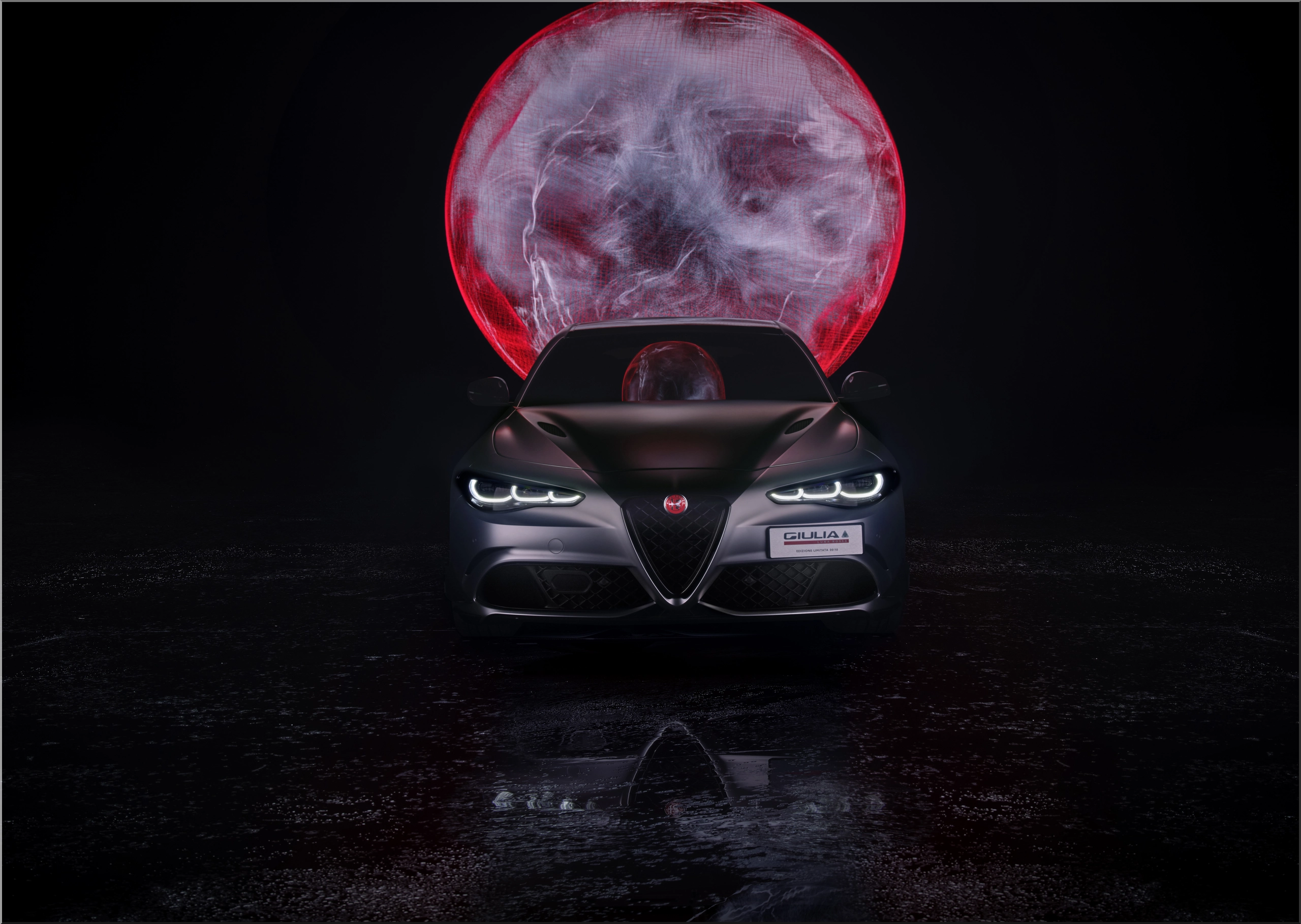
Alfa Romeo rarely builds halo cars. When it does, the brand removes compromise. The Giulia Quadrifoglio Luna Rossa proves that point with numbers, materials, and intent that push the Giulia platform further than any prior factory effort.
Unveiled at the 2026 Brussels Motor Show, this car exists in ten units worldwide. Every example already has an owner. Alfa Romeo built it as a technical statement tied to its new partnership with the Luna Rossa sailing team.
This sedan targets one outcome: maximum aerodynamic efficiency without sacrificing top speed or balance.
Image
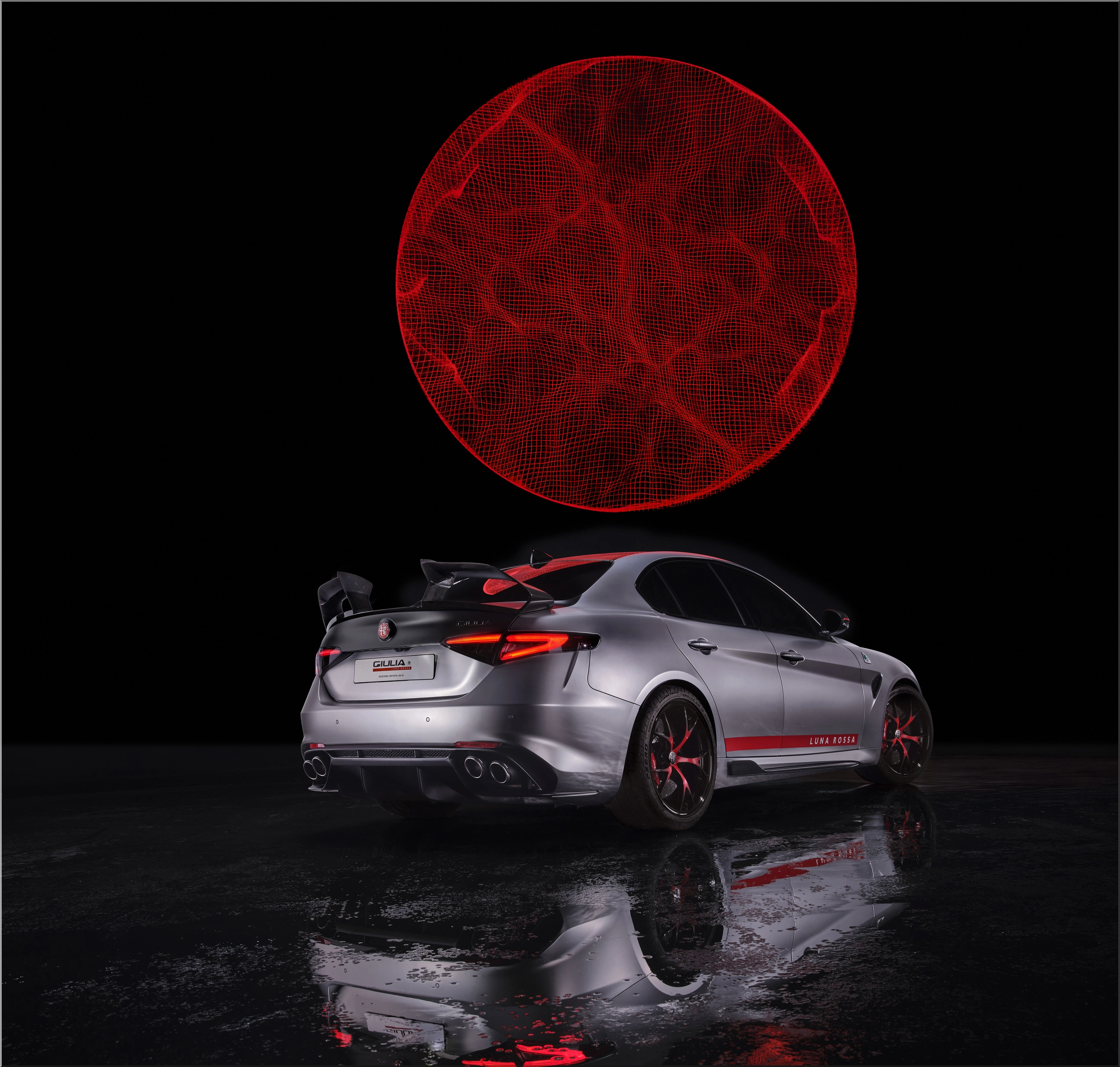
What Makes the Luna Rossa Different
The Alfa Romeo Giulia Quadrifoglio Luna Rossa starts with the standard Quadrifoglio and rewrites the airflow story from the ground up.
Alfa Romeo engineers focused on airflow management, ground effect, and load distribution. The result stands as the most aerodynamically efficient Quadrifoglio ever produced.
Key outcomes define the car:
- Up to five times more downforce than the production Giulia Quadrifoglio
- 140 kg of downforce at 300 km/h
- 300 km/h top speed retained despite the aero package
- 40 percent front aerodynamic balance for stable turn-in at speed
These gains come without oversized wings or drag-heavy surfaces. The approach mirrors modern race engineering, scaled for a road-legal sedan.
Carbon Fiber Aero: Designed for Load, Not Theater
Every exterior change on the Luna Rossa exists for a reason. Alfa Romeo avoided cosmetic add-ons. Engineers optimized airflow across the entire body.
Front Aero and Underbody Control
The front bumper carries carbon fiber side appendages that exploit accelerated airflow at the bumper edges. These elements increase load on the front axle at speed.
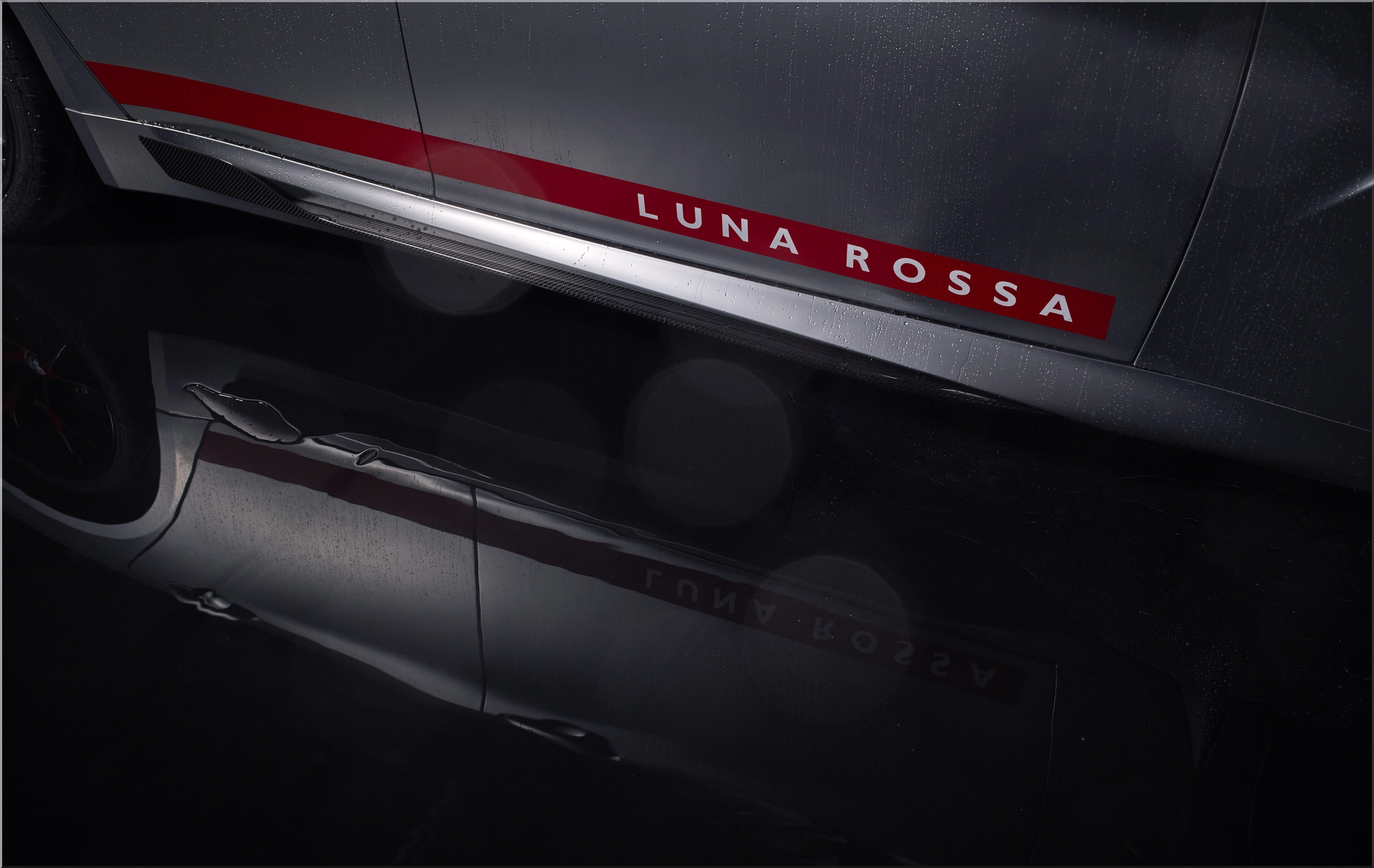
Under the car, dedicated profiles generate suction through ground effect. Carbon fiber side skirts seal airflow beneath the body, reducing turbulence and stabilizing pressure zones.
This setup creates usable load without upsetting balance.
Image
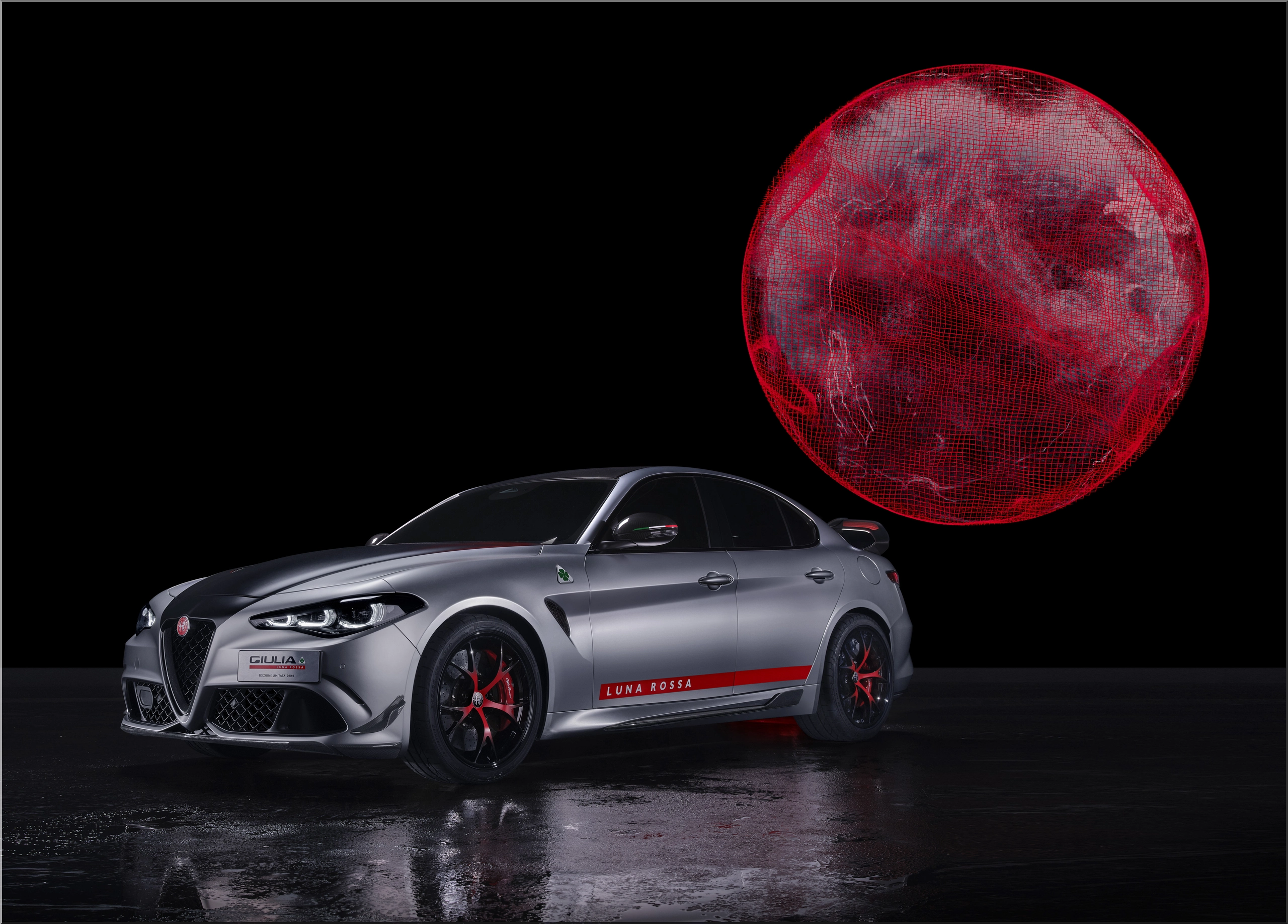
Rear Wing Inspired by Sailing Foils
The rear wing defines the car visually and functionally.
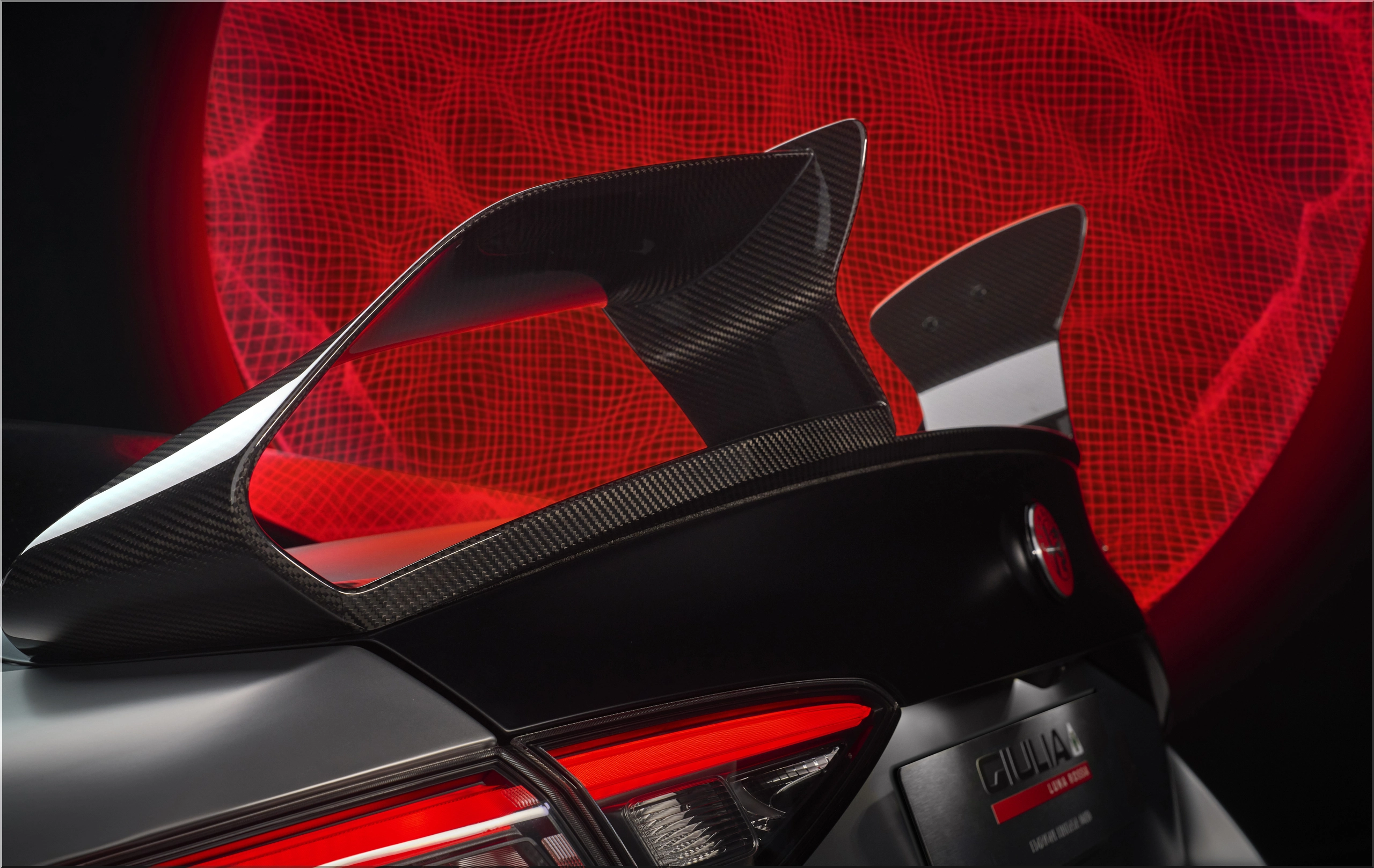
Inspired by the foils used on the Luna Rossa AC75 yacht, Alfa Romeo inverted the sailing concept. Instead of lift, the wing produces downforce.
Key technical details:
- Dual-profile wing with two central pylons
- Variable incidence profile to manage vortex energy
- Reduced surface area for higher efficiency
- High upwash effect without excess drag
This design allows the car to hold its 300 km/h top speed while generating meaningful rear load. The wing works with the underbody system to keep the car planted at extreme velocity.
Powertrain: Proven Hardware, No Distractions
Alfa Romeo left the engine untouched. That decision matters.
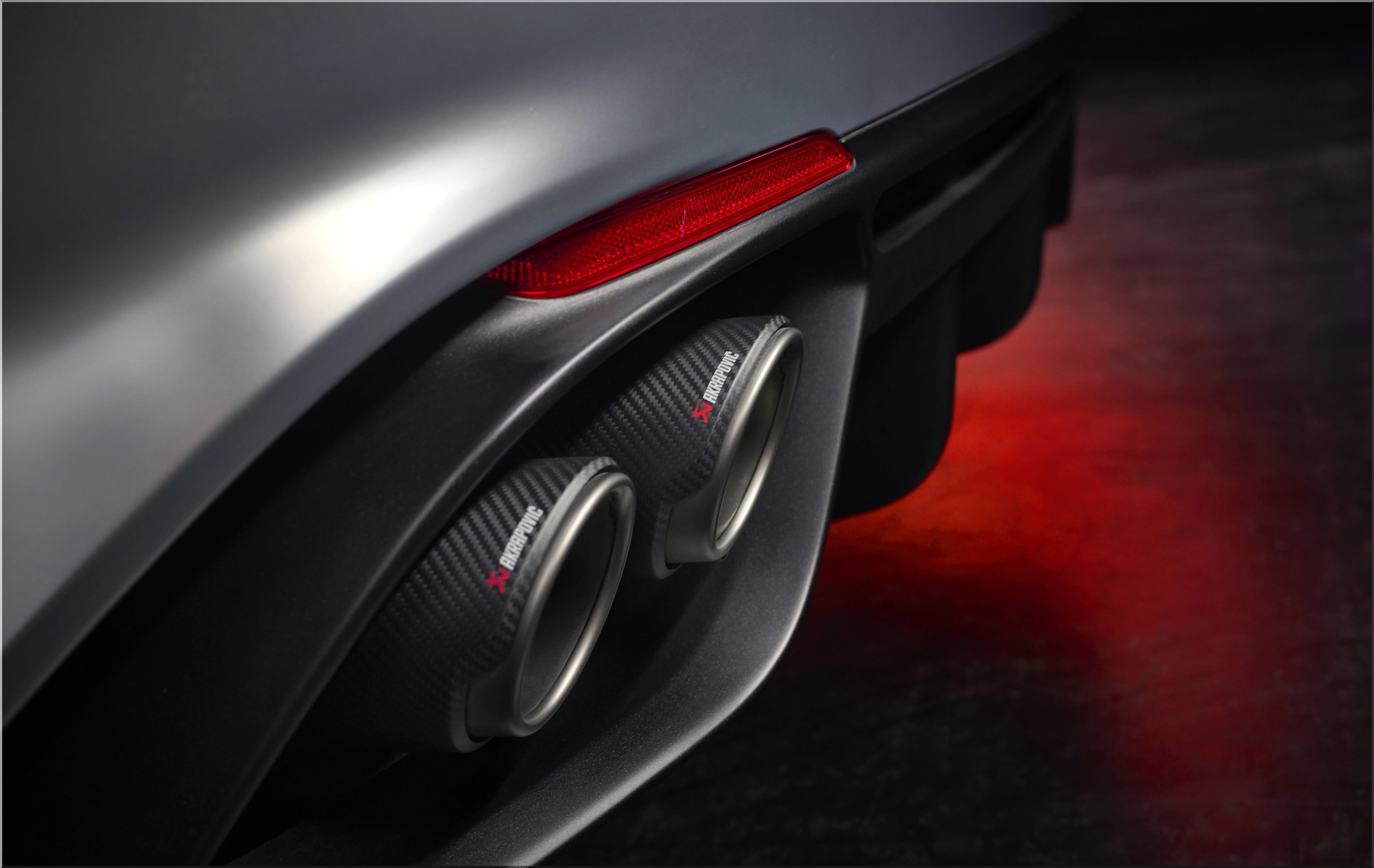
Under the hood sits the twin-turbo 2.9-liter V6, producing 520 horsepower. The engine pairs with a mechanical self-locking differential that improves torque transfer under load.
This setup delivers:
- Immediate throttle response
- Predictable power delivery at corner exit
- High-speed stability under sustained load
Alfa Romeo chose consistency over headline chasing. The focus stayed on making the existing power usable at higher speeds.
Exterior Design: Purpose Wrapped in Contrast
The Luna Rossa wears a finish that mirrors the sailing team that inspired it.
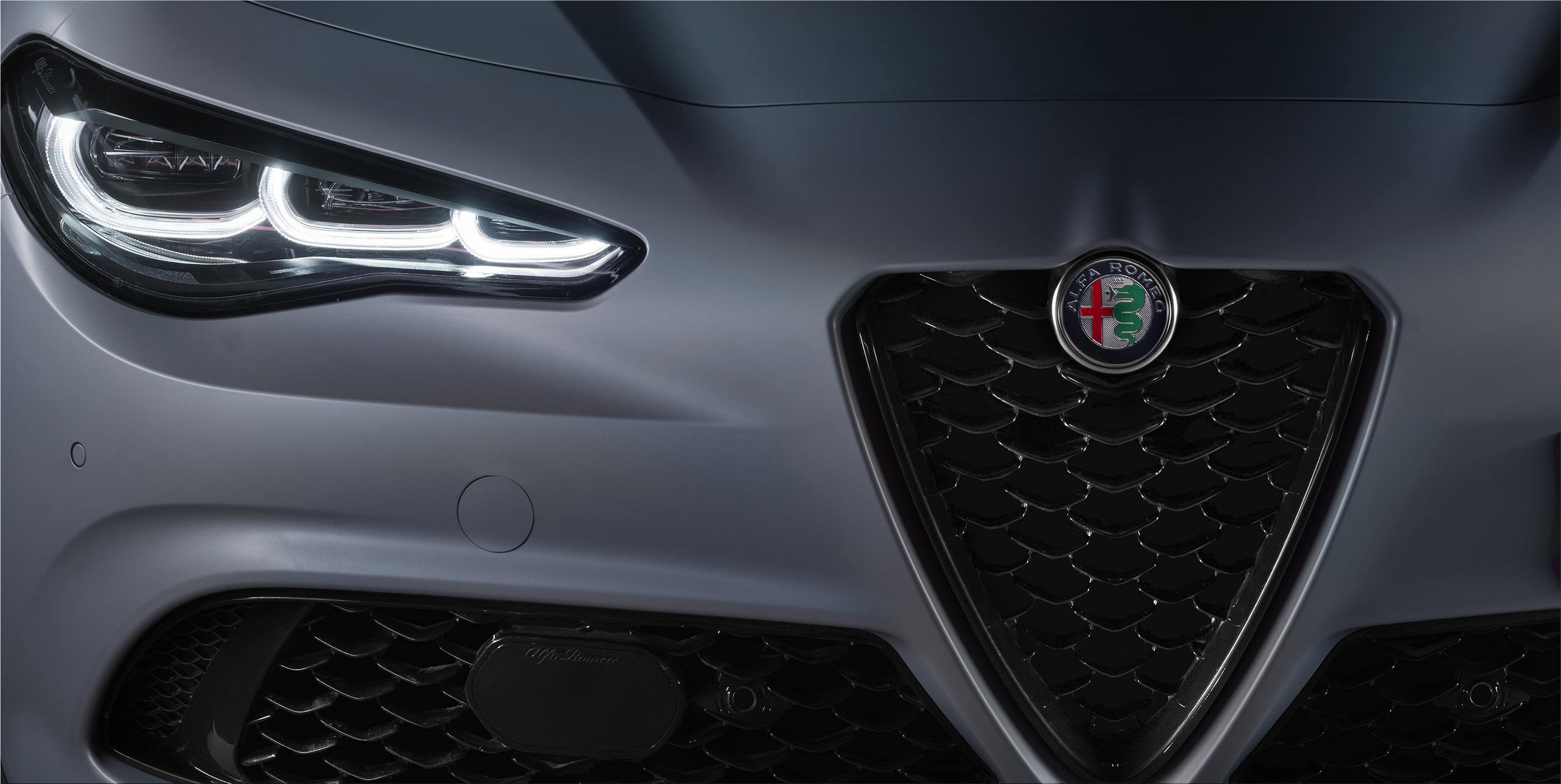
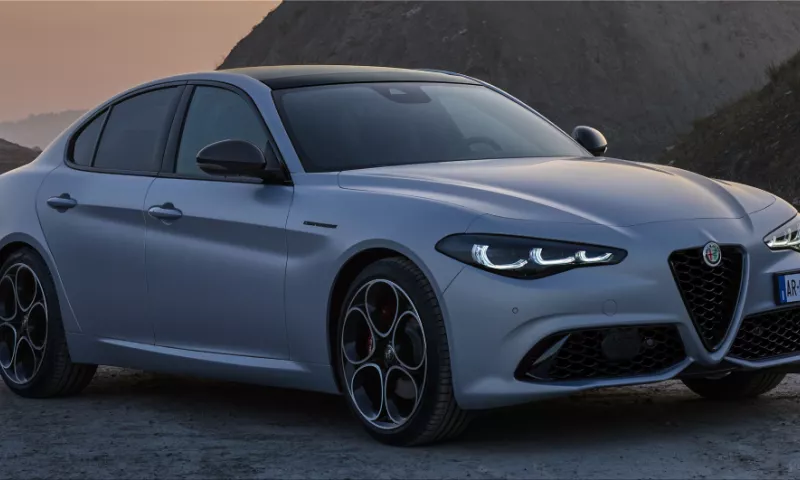
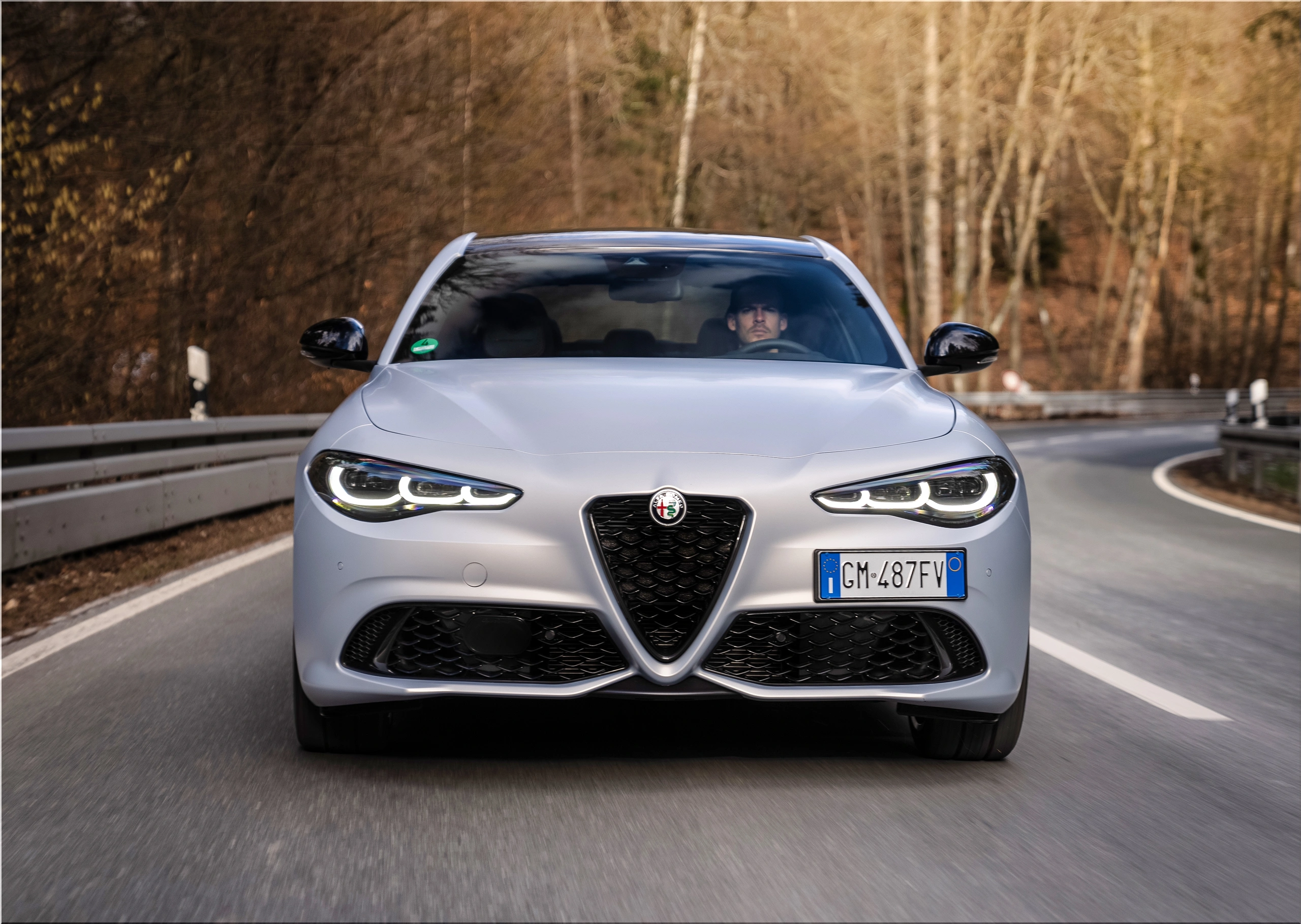
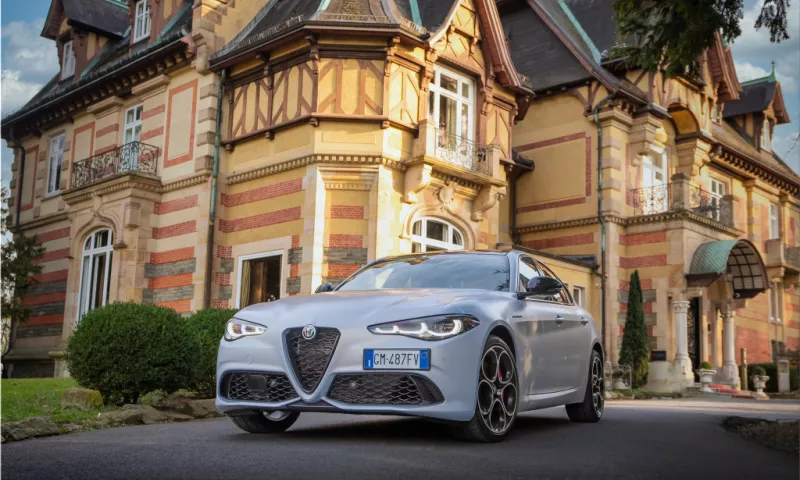
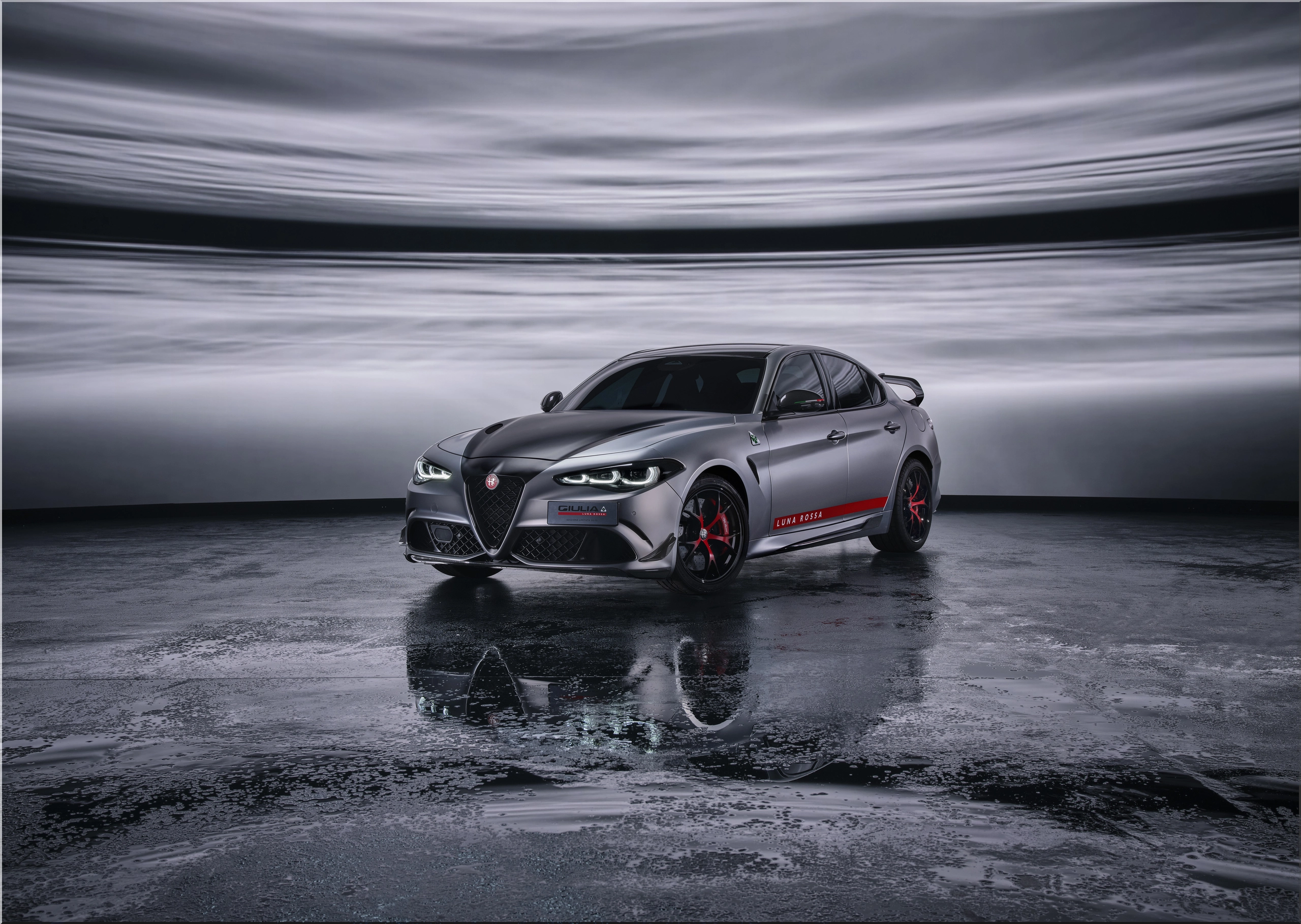
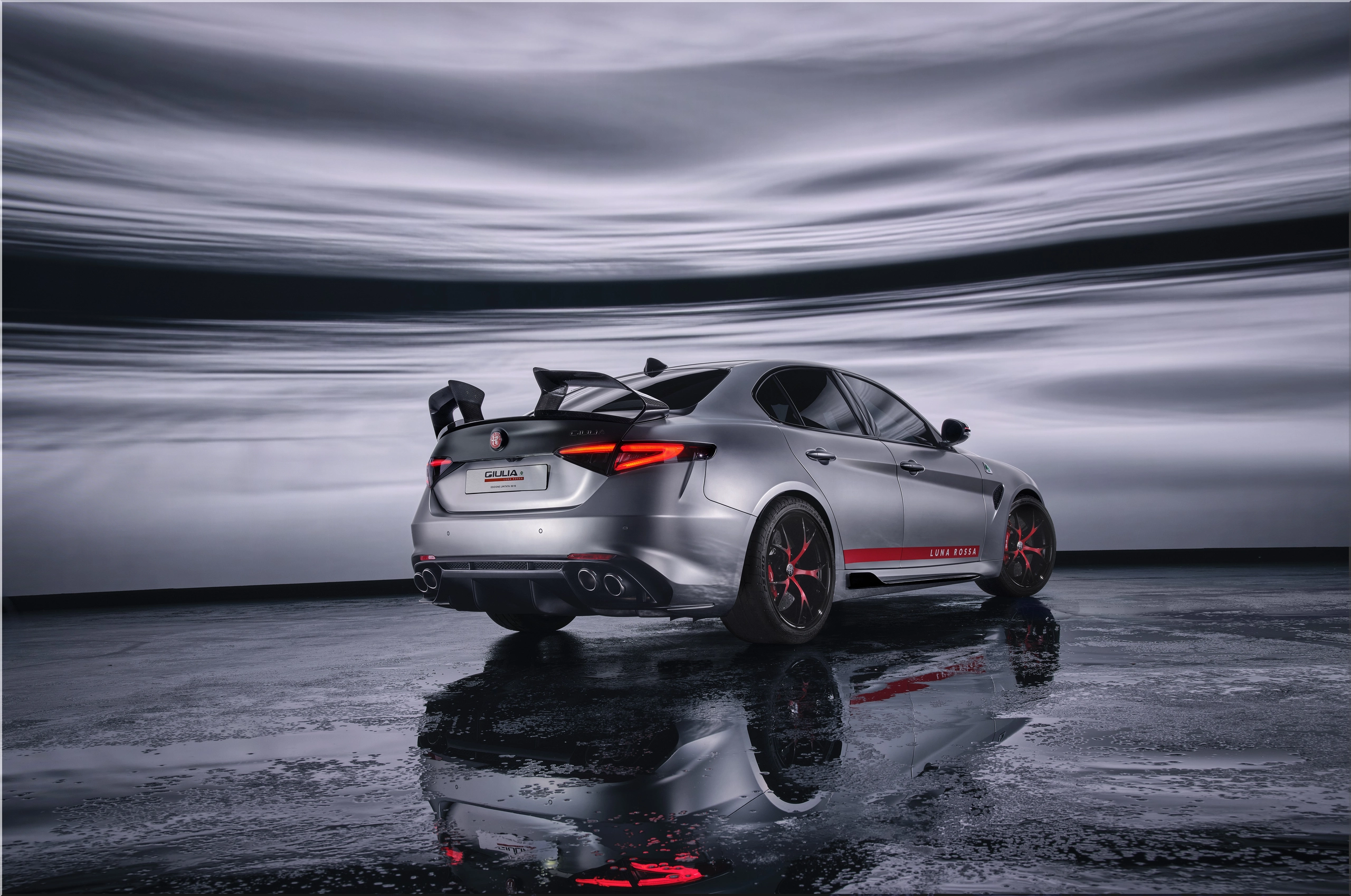
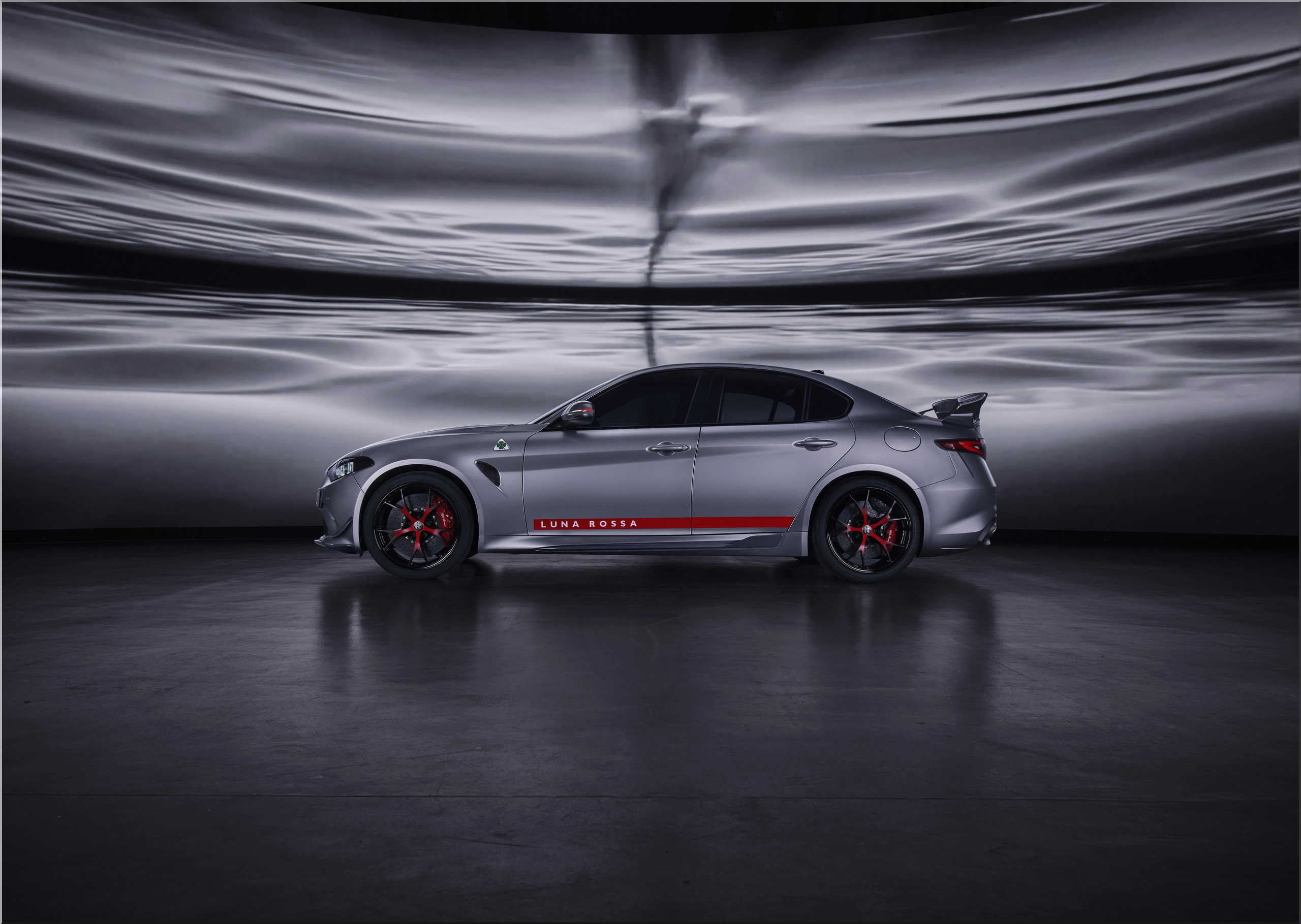
The body features an iridescent hand-painted finish that reflects light like polished steel. A two-tone scheme contrasts a black bonnet, roof, and rear with grey bodywork.
Distinctive details include:
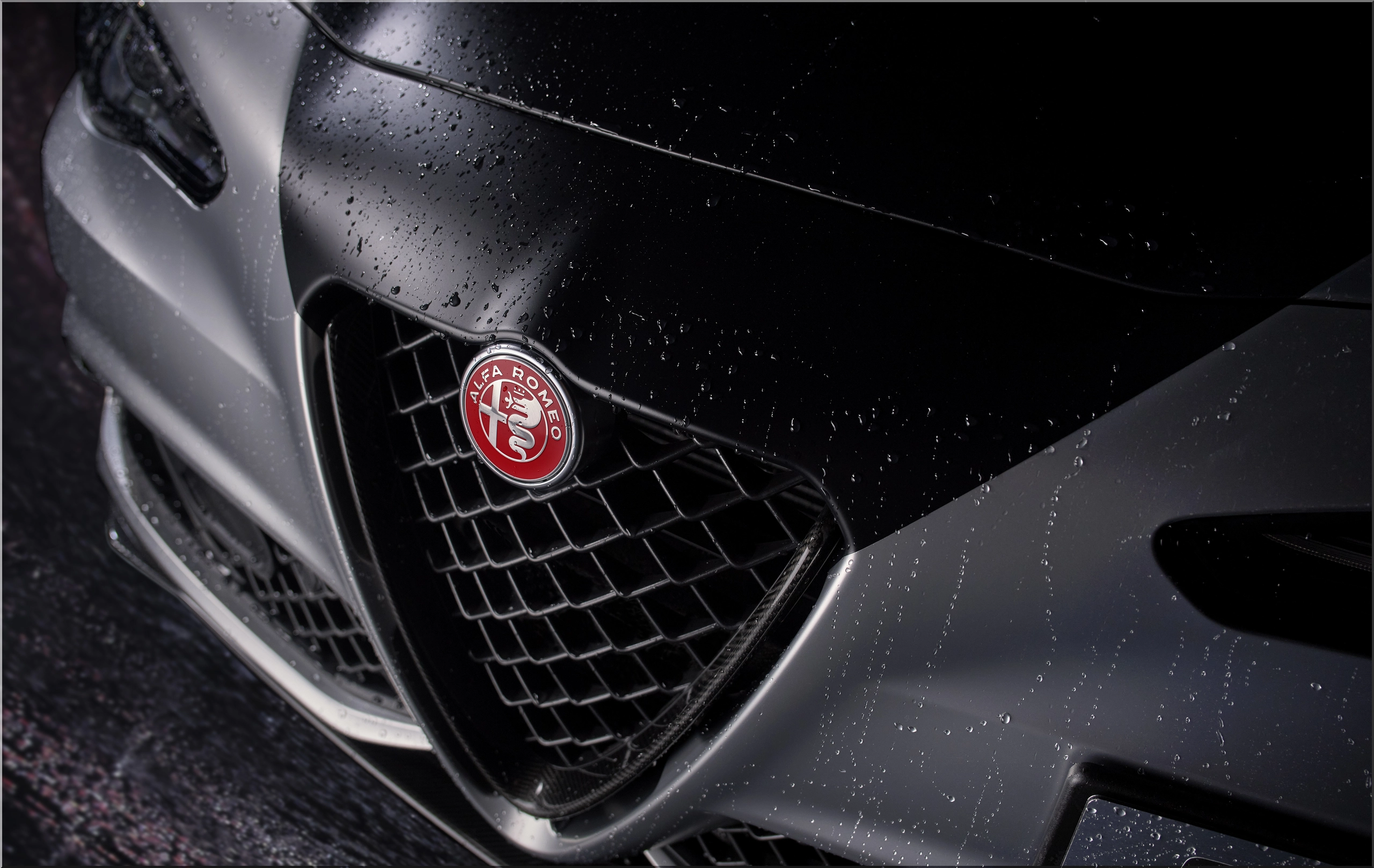
- Red Alfa Romeo logos front and rear
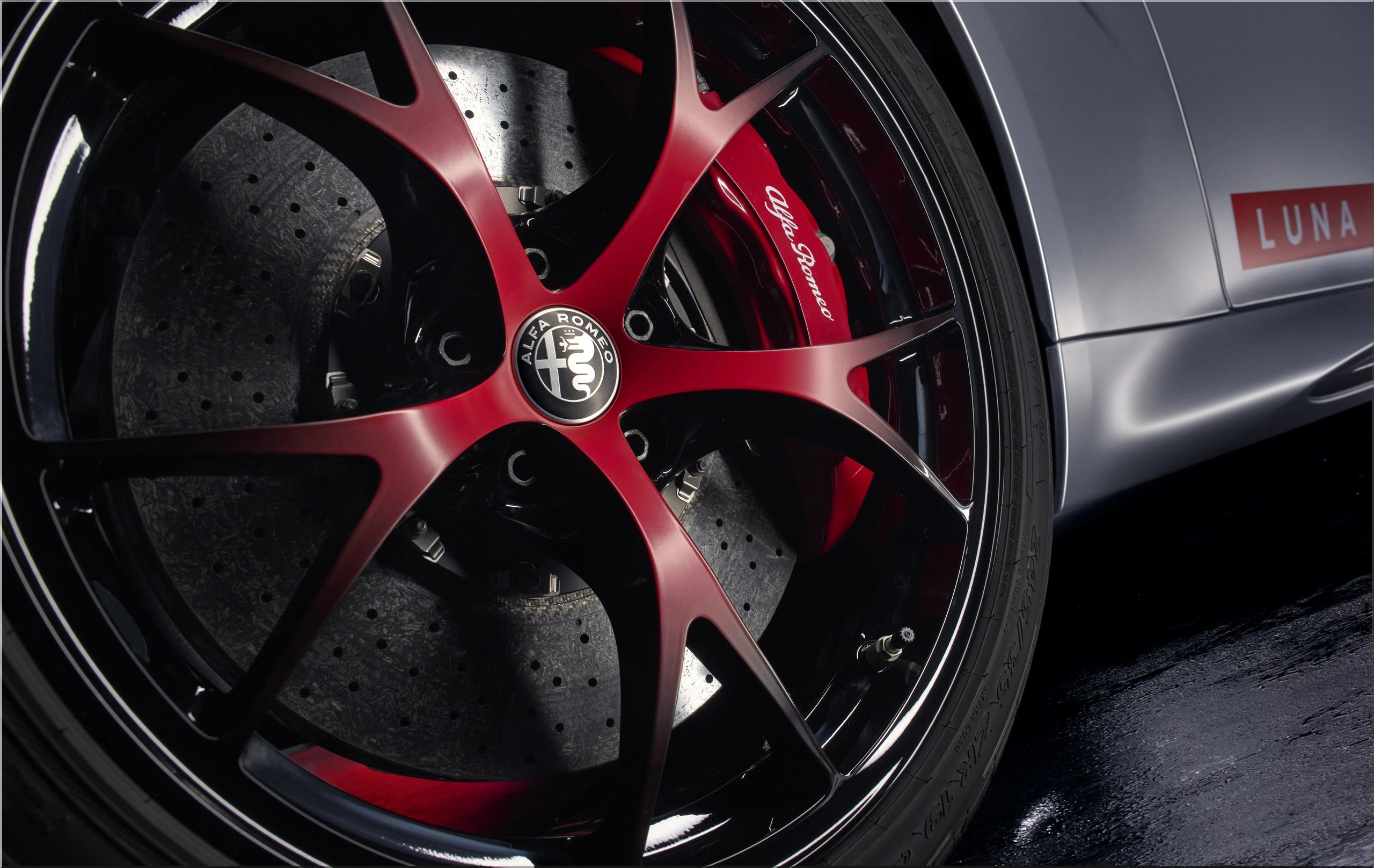
- Red-accented 19-inch wheels
- Carbon fiber roof, mirrors, and grille shield
- Red side band with Luna Rossa script on select cars
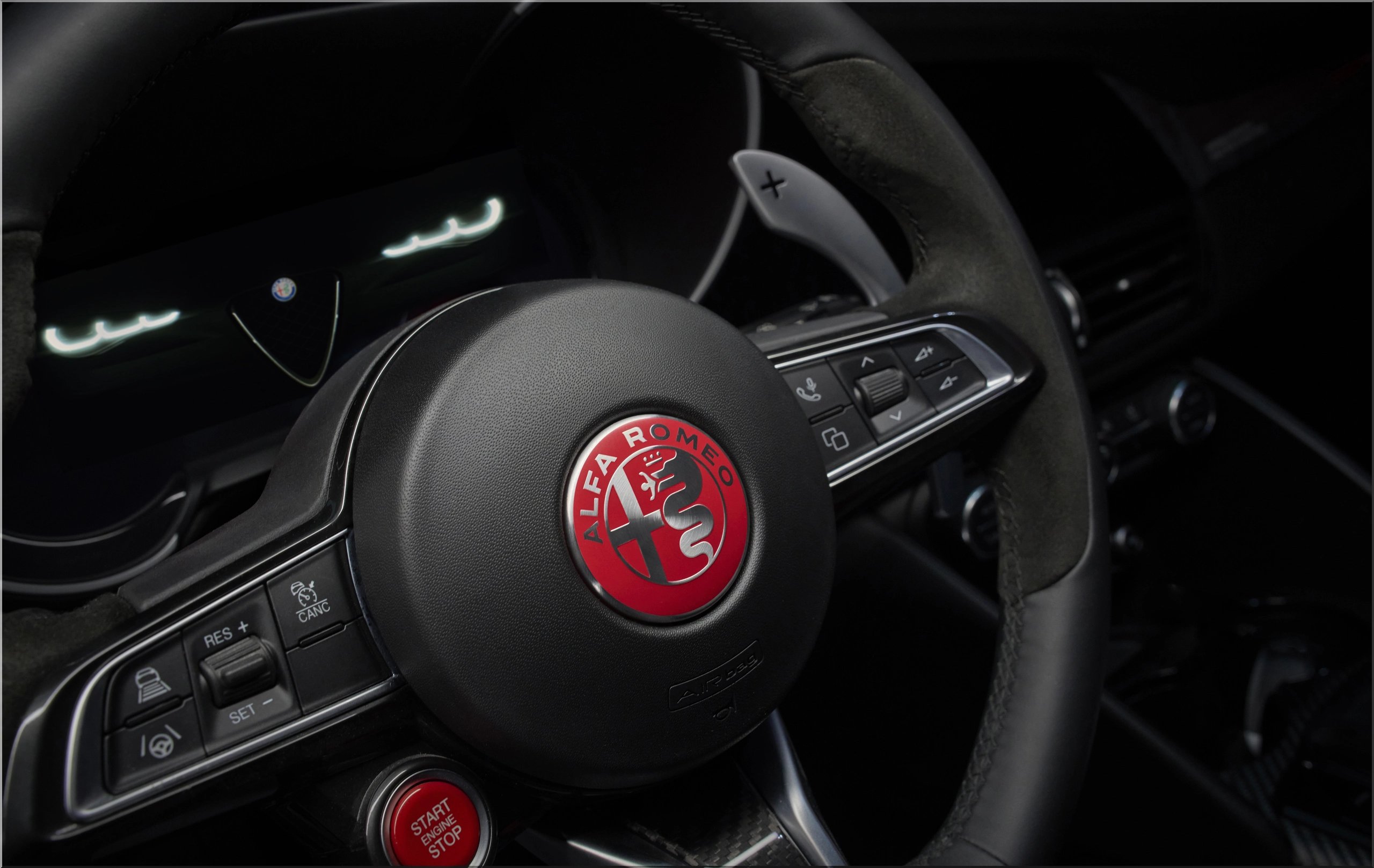
This marks the first time Alfa Romeo applied red backgrounds to its brand badges. The decision signals competition and intent.
Interior: Real Materials With Real Meaning
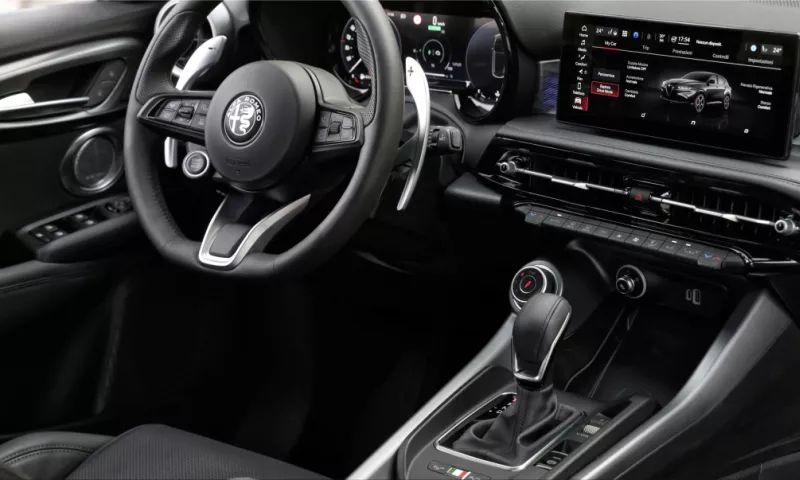
The cabin avoids decoration for decoration’s sake. Alfa Romeo focused on authenticity.
Seats and Driver Interface
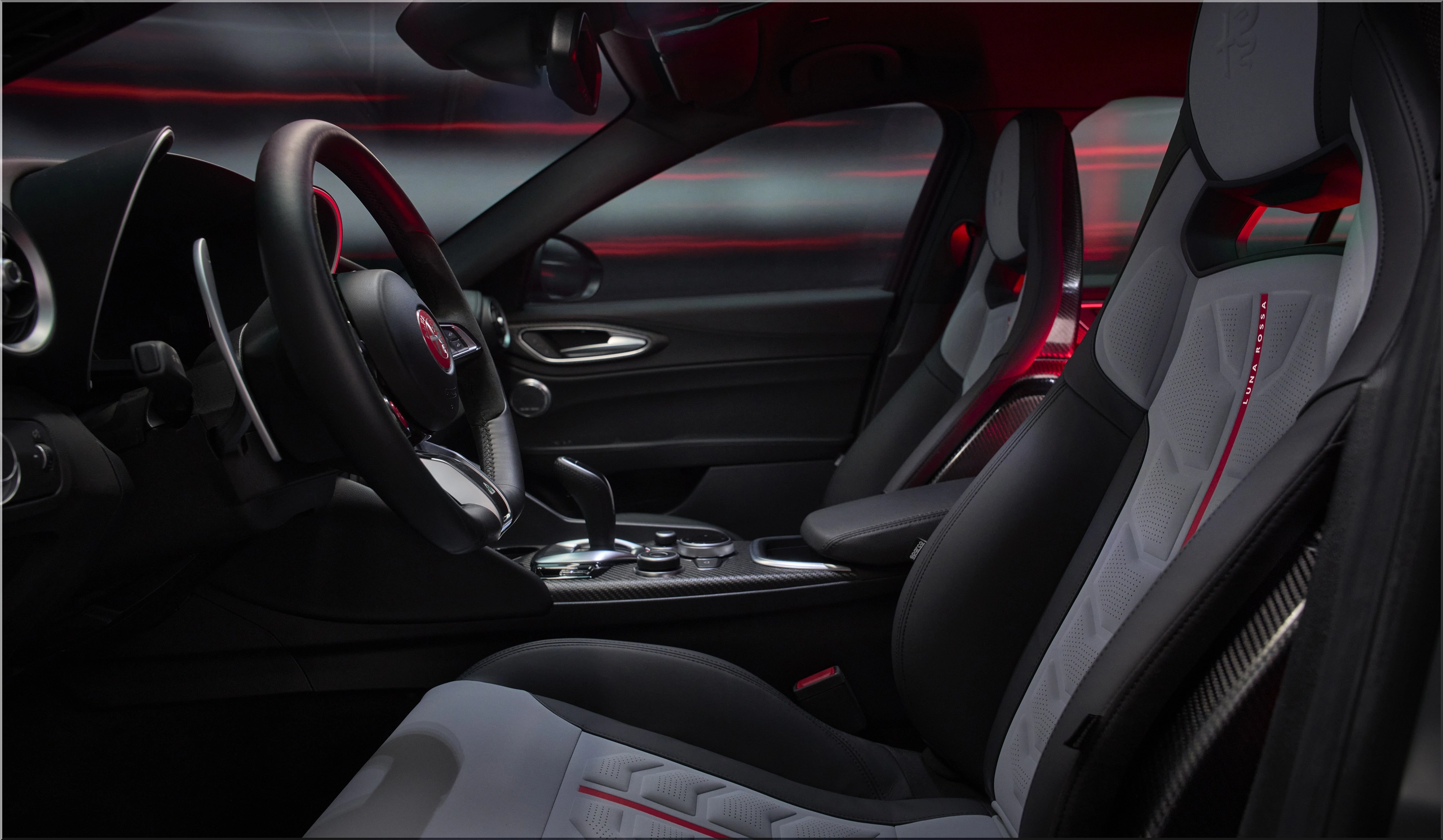
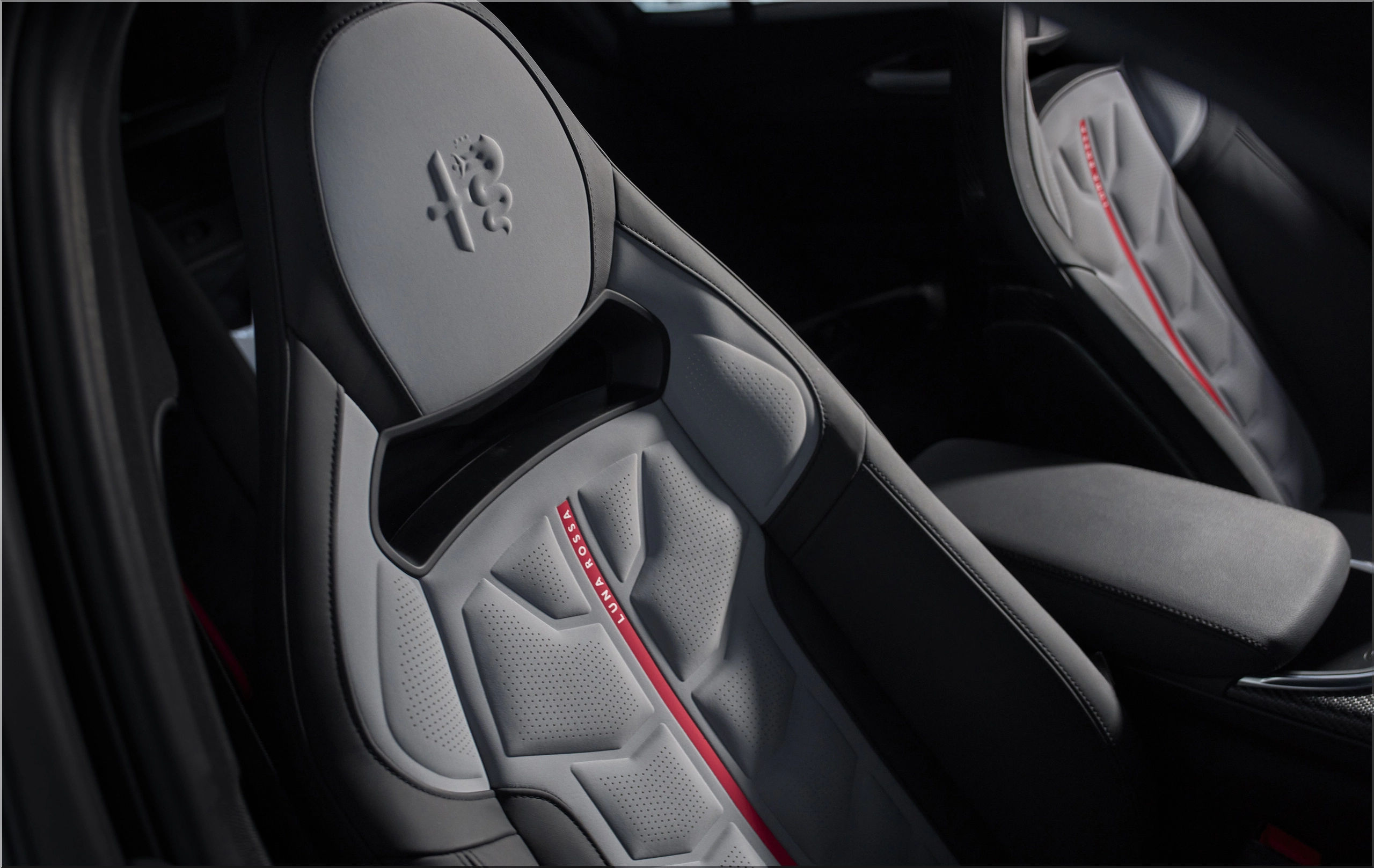
Exclusive Sparco seats anchor the interior. The upholstery references the Personal Flotation Devices worn by the Luna Rossa crew.
The seats deliver:
- Aggressive lateral support
- Lightweight construction
- Visual connection to elite sailing hardware
Carbon fiber trim covers the seat shells, center tunnel, and dashboard accents.
A Literal Piece of Sailing History
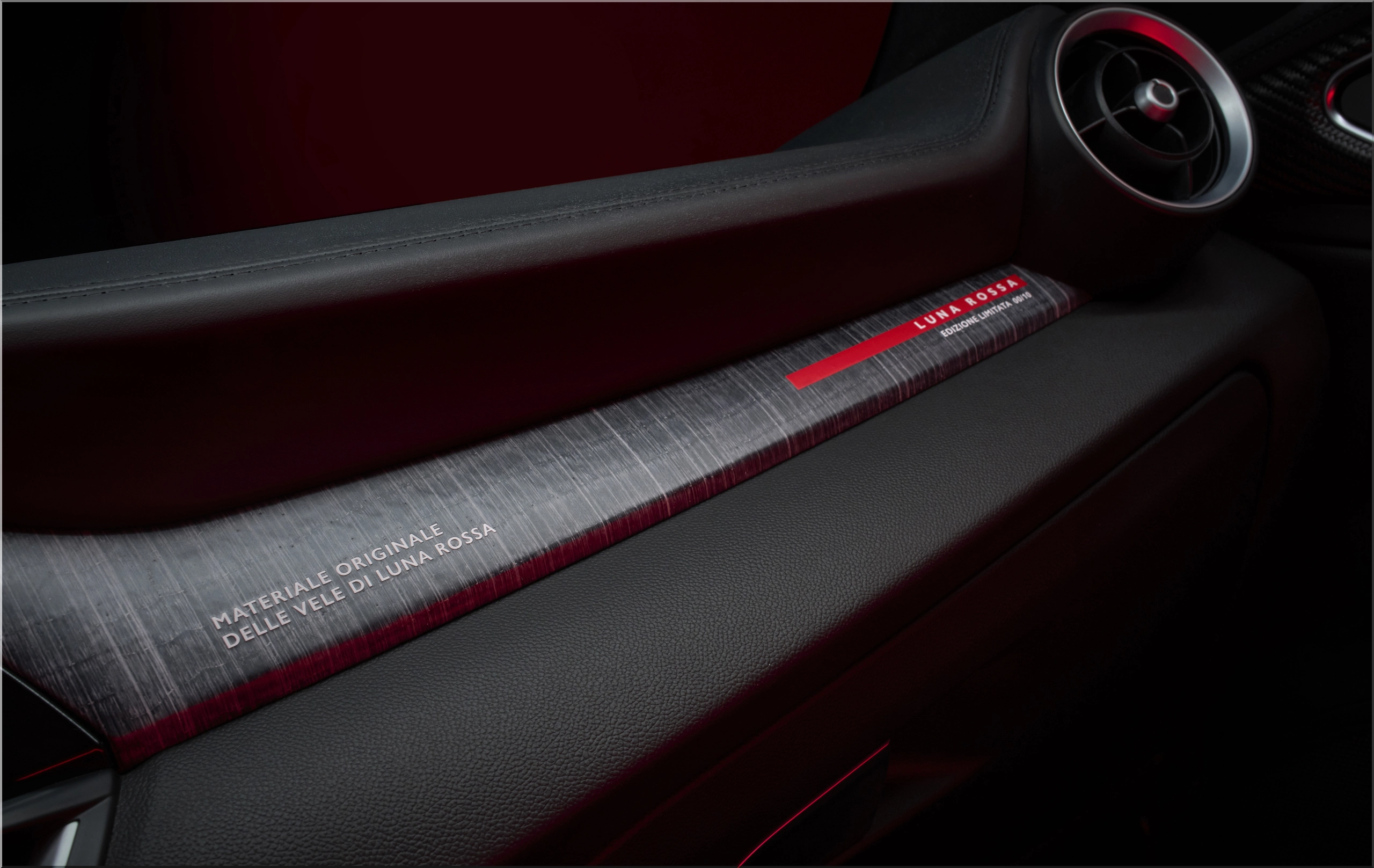
The dashboard fascia includes an ultra-thin film cut from an actual Luna Rossa sail. The team supplied the material. Alfa Romeo machined it into the dash.
This detail turns the interior into a physical link between car and boat. No synthetic substitute appears here.
Video file
Video title
Alfa Romeo Giulia Quadrifoglio Luna Rossa
BOTTEGAFUORISERIE: How Alfa Romeo Built It
The Luna Rossa forms part of BOTTEGAFUORISERIE, Alfa Romeo’s new customization and performance hub shared with Maserati.
Each car follows a two-stage build:
- Initial assembly at the Cassino plant
- Post-production transformation by a select network of Italian specialists
This process allows deep modification without disrupting factory tolerances. Every component meets road certification standards.
Production and Exclusivity
Alfa Romeo capped production at ten units globally. All sold before public debut.
This scarcity places the Luna Rossa firmly in collector territory. Unlike prior special editions, this car delivers functional gains that separate it from cosmetic variants.
Key Numbers at a Glance
| Specification | Giulia Quadrifoglio Luna Rossa |
|---|---|
| Production | 10 units worldwide |
| Engine | 2.9L twin-turbo V6 |
| Output | 520 hp |
| Downforce | 140 kg at 300 km/h |
| Top Speed | 300 km/h |
| Aero Balance | 40 percent front |
Partnership With Luna Rossa: More Than Branding
Alfa Romeo announced its partnership with Luna Rossa ahead of the 38th America’s Cup, set to take place in Italy.
The collaboration spans three areas:
- Competitive sports partnership
- Technical exchange in materials and airflow research
- Limited production vehicles inspired by sailing engineering
The Luna Rossa sedan stands as the first tangible result. Future projects may follow, but Alfa Romeo made clear that each effort must deliver measurable performance outcomes.
Why This Car Matters
The Luna Rossa signals a shift in how Alfa Romeo approaches limited editions.
This car does not chase lap records or power figures. It focuses on aerodynamic efficiency, balance, and stability at extreme speed.
That approach mirrors modern motorsport development and elite sailing design. Both disciplines reward control, not excess.
What Now for Alfa Romeo
The Giulia Quadrifoglio Luna Rossa sets a new ceiling for what Alfa Romeo will approve for road use.
Expect future halo projects to follow similar principles:
- Measured gains backed by data
- Material science drawn from competition
- Limited volume with real technical separation
For buyers, this car already belongs to history. For the brand, it defines a direction grounded in engineering discipline.
- Add new comment
- 202 views