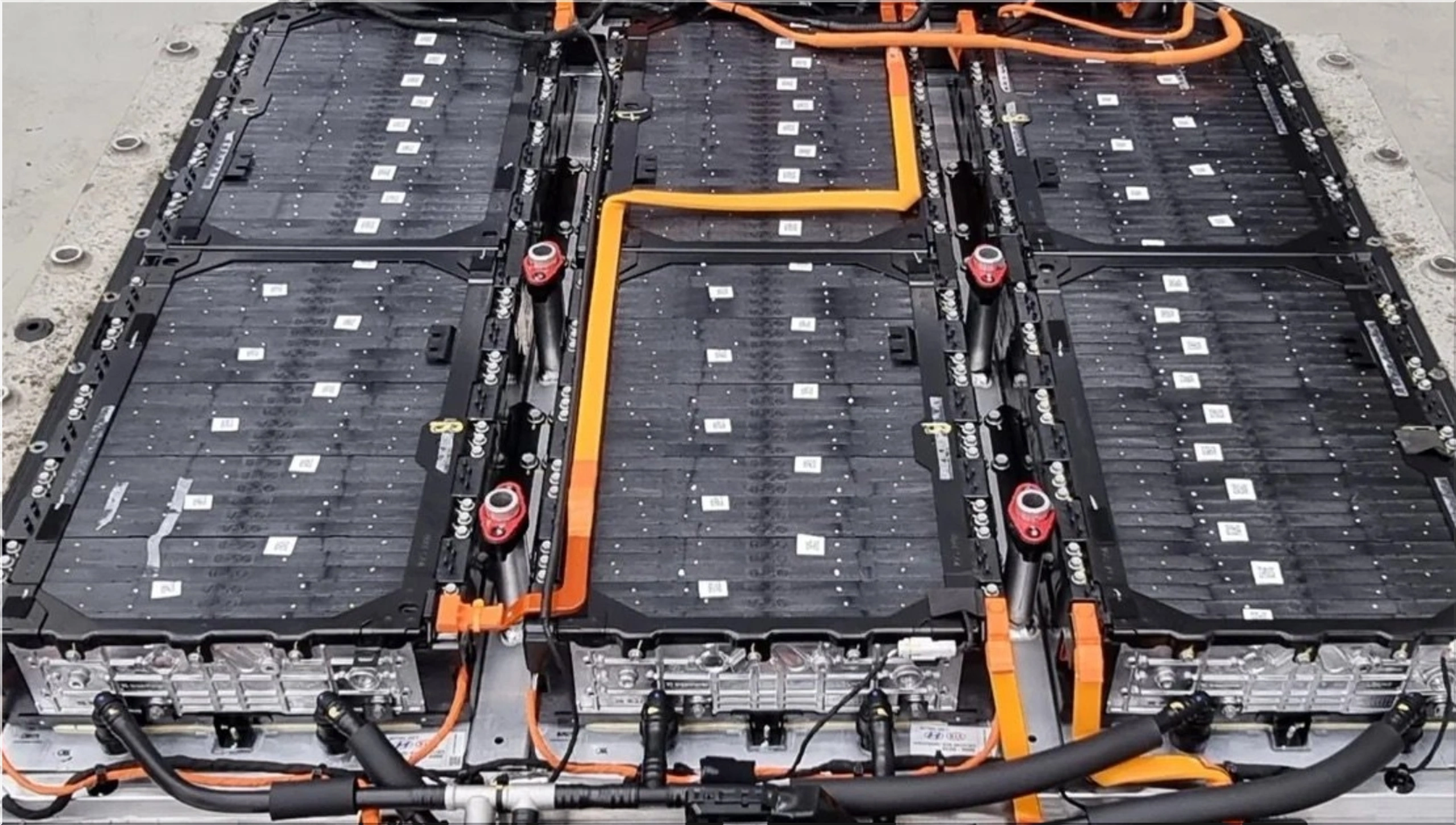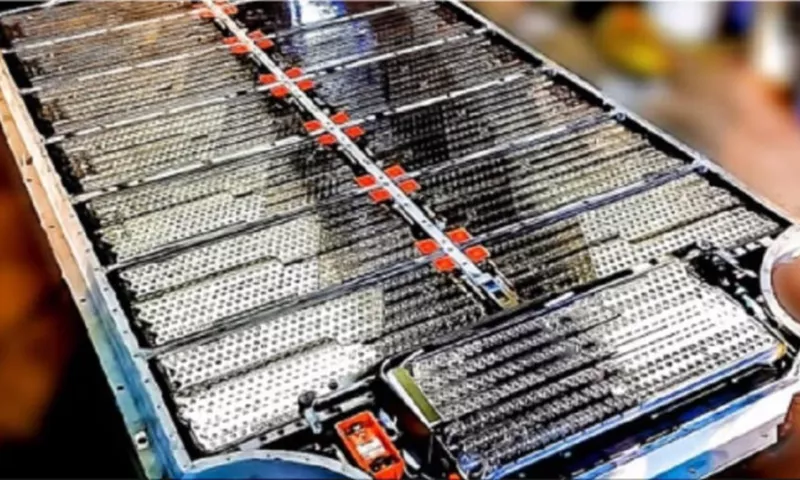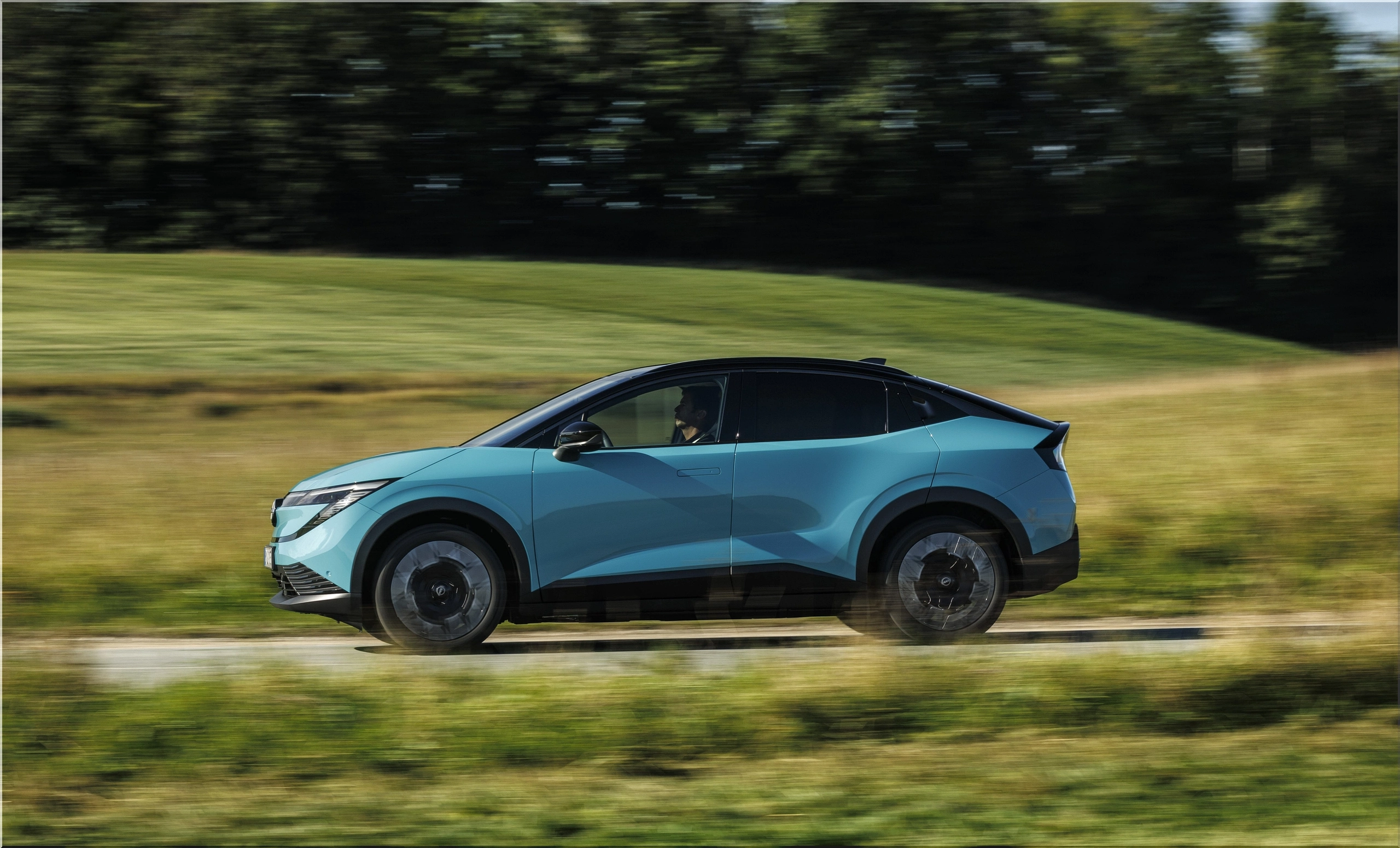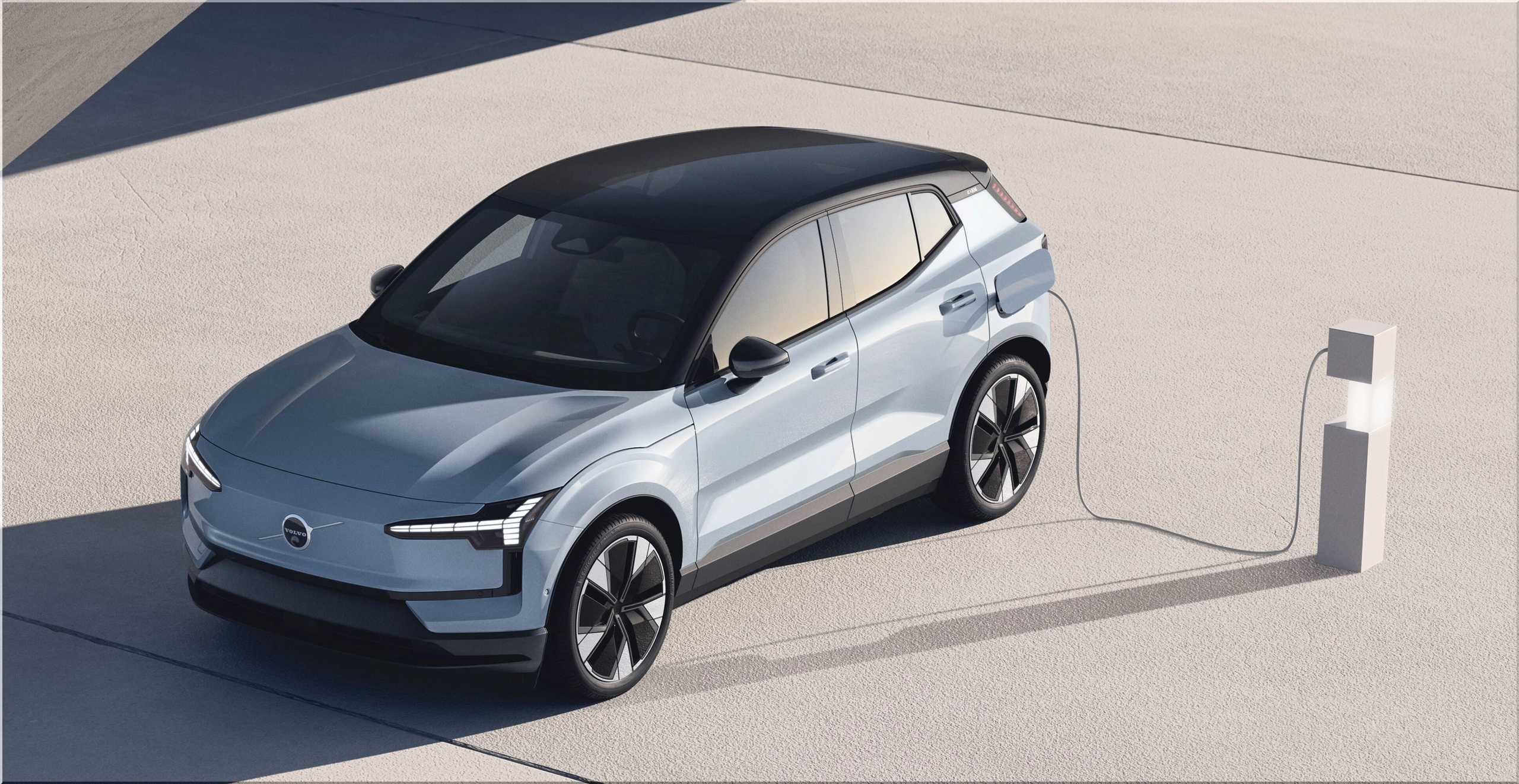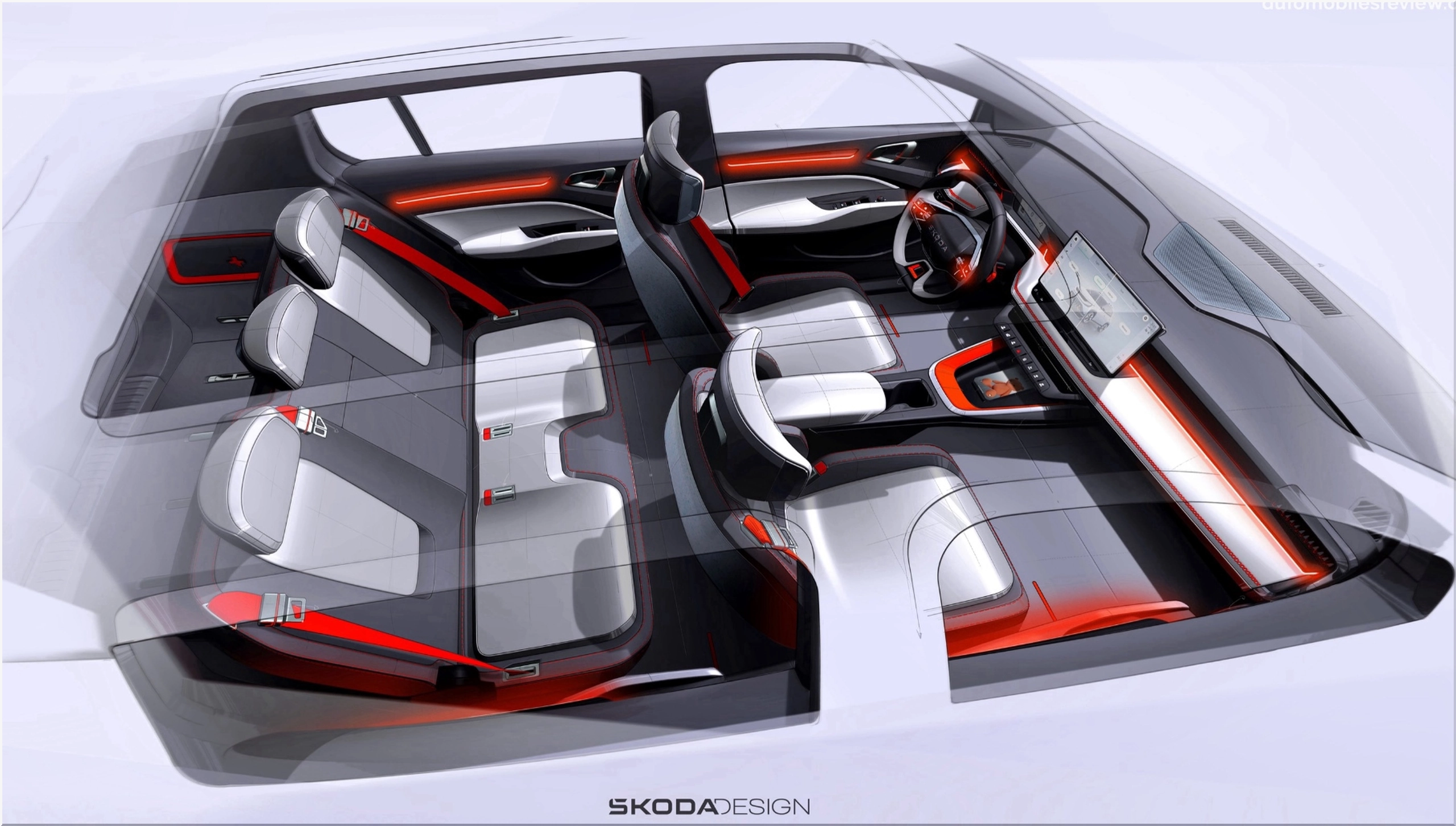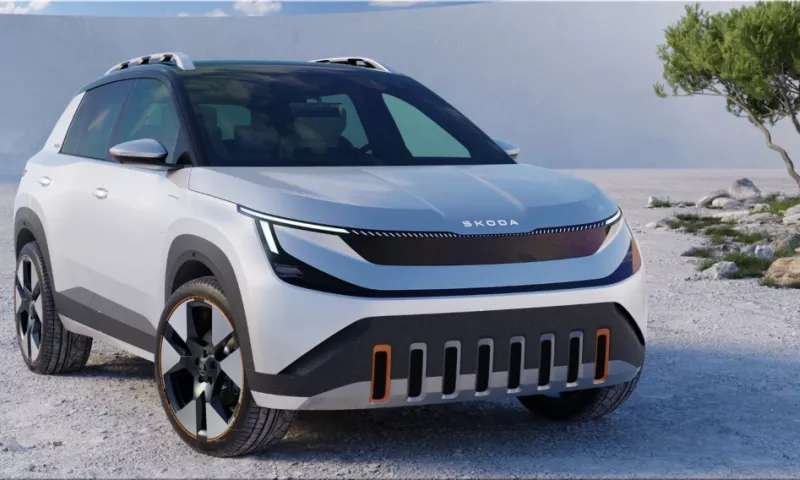
Electric vehicles (EVs) are rapidly transforming the automotive industry, offering a cleaner and more sustainable alternative to traditional gasoline-powered cars. However, one of the biggest hurdles to widespread EV adoption is battery range. Current lithium-ion battery technology limits how far an EV can travel on a single charge.
This is where carbon fiber batteries come in. They represent a potential game-changer for the EV industry, promising to significantly increase driving range, reduce weight, and enhance overall vehicle performance.
What are Carbon Fiber Batteries?
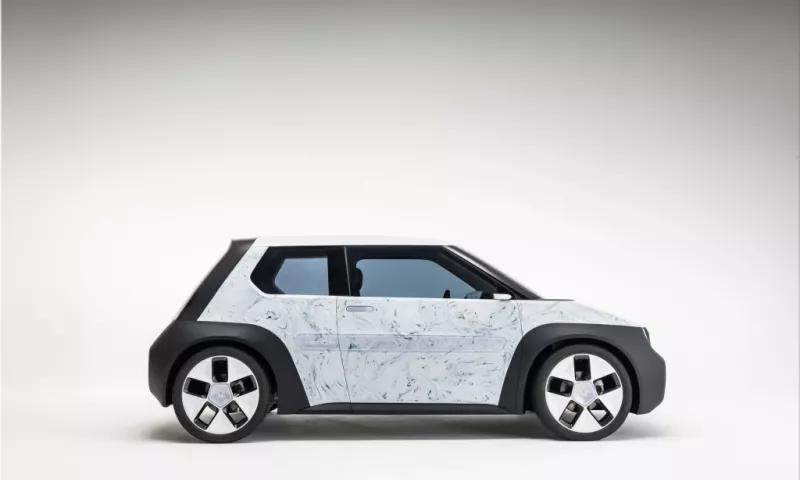
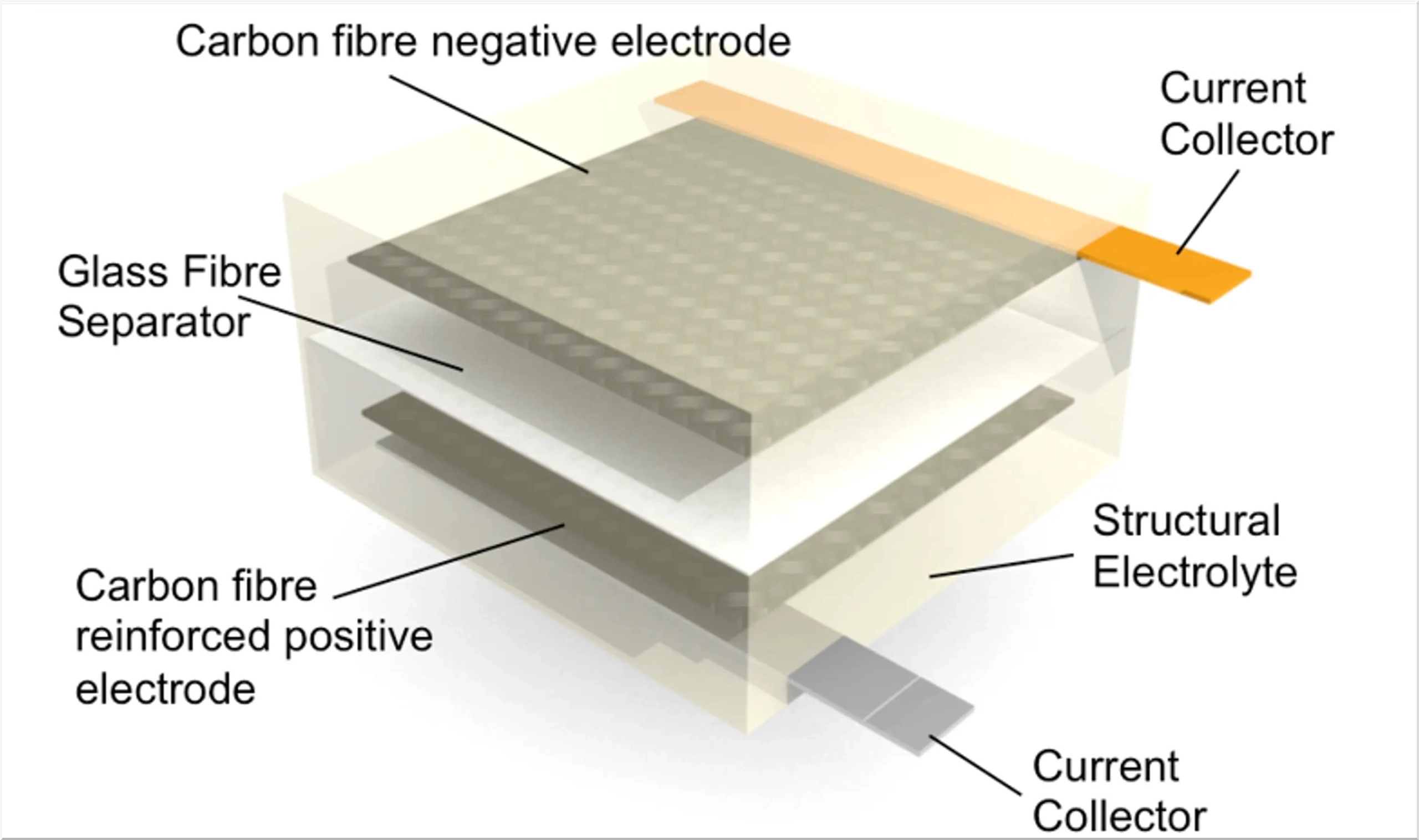
Carbon fiber is a lightweight, yet incredibly strong material commonly used in high-performance vehicles and aerospace applications. Researchers are now exploring its potential use in battery technology. Carbon fiber batteries are a type of structural battery, where the battery itself becomes an integral part of the vehicle's structure, such as the car body.
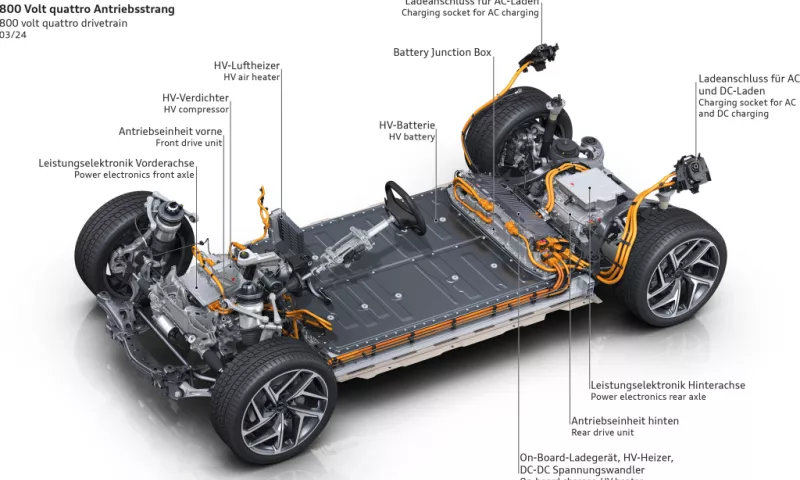
Traditional EV batteries are housed in separate battery packs, adding significant weight to the vehicle. Carbon fiber composites can be engineered to function as both energy storage units and structural components, eliminating the need for a separate battery pack. This weight reduction translates into a longer driving range and improved overall efficiency.
How Do They Work?
Carbon fiber has unique properties that make it suitable for battery applications. When specially treated, carbon fibers can store lithium ions, acting as an electrode in a battery. This eliminates the need for traditional battery components like copper and aluminum current collectors, further reducing weight.
The Advantages of Carbon Fiber Batteries
- Increased Driving Range: Studies suggest that carbon fiber batteries could potentially extend the driving range of EVs by up to 70%. This would significantly reduce range anxiety, a major concern for many potential EV buyers.
- Lighter Weight: By integrating the battery into the vehicle structure, carbon fiber technology can dramatically reduce the overall weight of an EV. A lighter vehicle translates into improved efficiency, longer range, and better handling.
- Enhanced Safety: Carbon fiber is inherently strong and fire-resistant. This makes carbon fiber batteries potentially safer than traditional lithium-ion batteries, which are susceptible to fires under certain conditions.
- Multifunctionality: Carbon fiber batteries offer a multifunctional solution, combining energy storage with structural integrity. This simplifies vehicle design and manufacturing processes.

Challenges and Considerations
While carbon fiber batteries hold immense promise, there are still some challenges to overcome before they become commercially viable.
- Manufacturing Costs: Currently, carbon fiber is a relatively expensive material to produce. Developing cost-effective manufacturing processes for carbon fiber batteries will be crucial for widespread adoption.
- Electrochemical Optimization: Finding the right balance between the electrochemical properties needed for energy storage and the structural properties required for vehicle support is an ongoing area of research.
- Recycling: Developing efficient and environmentally friendly methods for recycling carbon fiber batteries is essential for long-term sustainability.

The Road Ahead
Carbon fiber battery technology is still in its early stages of development. However, the potential benefits are undeniable. Significant research and development efforts are underway by companies like Sinonus, a Swedish company pioneering carbon fiber battery technology.
As these challenges are addressed, carbon fiber batteries have the potential to revolutionize the EV industry, paving the way for a new generation of electric vehicles with extended range, lighter weight, and enhanced performance.
This technological leap forward will not only benefit consumers but also contribute to a cleaner and more sustainable transportation future. @via Sinonus.
- Add new comment
- 182 views