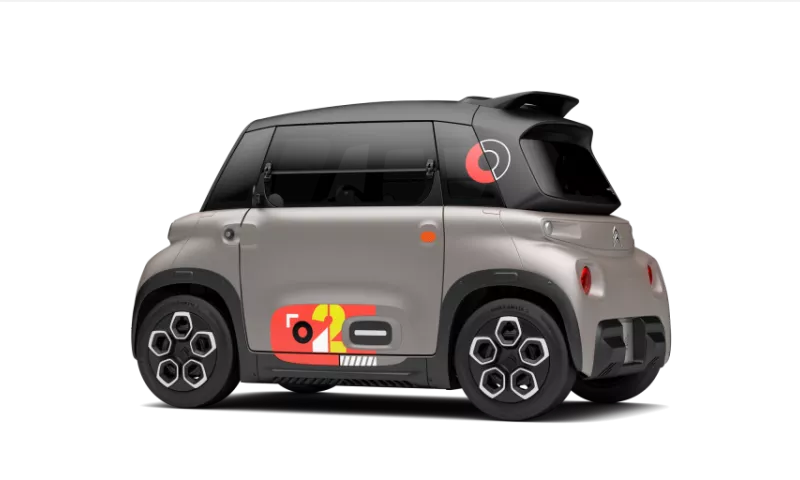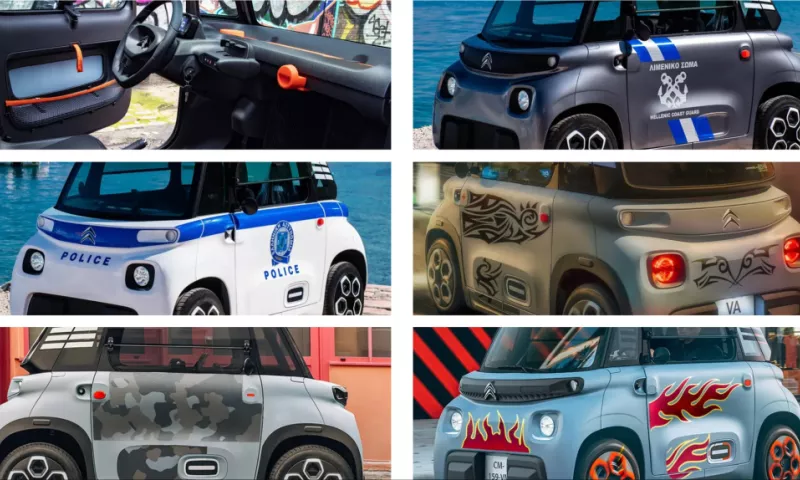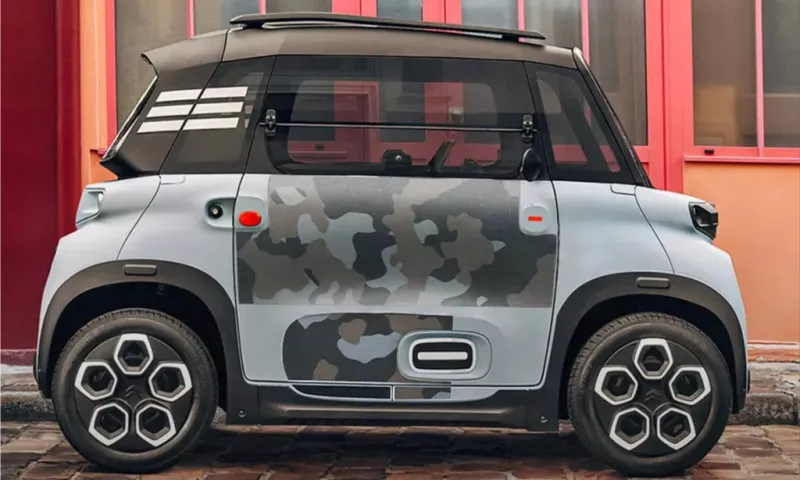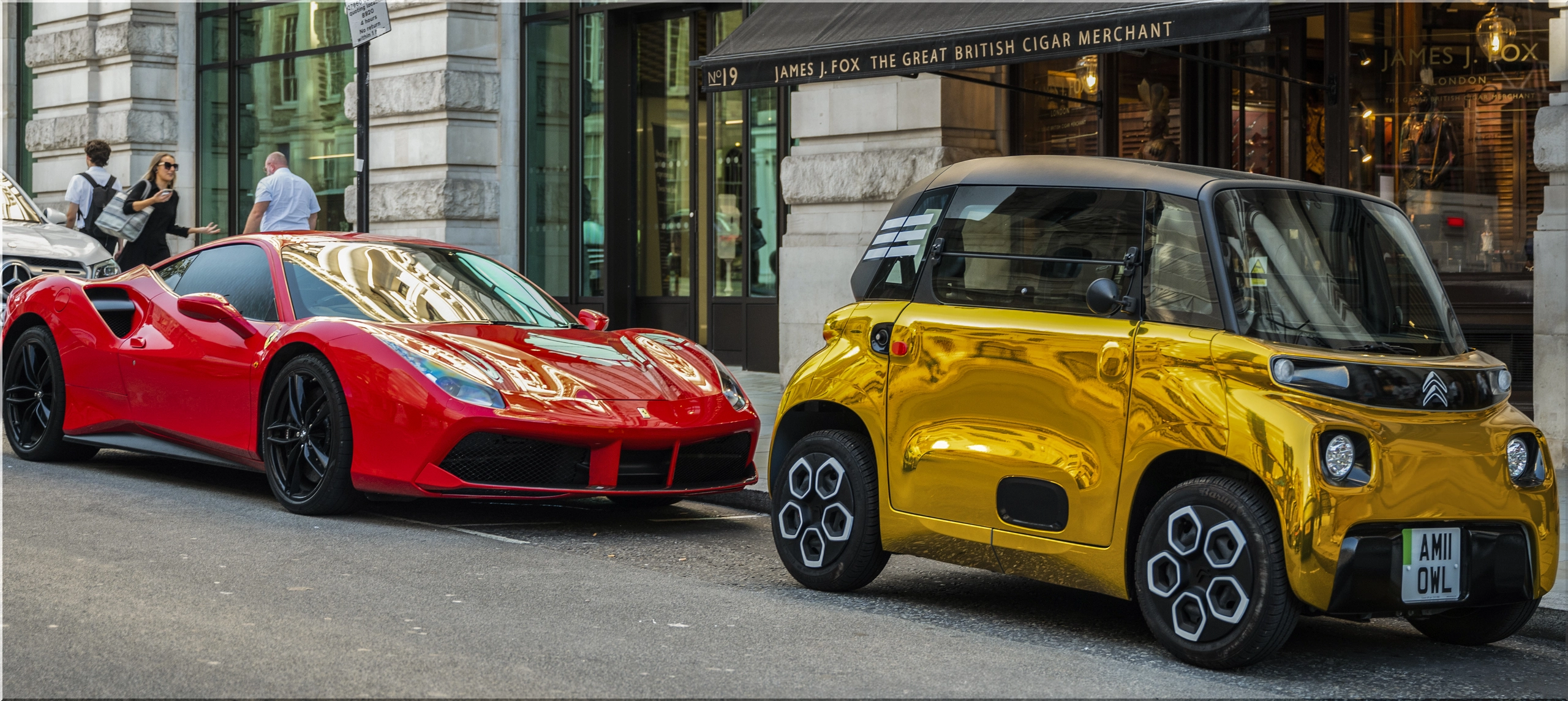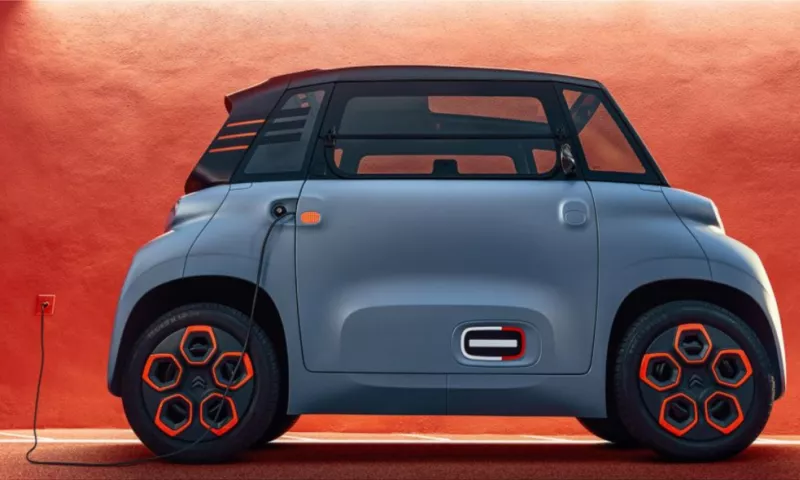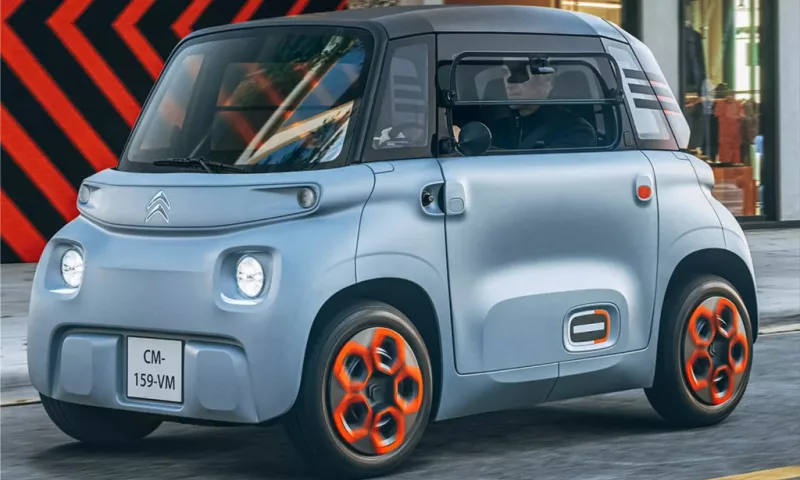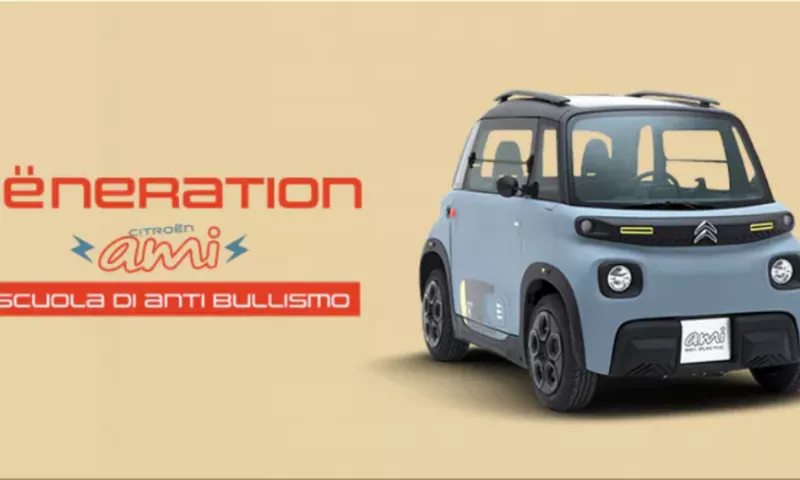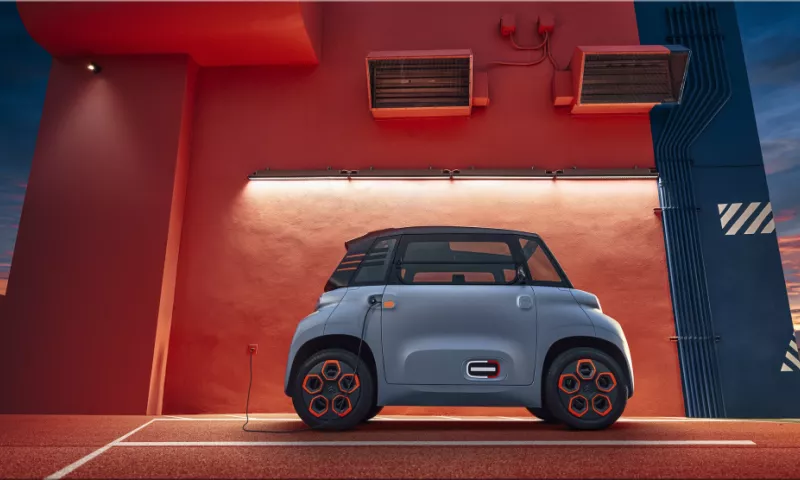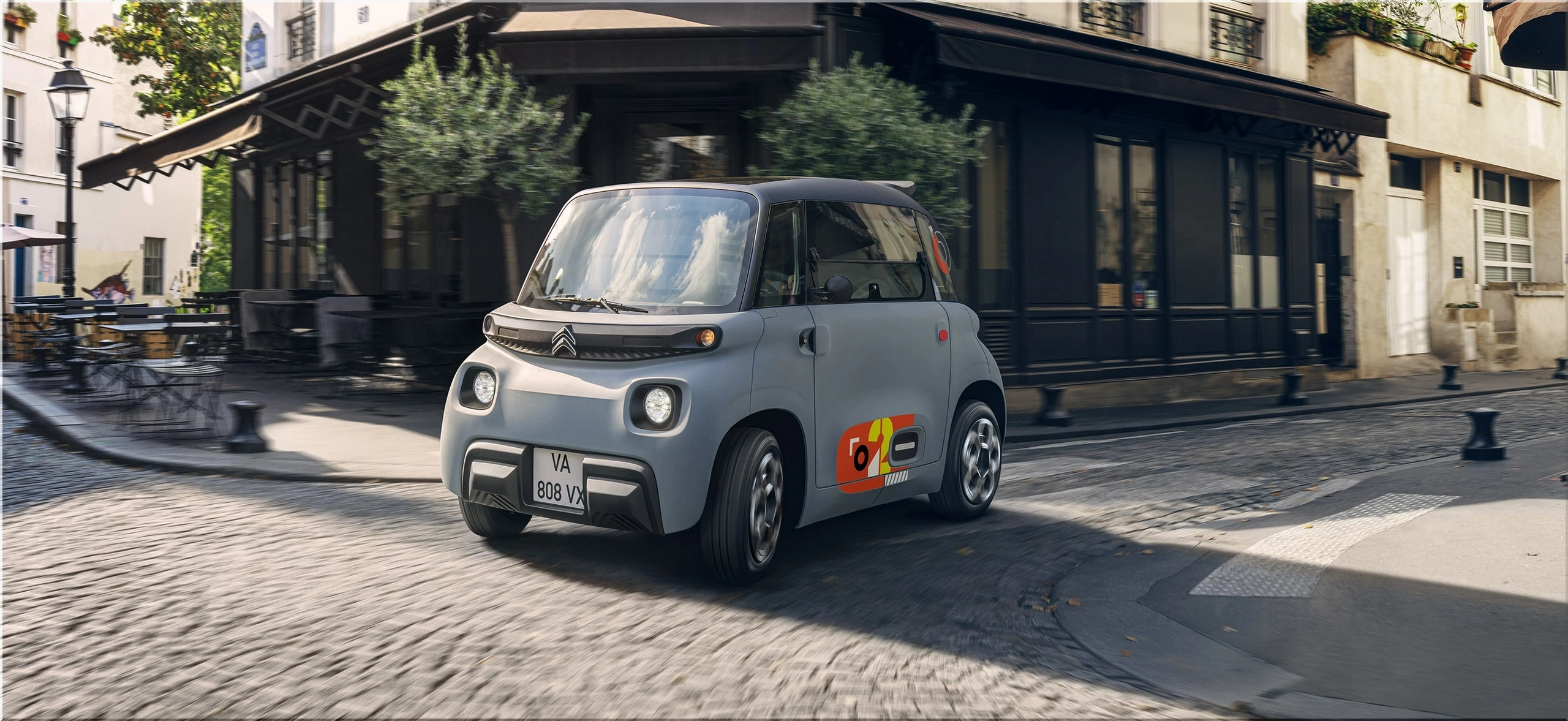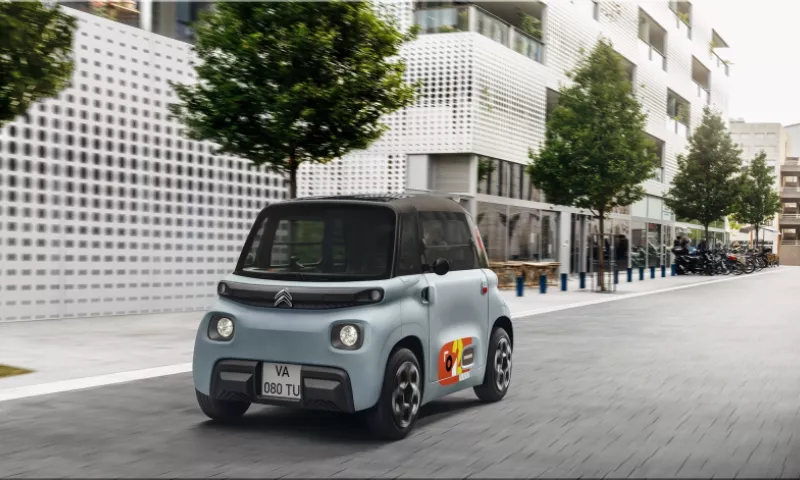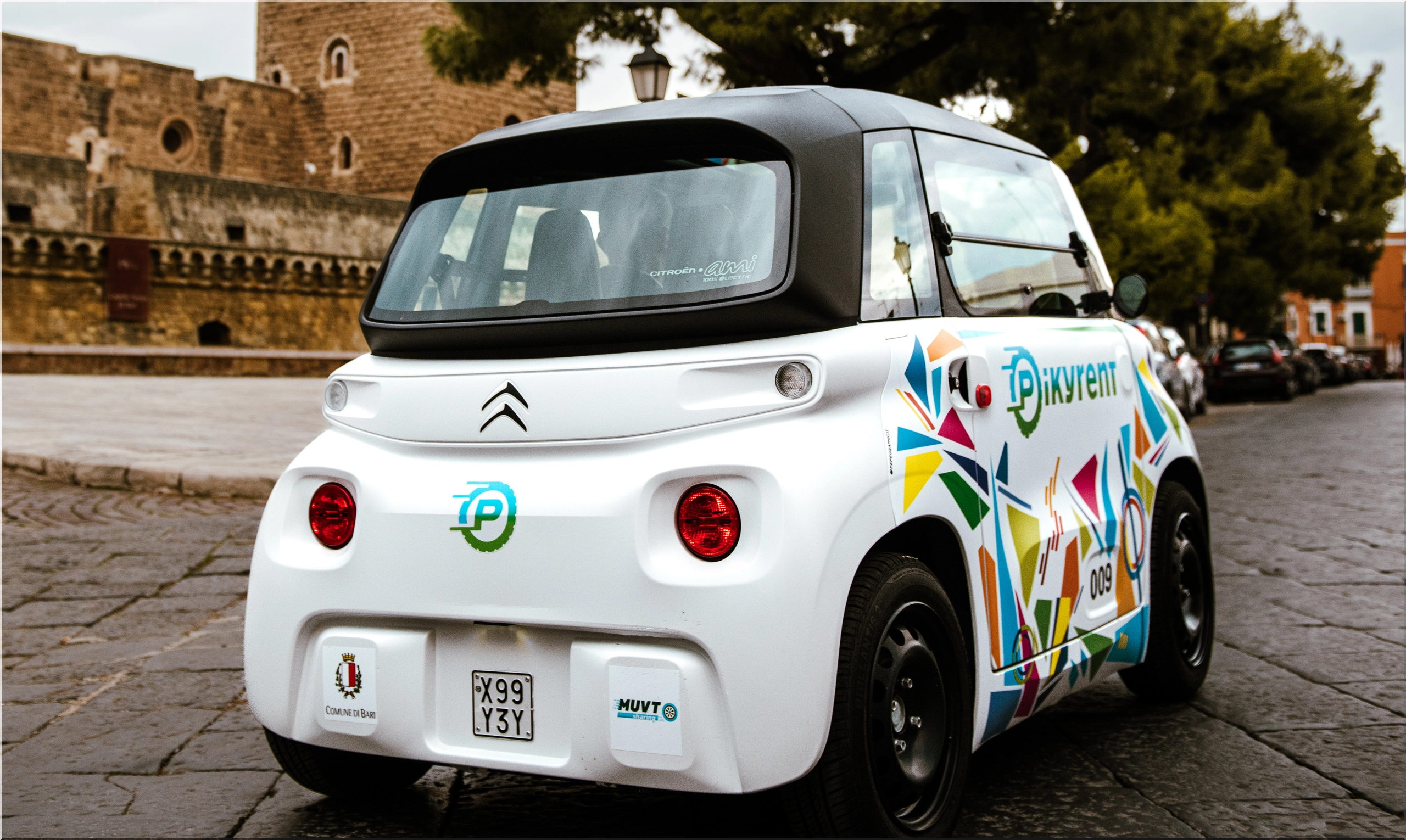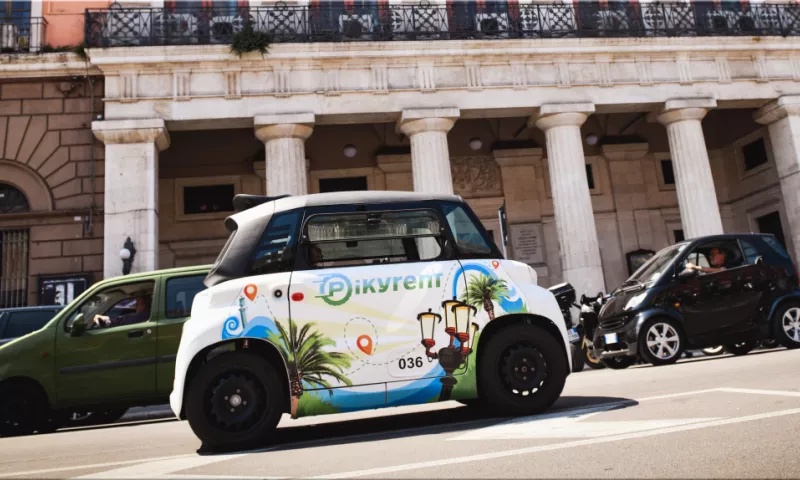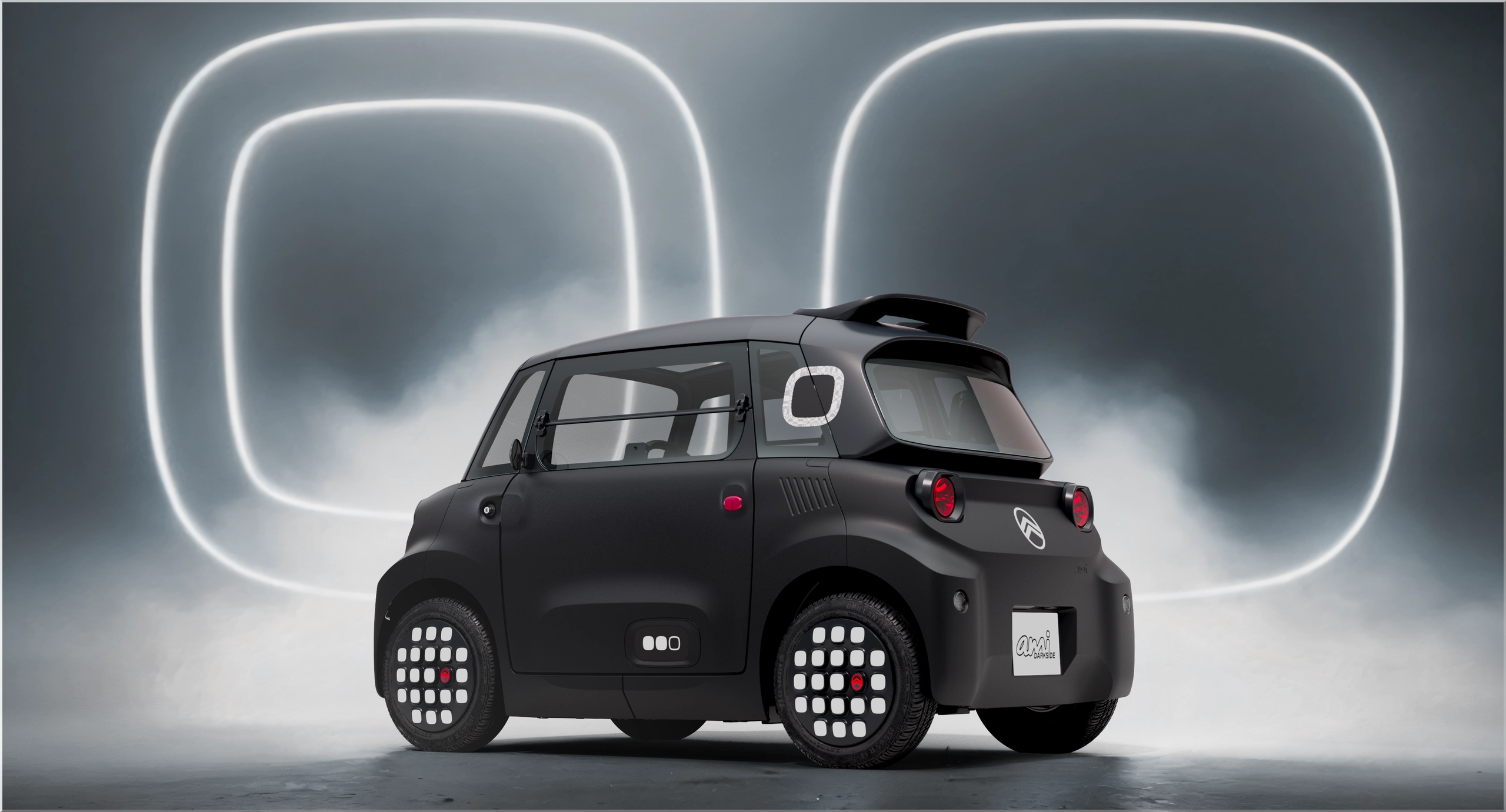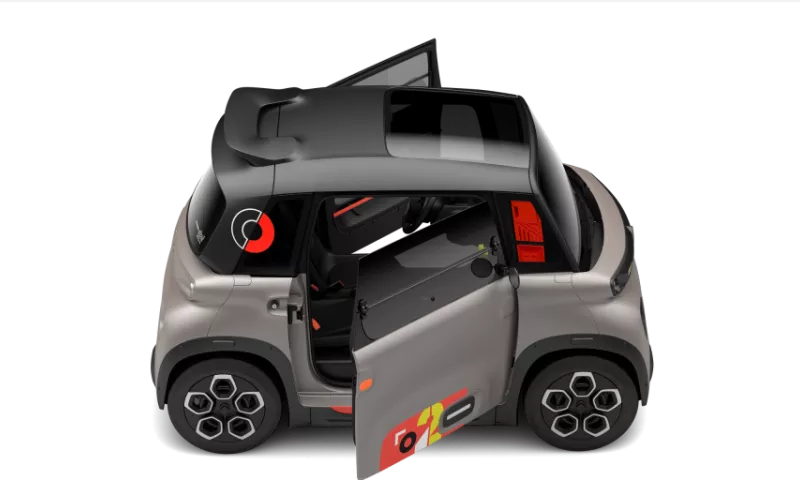
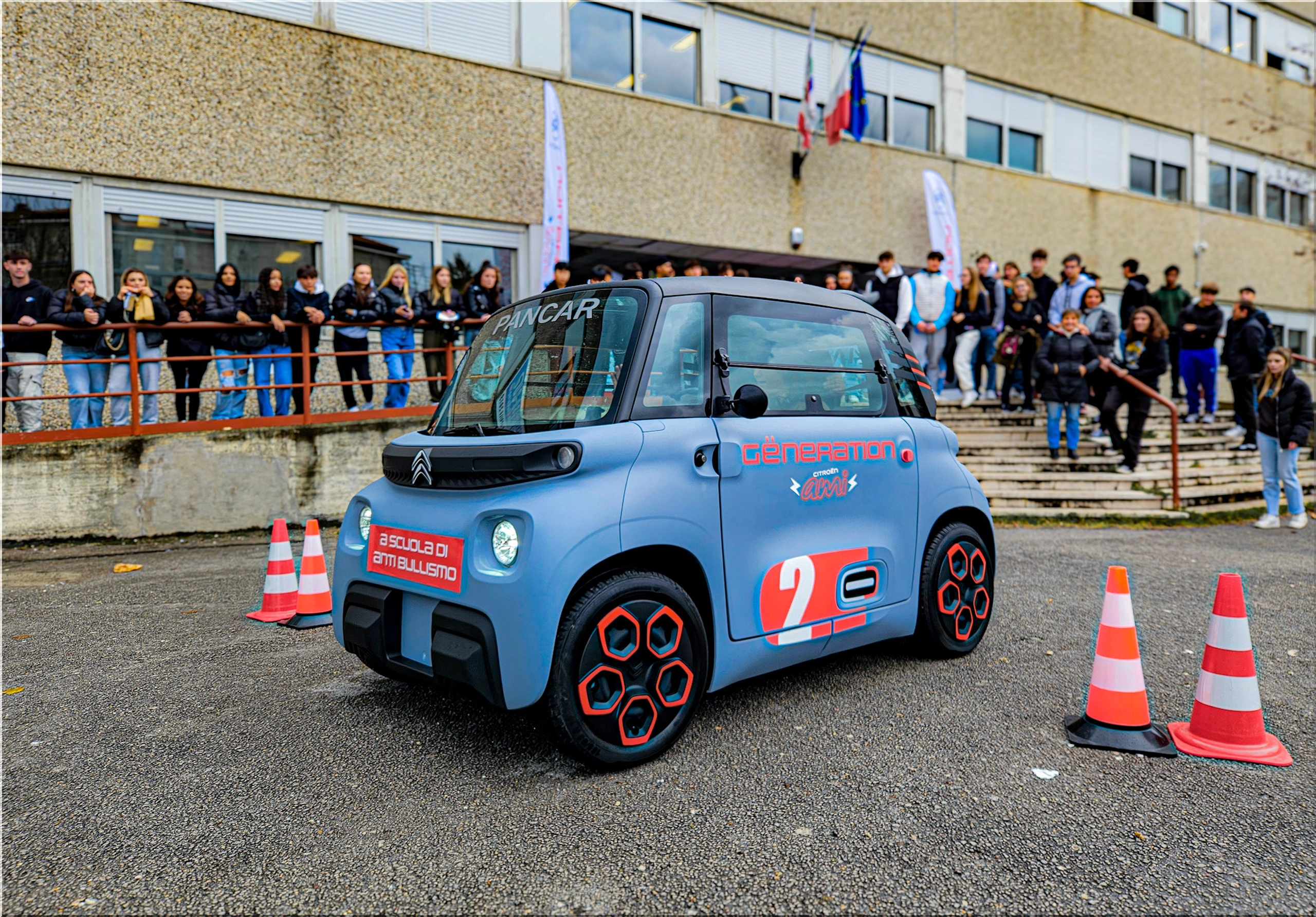
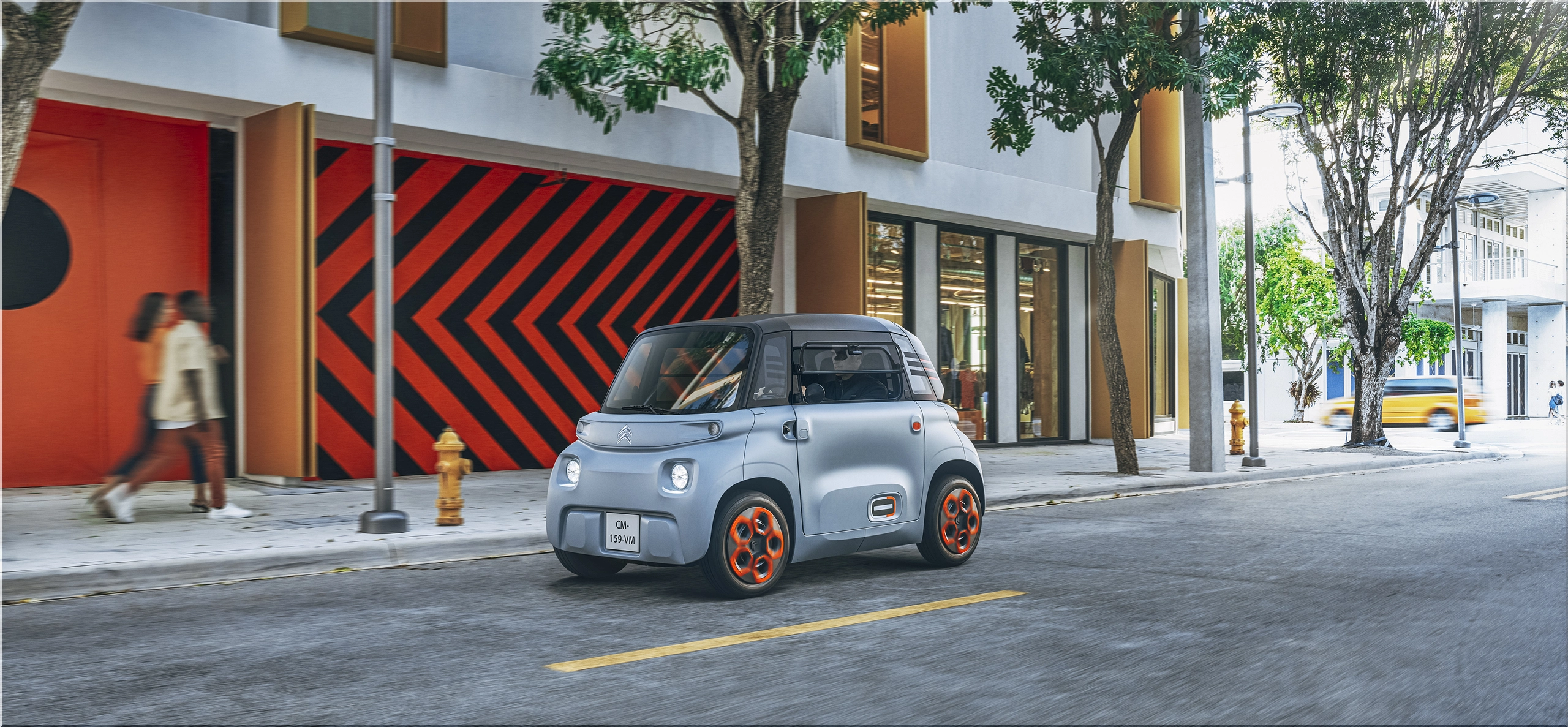
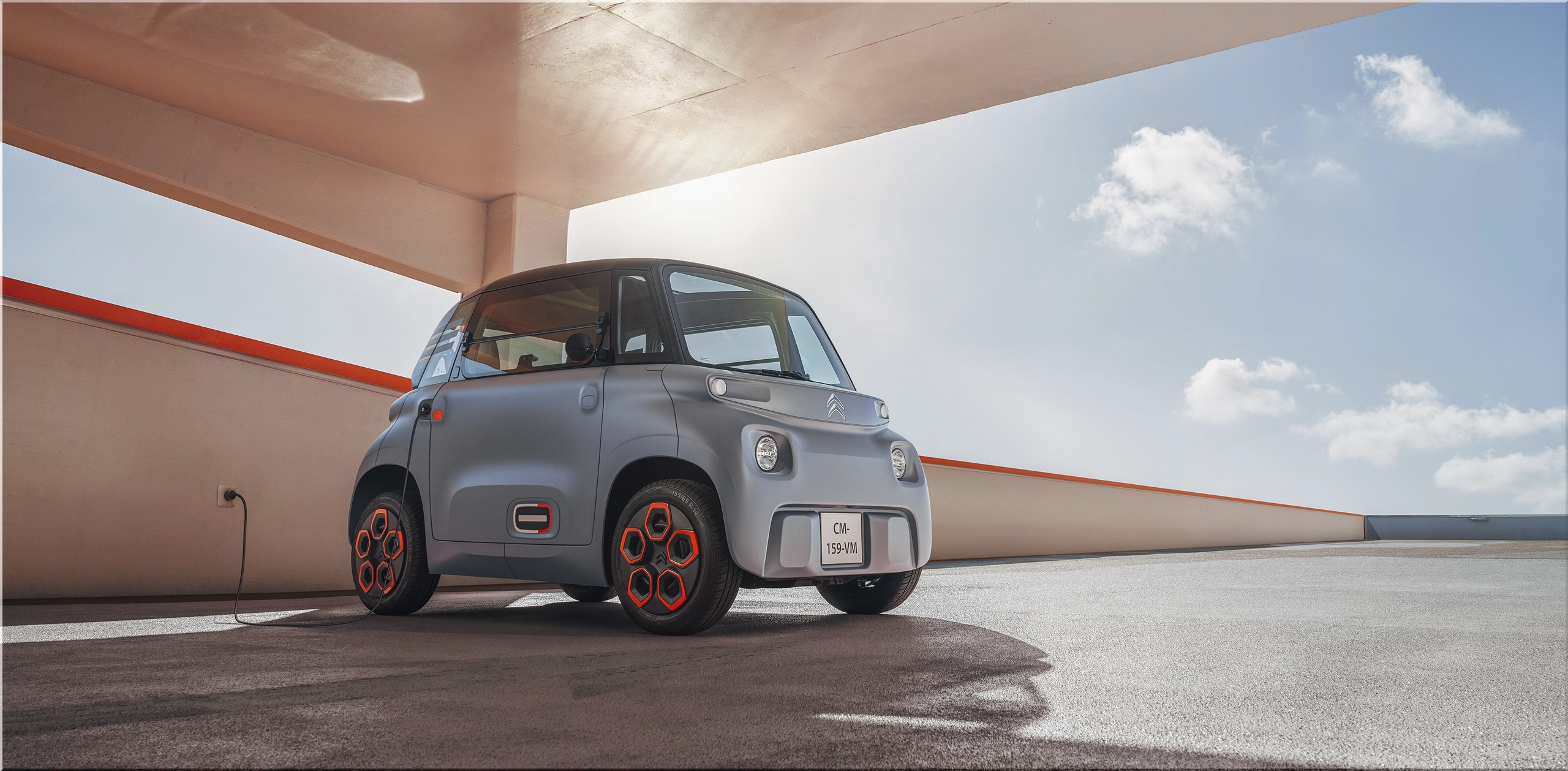
In the cutthroat world of online car culture, Citroën's electric vehicle, the Ami, wasn't exactly met with a red carpet. The Citroën Ami, with its unique and unconventional design, became an easy target for online trolls and negativity. But instead of shrinking away from the criticism, Citroën did something remarkable. They decided to transform the narrative and use the Ami as a springboard to launch a powerful anti-bullying campaign.
This campaign, aptly titled "Generation AMI – At School of Anti-Bullying," is a masterclass in social responsibility and a shining example of how brands can leverage their influence to create positive change.
Citroën's Strategic Partnership
Citroën didn't go it alone in this endeavor. They strategically partnered with respected organizations in the field of anti-bullying, including the Italian Ministry of Education and the Antonino Caponnetto Foundation. This collaboration lent credibility and authority to the campaign, ensuring its message would resonate with students, educators, and parents alike.
A Campaign Built on Education and Action
"Generation AMI" wasn't just a slogan plastered on billboards. Citroën invested in creating a comprehensive educational program designed to empower students to stand up to bullying. The program included:
- Interactive classroom workshops: These workshops, facilitated by trained professionals, addressed the root causes of bullying, provided students with coping mechanisms, and fostered a culture of empathy and respect.
- Educational materials: Citroën developed engaging and informative resources, including videos, infographics, and interactive quizzes, to reinforce the anti-bullying message.
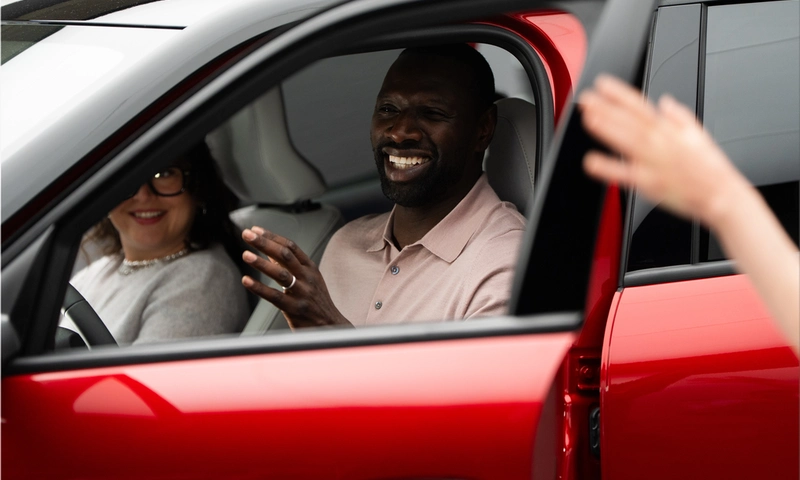
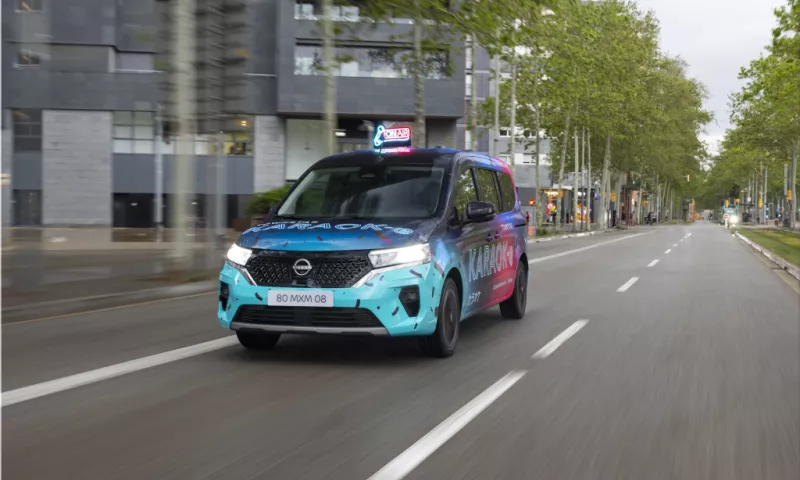
- Test drives with a purpose: The campaign incorporated a unique element – test drives of the Ami. But these weren't your typical car dealership test drives. The test drives were designed to spark conversations about individuality, acceptance, and the importance of embracing what makes us different – perfectly aligning with the campaign's core message.


Measurable Success: When Social Impact Meets Brand Building
The "Generation AMI" campaign was a resounding success. Here are some of the key metrics that highlight its impact:
- Nearly 15,000 students participated in the classroom workshops, a significant number considering the targeted age group.
- Social media engagement skyrocketed, with the campaign generating a wave of positive online sentiment. Citroën cleverly used the very platform where the Ami was initially trolled to spread its anti-bullying message.
- Brand perception for Citroën improved significantly, particularly among younger demographics. The campaign helped Citroën establish itself as a brand that cares about social issues and youth empowerment.
Key Learnings for Brands and Marketers
The "Generation AMI" advertising campaign offers valuable takeaways for brands and marketers looking to make a positive social impact:
- Find your cause: Align your brand with a social issue that resonates with your target audience. Don't just jump on a bandwagon; find a cause that reflects your brand values and purpose.
- Partner with experts: Collaborate with NGOs, advocacy groups, or government agencies to leverage their expertise and credibility.
- Go beyond awareness: Don't just raise awareness; create a campaign that inspires action and empowers people to make a difference.
- Measure your impact: Track the results of your campaign to demonstrate its effectiveness and ROI. The positive social impact should go hand-in-hand with measurable brand benefits.
Citroën's "Generation AMI" campaign is a powerful reminder that brands can be a force for good. By using their creativity, resources, and influence, brands can spark positive conversations, tackle social issues, and leave a lasting impact on society. This campaign is a benchmark for future cause-marketing efforts, proving that social responsibility and brand building can go hand in hand.
- Add new comment
- 203 views