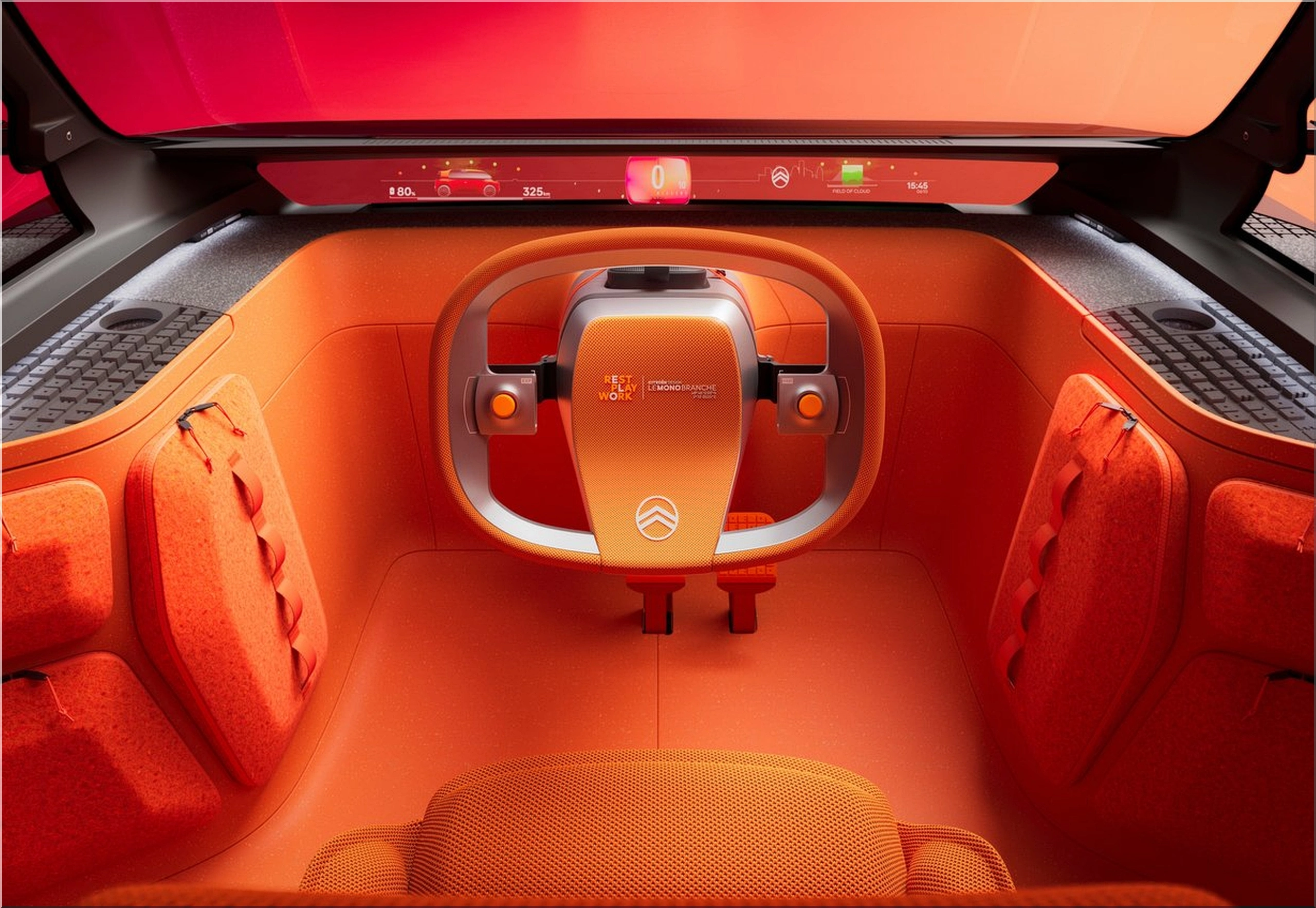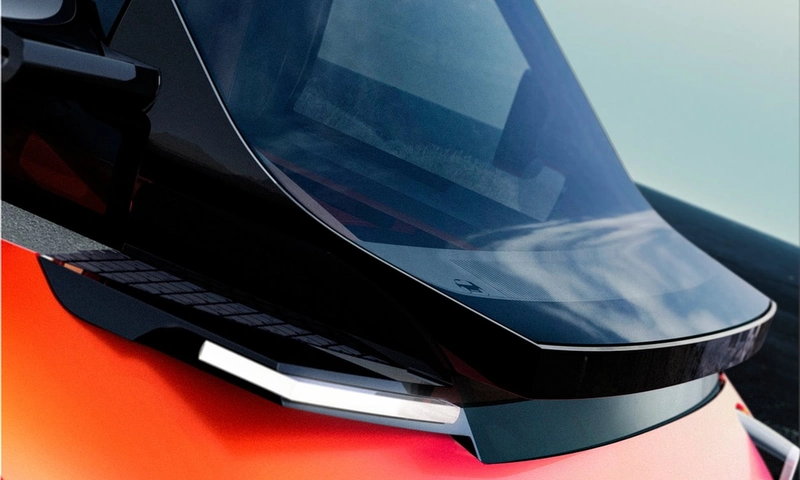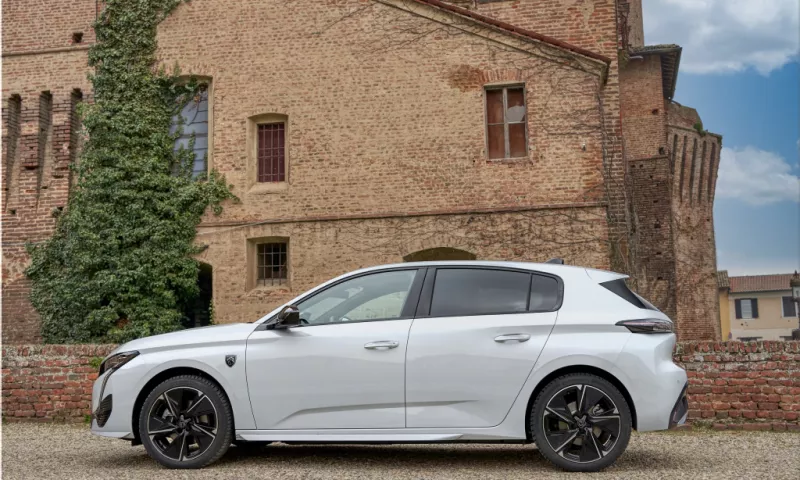
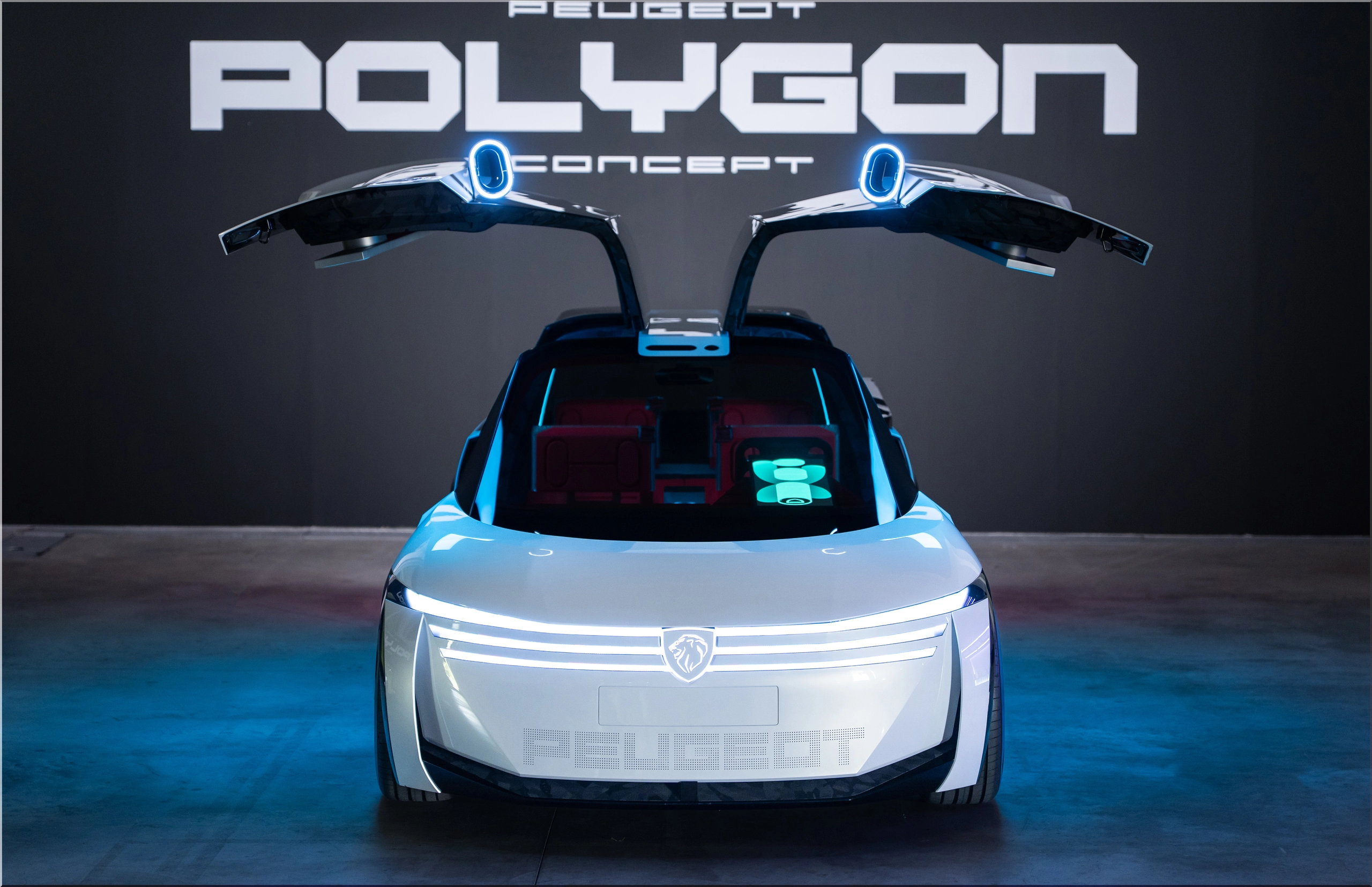
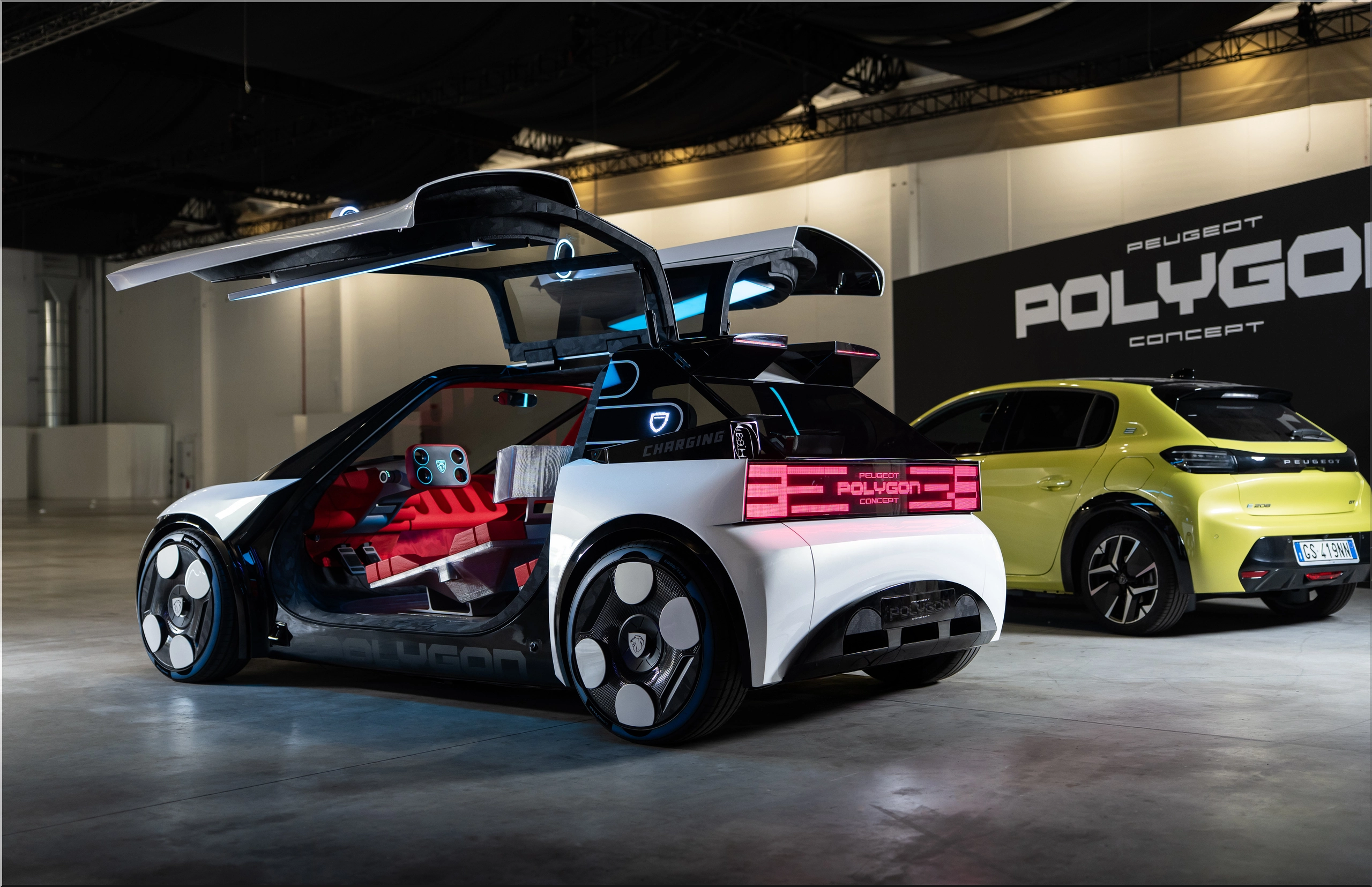
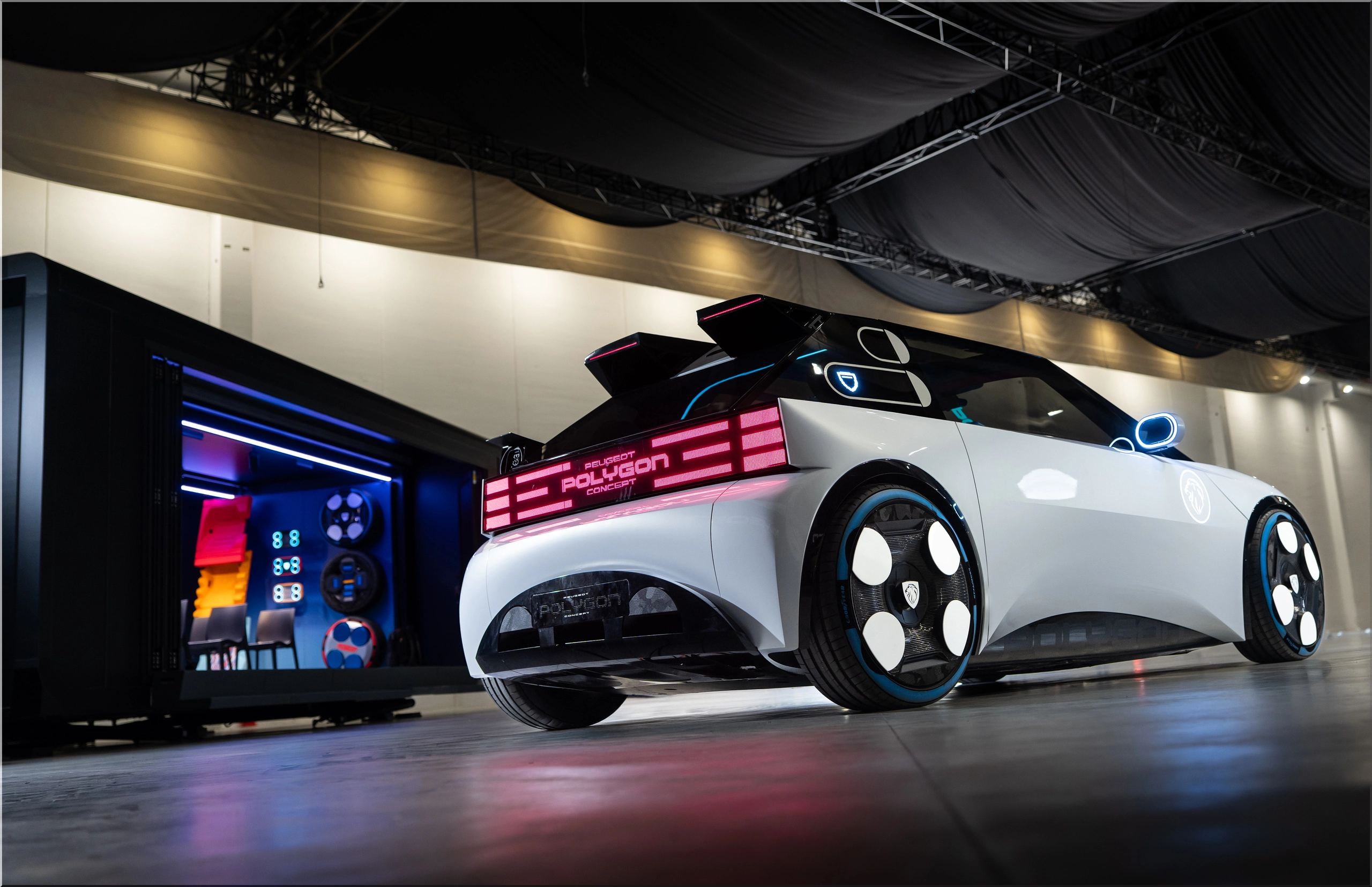
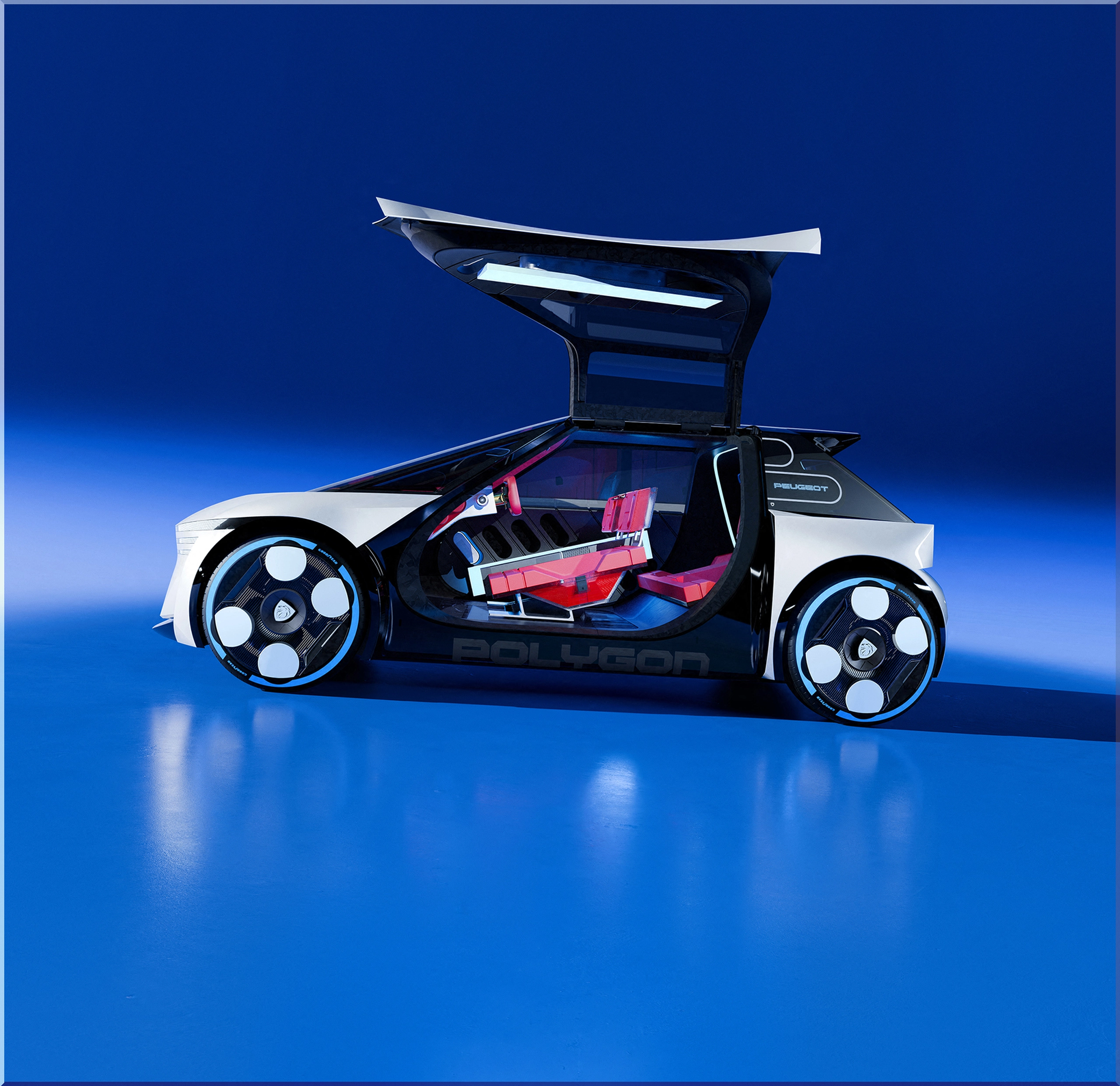
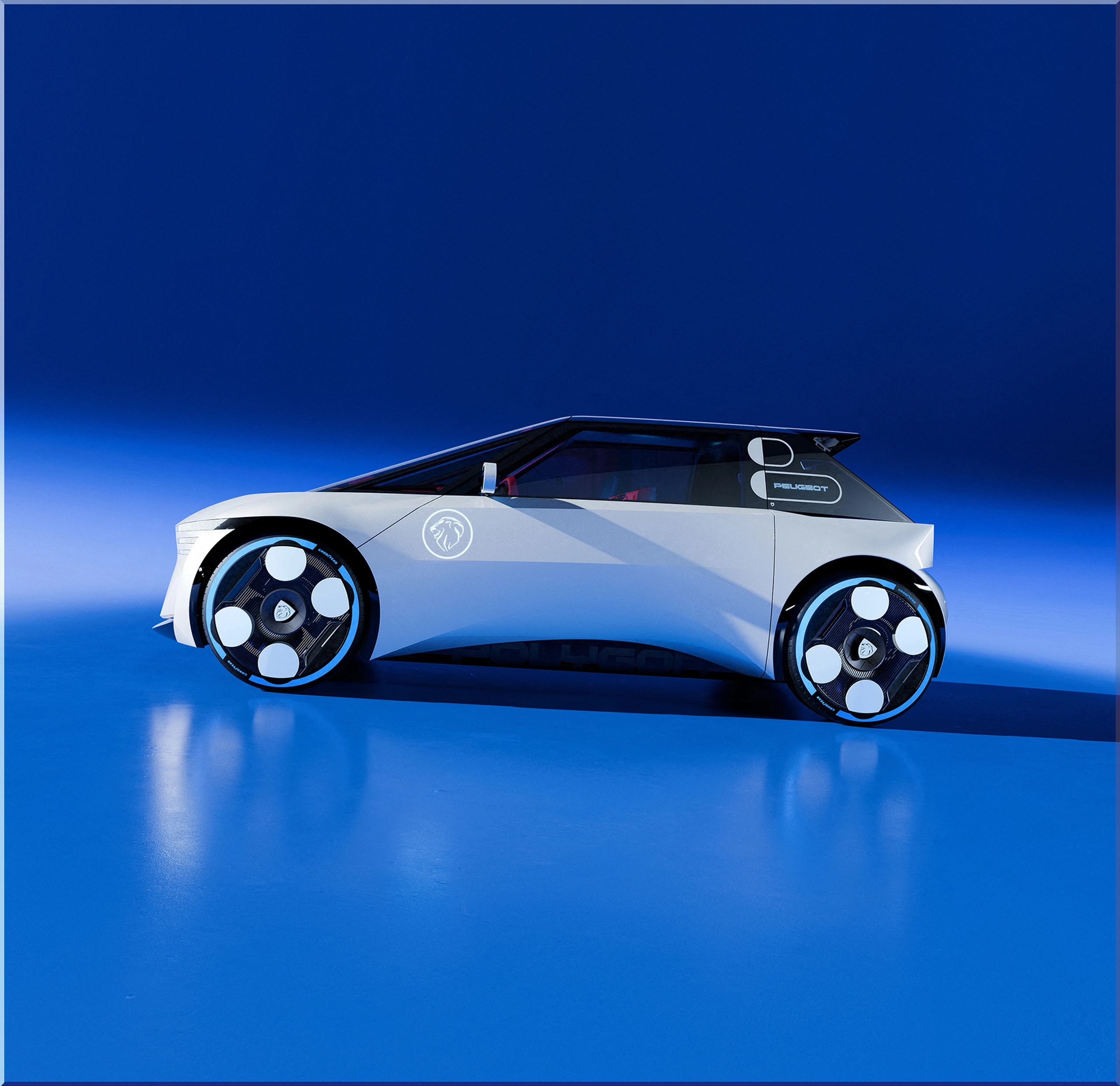
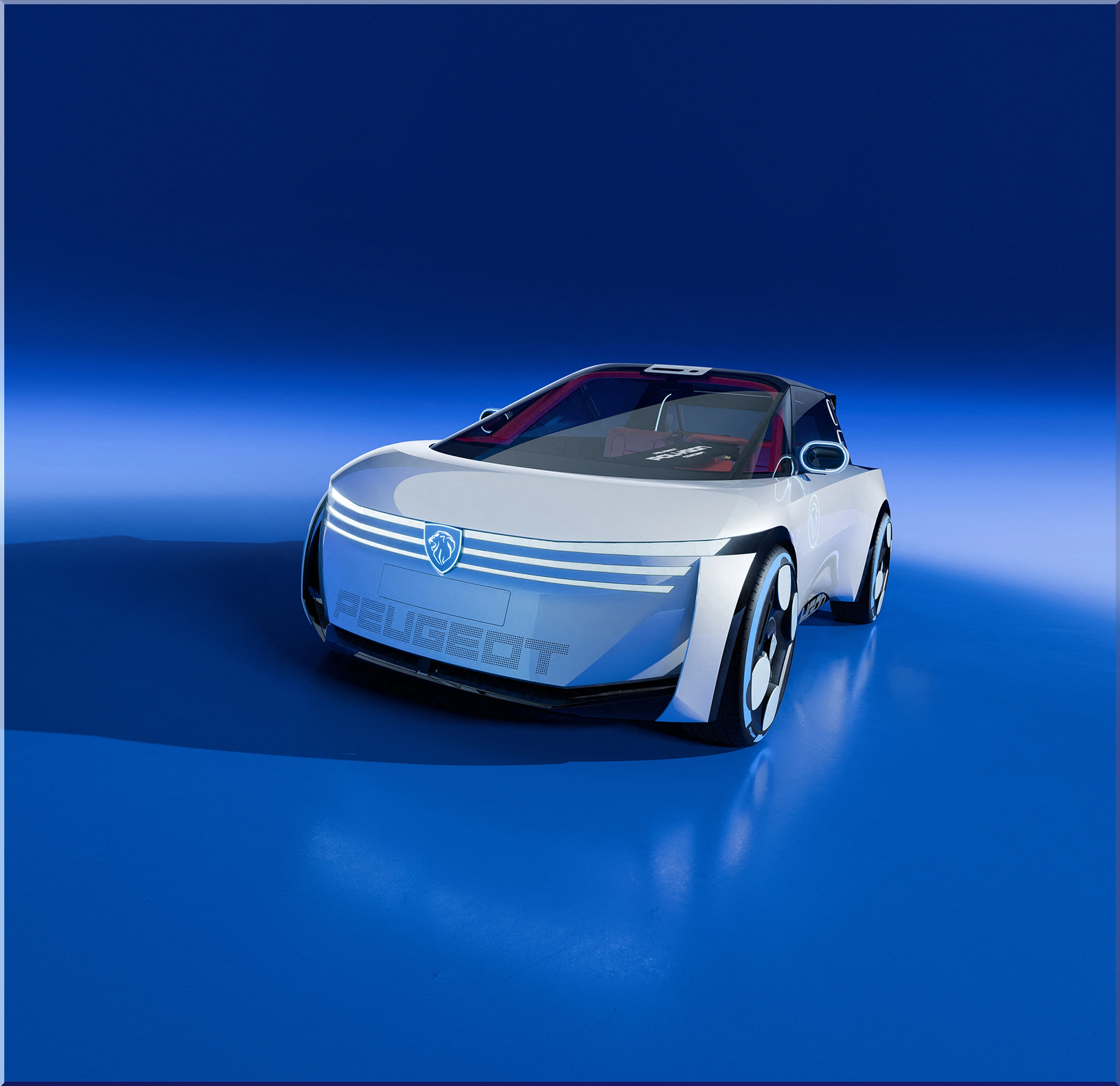
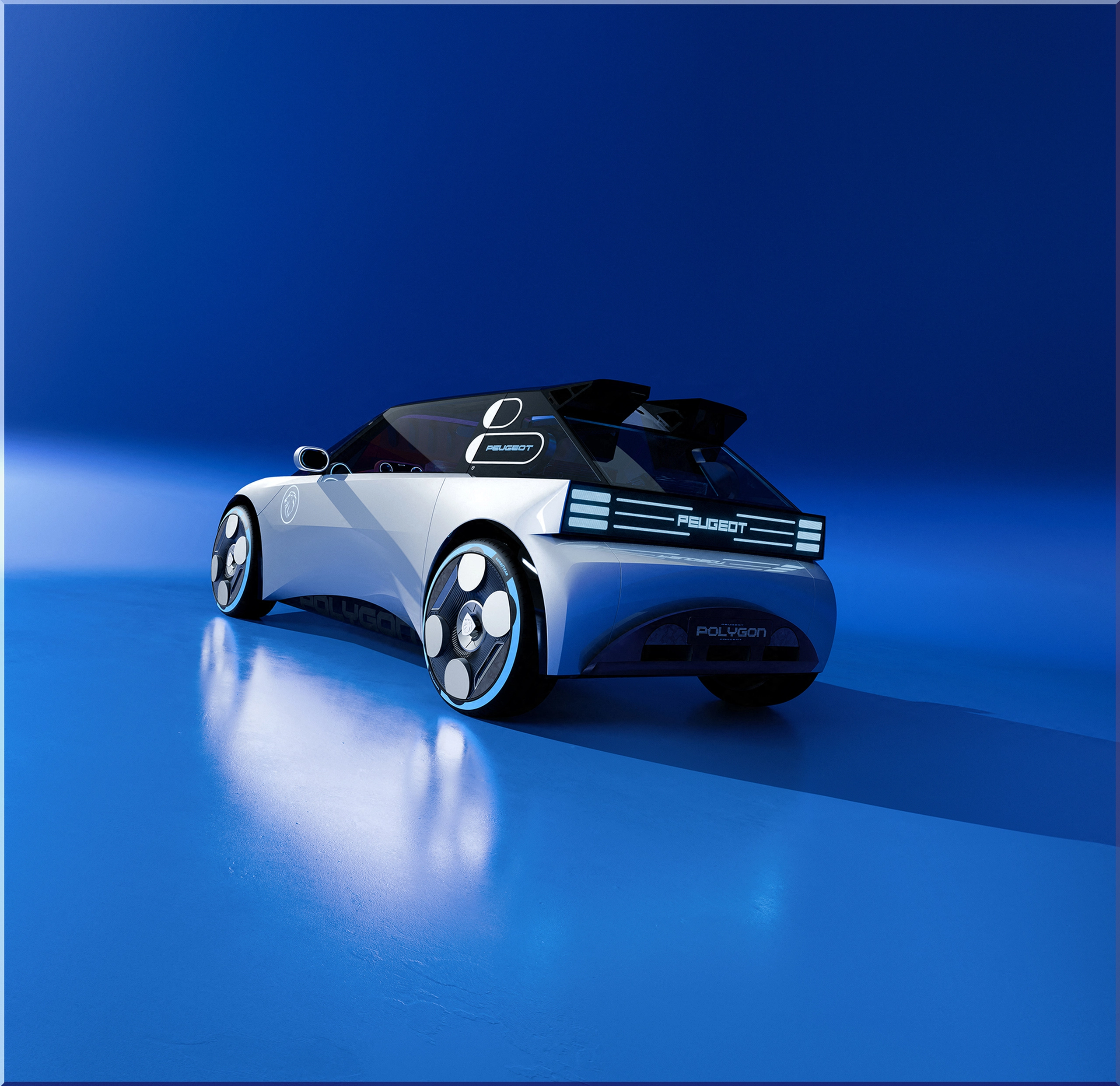
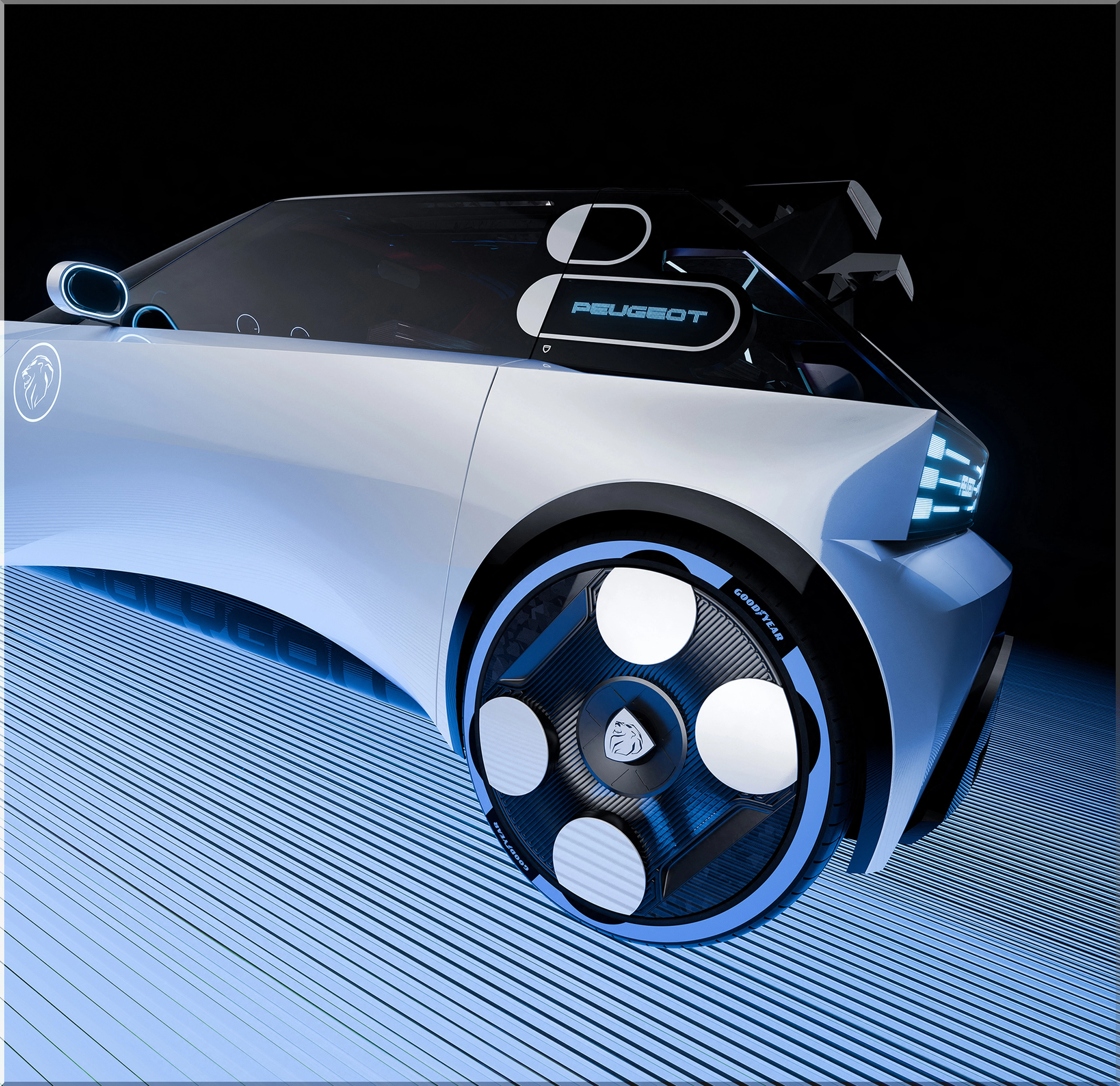
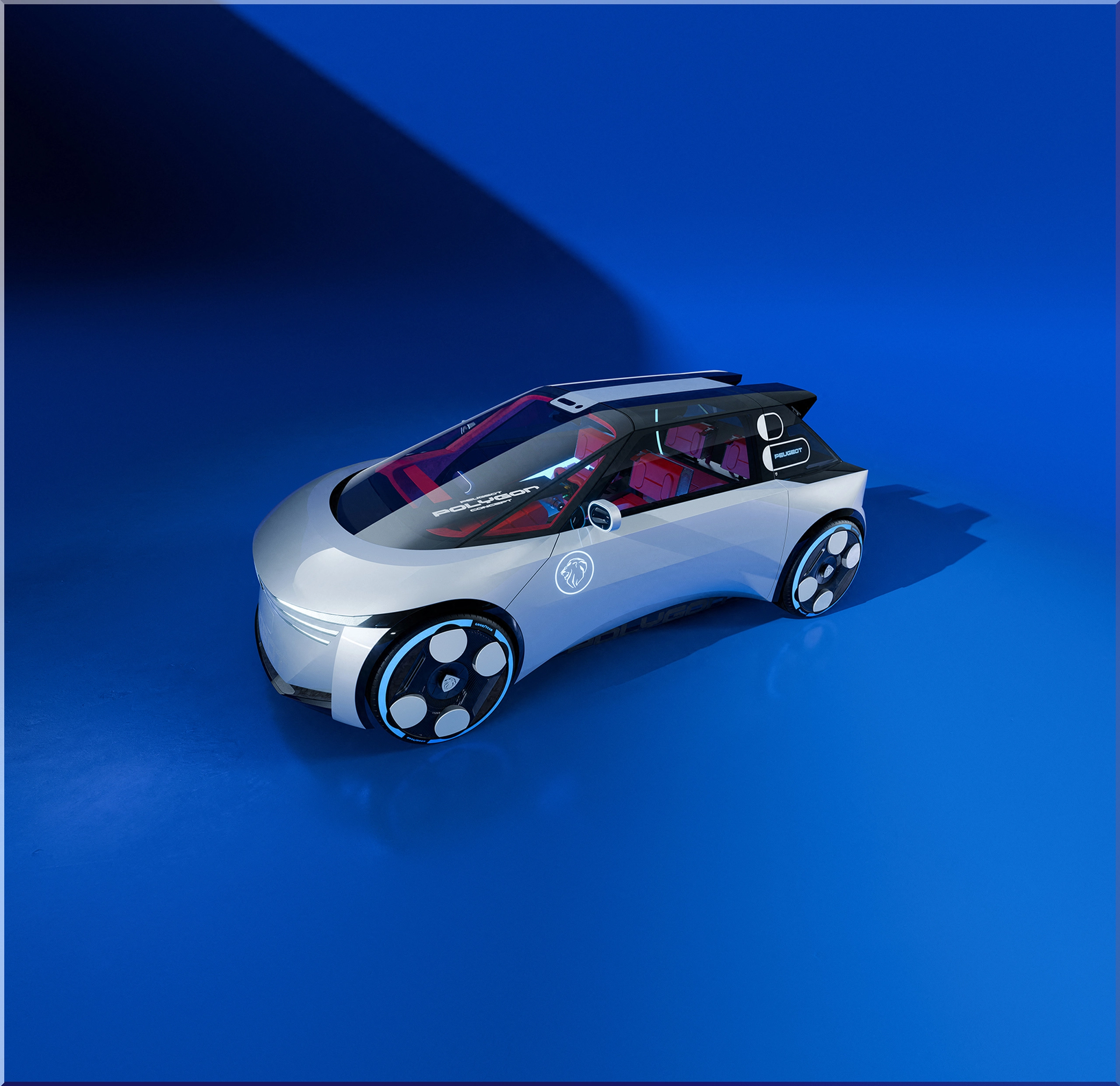
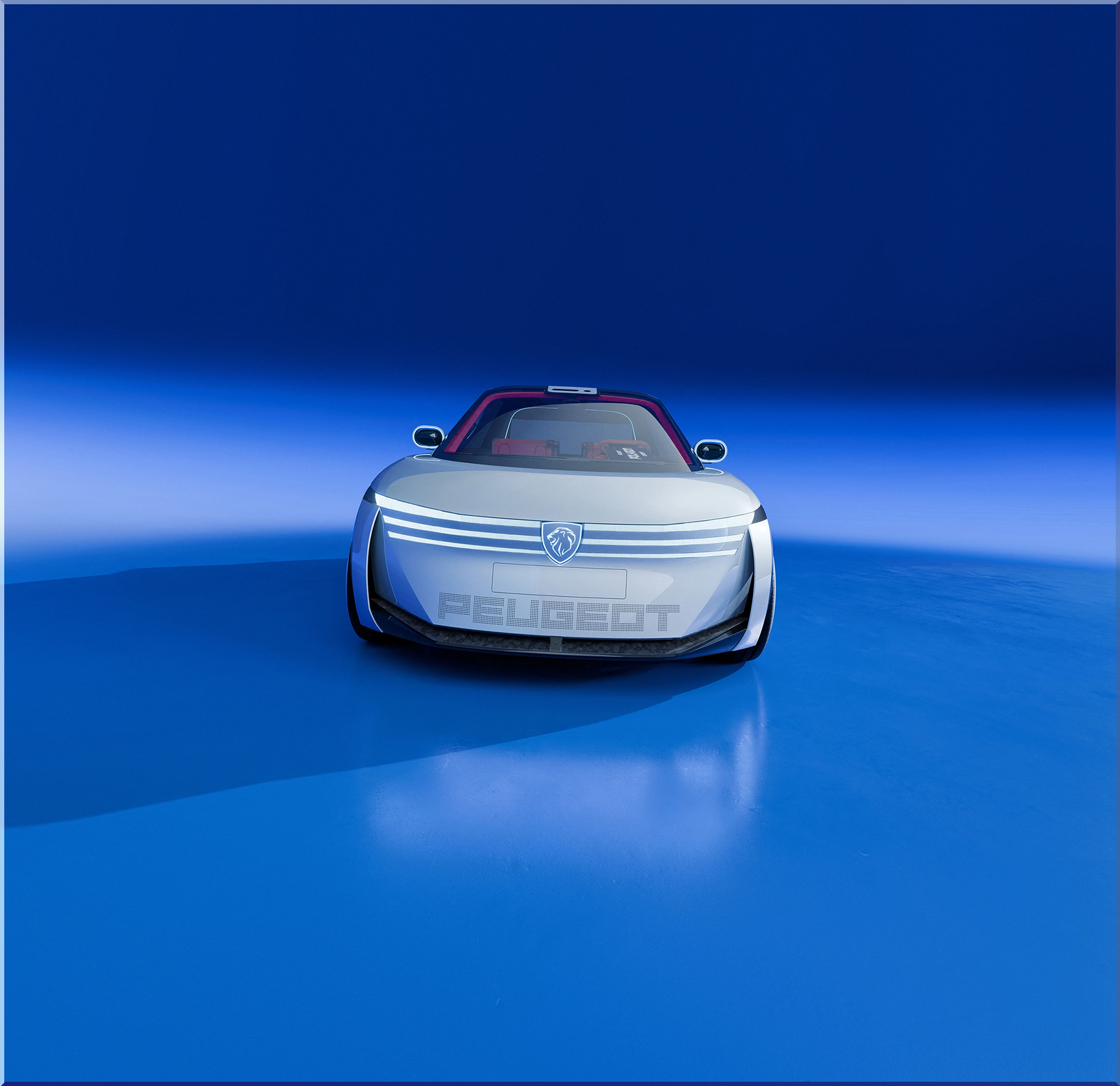
The Peugeot Polygon Concept previews the cockpit and design thinking that will influence the French brand's cars from 2027. Peugeot built the compact electric show car at under 4,000 mm, or 157.5 inches, long and used it as a running test platform rather than a static styling study.
Peugeot has not disclosed motor output, torque, battery capacity, WLTP range, charging power, wheelbase, kerb weight, or pricing. That omission keeps the focus on steering, cabin packaging, modular parts, and lower material use.
Hypersquare Steering Changes the Control Logic
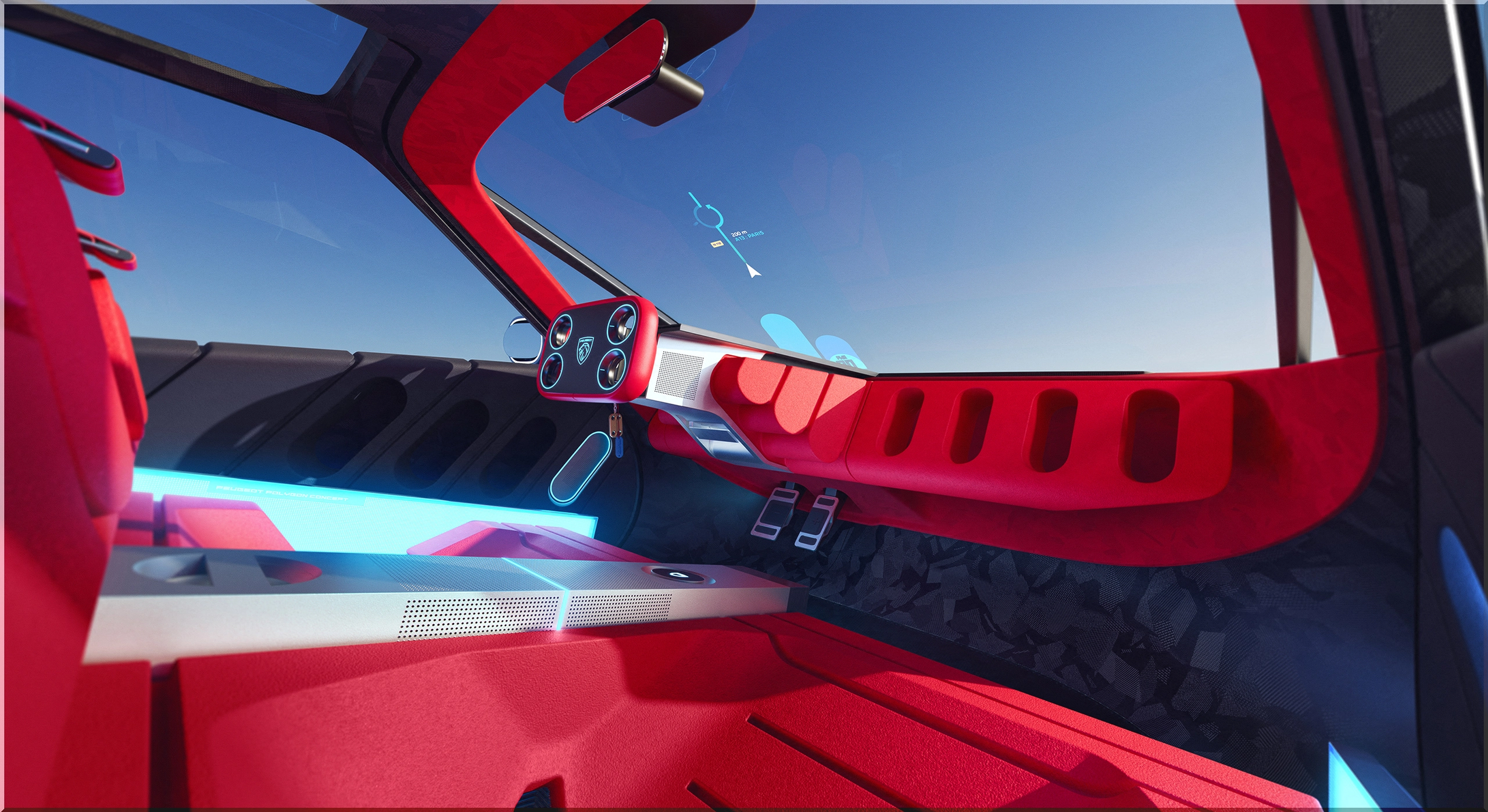
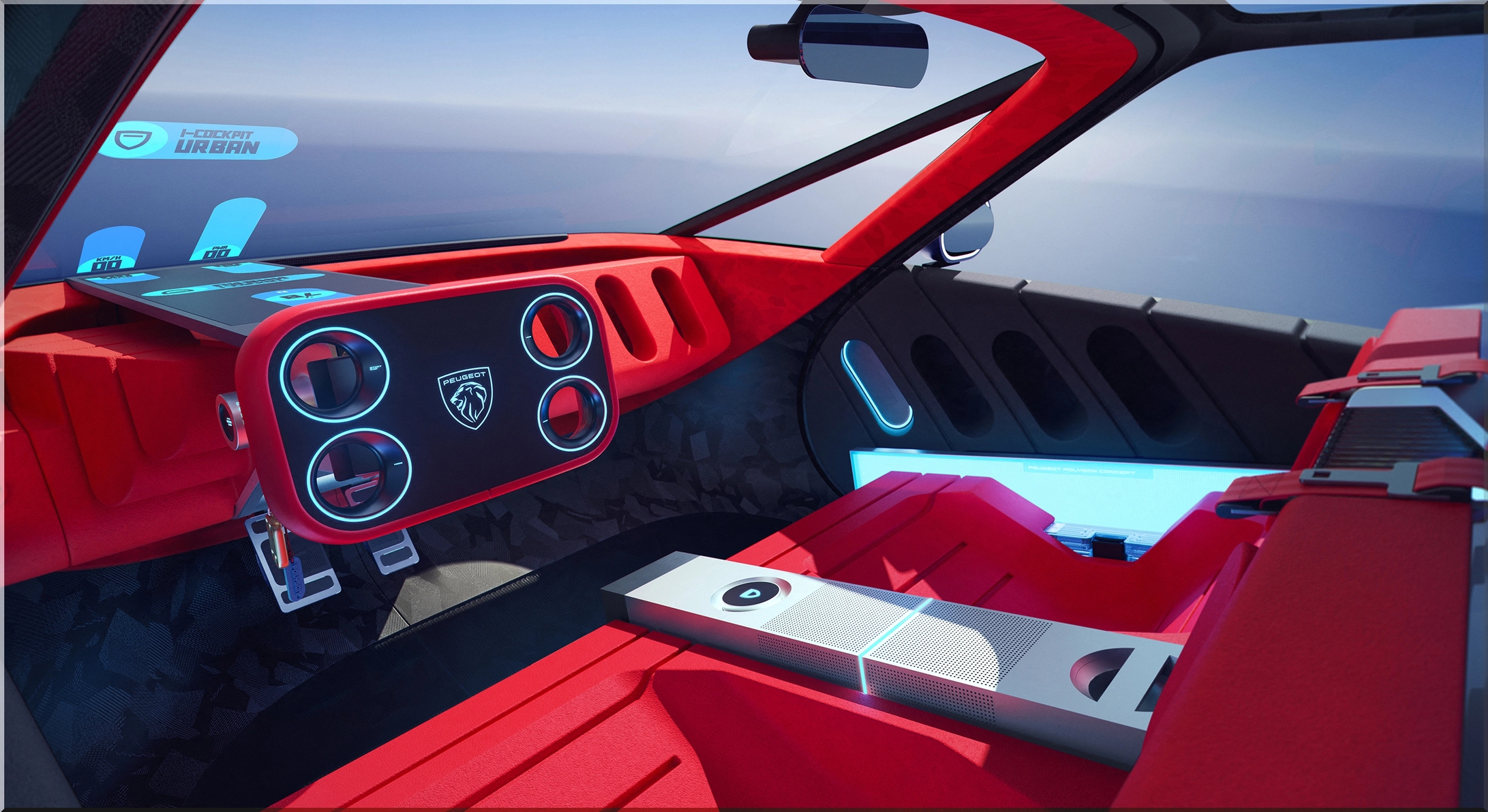
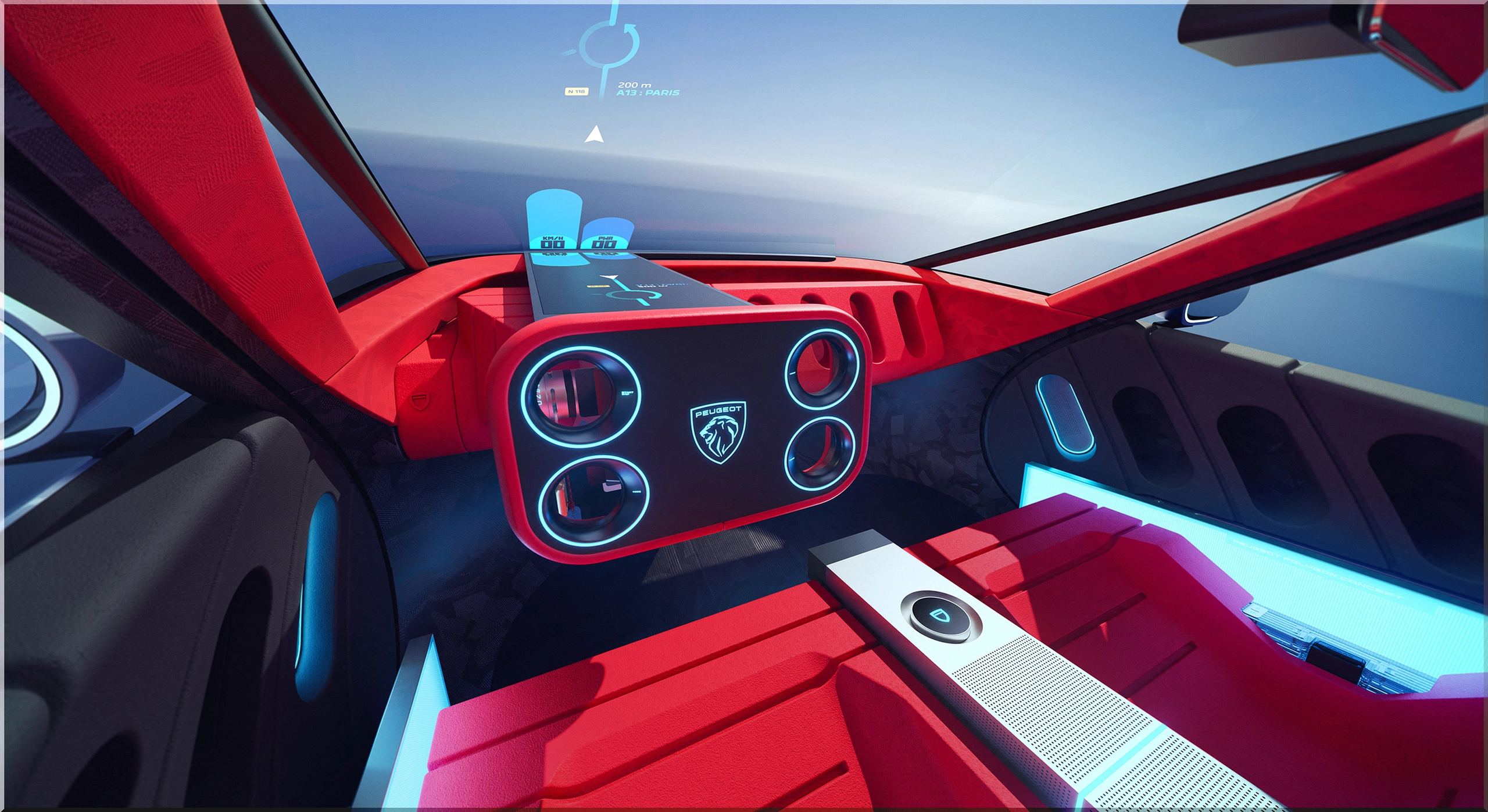
The Hypersquare steering control connects to a steer-by-wire system without a mechanical link between the driver's hands and the road wheels. Electronics vary the steering ratio with vehicle speed, filter unwanted vibration, and return useful tyre feedback.
Image
Peugeot limits movement to 170 degrees in either direction, or 340 degrees total. A conventional wheel may require about three complete turns. Consequently, the driver can park or turn without crossing hands, while smaller inputs alter the car's path at higher speeds.
| Steering data | Polygon specification | Driver effect |
|---|---|---|
| Maximum rotation | 170 degrees each way | Hands can stay on the control |
| Total lock-to-lock movement | 340 degrees | Less than one complete turn |
| Conventional reference | About 3 complete turns | Far more hand movement |
| Production introduction | From 2027 | Confirmed technology direction |
A 31-Inch Display Moves to the Windscreen
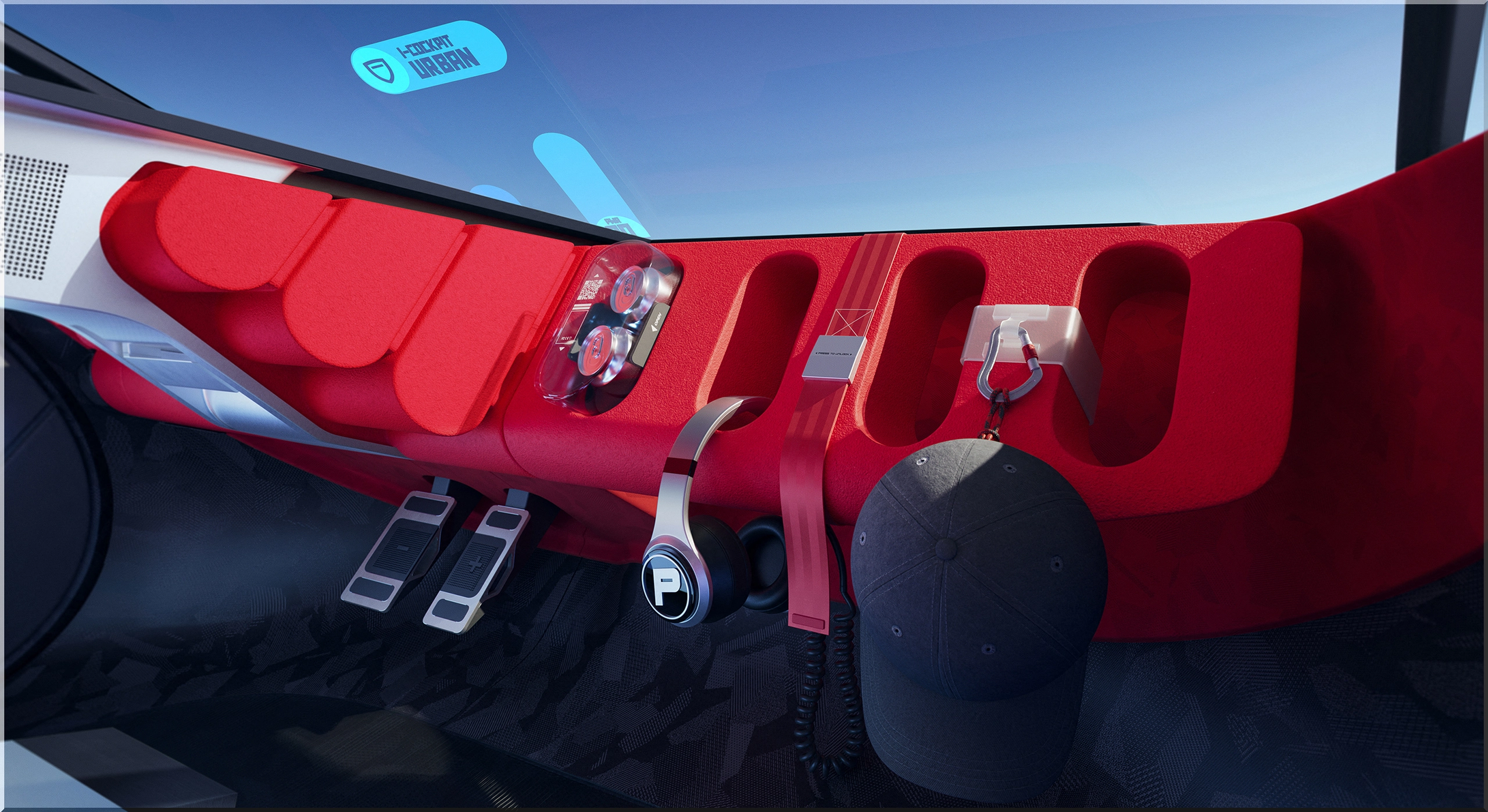
The cabin drops conventional dashboard screens. A Micro-LED display behind Hypersquare reflects driving information onto the windscreen across an area 240 mm wide and 740 mm high, or roughly 9.4 by 29.1 inches. Peugeot describes the visible area as equivalent to a 31-inch screen.
Peugeot connects three interface layers:
- Cruise, Fun, and Hyper modes change the projected graphics.
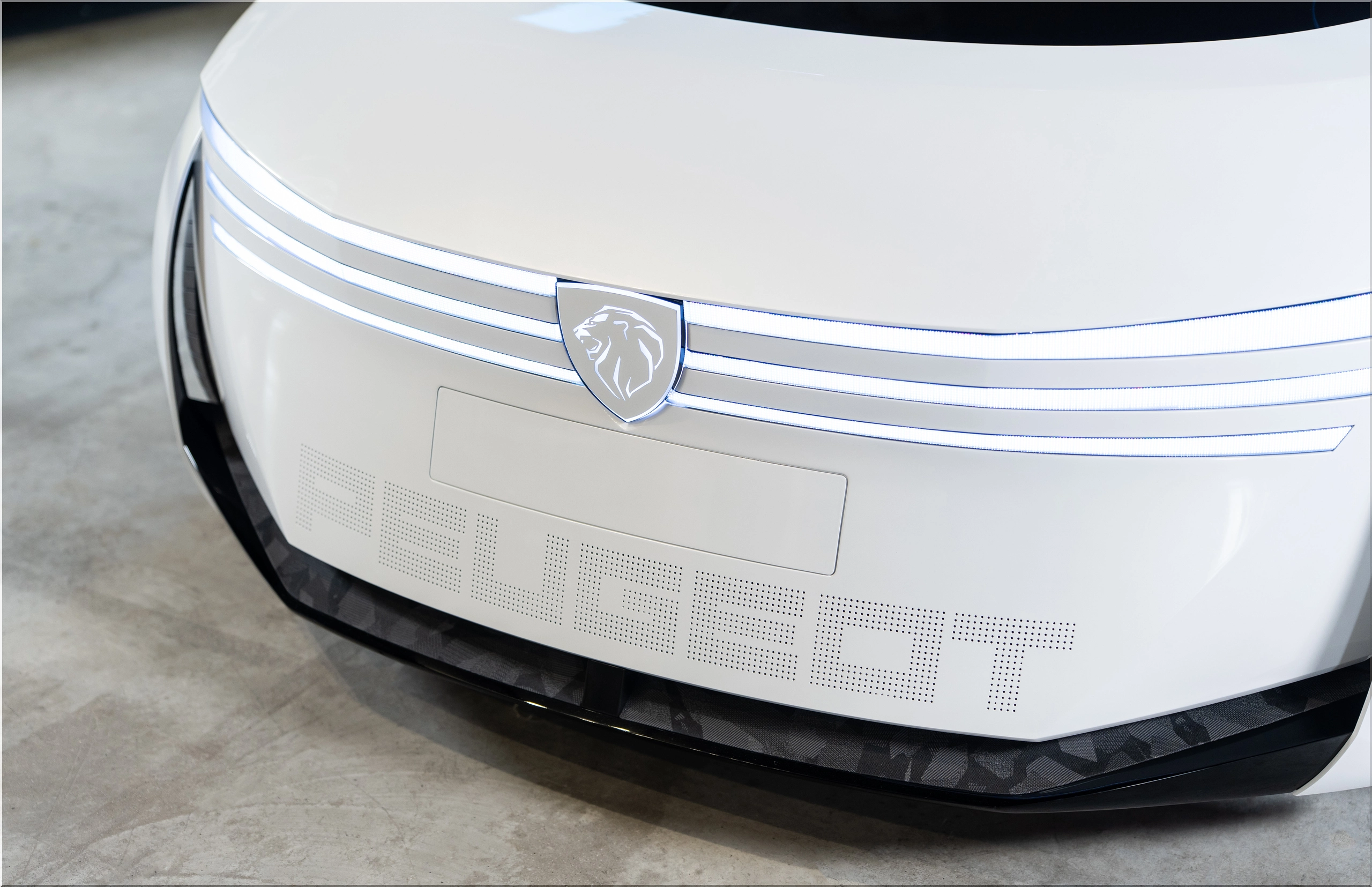
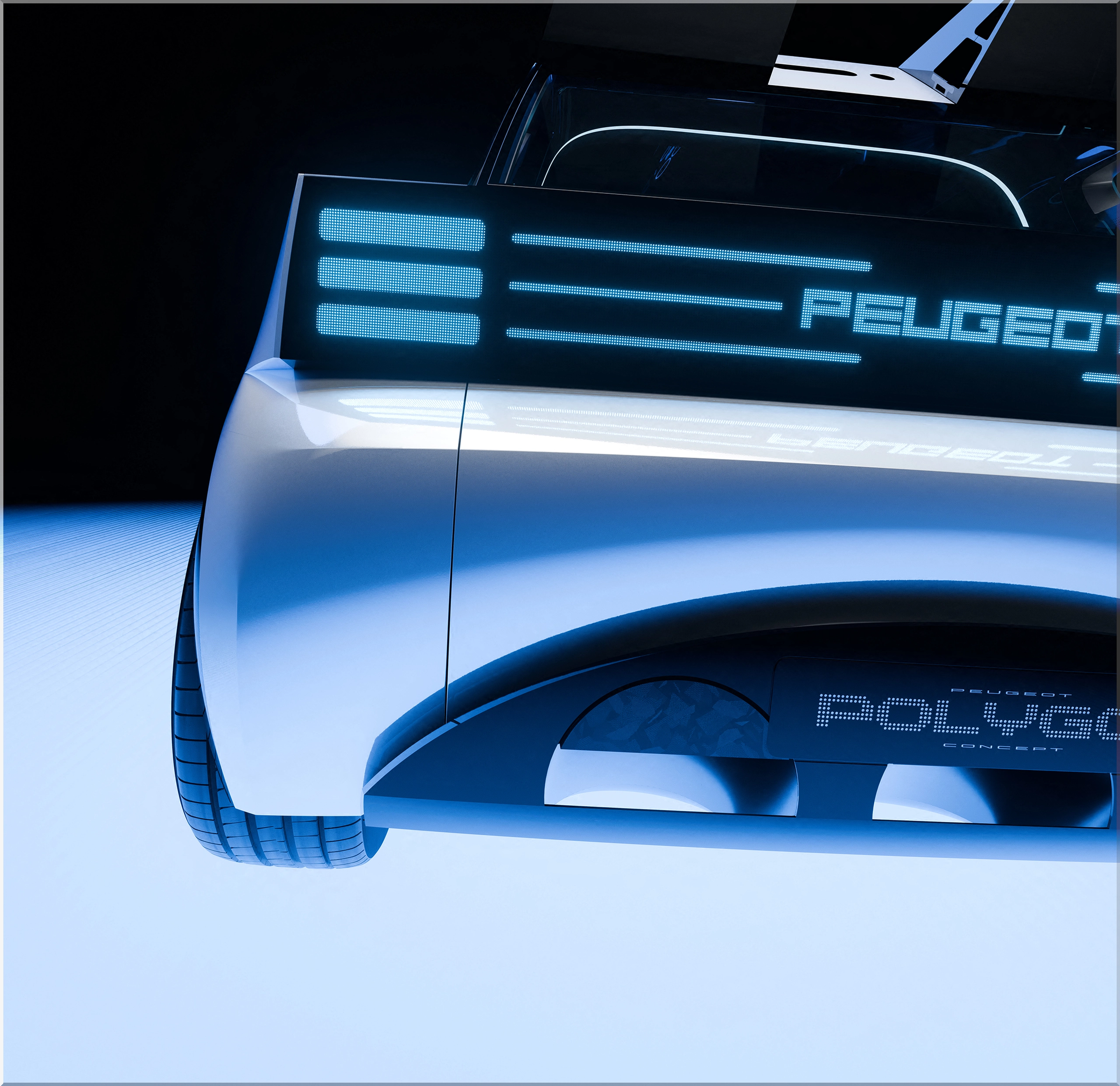
- Front and rear Micro-LED lighting follows the selected visual theme.
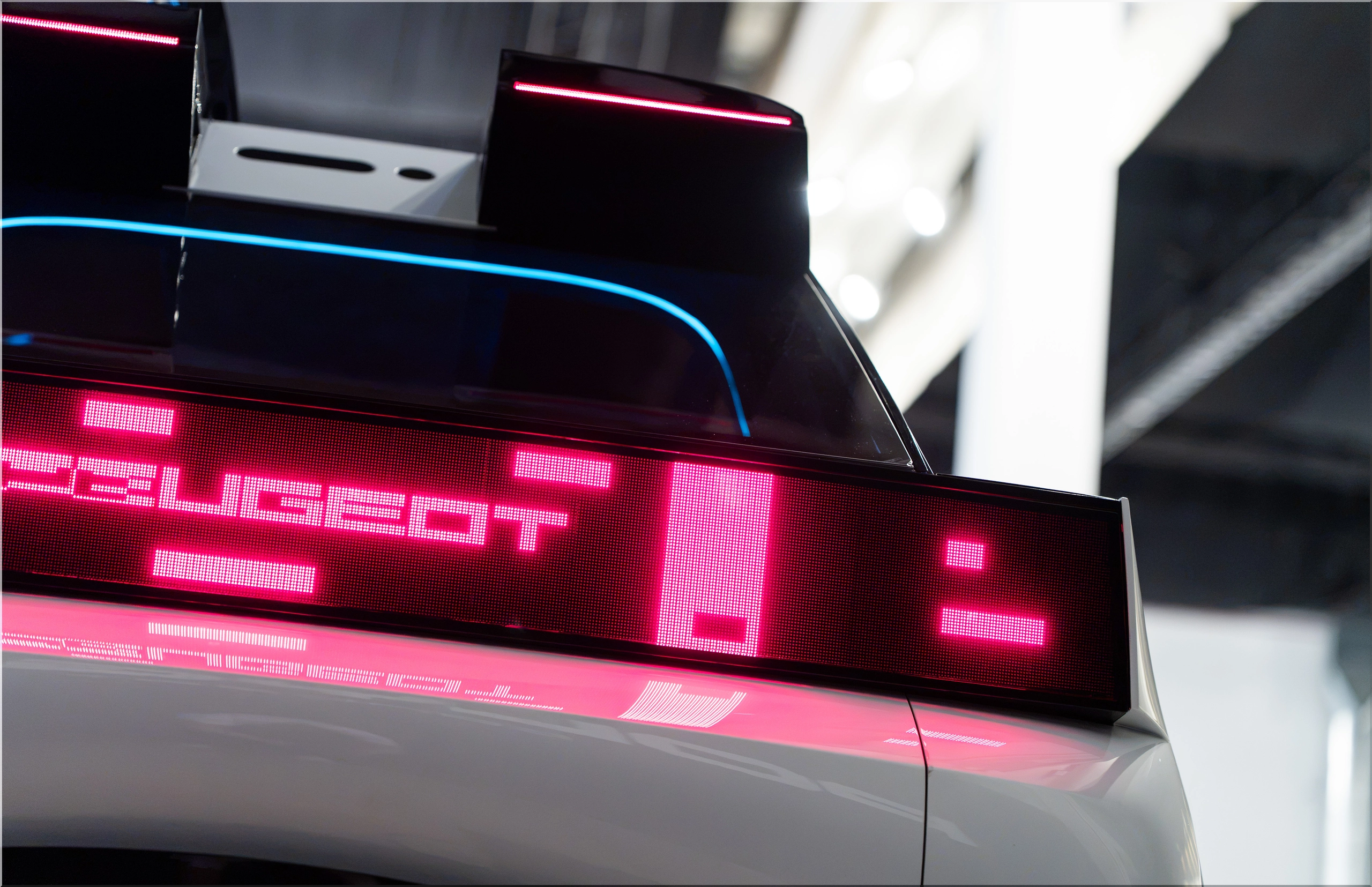
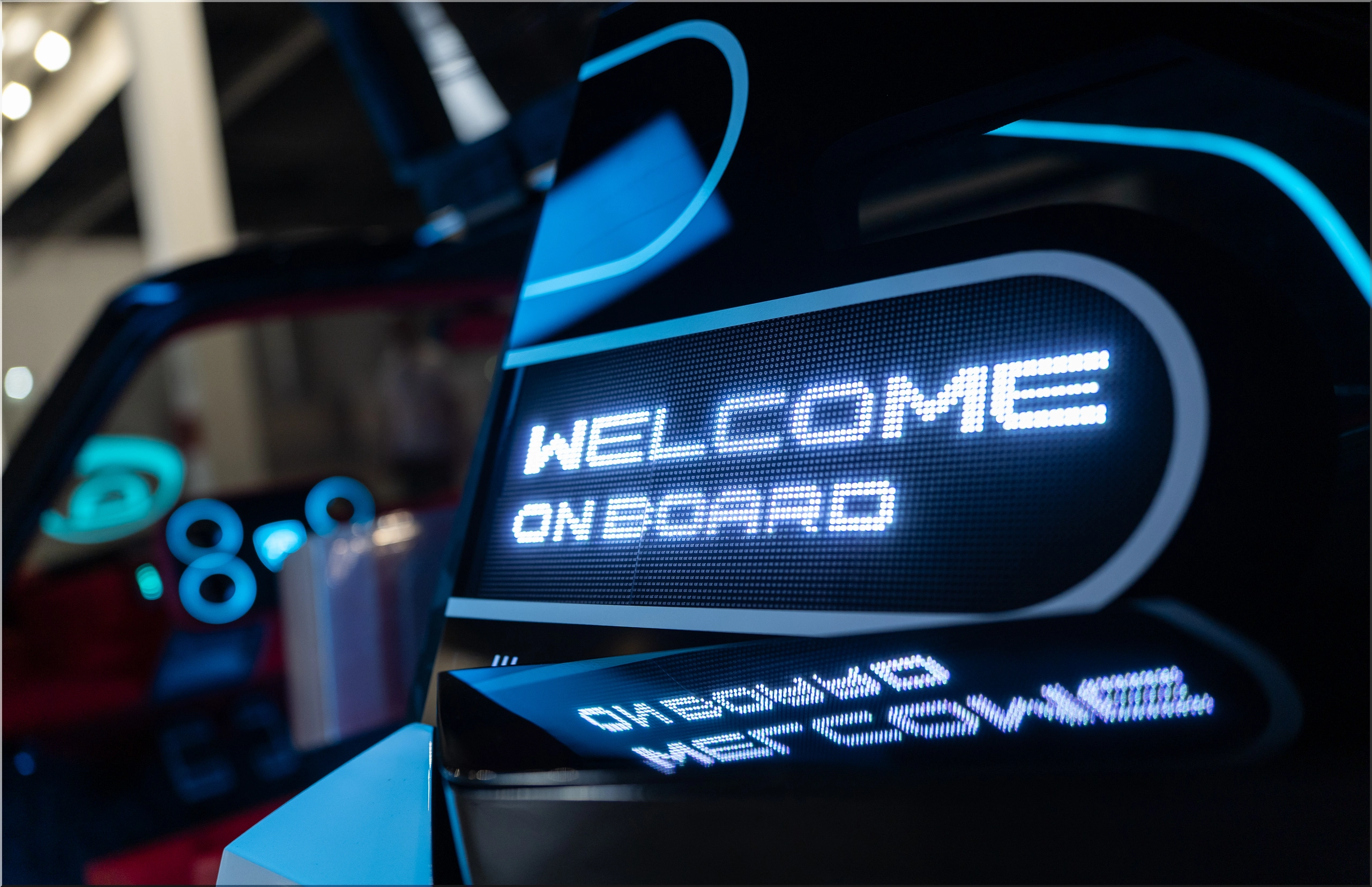
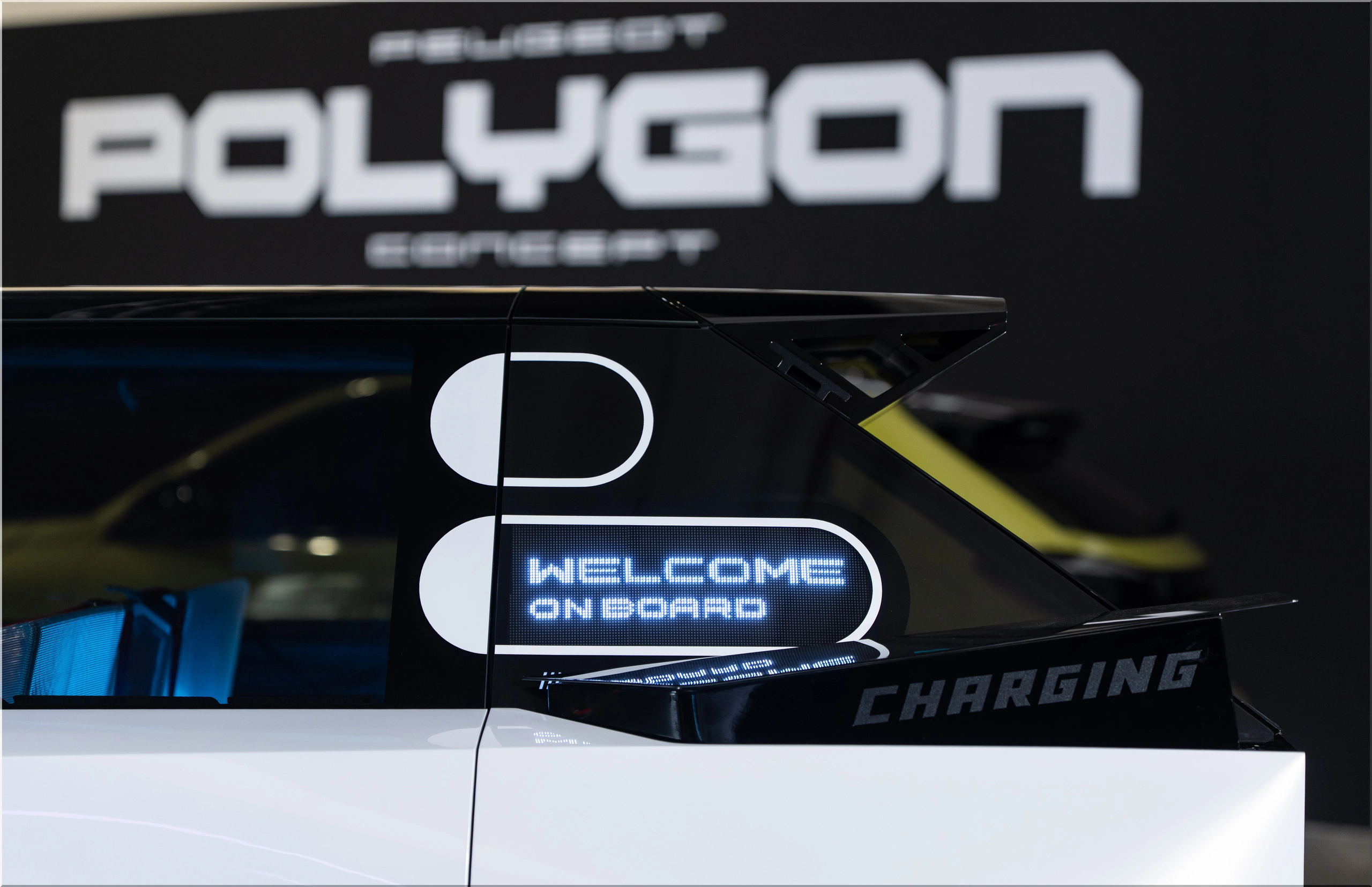
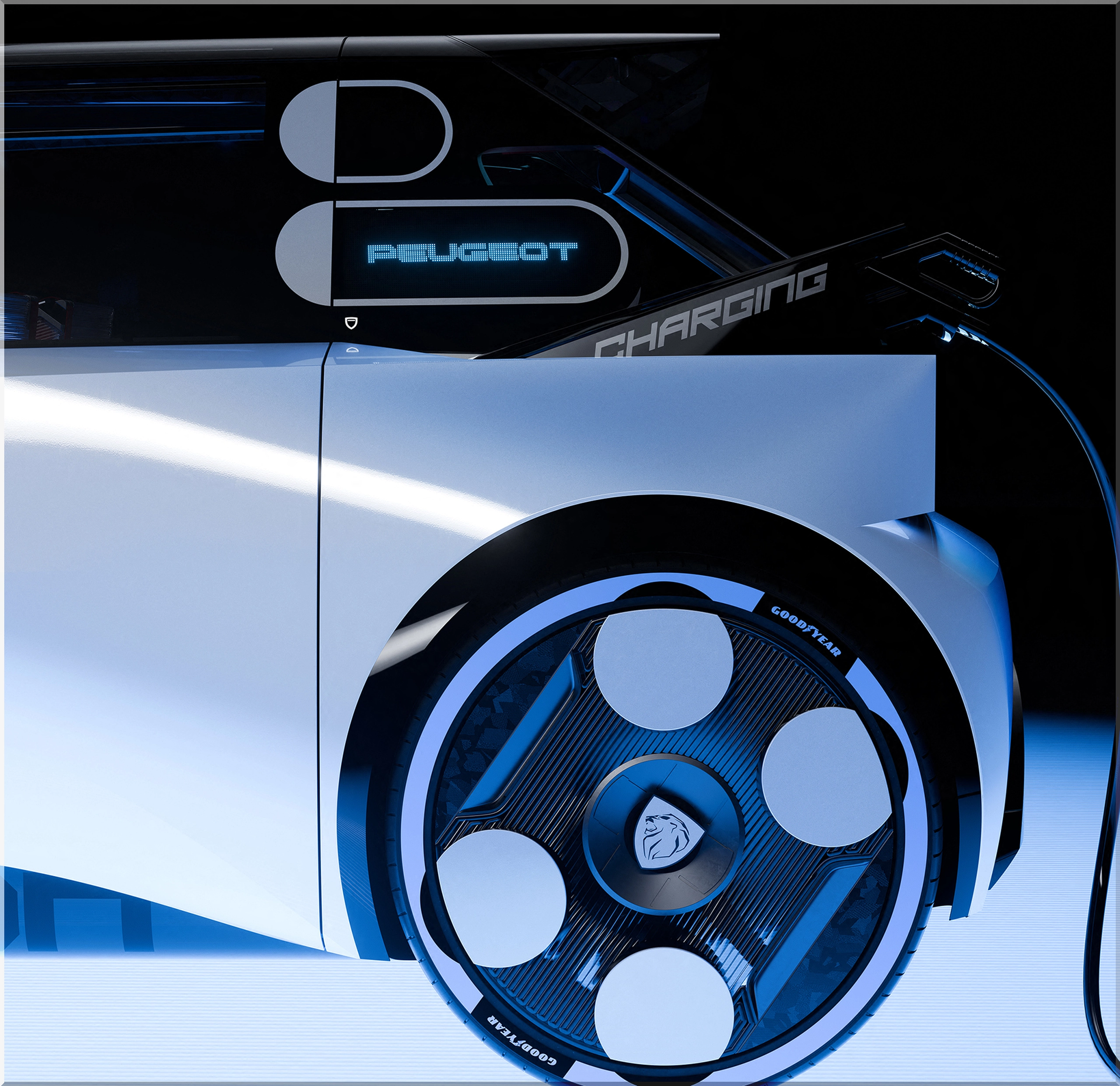
- A C-pillar screen shows battery charge beside the pop-up connector.
Fewer Parts Support Easier Repair and Recycling
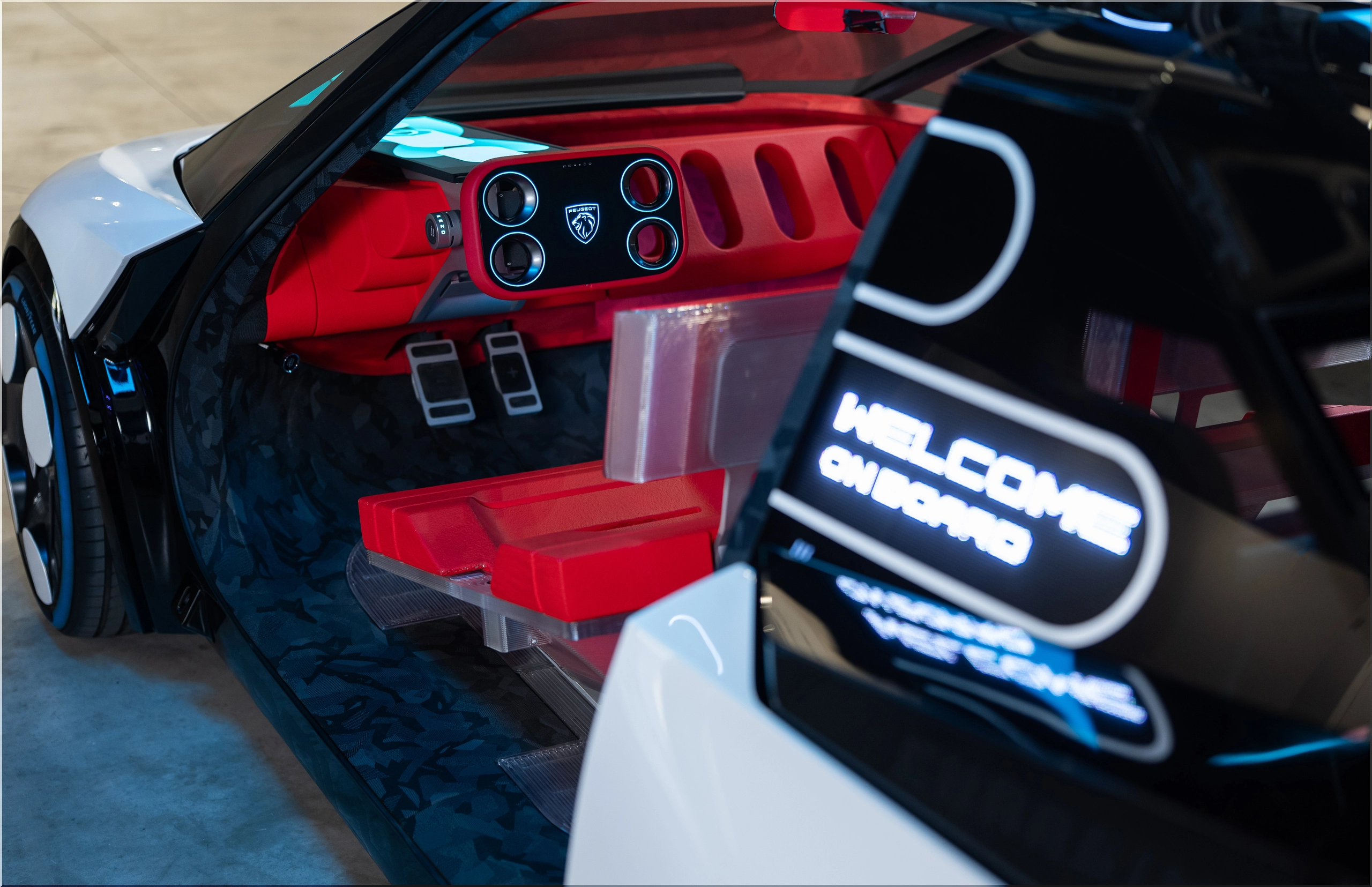
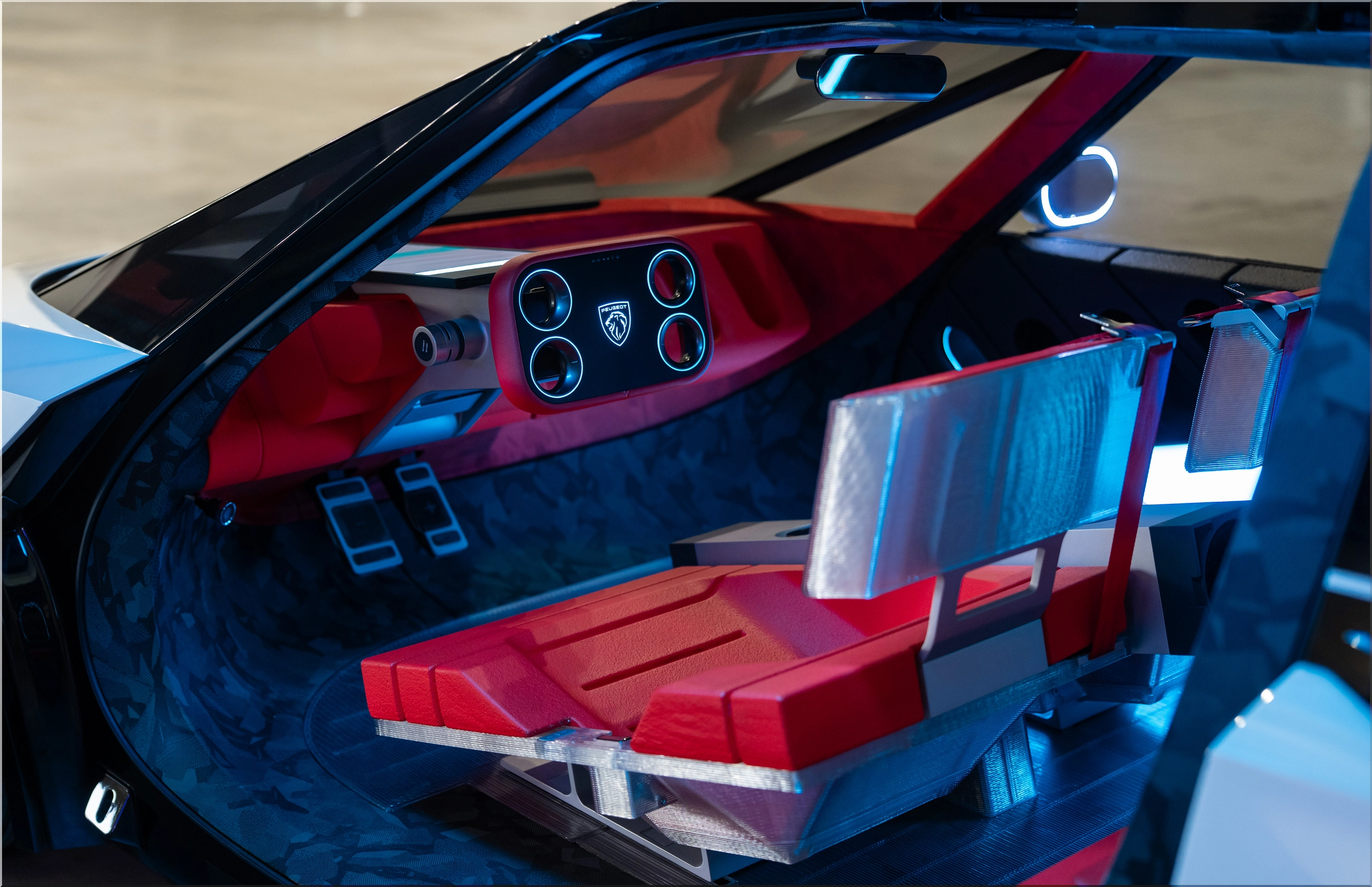
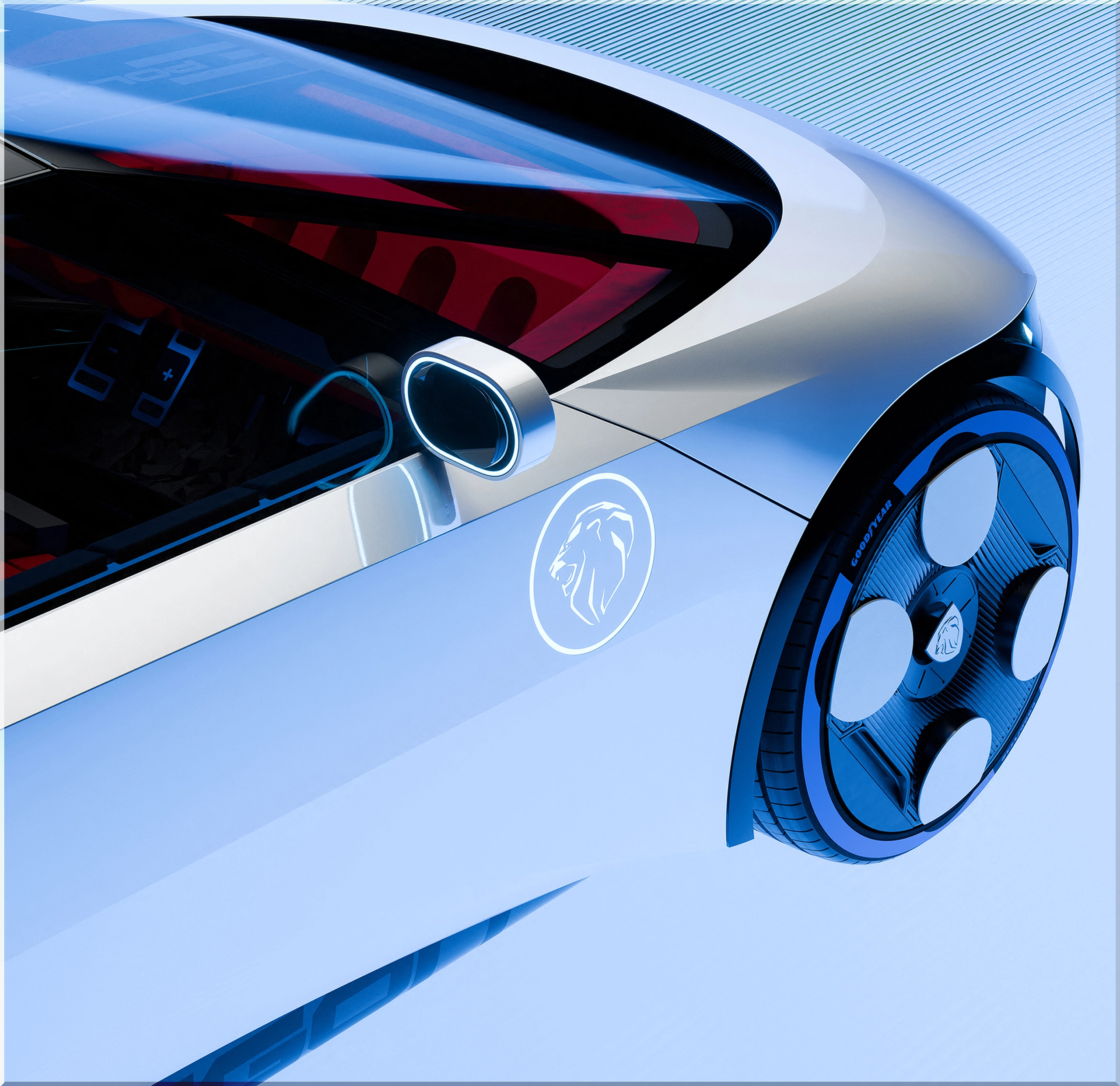
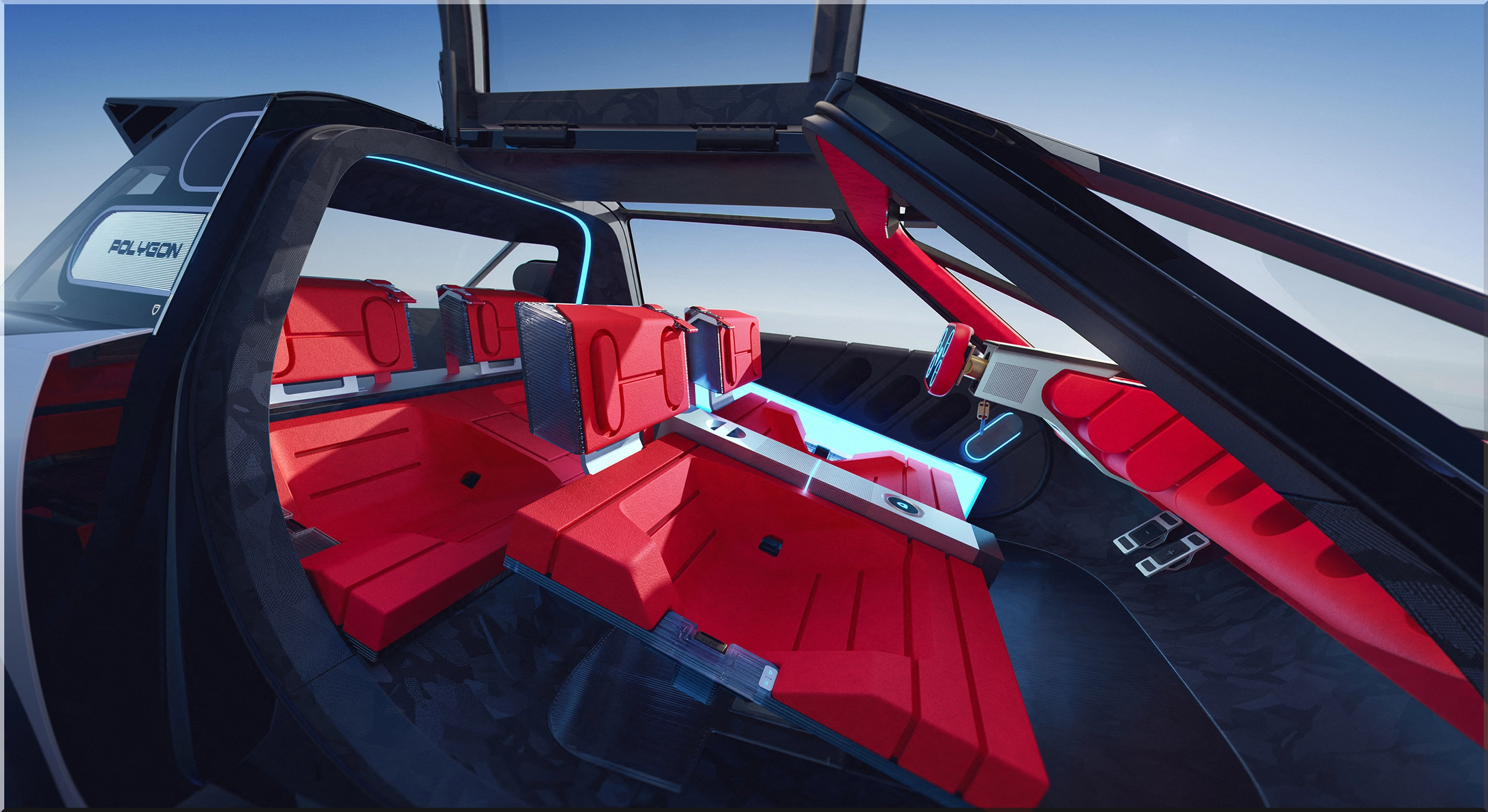
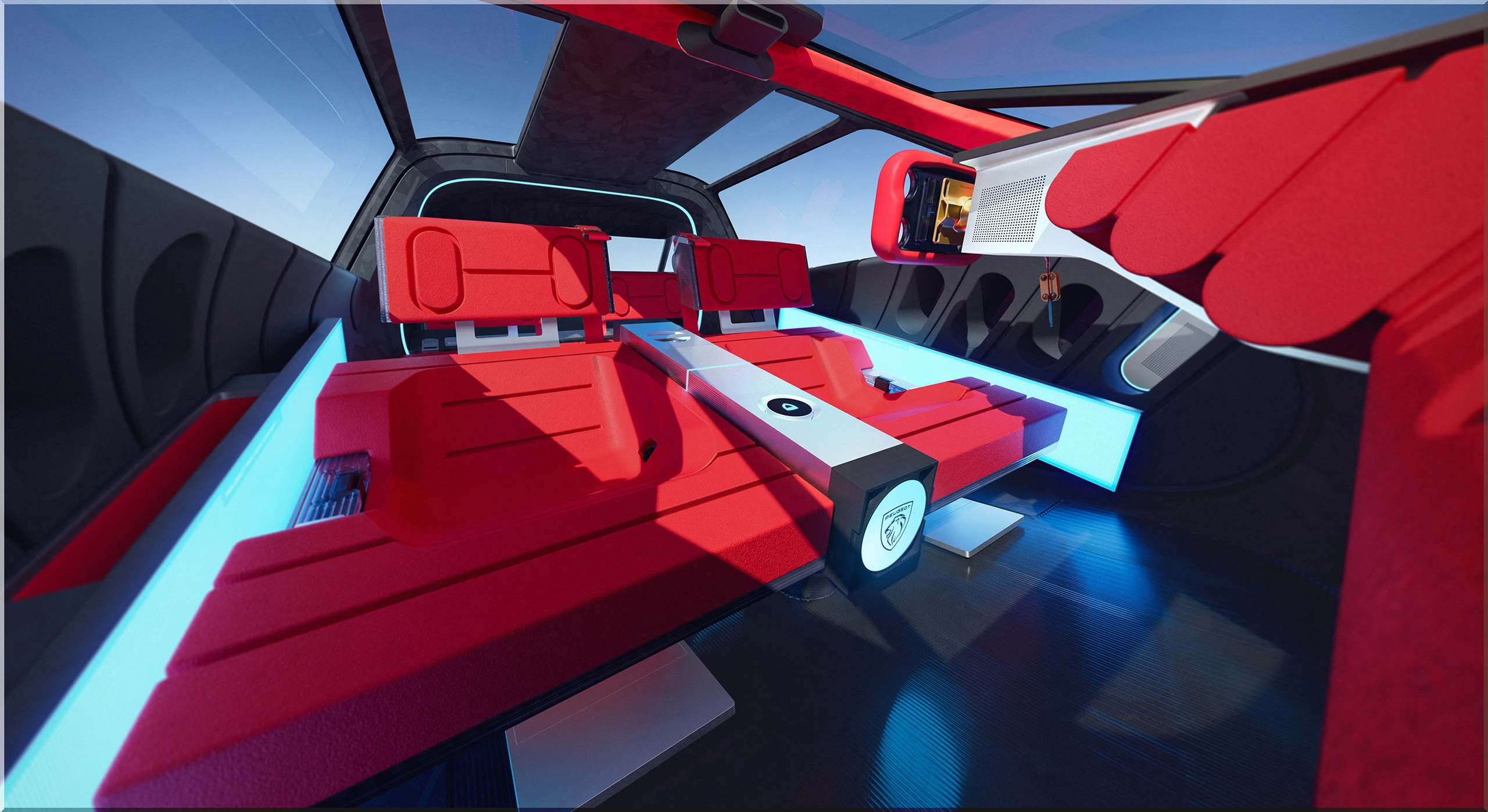
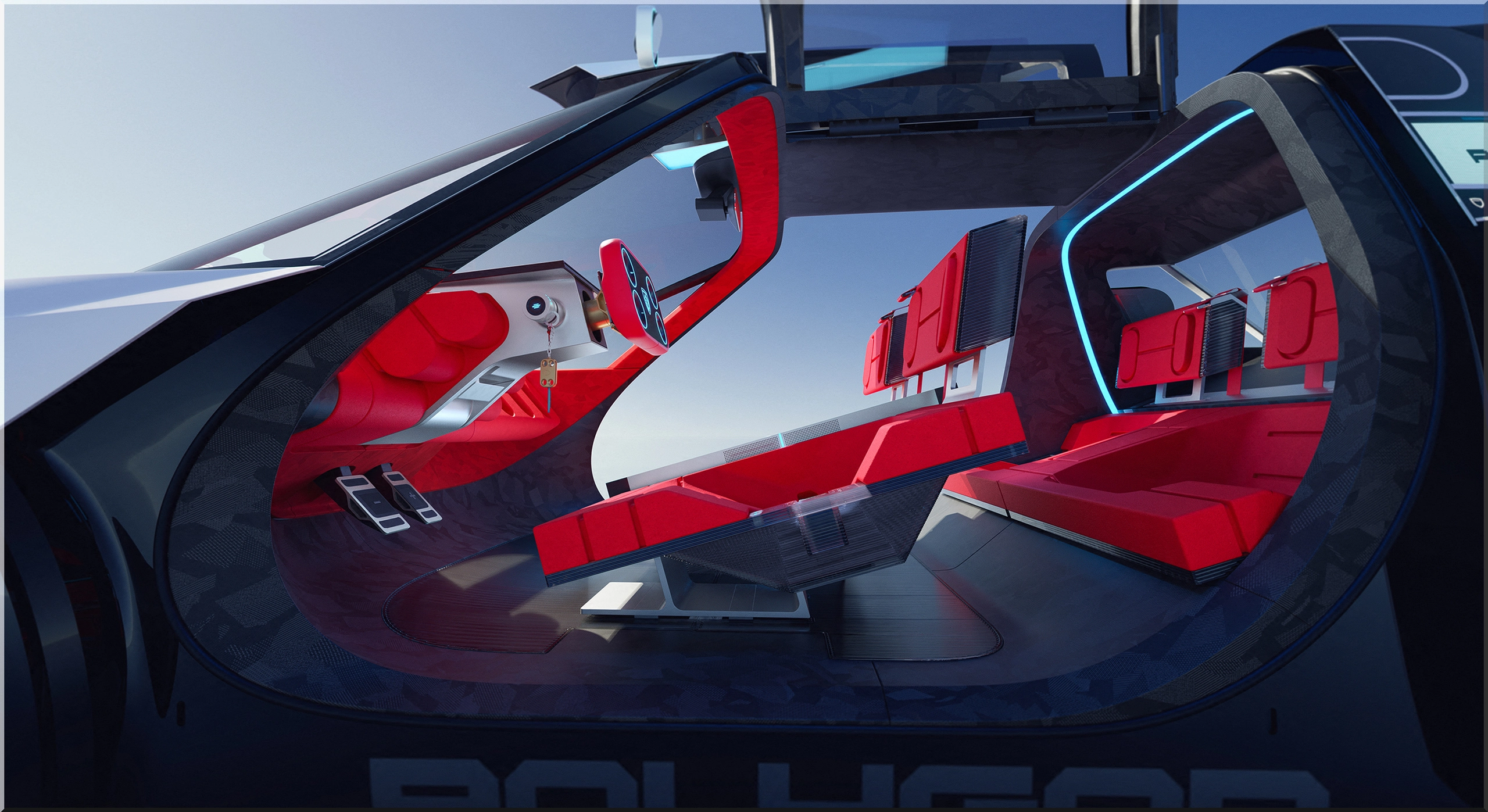
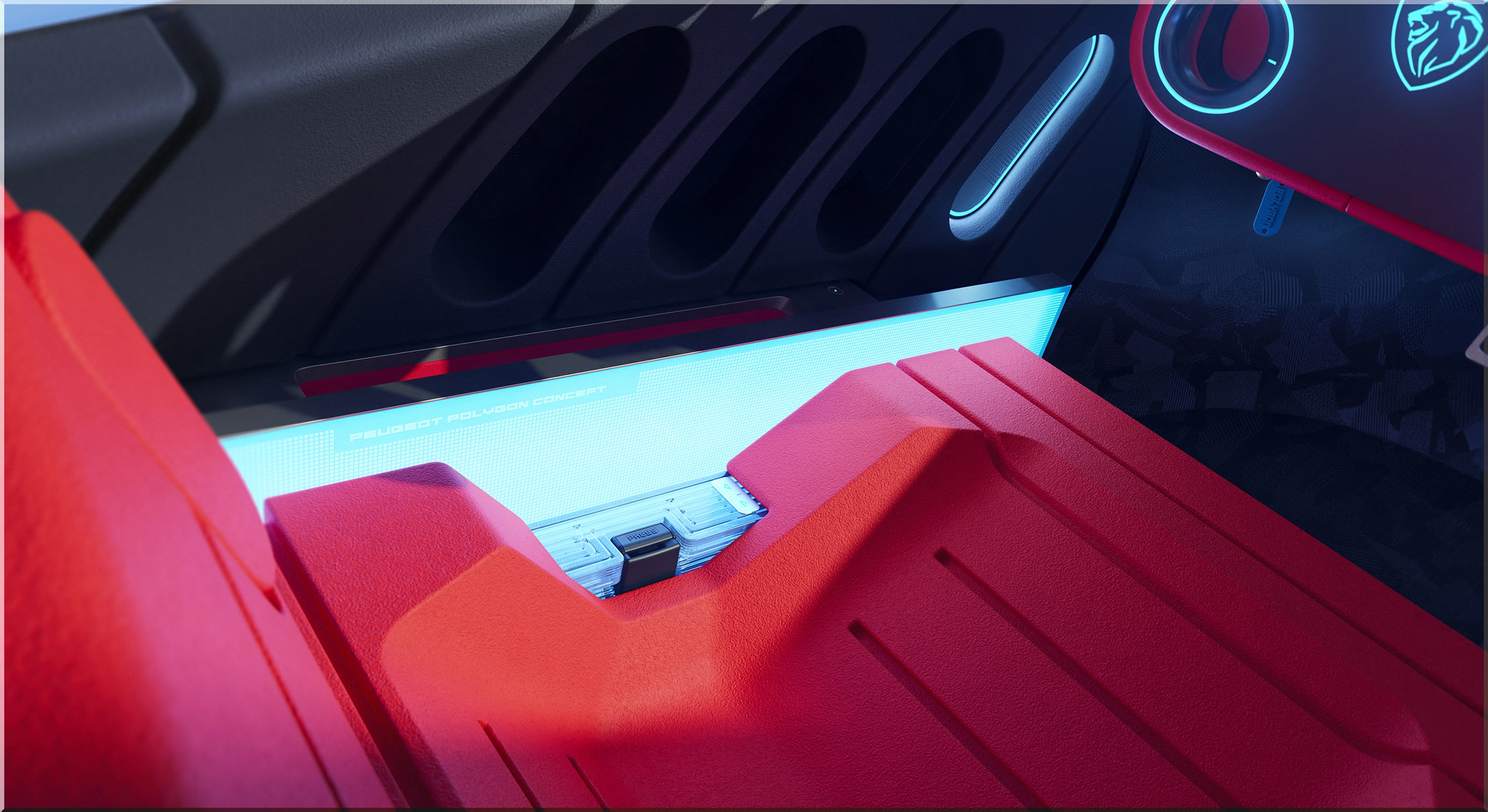
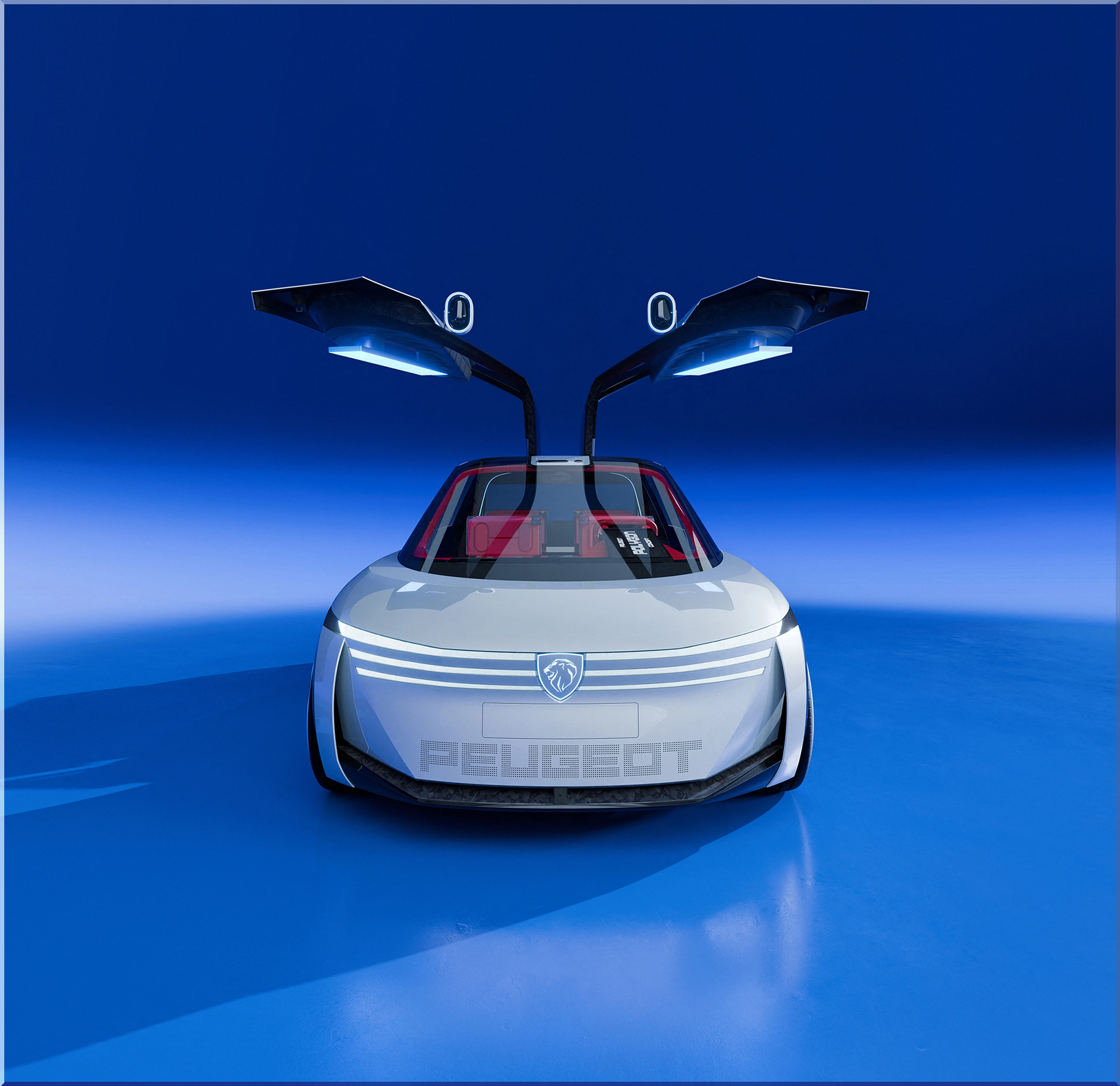
Peugeot pushes the windscreen forward and downward, removes the B-pillar, and uses two XXL butterfly doors. This layout opens the cabin while reducing closures and associated hardware. The seats follow the same logic.
| Component | Engineering choice | Practical gain |
|---|---|---|
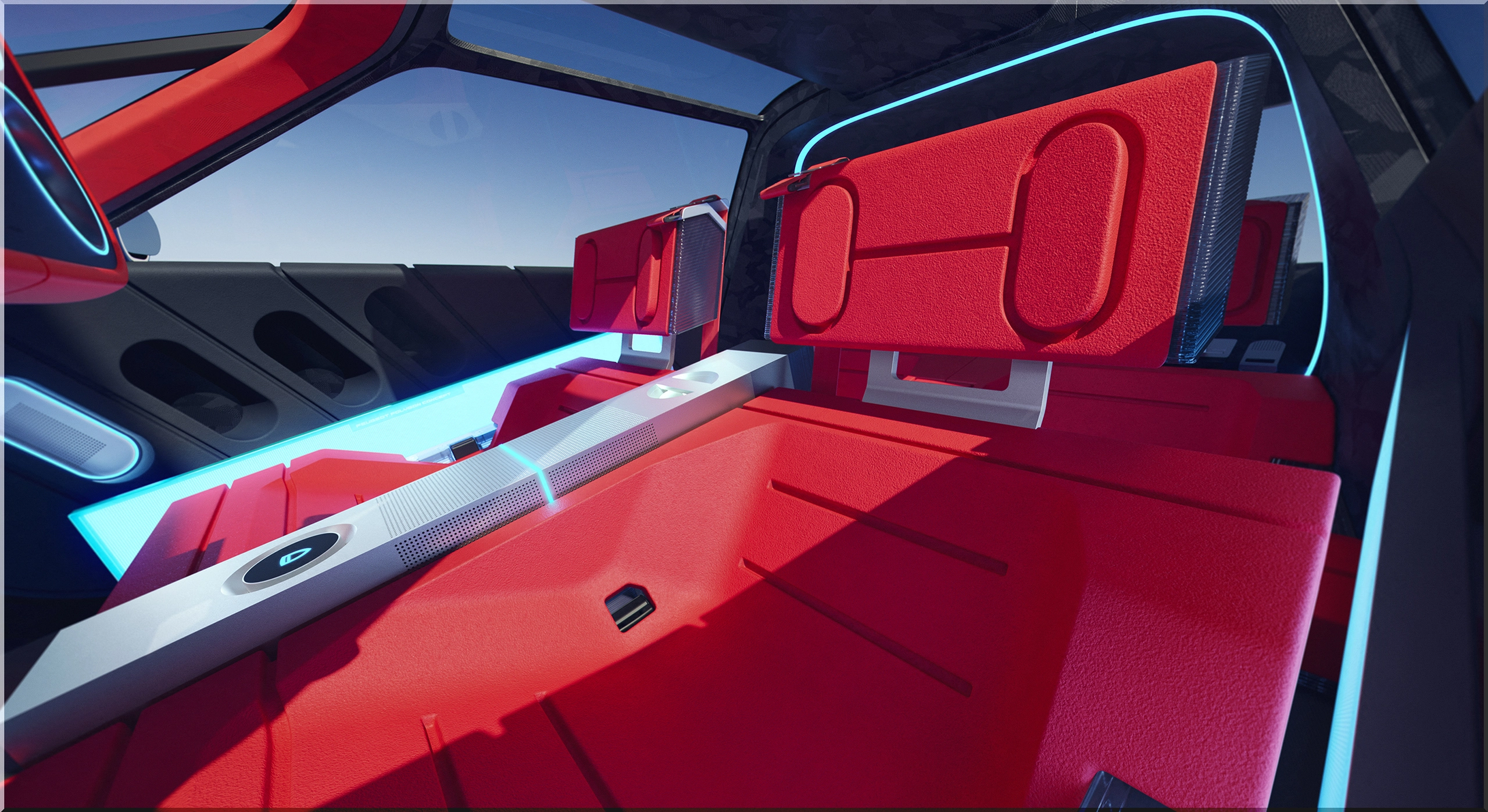
| Seat assembly | 3 main pieces instead of dozens | Faster assembly and disassembly |
| Seat shell | 3D-printed recycled R-PET | Lower virgin-plastic demand |
| Seat cushion | Single-piece coated foam | Quick colour or shape changes |
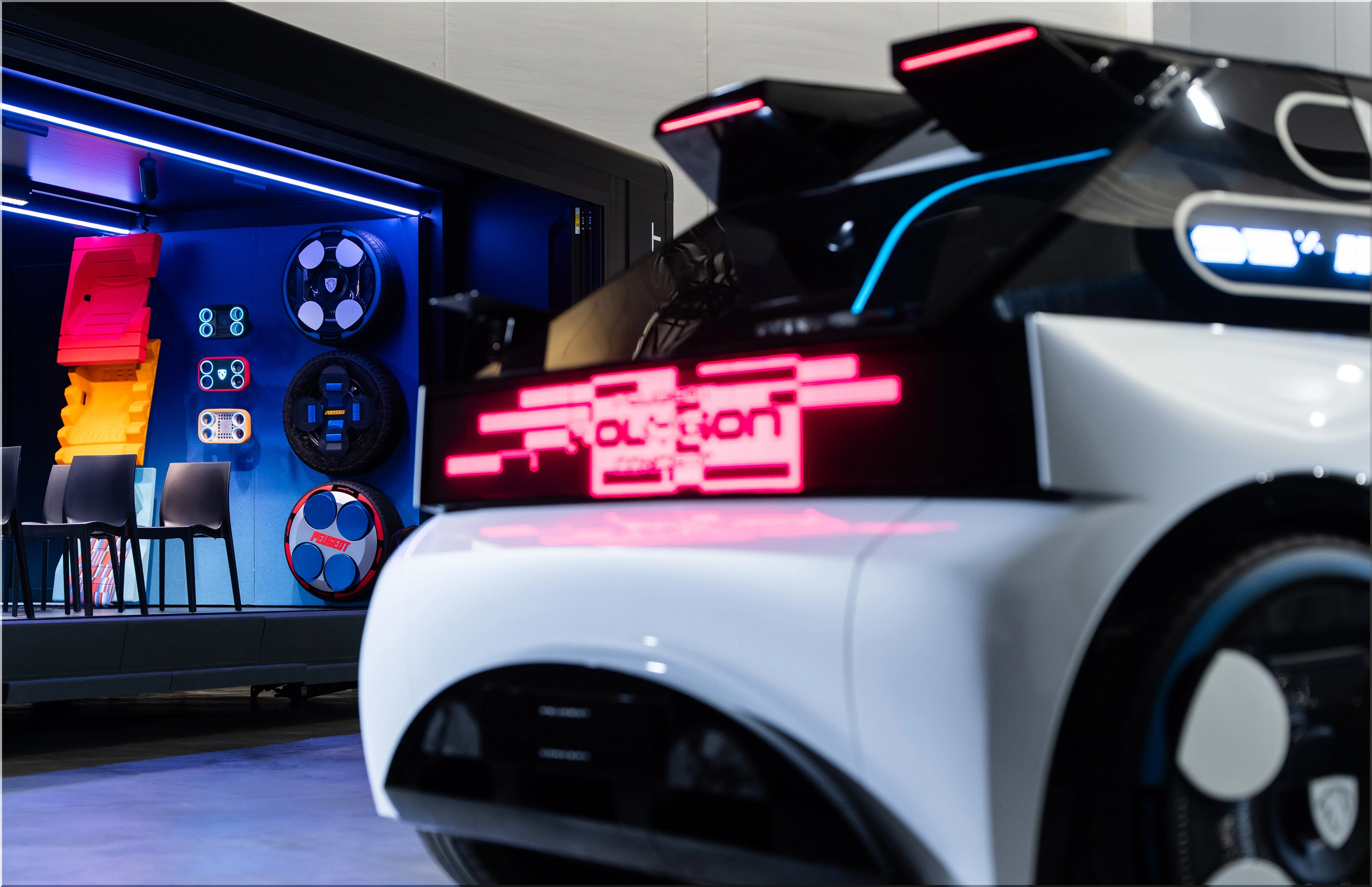
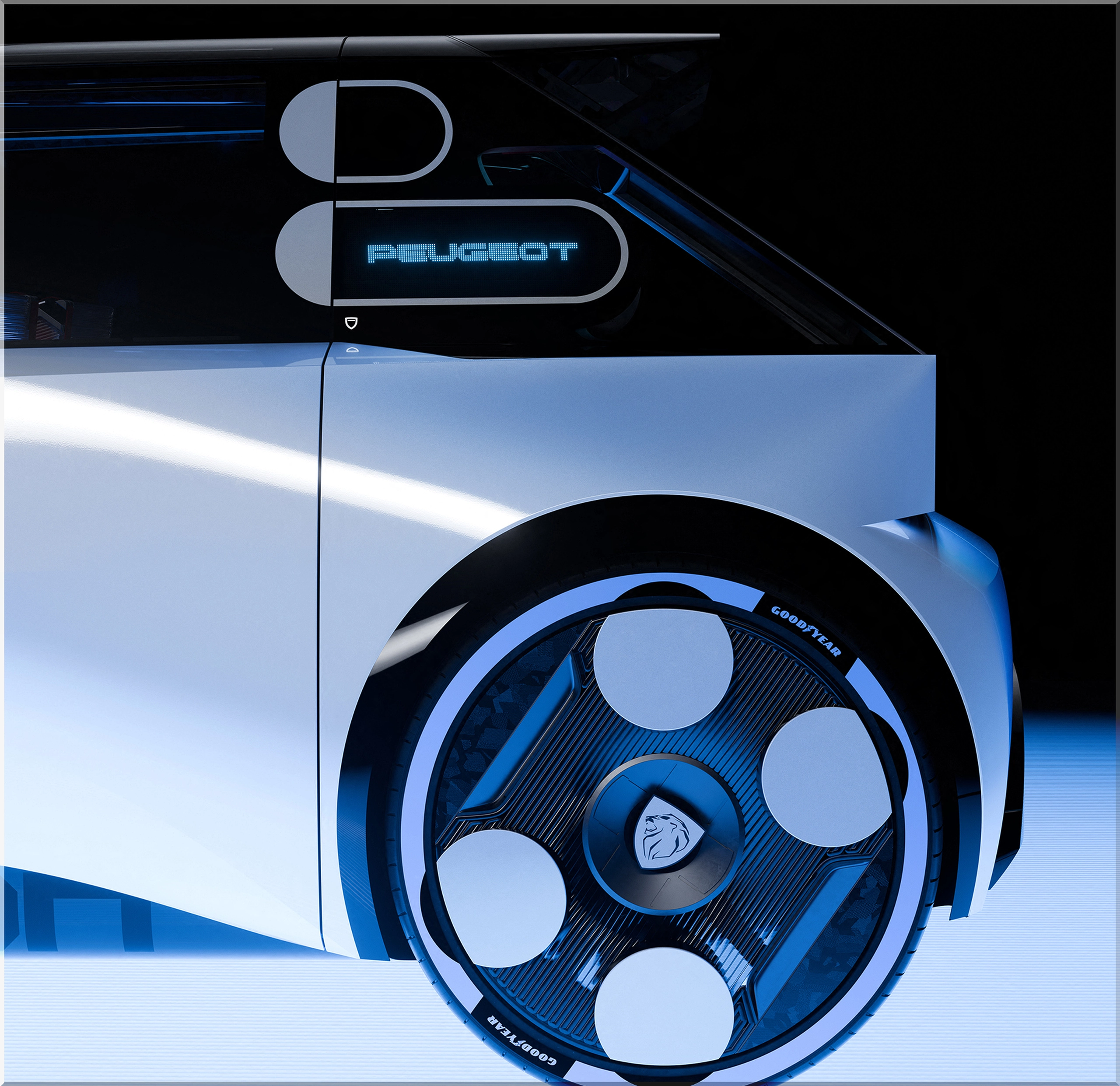
| Wheel covers | One-piece 3D-printed R-PET | Fewer fasteners and parts |
| Cabin trim | Textile made from dismantled seats | Reuses existing material |
Specifically, Peugeot lets owners replace the Hypersquare unit, wheel covers, dashboard accessories, and seat foam within minutes. Goodyear SightLine tyre sensors also send tyre and road data to the windscreen display and identify each fitted tyre configuration.
Video file
Video title
Peugeot Polygon
Is the Peugeot Polygon Concept Heading for Production?
Peugeot has not promised a production Peugeot Polygon. It has promised the concept's core steer-by-wire technology for a production model from 2027, which gives this prototype direct product relevance.
Pro-Tip
Watch future Peugeot announcements for redundant power supplies, steering fault protocols, homologation details, battery data, and final rotation limits. Those figures will show how closely the road car follows Polygon's control system.
Image gallery
- Add new comment
- 6 views