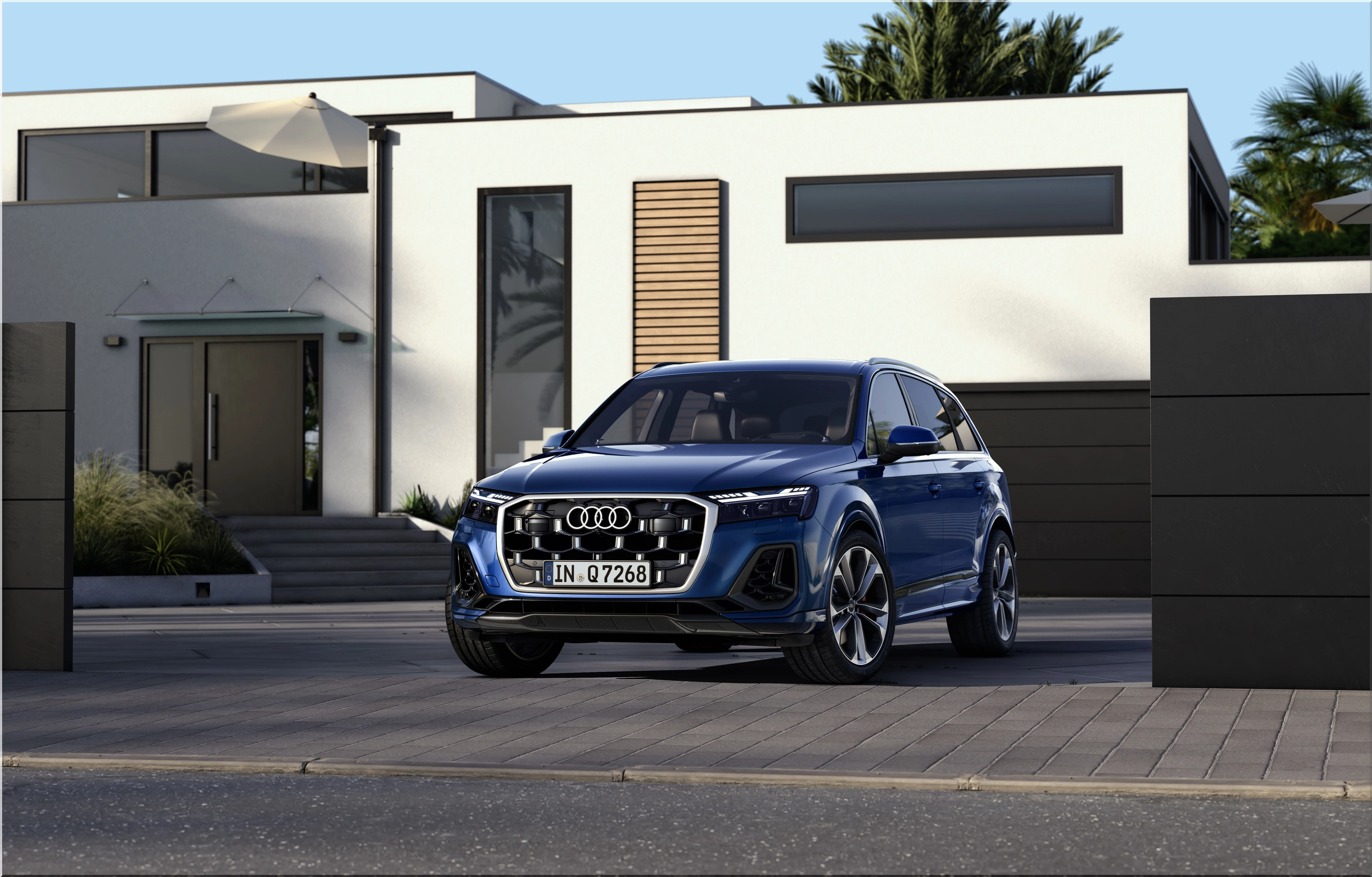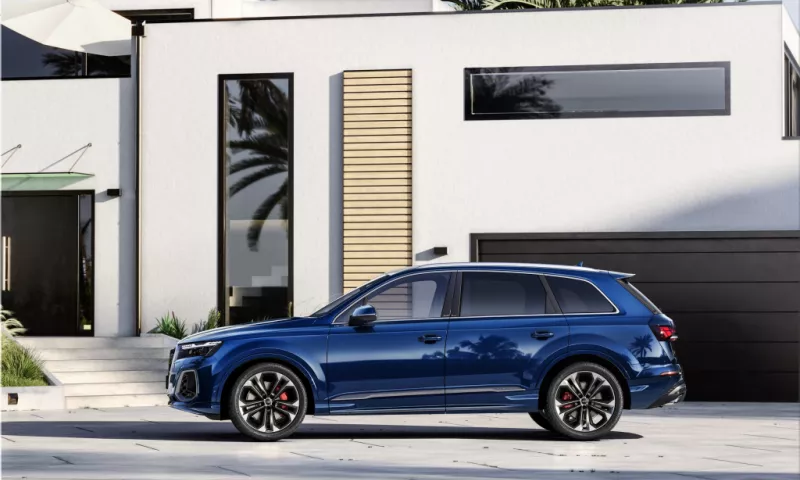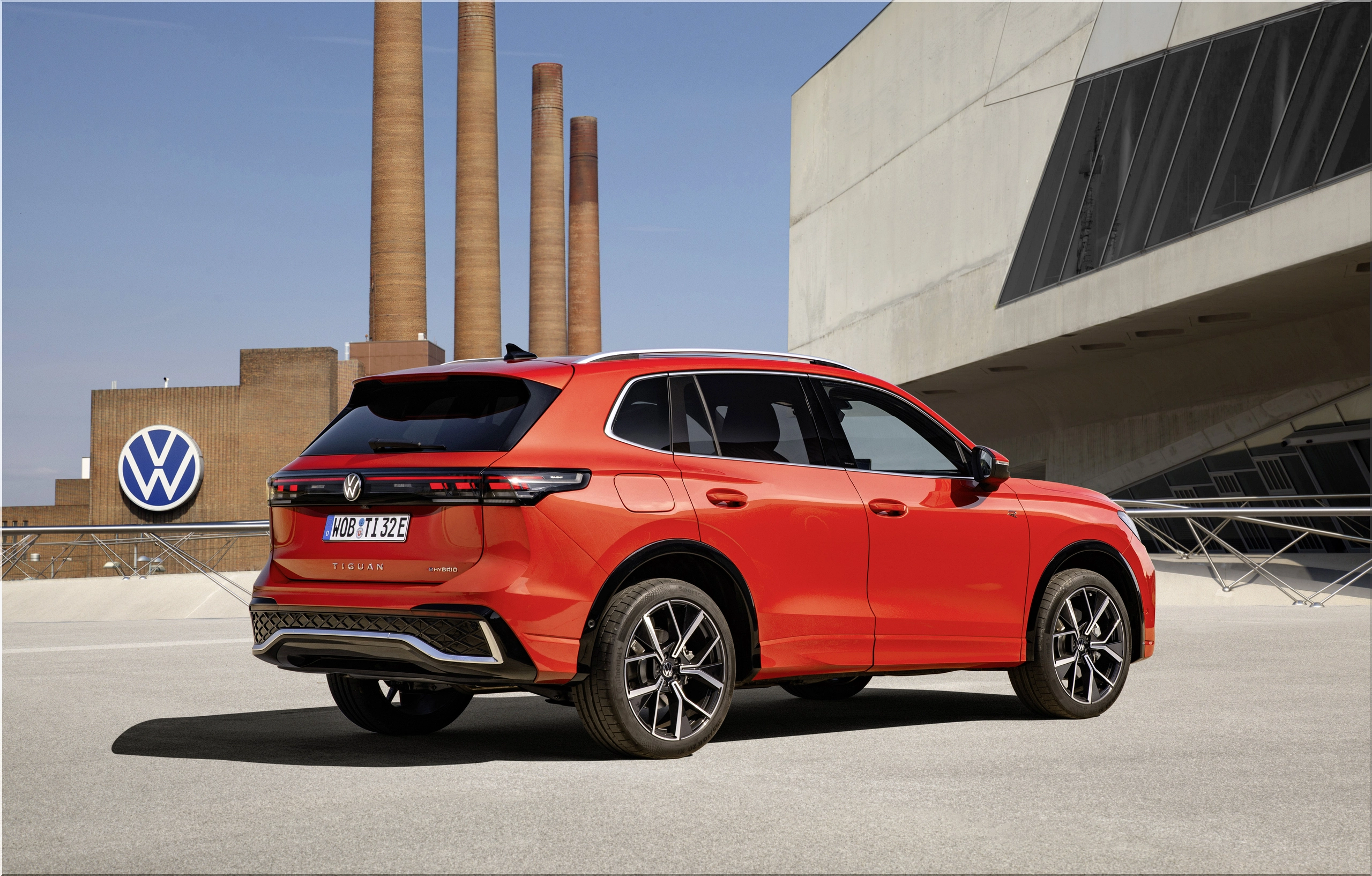

Audi's compact SUV strategy
Audi’s push into electrified vehicles continues with the 2026 Audi Q3 SUV e-hybrid, a compact plug-in hybrid engineered for efficiency, performance, and real-world utility. The model combines Audi’s established premium design language with plug-in hybrid technology, targeting buyers who want electric efficiency without range anxiety.
The Q3 e-hybrid slots into the core of Audi’s lineup. Positioned below the Q5 and above the Q2, it caters to urban drivers and small families seeking a capable SUV with advanced tech and lower emissions. Audi aims to capture a significant share of the compact premium segment with this model.
Powertrain: Electric torque meets combustion range
The Q3 e-hybrid pairs a 1.5-liter TFSI petrol engine with an electric motor and a 6-speed S tronic dual-clutch transmission. Together, they deliver 201 hp and 258 lb-ft of torque, enabling brisk acceleration while maintaining fuel efficiency. The compact SUV can reach 0–62 mph in 7.6 seconds and a top speed of 130 mph.
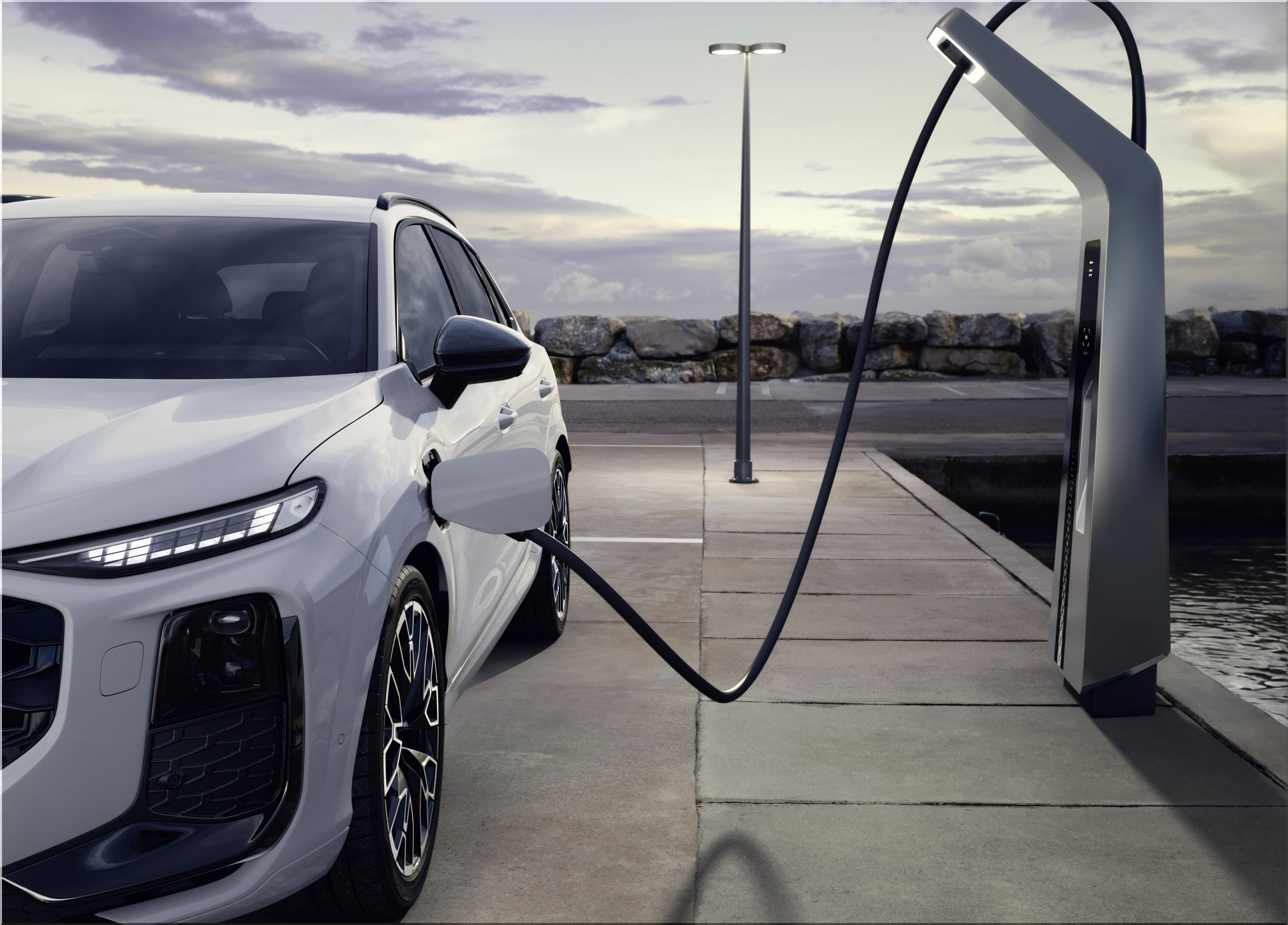
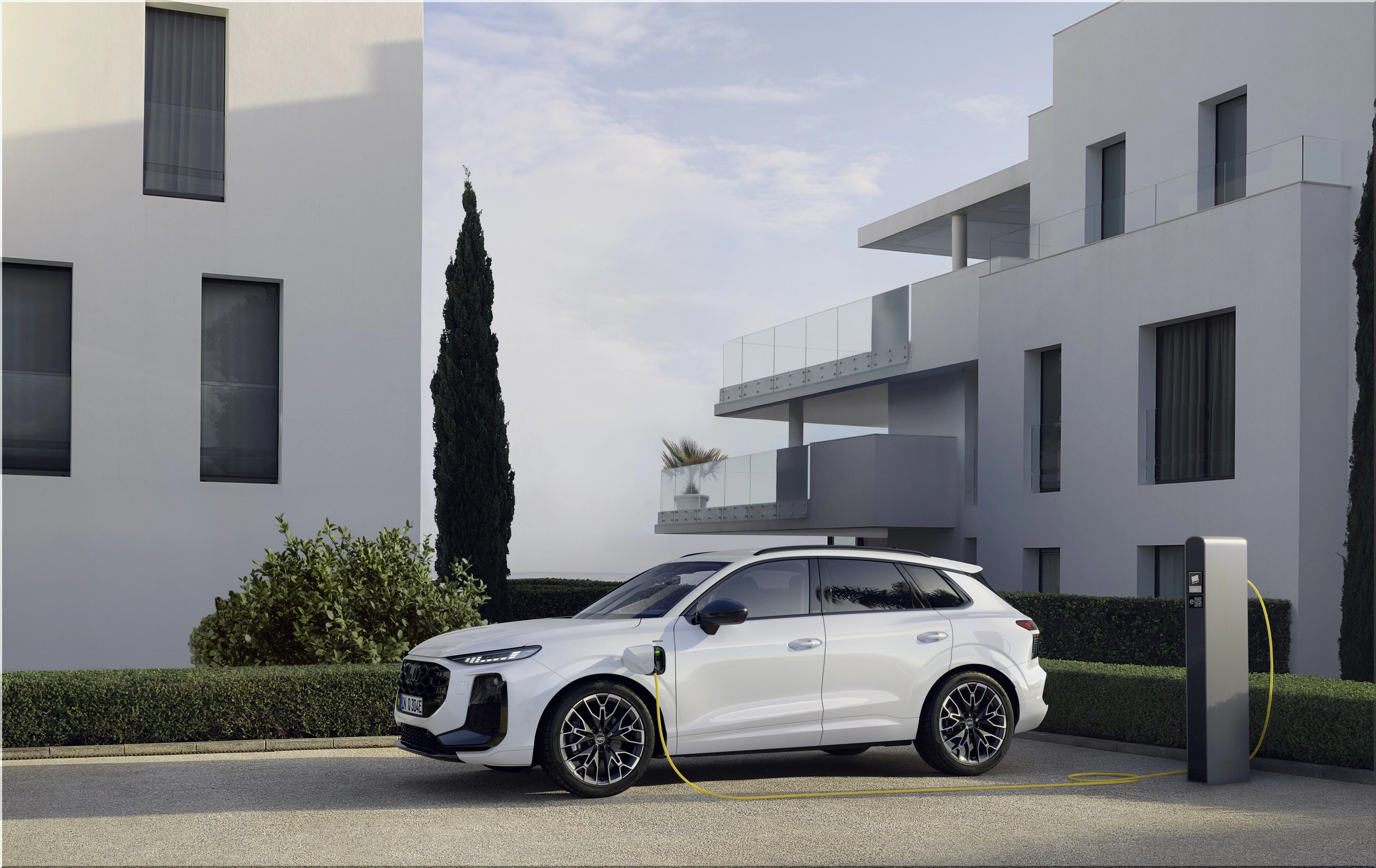
Audi equips the Q3 e-hybrid with a 19.7 kWh battery, offering an electric-only range of up to 62 miles (WLTP). Drivers can charge the battery from 10 % to 80 % in around 25 minutes using a 50 kW DC fast charger. Charging at home via AC power takes approximately 3 hours.
This powertrain allows flexible driving modes:
- EV Mode: Prioritizes electric power for daily commuting.
- Hybrid Mode: Optimizes engine and motor for efficiency.
- Battery Hold Mode: Preserves battery for later use, ideal for low-emission zones.
- Charge Mode: Uses the engine to charge the battery while driving.
Efficiency and emissions
With its hybrid system, the 2026 Q3 e-hybrid achieves over 200 mpg (WLTP) in mixed driving and emits less than 30 g/km of CO₂. This positions it among the most efficient compact SUVs on the market. For many urban drivers, the electric range covers most daily trips without using gasoline.
Exterior design: Evolution over revolution
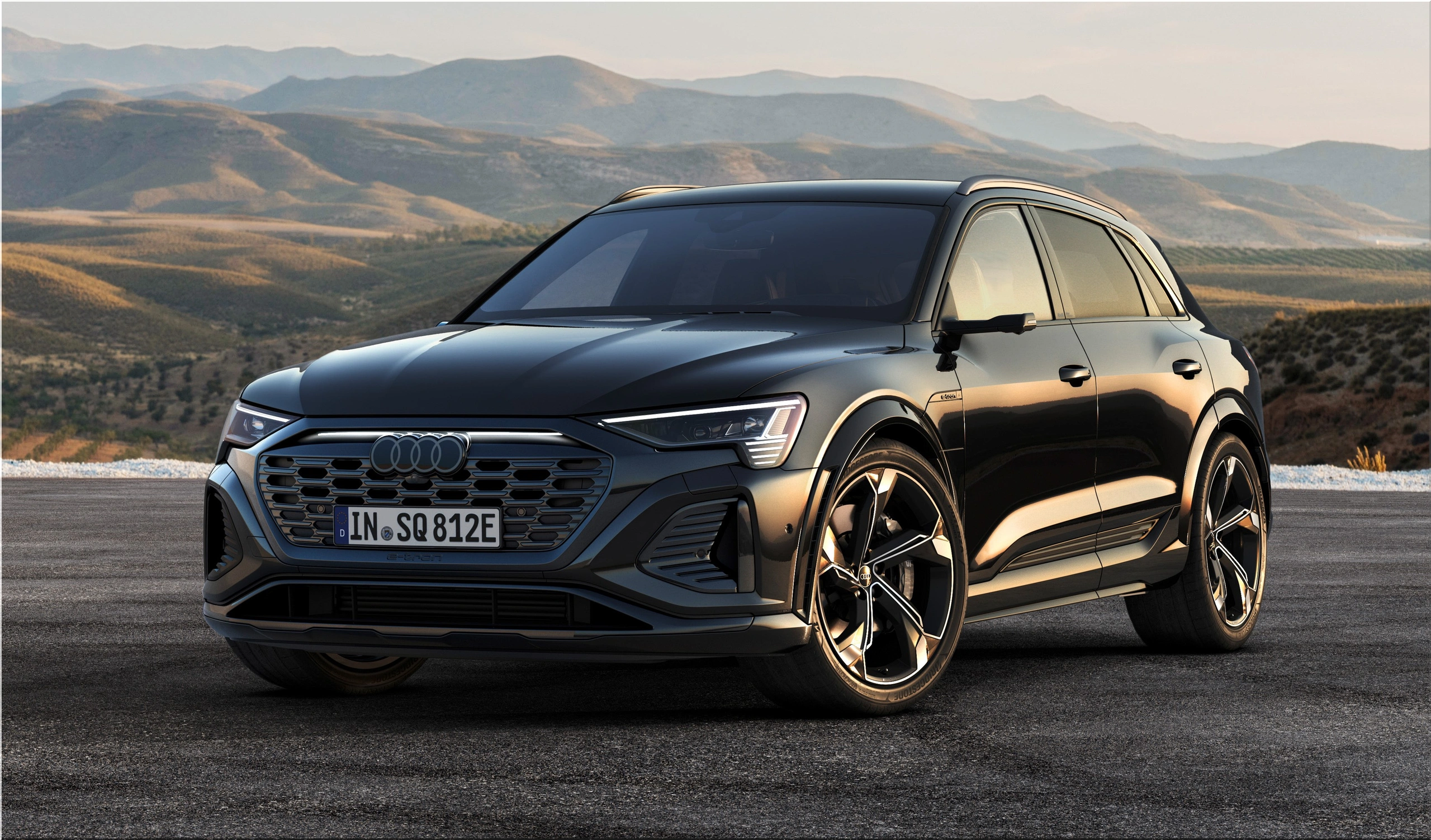
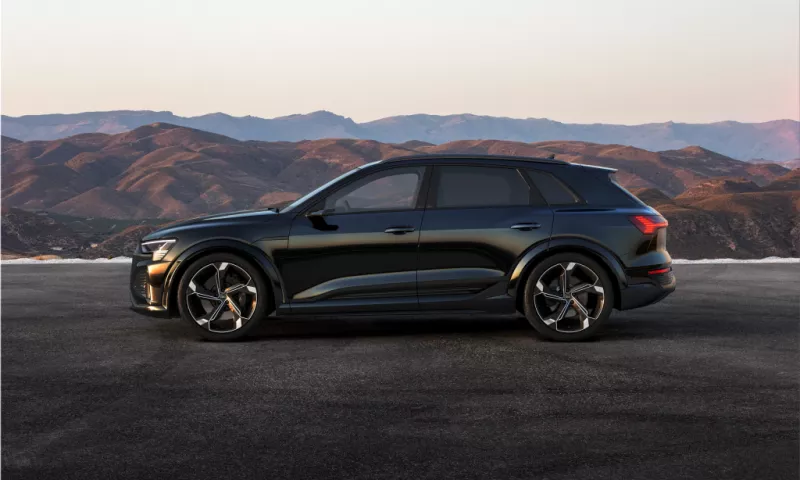
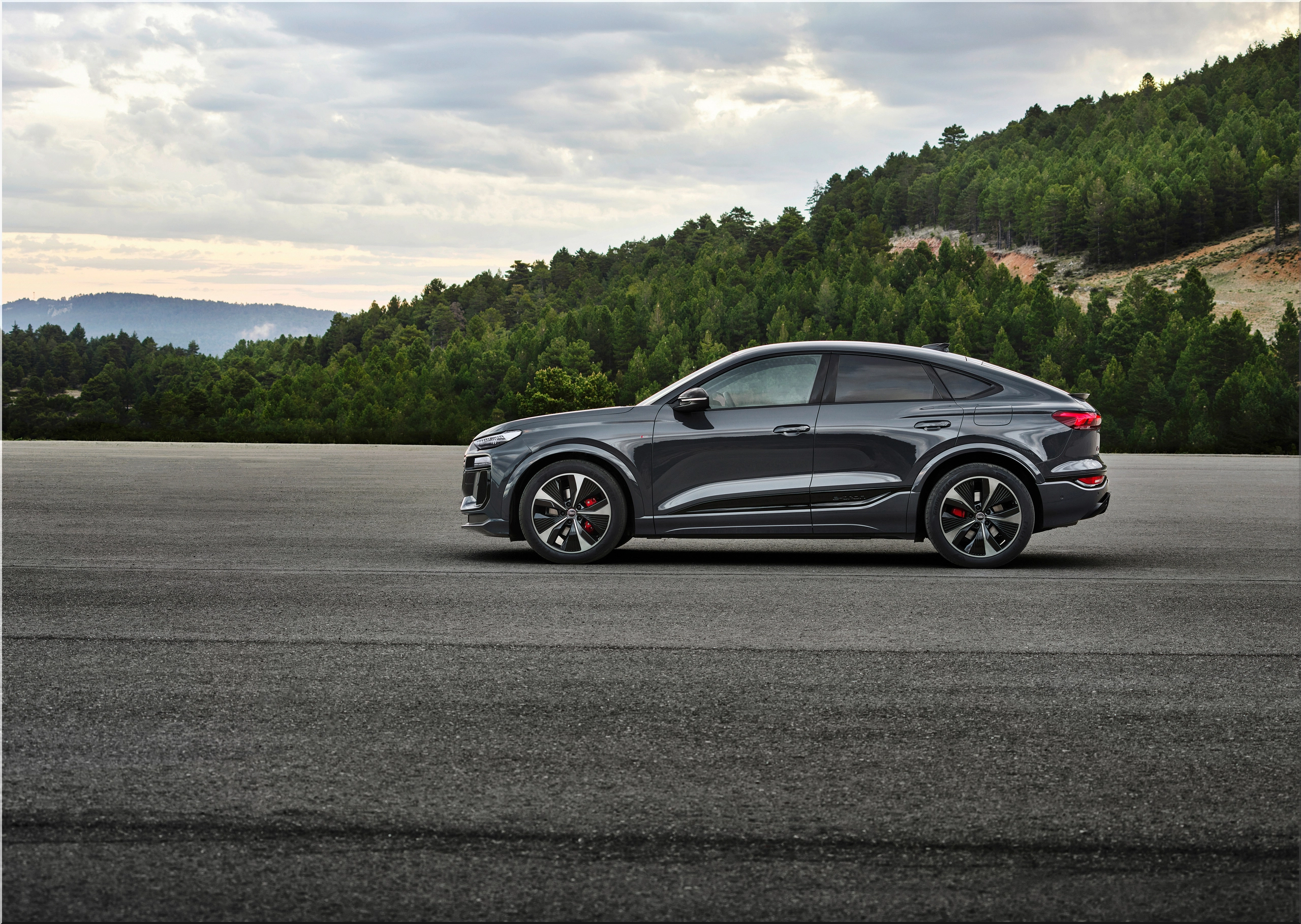
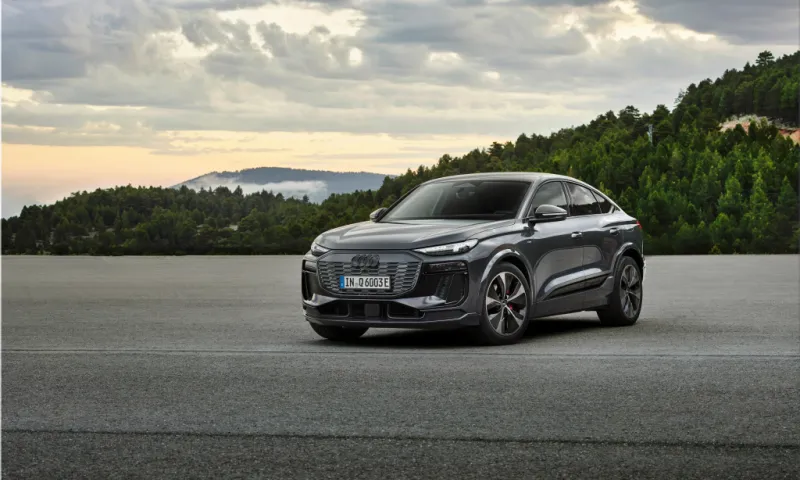
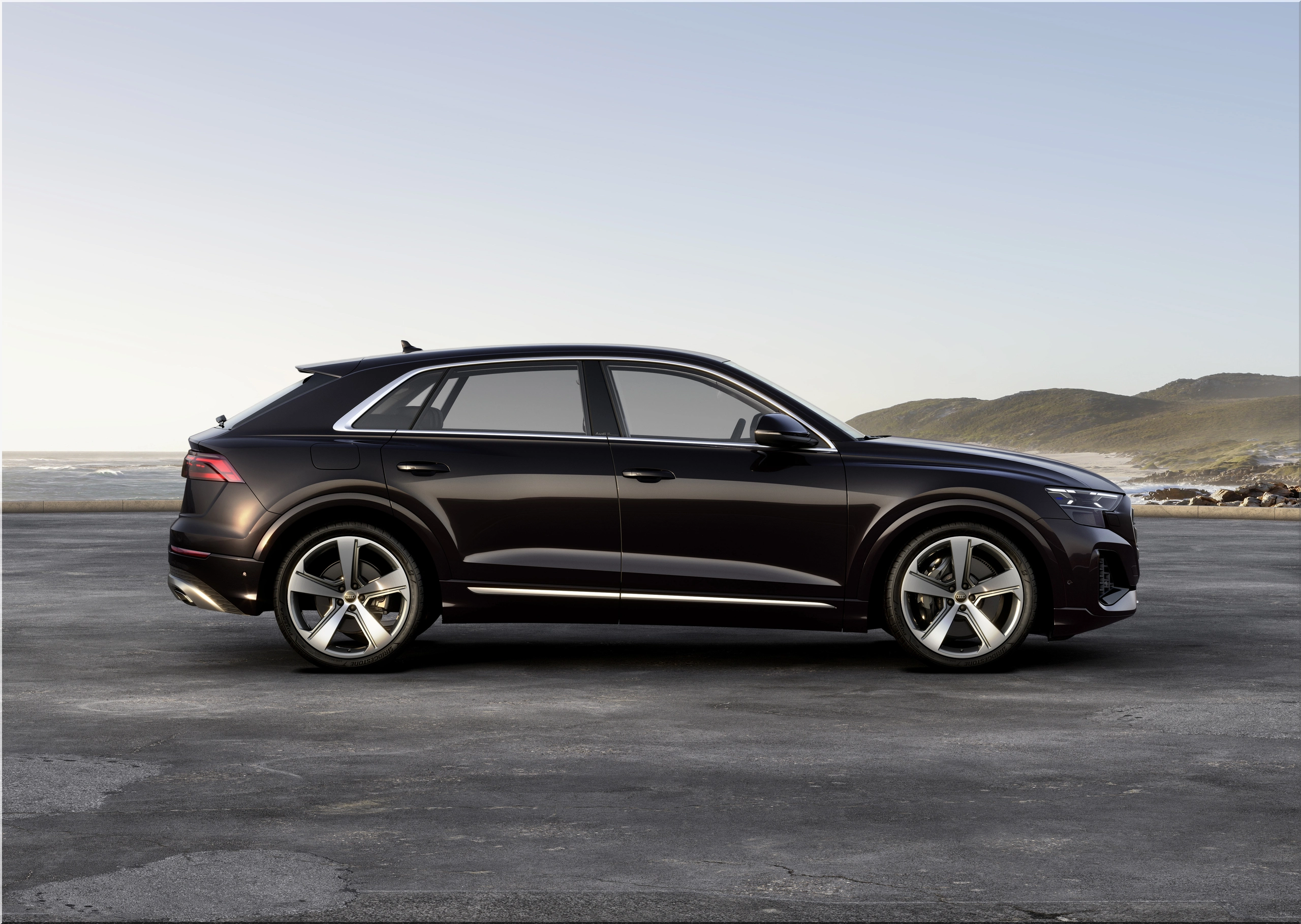
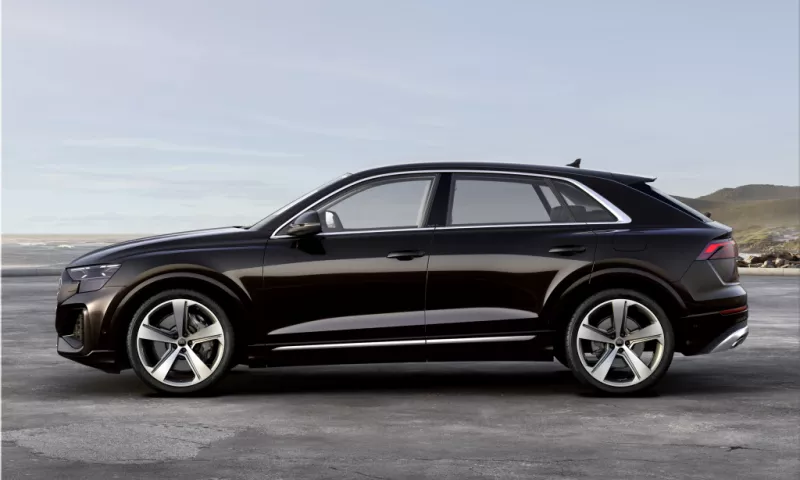
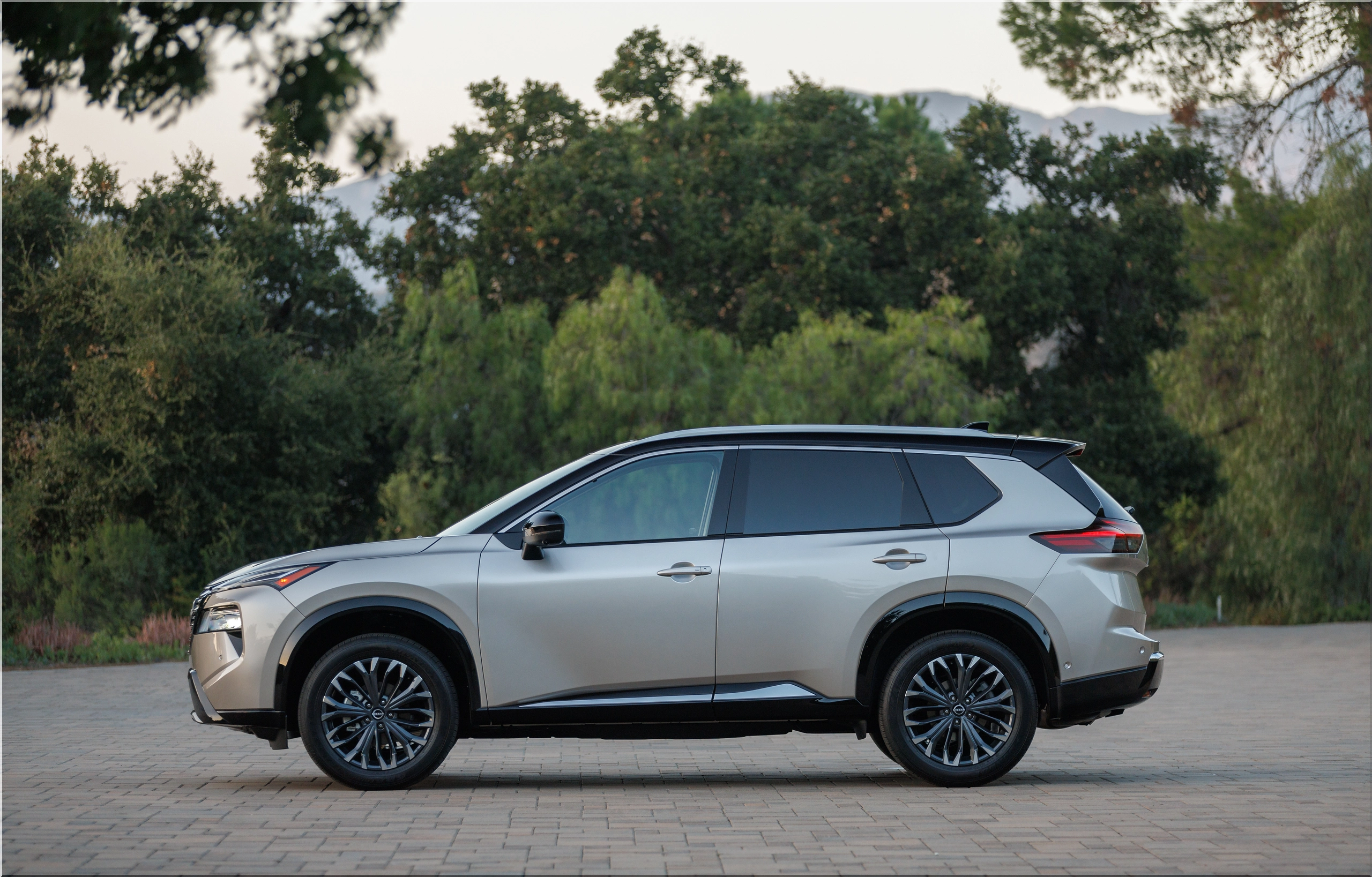
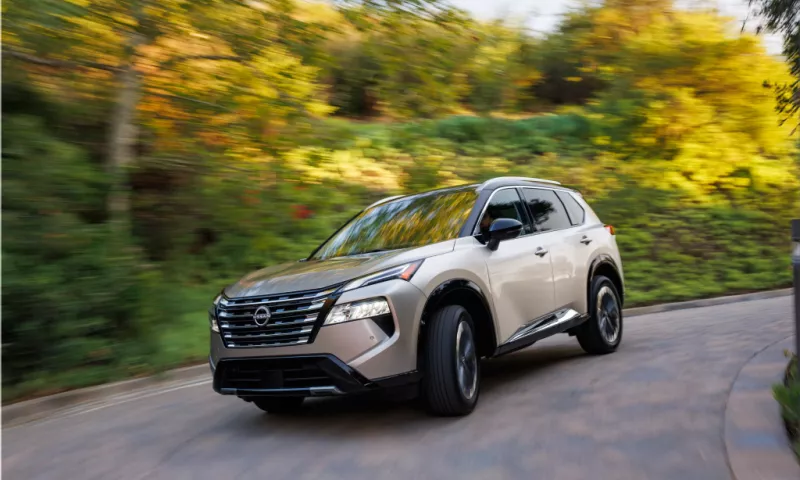
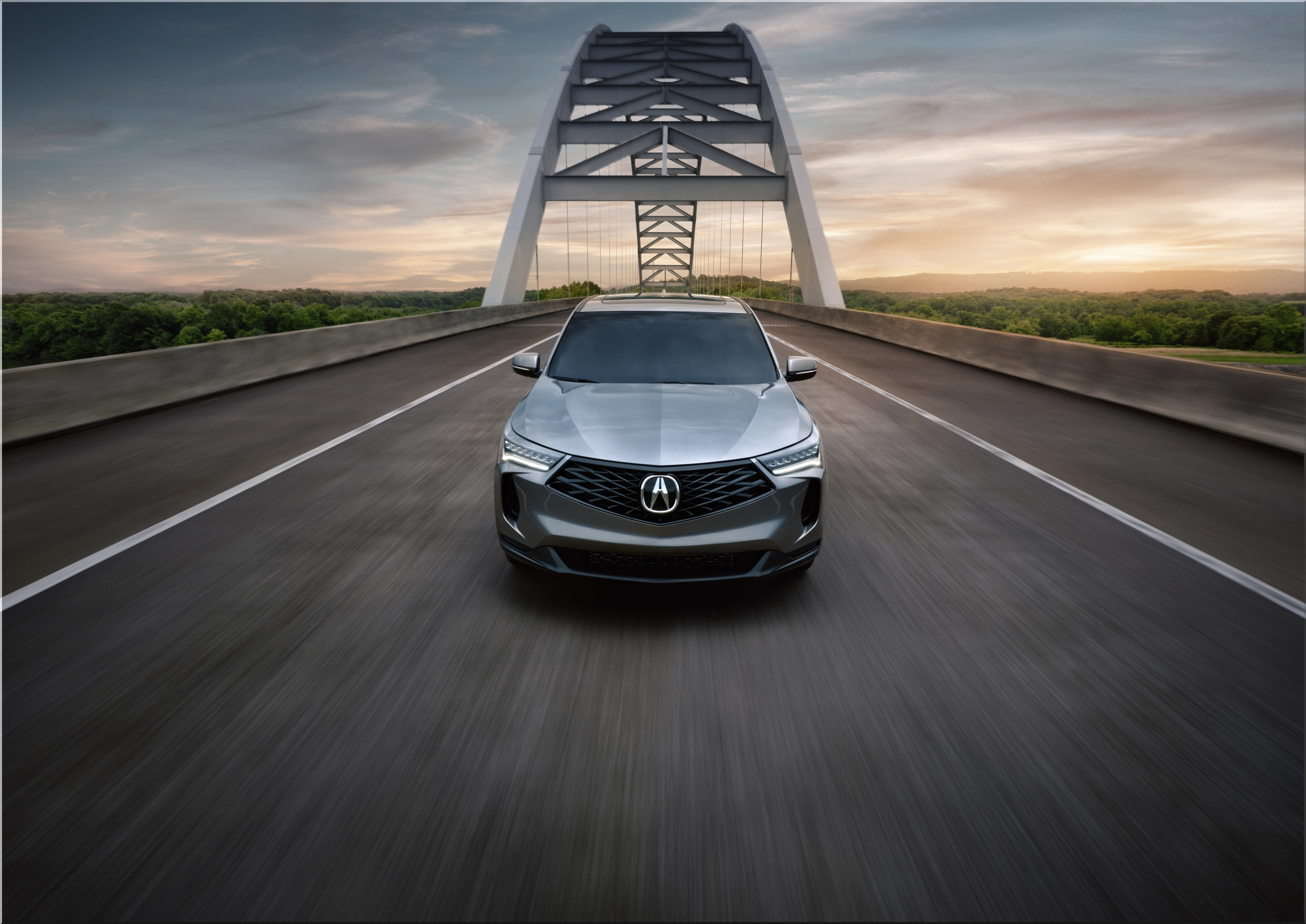
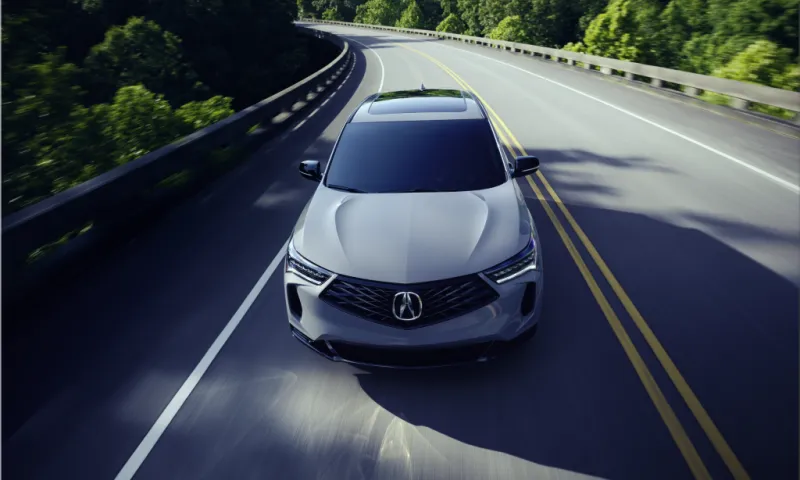
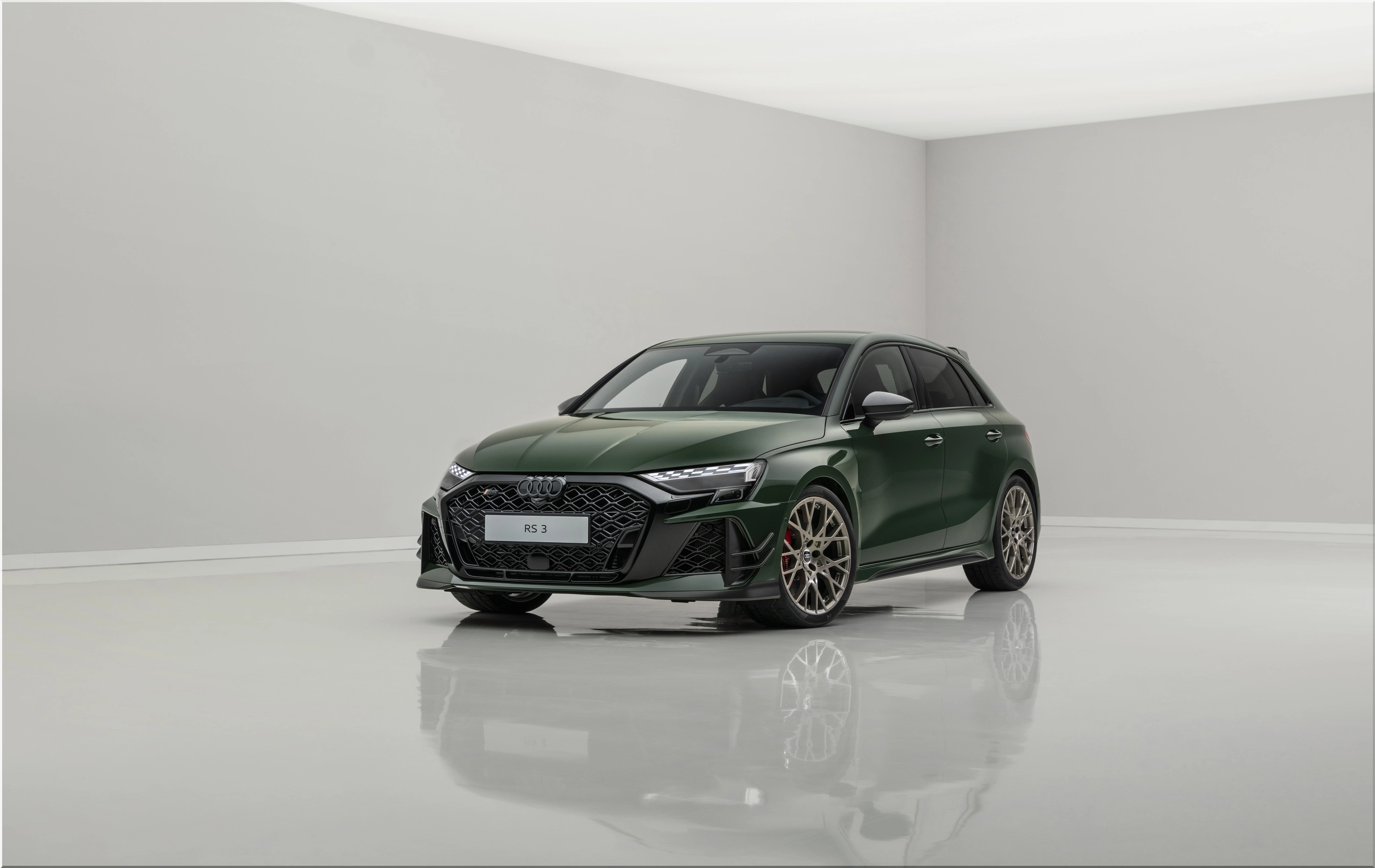
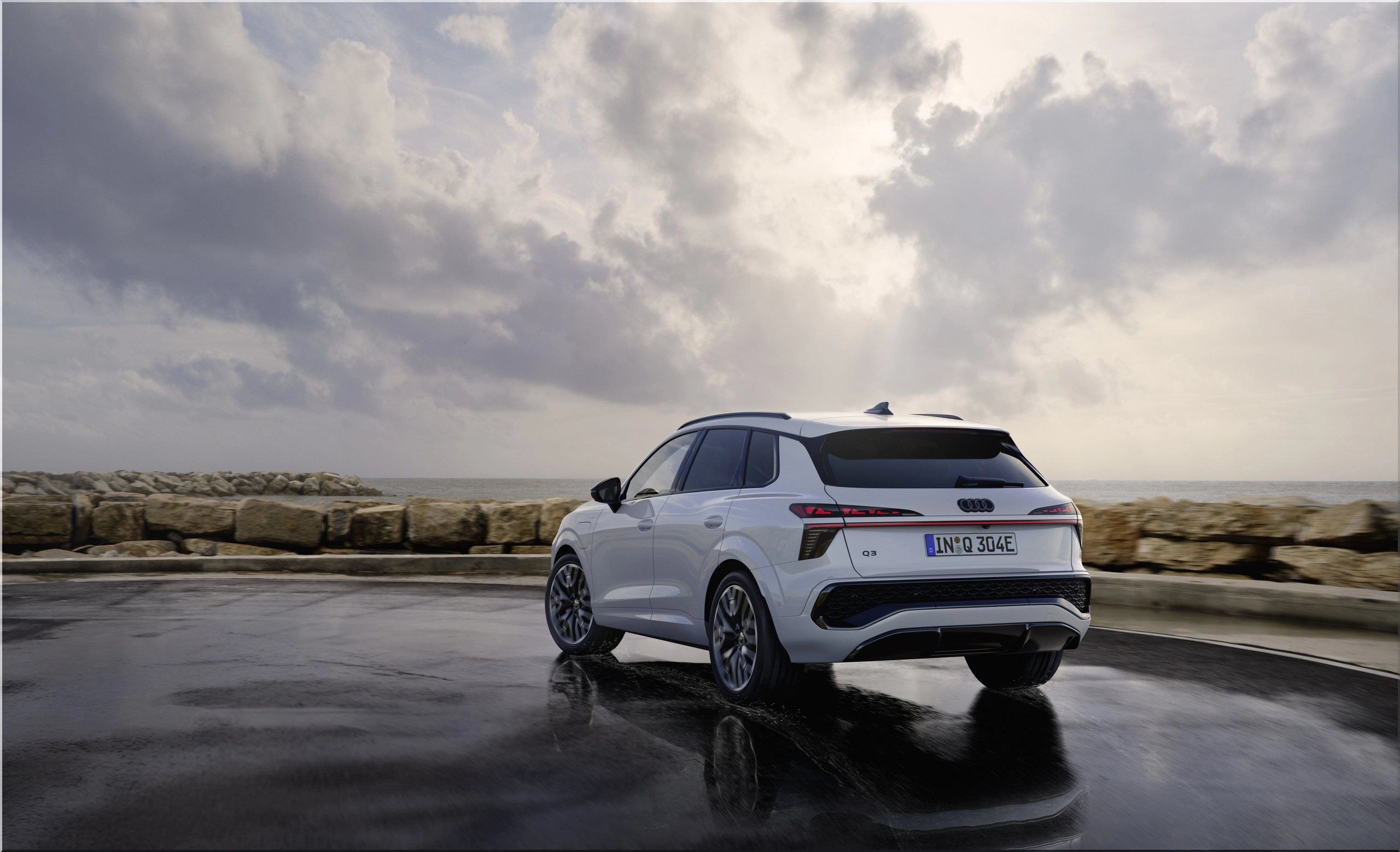
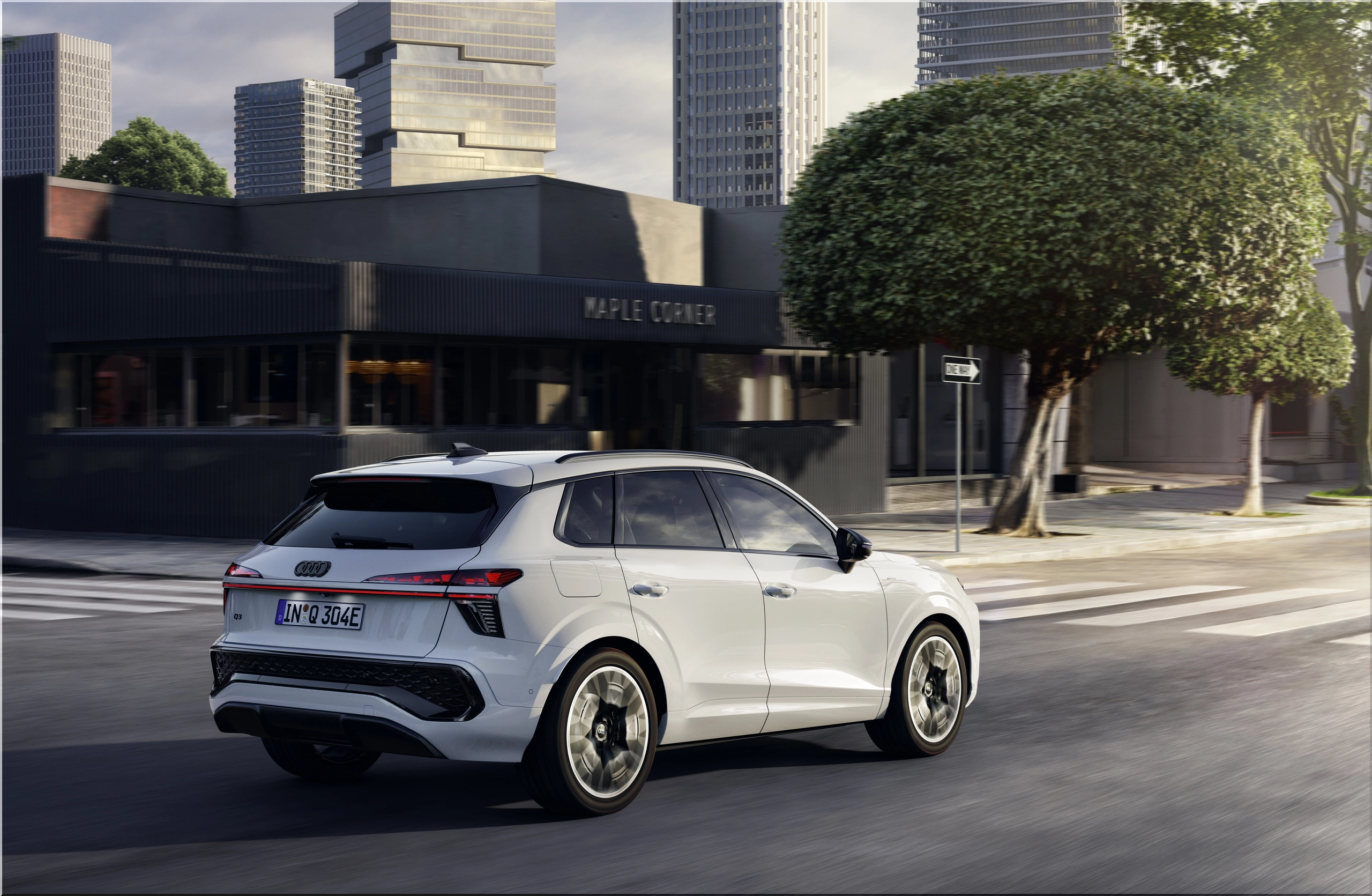
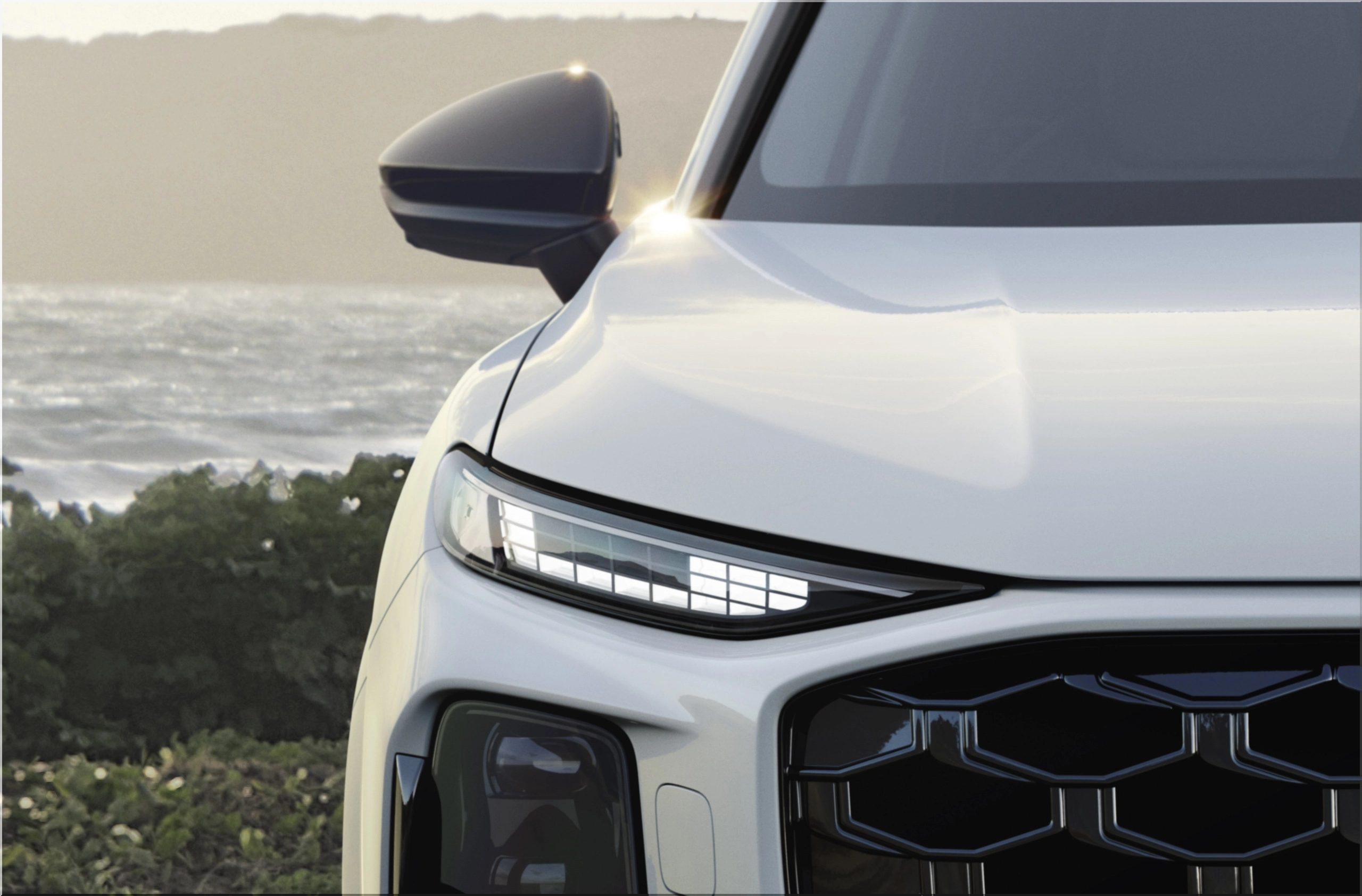
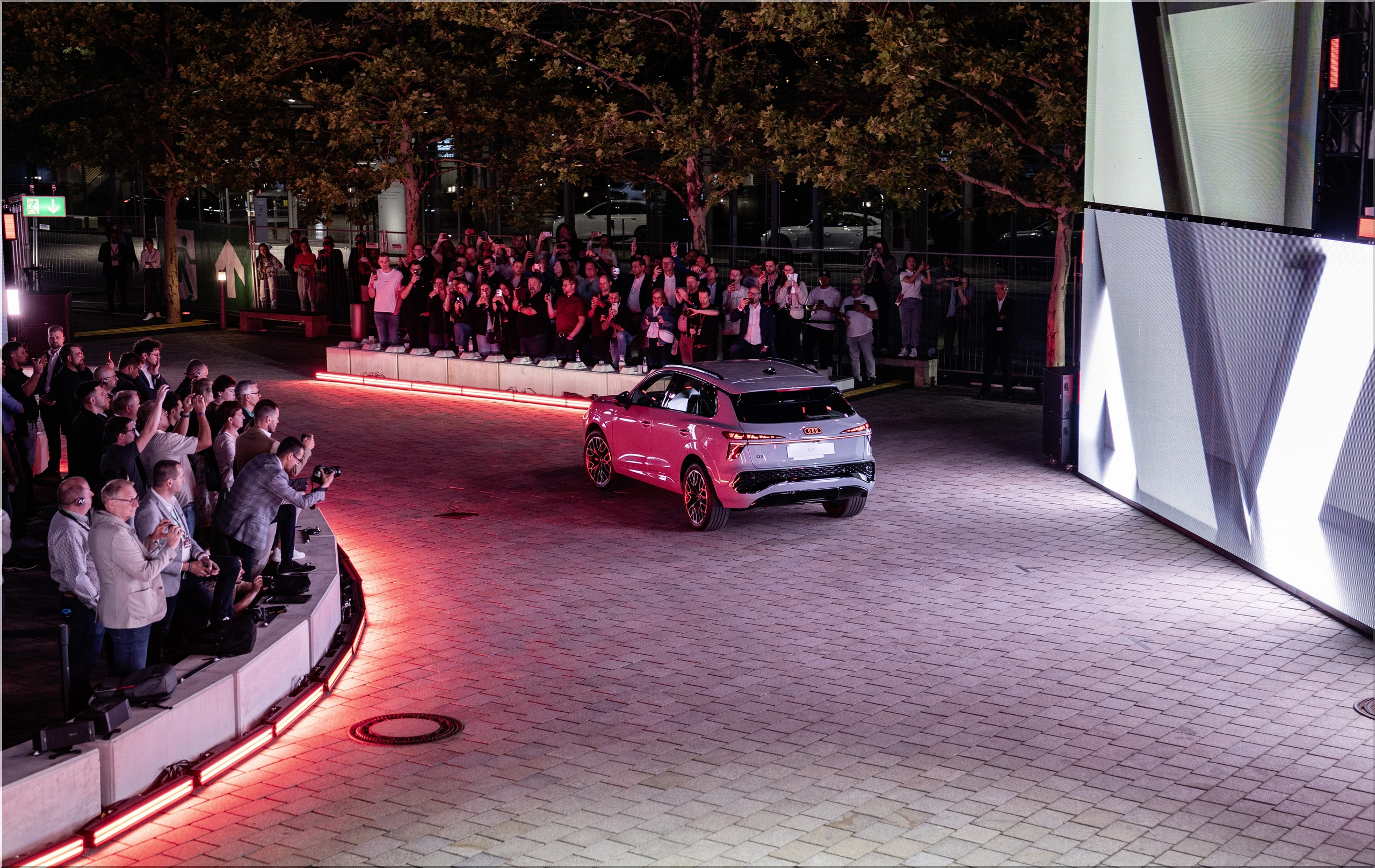
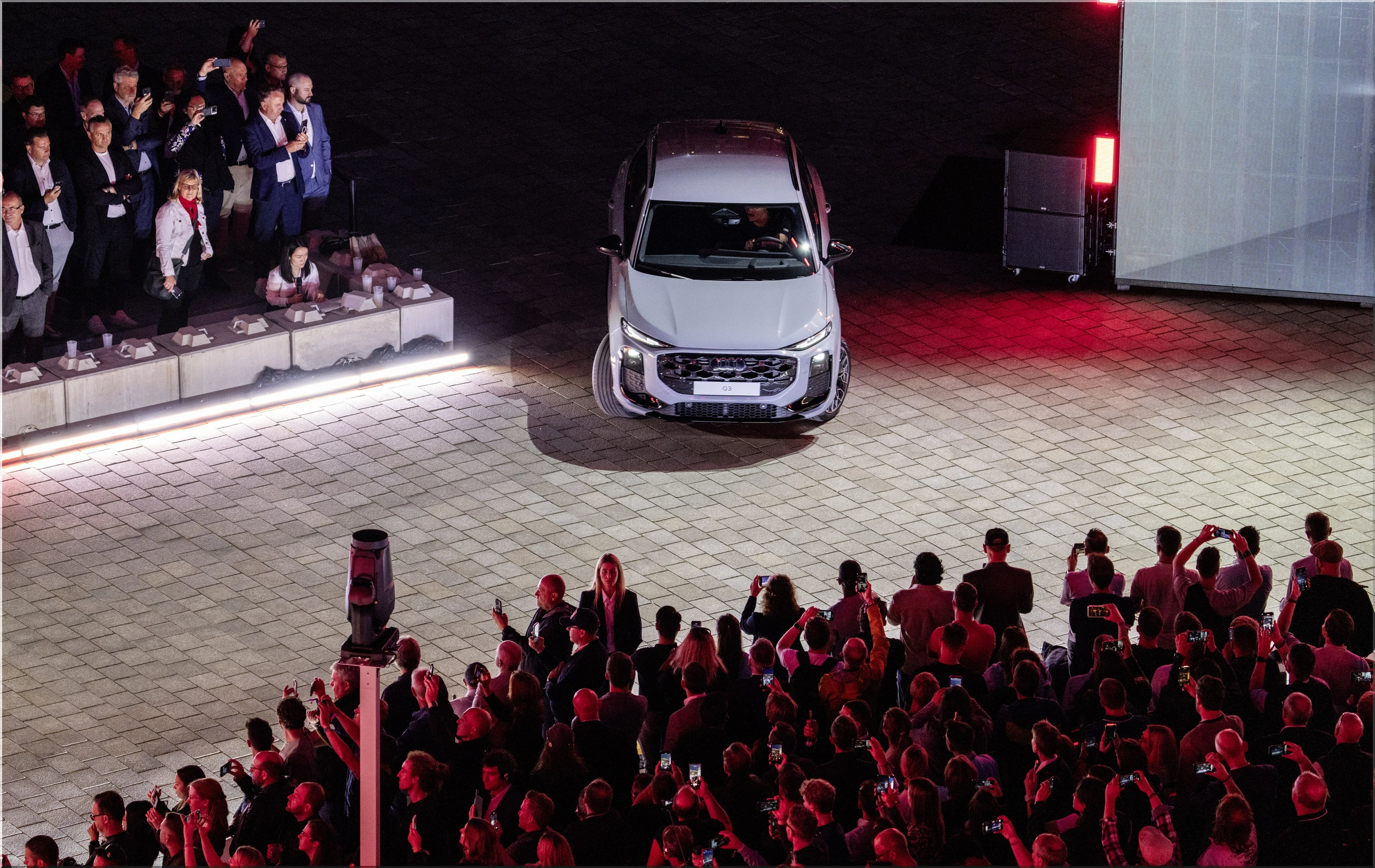
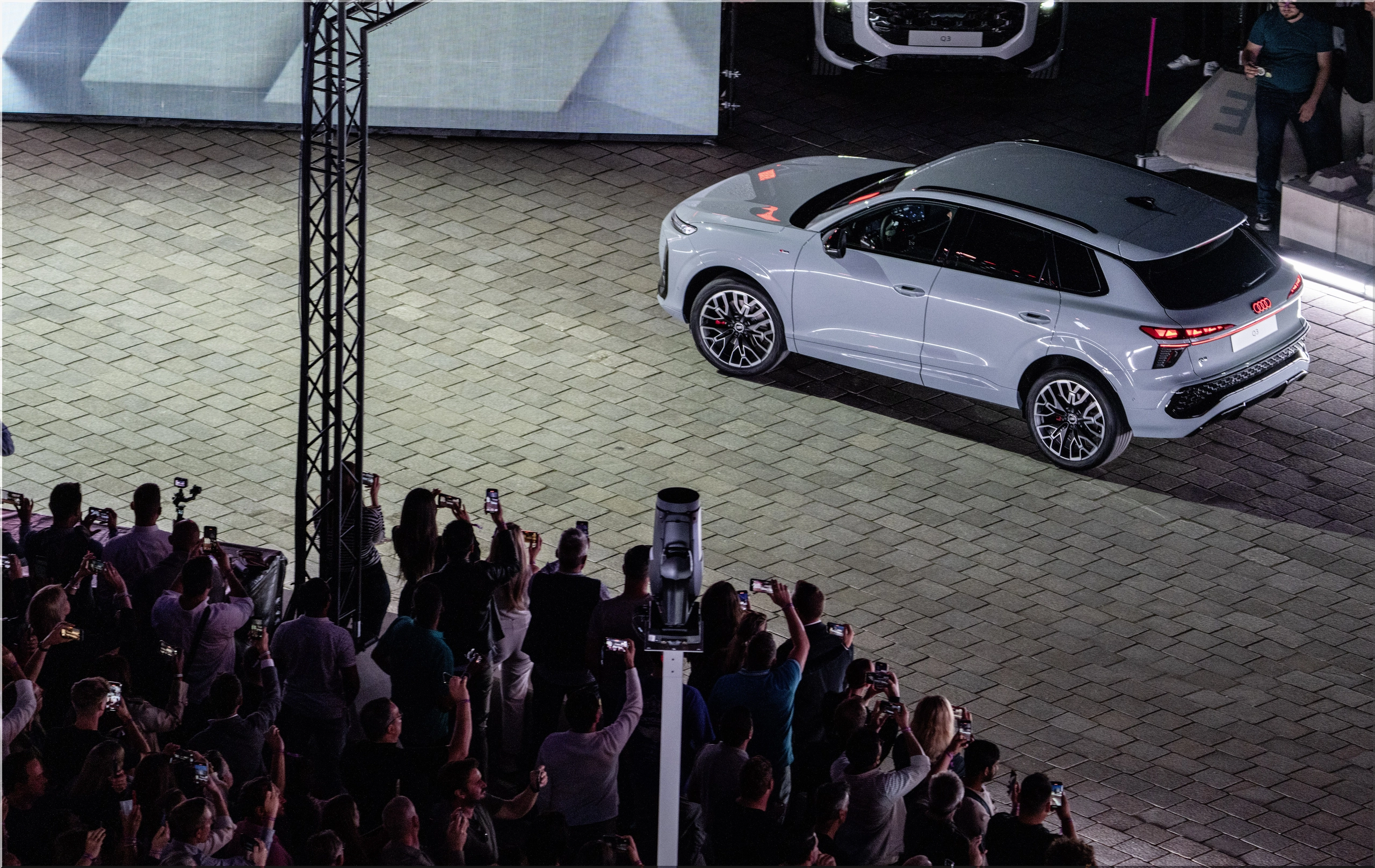
Audi refines the Q3’s exterior without radical changes. The SUV adopts a wider Singleframe grille, sharper LED headlights, and a more sculpted rear end. Optional Matrix LED lighting improves night visibility while reducing glare for oncoming traffic. Wheel sizes range from 17 to 21 inches, with aerodynamic designs that reduce drag.
Key design updates include:
- New daytime running light signature for stronger visual identity.
- Revised bumpers with functional air intakes.
- Optional black styling package for a sportier look.
These refinements keep the Q3 aligned with Audi’s latest design language while improving efficiency through better aerodynamics.
Interior: Digital, spacious, and connected
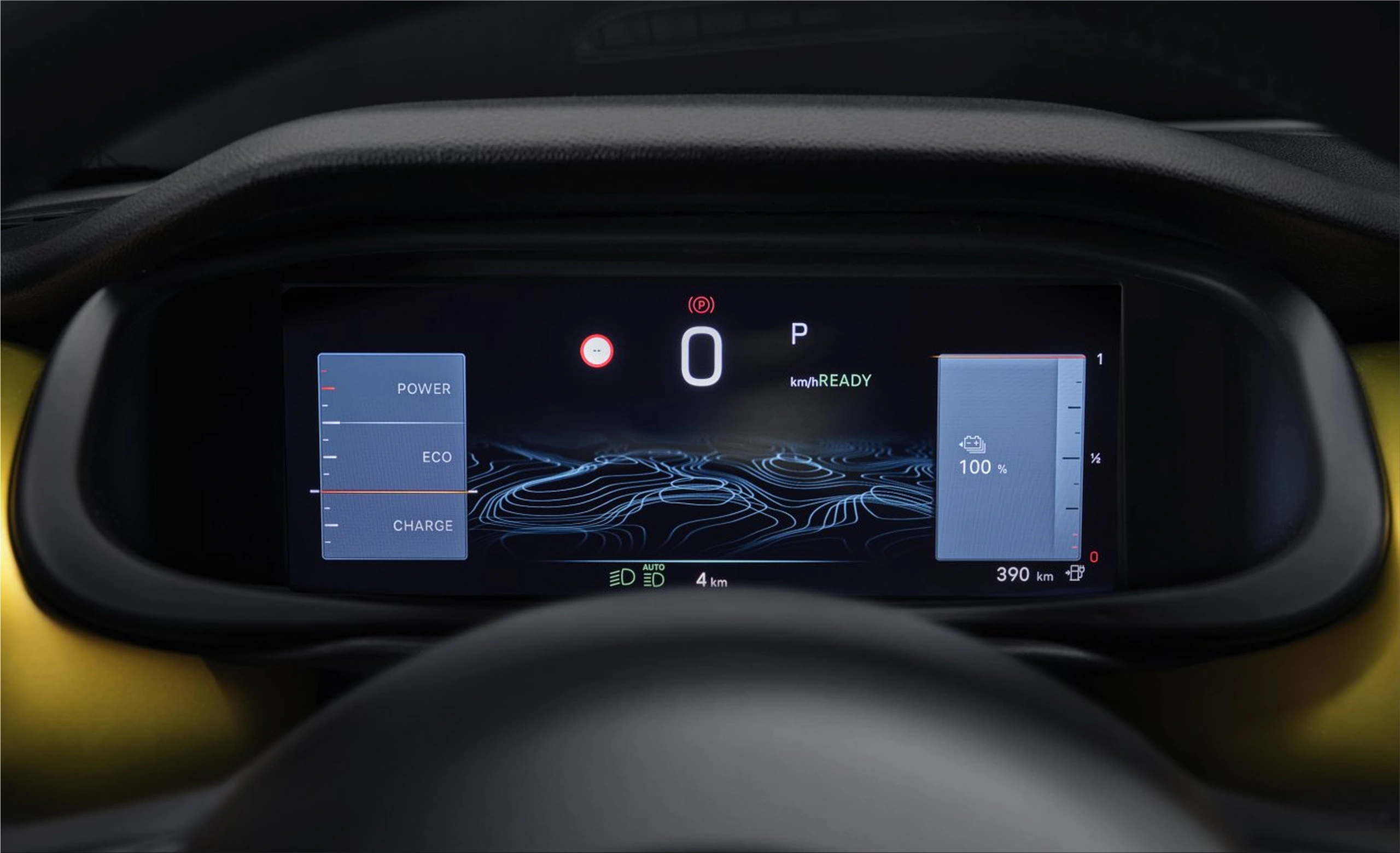
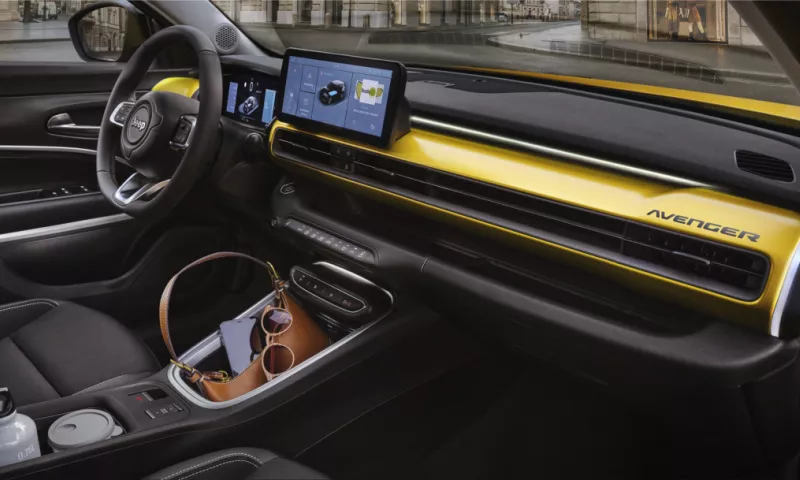
The Q3 interior emphasizes practicality and technology. A 10.1-inch MMI touch display and 10.25-inch digital instrument cluster are standard. Audi offers a 12.3-inch Virtual Cockpit Plus as an option. The infotainment system supports wireless Apple CarPlay, Android Auto, and voice control.
Cabin highlights:
- Rear seat legroom improved by 1.2 inches compared to the previous model.
- Luggage capacity ranges from 21.2 to 53.3 cubic feet with seats folded.
- Optional ambient lighting and panoramic glass roof enhance cabin comfort.
Audi integrates over-the-air (OTA) updates, allowing software upgrades without dealership visits. Connected services include live traffic data, remote climate control, and vehicle status monitoring via the myAudi app.
Safety and driver assistance systems
Safety remains a priority in the Q3 e-hybrid. Standard driver assistance features include:
- Adaptive cruise control with stop-and-go.
- Lane departure warning and lane keep assist.
- Front and rear parking sensors with 360-degree camera.
- Audi pre sense front, which prepares the vehicle for potential collisions.
Optional systems such as traffic jam assist, park assist, and cross traffic alert add further layers of protection.
Trim levels and pricing
Audi will offer the Q3 e-hybrid in multiple trims, with pricing expected to start around $46,000 in the United States. Higher-spec versions, with premium interior materials and additional tech features, could reach $56,000.
| Trim | Approx. Price (USD) | Key Features |
|---|---|---|
| Base | $46,000 | 10.1-inch MMI, adaptive cruise, 18-inch wheels |
| S line | $50,000 | Sport seats, dynamic suspension, black exterior pack |
| Vorsprung | $56,000 | Virtual Cockpit Plus, Matrix LED, driver assistance plus |
How it compares: Key rivals
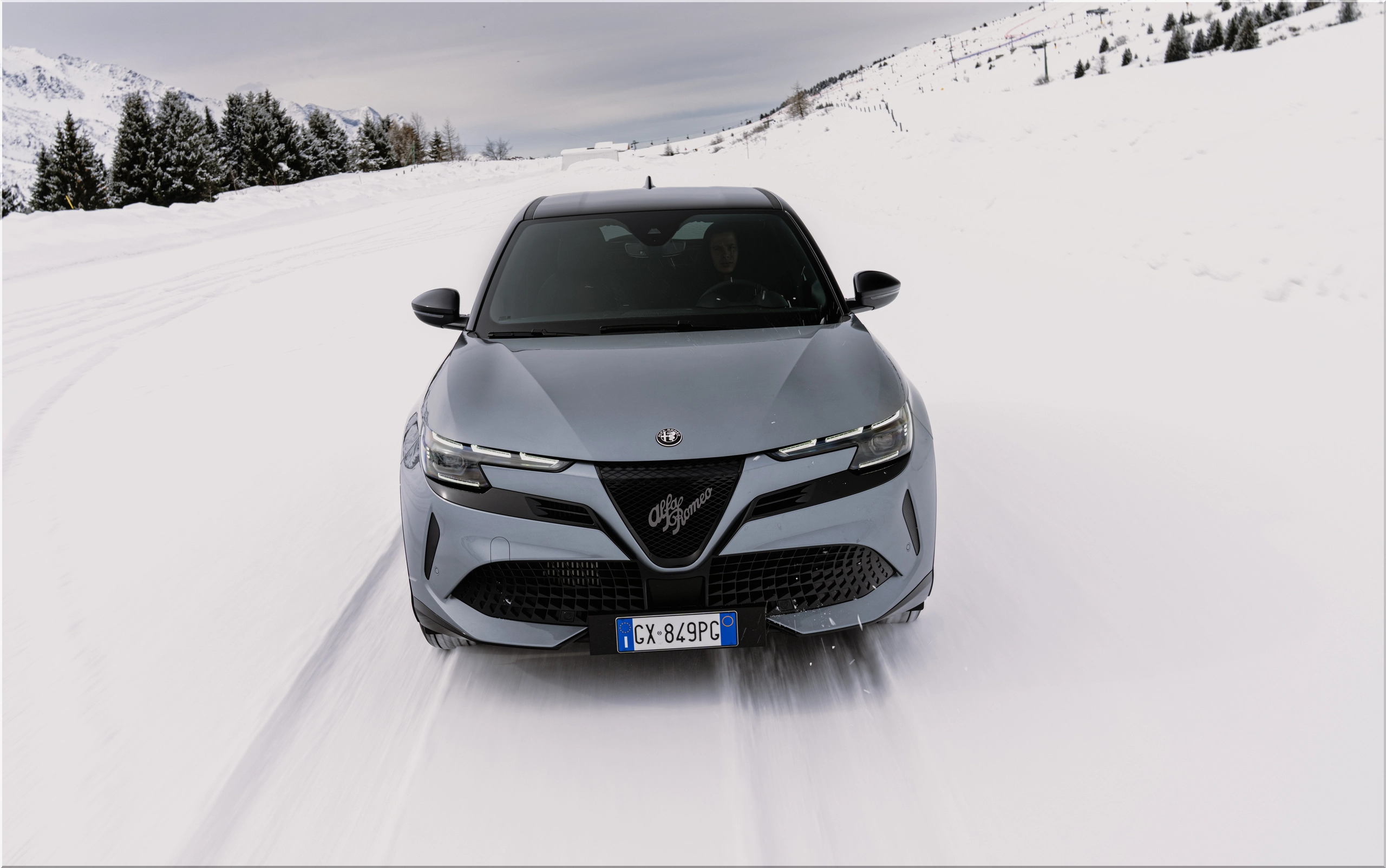
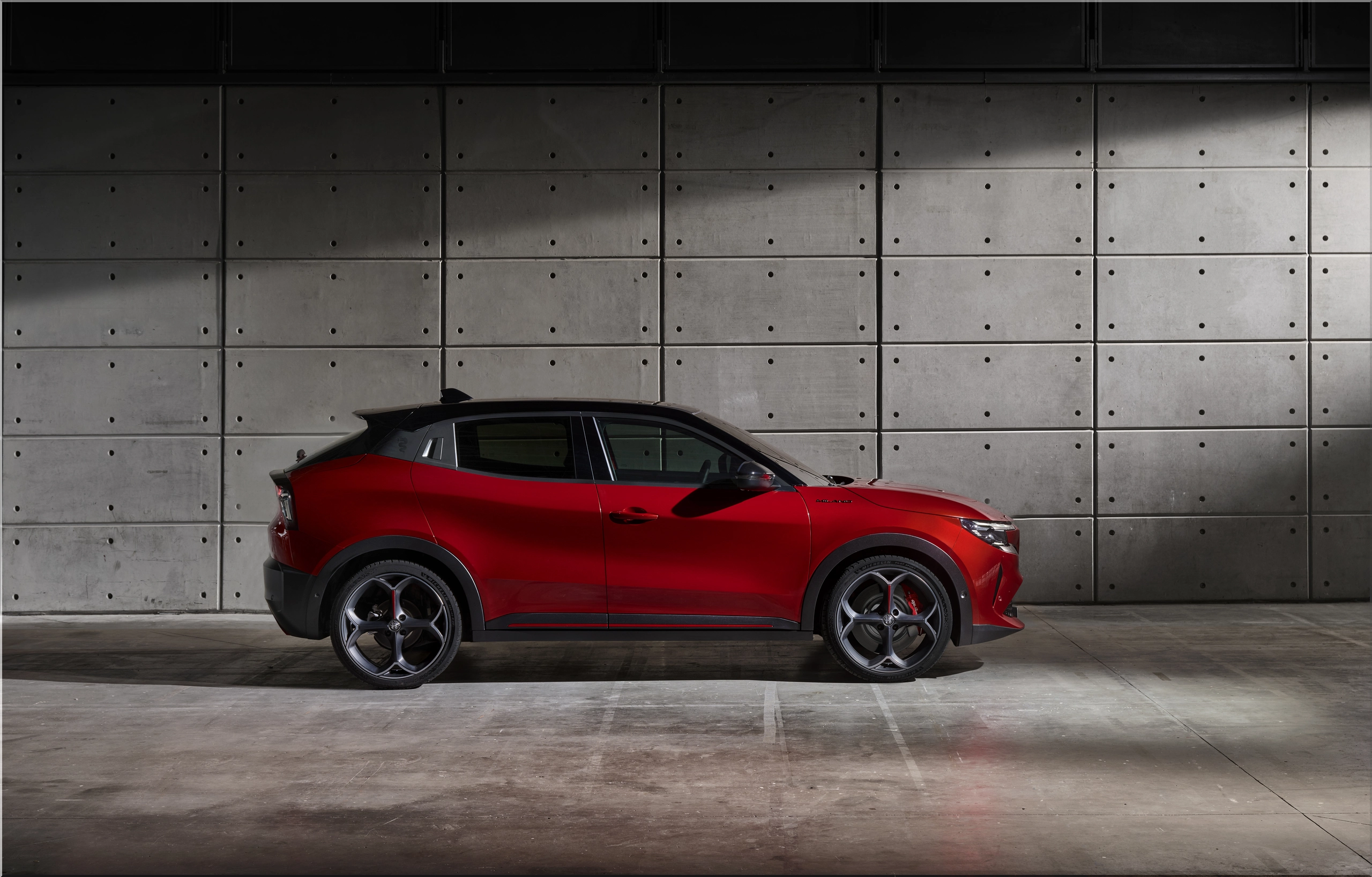
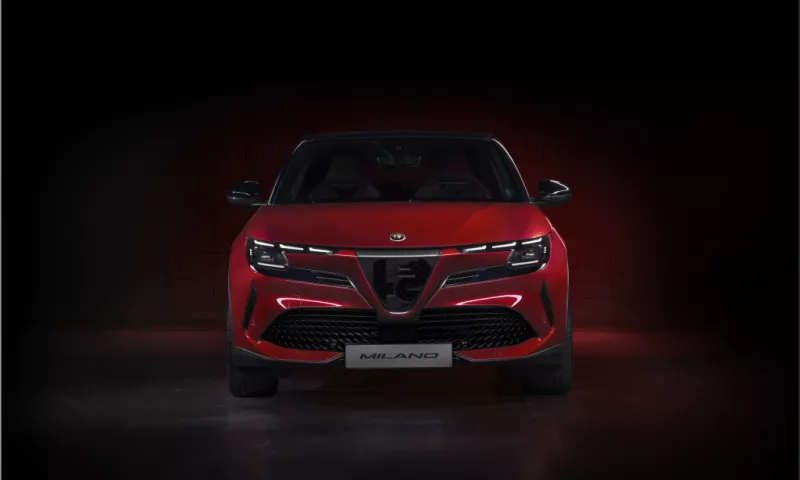
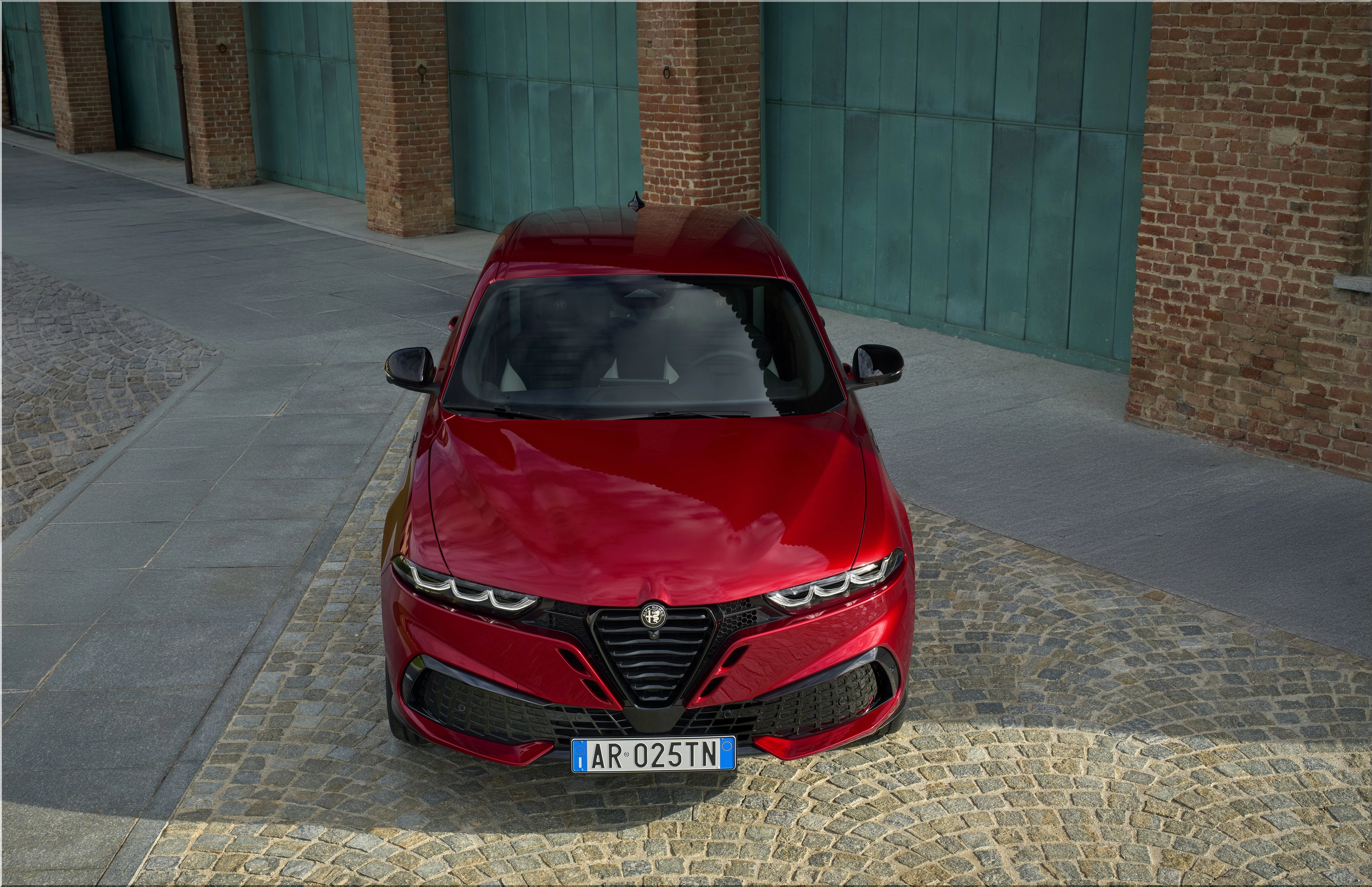
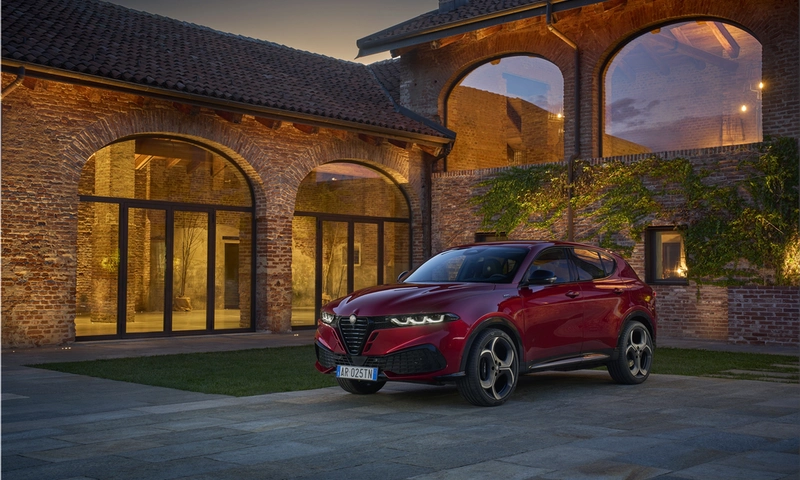
The compact plug-in hybrid SUV segment is growing quickly. The Q3 e-hybrid faces competition from models like the BMW X1 xDrive30e, Mercedes-Benz GLA 250e, Volvo XC40 Recharge T5, and Alfa Romeo Junior.
| Model | Power | EV Range (WLTP) or Range Equivalent | Starting Price (USD)* |
|---|---|---|---|
| Audi Q3 e-hybrid | 201 hp | 62 miles (plug-in) | ~$46,000 |
| BMW X1 xDrive30e | 326 hp | ~55 miles (plug-in) | ~$47,000 |
| Mercedes GLA 250e | 215 hp | ~45 miles (plug-in) | ~$45,500 |
| Volvo XC40 Recharge T5 | 258 hp | ~50 miles (plug-in) | ~$48,000 |
| Alfa Romeo Junior (Elettrica) | 156 hp base / 280 hp Veloce | ~334 km WLTP (≈ 208 miles) | ~€39,000 (~$42,500) |



Future-proof technology and sustainability
Audi plans to offer bi-directional charging capabilities in future software updates, enabling the Audi Q3 e-hybrid to supply energy back to the grid. The model’s production follows CO₂-neutral manufacturing processes, and interior materials include recycled textiles and sustainable leather alternatives.
These moves align with Audi’s broader goal to have 30 electrified models by 2026 and reduce lifecycle emissions across its portfolio.
Final thoughts: A pragmatic step toward electrification
The 2026 Audi Q3 e-hybrid is a strategic move for Audi. It gives buyers a practical bridge between combustion and fully electric mobility. Strong electric range, efficient hybrid performance, advanced safety tech, and an updated interior make it a compelling option in the premium compact SUV market.
Even as fully electric rivals like the Alfa Romeo Junior enter the field, the Q3 e-hybrid can win buyers with its flexible powertrain and hybrid efficiency. Its success depends on clarity in value, charging infrastructure support, and execution in real-world conditions. @via topelectricsuv.
- Add new comment
- 305 views