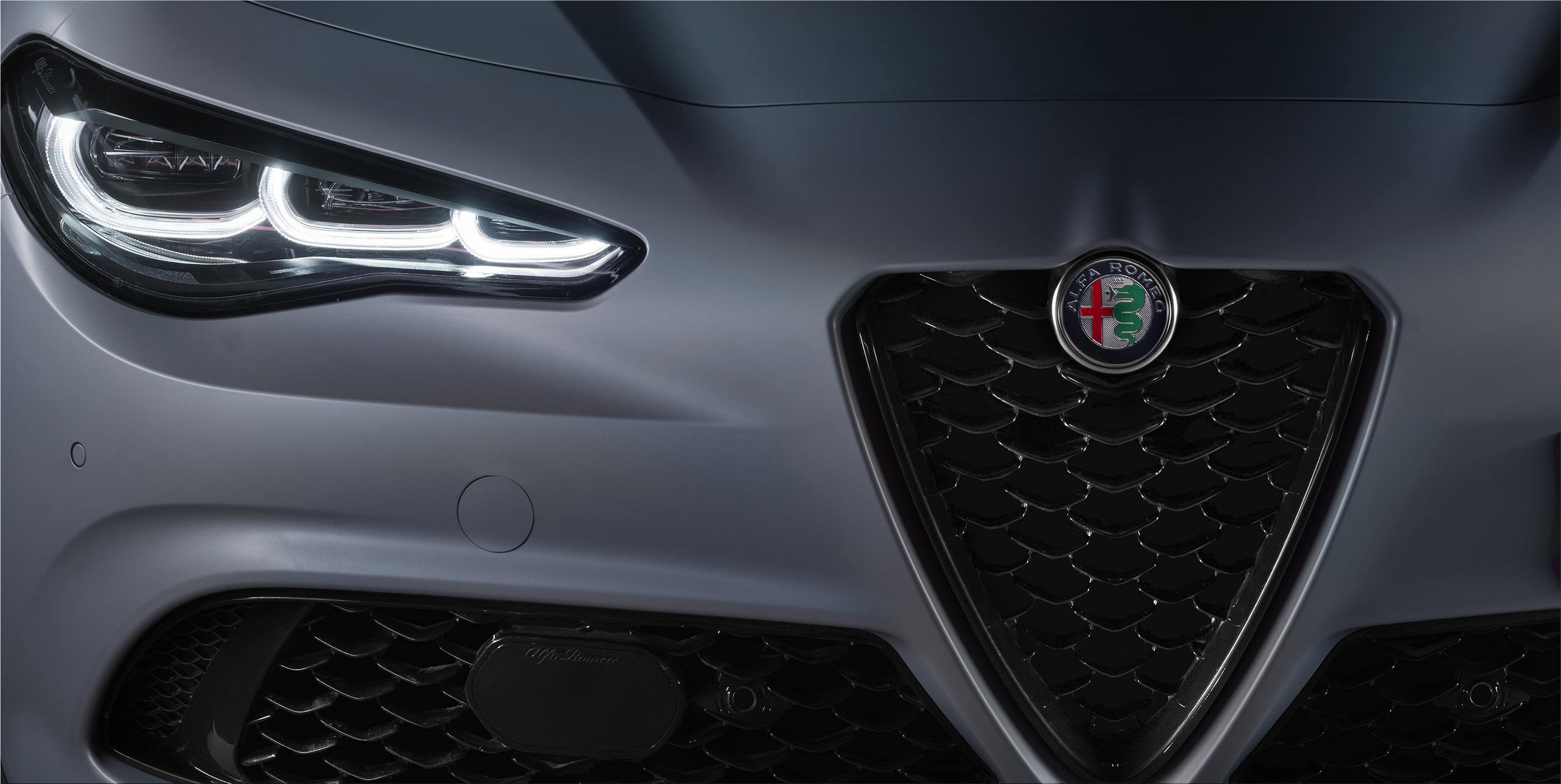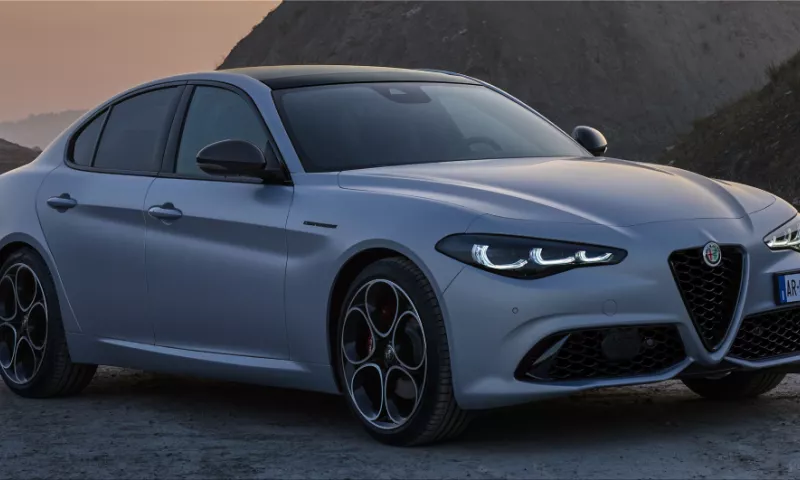
Limited Production Targets Enthusiasts Who Track Performance Data
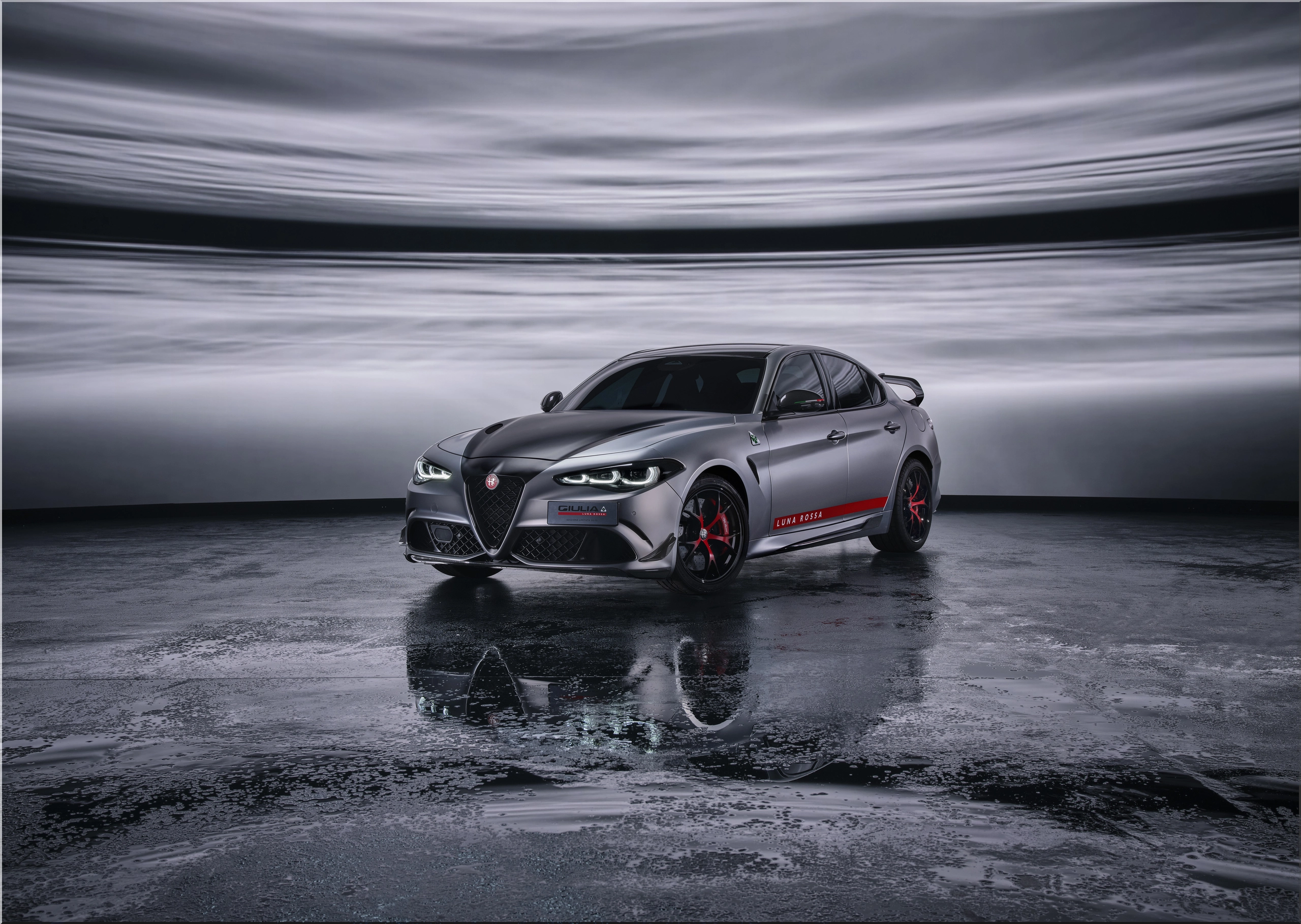
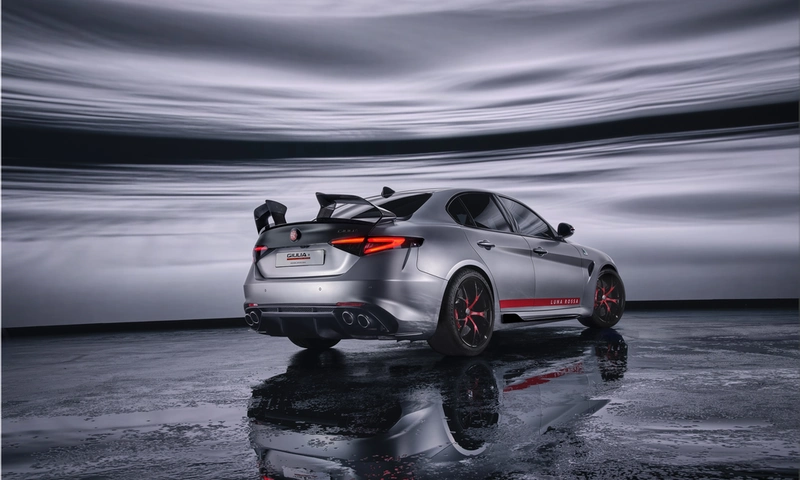
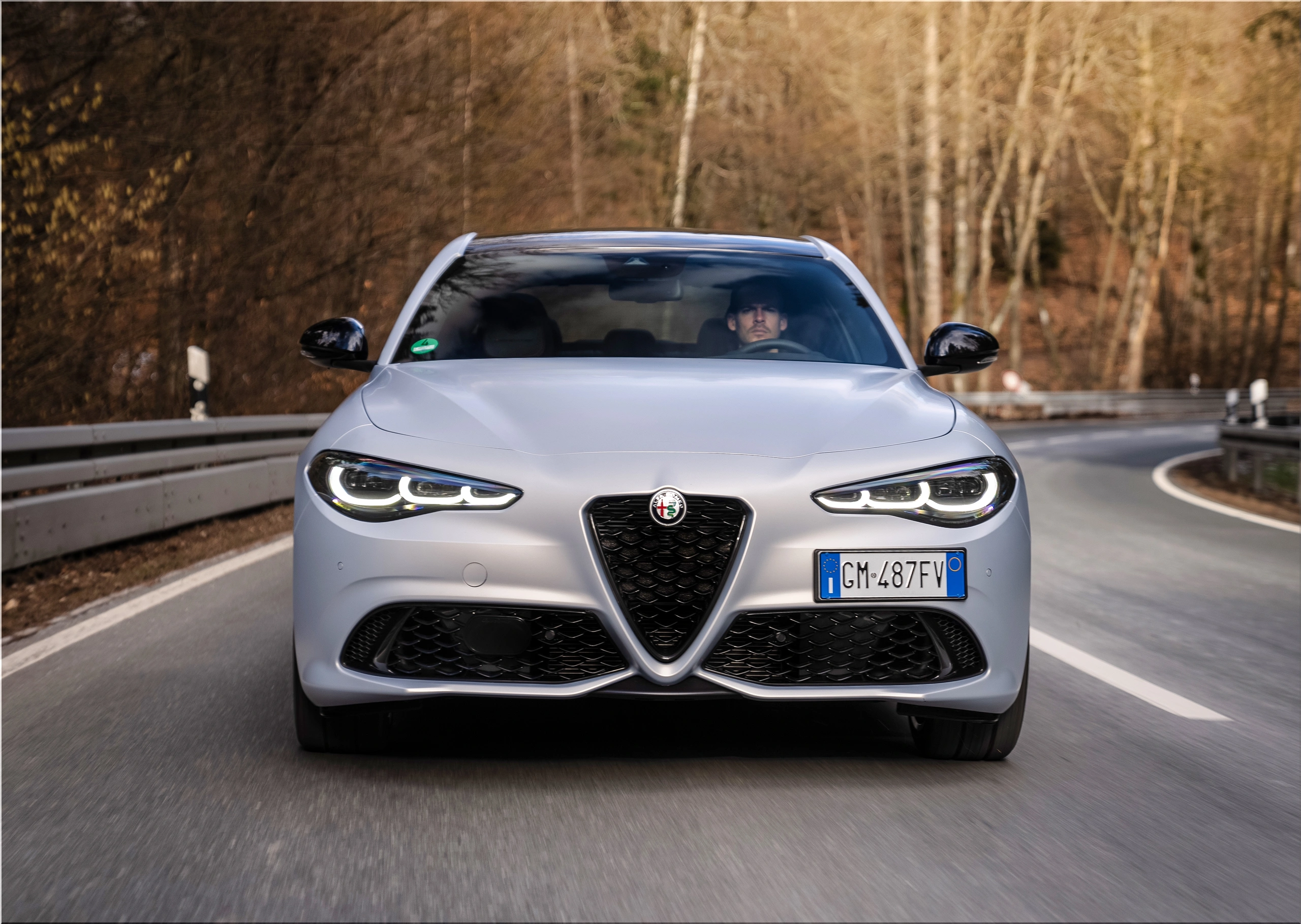
Alfa Romeo launches the Giulia Quadrifoglio Collezione and Stelvio Quadrifoglio Collezione with a clear objective: build demand through scarcity and measurable performance gains. The brand limits production to 63 units worldwide. Two units of the Giulia go to the UK. The move supports Alfa Romeo’s push toward premium performance segments where supply, materials, and engineering drive pricing and long-term value.
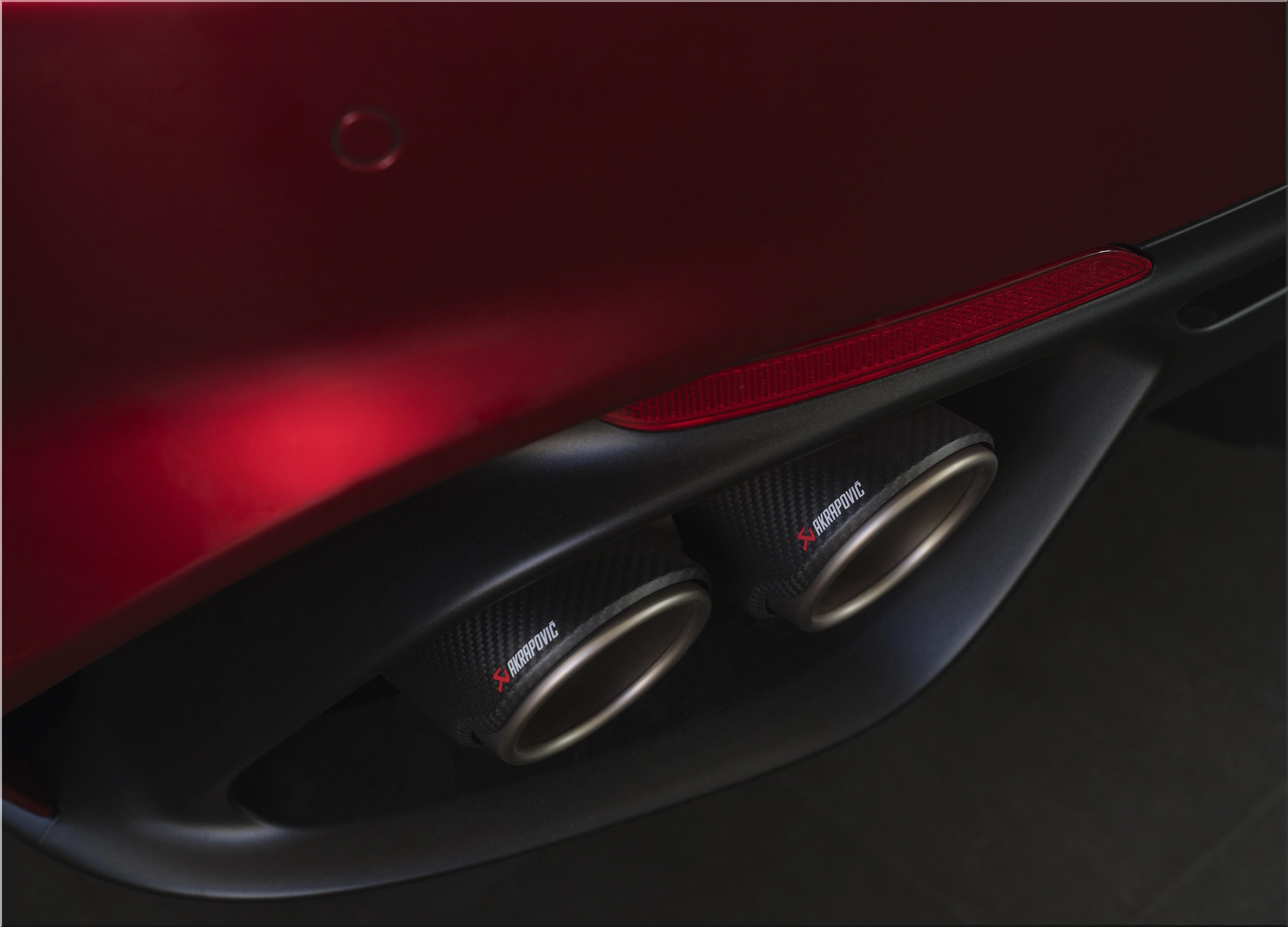
Each model uses a 520 hp 2.9-liter V6. The engine delivers responsive torque and sharp throttle inputs. The powertrain works with an Akrapovic exhaust, carbon-ceramic brakes, and a weight-focused build. The system produces quick response at low rpm and steady acceleration through the upper range.
Image
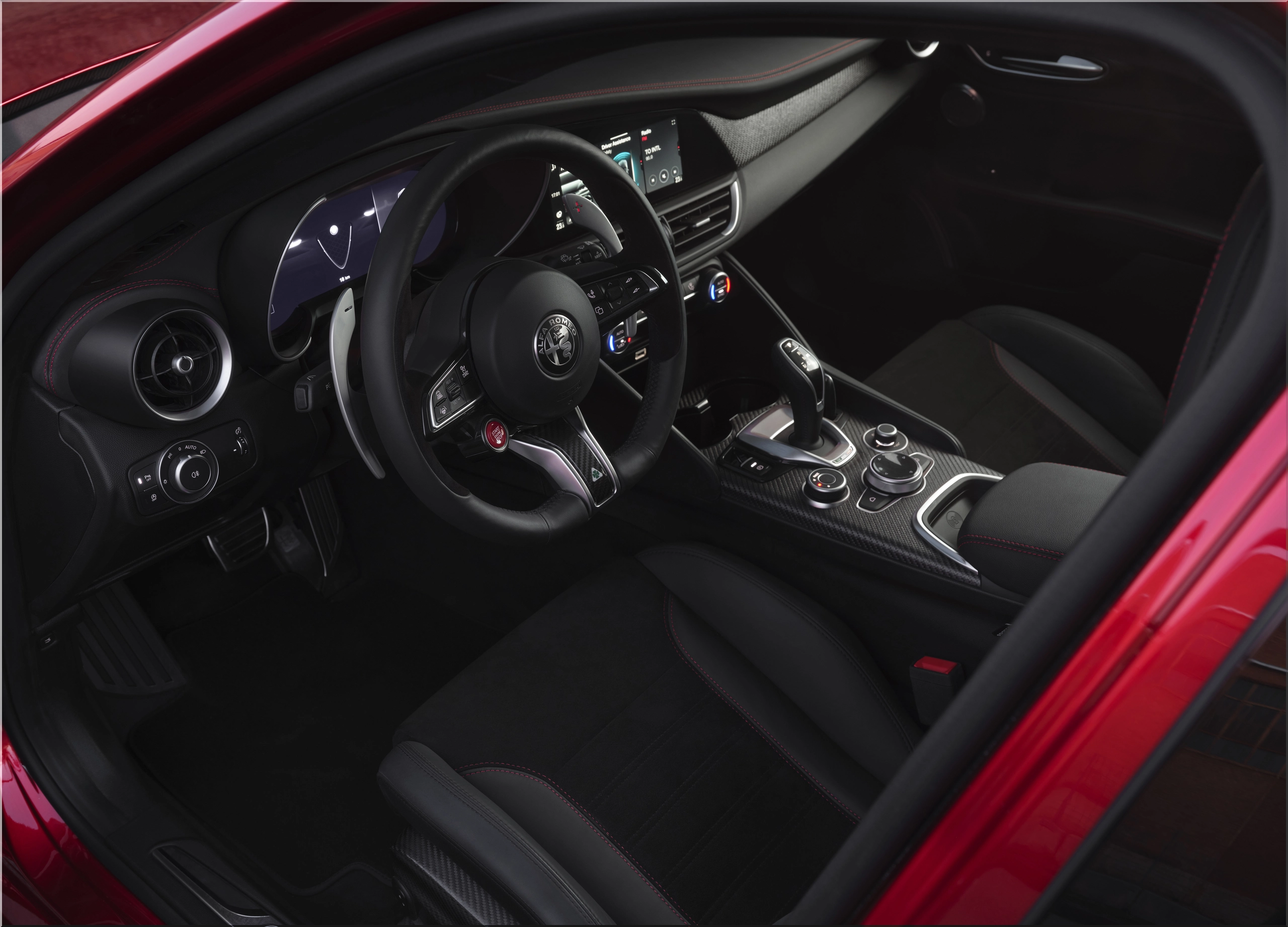
Why Alfa Romeo Uses the 63-Unit Strategy
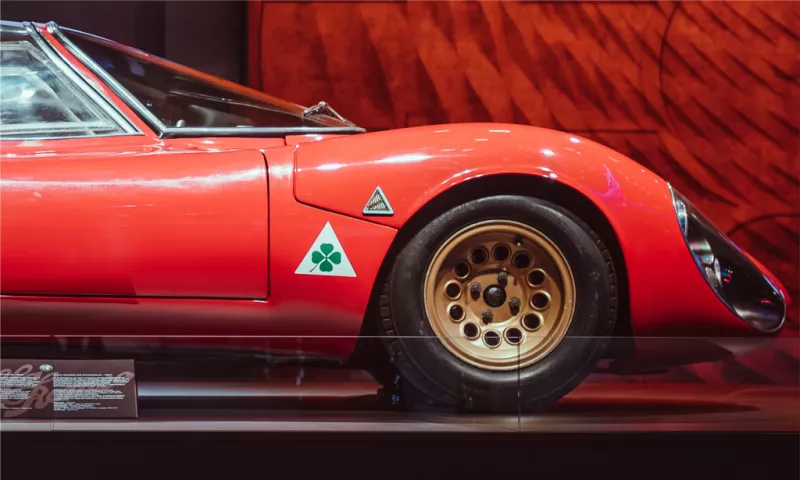
Alfa Romeo ties the 63-unit run to 1963, the year the Quadrifoglio badge moved from racing to production models. The brand uses history to frame the collection as a measurable investment for data-driven buyers. Limited volume reduces depreciation risks and positions the cars for long-term retention.
The business case focuses on four areas:
- High-cost materials such as carbon fiber, carbon-ceramic braking, and structural upgrades
- Instant Classic certification, which adds verification value
- Paint development costs for two exclusive colors
- Controlled regional allocation, which prevents oversupply
Low production volume protects resale forecasts and supports Alfa Romeo’s strategy to position these models as rare, high-performance assets.
Image
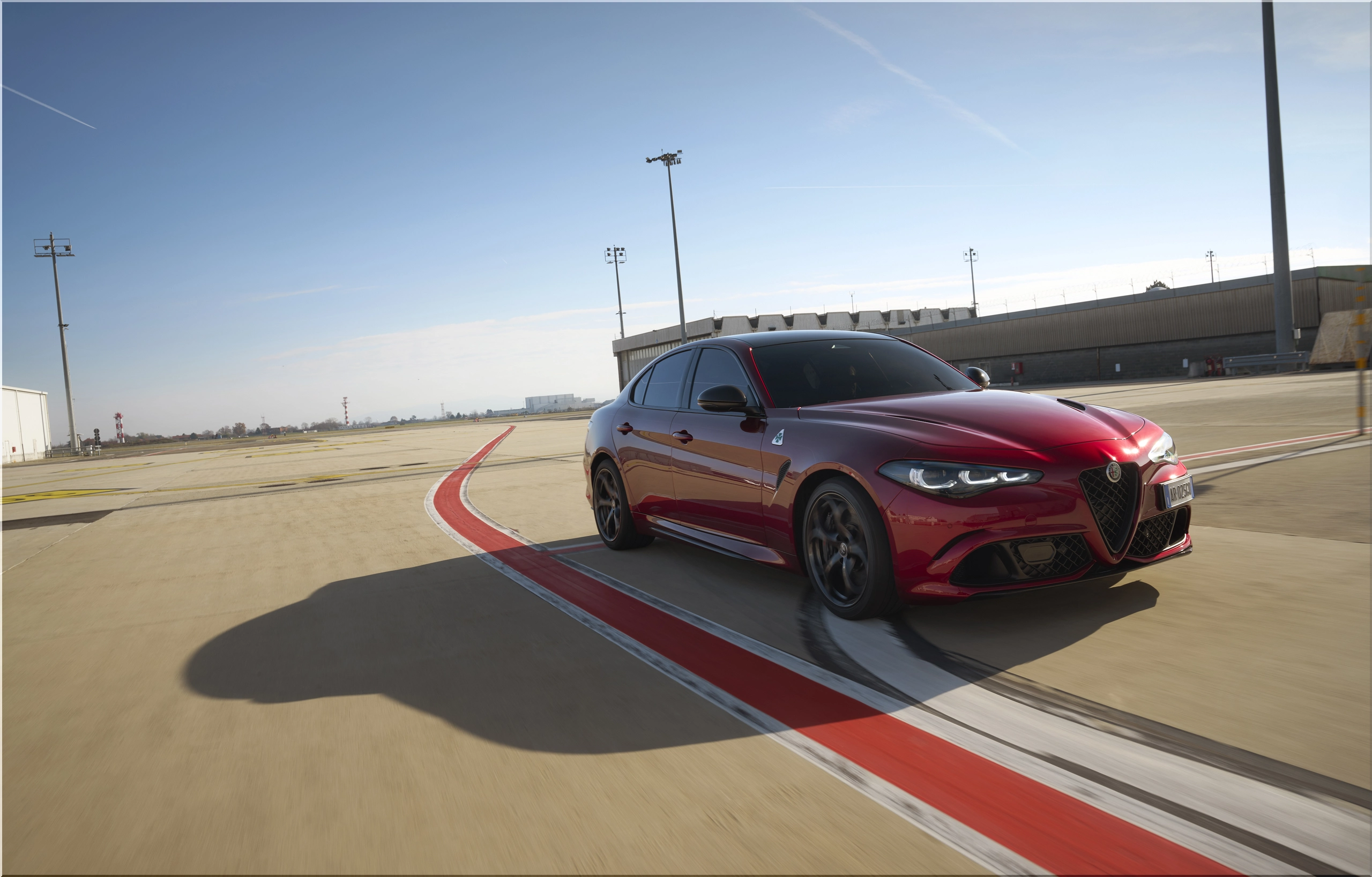
Design Strategy Focused on Performance and Branding
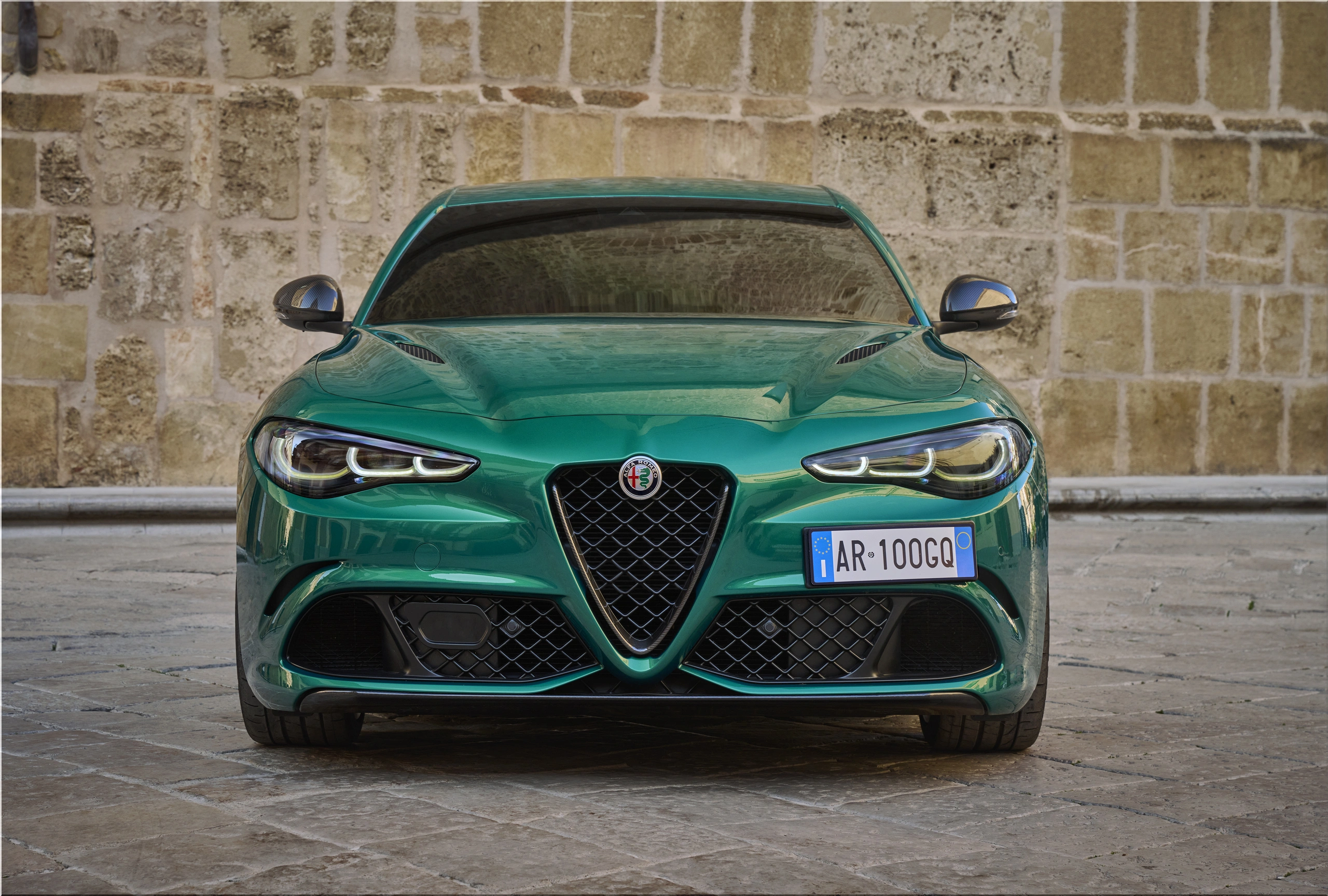
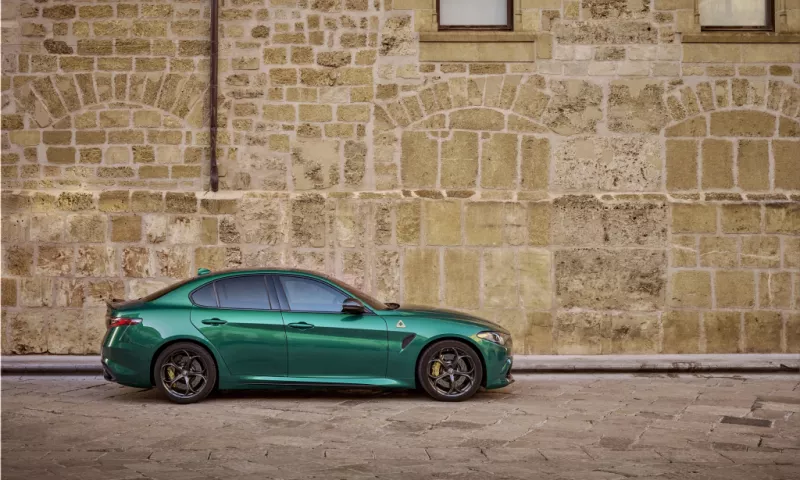
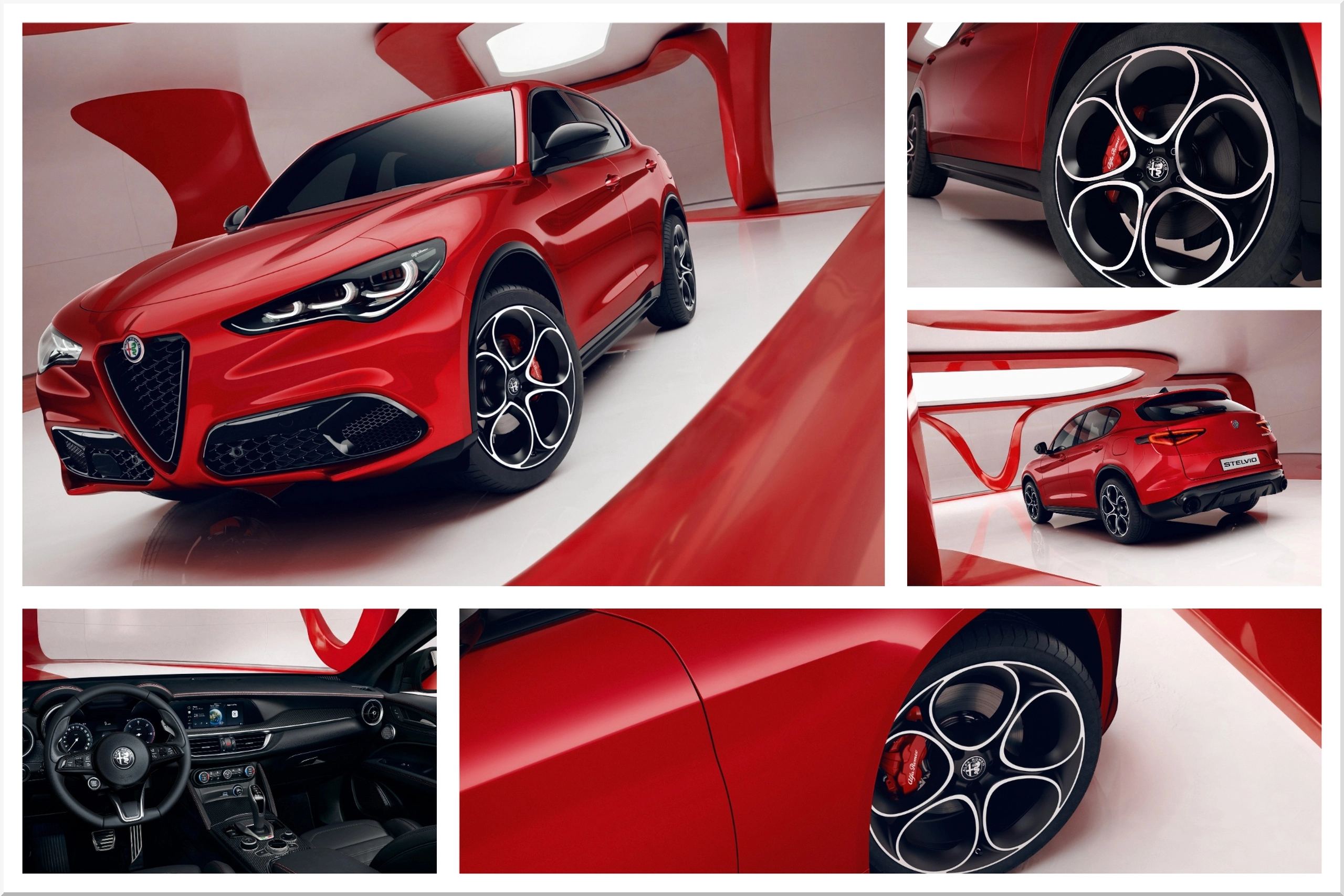
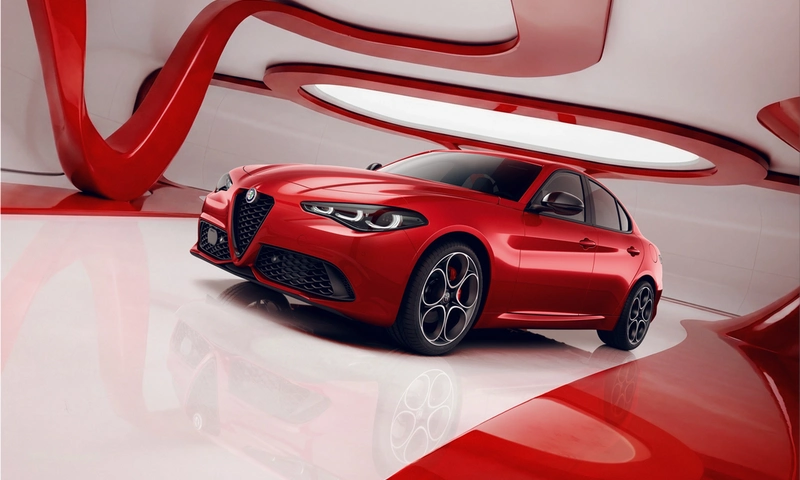
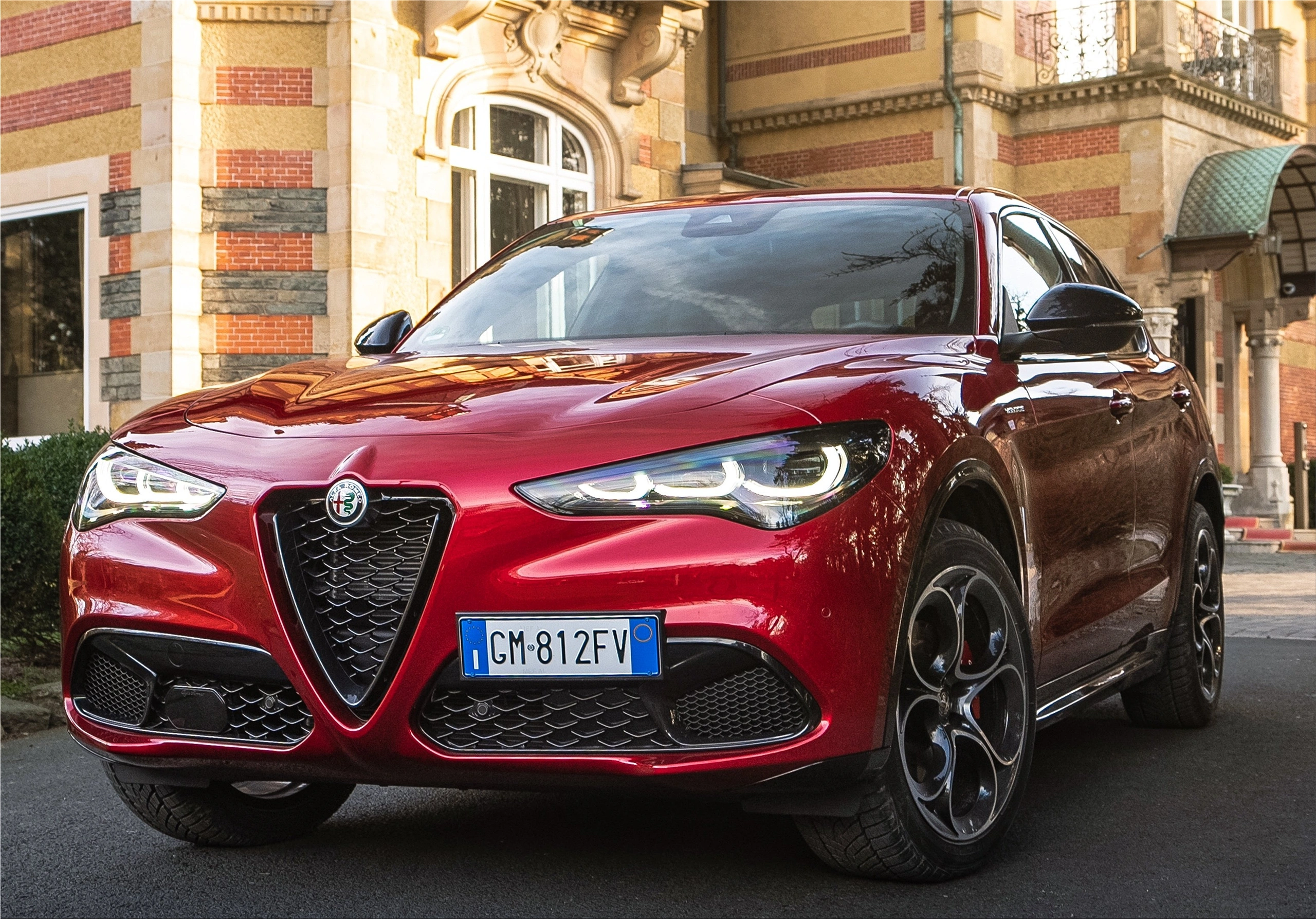
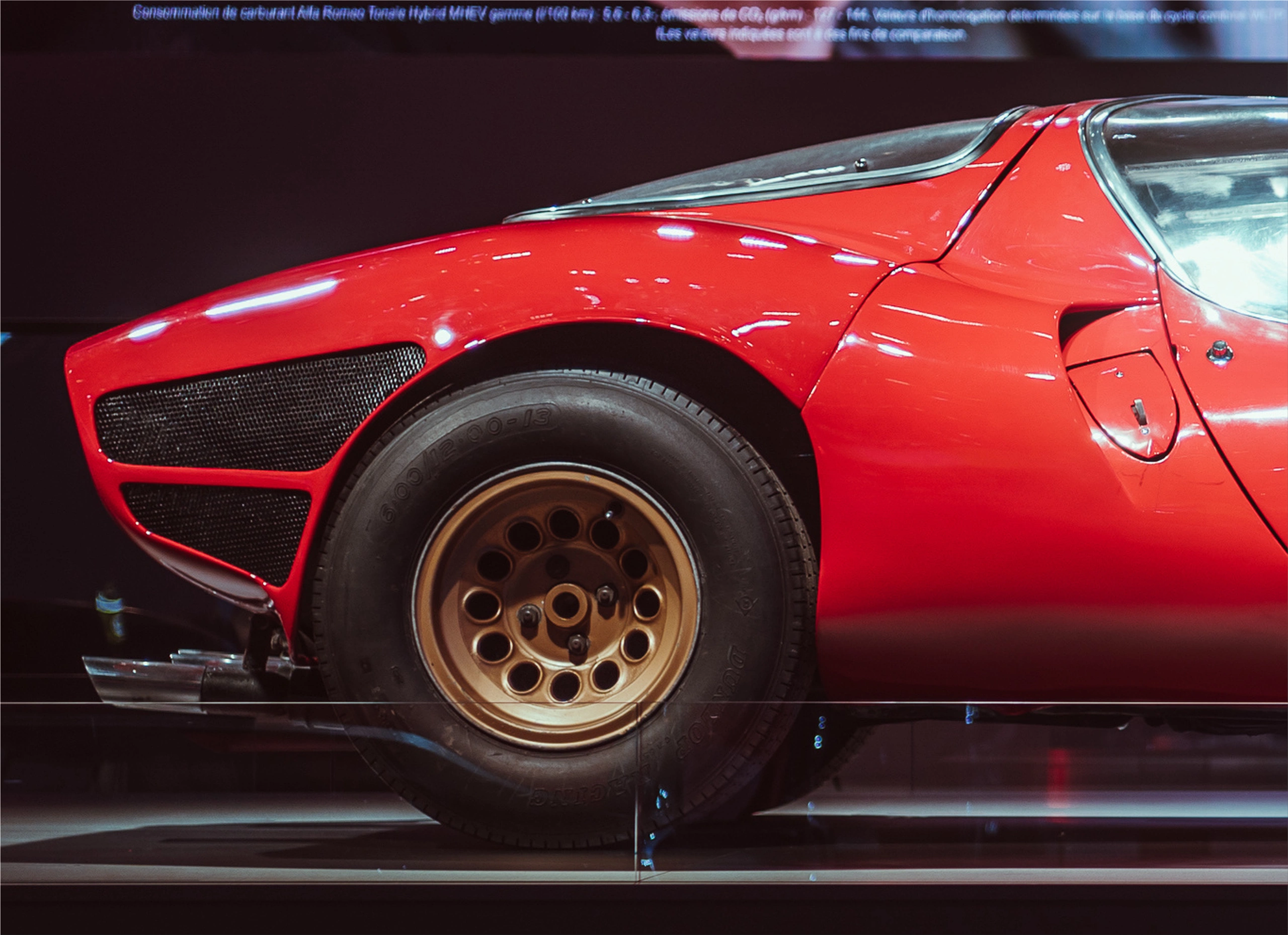
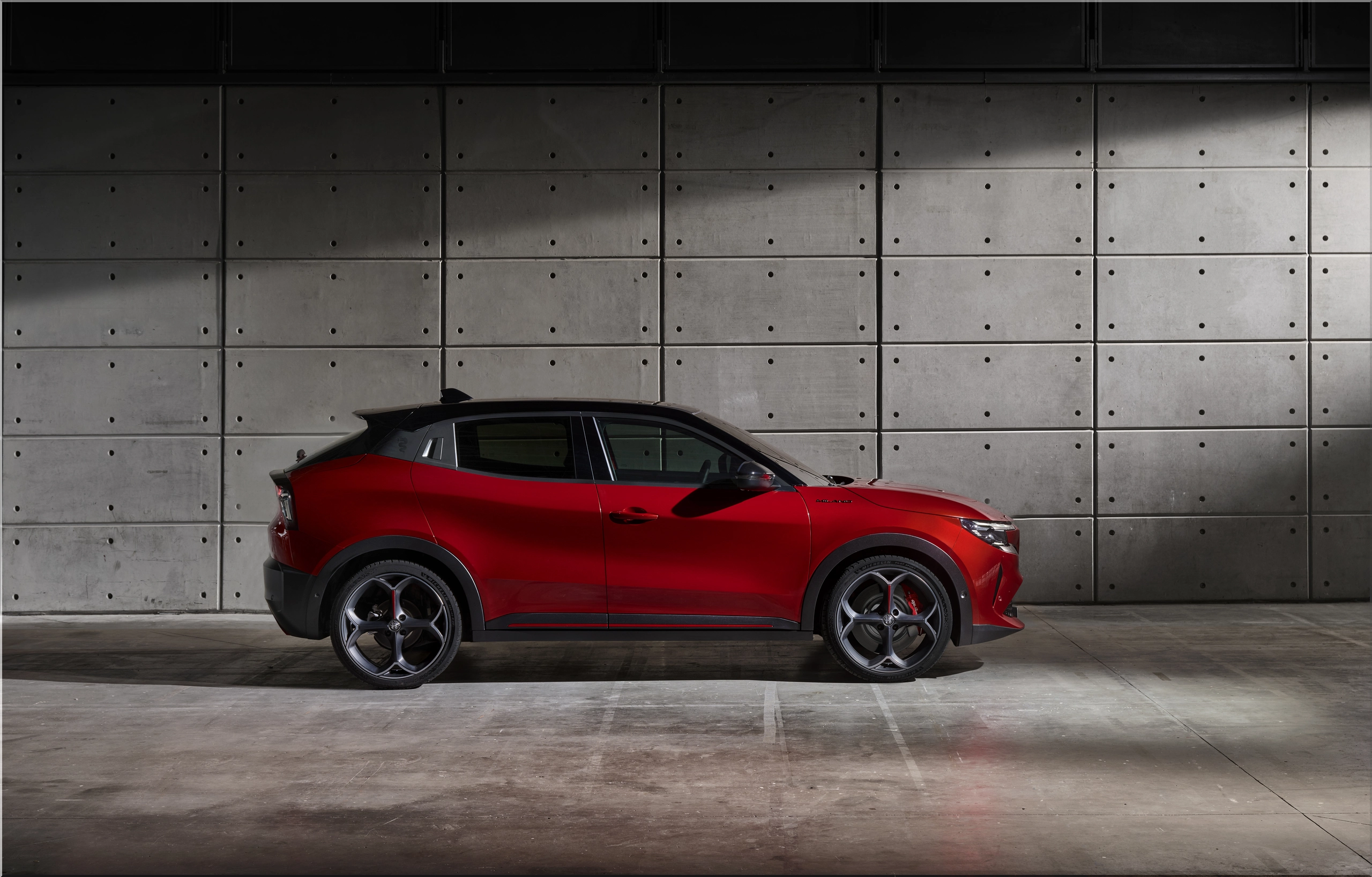
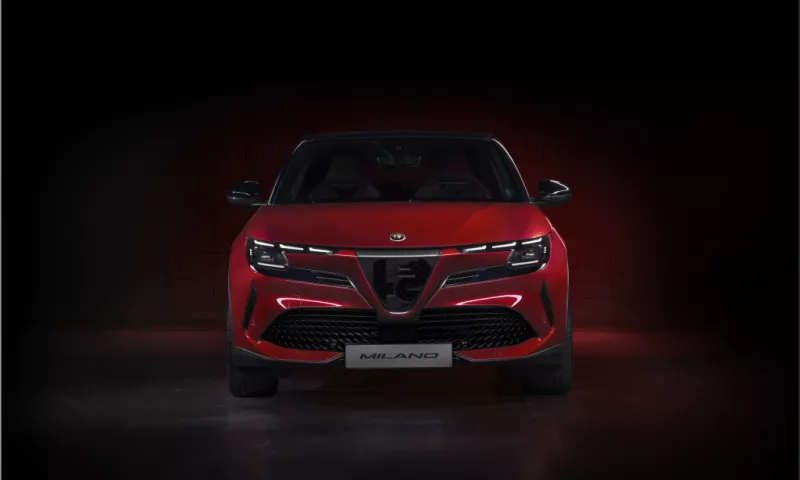
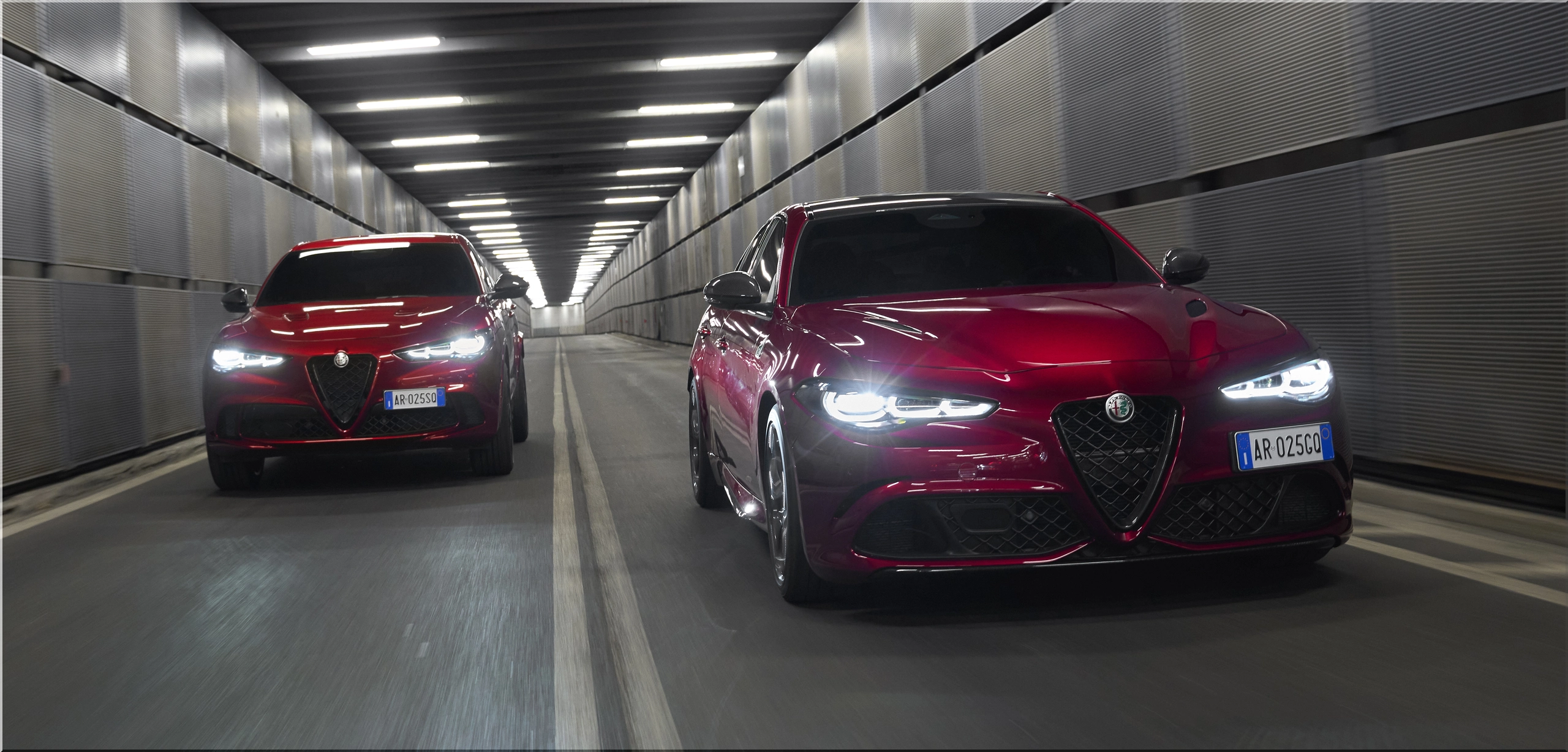
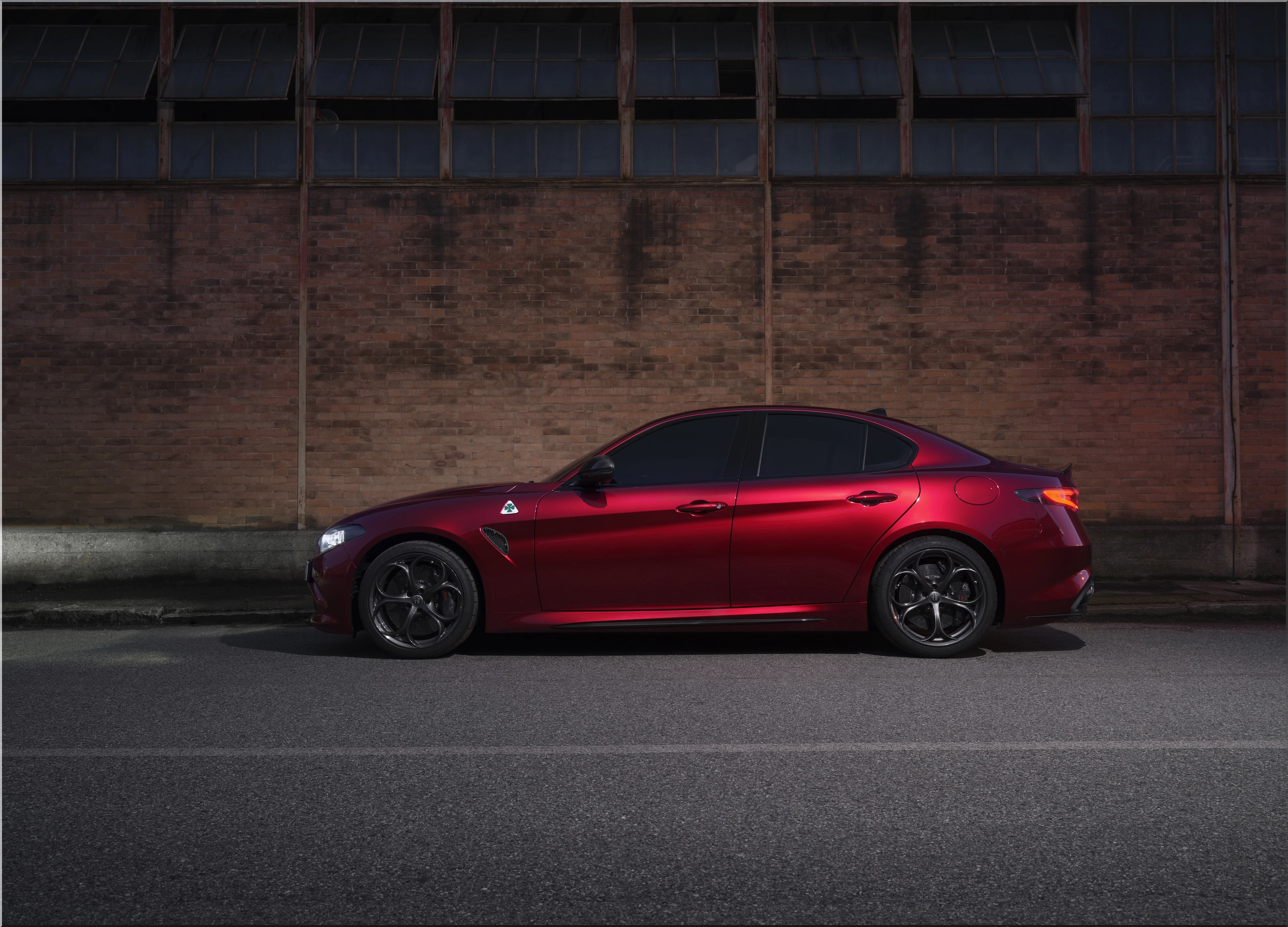
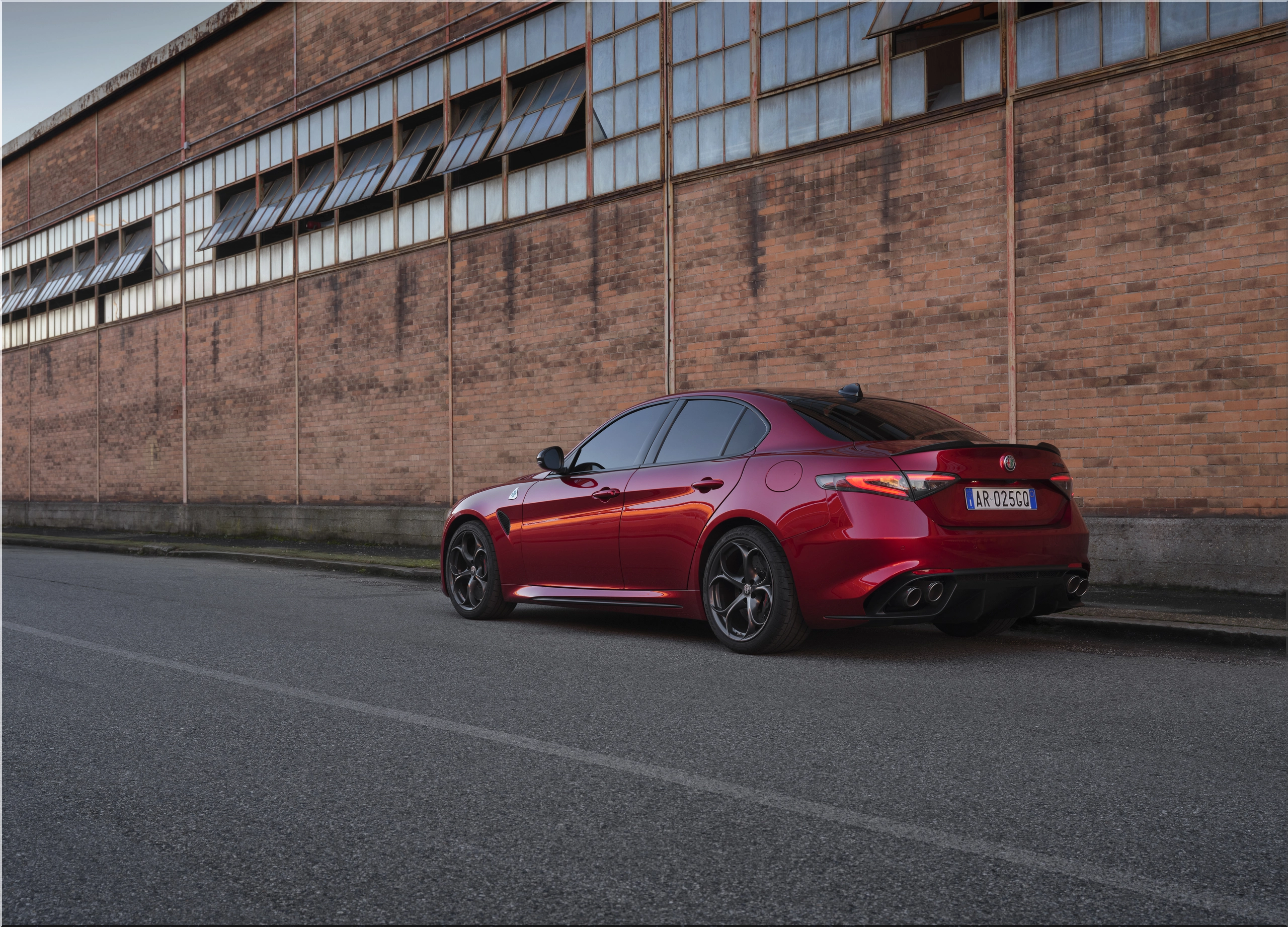
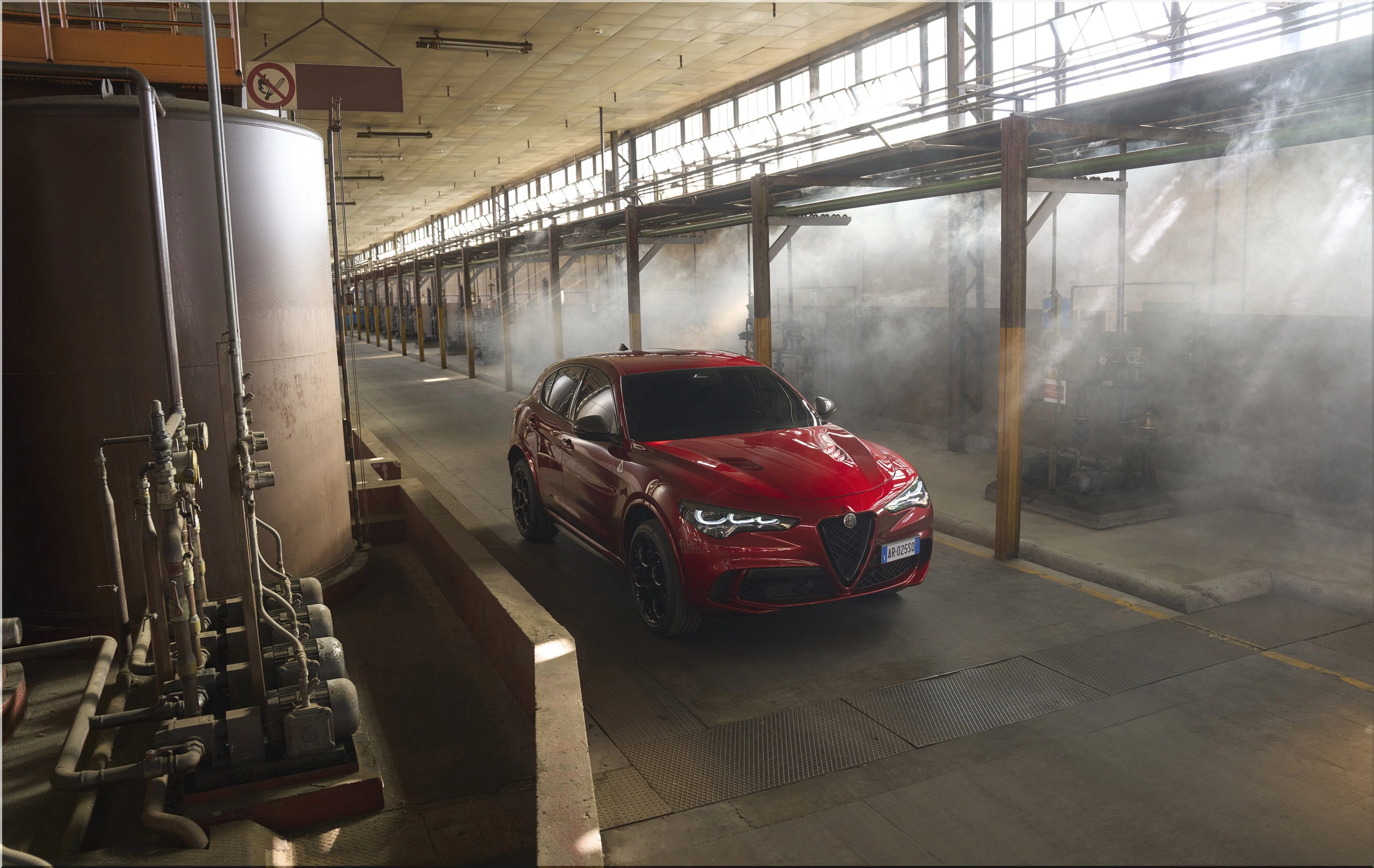
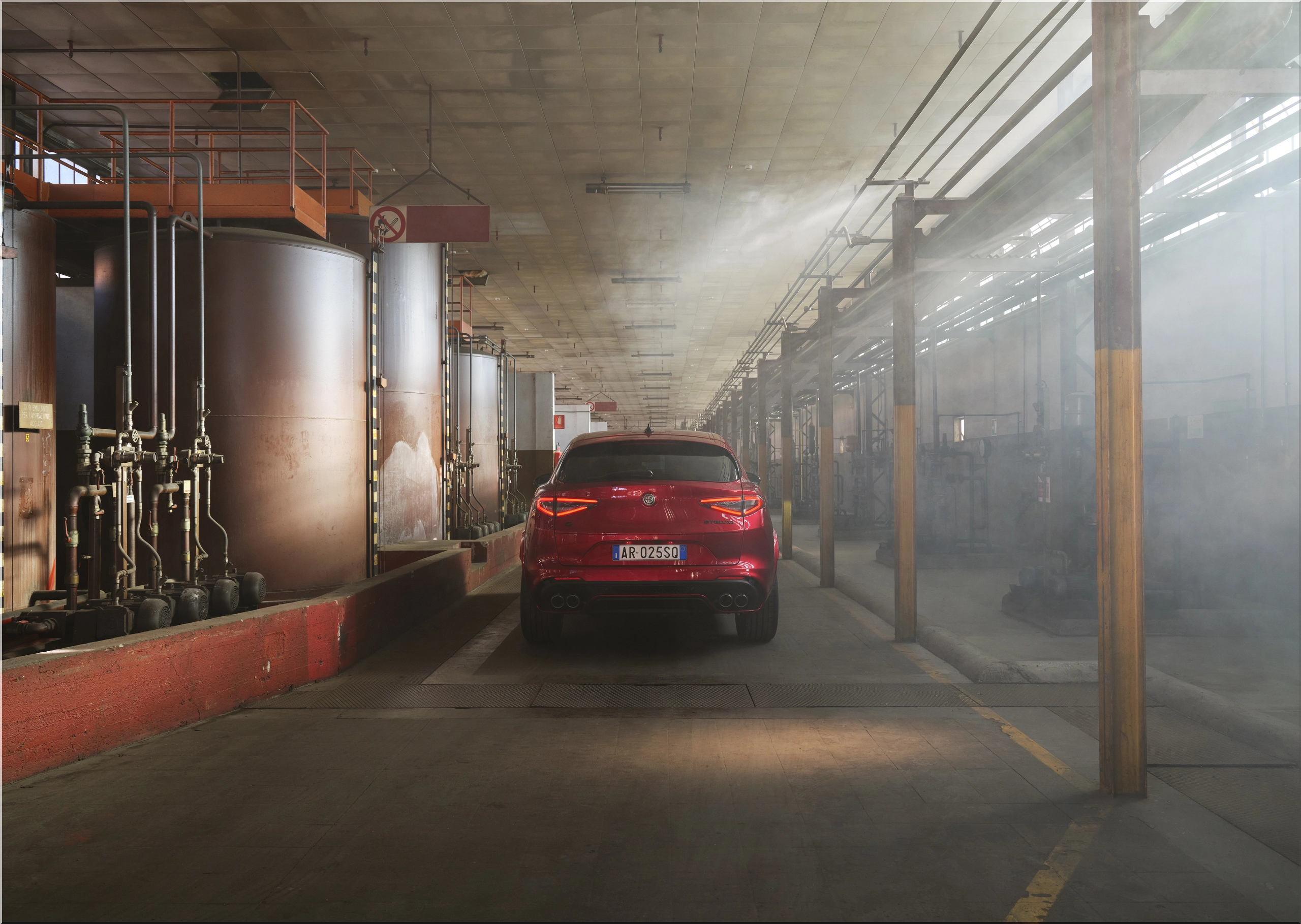
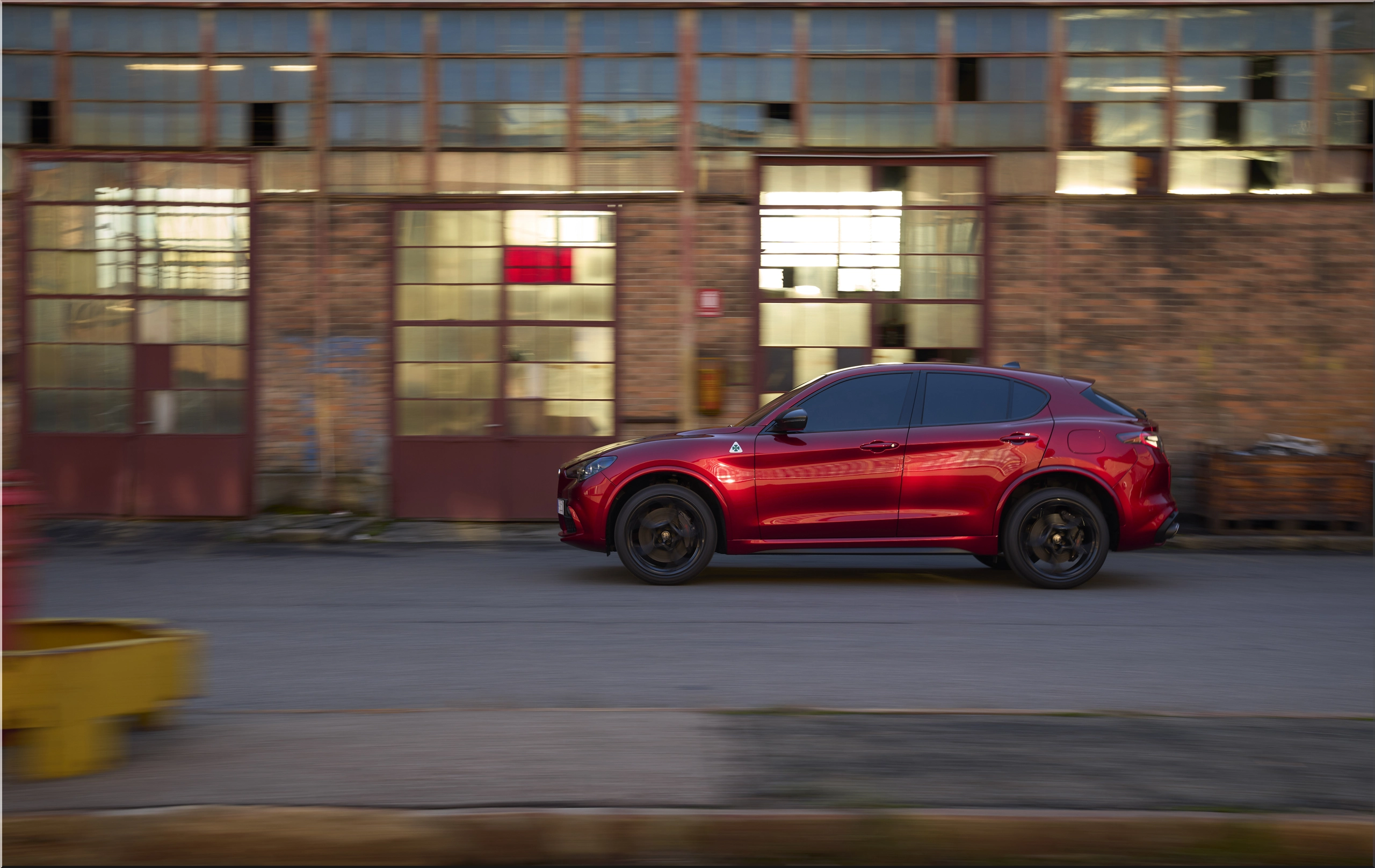
Alfa Romeo uses two exclusive colors: Rosso Collezione Giulia and Rosso Collezione Stelvio. The finishes draw from historical Rosso Villa d’Este, a deep red used on the 33 Stradale. The paint reads differently based on the model. Giulia uses a darker red that shifts toward black under low light. Stelvio uses a brighter interpretation that emphasizes visual surface area.
Key exterior elements include:
- Carbon-fiber mirror caps
- Carbon-fiber badging
- Carbon-fiber roof
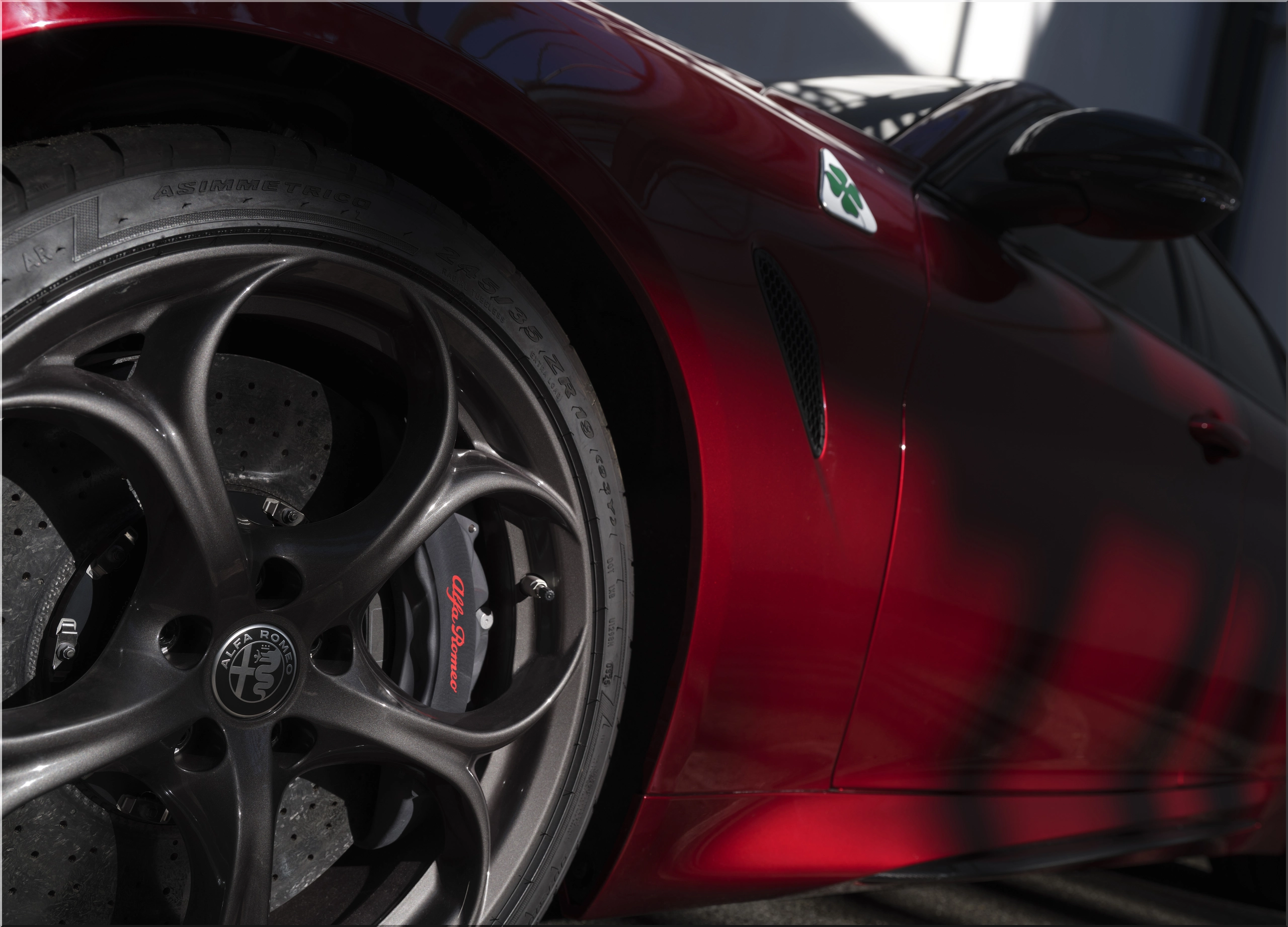
- Carbon-ceramic brakes with red Alfa Romeo signature
These components reduce weight, improve heat resistance, and support repeated high-speed braking. They also deliver a visible link to the Quadrifoglio badge.
Image
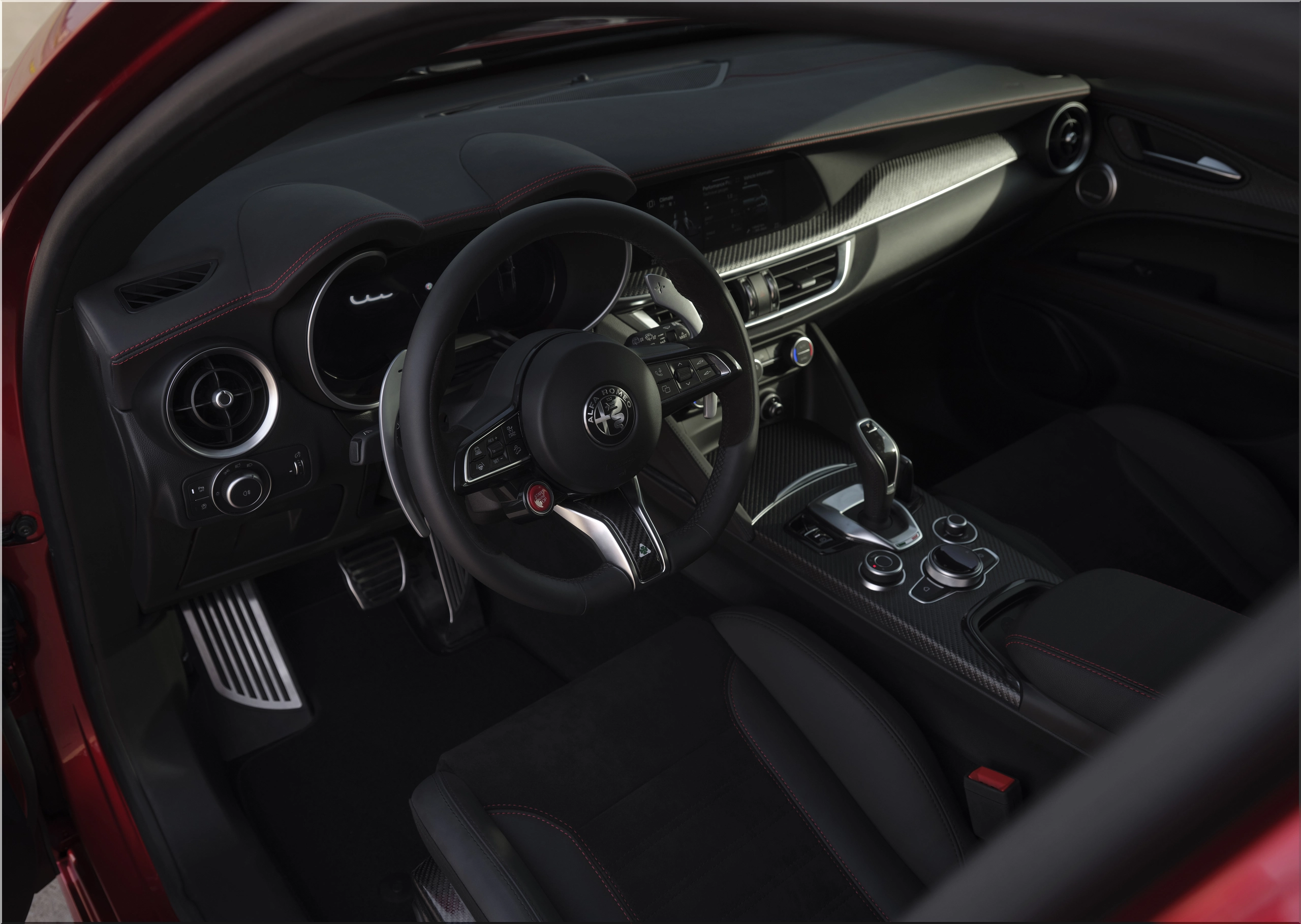
Interior Focused on Driver Feedback
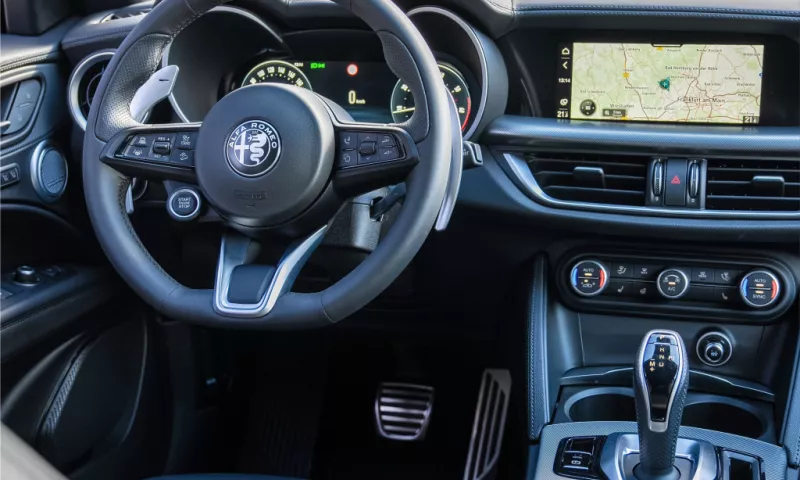
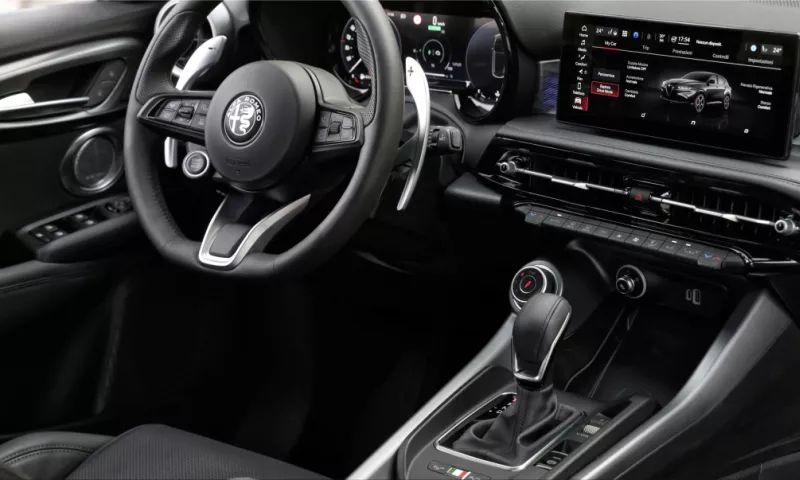
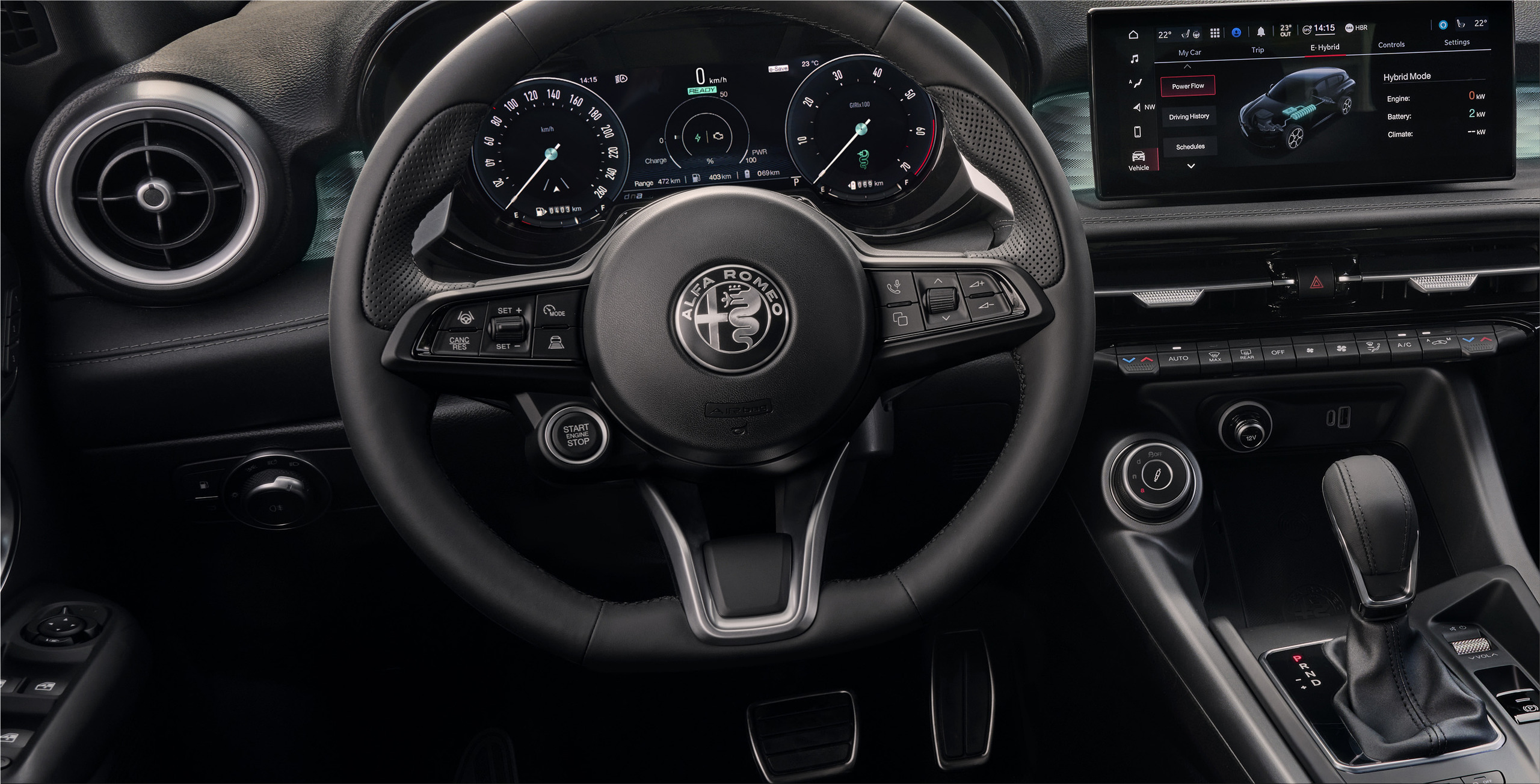
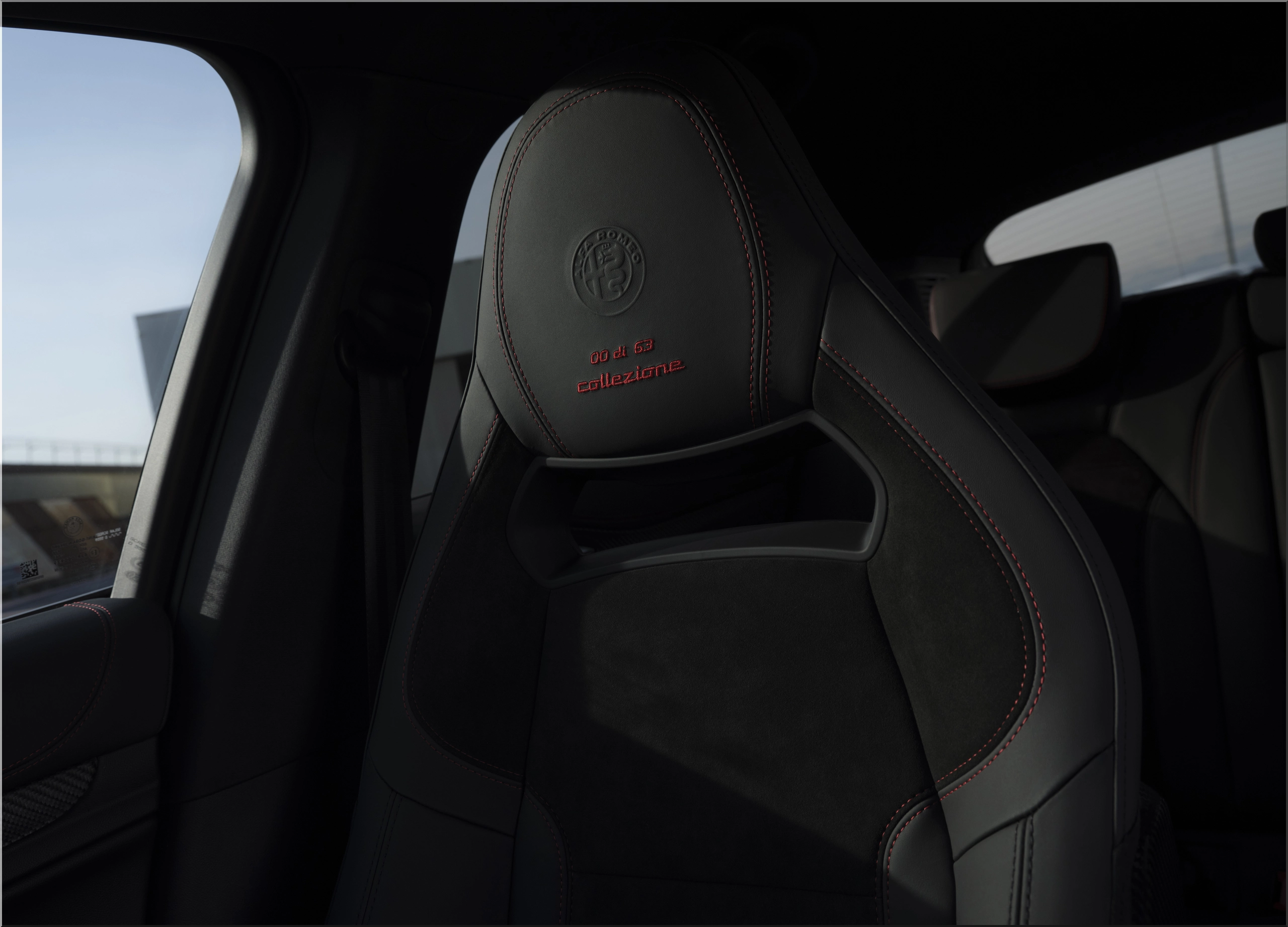
Inside, Alfa Romeo uses leather with red stitching across the dashboard. The cabin includes Alcantara surfaces, Sparco seats with carbon-fiber shells, and numbered headrests. Each vehicle carries a unique identifier such as “1 di 63 Collezione”. The cockpit uses minimal ornamentation. Controls focus on quick access and repeatable touch points.
Interior decisions support three areas:
- Driver positioning for sharp steering input
- Material durability during aggressive driving
- Brand identity through stitching and structural components
Performance Data That Defines the Quadrifoglio Collezione
The 2.9-liter V6 generates 520 hp and sharp throttle response. The power curve supports fast exit speeds on technical roads. The engine works with a quick-shift transmission designed to reduce load interruption. The Akrapovic exhaust improves flow and produces a distinct tone.
Key performance components
- Engine: 2.9-liter V6, 520 hp
- Braking: Carbon-ceramic system
- Exhaust: Akrapovic
- Structure: Carbon-fiber integration across core panels
Material and Component Table
| Component | Material | Benefit |
|---|---|---|
| Roof | Carbon fiber | Weight reduction and lower center of gravity |
| Mirrors | Carbon fiber | Reduced drag and increased durability |
| Tunnel + Dashboard | Carbon fiber | Structural stiffness |
| Seats | Carbon-fiber Sparco shells | Improved support and weight savings |
| Brakes | Carbon-ceramic | Heat control under repeated loads |
These elements support sustained performance. Drivers get repeatable handling characteristics during long sessions and quick cooldown times.
Market Position and Price Conversion
Alfa Romeo prices the Quadrifoglio models as premium performance products. Official regional prices vary, but equivalent market positioning places these editions near the upper tier of similar high-performance sedans and SUVs. EU pricing likely falls near $95,000–$110,000 USD for the Giulia Quadrifoglio and $105,000–$120,000 USD for the Stelvio Quadrifoglio, depending on region, certification costs, and paint selection.
The Collezione editions will price above those figures due to materials, exclusivity, and certification. A realistic estimate places them between $125,000 and $150,000 USD once taxes and regional fees enter the equation.
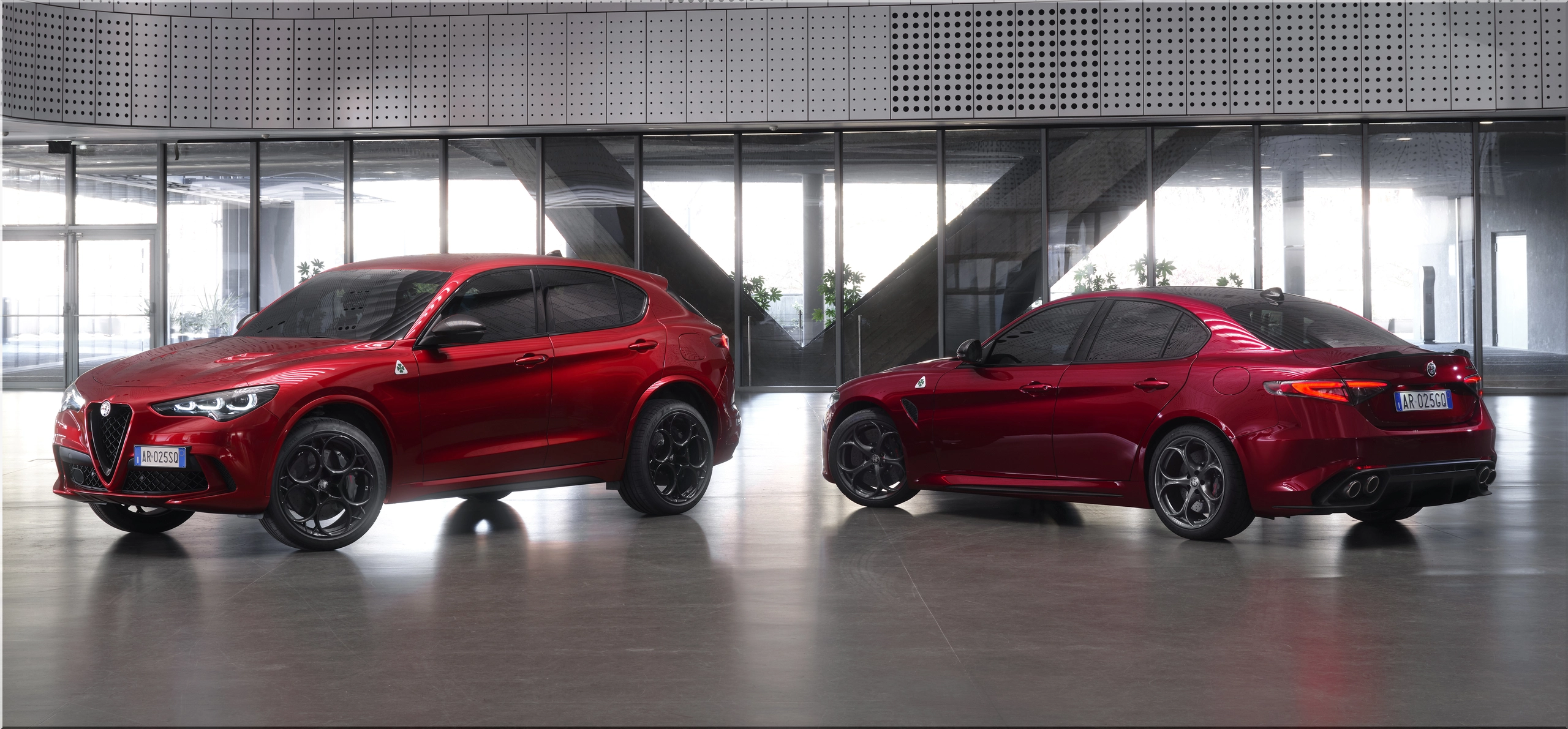
Buyer Impact and Ownership Outlook
Buyers get two advantages:
- Performance gains from carbon-ceramic braking, Akrapovic exhaust flow, and weight reduction
- Future value protection through the Instant Classic program
Alfa Romeo supports these models with documentation packages that detail production data, material specifications, and authentication records. Low volume helps protect long-term value, provided buyers maintain the vehicles under recommended schedules.
Why These Models Target High-Confidence Buyers
Alfa Romeo directs these models toward drivers who rely on measurable results. The brand focuses on performance, materials, and historical context rather than styling flourishes. Buyers gain:
- A car built around engineering-first decisions
- Limited availability that supports asset value
- A proven 520 hp platform with predictable behavior
This strategy aligns with high-confidence buyers who value quantifiable performance.
Outlook for the Quadrifoglio Line
The Quadrifoglio badge continues to anchor Alfa Romeo’s performance strategy. The Collezione editions signal that the brand plans more exclusive runs. The company uses materials, racing history, and certified documentation to strengthen its position.
The Giulia and Stelvio Quadrifoglio Collezione represent Alfa Romeo’s current focus on technical refinement and limited production. The approach tightens the brand’s identity and builds a foundation for future performance models with similar low-volume strategies.
- Add new comment
- 134 views