Toyota closed a massive year. The data shows an 8% increase in U.S. sales, totaling 2,518,071 vehicles. While the broader industry struggled with affordability, Toyota grew market share. This growth stems from a diverse lineup and a heavy focus on electrified vehicles. Sales of hybrids, plug-ins, and battery-electrics reached 1,183,248 units. That is up 17.6% year-over-year. Nearly half of every Toyota sold now features an electrified powertrain.
Success is not accidental. Toyota invested billions in American manufacturing throughout 2025. The company launched production at its first U.S. battery plant. It expanded hybrid production across five states. It even overhauled its legendary Arizona Proving Grounds. This is how a leader maintains its position.
2026 Toyota RAV4: A Redesigned Legend Leads the Way
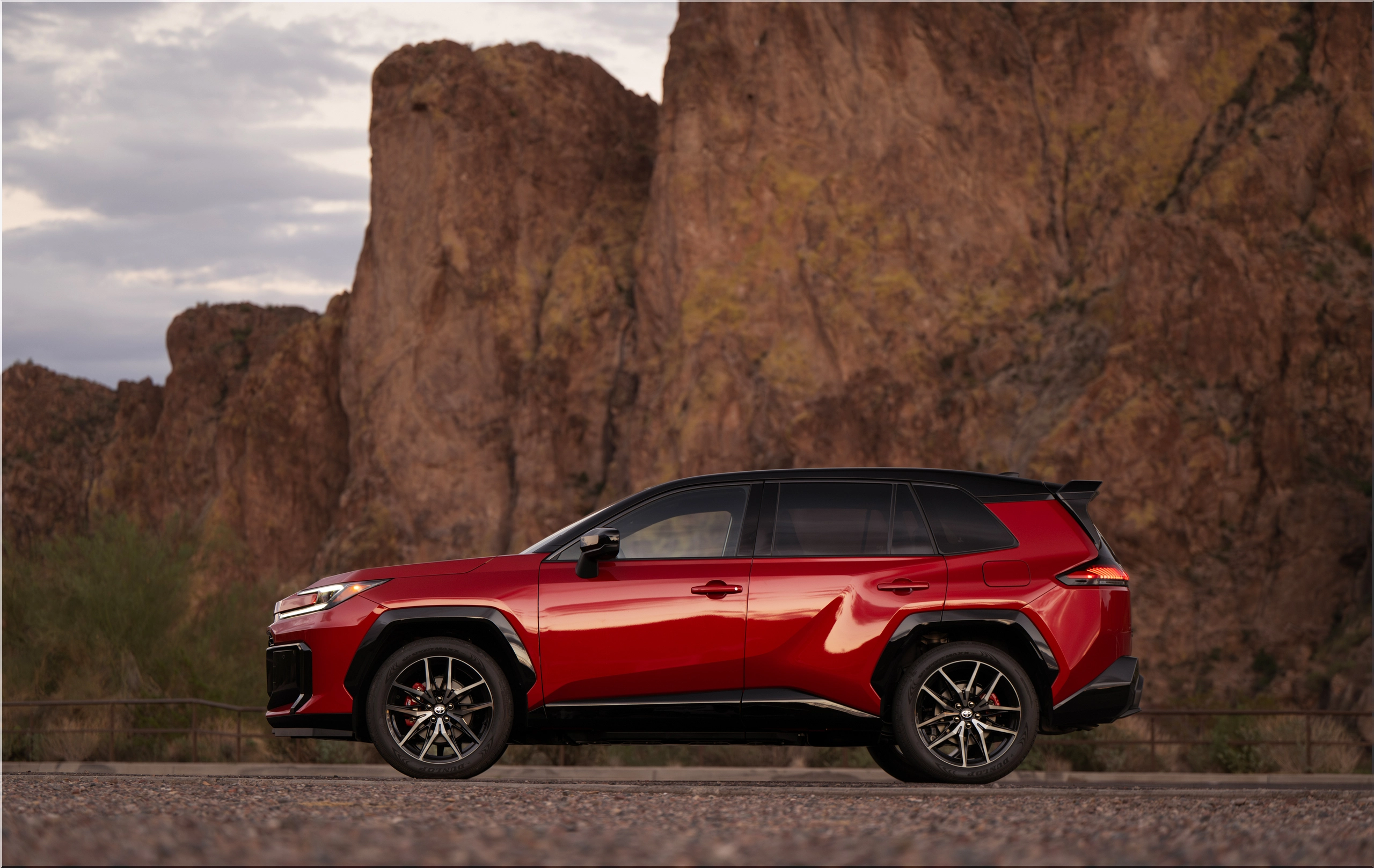
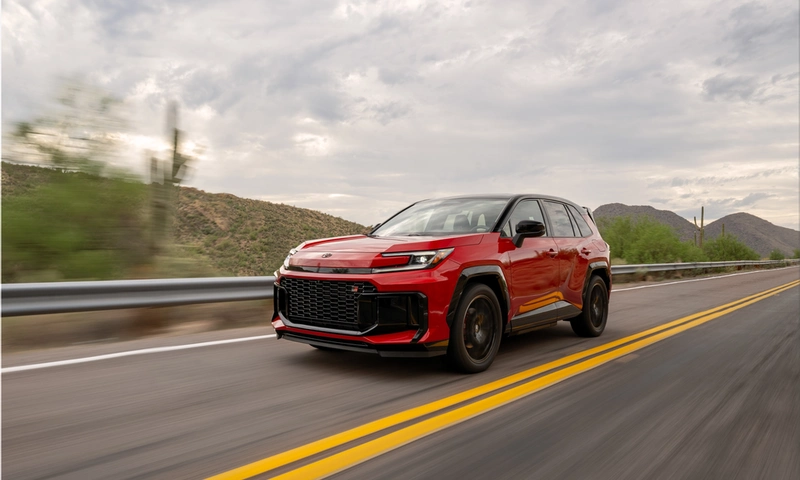
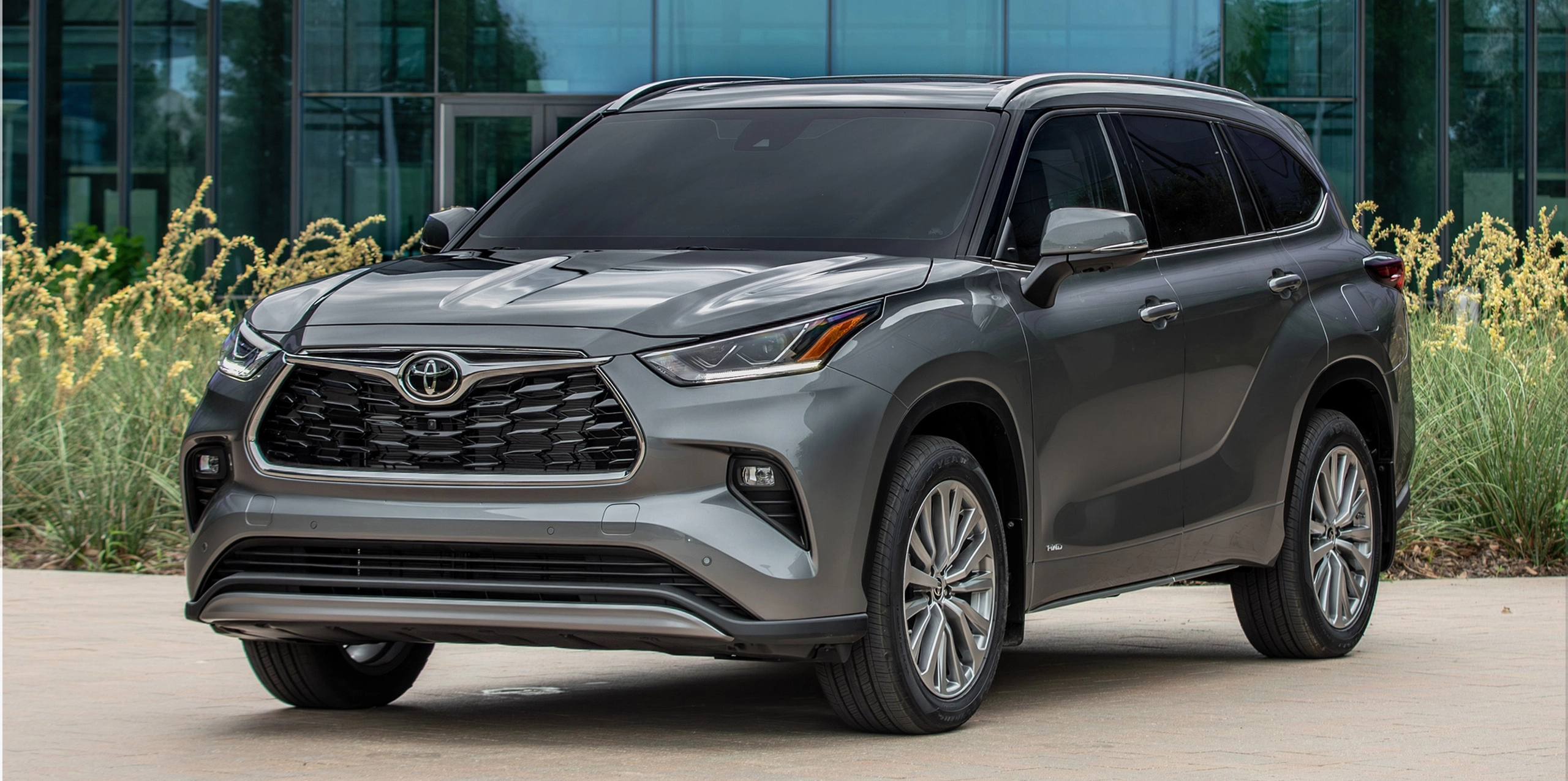
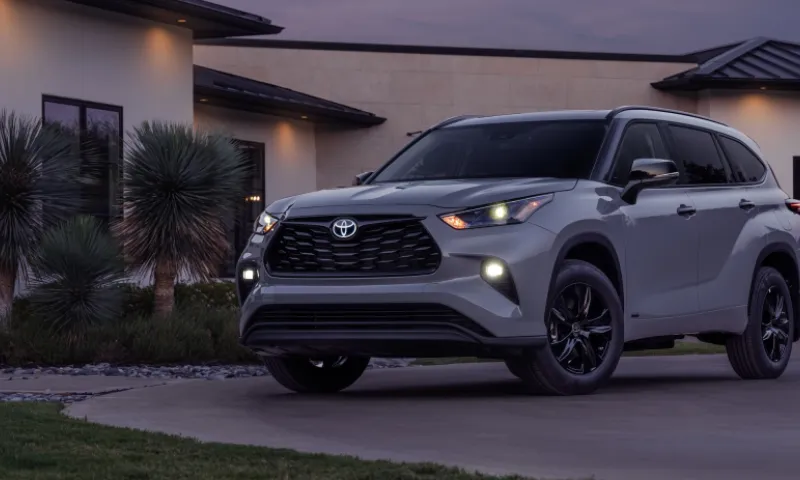
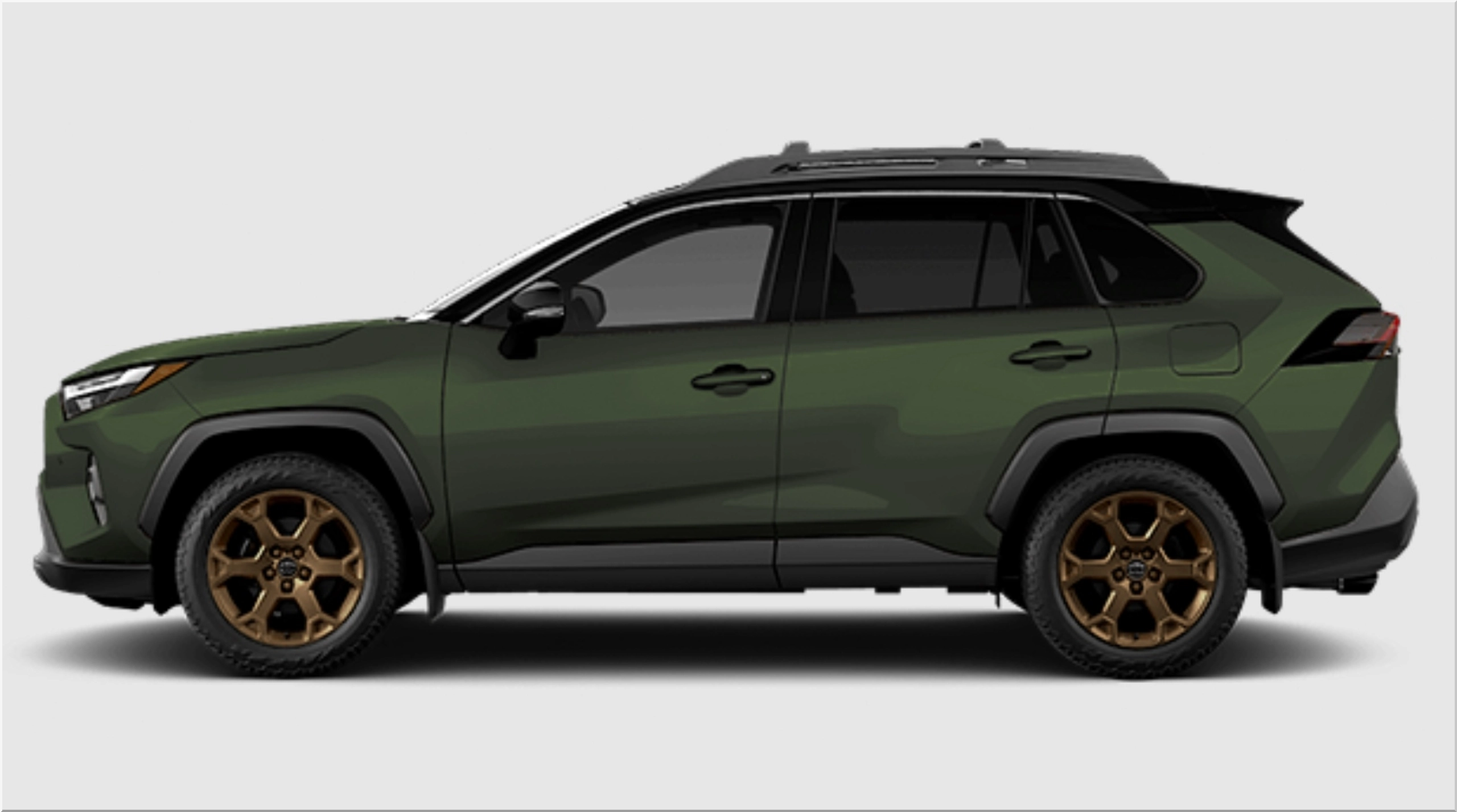
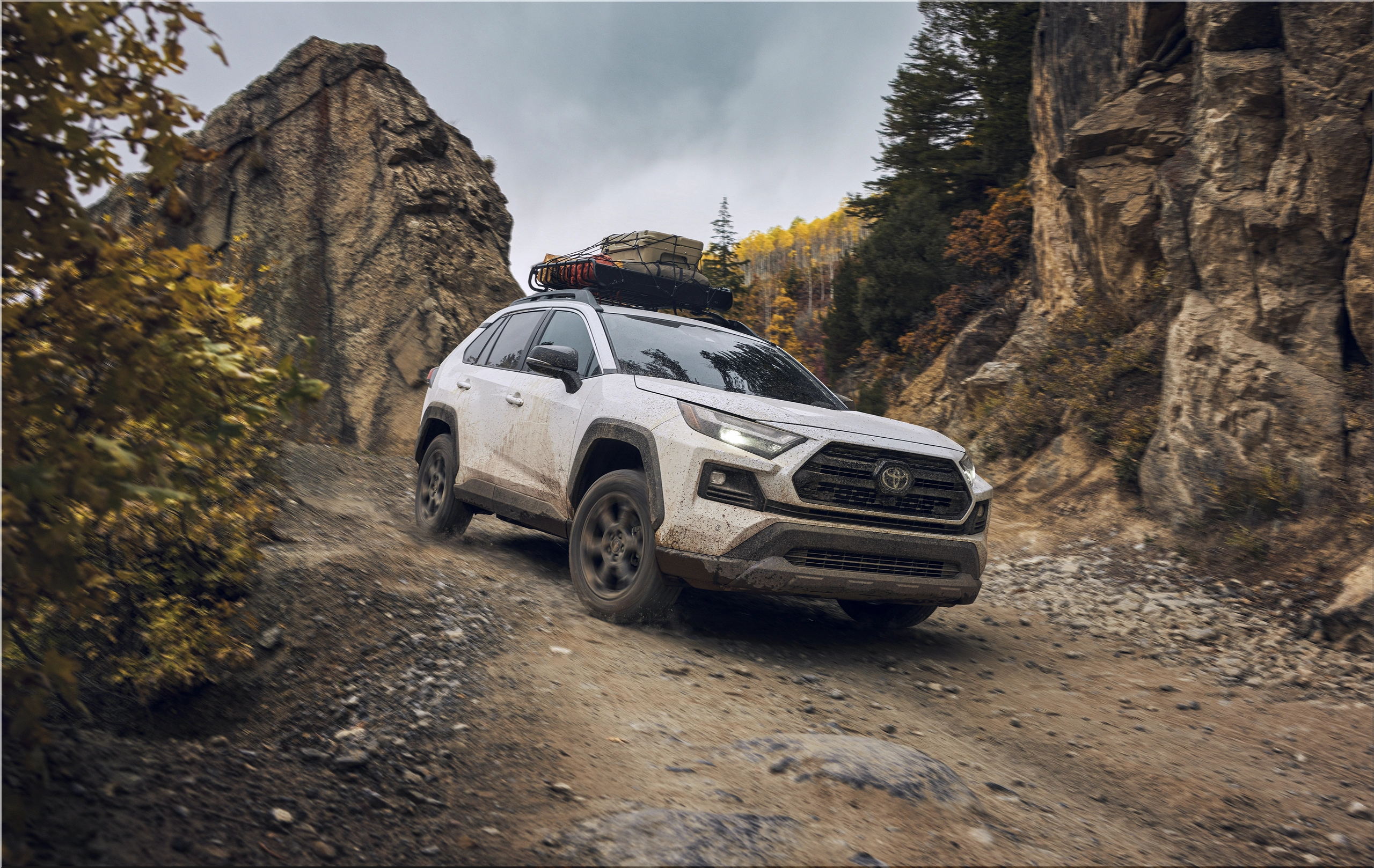
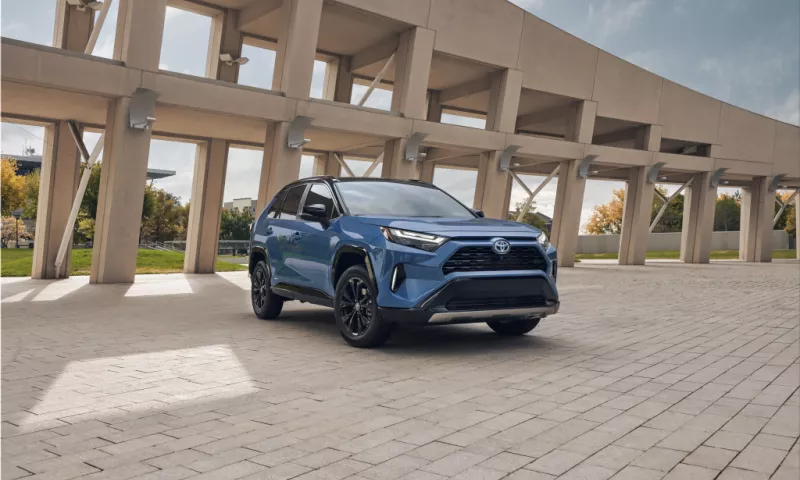
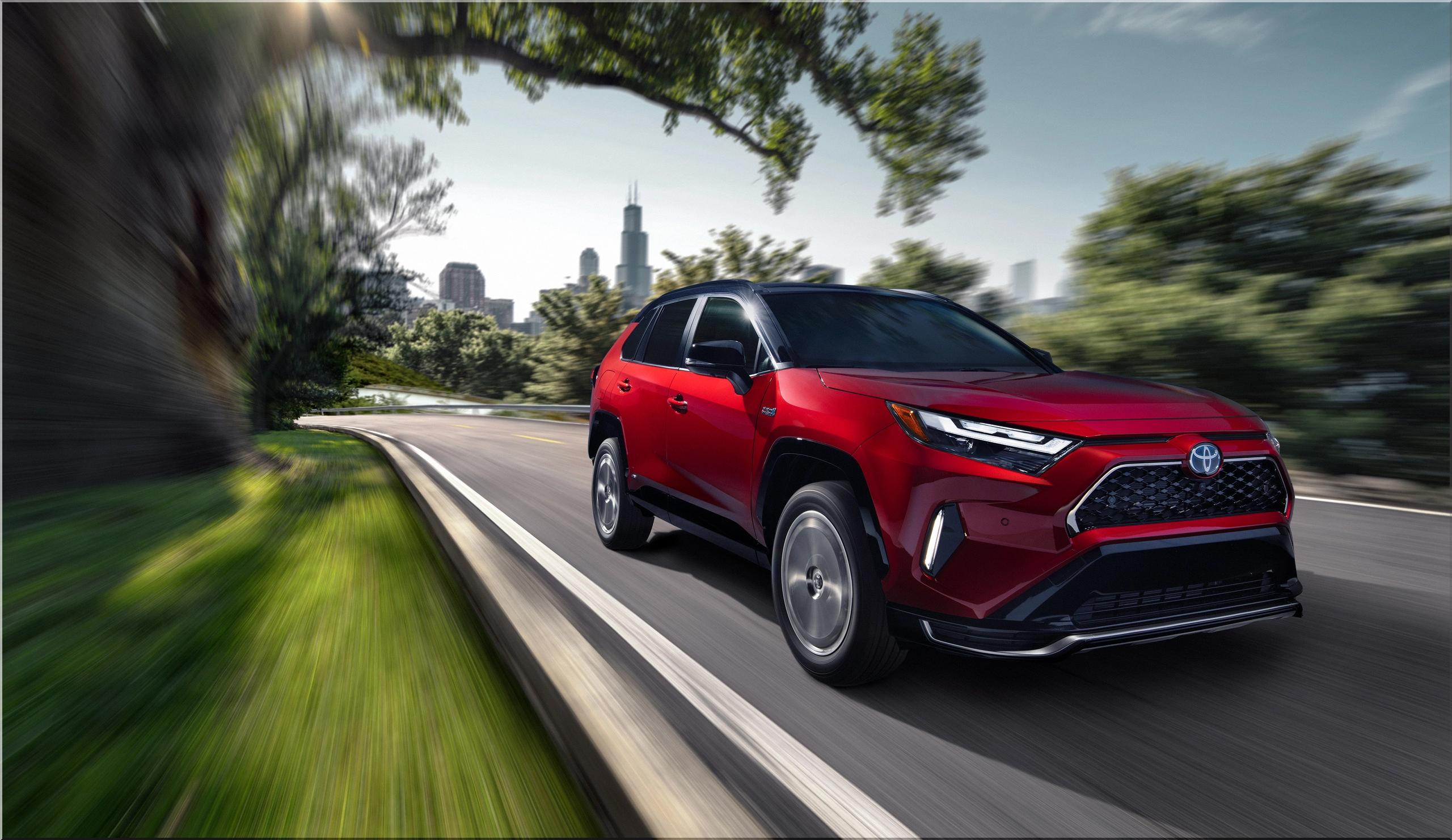
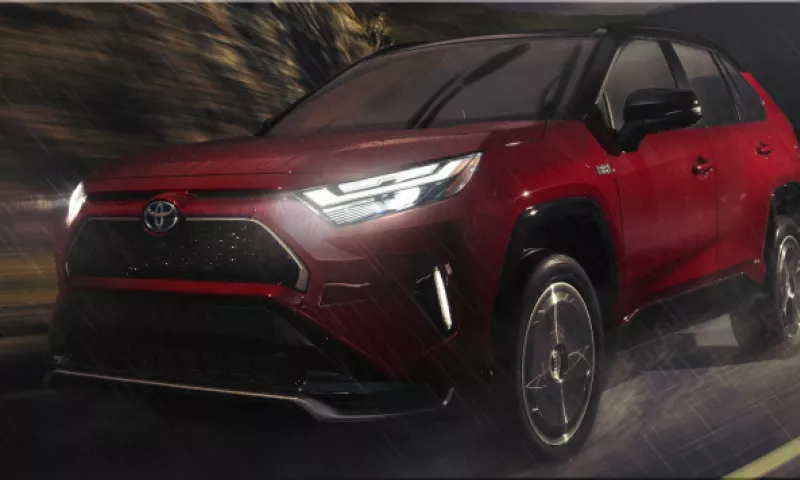
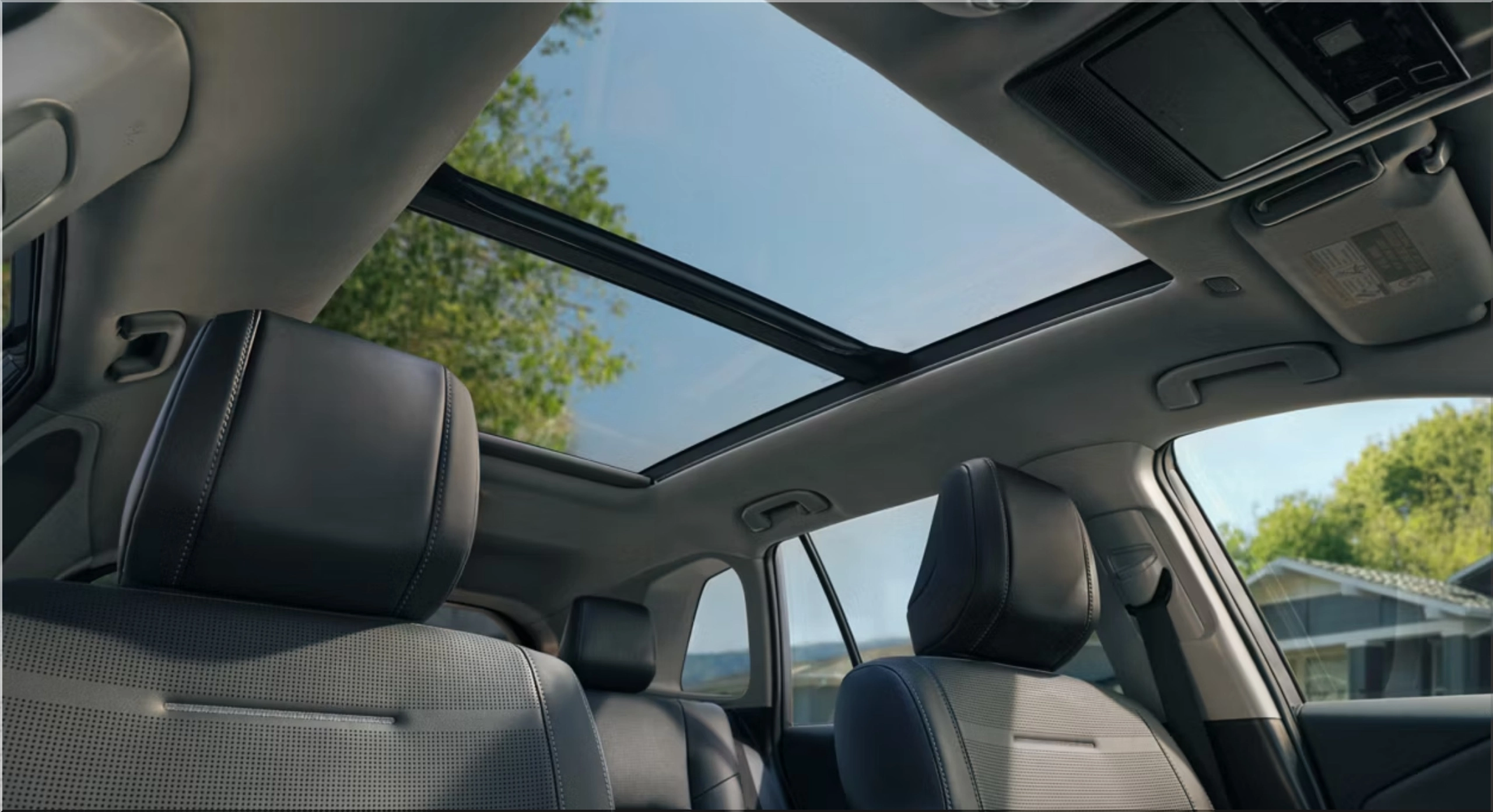
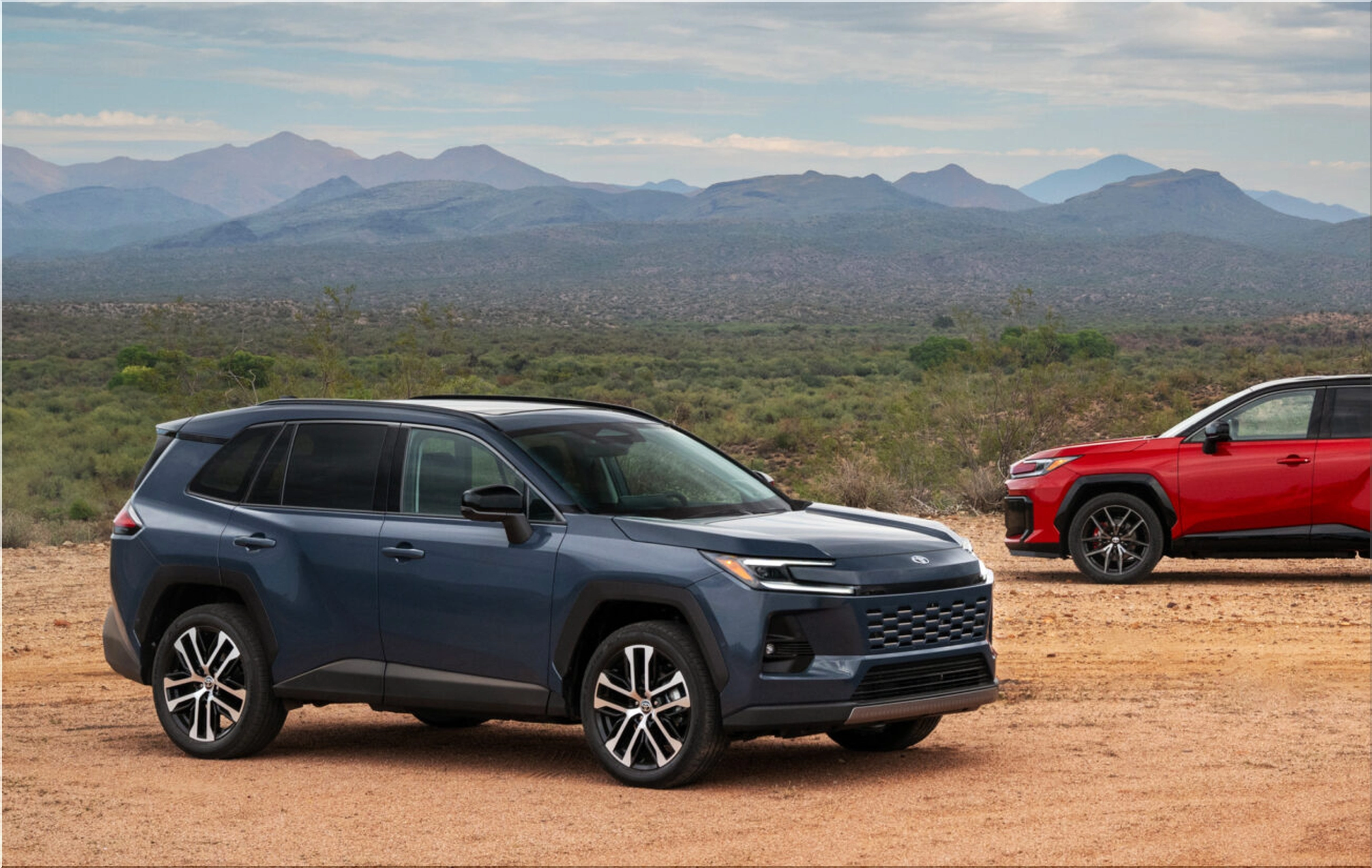
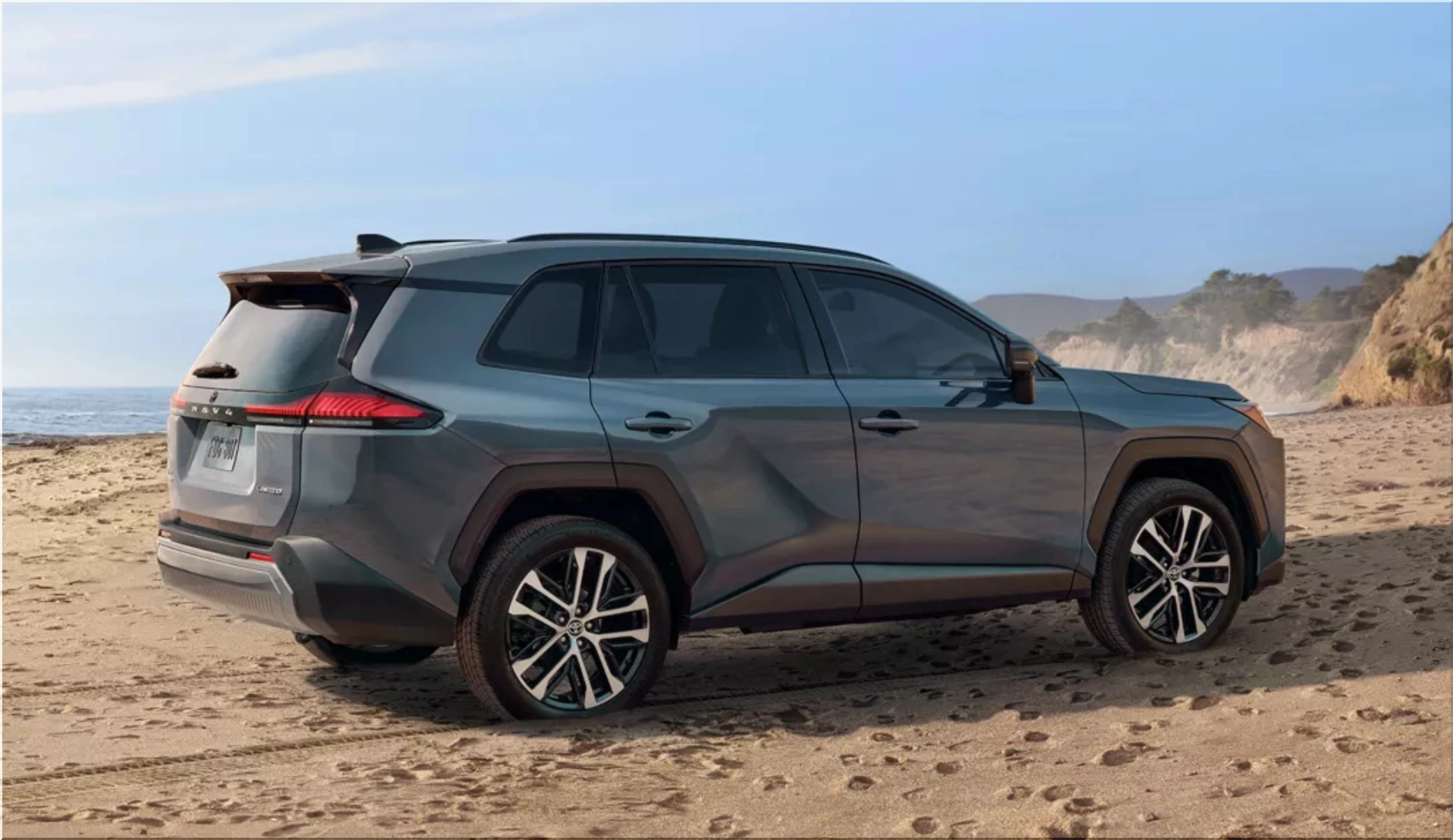
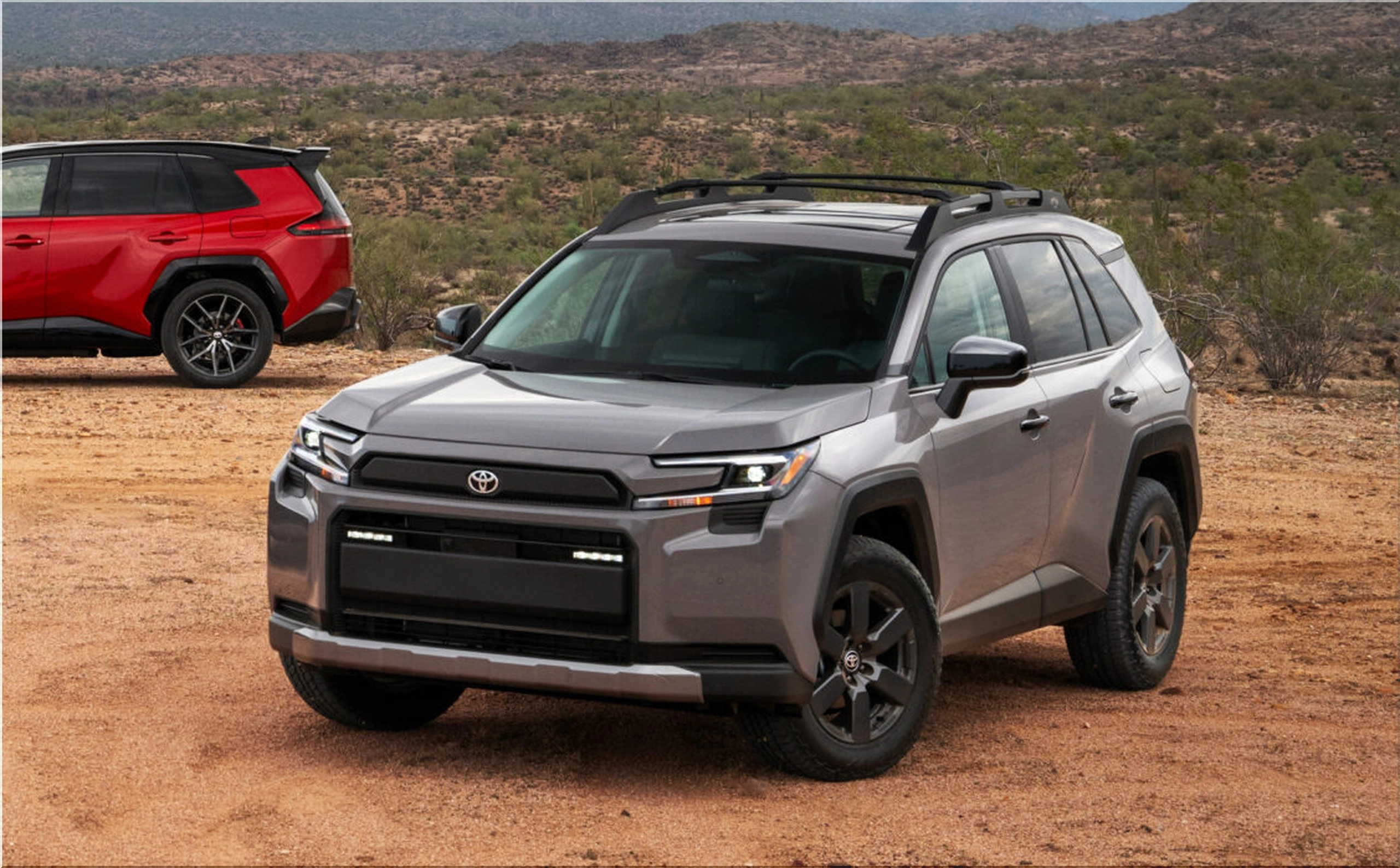
The 2026 Toyota RAV4 is the most significant reveal of the year. For three decades, this SUV has defined the segment. The new model brings powertrain innovations and a complete design overhaul. It moves to a hybrid-only lineup in the U.S., signaling a permanent shift in strategy.
Image
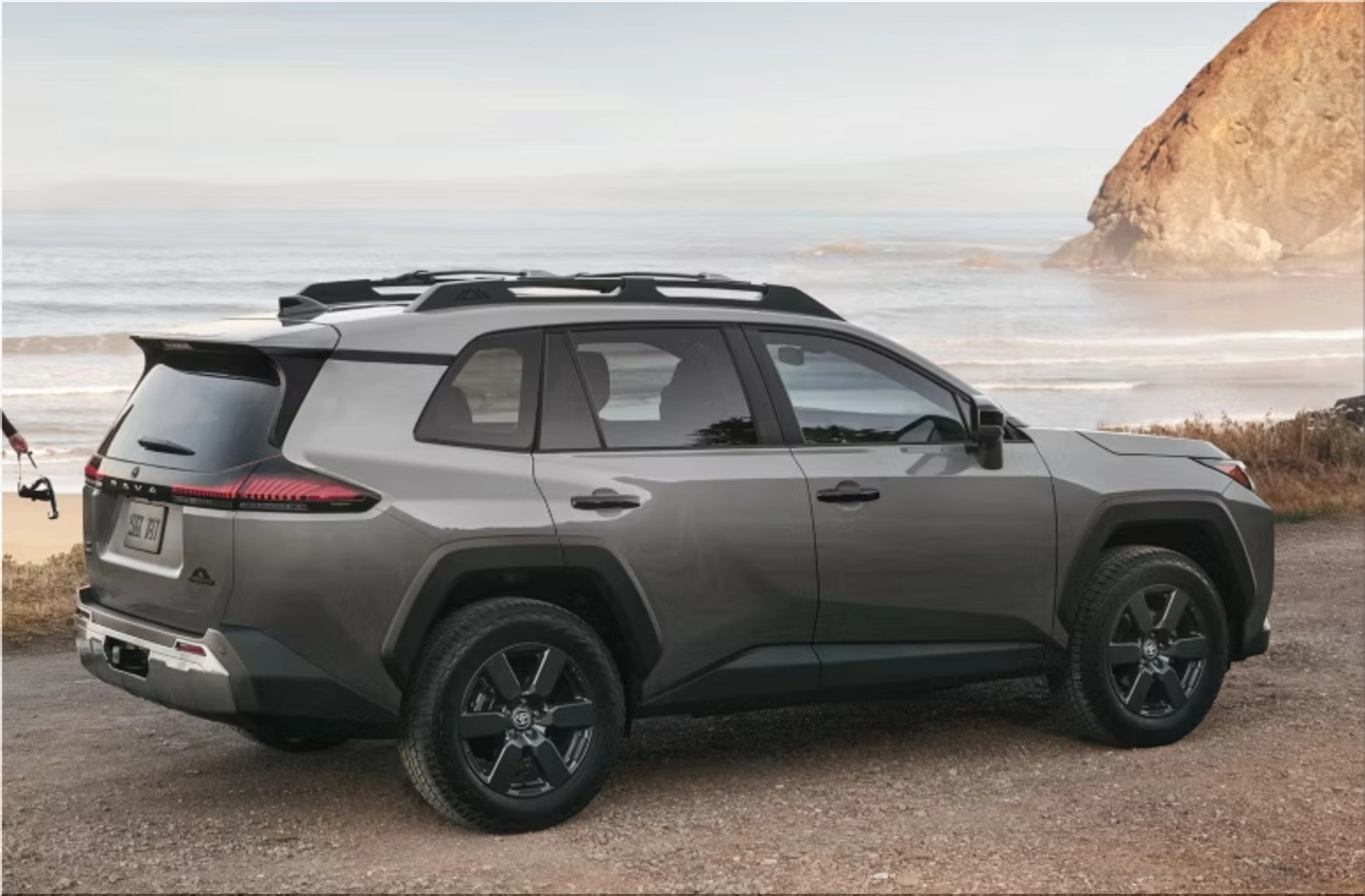
The powertrain tech is impressive. The fifth-generation hybrid system pairs with a 2.5-liter four-cylinder engine. Output increases across the board. The hybrid-electric (HEV) models now produce up to 236 horsepower with All-Wheel Drive (AWD). For those who want more, the RAV4 PHEV delivers 320 horsepower. It also increases its all-electric driving distance to an estimated 50 miles (approx. 80 km).
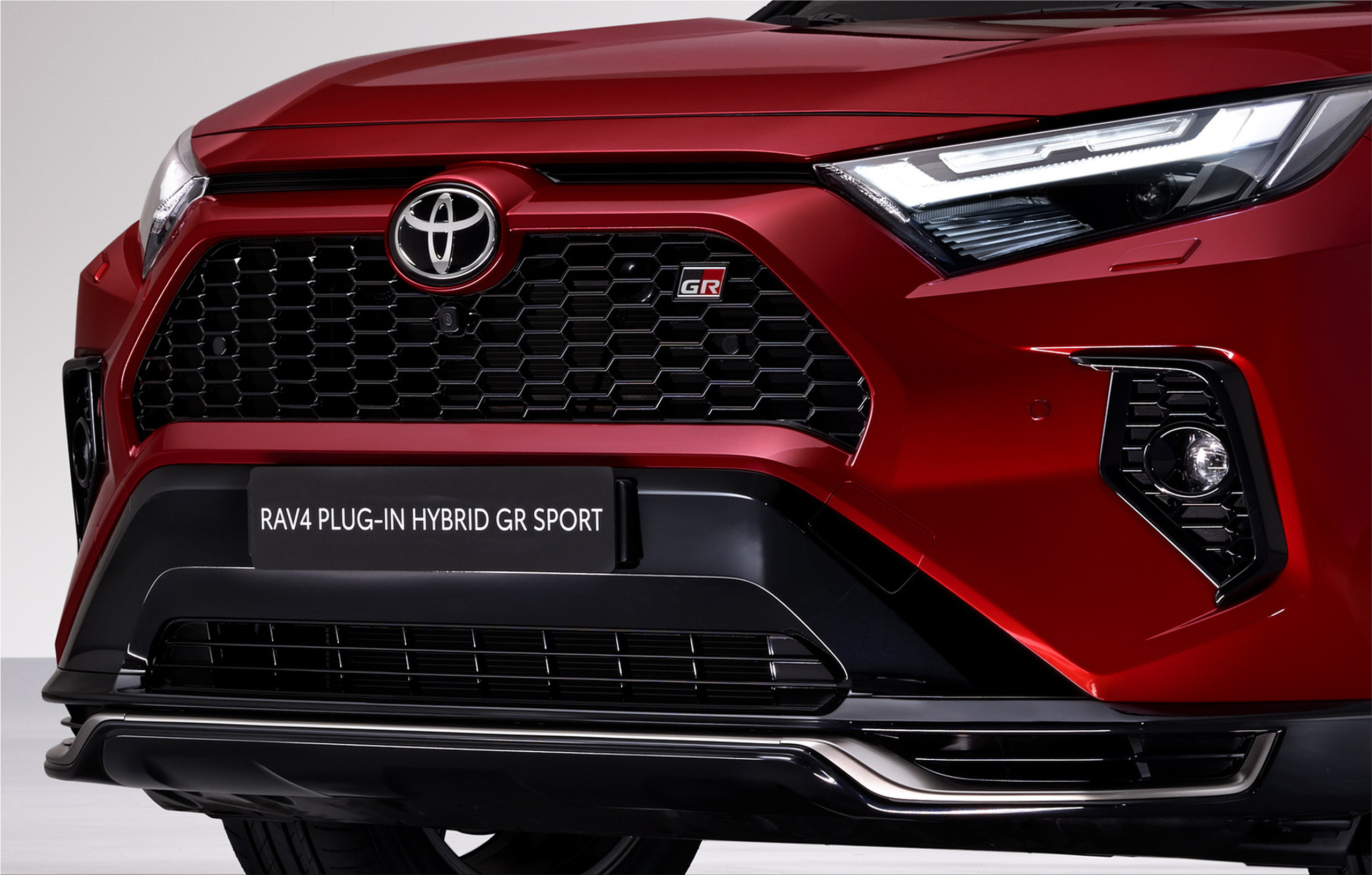
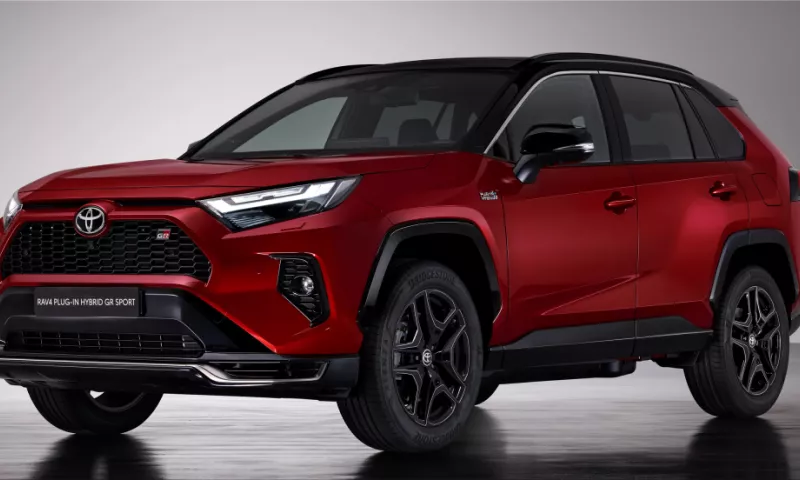
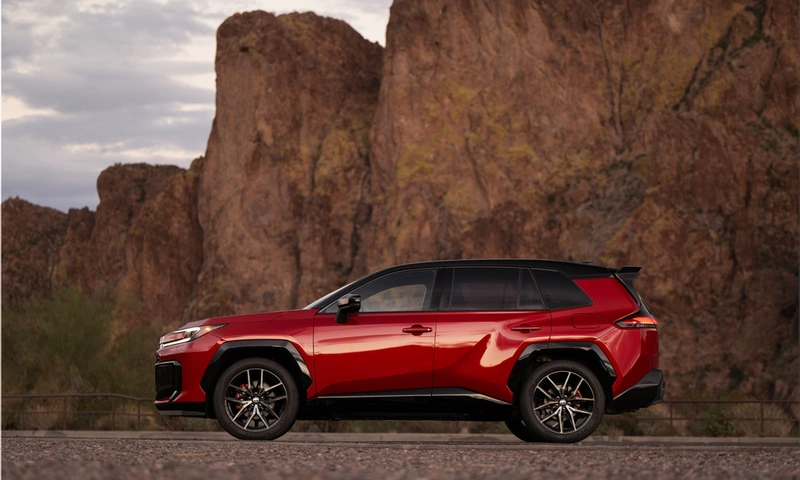
Toyota is also expanding the trim range. The first-ever RAV4 GR SPORT debuts as a plug-in hybrid. It features dedicated suspension tuning and a more aggressive grille. For the trail-focused, the RAV4 Woodland adds a half-inch of ground clearance and an activity mount for gear.
| 2026 RAV4 Specs | Hybrid (HEV) | Plug-in Hybrid (PHEV) |
|---|---|---|
| Horsepower | 226 - 236 hp | 320 hp |
| Drivetrain | FWD / AWD | Standard AWD |
| Electric Range | N/A | ~50 Miles |
| Towing Capacity | 3,500 lbs | 3,500 lbs |
New Tech: Software-Defined Vehicles Arrive
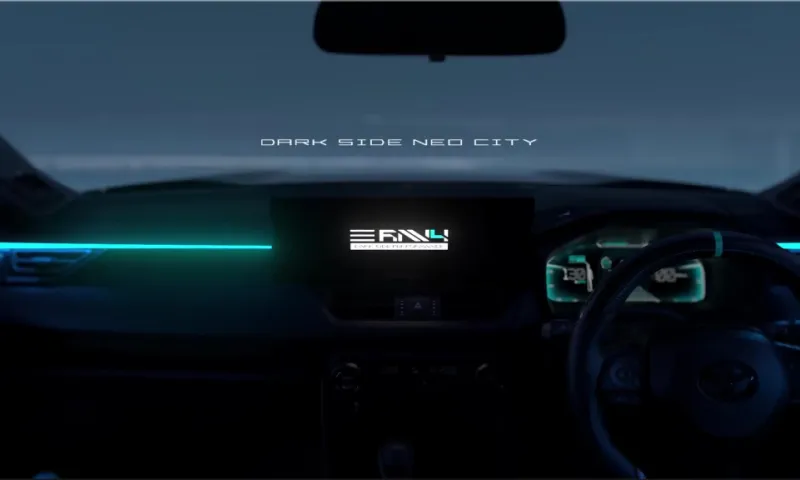
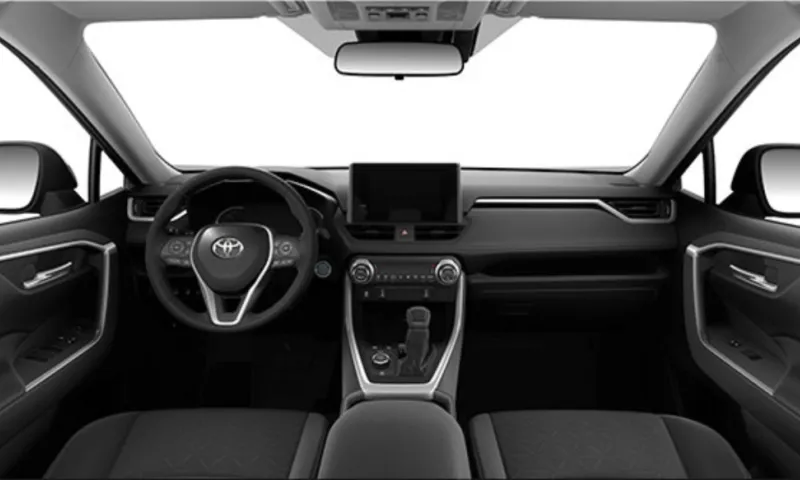
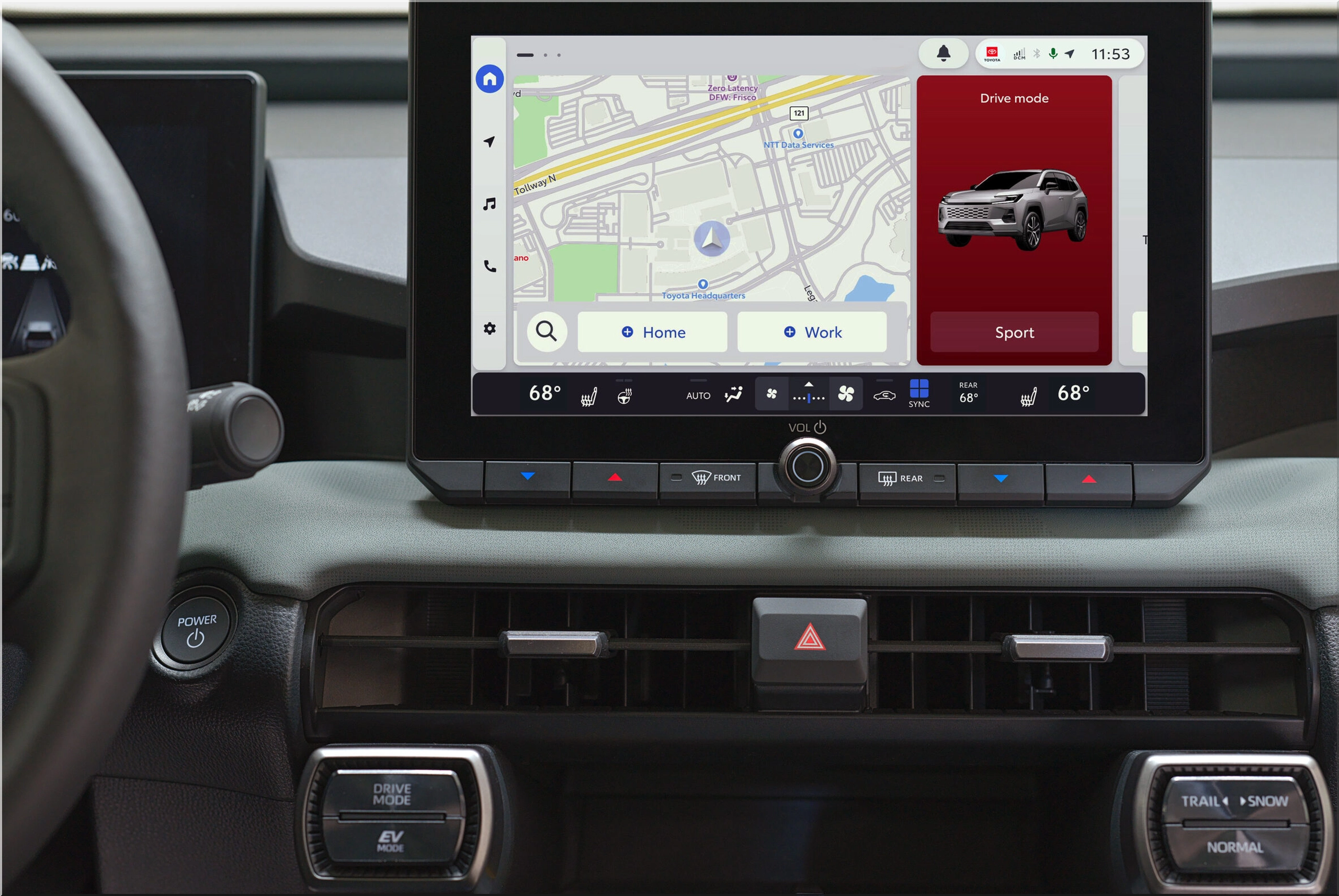
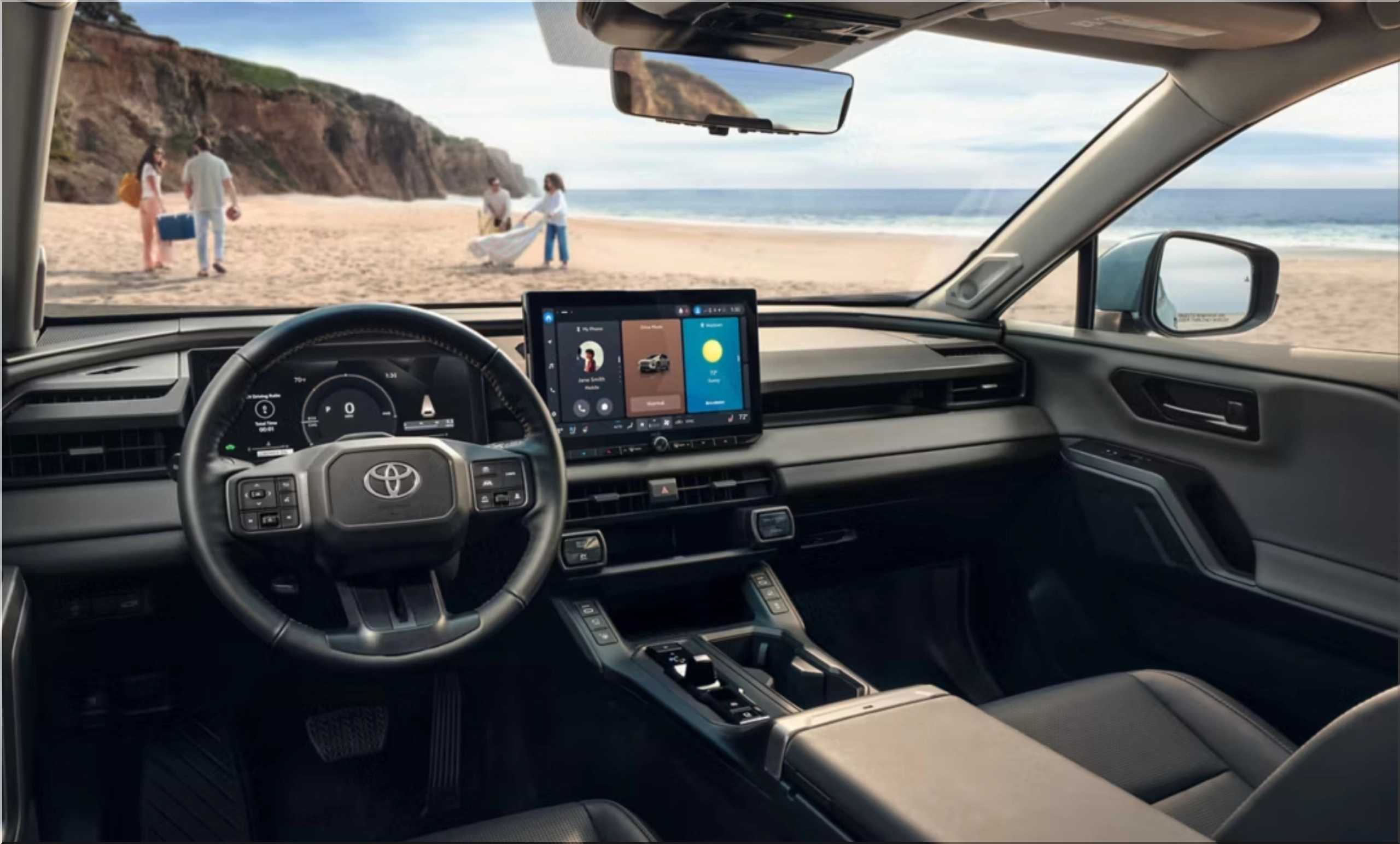
The 2026 RAV4 is the launchpad for the Arene software platform. This is a major shift in how Toyota develops vehicle tech. It allows for faster updates and deeper integration of safety features. The next-generation Toyota Audio Multimedia system also debuts here. It features a standard 10.5-inch or an available 12.9-inch touchscreen.
This system runs on 5G connectivity. This means lower latency and faster voice responses. The navigation is built with Mapbox, offering 3D rendering and full-screen maps in the digital instrument cluster. Drivers can now view turn-by-turn directions directly behind the steering wheel.
The Drive Recorder is another win. It uses the vehicle's existing cameras to function as a built-in dashcam. No bulky aftermarket hardware is required. For PHEV owners, the new EV Domain in the head unit simplifies charging schedules and limits.
The EV Expansion: bZ and C-HR Join the Lineup
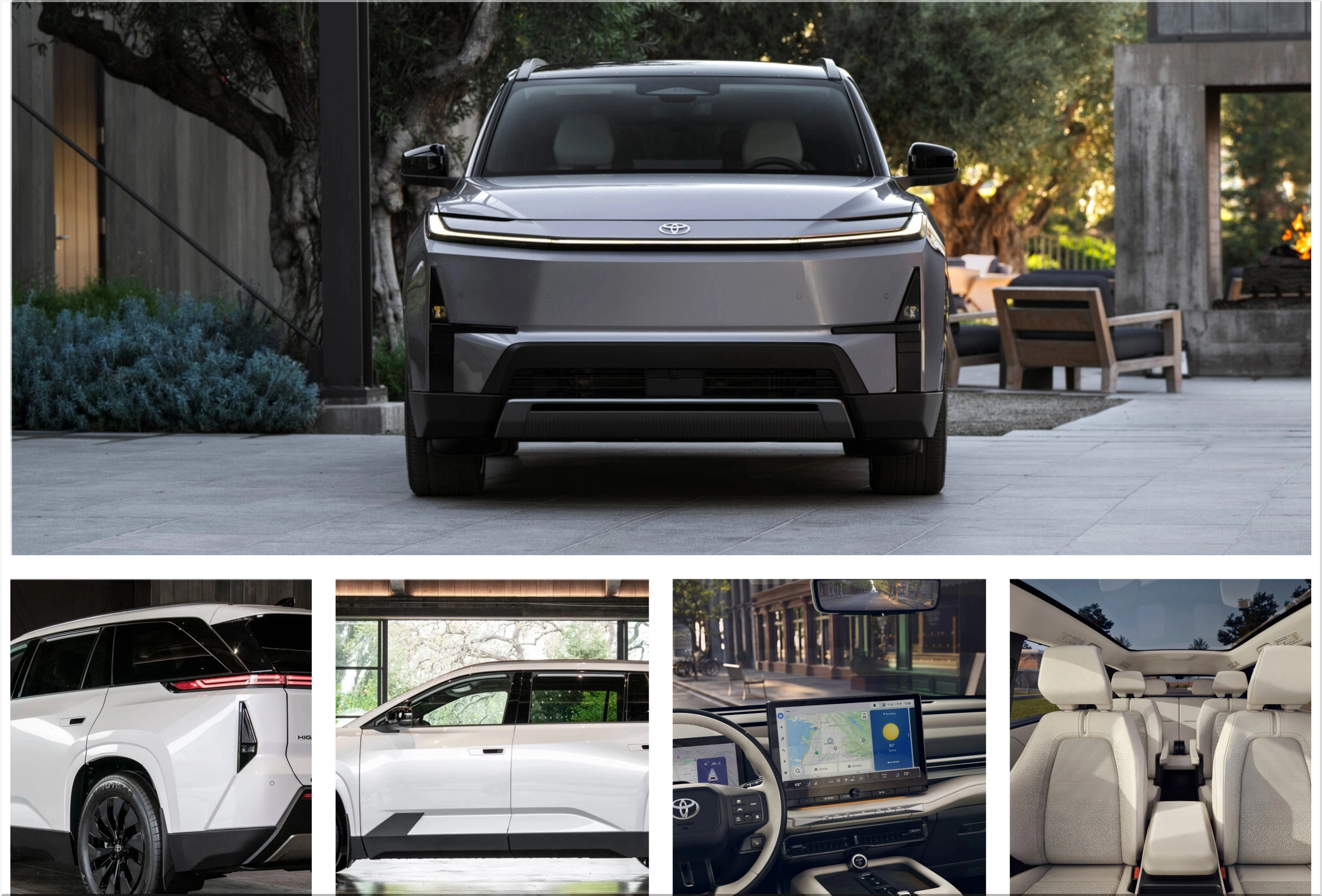
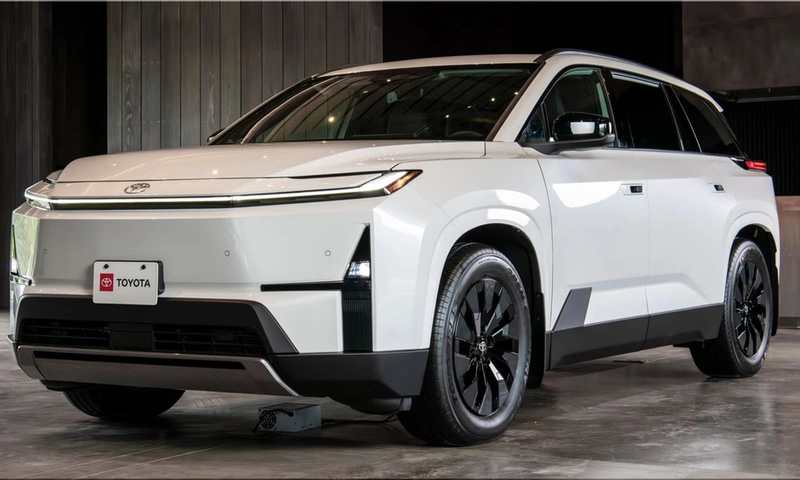
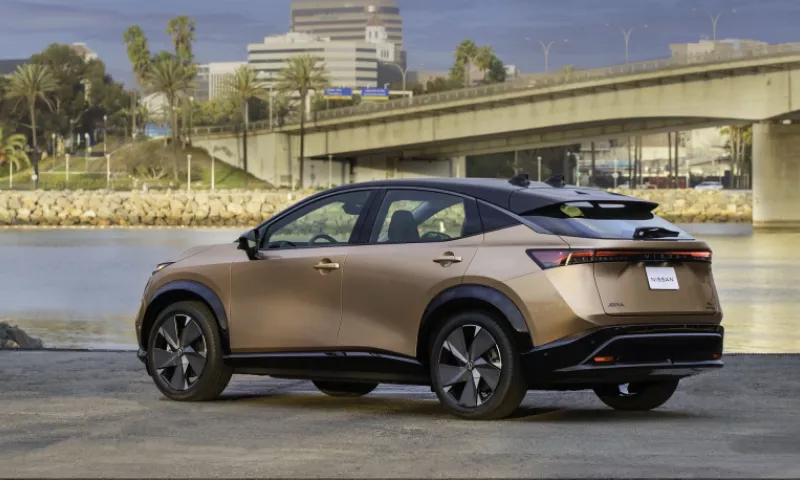
Toyota is not slowing down on Battery Electric Vehicles (BEVs). The 2026 Toyota bZ—formerly the bZ4X—sees major improvements. Range, output, and charging speeds all move upward. The new bZ Woodland is the highlight. It features a dual-motor AWD system delivering 375 horsepower. It uses a North American Charging System (NACS) port for access to more DC fast-chargers.
The 2026 Toyota C-HR joins the U.S. electrified family with a bold look. It offers up to 338 horsepower in its AWD XSE trim. It hits 60 mph in roughly 5.1 seconds. These aren't just economy cars; they are performance-oriented machines.
Manufacturing: $14 Billion in North Carolina
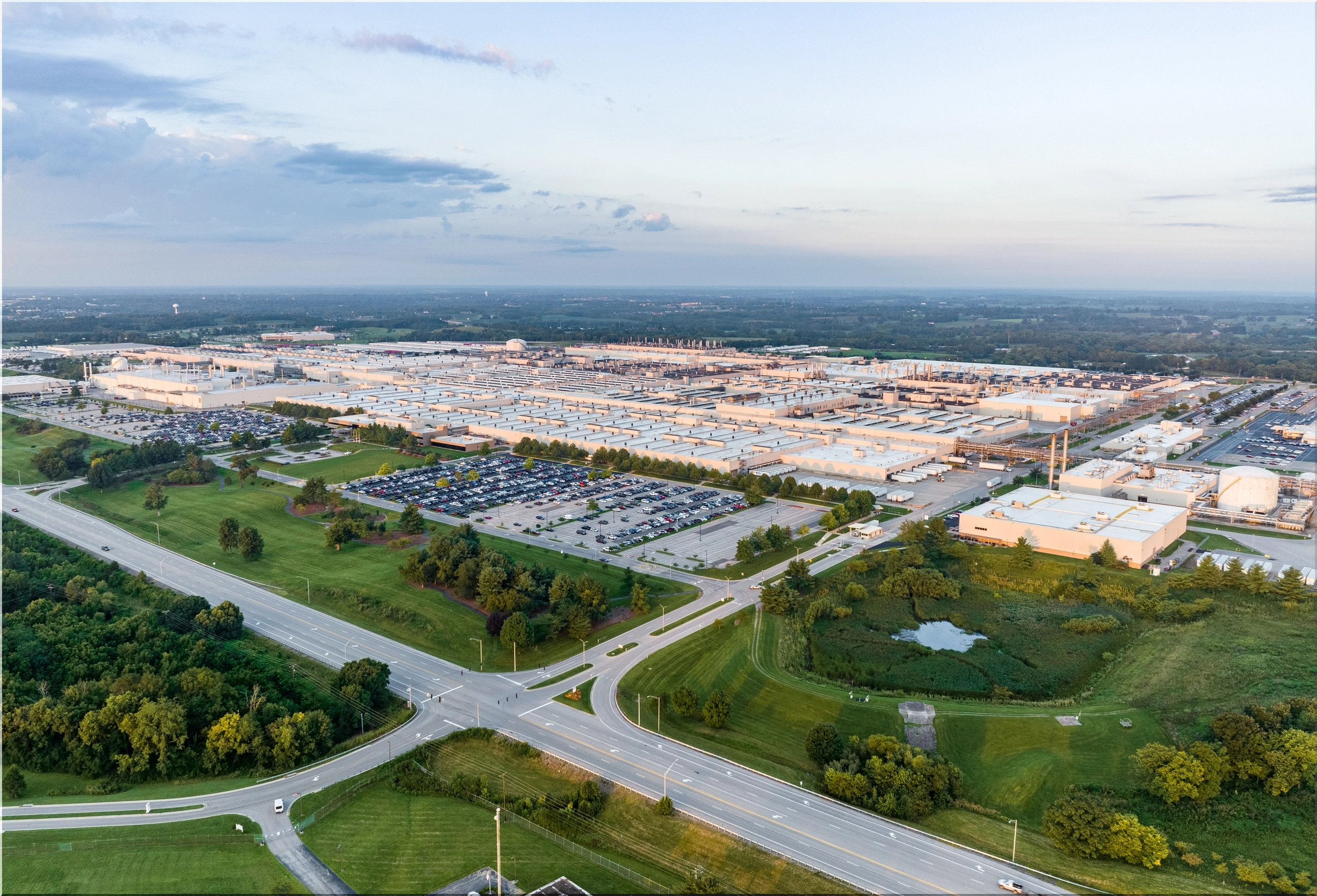
The biggest milestone in production is the Toyota Battery Manufacturing North Carolina (TBMNC) facility. Located in Liberty, this is Toyota's 11th U.S. plant and its first battery site outside Japan. The $14 billion investment creates 5,100 jobs.
This plant is huge. It covers 7 million square feet (approx. 650,321 square meters). It will run 14 production lines for HEV, PHEV, and BEV batteries. Total capacity is expected to reach 30 GWh annually. Shipping began in June 2025. This facility ensures Toyota can build electrified vehicles where it sells them.
$912 Million Investment in Five U.S. Plants
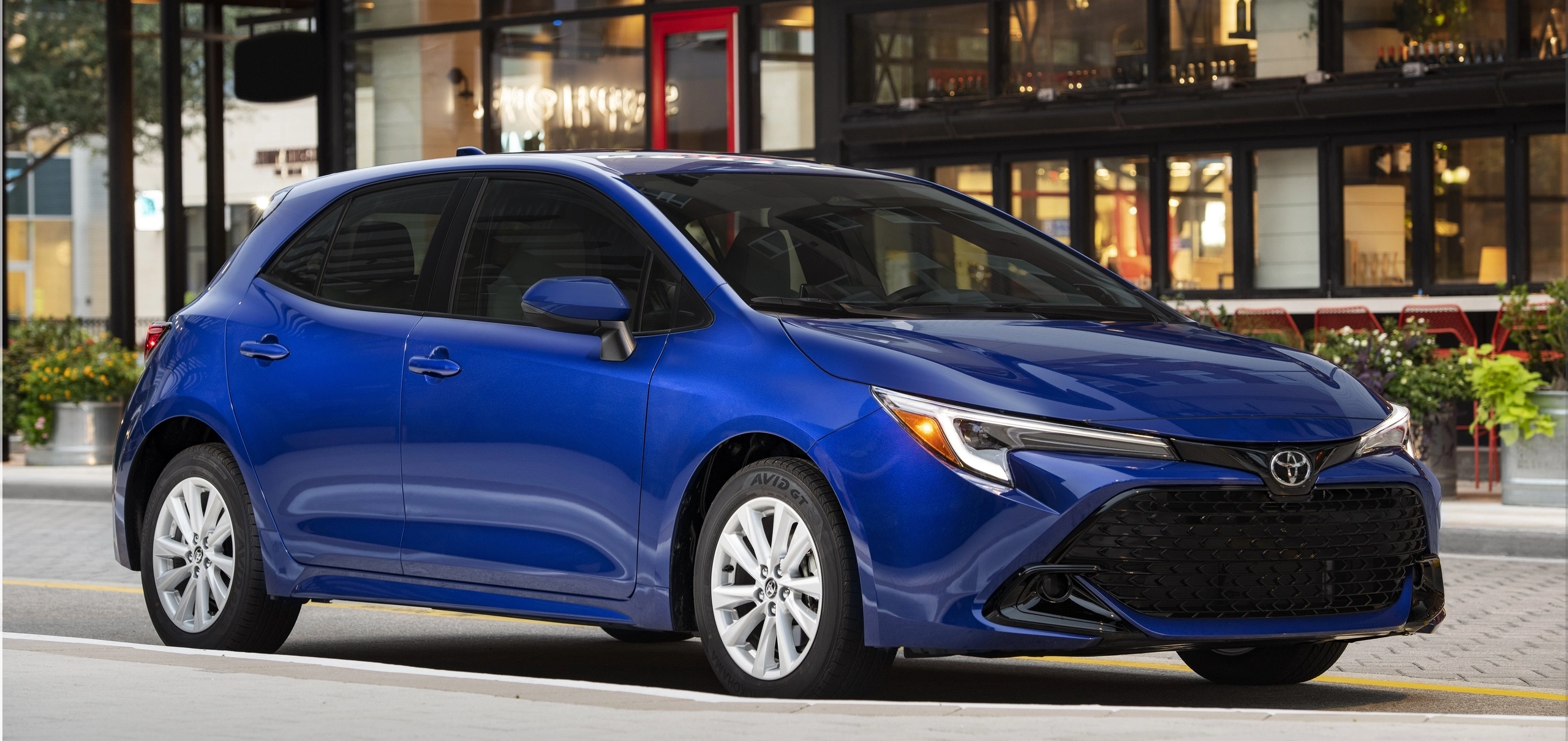
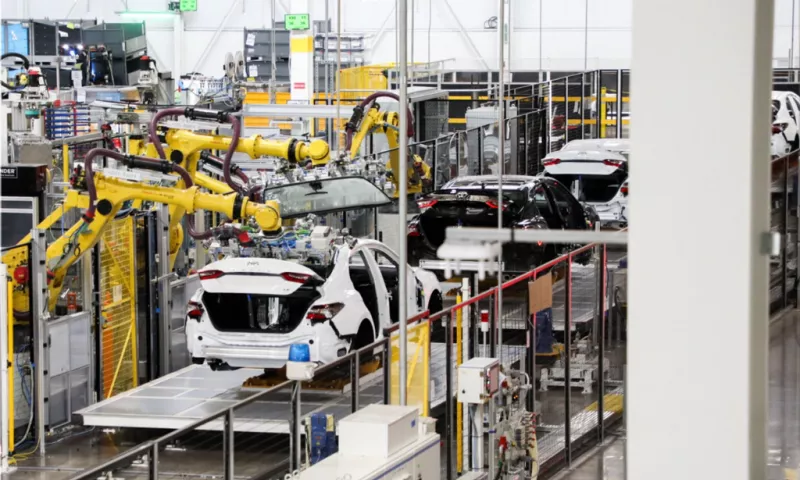
Toyota is doubling down on hybrid capacity. A $912 million investment is flowing into five existing plants to meet record demand. This move creates 252 new jobs and brings hybrid Corolla production to Mississippi.
- Toyota West Virginia: $453 million for hybrid transaxles and engines.
- Toyota Kentucky: $204.4 million for a new hybrid engine machining line.
- Toyota Mississippi: $125 million to start building the hybrid Corolla.
- Toyota Tennessee: $71.4 million to increase transaxle case production.
- Toyota Missouri: $57.1 million for hybrid cylinder head capacity.
This investment is part of a larger plan to spend $10 billion in the U.S. over five years. It proves Toyota is betting on hybrids as the immediate future of the American market.
Hydrogen Solutions: Thinking Long-Term
Toyota remains a leader in hydrogen fuel cell technology. In 2025, the company launched a new Toyota Hydrogen Solutions business hub. This site connects commercial customers with fuel cell products and services.
The Hydrogen Headquarters (H2HQ) in Gardena, California, is the center of this effort. Toyota is currently testing heavy-duty truck powertrains that have logged over 130,000 miles (approx. 209,214 km) in real-world use. The company has released over 5,000 patents royalty-free to help grow the hydrogen ecosystem. This is a play for the long-term decarbonization of heavy transport.
R&D Upgrades: The Arizona Proving Grounds
Toyota just finished a $50 million expansion of its Arizona Proving Grounds (TAPG). The facility now features a new 5.5-mile oval track (approx. 8.8 km) built inside the existing 10-mile track. This allows for high-speed evaluation and mileage accumulation in a controlled environment.
The upgrades include a 1.75-mile "coast down" surface for testing fuel economy and efficiency. There is also a new off-road test area for body-on-frame vehicles like the Tacoma and Tundra. This facility is critical for developing vehicles specifically for the North American driver.
Safety First: Introducing Toyota Safety Sense 4.0
The 2026 RAV4 is the first vehicle to receive Toyota Safety Sense 4.0 (TSS 4.0). This suite uses the Arene platform to process data faster and more accurately. Key features include an updated Pre-Collision System and improved Lane Tracing Assist. These systems now coordinate their responses in real-time.
Standard equipment across all grades includes a Blind Spot Monitor and Rear Cross Traffic Alert. Higher trims add Traffic Jam Assist and Lane Change Assist. This technology reduces driver fatigue and provides a proactive layer of protection on every commute.
Charging Infrastructure: The Move to NACS
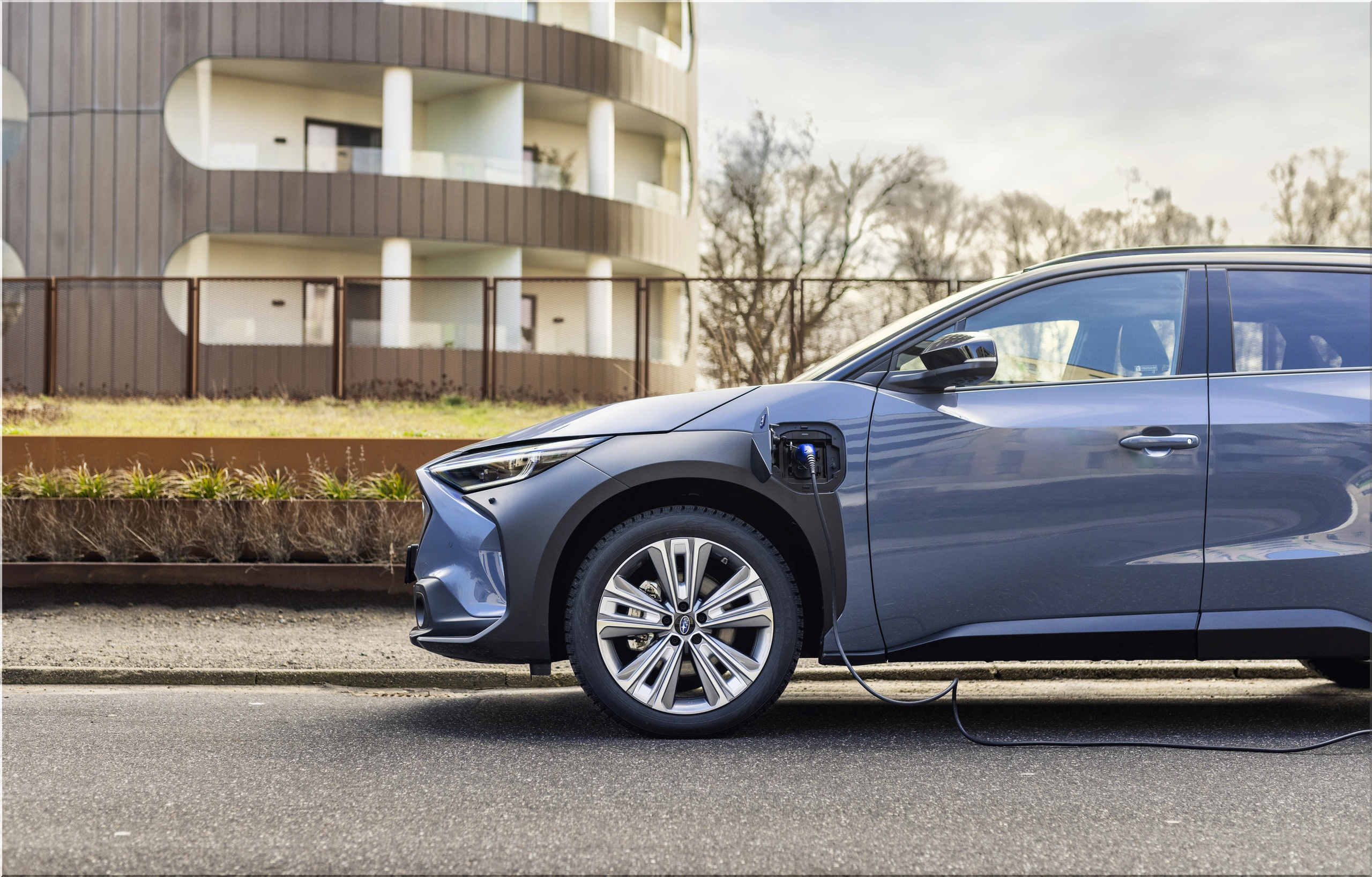
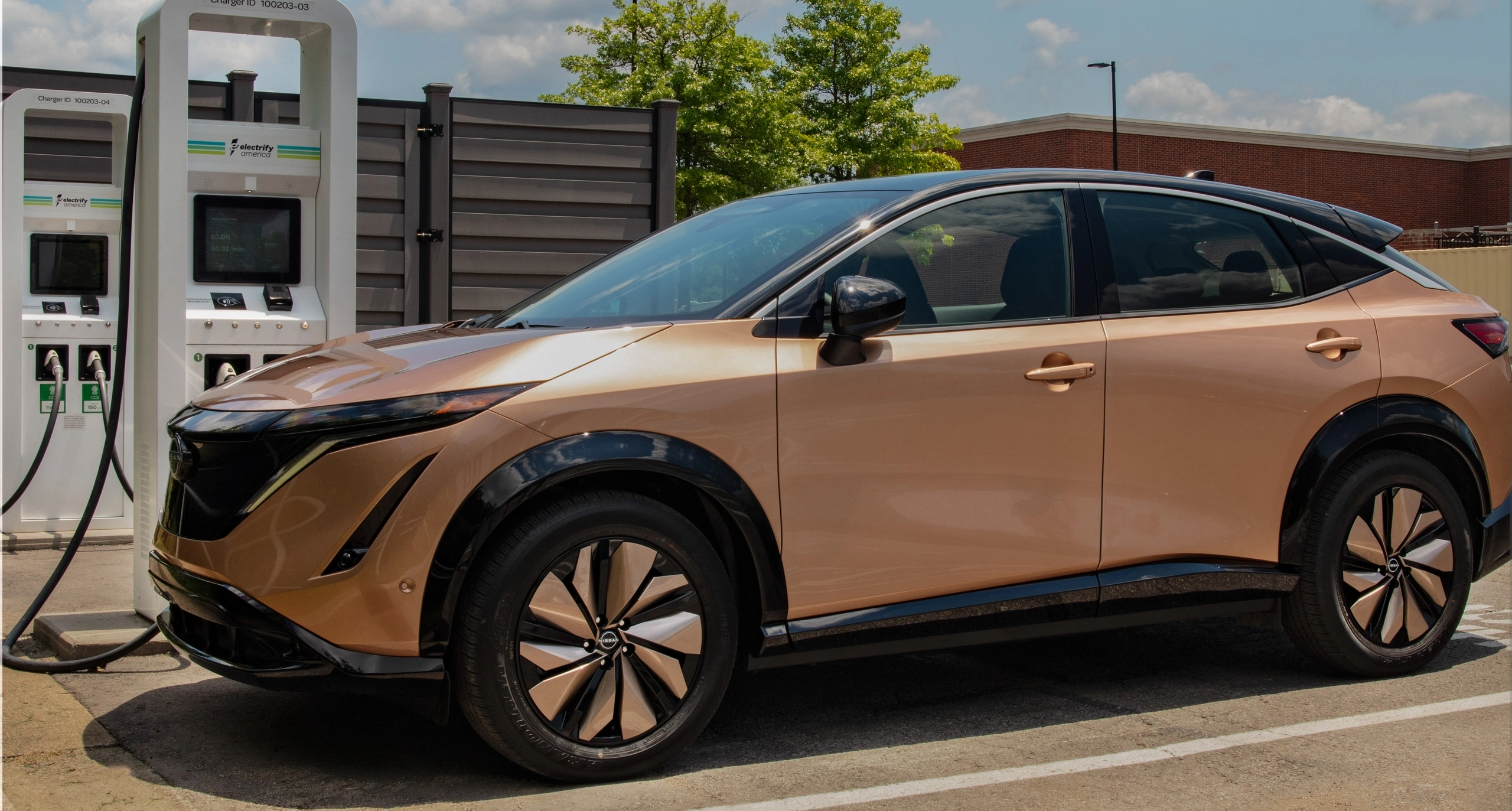
Toyota is simplifying the owner experience by adopting the North American Charging System (NACS). The 2026 bZ and 2026 C-HR come standard with this port. This gives owners access to thousands of DC fast-charging stations nationwide, including the Tesla Supercharger network.
Charging is faster than ever. Select PHEV and BEV models can charge from 10% to 80% in approximately 30 minutes. The new Plug & Charge capability eliminates the need for multiple apps or cards at the station. Toyota is removing the friction from electric vehicle ownership.
A Multi-Pathway Approach to Decarbonization
Toyota does not believe in a one-size-fits-all solution for the environment. Its multi-pathway strategy offers a mix of HEVs, PHEVs, BEVs, and fuel cells. This ensures customers can choose the technology that fits their specific needs and local infrastructure.
By offering 30 electrified vehicle options across Toyota and Lexus, the company meets diverse demands. This approach is working. The company is reducing carbon emissions today while scaling the infrastructure needed for a zero-emission future.
Investing in the Future Workforce
Toyota’s impact goes beyond the assembly line. The company committed $2.7 million in education grants to North Carolina schools in 2025. This funding supports workforce development and STEM programs for local students.
The Driving Possibilities program has now expanded to 10 communities. It focuses on preparing the next generation for careers in high-tech manufacturing. Toyota is not just building cars; it is building the talent pipeline needed to sustain American industry.
Employee Well-being: Support Beyond the Factory Floor
Retaining top talent requires supporting the whole person. Toyota is adding four new childcare centers at its manufacturing sites to assist working parents. These facilities often include on-site pharmacies, medical clinics, and fitness centers.
The company also awarded over $4 million in grants through the Way Forward Fund in 2025. This initiative supports pediatric injury care and family support services. By prioritizing team member health and safety, Toyota maintains a stable and productive workforce.
Image
The Competitive Edge: Affordability and Value
Affordability is the biggest hurdle for new car buyers. In late 2025, the average industry listing price hit $50,465. Toyota’s average price was $43,208, a significant 14% lower. The brand currently offers six vehicles starting under $30,000.
This value proposition is why Toyota maintains among the lowest incentives in the industry. Customers don't need massive rebates to see the worth in a Toyota. The combination of high resale value and low operating costs makes these vehicles the smart choice for the American wallet.
Motorsports: A Year of Championships
On the track, Toyota is winning. The brand captured its 10th NASCAR Craftsman Truck Series Manufacturer Championship in 2025. Corey Heim took the driver's title after a dominant season finale at Phoenix Raceway. Toyota also claimed the NASCAR Xfinity Series Owner Championship with Joe Gibbs Racing.
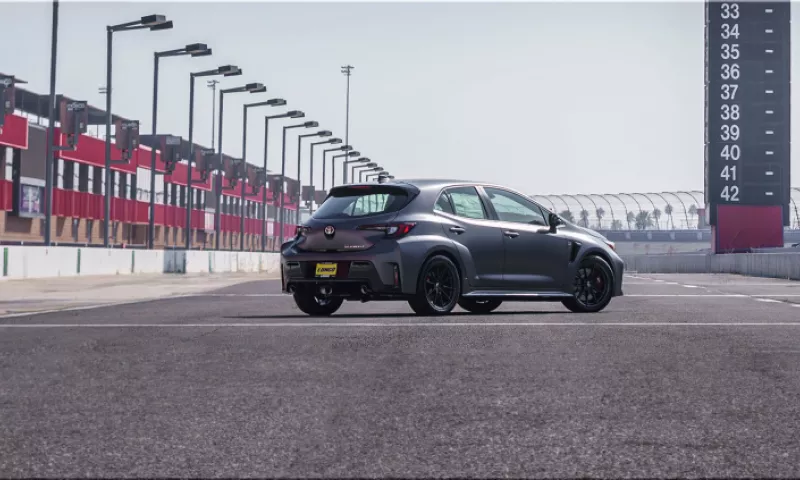
In the drift world, Toyota won its 10th Formula Drift Auto Cup. These wins aren't just for show. They drive the development of the "ever-better" cars Toyota produces, like the GR SPORT models.
The 2026 Outlook: Momentum is Real
Toyota is entering 2026 with a massive advantage. It has the manufacturing capacity, the software platform, and the product lineup to meet consumer demand. While competitors pivot back and forth on electrification, Toyota’s strategy is consistent.
The 2025 results prove that innovation drives sales, but manufacturing muscle sustains them. With the 2026 RAV4 and new BEV entries hitting the market, Toyota is positioned to extend its lead. The data is clear: Toyota is the benchmark for the modern automotive industry.
- Add new comment
- 155 views