Rising Hybrid Demand Drives Toyota's Latest Investment
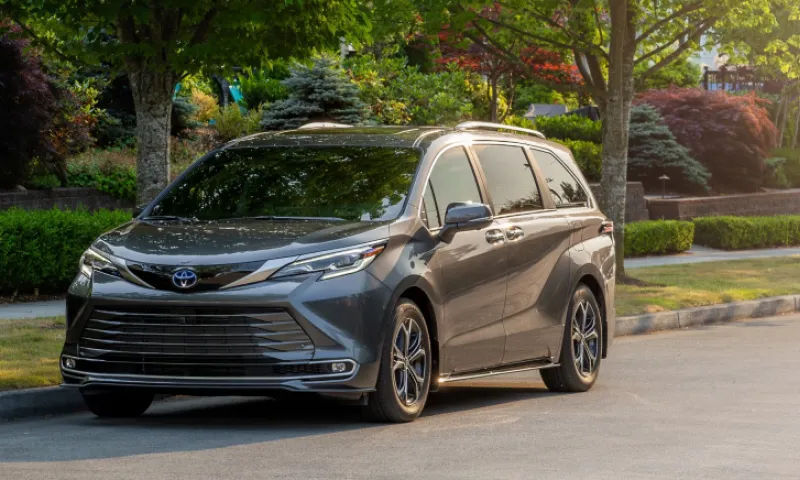
Toyota will spend $912 million USD across five U.S. plants to grow hybrid vehicle capacity. The company plans to add 252 jobs as part of its ongoing five-year plan to invest up to $10 billion USD in American manufacturing.
Shorter lead times, stronger local supply, and faster response to demand growth drive the project. Toyota states that nearly 50 percent of its U.S. sales now come from electrified models, with hybrids showing steady traction.
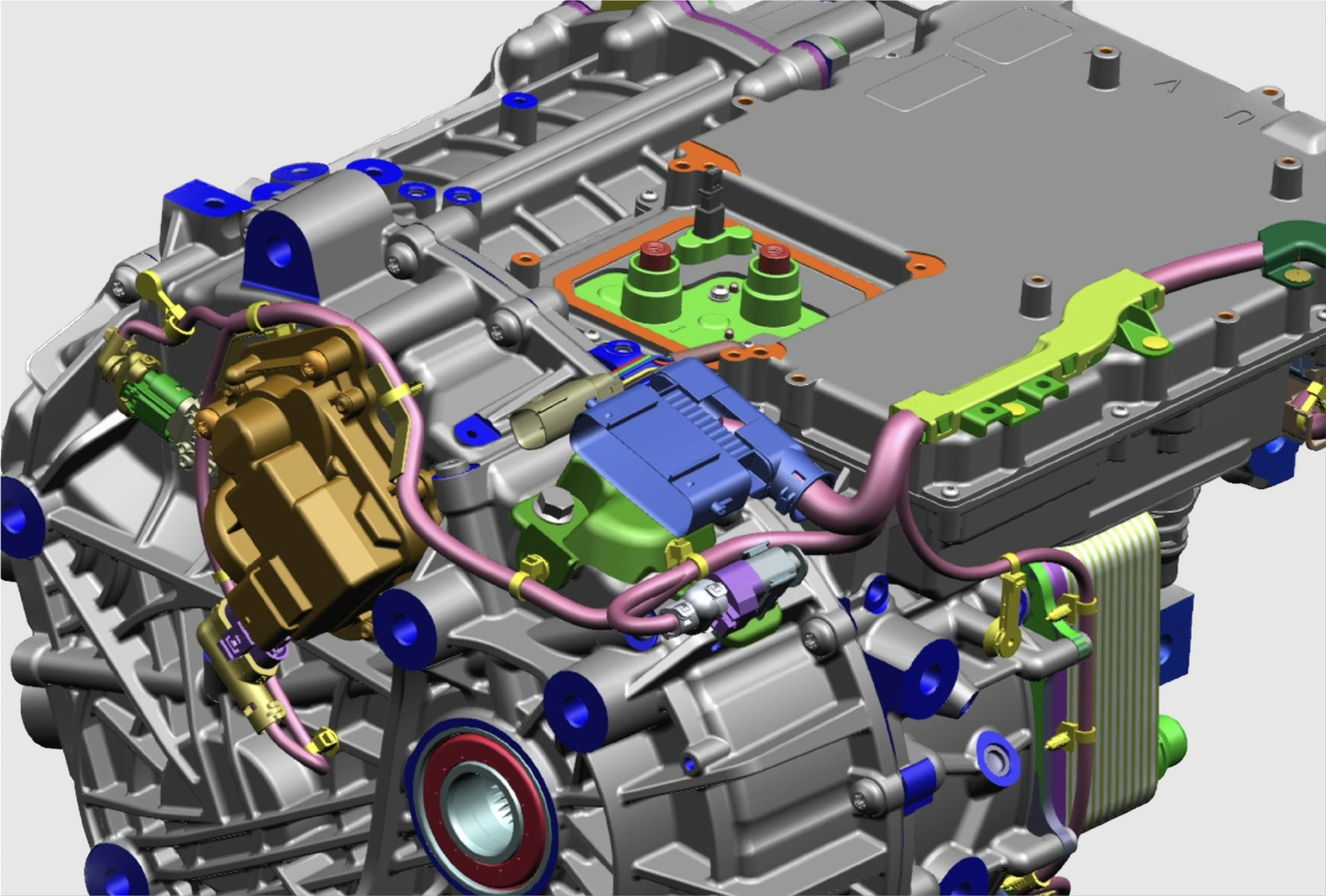
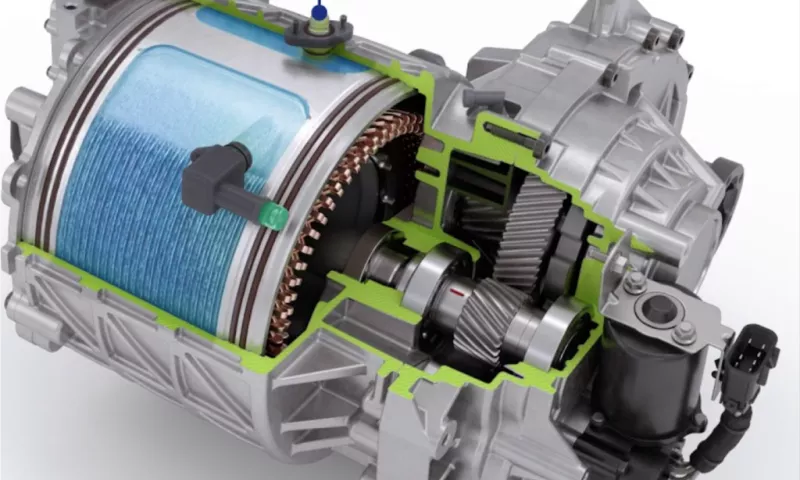
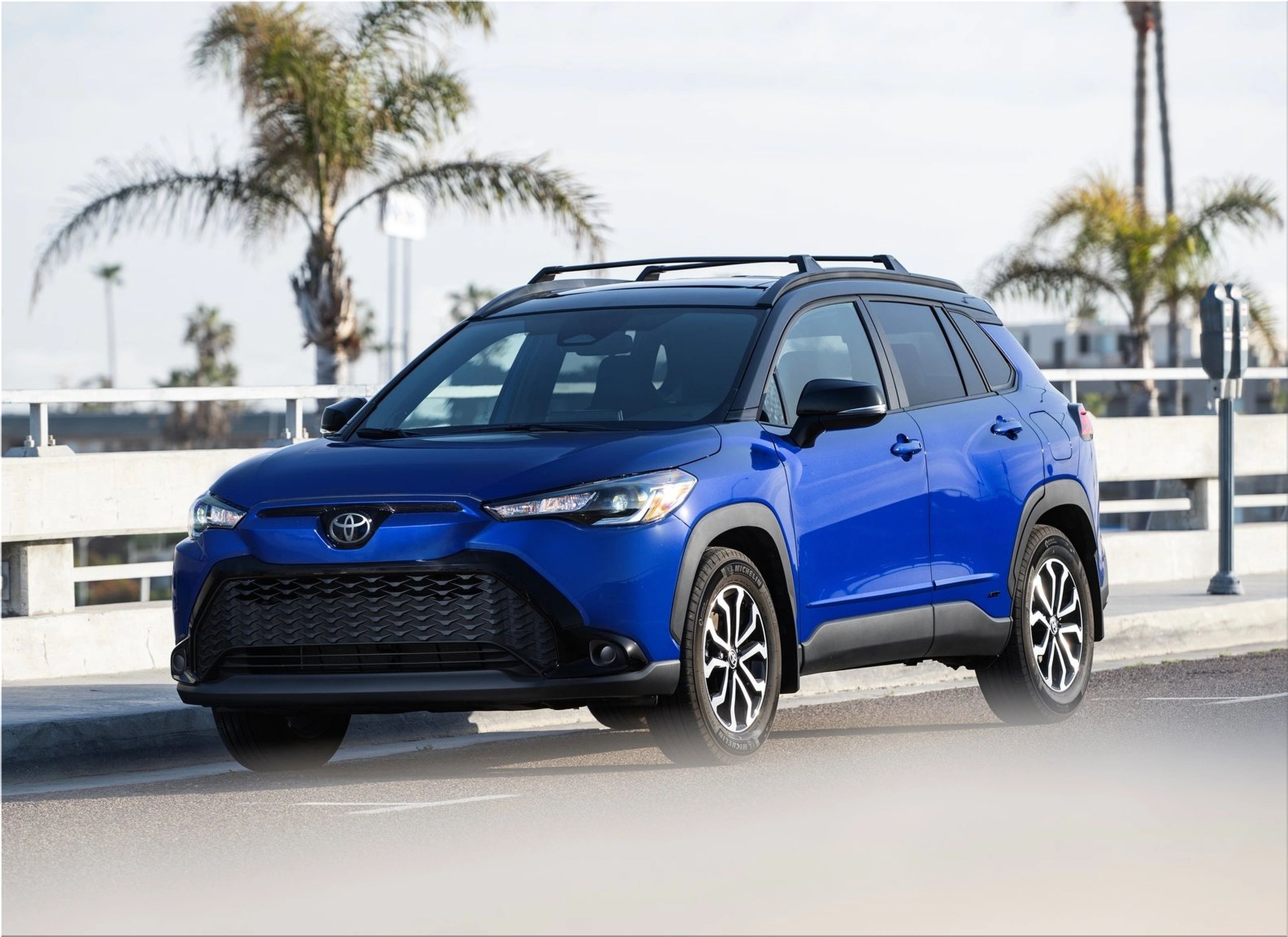
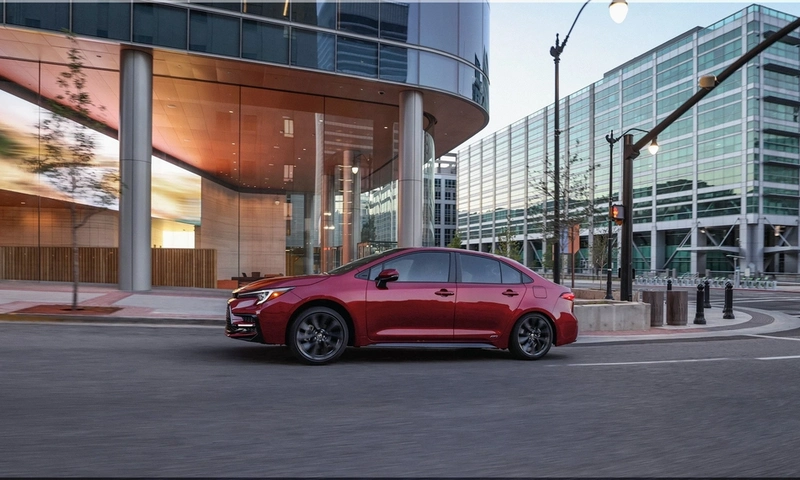
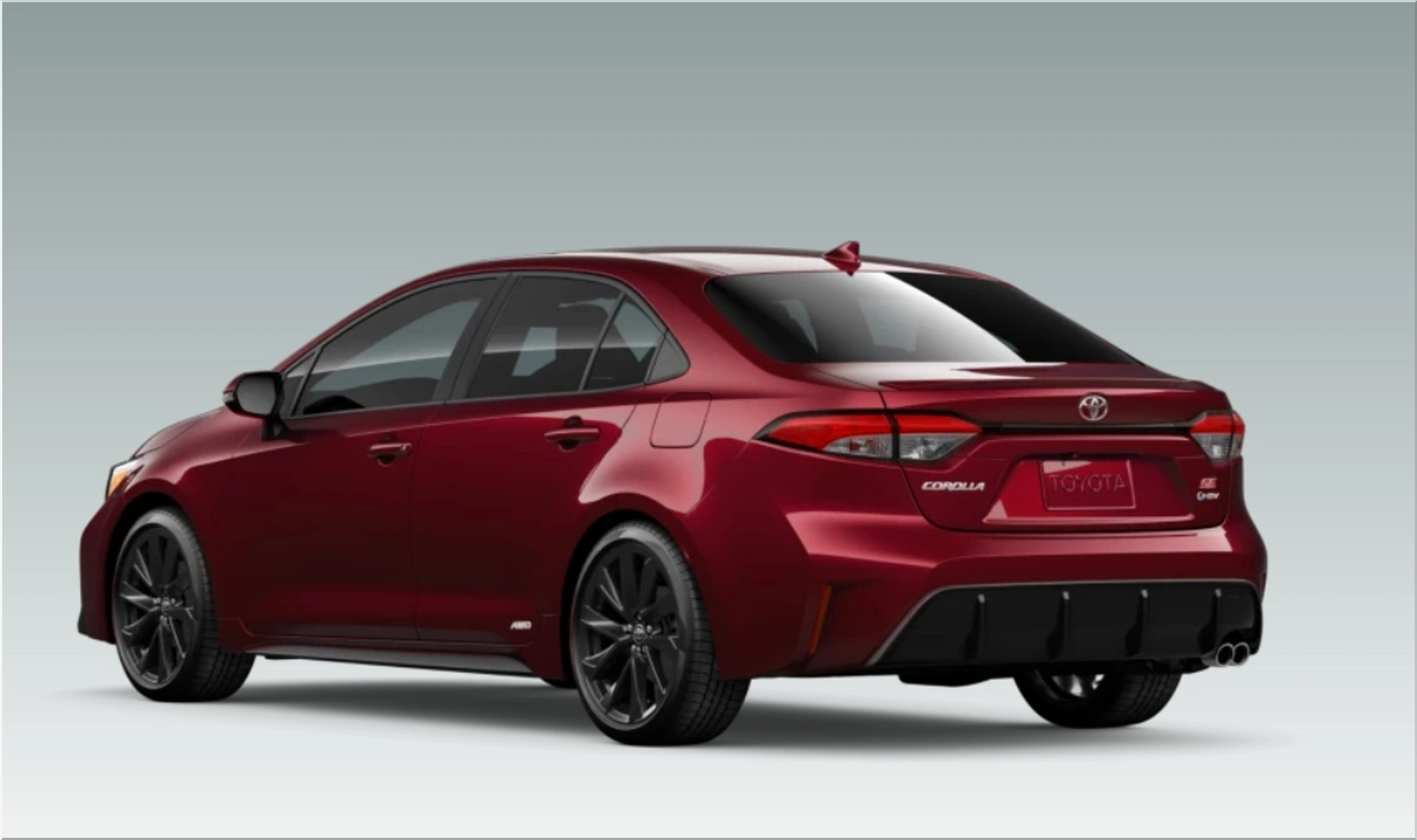
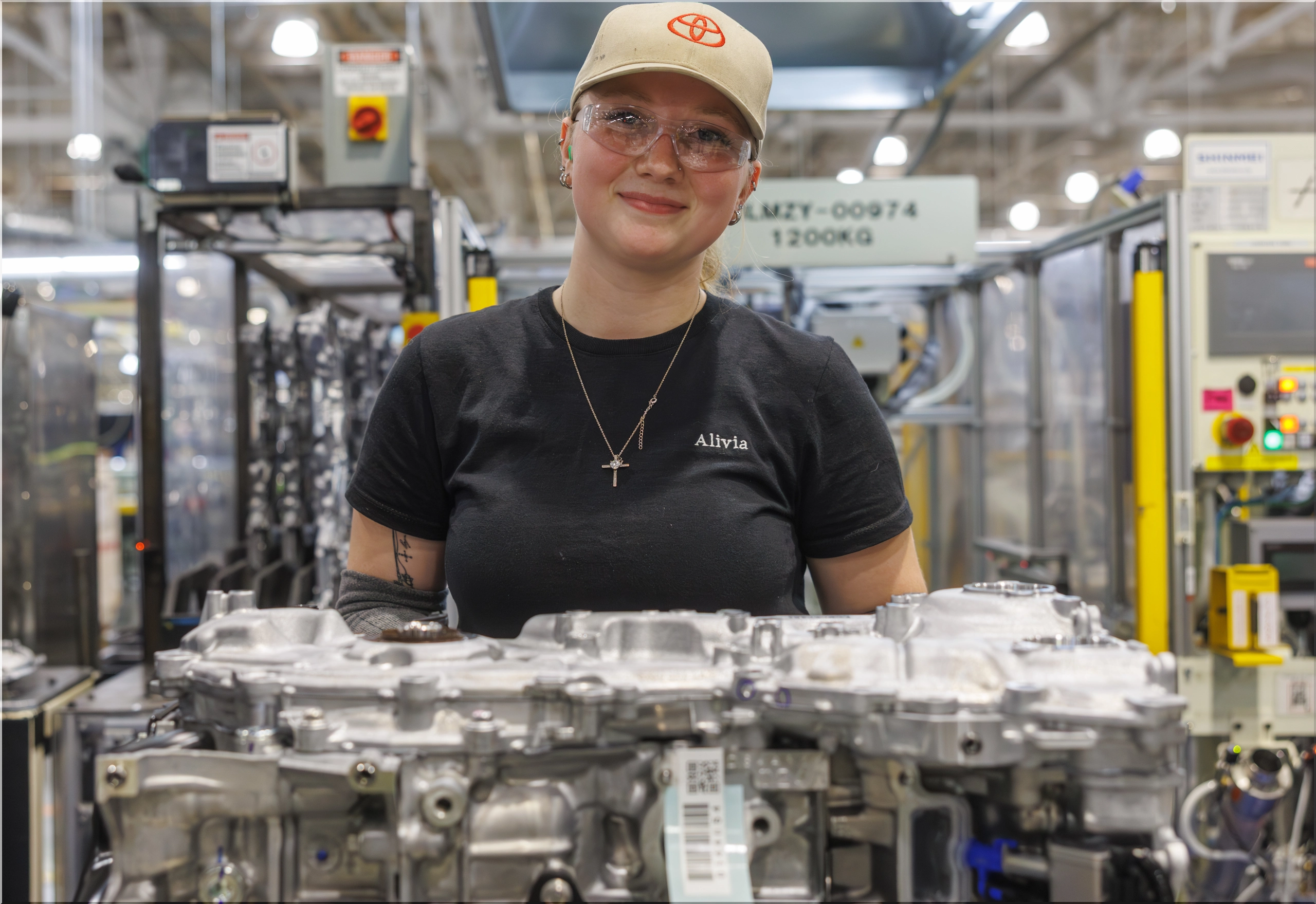
The move expands output of 4-cylinder engines, hybrid transaxles, stators, and cylinder heads while adding the first U.S.-built hybrid Corolla. The company expects production lines tied to this investment to come online between 2027 and 2028.
Image
How Toyota Allocates the $912 Million
Toyota targets five states with key powertrain roles. Each facility receives funding to lift capacity and cut supply bottlenecks.
Investment Breakdown
| Location | Funding (USD) | Jobs Added | Key Upgrades |
|---|---|---|---|
| West Virginia | $453 million | 80 | More 4-cylinder engines, hybrid transaxles, rear motor stators |
| Kentucky | $204.4 million | 82 | New machining line for 4-cylinder hybrid engines |
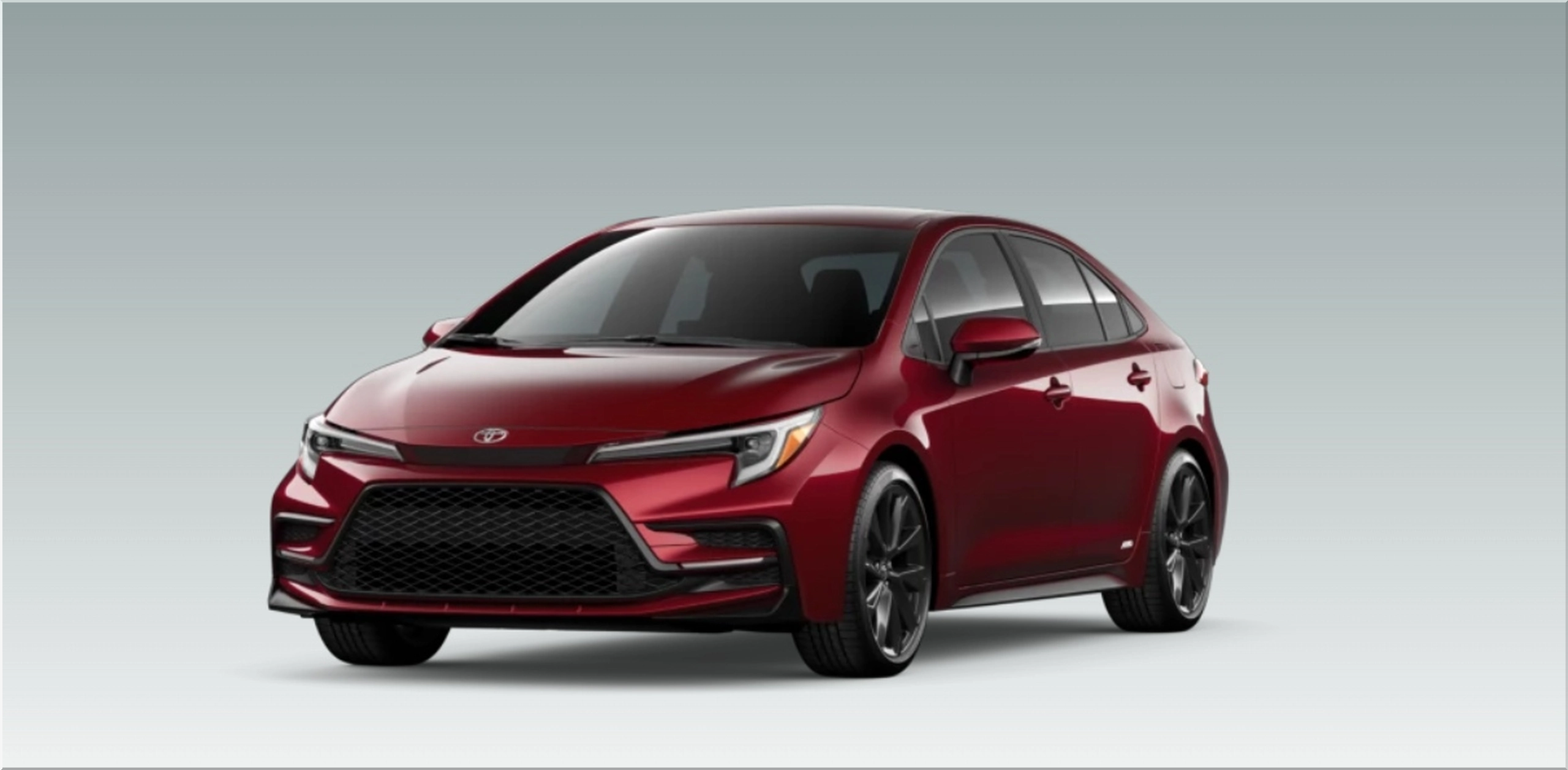
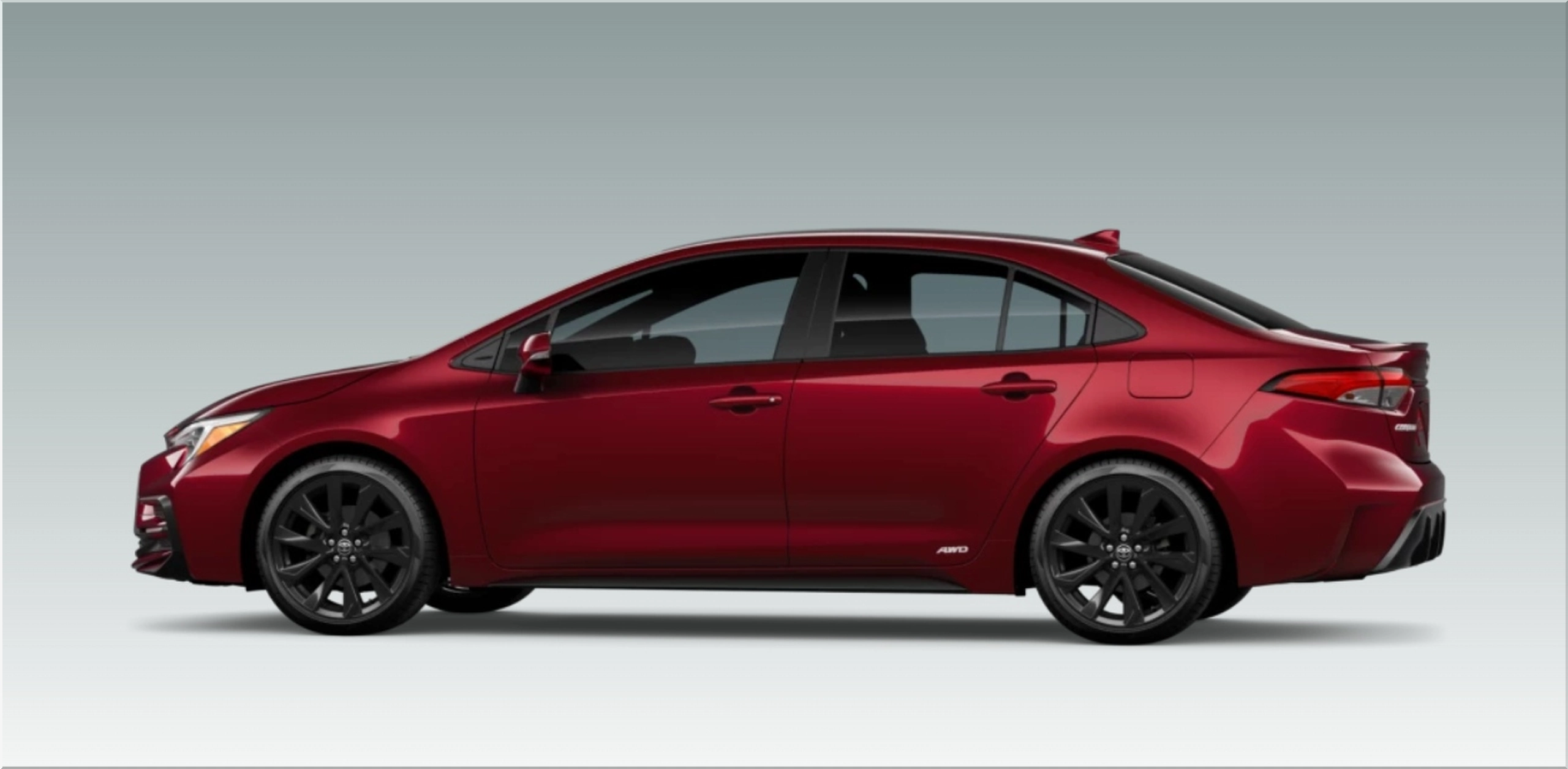
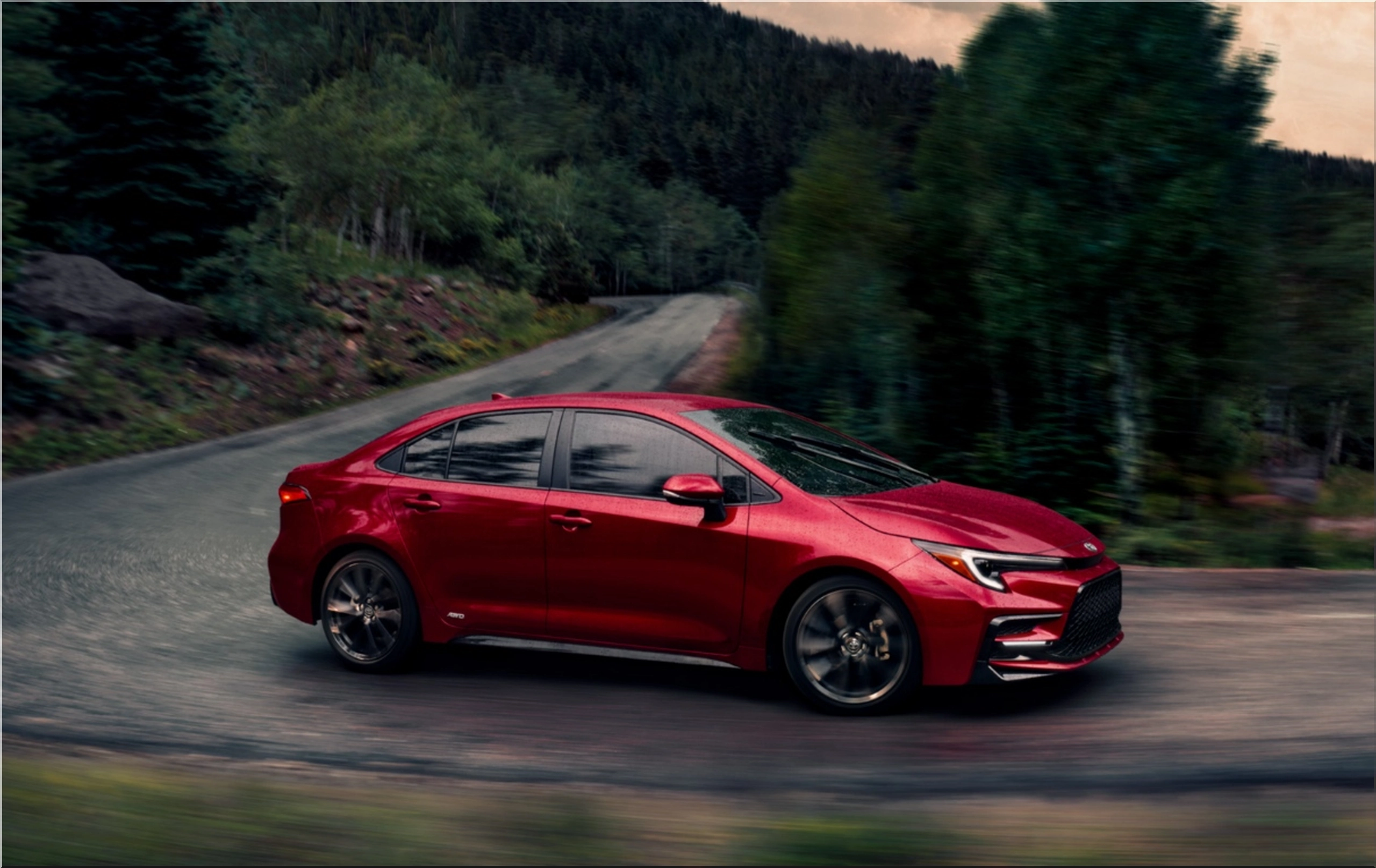
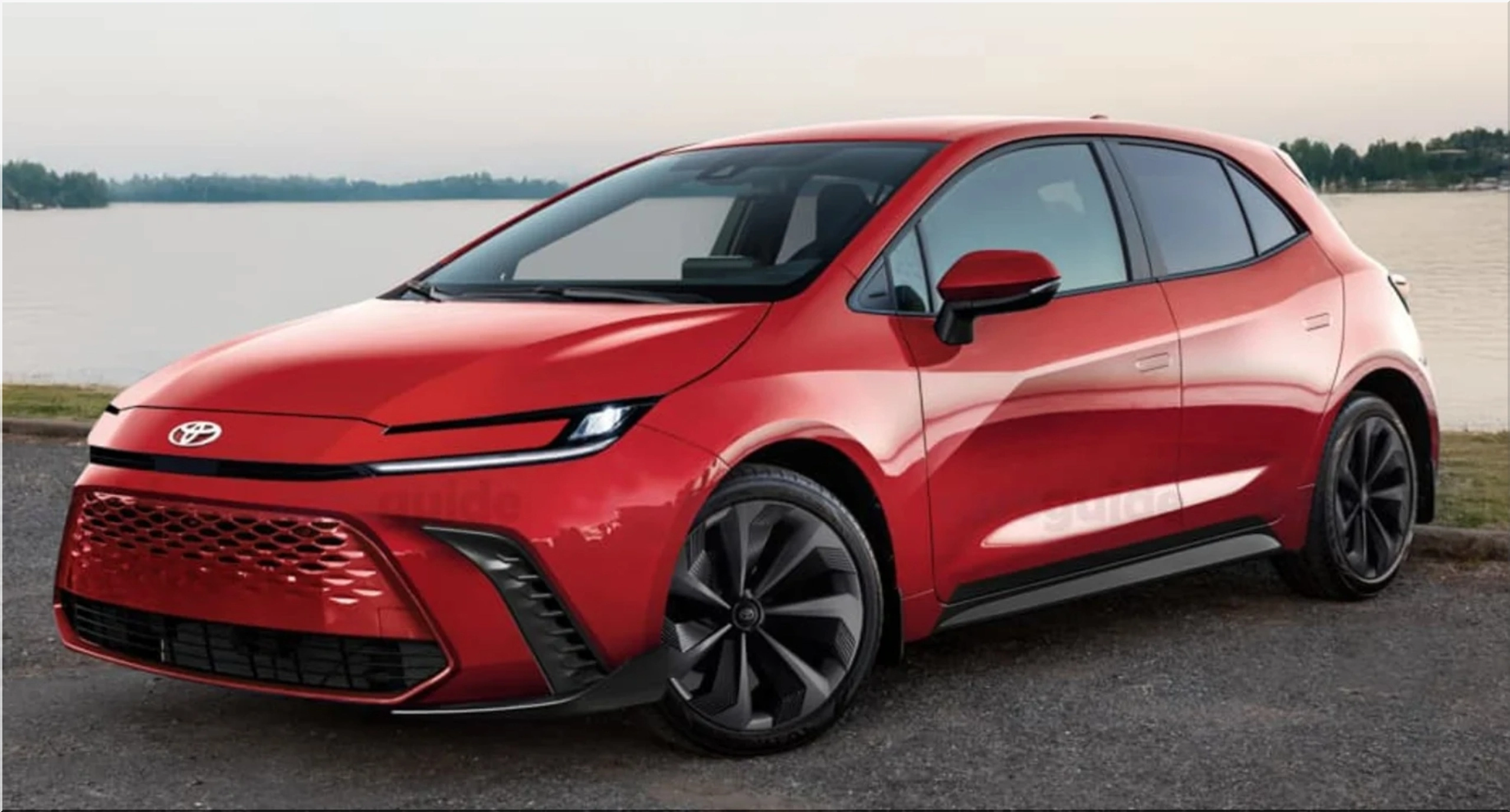
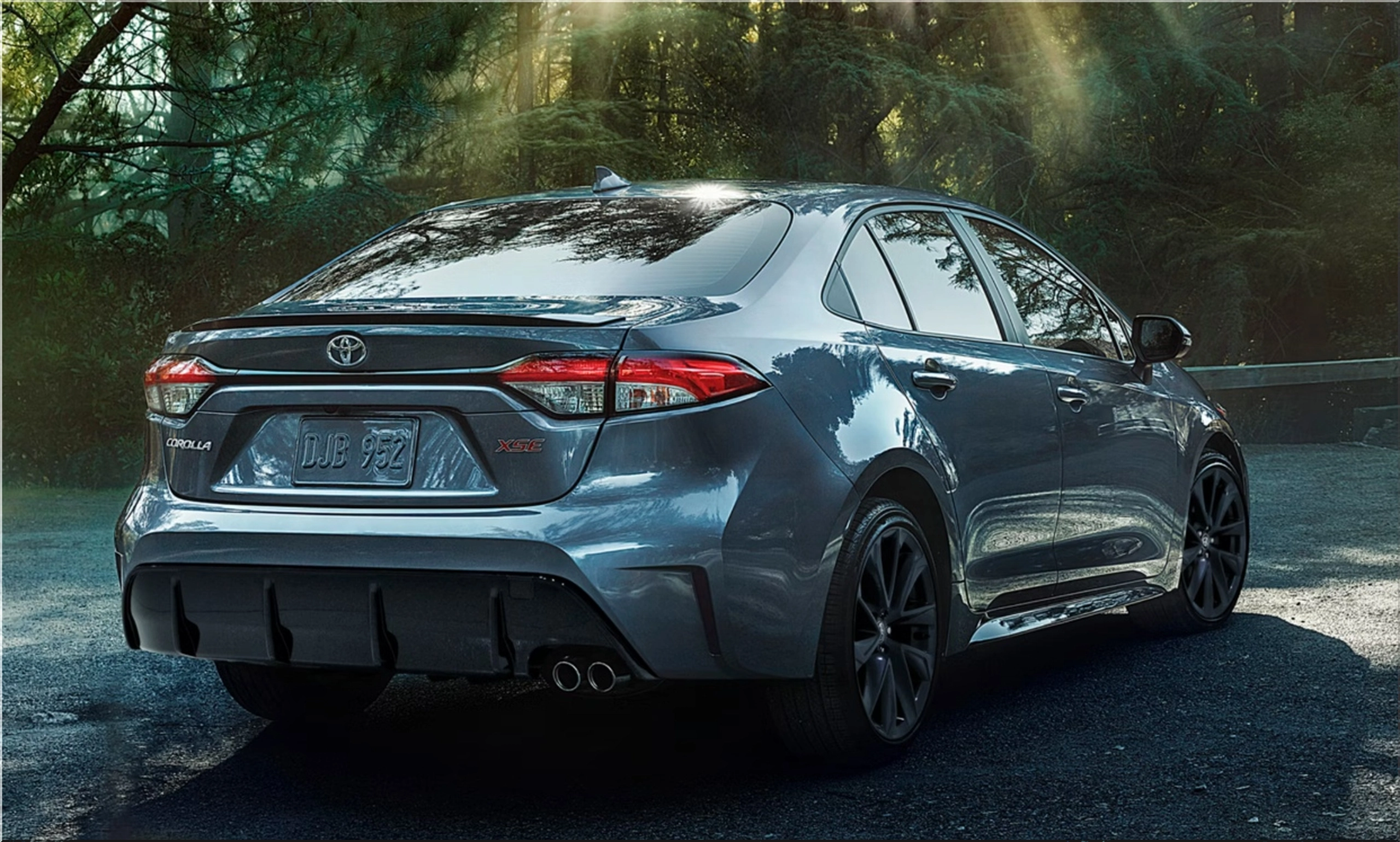
| Mississippi | $125 million | 0 | First U.S.-assembled hybrid Corolla |
| Tennessee | $71.4 million | 33 | Three new casting lines; more hybrid transaxle cases and engine blocks |
| Missouri | $57.1 million | 57 | New cylinder head production line |
West Virginia gets the largest share after producing more than one million powertrain units a year. Kentucky, Toyota's biggest global plant, boosts 4-cylinder engine machining capacity. Mississippi prepares to build hybrid Corollas, aiming to strengthen Toyota's compact segment. Tennessee and Missouri expand casting output for key hybrid hardware.
Toyota's Multi-Pathway Play Accelerates
Toyota continues a diversified powertrain strategy that supports hybrids, plug-ins, and full battery models. The company says this approach guards against supply constraints and matches varied customer needs.
Toyota builds about 76 percent of the vehicles it sells in the U.S. at North American plants. The new allocation reinforces that structure by expanding local sourcing of the core hybrid components that feed multiple platforms.
Why Hybrids Remain Central to Toyota's U.S. Growth
Toyota sees long-term demand for hybrid vehicles, driven by:
- Lower running costs
- Strong resale performance
- Familiar driving experience
- Less charging burden for consumers in rural regions
- Rising fuel prices in many markets
Growing interest in electrified models has made hybrid components a pressure point in Toyota's U.S. supply chain. The company wants to reduce production risks tied to long-haul imports, port delays, and global parts shortages.
Video file
Video title
Toyota Motor Manufacturing West Virginia
Key Production Upgrades Across States
West Virginia: Powertrain Expansion
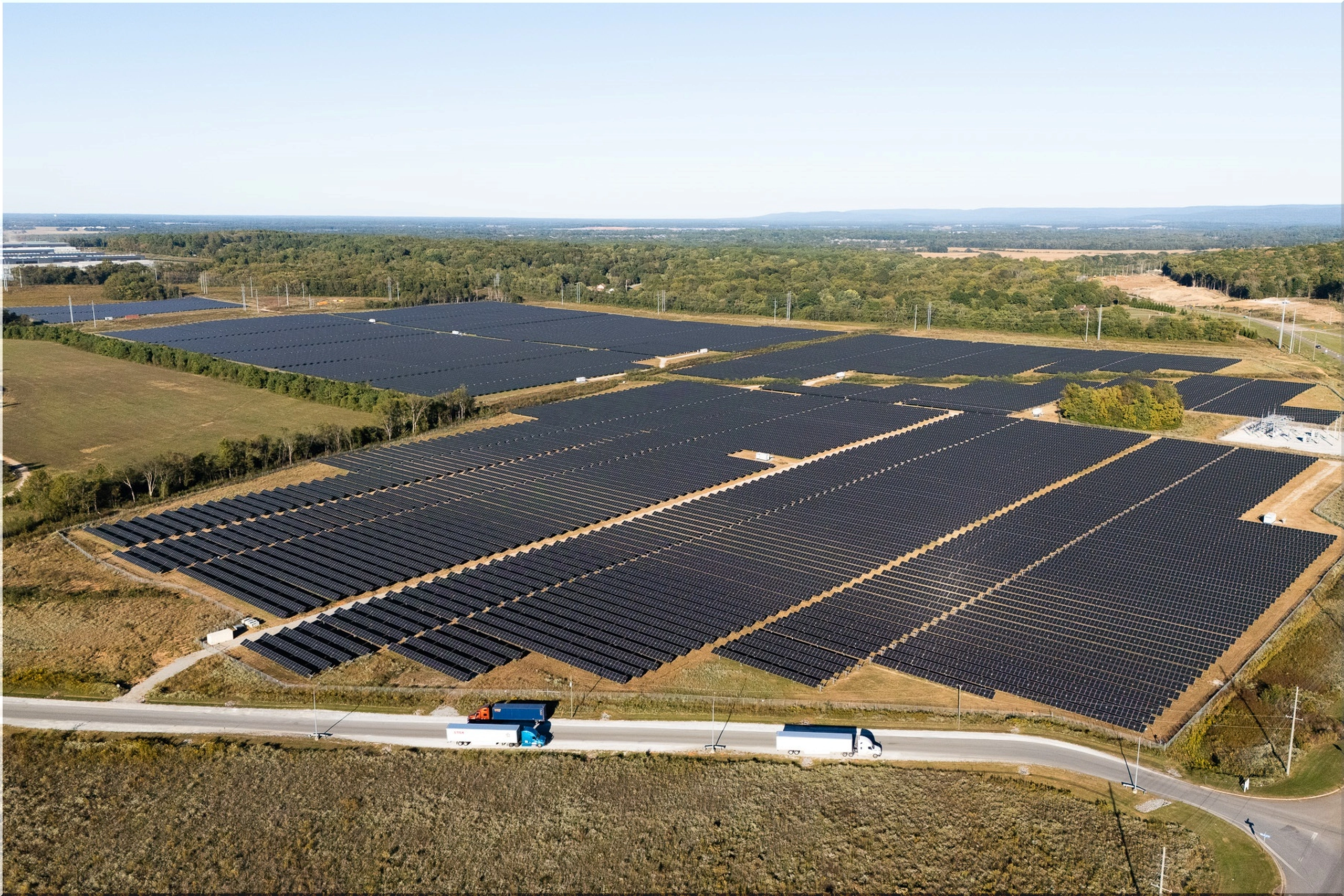
The Buffalo plant gains 80 jobs and the largest single allocation. Toyota will expand assembly of hybrid-compatible 4-cylinder engines, sixth-generation hybrid transaxles, and rear motor stators.
Toyota will also adjust shift patterns to cut downtime and raise throughput. Production starts in 2027.
Kentucky: High-Output Engine Machining
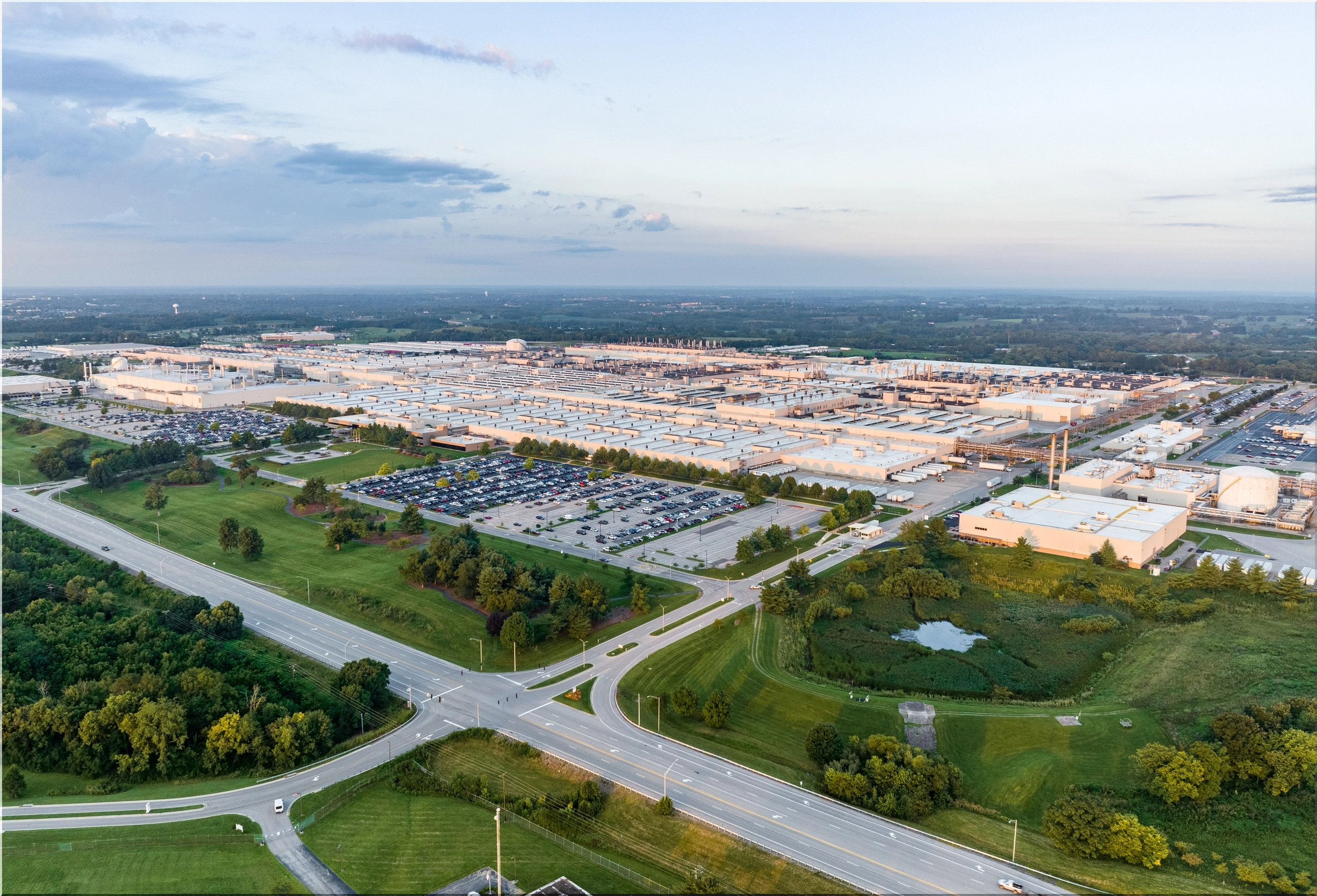
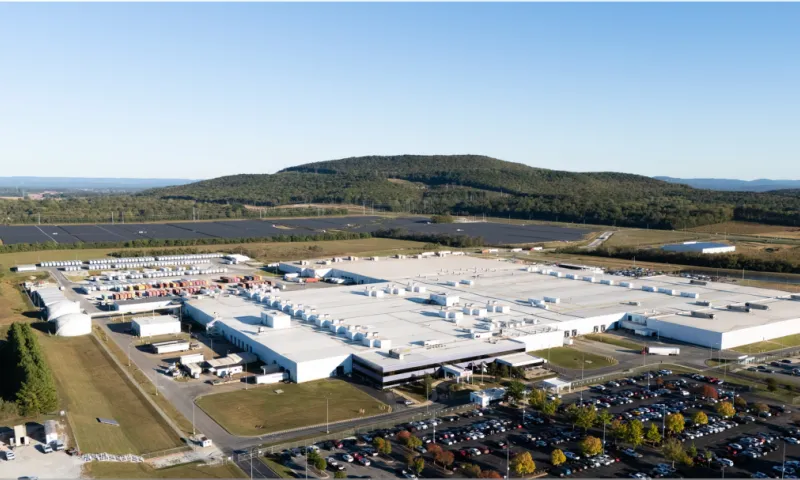
The Georgetown plant, Toyota's biggest facility worldwide, adds 82 jobs and installs a new machining line for 4-cylinder hybrid engines.
The powertrain facility already builds up to 700,000 units a year. The upgrade boosts flexibility for cross-model use of Toyota's hybrid engine family.
Mississippi: Hybrid Corolla Production
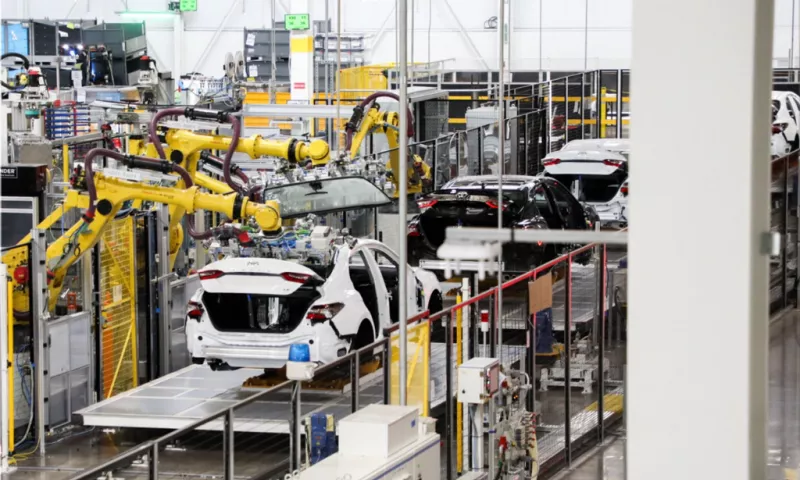
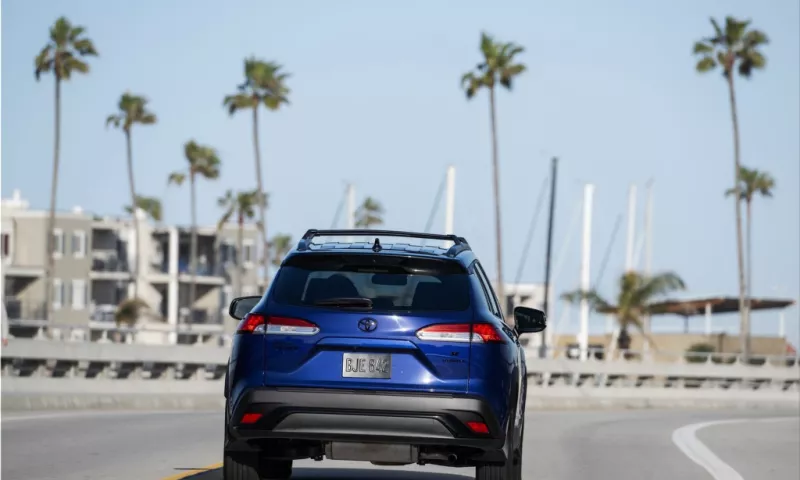
Toyota assigns $125 million USD to its Blue Springs plant to add the hybrid-electric Corolla.
This marks the first time Toyota assembles an electrified Corolla in the U.S., helping the company shorten supply chains for one of its highest-volume nameplates.
Tennessee: Expanded Casting Output
The Jackson plant adds 33 jobs and three all-new production lines to deliver more hybrid transaxle cases, housings, and engine blocks.
The lines add 500,000 units of annual capacity. Production begins in 2027 and 2028.
Missouri: Higher Cylinder Head Output
The Troy plant adds 57 jobs and a new casting line to grow cylinder head output by more than 200,000 units each year.
The investment brings total facility investment to $629 million USD.
Image
What the $912 Million Push Means for the U.S. Auto Market
Toyota's new allocation offers clear signals for the broader industry.
1. Hybrid production demand continues to rise
Automakers continue to encounter buyers who want lower fuel use without the charging responsibility of full battery vehicles. Toyota's latest move supports that pattern.
2. Local sourcing gains strategic value
Long supply chains add risk in a world focused on parts availability. Toyota's plan shows that domestic hybrid powertrain production gives a competitive edge.
3. Compact and midsize electrified vehicles grow faster than battery-only models
Battery supply constraints and charging infrastructure gaps slow EV expansion. Hybrids supply near-term gains in fuel economy without forcing lifestyle changes for buyers.
4. Powertrain diversity remains Toyota's anchor
Toyota continues to pursue multiple propulsion systems. The company avoids single-path commitments and uses hybrids as a stabilizing pillar.
Key Metrics Toyota Targets
Toyota aims to strengthen its U.S. operations with measurable outcomes:
- 252 new jobs
- $912 million USD in fresh capital
- More than 700,000 hybrid engine units annually across upgraded lines
- Up to 500,000 additional casting components in Tennessee
- More than 200,000 extra cylinder heads in Missouri
- First U.S.-built hybrid Corolla to support high-volume demand
What Consumers Should Expect
Toyota plans to grow availability of hybrid sedans, compact crossovers, and family vehicles across the U.S. lineup.
More local production means:
- Shorter ordering cycles
- Better inventory levels
- Lower freight exposure
- Higher resilience to global disruptions
Prices for hybrid models will vary by region, yet more local content can reduce long-term supply volatility.
Outlook
Toyota continues to expand U.S. hybrid output with clear goals: more local sourcing, faster production response, and greater supply chain stability. The company aligns its strategy with market pressure, focusing on powertrains that show consistent demand growth.
With investments spread across five states, Toyota strengthens its role as a key U.S. manufacturer while growing the capacity needed for next-generation hybrid systems.
- Add new comment
- 102 views