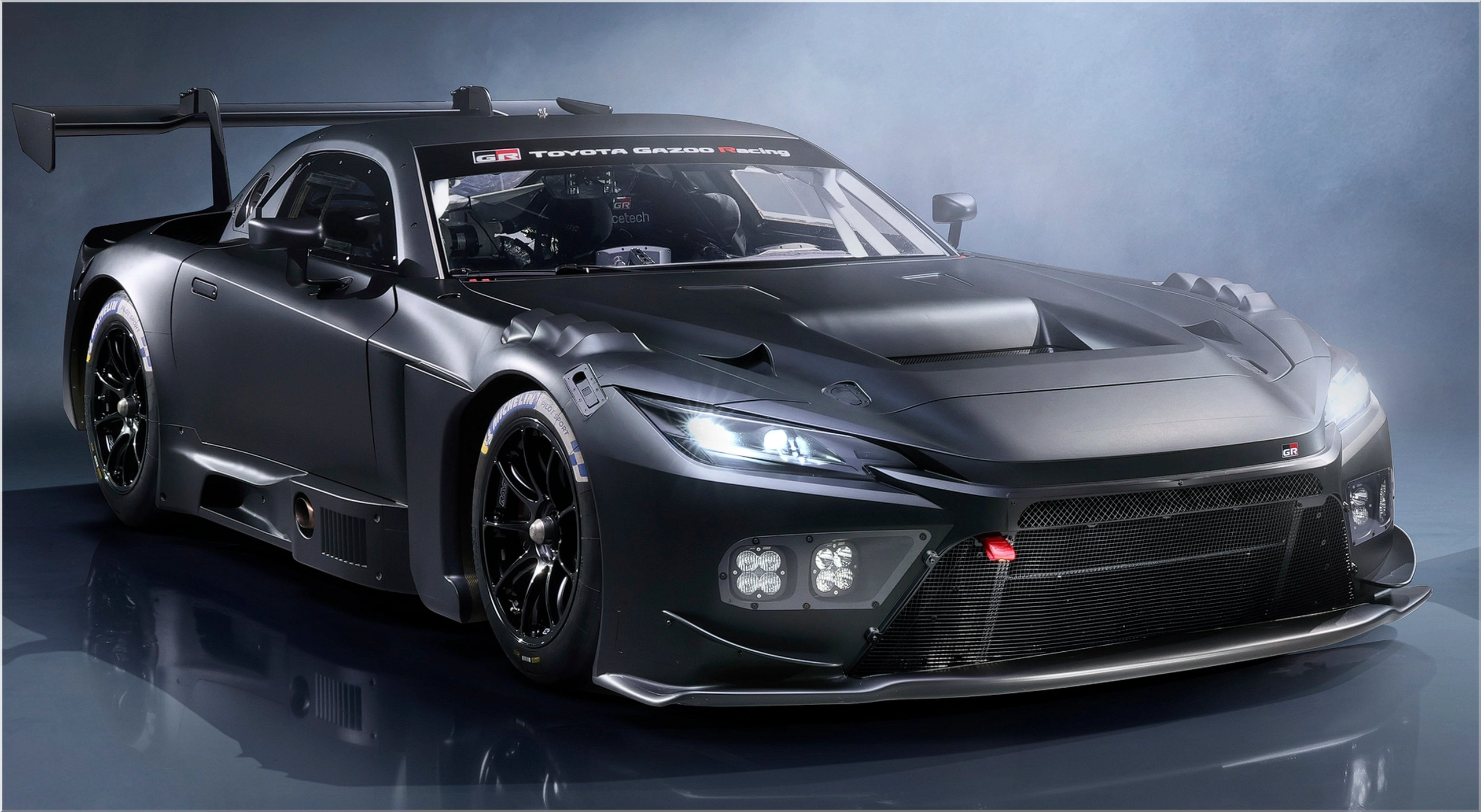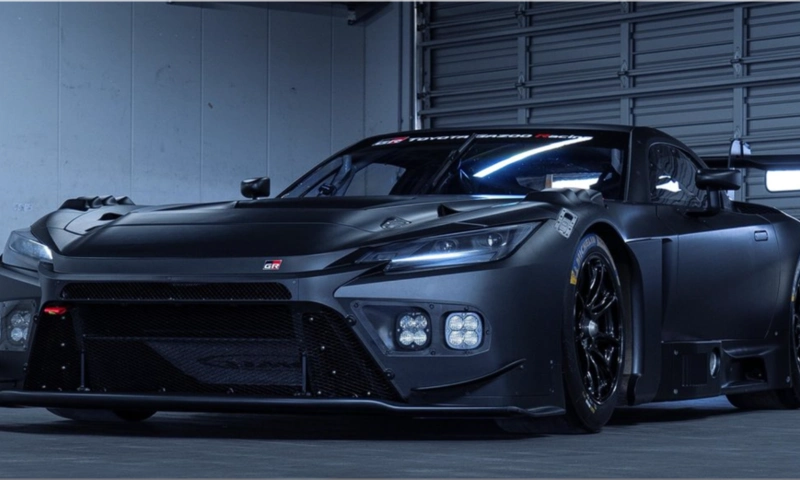

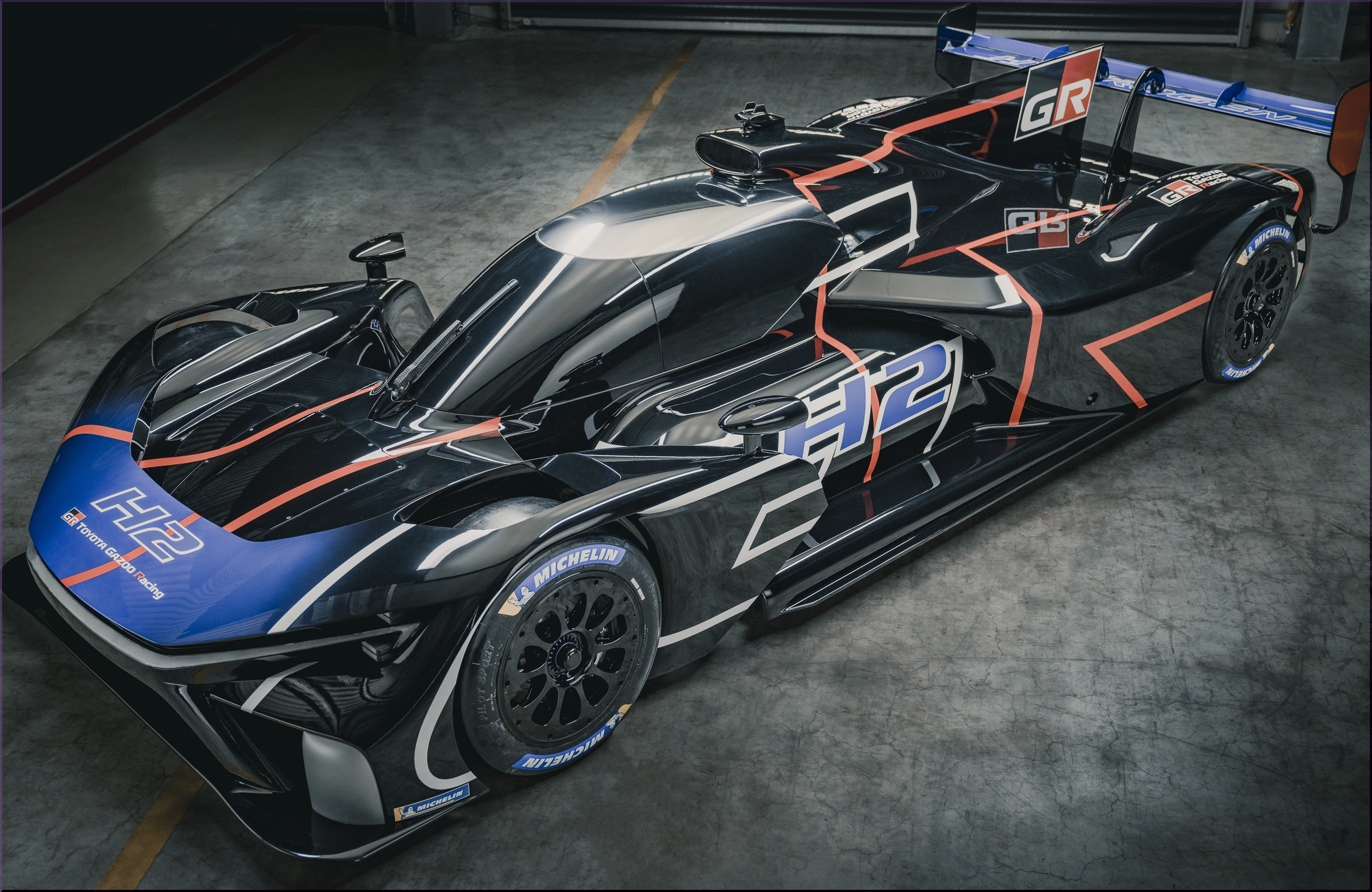
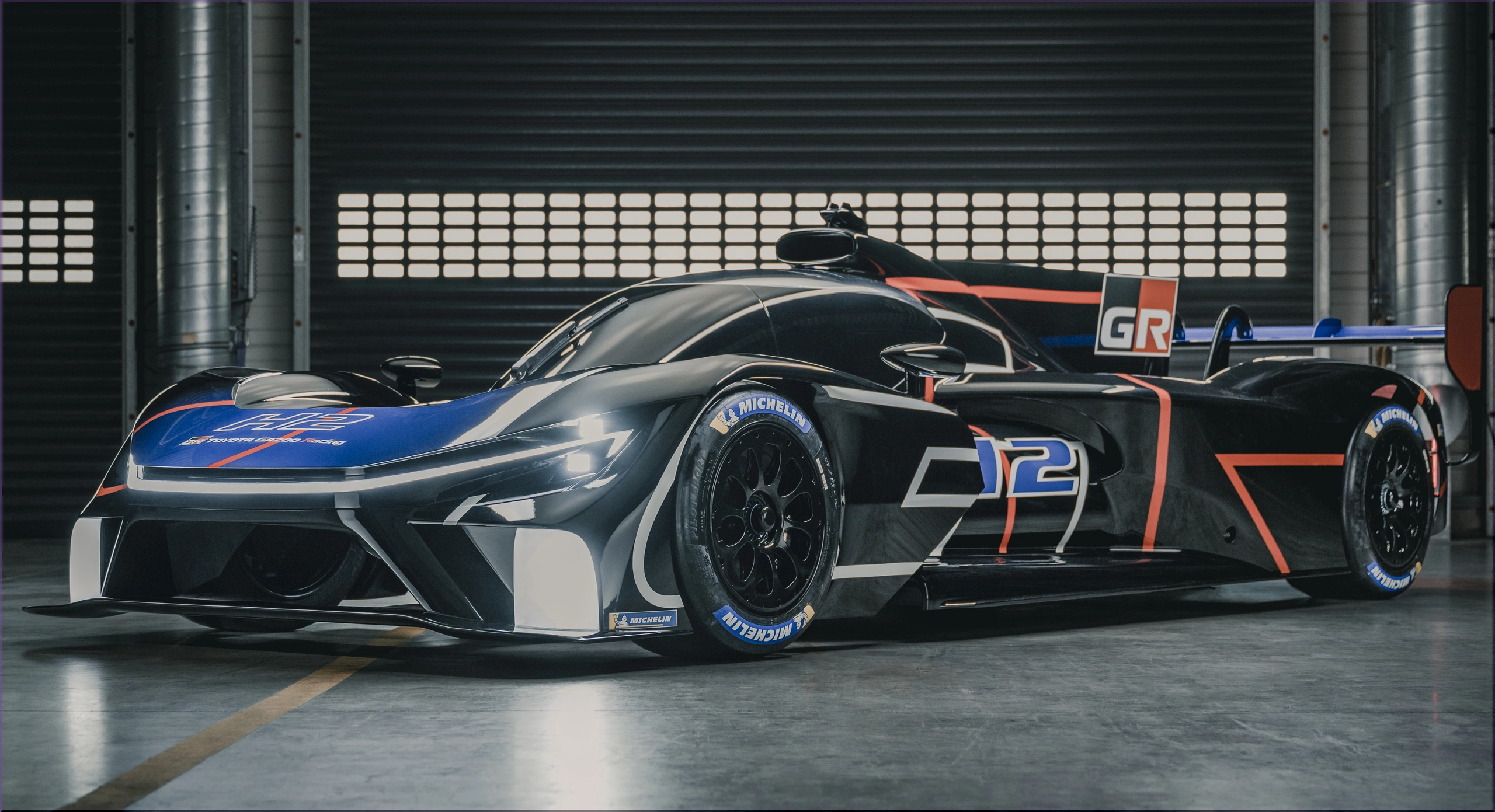
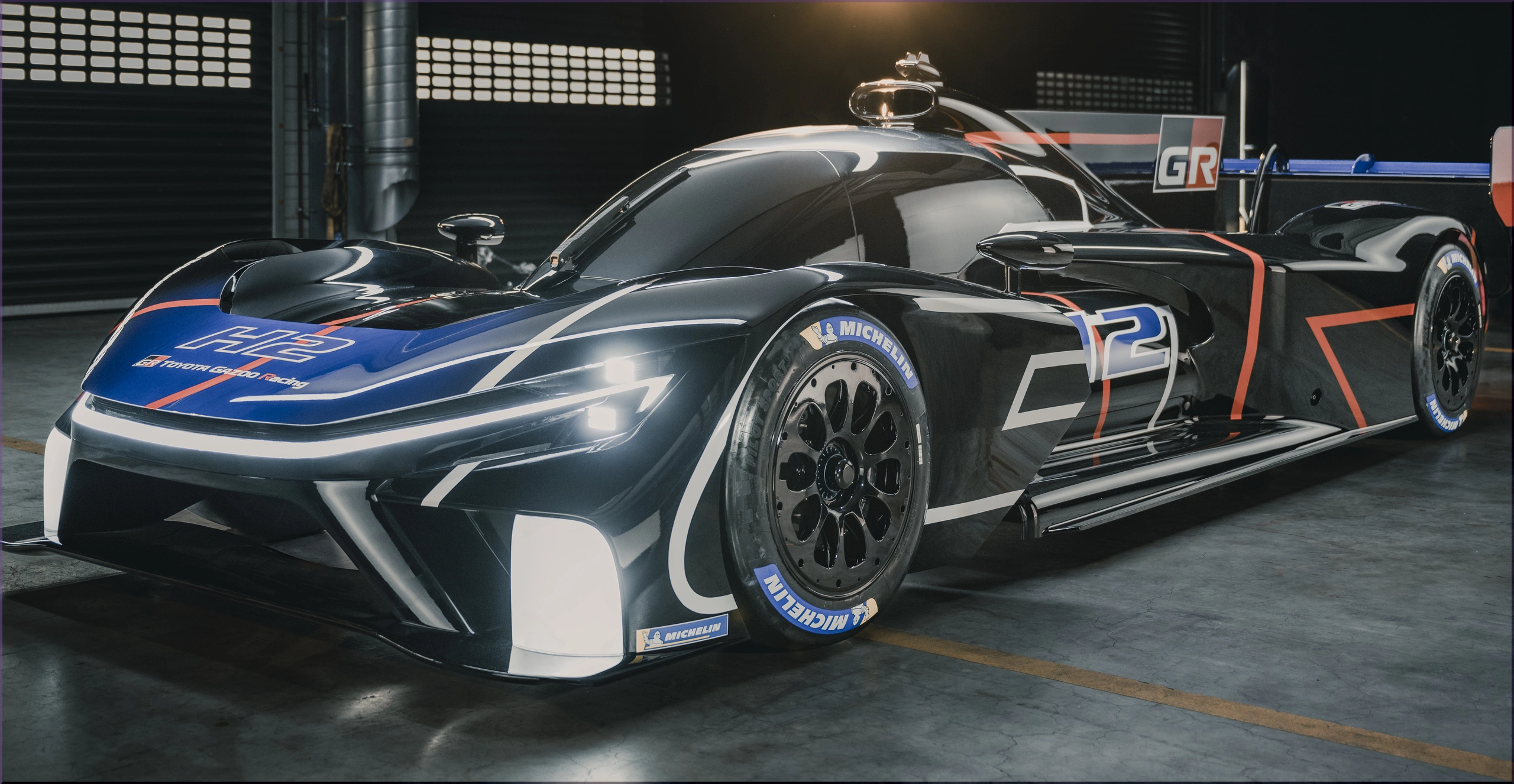
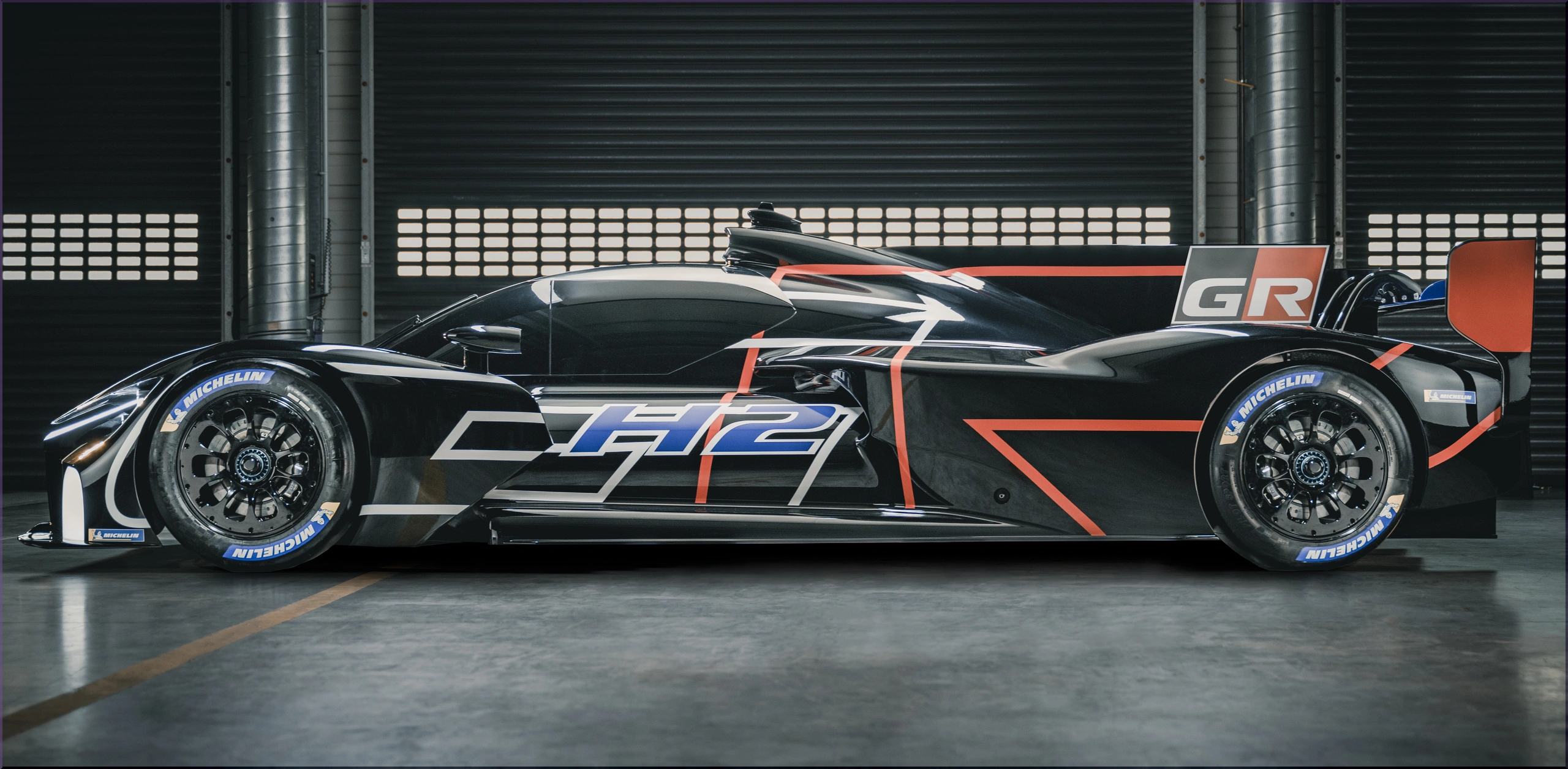
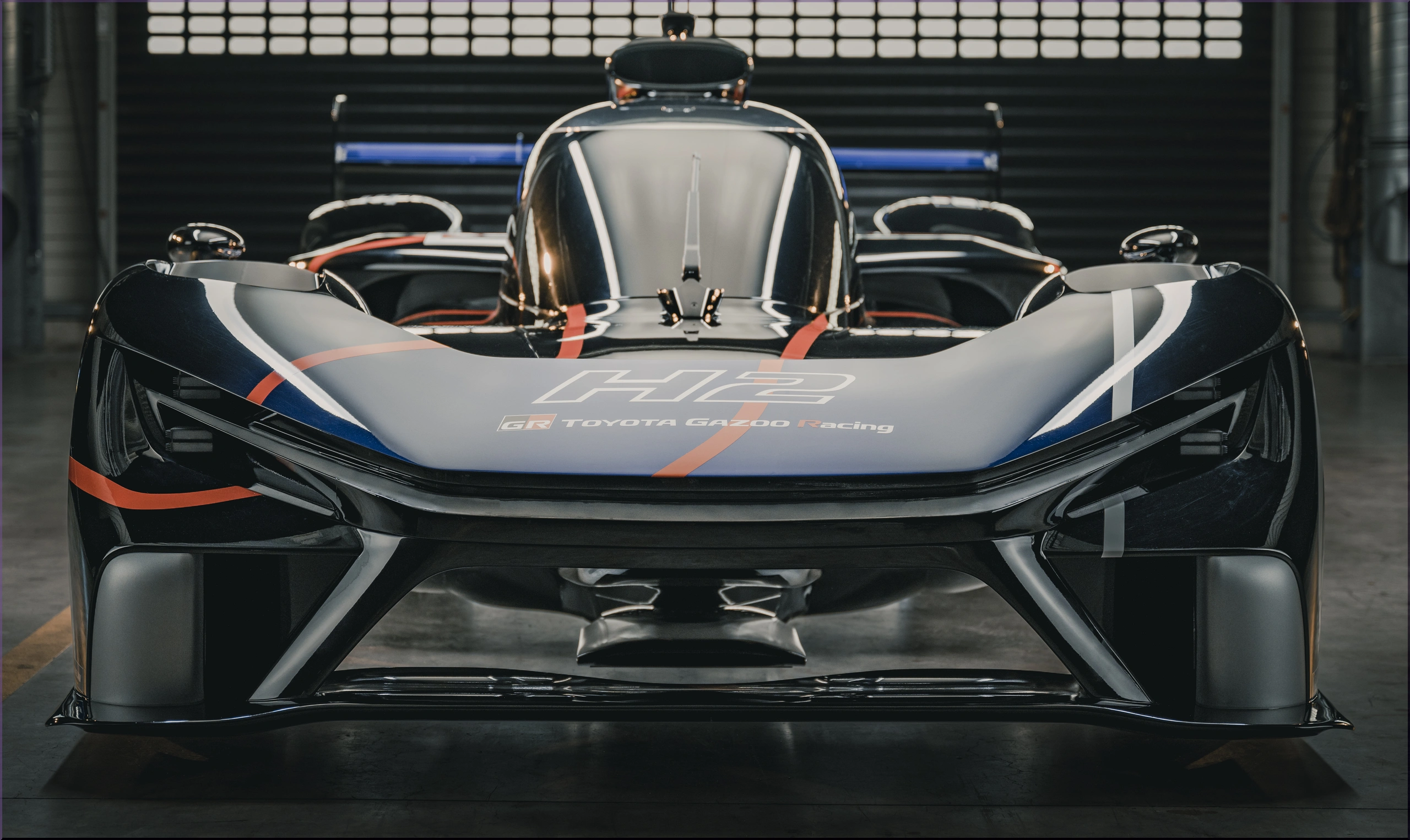
Toyota has unveiled its latest creation: the Toyota GR H2 Racing Concept, a hydrogen-powered race car that aims to compete in the new Le Mans Hydrogen category in 2026. The concept car was revealed at the Circuit de la Sarthe in France, where the legendary 24 Hours of Le Mans endurance race takes place every year.
The Toyota GR H2 Racing Concept is based on the GR010 Hybrid that Toyota Gazoo Racing currently uses in the FIA World Endurance Championship (WEC). However, instead of a conventional hybrid system combining a gasoline engine with an electric motor, the concept car uses a hydrogen fuel cell system that generates hydrogen and oxygen.
The electricity then powers a single electric motor that drives the rear wheels, producing 670 horsepower. The hydrogen fuel is stored in three tanks located behind the cockpit, with a total capacity of 11 pounds. The only emission from the car is water vapor, which is released through a vent on the roof.
Toyota claims that the Toyota GR H2 Racing Concept has several advantages over conventional race cars, such as:
- Zero carbon emissions
- Faster refueling times (around 5 minutes)
- Lower noise levels
- Higher torque and responsiveness
- Potential for energy recovery from braking
Toyota also says that the concept car showcases its commitment to developing hydrogen technology for road cars to achieve carbon neutrality by 2050. Toyota already sells the Mirai, a hydrogen fuel cell sedan, in select markets around the world. The company plans to introduce more hydrogen models in the future and expand its hydrogen infrastructure and production.
But is the Toyota GR H2 Racing Concept really the future of motorsport, or is it just a hydrogen hype? Let’s take a closer look at some of the challenges and opportunities that hydrogen racing faces.
The Challenges of Hydrogen Racing
Hydrogen racing is not a new idea. In fact, it has been around for decades, with various prototypes and demonstrations taking place over the years. However, they have yet to achieve widespread success or popularity, mainly due to technical and economic barriers.
Some of the main challenges of hydrogen racing are:
- Cost: Hydrogen fuel cell systems are still very expensive to produce and maintain compared to gasoline or electric systems. According to BloombergNEF, a hydrogen fuel cell stack costs around $300 per kilowatt in 2020, while a lithium-ion battery pack costs around $137 per kilowatt. The cost of hydrogen fuel itself is also high, ranging from $5 to $10 per kilogram in most markets.
- Safety: Hydrogen is a highly flammable gas that requires special handling and storage. Hydrogen tanks need to be reinforced and insulated to prevent leaks or explosions in case of accidents or collisions. Hydrogen refueling stations also need to follow strict safety standards and regulations, which can limit their availability and accessibility.
- Efficiency: Hydrogen fuel cell systems are not very efficient in converting energy from one form to another. According to the US Department of Energy, a hydrogen fuel cell vehicle has an energy efficiency of around 25%, while a battery electric vehicle has an energy efficiency of around 77%. This means that more energy is lost or wasted in the process of producing, transporting, storing, and using hydrogen than electricity.
- Environmental impact: Hydrogen is not a clean energy source by itself. It depends on how it is produced and where it comes from. Most of the hydrogen currently available is derived from natural gas, a fossil fuel that emits carbon dioxide and methane when processed. This is known as “gray hydrogen,” and it accounts for around 95% of the global hydrogen supply. To make hydrogen truly green, it needs to be produced from renewable sources, such as solar, wind, or hydropower, using electrolysis. This is known as “green hydrogen,” and it accounts for less than 1% of the global hydrogen supply.
The Opportunities of Hydrogen Racing
Despite these challenges, hydrogen racing also has some potential benefits and opportunities that could make it a viable and attractive option for the future of motorsport. Some of the main opportunities of hydrogen racing are:
- Innovation: Hydrogen racing could stimulate innovation and development in the field of hydrogen technology, both for racing and road cars. By competing in a demanding and prestigious environment, such as Le Mans, hydrogen racing could showcase hydrogen fuel cell systems' performance, reliability, and durability and inspire new solutions and improvements. Hydrogen racing could also create a positive feedback loop between motorsport and mobility, where advances in one sector could benefit the other.
- Competition: Hydrogen racing could create a new and exciting form of competition in motorsport, where different types of propulsion systems could compete against each other on equal terms. By introducing a new Le Mans Hydrogen category in 2026, the race organizers hope to attract more manufacturers and teams to participate in the event and increase the diversity and variety of the cars on the track. Hydrogen racing could also challenge the dominance of electric racing, which has been growing rapidly in recent years, with series such as Formula E, Extreme E, and ETCR.
- Sustainability: Hydrogen racing could contribute to motorsport's sustainability and environmental goals, which has been under increasing pressure to reduce its carbon footprint and align with global efforts to combat climate change. Hydrogen racing could demonstrate the feasibility and desirability of clean energy for transportation and support the transition to a hydrogen economy by using hydrogen as a zero-emission fuel source.
The Verdict
So, is the Toyota GR H2 Racing Concept the future of motorsport or a hydrogen hype? The answer is not clear-cut. Hydrogen racing has pros and cons, depending on how well it can overcome its challenges and capitalize on its opportunities.
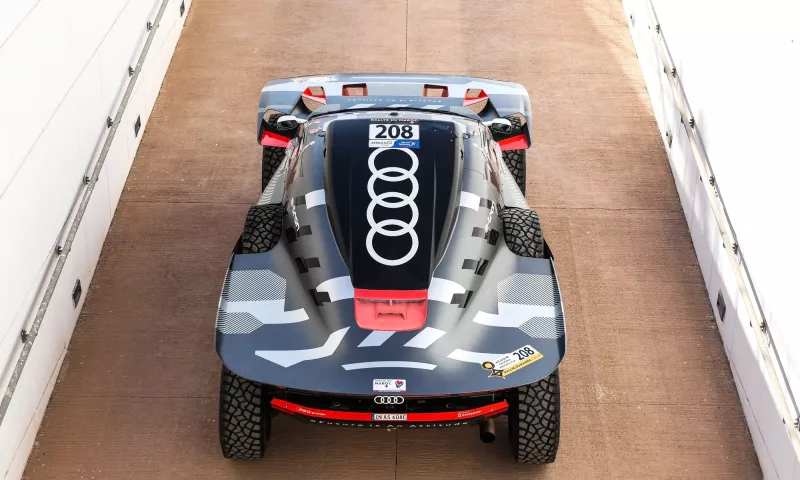
One thing is certain: hydrogen racing is not going away anytime soon. Toyota is one of many manufacturers that are interested in this field. Other companies, such as Hyundai, BMW, Audi, and Peugeot, have also expressed their interest or involvement in developing hydrogen-powered race cars or prototypes.
Hydrogen racing may not be the ultimate solution for motorsport, but it could be a valuable addition to the mix. It could offer a new dimension of performance, innovation, competition, and sustainability that could enrich and enhance the sport.
As a fan of speed and technology, I am curious and excited to see how the Toyota GR H2 Racing Concept will perform on the track in 2026. Will it be able to challenge conventional hybrids or electric cars? Will it be able to win the race? Will it be able to change the perception and acceptance of hydrogen among drivers and consumers?
Only time will tell. But until then, I will keep an eye on this fascinating project.
What do you think? Are you a fan of hydrogen racing or not?
- Add new comment
- 199 views