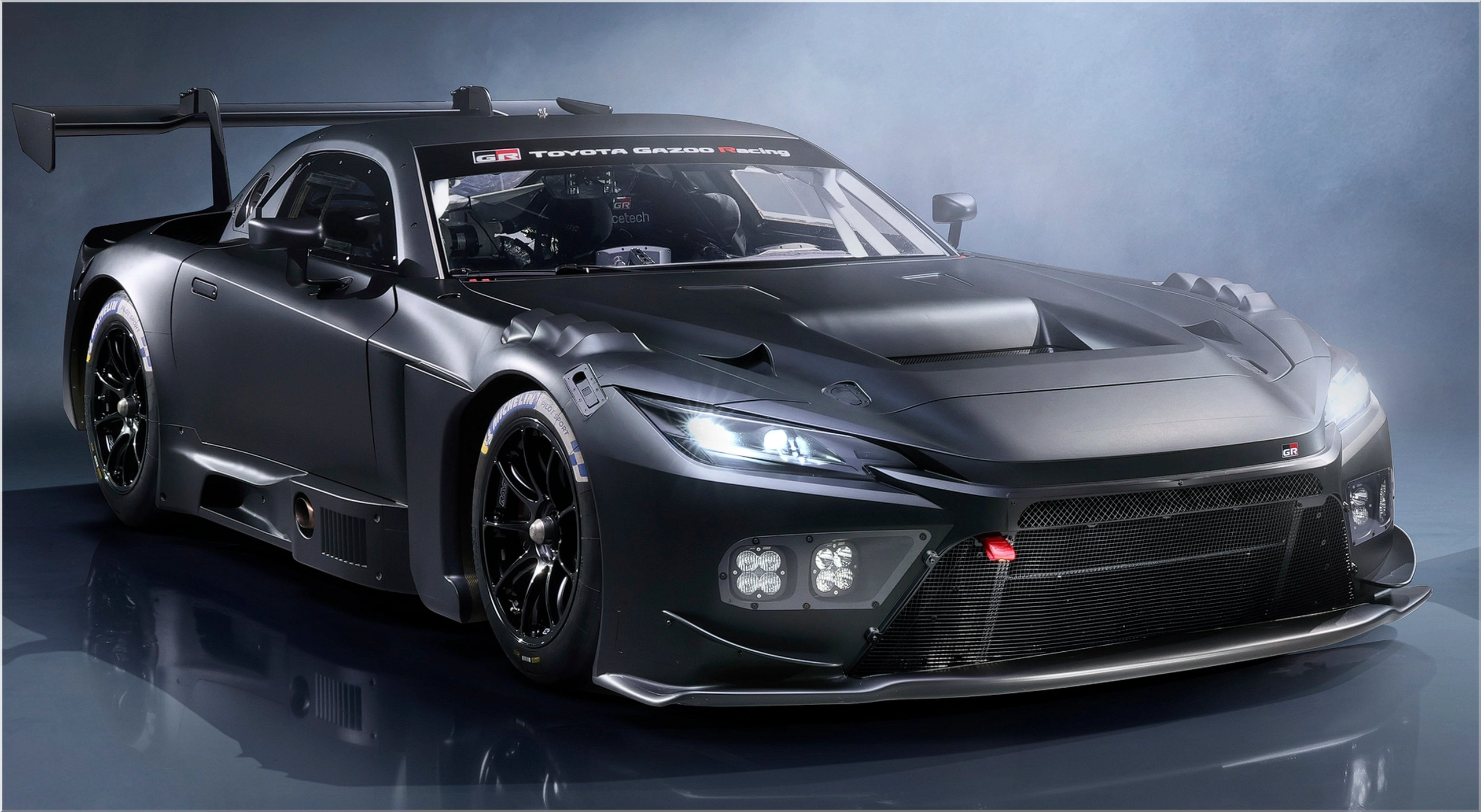
GR GT3
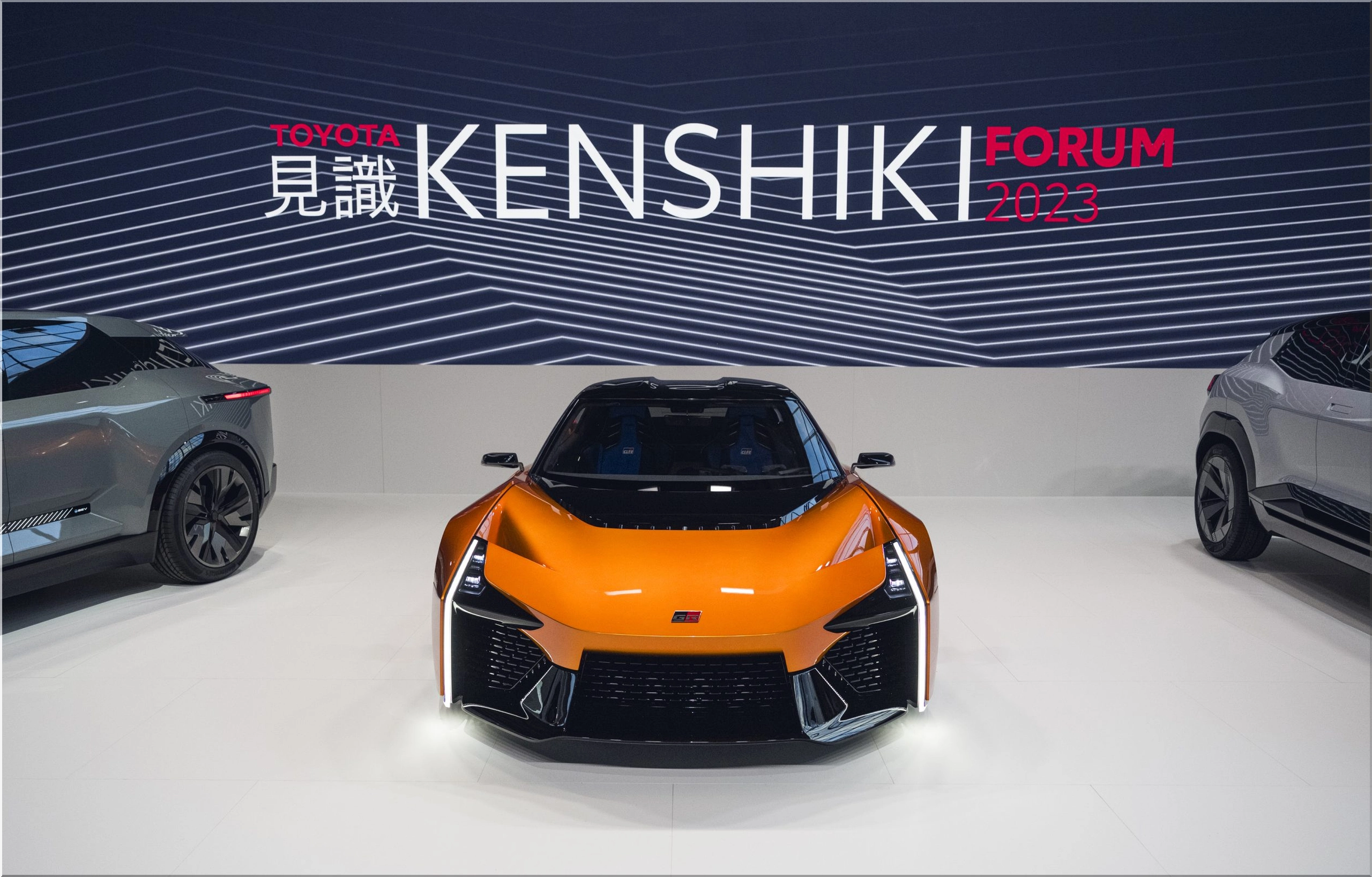
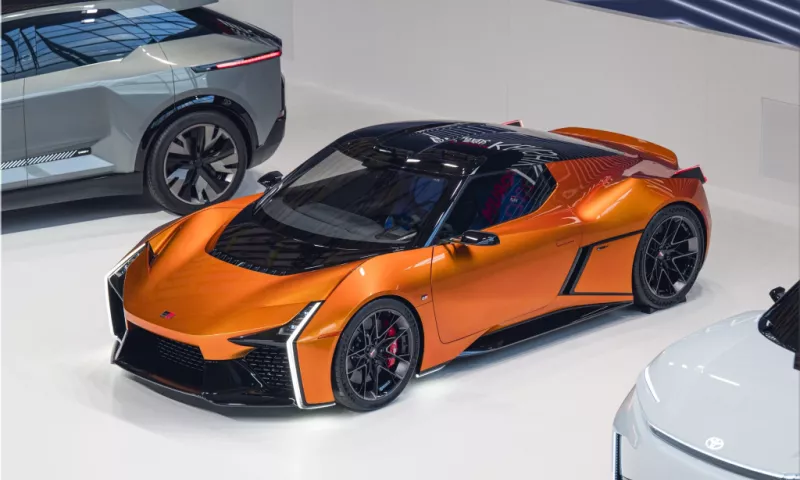
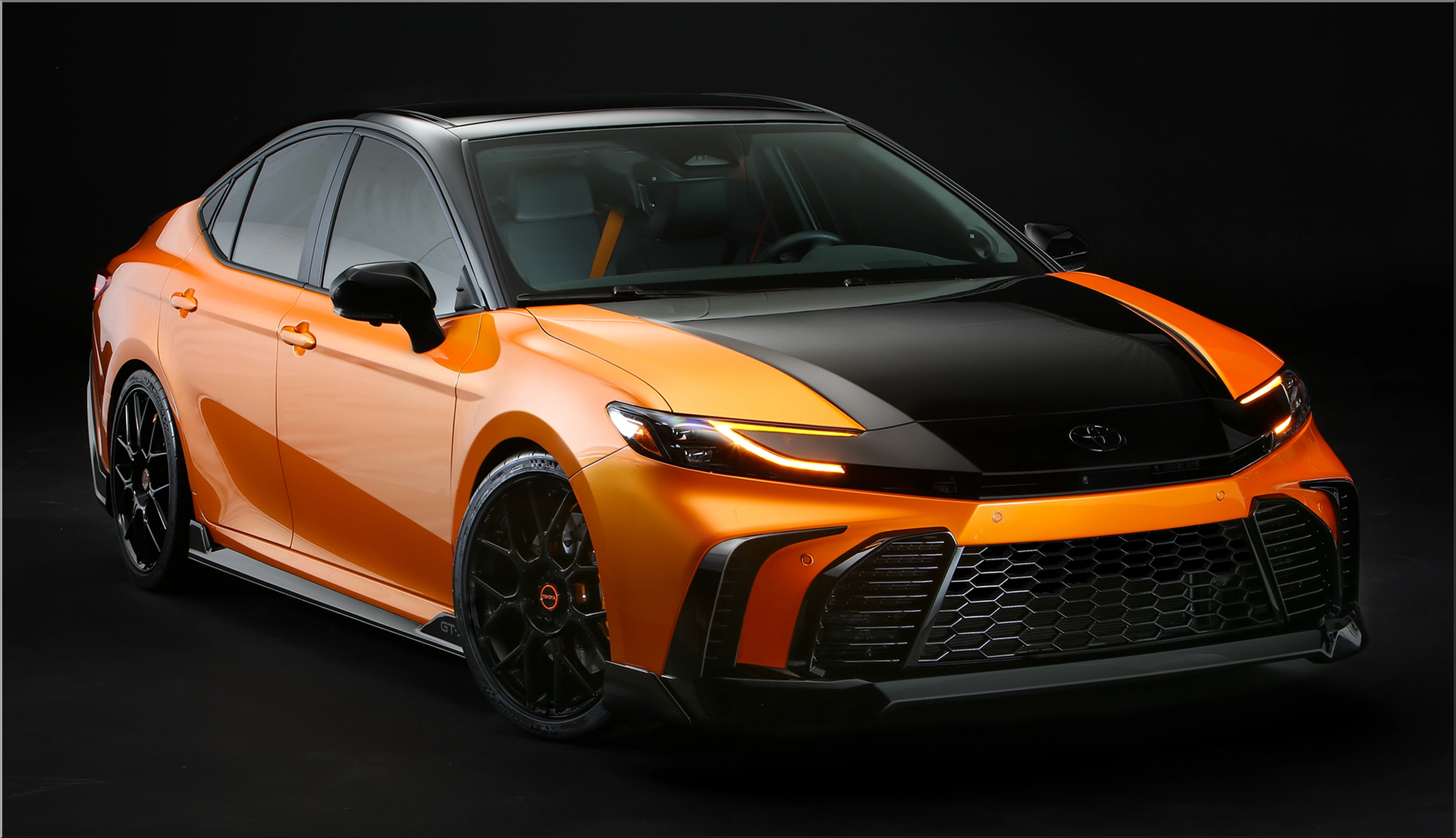
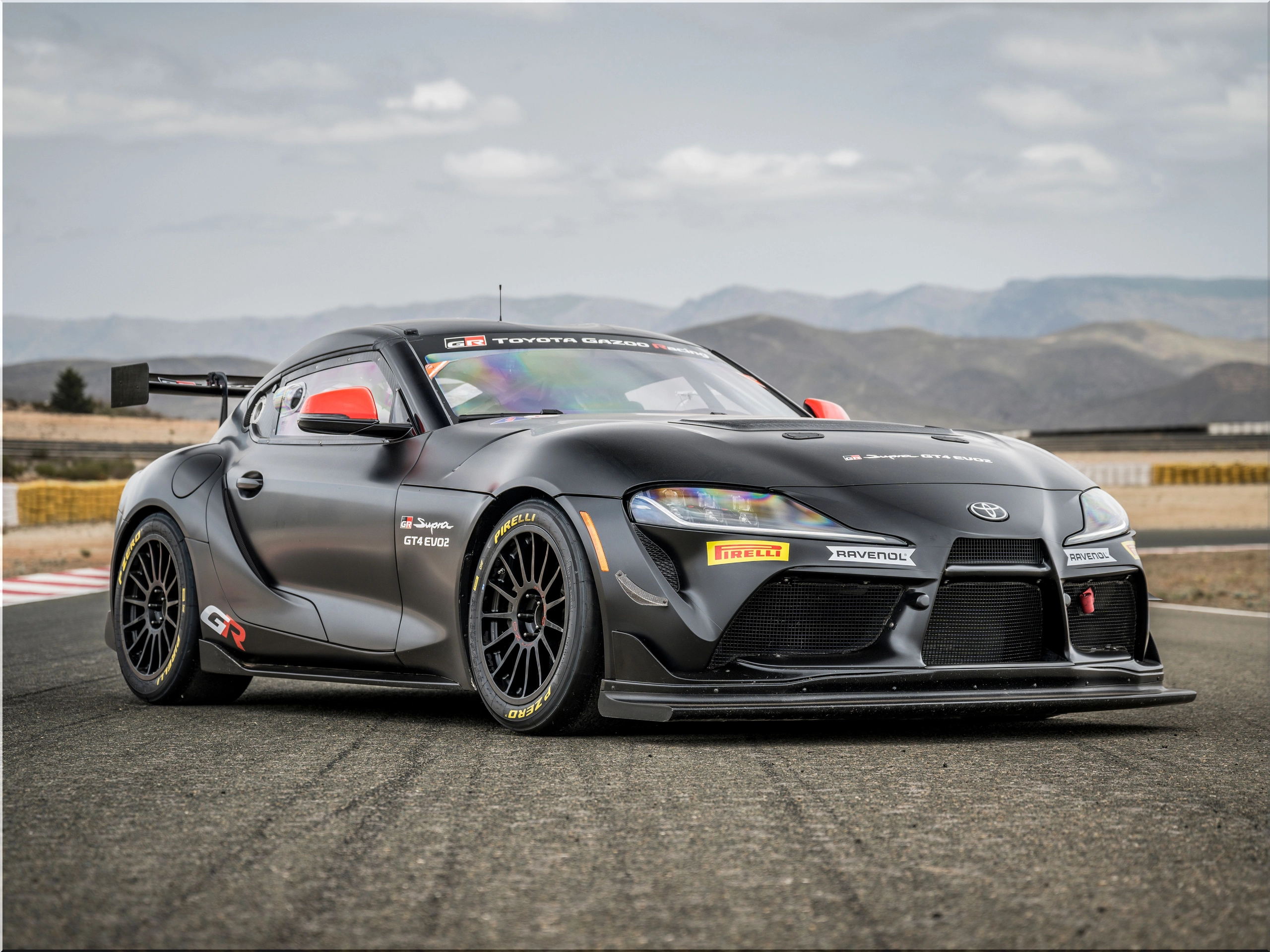
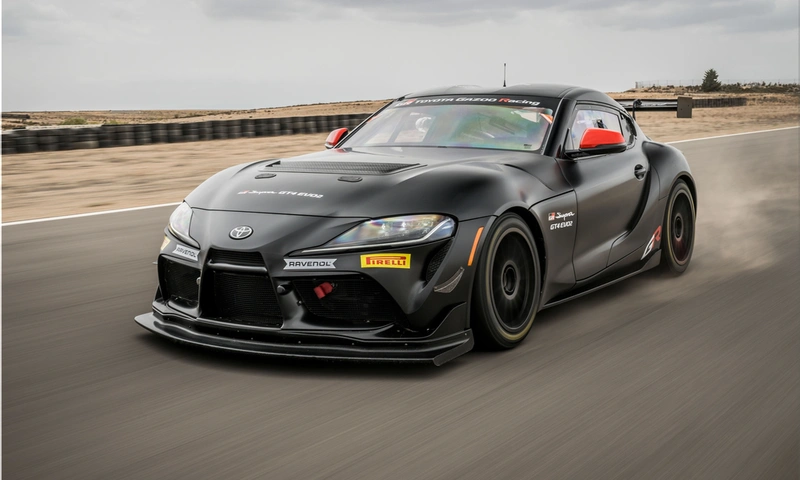
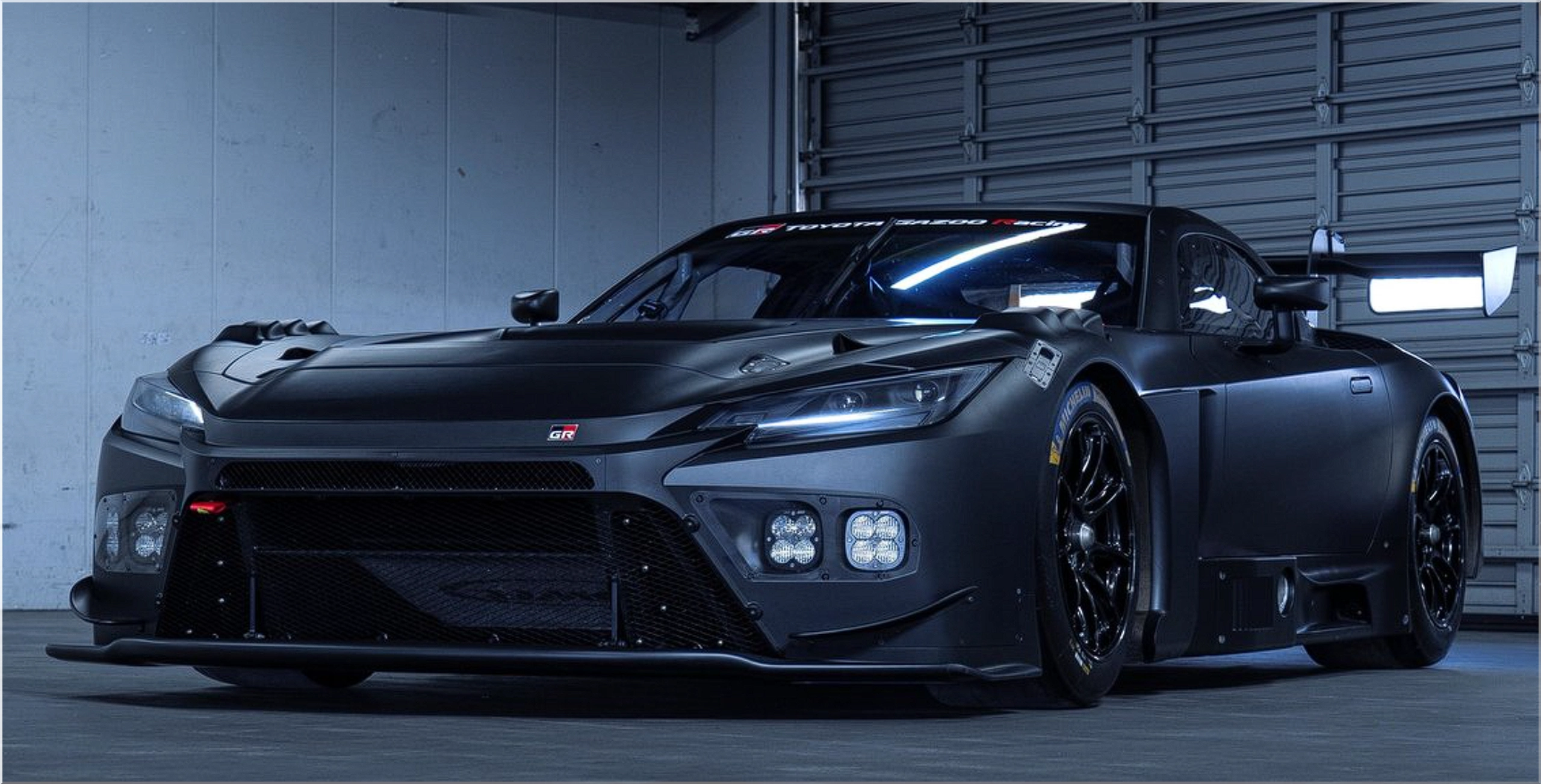
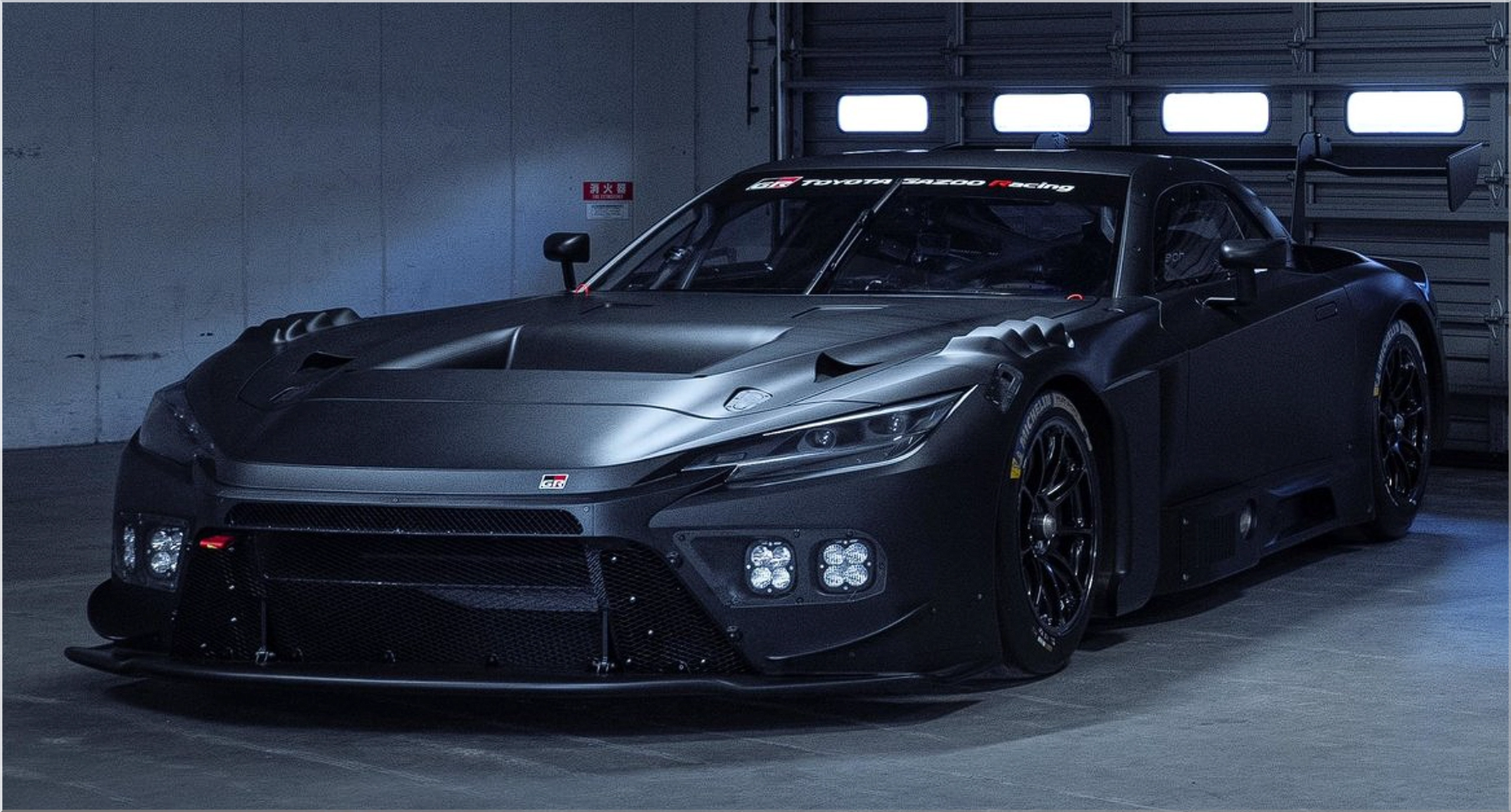
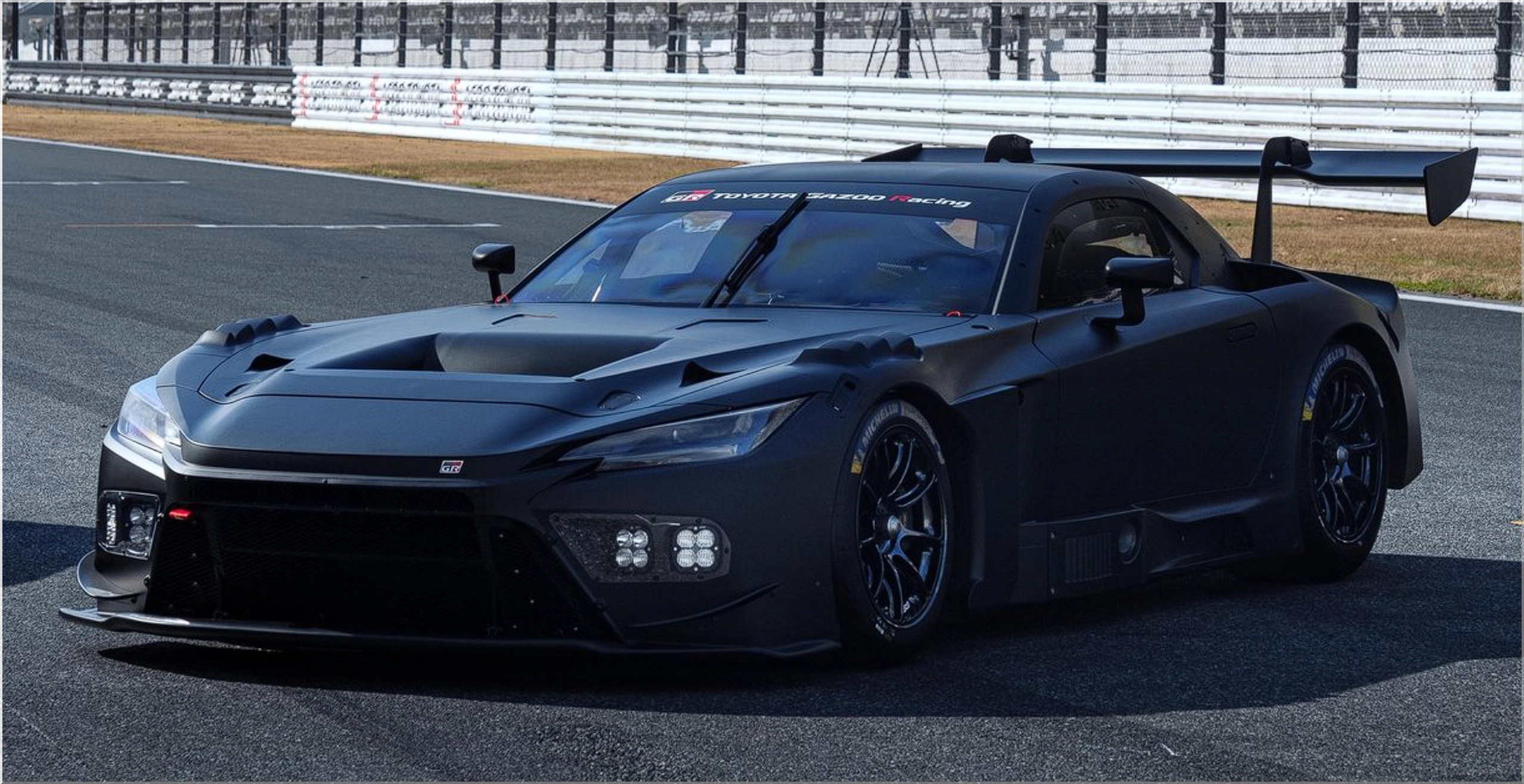
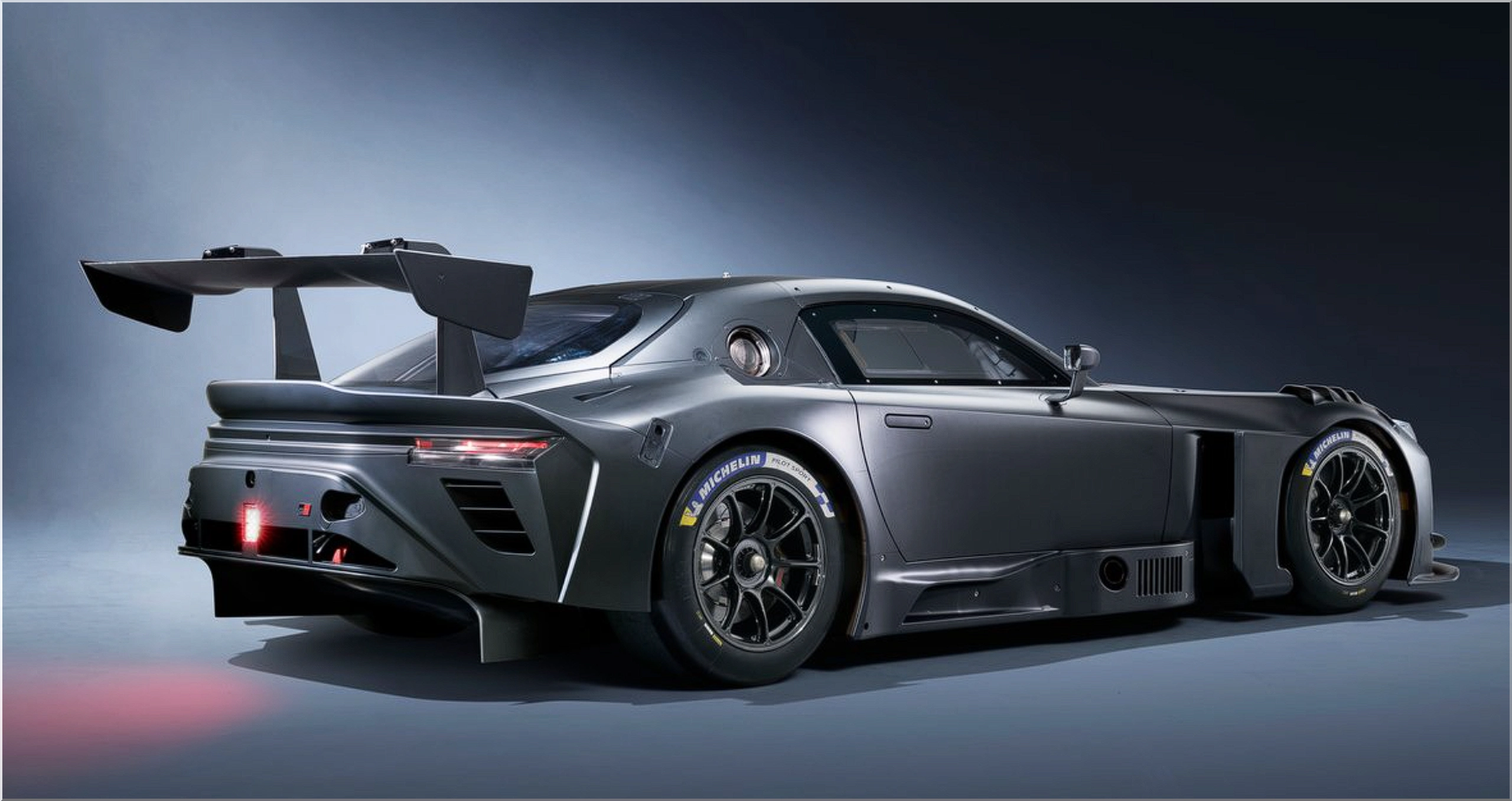
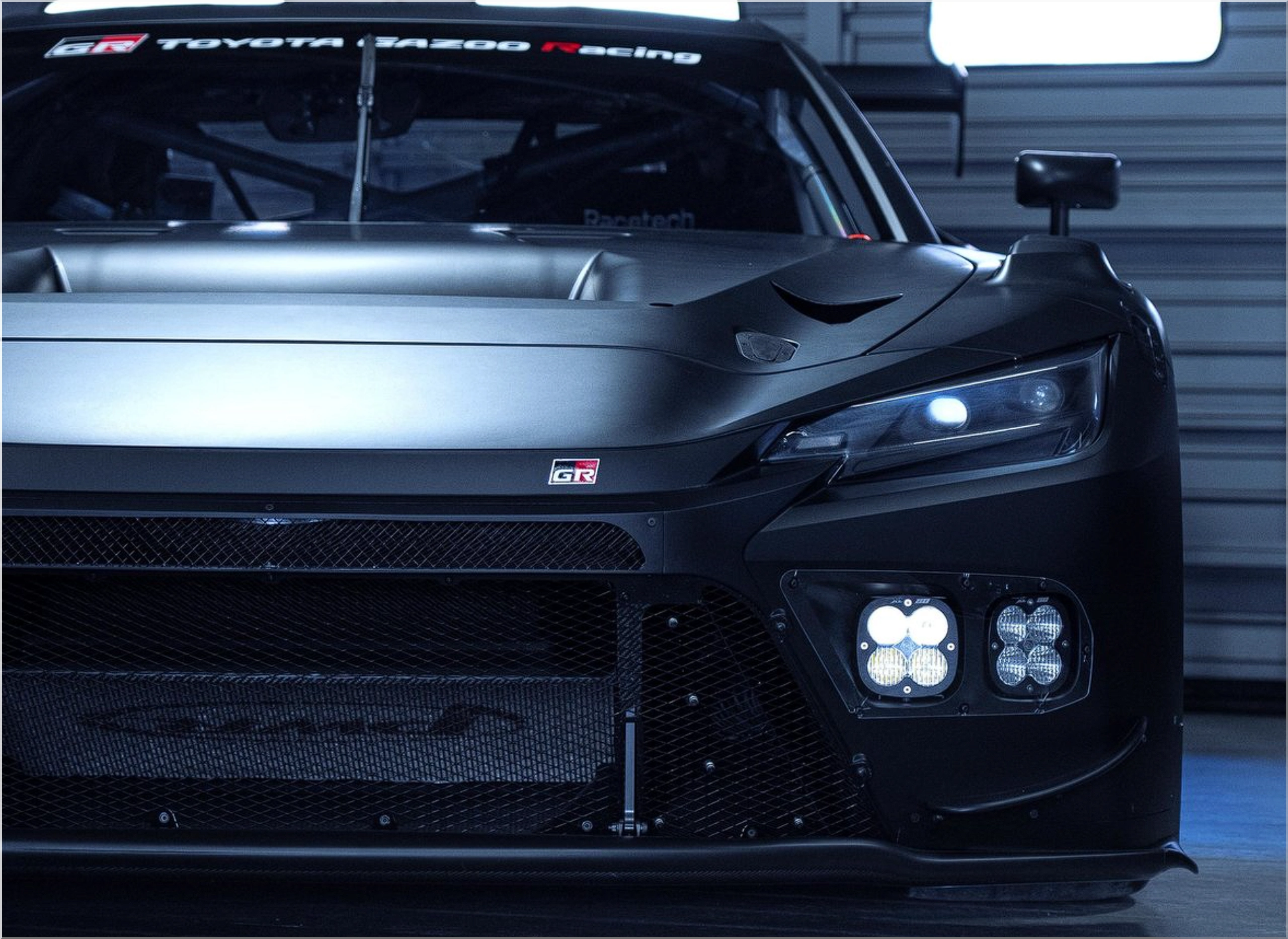
Toyota used the GR GT3 Concept to send a clear message. Gazoo Racing plans to compete at the highest level of GT racing with factory backing and production-based hardware. This concept previews a customer race car built to FIA GT3 rules, with direct ties to a future road-going GR flagship.
Short version. Toyota wants wins, not attention.
What the Toyota GR GT3 Concept Represents
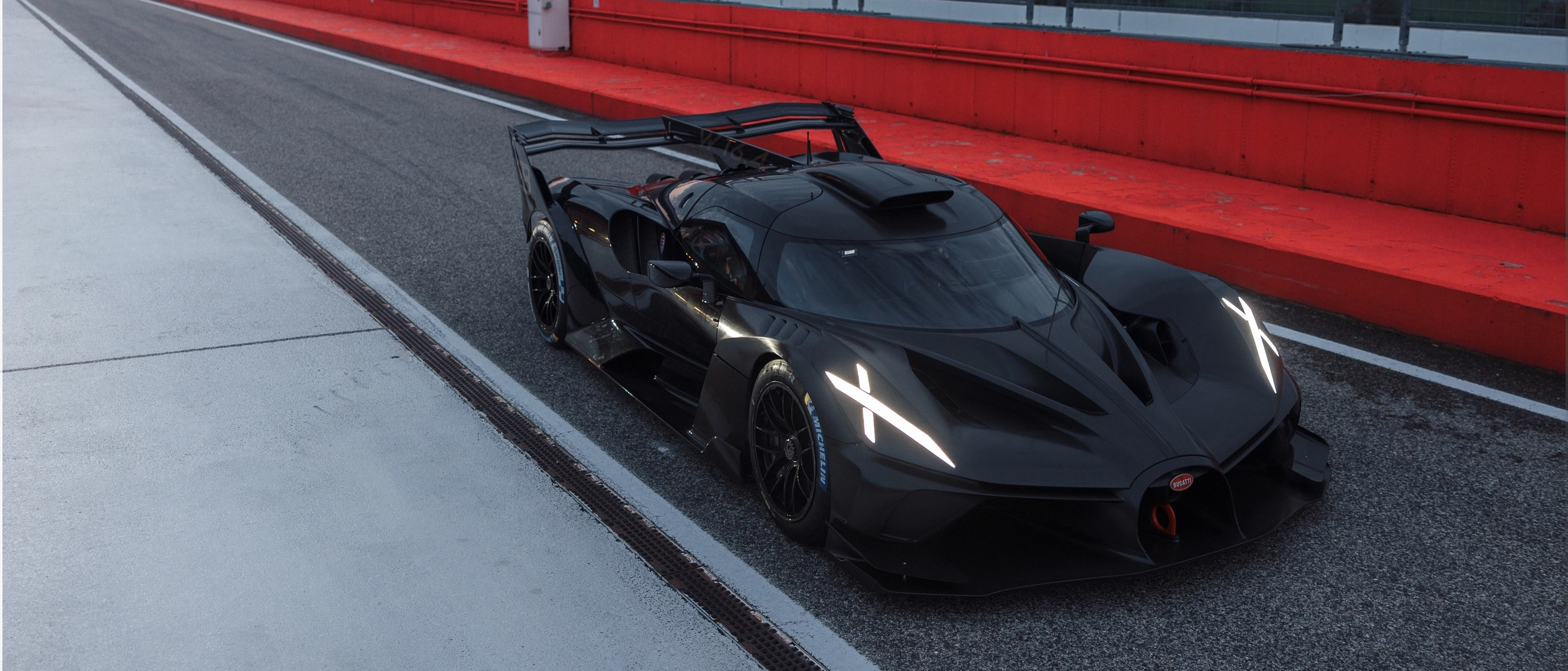
The Toyota GR GT3 Concept debuted as a full-scale vision of a production-derived GT3 race car. GT3 rules demand close links between race cars and showroom models. Toyota designed this car around that requirement from day one.
Image
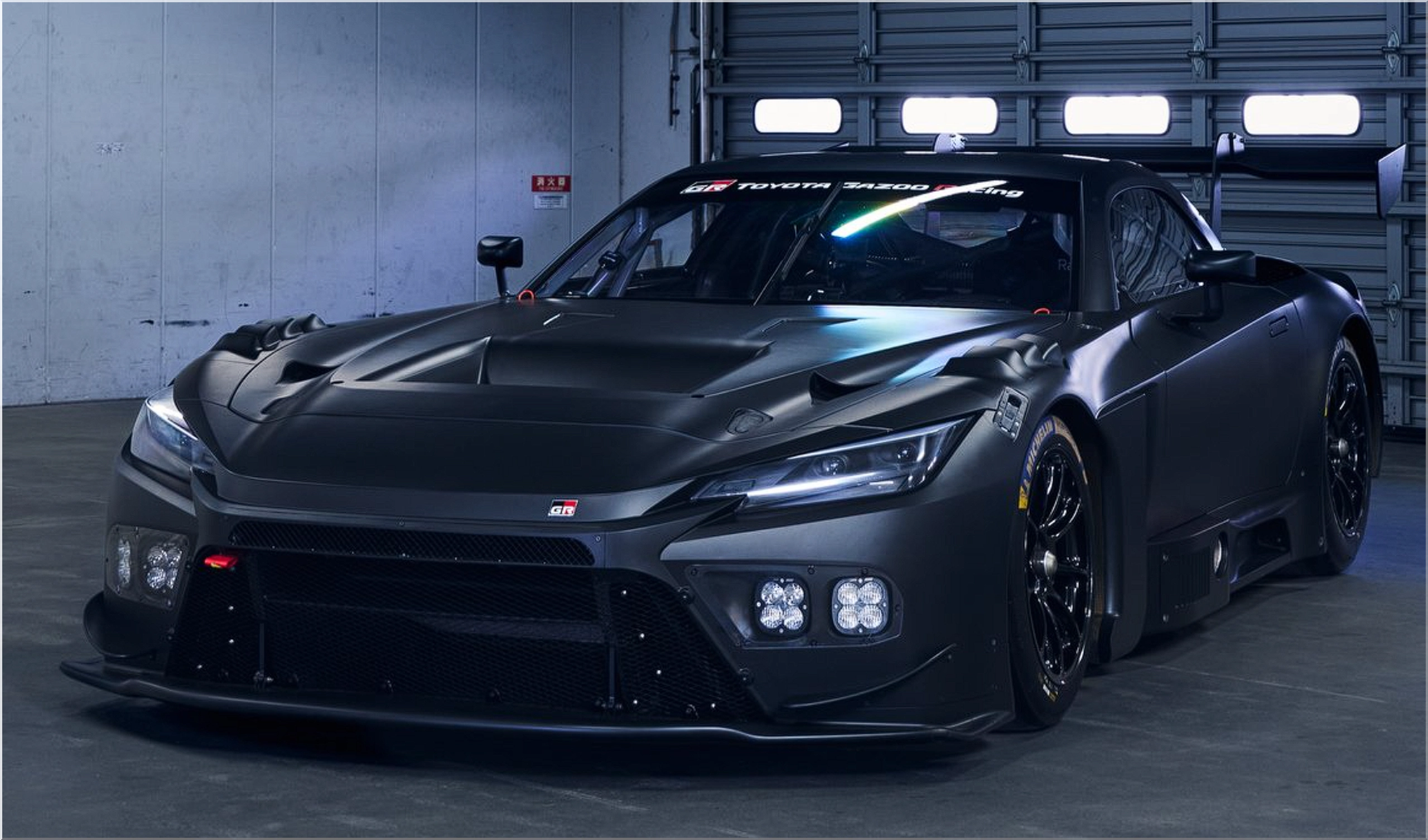
Key takeaways:
- Built for FIA GT3 customer racing
- Developed by Toyota Gazoo Racing engineers
- Designed alongside a production GR supercar
- Focused on private teams and endurance racing
This approach mirrors what Porsche, Ferrari, and Mercedes-Benz already do well. Toyota now wants a seat at that table.
Powertrain: Twin-Turbo V8 With Rear Transaxle
Toyota confirmed a 4.0-liter twin-turbo V8 under the hood. The layout matters. Engineers mounted the engine up front with a rear transaxle to balance weight and manage heat under race loads.
Reported targets from development data:
- Up to 650 PS maximum system output
- Torque target of 850 Nm or higher
- Hot-V turbo layout for compact packaging
- Rear-mounted transmission for balance
Converted to familiar numbers, output lands near 640 horsepower. That places the GR GT3 Concept squarely in GT3 territory, where Balance of Performance governs final race output.
Image
Chassis and Body: Aluminum and CFRP Focus
Toyota built the structure around an all-aluminum body frame. Engineers paired it with extensive CFRP panels to cut mass while maintaining stiffness.
Chassis highlights:
- Aluminum space-frame construction
- CFRP exterior panels
- Large aluminum castings at stress points
- Low center of gravity by design
Weight and rigidity drive lap times in GT racing. Toyota chased both without excess complexity.
Suspension and Braking Hardware
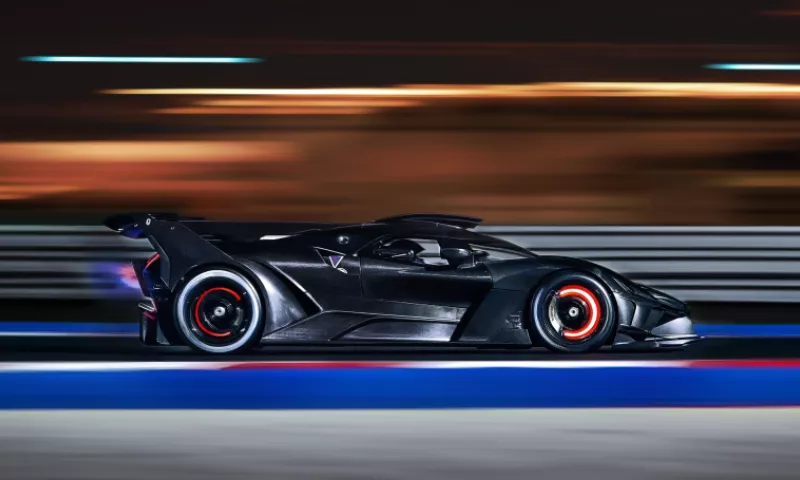
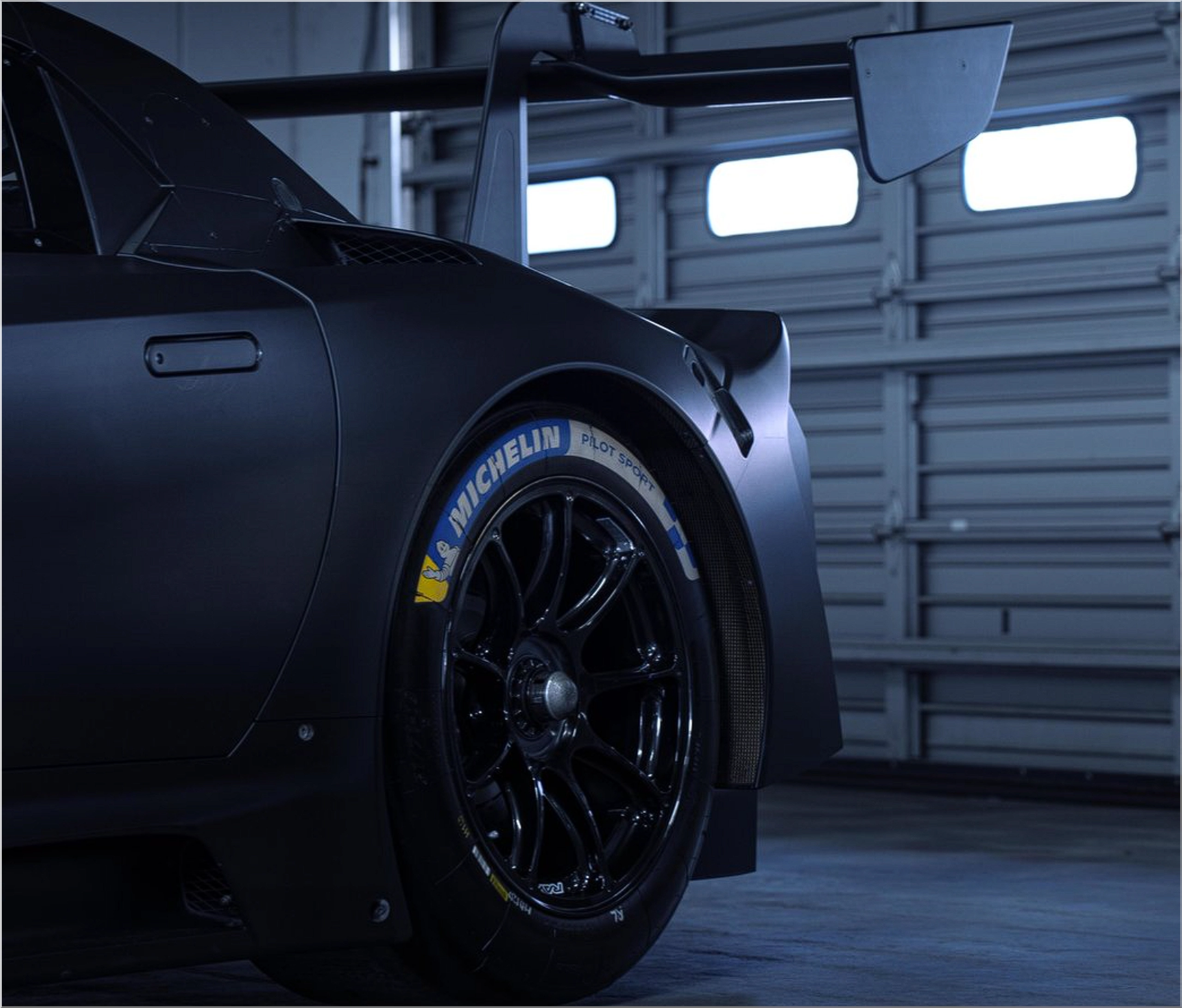
The GR GT3 Concept runs a double-wishbone suspension front and rear. Engineers mounted it low to sharpen response and control body movement during long stints.
Component details:
- Forged aluminum suspension arms
- Race-developed geometry
- Michelin Pilot Sport Cup 2 tires
- Brembo carbon brake discs
Toyota also tuned stability control systems for track use, with multi-stage adjustment. Drivers can dial in behavior based on skill level and track conditions.
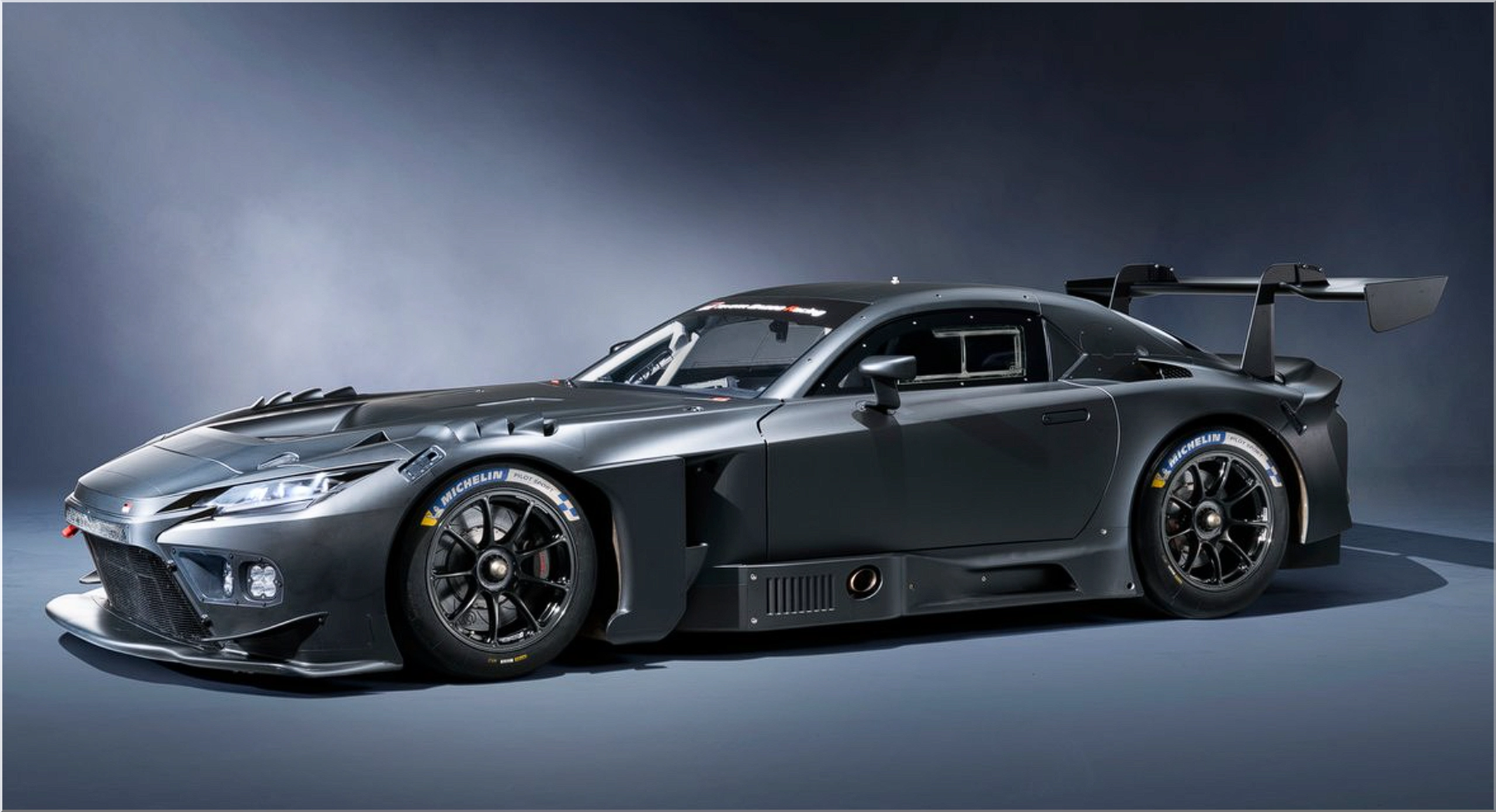
Aerodynamics Built for Endurance Racing
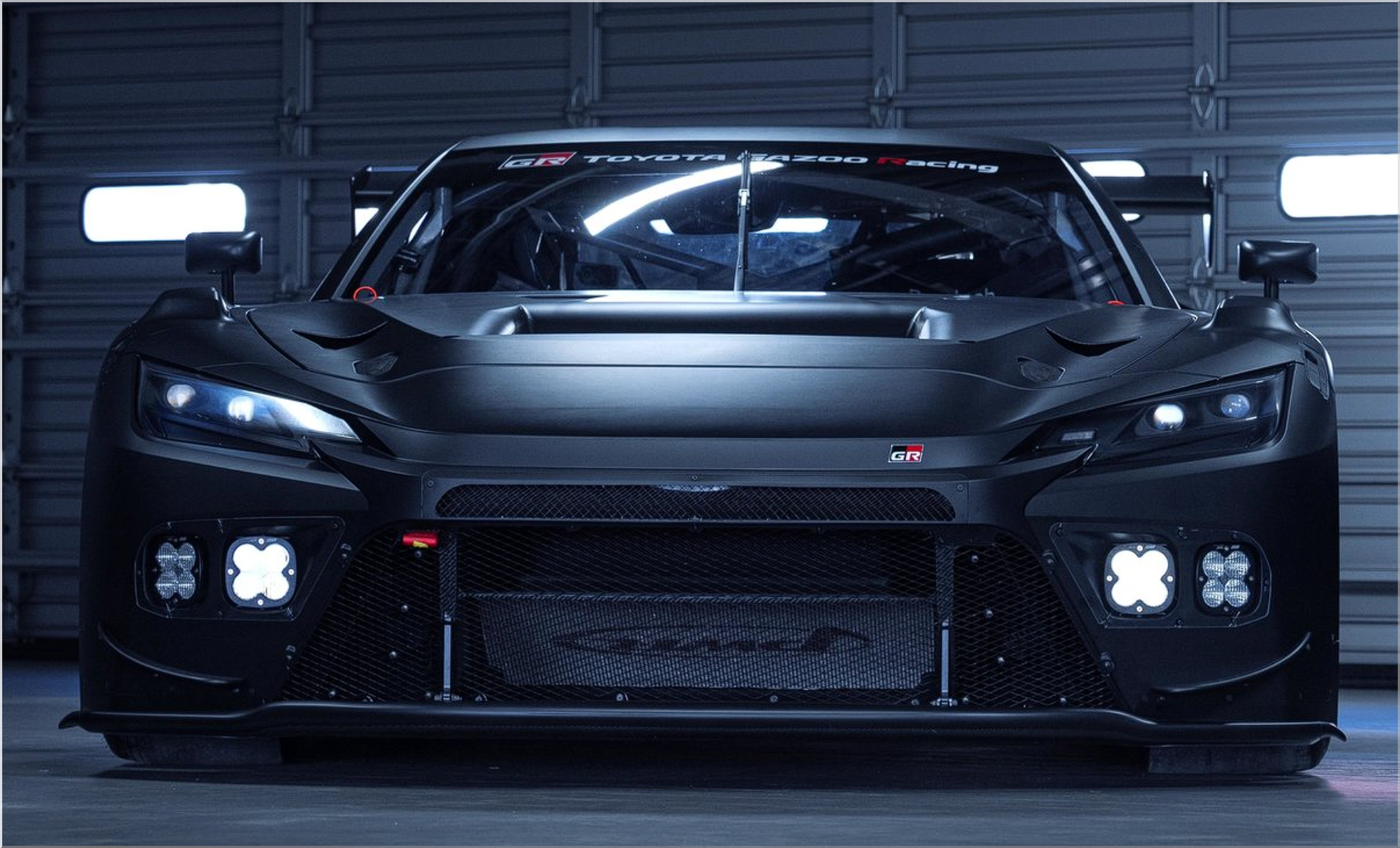
The shape serves function. Every surface manages airflow, brake cooling, or downforce.
Key aero features include:
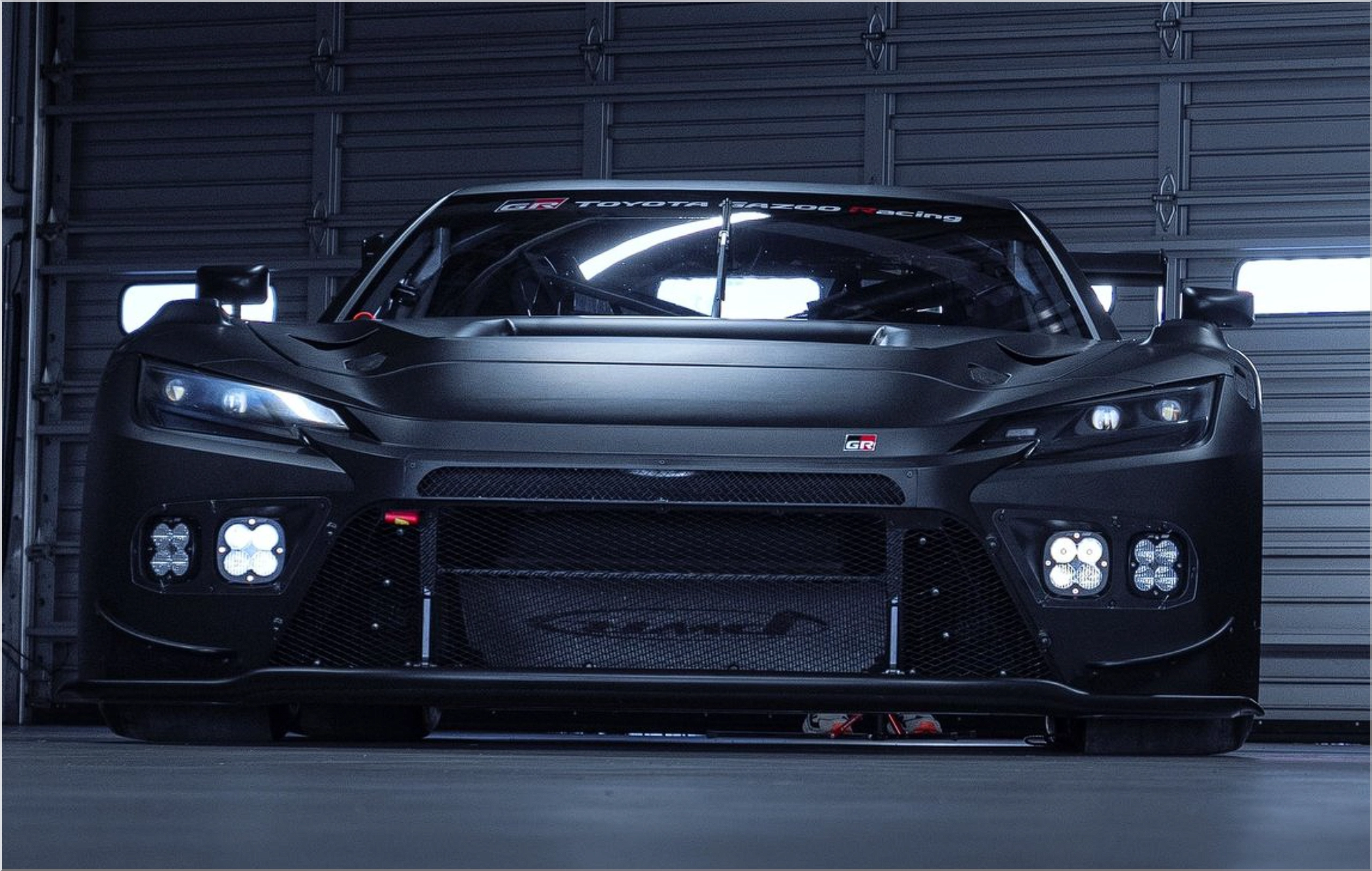
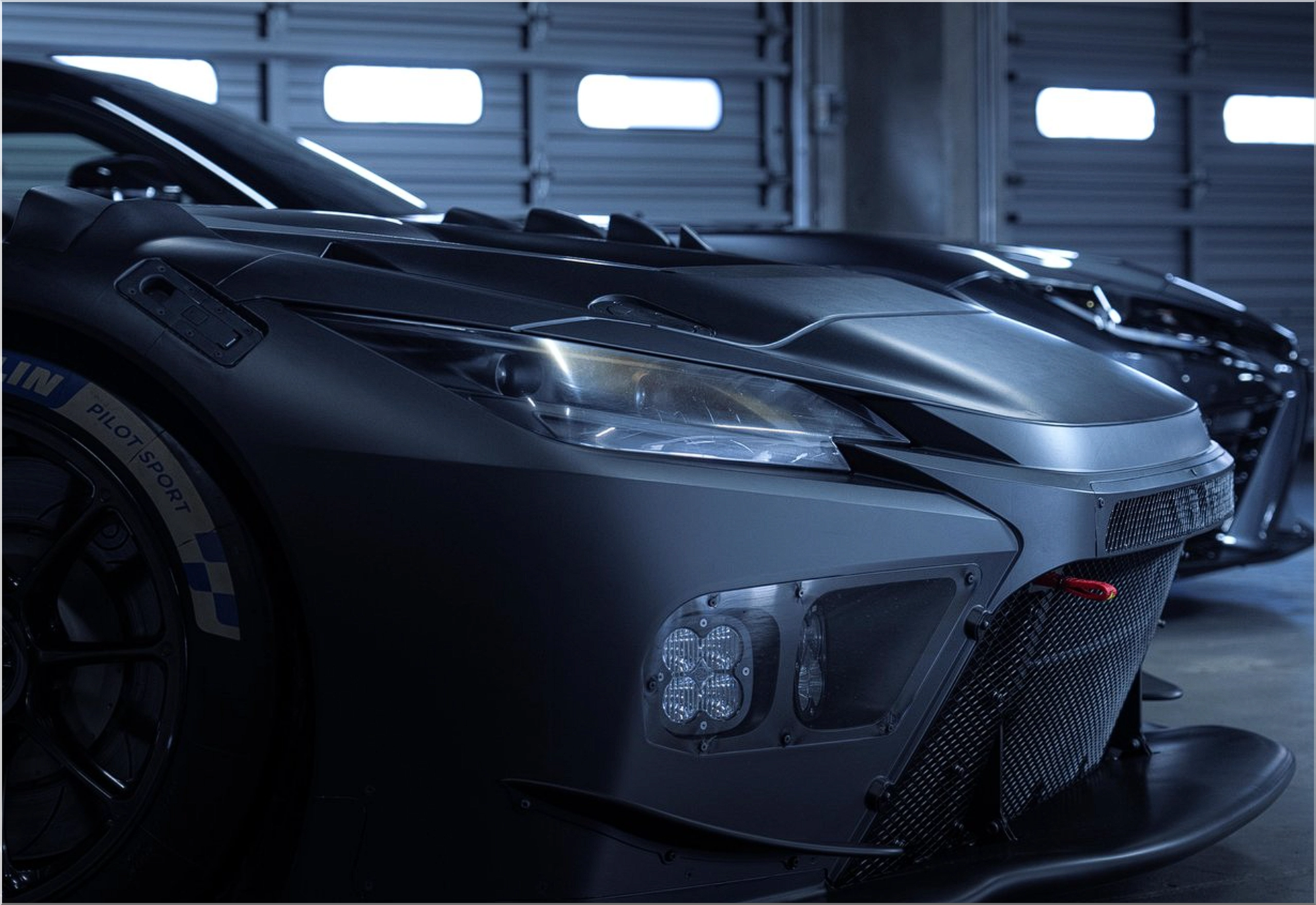
- Long hood with deep extraction vents
- Wide front splitter and air curtains
- Sculpted side intakes for cooling
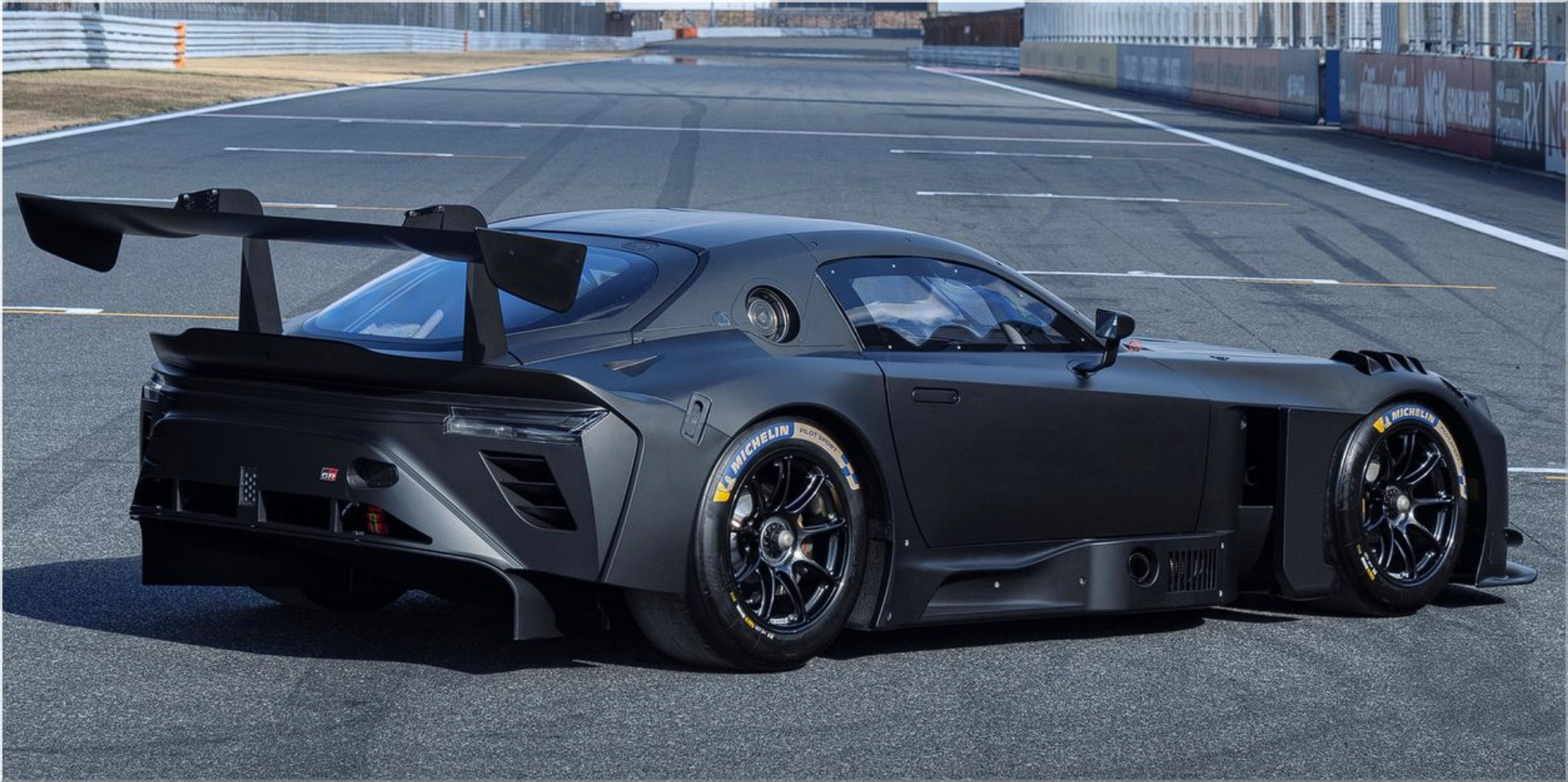
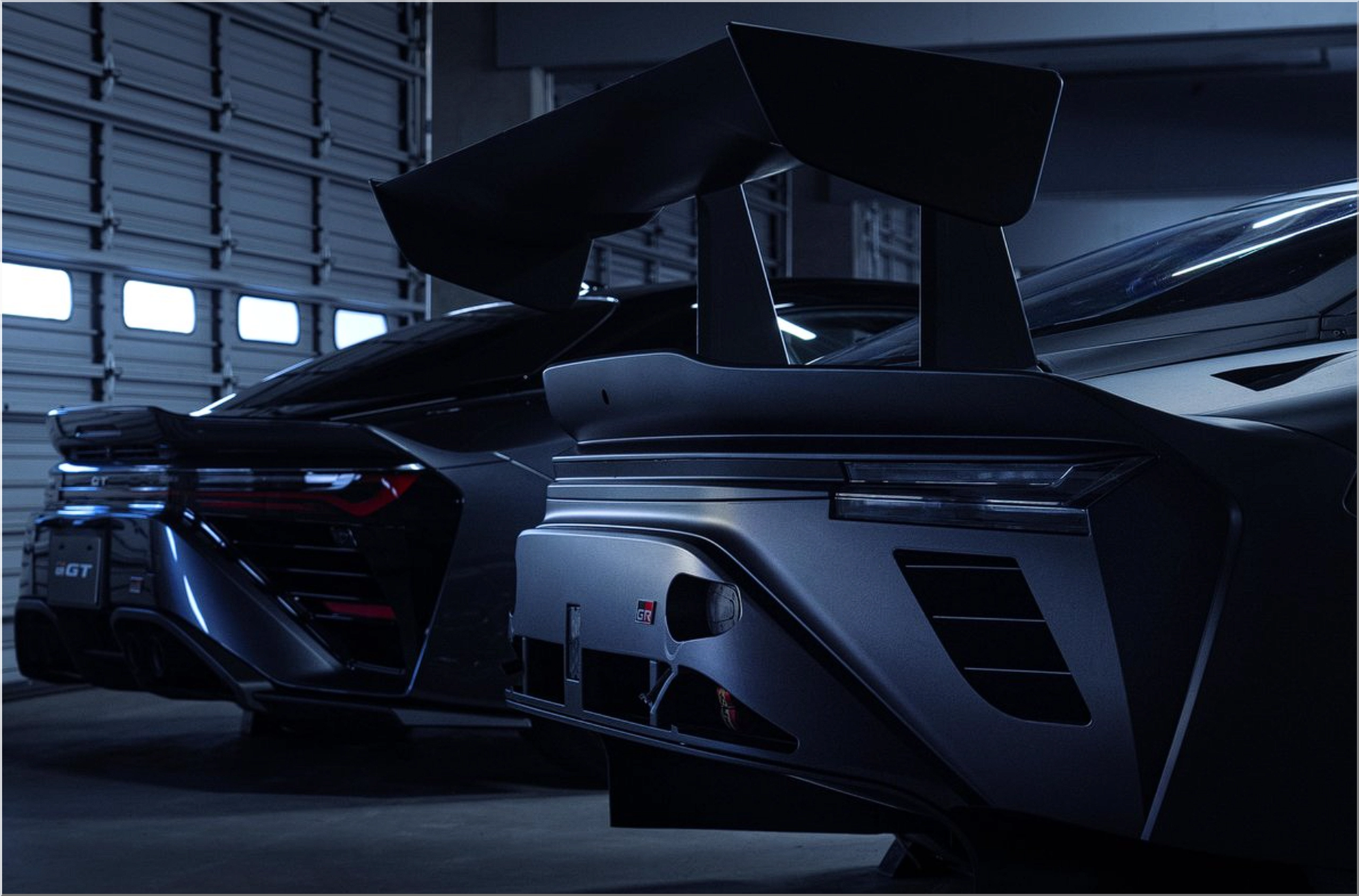
- Large fixed rear wing
- Flat underbody for stability
GT3 rules limit extremes. Toyota worked inside those constraints while pushing efficiency.
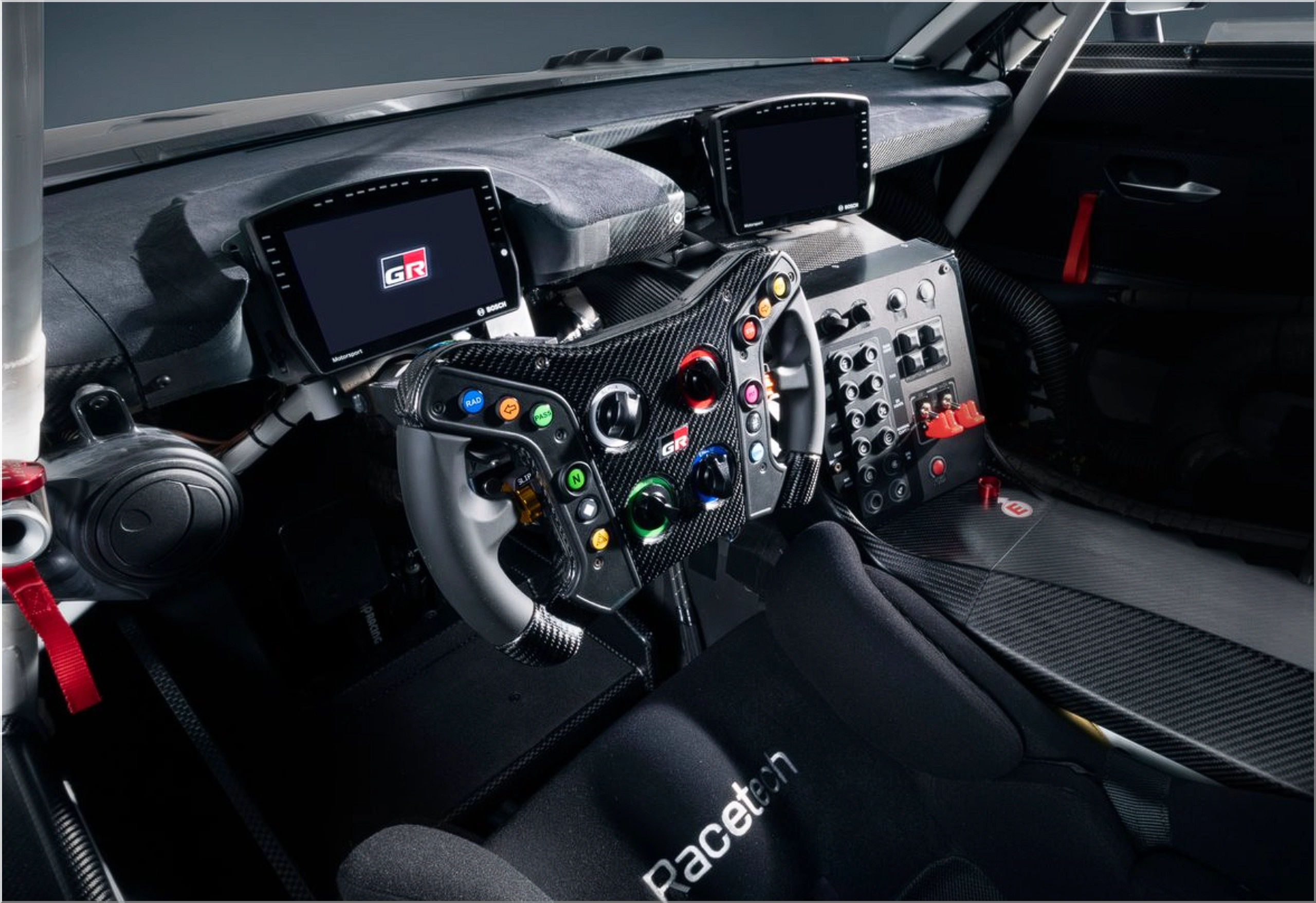
Interior: Built Around the Driver
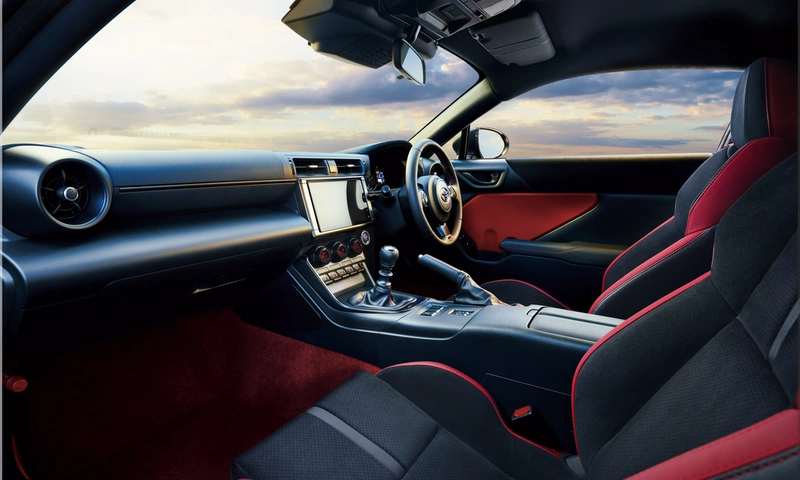
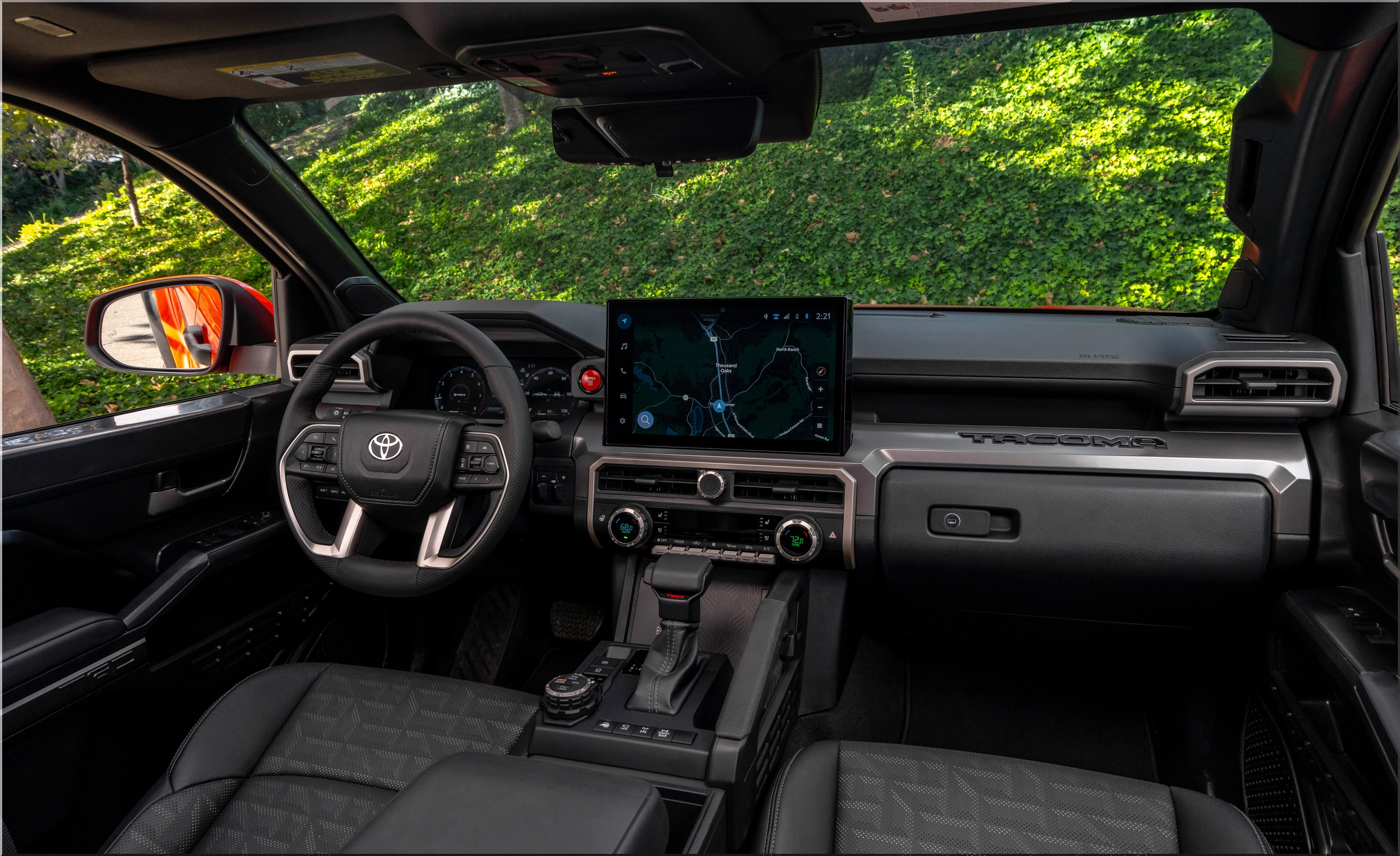
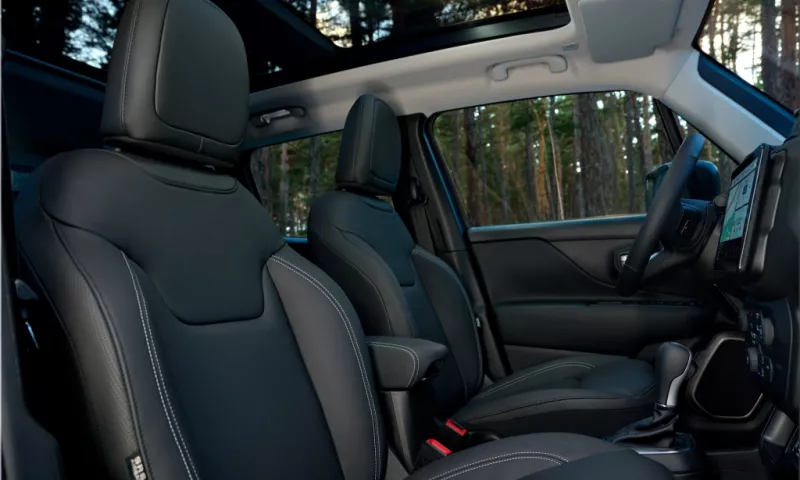
Toyota kept the cabin focused on race use. Visibility, ergonomics, and fast recognition mattered more than visual drama.
Interior priorities:
- Central driving position
- Clear gauge layout
- Switches grouped by function
- FIA-approved safety structure
Toyota aimed this car at professional and amateur drivers alike. Ease of use reduces mistakes during long races.
Image
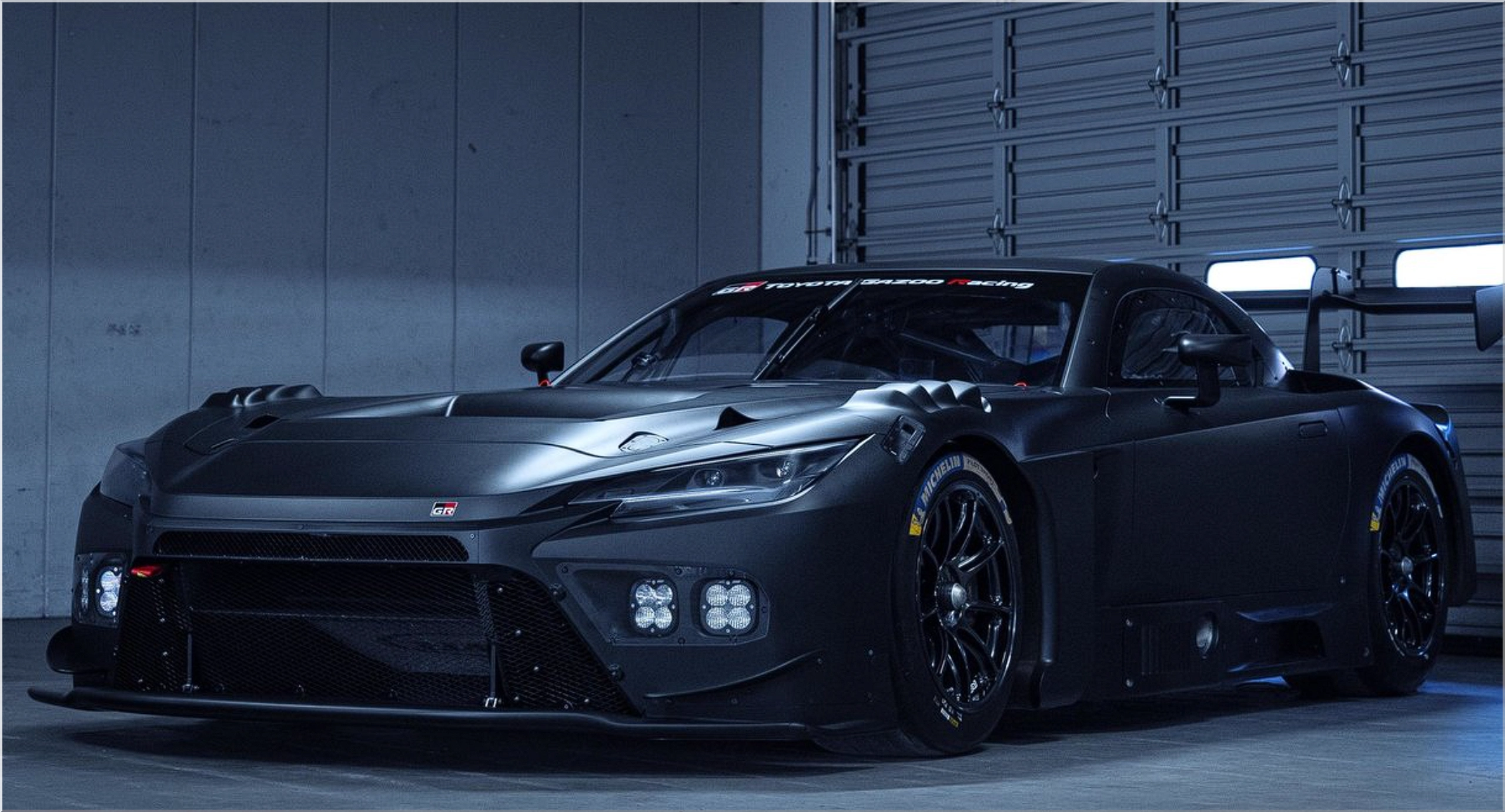
Customer Racing Strategy Comes First
GT3 racing depends on private teams. Toyota designed the GR GT3 Concept with that reality in mind.
Toyota plans to offer:
- Factory-backed customer support
- Parts supply and rebuild programs
- Trackside engineering assistance
- Driver development resources
This mirrors Toyota’s endurance racing playbook, scaled for customer motorsport.
Production Car Connection Matters
GT3 rules require a production counterpart. Toyota confirmed the race car development runs parallel with a future GR road model.
What that signals:
- A high-performance GR halo car
- Limited production volume
- Premium pricing likely above $200,000 USD
- Focus on track capability over luxury
This model would sit above the GR Supra and GR Corolla in Toyota’s lineup.
Competitive Context: Who Toyota Targets
The GR GT3 Concept lines up against established players.
Primary rivals:
- Porsche 911 GT3 R
- Mercedes-AMG GT3
- Ferrari 296 GT3
- BMW M4 GT3
Toyota brings factory endurance racing experience. Success depends on execution, not ambition.
What Comes Next
Toyota plans extensive testing before customer deliveries. Expect track validation across Japan, Europe, and North America.
Next steps likely include:
- Final homologation version reveal
- Production GR road car confirmation
- Customer team sign-ups
- Race debut in global endurance series
Timing points toward competition entries within the next two racing seasons.

Pro Tip: Why GT3 Programs Matter to Automakers
GT3 racing offers controlled costs and global exposure. Manufacturers sell cars to teams instead of running full factory entries. That keeps budgets predictable while building brand credibility.
Toyota’s move fits that model.
What Now for Toyota Gazoo Racing
Toyota already wins at Le Mans and in WEC. GT3 adds reach. It puts Toyota logos on grids worldwide, week after week.
The Toyota GR GT3 Concept shows intent backed by hardware. Execution will decide results. The foundation looks serious.
- Add new comment
- 264 views