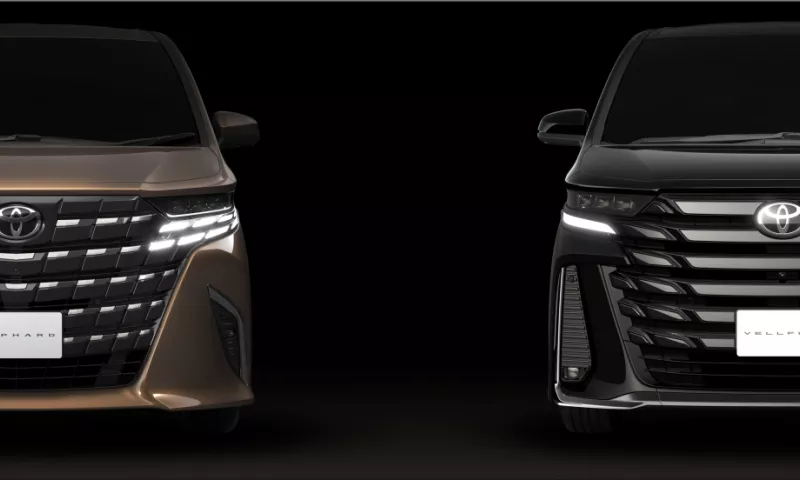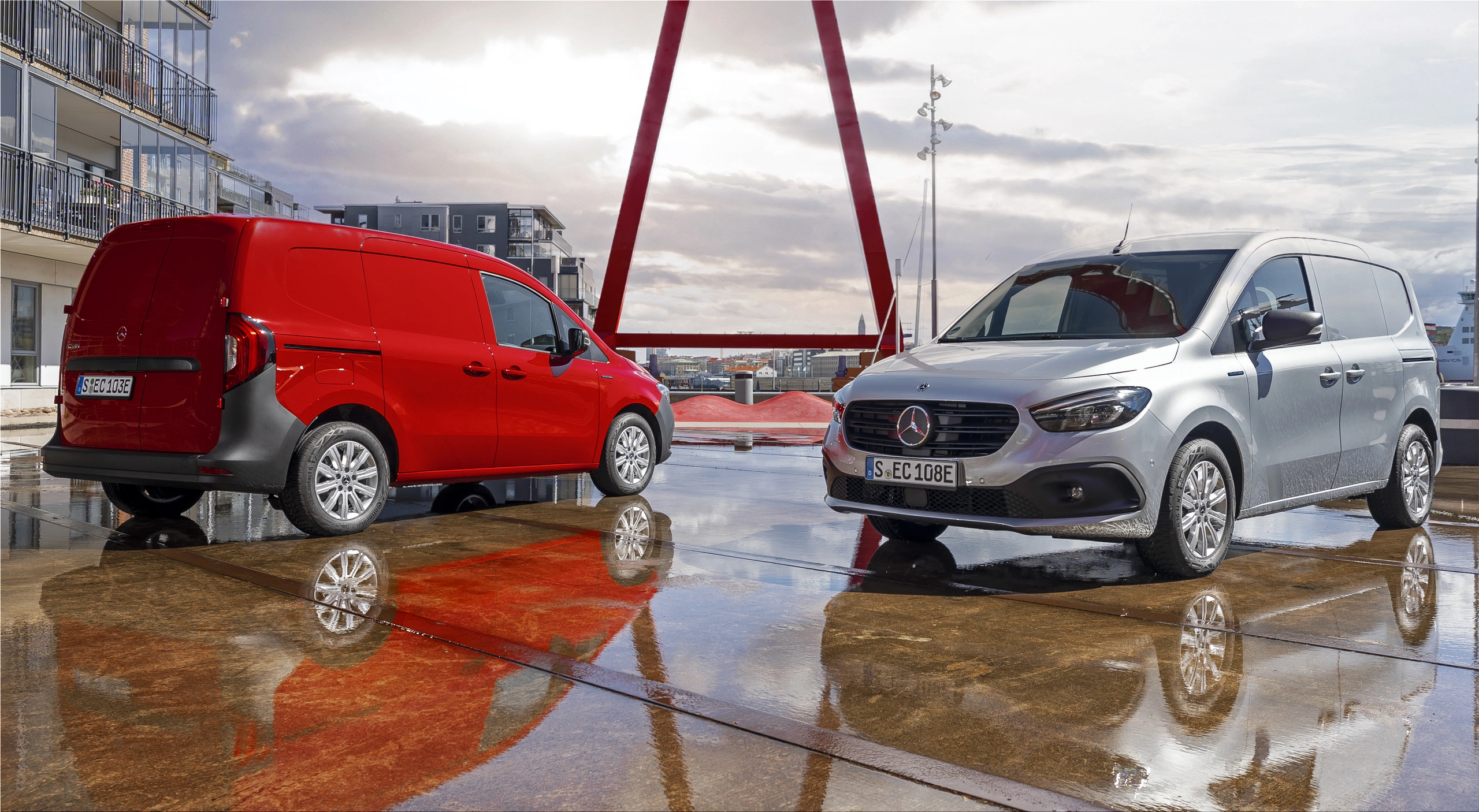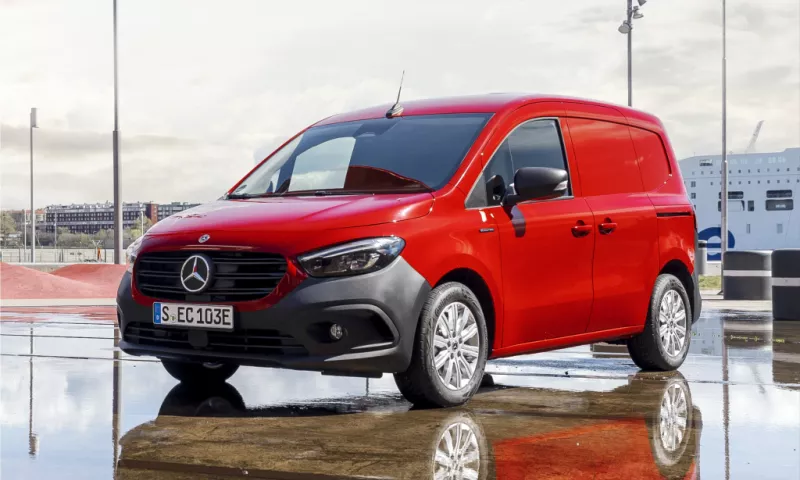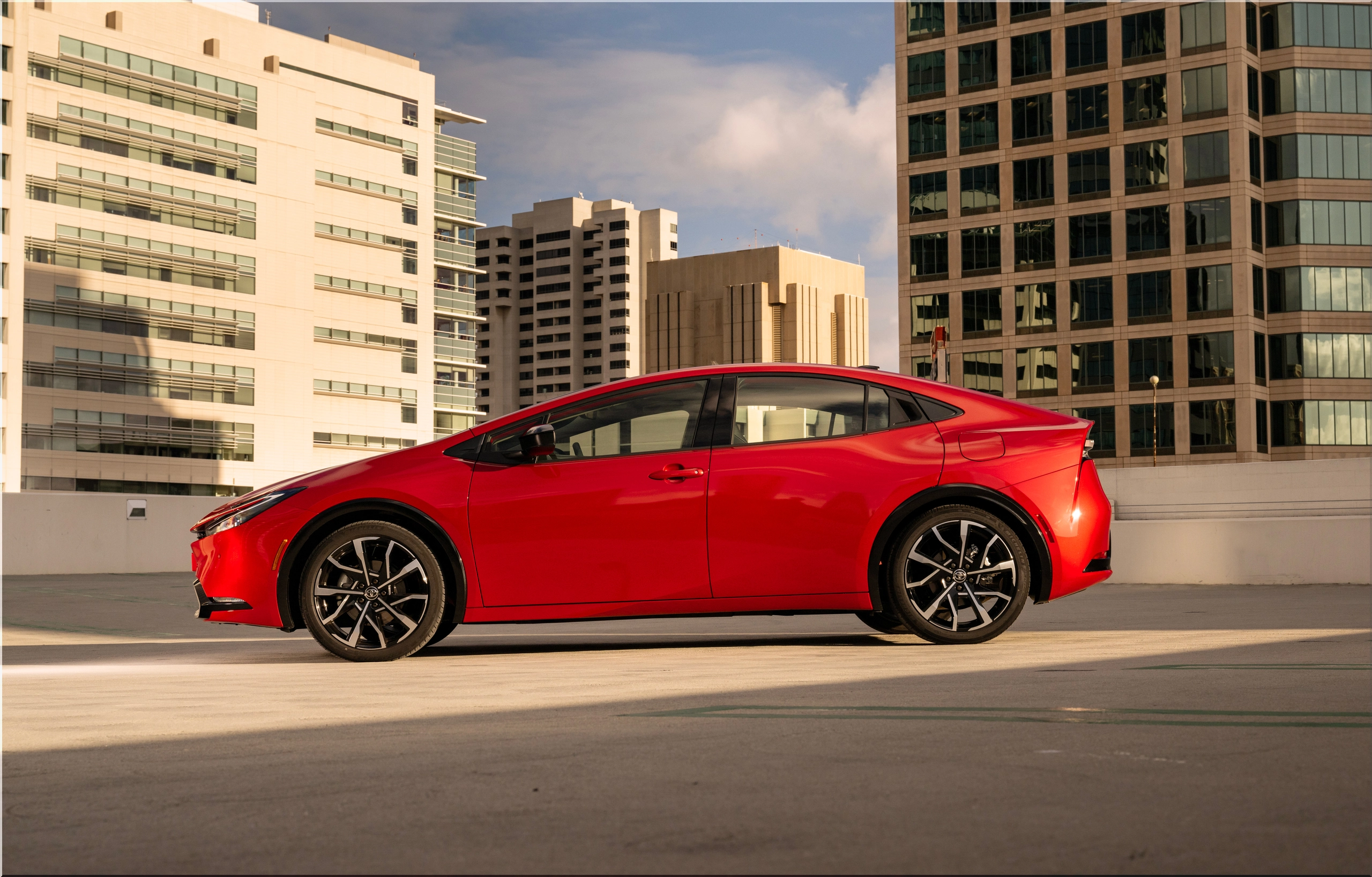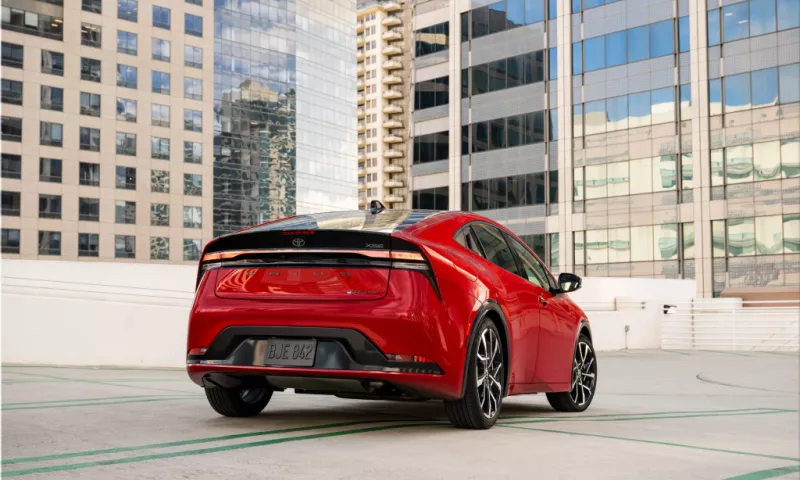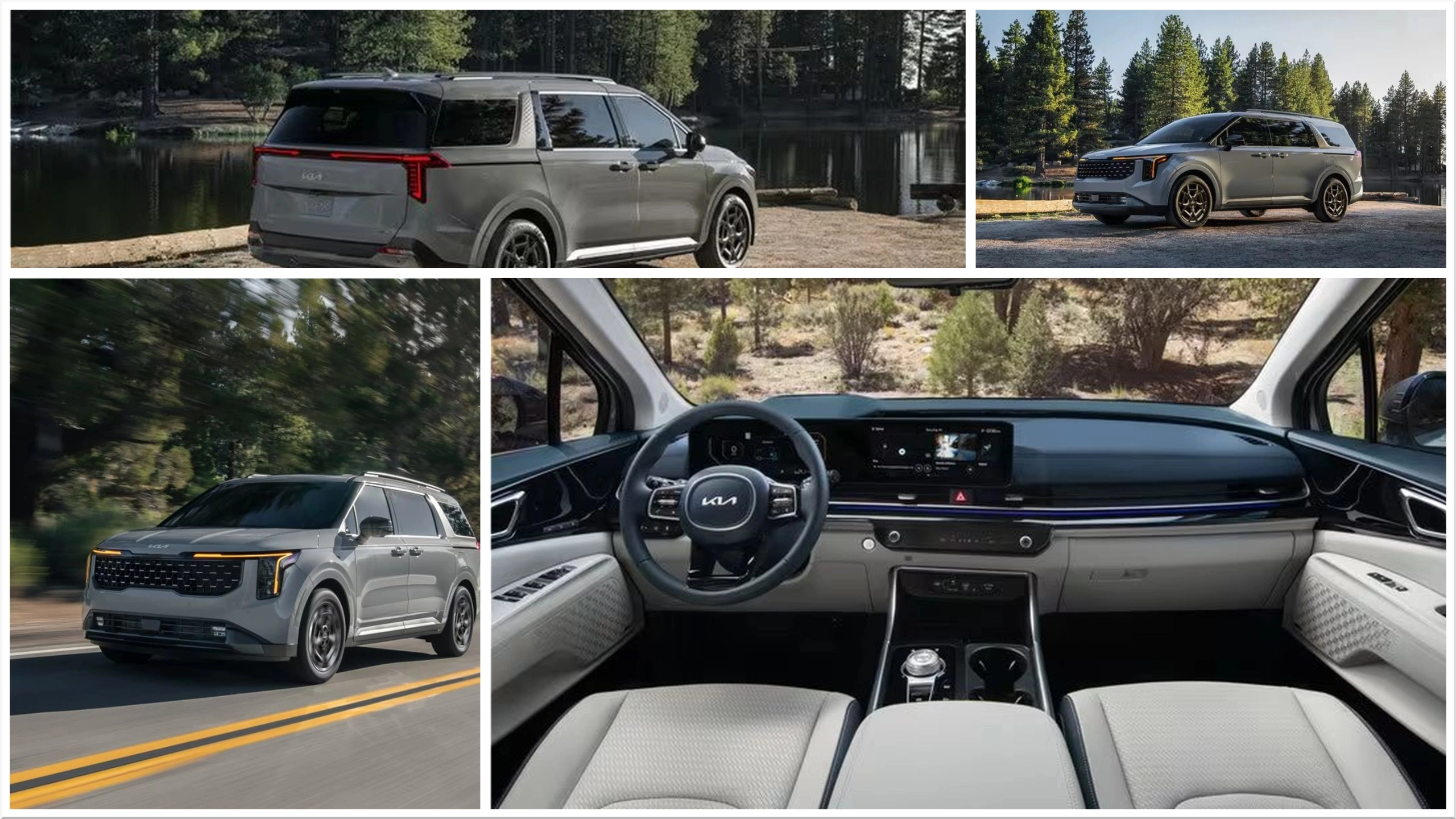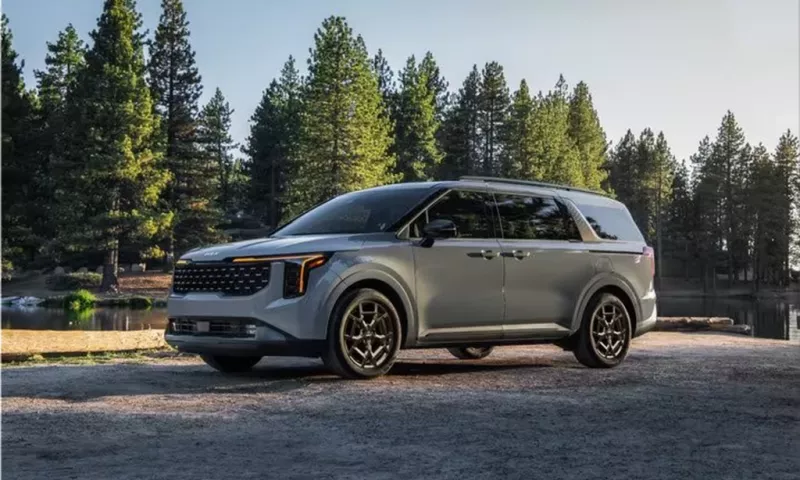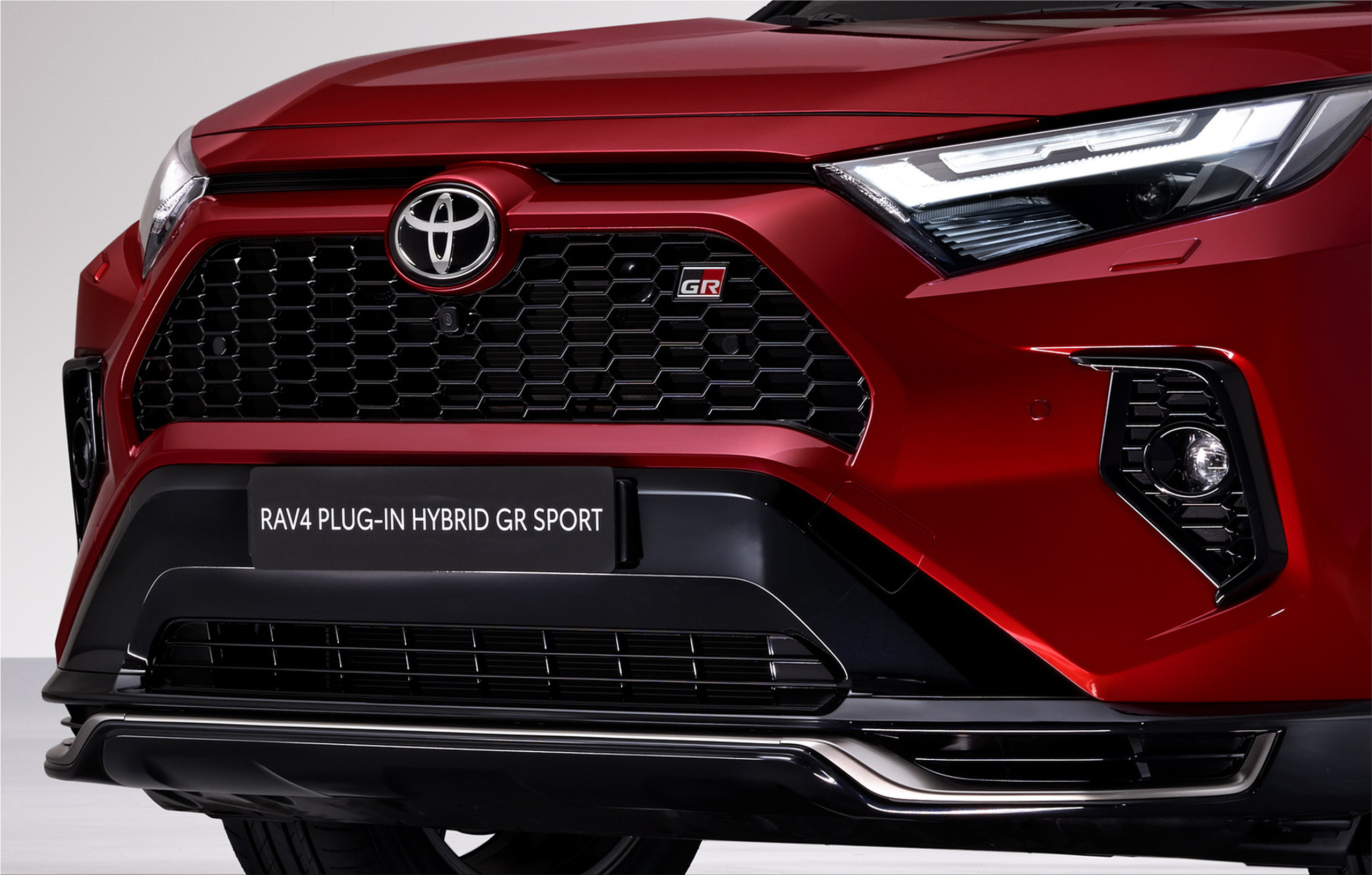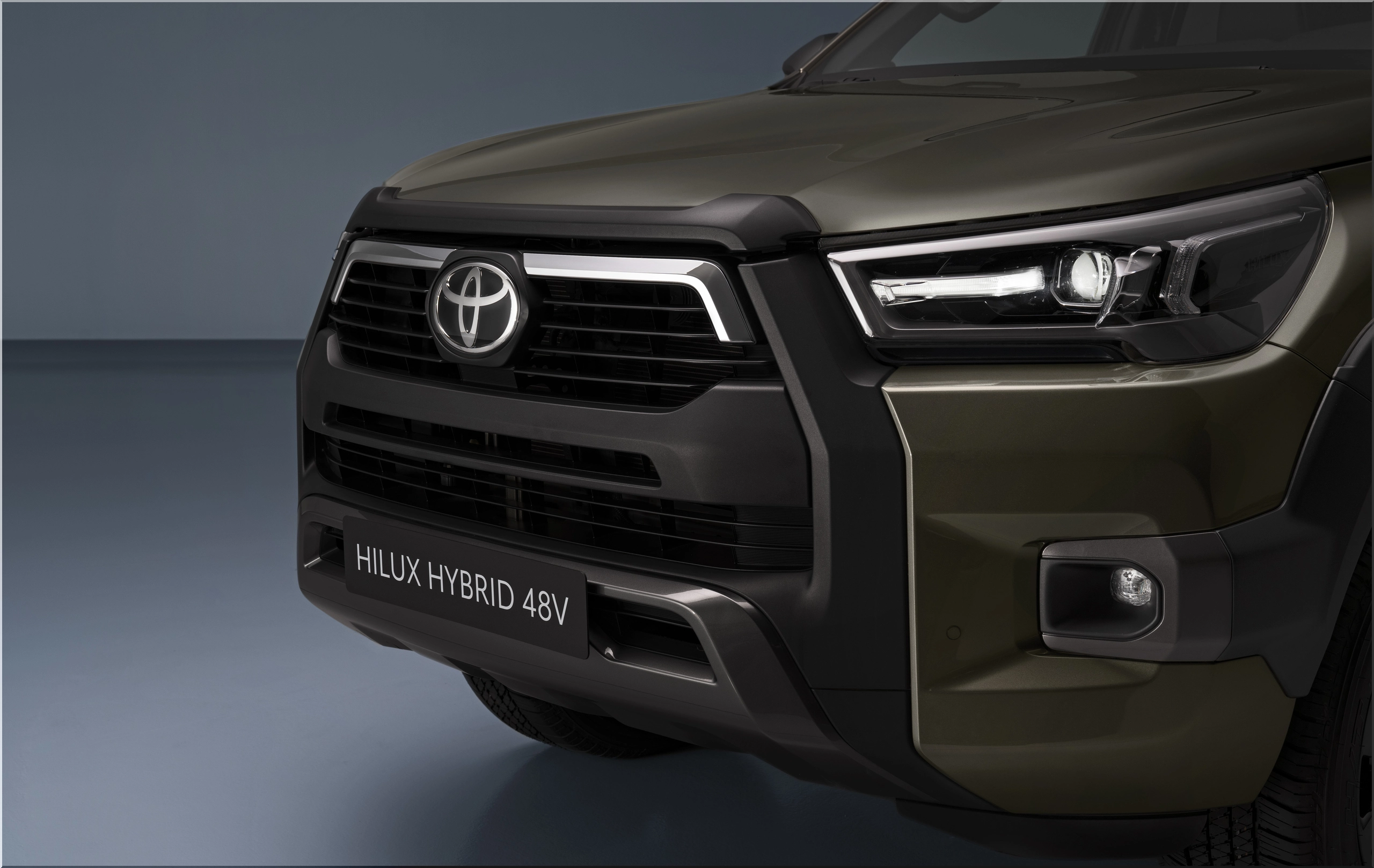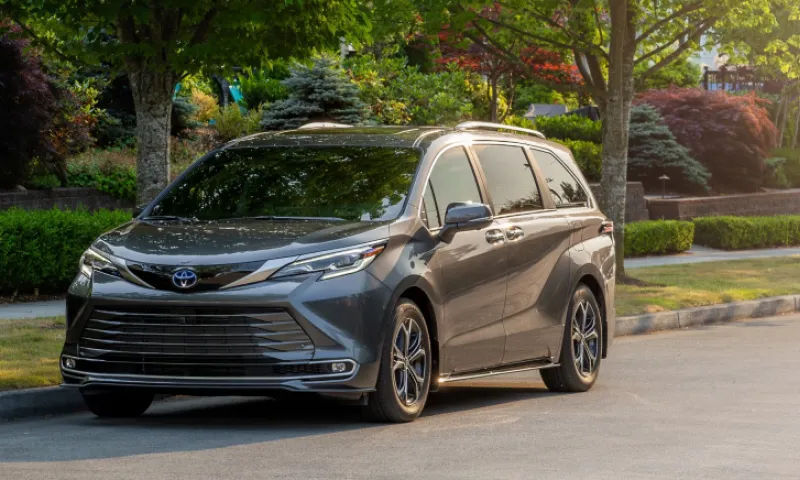
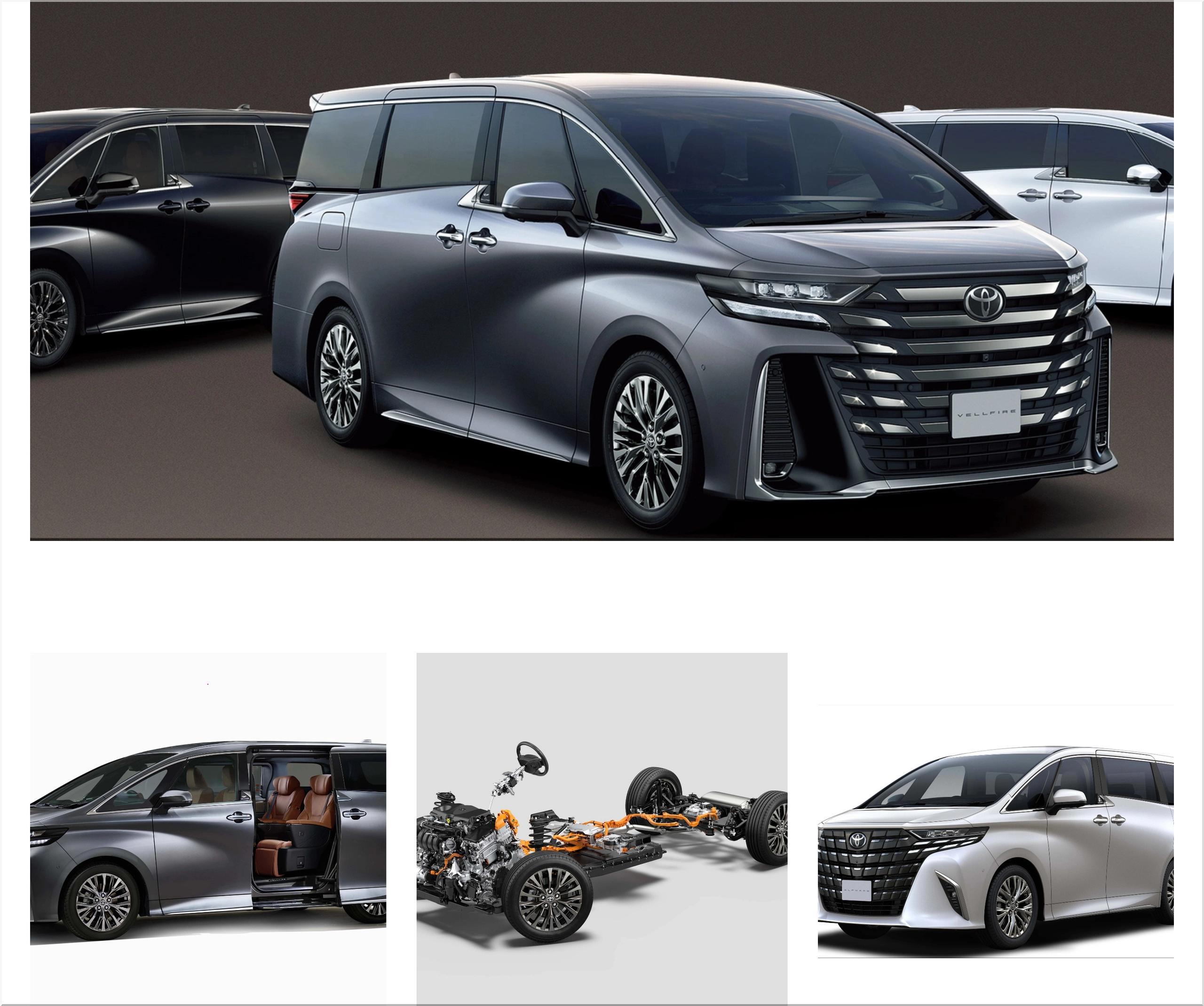
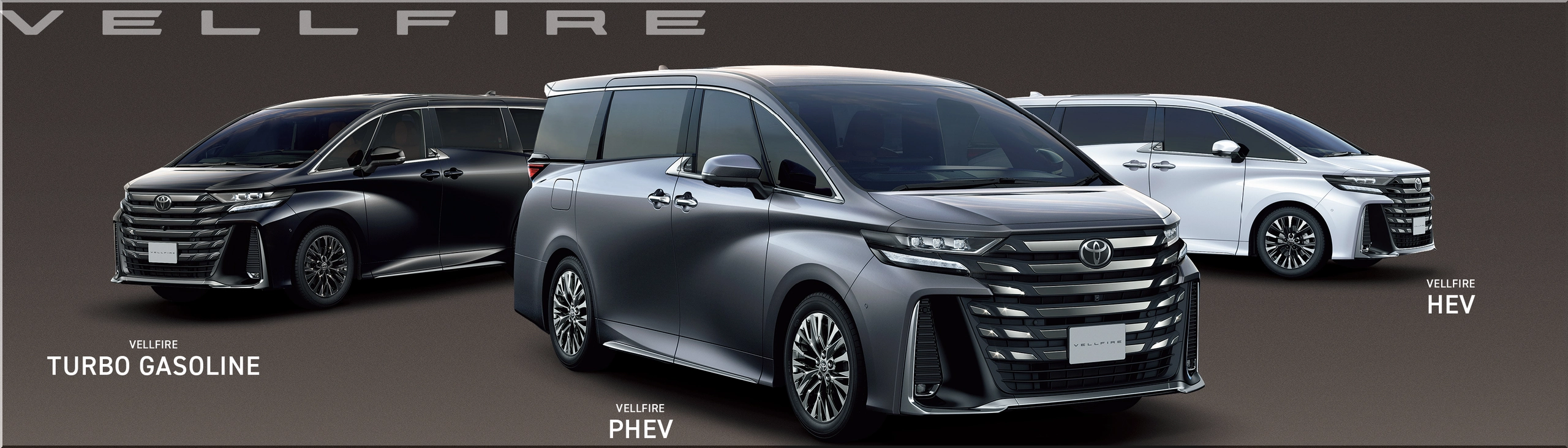
Toyota has rolled out new PHEV minivan options in Japan. Enthusiasts applaud this move. Drivers who value comfort and efficiency see promise in these models. They are the Toyota Alphard PHEV and the Toyota Vellfire PHEV. They carry fresh styling, advanced safety, and a new take on hybrid technology.
Below are the major details on design, powertrain, and potential audience. Some references come from announcements on Toyota’s global platform. Others stem from automotive experts discussing Toyota Japan and its first PHEV minivan release. The aim: Help drivers and industry watchers understand these vehicles.
Why These Models Matter
Toyota has a track record for hybrid innovation. The brand's plug-in hybrid approach offers an alternative to traditional powertrains. Consumers ask for lower emissions and better mileage. Toyota responds with minivans that combine gas and electric power. That synergy helps families optimize fuel usage.
Key points:
- Toyota Alphard is known for comfort.
- Toyota Vellfire is recognized for sleek design.
- Both get a boost with PHEV capabilities.
- Each claims better fuel economy than earlier models.
Shorter trips may rely on electric power. Longer trips can use both engine and battery synergy. This blend can lessen stops at the pump. It also helps reduce overall emissions.
Core Features That Stand Out
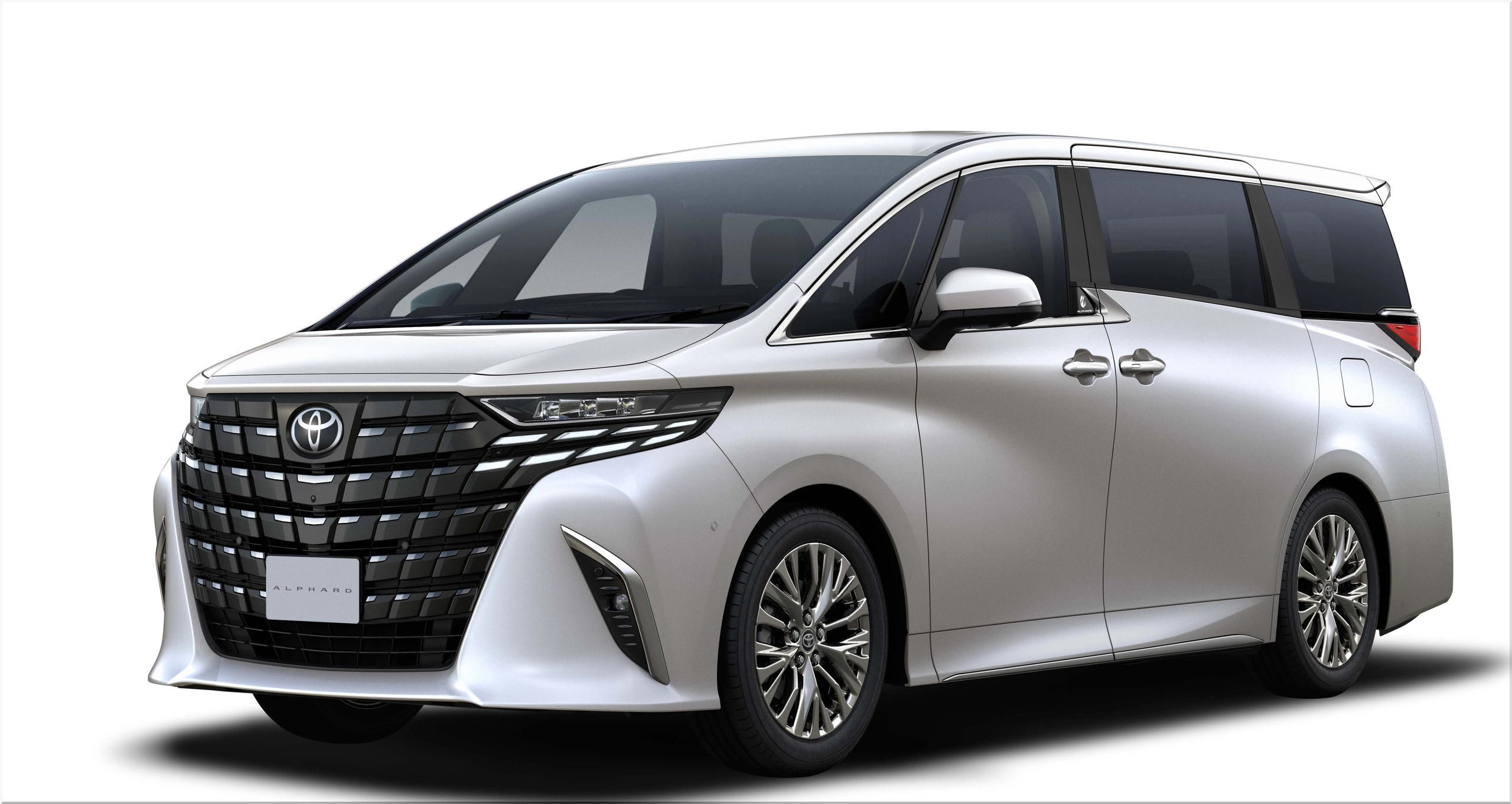
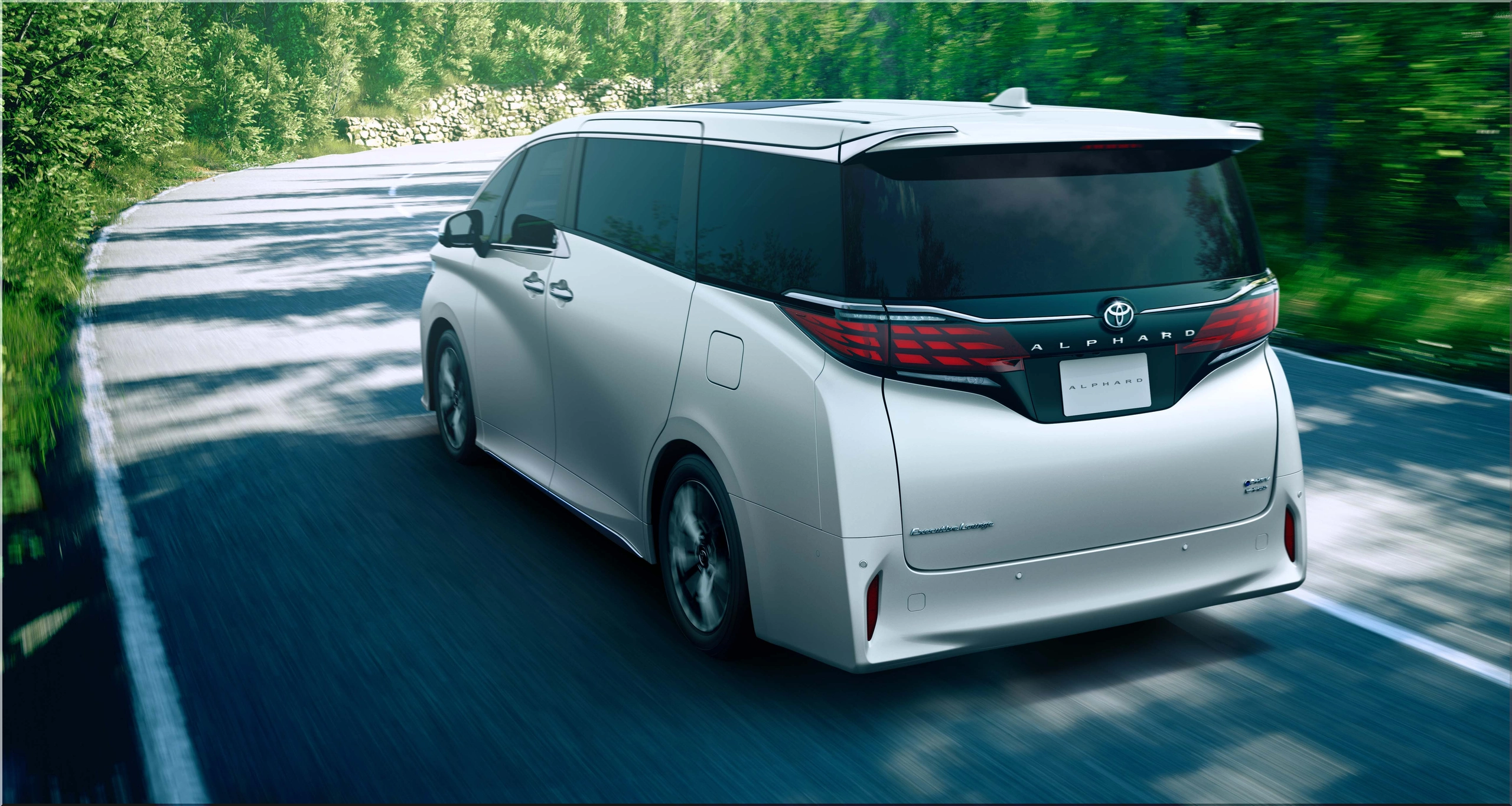
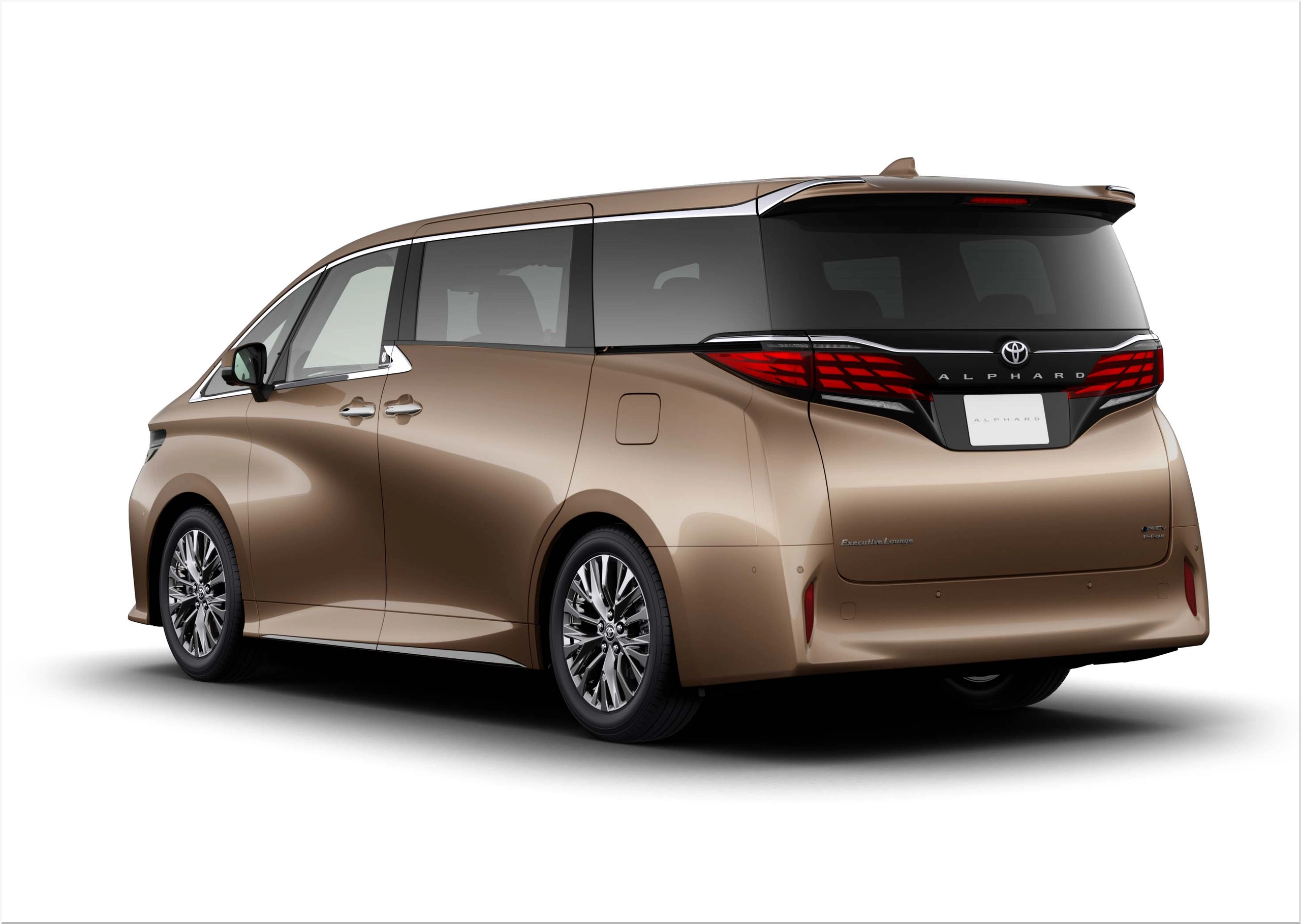
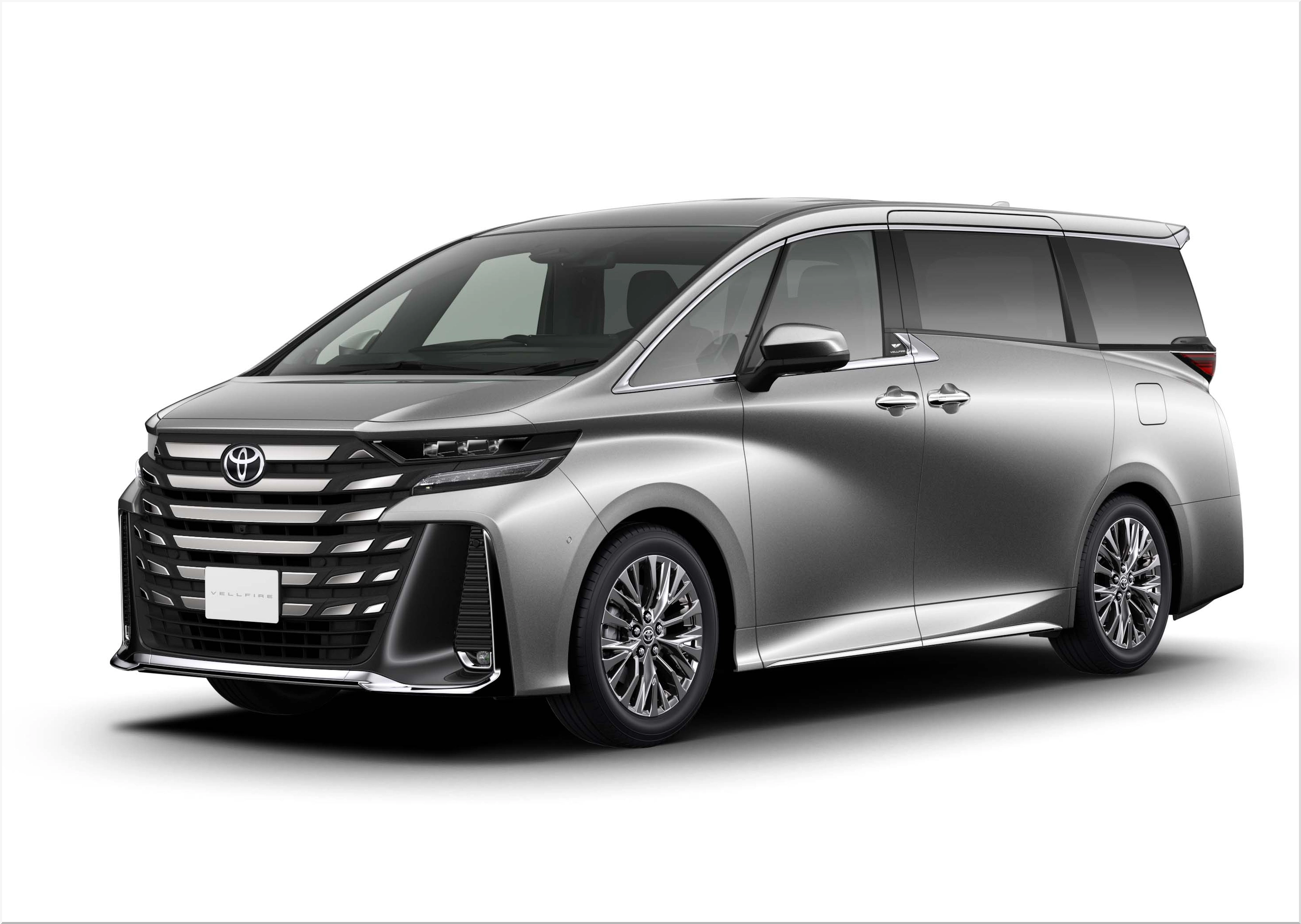
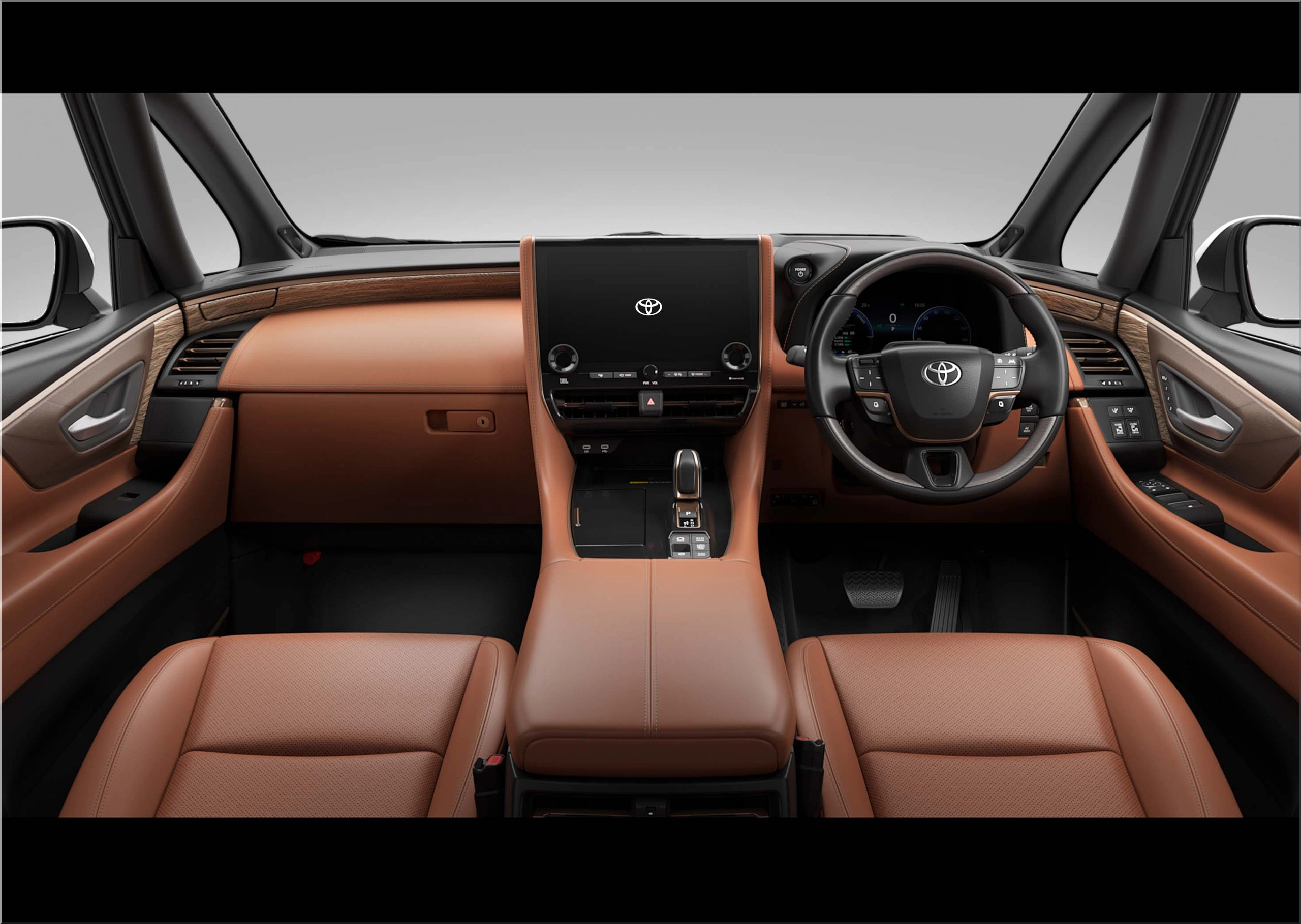
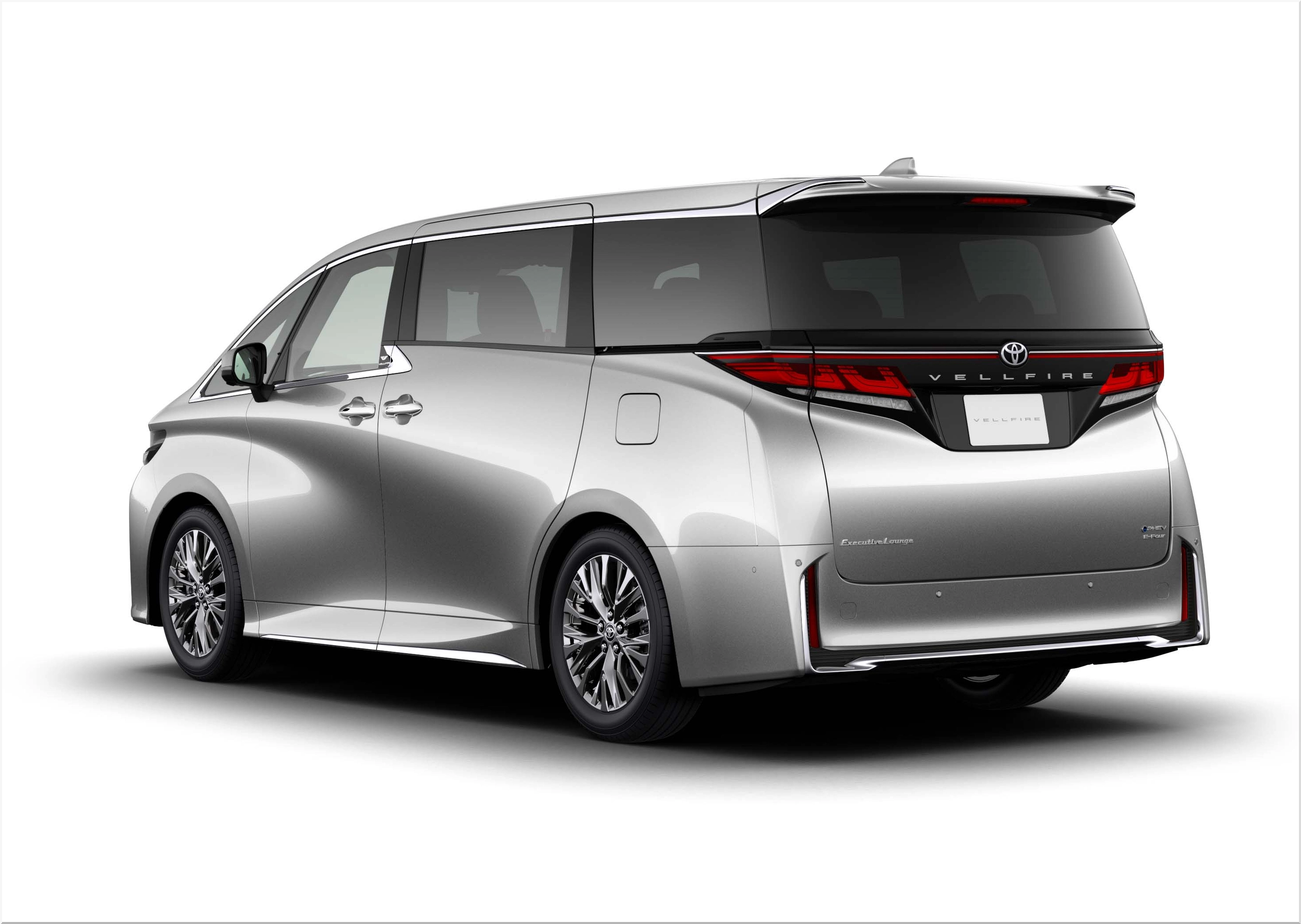
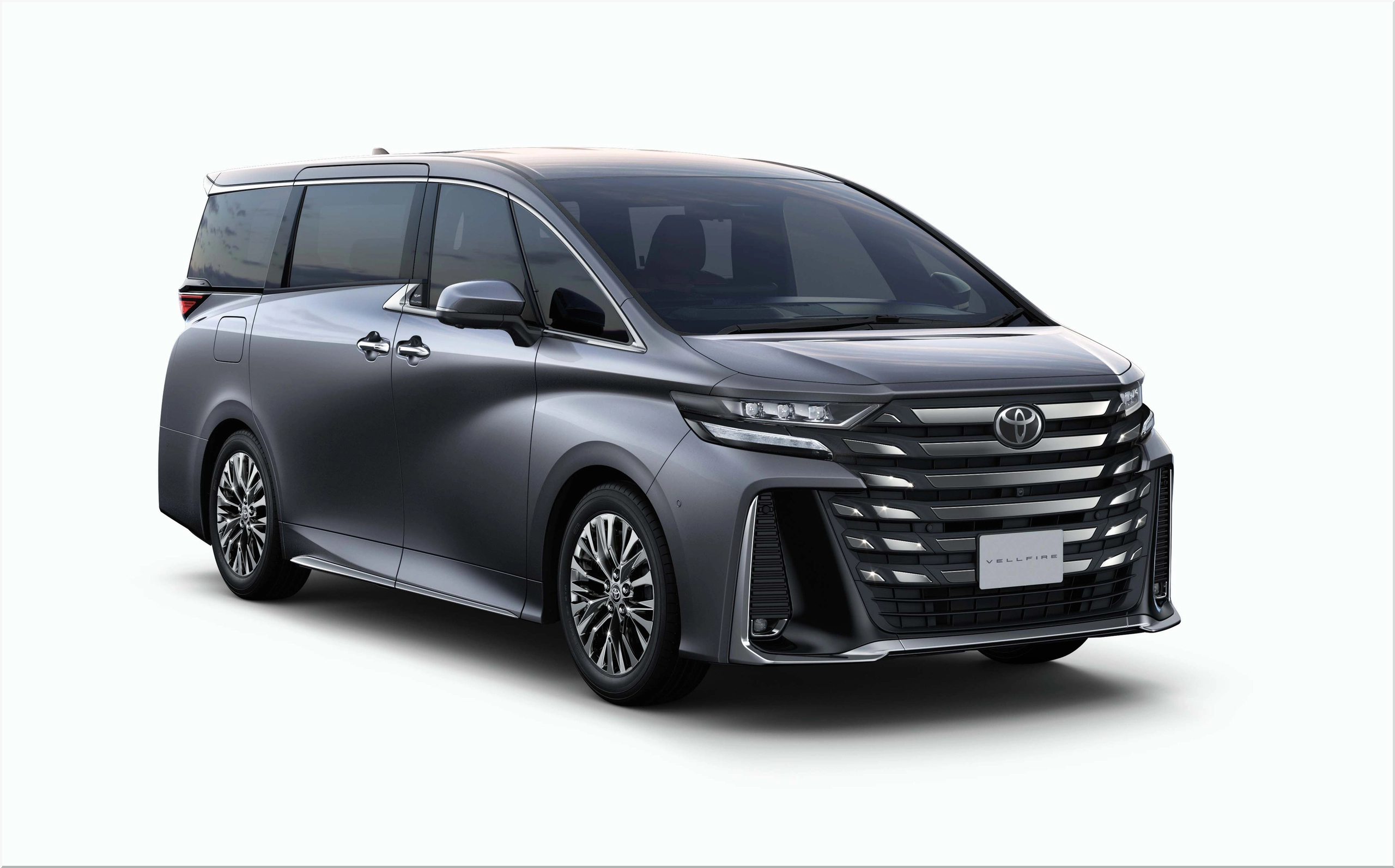
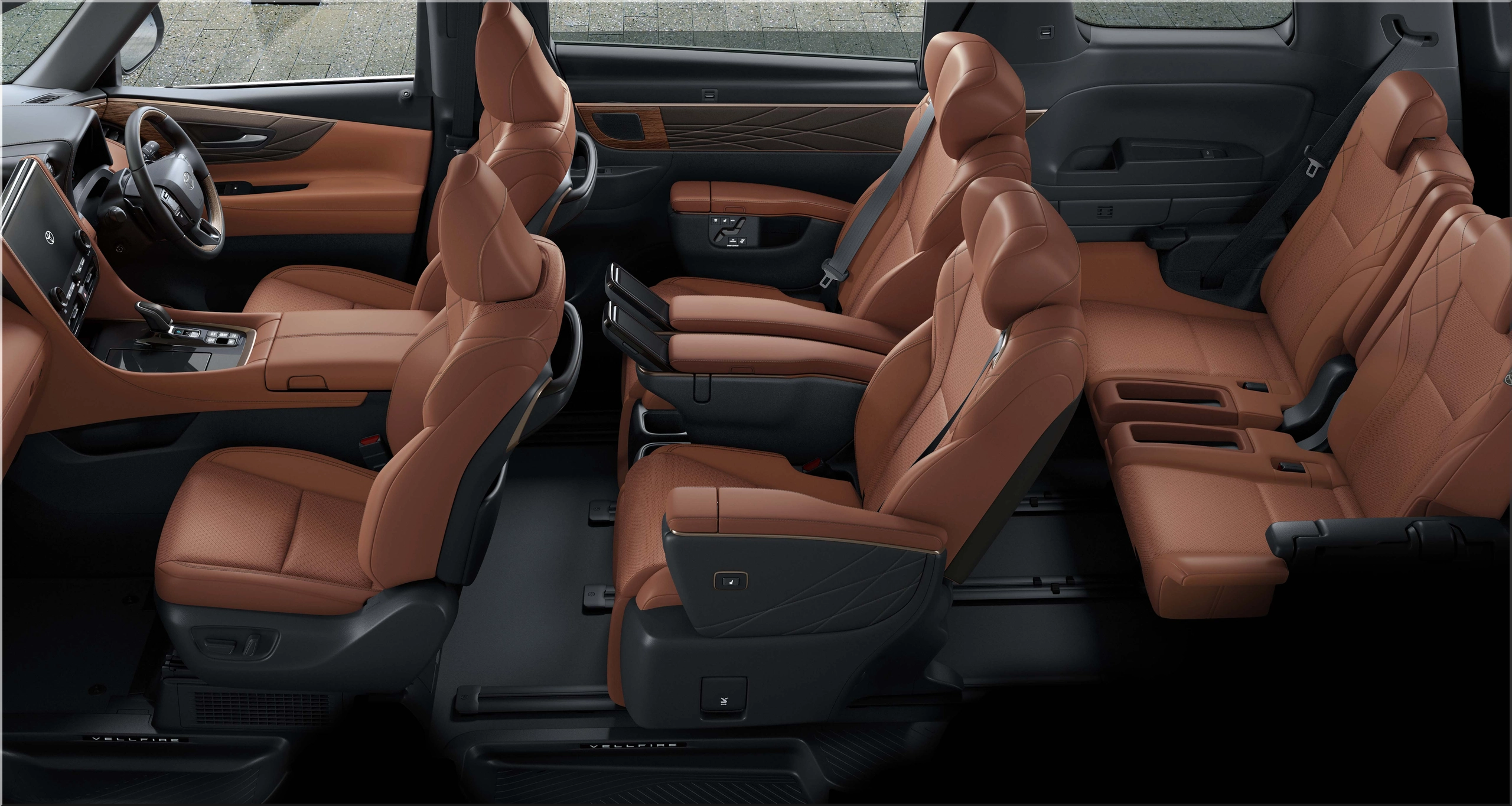
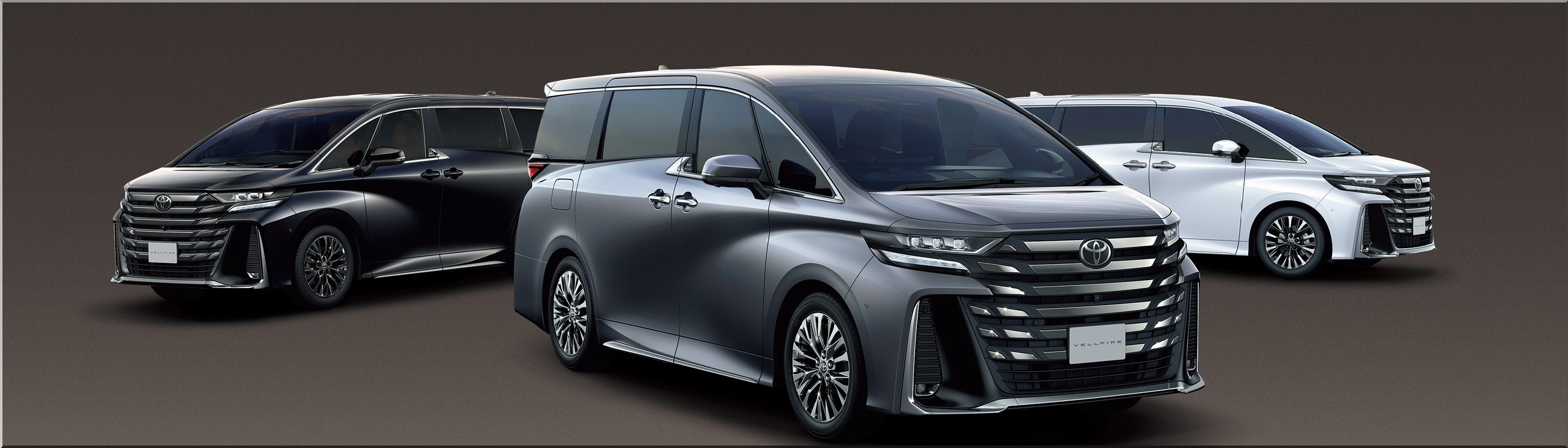
Bold Styling: The front fascia gets a refreshed grille. The sides have subtle edges. The cabins have plush seating and wide windows.
Safety Technology: Toyota includes advanced driver-assist features. Blind-spot monitoring and lane support help keep drivers informed on the road.
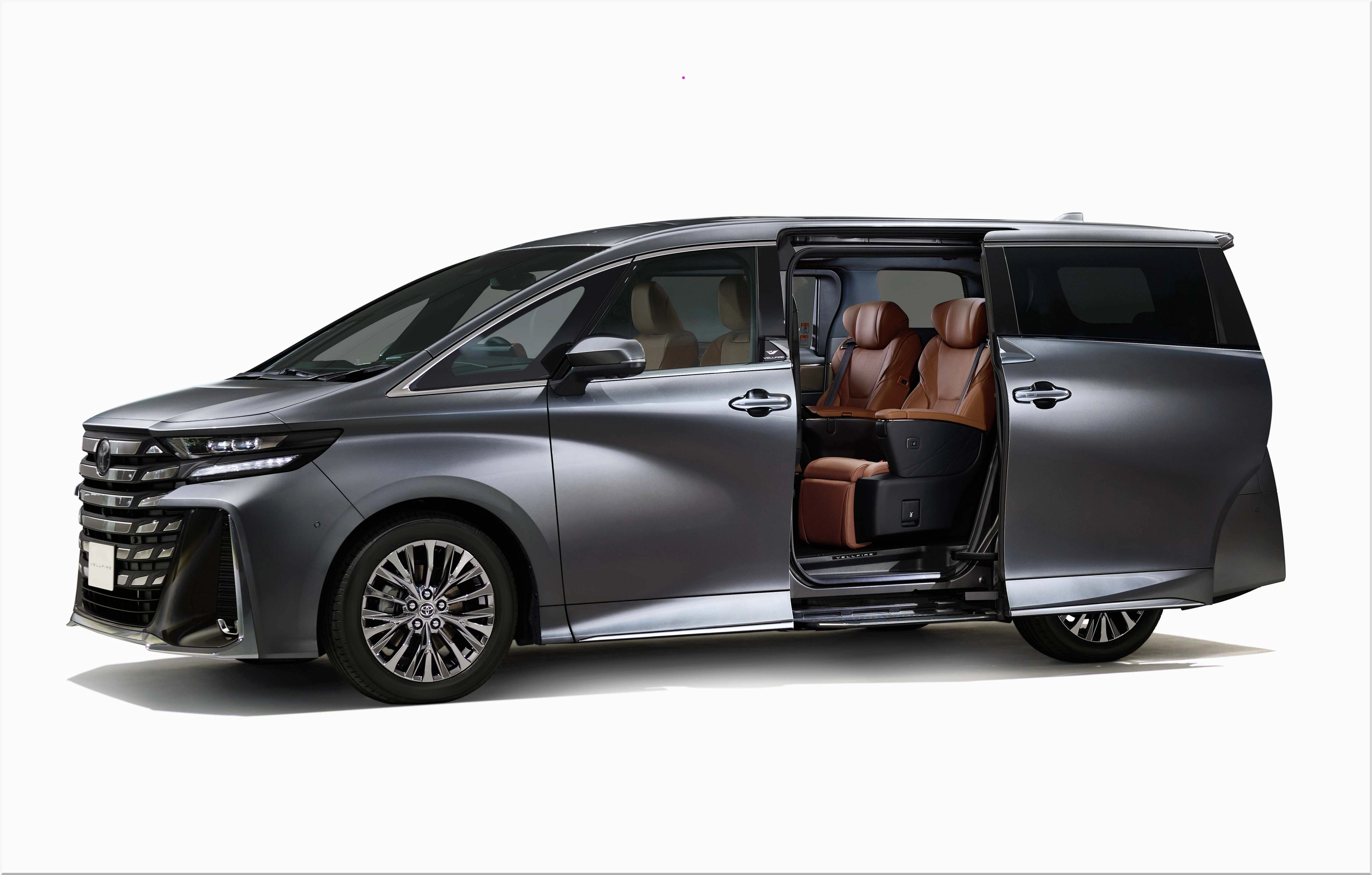
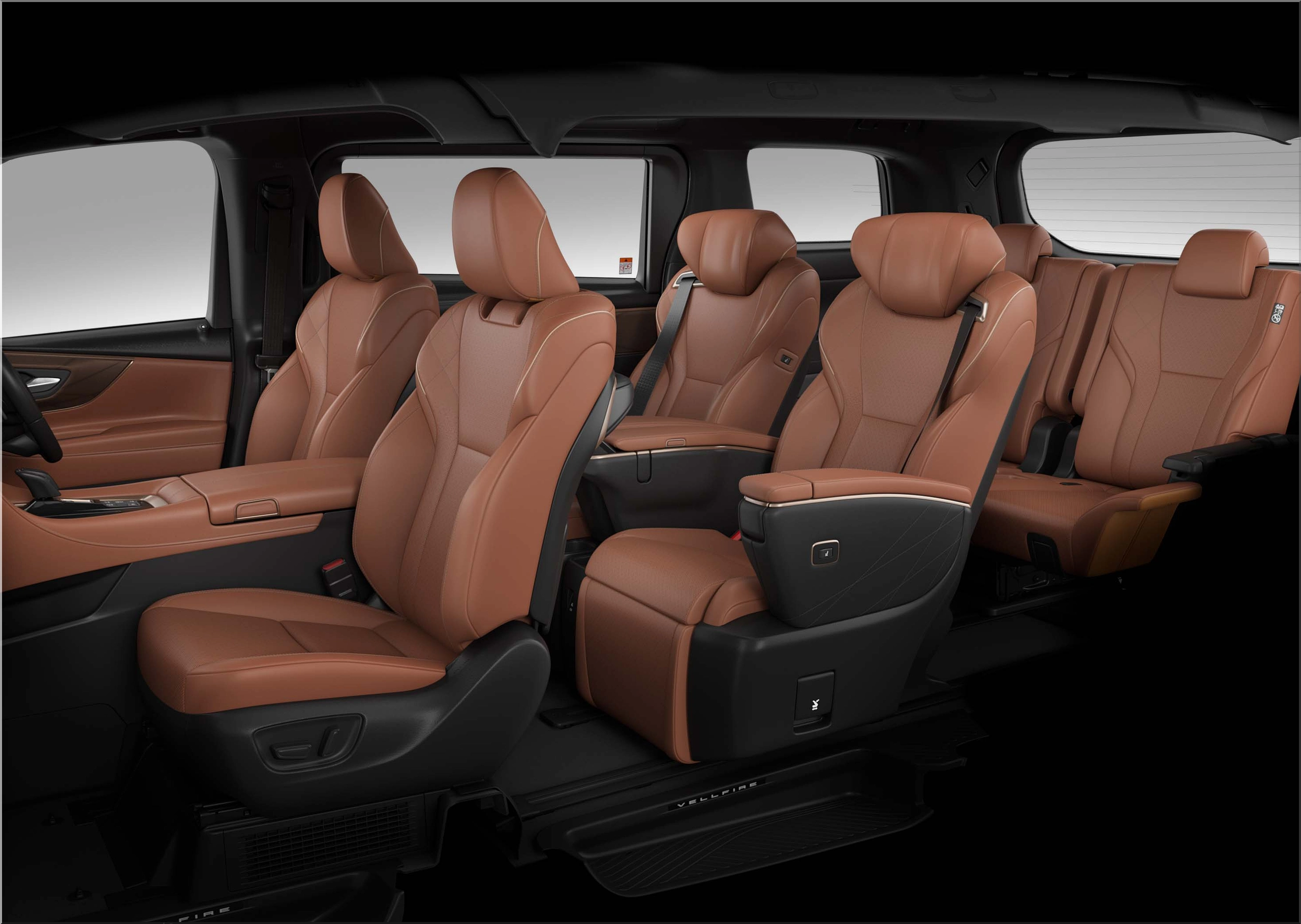
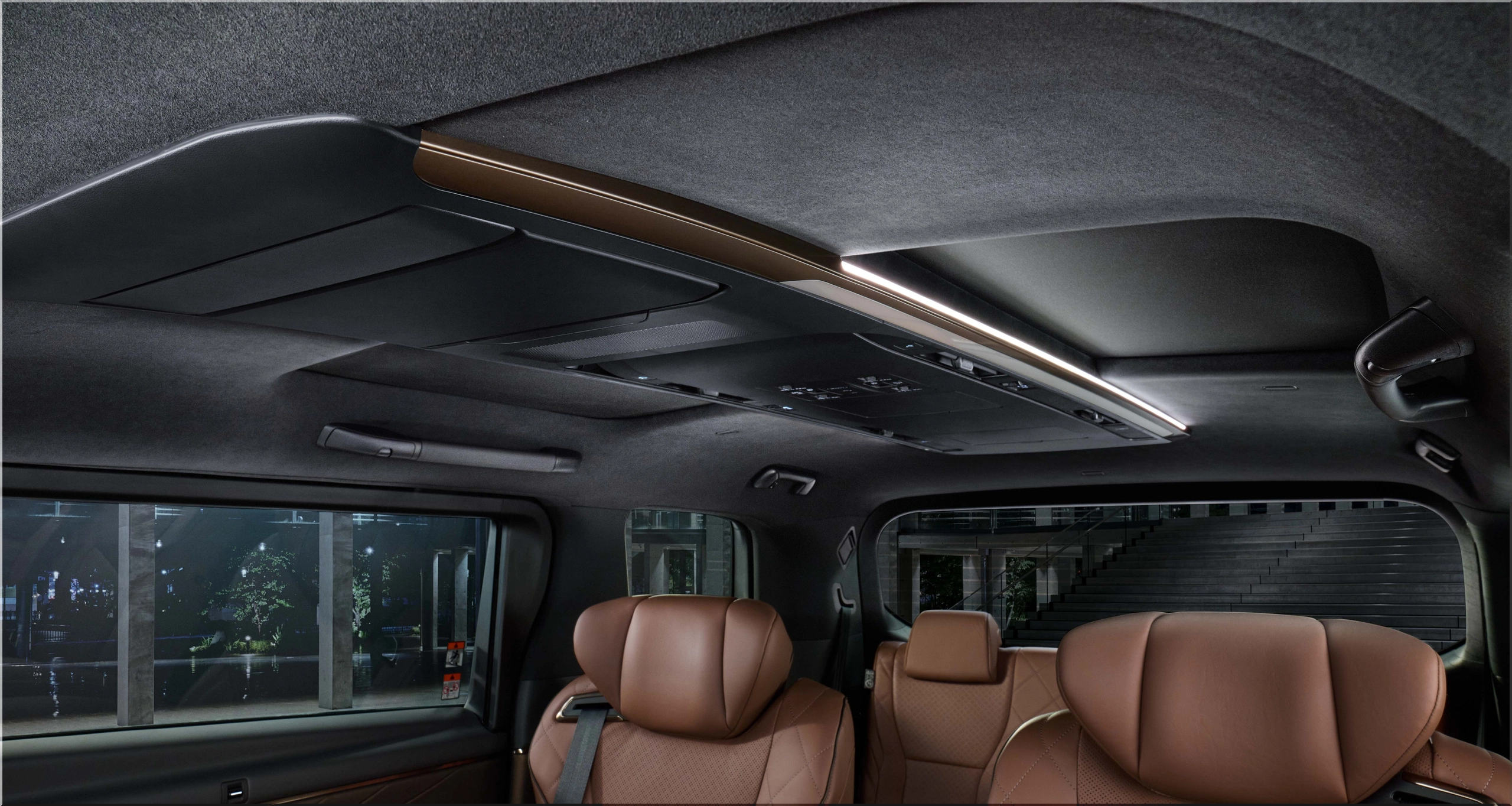
Passenger Comfort: Seatbacks offer multiple reclining angles. Headroom is generous. Air conditioning zones allow separate temperature settings.
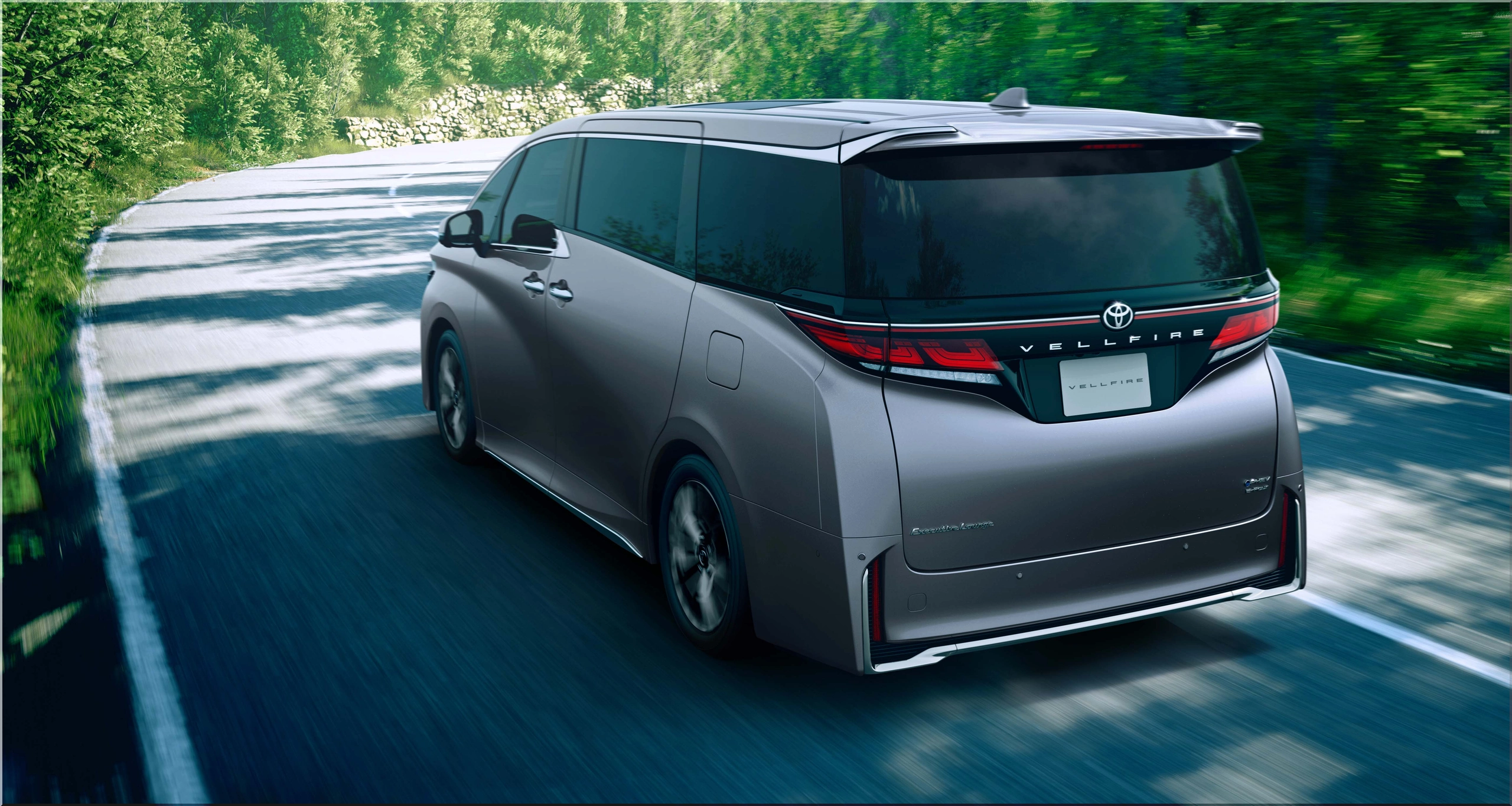
Cargo Space: The load area can handle groceries or suitcases. Power liftgates ease loading.
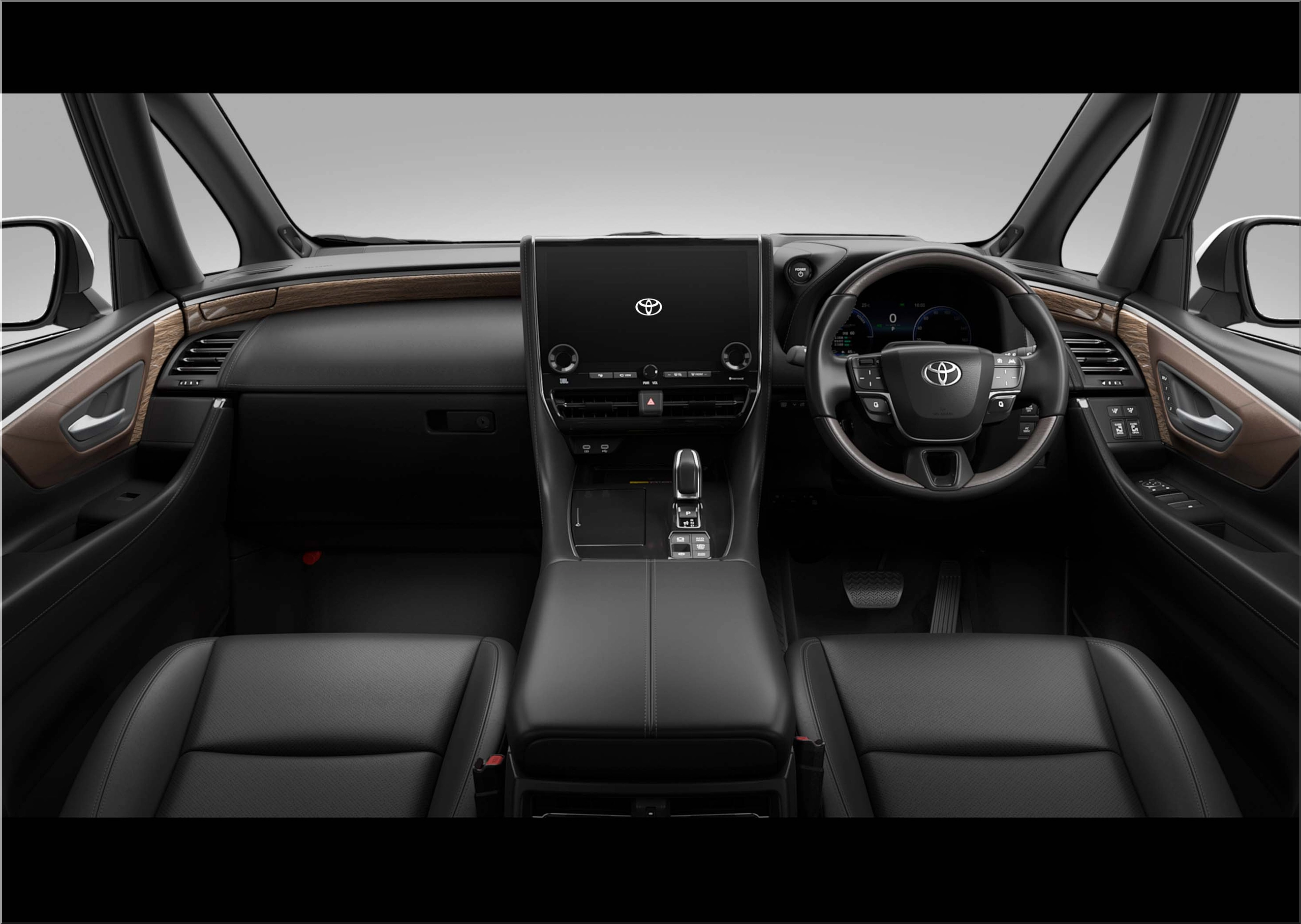
Entertainment: A touchscreen system supports streaming and phone integration. Controls are simple and easy to reach.
PHEV Technology: Efficient Power And Driving Range
The new Toyota Alphard PHEV and Toyota Vellfire PHEV share a 2.5-liter engine. They also house an electric motor and battery pack for extended electric range. Toyota’s engineers aim for quiet cabin noise at highway speeds. They also deliver enough torque to handle city traffic. Some early reports estimate an electric-only range of around 42 miles. That helps day-to-day commuting. It also cuts fuel spending.
Battery Specs:
- Capacity around 18.1 kWh
- Quick charge option
- Competitive recharge time
- Good blend of power and range
Toyota says the synergy between engine and motor can reduce emissions. That supports stricter regulations in many regions. Toyota watchers track how these minivans compare against other segment rivals. They keep an eye on real-world efficiency data too.
Interior And Exterior Highlights
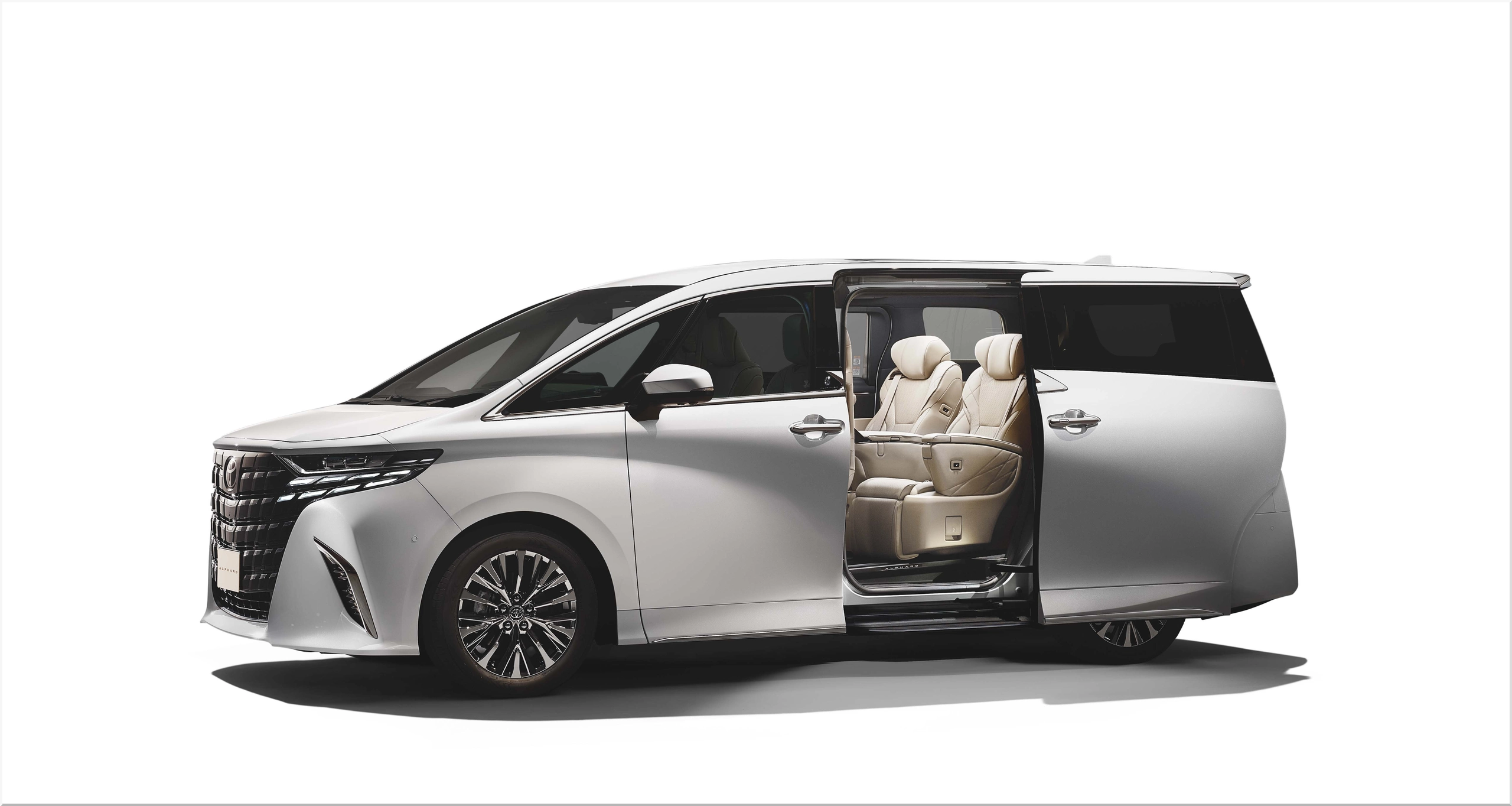
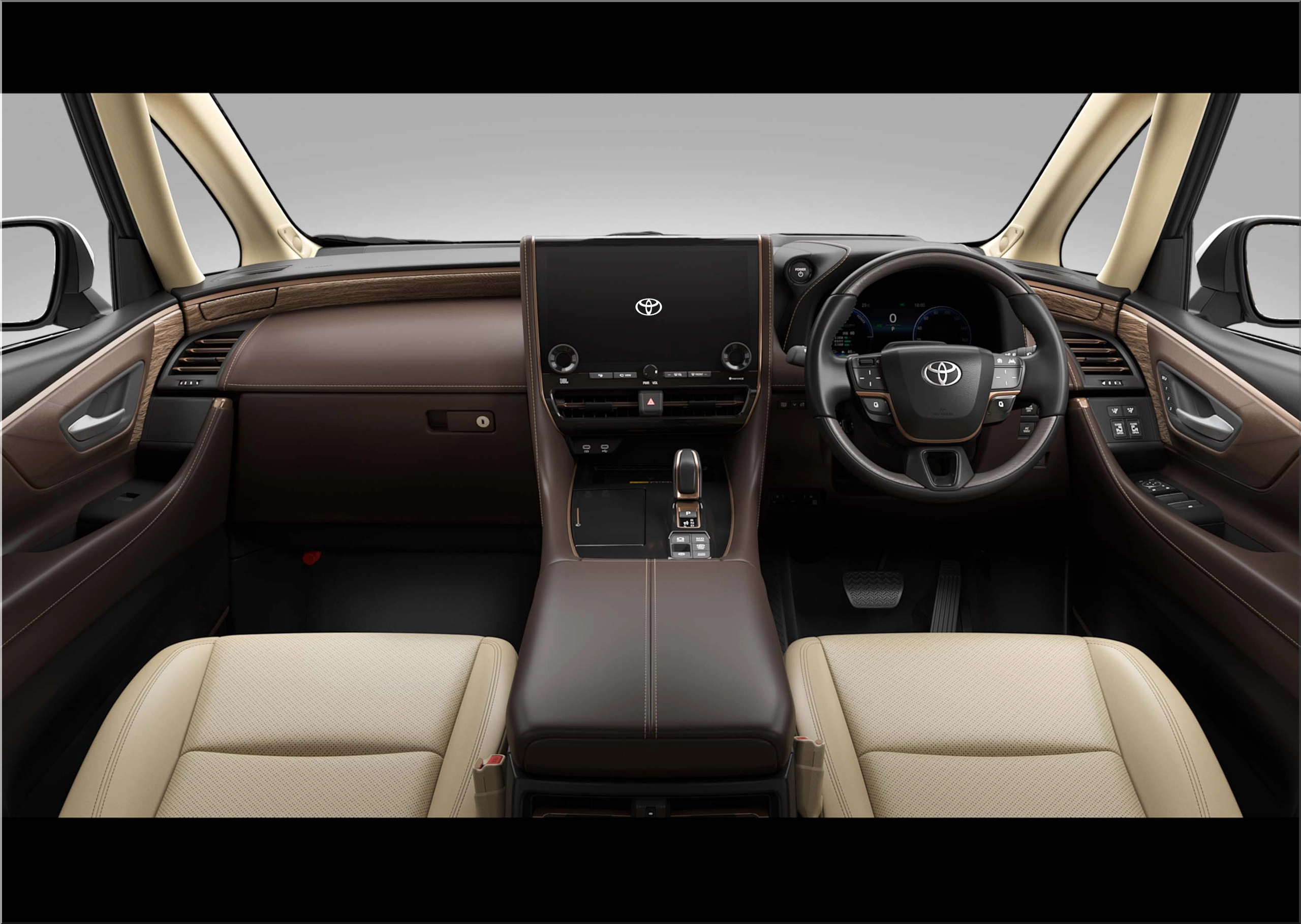
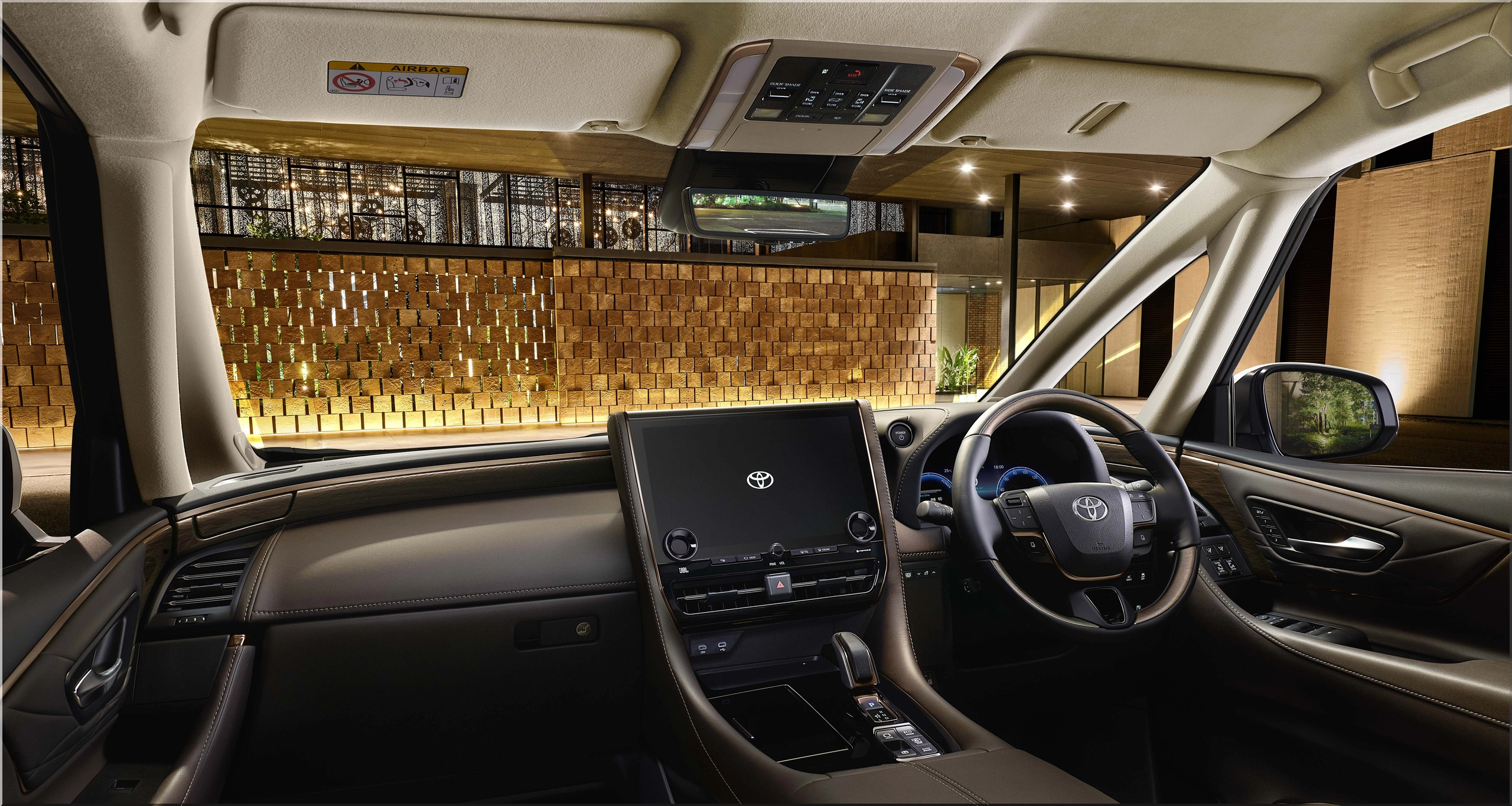
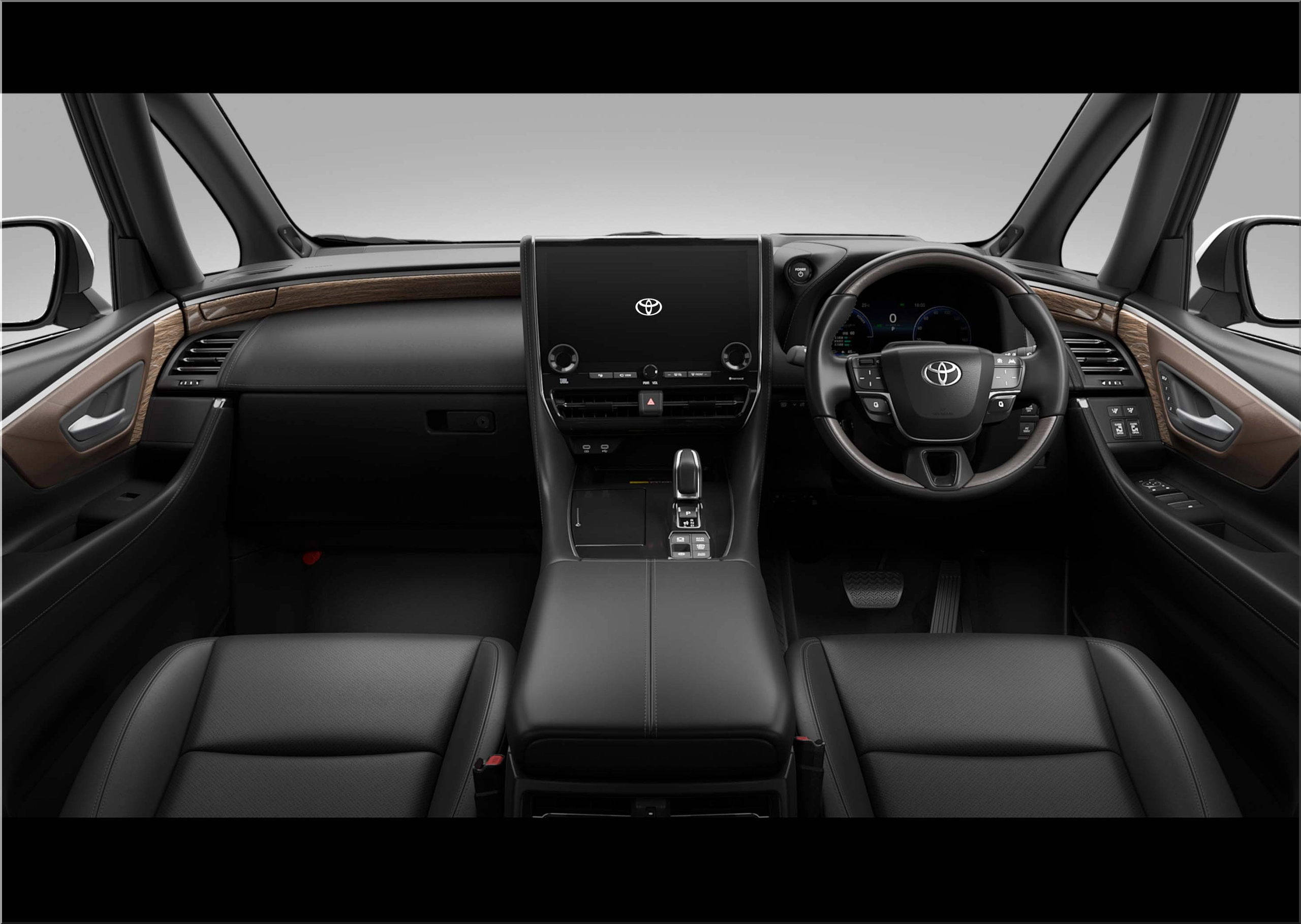
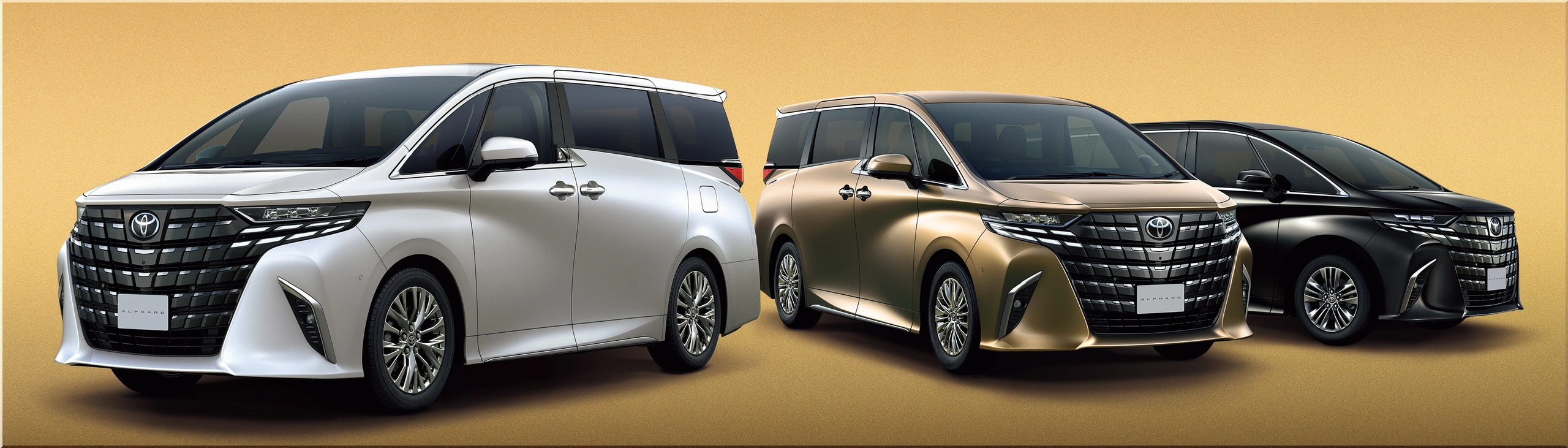
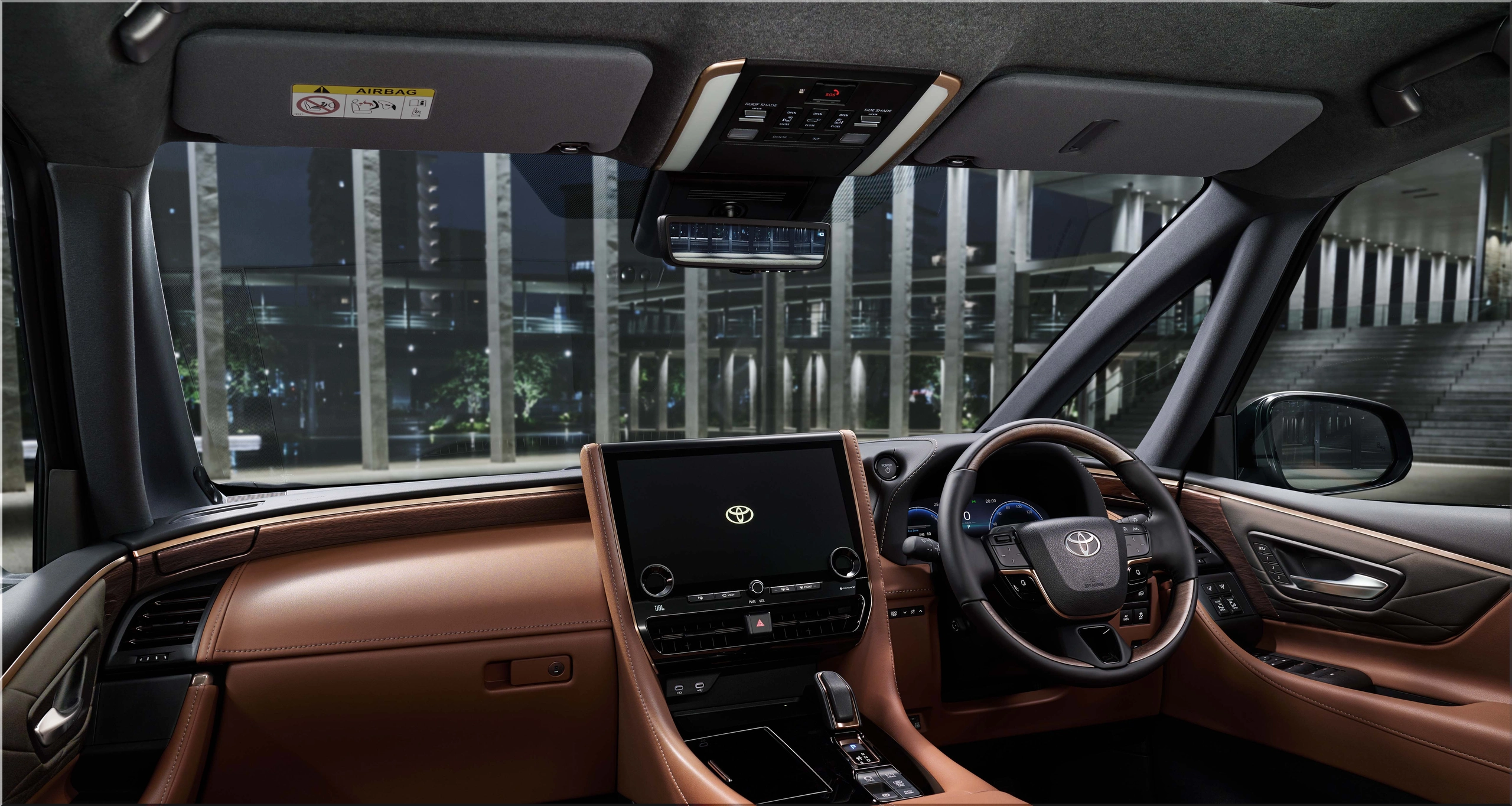
Each model seeks to attract both family drivers and executives. Toyota uses premium materials on dashboards, seats, and door panels. The layout facilitates easy third-row access. Sliding doors provide wide openings. Exterior colors vary. Darker shades emphasize the fresh lines. Lighter tones accentuate the shape of the headlights and taillights.
Standout cabin details:
- Padded armrests in both front and second rows
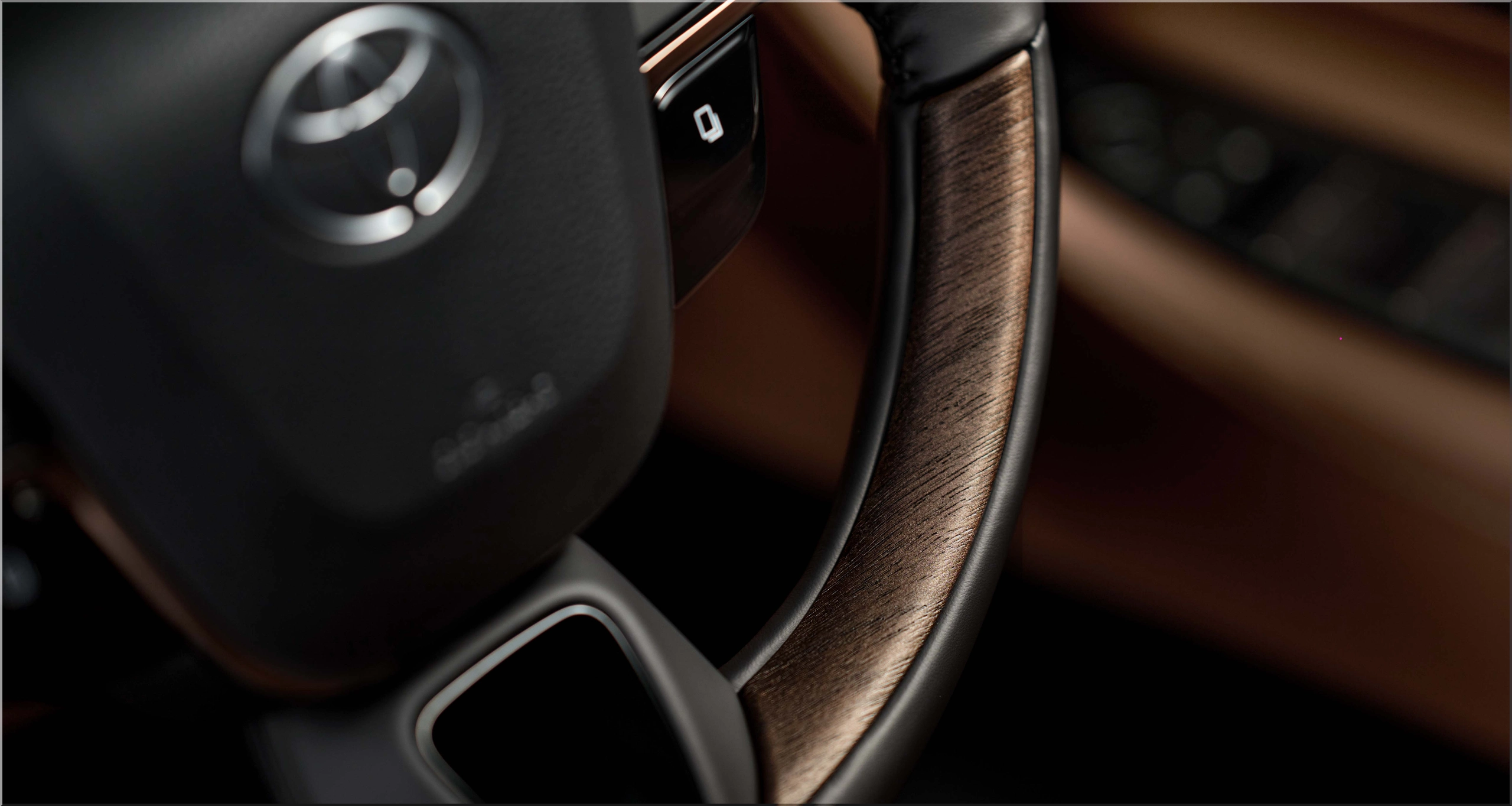
- Tilt and telescopic steering with audio controls
- Multi-zone climate control
- Optional panoramic views from large windows
Fuel Economy And Emission Standards
Toyota’s plug-in hybrid approach addresses evolving emission guidelines. The engine shuts off at low speeds to allow electric drive. This helps urban commuters. The brand aims for a reduced carbon footprint. That aspect appeals to policy-driven institutions. It also appeals to families who want better gas mileage.
Early tests suggest that city driving might see strong gains in miles per gallon. Highway driving still benefits from the hybrid synergy. Many owners appreciate a quieter ride when the system switches to electric power at lower speeds.
Dimensions And Seating Layout
These models maintain a length suitable for maneuvering in tight parking. Despite that, there is ample interior space. Toyota’s layout aims to accommodate up to seven or eight occupants. Seating is supportive. The second-row seats often include footrests. That design suits long rides.
Buyers may pick between seat configurations. Premium packages add amenities, such as ventilated seats and more seat adjustments. Some seats fold down for flexible cargo options. Families with strollers or sports gear find convenience in that arrangement.
Numbered List: Reasons To Consider A PHEV Minivan
- Fuel Savings: Electric mode cuts gas usage.
- Environmental Benefits: Lower emissions help address air quality.
- Smooth Ride: Hybrid tech reduces engine vibration.
- Tax Incentives: Some regions grant breaks to PHEV owners.
- Future-Proofing: Hybrids often stay relevant for years.
Comparison Table With Similar Options
Below is a table comparing the Toyota Alphard PHEV, Toyota Vellfire PHEV, and two other similar products from the same minivan market category. The table displays dimensions, approximate electric range, starting price, and seating capacity.
| Model | Approx. Length (in) | Electric Range (mi) | Starting Price (USD) | Seating Capacity |
|---|---|---|---|---|
| Toyota Alphard PHEV | 195 | 42 | 56,000 | 7/8 |
| Toyota Vellfire PHEV | 195 | 42 | 58,000 | 7/8 |
| Honda Odyssey Hybrid (Concept) | 196 | 30 (est.) | 50,000 | 7 |
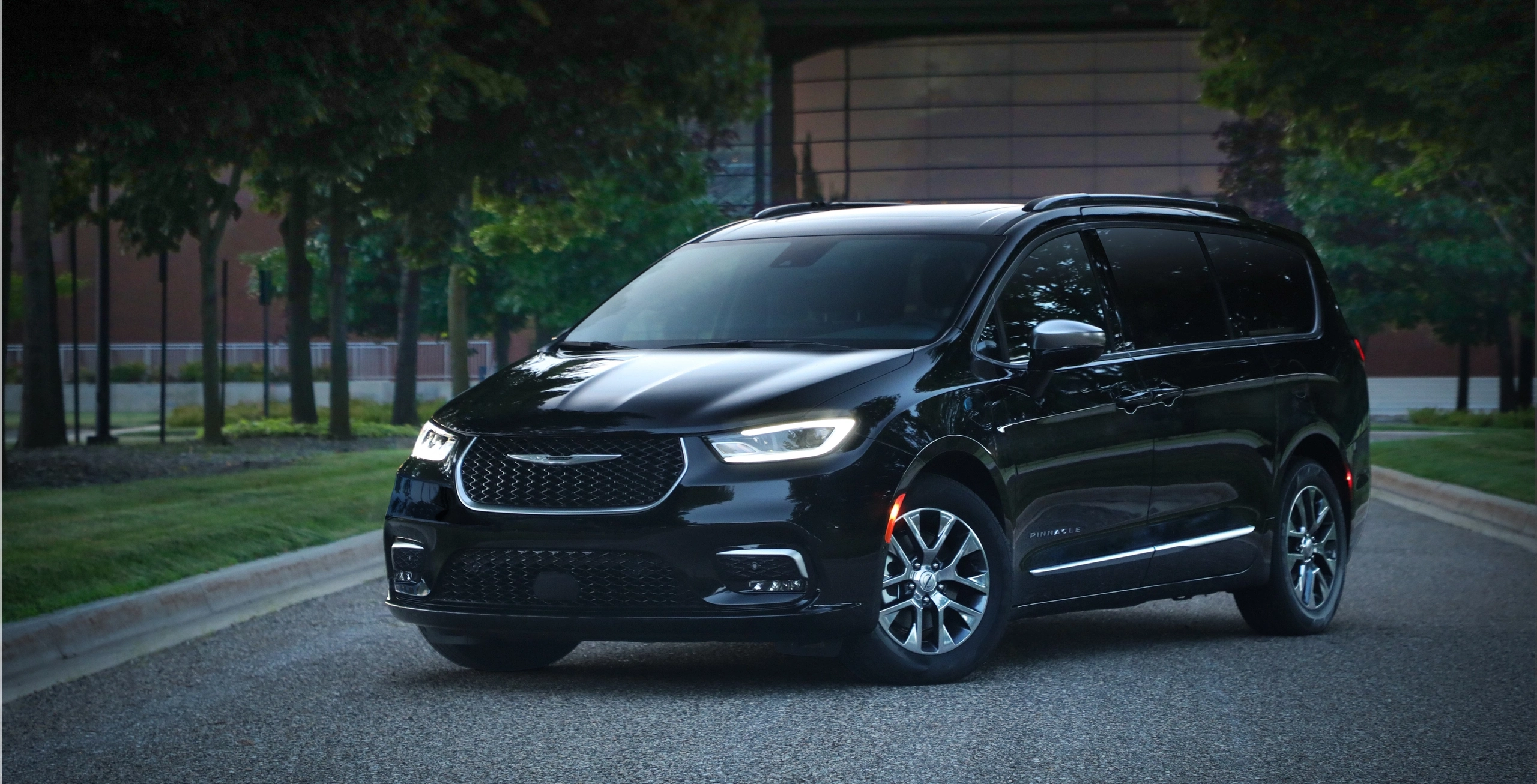
| Chrysler Pacifica Hybrid | 204 | 32 | 50,000 | 7 |
These figures may vary by trim. They reflect early estimates and general pricing.
Potential Pricing And Availability
Toyota’s official statements mention releases in the Japanese market in early 2025. Early pricing for the Toyota Alphard PHEV hovers around 56,000 USD. The Toyota Vellfire PHEV might start at 58,000 USD, depending on trim and region. Those figures could shift with taxes or delivery fees.
Buyers get standard warranties on battery systems. Extended warranties may be available. Some states or local entities give rebates for low-emission vehicles. That factor could offset the initial cost. Toyota expects interest from Asia, North America, and other key regions.







Maintenance And Ownership Experience
PHEV systems add complexity, yet Toyota tries to keep service straightforward. The brand’s engineers integrate battery, inverter, and engine controls. Diagnostics software helps technicians isolate any issues quickly. Toyota’s global dealer network understands hybrid technology.
Maintenance items often include:
- Brake pad checks (regenerative braking can extend pad life)
- Cooling system monitoring for battery modules
- Engine oil changes
- Tire rotations
Owners can track charge status through an app or dash display. The user-friendly system provides alerts when charging is done. That approach simplifies daily operation.
Driver Assistance Features
Toyota Alphard PHEV and Toyota Vellfire PHEV often include:
- Automatic emergency braking
- Adaptive cruise control
- Lane departure alerts
- Parking sensors
- 360-degree camera (in top trims)
These systems help drivers handle traffic, tight parking, and long commutes. Alerts often appear on the main instrument panel. Haptic feedback can also remind drivers to correct lane drift. Toyota invests in safety as a core pillar. Many owners value these features for peace of mind.
Resale Value And Long-Term Reliability
Toyota’s hybrids usually hold a fair resale value. The brand’s reputation for build quality may carry over to these PHEV minivans. Early adopters might see strong trade-in options if they upgrade later. Some owners keep Toyota hybrids for many years. They appreciate consistent performance and robust battery life.
Spare parts availability could influence resale value as well. Toyota’s global supply chain tries to support new models. Owners expect to find replacement parts if needed. That includes powertrain components, software updates, and interior fittings. Proper care helps preserve both battery capacity and overall reliability.
Driving Impressions And Handling
Test drives point to smooth acceleration in electric mode. The torque from the motor provides quick response at low speeds. On highways, the engine and motor coordinate to offer consistent cruising. Steering feedback is light, which suits families or city drivers.
The suspension layout reduces road bumps and body roll. This is crucial for passenger comfort. Long rides may feel relaxed, thanks to well-padded seats and noise insulation.
Design Differences Between Alphard And Vellfire
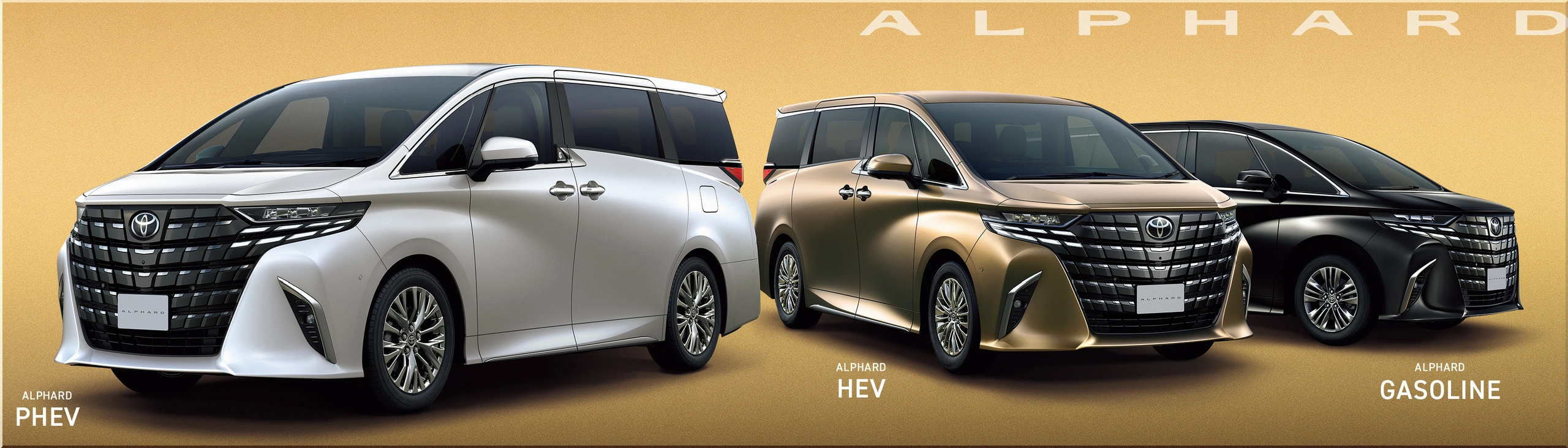
Toyota Alphard: Subtle, elegant grille design with more chrome. Interiors lean toward plush colors, such as beige or cream. Headlights have a refined shape, and the roofline slopes with a gentle curve.
Toyota Vellfire: More angular front styling with darker trims. Interiors may use black or gray seats. The headlights have a sharper look, and the front bumper has a bold shape.
Both share the same platform. Both have a 2.5-liter hybrid engine, electric motors, and advanced infotainment. Choices revolve around design preferences and optional packages.
Battery Performance In Various Conditions
Battery health can vary with weather. Very cold climates reduce electric range. Very hot climates also strain battery cooling. Toyota’s design addresses these issues with thermal management. Owners may store the vehicle in covered parking or garages to help keep battery temps stable. Regular software updates can refine battery usage. That helps maintain efficiency over time.
Bullet Points: Future Outlook
- Toyota may test new markets if early demand is high.
- Buyers seek lower emissions for city and highway use.
- Rival automakers watch Toyota’s moves in this minivan category.
- Emerging fuel regulations may favor plug-in hybrids.
- Family travel needs keep minivans relevant.
These factors shape the future of Toyota Alphard PHEV and Toyota Vellfire PHEV. The brand appears invested in expanding its hybrid lineup.
Cabin Technology And Infotainment
A central display offers navigation, music streaming, and hands-free calling. Toyota’s user interface responds to voice prompts. Some trims include a premium sound system. Rear passengers can watch shows on optional monitors. Wi-Fi hot-spot functionality can connect multiple devices. USB ports appear in front and rear rows. The goal: Let families or groups stay connected on the go.
Ownership Costs Beyond Purchase Price
Owners must budget for insurance, routine maintenance, and electricity costs if they charge at home. However, the reduced need for gas can offset some of these expenses. Some customers may install home charging units to optimize convenience. That can mean an upfront cost for the charger, plus local permits. Yet daily charging at home often costs less than fueling at a station.
Warranty Coverage
Toyota typically covers hybrid components for a set number of years or miles, whichever comes first. PHEV parts often have separate terms. Buyers can look into extended coverage for battery packs. The cost for such warranties varies by region. Standard coverage often includes three to five years for general parts and up to eight years for hybrid components. This offers a sense of security for new owners.
Potential Global Expansion
Toyota sees hybrid and PHEV solutions as part of its broader lineup. These minivans may appear in export markets if demand grows. Many international buyers appreciate minivan practicality. Hybrids tend to perform well in areas with frequent traffic. People want reliable vehicles that keep running costs manageable. That can favor a brand like Toyota, which has a large dealer network and established reputation for service.
Exterior Colors And Trim Packages
Common colors include White Pearl, Silver, Black, and Gray. Some limited editions may offer deep red or metallic variations. Trim levels can add features like larger wheels, roof spoilers, or special interior accents. LED headlights, automatic high beams, and optional fog lamps appear in higher trims. The brand tailors these packages for different budgets and preferences.
Measuring Success Through Consumer Feedback
Toyota often uses buyer feedback to adjust future models. Early adopters share real-world data on mileage, comfort, and reliability. Toyota might tweak certain features in mid-cycle updates. That process can refine each model’s performance. Reviewers often mention factors like seat comfort, dash layout, or how easy the infotainment system is to operate. If the brand sees positive reviews, it can boost marketing in that segment.
Handling Competition In The Hybrid Minivan Segment
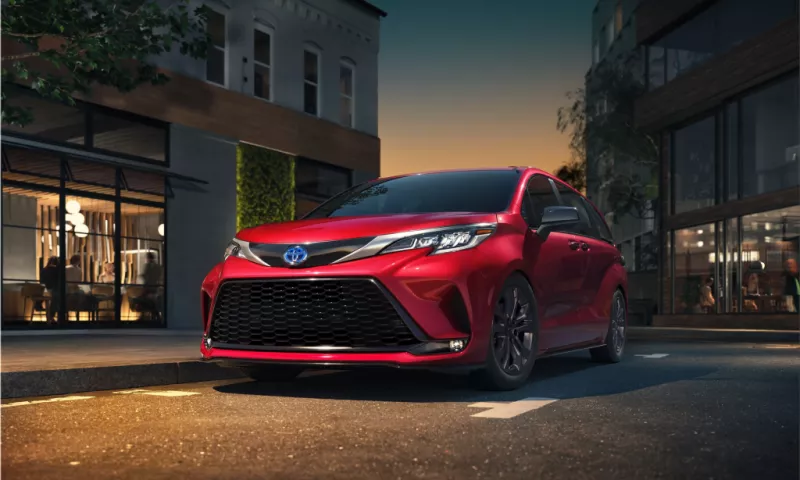
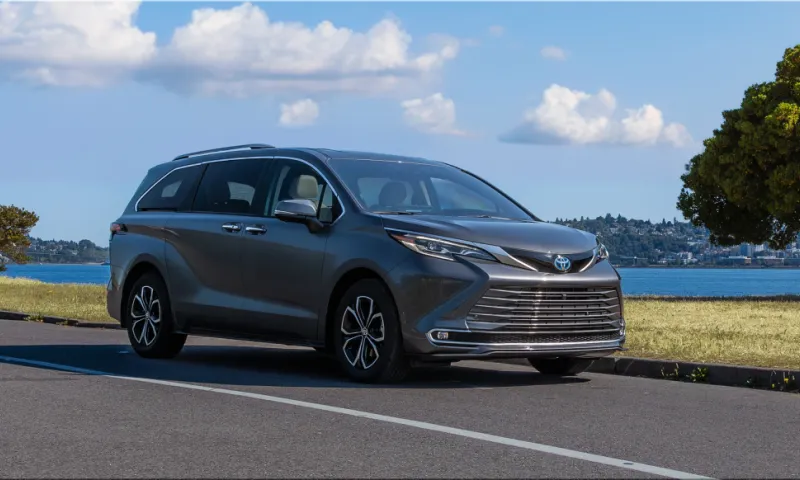
Honda Odyssey Hybrid concepts and the Chrysler Pacifica Hybrid provide alternatives in the same space. Other automakers may also roll out hybrid or electric minivans soon. Toyota’s strategy is to keep improving battery tech. That helps keep its offerings fresh. Price, reliability, and brand loyalty remain key factors for prospective buyers.
Special Editions Or Accessories
Toyota could release TRD-branded accessories for the Vellfire PHEV. Sporty bumpers or side skirts might appear. The Alphard might have a luxury edition with special interior materials. Aftermarket suppliers may offer roof racks, cargo boxes, or upgraded wheels. Owners who want a distinct look can explore these packages. Toyota’s official announcements sometimes detail extra accessories or styling kits.
Seating Configurations And Flexibility
Certain trims have captain’s chairs in the second row. Some have bench seats. The seats can fold to accommodate luggage. Step-in height is moderate for easier entry. Grab handles on the pillars assist older passengers or children. The seat rails slide to adapt legroom as needed. Toyota tries to cater to group travel, families with kids, or business executives who want a comfortable ride.
Impact On Toyota’s Brand Evolution
Hybrid technology is integral to Toyota’s broader strategy. The Prius started the push. Many sedans and SUVs adopted hybrid powertrains next. Now, minivans join the lineup. That signals Toyota’s stance: Hybrids can be used in every product segment. This approach cements Toyota’s hold on environmentally friendly solutions.
Engine Specifications In More Detail
- Engine Displacement: 2.5 liters
- Cylinder Configuration: Inline-four
- Electric Motor: Single or dual motor, depending on the drivetrain
- Transmission: E-CVT for seamless power delivery
- Horsepower: Combined output surpasses 200 hp in many cases
This combination of gas and electric components targets fuel efficiency and consistent acceleration. Owners can drive in EV mode for short distances. They can also select hybrid mode for extended trips.
In-Cabin Connectivity
The main cluster may incorporate digital gauges. They show battery status, charge levels, and estimated electric range. Steering wheel buttons control volume, phone calls, and adaptive cruise. Voice assistance recognizes many commands. That helps the driver focus on the road. Apple CarPlay and Android Auto come standard in many trims. Passengers can stream music or check traffic conditions on the go.
Charging Tips
PHEV owners can charge at home or at public stations. Charging at home with a standard outlet can take longer. A Level 2 charger can speed up the process to a few hours. Public fast chargers can give a partial top-up quickly. Cold or very hot weather can alter charging times. Drivers often plan to park overnight for full charges when possible.
Possible Limitations
All vehicles have trade-offs. Weight from batteries can affect handling. Pricing is higher than standard minivans. Owners must learn charging procedures. Some areas lack robust charging infrastructure. Yet rising interest in green technology might drive more charging stations in urban centers.
Pros And Cons In Bullet Points
Pros:
- Strong fuel economy
- Lower emissions
- Smooth driving experience
- Advanced infotainment and safety
- Respected brand reputation
Cons:
- Higher base price
- Extra weight from battery packs
- Possible limited fast-charge locations
- Maintenance requires hybrid-trained technicians
- Smaller trunk space if seats are deployed
User Reception And Early Buzz
Initial reactions emphasize the sophisticated cabin and easy handling. Drivers appreciate the smooth torque. Families like the flexible seating arrangement. Safety experts applaud the extra driver-assist features. Critics mention the premium pricing. They also discuss battery replacement costs down the line. Overall, the response skews positive.


Final Thoughts
The Toyota Alphard PHEV and Toyota Vellfire PHEV mark a step forward for minivans in Japan. They combine practicality, hybrid technology, and fresh styling. They target buyers who seek an efficient family vehicle or a comfortable corporate shuttle. Reports suggest they address day-to-day demands with strong reliability. Toyota fans will watch how these PHEV minivans do in a market that values eco-friendly and comfortable rides.
- Add new comment
- 197 views