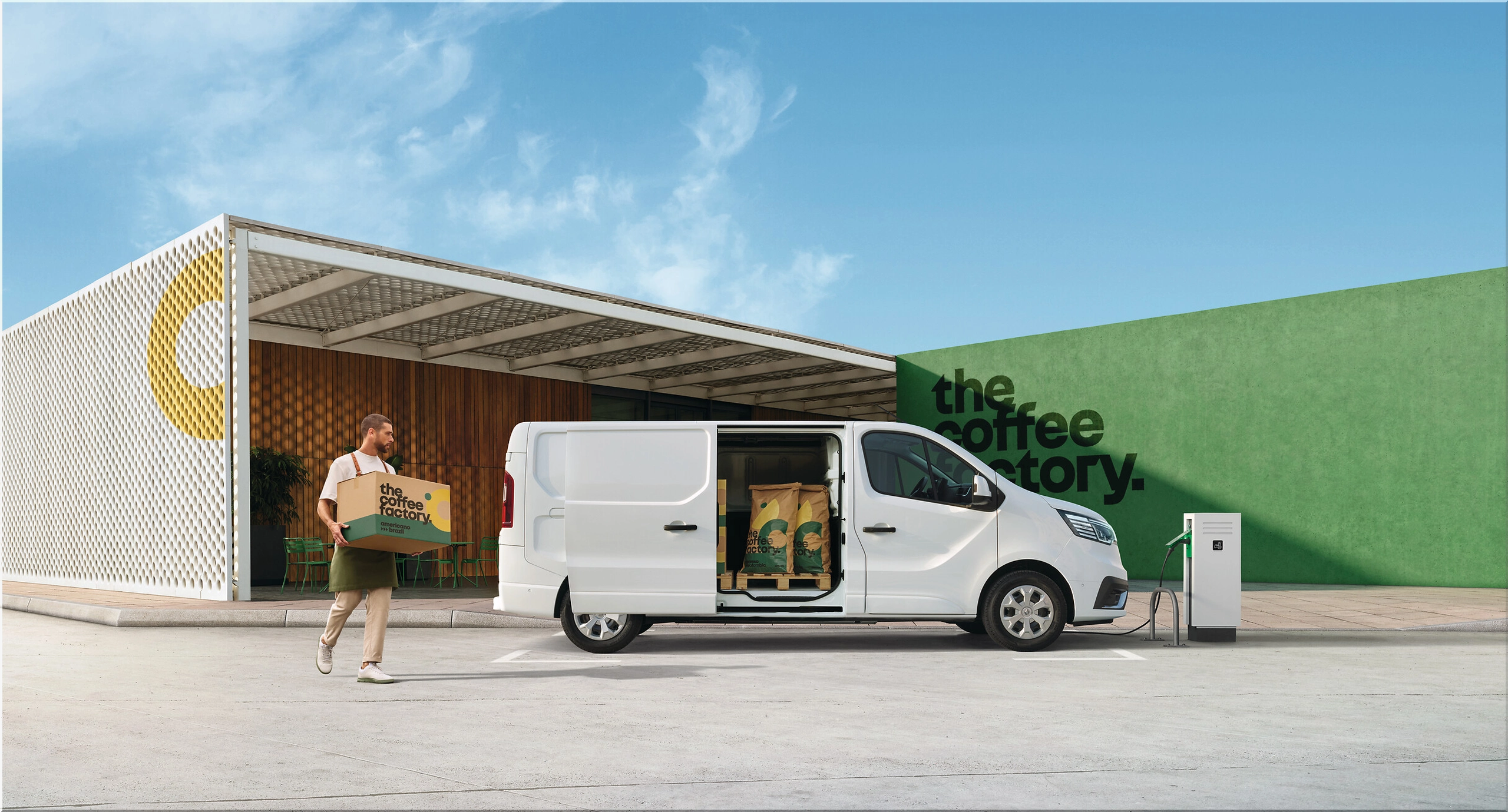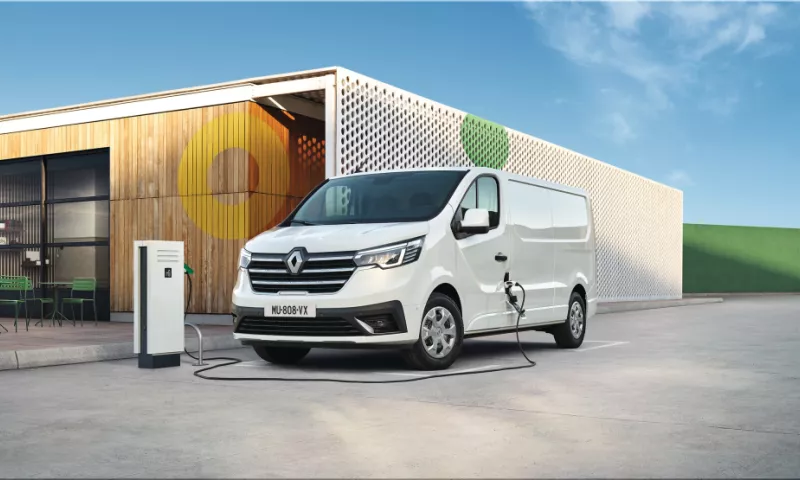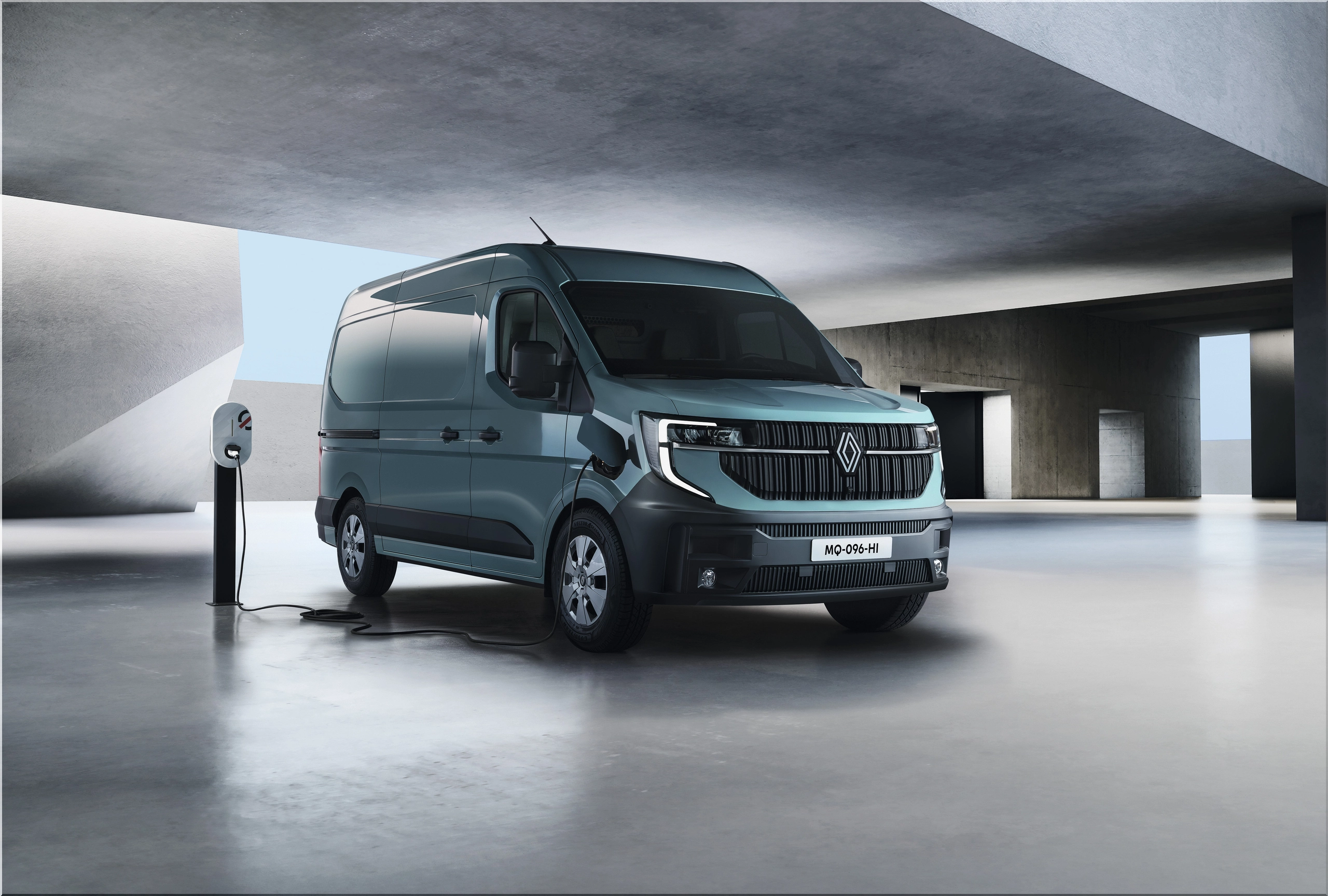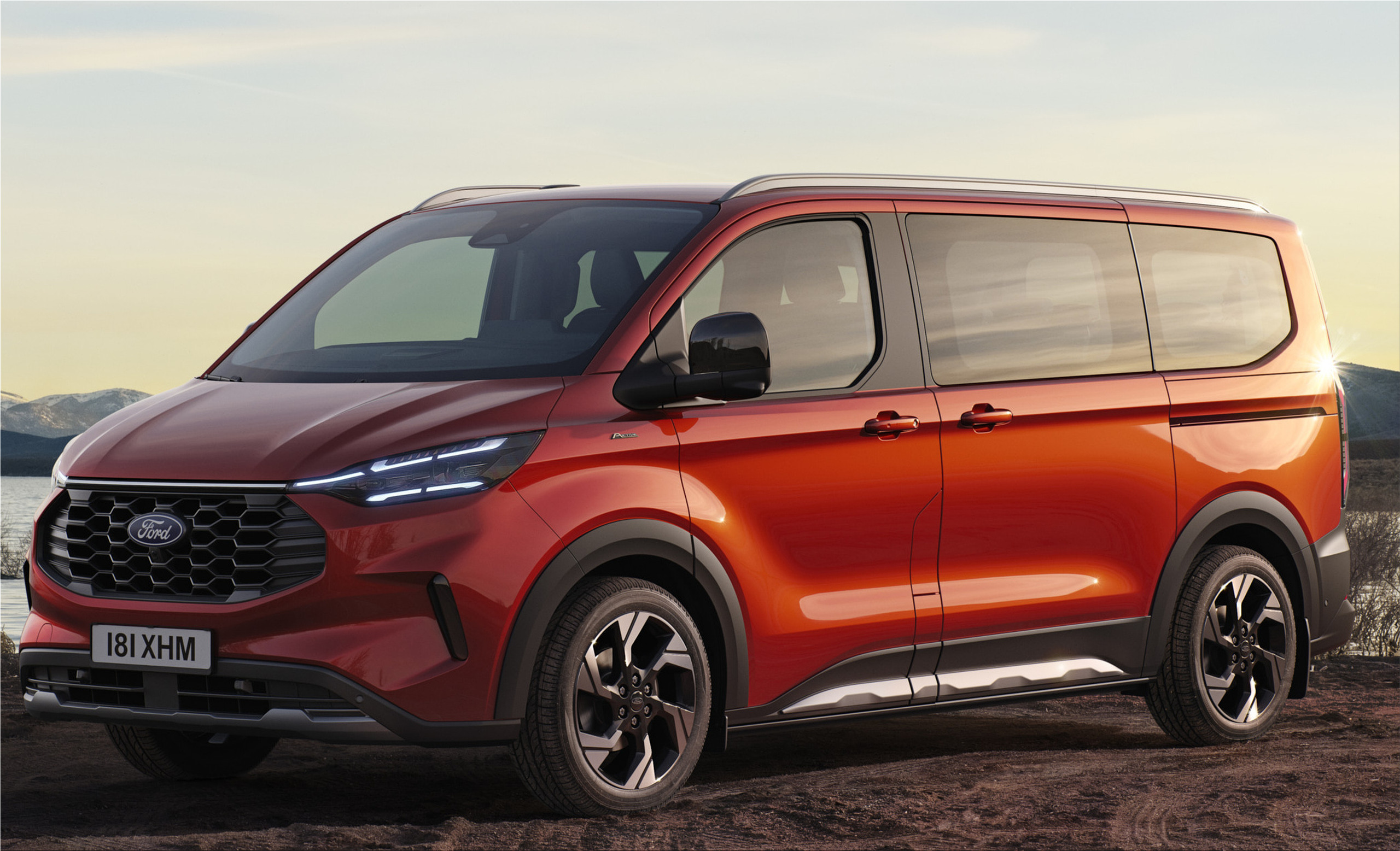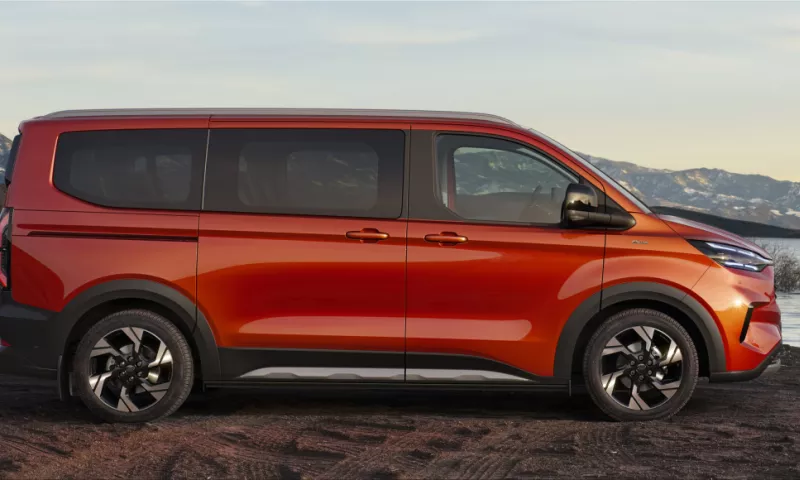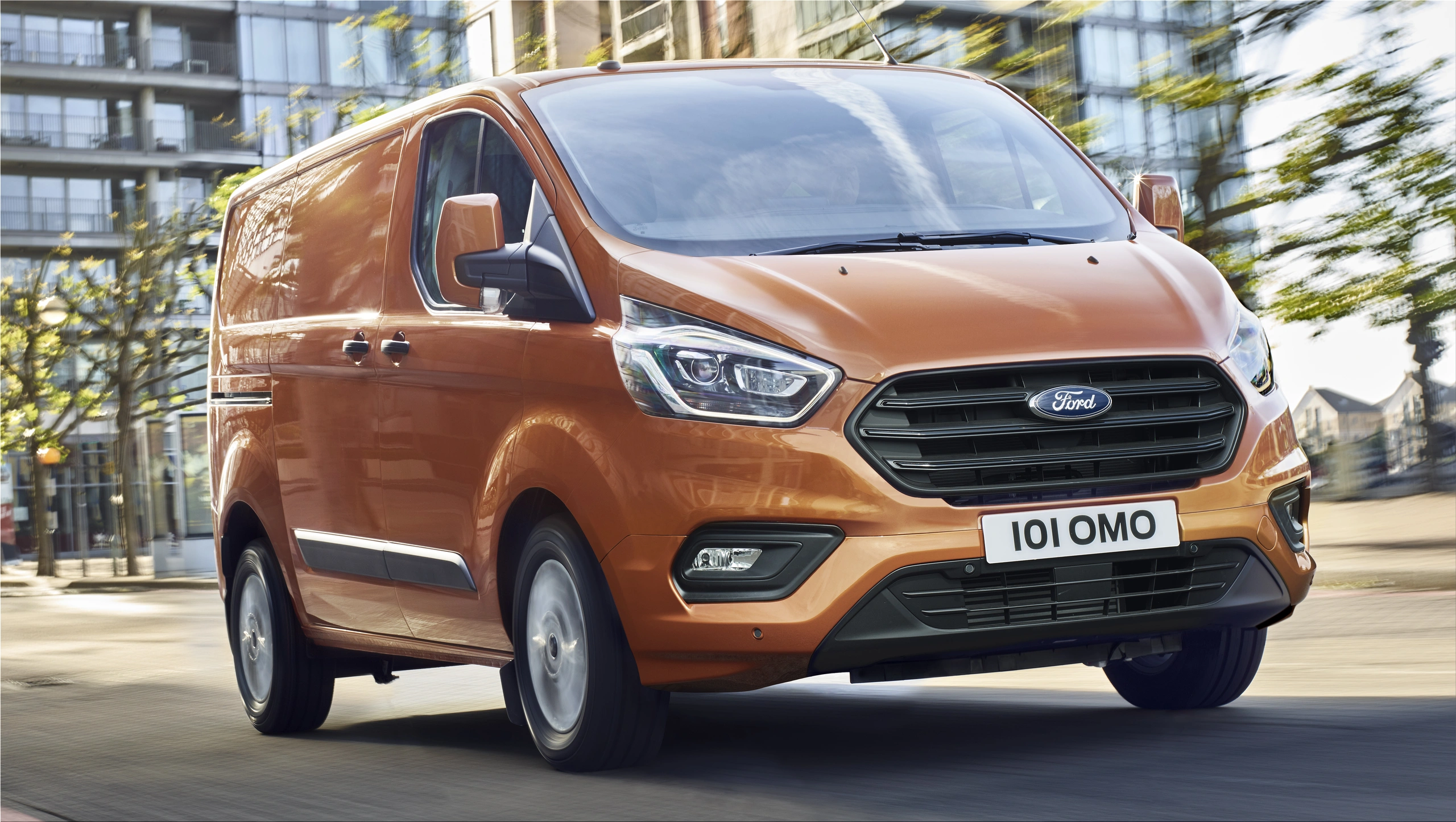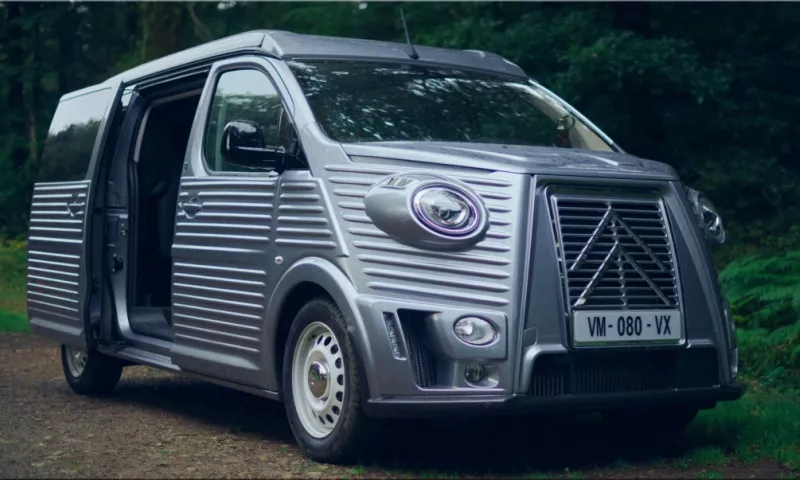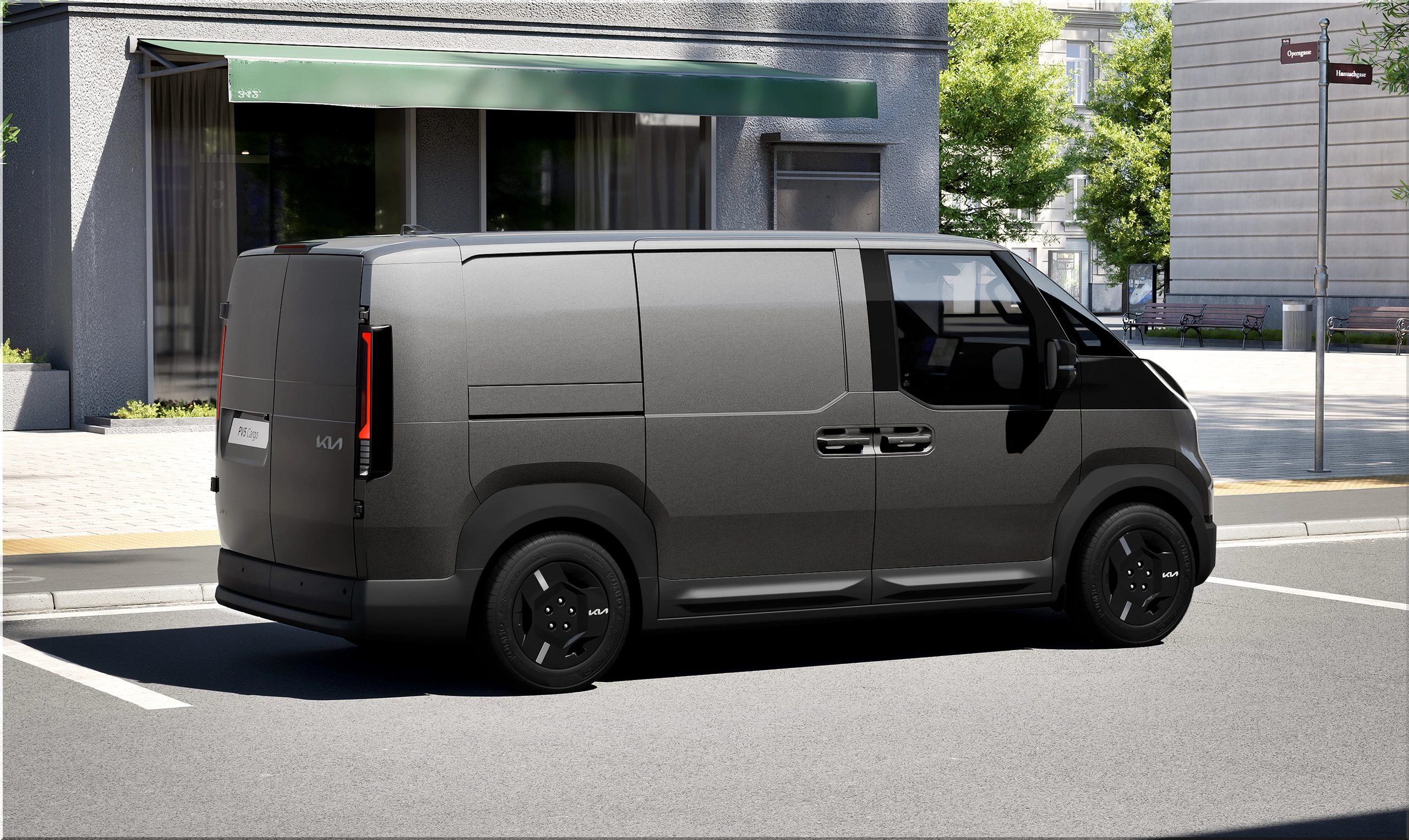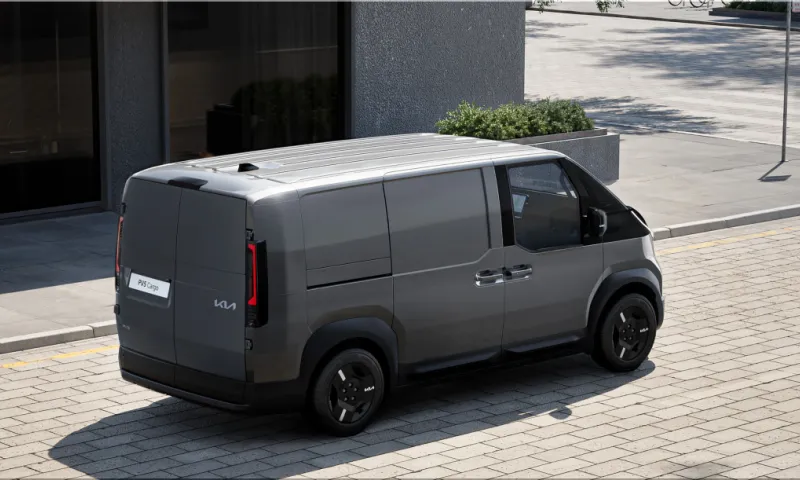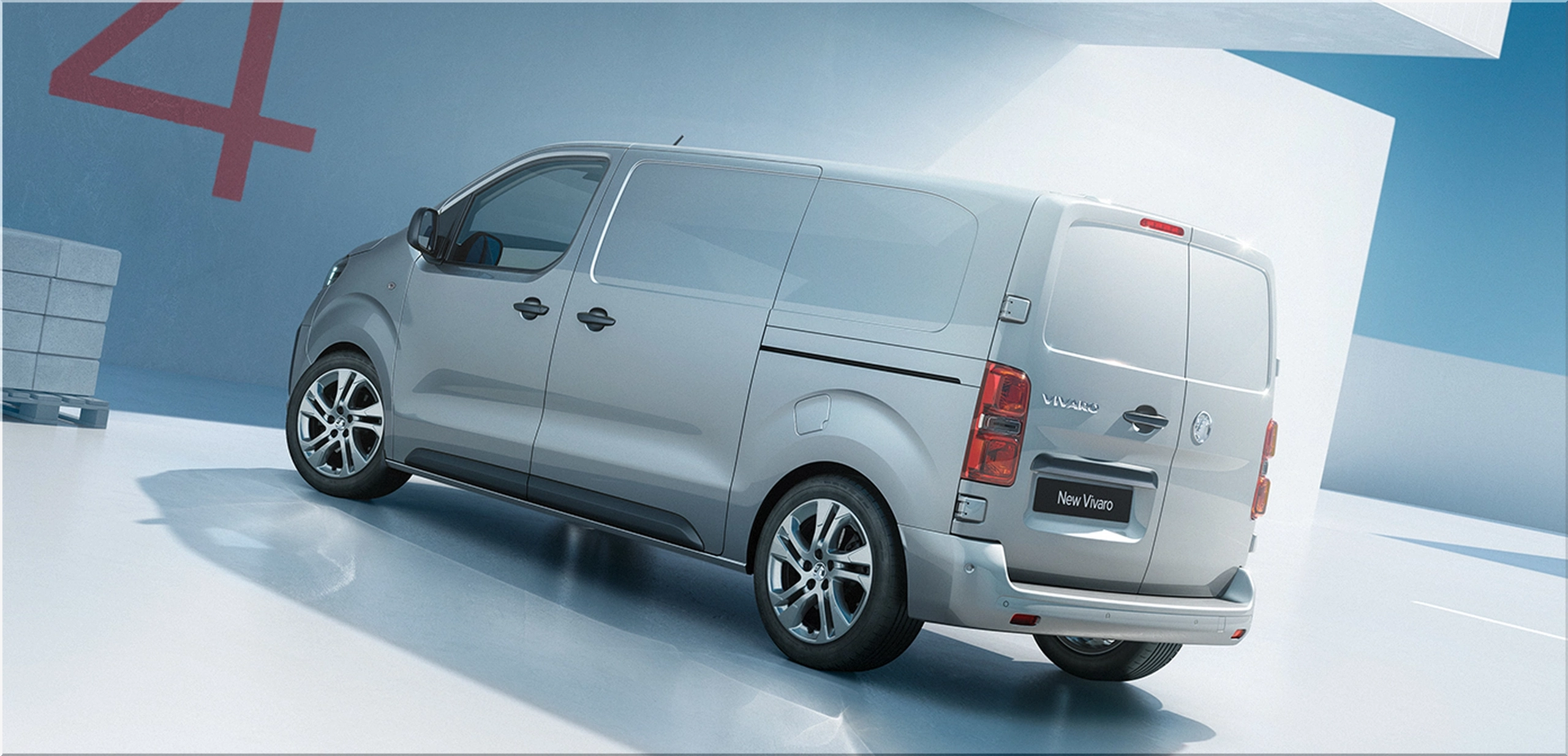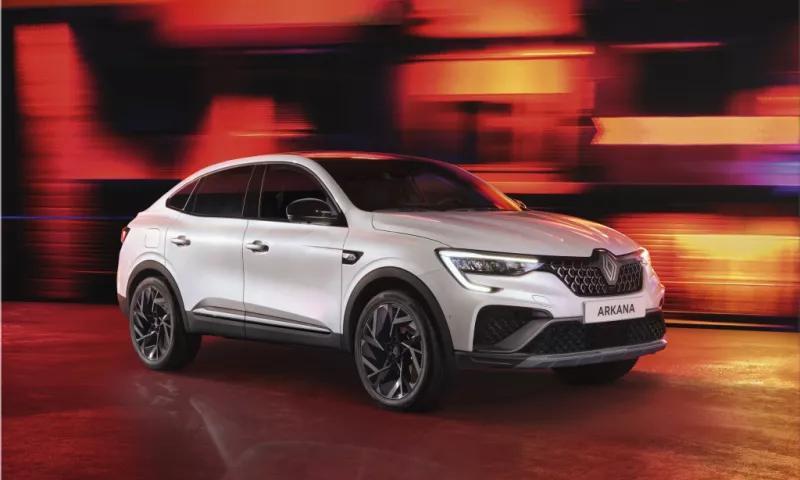
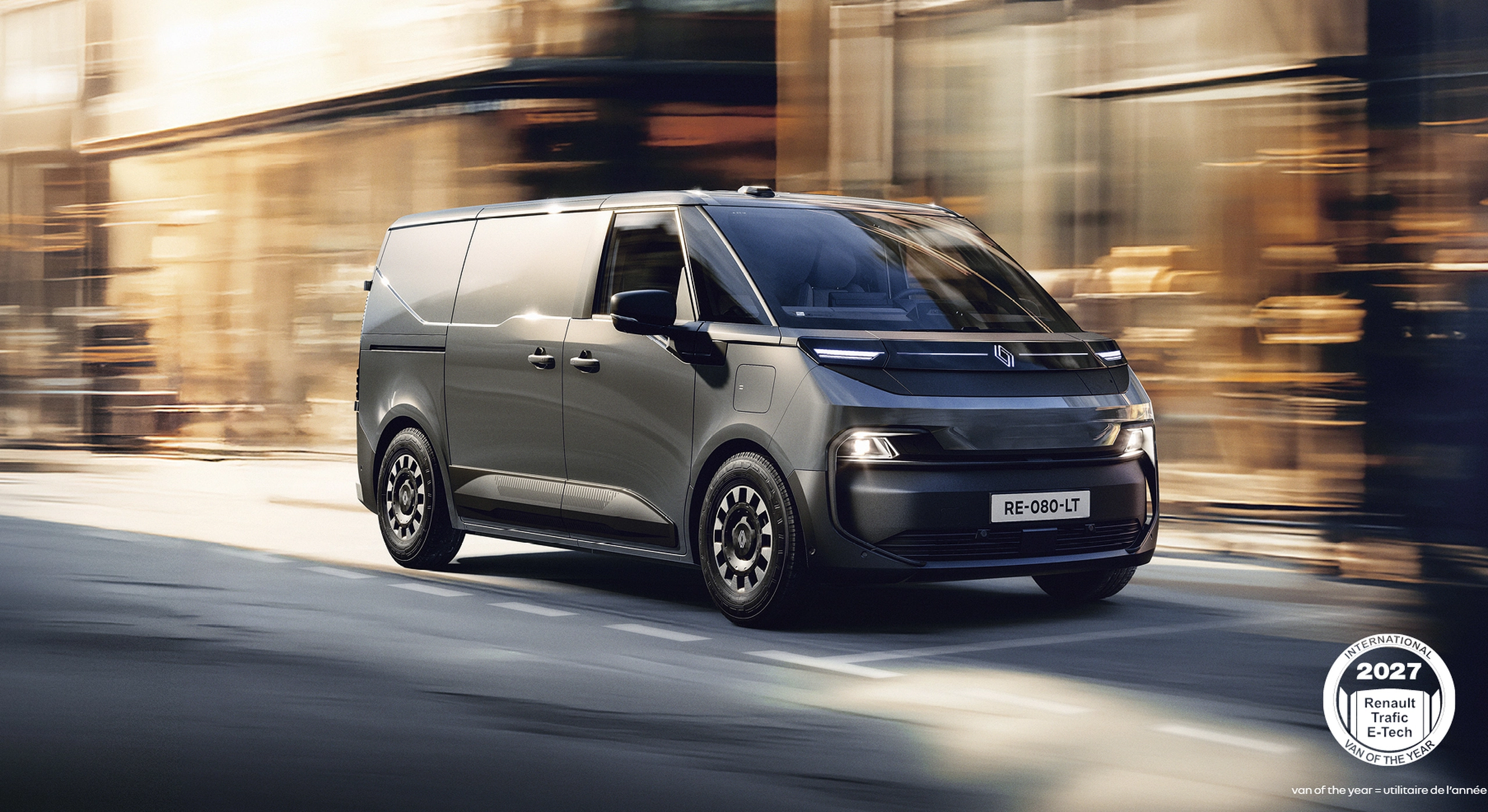
Renault has taken the International Van of the Year 2027 award with its fourth-generation Renault Trafic Van E-Tech electric. All 26 jury members placed the medium electric van first during the Night of the Stars ceremony at IAA Transportation in Hanover on September 14, 2026.
The unanimous result gives Renault its sixth IVOTY title and Trafic its second win, 25 years after the 2002 victory. More importantly, the judges rewarded a work van designed around uptime: 800-volt charging, a 1.3-tonne payload, compact urban dimensions and software that can receive remote updates.
Image
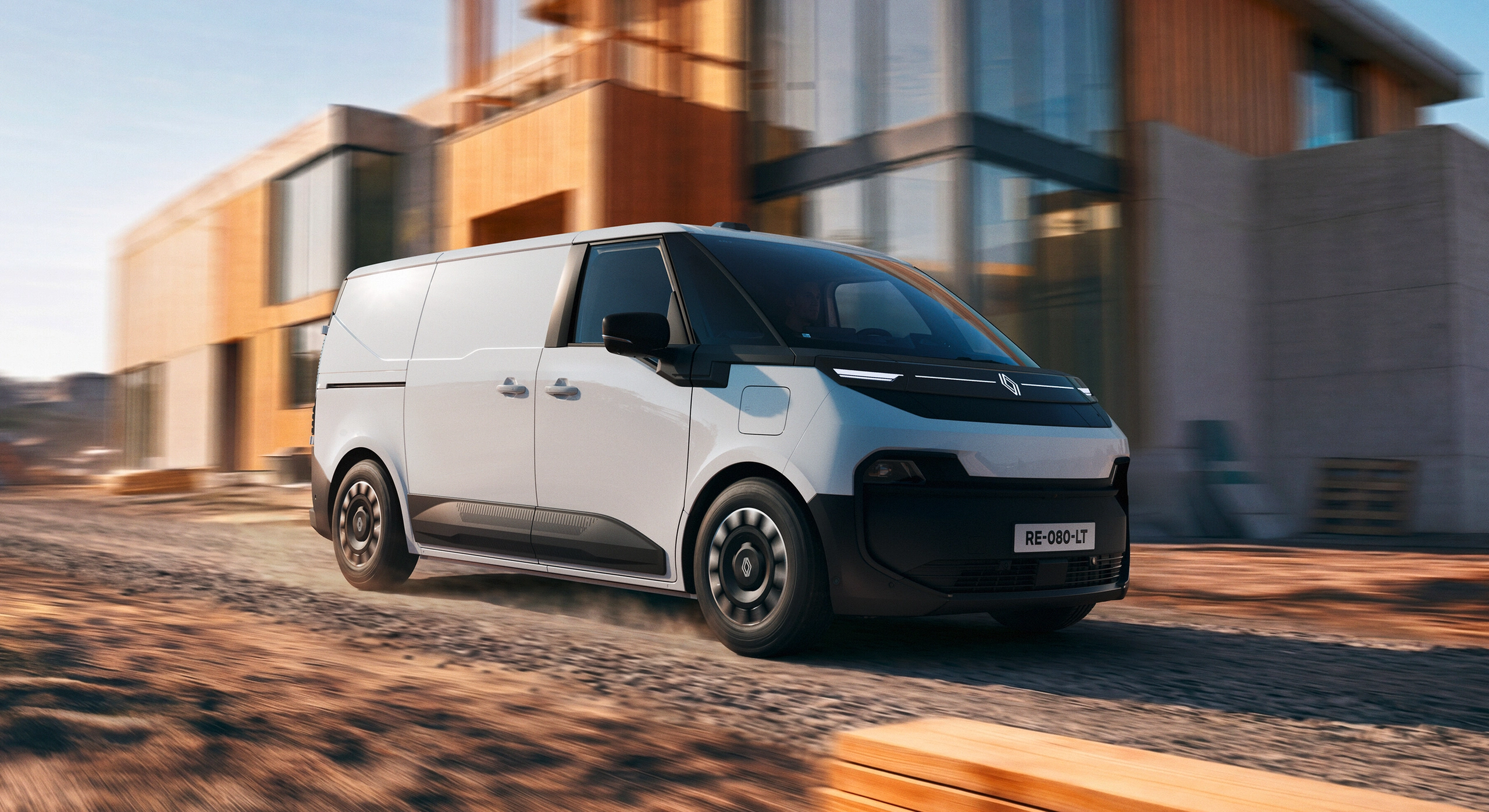
Why the Jury Chose the Electric Trafic
The IVOTY jury assesses each candidate's contribution to efficiency, safety, lower environmental impact and sustainable light-goods transport. The new Trafic beat five rival entries, including electric vans from established European groups and newer Asian challengers.
| Result | 2027 IVOTY candidate | Key position |
|---|---|---|
| Winner | Renault Trafic E-Tech electric | Every juror ranked it first |
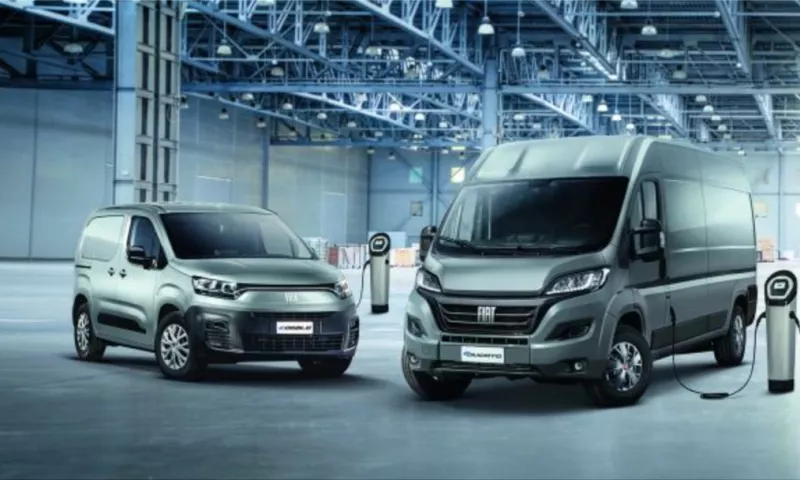
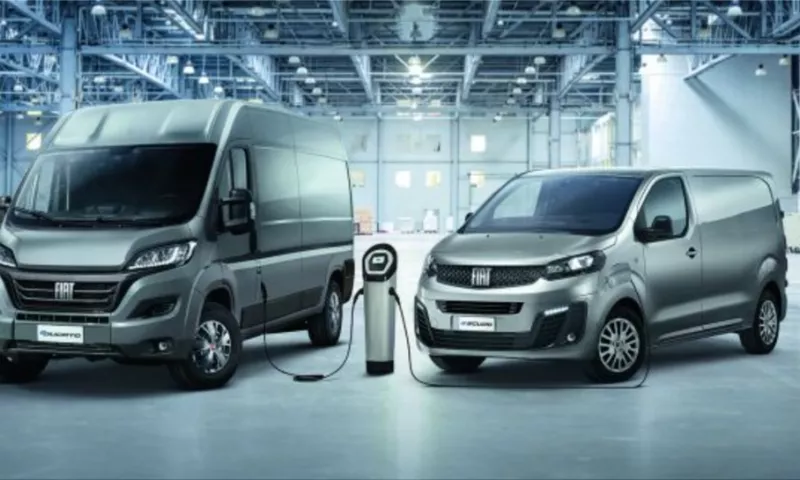
| Runner-up | Stellantis ProOne Compact | Multi-brand compact-van family |
| Joint third | Farizon V7E | New Chinese electric challenger |
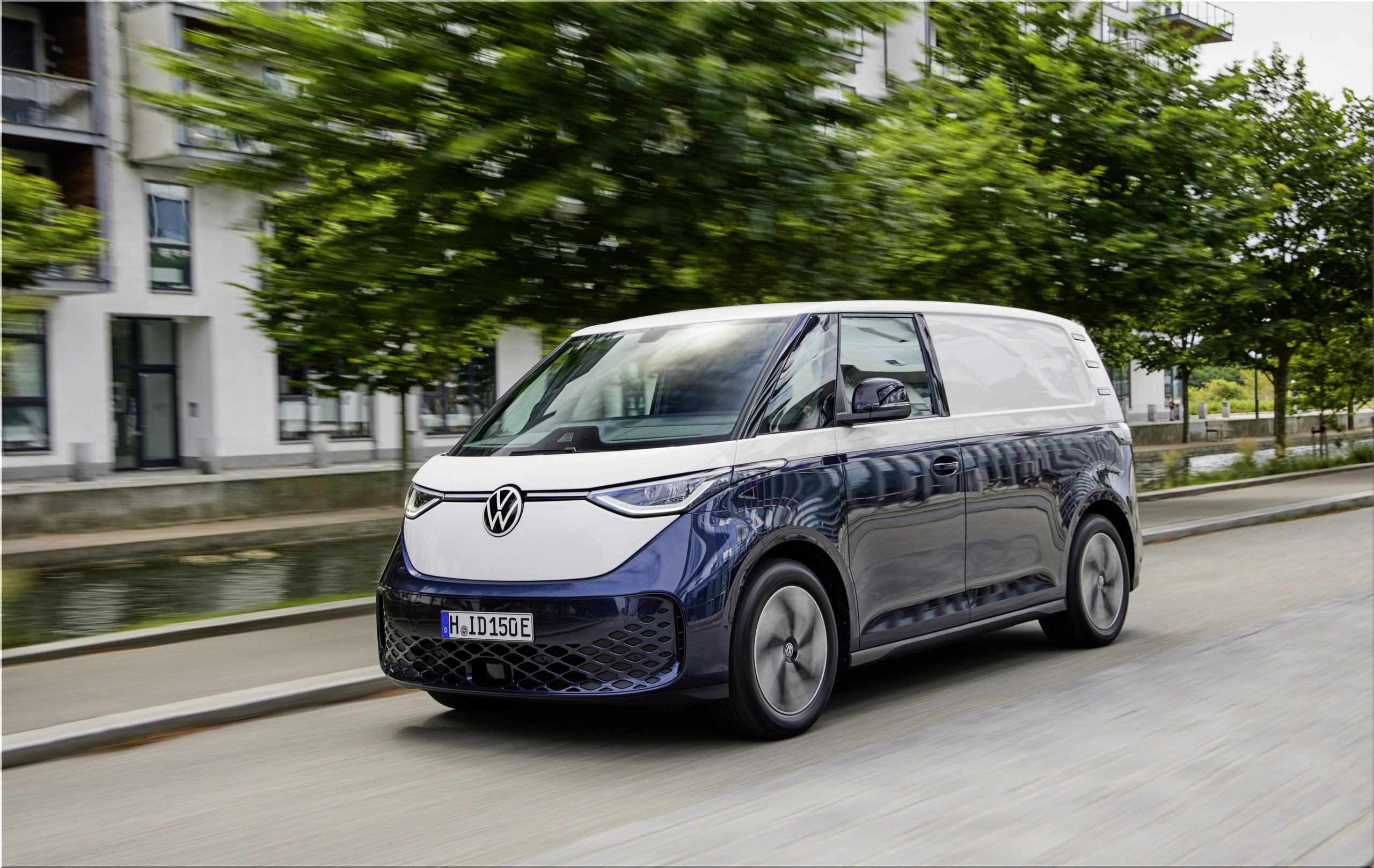
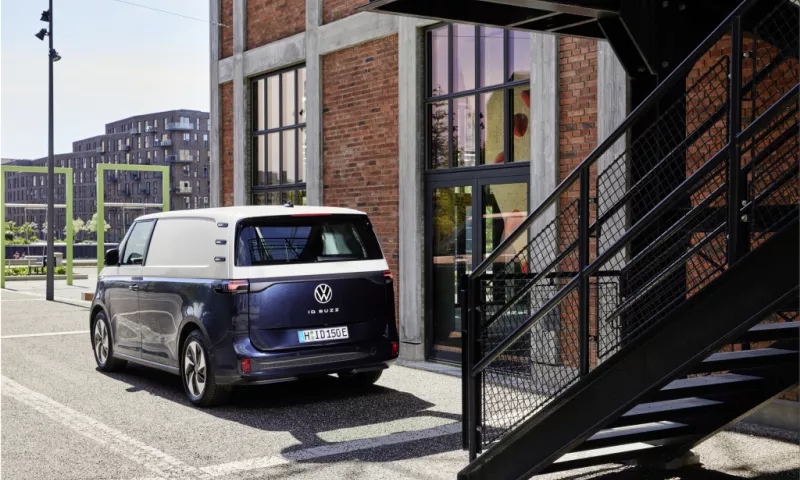
| Joint third | Volkswagen Caddy Cargo | Updated compact commercial van |
| Other finalists | Hyundai Staria Electric and Maxus Deliver 7 | Two further battery-electric entries |
Renault previously won with the Renault Master in 1998 and 2025, Trafic in 2002, and Kangoo in 2012 and 2022. That record gives the trophy context, but the hardware explains the 2027 result.
800-Volt Charging Cuts Lost Working Time
Looking at the data, the 800-volt electric van targets the two variables fleet operators feel every day: range and charging delay. The rear-mounted motor produces 150 kW, equal to 204 PS or 201 hp, plus 345 Nm of torque. Renault also claims powertrain efficiency above 90%.
- The 81 kWh long-range battery targets more than 470 km WLTP range, pending homologation.
- Renault projects nearly 690 km in urban running, where regenerative braking and lower speeds reduce demand.
- A 20-minute DC stop adds up to 280 km of mixed-cycle range or 380 km of urban range.
- A later LFP urban-range battery targets close to 350 km and avoids nickel and cobalt.
- Renault claims up to 10% lower fleet total cost of ownership than an equivalent combustion van.
By comparison, the lower-cost LFP pack sacrifices distance for city fleets with predictable routes. Dividing 81 kWh by 470 km gives a simple 17.2 kWh/100 km pack-to-range ratio, though Renault has not stated if the quoted capacity represents gross or usable energy.
Image
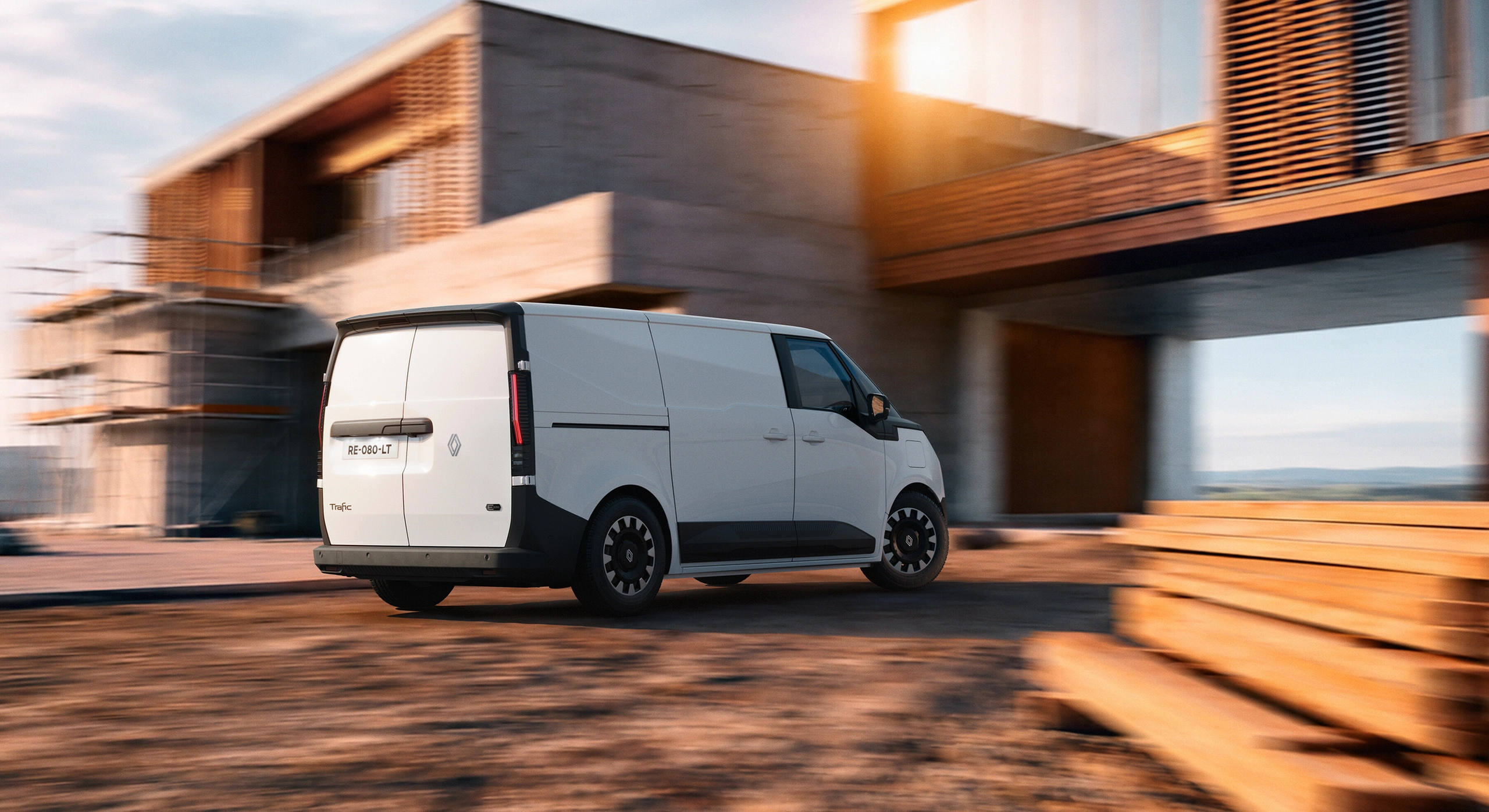
L1 and L2 Dimensions Put Cargo First
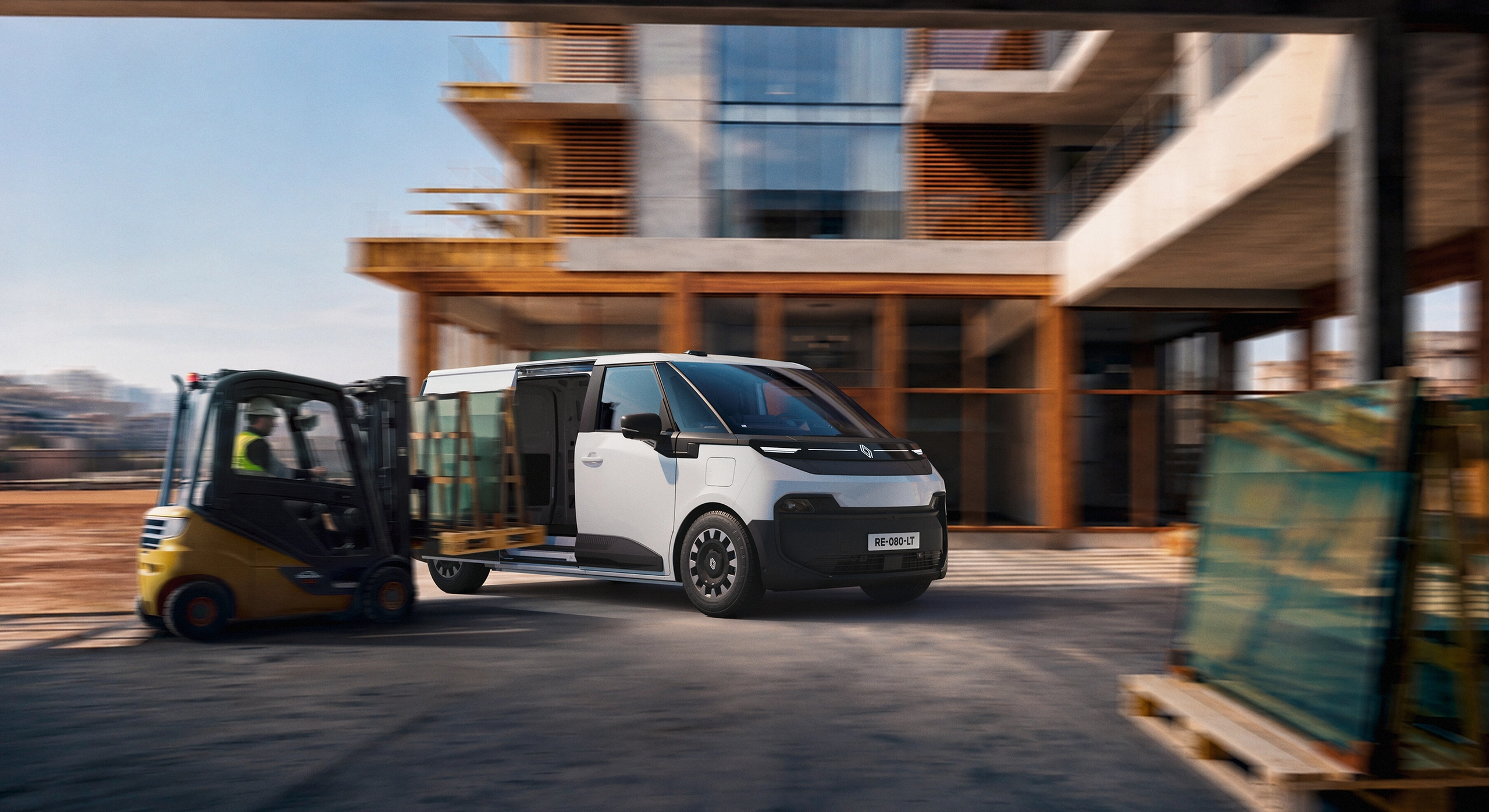
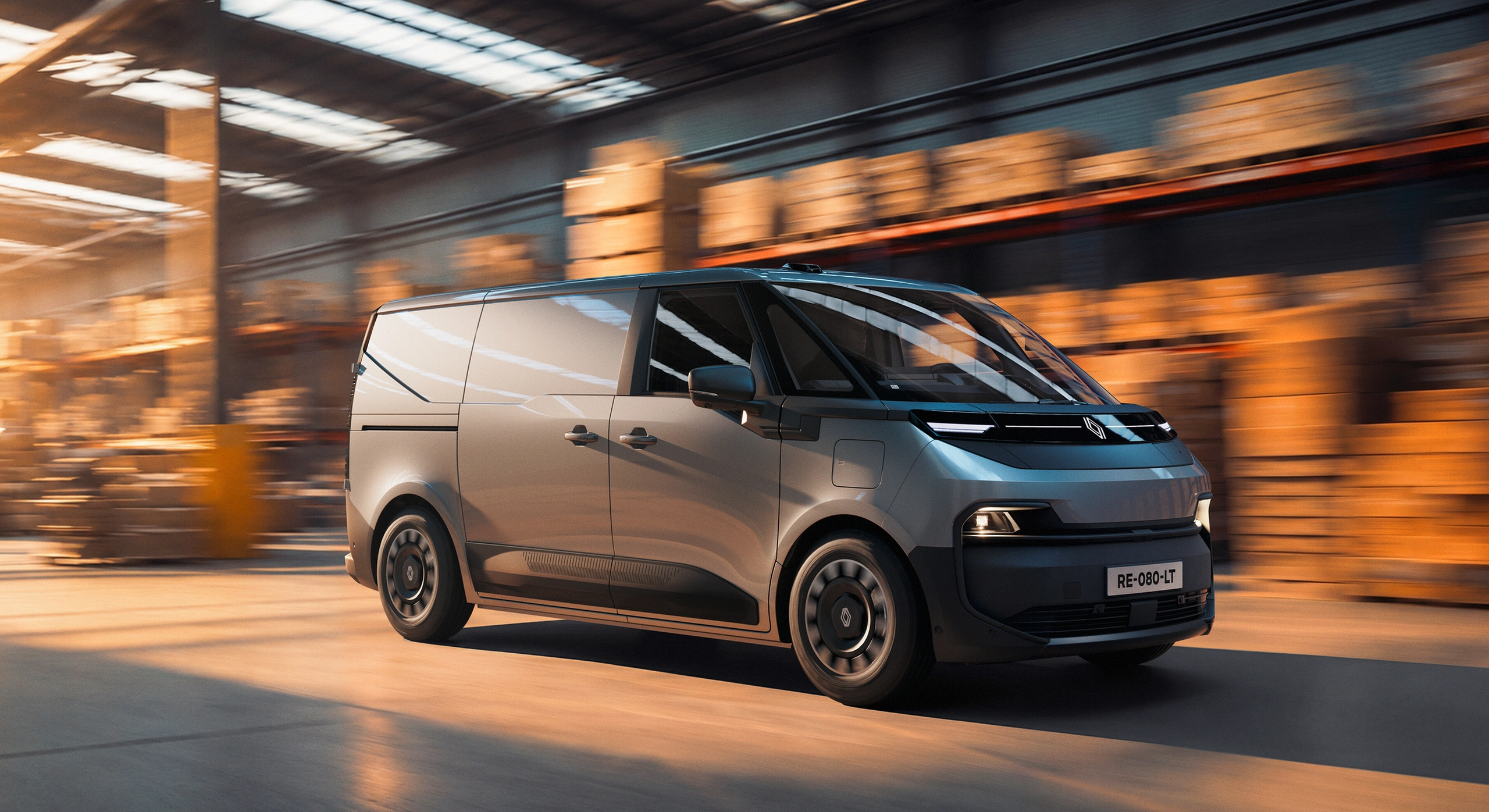
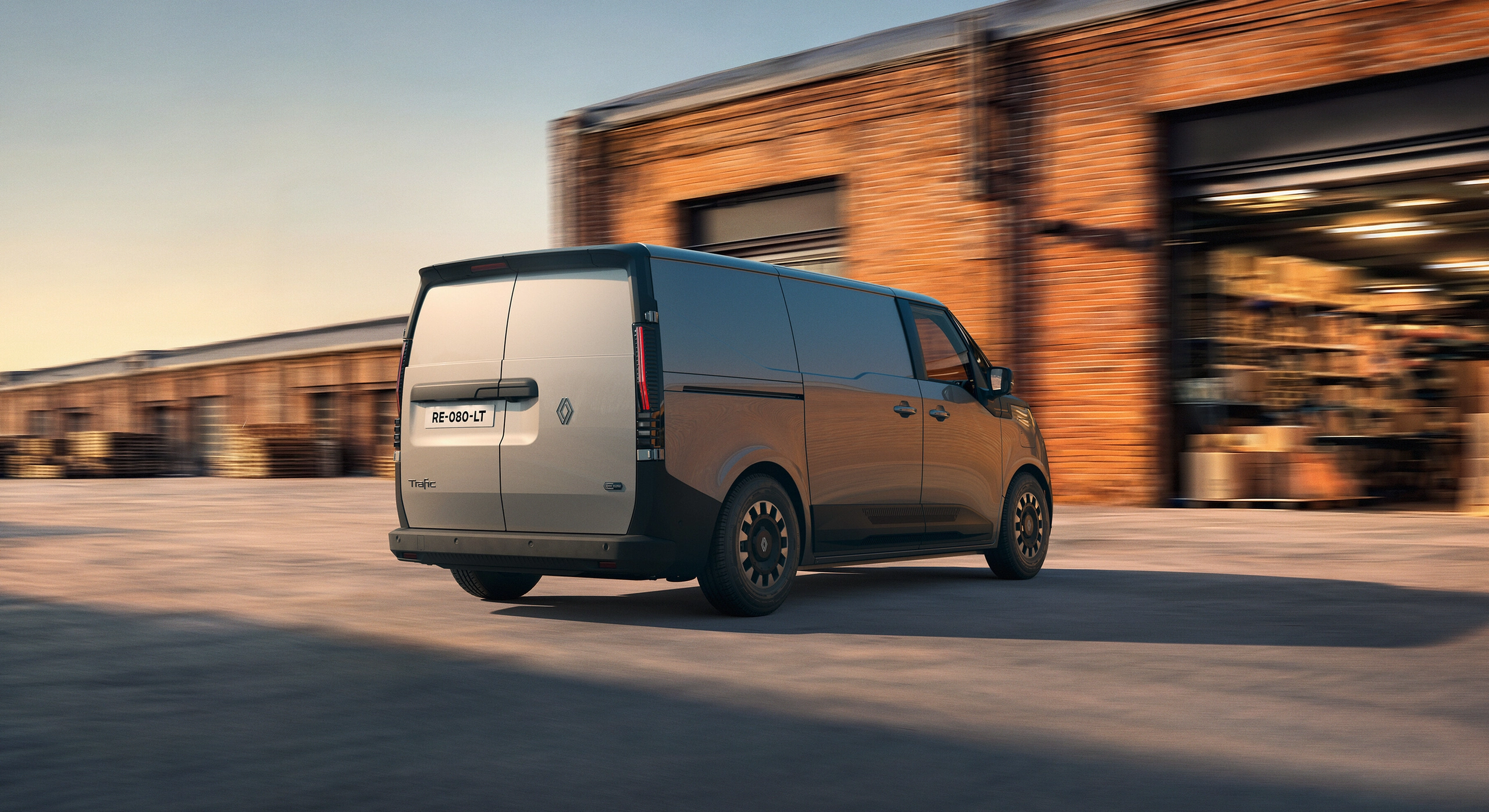
The dedicated electric chassis places the drive unit at the rear and shortens the front overhang. Consequently, the Trafic turns within 10.3 metres, matching a Clio, while its 1,890 mm height fits standard underground car parks.
| Measurement | L1 panel van | L2 panel van |
|---|---|---|
| Overall length | 4,870 mm / 191.7 in | 5,270 mm / 207.5 in |
| Published width | 1,920 mm / 75.6 in | 1,920 mm / 75.6 in |
| Overall height | About 1,890 mm / 74.4 in | About 1,890 mm / 74.4 in |
| Cargo volume | 5.1 m3 / 180.1 cu ft | 5.8 m3 / 204.8 cu ft |
| Wheelbase difference | Base length | 400 mm / 15.7 in longer |
| Width between wheel arches | 1,300 mm / 51.2 in | 1,300 mm / 51.2 in |
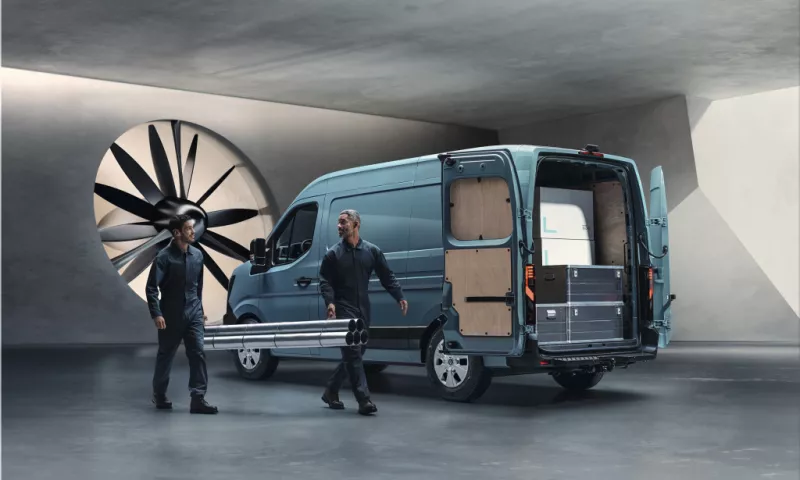
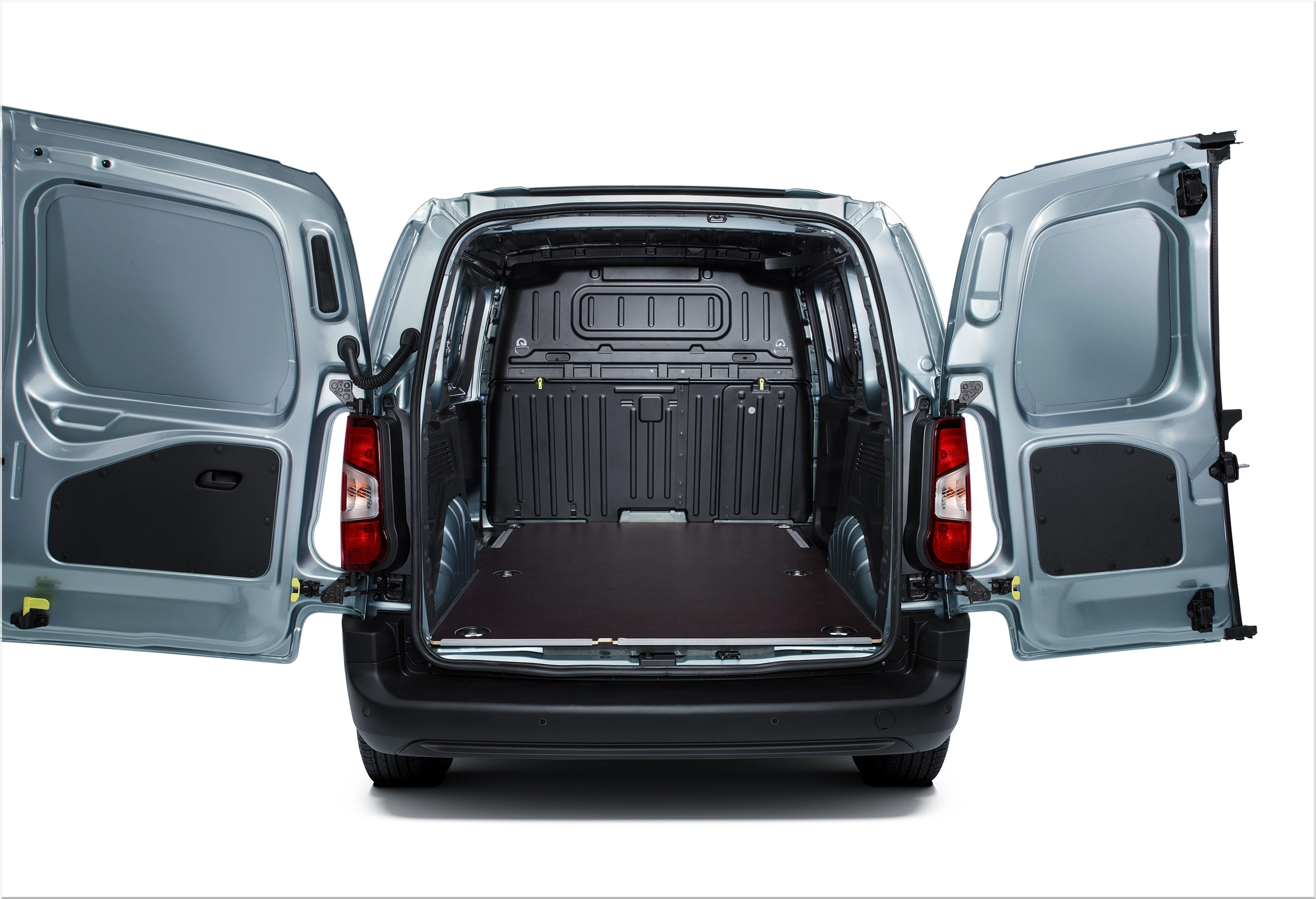
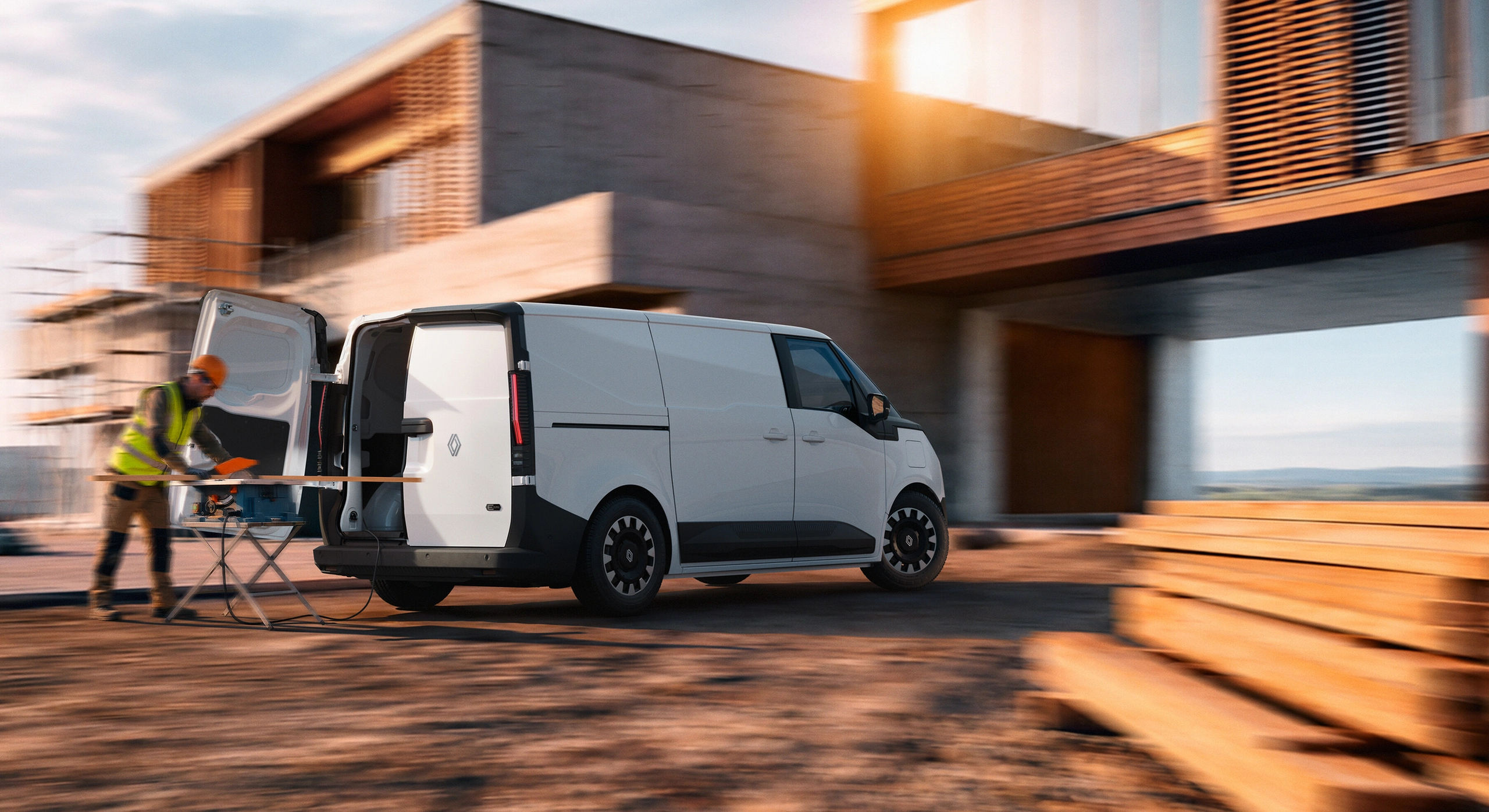
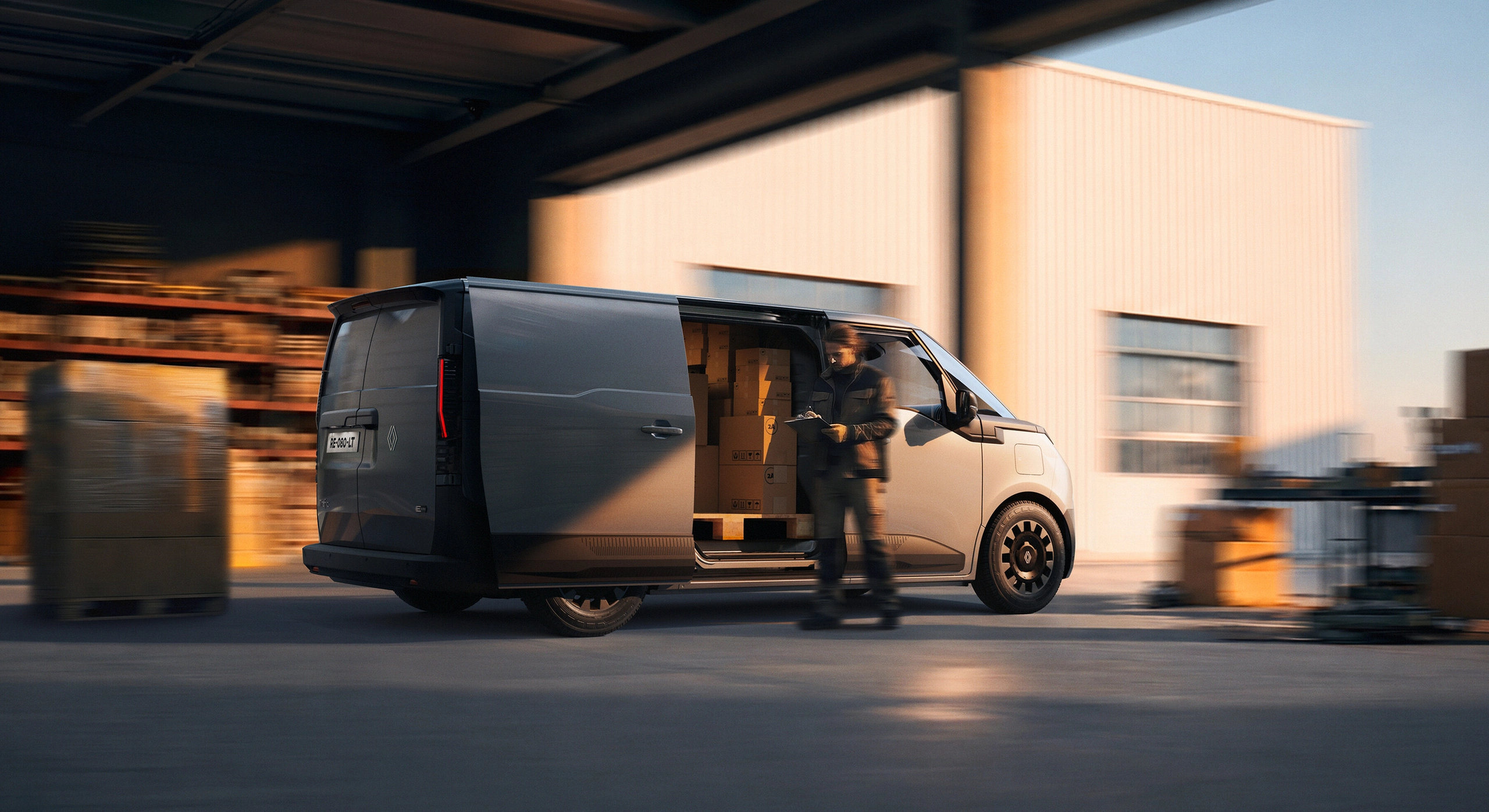
In addition, the cargo bay carries three Euro pallets, accepts up to 1,300 kg of payload and supports a 2,000 kg trailer. A 530 mm load sill reduces lifting height for repeated loading.
Software and Energy Tools Add Business Value
Specifically, the software-defined van replaces 80 electronic control units with two central computers running Ampere's Android-based CAR OS. Renault can deliver remote updates, add compatible functions and use vehicle data for predictive maintenance. The planned UPTIMIZE service targets a 50% reduction in incident-related downtime through remote diagnosis, prioritised support and smarter workshop scheduling.
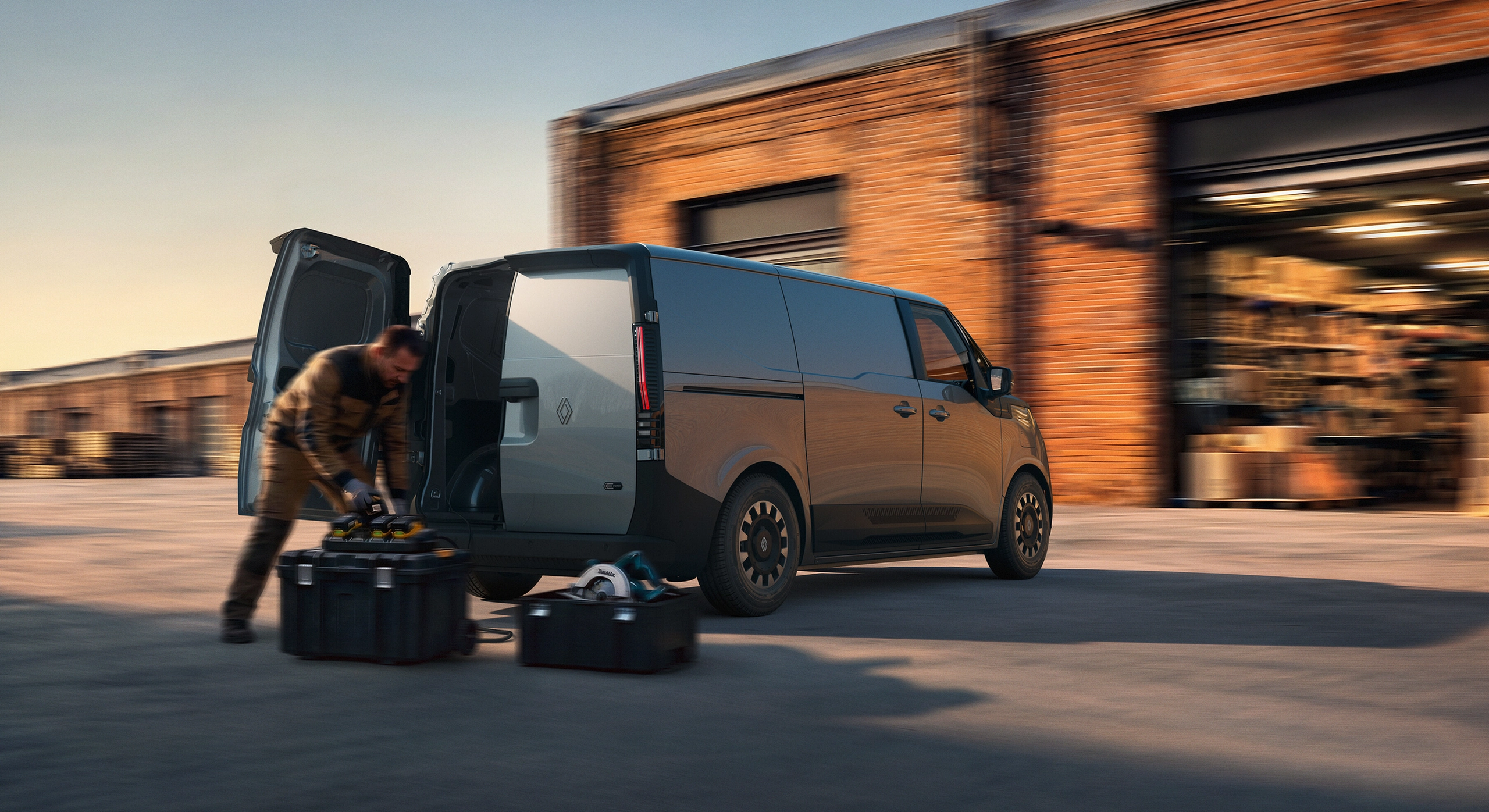
V2L can power tools from the traction battery. V2G can return electricity to the grid in supported markets, while a planned electric power take-off will support conversions such as refrigerated bodies. Renault also offers factory work, Qstomize projects and access to 300 certified body converters.
Fleet Buying Verdict
Is the 2027 Renault Trafic E-Tech Right for Your Fleet?
From an expert perspective, fleets with repeatable routes, depot charging and frequent city work should shortlist it. Operators should test loaded winter consumption, charging tariffs and trailer use against their own duty cycles before ordering.
Pro-Tip: Compare cost per productive hour, not price alone. Add finance, electricity, charging hardware, maintenance, tyres, tax, residual value and downtime across four or five years.
Renault has not published list prices, kerb weight, the full torque curve, exact AC and peak DC ratings, or approach and departure angles. Consequently, buyers should wait for final homologated specifications and market-level contracts before approving a fleet order.
- Add new comment
- 16 views