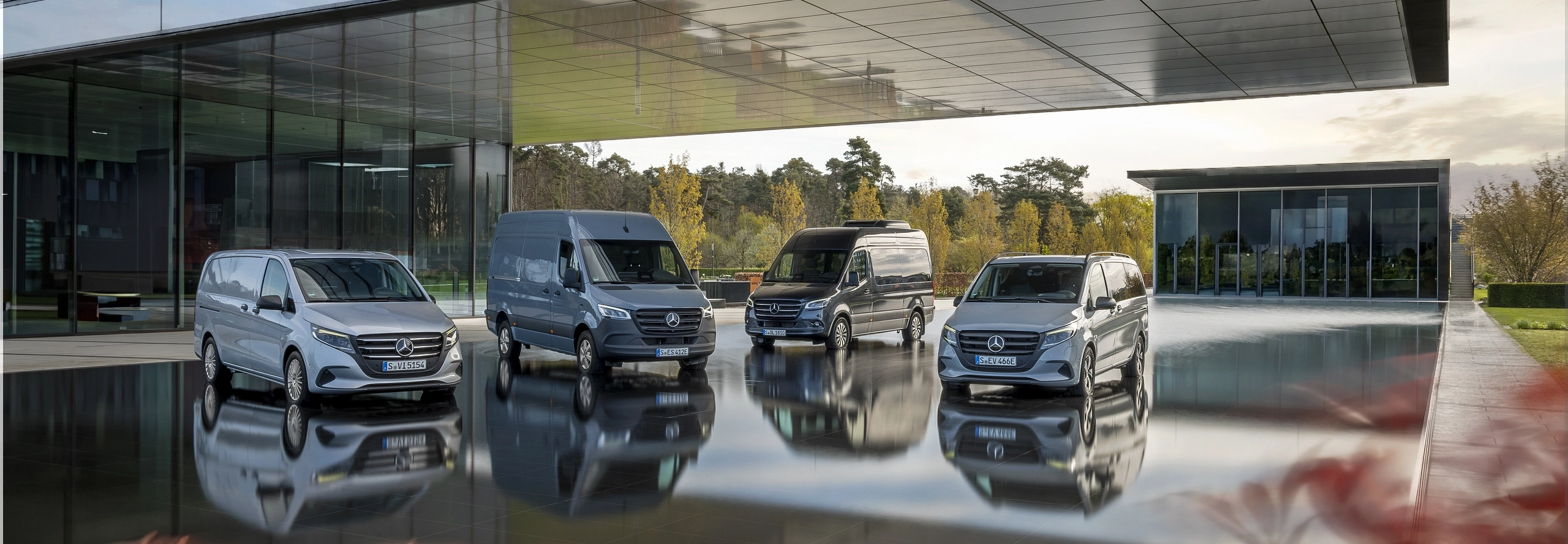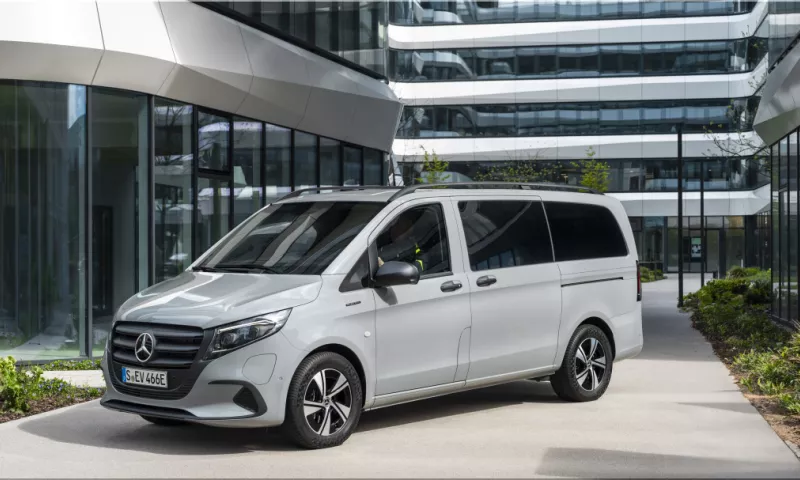
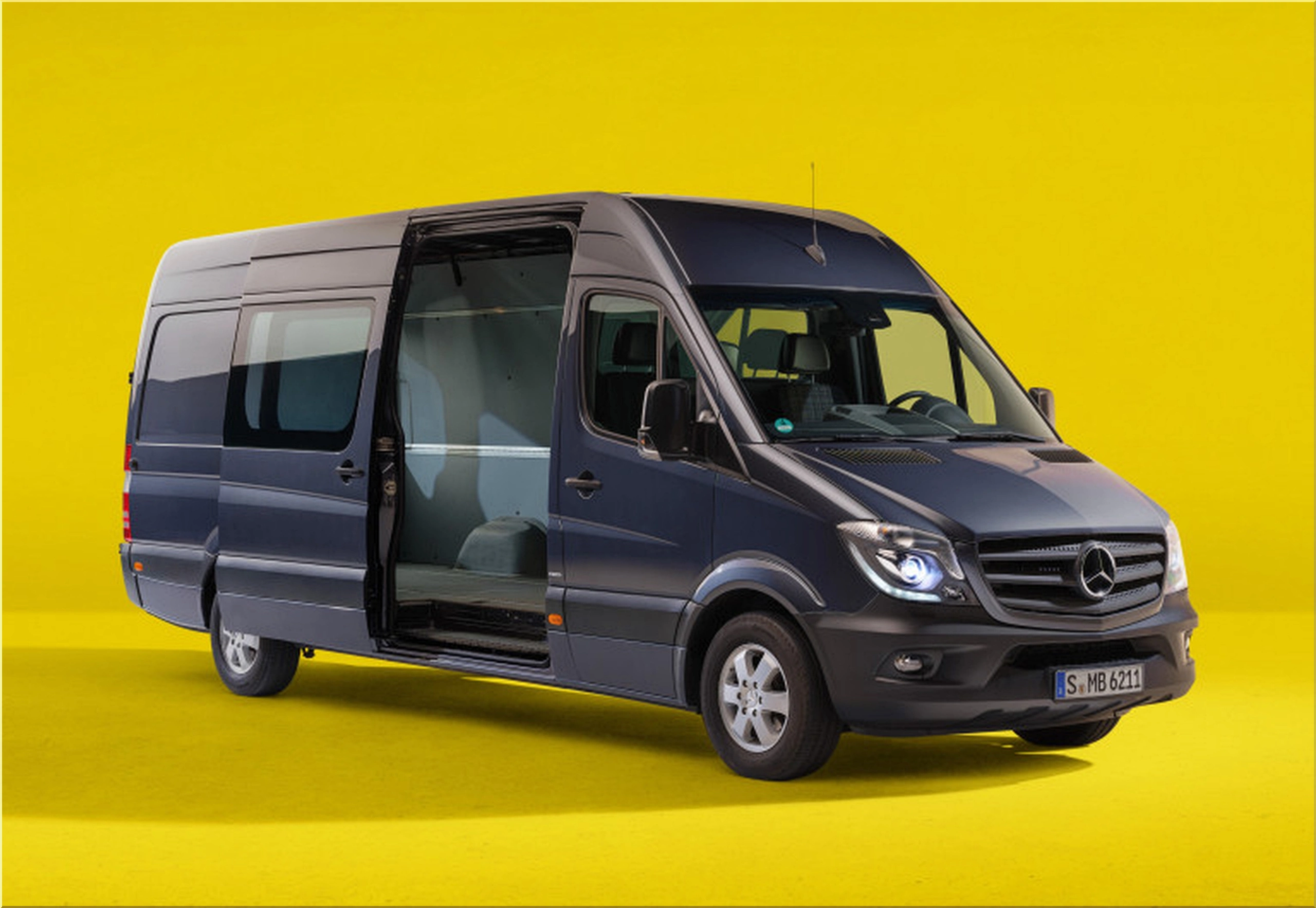
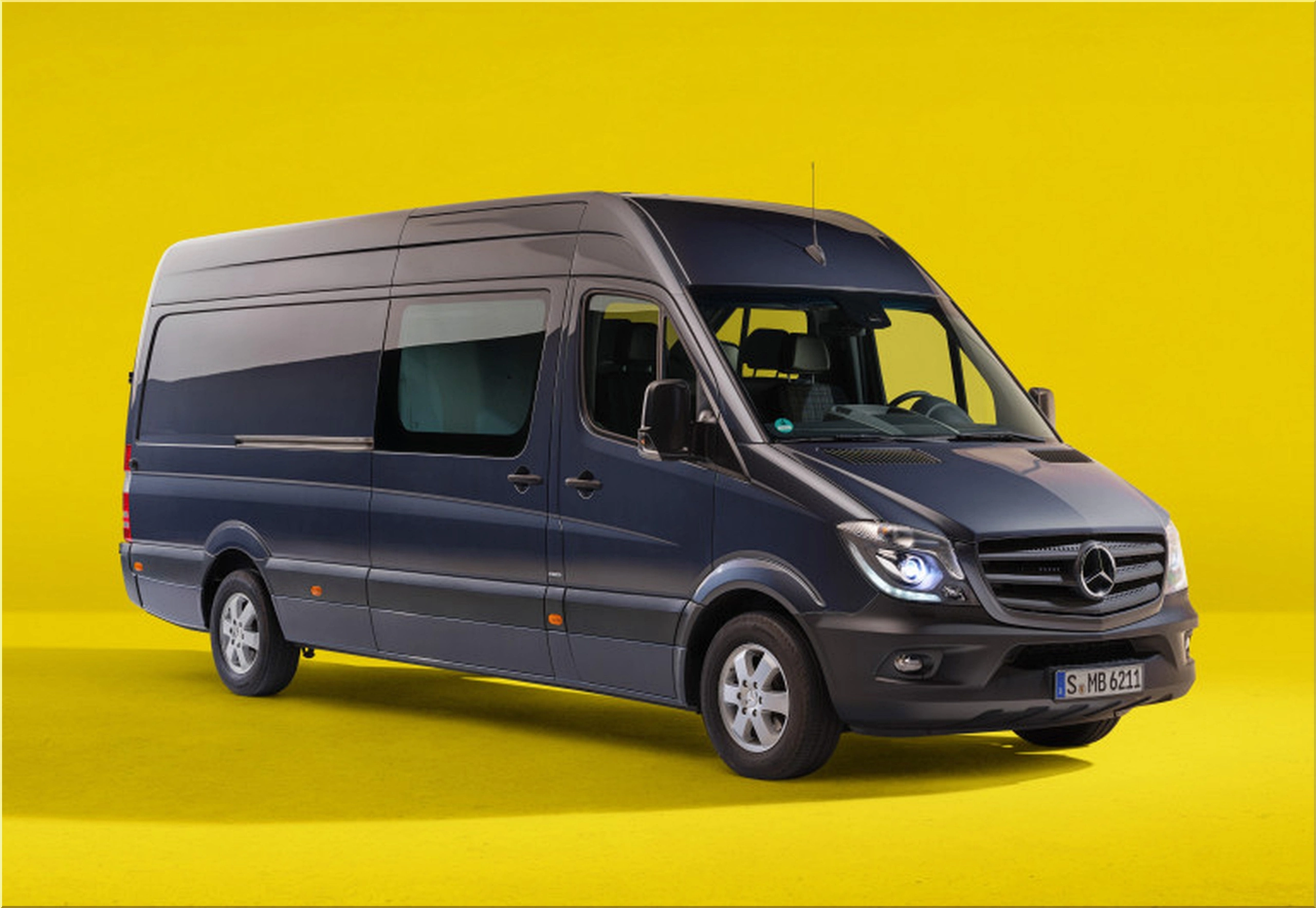
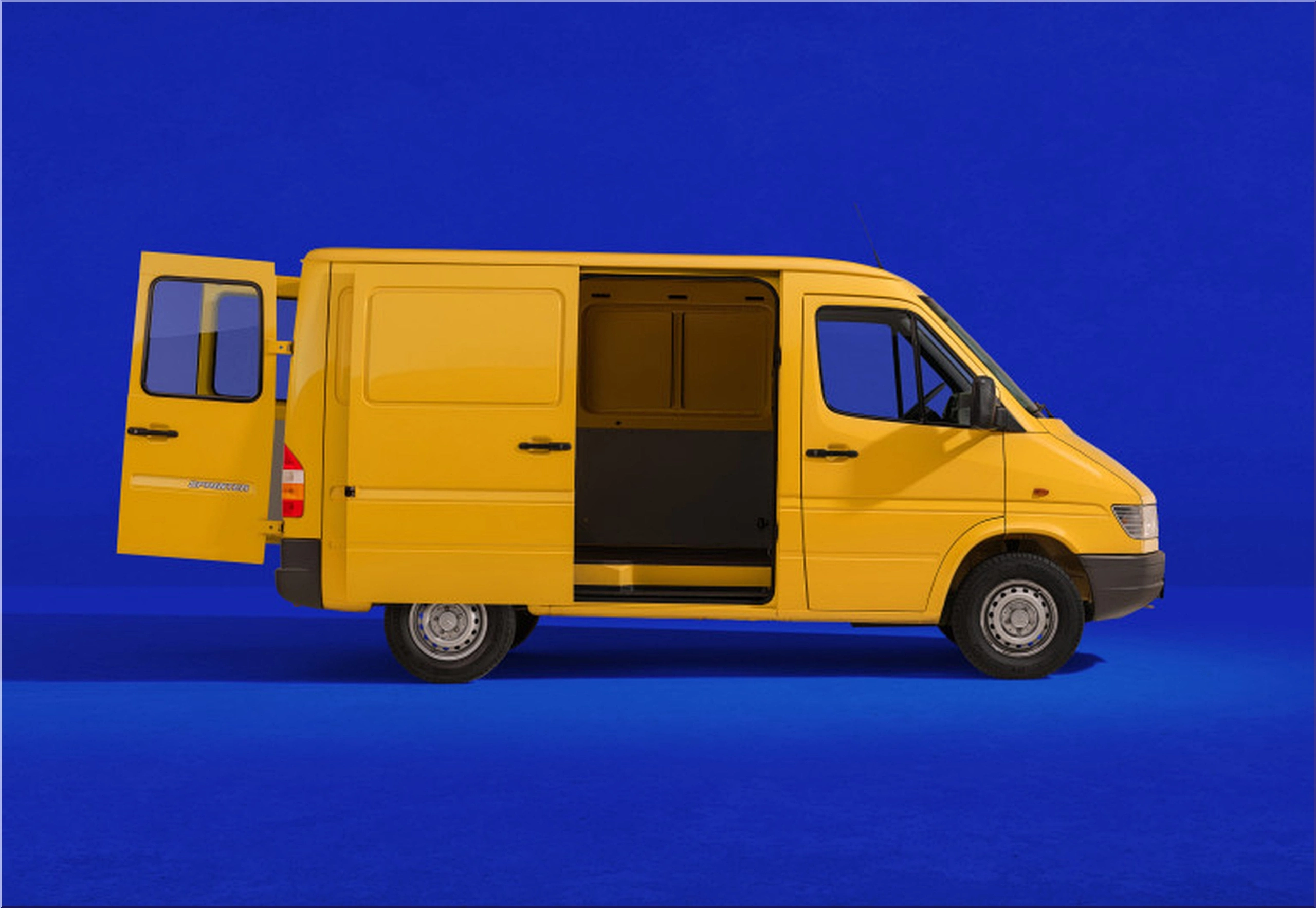
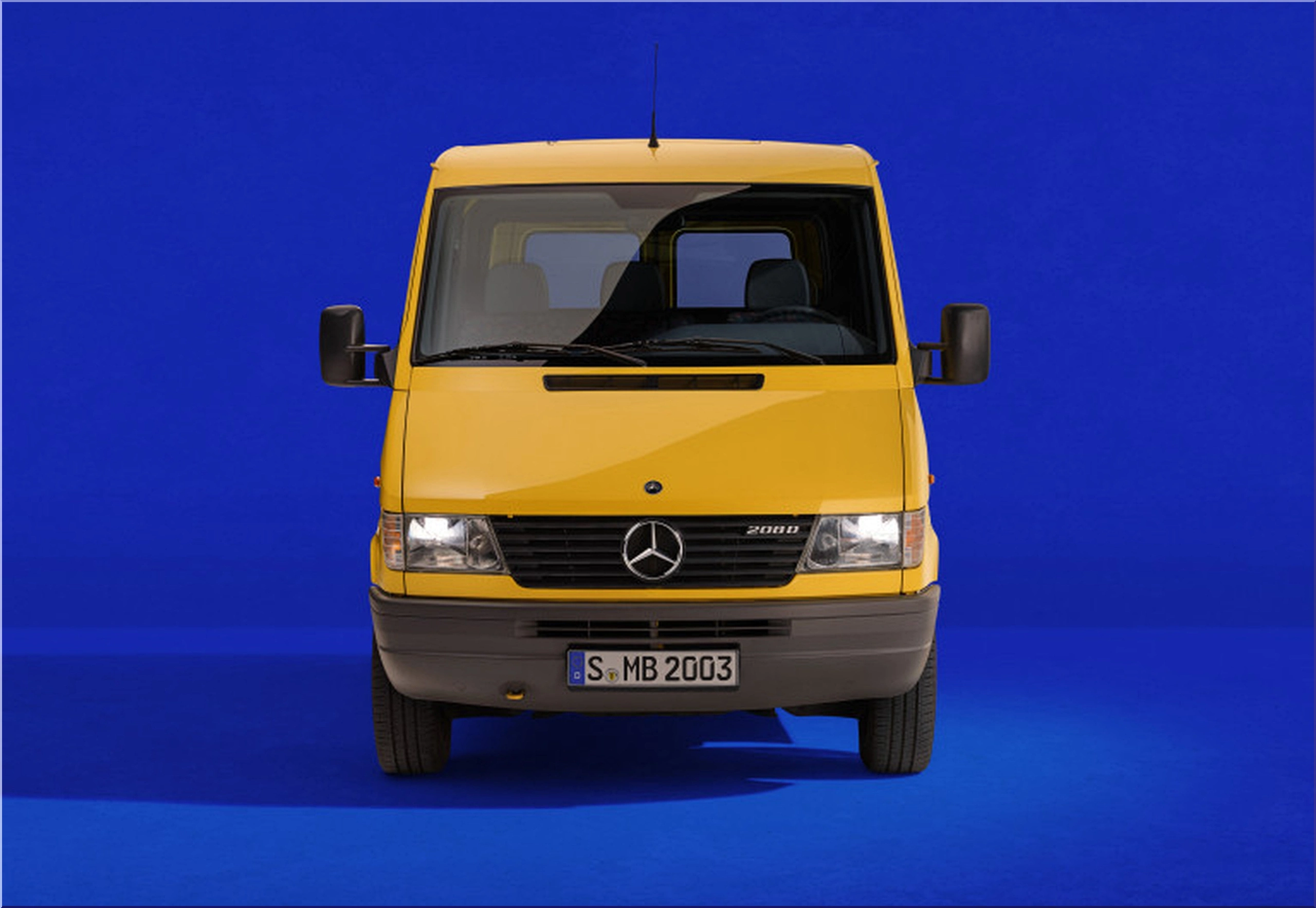
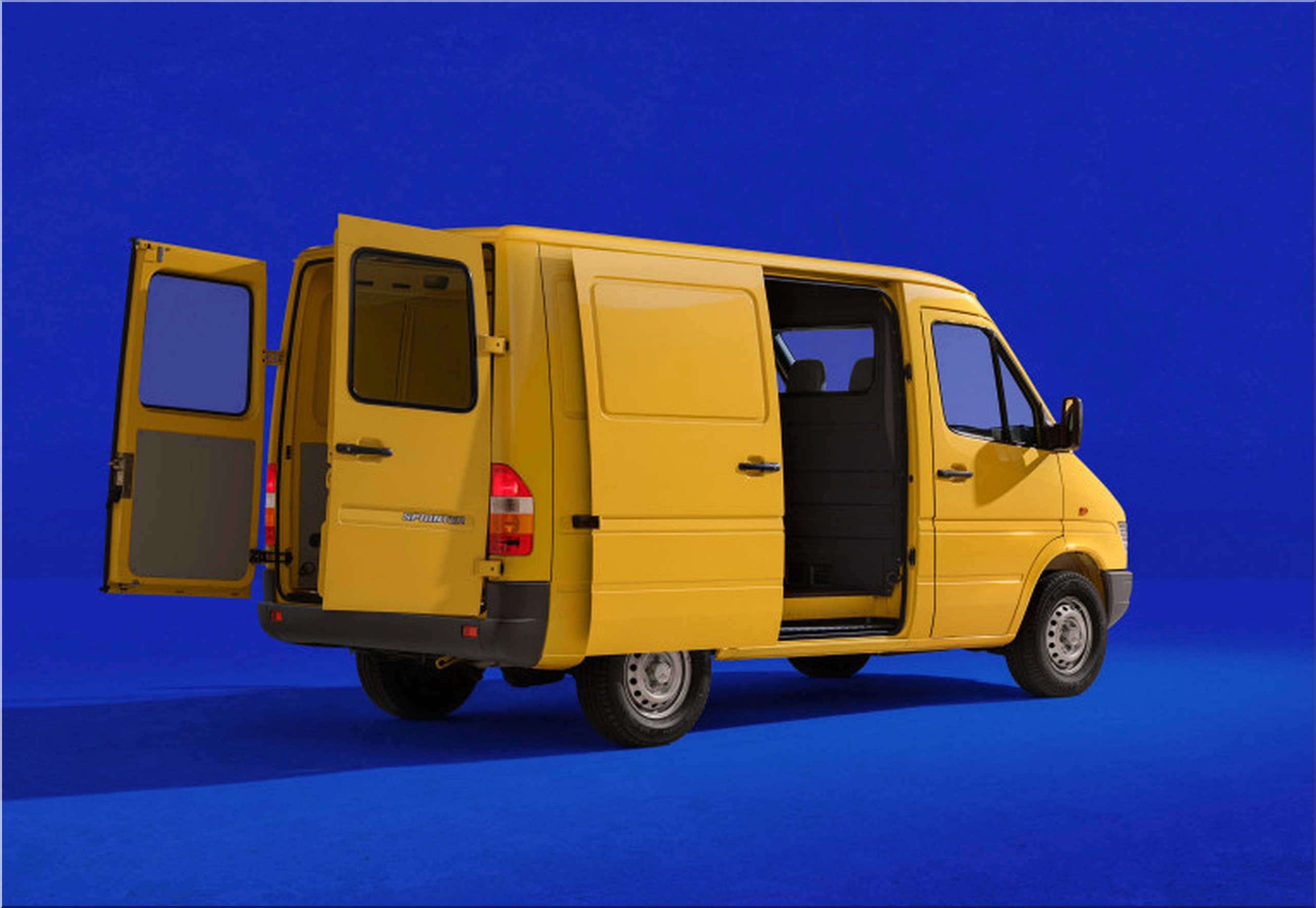
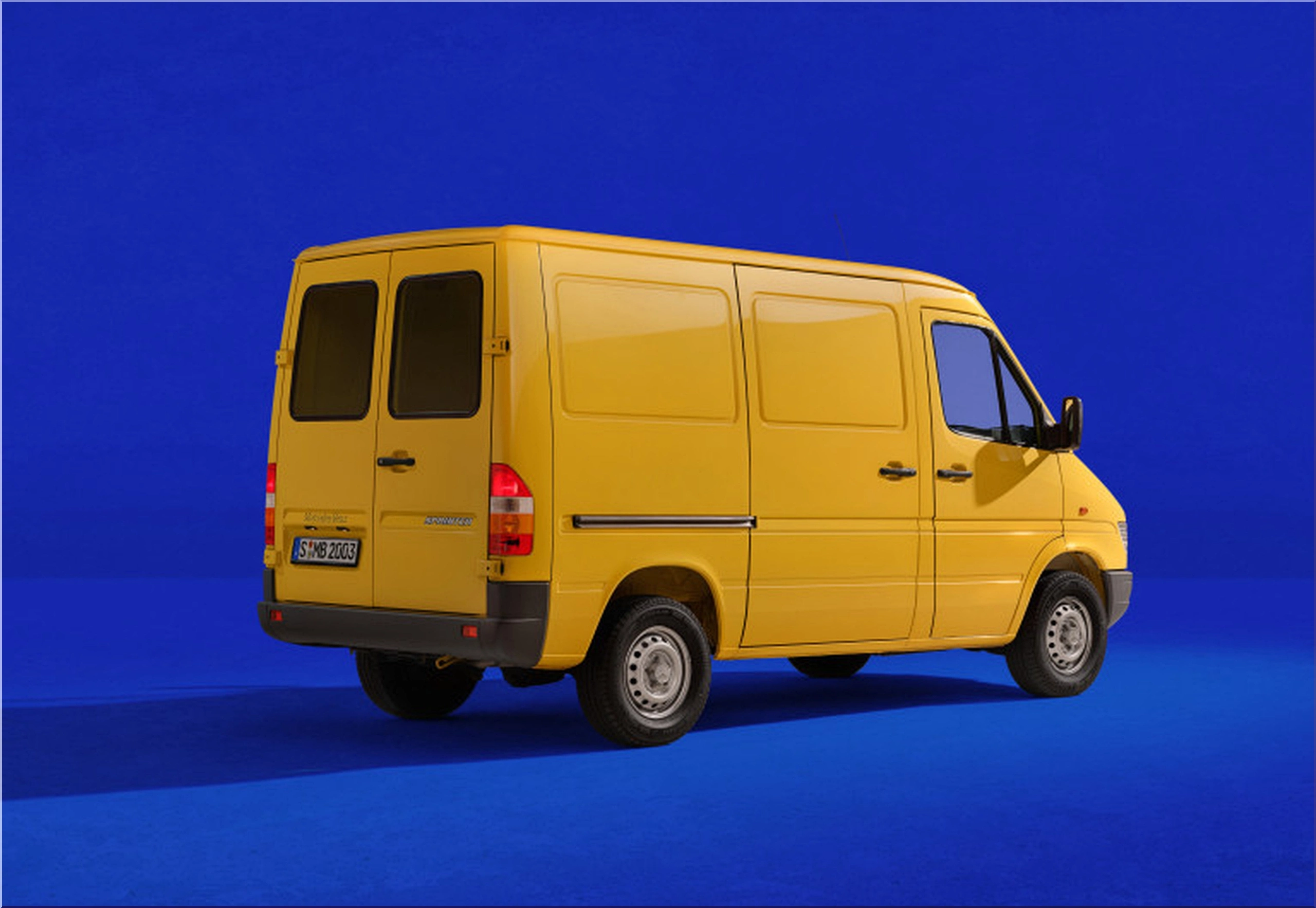
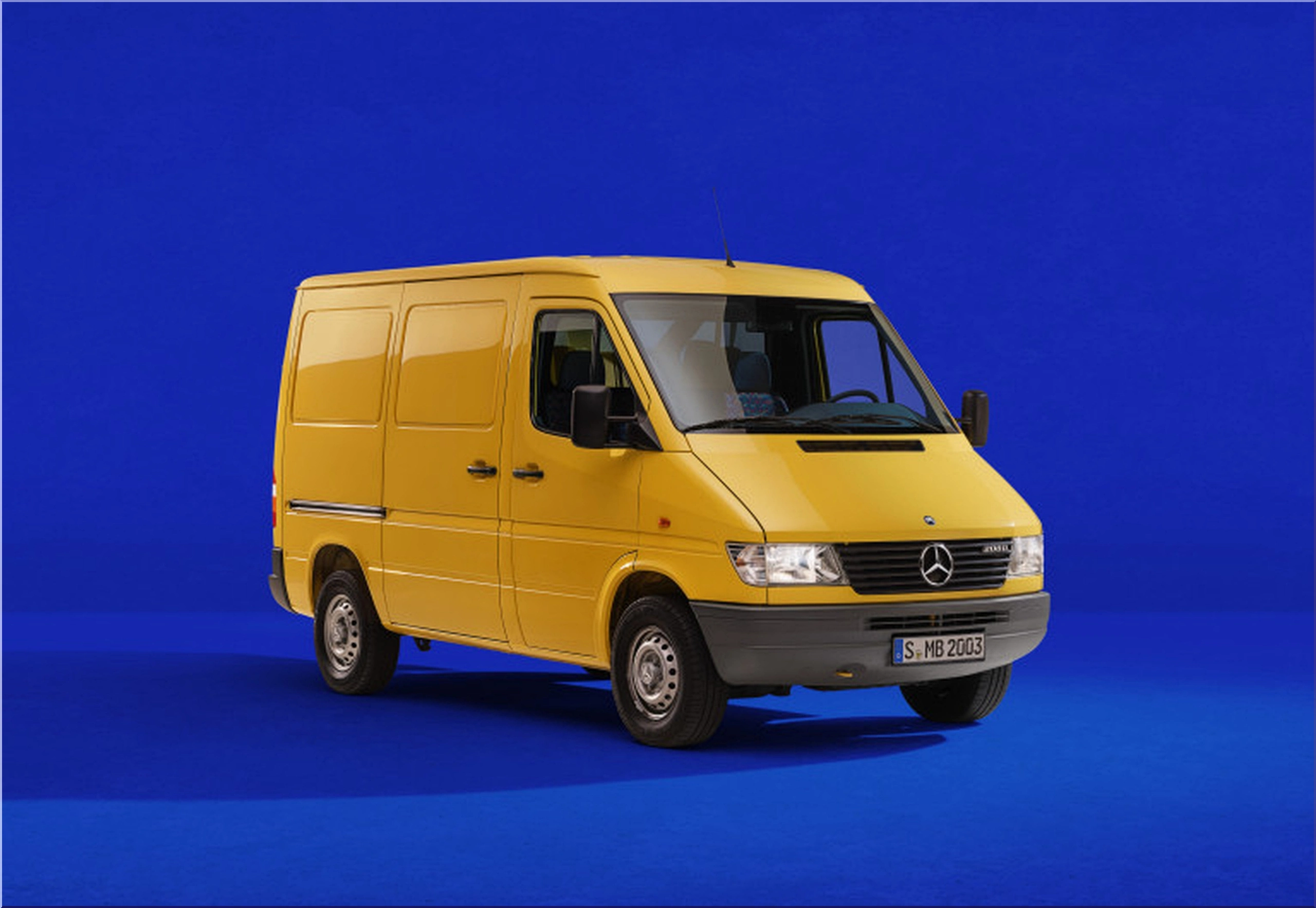
In 1995, Mercedes-Benz introduced the Sprinter, a vehicle that would redefine the light commercial vehicle segment. At the time, the world was getting used to DVD players, Windows 95, and the Macarena (some regrets are bigger than others). Yet, amidst all that, Mercedes-Benz delivered a vehicle that would stand the test of time—not just as a workhorse but as a symbol of reliability. Over the past three decades, the Sprinter has become synonymous with durability, adaptability, and enough cargo space to make Tetris look easy. As we celebrate its 30th anniversary, it's only fair to reflect on the milestones that have made the Sprinter the undisputed champion of the van world.
The Birth of an Icon: 1995
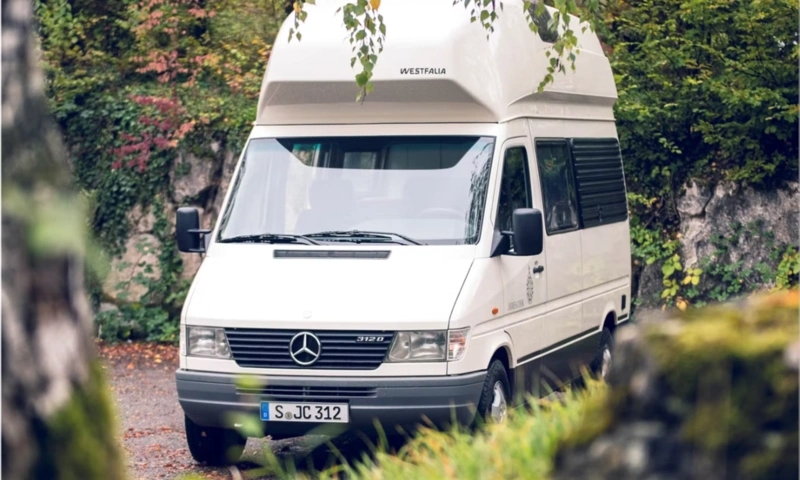
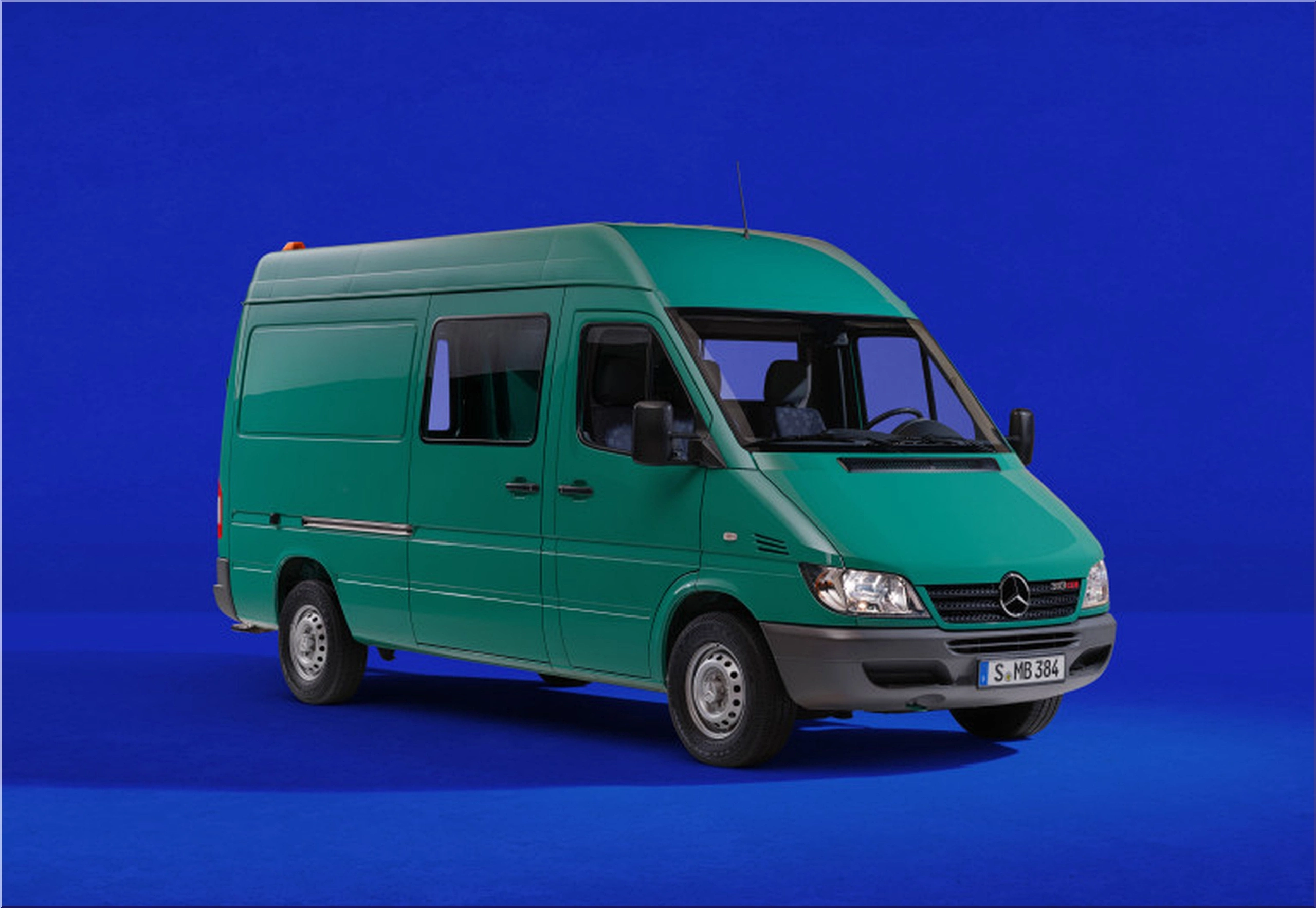
The mid-90s were a strange time: floppy disks were still a thing, and "portable phones" were the size of a loaf of bread. Meanwhile, Mercedes-Benz Vans had a vision—a van that wasn’t just functional but ahead of its time. In the spring of 1995, they unveiled the Mercedes-Benz Sprinter, a van that replaced the legendary T1/TN series and immediately turned heads. This launch was groundbreaking for several reasons:
- A Name That Stuck: Unlike previous Mercedes vans that had forgettable alphanumeric names, the "Sprinter" sounded fast, agile, and, frankly, a bit cool.
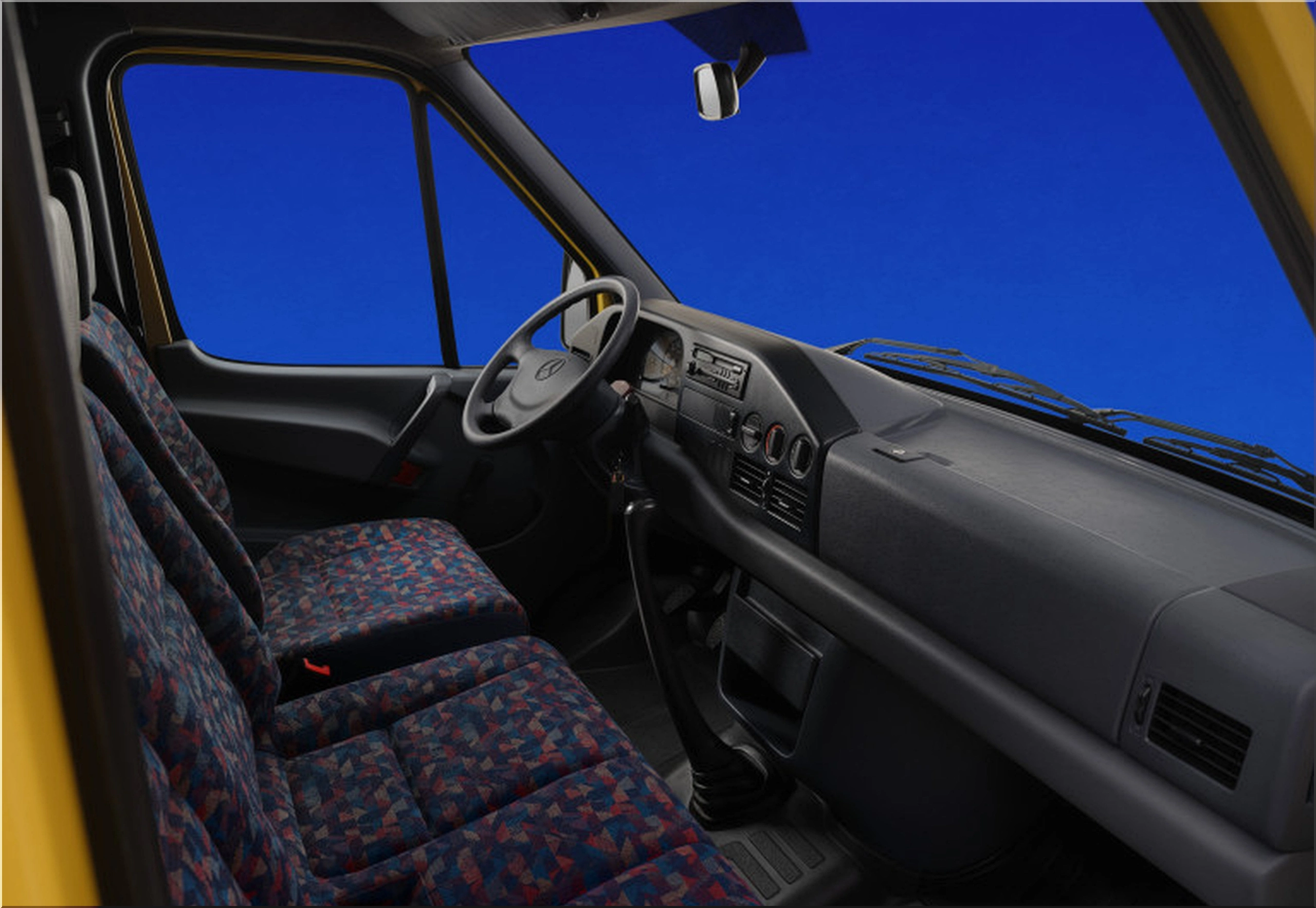
- Engineering Marvel: Featuring a self-supporting body, rear-wheel drive, and an independent front suspension, the Sprinter drove more like a car than a sluggish delivery box on wheels.
- Safety First: The Sprinter introduced four-wheel disc brakes, an anti-lock braking system (ABS), and three-point seat belts — all standard. Back then, many vans had about as much safety tech as a roller skate.
These features set a new standard in the industry, making the Sprinter not just another cargo van but the "Rolls-Royce of work vehicles" (minus the champagne fridge, of course).
Evolution Through the Years
Second Generation: 2006
By the mid-2000s, flip phones were peaking, social media was in its infancy, and the Sprinter was due for an upgrade. In 2006, Mercedes-Benz introduced the second-generation Sprinter, making the already beloved van even better:
- More Choices: If you liked variety, this was your van. Buyers could now choose from three wheelbases, four lengths, and three roof heights, making it a true Swiss Army knife on wheels.
- Heavy-Duty Options: The gross vehicle weight range expanded from 3.0 to 5.0 tons, meaning you could haul everything from fragile bakery goods to an entire small business (minus the accountant).
- Enhanced Stability: The Electronic Stability Program (ESP) became standard on models up to 3.5 tons, preventing overzealous delivery drivers from taking corners like they were in an F1 race.
- Crosswind Assist (2013): Because nothing says "bad day at work" like getting blown into the next lane by a strong gust, Mercedes added Crosswind Assist to keep the Sprinter steady in high winds.
Third Generation: 2018
By 2018, smartphones could practically order your groceries, and self-driving cars were in the news daily. It was only natural that the Sprinter got a high-tech facelift:
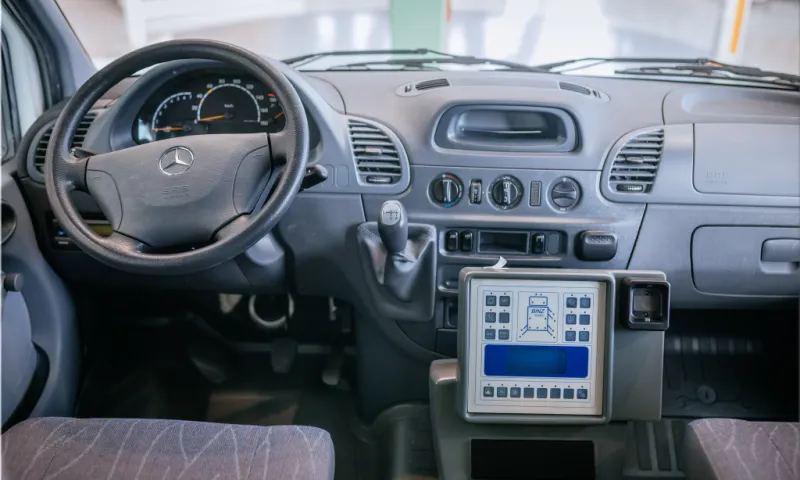
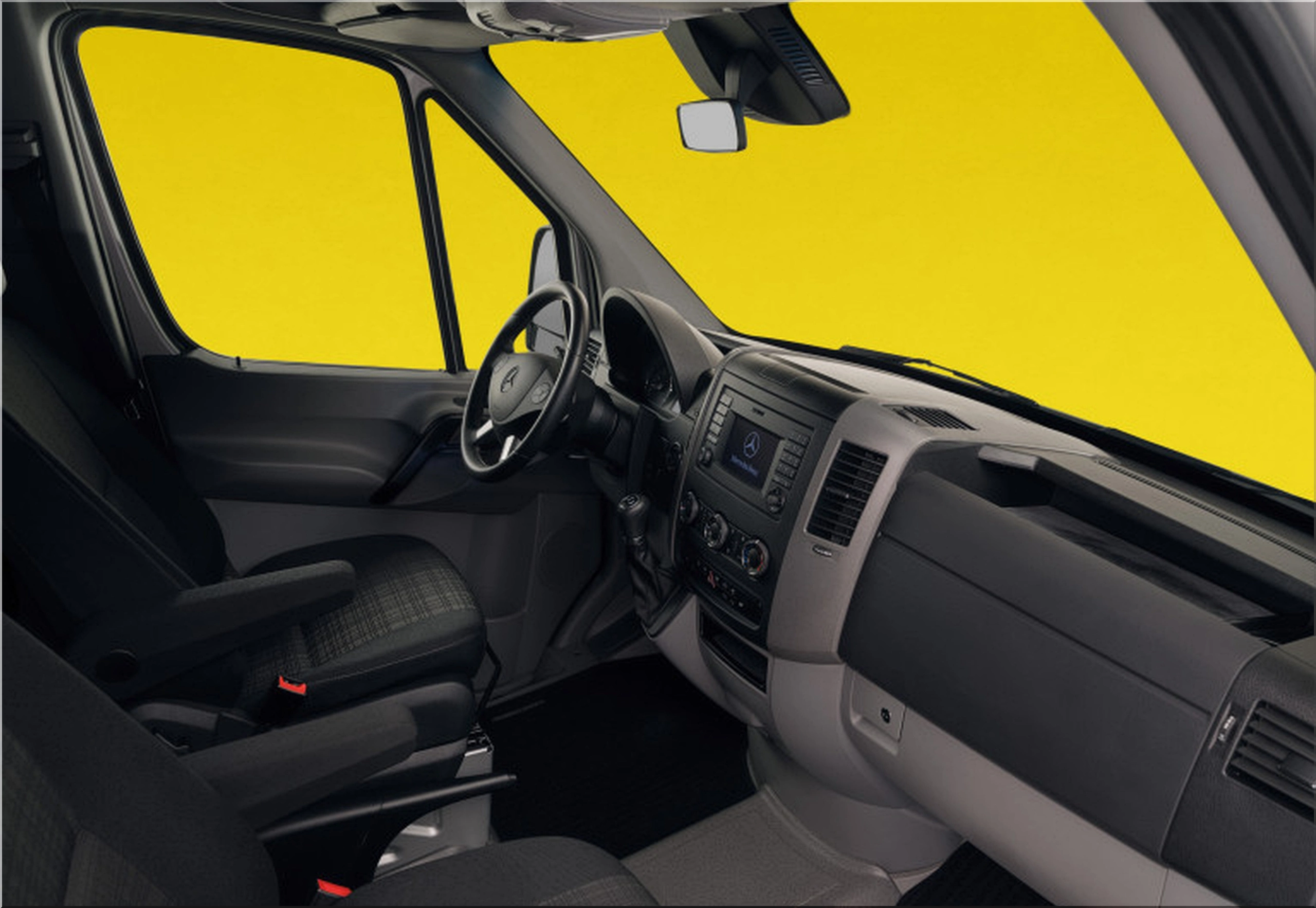
- MBUX Multimedia System: The Mercedes-Benz User Experience (MBUX) system brought voice control, navigation, and fleet management to the Sprinter. Now, instead of yelling at your GPS, you could politely ask, "Hey Sprinter, where’s the nearest gas station?"
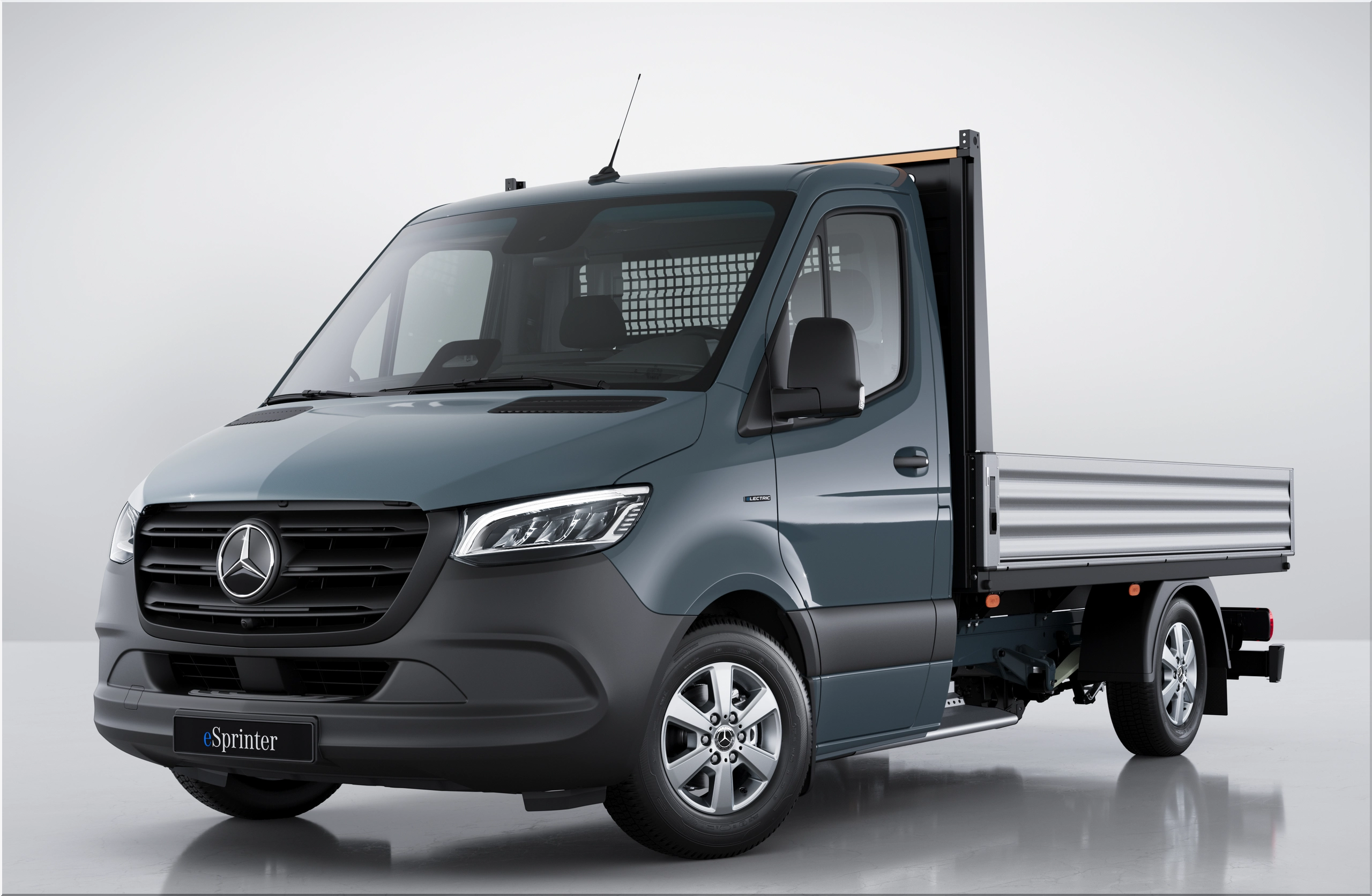
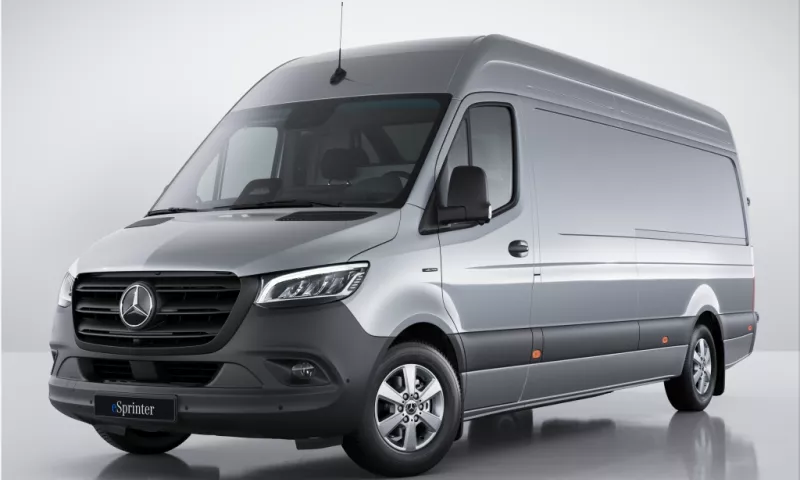
- Electric Revolution: Enter the eSprinter, proving that even hardworking cargo vans could go green. The electric model delivered all the reliability of the Sprinter without the tailpipe emissions.
- More Customization: By 2018, the Sprinter had become a favorite for businesses, delivery fleets, camper van conversions, and emergency services. You name it, the Sprinter could do it—except maybe make coffee (but give it time).
Latest Updates: 2024
Fast-forward to 2024, and the Mercedes Sprinter is still ahead of the curve:
- Next-Gen eSprinter: The latest electric model now offers a range of up to 297 miles (478 kilometers) on a single charge, making it a practical choice for urban and suburban deliveries.
- Upgraded Safety Features: Mercedes-Benz continues to push safety forward with lane-keeping assist, blind-spot monitoring, and adaptive cruise control, ensuring that Sprinter drivers stay as safe as possible.
- Even Smarter Tech: The latest MBUX system now understands multiple languages, including Danish, making it easier for drivers worldwide to interact with their vans without resorting to charades.
Global Impact and Production Milestones
The Sprinter isn’t just a European favorite; it’s a global phenomenon:
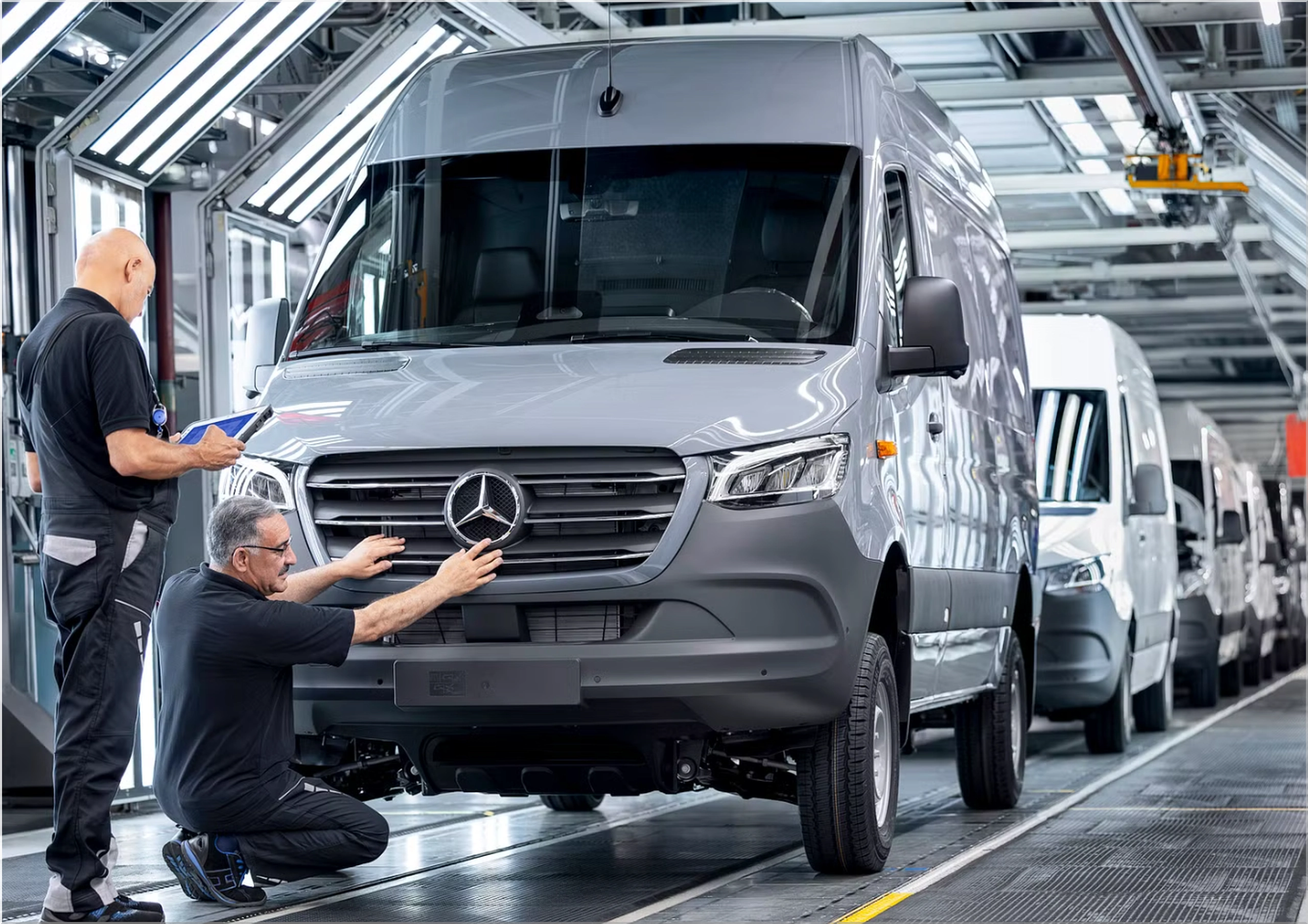
- Manufactured Across Continents: Production facilities in North America, South America, and Europe ensure that no matter where you are, there's a Sprinter within reach.
- Sales Success: By 2025, Mercedes-Benz is expected to hit 5 million Sprinters sold worldwide. That’s more than the population of some countries!
- Danish Dominance: Over 57,100 Sprinters have been sold in Denmark alone, capturing 21% of the large van market since its introduction. That means one in five large vans on Danish roads is a Sprinter—a fact local delivery drivers probably already knew.
Anniversary Celebrations
To mark this milestone, Mercedes-Benz is pulling out all the stops:
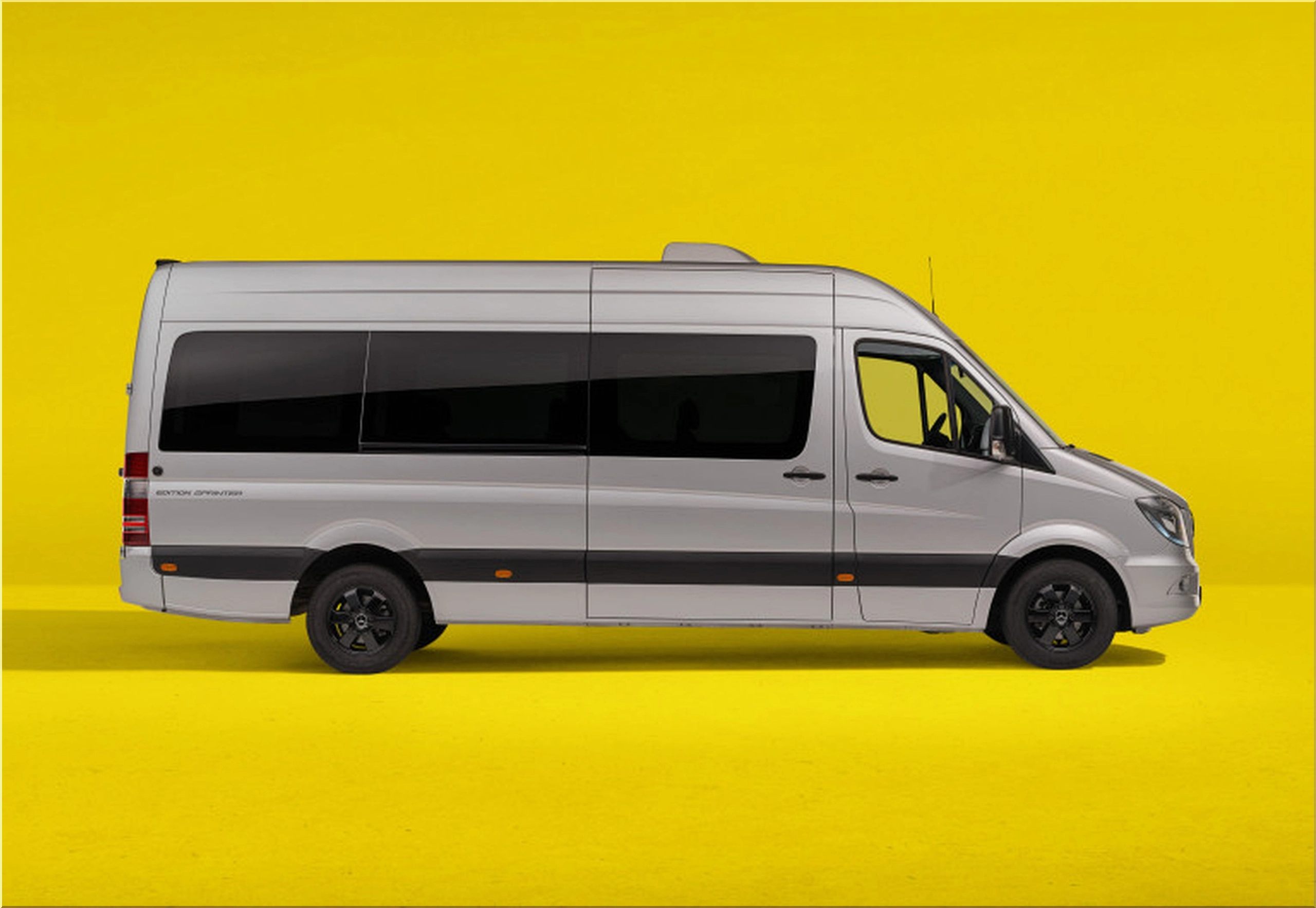
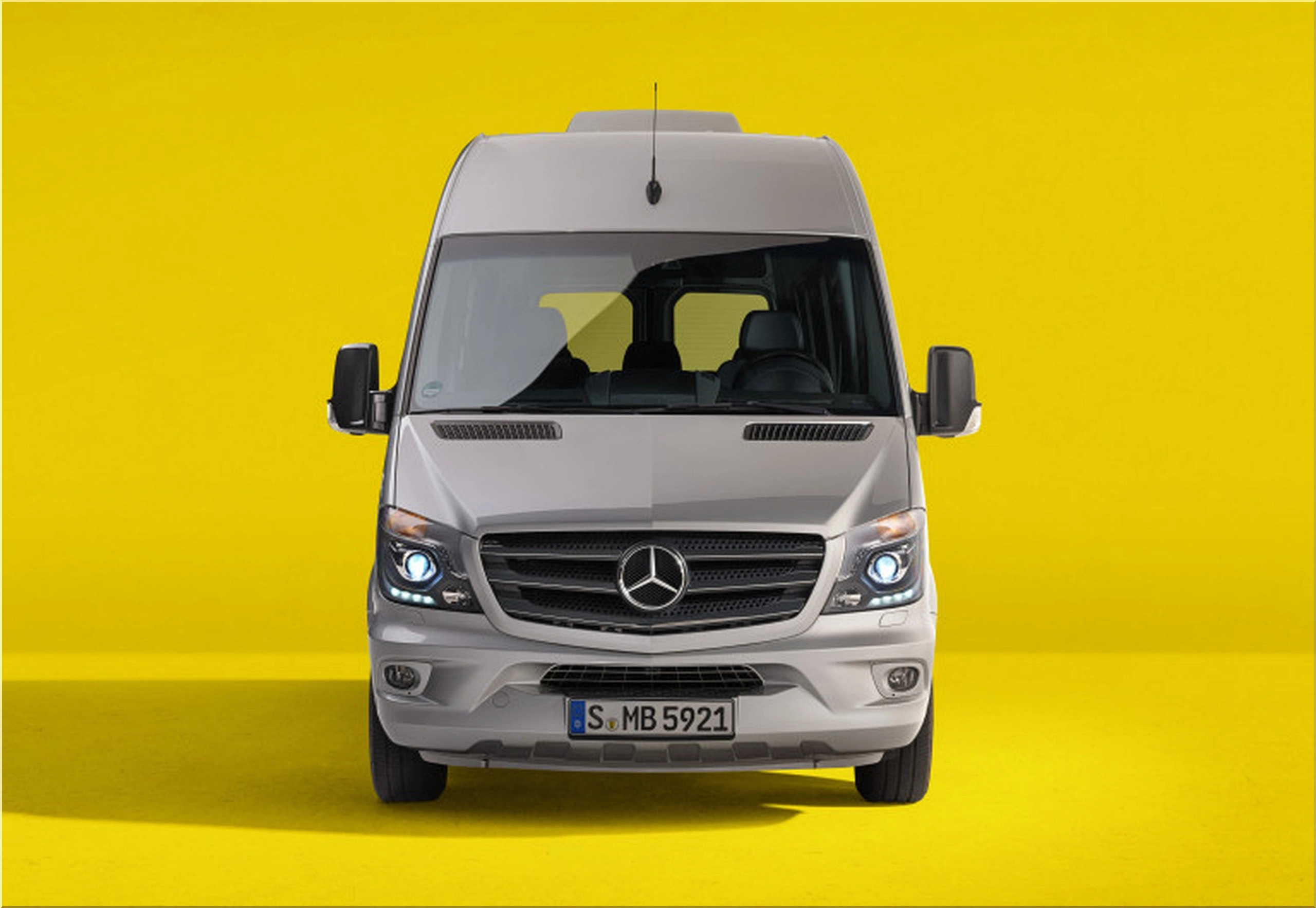
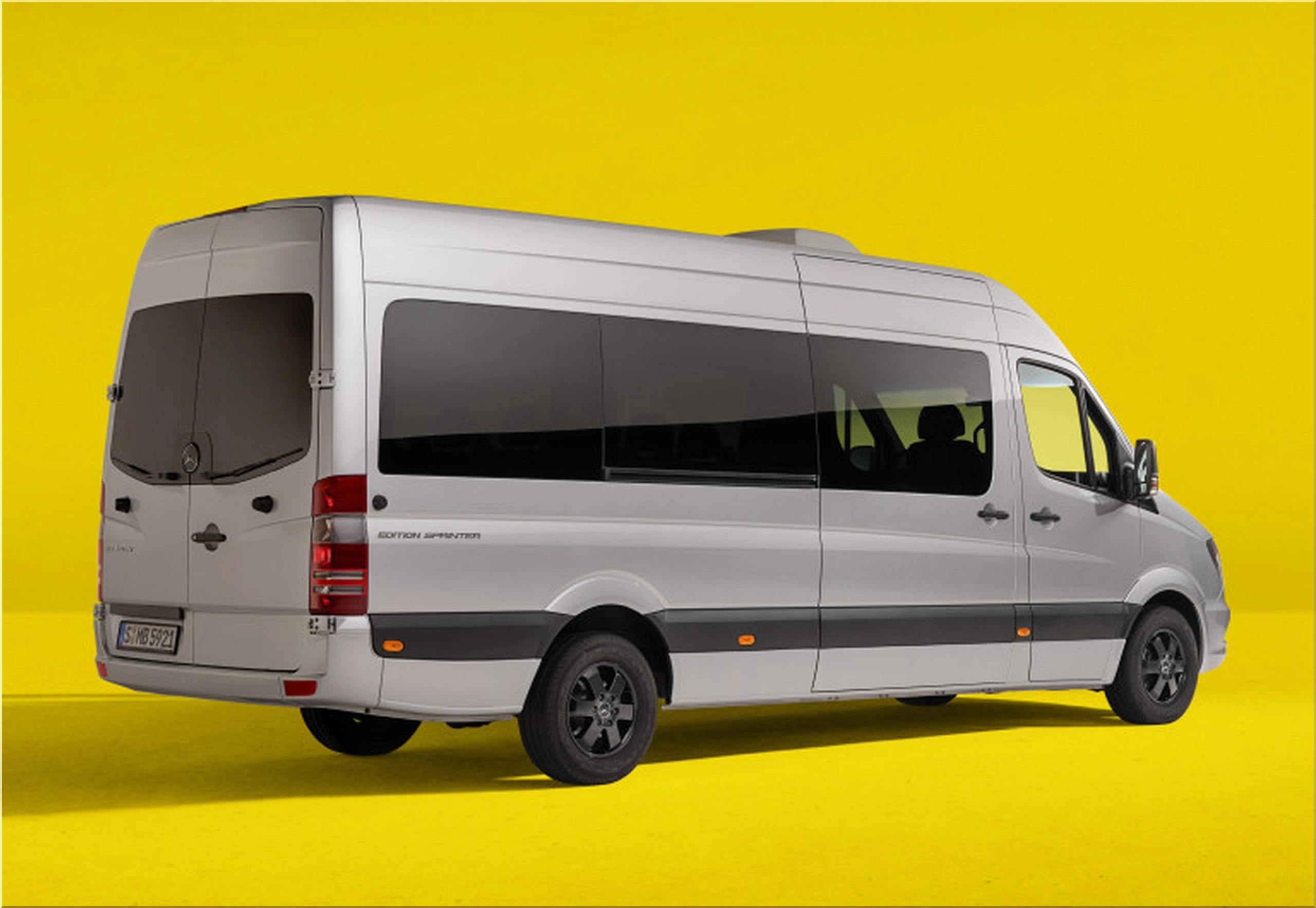
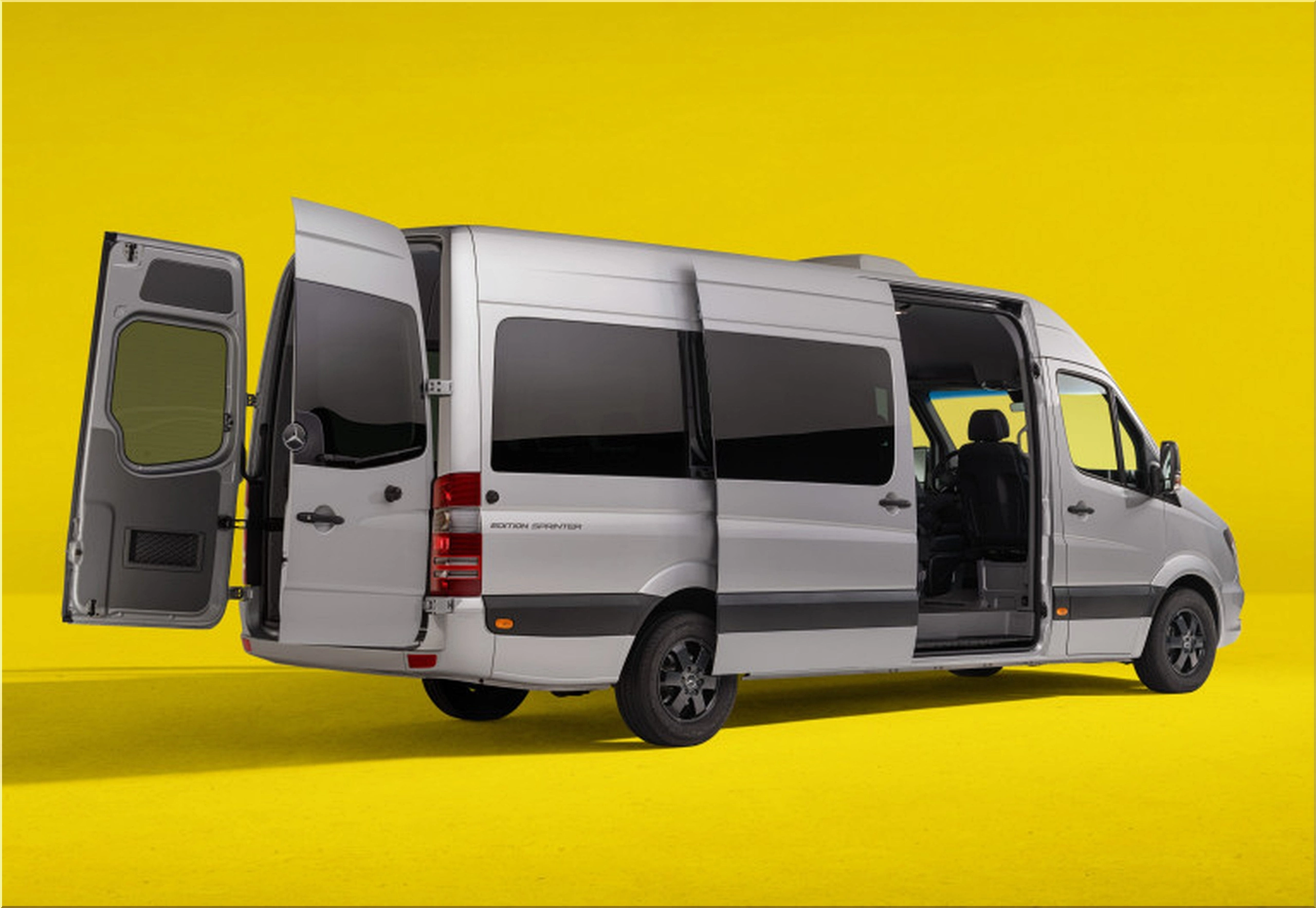
- Special Edition Model: A "30 Years Sprinter" edition, based on the Select variant, features extra safety, luxury, and driver-assistance tech.
- Museum Showcase: The Mercedes-Benz Museum in Stuttgart is hosting a special exhibit from February 4 to March 30, 2025, displaying first-gen Sprinters, modern models, and even electric versions.
- Collector’s Merchandise: Visitors can grab exclusive Sprinter merchandise, proving once and for all that cargo vans can have fan clubs.
The Sprinter's Versatility
If versatility had a mascot, it would be the Sprinter. Over 30 years, this van has been everything from a delivery van to a luxury camper. Some of its most notable uses include:
- Goods Transport: Used by logistics companies worldwide, from Amazon to small businesses, for efficient deliveries.
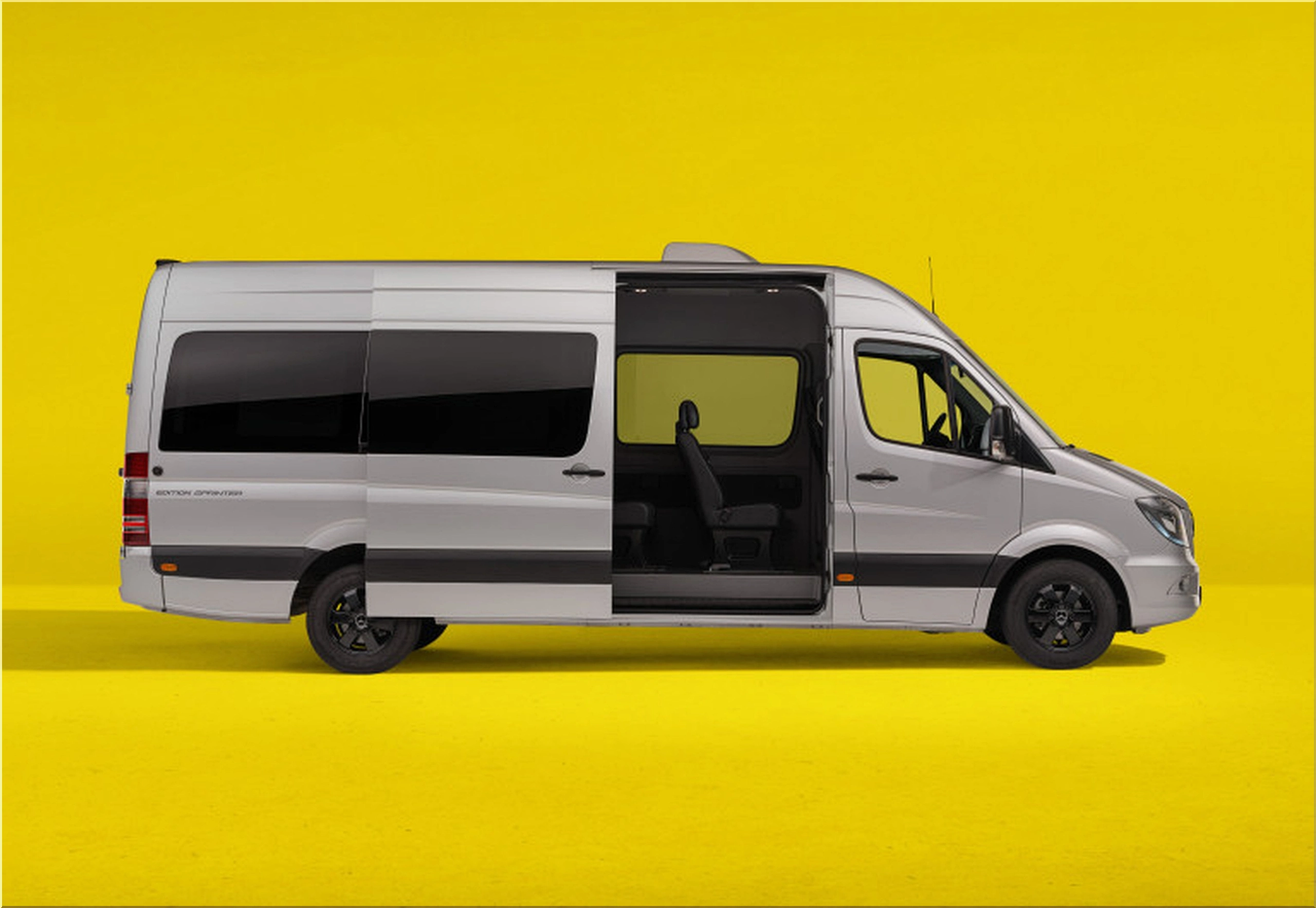
- Passenger Shuttle: Configured as minibusses, offering airport transfers, tour services, and business shuttles.
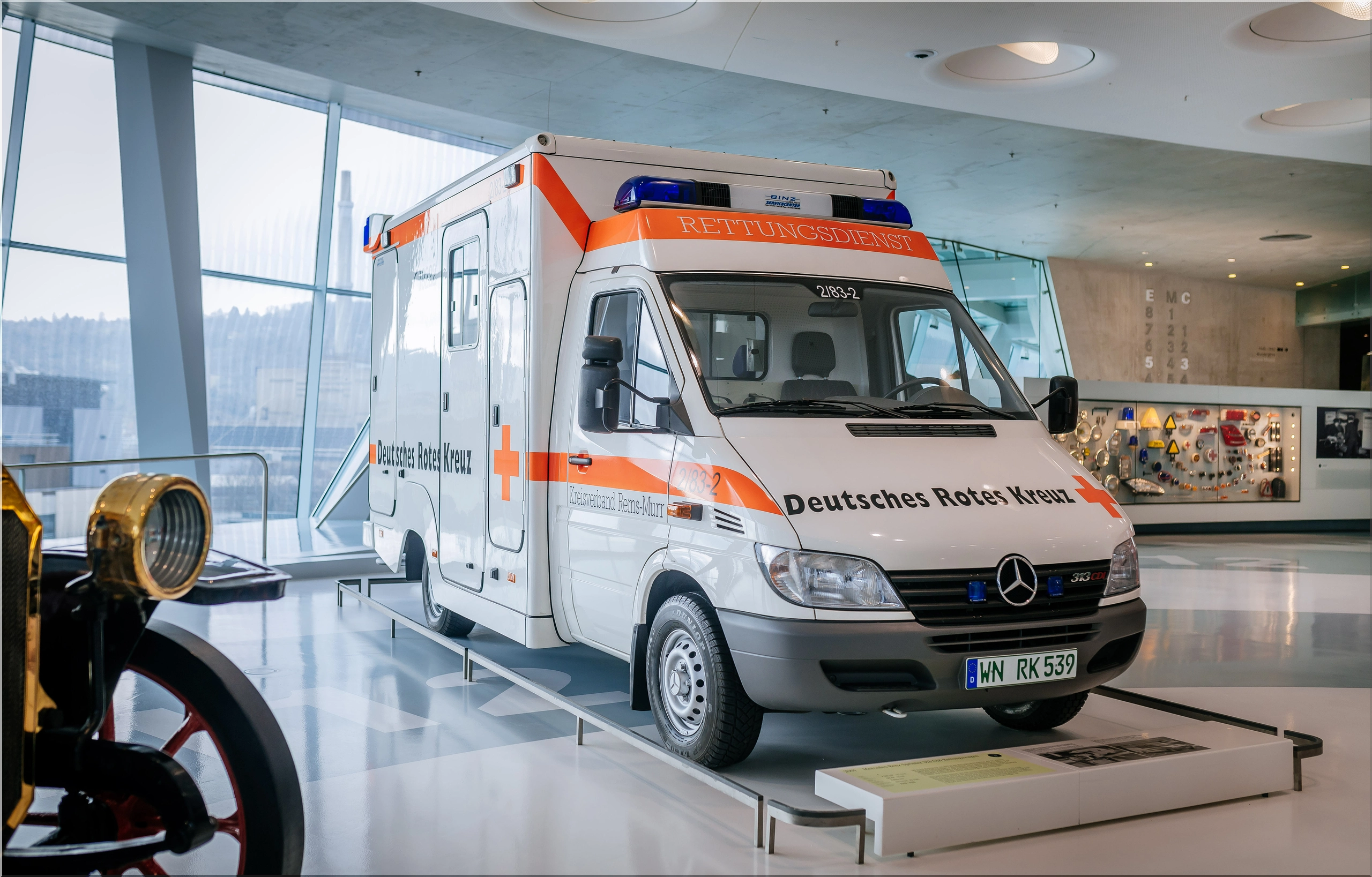
- Specialty Conversions: Sprinters have been transformed into emergency vehicles, mobile offices, and even custom-built recording studios.
Conclusion
The Mercedes-Benz Sprinter has spent the last three decades proving that a van can be more than just a mode of transport. It can be a reliable work partner, a road-trip hero, and even a pop culture icon. With its continued evolution and commitment to innovation, the Sprinter isn’t just here to stay—it's here to keep leading the way.
Now, if only it could parallel park itself in a tight European street without breaking a sweat—oh wait, it probably can!
- Add new comment
- 109 views