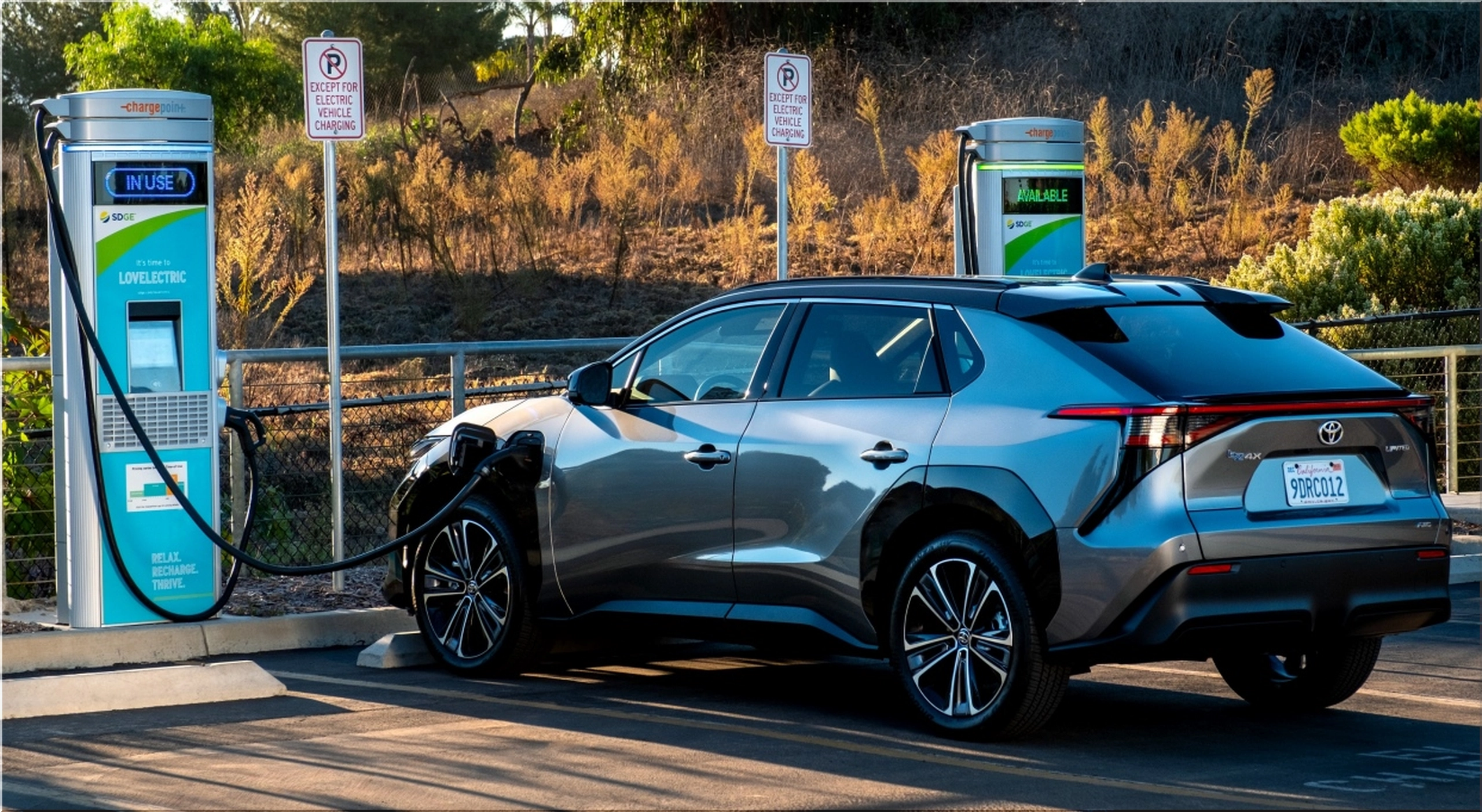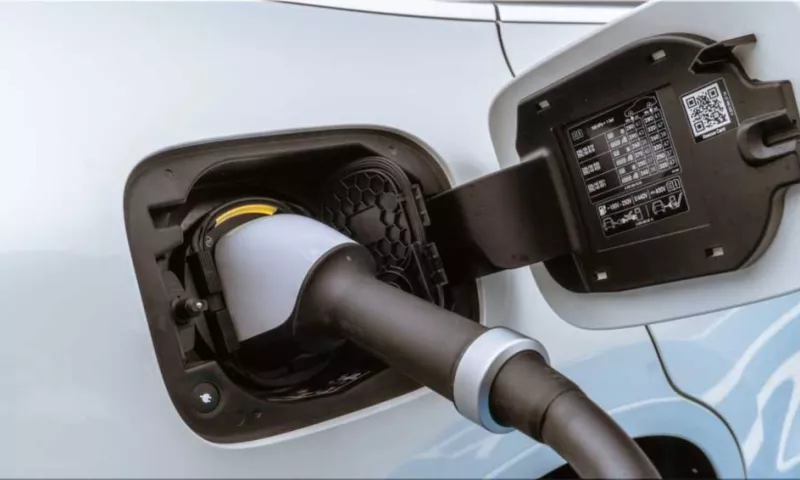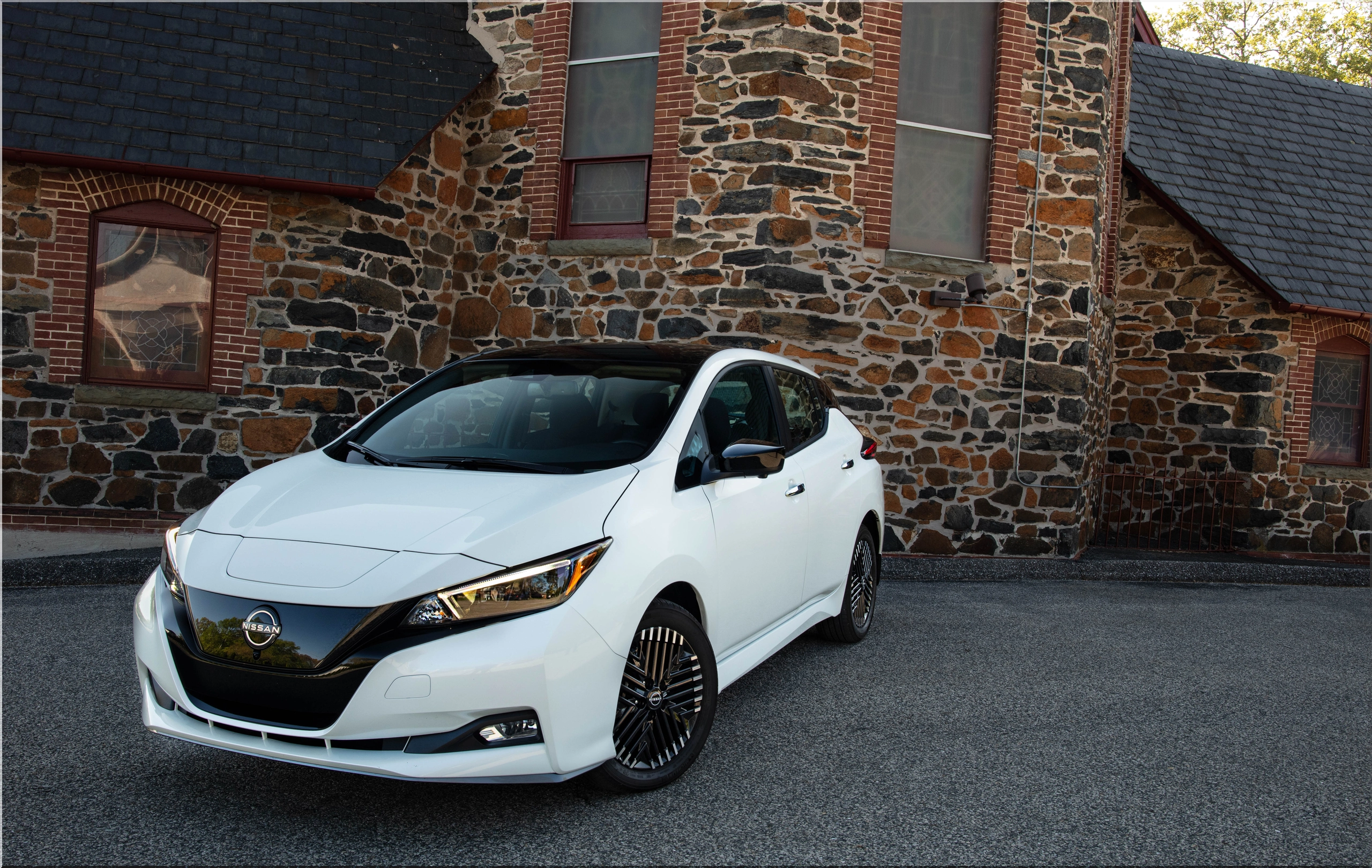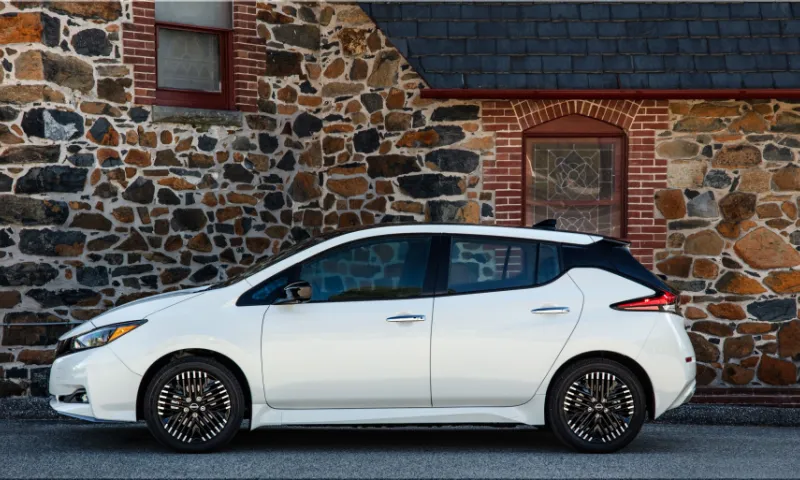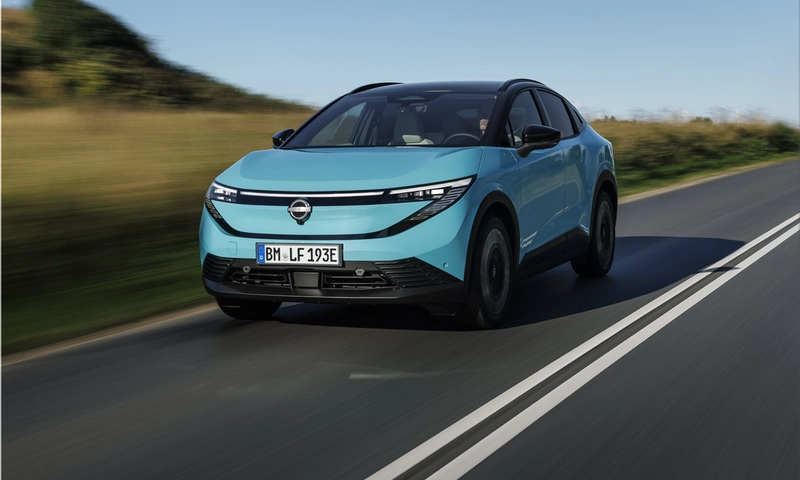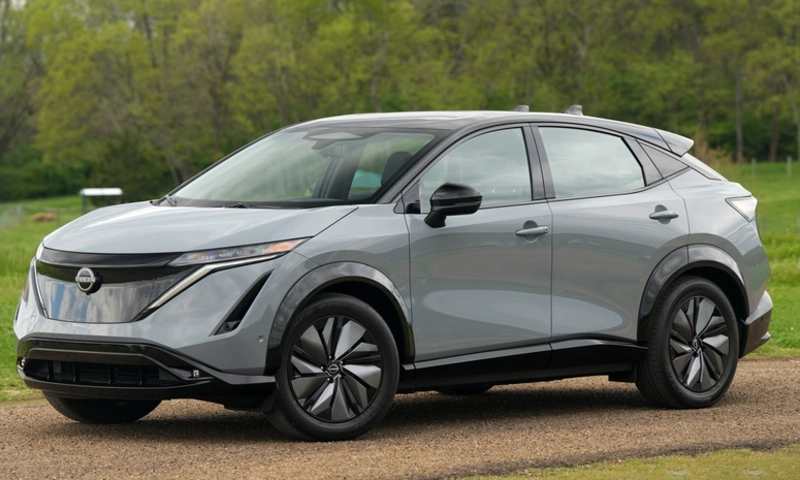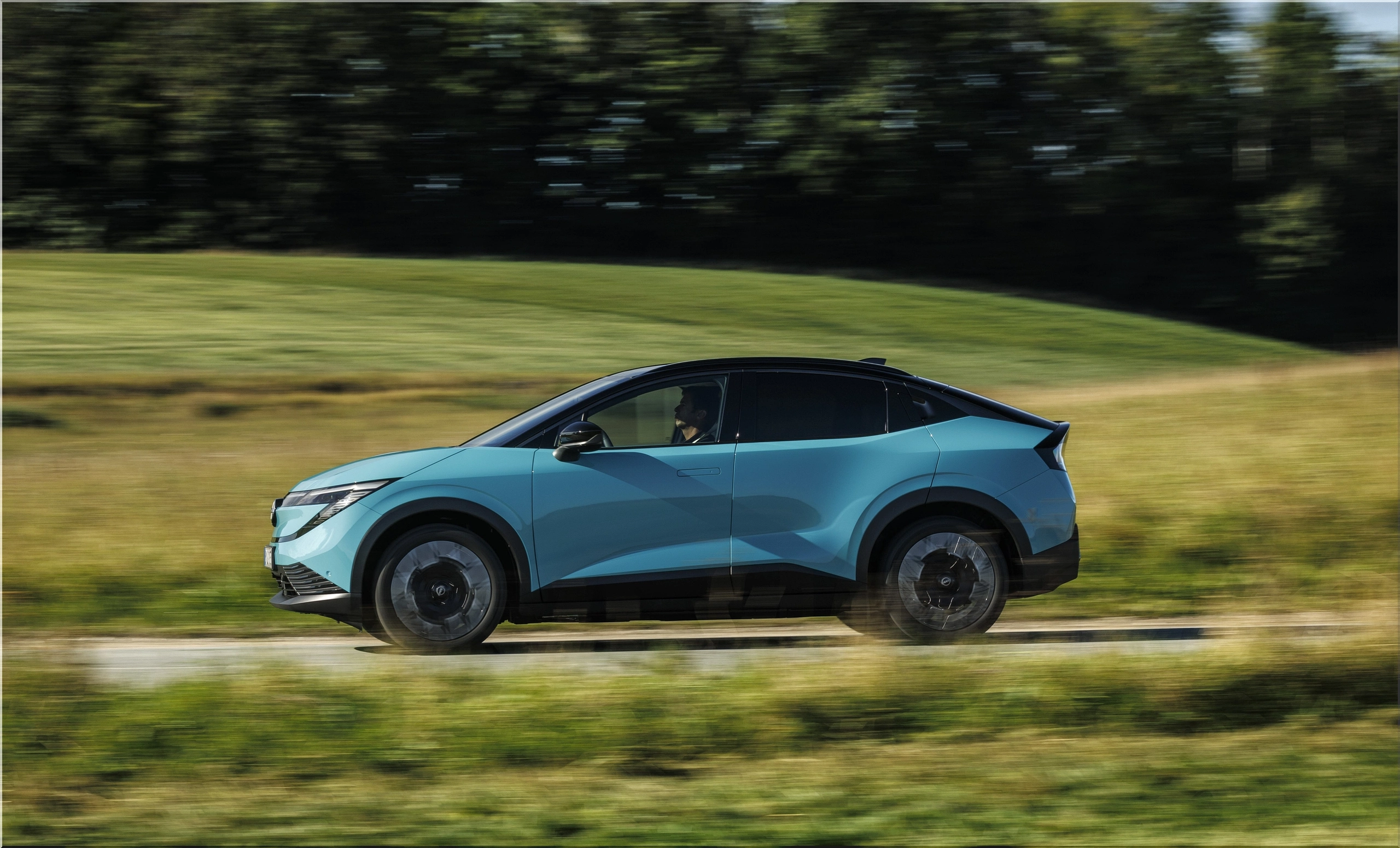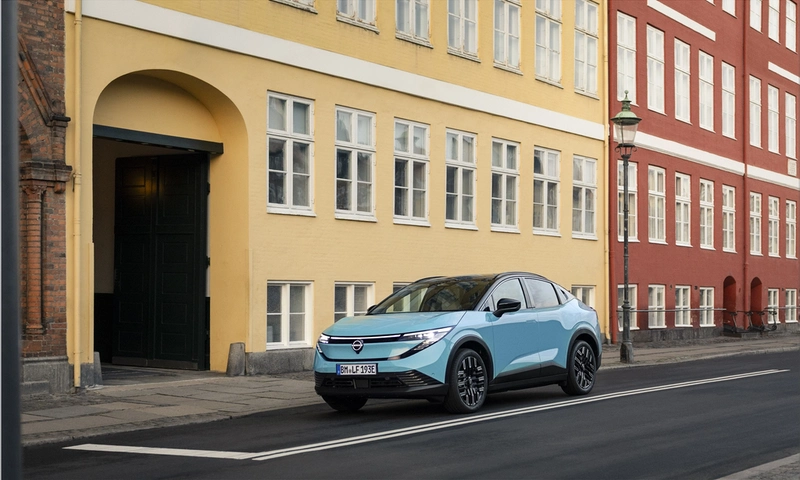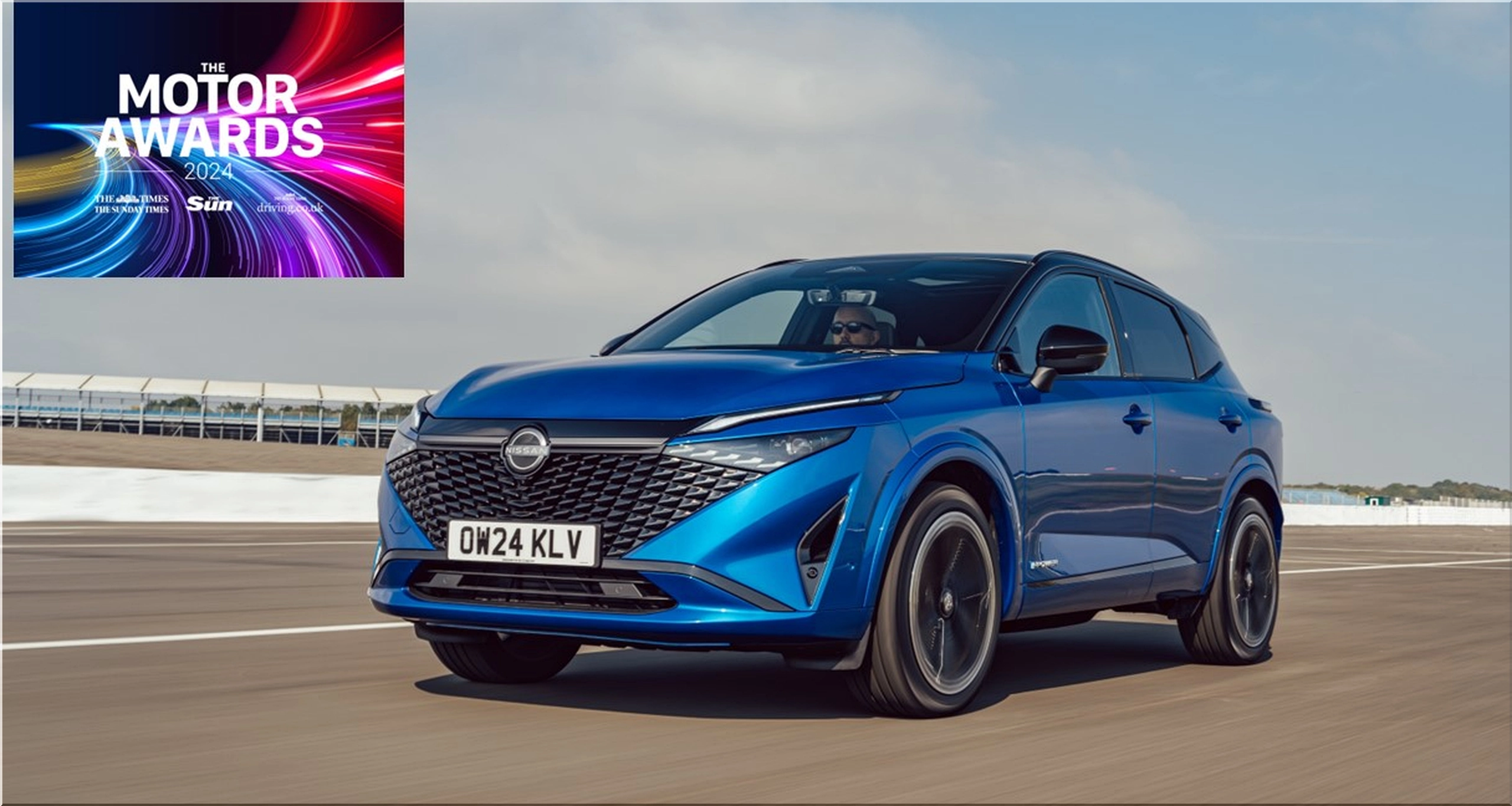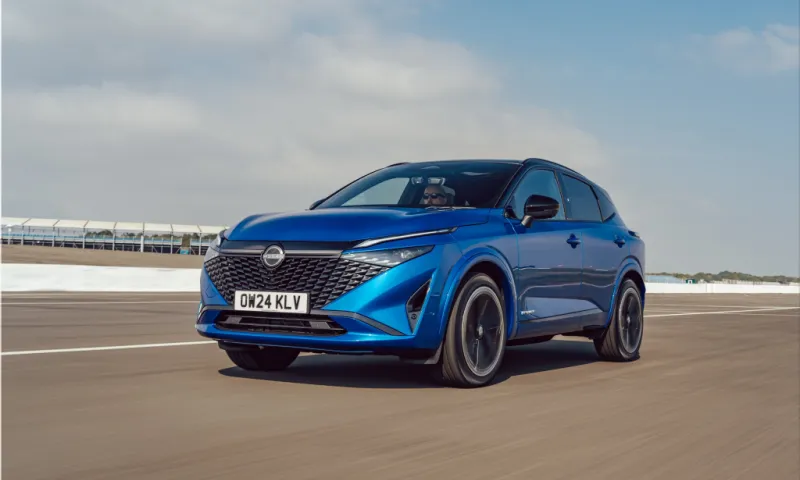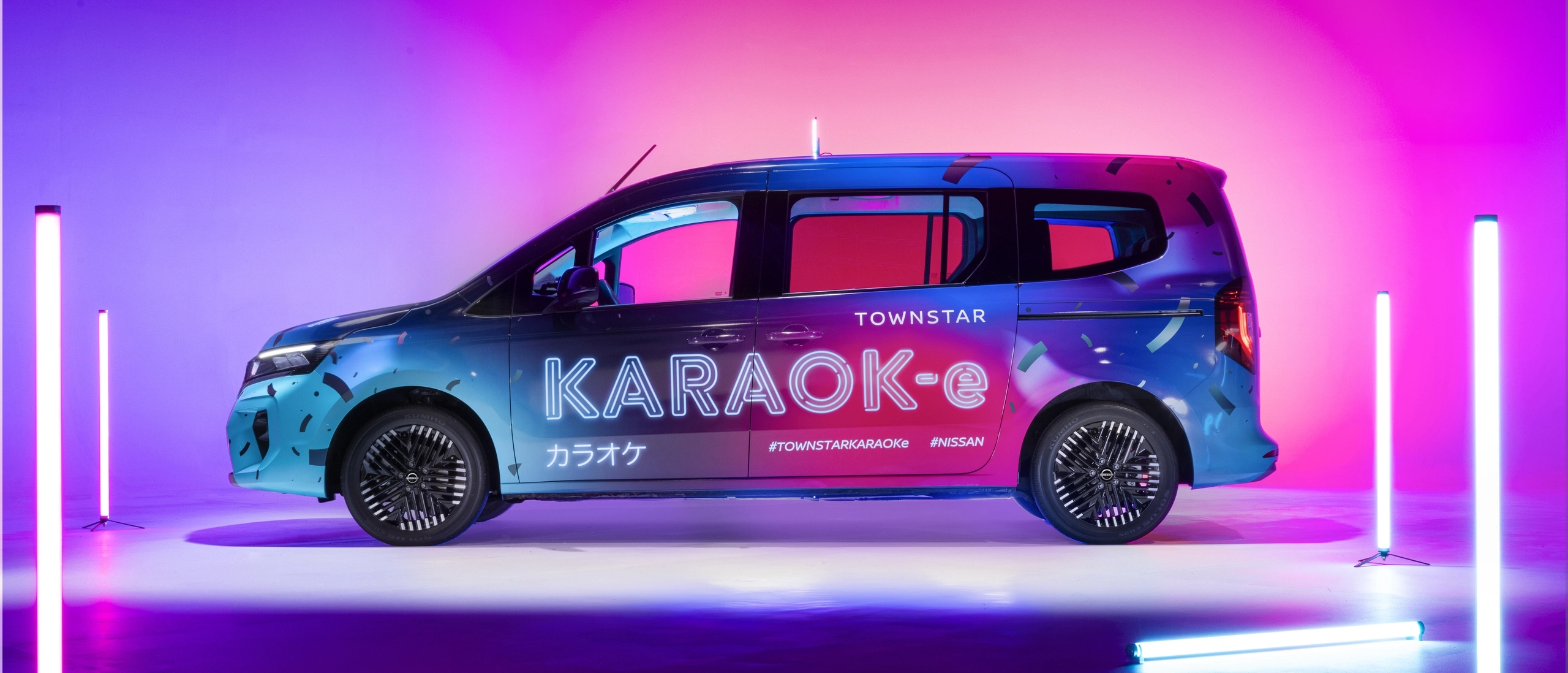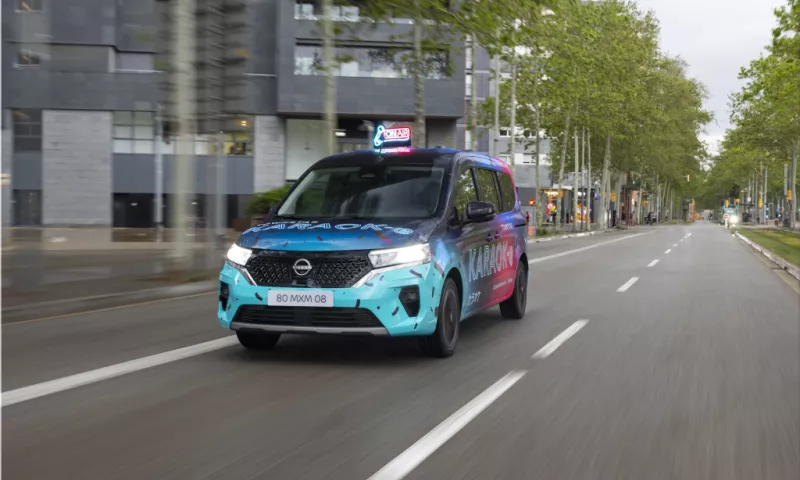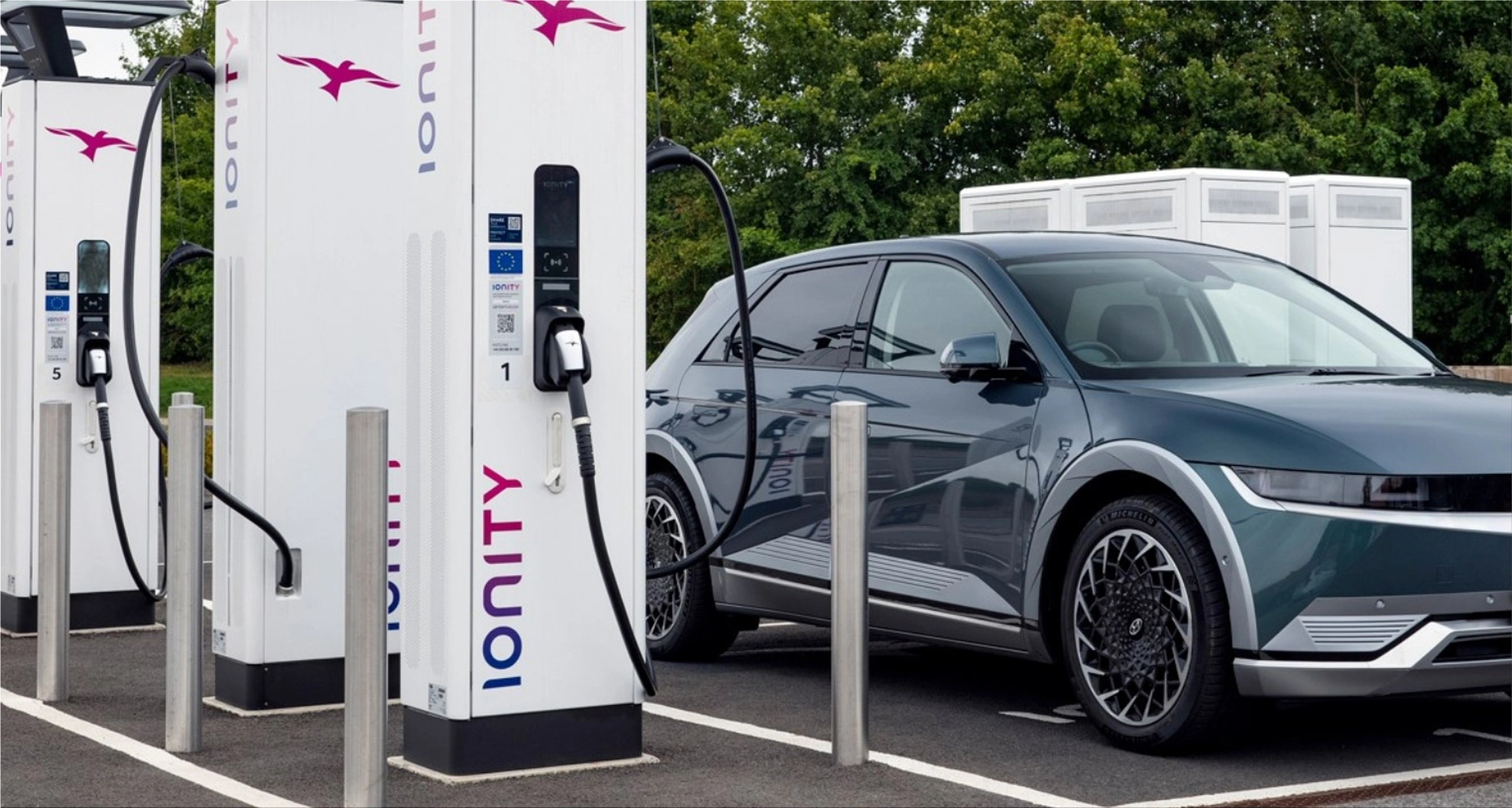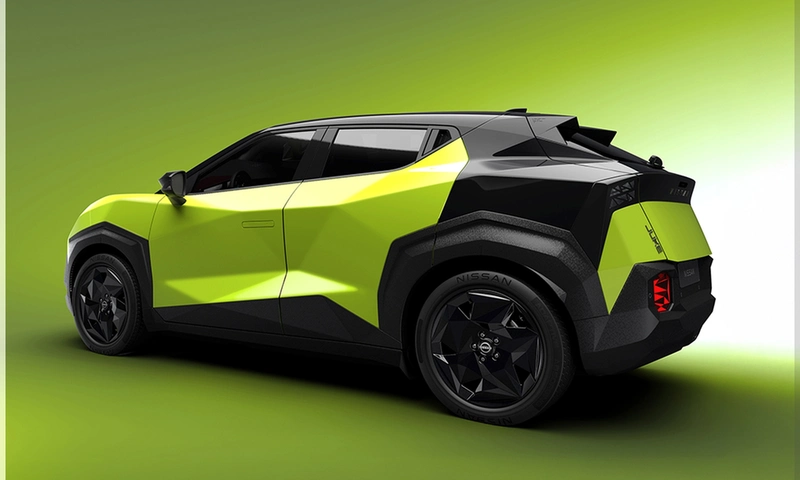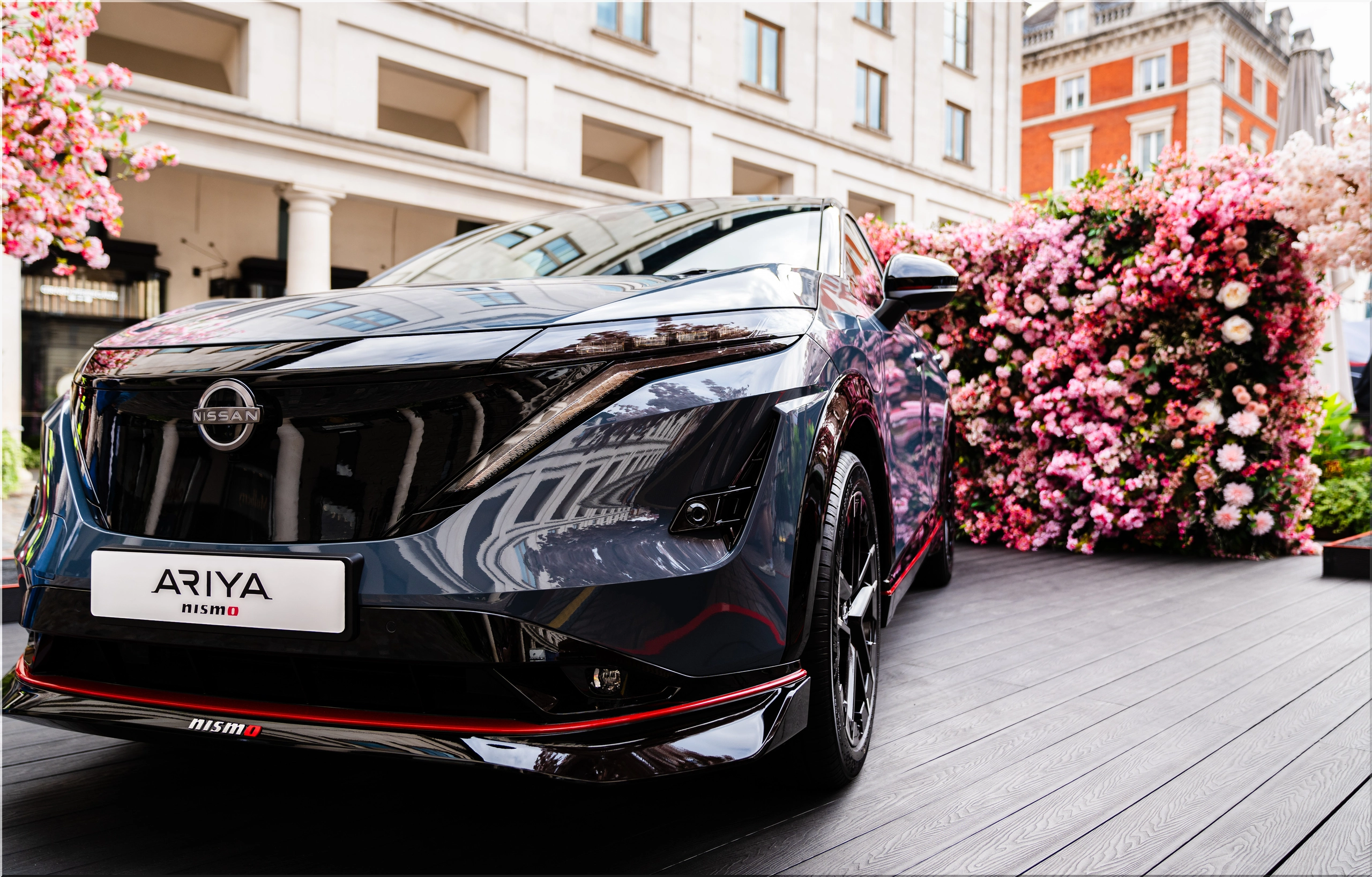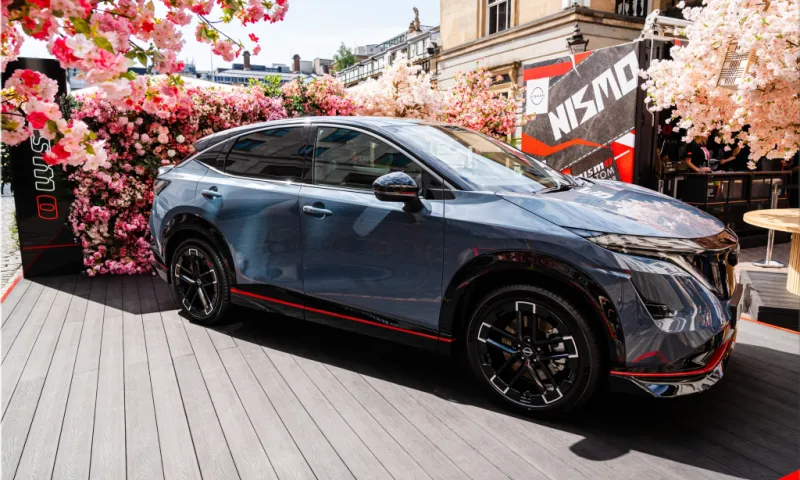
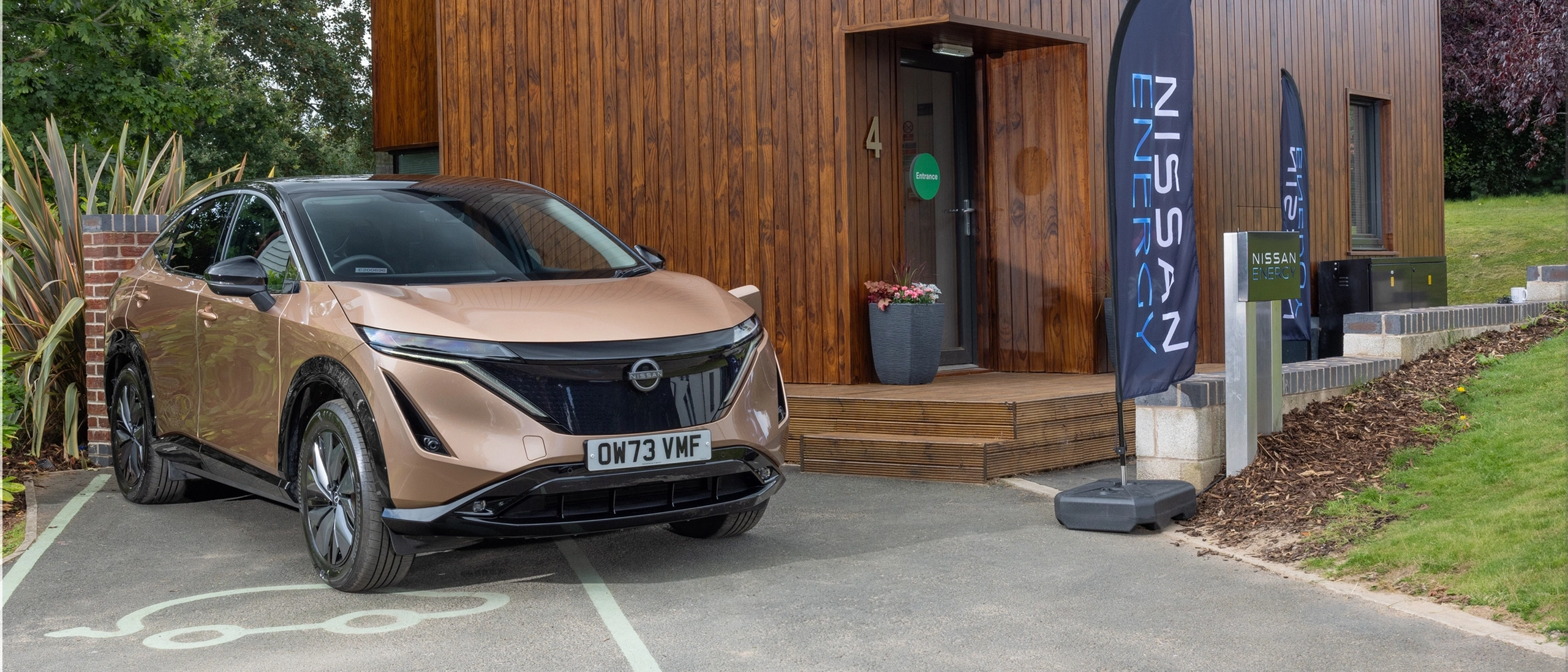
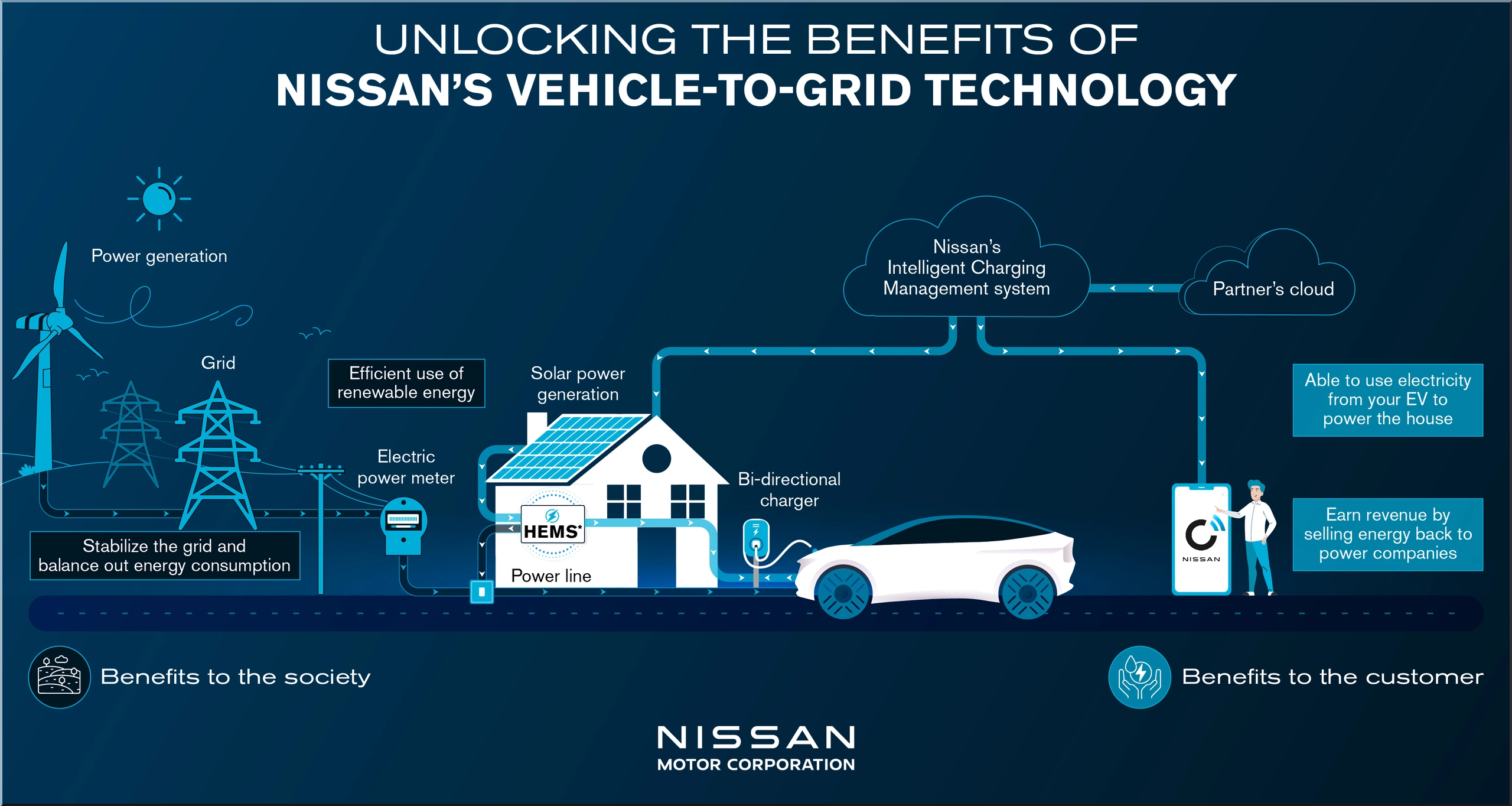
Nissan is set to revolutionize the electric vehicle (EV) market with its affordable Vehicle-to-Grid (V2G) technology, launching in 2026. This cutting-edge bi-directional charging solution will enable owners of selected Nissan EVs to not only charge their vehicles but also sell excess electricity back to the grid or power their homes. The introduction of this cost-effective technology marks a key milestone in Nissan’s journey towards a more sustainable energy ecosystem.
Key Features of Nissan's V2G Technology
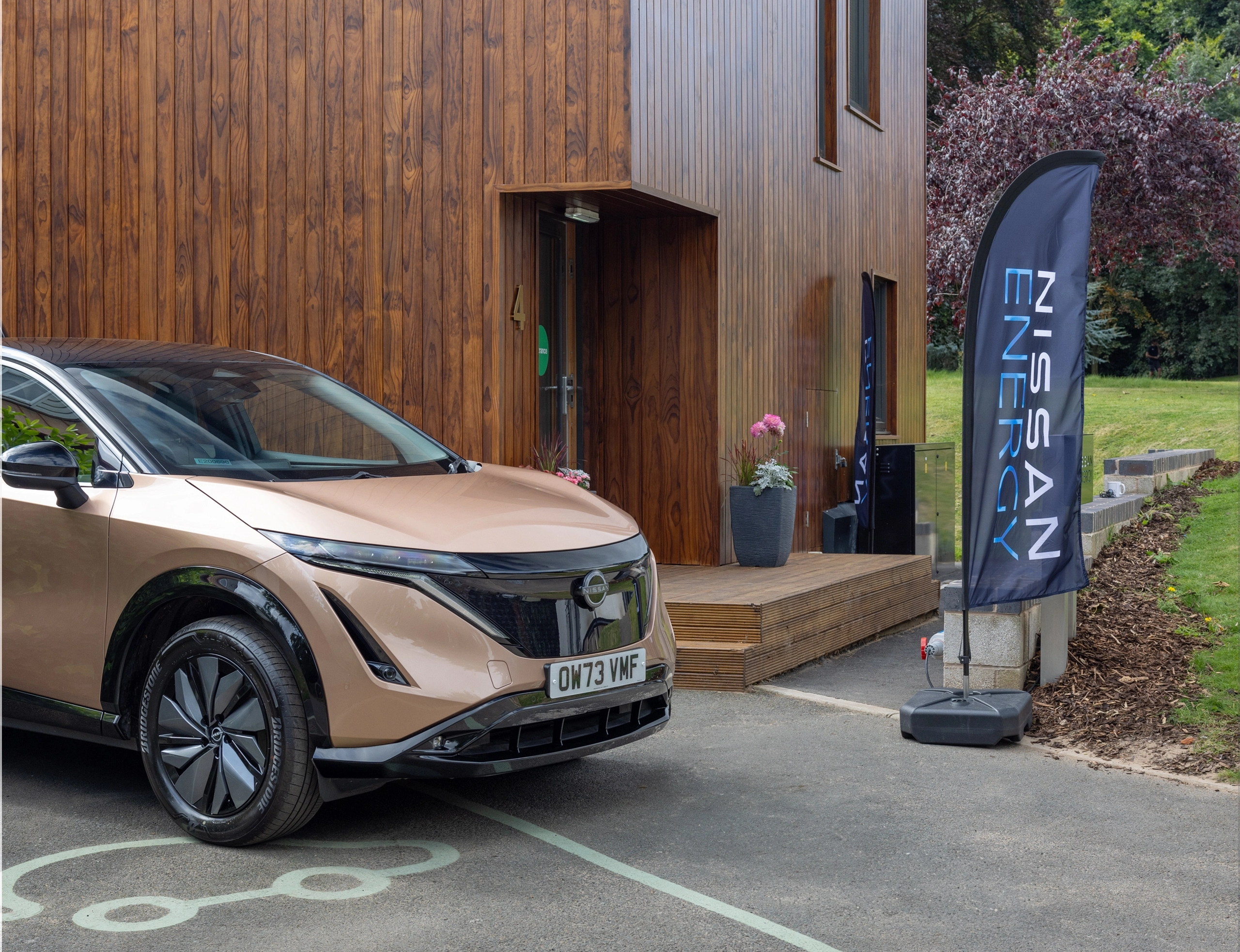
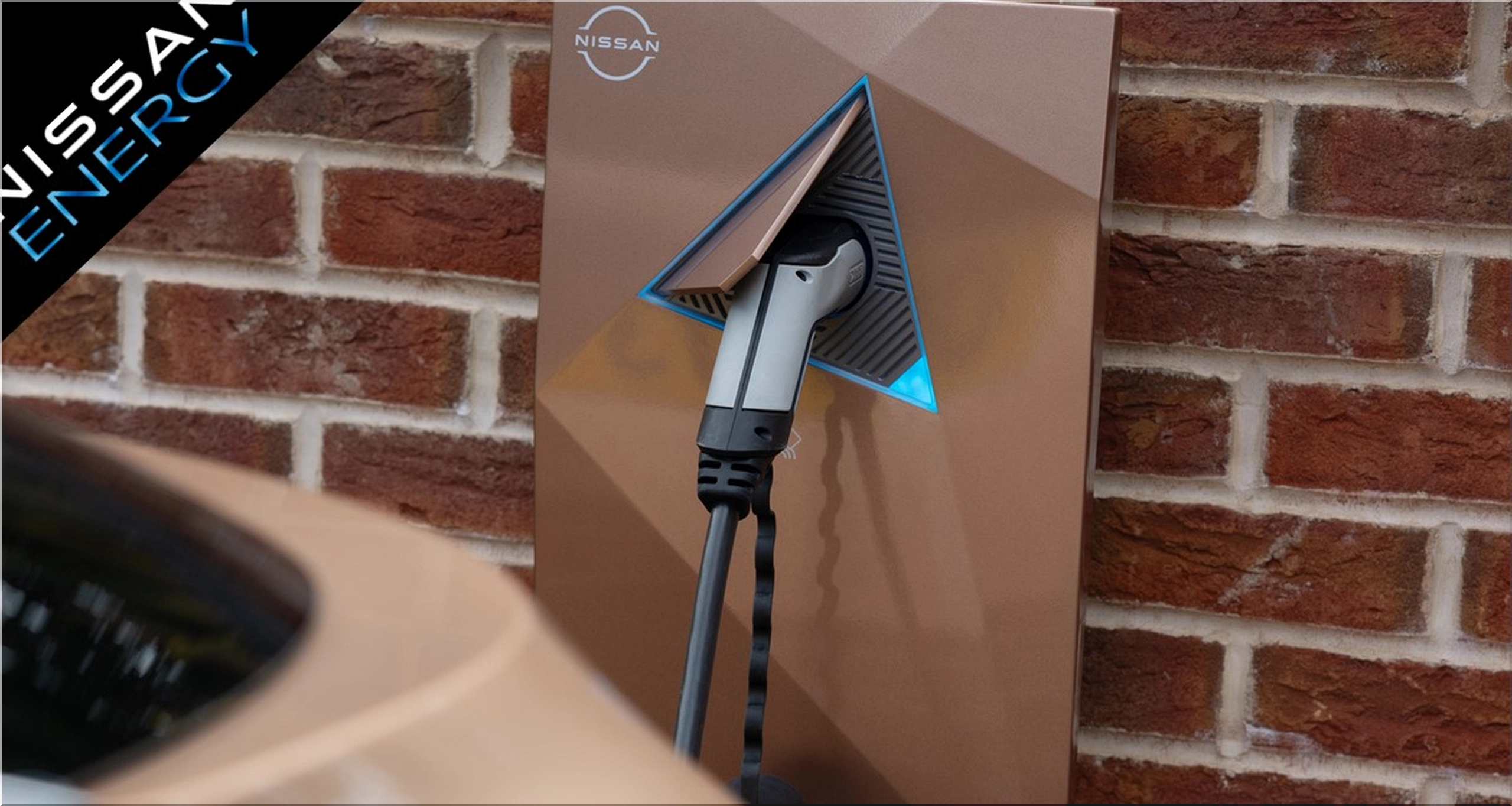
- Bi-directional charging: Nissan's V2G technology allows EVs to both charge from the grid and discharge energy back, enabling homeowners to use their cars as mobile power stations.
- Energy cost savings: Nissan estimates that households using this technology could reduce their annual EV charging costs by 50%. The system also helps cut CO2 emissions by 30% per vehicle annually, making it both a cost-effective and eco-friendly solution.
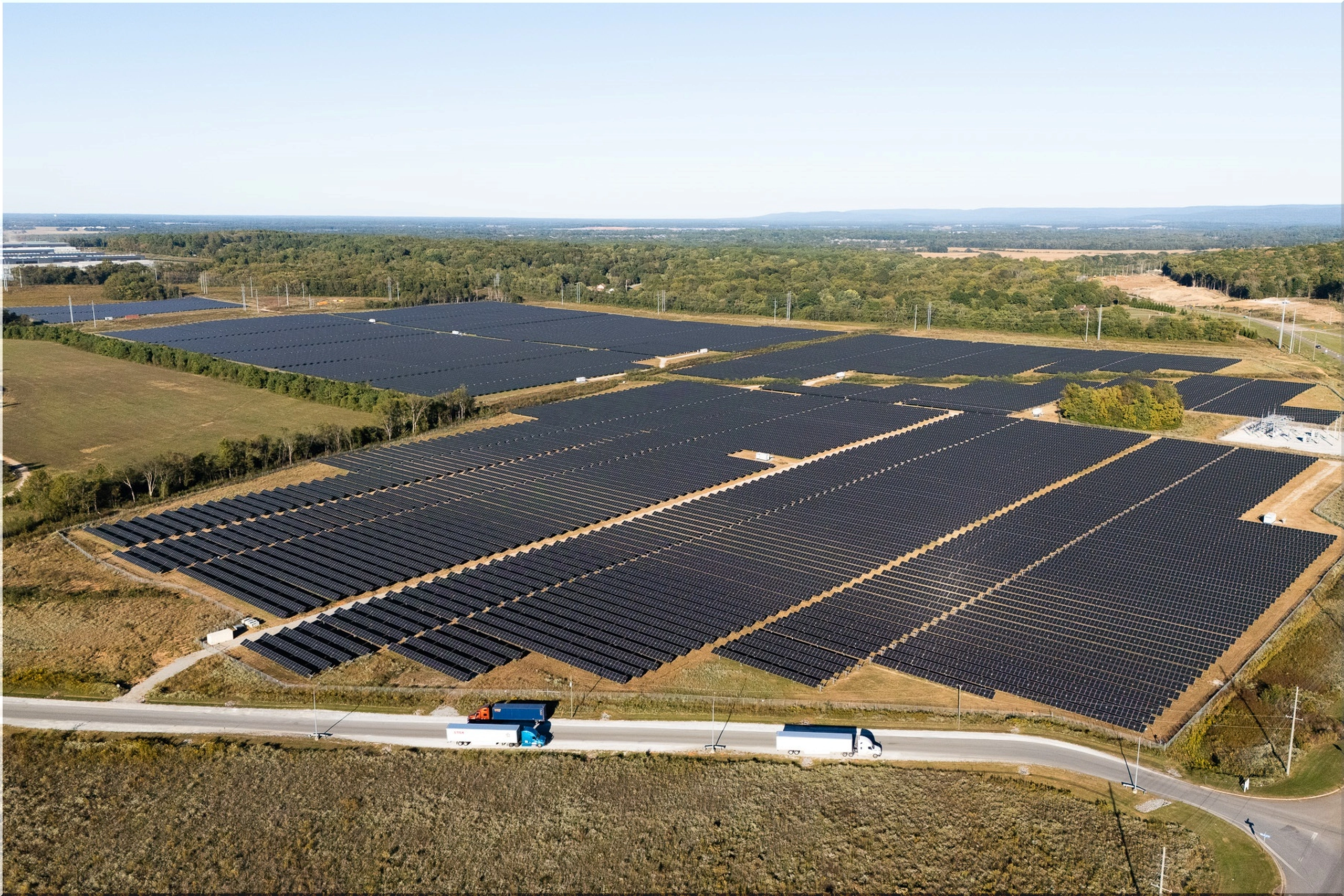
- Integration with renewables: The V2G system supports the transition to renewable energy by enabling cars to store and feed back electricity generated from solar and wind power, reducing dependence on fossil fuels.
- Affordable price point: Nissan plans to make the V2G chargers affordable, aiming to price them similarly to current single-direction chargers. This move is designed to make bi-directional charging accessible to a broader range of consumers.
Benefits of V2G for Consumers and the Grid
- Lower electricity bills: By selling surplus energy stored in EV batteries back to the grid during peak demand periods, owners can reduce their household energy costs.
- Enhanced energy resilience: In the event of a power outage, Nissan’s V2G-equipped vehicles can serve as backup power sources for homes, enhancing energy security.
- Support for renewable energy: With V2G, EVs can store renewable energy and release it when needed, increasing the share of clean energy in the national grid.
- Reduced infrastructure strain: By managing when and how much energy is taken from the grid, V2G technology helps reduce stress on national power infrastructure, particularly during peak hours.
Rollout Plans
Nissan will first launch this bi-directional charging technology in the UK in 2026, with plans to expand across Europe. The company has been conducting pilot programs globally over the last decade to ensure smooth implementation and integration with various energy markets. By aligning its V2G systems with local infrastructure and regulatory standards, Nissan hopes to create a seamless experience for users.
The Future of EVs and Energy
Nissan’s V2G technology could play a crucial role in shaping the future of energy and mobility. By turning cars into energy hubs, this technology has the potential to not only reduce costs for consumers but also aid in the global shift towards clean energy. As the market for renewable energy grows, bi-directional EV charging could become a common feature in households, helping both consumers and governments meet climate goals.
Conclusion
Nissan’s affordable V2G technology represents a significant step forward in making electric vehicles more than just transportation tools. By giving consumers control over their energy usage and contributing to the grid, this system could reshape the automotive and energy landscapes. With its 2026 launch, Nissan continues to solidify its role as a leader in the transition to sustainable mobility.
- Add new comment
- 111 views