Switching from petrol or diesel to electric has always come down to one stubborn question for most Irish households. Will it actually save me money? With the ICE2EV scrappage scheme up and running in 2026, that question has a far better answer than it's had in years. But the smart thing to do is look past the big headline number and work out what the change means in real euro, both on the day you buy and over the years you keep the car.
Breaking down the headline number
The figure everyone quotes is up to €8,500 of support, and it's a serious chunk of money. Still, it's worth knowing exactly where it comes from. The new scrappage part, funded by a €10 million Government pot run by SEAI, is worth €5,000 when you scrap a qualifying older petrol or diesel car and buy a new electric one. The other €3,500 is the long-standing SEAI electric car grant.
Here's the bit that saves you from disappointment later. That €3,500 grant is generally already built into the advertised price of new EVs in Ireland. So when a dealer shows you a sticker price, that part is usually in there already. The truly extra saving from this new scheme is the €5,000 scrappage payment, knocked straight off the price at the point of sale. That's real money you're not borrowing, not financing and not waiting around to be paid back.
For someone trading in a tired 2012 diesel, five grand off a new car is a big dent in the price. And it lands at exactly the time older cars start costing the most to keep on the road.
The hidden cost of holding on
It's easy to assume the cheapest car is the one you already own. Often, it isn't. An older diesel heading into its mid-teens tends to rack up:
- Rising motor tax, since older cars often sit in dearer bands.
- Growing repair bills, as clutches, timing belts, DPFs, turbos and exhaust parts wear out.
- NCT-related work, which can run into hundreds or even thousands just to keep the car legal.
- Fuel costs that stay stubbornly high next to charging at home.
When you add a couple of pricey trips to the garage to a year of forecourt fuel, the "free" old car can quietly cost you more every year than the monthly difference on a new EV. The scrappage grant basically rewards you for letting that headache go instead of nursing it through another NCT.
Running costs: where EVs pull ahead
The purchase grant grabs the headlines, but the running costs are where electric really stacks up in your favour. Charging at home overnight, especially on a night-rate electricity plan, usually costs a fraction of doing the same journey on petrol or diesel. Over a typical year's driving in Ireland, that gap adds up to a tidy sum.
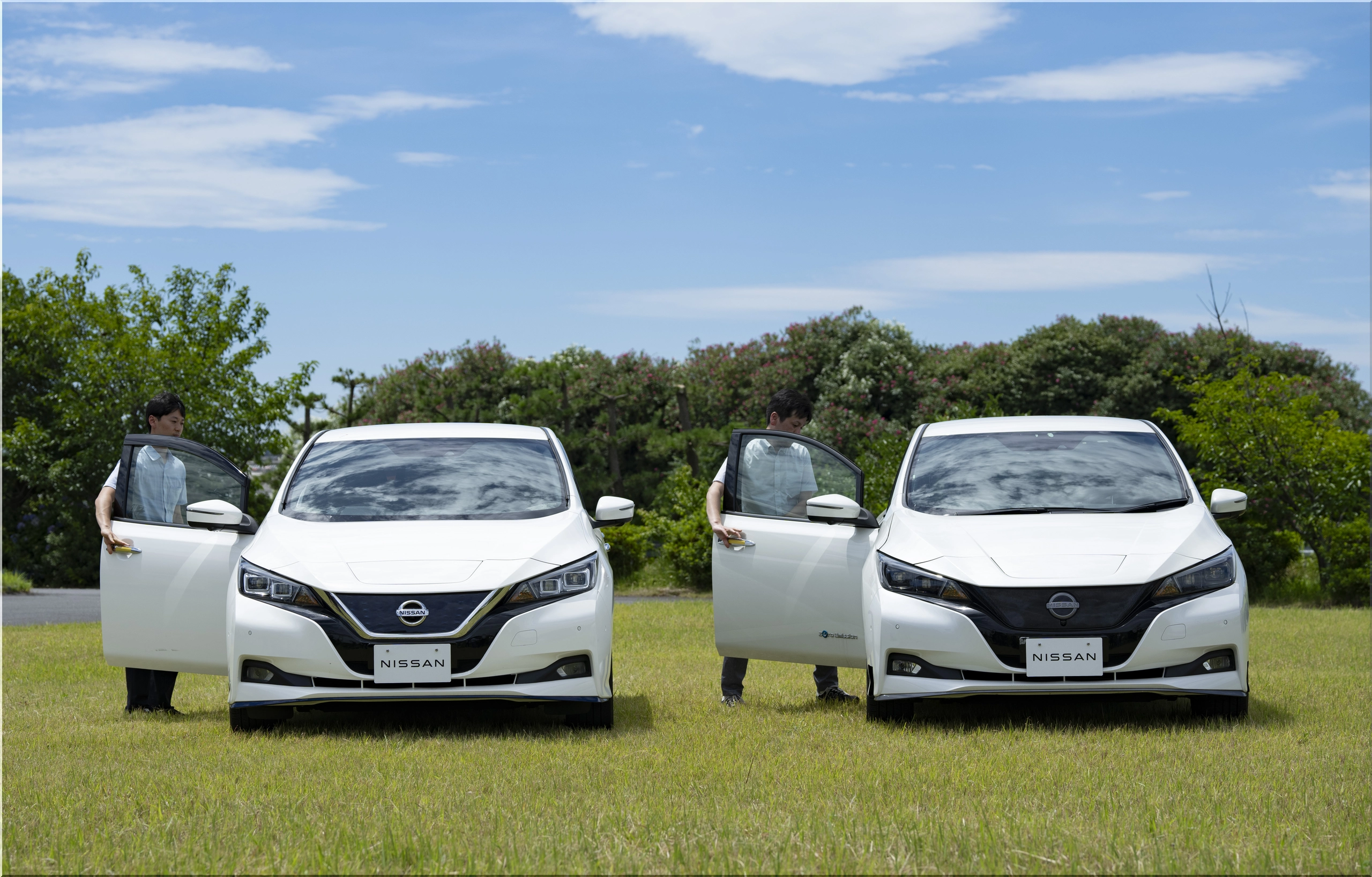
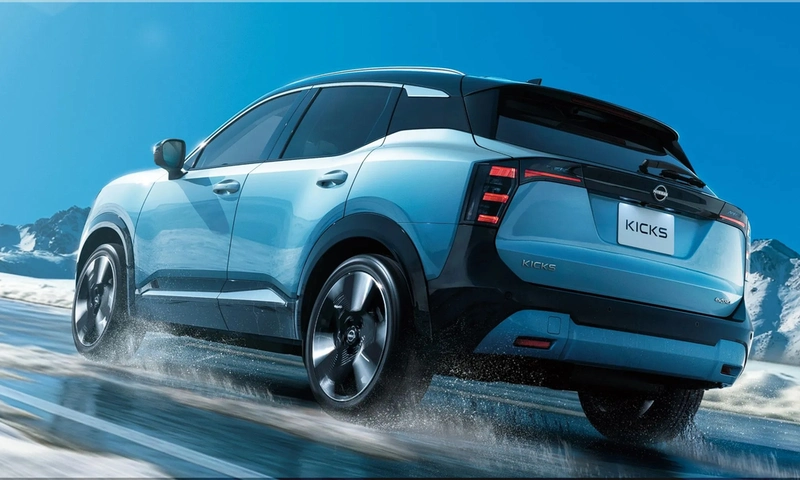
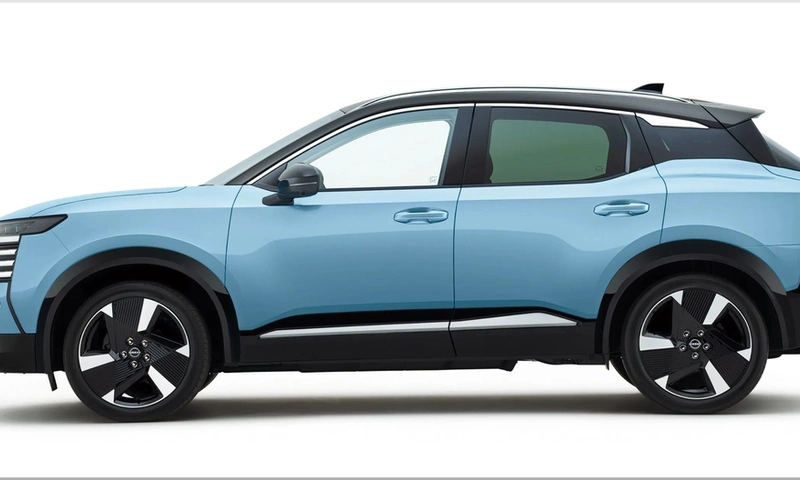
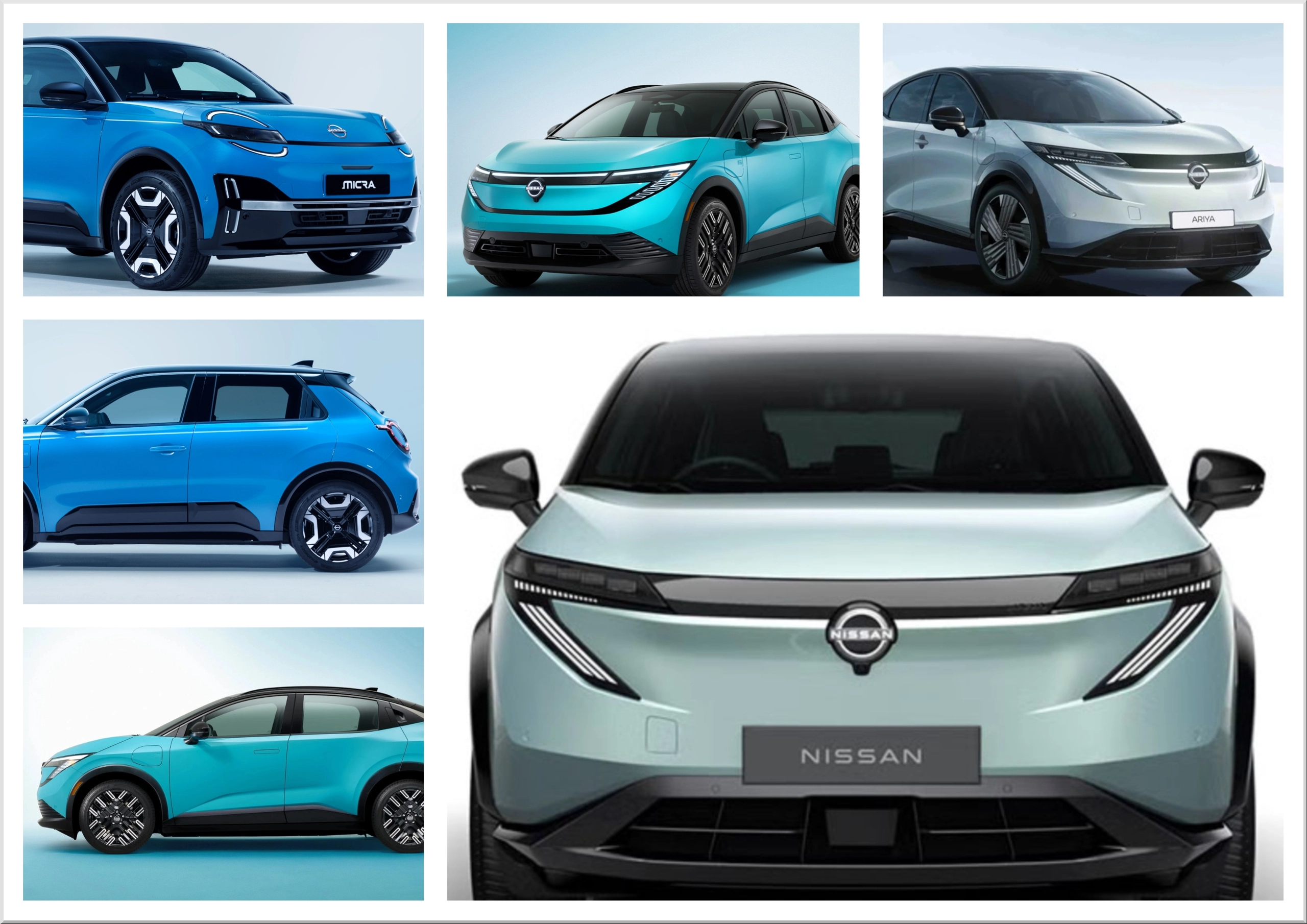
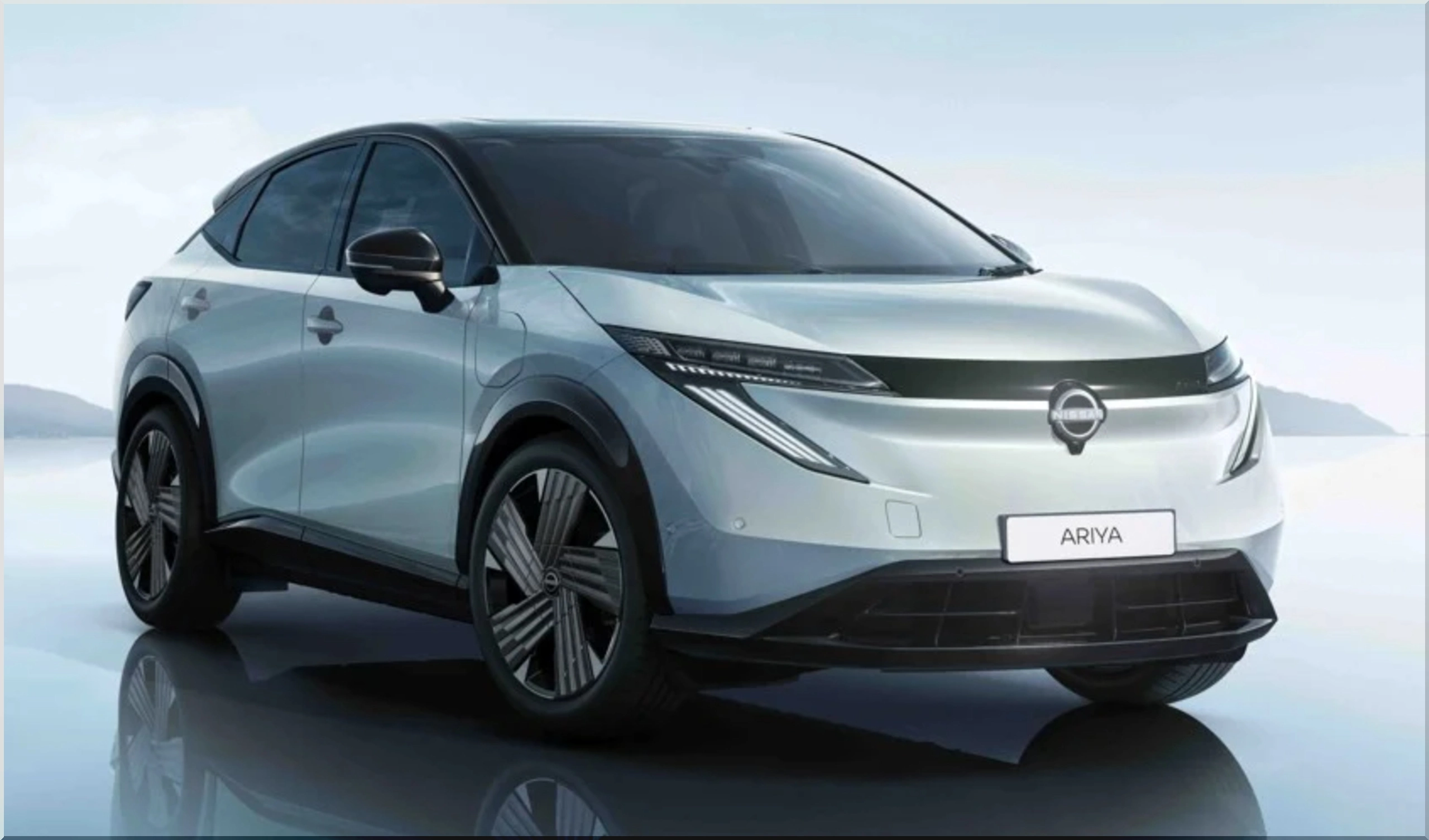
Servicing is the second quiet win. Electric cars have far fewer moving parts than a combustion engine. No oil changes, no timing belts, no exhaust, no clutch, and a lot less brake wear thanks to regenerative braking. Carmakers like nissan ireland also back their electric models with long battery health guarantees, often eight years or 100,000 miles, which takes a lot of the worry out of long-term battery costs.
Put the fuel and servicing savings together over a few years and they can offset a big share of the price premium an EV once carried. With the scrappage grant shrinking that premium from the start, the overall cost of owning an electric car keeps tilting in your favour.
A handy way to think about it
Rather than getting hung up on the sticker price, it helps to think over, say, five years. Add up the new EV's price after the €5,000 scrappage deduction, work out your yearly charging cost, and add a bit for servicing. Then do the same for keeping your current car. A year or two of fuel, the repairs you can see coming, motor tax and the inevitable NCT work. For a lot of older diesel drivers, the five-year figures end up much closer than expected, and sometimes the EV actually comes out ahead once the grant and lower running costs are counted.
To run those numbers properly, you need the current rules in front of you. The official government scrappage scheme ICE2EV details set out exactly which cars qualify and how the saving is applied, so you can plug accurate figures into your own sums.
Mind the timing and the price cap
Two timing things directly affect how much you save. First, the scrappage fund is capped at €10 million, around 2,000 cars, split 65% rural and 35% urban, on a first-come, first-served basis. Once a category's money is gone, it closes with no waiting list, so dragging your heels could cost you the whole €5,000.
Second, the price cap on the €3,500 SEAI grant is set to fall from €60,000 to €50,000 for applications made after the 31st of July 2026. If you're eyeing an EV in that upper price range, the date you apply could be worth €3,500 on its own. For most everyday family EVs priced well under €50,000, this won't matter, but it's worth checking before you sign anything.
The bottom line
The money side of switching has rarely looked clearer. The genuinely new €5,000 cuts what you pay today, the existing SEAI grant keeps headline prices keen, and the lower fuel and servicing costs of electric keep working for you every year you own the car. If you want a clear overview of how the supports fit together before you build your own budget, this Guide for Irish Government Scrappage Scheme To Buy EV Cars is a sensible place to start. Do the sums on your own mileage and your own car, and if your old diesel is costing more to keep than to replace, the grant might just be the nudge that makes up your mind.
Image gallery
- Add new comment
- 161 views