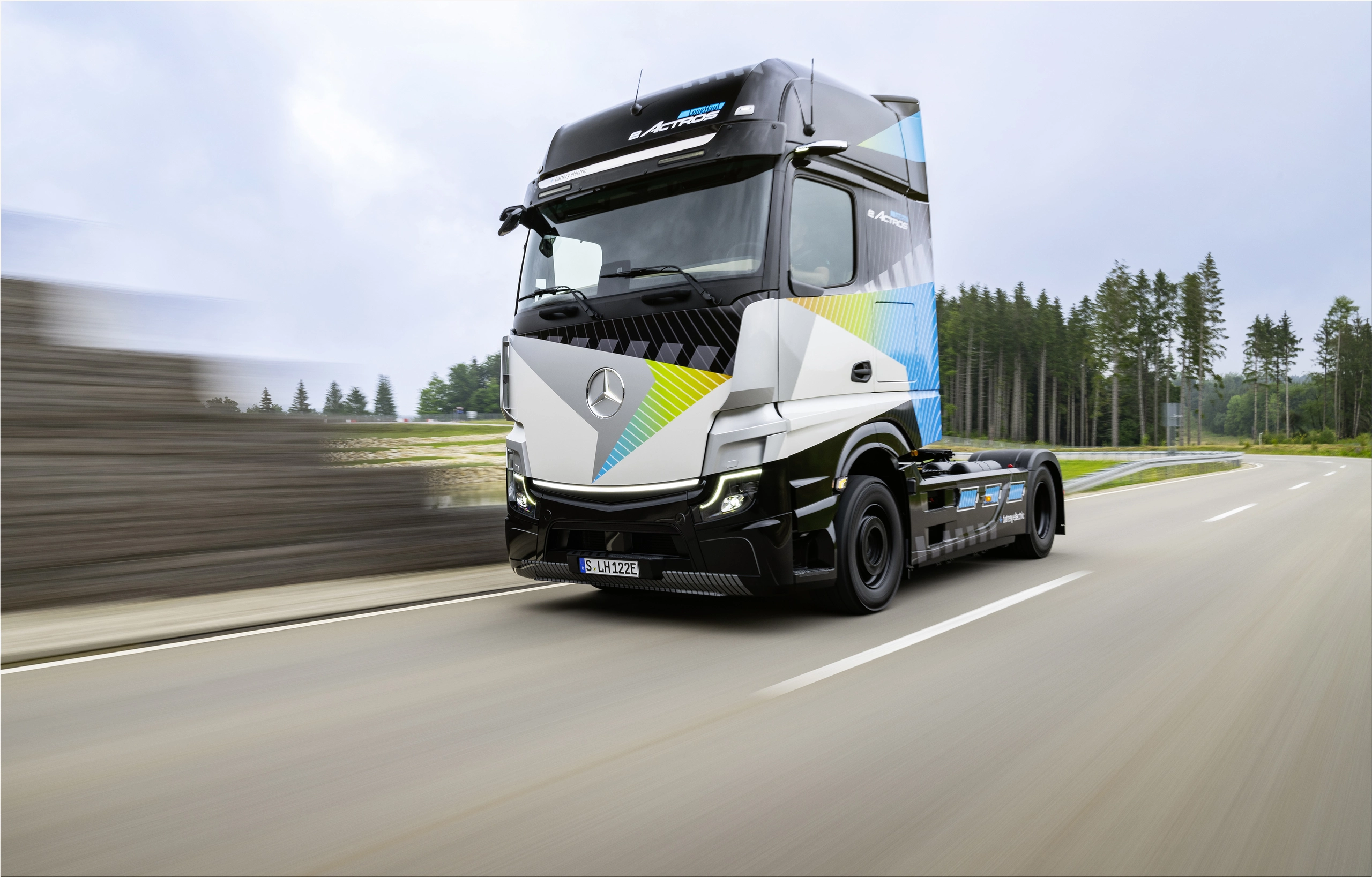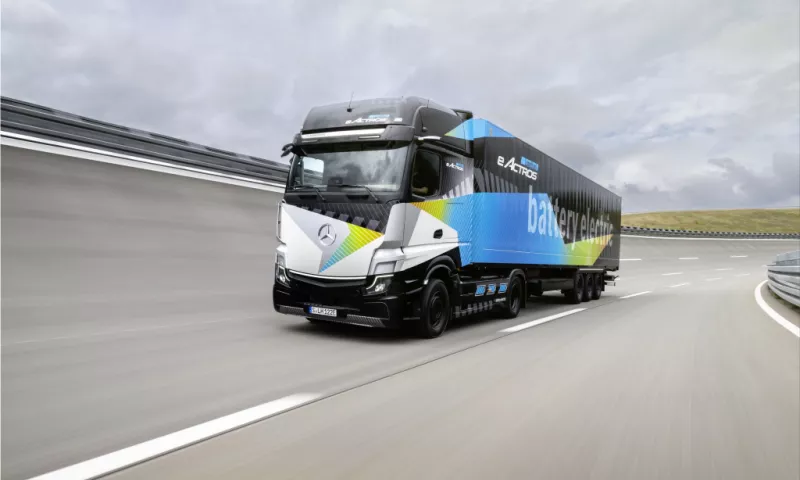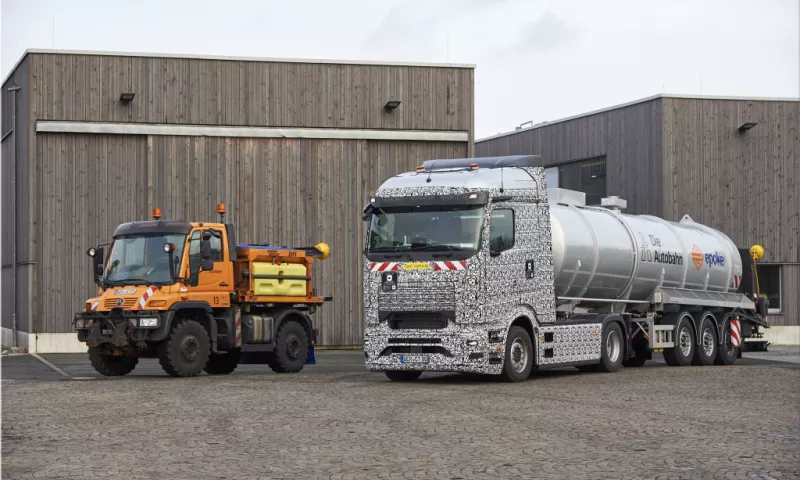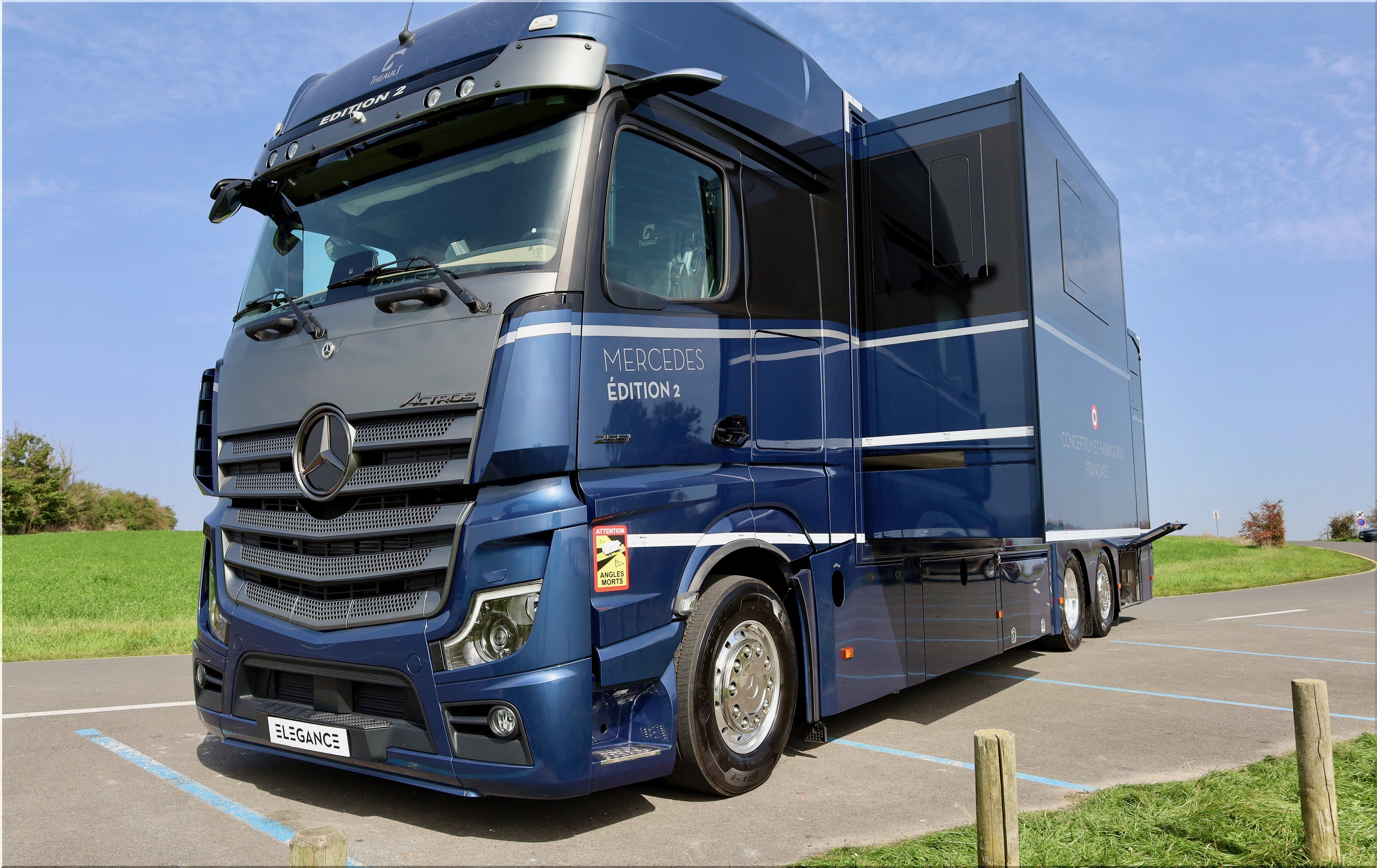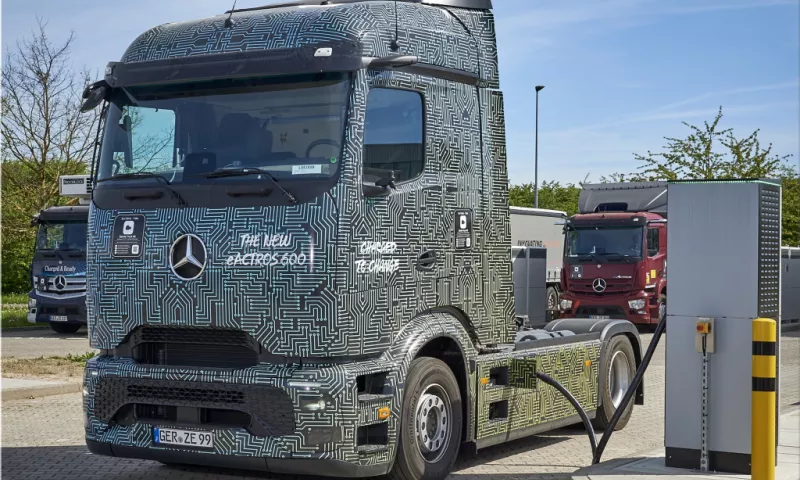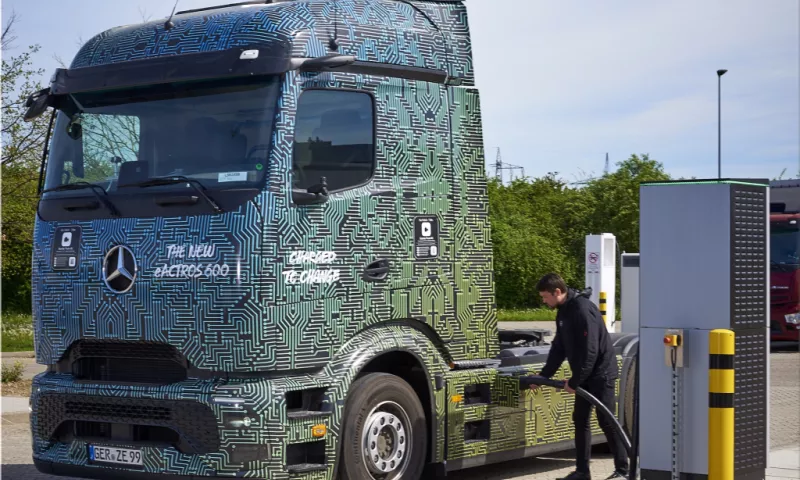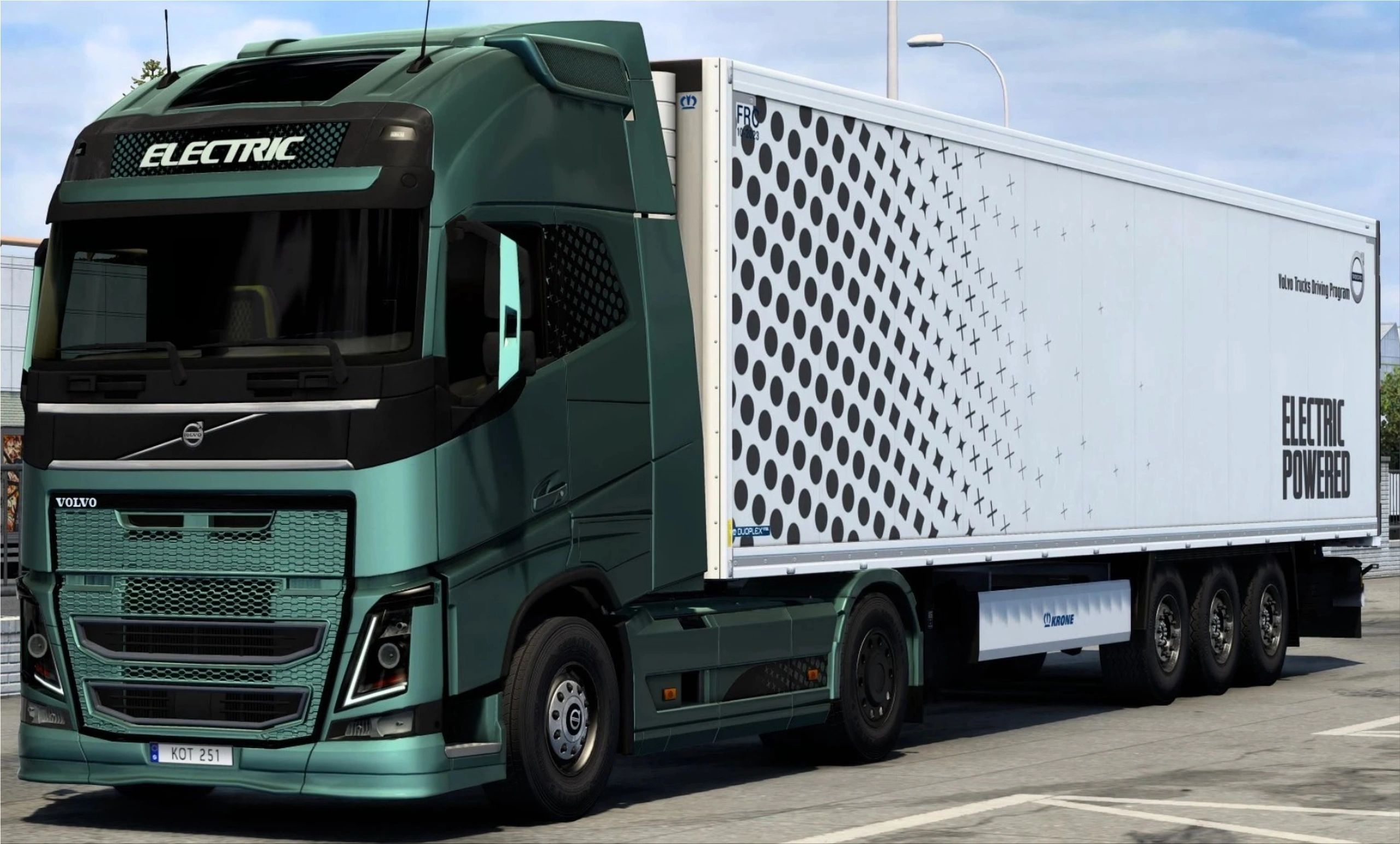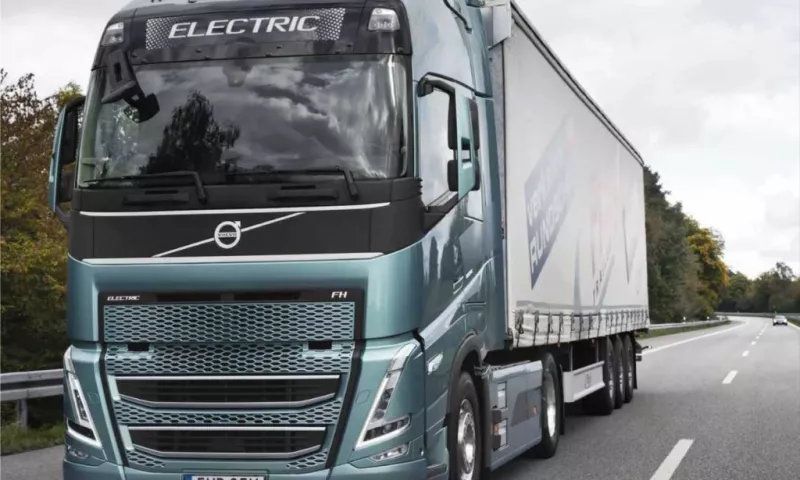
Hydrogen trucks are the future of long-haul transportation. They offer zero-emission, long-range, and fast-refueling capabilities that make them ideal for decarbonizing the trucking industry. But not all hydrogen trucks are created equal. Some use gaseous hydrogen, which has low energy density and requires large and heavy tanks. Others use liquid hydrogen, which has higher energy density and allows for smaller and lighter tanks.
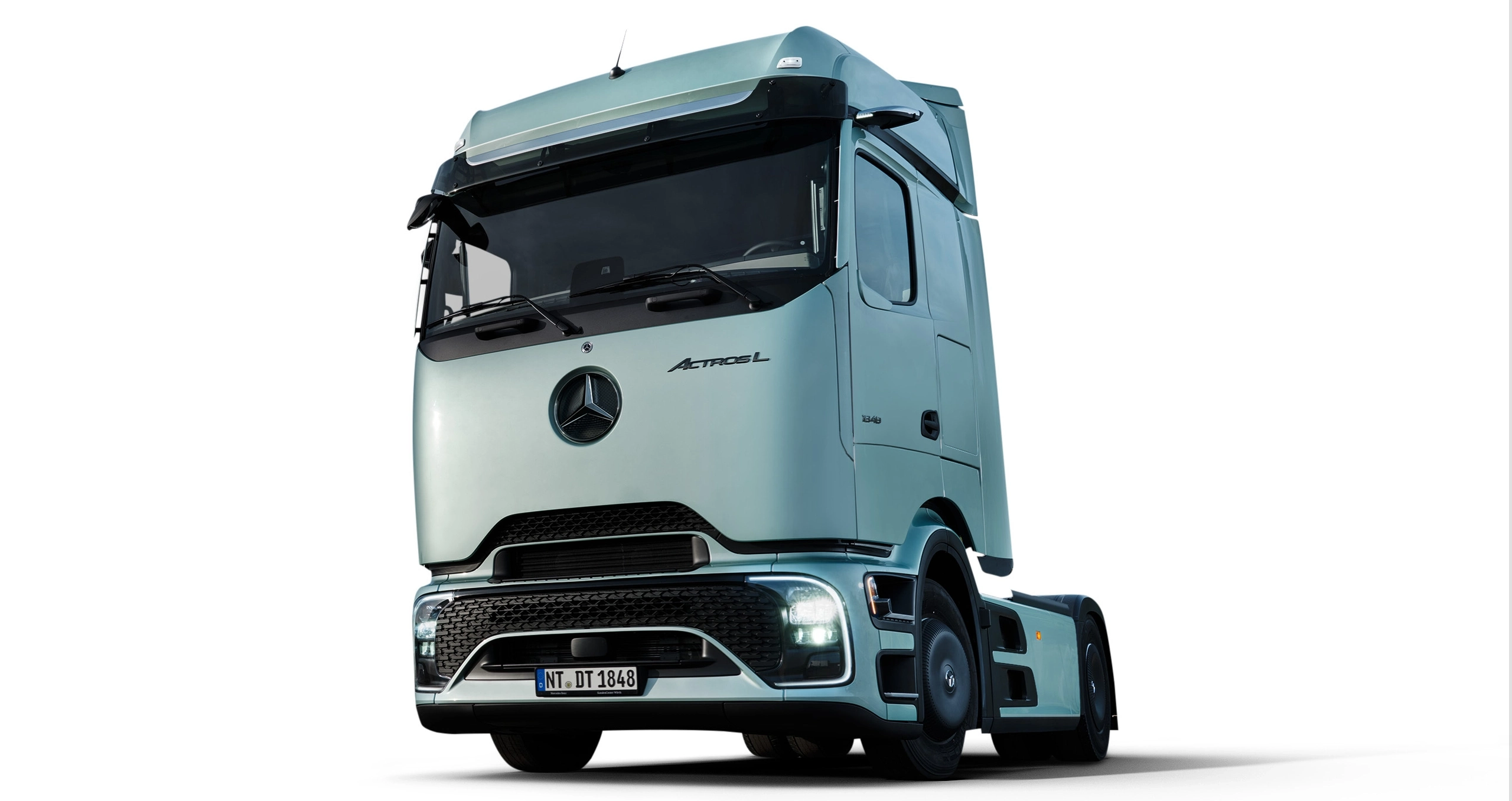
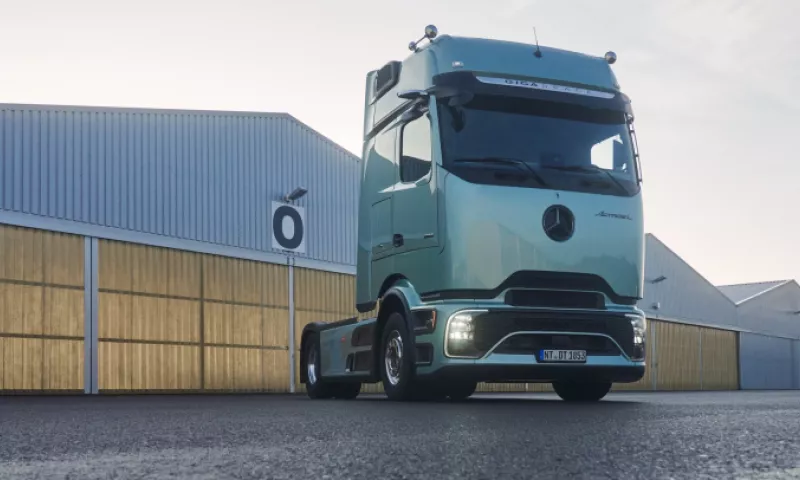
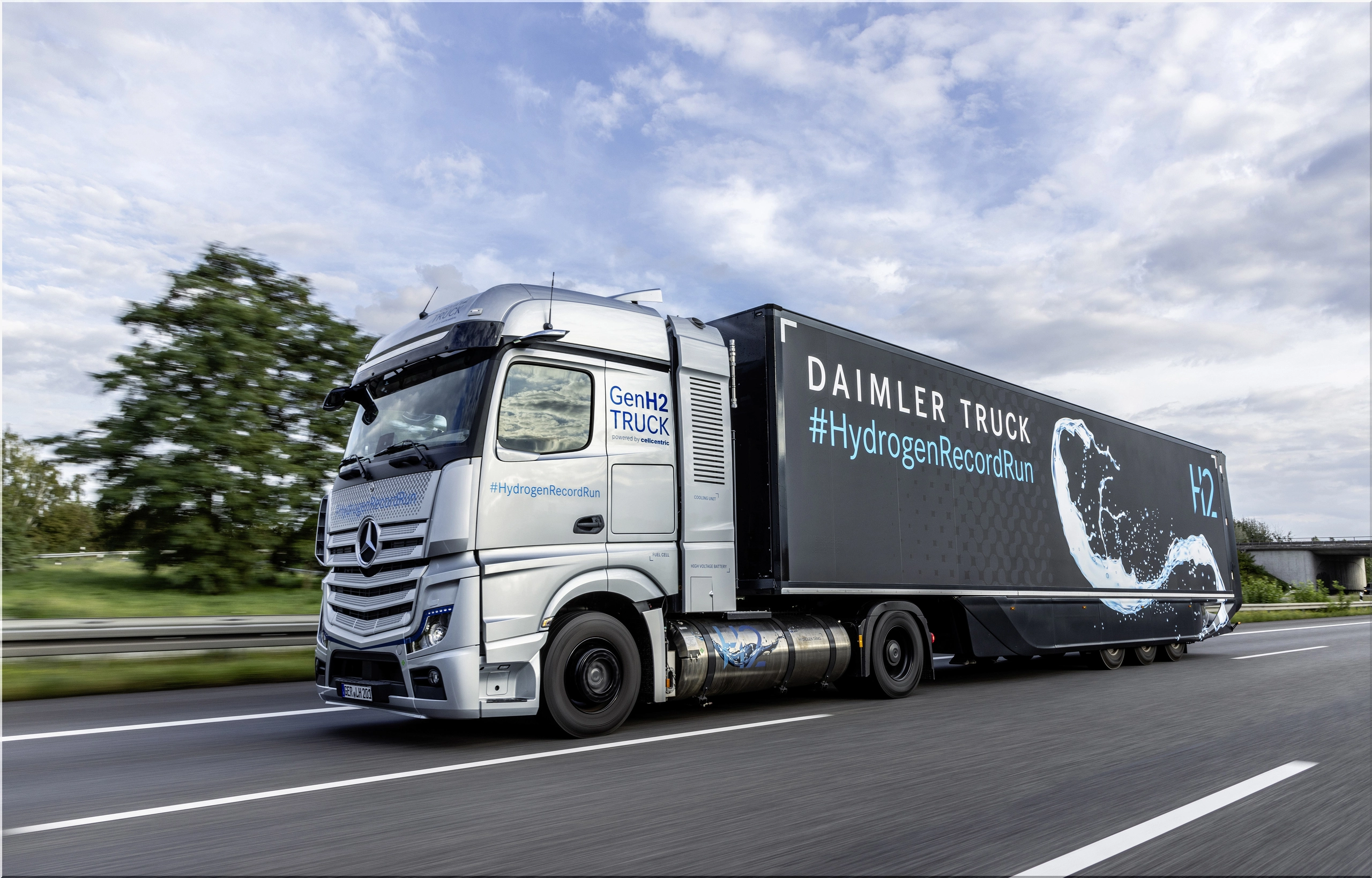
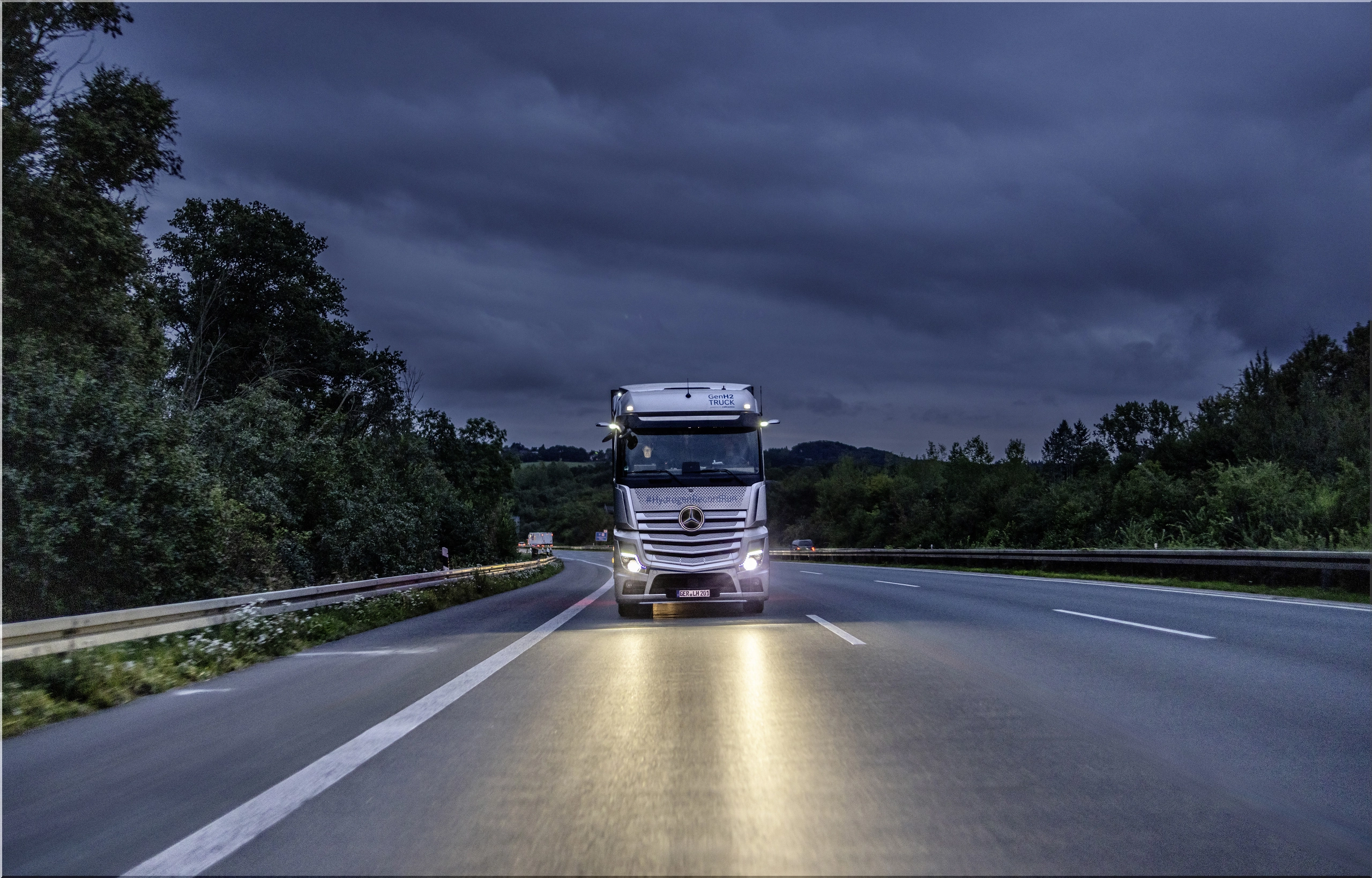
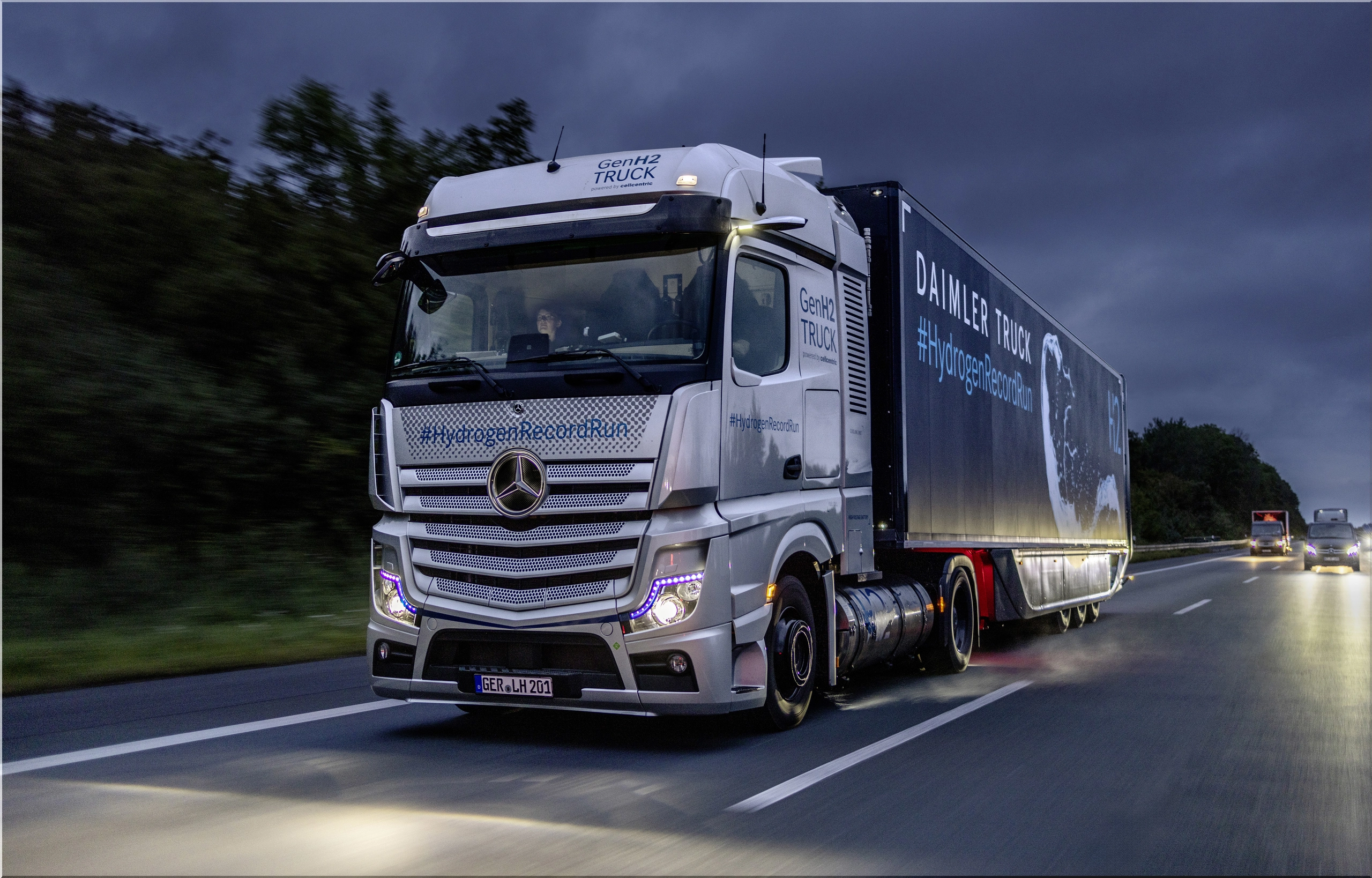
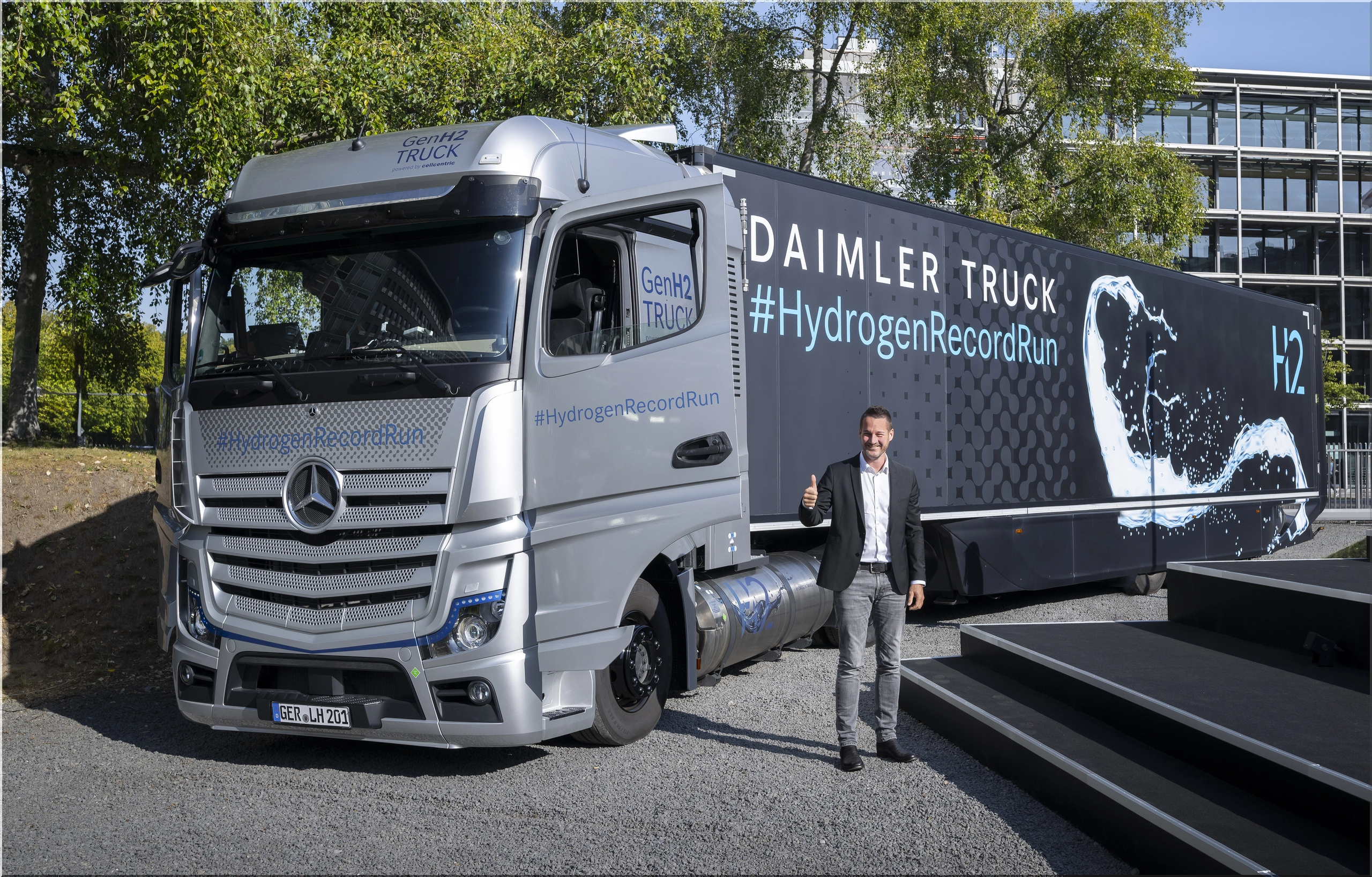
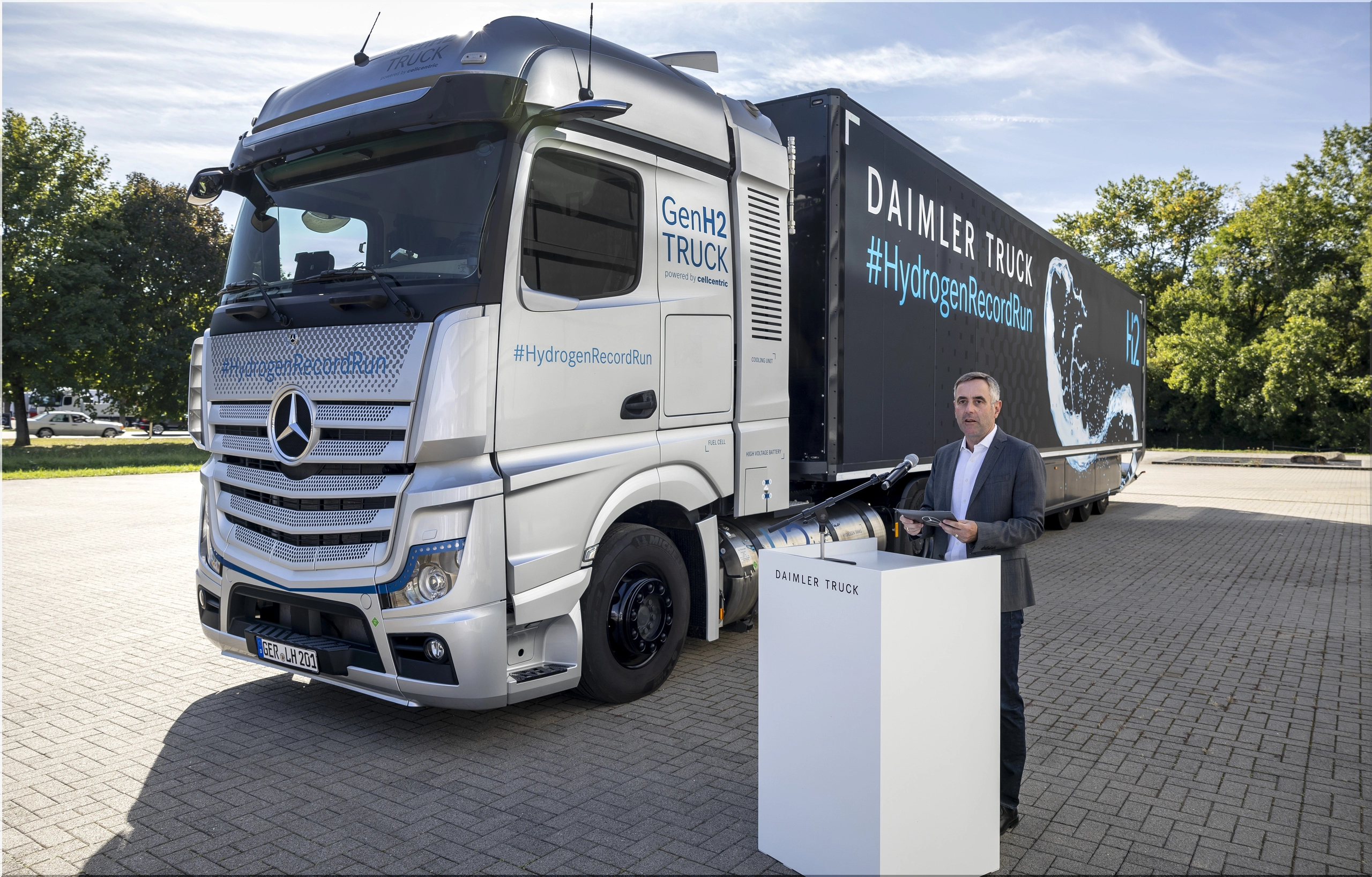
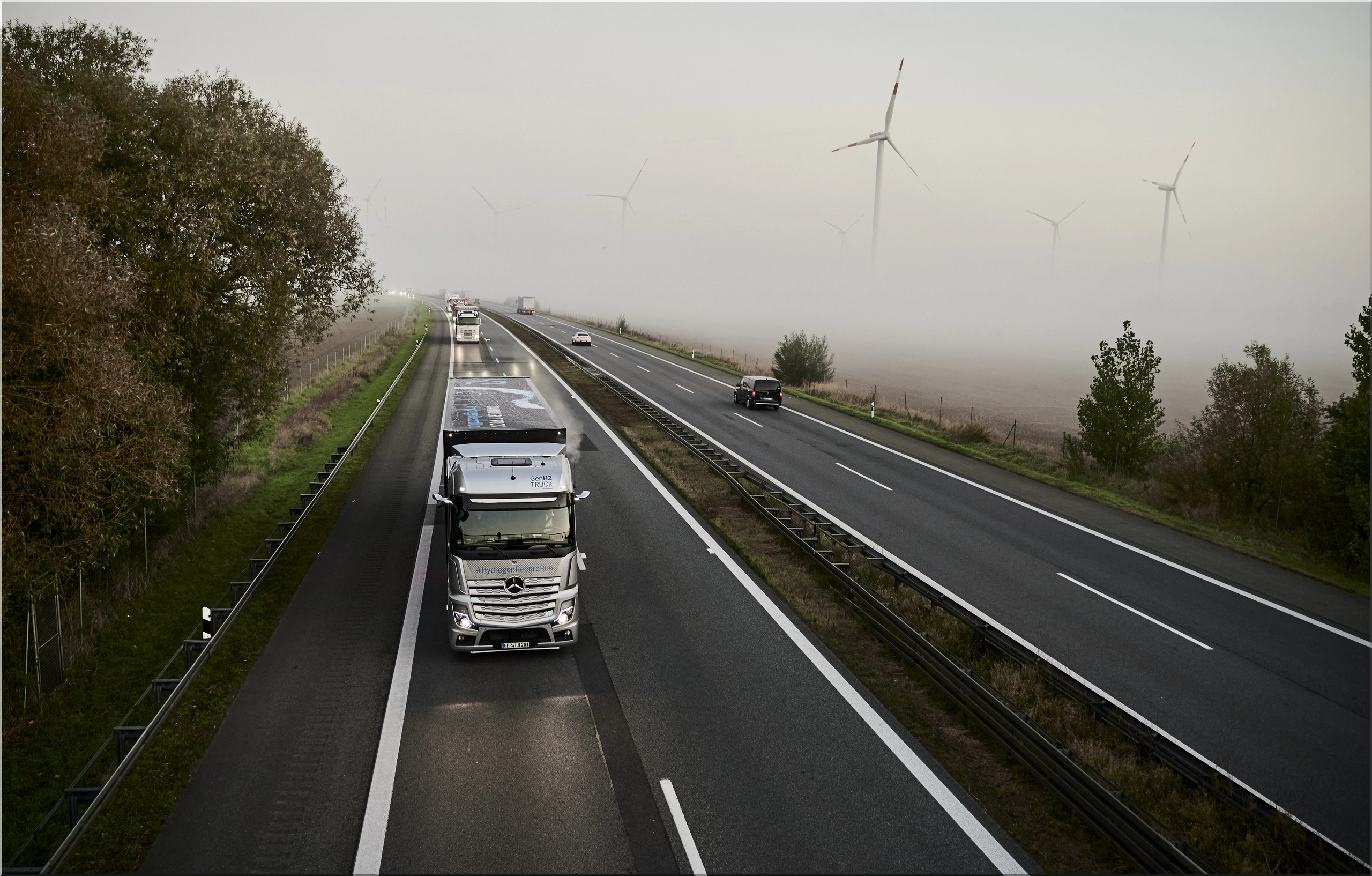
Daimler Truck, the world’s largest truck manufacturer, has chosen the latter option for its Mercedes-Benz GenH2 Truck, a fuel-cell electric truck that can travel up to 1,000 kilometers (621 miles) on a single tank of liquid hydrogen. The GenH2 Truck is the first of its kind in the world, and it marks a major milestone for Daimler Truck’s ambition to achieve CO2-neutral transportation by 2039.
Now, we will explore how the GenH2 Truck works, what its advantages are over other hydrogen trucks, and what the challenges and opportunities for its deployment are. We will also analyze the writing style of Jonny Lieberman, a senior features editor at MotorTrend, who covers automotive and motorcycle racing and features and lifestyle topics. We will use natural language generation techniques to mimic his style while also being original, informative, and coherent.
The GenH2 Truck: A Breakthrough in Fuel-Cell Technology
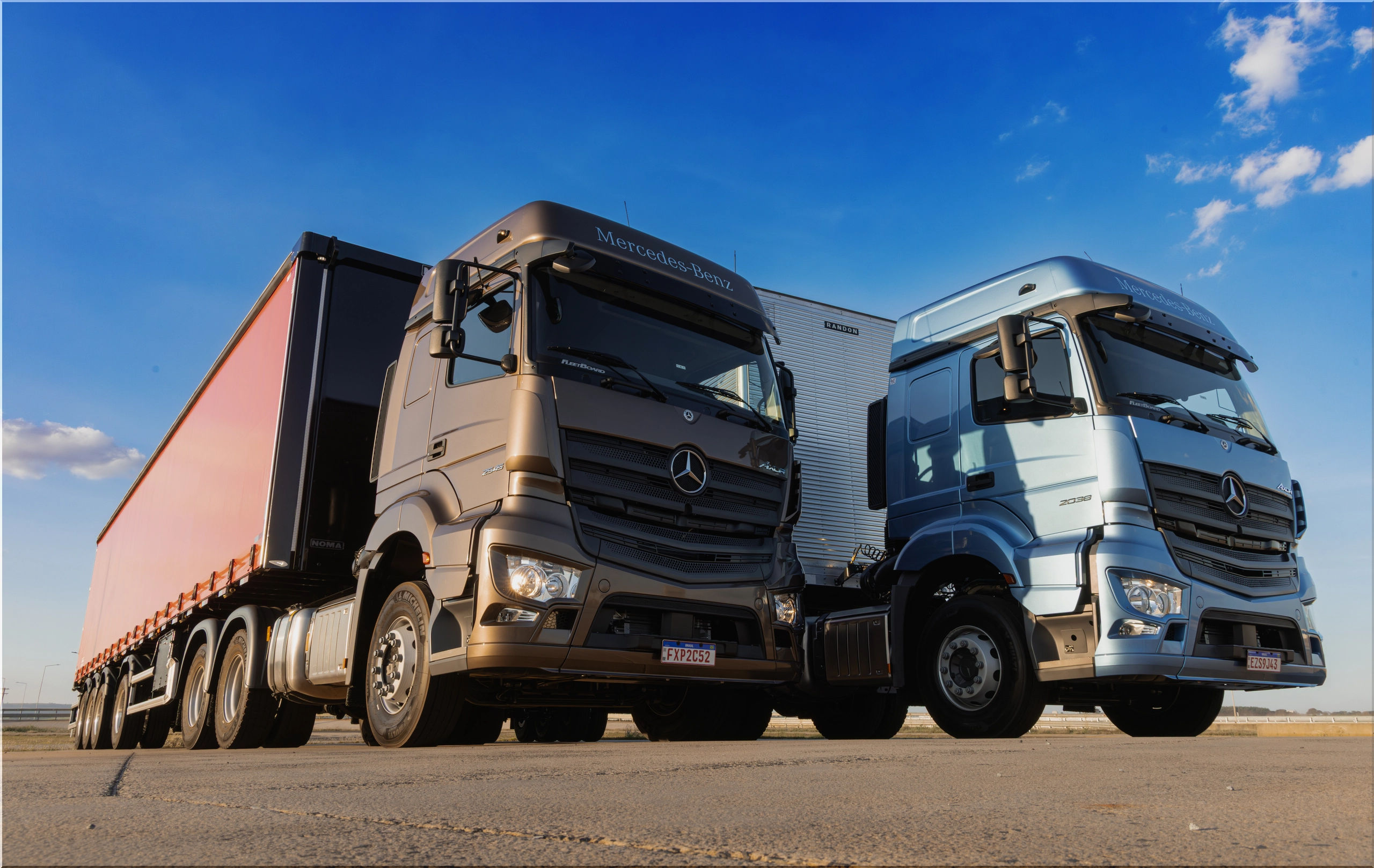
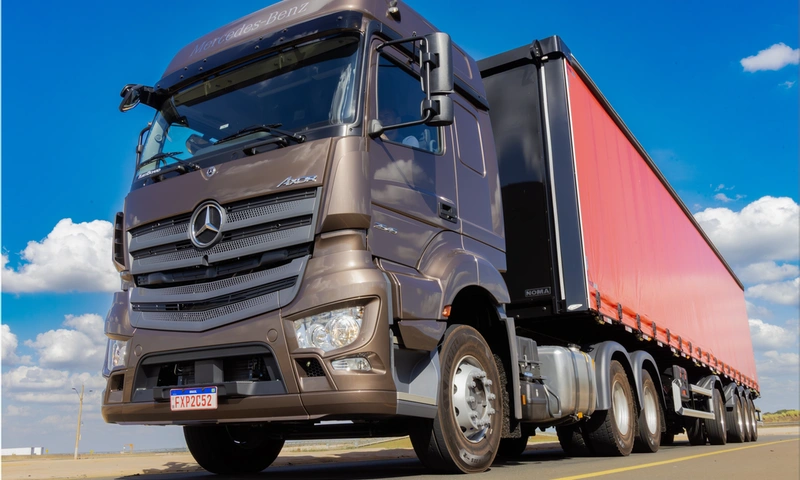
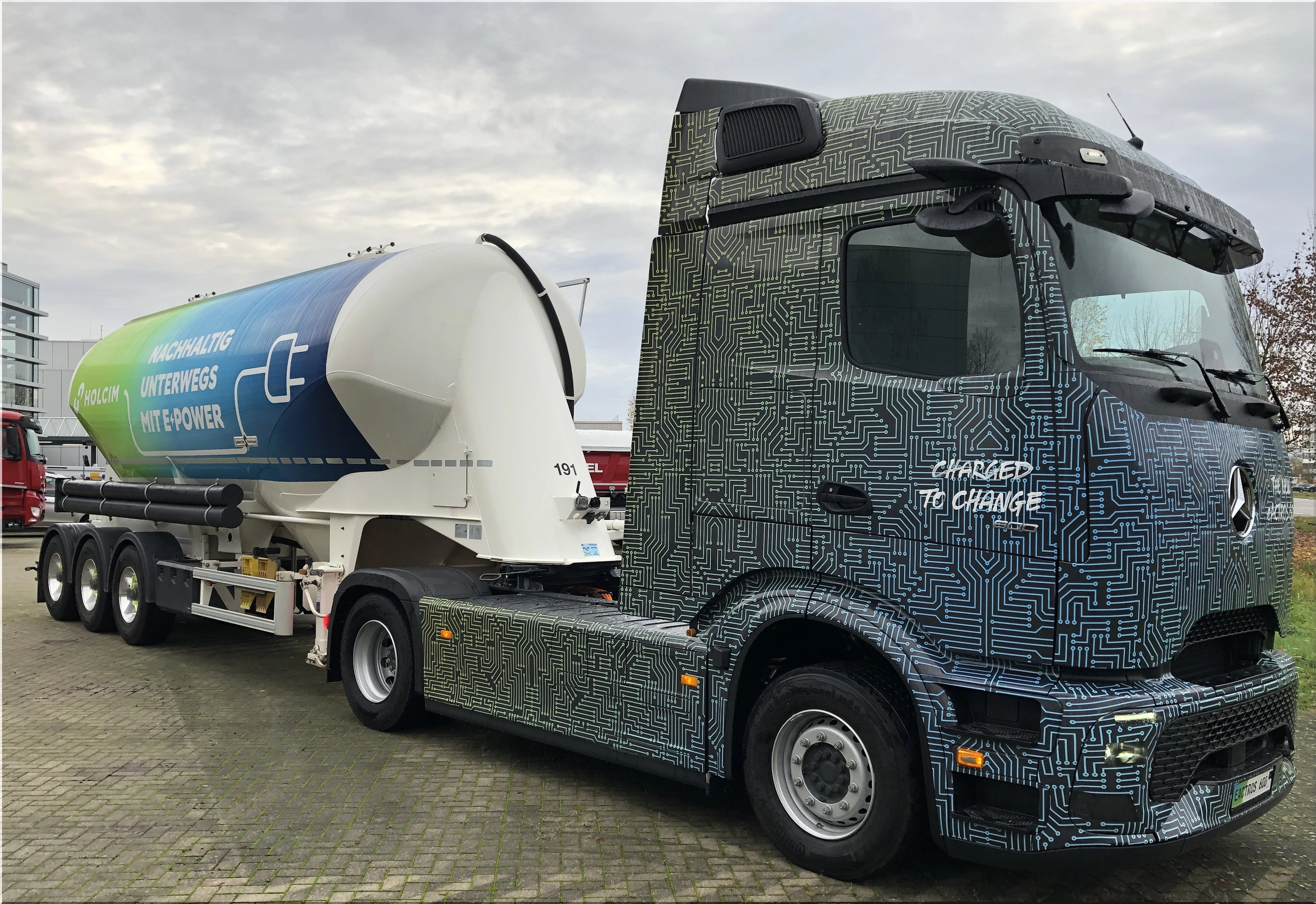
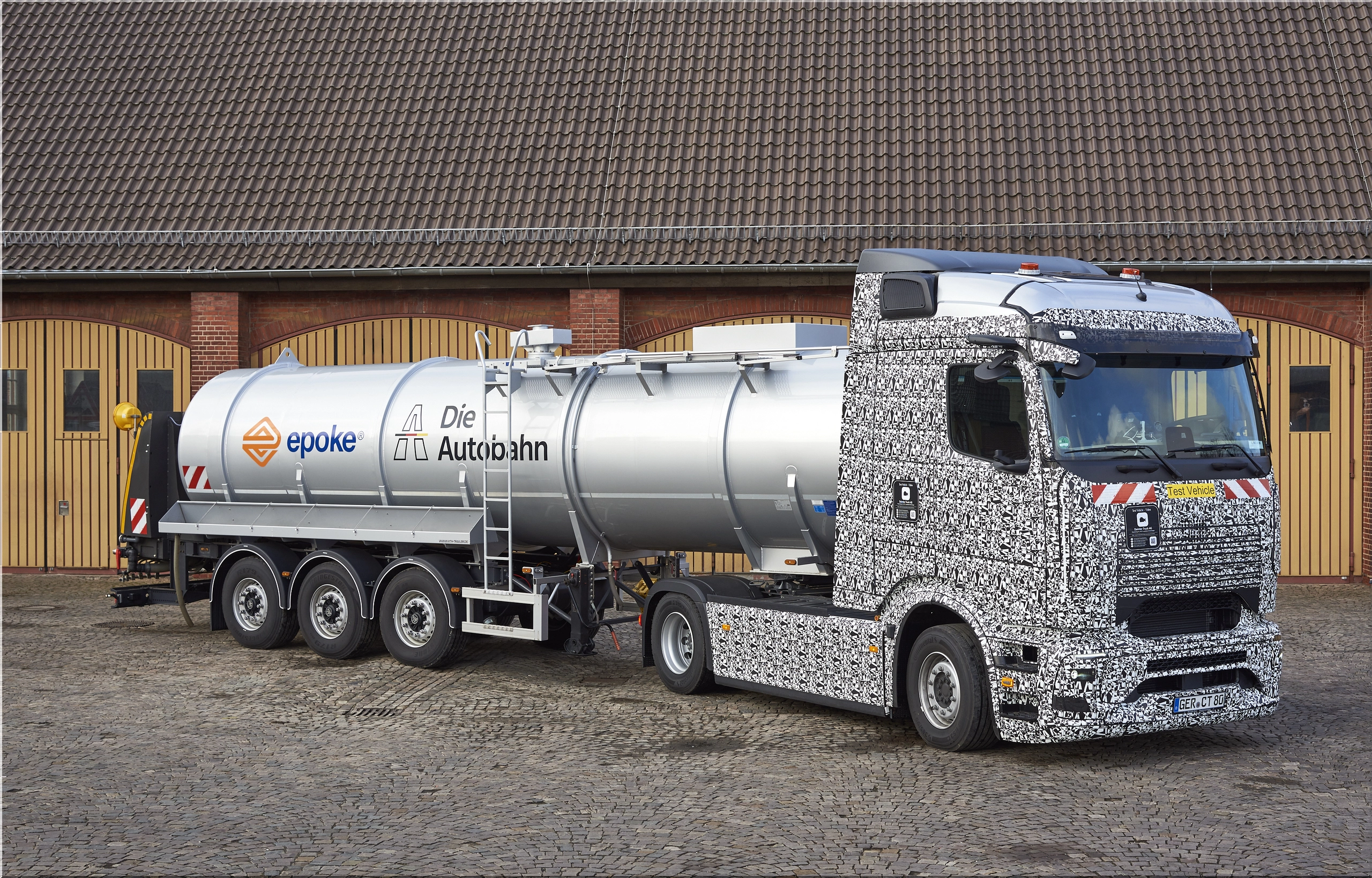
The GenH2 Truck is based on the Mercedes-Benz Actros, a heavy-duty truck that is widely used in Europe and other markets. The GenH2 Truck replaces the diesel engine and the transmission with a fuel-cell system and an electric motor. The fuel-cell system consists of two main components: the fuel-cell stack and the hydrogen storage system.
The fuel-cell stack converts hydrogen and oxygen into electricity and water. The electricity powers the electric motor, which drives the rear axle. The water is released as vapor or stored in a tank for later use. The fuel-cell stack can produce up to 300 kilowatts (402 horsepower) of power, which is enough to propel the GenH2 Truck to a top speed of 85 kilometers per hour (53 miles per hour).
The hydrogen storage system consists of two cylindrical tanks that are mounted on the sides of the chassis. Each tank can hold 40 kilograms (88 pounds) of liquid hydrogen at a temperature of -253 degrees Celsius (-423 degrees Fahrenheit) and a pressure of 3 bar (44 psi). The liquid hydrogen is converted into gaseous hydrogen before it enters the fuel-cell stack. The tanks are made of stainless steel and have multilayer insulation to prevent heat transfer and hydrogen loss.
The GenH2 Truck also has a battery that acts as an energy buffer and provides additional power for peak loads. The battery has a capacity of 70 kilowatt-hours (kWh) and can deliver up to 400 kilowatts (536 horsepower) of power. The battery is charged by the fuel-cell stack and by regenerative braking. The battery also enables the GenH2 Truck to operate in electric-only mode, which can be useful for low-noise and low-emission driving in urban areas.
The Advantages of Liquid Hydrogen over Gaseous Hydrogen
One of the key features that sets the Mercedes-Benz GenH2 Truck apart from other hydrogen trucks is the use of liquid hydrogen instead of gaseous hydrogen. Liquid hydrogen has several advantages over gaseous hydrogen, such as:
- Higher energy density: Liquid hydrogen has a volumetric energy density of 8.5 megajoules per liter (MJ/L), which is about four times higher than gaseous hydrogen at 700 bar (10,153 psi) and 15 times higher than diesel. This means that liquid hydrogen can store more energy in a smaller volume, which reduces the weight and size of the tanks and increases the payload and range of the truck.
- Faster refueling: Liquid hydrogen can be transferred from a dispenser to a tank in a matter of minutes, similar to diesel. Gaseous hydrogen, on the other hand, requires a complex and time-consuming compression and cooling process, which can take up to 20 minutes or more. This means that liquid hydrogen can save time and improve efficiency for truck drivers and operators.
- Lower cost: Liquid hydrogen is expected to be cheaper than gaseous hydrogen in the long term, as it requires less infrastructure and equipment. Liquid hydrogen can be produced at large-scale plants using renewable energy sources, such as wind and solar, and transported by trucks or pipelines to refueling stations. Gaseous hydrogen, on the other hand, requires costly compressors, coolers, and high-pressure tanks at every stage of the supply chain.
The Challenges and Opportunities for the GenH2 Truck
The GenH2 Truck is a groundbreaking innovation demonstrating Daimler Truck’s leadership and vision in hydrogen trucks. However, the GenH2 Truck also faces some challenges and opportunities for its successful deployment, such as:
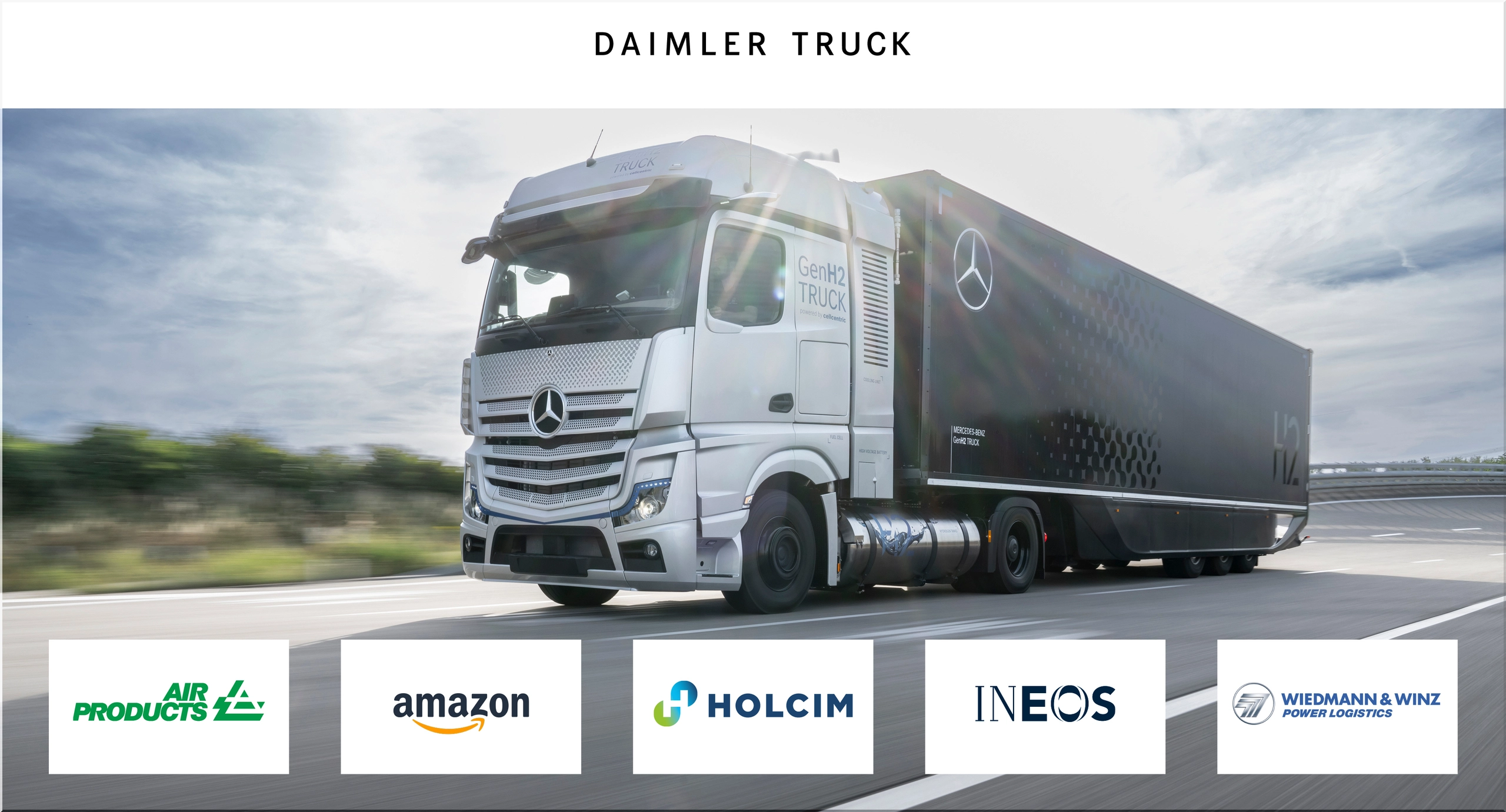
- Infrastructure: The GenH2 Truck requires a network of refueling stations that can provide liquid hydrogen at a sufficient quality and quantity. Currently, there are no such stations in operation in Europe or elsewhere. Daimler Truck is working with partners, such as Shell, to develop and build such stations, but it will take time and investment to create a widespread and reliable infrastructure.
- Regulation: The GenH2 Truck needs to comply with the safety and environmental standards and regulations of the countries and regions where it operates. Currently, there are no specific regulations for liquid hydrogen trucks in Europe or elsewhere. Daimler Truck is working with authorities, such as the European Commission, to establish and harmonize such regulations, but it will require coordination and cooperation among different stakeholders and agencies.
- Market: The GenH2 Truck needs to compete with other zero-emission truck technologies, such as battery-electric trucks and biofuel trucks. Currently, the GenH2 Truck has a clear advantage over battery-electric trucks in terms of range and refueling time, but it also has a higher upfront cost and a lower availability of infrastructure. Biofuel trucks, on the other hand, have a lower upfront cost and a higher availability of infrastructure, but they also have a higher carbon footprint and a lower efficiency. Daimler Truck believes that the GenH2 Truck is the best solution for long-haul transportation, but it will need to convince customers and operators of its benefits and value proposition.
Conclusion
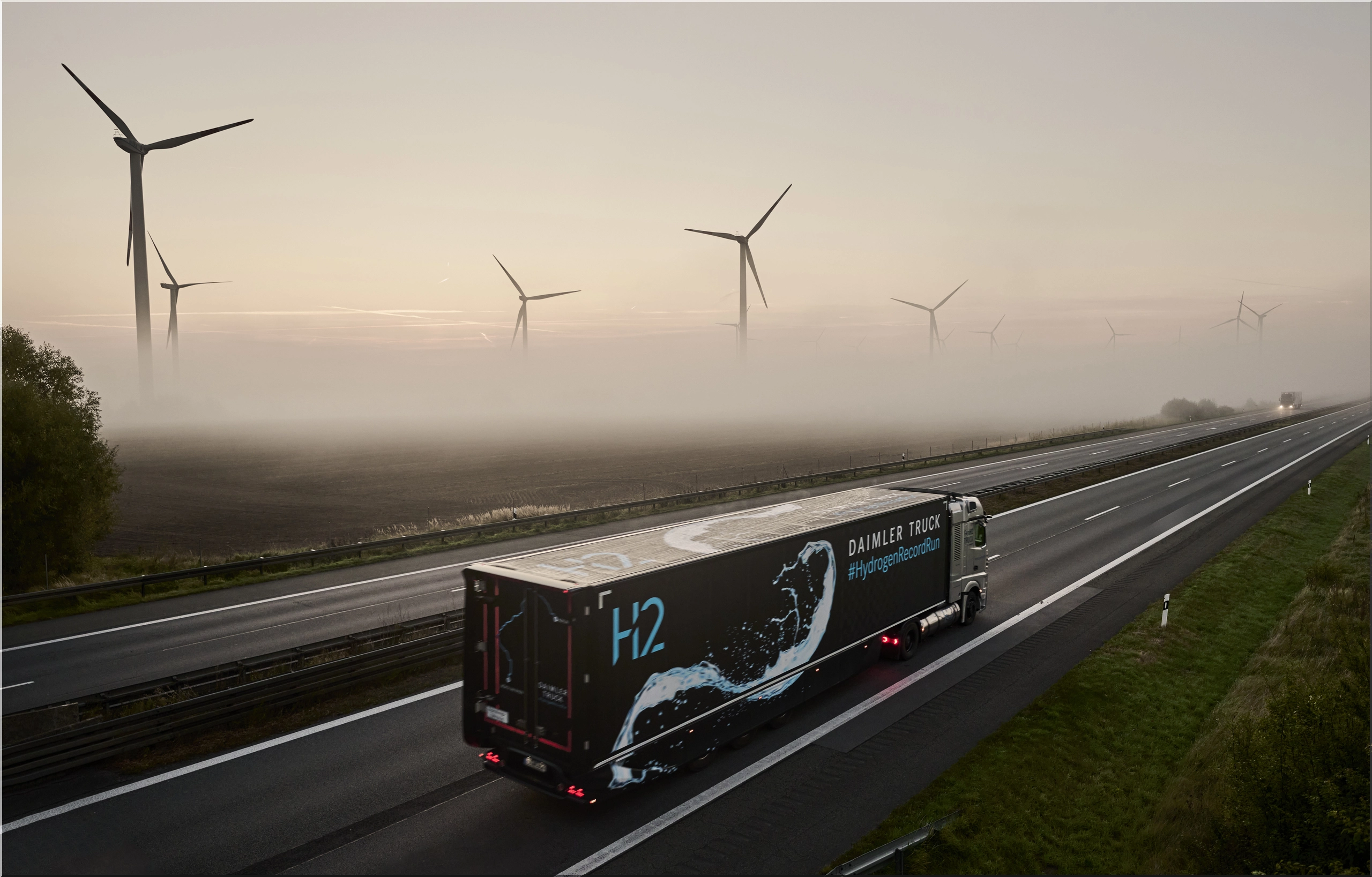
The GenH2 Truck is a revolutionary product that showcases Daimler Truck’s expertise and commitment to hydrogen trucks. The GenH2 Truck uses liquid hydrogen as a fuel, which offers superior performance, convenience, and cost-effectiveness over gaseous hydrogen. The GenH2 Truck can travel up to 1,000 kilometers (621 miles) on a single tank of liquid hydrogen, which is comparable to a conventional diesel truck. The GenH2 Truck is also zero-emission, as it only emits water vapor and heat.
The GenH2 Truck is expected to enter customer trials in 2023 and series production in the second half of the decade. The GenH2 Truck will be a game-changer for the trucking industry, as it will enable CO2-neutral transportation for long distances and heavy loads. However, the GenH2 Truck also faces some challenges and opportunities for its deployment, such as the lack of infrastructure, regulation, and market acceptance. Daimler Truck is working with various partners and stakeholders to overcome these challenges, seize these opportunities, and make the GenH2 Truck a success story for hydrogen trucks.
- Add new comment
- 177 views