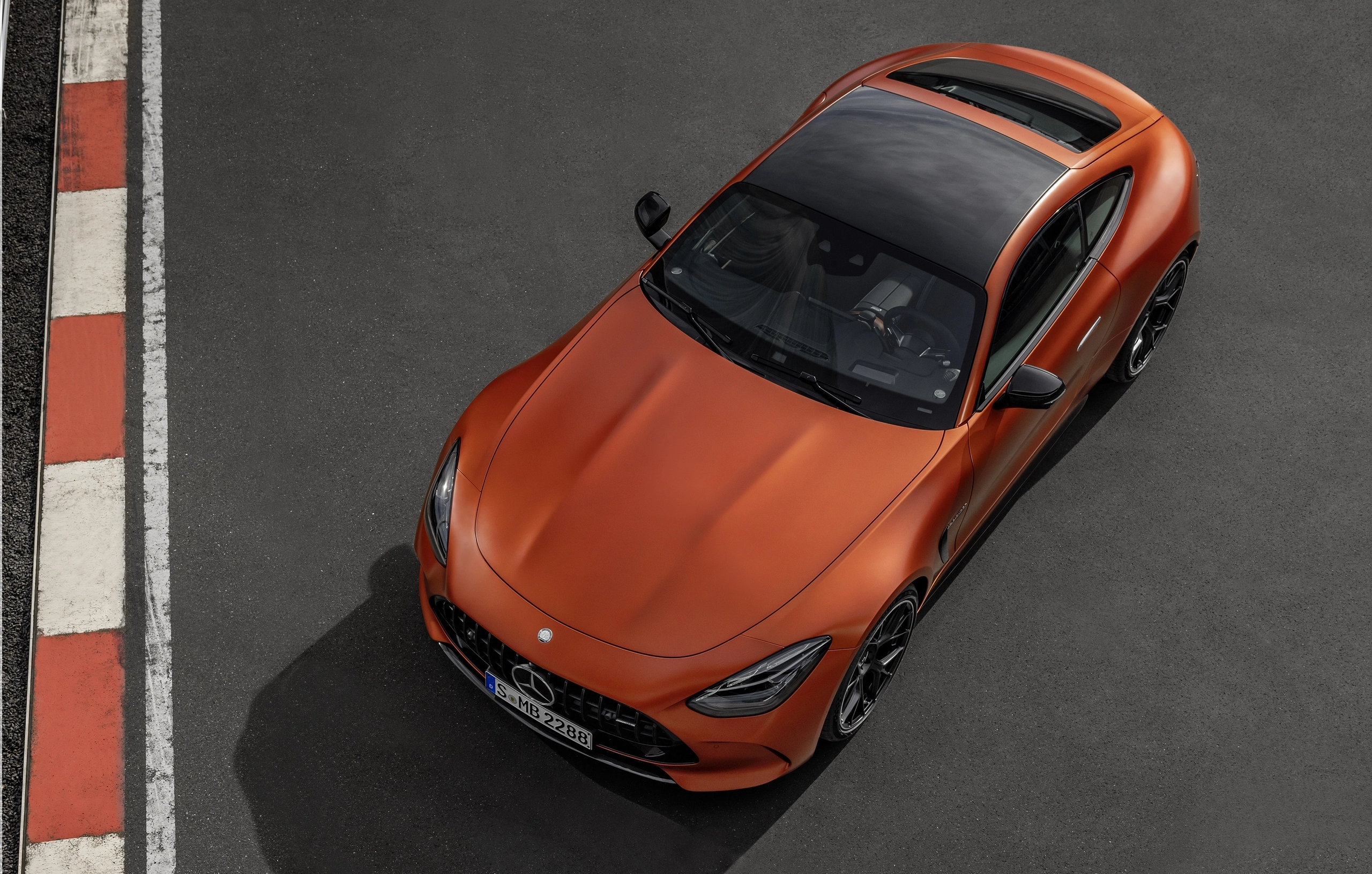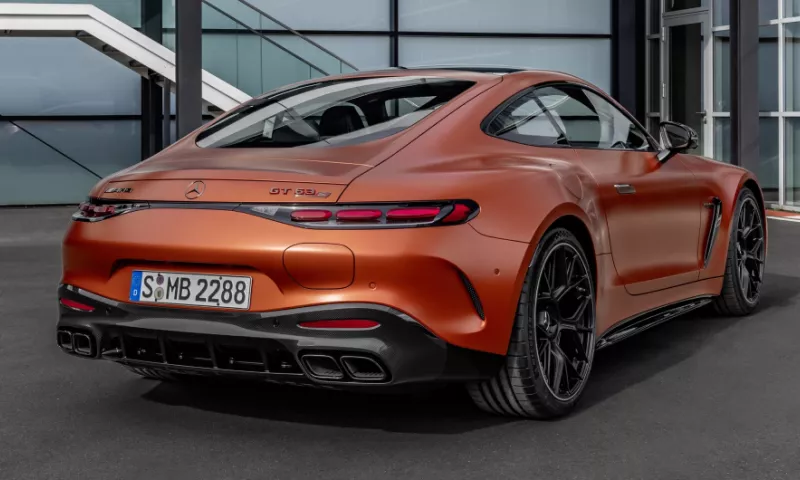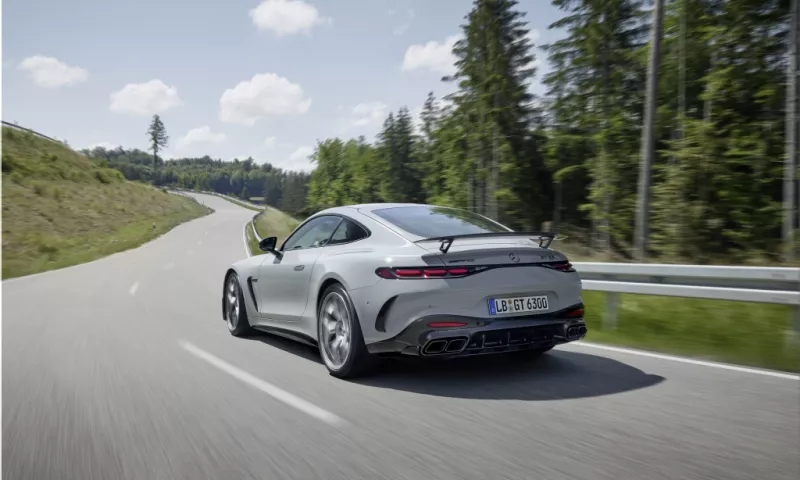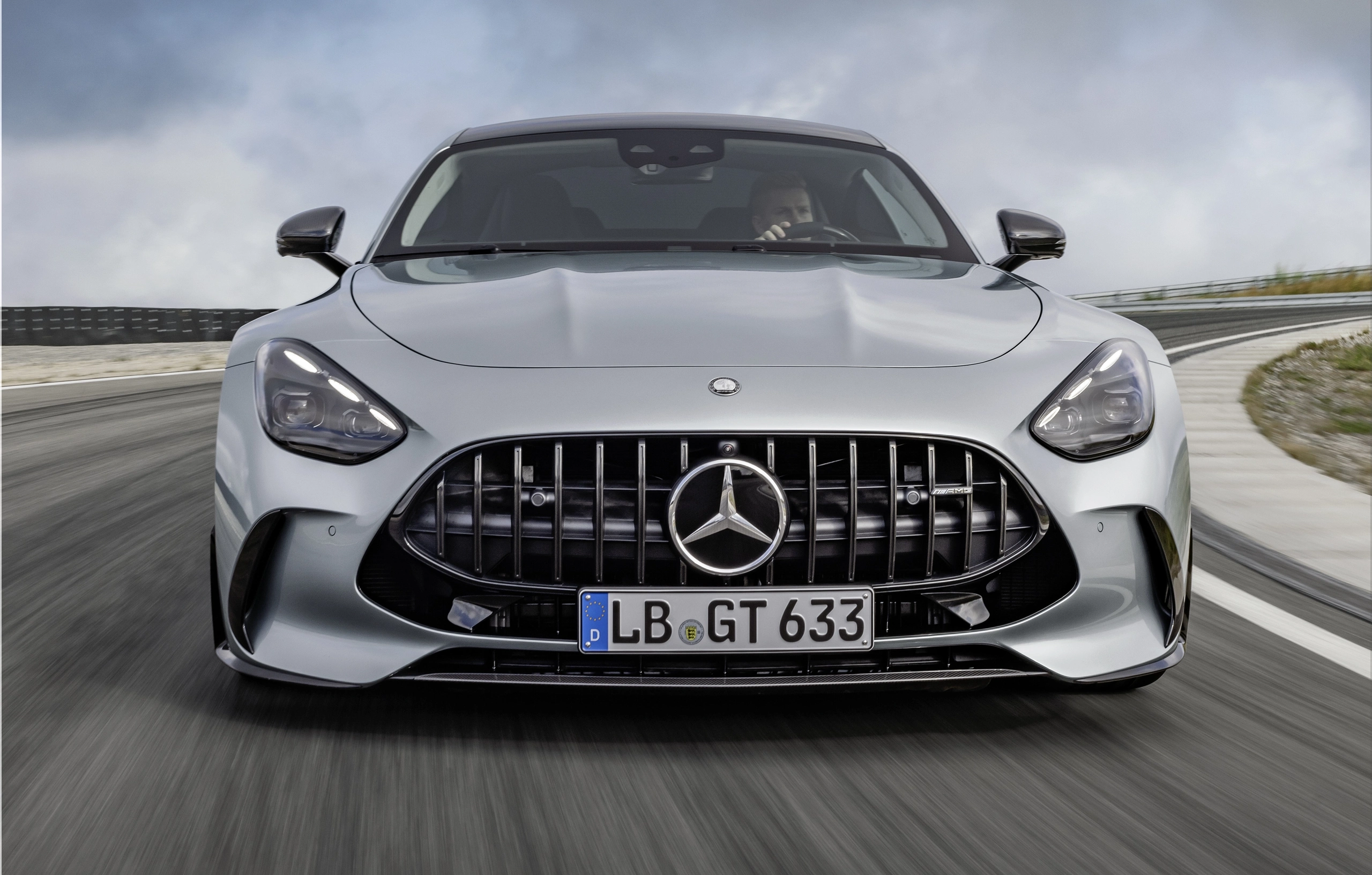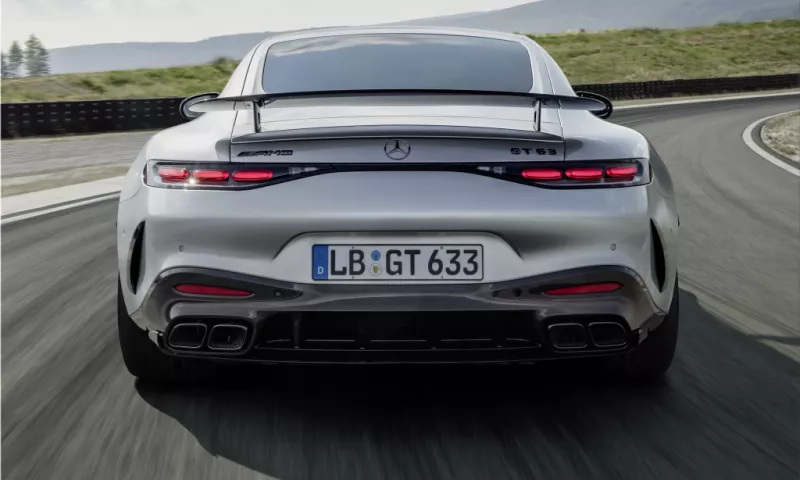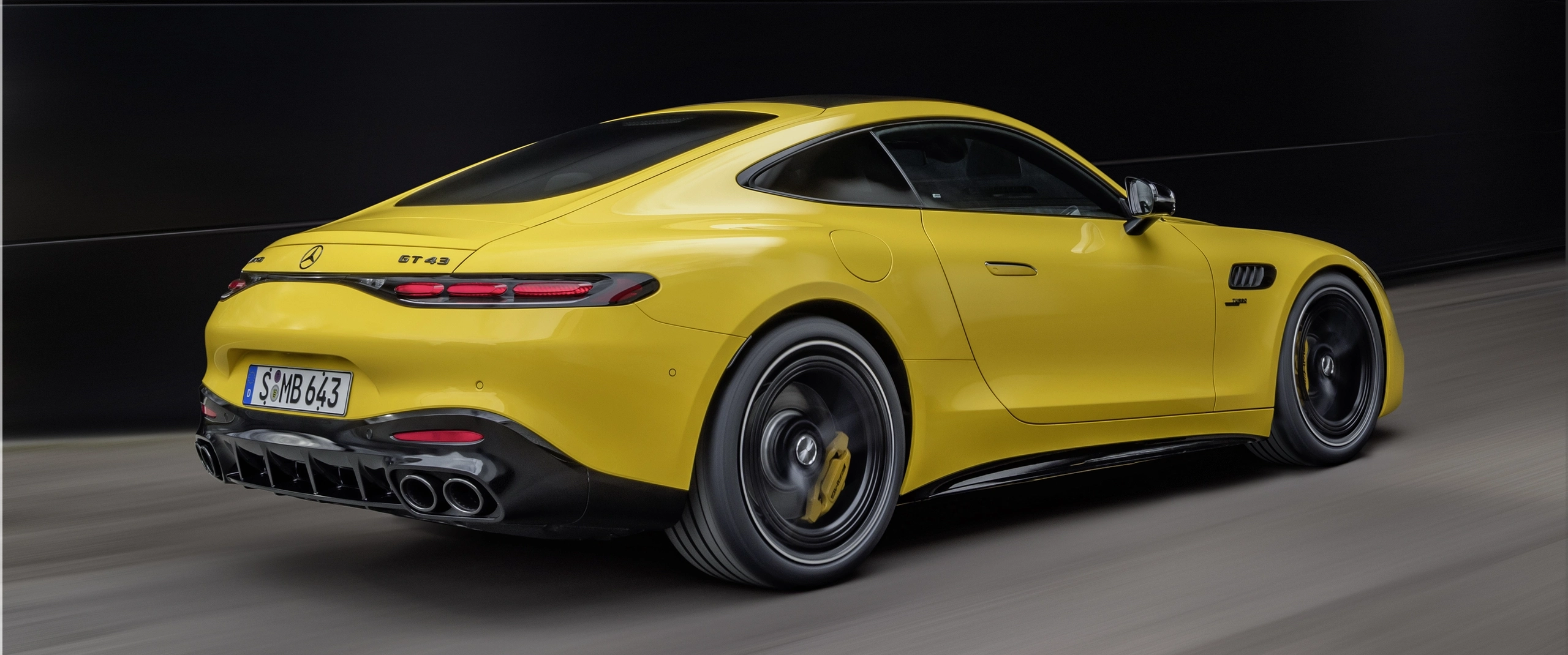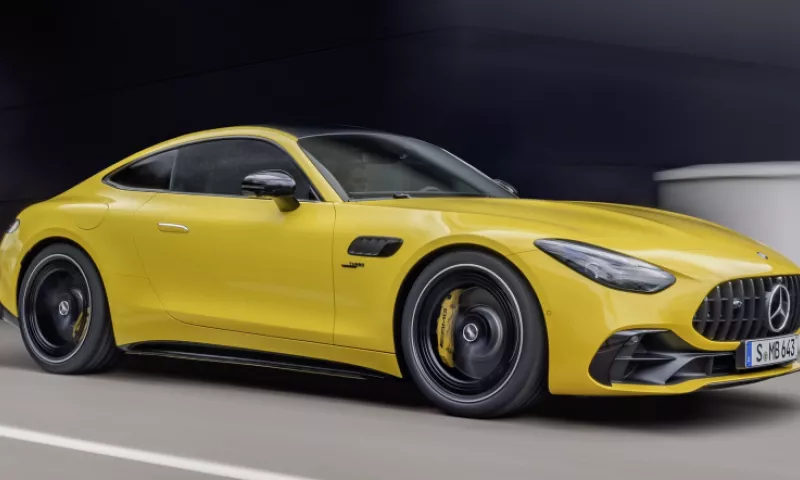
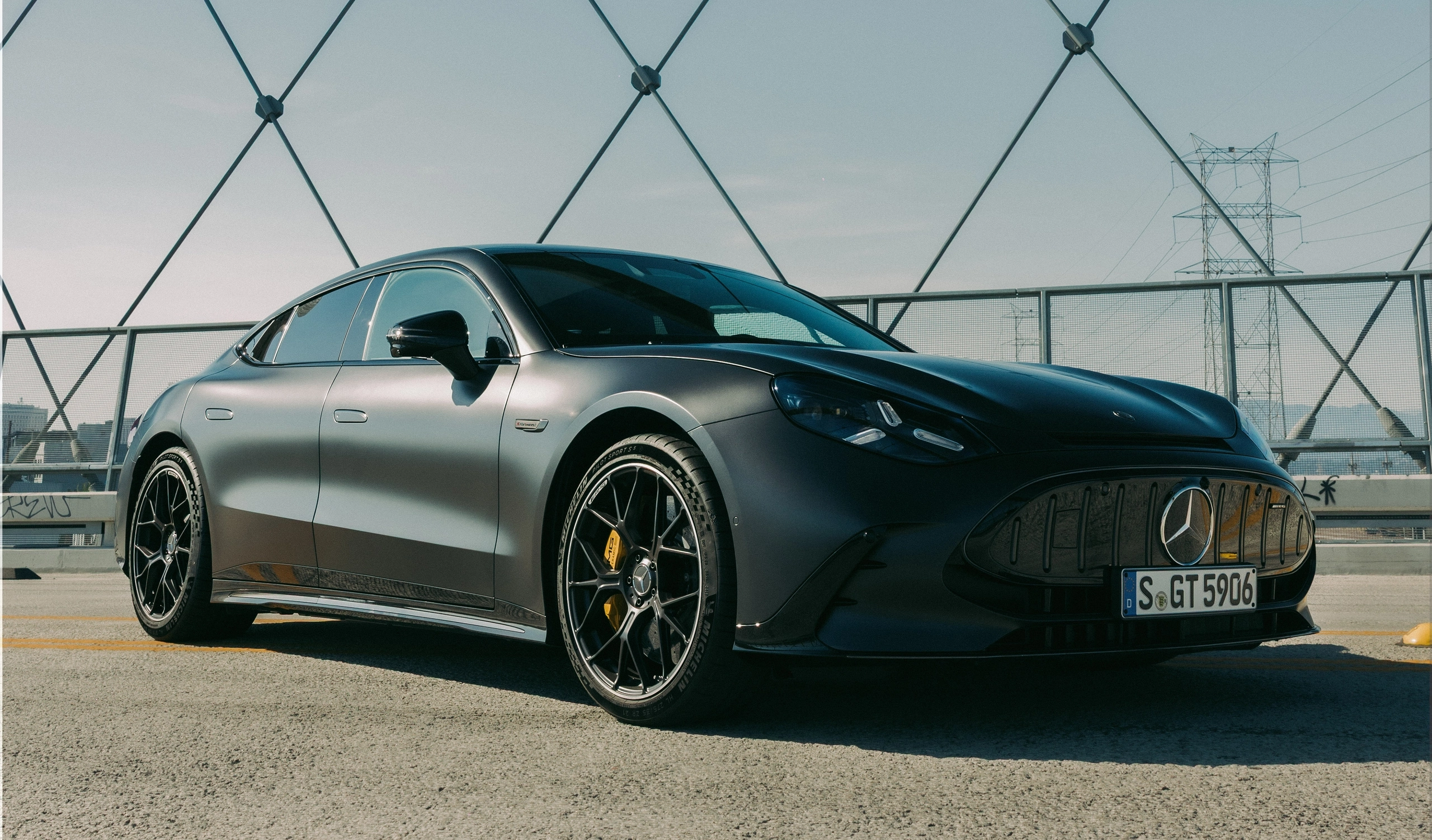
Mercedes-AMG has turned the GT 4-Door Coupé into a fully electric performance flagship, and it has not done the quiet, sensible version of electrification. The new model launches as the first series-production car on the dedicated AMG.EA high-performance electric architecture, bringing three axial-flux motors, up to 1,169 hp, and peak DC charging above 600 kW.
This matters because AMG has not simply electrified an existing Mercedes-Benz platform and added a louder badge. It has built a new electric performance car around the core AMG question: how do you make an EV feel intense, repeatable, and emotionally credible when the engine bay no longer contains a V8?
Image
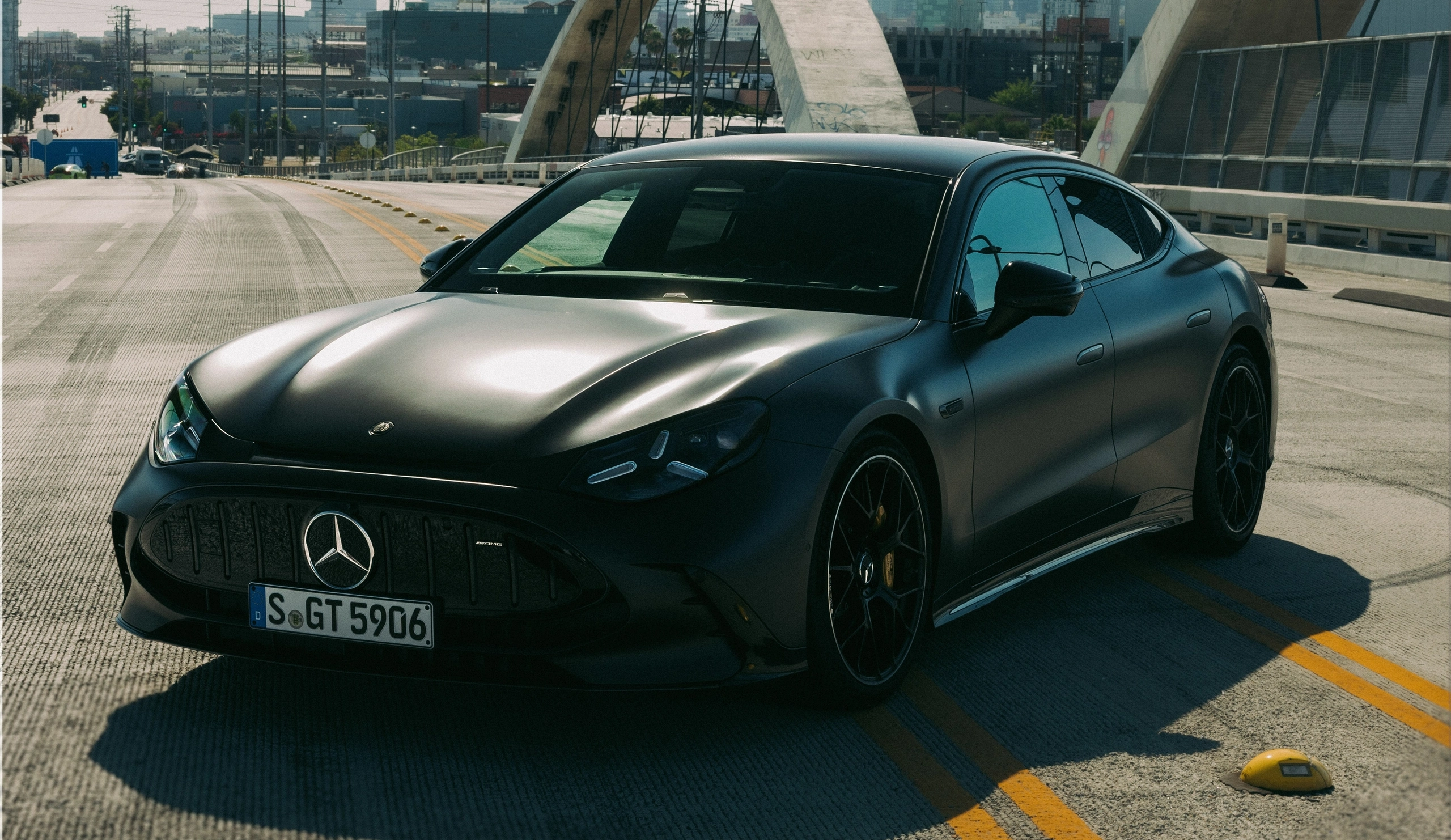
The answer starts with hardware. The new Mercedes-AMG GT 63 4MATIC+ 4-Door Coupé delivers up to 860 kW, equal to 1,169 hp, and can accelerate from 0 to 100 km/h in 2.1 seconds using AMG Launch Control. The more accessible Mercedes-AMG GT 55 4MATIC+ 4-Door Coupé still produces a serious 600 kW, equal to 816 hp, and reaches 100 km/h in 2.5 seconds.
Mercedes-AMG GT 4-Door Coupé EV: Key Facts
The new electric Mercedes-AMG GT 4-Door Coupé arrives with two versions from launch, both using a tri-motor layout and the new AMG.EA platform.
| Model | Power | 0-100 km/h | WLTP Range | Charging Highlight |
|---|---|---|---|---|
| Mercedes-AMG GT 63 4MATIC+ | 860 kW / 1,169 hp | 2.1 seconds | Up to 696 km | Around 460 km in 10 minutes |
| Mercedes-AMG GT 55 4MATIC+ | 600 kW / 816 hp | 2.5 seconds | Up to 700 km | Around 462 km in 10 minutes |
Key Takeaway: The electric Mercedes-AMG GT 4-Door Coupé targets the top end of the EV performance market with hypercar-level acceleration, long-distance WLTP range, and one of the fastest charging claims in the segment.
A Dedicated AMG Electric Platform, Not an Adapted EQ Model
The AMG.EA platform gives the new GT 4-Door Coupé a different technical position from Mercedes-Benz EQ models. AMG developed this architecture for electric performance from the beginning, with power density, thermal durability, charging speed, and dynamic handling as core priorities.
That distinction matters. Many high-performance EVs deliver staggering launch numbers, then soften after repeated acceleration, track use, or sustained high-speed driving. AMG wants the GT 4-Door Coupé to perform like a proper grand tourer: brutally fast when asked, but stable, cool, and controlled over long distances.
The car uses three axial-flux electric motors. Mercedes-AMG places two motors on the rear axle and one on the front axle, creating an all-wheel-drive performance layout with rear-biased power delivery and precise torque control.
Image
Definition: What Is An Axial-Flux Motor?
An axial-flux motor places magnetic flux along the motor's axis rather than radially through a conventional cylindrical layout. In simple terms, it can deliver high power and torque from a compact package. That helps engineers reduce weight, save packaging space, and sharpen response in performance EVs.
Mercedes-AMG acquired British electric motor specialist YASA in 2021, and that move now looks central to the brand's electric future. The front motor in the new GT 4-Door Coupé measures only about nine centimetres wide, yet the combined system output in the GT 63 reaches a level previously reserved for limited-run hypercars.
GT 63: 1,169 hp And 2.1 Seconds To 100 km/h
The headline model will pull most of the attention, and for good reason. The Mercedes-AMG GT 63 4MATIC+ 4-Door Coupé produces up to 1,169 hp and 2,000 Nm of torque. That gives it a claimed 0-100 km/h time of 2.1 seconds, with 0-200 km/h in 6.4 seconds.
Top speed reaches 300 km/h with the optional AMG Driver's Package. That figure places the GT 63 in territory where aerodynamics, battery cooling, motor durability, and chassis control matter as much as raw acceleration.
The Mercedes-AMG GT 63 also offers up to 696 km of WLTP range, which makes it more than a short-burst drag-strip machine. For European buyers, that range figure carries practical importance. A long-range high-performance EV can cross countries without turning every journey into a charging spreadsheet.
Image
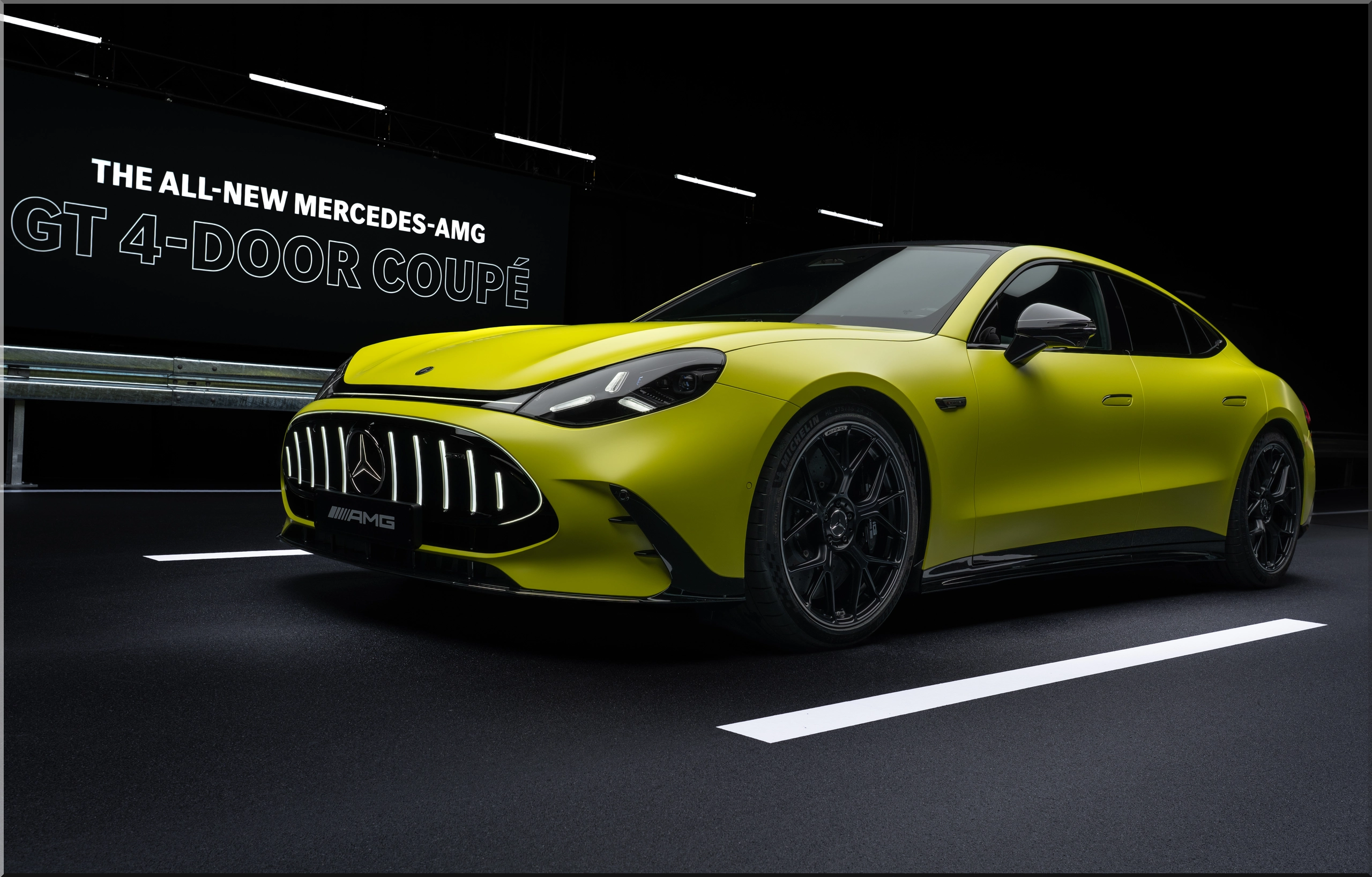
GT 55: The Lower-Power Version Still Has 816 hp
The Mercedes-AMG GT 55 4MATIC+ 4-Door Coupé plays the second role in the launch range, but the numbers still look extreme. It produces 600 kW, or 816 hp, and accelerates from 0 to 100 km/h in 2.5 seconds.
Its WLTP range reaches up to 700 km, slightly above the GT 63 figure. That gives AMG a useful split: the GT 63 appeals to buyers who want the maximum output figure, while the Mercedes-AMG GT 55 offers slightly more range and still delivers performance that would have looked absurd for a four-door car not long ago.
This strategy also gives Mercedes-AMG a broader position against the Porsche Taycan, Audi e-tron GT, Tesla Model S Plaid, Lucid Air Sapphire, and future high-performance Chinese EVs. The market has moved quickly. AMG needed more than noise and leather to stay credible.
Video file
Video title
Mercedes-AMG GT 4-Door EV
600 kW Charging Could Change How Buyers View Performance EVs
The new AMG battery system ranks among the car's most important technical stories. Mercedes-AMG developed the high-voltage battery with expertise from Mercedes-AMG High Performance Powertrains in Brixworth, the same operation associated with Formula 1 powertrain engineering.
The pack uses 2,660 cylindrical cells, and Mercedes-AMG says each cell receives individual cooling through a non-conductive oil. That sounds like overkill until you consider the workload. A car with more than 1,100 hp needs to discharge energy at extreme rates, then accept energy at extreme rates during DC charging.
The result: peak DC charging of more than 600 kW on suitable infrastructure. Mercedes-AMG says the GT 4-Door Coupé can add around 460 km of WLTP range in 10 minutes, while a 10-80 percent charge can take about 11 minutes under ideal conditions.
Image
Pro-Tip: Do Not Read 600 kW As Everyday Charging Reality
A 600 kW peak charging claim depends on compatible infrastructure, battery temperature, state of charge, and charging curve behaviour. Most European public fast chargers still deliver far less than 600 kW, so the headline number shows future-proofing as much as daily convenience.
AMG Tries To Rebuild The V8 Feeling Digitally
The hardest part of AMG's electric transition does not sit in the battery. It sits in the driver's memory.
AMG customers know the emotional language of a V8: idle rumble, throttle vibration, gearshift shock, exhaust drama, and the sense that the engine participates in every decision. A silent EV can destroy rivals on a stopwatch and still leave some drivers cold.
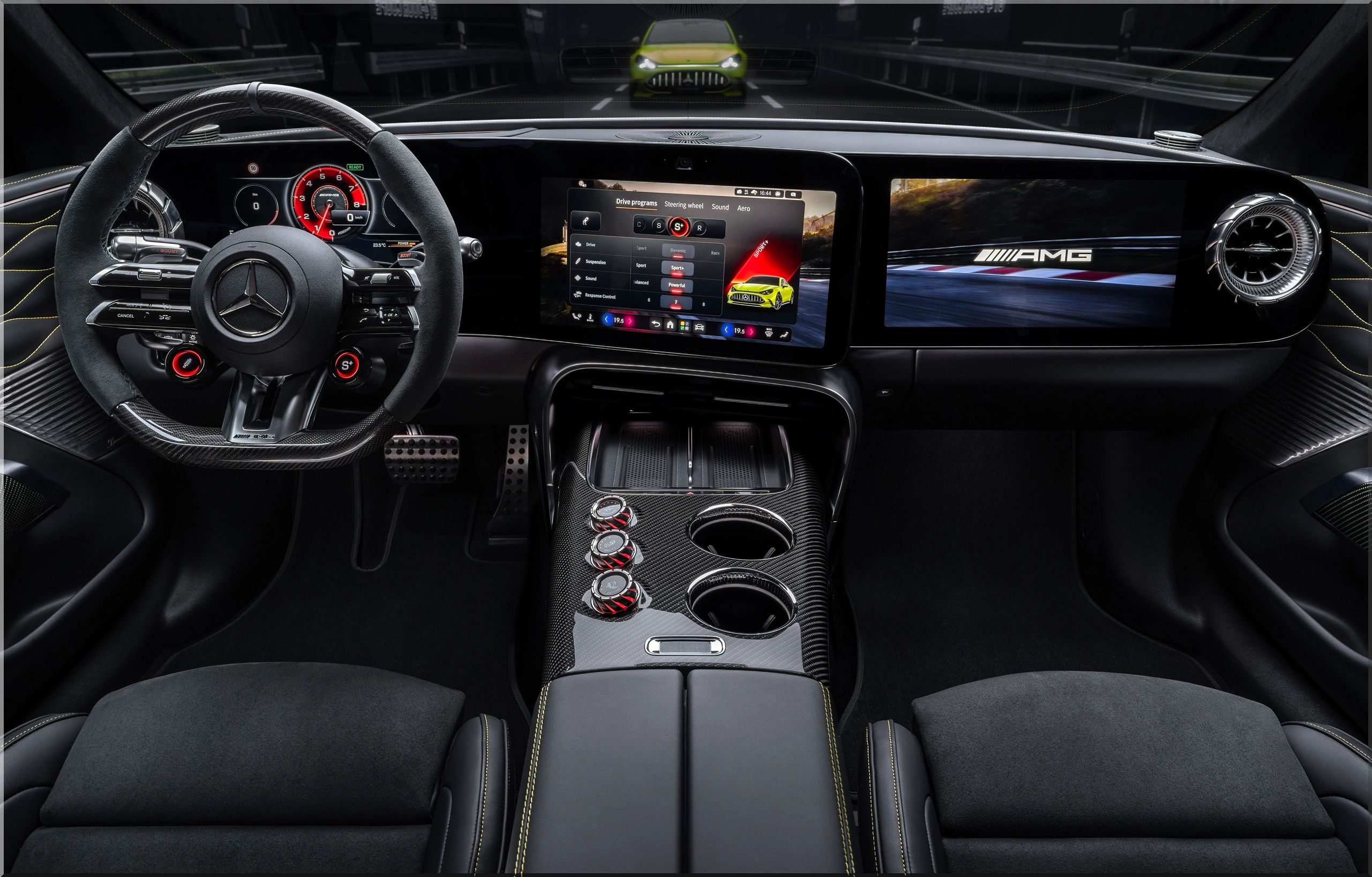
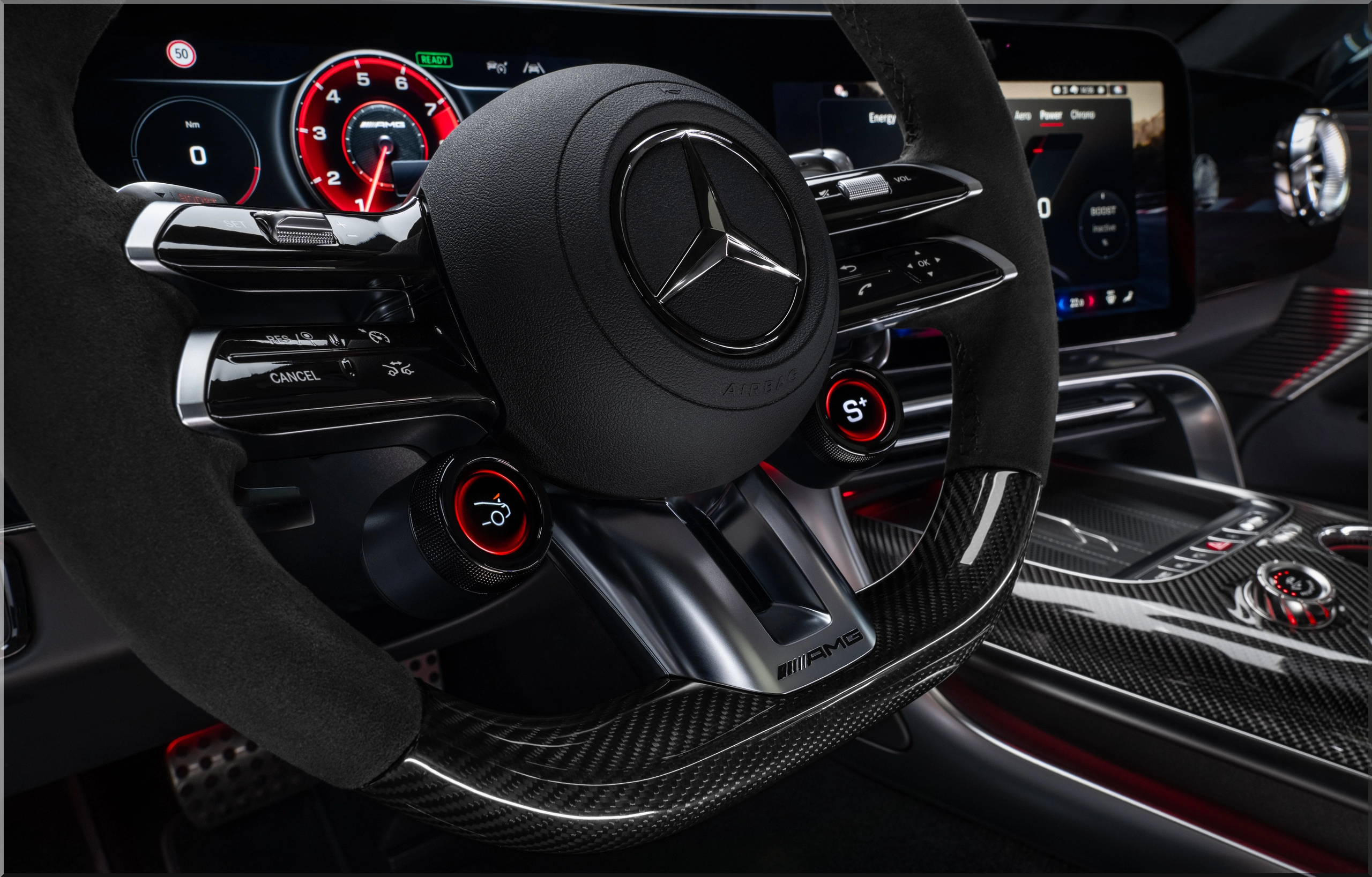
Mercedes-AMG addresses that with AMGFORCE S+, a driving mode that creates a digital V8-style experience. The system simulates gear changes with haptic feedback, changes the display layout, and mixes more than 1,600 sound files in real time based on driving behaviour.
This approach will split opinion. Purists may dismiss it as theatre. Yet AMG knows theatre has always formed part of the brand's appeal. A V8 AMG never won customers only through lap times. It also won them through drama.
Image
AMG RACE ENGINEER Adds Physical Control To A Digital EV
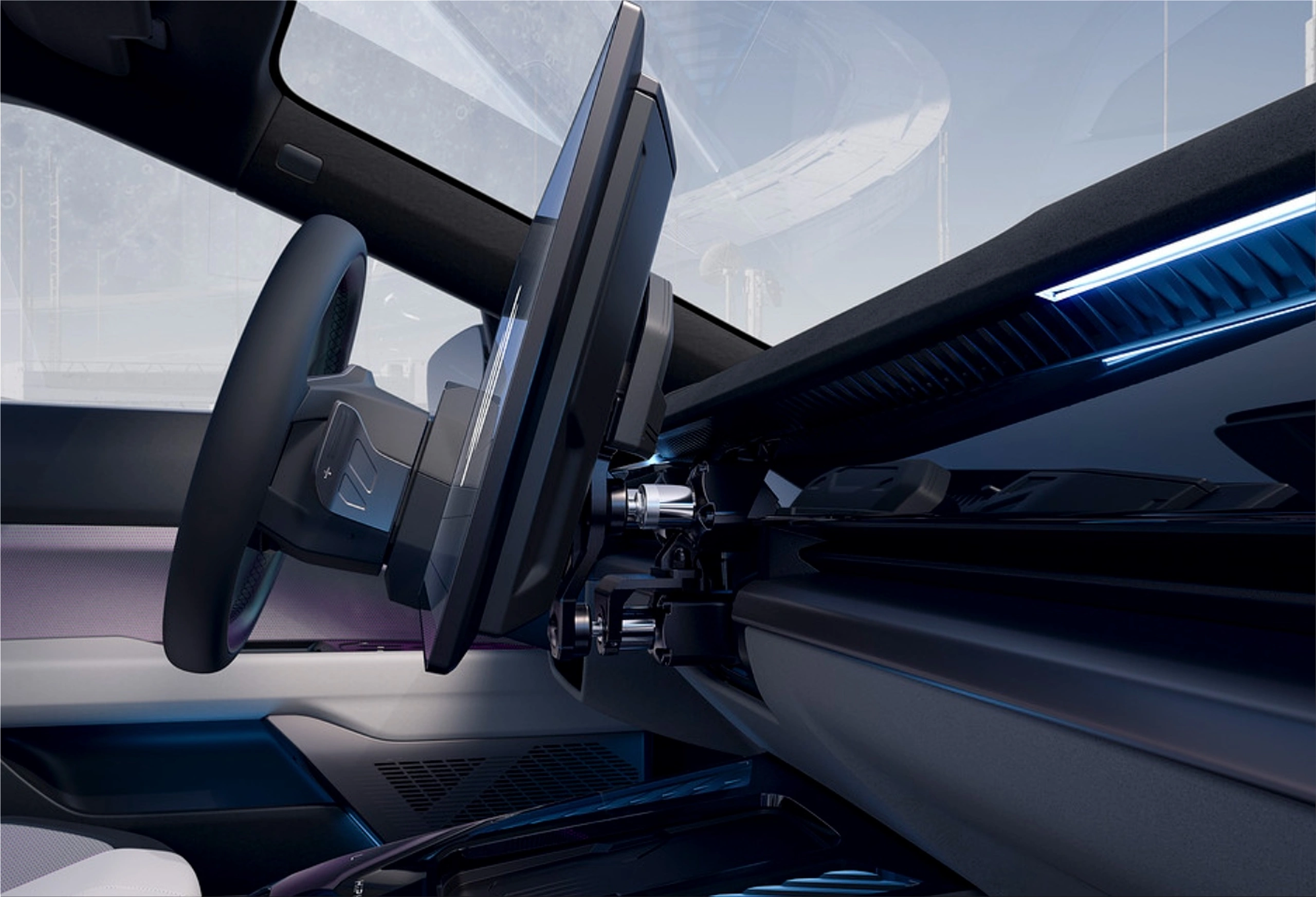
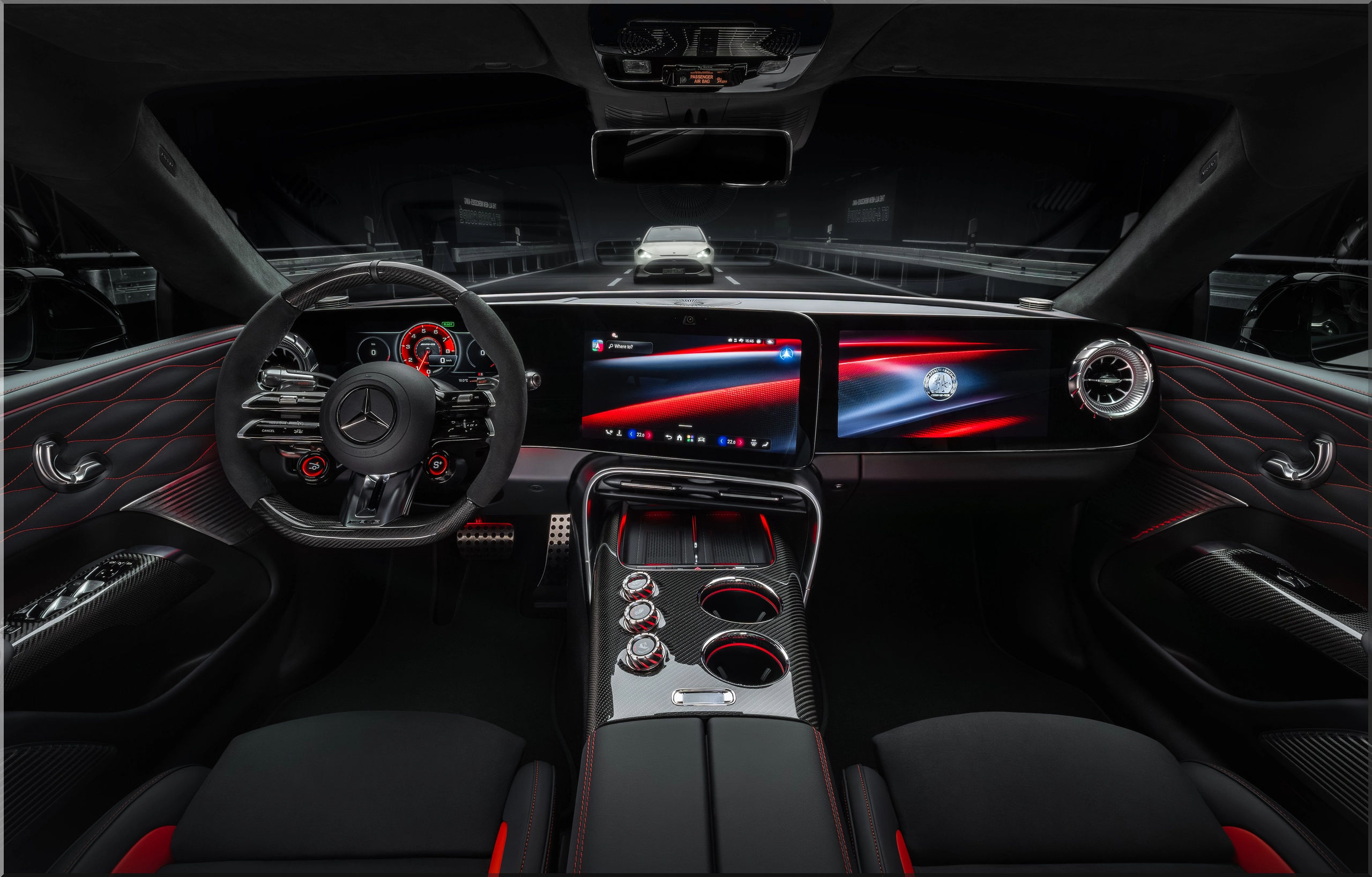
Mercedes-AMG also adds AMG RACE ENGINEER, a system that lets the driver adjust response, cornering behaviour, and traction control using three physical rotary controls on the centre console.
That decision feels smart. Too many modern performance cars bury dynamic settings inside layers of touchscreen menus. AMG keeps key controls close to the driver's hand, which fits the car's mission. Performance drivers want fast inputs, clear feedback, and repeatable setup changes.
The system works with chassis hardware including AMG ACTIVE RIDE CONTROL air suspension, semi-active anti-roll technology, and active rear-axle steering. The rear steering can turn up to six degrees, improving manoeuvrability at low speeds and stability at higher speeds.
Active Aerodynamics Give The GT 4-Door Coupé Real High-Speed Intent
The new GT 4-Door Coupé does not rely on power alone. AMG adds active aerodynamic hardware underneath and at the rear, including two AEROKINETICS elements that can lower to generate ground effect through a venturi-style principle.
At the back, the car uses an active diffuser and an active spoiler. At the front, adjustable air intakes manage cooling needs for the battery, electric drive units, and brakes.
This matters because electric performance cars face a brutal aerodynamic compromise. They need low drag for range, strong cooling for repeated high-output use, and downforce for stability at high speed. Active aero lets AMG shift the car's priorities depending on speed, temperature, and driving mode.
Interior: Sports Car Layout Meets Gran Turismo Comfort
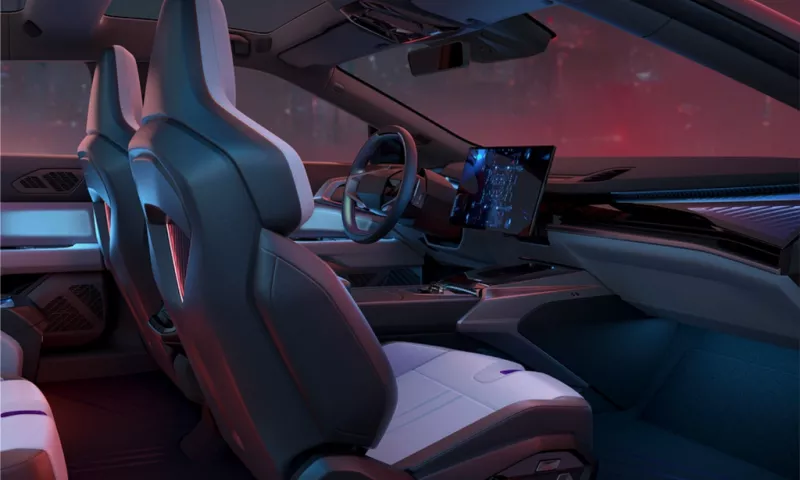
Inside, Mercedes-AMG positions the GT 4-Door Coupé as a true Gran Turismo, not just a four-door supercar with a usable boot. The cabin uses a low seating position, a driver-focused cockpit, and a wide digital display layout.
The driver display measures 10.2 inches, while the central multimedia screen and passenger display each measure 14.0 inches. The centre console angles toward the driver and carries the physical AMG RACE ENGINEER controls.
Rear passengers get floor recesses designed to improve legroom and knee angle, which supports the car's long-distance brief. AMG wants this model to feel usable from Monday to Friday, then outrageous when the road opens.
Optional roof choices add another layer of personality. A large SKY CONTROL panoramic glass roof can switch between transparent and opaque, while a carbon-look lightweight roof caters to buyers who want a more performance-led specification.
Design: AMG Keeps The Long, Low Four-Door Shape
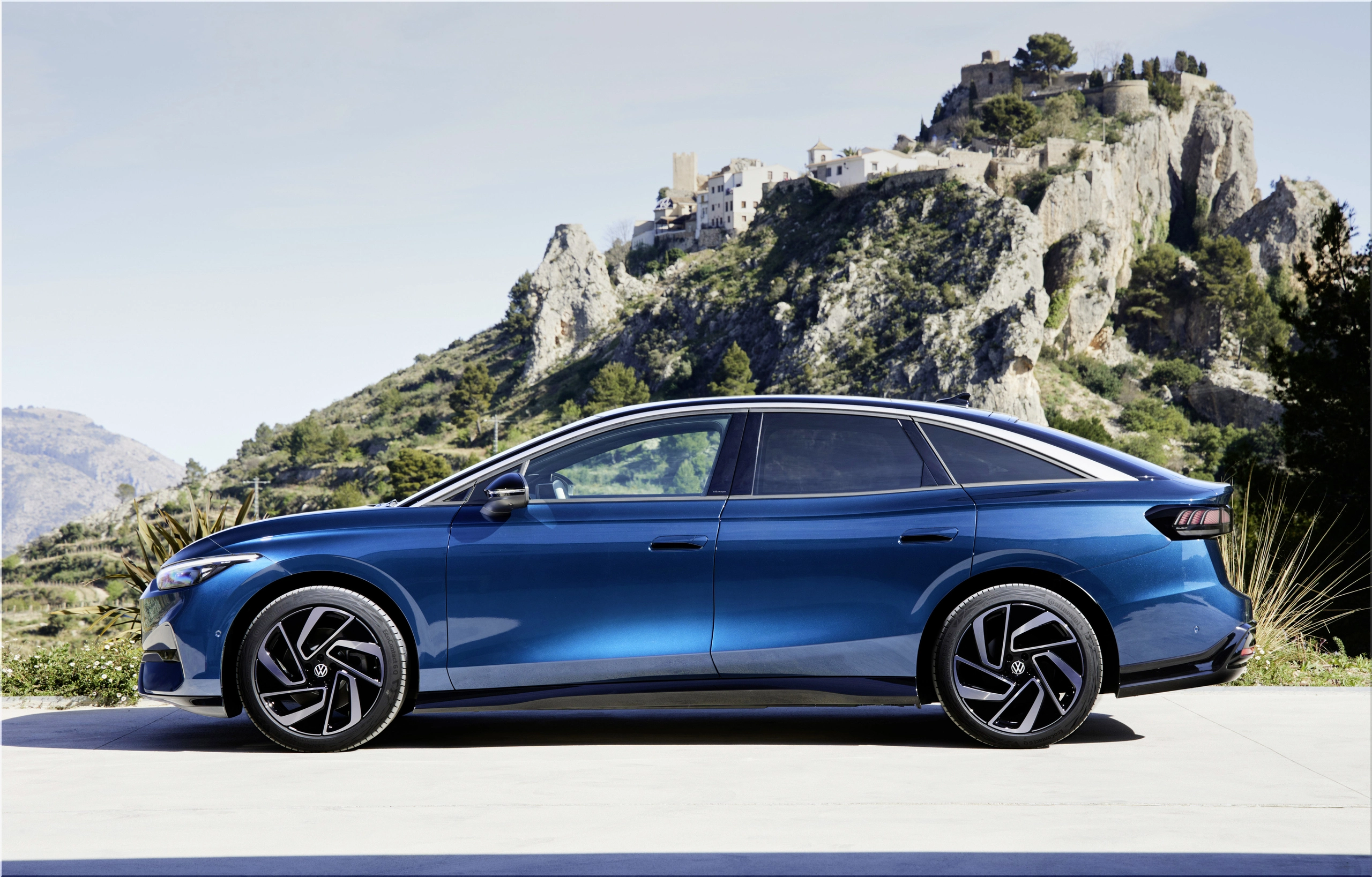
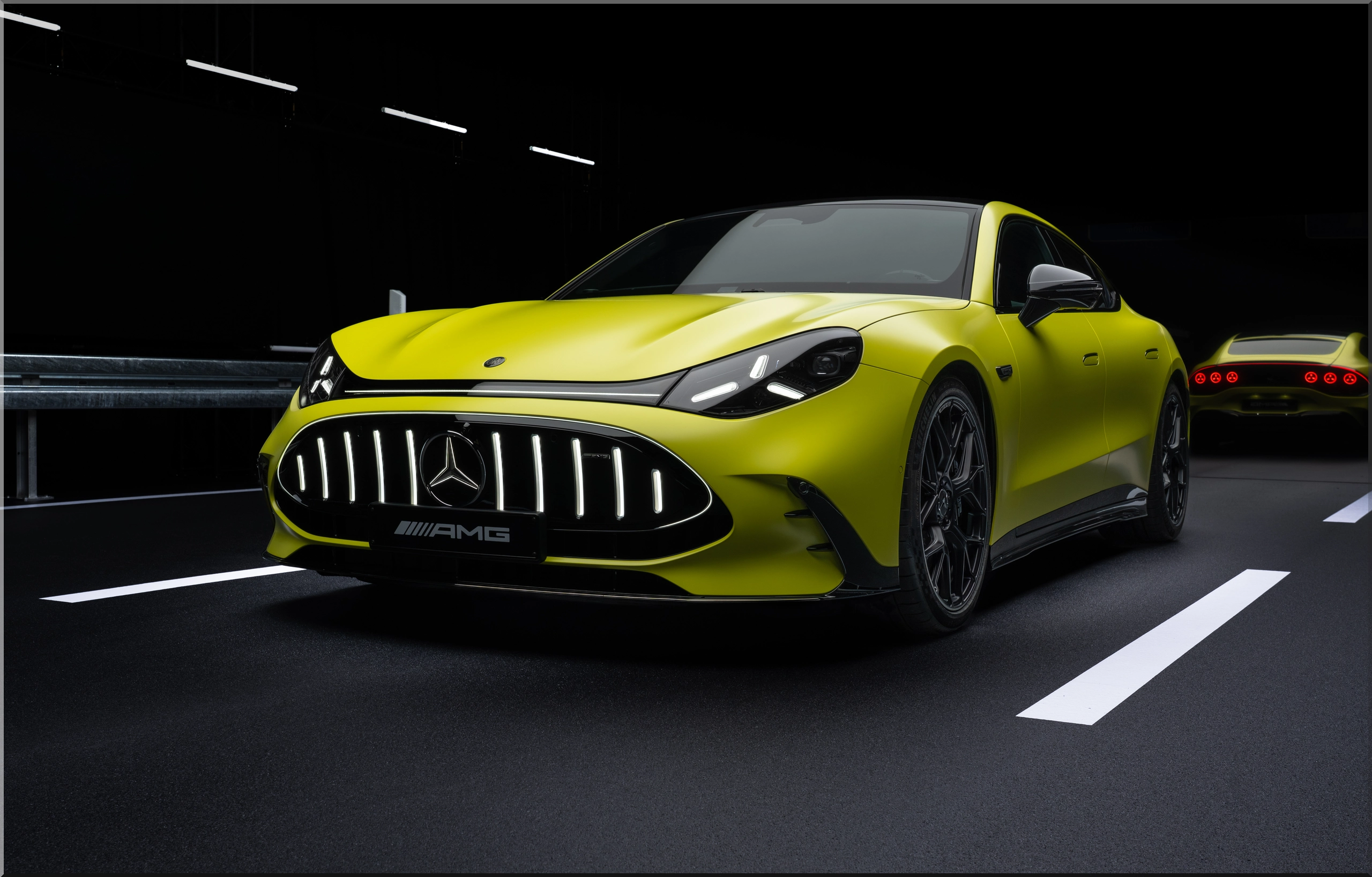
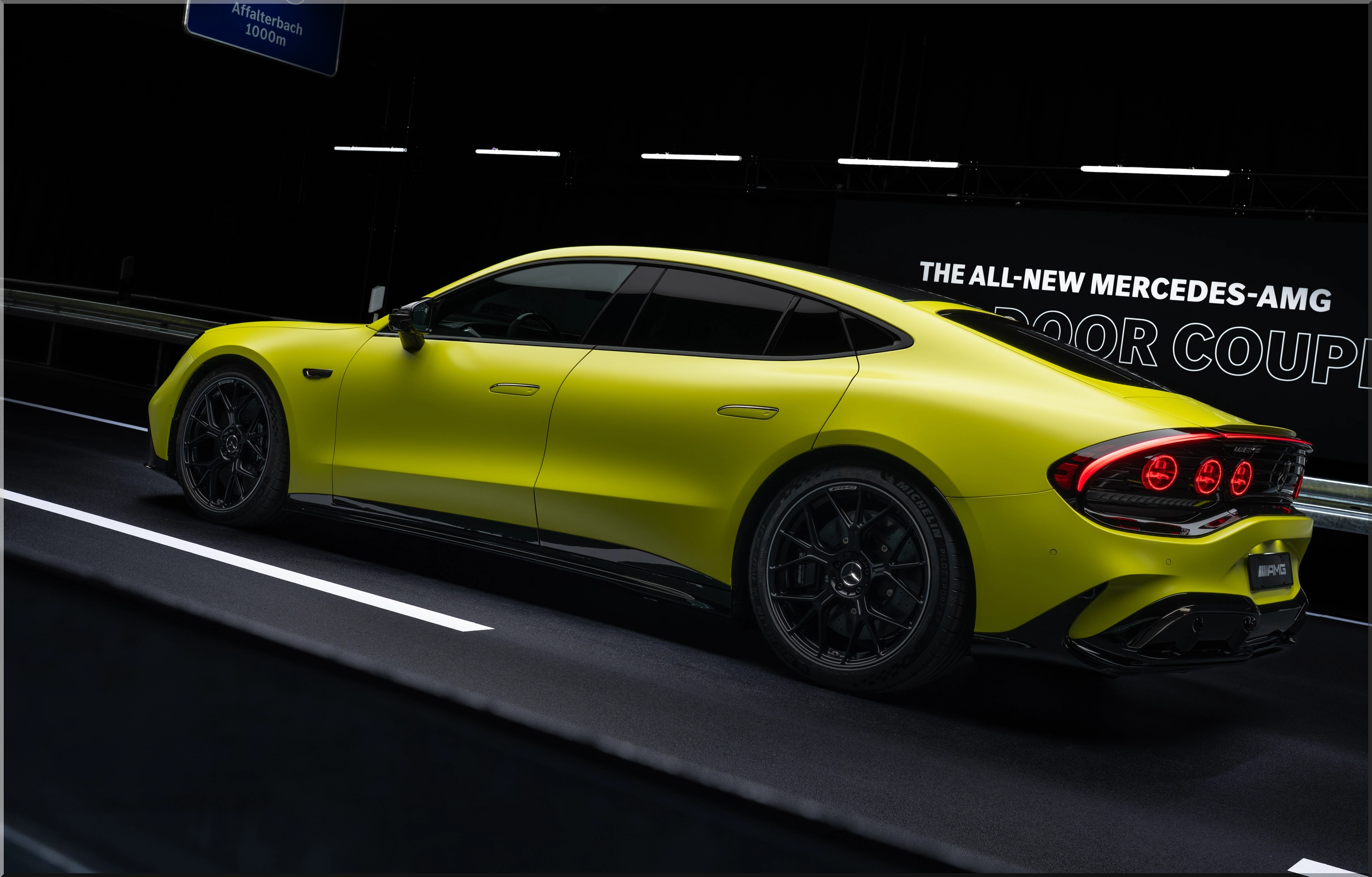
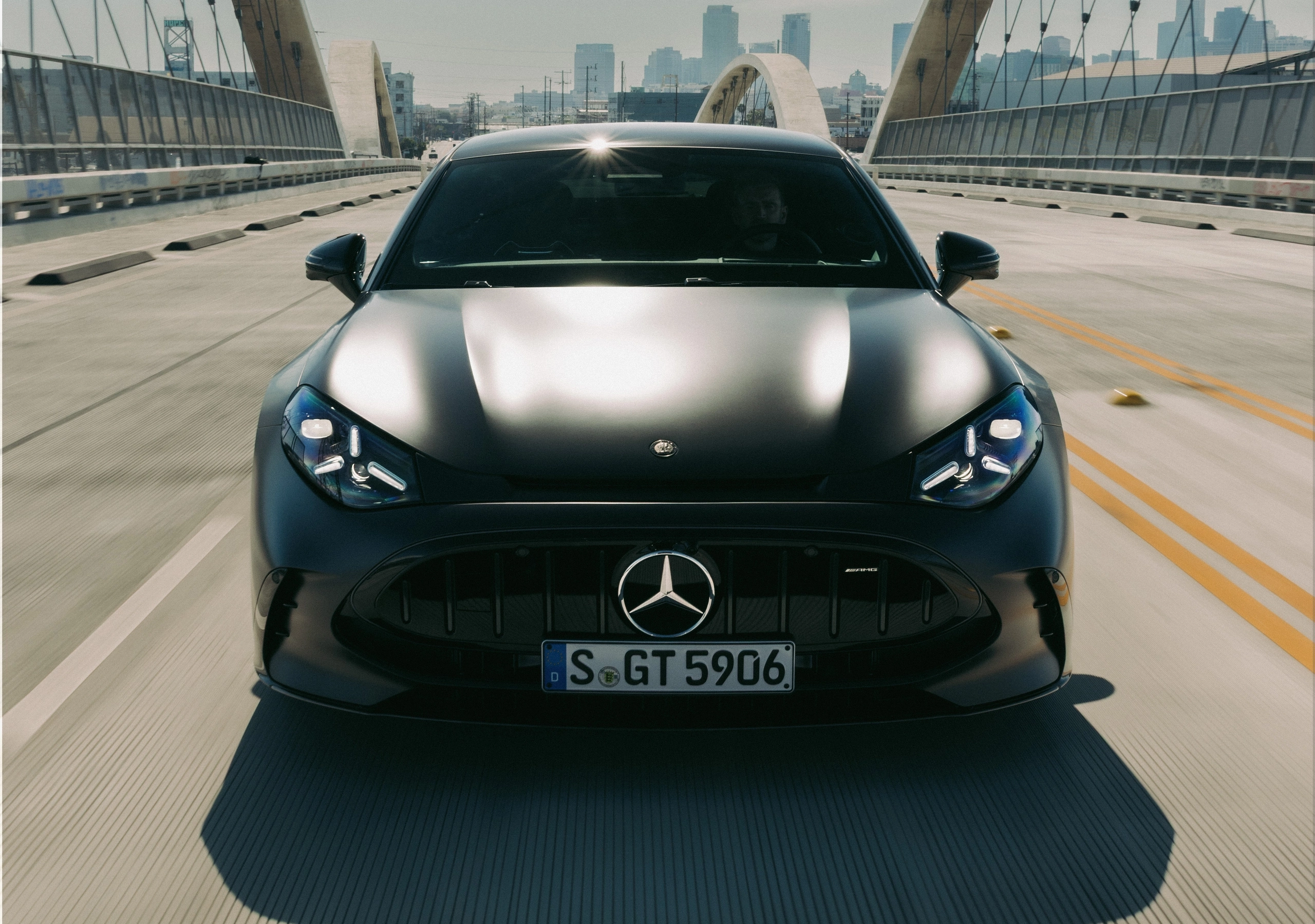
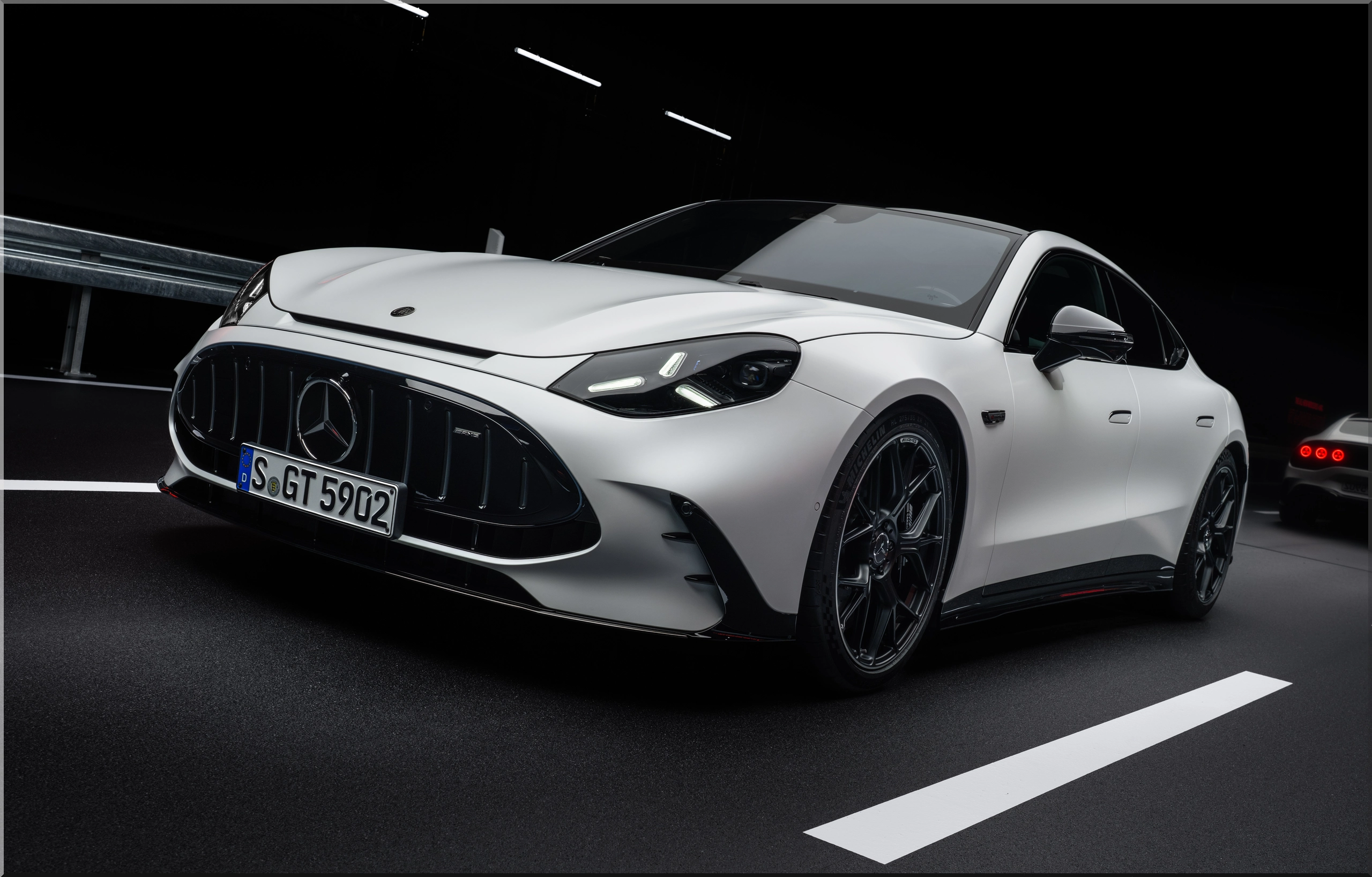
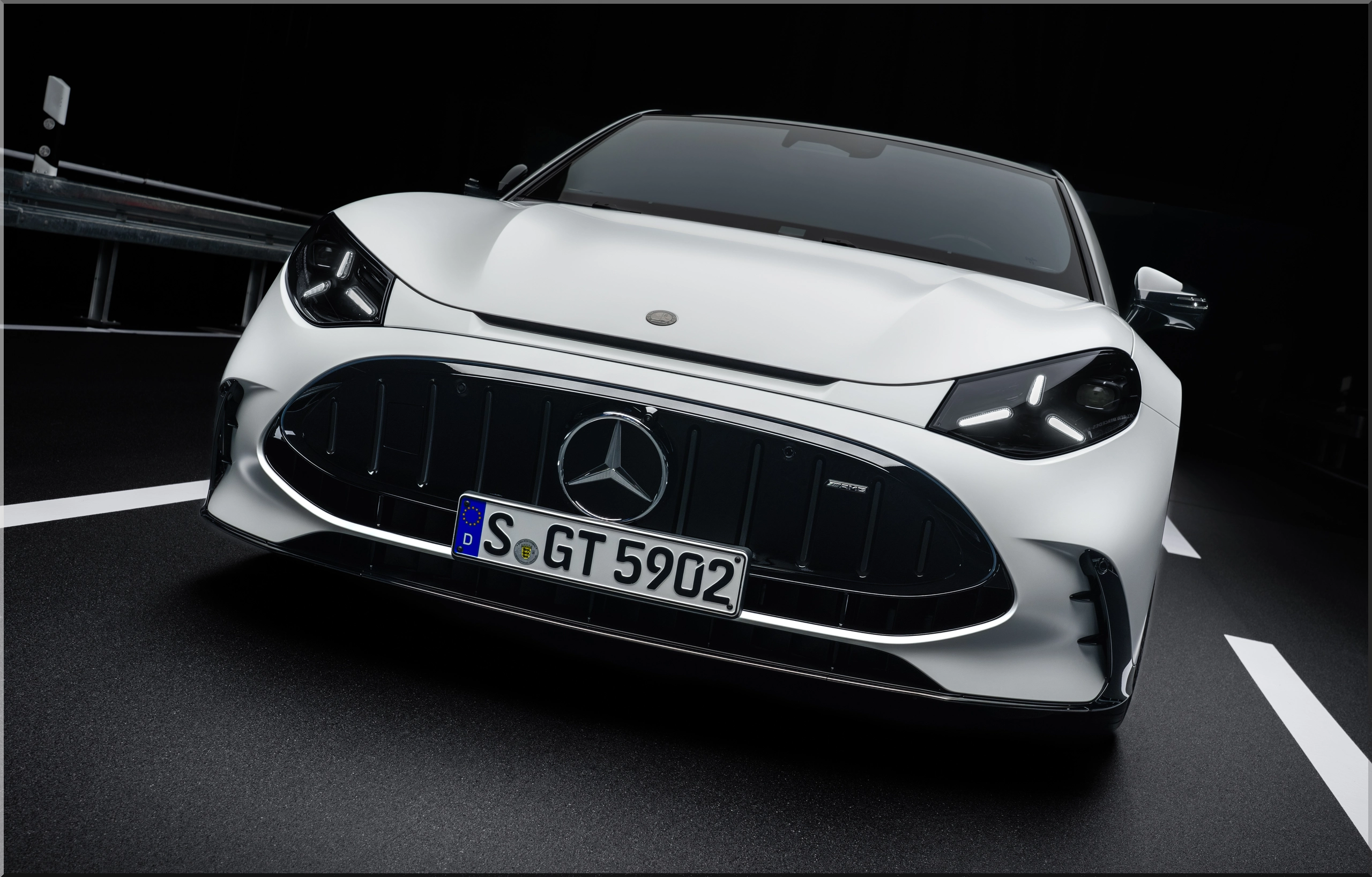
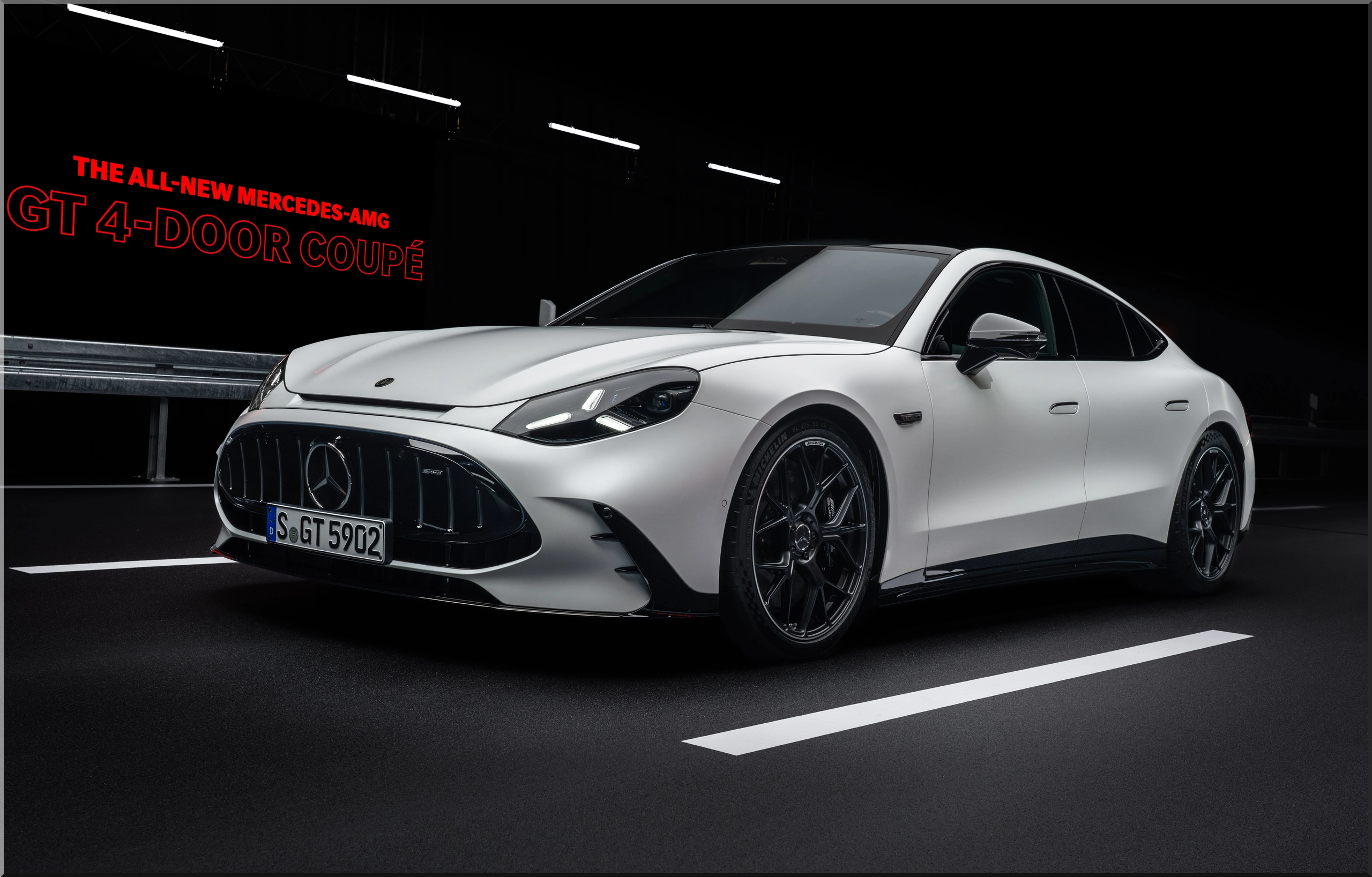
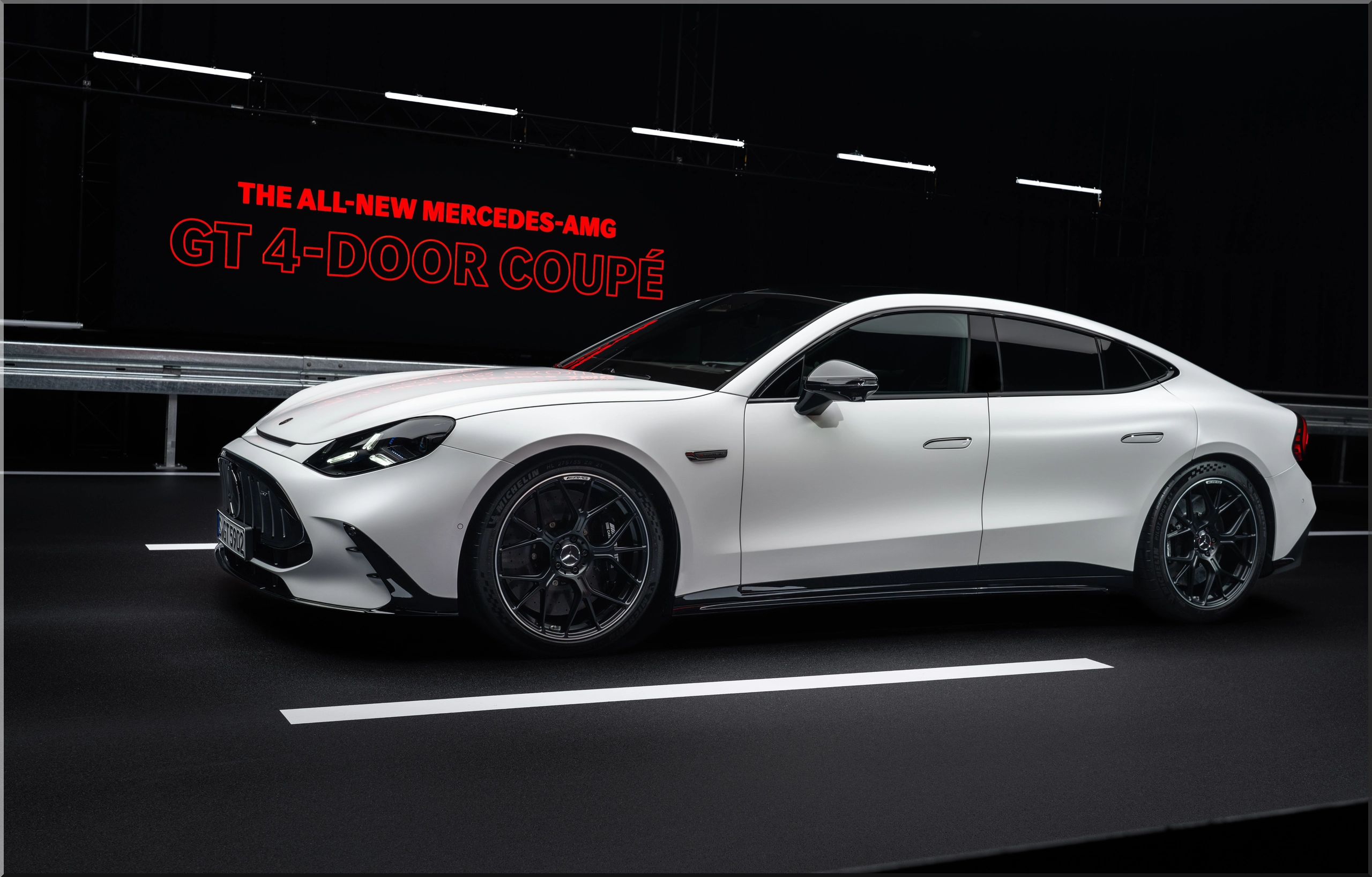
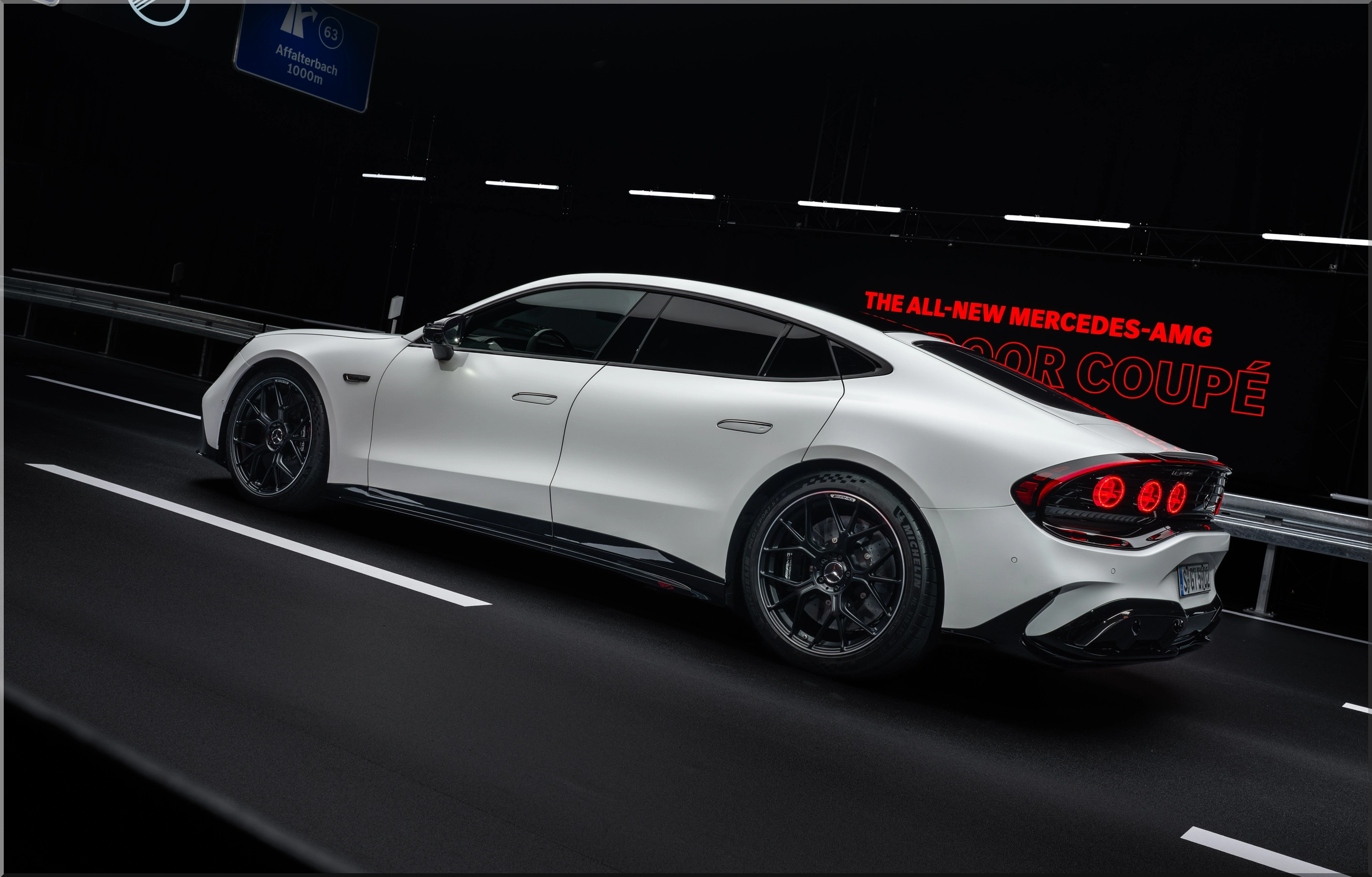
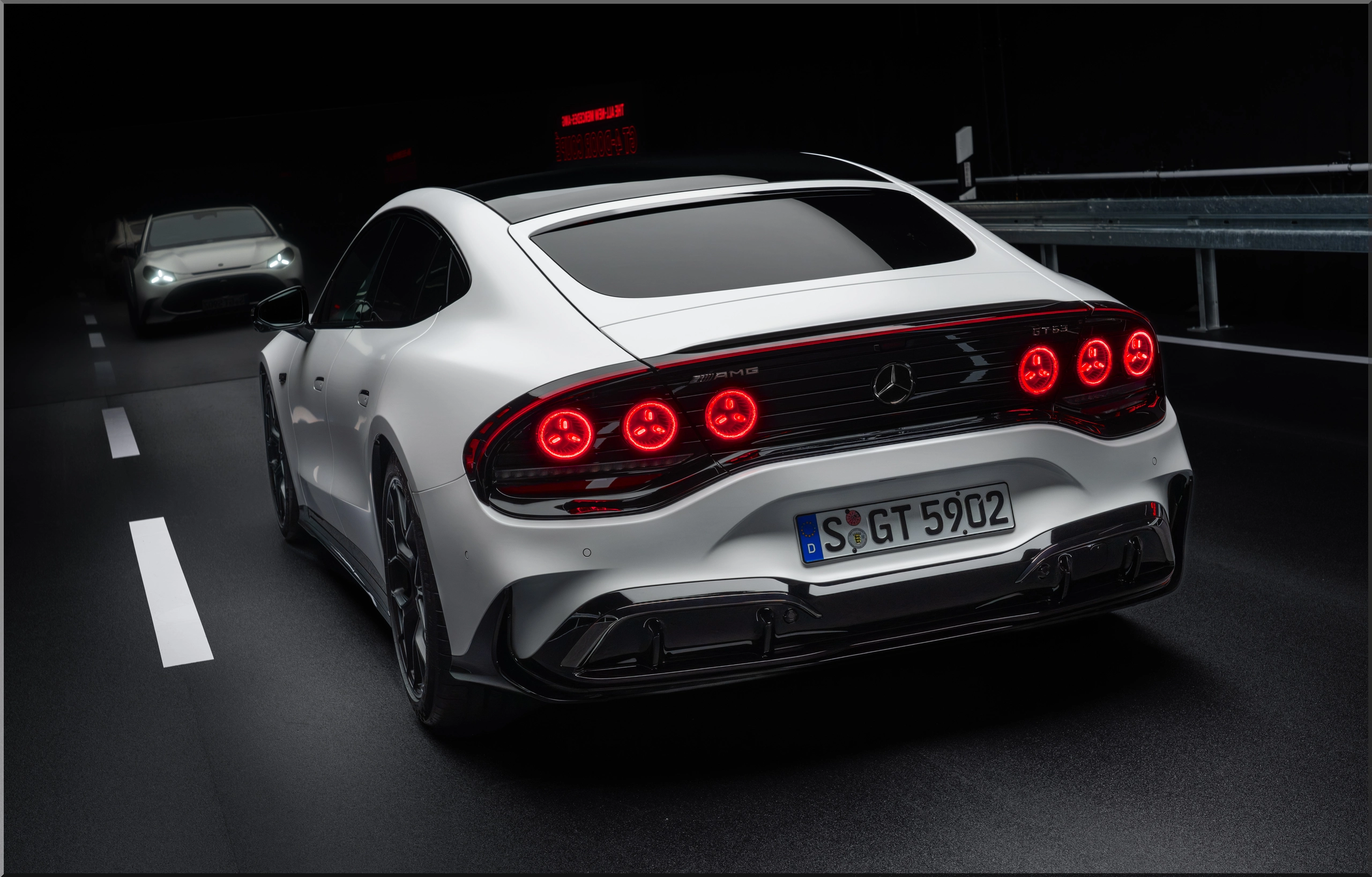
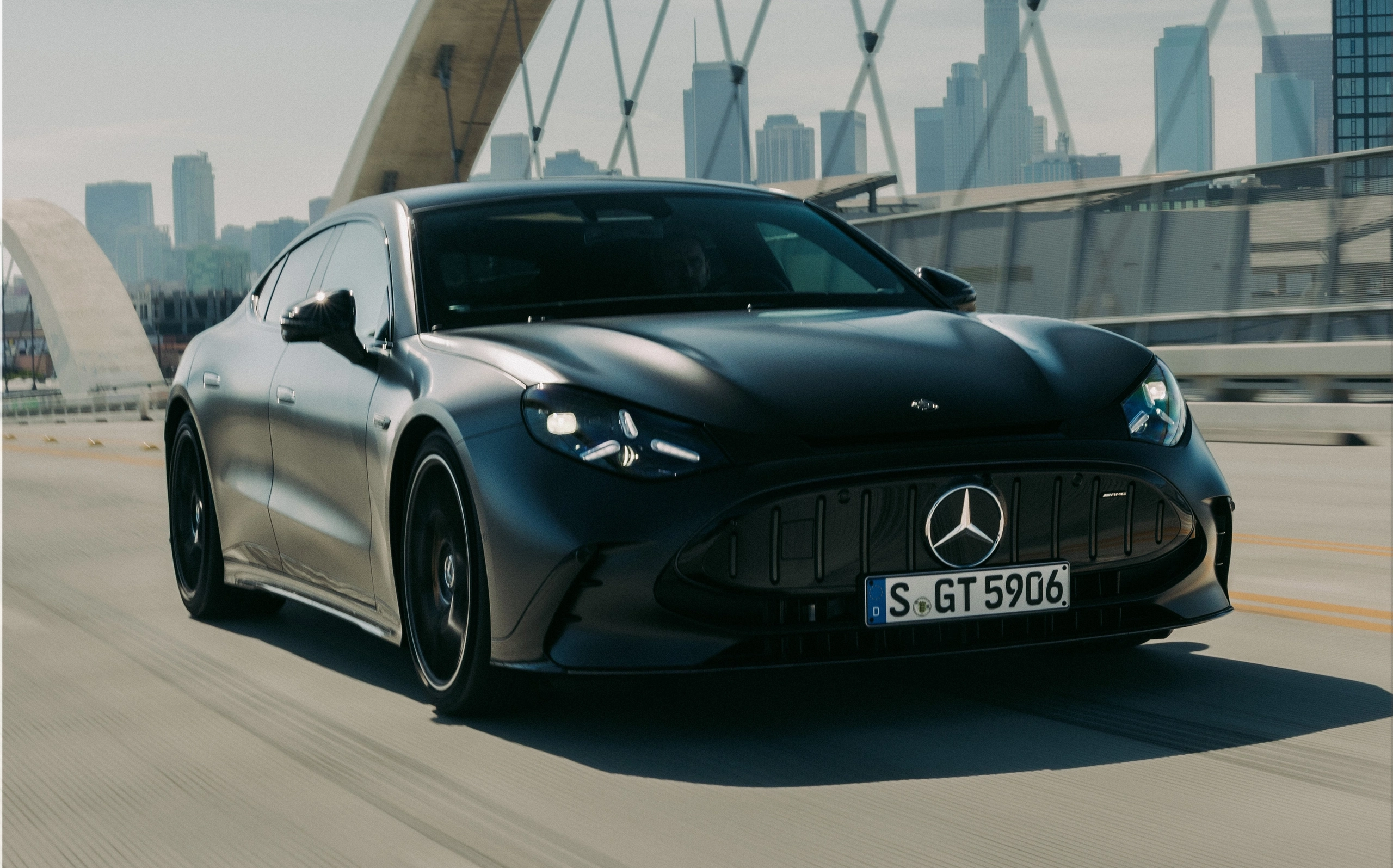
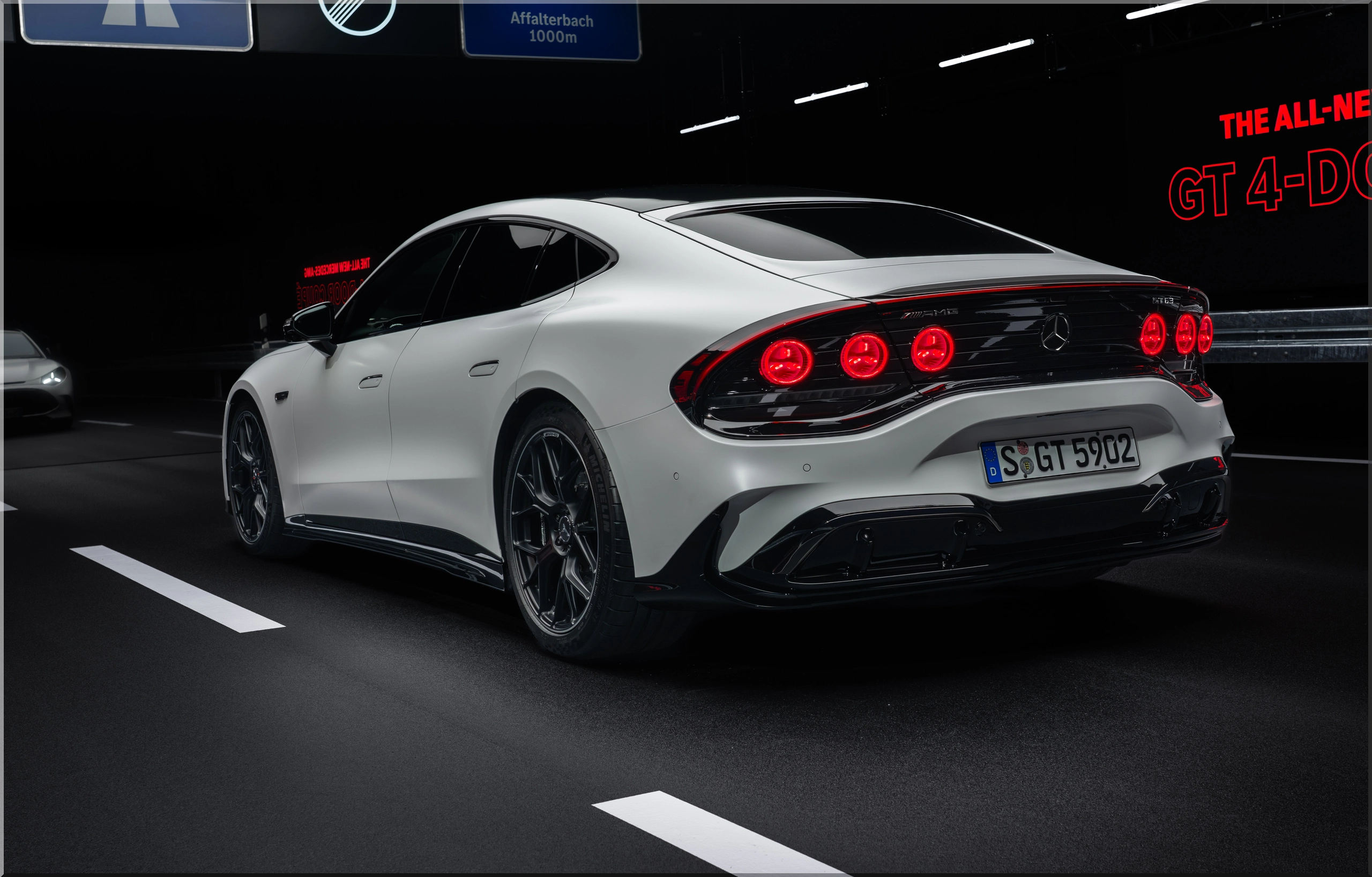
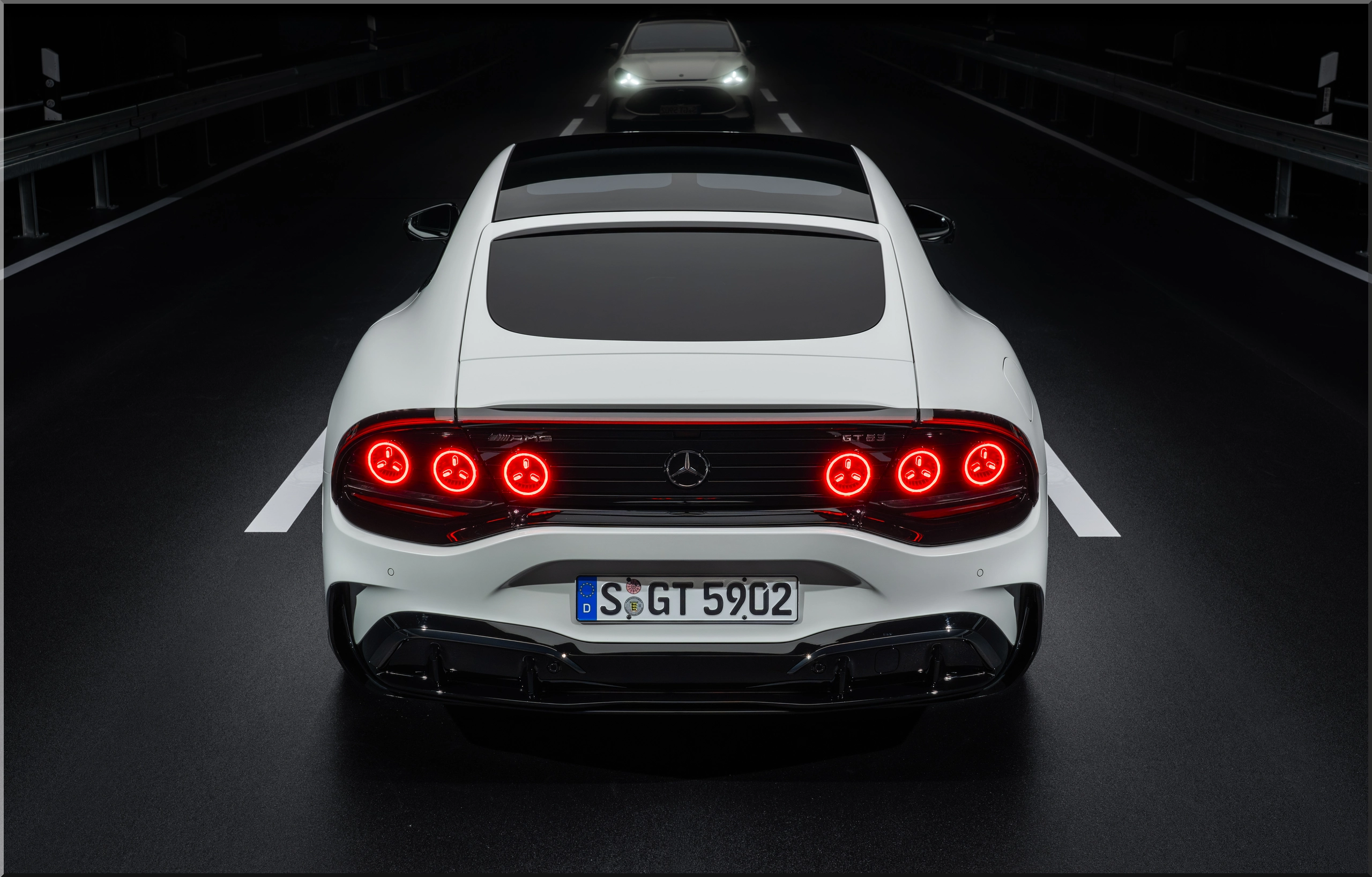
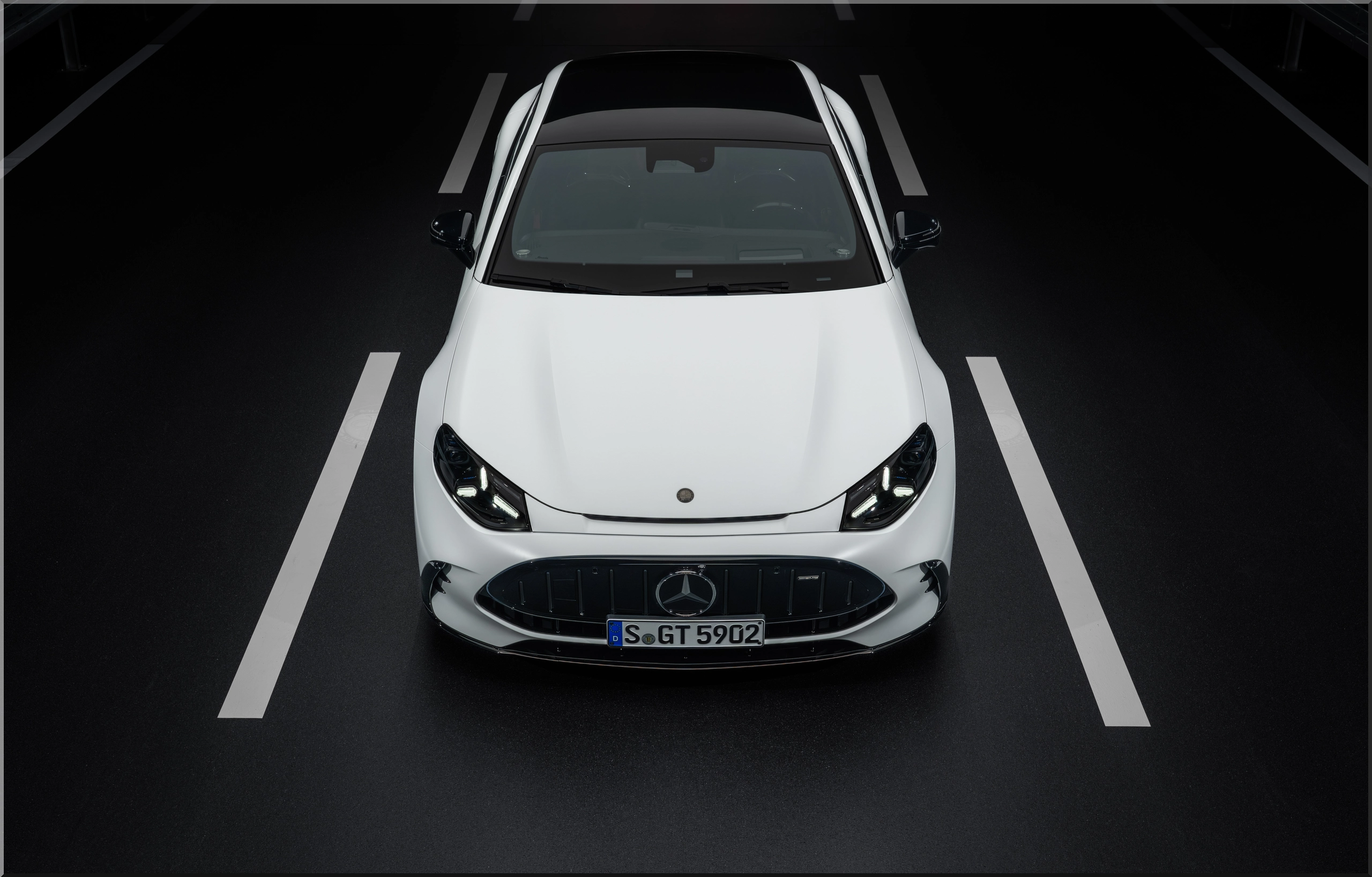
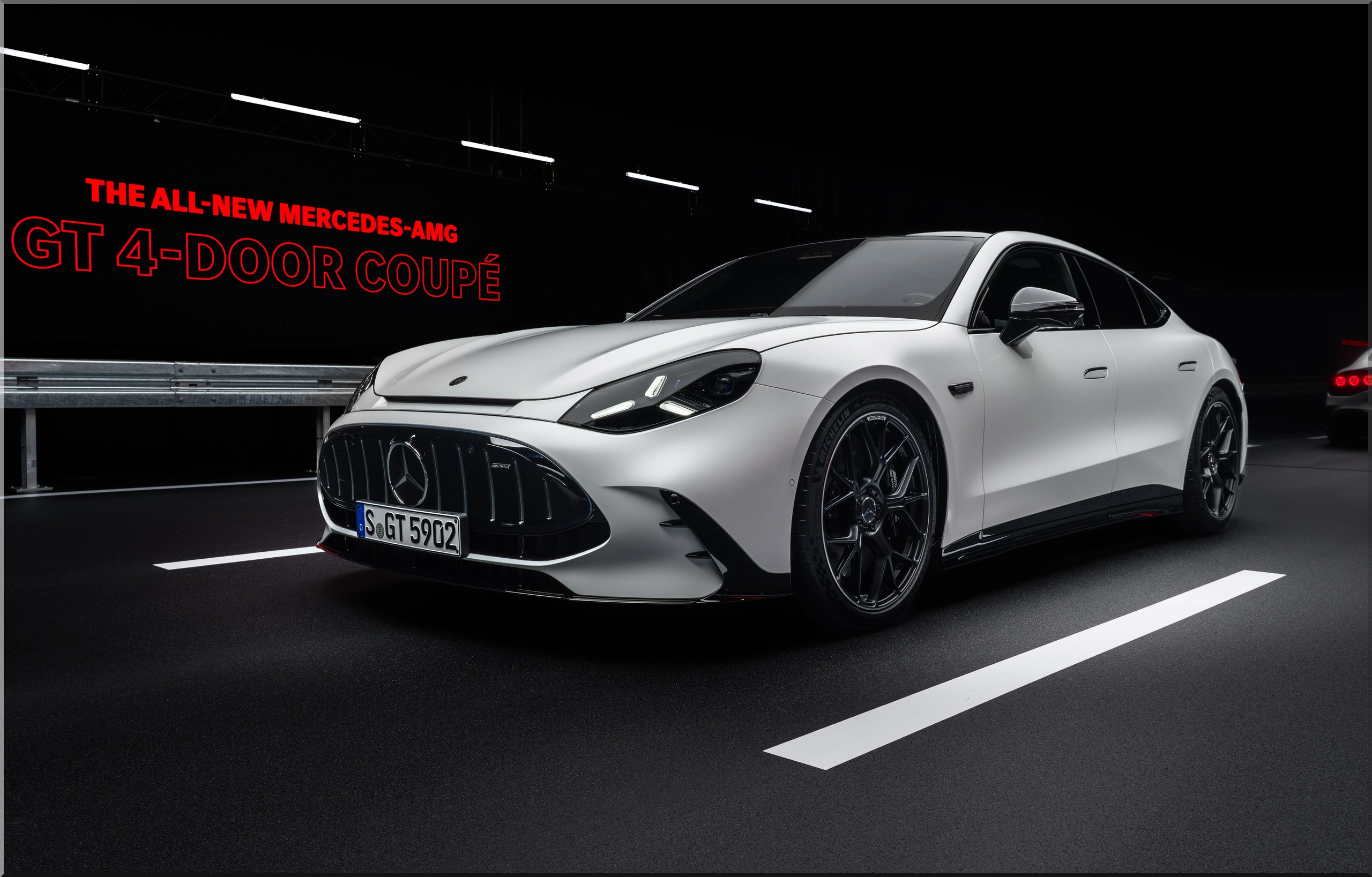
The exterior keeps the familiar GT 4-Door idea: long bonnet, low roofline, muscular rear haunches, and a coupé-like profile stretched across four doors. The new model adds a more futuristic face and distinctive lighting details, including turbine-style circular rear lights with star graphics.
AMG also leans into function. The front end manages airflow for cooling and drag, while the underside and rear aero systems play a direct role in high-speed stability. The result should read as a performance EV first and a luxury saloon second.
Why This Car Matters For The European Performance Market
The new electric Mercedes-AMG GT 4-Door Coupé arrives at a sensitive moment. European buyers face tighter CO2 rules, rising urban emissions restrictions, and a fast-growing field of electric luxury performance cars. At the same time, many enthusiasts still distrust heavy EVs and miss combustion character.
AMG cannot ignore those buyers. It must convert them.
That makes this model more than a replacement for a V8-powered flagship. It works as AMG's proof-of-concept for electric performance: axial-flux motors, F1-inspired battery thinking, ultra-fast charging, active aero, digital emotion, and physical driver controls in one package.
The numbers will draw clicks. The execution will decide whether the car earns trust.
Should You Care About The Electric Mercedes-AMG GT 4-Door Coupé?
Yes, especially if you follow the future of European performance cars. The new Mercedes-AMG GT 4-Door Coupé shows how AMG plans to survive the electric era without becoming just another luxury EV sub-brand.
It brings the expected shock numbers: 1,169 hp, 2.1 seconds to 100 km/h, and 600 kW charging. But the more important story sits underneath those figures. AMG has built a dedicated electric architecture, used compact axial-flux motors, developed a high-performance battery cooling system, and tried to preserve the emotional character that made its combustion cars memorable.
The old AMG formula used displacement, boost, exhaust, and attitude. The new one uses power density, cooling, software, aero, and simulated emotion. Different tools. Same mission.
- Add new comment
- 138 views