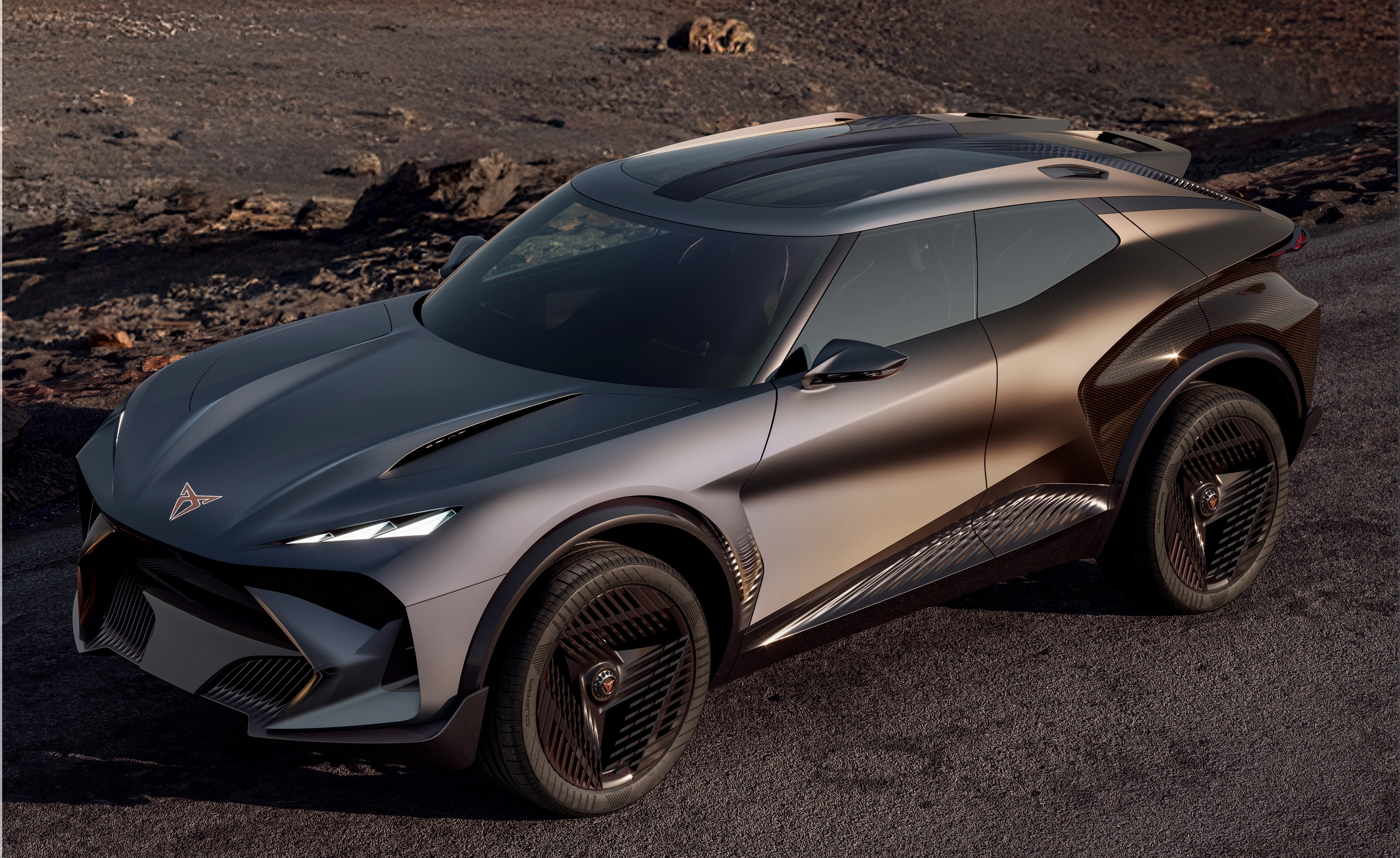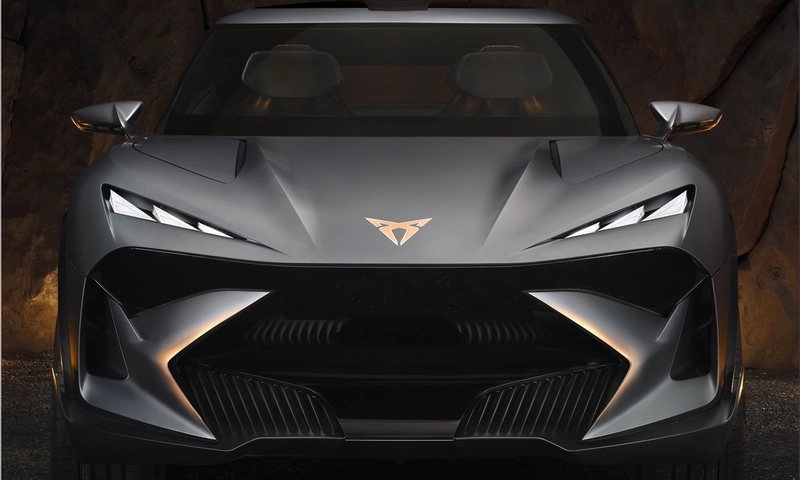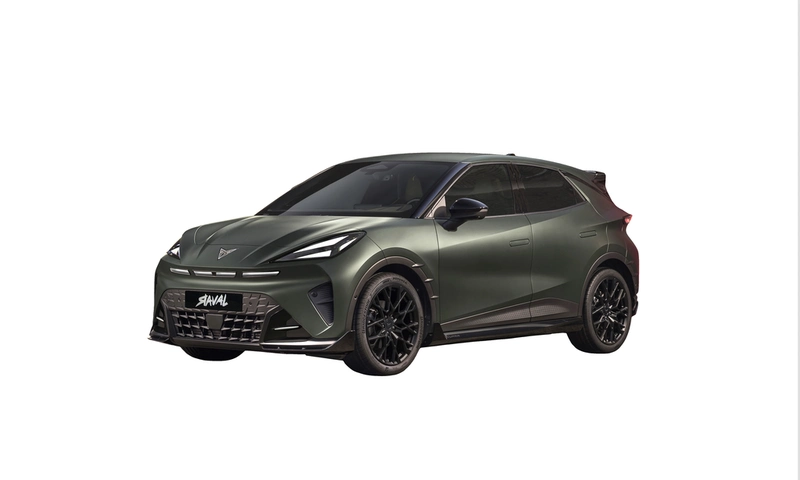
CUPRA has found a new way to talk about performance without handing over a key. For the CUPRA Tindaya, the brand staged what it calls the first hypnotic test drive, putting creators through guided visualisation instead of a conventional road route. That sounds unusual because it was built to sound unusual. It also served a clear marketing purpose: make people talk about the Tindaya showcar as an emotional machine before production numbers, launch timing, or hardware specs enter the conversation.
The move fits CUPRA's current playbook. The brand wants attention, but not empty attention. It wants to connect driver emotion, design language, and future mobility in one package, and the Tindaya gives it a clean stage for that message.
What Happened in the CUPRA Tindaya Hypnotic Test Drive
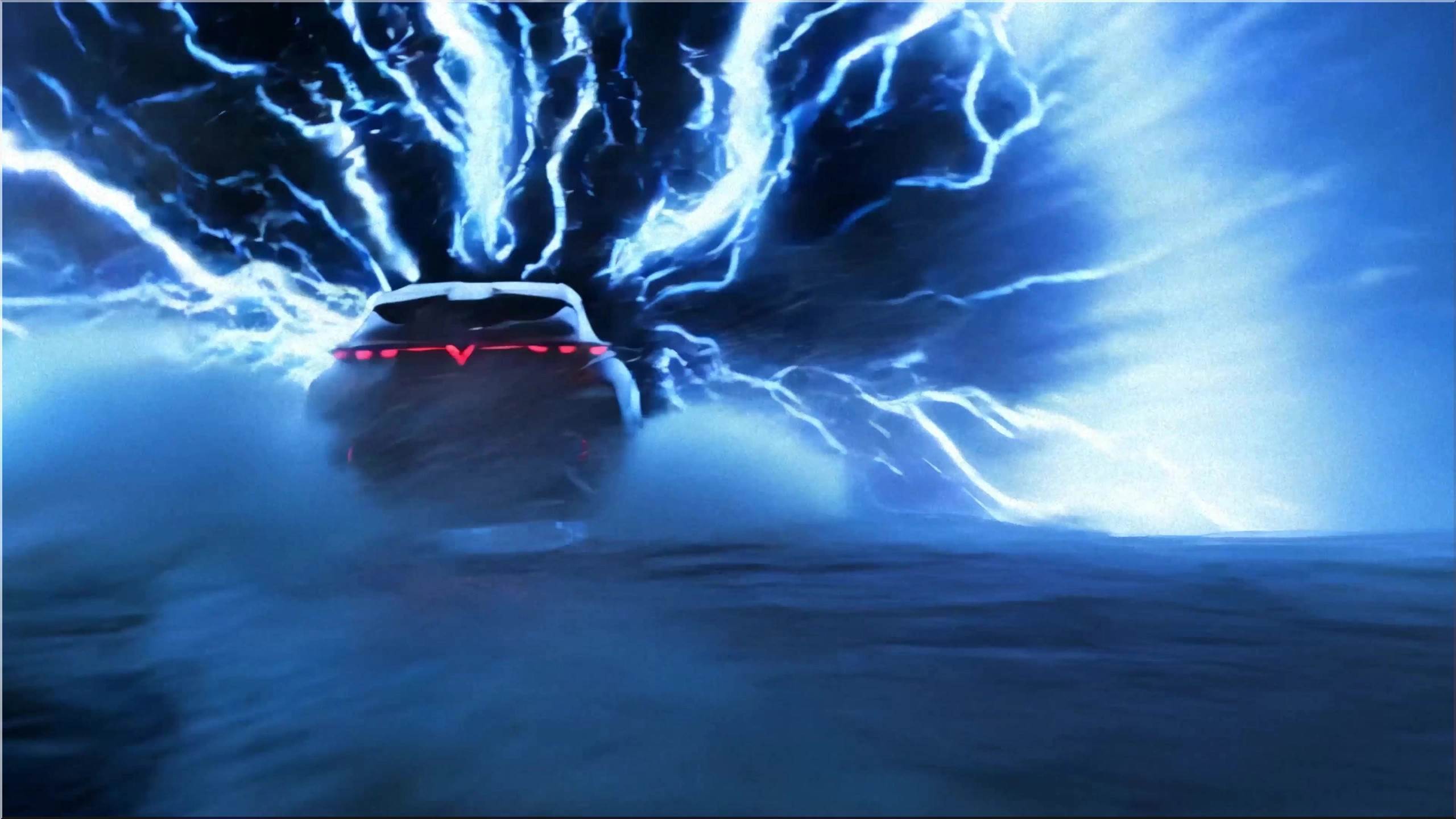
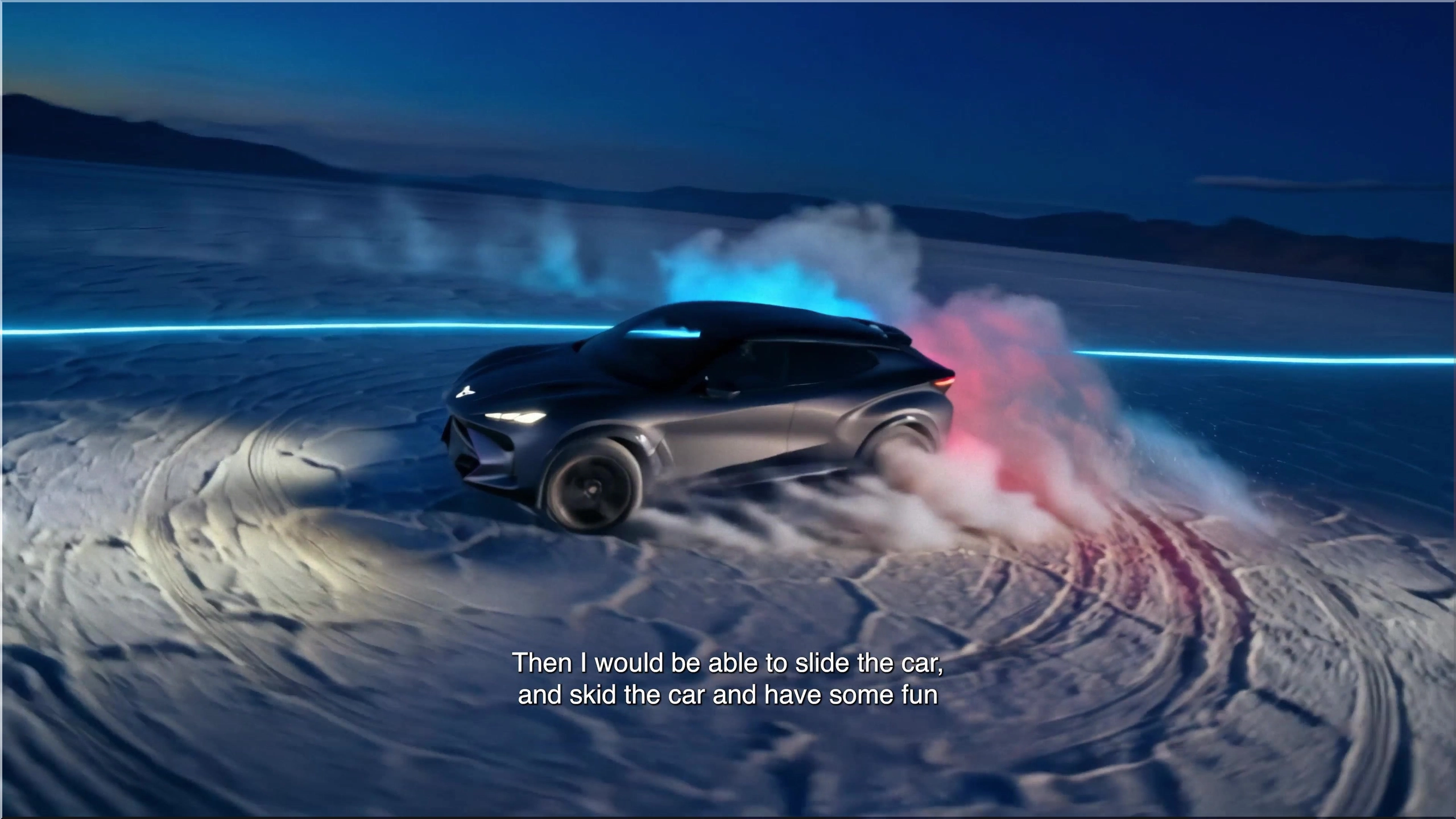
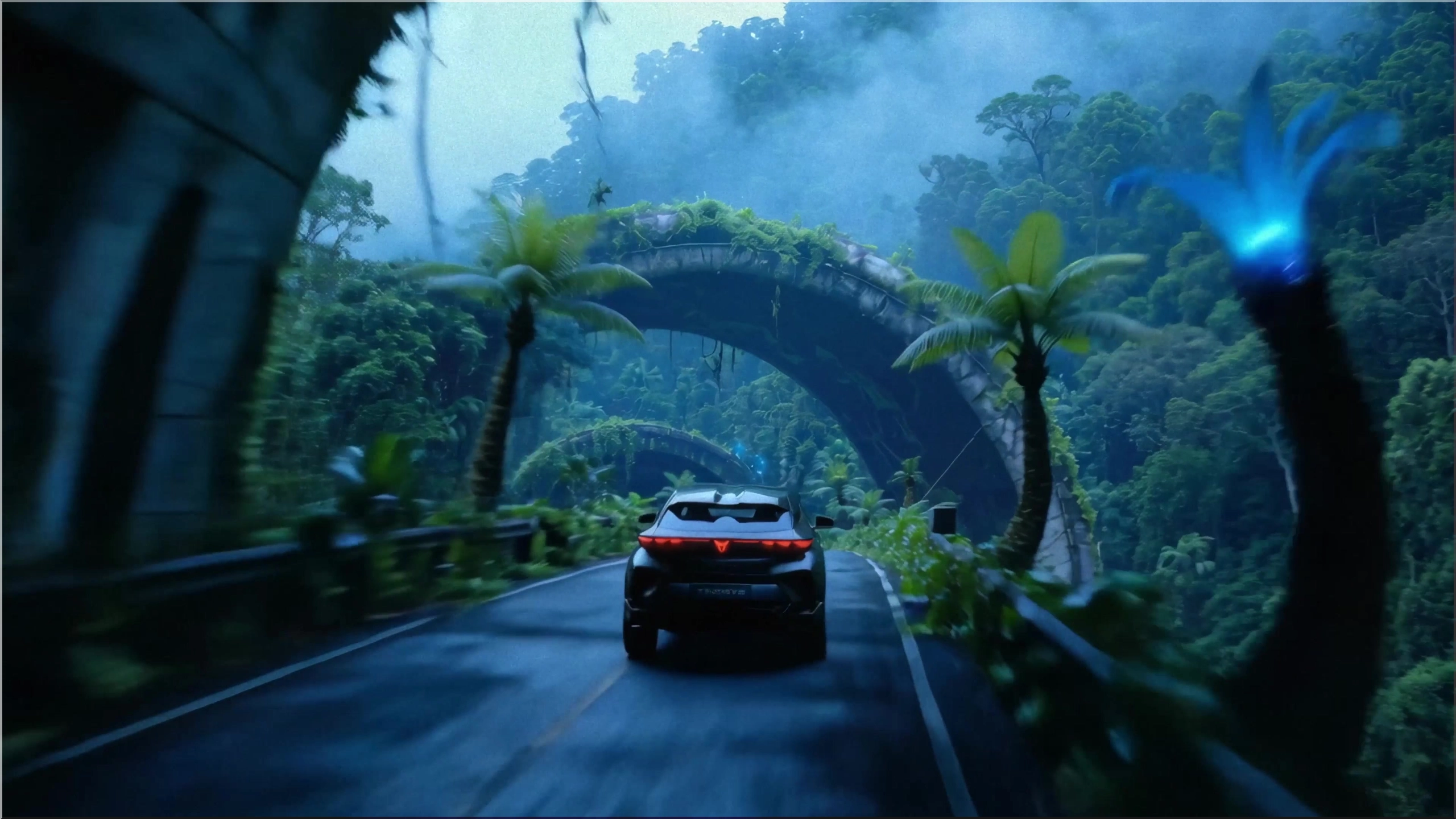
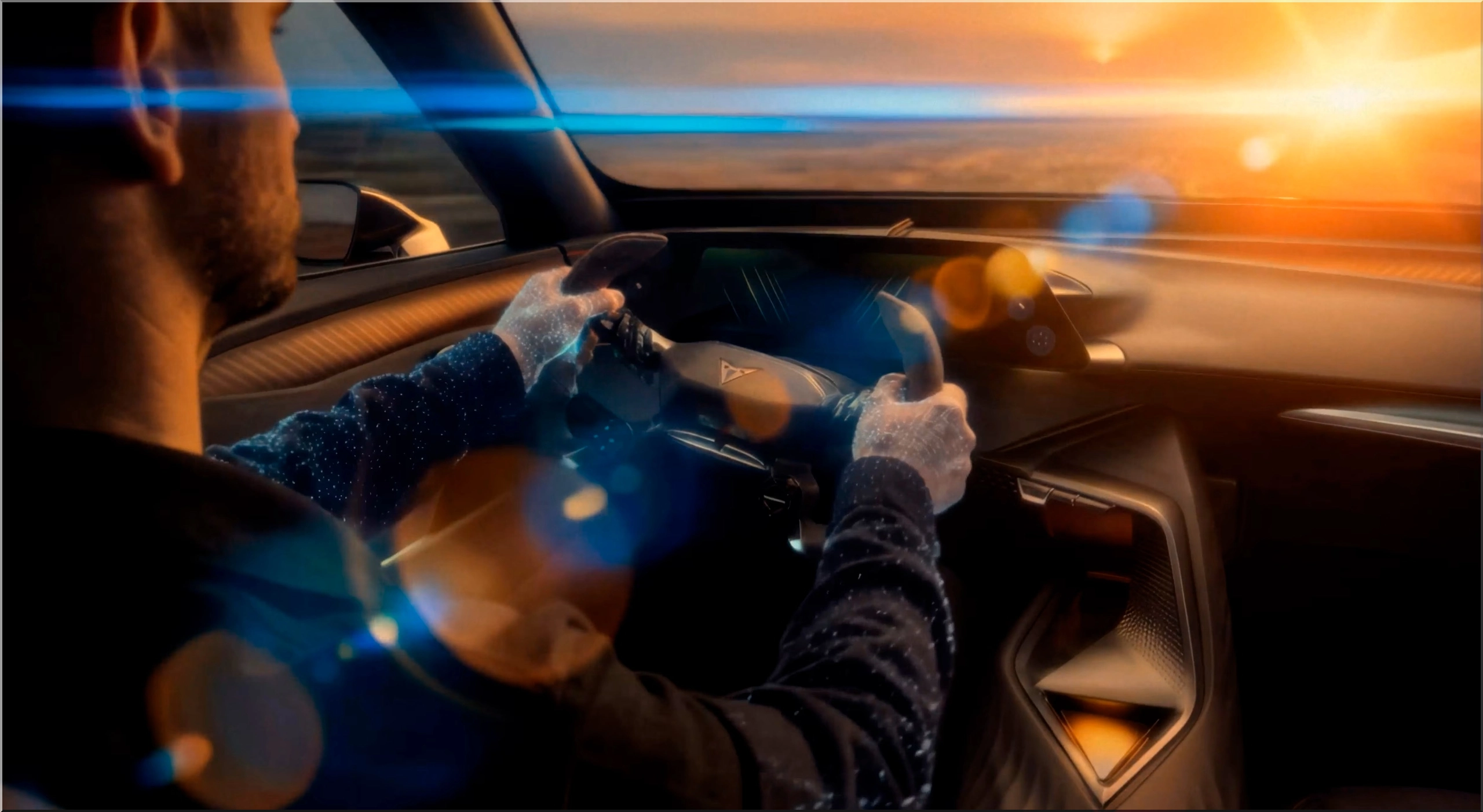
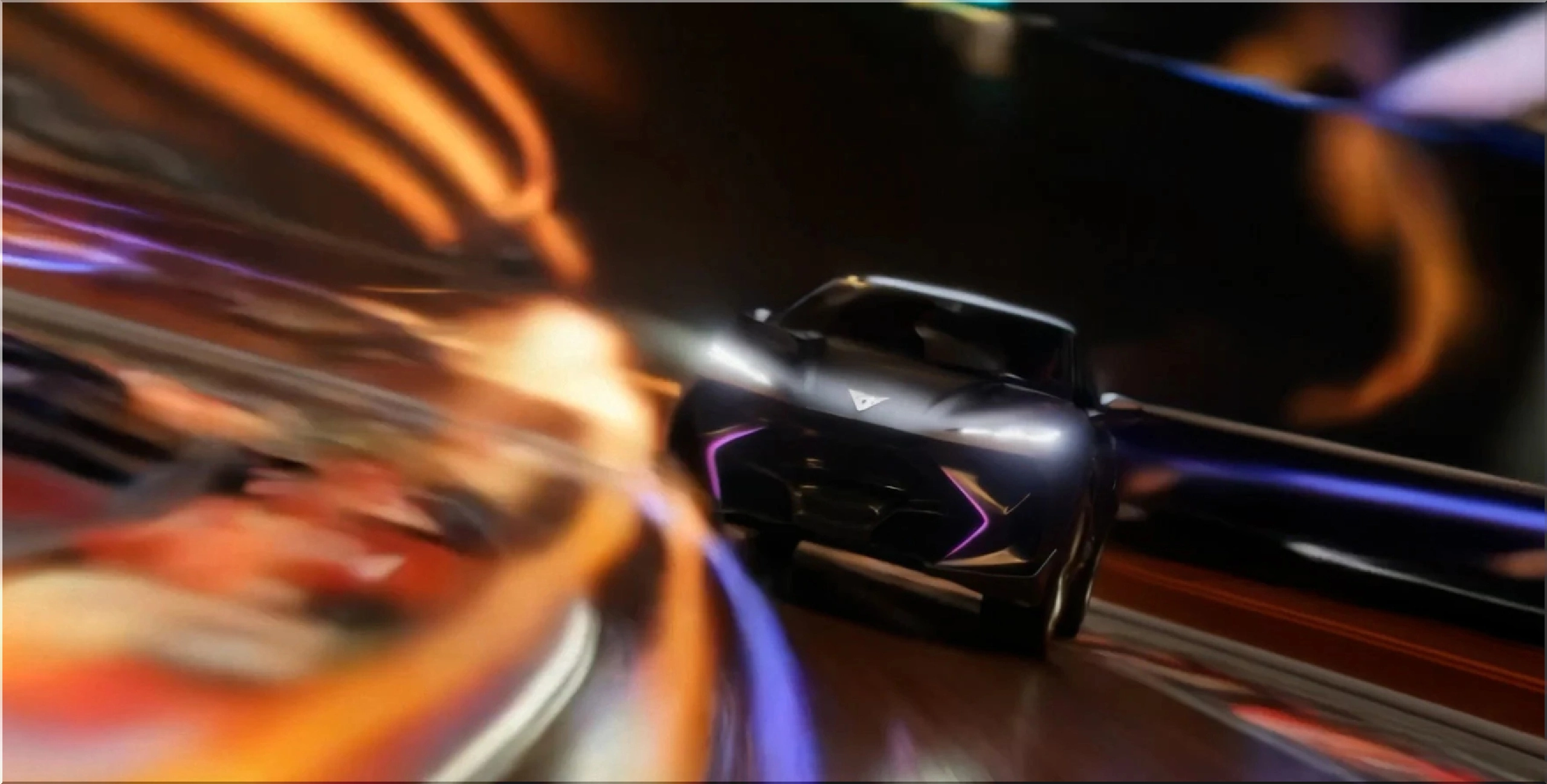
CUPRA brought together a group of automotive and lifestyle creators, introduced them to the CUPRA Tindaya showcar, then moved them into a hypnosis and guided visualisation session led by an Italian hypnotherapist. The idea was simple on paper and far stranger in execution: let participants experience the sensation of driving the car mentally, then translate those impressions into visual material through AI-generated recreations.
That sequence mattered. CUPRA did not present the Tindaya as a static design object sitting under lights. It framed the car as something to be felt, imagined, and mentally driven. In addition, the brand reinforced that setup with commentary from its design and marketing teams, turning the event into a controlled statement about how driving emotion still matters in an era dominated by screens, software layers, and automation talk.
Image
Key Elements of the Event
| Event element | What CUPRA used it to do |
|---|---|
| Creator participation | Extend reach across automotive and social media audiences |
| Guided visualisation | Shift focus from hardware to sensation |
| AI recreations | Turn personal reactions into shareable content |
| Design walkthrough | Connect the experience to future CUPRA design language |
Looking at the data, this was not a random publicity stunt. It was a tightly shaped brand exercise designed to make the Tindaya memorable without requiring CUPRA to publish the hard numbers buyers usually ask for first.
Why This Strategy Makes Sense for CUPRA
The CUPRA Tindaya remains a showcar, and that changes the rules. A production vehicle must answer practical questions about power output, range, charging speed, dimensions, packaging, and price. A showcar has a different job. It needs to set direction, sharpen identity, and create visual and emotional recall.
Specifically, CUPRA used the hypnotic test drive to keep control of the narrative. By centring the conversation on emotion, driver focus, and sensory immersion, the company avoided getting dragged into a spec-sheet debate before it was ready. Consequently, the brand protected the Tindaya's mystery while still feeding the media cycle with something fresh enough to earn coverage.
That is smart copy strategy. People rarely share a press release because a concept car has another sculpted shoulder line or another glossy interior display. They share it because the brand created a story with tension, character, and a point of view. CUPRA did that here.
Video file
Video title
CUPRA Tindaya Hypnotic Test Drive
The Tindaya's Real Job: Sell the Future of CUPRA
The Tindaya first appeared as a signal of where CUPRA wants to go next. The showcar was introduced as a bold expression of future CUPRA styling, and its message rests on one direct line: No Drivers, No CUPRA.
That line does heavy lifting. It tells readers that the brand wants to stay driver-led even as the wider market keeps drifting toward passive digital experiences. From an editorial perspective, that gives the Tindaya stronger positioning than many concept cars that speak in generic language about innovation and connectivity but say very little about what the driver actually does.
What the Tindaya Communicates About the Brand
- Driver-first philosophy remains central
- Showcar design previews future styling cues
- Immersive cabin thinking matters as much as exterior drama
- Emotion-led branding sits ahead of production detail
By comparison, many concept reveals push a lounge-on-wheels script. CUPRA is pushing a cockpit script. That is a meaningful distinction.
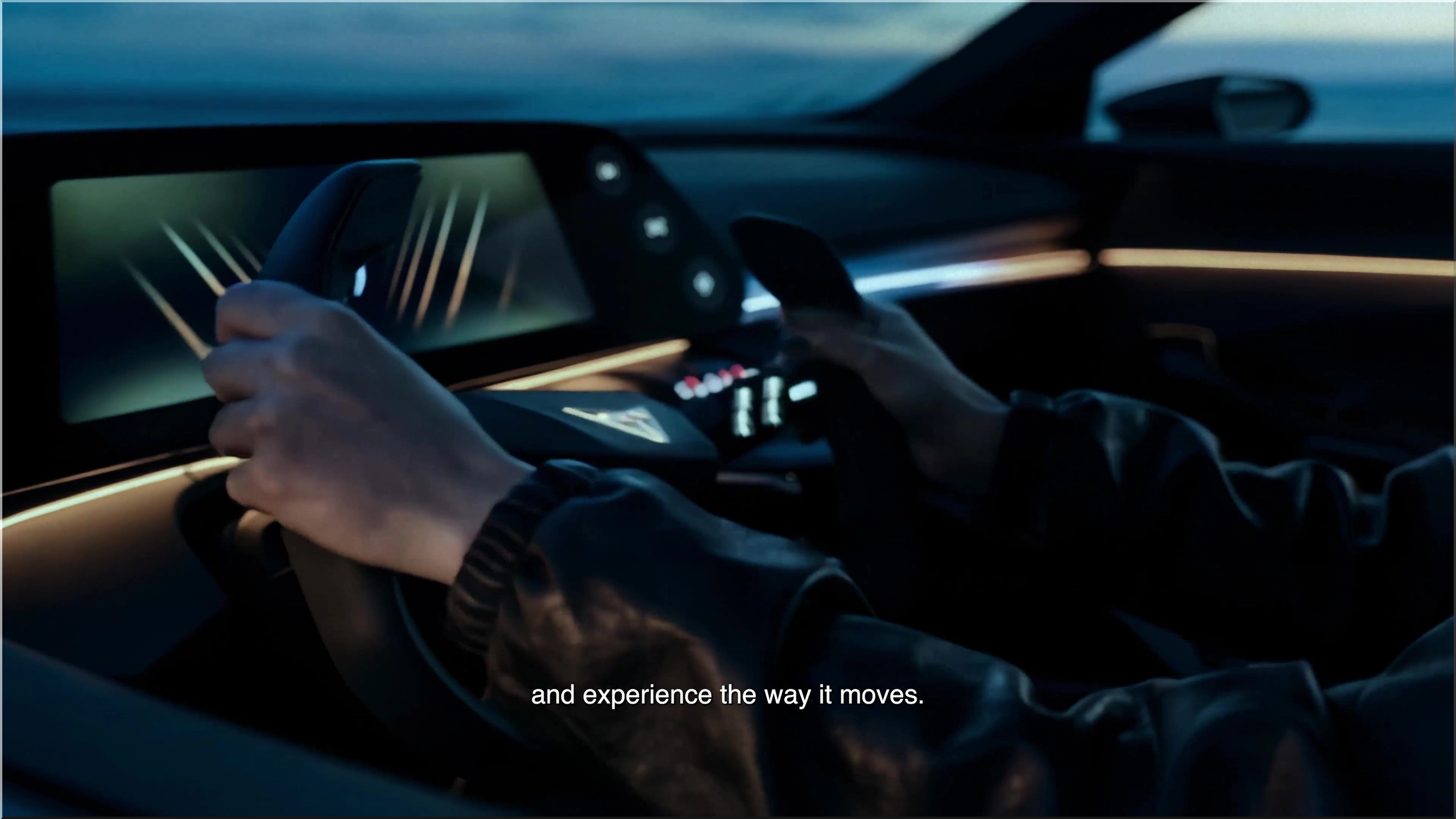
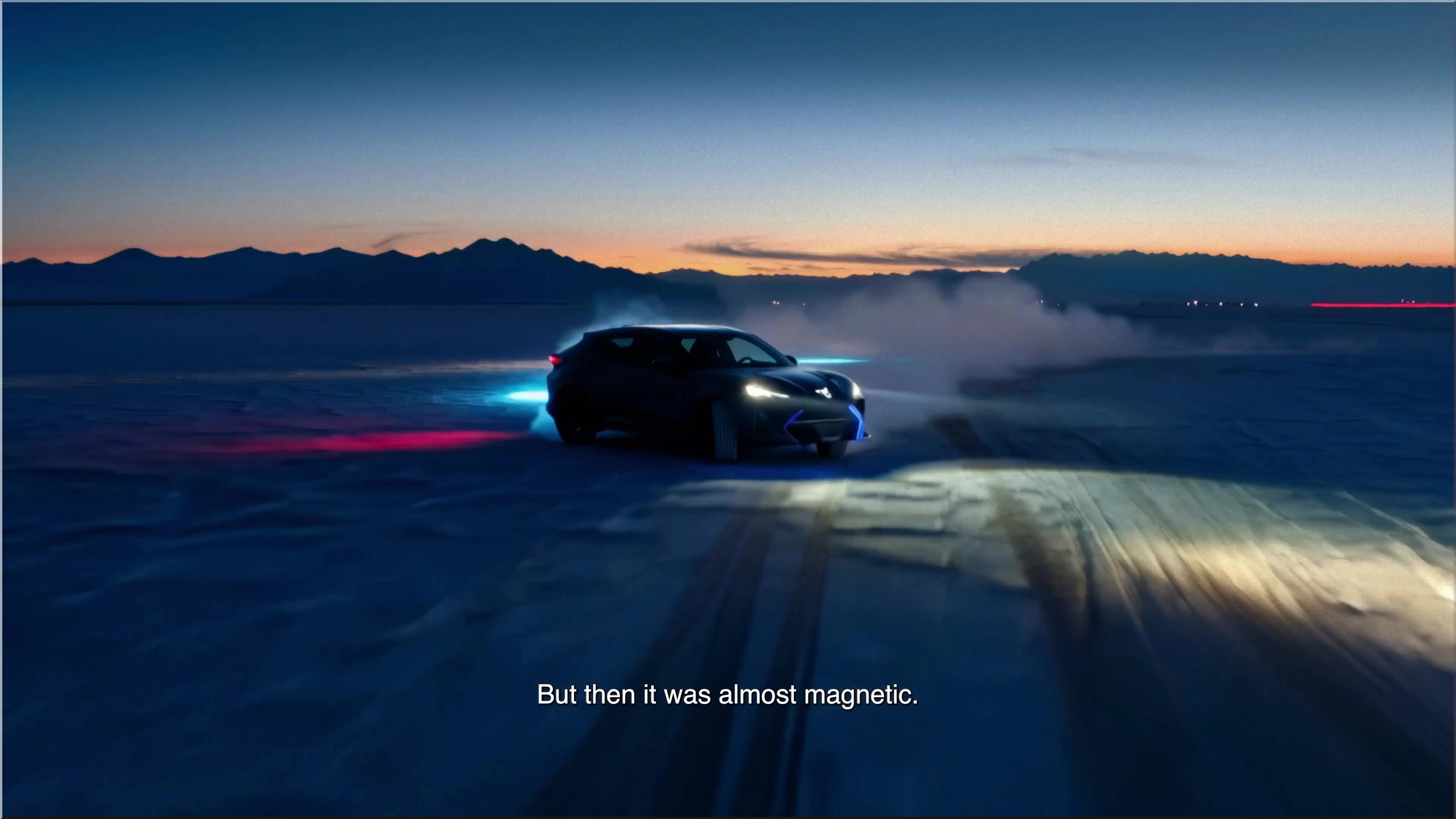
Design, Sensation, and the Logic Behind the Theatre
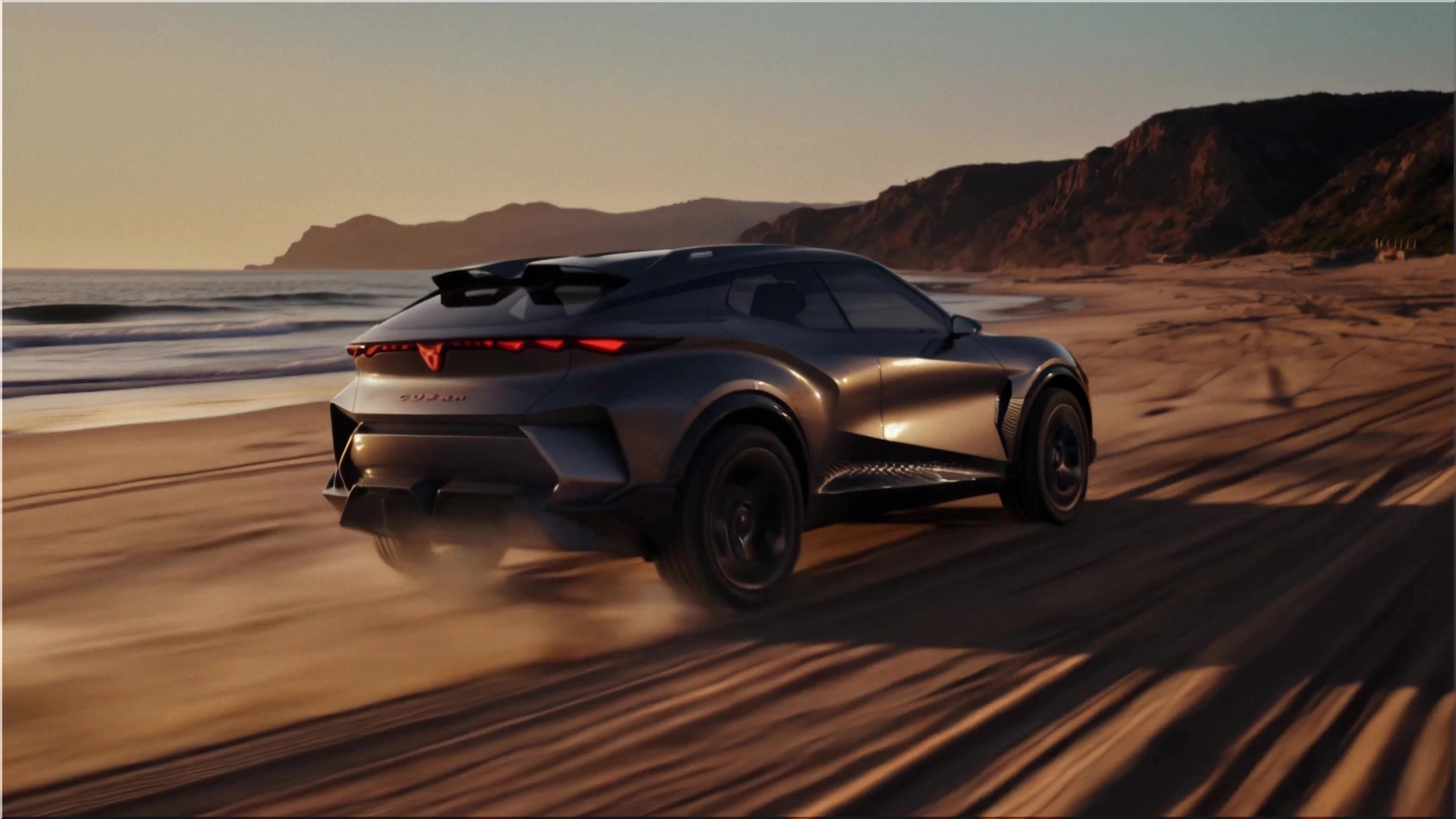
The hypnotic event worked because the Tindaya already carried a strong visual identity. CUPRA positioned the showcar as the boldest expression of its future design thinking, and that gave the mental test drive a believable anchor. Participants were not reacting to a vague idea. They were responding to a very deliberate object shaped to look intense, focused, and a little predatory.
Definition
Hypnotic test drive: A guided mental simulation used to evoke the sensation of driving without physical vehicle movement, often paired with narrative prompts, sensory cues, and post-session interpretation.
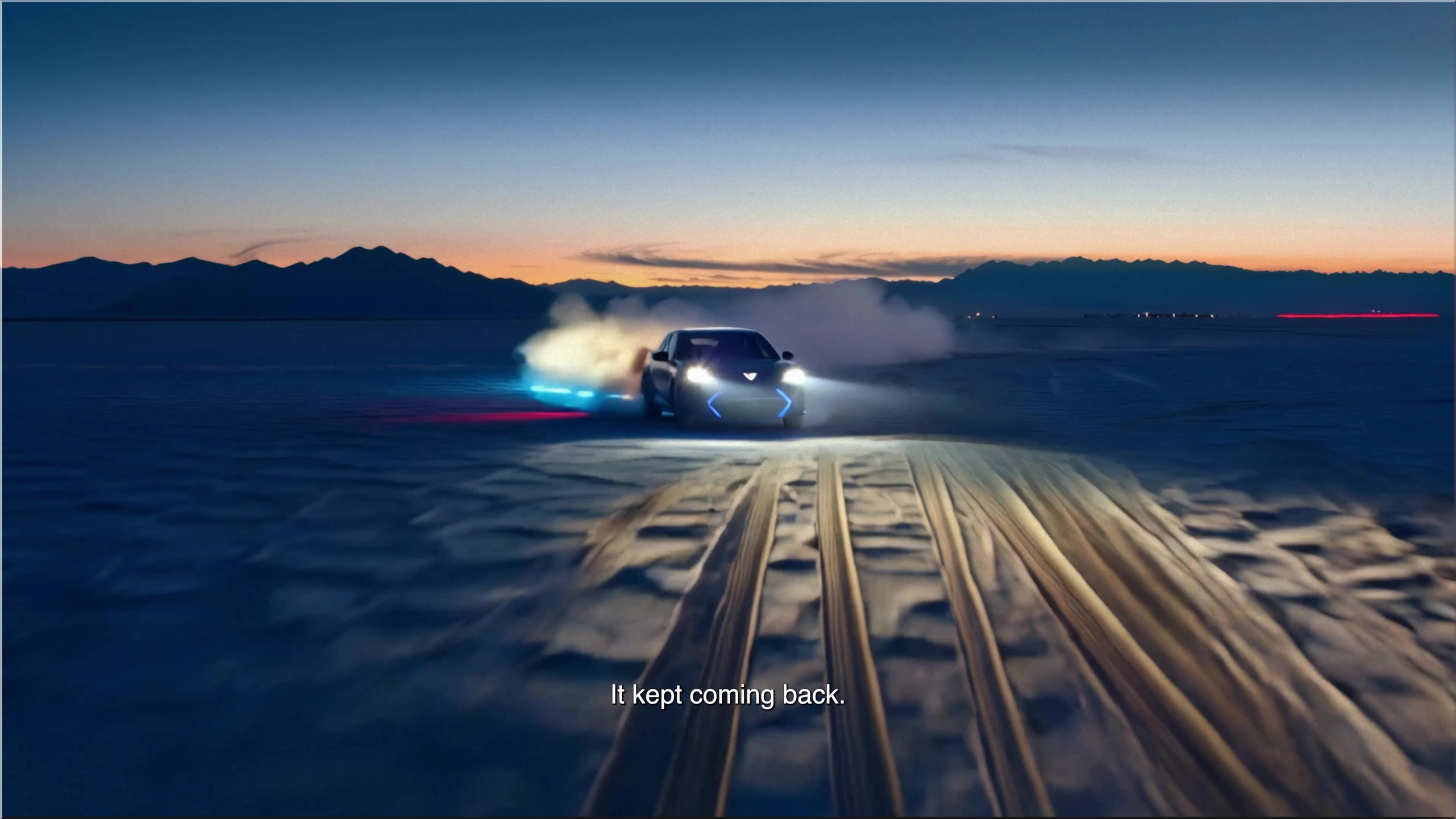
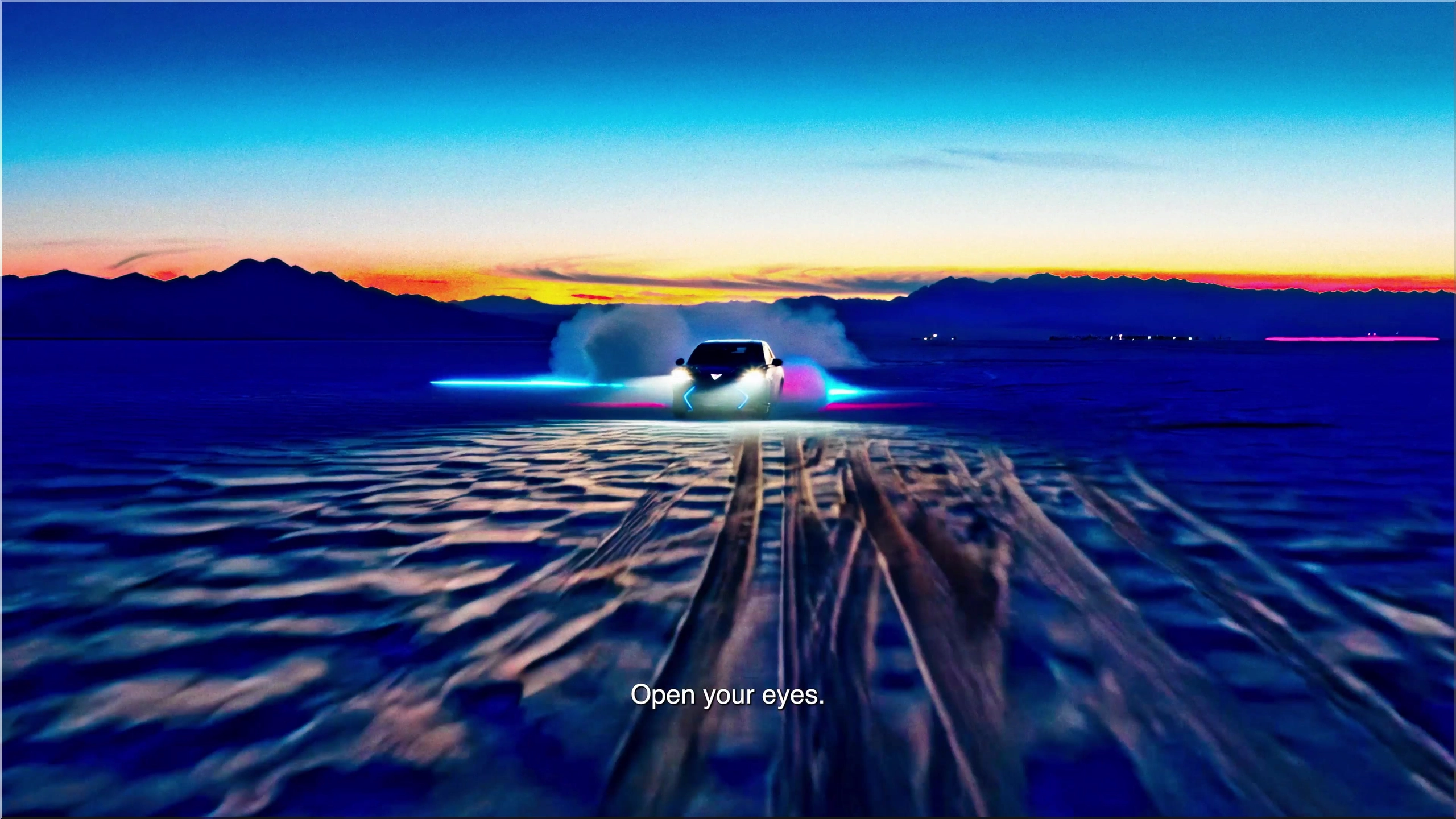
What Now for the CUPRA Tindaya?
The next question is straightforward: which parts of the CUPRA Tindaya survive into production? Watch the lighting signatures, surfacing themes, and any driver-focused interface ideas that appear in later CUPRA models. Those are the cues that usually travel from showcar to showroom.
For now, the hypnotic test drive did its job. It gave CUPRA a fresh headline, a sharper brand voice, and a concept car people will actually remember. In a crowded market, memory has value. CUPRA played for that value here, and it played the hand well.
- Add new comment
- 174 views