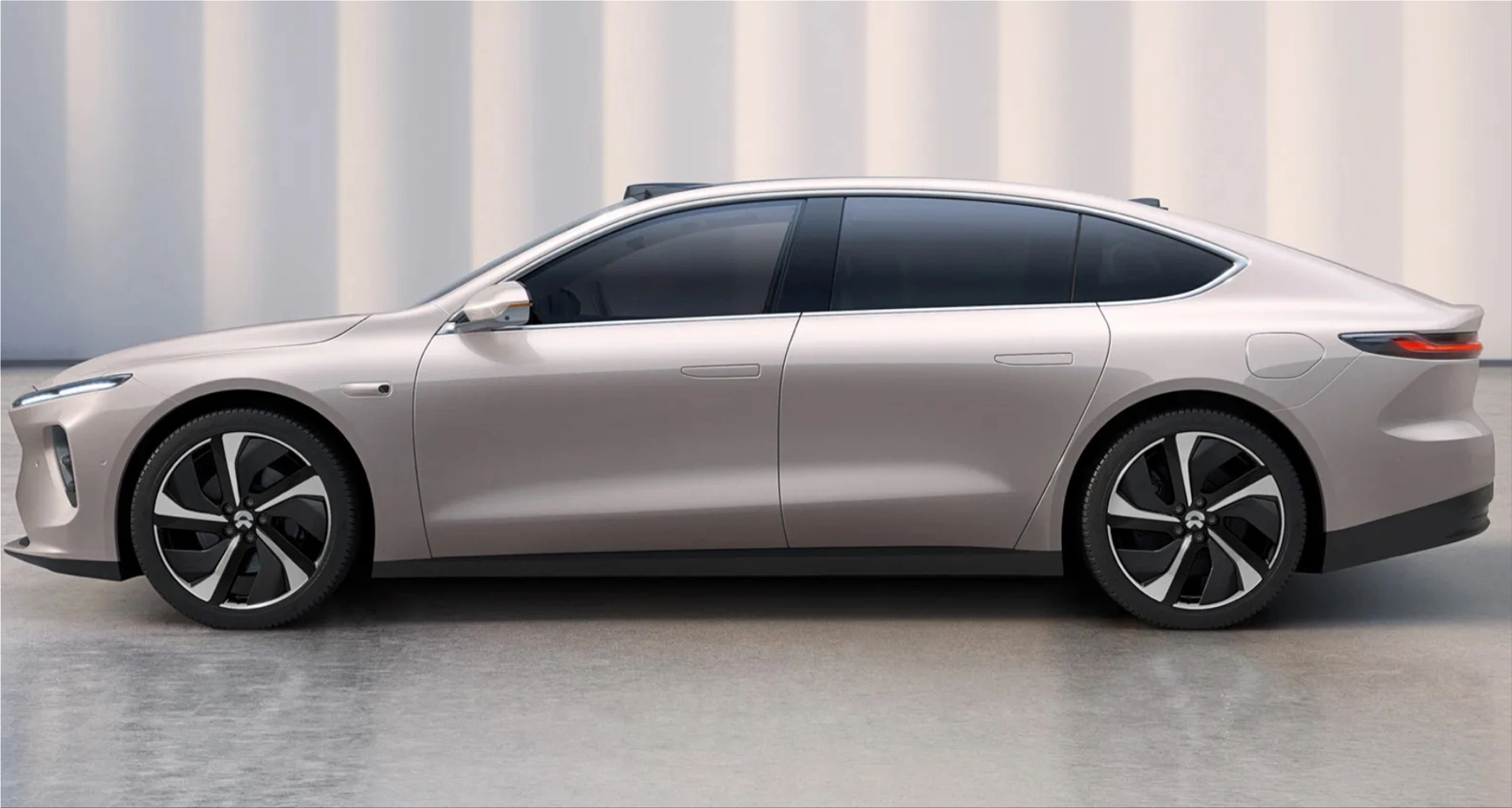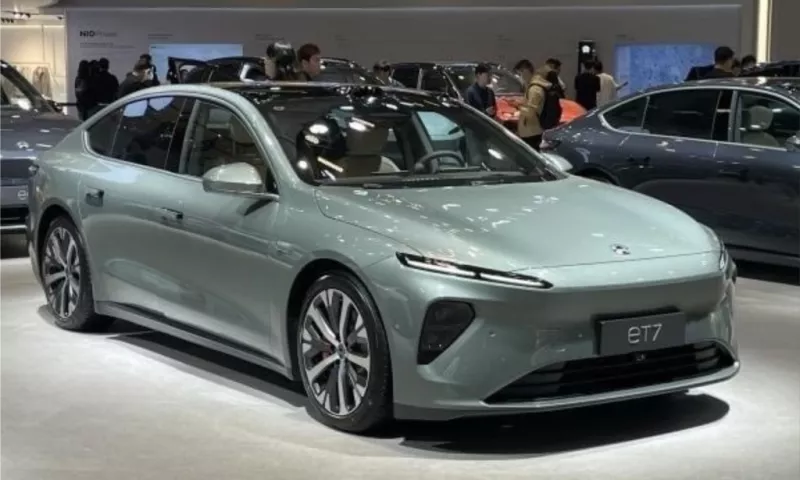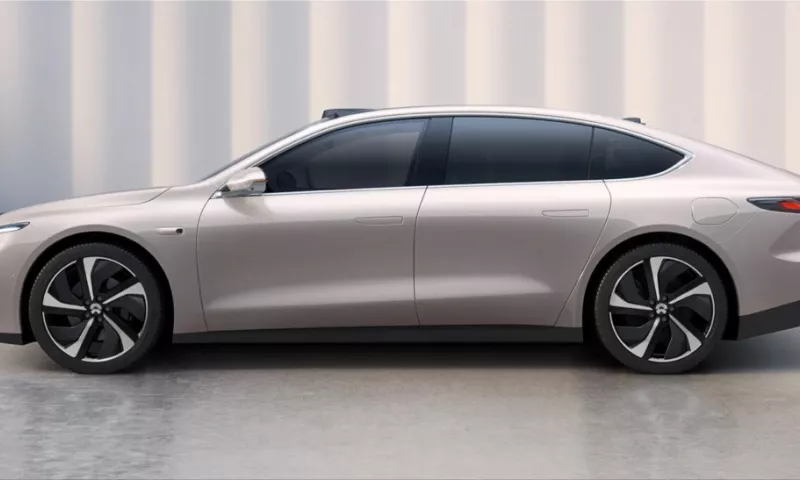
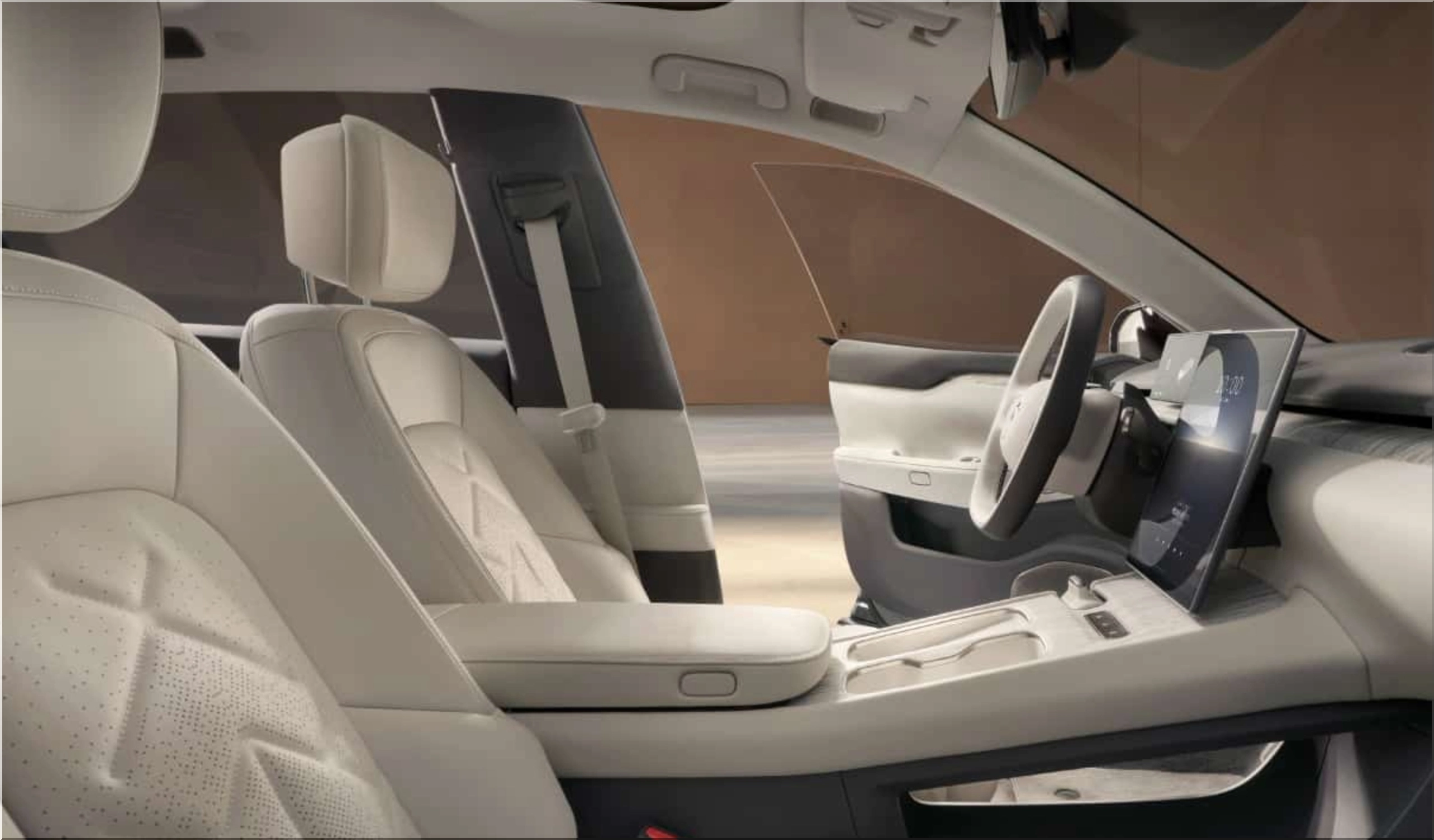
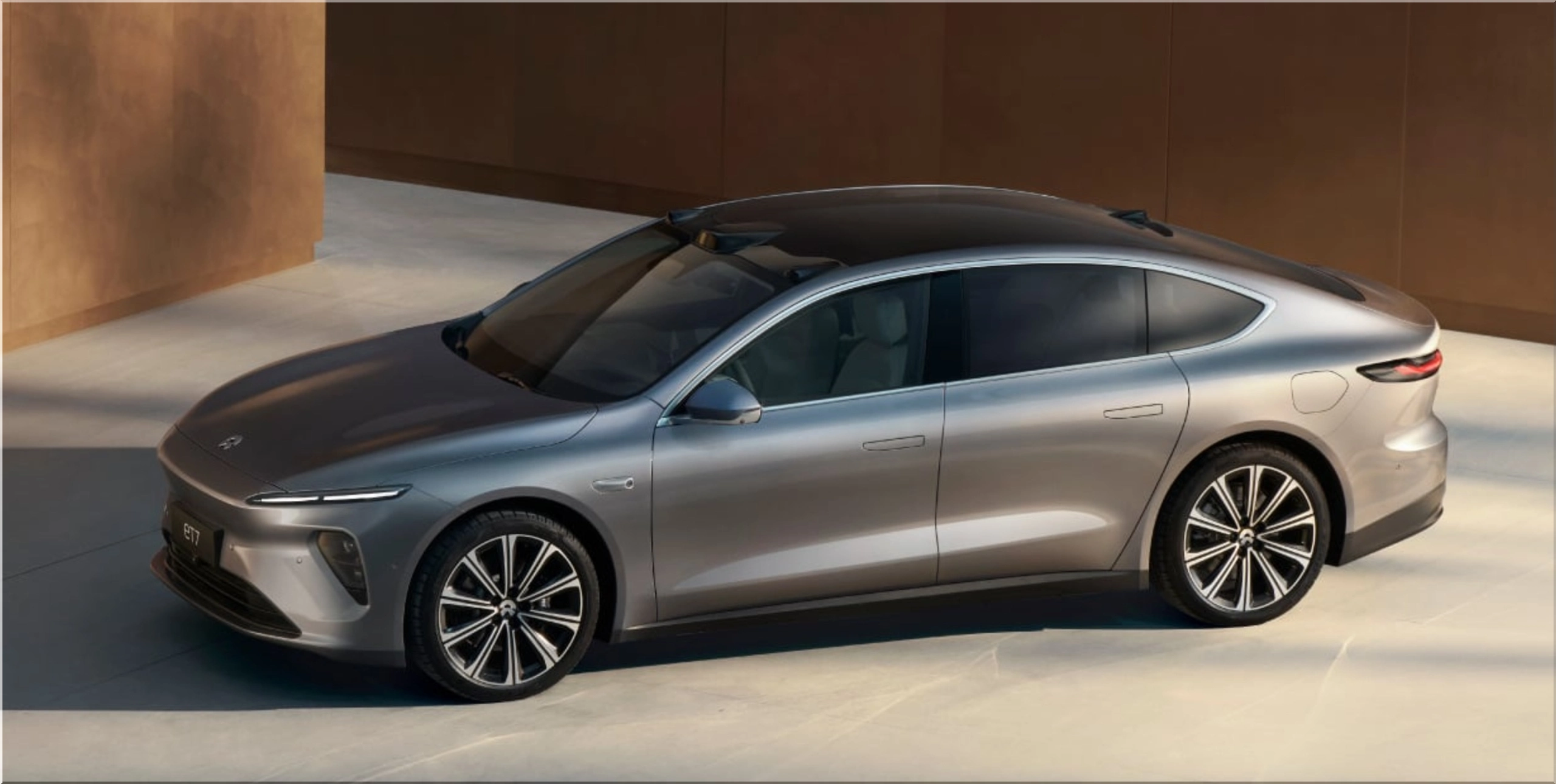
Electric vehicles (EVs) have become increasingly popular in recent years, but driving range is one of the biggest concerns for potential buyers. Nio, a leading Chinese EV manufacturer, is pushing the boundaries of what's possible by introducing their revolutionary 2024 ET7 sedan. Boasting a groundbreaking 150 kWh semi-solid state battery, the Nio ET7 achieves a staggering 1,070 kilometers (665 miles) on a single charge, according to real-world testing conducted in April 2024.
This article delves into the details of Nio's accomplishment, exploring the innovative technology behind the semi-solid state battery and its implications for the future of electric vehicles. We'll also examine the results of Nio's real-world testing, highlighting the factors contributing to the ET7's exceptional range.
Unveiling the Powerhouse: Nio's 150 kWh Semi-Solid State Battery
The secret weapon behind the Nio ET7's remarkable range lies in its 150 kWh semi-solid state battery. This next-generation battery technology offers several advantages over traditional lithium-ion batteries:
- Higher Energy Density: Semi-solid state batteries can pack more energy into the same size as conventional lithium-ion batteries. This translates to a significant increase in electric vehicle driving range.
- Improved Safety: Due to their reduced flammability, semi-solid-state batteries are considered to be safer than traditional lithium-ion batteries.
Nio's 150 kWh semi-solid state battery is a significant leap forward in EV battery technology. While solid-state batteries are still under development, semi-solid state batteries offer a bridge between current lithium-ion technology and the promise of even longer-range EVs in the near future.
Real-World Testing: The Nio ET7 Conquers the Road
To showcase the capabilities of the 150 kWh semi-solid state battery, Nio conducted a series of real-world driving tests in April 2024. The ET7 was put to the test on three different routes across China, achieving impressive results:
- Kunming to Zhanjiang: 1,070 kilometers (665 miles) with an average energy consumption of 12.7 kWh per 100 kilometers.
- Beijing to Hefei: 1,062 kilometers (660 miles) with an average energy consumption of 13.0 kWh per 100 kilometers.
- Shanghai to Xiamen: 1,046 kilometers (650 miles) with an average energy consumption of 13.3 kWh per 100 kilometers.
These test results demonstrate the exceptional range achievable with the Nio ET7 and its semi-solid state battery. Even on the most challenging route, the ET7 surpassed the 1,000 kilometer mark, a feat unheard of for most EVs on the market today.
Factors Contributing to the Nio ET7's Long Range
Several factors contributed to the Nio ET7's impressive performance in real-world testing:
- The 150 kWh semi-solid state battery: As discussed earlier, this innovative battery technology boasts a high energy density, enabling the ET7 to travel long distances on a single charge.
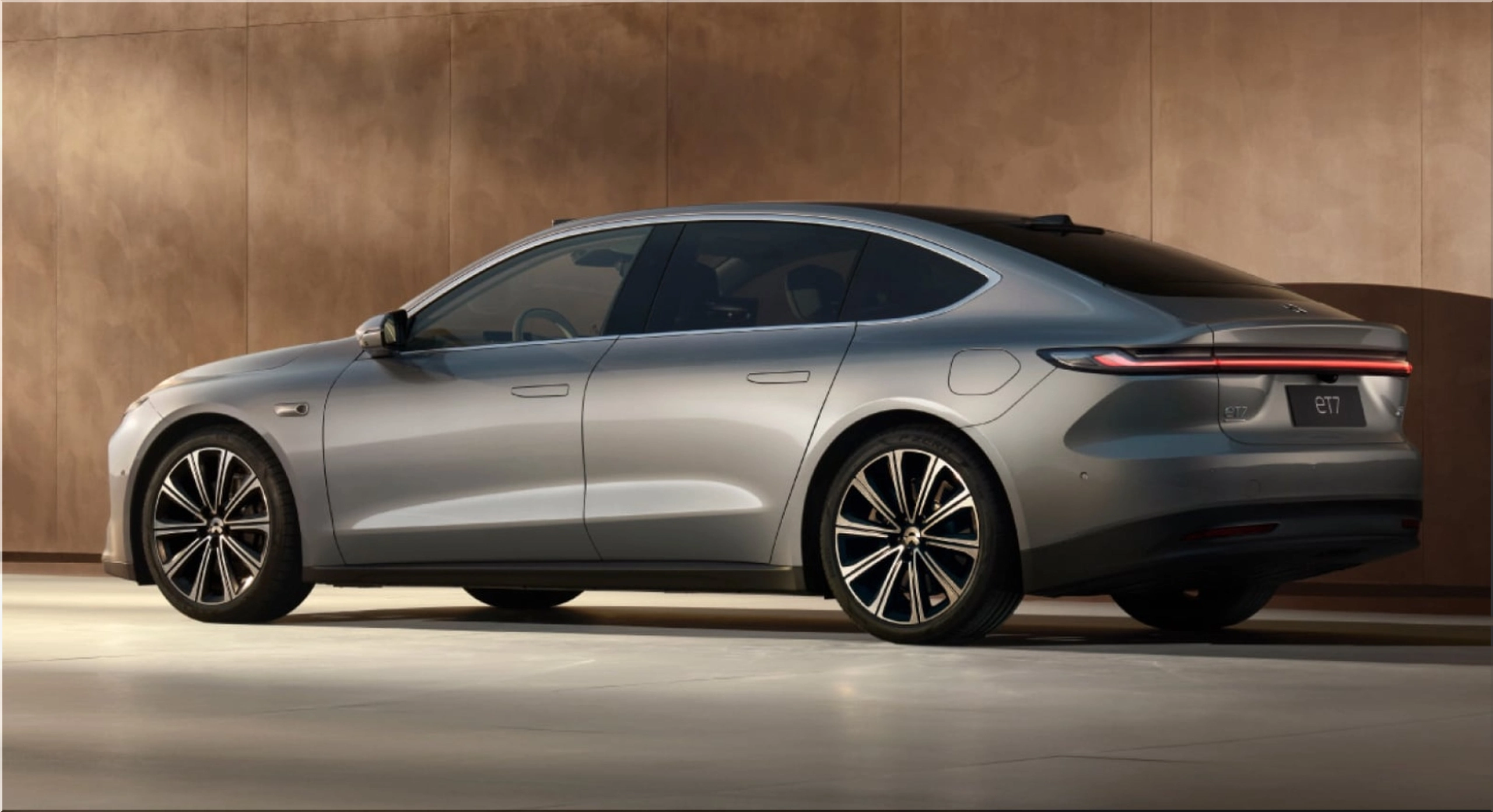
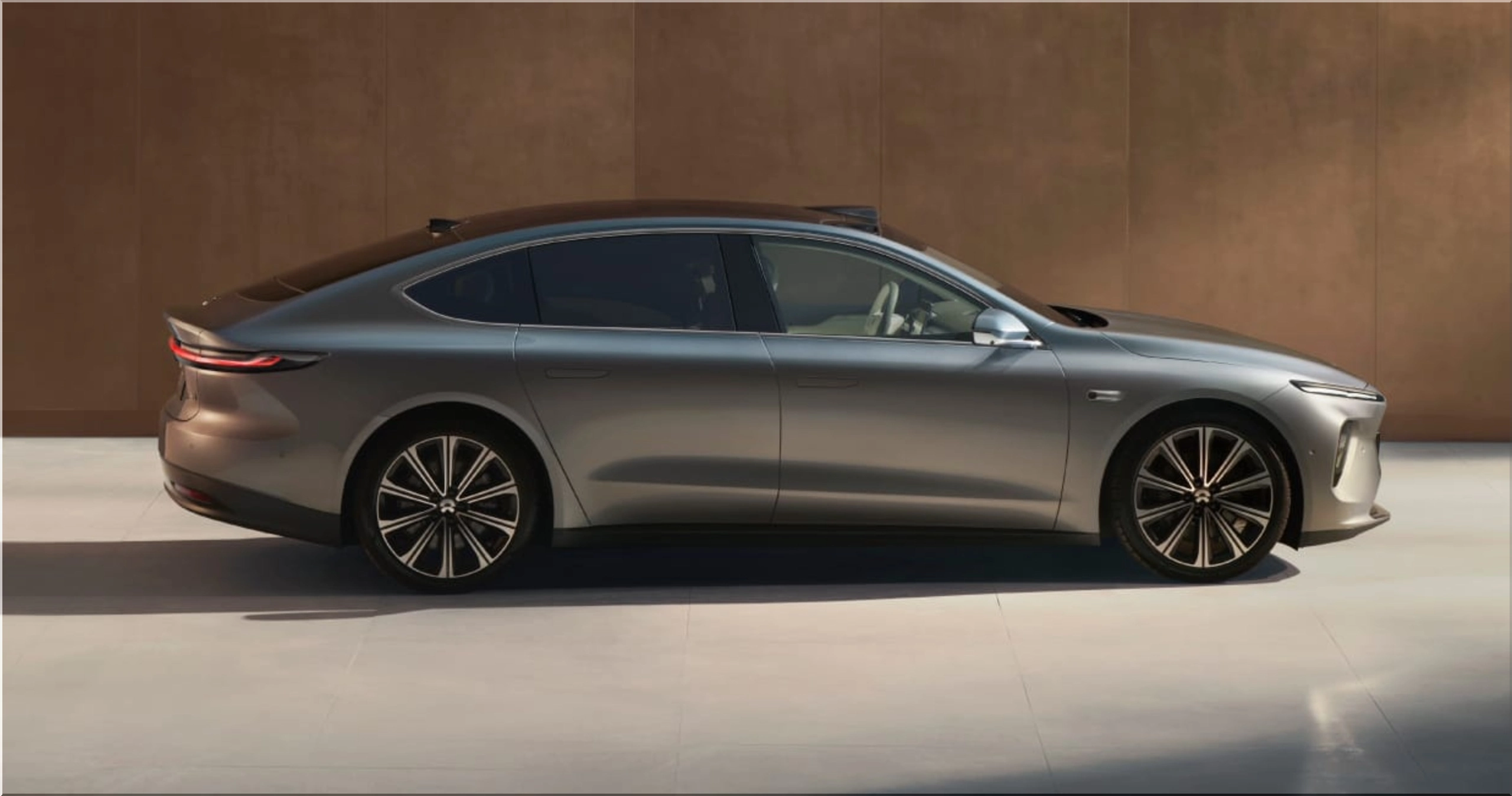
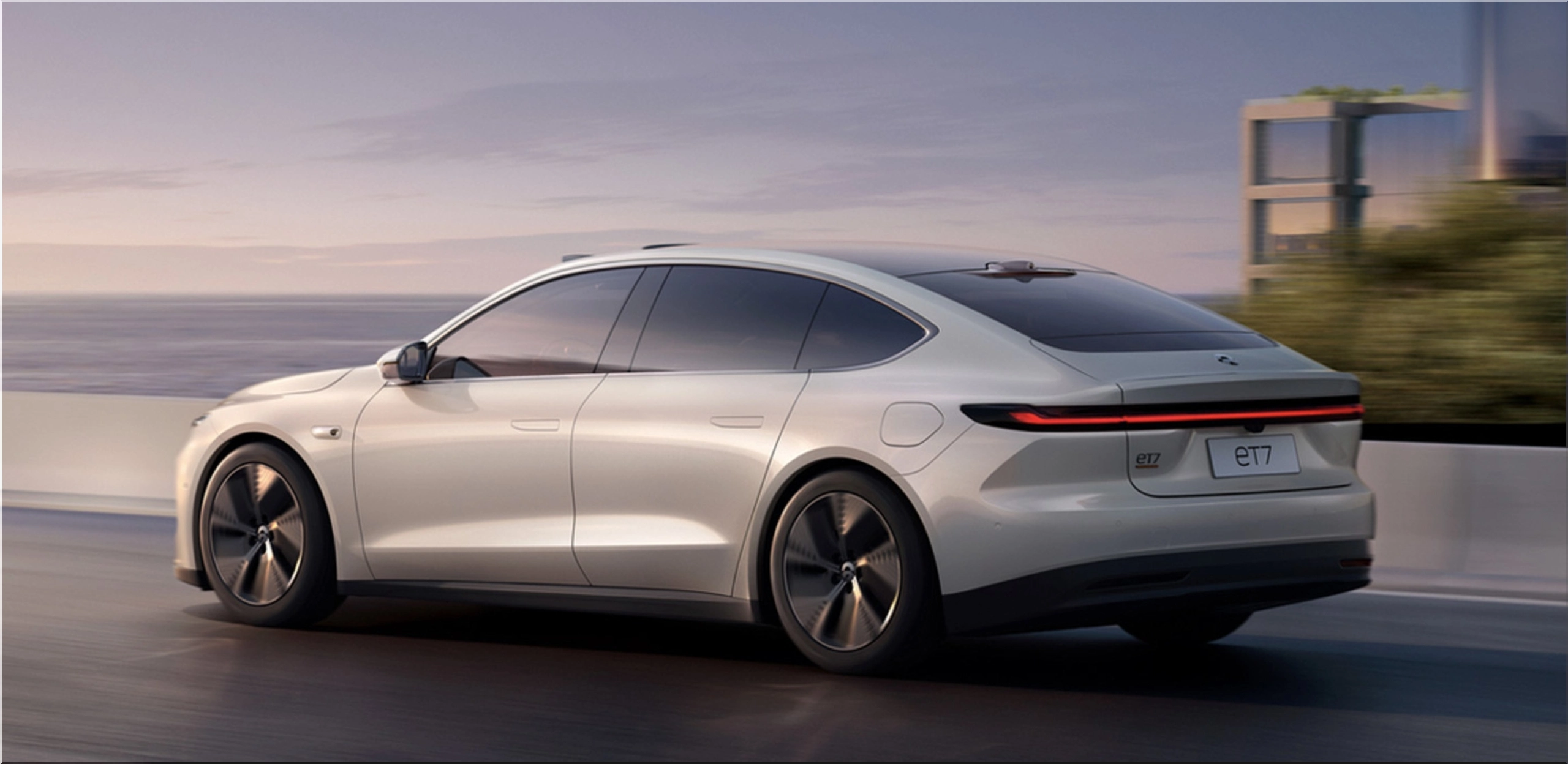
- Aerodynamic design: The ET7's sleek and aerodynamic design minimizes wind resistance, reducing energy consumption and extending range.
- Energy-efficient drivetrain: Nio equips the ET7 with a highly efficient electric motor that maximizes power output while minimizing energy waste.
- NIO Pilot Plus: The ET7 features NIO Pilot Plus, a suite of advanced driver-assistance systems that can help optimize driving efficiency and range.
The Future of Electric Vehicles: A Brighter, Longer-Range Horizon
Nio's achievement with the ET7 marks a significant milestone in the development of electric vehicle technology. The semi-solid state battery paves the way for a future where EVs can achieve ranges comparable to gasoline-powered vehicles, potentially eliminating range anxiety for a wider range of drivers.
As EV technology continues to evolve, we can expect to see even longer ranges, faster charging times, and improved battery safety. The Nio ET7 is a glimpse into this exciting future, and it's a strong indicator that electric vehicles are on the cusp of a major breakthrough.
- Add new comment
- 388 views