Peugeot’s 205 remains one of the most iconic small cars of the 1980s. Launched in 1983, it transformed Peugeot’s image and became a sales success across Europe. Yet, one version was curiously absent from showrooms — a station wagon. What many enthusiasts don’t know is that two distinct prototypes were built, one in Italy and one in Belgium. Both aimed to extend the 205’s versatility, but neither made it to mass production.
Pininfarina’s 1984 Vision: The Verve
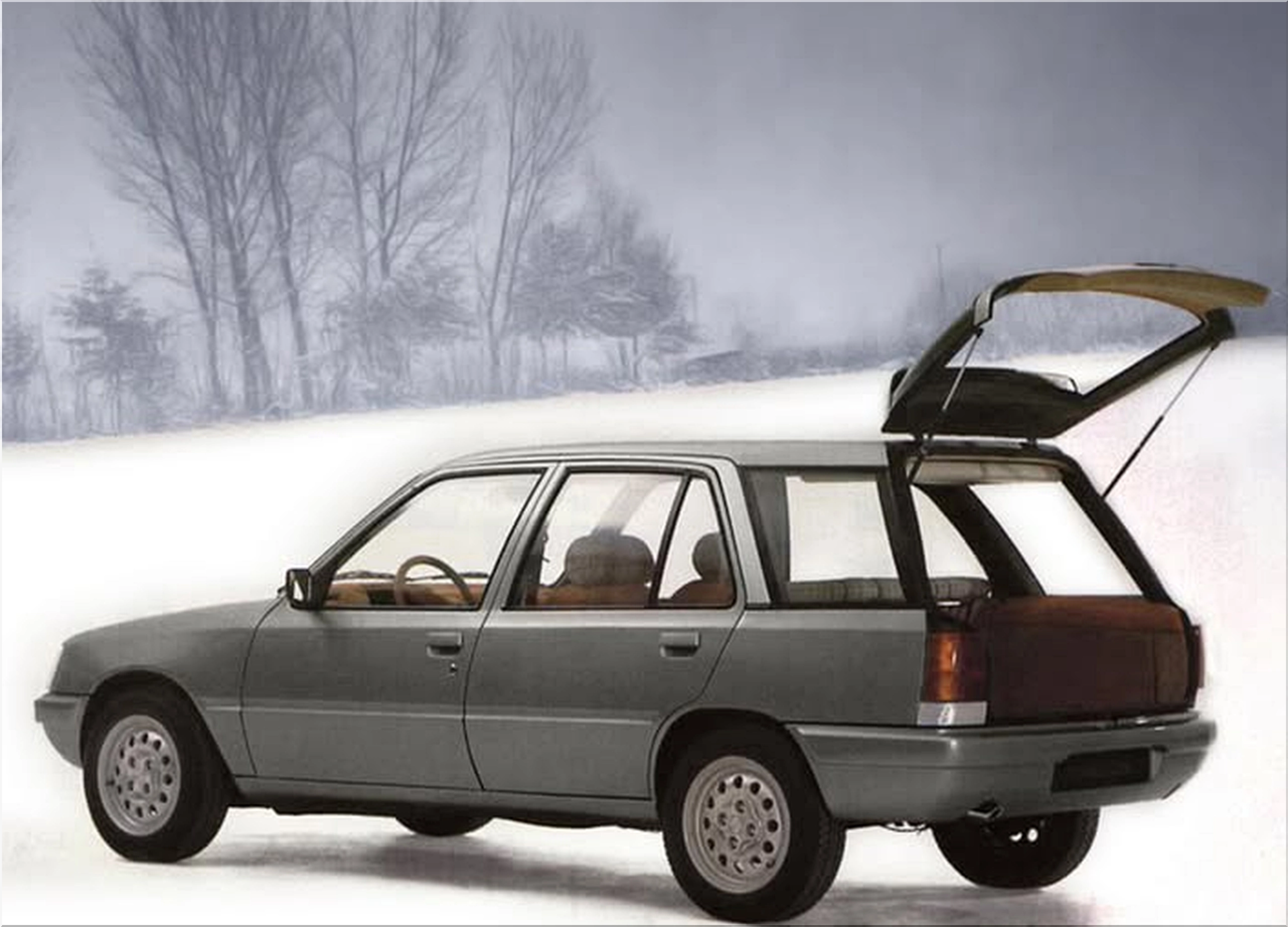
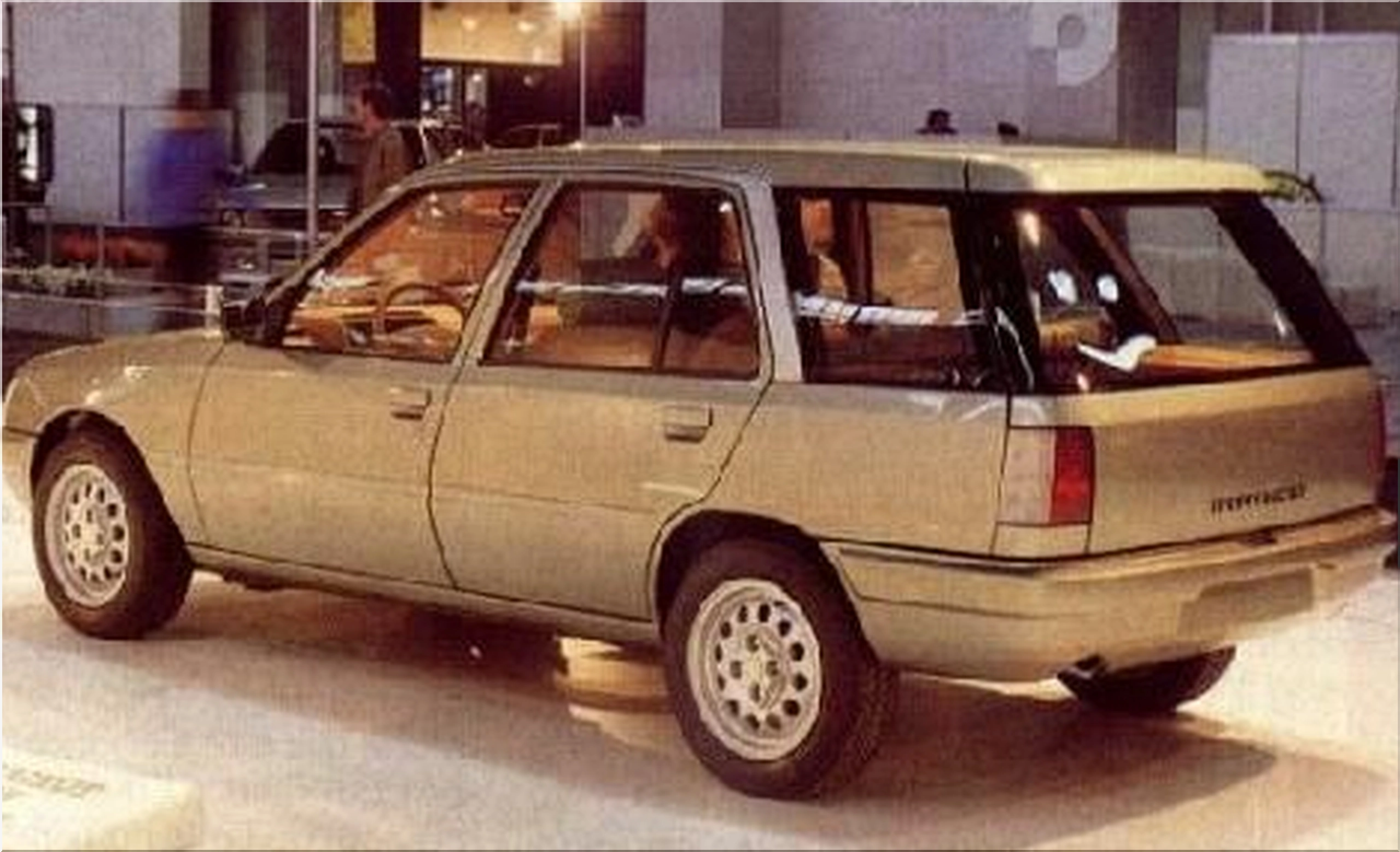
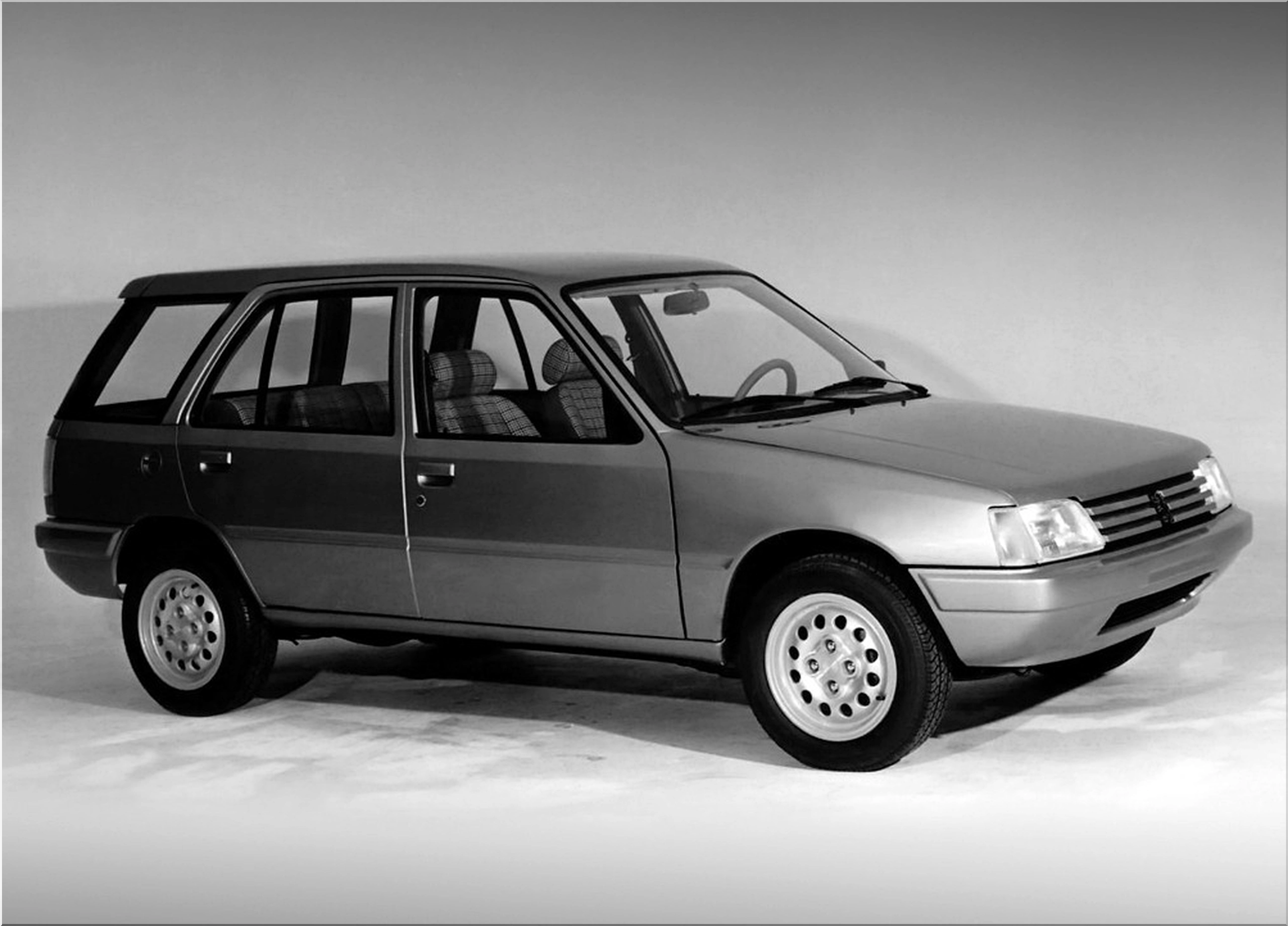
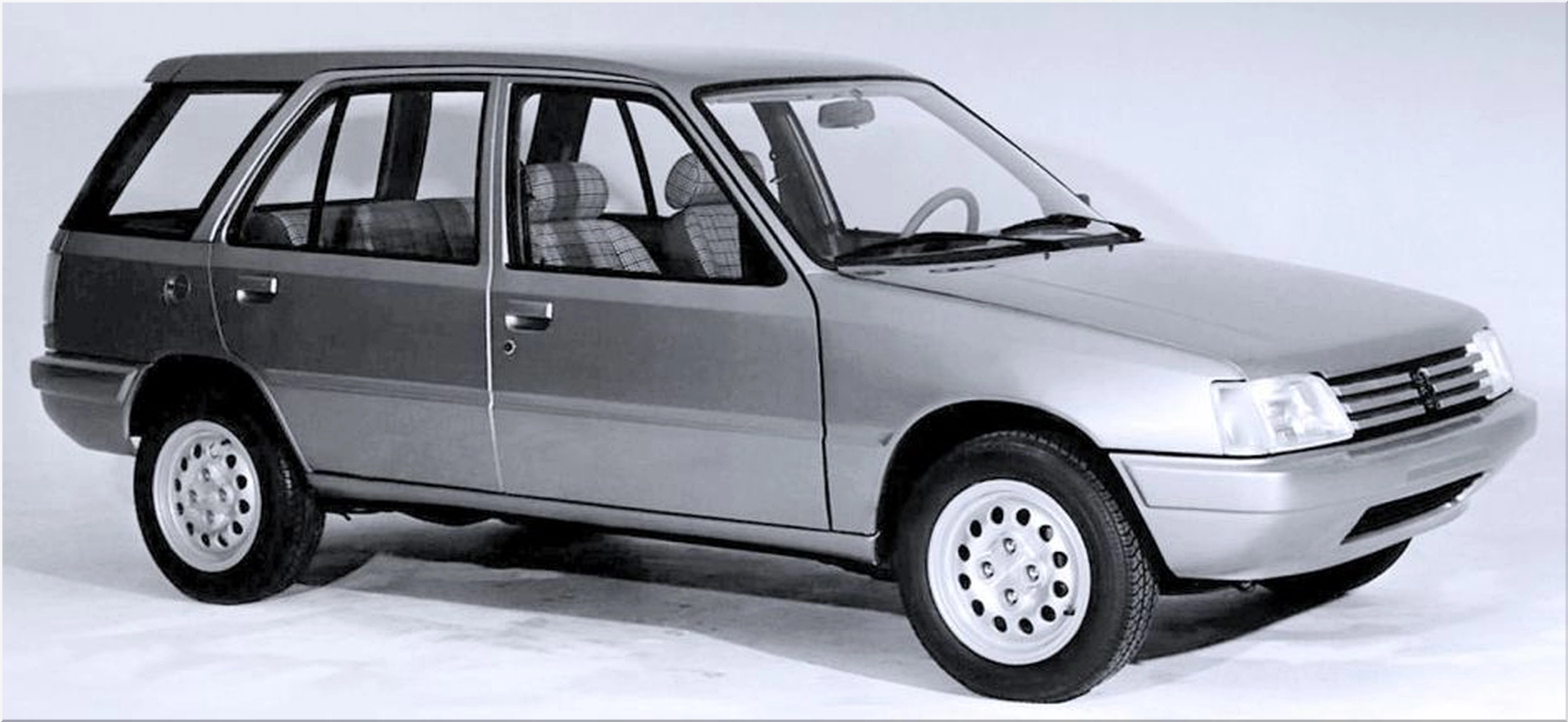
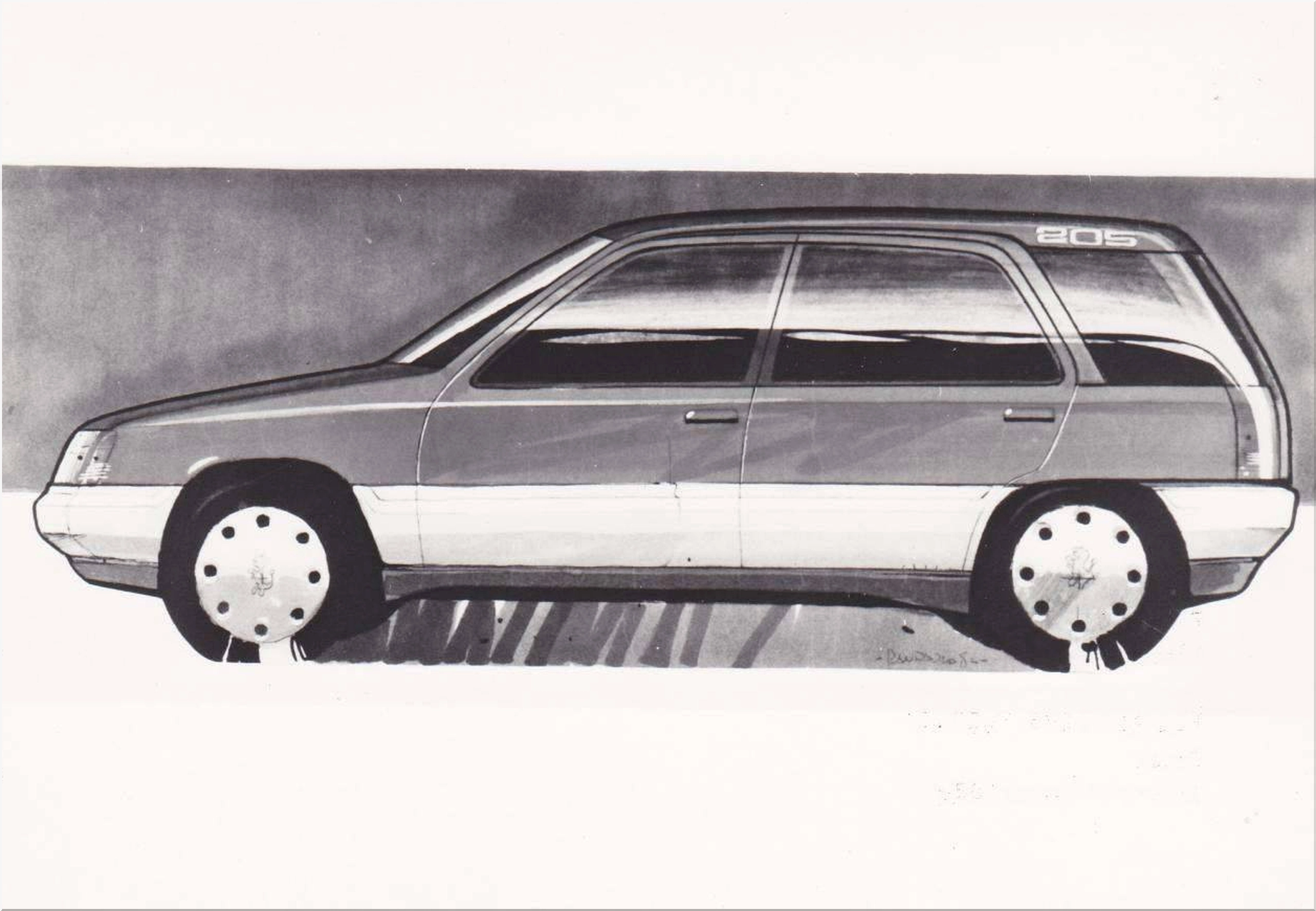
In 1984, just months after the 205’s debut, Pininfarina presented the 205 Verve at the Turin Motor Show. The Italian design house proposed it as a replacement for the older Peugeot 204 Break. Its design featured a “floating roof” effect — created using blacked-out rear pillars — and a wide rear hatch for easier cargo access.
The Verve used four doors taken directly from the standard 205 five-door model to reduce manufacturing costs. To enhance its sporty appeal, Pininfarina fitted GTI alloy wheels, emphasizing Peugeot’s new focus on driving enjoyment and design flair.
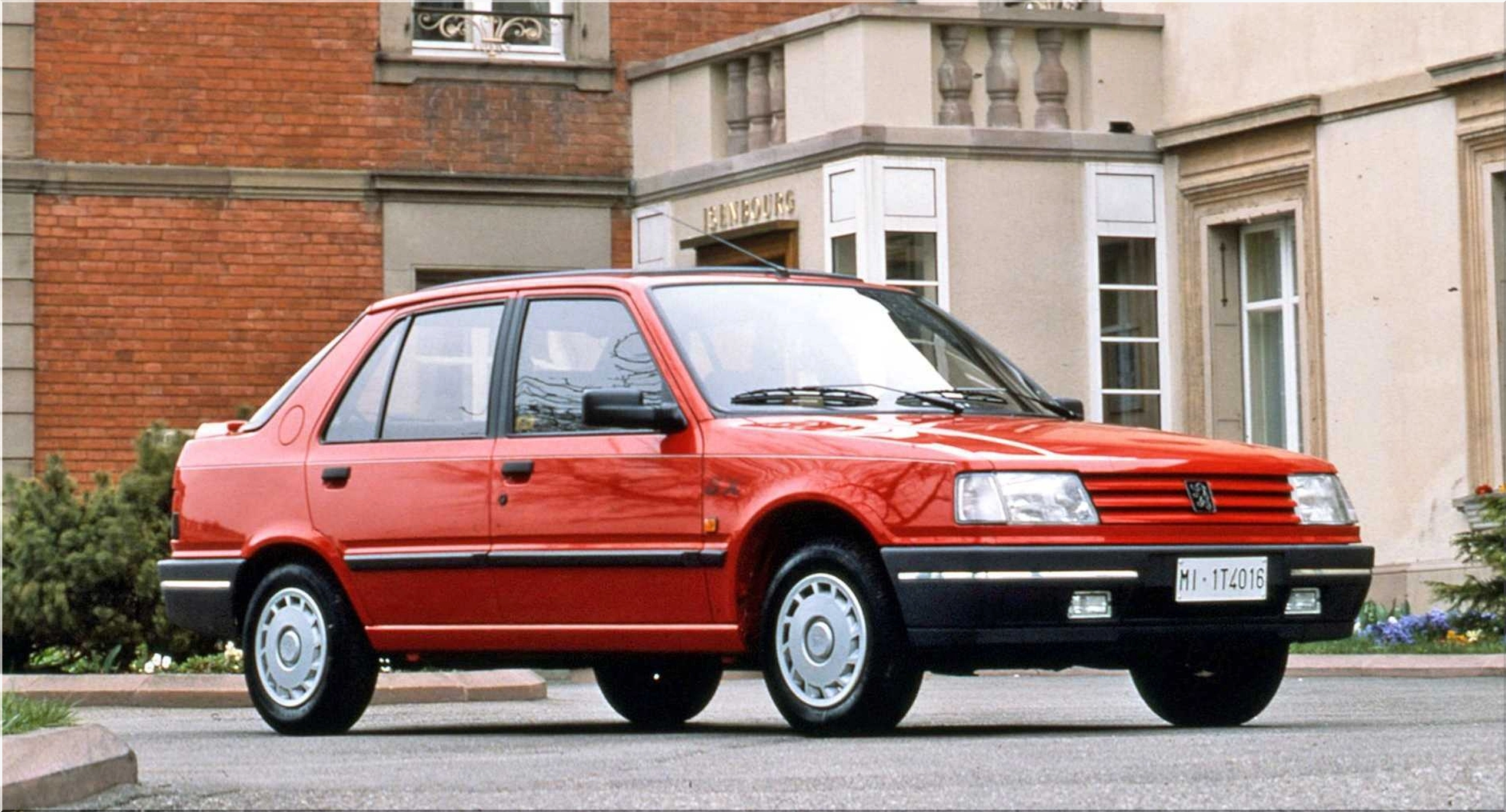
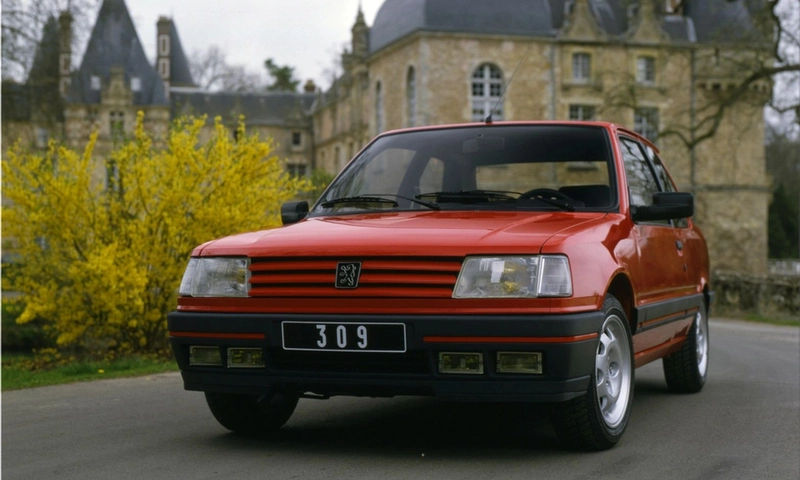
Industry observers praised the prototype for its clean lines and functional layout. It offered more space without altering the car’s core proportions, making it a practical yet stylish evolution of the 205. Despite positive attention, Peugeot rejected production to avoid competition with the upcoming Peugeot 309, a larger hatchback positioned for families.
No additional units were built. The single prototype was likely dismantled, leaving only a few surviving photos. Still, it planted the idea that a Peugeot 205 wagon could have succeeded if market timing had been different.
Why Peugeot Canceled the Verve
Peugeot’s management believed the 309 covered the small family segment the wagon would target. Producing both could have caused internal competition and diluted sales. At the time, Peugeot prioritized manufacturing efficiency over niche variants, a common trend among European automakers during the early 1980s.
Image
The Belgian Attempt: Peugeot 205 Break Nepala
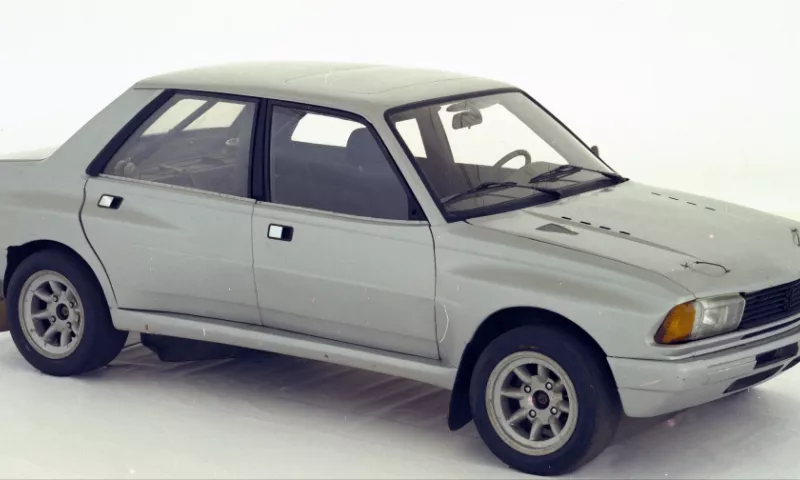
Three years later, in 1987, a second project emerged — this time outside Peugeot’s official development program. In Belgium, coachbuilder Jean Pirard and designer Benoît Contreau launched a small-scale conversion effort to create a Peugeot 205 station wagon.
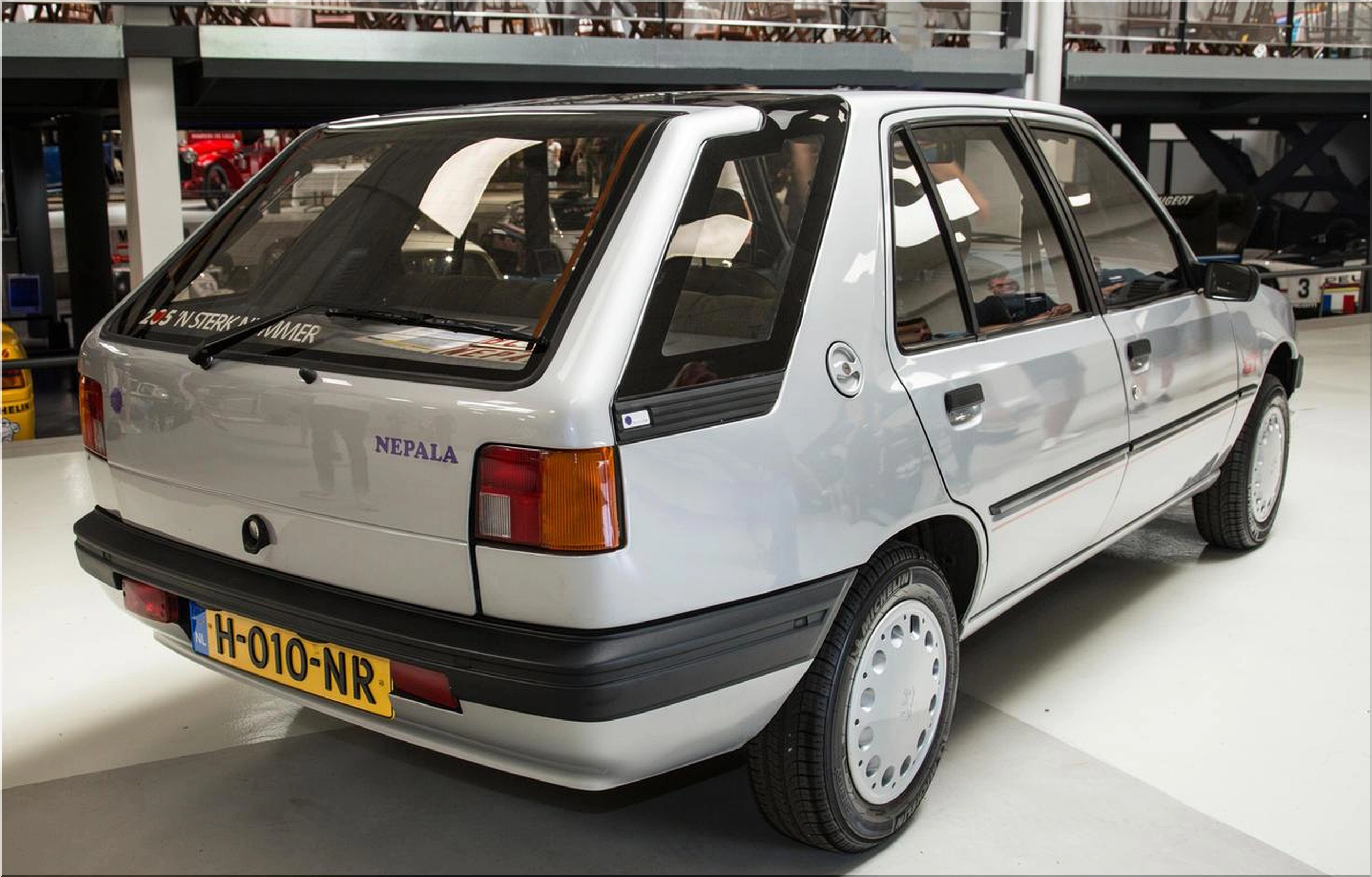
Their version, called the 205 Break Nepala, extended the standard 5-door body by about 30 centimeters (11.8 inches). Pirard’s team removed the original hatch and replaced it with a fiberglass extension, including wraparound glass for improved visibility. However, the intricate design proved difficult and expensive to produce.
The Nepala was handmade, using new 205 chassis purchased directly from Peugeot dealers. But despite initial optimism, only two units were completed:
- The first was a mock-up and prototype, later dismantled.
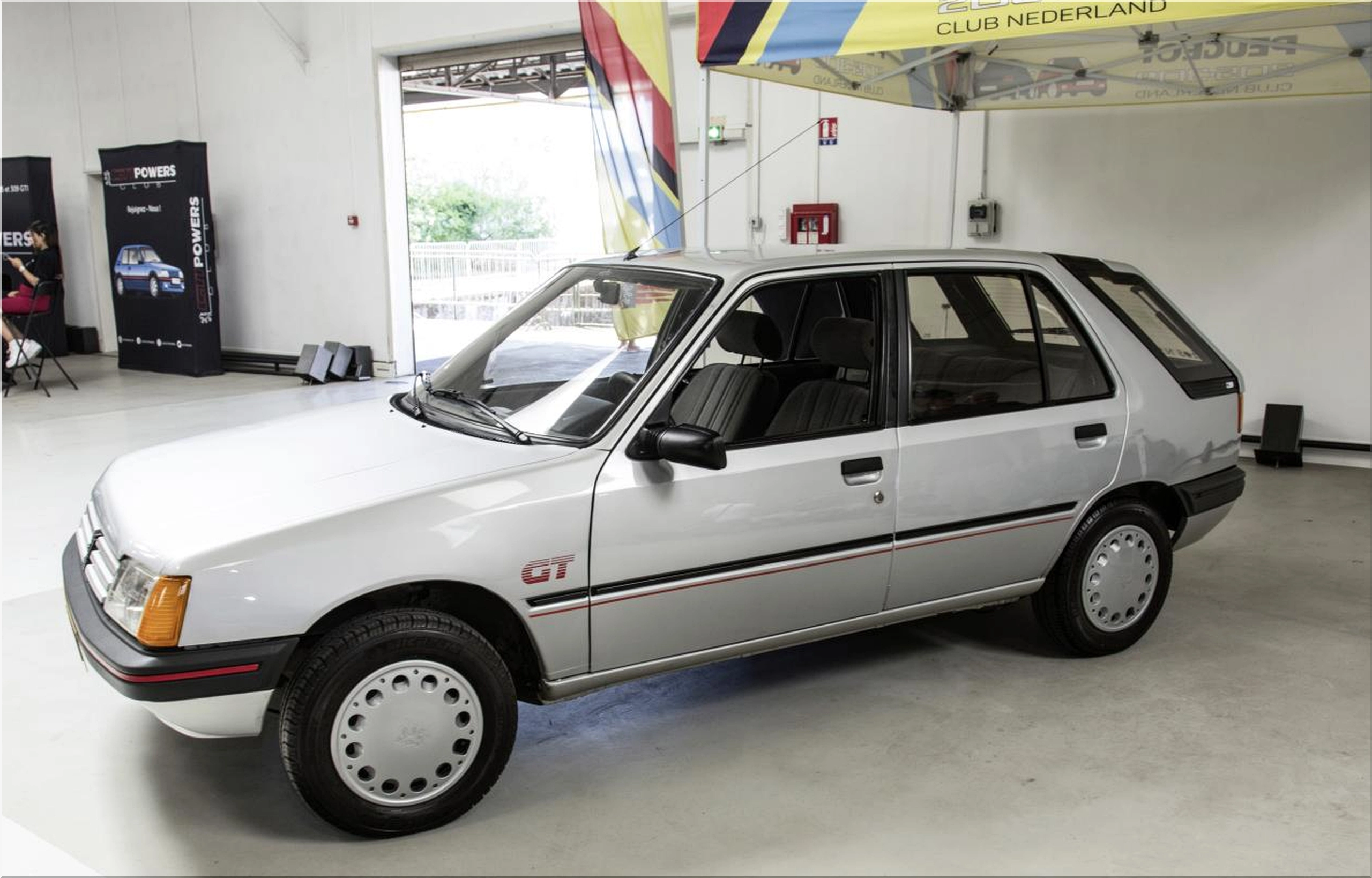
- The second survived and remains operational today in the Netherlands, preserved by the president of a Peugeot 205 and 309 enthusiasts’ club.
The project’s downfall stemmed from the complex rear glazing and high labor costs. The fragile fiberglass structure also required constant maintenance, limiting commercial potential. Still, the Nepala remains a testament to independent innovation within Europe’s small-car industry during the 1980s.
Peugeot’s Missed Opportunity in the Compact Wagon Segment
While the 205 became a best-seller — with over 5 million units produced worldwide — Peugeot missed an opening in the growing compact estate market. Rivals such as the Volkswagen Polo Variant and Renault 5 Break filled the niche for small family wagons. The absence of a 205 wagon meant Peugeot customers seeking extra cargo space had to upgrade to the 309 or the larger 305 estate.
Had Peugeot approved the 205 Verve, it could have predated the later 206 SW by nearly two decades. The 206 SW, introduced in 2002, proved there was demand for small wagons offering a blend of practicality and urban agility — the same formula Pininfarina had envisioned in 1984.
Design and Market Lessons from the 205 Wagon Prototypes
Both the Verve and Nepala demonstrate the value of design experimentation in automotive development. They also highlight how corporate caution and market segmentation can suppress creative projects.
The 205’s platform could easily accommodate the wagon body style, and its popularity might have justified limited production. But during the 1980s, Peugeot’s focus shifted toward rationalizing its lineup after acquiring Citroën and Chrysler Europe. Efficiency came before niche appeal.
Key takeaways from the two projects:
- Pininfarina’s Verve: Strong concept, aligned with Peugeot’s design values, but canceled due to internal product overlap.
- Pirard’s Nepala: Technically feasible but economically unsustainable for small-scale production.
- Market trend: Growing interest in compact estates, later validated by the success of the 206 SW and 207 SW.
The Legacy of the Unbuilt Peugeot 205 Wagon
Although neither project reached mass production, the story of the Peugeot 205 station wagon continues to fascinate enthusiasts. Both prototypes showed creative approaches to utility and style, foreshadowing the design language Peugeot would refine in later models.
Today, the surviving Nepala serves as a rare collector’s piece, representing a missed chapter in Peugeot’s history. As Peugeot transitions toward full electrification — with plans for all models to be available in electric versions by 2025 — its experimental past reminds the industry of how innovation often begins with prototypes that never leave the show floor.
Peugeot’s Broader Electrification Strategy
Looking ahead, Peugeot plans to achieve Carbon Net Zero by 2038, guided by its E-Lion Project. Every Peugeot model — from compact hatchbacks to light commercial vehicles — will have an electric or hybrid version by 2025. The brand continues to balance design, performance, and efficiency, much as the 205 did in its era.
Peugeot sold over 1.05 million vehicles in 2022 across more than 130 markets. Its global reach and ongoing focus on electric mobility suggest a future where innovation remains core to the brand’s identity — even if some ideas, like the 205 wagon, stay behind the curtain of history.
- Add new comment
- 228 views