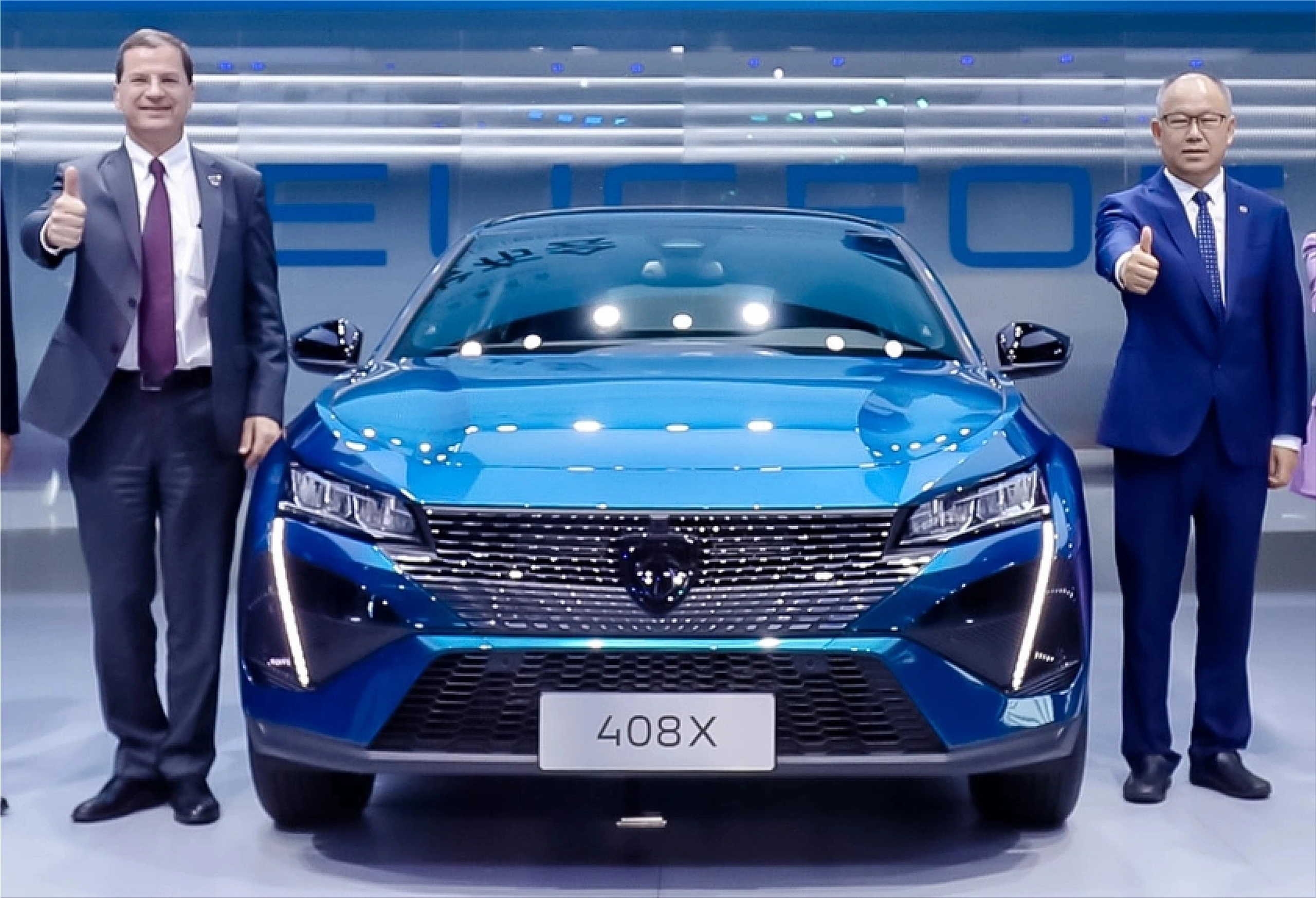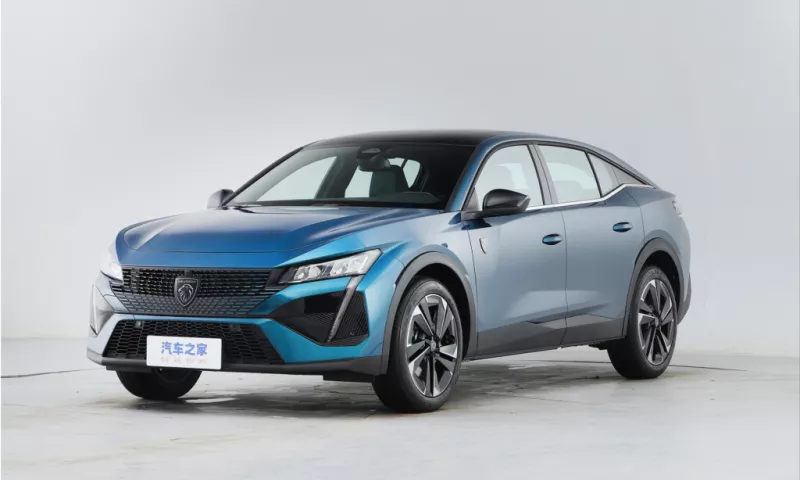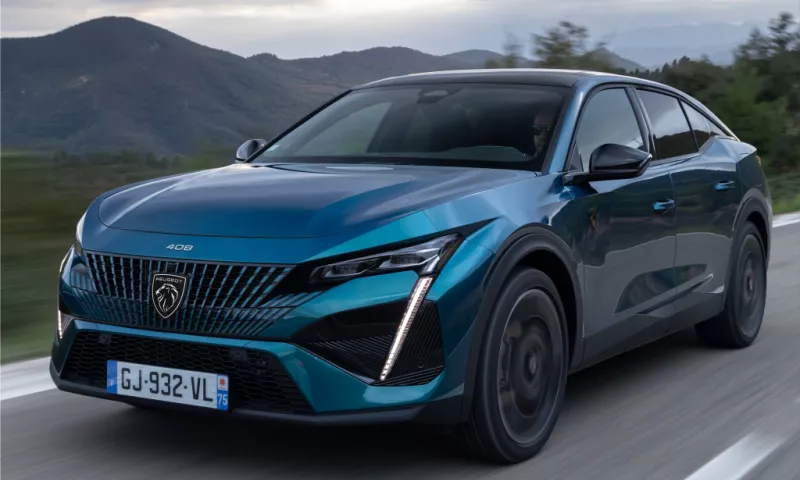
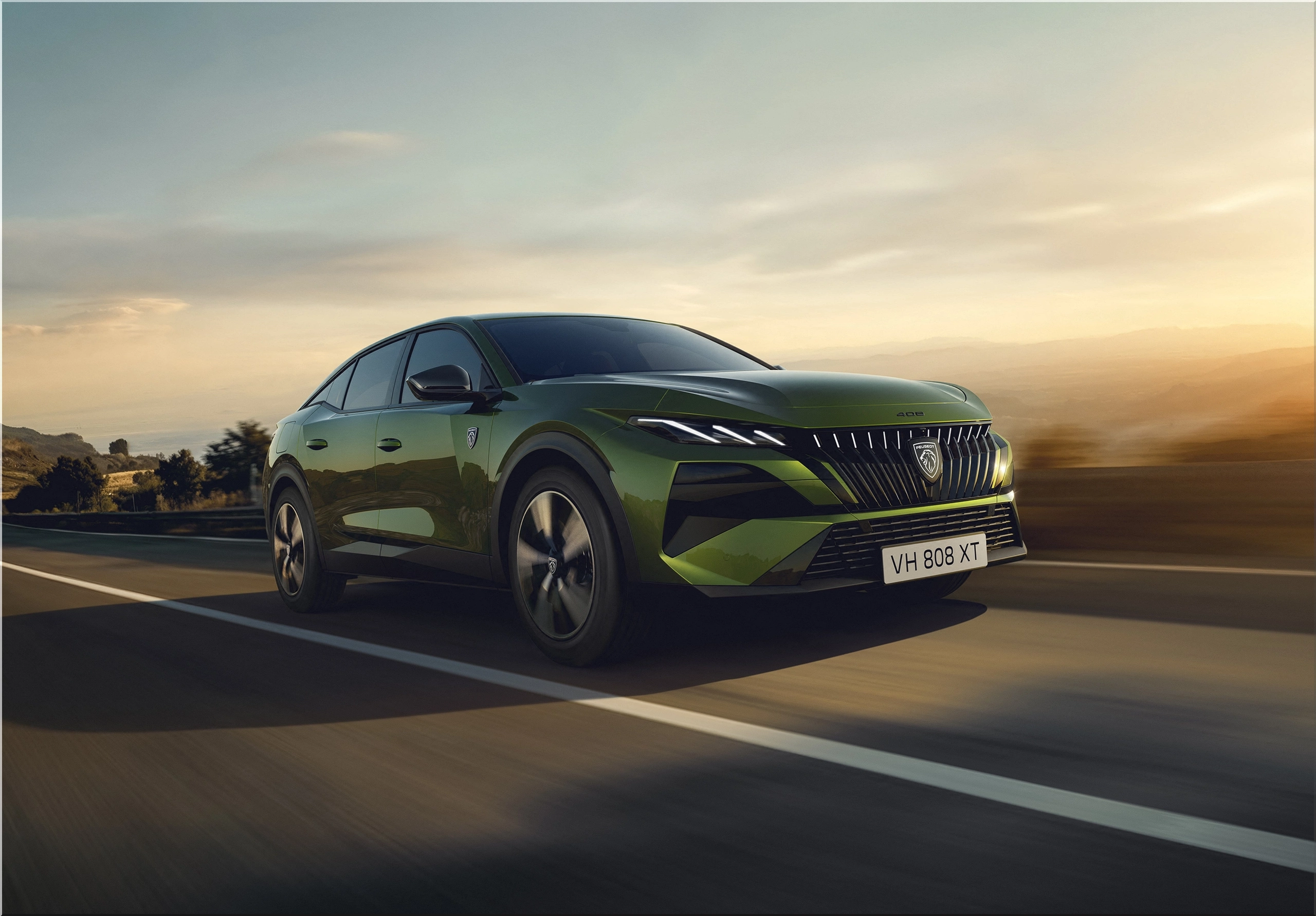
The 2026 Peugeot 408 enters the compact market with a precise strategy. Peugeot targets buyers who want electrification, usable space, and clear cost logic without committing to a full battery-electric platform. Every decision here signals risk reduction. That matters in a segment where buyers weigh fuel costs, resale, and daily usability.
Peugeot limits the range to hybrid and plug-in hybrid powertrains. That trims complexity for buyers and dealers. It also positions the 408 as a bridge product for drivers moving away from internal combustion without charging anxiety.
Image
Product Positioning: Why the Peugeot 408 Exists
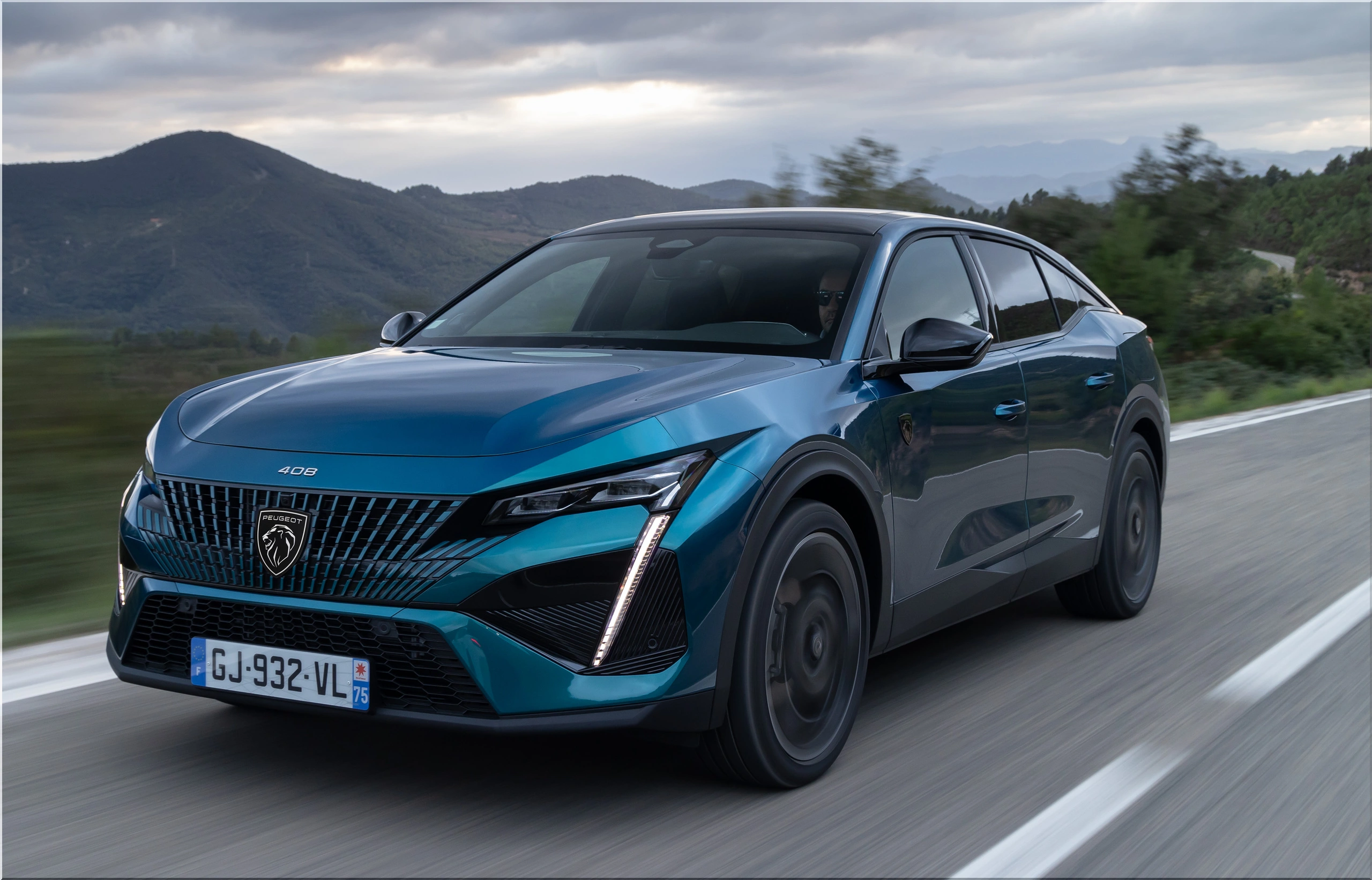
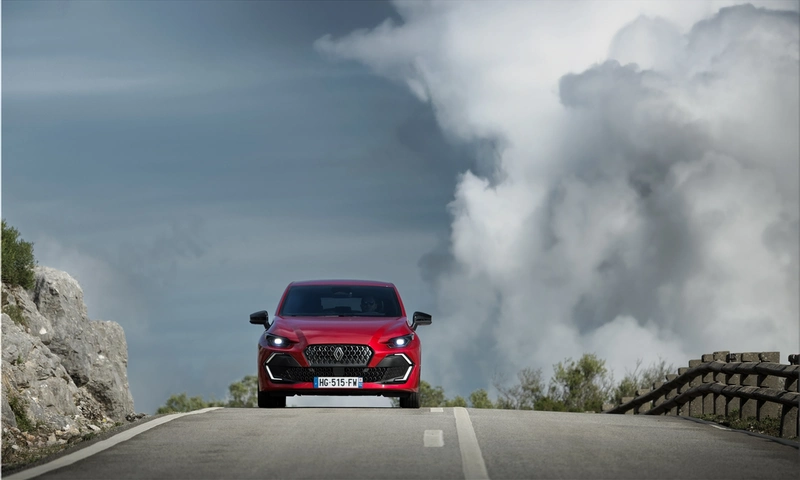
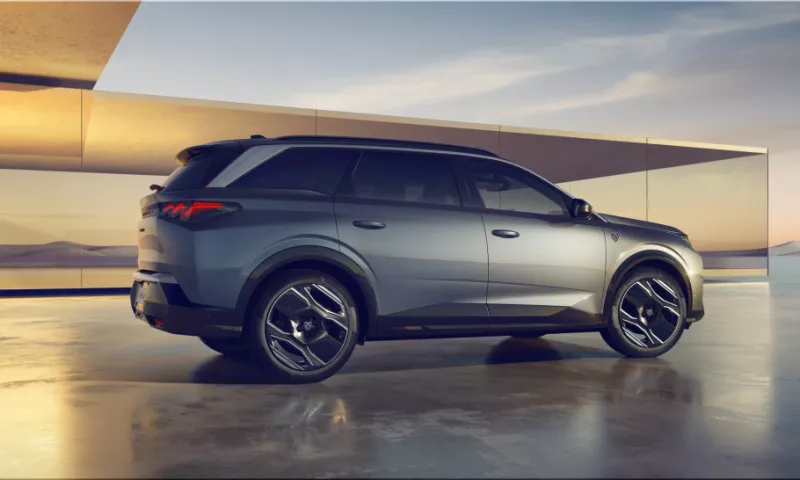
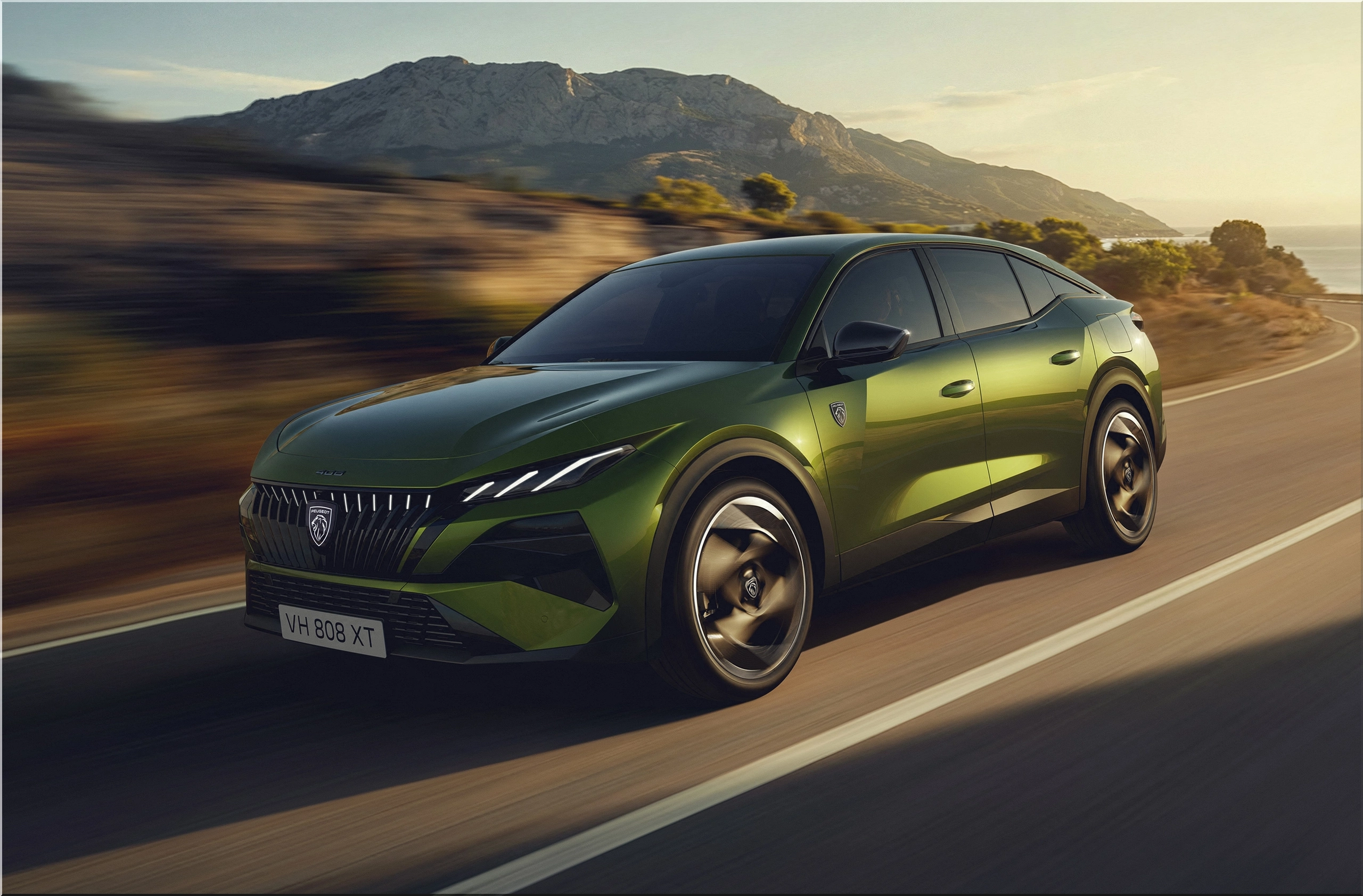
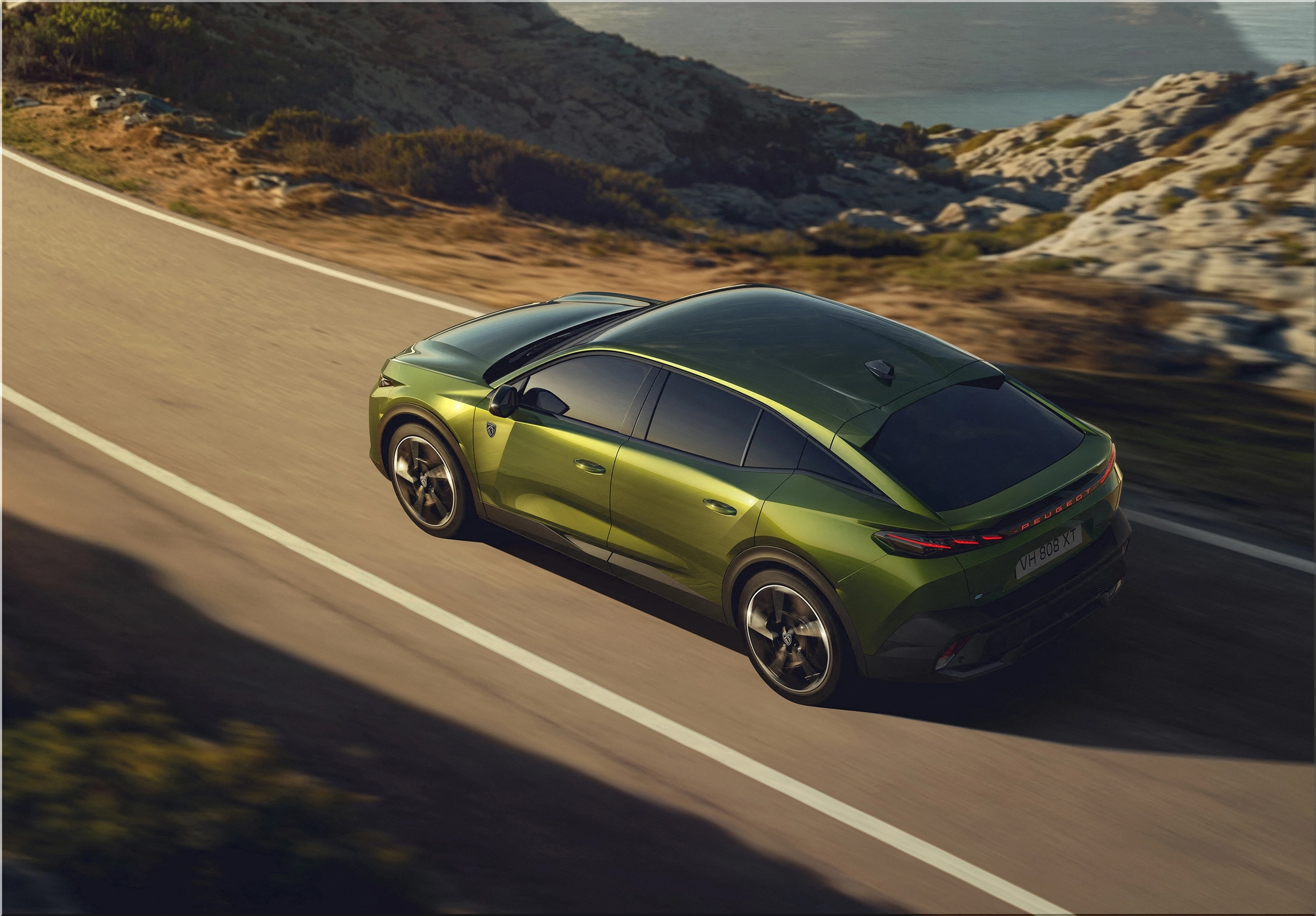
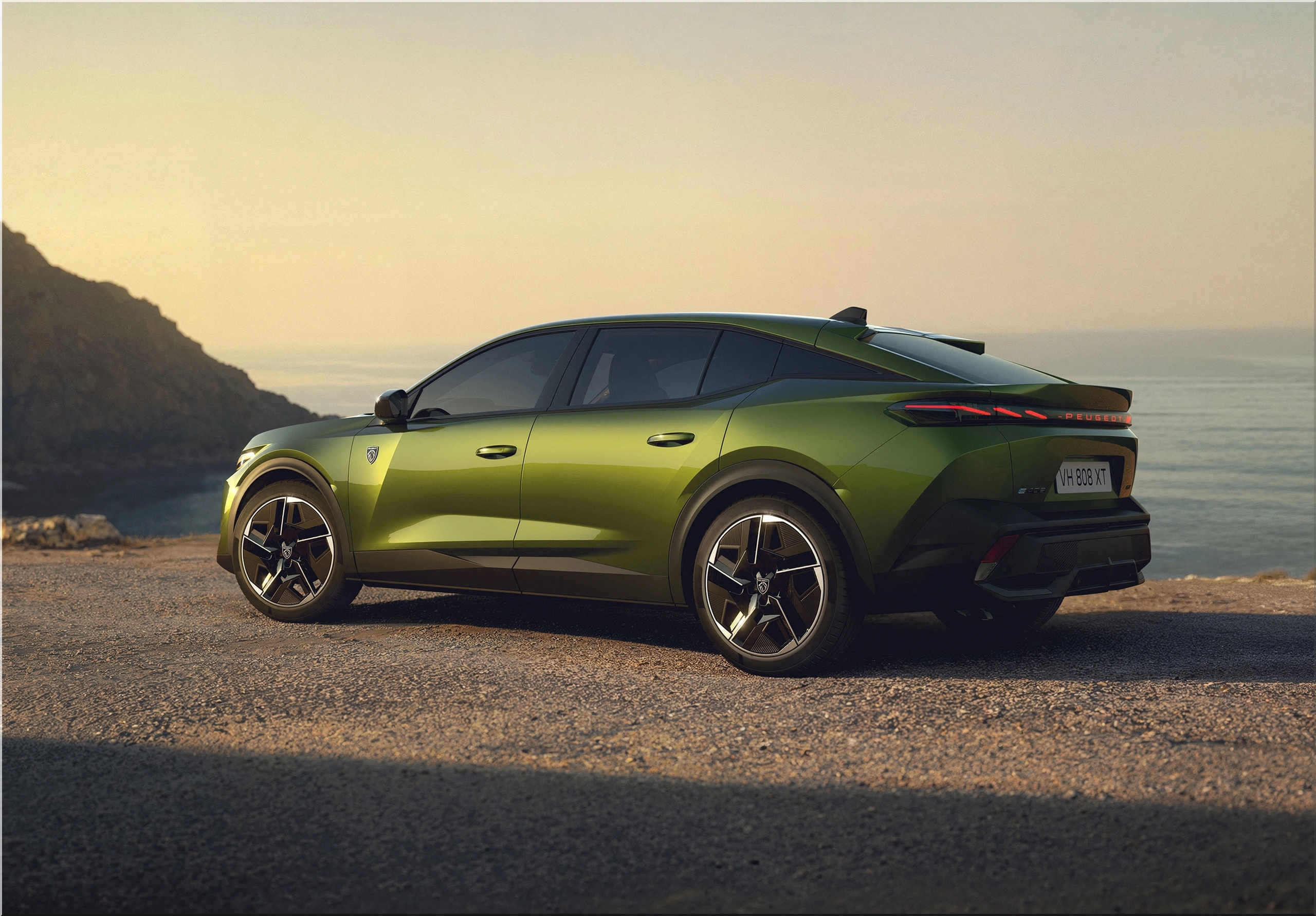
The Peugeot 408 fastback slots between traditional sedans and compact SUVs. Peugeot avoids SUV height and weight. It keeps a lower center of gravity, better aerodynamics, and predictable handling.
This approach speaks directly to loss aversion. Buyers avoid the fuel penalties and tire costs that come with compact crossovers. They still gain cargo flexibility and rear-seat space.
Core value drivers:
- Lower operating costs than ICE-only rivals
- Electric-only driving for urban use
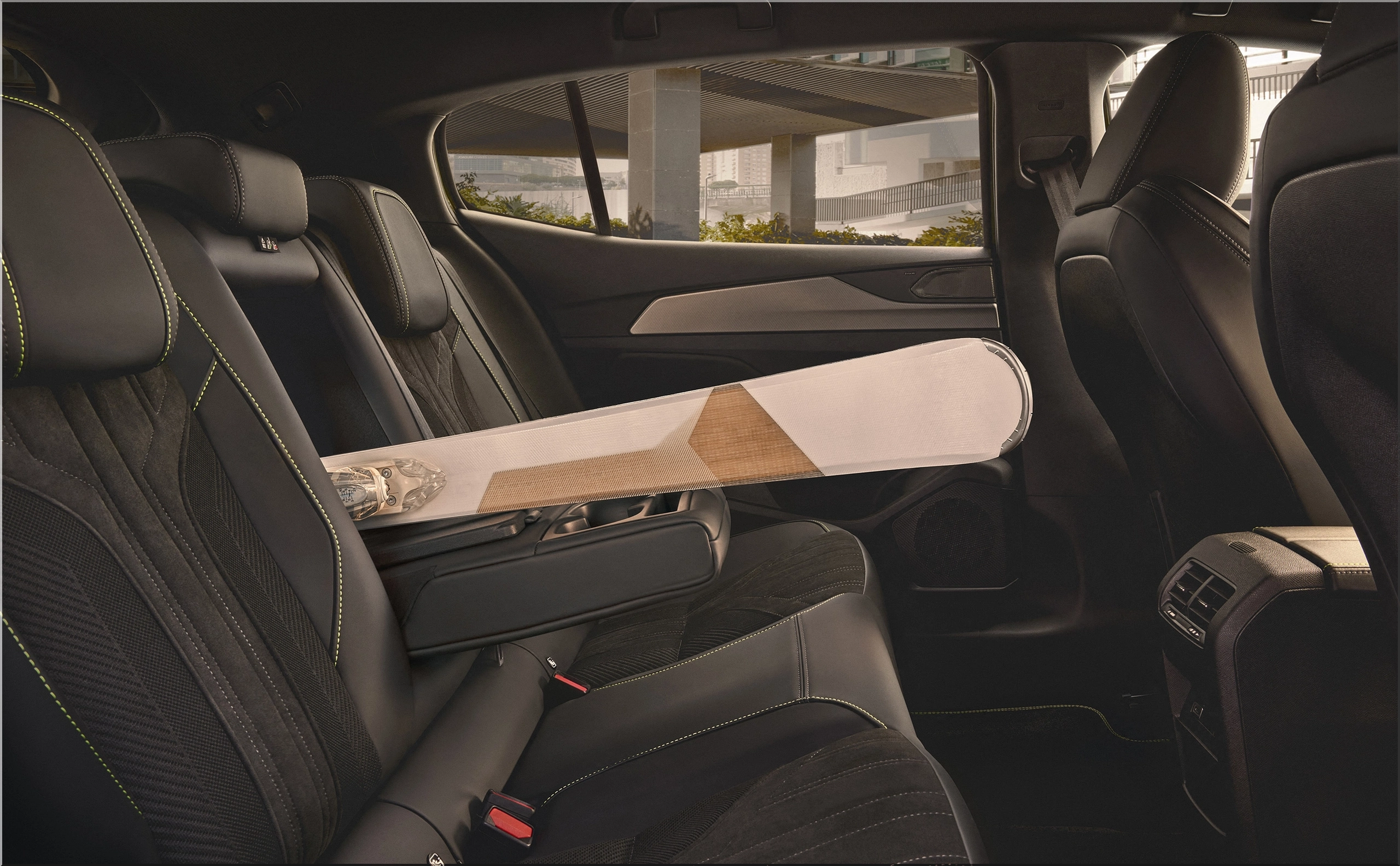
- Cargo capacity that rivals small SUVs
- A body style that avoids SUV bulk
Peugeot uses design to differentiate but relies on math to close the sale.
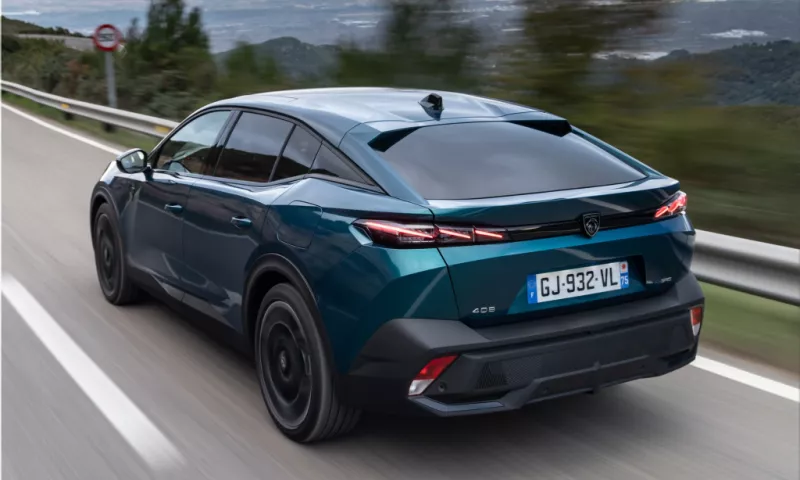
Exterior Design: Form Driven by Efficiency
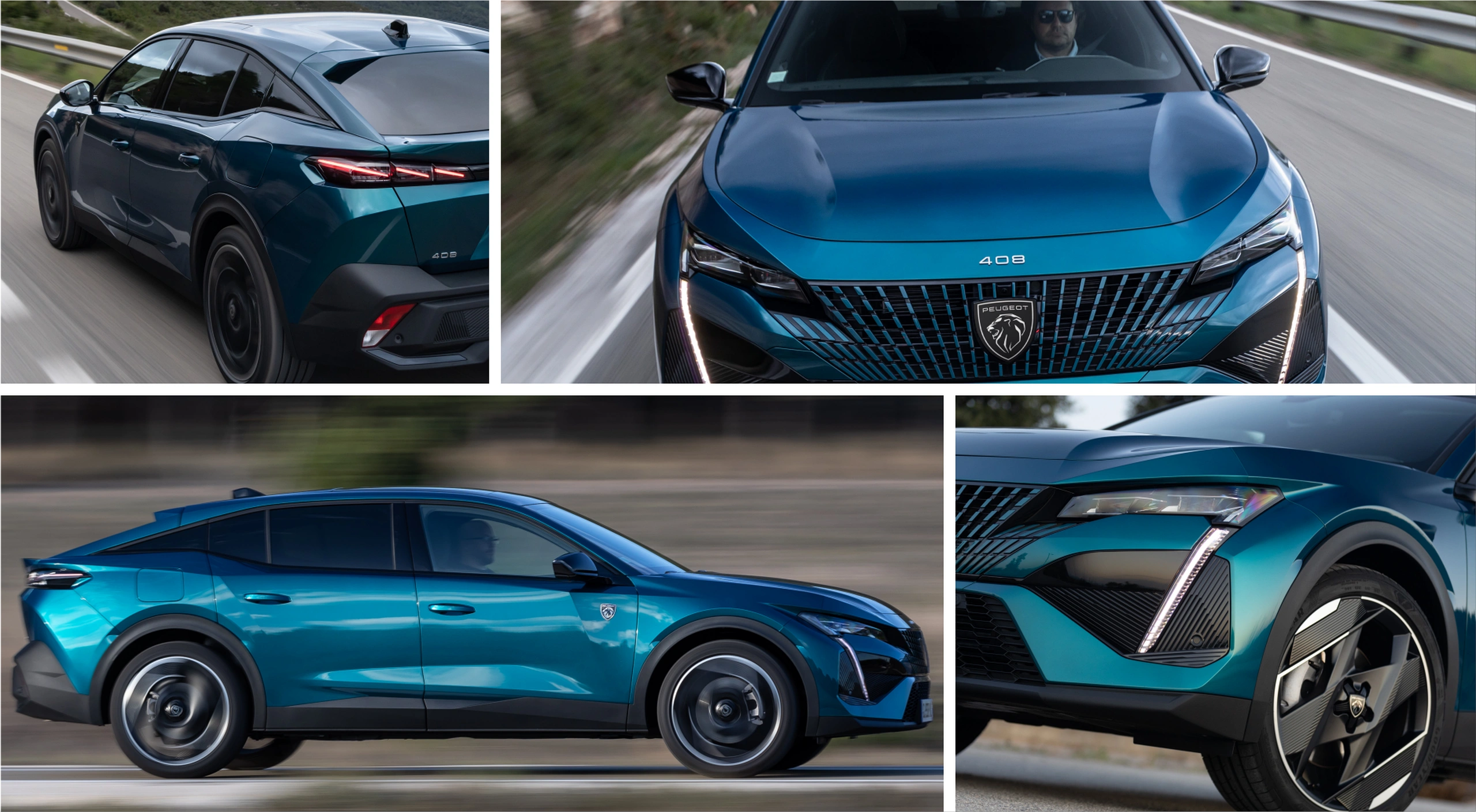
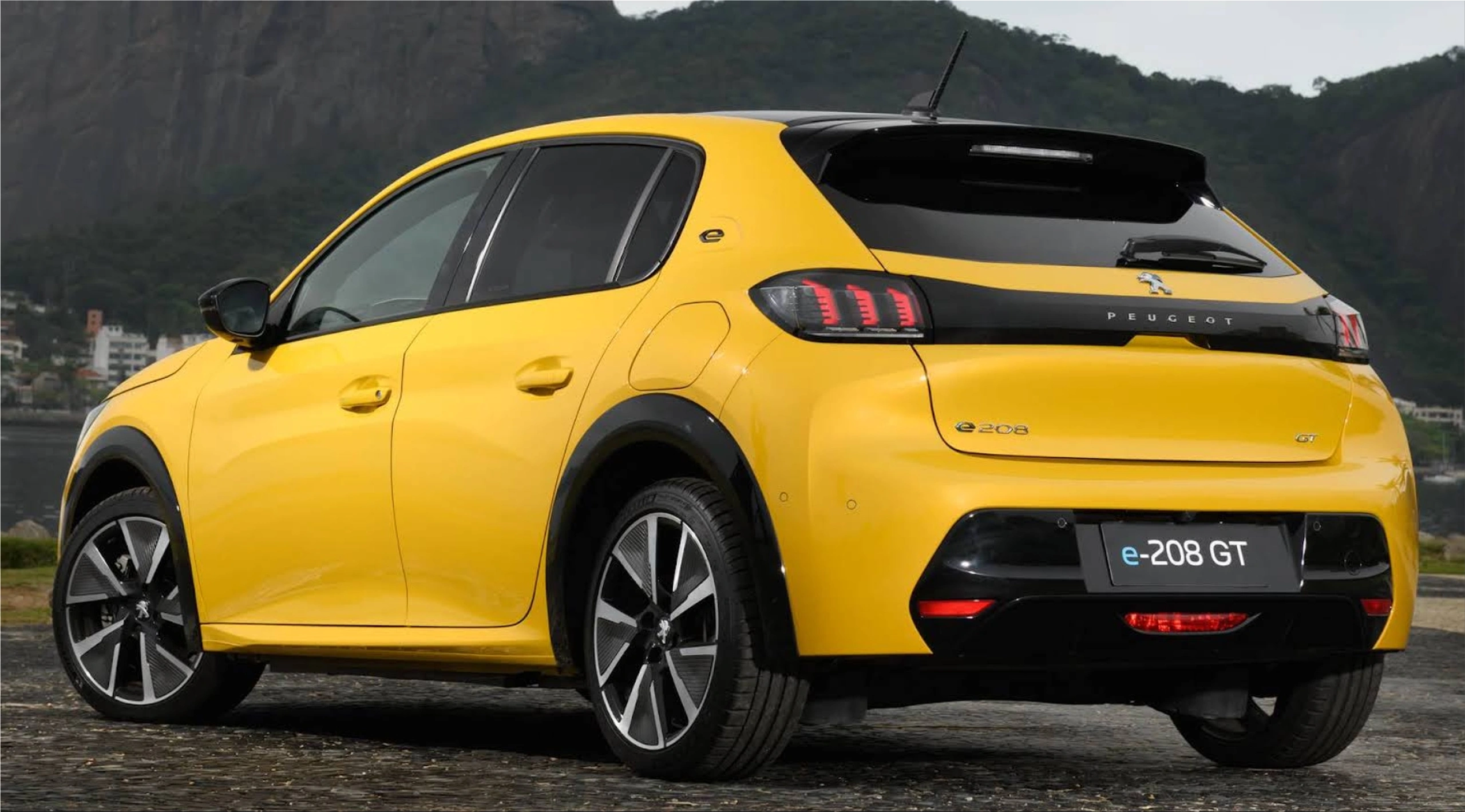
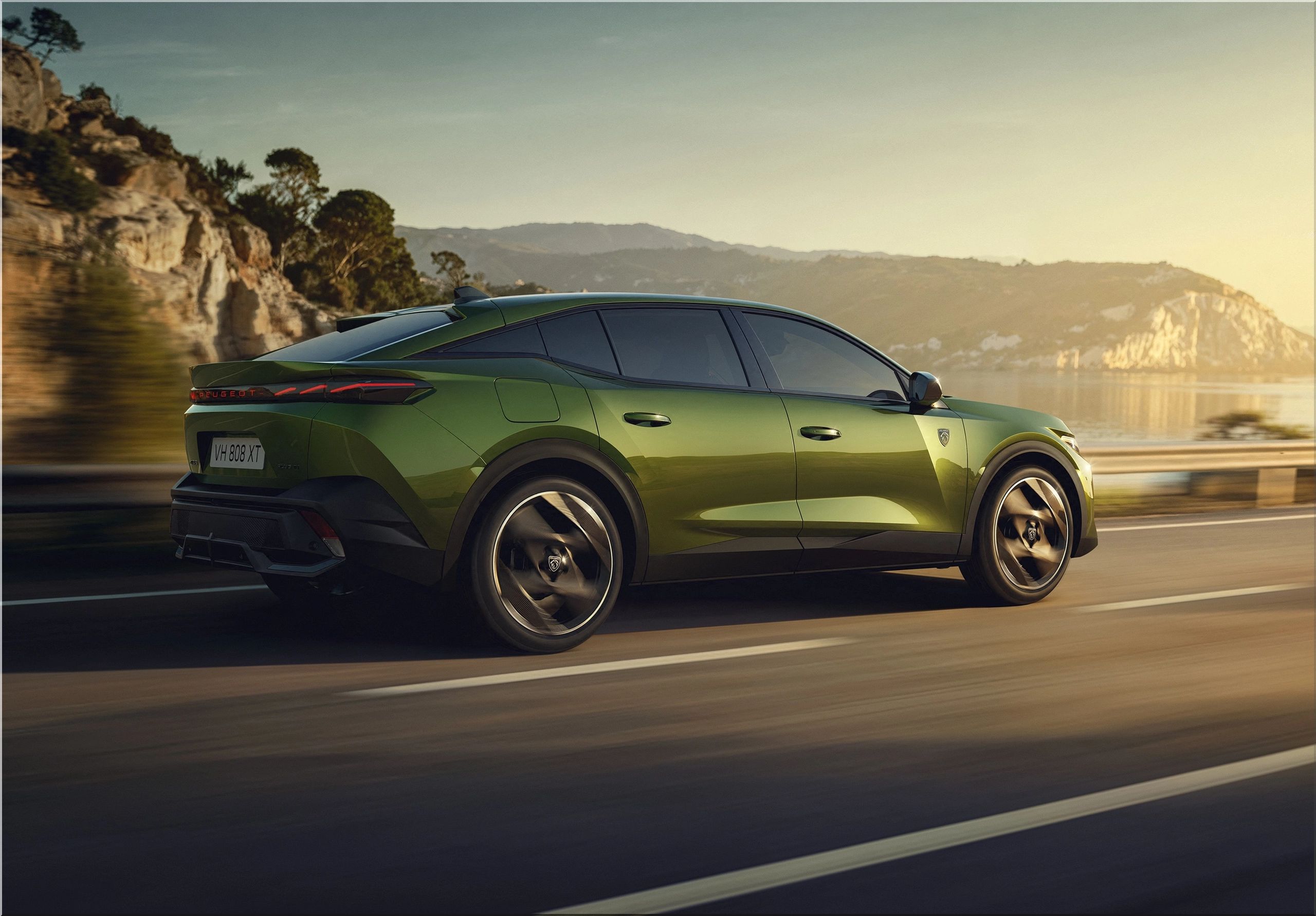
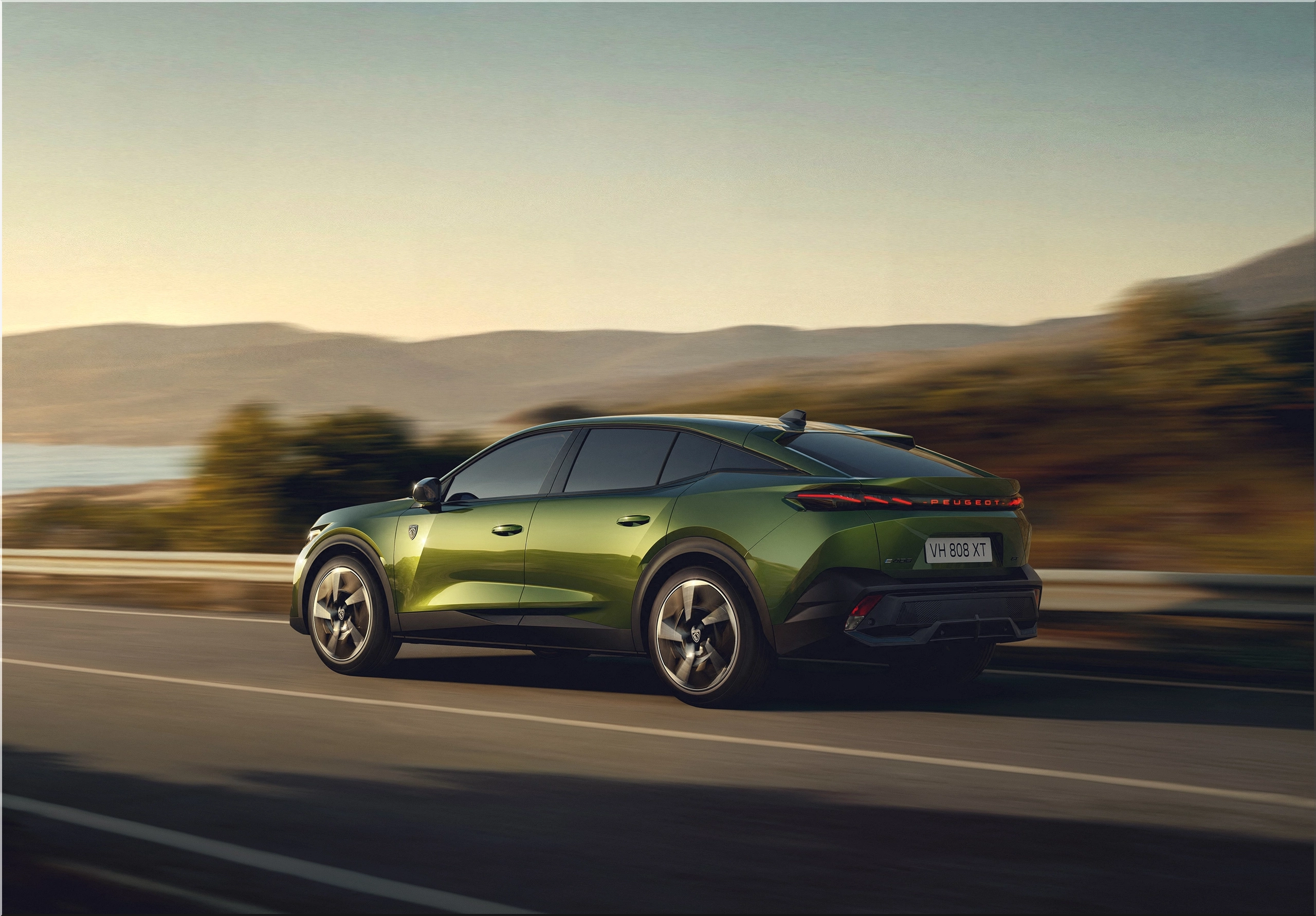
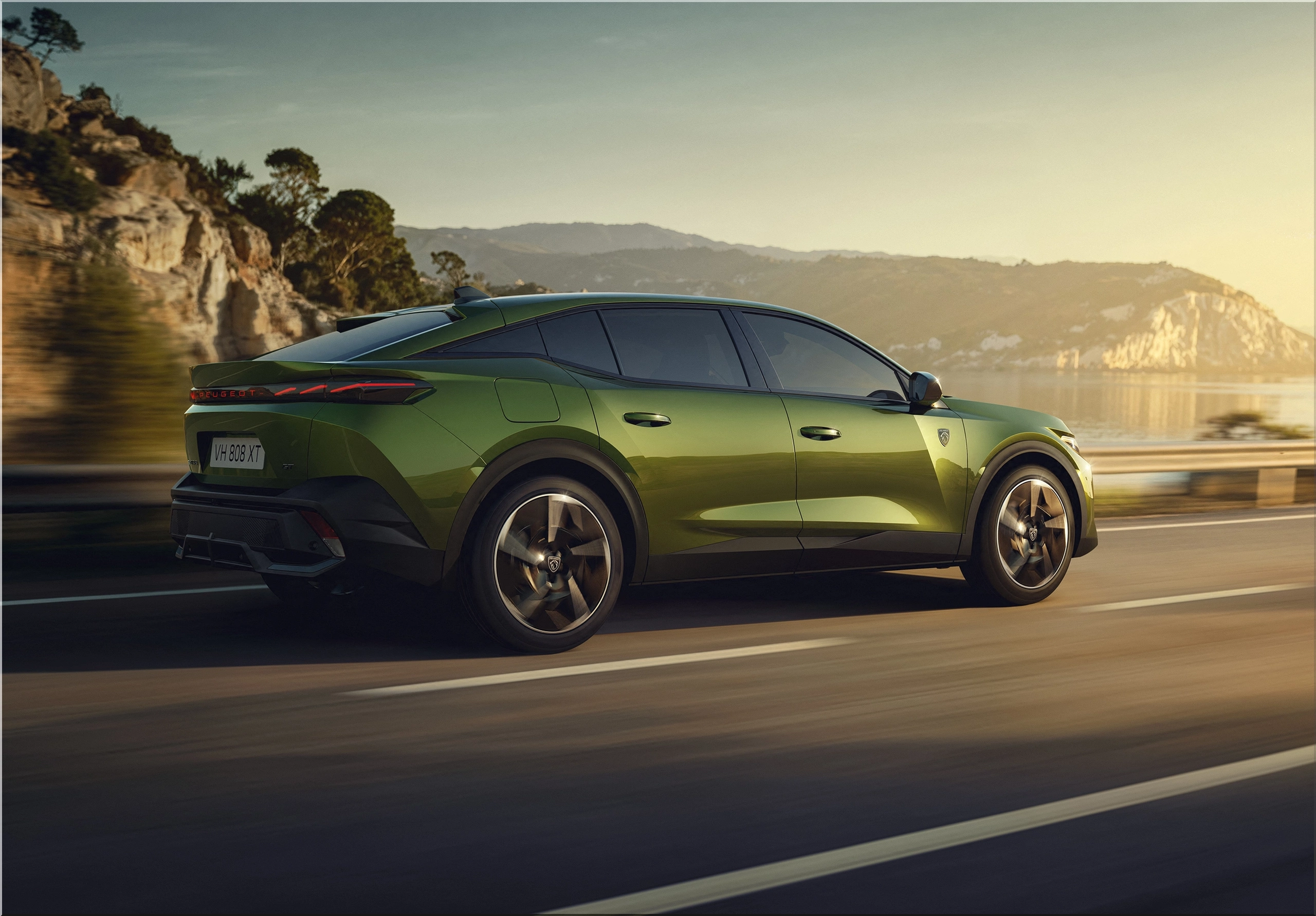
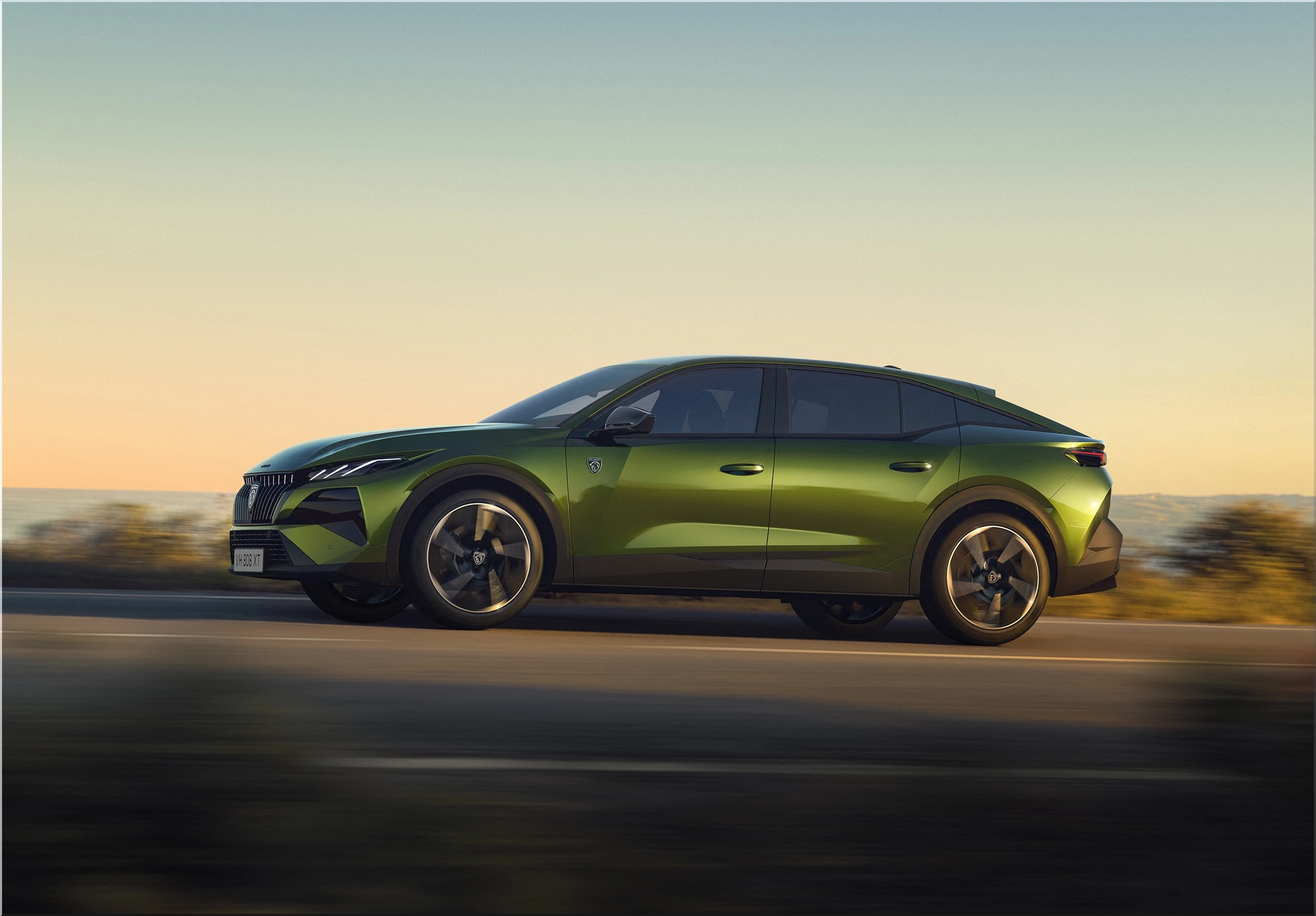
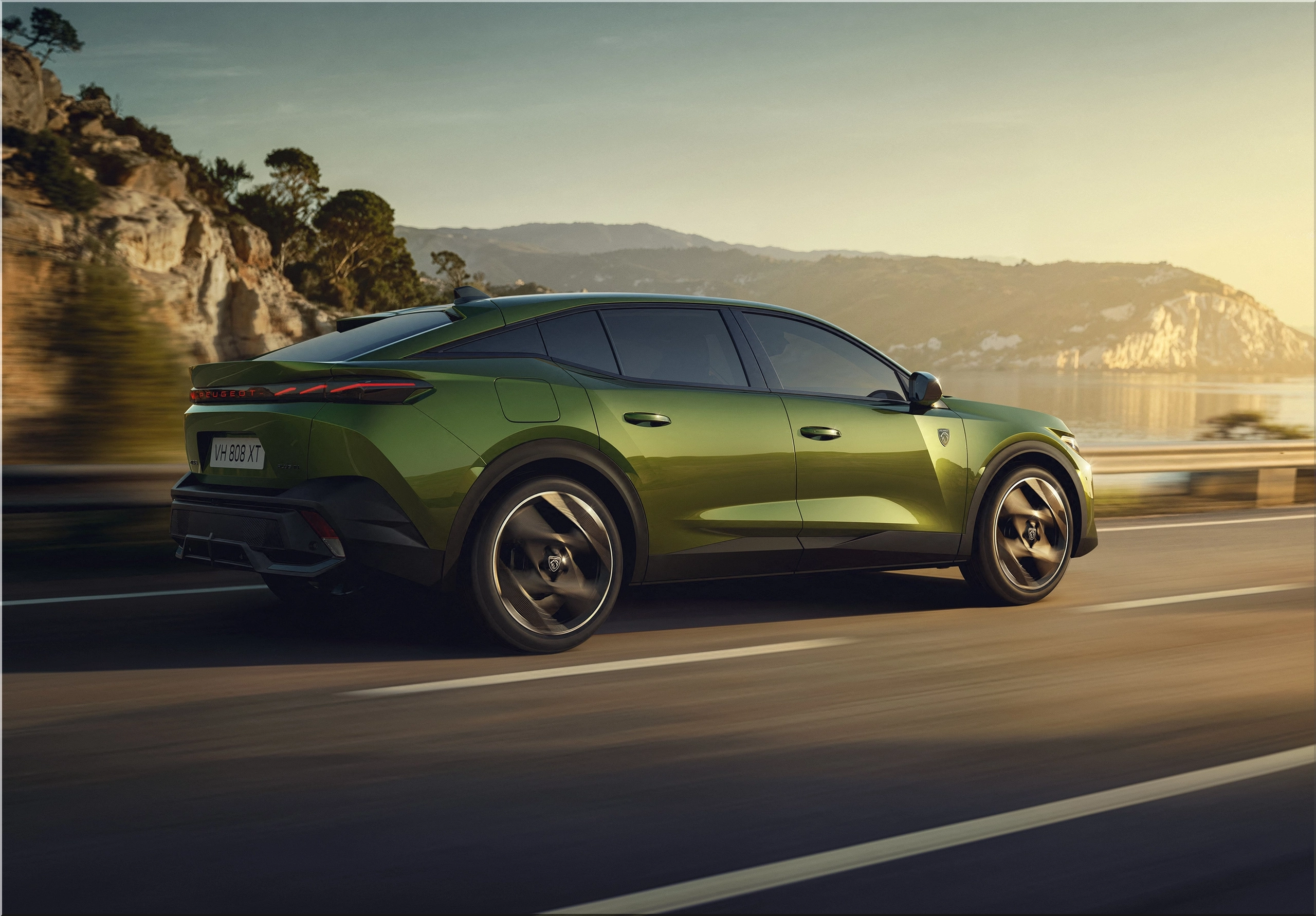
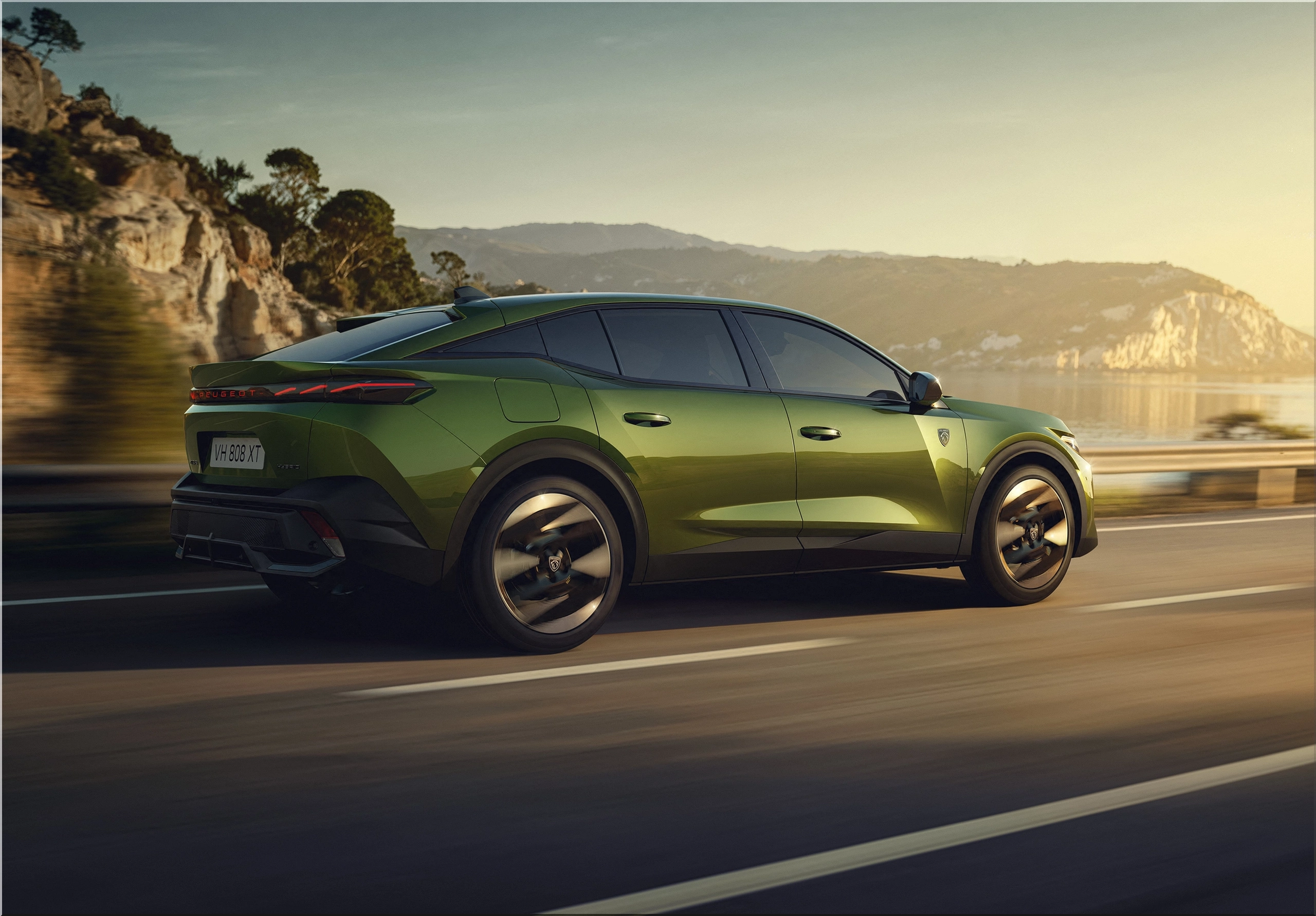
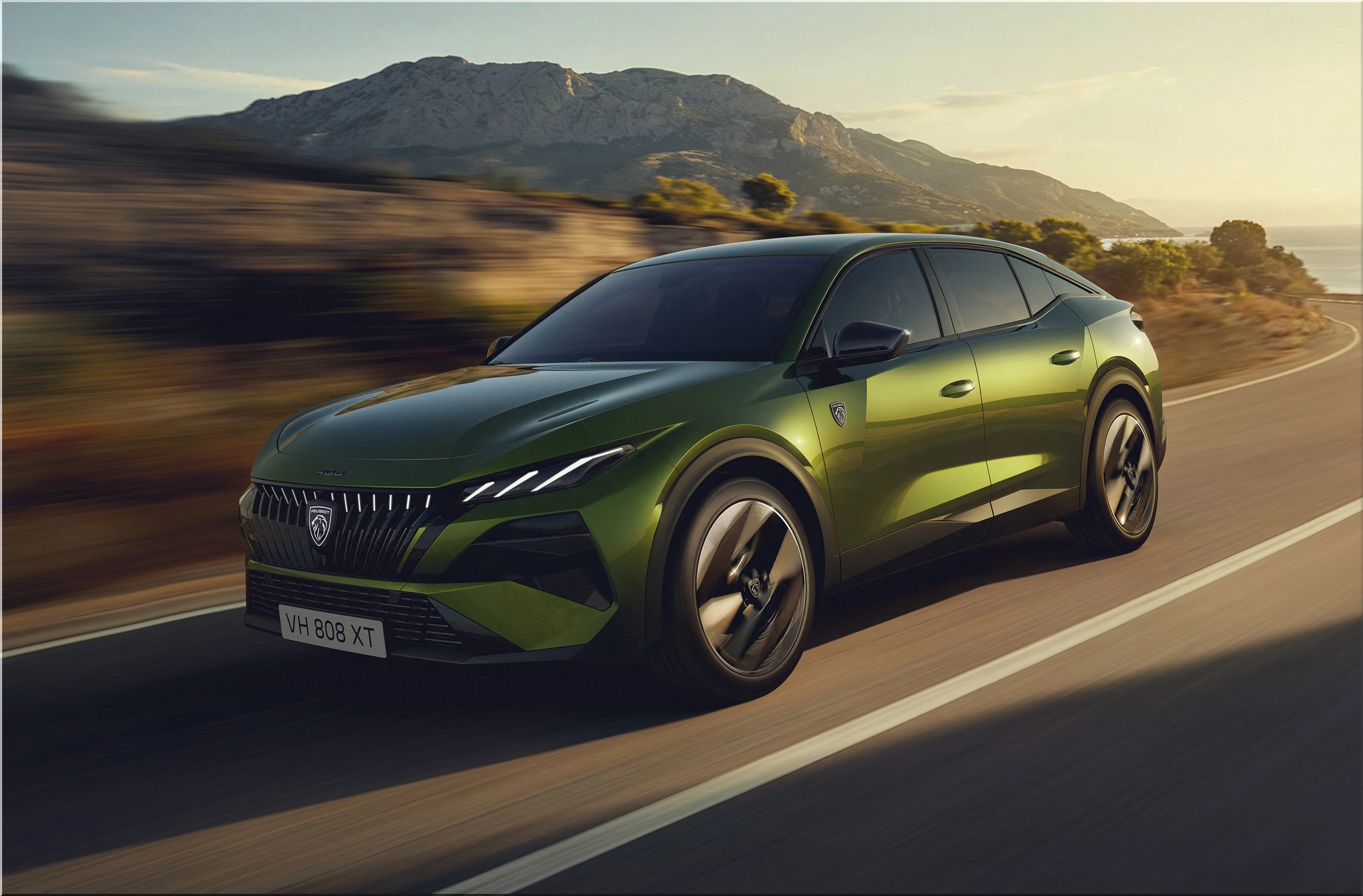
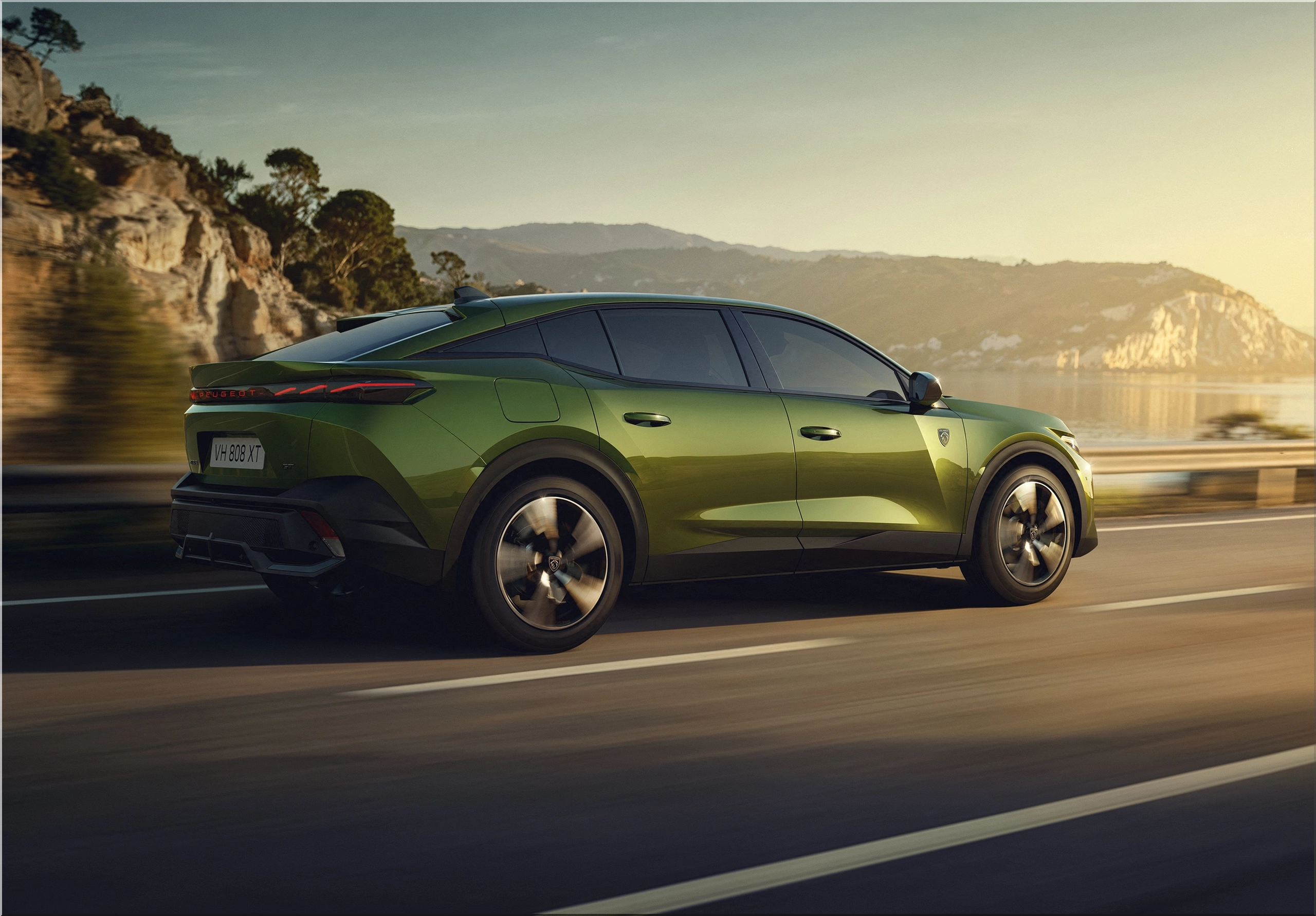
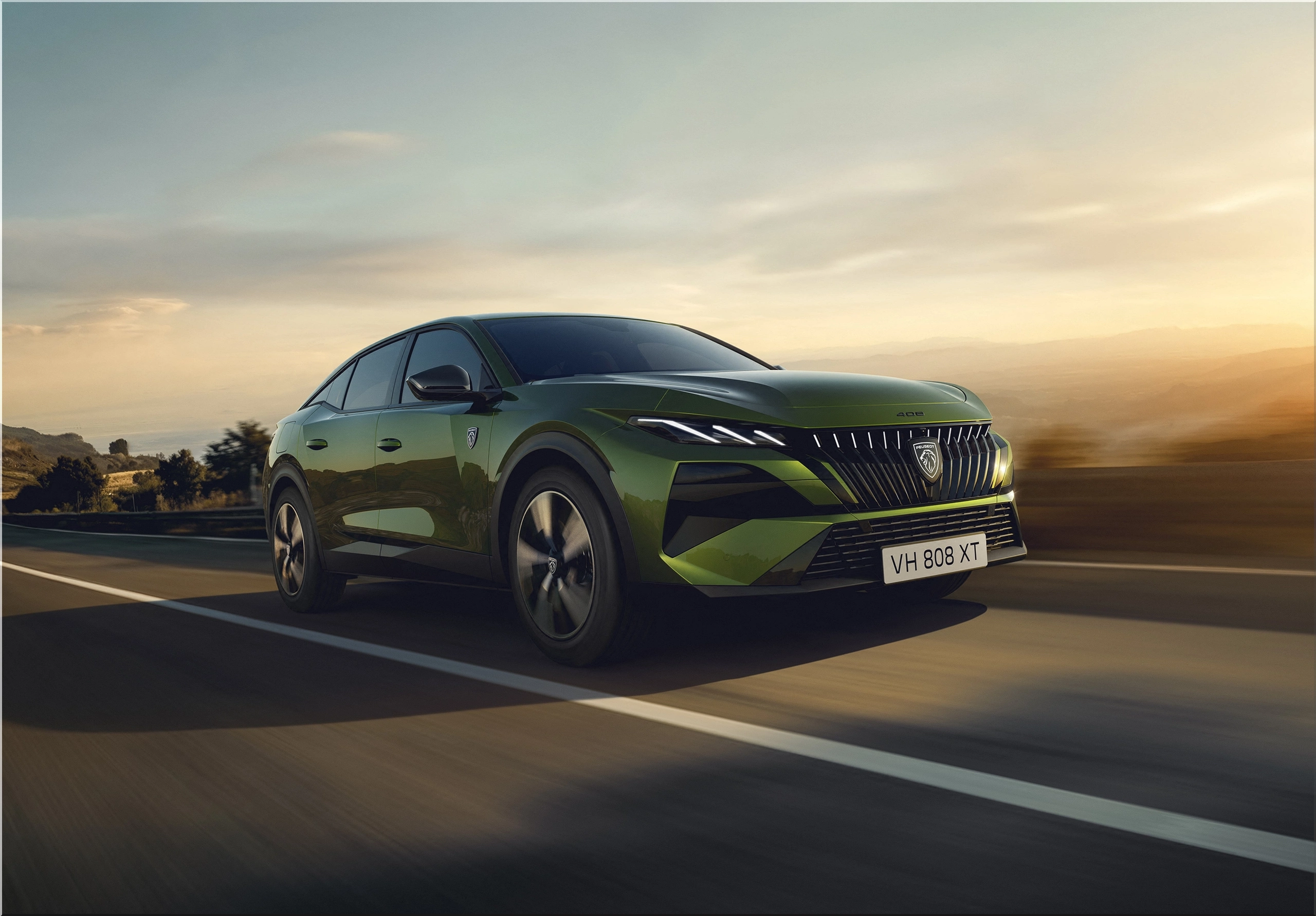
The fastback profile plays a functional role. Sloping rooflines reduce aerodynamic drag, which improves highway efficiency and lowers wind noise. That directly supports fuel economy targets on long trips.
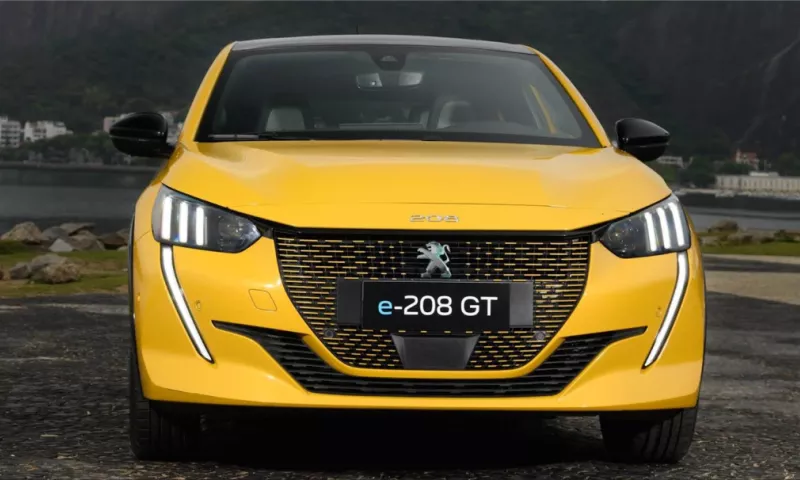
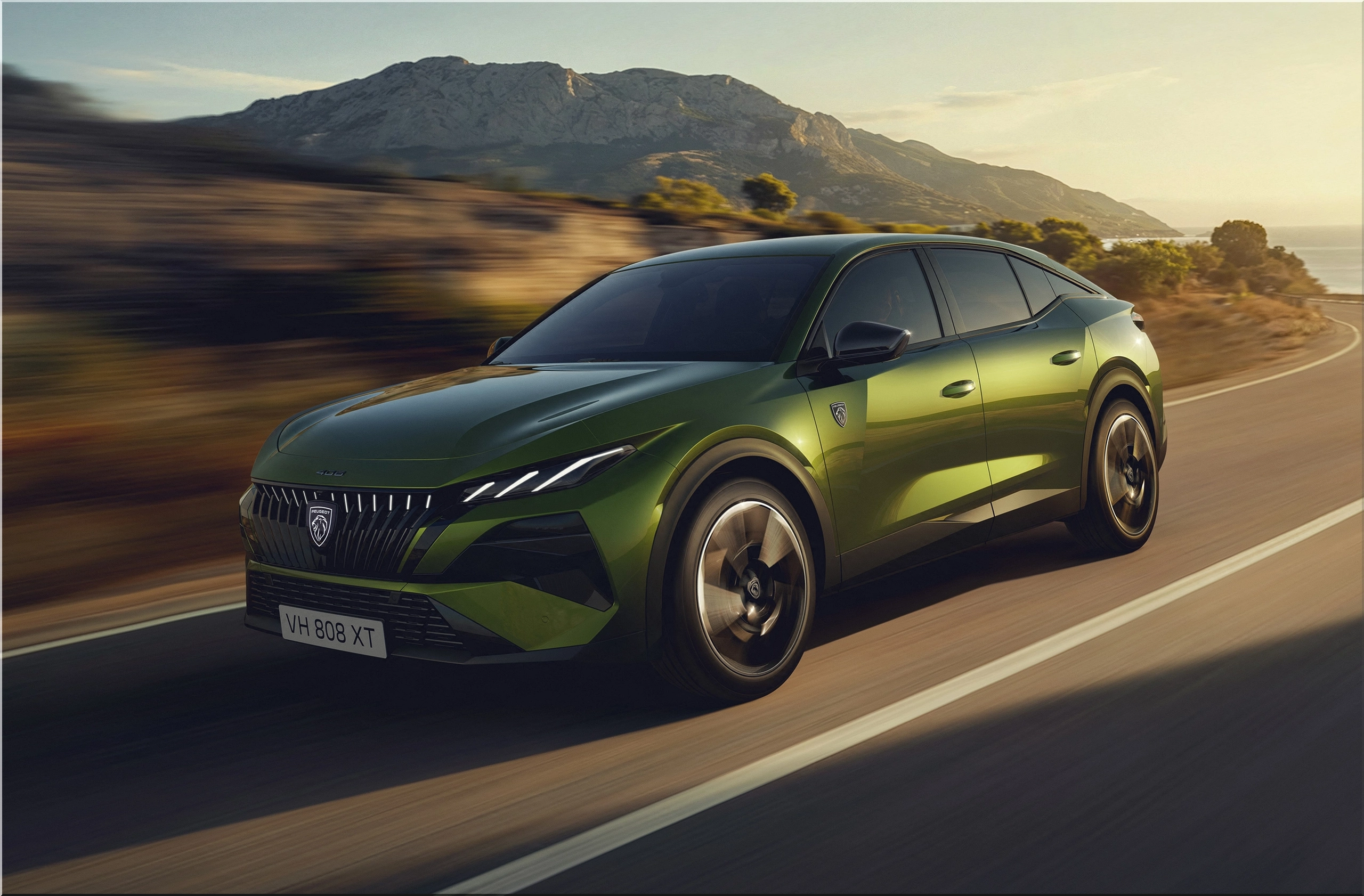
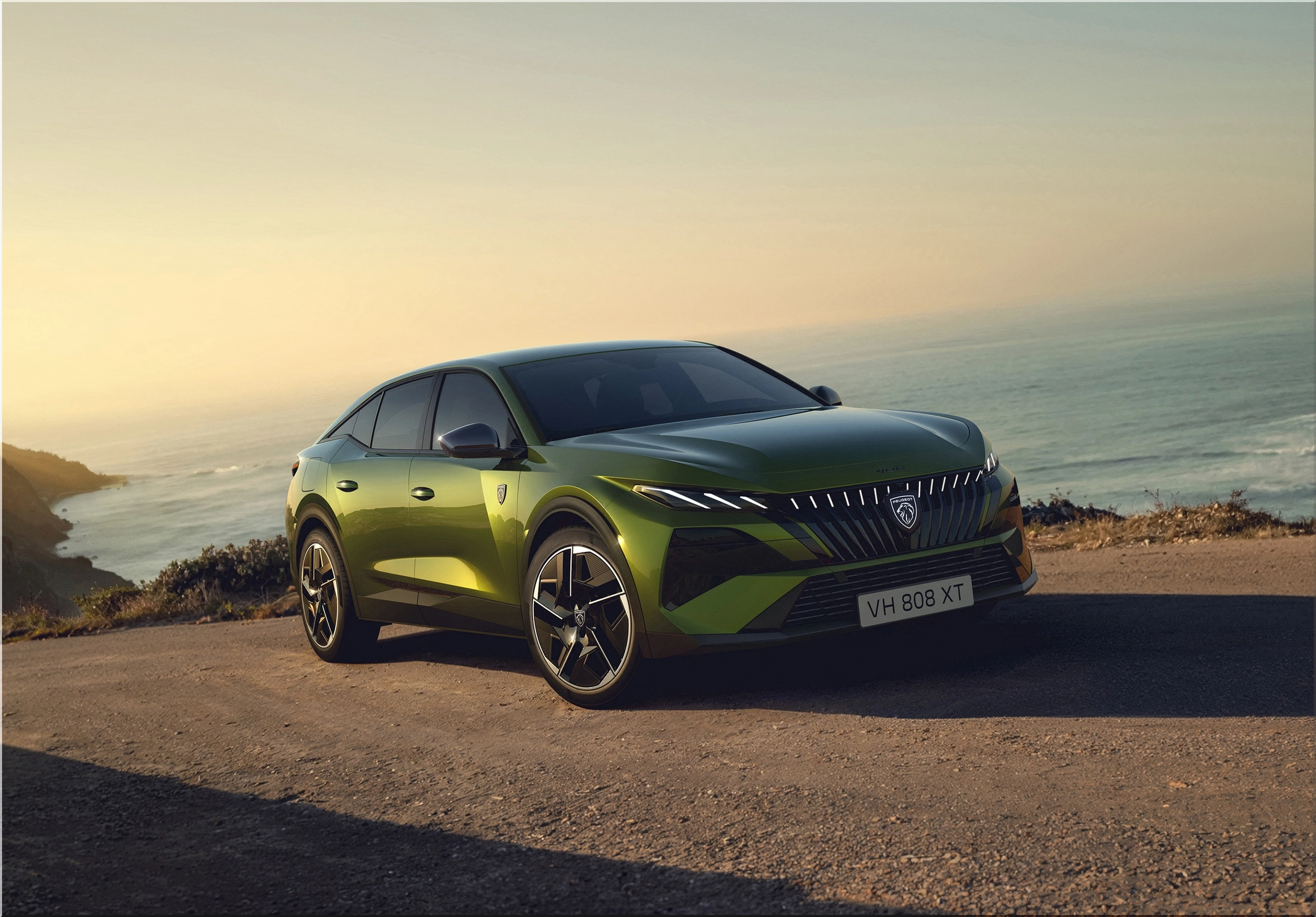
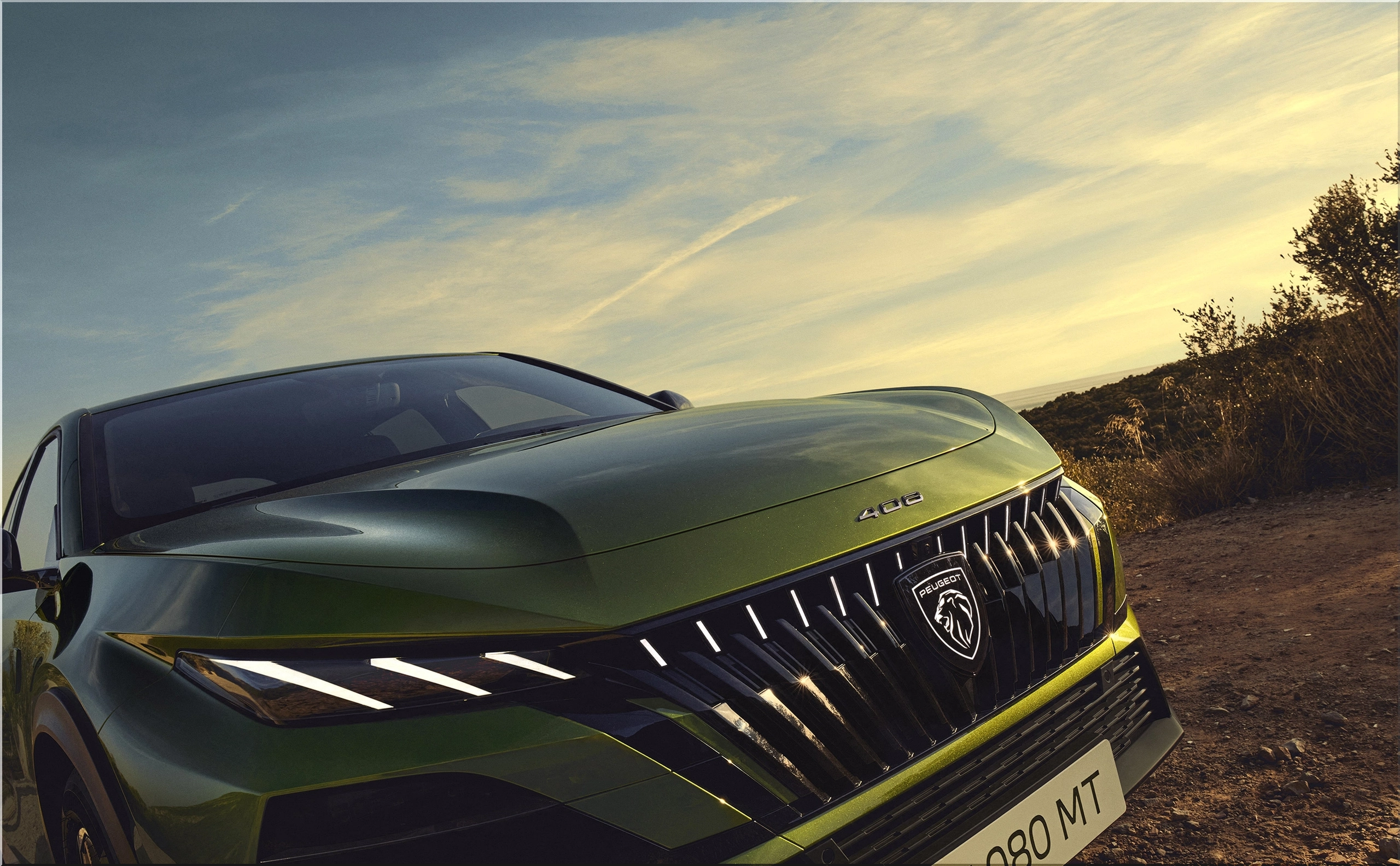
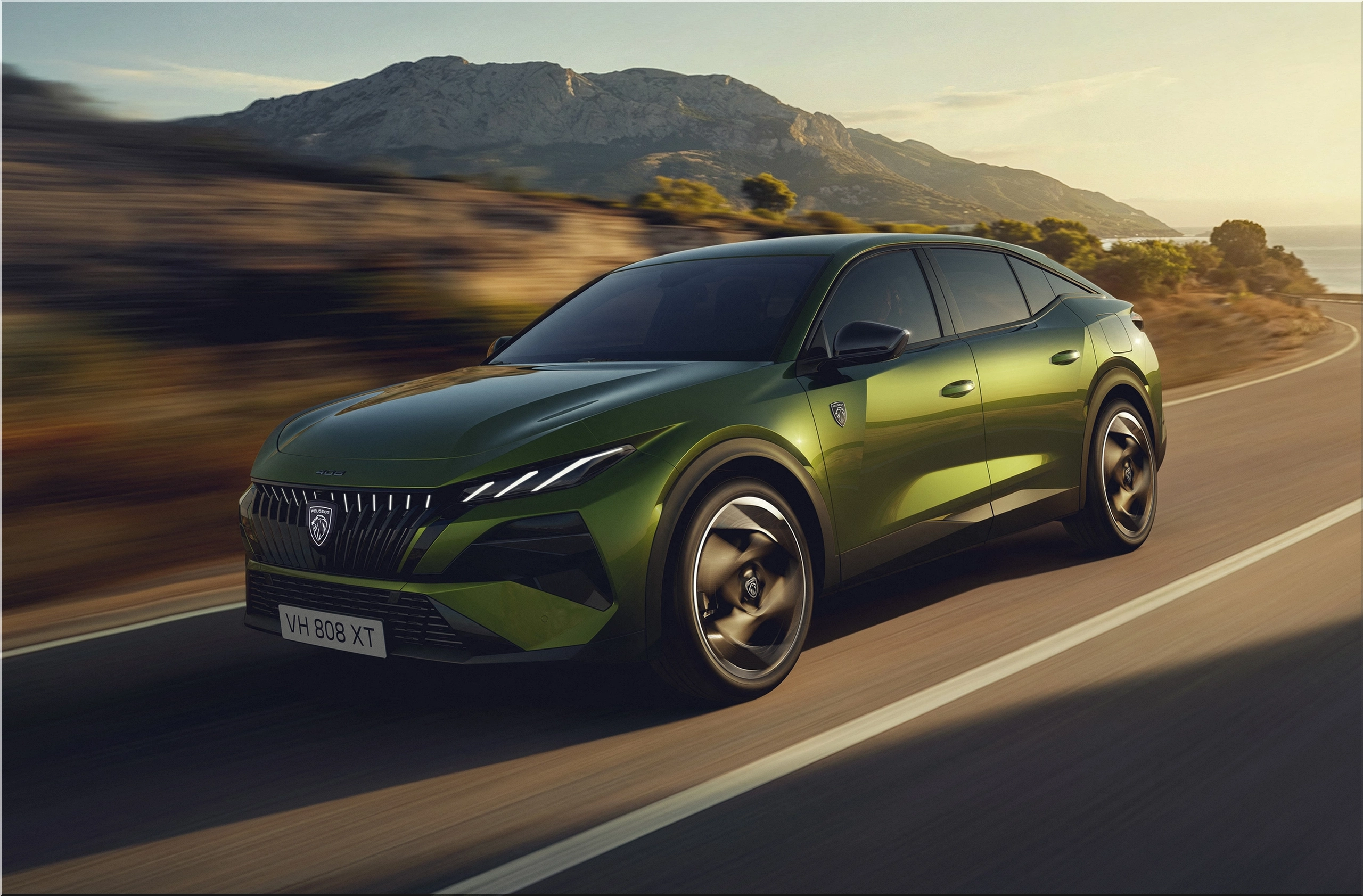
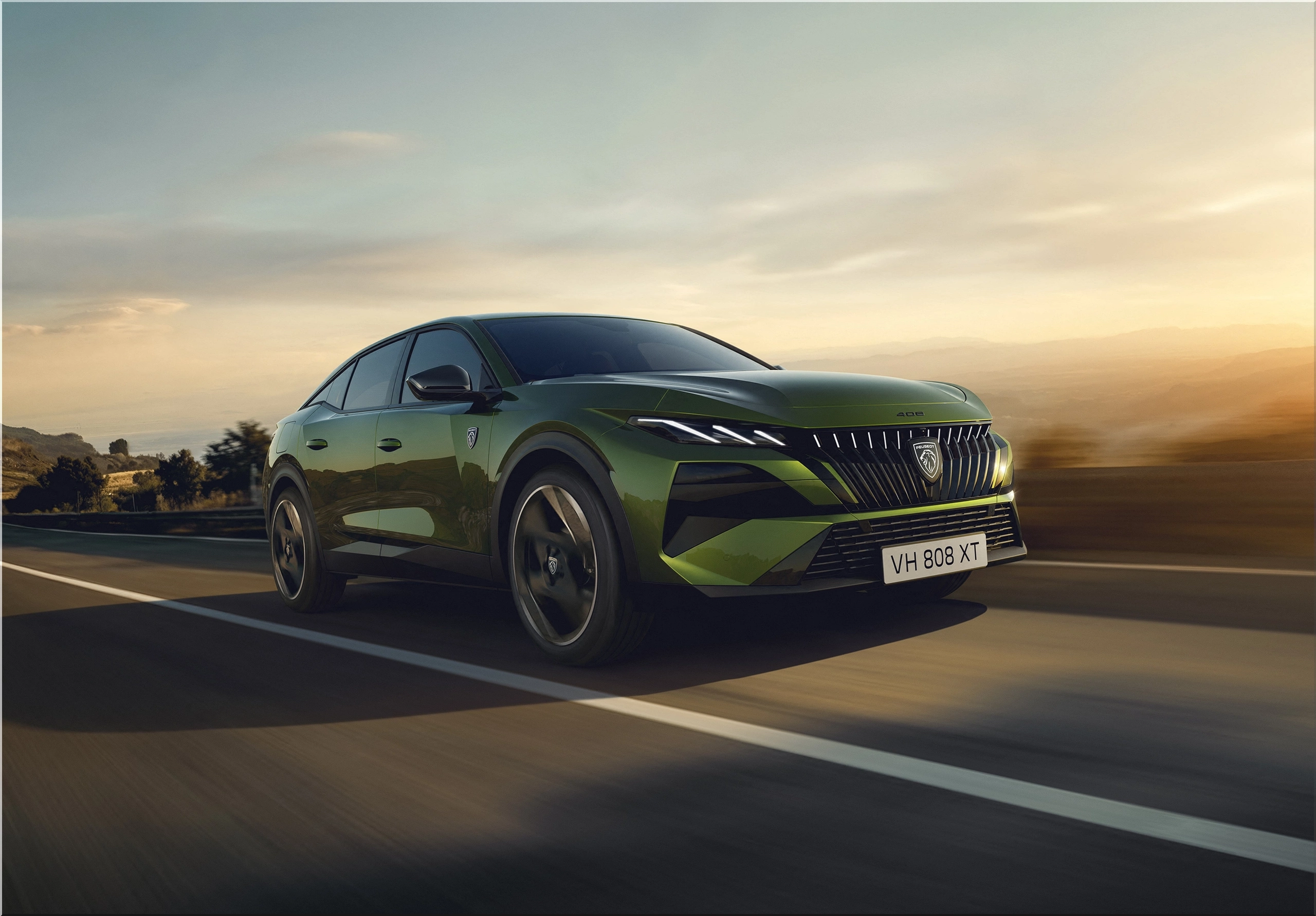
The revised front fascia integrates:
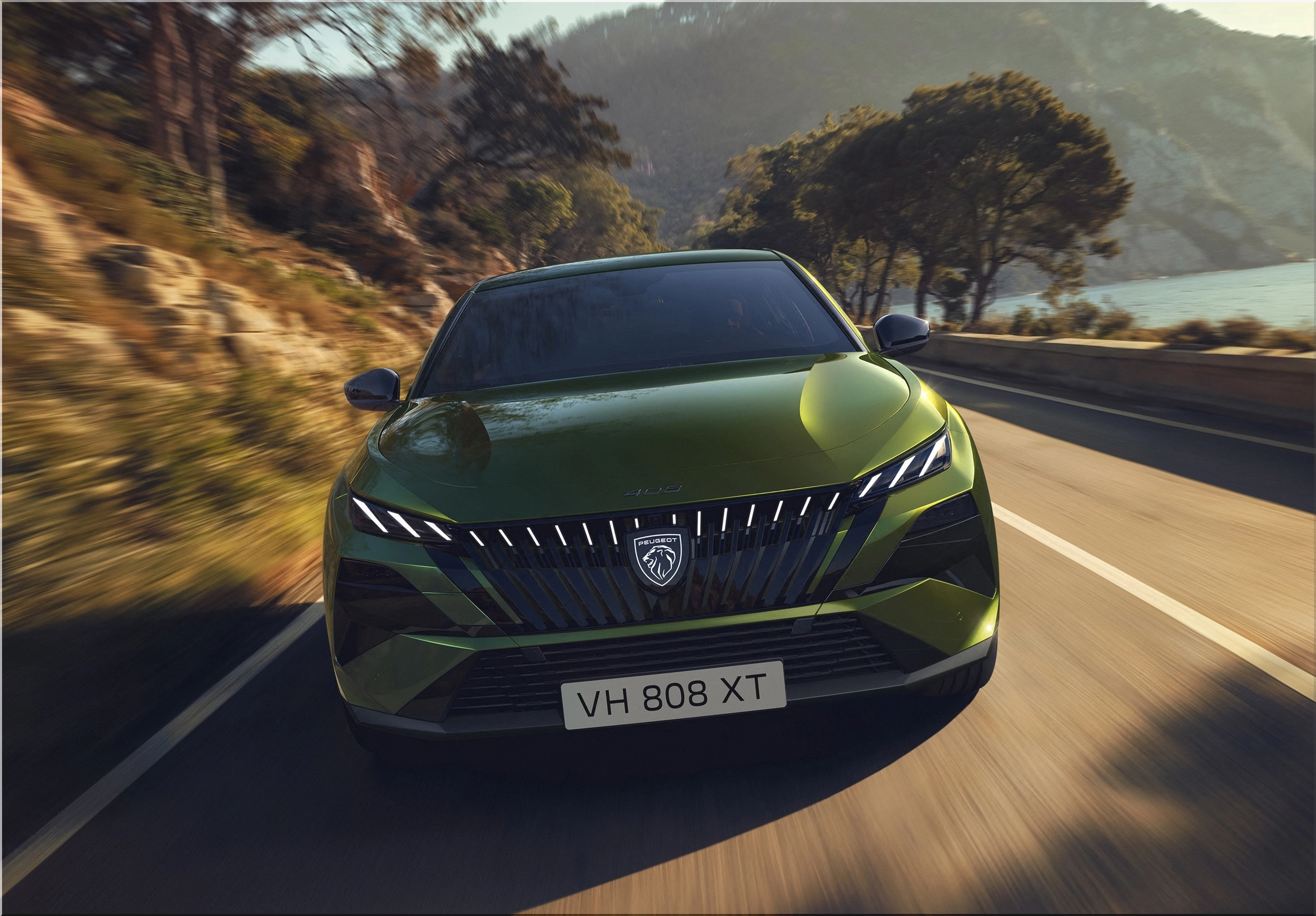
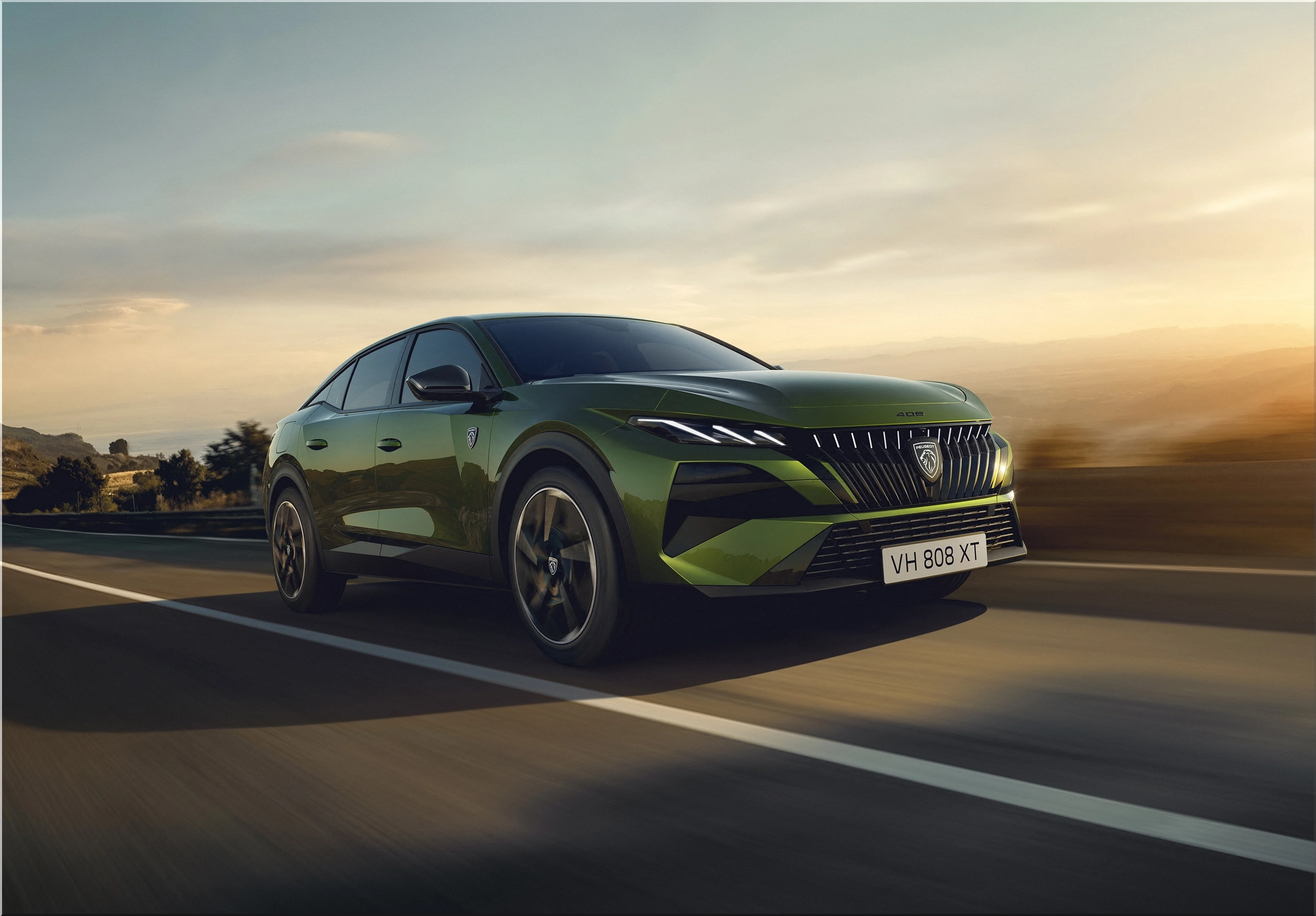
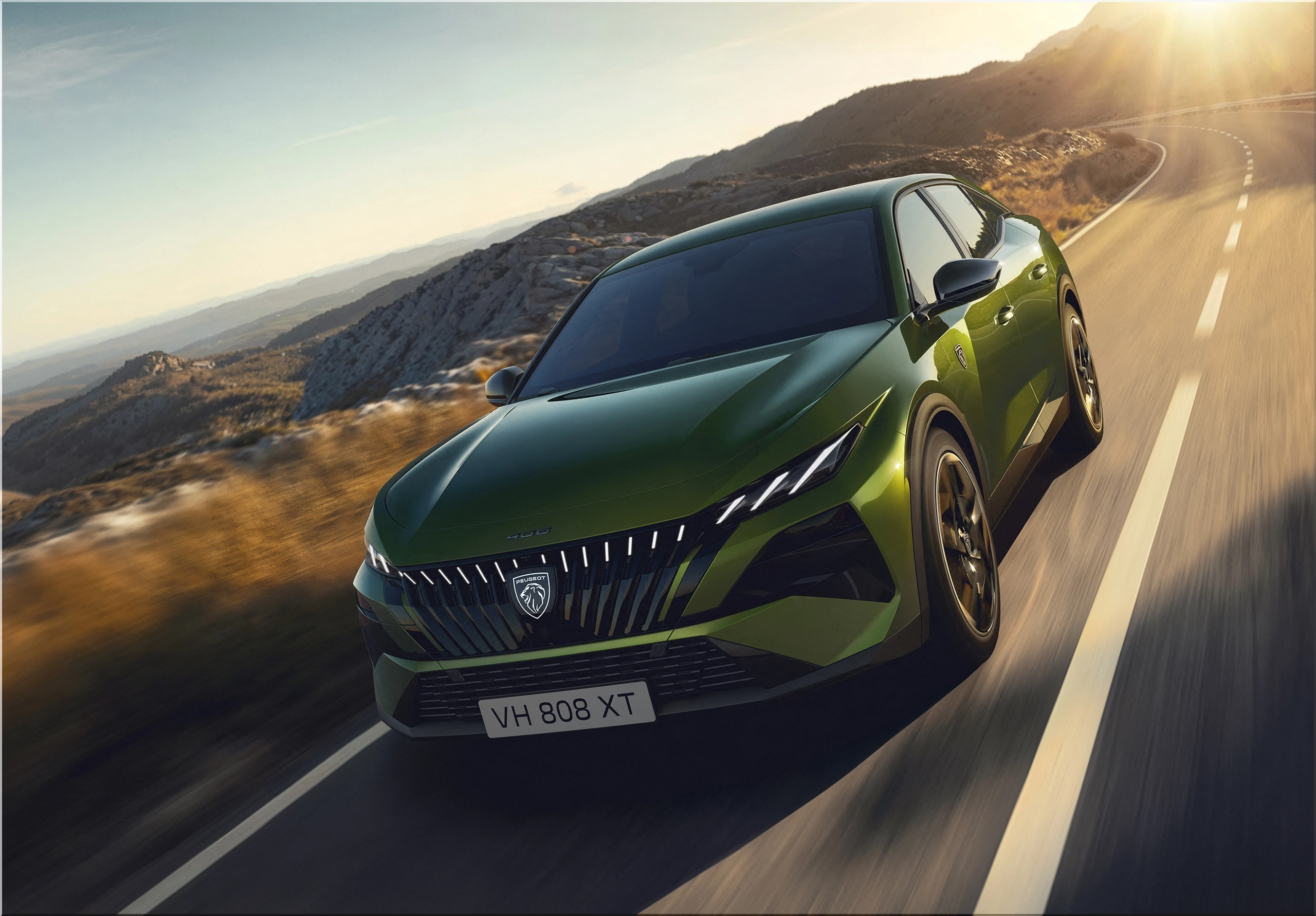
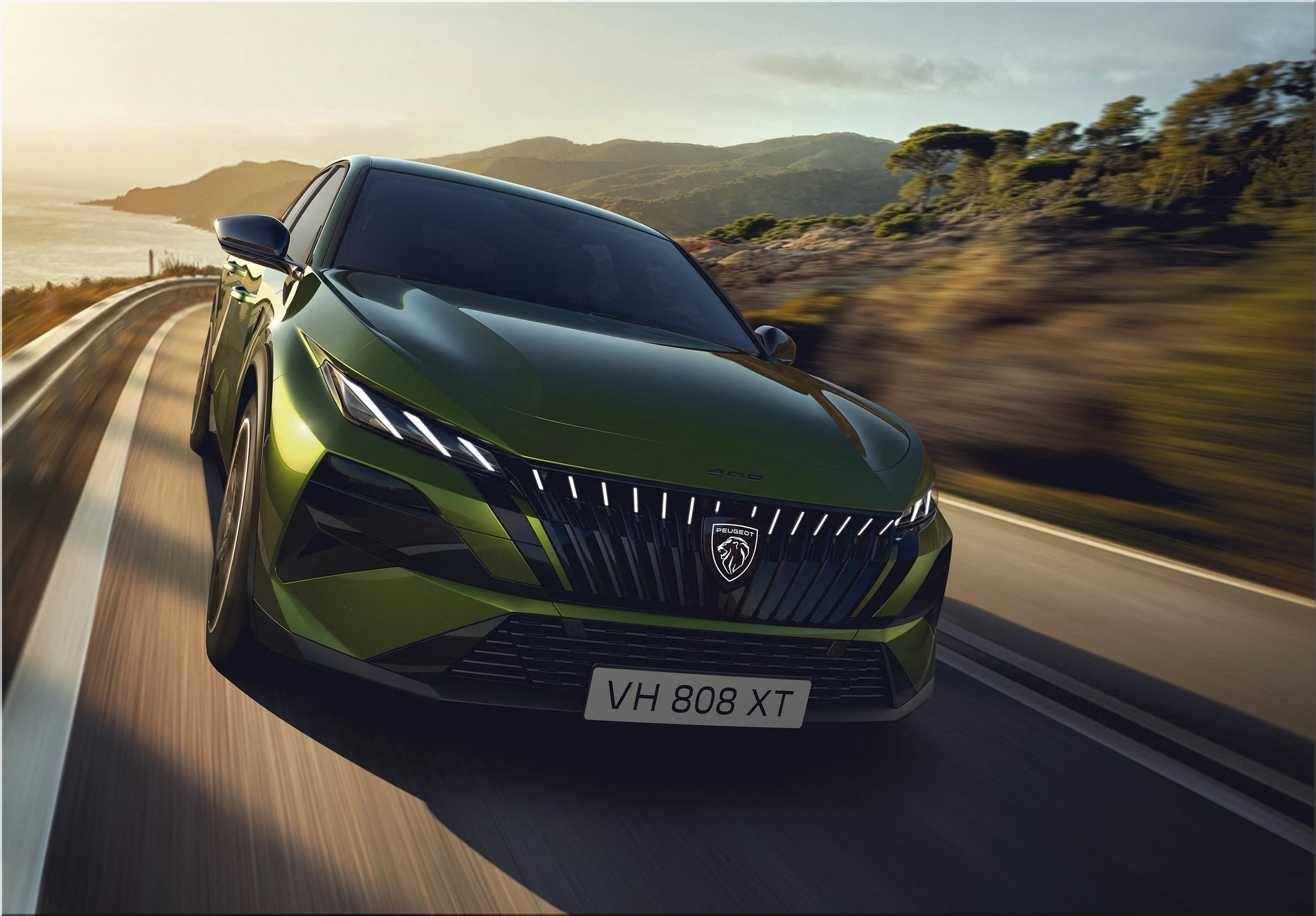
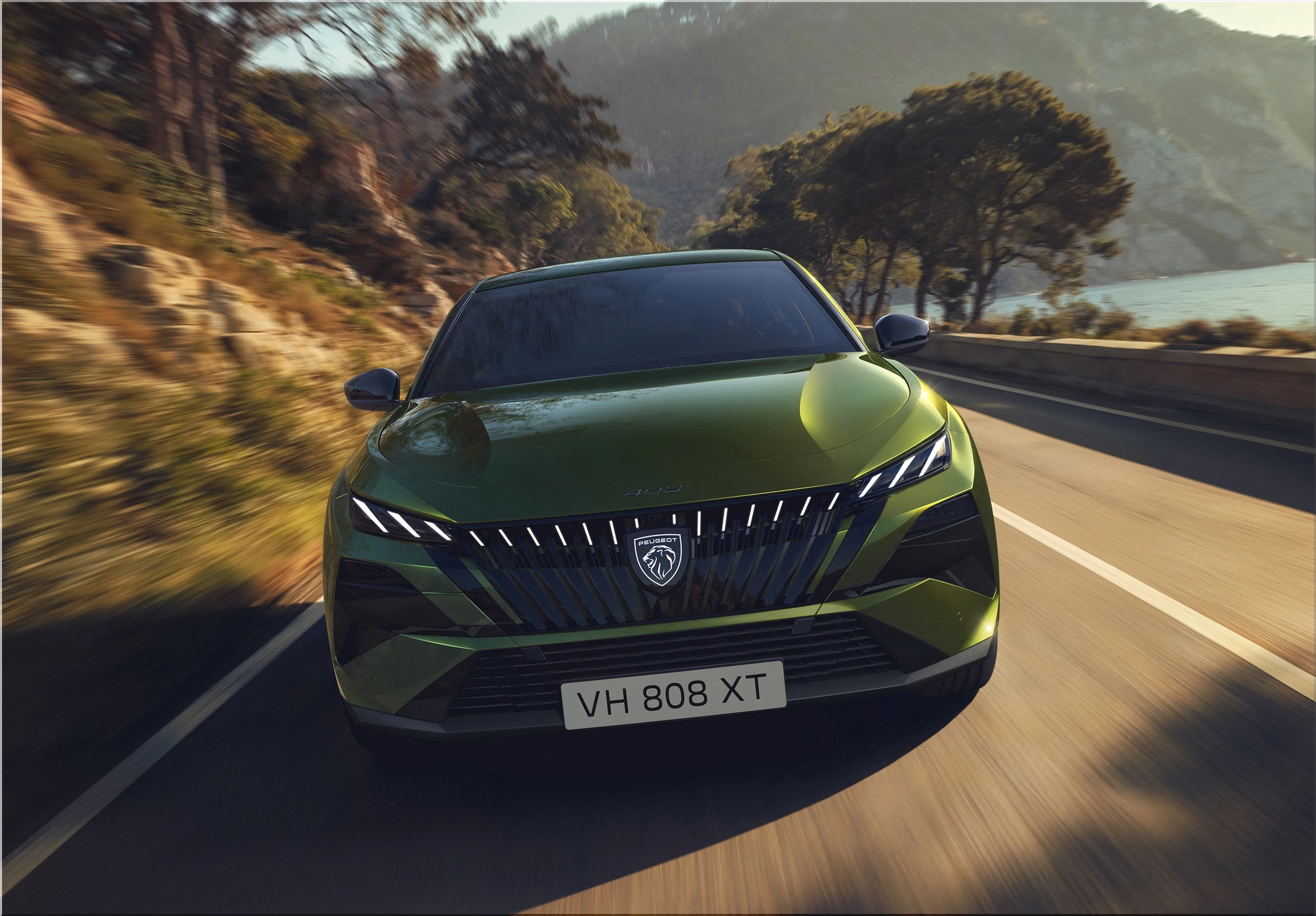
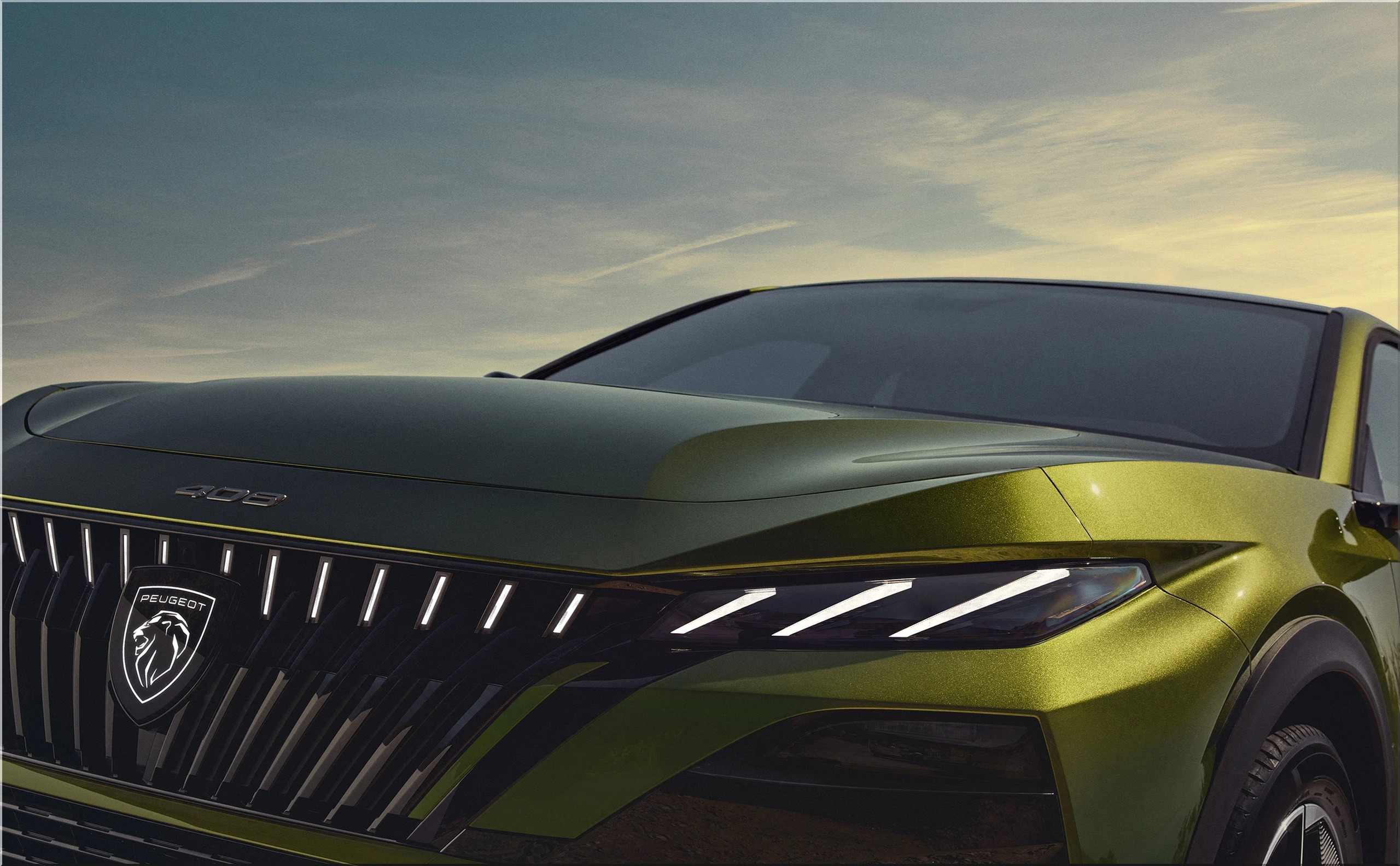
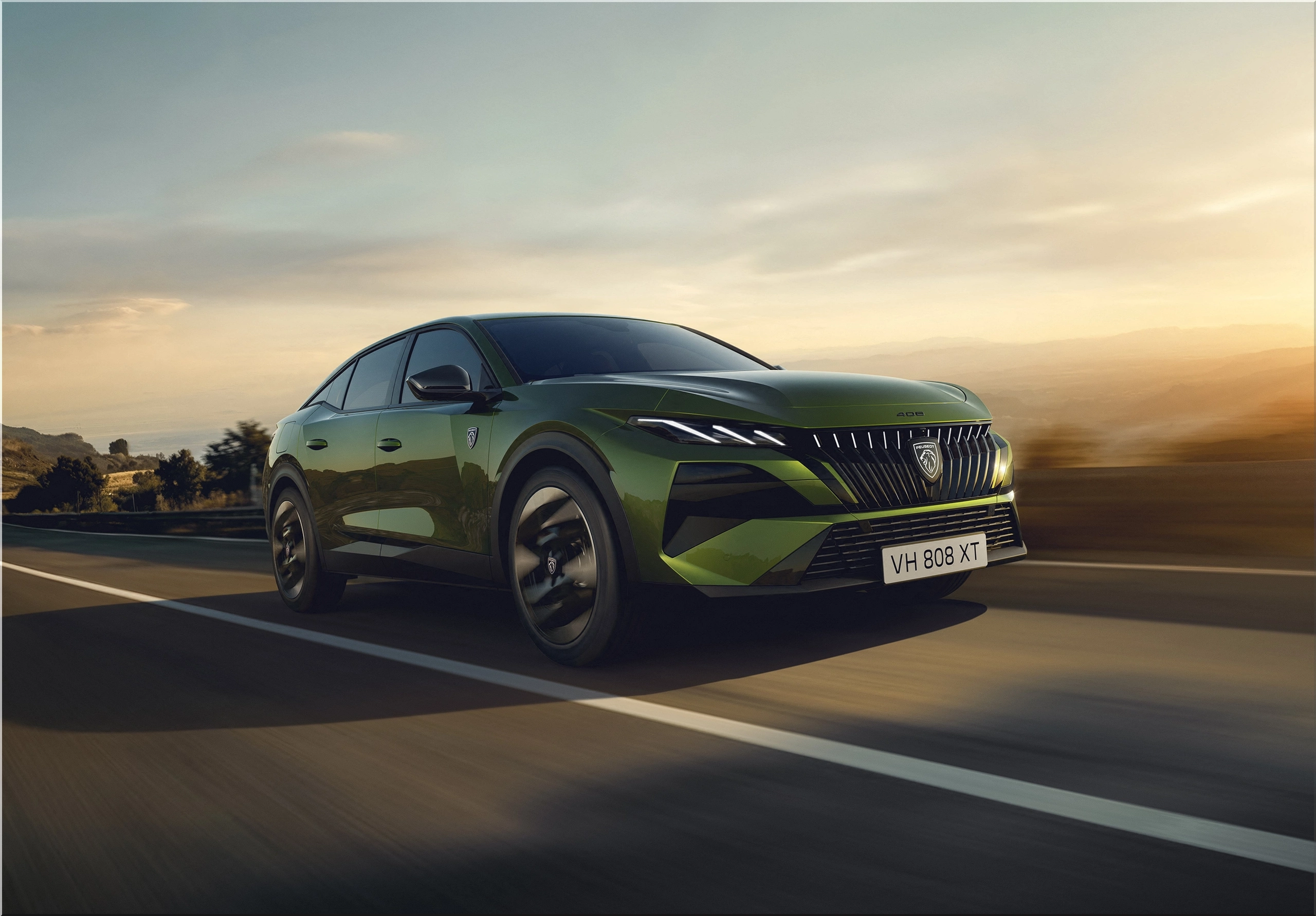
- A wider grille with body-color elements
- A trapezoidal lower intake
- Updated LED lighting signatures
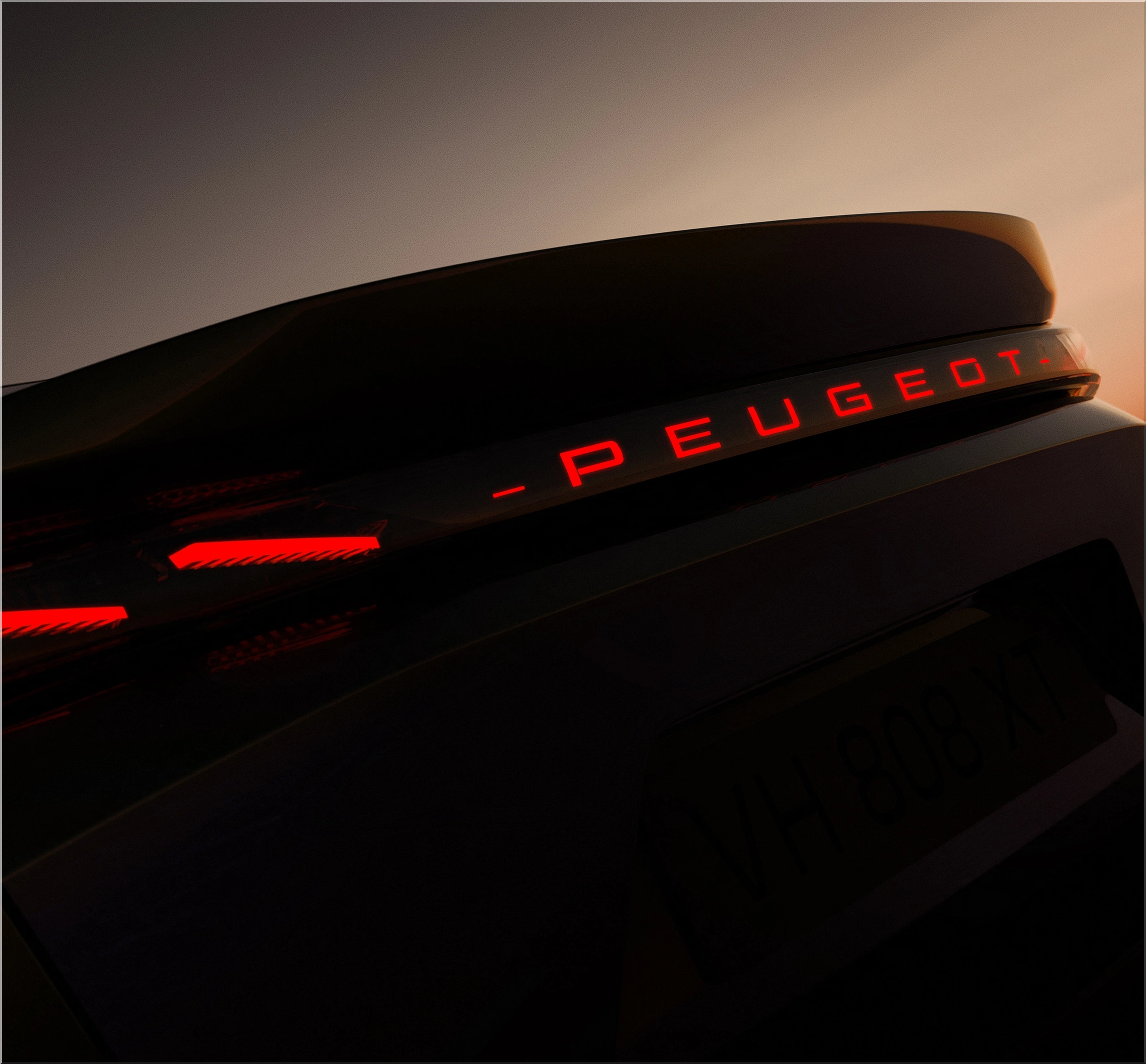
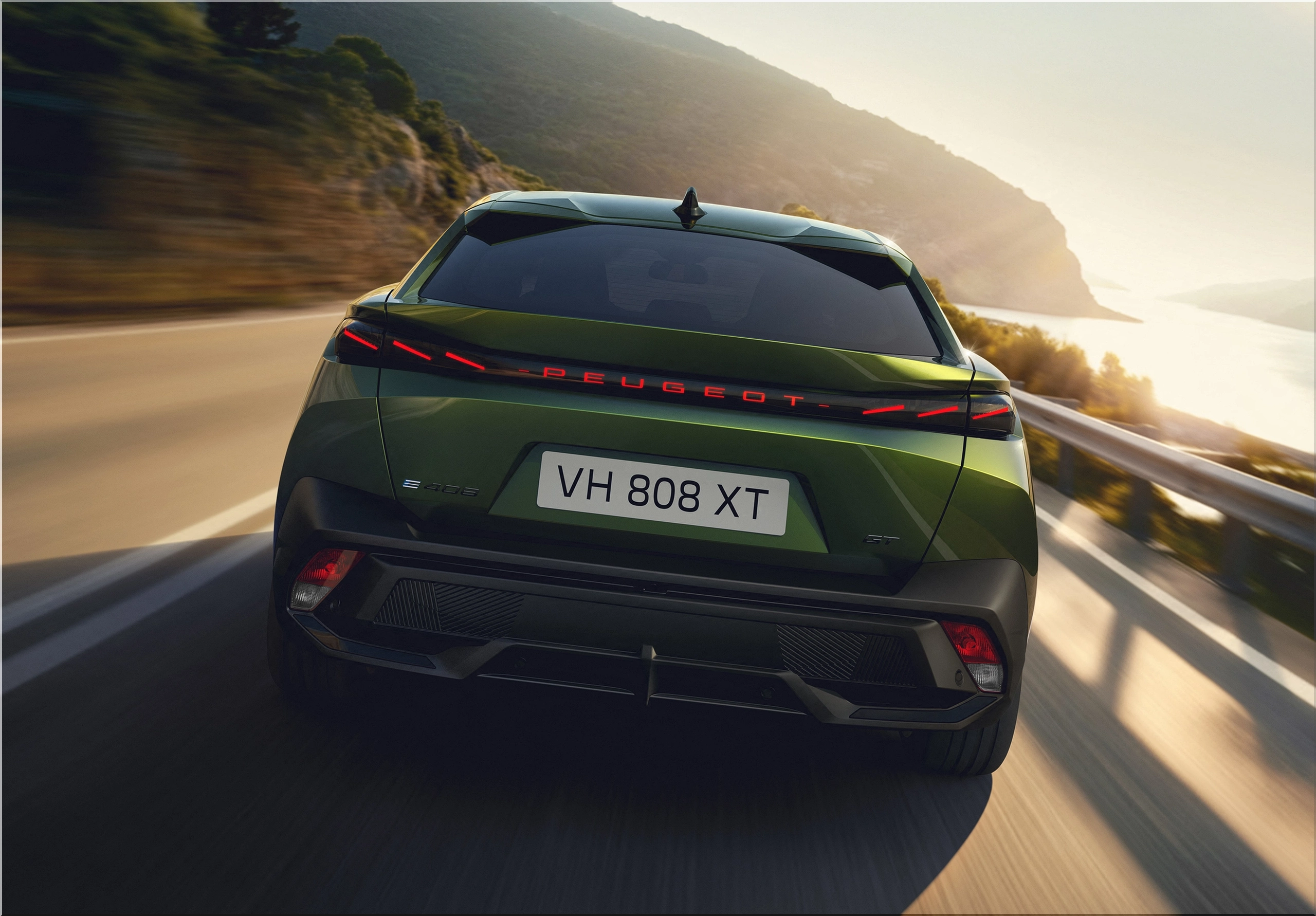
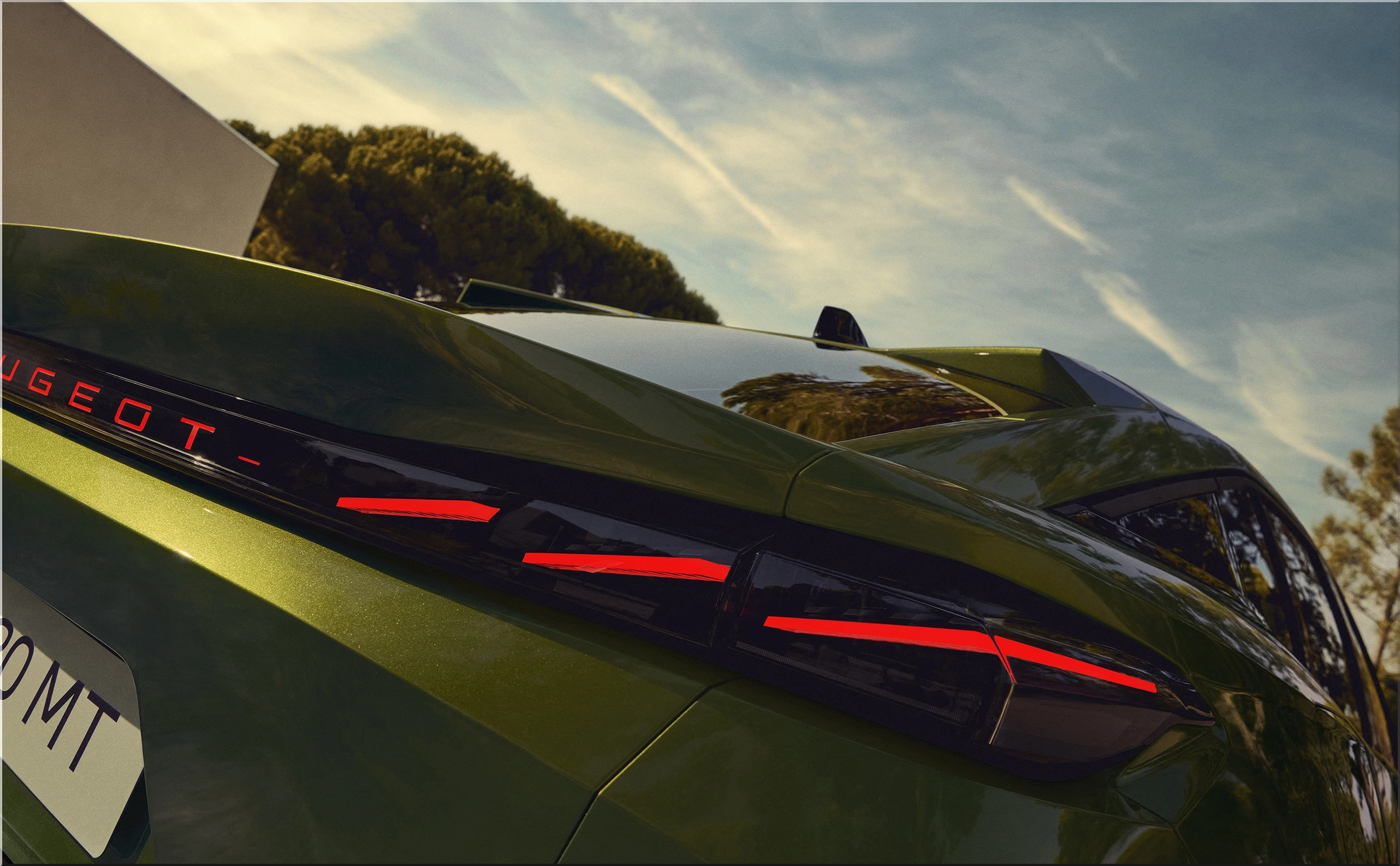
At the rear, illuminated Peugeot lettering improves brand recognition at night while reinforcing width.
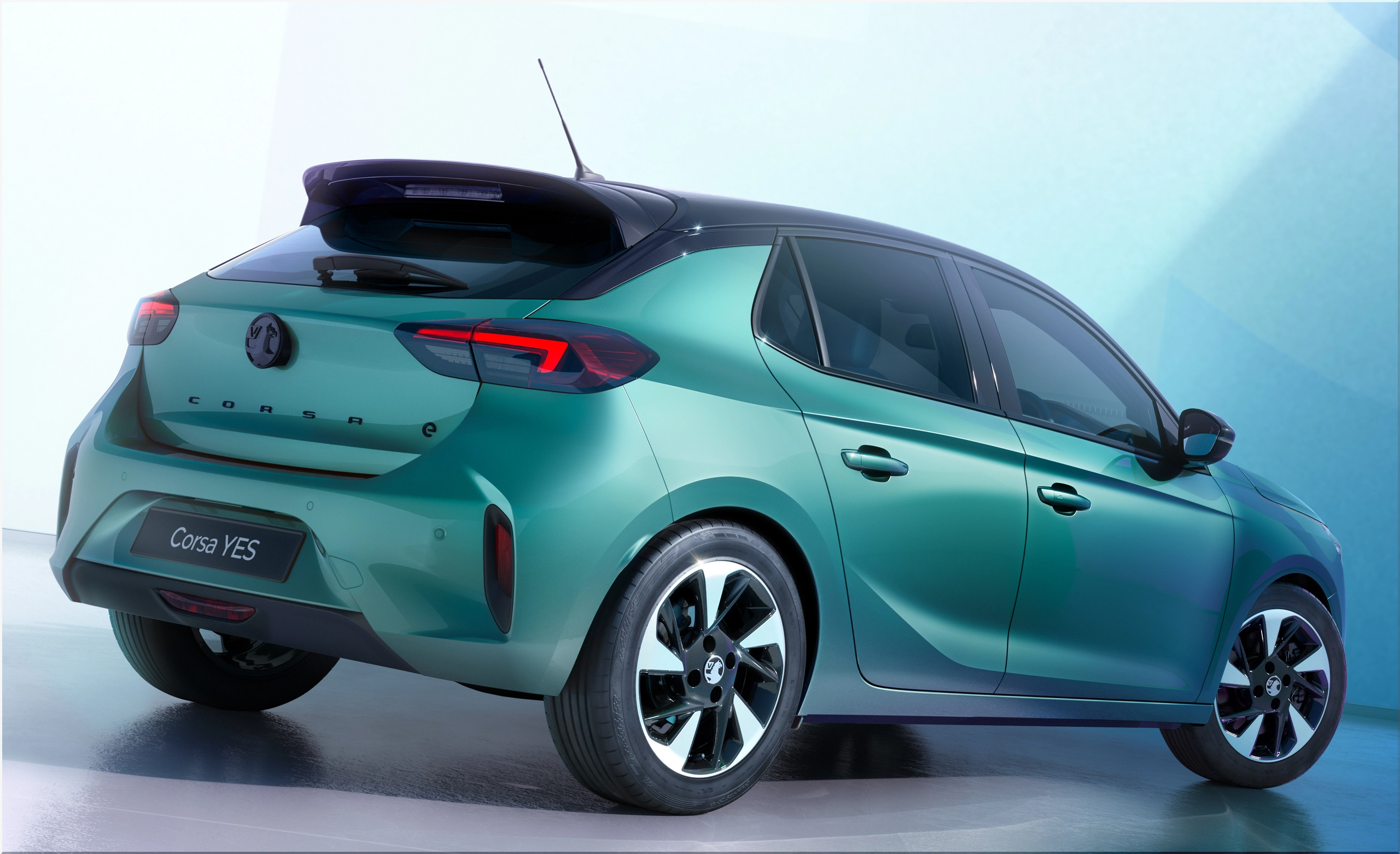
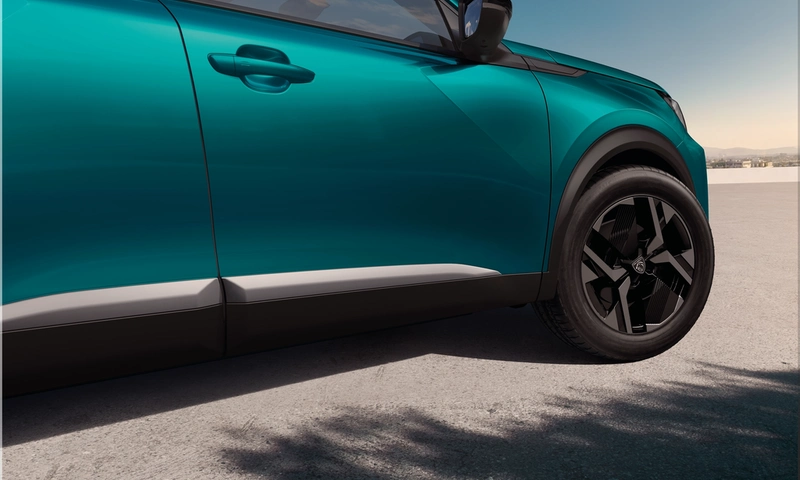
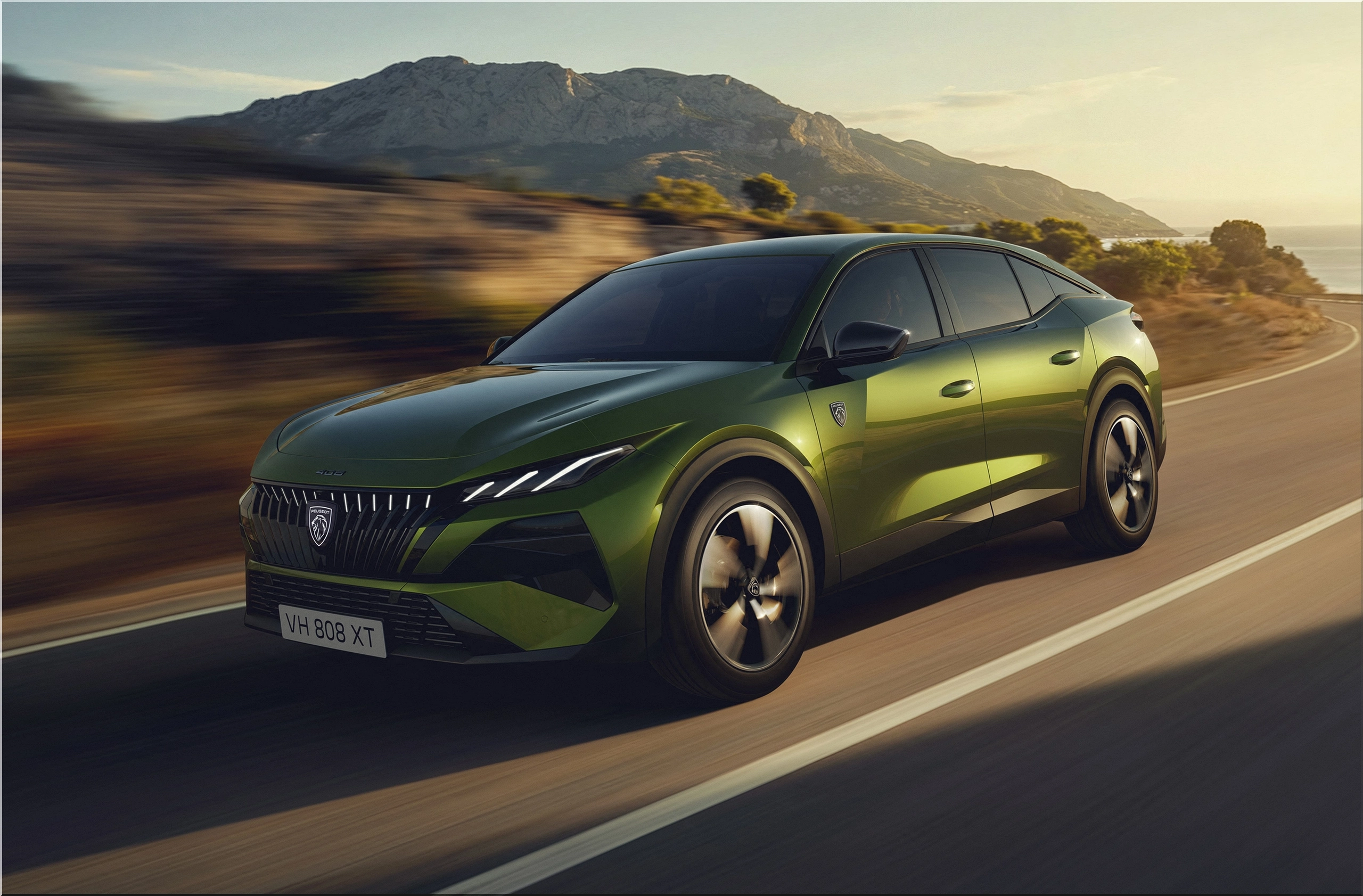
A new Flare Green paint option shifts hue under changing light. It creates visual movement without adding trim complexity or weight.
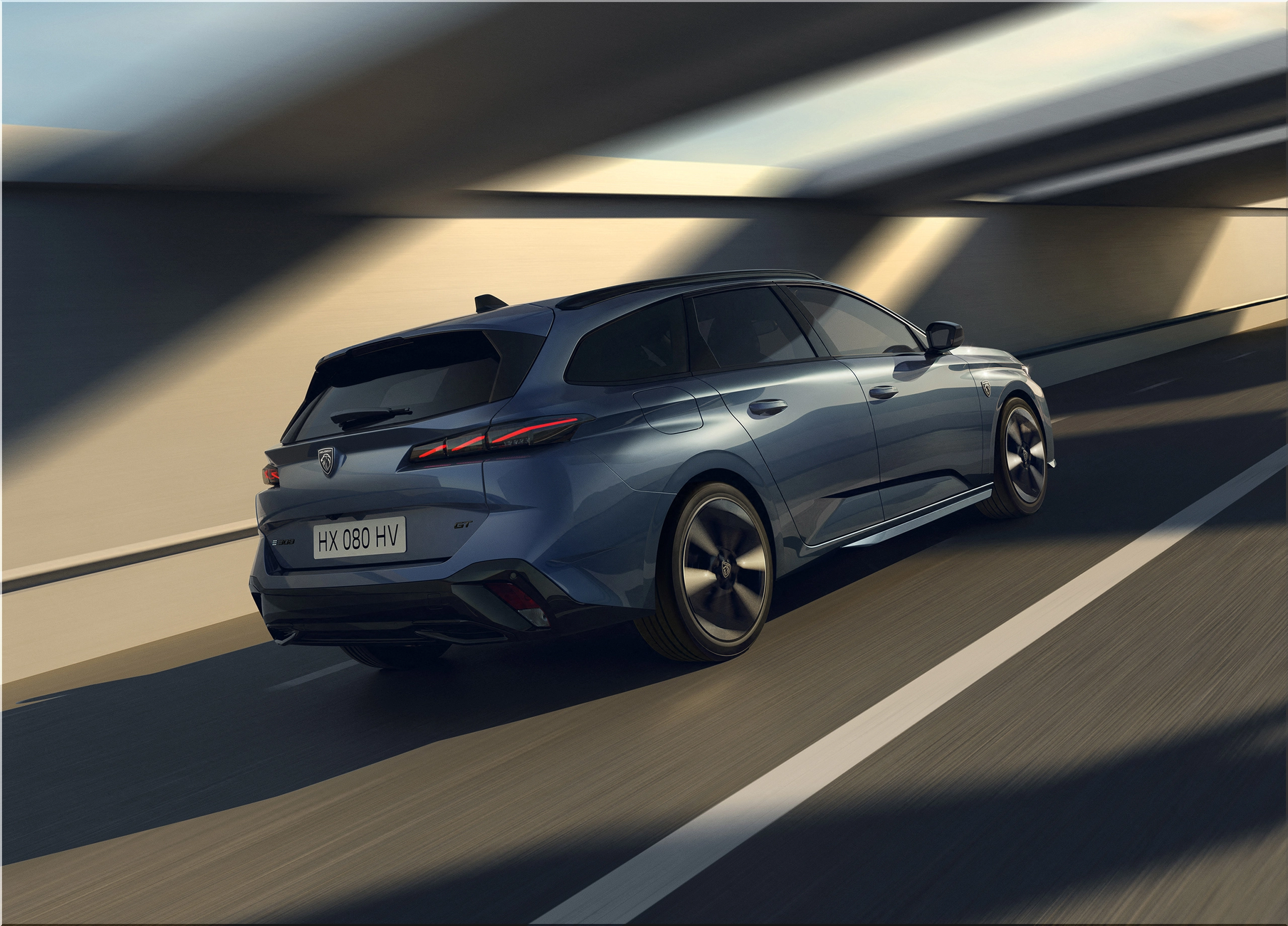
Dimensionally, the 408 uses its footprint efficiently:
- Wheelbase: 2.79 meters
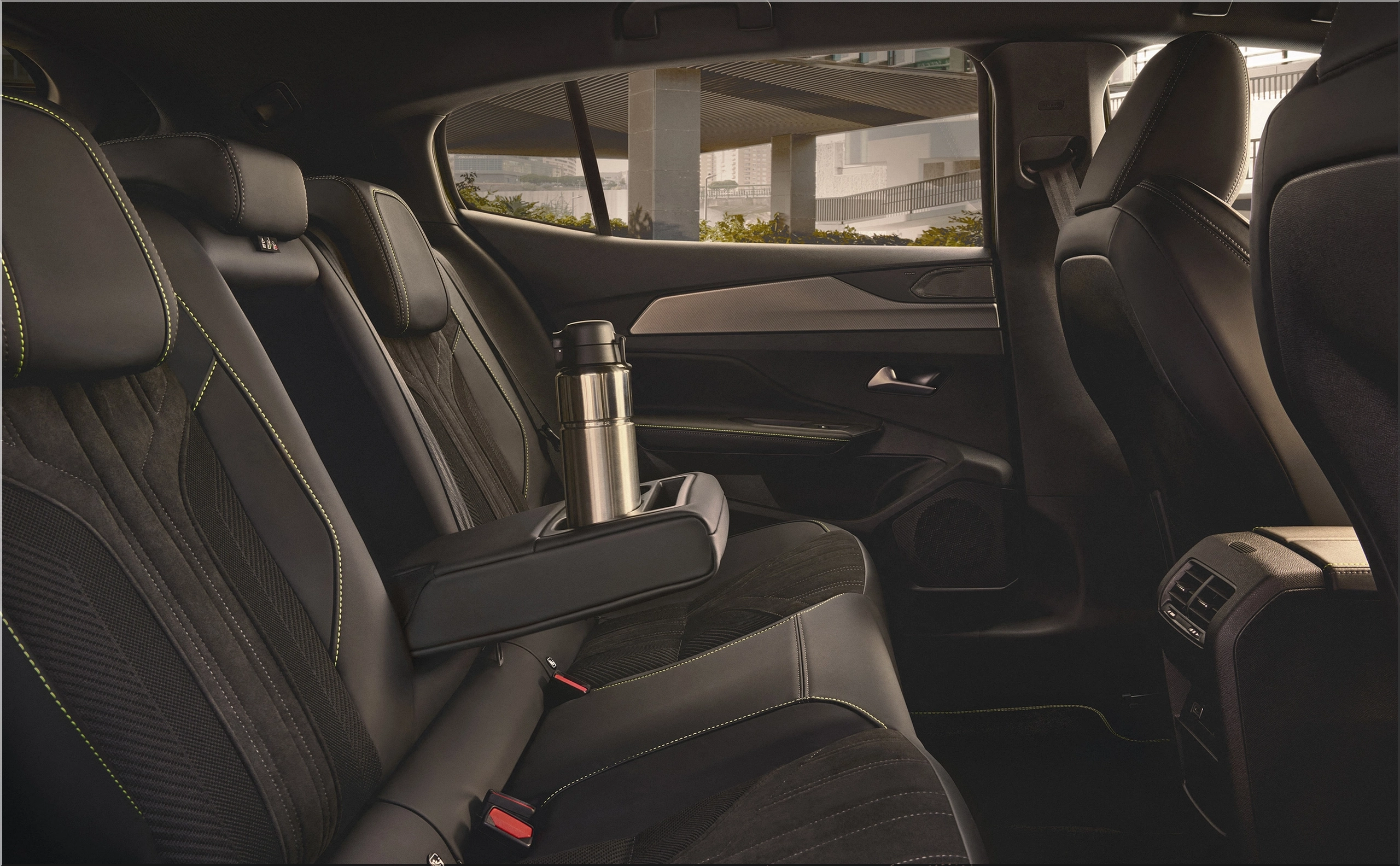
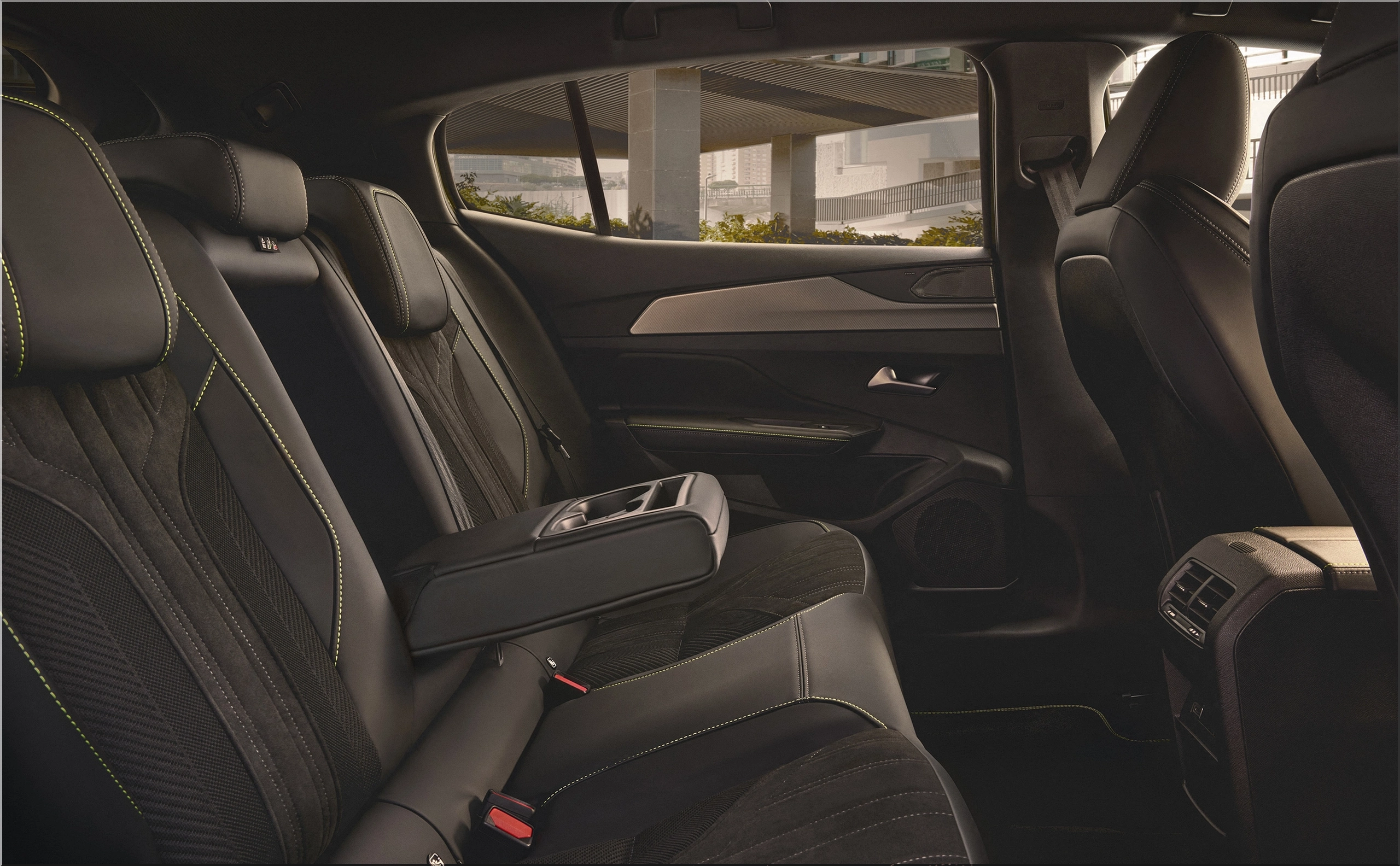
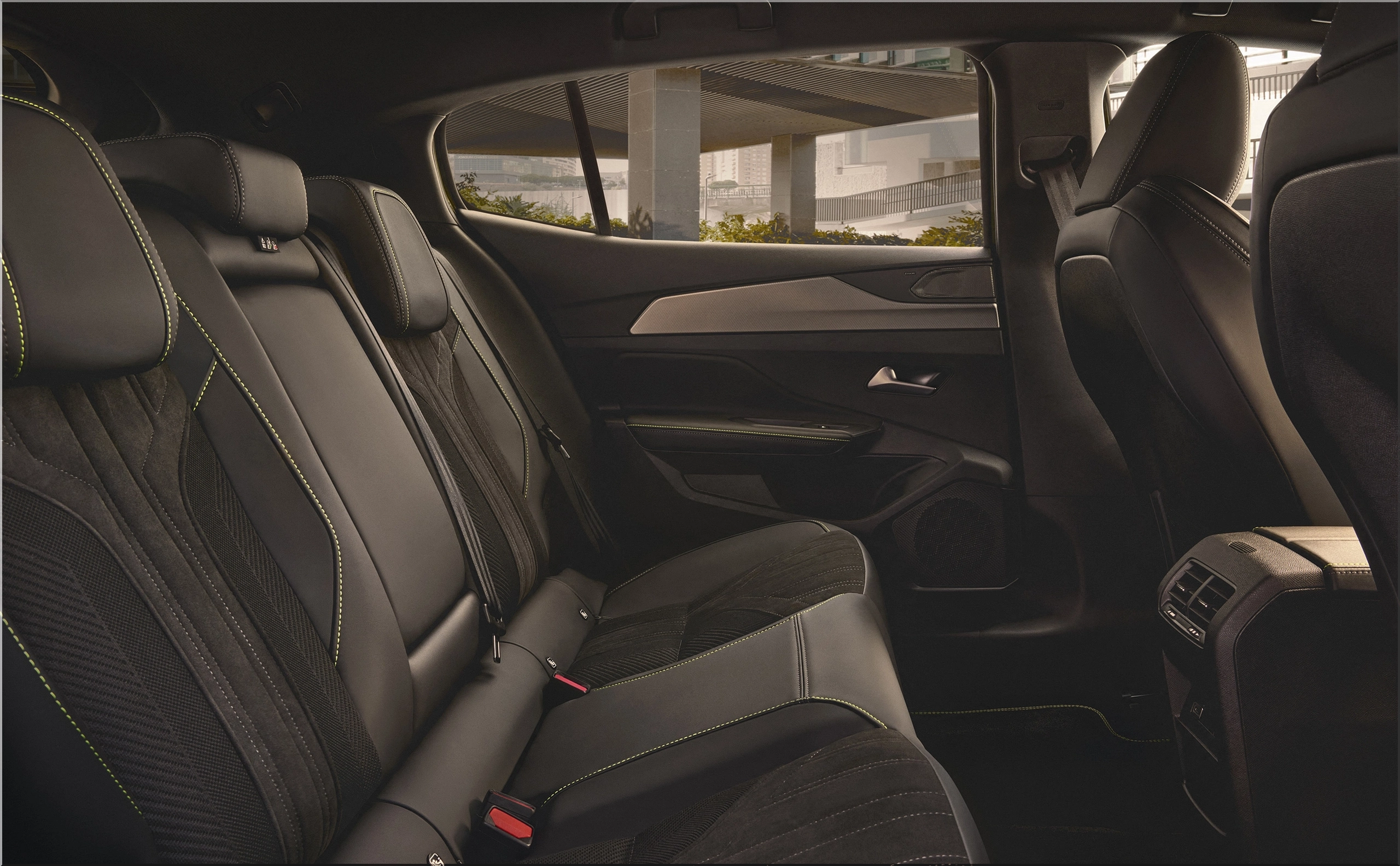
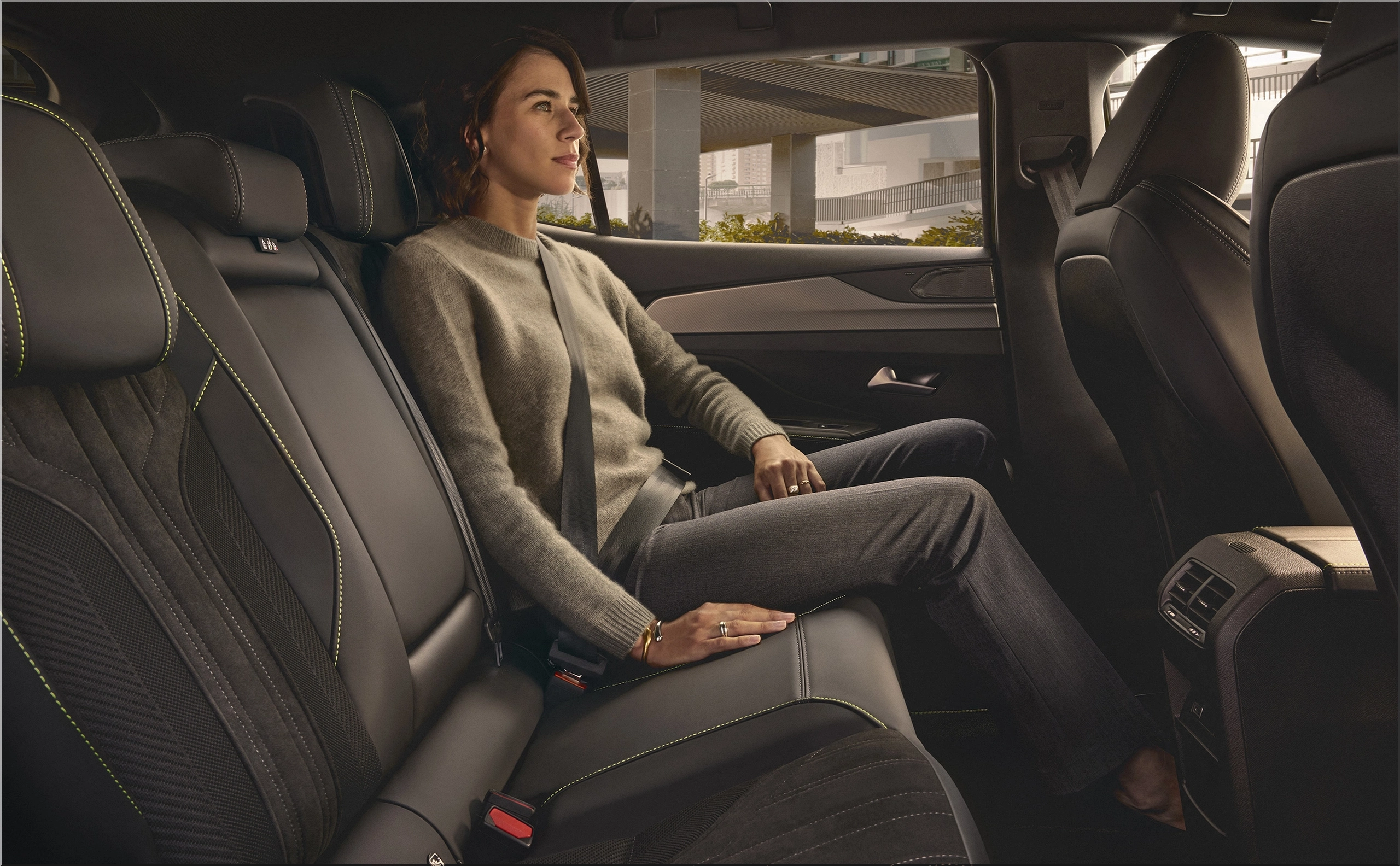
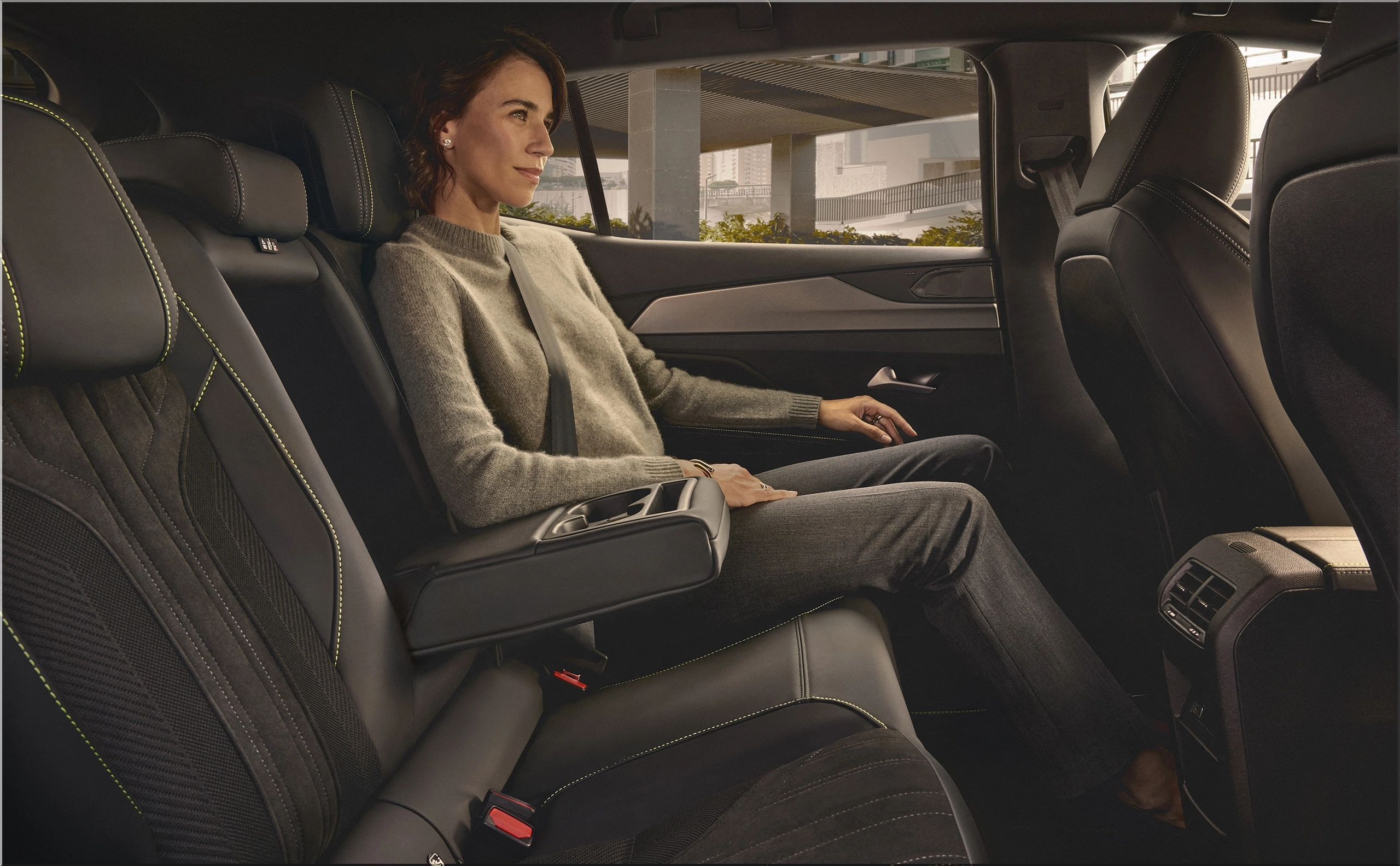
- Rear knee room: 183 mm
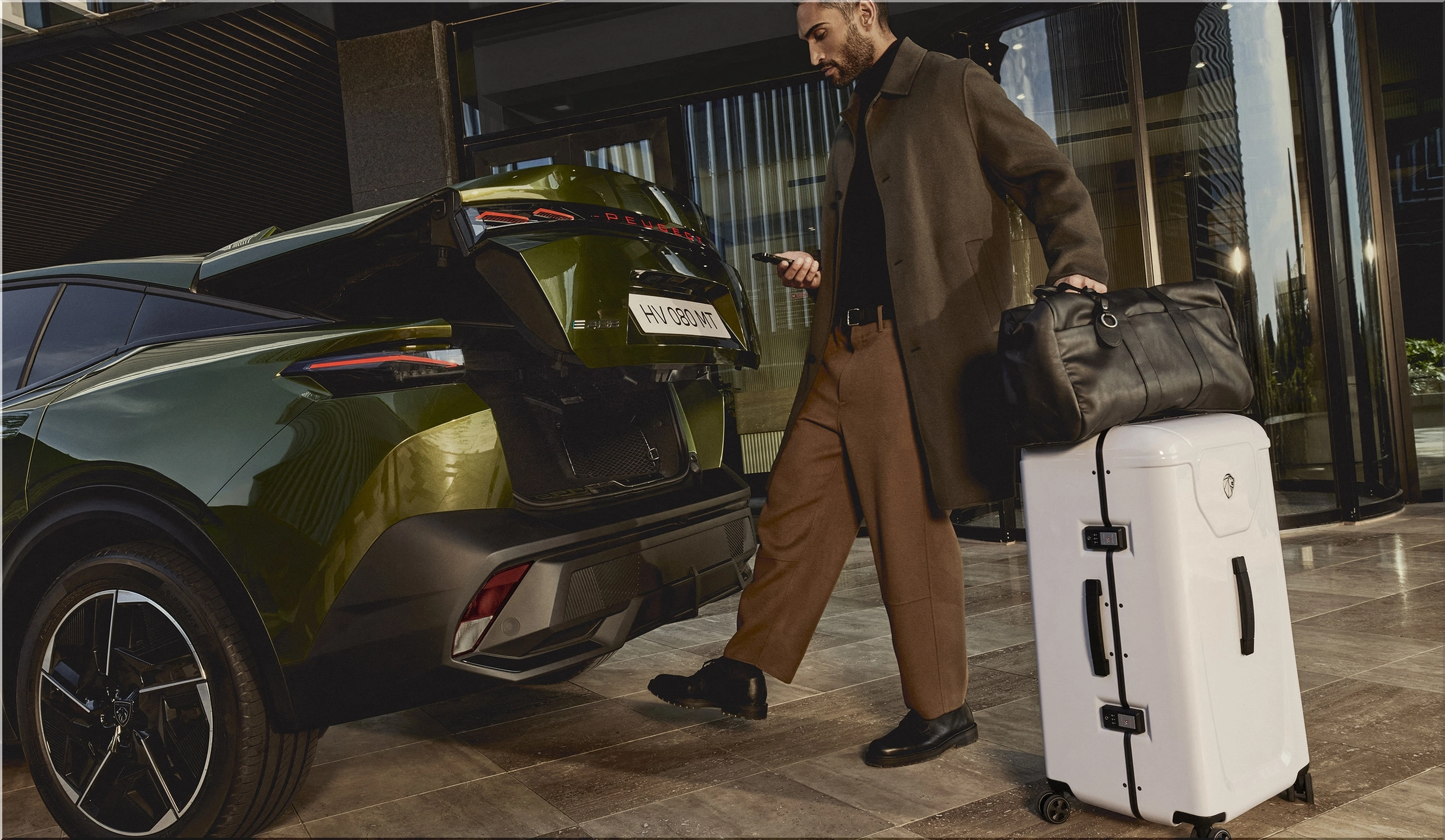
- Cargo volume: 536 liters
- Max cargo: 1,611 liters with rear seats folded
Those numbers place the 408 closer to compact wagons than sedans.
Pro-Tip: Why Wheelbase Matters
Longer wheelbases improve rear-seat comfort and ride stability. That directly reduces fatigue on longer drives.
Interior Architecture and Human-Centered Design
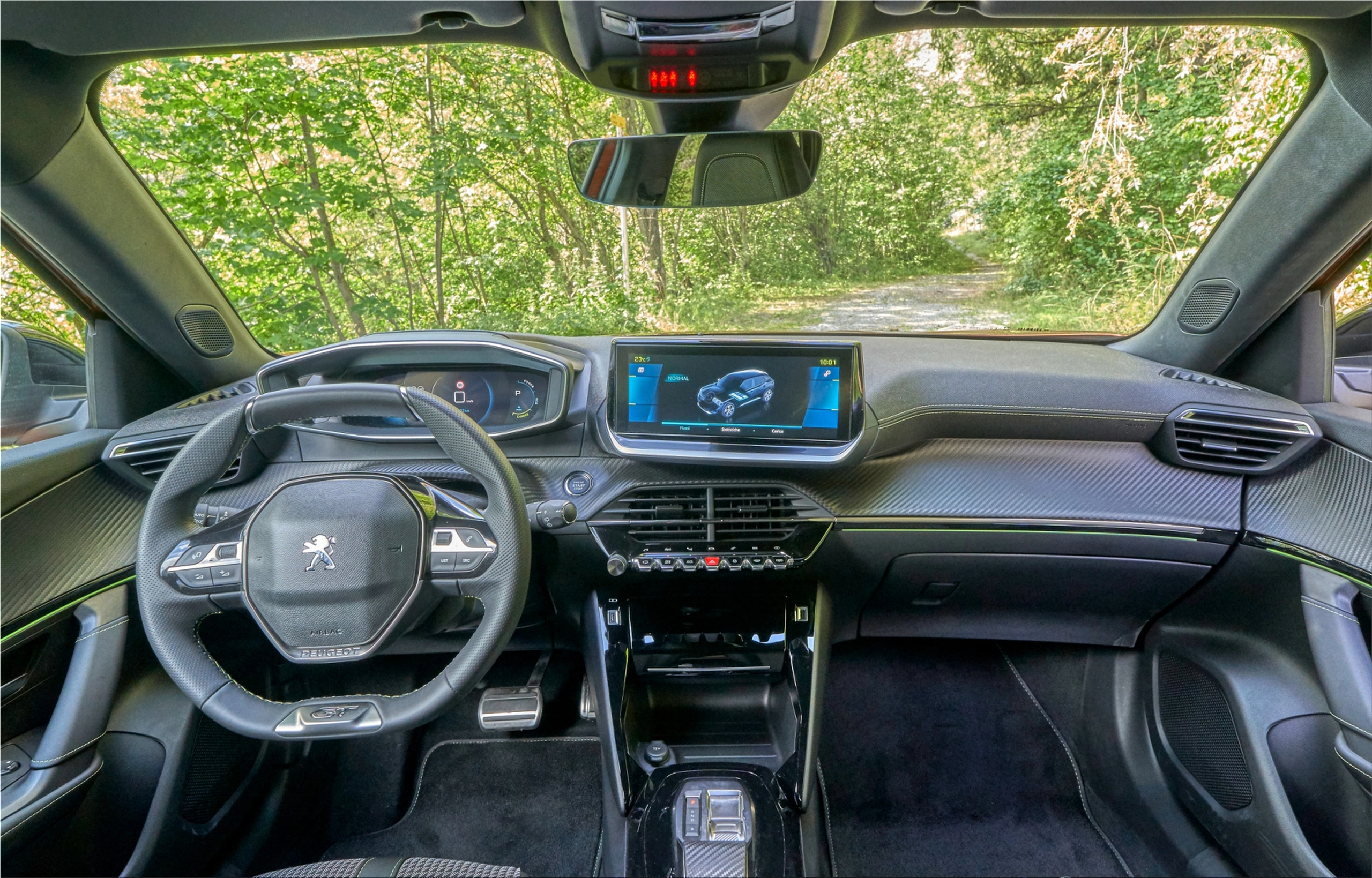
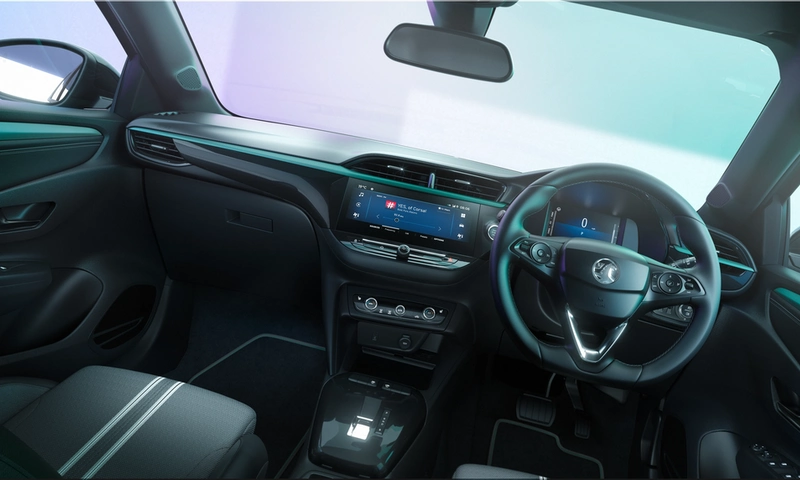
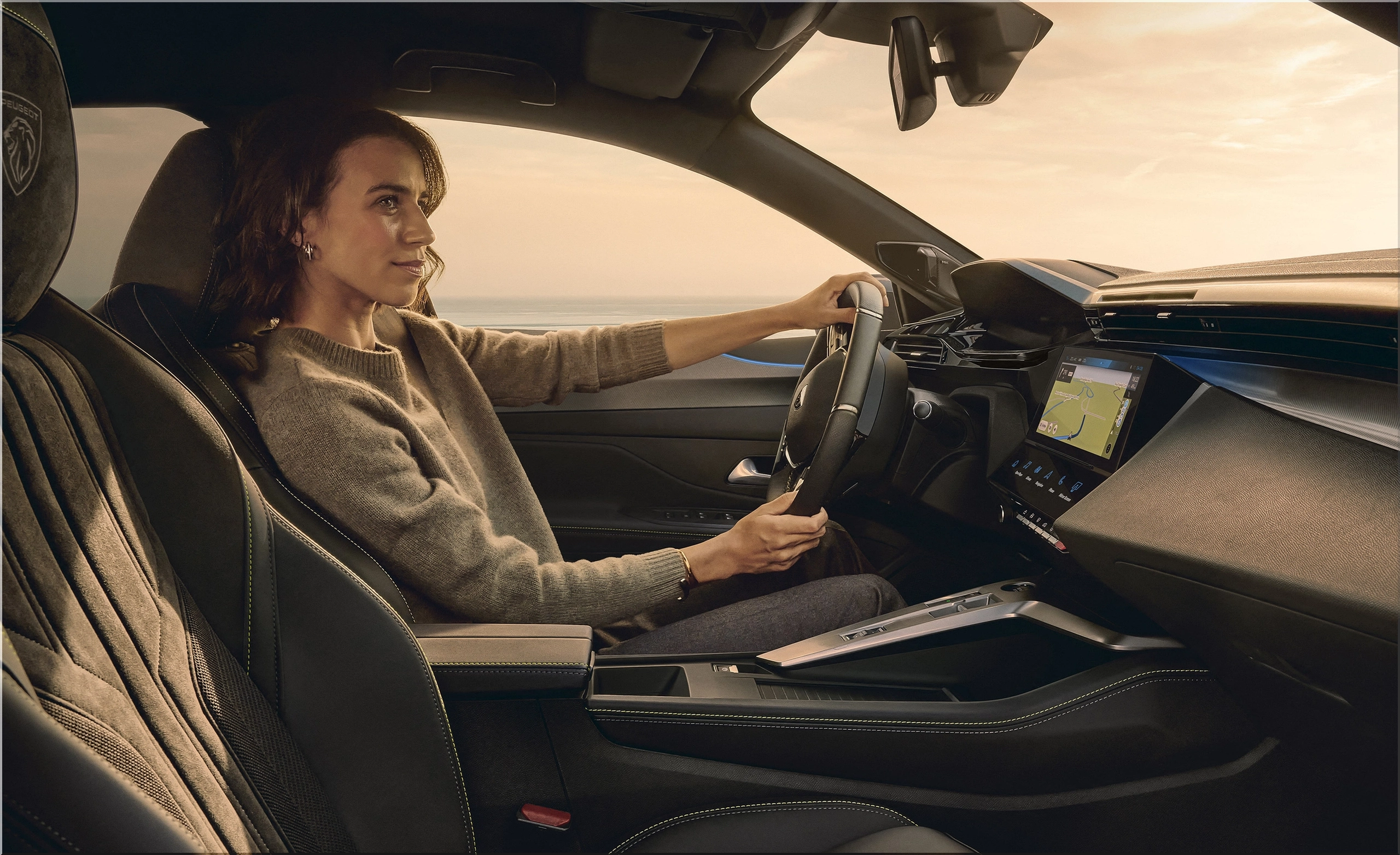
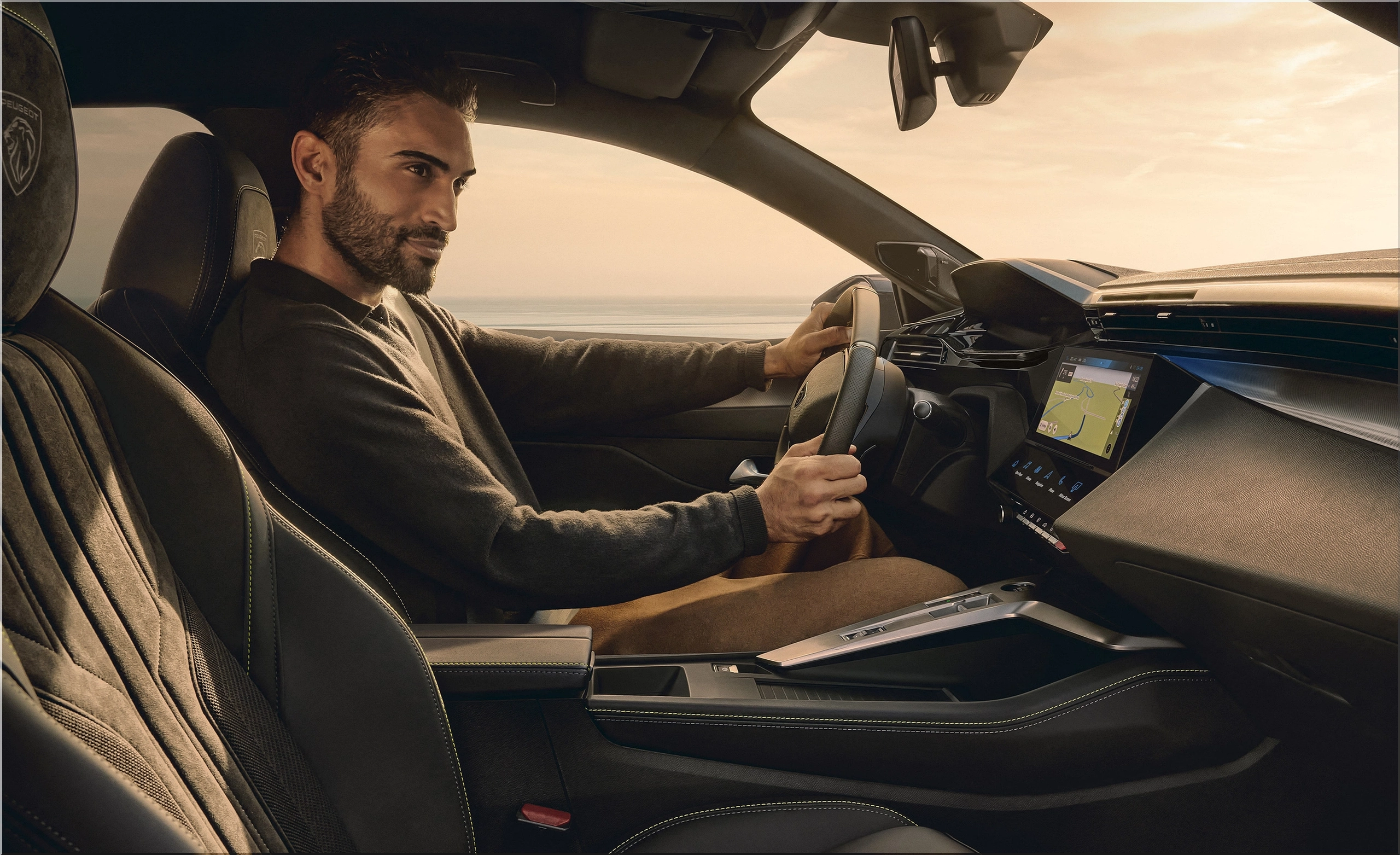
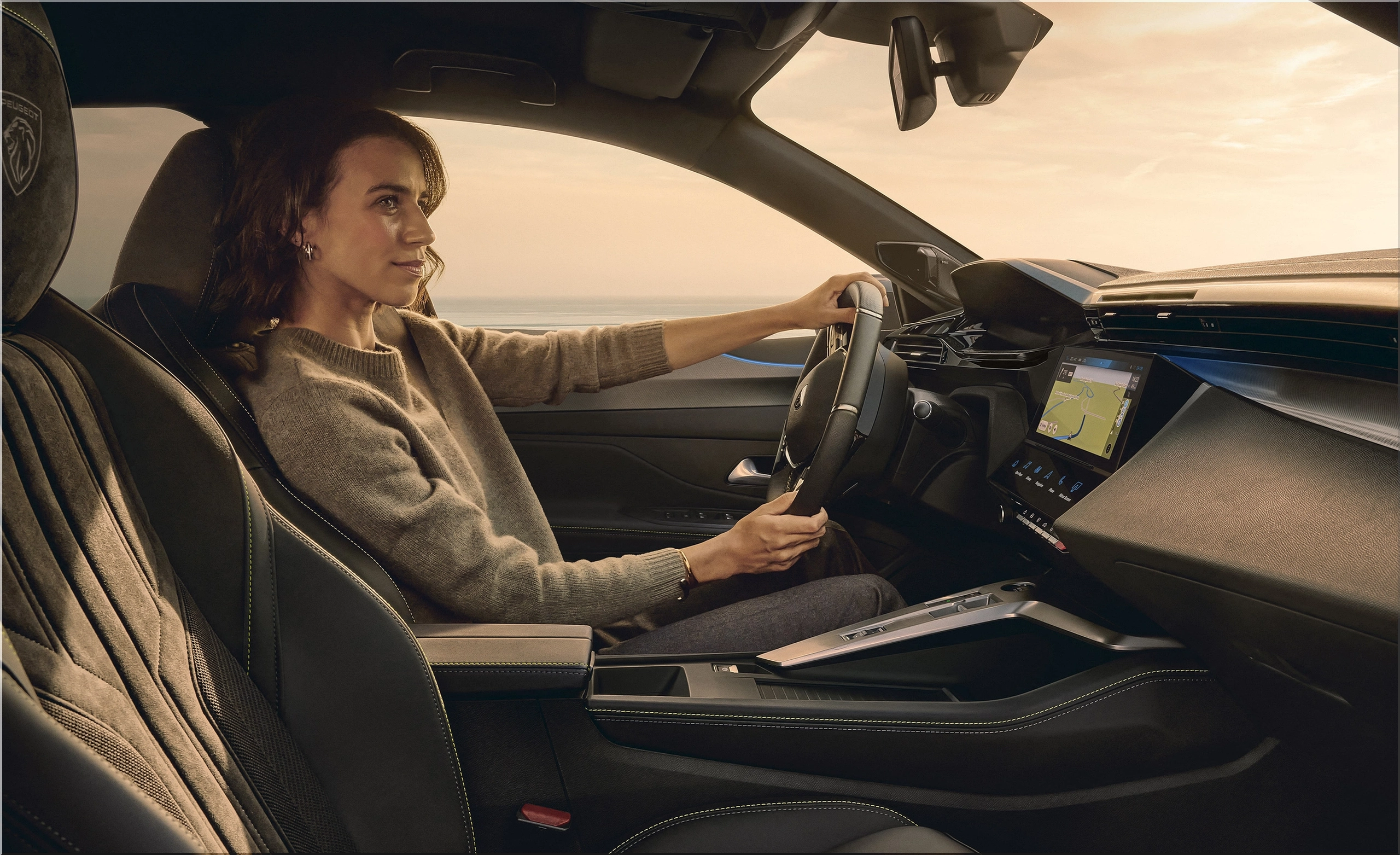
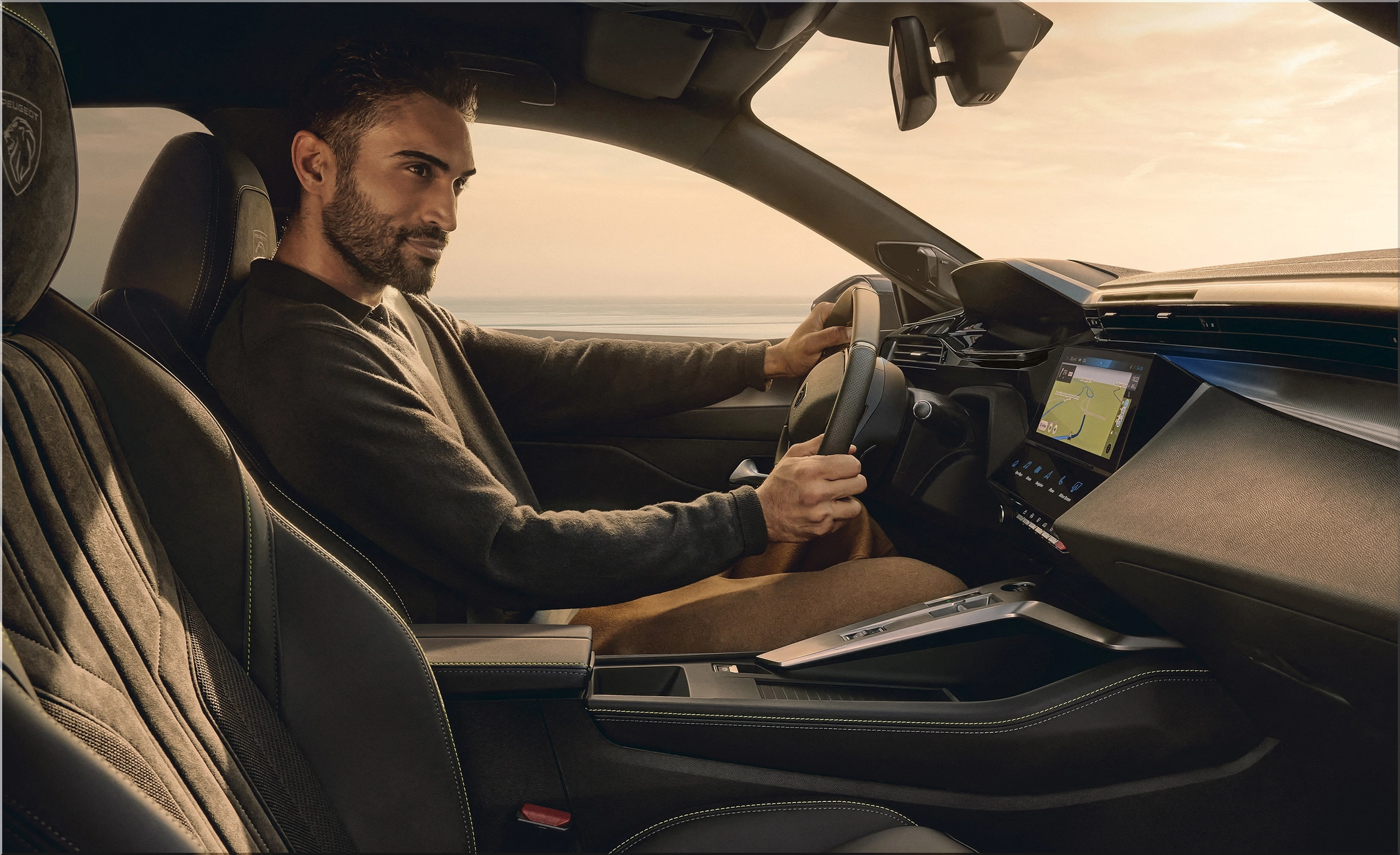
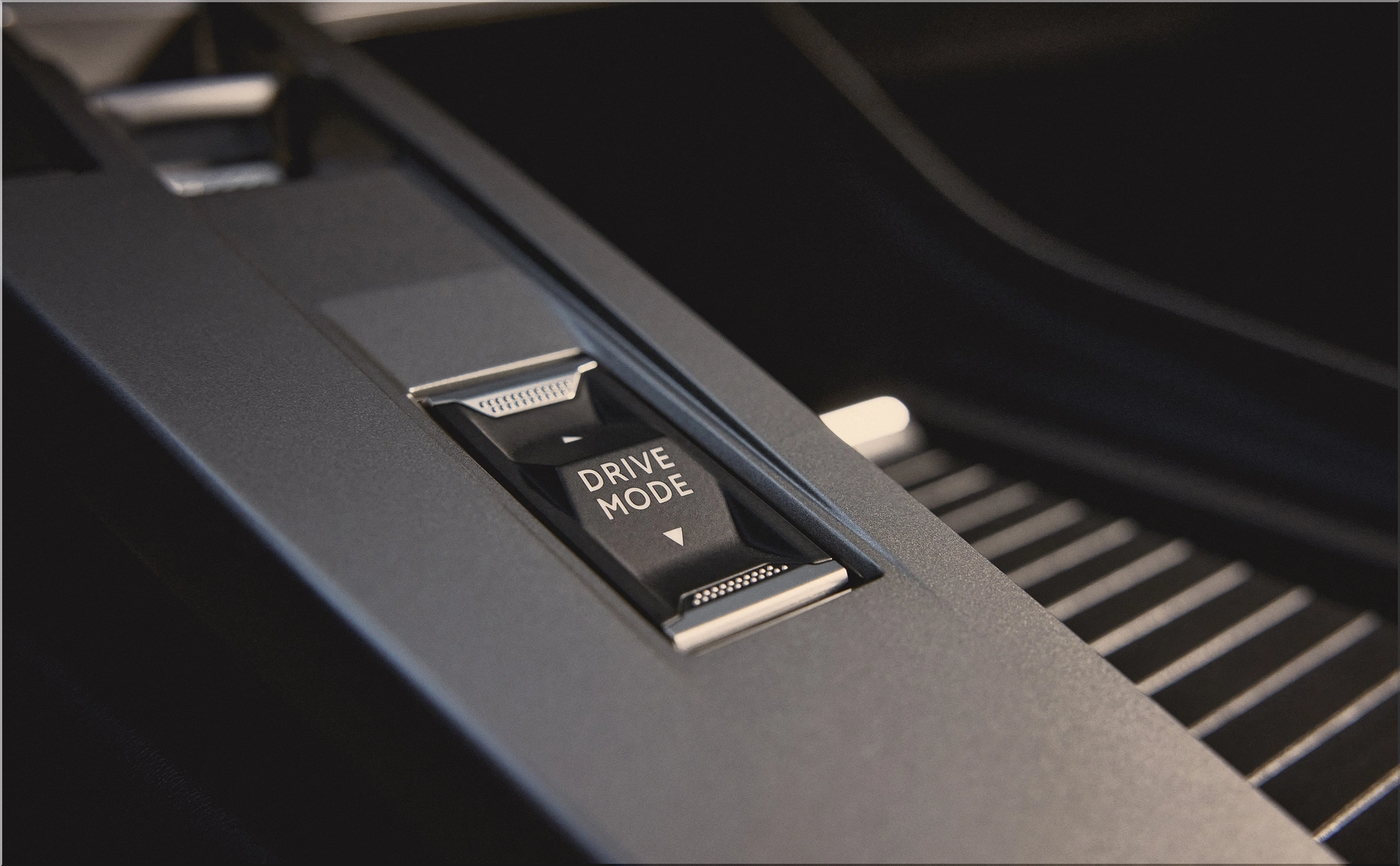
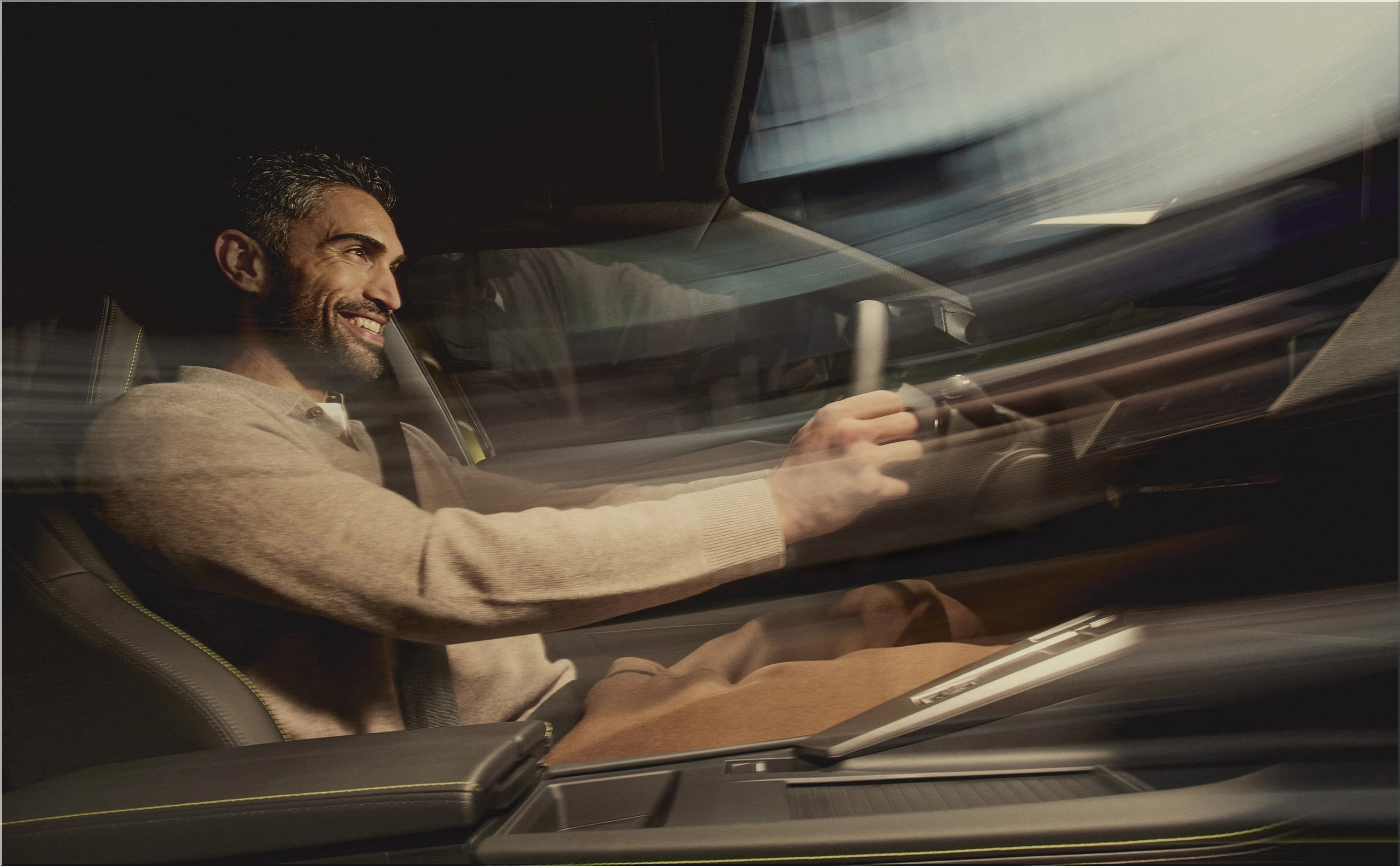
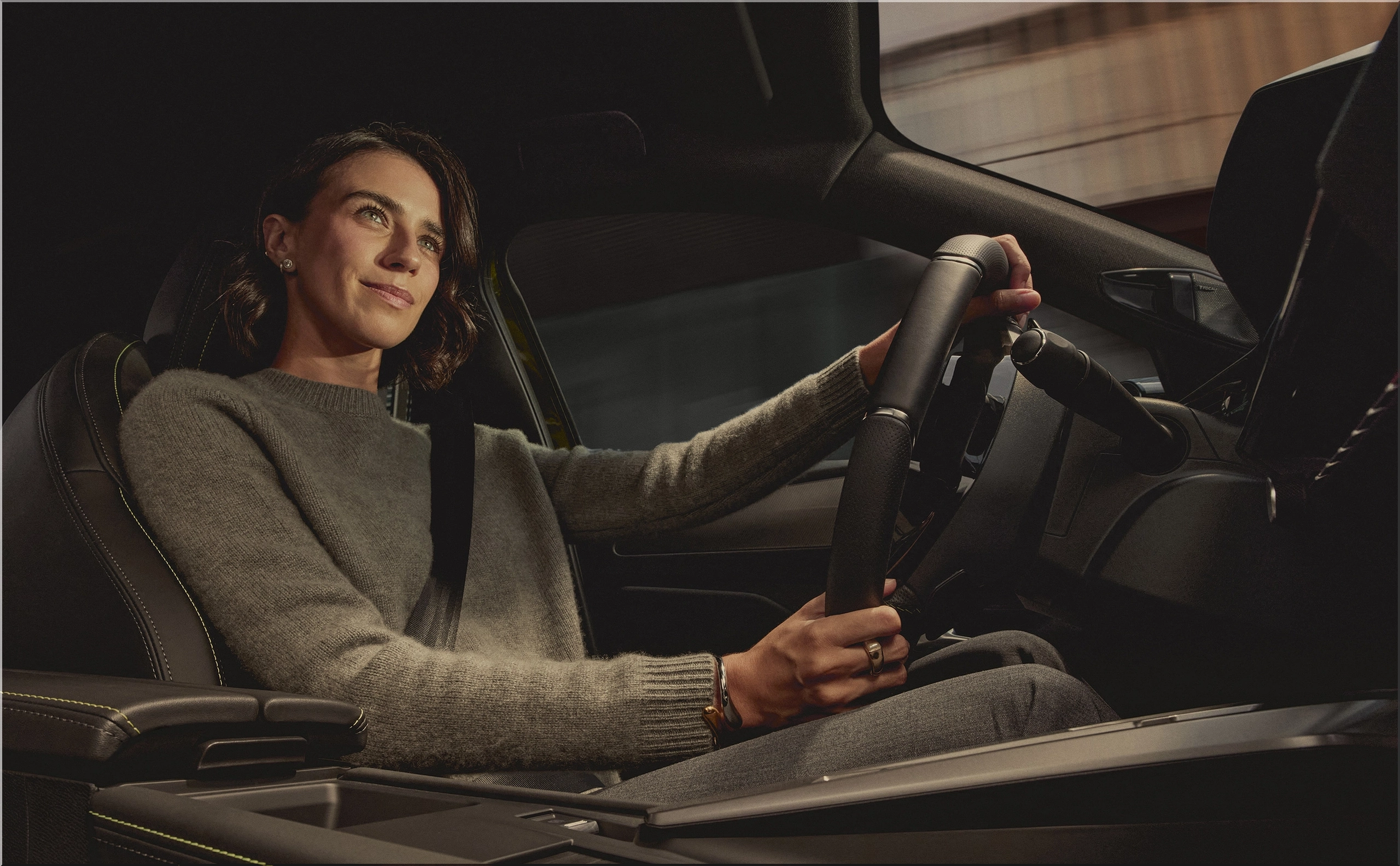
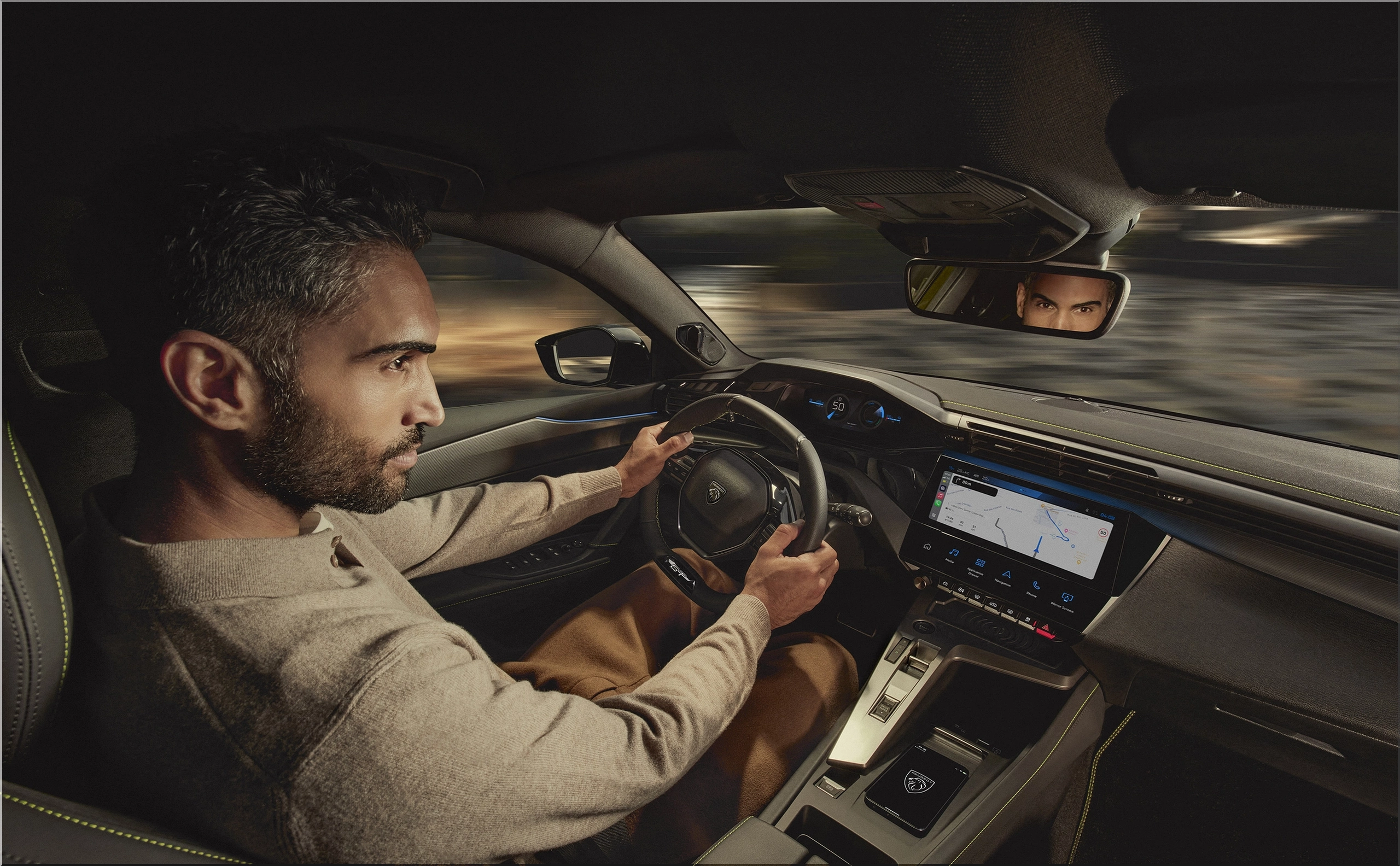
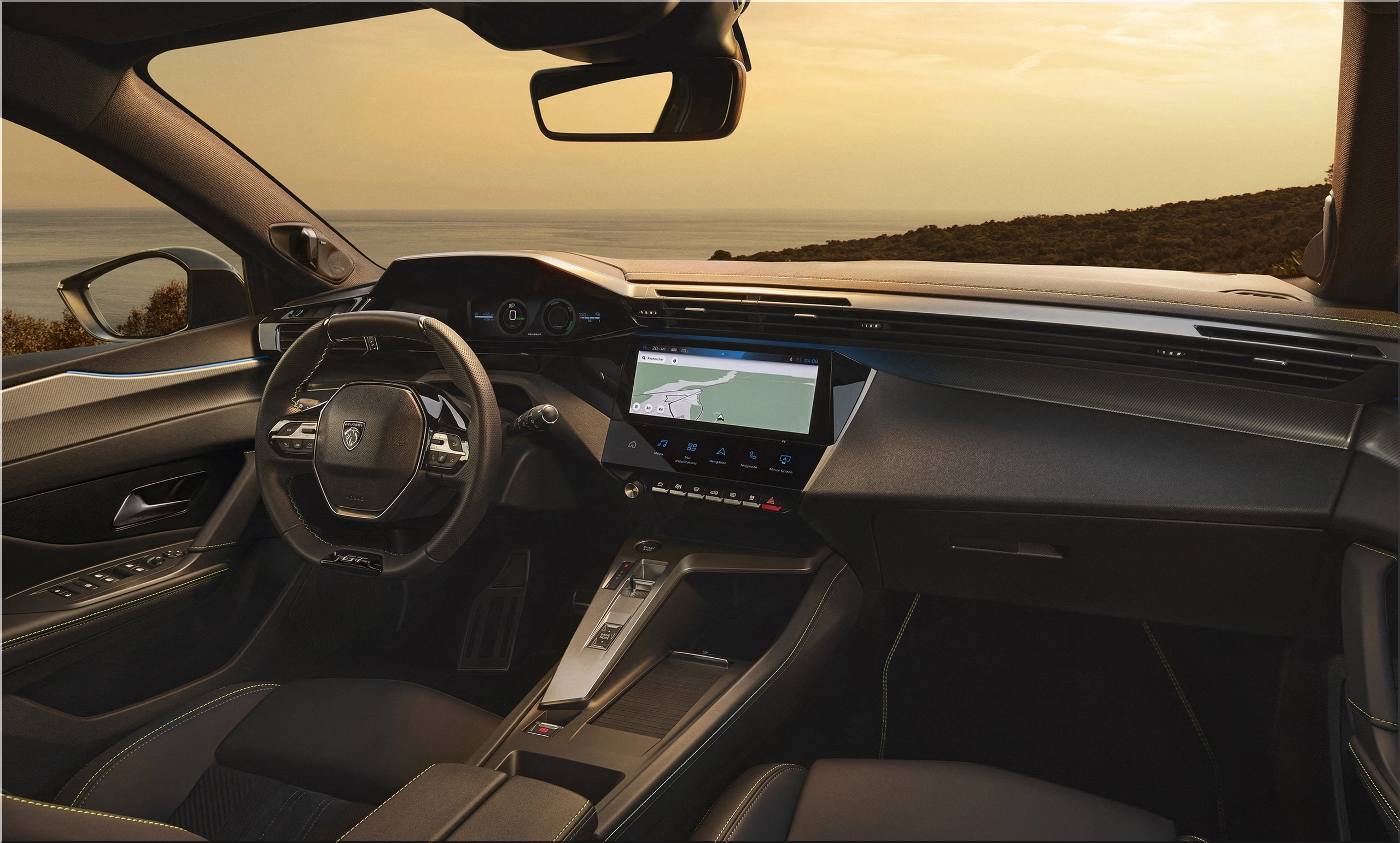
Peugeot updates the cabin with a focus on clarity and reduced friction. Controls cluster around a digital instrument panel and a 10-inch touchscreen positioned for minimal eye travel.
Material updates improve perceived quality without excess ornamentation. Higher trims offer Alcantara and Nappa leather. Lower trims still maintain consistent tactile surfaces.
Key interior upgrades include:
- High-resolution digital driver display
- Central touchscreen with simplified menu logic
- Eight-color ambient lighting system
- Redesigned seat foam for long-distance comfort
Peugeot also addresses air quality. The Air Quality System monitors external pollutants. Clean Cabin filtration reduces particulates inside the car, which matters for urban commuters.
Safety tech expands with a Driver Monitoring Camera that tracks attention and fatigue. Active driver assistance systems support lane keeping, adaptive cruise control, and collision mitigation.
Image
Electrified Powertrains: Designed Around Daily Use
Peugeot restricts the lineup to electrified drivetrains. That choice simplifies buyer decisions and aligns with tightening emissions standards across Europe.
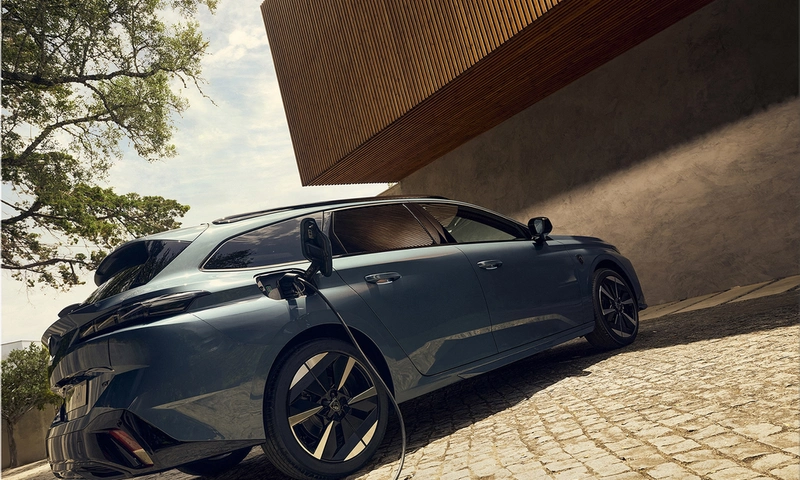
Plug-In Hybrid: 240 Horsepower
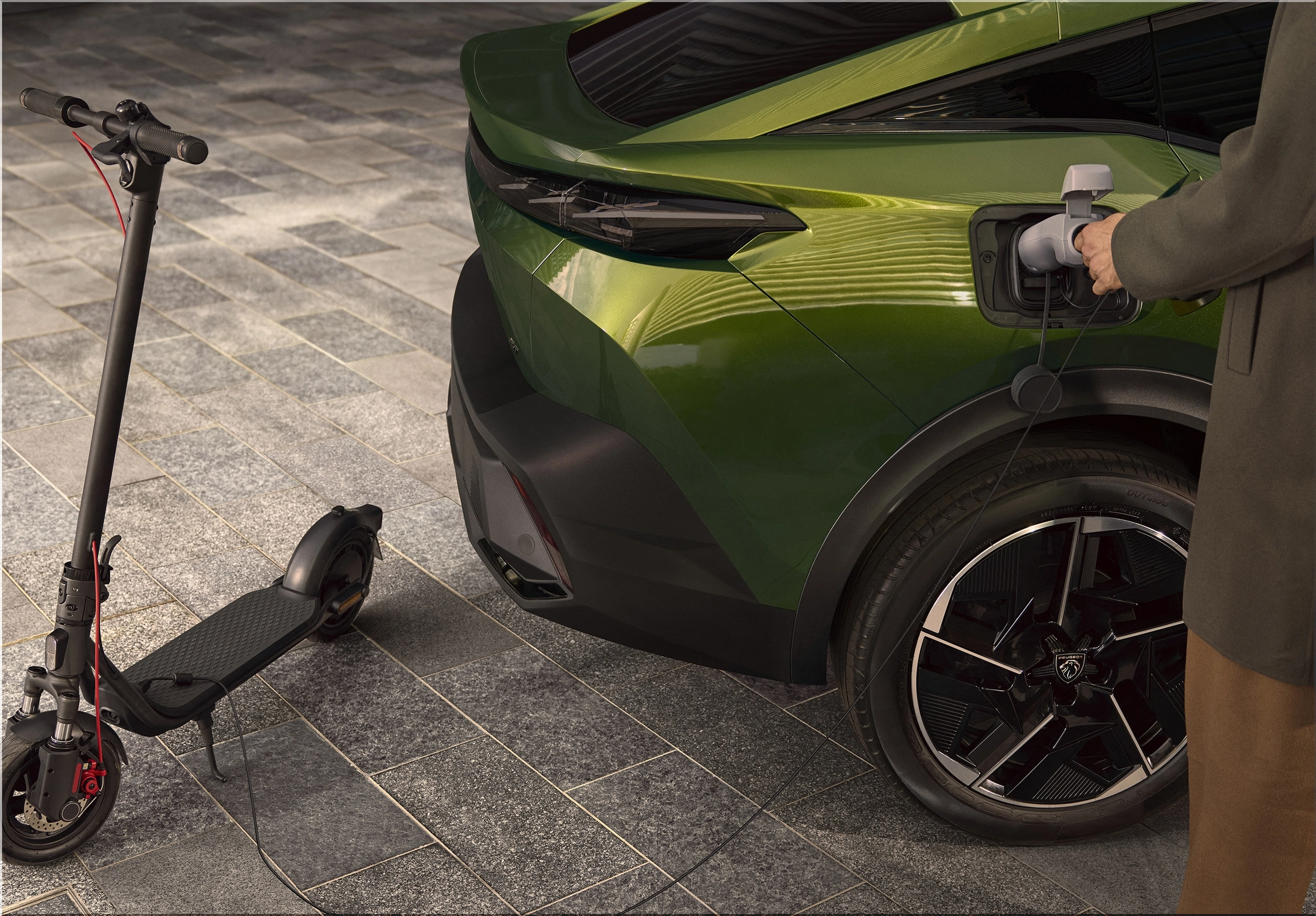
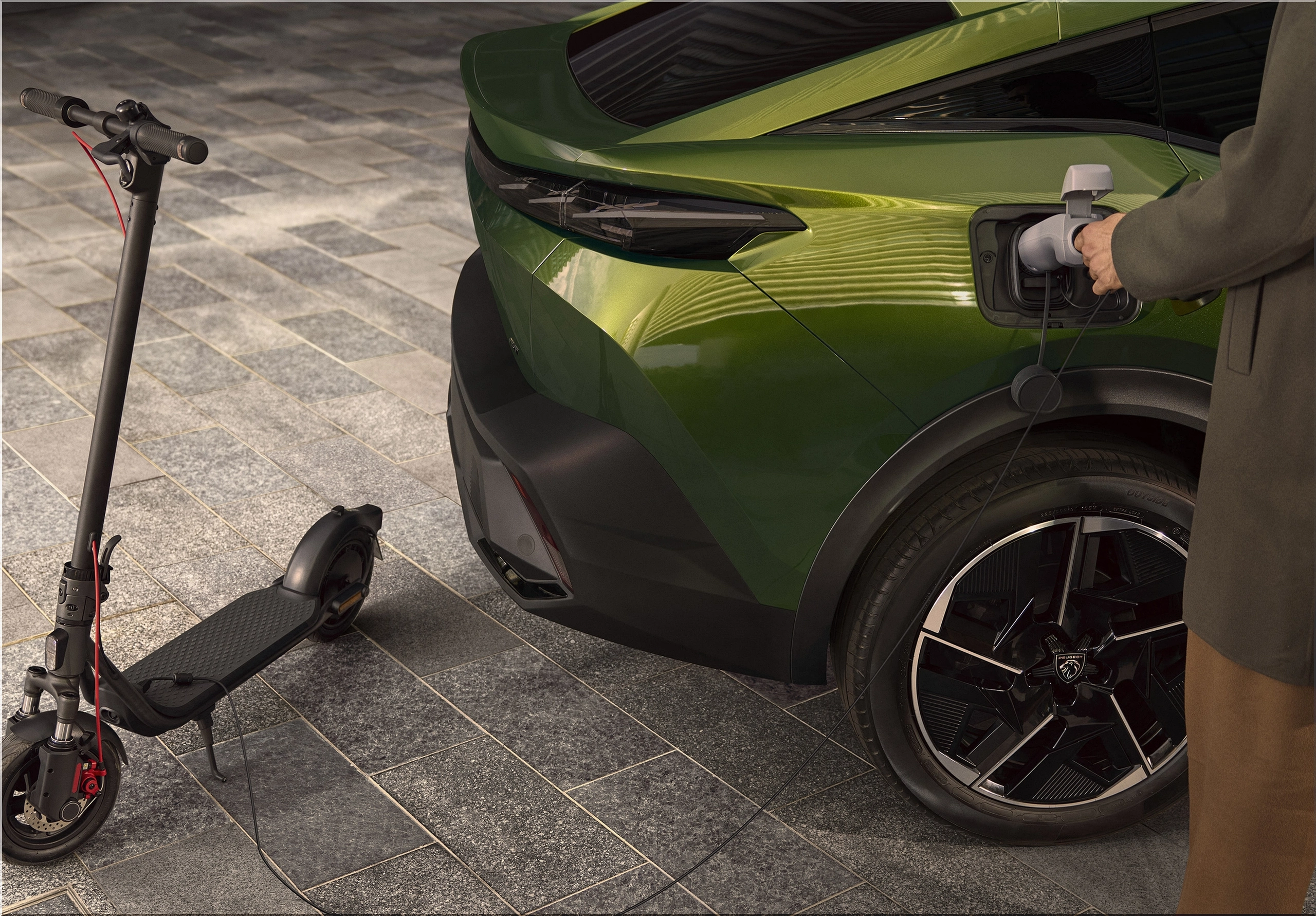
The plug-in hybrid pairs a turbocharged gasoline engine with a 92 kW electric motor. Combined system output reaches 240 horsepower.
What matters most:
- Electric range: up to 85 km WLTP
- Use case: daily commuting on electricity
- Charging: supports home and public AC charging
For many drivers, this setup covers weekday travel without gasoline. That reduces fuel spend and exposure to price volatility.
Hybrid: 145 Horsepower
The standard hybrid targets buyers who want efficiency without charging routines.
Key characteristics:
- Automatic electric assist at low speeds
- Regenerative braking for energy recovery
- Lower fuel consumption in city driving
This powertrain reduces ownership friction. Drivers gain efficiency benefits without behavioral change.
Infotainment, Connectivity, and Ownership Logic
The Peugeot i-Connect system anchors the digital experience. Smartphone integration supports navigation, media, and voice control.
Through the MyPeugeot app, owners can:
- Monitor vehicle status
- Receive service alerts
- Access remote functions by trim level
These tools reduce uncertainty. That improves satisfaction and retention over time.
Video file
Video title
2026 Peugeot 408
Manufacturing, Supply Chain, and Delivery Timing
Peugeot produces the 408 in Mulhouse, France. Centralized European production supports consistent quality control and logistics efficiency.
Timeline details:
- Production start: March 2026
- First deliveries: Early May 2026
This timing positions the 408 ahead of key buying seasons in several markets.
Pricing Expectations and Cost Logic
Final pricing arrives closer to launch. Based on segment positioning and drivetrain content:
- Estimated base price: around $38,000 USD equivalent
- Plug-in hybrid trims: likely exceed $45,000 USD equivalent
Buyers offset higher entry costs through:
- Lower fuel consumption
- Reduced emissions penalties
- Potential tax incentives by market
Competitive Context: Where the Peugeot 408 Fits
The electrified C-segment fastback category remains narrow. That limits direct competition and sharpens differentiation.
Comparison Table: Electrified C-Segment Rivals
| Model | Powertrain | Electric Range | Cargo Volume | Approx. Price (USD) |
|---|---|---|---|---|
| Peugeot 408 | Hybrid / PHEV | Up to 85 km | 536 L | $38,000–$47,000 |
| Toyota Corolla Hybrid | Hybrid | Urban EV assist | 371 L | $25,000–$30,000 |
| Hyundai Elantra Hybrid | Hybrid | Urban EV assist | 402 L | $26,000–$31,000 |
| VW Golf eHybrid | PHEV | Up to 80 km | 381 L | $39,000–$44,000 |
The data shows Peugeot trading price for space, range, and visual distinction.
Target Buyer Profile
The Peugeot 408 targets rational buyers with clear priorities:
- Predictable daily costs
- Electric driving without dependency
- Lower ride height than SUVs
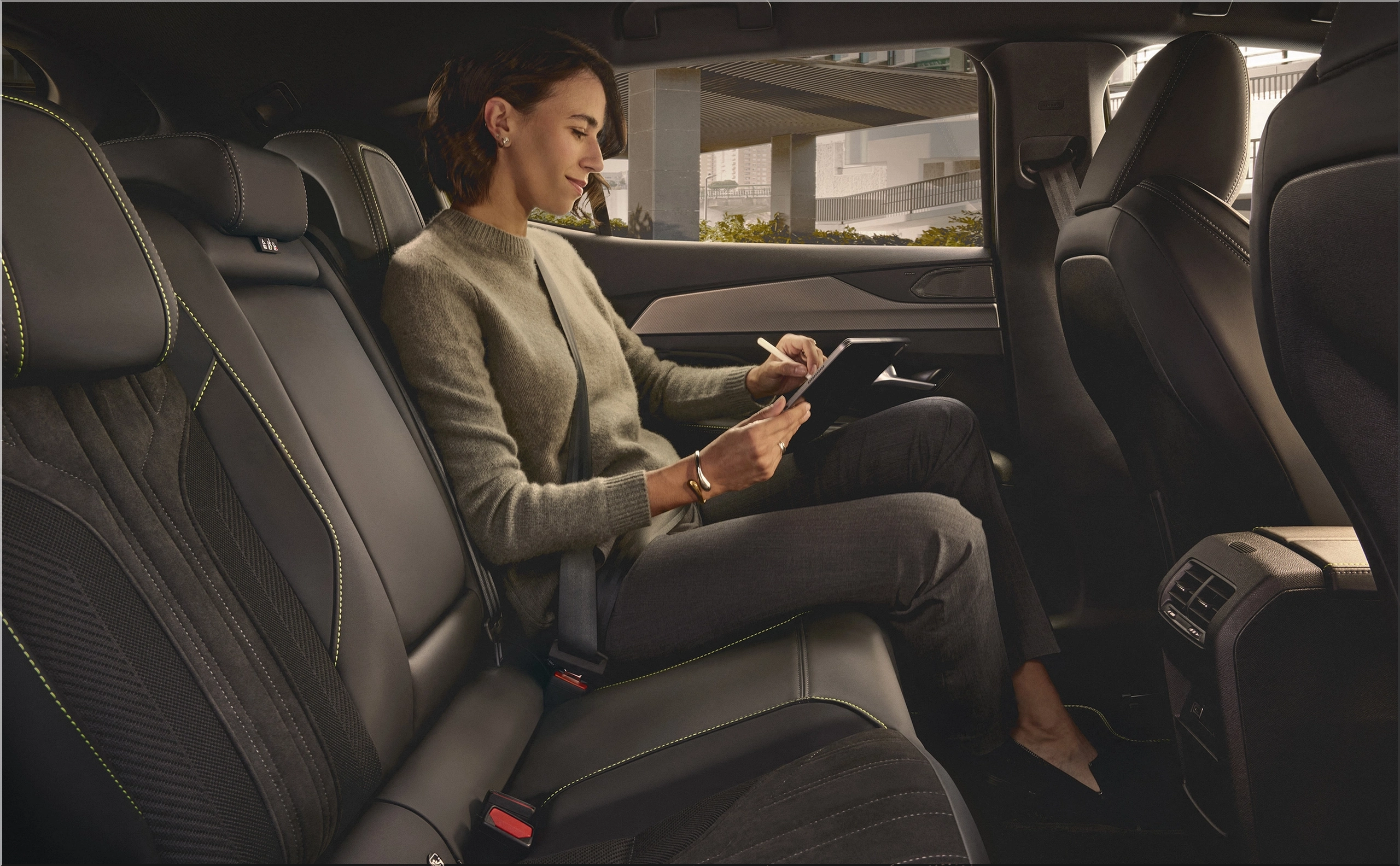
- Strong rear-seat and cargo utility
This model appeals to drivers stepping up from hatchbacks or downsizing from compact SUVs.
What Now: Decision Guidance
The Peugeot 408 electrified fastback delivers a clear value case.
Actionable takeaways:
- Choose the plug-in hybrid if daily trips stay under 50 miles
- Choose the standard hybrid for minimal ownership change
- Cross-shop wagons and liftbacks, not SUVs
- Factor long-term fuel savings into purchase decisions
For buyers focused on efficiency, space, and reduced risk, the 408 earns attention. @via cardivision and peugeot.
- Add new comment
- 182 views