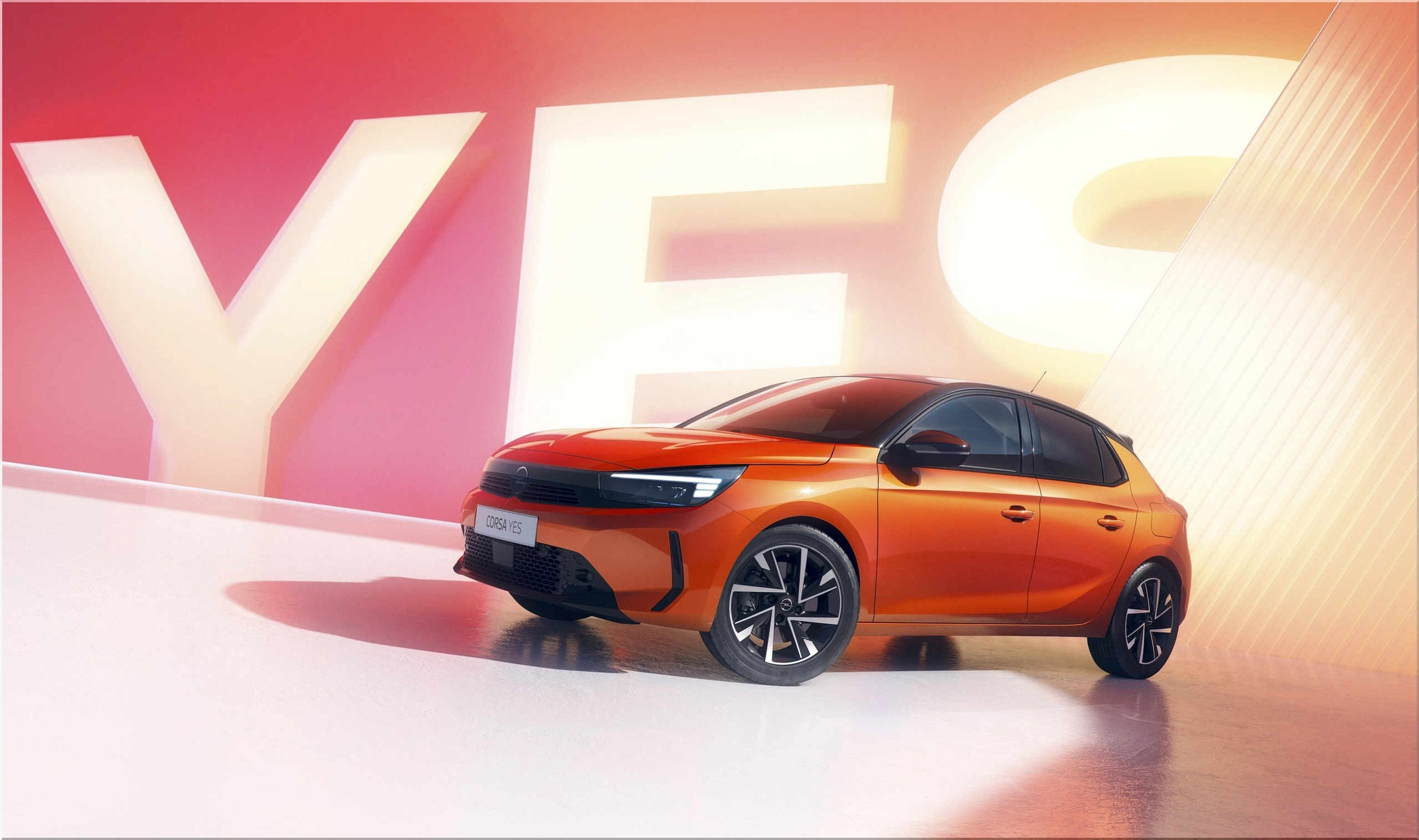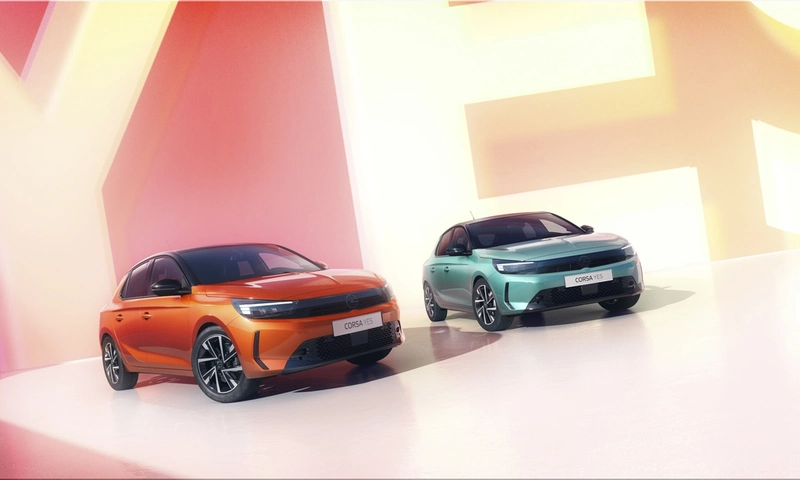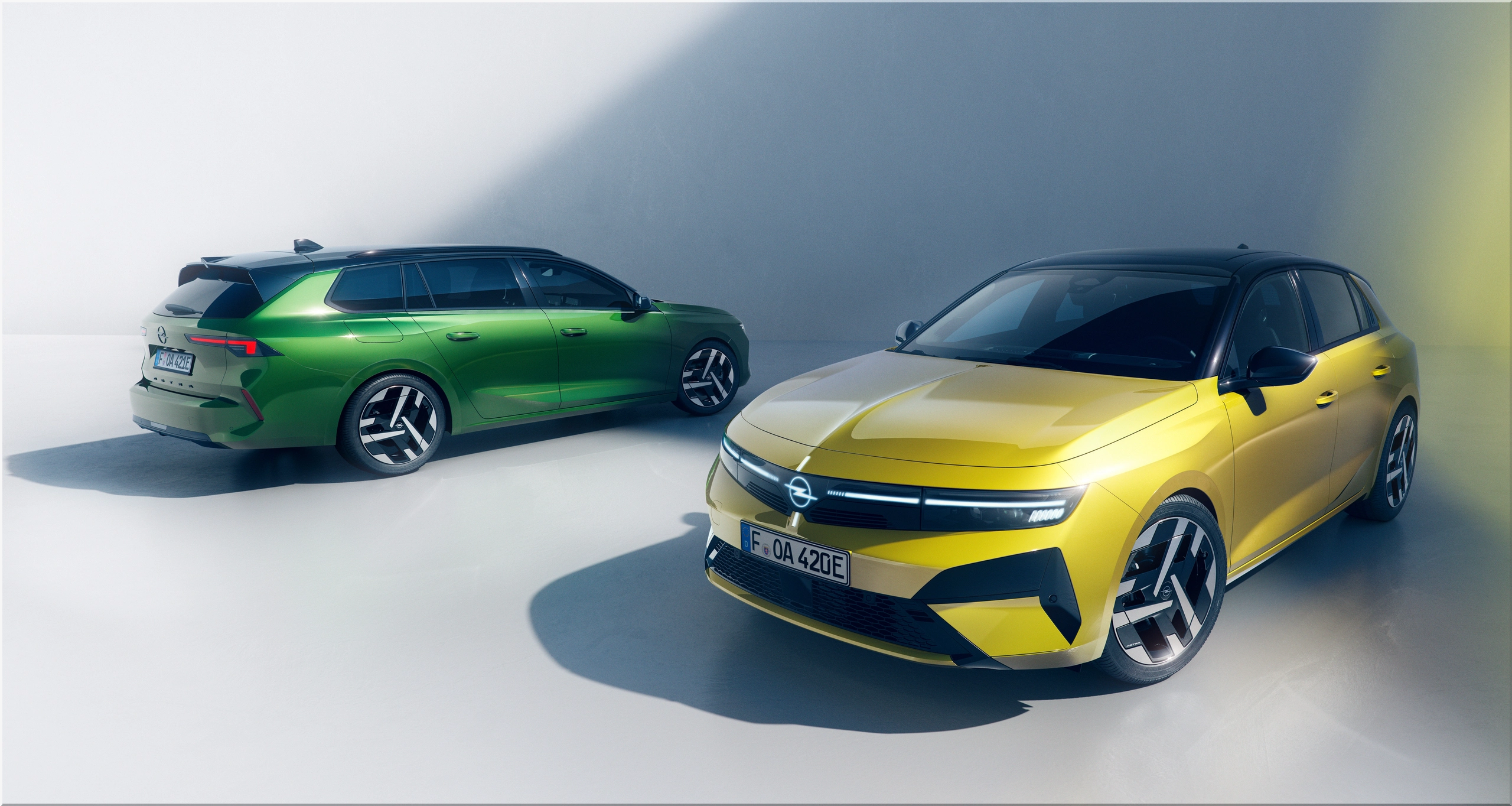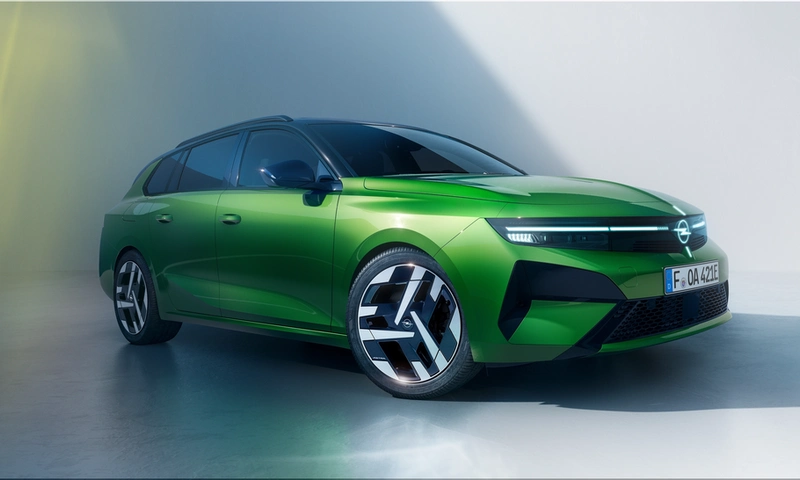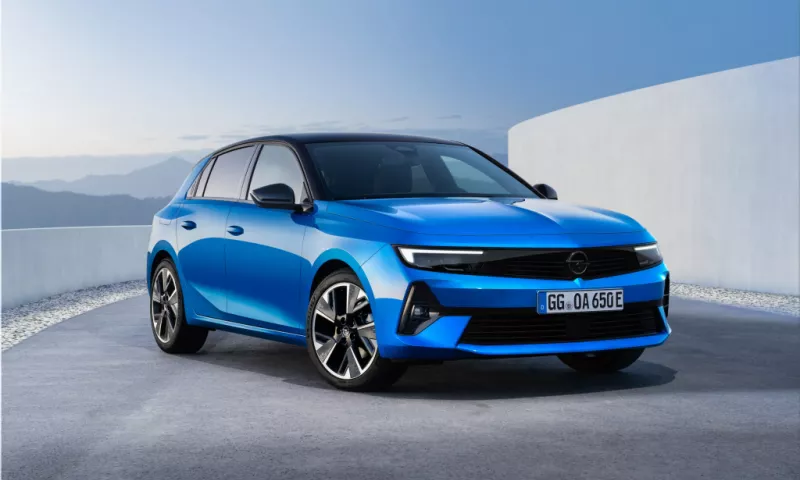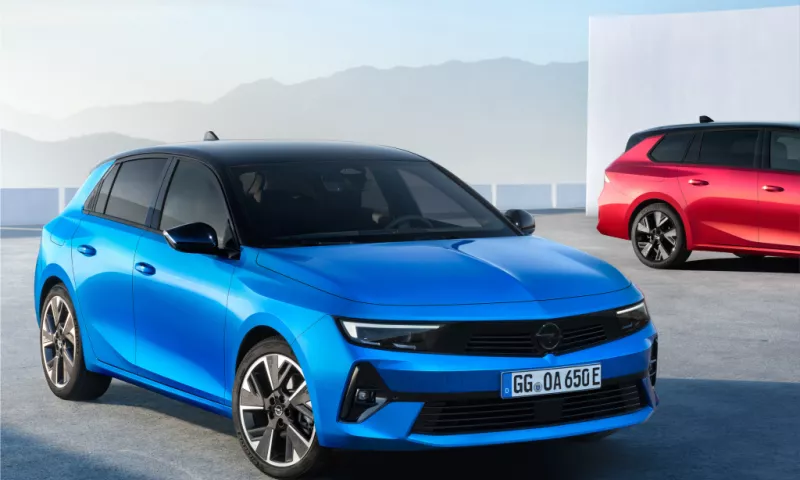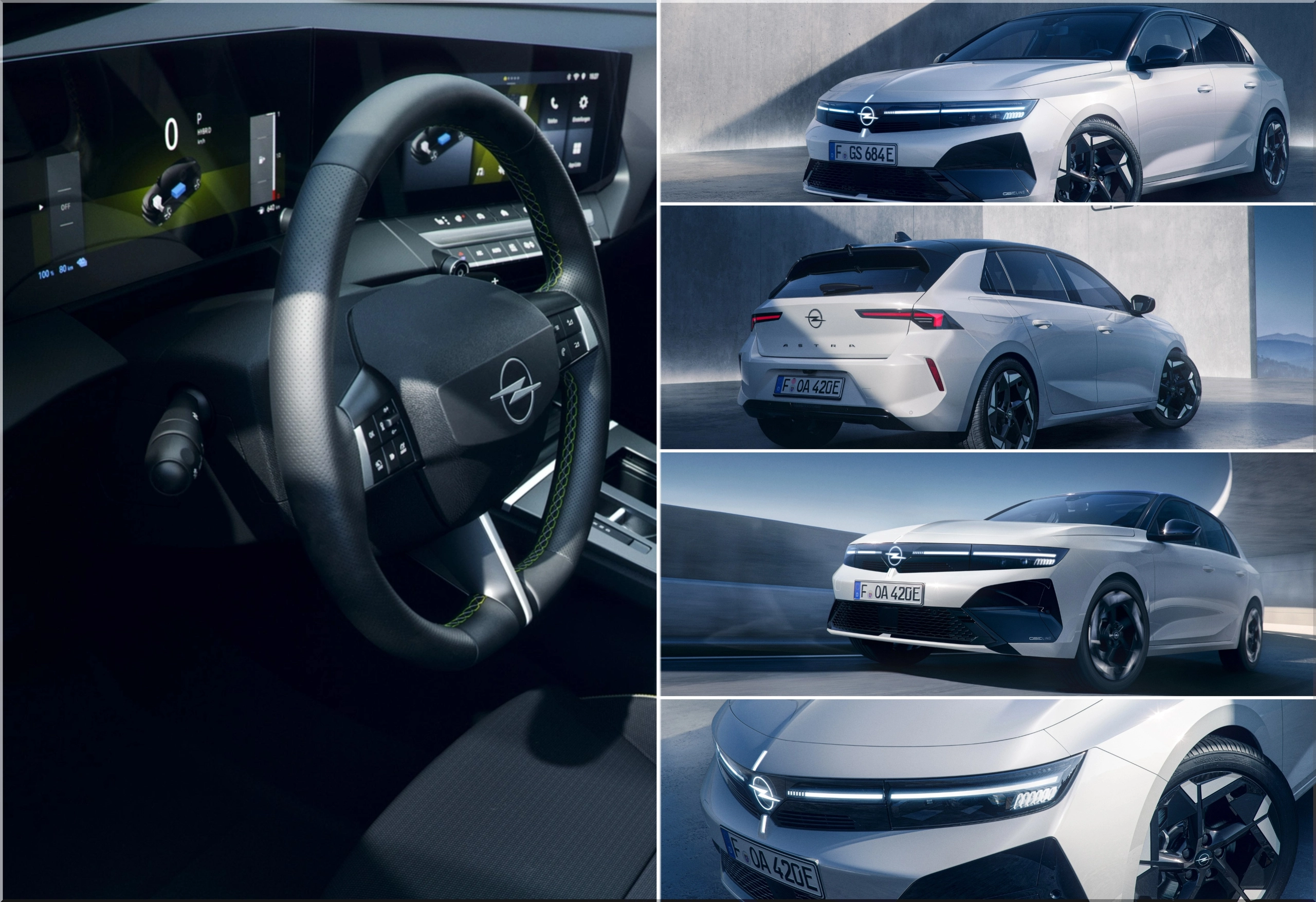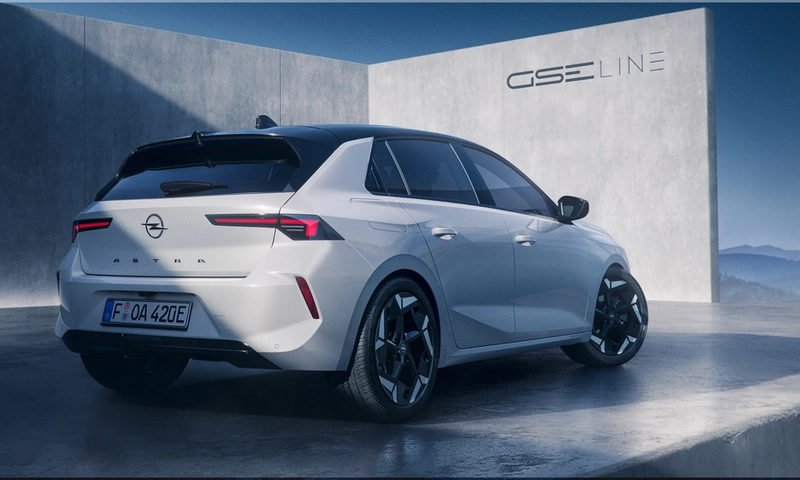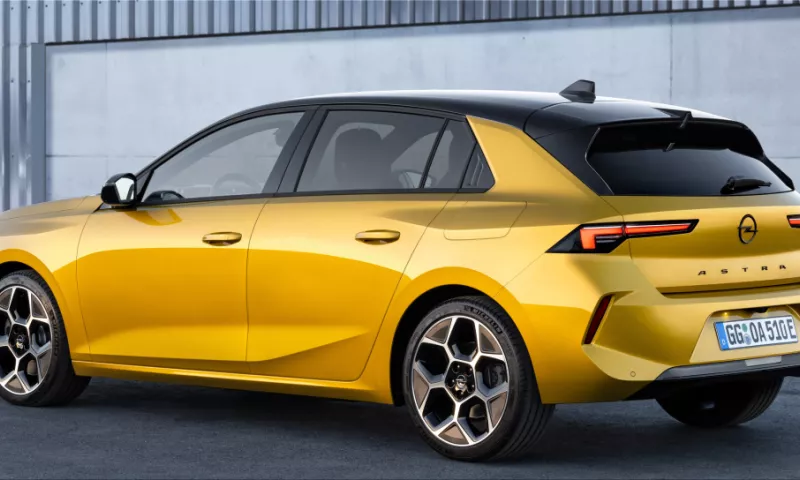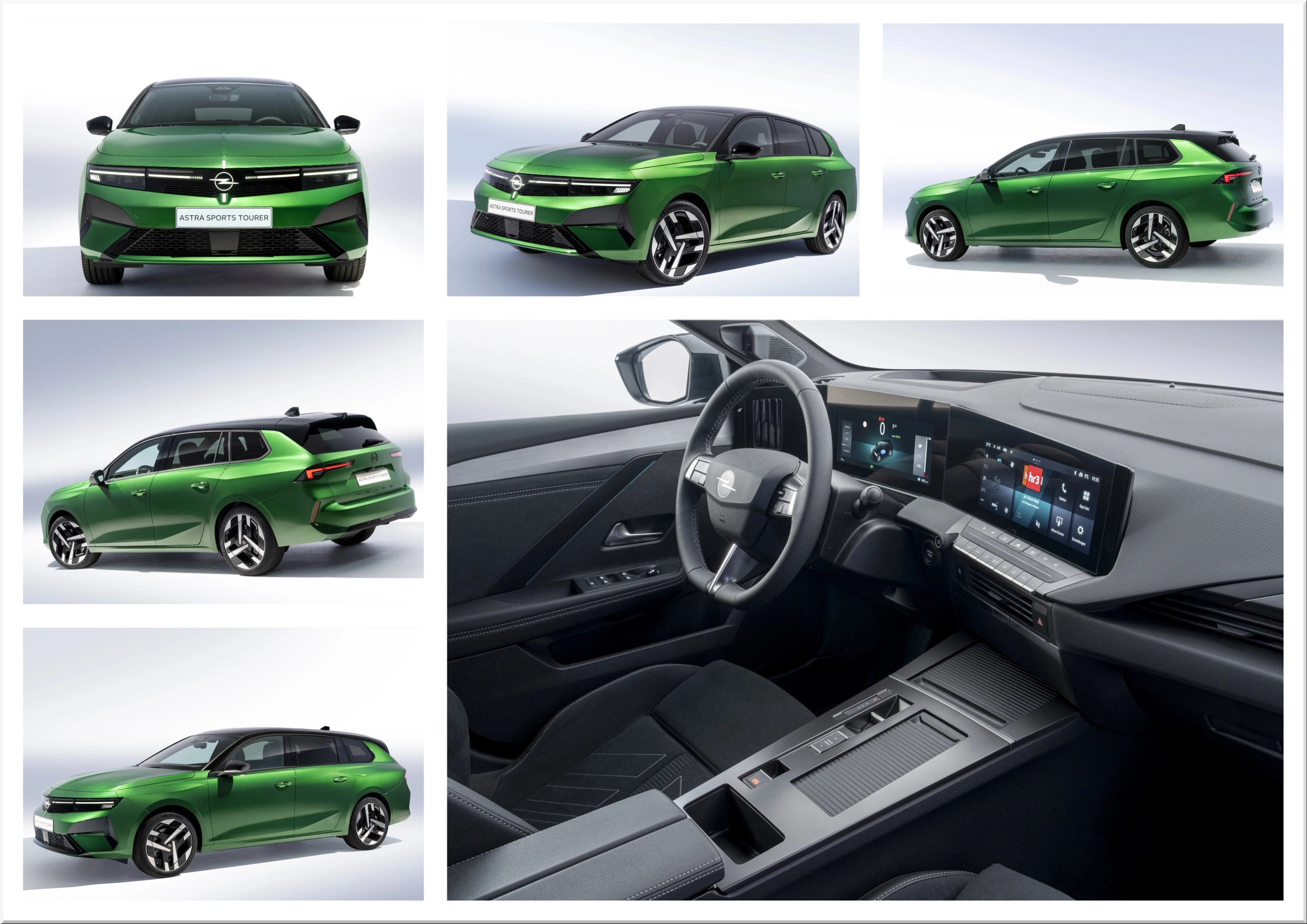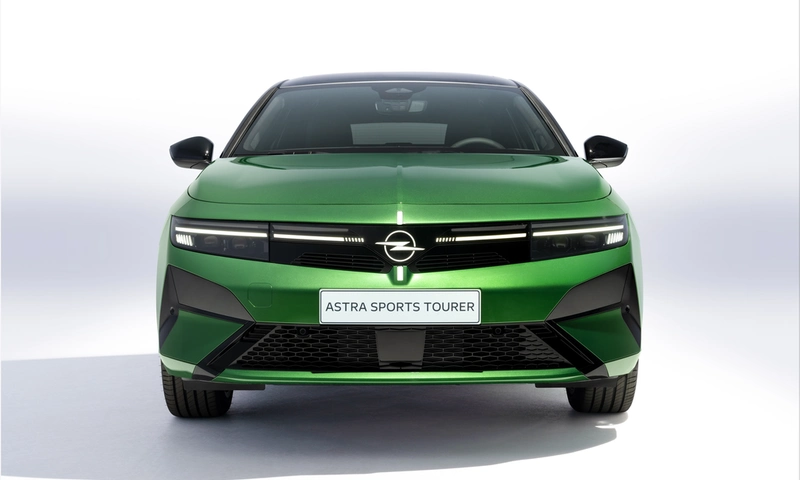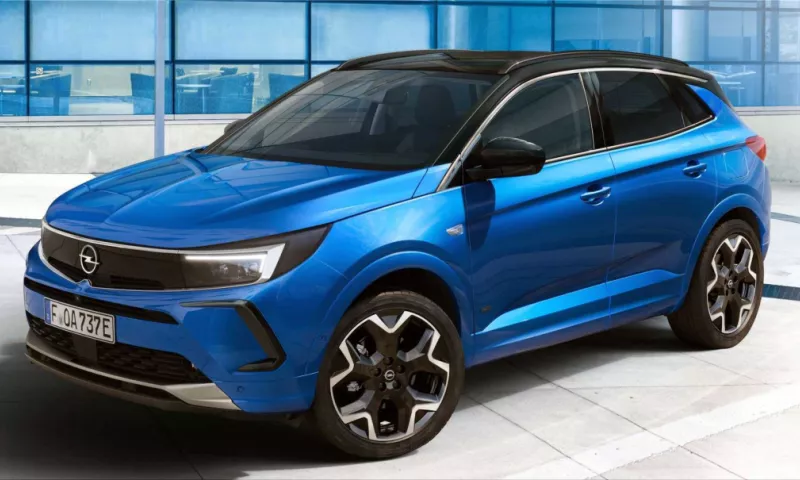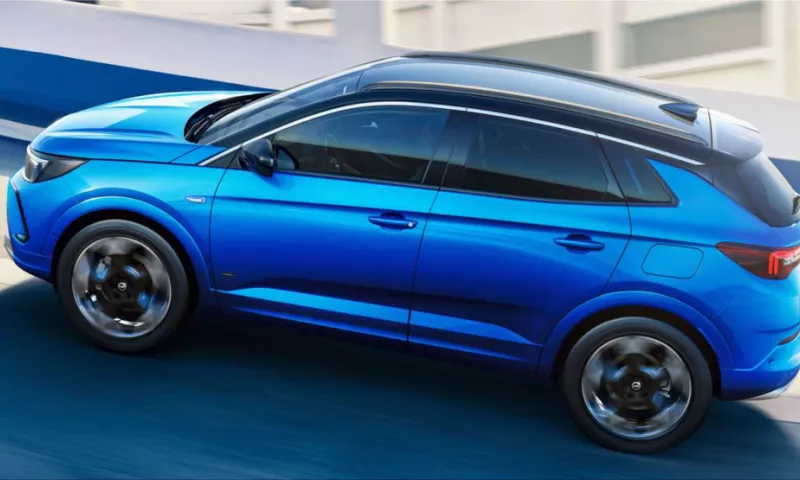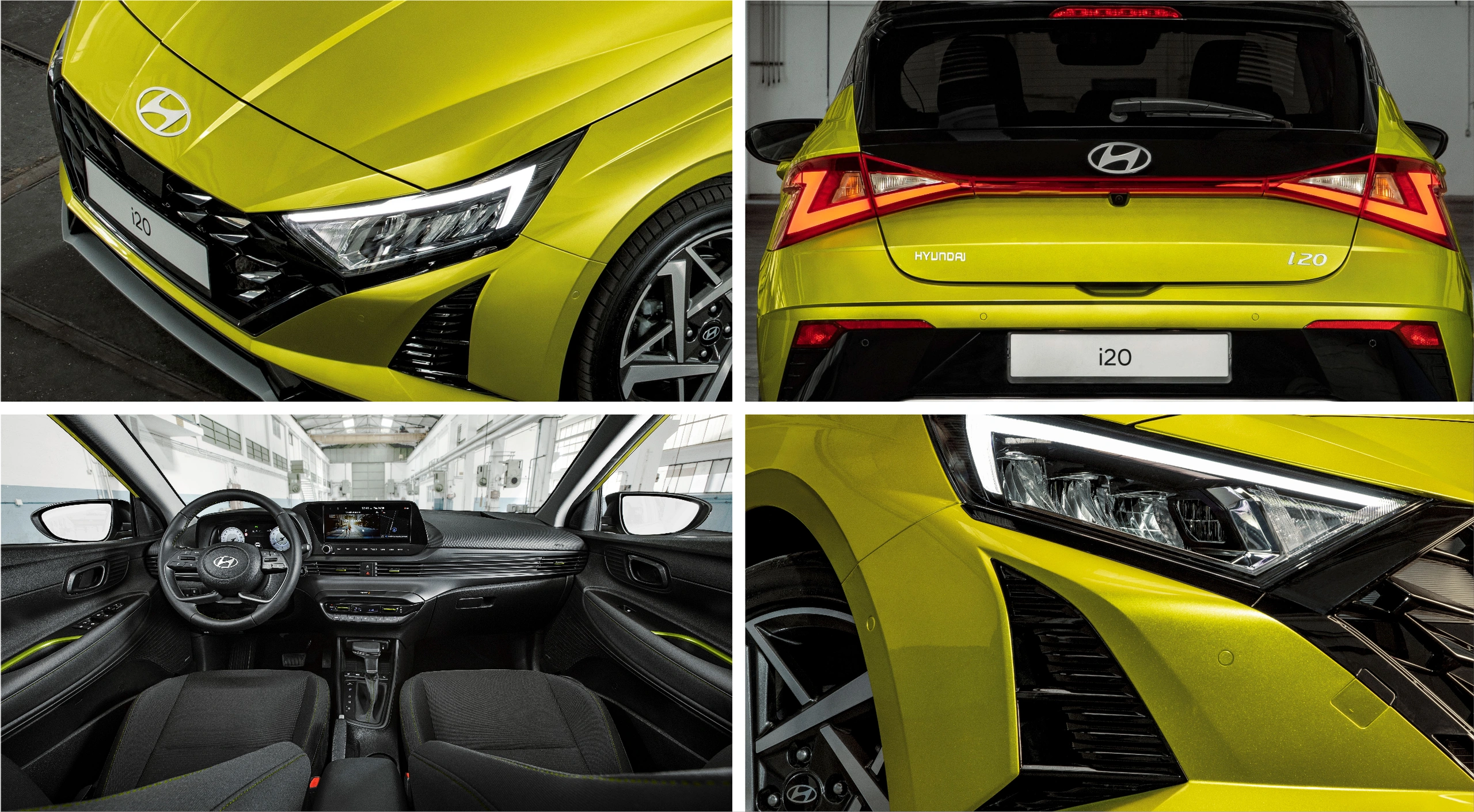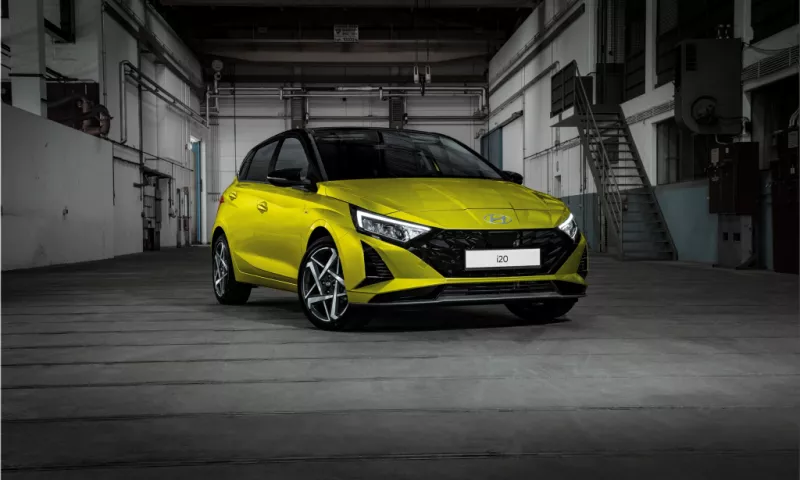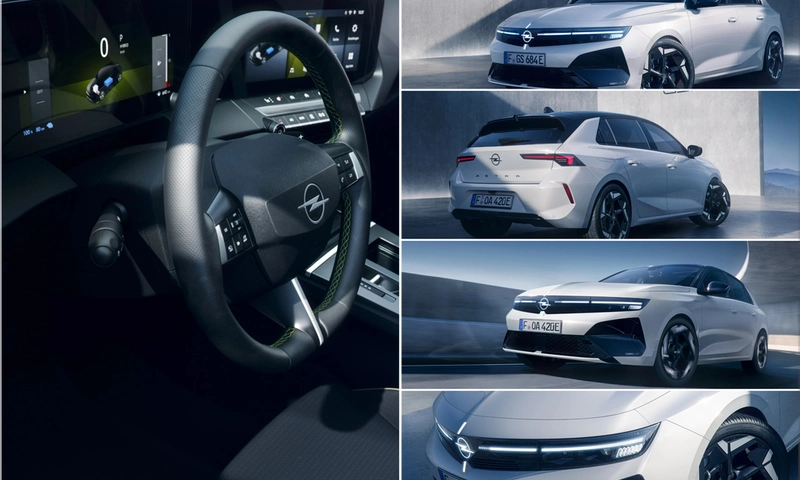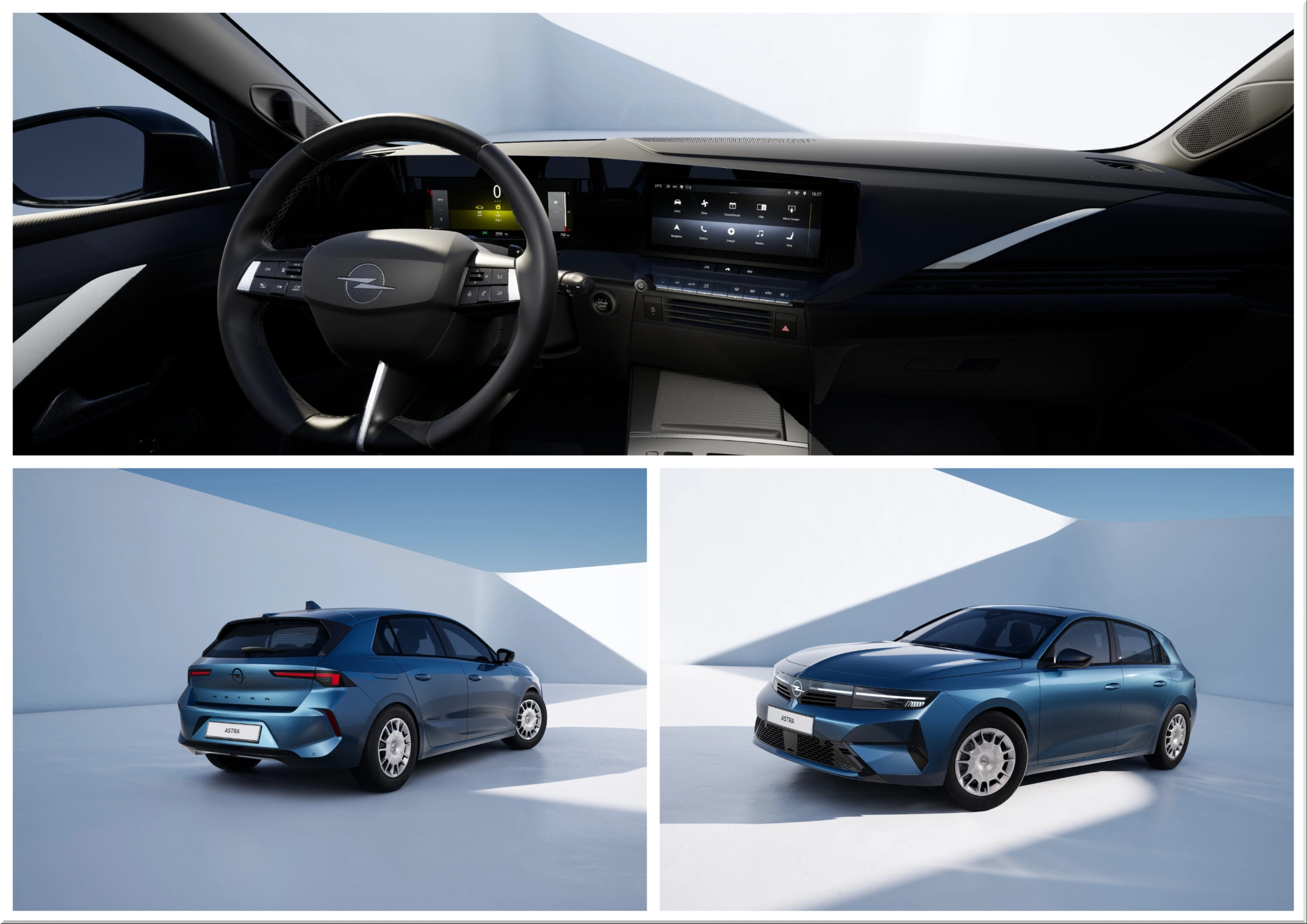
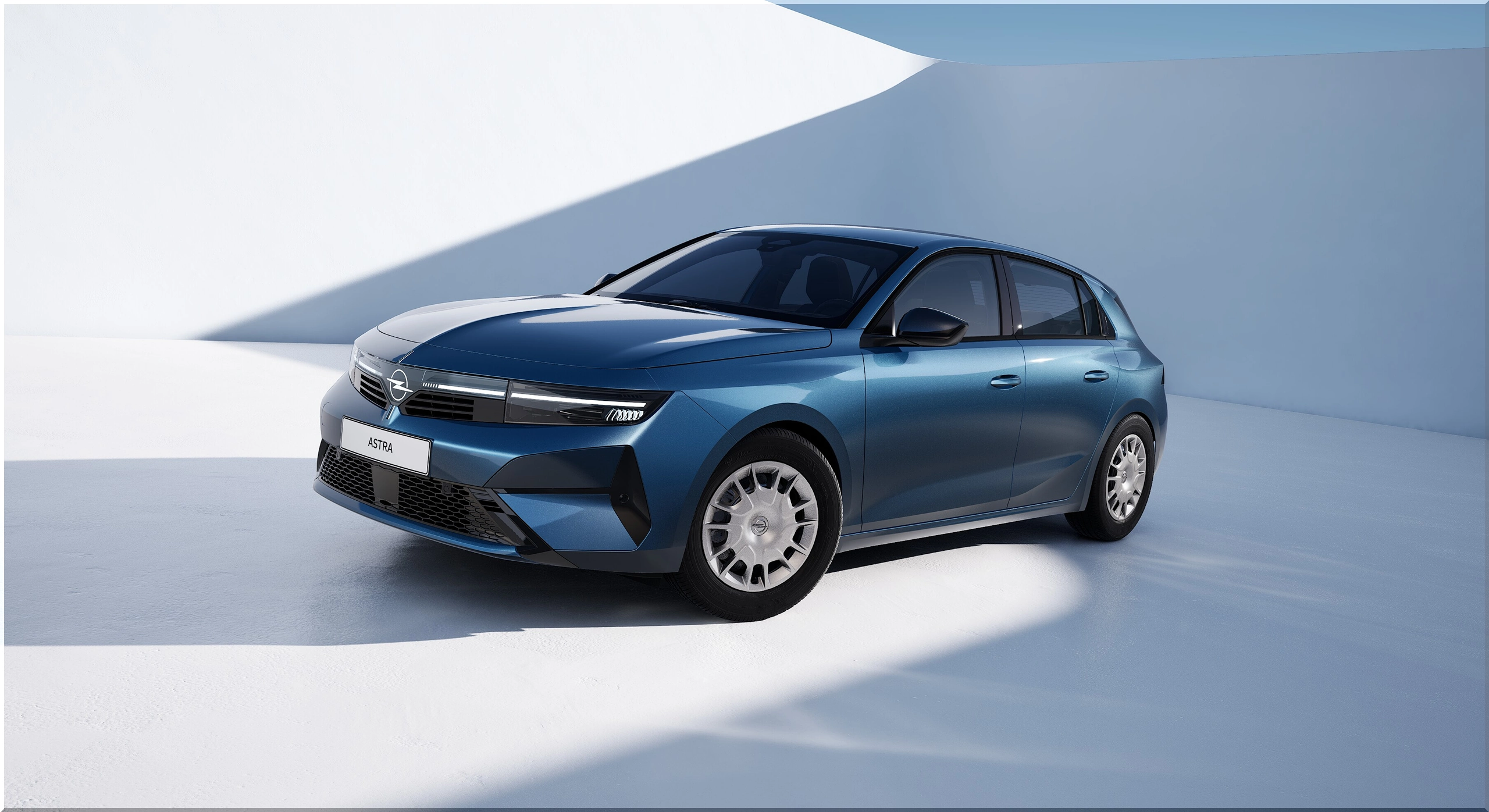
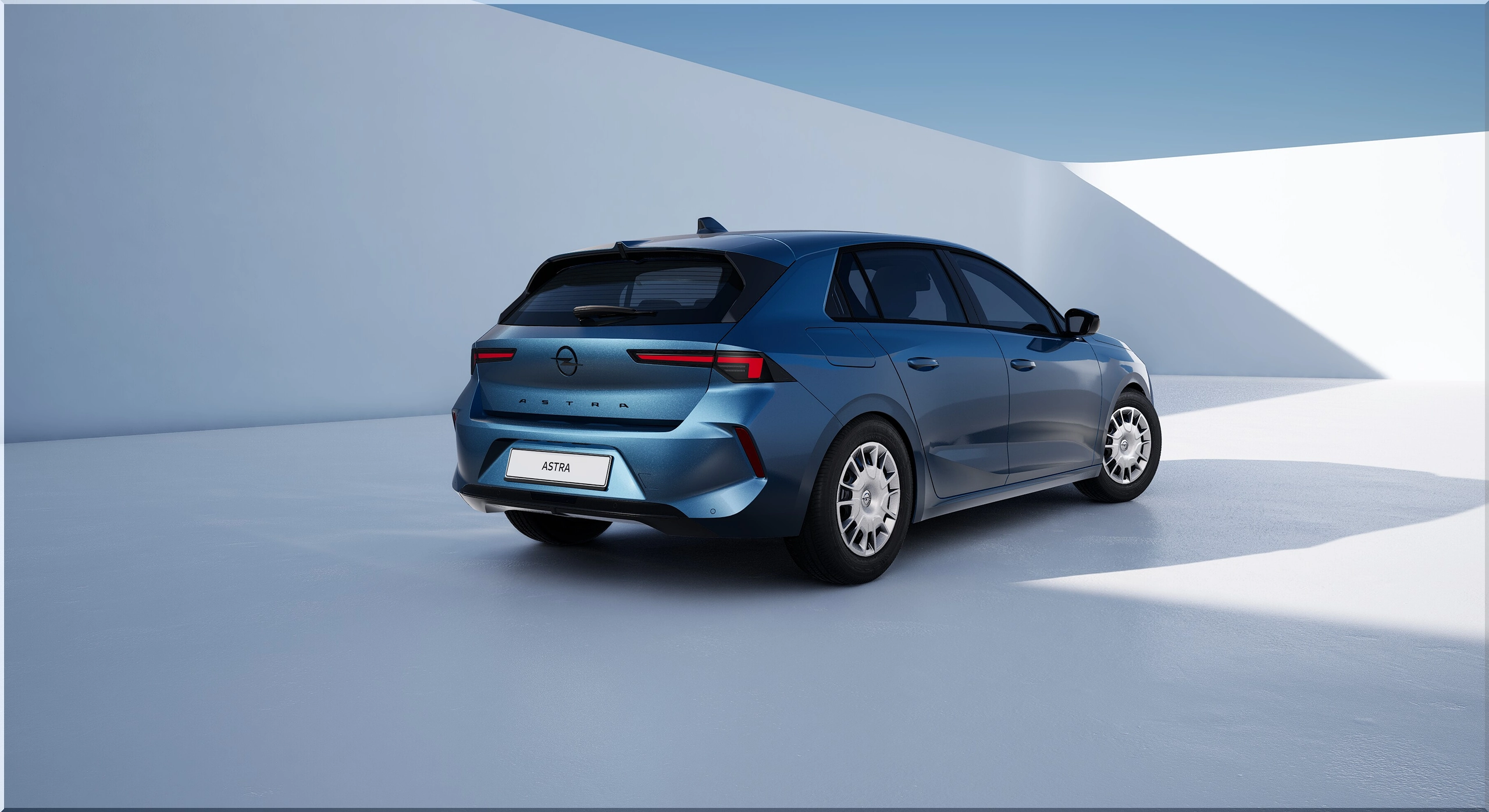
The Opel Astra Start lowers the German entry price to €31,890, putting a 145 PS hybrid and automatic gearbox at the bottom of the range. Opel keeps useful comfort equipment rather than stripping the cabin to chase a headline figure. Buyers also get diesel and battery-electric choices, while the Sports Tourer adds estate practicality.
Astra Start prices: Germany and Italy differ
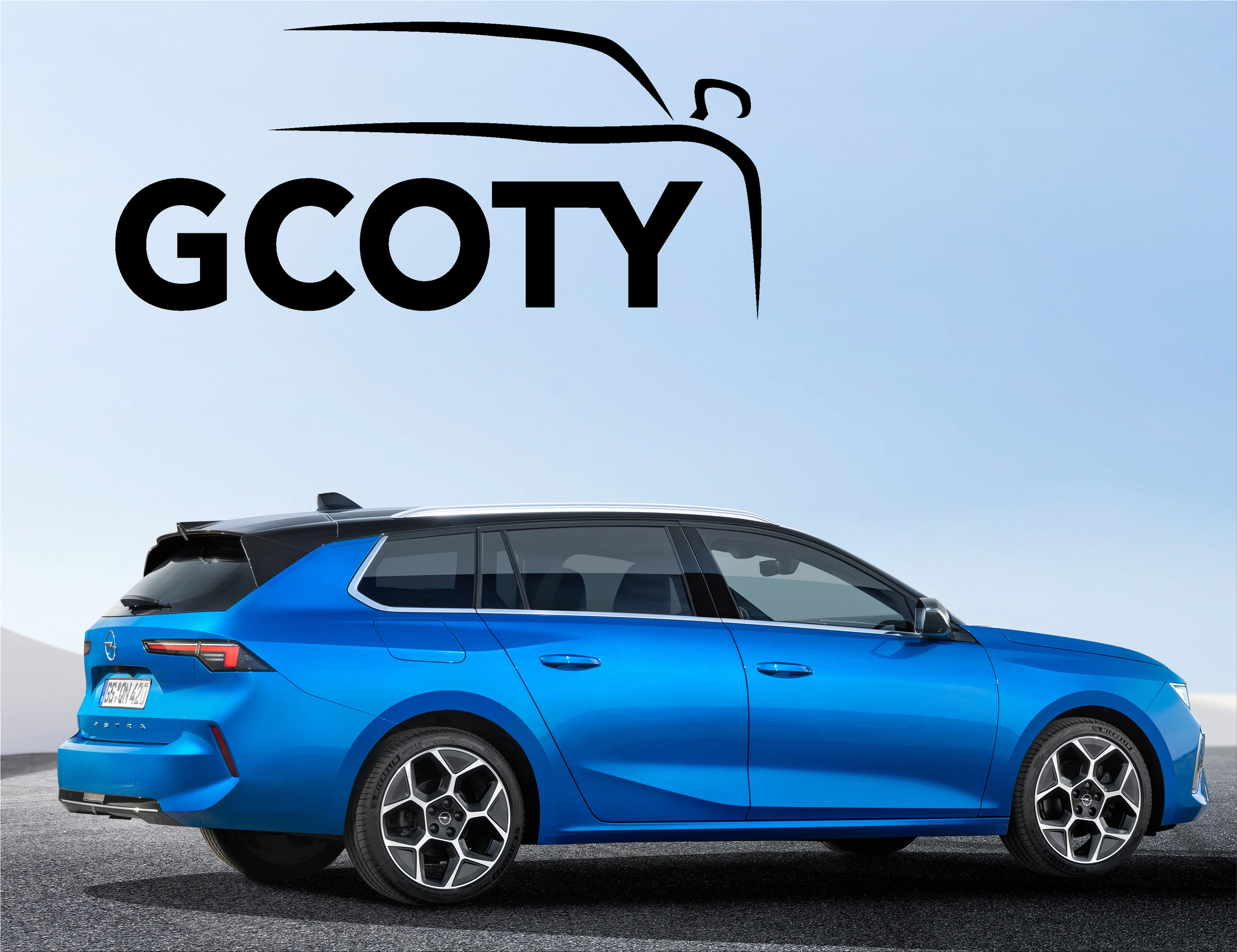
Germany's five-door Hybrid Start costs €1,500 less than the previous entry version; the Astra Sports Tourer Start starts at €33,390, also €1,500 lower. The Electric starts at €36,490 after a €1,900 reduction. These German recommended retail prices include VAT.
Italy follows a different price structure. Opel quotes €32,450 for the hybrid hatchback and €33,650 for the estate, with a €550 entry-price reduction. Italian prices exclude IPT, the provincial registration tax. Buyers should compare local quotations before treating the German headline as a Europe-wide offer.
Image
Hybrid, diesel or electric: what changes mechanically?
The Astra Hybrid 145 combines a 1.2-litre, three-cylinder turbo petrol engine with a 48-volt electrical system and six-speed electrified dual-clutch transmission. It needs no charging cable. During deceleration, the electric machine recovers energy; during acceleration, it adds torque, reducing the petrol engine's workload.
Opel integrates the electric motor and inverter into the gearbox housing, saving installation space. The system can also move the car electrically at low speeds when charge and temperature conditions permit. That operating pattern suits stop-start traffic, where repeated braking supplies opportunities for energy recovery.
| Start powertrain | Output | Published torque | Transmission | Combined WLTP consumption |
|---|---|---|---|---|
| 1.2 Hybrid | 107 kW / 145 PS system | 230 Nm | Six-speed electrified dual-clutch | 4.7-5.1 litres/100 km |
| 1.5 Diesel | 96 kW / 130 PS | 300 Nm at 1,750 rpm | Eight-speed automatic | 4.8-5.1 litres/100 km |
| Electric | 115 kW / 156 PS | 270 Nm | Single-speed electric drive | 14.7-15.8 kWh/100 km |
Consumption ranges cover Opel's published hatchback and estate configurations; equipment and homologation affect individual figures. The diesel torque figure comes from Opel's current technical guide.
The Astra Electric Start uses a 58 kWh battery with 55 kWh usable capacity. Opel quotes up to 454 km WLTP range for the electric Astra family, rather than guaranteeing that distance on every route. Its 100 kW DC charging system takes around 32 minutes from 20% to 80% under suitable conditions; an 11 kW three-phase onboard charger handles AC charging.
In addition, battery preconditioning prepares the pack for planned rapid-charging stops. Vehicle-to-load technology supplies external devices through an accessory adapter. That gives the Electric a practical use beyond commuting, although buyers must budget for the adapter.
Standard equipment keeps the cabin usable
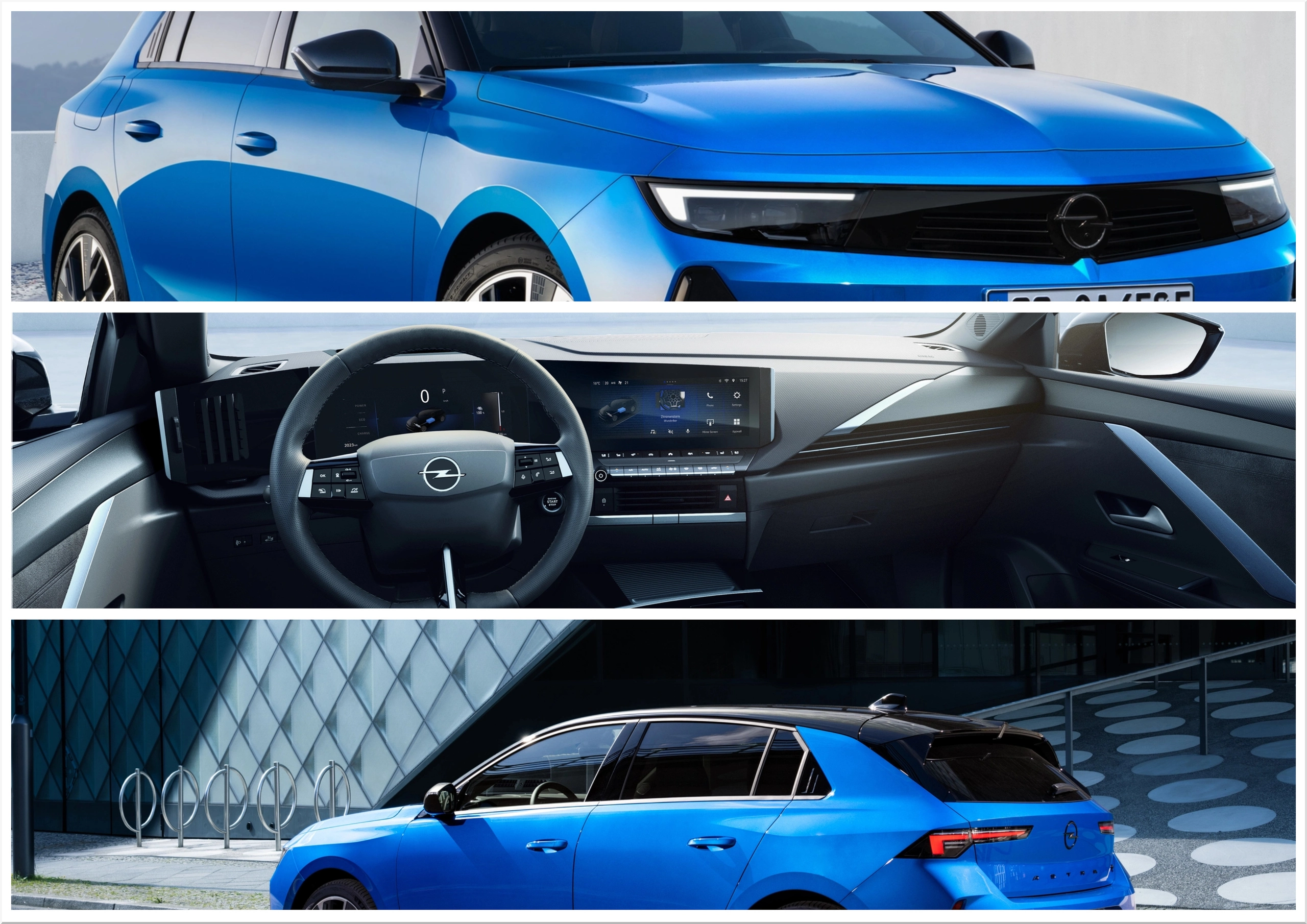
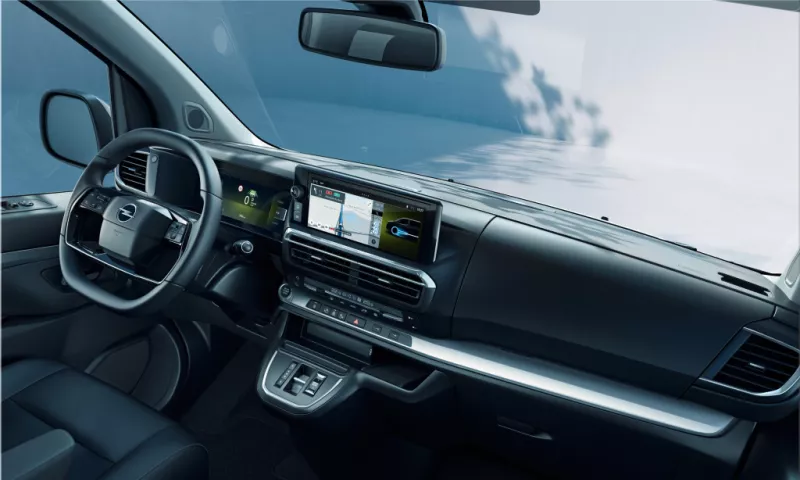
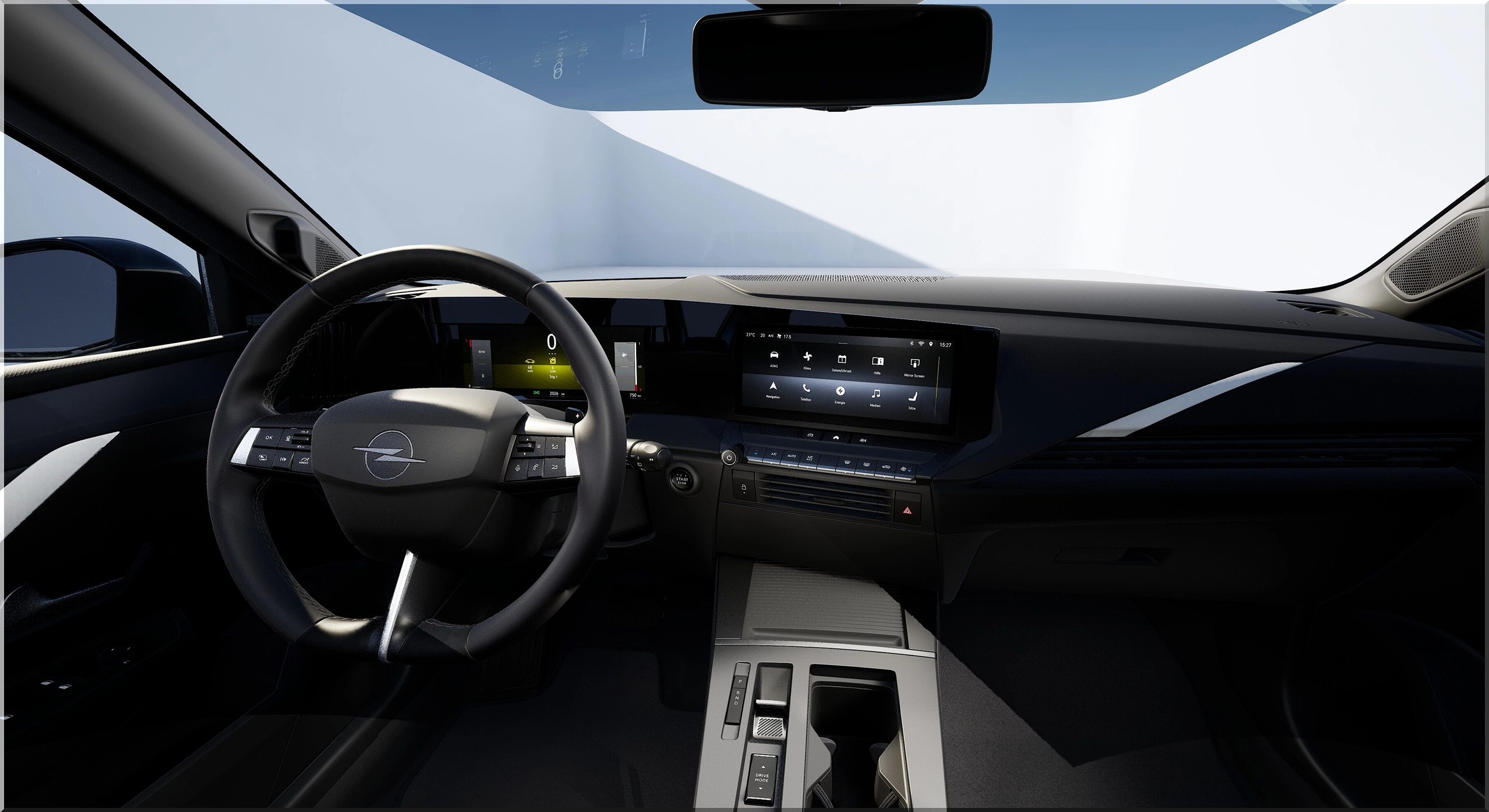
Start retains six-way-adjustable Intelli-Seats, whose central recess helps relieve pressure around the tailbone. Opel also includes Denim Blue metallic paint, avoiding a paint surcharge for buyers who accept the standard colour. Two 10-inch displays, each measuring 254 mm diagonally, split driving information from infotainment.
The equipment list includes:
- Automatic climate control.
- Front and rear parking sensors.
- A configurable digital instrument display and colour touchscreen.
- Keyless Start in the German specification.
Germany's optional Start Comfort Pack adds heat-shielding glazing, an auto-dimming mirror and a centre armrest, plus roof rails on the estate. Check the national specification before ordering.
Hatchback or Sports Tourer: measure the space
The hatchback measures 4,374 mm long, approximately 172.2 inches, with a 2,675 mm wheelbase. The Sports Tourer stretches to 4,642 mm, approximately 182.8 inches, and extends the wheelbase to 2,732 mm. Those extra 268 mm of body length matter when parking or loading longer luggage.
Opel's current guide lists 422 litres of boot space for hybrid and diesel hatchbacks, rising to 597 litres in the estate. The electric versions hold 352 and 516 litres respectively. Buyers who regularly carry bulky equipment should test their actual load: propulsion choice changes usable space even within the same body style.
Astra Start versus Golf, 308 and Octavia
By comparison, the Volkswagen Golf eTSI and Škoda Octavia mild hybrid offer 150 PS, only 5 PS above the Astra. Their 250 Nm torque figures exceed Opel's published 230 Nm, but gearing and vehicle mass also influence acceleration. The Peugeot 308 Hybrid matches the Astra's output, while the Octavia's larger liftback body wins the luggage comparison.
| European automatic hybrid variant | Output | Published torque | Gearbox | Boot, seats upright |
|---|---|---|---|---|
| Opel Astra Hybrid Start | 145 PS | 230 Nm | Six-speed dual-clutch | 422 litres |
| Volkswagen Golf 1.5 eTSI | 150 PS | 250 Nm | Seven-speed DSG | 381 litres |
| Peugeot 308 Hybrid | 145 PS | 230 Nm | Six-speed dual-clutch | 412 litres |
| Škoda Octavia 1.5 TSI mHEV | 150 PS | 250 Nm | Seven-speed DSG | 600 litres |
These figures compare published European drivetrain specifications, rather than equivalent trim prices. Boot measurements can vary with equipment and measurement method.
Should you pay €4,600 more for the Electric?
That is the German hatchback's starting-price gap. Calculate running costs before choosing. As an illustrative calculation, petrol at €1.80/litre and consumption of 5.0 litres/100 km costs €9.00/100 km; electricity at €0.30/kWh and 15.5 kWh/100 km costs €4.65.
Pro-Tips: The resulting €4.35 saving per 100 km would recover €4,600 after roughly 106,000 km, before charging losses, servicing, tax or resale differences.
- Use your actual home and public charging tariffs.
- Compare the exact cars' WLTP figures and insurance quotes.
- Choose the estate only when its extra carrying space earns its premium.
- Add new comment
- 53 views