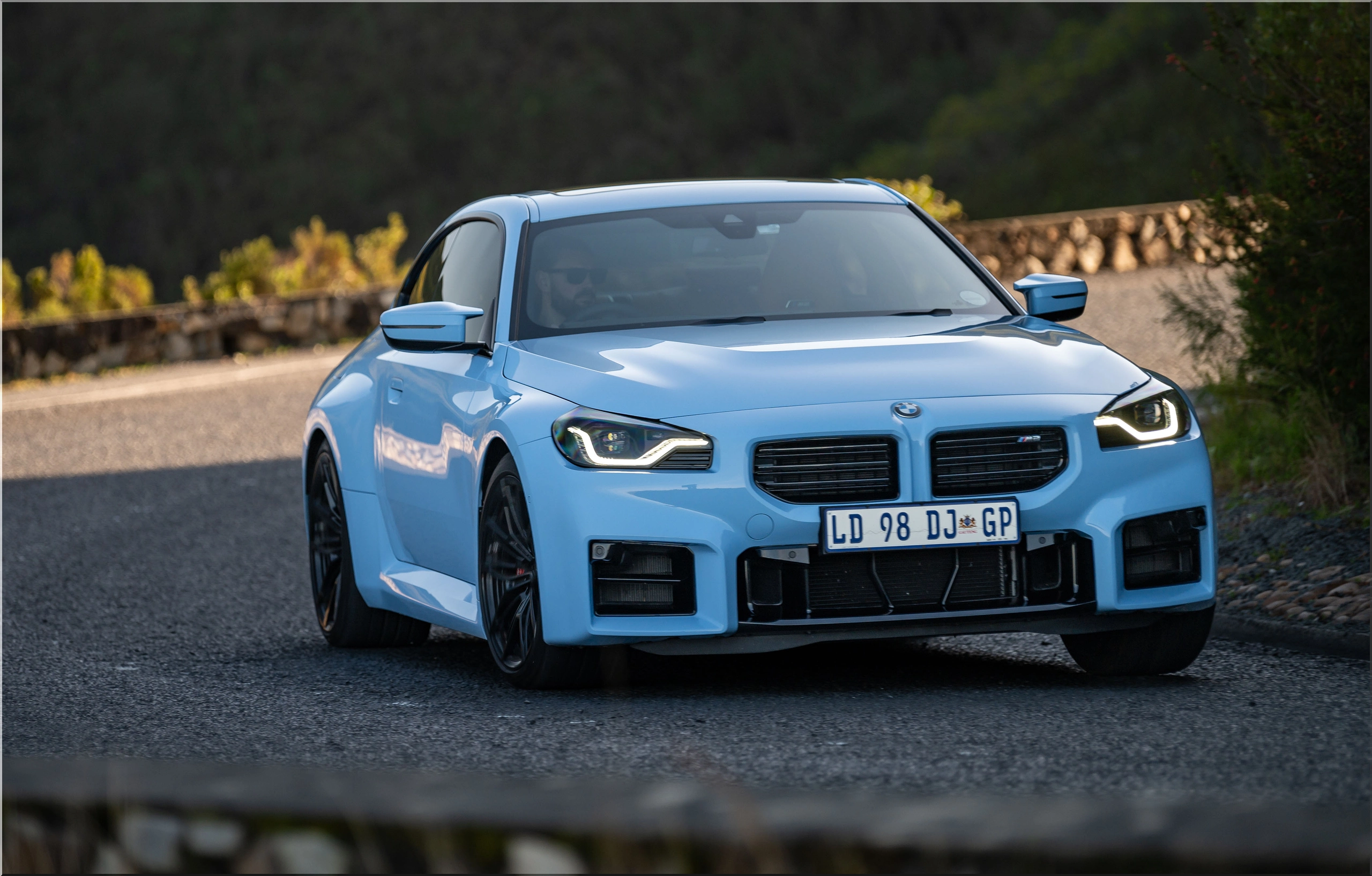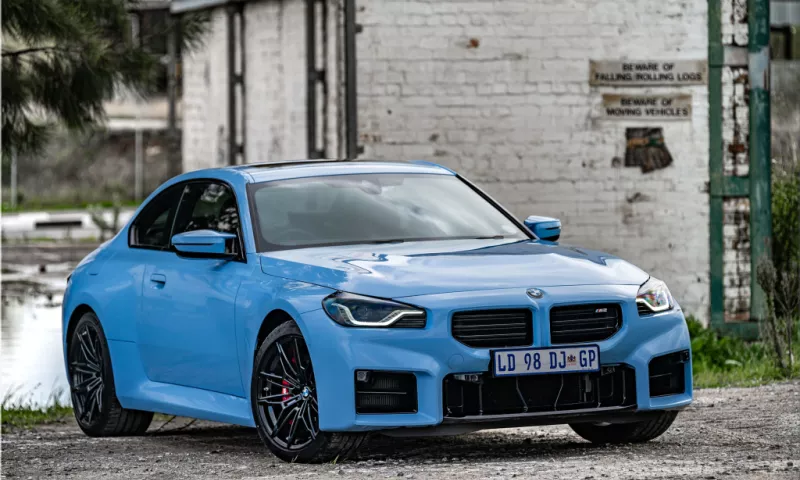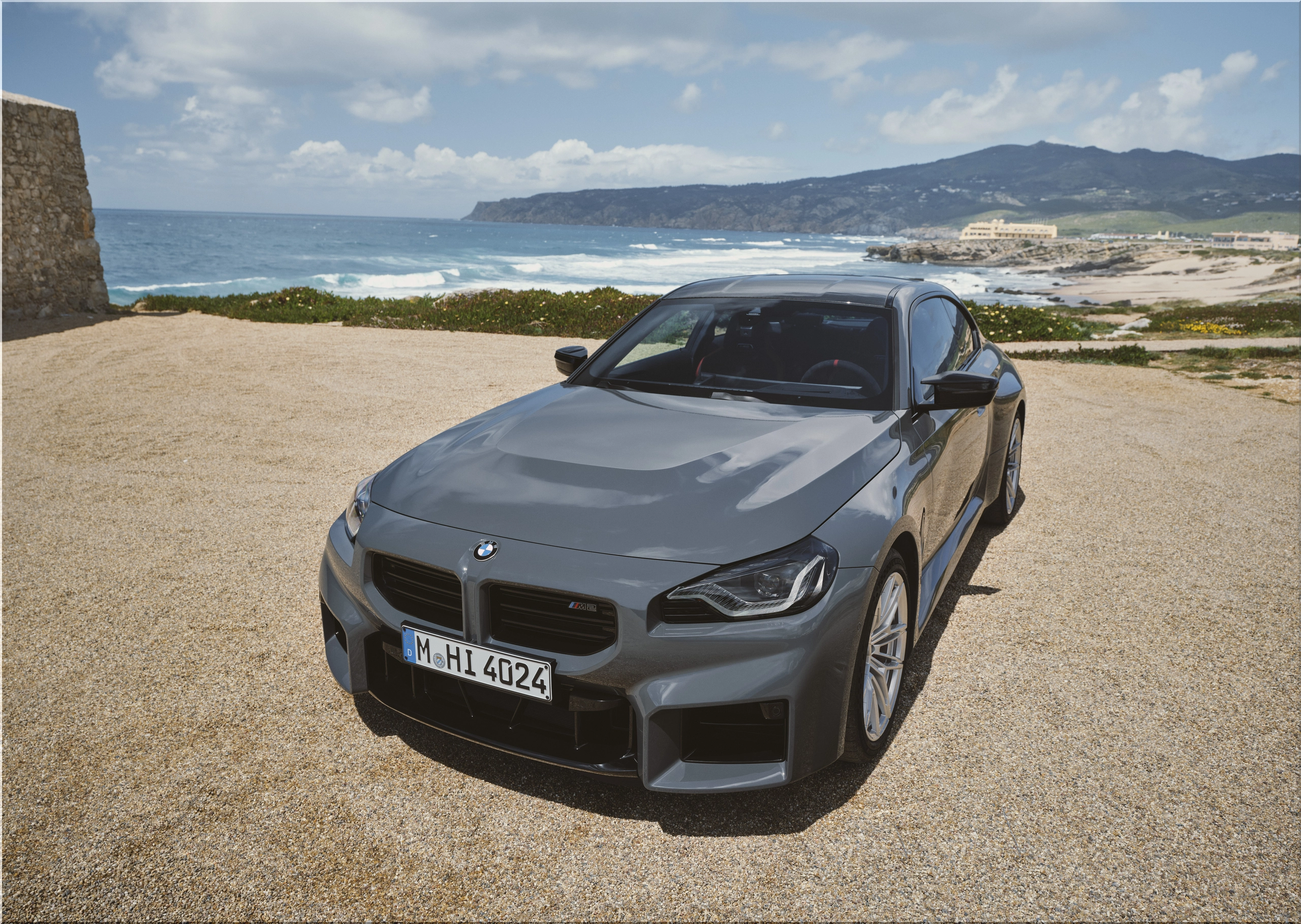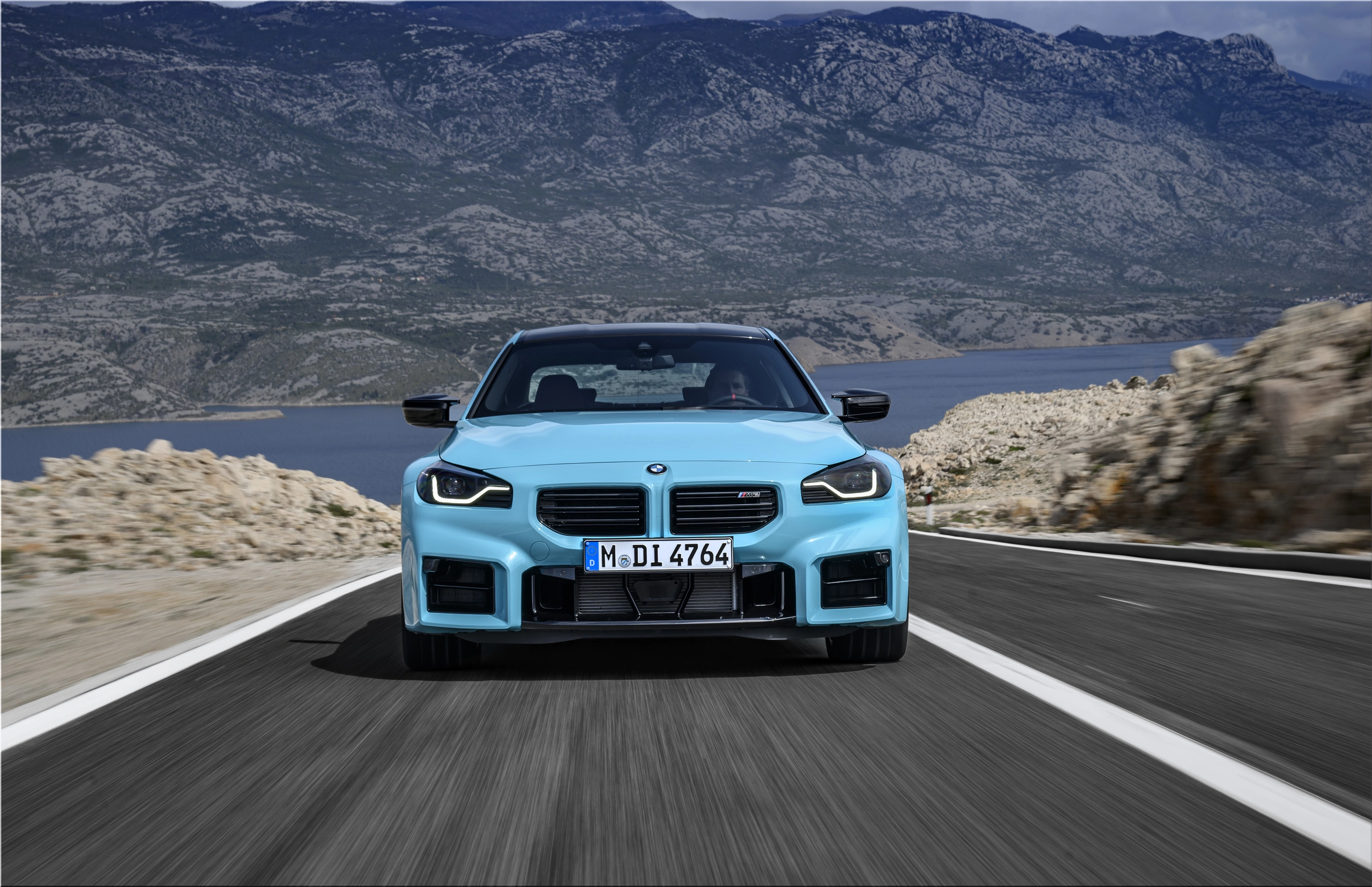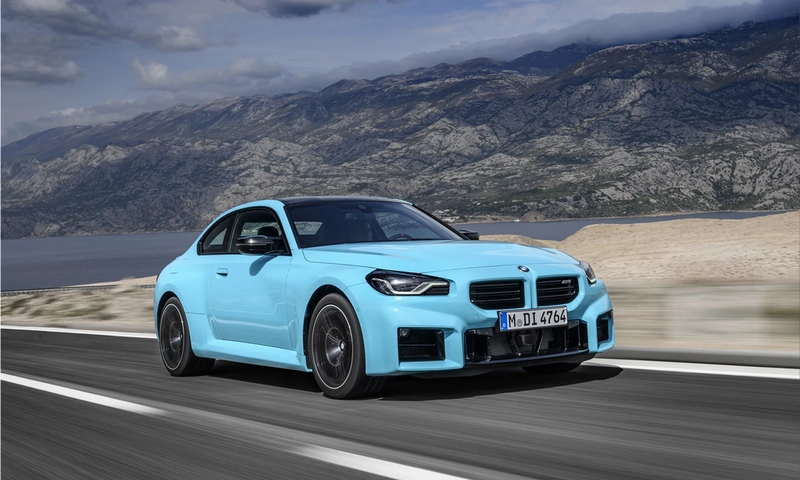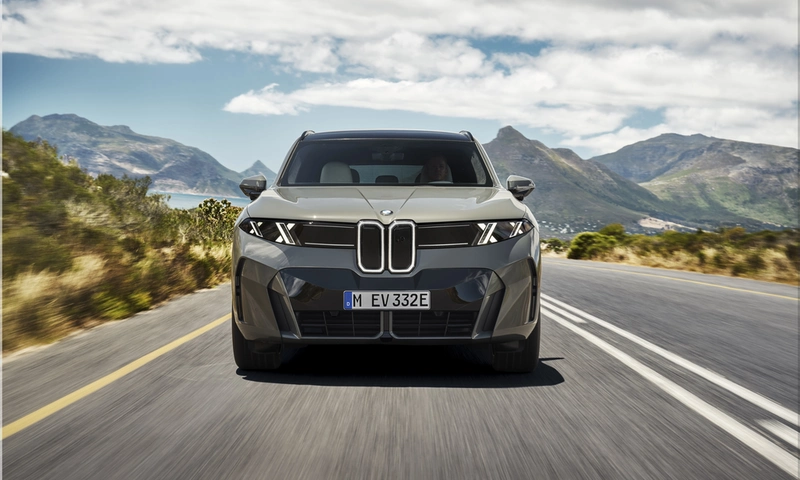
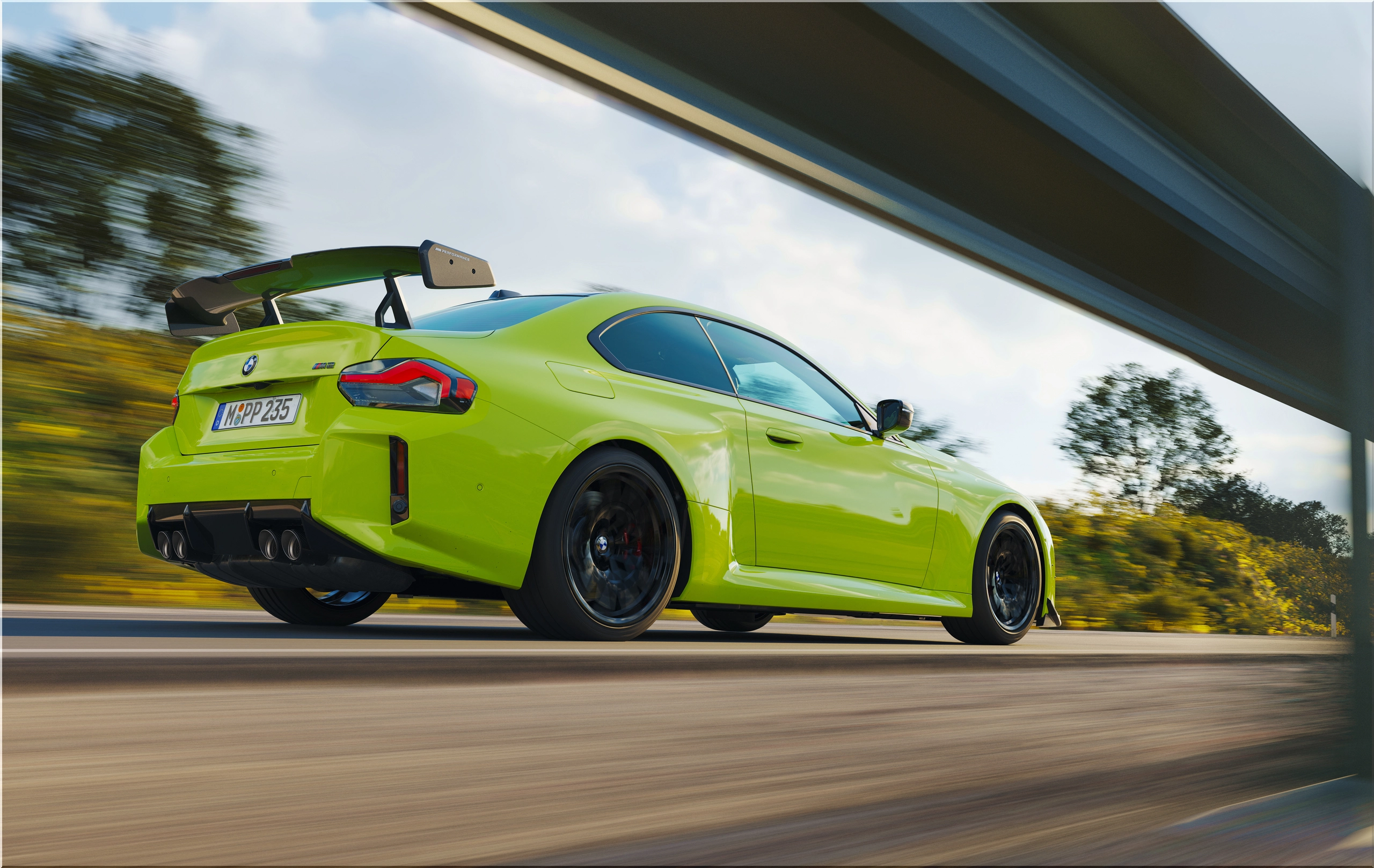
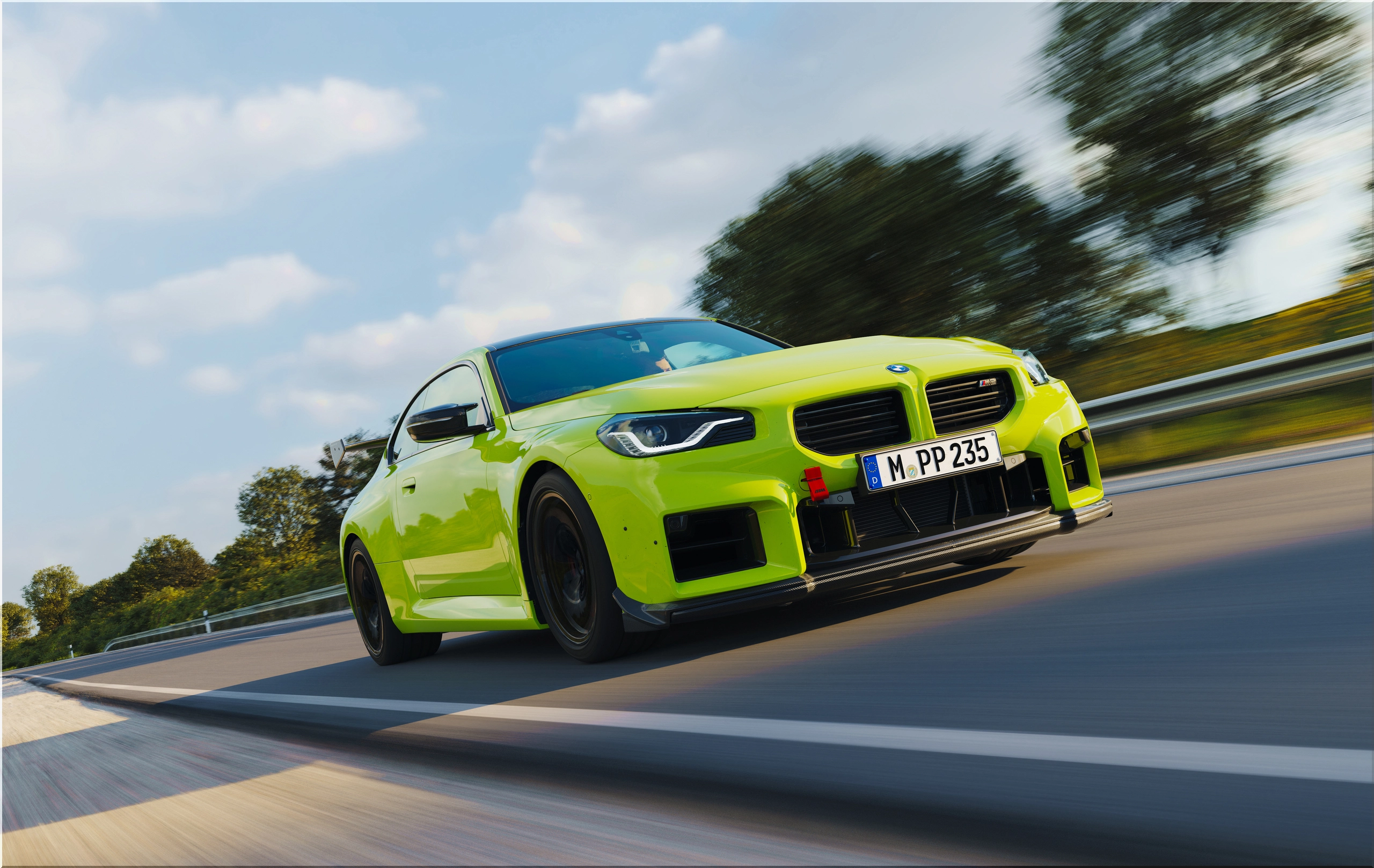
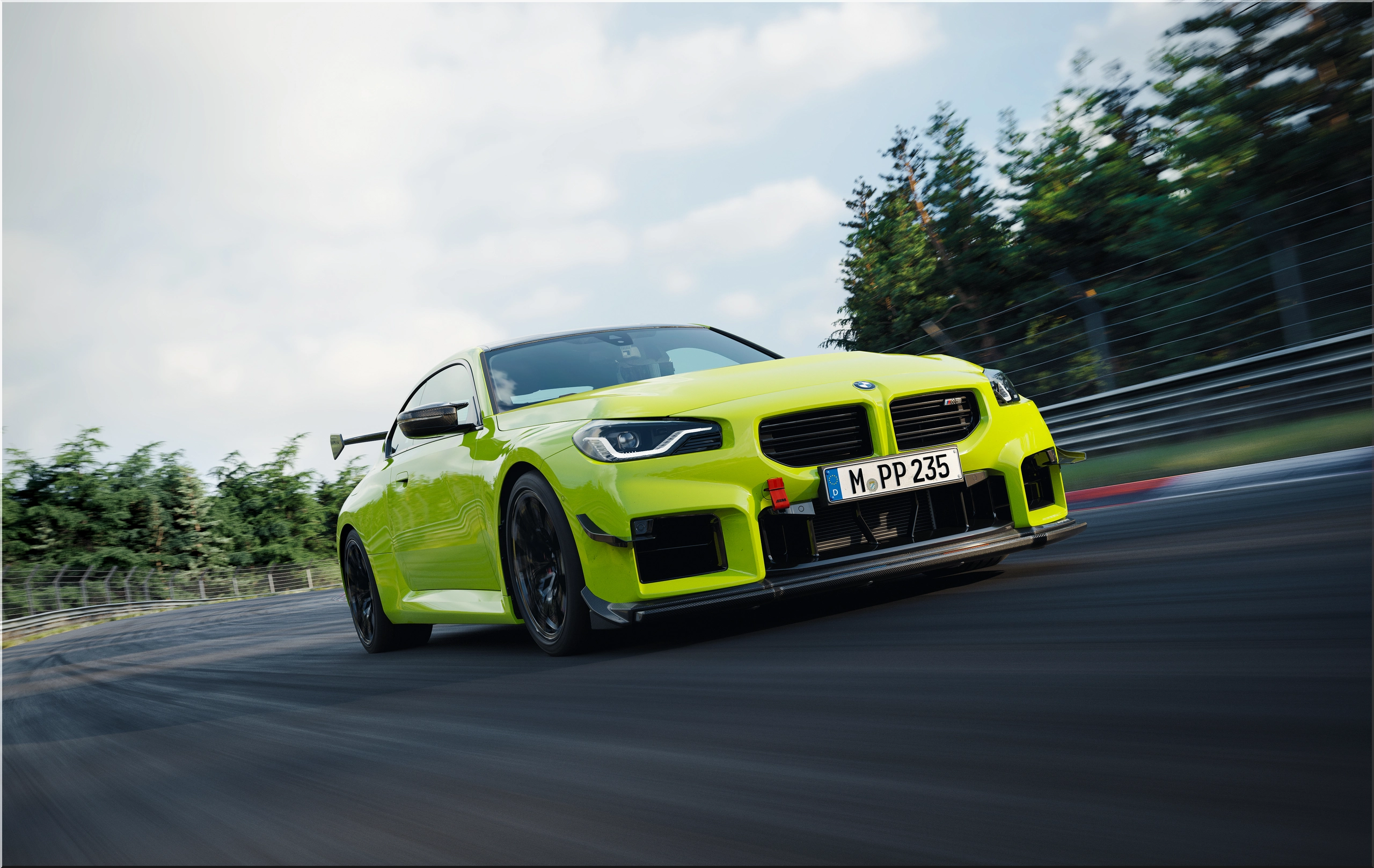
BMW aims this update straight at the track-day crowd. The brand now offers a factory-developed M Performance Track Kit for the BMW M2 (available from 07/2026) plus a new M Performance exhaust system for the BMW M2 CS that drops weight and reshapes the straight-six soundtrack.
Looking at the data, BMW did not chase cosmetic drama alone. The Track Kit ties together adjustable aero, a road-legal motorsport damper package, and a meaningful ride-height window. Consequently, the kit targets repeatable lap-to-lap behavior: more grip, steadier platform control, and higher aero effectiveness without pushing the car outside street regulations.
Image
What BMW Targets With the M Performance Track Kit
Track days punish vague setups. They expose brake heat, aero balance, and damping mismatch in a few corners. BMW built this M Performance Track Kit to sharpen the M2 where amateurs usually struggle: front-end bite at turn-in, mid-corner platform stability, and rear aero support at speed.
Specifically, BMW pairs front aero hardware with a swan-neck rear wing that runs Street Mode or a more aggressive Race Mode configuration. In addition, BMW adds a threaded suspension with 4-way damping adjustability and adjustable support bearings to make alignment and platform control more tunable for different circuits.
Baseline Context: BMW M2 and BMW M2 CS Numbers That Matter
Before you bolt on aero, you need to know what you start with.
- BMW M2 (G87) key dimensions: 108.1 in wheelbase (2,747 mm), about 180.3 in length (4,580 mm), about 74.3 in width without mirrors (1,887 mm), about 55.2 in height (1,403 mm).
- BMW M2 output baseline (market dependent): up to 353 kW (480 hp) and up to 600 Nm (443 lb-ft) with rear-wheel drive and an 8-speed automatic option.
- BMW M2 CS engine output (as stated for this setup): 390 kW (530 hp) from a turbocharged inline-six with BMW M TwinPower Turbo tech.
- BMW M2 CS curb weight (published spec): 3,770 lb (1,710 kg). Ground clearance lists at 4.7 in (119 mm).
By comparison, the Track Kit focuses on the physics you cannot fake with software: downforce, balance, and controlled vertical motion.
Aero Hardware: Adjustable Front Splitter, Underbody Detail, and Swan-Neck Rear Wing
BMW built the Track Kit aero as a system. That matters, because random add-ons can shift balance into understeer at high speed or make the rear nervous in fast transitions.
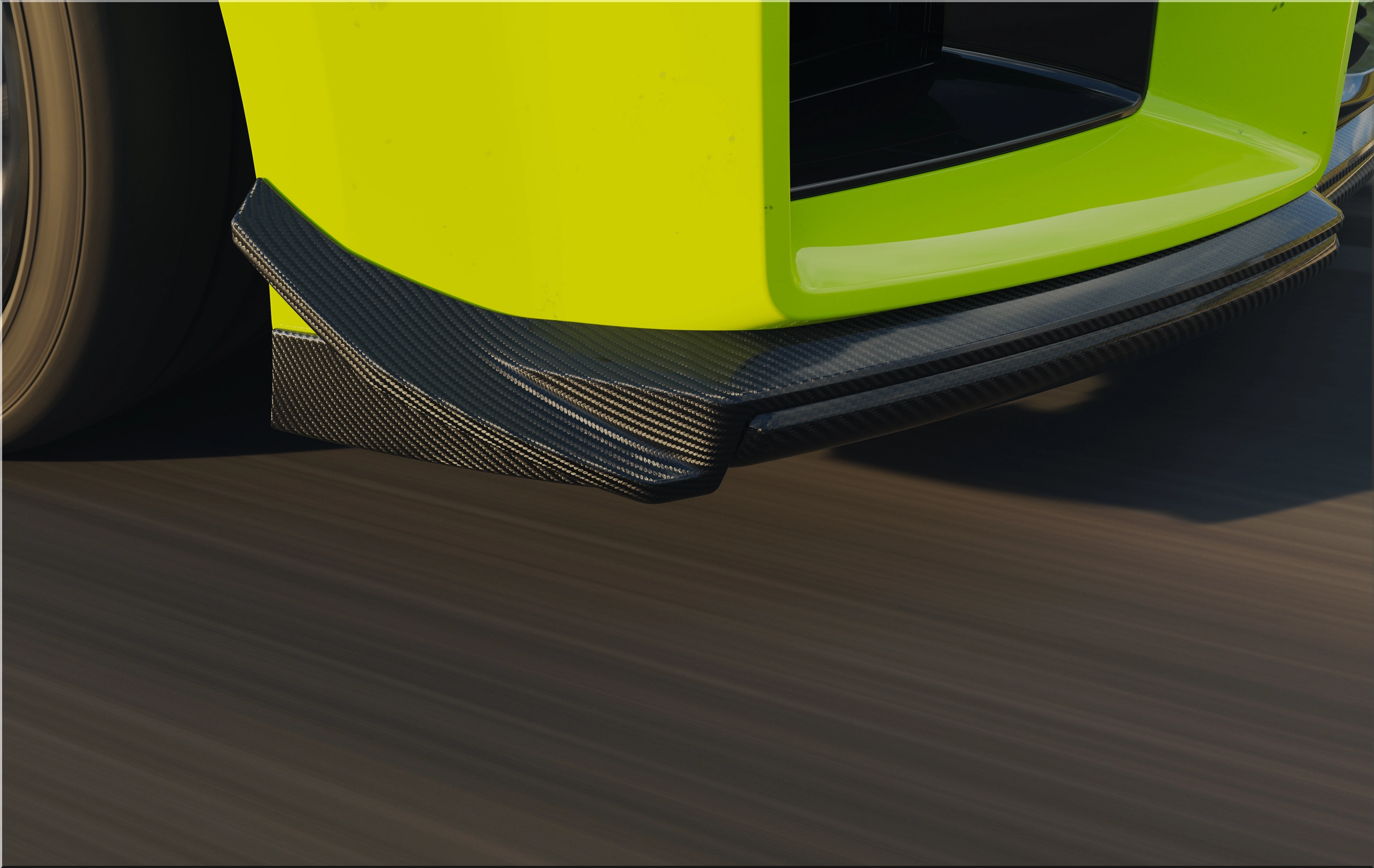
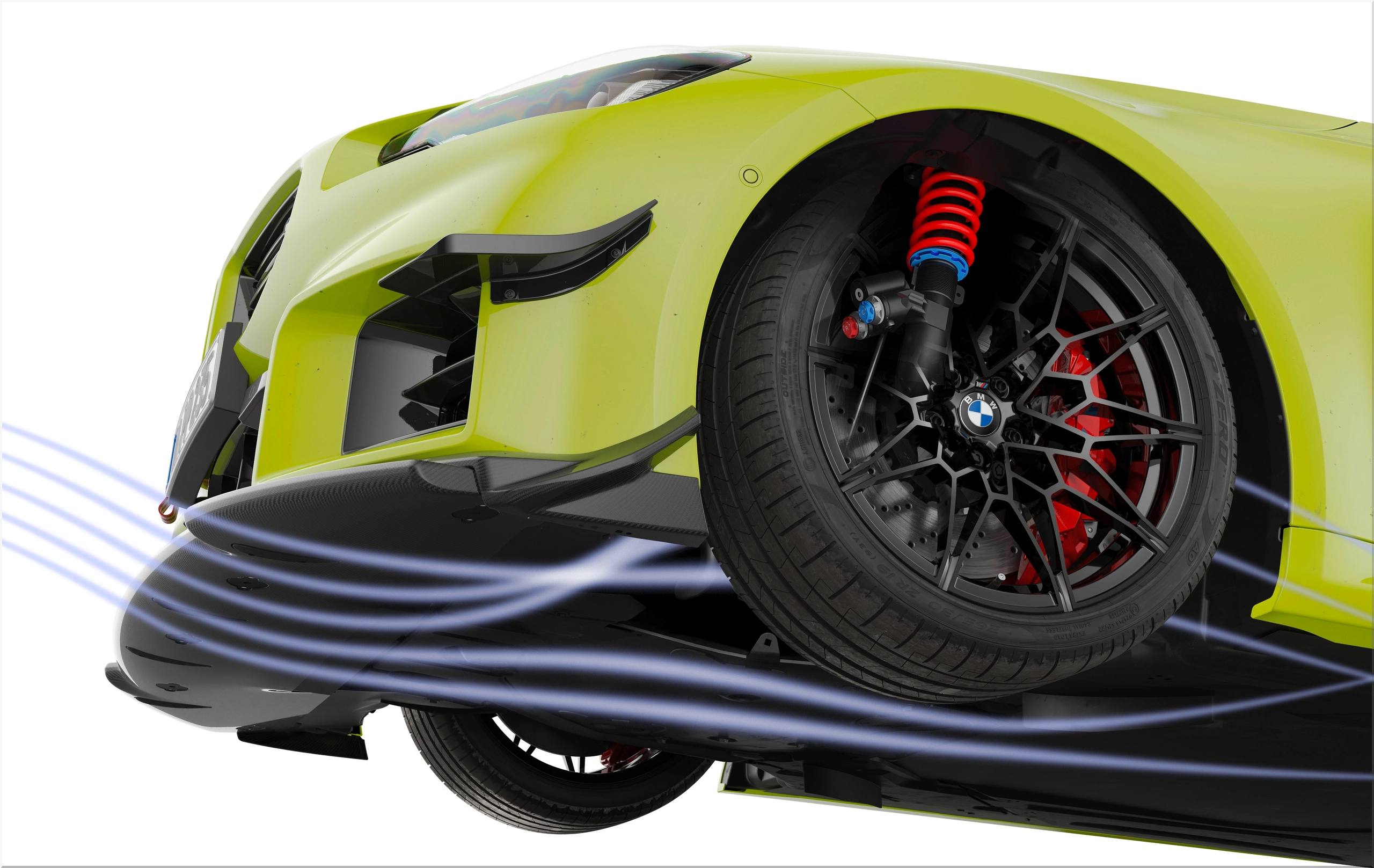
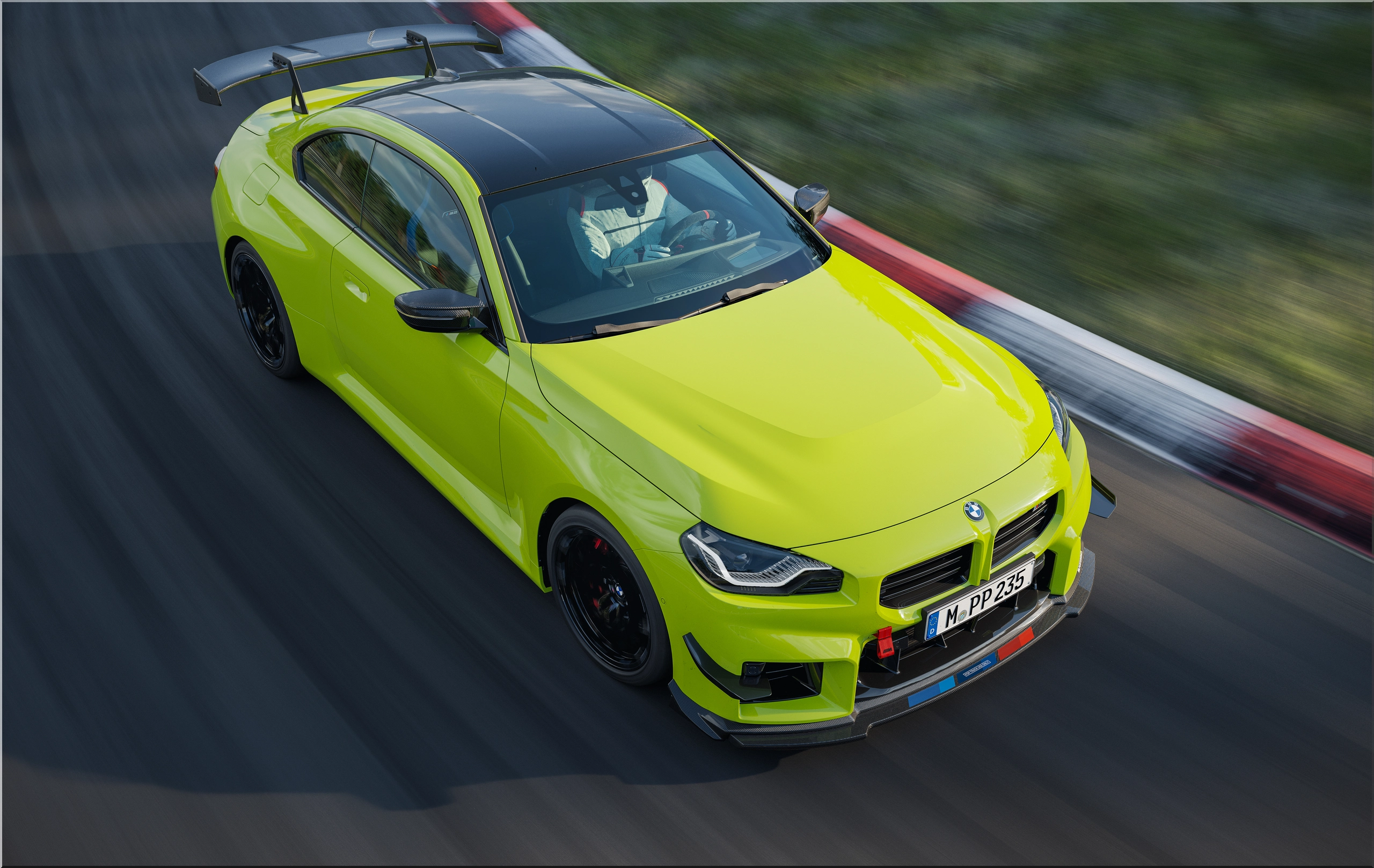
Front-End Aero: Splitter, Diffuser, Flicks, and Cooling Scoop
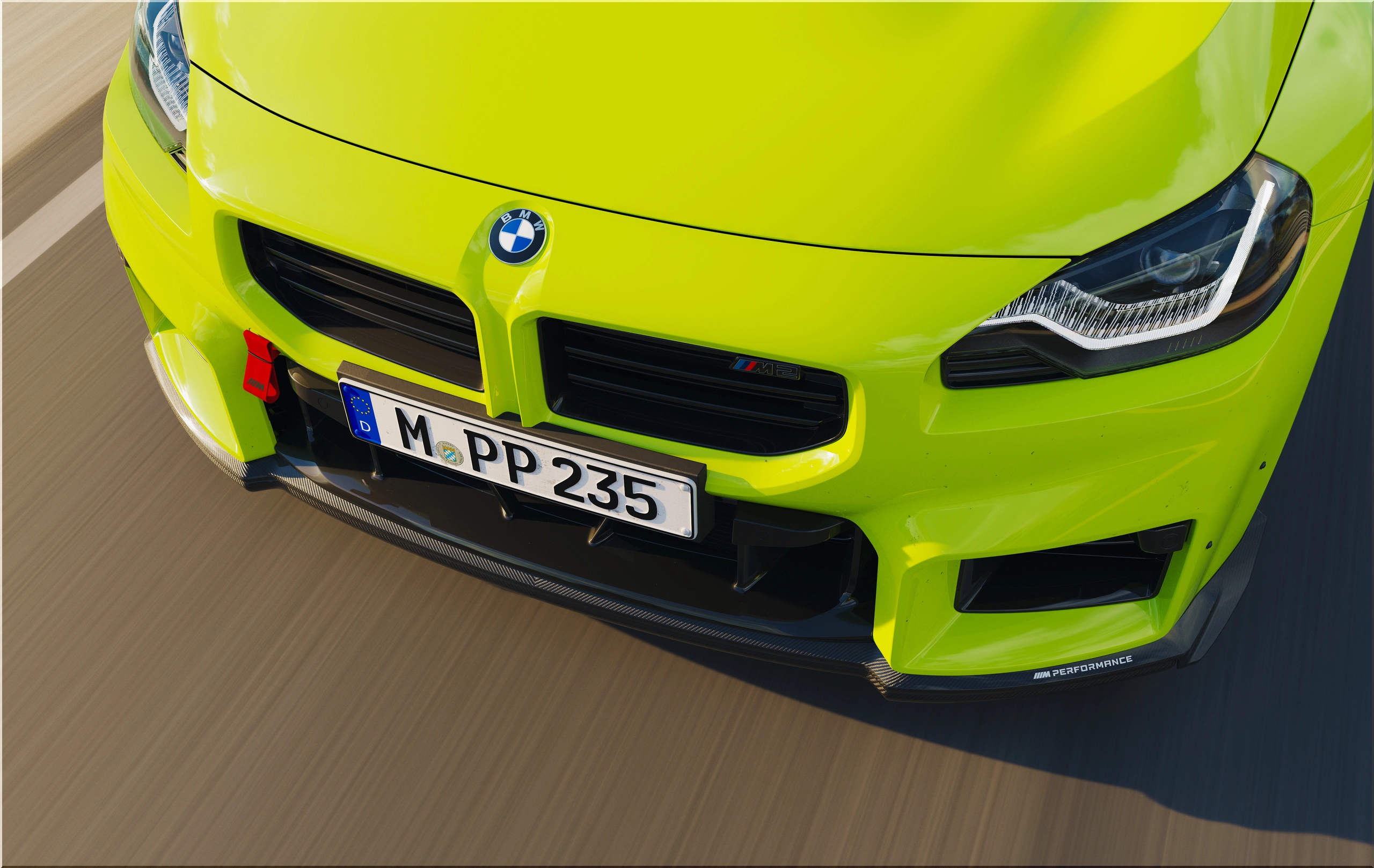
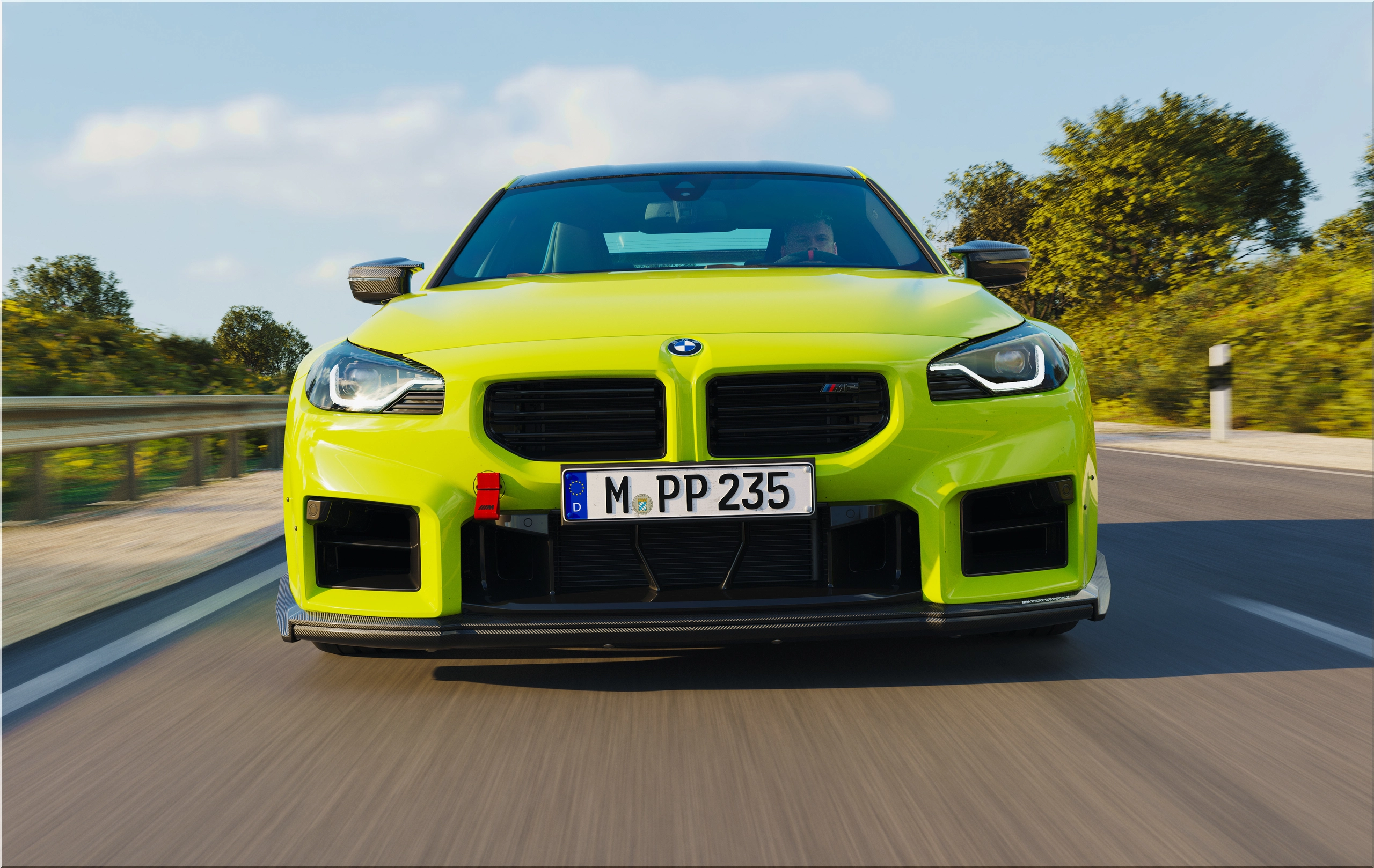
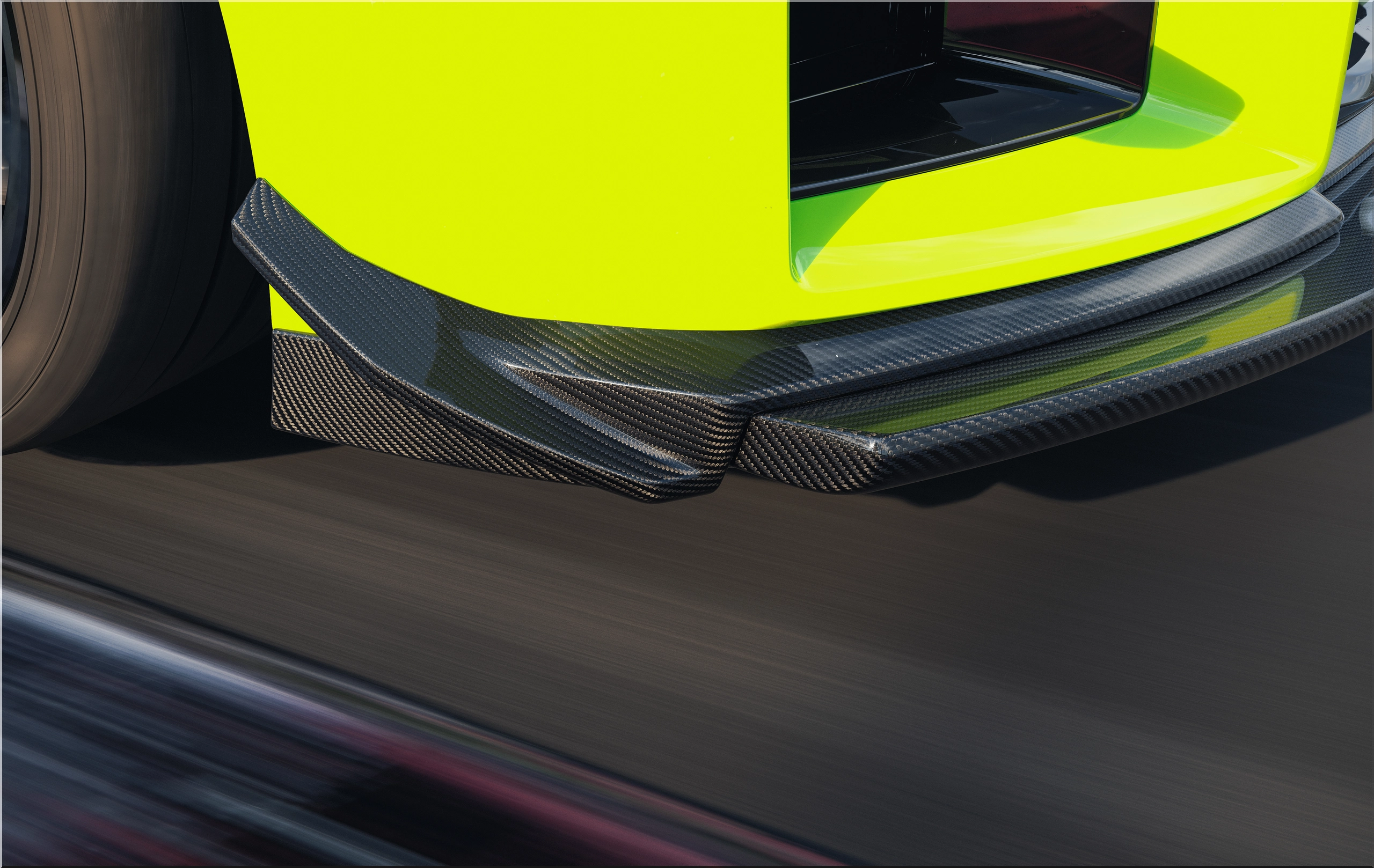
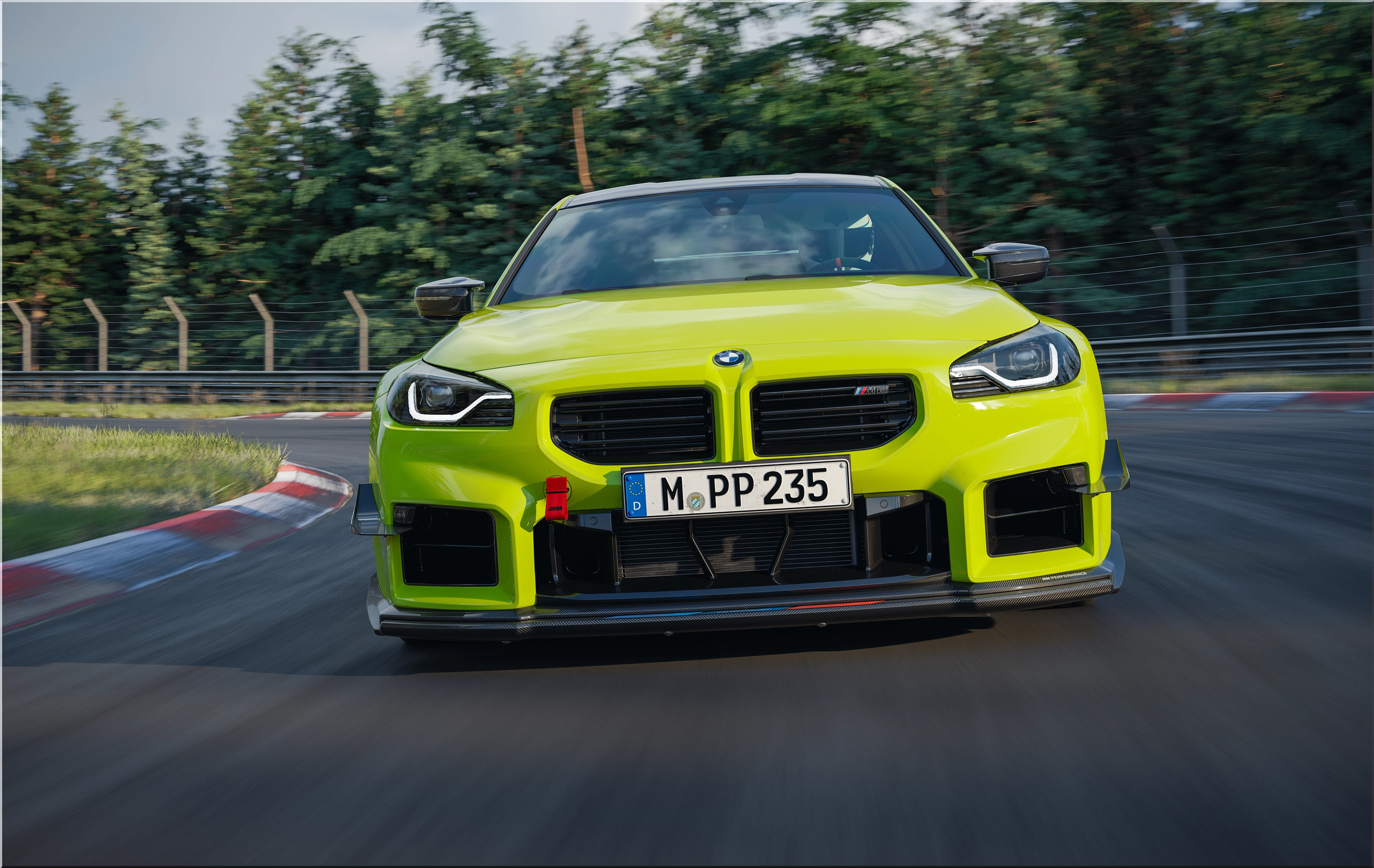
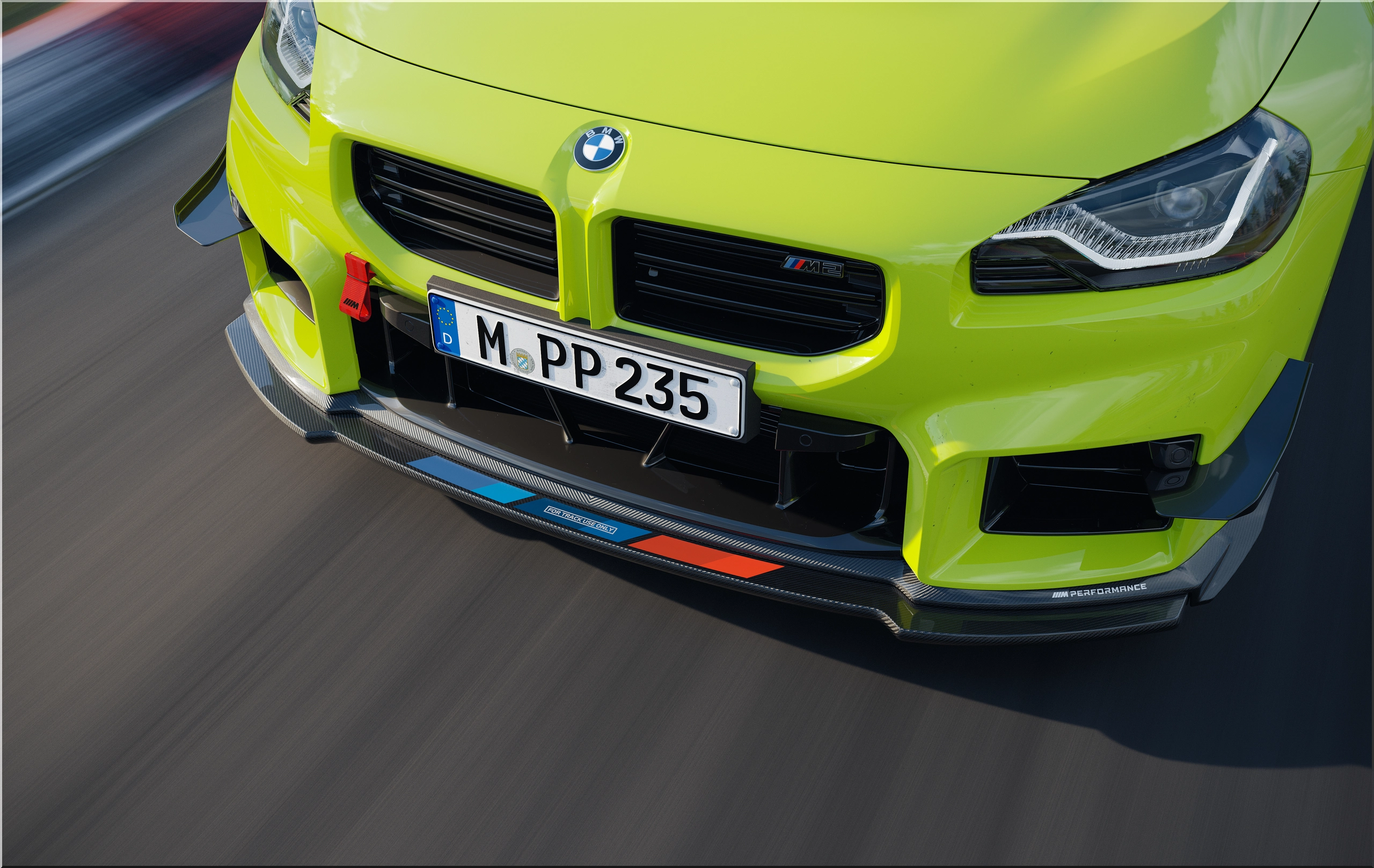
BMW fits a manually adjustable front splitter that forms a single unit with the front diffuser. That pairing does two jobs at once:
- It increases front axle downforce by accelerating airflow under the nose and managing pressure recovery behind the leading edge.
- It stabilizes airflow into the underbody zone so the rear wing works with cleaner, less turbulent air downstream.
In addition, BMW adds:
- Wheel arch diffusers (not adjustable) to manage wheel-well pressure and reduce lift created by rotating front tires.
- A scoop under the upstream engine oil cooler to guide airflow where heat rejection and pressure management both matter.
- Aero flicks to add local front-corner load and sharpen turn-in response.
From an expert perspective, the big win sits in balance control. When you raise front downforce without matching rear load, you can create high-speed over-rotation. BMW avoids that trap by pairing the front package with a rear wing that changes effective leverage.
Image
Rear Wing: Swan-Neck Mount, Race Mode Translation, and Angle of Attack
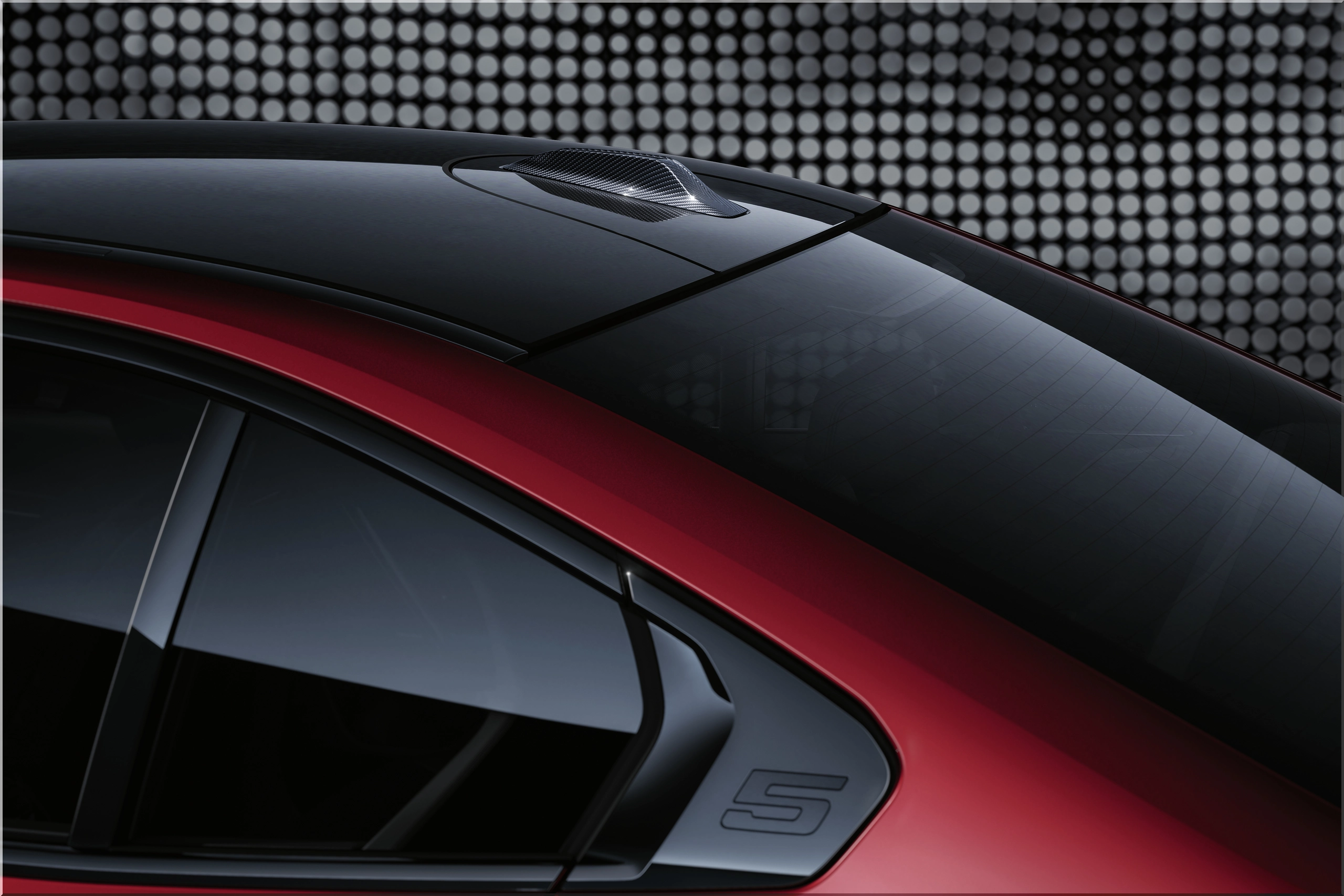
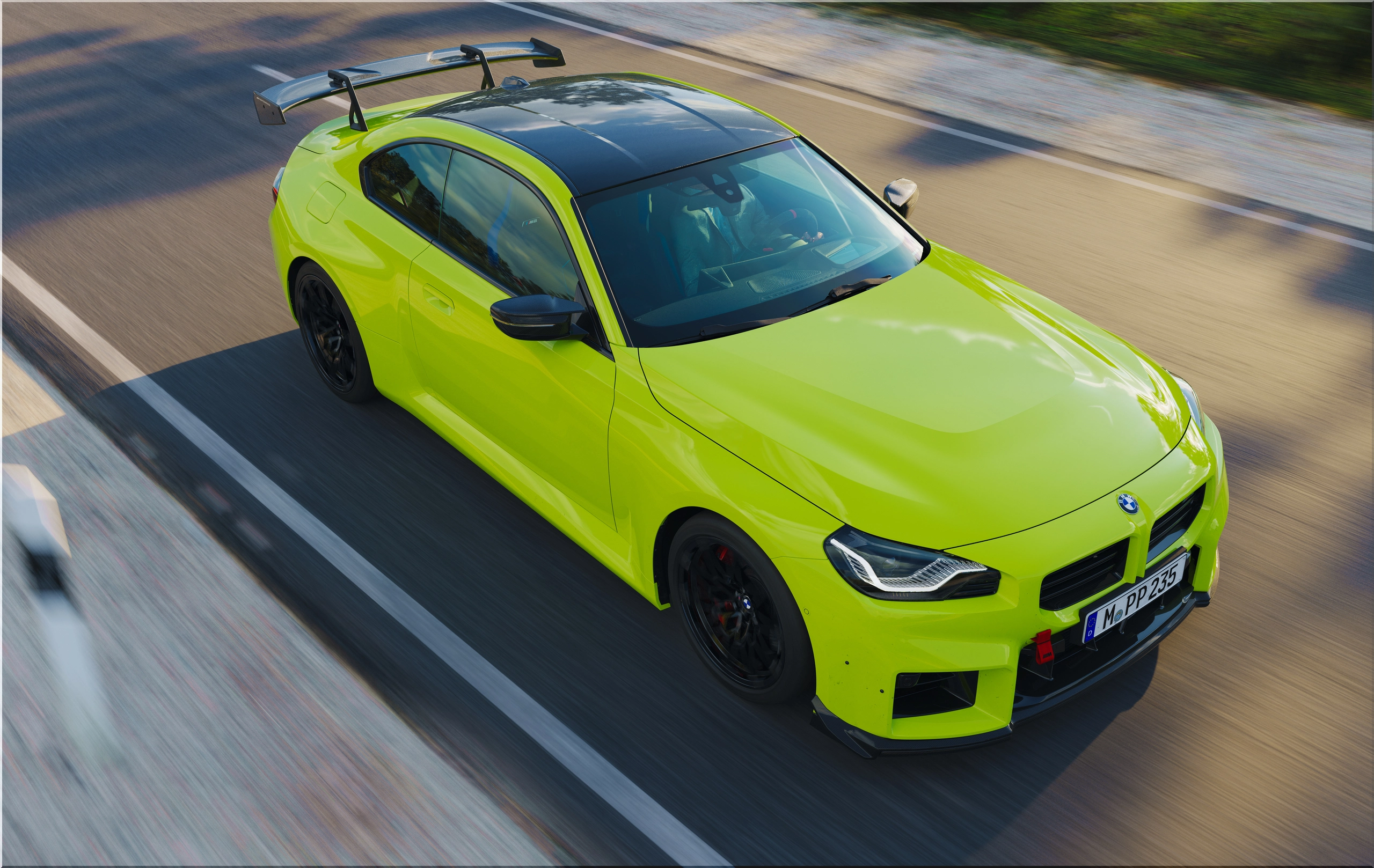
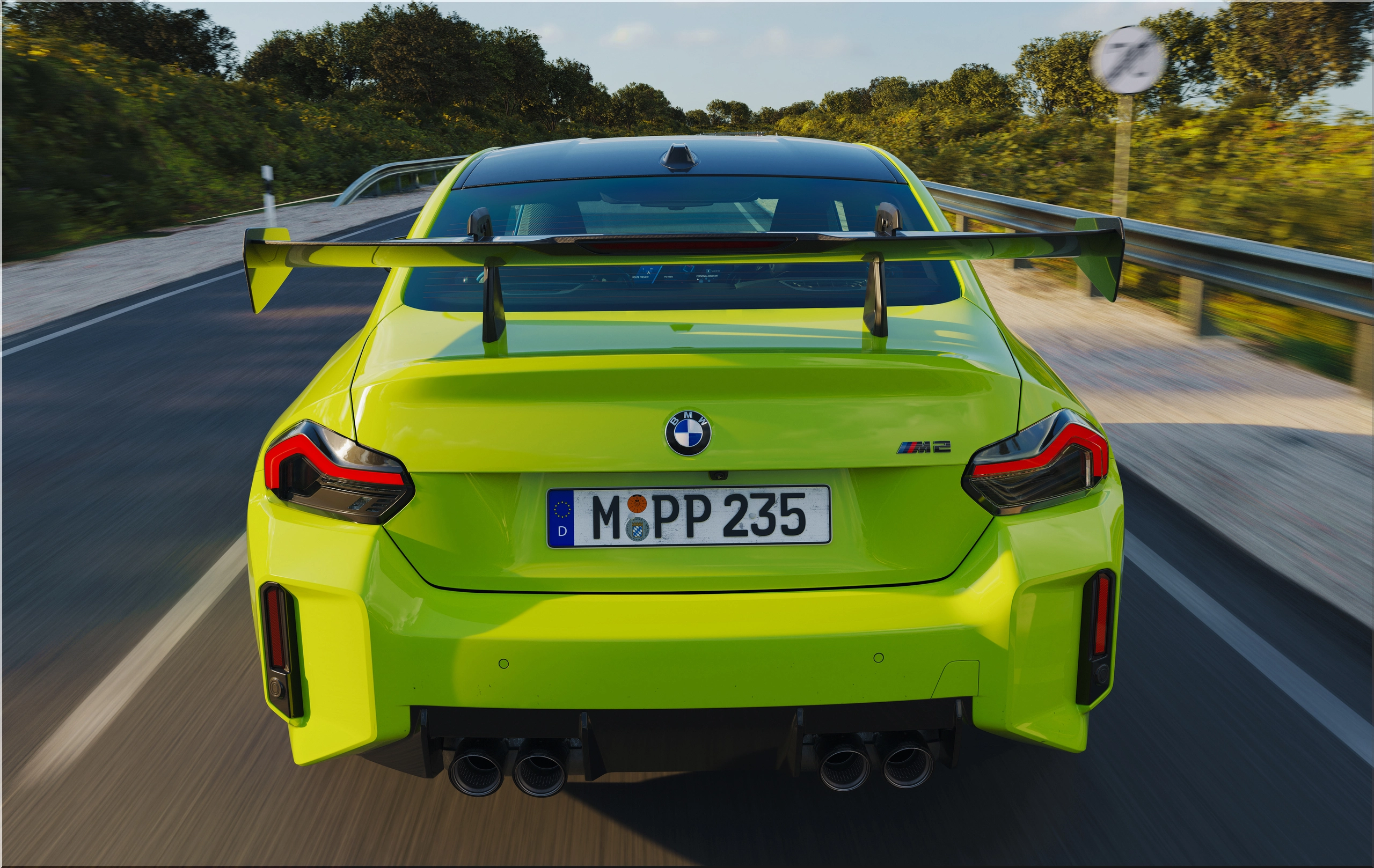
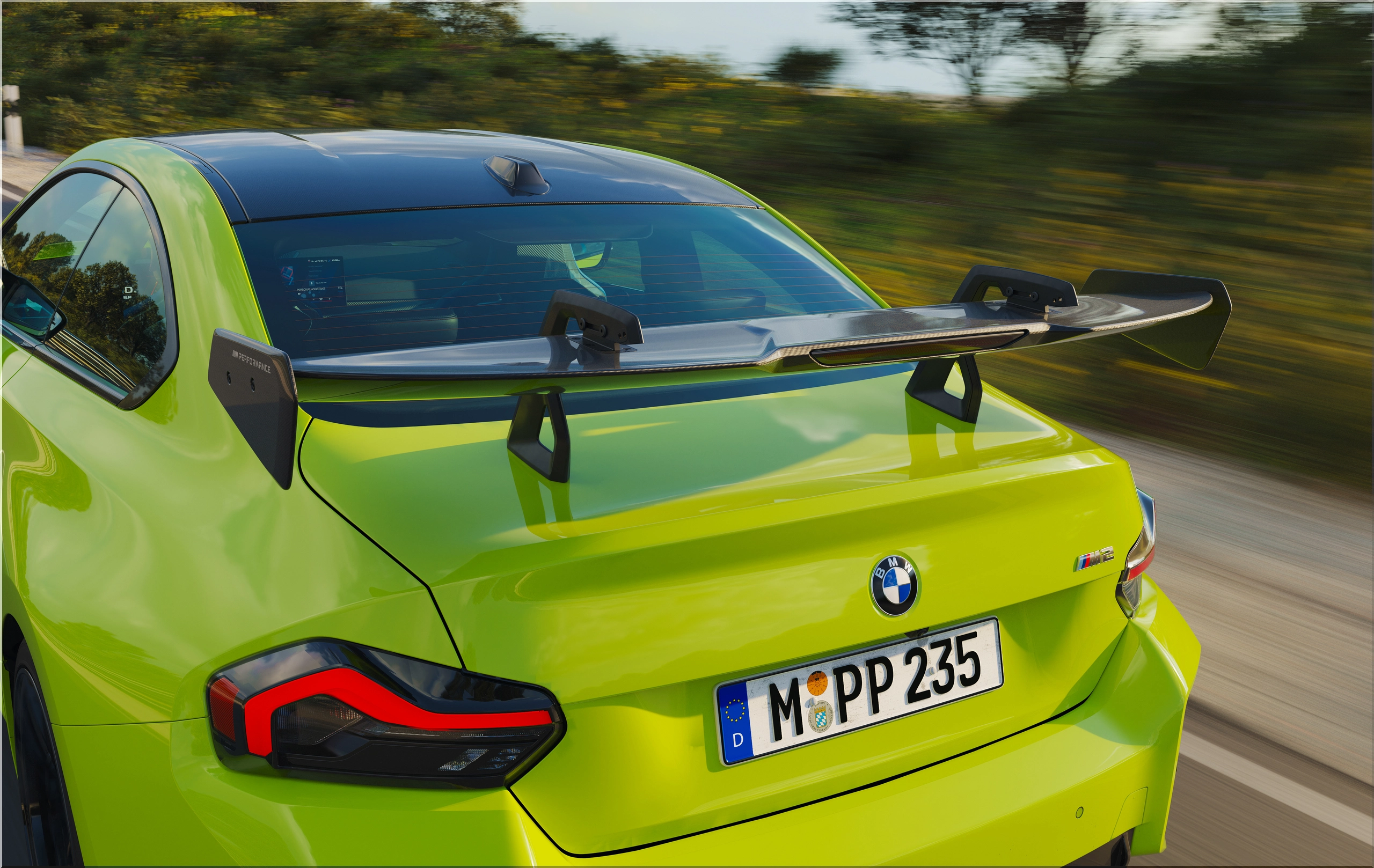
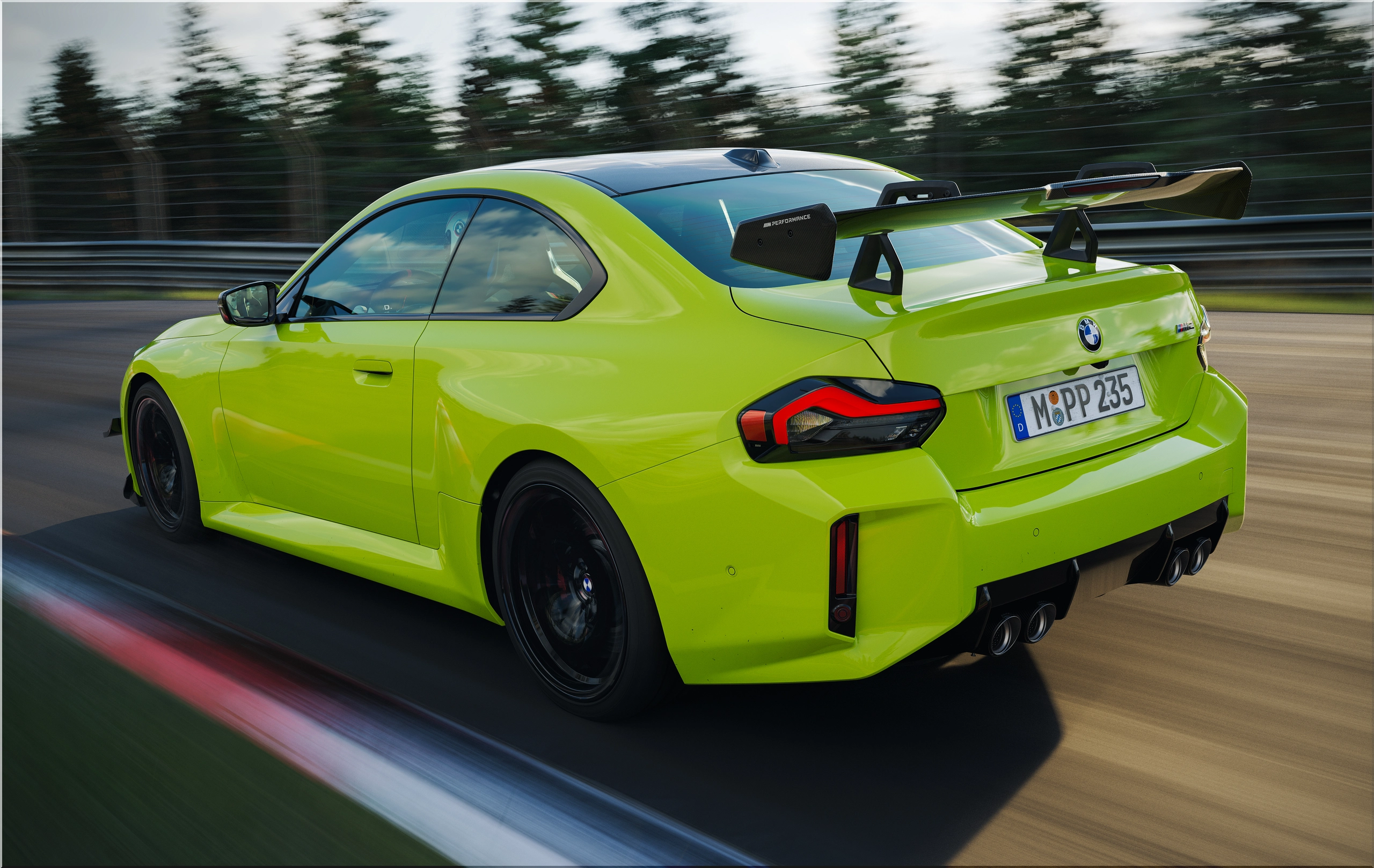
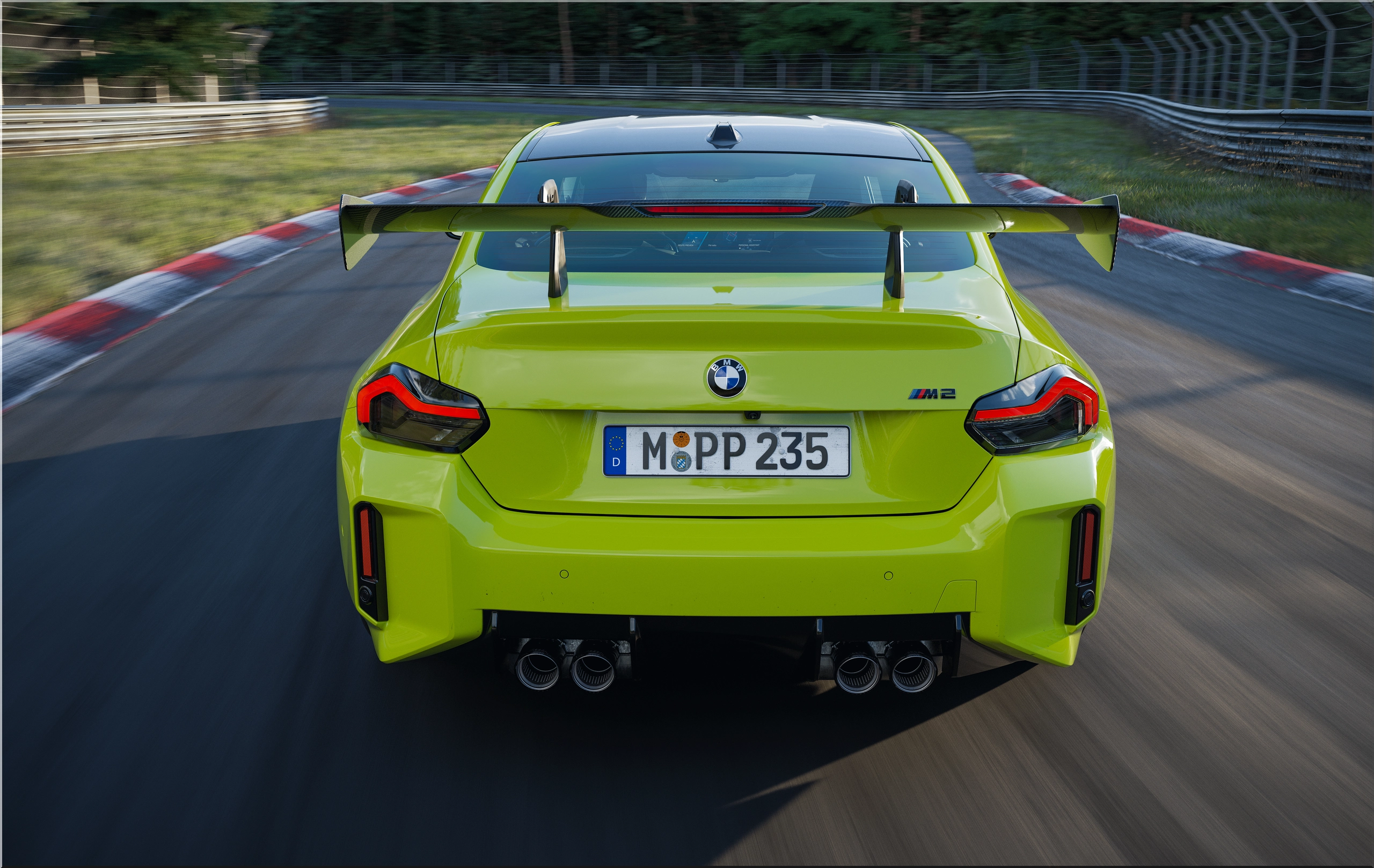
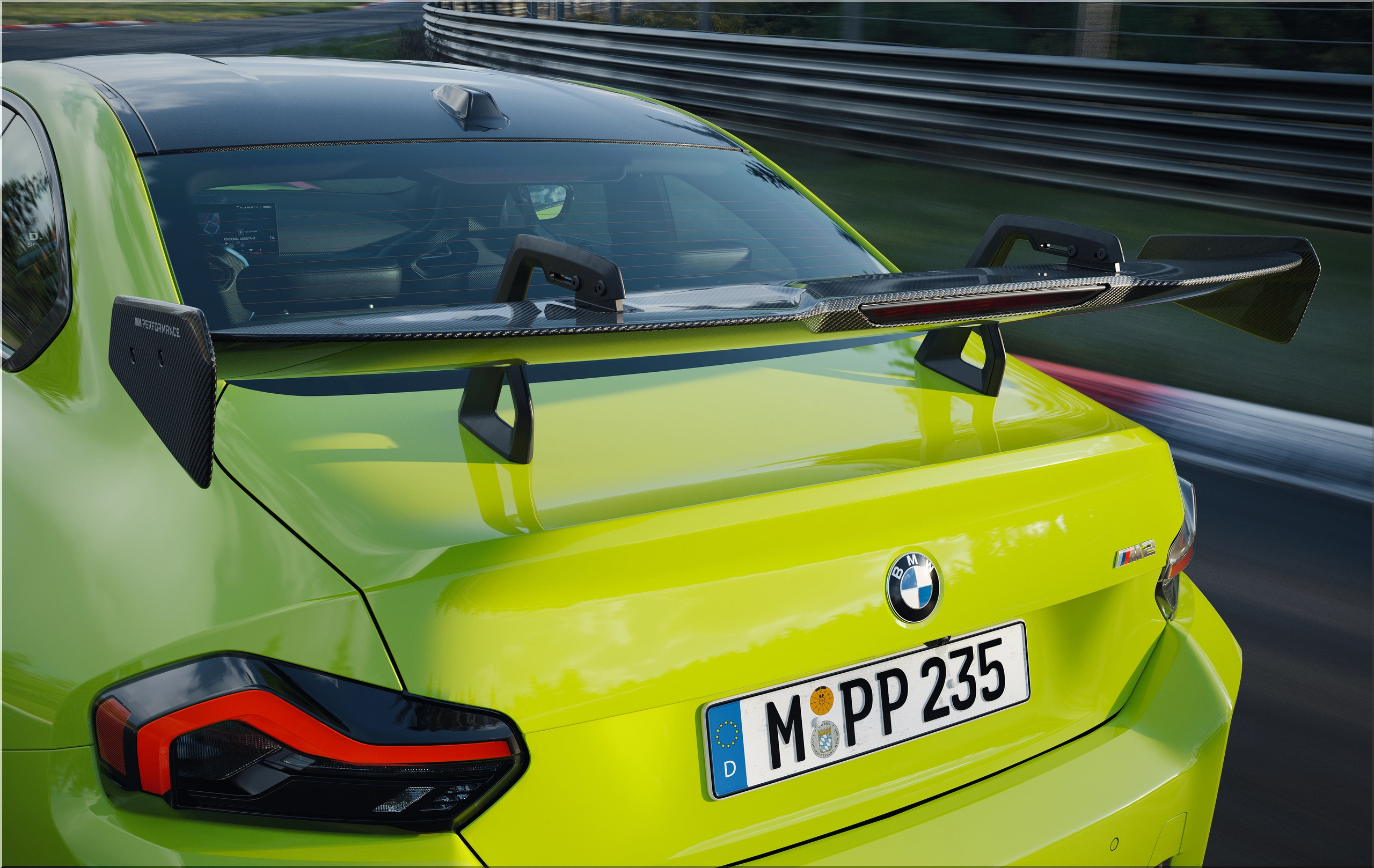
BMW uses a manually adjustable swan-neck rear wing similar in concept to parts used on the BMW M4 GT4 and BMW M4 GT3 customer race cars. Swan-neck mounting keeps the wing’s underside cleaner, because the mounts sit on top, leaving the low-pressure surface less interrupted.
The wing adds two core adjustments:
- Street Mode: retracted position designed to remain within road-approval limits.
- Race Mode: the wing moves 50 mm (2.0 in) toward the rear, increasing aerodynamic effectiveness by changing its position relative to the car’s wake and the pressure field over the trunk area.
In addition, the wing offers two angle-of-attack settings to tune rear axle downforce for track layout. Think of it as a fast way to trade top-speed drag for rear stability in long corners and braking zones. BMW also integrates a brake light into the wing, which supports road legality while keeping the wing high and visually aggressive.
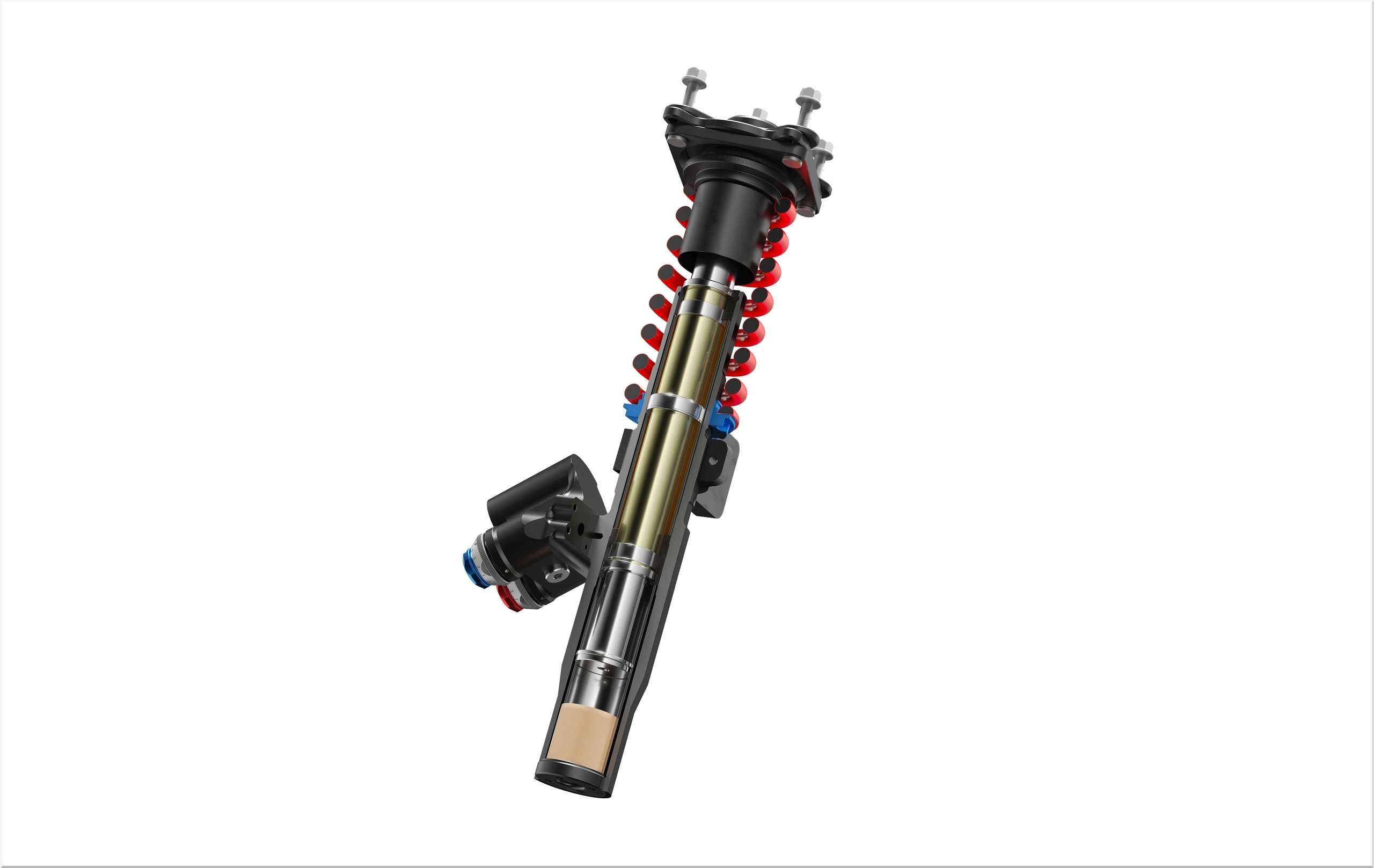
Chassis: Road-Legal Motorsports Dampers With Real 4-Way Tuning
Aero adds grip, but it also adds load sensitivity. Without damper control, the car can bounce through compressions and lose the aero platform it paid for. BMW addresses that directly.
The Track Kit includes:
- A threaded chassis with 4-way adjustable rebound and compression damping
- Adjustable support bearings
- The first special motorsport damper system BMW positions as road-legal in this format
- Infinitely variable ride-height adjustment with up to 20 mm (0.79 in) lowering at both front and rear
Consequently, the kit supports two different goals with the same hardware:
- Street stability: more controlled body motion without a punishing, crashy feel if you keep damping conservative and ride height moderate.
- Track precision: sharper transient response and better tire contact through bumps when you tune rebound to manage weight transfer and compression to control impact energy.
Definitions: 4-Way Adjustable Damping in Plain Terms
- Low-speed compression: controls how the car takes a set under braking and corner entry.
- High-speed compression: controls how the damper reacts to sharp bumps and curbing.
- Low-speed rebound: controls how quickly the car releases load as you unwind steering and add throttle.
- High-speed rebound: controls how the wheel returns after rapid compression events.
Treat these adjusters like a grip budget. Too stiff and the tire skips. Too soft and the car rolls and pitches, which reduces the stability the aero needs.
Track Kit Component Map and What Each Piece Does
| Track Kit Component | Adjustment Range | Primary Effect on Track | What You Feel From the Driver’s Seat |
|---|---|---|---|
| Front splitter + front diffuser (single unit) | Manual splitter positioning | Raises front axle load, improves underbody airflow | More bite at turn-in, steadier steering at speed |
| Wheel arch diffusers | Fixed | Reduces wheel-well pressure and lift | Cleaner front response in fast corners |
| Aero flicks | Fixed | Adds local front-corner downforce | Sharper initial rotation, less push on entry |
| Oil-cooler airflow scoop | Fixed | Guides airflow under the nose and into cooling zones | More consistent oil temps in repeated hot laps |
| Swan-neck rear wing | Street Mode vs Race Mode, plus 2 AoA settings | Raises rear axle downforce, tunes aero balance | More rear stability under braking and throttle |
| Wing-integrated brake light | Fixed | Keeps visibility and road compliance | No performance feel, big functional detail |
| Threaded suspension | Infinitely variable height | Sets platform rake and center of gravity | More control over balance and tire loading |
| 4-way adjustable dampers | Rebound and compression tuning | Matches platform control to tires and aero | More grip consistency, better curb behavior |
| Adjustable support bearings | Alignment tuning | Locks in camber and response under load | More front-end precision, less vague mid-corner feel |
M Performance Exhaust for BMW M2 CS: Lighter, Sharper, Mode-Tuned Sound
BMW adds a dedicated M Performance exhaust system for the BMW M2 CS. It uses optimized exhaust routing to shape the engine note of the 390 kW (530 hp) inline-six. Setup access supports multiple modes, which lets the driver tune sound character to the driving environment.
Visually, BMW offers optional tailpipe trims made from carbon and titanium. Those materials fit the motorsport theme and signal heat resistance plus weight discipline. The headline metric stays simple: the exhaust system runs around 8 kg (17.6 lb) lighter than the standard component.
By comparison, 17.6 lb off the rear section does more than help a scale number. It slightly reduces rear overhang mass, which can help transient response when the chassis rotates through quick left-right transitions.
Pricing in USD: Track Kit vs Exhaust System
BMW published German pricing, excluding installation, with tax noted separately on the Track Kit figure.
| Item | Price (EUR) | Price (USD) | Notes |
|---|---|---|---|
| M Performance Track Kit (BMW M2) | 23,500 | 27,302 | Plus tax (Germany) and installation |
| M Performance exhaust system (BMW M2 CS) | 8,343.50 | 9,693 | Excludes installation |
| Exhaust weight reduction (BMW M2 CS) | N/A | N/A | About 8 kg (17.6 lb) lighter than standard |
Pro-Tips: How to Spec and Set Up This Hardware for Real Lap-Time Value
- Start with ride height, then damping. Lowering up to 20 mm (0.79 in) changes roll center behavior and aero rake. Set height first so your damper clicks target the right platform.
- Use Race Mode wing translation for fast tracks. That 50 mm (2.0 in) rearward move raises rear effectiveness when speeds climb and braking zones lengthen.
- Match front splitter position to rear wing angle. If you add rear angle without front load, the car can push mid-corner. If you add front load without rear, the car can rotate too quickly at high speed.
- Treat tire choice like part of the kit. Aero and damping gains show up only if the tire can accept load without overheating. If you run ultra-track tires, soften high-speed compression slightly to keep the tire in contact over curbing.
- Plan alignment around support bearings. Add front negative camber for track days, then back it off for street miles if tire wear becomes the limiter.

What Now: The Smart Buying Path for M2 Owners and M2 CS Drivers
If you run two track days per year, the exhaust makes the simplest impact. It cuts 17.6 lb, changes sound character, and adds visual presence without forcing a setup learning curve.
If you run monthly events, the M Performance Track Kit offers the higher ceiling. You gain adjustable aero balance, meaningful damper control, and ride-height flexibility that lets you chase stability and grip as your pace climbs. Consequently, you can grow into the hardware instead of outgrowing it.
If you want a clean plan:
- Add the Track Kit, then schedule an alignment session with a shop that understands camber targets for rear-wheel-drive coupes.
- Run a baseline day with conservative damper settings and Street Mode wing position.
- Change one variable at a time: wing angle, splitter position, then damper clicks.
- Log tire temps and wear so you tune the platform based on evidence, not vibes.
- Add new comment
- 119 views