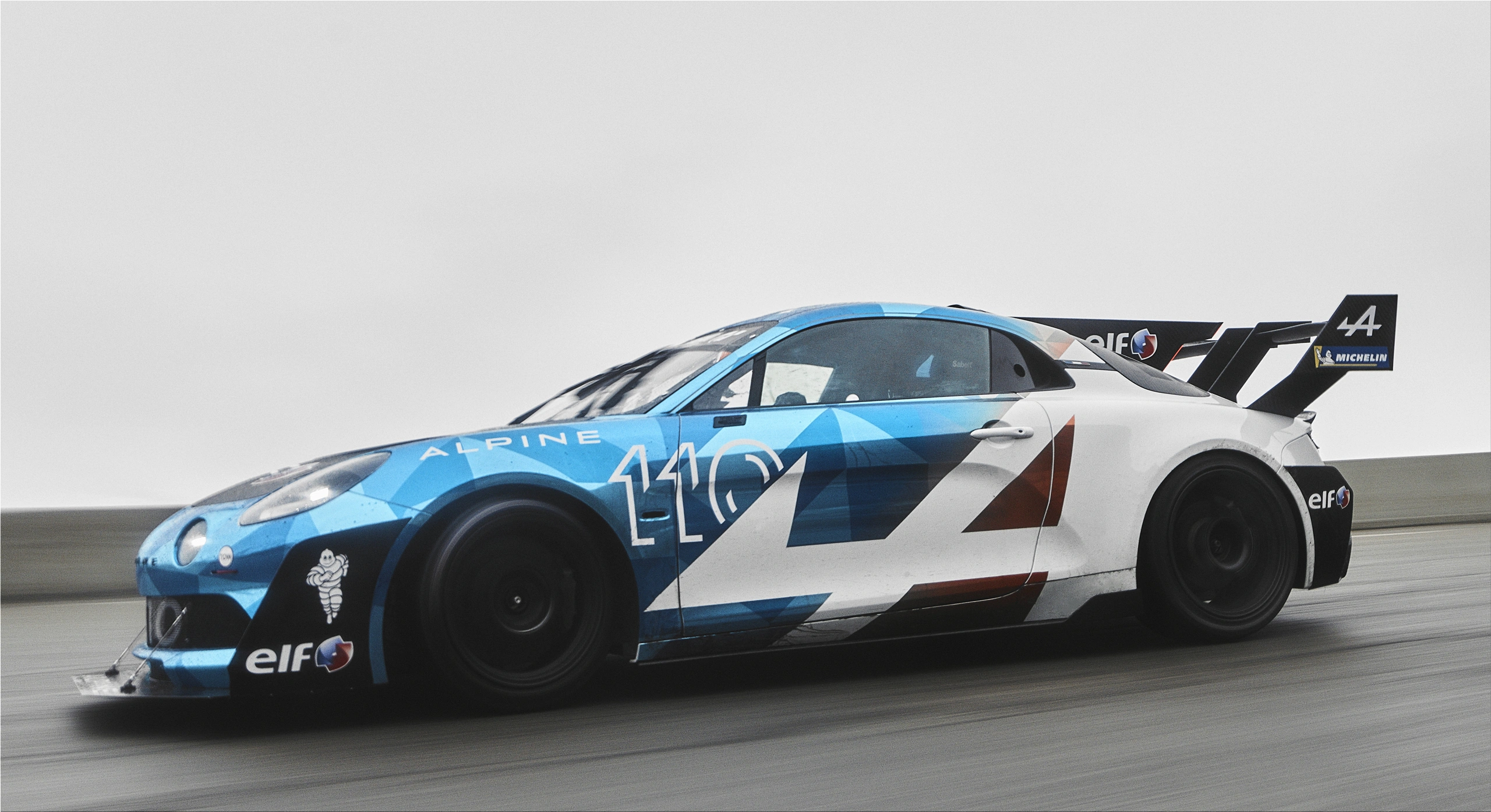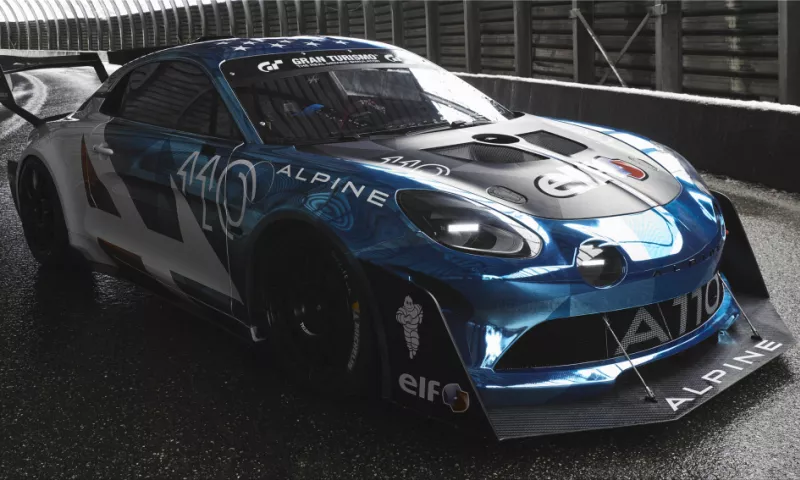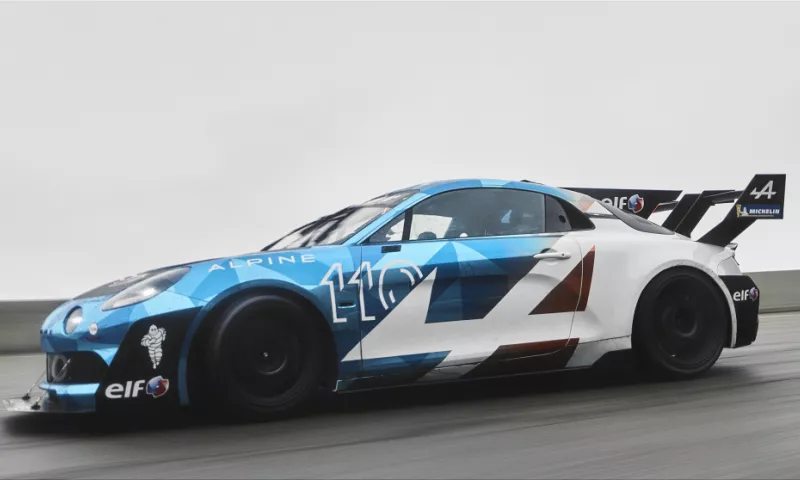
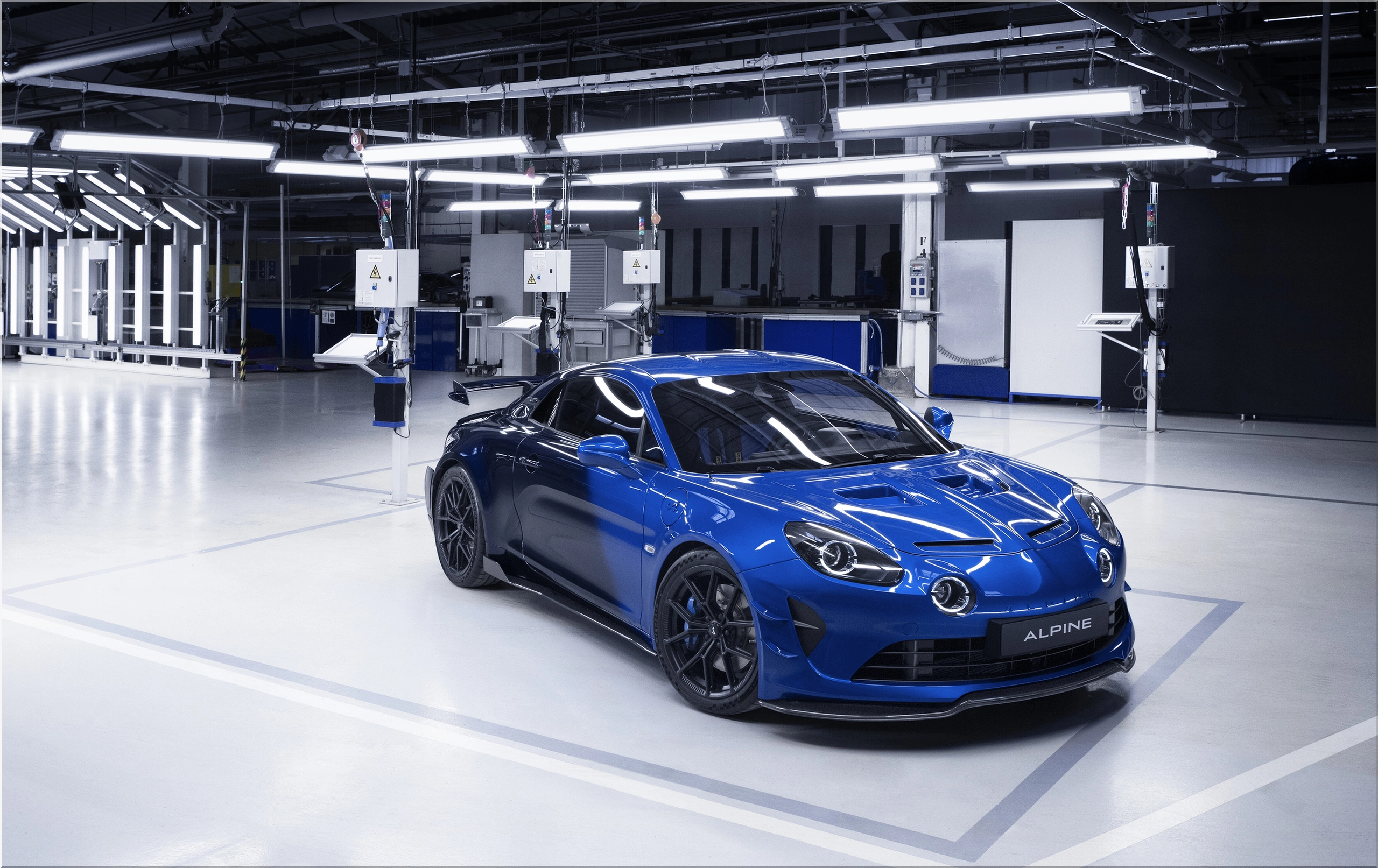
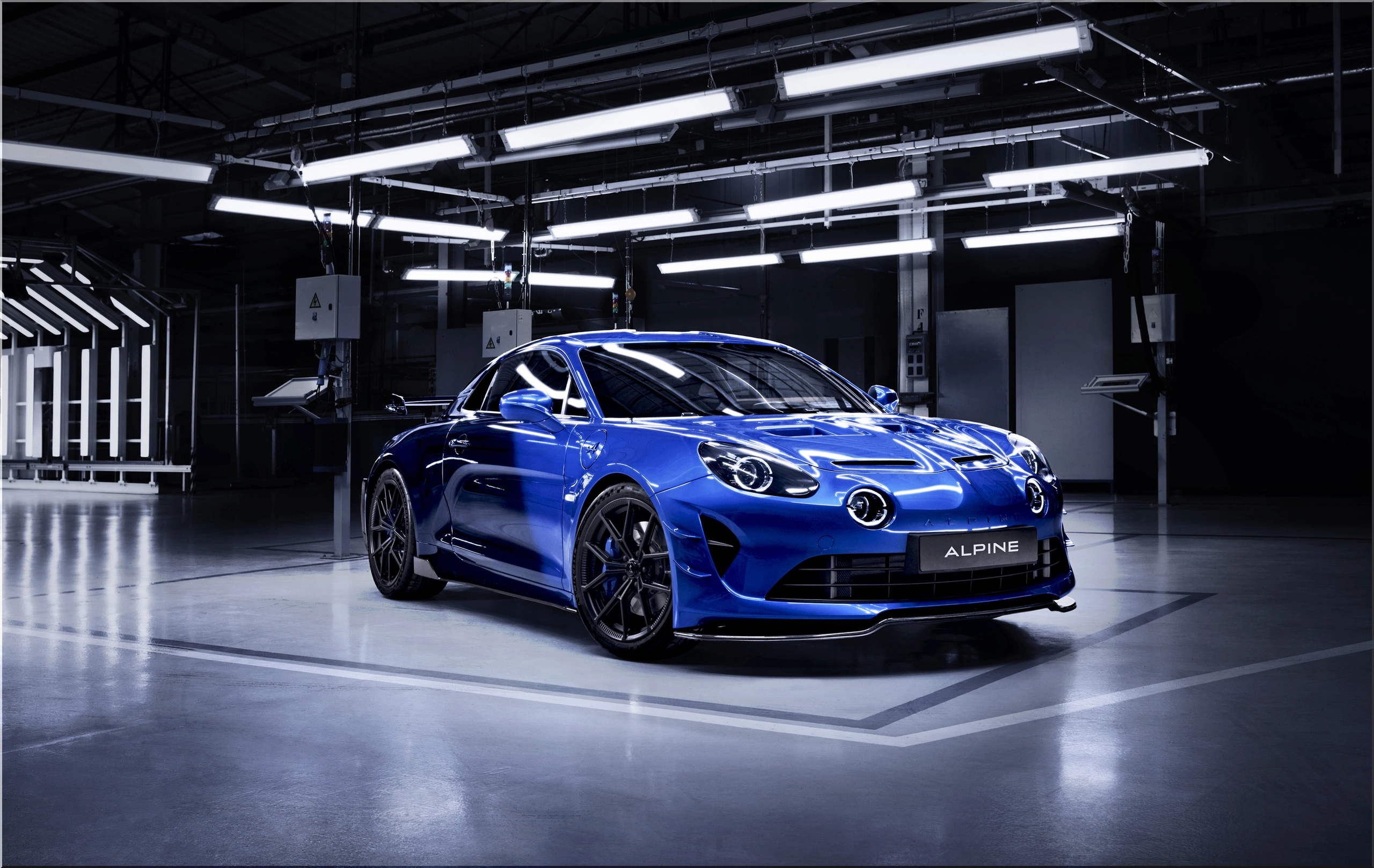
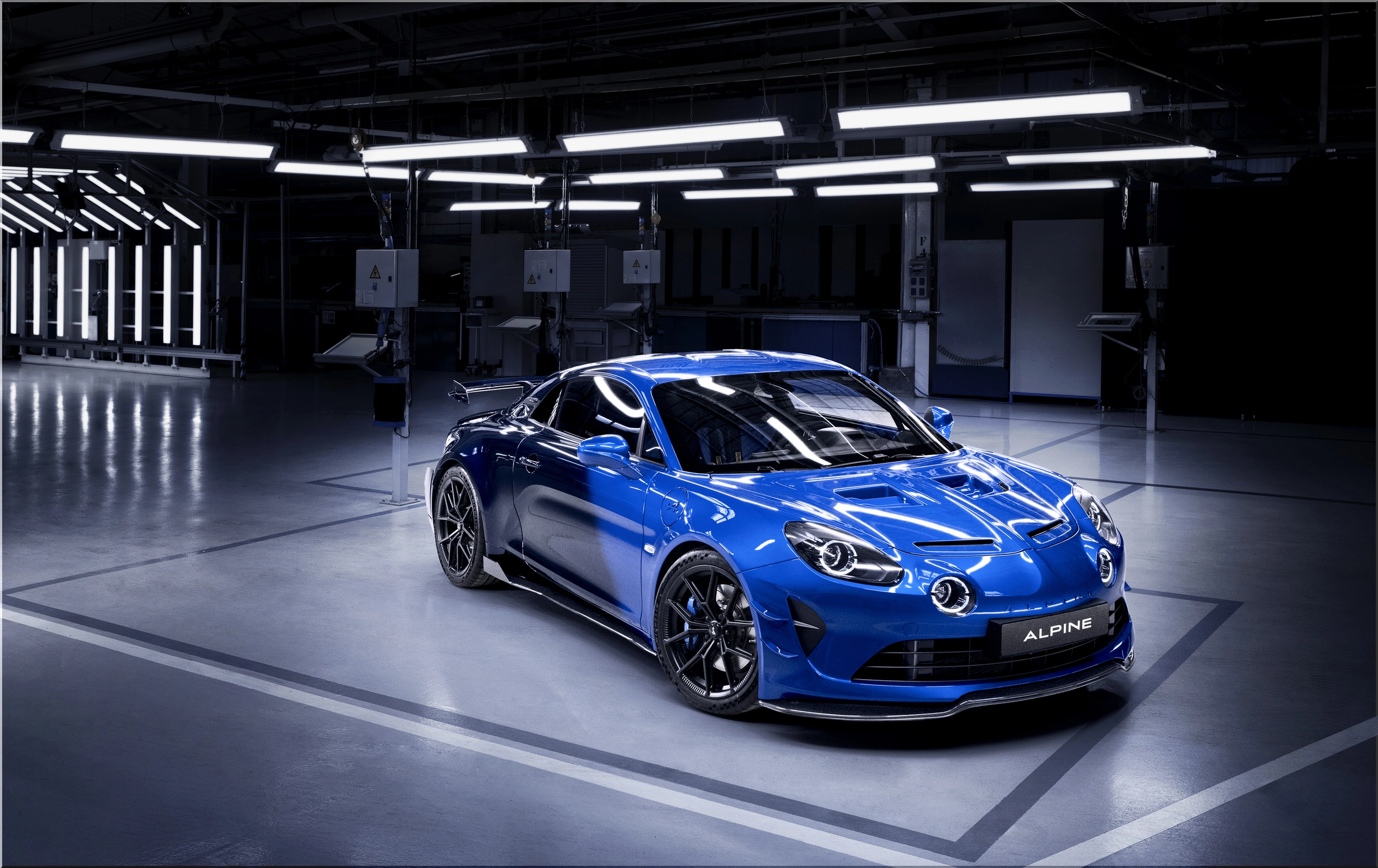
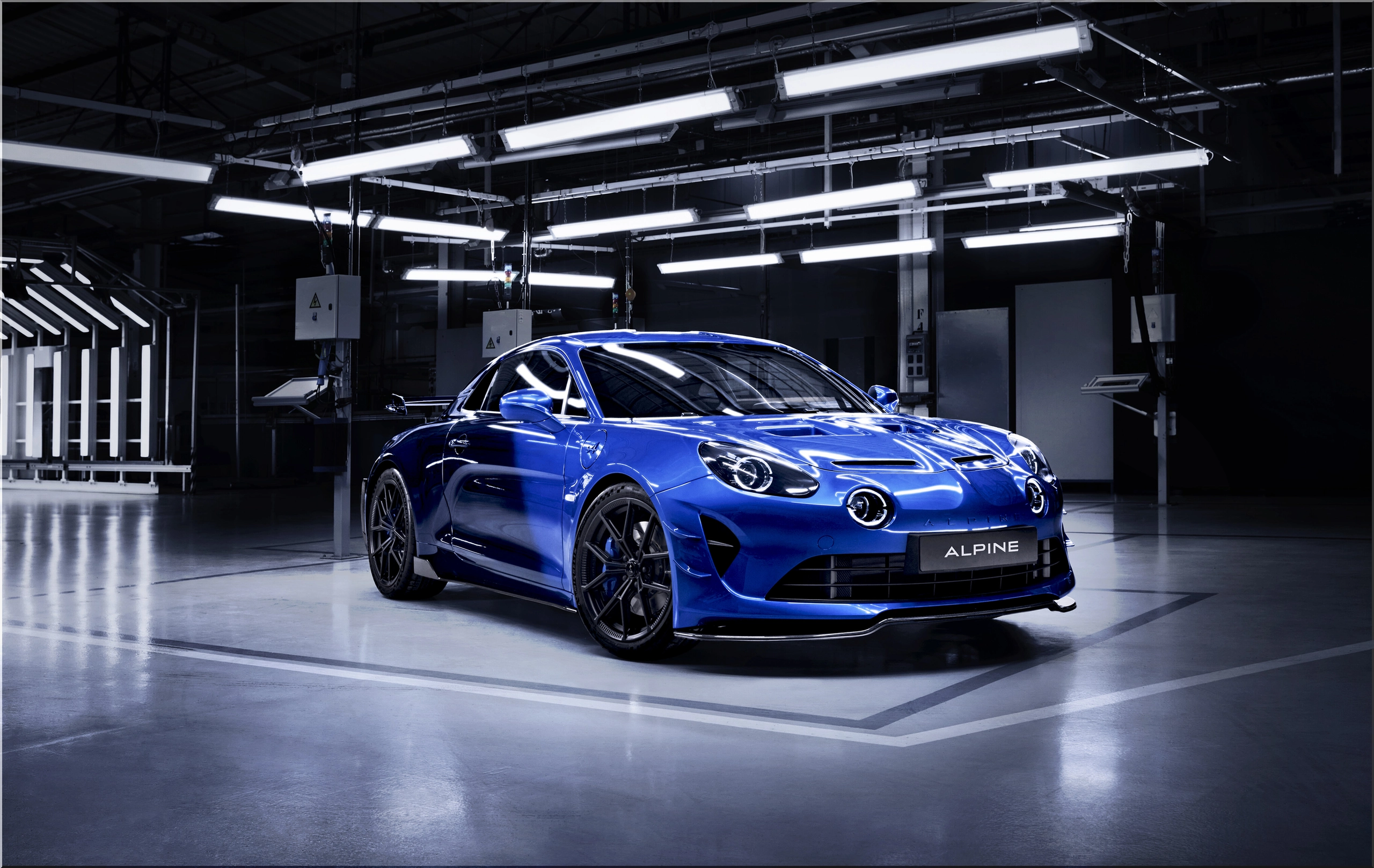
The Alpine A110 continues to collect industry awards while its production run approaches its final months. That outcome surprises no engineer who has studied the car's architecture. Alpine built the A110 around one core philosophy: minimum weight combined with mechanical precision.
The formula worked. Since its revival in 2017, the modern Alpine A110 sports coupe has secured dozens of international accolades from automotive publications, enthusiast juries, and track-focused evaluations. Even now, as Alpine prepares to replace the model with an electric successor later in the decade, judges still rank the A110 among the best driver's cars on sale.
Image
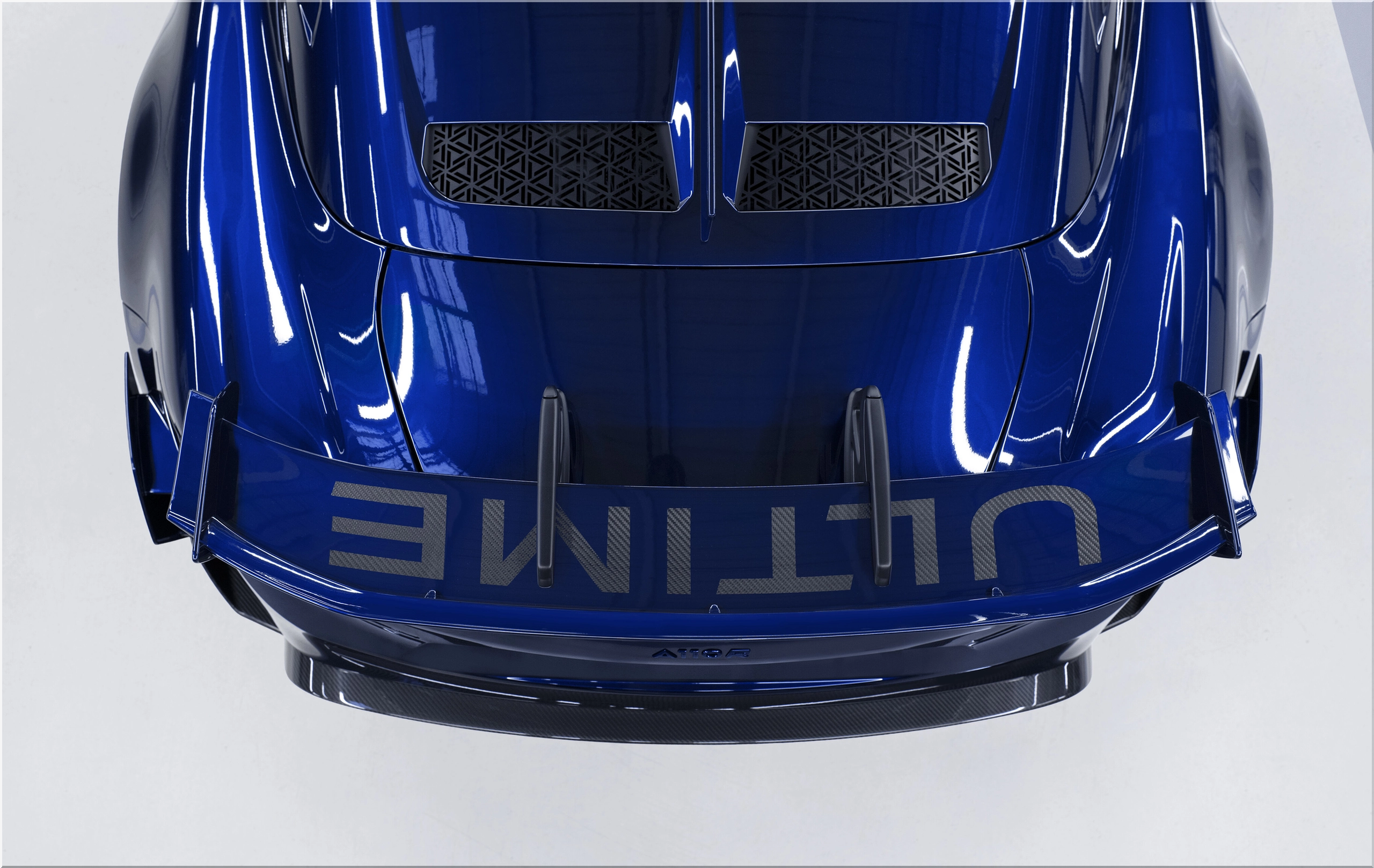
From an engineering standpoint, the explanation sits in the numbers. The Alpine A110 weighs roughly 2,432 pounds (1,103 kg) in base trim. By comparison, most modern sports coupes exceed 3,300 pounds. That difference directly shapes steering response, braking performance, and cornering behavior.
Looking at the data, the A110 delivers a rare mix: modern turbocharged power combined with old-school mass discipline.
Why the Alpine A110 Continues to Win Awards
Award panels usually examine three measurable categories: driver engagement, technical execution, and value within the segment. The Alpine A110 consistently scores high in all three.
Short statement. The car feels alive.
Longer explanation. Alpine engineers tuned the chassis around a mid-engine layout paired with double-wishbone suspension at all four corners, a configuration normally reserved for high-end supercars. That suspension geometry allows precise camber control during cornering, which keeps the tires planted and increases mechanical grip.
In addition, Alpine avoided the common trap of compensating weight with power. Instead, the company optimized:
- Structural aluminum architecture
- Low unsprung mass
- Balanced front-rear weight distribution
- Direct steering calibration
- Brake modulation tuned for track feedback
Consequently, the A110 responds instantly to driver inputs without relying heavily on electronic intervention.
Major Awards Earned by the Alpine A110
Over the past several years, the Alpine A110 coupe accumulated awards across Europe and international markets.
| Award Category | Organization | Result |
|---|---|---|
| Performance Car of the Year | Evo Magazine | Winner |
| Sports Car of the Year | Top Gear Awards | Winner |
| Best Driver's Car | Autocar | Winner |
| Car of the Year (Performance Category) | What Car Awards | Winner |
| Best Sports Coupe | Auto Express | Winner |
Panels repeatedly cite the same strengths: steering clarity, balanced handling, and weight efficiency.
By comparison, many competitors rely on high horsepower figures to mask mass. Alpine moved in the opposite direction.
Engineering Philosophy: Lightweight First, Power Second
The A110 platform centers on a purpose-built aluminum spaceframe chassis. Alpine engineers avoided adapting an existing mass-market architecture. Instead, they developed a structure that reduces weight while maintaining torsional rigidity.
Specifically:
- Aluminum body panels bonded and riveted to the frame
- Compact turbocharged engine mounted behind the cabin
- Short wheelbase for agility
- Minimal sound-deadening materials to limit mass
The result delivers extremely low inertia during direction changes. Drivers feel the benefit immediately in quick transitions through technical corners.
Core Mechanical Specifications
| Specification | Alpine A110 |
|---|---|
| Engine | 1.8L turbocharged inline-four |
| Power | 252 hp (188 kW) |
| Torque | 236 lb-ft (320 Nm) |
| Transmission | 7-speed dual-clutch |
| Layout | Mid-engine, rear-wheel drive |
| Weight | ~2,432 lb (1,103 kg) |
| Wheelbase | 95.0 in (2,420 mm) |
| Length | 164.8 in (4,180 mm) |
| Width | 70.9 in (1,800 mm) |
| Height | 49.8 in (1,265 mm) |
| 0–60 mph | ~4.5 seconds |
| Top Speed | ~155 mph |
Looking at the data, the power-to-weight ratio sits near 9.6 lb per horsepower. That figure places the A110 close to far more expensive performance cars.
Short explanation. Less mass means each horsepower works harder.
Longer explanation. When a car weighs hundreds of pounds less than its competitors, acceleration improves, braking distances shrink, and cornering loads decrease. Tires operate in a more efficient range, which improves grip and longevity.
Suspension Design: Supercar Hardware in a Compact Package
One technical feature separates the Alpine A110 from many rivals in the segment.
The suspension.
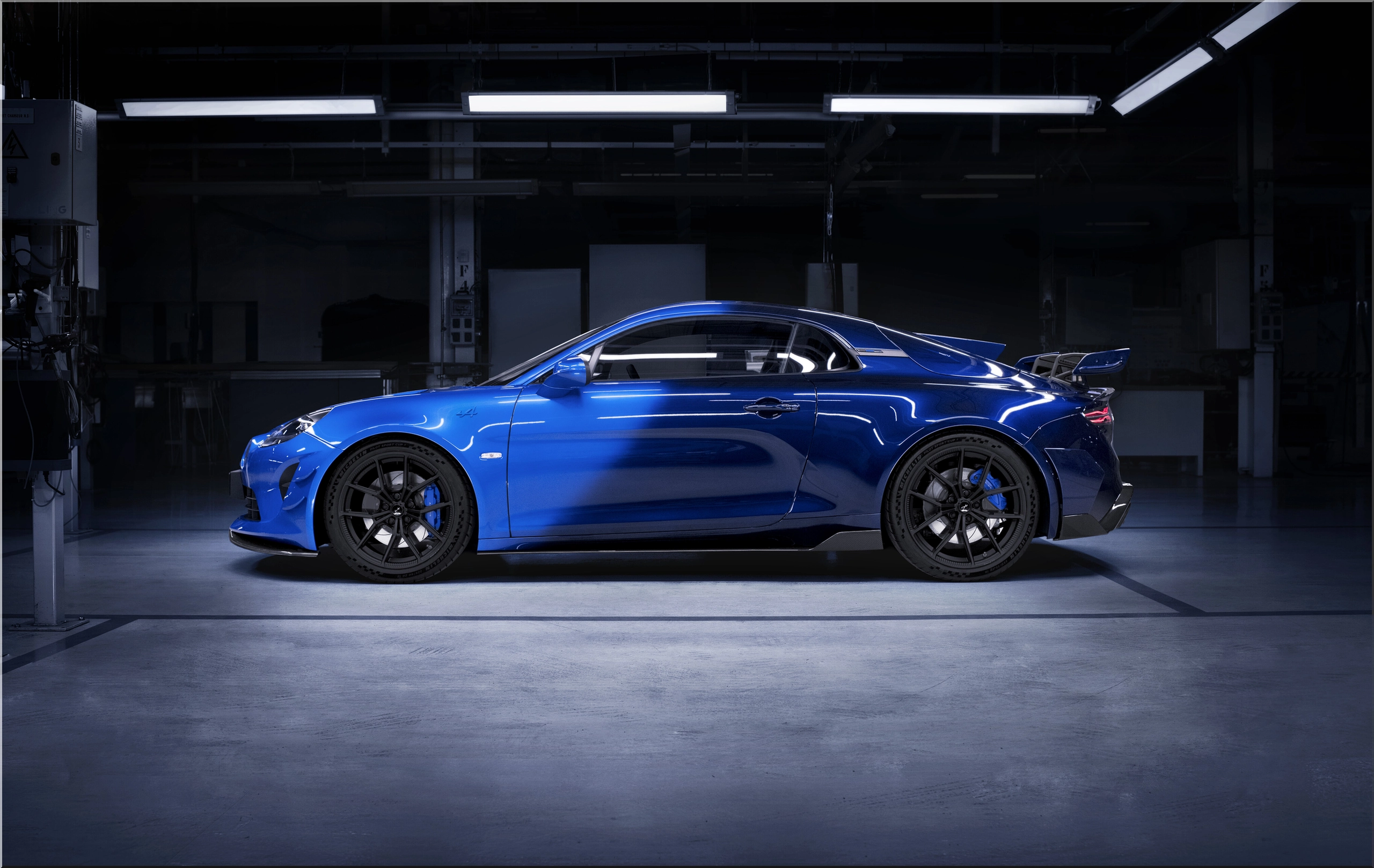
Most sports coupes in the $70,000 price range use MacPherson struts in front. Alpine chose double-wishbone suspension at both axles, a geometry that provides more precise control of wheel movement.
Why Double-Wishbone Suspension Matters
From an engineering perspective, the layout offers several advantages:
- Maintains optimal tire contact during aggressive cornering
- Allows fine control of camber angles
- Improves stability during braking
- Reduces unwanted steering feedback
Specifically, Alpine tuned the suspension to provide compliance over rough surfaces while maintaining high lateral grip.
Consequently, the A110 performs well on both smooth racetracks and real-world roads. Many sports cars struggle with that balance.
Image
Interior Design: Lightweight Without Sacrificing Function
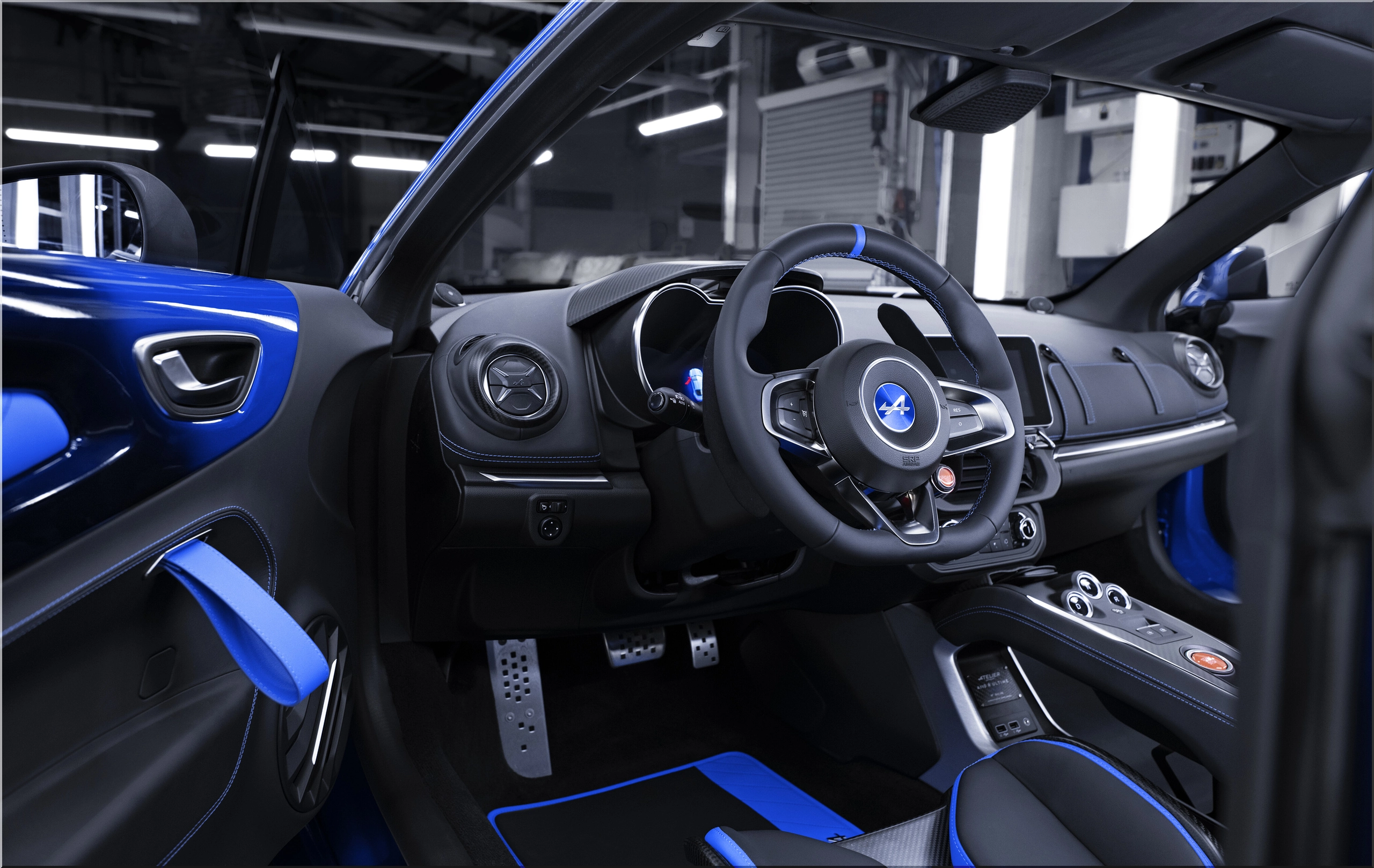
Open the door and the cabin reveals Alpine's philosophy immediately.
Minimal mass. Maximum function.
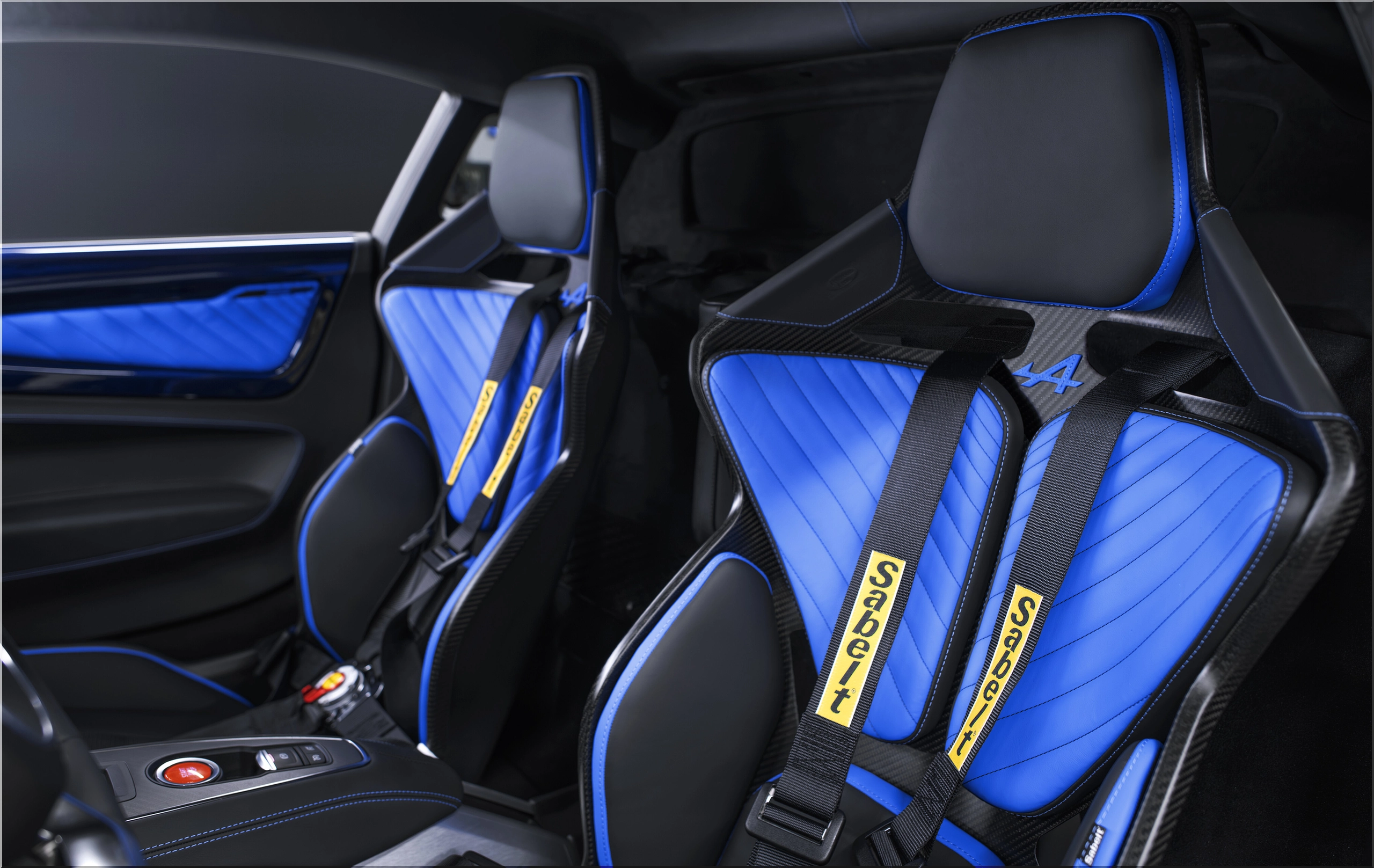
The Alpine A110 interior uses lightweight materials throughout:
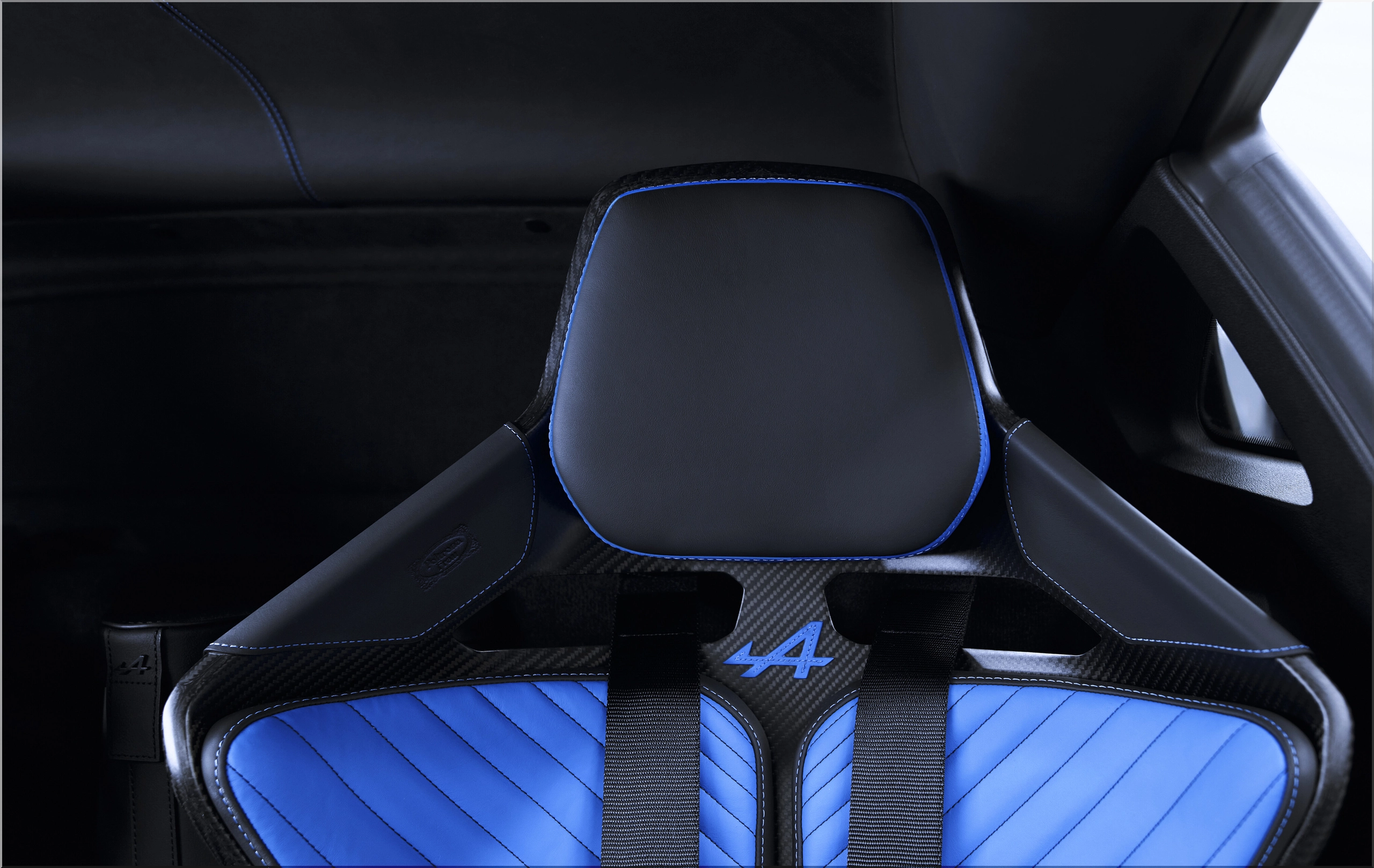
- Sabelt bucket seats with thin shells
- Aluminum pedals
- Compact infotainment screen
- Minimal decorative trim
Even the seat frames reduce weight. Each Sabelt seat weighs around 29 pounds (13 kg).
Short statement. Every gram matters.
Longer explanation. Reducing interior weight improves center-of-gravity positioning. Lower mass inside the cabin decreases body roll and improves rotational agility.
Interior Dimensions
| Cabin Metric | Measurement |
|---|---|
| Seating Capacity | 2 |
| Headroom | ~36 in (914 mm) |
| Legroom | ~42 in (1,067 mm) |
| Front Trunk Capacity | 3.5 cu ft |
| Rear Trunk Capacity | 3.4 cu ft |
Those numbers make the A110 usable for weekend trips despite its compact footprint.
Alpine A110 Variants Released During the Production Run
Alpine expanded the lineup over time with performance-focused variants.
Each model retained the lightweight structure while adjusting suspension calibration and engine output.
Key A110 Versions
- Alpine A110 (Standard Model)
- 252 hp
- Balanced suspension tuning
- Focus on daily usability
- Alpine A110 S
- 300 hp
- Stiffer suspension
- Larger brakes
- Alpine A110 GT
- 300 hp
- Comfort-oriented setup
- Premium interior materials
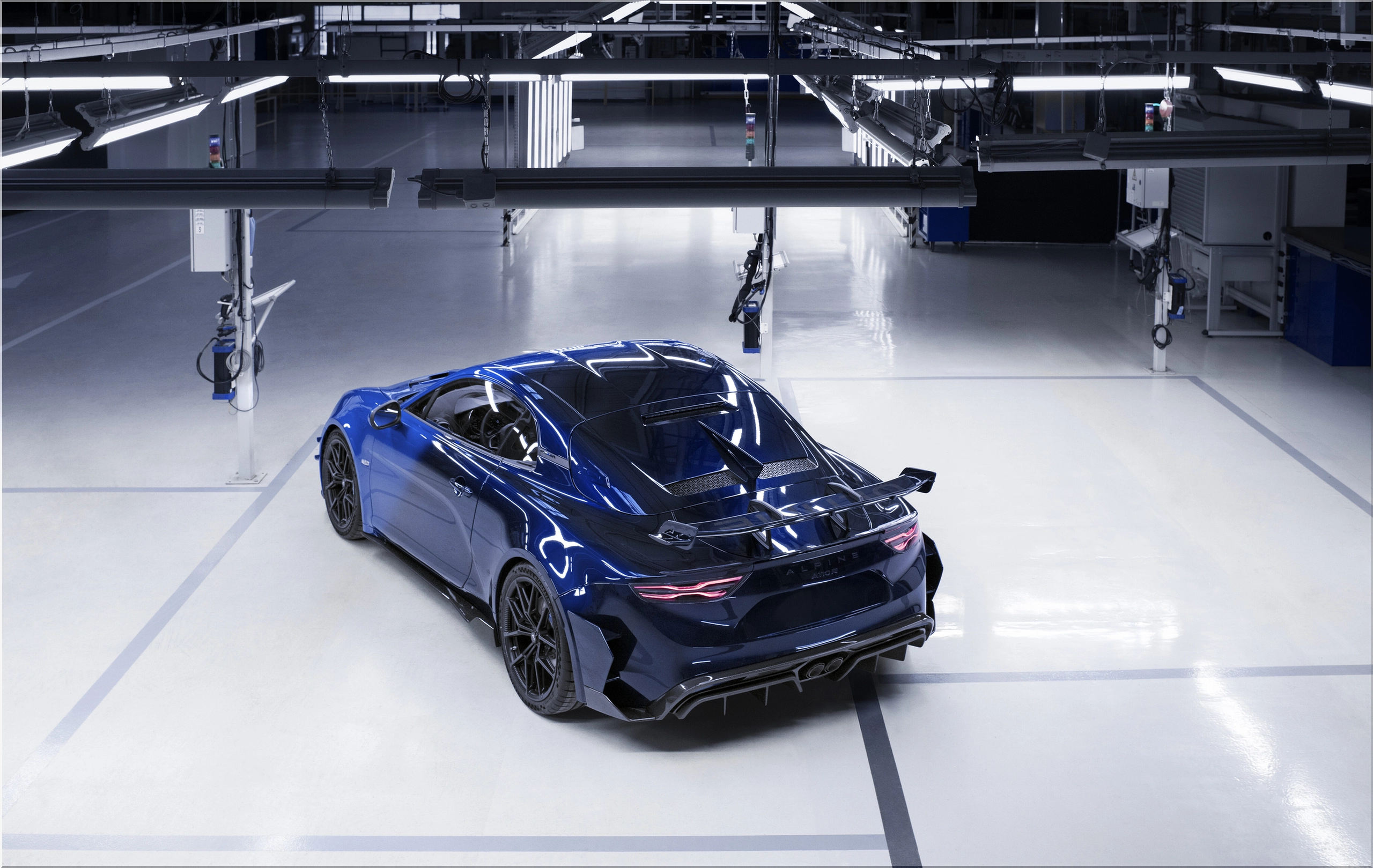
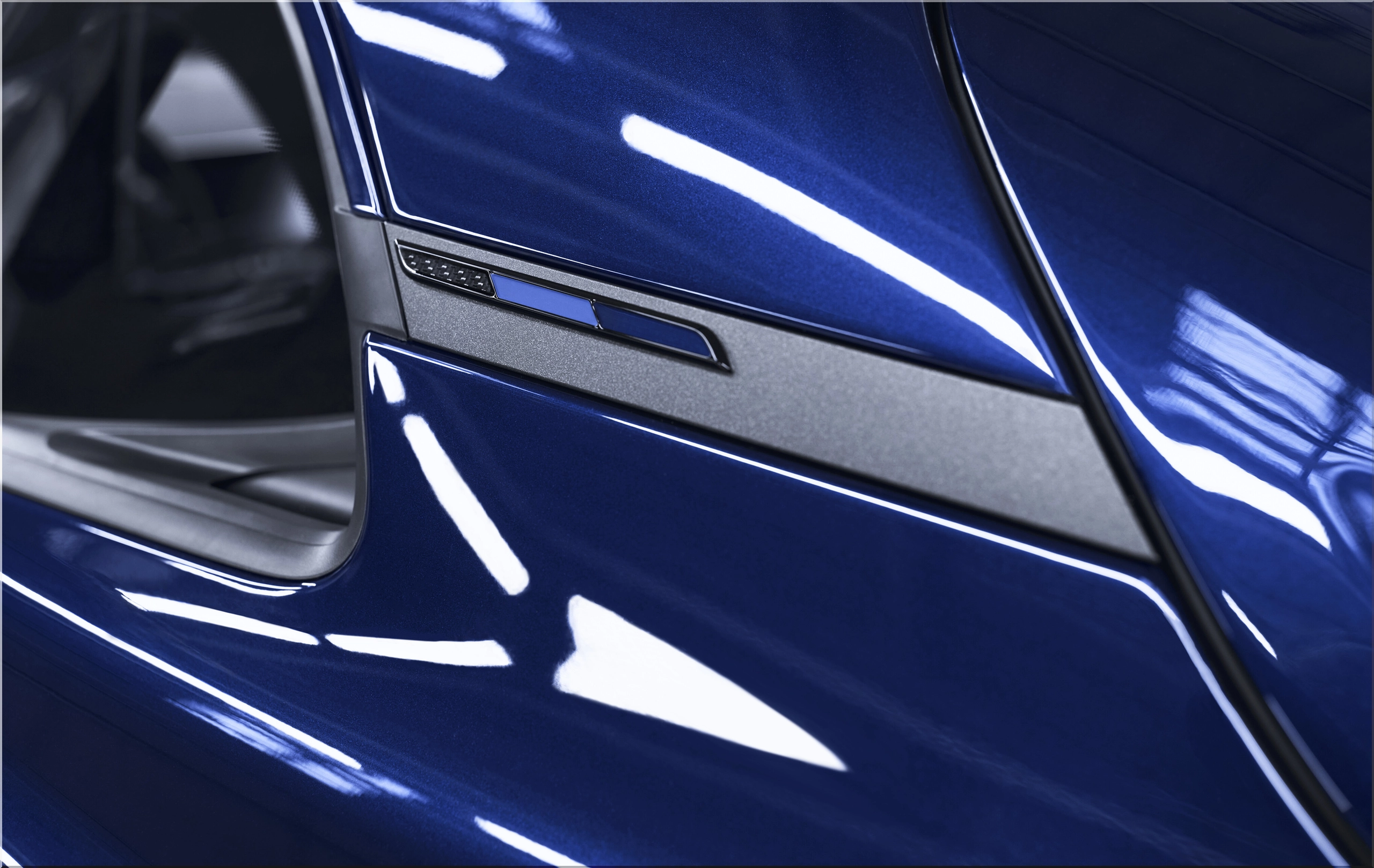
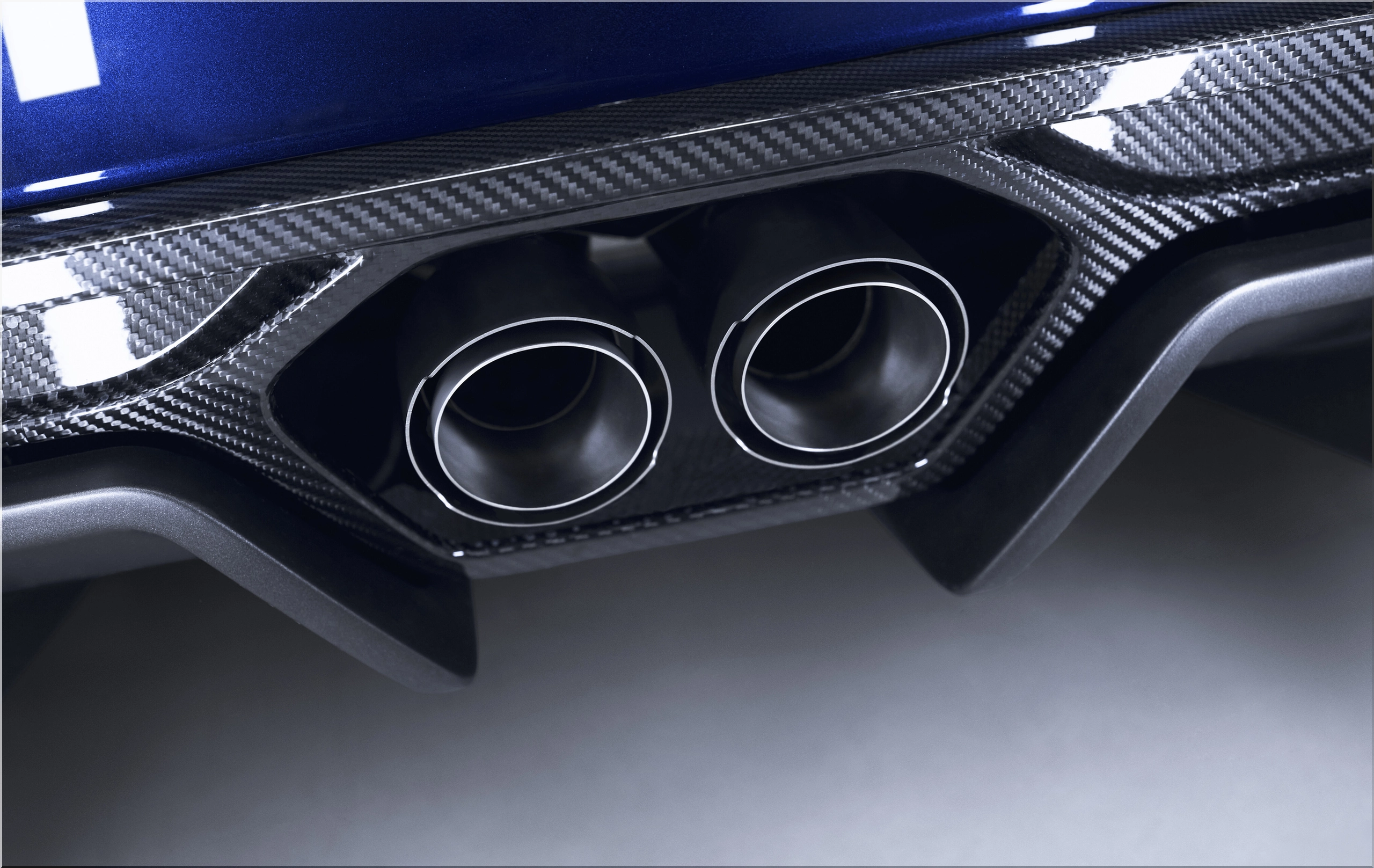
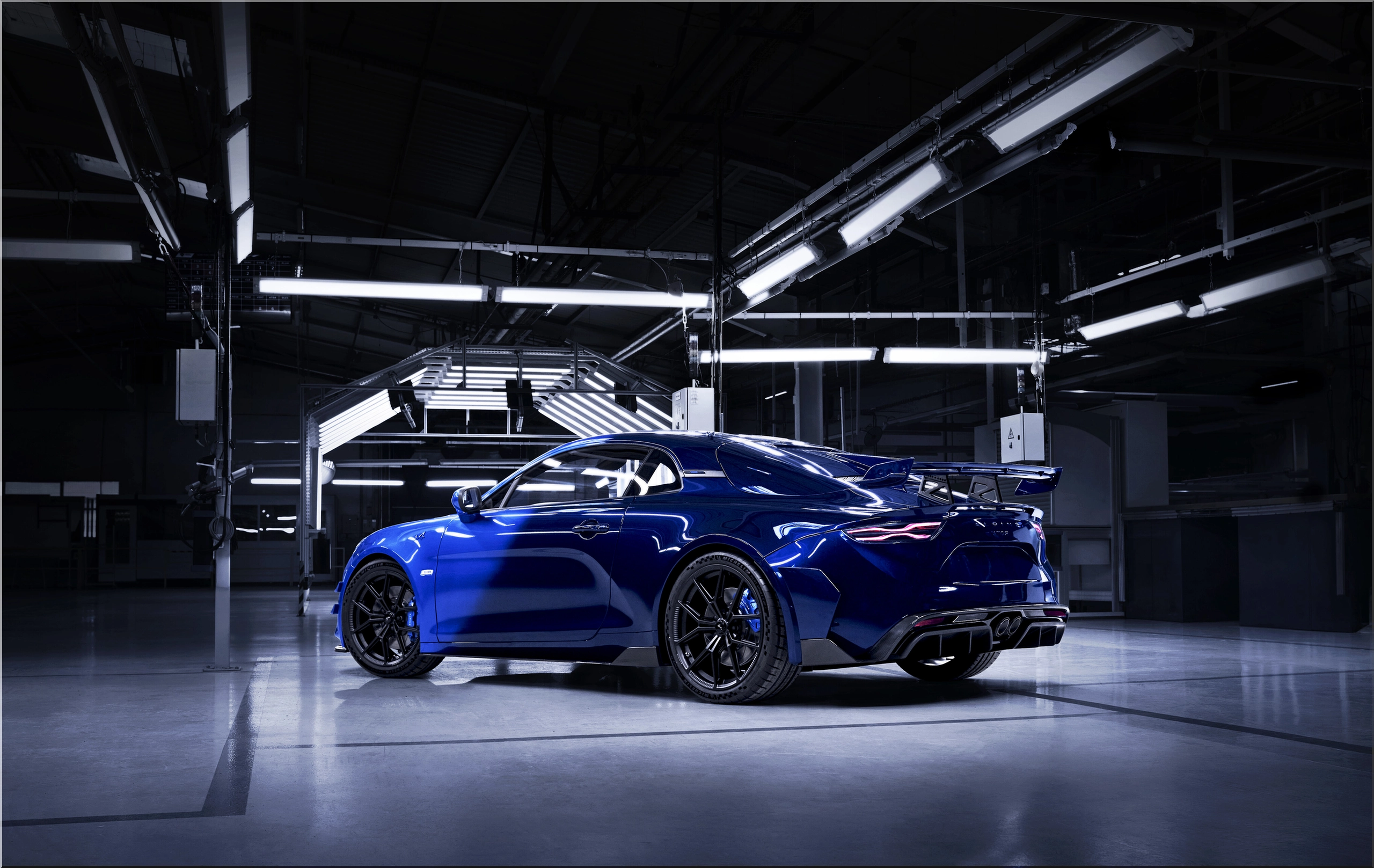
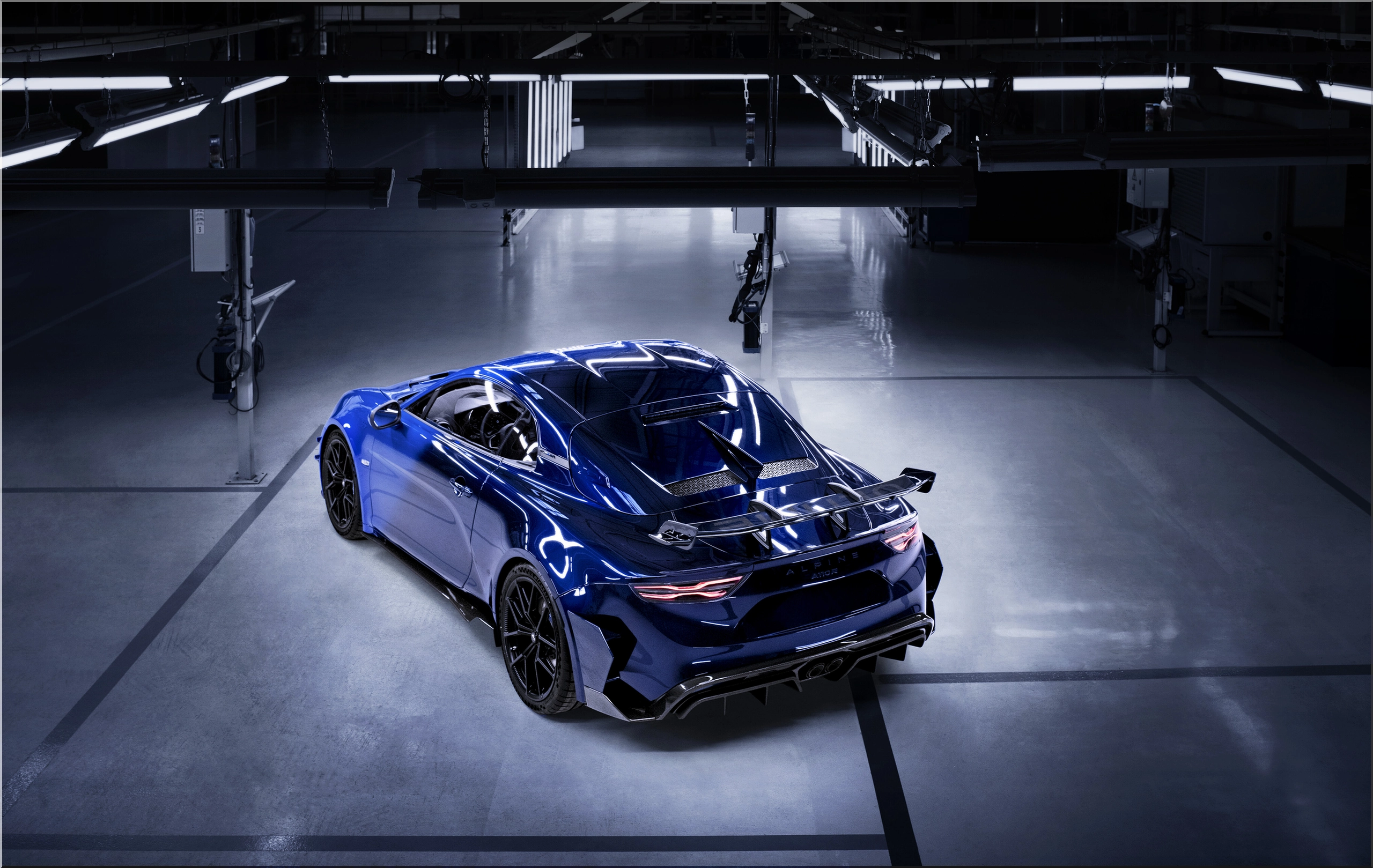
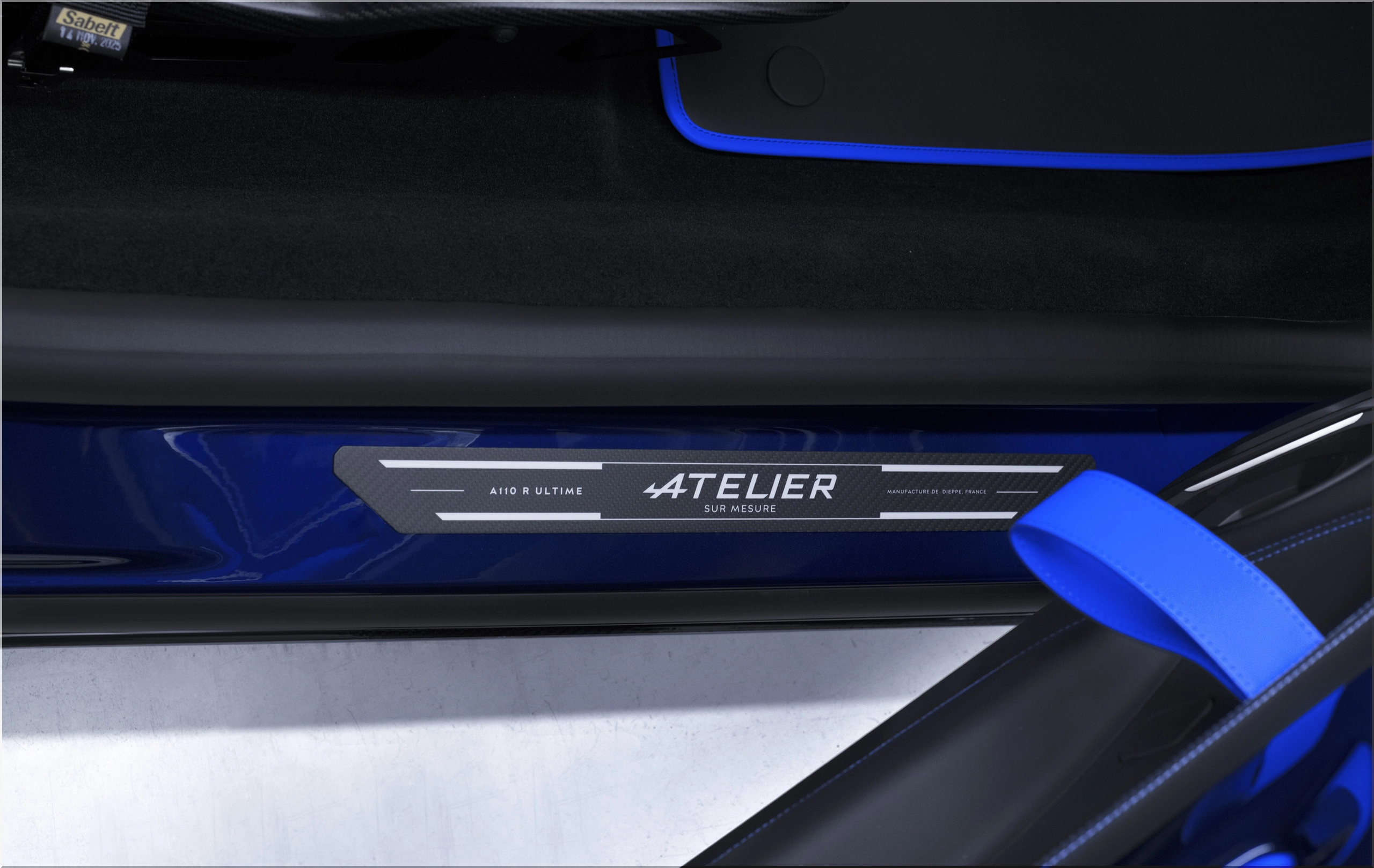
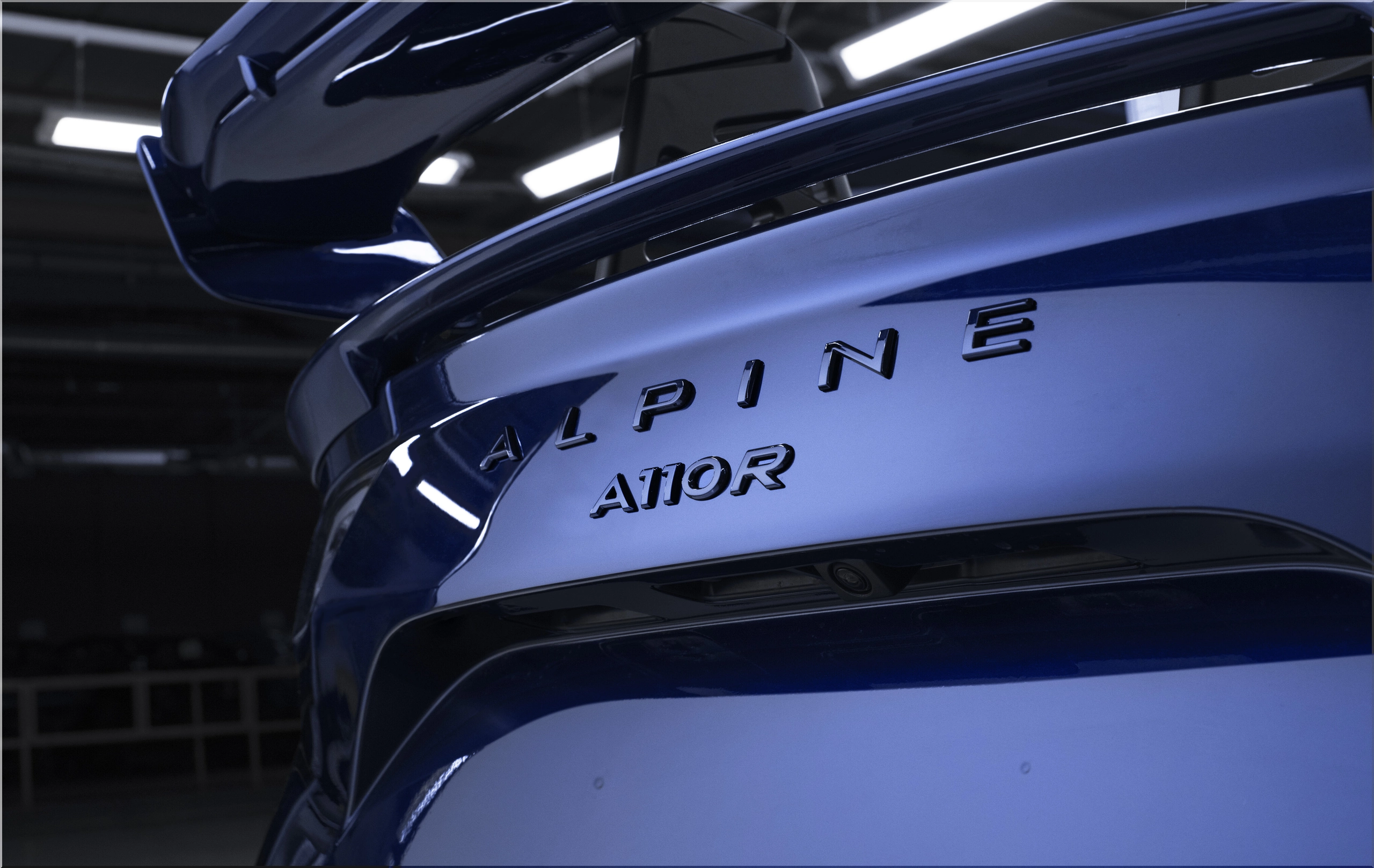
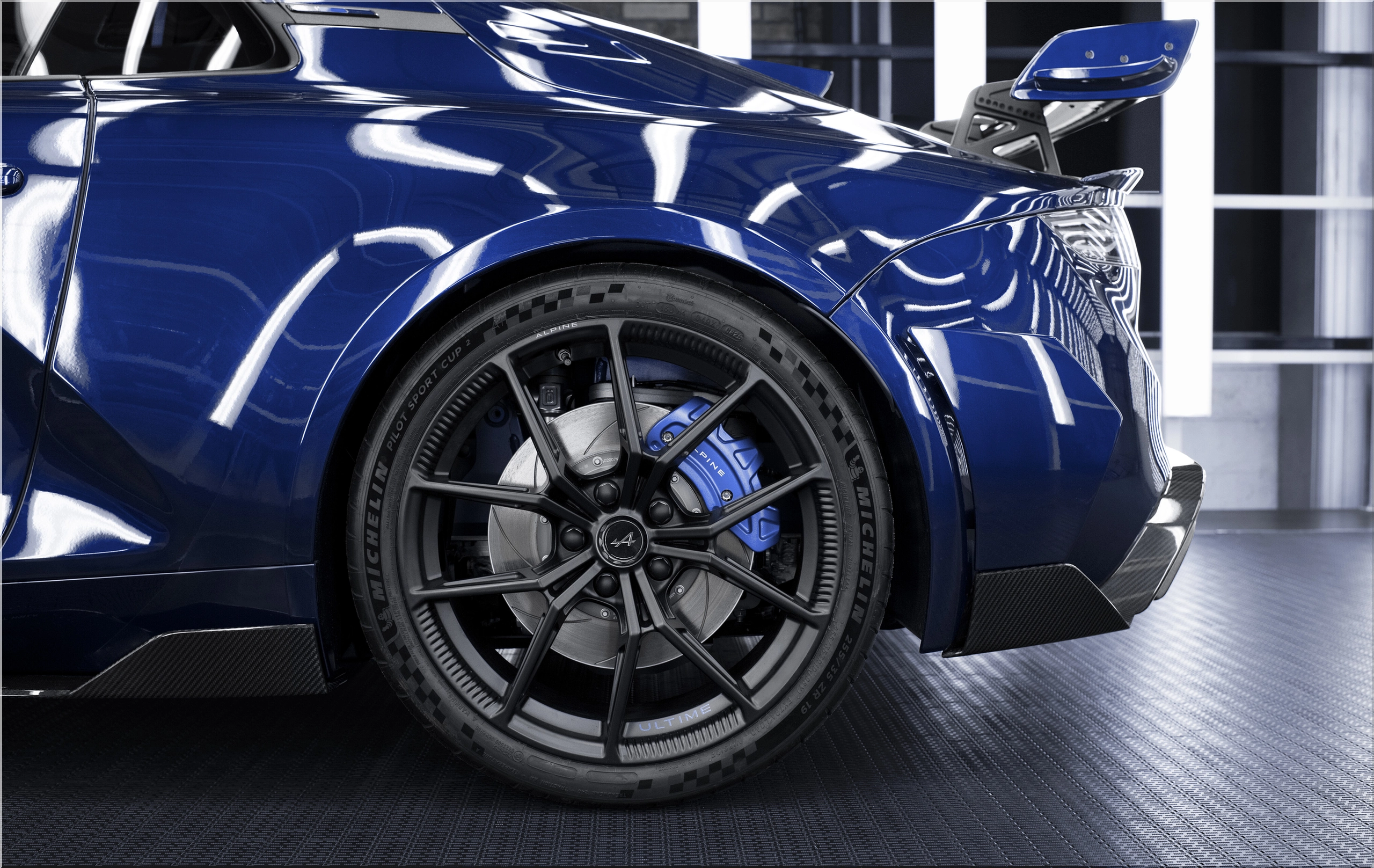
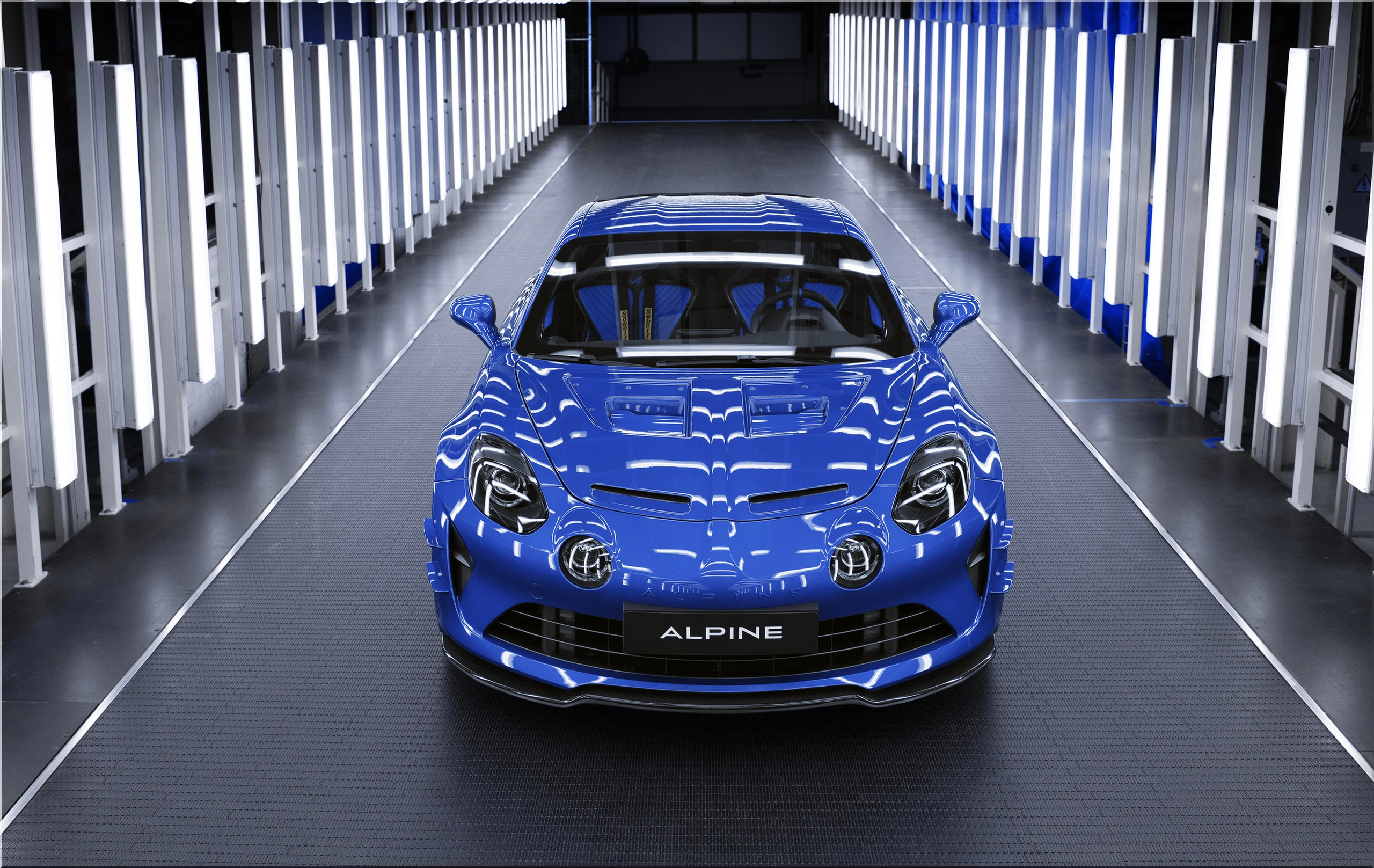
- Alpine A110 R
- Extensive carbon fiber components
- Reduced weight to about 2,381 lb (1,080 kg)
- Track-focused aerodynamic upgrades
The Alpine A110 R stands as the most aggressive version. Alpine removed mass from wheels, seats, and aerodynamic elements while increasing downforce.
Pricing Strategy and Market Position
Looking at the numbers, the A110 entered the market at roughly €58,500, about $63,000.
Higher-performance versions reached roughly $95,000.
Competitive Set
| Model | Starting Price (USD) | Weight | Power |
|---|---|---|---|
| Alpine A110 | ~$63,000 | 2,432 lb | 252 hp |
| Porsche 718 Cayman | ~$72,000 | 3,010 lb | 300 hp |
| Toyota Supra | ~$56,000 | 3,397 lb | 382 hp |
| BMW M2 | ~$64,000 | 3,814 lb | 453 hp |
Short statement. The Alpine weighs far less.
Longer explanation. While rivals produce more horsepower, their heavier curb weights reduce agility. The A110 instead delivers fast lap times through balance and chassis tuning rather than brute force.
From an expert perspective, that philosophy mirrors classic lightweight sports cars such as the original Alpine A110 from the 1960s.
Why Production Is Ending
Alpine confirmed that the current A110 will exit production soon as the brand shifts toward electrification.
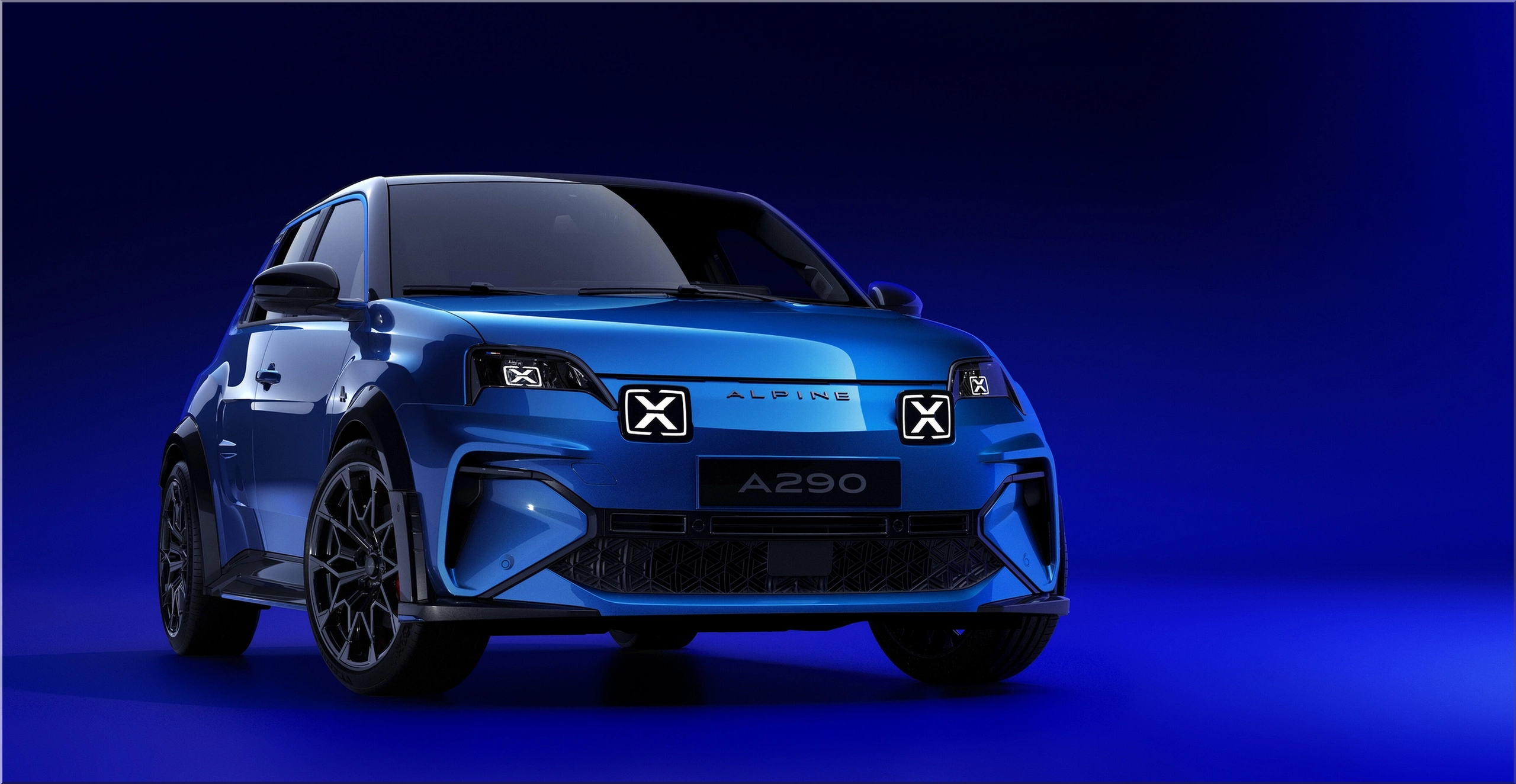
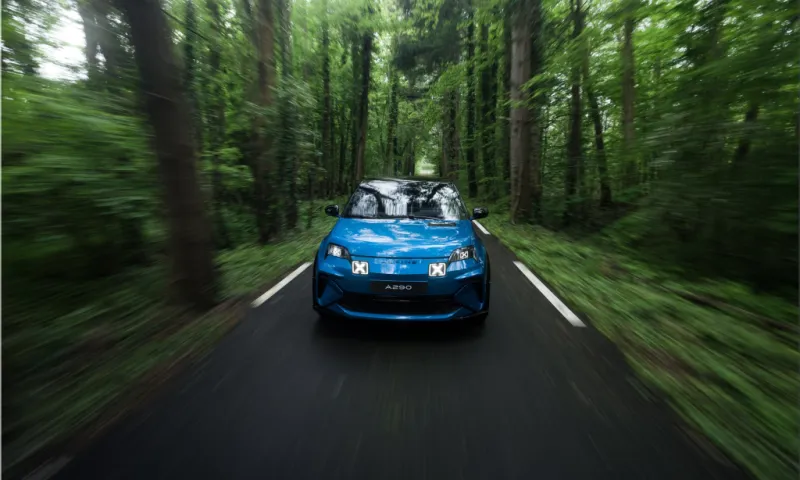
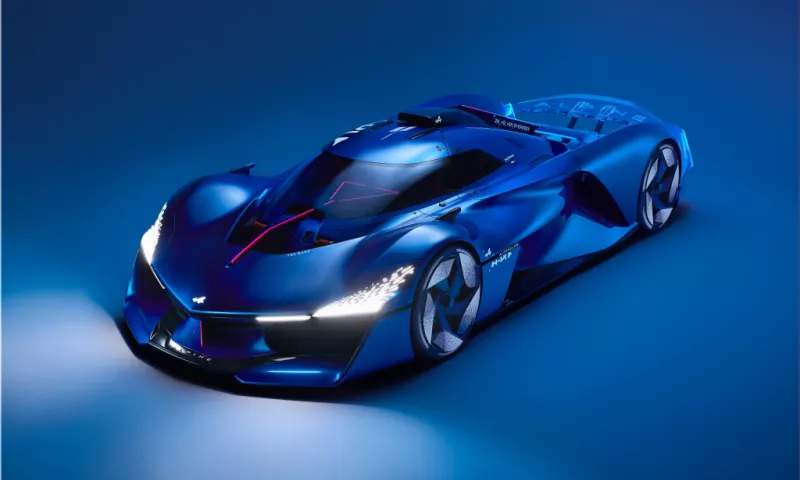
The company plans to launch an electric successor in the coming years. That strategy aligns with Renault Group's broader electrification roadmap.
Specifically, Alpine intends to release several electric performance vehicles, including:
- An electric A110 replacement
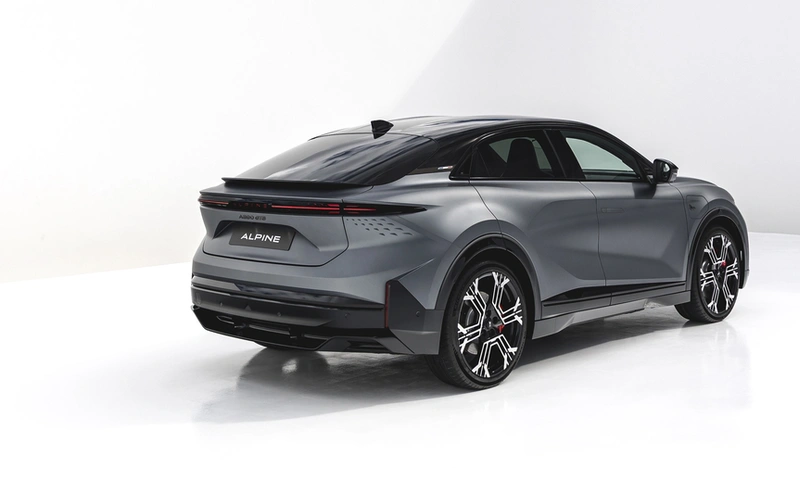
- A performance electric crossover
- A high-performance electric hatchback
The goal remains unchanged: preserve driver engagement while adapting to new powertrain technology.
Short statement. Electric architecture changes everything.
Longer explanation. Battery packs add significant mass. Engineers must redesign chassis structures, cooling systems, and weight distribution to maintain agility.
Consequently, Alpine faces the challenge of delivering A110-level dynamics with an electric platform.
Definition: Why Lightweight Sports Cars Drive Differently
Definition: A lightweight sports car focuses on minimizing vehicle mass rather than maximizing engine output.
Key benefits include:
- Faster directional changes
- Shorter braking distances
- Reduced tire wear
- Improved fuel efficiency
- Increased driver feedback
Looking at physics, every 100 pounds removed from a car improves acceleration, braking, and handling simultaneously.
That principle guided the development of the Alpine A110 platform.
Image
Pro-Tips for Enthusiasts Considering an Alpine A110
Production will end soon, which changes the buying strategy.
Pro-Tip #1: Limited supply increases collector interest
Cars produced near the end of a model run often gain attention among enthusiasts and collectors.
Pro-Tip #2: Lightweight sports cars age well
Mechanical simplicity and balanced chassis design often remain enjoyable decades later.
Pro-Tip #3: Track-focused variants hold stronger resale value
Versions such as the A110 R typically attract buyers seeking performance exclusivity.
What Happens Next for Alpine
Alpine's leadership aims to transform the brand into a fully electric performance manufacturer by the end of the decade.
The A110 marks the transition point.
Longer explanation. The model revived Alpine's reputation after decades of absence. It proved the brand could build a competitive sports car using modern engineering while maintaining the lightweight philosophy associated with the original rally legend.
Future Alpine vehicles must carry that DNA forward while adapting to electric propulsion.
For Performance Car Buyers
Looking at the data, several conclusions stand out.
- The Alpine A110 delivers one of the best power-to-weight ratios in its class.
- Its double-wishbone suspension provides handling precision rare in this price range.
- Production ending soon increases long-term desirability.
- Limited-run versions may become highly sought after among collectors.
For buyers who value driving feel over horsepower bragging rights, the A110 stands among the most rewarding sports coupes built in the past decade.
Final Thoughts on the Alpine A110's Legacy
The Alpine A110 arrived with a simple engineering goal: build a lightweight sports car that prioritizes driver feedback.
That approach worked.
Even as production nears its final months, award panels continue to place the A110 at the top of performance rankings. Judges consistently praise its balance, chassis response, and mechanical honesty.
Short statement. The formula remains effective.
Longer explanation. In a market filled with increasingly heavy performance vehicles, the Alpine A110 proves that reducing mass still produces remarkable results.
The model leaves production with a reputation secured: one of the purest modern driver's cars of the past decade.
- Add new comment
- 416 views