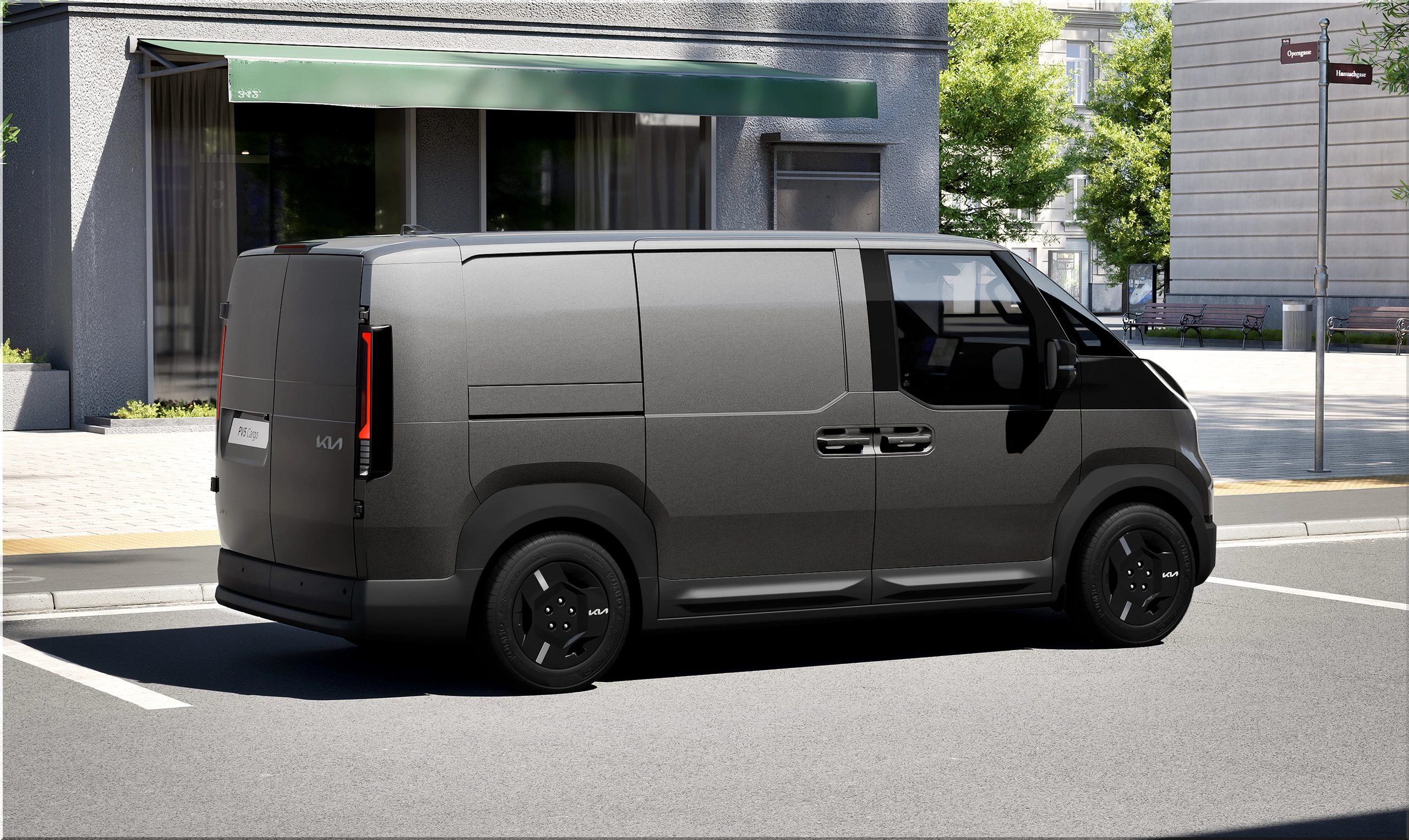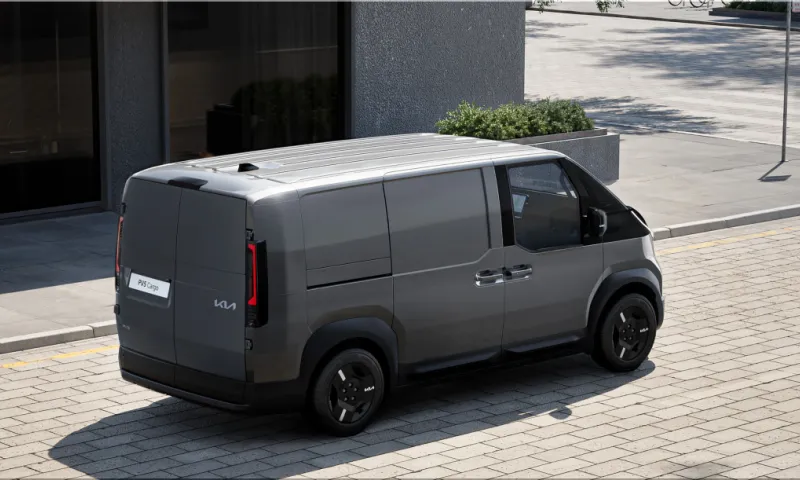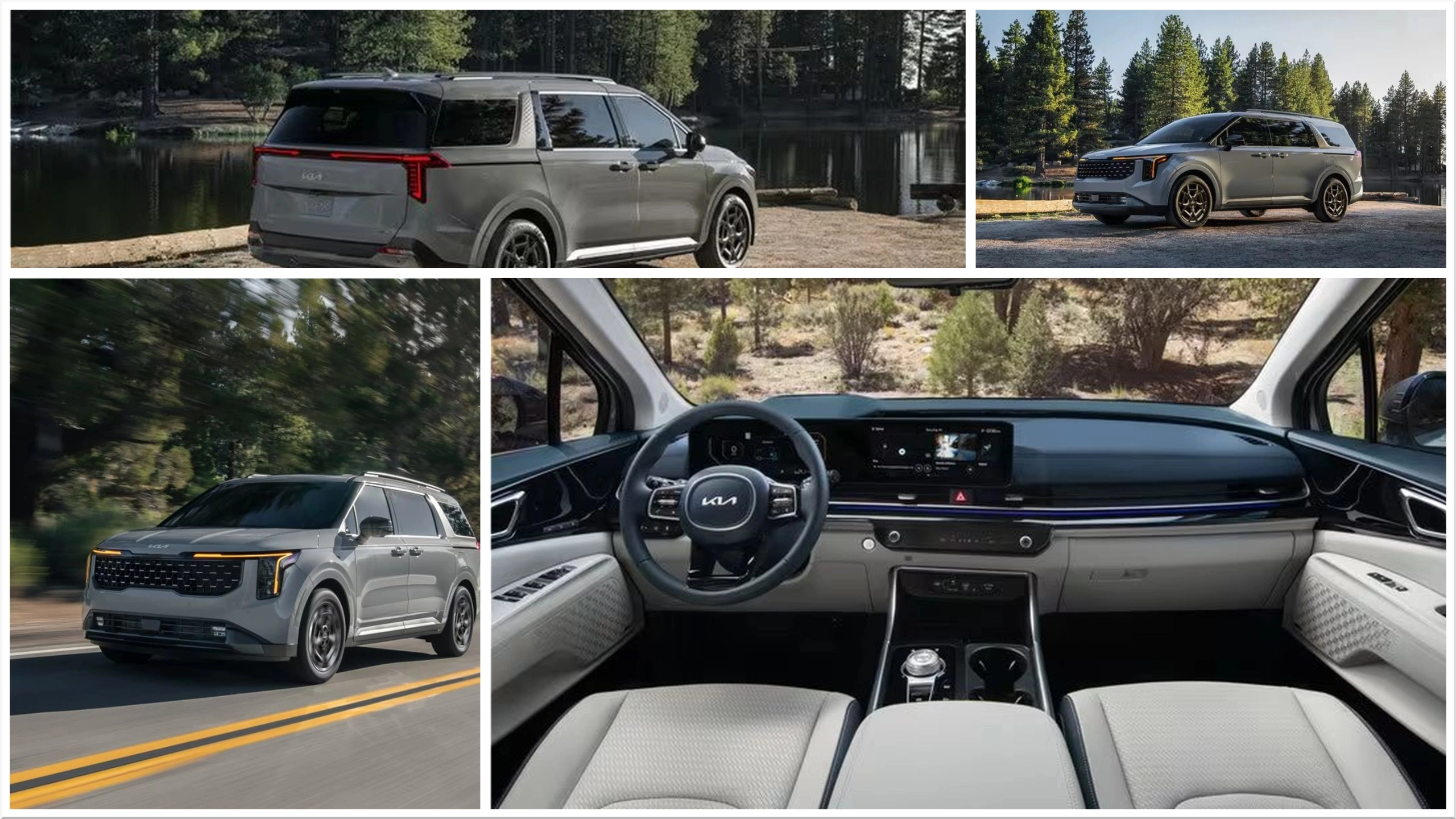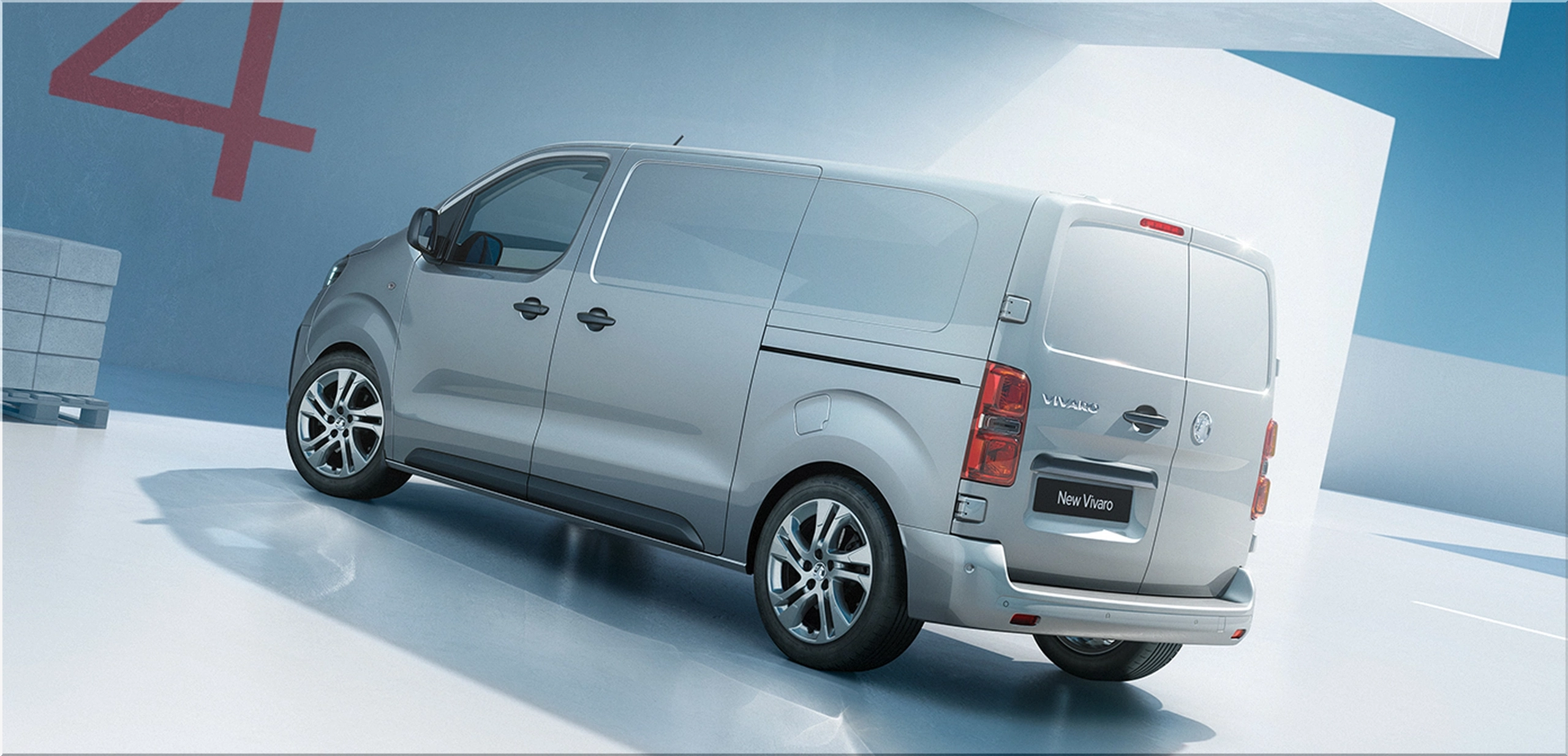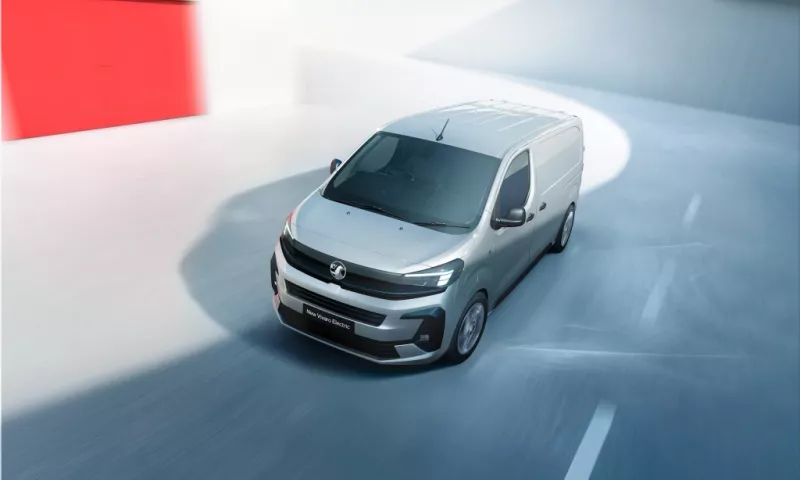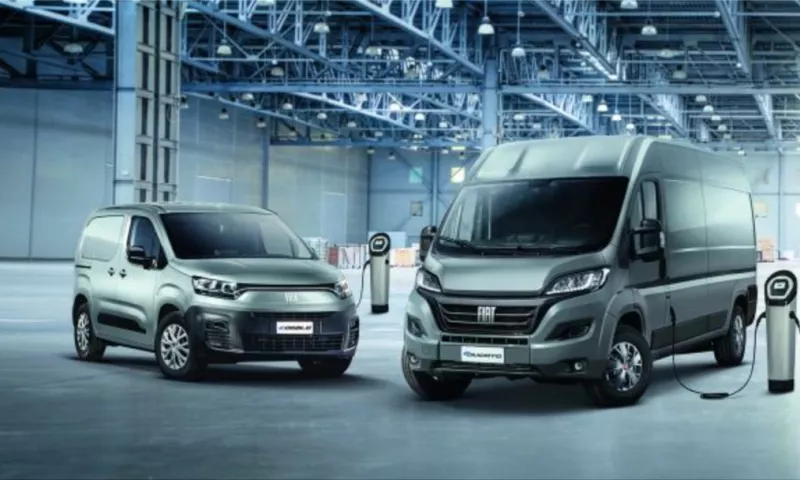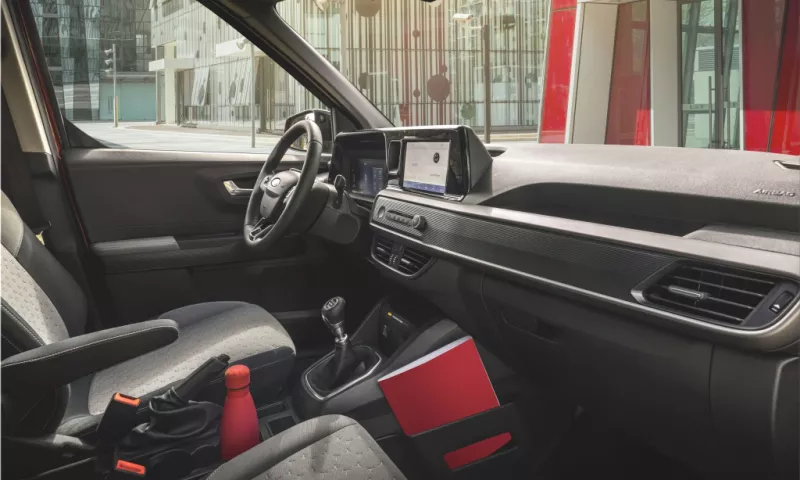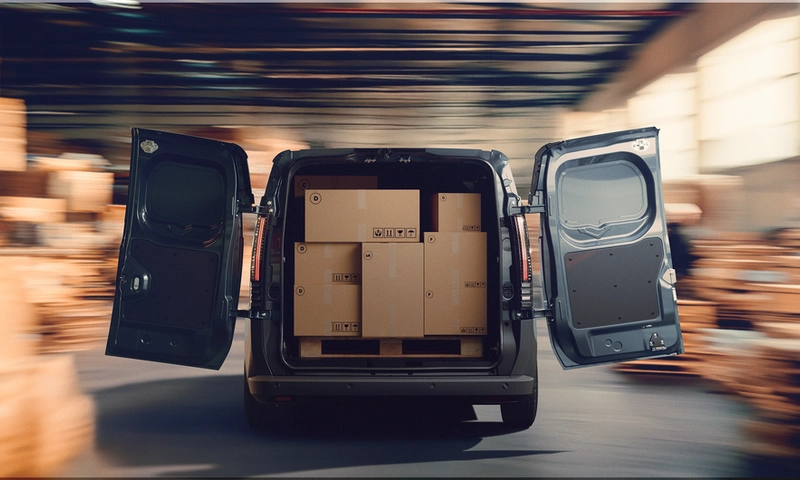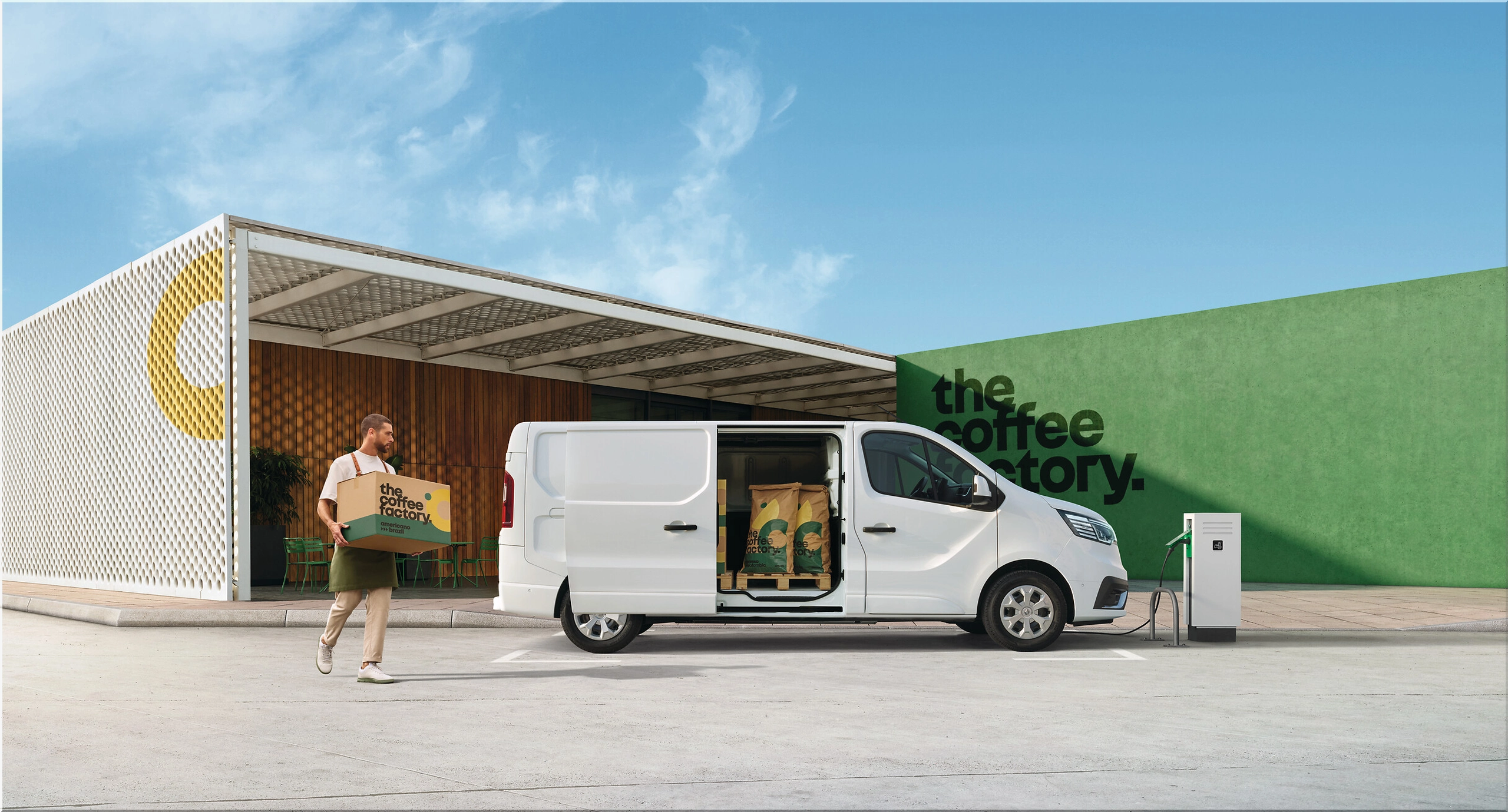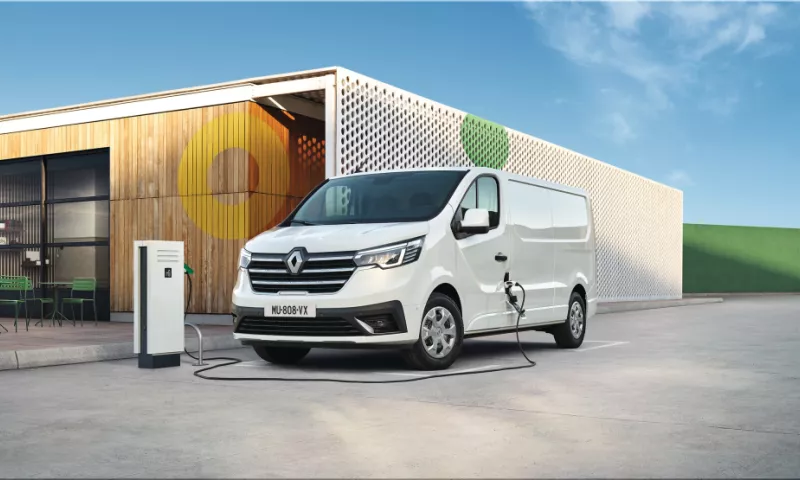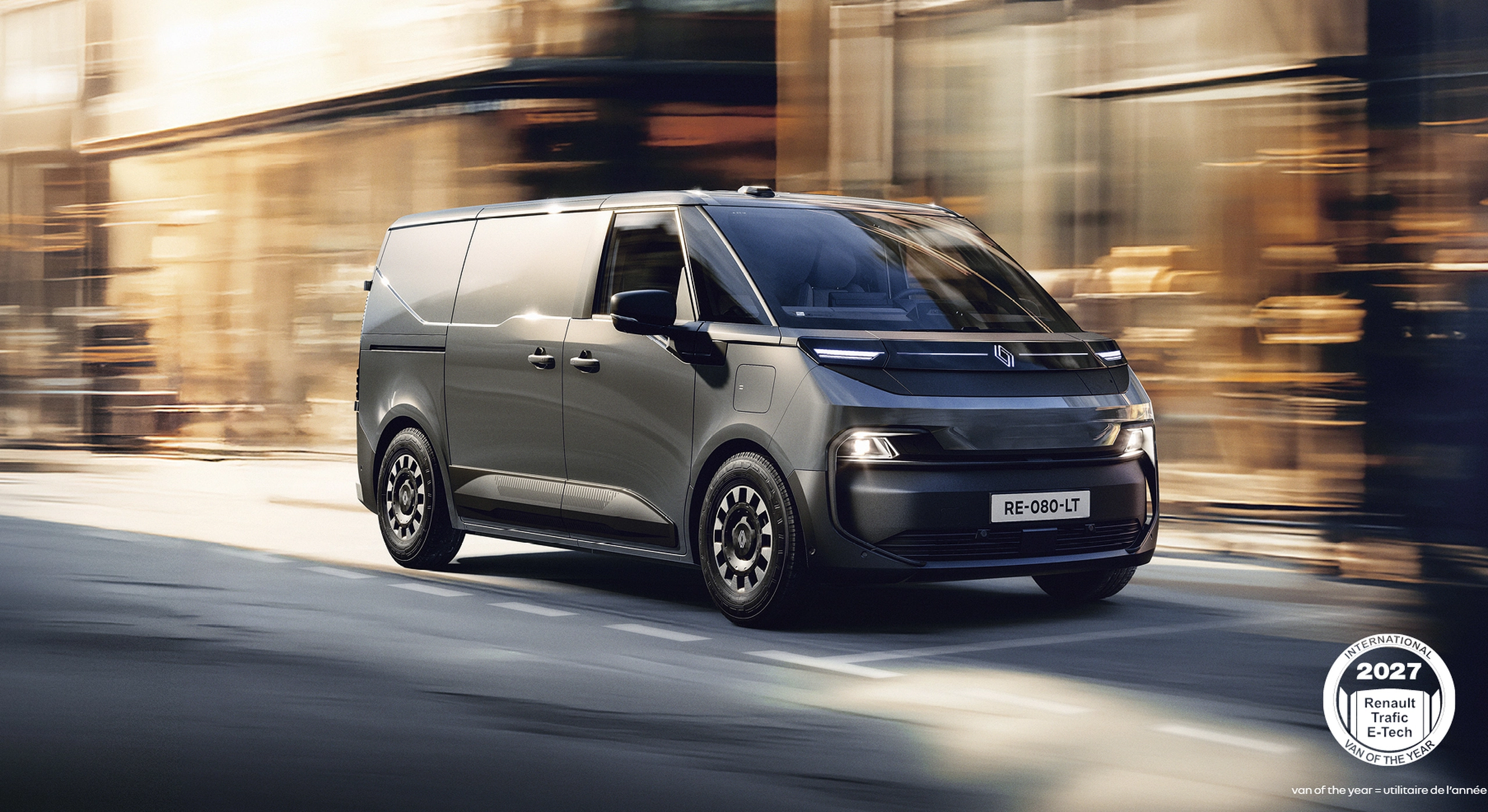
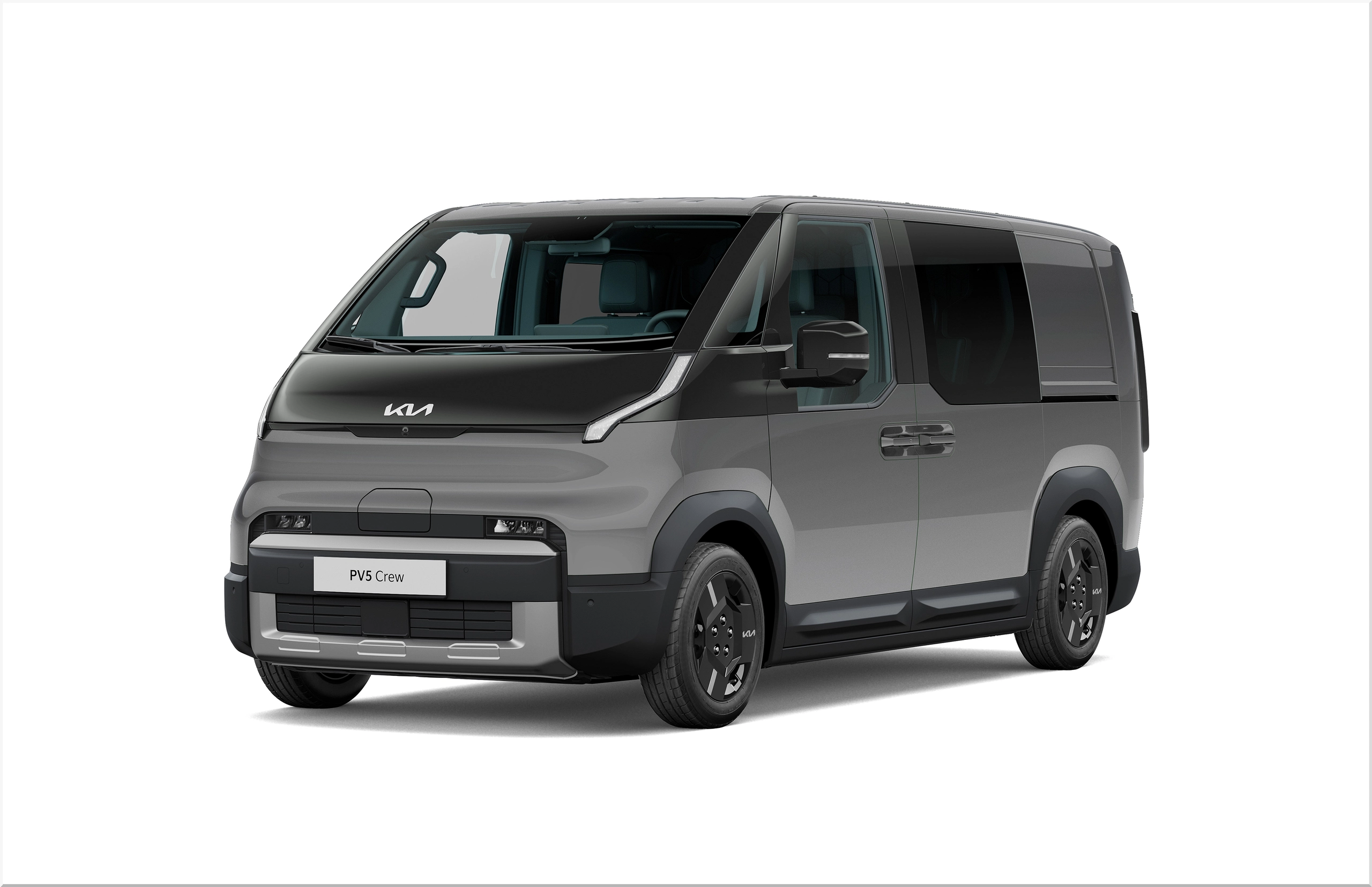
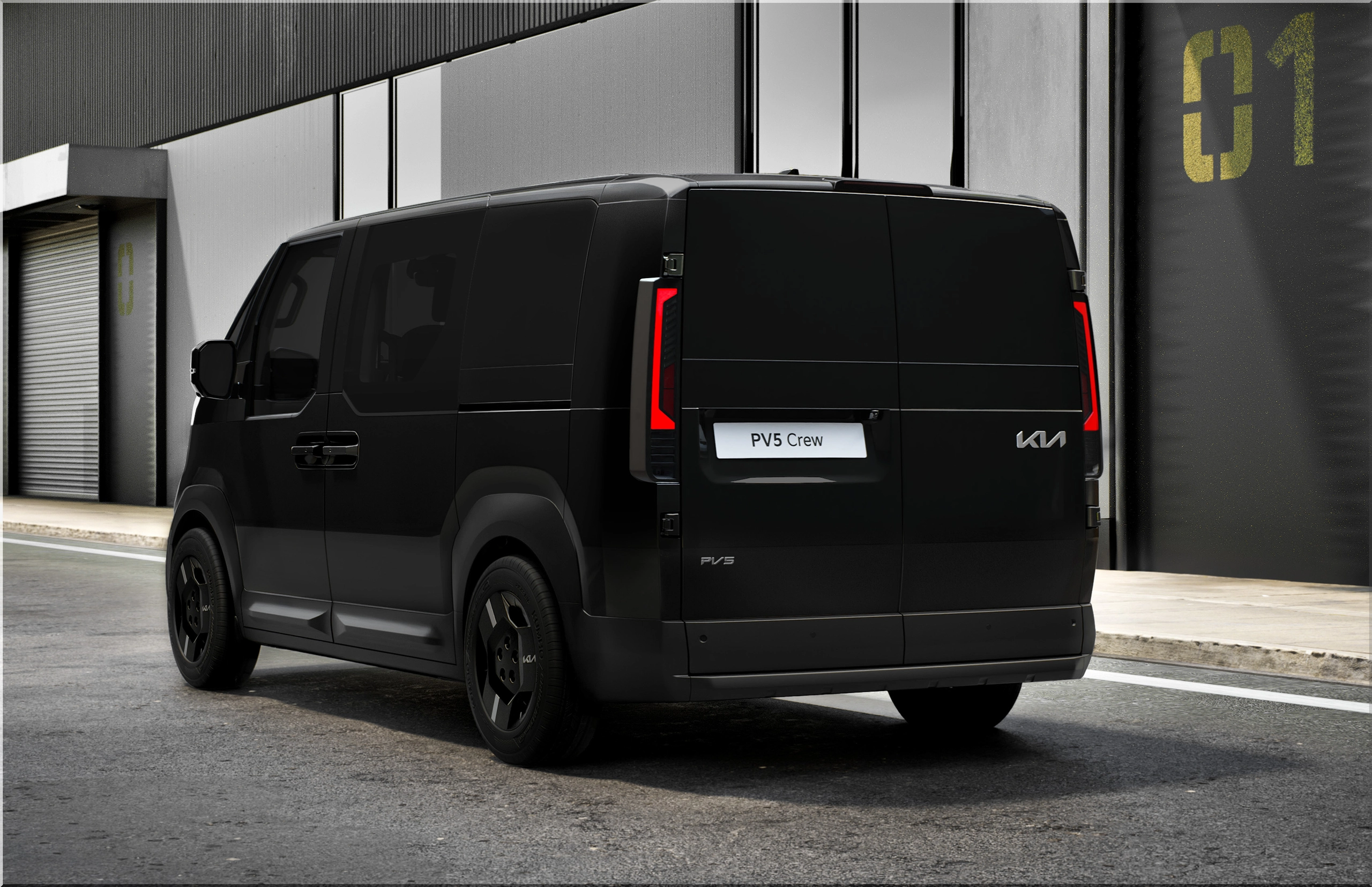
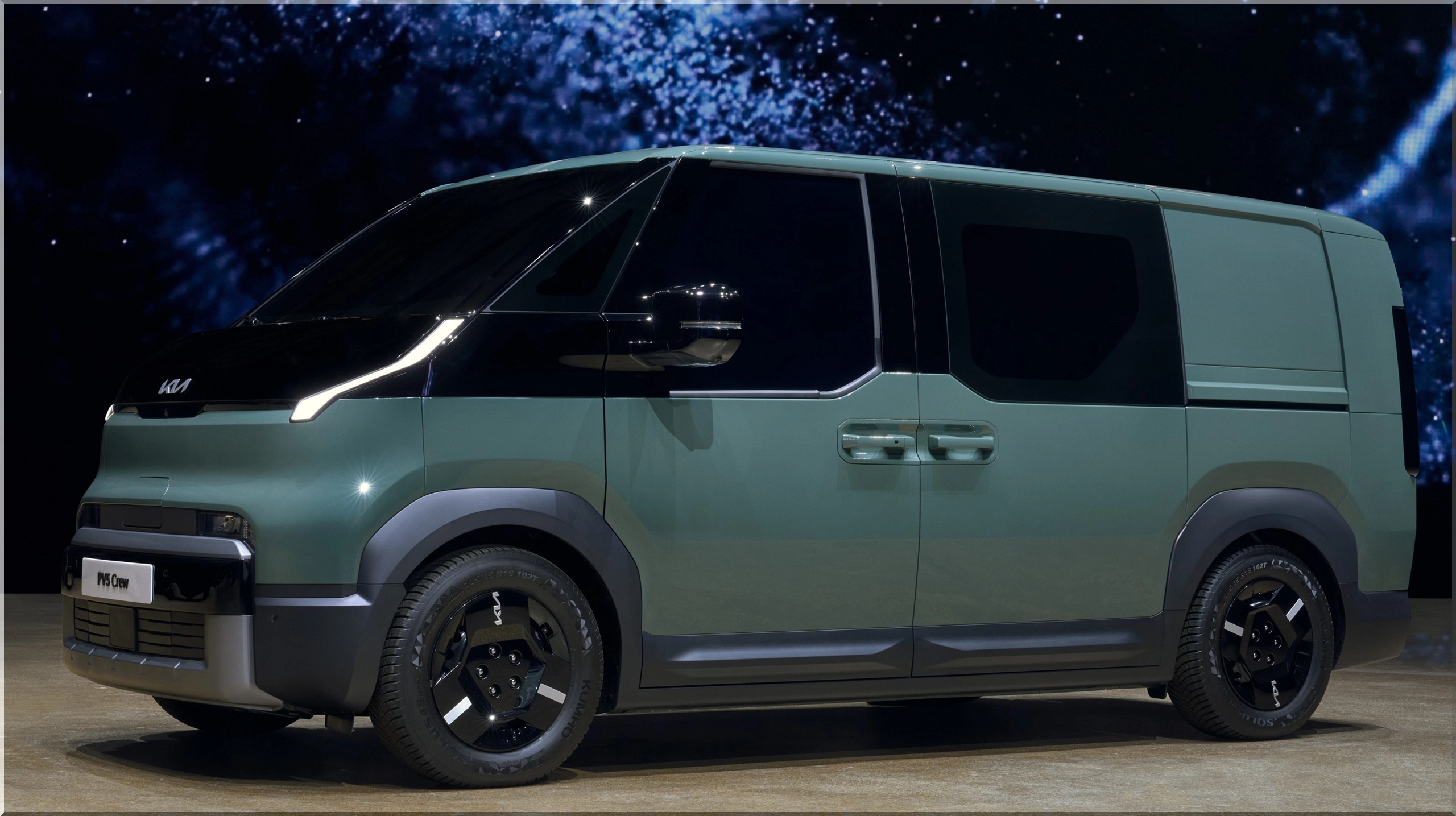
The Kia PV5 Crew Van arrives with a clear purpose. It gives fleet buyers a compact electric van that can carry a work team in one part of the day and haul tools, stock, or equipment in the next. That sounds simple, but most vans still force buyers into a fixed choice: more seats or more cargo room. Kia built the PV5 Crew Van to break that trade-off.
Image
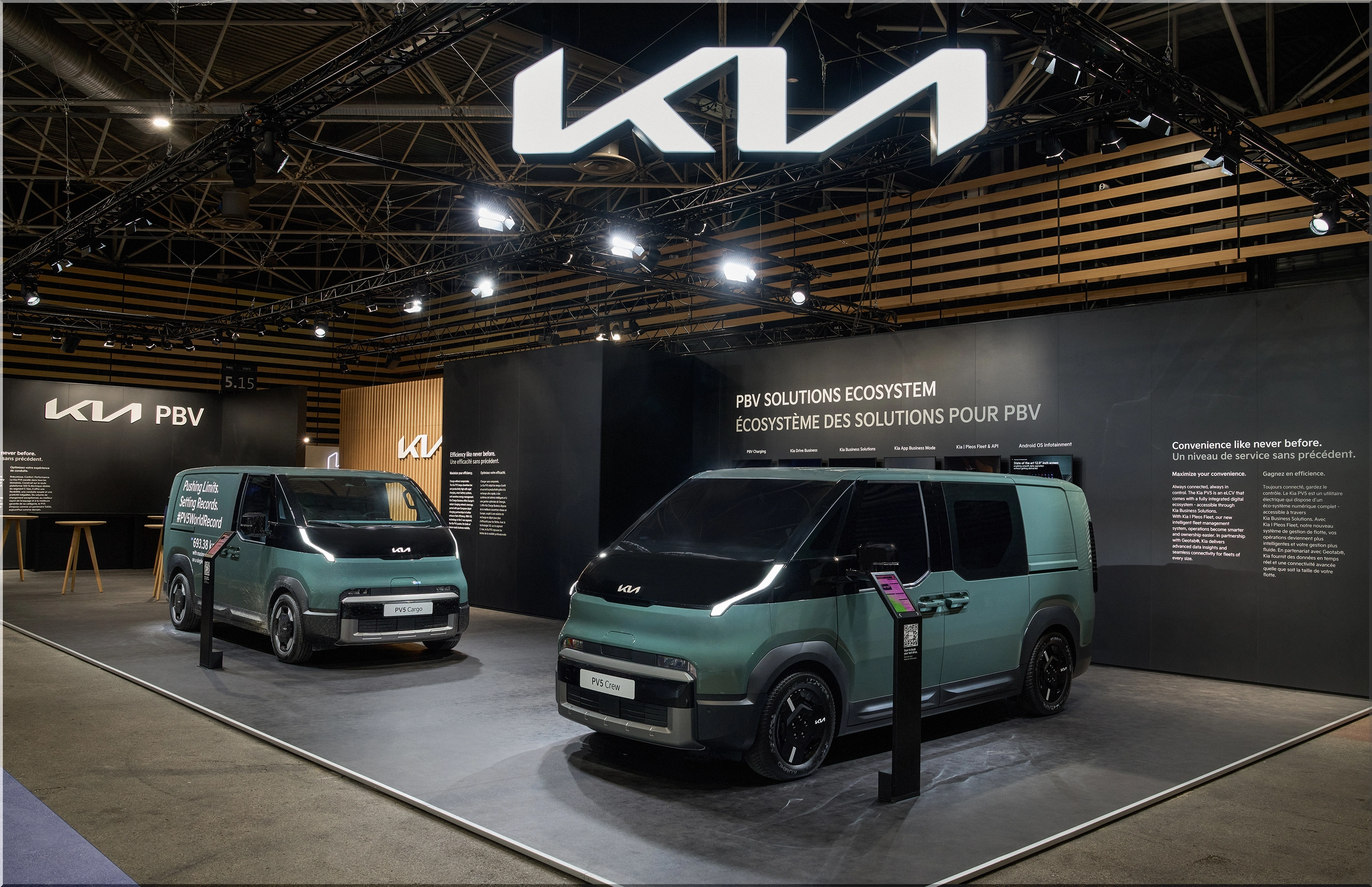
This van matters because mixed-use fleets keep growing. Electric vans now serve builders, service crews, airport operators, telecom teams, municipal contractors, and urban delivery businesses. Those operators do not want dead space. They want a vehicle that earns its keep on every run. The Kia PV5 Crew Van attacks that problem with a flexible cabin, a dedicated electric platform, and a compact footprint suited to crowded European streets.
What makes the Kia PV5 Crew Van different
The basic idea sits at the centre of the van. Kia starts with the PV5 Cargo L2H1 and adds a cabin system that switches between a two-seat cargo van and a five-seat crew van. The rear seat and partition move together, so the van can change layout quickly without workshop time or a box of tools.
That detail carries real weight. A fixed crew van often wastes space when the rear bench sits empty. A fixed cargo van forces companies to dispatch a second vehicle when more workers need to travel. Kia's answer looks sharper because it attacks both problems at once. The result feels less like a trim level and more like a business tool designed around daily operational friction.
Kia PV5 Crew Van dimensions and battery details
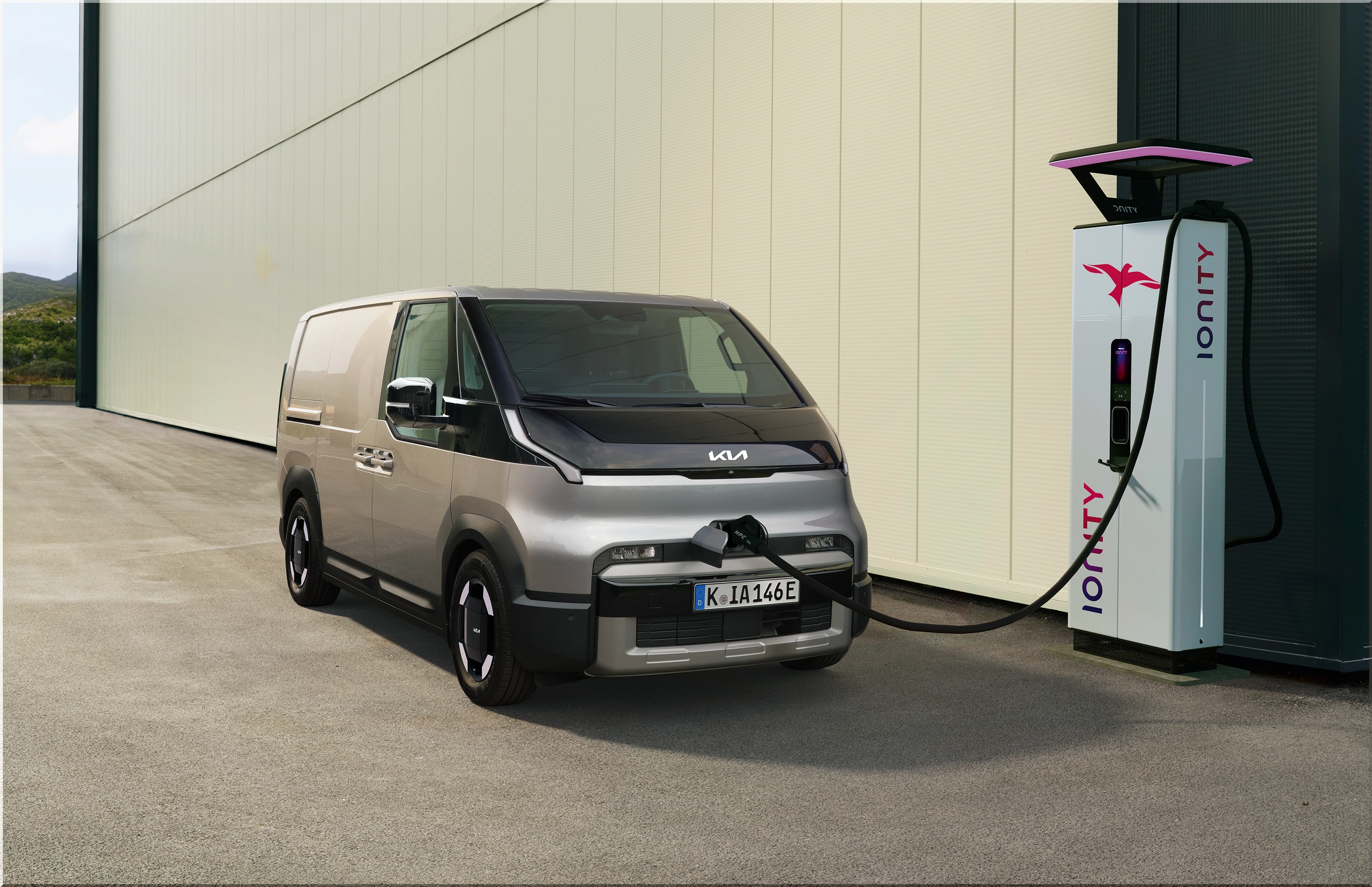
Kia positions the PV5 Crew Van in the heart of the compact electric van segment. It stays large enough for meaningful payload work, but small enough to remain useful in dense city traffic and tight service routes.
Kia PV5 Crew Van specifications
| Specification | Kia PV5 Crew Van |
|---|---|
| Overall length | 4,700 mm / 185.0 in |
| Width | 1,900 mm / 74.8 in |
| Height | 1,900 mm / 74.8 in |
| Wheelbase | 3,000 mm / 118.1 in |
| Battery capacity | 51.5 kWh |
| Expected WLTP range | Up to 283 km / 176 mi |
| Max payload | Up to 625 kg / 1,378 lb |
| Production start | April 30, 2026 |
These numbers place the van in a practical sweet spot. The wheelbase gives it enough cabin and cargo flexibility, while the overall length keeps it manageable in urban service use. Looking at the data, the 51.5 kWh battery does not chase class-leading range. Instead, Kia appears to have tuned the van for regional and city-duty efficiency, where repeatable daily use matters more than headline mileage.
How the flexible crew-to-cargo system works
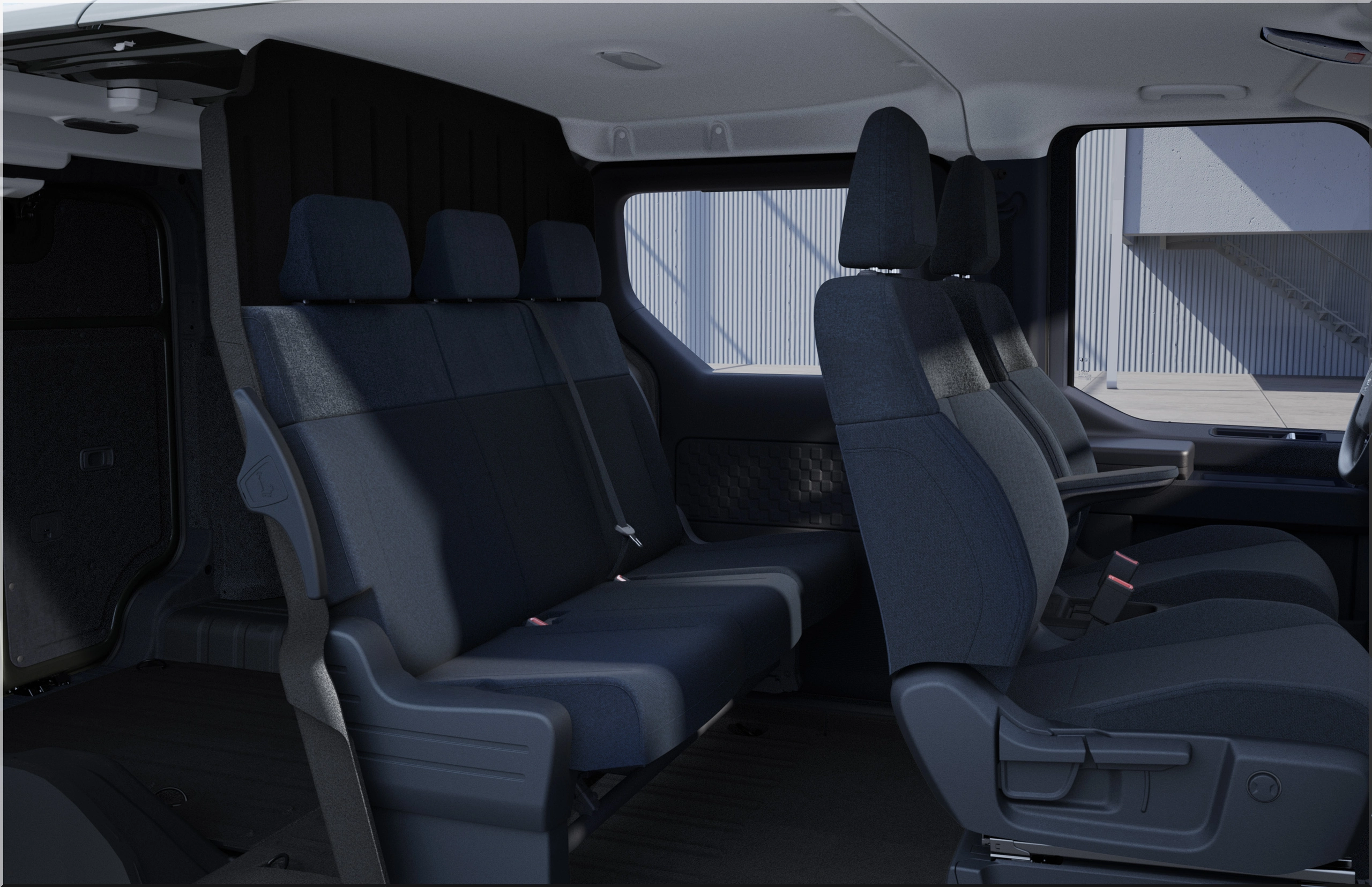
The key feature of the Kia PV5 Crew Van is the conversion system behind the front row. In five-seat mode, the van carries a driver plus four passengers and still leaves usable rear cargo space. In two-seat mode, the second row folds and the partition shifts to extend the load area.
That design gives the PV5 Crew a real operational edge. A plumbing team can carry workers to a site in the morning, then load bulky equipment for the second stop of the day without swapping vehicles. A telecom contractor can transport staff and small gear during one callout, then move longer items during another. Kia did not build a van for a brochure photograph. It built a van for changing workloads.
Cargo and seating flexibility
| Layout | Seating | Cargo volume | Load length |
|---|---|---|---|
| Crew mode | 5 seats | 2.4 m3 | 1,278 mm / 50.3 in |
| Cargo mode | 2 seats | 3.7 m3 | 1,965 mm / 77.4 in |
Those figures tell the story. In five-seat form, the van still carries useful equipment. In two-seat form, it opens a far longer load floor. For many fleet buyers, that flexibility could remove the need for a second specialist vehicle on light-duty days.
Image
Why Kia's electric van platform matters
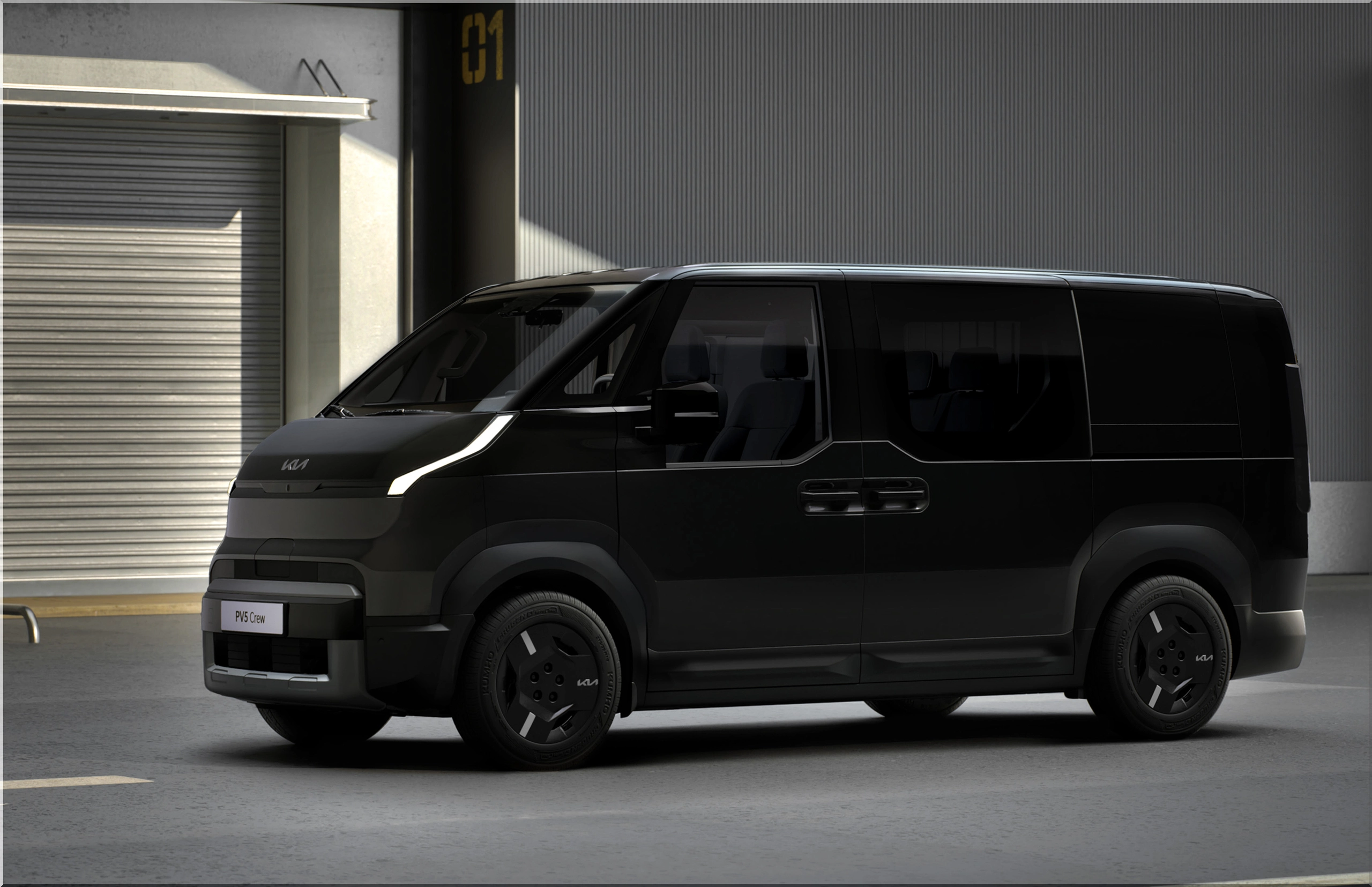
The Kia PV5 Crew Van rides on the brand's dedicated E-GMP.S architecture, developed for Platform Beyond Vehicle models. That platform choice matters because it shapes the van's proportions, cabin floor, and body packaging. Kia did not adapt a passenger EV into a van. It started with a commercial brief.
From an engineering point of view, that makes the cabin packaging more believable. A dedicated skateboard platform places the battery low and helps free up interior volume. That flat-floor thinking supports a movable seat-and-partition arrangement far better than an older combustion-derived van ever could. It also gives Kia room to support more factory-led body variations later, which fits the broader PBV strategy.
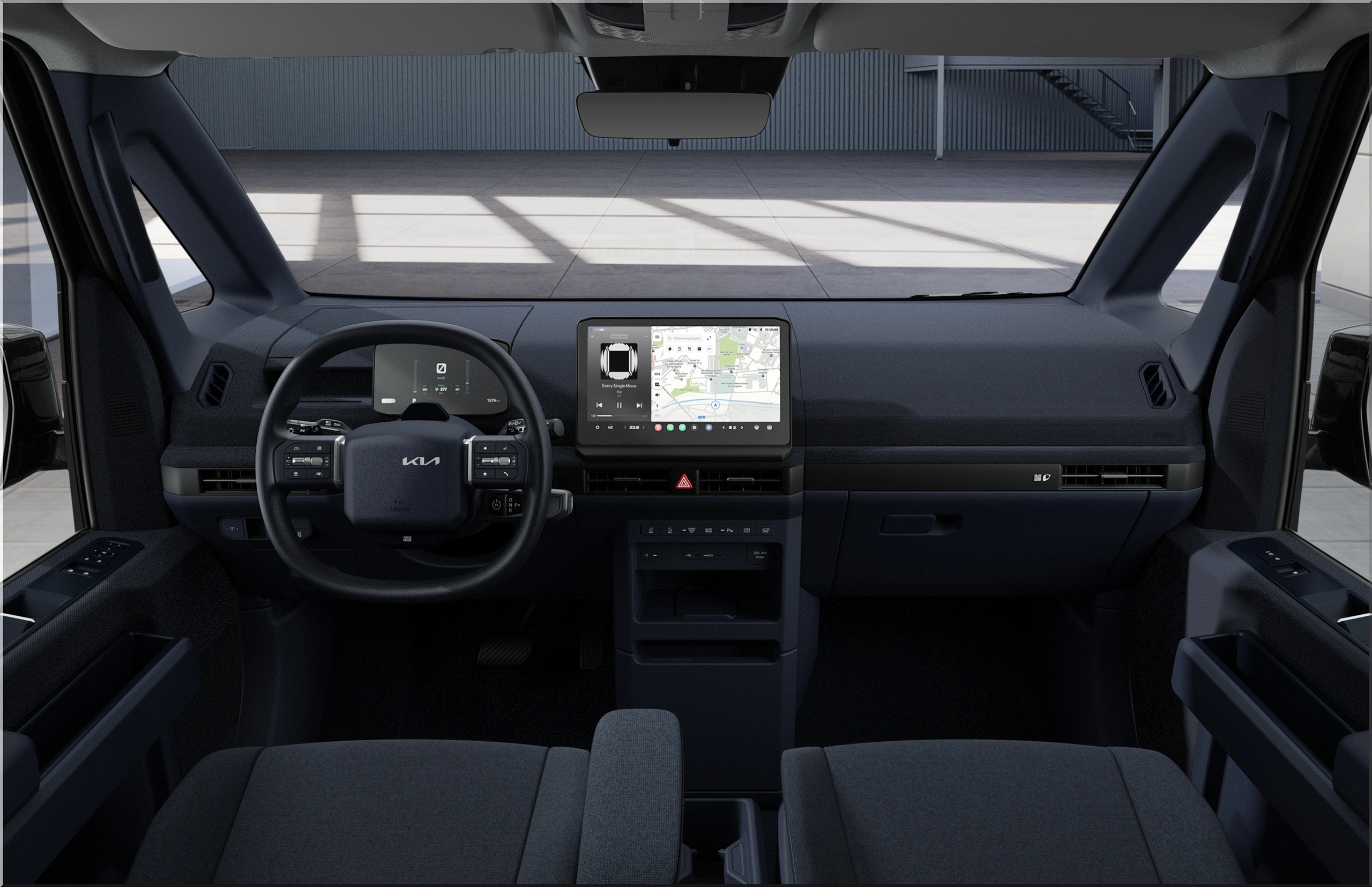
Cabin and work-focused hardware
The PV5 Crew Van does more than shuffle seats. Kia also equips it with fleet-friendly hardware that should matter in daily work use.
Useful business features
- Integrated L-track mounting system for securing cargo and modular fittings
- Vehicle-to-Load capability in the load area for powering tools or devices
- Anti-slip cargo floor built for repeated loading cycles
- Dedicated commercial EV layout shaped around business use
- Compact exterior dimensions suited to urban fleets
These details strengthen the van's position. A crew van without decent cargo restraint hardware quickly becomes frustrating. A work van without power access can also create extra hassle on site. Kia seems to understand that electric van buyers do not want gimmicks. They want fewer problems at 7:15 on a wet Tuesday.
Kia PV5 Crew Van vs rivals
The electric van market already includes strong alternatives, so the PV5 Crew must win on logic, not novelty alone.
Competitive comparison
| Model | Length | Battery | Range | Cargo volume | Main advantage |
|---|---|---|---|---|---|
| Kia PV5 Crew Van | 4,700 mm | 51.5 kWh | up to 283 km | 2.4 to 3.7 m3 | Fast seat-to-cargo flexibility |
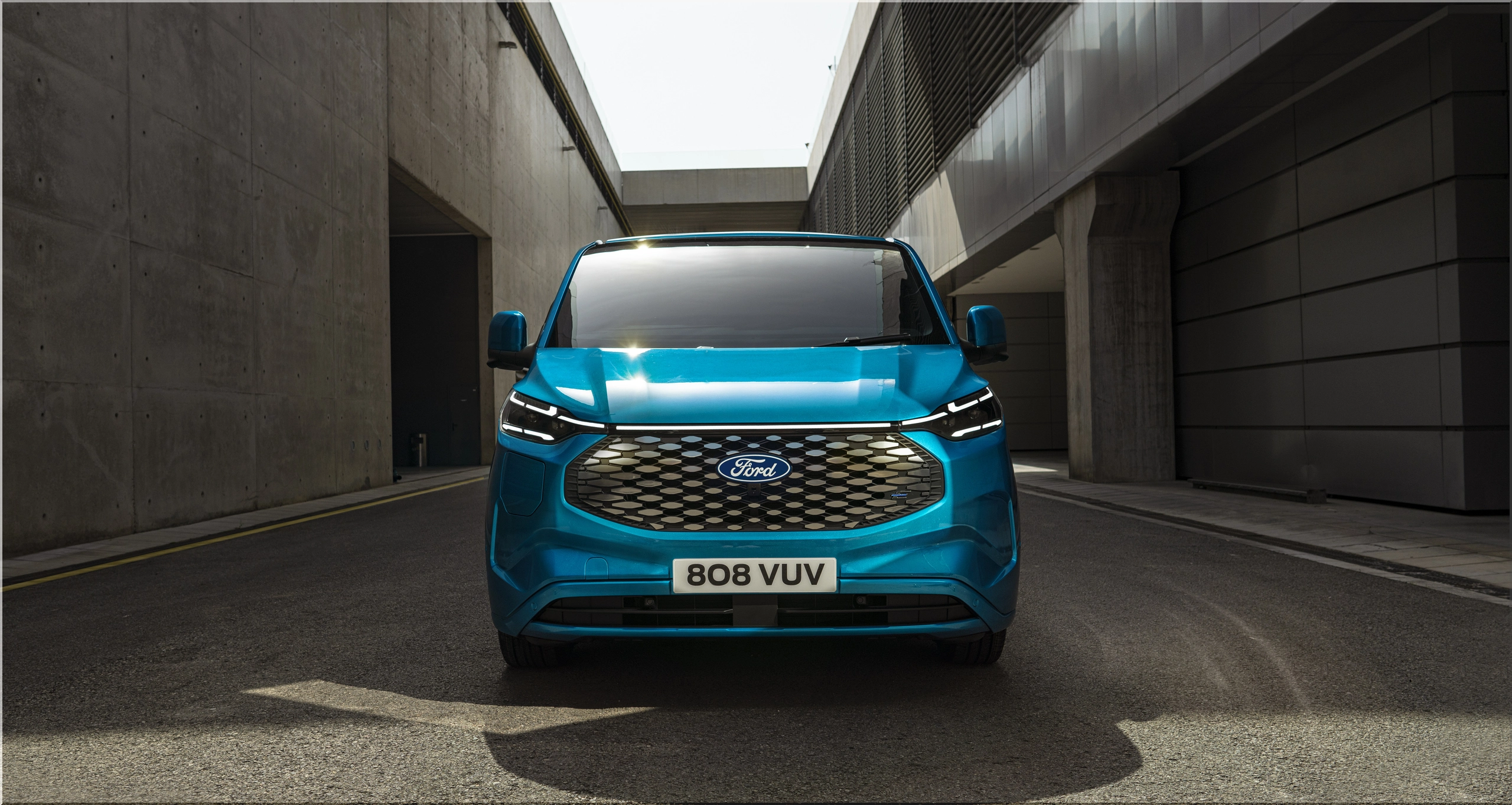
| Ford E-Transit Custom | Similar class | Larger options available | Longer published range in some versions | Strong van practicality | Stronger range profile |
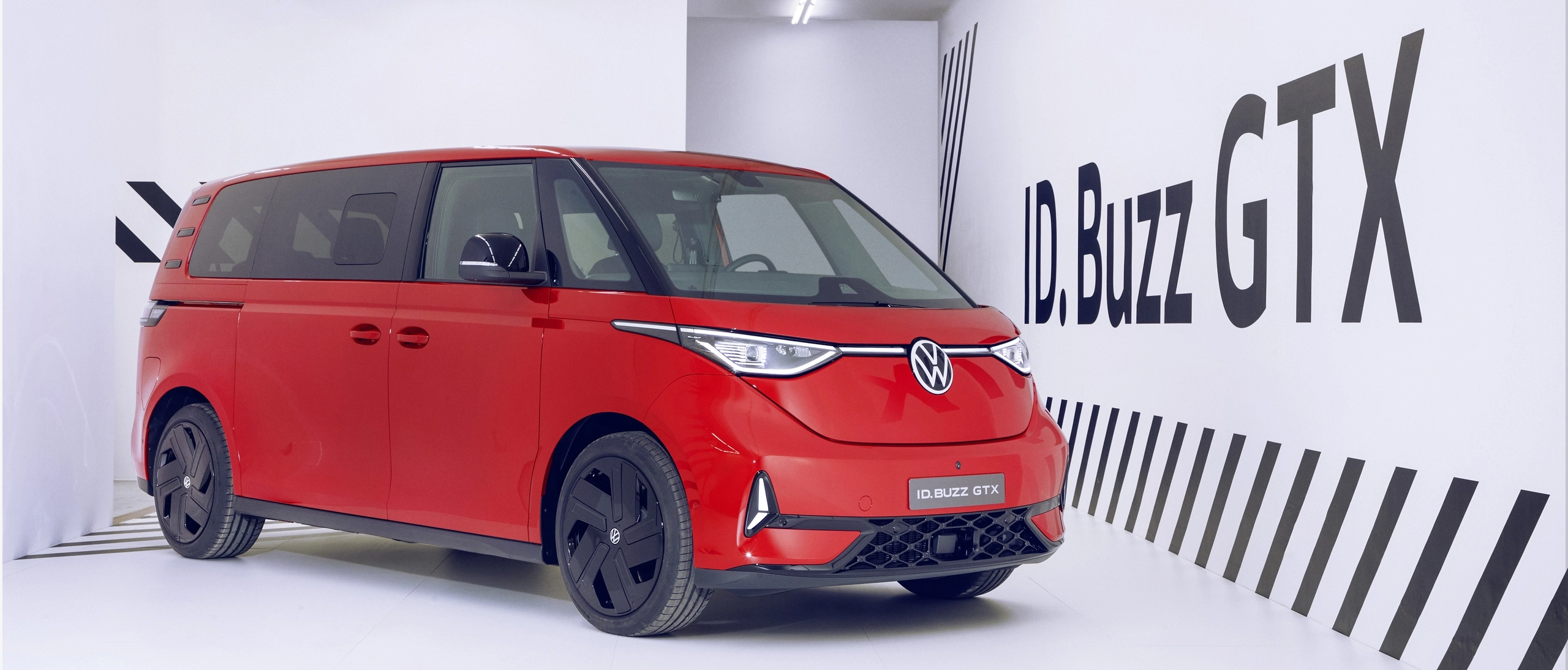
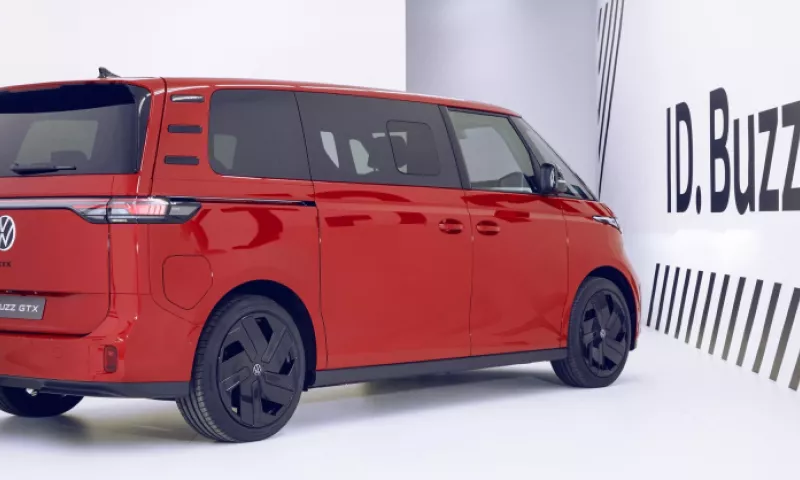
| Volkswagen ID. Buzz Cargo | 4,712 mm | Larger battery | Longer published range | Similar compact footprint | Strong EV image and longer range |
| Mercedes eVito Panel Van | Larger van class | 60 kWh usable | Lower than some rivals | Greater cargo capacity | More space for bigger jobs |
The Kia PV5 Crew Van does not beat every rival on range or maximum volume. That is not its strongest card. It wins by serving mixed crew-and-cargo work better than a traditional fixed-layout van. That may sound like a narrow advantage, but in fleet buying, a narrow advantage can drive the purchase decision when it reduces idle vehicles and duplicated trips.
Pro-Tips for fleet buyers
Ask these questions before ordering
- Do your teams switch between carrying staff and carrying tools on the same day?
If yes, the PV5 Crew Van deserves a hard look. - Do you run mostly urban or short regional routes?
If yes, the stated WLTP range may fit the duty cycle without overpaying for battery capacity you do not need. - Do you spend money modifying vans after delivery?
If yes, the built-in L-track system, flexible partition, and load-bay power access could reduce extra conversion cost.
Should you buy the Kia PV5 Crew Van?
The answer depends on how your business works. If you need the longest range or the biggest possible load box, other vans may fit better. If you want one compact electric van that can move workers and gear in changing patterns across the same day, the Kia PV5 Crew Van makes a persuasive case.
That is why this van stands out. Kia did not chase a flashy spec-sheet win. It built a sharper solution to a common business problem. In a crowded electric commercial van segment, that practical focus may prove more valuable than another few miles of range.
- Add new comment
- 203 views