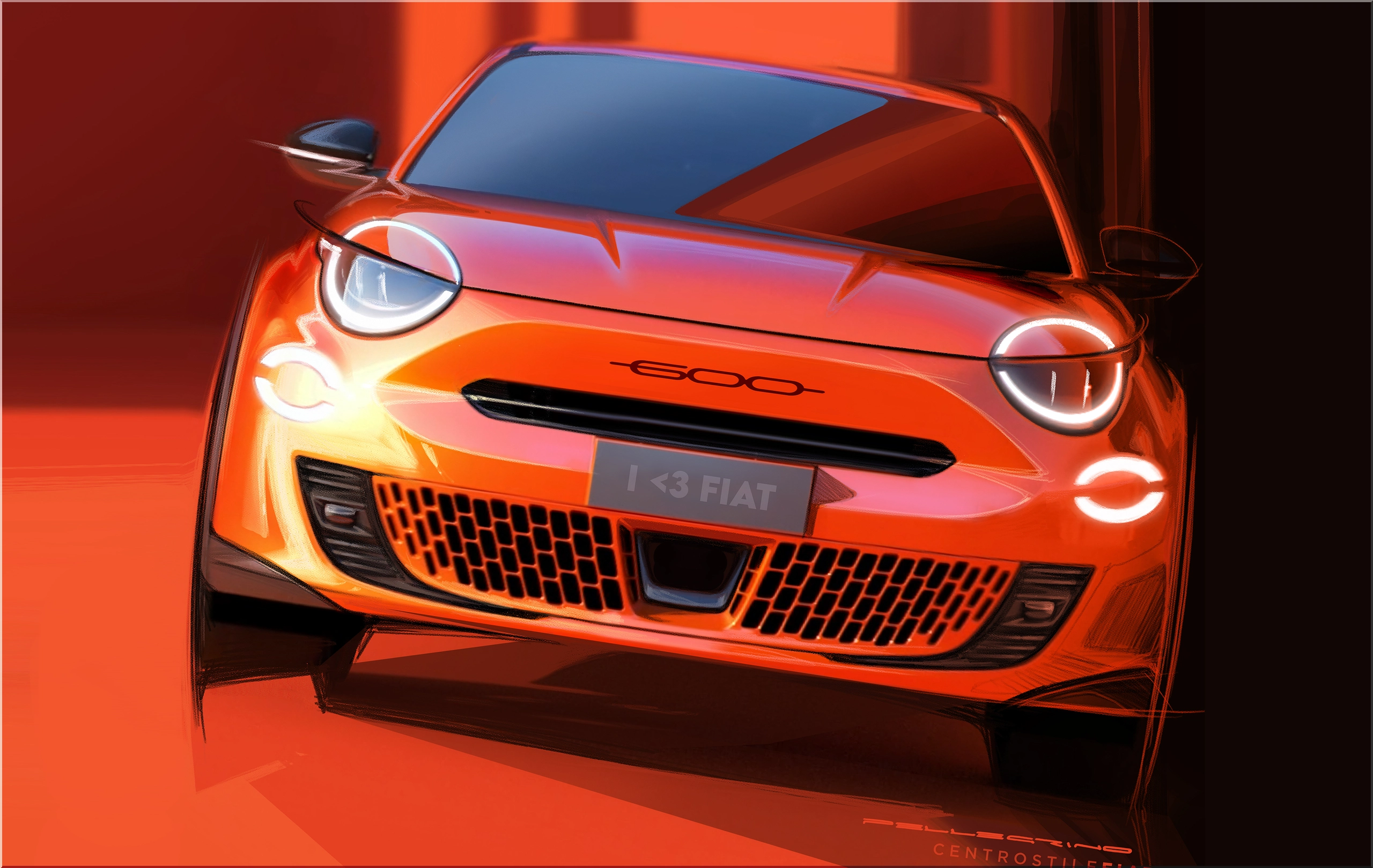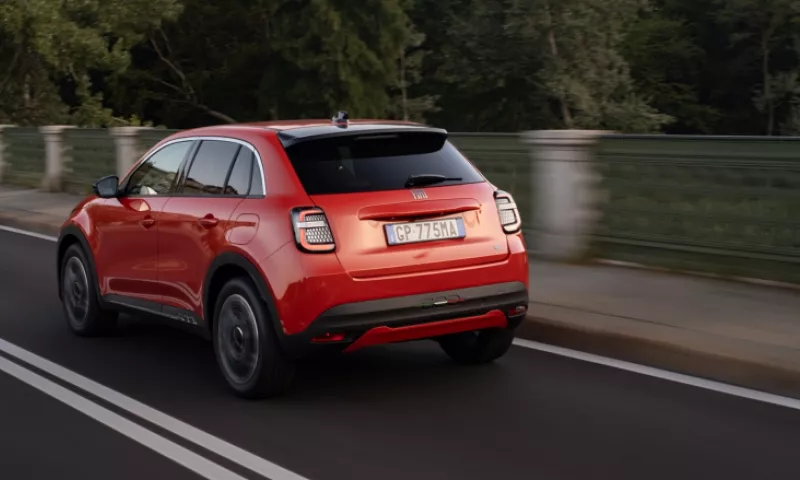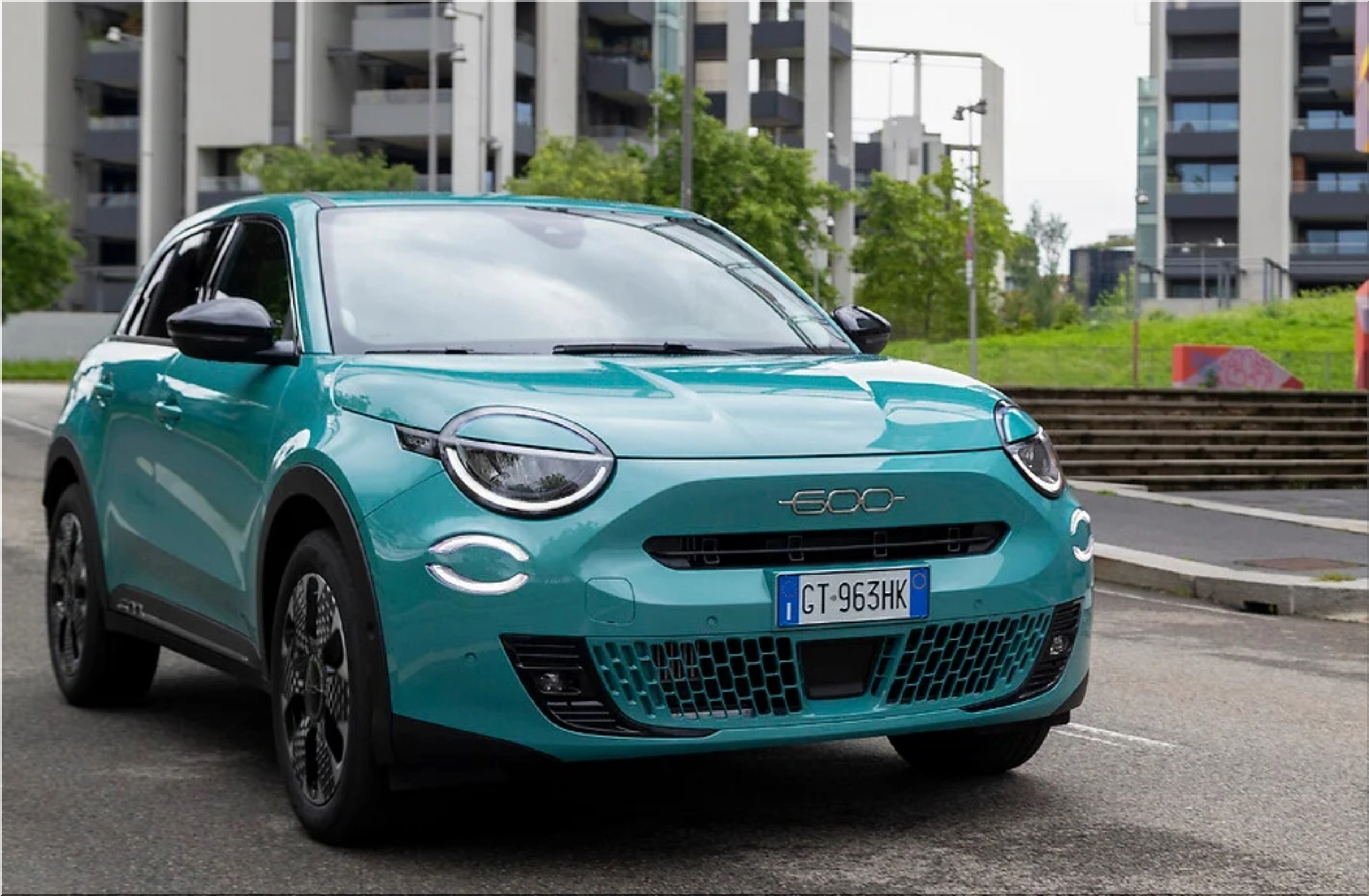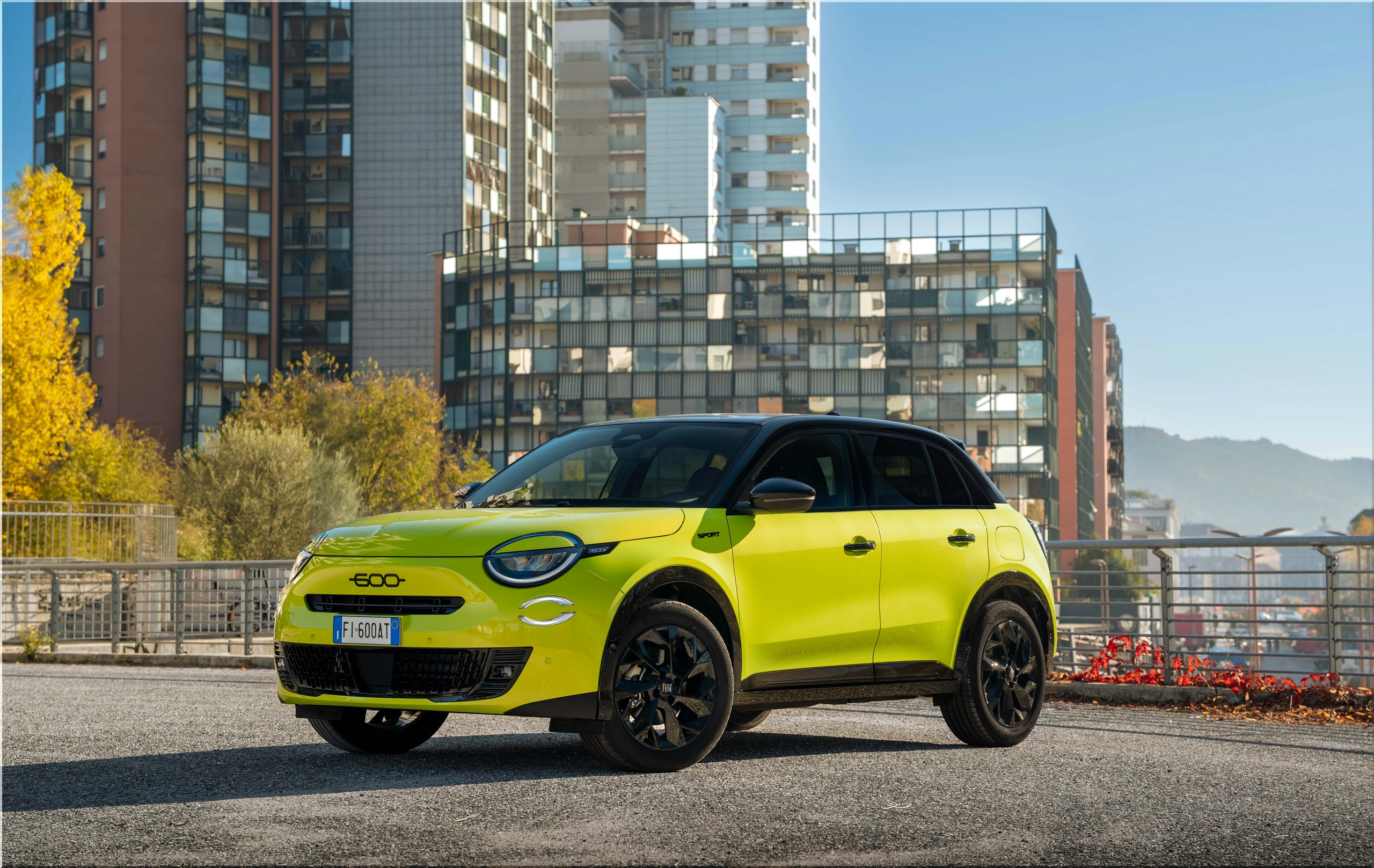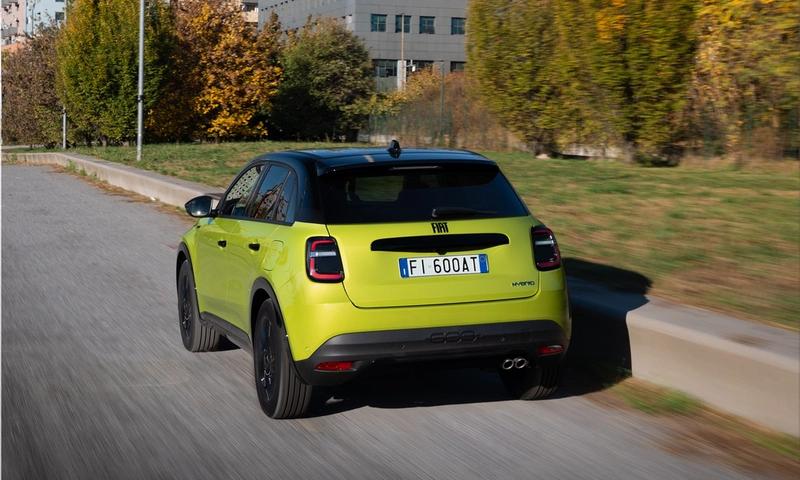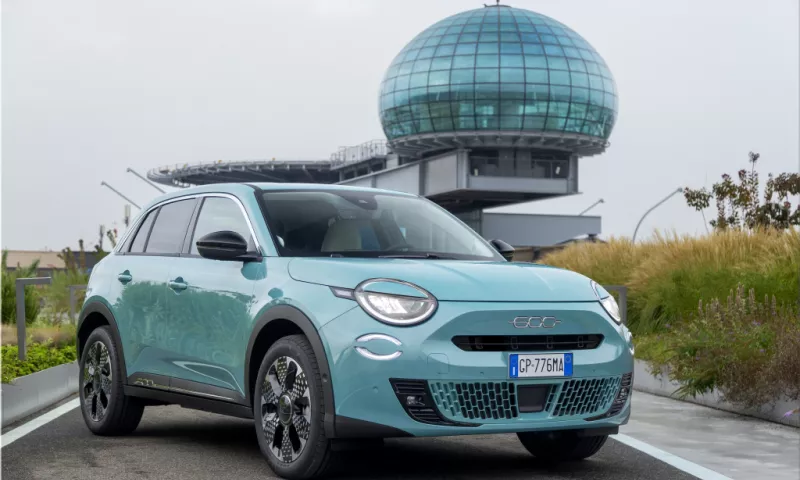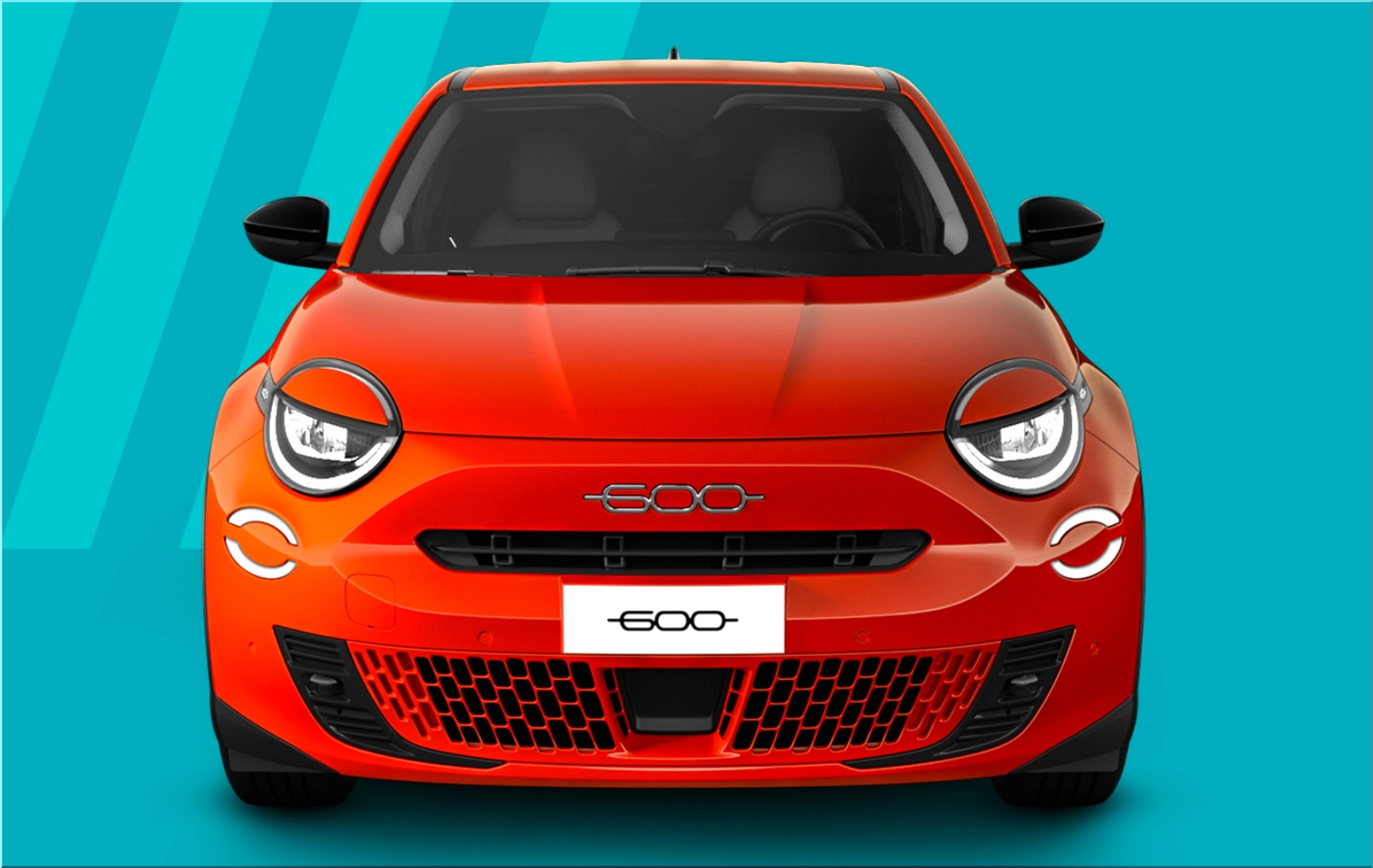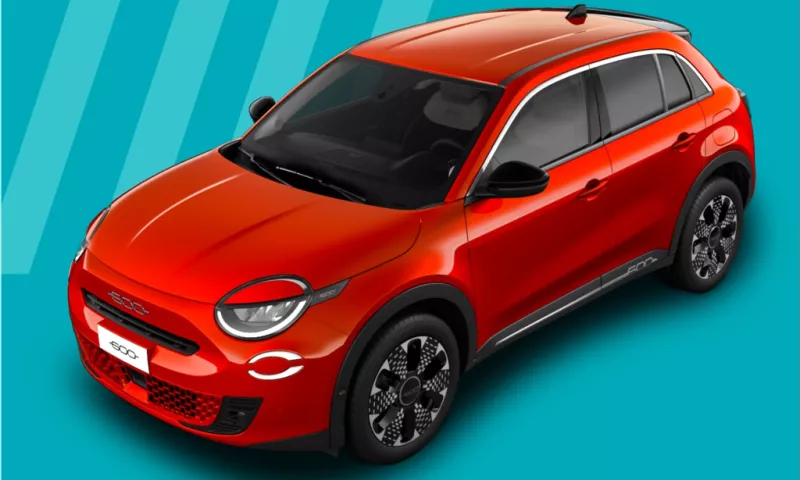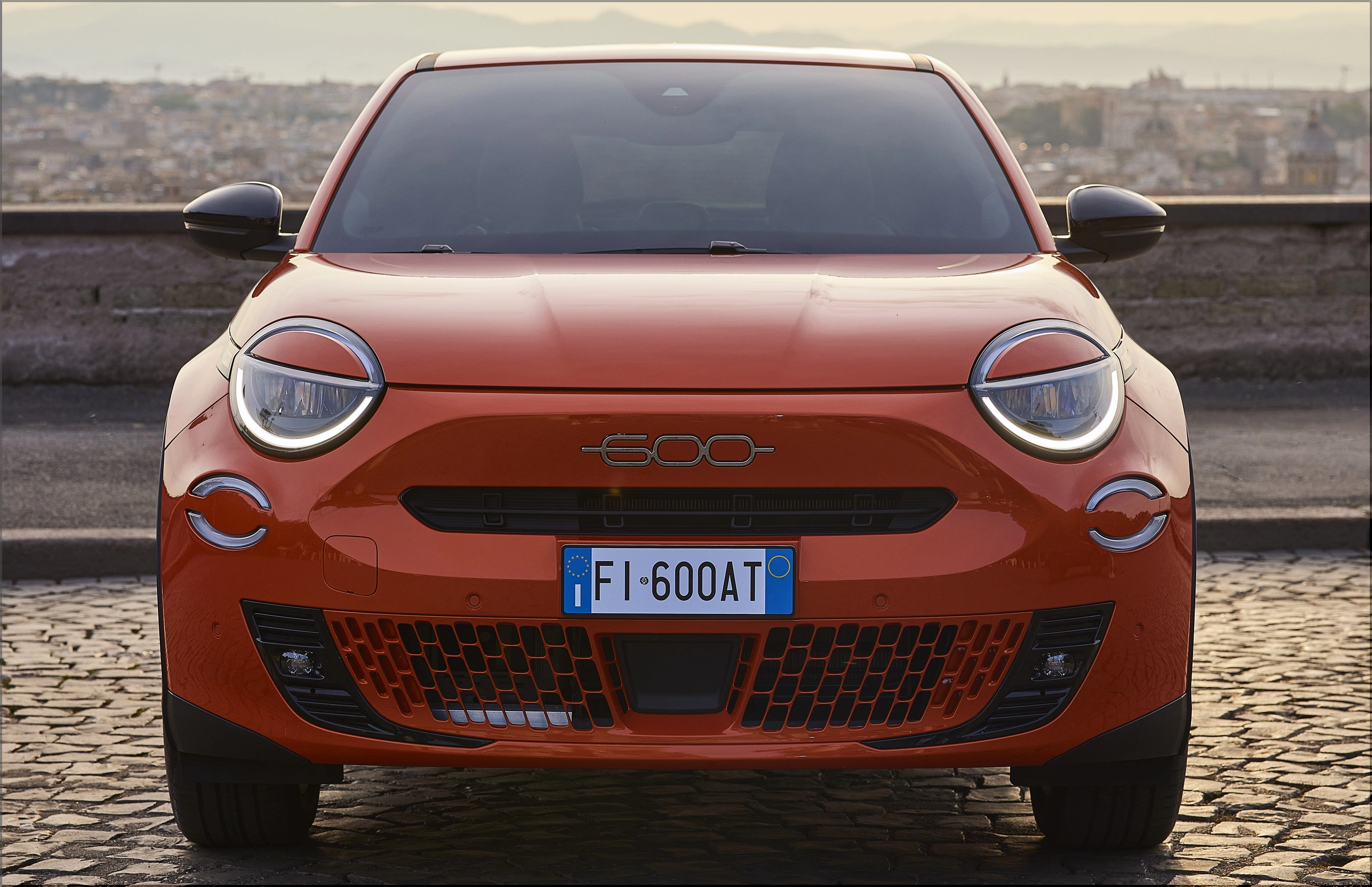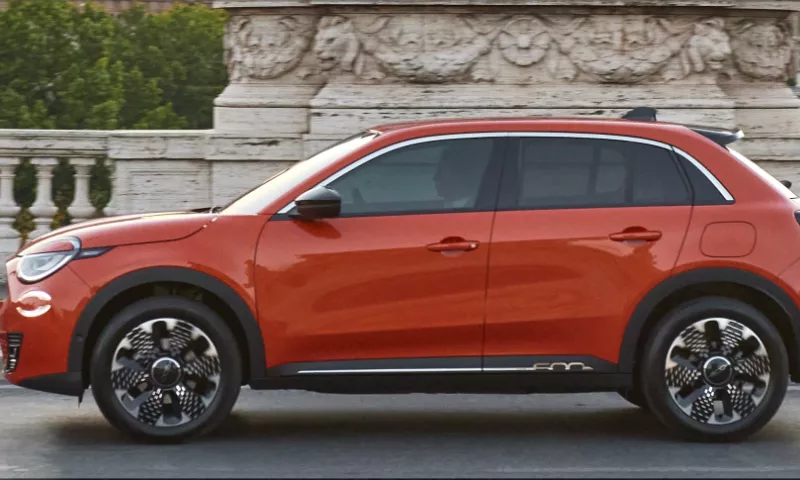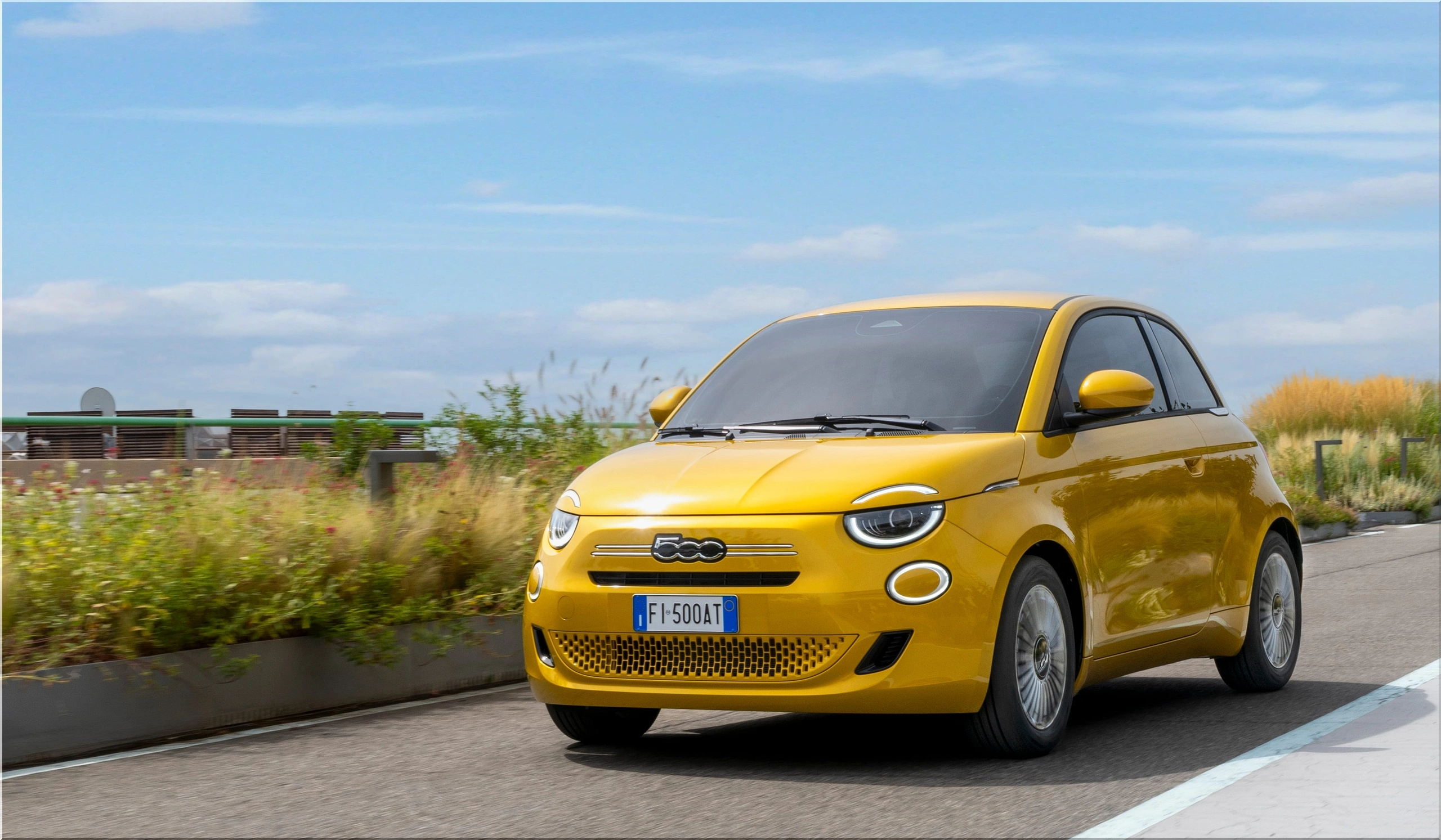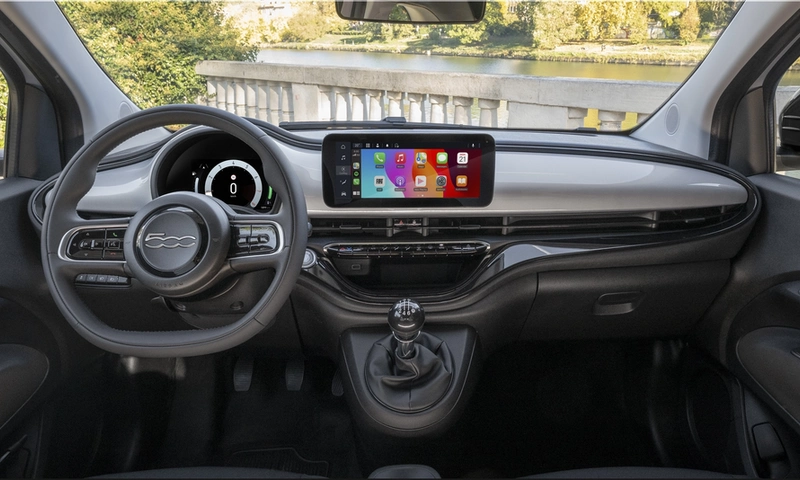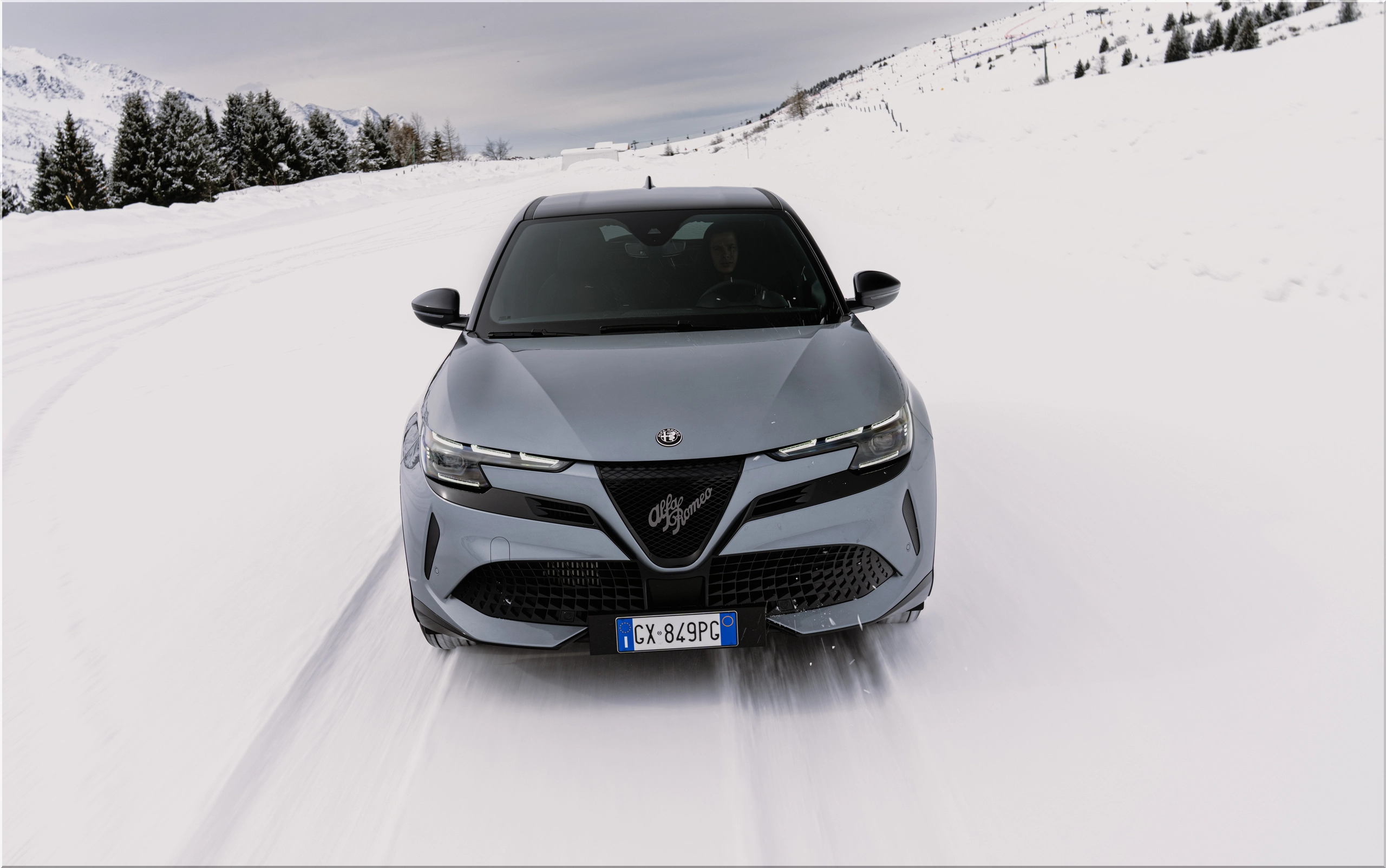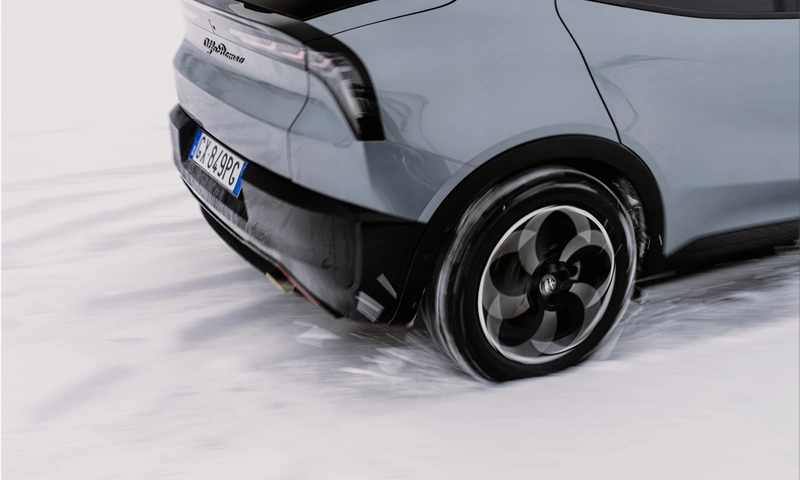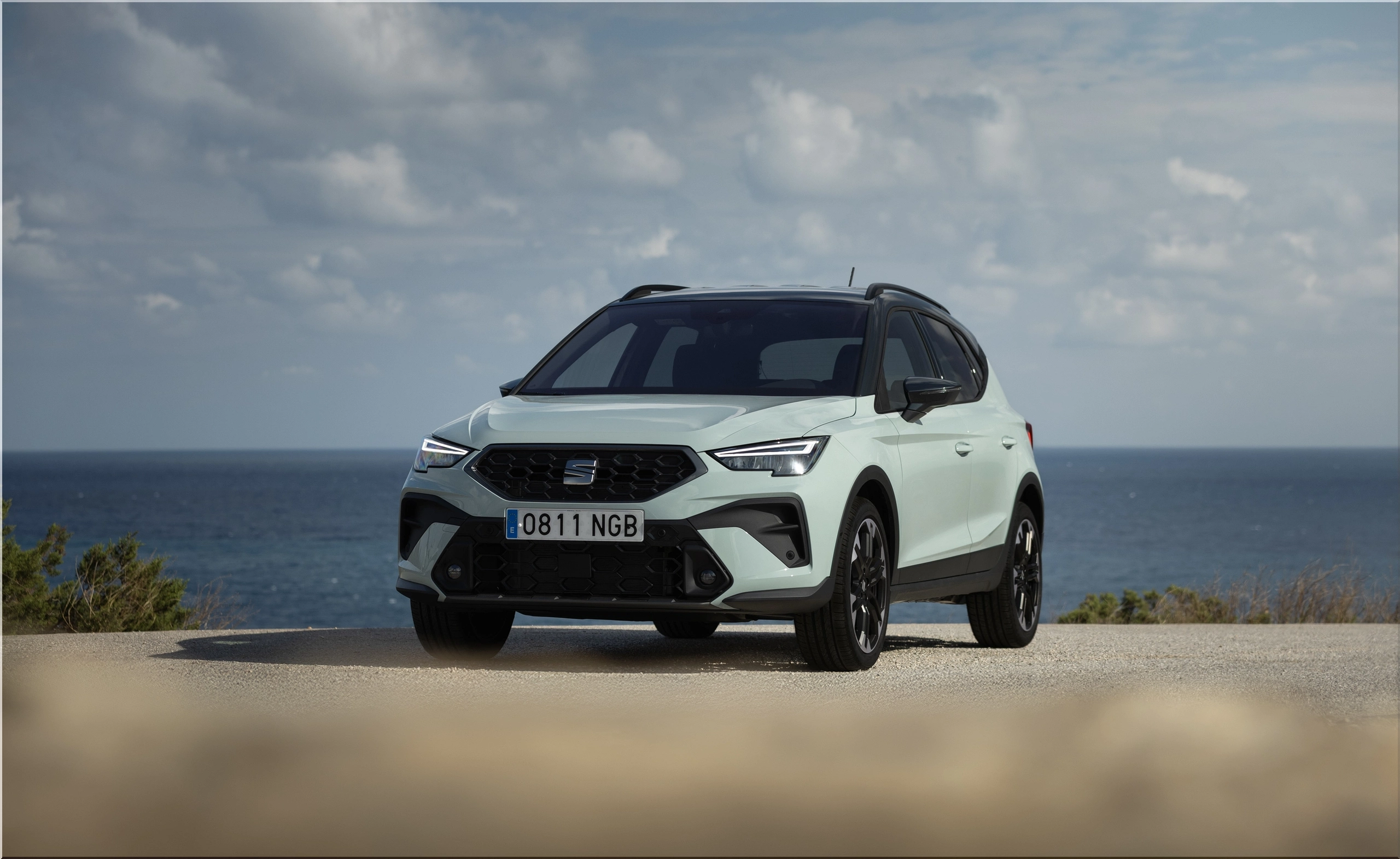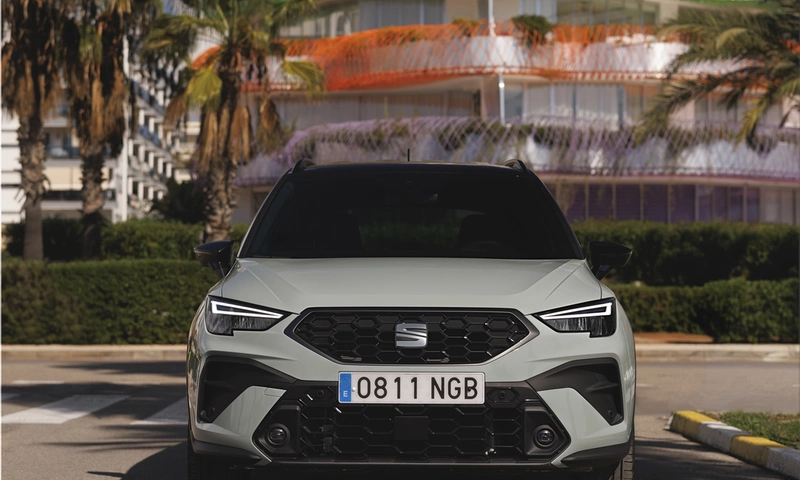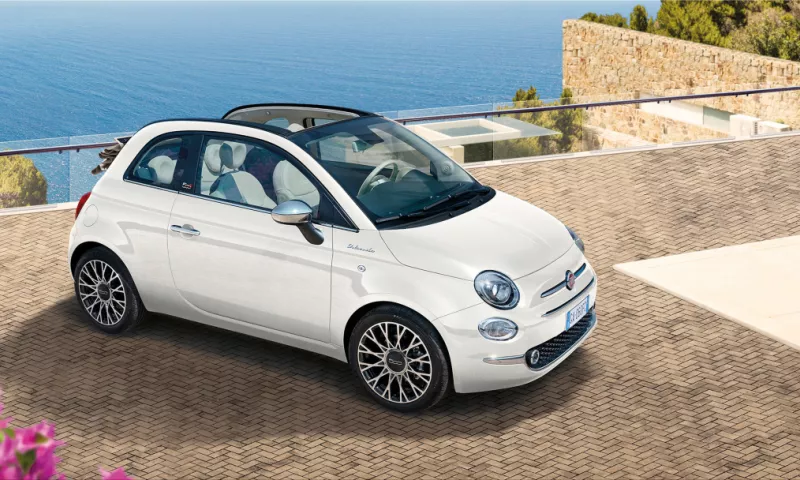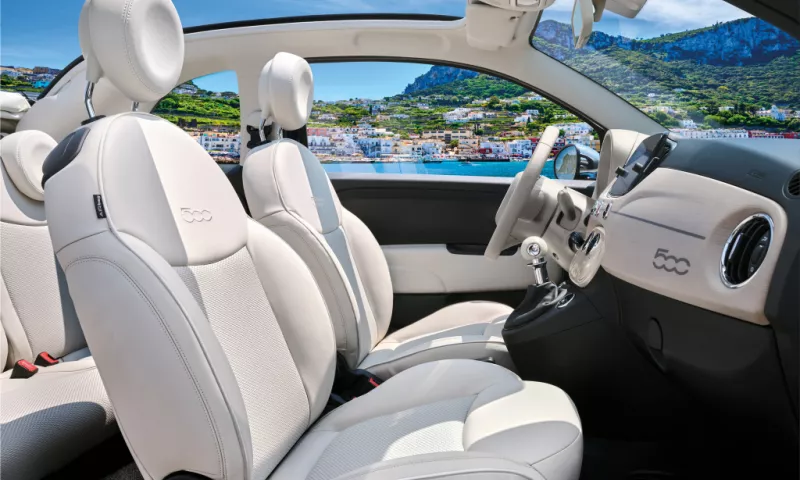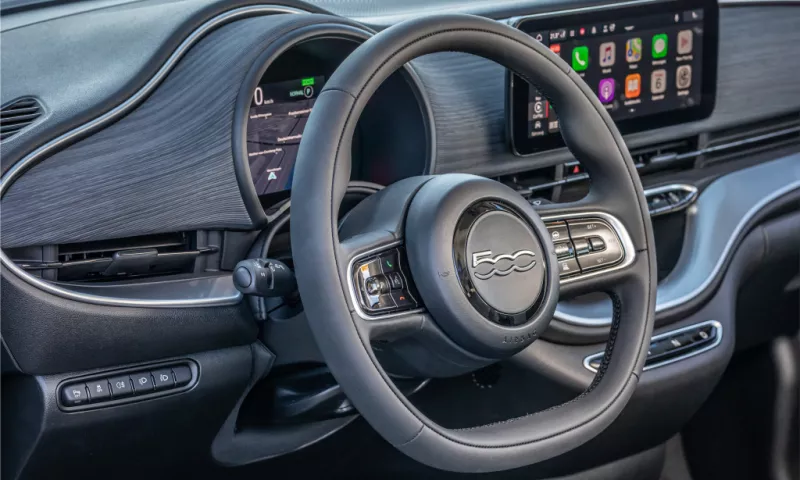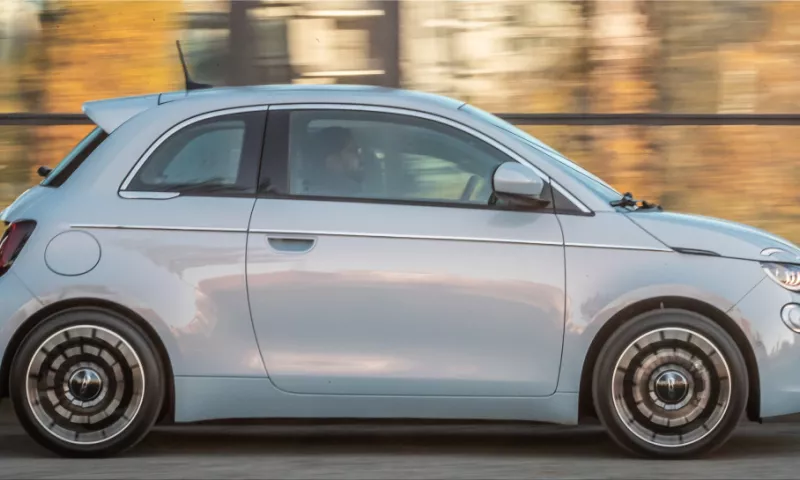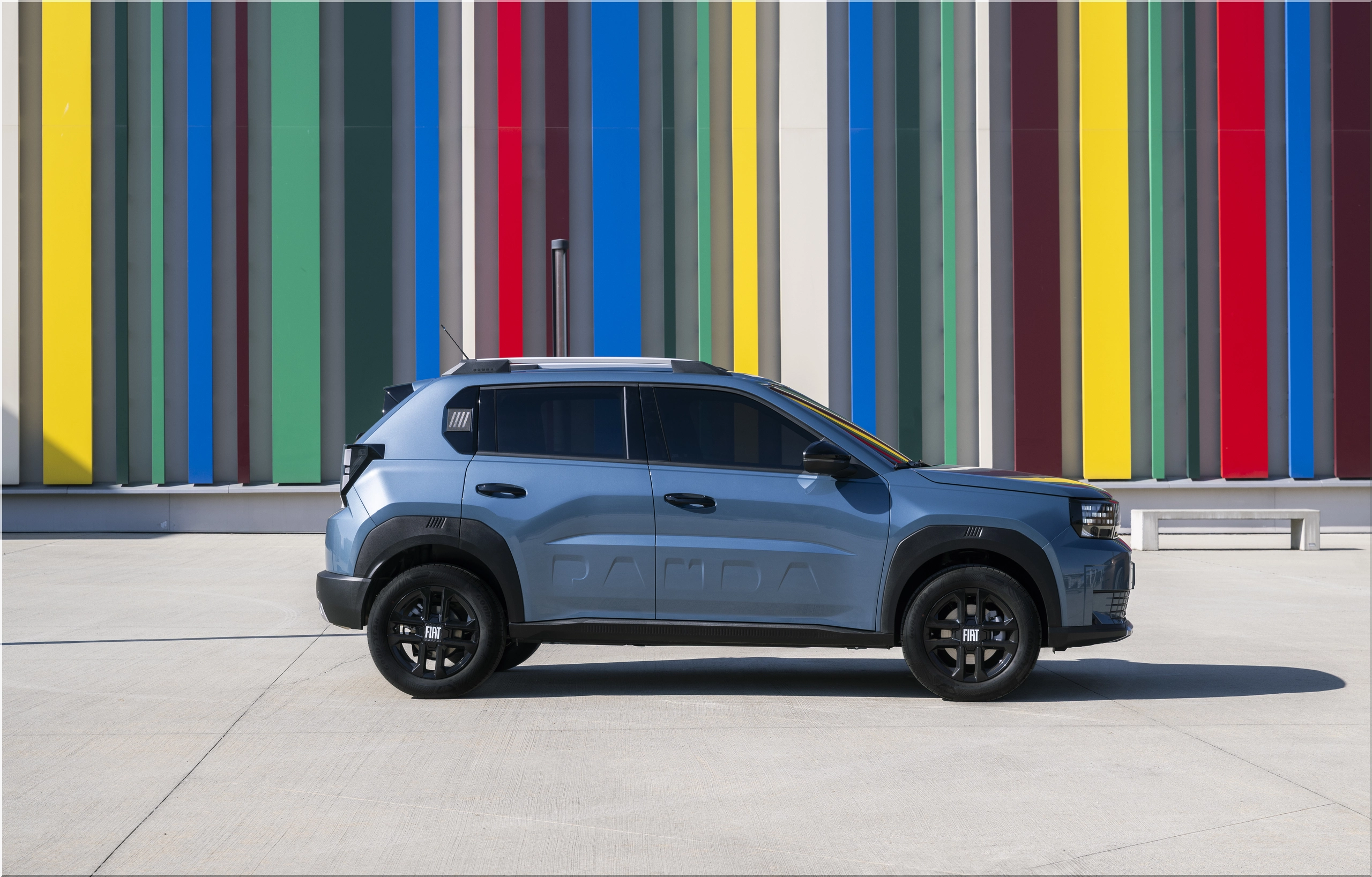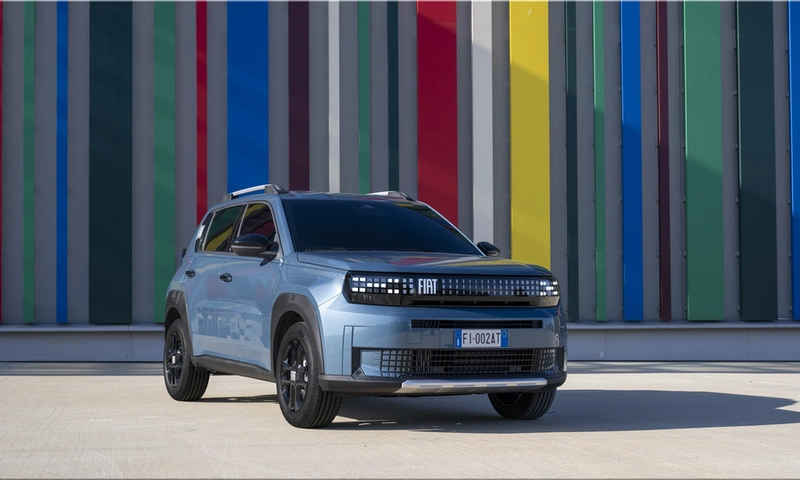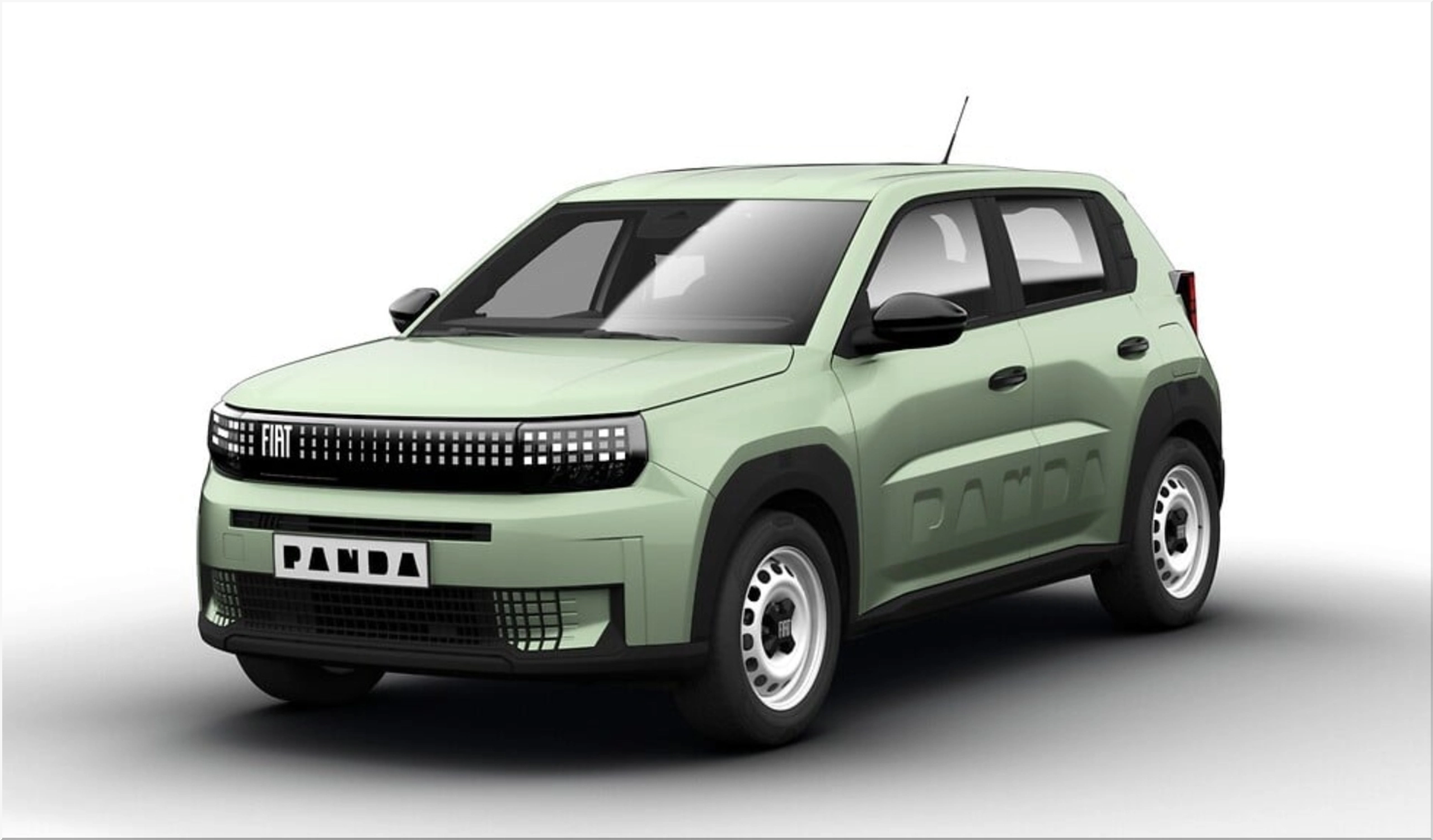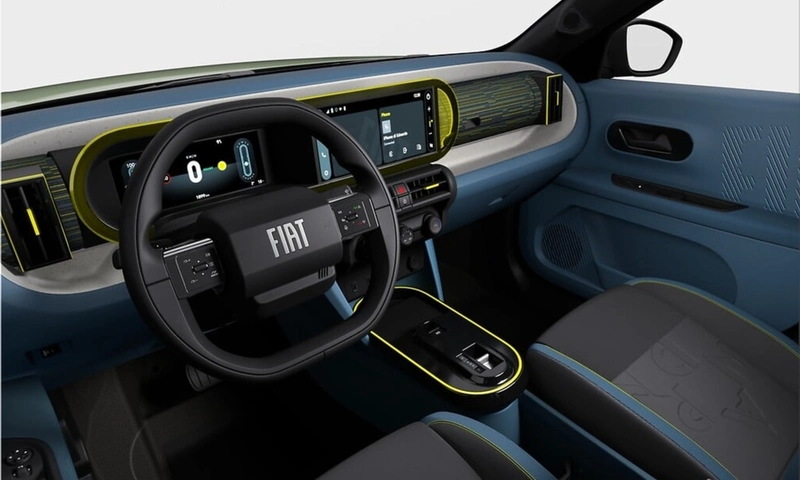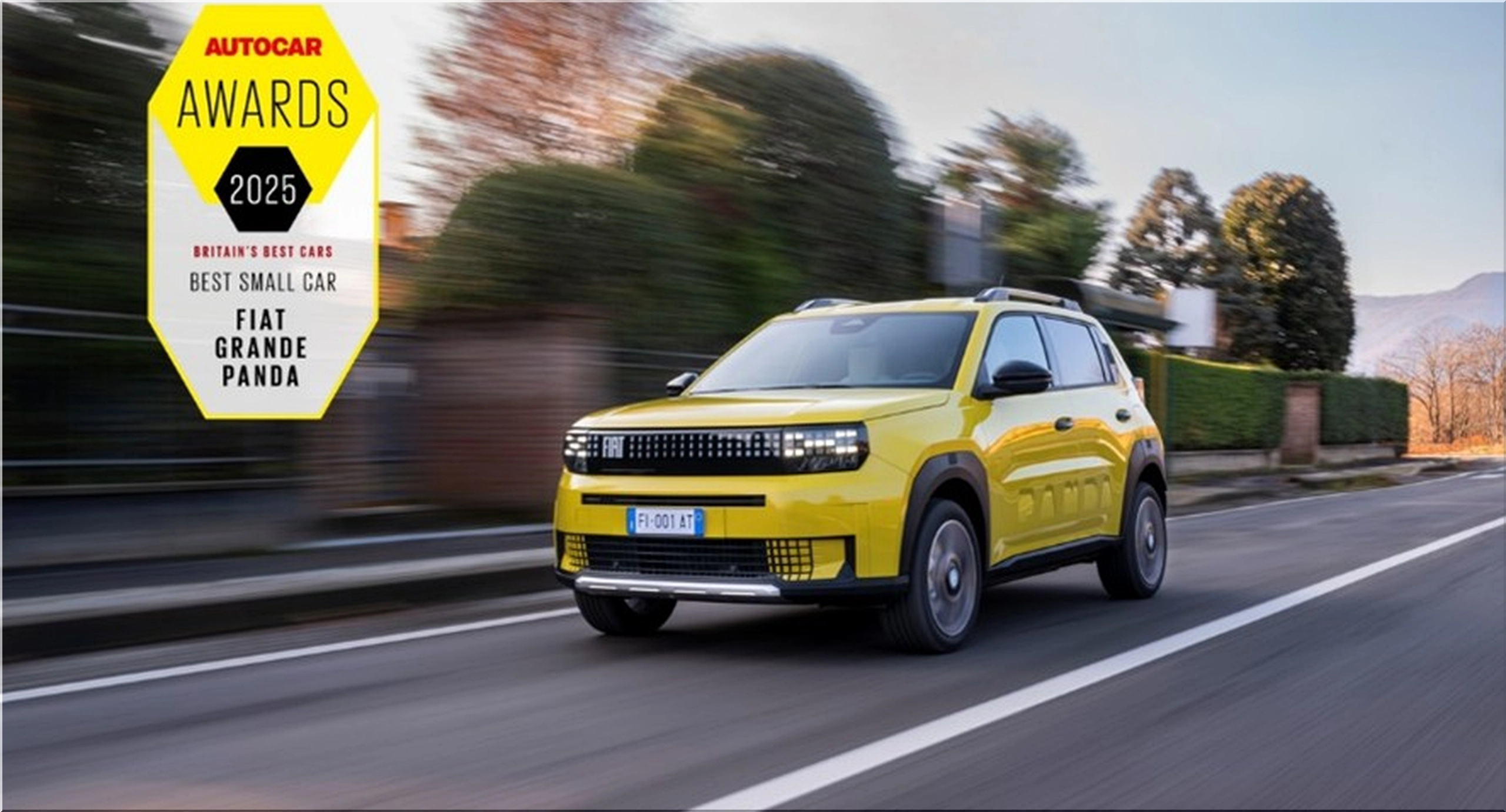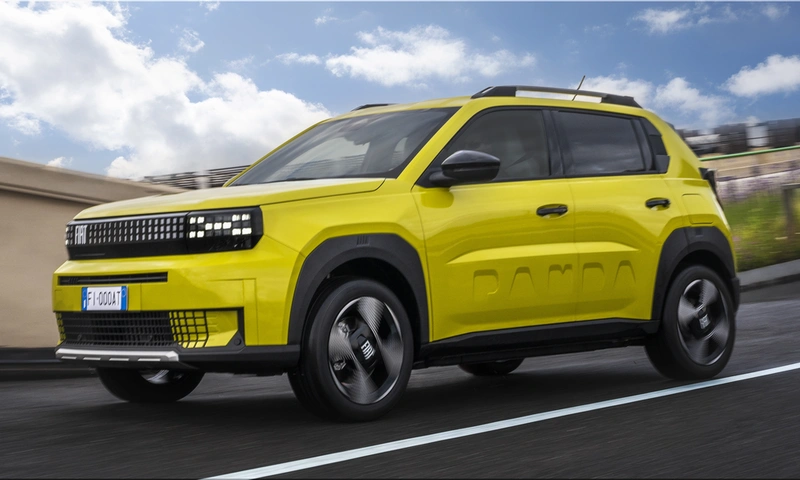
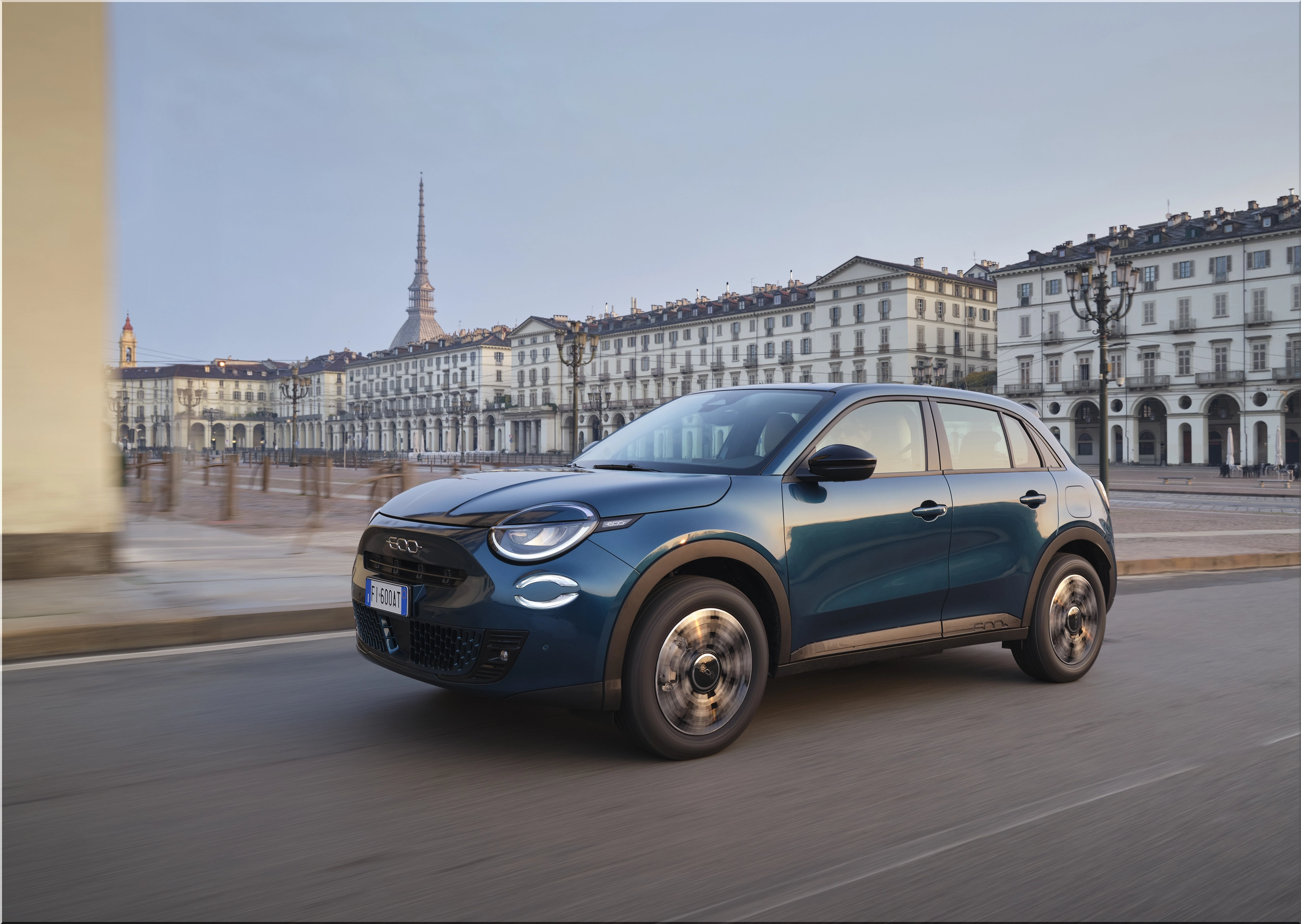
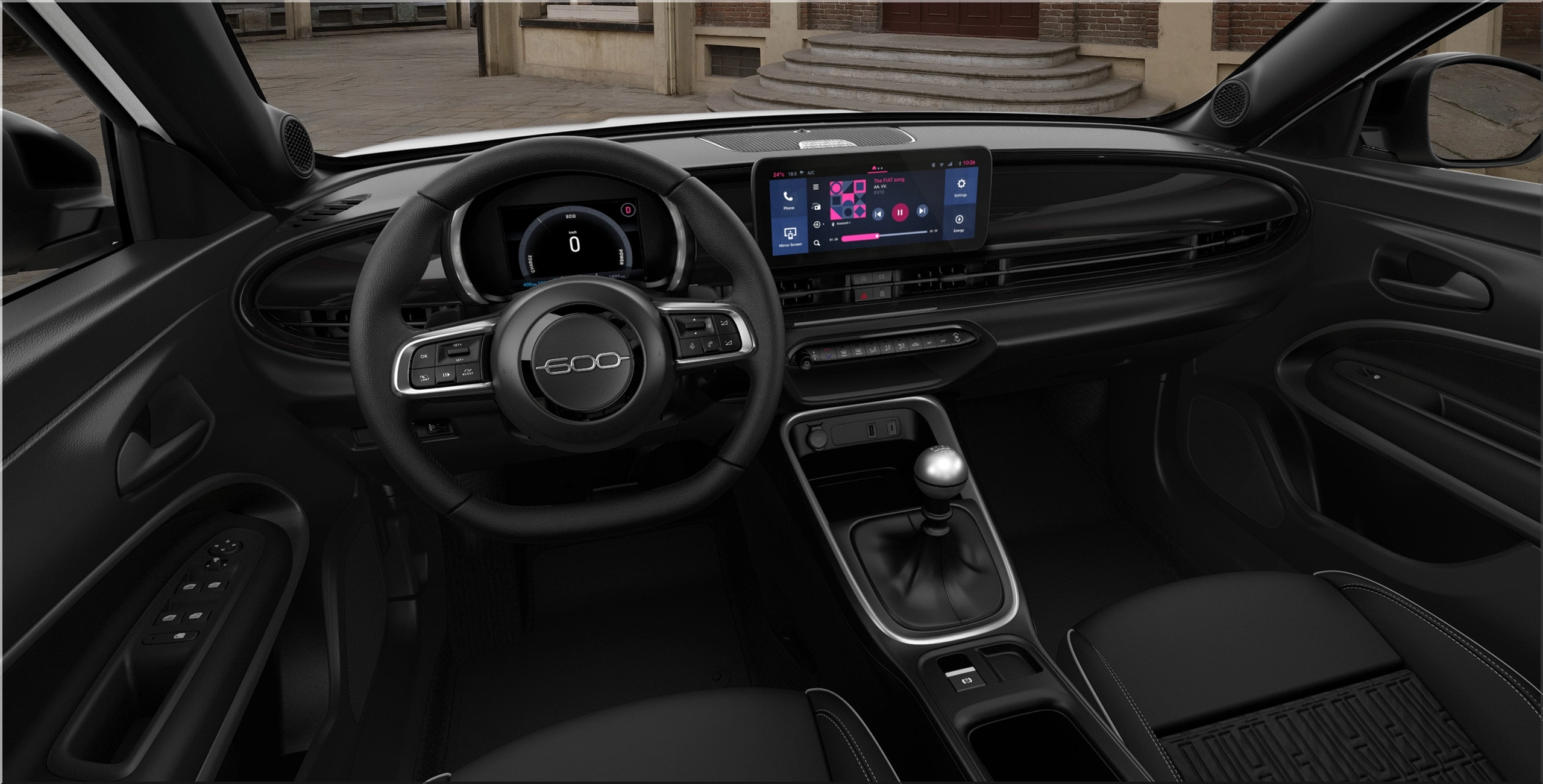
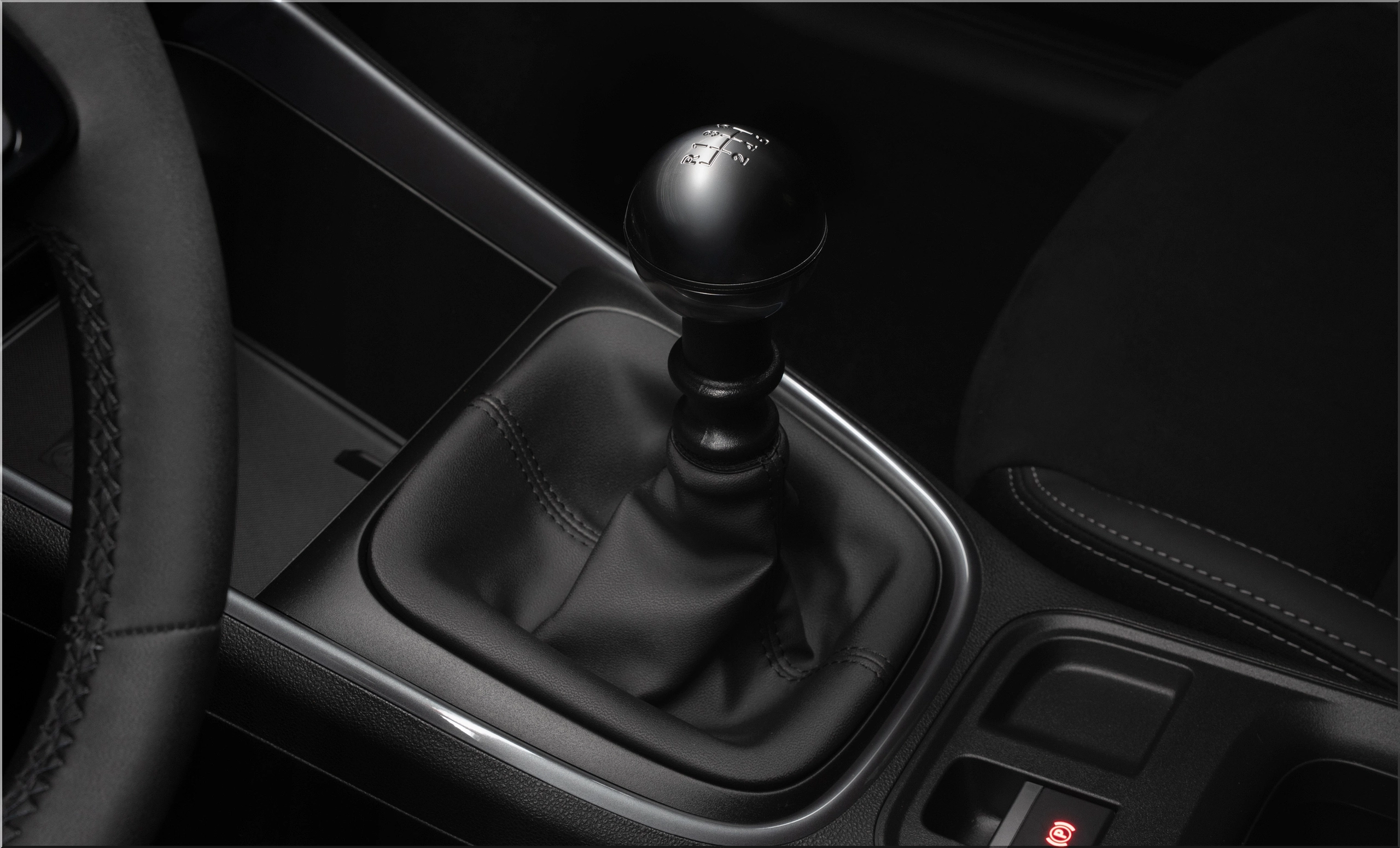
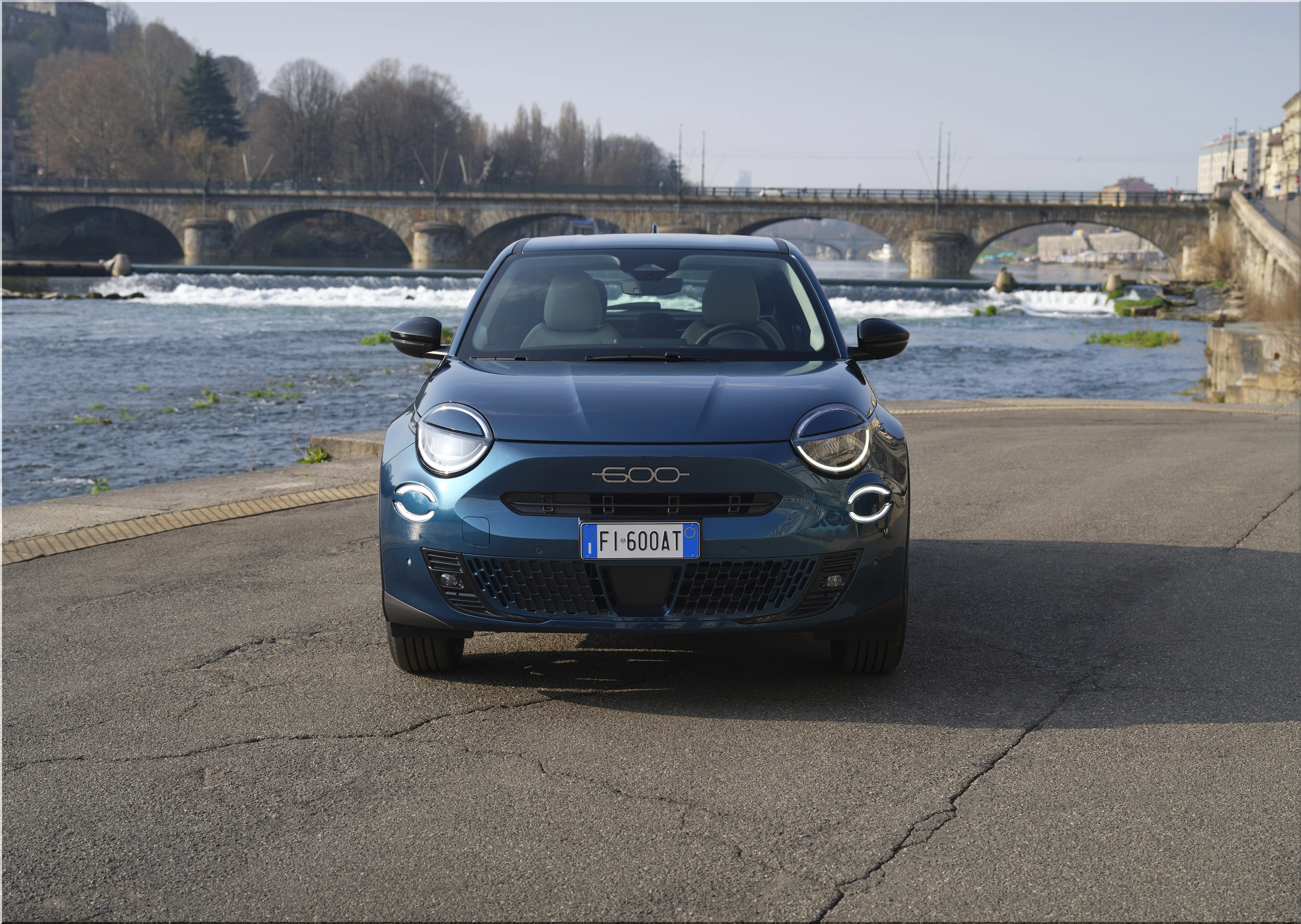
The Fiat 600 petrol arrives with a simple brief: lower the cost of entry, keep the B-SUV shape buyers want, and give the range a version that feels mechanically straightforward. Fiat has done exactly that. The new model uses a 1.2-litre turbo petrol engine with 100 hp, sends power through a six-speed manual gearbox, and posts official WLTP fuel consumption of 5.7 L/100 km with 129 g/km of CO2.
That matters because the Fiat 600 range now covers three distinct buying patterns. The 600e targets drivers ready to commit to battery power. The 600 Hybrid serves buyers who want lower consumption and an automatic transmission. The new 600 Petrol goes after the customer who still wants a manual gearbox, a lower list price, and a powertrain with fewer moving parts than a mild-hybrid system.
Image
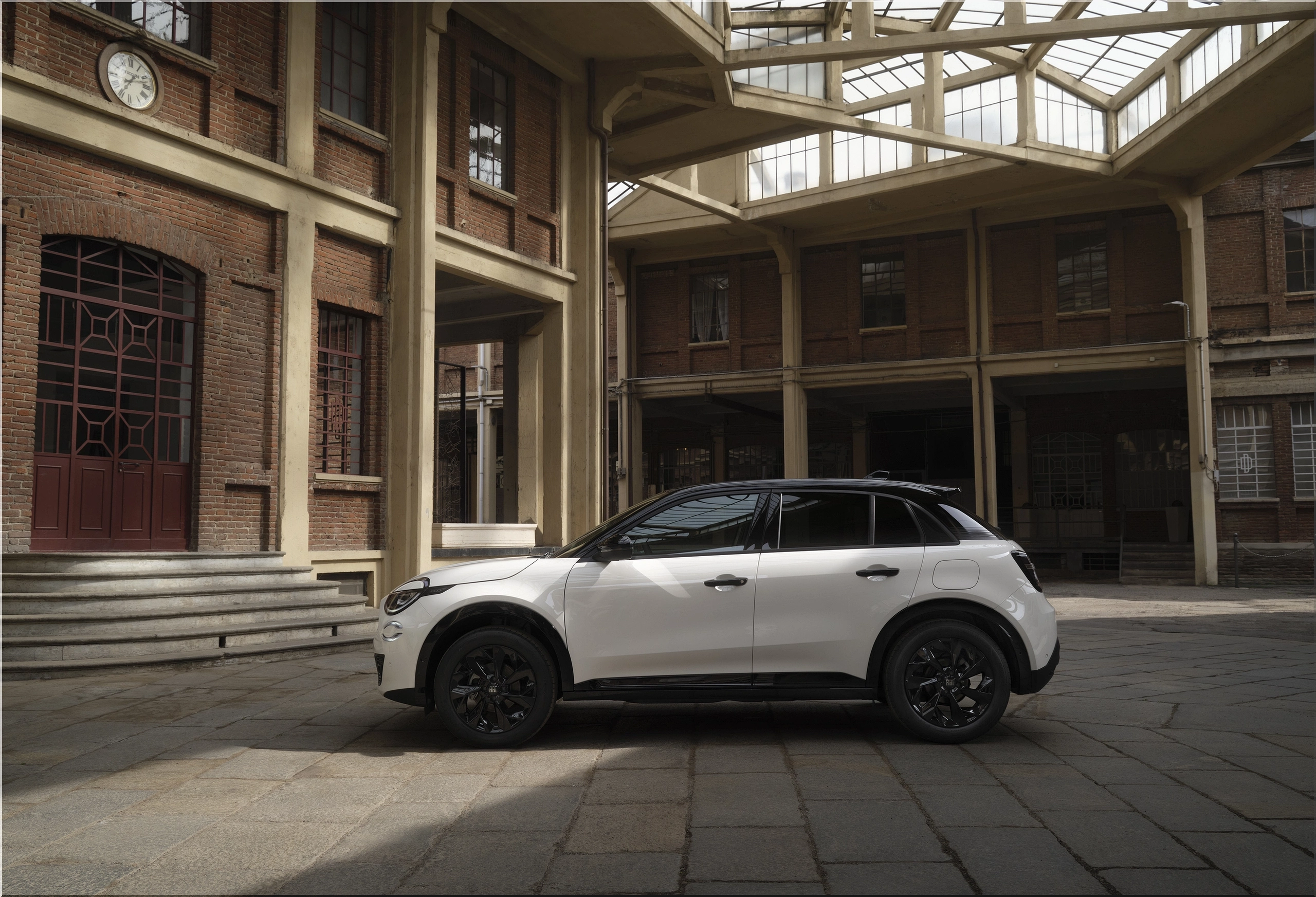
In Germany, the new petrol model starts at 24,490 euros, which works out to about $28,300. The launch edition Fiat 600 STREET starts at 28,490 euros, or about $32,920. Those numbers put the petrol 600 in a stronger spot for buyers who shop first by monthly cost and only then by drivetrain type.
Image
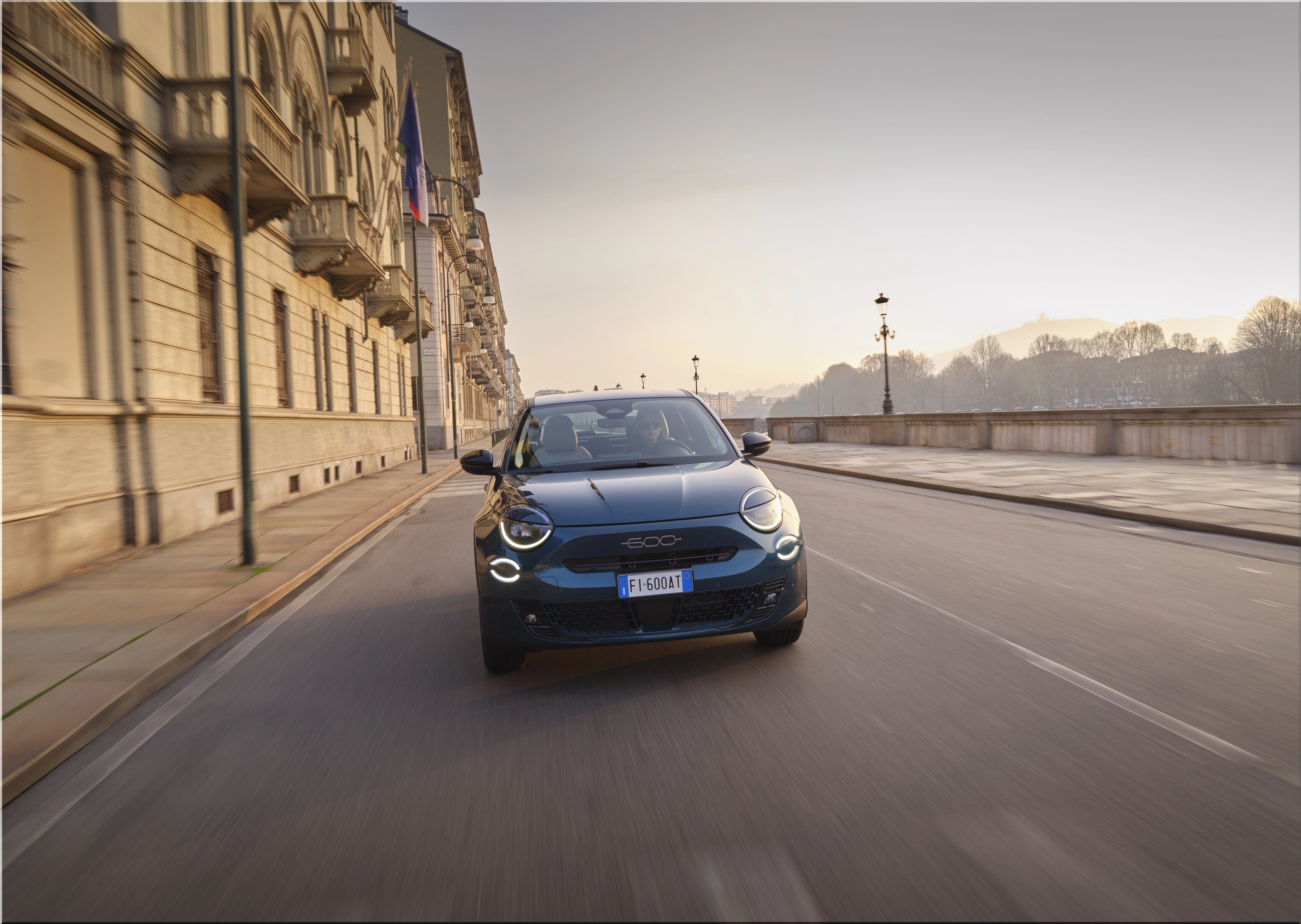
Why Fiat needed this version
Fiat did not add the petrol 600 for nostalgia. It added it because the compact SUV class still rewards a clear value story. A manual transmission cuts cost. A pure petrol setup avoids the extra hardware of a 48-volt system. Service expectations stay familiar. For many buyers, that still counts.
From a product-planning angle, the move also fixes a gap in the lineup. The 600 already had style, cabin tech, and a usable footprint. What it lacked was a genuine price-led entry model. The new Fiat 600 Benziner solves that without changing the car's core packaging.
The engine and what it changes on the road
At the center of the new version sits Fiat's Turbo 100 HP petrol engine. It uses a silent timing chain, variable-geometry turbocharger, and 350-bar high-pressure direct injection. Those details are not brochure filler. They tell you how Fiat wants this engine to behave.
A small turbo three-cylinder needs quick boost response and stable combustion to feel natural in daily driving. The variable-geometry turbo helps the engine build torque earlier in the rev range. The high injection pressure improves fuel atomisation, which supports cleaner combustion and tighter efficiency control. The timing chain also points to durability planning, since buyers in this part of the market still care about long-term running costs more than they care about spec-sheet theatre.
Image
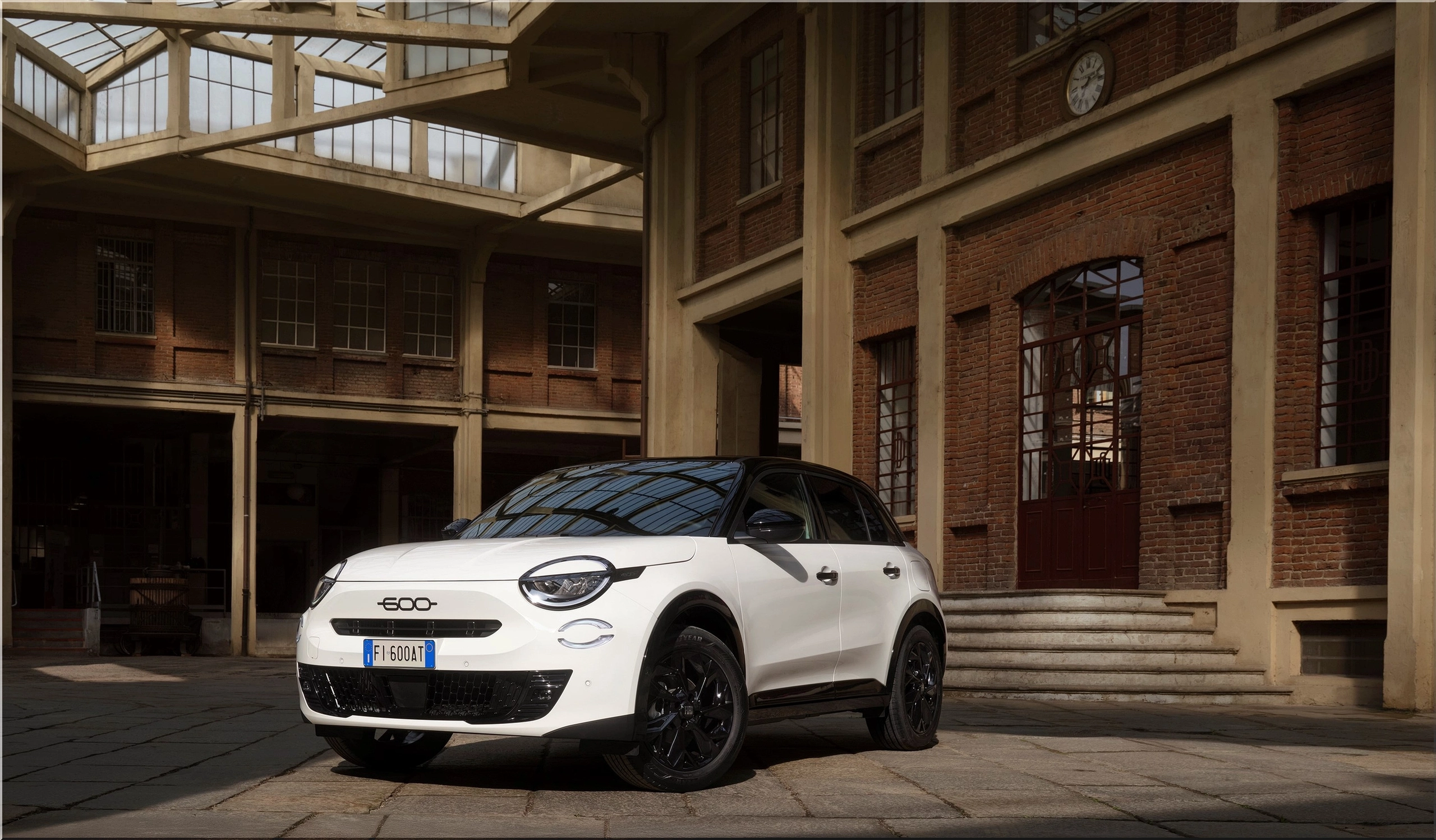
Definition: variable-geometry turbo
A variable-geometry turbocharger changes vane position inside the turbo housing to manage exhaust flow. At lower engine speed, it helps the turbo spool faster. At higher load, it opens up to keep airflow stable. In a 100 hp compact SUV, that usually means better low-speed response and less hesitation when pulling away from traffic lights or feeding in throttle on a short merge.
Fiat 600 petrol key specs
| Spec | Fiat 600 Petrol |
|---|---|
| Engine | 1.2-litre turbo petrol, 3-cylinder |
| Power | 100 hp |
| Transmission | 6-speed manual |
| Fuel economy | 5.7 L/100 km |
| CO2 emissions | 129 g/km |
| Drive layout | Front-wheel drive |
| Length | 4,178 mm |
| Width | 1,779 mm |
| Width with mirrors | 1,981 mm |
| Height | 1,525 mm |
| Boot volume | Up to 385 litres |
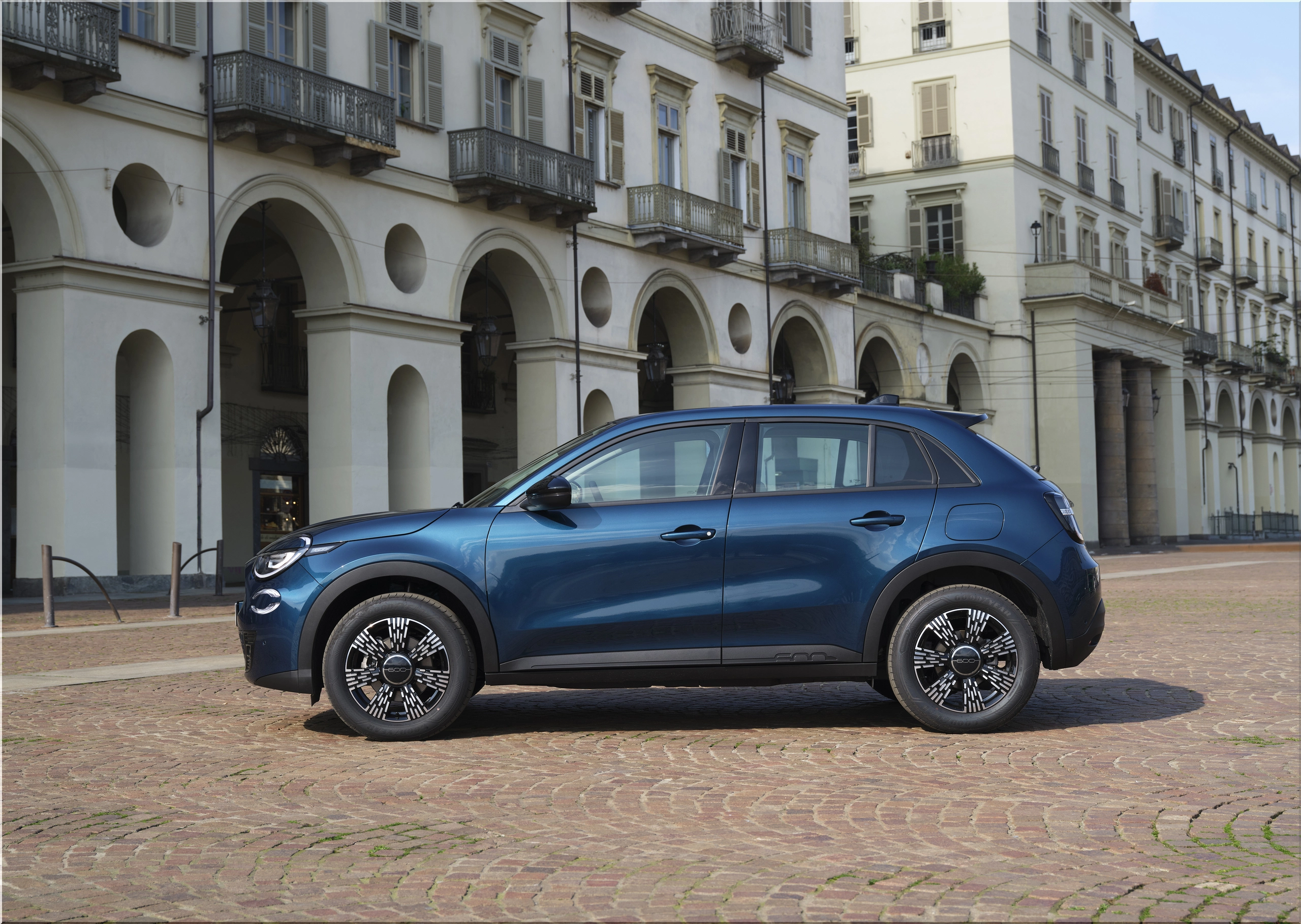
Looking at the data, Fiat kept the body's practical strengths intact. The 4,178 mm length keeps the 600 easy to place in city traffic and tight parking bays. The 385-litre boot also holds up well for a small SUV with this footprint. That volume will matter more to many buyers than an extra half-second in a 0-100 km/h claim.
Trim walk: where the value sits
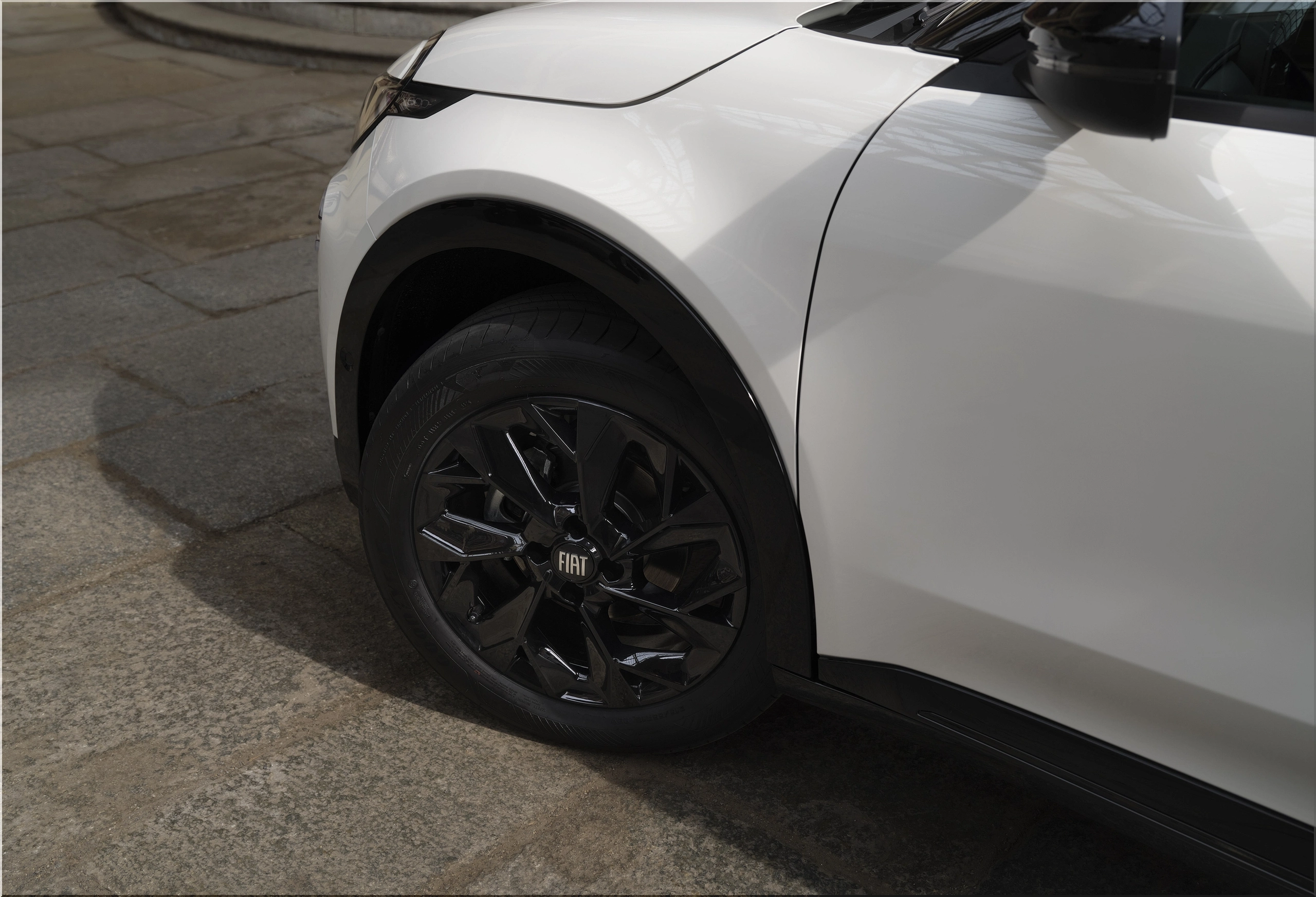
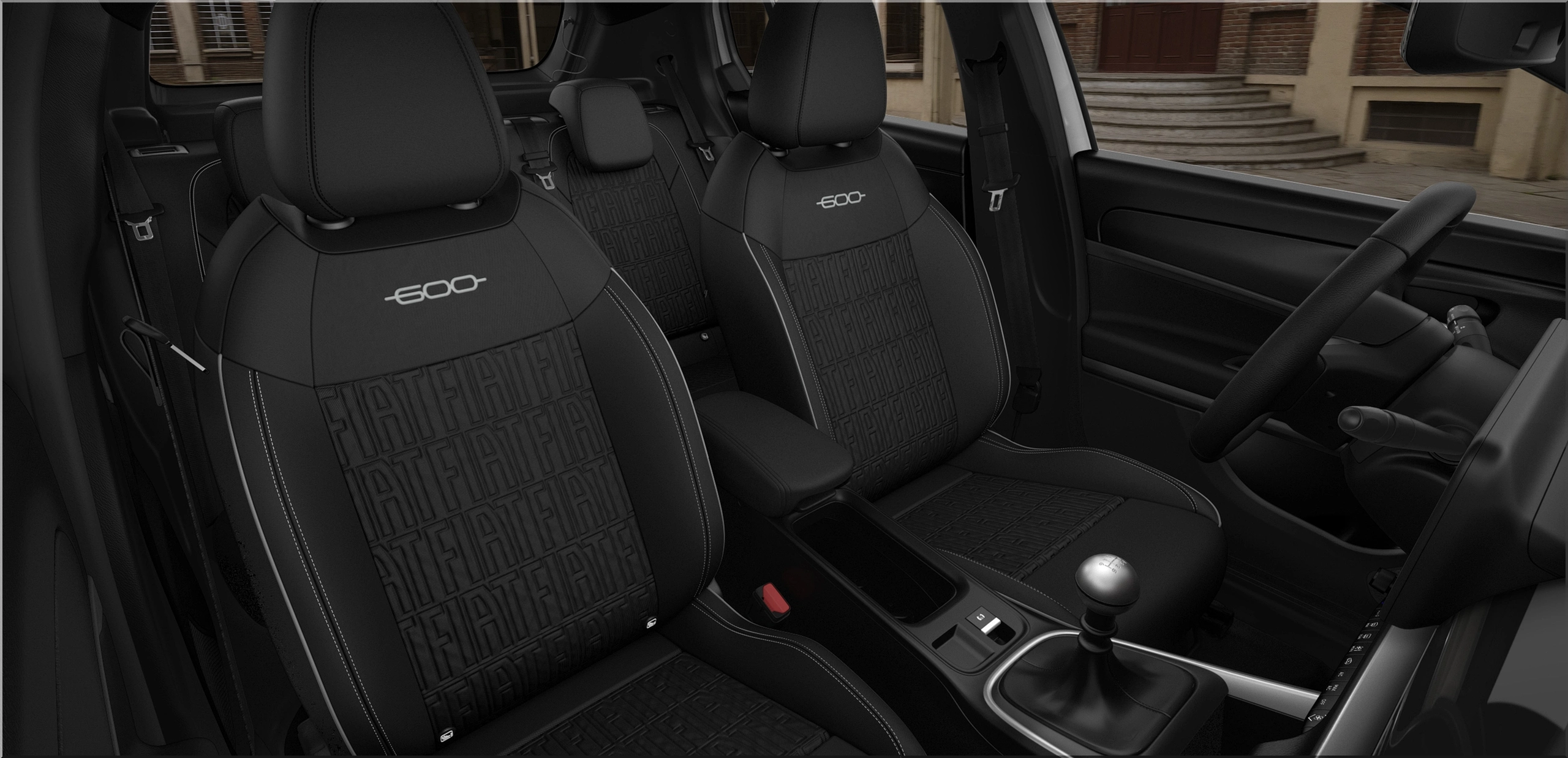
Fiat sells the petrol model in POP, ICON, and LA PRIMA trim, with STREET serving as the launch edition. The structure makes sense. POP gets the job done. ICON looks like the sweet spot. LA PRIMA piles on comfort and driver-assistance kit.
Version and pricing table
| Version | Price in EUR | Approx. price in USD | Core equipment focus |
|---|---|---|---|
| Fiat 600 POP | 24,490 | $28,300 | 16-inch steel wheels, LED lamps, 7-inch digital display, 10-inch Uconnect radio, rear parking sensors |
| Fiat 600 ICON | Not stated in the release | — | 17-inch alloys, LED front indicators, LED fog lamps, ambient lighting, keyless go, electric parking brake |
| Fiat 600 LA PRIMA | Not stated in the release | — | 18-inch alloys, tinted glass, navigation, 6-speaker audio, blind-spot assist, ACC, rear camera |
| Fiat 600 STREET | 28,490 | $32,920 | Limited launch edition, single fixed configuration, 2,000 units |
The ICON trim looks strongest on paper. It adds the equipment most owners use every day without pushing the price into premium-brand territory. The LA PRIMA makes sense for buyers who want a fuller safety and convenience package, but the petrol engine itself feels most at home in the lower and middle parts of the range.
STREET edition: style first, and Fiat knows it
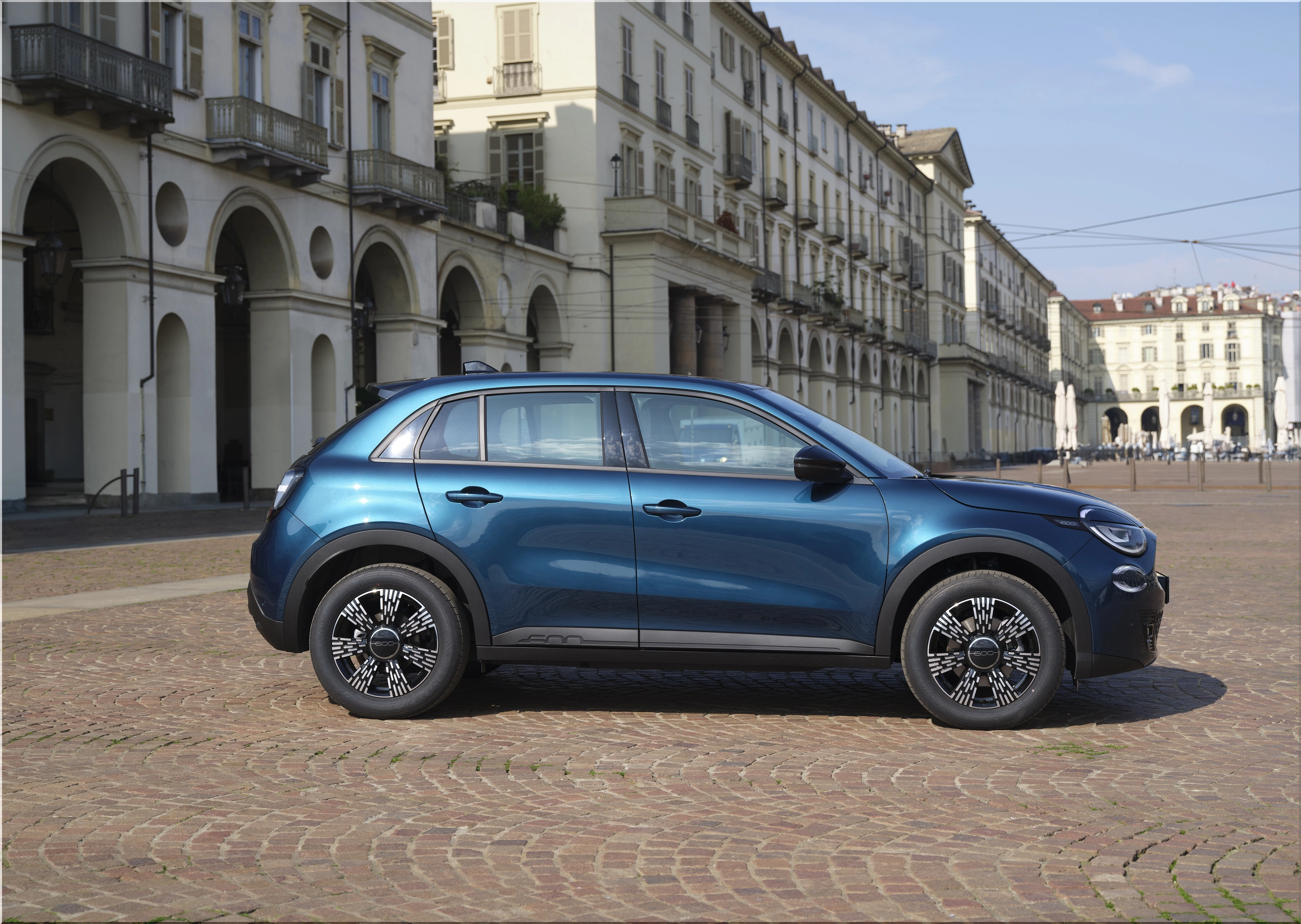
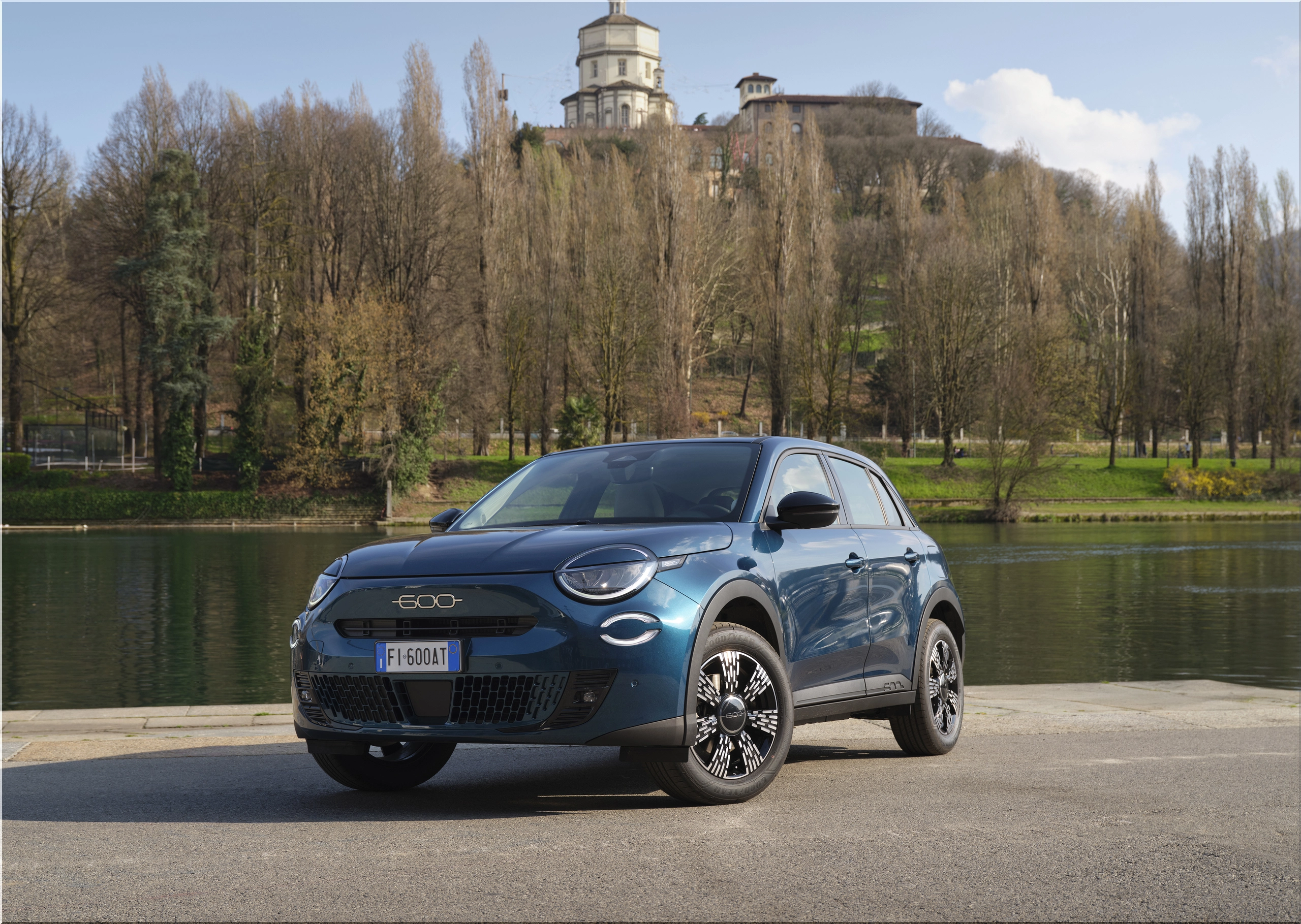
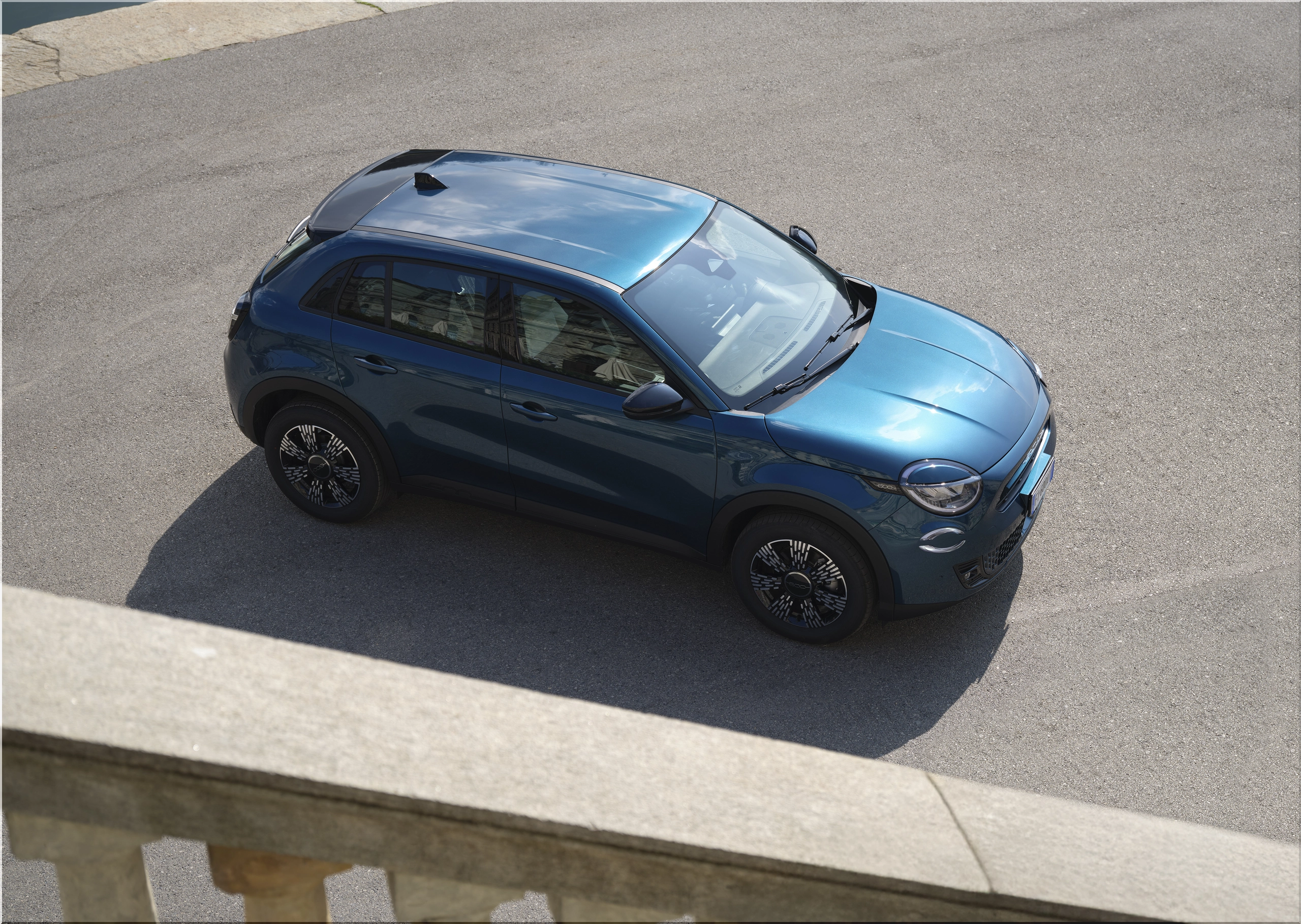
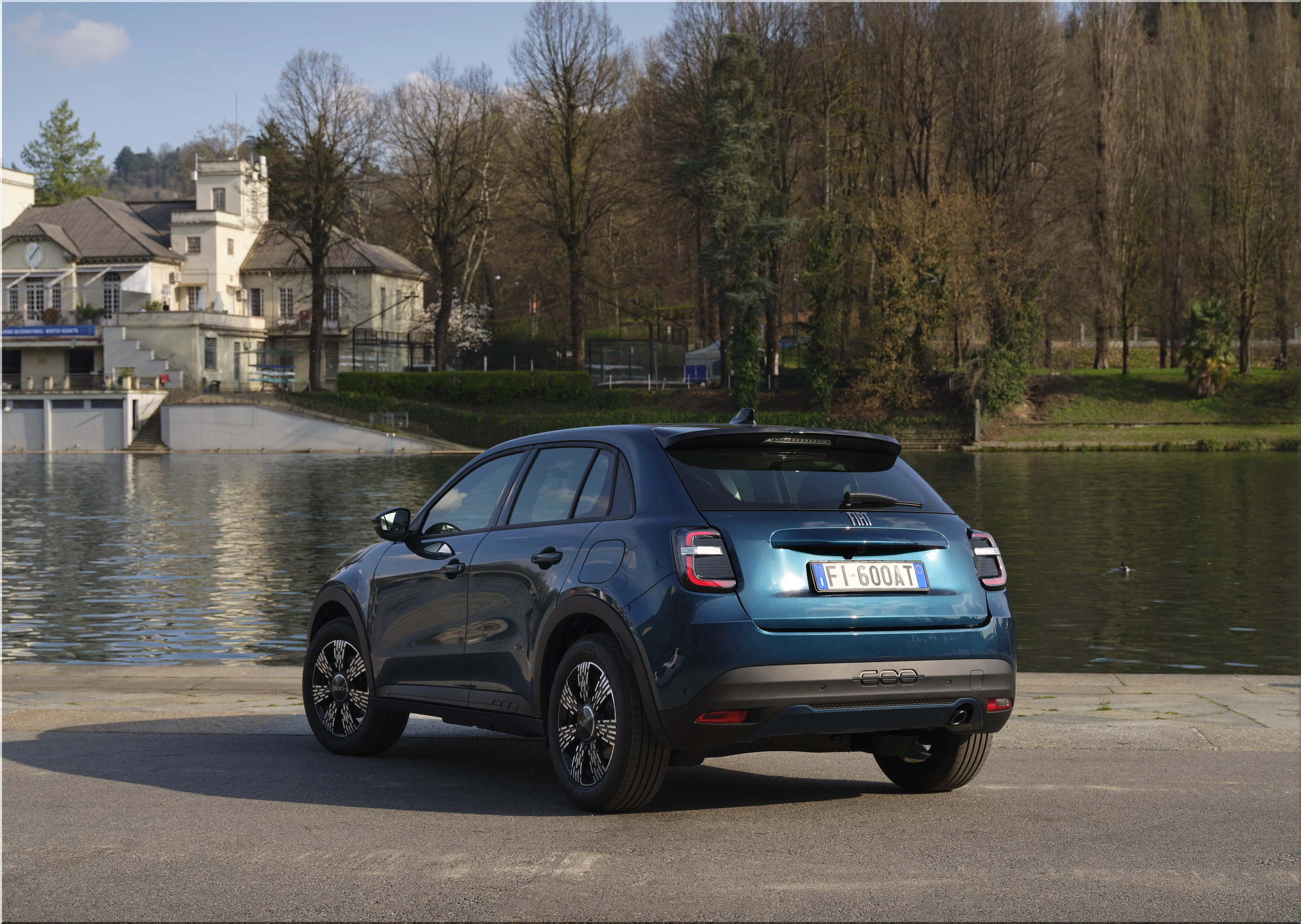
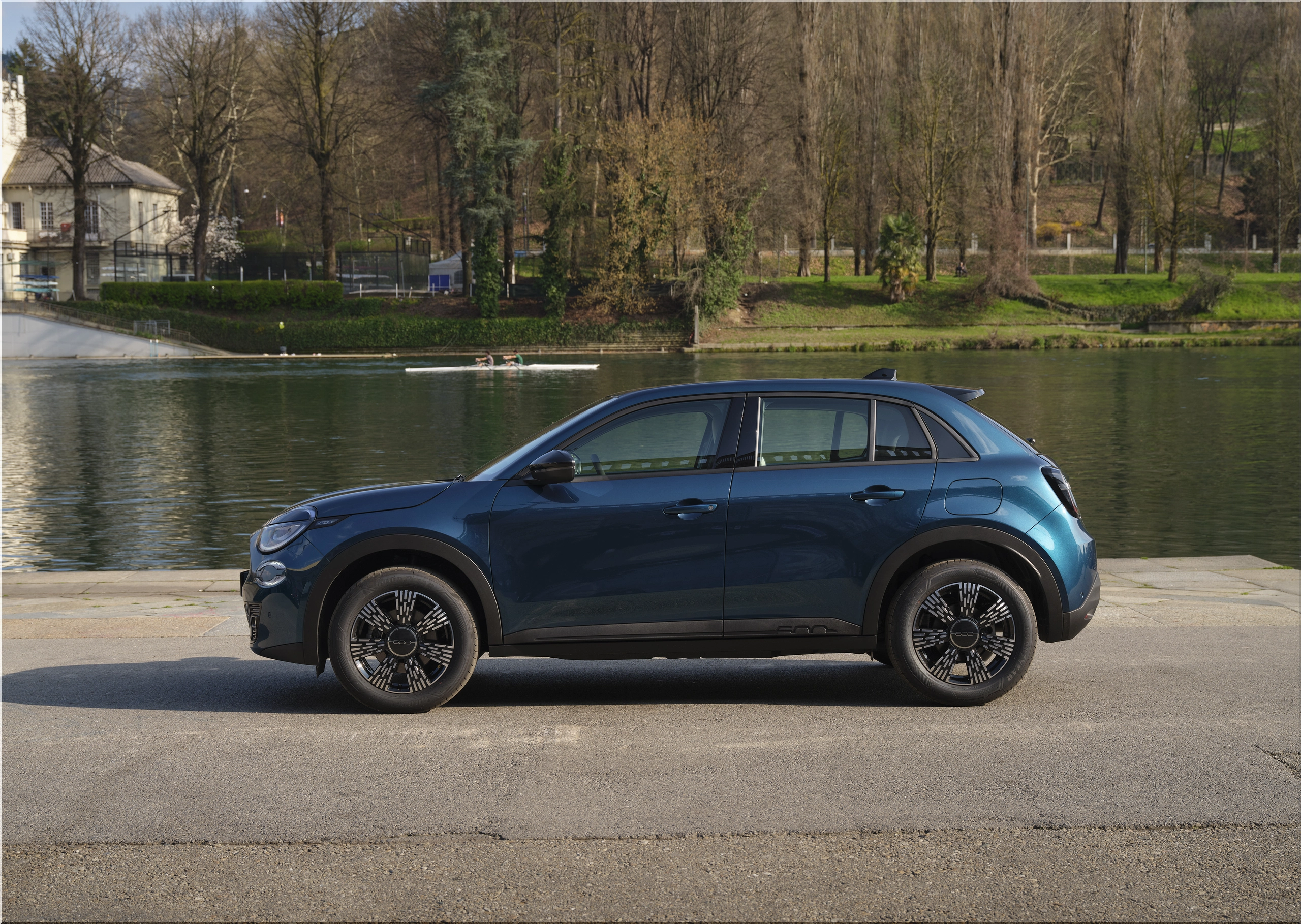
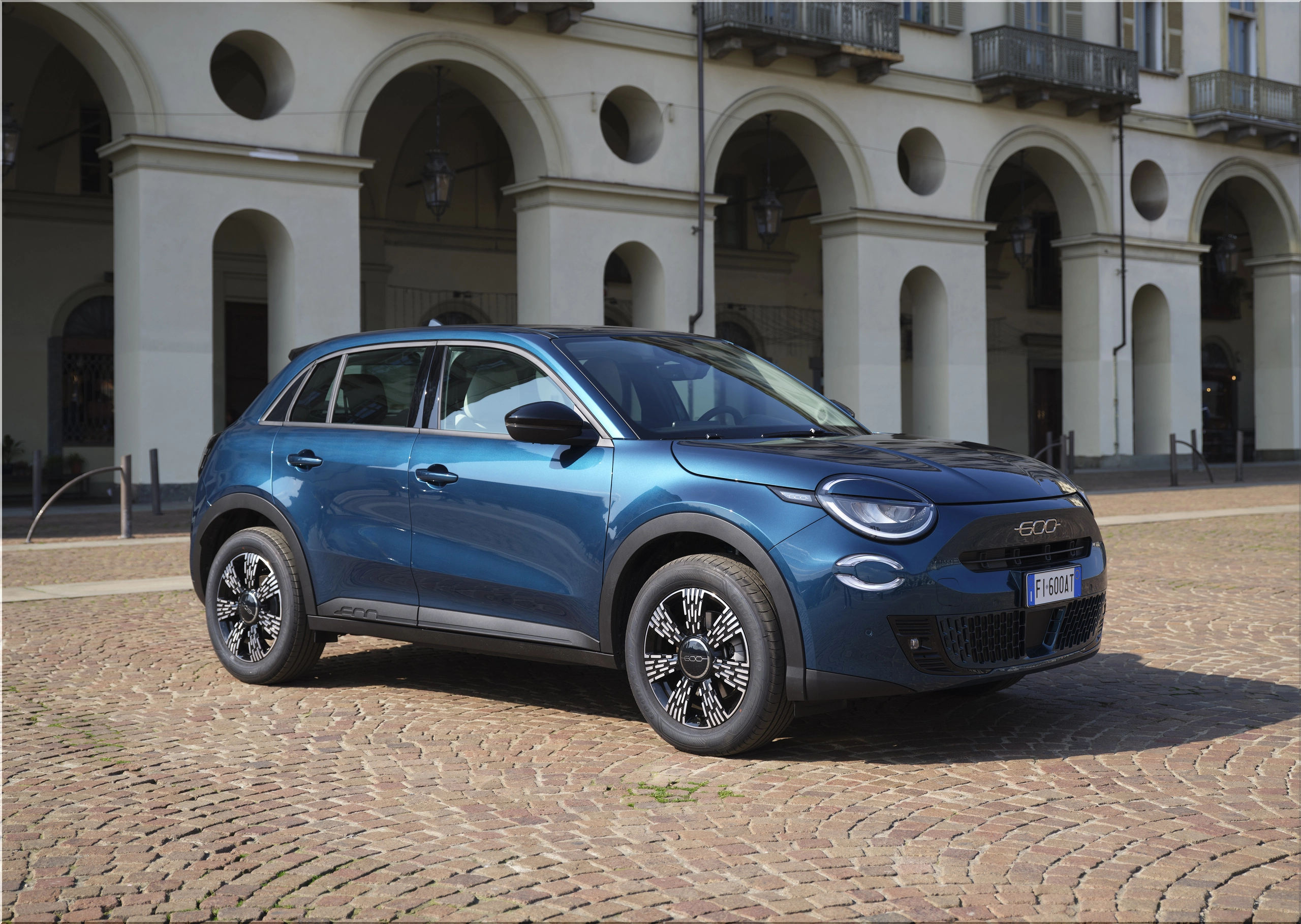
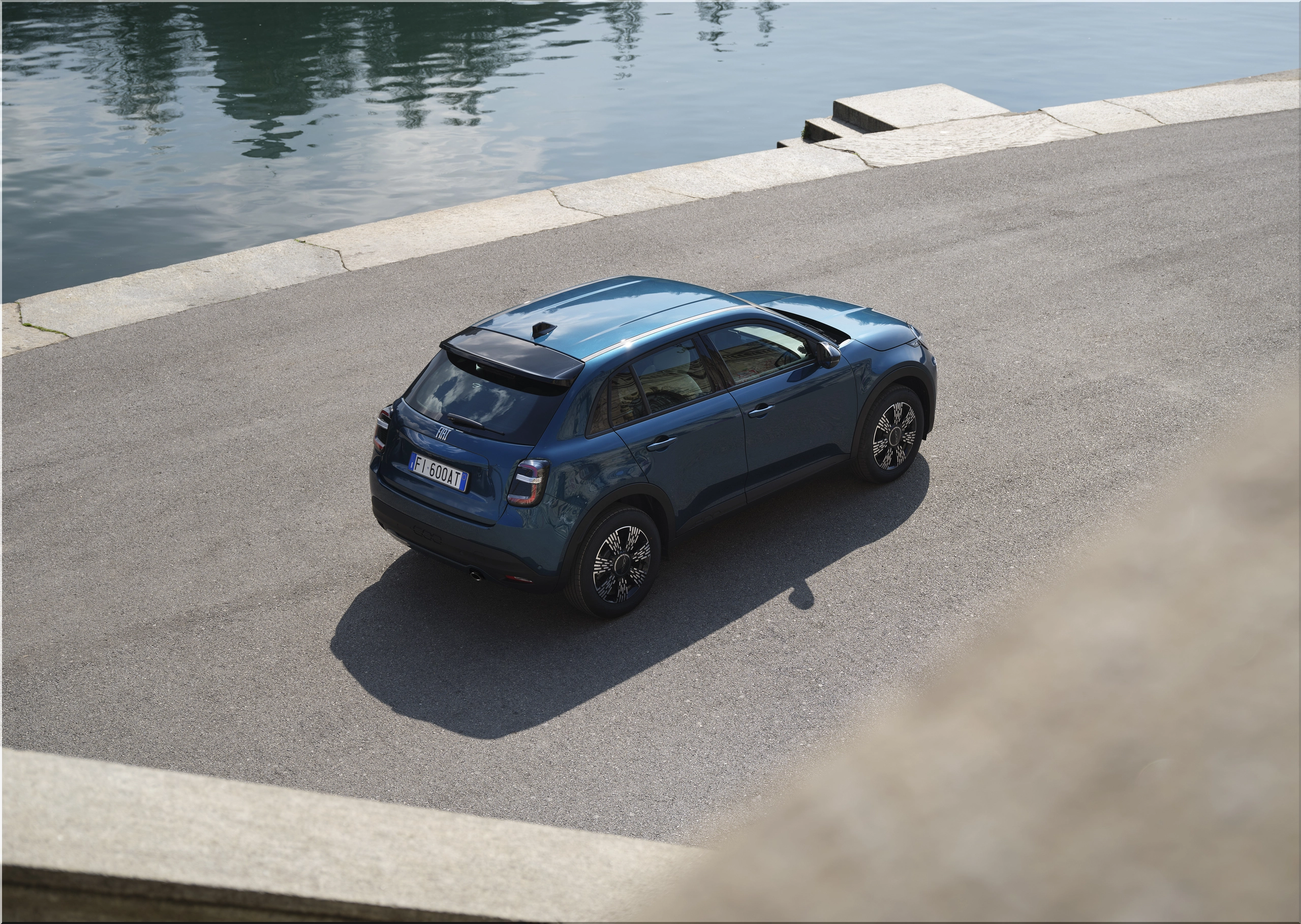
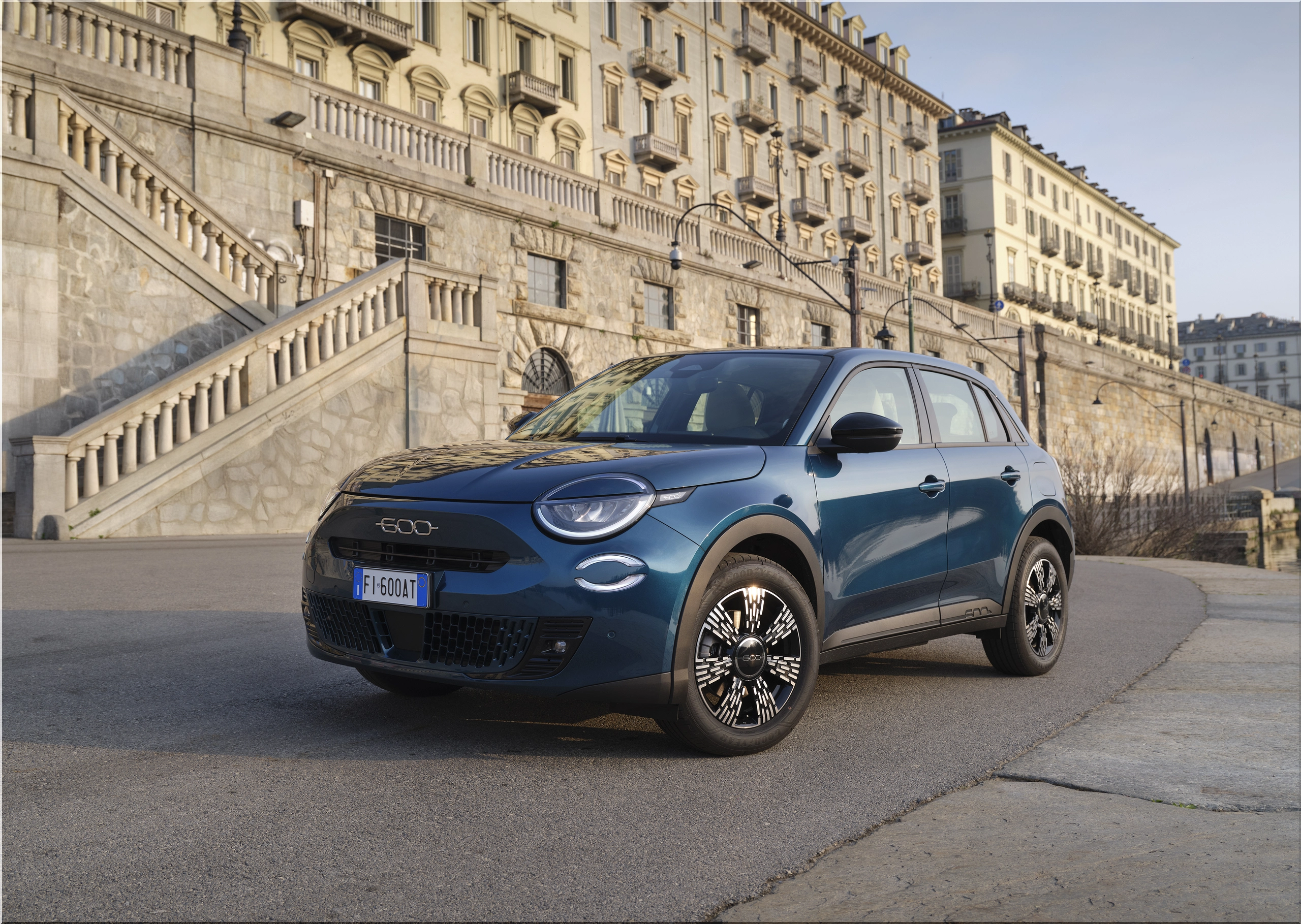
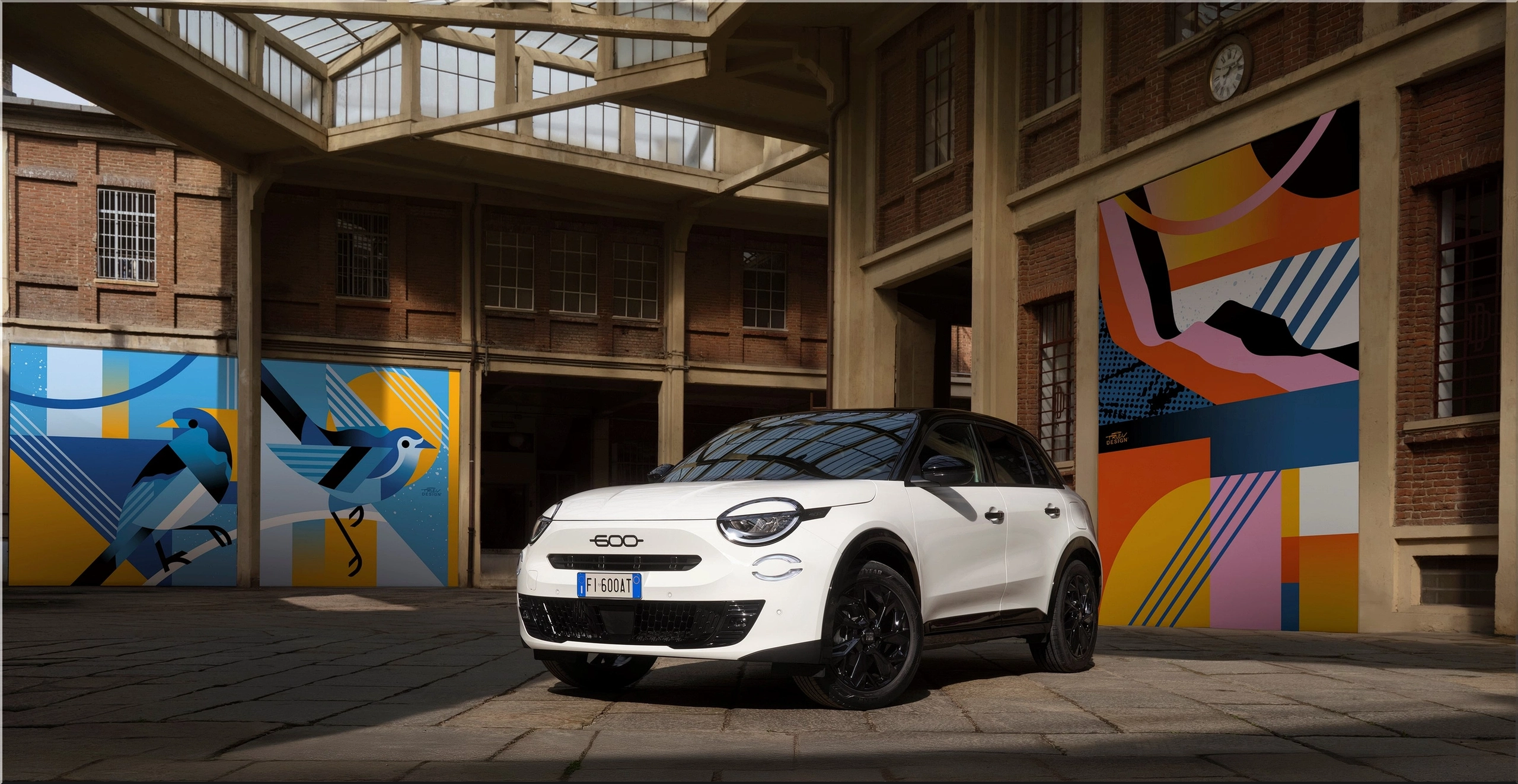
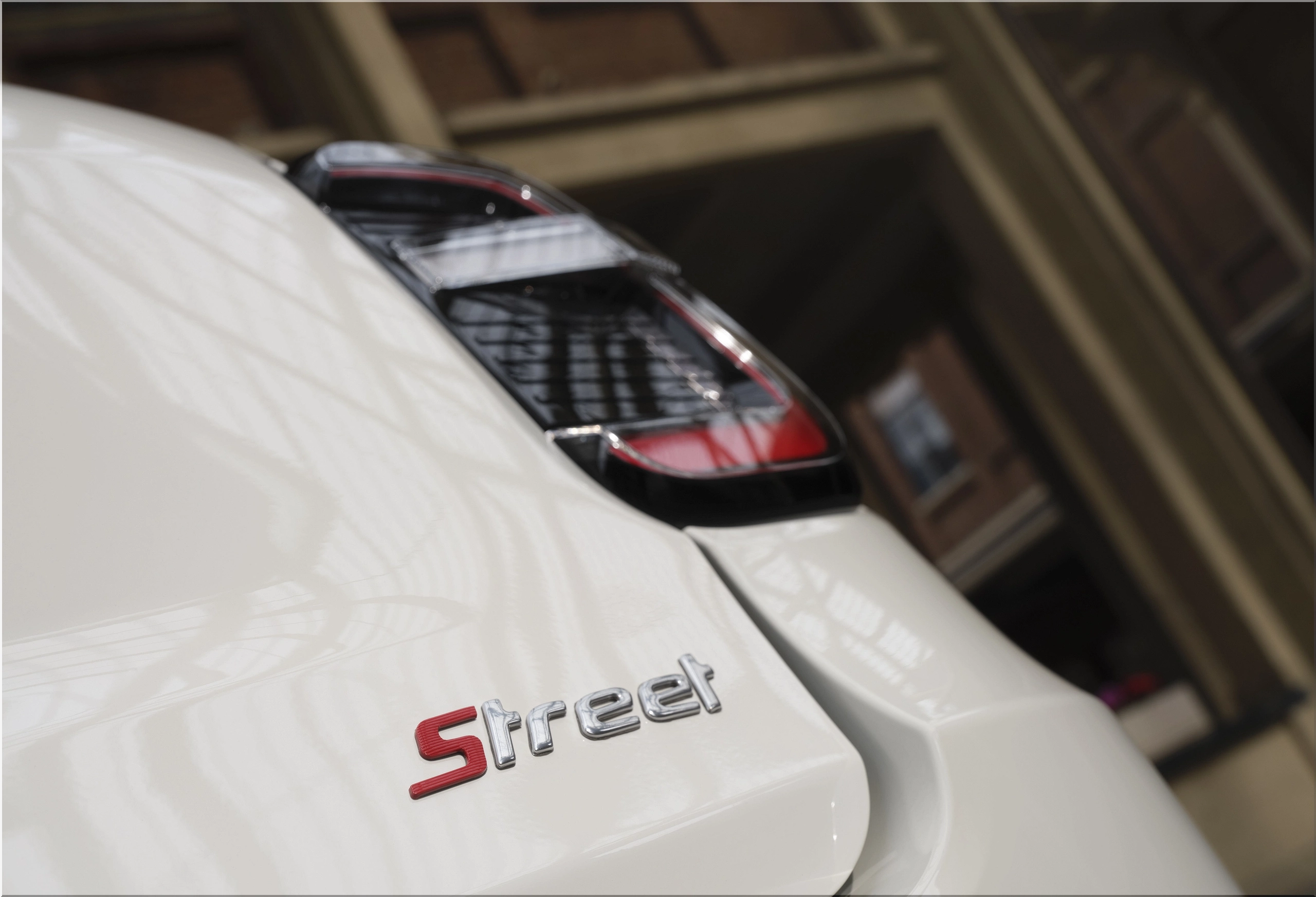
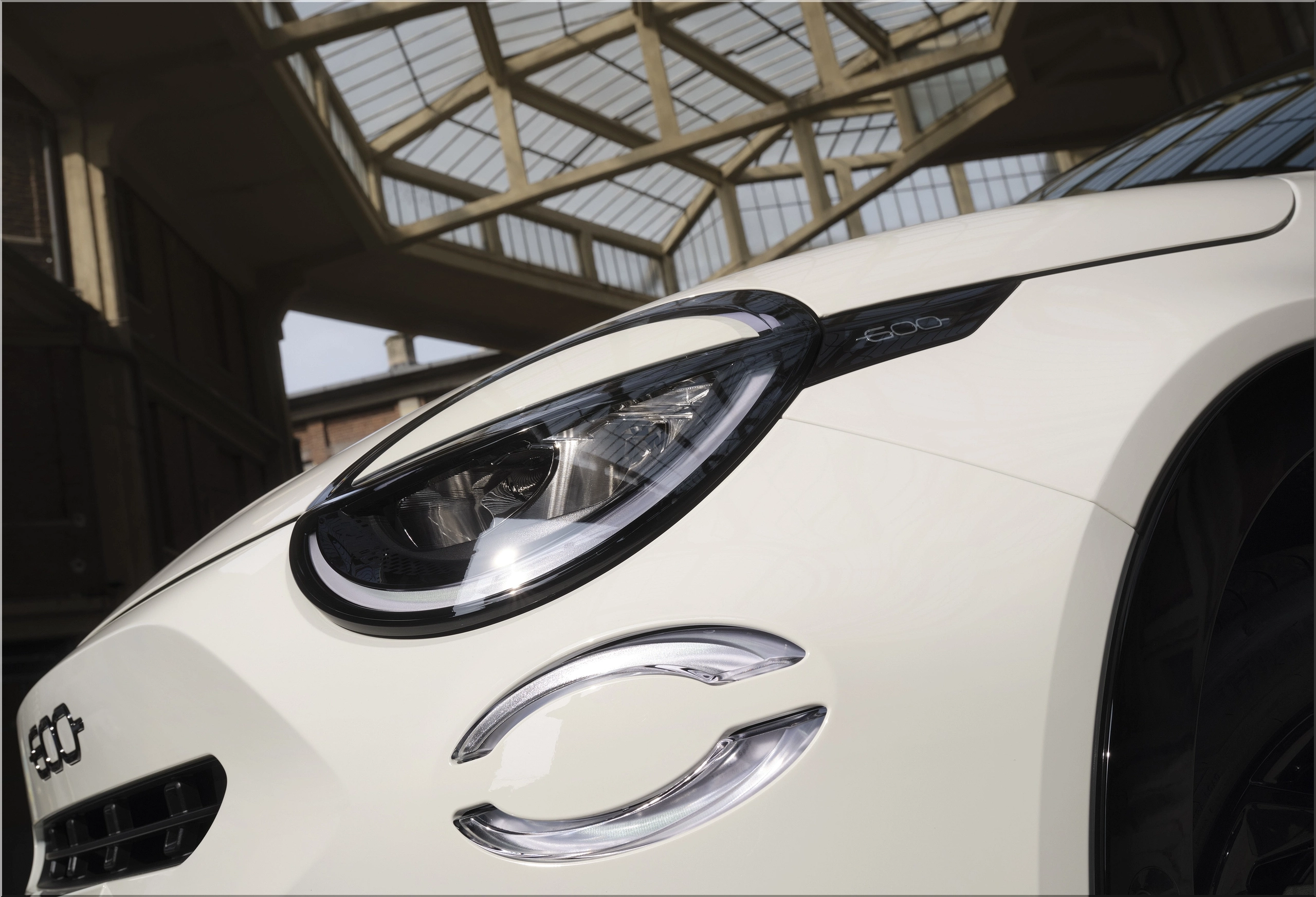
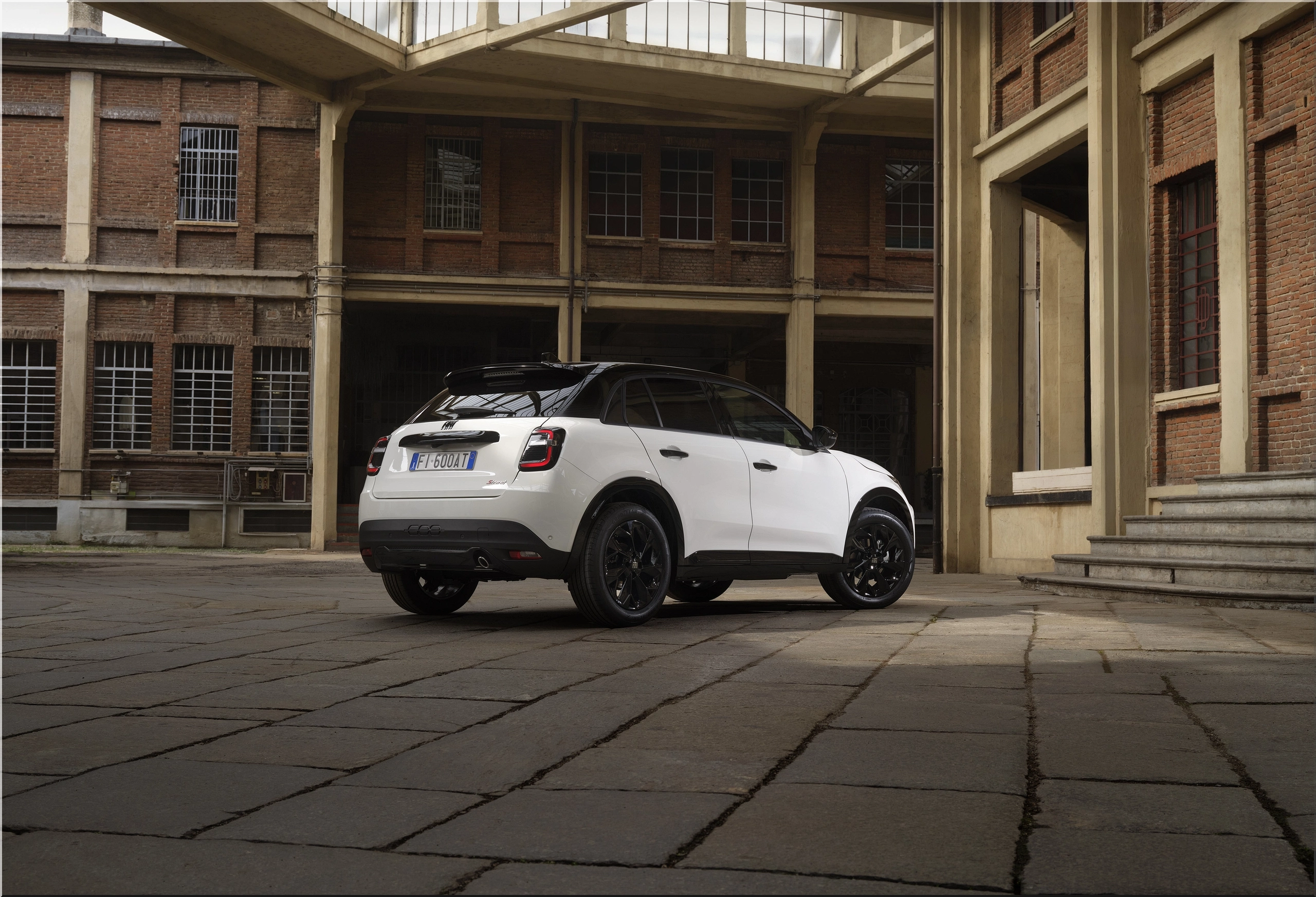
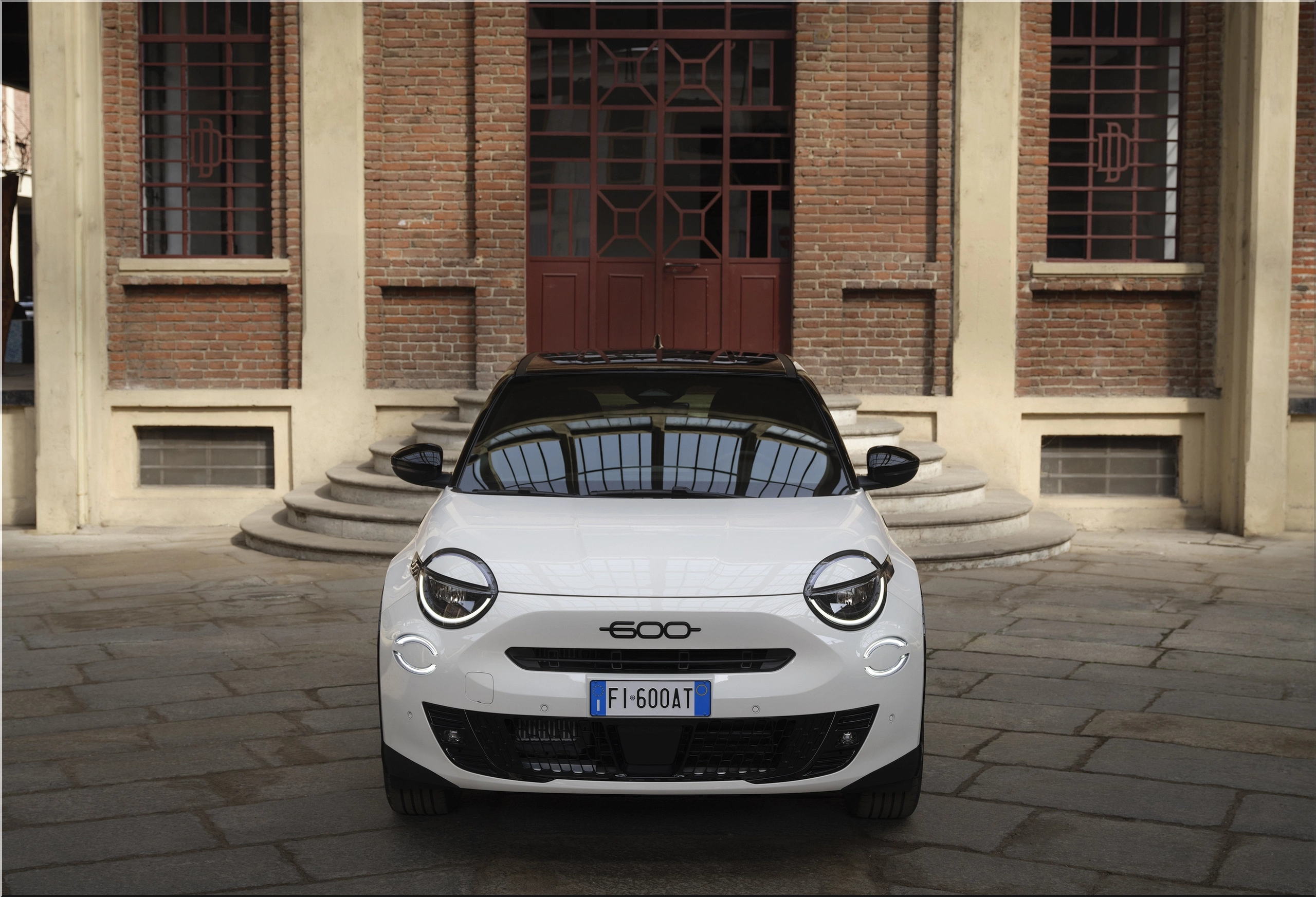
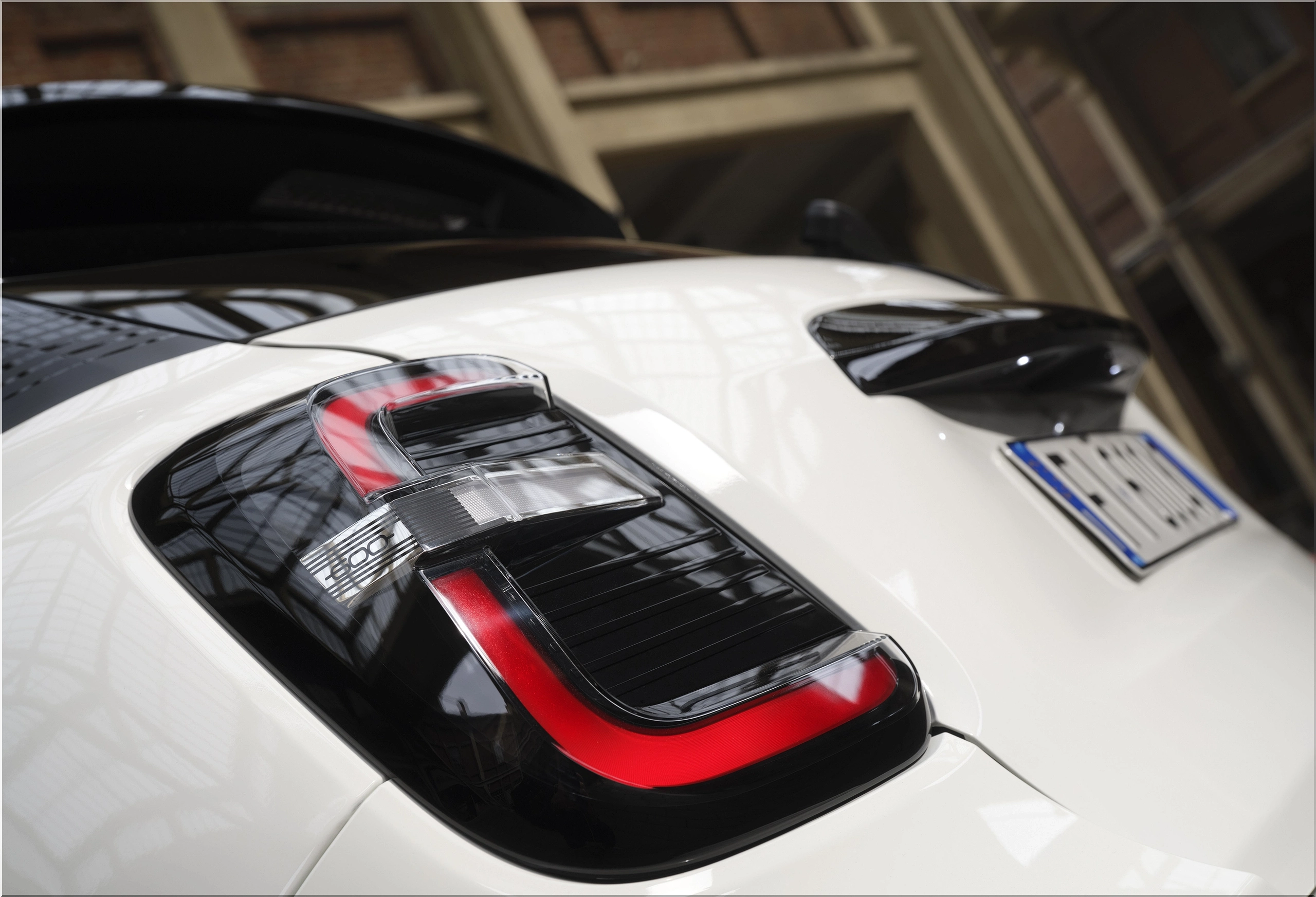
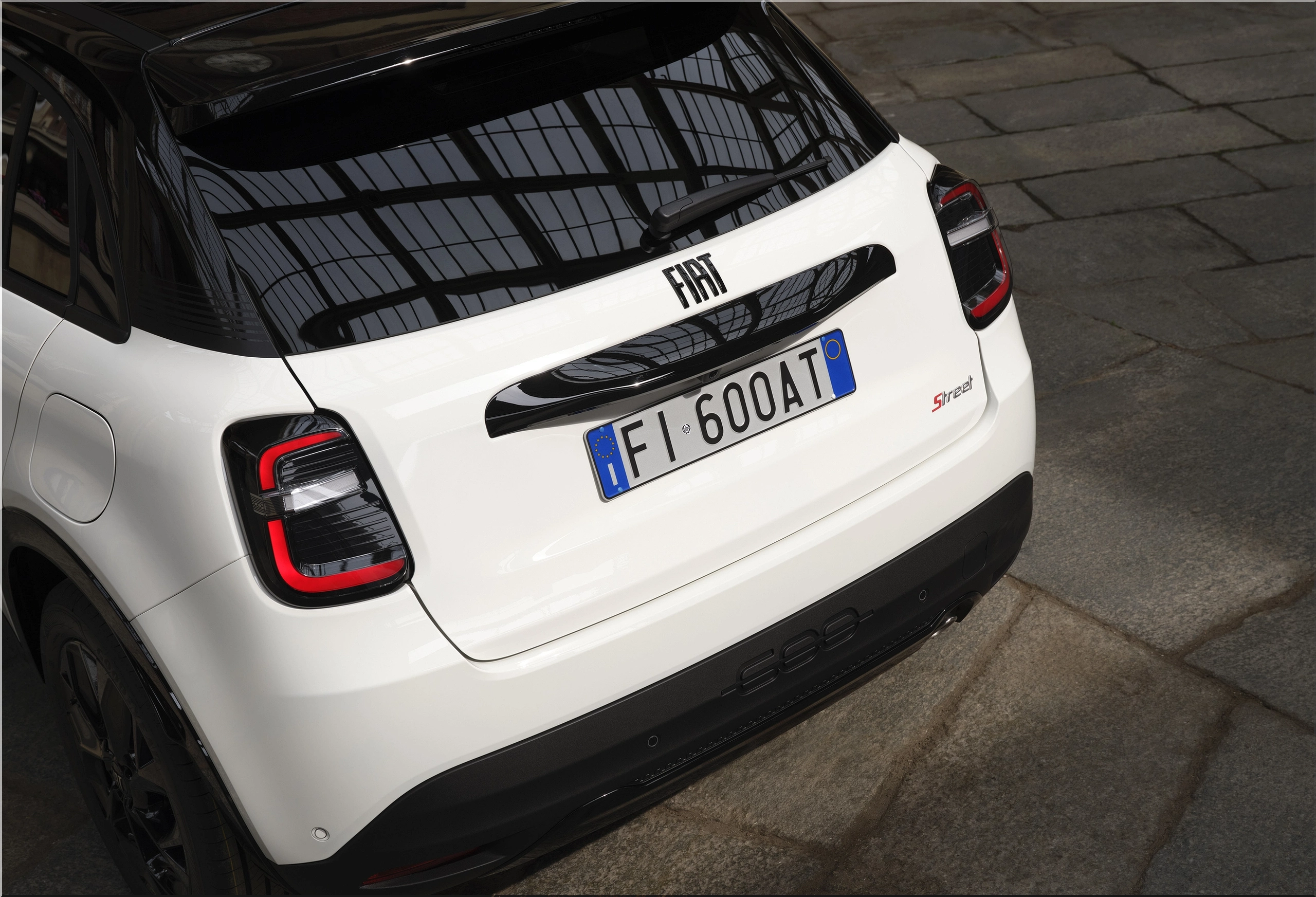
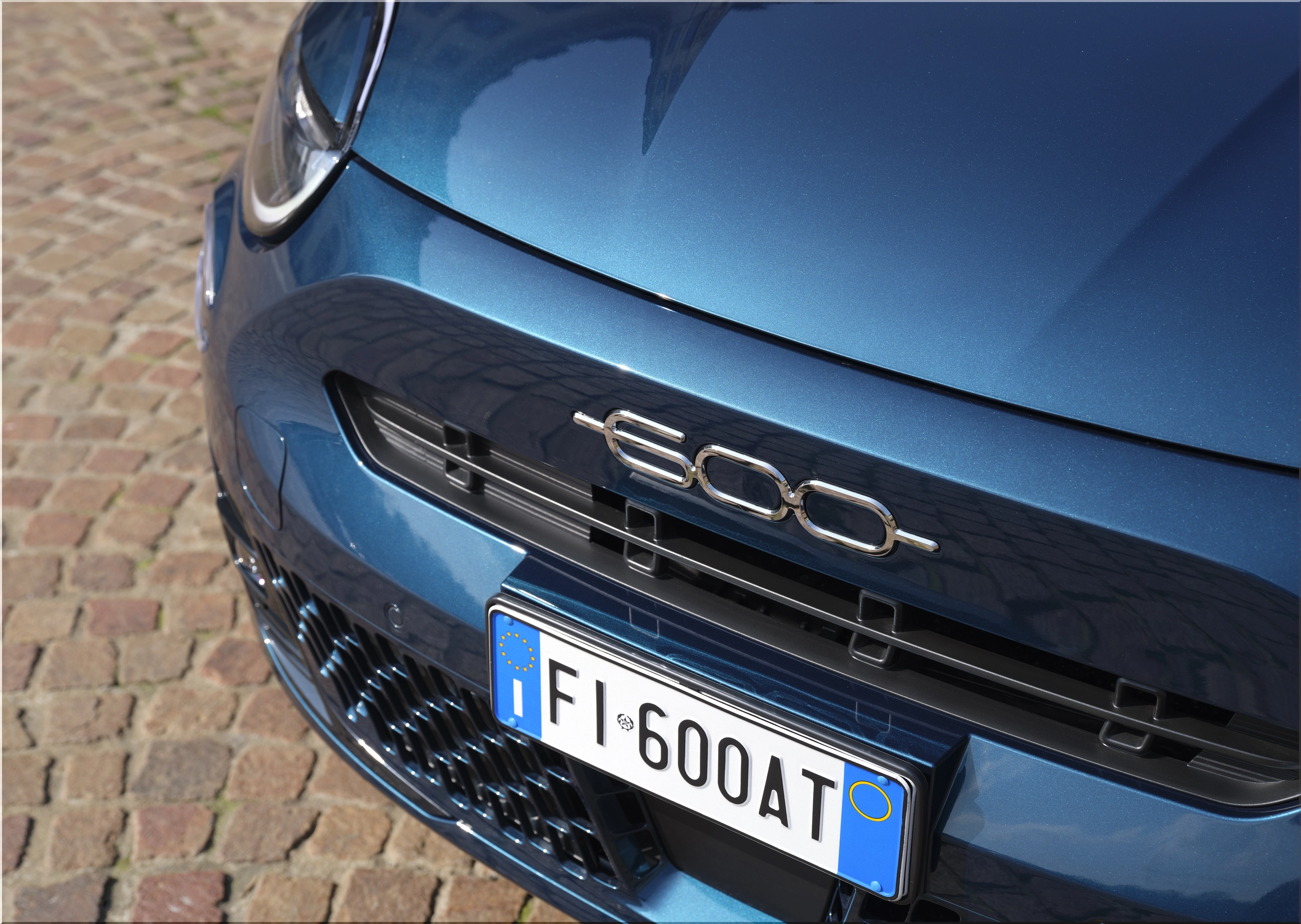
The Fiat 600 STREET exists to catch attention. Fiat will build 2,000 units, and it will sell them in a single fixed configuration. That approach keeps dealer stock simpler and gives the model a cleaner identity.
This version does not change the powertrain. It changes the pitch. STREET tells buyers they can get the lower-cost petrol engine without stepping into an entry-grade visual package. That matters in Europe, where compact SUVs sell on image almost as hard as they sell on efficiency.
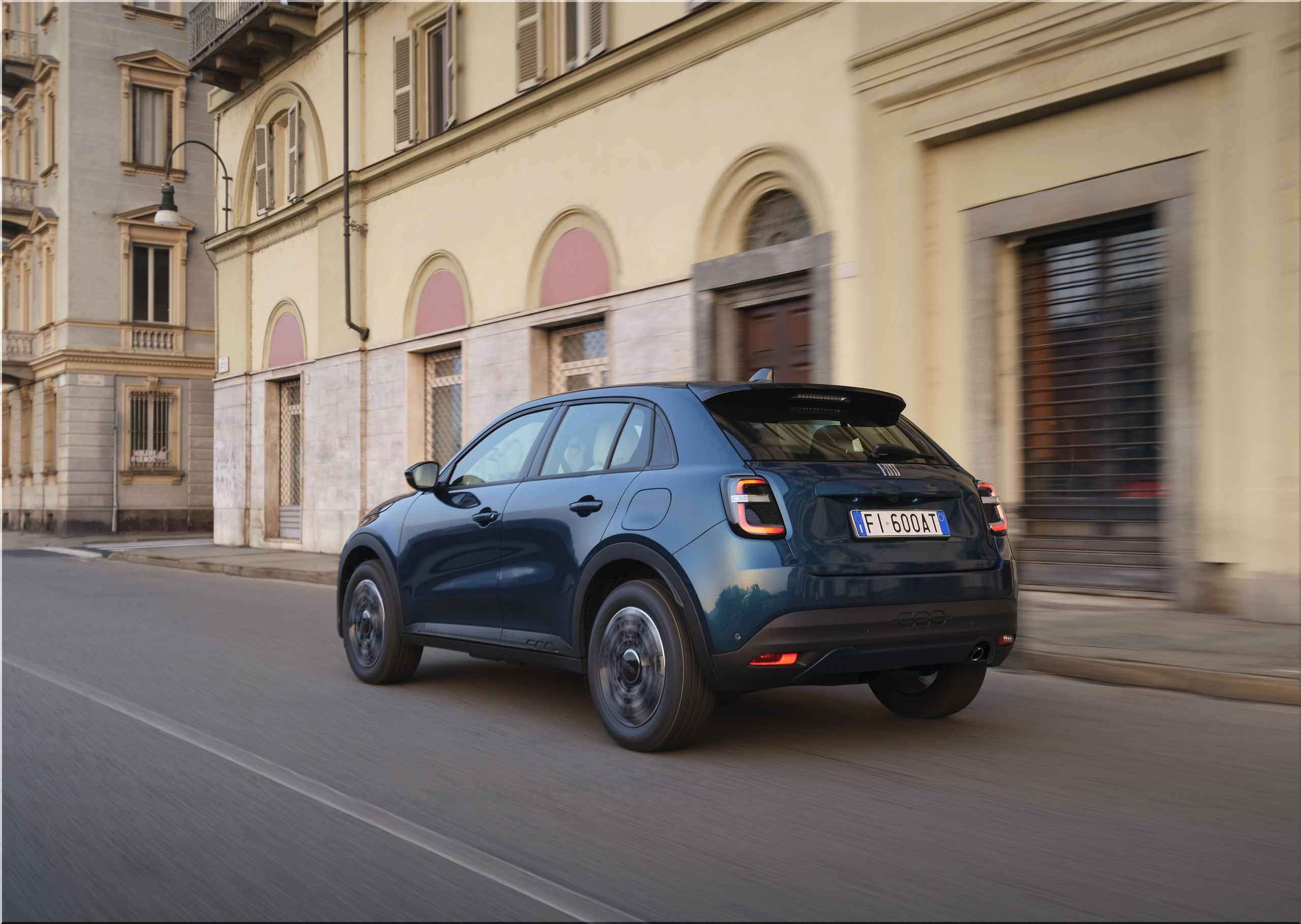
Petrol vs hybrid: which 600 makes the better case?
The answer depends on how the car will live.
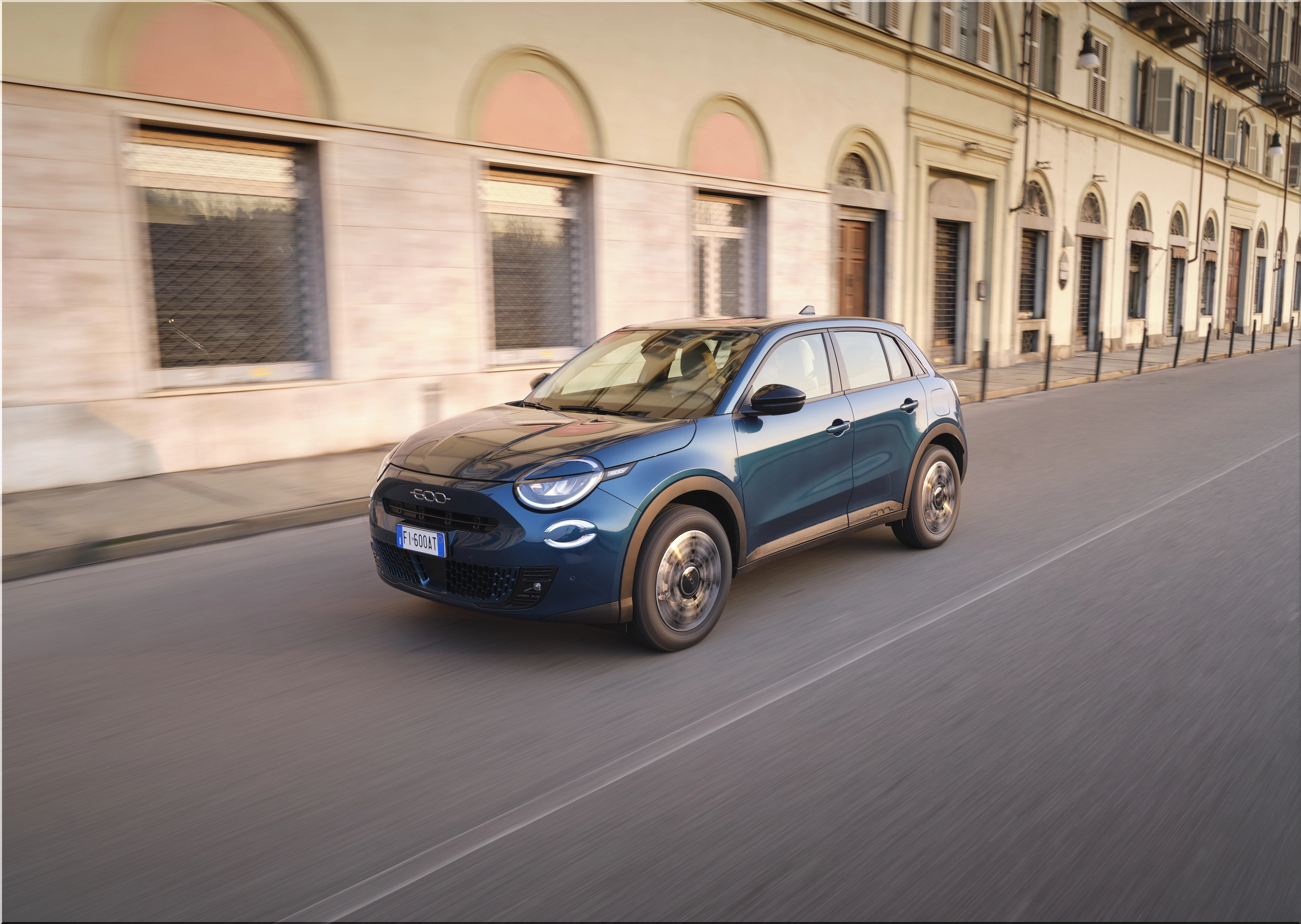
The 600 Hybrid uses the same 1.2-litre base architecture, but it adds a 48-volt system and an eDCT six-speed automatic transmission. Fiat quotes 4.8 to 4.9 L/100 km and 109 g/km of CO2 for the hybrid. That is a meaningful gap over the petrol car's 5.7 L/100 km and 129 g/km. Buyers who spend long hours in stop-start traffic will see the point quickly.
Image

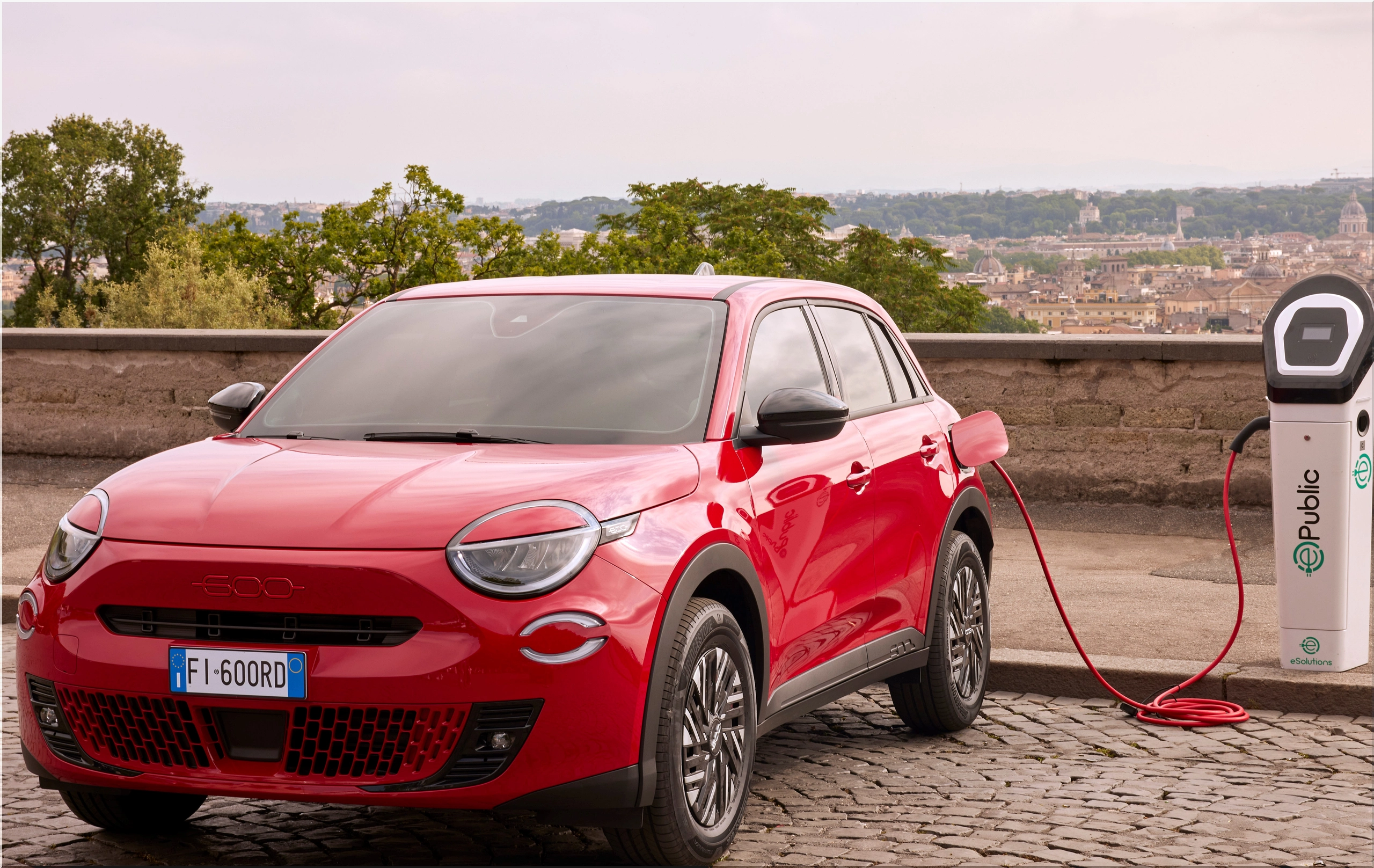
The petrol version fights back on simplicity and sticker price. It also keeps the larger 385-litre boot shared with the hybrid setup. The electric 600e drops to 360 litres, which shows how battery packaging still carries a space penalty in this class.
Image
Powertrain comparison
| Model | Power | Transmission | Official efficiency figure | Boot volume |
|---|---|---|---|---|
| Fiat 600 Petrol | 100 hp | 6-speed manual | 5.7 L/100 km, 129 g/km CO2 | 385 L |
| Fiat 600 Hybrid | 110 hp system | eDCT automatic | 4.8-4.9 L/100 km, 109 g/km CO2 | 385 L |
| Fiat 600e | 156 hp | Single-speed electric | 15.1-15.2 kWh/100 km | 360 L |
How it stacks up against rivals
The Peugeot 2008 and Renault Captur remain the obvious reference points. Both offer more cargo flexibility. Both also come from brands with strong fleet and retail visibility across Europe.
| Model | Length | Boot volume | Core advantage |
|---|---|---|---|
| Fiat 600 Petrol | 4,178 mm | 385 L | Shorter footprint, strong design, manual entry model |
| Peugeot 2008 | 4,304 mm | 434 L | Larger boot, longer body |
| Renault Captur petrol | — | 484 L to 616 L depending on rear bench position | Strong cabin flexibility |
The Fiat does not win the cargo contest. It wins on packaging efficiency, visual identity, and a cleaner price-led message. For a buyer who parks in old European city centres and does not need maximum boot depth every weekend, that trade still works.
Pro-Tips
- Pick Fiat 600 ICON if you want the strongest equipment-to-price balance.
- Pick Fiat 600 Hybrid if your driving pattern includes heavy urban traffic.
- Pick Fiat 600 Petrol if you want the lowest entry point and still prefer a clutch pedal.
- Pick Fiat 600 STREET if style matters enough to justify the jump in price.
What now?
The new Fiat 600 petrol gives the range something it lacked: a credible base model with enough hardware to feel current and enough simplicity to feel sensible. That is a strong move in a market where many buyers still want a conventional petrol compact SUV, but do not want one that feels stripped.
Fiat has also avoided a common mistake. It did not cheapen the 600 to make this version happen. The car keeps the same core proportions, the same cabin tech foundation, and the same sharp showroom presence. It simply opens the door wider.
For buyers, the choice now looks clean. Go petrol for lower upfront cost. Go hybrid for lower fuel burn and easier city use. Go electric if charging access is already part of daily life. That kind of clarity sells cars.
- Add new comment
- 104 views