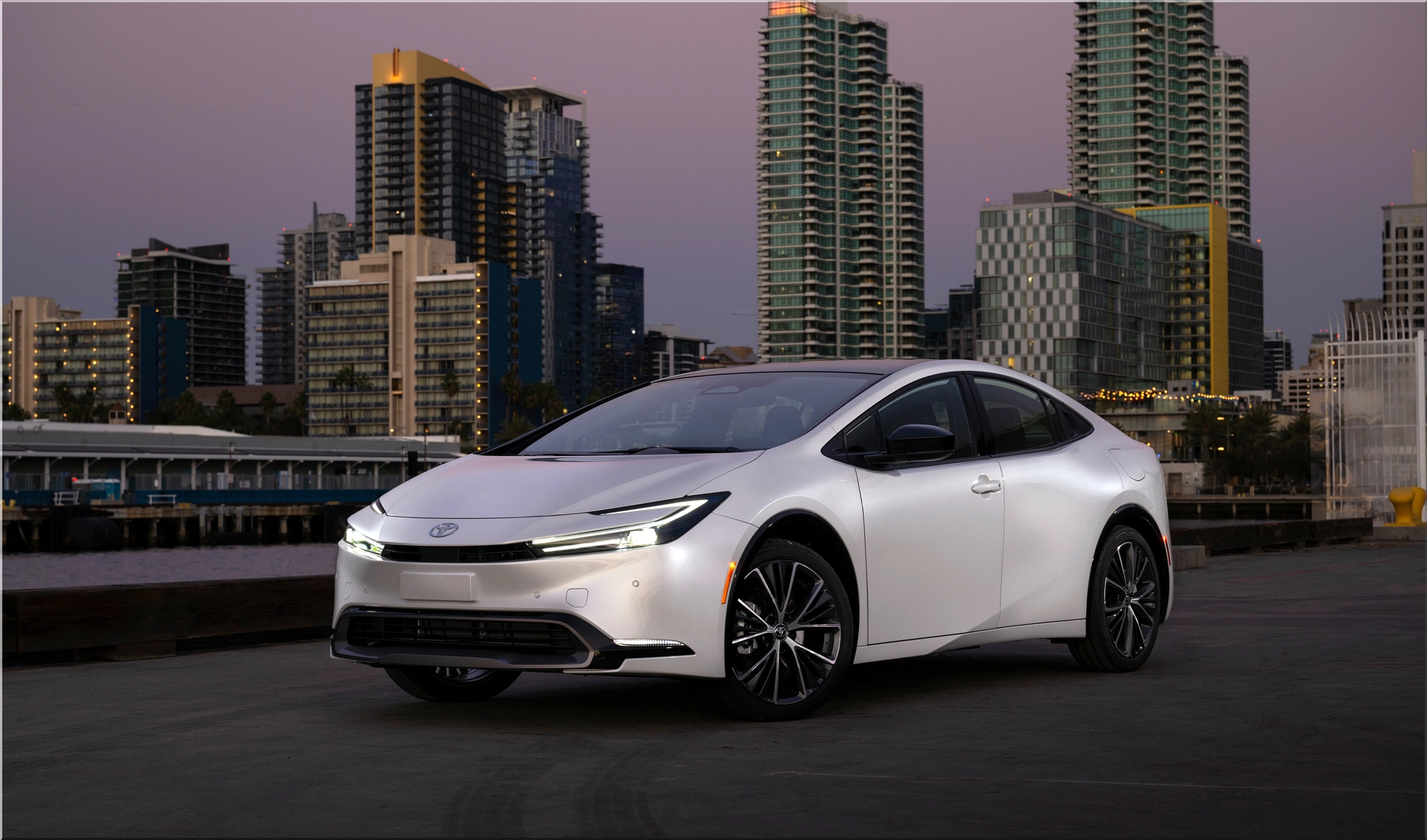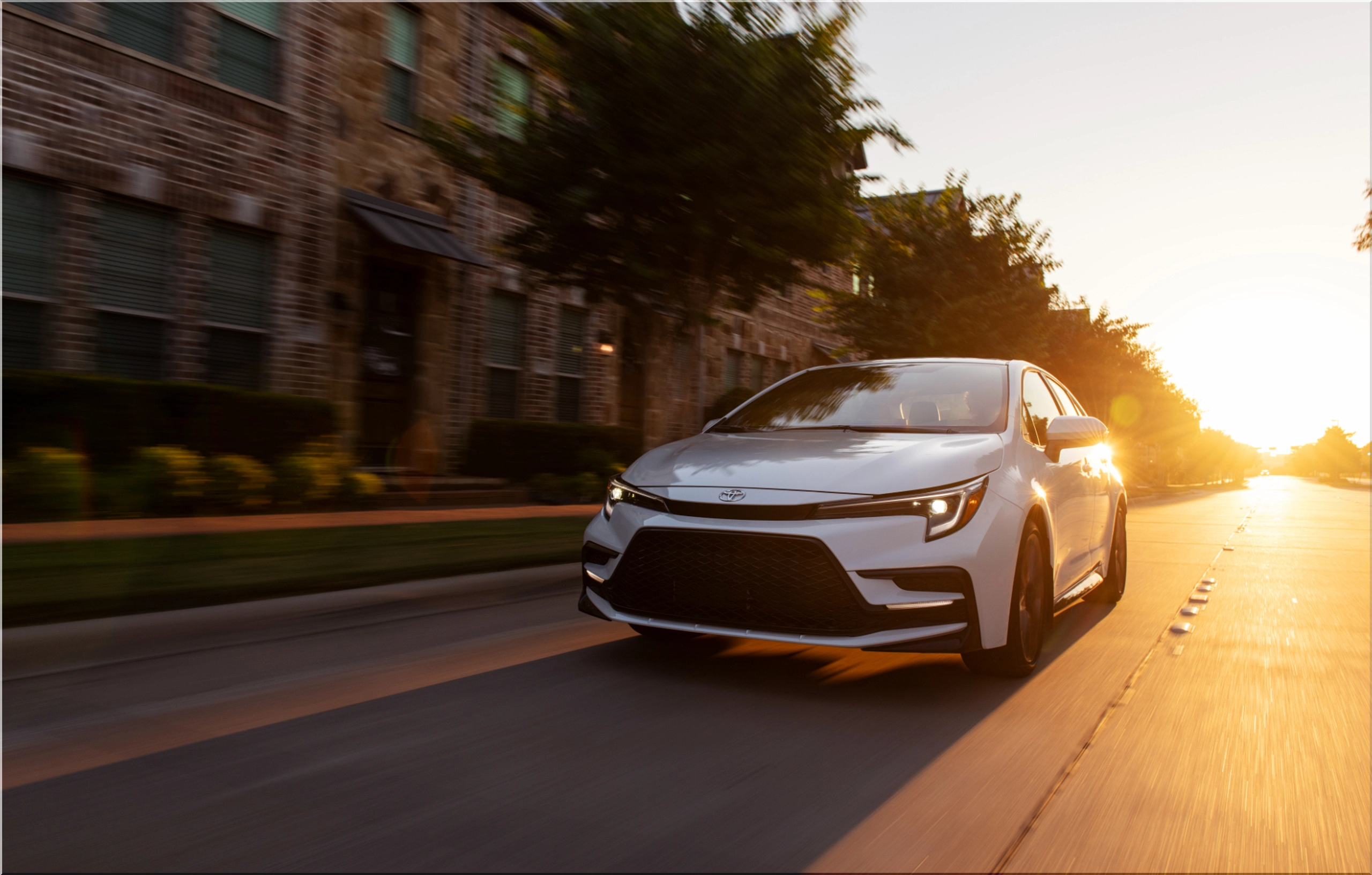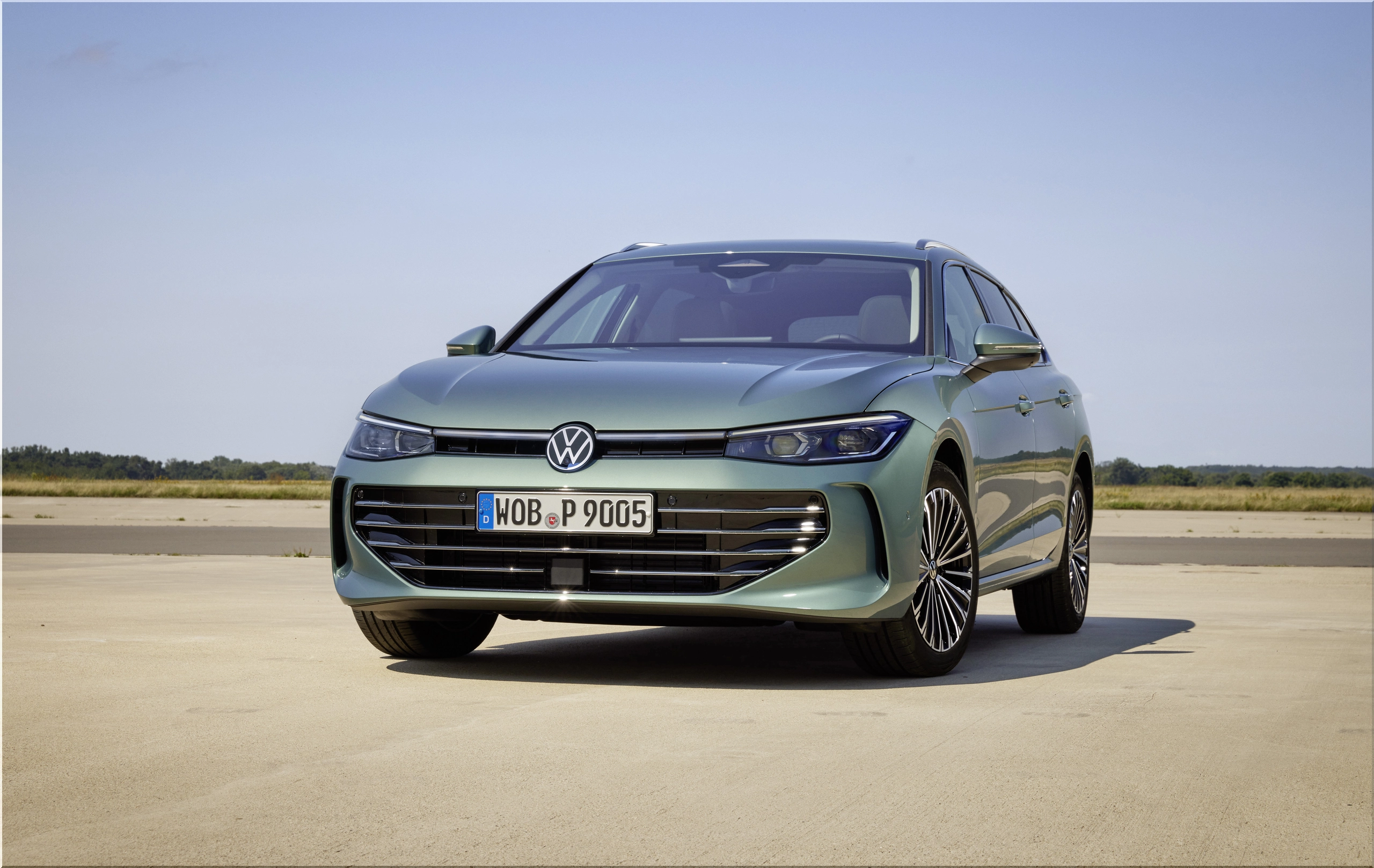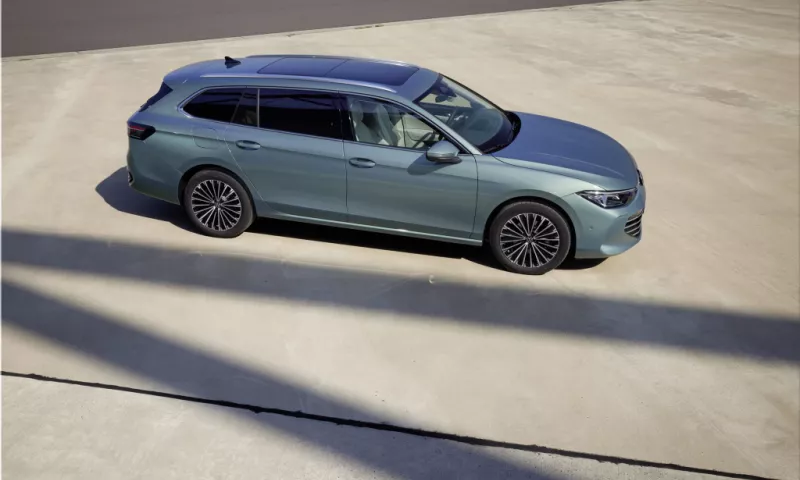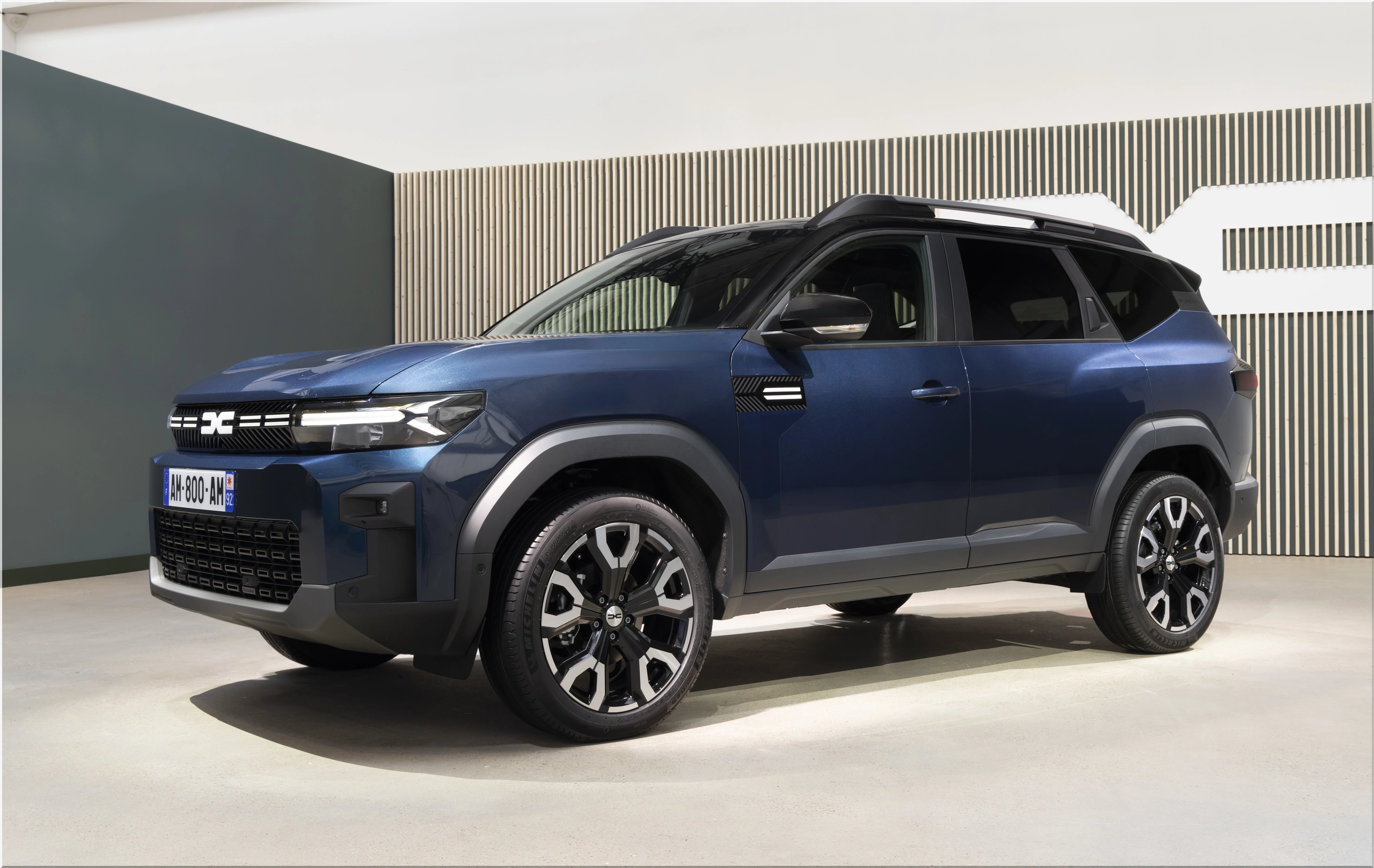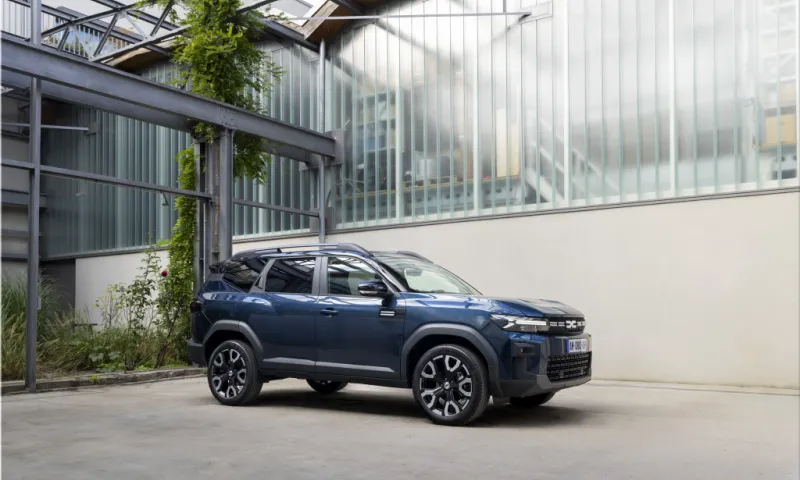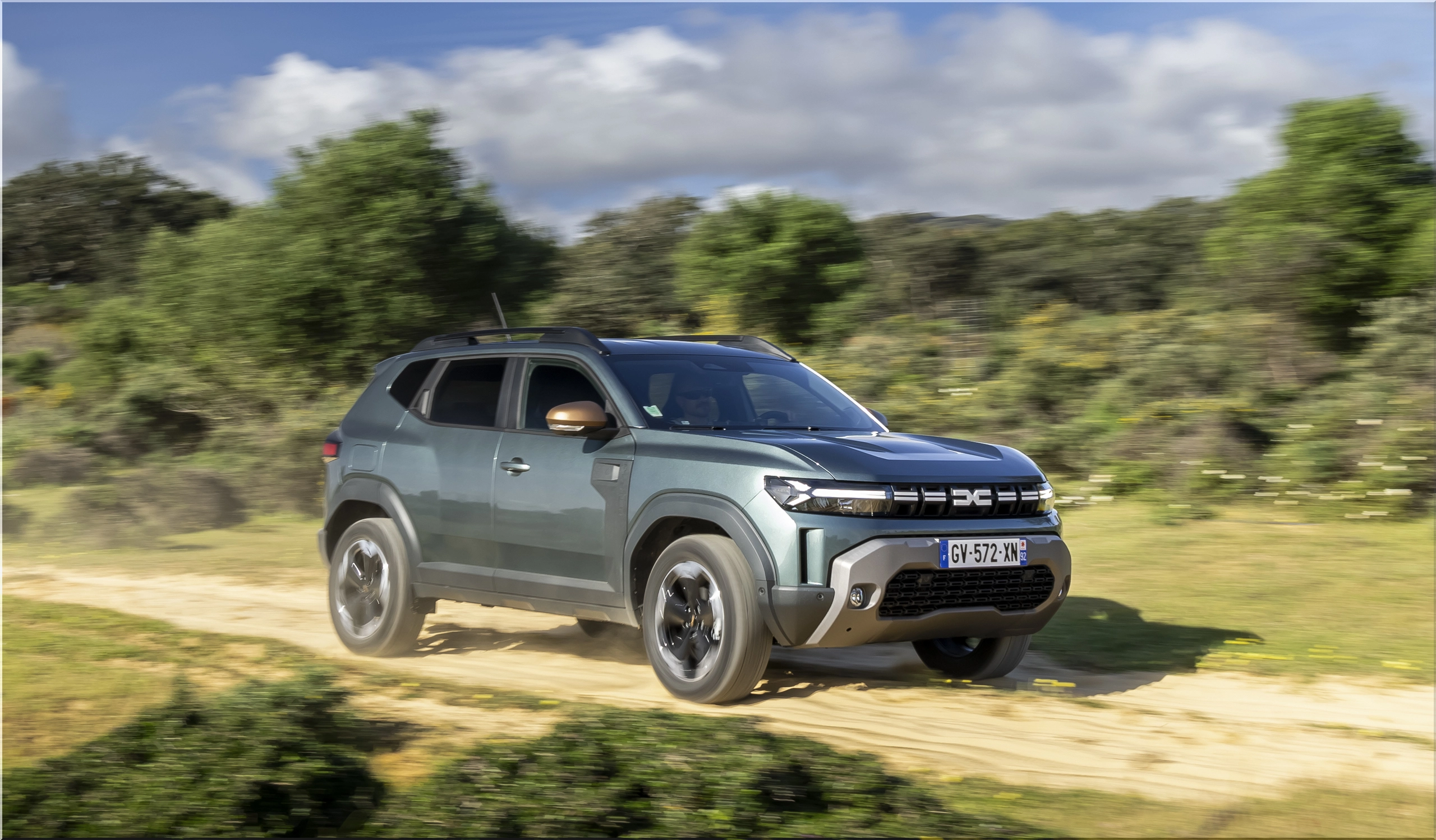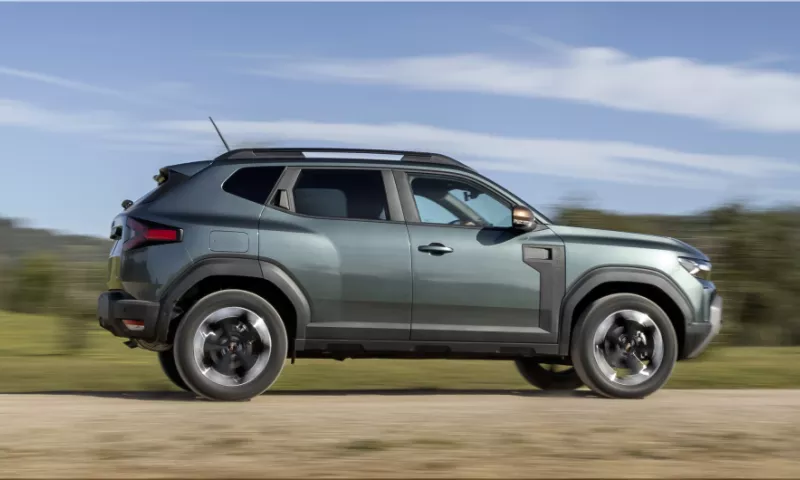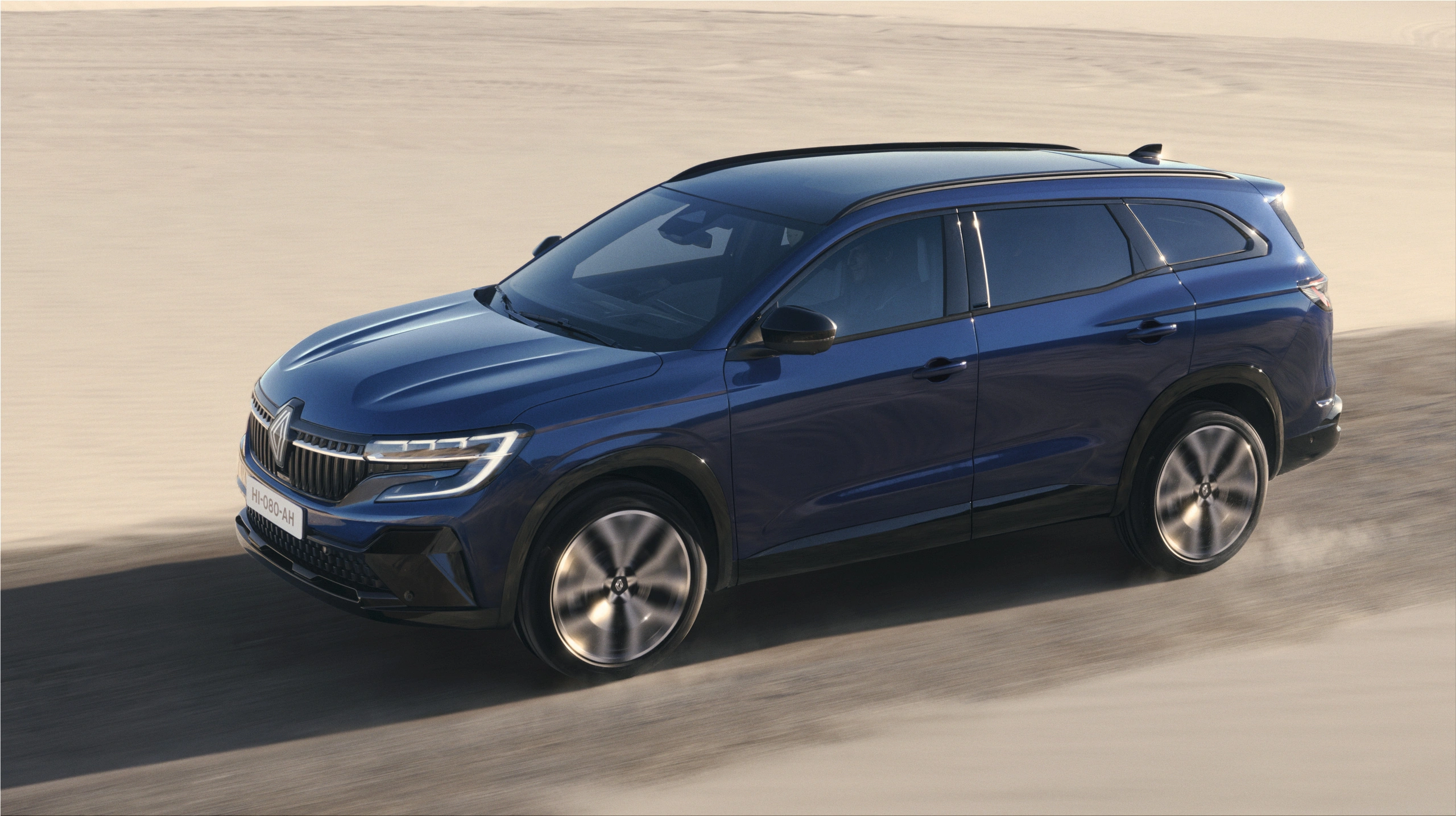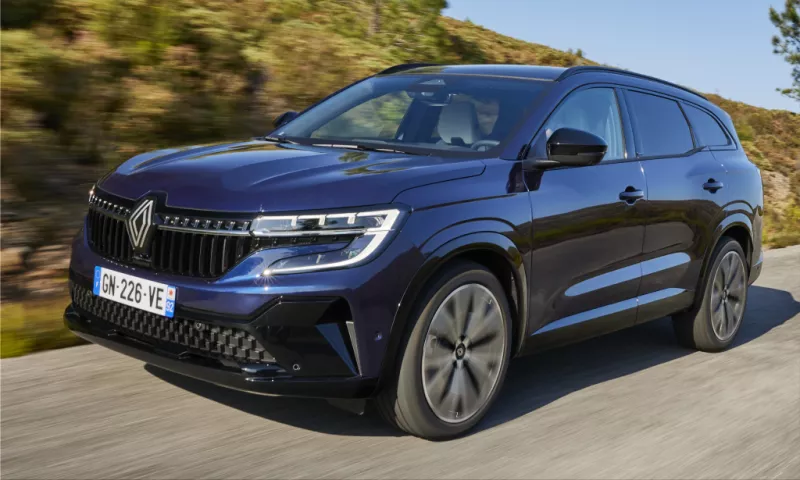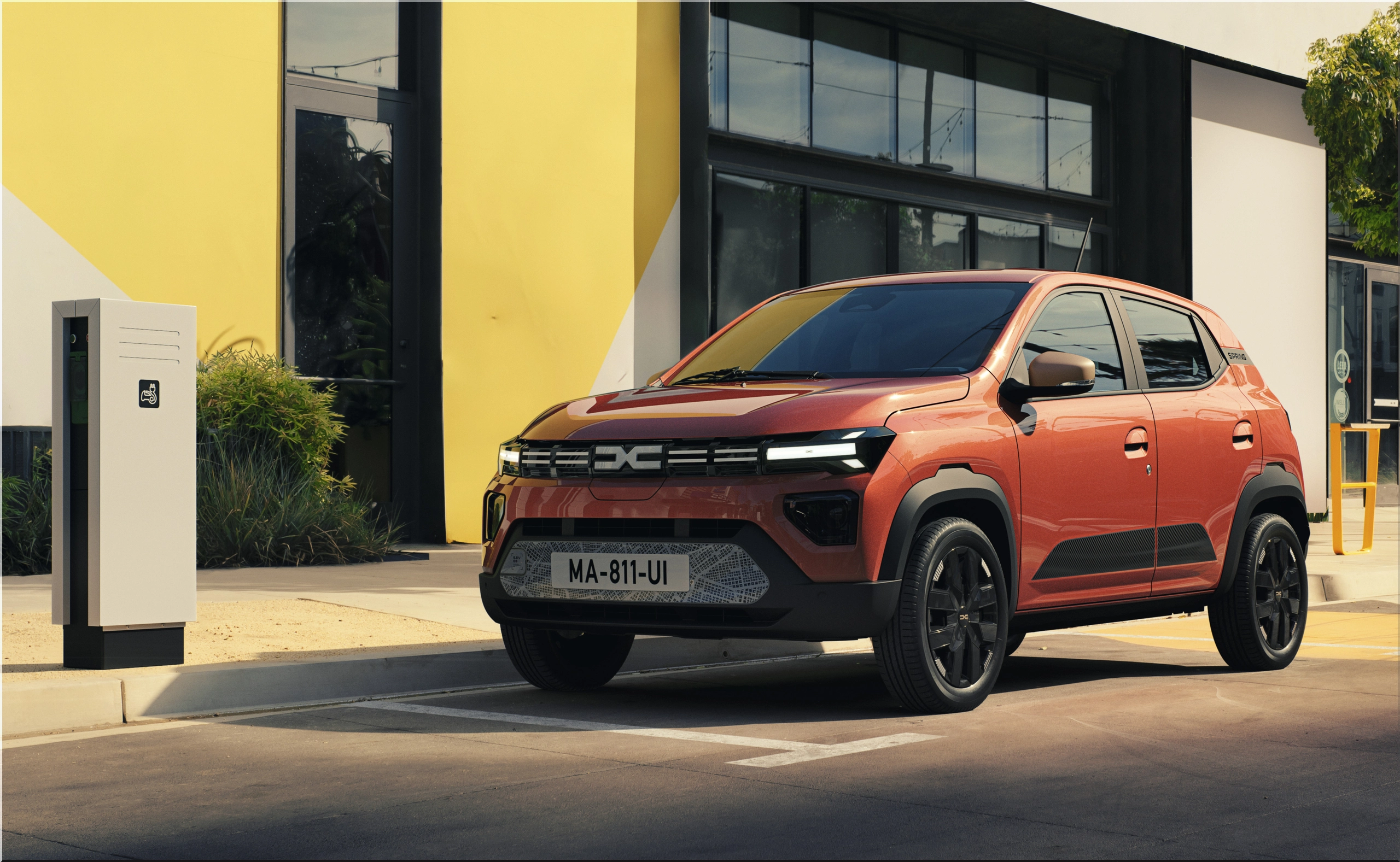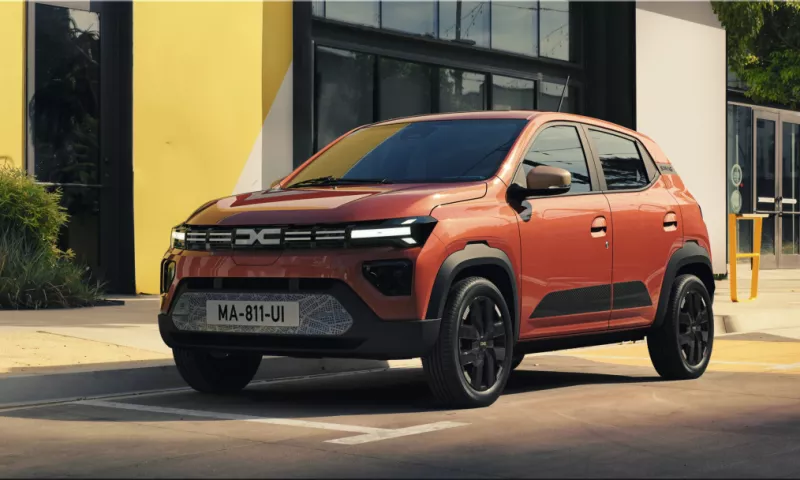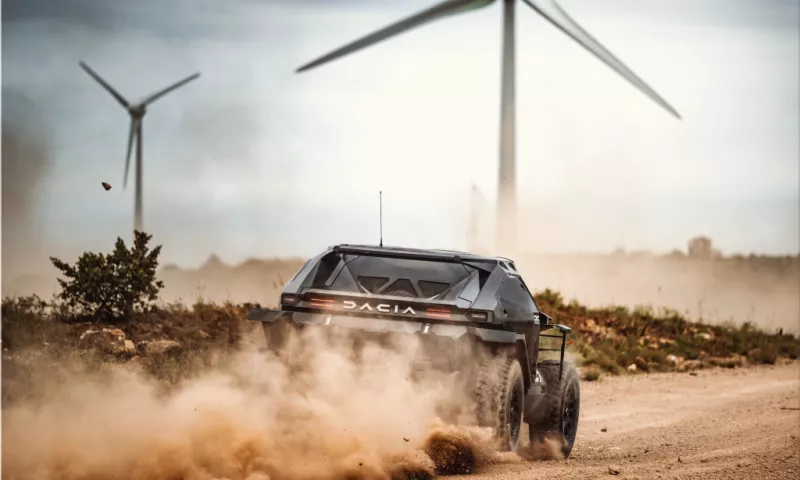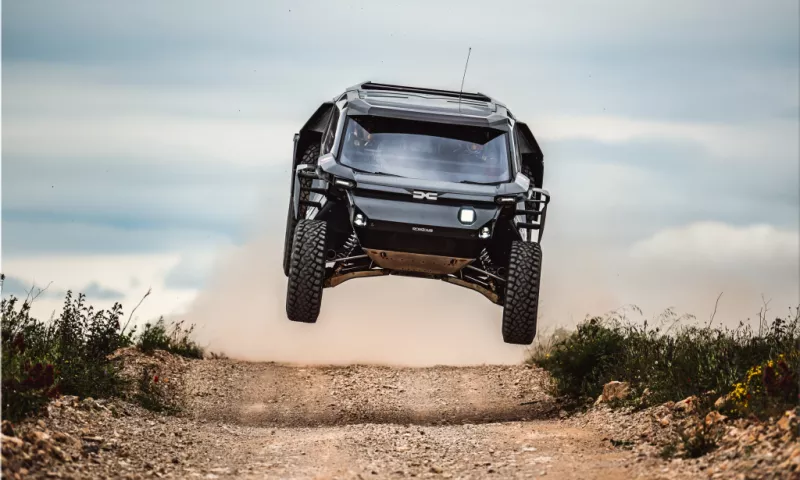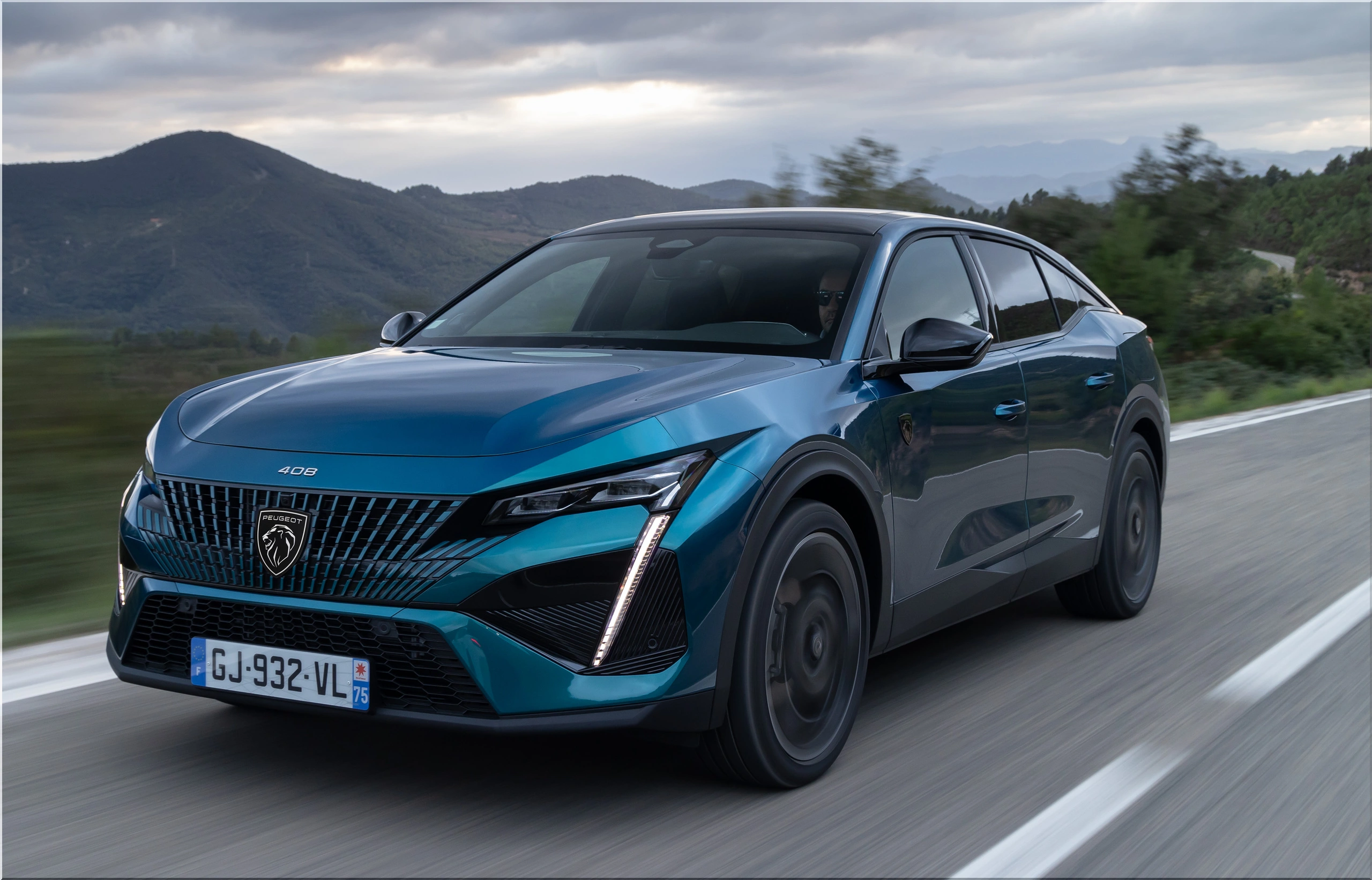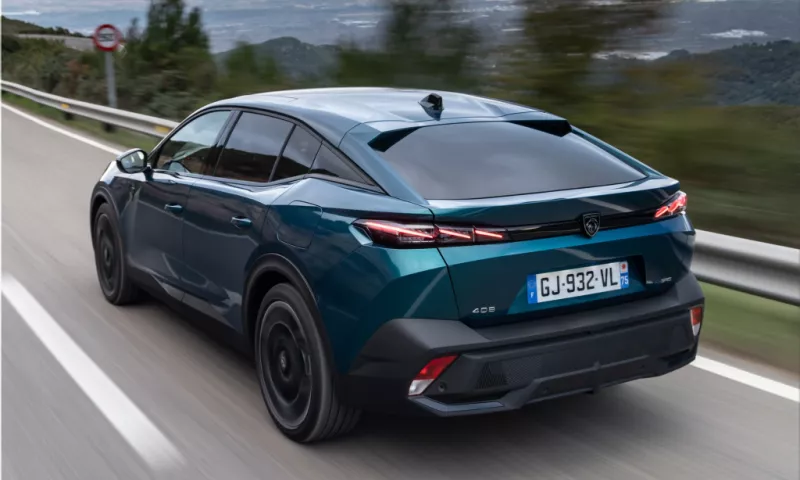
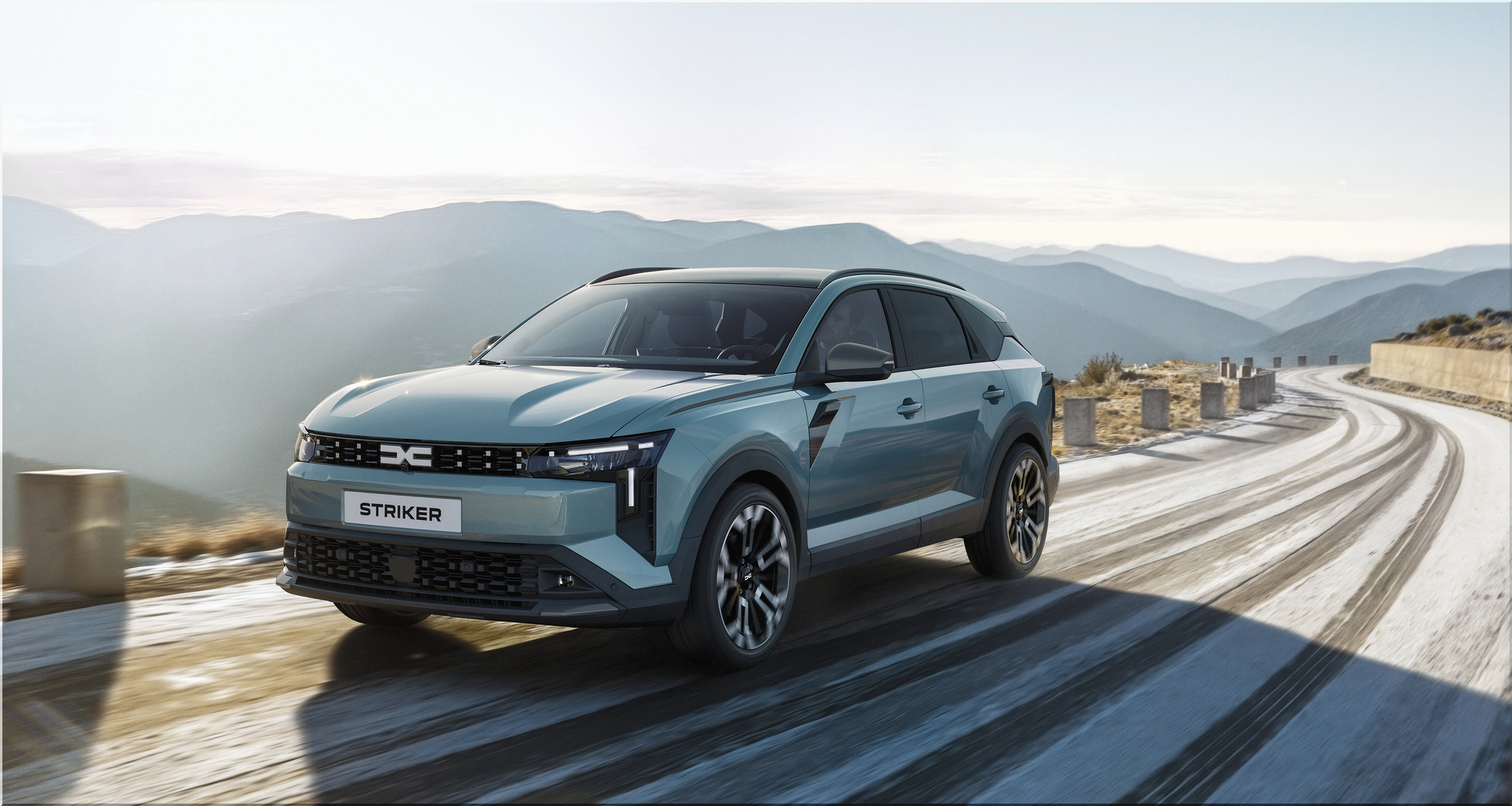
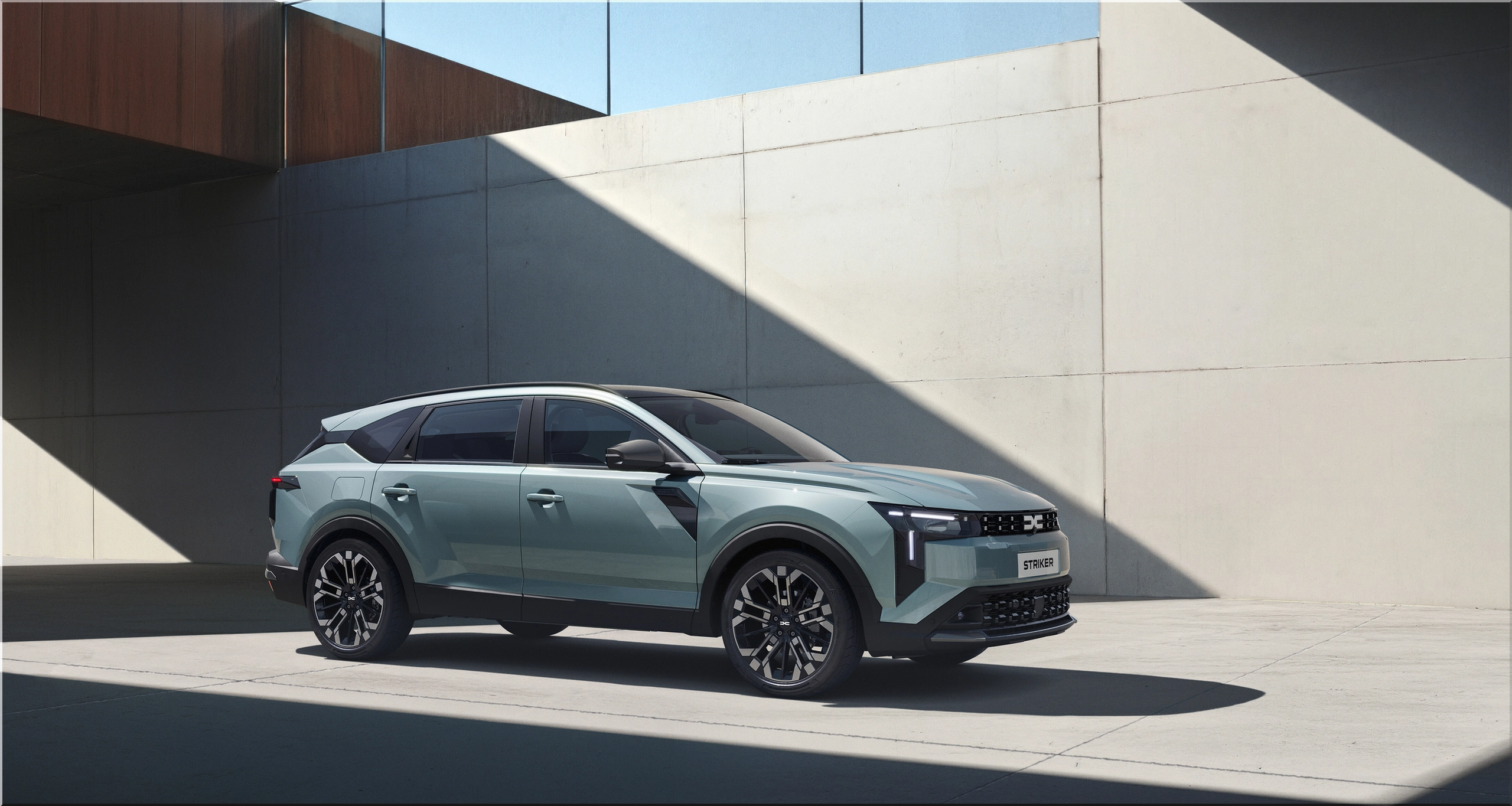
Dacia has spent the last few product cycles proving that low-cost does not have to mean low-ambition. The 2027 Dacia Striker pushes that idea into a larger, more profitable class. Looking at the data, this new Dacia Striker enters the C-segment as a multi-energy crossover that mixes wagon-like packaging, hatchback usability, and SUV-like ride height in one body.
That pitch sounds simple. The execution matters more.
At 4.62 meters long, or about 181.9 inches, the Striker stretches past the brand's existing compact offerings and lands squarely in family-car territory. Dacia says it will offer the model with a hybrid, a Hybrid 4x4, and an LPG variant, while keeping the starting price below €25,000, which converts to roughly $29,100. That price target puts the Striker in a pressure spot for rivals that sell similar footprint, similar efficiency, or similar practicality for more money.
Image
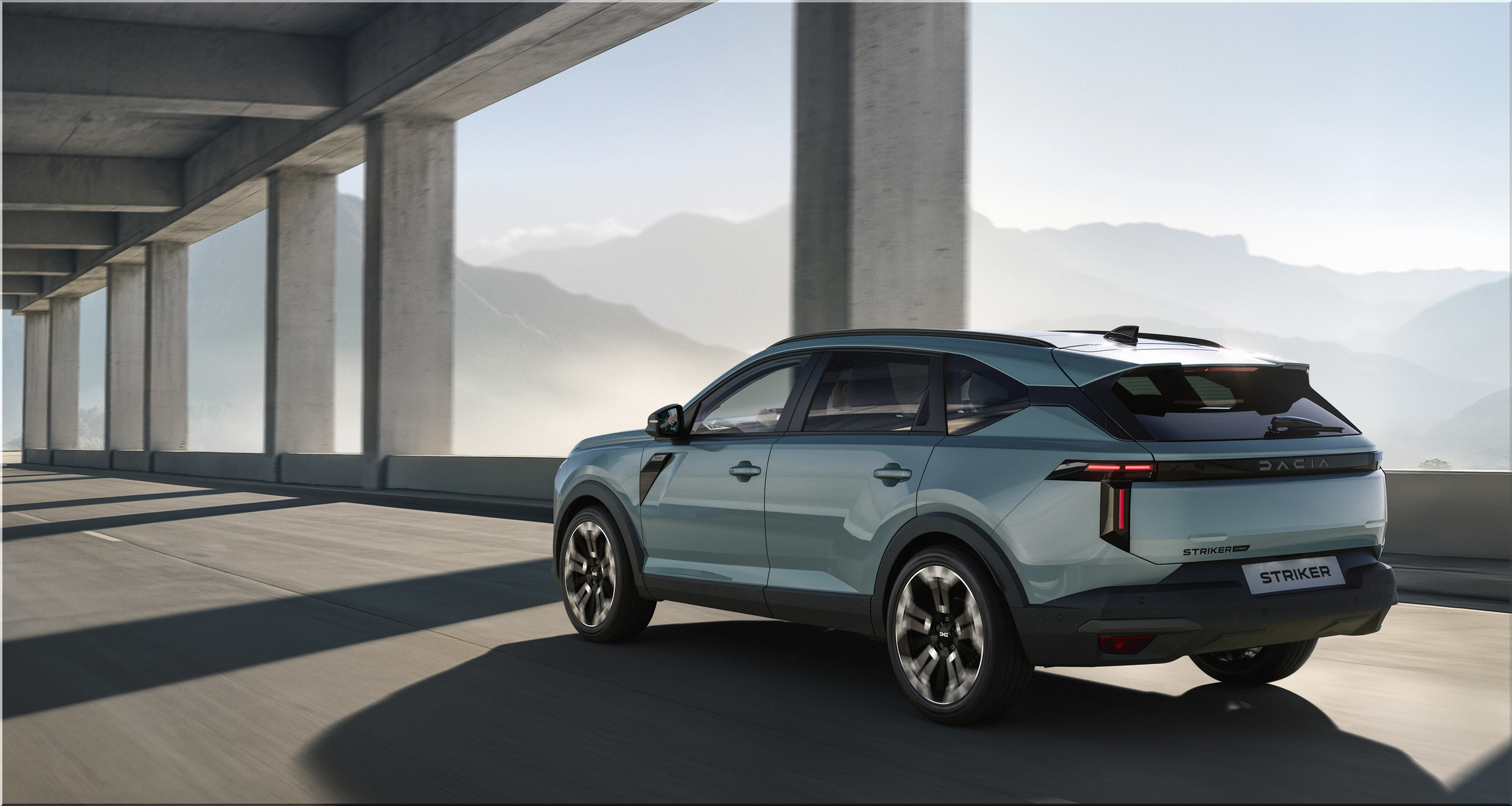
What the Dacia Striker Actually Is
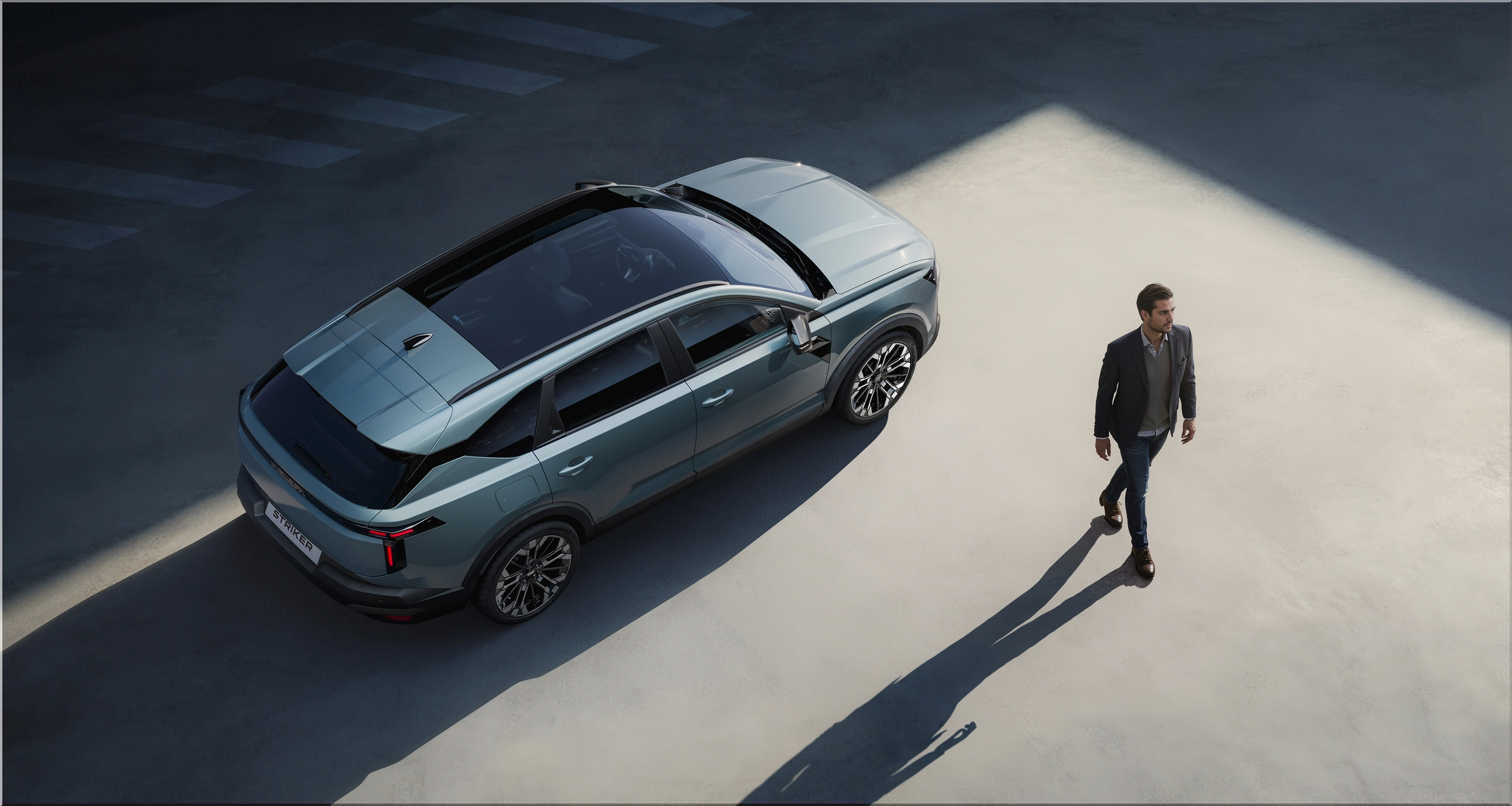
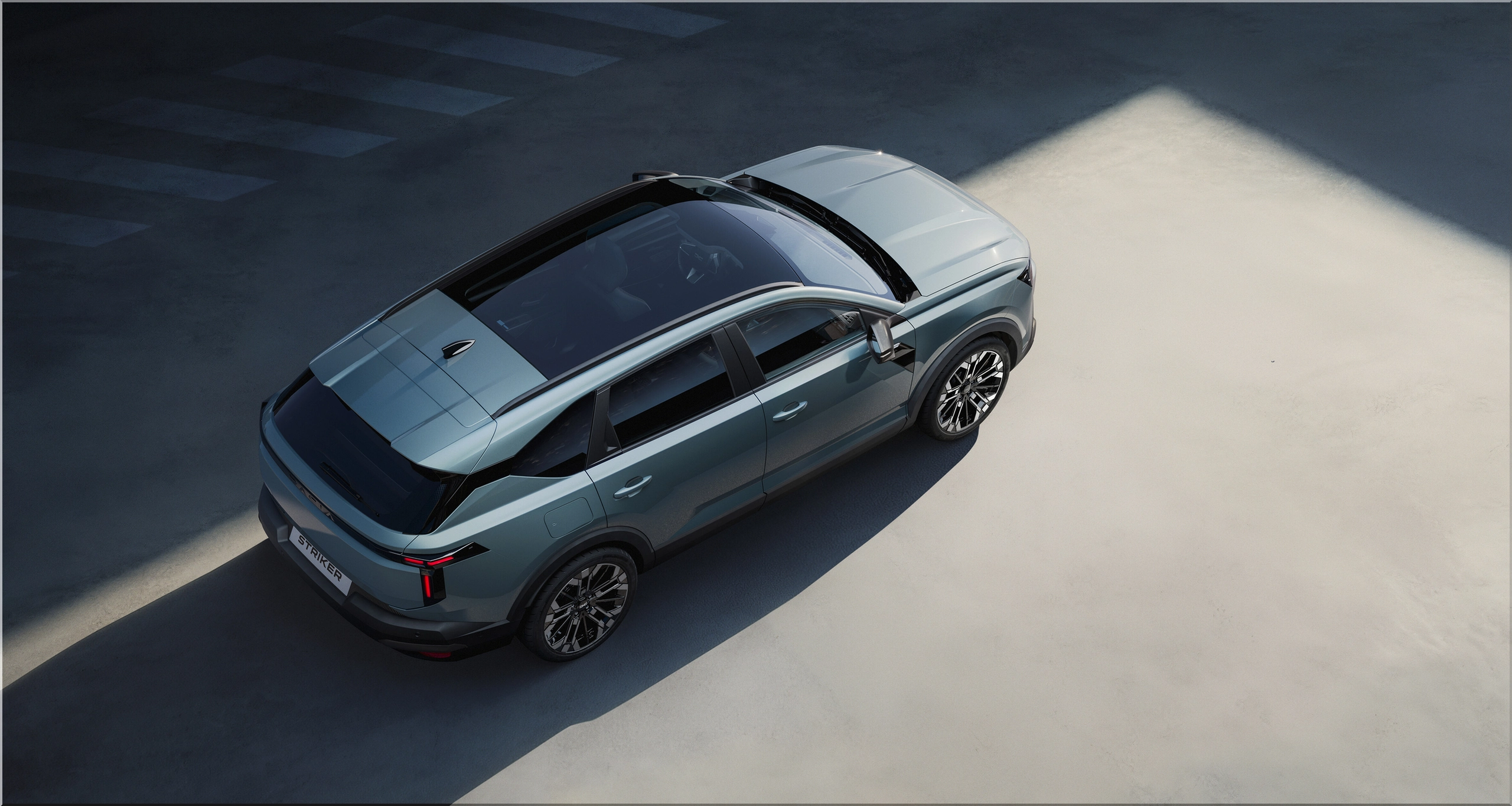
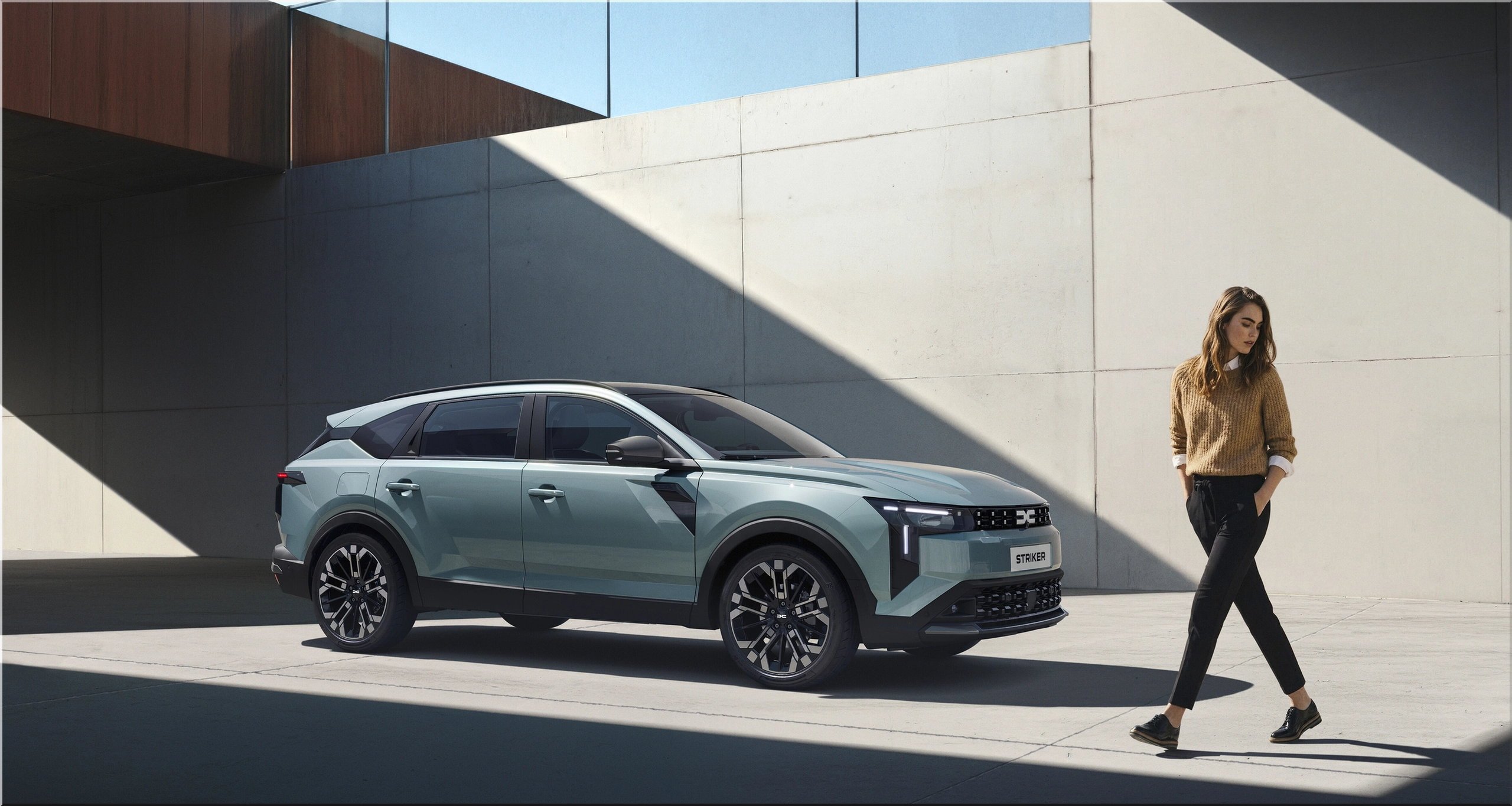
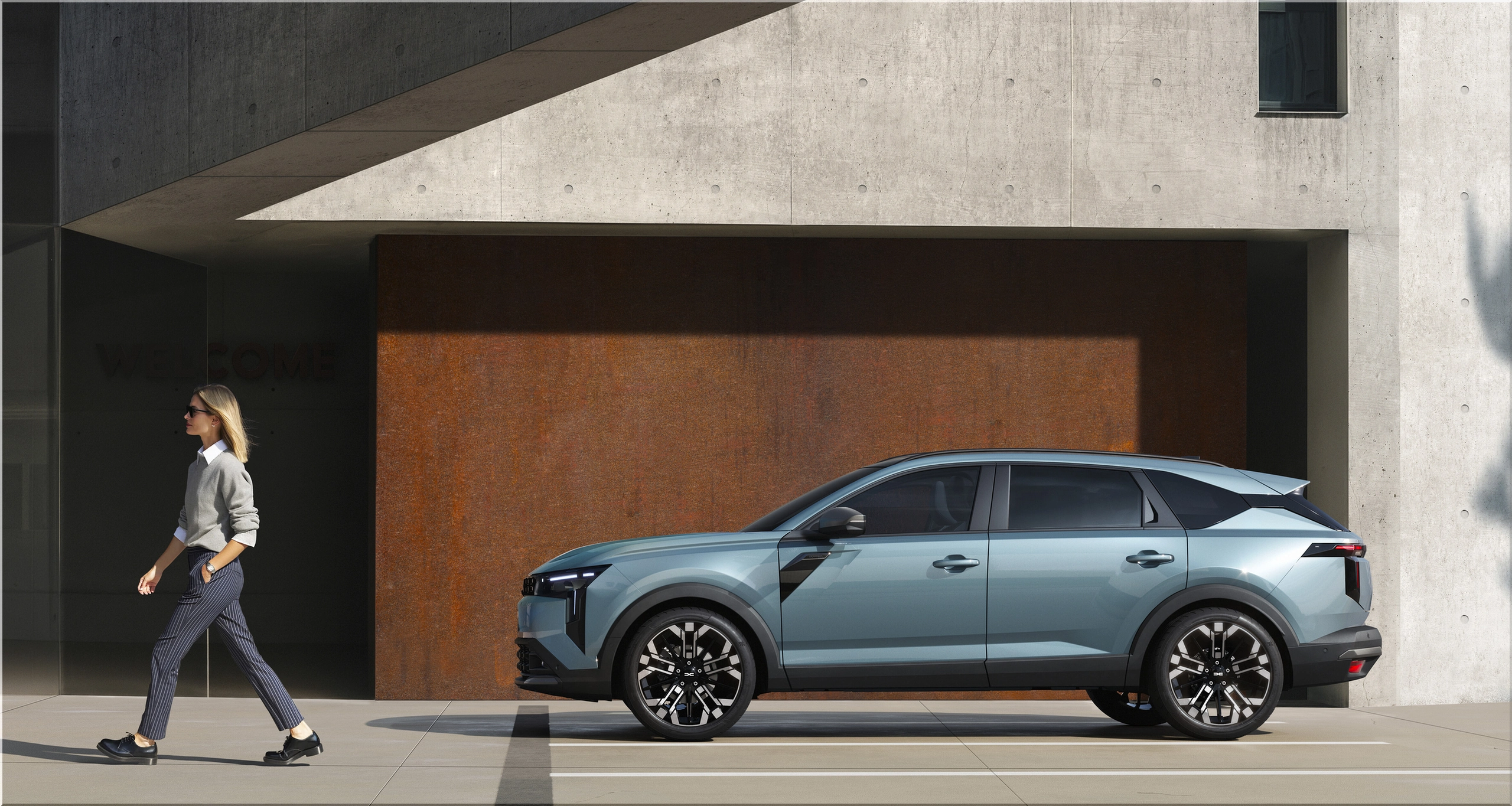
The easiest way to read the Dacia Striker is this: Dacia wants a larger family car without forcing every buyer into a tall, bulky SUV. Specifically, the brand describes the Striker as a crossover that combines the stance of an SUV with the usefulness of a spacious hatchback and the longer, cleaner roofline logic of a wagon.
That matters because aerodynamics and packaging usually fight each other. Taller SUVs give buyers the seating position they like, but they often pay a drag penalty. Lower wagons cut through the air better, but some buyers still want more ground clearance and easier ingress. The Striker crossover tries to split the difference with a sleeker roofline, a more upright front end, and enough ride height to avoid scraping over speed bumps, rough roads, and winter slush.
From an expert perspective, this body style gives Dacia a smarter path into the class than a copy-and-paste SUV. It lets the company preserve cabin space, improve aero efficiency, and keep visual distance from the Dacia Bigster.
Key Specs and Core Positioning
Here is the hard data Dacia has released so far.
| Specification | 2027 Dacia Striker |
|---|---|
| Vehicle type | C-segment multi-energy crossover |
| Length | 4,620 mm |
| Length in inches | 181.9 in |
| Powertrains announced | Hybrid, Hybrid 4x4, LPG |
| Market role | Family-focused crossover with wagon and hatchback traits |
| Entry price | Below €25,000 |
| Entry price in USD | About $29,100 |
| Launch timing | Early 2027 |
The number that jumps off the page is length. At 4,620 mm, the Striker sits only 50 mm shorter than a Toyota Corolla Touring Sports at 4,650 mm, while running 50 mm longer than the Dacia Bigster at 4,570 mm. By comparison, a Kia XCeed sits much shorter at 4,395 mm. That gives the Striker a packaging advantage before anyone even opens a door.
Consequently, Dacia has room to chase buyers who want rear-seat knee room, a larger cargo area, and better trip utility without paying mainstream-brand money.
Why the Striker Exists Alongside the Bigster
This part matters for SEO and for buyers. The Dacia Bigster and Dacia Striker may sit in the same broader class, but they do not chase the same buyer with the same shape.
The Bigster leans harder into classic SUV cues. The Striker goes after a lower, more aero-efficient silhouette. In plain terms, the Bigster sells height and SUV image. The Striker sells length, efficiency logic, and road-trip packaging.
That split gives Dacia two clear answers for one segment:
- Bigster for buyers who want upright SUV proportions
- Striker for buyers who want a sleeker family car with crossover clearance
- Shared brand logic built around value, space, and lower running costs
By comparison, many brands force buyers into a single body style and then stretch trim lines to cover every use case. Dacia instead uses body architecture to separate the products cleanly. That usually helps pricing discipline.
Powertrain Logic: Why Hybrid, Hybrid 4x4, and LPG Make Sense
The Dacia Striker hybrid will almost certainly do the heavy lifting in Europe. That outcome makes sense. Fuel prices remain volatile, emissions rules keep tightening, and many buyers still want electrified driving without plug-in complexity.
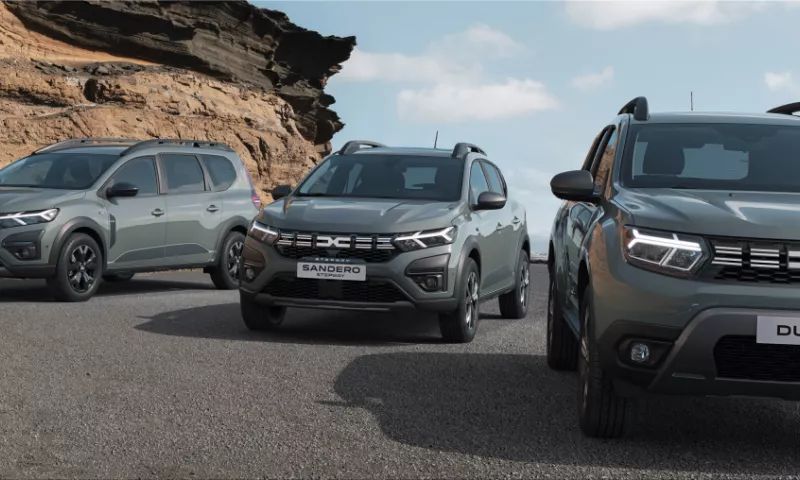
In addition, Dacia's recent powertrain work gives a strong clue about where the Striker Hybrid 4x4 could land. Dacia has already introduced a hybrid-G 150 4x4 setup on Duster and Bigster, combining a 1.2-liter 48V mild-hybrid front engine, a rear-mounted electric motor, and an innovative 2-speed rear gearbox with a disengageable clutch. The published system output reaches 154 hp, with the combustion engine rated at 230 Nm and the rear electric motor delivering up to 87 Nm.
That hardware matters because it solves several problems at once:
- It gives the vehicle electrified rear-axle drive without a heavy mechanical prop shaft.
- The 2-speed gearbox helps the rear motor deliver better low-speed wheel torque off-road and maintain usefulness at higher road speeds.
- The disengageable clutch cuts drag losses during steady cruising, which helps fuel economy.
Looking at the data, that system fits the Striker almost perfectly. A long, family-oriented crossover with winter-road use, towing demands, and bad-weather credibility benefits from exactly this kind of rear e-axle setup.
The LPG Striker also fits Dacia's playbook. LPG remains attractive for buyers who want lower running costs and long range without moving to a plug-in or battery EV. Dacia has already tied LPG into its wider efficiency push, and on related models the brand has cited up to 1,500 km of WLTP range with dual 50-liter tanks in hybrid-G form. Even if the final Striker LPG figures differ, the strategy stays clear: low cost per mile still sells.
Design and Aero: Why the Shape Matters
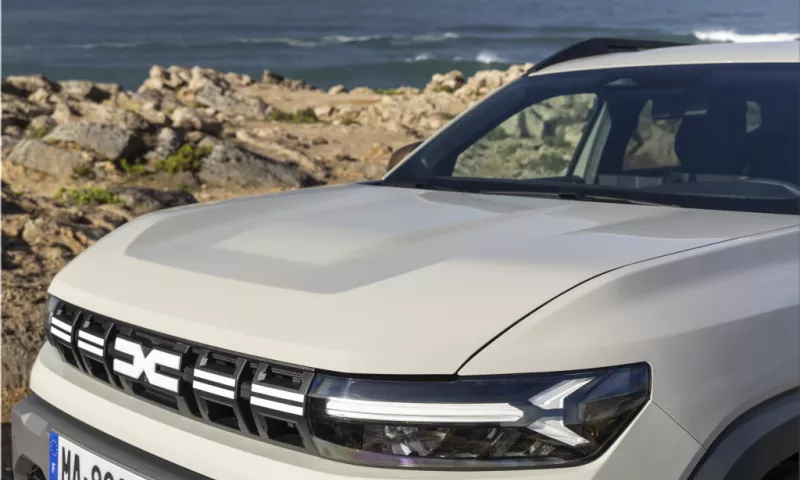
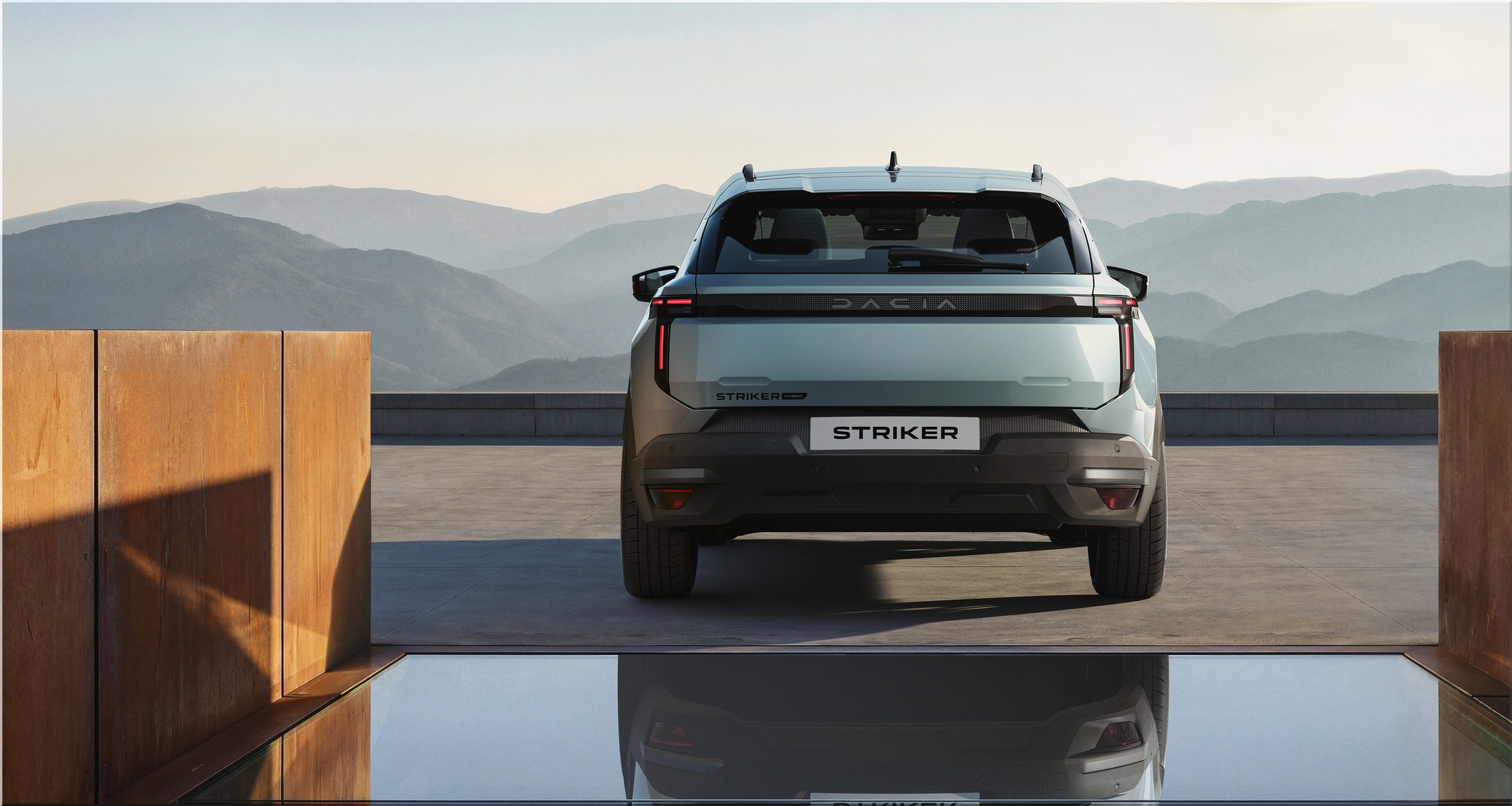
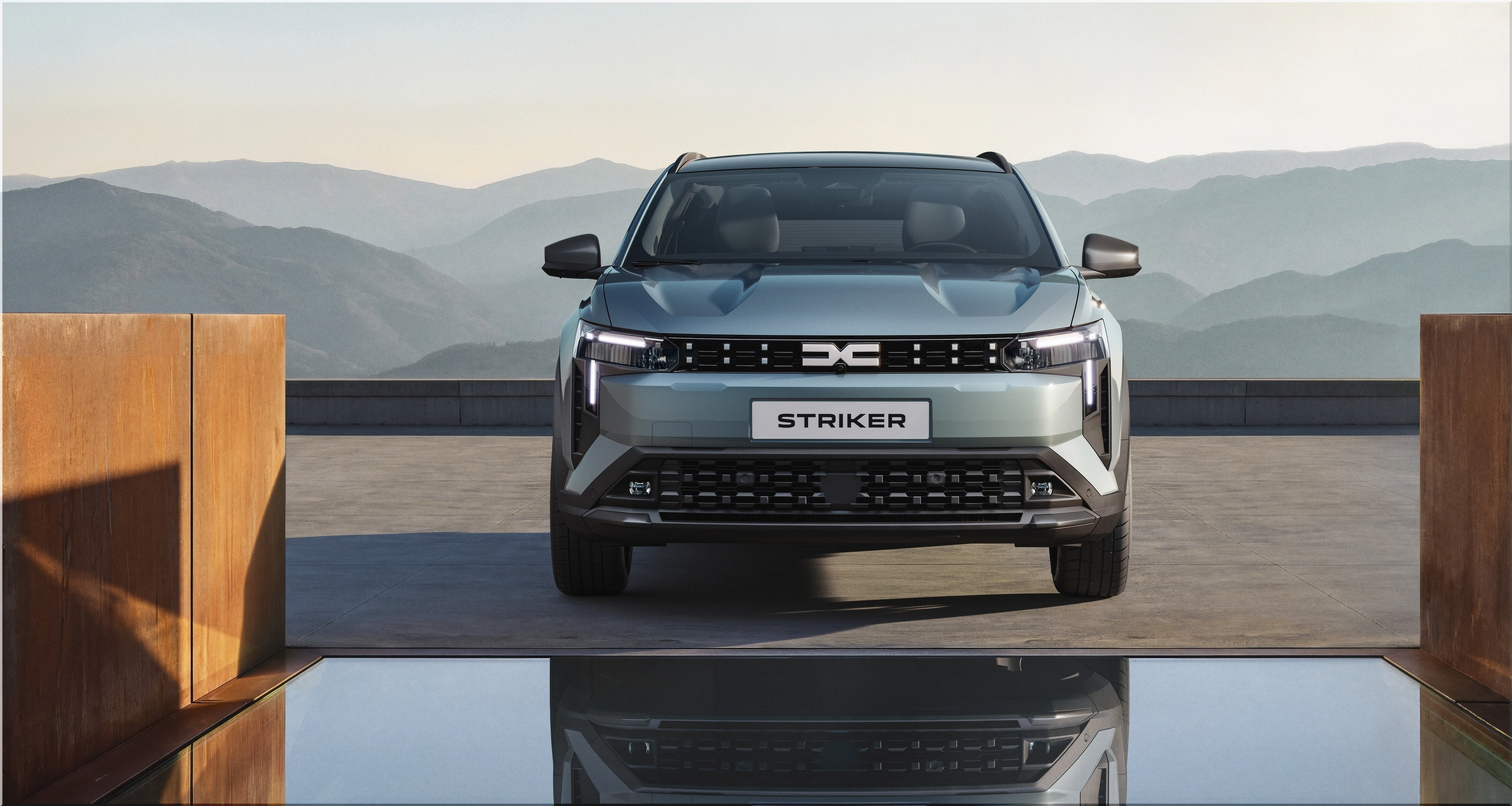
Dacia describes the Striker with an aerodynamic silhouette, a vertical front end, and a modern lighting signature. Those words only matter when they connect to function.
A longer roof and cleaner side profile usually help airflow detach later and reduce turbulence at the rear. A bluff front end can still work when the roofline, windshield rake, underbody management, and tail treatment handle drag properly. Specifically, the Striker's wagon-crossover shape should carry less frontal bluffness than a traditional upright SUV while keeping enough visual mass to look like a crossover rather than a plain estate.
That gives Dacia a better shot at real-use efficiency. A family car spends a lot of time at 60 to 80 mph on motorways. Aero drag dominates at those speeds. Cut drag, and you cut fuel use.
Competitive Snapshot
The 2027 Dacia Striker does not need to beat every rival on every metric. It needs to own the value-to-space equation.
| Model | Length | Powertrain focus | Starting price | Starting price in USD |
|---|---|---|---|---|
| 2027 Dacia Striker | 4,620 mm | Hybrid / Hybrid 4x4 / LPG | Below €25,000 | About $29,100 |
| Dacia Bigster | 4,570 mm | Hybrid / 4x4 / mild hybrid | €32,690 | About $38,054 |
| Toyota Corolla Touring Sports | 4,650 mm | Hybrid wagon | €33,495 | About $38,991 |
| Kia XCeed | 4,395 mm | Mild-hybrid crossover | £25,215 | About $33,916 |
The Striker's likely wins look clear:
- Price win against mainstream hybrid family cars
- Length win over compact crossover rivals like the XCeed
- Powertrain spread win thanks to hybrid, 4x4 hybrid, and LPG coverage
- Positioning win for buyers who want wagon usefulness without a plain wagon look
Its likely trade-offs also look clear:
- Cabin materials may stay simpler than Toyota or Kia
- Noise isolation may trail pricier rivals
- Final cargo and rear-seat numbers still need publication before anyone calls the class
Pro-Tips for Buyers Watching the Dacia Striker
Watch the rear cargo spec
Length alone does not settle cargo volume. Pay close attention to boot liters with the rear seats up and folded. A long roof only pays off when Dacia uses the footprint well.
Check which hybrid arrives first
If Dacia launches the standard Striker hybrid ahead of the Hybrid 4x4, most private buyers will likely get the sweet spot early. The 4x4 will matter more for mountain regions, towing, and rough-road users.
Compare real price, not brochure price
A sub-$29,100 equivalent entry point looks strong, but option packs, wheel upgrades, and trim jumps can move the real transaction number fast. Put the Striker next to a lightly Corolla wagon and a Kia XCeed before signing anything.

What Now?
The 2027 Dacia Striker looks like one of the more interesting value plays in Europe's family-car class. It takes a body style many brands have abandoned, adds crossover clearance, plugs in Dacia's current hybrid logic, and aims straight at a price band that undercuts much of the field.
If Dacia delivers strong rear-seat room, a useful cargo hold, and a real-world-efficient hybrid at this price, the Dacia Striker could become the smart-buy pick for buyers who want space without SUV bulk. The key figures still missing include wheelbase, width, cargo capacity, towing ratings, and full trim data. Once those numbers land, the Striker will either confirm the pitch or narrow it.
Right now, the early read looks strong. The Dacia Striker hybrid crossover does not chase flash. It goes after the numbers that move units: size, efficiency, and price.
- Add new comment
- 174 views