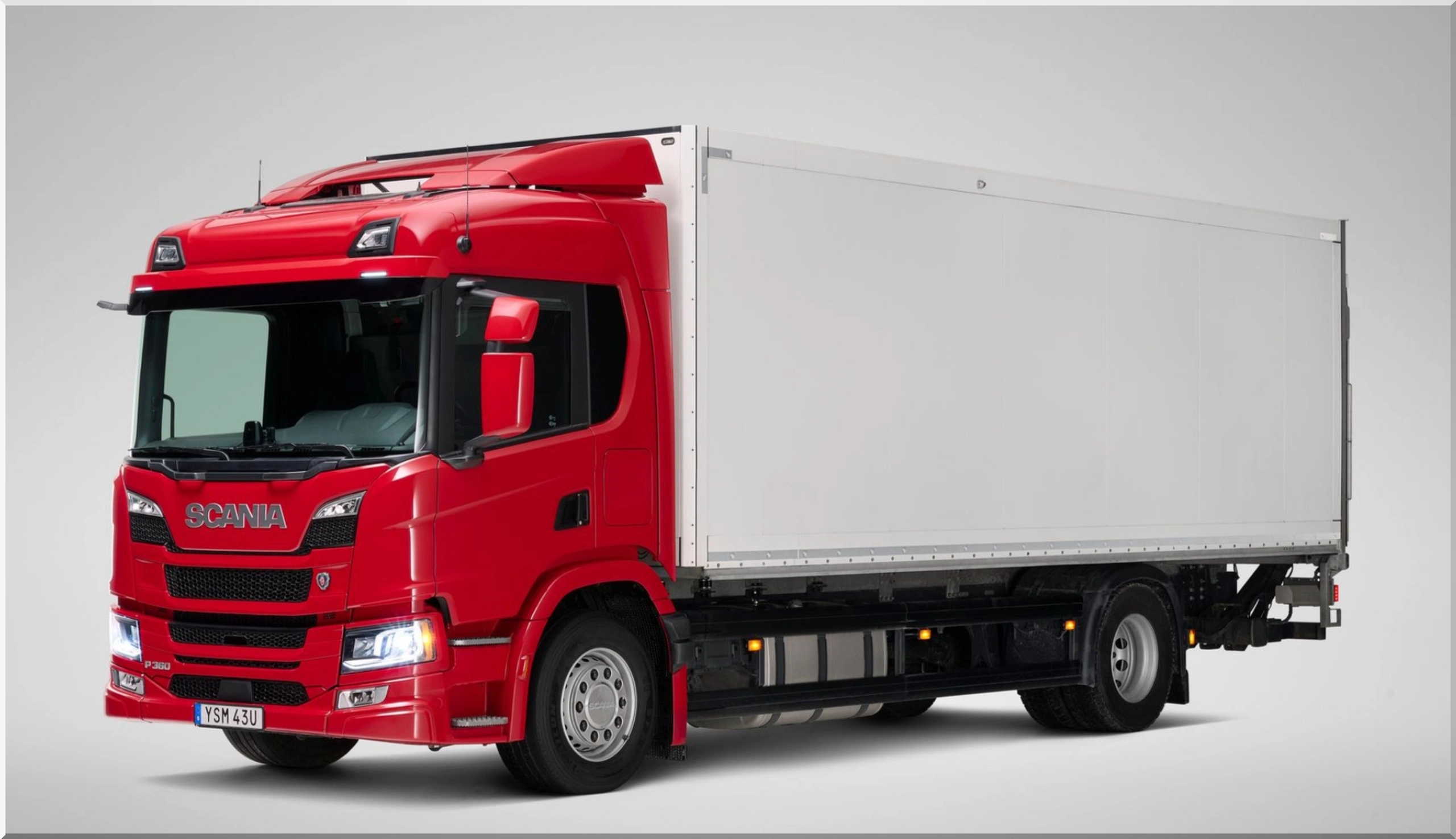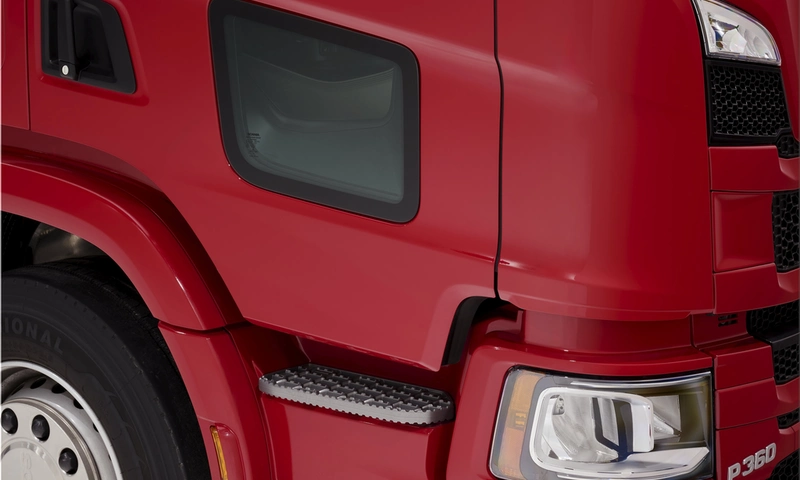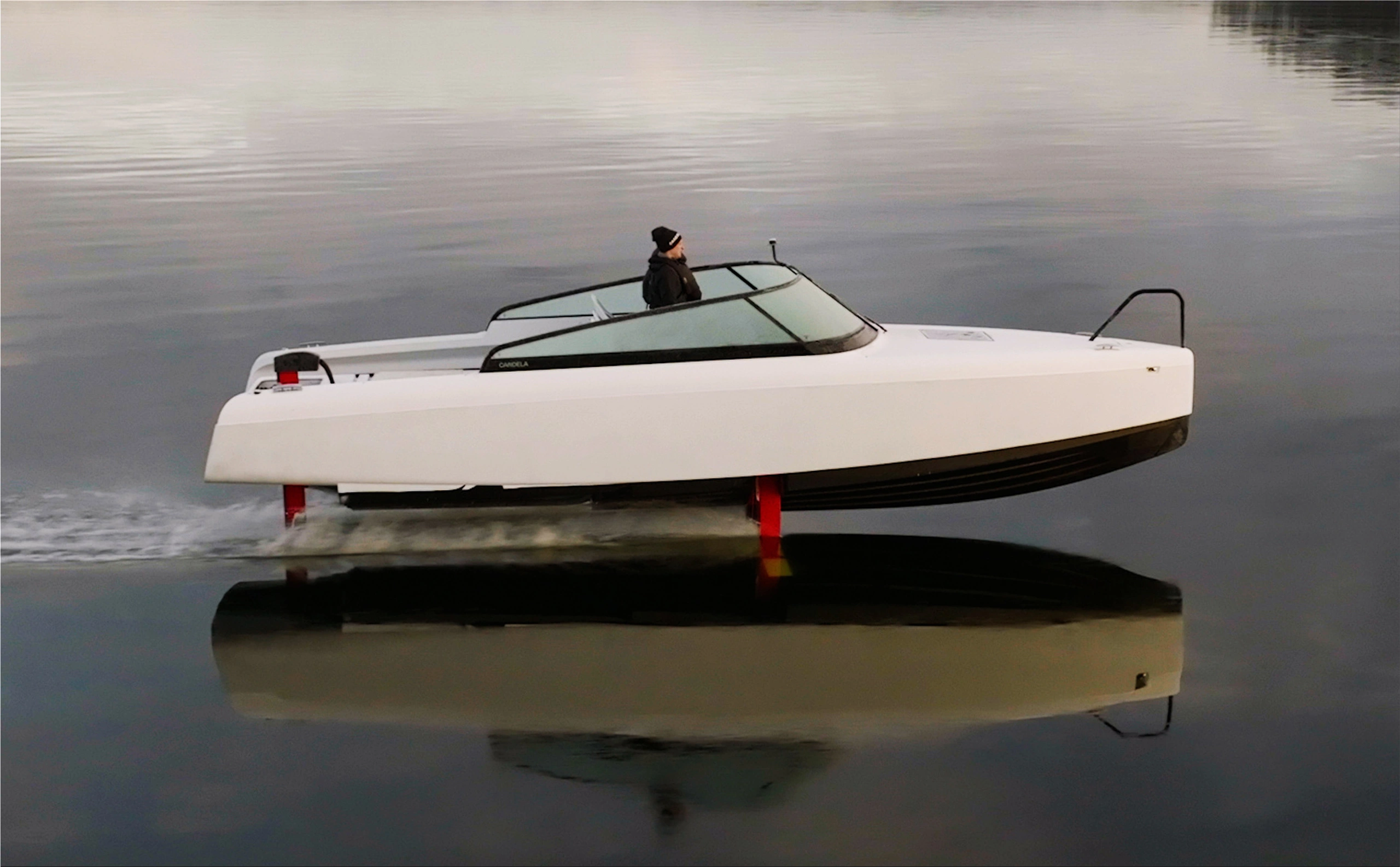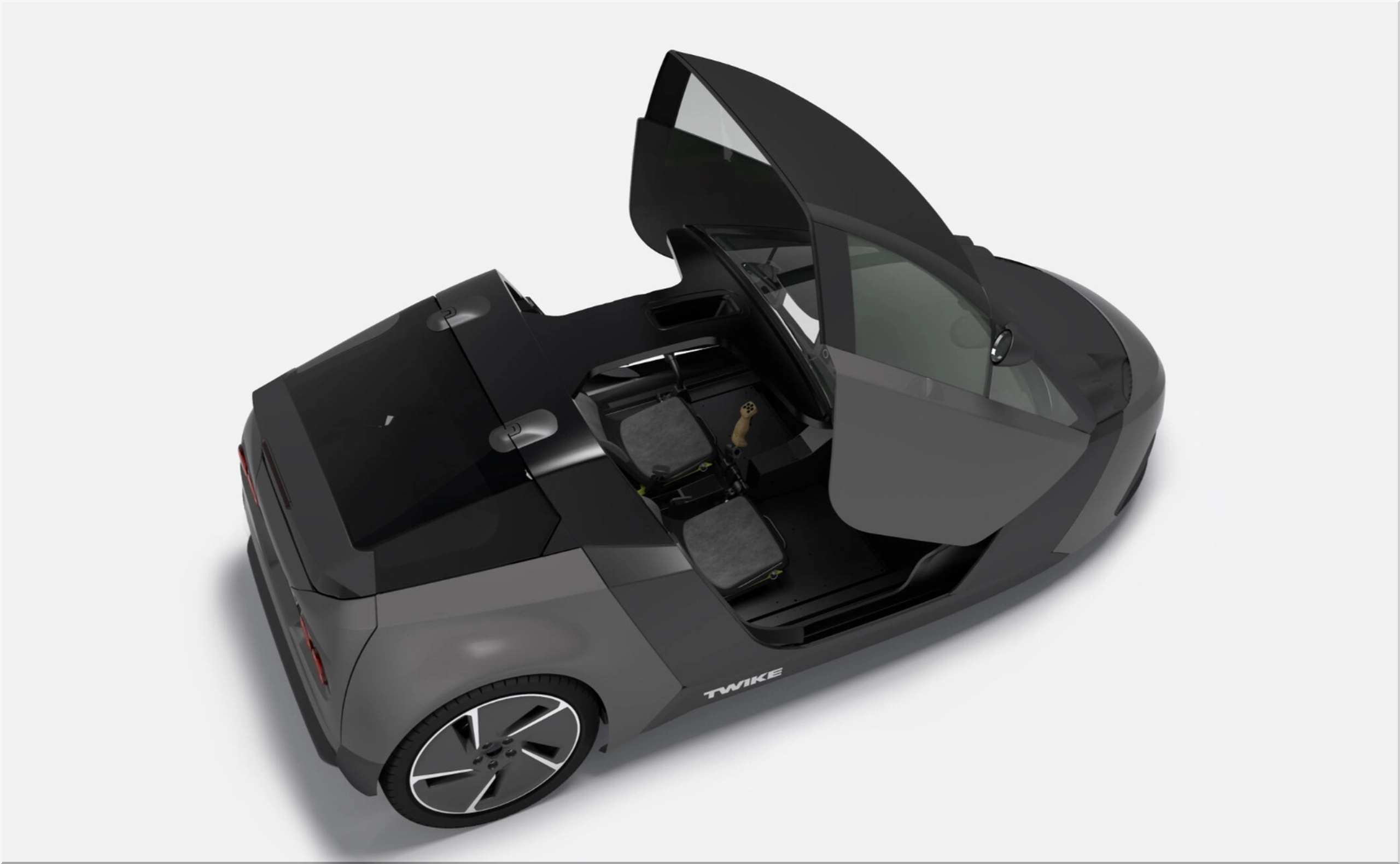
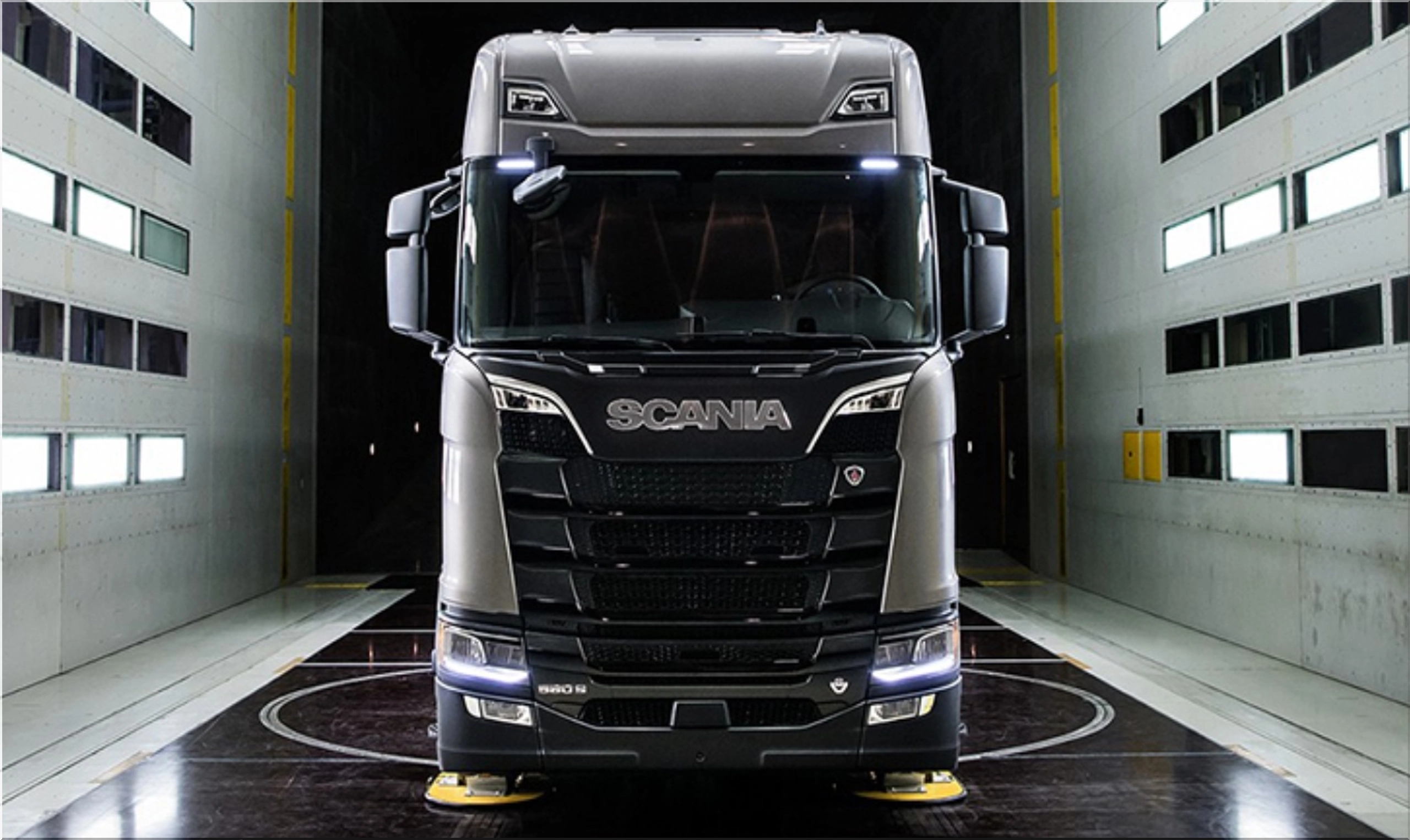
Scania is scaling innovation through structured collaboration with startups via the Nordic platform Combient Foundry. Since 2019, this approach has produced more than 25 pilots, helping Scania solve complex problems in autonomous systems, machine learning, and electrification.
The model is simple and efficient: Scania identifies a problem, startups pitch solutions, and selected companies work directly with Scania teams under streamlined procurement rules.
Key Focus Areas of the Scania–Combient Foundry Collaboration
Scania targets fast, scalable innovation. Each project selected addresses a defined business or technical gap. The process is driven by open innovation challenges, with proven success in the following areas:
1. Simulation Tools for Autonomous Driving
- Startup: Applied Intuition (USA)
- Problem: Real-world testing of autonomous systems is slow and expensive.
- Solution: High-fidelity simulation environments.
- Result: 10x to 100x faster verification of autonomous software compared to physical testing.
2. VR Training for Electric Vehicle Technicians
- Startup: Digitalnauts (UK)
- Problem: Expensive, resource-heavy technician training for BEVs.
- Solution: Fully immersive VR-based service training.
- Result: Cuts travel and equipment costs, saving over $1.1 million annually.
3. Machine Learning for Aerodynamics Optimization
- Startups: RICOS (Japan) and PredictiveIQ (USA)
- Problem: Time-consuming CFD simulations slow aerodynamic design.
- Solution: AI model predicts drag and airflow with high precision.
- Result: Engineers test more designs in less time using simulation-trained ML tools.
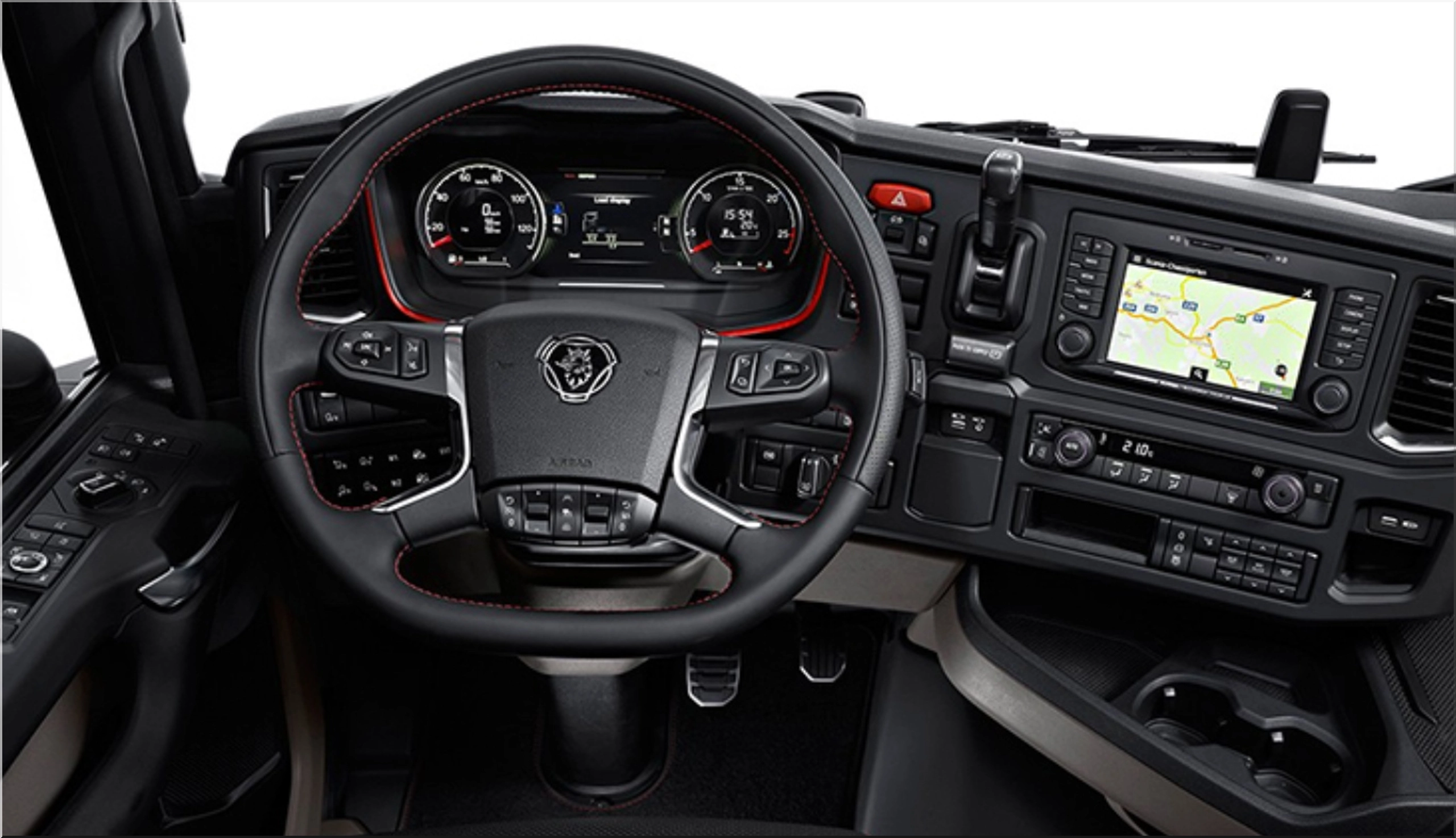
How the Startup Collaboration Works
Scania has created a repeatable and clear path for engaging startups through Combient Foundry. The process looks like this:
- Define challenge areas
Focus on clear business problems with measurable outcomes. - Invite global startups
More than 80 startups have joined pilot phases. Many come from the U.S., Israel, and Europe. - Run structured pilots
Each pilot has a Scania sponsor, defined KPIs, and fast procurement support. - Assess outcomes quickly
Strong ideas move into product development or operations. Others are retired or reworked. - Scale successful solutions
Selected startups receive longer-term contracts or commercial integration.
Procurement Designed for Speed and Clarity
Unlike traditional supplier models, Scania removes barriers for young tech companies:
- Shorter onboarding cycles
- Pre-approved legal frameworks
- Single points of contact inside procurement teams
This process makes it easier for startups to deliver results faster without compliance friction.
Results and Metrics That Matter
Scania tracks success using real-world implementation data:
| Metric | Value |
|---|---|
| Pilots Launched Since 2019 | 25+ |
| Global Startups Involved | 80+ |
| Projects Moved to Implementation | 45% of all pilots |
| Pilots Rated “Successful” by Scania | 60% |
| Annual Savings from VR Training | $1.1 million |
| Simulation Speed Increase | 10x–100x vs physical tests |
Why This Model Works for Scania
The startup engagement model aligns with Scania’s goals in three key ways:
- Speed: Startups move fast. Scania taps this speed without losing control over product quality.
- Specificity: Each challenge addresses a precise operational or technical gap.
- Scalability: Projects that work in a pilot phase are built to scale.
Scania focuses on measurable outcomes, not open-ended R&D. That’s why so many projects move beyond testing.
Areas of Ongoing Interest
Scania continues to invite startup proposals in the following areas:
- Battery analytics and lifecycle monitoring
- AI for predictive maintenance
- Digital twin models for vehicle fleets
- Supply chain visibility using blockchain
- Energy-efficient HVAC systems for EVs
Startups selected get access to internal Scania teams, test data, and potential commercial rollout.
Takeaways for the Transport Industry
Scania’s model shows that structured startup partnerships deliver real results—not just concept demos. The company gains:
- Faster tech deployment
- Cost reductions in core areas
- A pipeline of global innovation partners
This startup engagement strategy has become a core innovation tool, not an experiment. In a market defined by tight margins and rapid electrification, speed and specificity matter more than ever.
Conclusion: A Template for Smart Innovation at Scale
Scania’s collaboration with Combient Foundry is reshaping how established transport companies innovate. By replacing slow R&D cycles with targeted startup projects, Scania cuts costs and speeds up product development.
Startups win access to real problems and fast-track pilots. Scania wins real savings, new capabilities, and a continuous flow of tech-driven solutions.
The result? A repeatable system that delivers measurable innovation in transport—fast, specific, and scalable.
- Add new comment
- 129 views