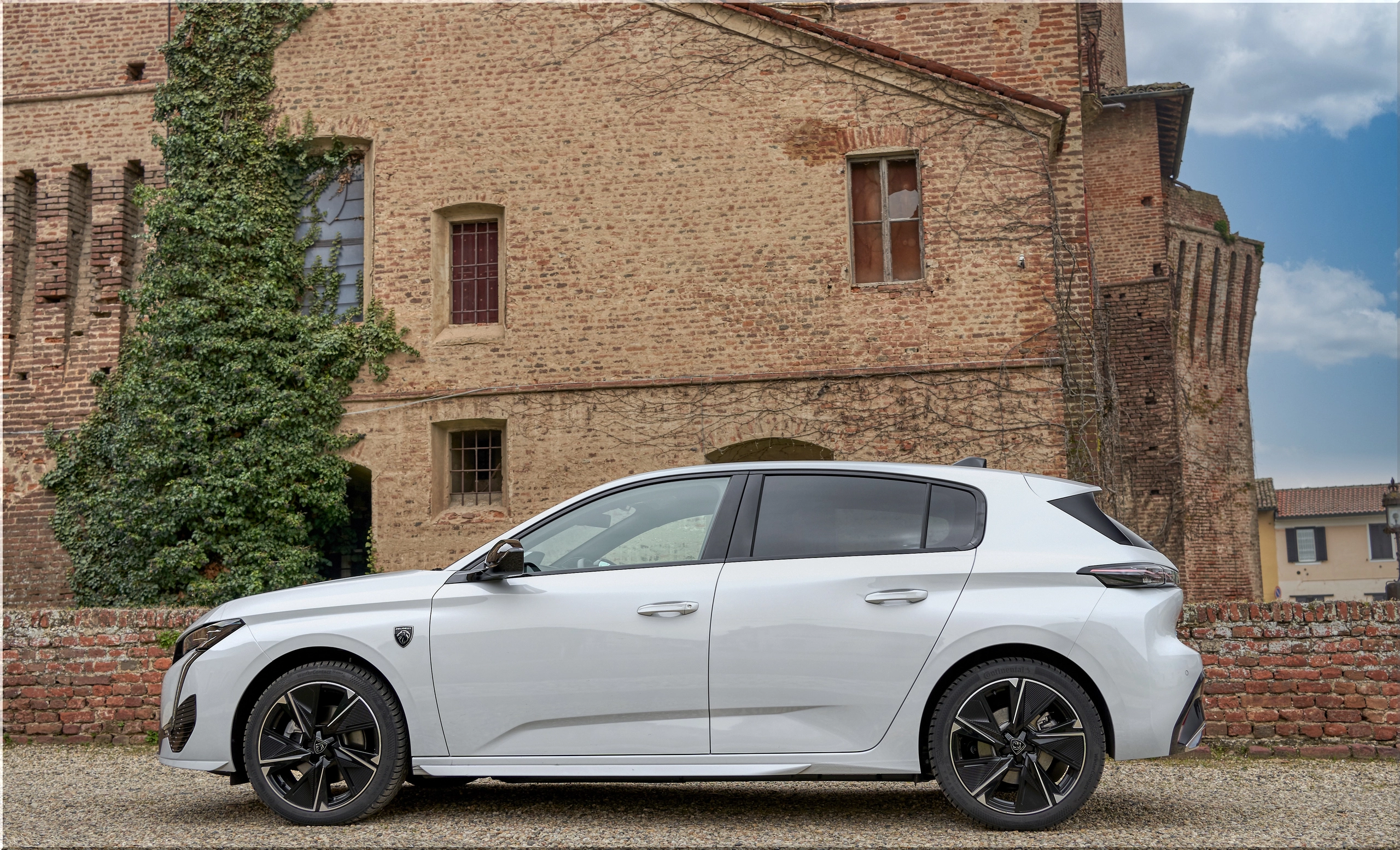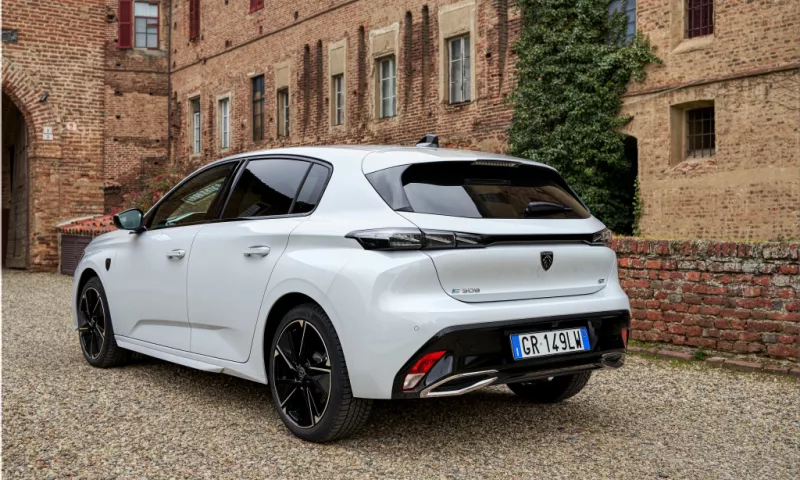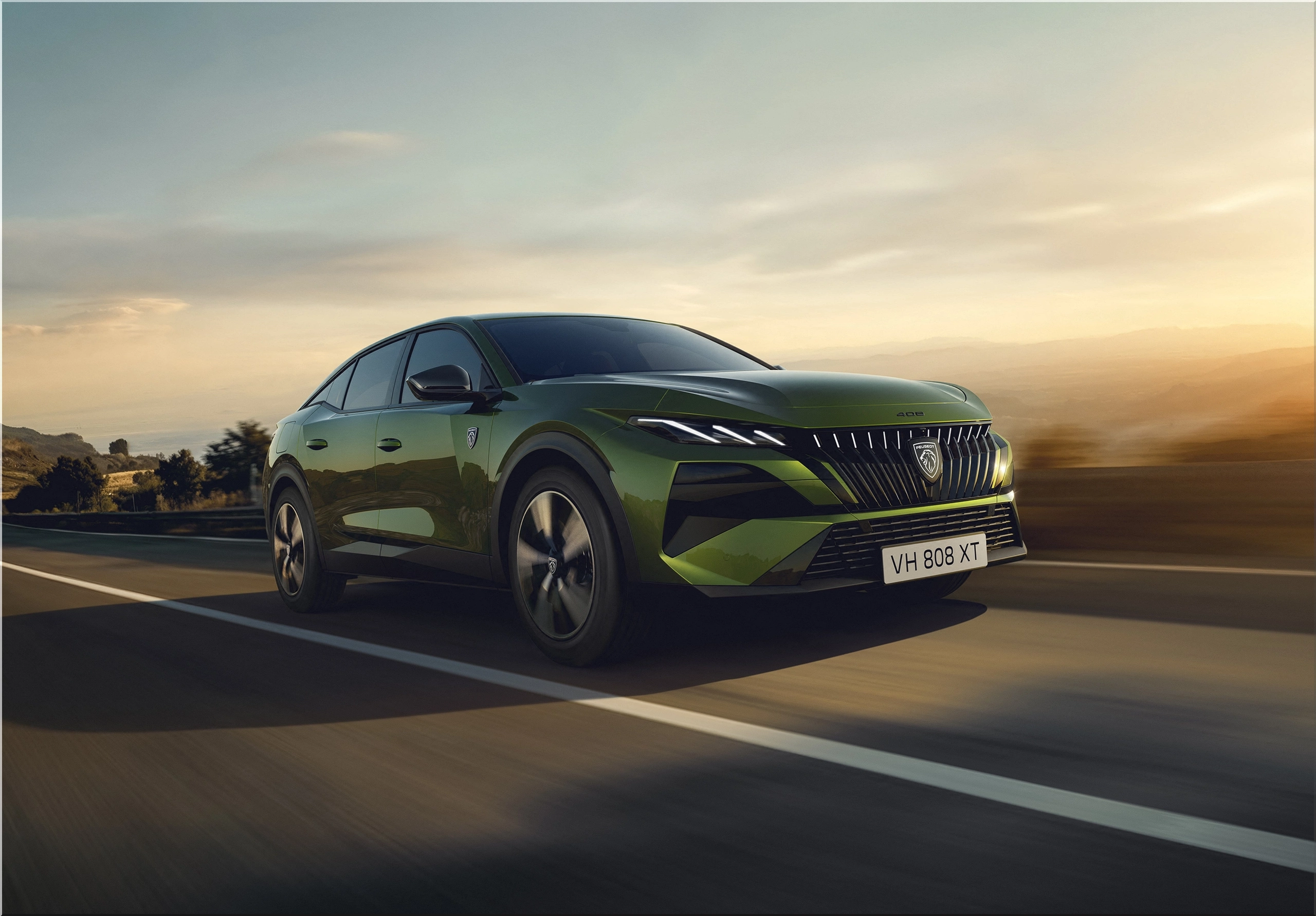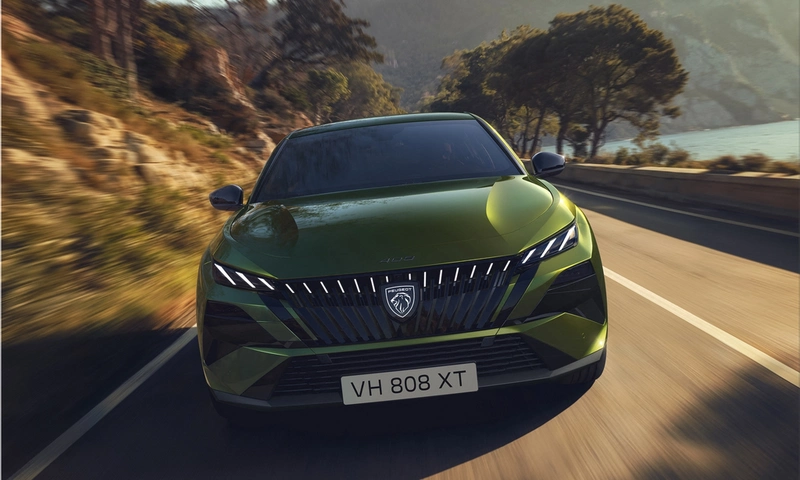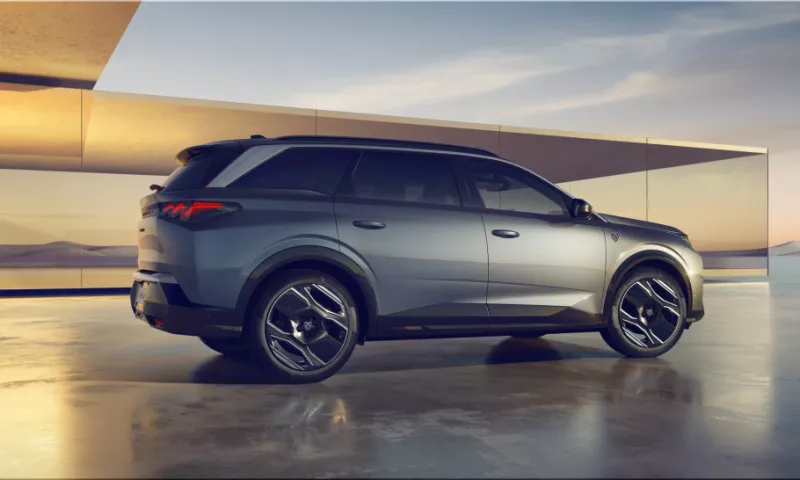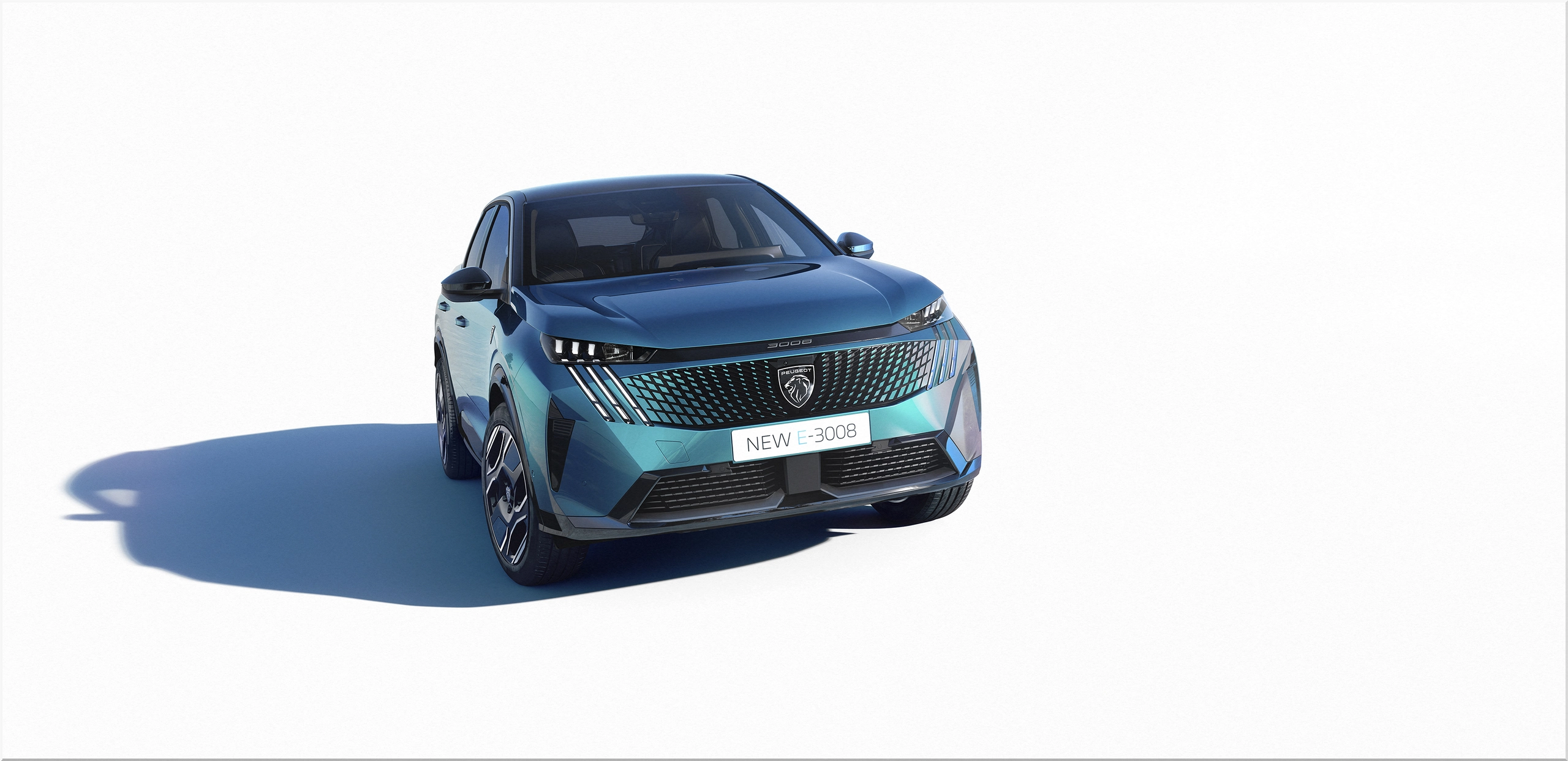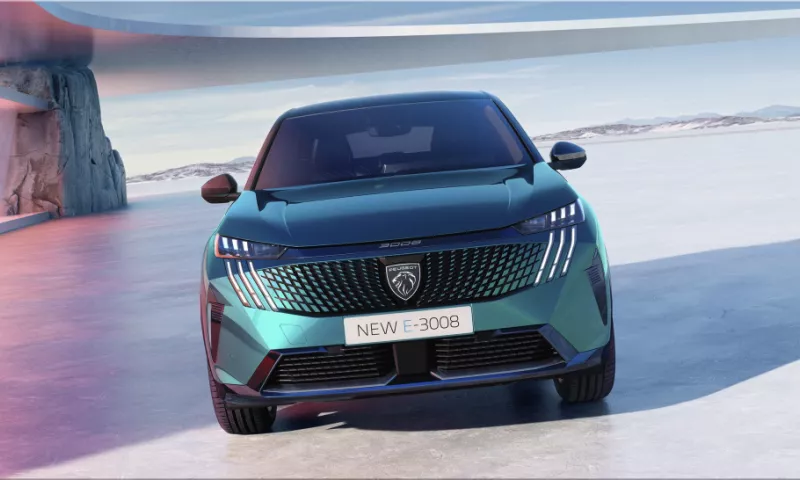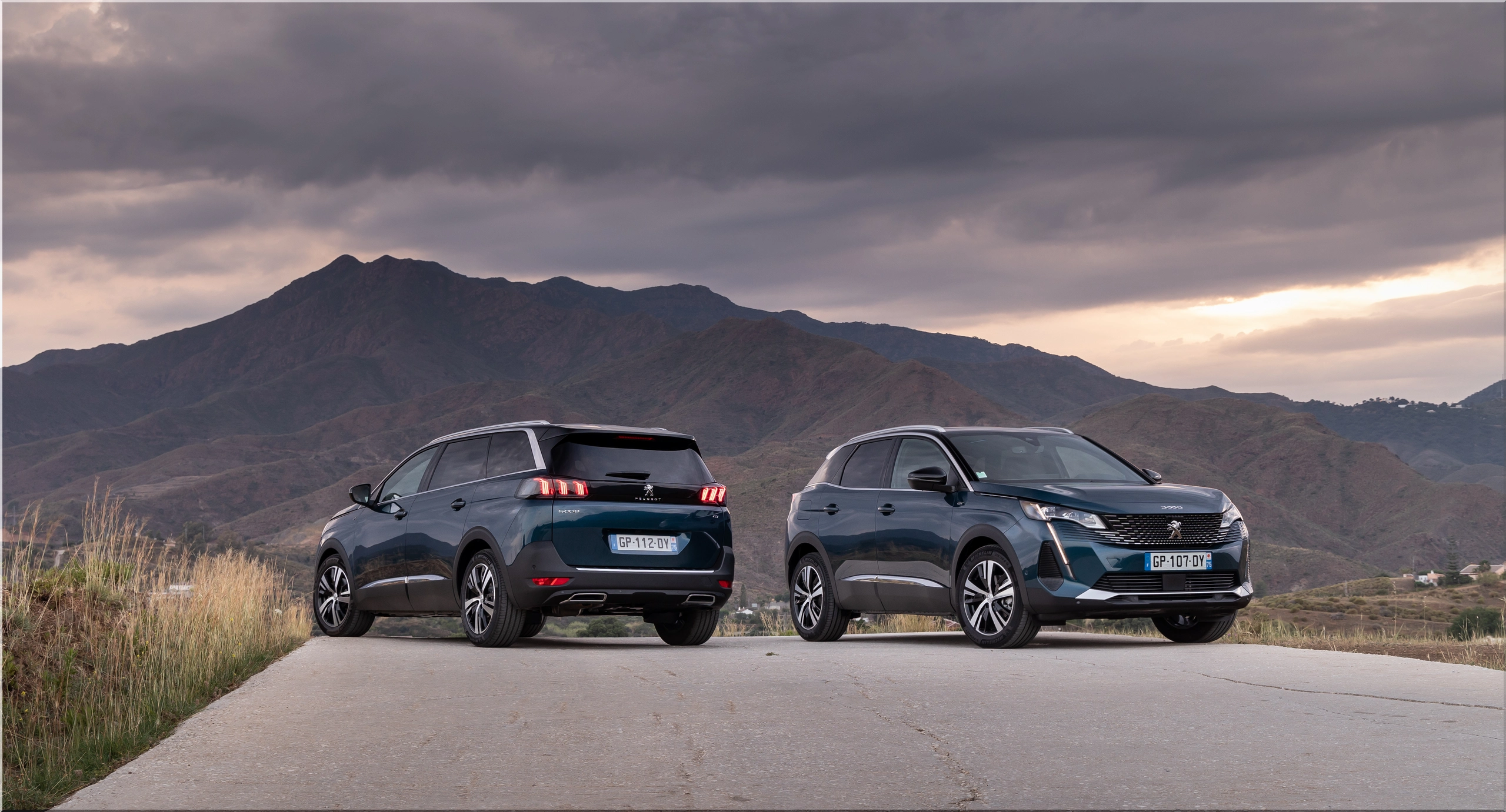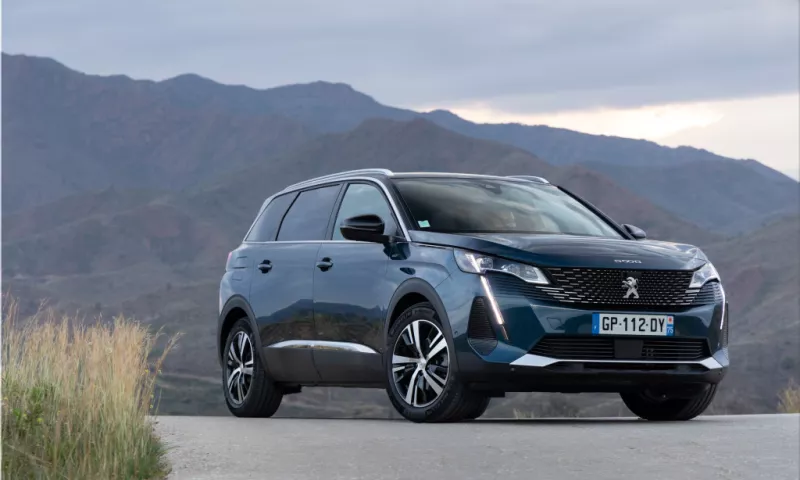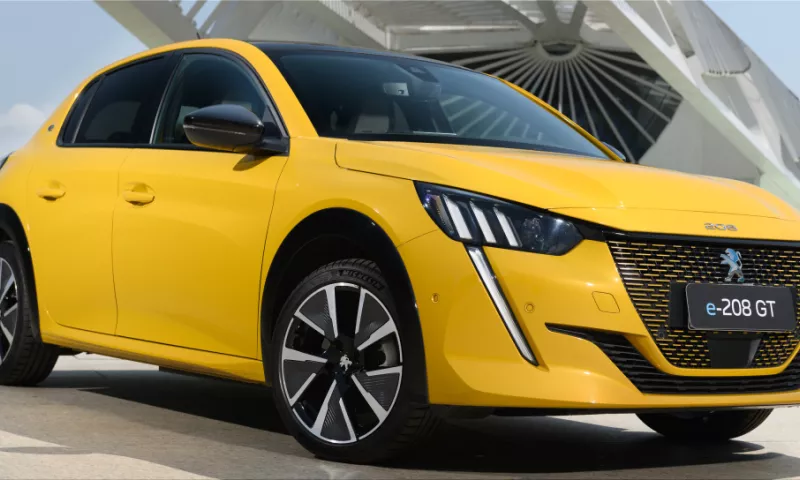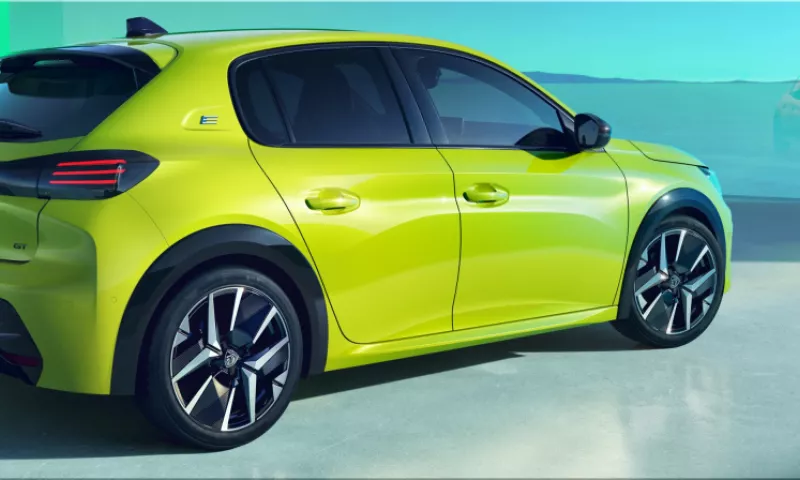
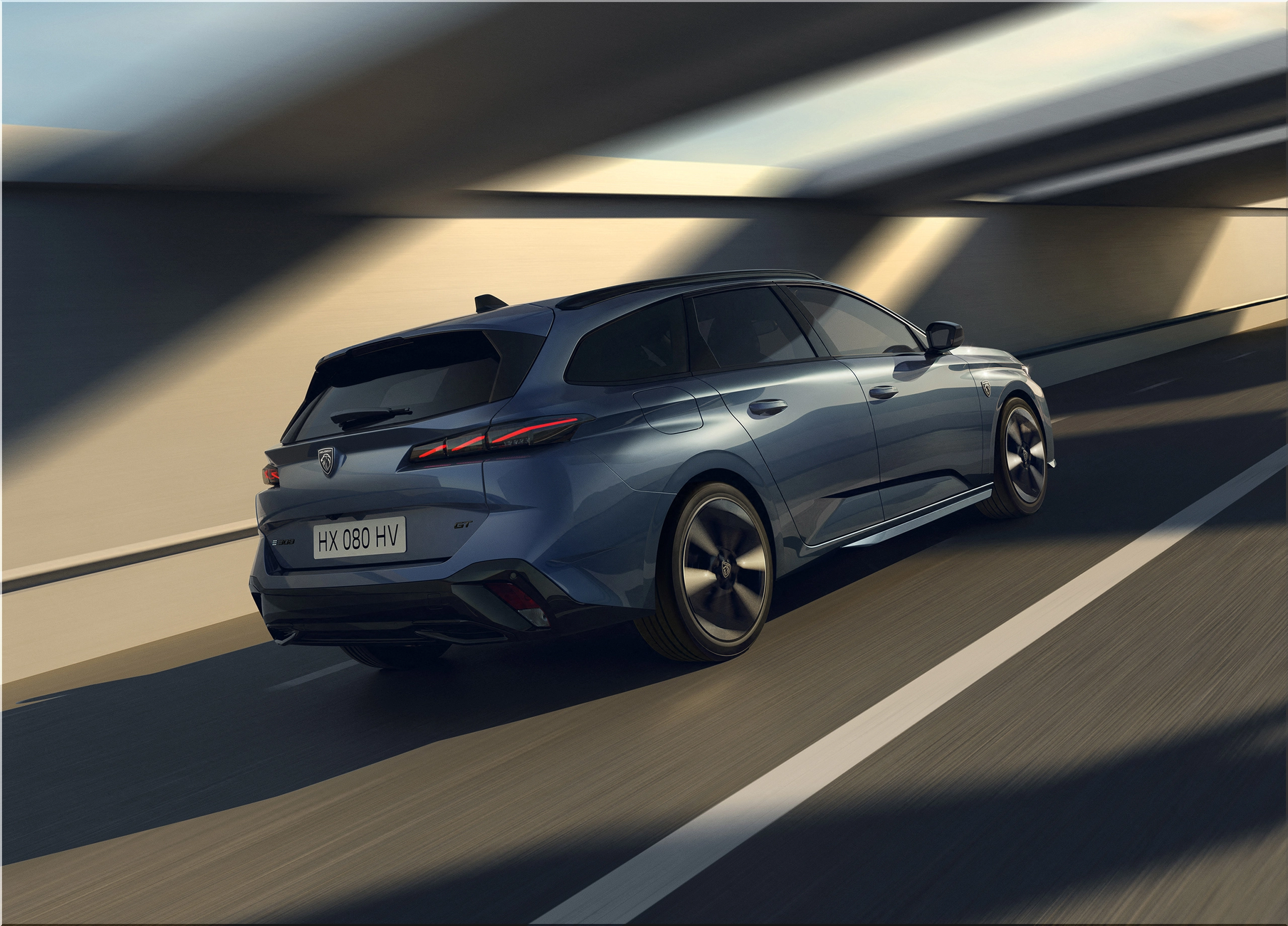
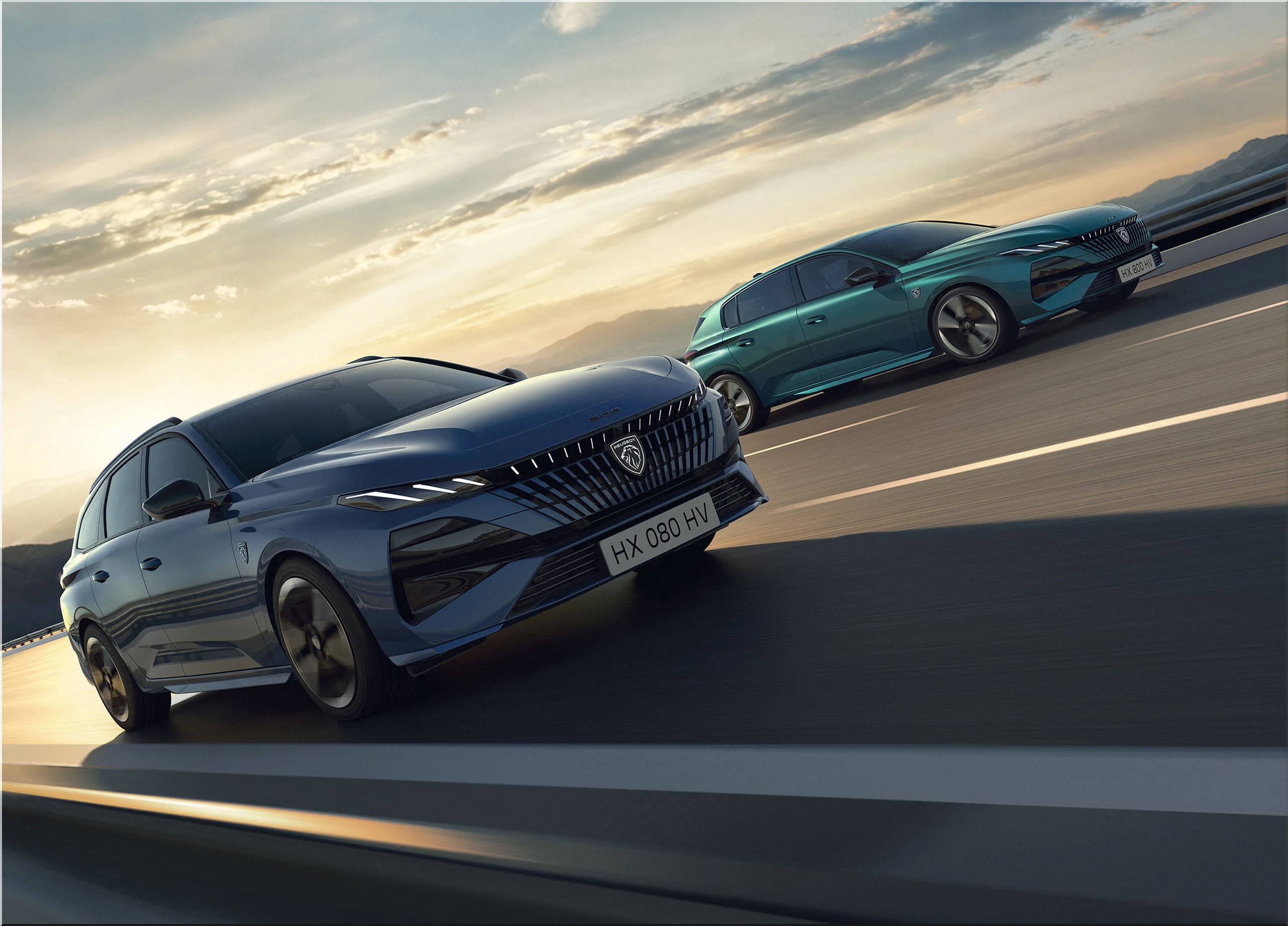
The 2025 Peugeot 308 and 308 SW target clear outcomes: efficient power, useful tech, and easy ownership. Peugeot covers electric, plug-in hybrid, hybrid, and diesel. The lineup gives buyers a choice that fits charging access, tax rules, and mileage needs.
What changed for 2025: design, lighting, and connected features
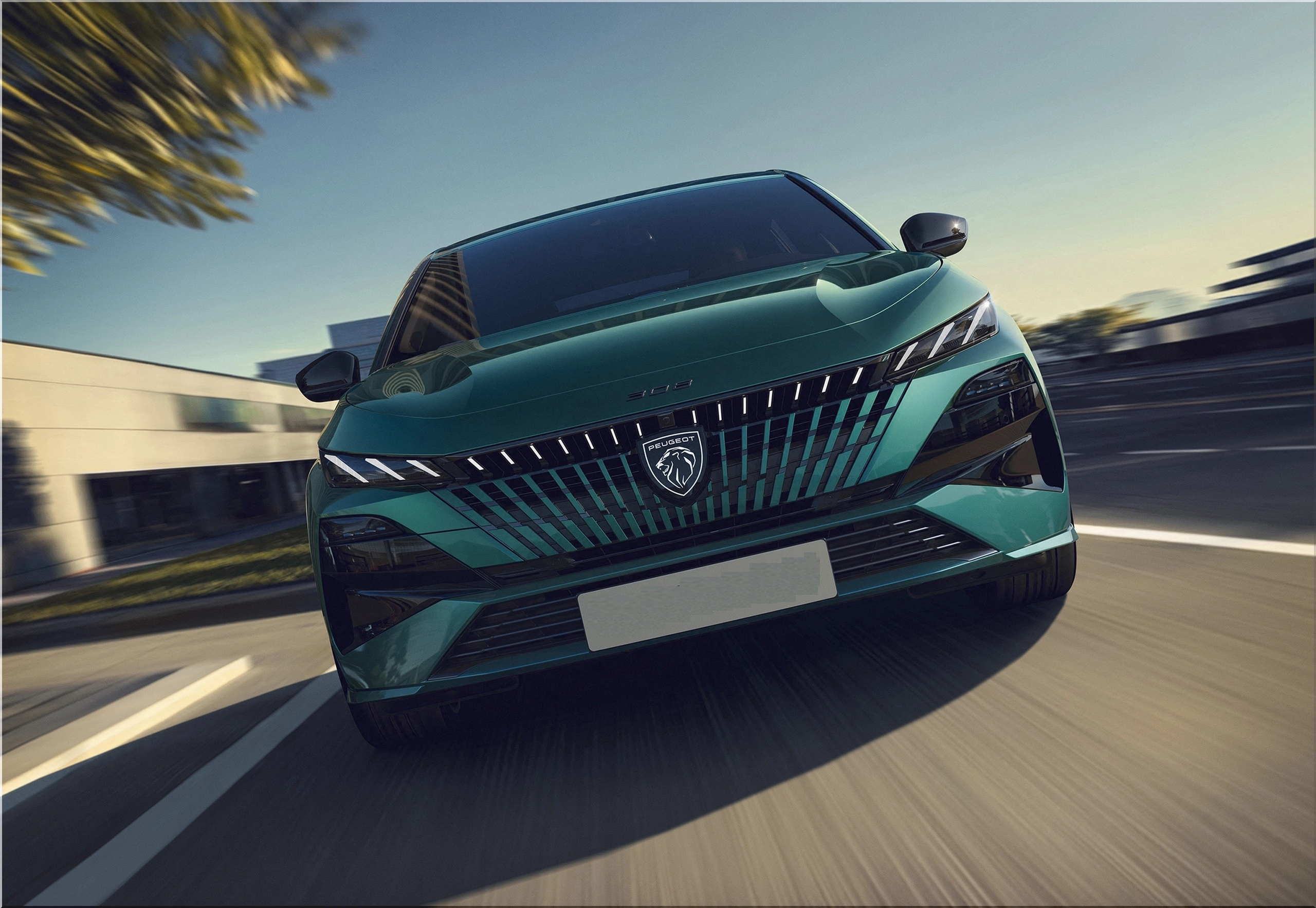
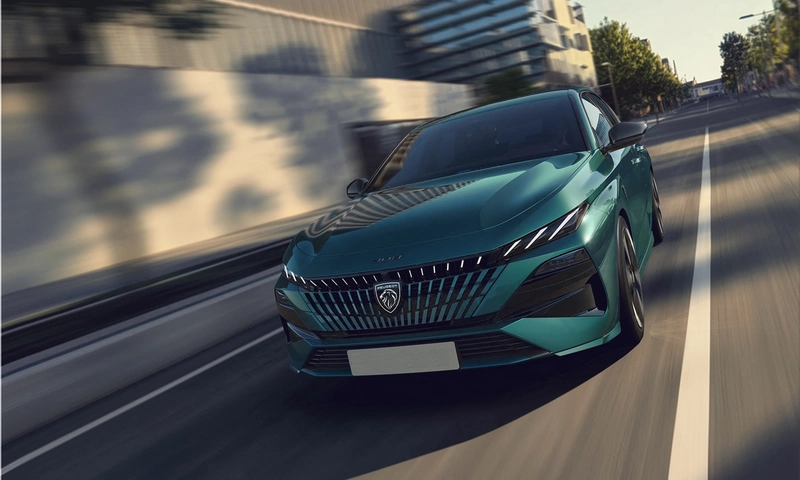
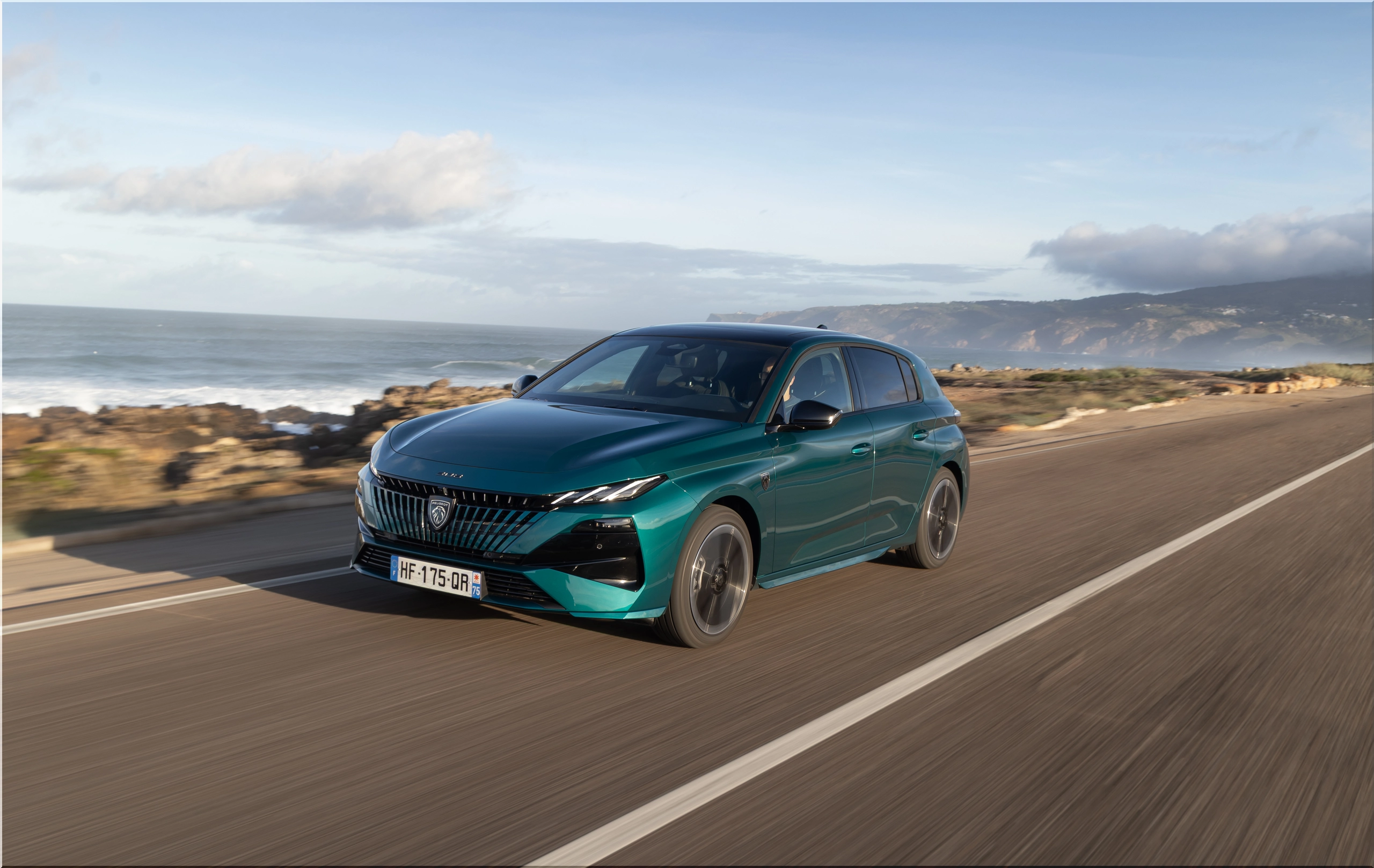
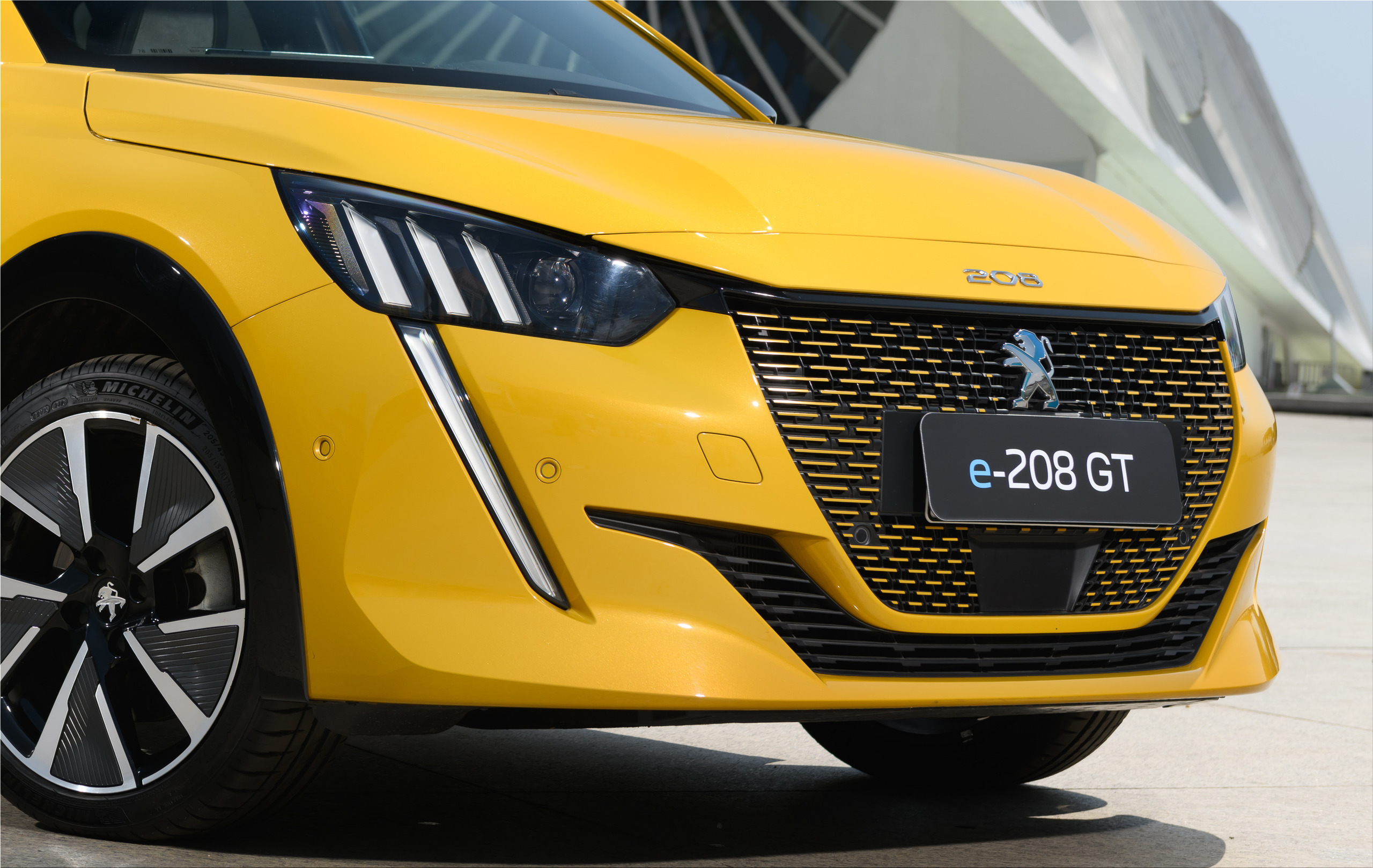
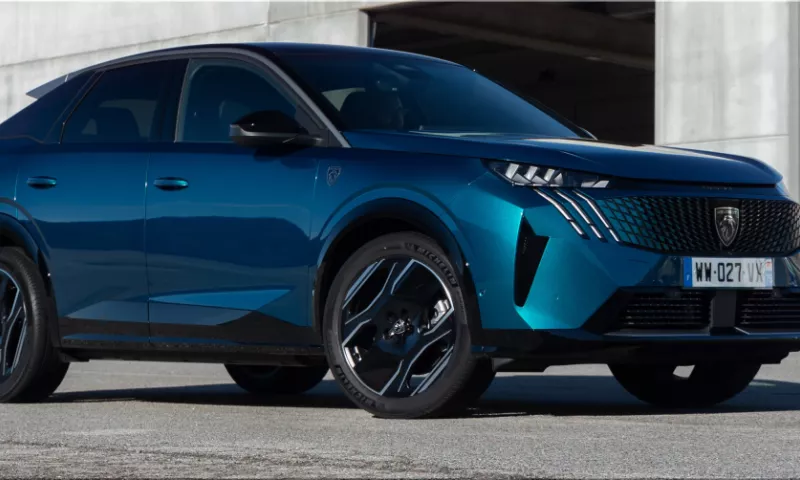
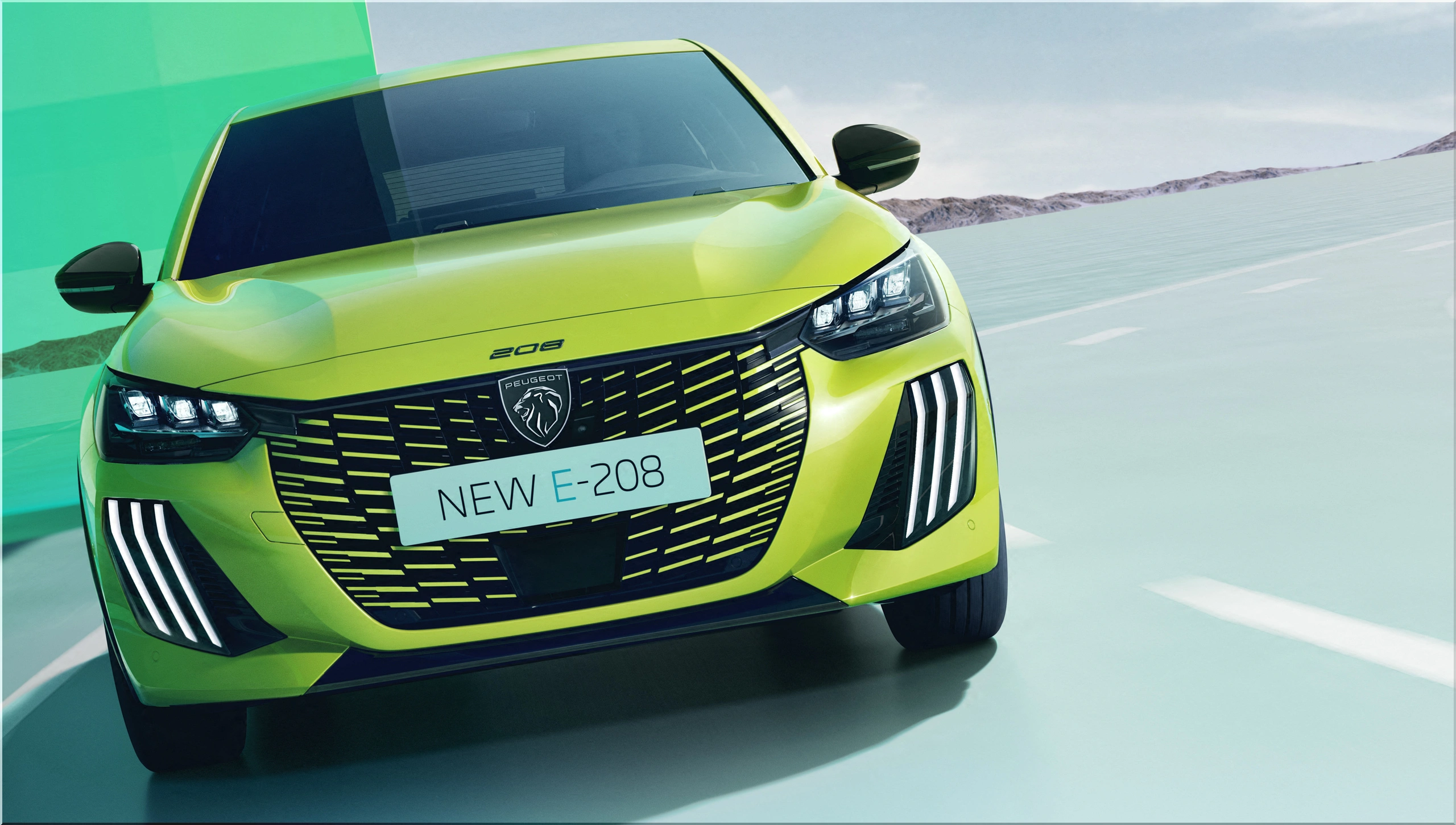
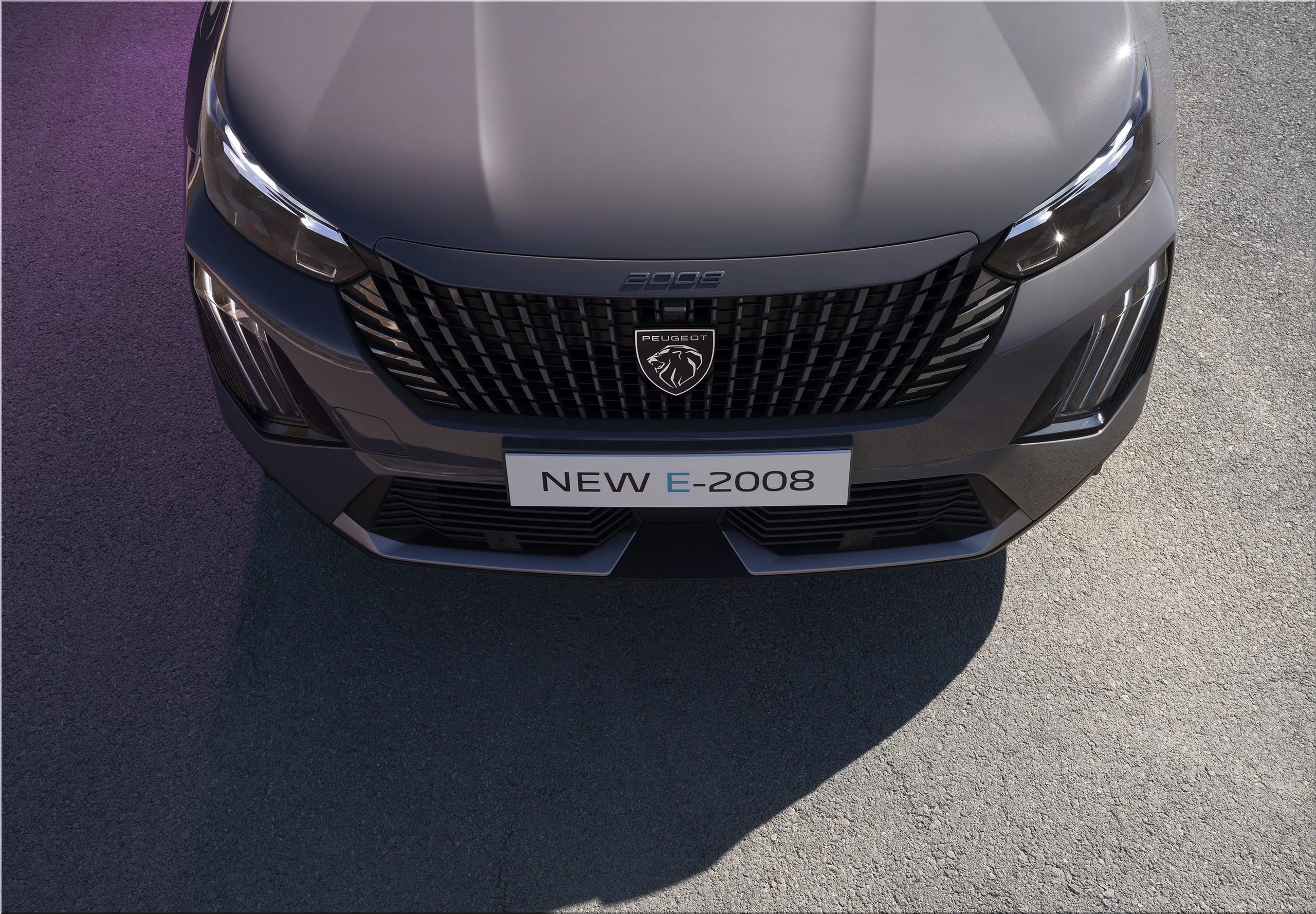
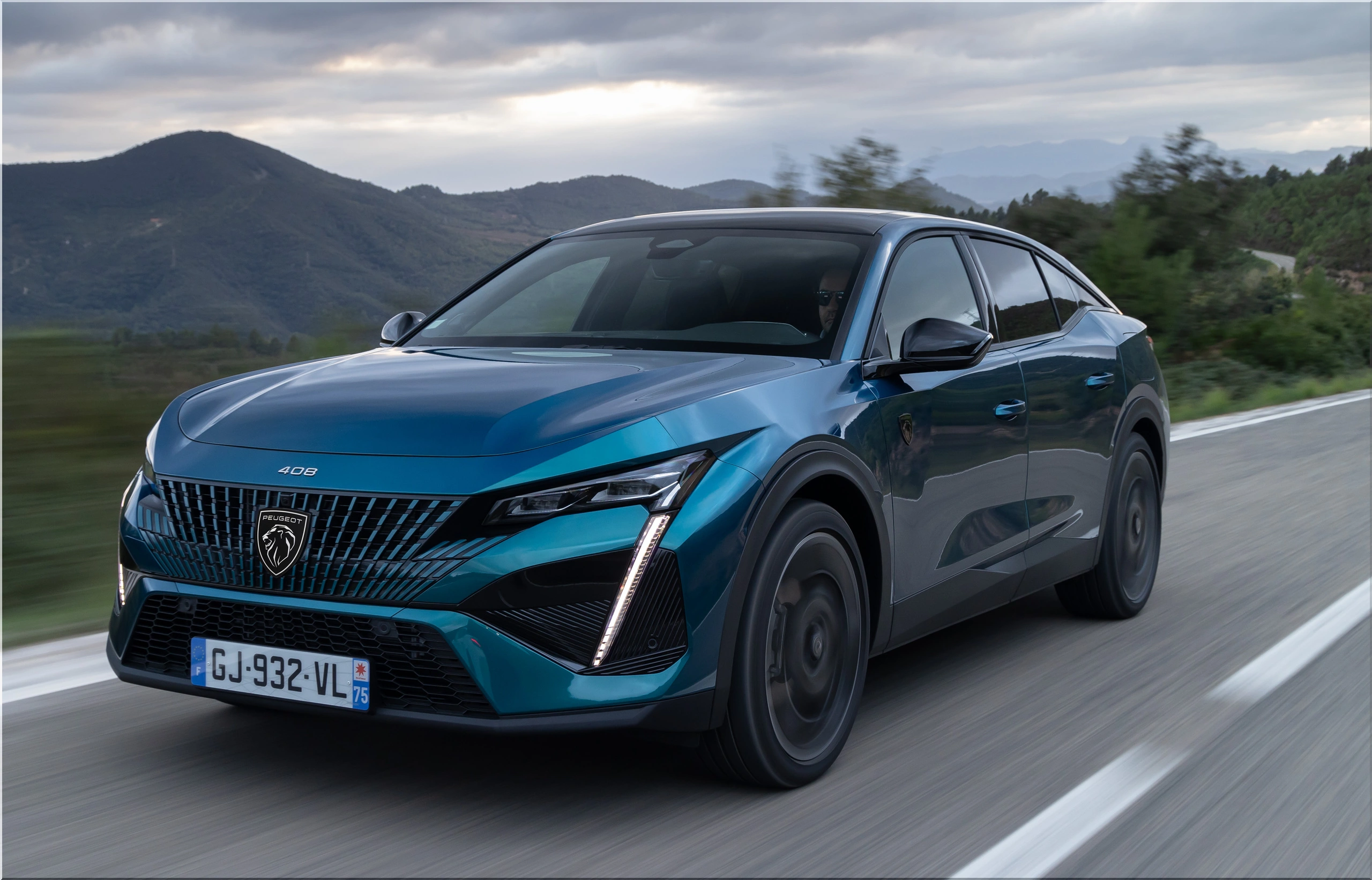
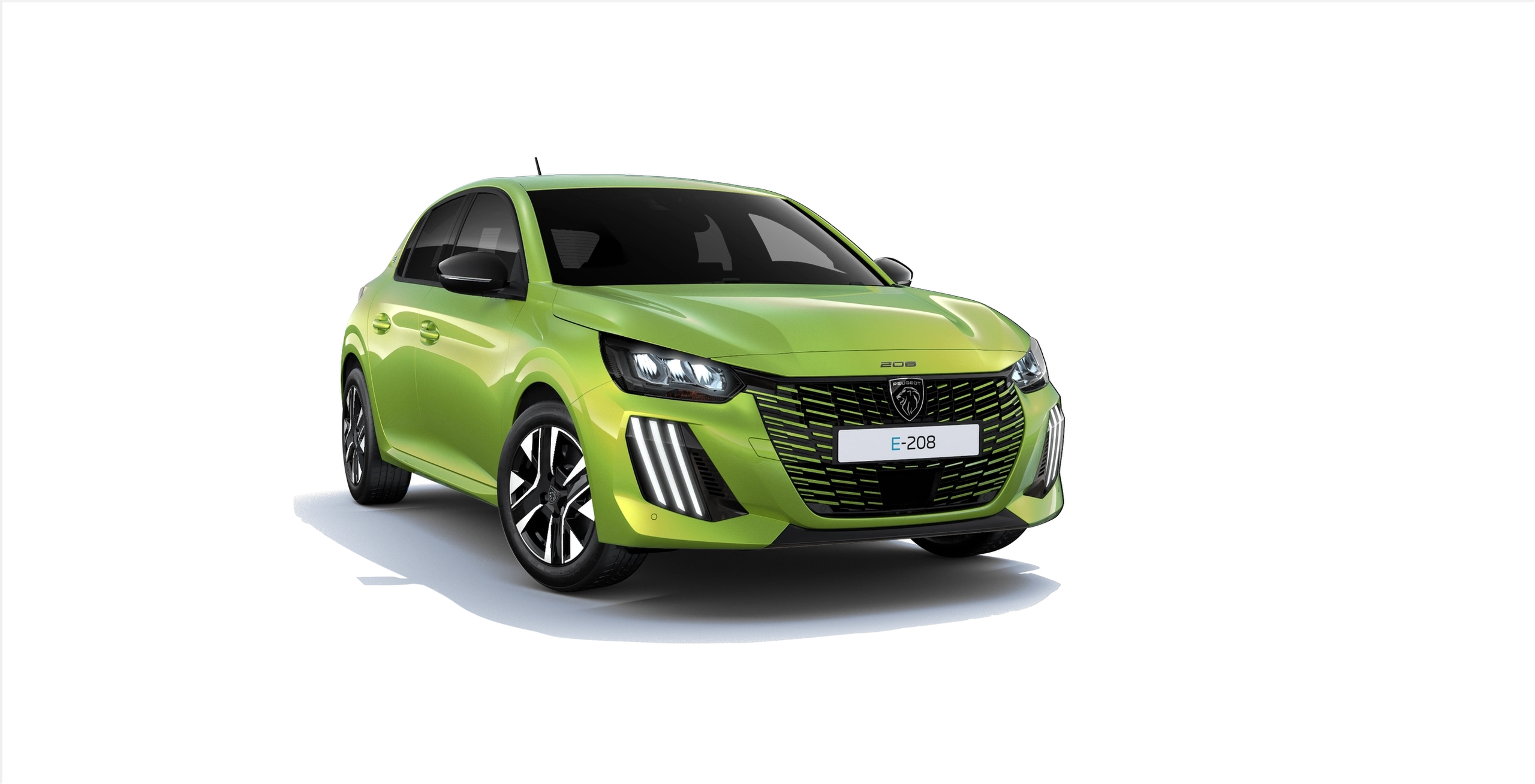
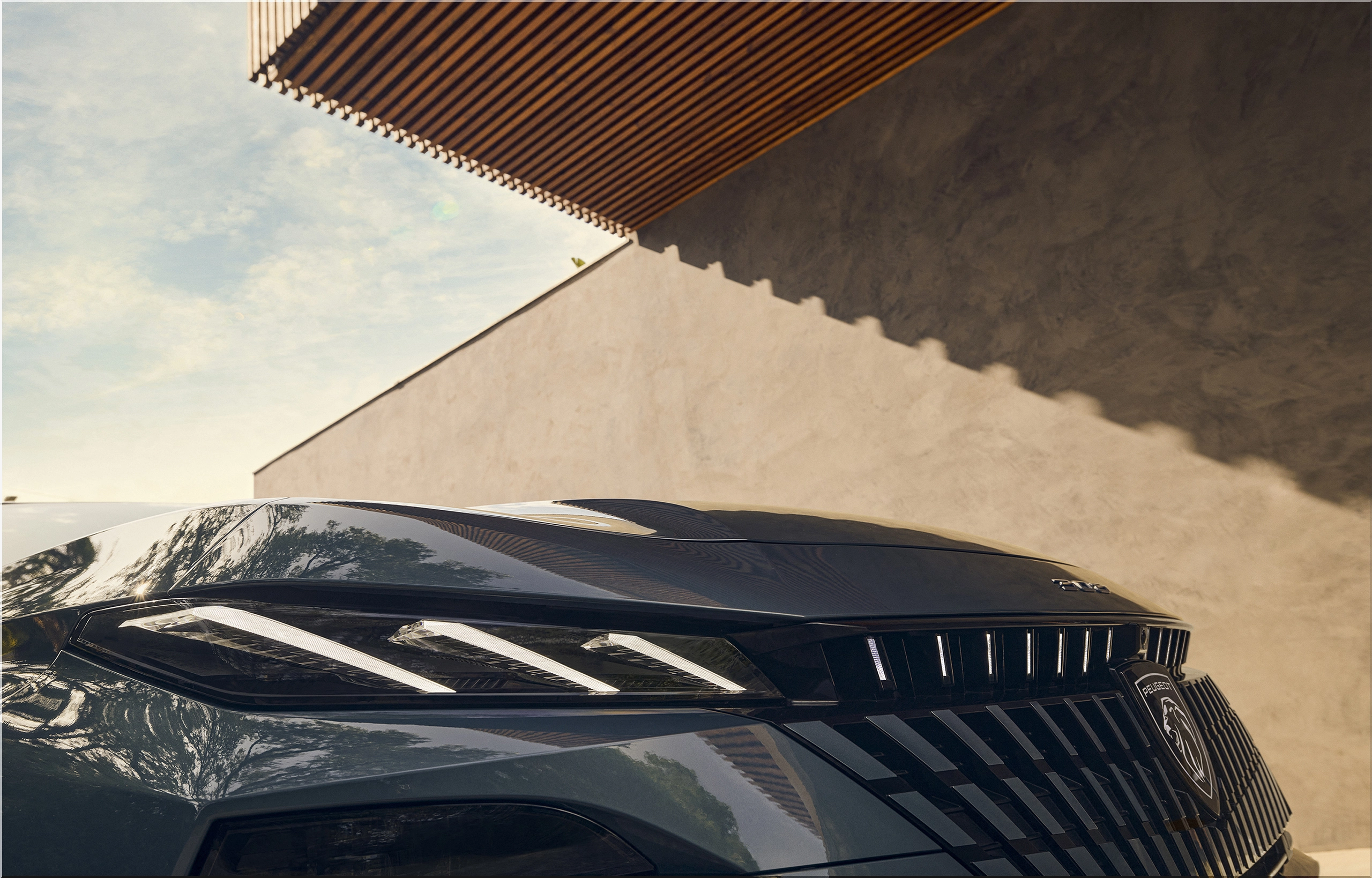
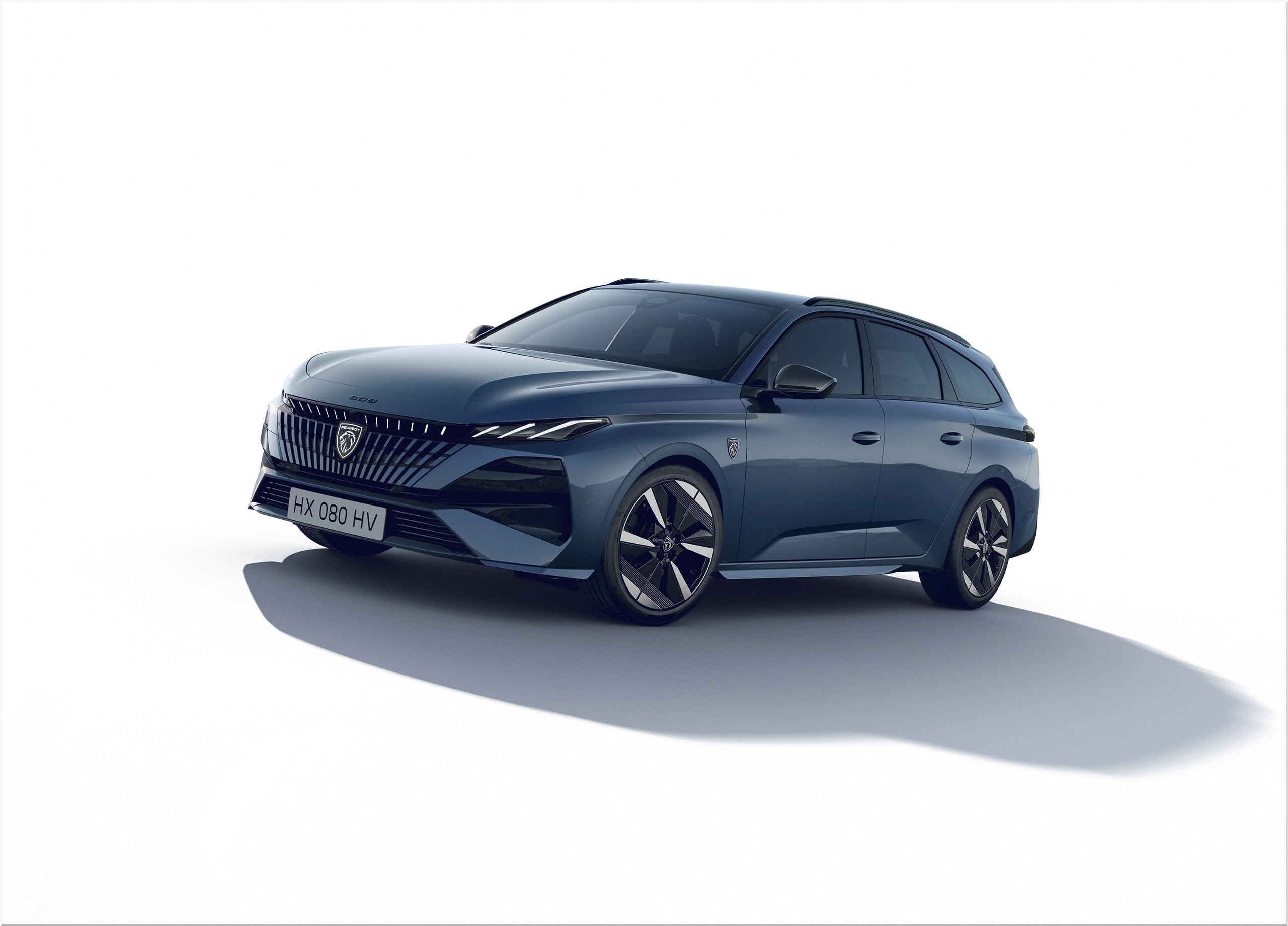
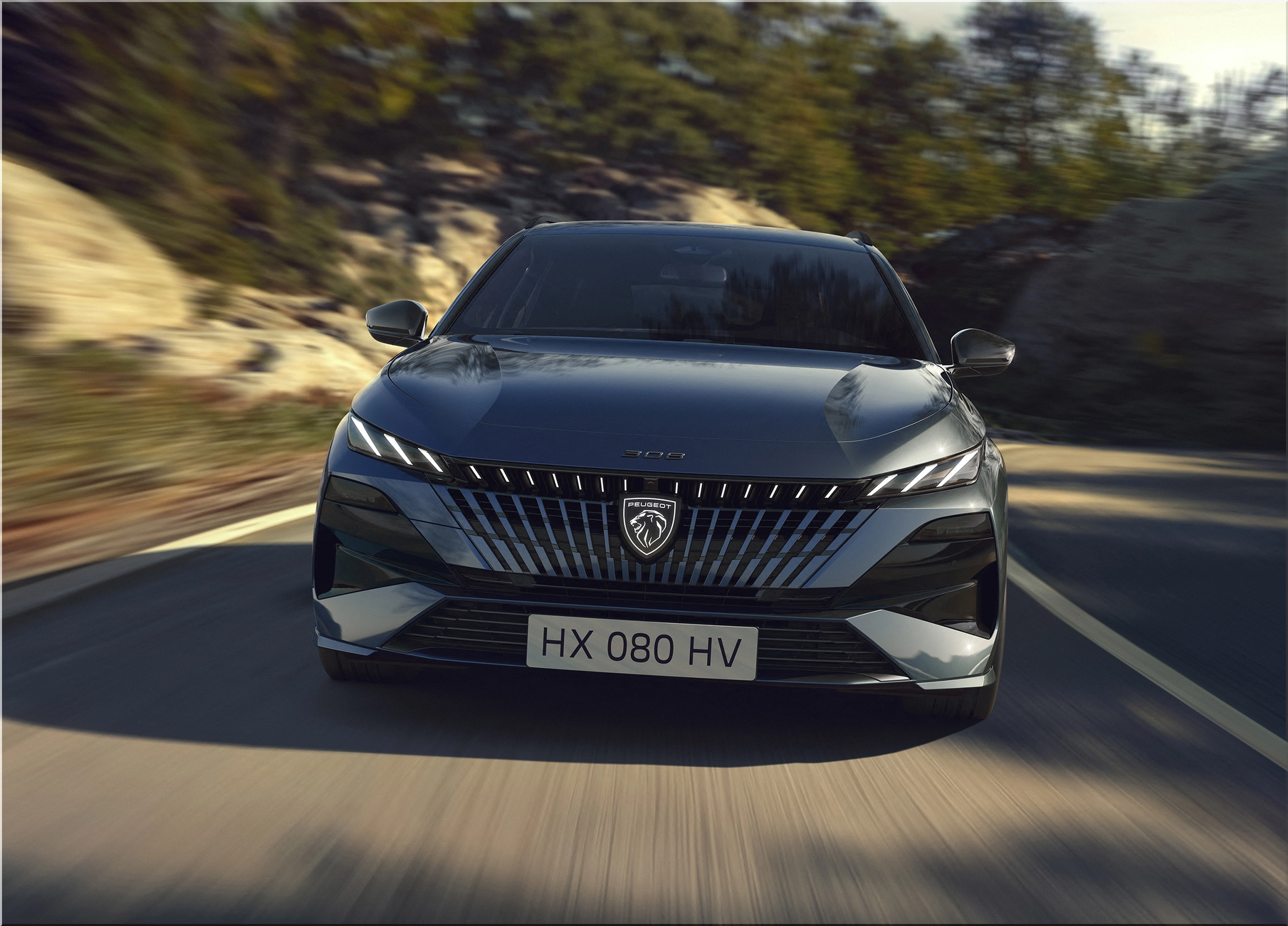
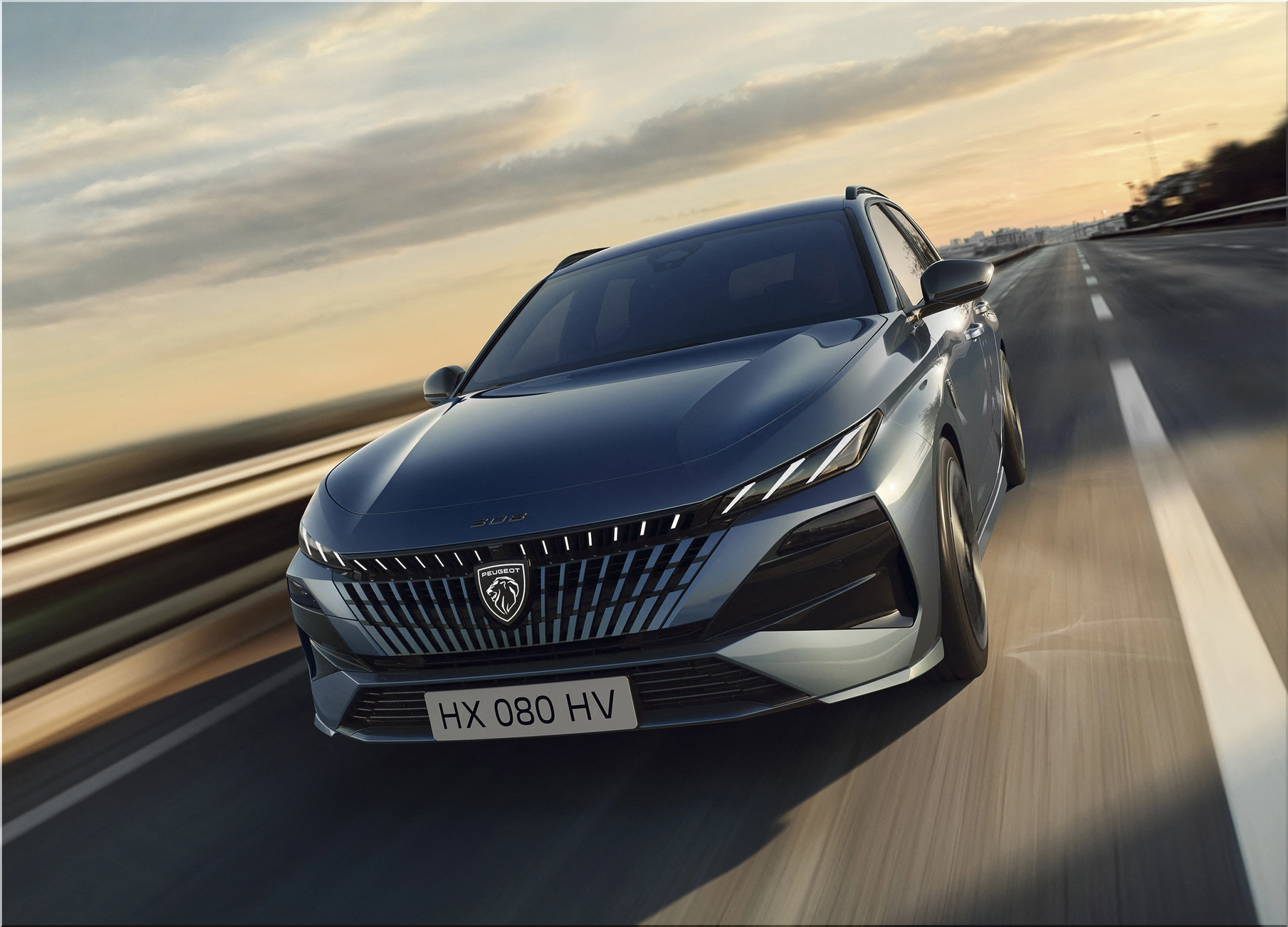
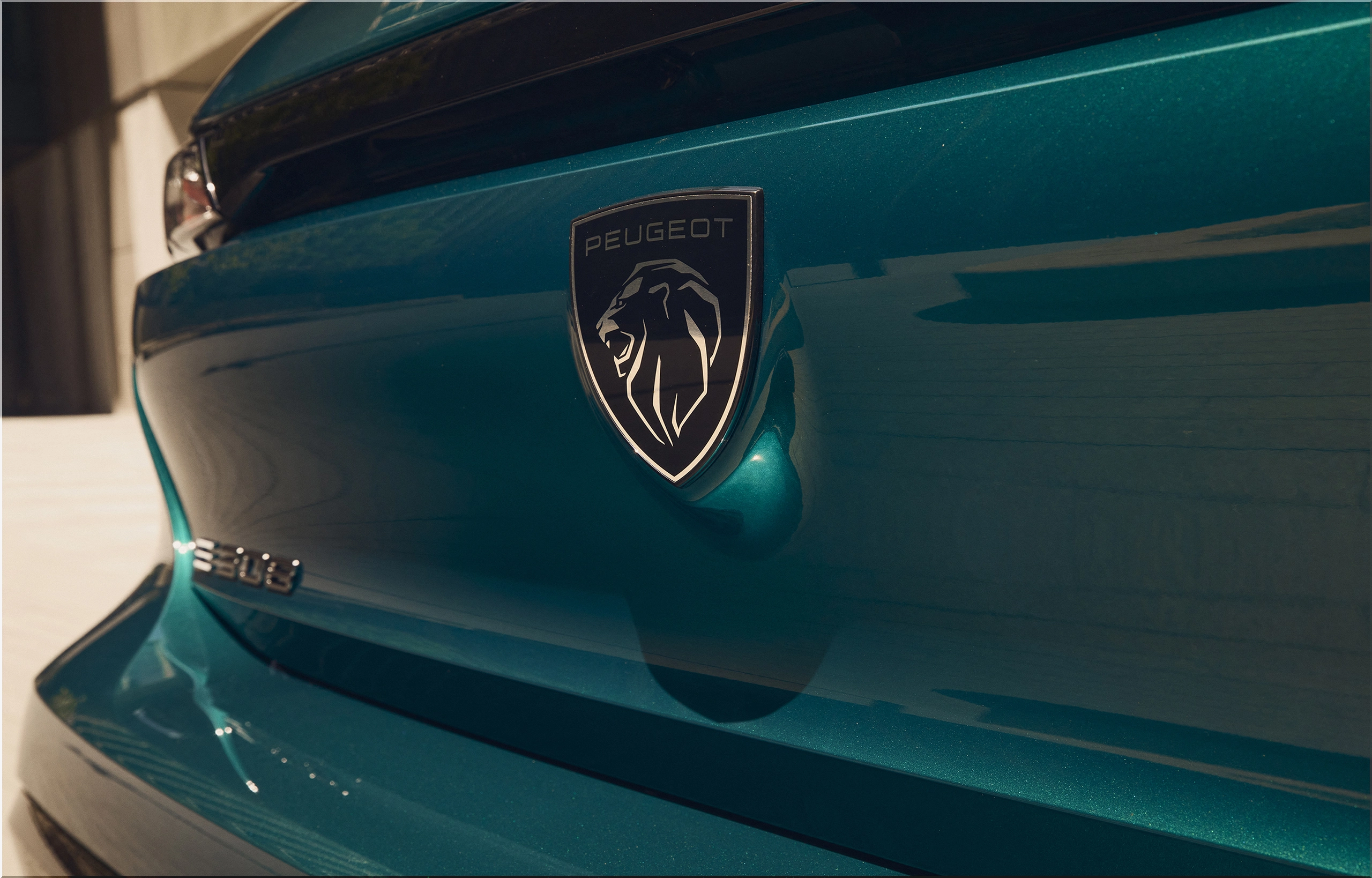
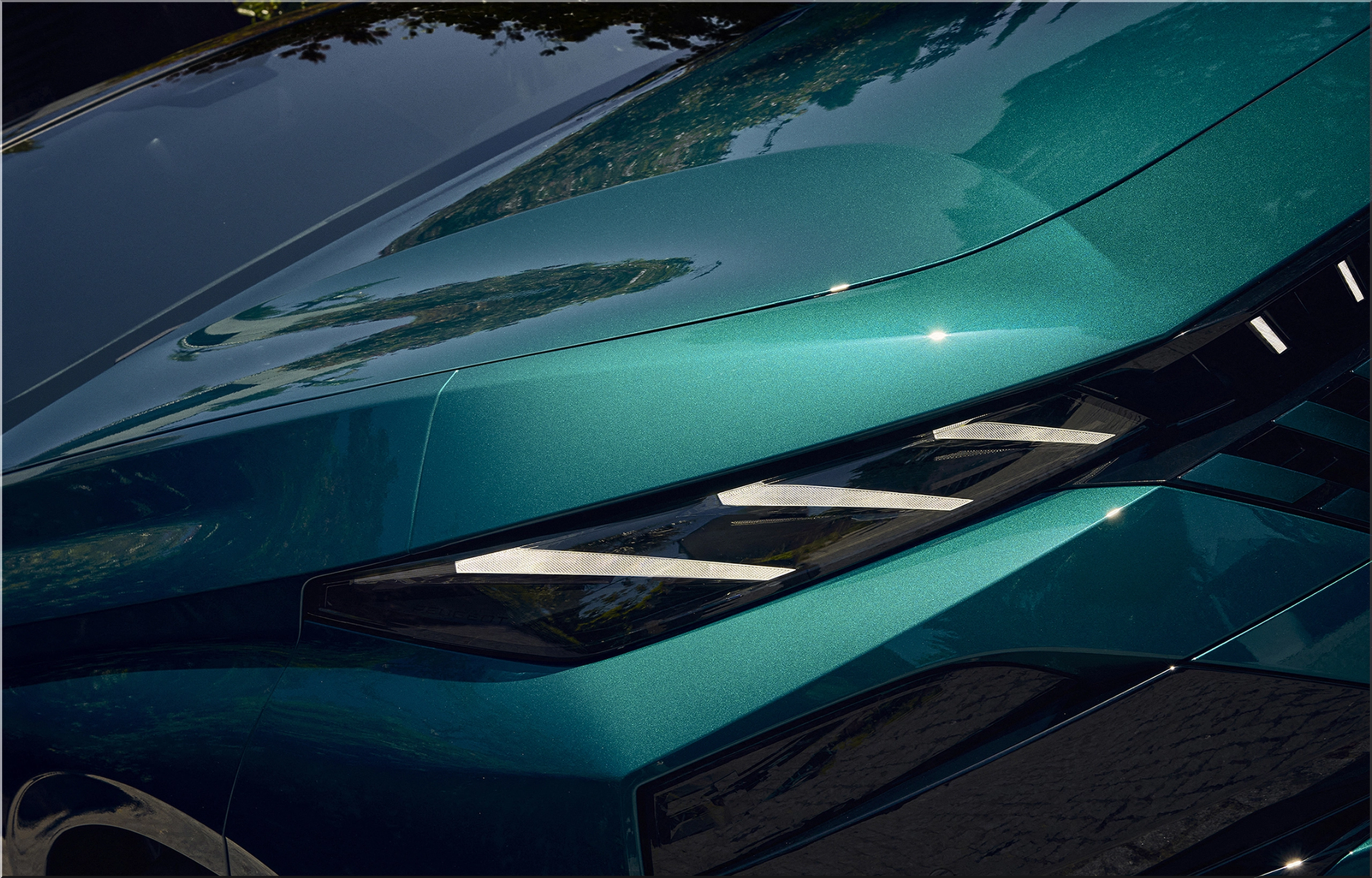
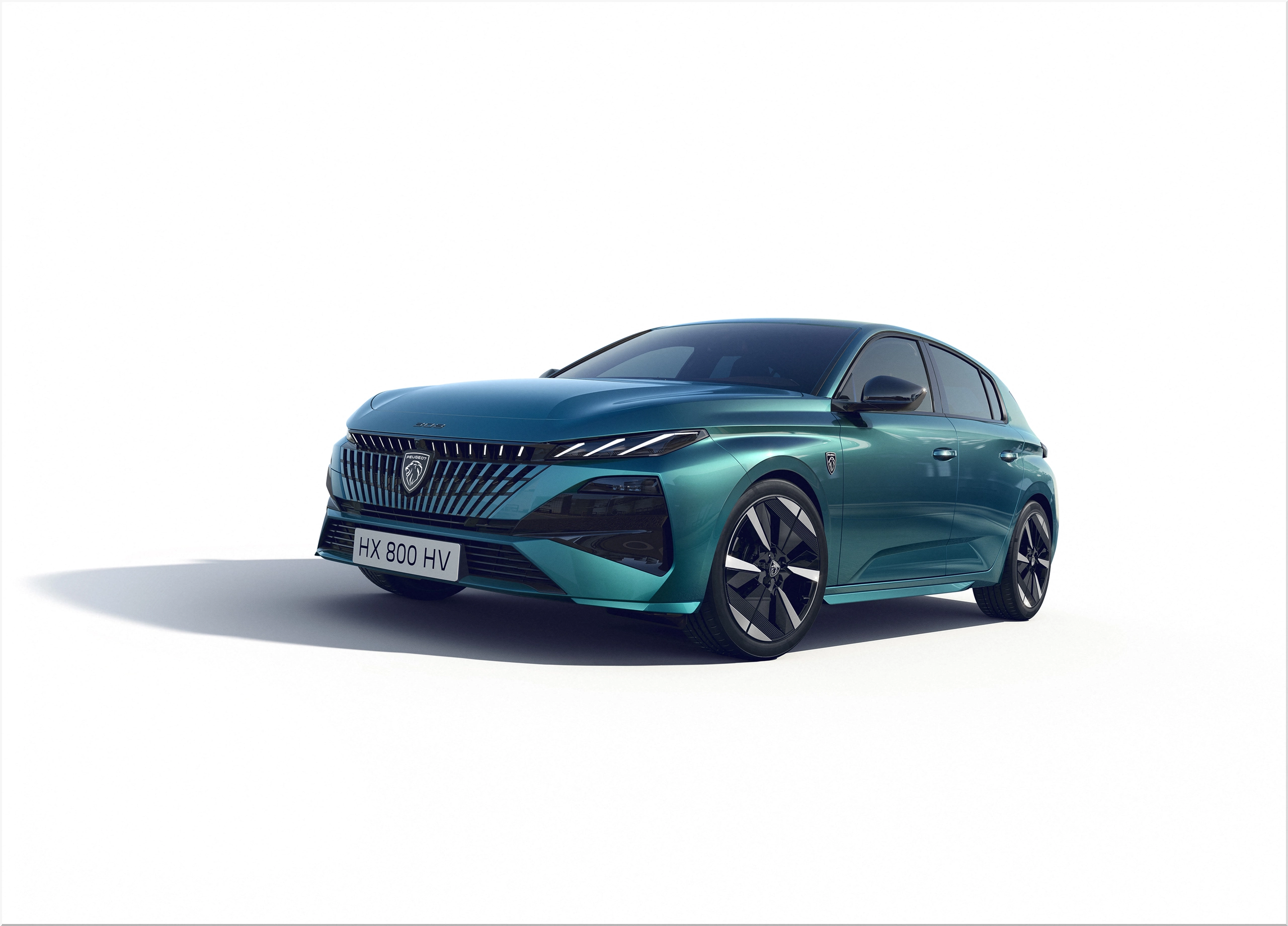
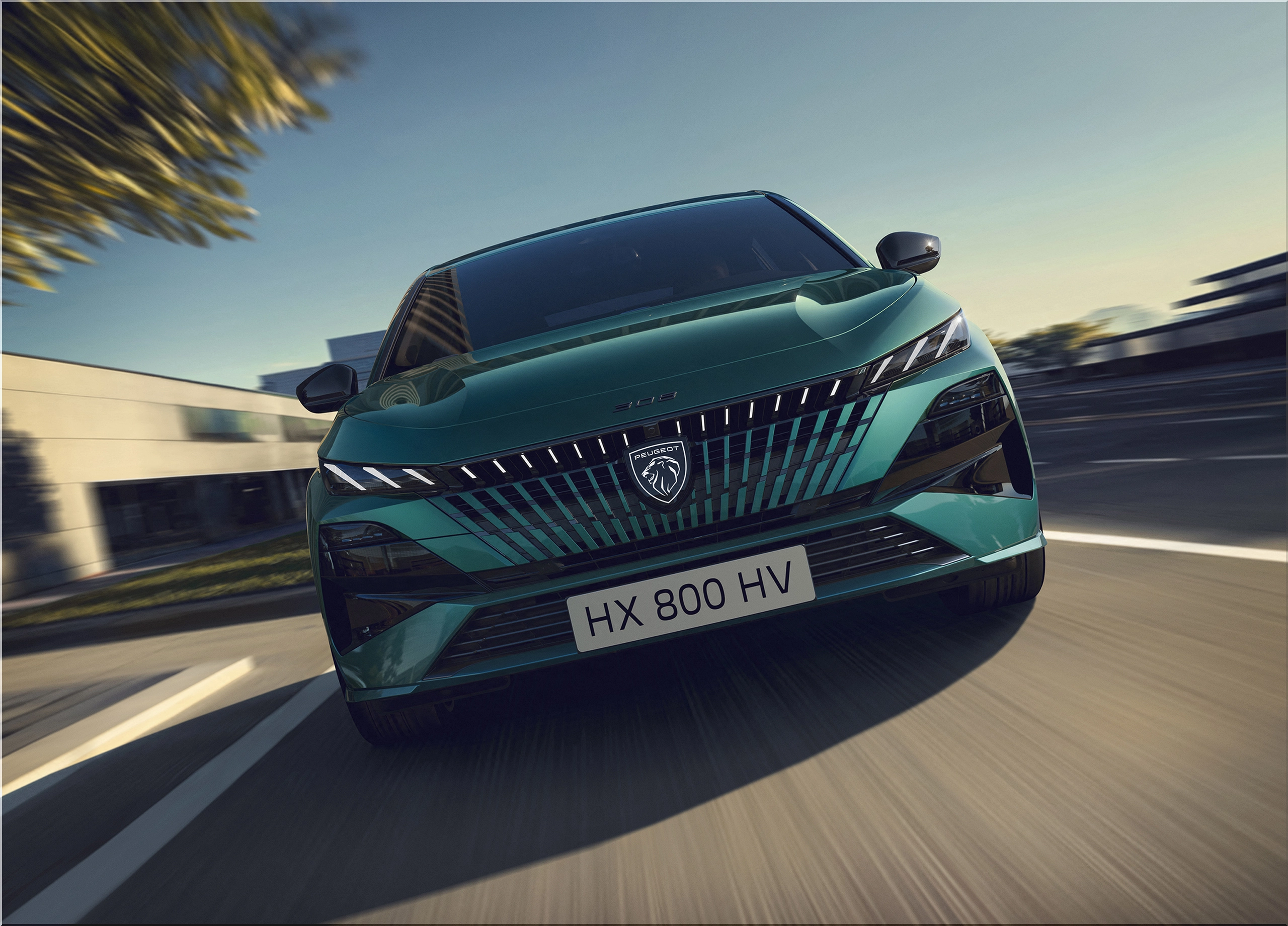
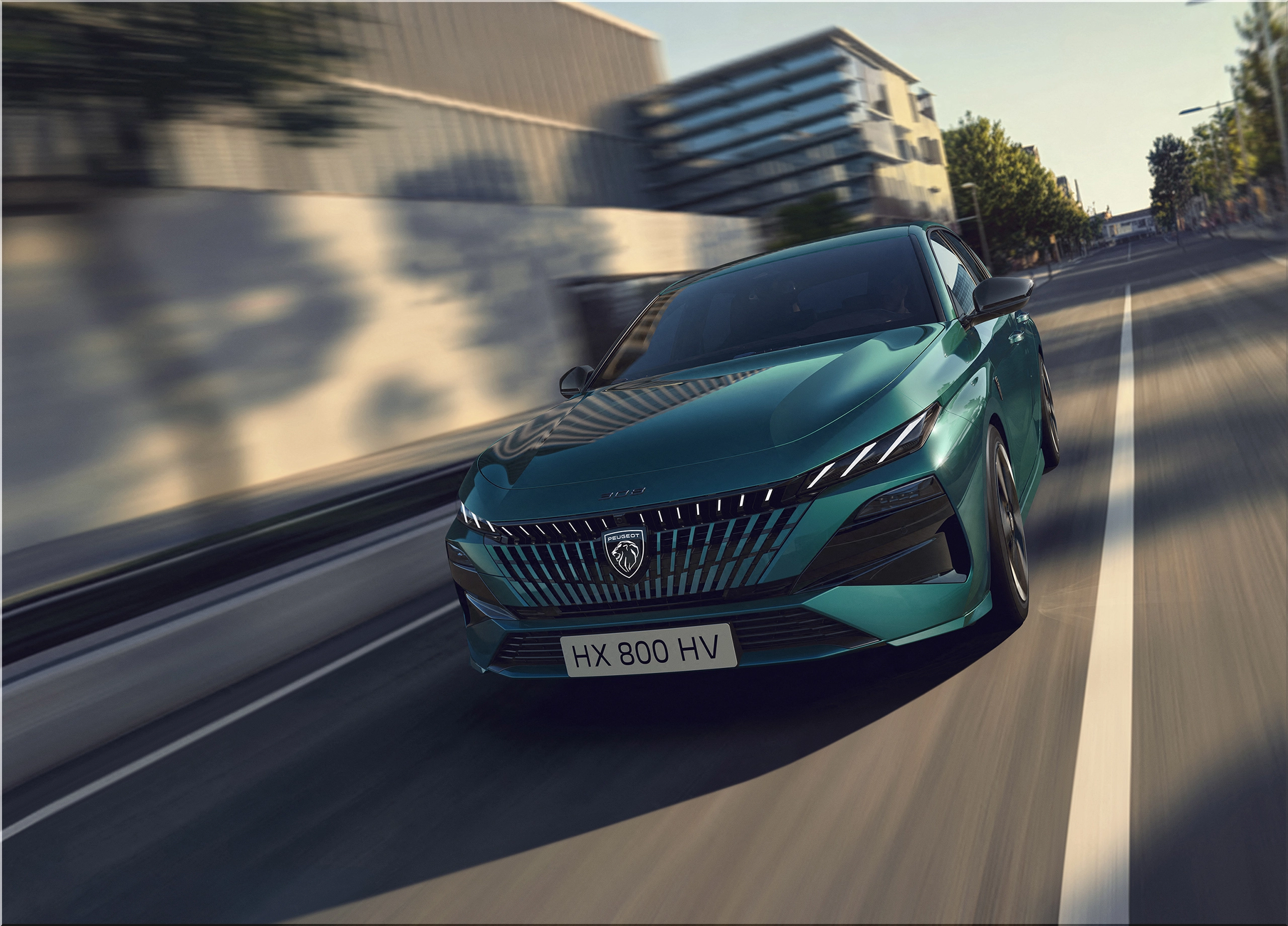
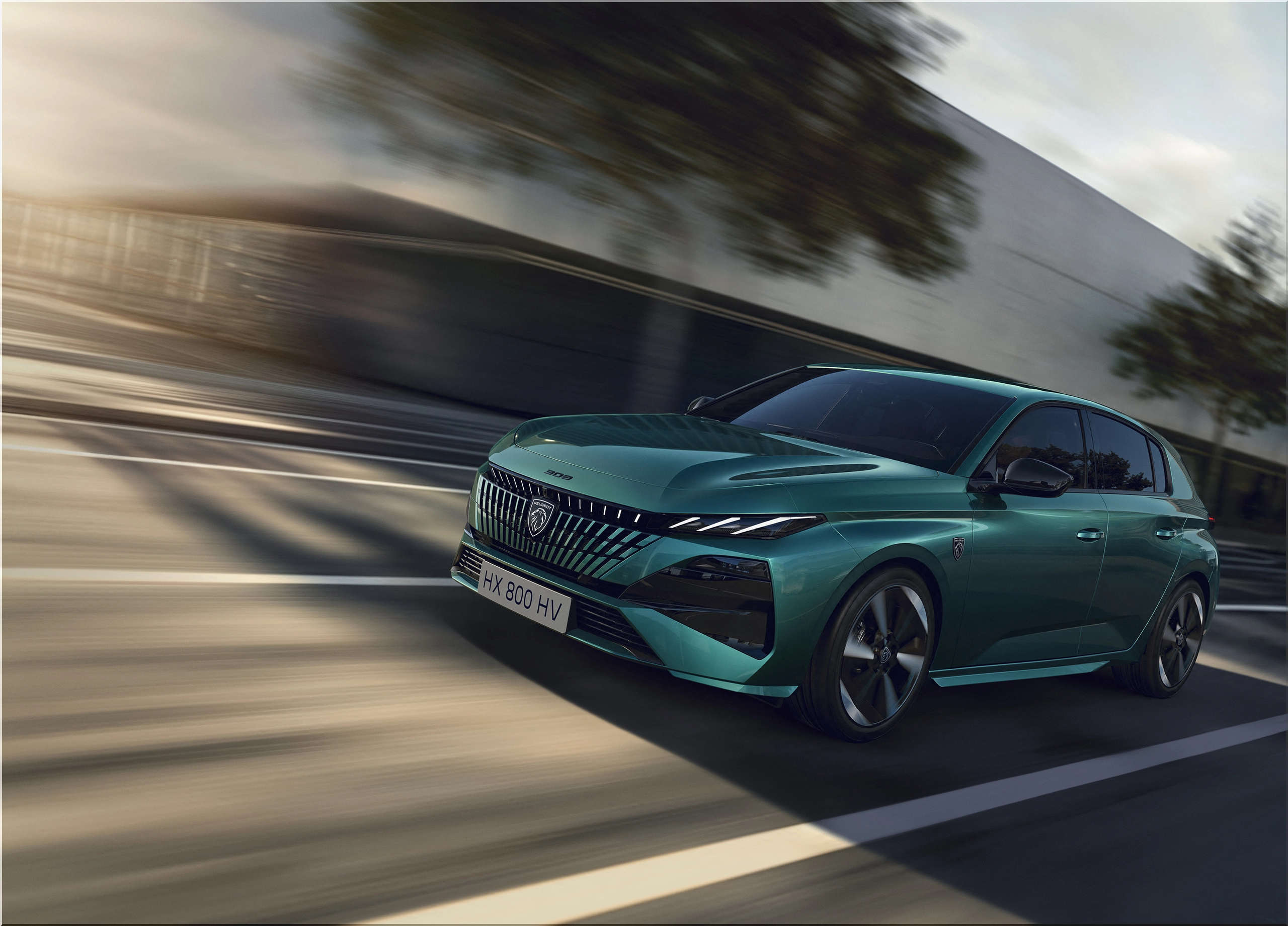
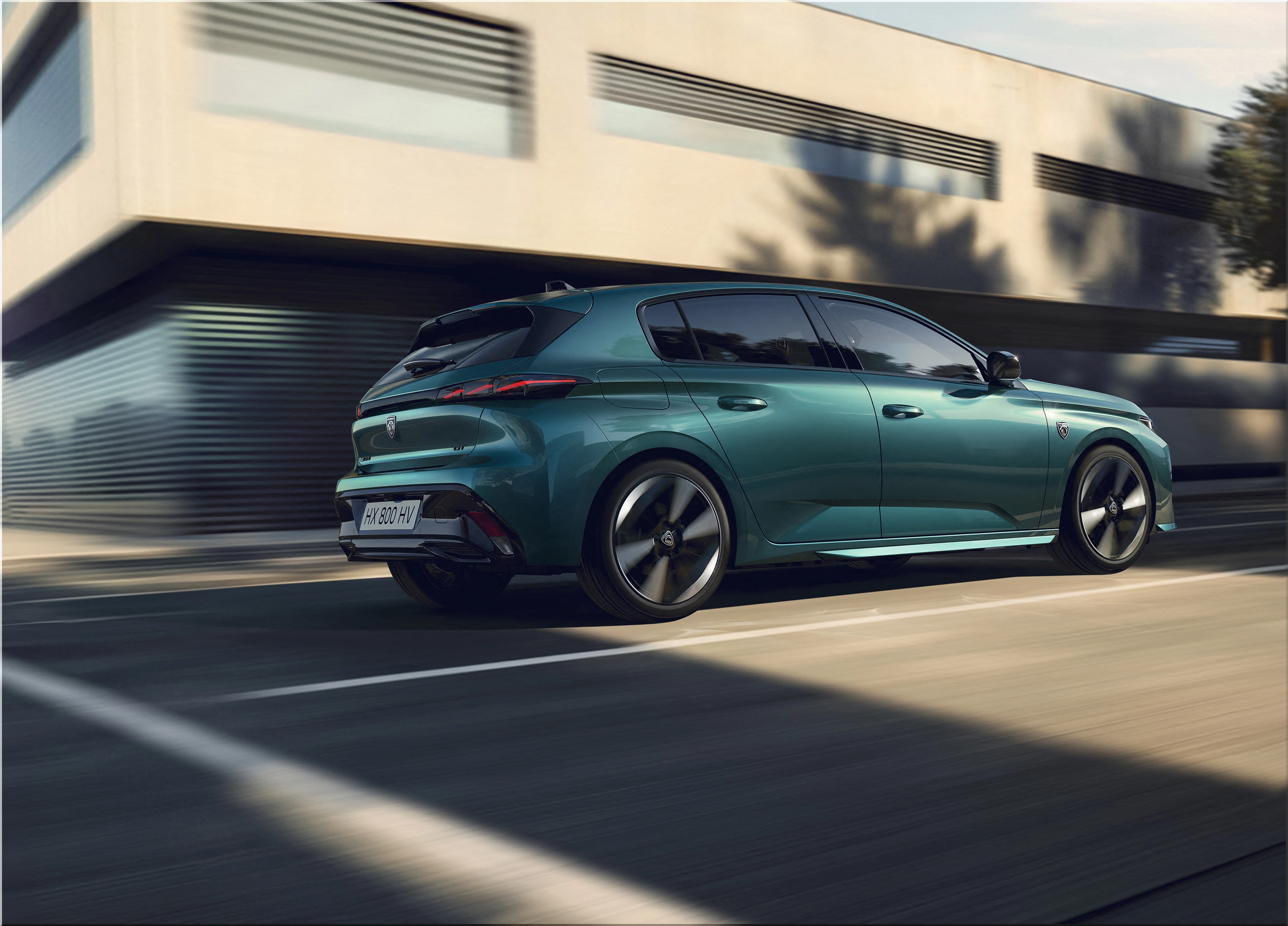
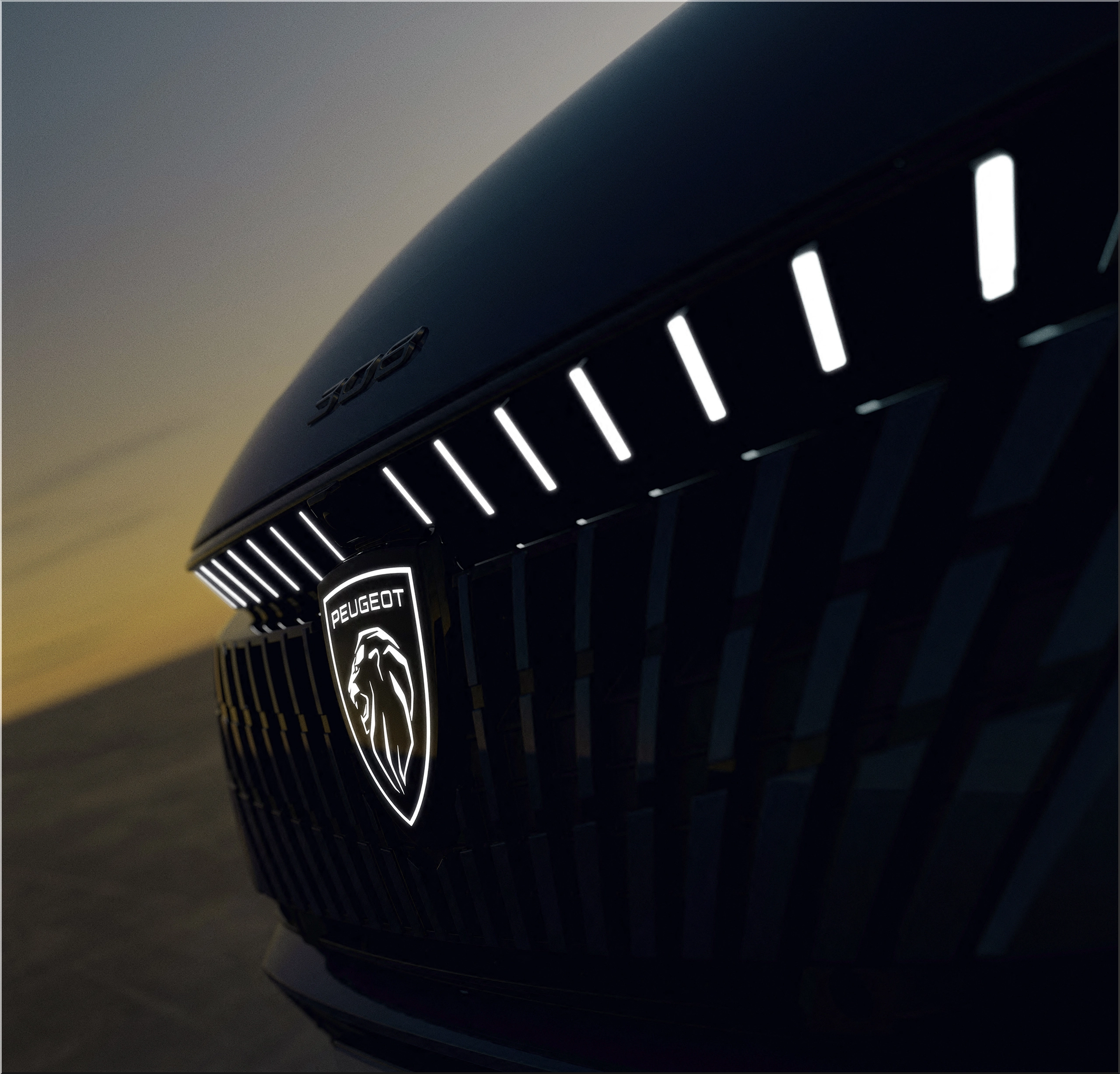
Peugeot sharpens the front design and adds an illuminated emblem. New grille work improves airflow at speed. The three-claw light signature looks cleaner and reads well in traffic.
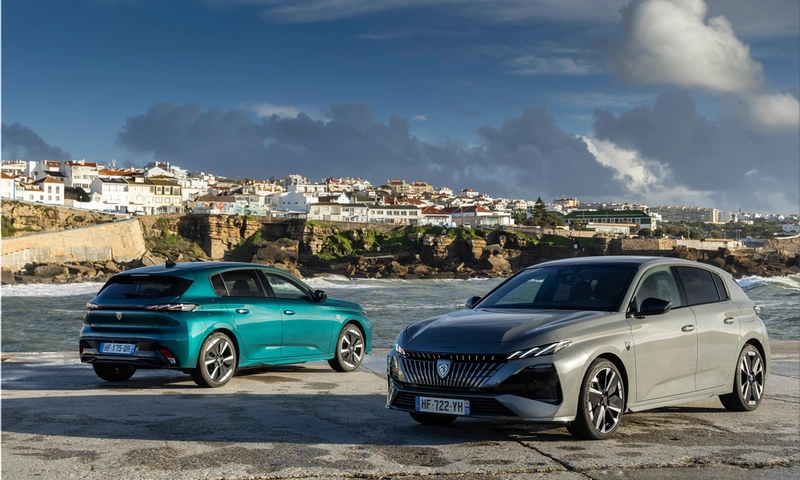
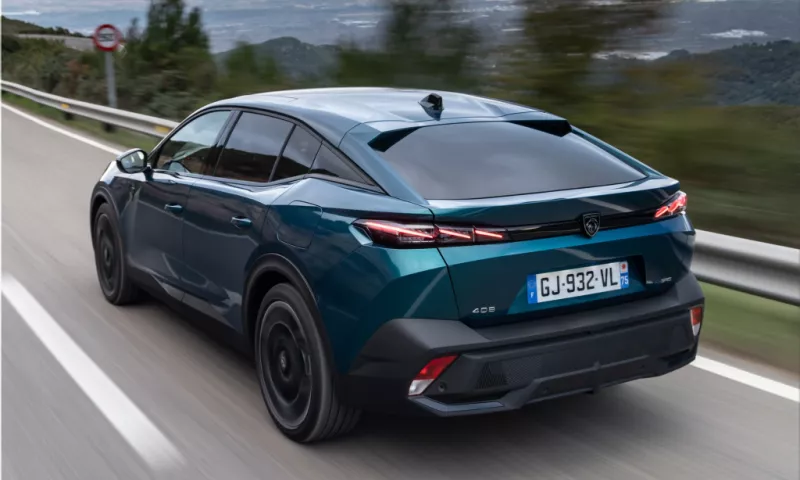
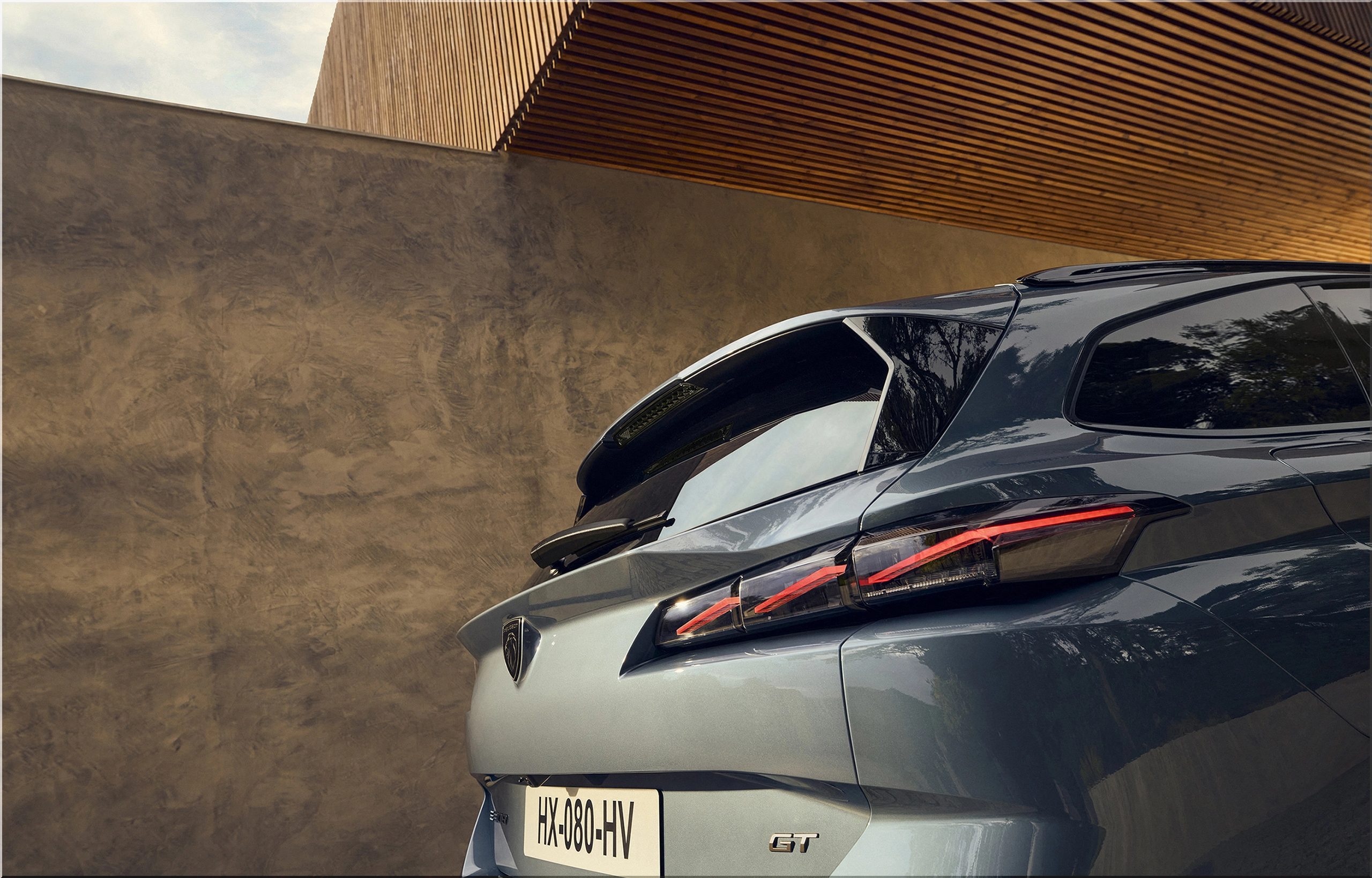
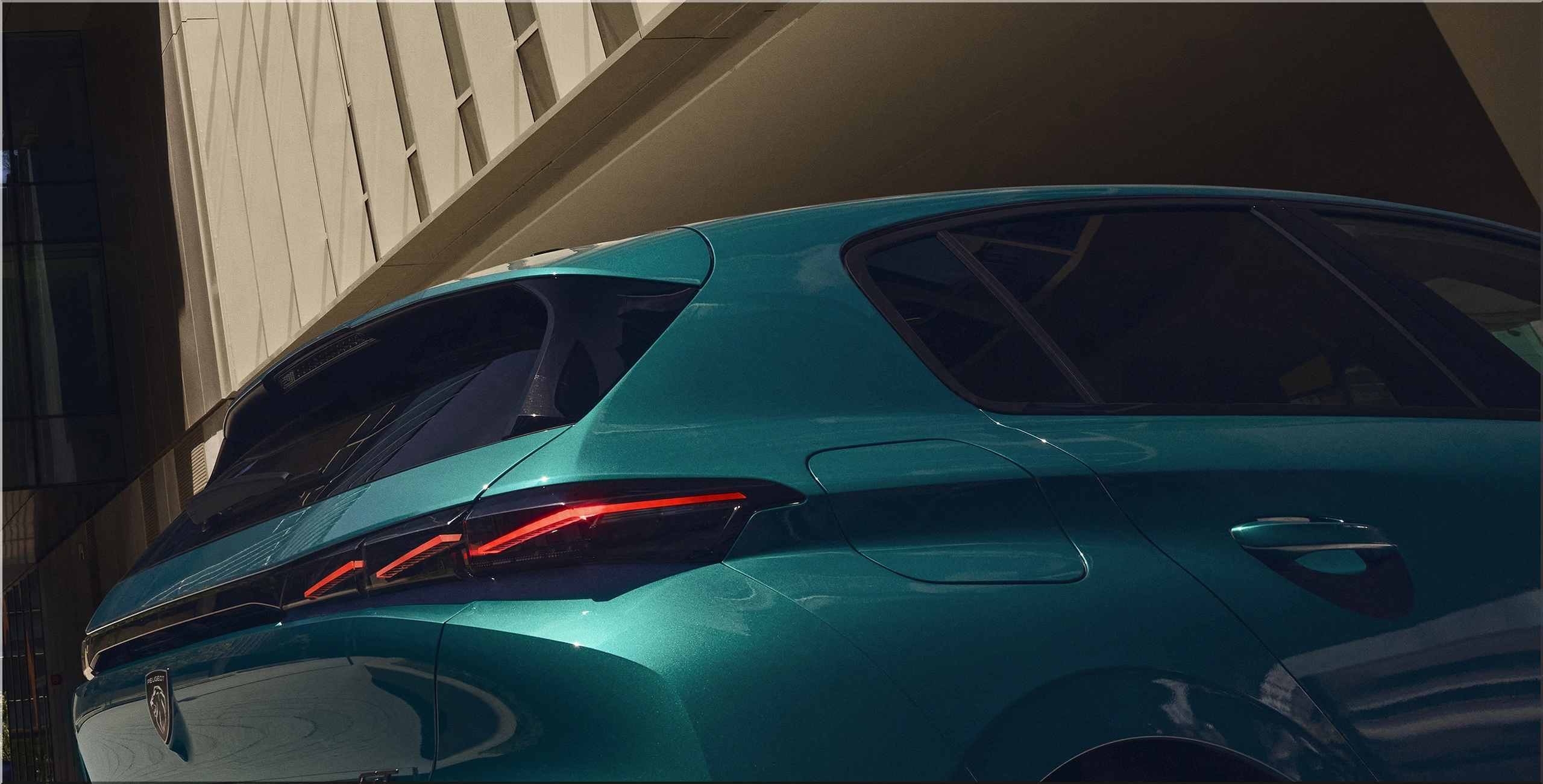
GT and GT Exclusive gain Matrix LED headlights. Lower trims get Full LED units. The rear lights carry the three-claw theme across the fascia. The effect is simple and clear.
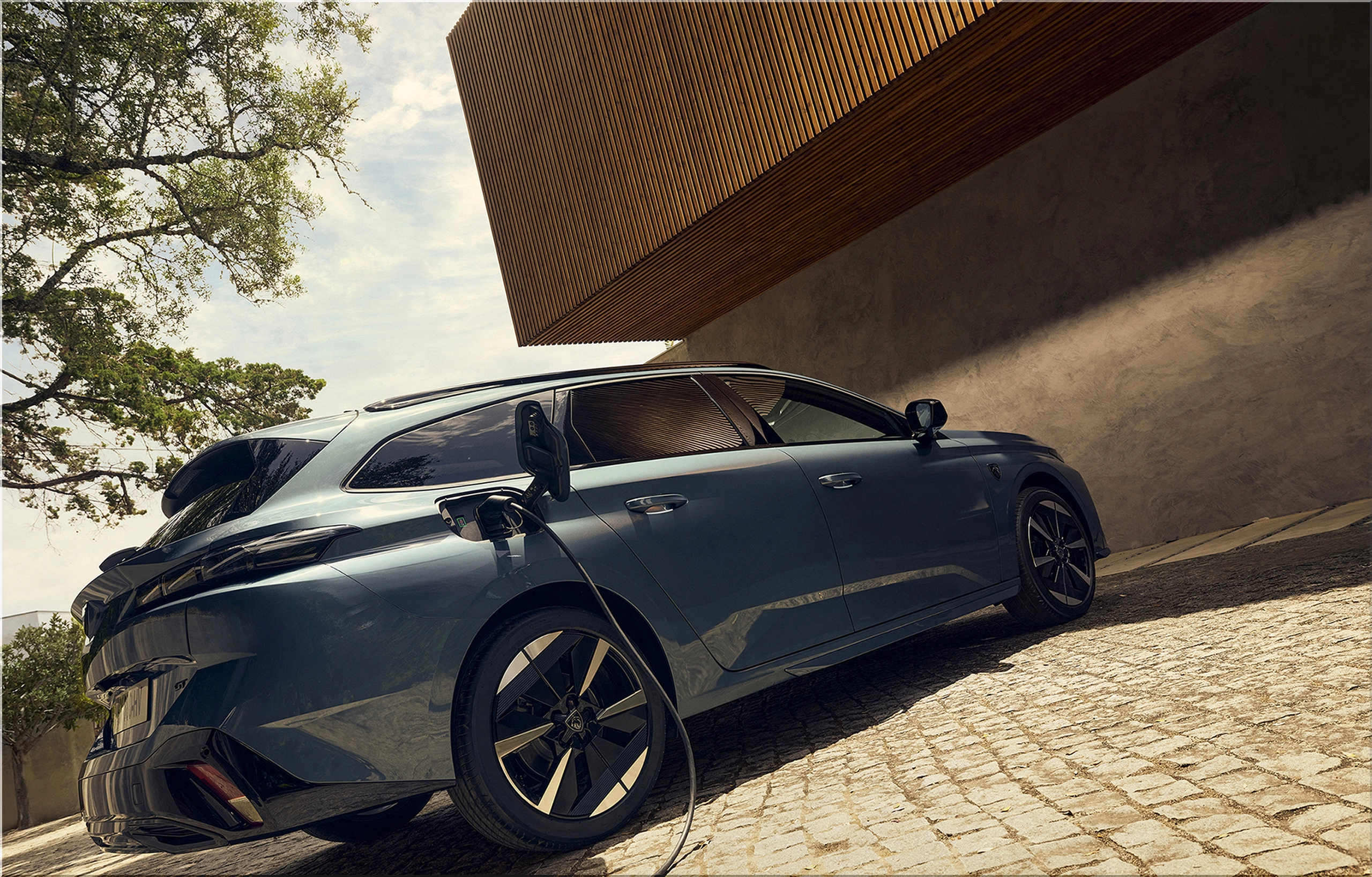
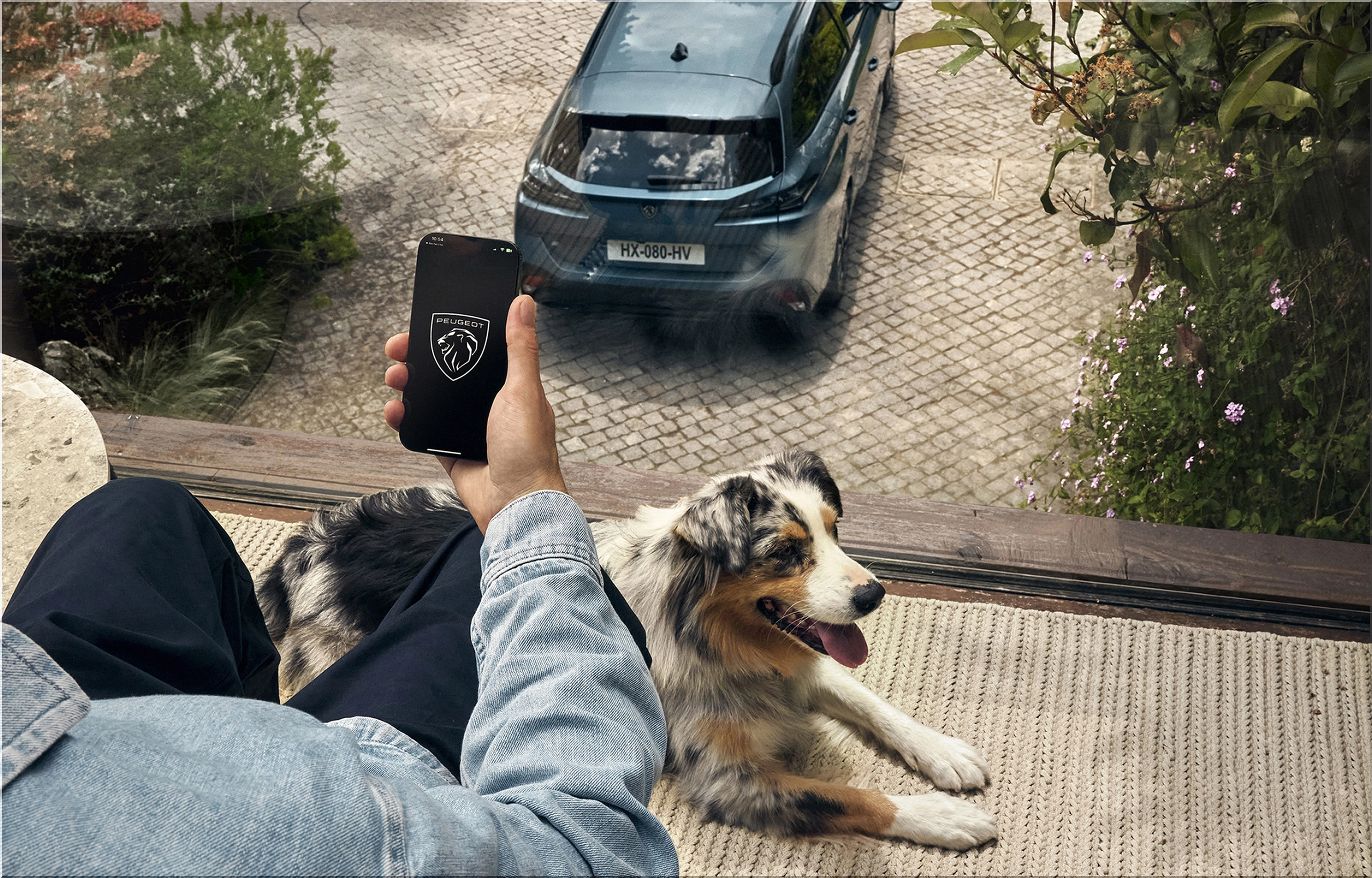
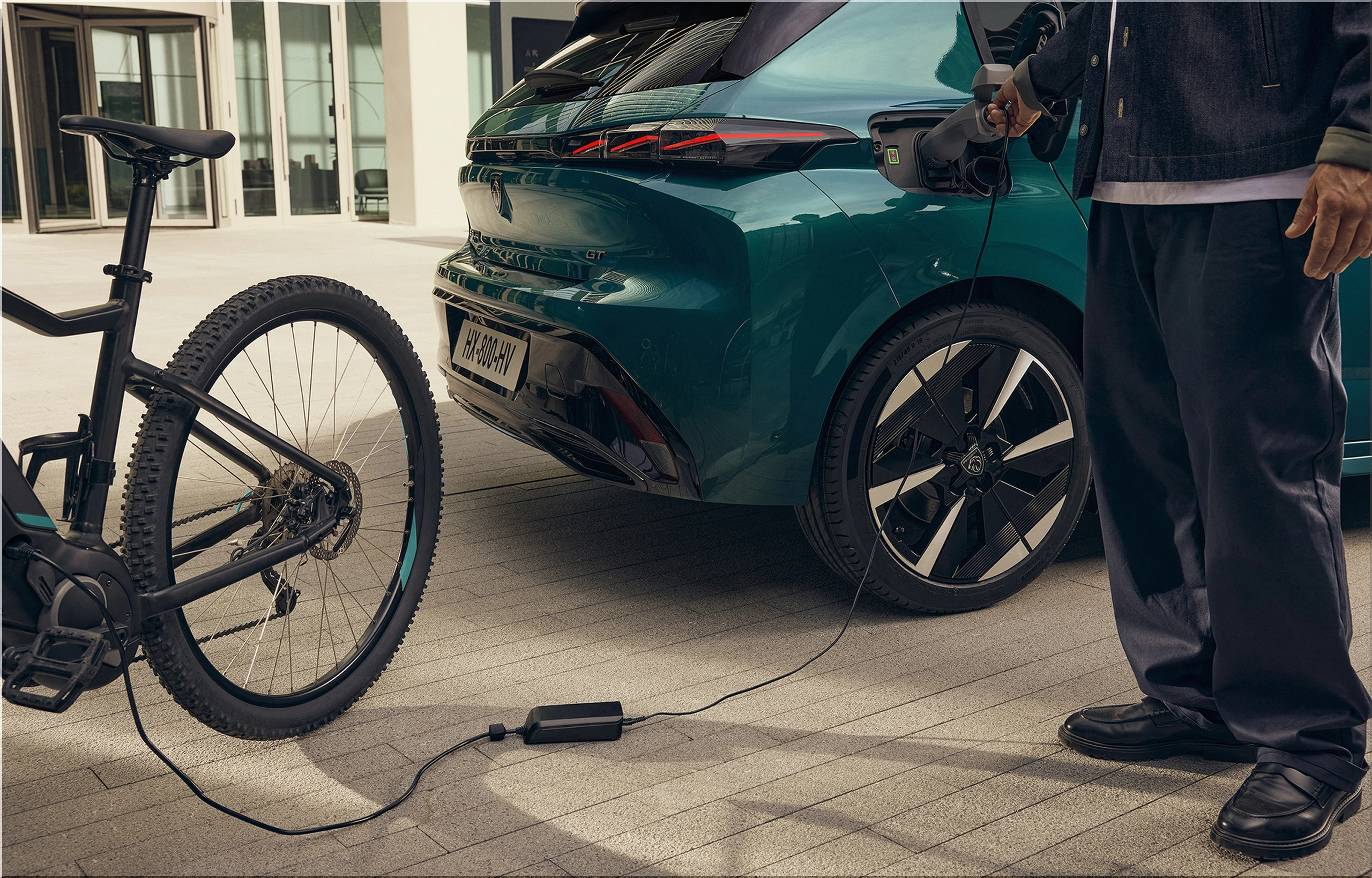
Peugeot adds Plug & Charge and V2L on the E-308. Connected services and the MyPeugeot app tighten daily use. Over-the-air updates keep software current without dealer visits.
Powertrain lineup: four paths, one segment goal
Peugeot sells four propulsion types across 308 and 308 SW:
- E-308 battery-electric
- Plug-in hybrid 195 hp
- Hybrid 145 hp
- BlueHDi diesel 130 hp
All versions share the same platform and assembly site in Mulhouse, France. That helps with scale and consistent ride tuning.
E-308 (battery-electric): stronger range and useful charging
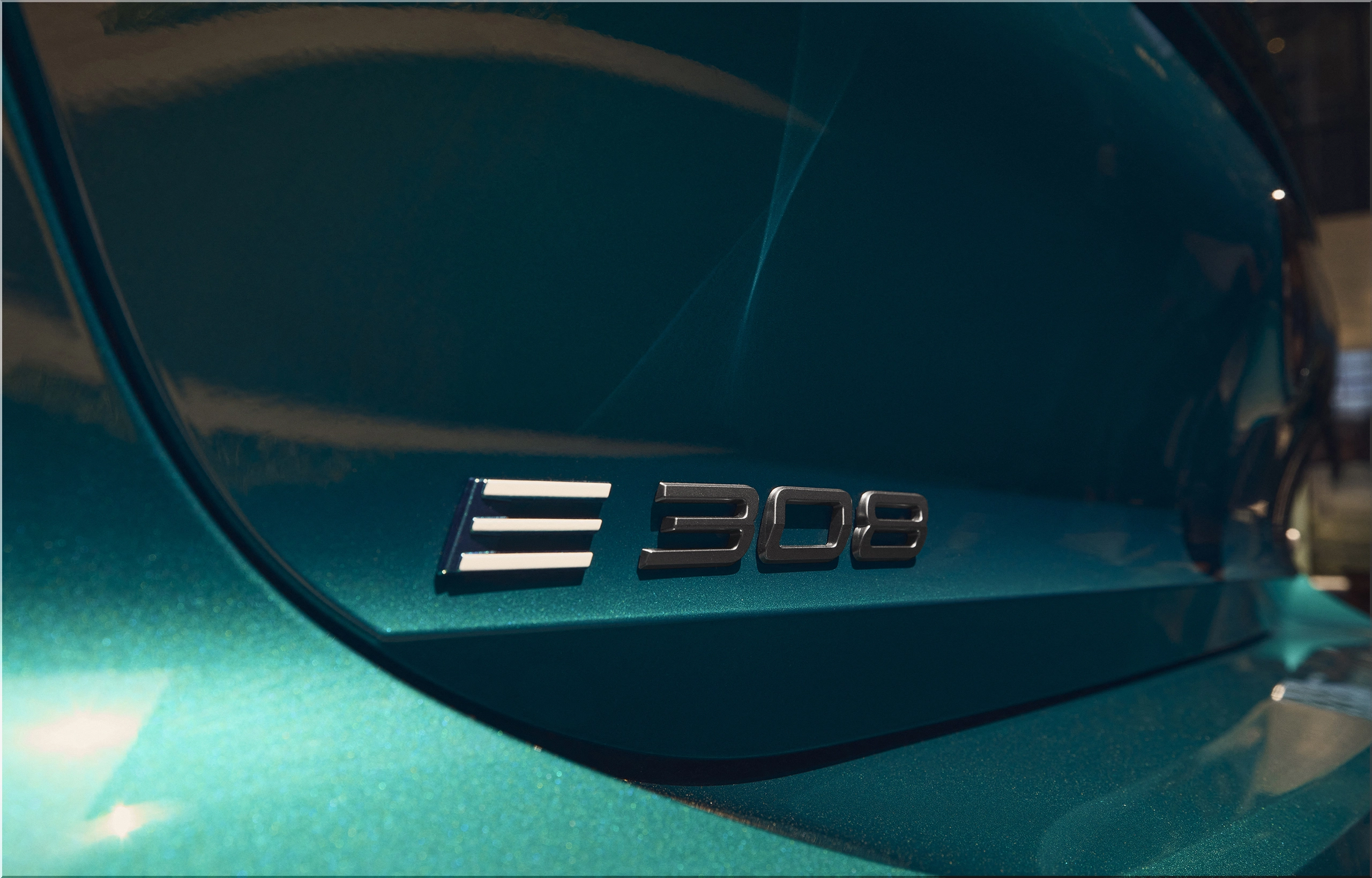
The Peugeot E-308 targets daily range confidence. WLTP range reaches 450 km. That is a 34 km gain versus the prior tune. The motor outputs 115 kW (156 hp) and 270 Nm.
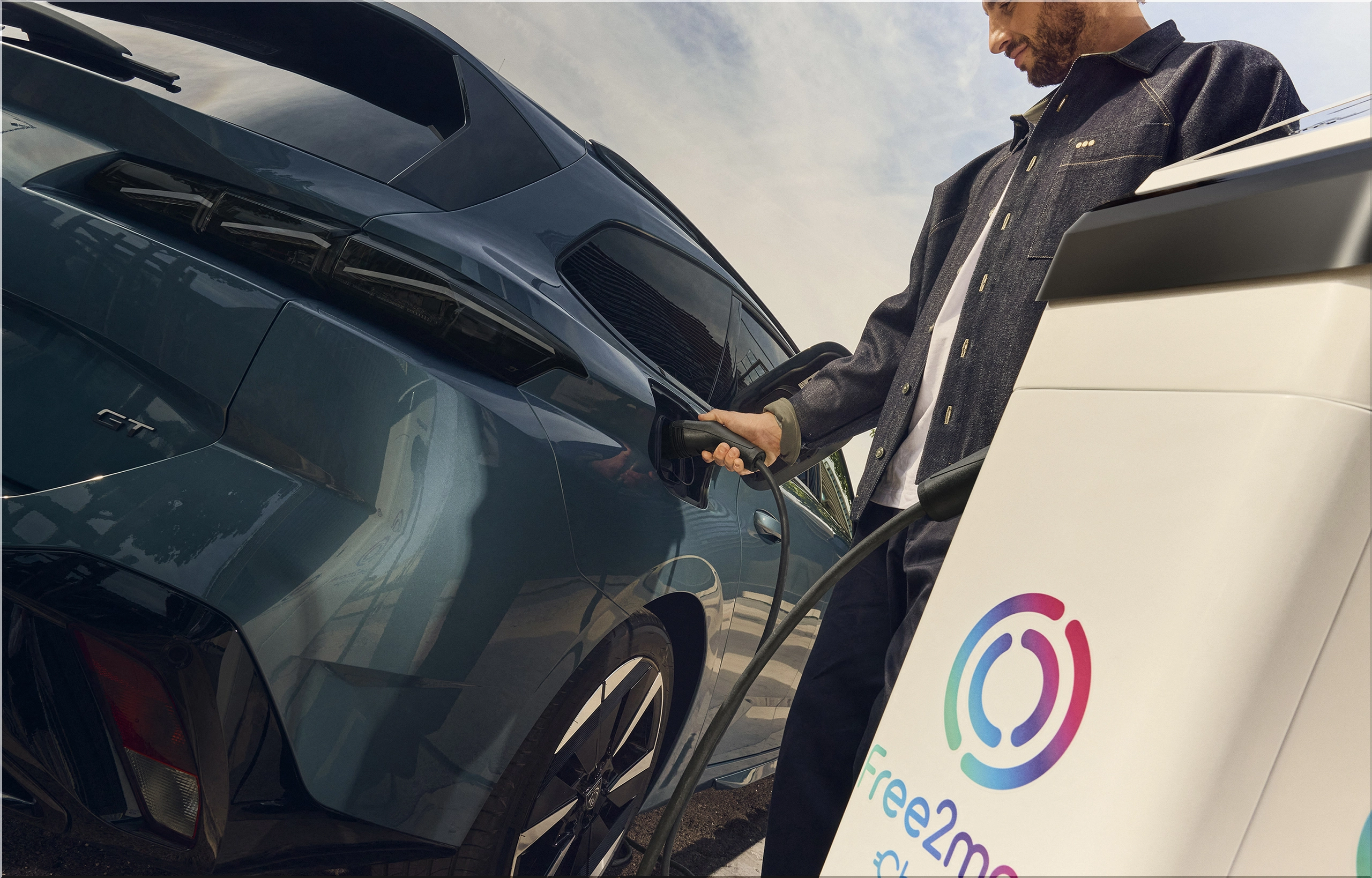
A 58.4 kWh battery (55.4 kWh usable) feeds a 400V system. An 11 kW onboard charger comes standard. A 100 kW DC stop brings the battery from 20% to 80% in 32 minutes.
Regenerative braking uses steering paddles with three levels. Low mimics a petrol roll. Medium adds decel for city traffic. High gives strong lift-off braking for single-pedal style.
Key buyer wins:
- Plug & Charge cuts card and app steps at public stations.
- V2L outputs up to 3.5 kW for tools, lights, or e-bikes.
- Trip Planner builds routes and stop plans using real consumption.
Actionable read: The E-308 suits urban and regional use with weekly charging. Buyers with driveway AC will see the most uptime.
Plug-in Hybrid 195 hp: longer EV trips and fleet value
The 308 Plug-in Hybrid blends a 1.6L turbo petrol (150 hp) with a 92 kW motor. Total output hits 195 hp. The 17.2 kWh battery enables 85 km WLTP electric driving.
Charging times:
- 2h05 at 7.4 kW AC
- 7h25 from a standard home socket
A 7-speed e-DCS7 dual-clutch handles shifts. Electric torque covers city starts and short trips. Petrol power carries highway legs.
Actionable read: This spec fits company-car rules focused on EV miles. It also suits drivers with inconsistent charging access.
Hybrid 145 hp: low fuel burn without charging
The Hybrid 145 uses an electrified e-DCS6 dual-clutch with a small battery. Fuel use sits at 4.7–5.0 L/100 km WLTP. In cities, it can drive up to 50% of time in EV mode.
Gear changes feel direct under light throttle. The electric boost helps low-speed response. There is no cable to plug in.
Actionable read: Choose this trim if home charging is not practical. It also suits buyers focused on total cost per kilometer.
BlueHDi 130: diesel for long motorway legs
The BlueHDi 130 pairs a 1.5L diesel with an 8-speed automatic. The package targets long daily runs and fleet TCO. Diesel torque lowers downshifts at motorway speeds.
Actionable read: Pick this if you cover high annual mileage. It also fits regions with limited public charging.
Chassis and driving position: predictable and calm
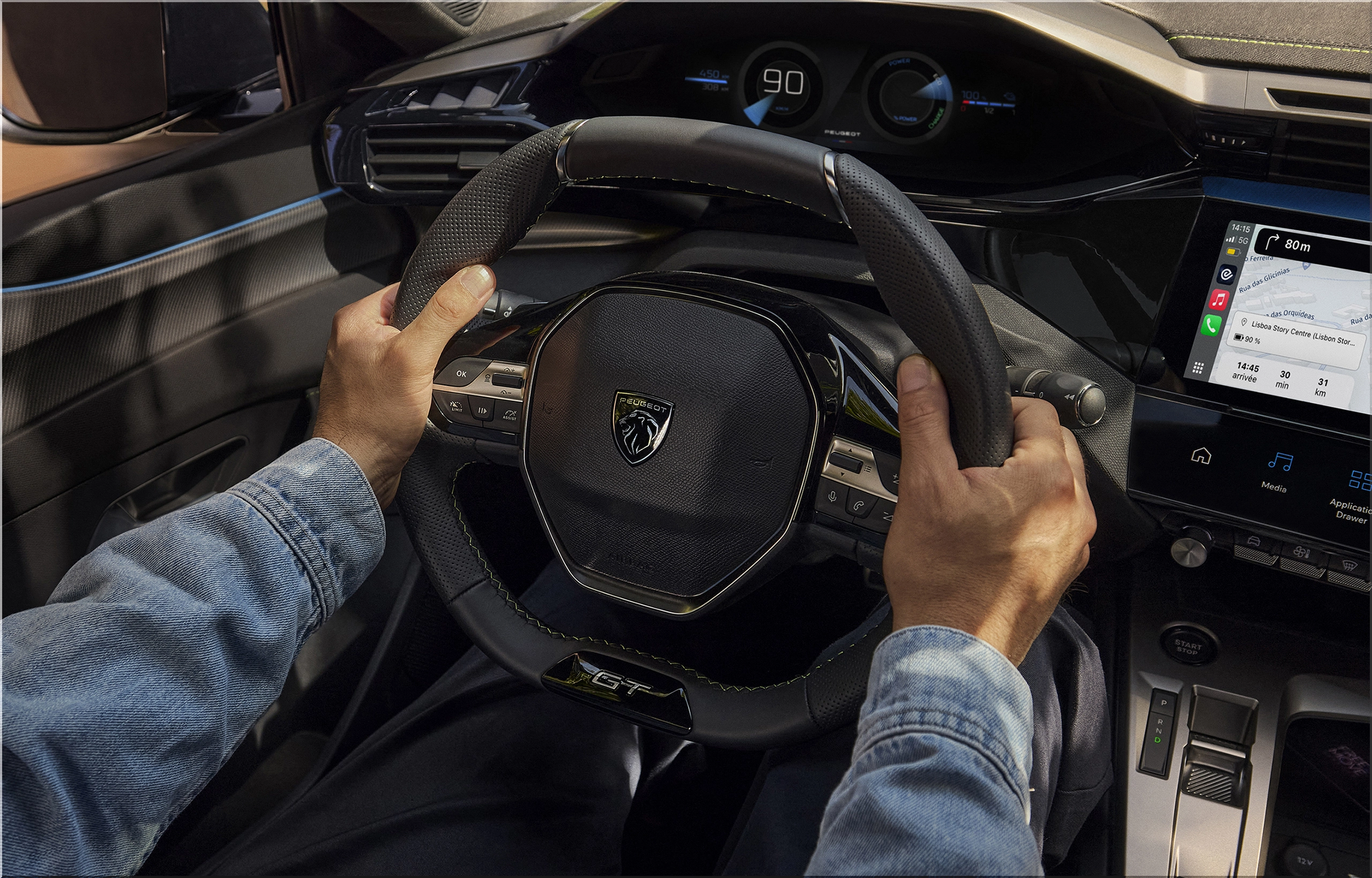
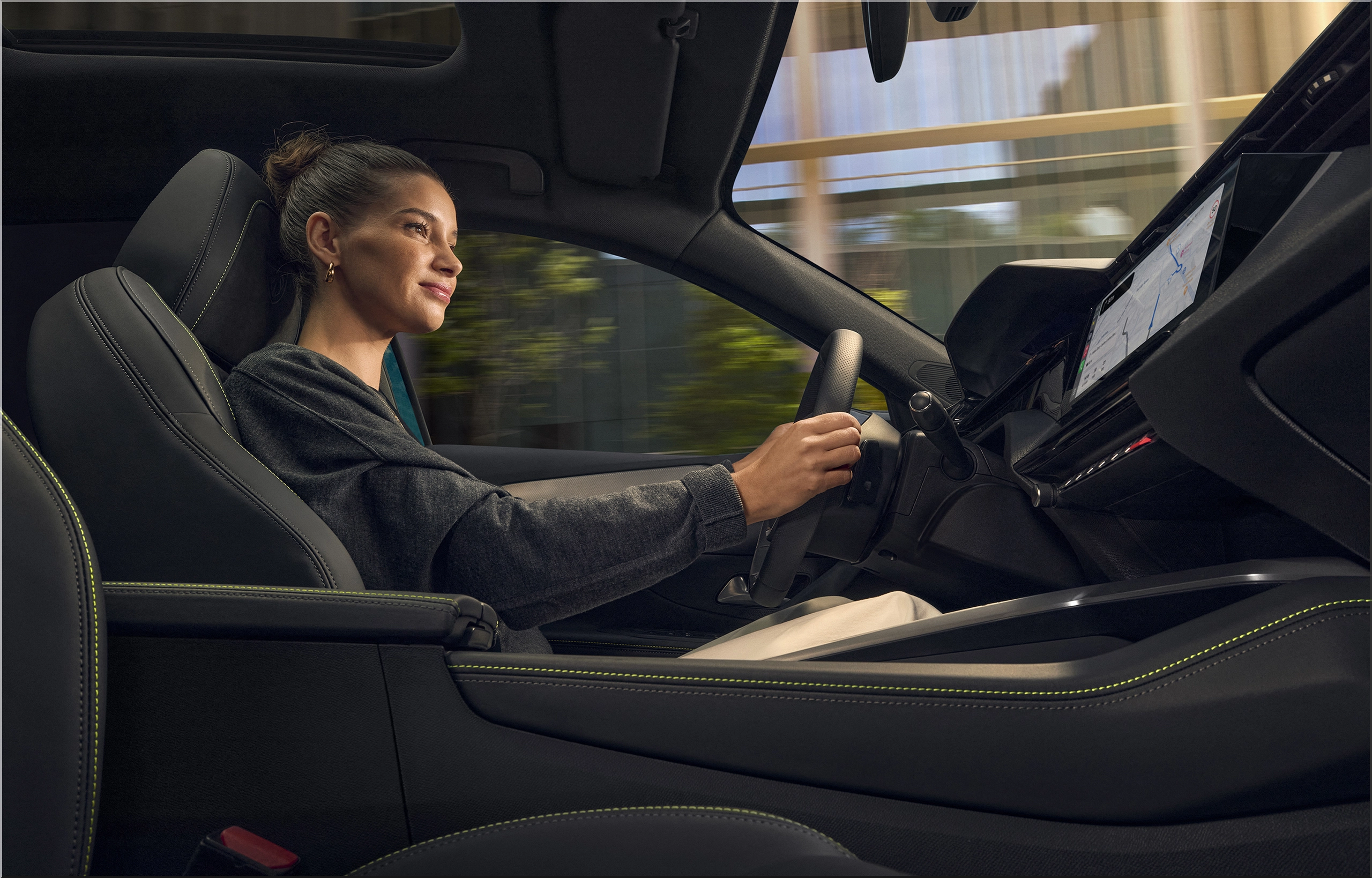
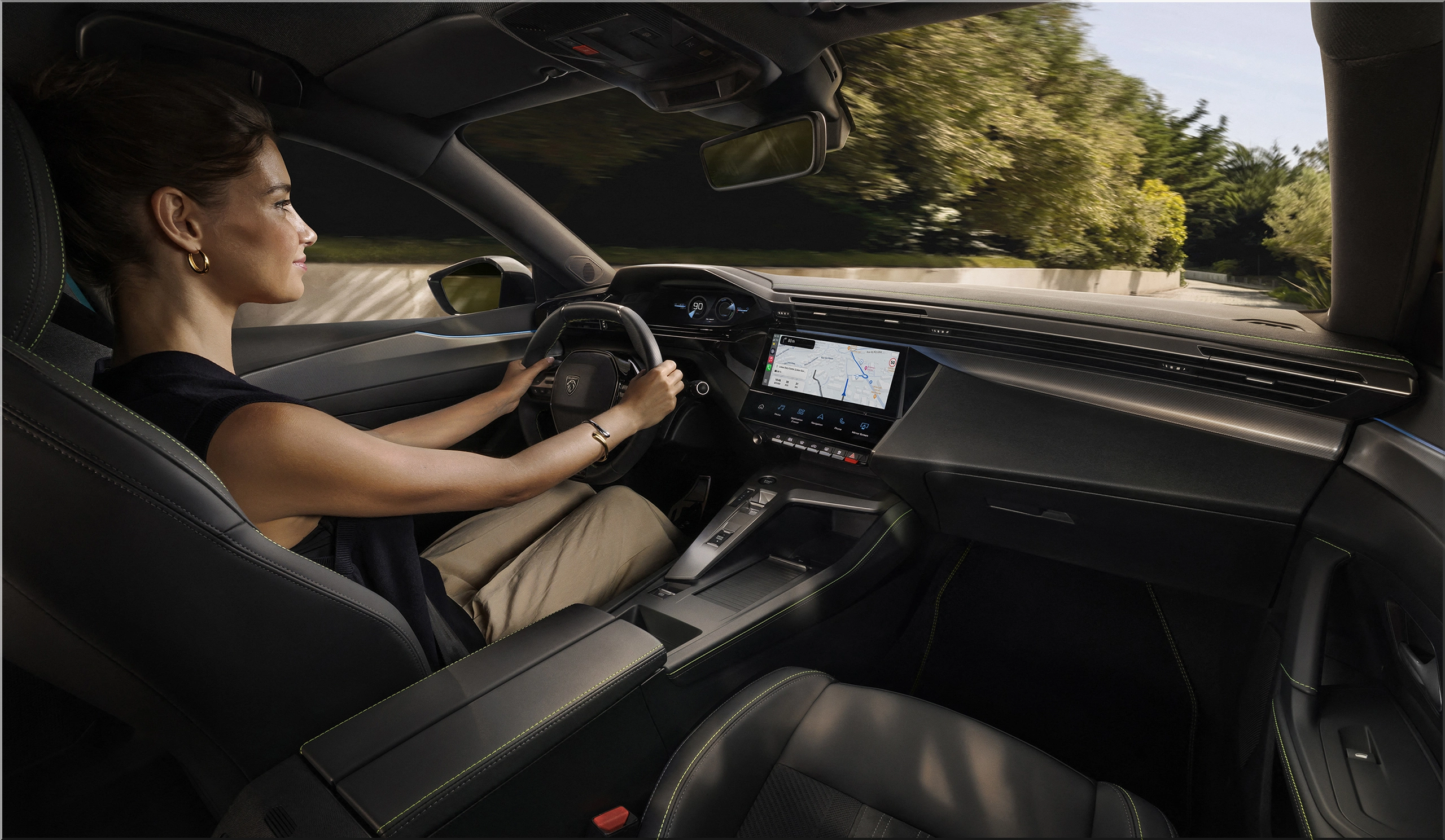
The 308 keeps a low driving position. The compact steering wheel supports quick inputs. Suspension tuning filters rough surfaces without loose body movement.
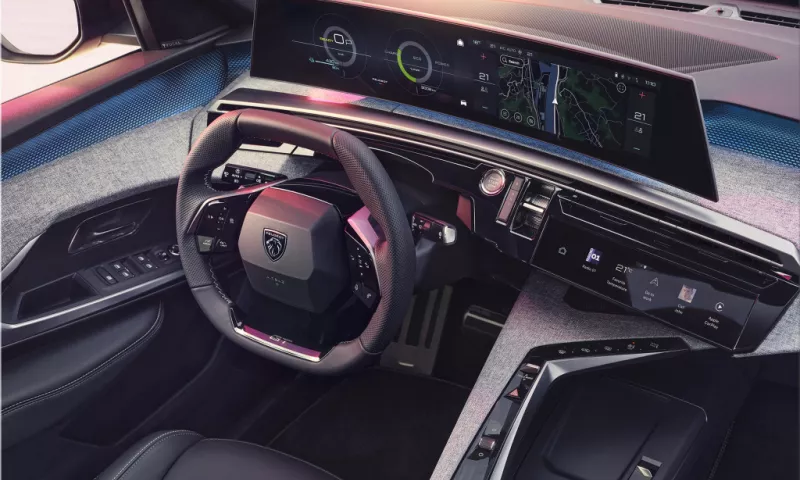
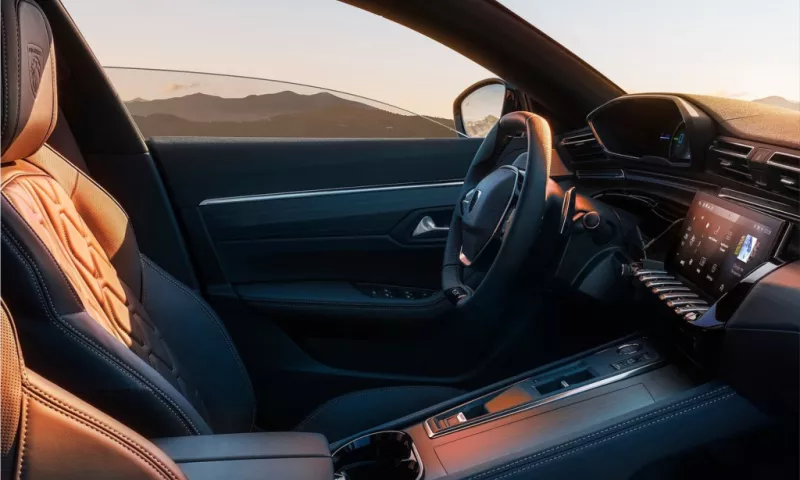
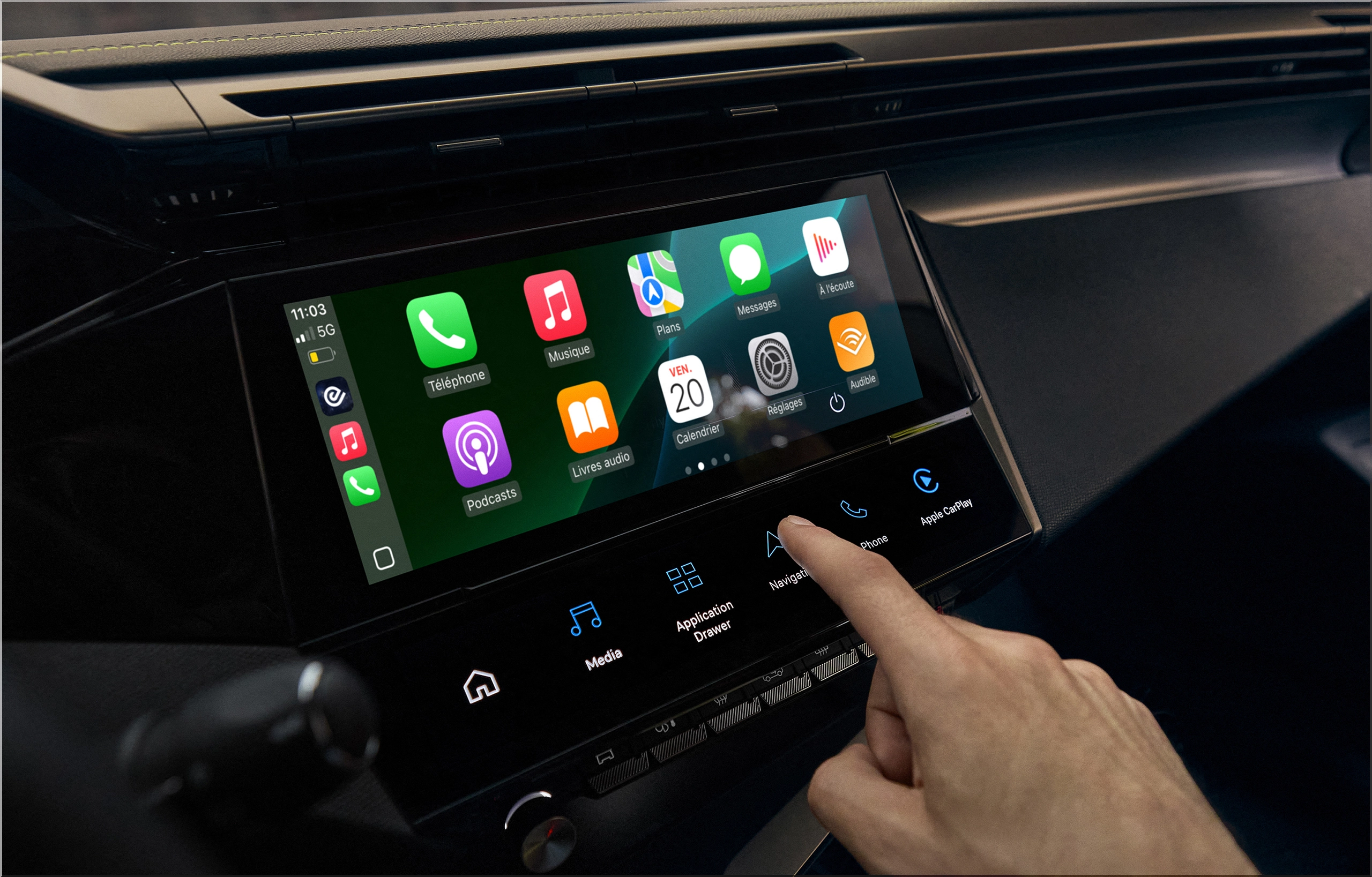
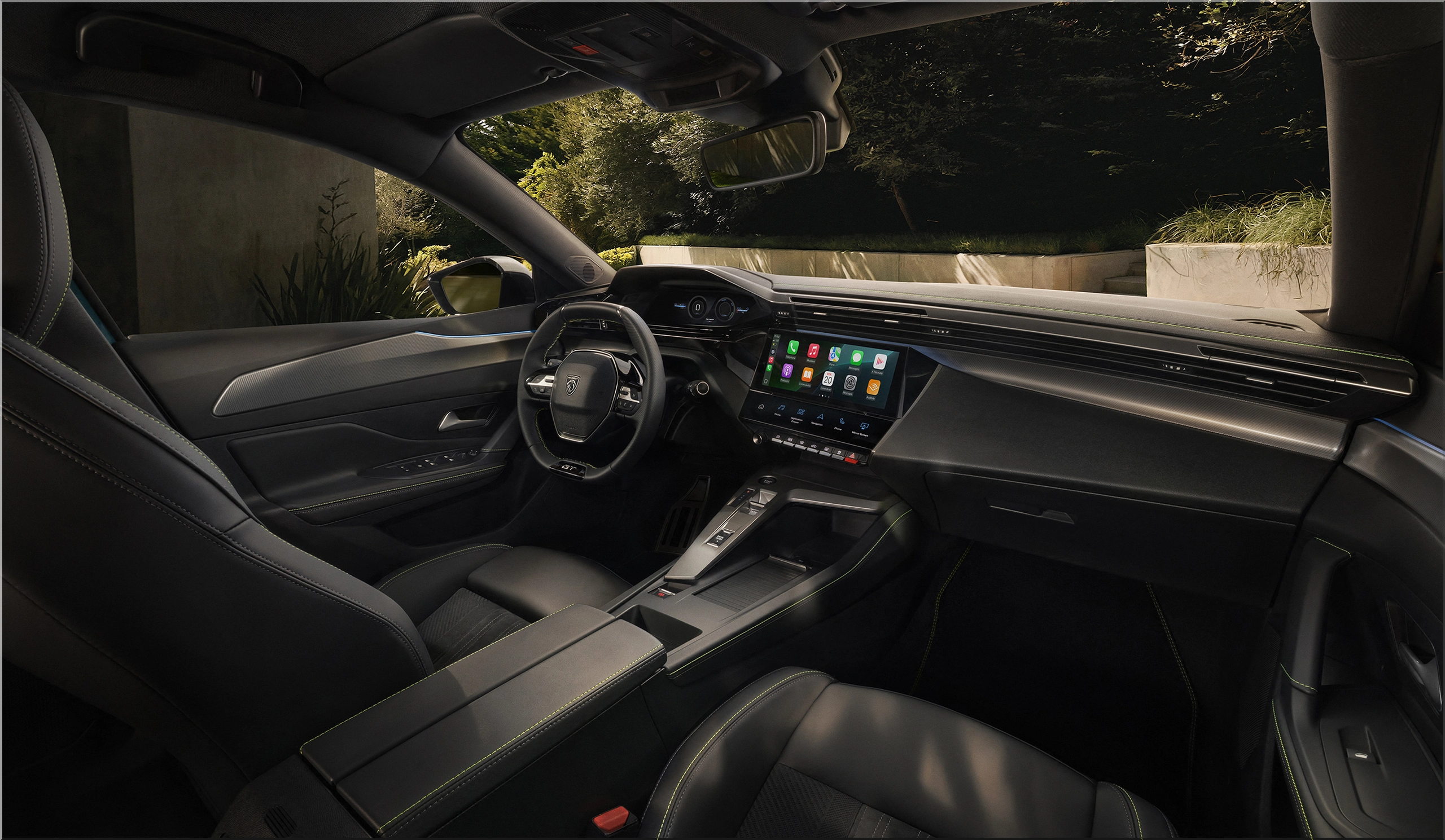
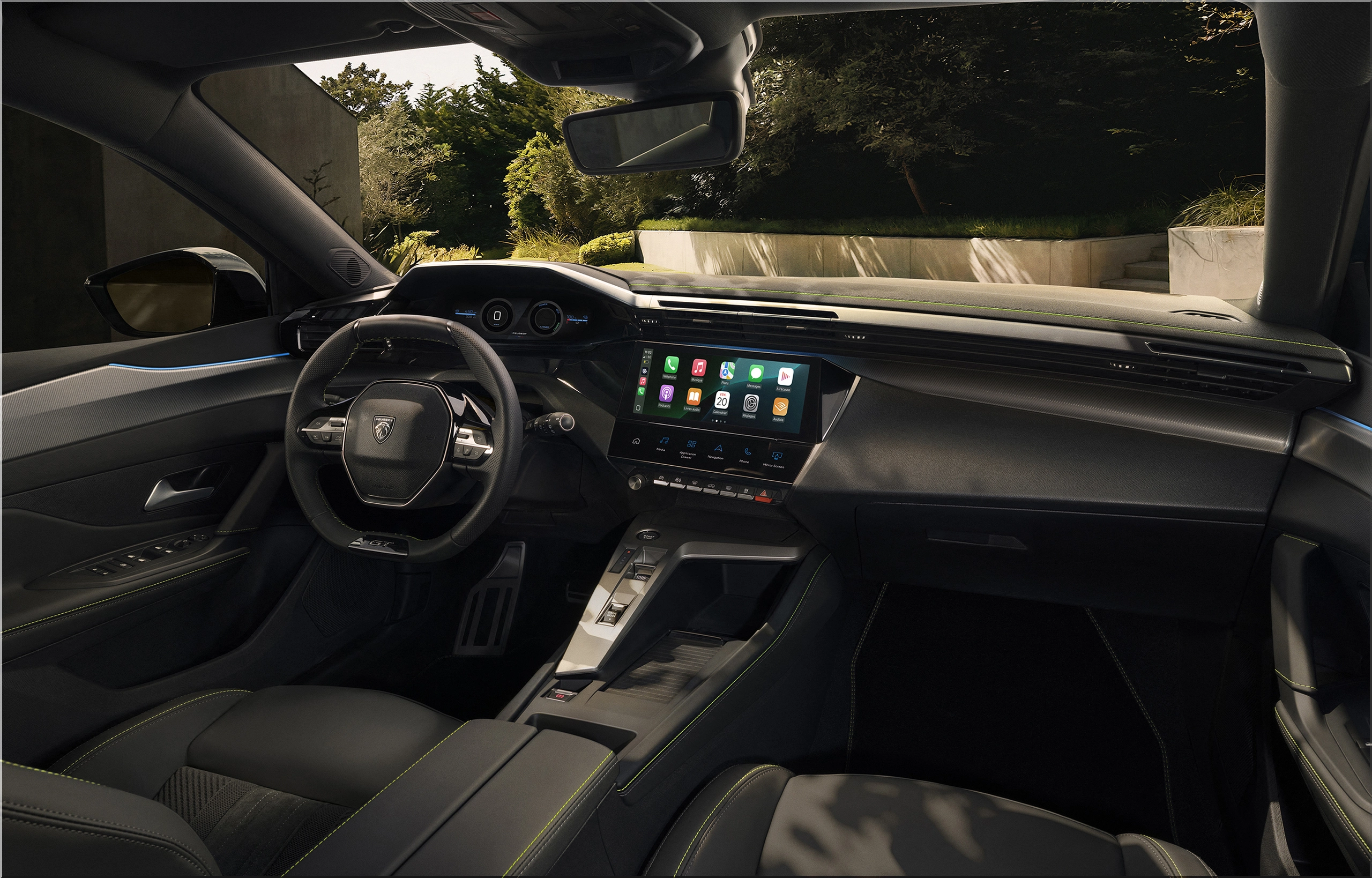
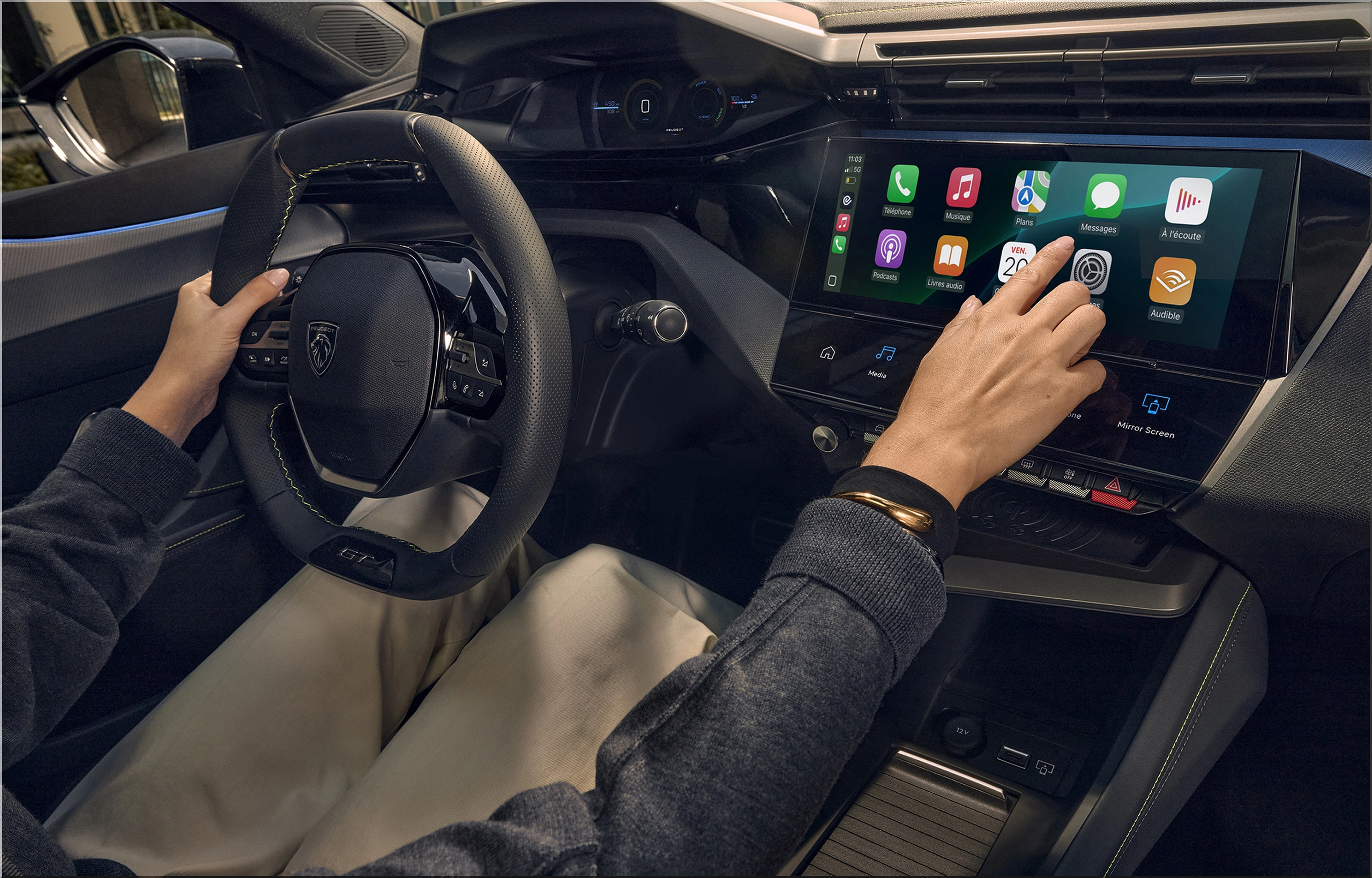
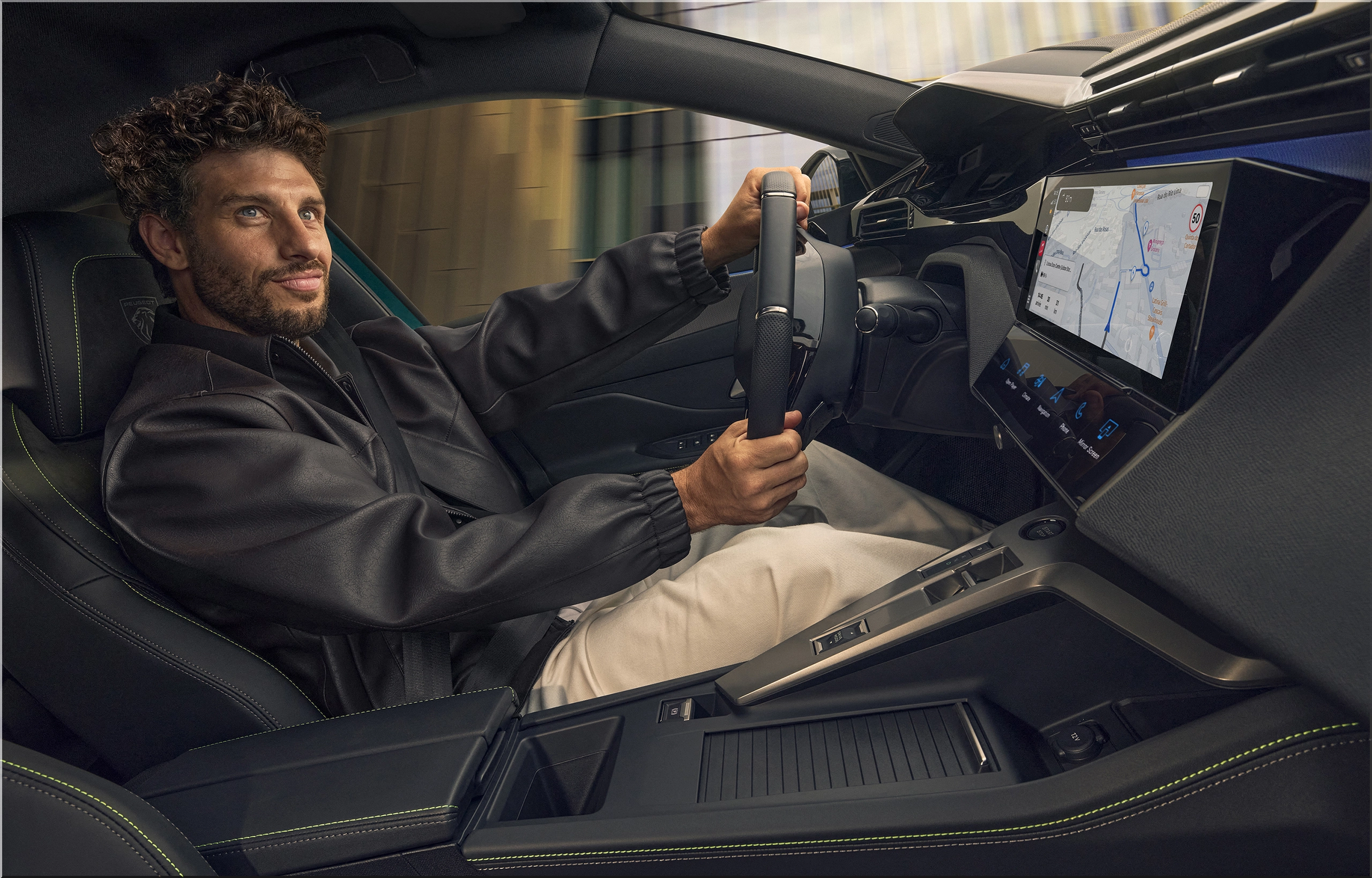
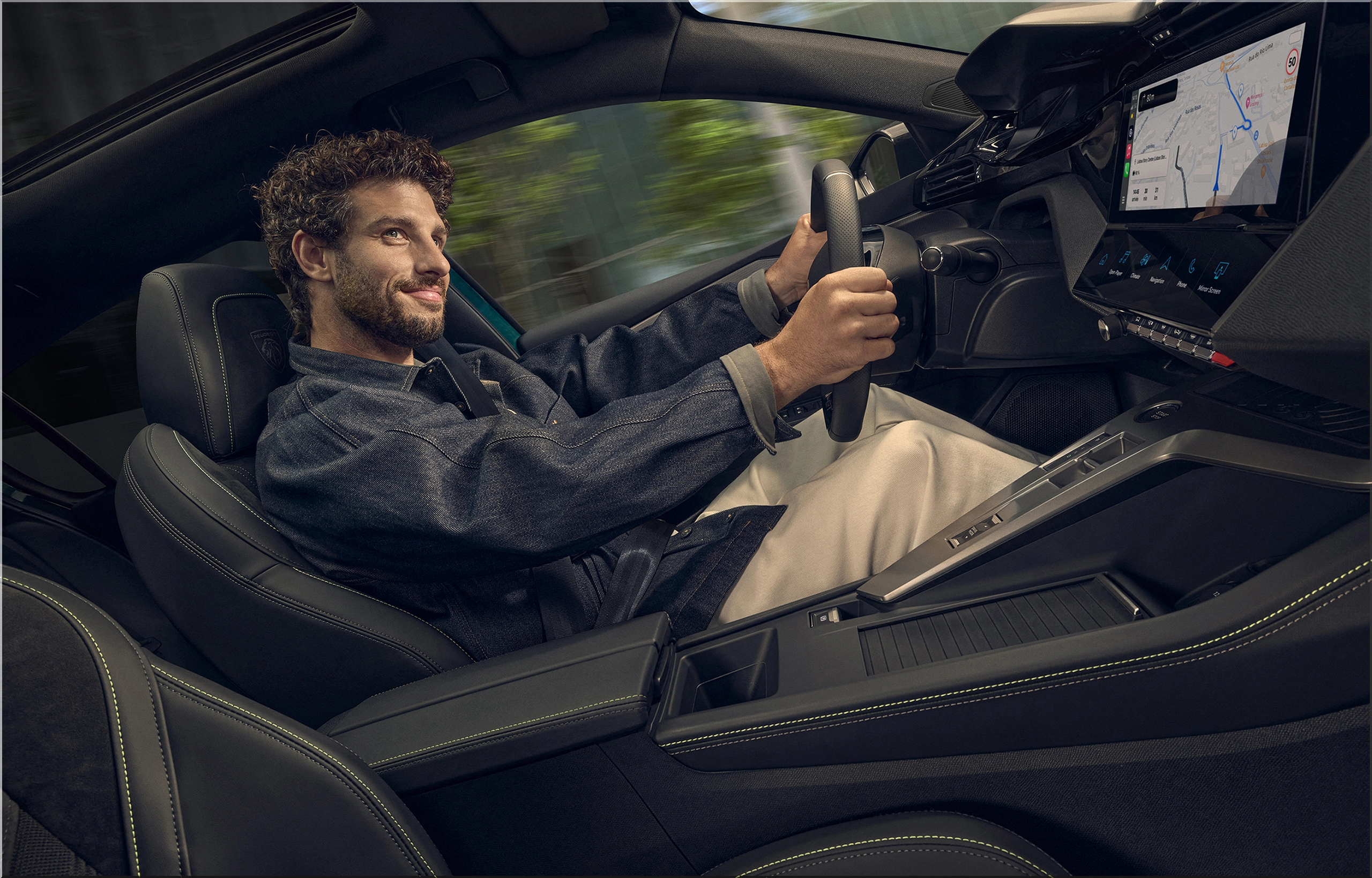
The i-Cockpit places key data high in the driver’s view. A 10-inch center screen handles apps and vehicle settings. Five i-Toggles add programmable shortcuts for climate, calls, or nav.
Actionable read: Test the steering wheel and display height before ordering. Driver fit matters more than spec sheets here.
Lighting and visibility: tech you can use nightly
Full LED headlights come on Style, Business, and Allure. Matrix LED arrives on GT and GT Exclusive. The pattern reduces glare for oncoming traffic and keeps the lane lit. Rear signature lights stay clear in rain and fog.
Actionable read: If you cover dark rural routes, step up to Matrix LED. The difference shows on unlit roads.
Interior, seats, and comfort features
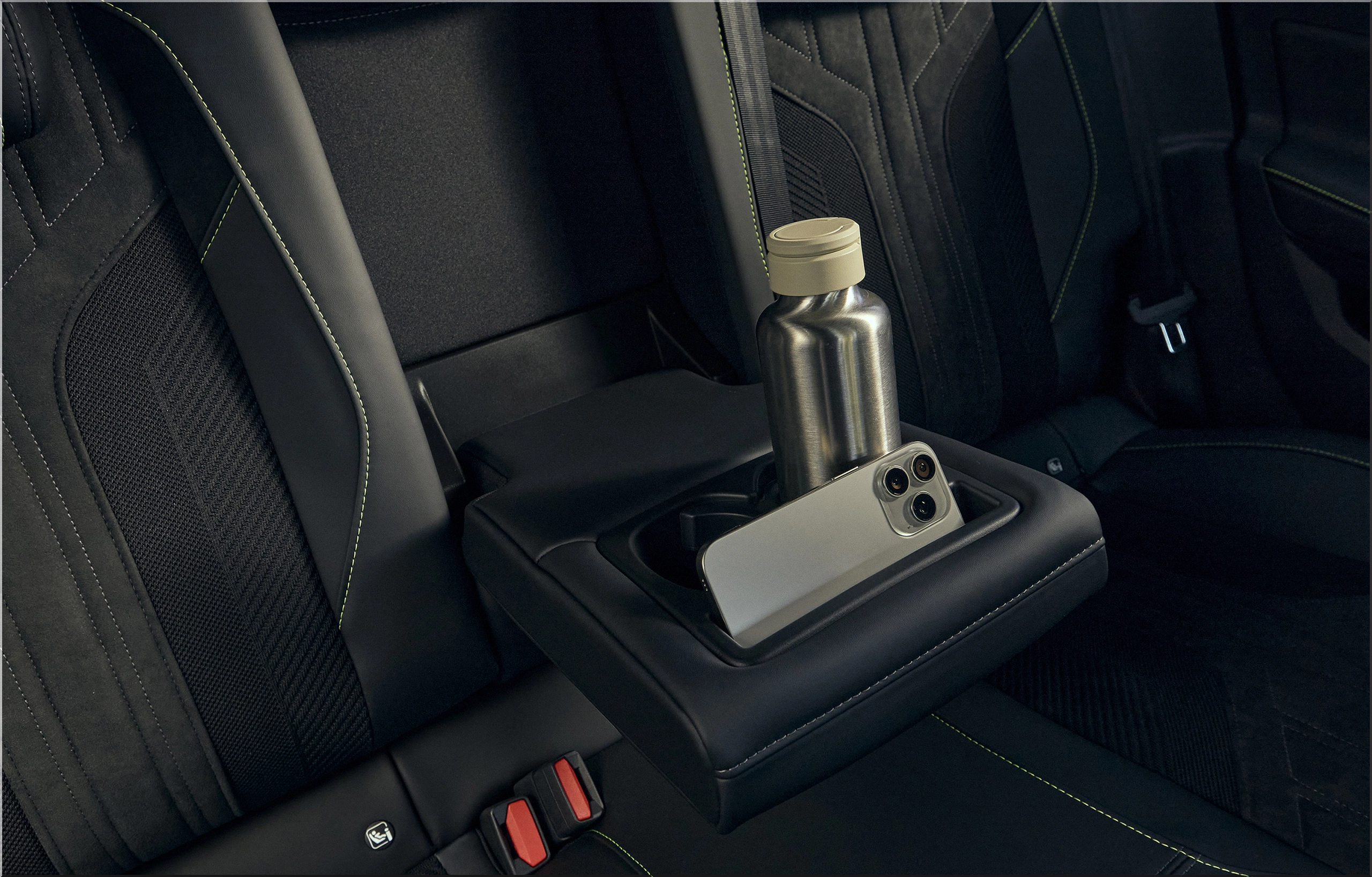
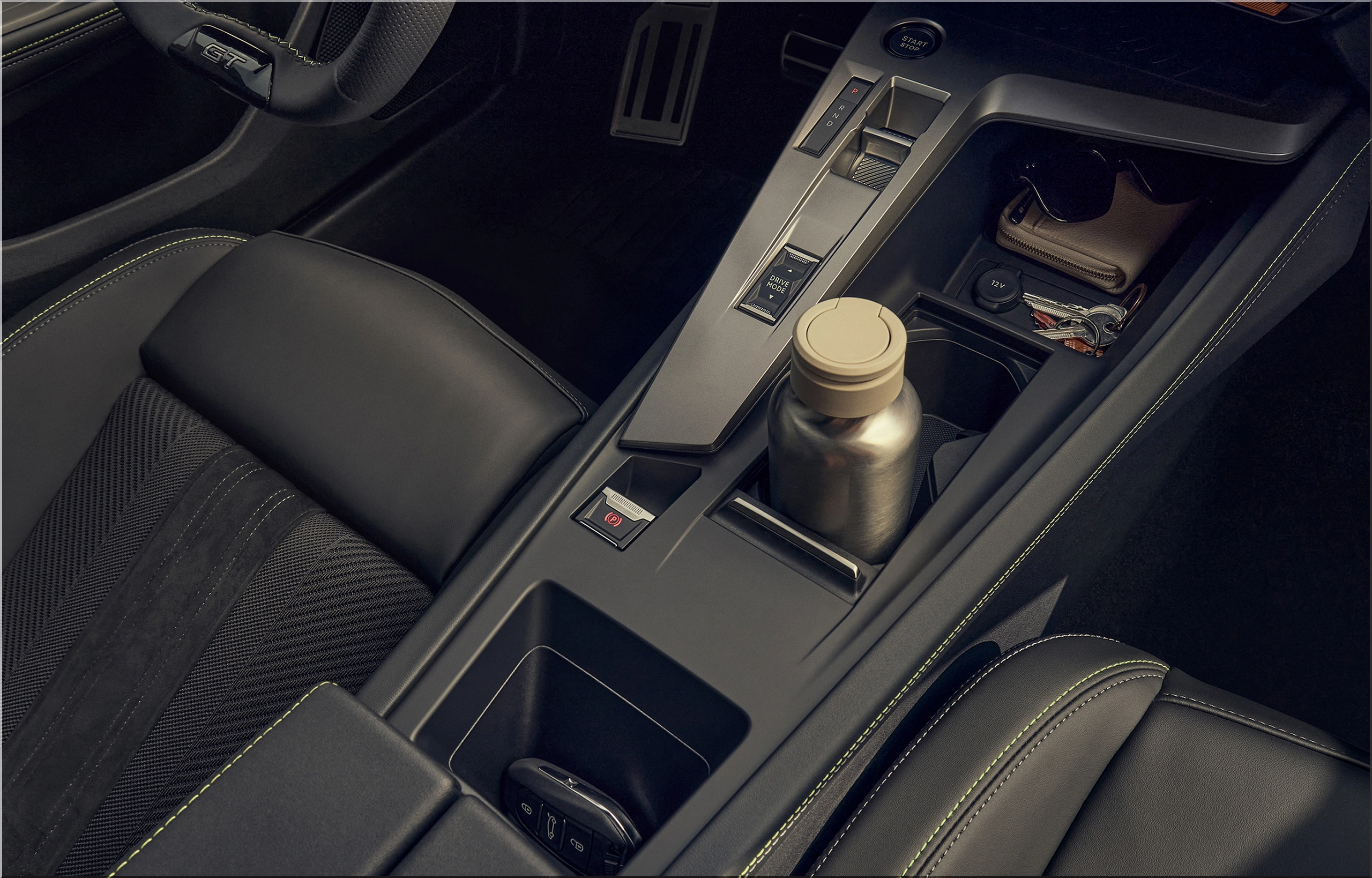
Material quality presents well across mid and upper trims. Alcantara is available on GT Exclusive. Real aluminum trim spans the dash and doors on GT. The design cuts glare and feels durable.
AGR-certified front seats are optional on Allure and GT. Heating and massage can be added. GT Exclusive includes both functions as standard.
An optional Focal Premium Hi-Fi adds 10 speakers with a 690 W amplifier. The layout gives stable staging for front riders.
Actionable read: If you spend hours in traffic, pick AGR seats first. Add the audio upgrade only if you stream lossless or high-bitrate music.
Air quality and climate tech
An Air Quality System (AQS) tracks cabin intake and triggers recirculation when needed. Clean Cabin filters reduce gases and particulates. Use the MyPeugeot app to pre-heat or pre-cool while plugged in.
Actionable read: Preconditioning boosts comfort and, for EV and PHEV, preserves driving range.
308 SW practicality: cargo and seat flexibility
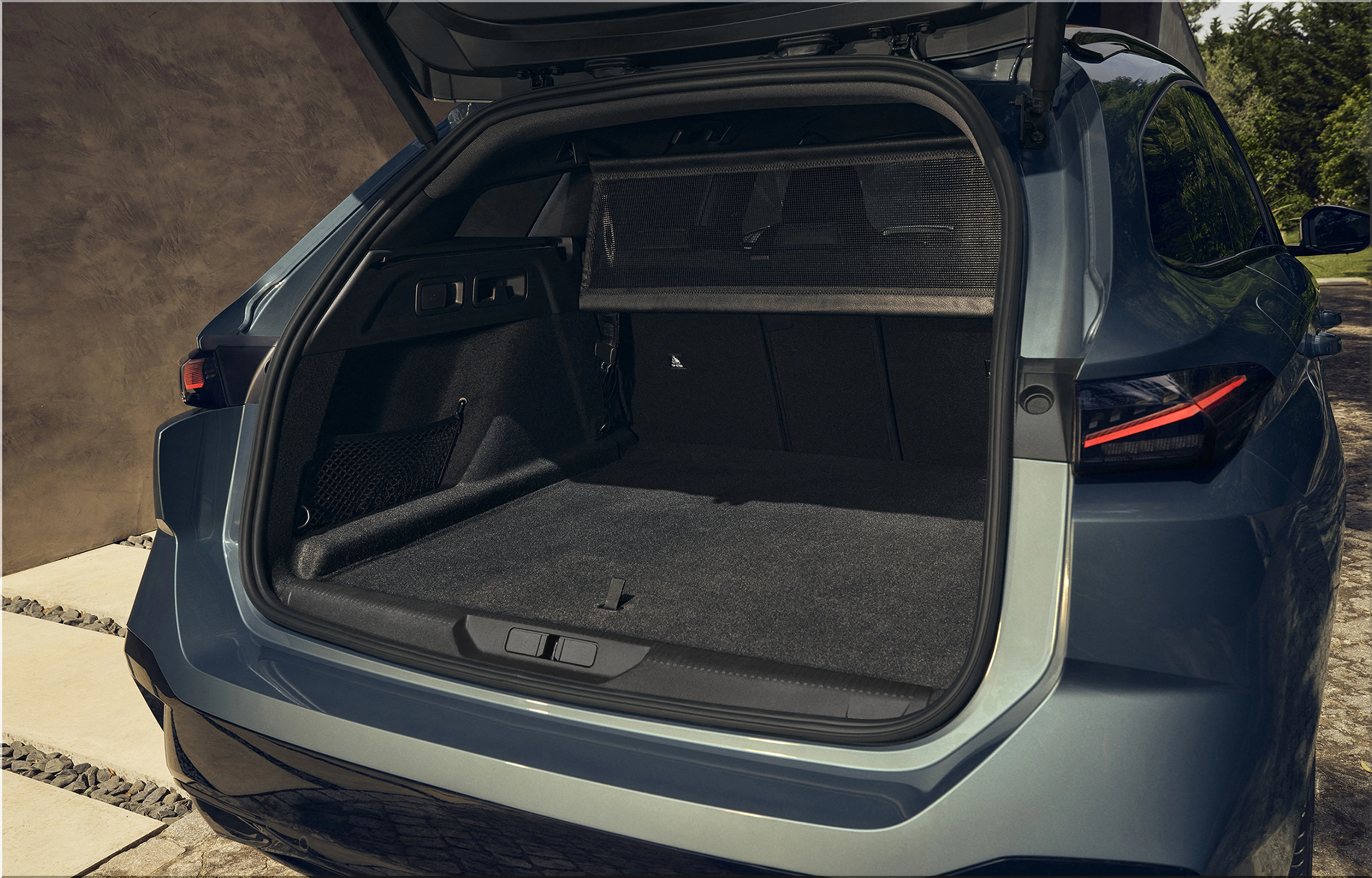
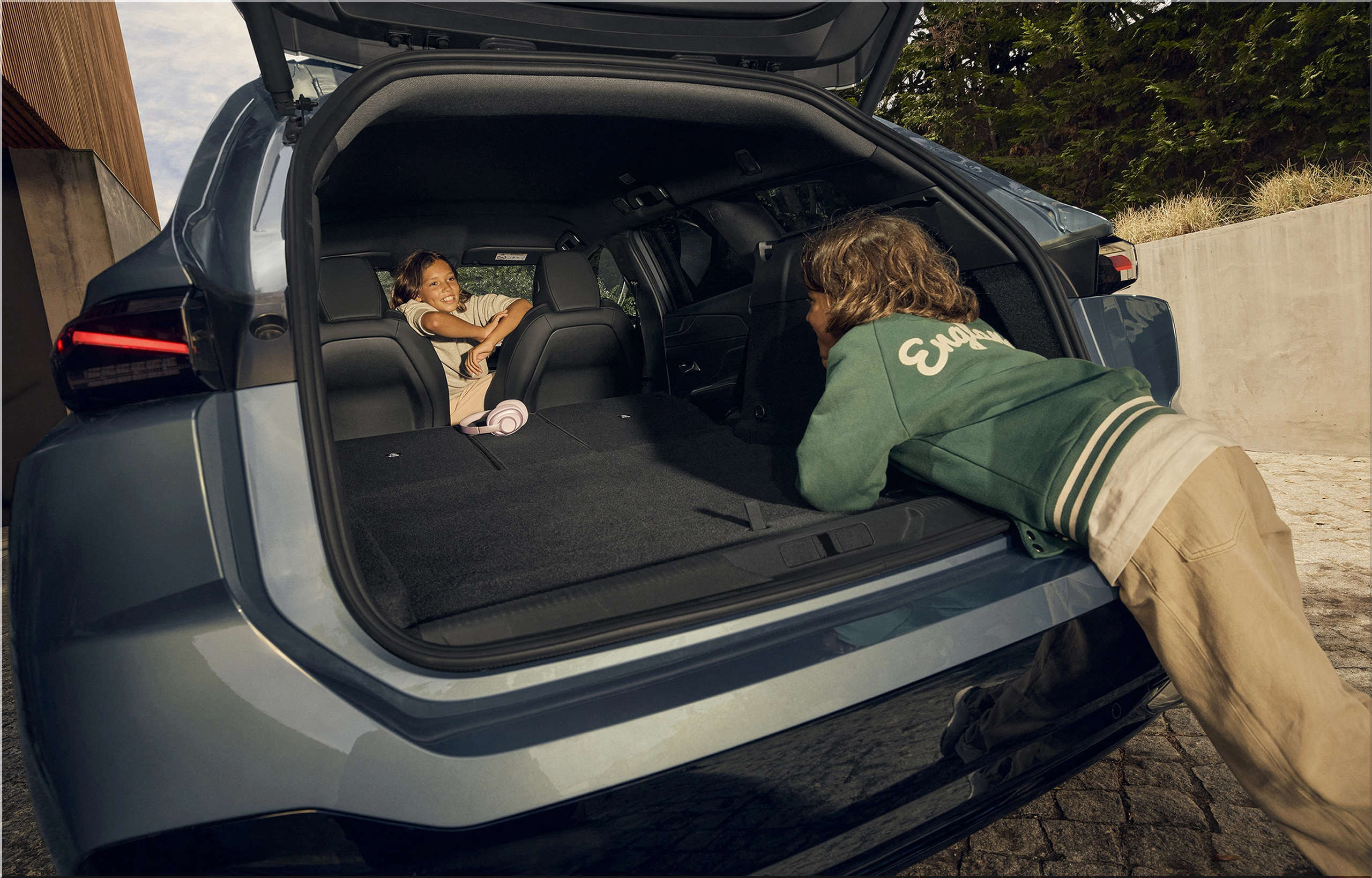
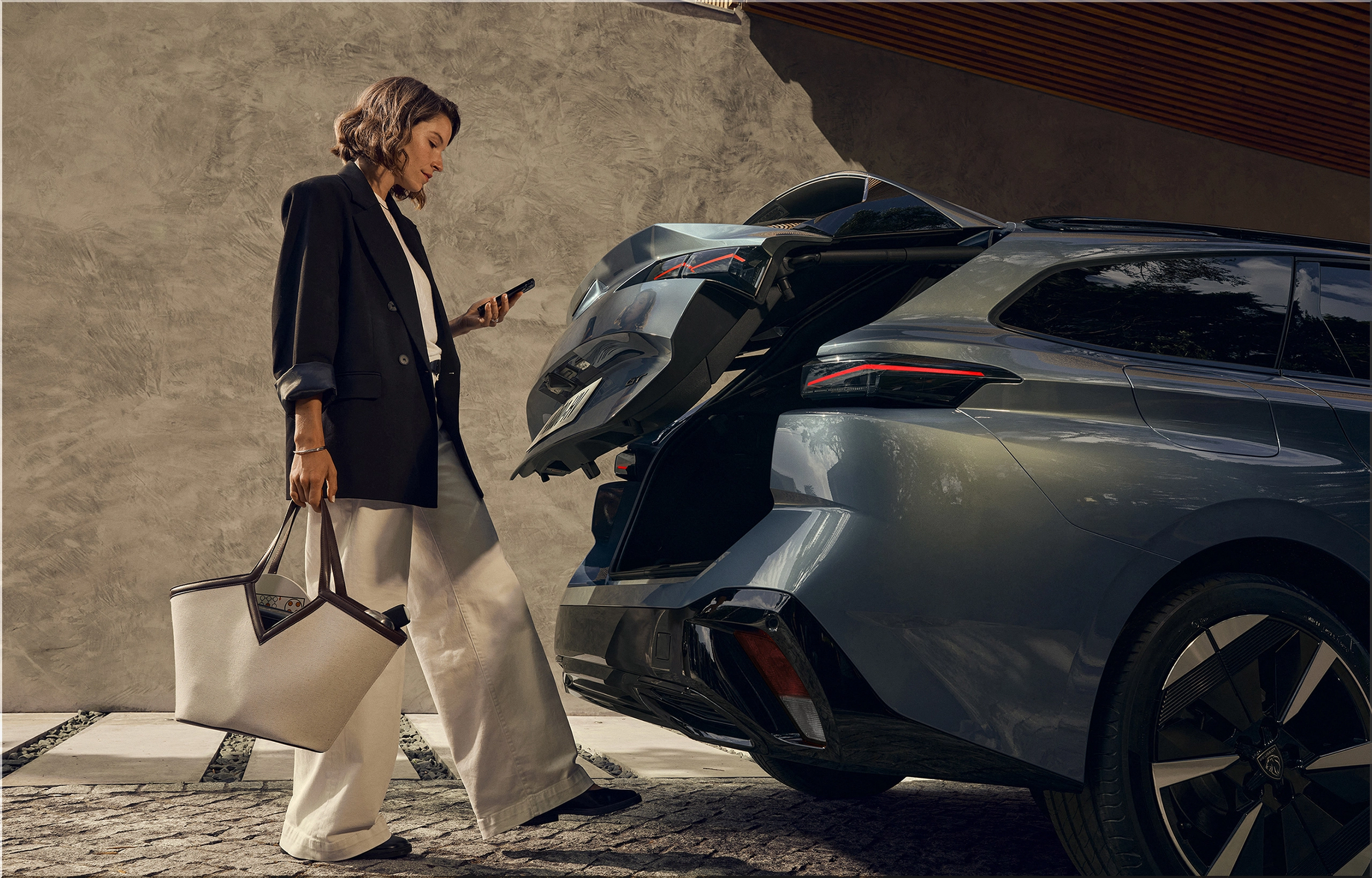
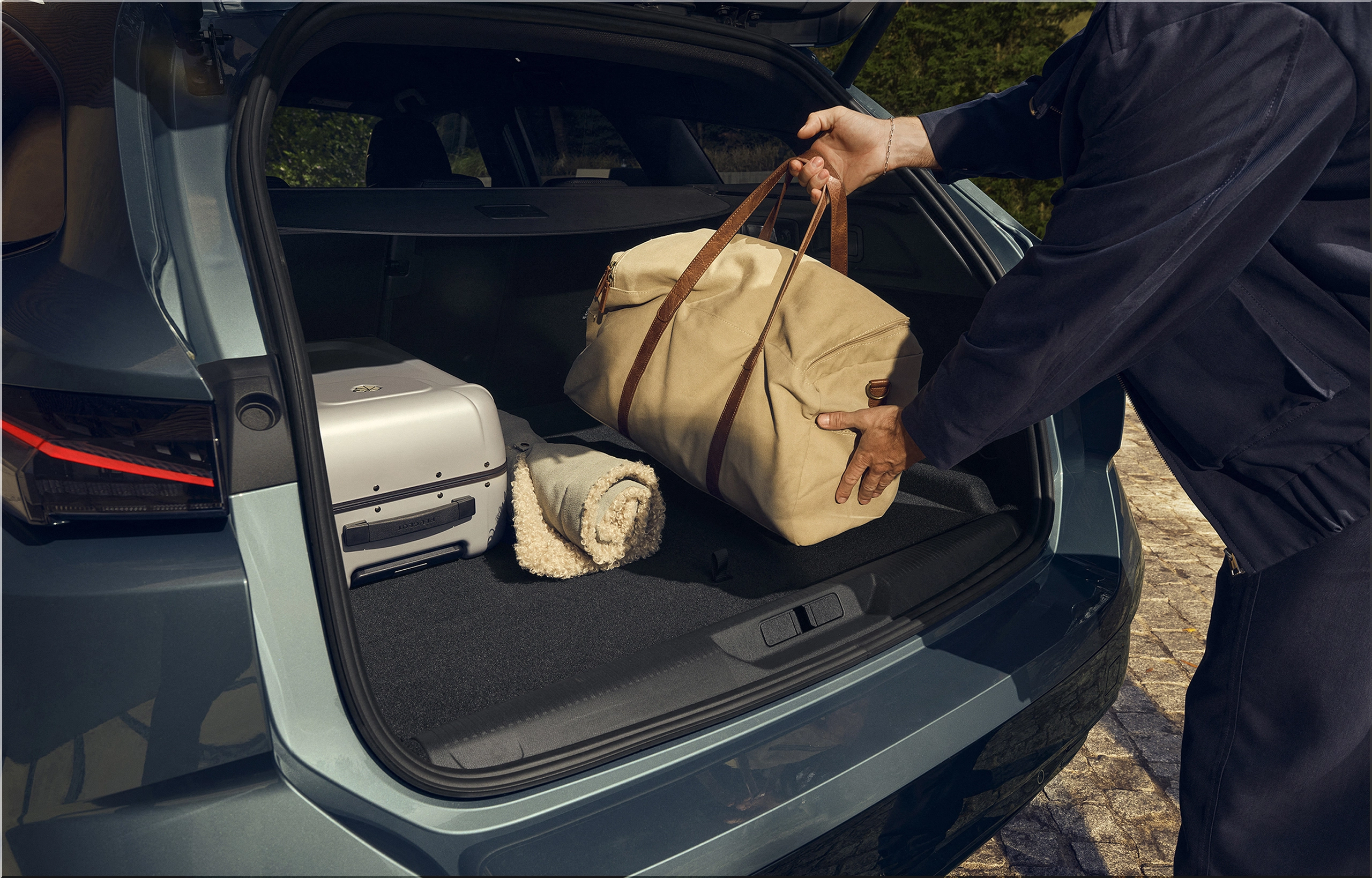
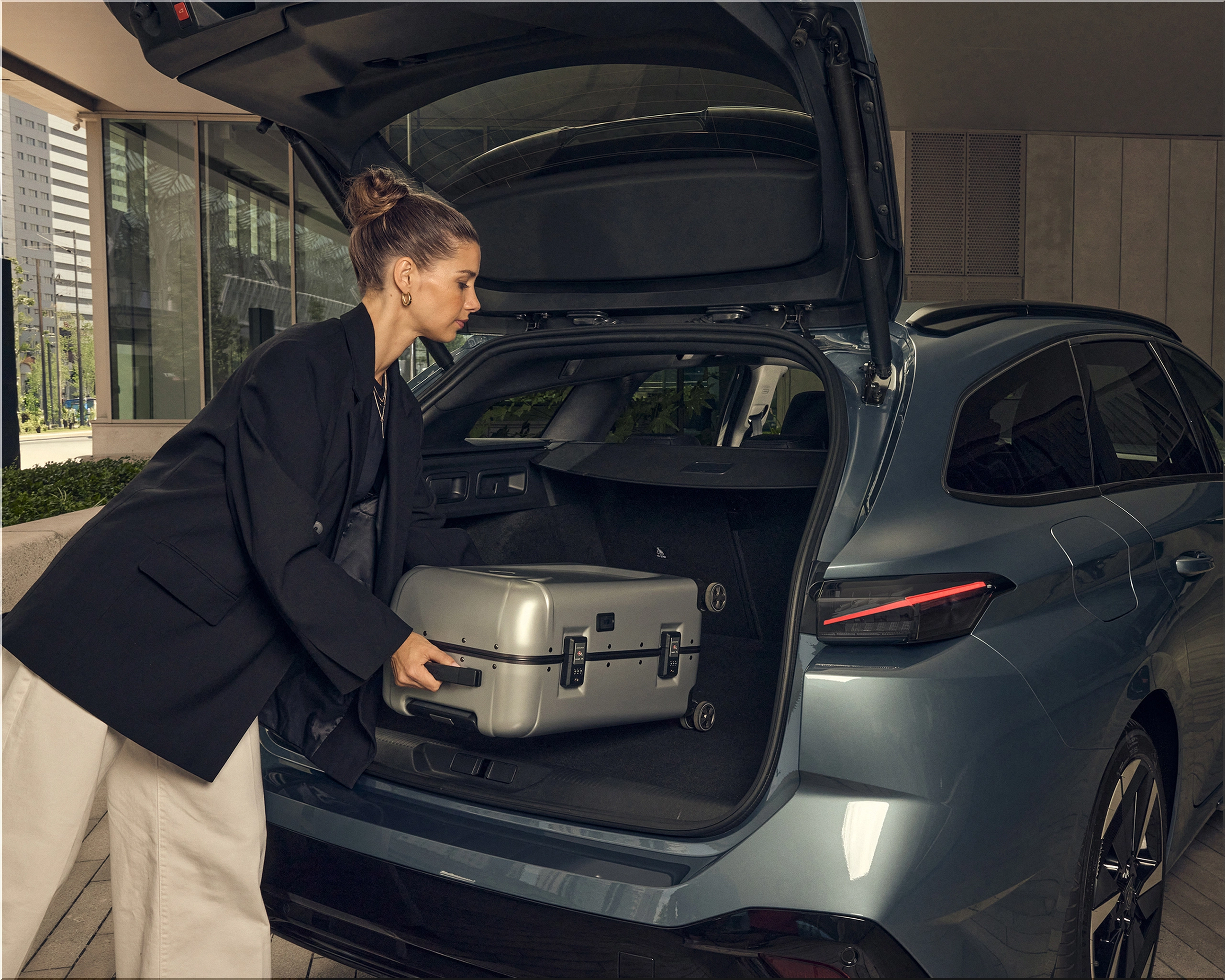
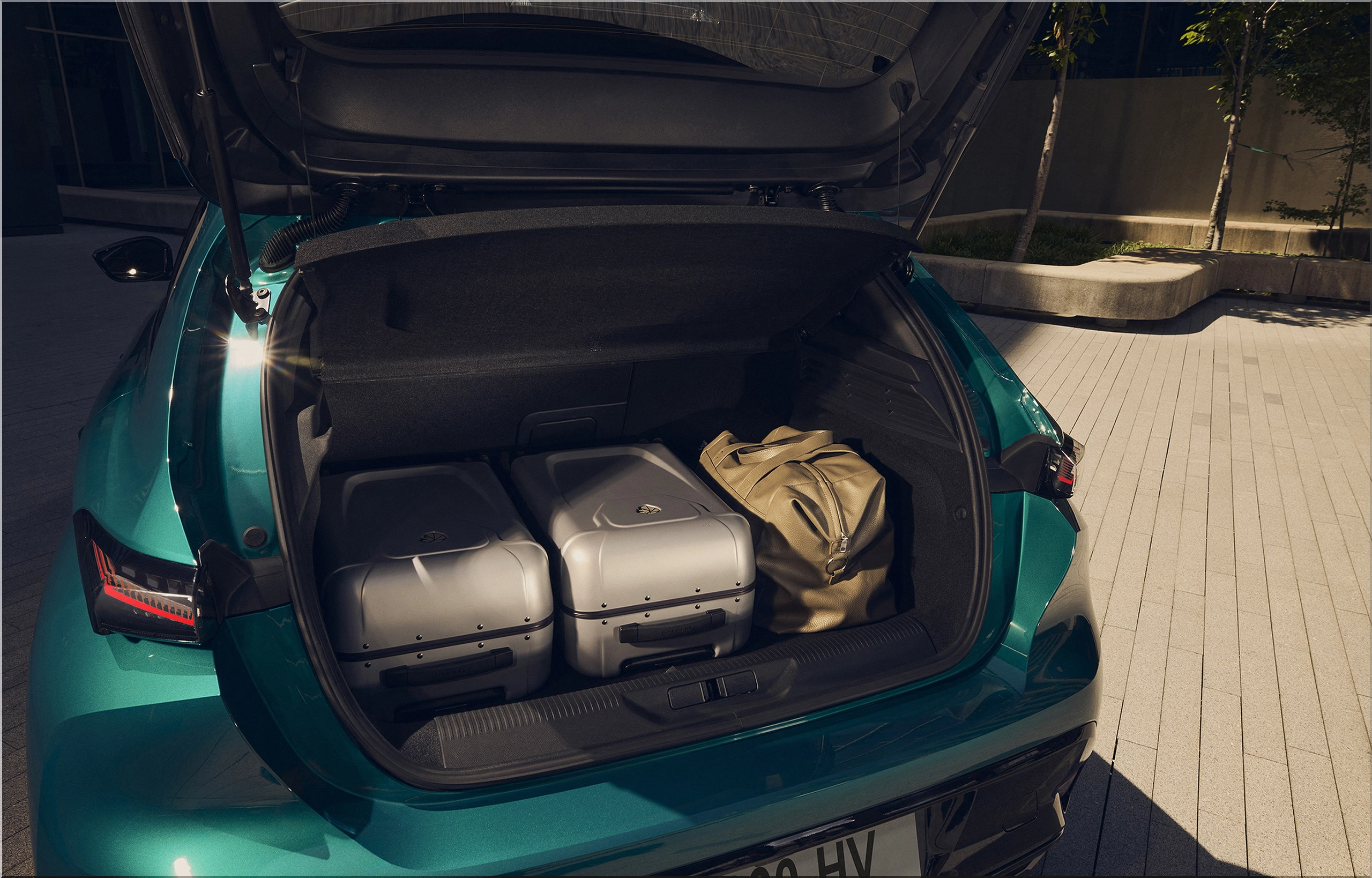
The 308 SW adds space without noise or bulk. The second row splits 40/20/40. The tailgate can be powered. Cargo volume runs from 598 liters to 1,487 liters.
PHEV versions in Allure, GT, and GT Exclusive include a two-position load floor. That helps store cables and keep the floor flat.
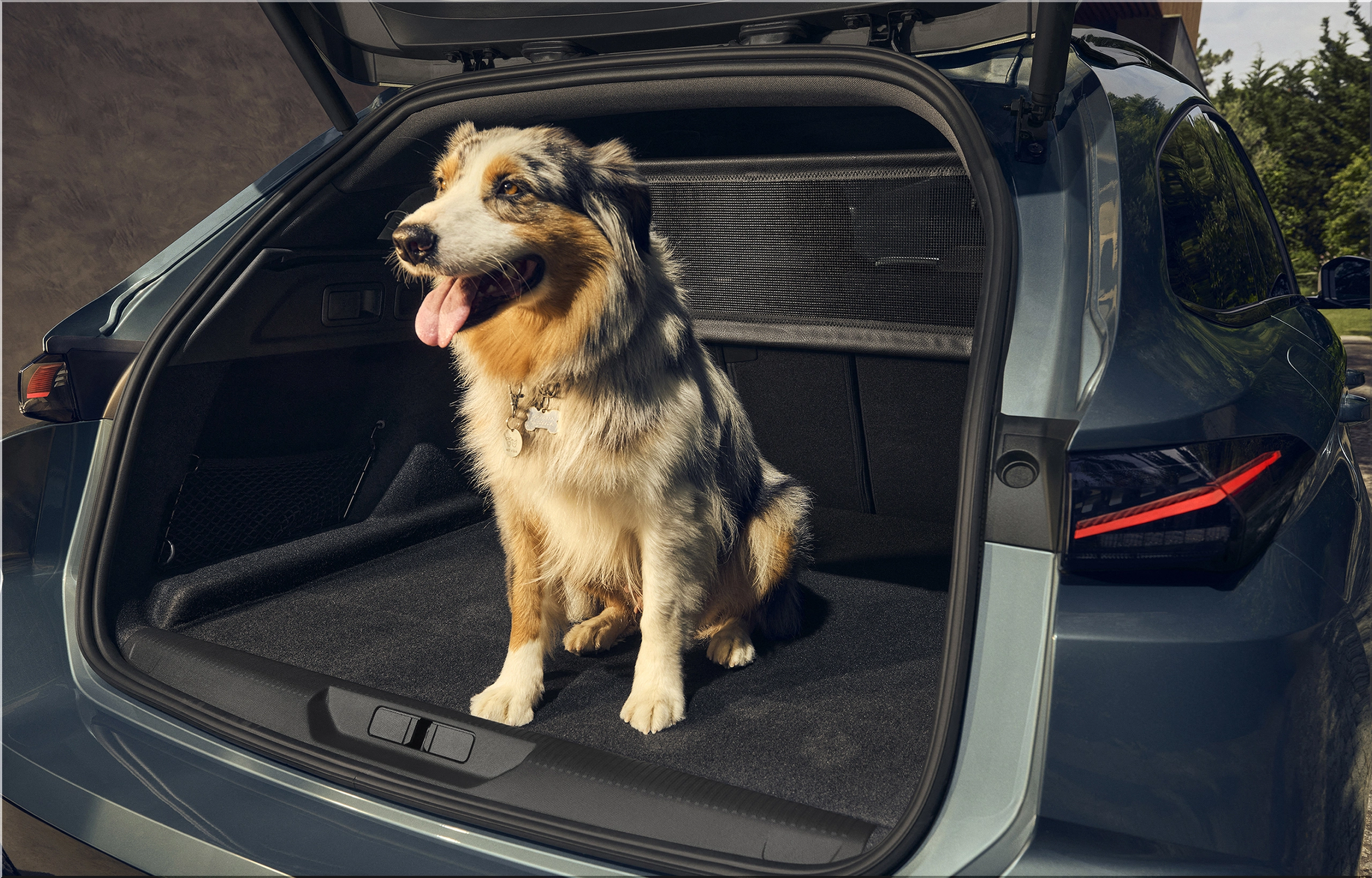
Actionable read: If you carry strollers, bikes, or pets, the SW body style is the easy pick.
Wheels, tires, and aero details
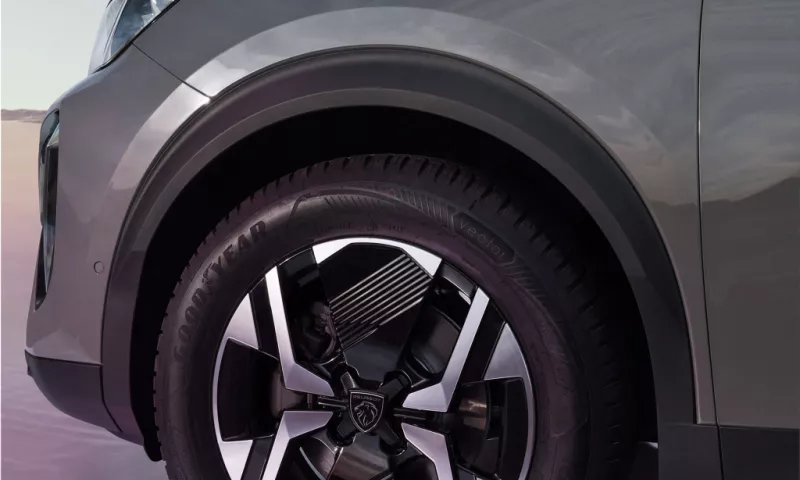
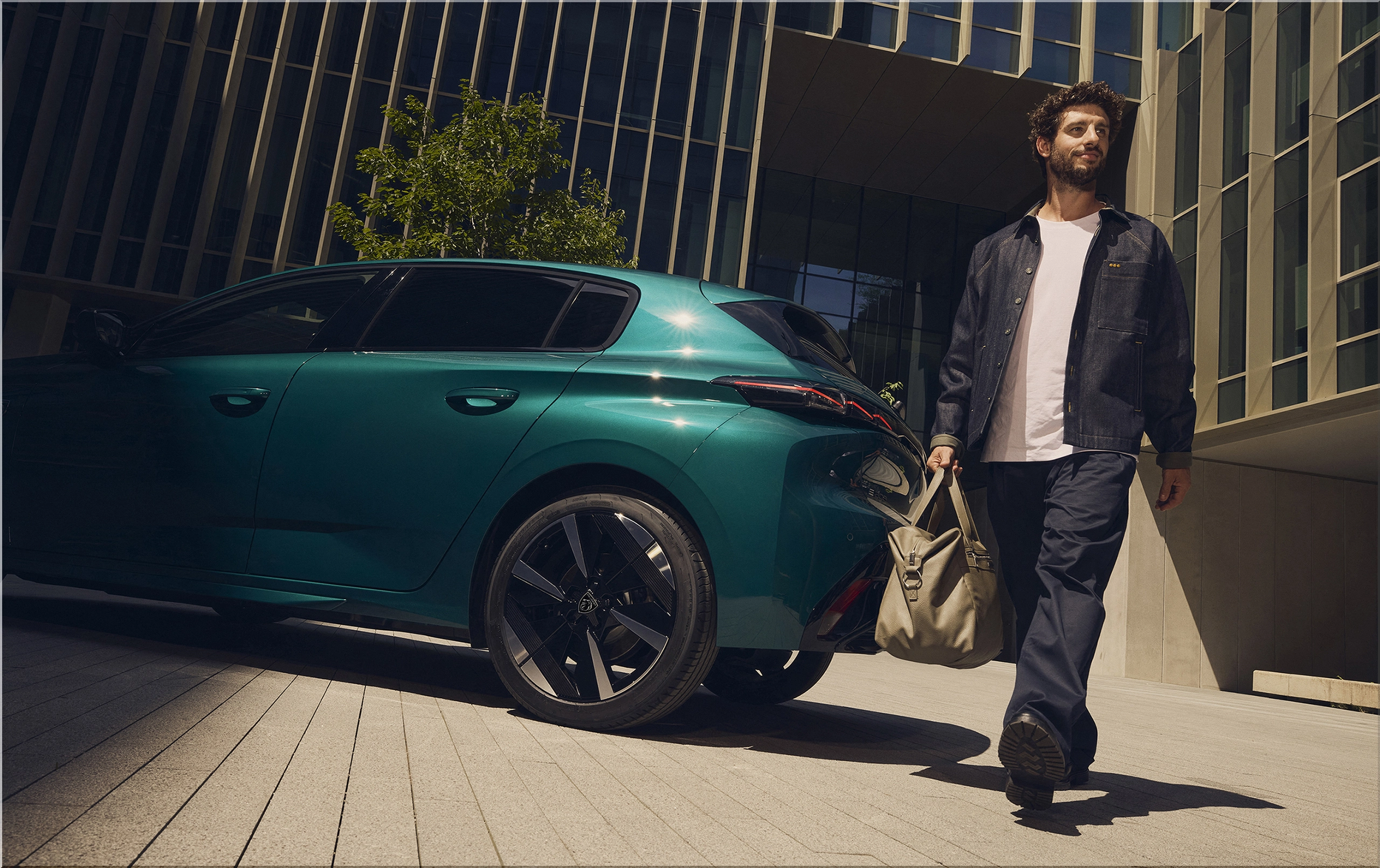
Allure gets 17-inch alloys. GT and GT Exclusive move to 18-inch designs. Aero management at the front bumper guides air into the wheel wells. That helps range and fuel use at speed.
Style and Business now get new dark-finish wheels. Electric versions use 18-inch wheels tuned for drag and cooling.
Actionable read: Bigger wheels sharpen response but can add road noise. Match wheel size to route quality.
Sustainability data: measurable material content
Peugeot integrates over 30% recycled and renewable materials across 308 and 308 SW. The brand lists 31% recycled content by mass. Recycled steel sits at 34% and recycled aluminum at 58%.
Recovered polymers and bio-materials total 40 kg per car. Official figures target 85% recyclability by mass and 95% recoverability.
Actionable read: These numbers matter for fleet ESG reports and some procurement bids.
Trims and feature walk
Peugeot markets five trims: Style, Allure, GT, Business, and GT Exclusive.
- Style: core safety, connected features, LED lights
- Allure: 17-inch wheels, upgraded seat fabrics
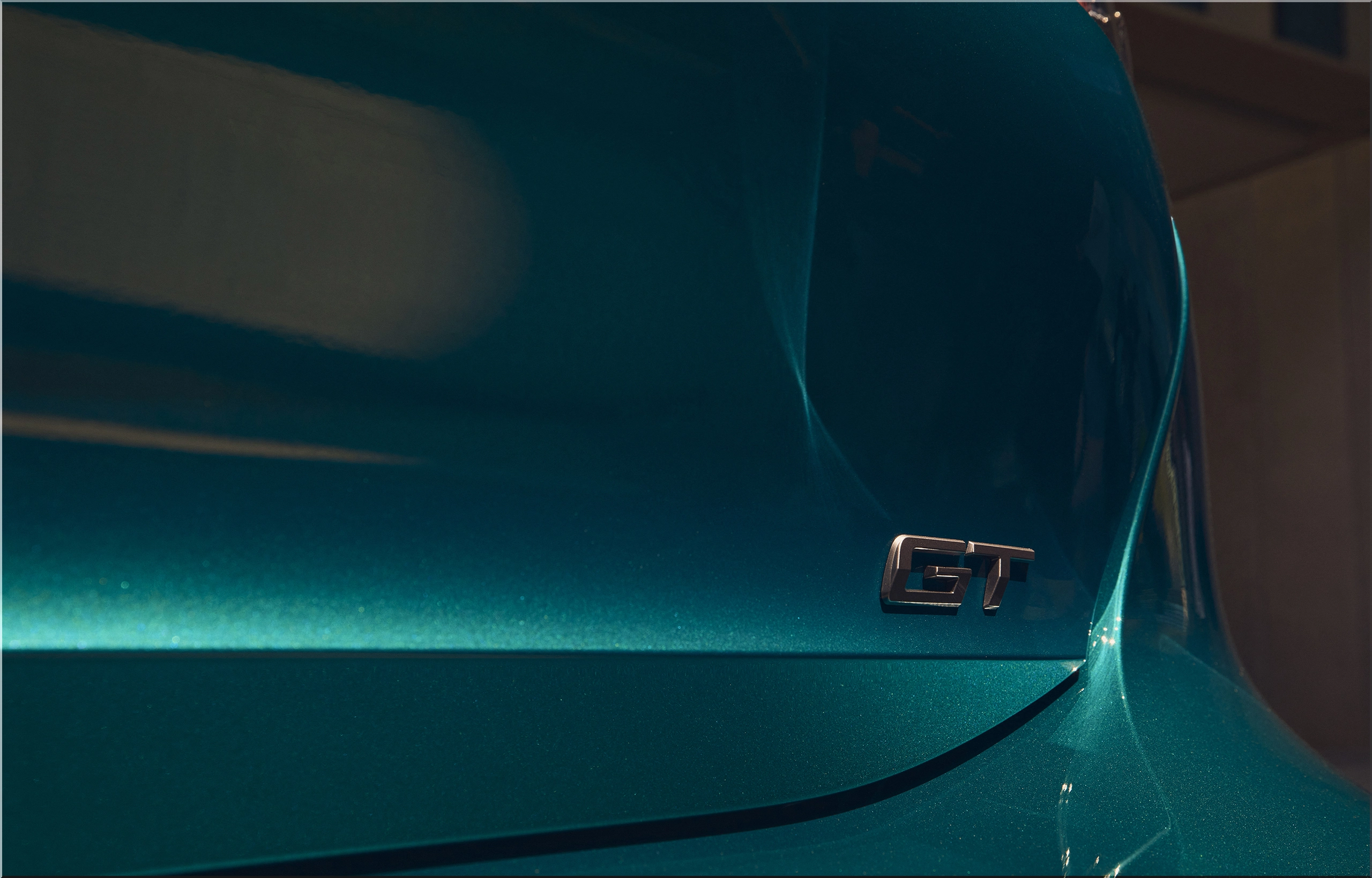
- GT: illuminated emblem, Matrix LED, 18-inch wheels
- Business: fleet-focused spec with connected navigation
- GT Exclusive: Alcantara, full 3D instruments, premium audio
Actionable read: GT adds the headlight tech many buyers actually use. GT Exclusive stacks comfort content for long commutes.
Software, services, and remote functions
i-Connect is standard on Style and Allure. Wireless Apple CarPlay and Android Auto are onboard. i-Connect Advanced brings connected navigation and an enhanced voice assistant. The package also enables Trip Planner and remote controls through MyPeugeot.
The brand offers long trials for connected services at launch. Over-the-air updates keep core systems current.
Actionable read: If you run EV or PHEV, choose i-Connect Advanced. The planner and remote features pay back daily.
Availability and pricing context
European deliveries start in autumn 2025. Peugeot has not released official prices in this communication. Expect national taxes and incentives to shape transaction totals.
Actionable read: Check company-car rules before ordering. Incentive changes can swing plug-in and EV math fast.
Quick spec table: headline numbers buyers ask about
| Item | 308 (range) | 308 SW (range) |
|---|---|---|
| Body length (approx.) | Compact C-segment | Compact C-segment estate |
| Electric model | E-308 | E-308 SW (market timing may vary) |
| E-308 motor output | 115 kW (156 hp) | Same |
| E-308 torque | 270 Nm | Same |
| Battery capacity | 58.4 kWh gross | Same |
| Usable capacity | 55.4 kWh | Same |
| WLTP range | 450 km | Model-dependent |
| DC fast charge | 100 kW peak class | Same |
| 20–80% DC time | 32 minutes | Same |
| Regeneration levels | 3 with paddles | Same |
| PHEV system power | 195 hp | Same |
| PHEV EV range | 85 km WLTP | Same |
| Hybrid system | 145 hp e-DCS6 | Same |
| Diesel option | BlueHDi 130 hp | Same |
| SW cargo volume | n/a | 598–1,487 liters |
Buyer guide: match use case to powertrain
Use this quick map to lock a decision.
- City and short regional trips with home AC
Pick E-308. You get quiet running and low running costs. Plug & Charge helps on road trips. - Mixed routes with tax rules favoring EV miles
Pick PHEV 195. 85 km WLTP EV range covers most urban days. - Apartment living without charging
Pick Hybrid 145. You still cut fuel use in traffic. No cables involved. - High motorway mileage
Pick BlueHDi 130. The powertrain holds gears and keeps fuel spend stable.
The bottom line for segment shoppers
The Peugeot 308 range now hits key numbers buyers track. 450 km WLTP for the EV. 85 km WLTP for the PHEV. 4.7–5.0 L/100 km for the hybrid. A calm cabin and steady ride sit across trims. The 308 SW carries real cargo without bulk.
Peugeot’s bet is simple. Give buyers four clear propulsion paths. Keep tech features useful, not flashy. Hold cost of ownership with efficient drivetrains and smart software.
- Add new comment
- 103 views