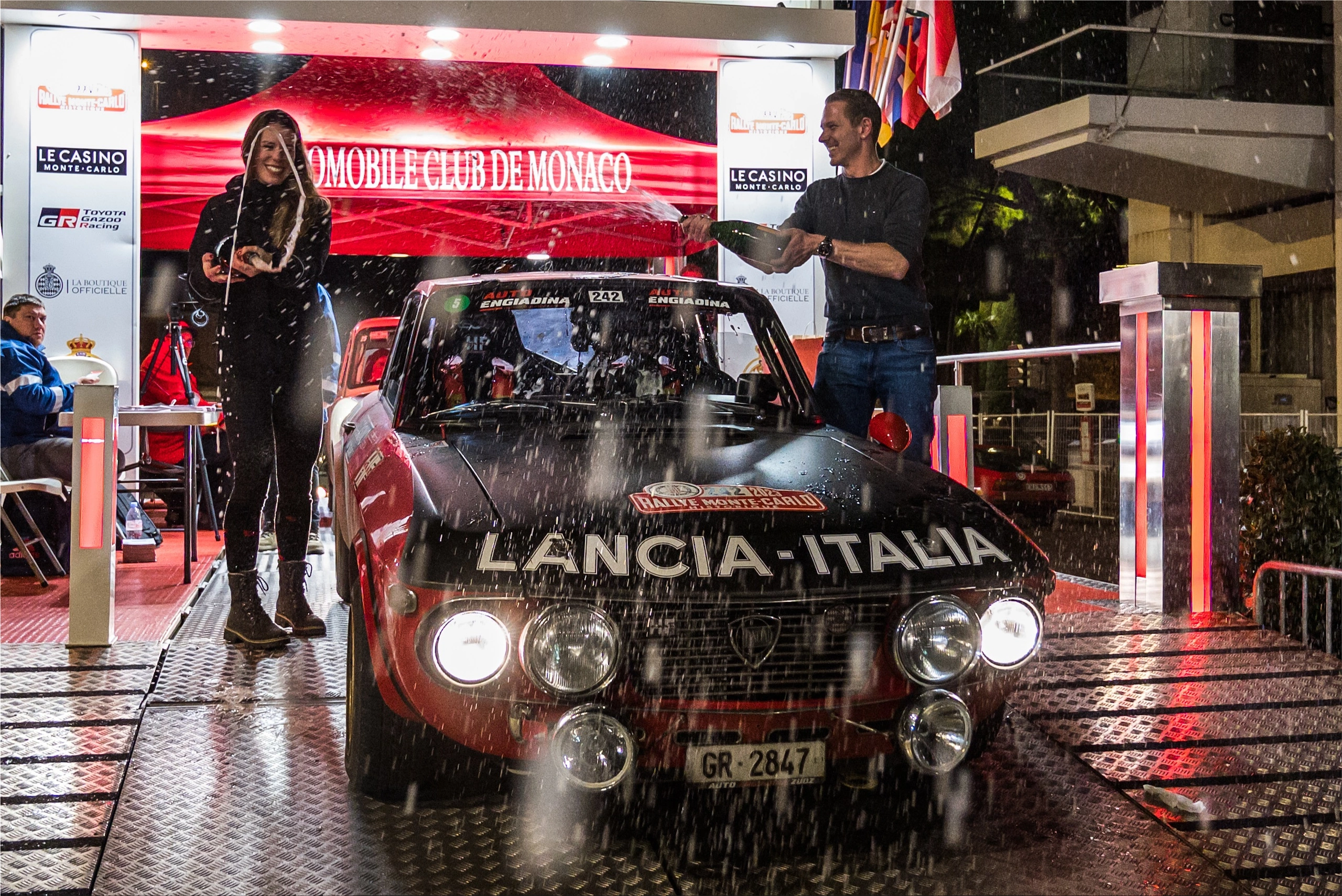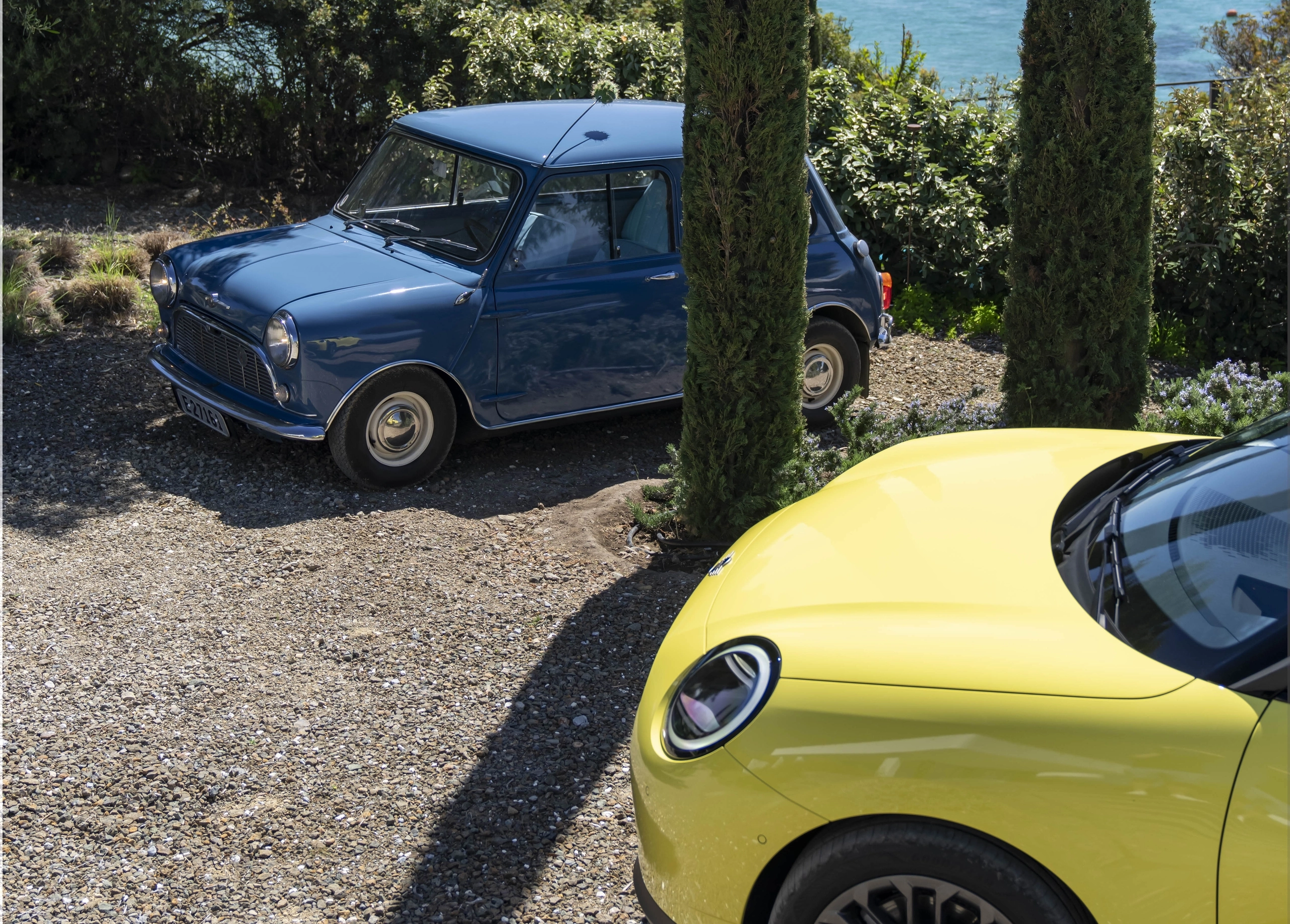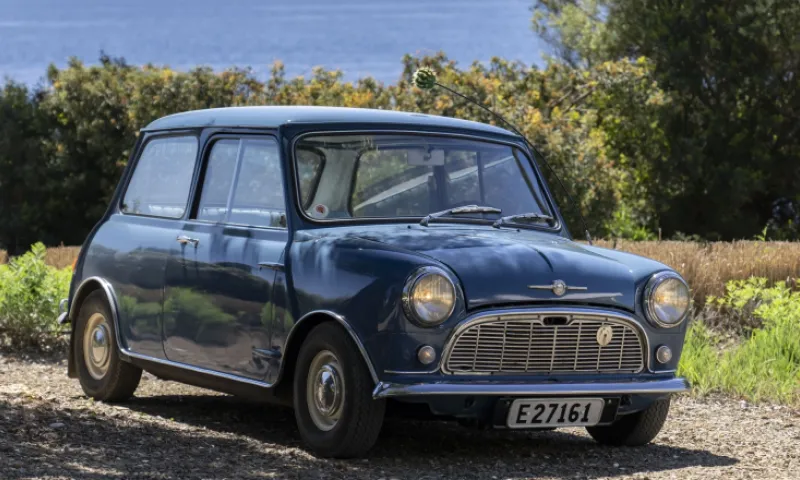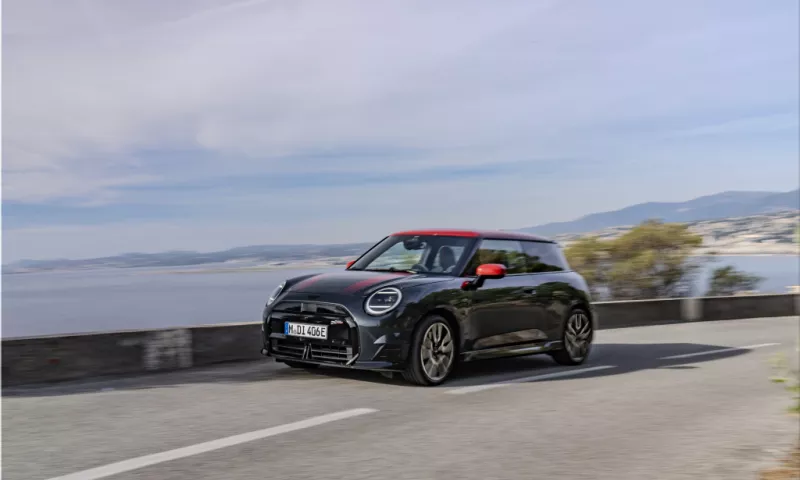
The automotive industry often looks backward to move forward, but few brands possess a historical anchor as heavy as MINI's 1965 Monte Carlo win. This victory redefined the potential of compact, front-wheel-drive vehicles in professional racing. The MINI 1965 Victory Edition arrives in the Mexican market as a high-performance tribute to the car driven by Timo Mäkinen and Paul Easter. By utilizing the current MINI John Cooper Works (JCW) architecture, this edition bridges the gap between mid-century mechanical grit and contemporary digital precision.
Image
Engineering a Modern Tribute: Power and Drivetrain
At the core of the MINI 1965 Victory Edition sits a 2.0-liter TwinPower Turbo four-cylinder engine. This powerplant generates 231 hp (170 kW) and a peak torque of 280 lb-ft (380 Nm). This output represents a massive technological leap from the original 1965 Cooper S, yet the goal remains identical: maximizing power-to-weight ratios for superior agility.
The vehicle achieves a 0 to 100 km/h acceleration time of 6.1 seconds. This speed results from the synergy between the high-torque engine and a precision-tuned transmission system designed for rapid gear changes. Engineers focused on maintaining a flat torque curve, ensuring that the driver has access to maximum pulling power across a wide RPM range. This specific tuning allows the car to mimic the "go-kart" feel that made the original 1965 model famous on the tight, snowy hairpins of the Col de Turini.
Performance Specifications Table
| Metric | Specification |
|---|---|
| Engine Type | 2.0L TwinPower Turbo 4-Cylinder |
| Horsepower | 231 hp (170 kW) |
| Torque | 280 lb-ft (380 Nm) |
| 0-100 km/h | 6.1 Seconds |
| Wheel Size | 18-inch JCW Lap Spoke Bicolor |
| Exterior Color | Chili Red |
Aesthetic Continuity: The 1965 Design Language
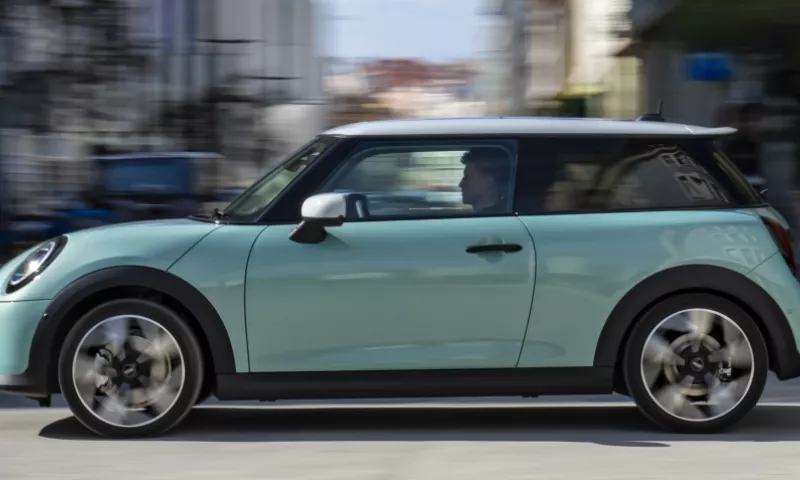
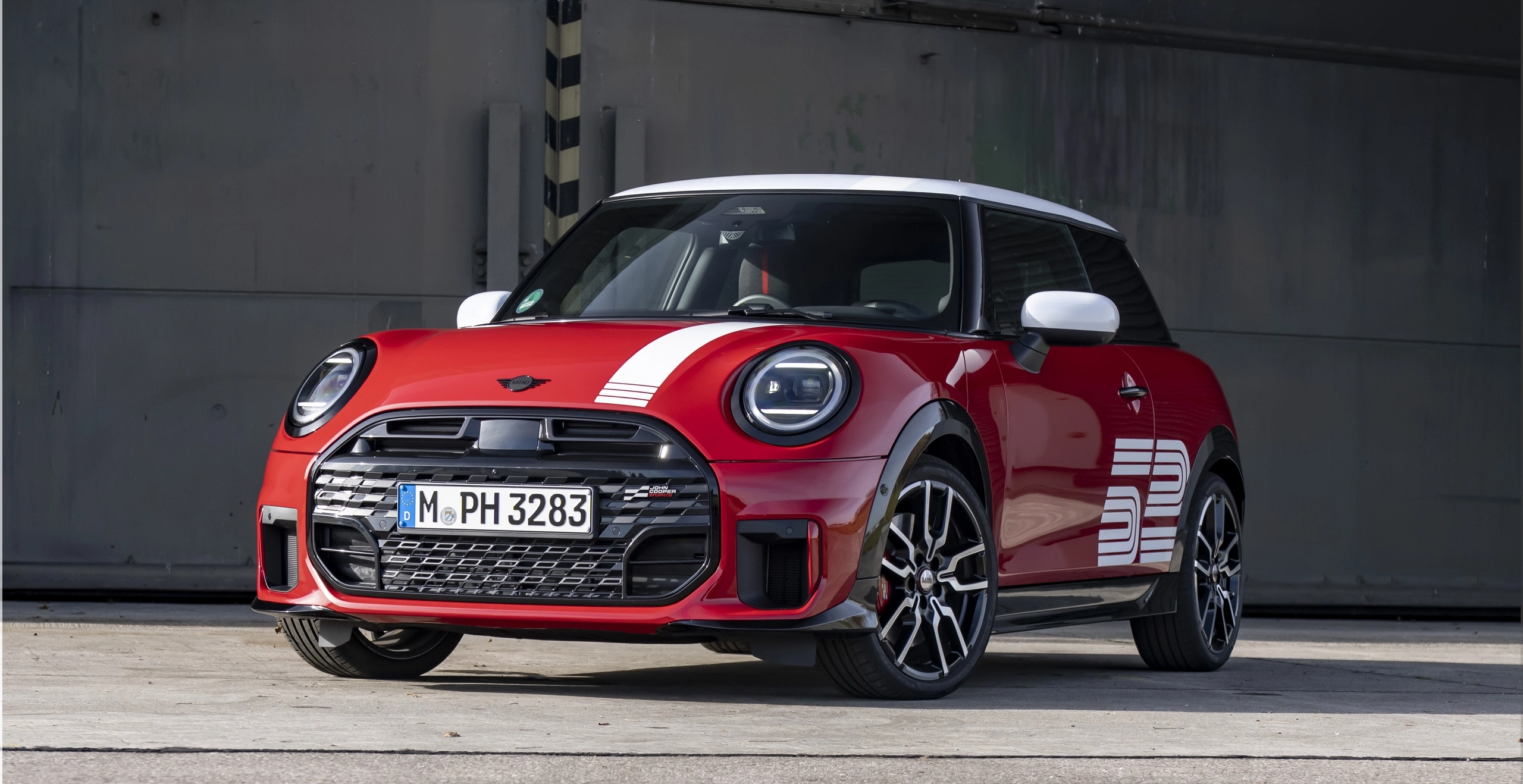
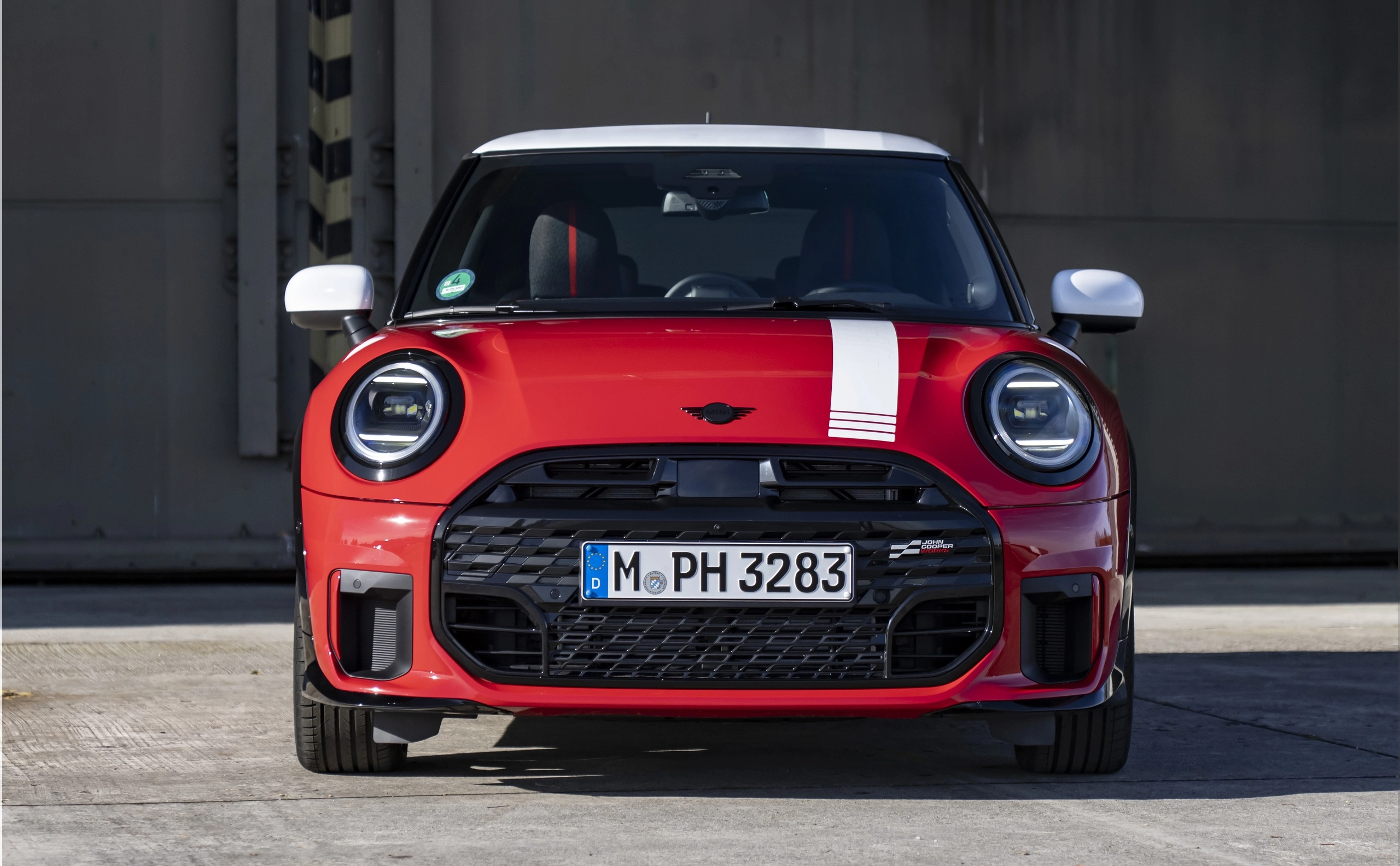
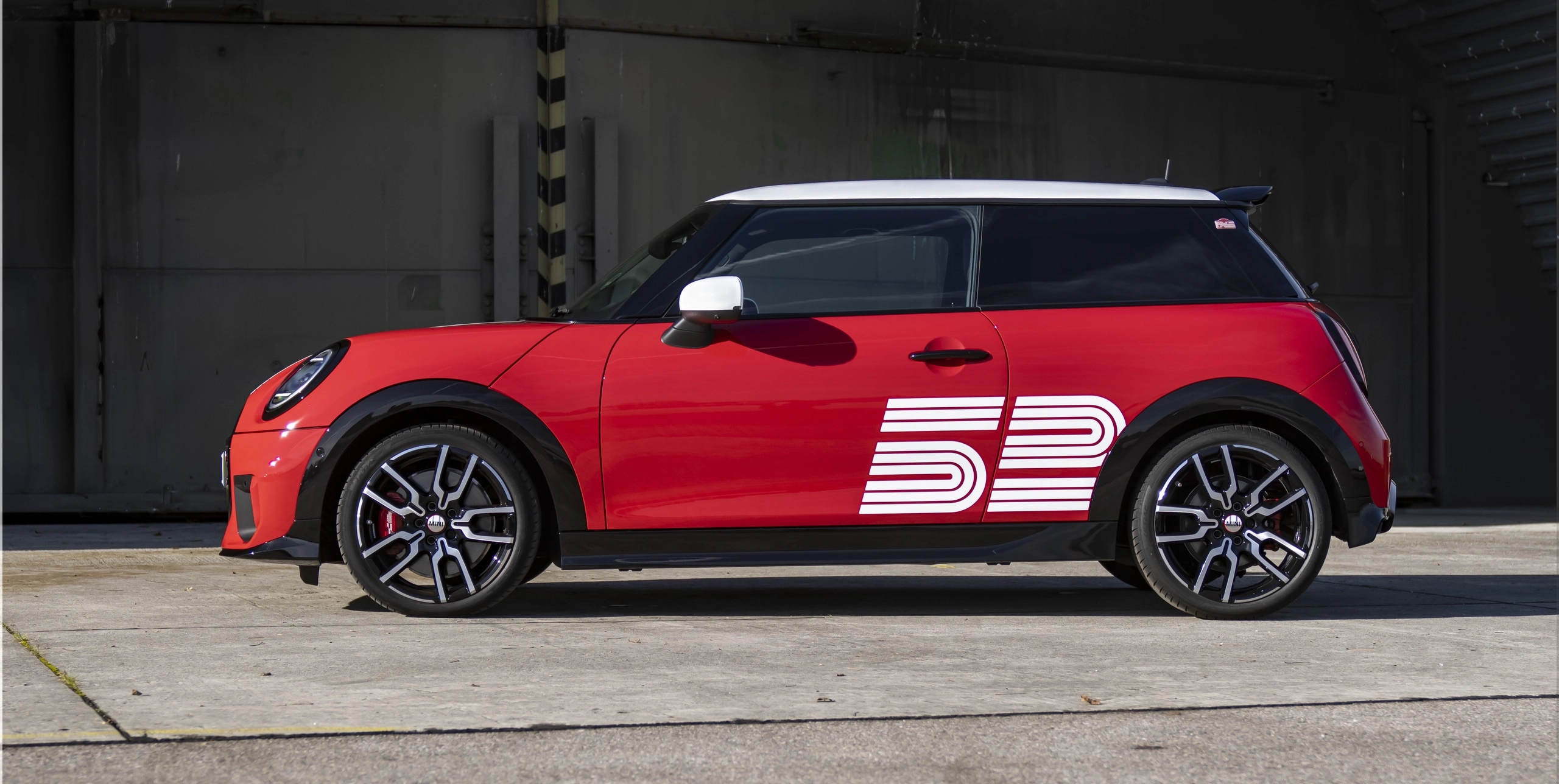
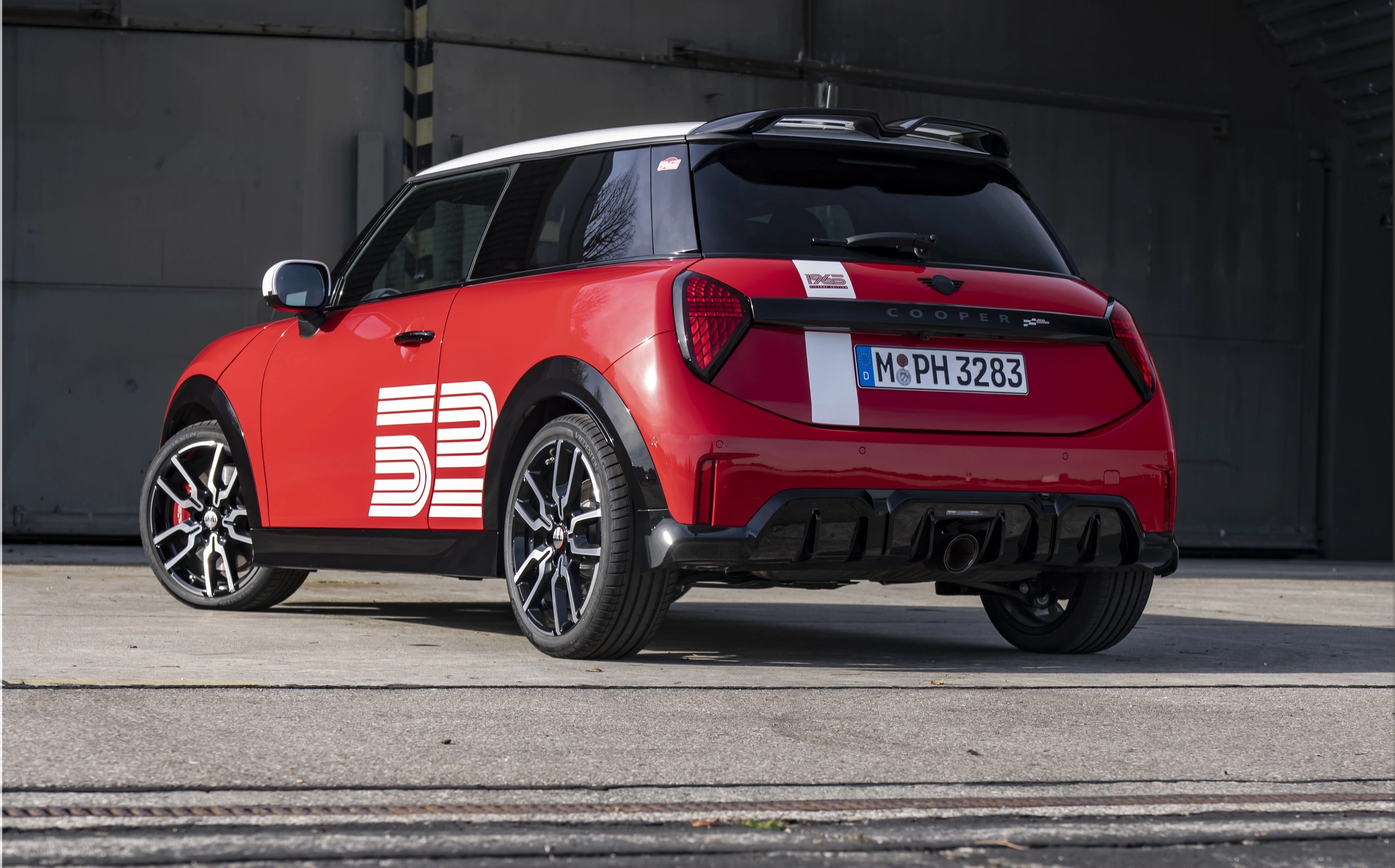
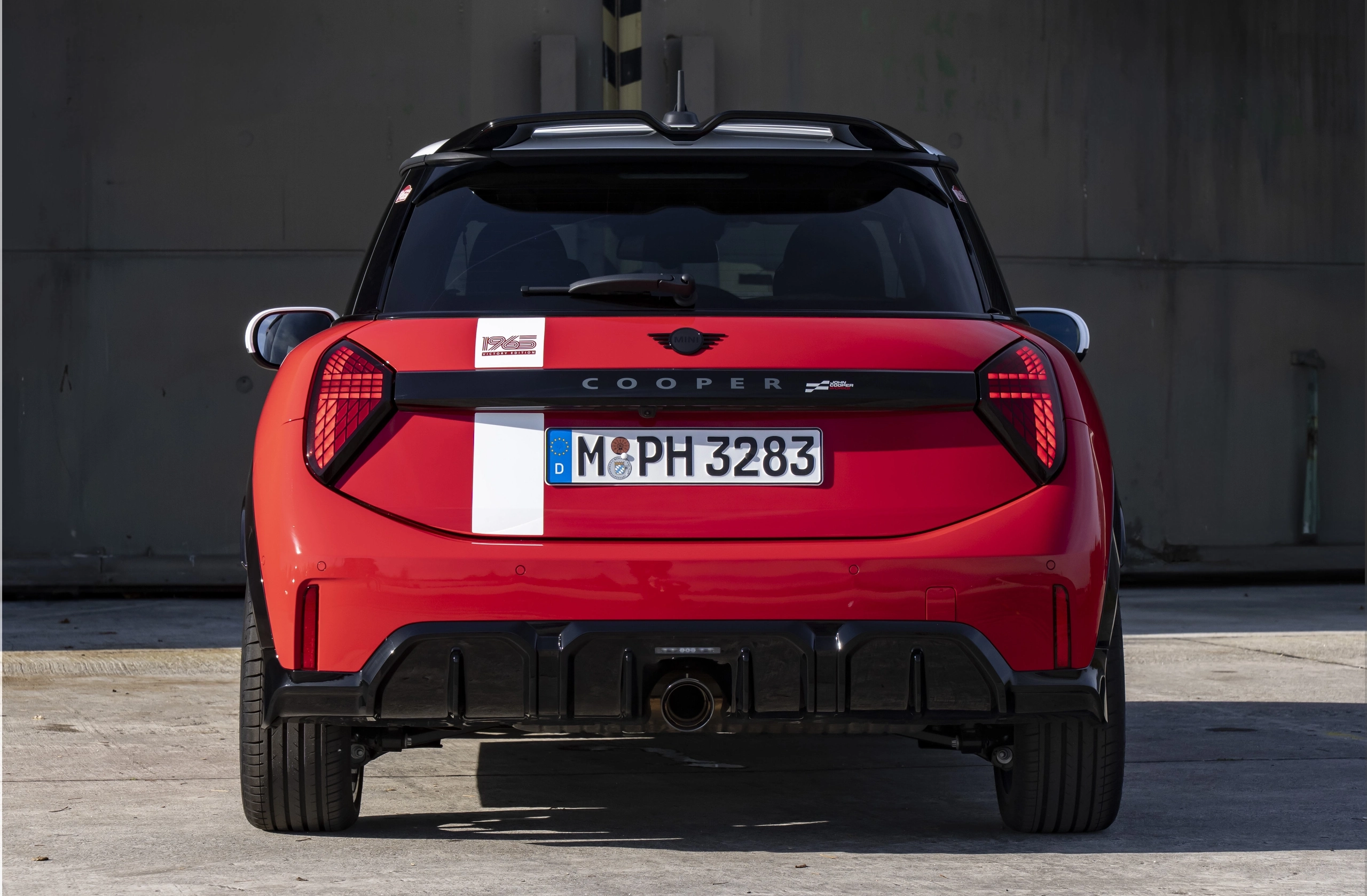
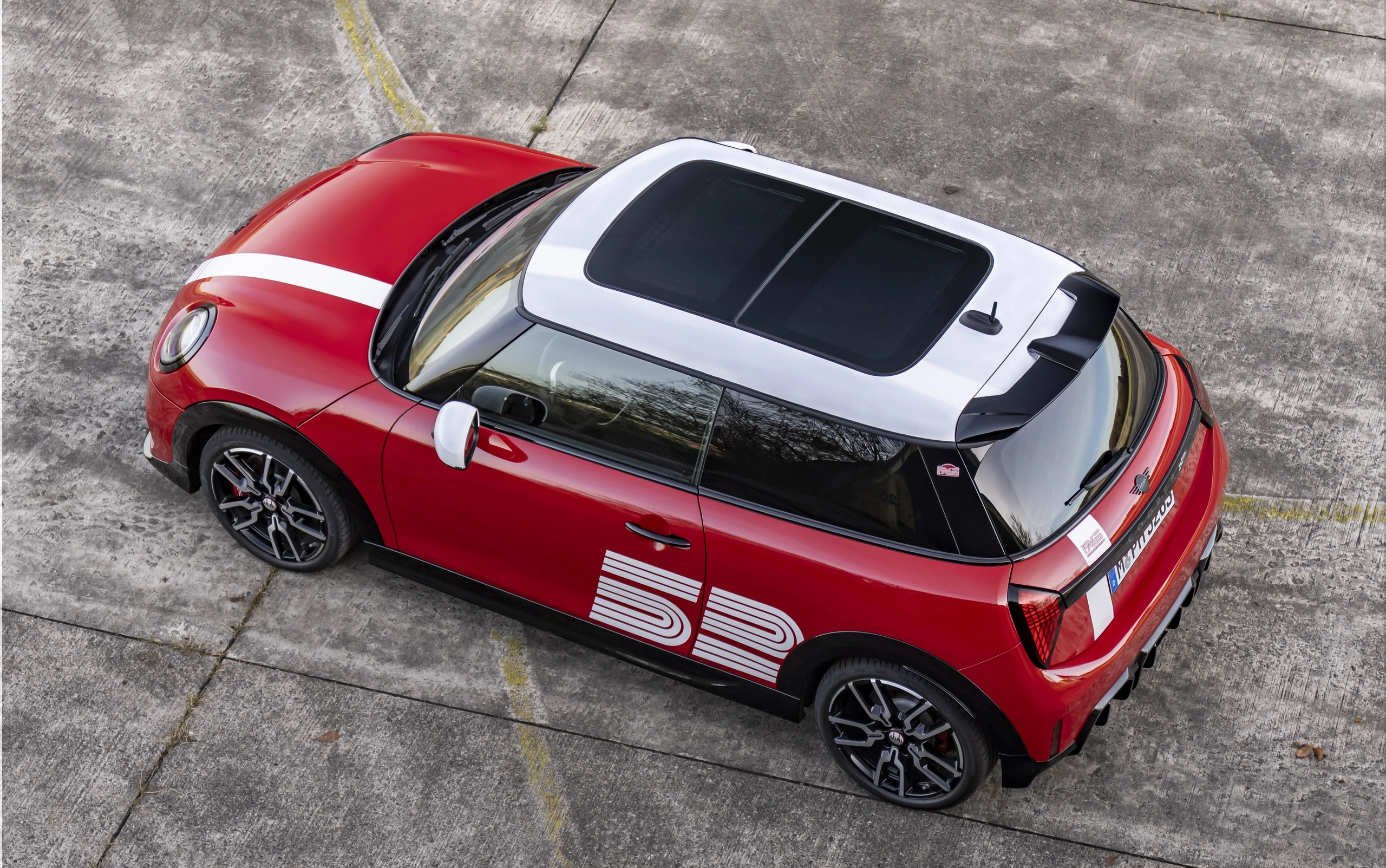
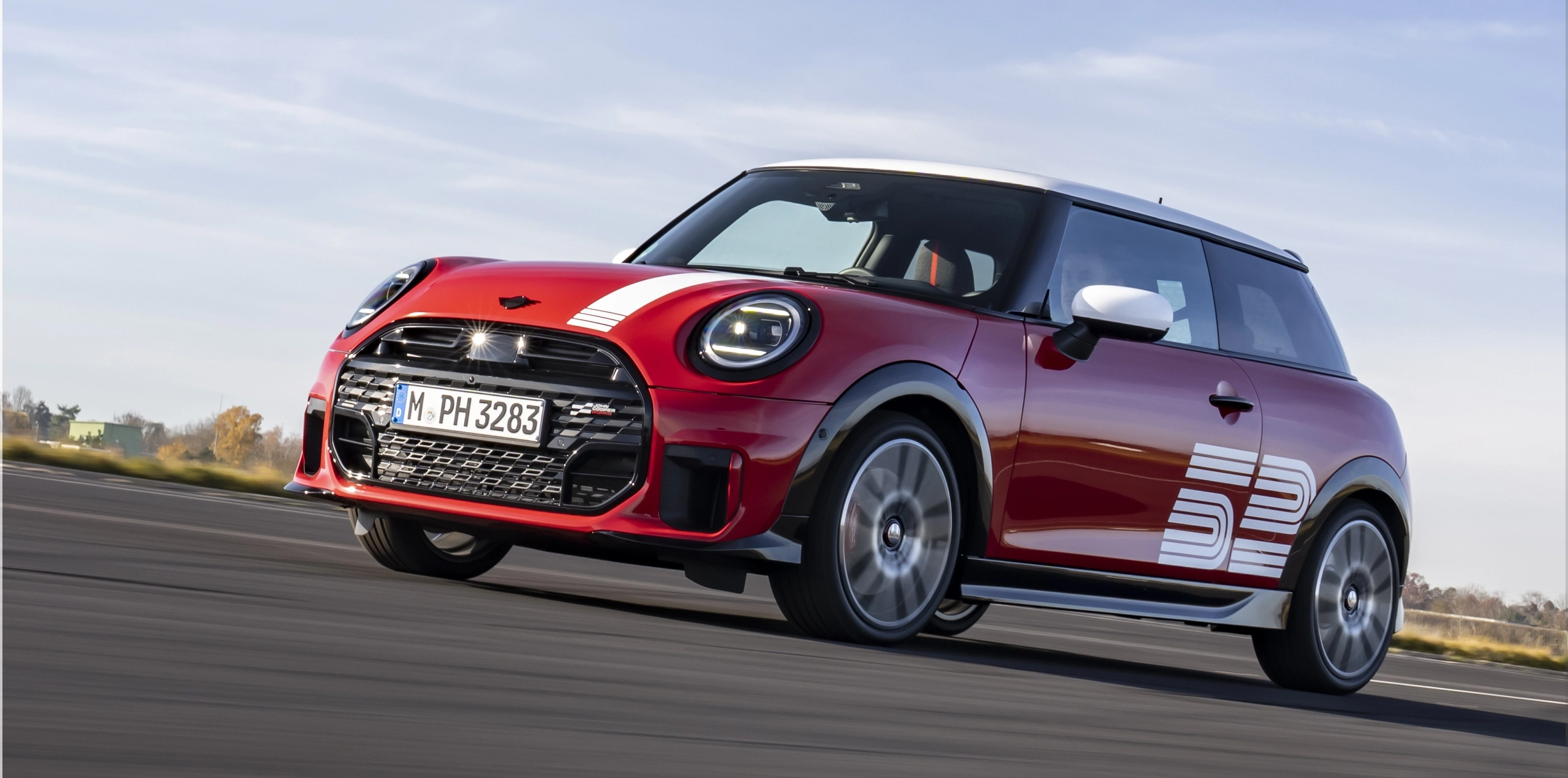
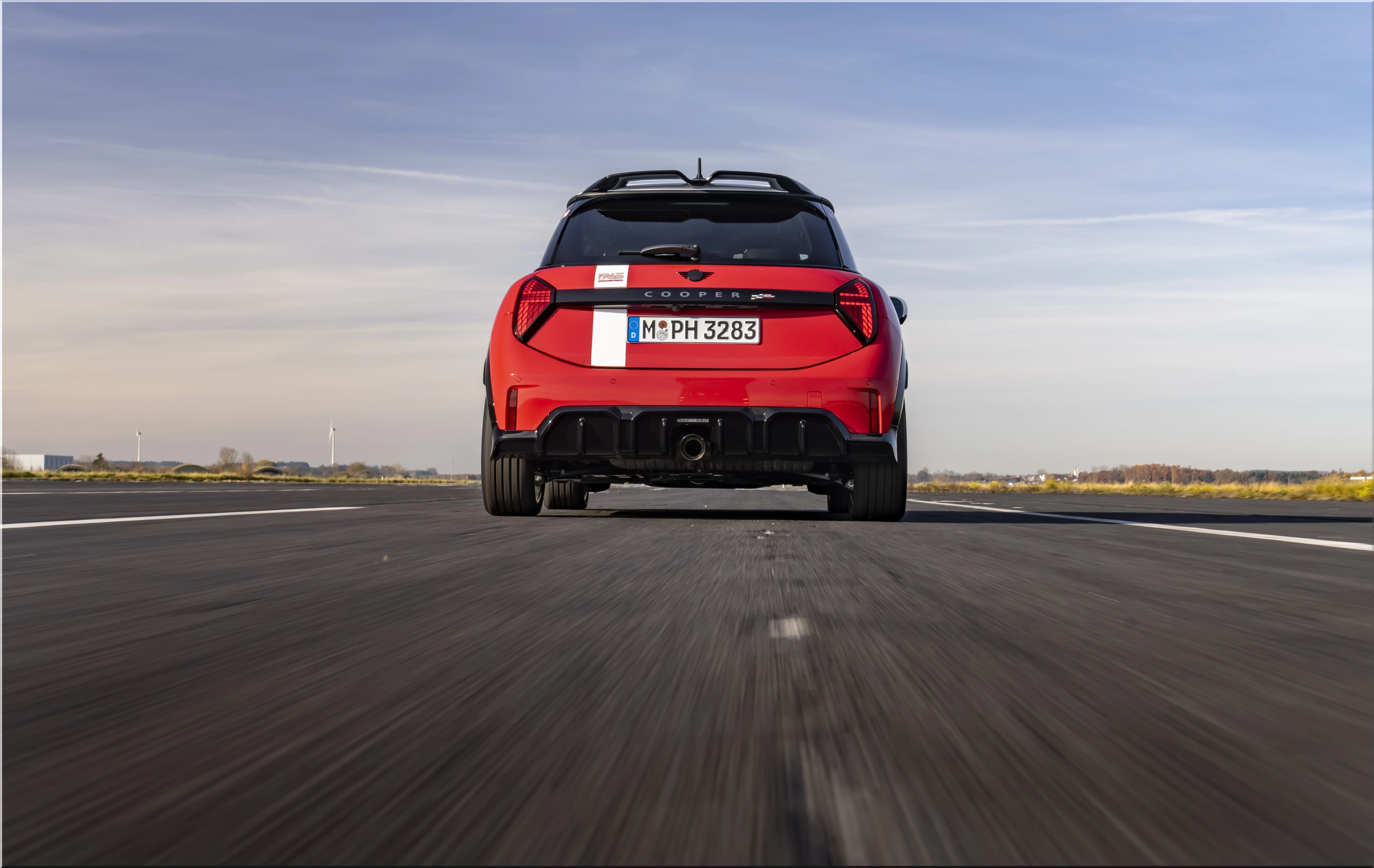
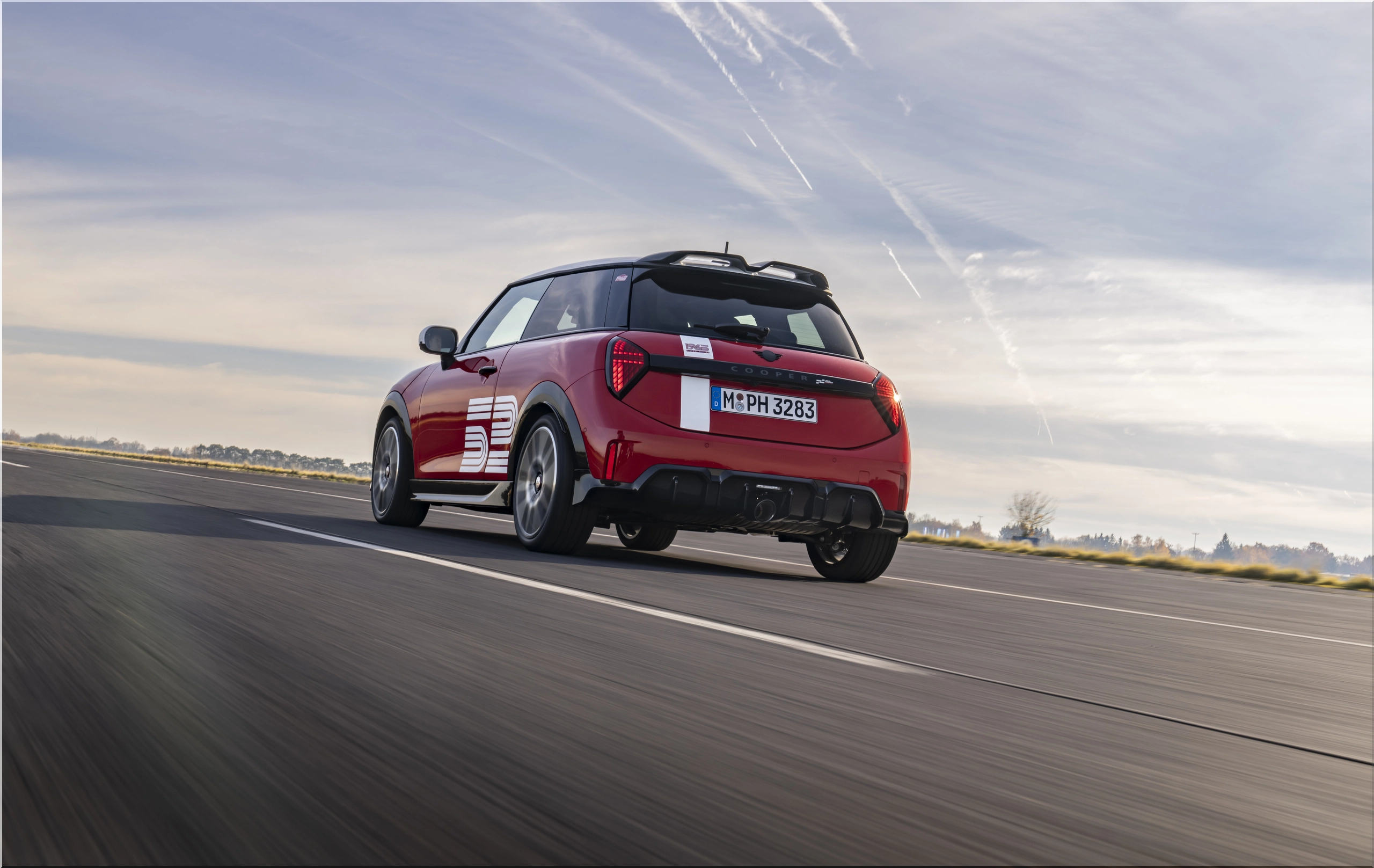
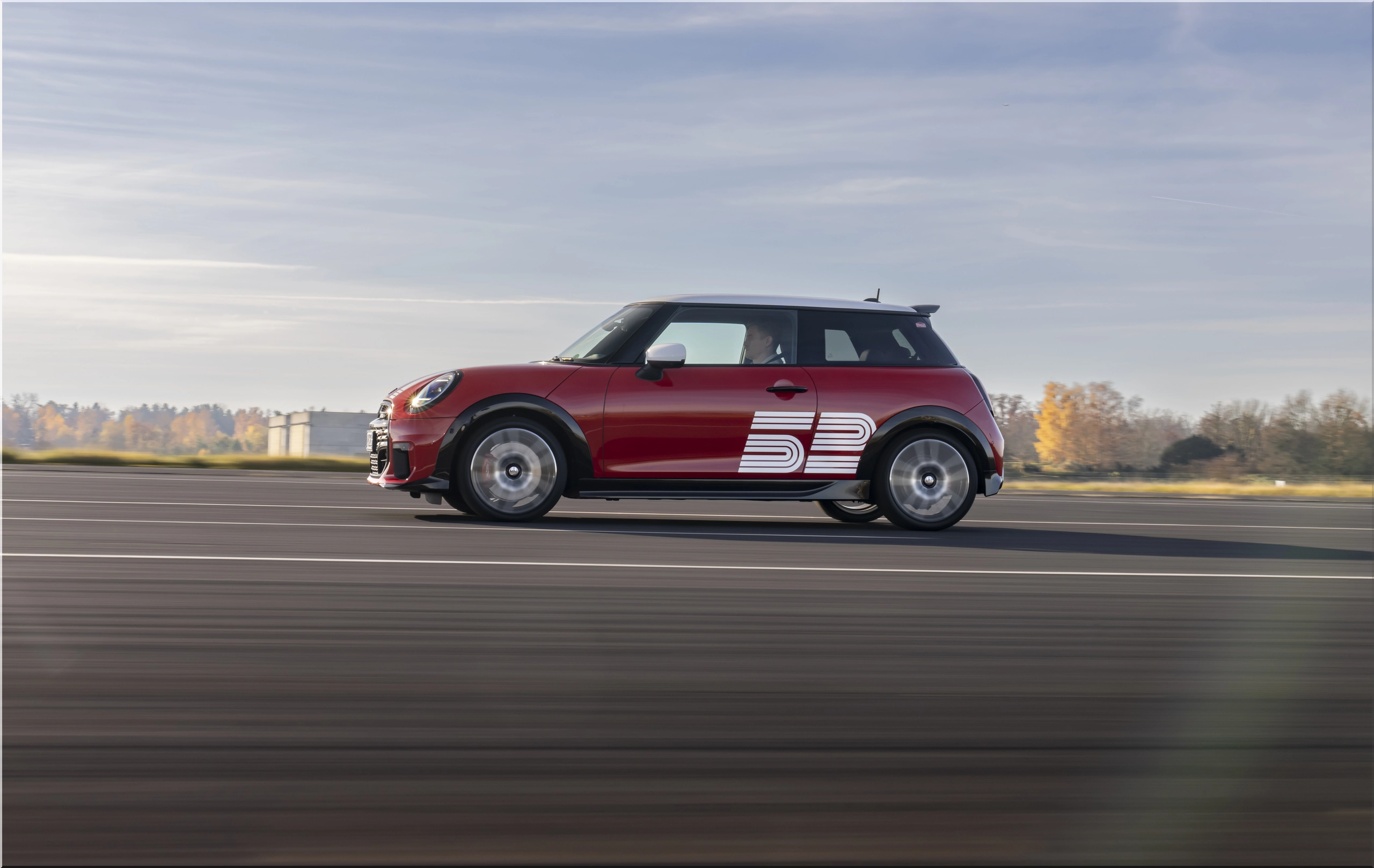
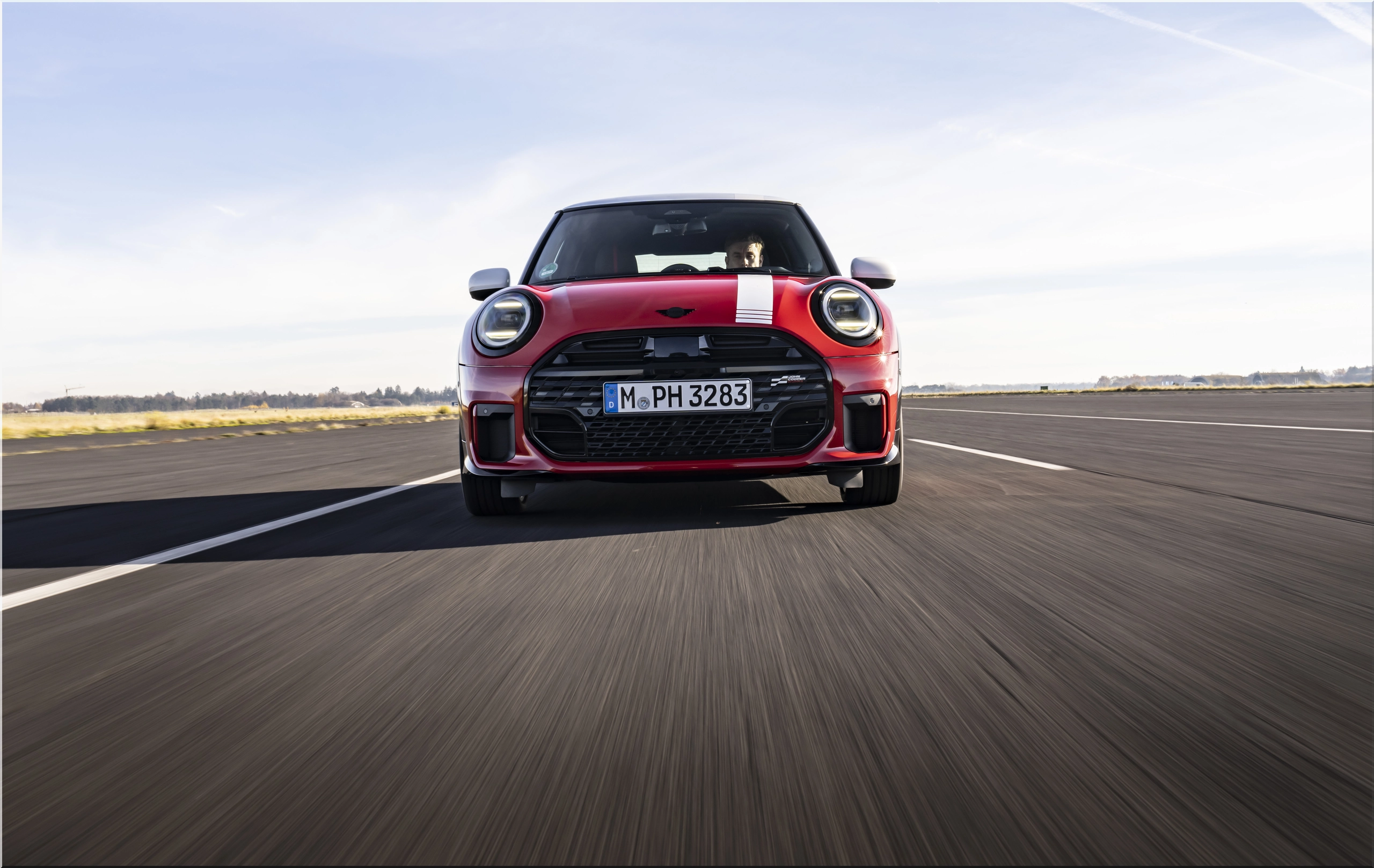
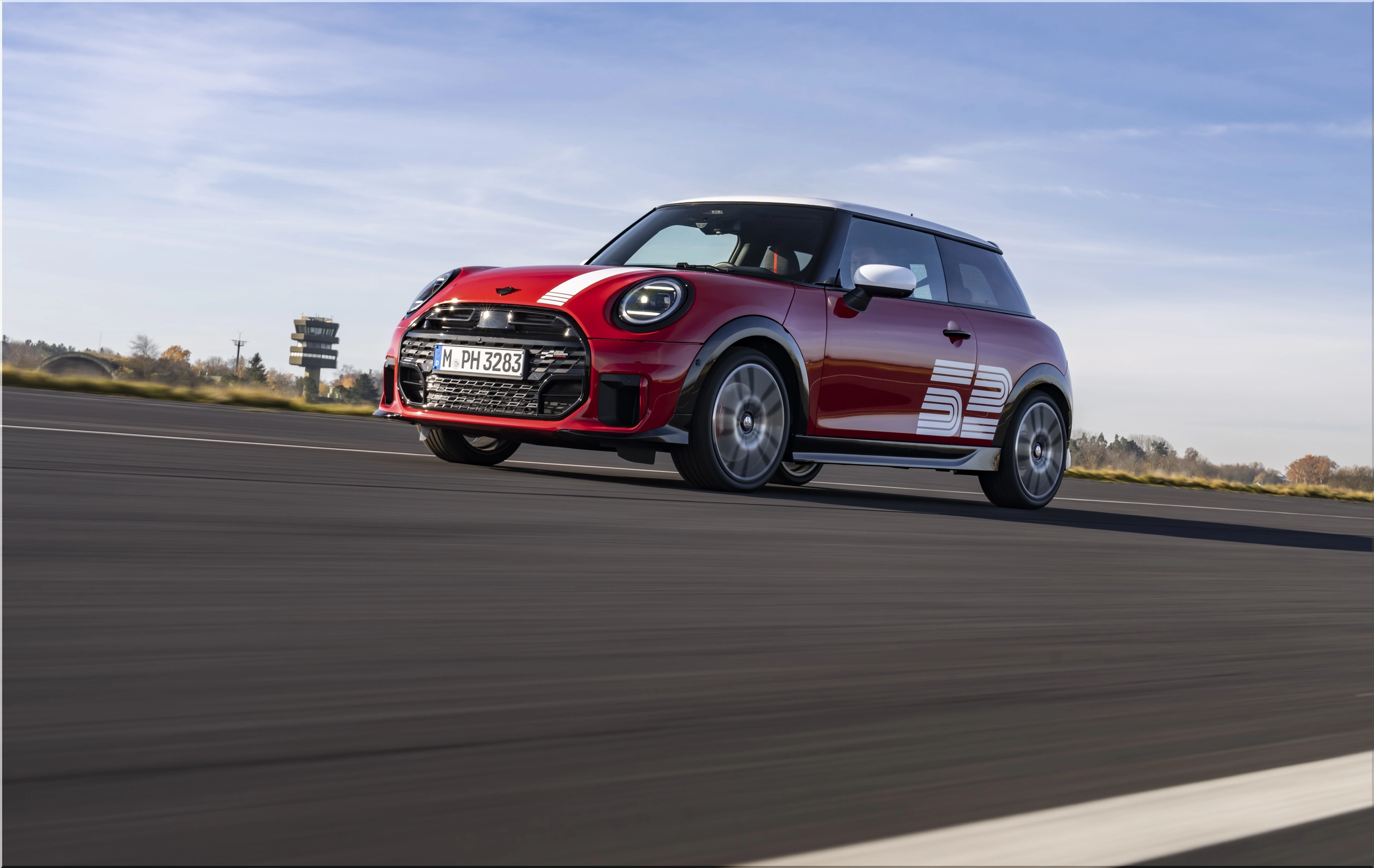
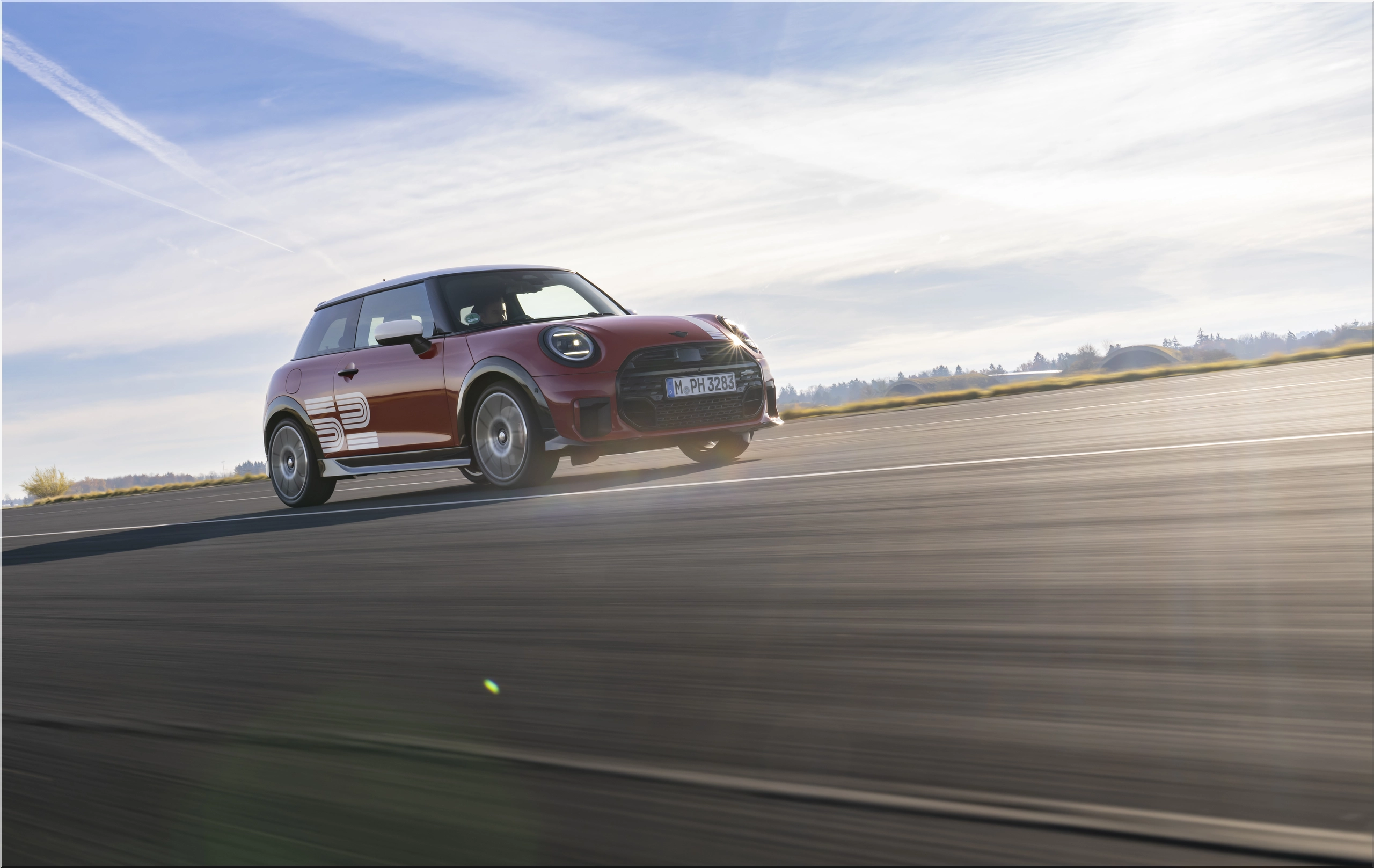
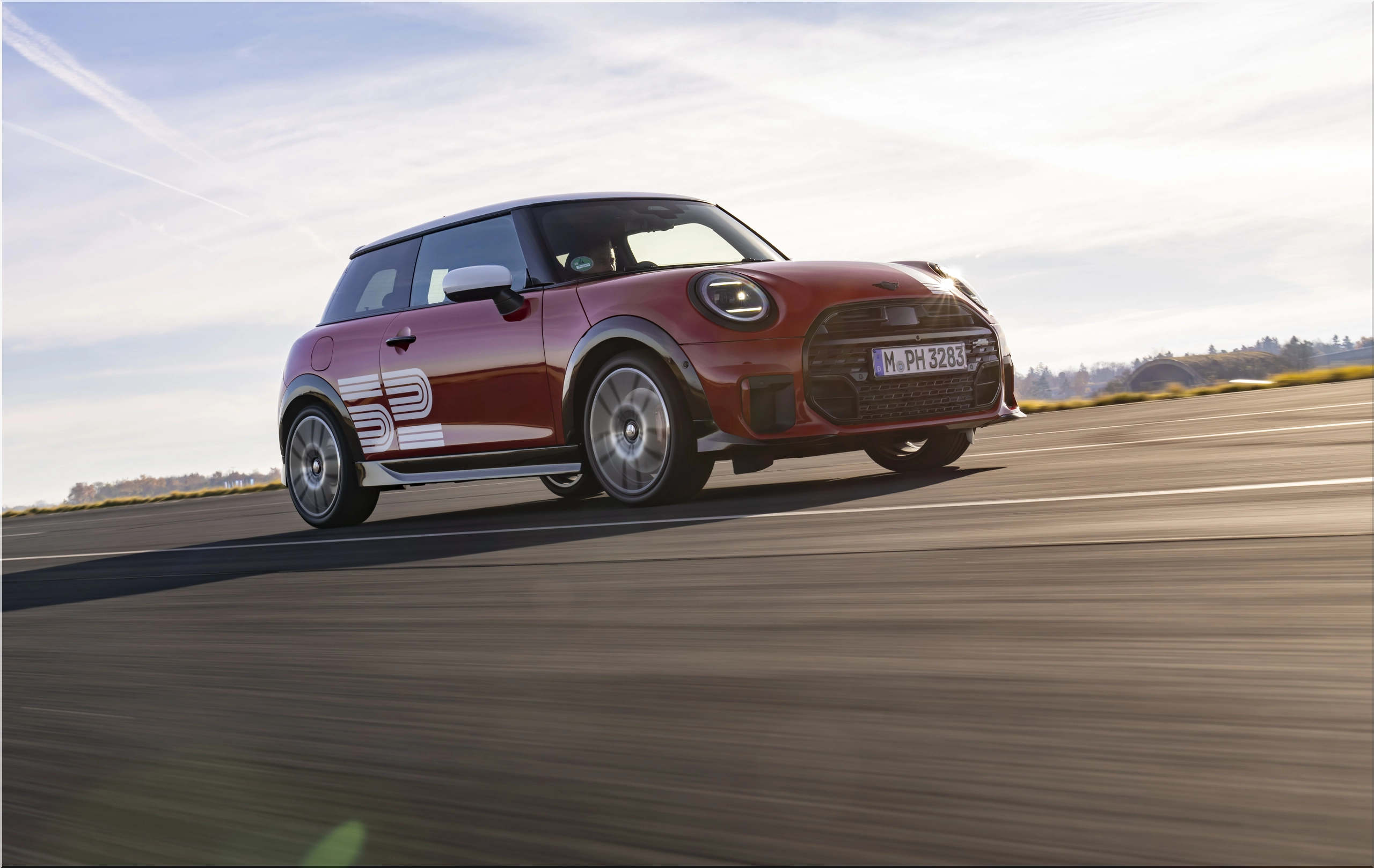
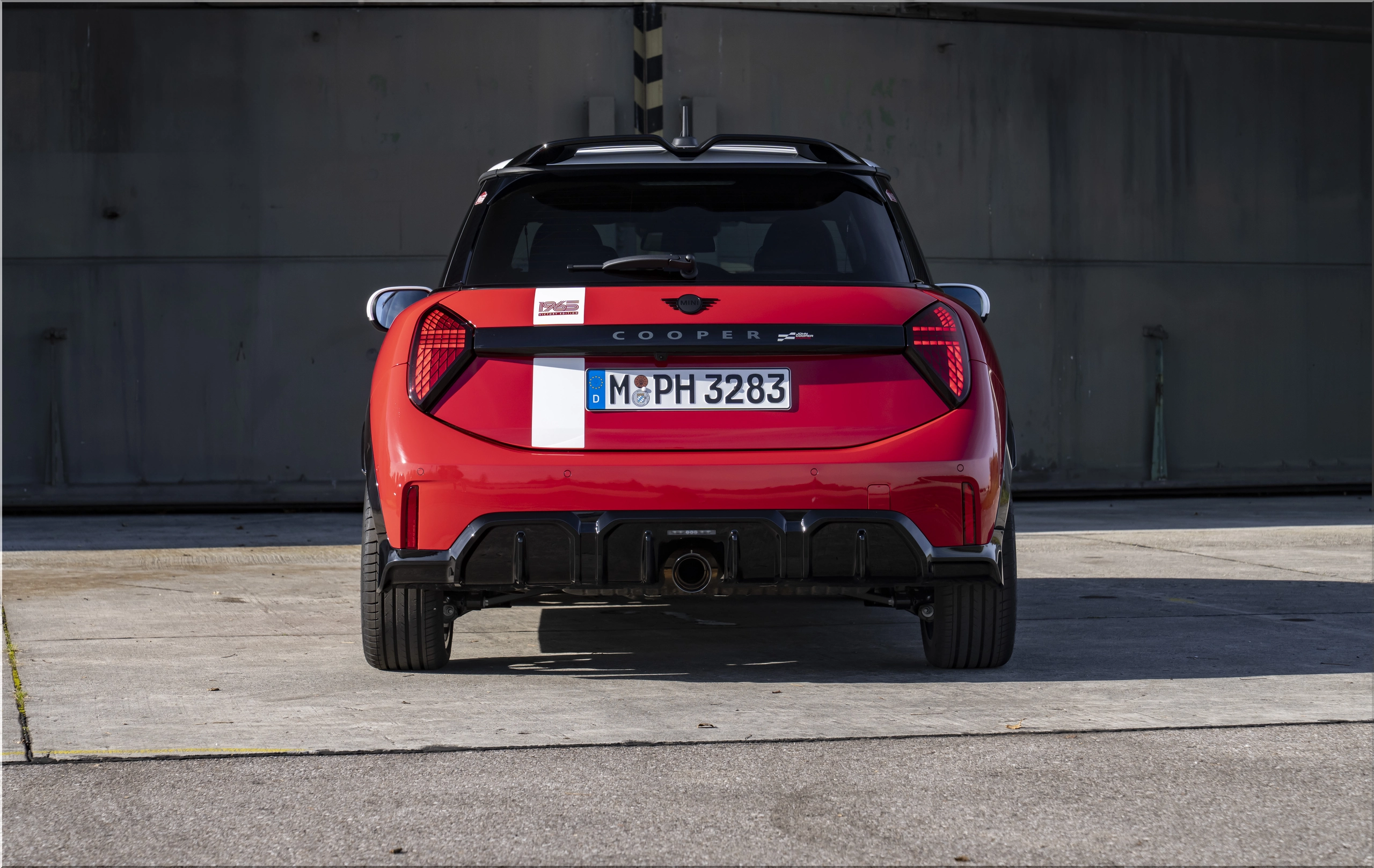
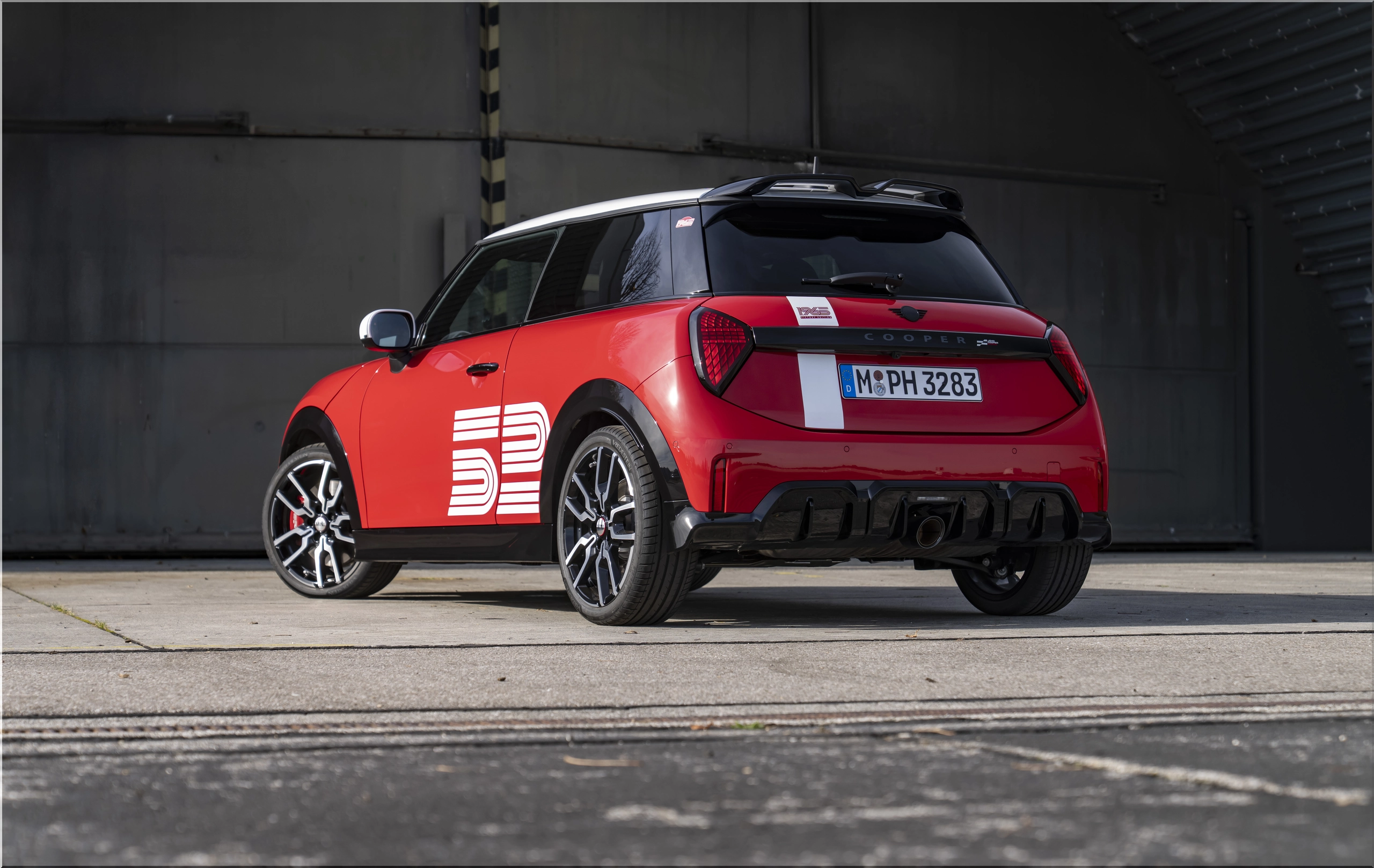
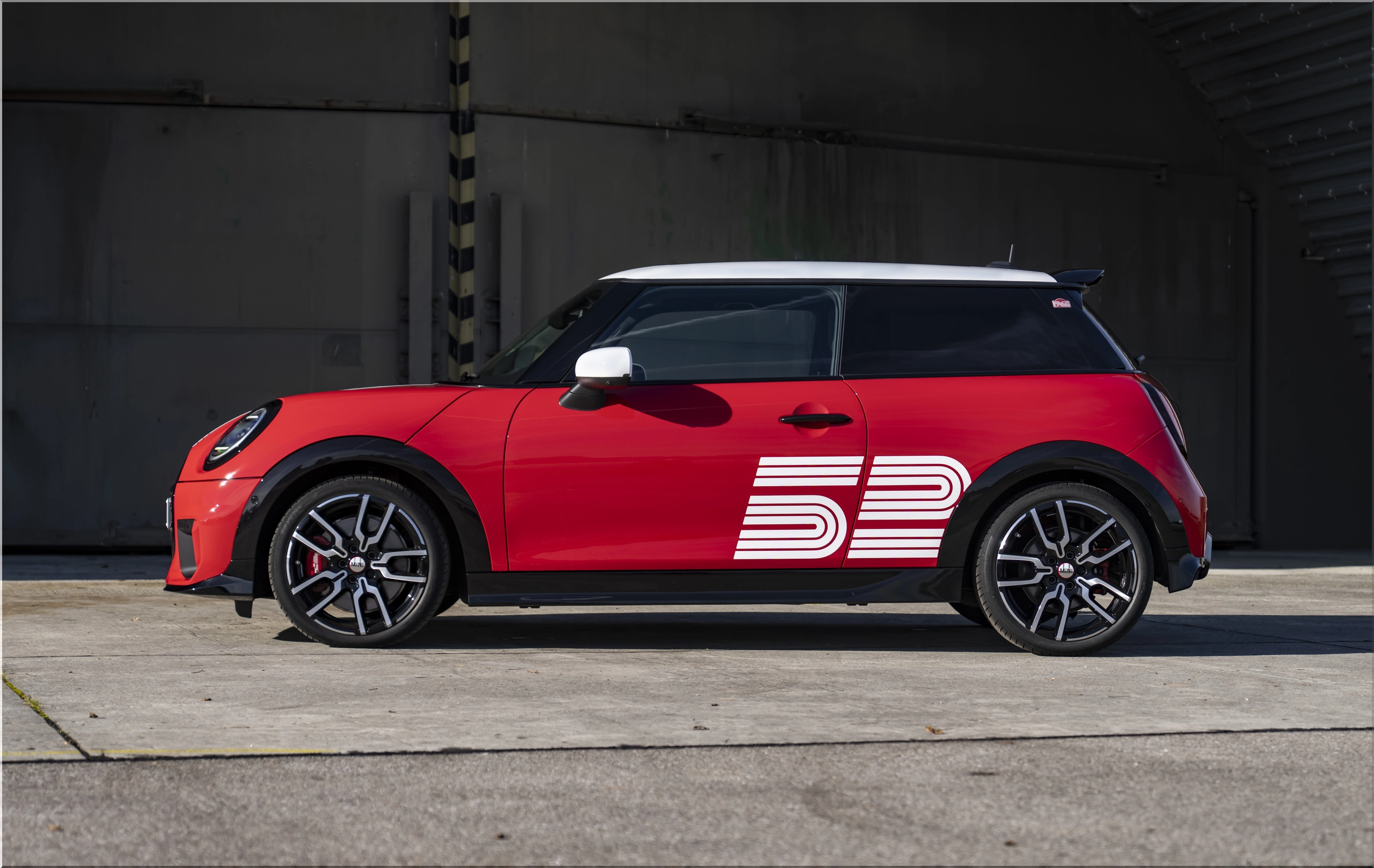
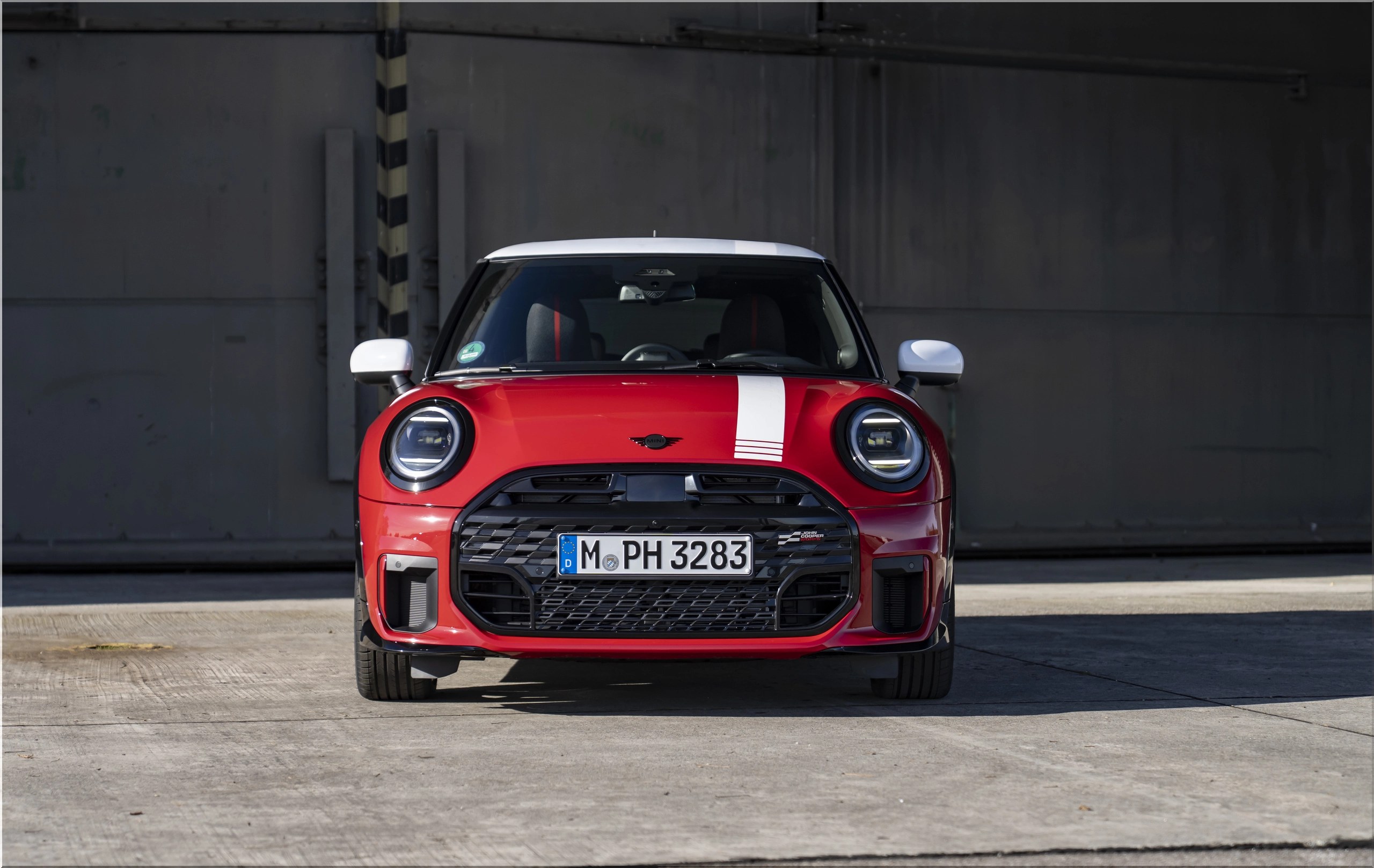
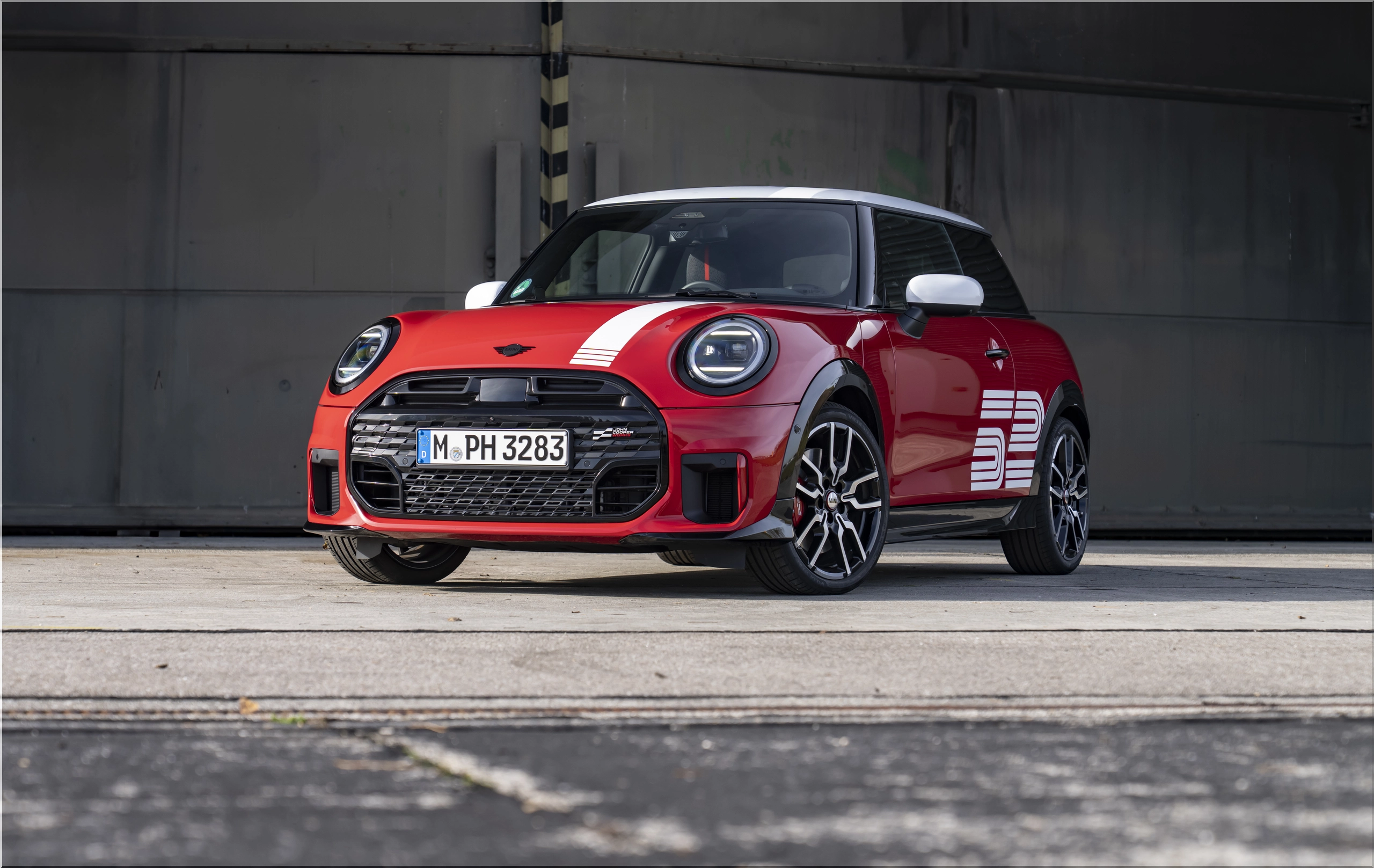
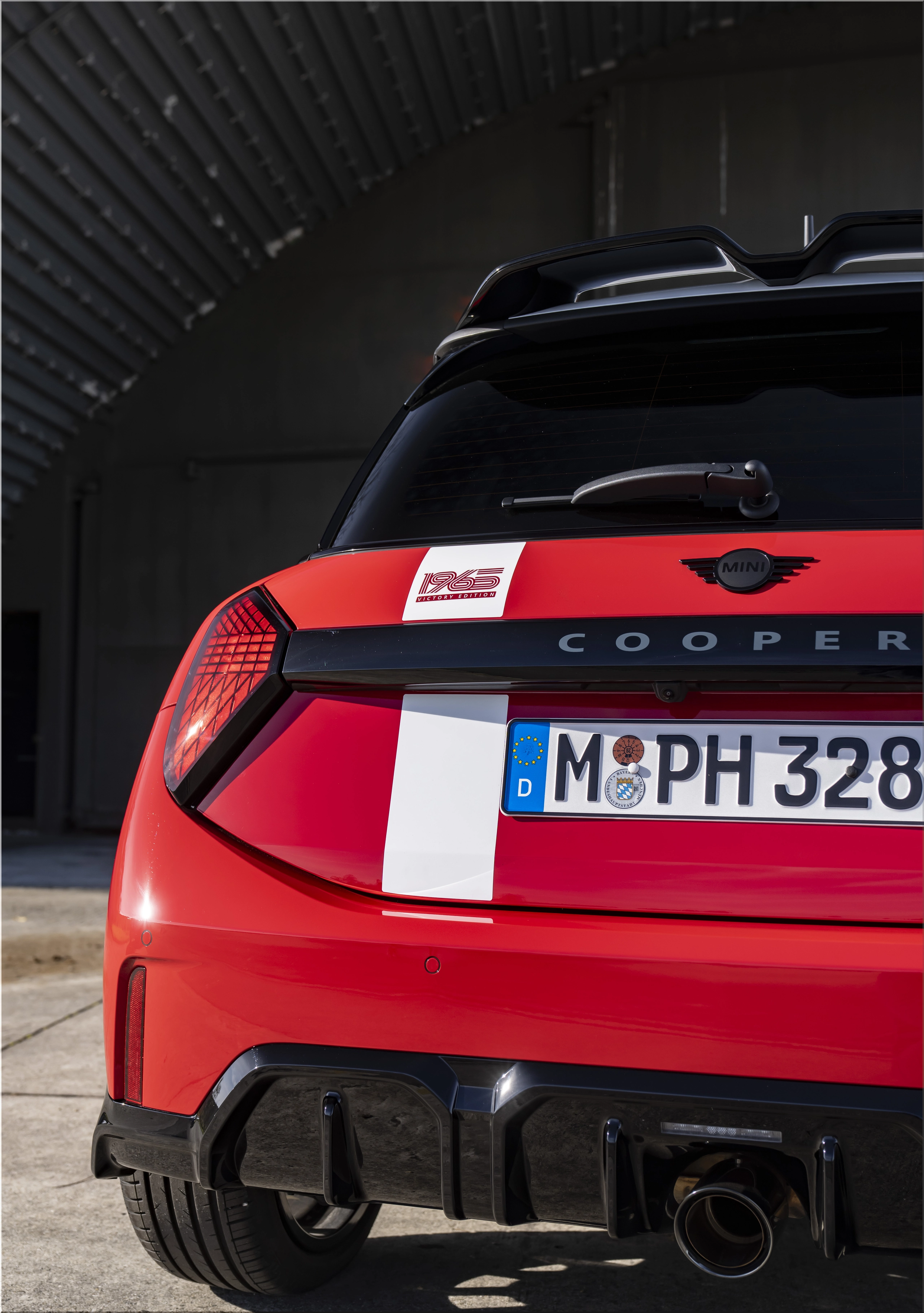
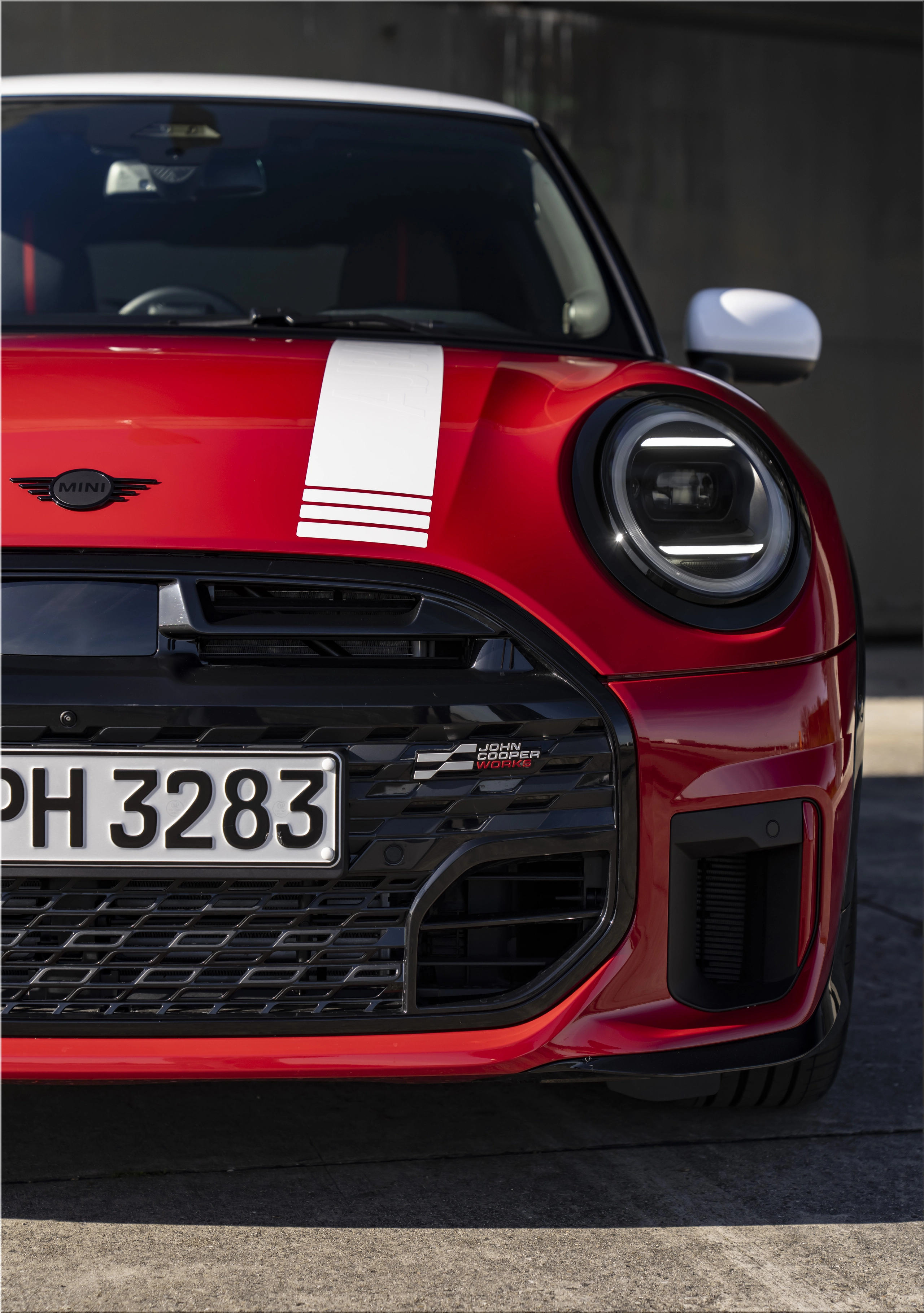
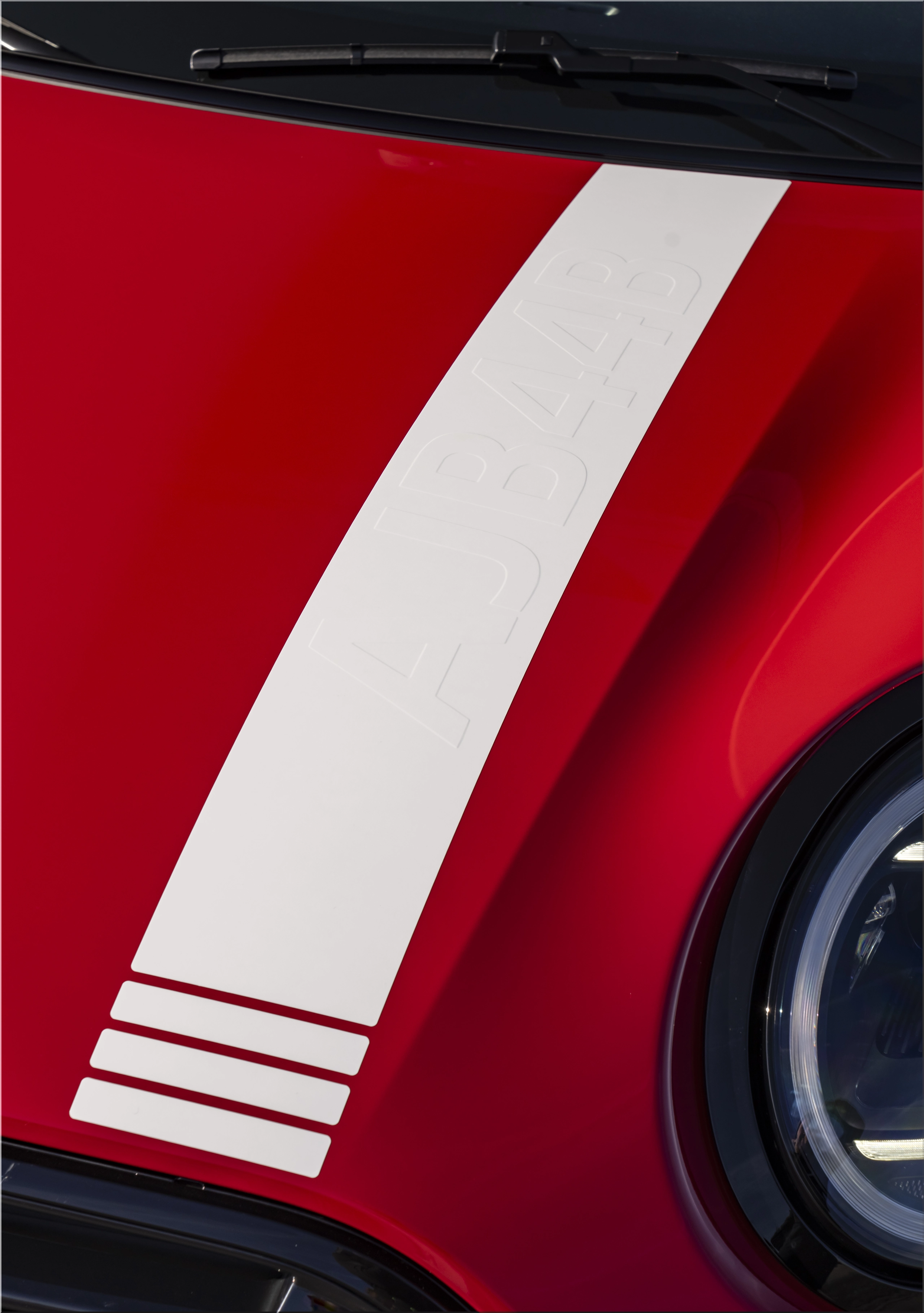
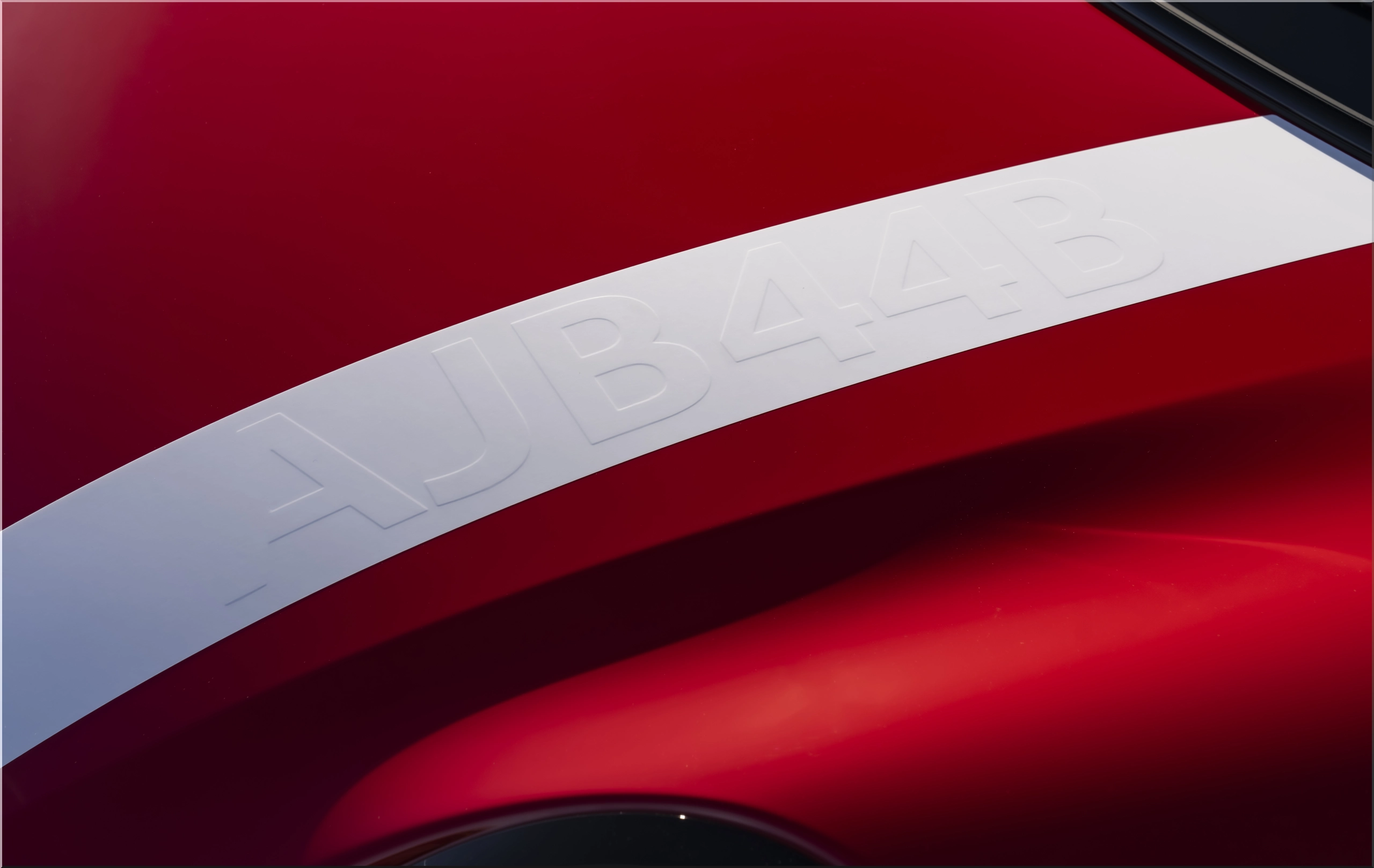
The exterior of the MINI 1965 Victory Edition utilizes a Chili Red paint scheme, the definitive color of British racing success in the 1960s. A white racing stripe runs from the hood, across the roof, and down the rear, providing a high-contrast visual that emphasizes the car's aerodynamic silhouette.
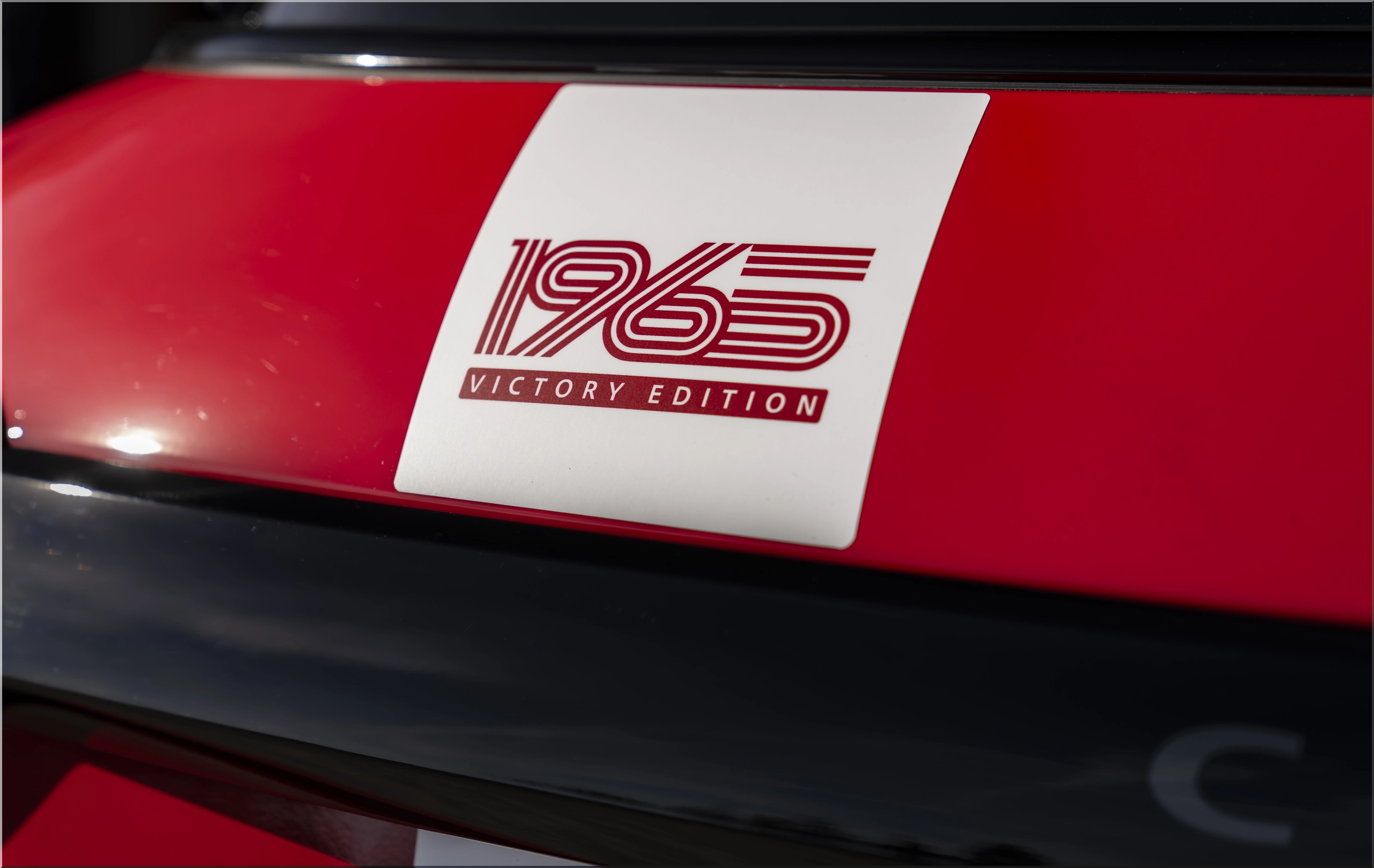
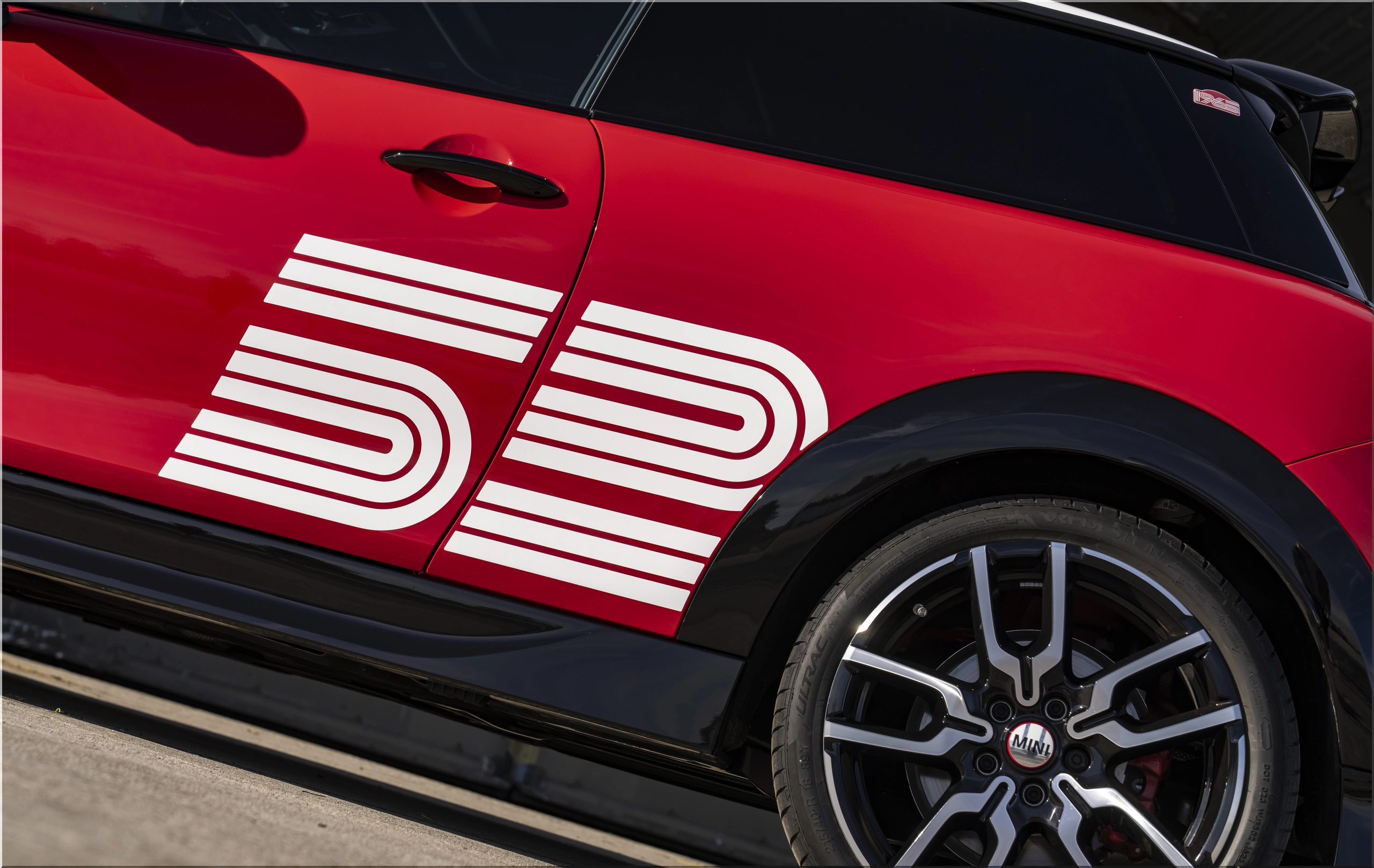
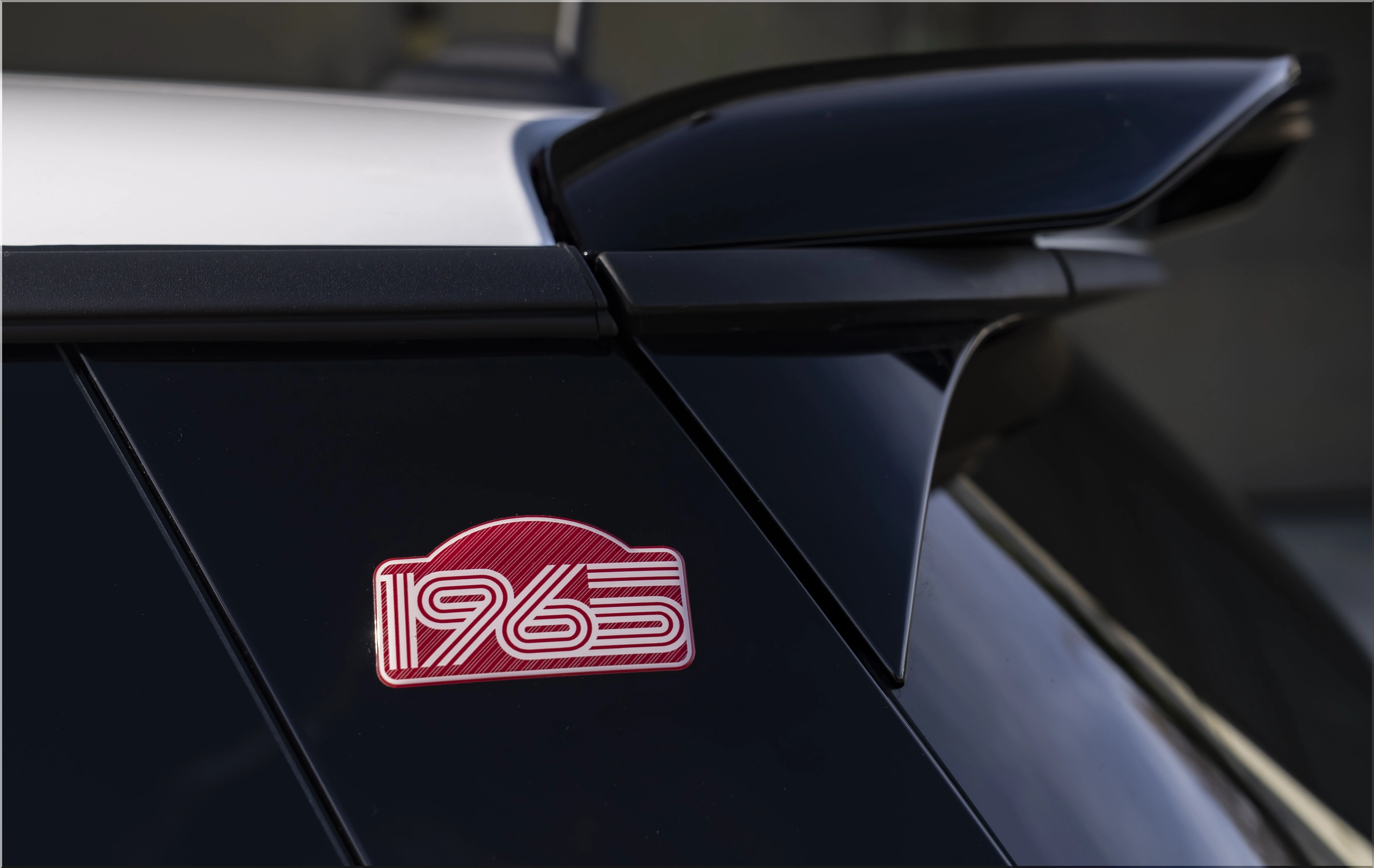
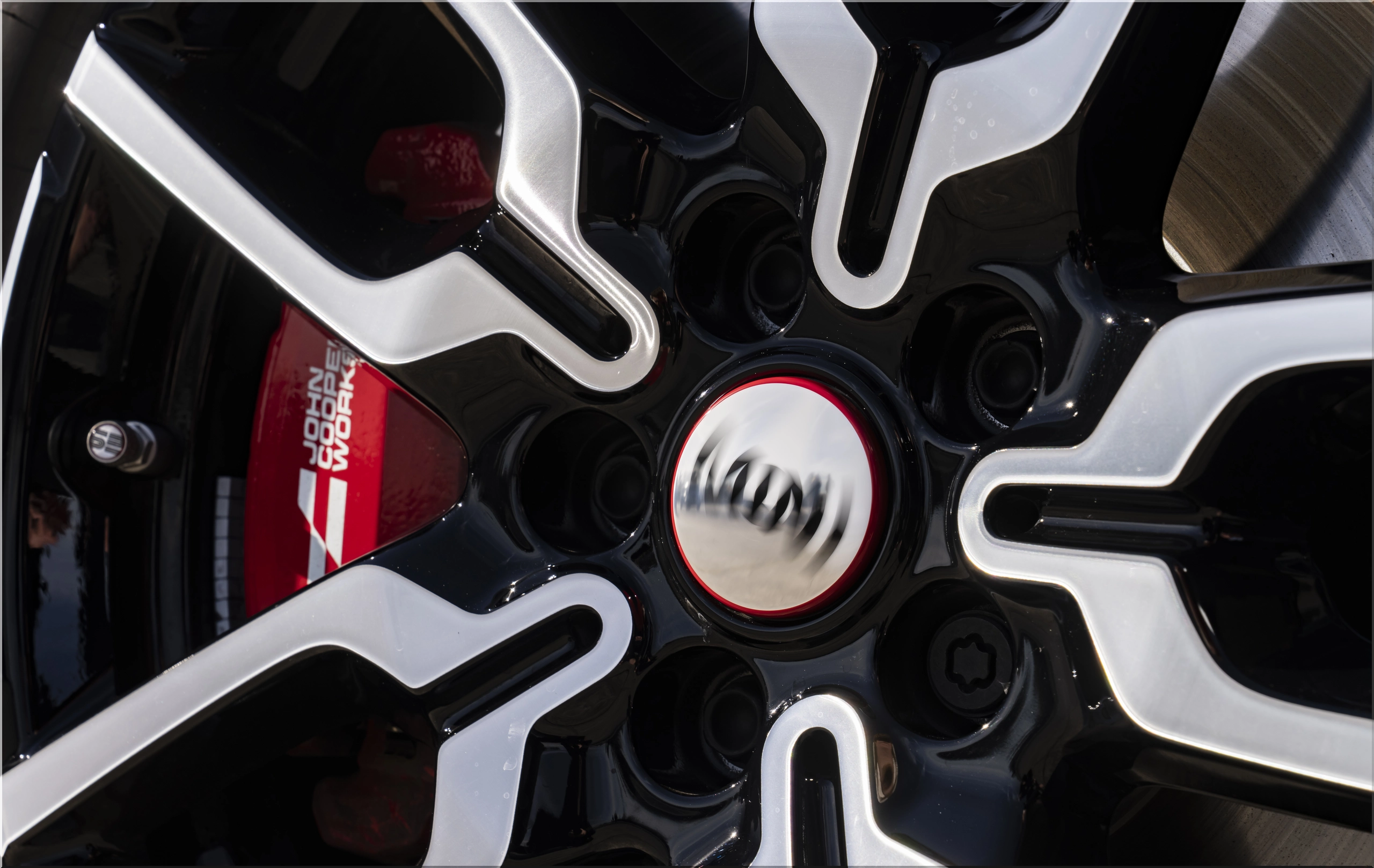
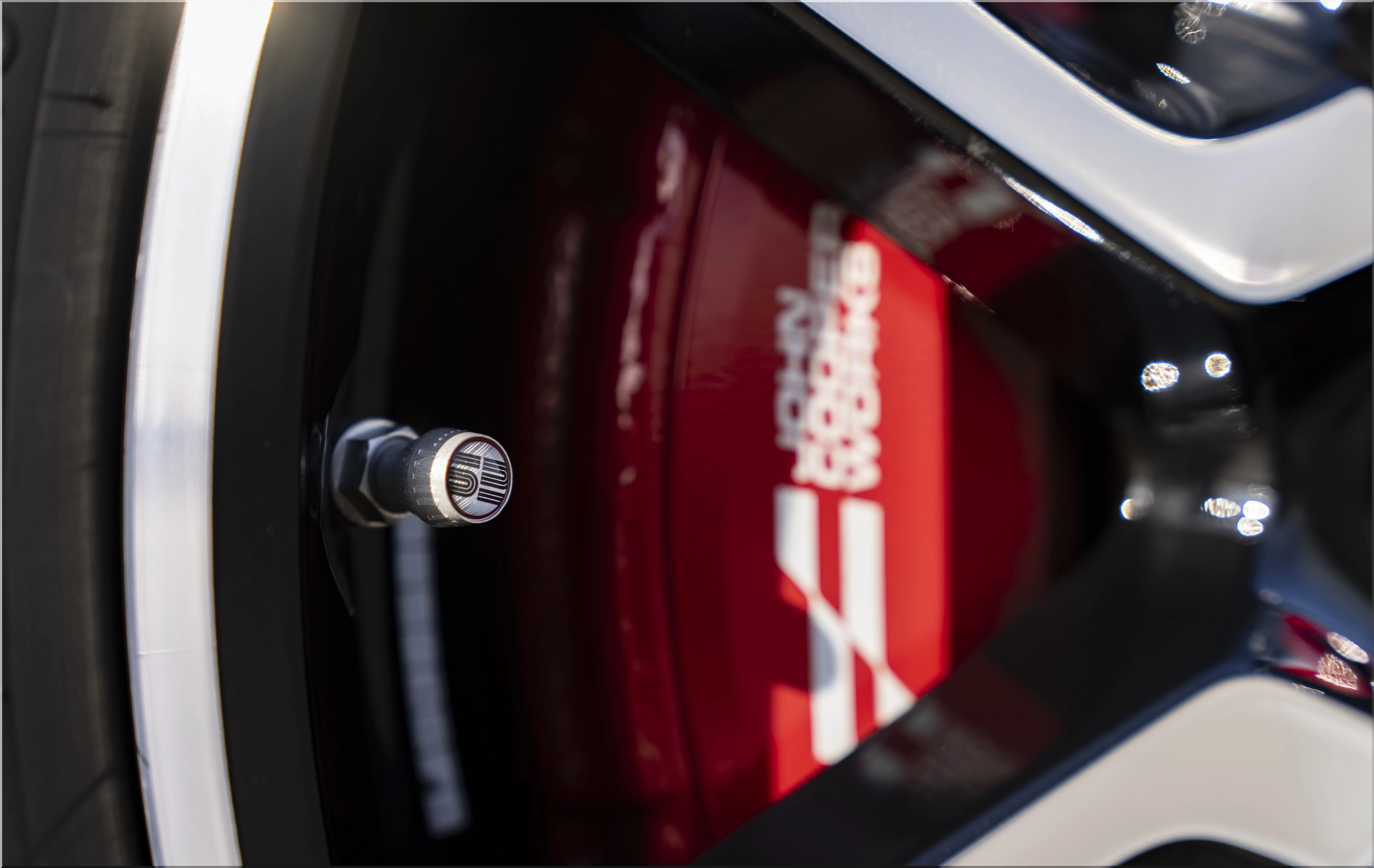
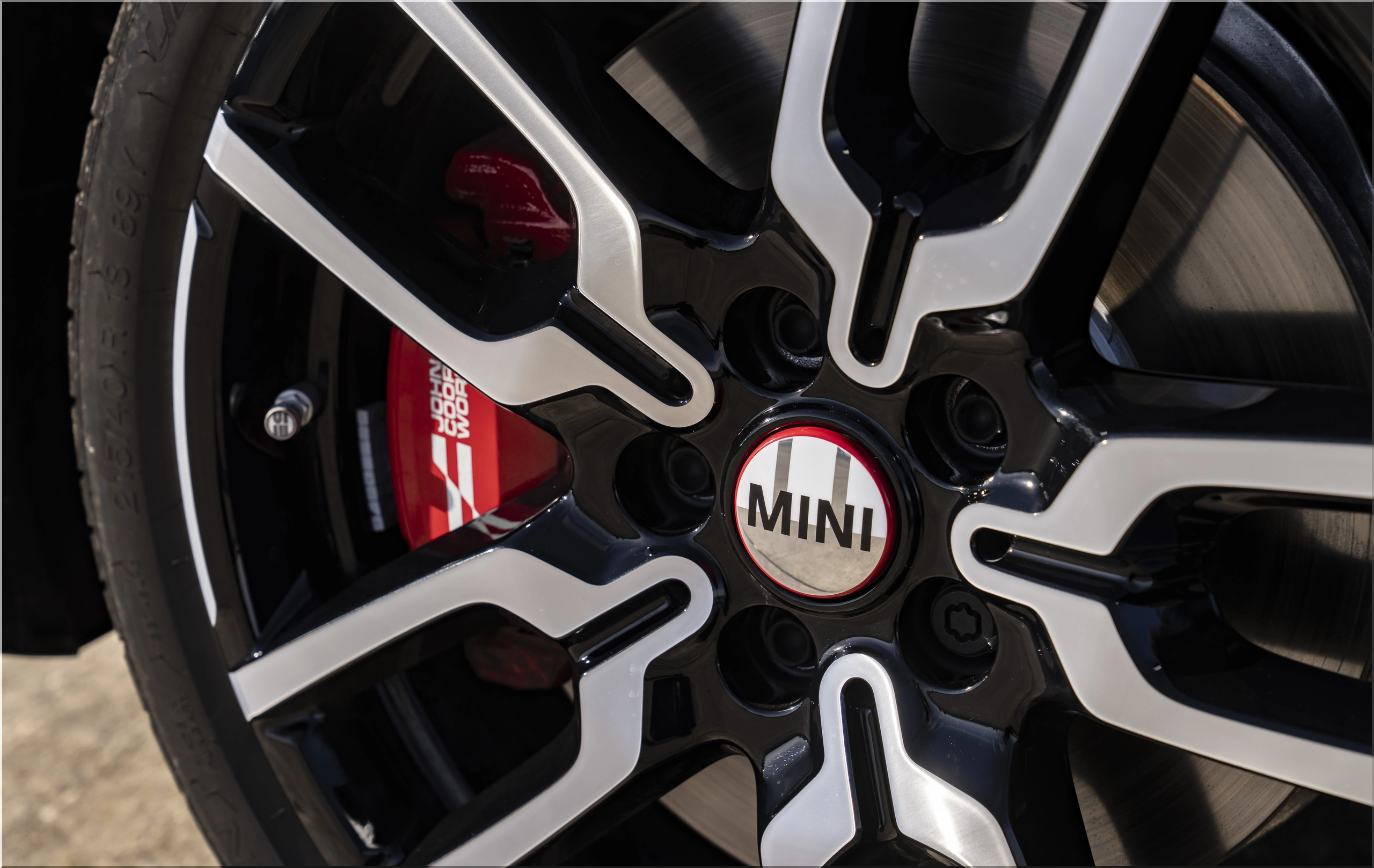
Specifically, the "52" graphic on the doors serves as the most direct link to the past. This number identifies the original vehicle that claimed the title in 1965. Complementing this historical marker, a "1965" decal occupies the C-pillar. The 18-inch JCW Lap Spoke wheels in a bicolor finish provide the necessary footprint for modern handling while their design references the classic multi-spoke wheels used in rally stages. Floating hubcaps and JCW-specific valves add a level of detail usually reserved for custom-built racing machines.
Image
Interior Architecture and Racing Ergonomics
The cabin experience focuses on a functional yet premium environment. Designers employed a JCW-Trim finish with an Aracy Anthracite and red color palette. This choice ensures the interior feels focused and aggressive, mirroring the exterior's competitive intent.
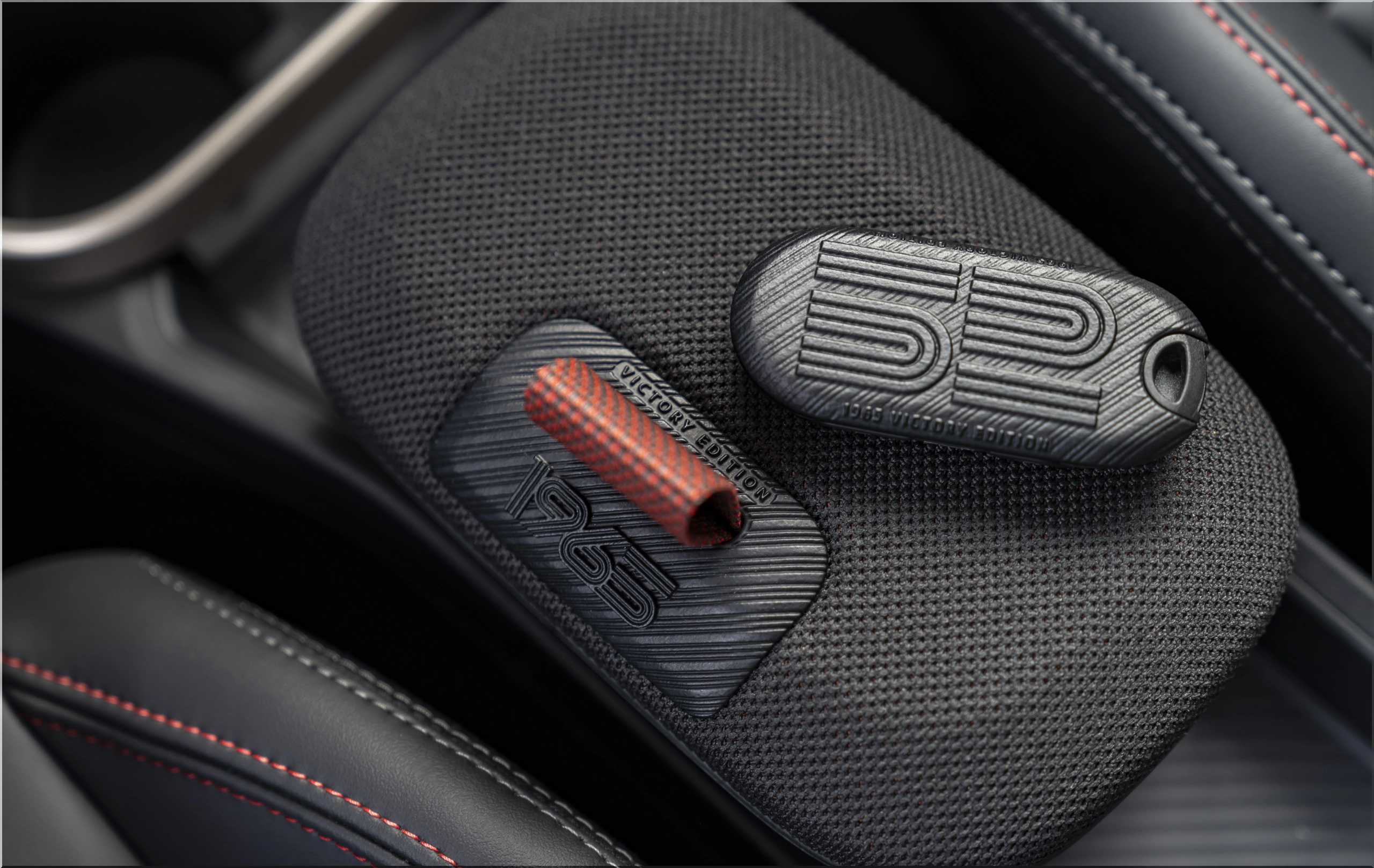
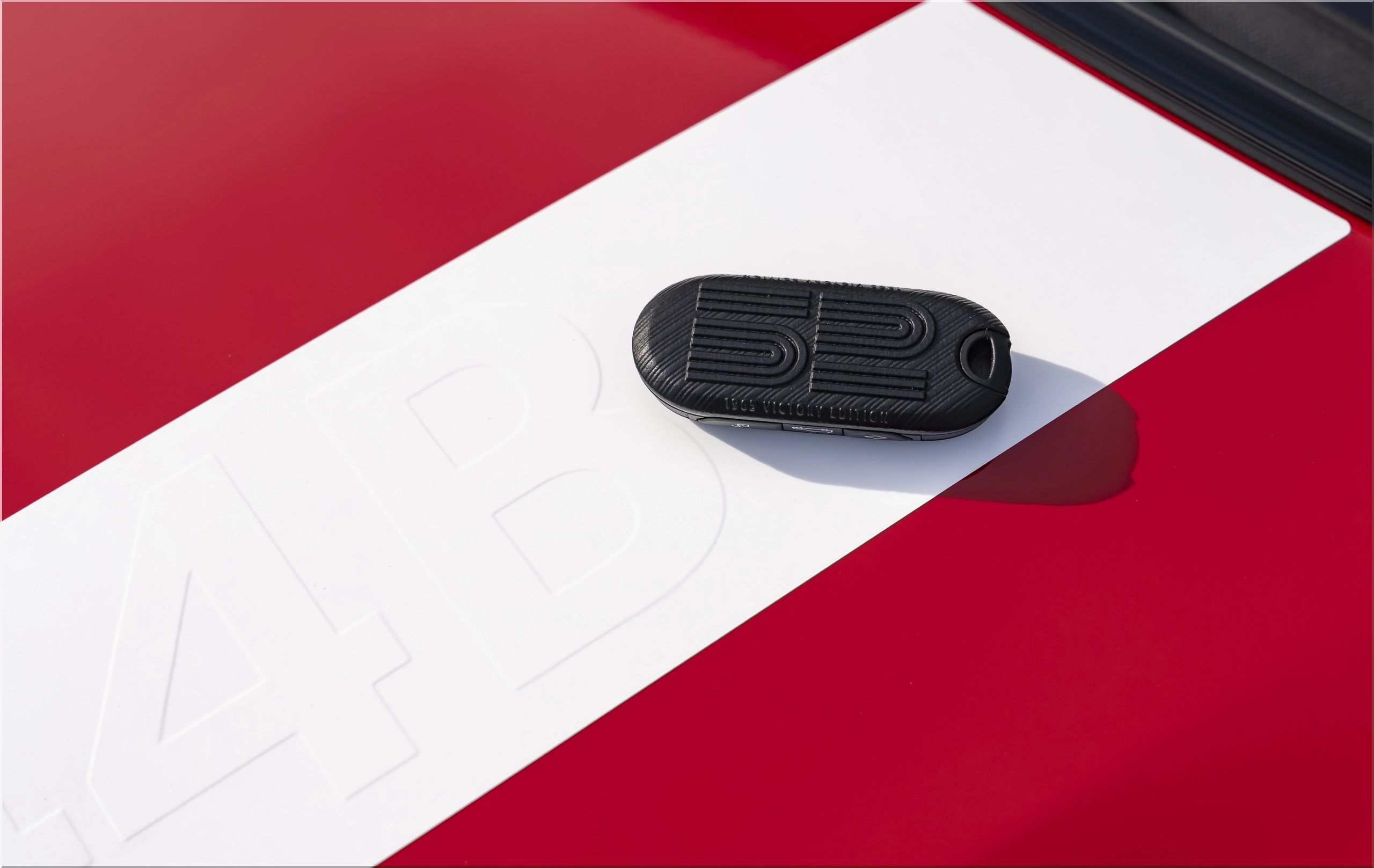
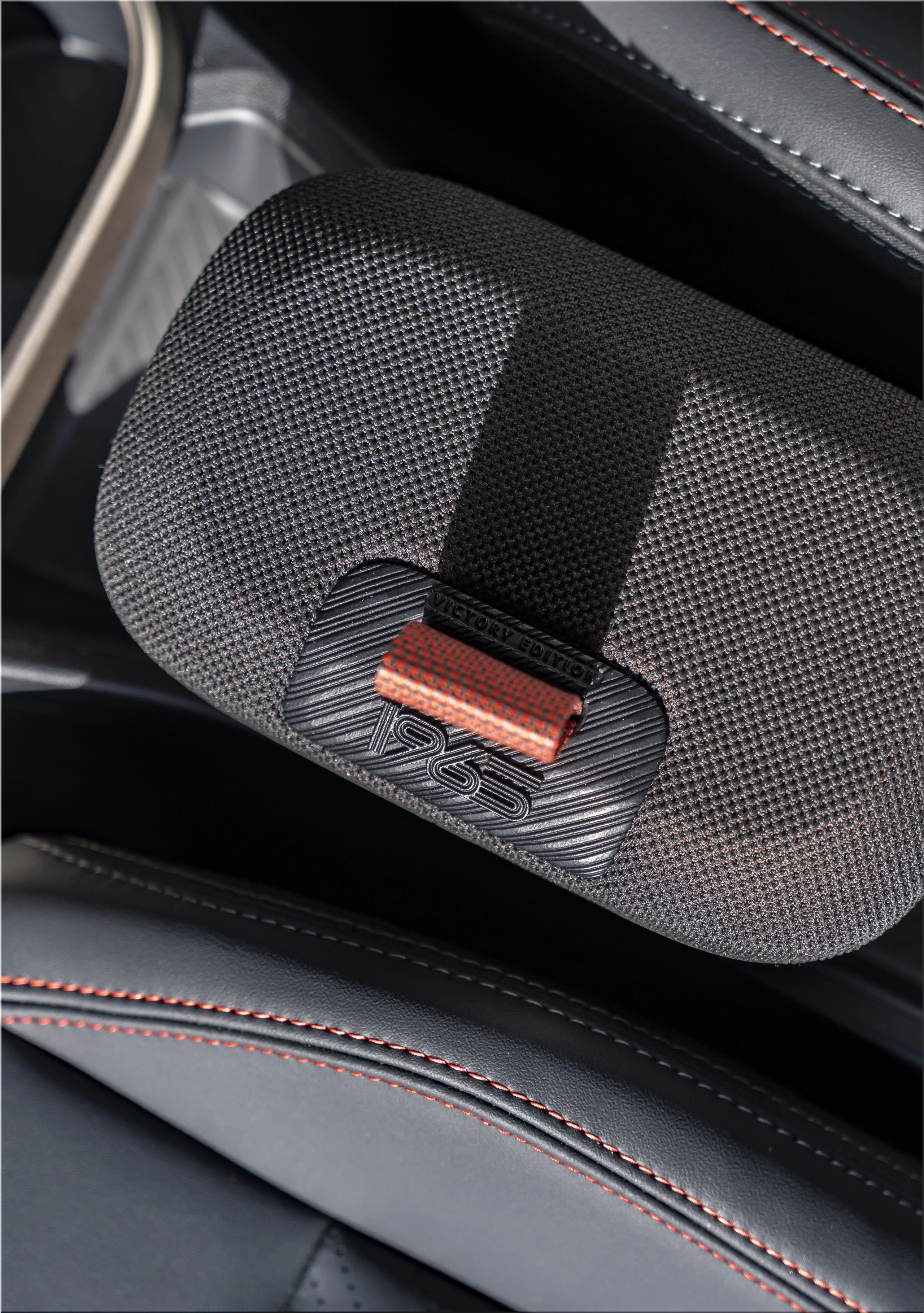
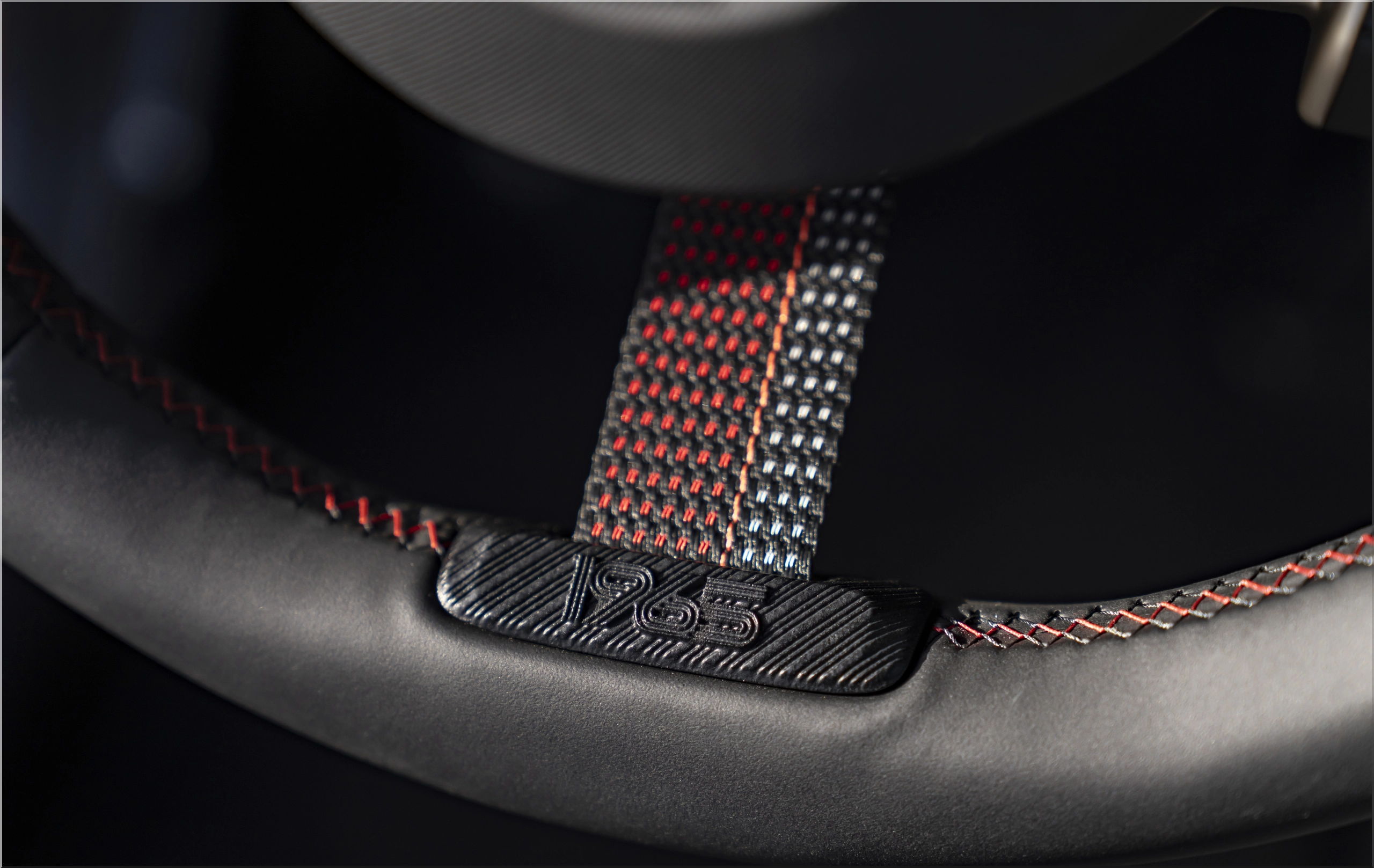
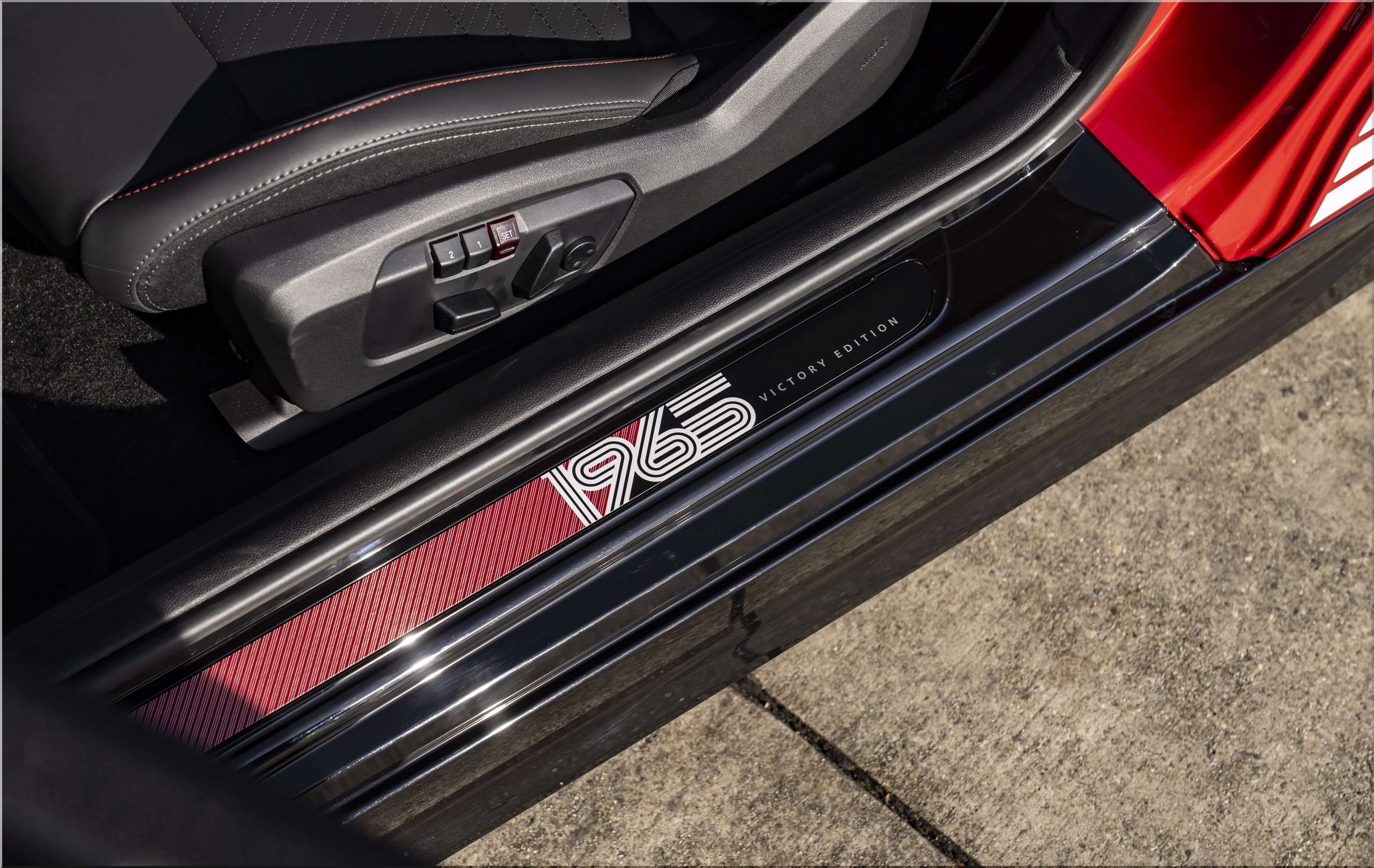
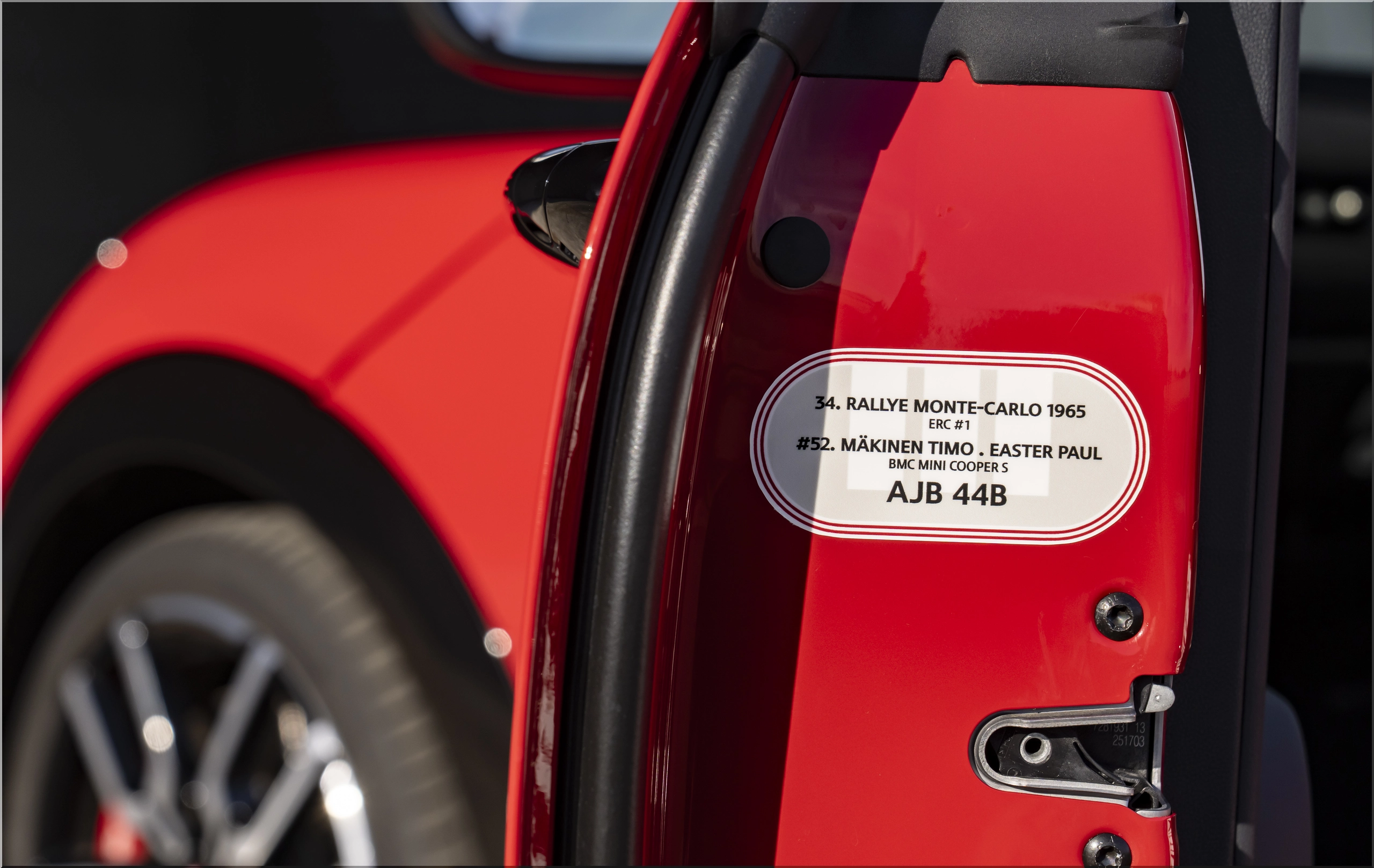
When opening the door, the driver sees the "1965" inscription on the door sills in white against a red and black background. In addition, each vehicle features a dedication on the interior door panel containing data regarding the historic rally victory. The "1965" branding also appears on the lower spoke of the steering wheel and the center console storage lid. Even the key fob receives a custom cover featuring the racing number of the original Cooper S, ensuring the owner carries a piece of the heritage even when away from the vehicle.
Evolution of a Legend: 1965 vs. 2026
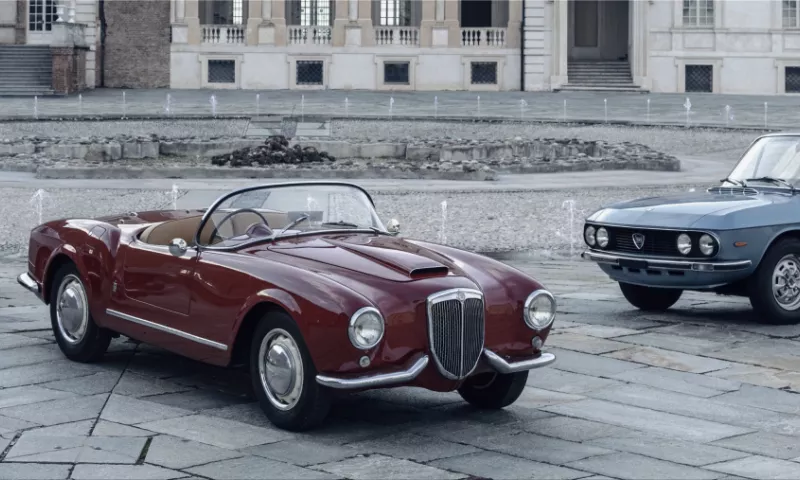
To appreciate the engineering progress, one must look at the technical disparity between the original rally winner and the modern Victory Edition. While the 1965 model relied on lightweight simplicity and mechanical agility, the 2026 model uses advanced forced induction and electronic stability to achieve its performance benchmarks.
Image
Technical Evolution Comparison
| Feature | 1965 Mini Cooper S (Rally) | 2026 MINI Victory Edition (JCW) |
|---|---|---|
| Engine Displacement | ~1.3L (1275 cc) | 2.0L (TwinPower Turbo) |
| Peak Power | ~100 hp (Rally Spec) | 231 hp |
| Peak Torque | ~79 lb-ft | 280 lb-ft |
| 0-100 km/h | ~10.5 Seconds | 6.1 Seconds |
| Wheel Diameter | 10 Inches | 18 Inches |
| Braking System | Front Discs / Rear Drums | 4-Wheel JCW Performance Discs |
Market Positioning and Availability
The MINI 1965 Victory Edition will reach the Mexican market in March 2026. This release follows a strong 2024 for BMW Group Latin America, where the MINI brand sold 6,383 units across the region. By offering this specialized JCW variant, the brand targets enthusiasts who value mechanical provenance alongside modern reliability.
Pro-Tip for Collectors: Limited edition MINIs typically retain a higher percentage of their value compared to standard trims. When purchasing the Victory Edition, ensure all documentation regarding its specific production run is preserved, as the historical "52" numbering and C-pillar decals are unique factory-applied identifiers that distinguish it from standard JCW models.
Comparative Landscape: Performance Compacts in 2026
To understand the value proposition of the Victory Edition, one must compare it against other high-output compacts available in the same segment. The following table highlights how the MINI JCW compares to its primary rivals in terms of raw power and acceleration.
Competitive Performance Comparison
| Model | Engine | Horsepower | Torque | 0-100 km/h |
|---|---|---|---|---|
| MINI JCW Victory Ed. | 2.0L Turbo | 231 hp | 280 lb-ft | 6.1s |
| Volkswagen Golf GTI | 2.0L Turbo | 241 hp | 273 lb-ft | 6.2s |
| Hyundai Elantra N | 2.0L Turbo | 276 hp | 289 lb-ft | 5.3s |
| Honda Civic Type R | 2.0L Turbo | 315 hp | 310 lb-ft | 5.4s |
While some competitors offer higher raw numbers, the MINI JCW wins on overall dimensions and lateral agility. The shorter wheelbase of the MINI allows for more rapid direction changes, a trait specifically engineered into the Victory Edition to honor its rally roots. Consequently, the MINI remains a preferred choice for drivers prioritizing technical handling over straight-line drag racing.
The Regional Impact of BMW Group
The launch of this edition coincides with massive infrastructure growth for the parent company in Mexico. BMW Group previously invested $1 billion in the San Luis Potosí plant. While that facility currently focuses on the Series 3, Series 2 Coupe, and M2, it will begin producing electric vehicles and batteries in 2027 following an additional $800 million investment.
Looking at the data, BMW Group maintains a workforce of 5,000 employees in Latin America, with sales offices in Mexico, Brazil, and Argentina. This regional footprint ensures that specialized parts for the JCW drivetrain and the unique Victory Edition trim pieces remain accessible to owners throughout the vehicle's lifecycle.
Technical Summary of Features
- Chili Red Exterior: High-gloss finish inspired by the 1965 winner.
- Signature "52" Graphics: Factory-applied side decals representing the original racing number.
- JCW Lap Spoke Wheels: 18-inch bicolor alloy wheels for improved unsprung weight.
- Panoramic Roof: Available in Glaced color for a high-contrast athletic aesthetic.
- JCW Performance Seats: Finished in Aracy Anthracite with red stitching for lateral support during high-G cornering.
- Historical Dedications: Door panels, steering wheel, and console lids featuring "1965" inscriptions.
From an expert perspective, the MINI 1965 Victory Edition succeeds because it avoids being a mere cosmetic package. By building the edition on the John Cooper Works platform, MINI ensures the car has the mechanical capability to back up its visual heritage. The 280 lb-ft of torque provides the necessary "punch" out of corners, while the JCW-tuned suspension manages the 18-inch wheels with enough compliance for daily driving and enough stiffness for track environments.
- Add new comment
- 361 views